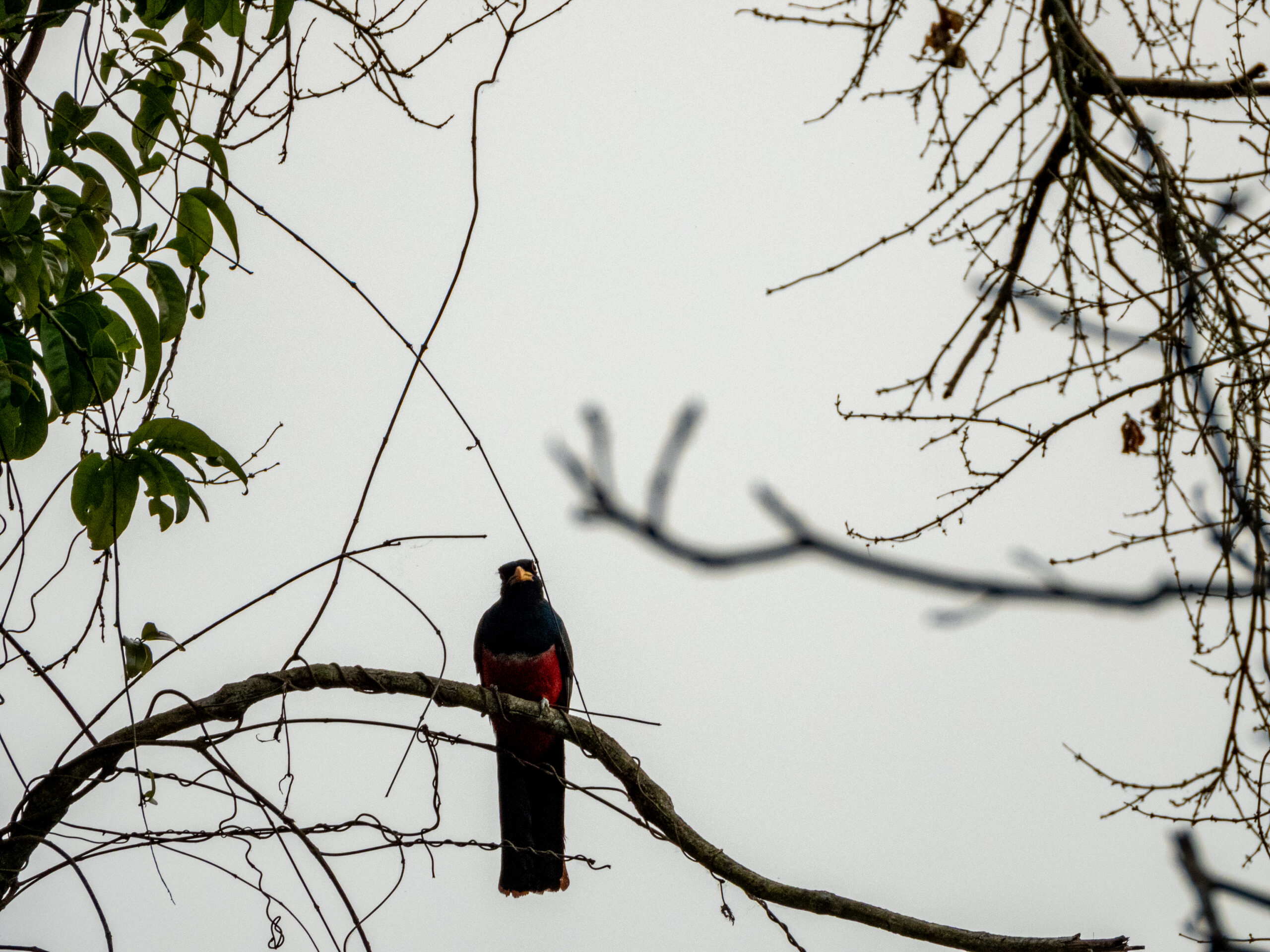
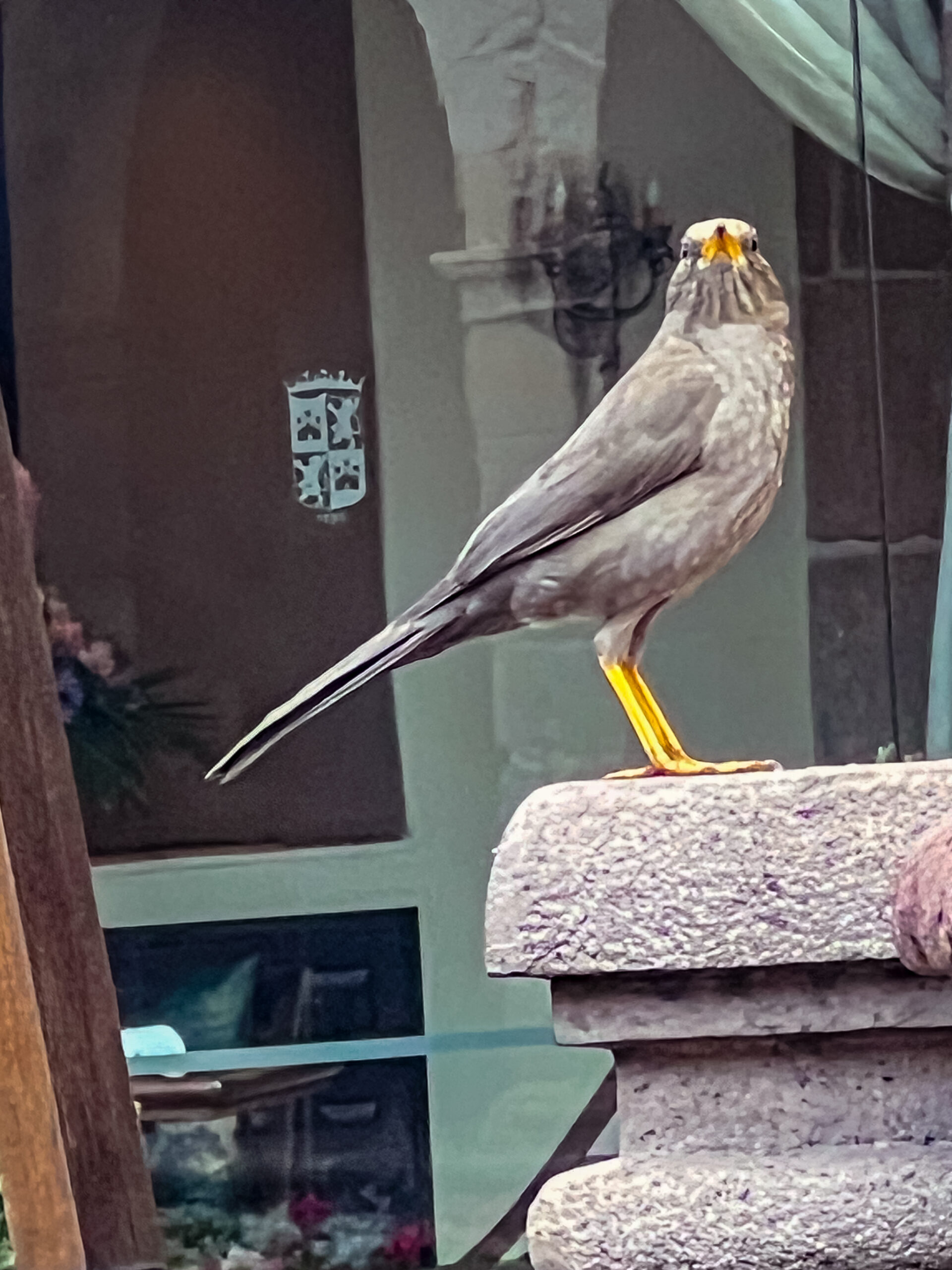
Lima, a vast and bustling metropolis sprawled along the Pacific coast, is an intriguing city that combines colonial splendor with sophisticated-yet-energetic modernism. Lima was once called La Ciudad de los Reyes, the City of Kings, by the Spanish crown. Its colonial fronts remain an echo of that imperial past, with balconies carved from cedar and courtyards tiled with Andalusian grace. Today, Lima’s pulse is a polyphony of ancient and avant-garde: pre-Columbian antiquities sealed behind glass walls; chefs reimagining the soul of the nation in flavors like ají amarillo and lime-cured fish.
Lima contains many of Peru’s most celebrated monuments, including the Cathedral of Lima, an impressive Spanish colonial church dating back to the 16th century, as well as the Aliaga Mansion (Casa Aliaga), one of the oldest houses in Lima built during the Spanish colonial regime. Built in 1535, the mansion is a stunning example of the city’s deep history.
One of the oldest and most historic parts of Lima is Callejón Carabaya and San Mateo Mateo Salado street with its narrow alleys that have seen almost 400 years of change. Catedral de Lima, a baroque and neoclassical construction, is the scene of many religious and political events in the city. A walk through here provides a close-up window into Lima as the capital of the Spanish Empire in South America.
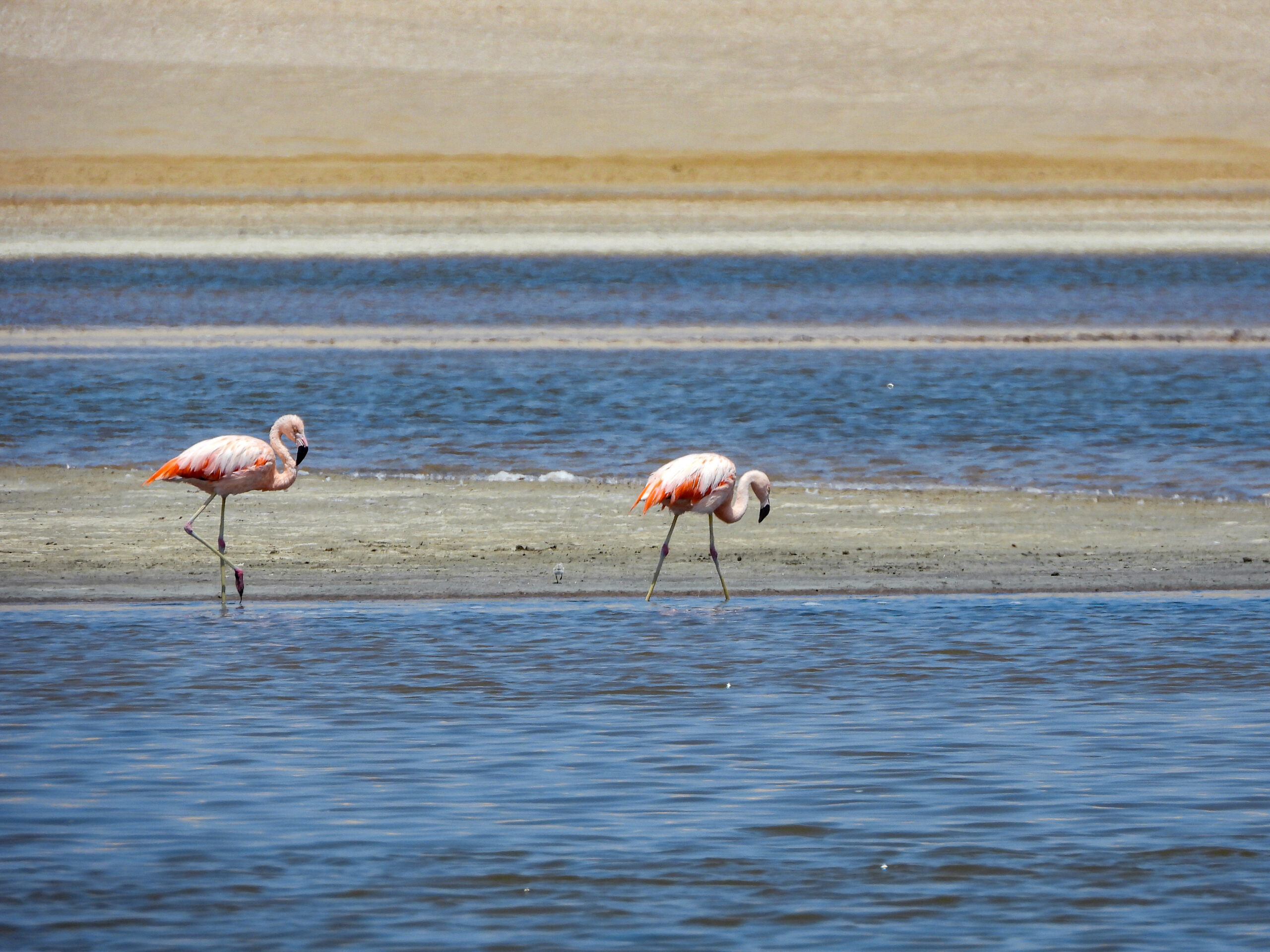
From Lima, the route headed south to Paracas, which boasts stunning beaches and striking coastal cliffs as well as the Paracas, one of Peru’s most diverse natural areas. Centuries ago, long before the Paracas became a sanctuary for sea lions and flamingos, it was the domain of the Paracas — lords of textile art and ritual medicine. Their woven mantles, left with the dead, are among the most beautiful ever discovered in the Americas. In the distance, on a far cliff, the great Candelabro de Paracas still scorches a patch of sand with its mystic lines and lost purpose — maybe a navigational guide to sailors or an appeal to the gods of wind and tide.
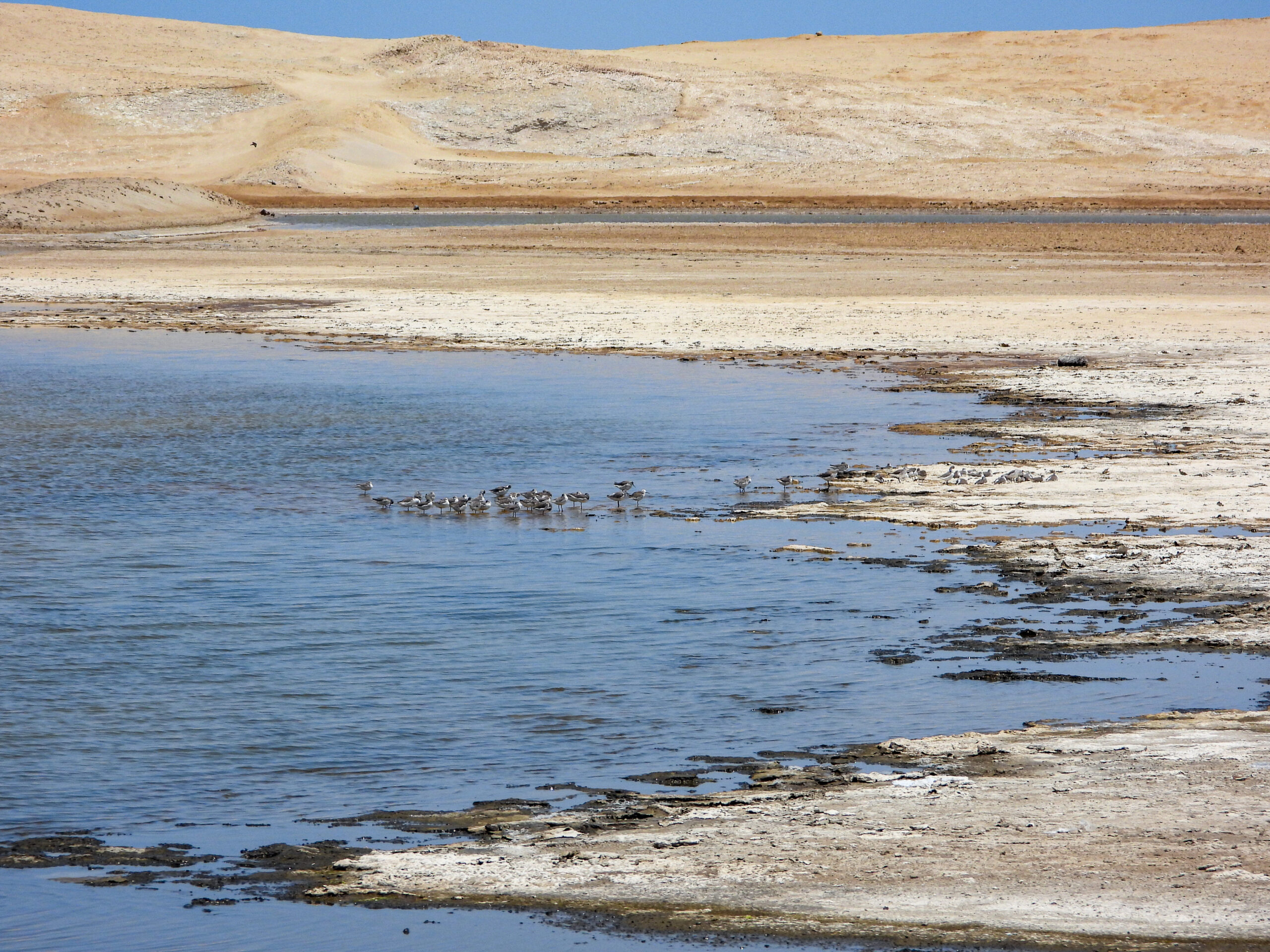
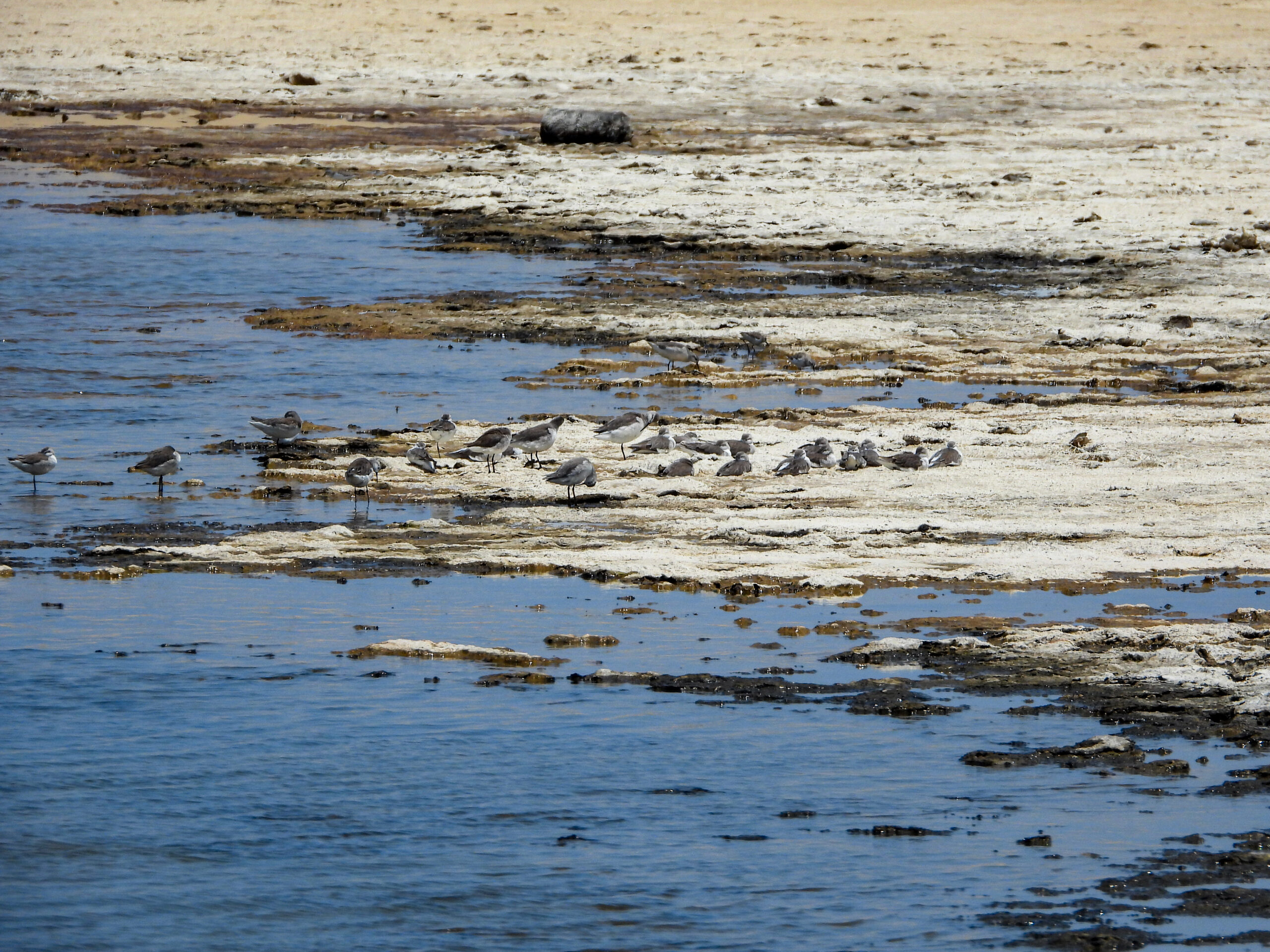
The Paracas nature reserve covers more than 335,000 hectares and includes desert areas, marine habitats and wetlands. It’s a natural sanctuary for sea life- seals, sea lions and countless species of birds. It is also home to the Ballestas Islands where you can see massive colonies of seabirds.
In an unexpected encounter, we saw something remarkable: two vultures attacking a Scripps Murrelet, a seabird found on the Pacific coast. We managed to save the Murrelet and handed it over to a warden.
From Paracas, the itinerary moved on to Ica, home to desert environments and age-old vineyards, as well as the popular Huacachina Oasis. The Vinas Queirolo hotel in Ica merges rustic charm with modern luxury and sits within vineyards where you can learn about the process of making Peru’s traditional Pisco.
The small desert oasis of Huacachina is a magical place surrounded by imposing sand dunes. Known as the “America`s oasis”, it is a natural lake surrounded by palms, with breathtaking views at sunset. The oasis is now a tourist destination for anyone in need of some peace and quiet — with the added bonus of some desert fun, from sandboarding to dune buggy joy rides. Ica, therefore, is a tale of two deserts — one that is barren but the other bountiful. Vines were introduced here in the 1500s by the Spanish, and from this dusty soil sprang Peru’s golden spirit: Pisco. They breeze across its dunes amid relics of dead empires, whose fabrics still are rich with desert colors.
Our next destination was Nazca, home to one of the biggest unsolved mysteries in the world – the Nazca Lines. The 2,000-year-old geoglyphs, ranging from depictions of animals and plants to geometric patterns – can only be fully appreciated from the air. The best-known of these have their origins in the Nazca culture.” These include visual precursors to the monkey, whale, spider and tree, believed to be created by the Nazca society between 500 BCE and 500 CE.
The lines are one of the world’s most puzzling archaeological enigmas. Some researchers think they were built as astronomical instruments, others believe they had the same kind of ritualistic use common in ancient religious practice. For decades, the German scholar Maria Reiche scratched away at these enormous etchings in the desert sunshine, convinced that they formed a celestial calendar. In Savage’s view, the Nazca drew their religion in the sand for miles to communicate with gods overhead. Even now, they are hard to make out — but their reverberation lingers. Despite whatever their original function, the Nazca lines are a lasting tribute to the creativity of an ancient people called the Nazcans.
It was then on to Cusco, a UNESCO World Heritage site and the historic capital of the Inca Empire. Cusco — Qosqo, the navel of the world — was not merely a city, but a map of the cosmos. The Incas designed it to resemble a puma, with the head at Sacsayhuamán and the heart at Plaza de Armas. Even today its streets carry the twin breath of empire and endurance: Spanish arches snaking over Inca stones that have never toppled. It is the perfect example of Inca and colonial Spanish blended architecture city.
At the centre of the city is Plaza de Armas, home to the beautifully decorated Cusco Cathedral and Qorikancha – Temple of the Sun – which was once the most important temple dedicated to sun worship in Inca times.
One of the highlights was seeing a woman weaving clothes on an old loom, following methods handed down for centuries. The elaborate designs and vivid colors in the fabric are more than just beautiful; they’re also full of meaning, symbolic of the spiritual relationship between people and the Earth.
The night was framed with a spectacular view of the city, illuminated by thousands of lights and sending an amber reflection on the nearby mountains.
Sacsayhuamán (from Quechua Saksay waman pukara – ‘fortress of the royal falcon or hawk’) is a citadel on the northern outskirts of Cusco, the historic capital of the Inca Empire. The complex was built by the Incas in the 15th century, particularly under Sapa Inca Pachacuti and his successors.Dry stone walls constructed of huge stones were built on the site, with the workers carefully cutting the boulders to fit them together tightly.
Located on a steep hill that overlooks the city, the fortified complex has a wide view of the valley to the southeast. Archeological studies of surface collections of pottery at Sacsayhuamán indicate that the earliest occupation of the hilltop dates to about 900 CE.
Another one is the Santuario de Qenqo, on the outskirts of Cusco. It is considered that this archaeological complex was used for religious ceremonies and sacrifices. This sacred site has a subterranean labyrinth of cut stone work, and the the mysticism of its former Incan users is evident. Even the name, which is from Quechua, is thought to mean “satisfied falcon,’’ a possible reference to its previous function as a defensive stronghold around the imperial city. It gravity defies everything we think possible, and is built with 1,000’s of boulders so finely constructed that you can’t fit paper in the gaps in-between — some a third the weight of a blue whale. The stone giants silently attest to an unprecedented age when man’s intelligence worked hand-in-hand with earth reverence. The thickness of the walls is about two meters, the largest stones reaching proportions which make them think of nothing but avant masonry.
The structure used to feature three super-size terraces stacked in a serpentine pattern that formed the look of a puma’s teeth (fitting, as these creatures were considered sacred by the Inca and symbolized power and protection). From the summit, you’ll enjoy wide-ranging views of Cusco below and understand why this was a defensive fortress as well as a ceremonial site. Archeologists suspect that Sacsayhuamán served as an important site for rituals to honor the god Inti (the Sun god), and the immense festival of Inti Raymi—commemorating the winter solstice—was likely held there, a tradition that is still celebrated through opulent reenactments today.
Cautiously treading through the massive stones, it’s hard not to sense that energy coursing through the land—sparks of life from an ancient empire that once governed the Andes. Sacsayhuamán isn’t so much a ruin as it is a testament to what veneration of earth and heaven can accomplish.
From Cusco we then went by train to Machu Picchu, the breathtaking Inca citadel. It was famously described as the “lost city of the Incas” in 1911 by the explorer Hiram Bingham, who is credited with its rediscovery: Its existence had been known to locals for centuries.
Archaeologists believe that Machu Picchu was the royal estate of Emperor Pachacuti Inca Yupanqui, who wanted a refuge closer to the sun. Here, at the Intihuatana, solstice light was read by priests as a measure of time itself. The stone still catches the same dawn, unaltered across centuries.
The journey to Machu Picchu is an adventure in itself. It’s simply spectacular cutting through the Urubamba Valley with verdant green and winding river. Once there, the ethereal power of Machu Picchu sets in. The granite mountain on which it conservation of local flora, and their harmonious stone terraces, temples, and outlying centers with the rock known as the Intihuatana are awe-inspiring.
Llamas, which wander freely on the site, contribute to the calm of the environment. The preservation of the structure at Machu Picchu is incredible and shouldn’t be missed. Whether you are wandering the temples or simply sitting on one of the terraces perched above the valley below, Machu Picchu is a place that feels, well, almost mystical.
The Sacred Valley of the Incas is a land of awesome natural beauty and profound Inca history. A stop at one of the local churches and a browse in the town market can give travelers a glimpse into what life is really like in the Andes. An open-air mercado artesanal sells handcrafted textiles, jewelry and pottery from local artisans.
This was the center of the Inca Empire for a reason. It was sacred to them as the valley had fertile soil that enabled them grow crops like corn, which formed part of the diet of Inca people.
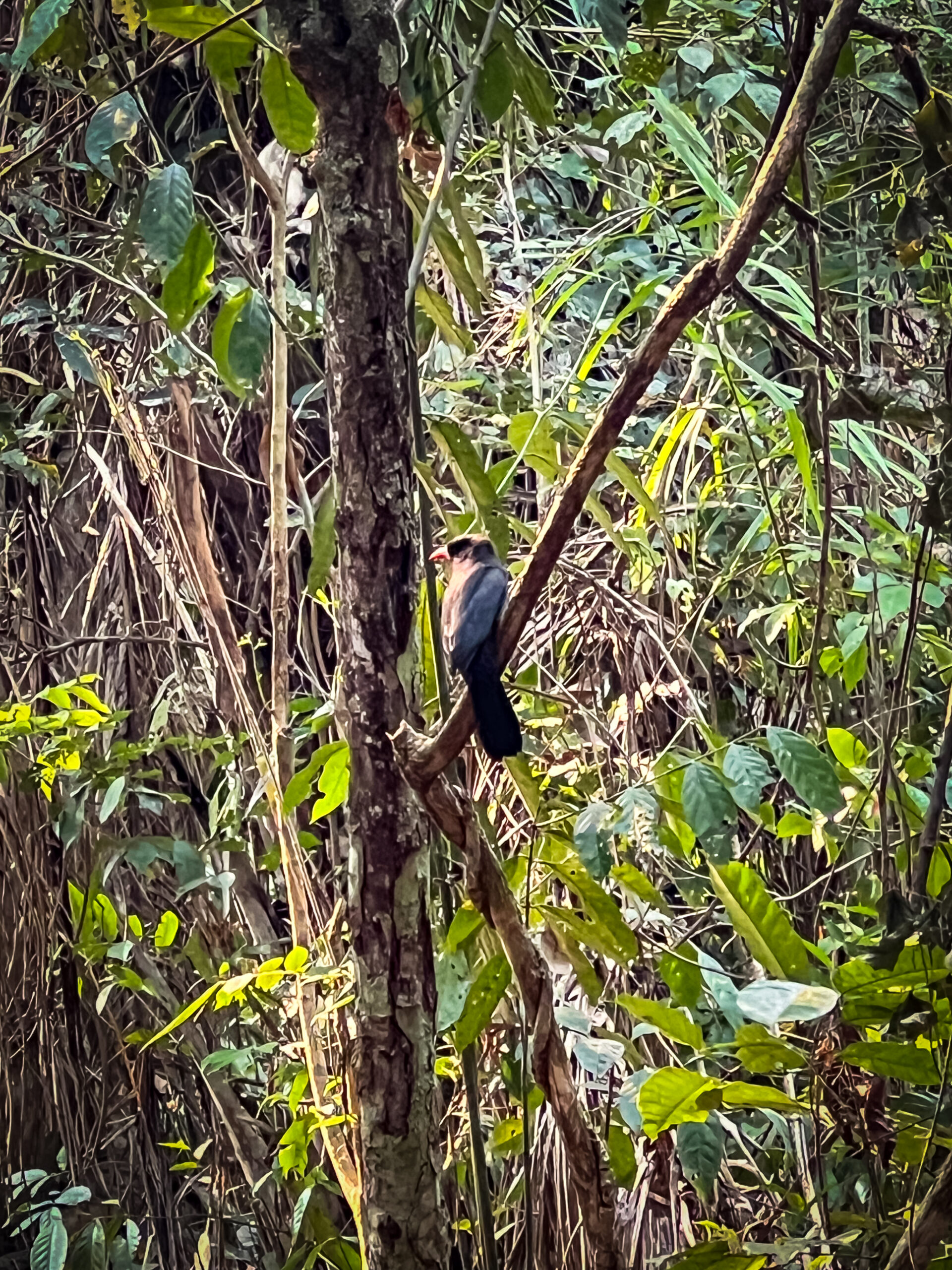
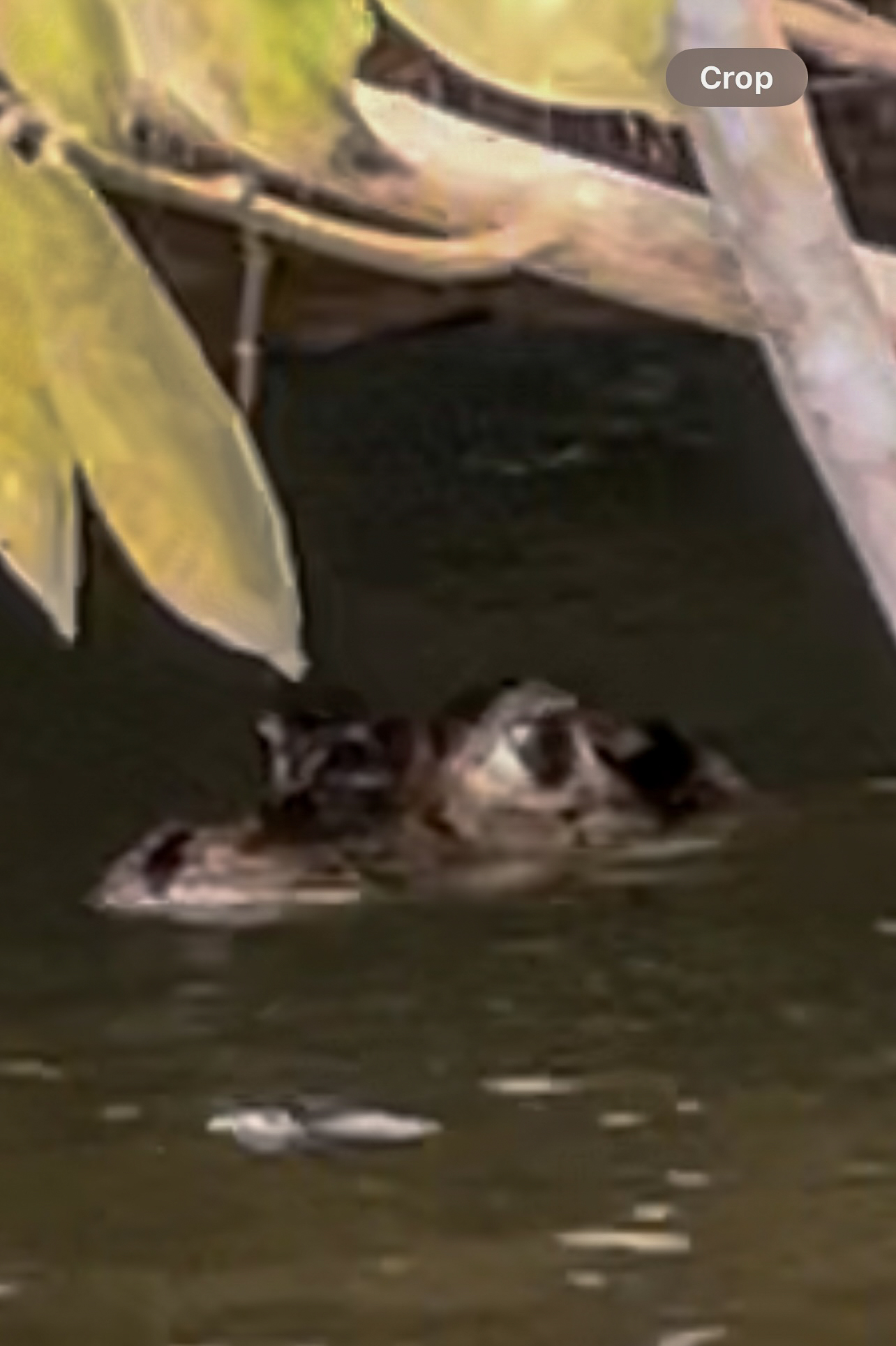
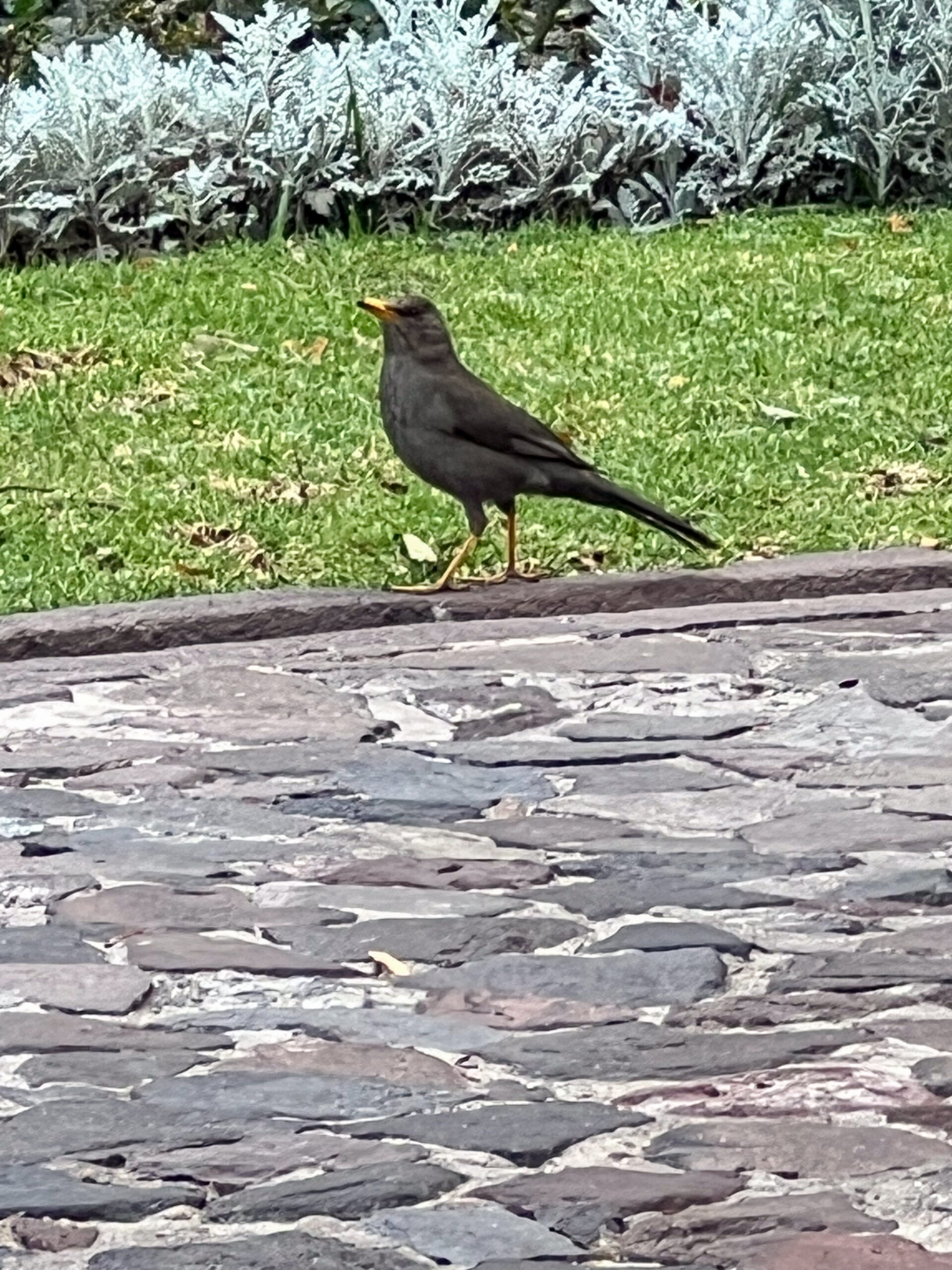
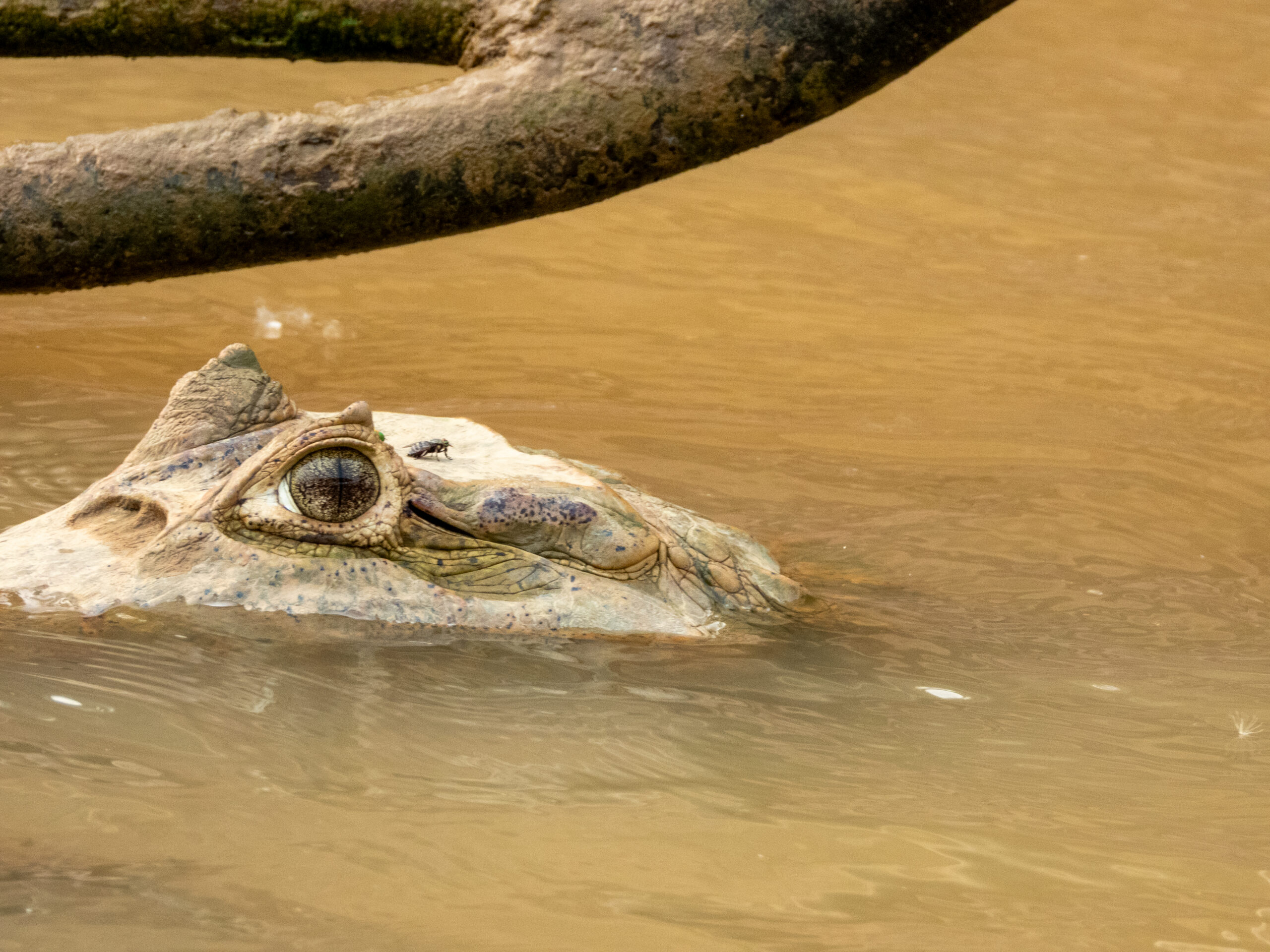
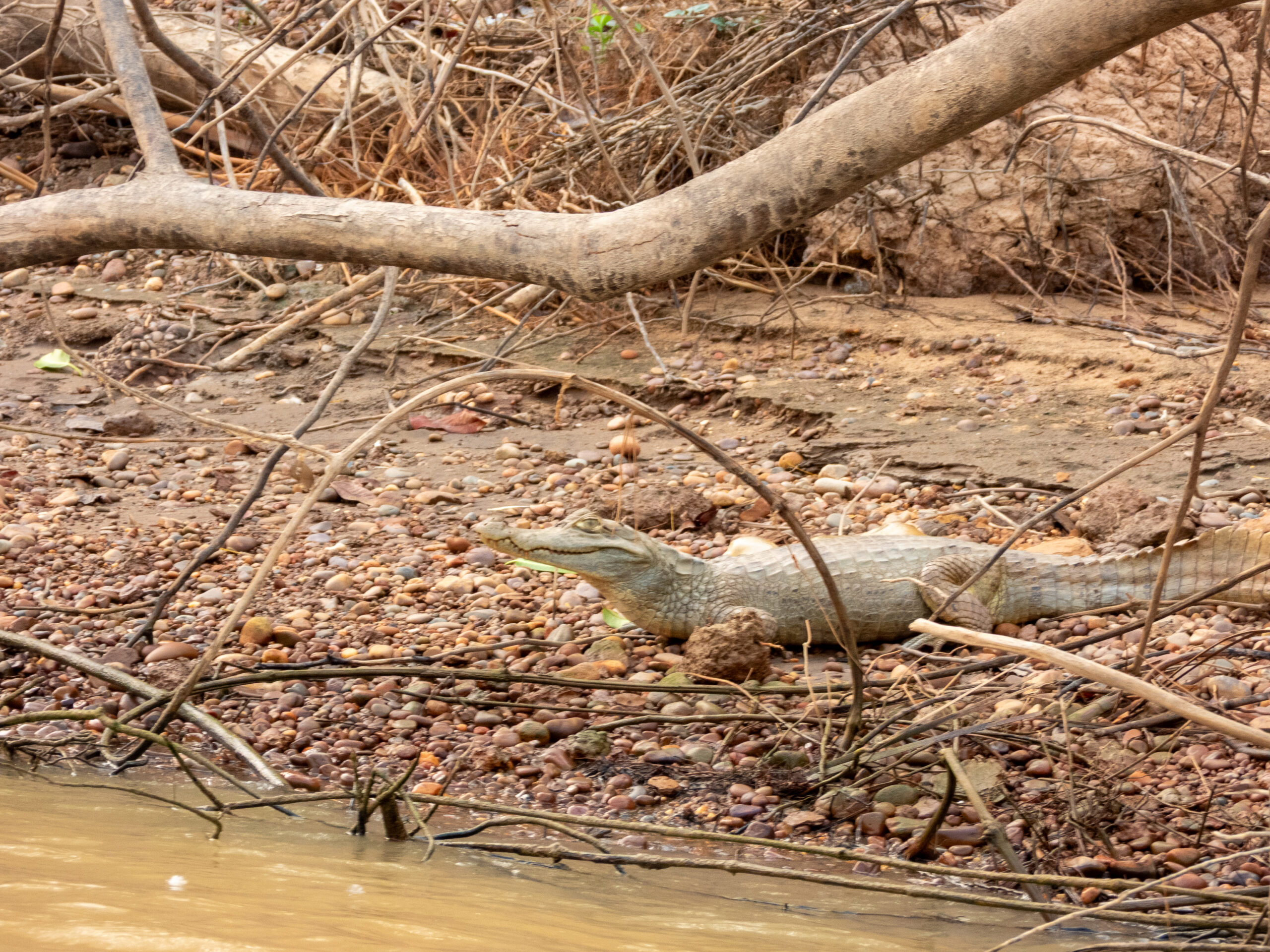
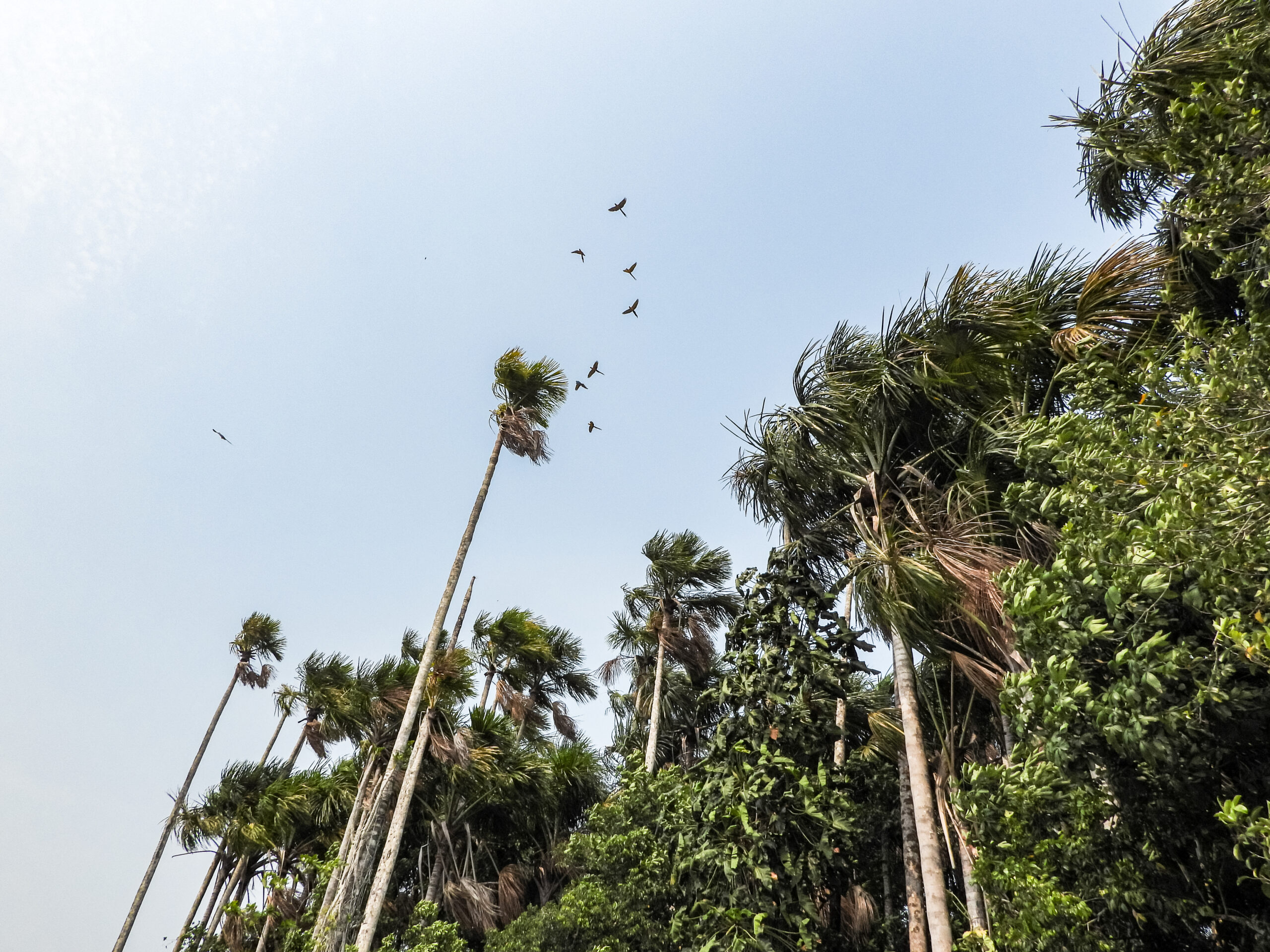
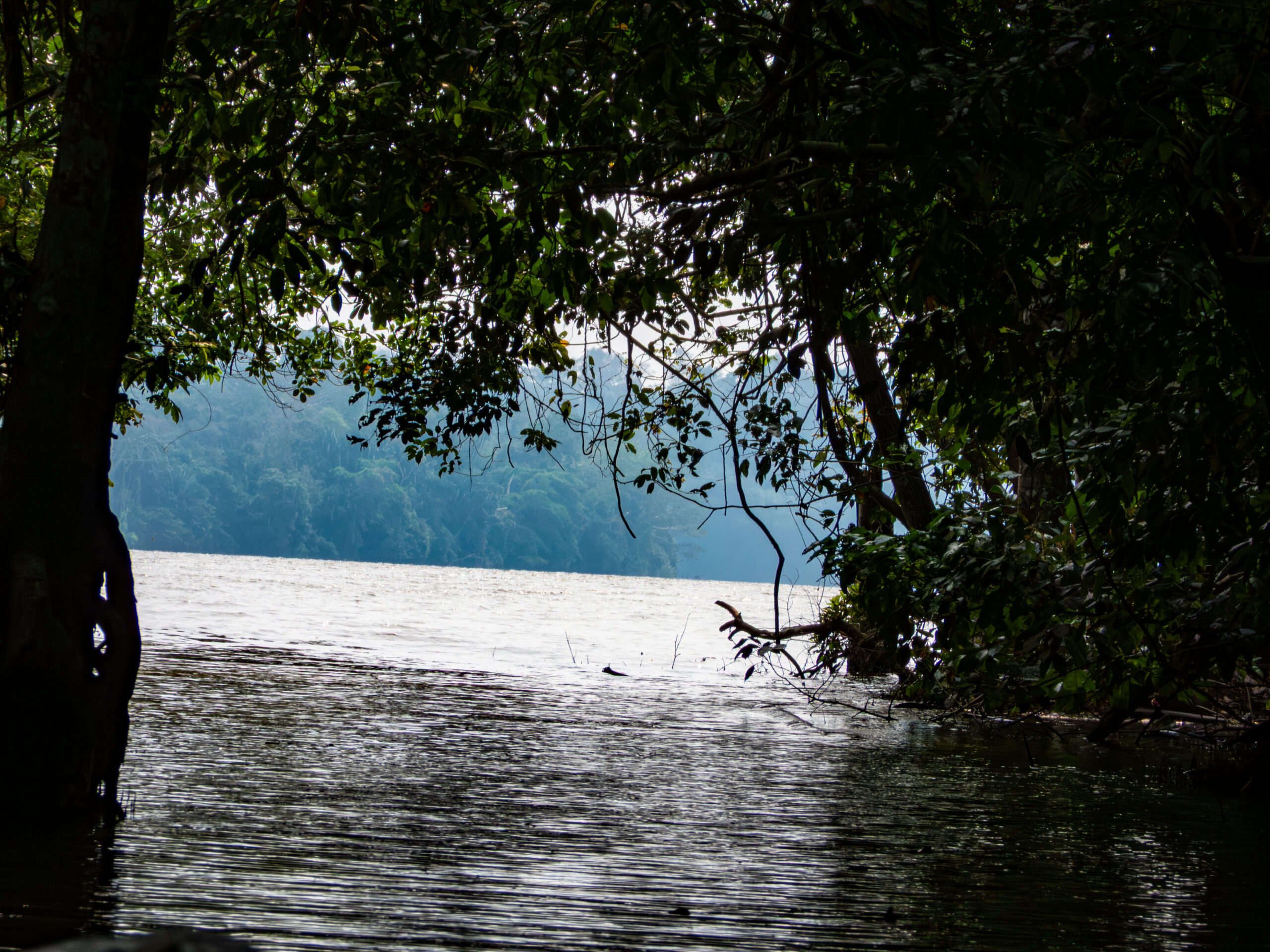
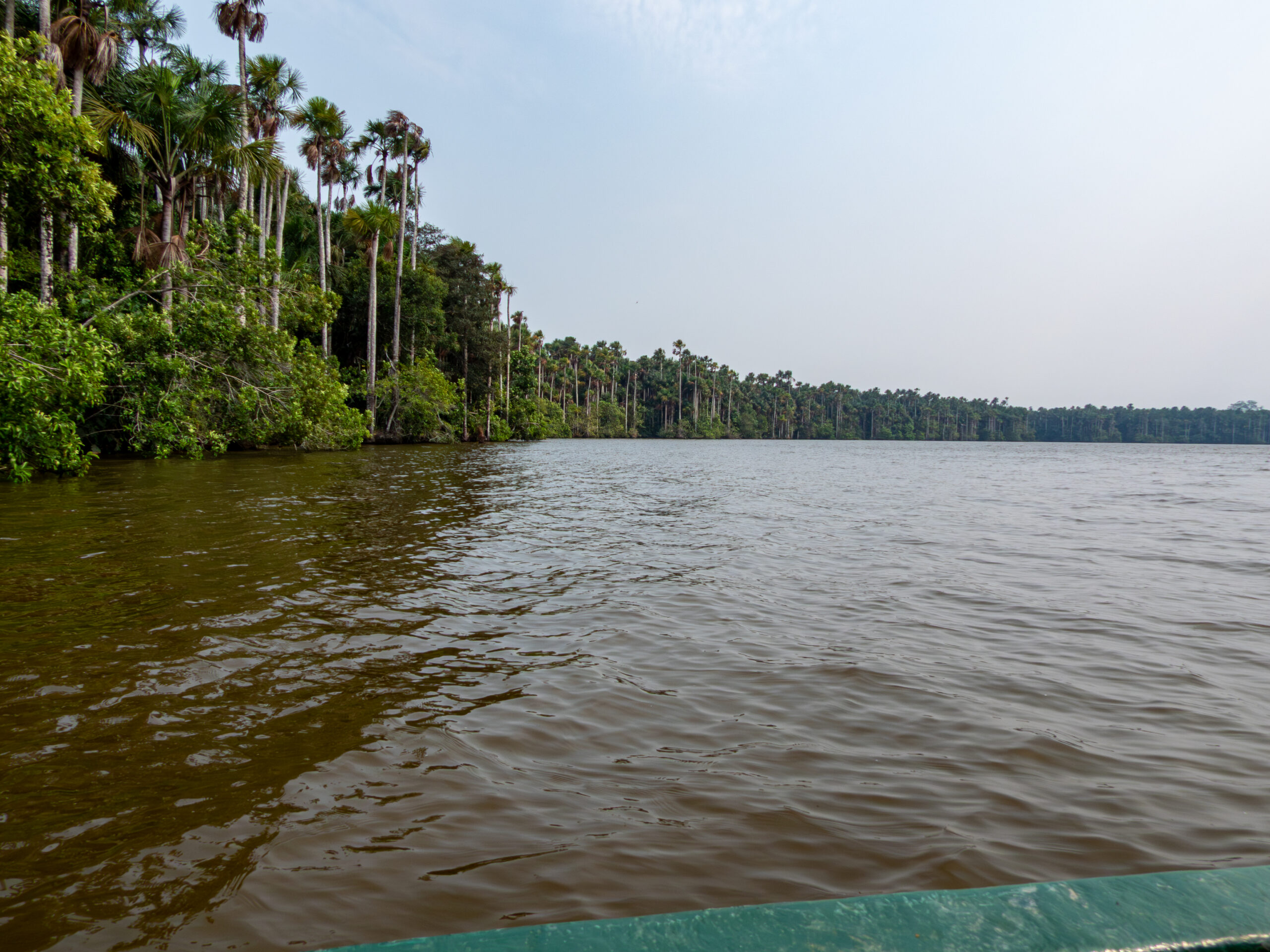
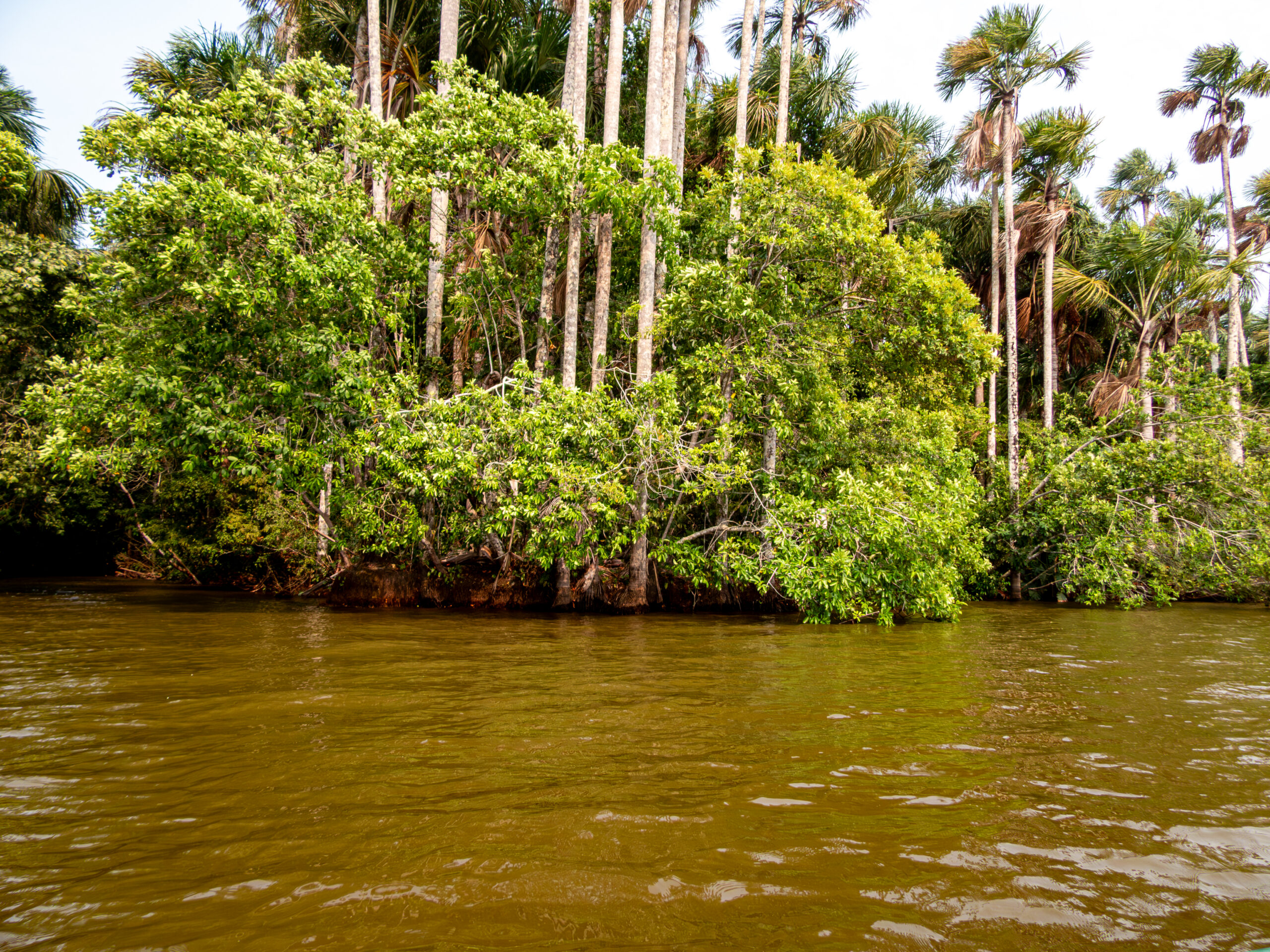
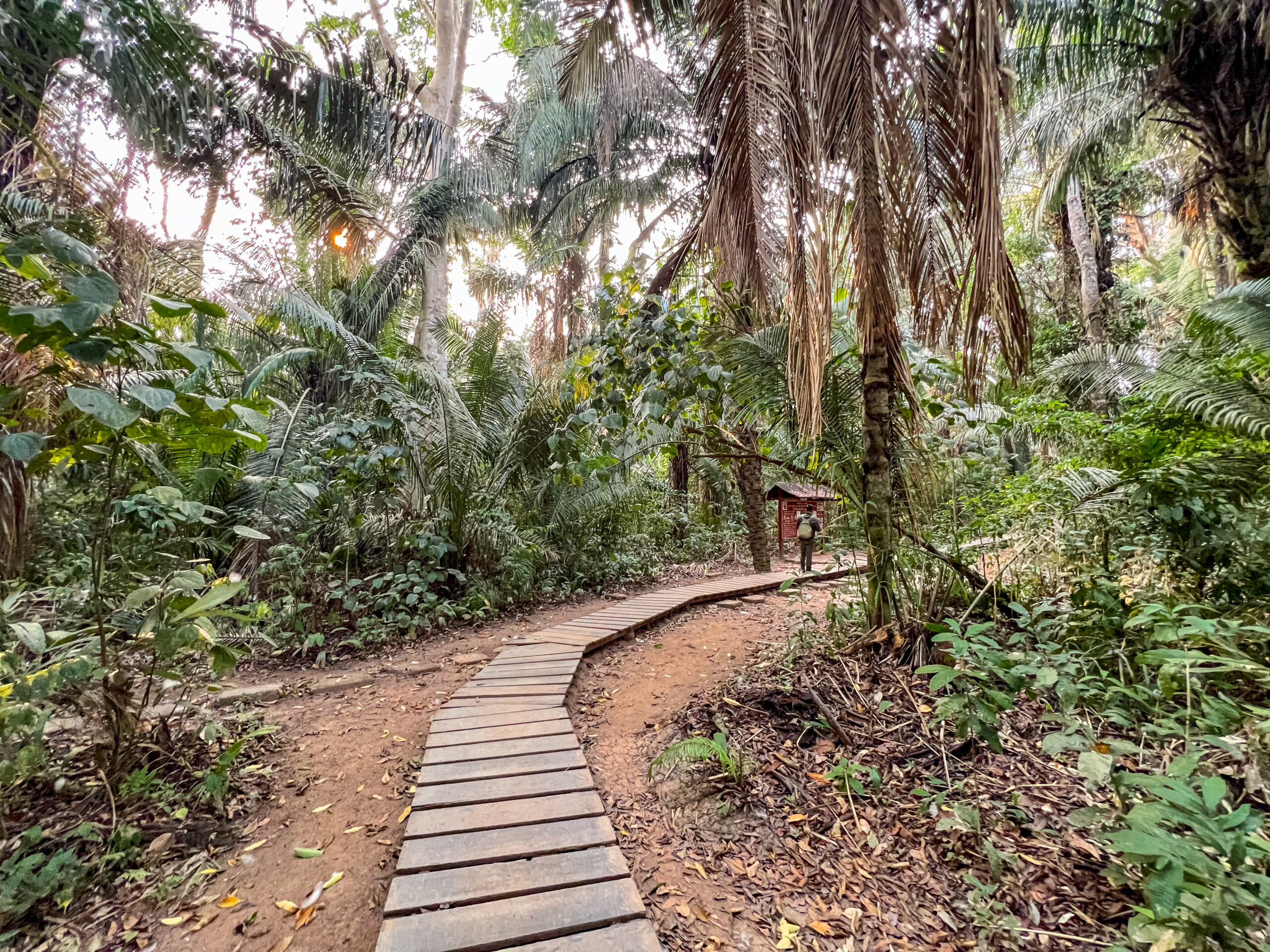
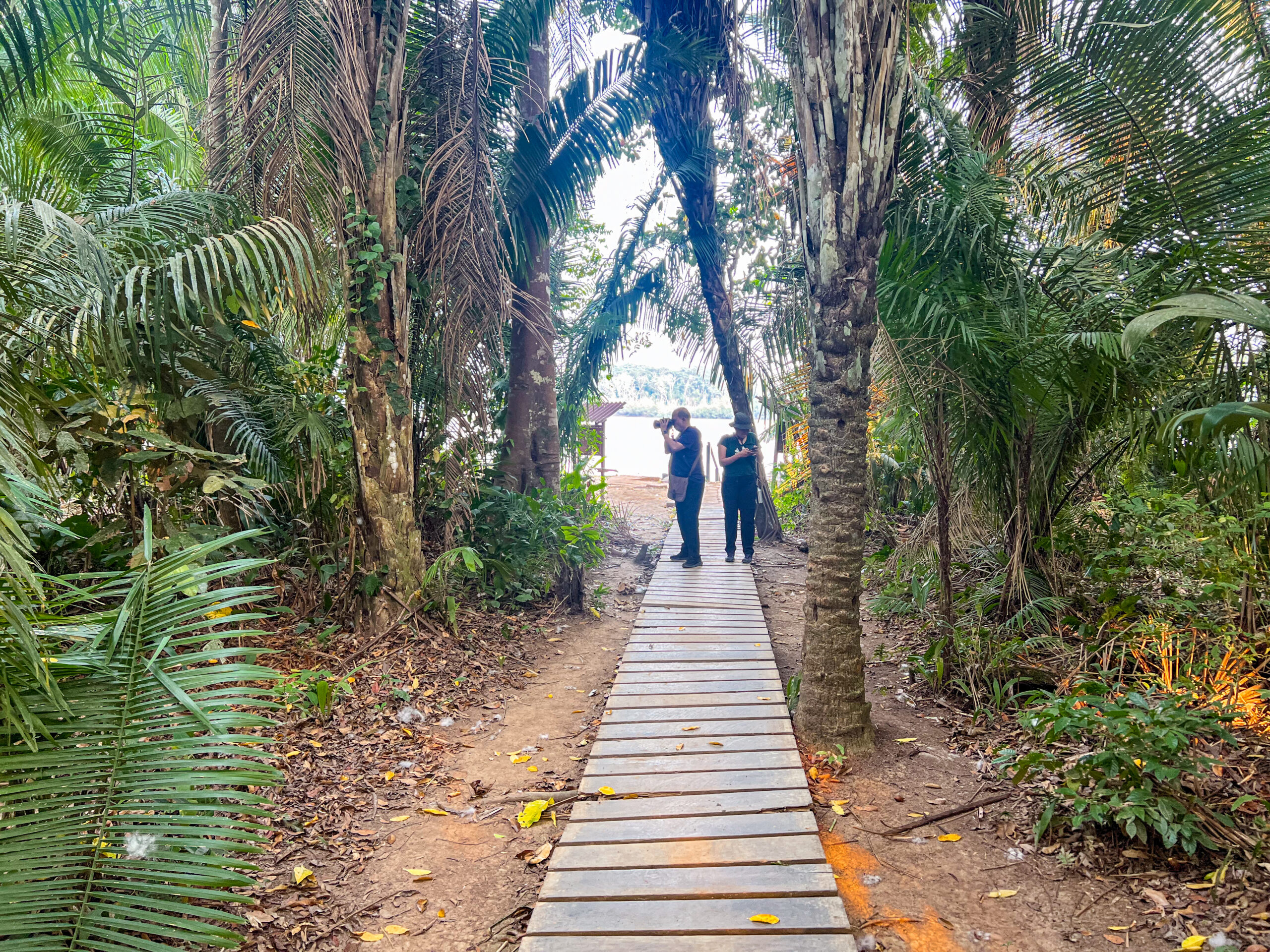
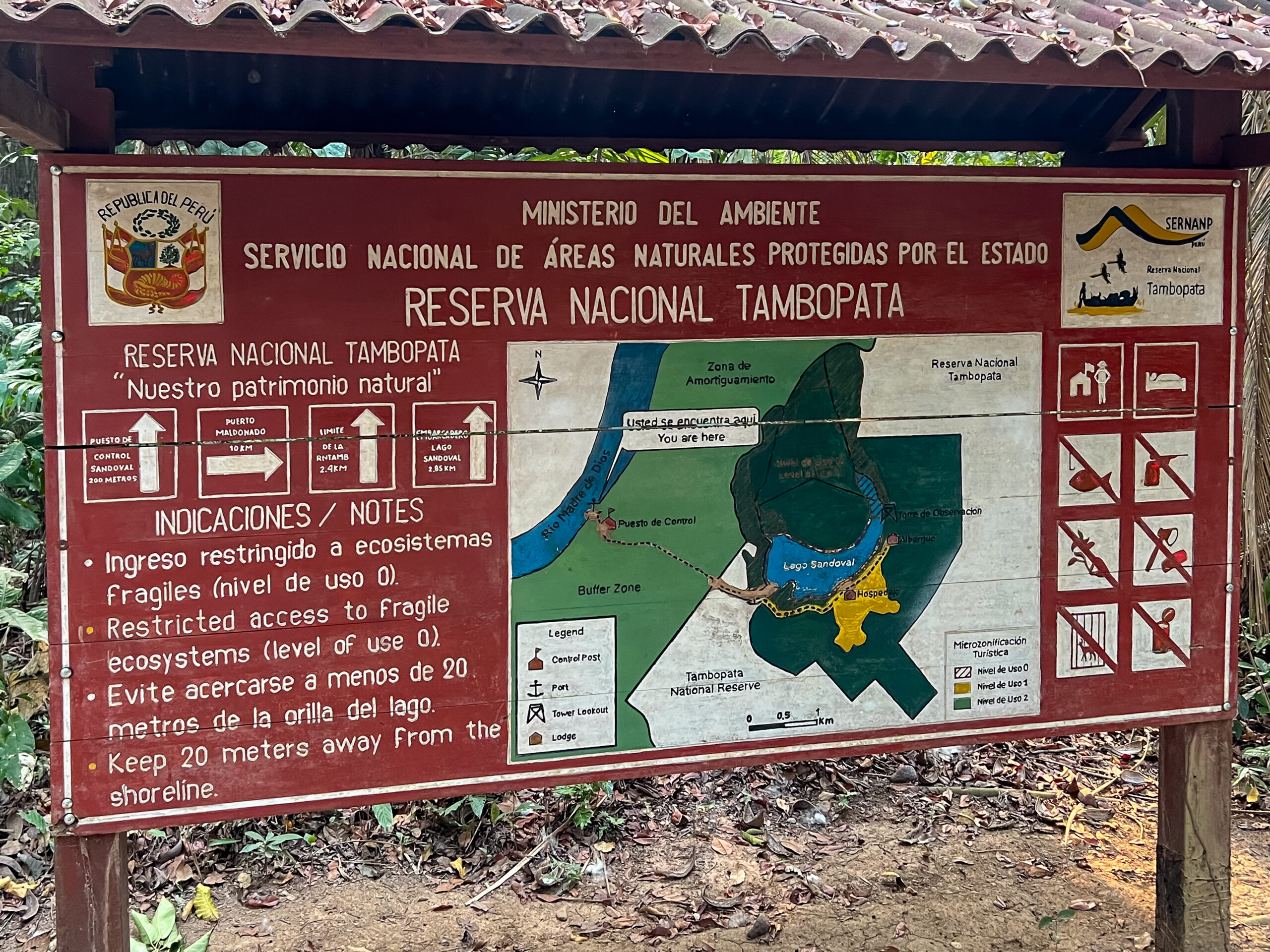
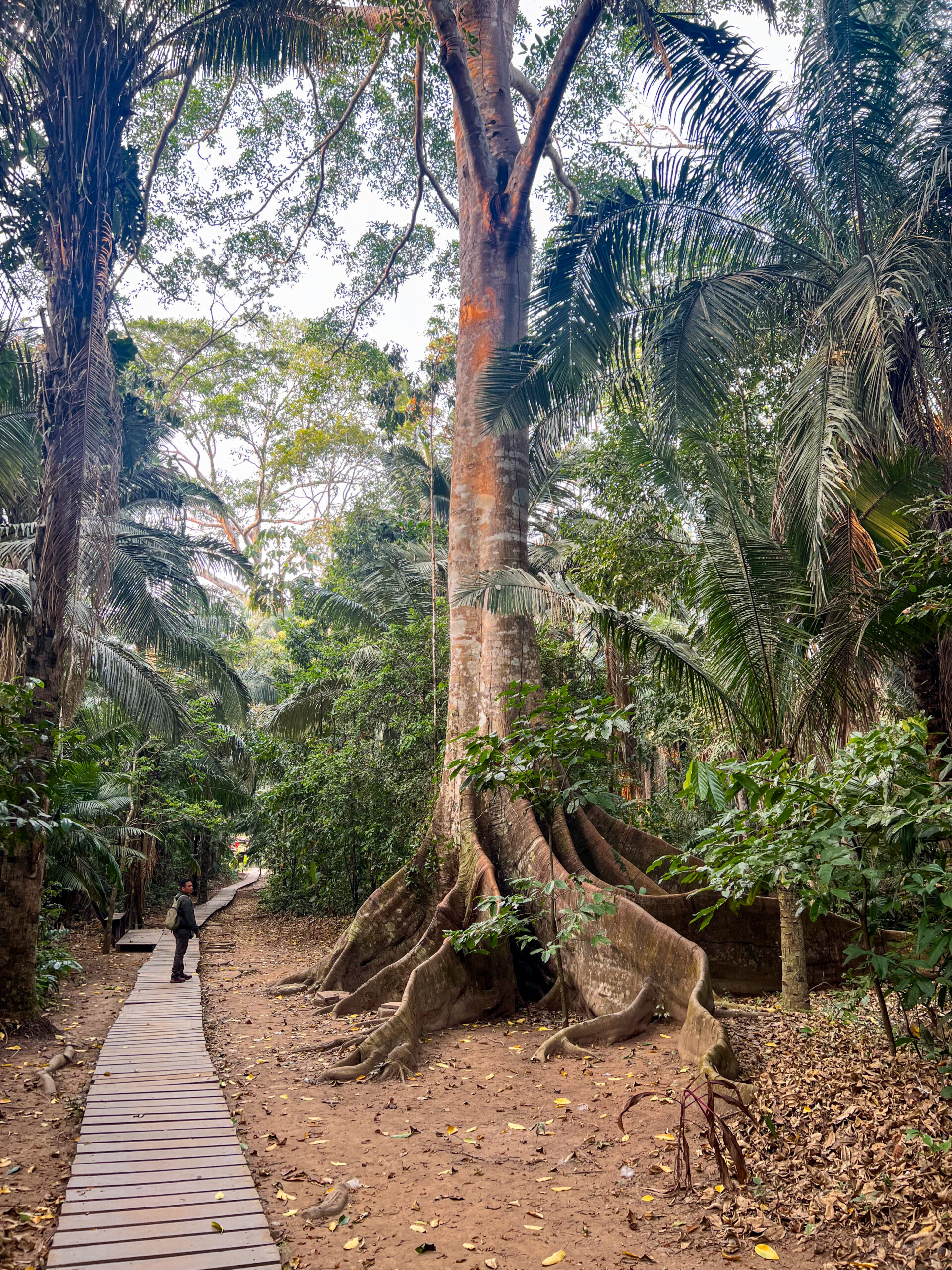
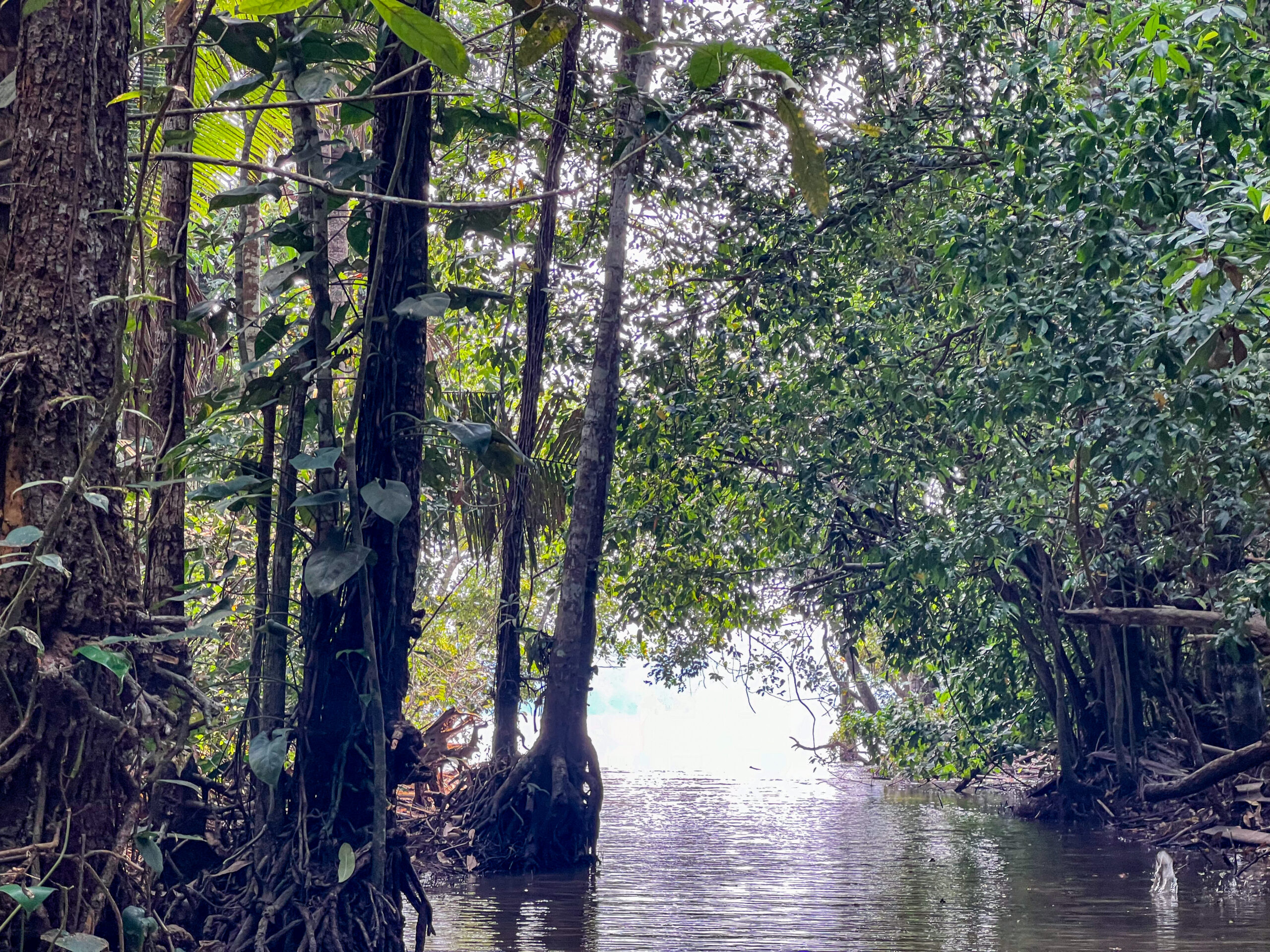
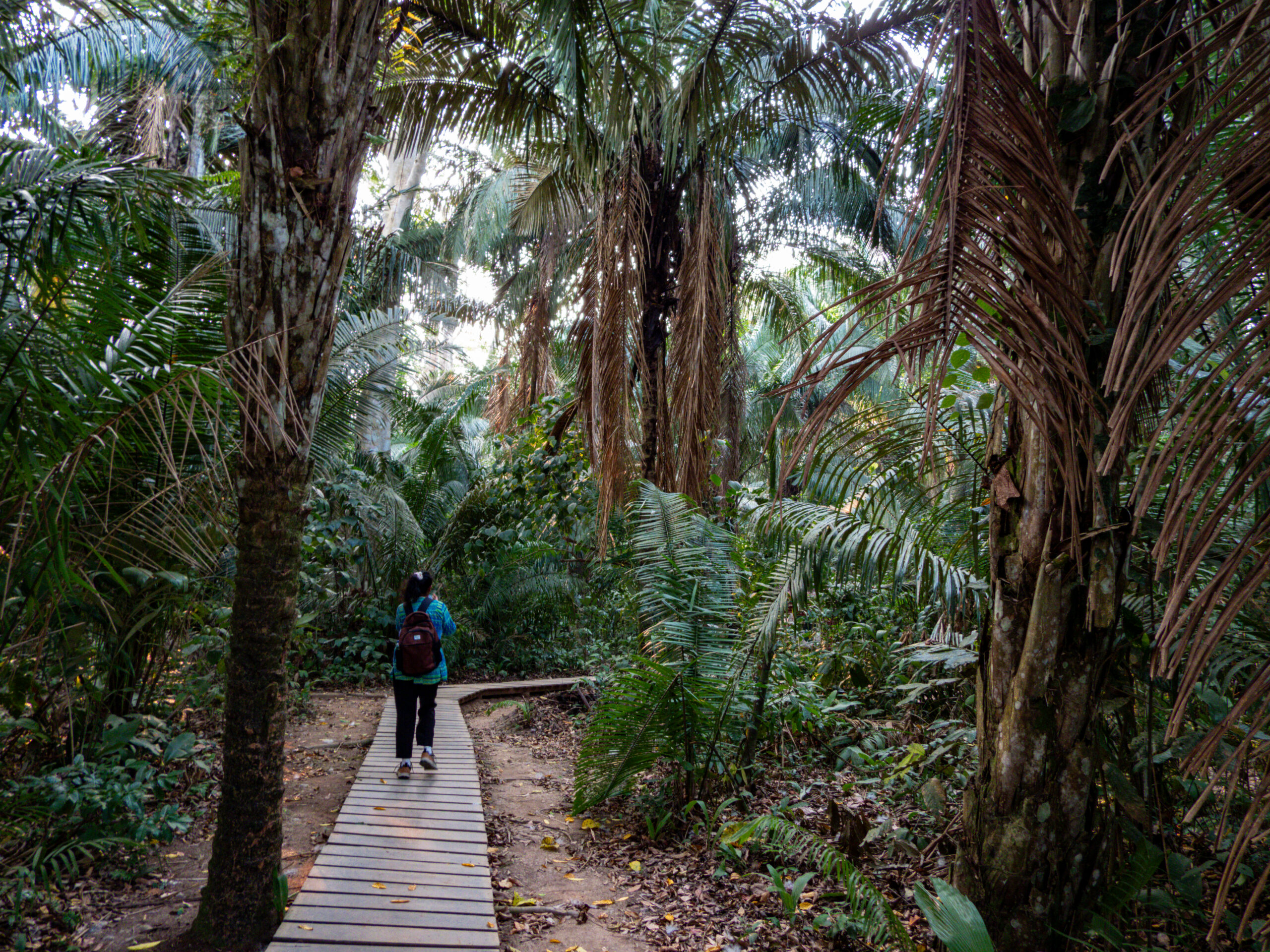
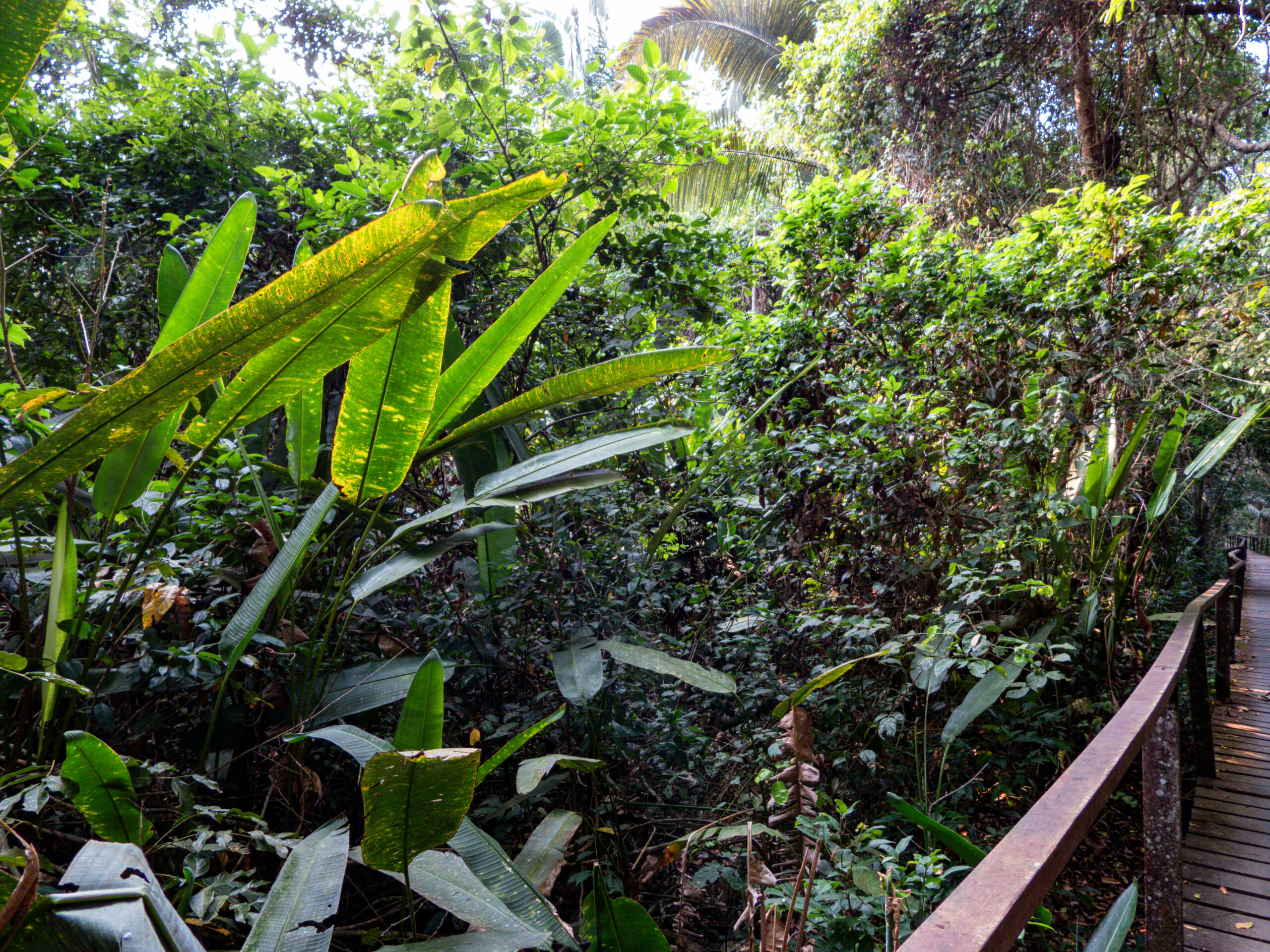
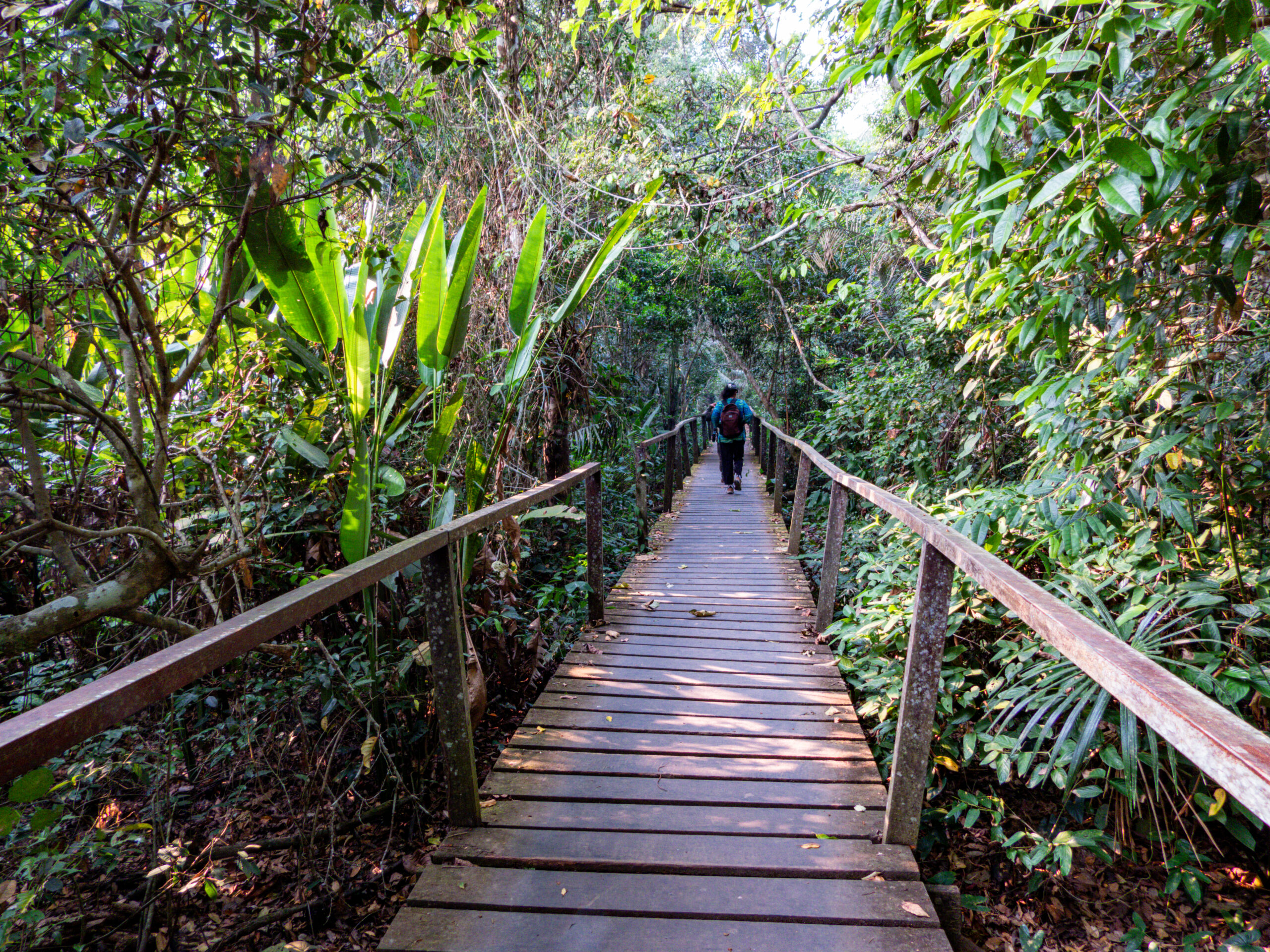
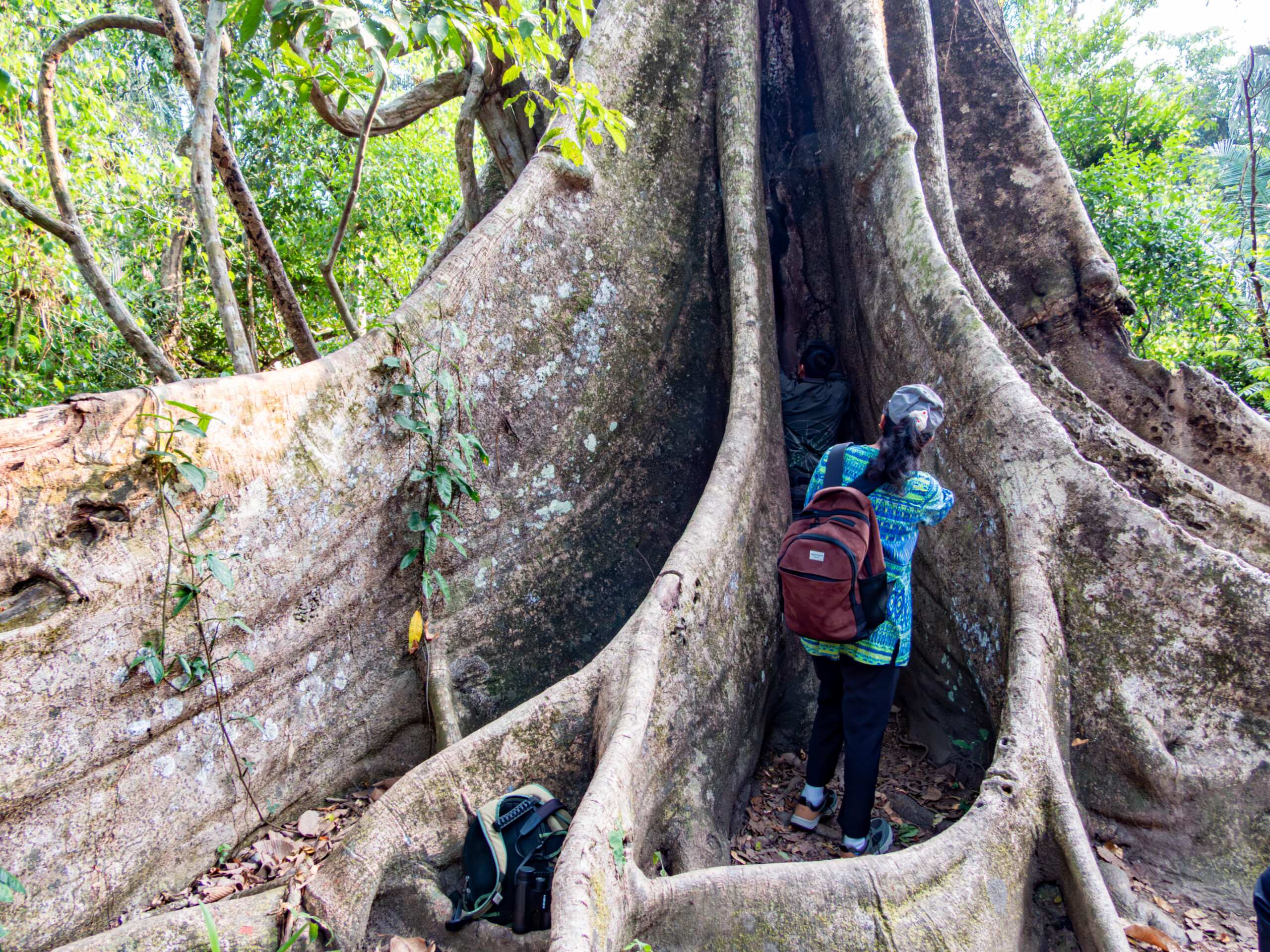
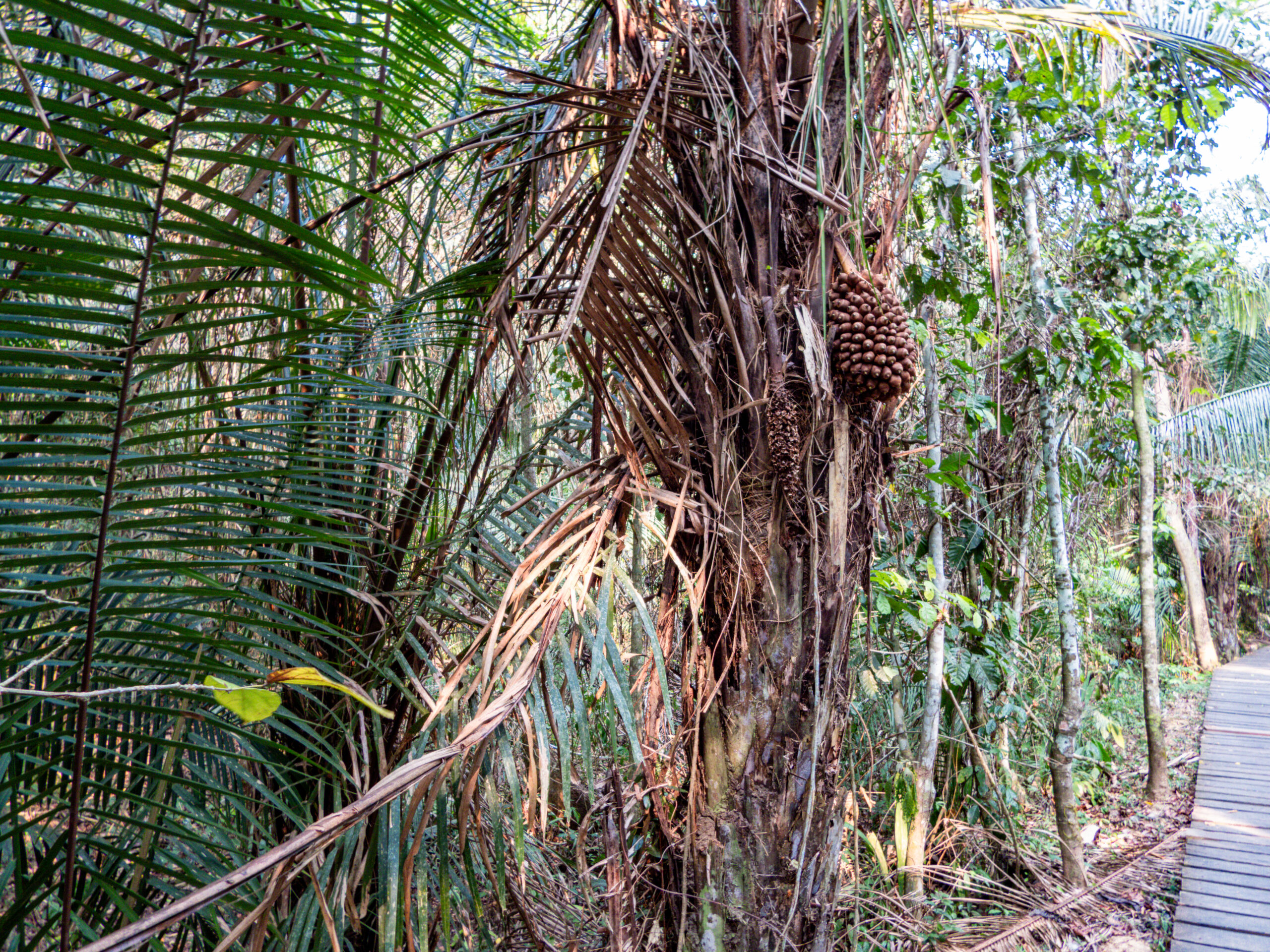
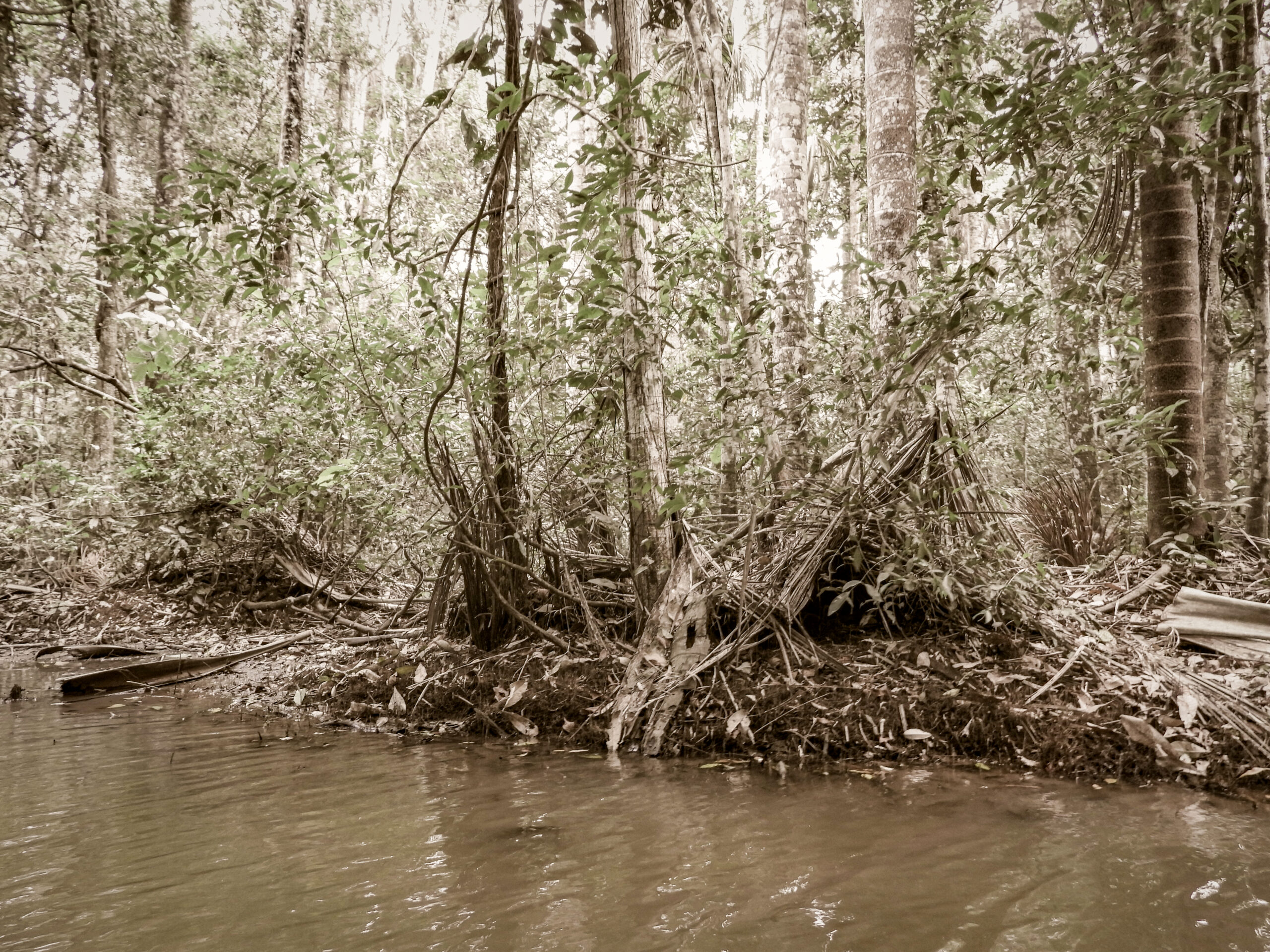
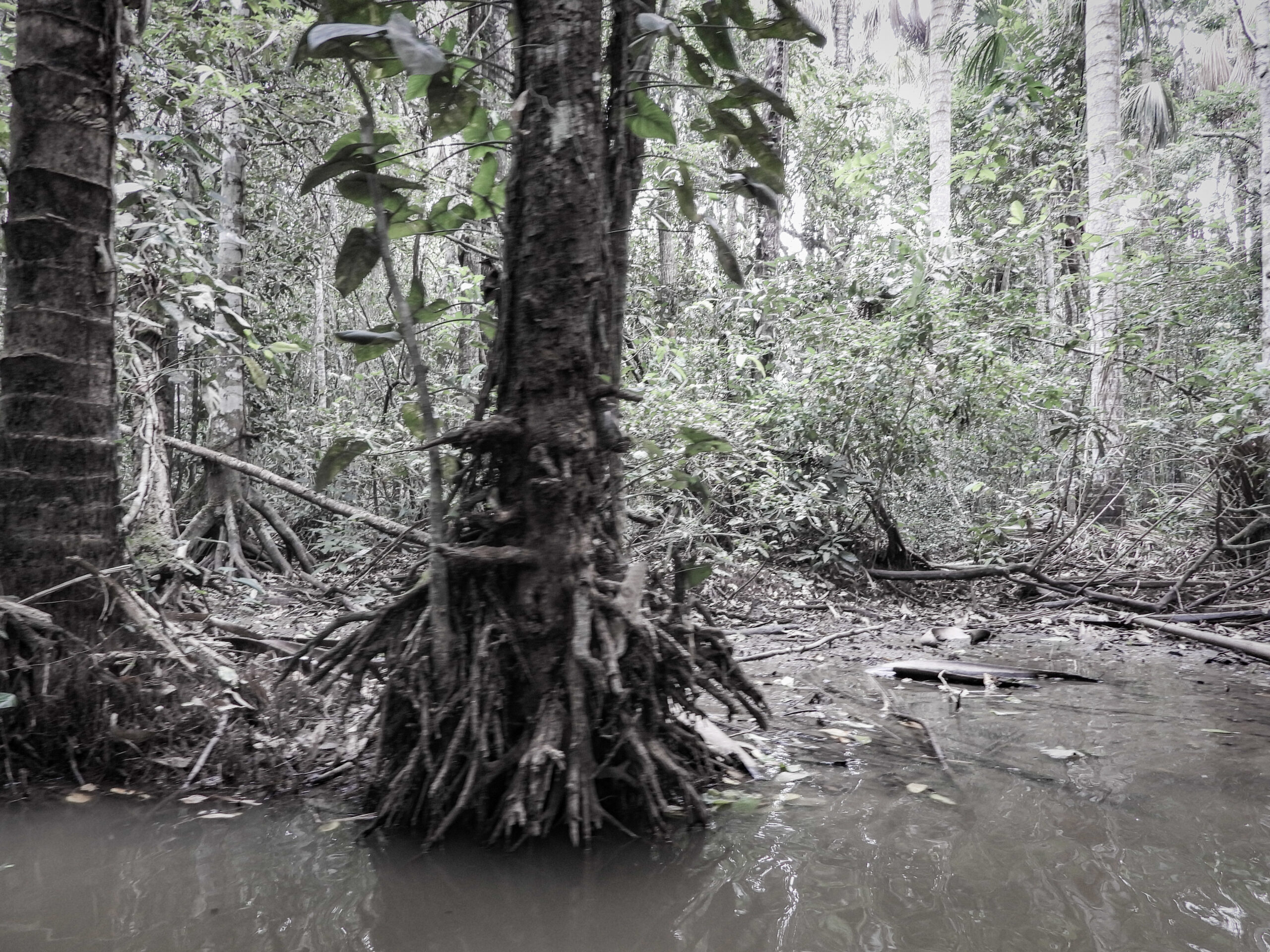
The last part of the trip brought the traveller to Puerto Maldonado, where one enters the Madre de Dios National Reserve and Tambopata National Reserve in the Amazon basin. It is also one of the most biologically diverse spots on the planet. A canoe ride up and down the Tambopata River was a tour of incredible flora, fauna (caymans to agoutis) macaws, parakeets and almost everything in between.
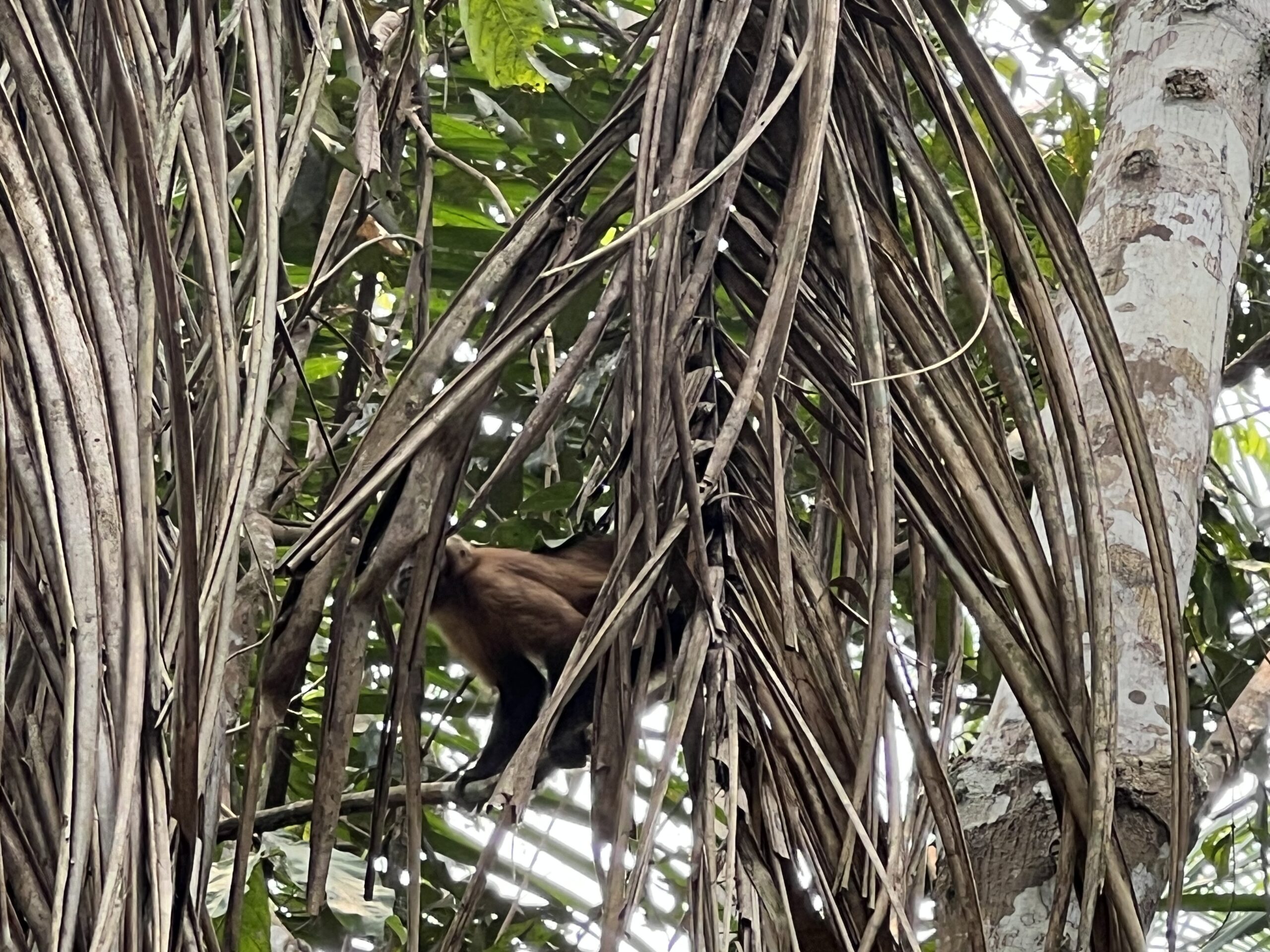
One of the Amazon’s most memorable moments has to be when we spotted a shy, Brazilian Salmon Pink Tarantula – you will only find these guys slinking around in moist rainforest. The region is also home to many species of birds including the silver and black caymans, the Kampuchea monkeys, glossy ibis, and the great egret which all contrast strikingly with the rainforest’s green.
Here in the Andes it is just one more step to the Amazon valley and the river is a mirror of the sky. The people who call this place home — the Ese Eja — can still decipher airwaves into readable signs like birdcall and breeze. To them, everything has a spirit — an invisible strand in the living web of the rainforest.
“It’s an irritating reality that many places and events defy description. Machu Picchu for instance, seem to demand silence, like a love affair you can never talk about. For a while after, you fumble for words, trying vainly to assemble a private narrative, an explanation, a comfortable way to frame where you’ve been and whats happened. In the end, you’re just happy you were there – with your eyes open – and lived to see it.” – Anthony Bourdain
We missed the Condor, but we came back with memories of a lifetime.
14
3
14
1