Mykonos: Whispers of White and Wind
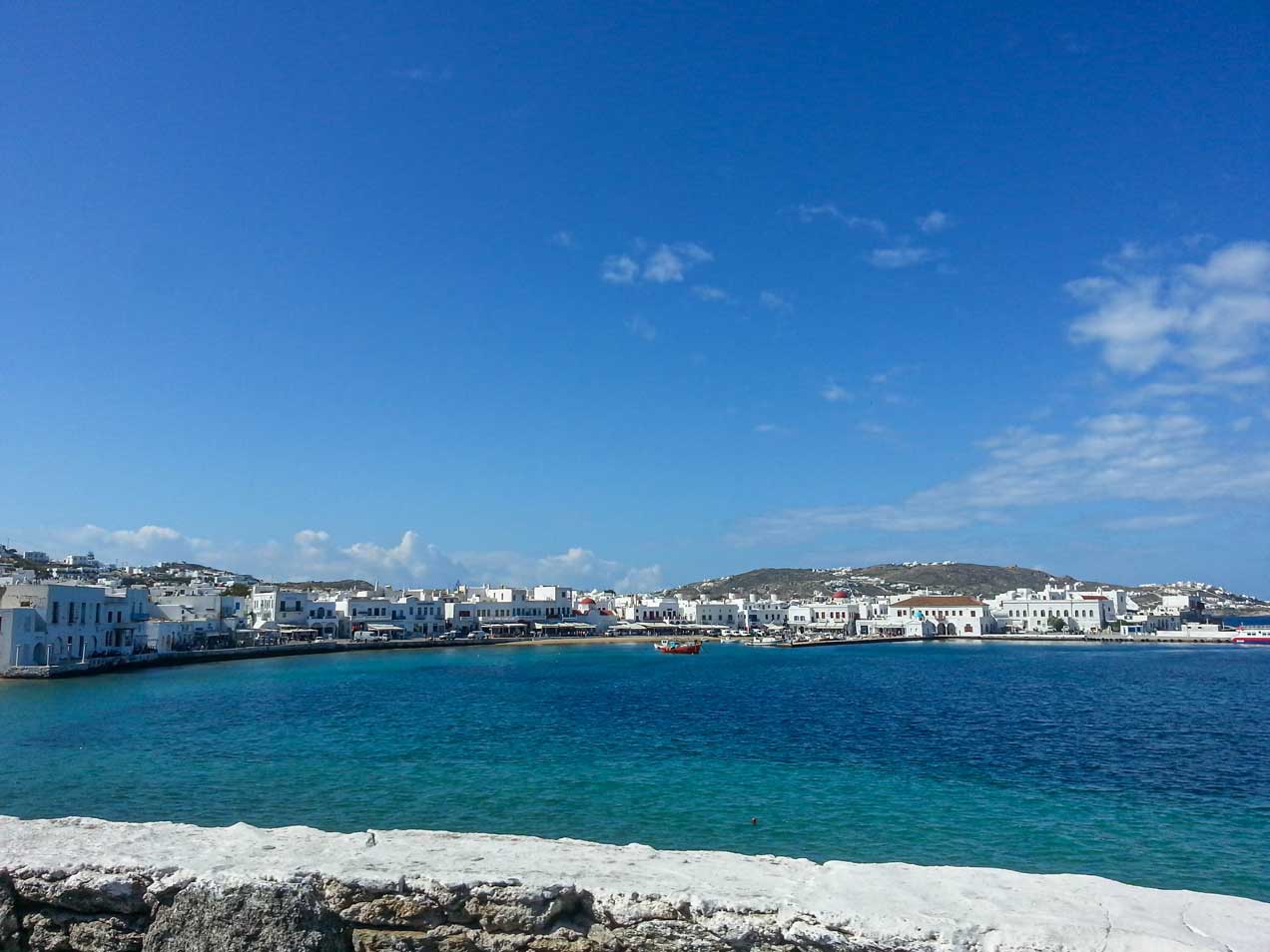
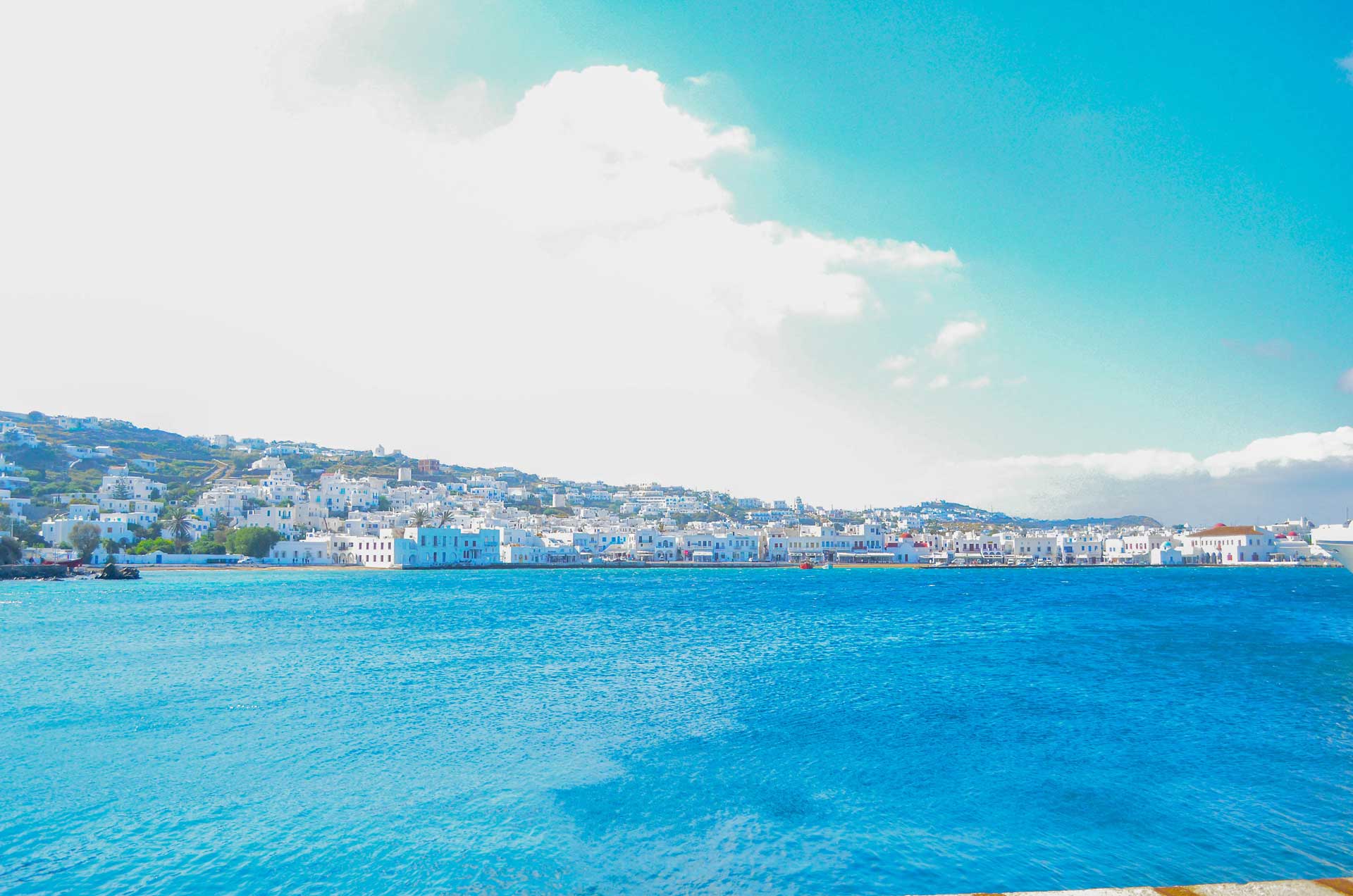
Mykonos dazzles differently. Its whitewashed houses, labyrinthine alleyways and colourful shutters fan out like an artist’s palette in brilliant Cycladic light. The famous windmills, sails furling and unfurling as they once ground grain, are not just landmarks, they’re a symbol of continuity.
Life here is rhythm: feet clanking in narrow passageways, bells pealing across chapels, tavernas alive with music and wine. And at the St. Nicholas Monastery, perched above the harbor, the sea and devotion meet in serene conjunction.
Bright with myth and merriment, Mykonos is named for a grandson of Apollo. It is said that the wind of the island comes from Boreas, the North Wind himself, whose temperament still disturbs the Aegean Sea and slams shutters on insomniac evenings. It is said that the rocks of the island are the petrified bodies of the giants that Hercules killed — and when the wind moans down the alleys, locals tell themselves it is their dead anger roaring from stone to sea. The sacred island of Delos, just across the narrow strait, is off limits to birth and death — an ancient edict to keep Apollo’s birthplace pristine. And even today, fishermen only mutter a few prayers before passing by its shores, because it is bad luck to disturb Delos. Out in Mykonos town, churches shimmer with oaths of seafarers; every little blue dome dotted along the waterfront is a hope sung for the safe return of a mariner. Villagers will hoist the icon of the Virgin during festivals such as Panagia Tourliani and walk through winding lanes, flutes and the rhythm of tambourines echoing — an ephemeral silent happiness amid the gales of tourism. Behind the illusion of its never-ending cosmopolitan glam, Mykonos is still land of wind and worship, myth and mirth where sea spray carries with it the distant taste of salt and divinity.