Istanbul—Where Continents Converse
Istanbul isn’t a place you visit; it’s a place where you dwell, if only for a few days, because its streets draw you into a conversation that is beautifully ancient and sophisticated. Standing between two continents, it is at once Europe and Asia, mosque and church, market and palace, call to prayer and café gossip. The layers rest on top of one another, a mosaic that has remained intact for centuries.
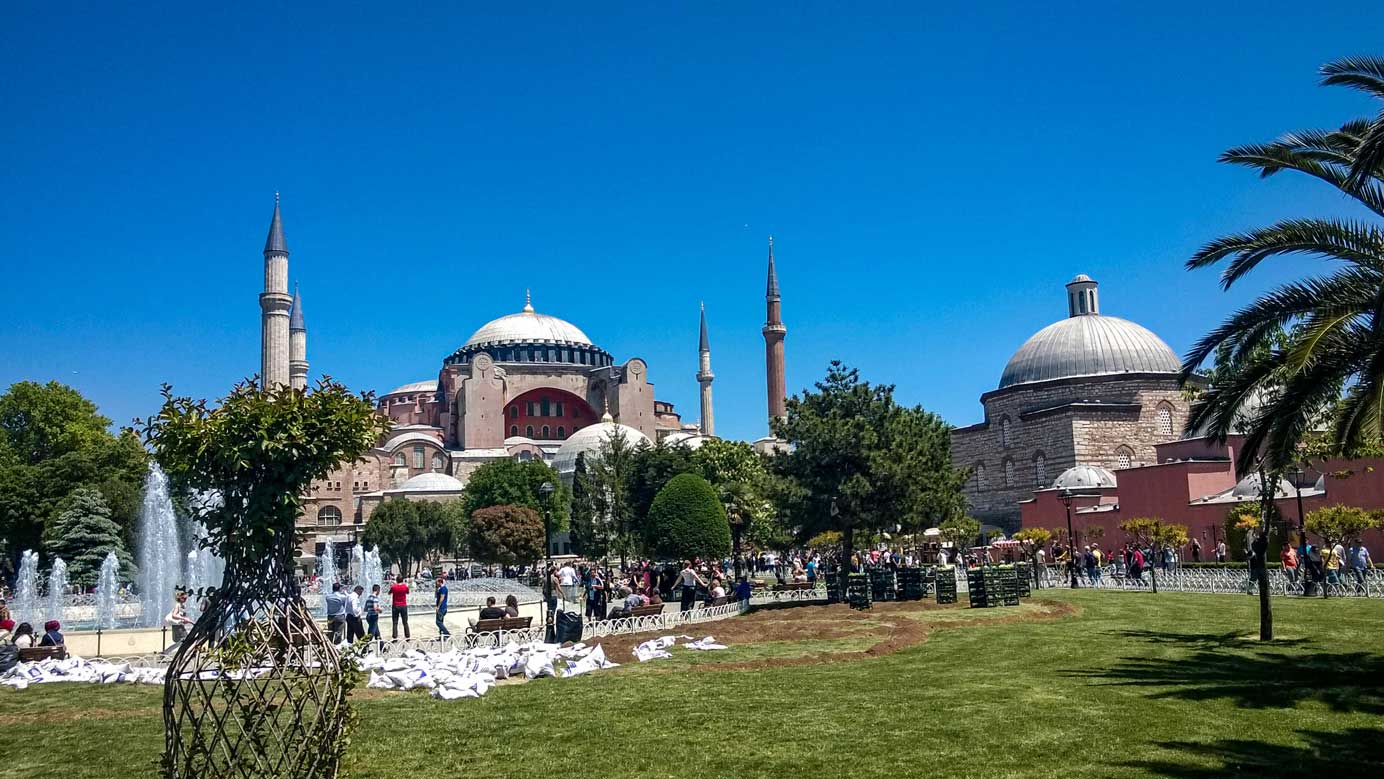
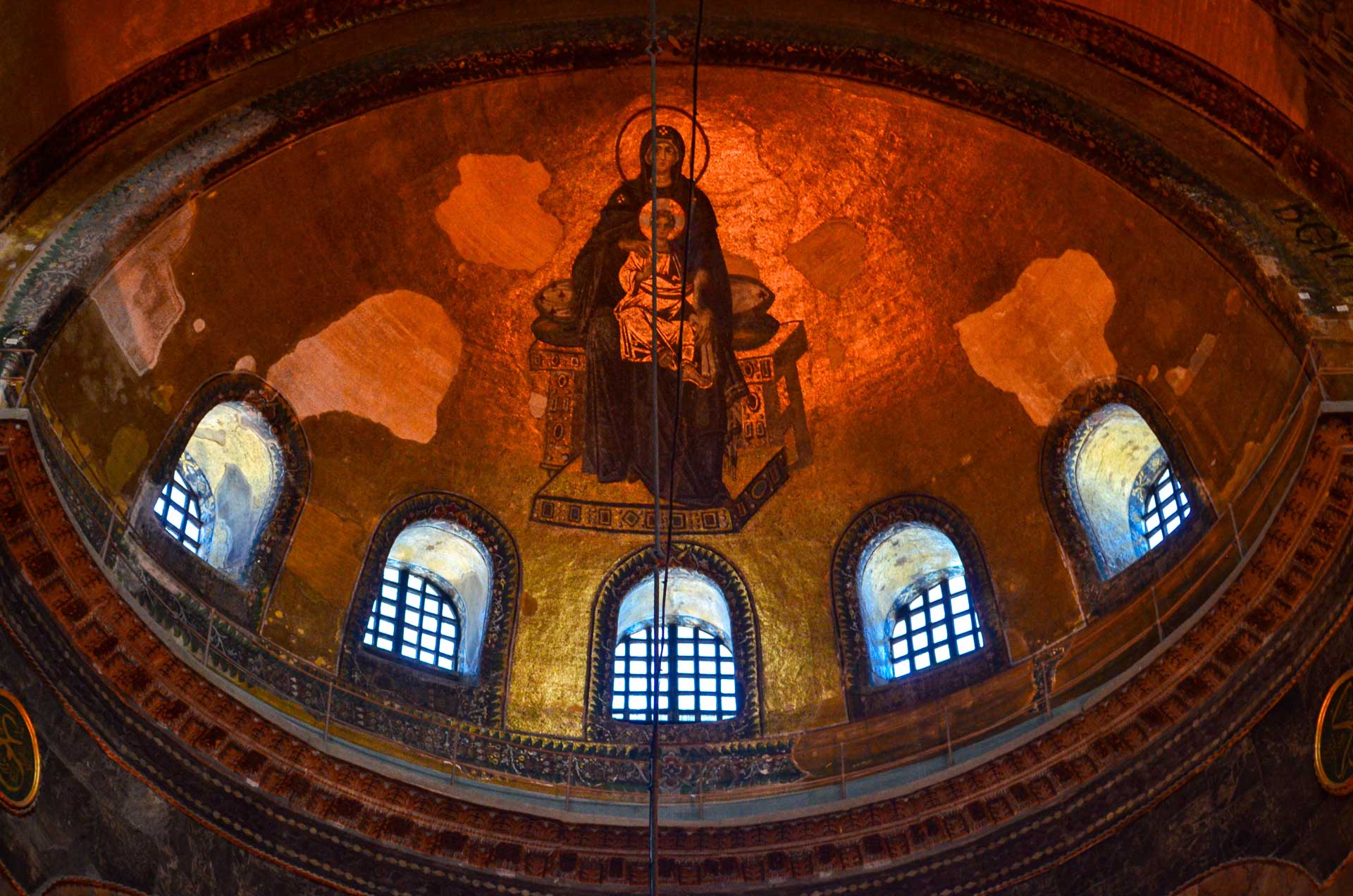
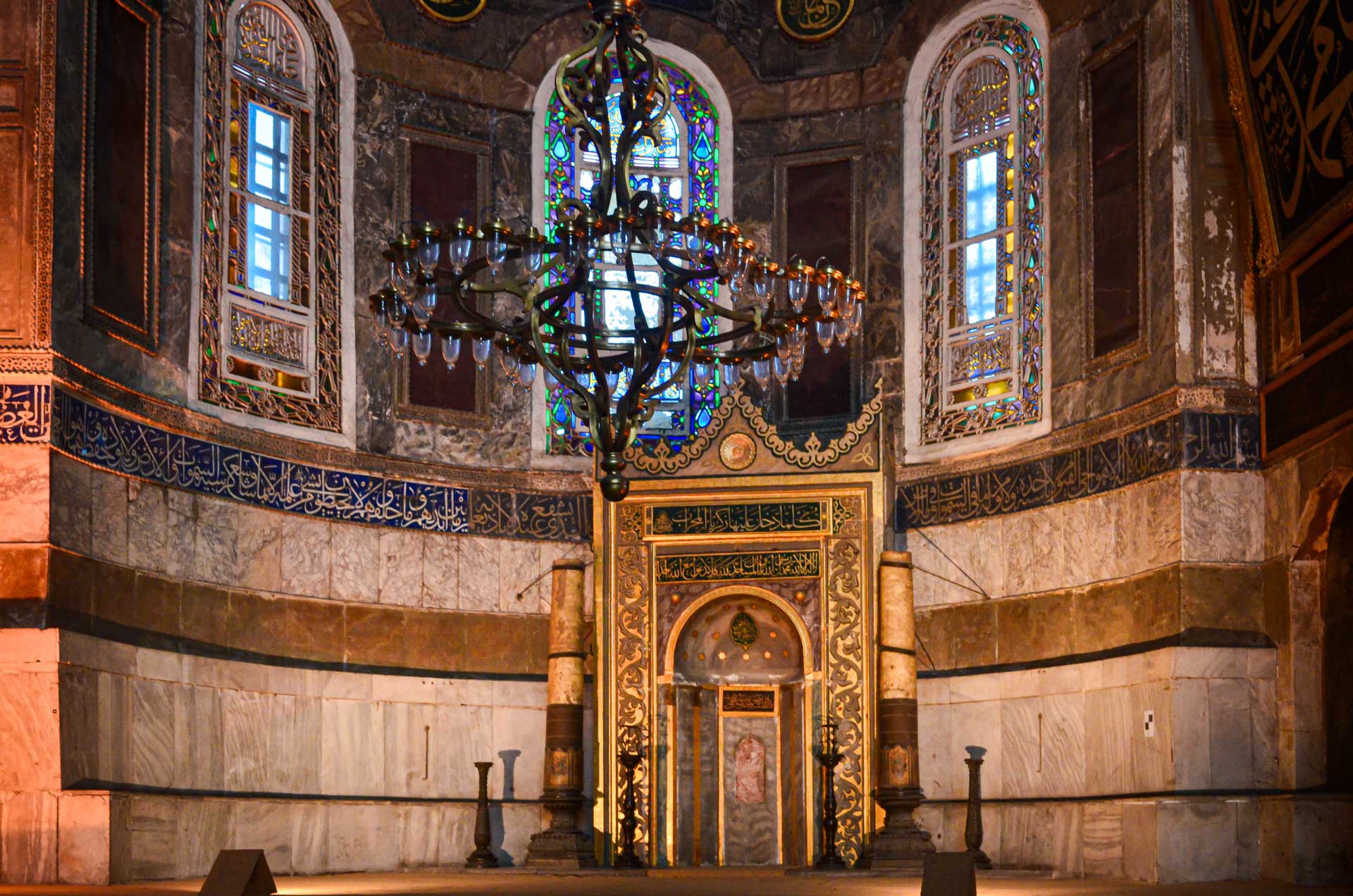
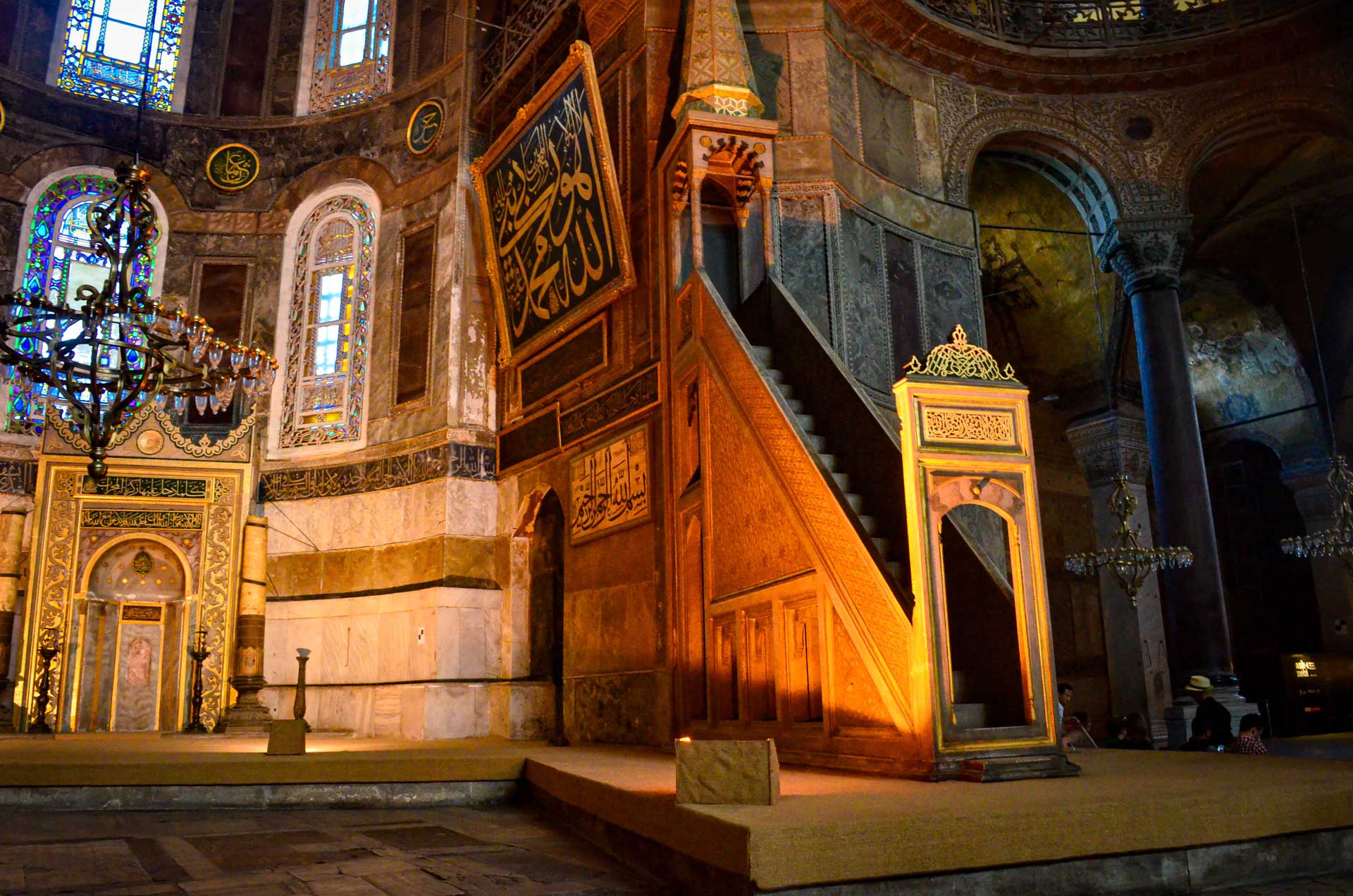
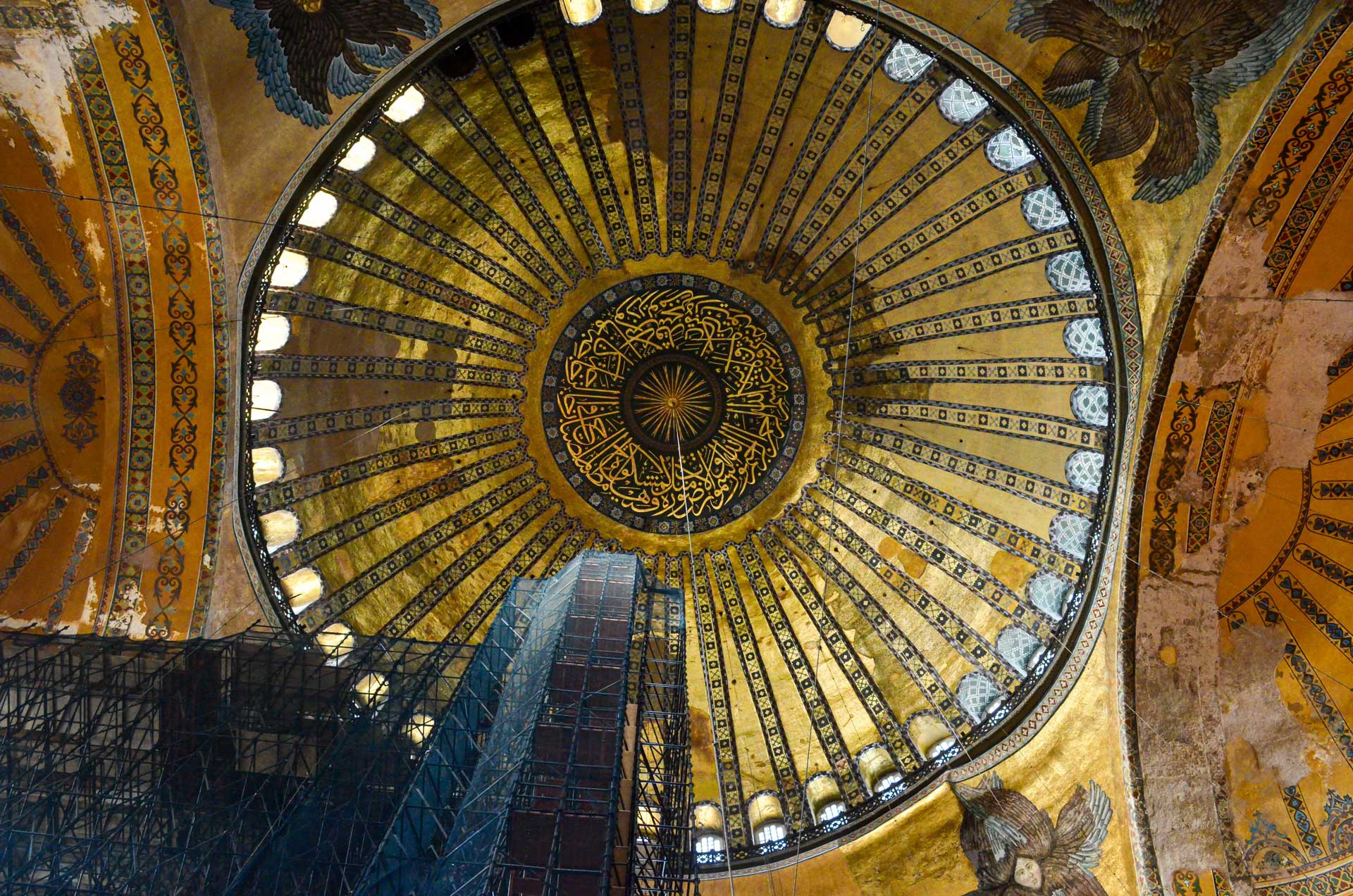
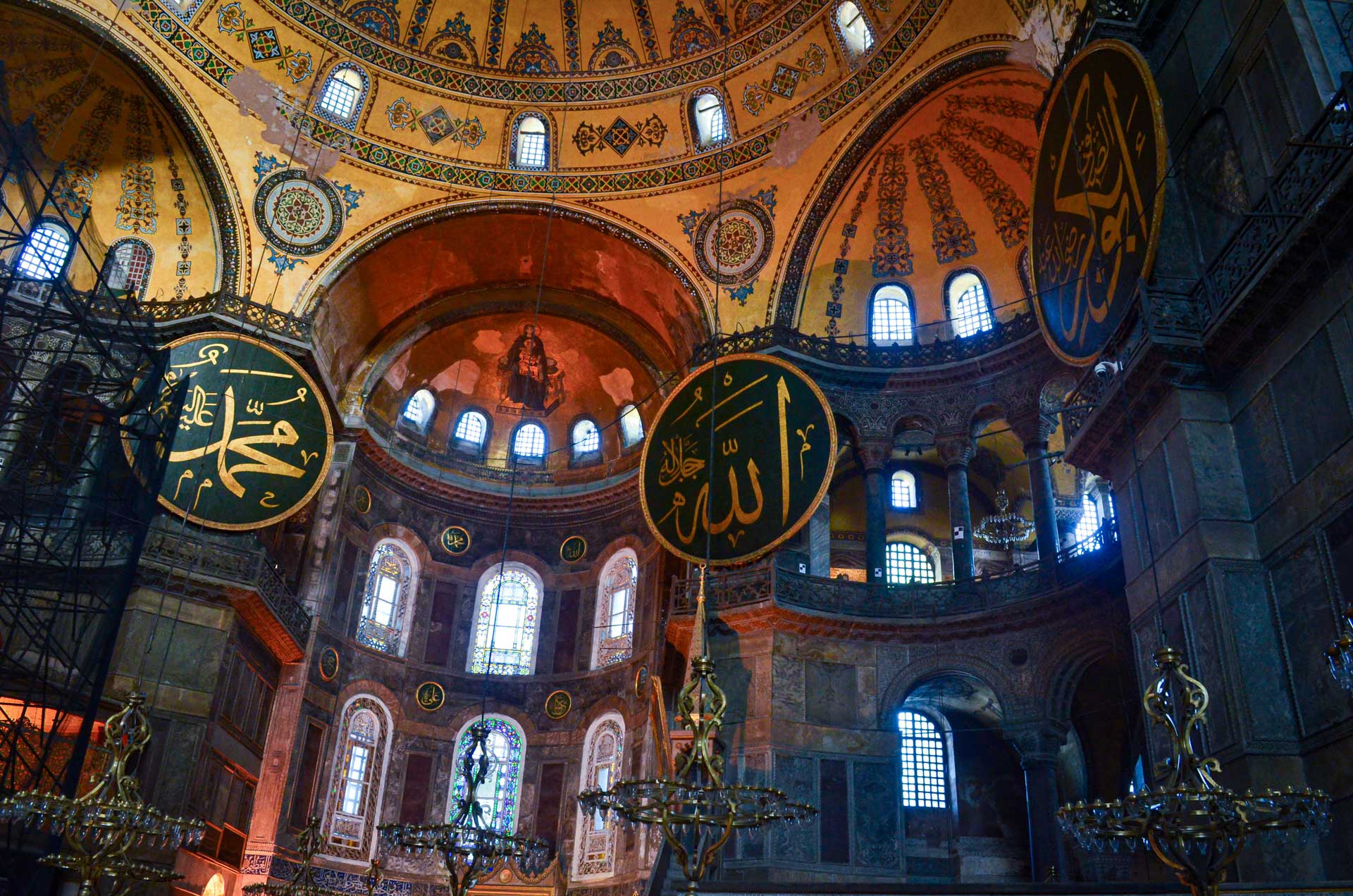
At its center is Hagia Sophia, the great basilica that Emperor Justinian built in 537. For nearly a thousand years, it was the biggest cathedral in Christendom. Its huge dome appears to float with no support above the nave, a marvel of Byzantine architecture. It is lit by windows that have been placed around the base of the dome to create the impression that heaven itself is built on rock.
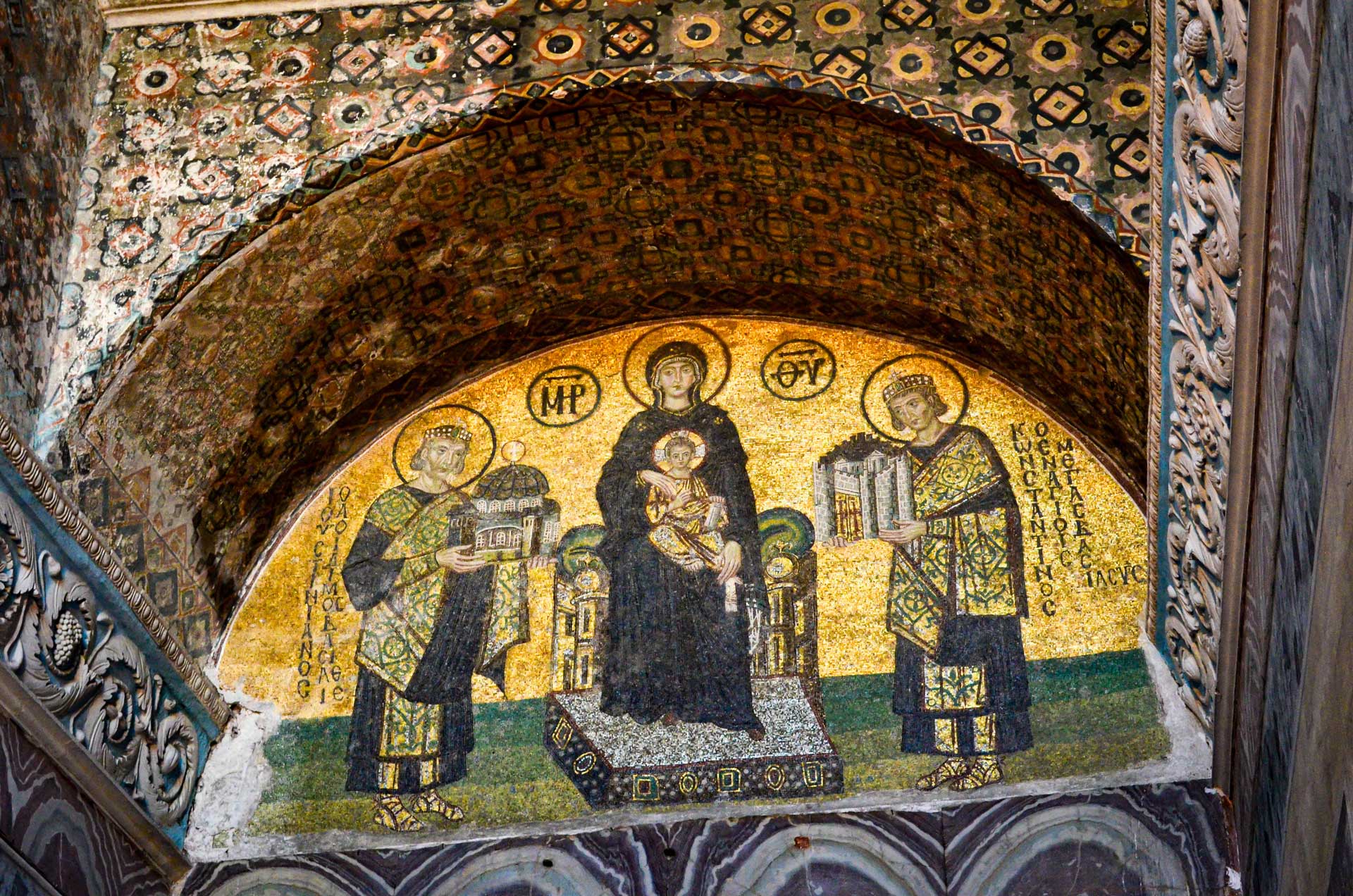
Mosaics of Christ and the Virgin Mary still glimmer in the darkness, scarred by time but iridescent; great medallions carved with Arabic calligraphy hang like shields from the gallery. Later, there would be minarets (when the Ottomans took the city, they covered up the mosaics and turned Hagia Sophia into a mosque). Today, it is of and about both worlds: Christian frescoes cohabitating with Islamic inscriptions, as if history had concurred that no one voice can claim this city.
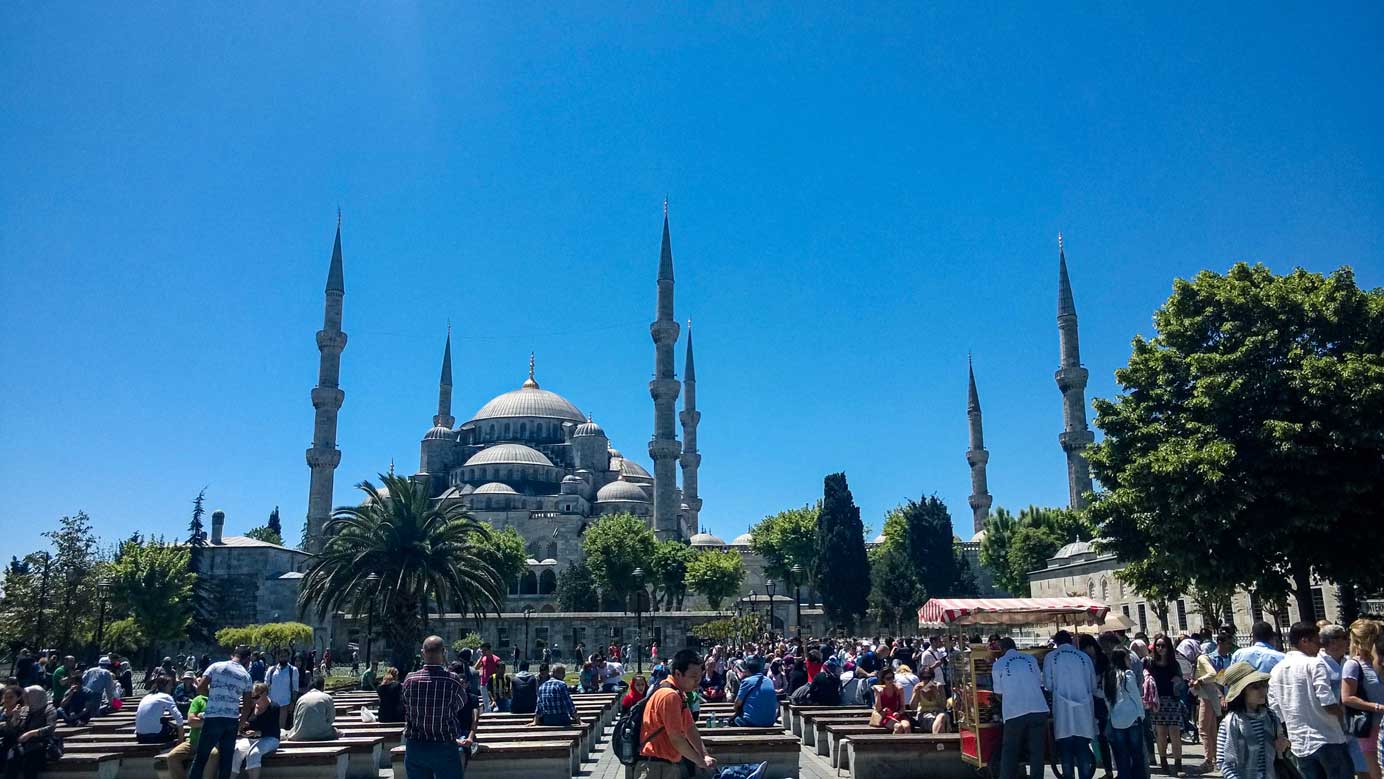
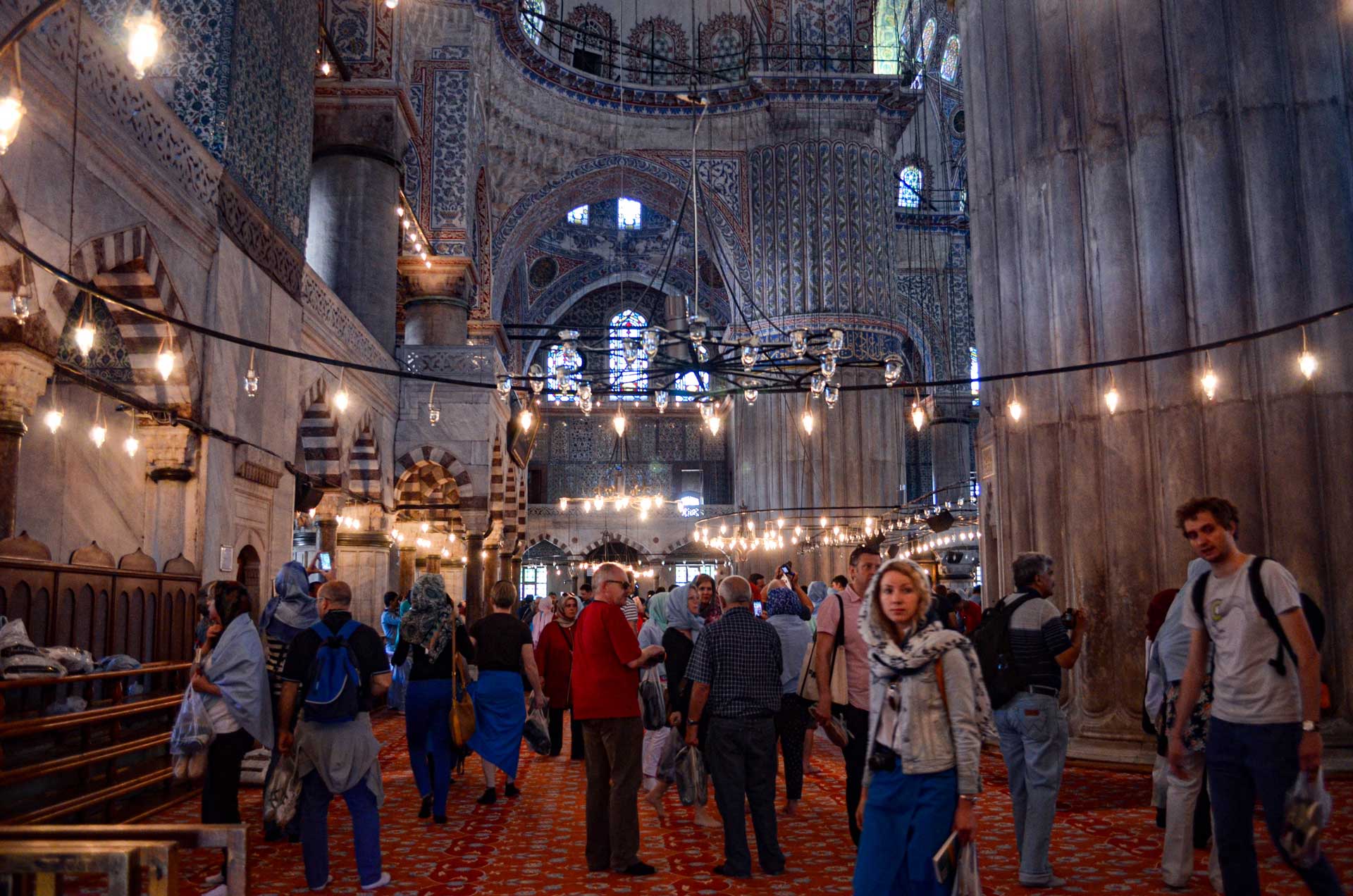
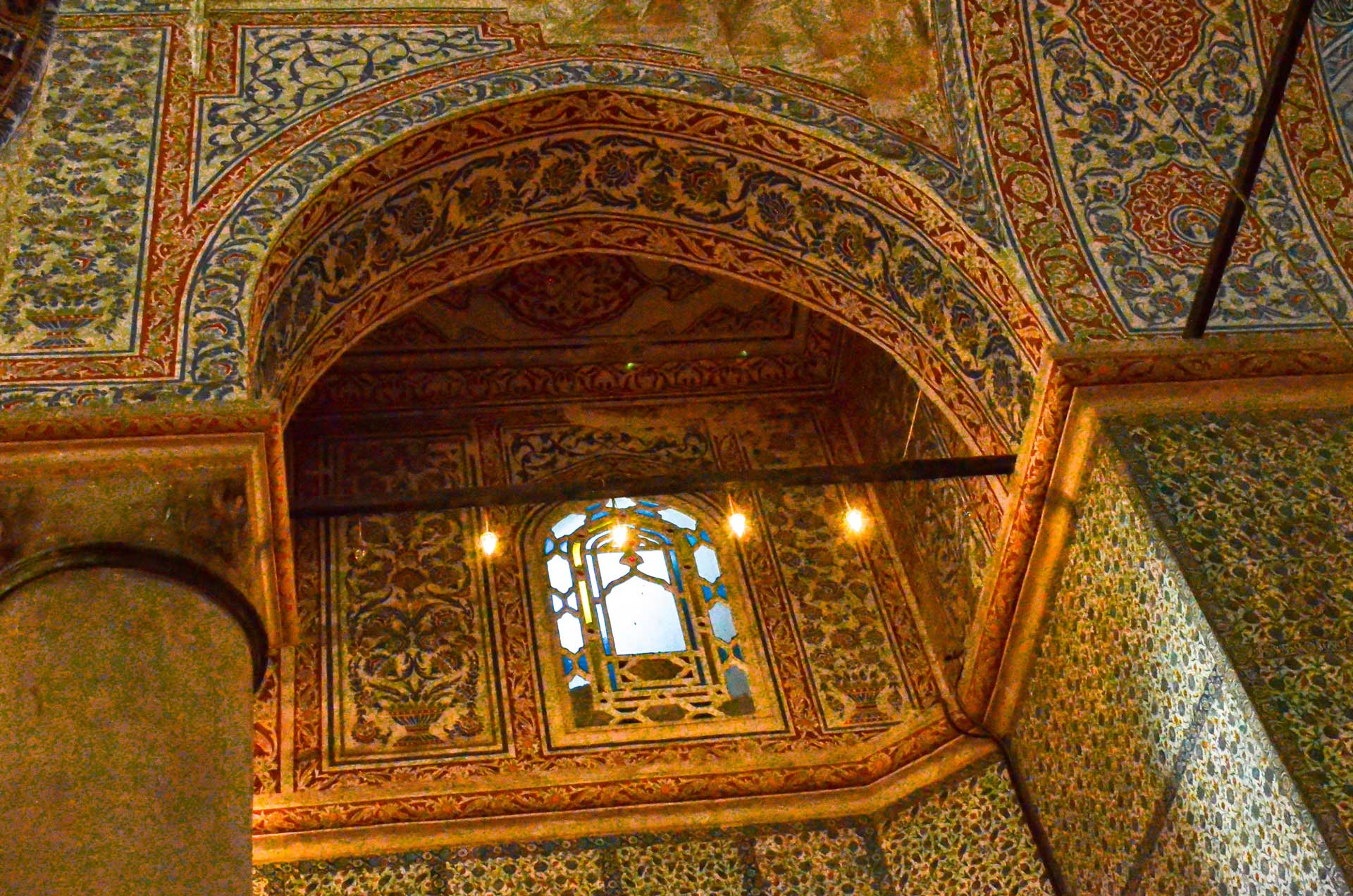
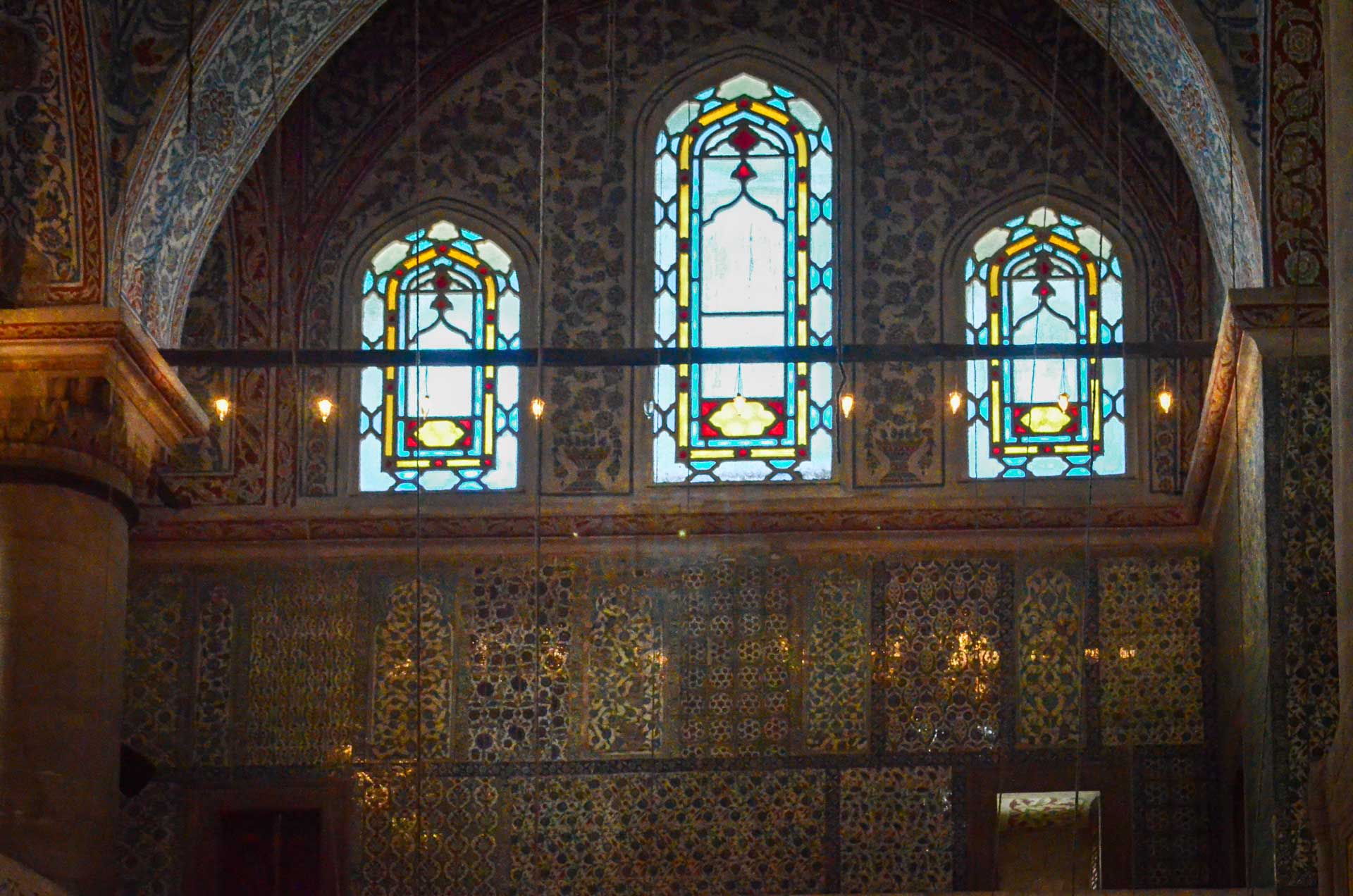
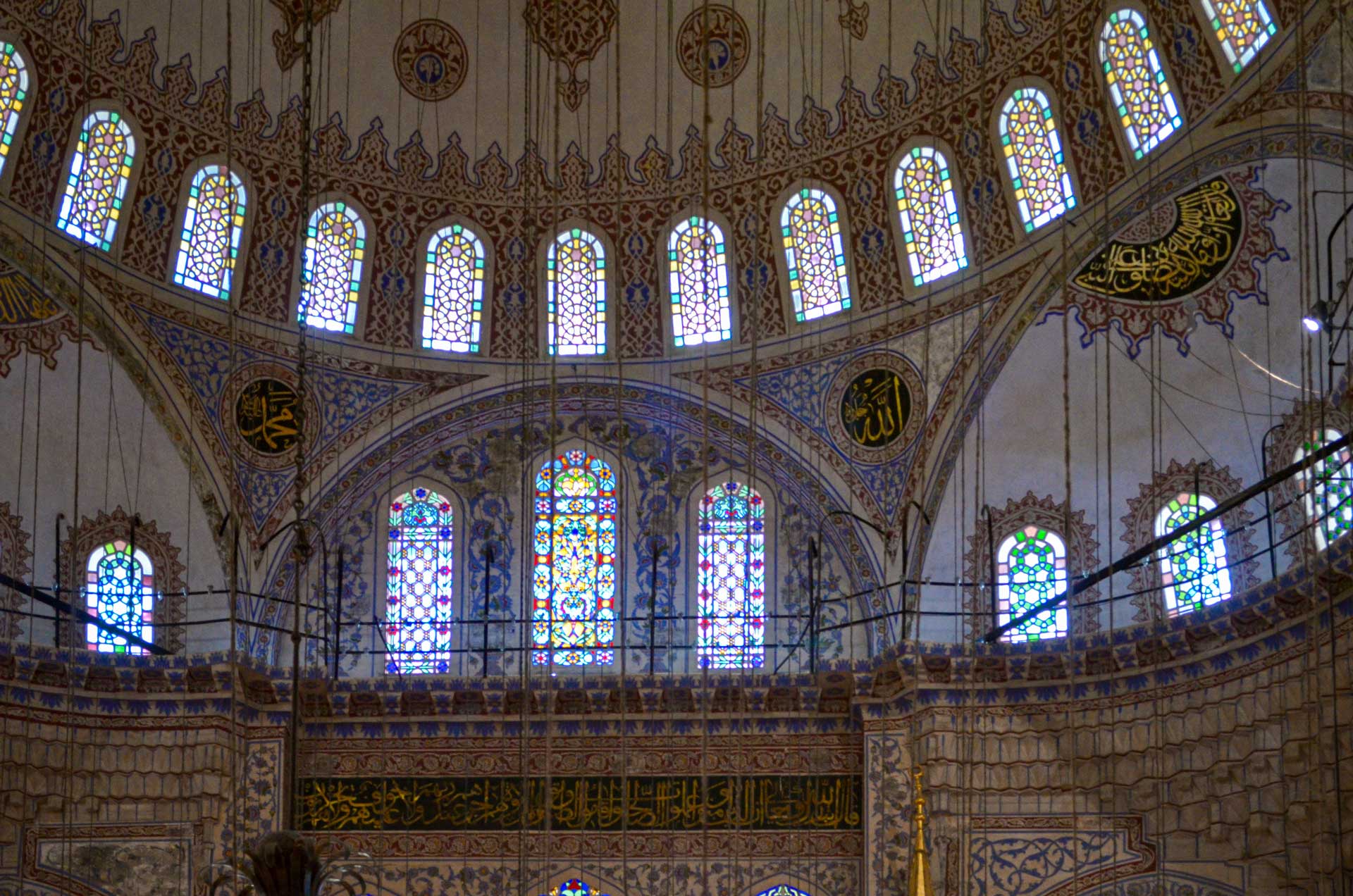
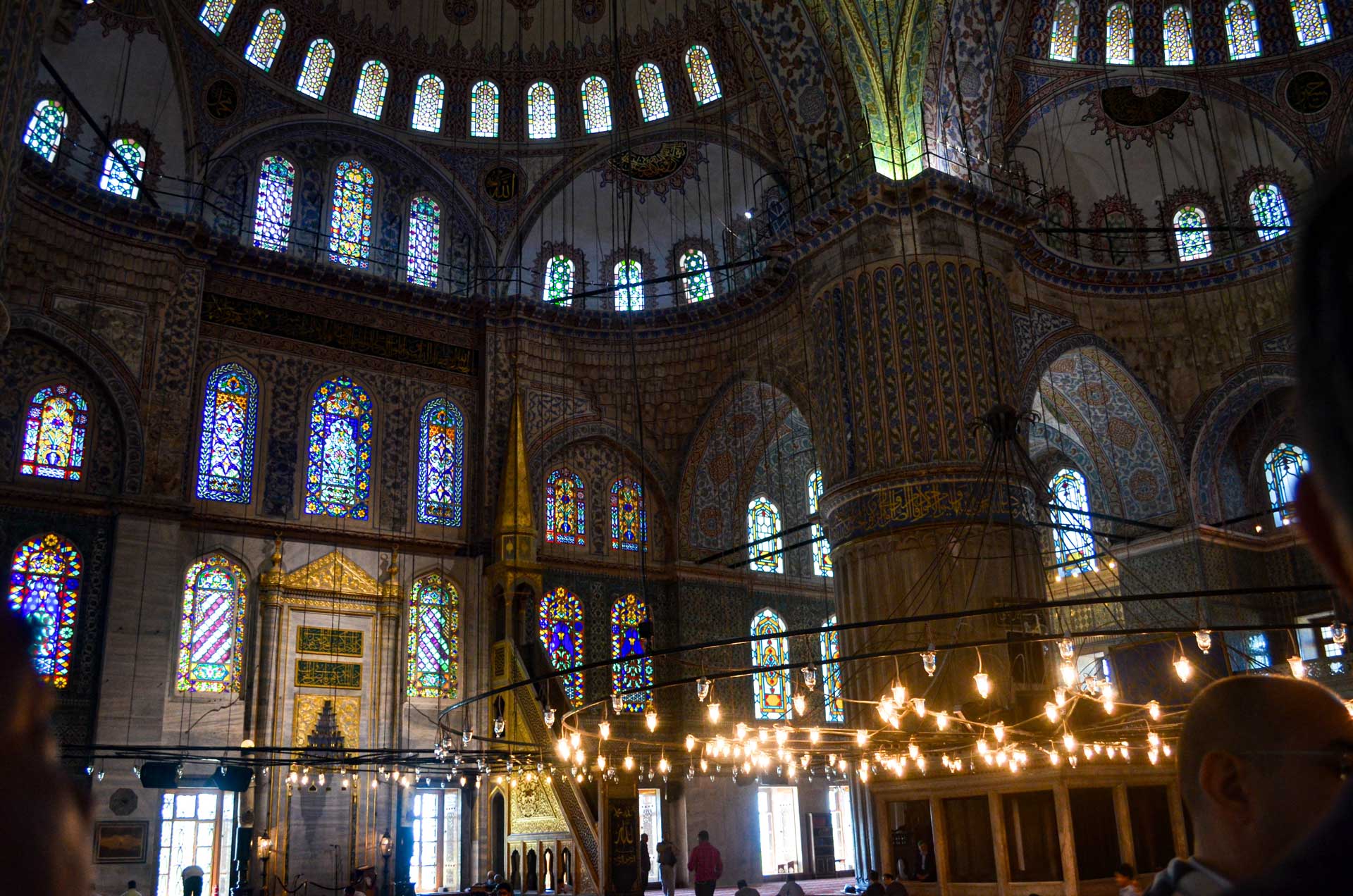
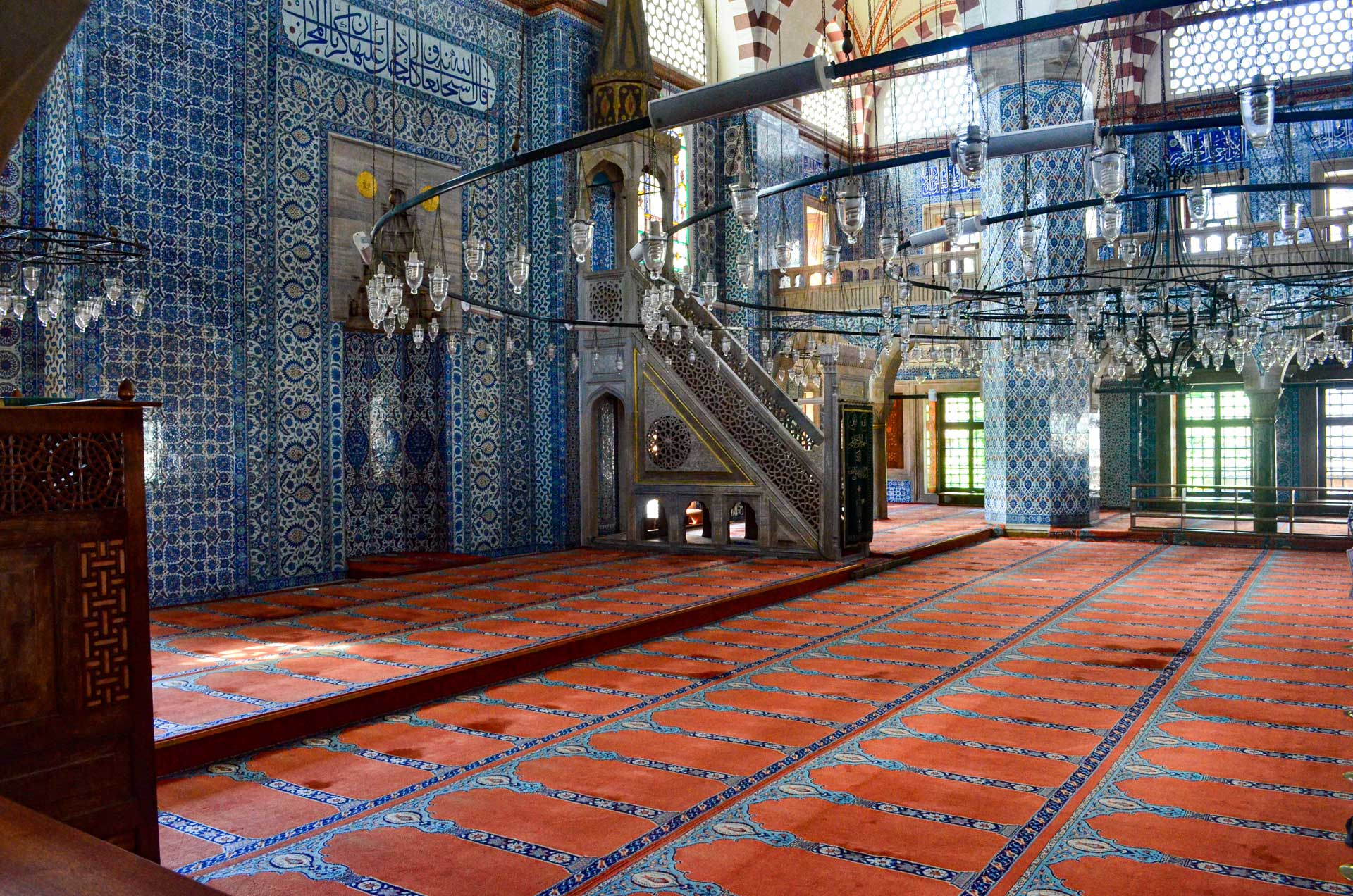
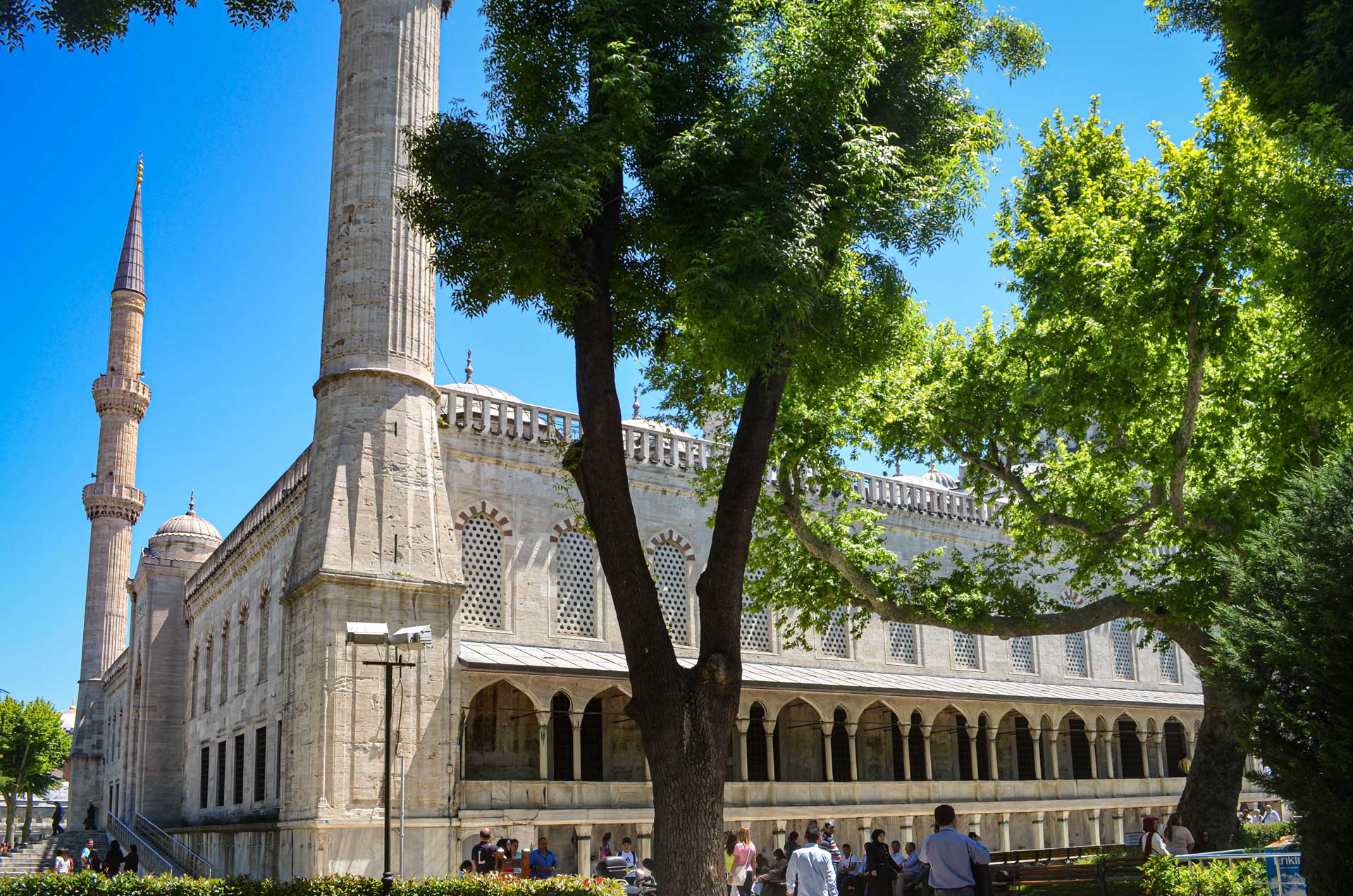
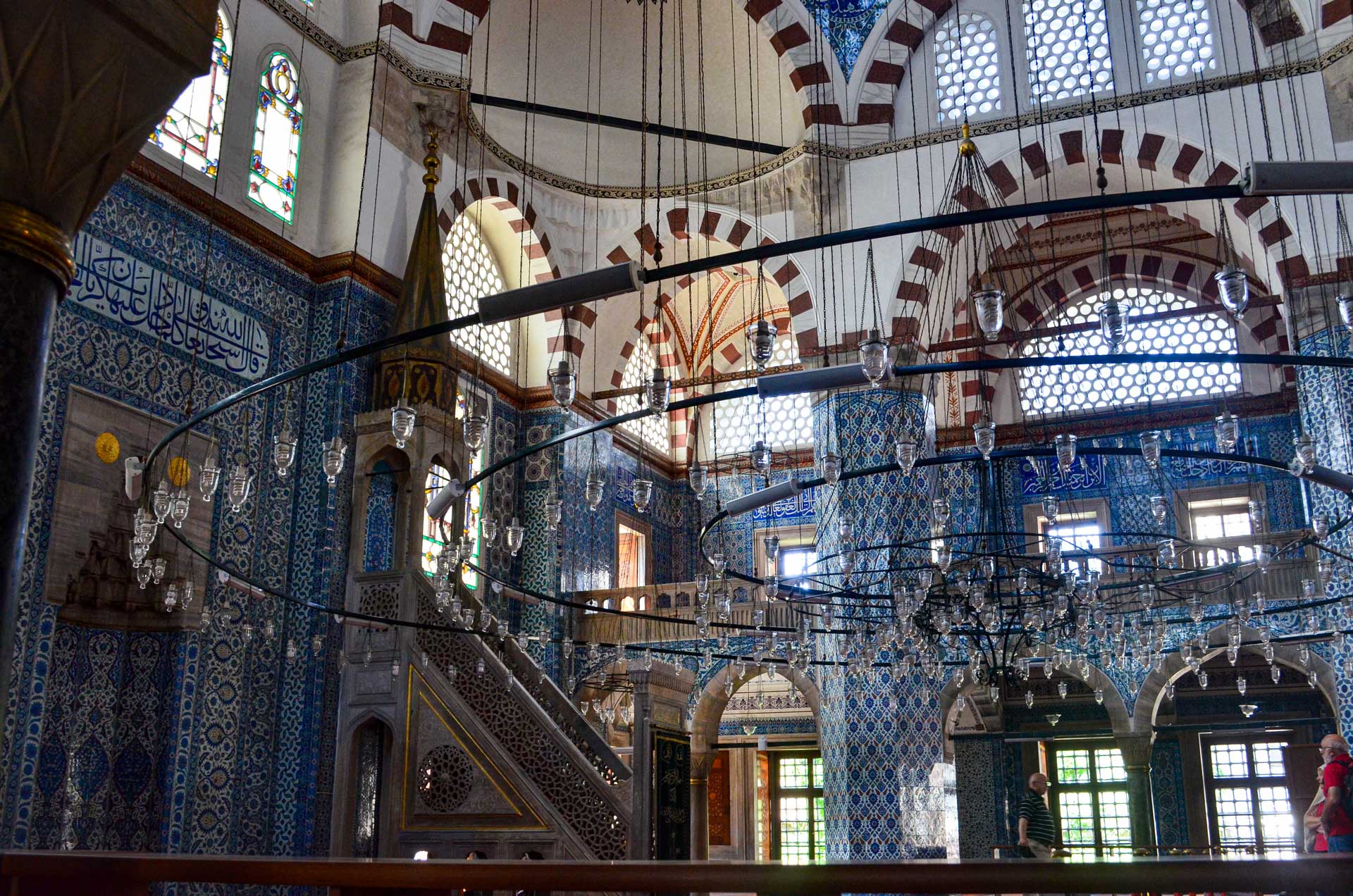
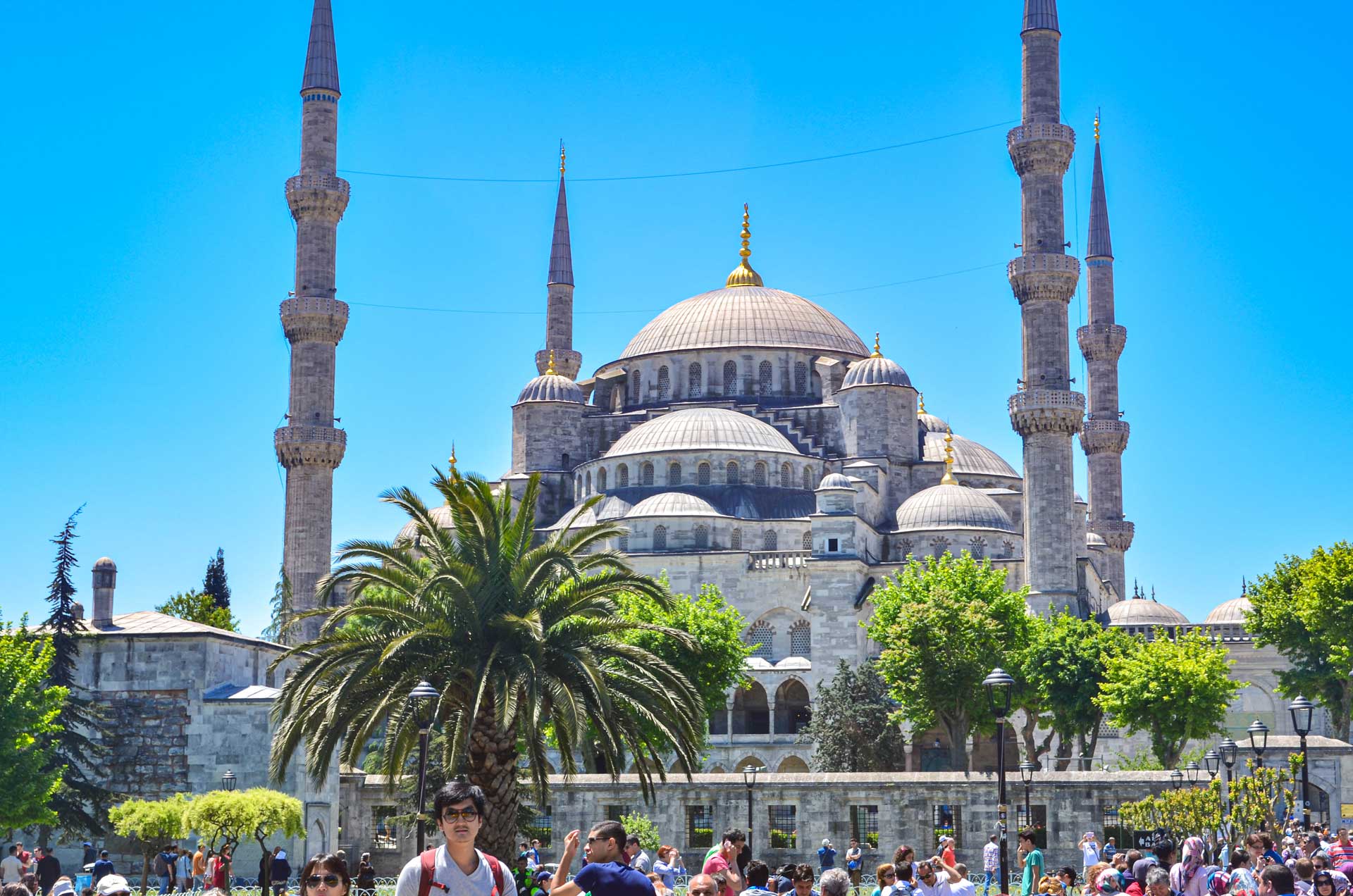
Directly across the square, travelers are met with the Sultan Ahmed Mosque, better known as the Blue Mosque. Constructed in the early 17th century by Sultan Ahmed I to upstage Hagia Sophia, it remains one of Turkey’s most popular attractions. Its cascade of domes and six slender minarets pierce the sky, but it is the interior that makes one humble, spreading out in over 20,000 Iznik tiles, glazed in blues and greens, with delicately rendered patterns of tulips, carnations, and arabesques. Chandeliers hang low and fill the marble room with soft light as prayers rise in hushed rhythm.
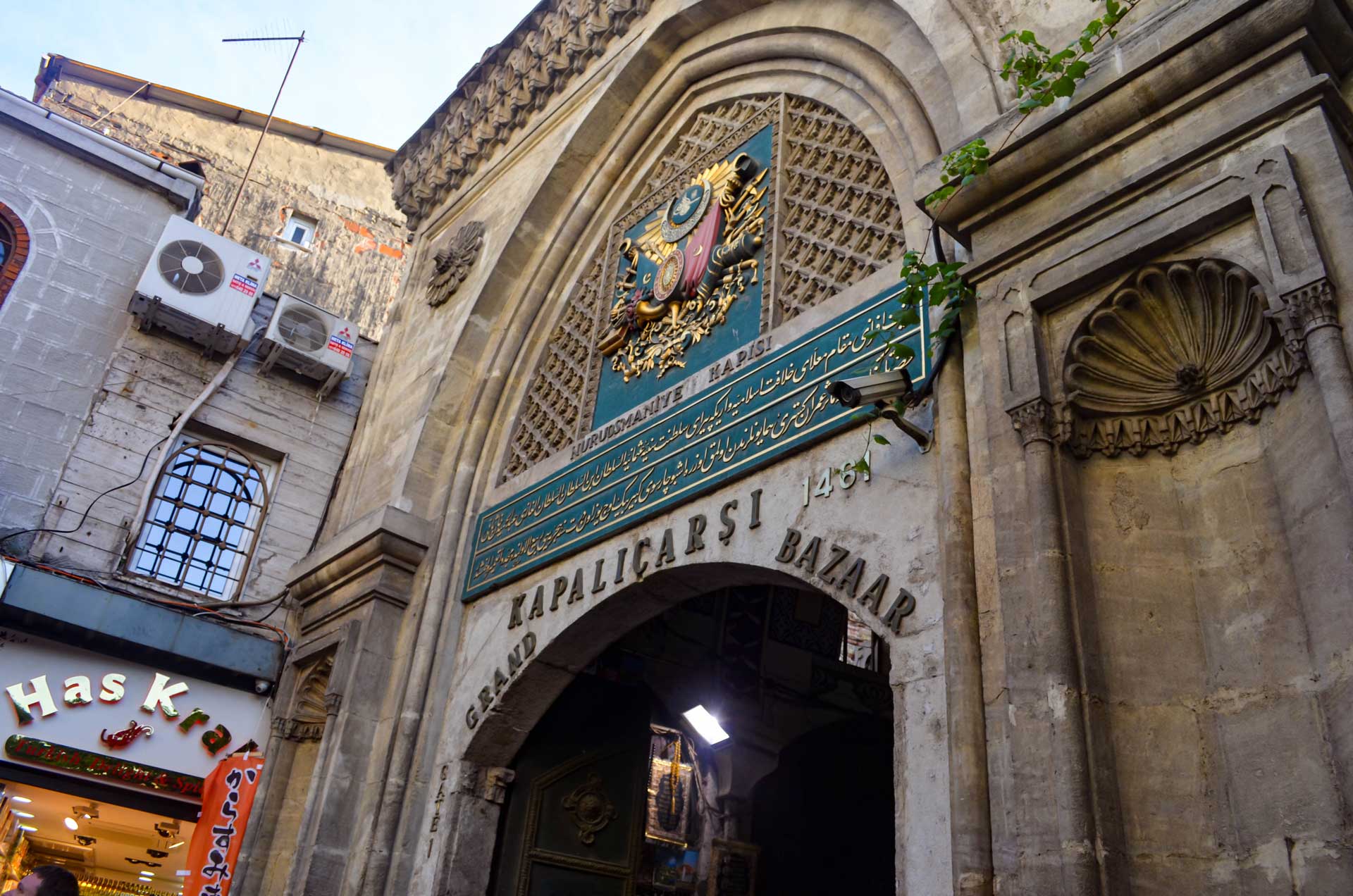
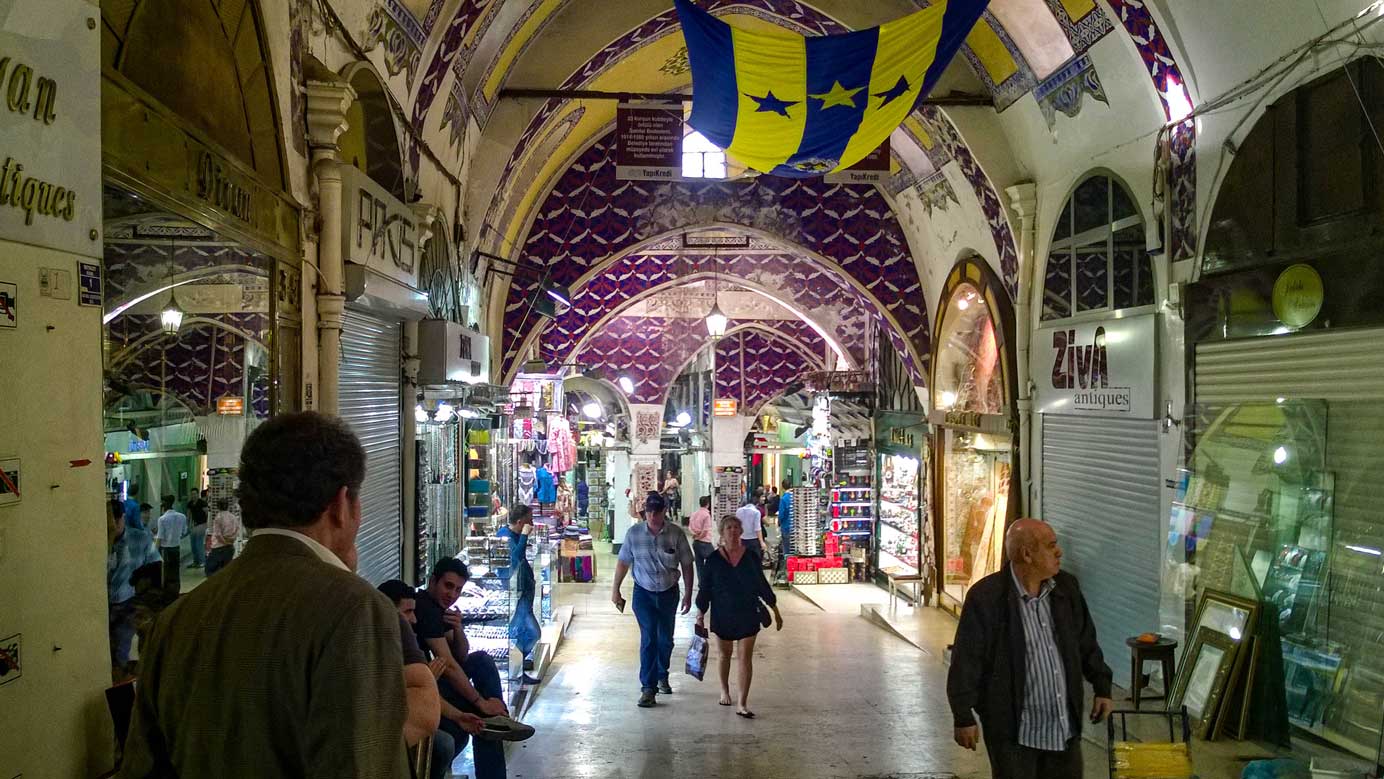
The maze of the Grand Bazaar isn’t far off, and we are swallowed by the labyrinth there. Dating back to the 15th century, it is more than a marketplace; it’s a city within a city, with more than 4,000 shops connected by vaulted passageways. Lanterns burn amber, Carpets spill reds and yellows. The air is heavy with leather, coffee, and spice. In this context, bargaining is not simply commerce; it is theater. Shopkeepers beckon you with a cocktail of persistence and charm, offering apple tea before kilims, jewelry, or brass lamps that gleam like captured stars. Even without a purchase, the bazaar itself is a treasure—an echo of caravans that once brought silk and gemstones from Persia and India, a reminder that Istanbul has always been a crossroads where the world came to trade.
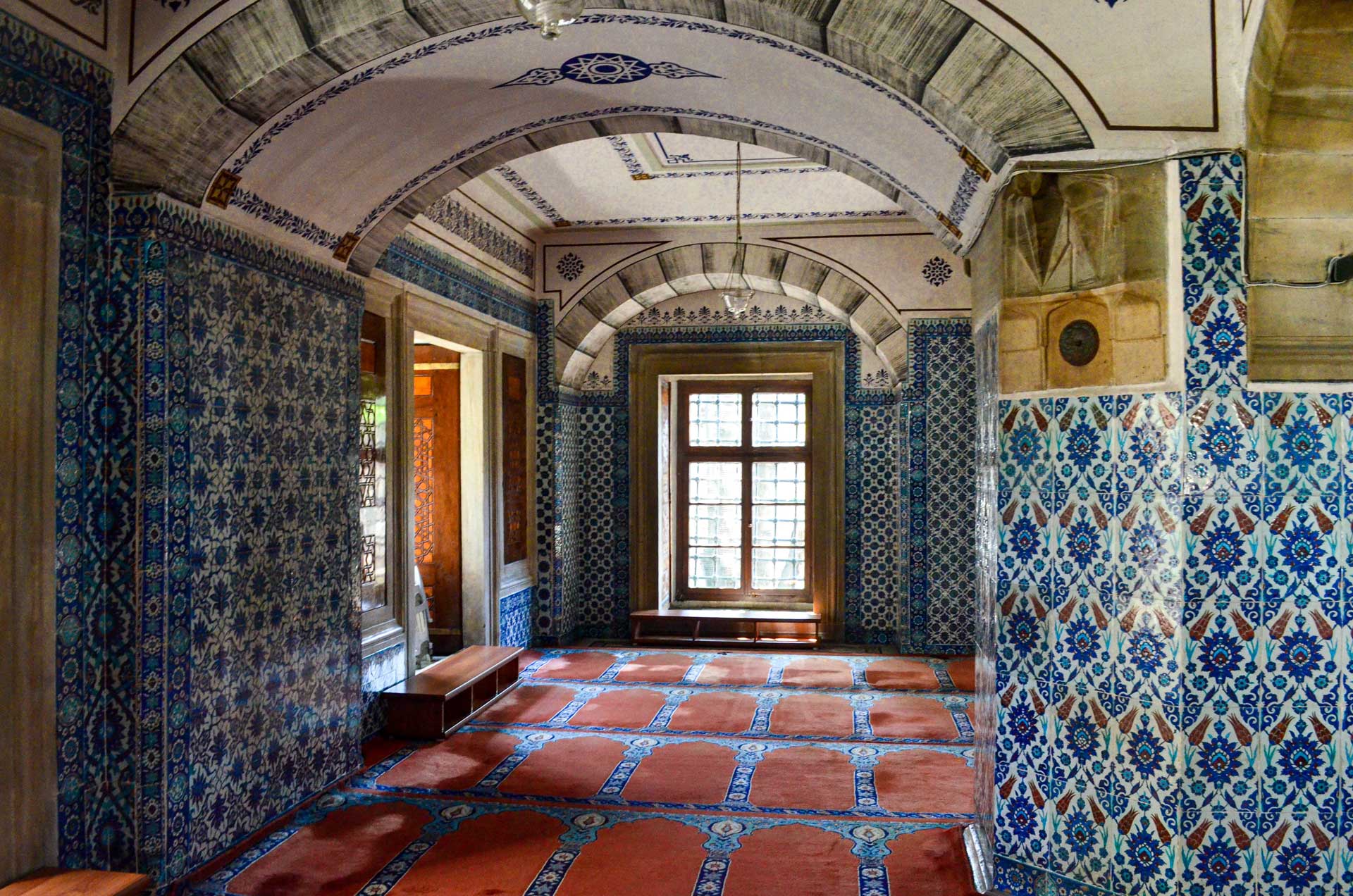
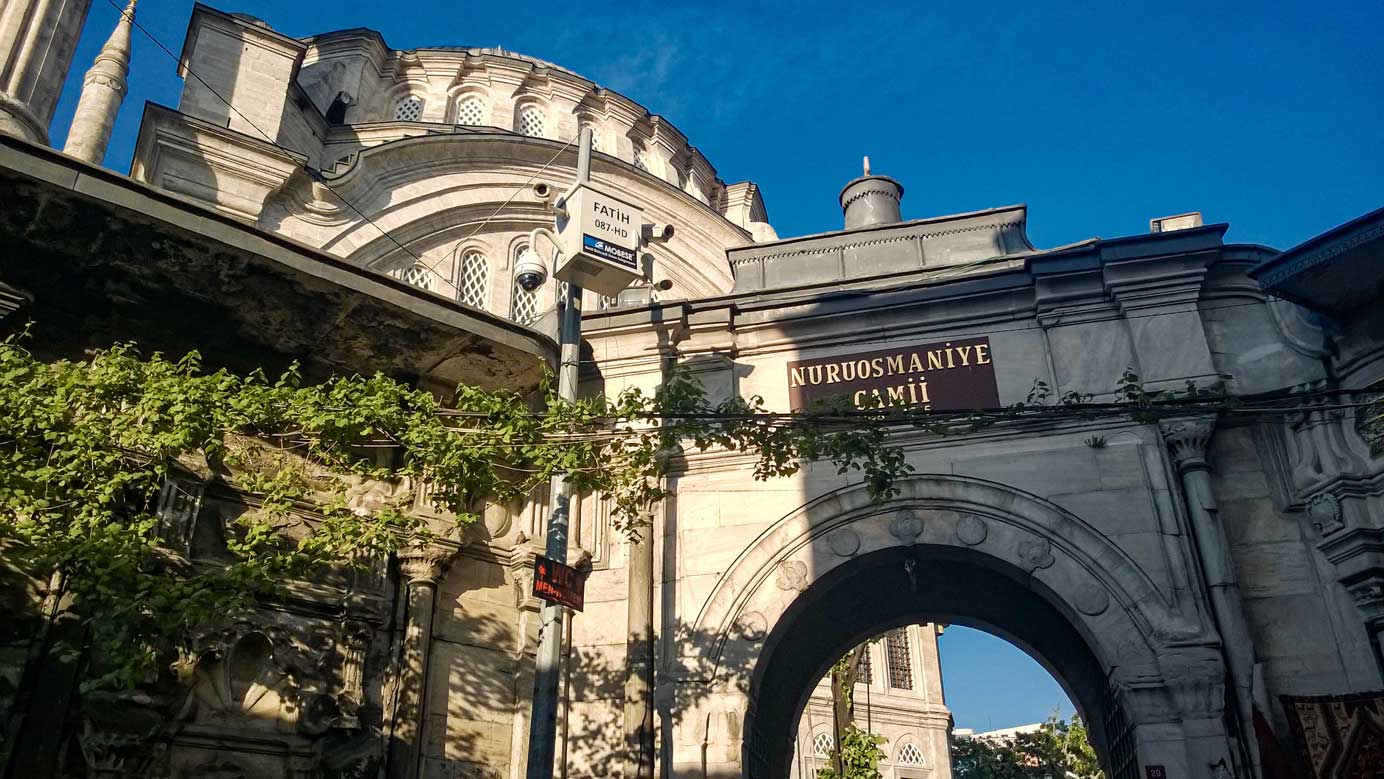
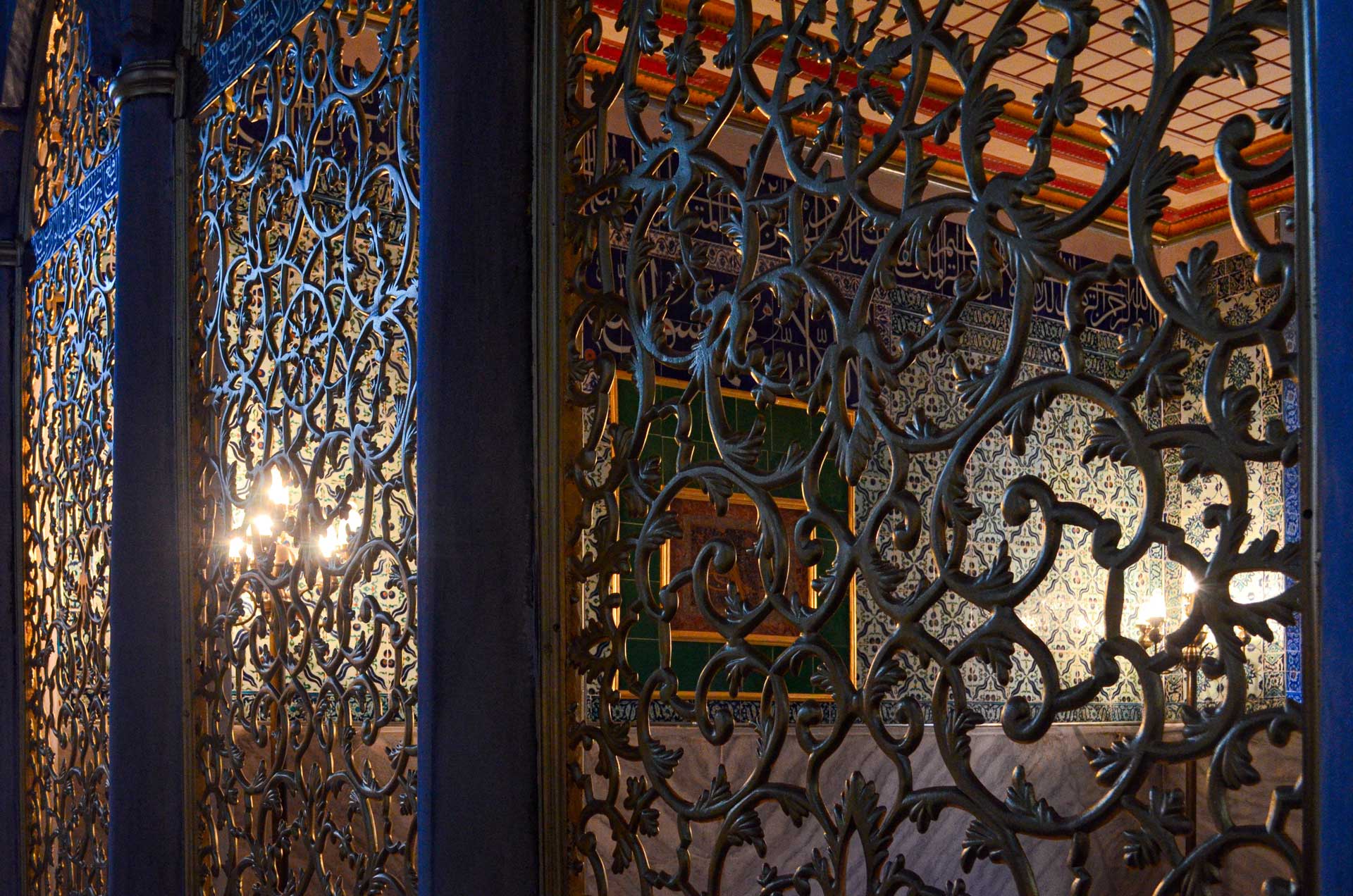
Nestled just at the periphery of this market is Nuruosmaniye Camii, or Light of Osman Mosque, built in 1755. It was one of the last large mosques in the classical Ottoman style and also has some Byzantine influences on its design due to being a Constantinople church conversion; it contains other Baroque elements as well. An abundance of its windows welcomes daylight into the prayer hall, taming the stone’s stoic quality. Curves supplant straight lines, and ornament dallies with fluidity, almost as if the empire were beginning to cast its eyes outward toward Europe. The mosque is both cozy and monumental—a bridge not of geography, but of style and spirit.
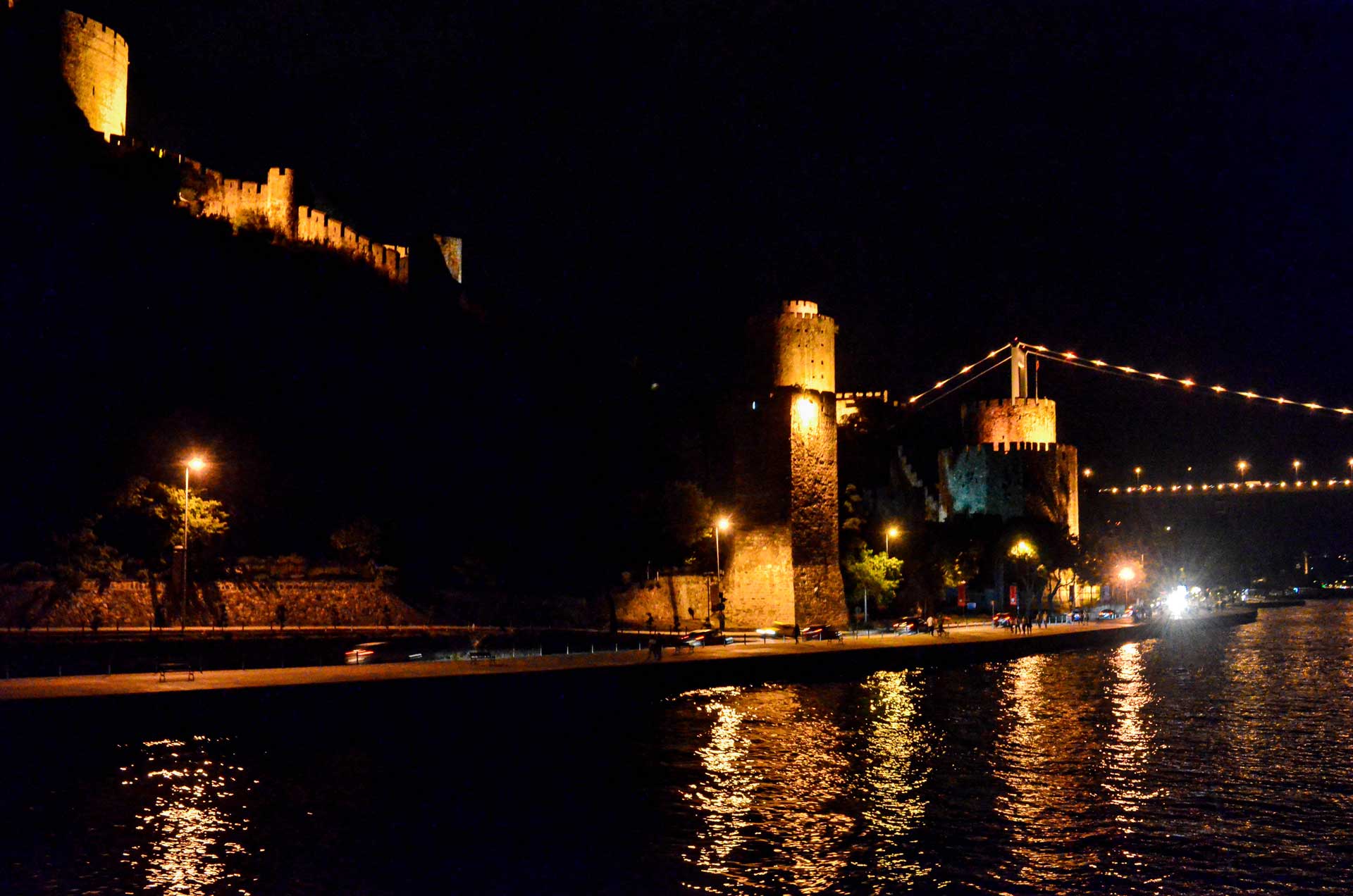
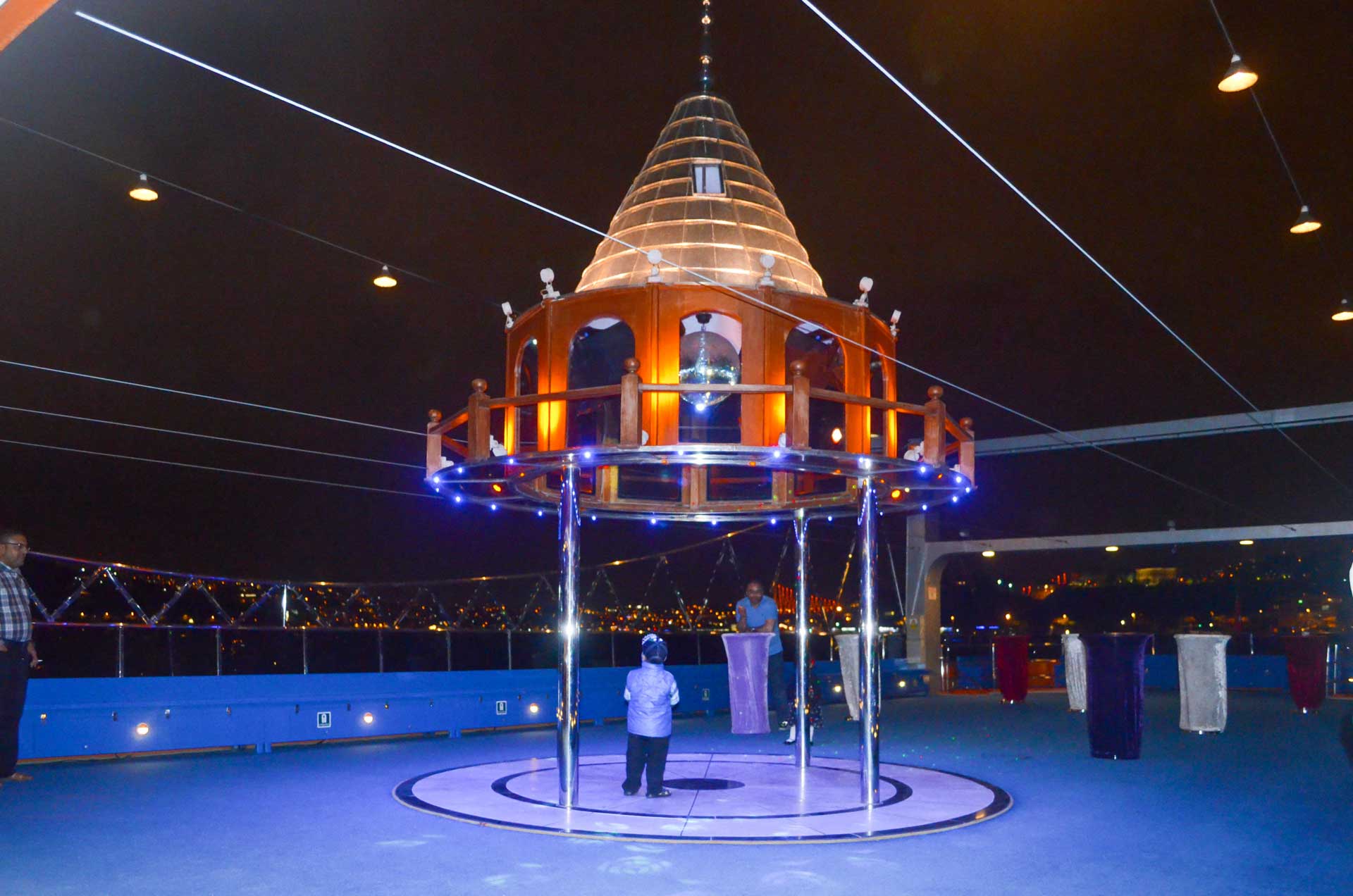
As night began to fall, we gathered underneath the shadow of the walls of Rumeli Fortress, which sits on a hill. It was thrown up in only four months by Sultan Mehmed II, in 1452—an achievement of desperation and also a paragon of ambition, built to dam the strait before he took over Constantinople. By day, the fort is a ruin; visitors climb its towers to gaze across the waterway. At night, though, under a black sky, it turns into something else: walls that appear to breathe memory, towers rising like sentinels against the skyline. Here, history is not distant; it feels awake and present, like a pulse beneath the skin.
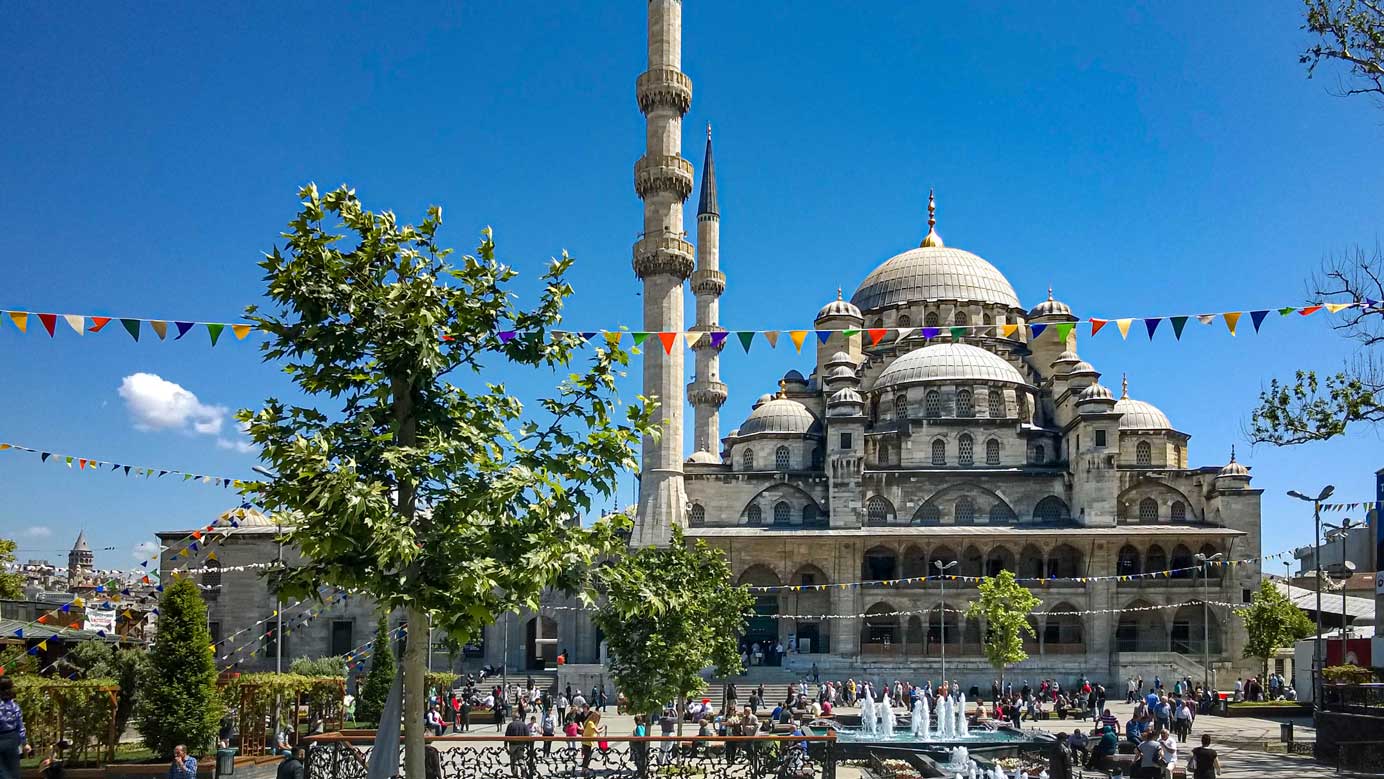
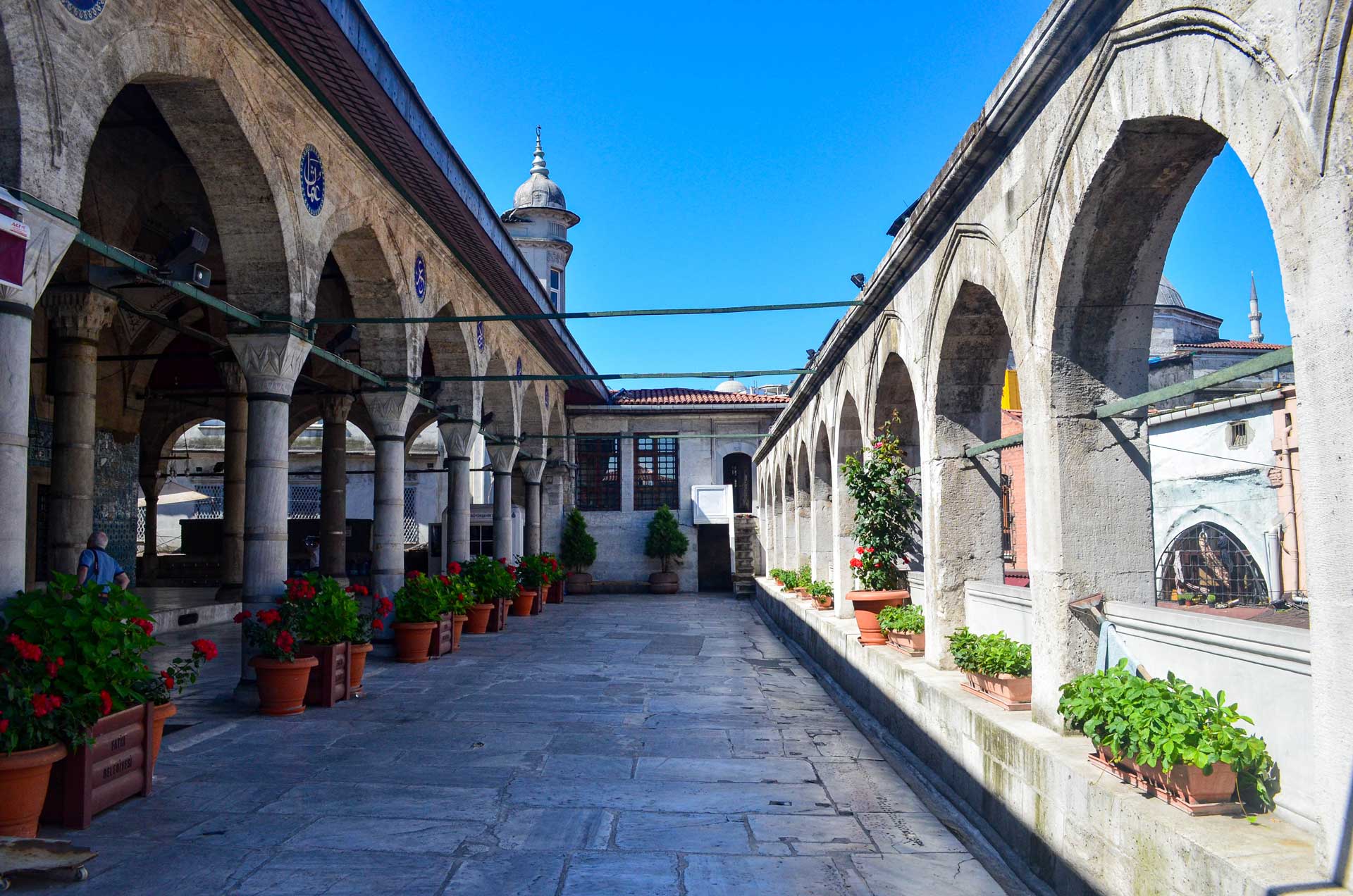
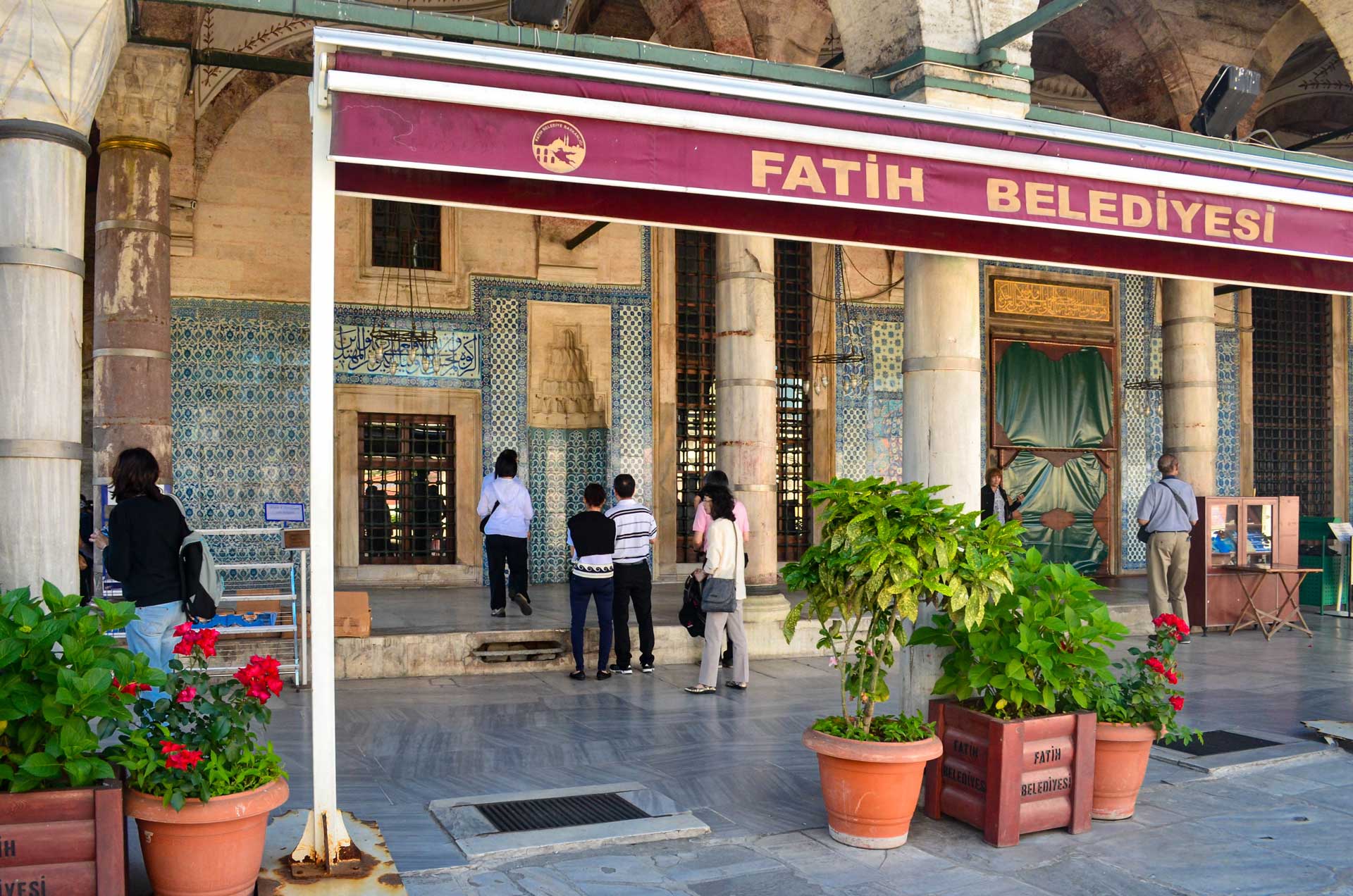
Between monuments, Istanbul appears in smaller frames. In that district, Fatih Belediyesi, the administrative heart and cultural soul come together as streets pulsate with everyday life. Bakeries pile up simit—sesame bread rings fresh from the oven—while tea houses host little tulip-shaped glasses of çay. Children dash around marble fountains, vendors hawk roasted chestnuts and corn on the cob, and the domes of small local mosques jut up unexpectedly among the bustle. Faith here is in the great mosques, yes, but also in the cadence of daily life—in courtyards where pigeons startle as worshippers emerge, in the rhythm of prayers that mark time like a clock no one needs to wind.
And then, the food—Istanbul’s other great specialty. First come plates of meze: smoky baba ghanoush, tangy ezme, and vine leaves wrapped around rice that is scented with dill and thick yogurt drizzled with olive oil. Next up, it is the kebabs—lamb speared and spiced and charred, sizzling on their way to the table. On street corners in Eminönü, fish sandwiches— balık ekmek—sizzle beside the water and are passed across the counter with a squirt of lemon.
There was always something else for dessert, too: lokum (the basis of Turkish delight) coated in sugar, rosewater seeping into memory, dondurma, a thickened salep ice cream pulled and twisted by vendors with playful tricks, or just warm sahlep milk during winter, sprinkled with cinnamon, and baklava, warm puff pastry filled with pistachios and sugar syrup, just baked to golden perfection. One does not get up from the table in Istanbul that easily. Meals are not just about sustenance but about hospitality and conversation and the feeling of being folded into a culture that has learned over many centuries. Food is one more way to tell Istanbul’s history!
Everywhere we turned, the architecture exposed that history. Byzantine arches met Ottoman domes, Art Nouveau facades faced ferry crossings, and modern glass towers cast question marks up at the skyline. But nothing felt displaced; the city had incorporated every stratum rather than replacing it. In the end, Istanbul is less about contrast than coexistence. Together, the monuments narrate a single tale: the voice of a city that refuses to be just one thing.
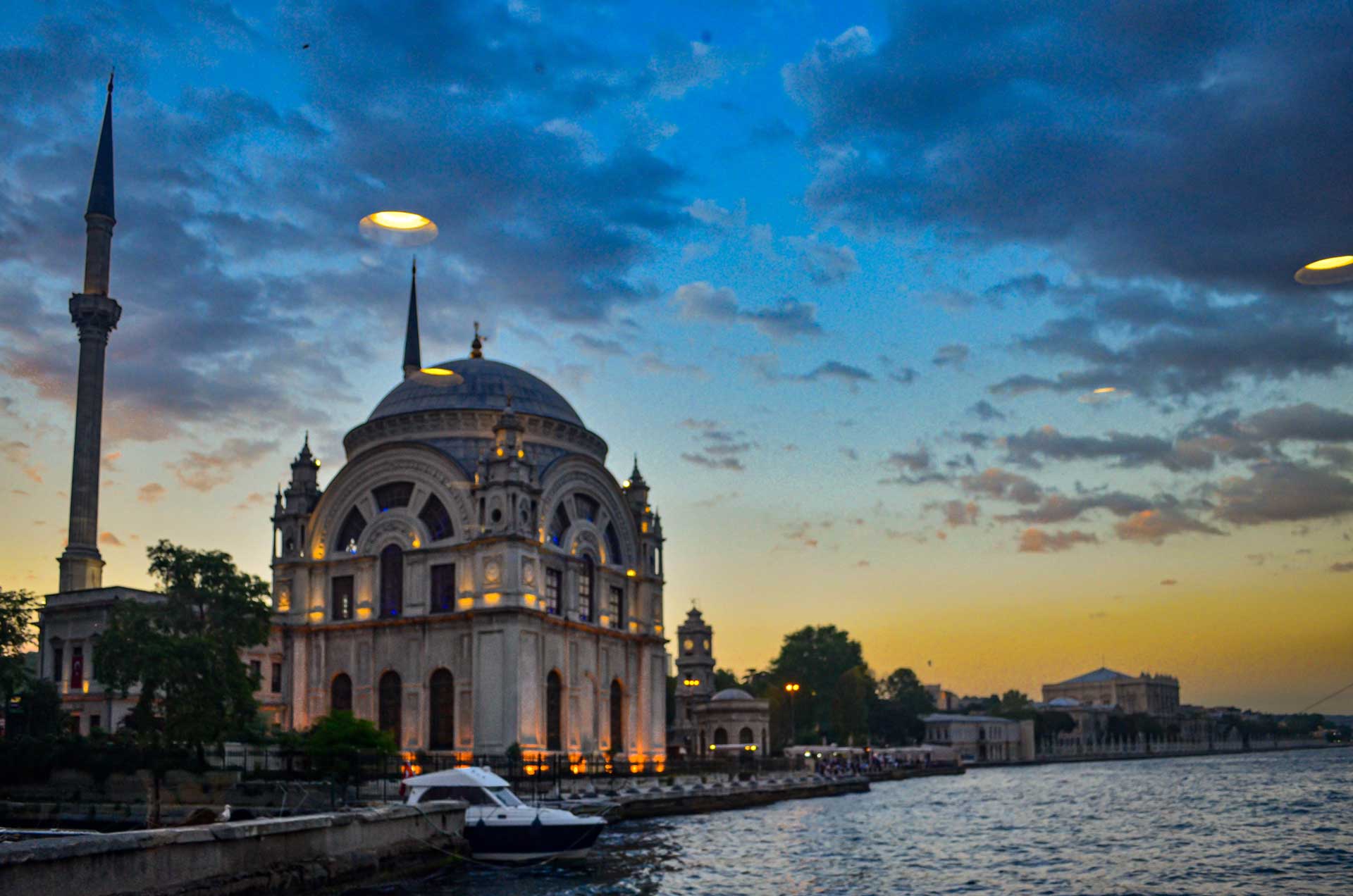
On our final night, we walked across the Galata Bridge, where men leaned on the rails with fishing lines cast into the Bosphorus. Ferries sliced through the water, their lights sewn like sequins on black silk. Minarets towered in the sky, domes shimmered dimly, and the city exhaled—not ancient or modern but both. Empire and republic, siege and splendor, and decline and revival have been part of the fabric of life in Istanbul. It is not the property of any faith, nation, or period.