Auschwitz- Where death lingered
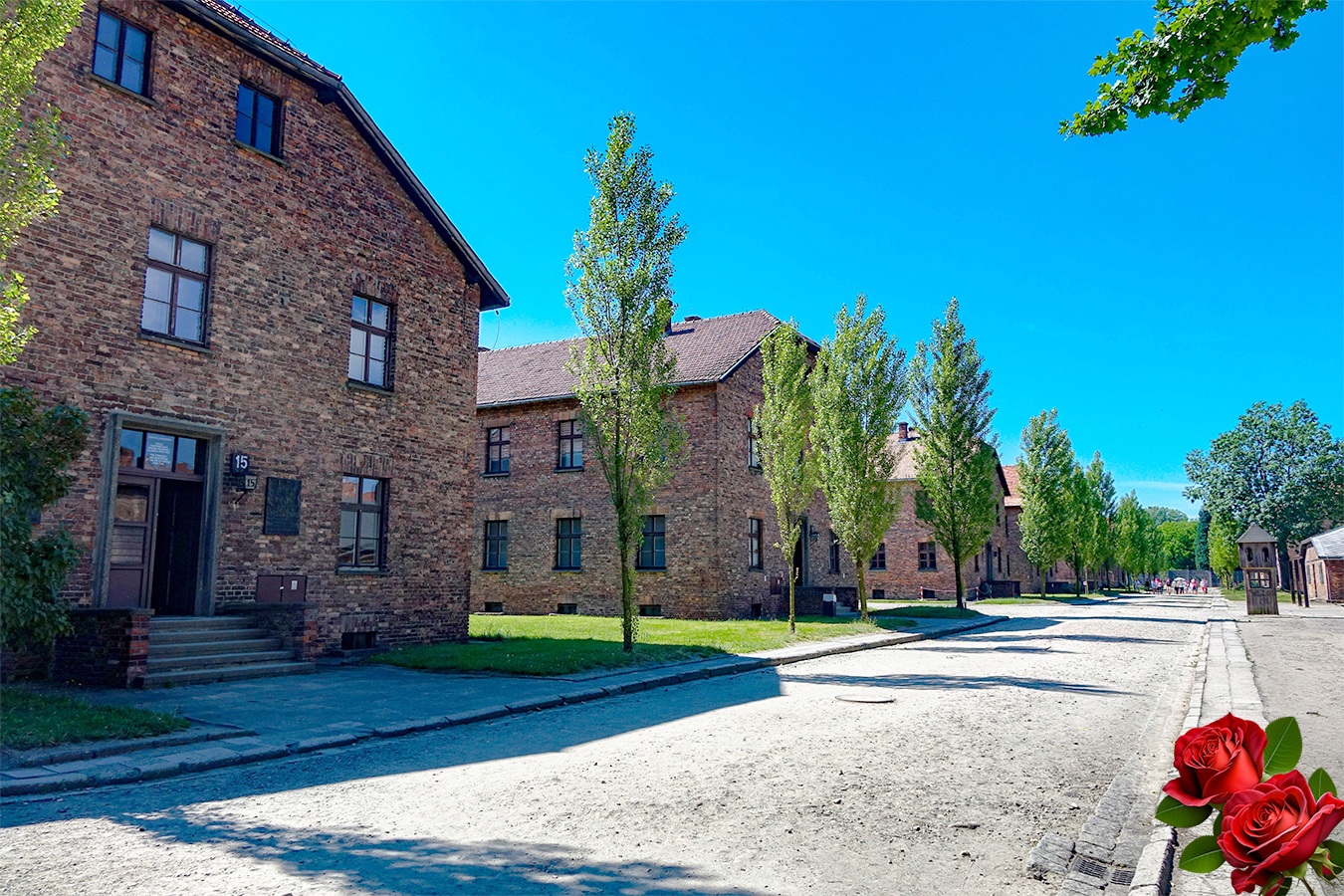
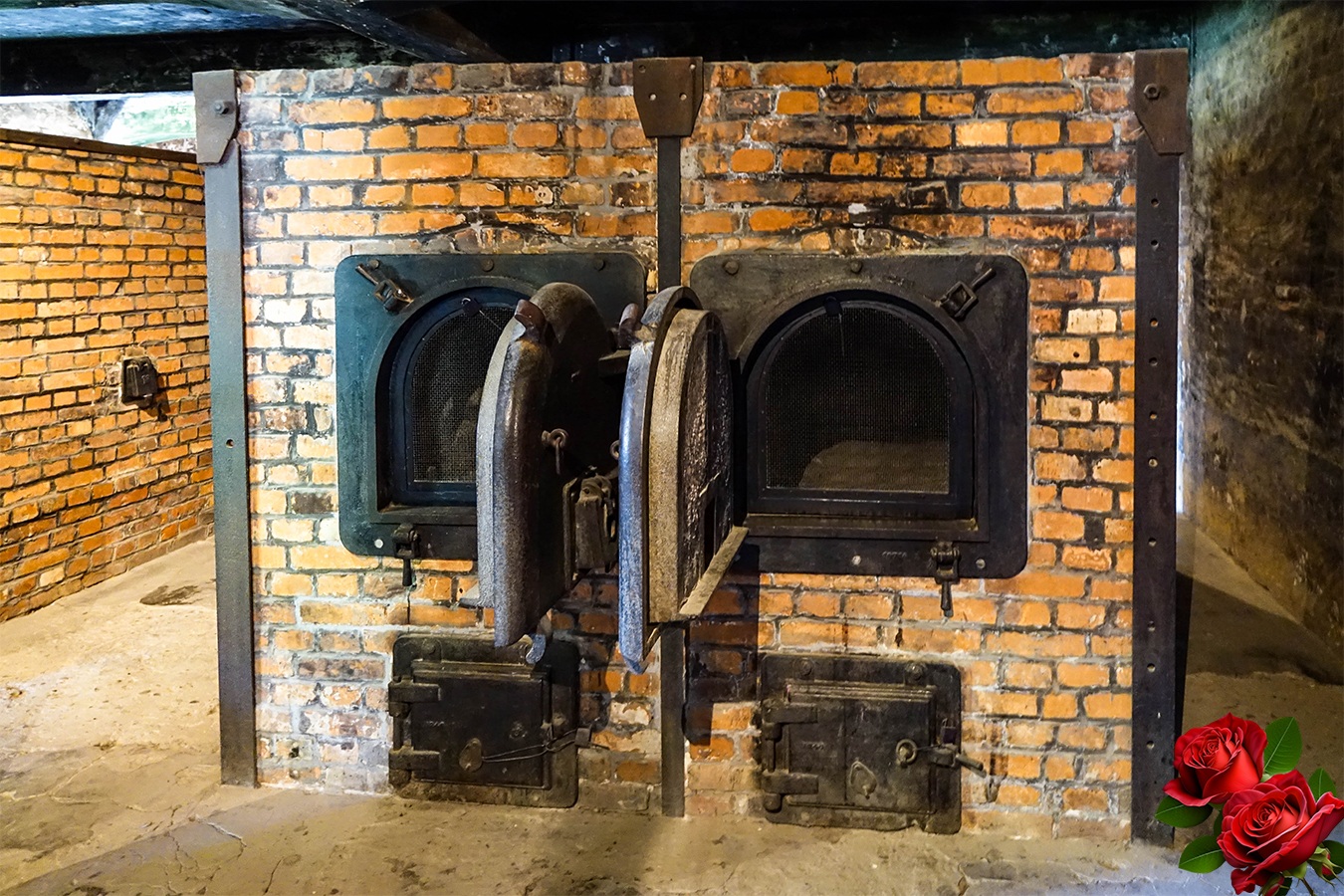
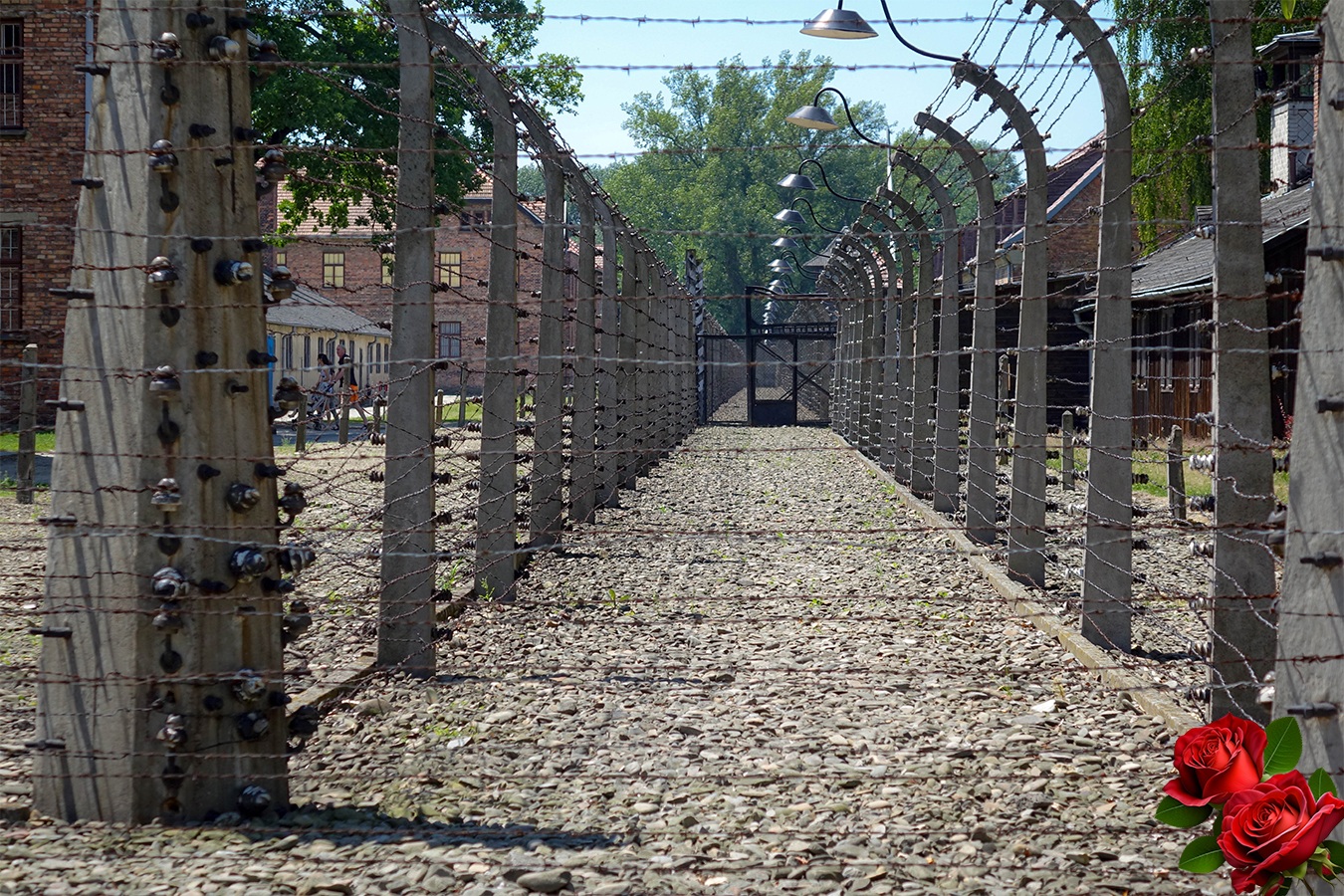
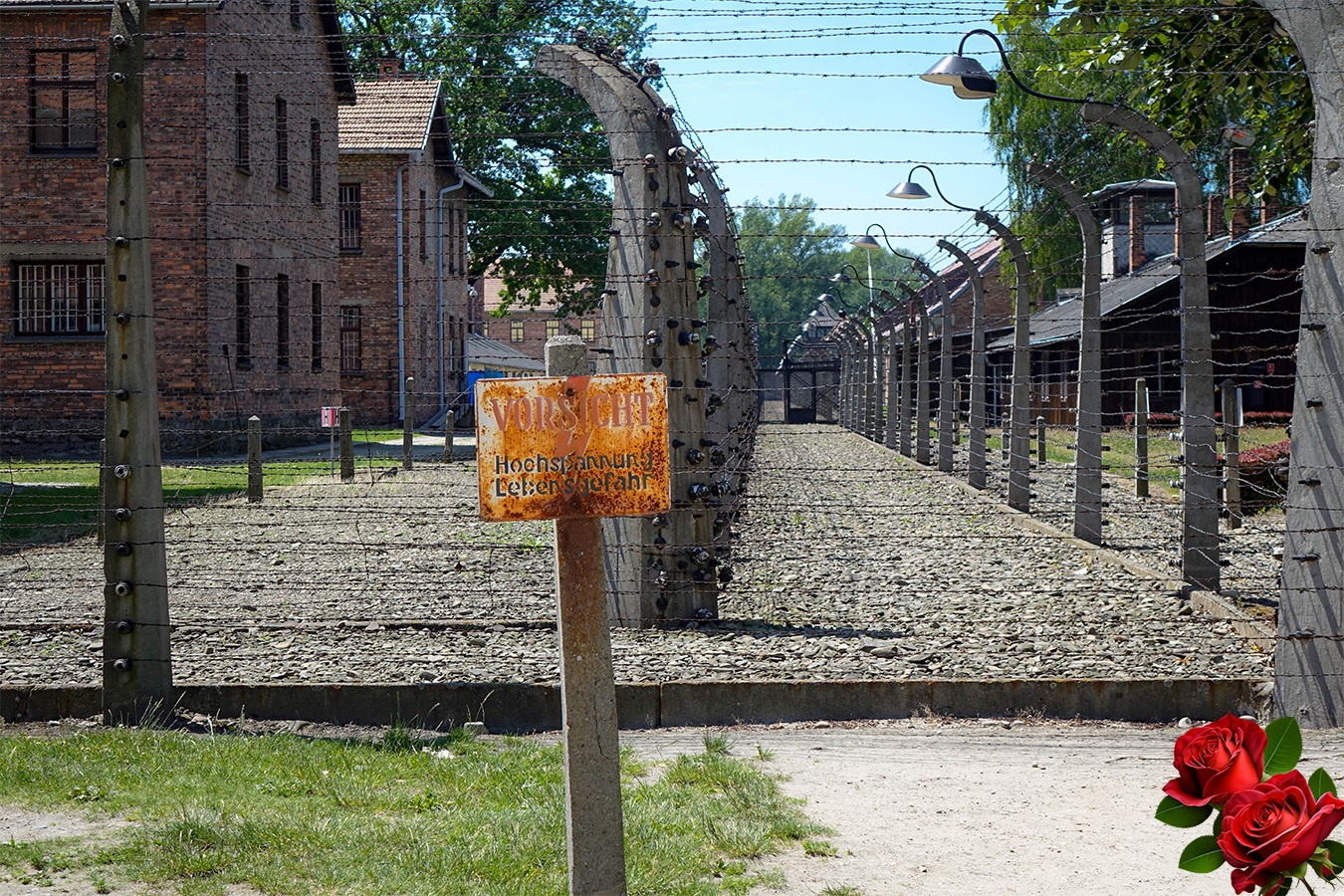
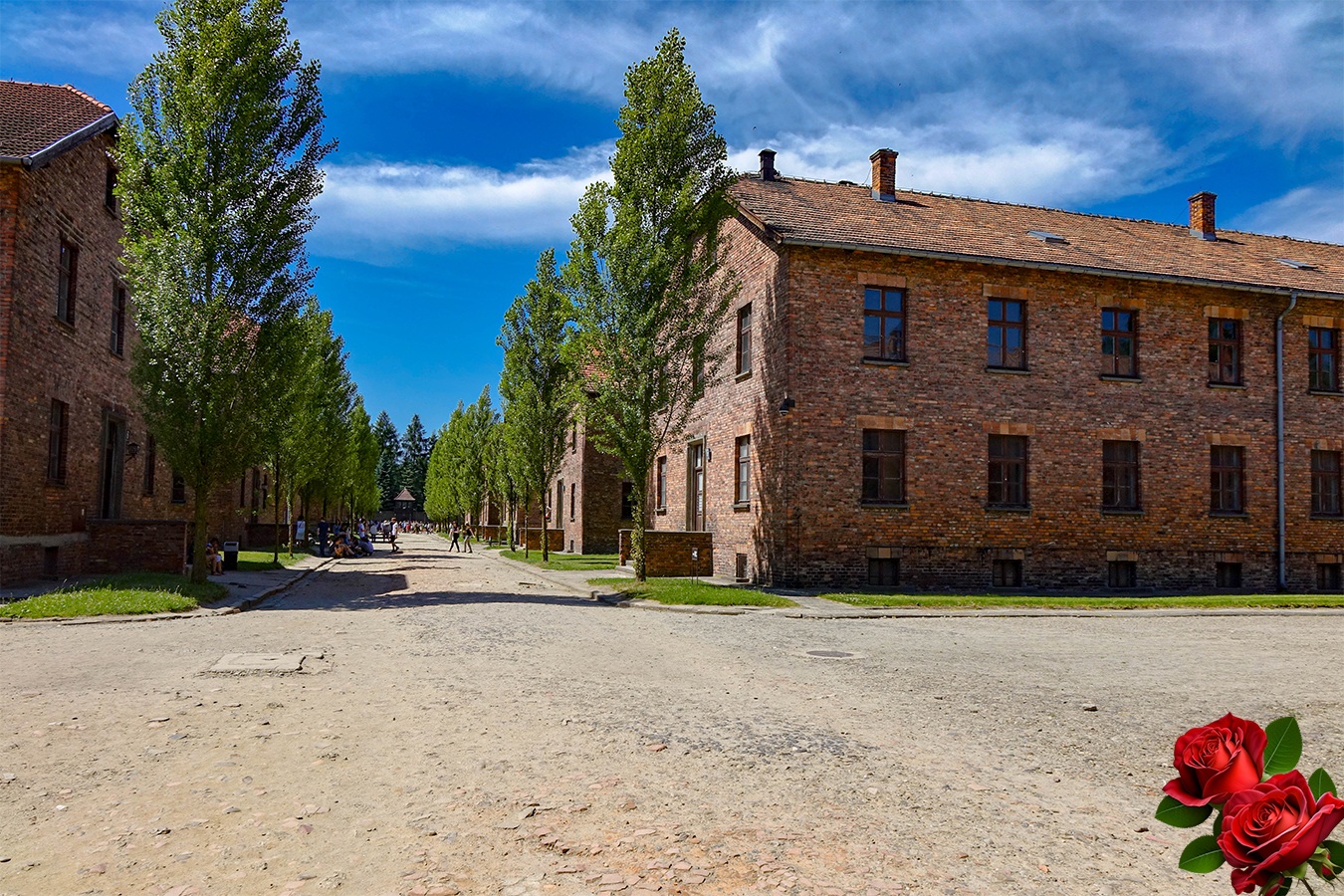
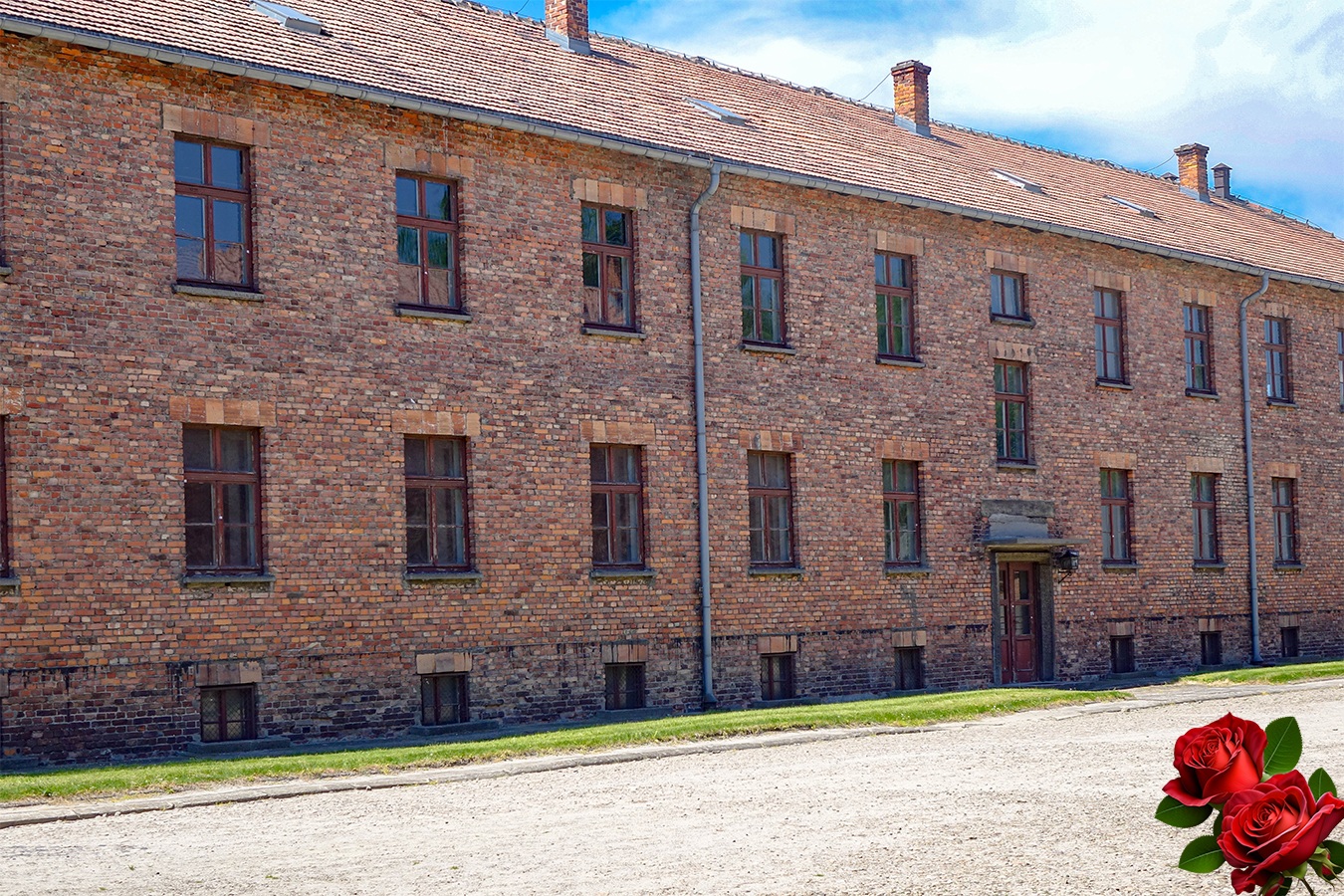
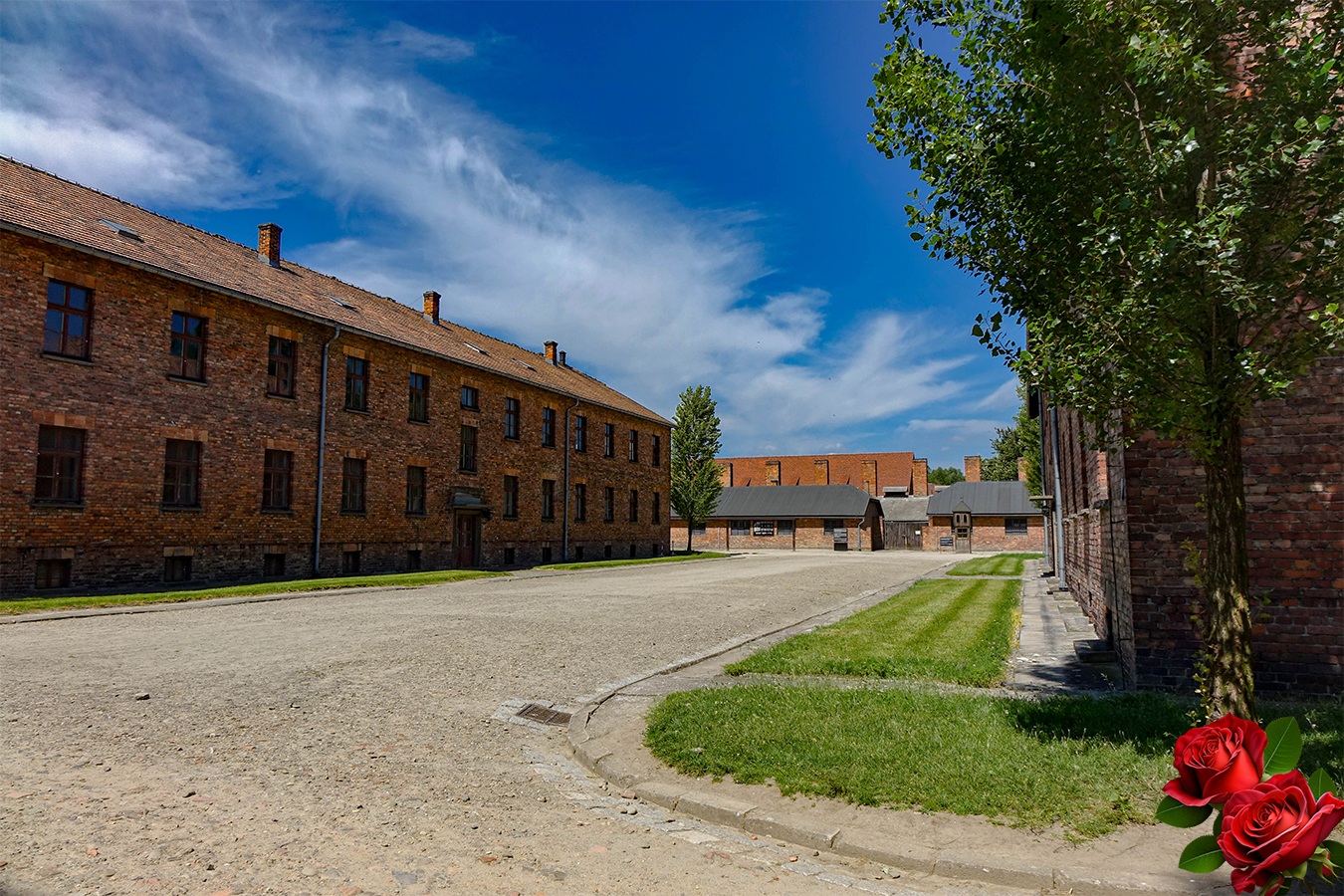
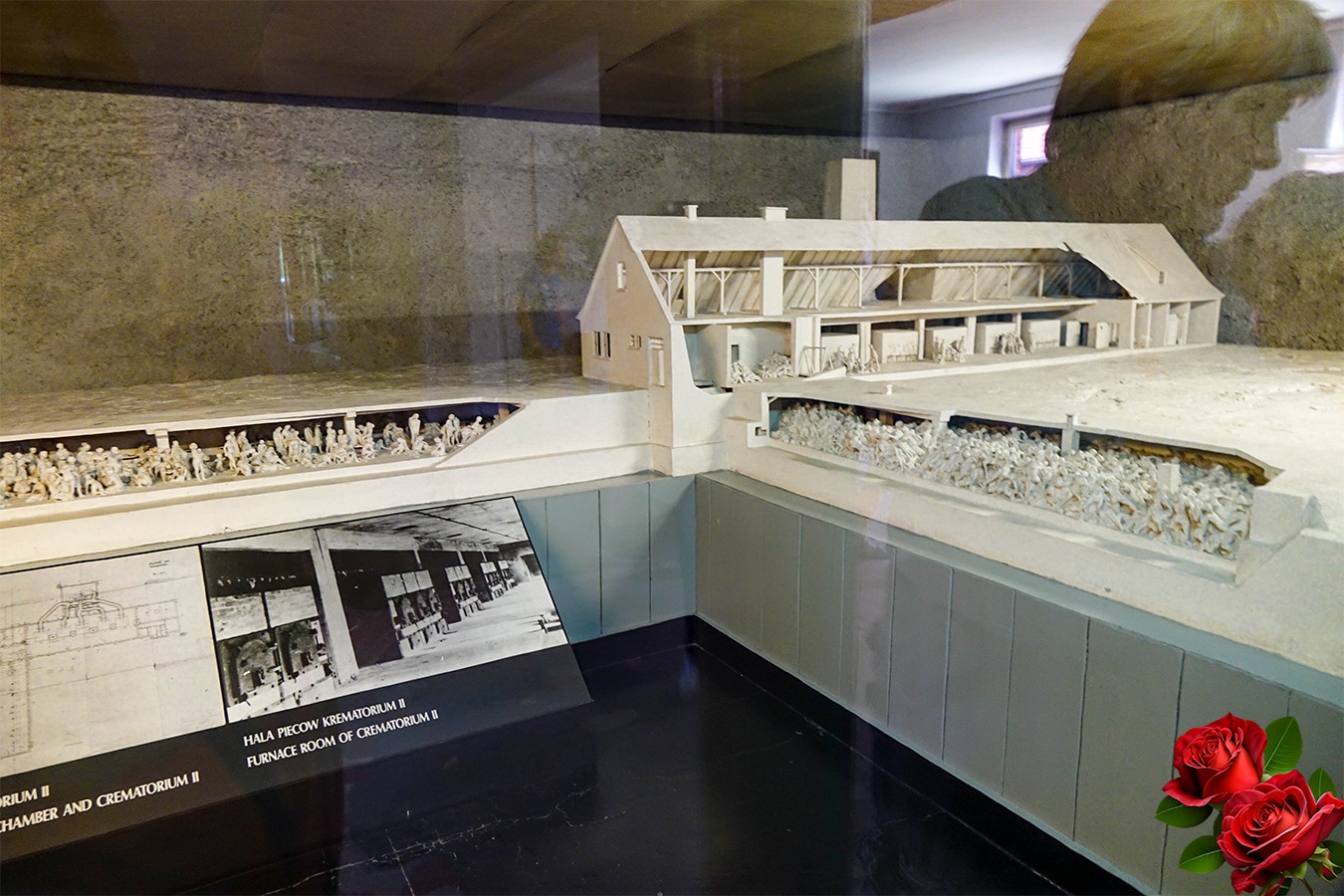
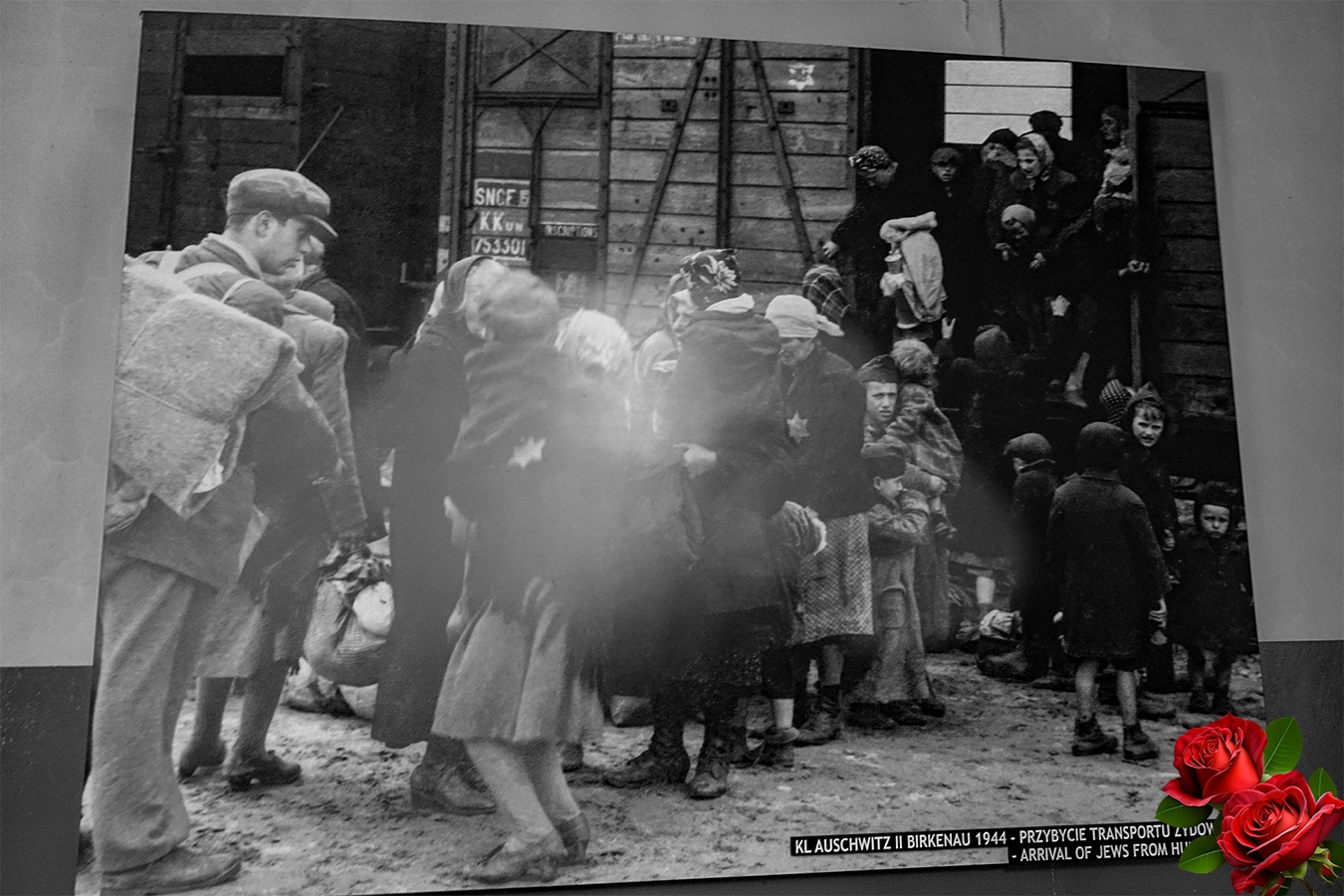
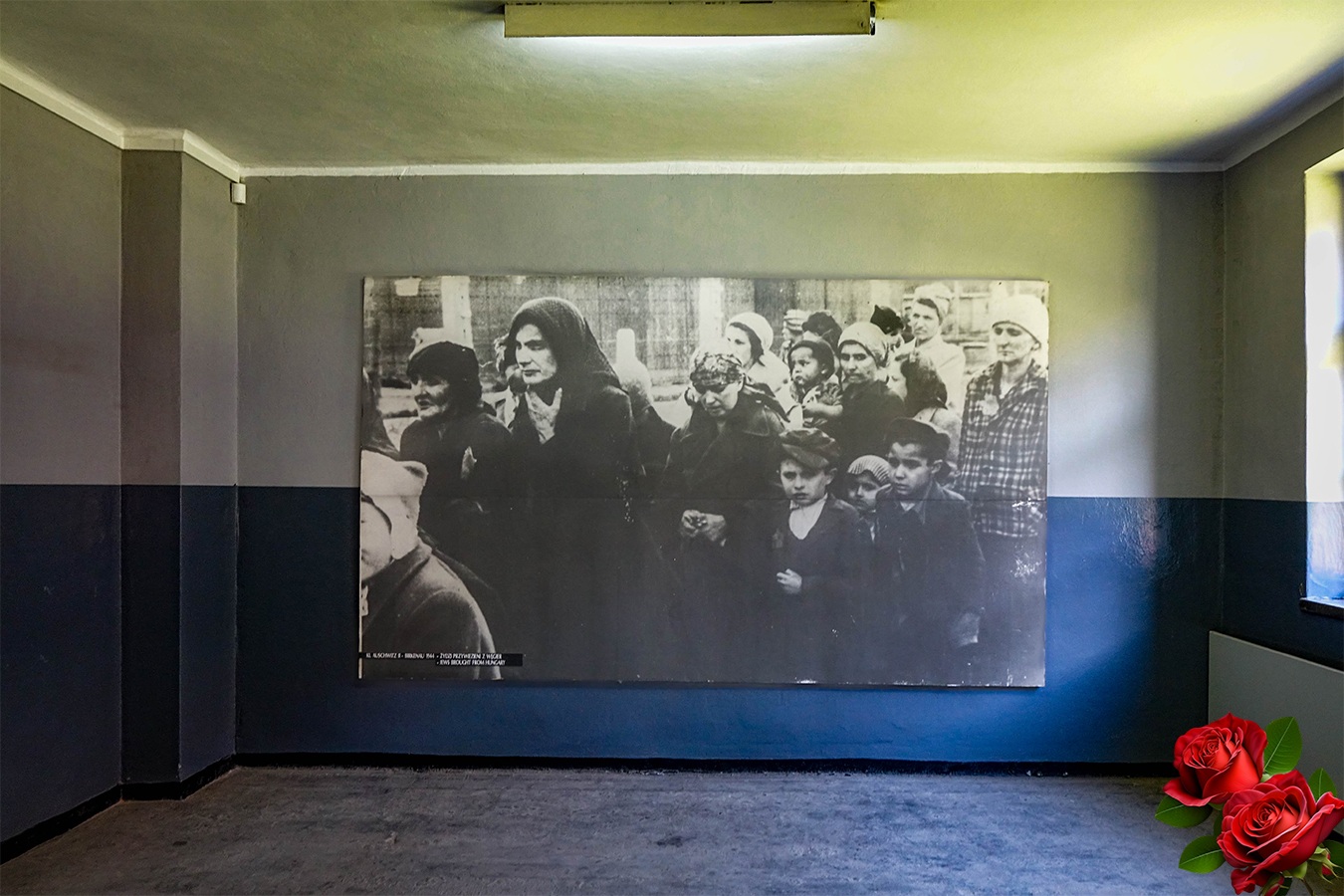
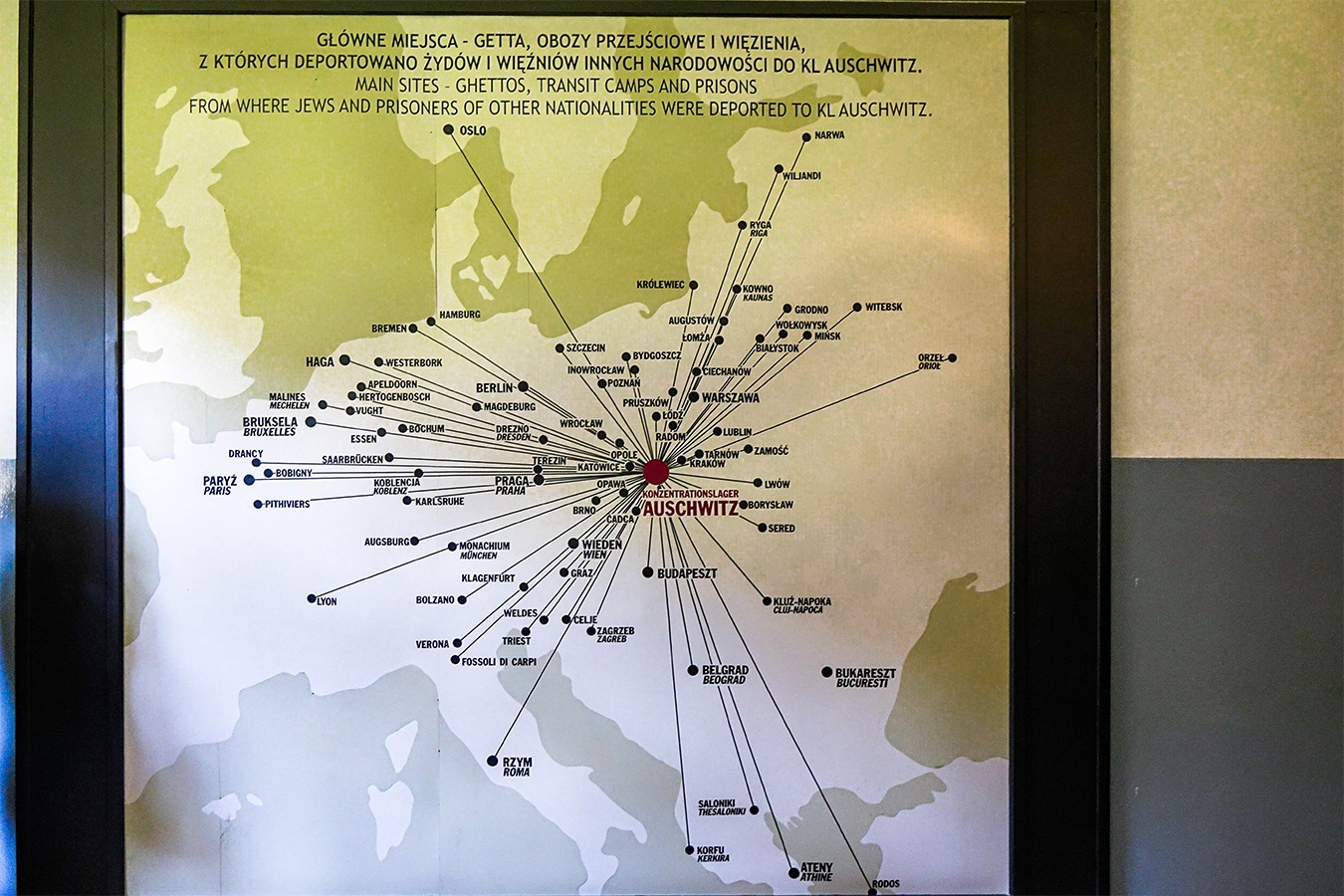
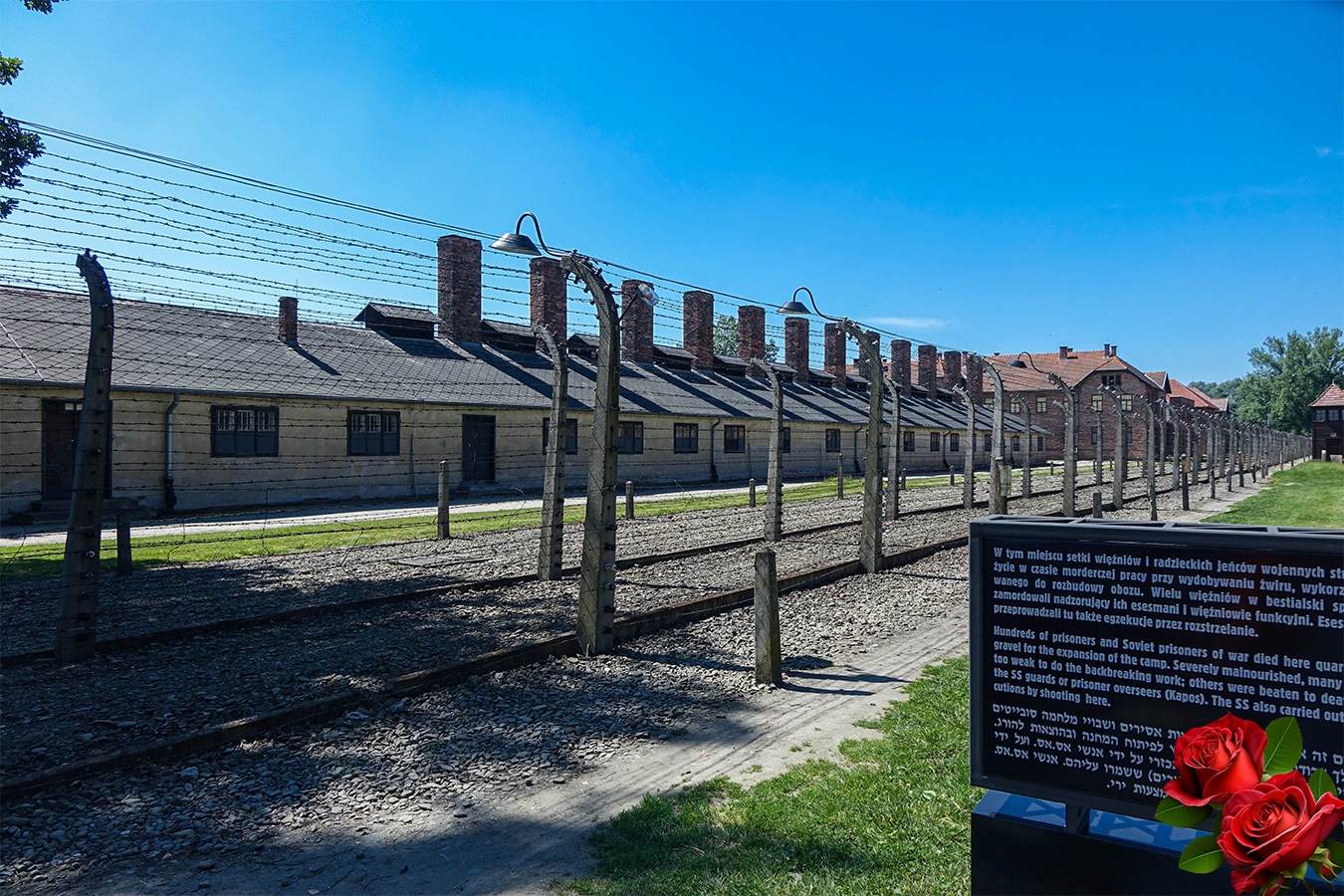
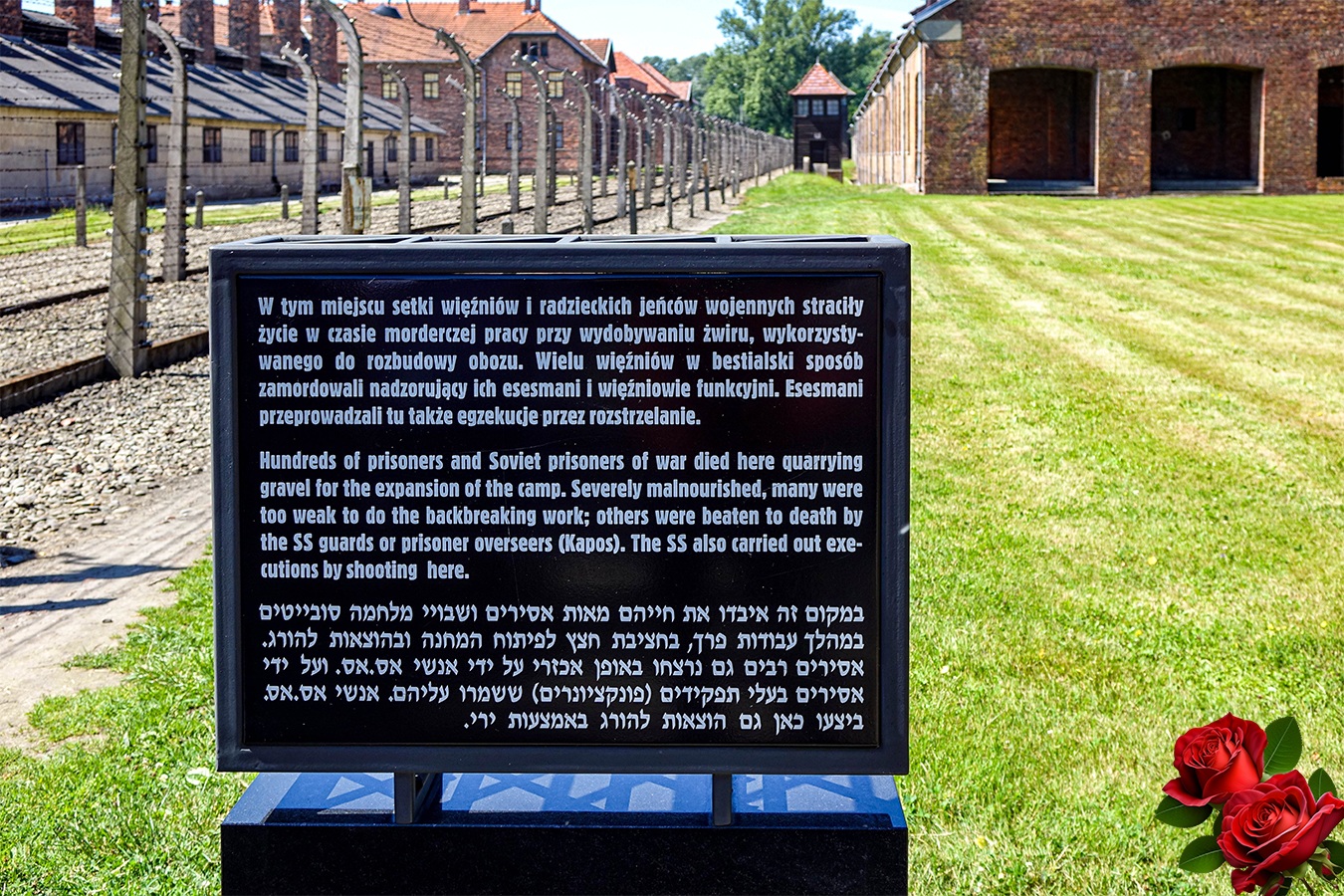
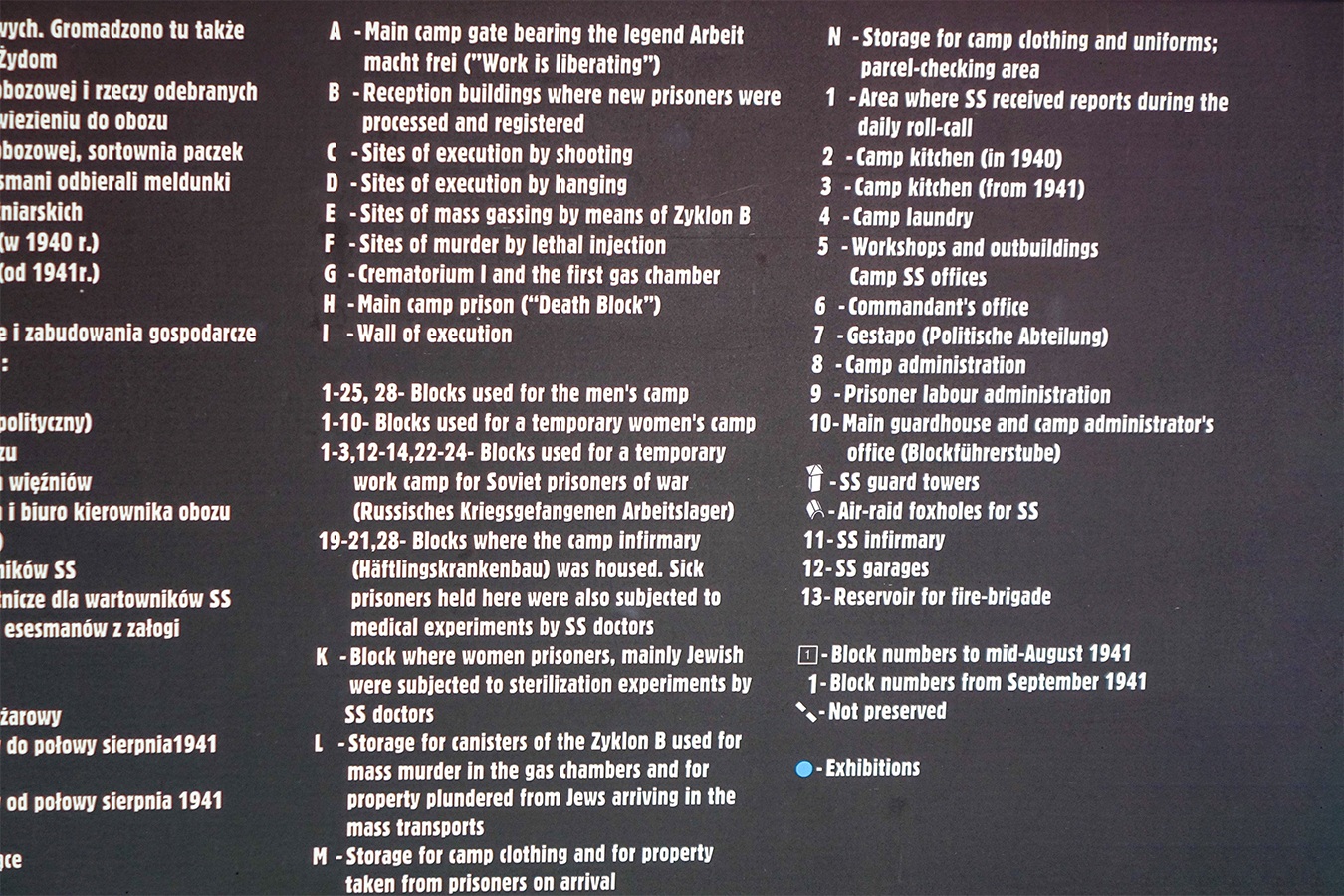
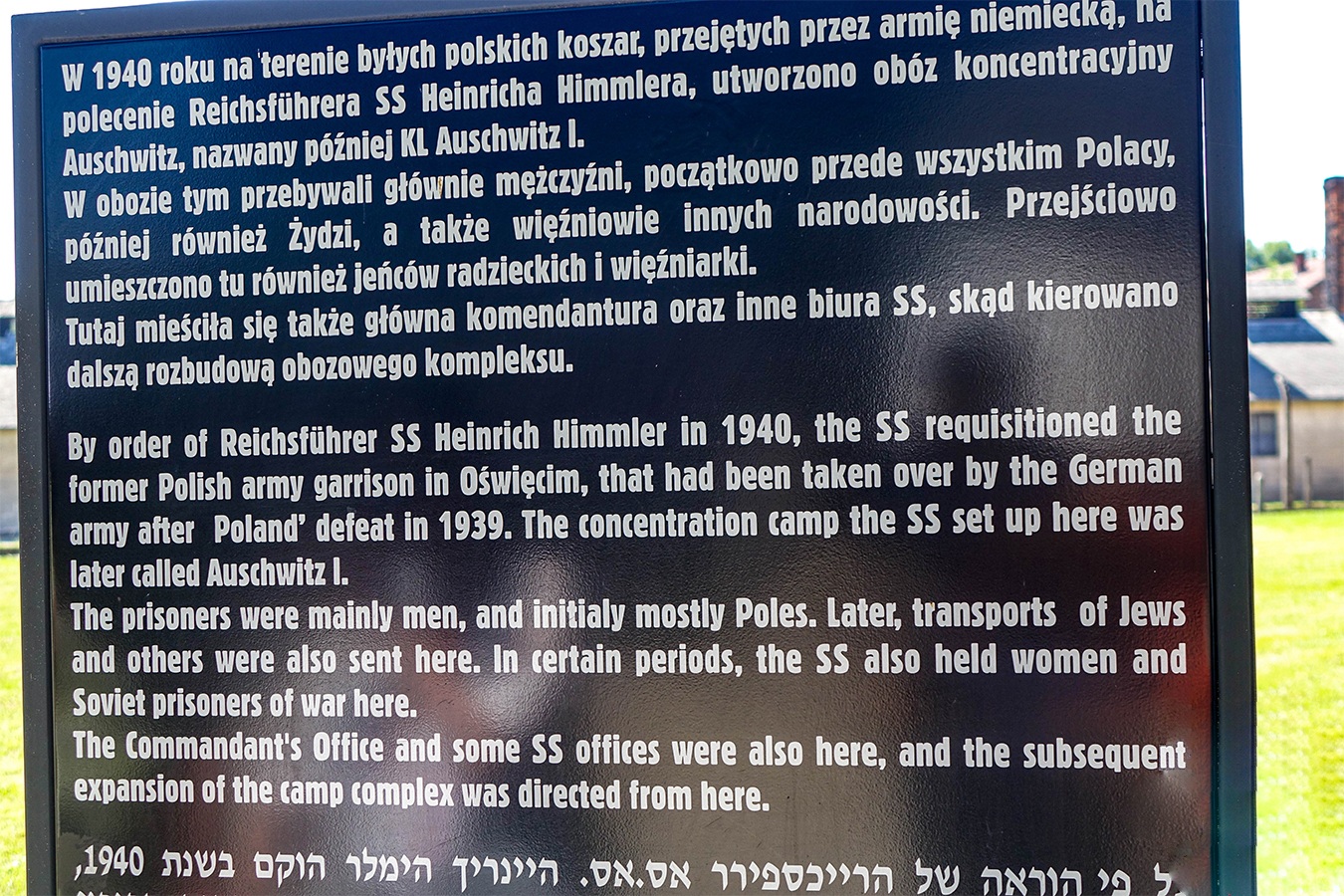
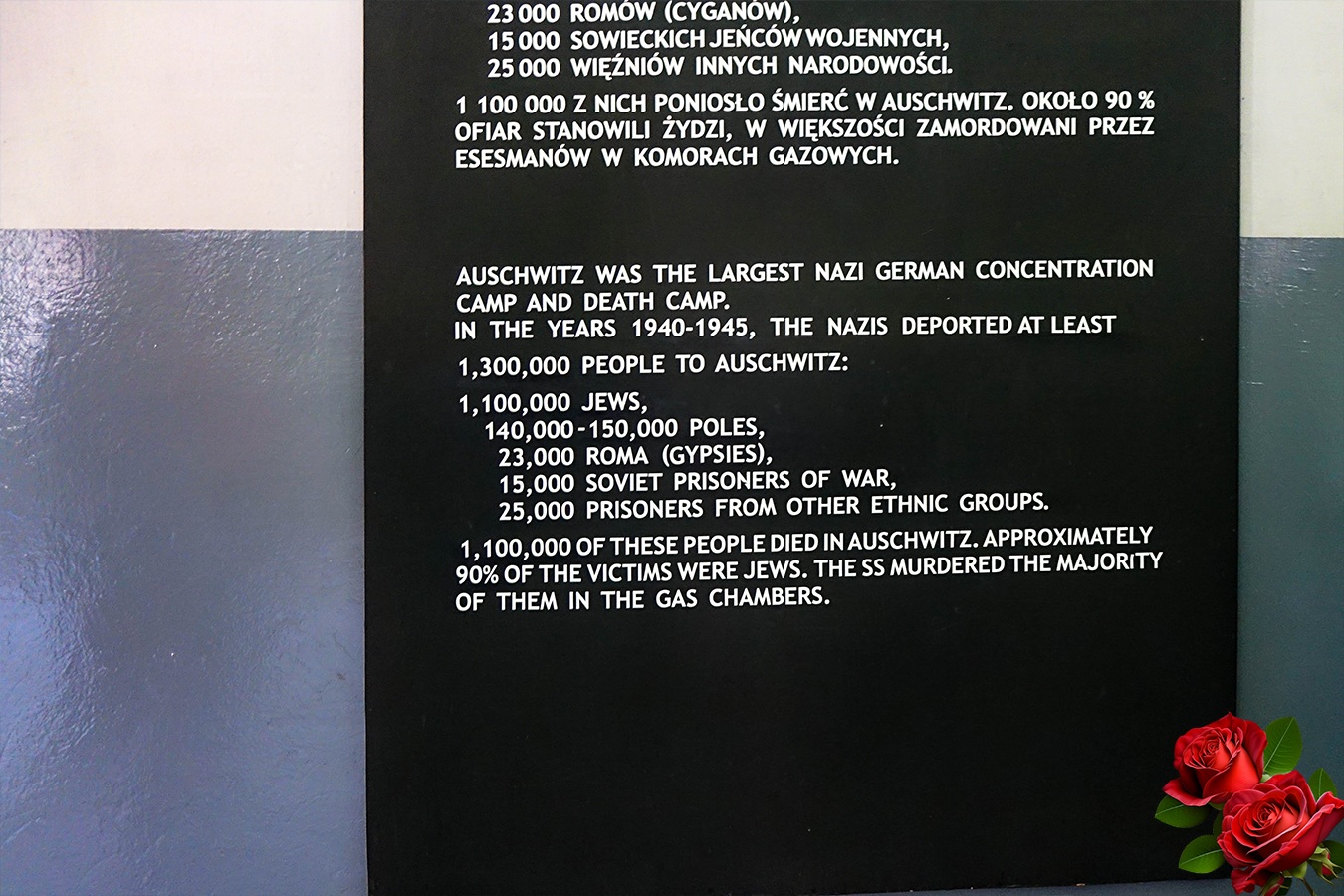
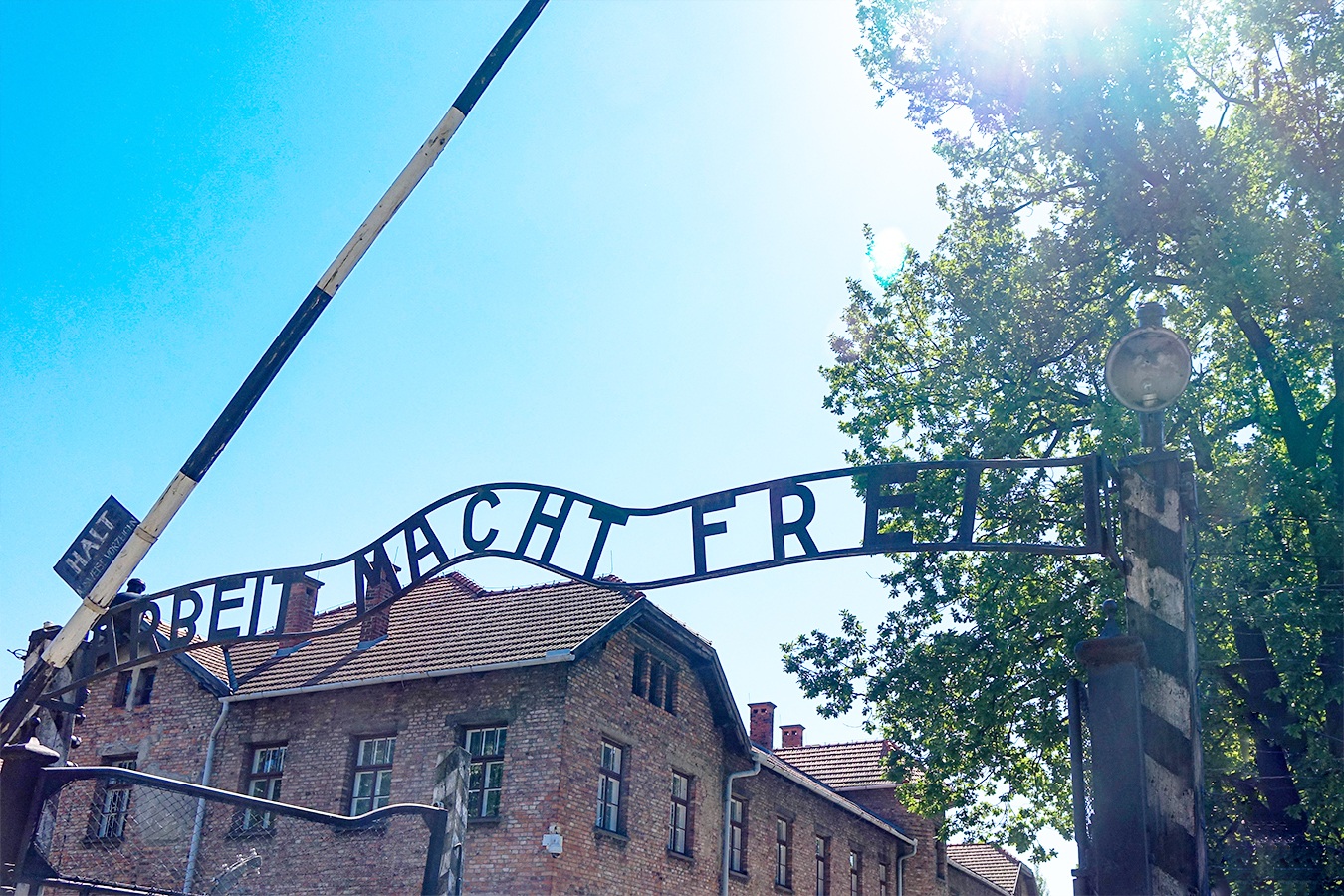
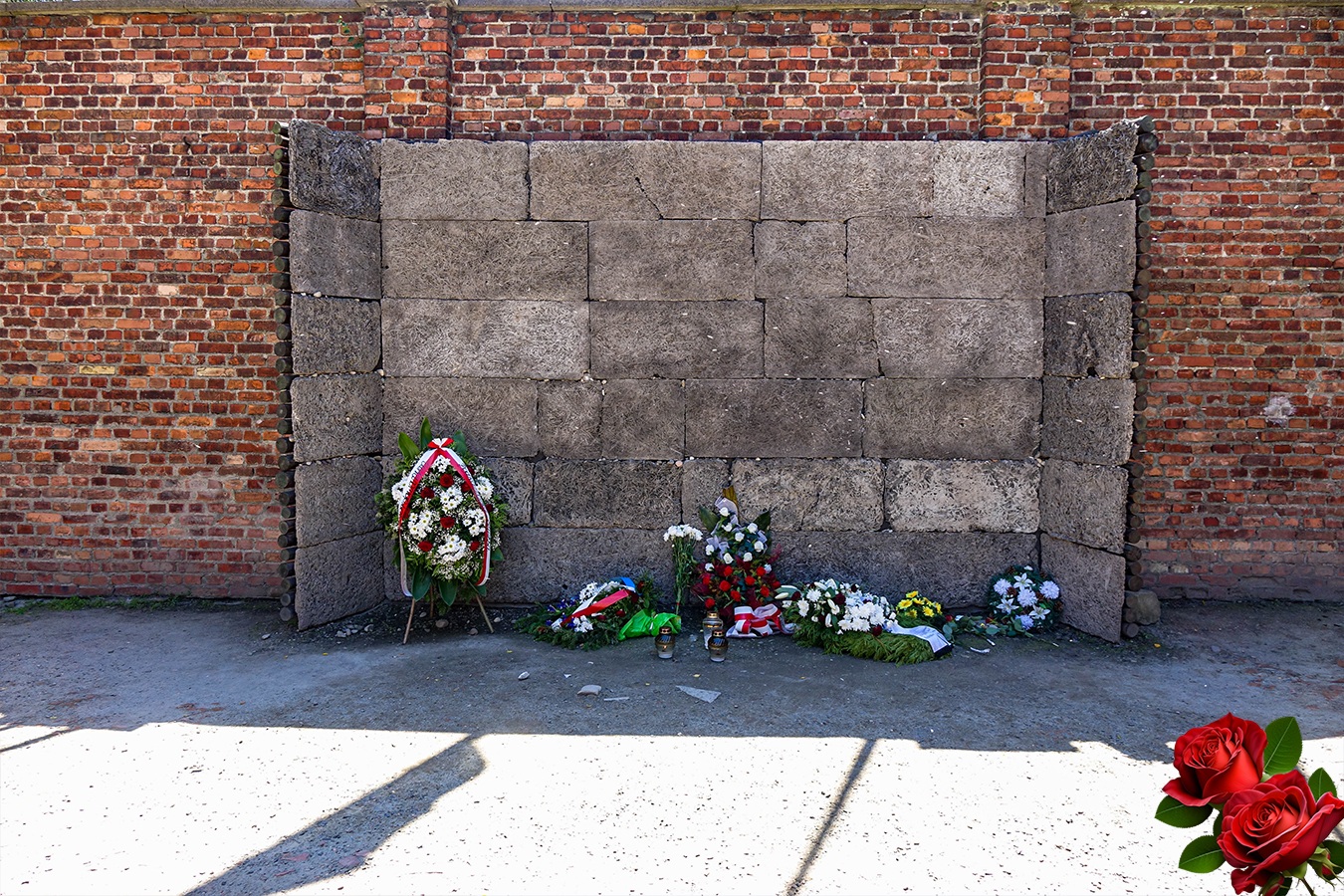
Auschwitz, preserved today as a memorial and museum, southwest of Kraków in the small town of Oświęcim. It was not one camp but a web of sites: Auschwitz I, Auschwitz II- Birkenau and Auschwitz III-Monowitz, with dozens of subcamps surrounding them. Auschwitz I was founded in 1940 in barracks built for the Polish army. The infamous iron gate there still bears the words Arbeit Macht Frei (“Work Sets You Free”), a cruel swindle, Inside,inmates suffered hunger, forced labor, medical experiments and executions. Men, women, and children were housed in brick barracks under inhuman circumstances. Opened in 1941, Auschwitz II-Birkenau would go on to be the primary site of mass extermination. It covered an immense area, including wooden barracks, guard towers, and train tracks that went right into the camp. This is where over a million Jews, as well as Roma, Soviet POWs and others were gassed and cremated together. The vastness of Birkenau—the barrack-lined expanses, the remnants of crematoria—forces patrons to reckon with genocide as a factory process.
Labor camps were also built (Auschwitz III-Monowitz) linked to the IG Farben factory in which inmates worked under grueling conditions with many succumbing to exhaustion and starvation.Instead, today not only the physical evidence but also the memory of those who lost their lives is preserved at the Auschwitz-Birkenau Memorial and Museum. The exhibits are as powerful a statement as you can find in the world:
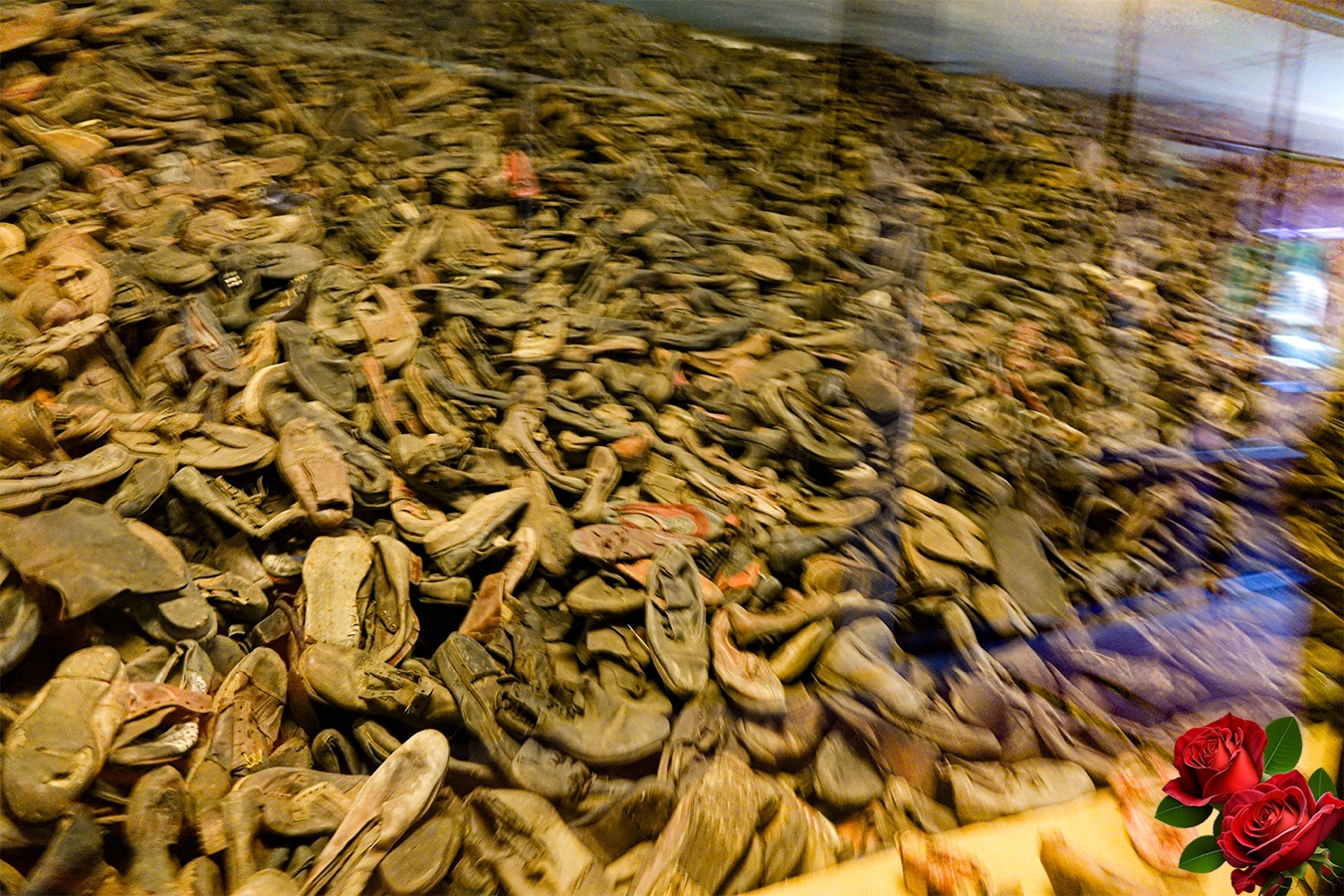
The Shoes Room: stacks of shoes—men’s boots, women’s heels, children’s sandals—piled on top of one another. These speak of the life they had, a journey halted.
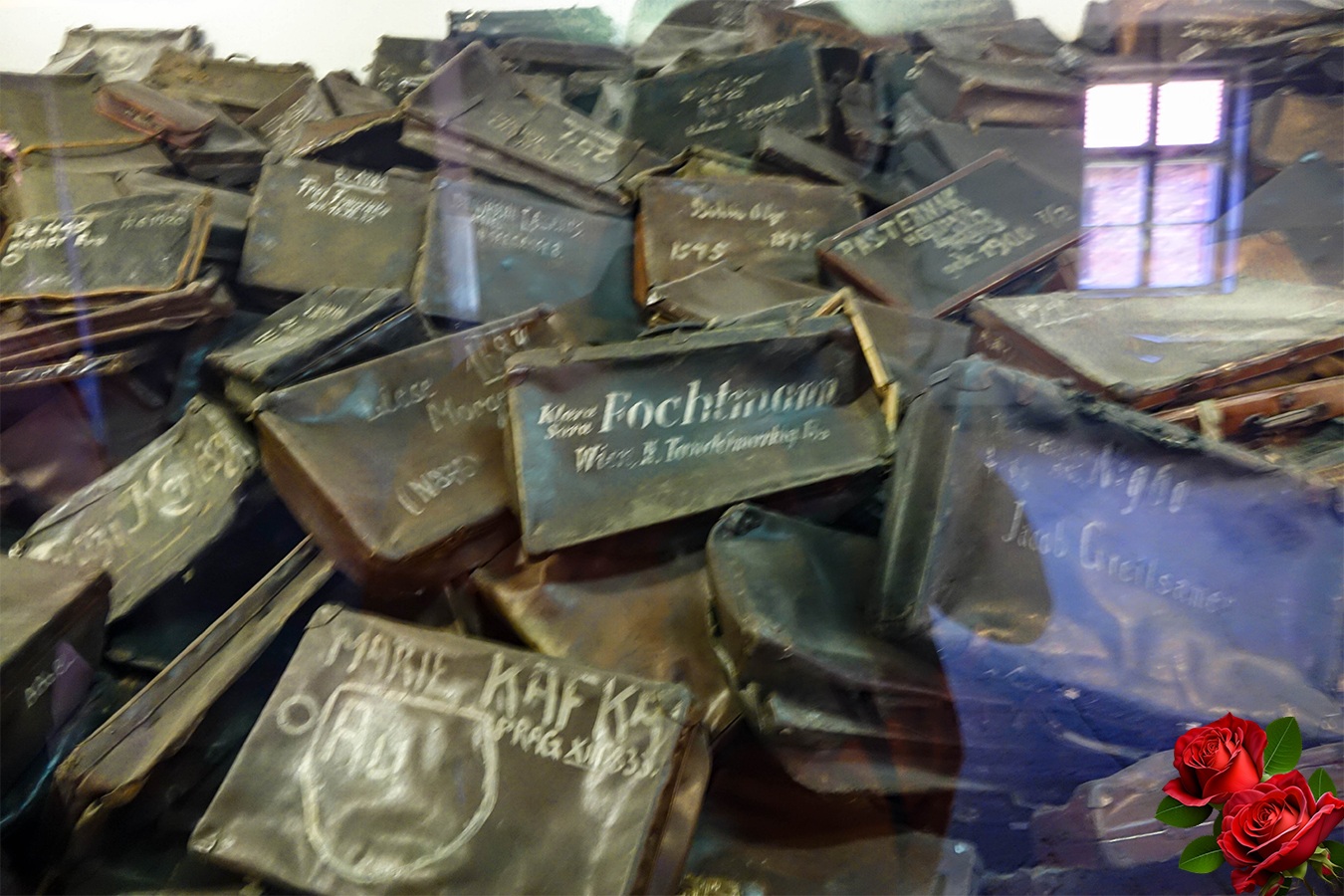
Suitcases: Piled high, labelled with names, dates of birth, and addresses, abandoned by victims told they were being “settled”.
Exhibit of Hair: Human hair (taken from prisoners) behind glass — remnants of people having had their lives taken away from them.
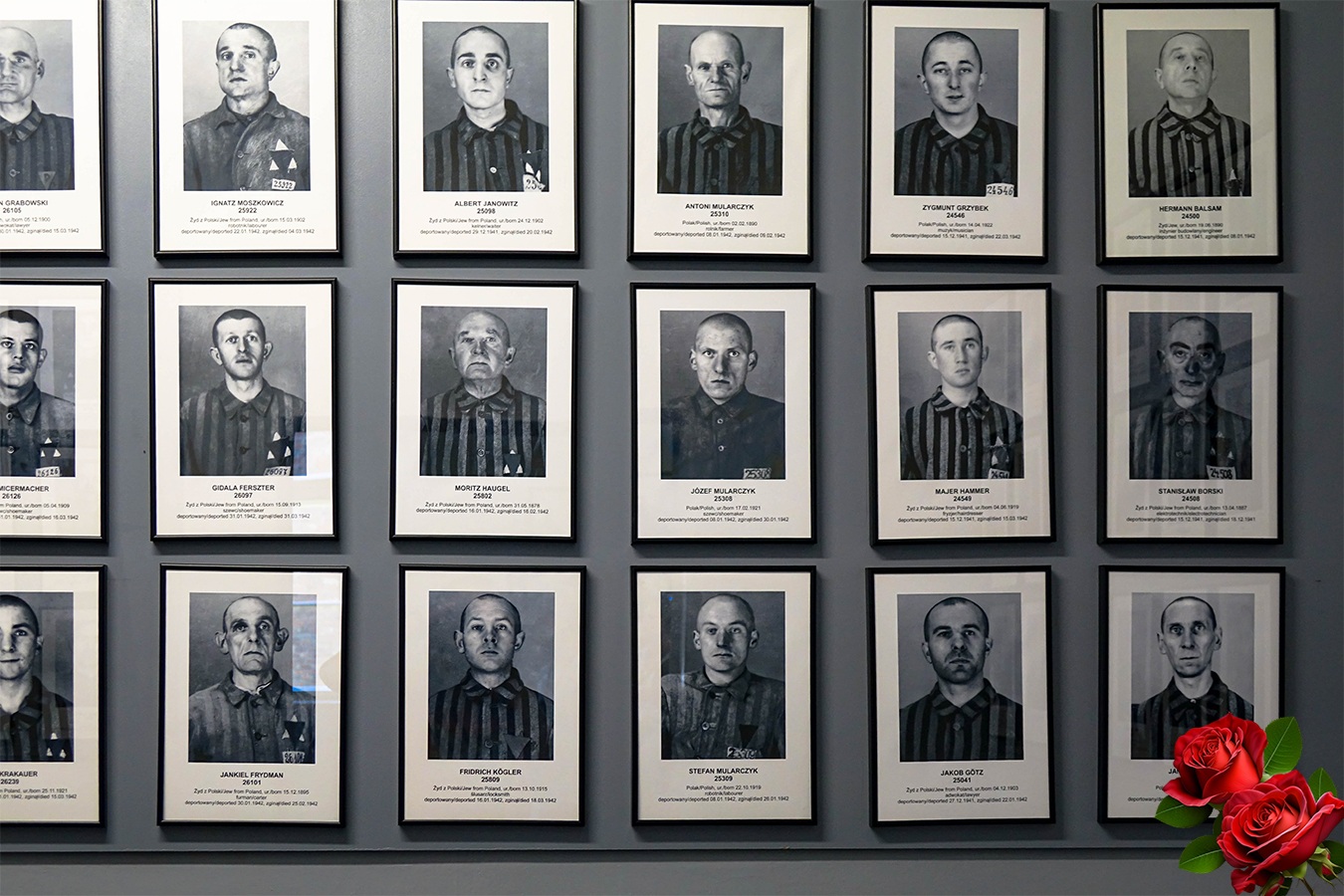
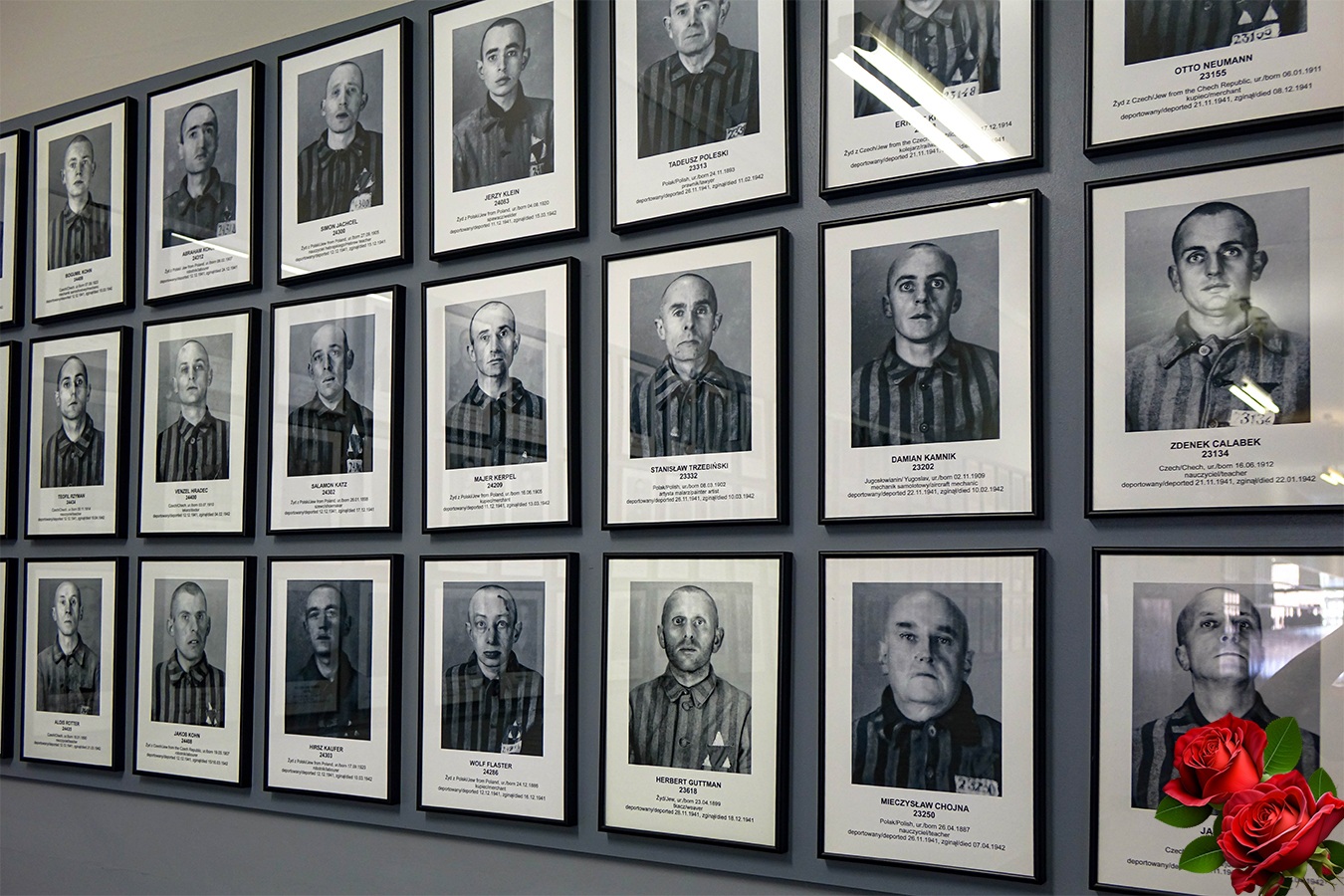
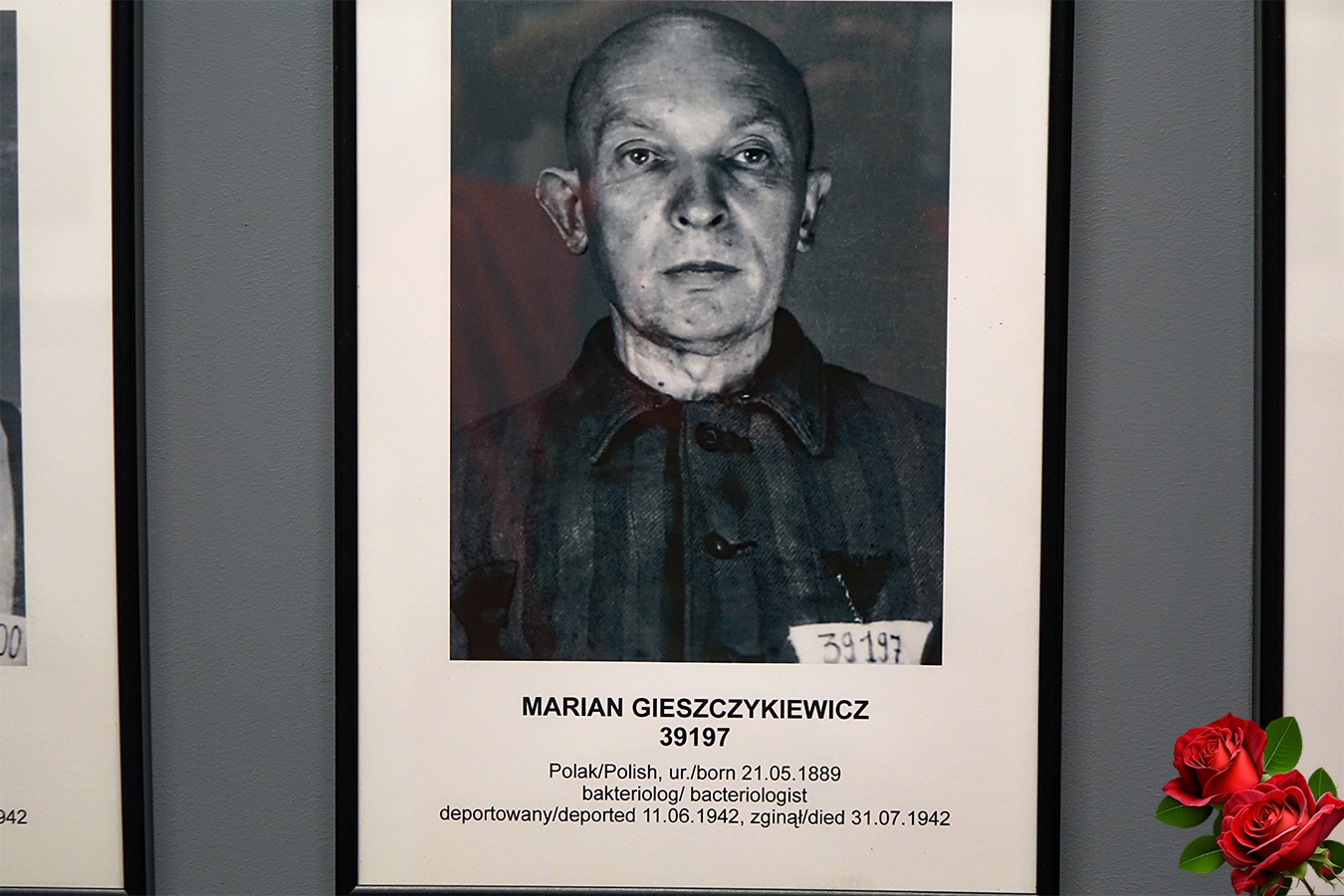
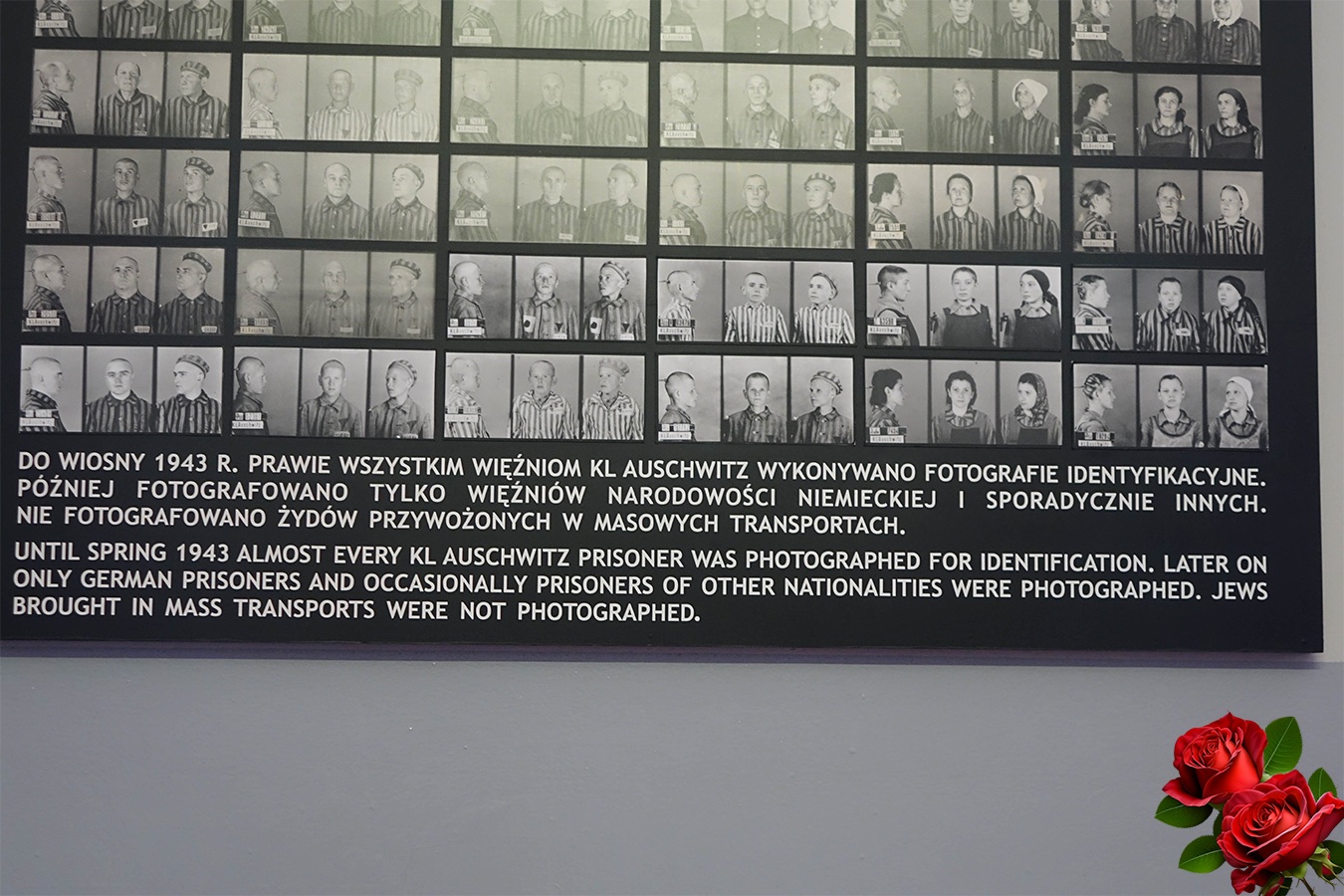
Images: IDs of each inmate, hollow eyes staring, people lost emotionally as much as physically. These images of horrible agony turned silent witnesses to the suffering of each individual.
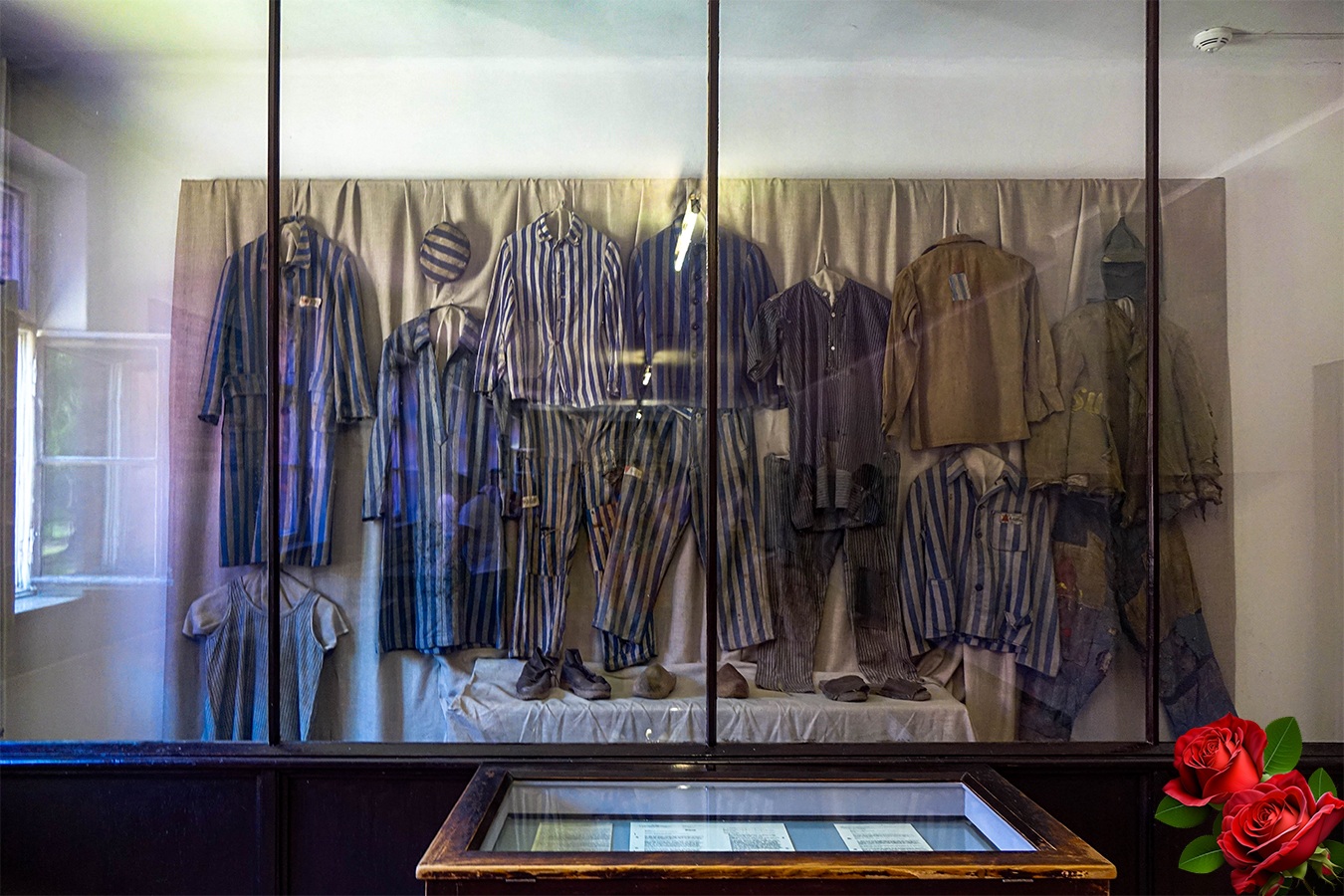
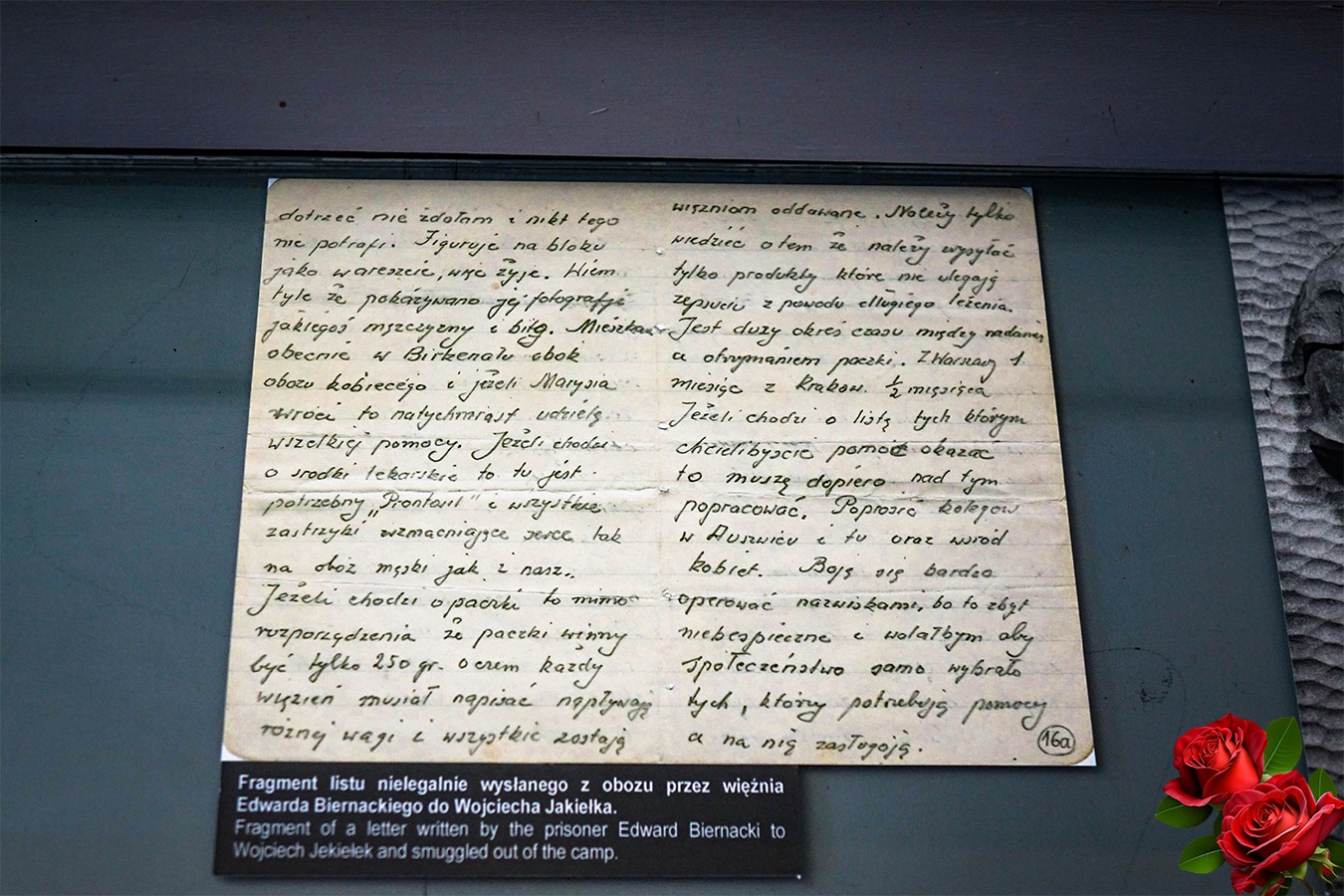
Personal effects: Eyeglasses, prayer shawls, cooking pots, toys – the archaeology of the quotidian, the archaeology of absence.
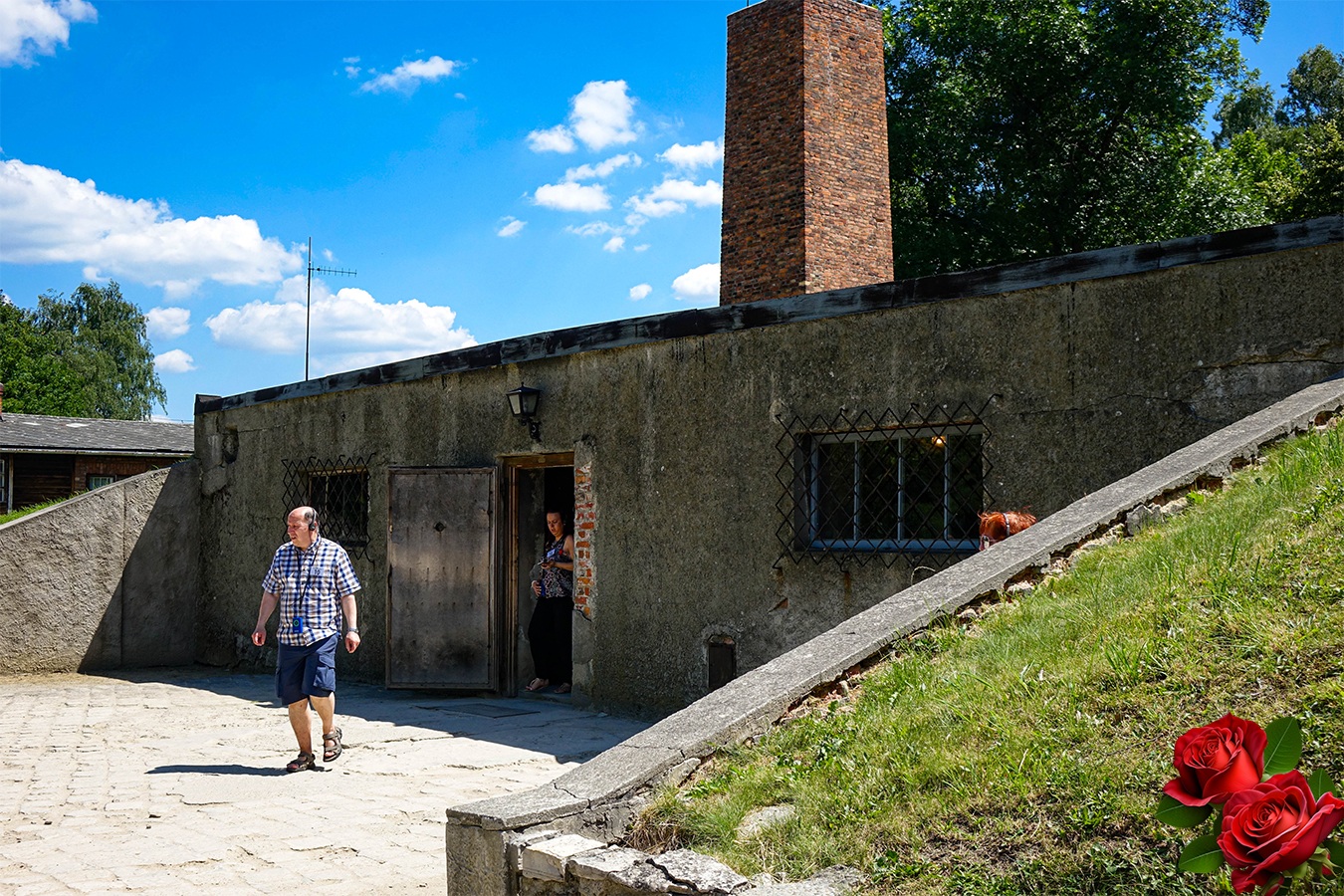
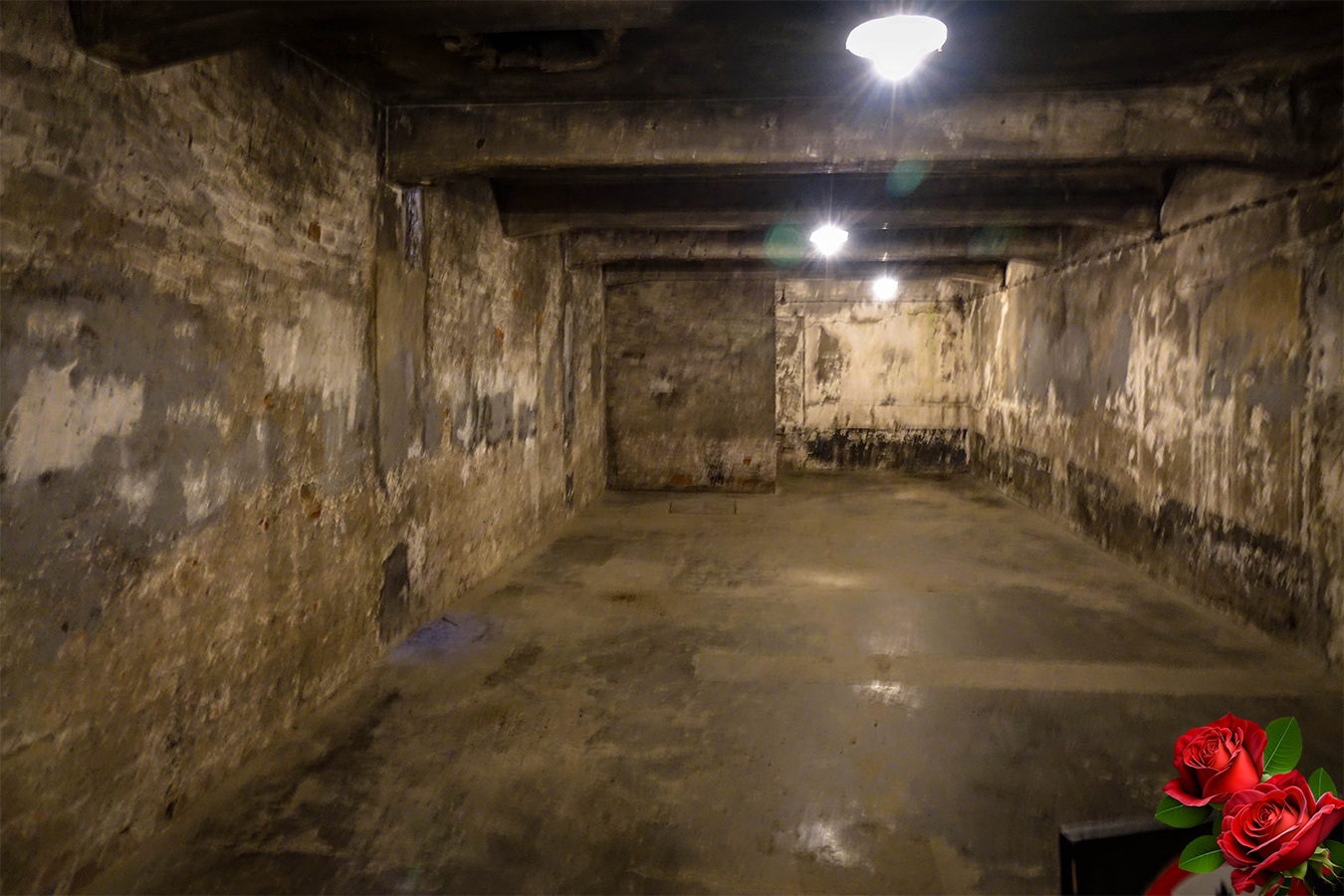
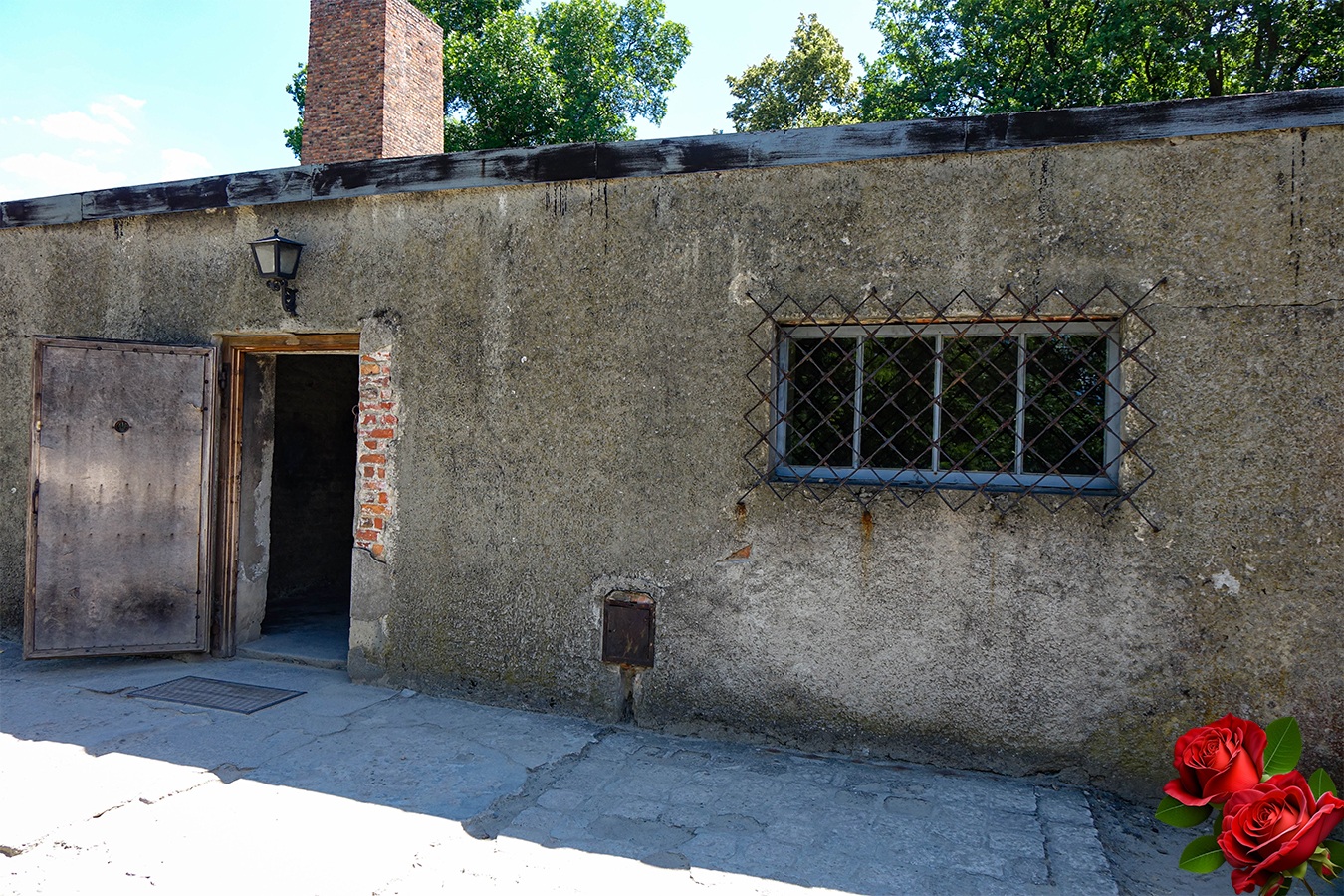
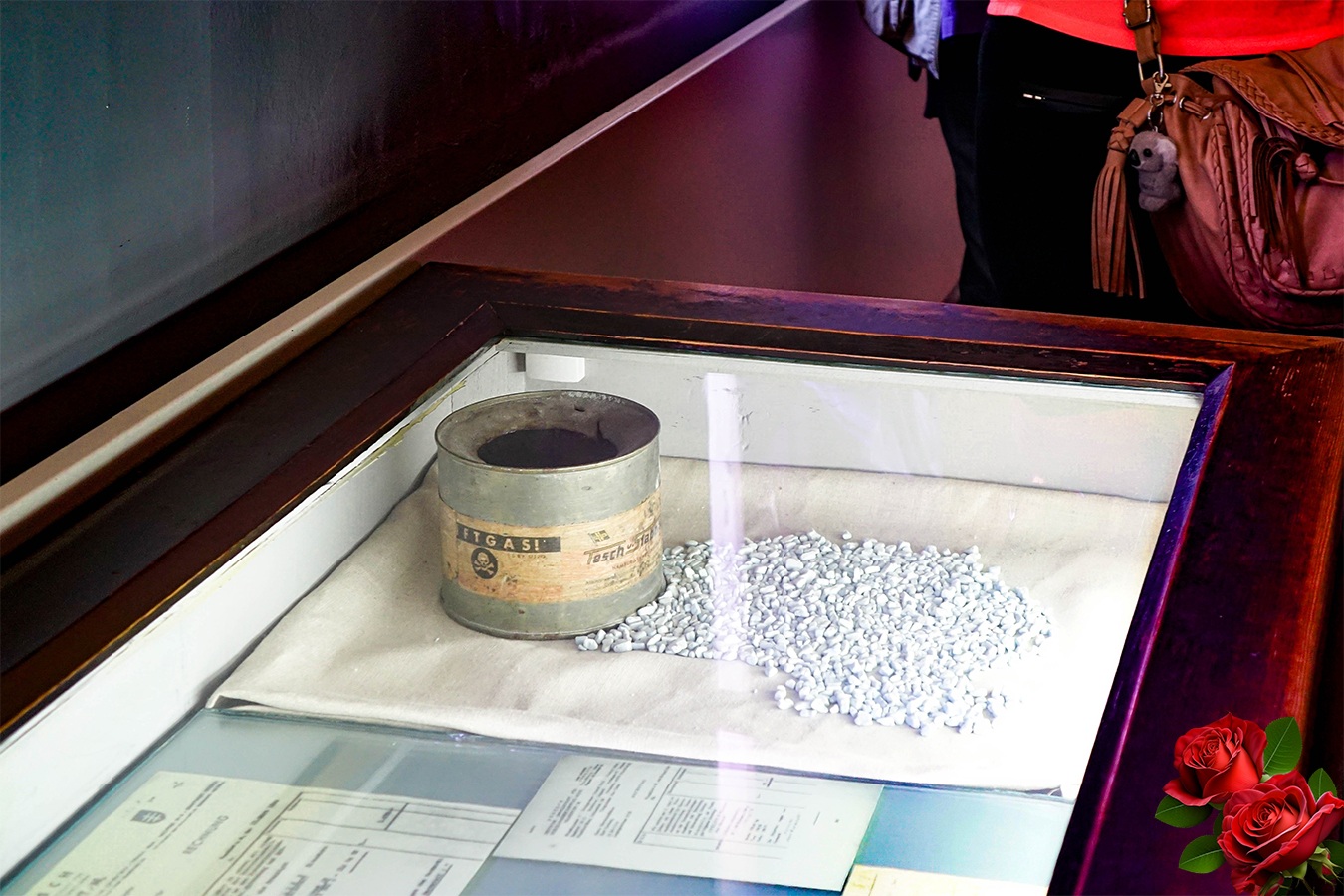
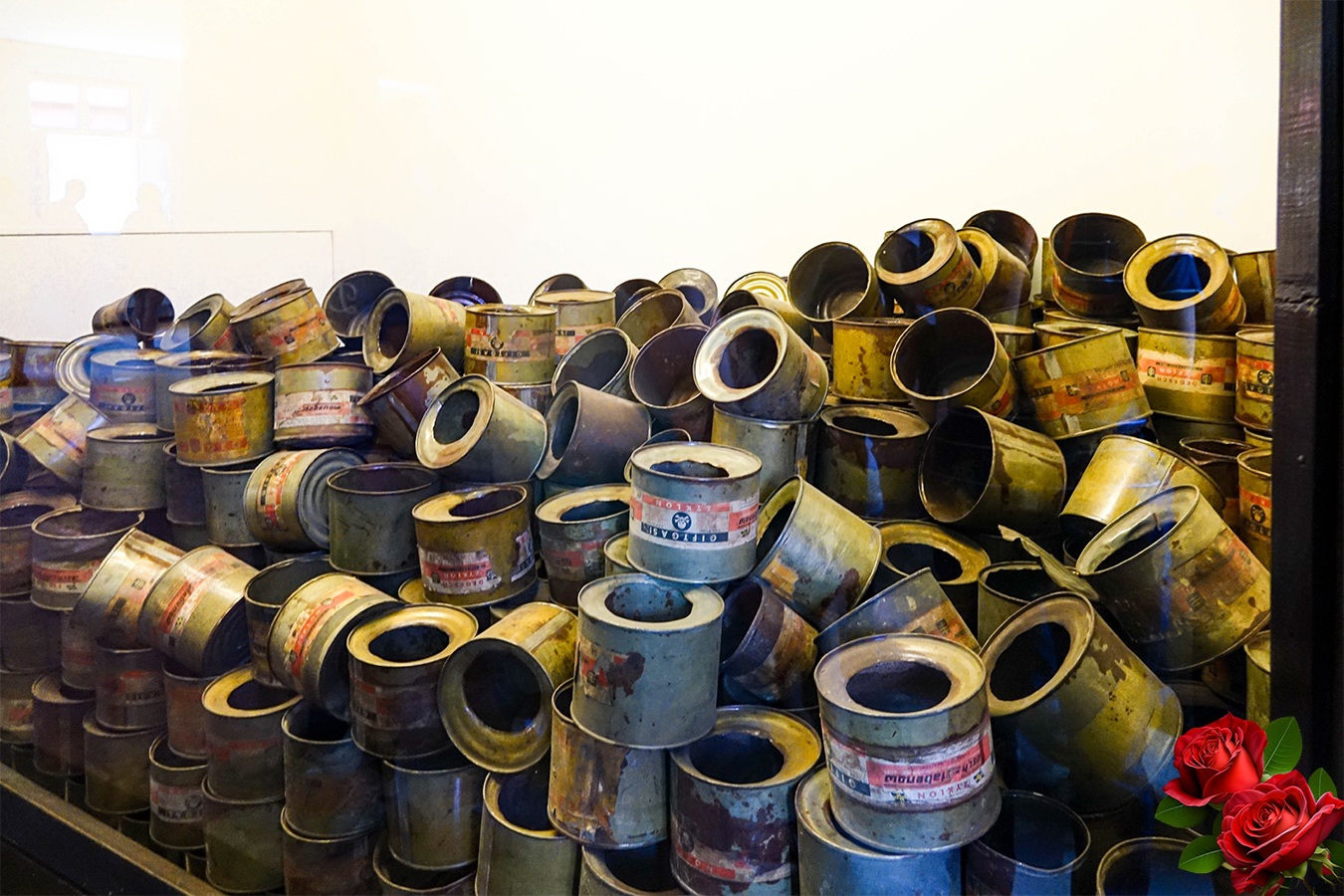
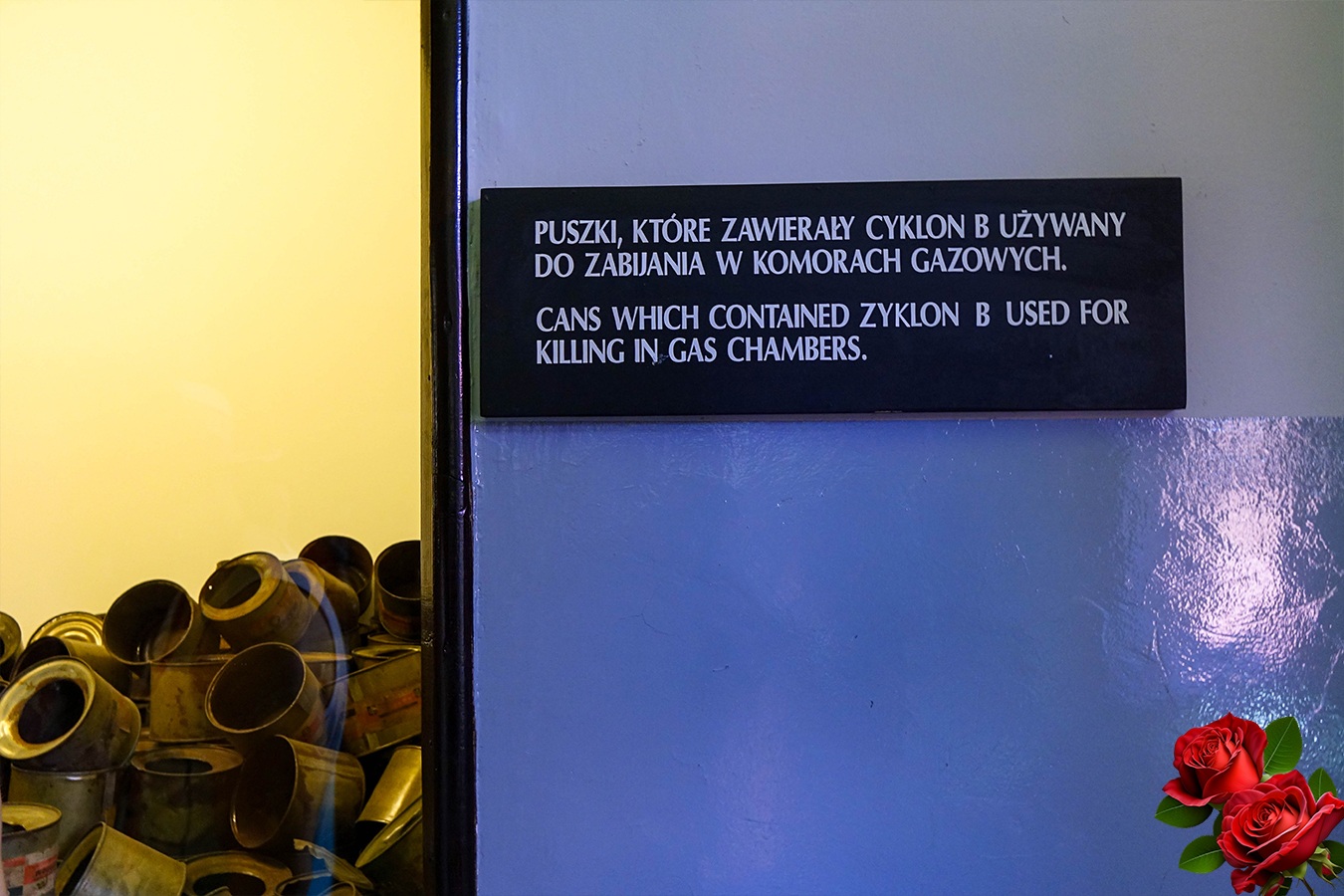
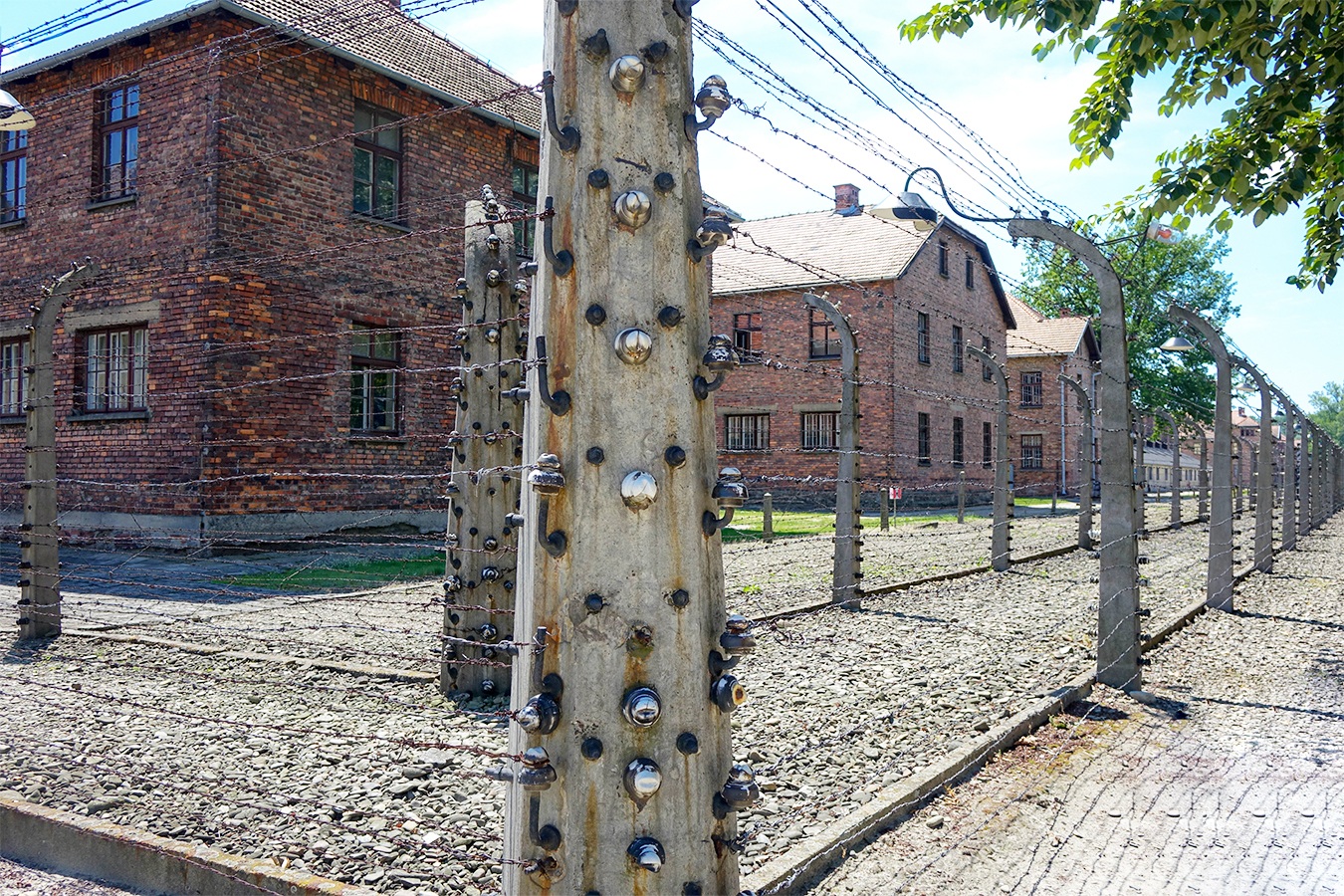
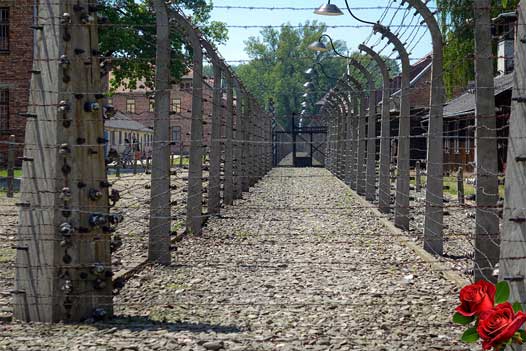
And then the gas chambers – at Auschwitz, experimentation with Zyklon B gas began, and it was later used in all the other camps.It is more than a history lesson that you learn between the walls of Auschwitz; it is a confrontation with cruelty of man—and with the duty to remember. And there is a solemn silence that blankets over the ruins of scene in Birkenau. Watchtowers stand unoccupied, barbed wire gains rust, but the misery echoes.