Sacsayhuamán
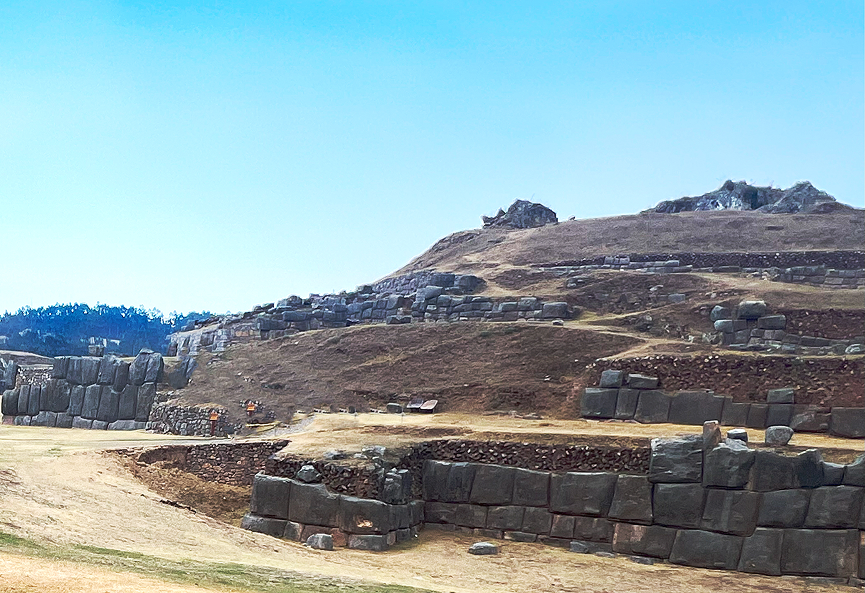
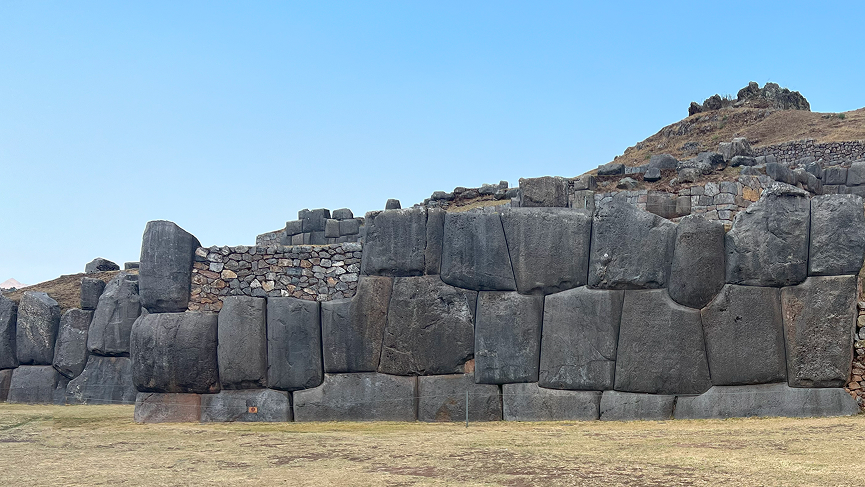
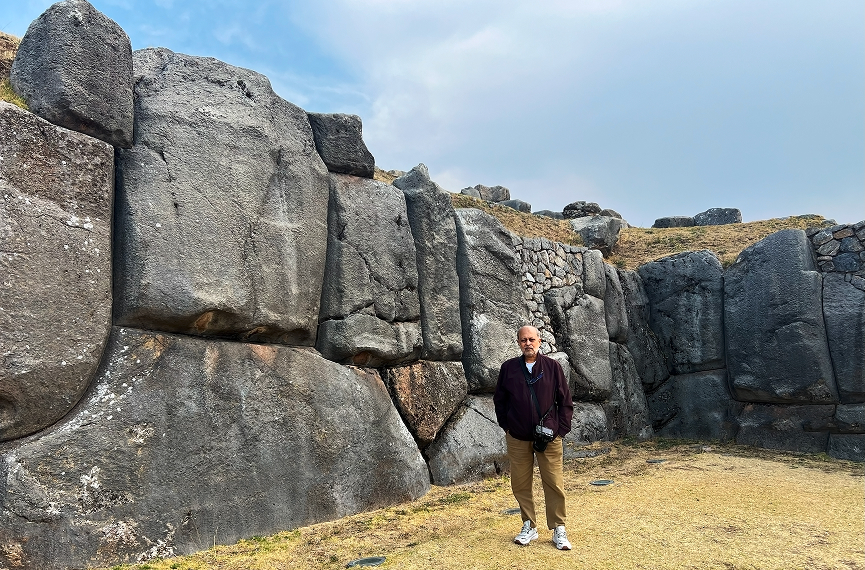
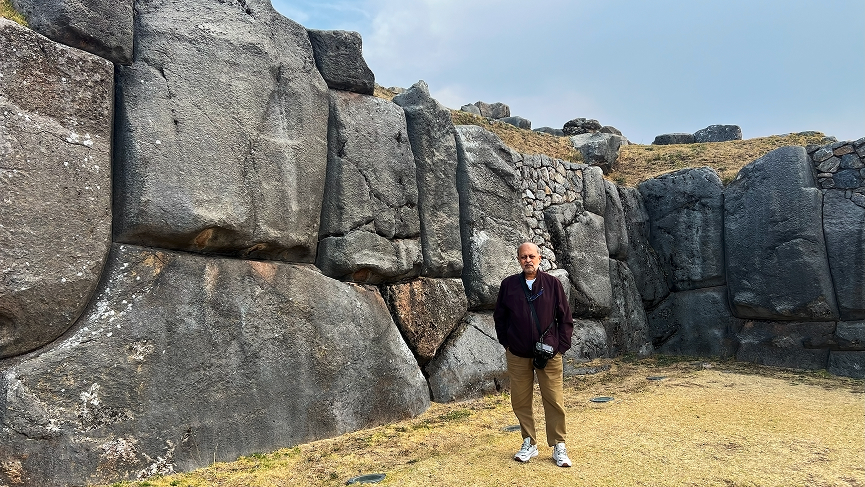
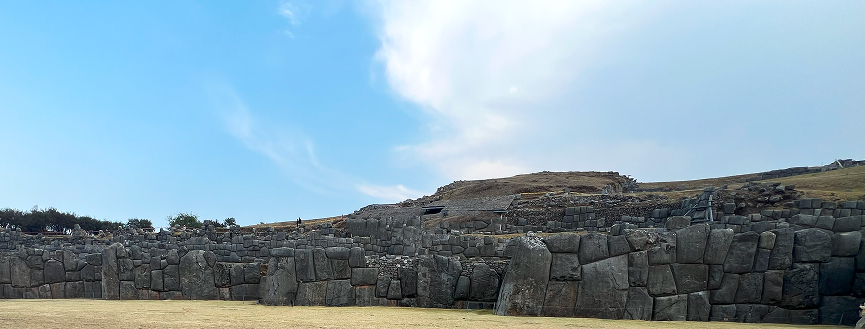
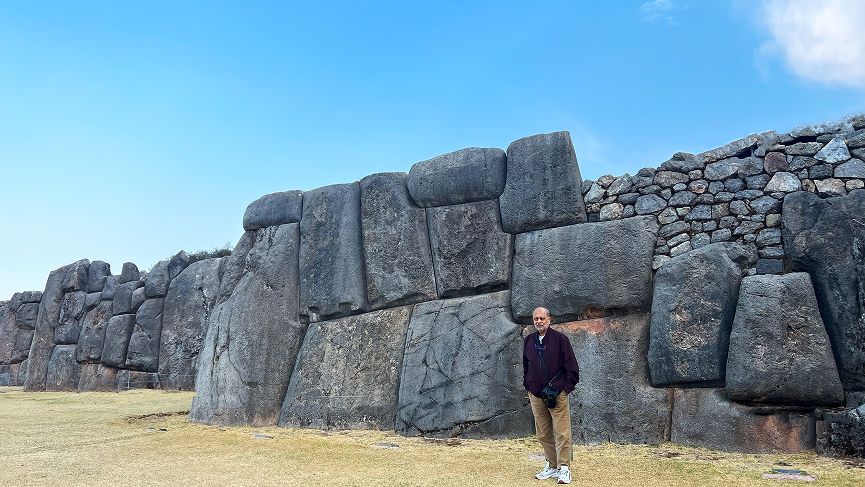
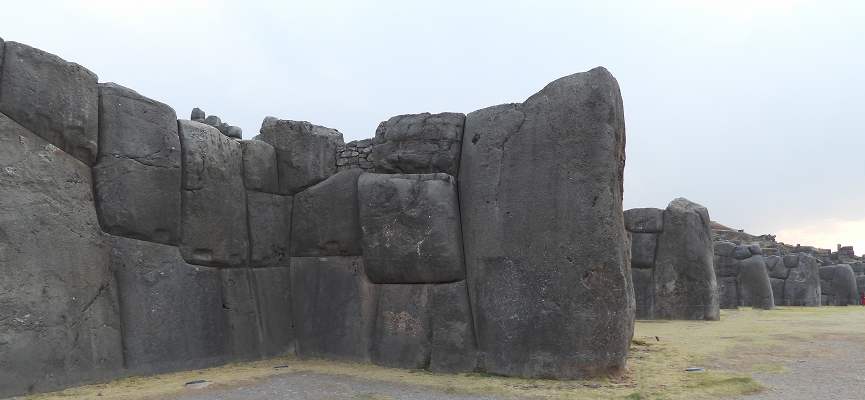
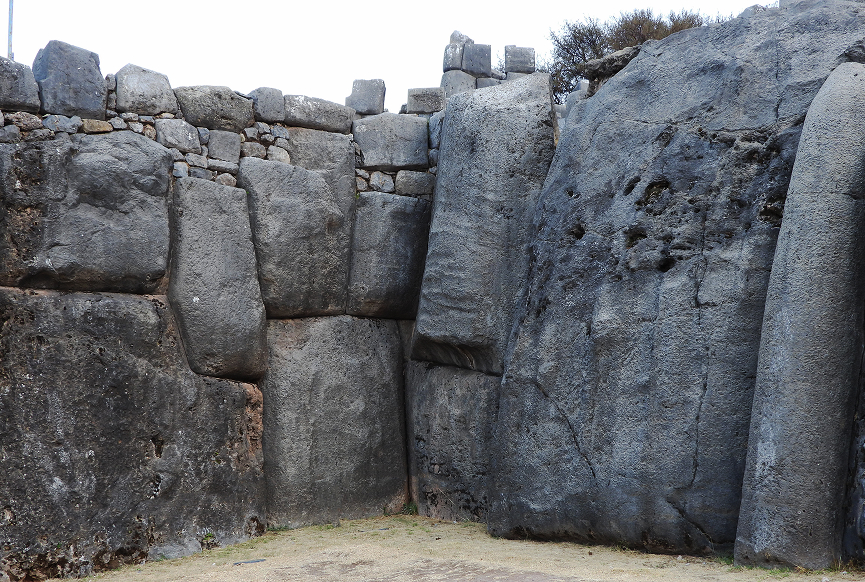
Sacsayhuamán (from Quechua Saksay waman pukara – ‘fortress of the royal falcon or hawk’) is a citadel on the northern outskirts of Cusco, the historic capital of the Inca Empire. The complex was built by the Incas in the 15th century, particularly under Sapa Inca Pachacuti and his successors.Dry stone walls constructed of huge stones were built on the site, with the workers carefully cutting the boulders to fit them together tightly. Located on a steep hill that overlooks the city, the fortified complex has a wide view of the valley to the southeast. Archeological studies of surface collections of pottery at Sacsayhuamán indicate that the earliest occupation of the hilltop dates to about 900 CE.
Another one is the Santuario de Qenqo, on the outskirts of Cusco. It is considered that this archaeological complex was used for religious ceremonies and sacrifices. This sacred site has a subterranean labyrinth of cut stone work, and the the mysticism of its former Incan users is evident. Even the name, which is from Quechua, is thought to mean “satisfied falcon,’’ a possible reference to its previous function as a defensive stronghold around the imperial city. It gravity defies everything we think possible, and is built with 1,000’s of boulders so finely constructed that you can’t fit paper in the gaps in-between — some a third the weight of a blue whale. The stone giants silently attest to an unprecedented age when man’s intelligence worked hand-in-hand with earth reverence. The thickness of the walls is about two meters, the largest stones reaching proportions which make them think of nothing but avant masonry.
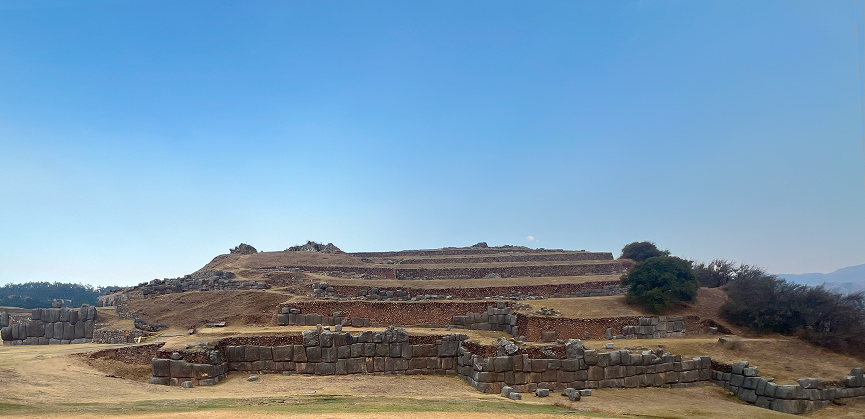
The structure used to feature three super-size terraces stacked in a serpentine pattern that formed the look of a puma’s teeth (fitting, as these creatures were considered sacred by the Inca and symbolized power and protection). From the summit, you’ll enjoy wide-ranging views of Cusco below and understand why this was a defensive fortress as well as a ceremonial site. Archeologists suspect that Sacsayhuamán served as an important site for rituals to honor the god Inti (the Sun god), and the immense festival of Inti Raymi— commemorating the winter solstice—was likely held there, a tradition that is still celebrated through opulent reenactments today.
Cautiously treading through the massive stones, it’s hard not to sense that energy coursing through the land—sparks of life from an ancient empire that once governed the Andes. Sacsayhuamán isn’t so much a ruin as it is a testament to what veneration of earth and heaven can accomplish.