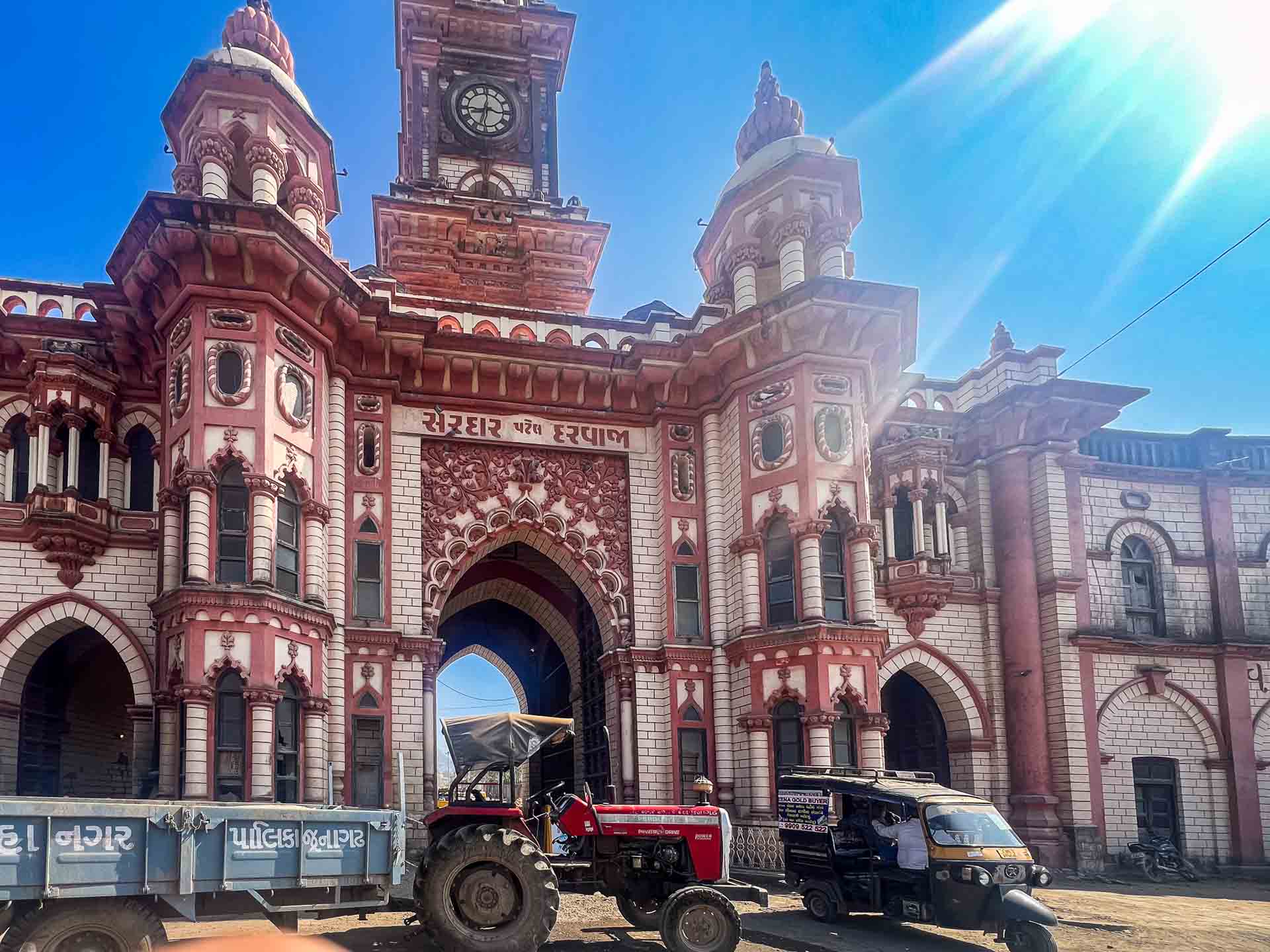
The culture of Junagadh reflects the intersection of royal traditions, Gujarati mercantile life, religious pilgrimage, and regional folk culture. Festivals associated with the Girnar pilgrimage routes continue to shape the rhythm of life in the city. Jain pilgrims, Hindu devotees, traders, and local communities all contribute to Junagadh’s layered social identity.
Traditional Gujarati craftsmanship survives in textiles, embroidery, metalwork, and local market trade. Folk music, oral storytelling traditions, and cultural practices associated with the Saurashtra region continue to survive in surrounding communities.
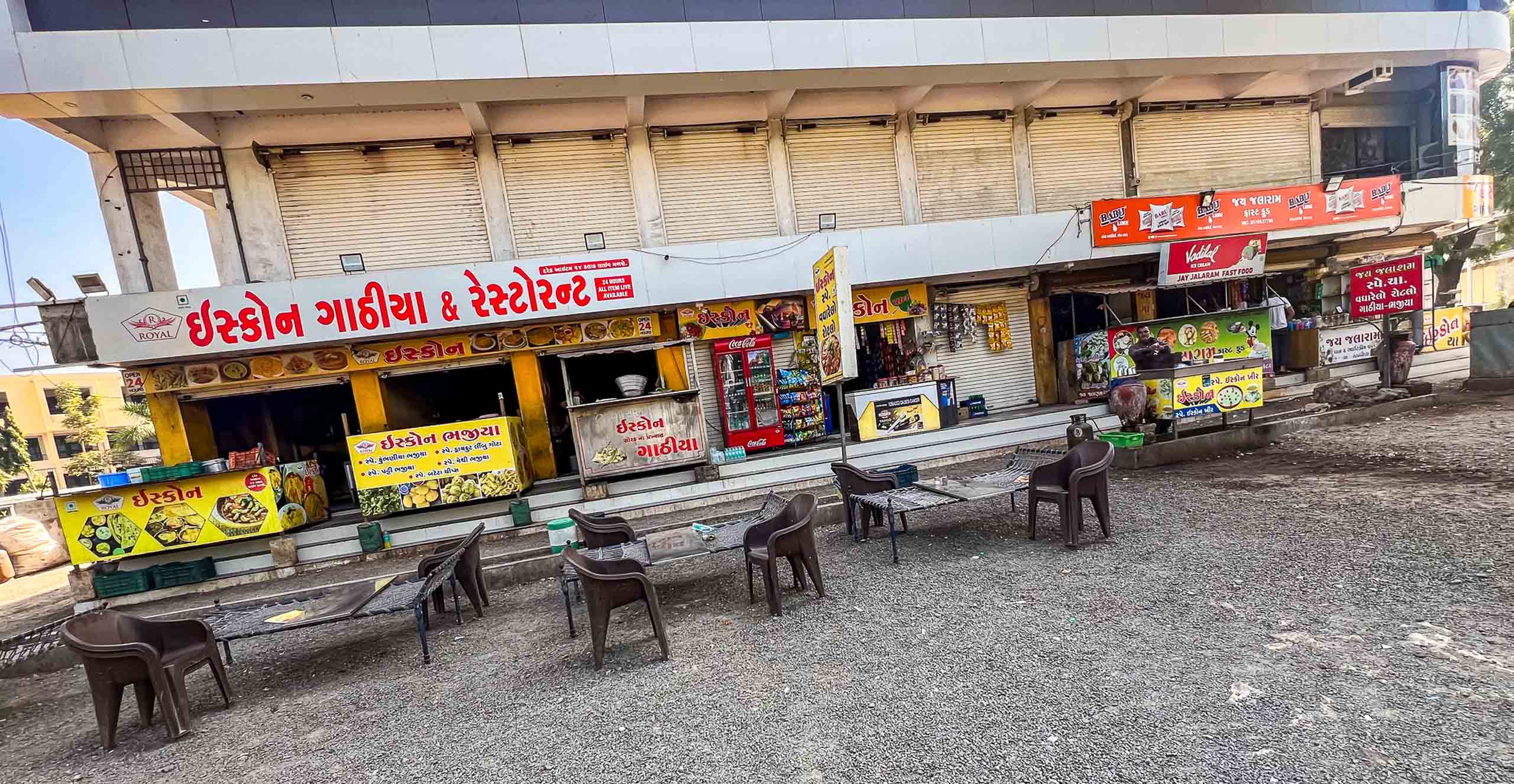
Food in Junagadh reflects the broader culinary traditions of Saurashtra and Gujarat while maintaining its own regional identity. Street vendors sell farsan, khaman, kachoris, fafda, and other spiced snacks alongside sweet shops displaying jalebi, peda, and traditional Gujarati sweets. Local thalis often include rotlas, seasonal vegetables, lentils, kadhi, pickles, and farsan preparations characteristic of Kathiawadi cuisine.
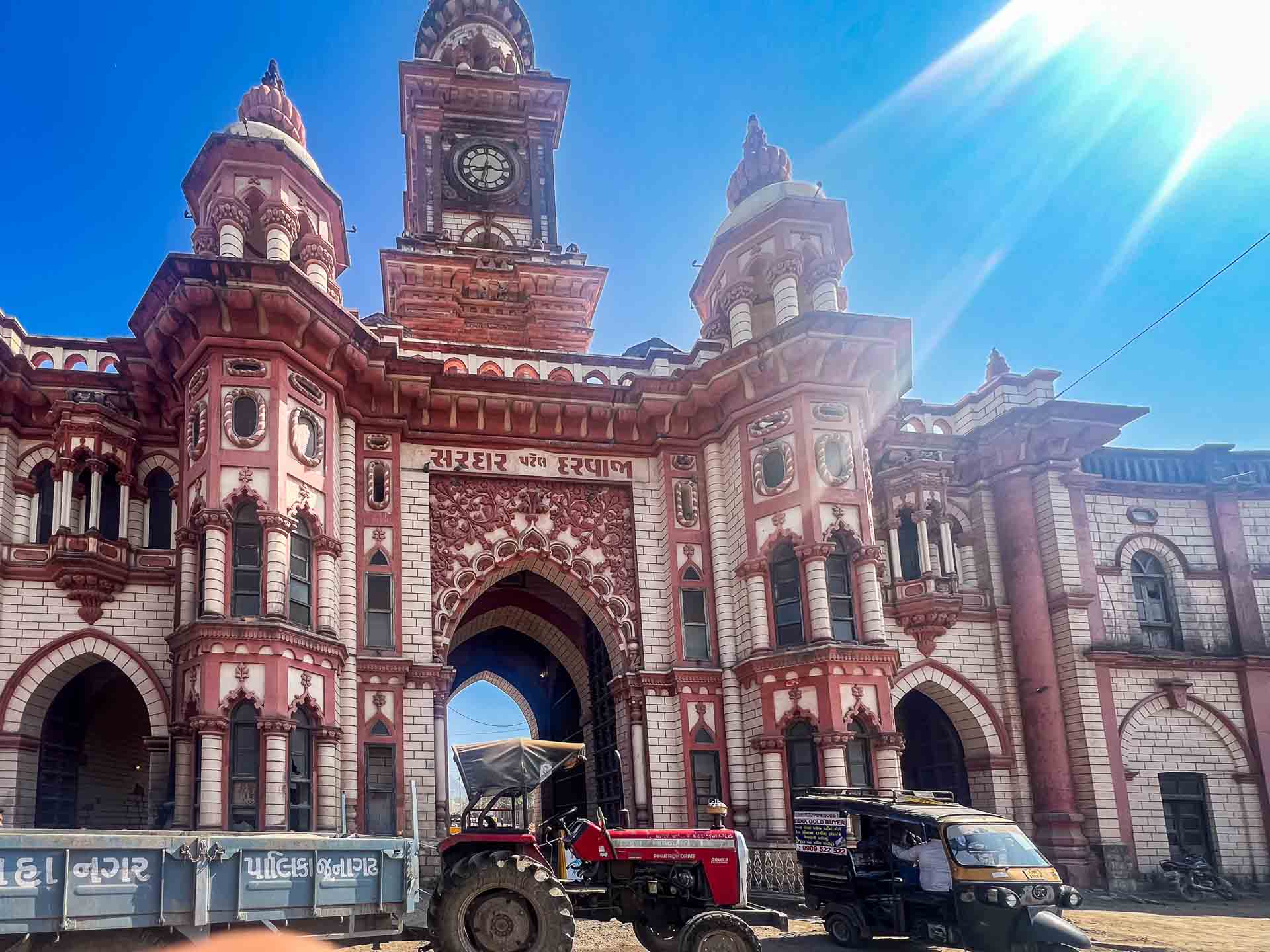
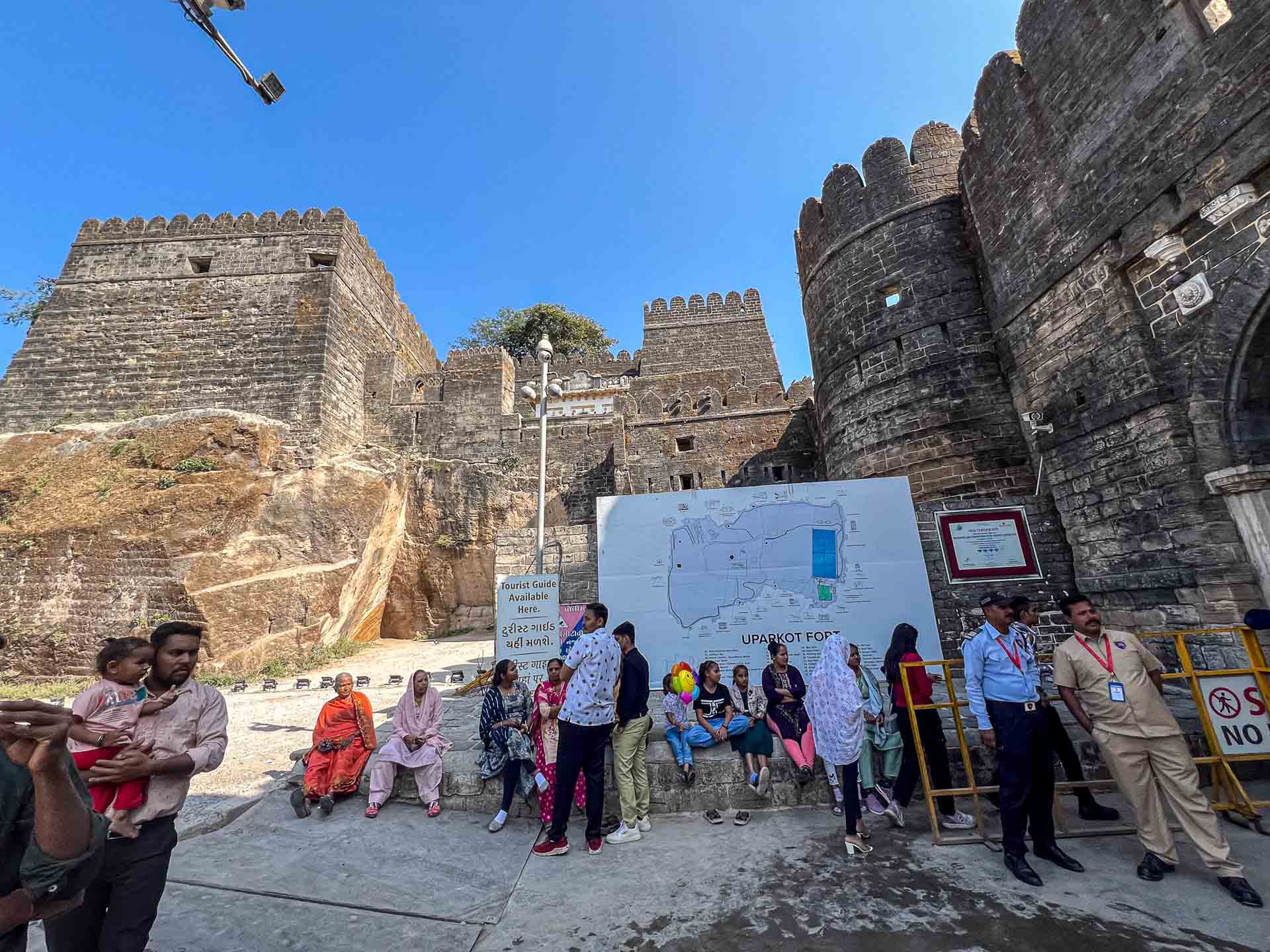
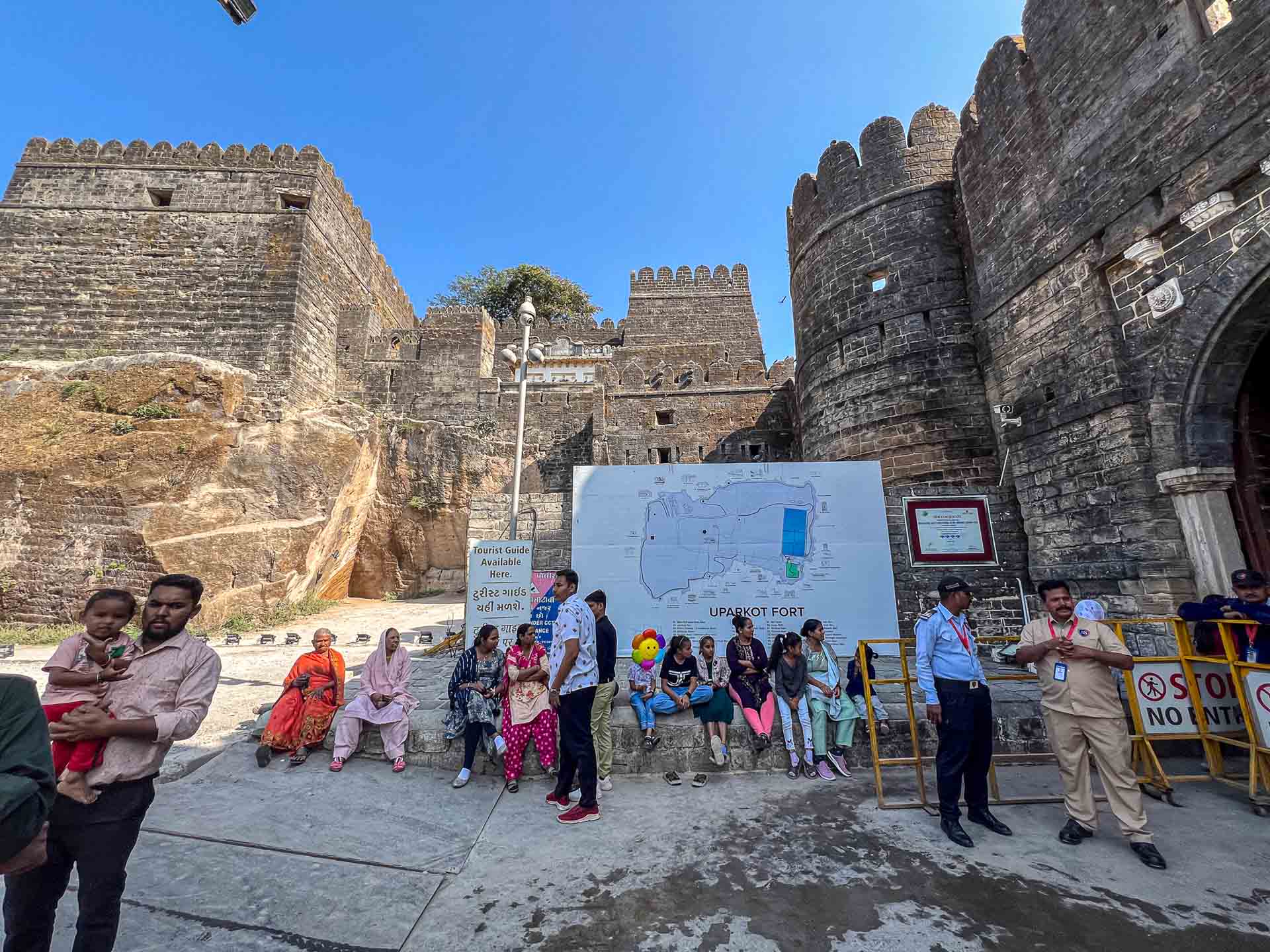
Junagadh remains a city shaped by centuries of survival, transition, and cultural layering. Ancient inscriptions, fort walls, royal mausoleums, pilgrimage traditions, and crowded market streets continue to exist within the same urban landscape. The city carries traces of empires, princely rule, colonial encounters, and modern political transformation without entirely losing its older identity and still reflecting the long and complex history of Gujarat.