Kochi: Where Memory Moors
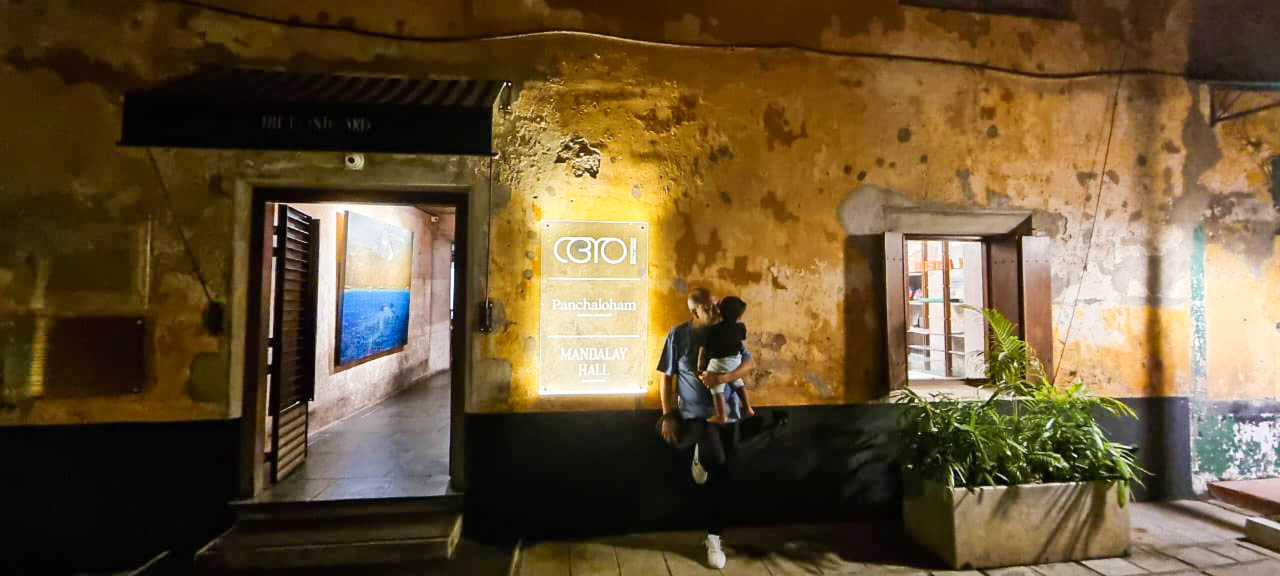
Hotel: The Postcard Mandalay Hall, Mattanchery
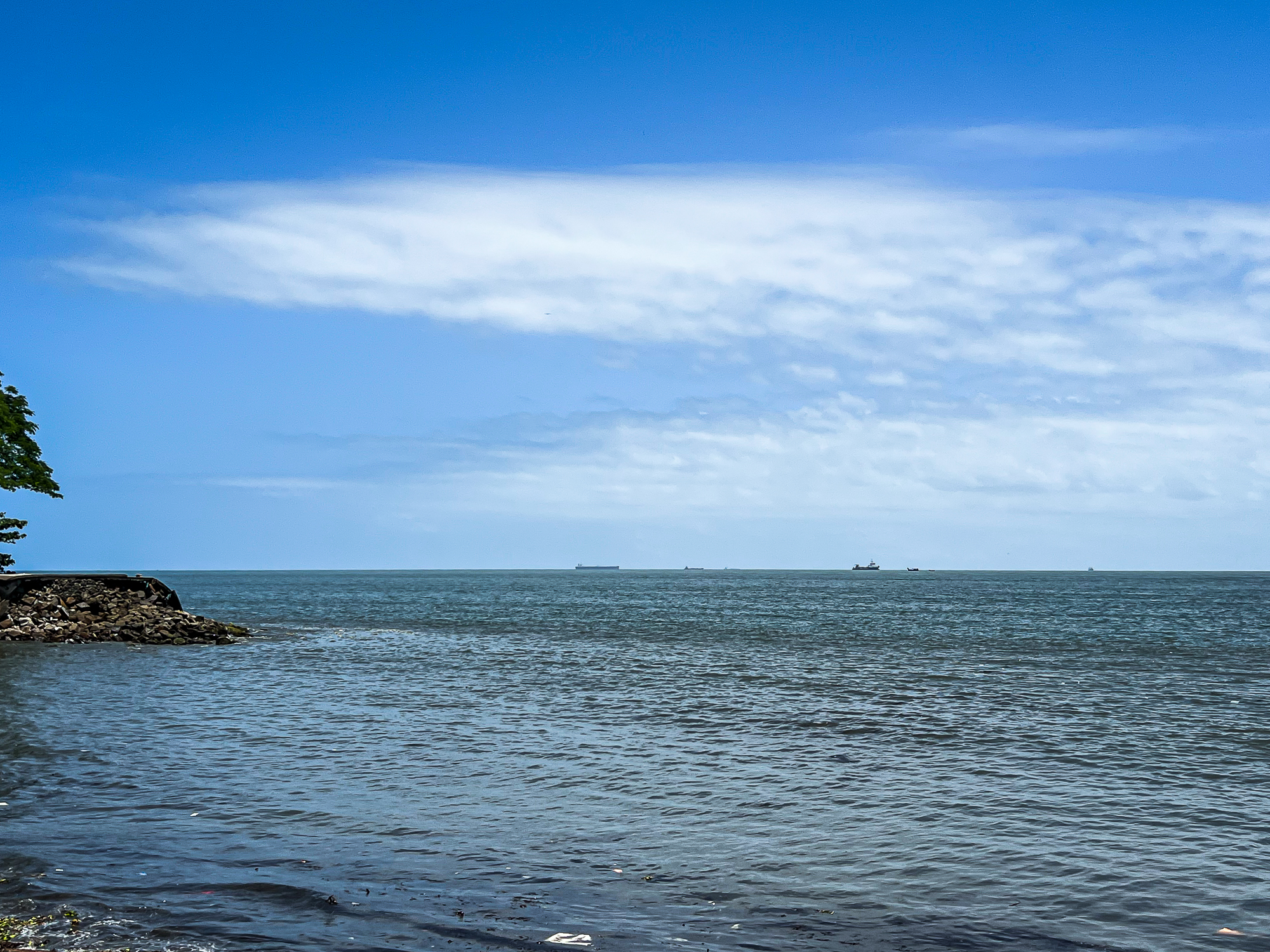
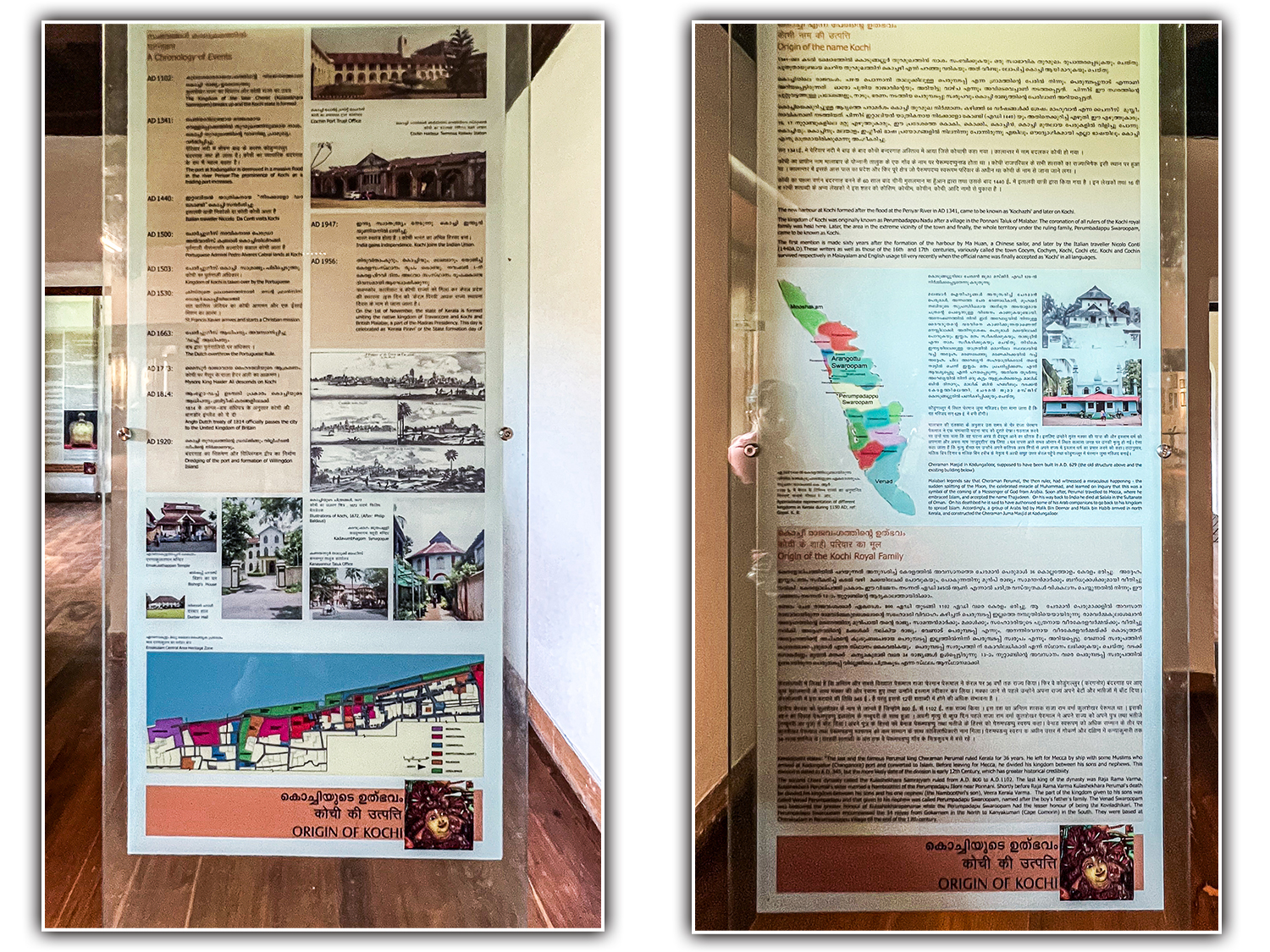
Kochi was a sanctuary at first—a port born from a flood in the 14th century that tore open the land near ancient Muziris. But what washed in wasn’t ruin; it was reinvention. What began as a sleepy fishing village became a confluence of trade, culture, and soul. Merchants, seekers, sailors, and exiles moored their fates here. Not always visible, but always present, their footprints linger.
We did not arrive in Kochi. We seeped in, like rainwater into old stone. Our journey began at a door that opened inward into stillness, salt air, and self.
The Postcard Hotel
Here, in a 300-year-old Jewish merchant mansion now known as The Postcard Mandalay Hall, the walls, thick with lime and memory, breathed through laterite and frangipani. It was once the palace of a spice trader; now, it carried a wealth of a different sort—texture, stillness, and thought. Kerala cottons folded into crevices, light filtered not perfectly but poetically.
There were windows that opened to courtyards where time itself seemed to pause. Mornings arrived with roasted coconut and brass-filtered coffee. Nights came on slow ceiling fan wings and distant percussion from temple processions. The hotel curated comfort without show. We arrived into its rhythm as if we’d always known it.
Once known as Mandalay Hall, the space has evolved from an evocative art gallery into an immersive stay that still bears its curatorial past. There remains a quiet confidence in its spaces. Some of Burma still lingers in the corners, and the walls still tell stories—oil, linen, longing. The garden outside where cinnamon leaves stir with sea breeze is no longer merely a setting; it has become a slow witness.
Mattanchery
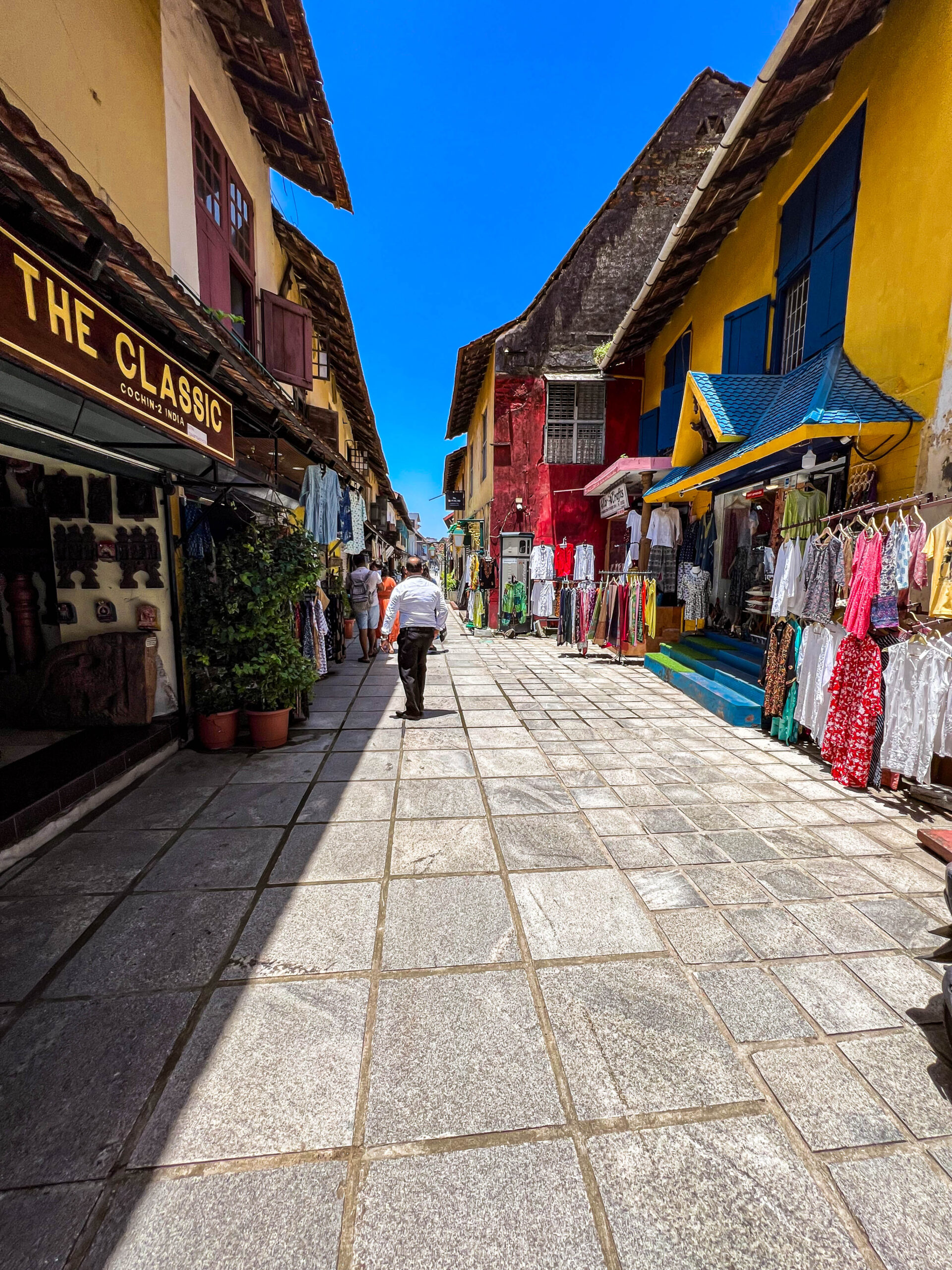
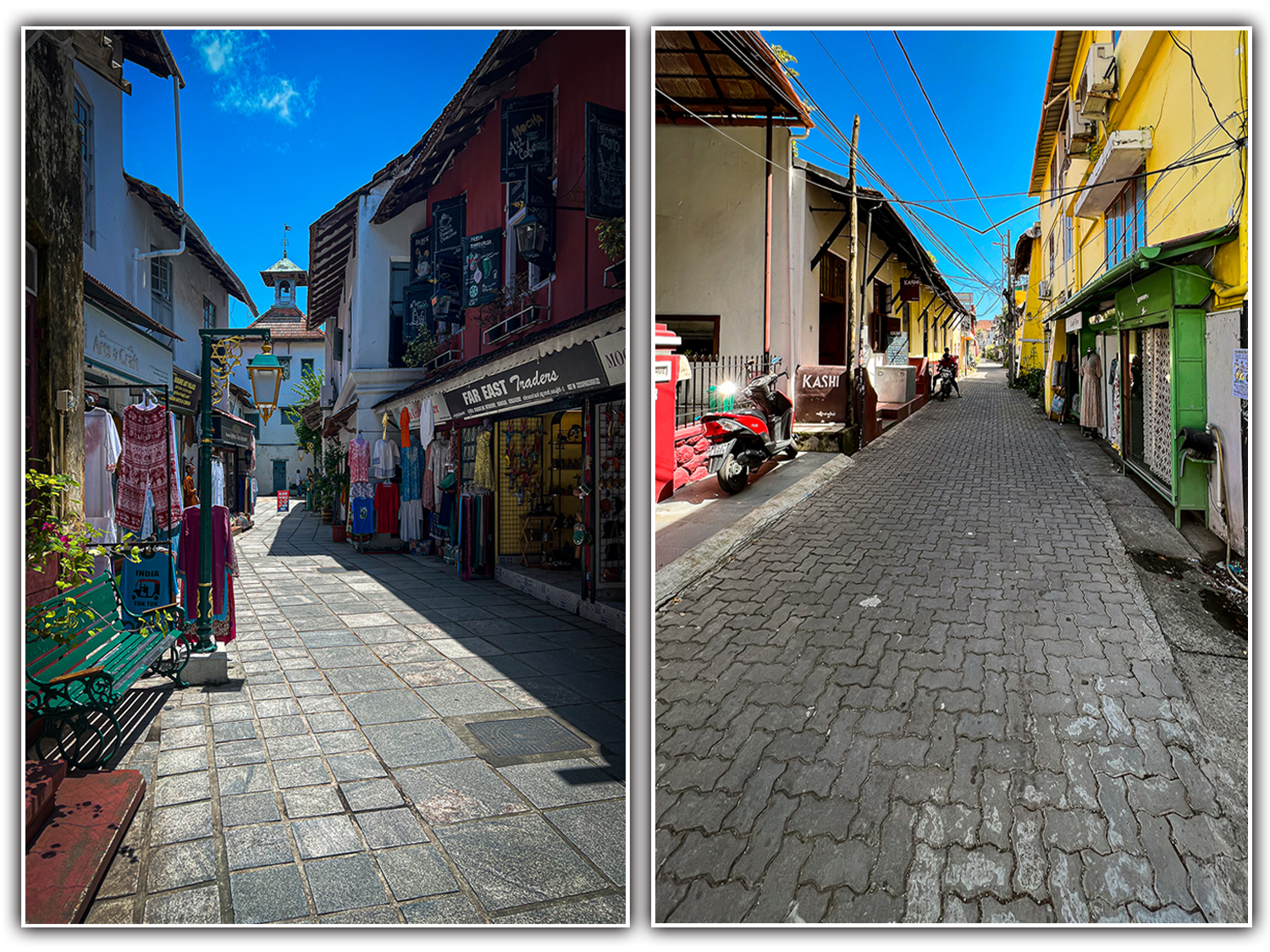
Mattanchery wasn’t a neighbourhood—it was a slow unfolding. Its lanes narrowed like the memory of dreams, bearing the scents of cumin, cardamom, turmeric, and tide.
Here, stories rested in carved wooden balconies and godowns swollen with monsoon air and recollection. We walked past spice-scented courtyards and balconies that leaned against one another like old friends.
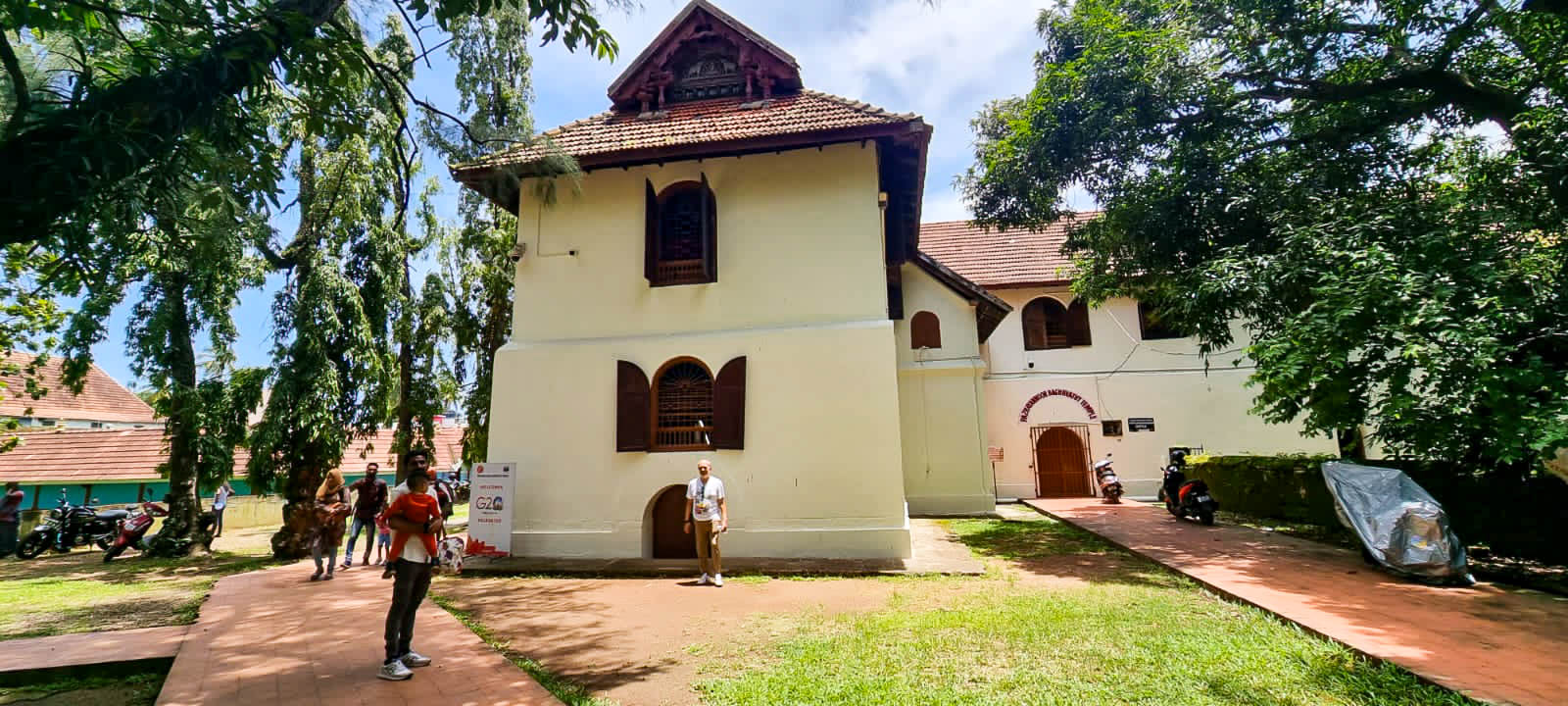
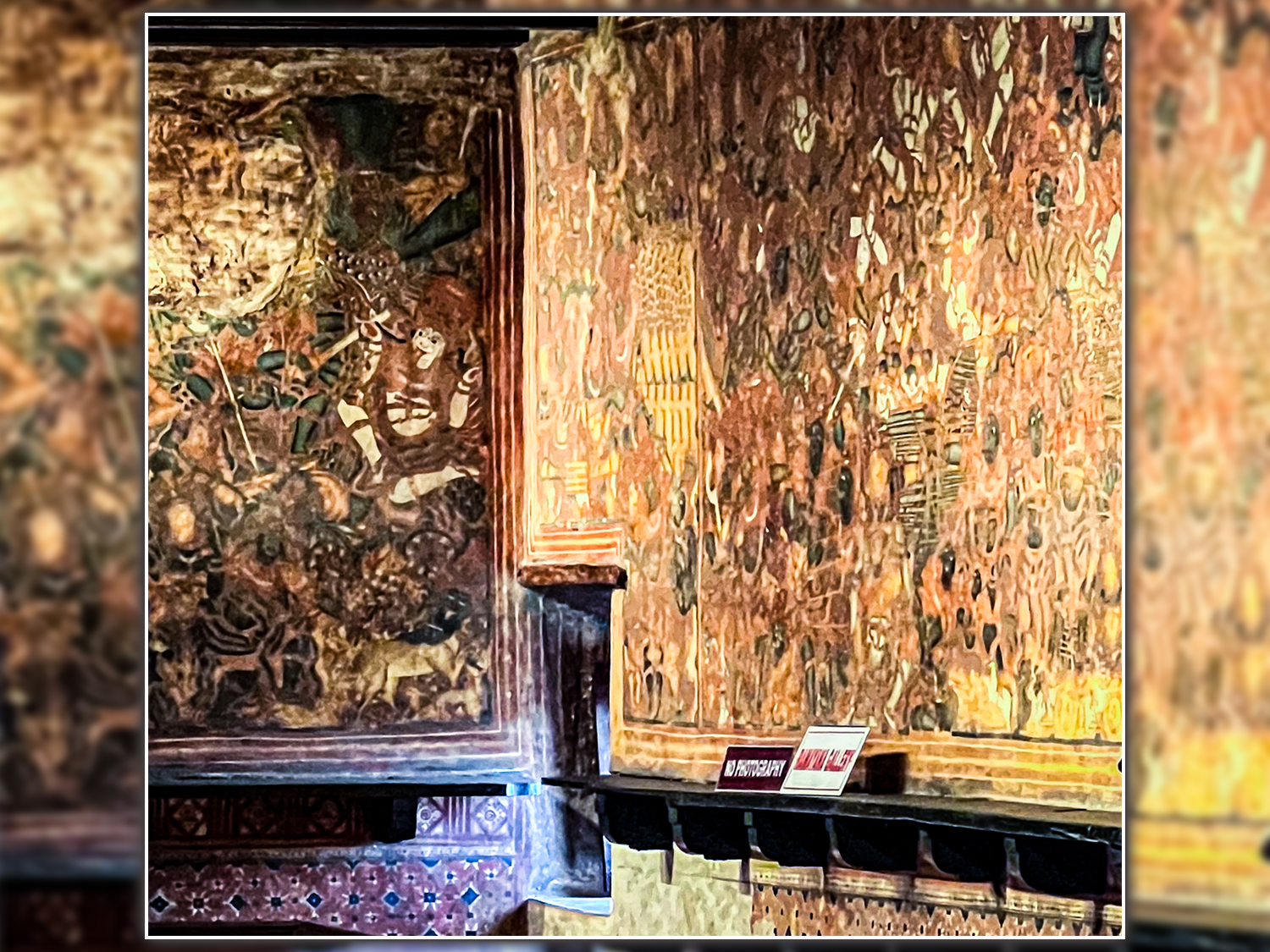
At the heart of it stood the Mattancherry Palace, gifted by the Portuguese and renovated by the Dutch. Inside, pigment whispered epics. Raja Ravi Varma’s paintings adorned its chambers—not to dazzle, but to deepen. The Ramayana flowed across walls in mural form, not as narrative, but as meditation. The fragrance of sandalwood still lived in the rafters.
Commerce had once brought the world here—Arab, Dutch, Portuguese, Jewish, Gujarati. But what grew wasn’t conquest. It was coexistence. Mattanchery didn’t erase difference; it absorbed it.
Jew Town & The Synagogue
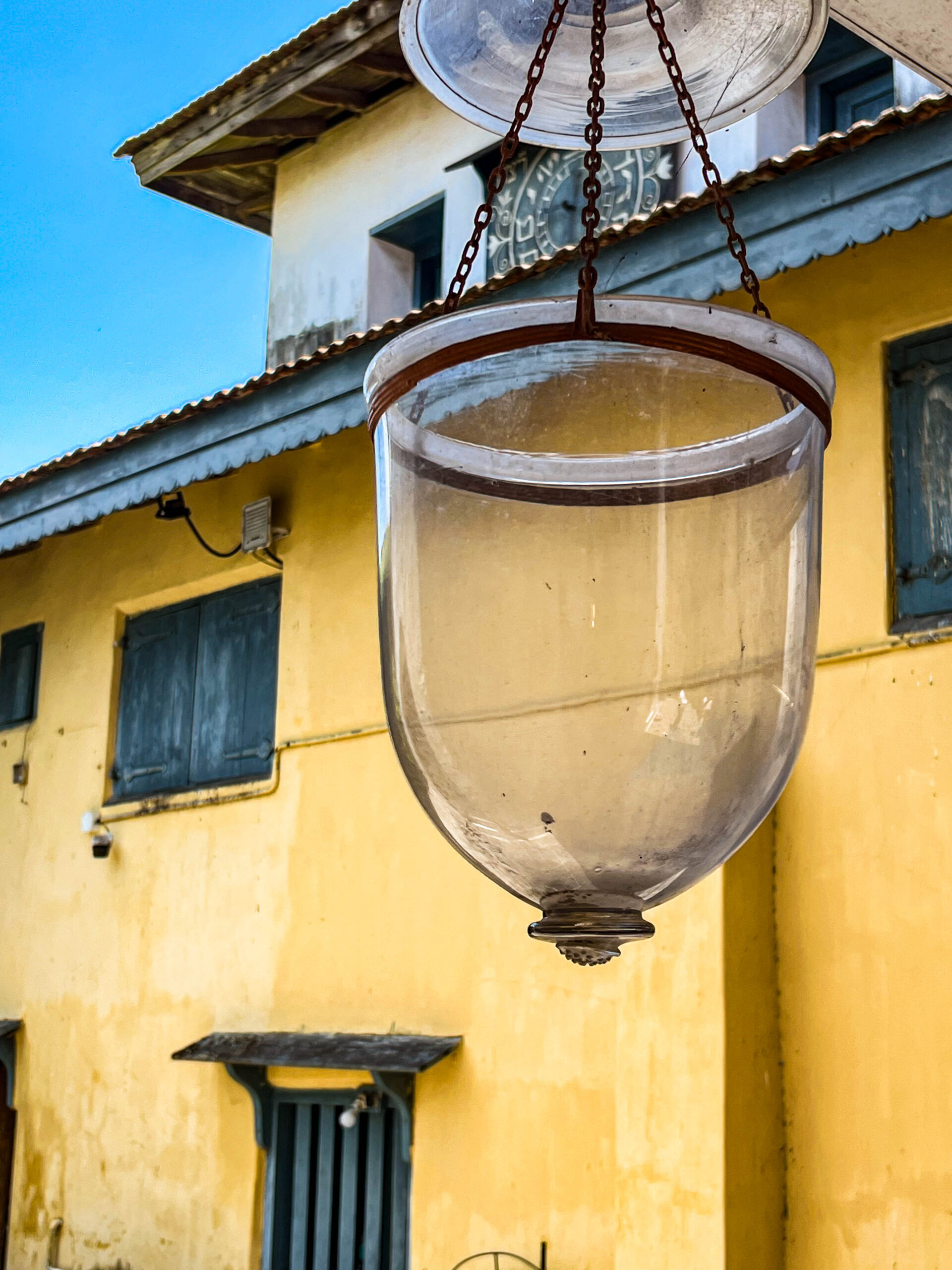
The street we stayed on bore within it layers of Jewish heritage. Jew Town—still tender in its name, still humming with memory.
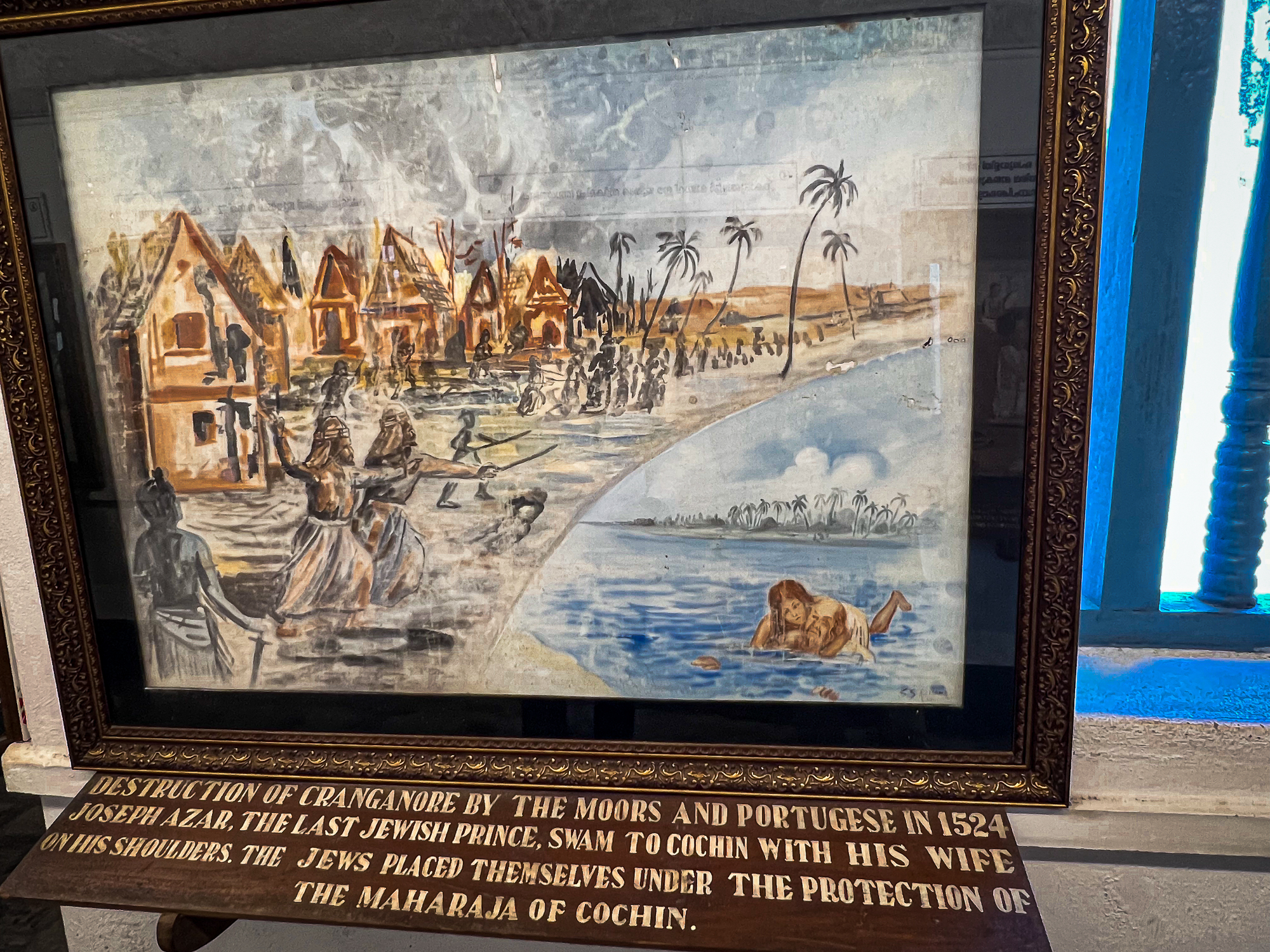
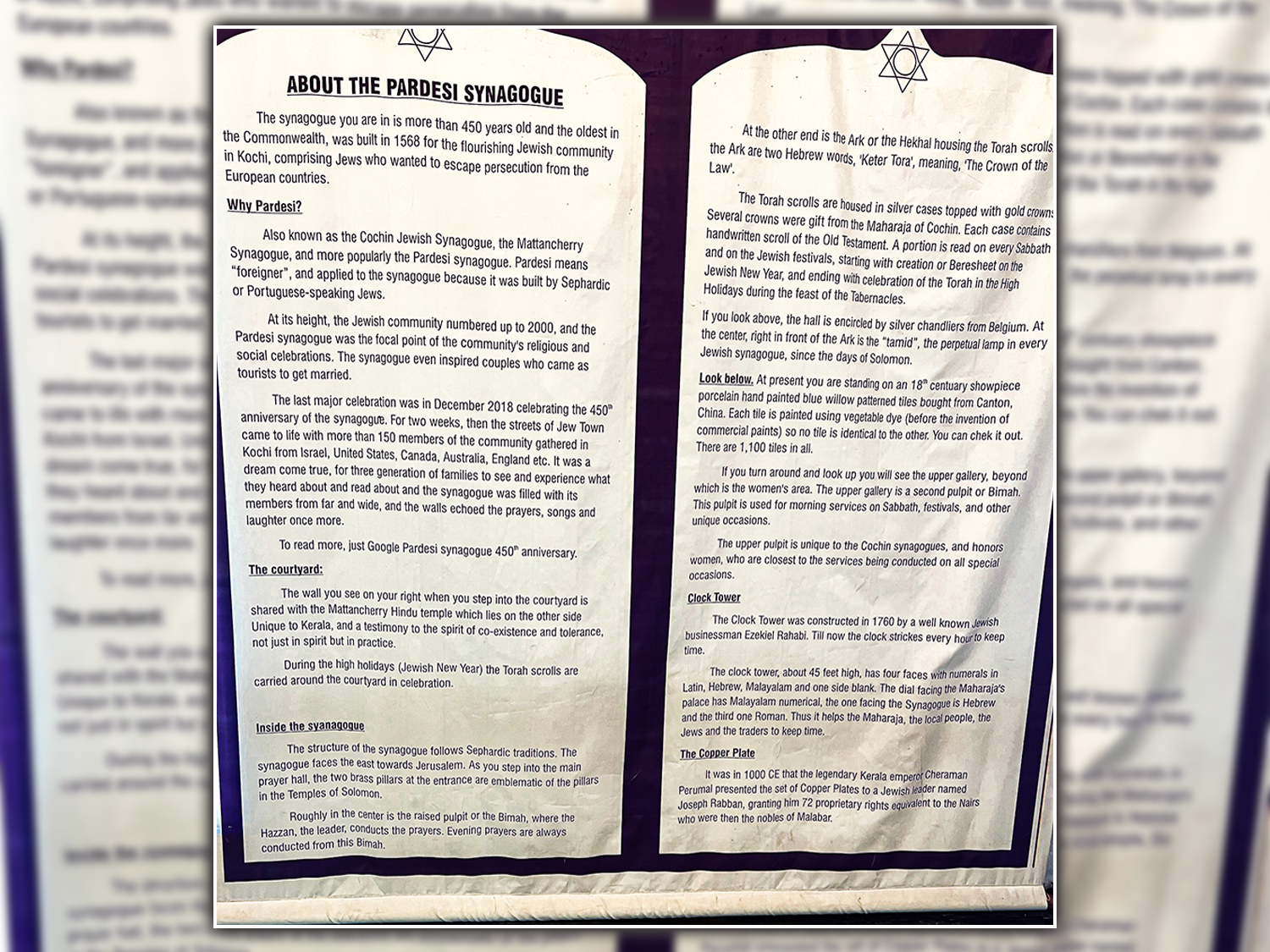
The Jewish history in Kochi is one of refuge and rootedness. The Malabari Jews and the Paradesi Jews settled here in waves, welcomed after exile. Their legacy is etched not just in buildings, but in language, food, and quiet rituals that still linger in corners of this lane.
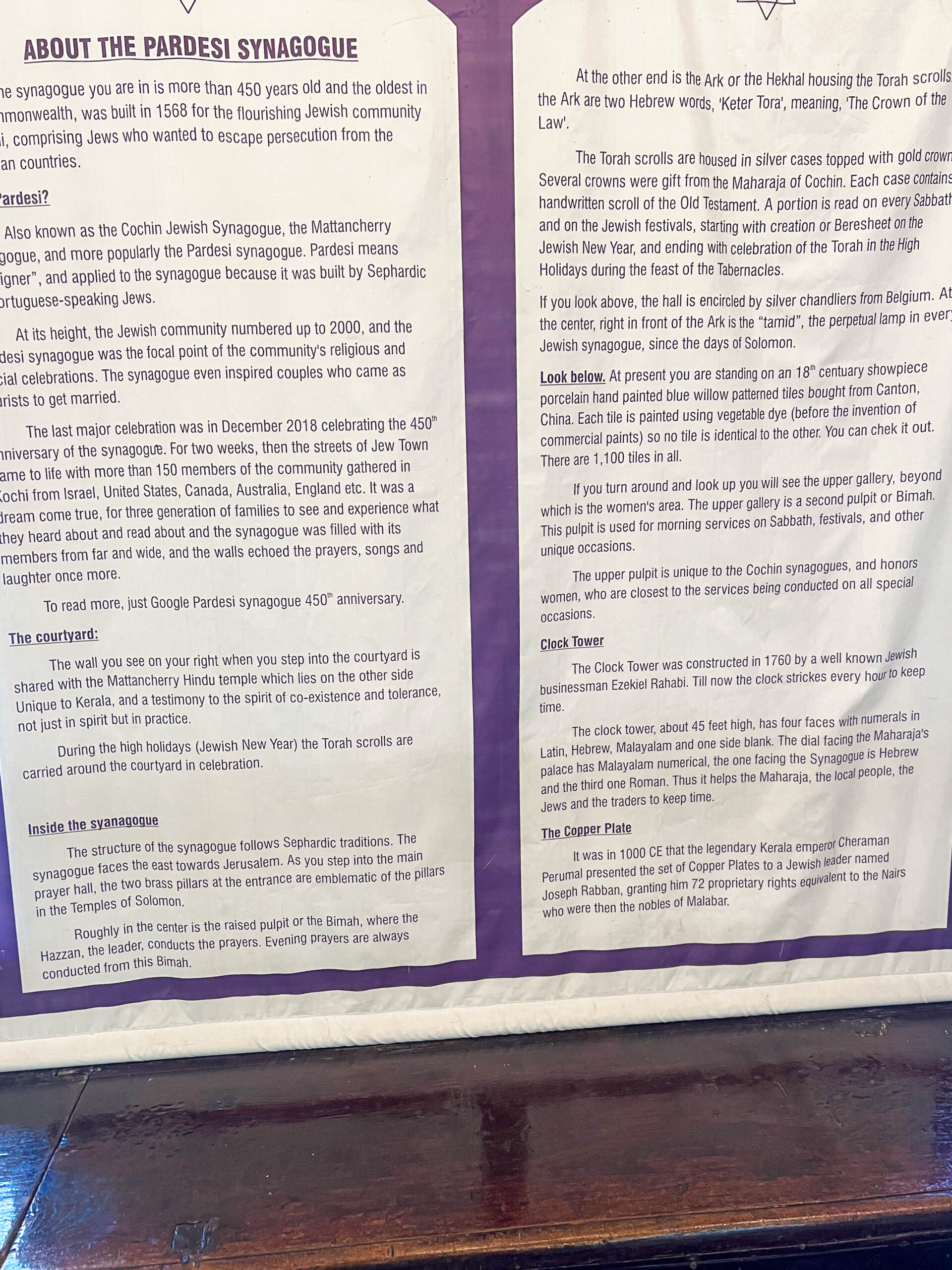
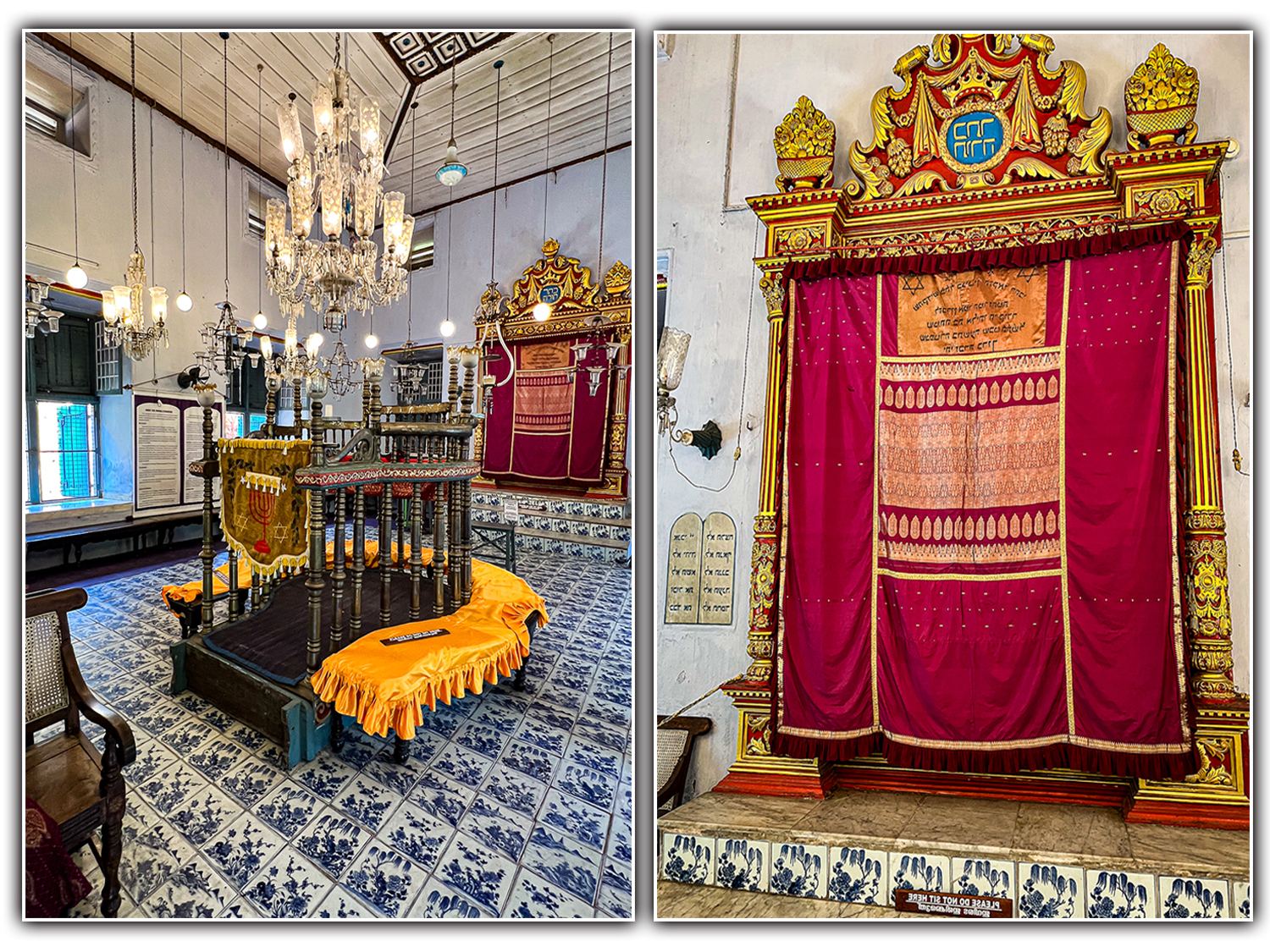
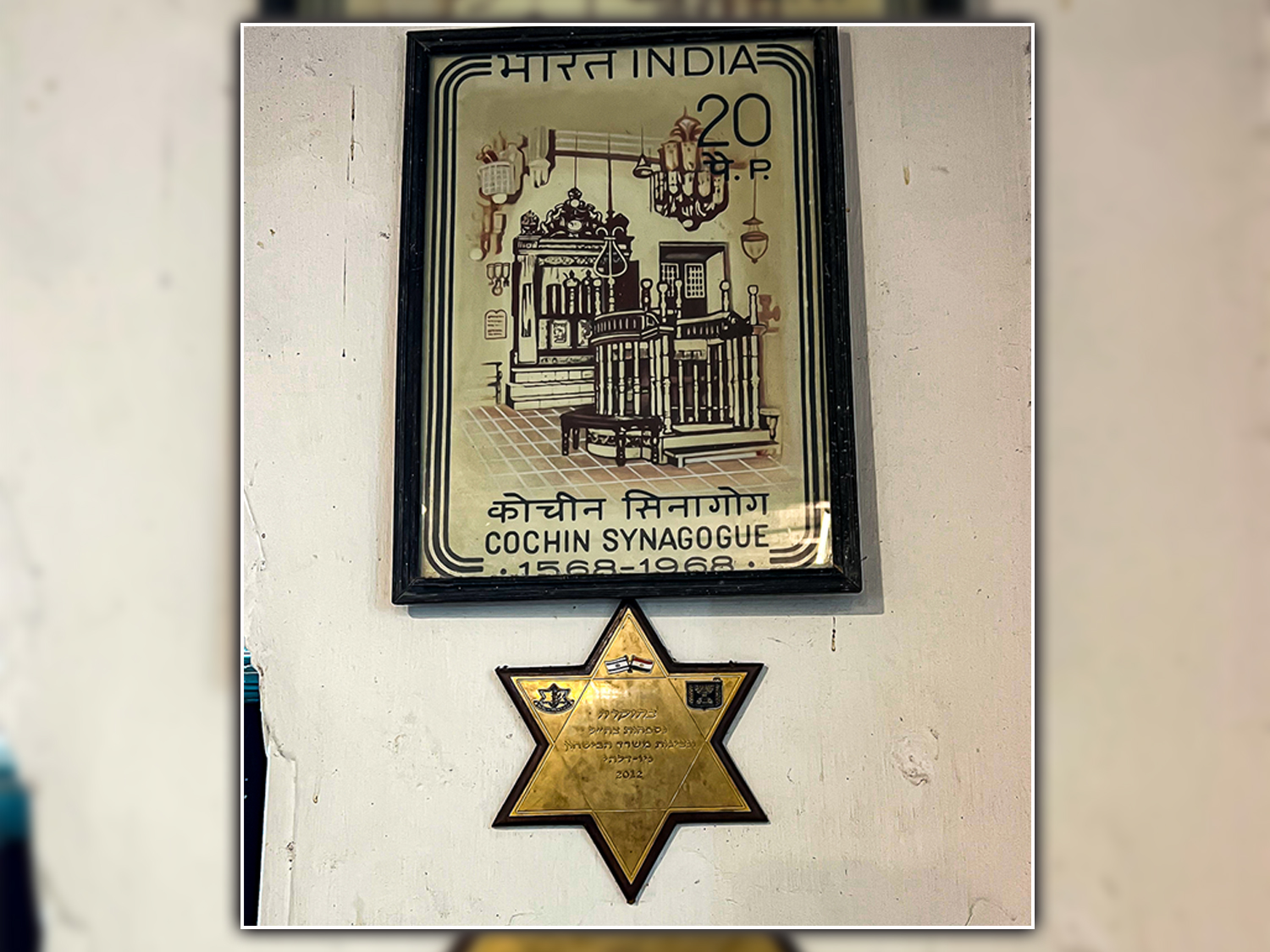
And there it was: the Paradesi Synagogue. White and blue, ageless and adored. Its Chinese hand-painted tiles—each different, none perfect—felt like Kochi itself. The golden pulpit gleamed softly, not in grandeur, but grace. Ghosts here were companions, not phantoms. They watched, listened, blessed.
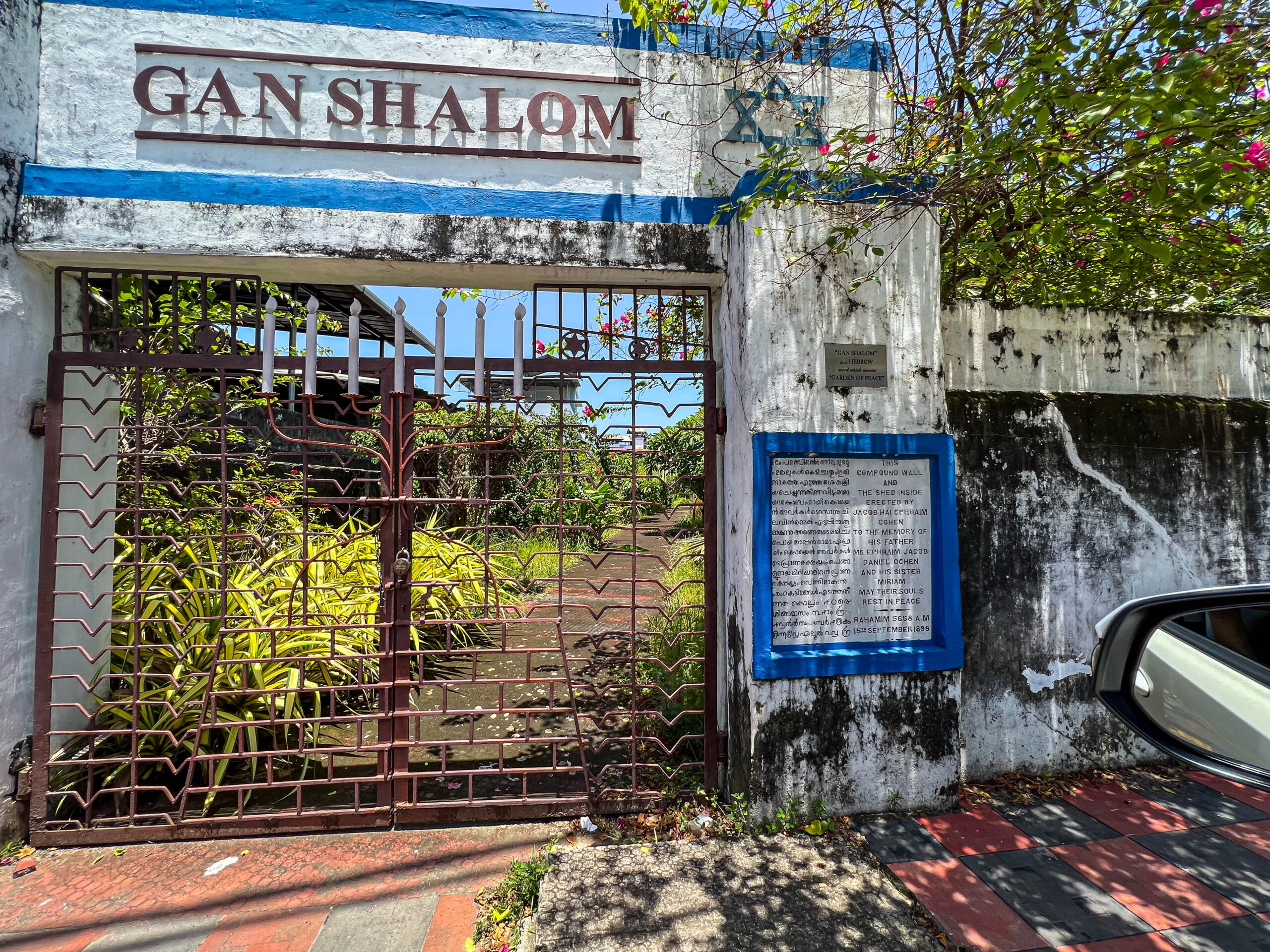
Gan Shalom
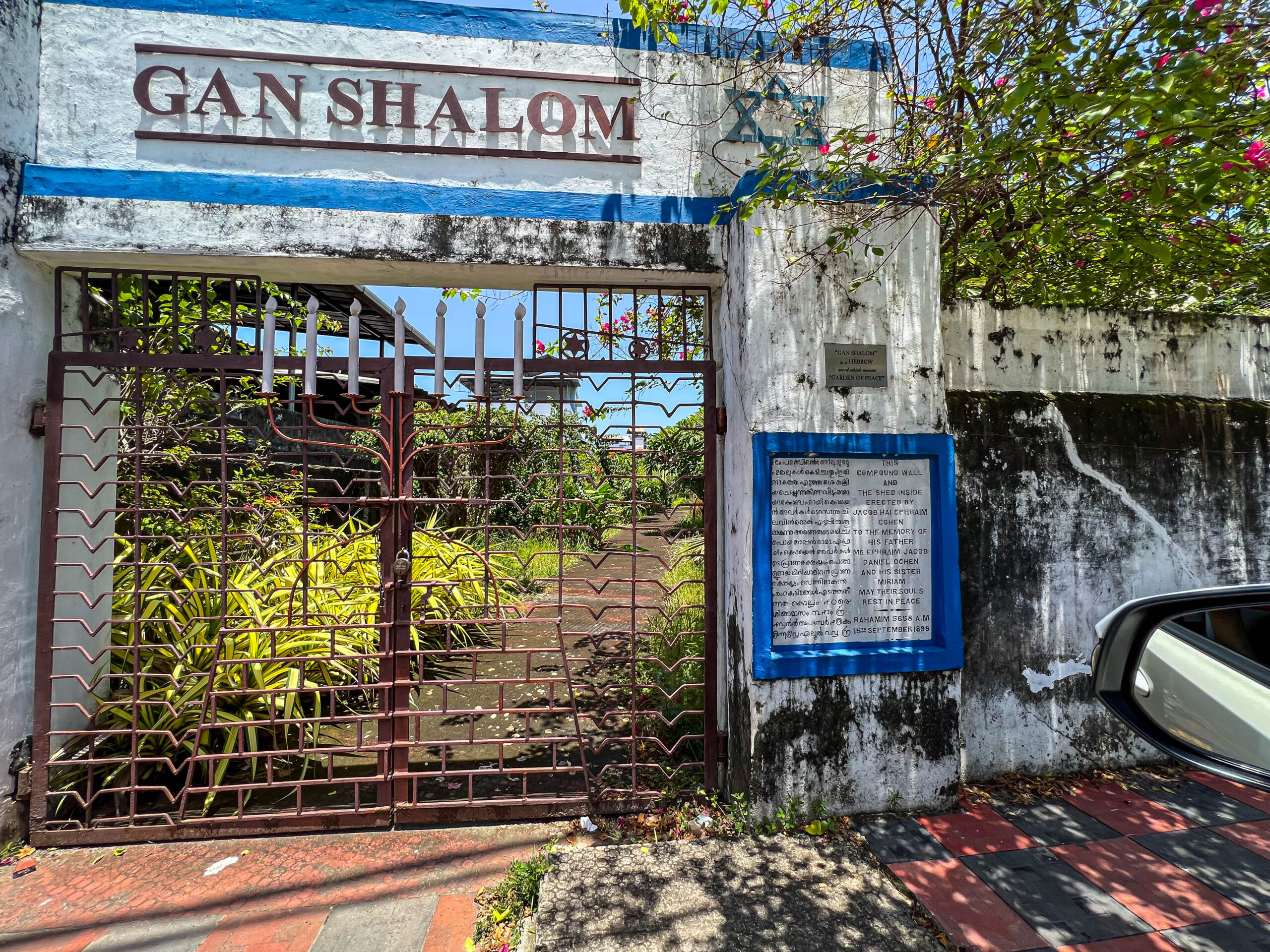
Not far, and almost hidden, was Gan Shalom, a Jewish school now fallen to silence. Benches sat empty. Chalkboards had forgotten the alphabet. But through the open windows, the wind still played. It remembered the laughter. That was enough.
David Hall
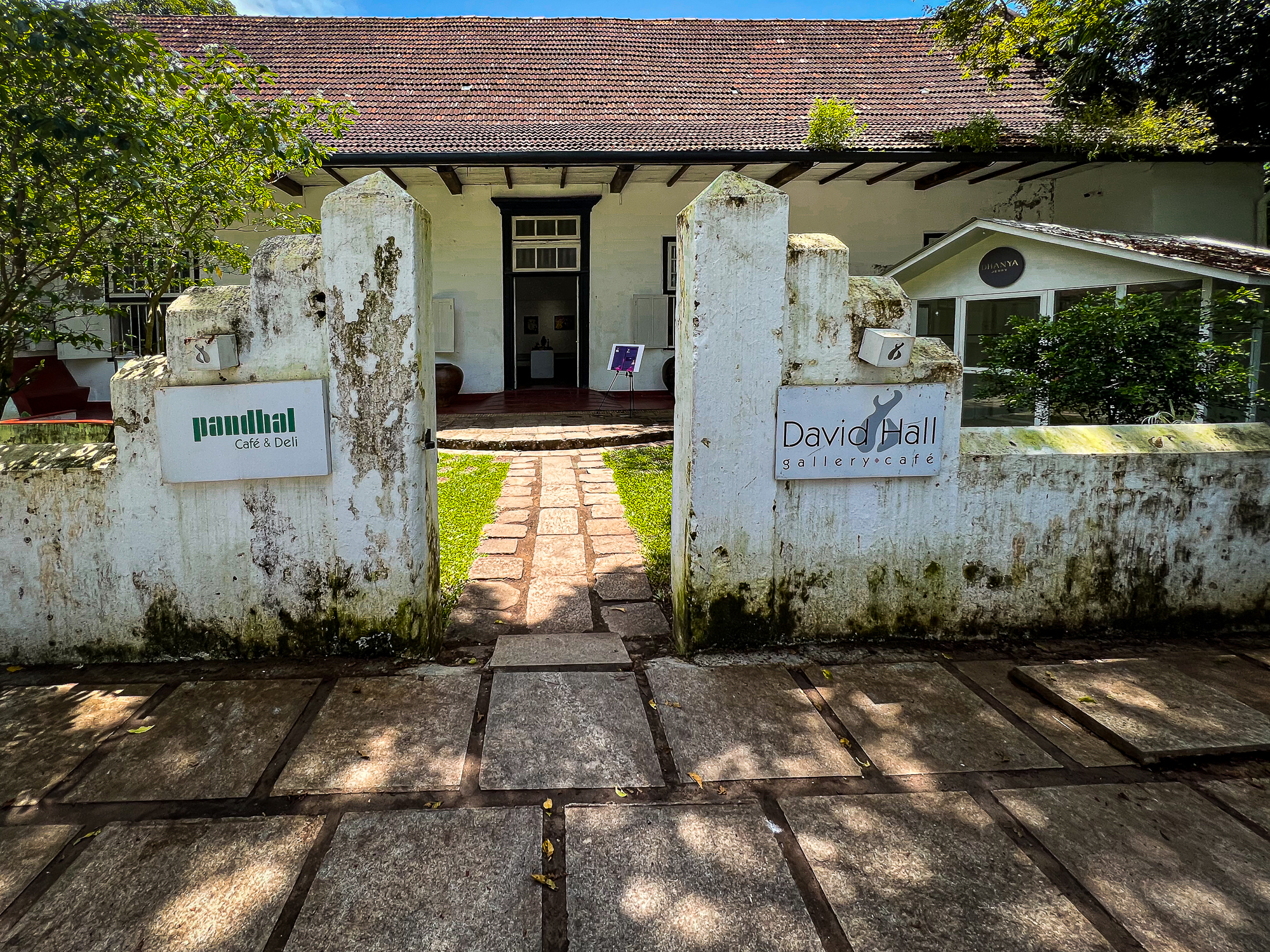
A colonial relic made gallery, David Hall stood under the shadow of a sprawling banyan tree. Art bled softly from its walls, not for commerce, but for communion. The air smelled of oil paint and pepper. Here, Kochi was alive with newer voices built atop the old.
Idiom Book Sellers
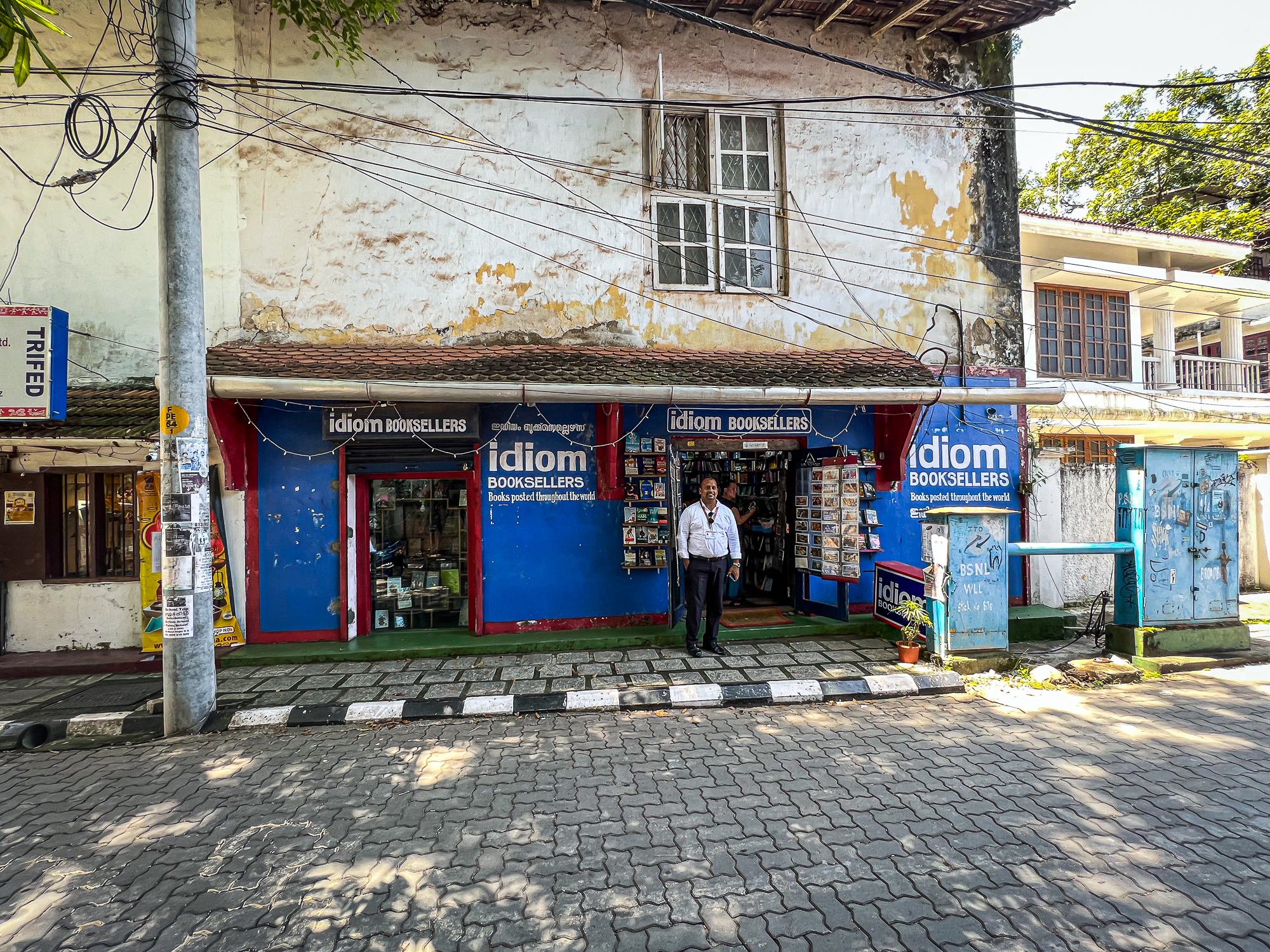
We stepped into Idiom Book Sellers, where the world spun on the axis of unread pages. Malayalam poetry jostled with Neruda. Nothing was sorted. Everything was sacred. The shop had its own silence and we listened.
Dutch Cemetery
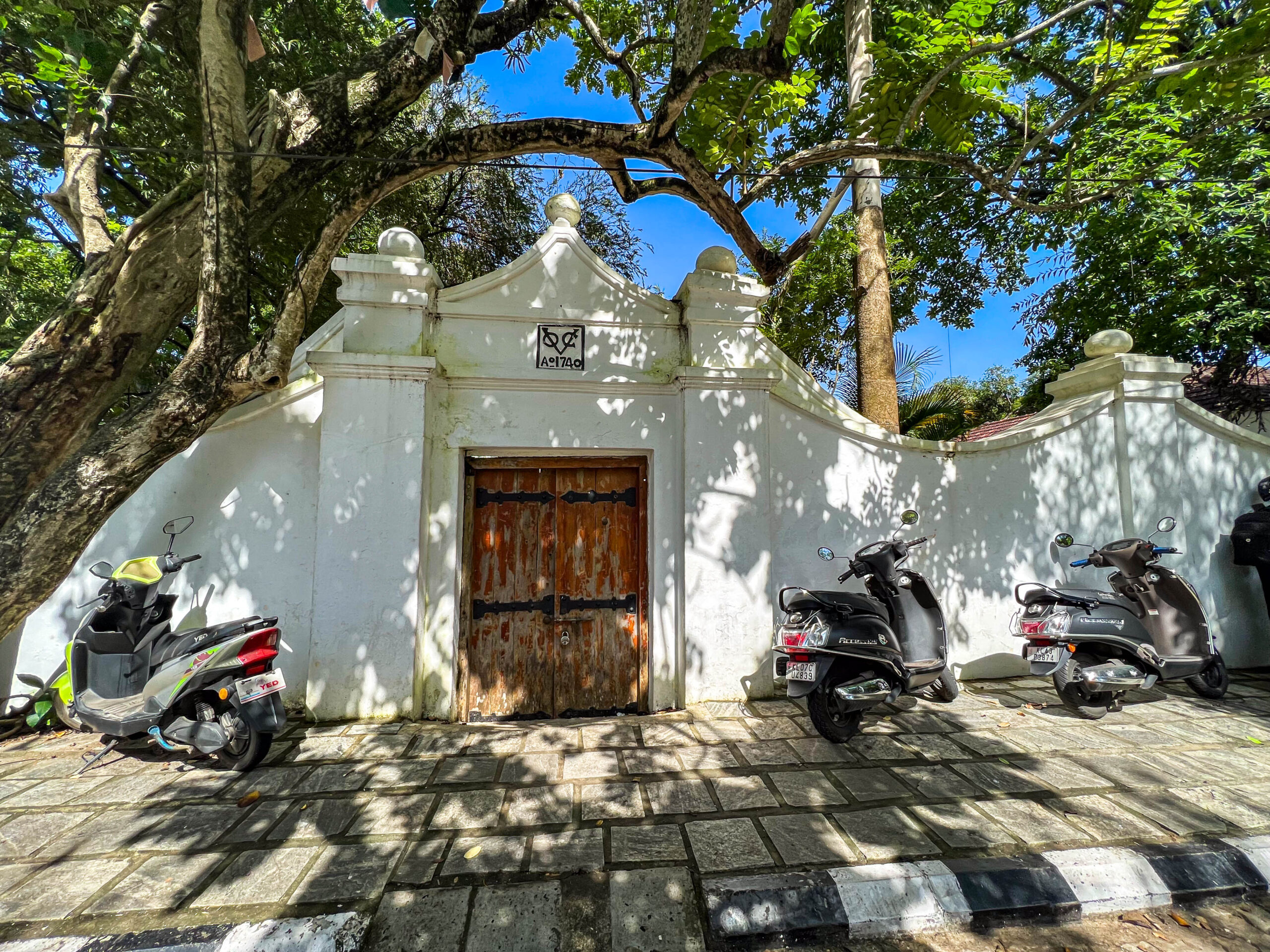
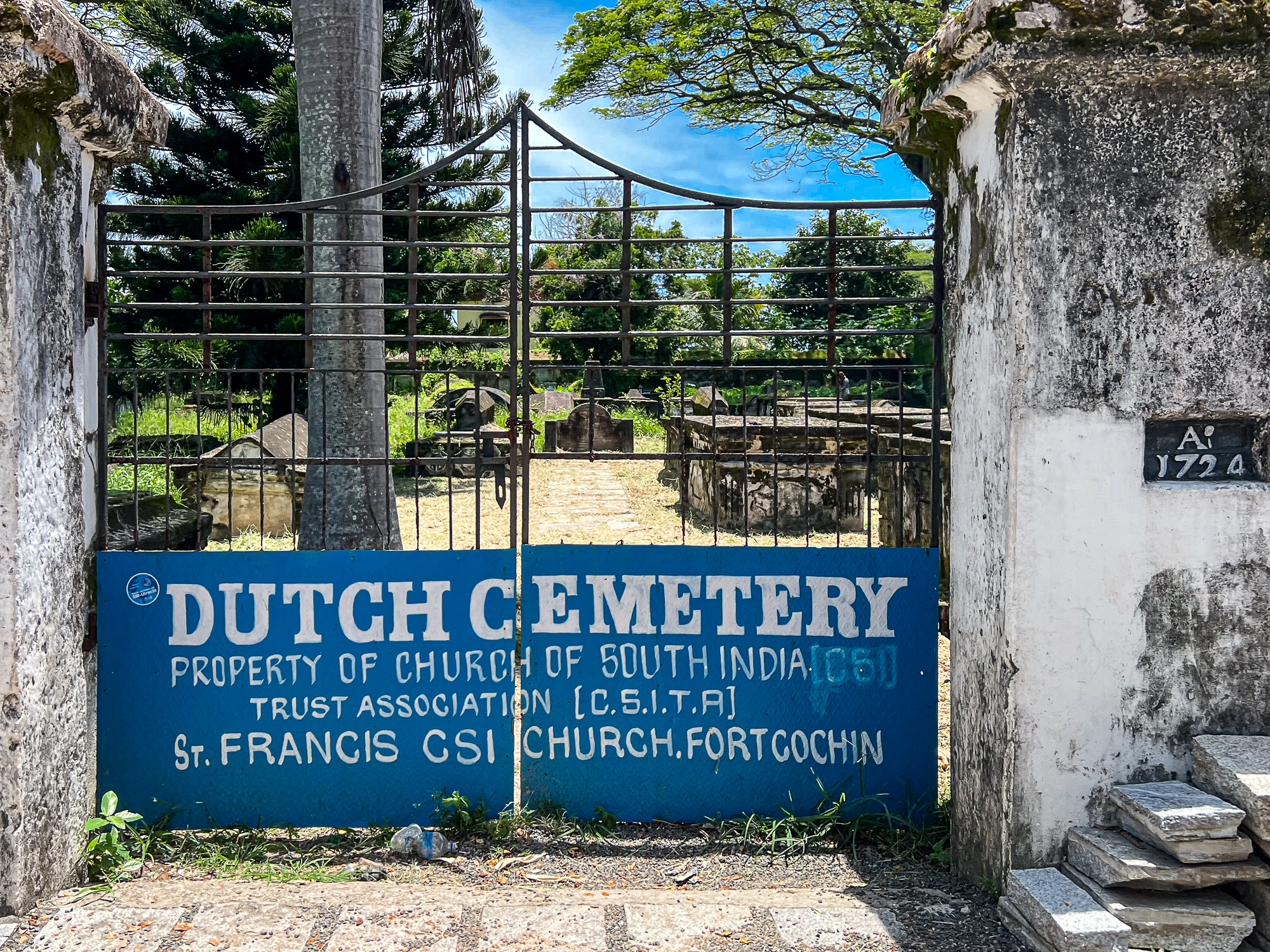
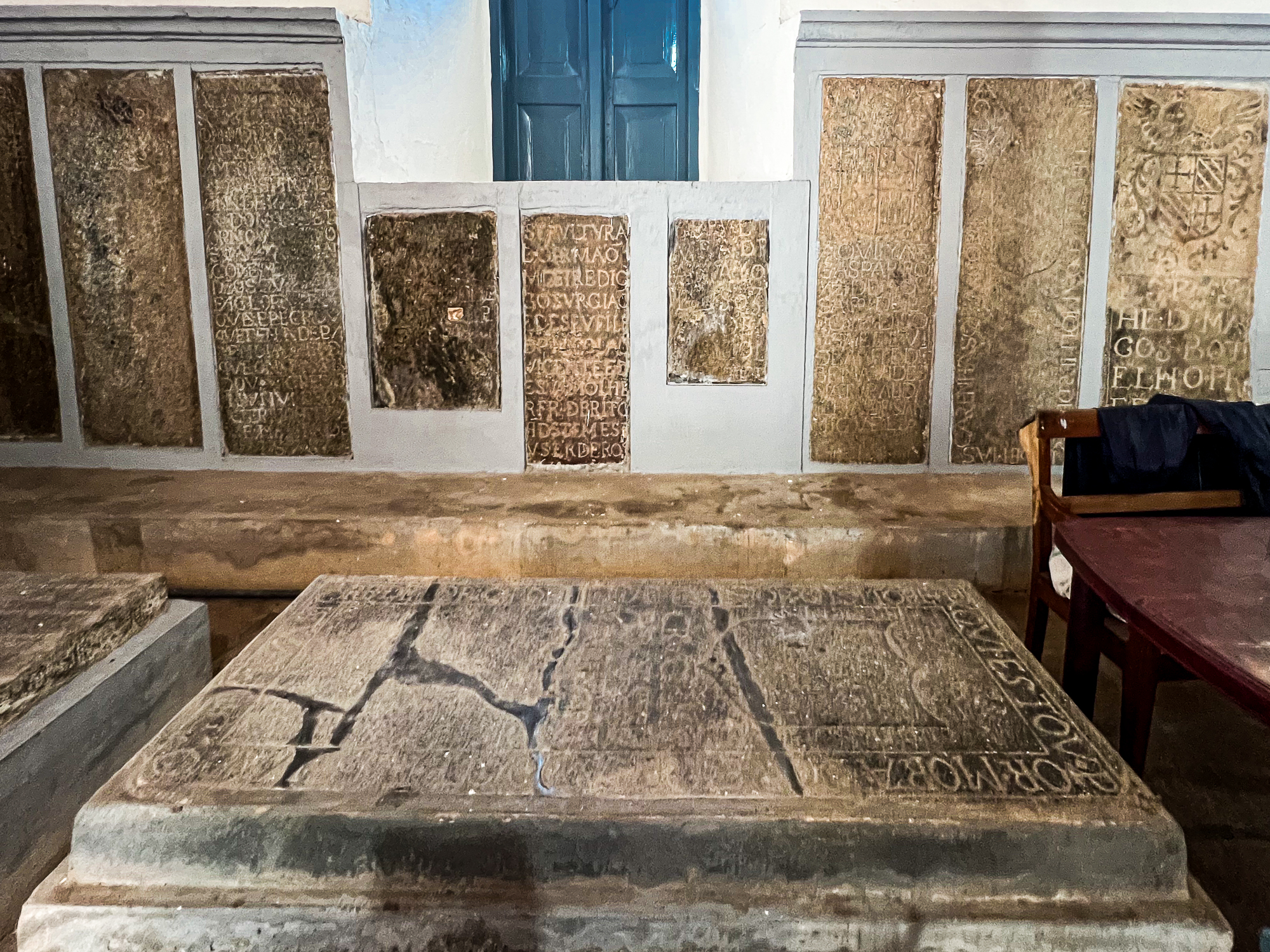
At the Dutch Cemetery, dates blurred—1724, 1698, 1743—beneath moss-draped stones. Here, the sea had delivered not goods, but endings. No sorrow, only surrender. We read the names aloud. The trees didn’t move. The stillness agreed.
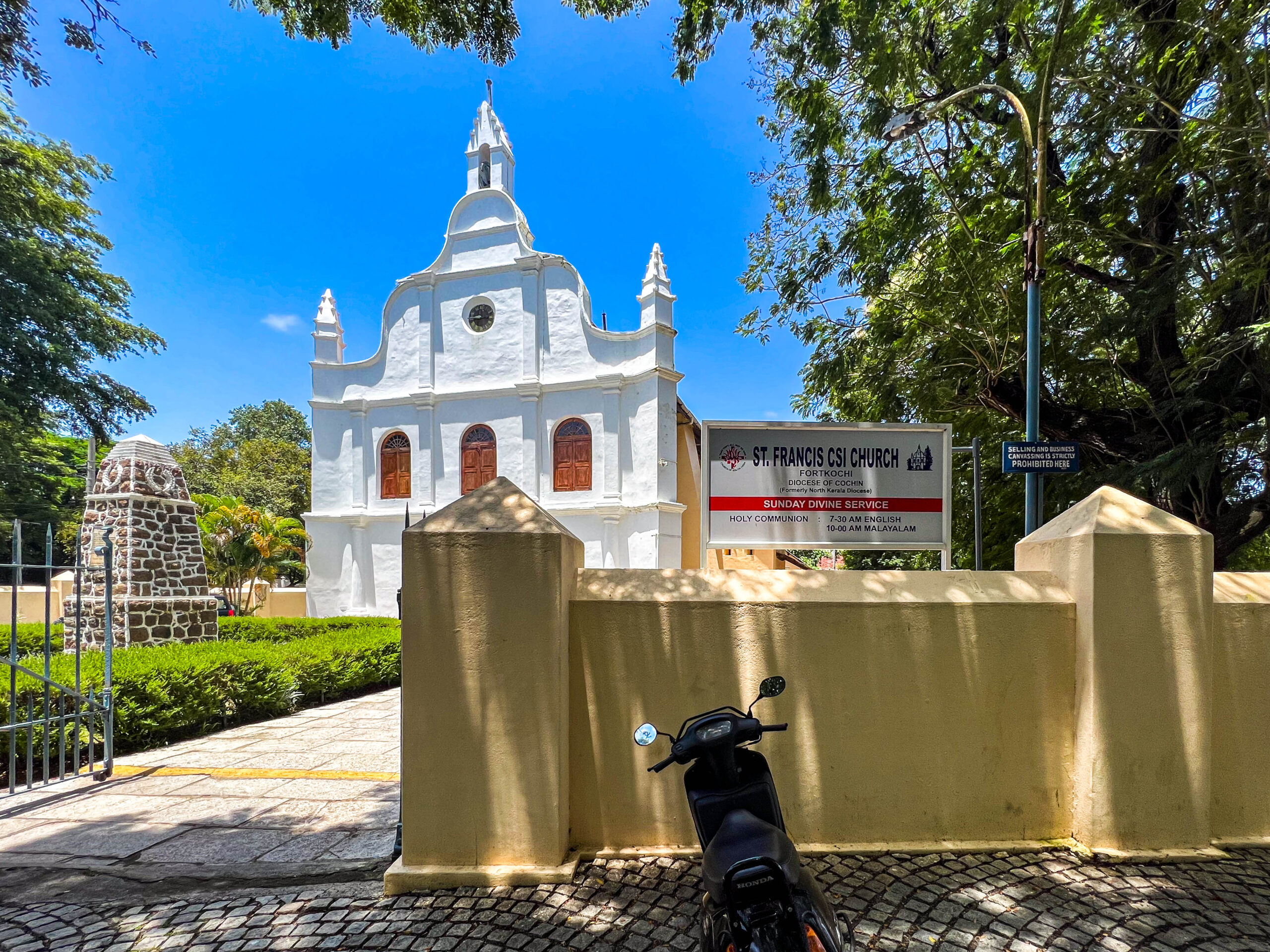
St. Francis Church
At St. Francis Church, Vasco da Gama rested once, briefly. Now only wood, wax, and the faint sound of rain remained. There was no grandeur. Just gravity. We stood. We breathed. We felt.
Kochi was a beautiful amalgam of cinnamon and sandalwood, Hebrew and Malayalam, coral walls and brass lamps, missionaries and misfits, boatmen and booksellers. It asked for nothing. It only offered. To those who listened.
 24
24