Mangalore: Where the Monsoon Meets the Arabian Sea
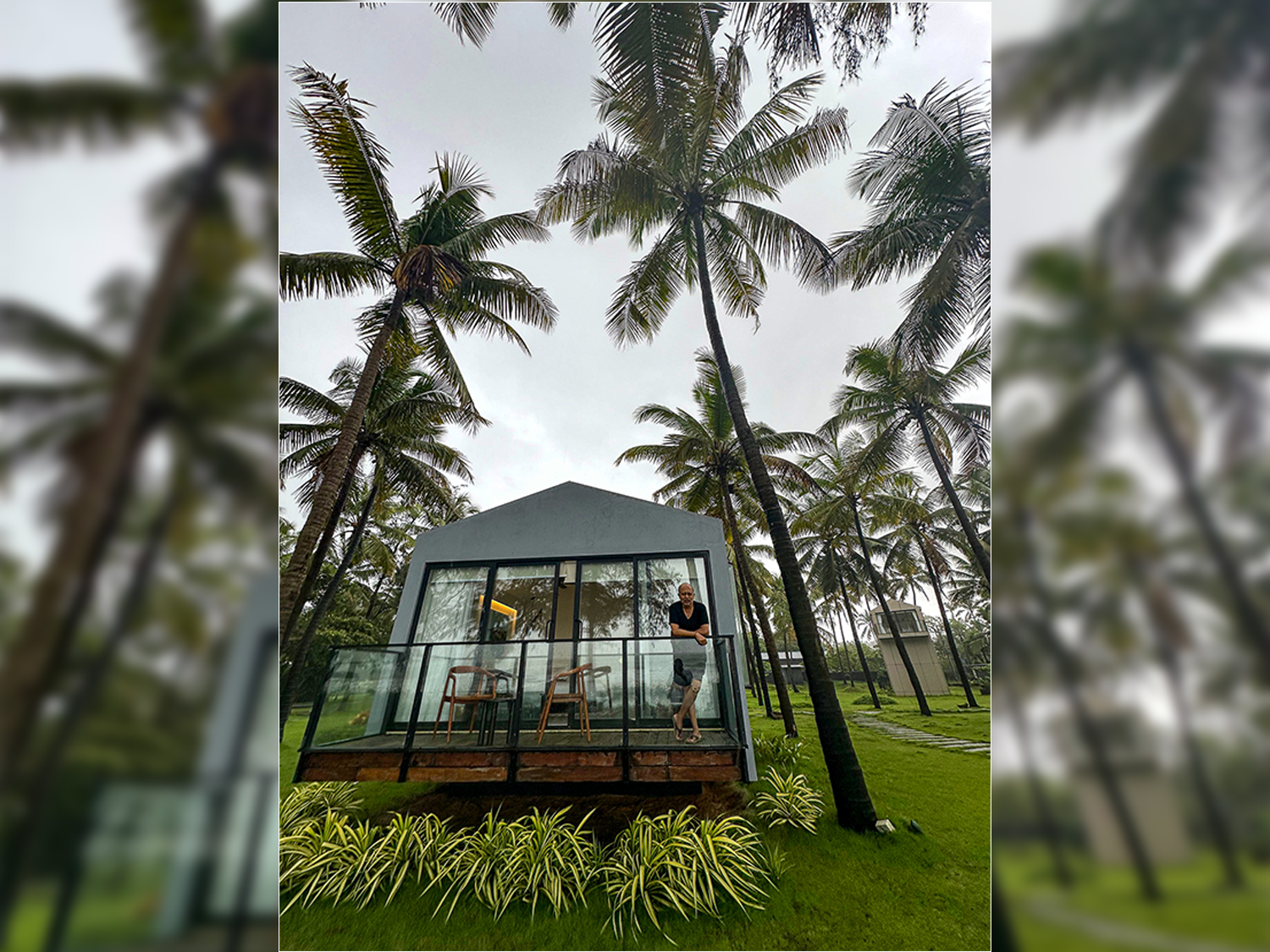
Hotel: The Postcard on Arabian Sea
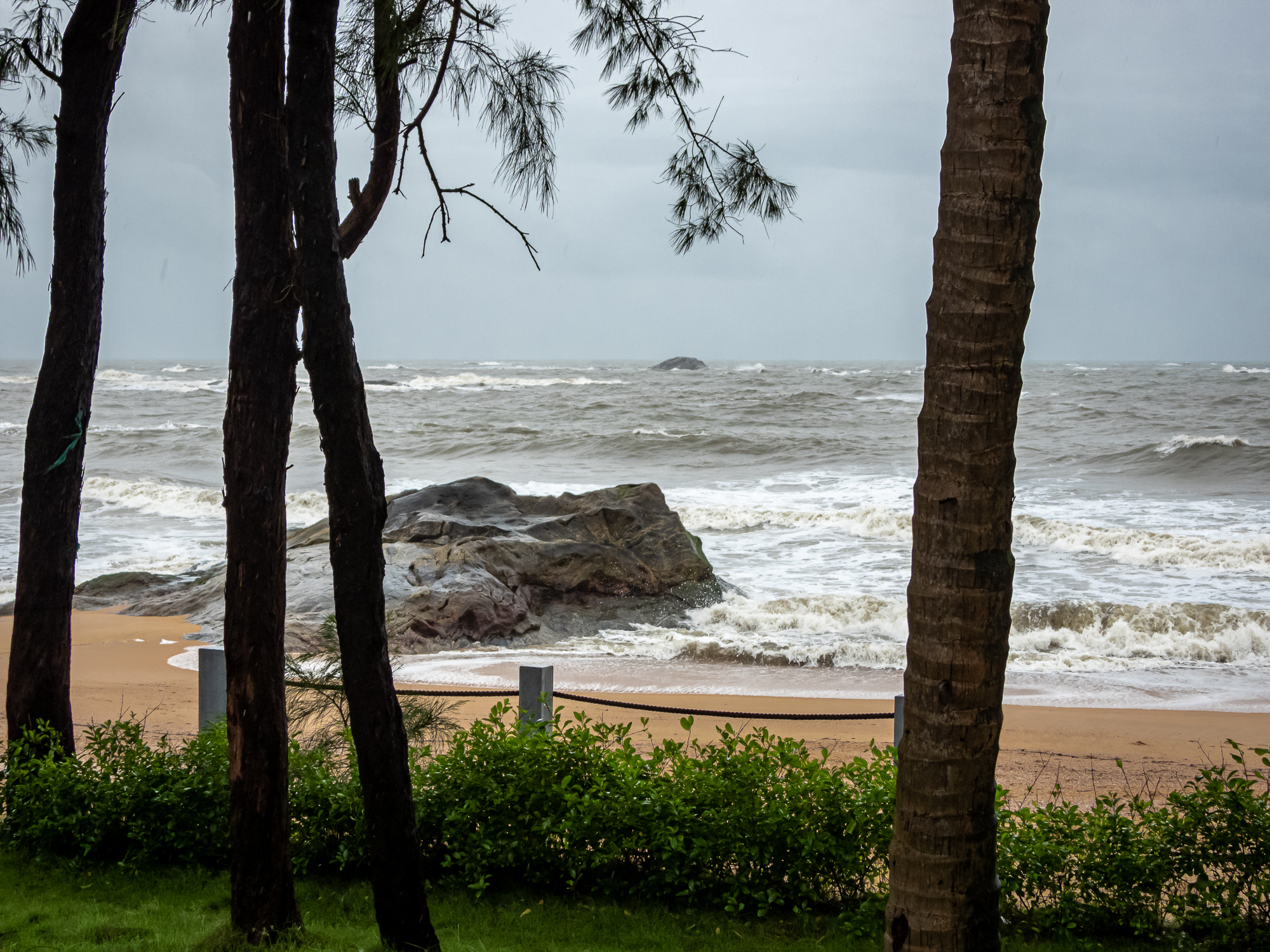
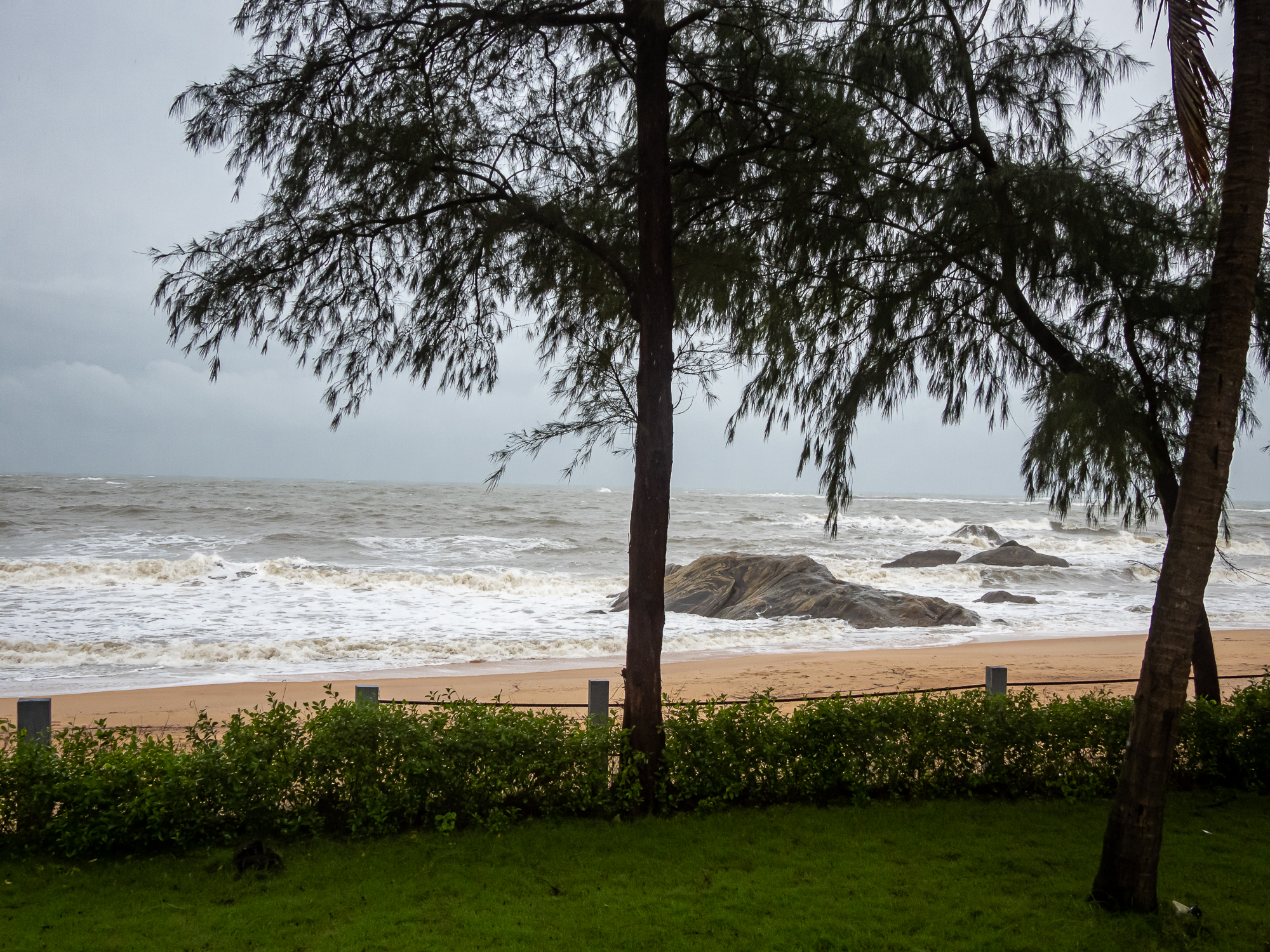
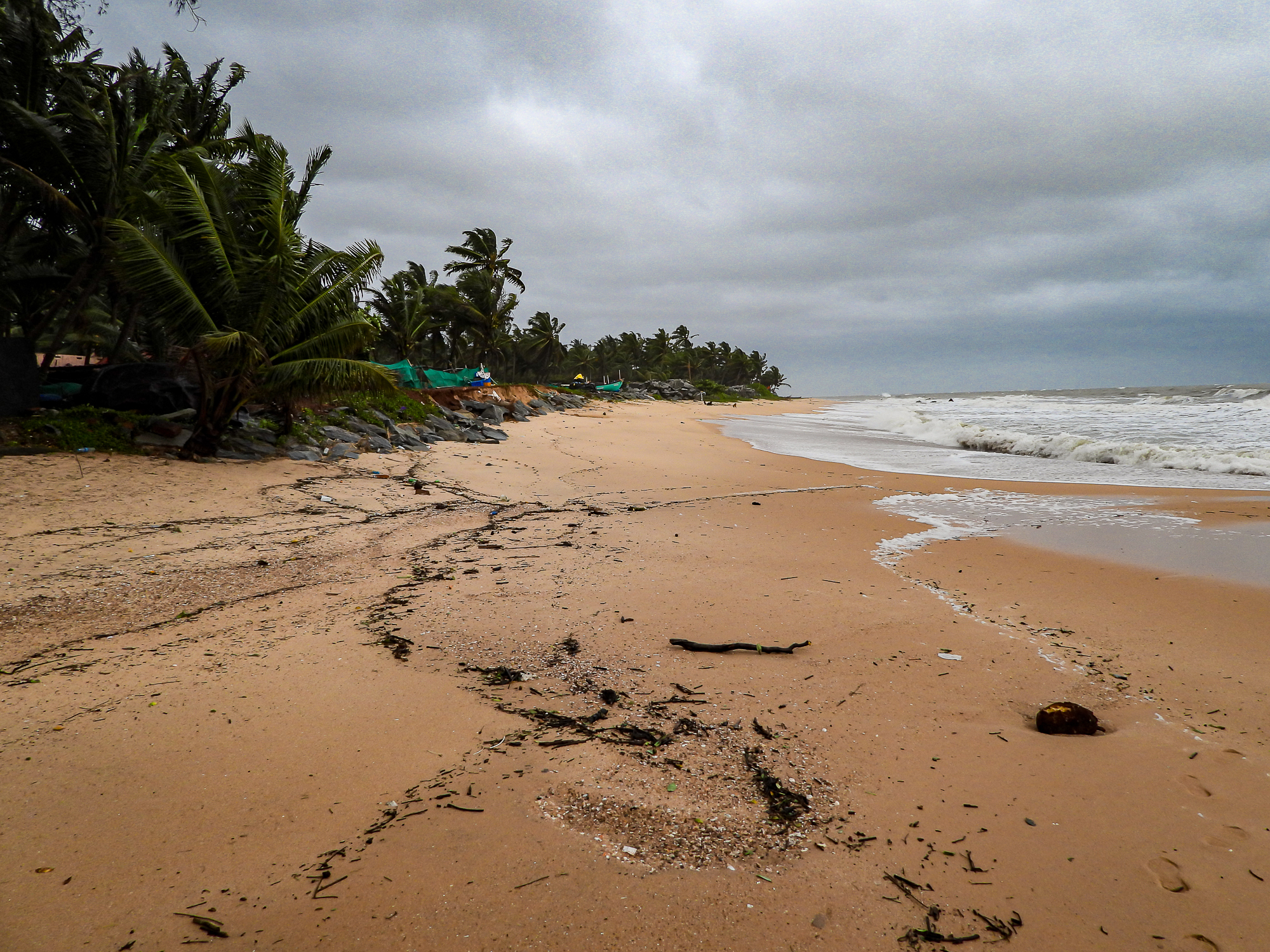
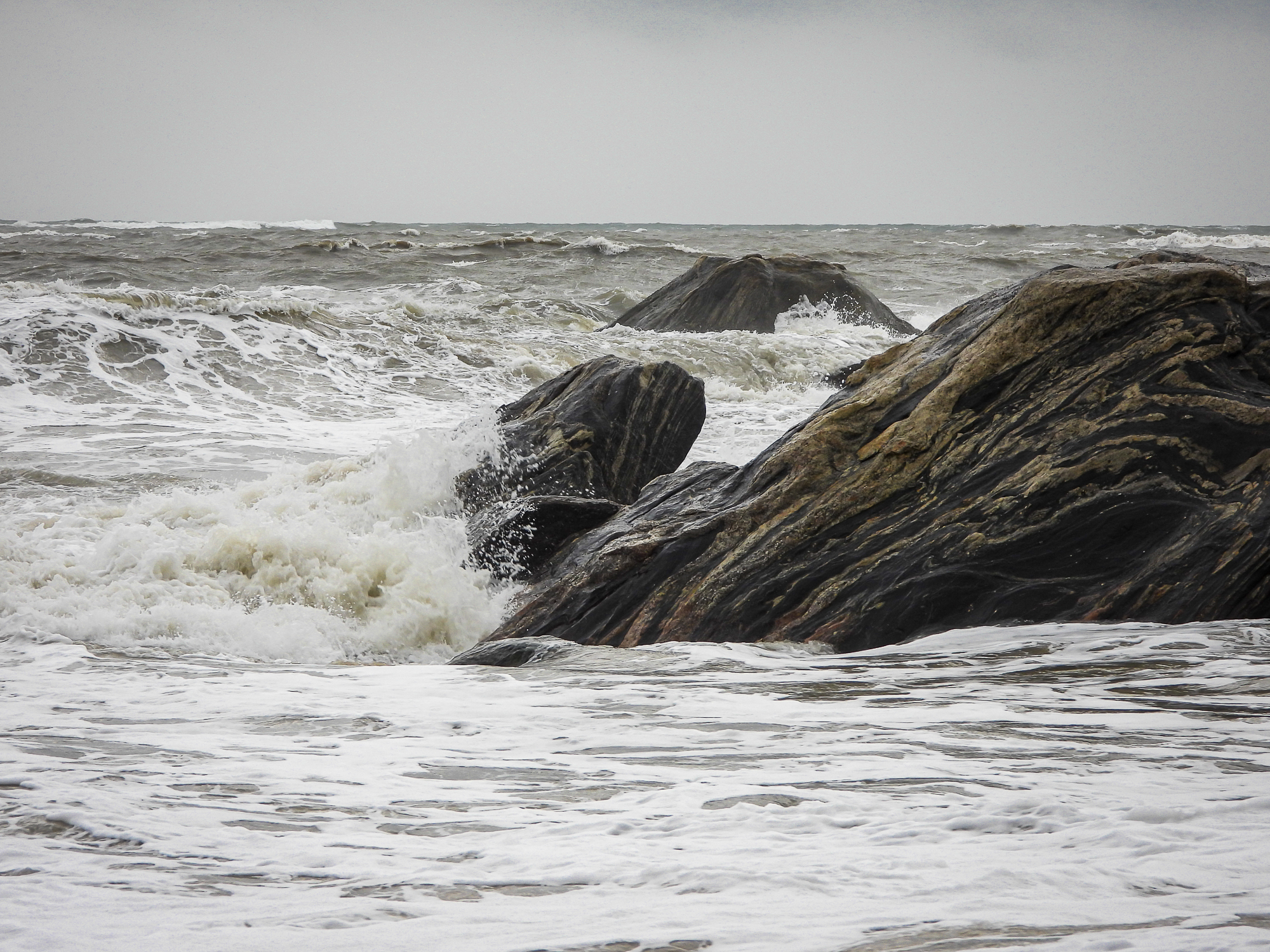
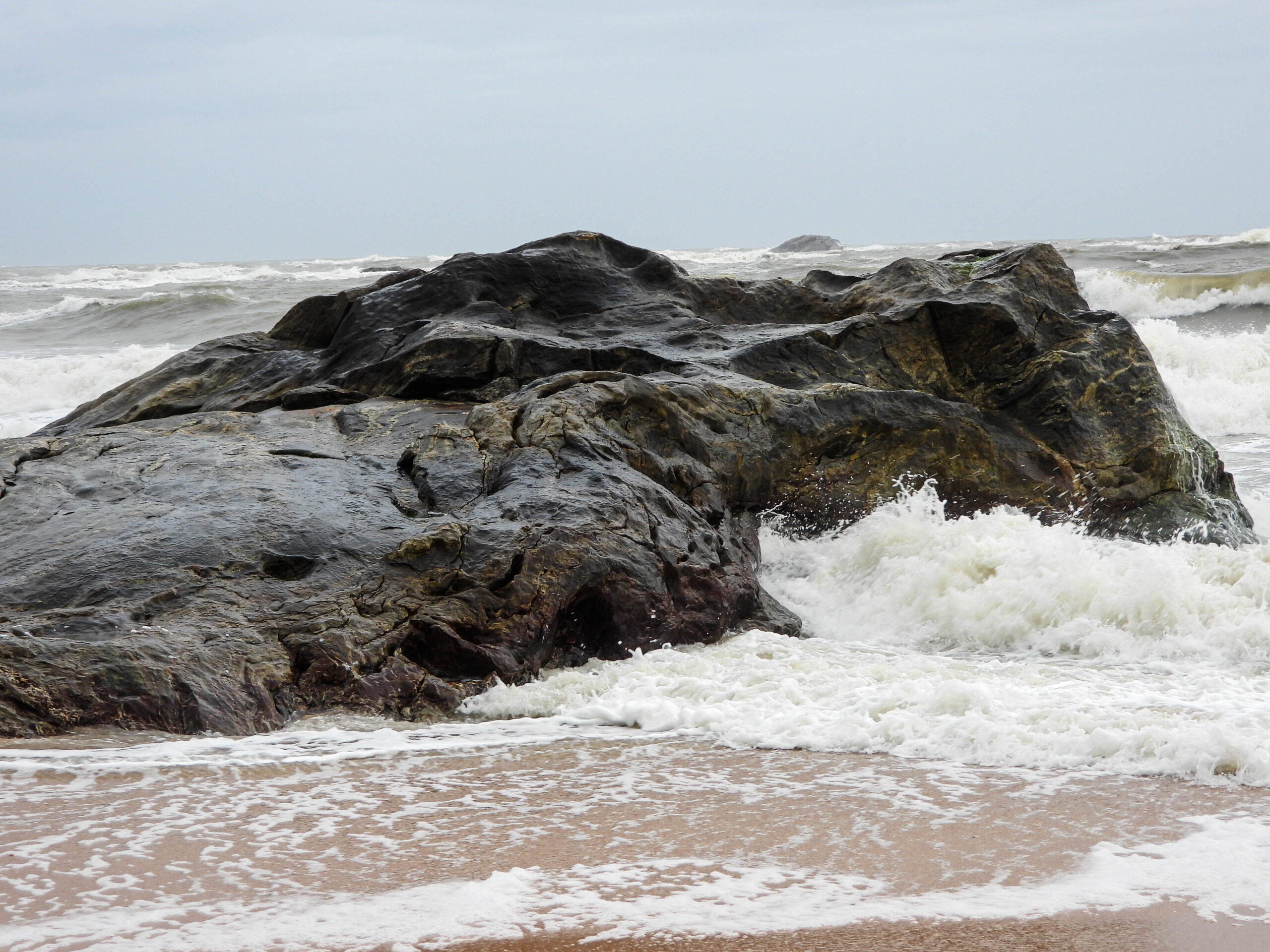
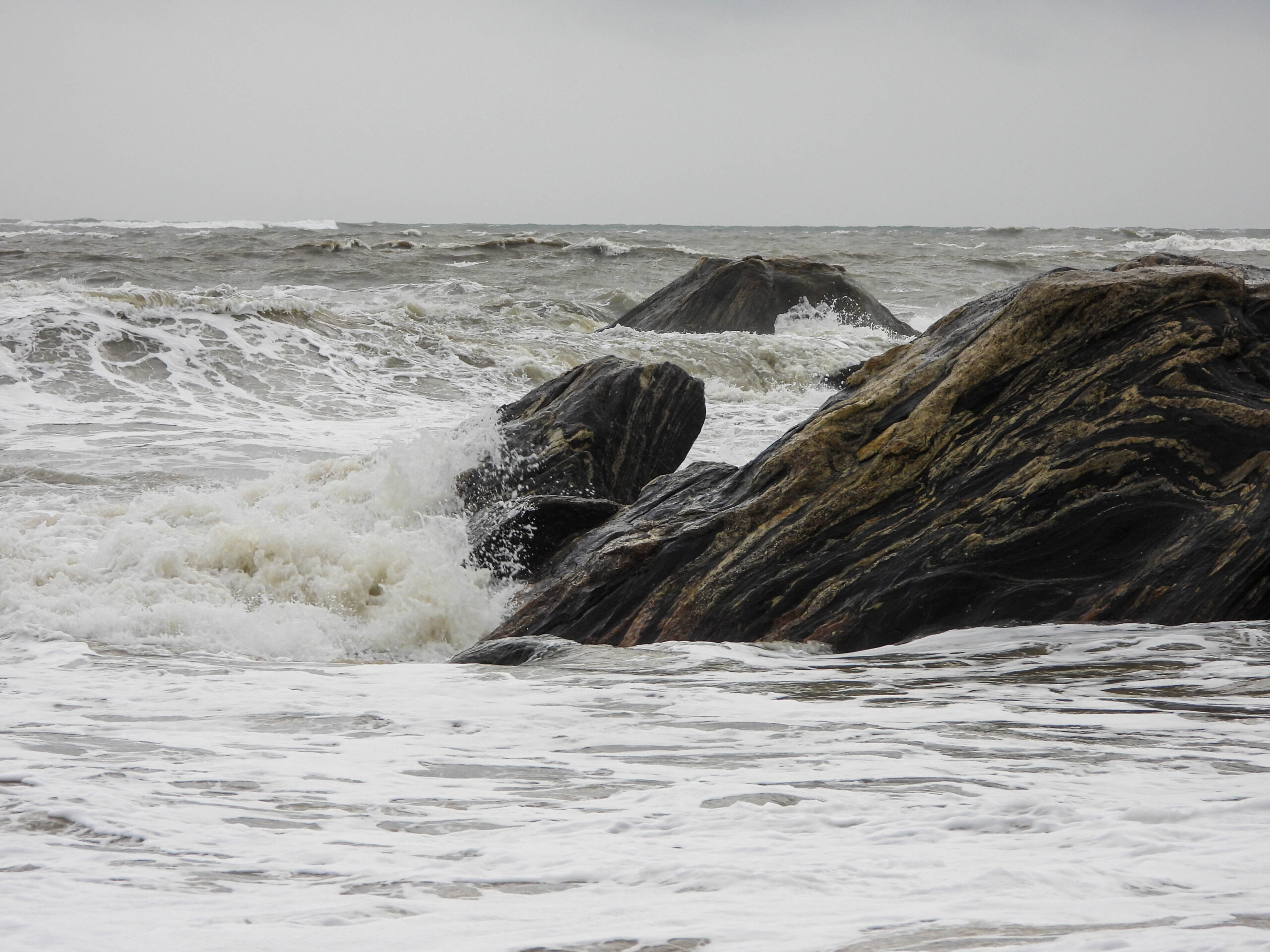
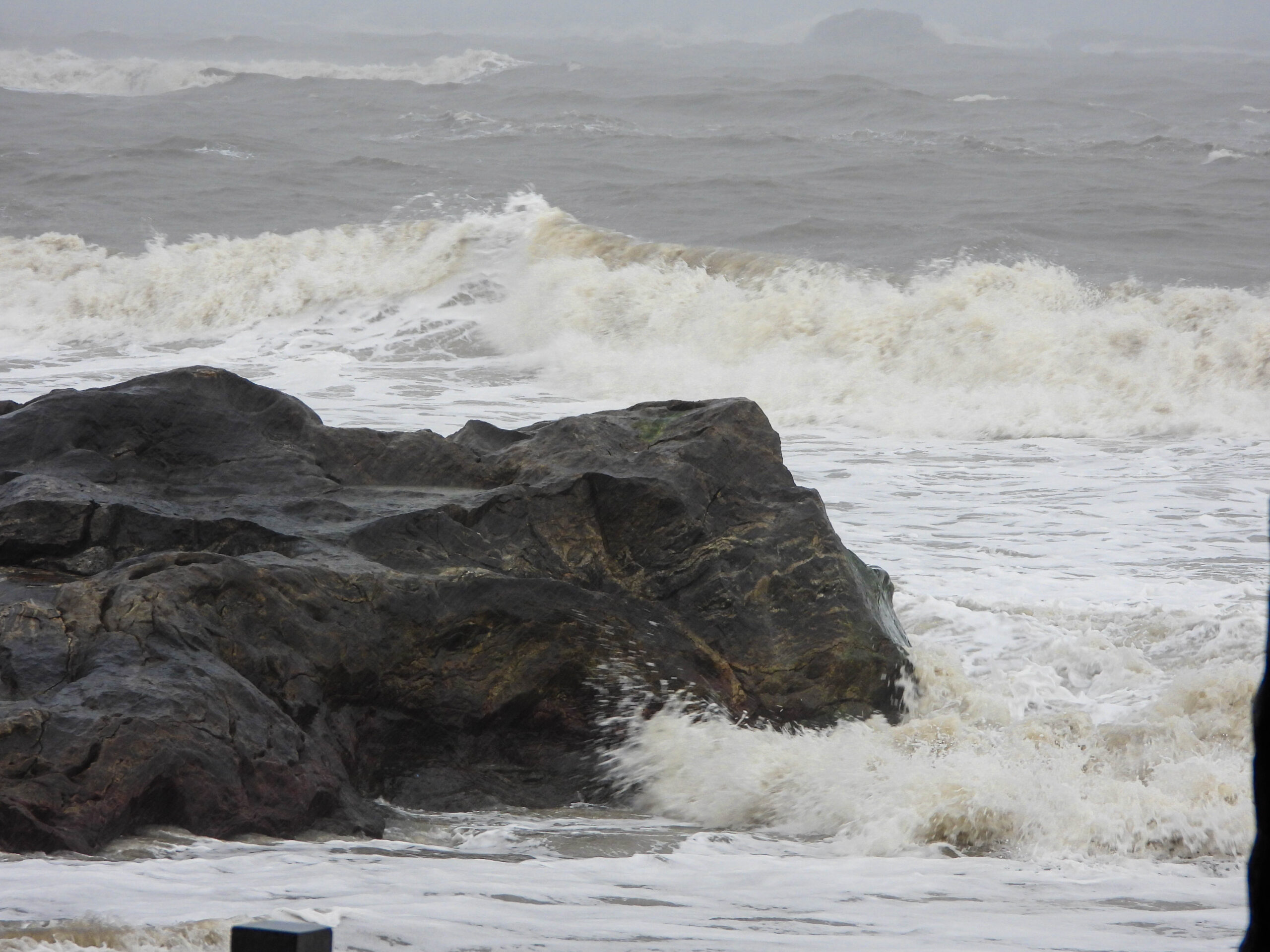
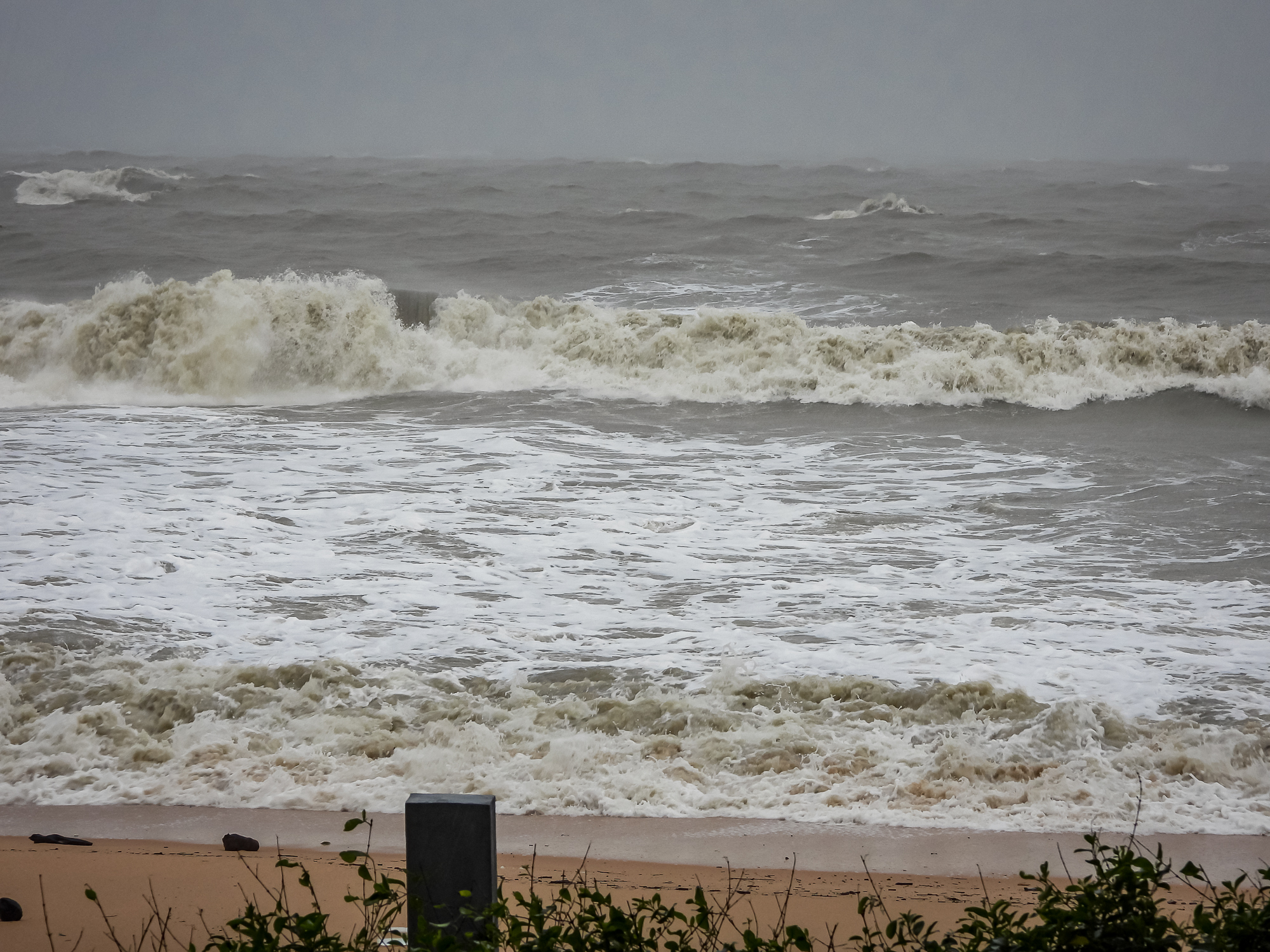
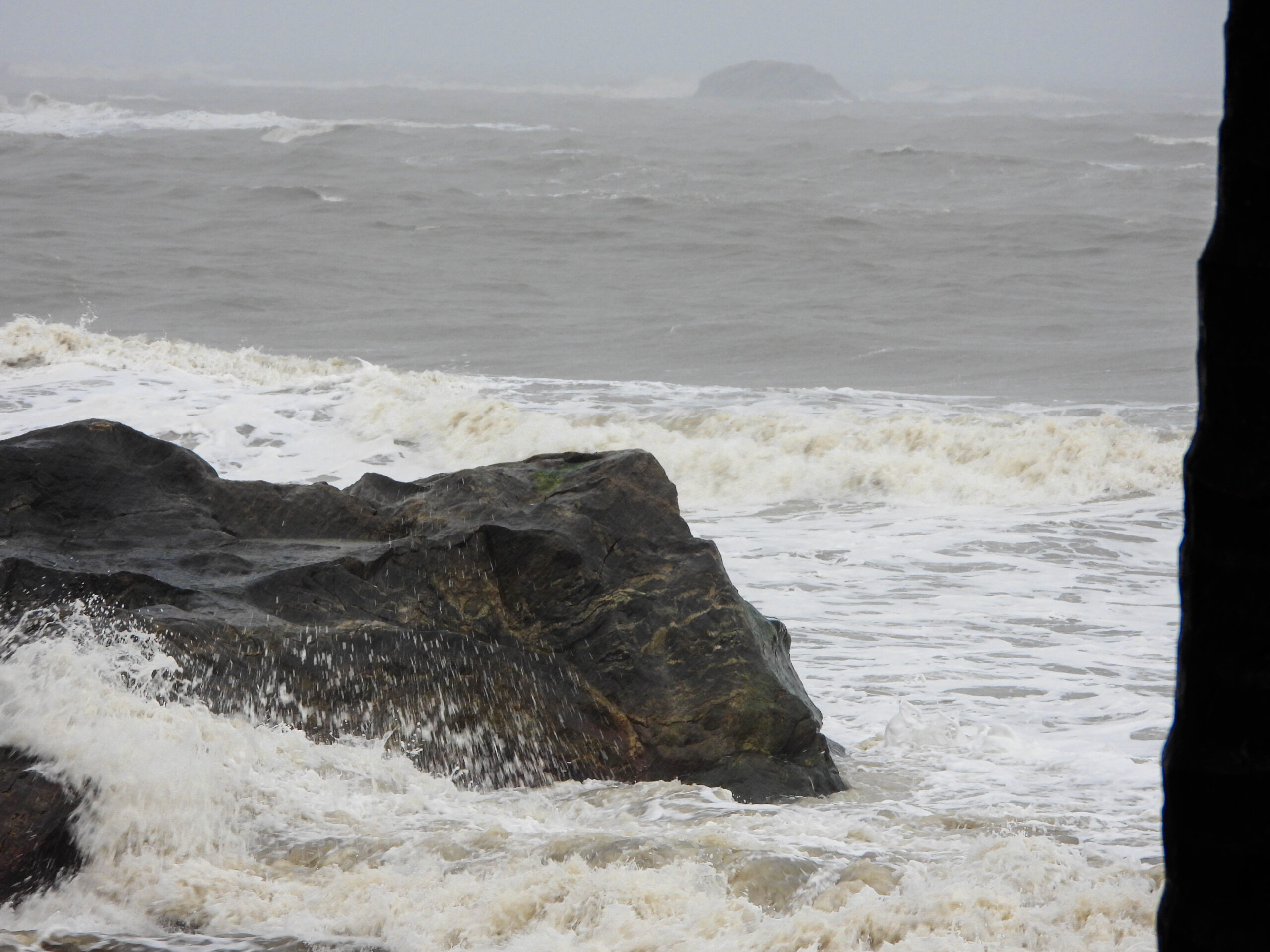
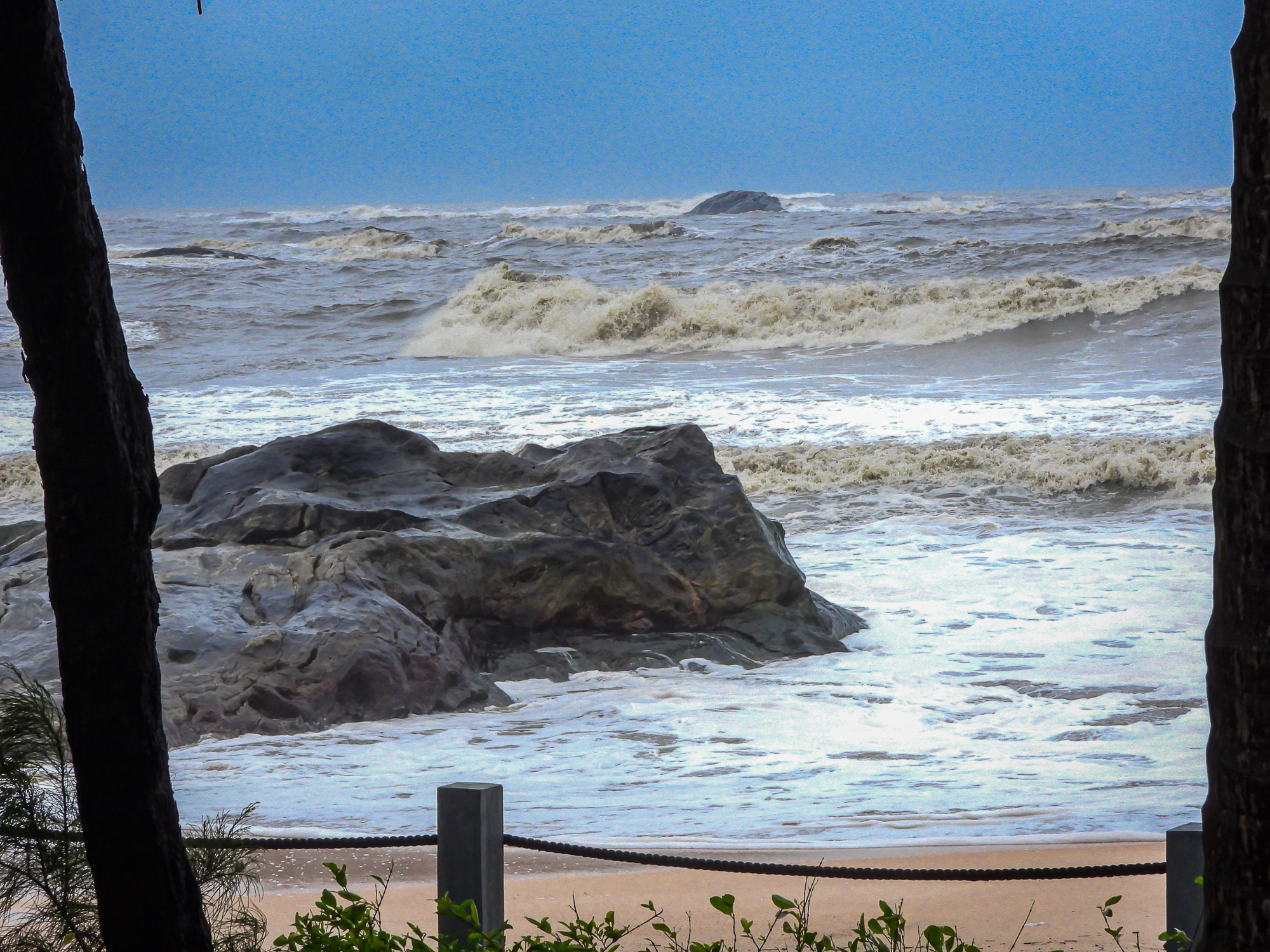
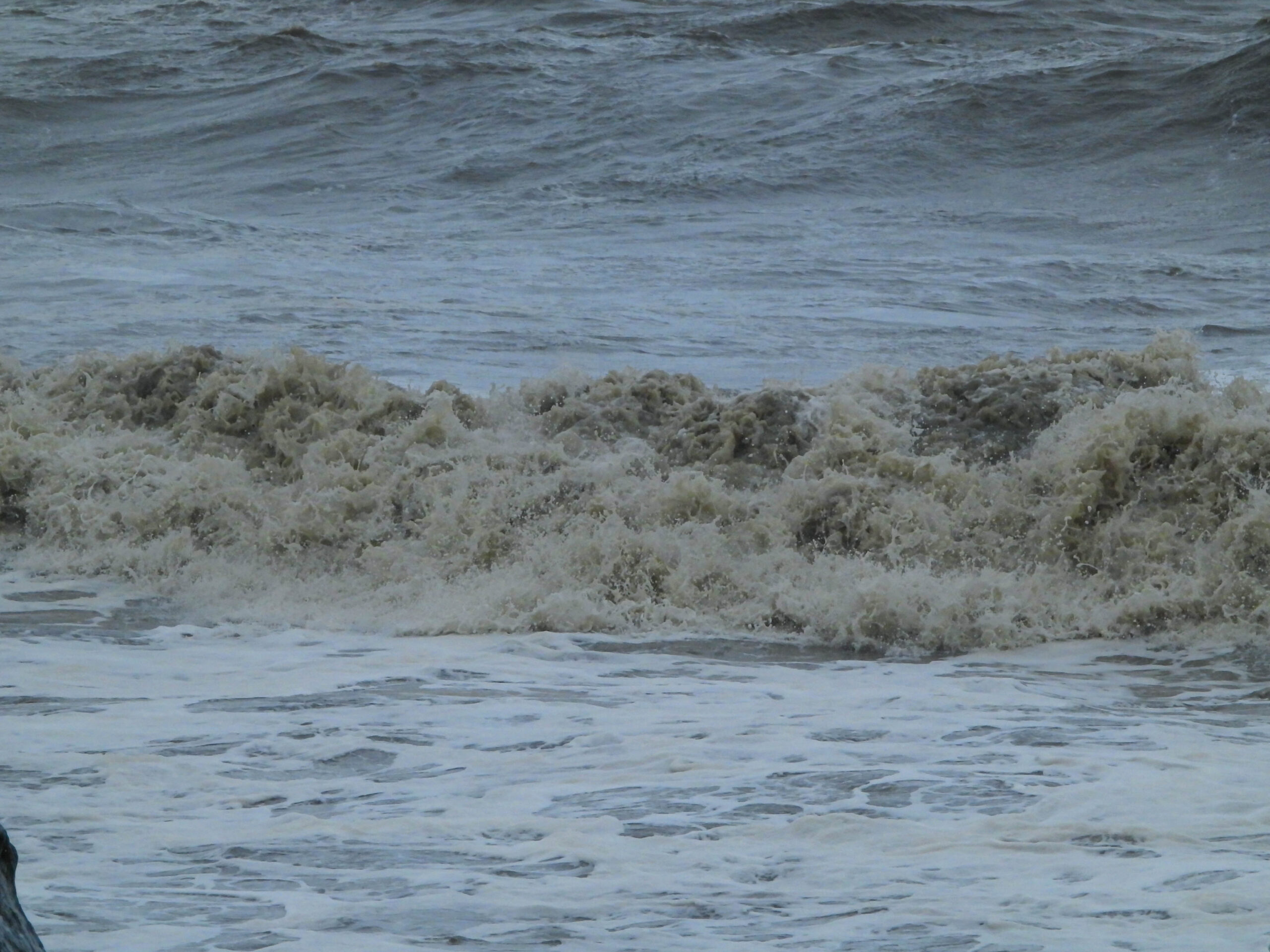
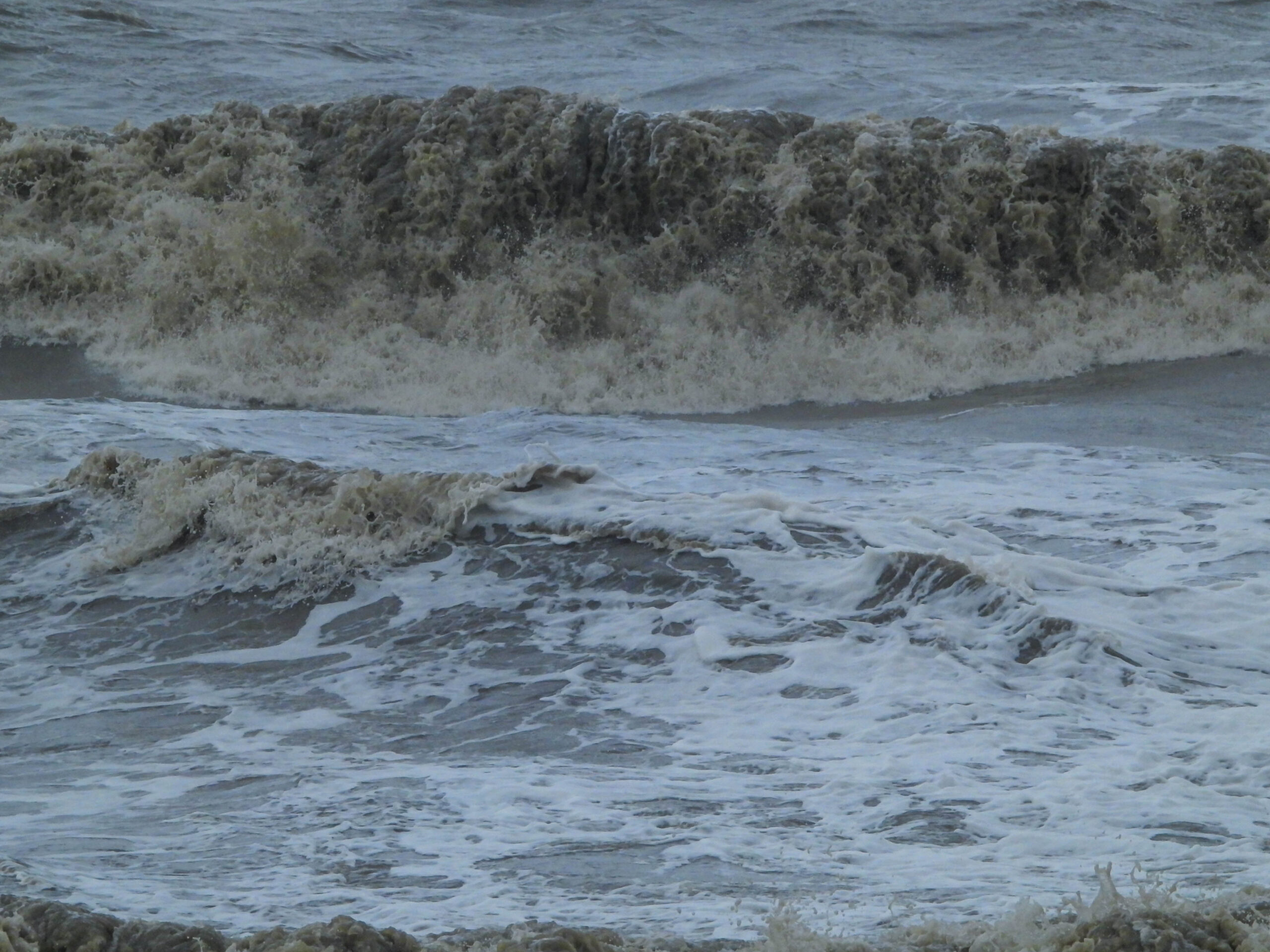
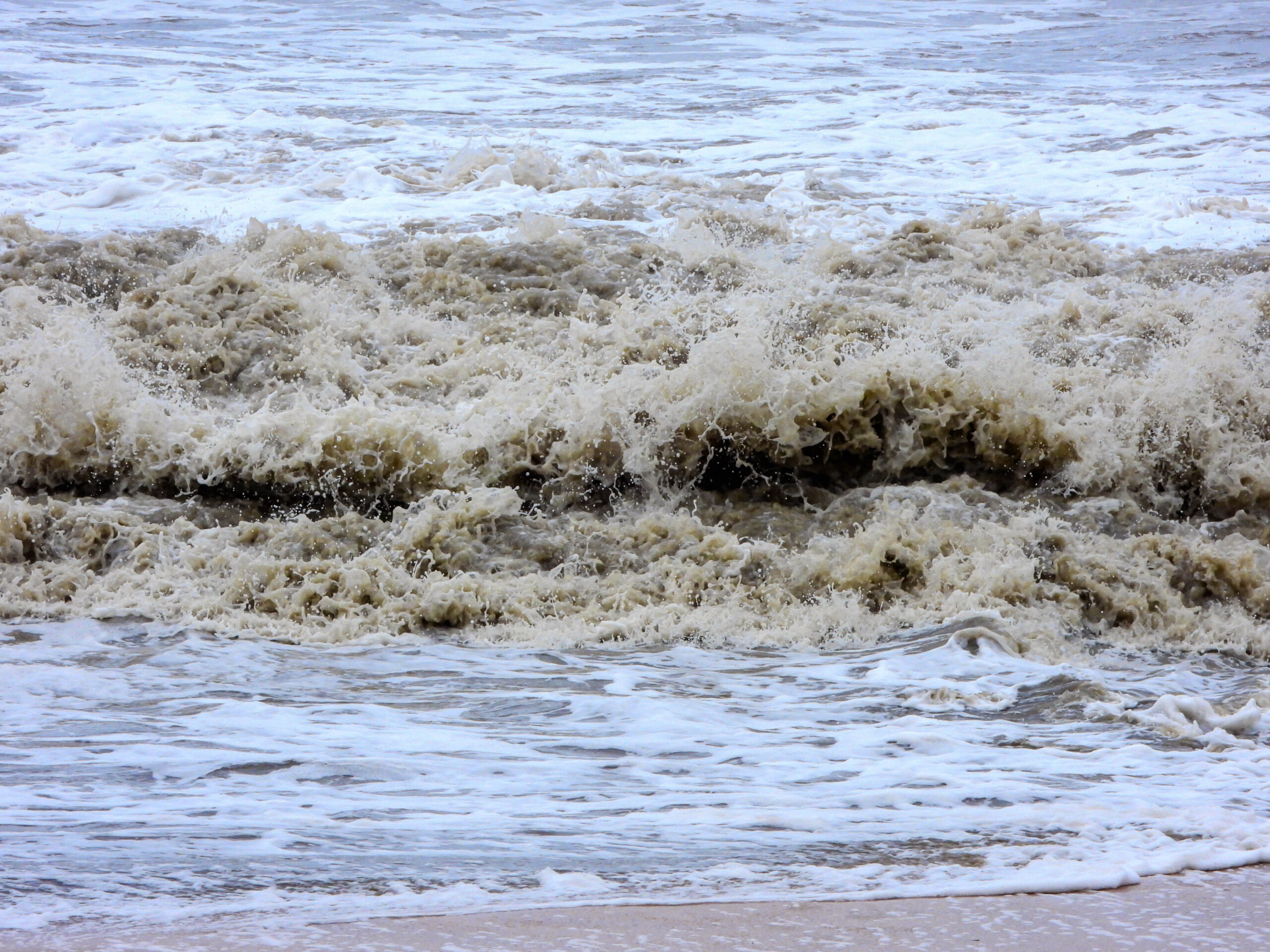
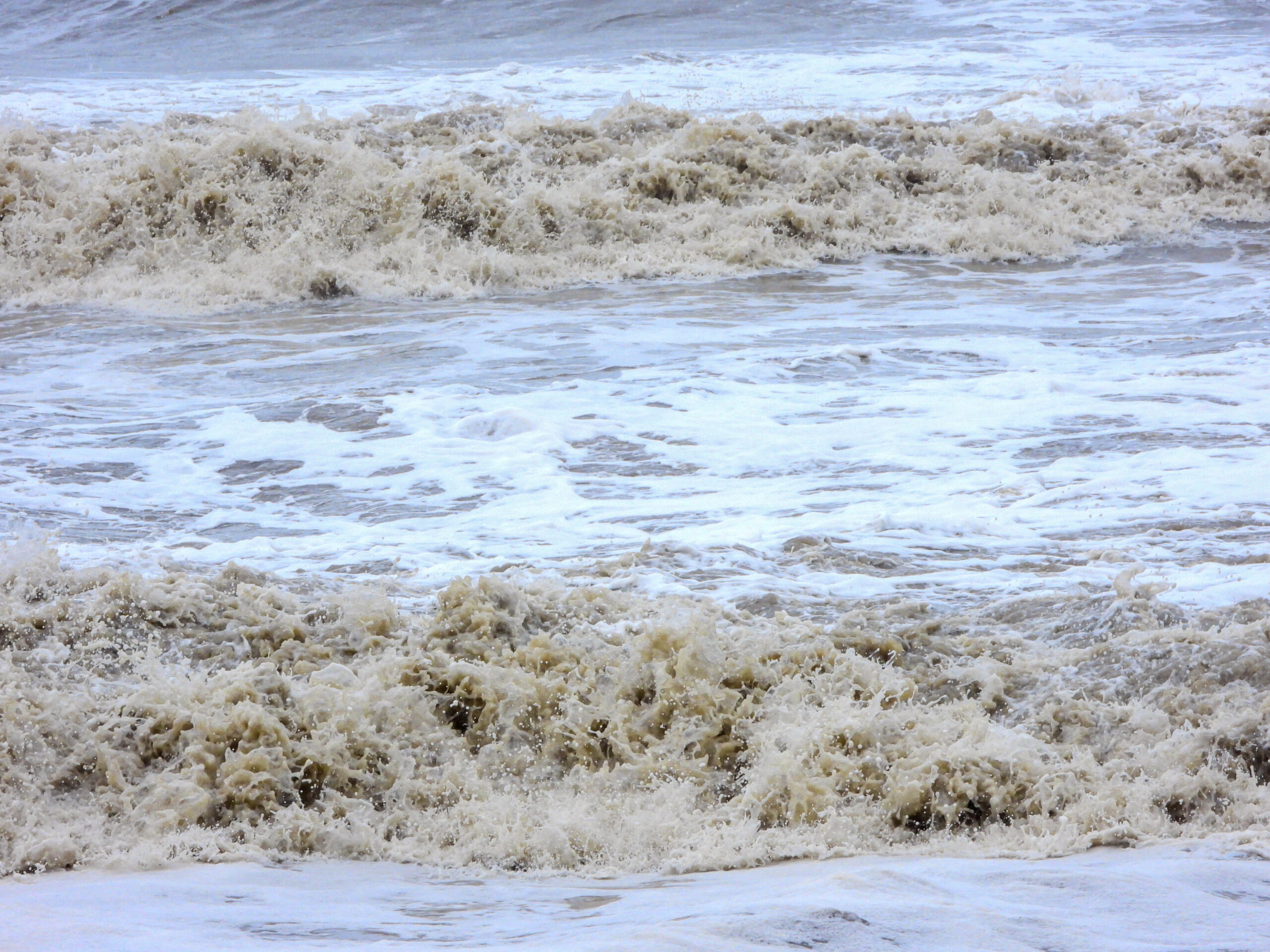
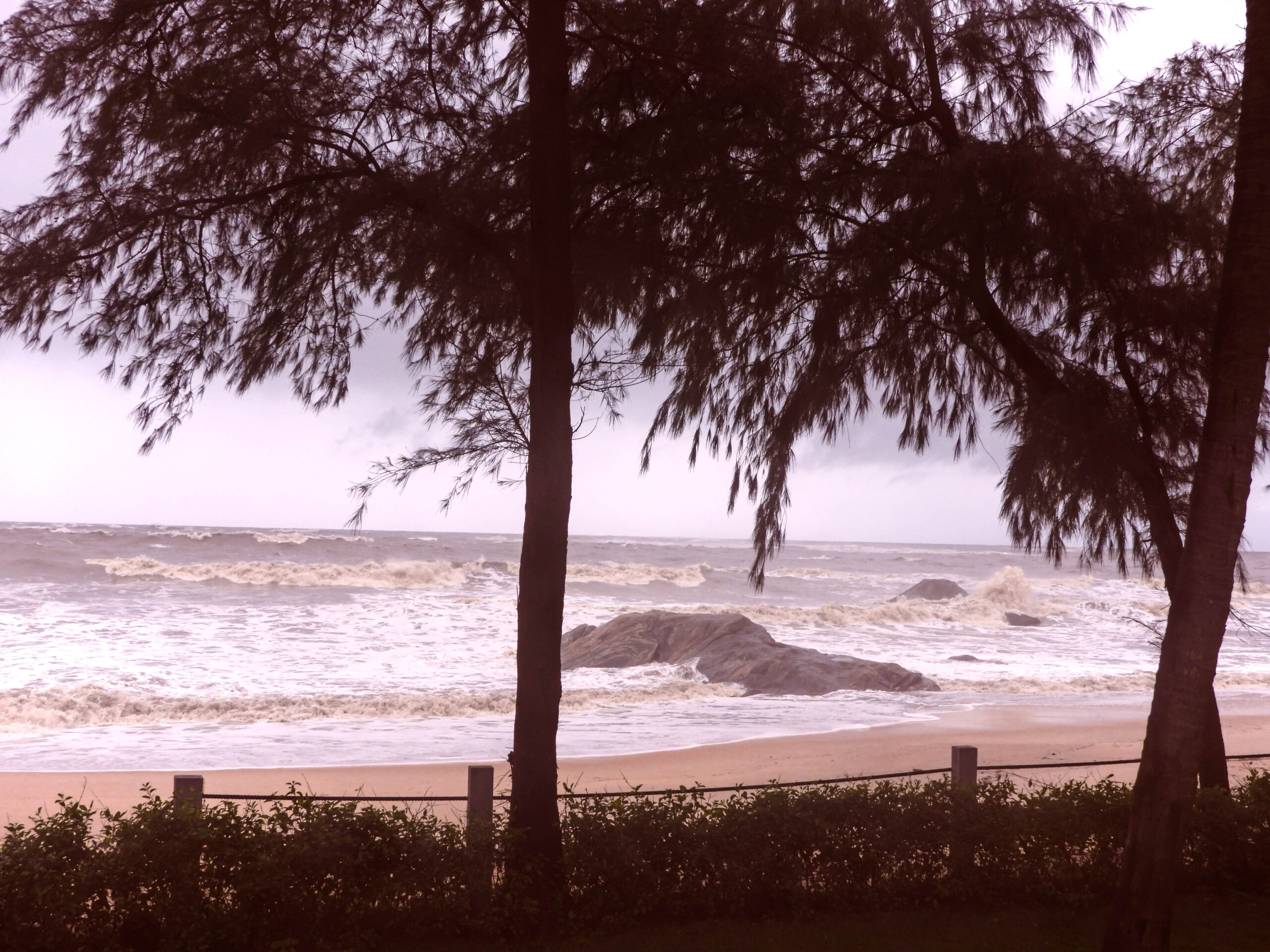
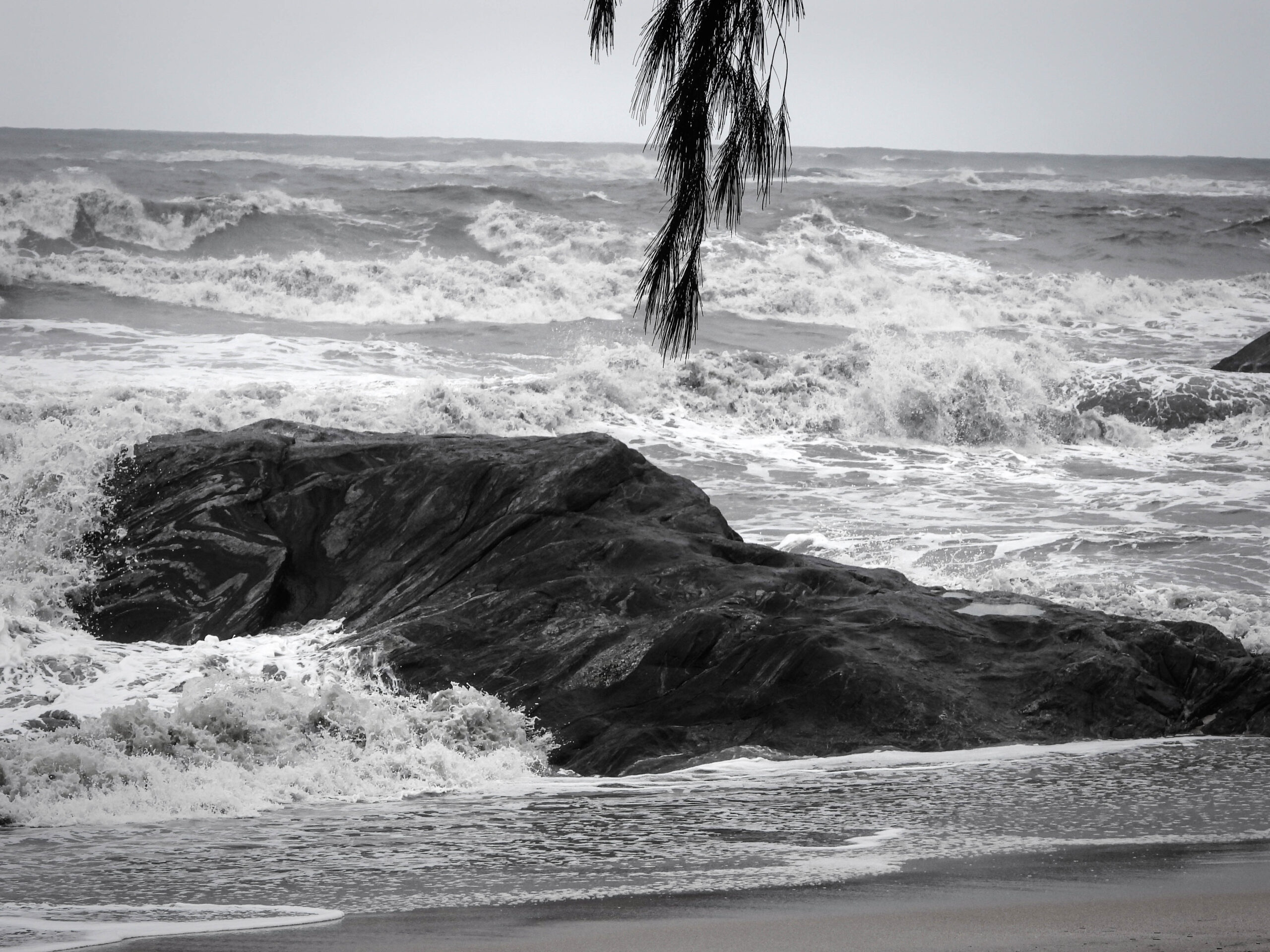
Mangalore does not go easy on itself for the traveller. Instead, it growls, it rumbles, it slams against the shore as if to say, this is my domain. The sea is a show of force during the months of the monsoon. Darker pillar crests come from the horizon, booms rock above, and the rain hammered down in solid slabs. These beaches are the amphitheatres of nature where sky, wind and water stage a spectacle that inspires both awe and humility.
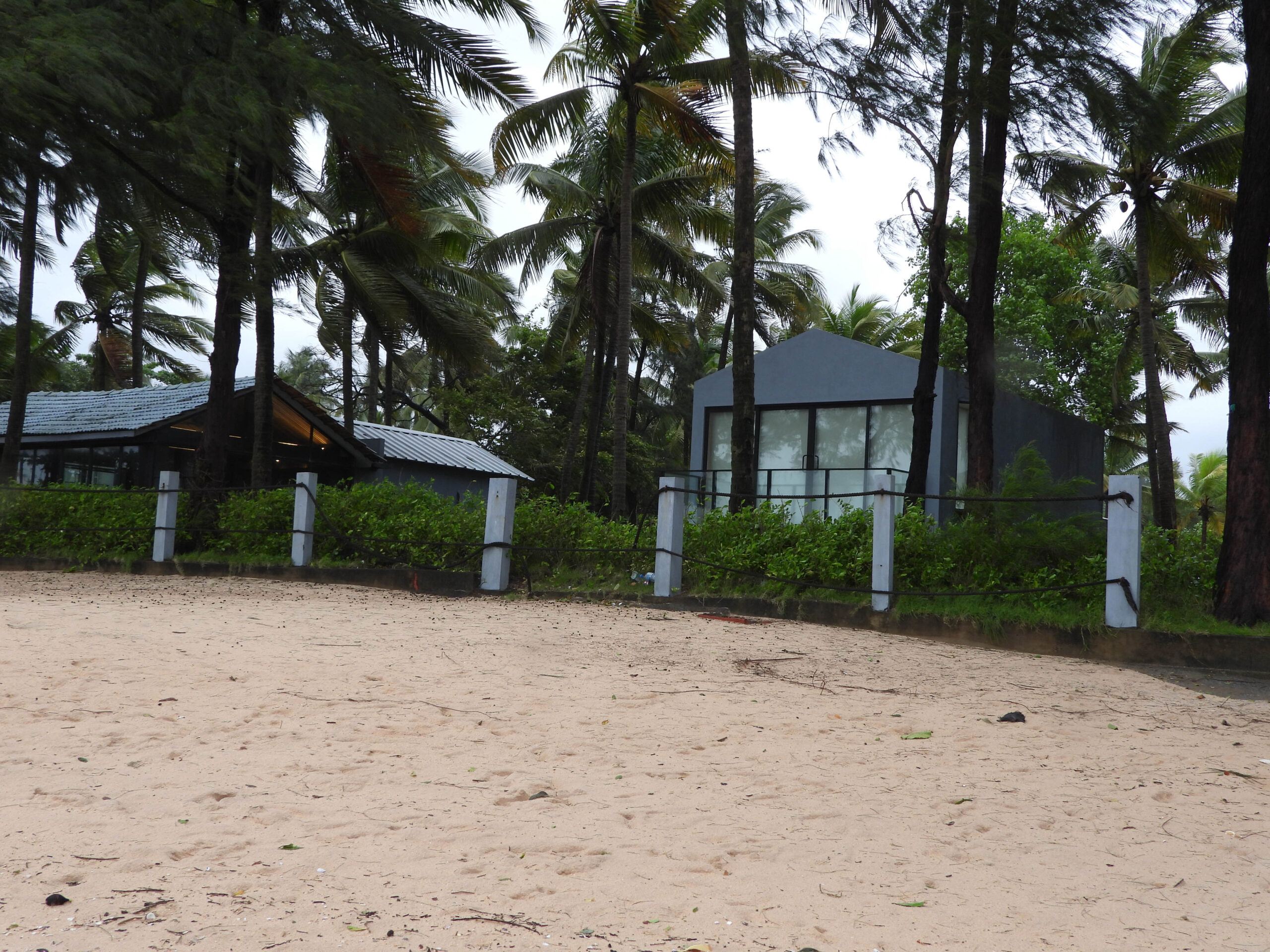
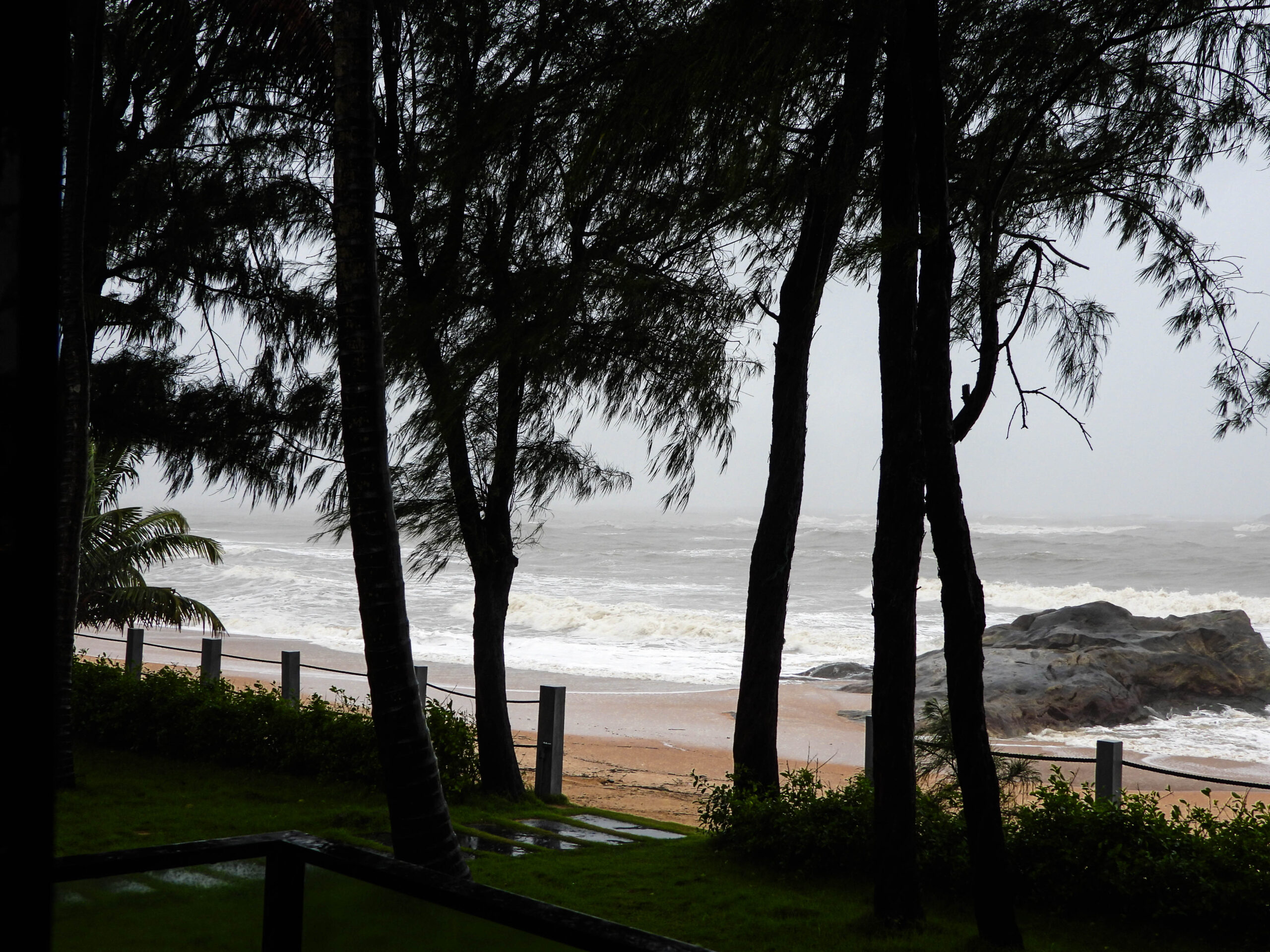
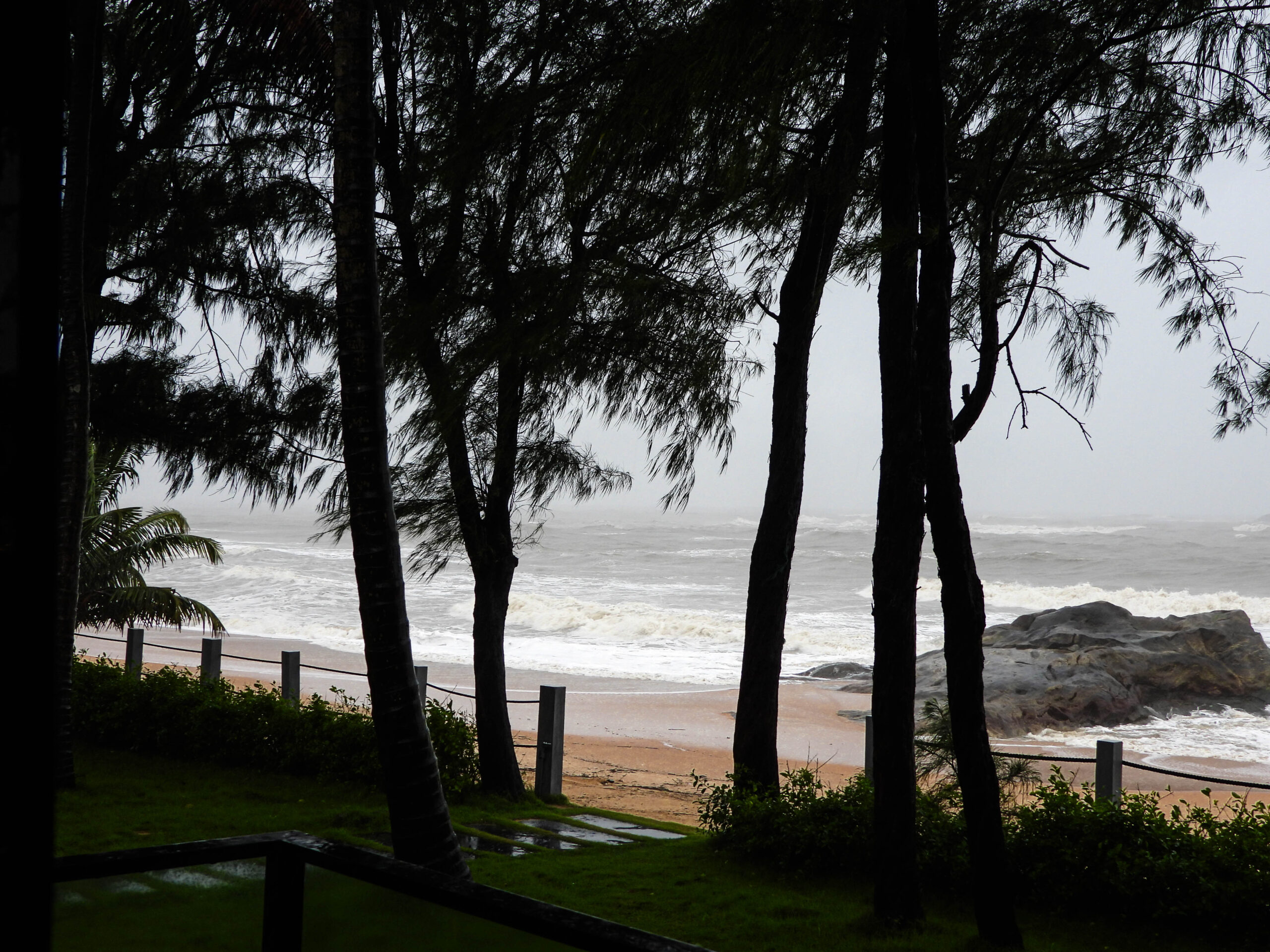
This imagery unfolded outside our windows at The Postcard on the Arabian Sea and did not cease. The hotel itself was almost isolated, an oasis. Inside was calm: timber, rock, and the quiet pulse of welcome. The sea battered outside, restless and wild. The hotel felt like a border—luxury versus wilderness.
And this sea has always lived with Mangalore. It is what also made the city thrive, once a flourishing port connecting the Western Ghats to the Arabian waters. Traders came here bringing spices, timber and tales. These shores were also where Vasco da Gama laid his course as he opened the sea route to India itself. But, for all that human history occurred along this coast, the sea was its first and foremost character.
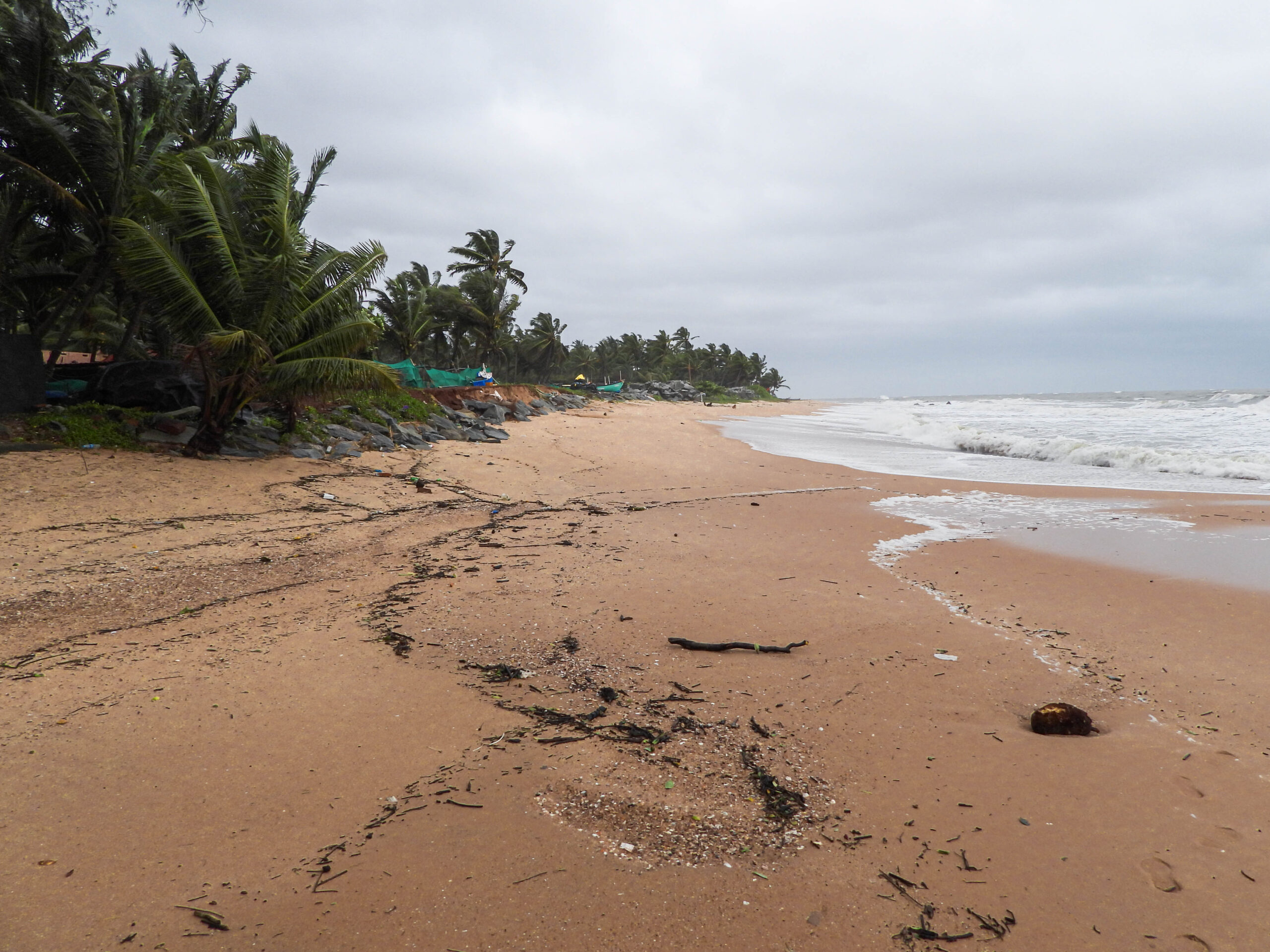
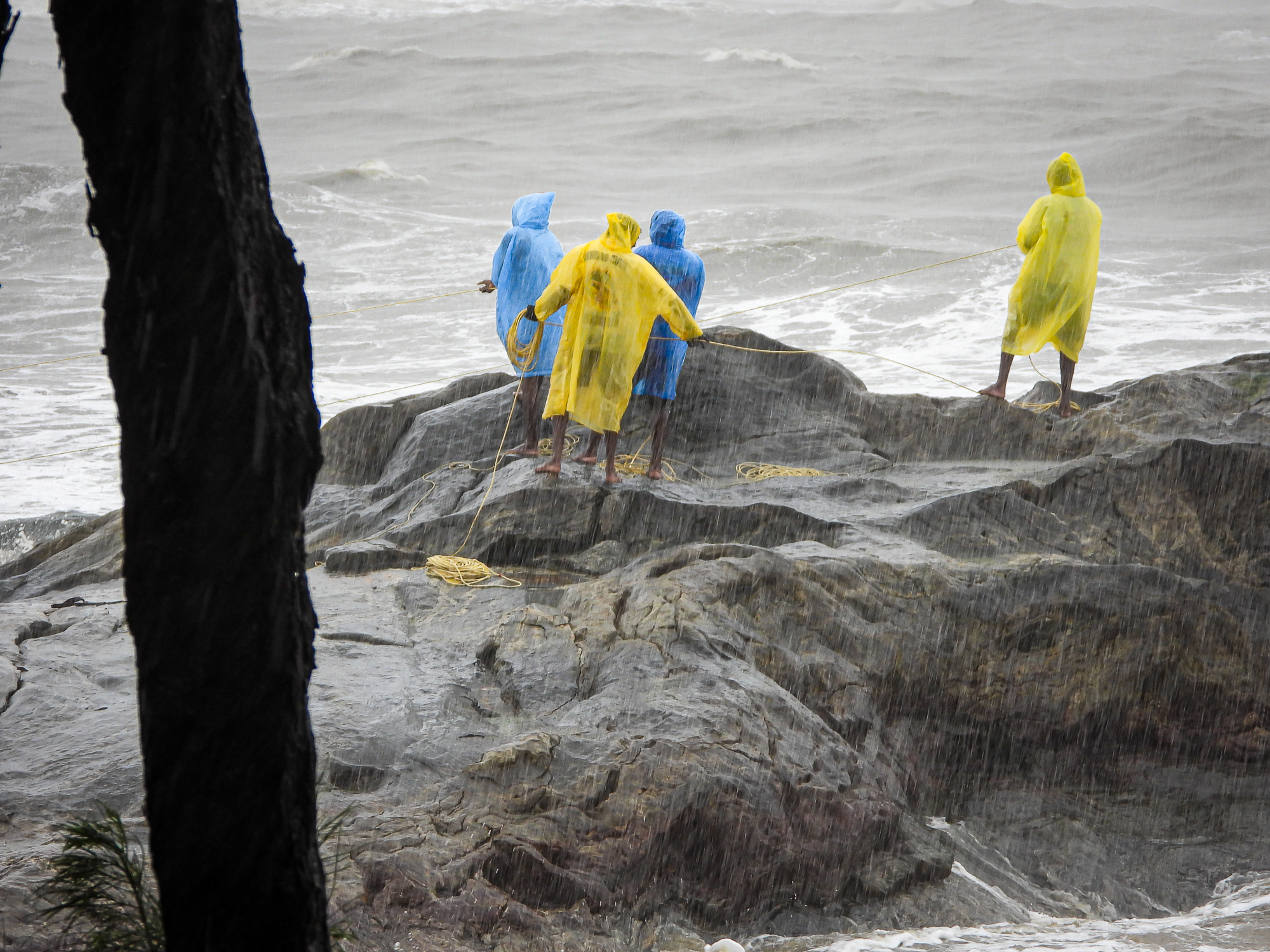
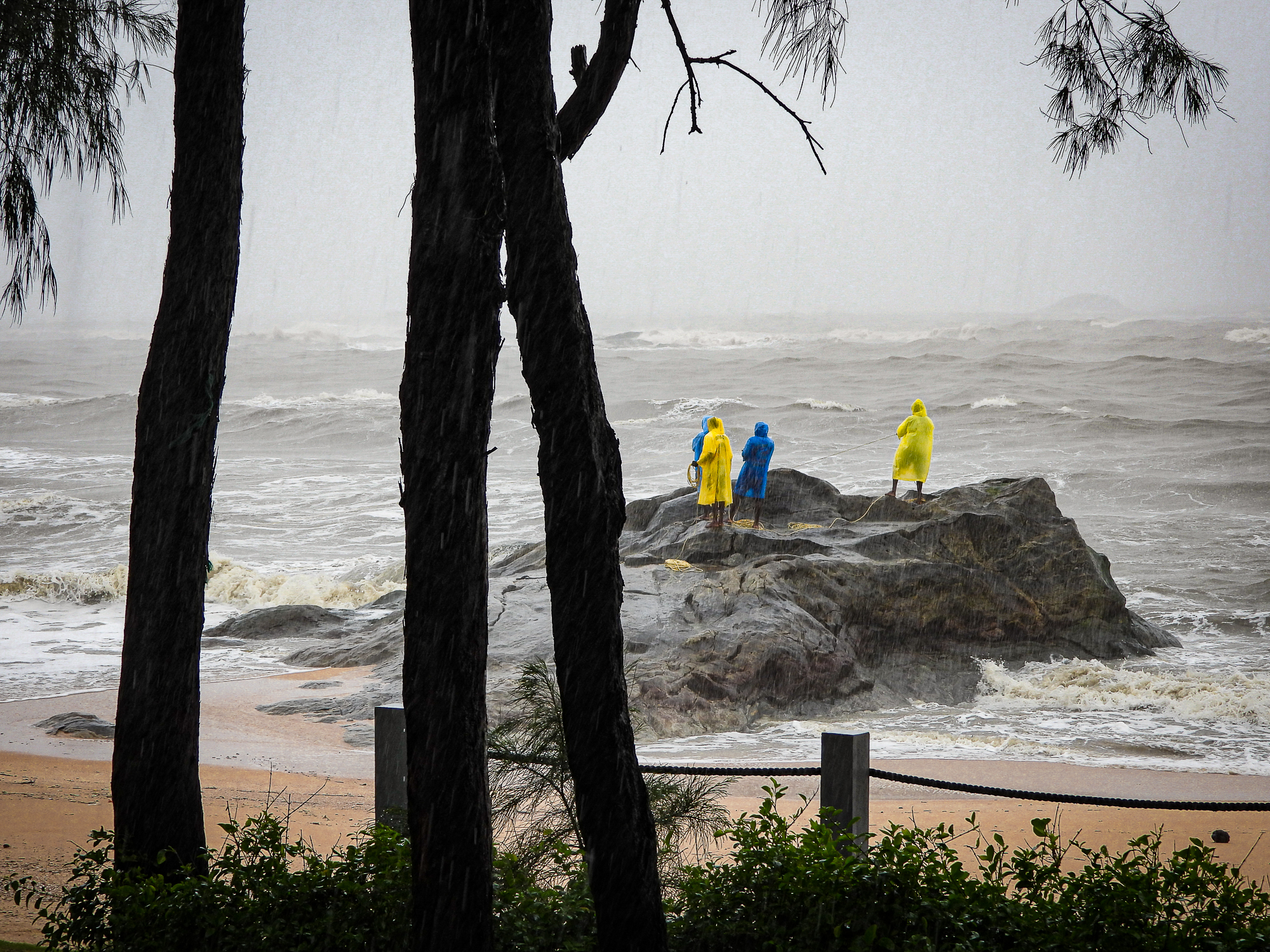
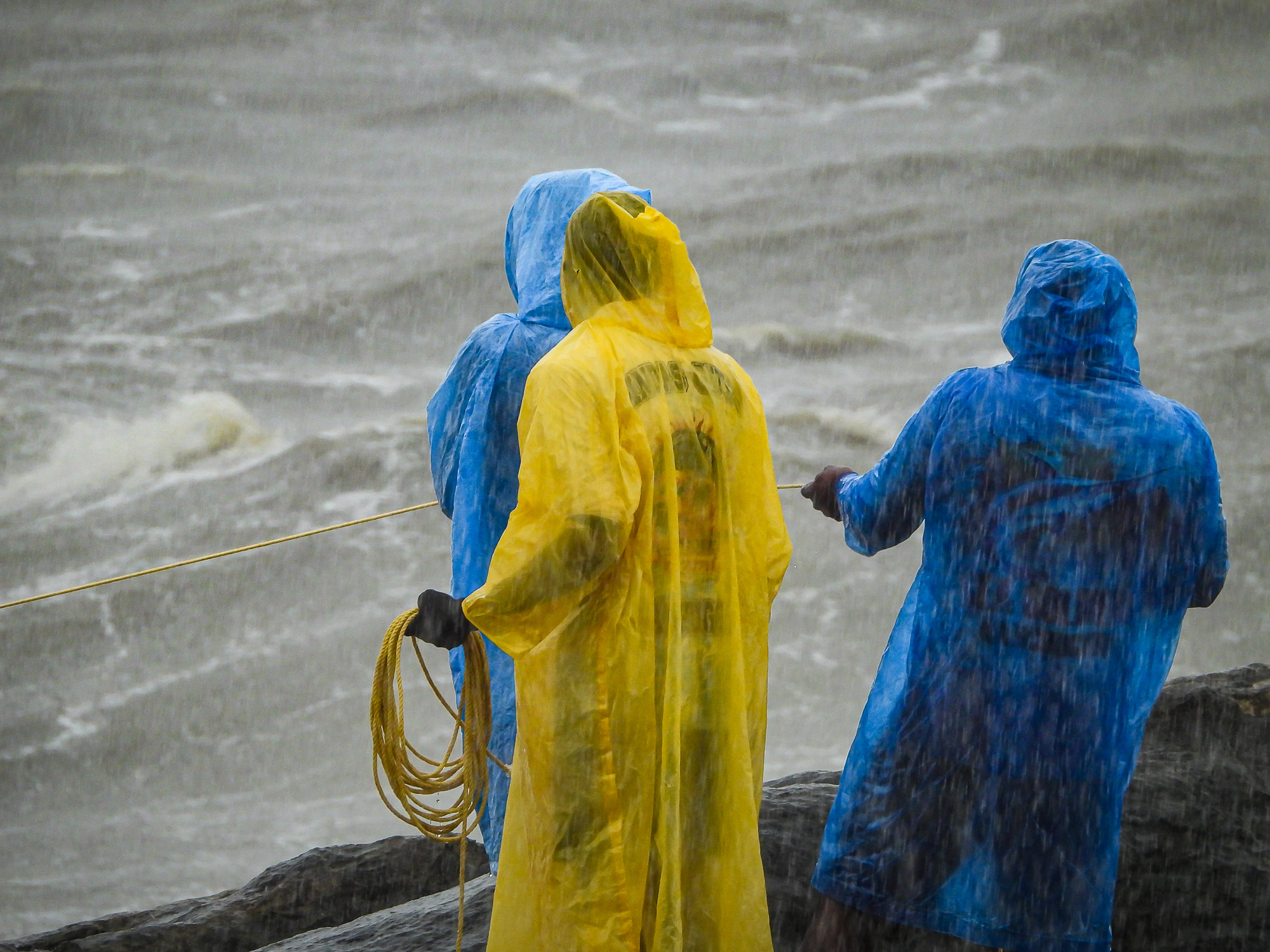
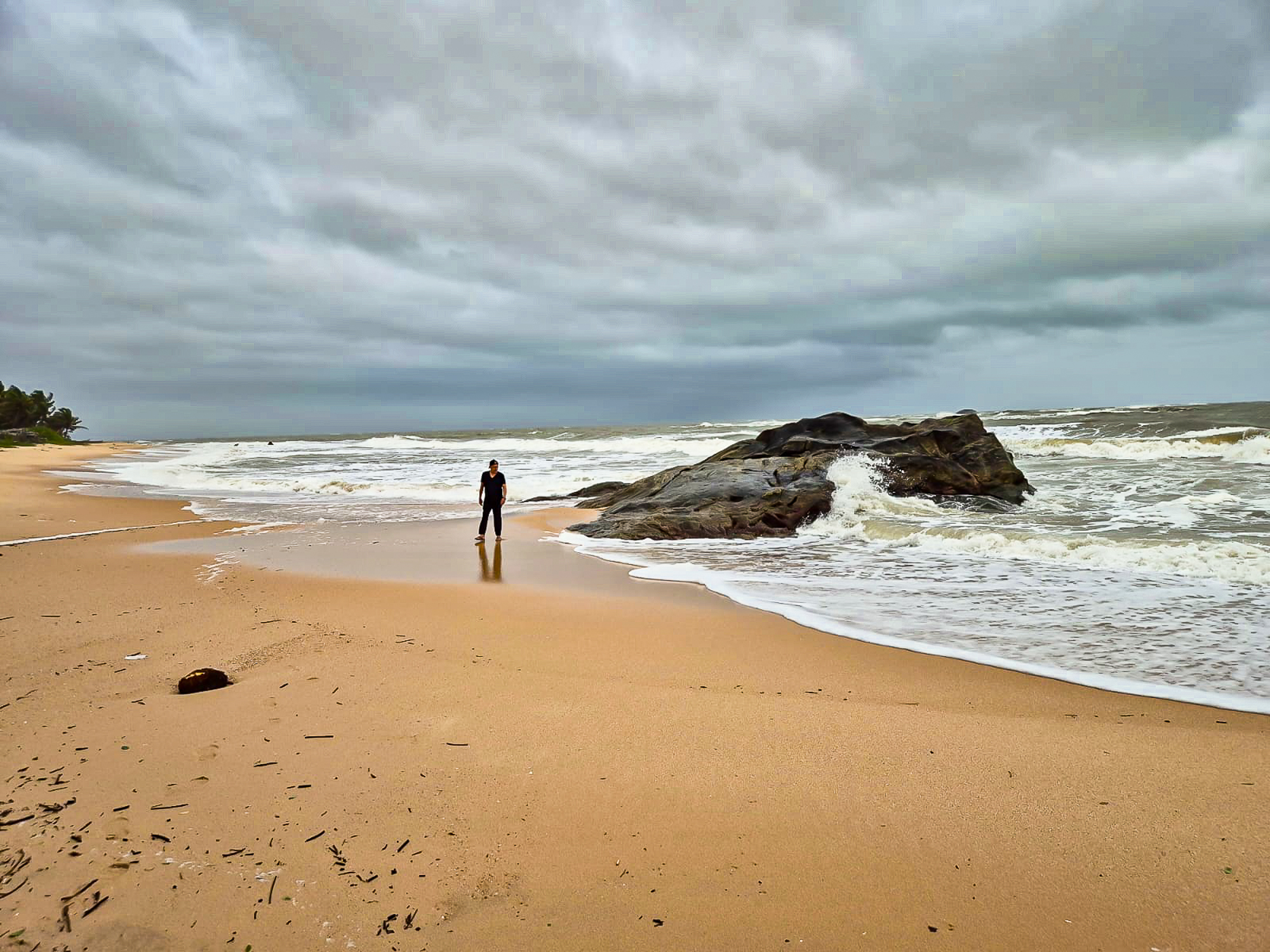
To walk the length of Metavante Beach in the rain was to watch steel-grey water clash and tumble against black sand. Fishing boats gouged far high against the tide scattered like slumbering beasts, their painted eyes rolling heavenward. Then men in yellow raincoats rushed, fixing nets, heaving ropes, labouring to beat the gale. Here life does not wait until skies are clear. It bends with the season, with the strength with which the monsoons break, with the knowledge that the sea gives but also takes away.
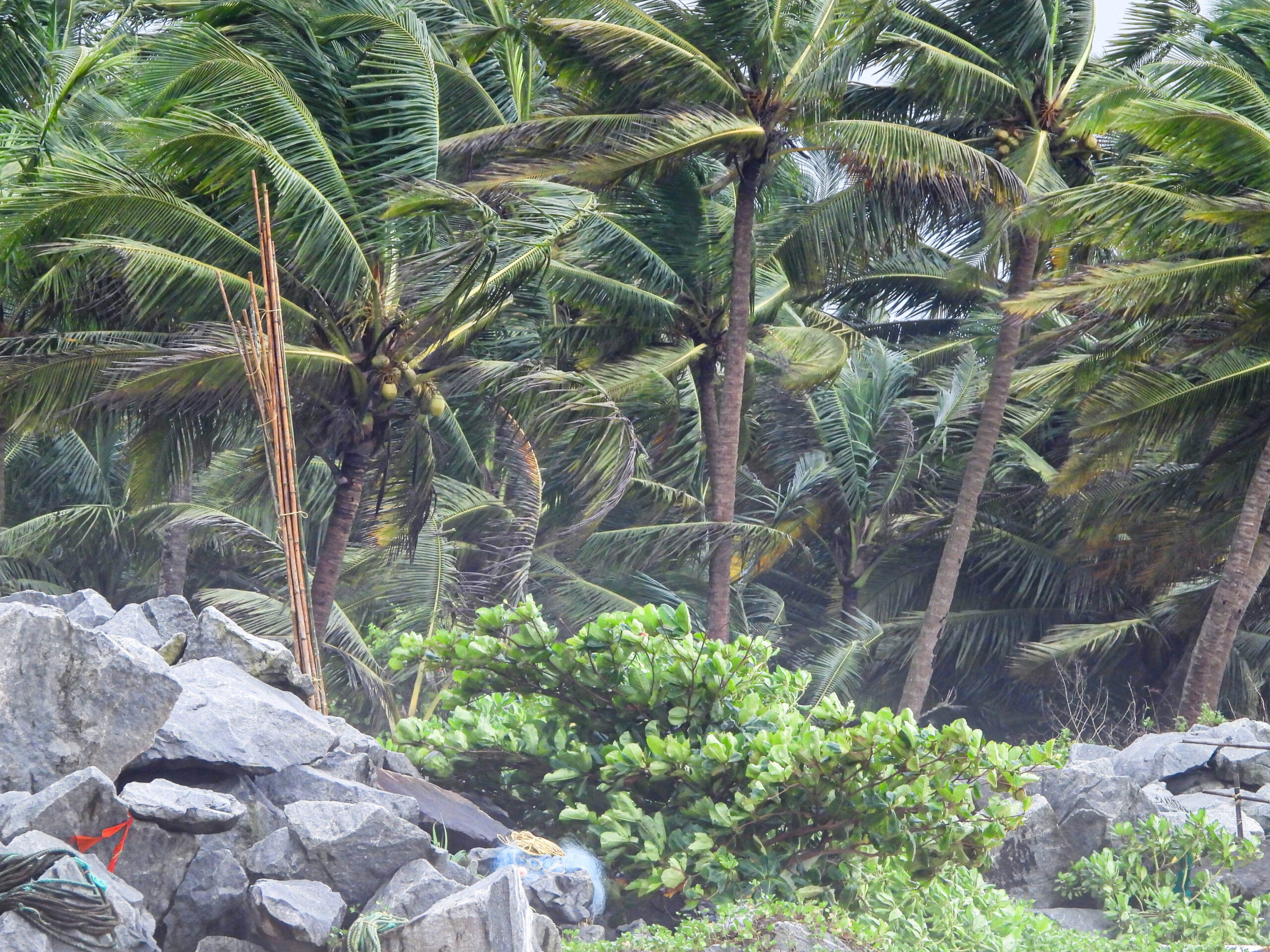
Even the presence of the monsoon makes itself felt far inland. Rain-sparkled streets, shining red tiles atop sloping roofs, coconut palms bending with the weight of drenching. Even storms do not sleep in the markets of Mangalore. Tarps cover heaps of fish, gleaming below, green mango and areca nuts fill stalls, and the noise of traders breaks above the rain. Every day the Arabian Sea provides its goods and the city welcomes it in a composed beat.
Mangalore rain is not to run away from weather to evade it, rain in Mangalore is to give yourself up to it. The Arabian Sea is not the scenery here; it is a gut that shapes the skins of this city. But it has also defined the economy, the food, the architecture, even the pace of life. Time after time, monsoon after monsoon, it reminds its inhabitants — both the regulars and the tourists in and around Varca — that the sea is not to be tamed, but rather respected.
While the storm rewound the horizon again, crests climbing as if liquid mountains before somersaulting into showers, we felt the pulse of being all of this coast. We were not getting postcard perfect beaches or placid waters to laze about, here in Mangalore. In exchange it was providing us with a truth: the savagery of land and ocean colliding, and the humanity that has endured upon the scoured plain learnt how to exist with it.
And after all that was Mangalore’s offering. To see the Arabian Sea and where the rain and thunder meet, and where beauty isn’t always the calm before the storm. Other times the storm comes roaring with it.
 26
26