Nagpur – At the Heart of India
Hotel: The Radisson
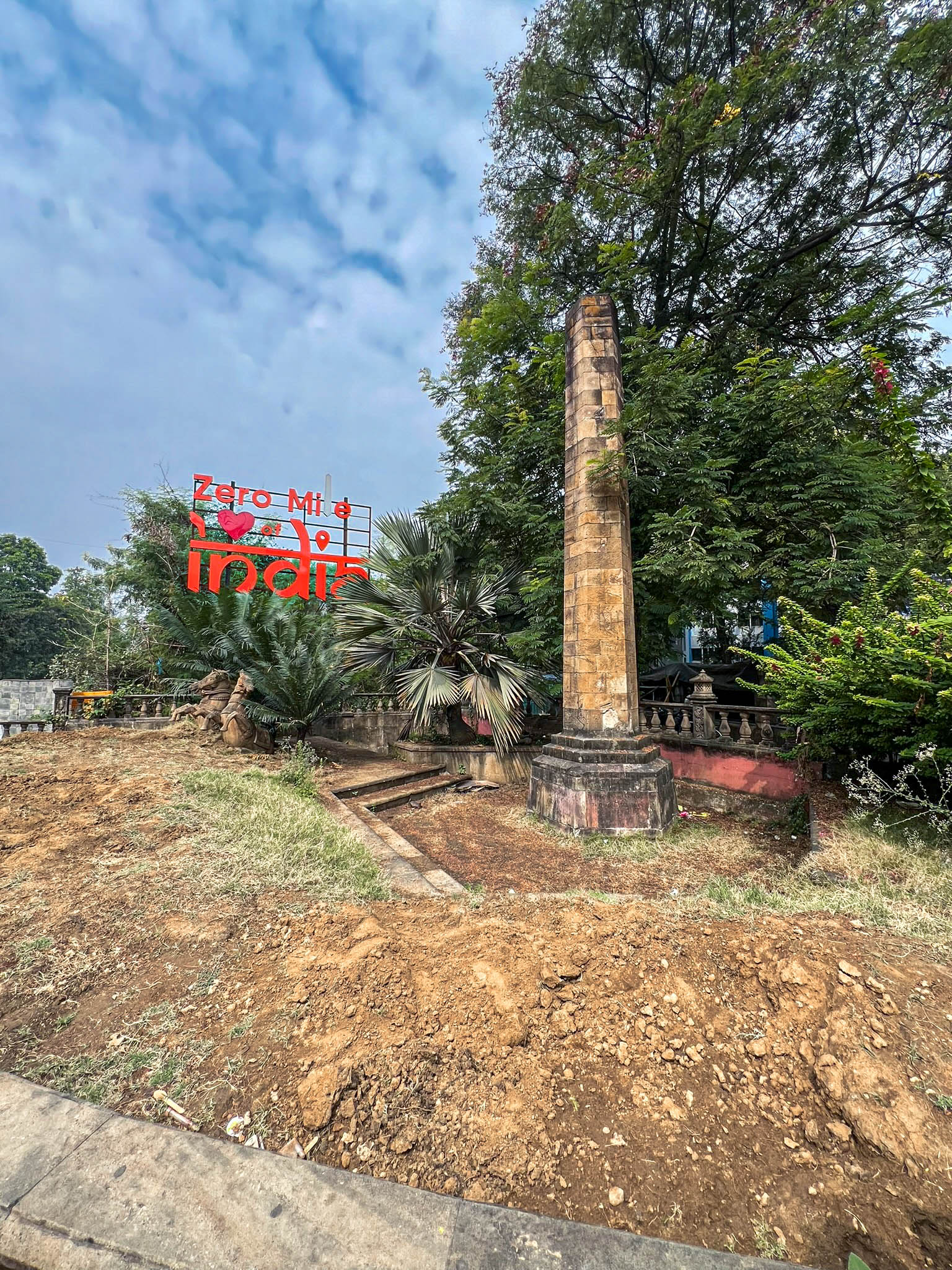
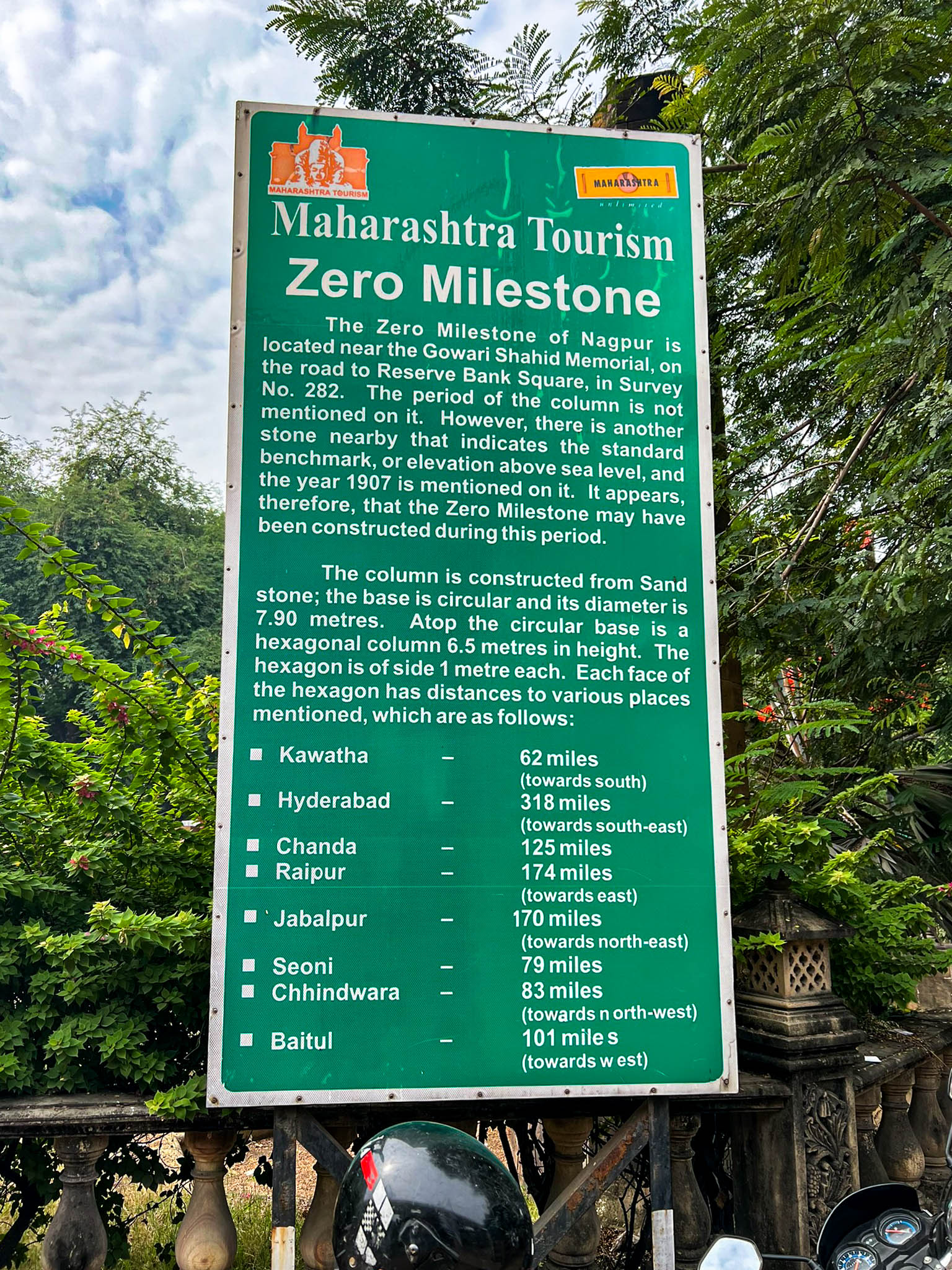
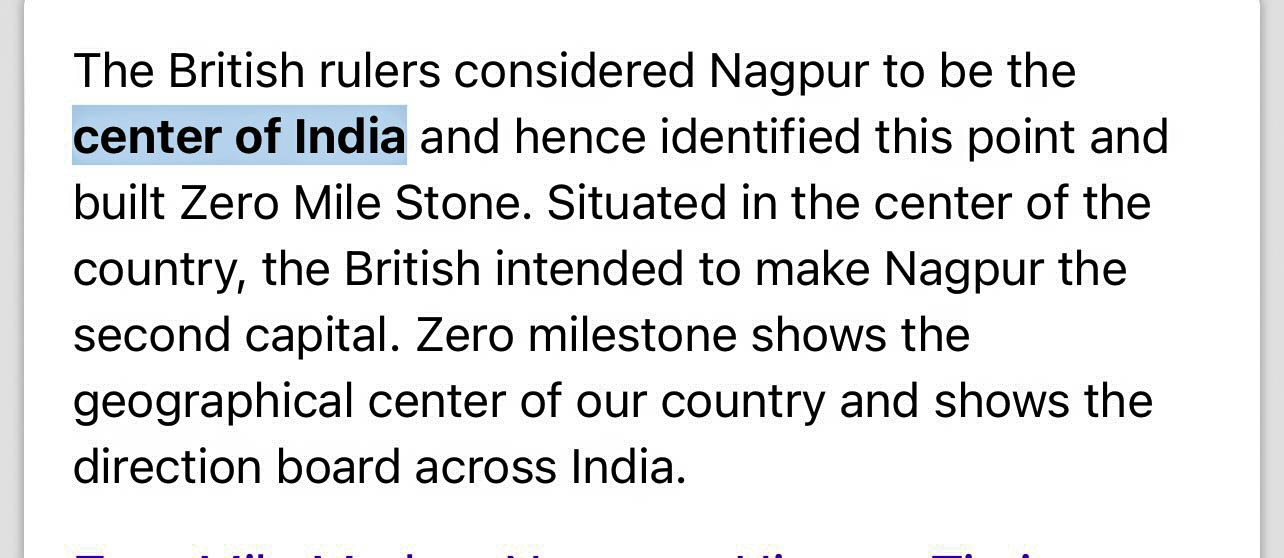
Nagpur waits at the center of India, barely signposted, located outside of Nagpur and denoted only by the Zero Mile Stone, a sandstone pillar erected during the British era to calculate distances in India. To be before it, is to know that all roads, all paths, lead back here. Nagpur is neither from the edge nor periphery, but it is the pulse point of the nation.
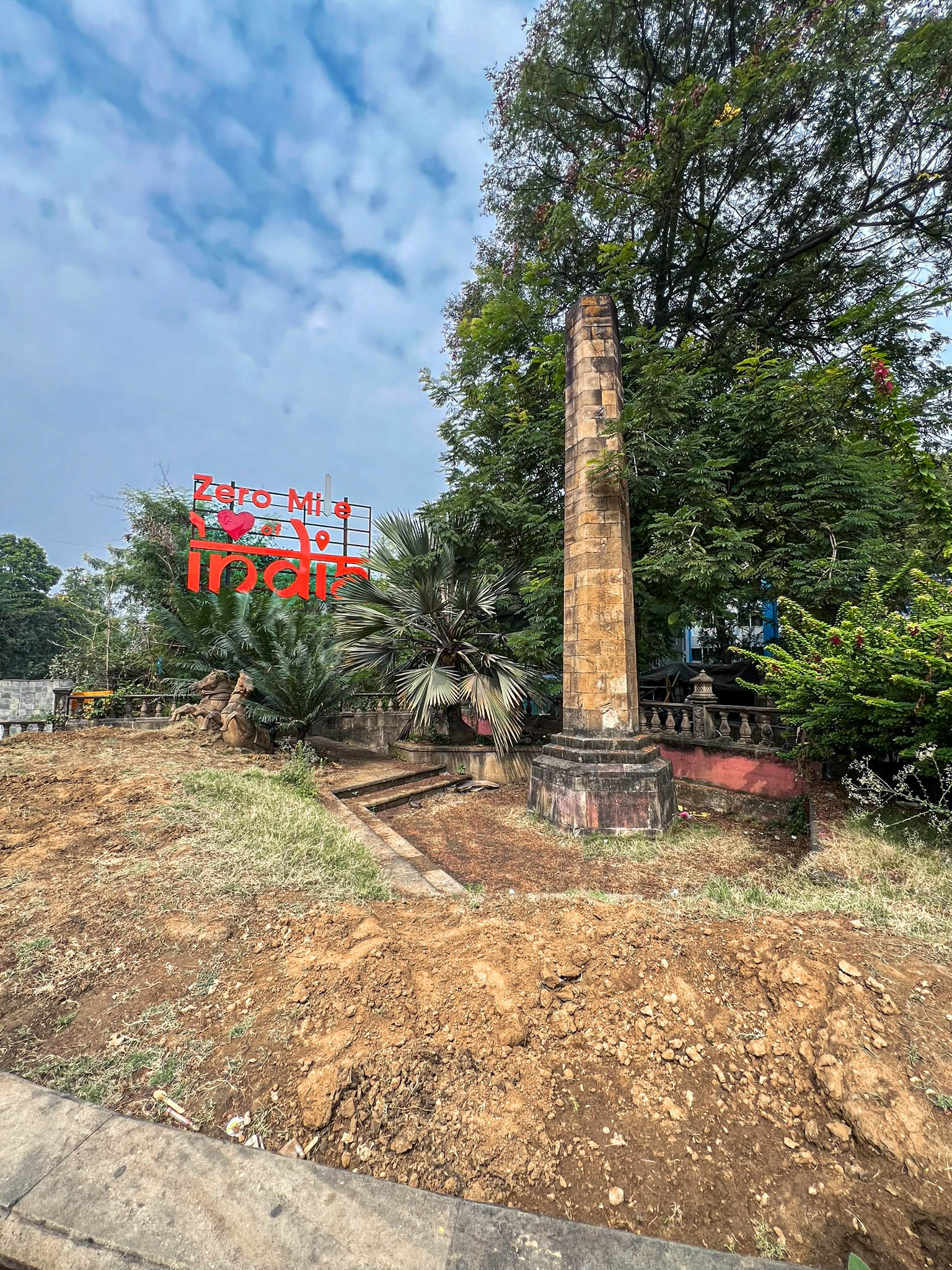
As did our stay at The Radisson, an ambience of stillness and yet somehow significant. The hotel loomed high, like a well-polished edifice, an anchoring, calm island in the sewn-together collage of the city. Glass and stone yielded to subtle luxury, and the lobby hum muted with warm hospitality. Even through its windows, the city radiated pulse-like outwards — markets, monuments, colleges, temples and the moving fabric of central India.
Nagpur’s past goes way back deeper than its such British landmark. This was the seat of the Bhonsle dynasty of the Marathas who ruled from here during the 18th and early 19th centuries, long before anyone laid out Zero Mile in cement. The very name of the city comes from the Nag River that once snaked through its center. Eventually, Nagpur came to be a part of the British Central Provinces, which was a hub of colonial administrative and commercial activity. It was the capital of Madhya Pradesh in 1950 and was the winter capital of Maharashtra for a short period of time. History, like geography, refuses to cede Nagpur its place.
Walking the city today, its streets are layered with that past. The colonial-era buildings and the city’s various educational institutes are a distant reminder that Nagpur was once the British Raj’s administrative center. But Nagpur isn’t just a piece of history—it is also flavor. Nagpur’s food is as colorful as its markets and it’s culture as vibrant.
Being at Nagpur is to grasp the geography of India up close. It is to taste its spice and citrus, to walk its forts and memorials, to see history and modernity meet not in conflict but in layering. The Zero Mile Stone may seem unrecognizable but with it lies an indisputable fact, all journeys across India pass, at least partially, through Nagpur. There was no buzz around Nagpur. It did not need to. It was already geographically and politically vital — the axis of India.
 3
3