One of the quieter pleasures of driving through Sham Valley is the changing landscape.
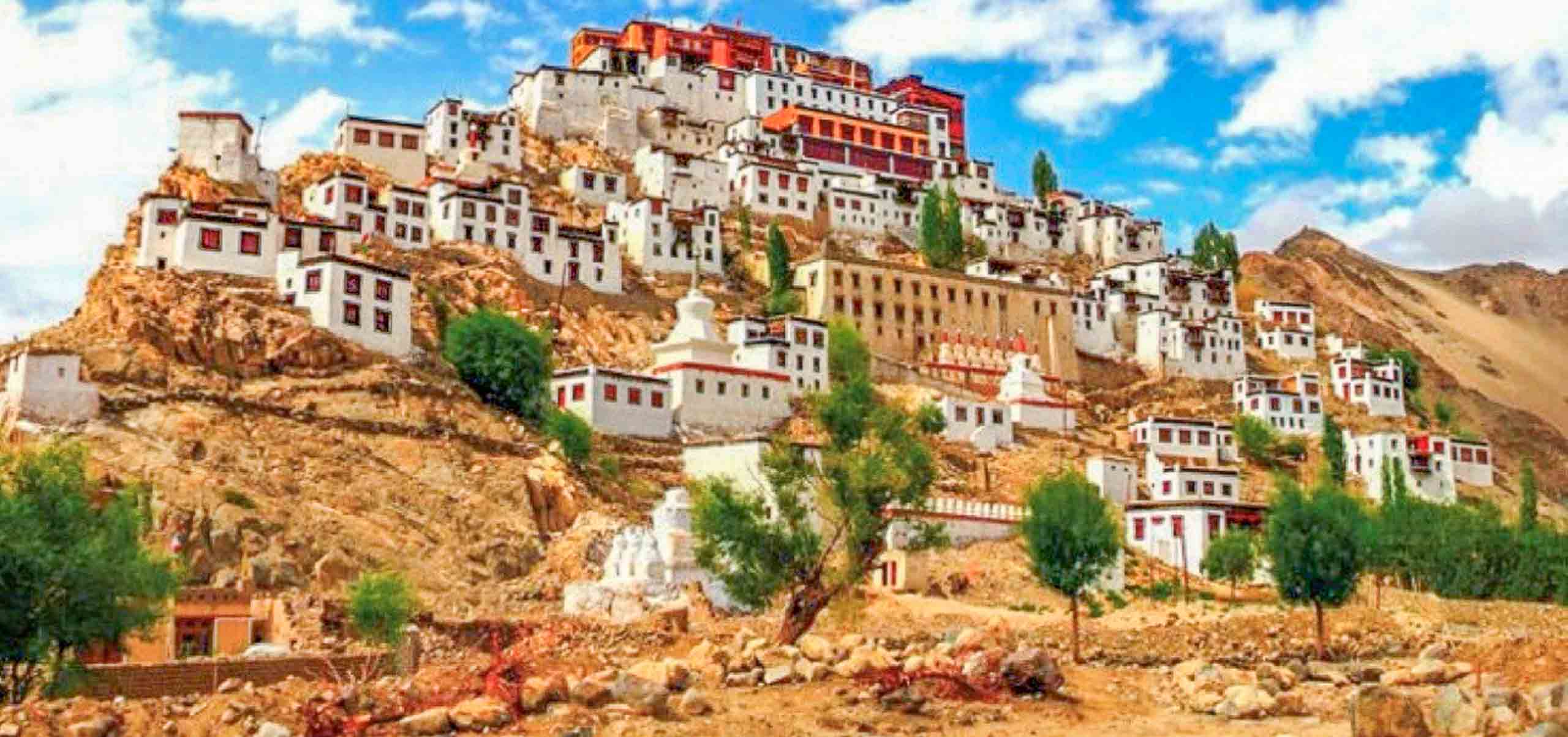
Alchi Monastery is one of the oldest and most significant Buddhist monasteries in Ladakh, dating back to the late 10th or early 11th century. It is traditionally attributed to the great Buddhist translator Rinchen Zangpo, who played a pivotal role in spreading Buddhism across the western Himalayas. Unlike most Ladakhi monasteries that are perched atop hills, Alchi Monastery is uniquely located on the banks of the Indus River, reflecting its origins as a centre for learning rather than defense.
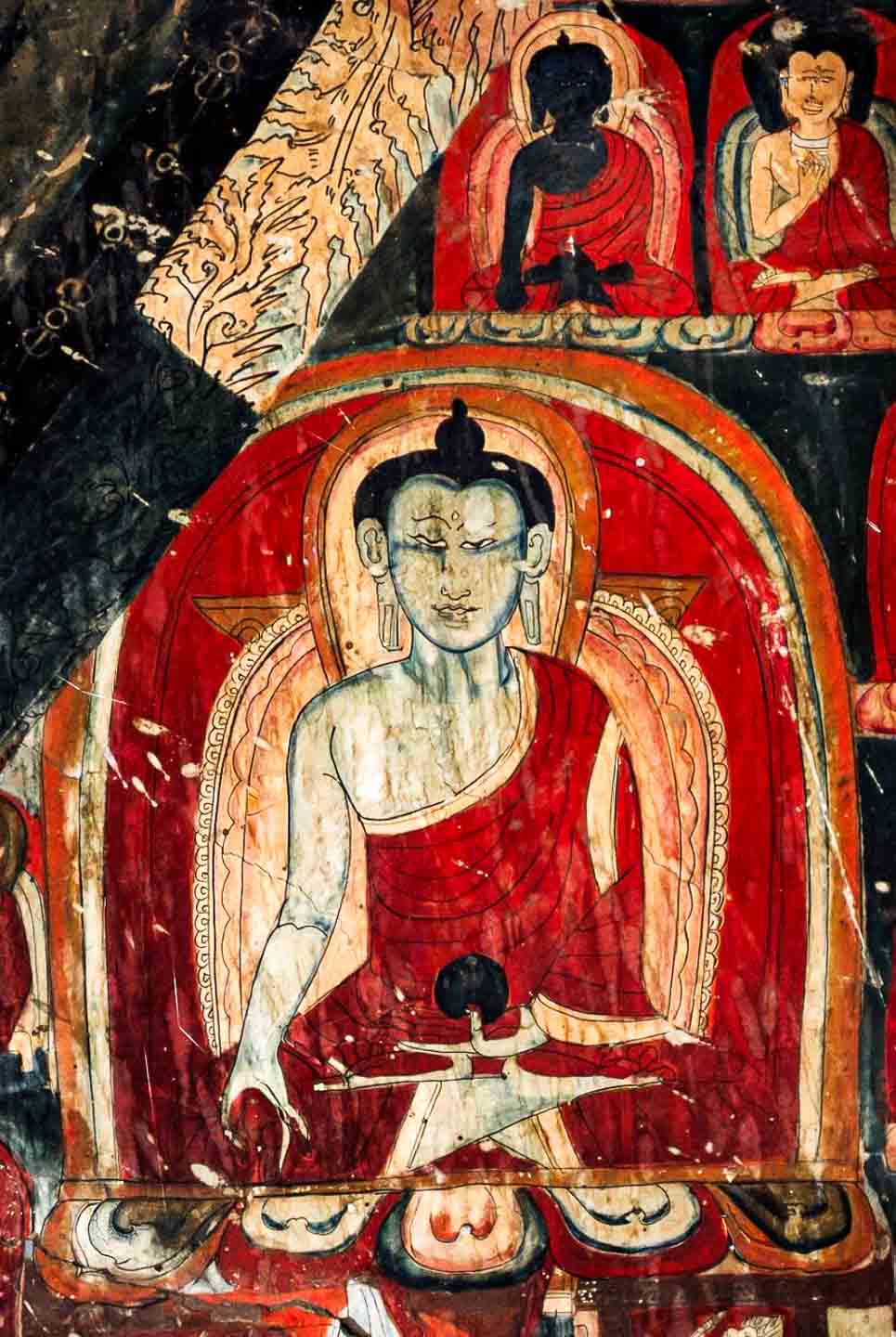
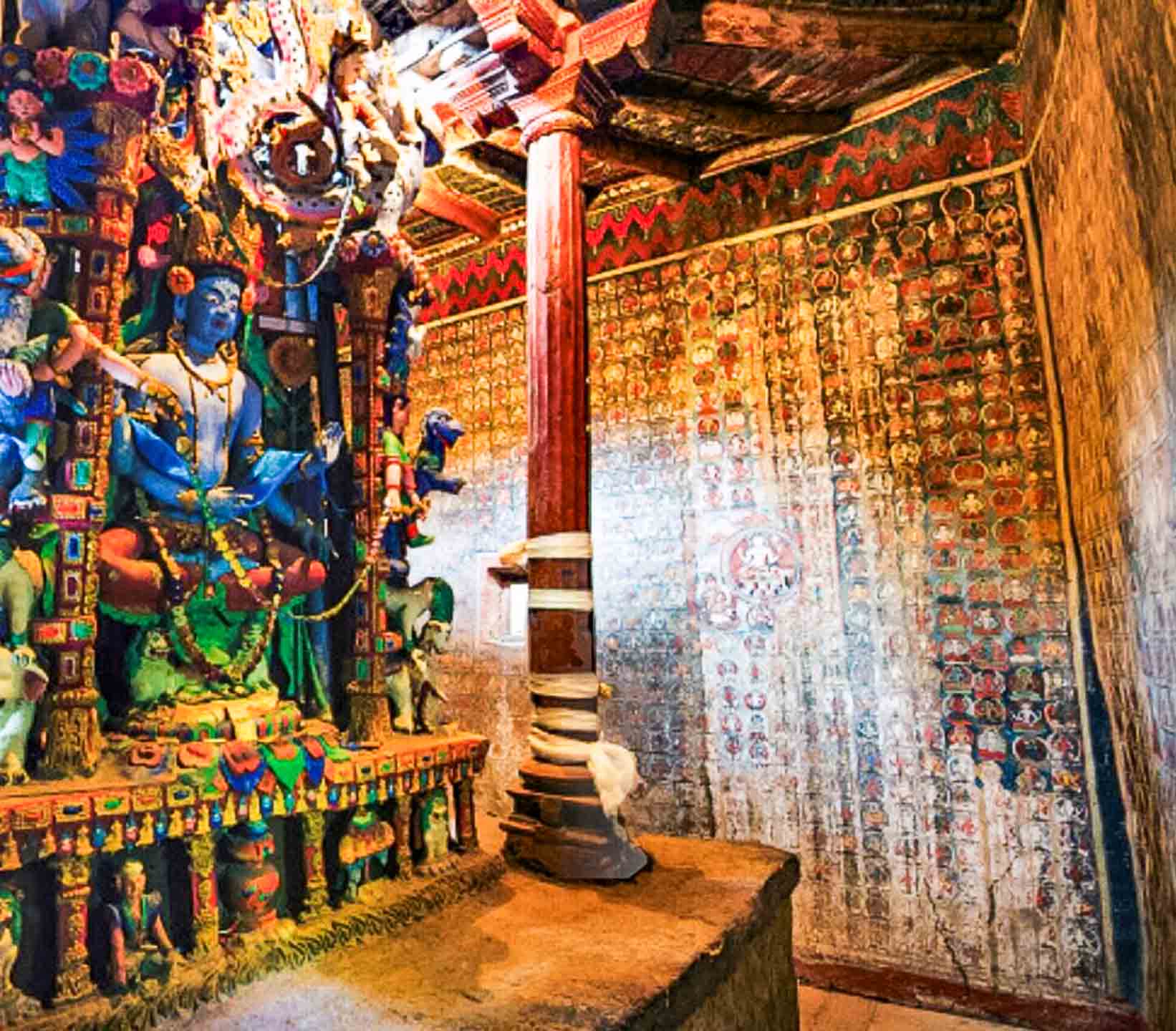
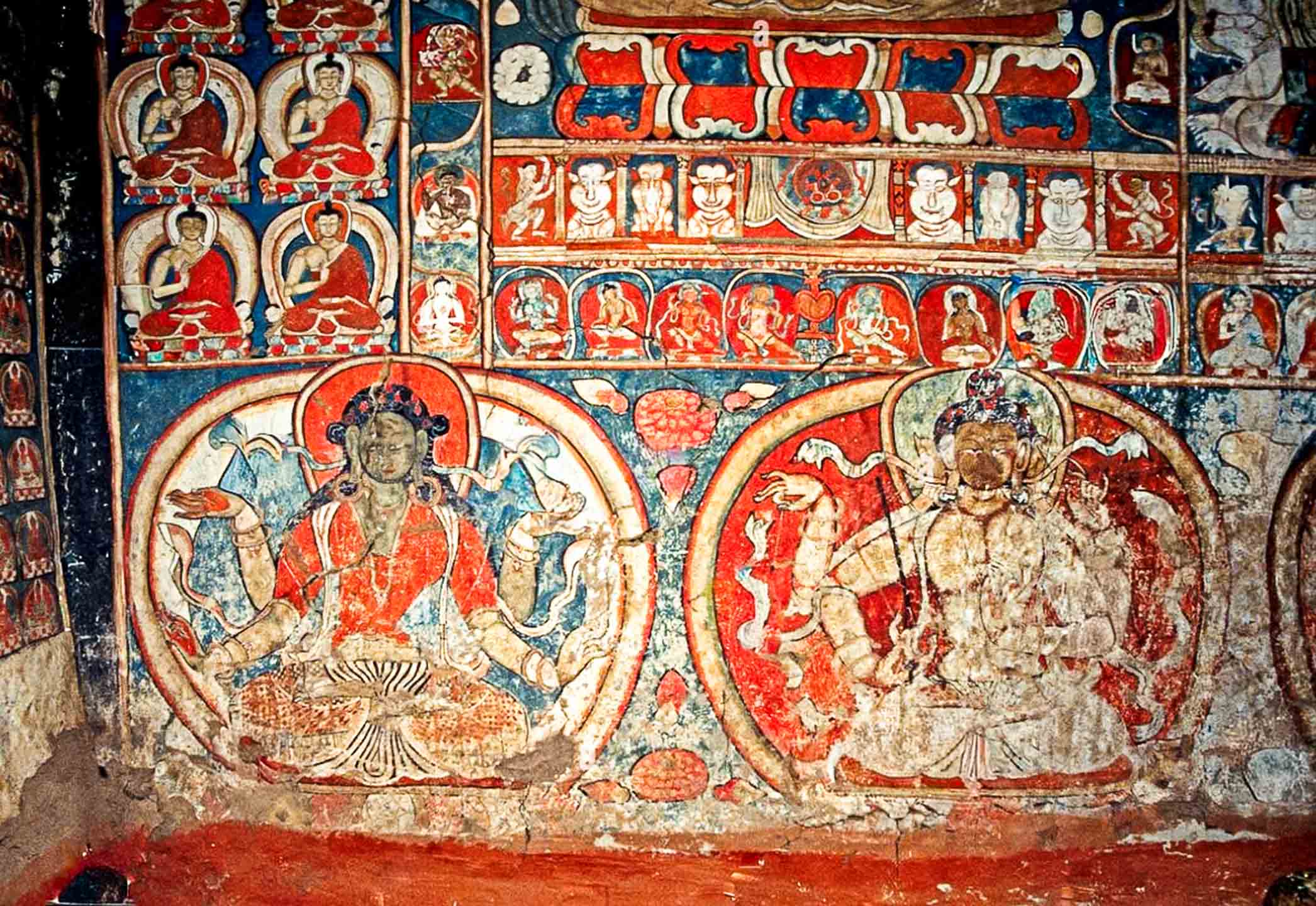
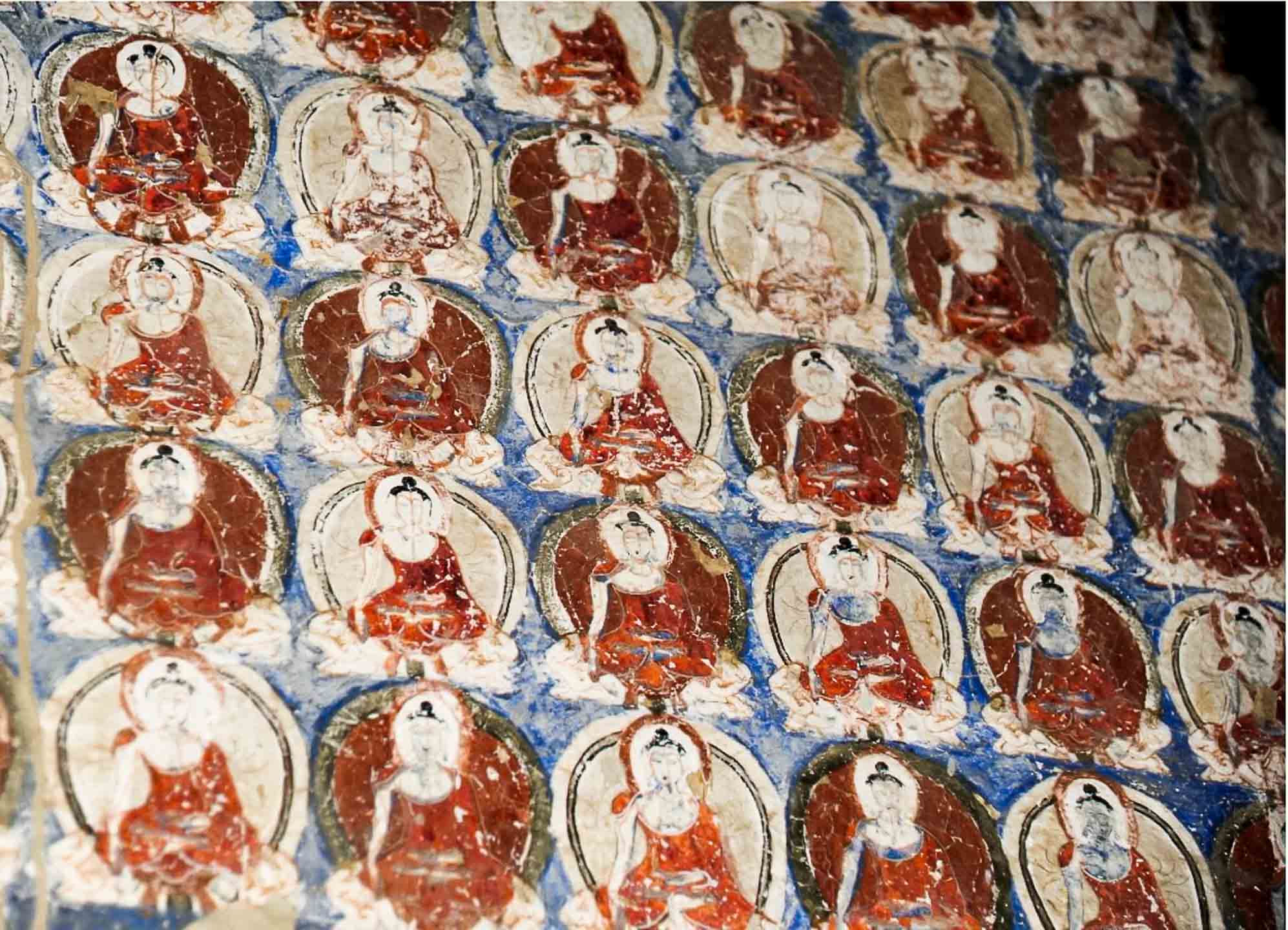
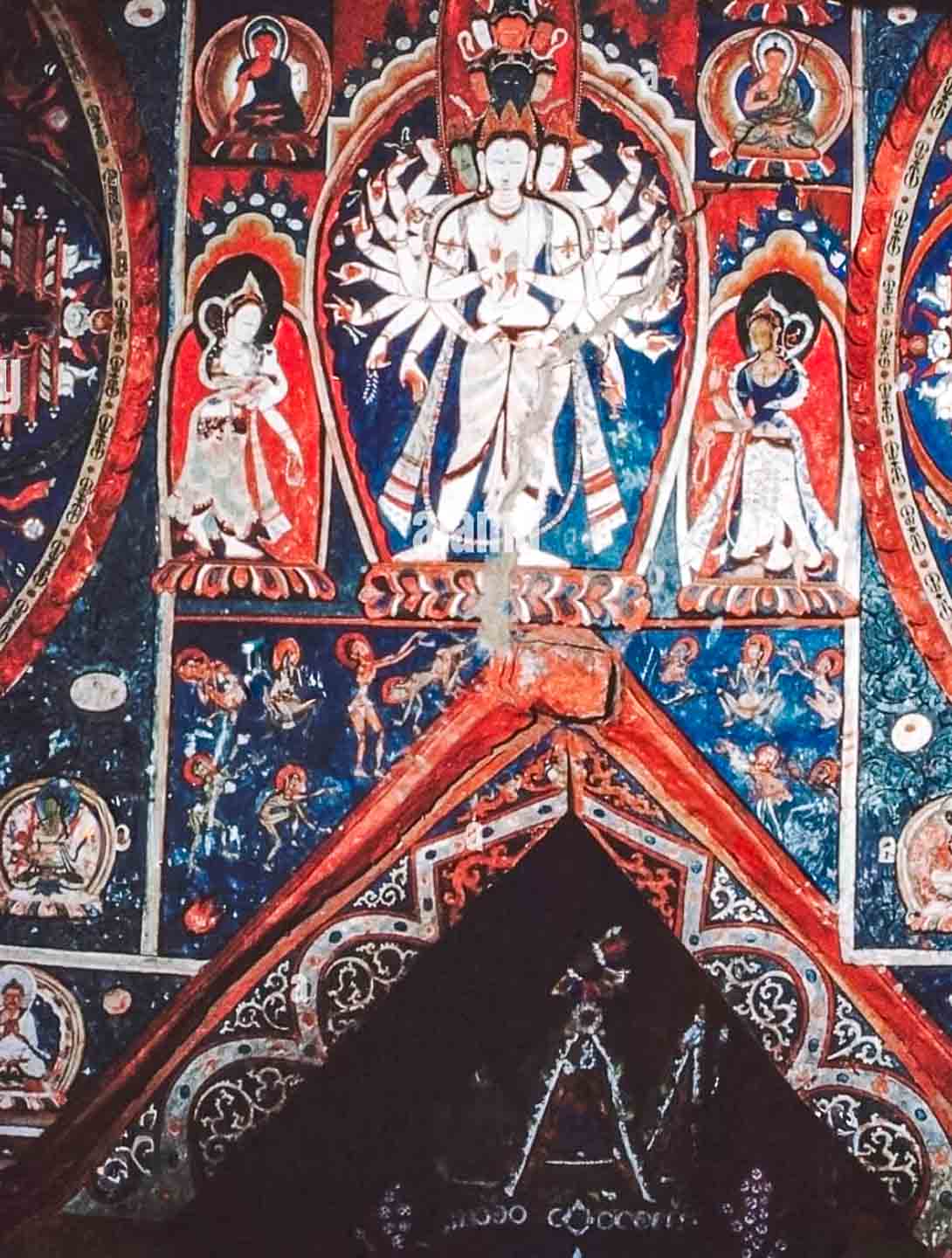
The monastery is renowned for its exceptionally well-preserved Kashmiri-influenced murals, intricate wood carvings, and clay sculptures, which are considered among the finest examples of Indo-Tibetan Buddhist art. As one of the oldest surviving monastic complexes in the region, Alchi offers invaluable insights into the artistic, cultural, and religious exchanges that flourished along the ancient trade routes connecting Kashmir, Tibet, and Central Asia.
The monastery’s murals display remarkable Kashmiri artistic influences, reflecting the cultural exchanges that flourished along ancient trade routes.
The intricate wall paintings, wooden carvings, and clay sculptures have survived for over a thousand years, making Alchi one of India’s most valuable heritage sites. Unlike newer monasteries that feature bold colours, Alchi’s artwork reveals refined craftsmanship and extraordinary detail.
Photography is not permitted inside the temples, helping preserve these fragile masterpieces for future generations. Walking through the narrow lanes leading to the monastery, visitors pass small shops selling apricots, handcrafted souvenirs, prayer wheels, and traditional Ladakhi jewellery.