Vignettes
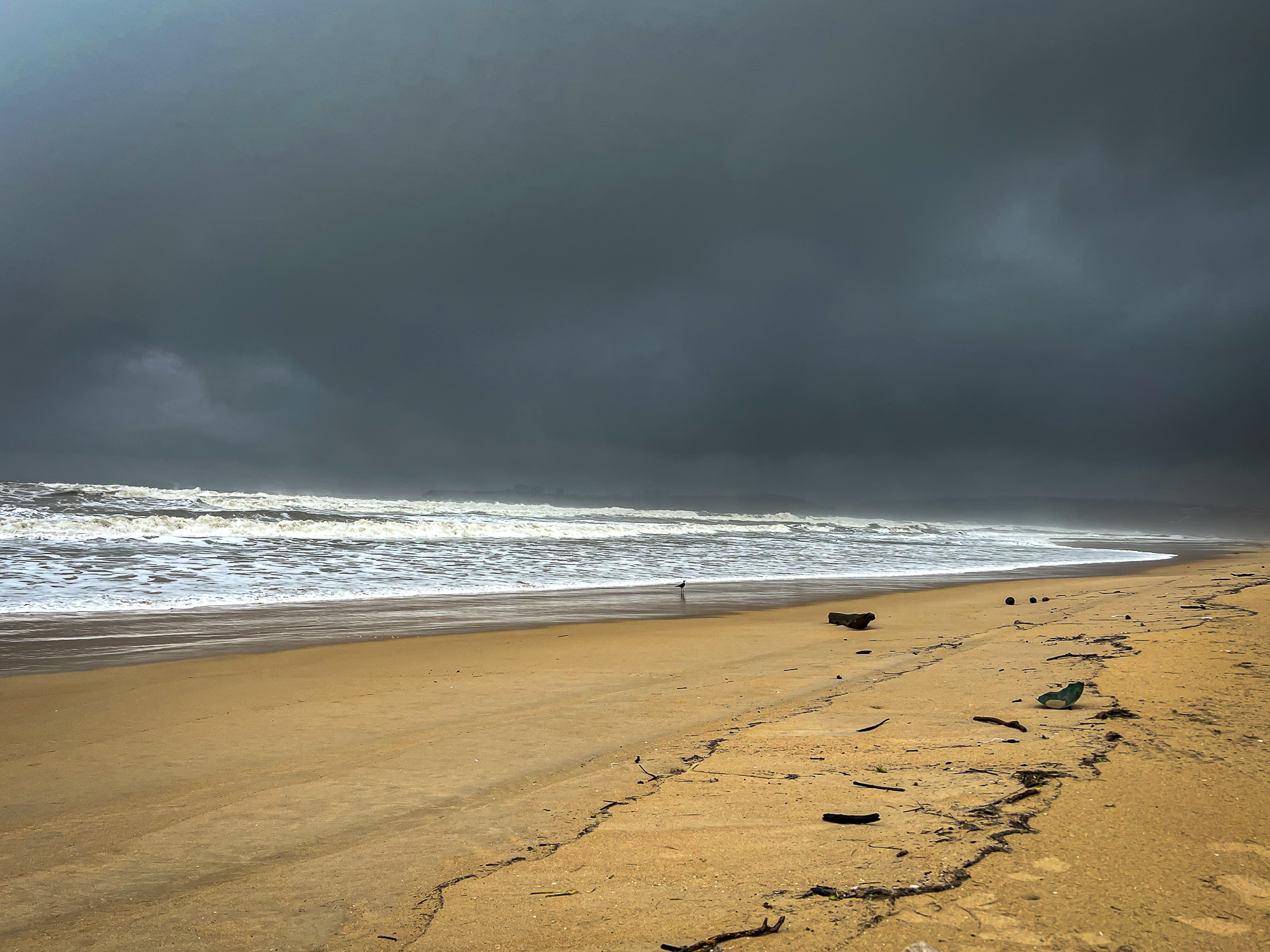
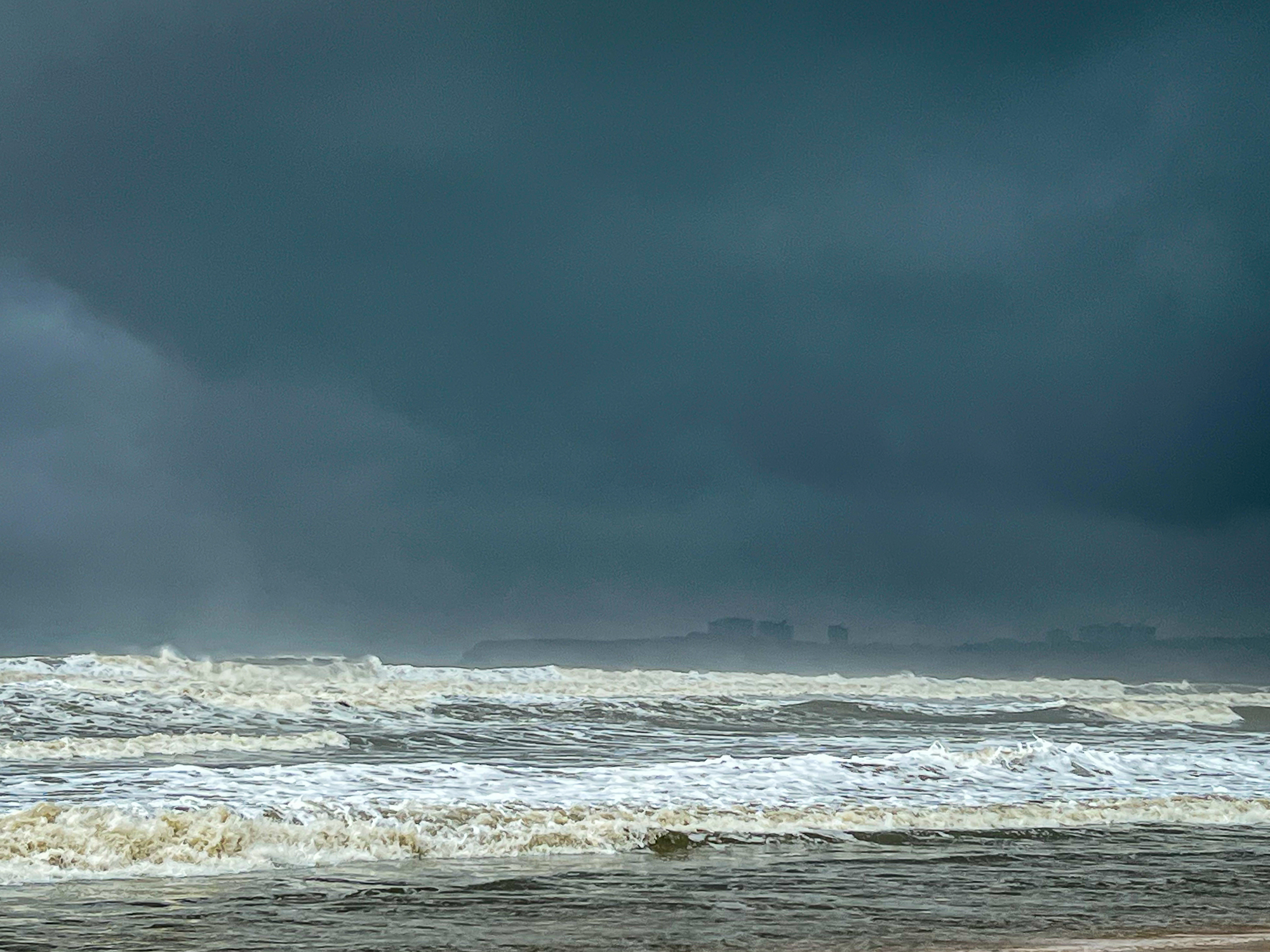
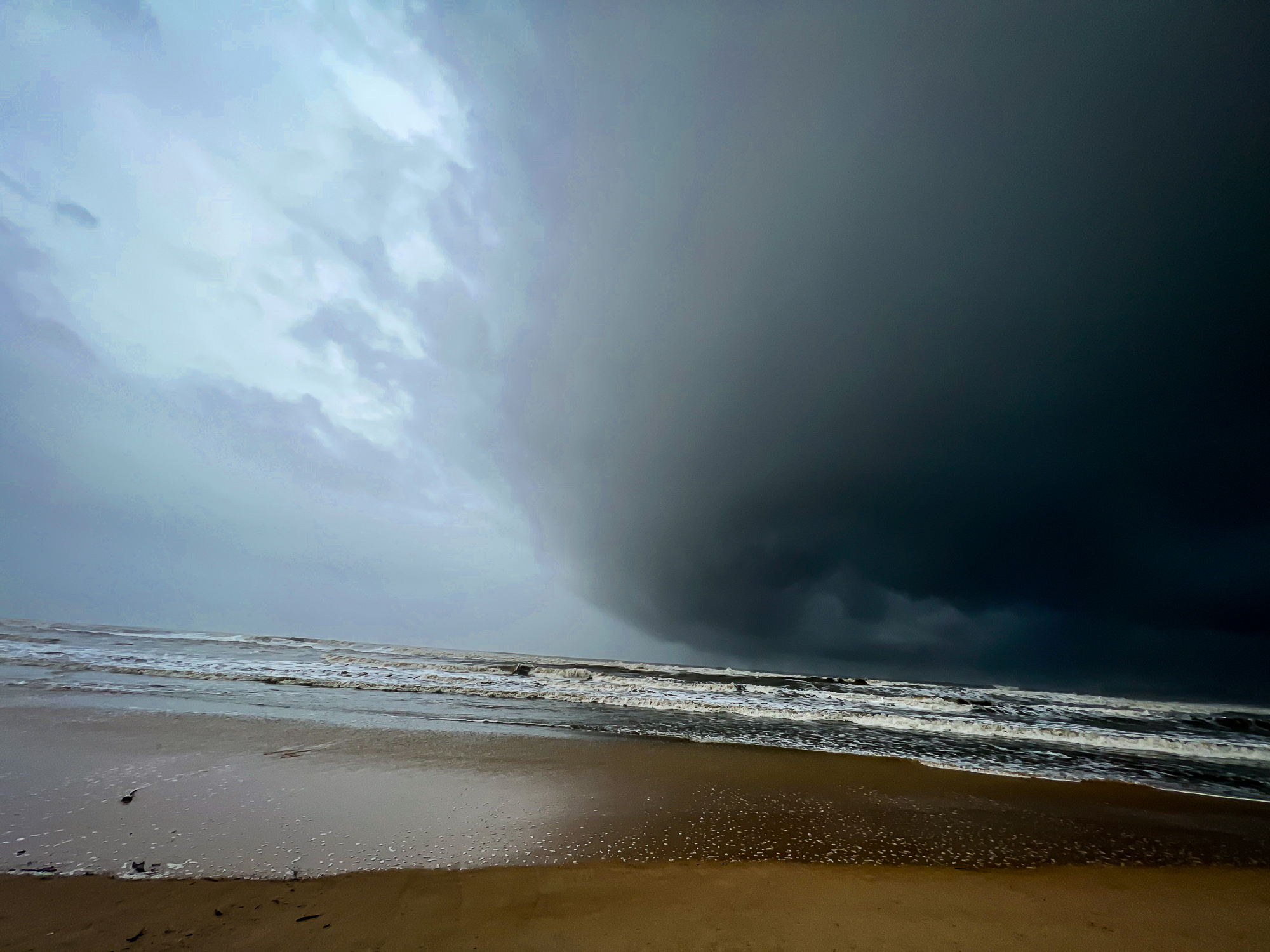
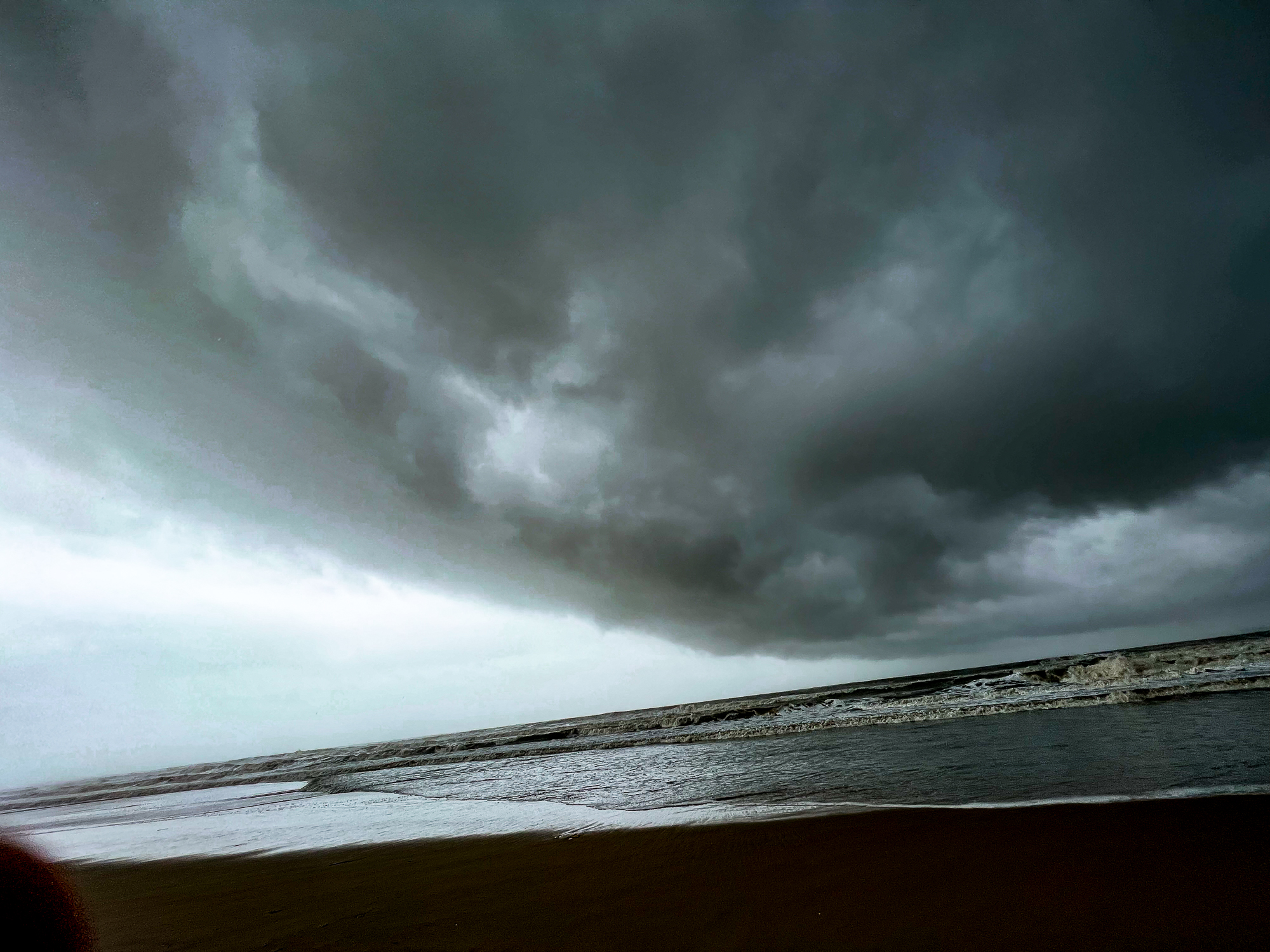
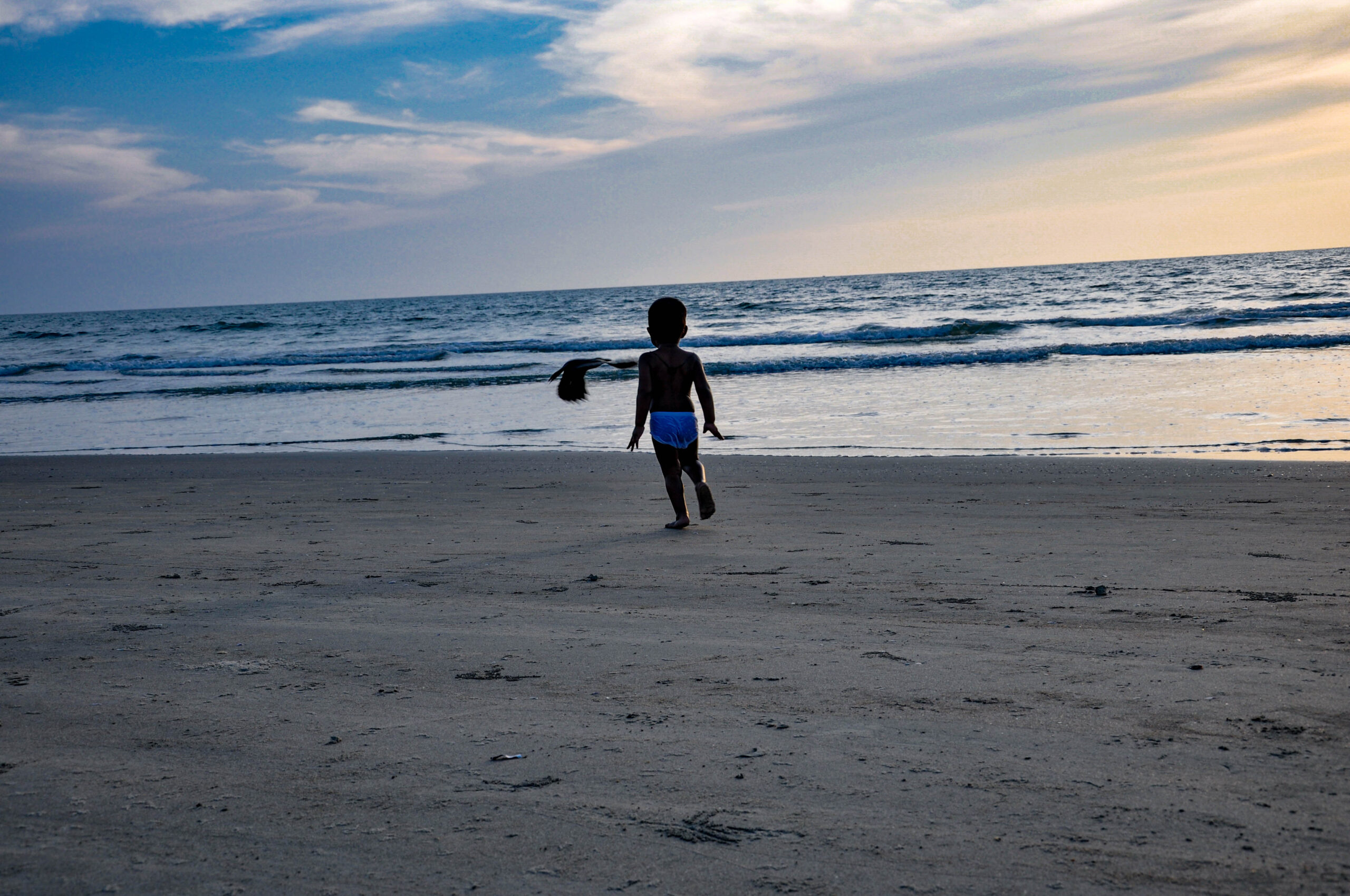
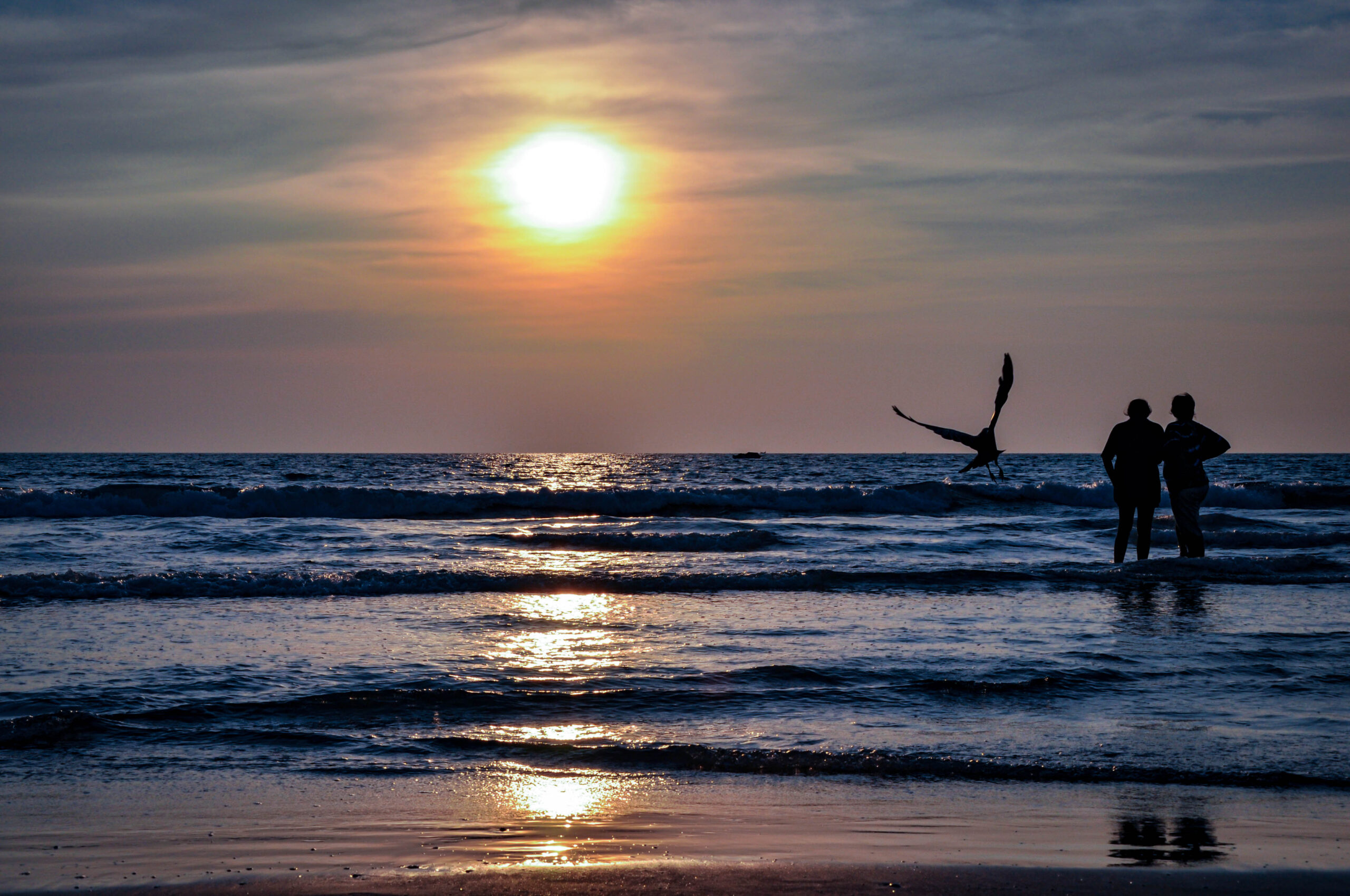
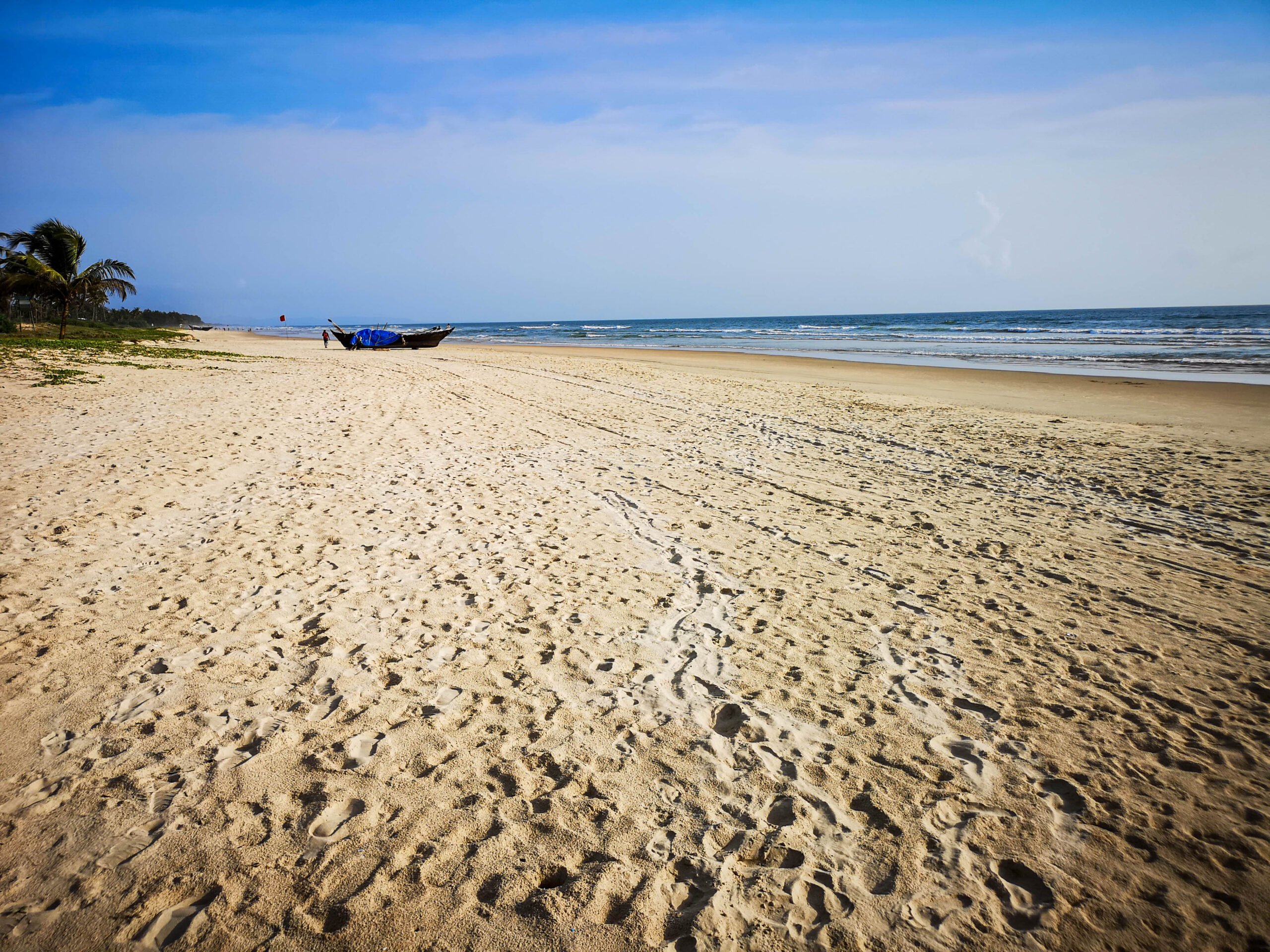
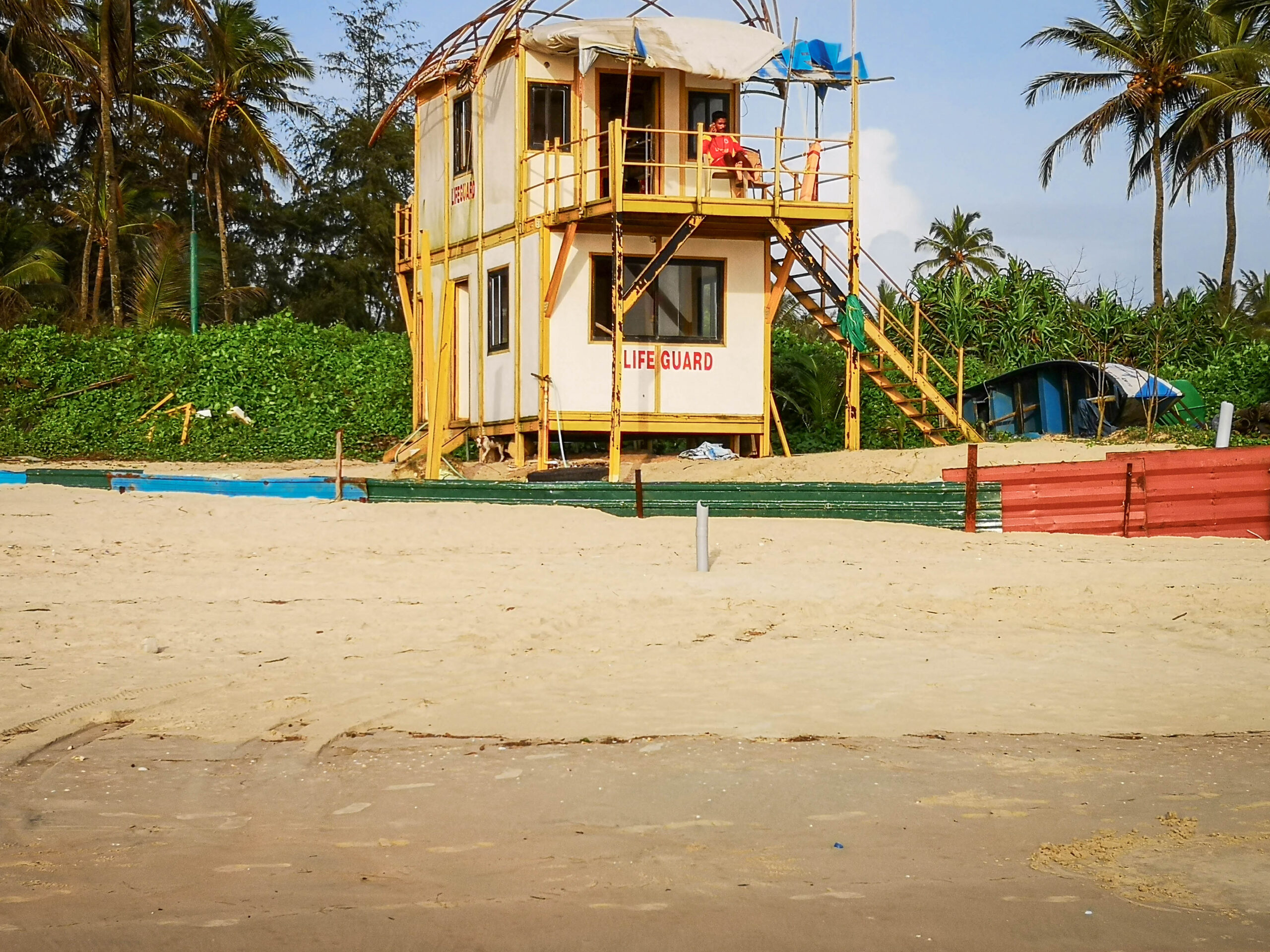
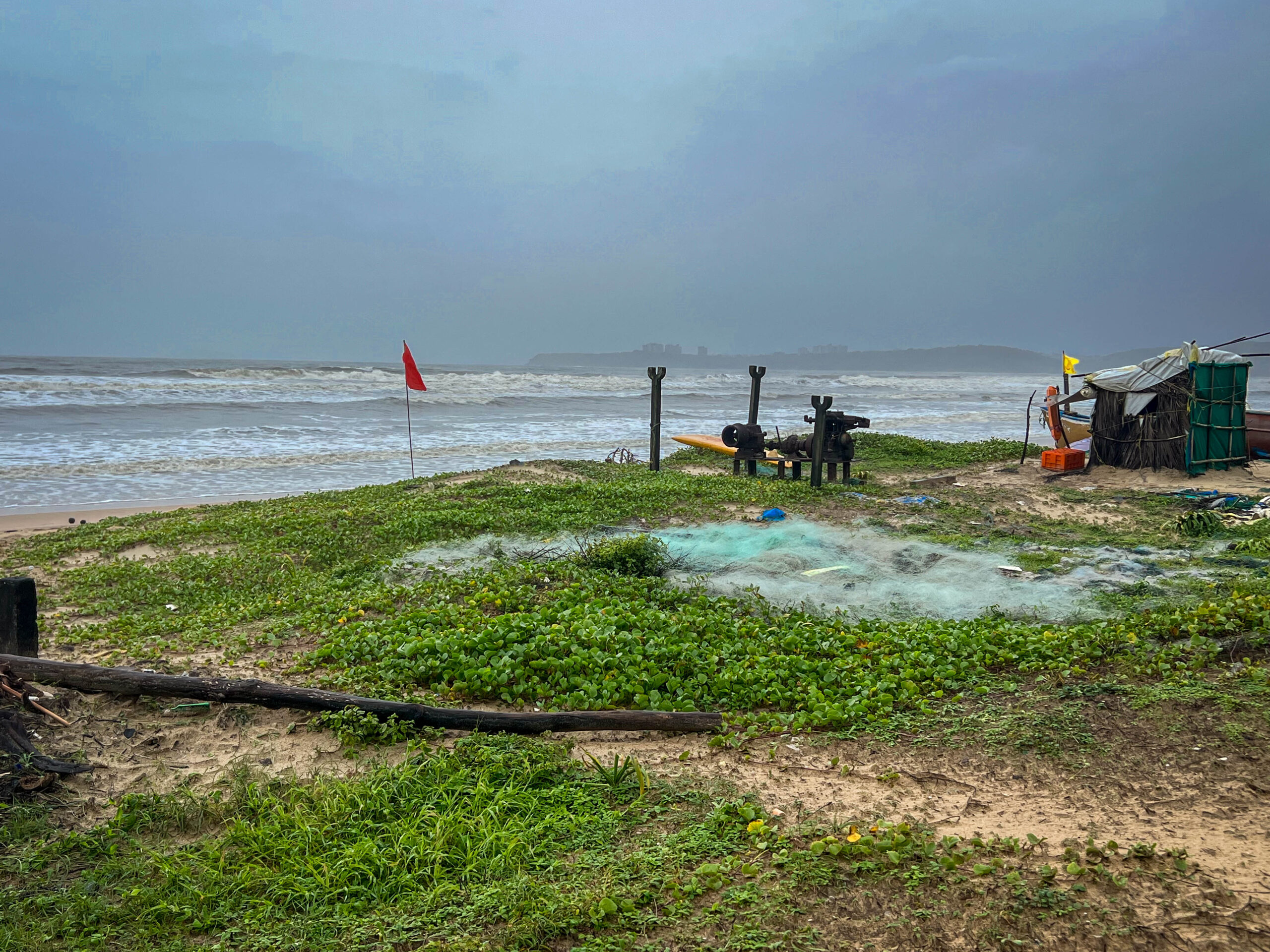
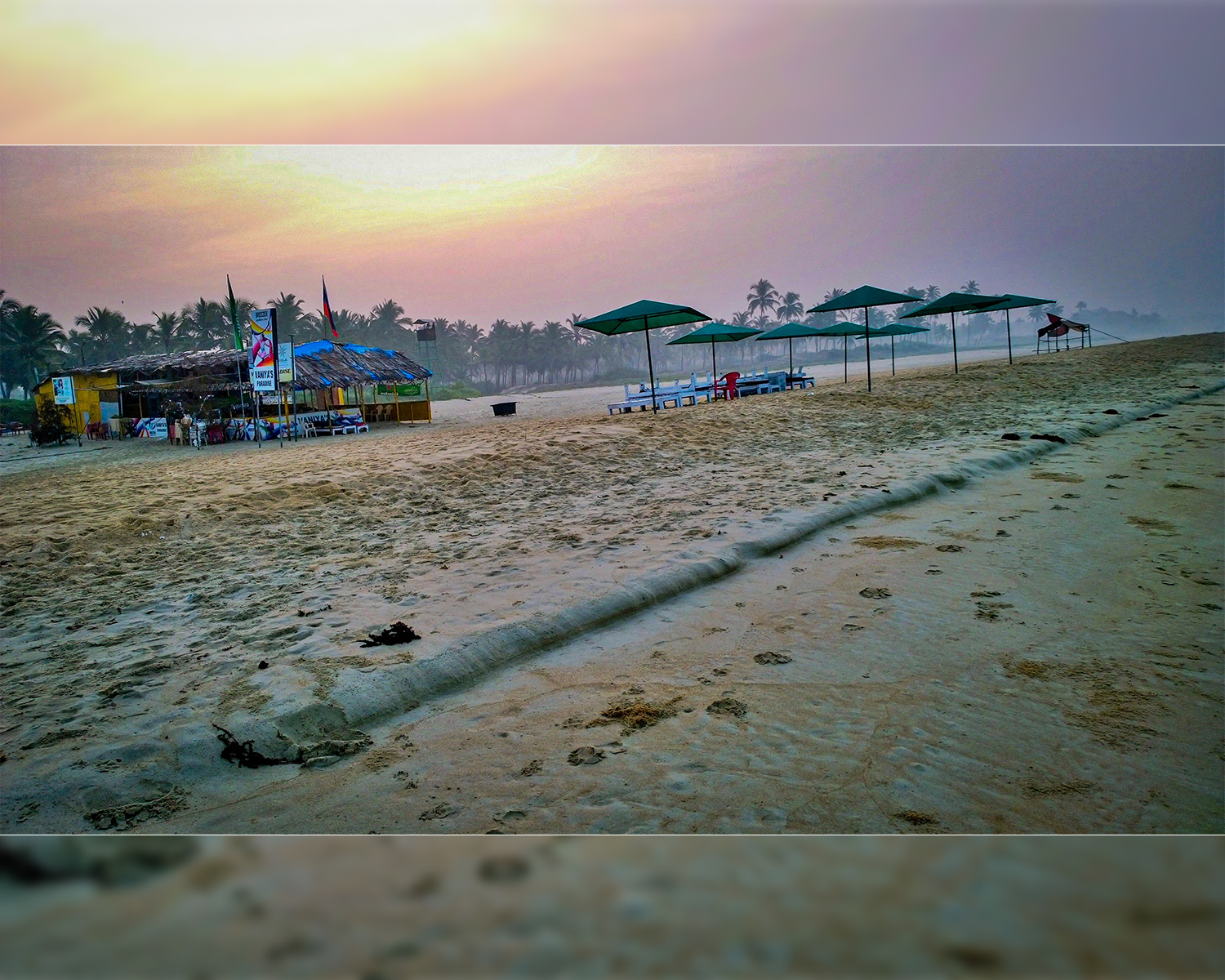
There is more to Goa than its coastline, but it’s the shore that first takes us in—an infinite coast where waves curl with memory and salt writes itself into sand. The beaches are not so much a single rhythm as several: each has its own accent, drawing on histories that washed ashore long before we did.
Up north, at Calangute and Baga, the sea is rough. Both were once fishing villages turned tourist hubs: first the Portuguese, who landed in the 16th century with an architecture plan to build churches and citadels on top of the water; then, during more recent centuries, flower children in the 1970s and ’80s, arriving for a taste of freedom carried by salt blow, leaving behind music-tinged walls and a culture lingering about even today.
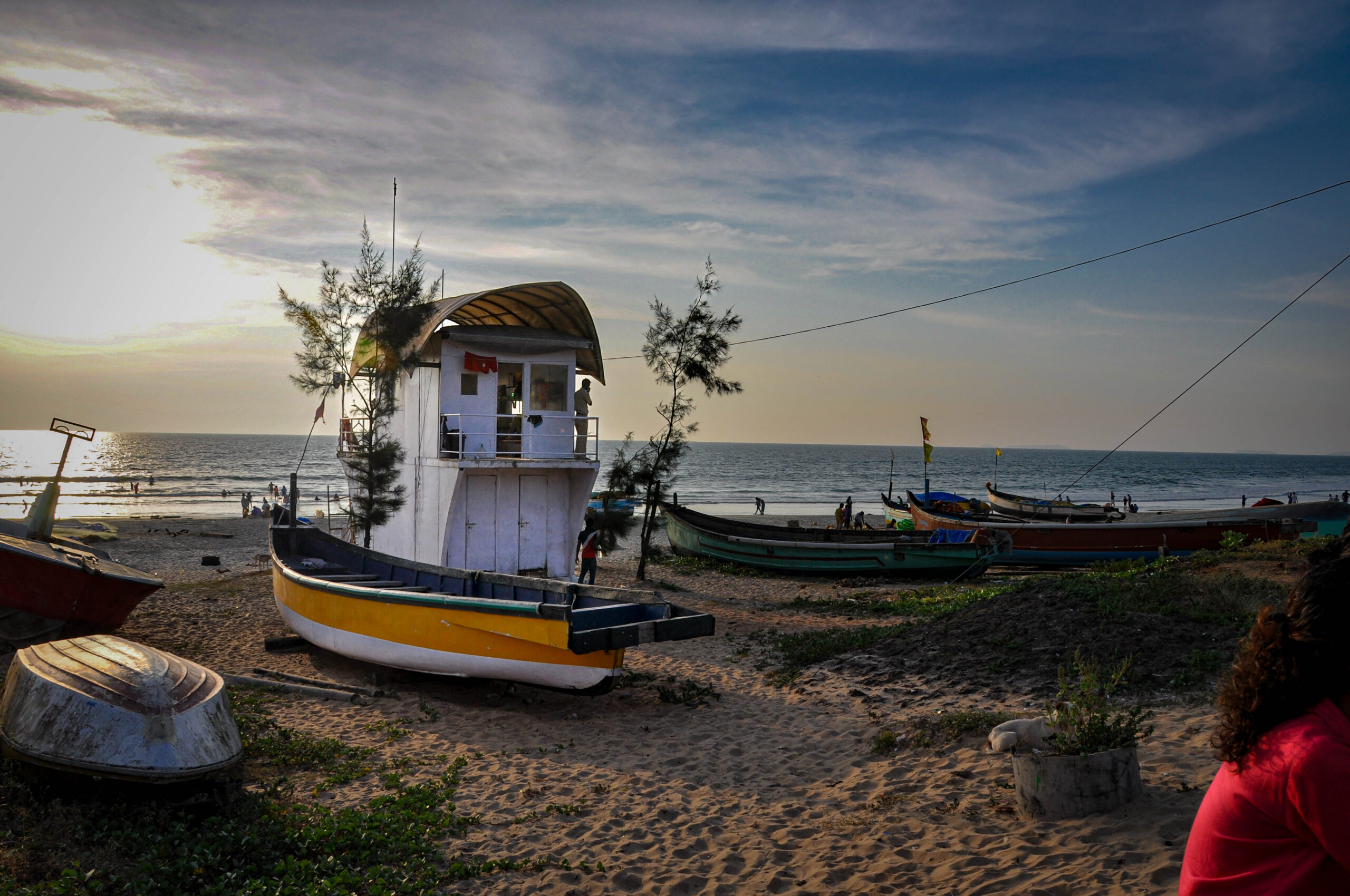
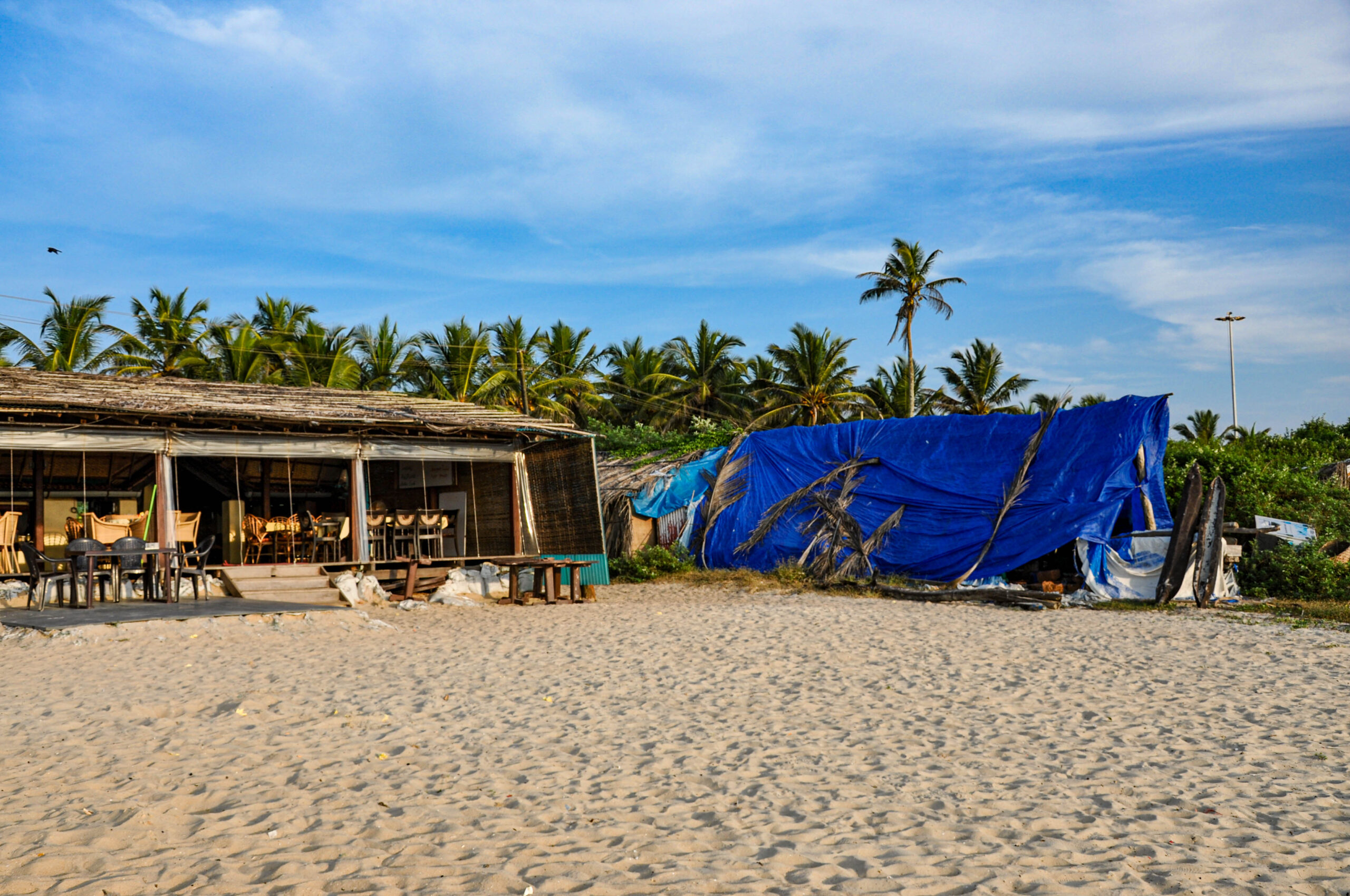
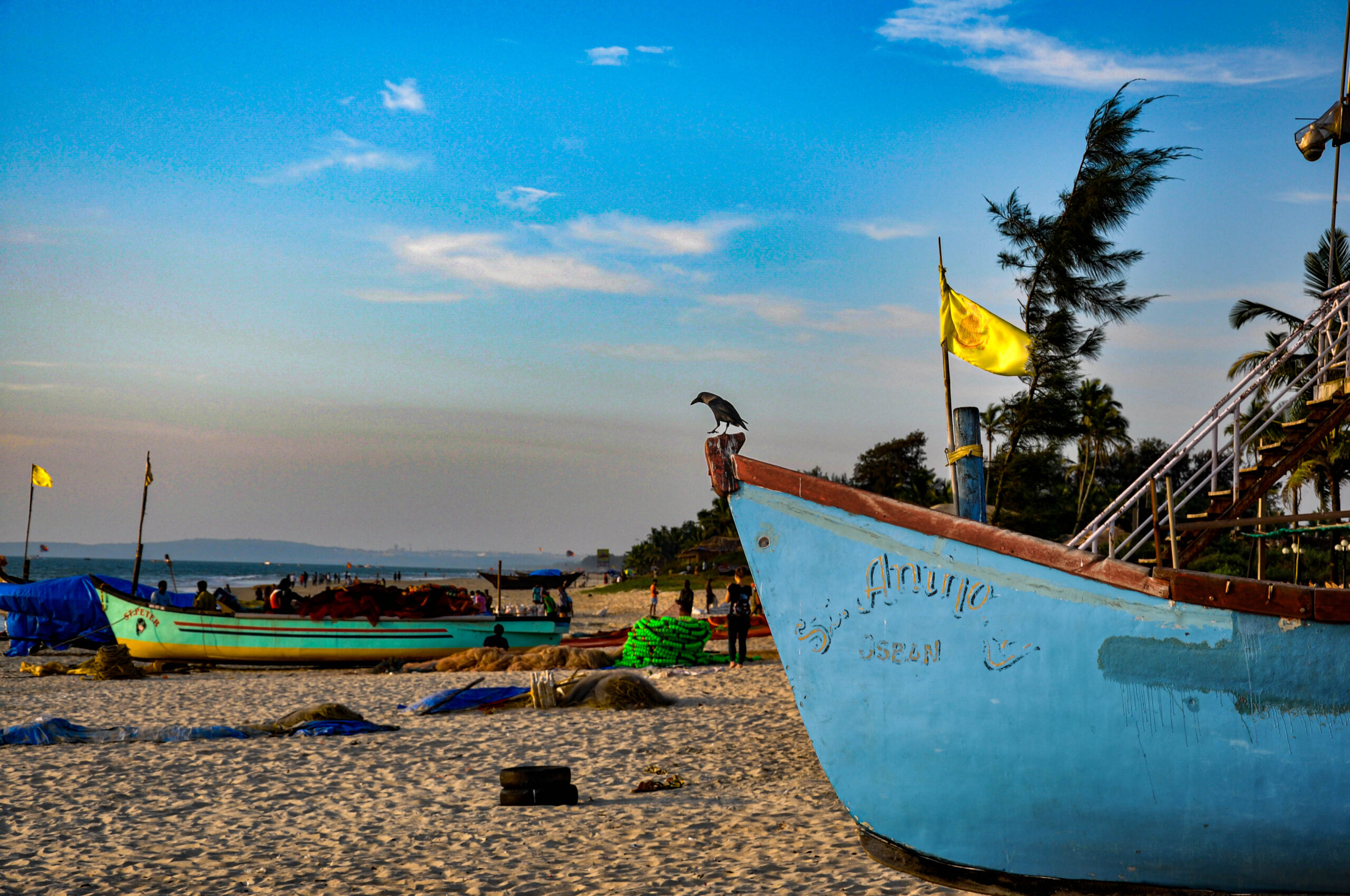
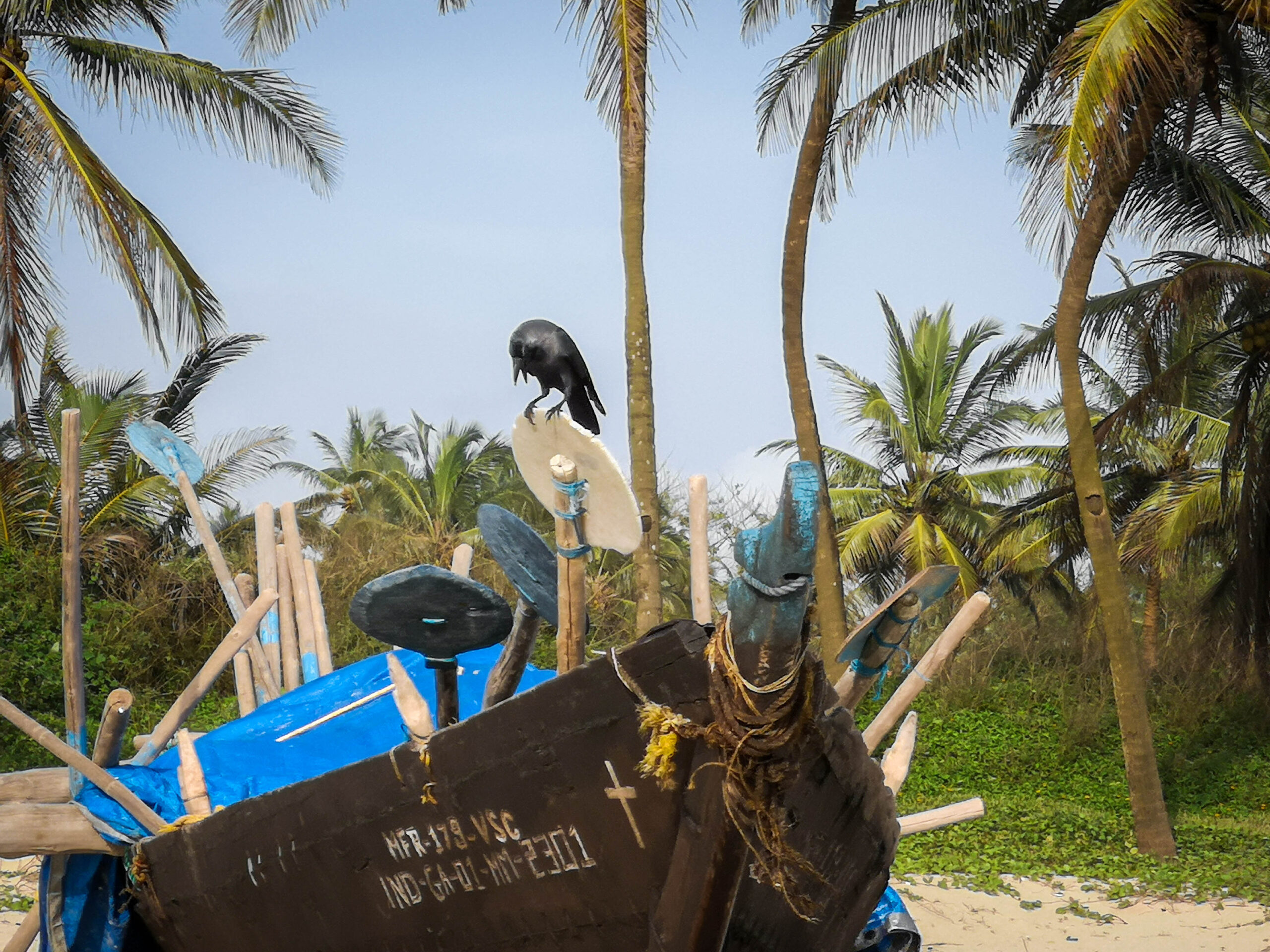
Southward, the beaches become more gentle. Wide and white, seemingly curling into memory, Colva was once cherished by Portuguese aristocracy. Majorda, famous for generations of bakers who learned their craft from Jesuit priests, retains the decadent gourmand fragrance and sea mingle. They have their chapels, whitewashed and shining among the coconut palms in every village along the coast. Faith here is not contained to Sunday; it’s a tune that goes out to sea with the fishermen in the morning, rosaries strung up next to their nets, Konkani hymns wafting along on gulls’ cries.
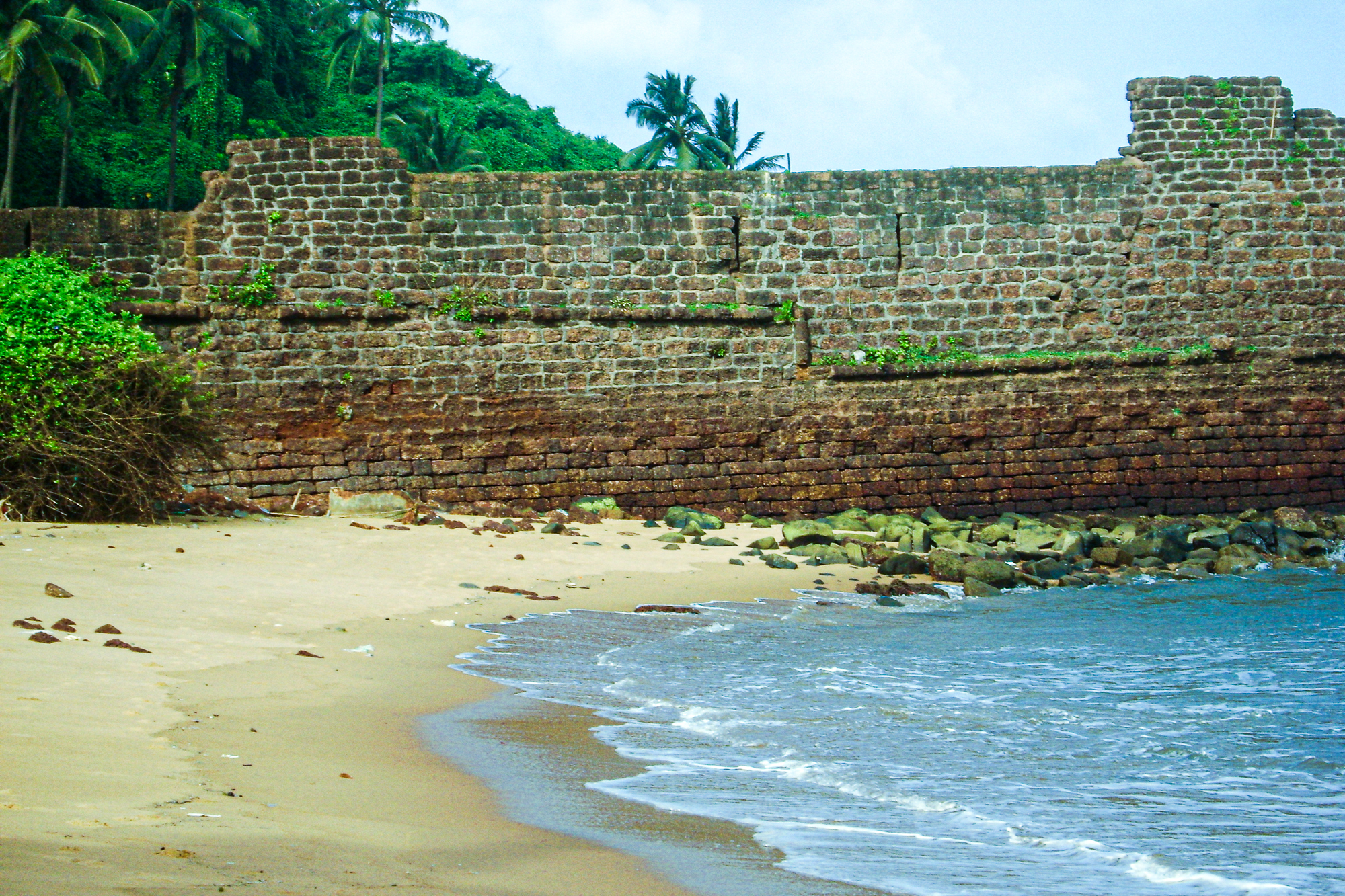
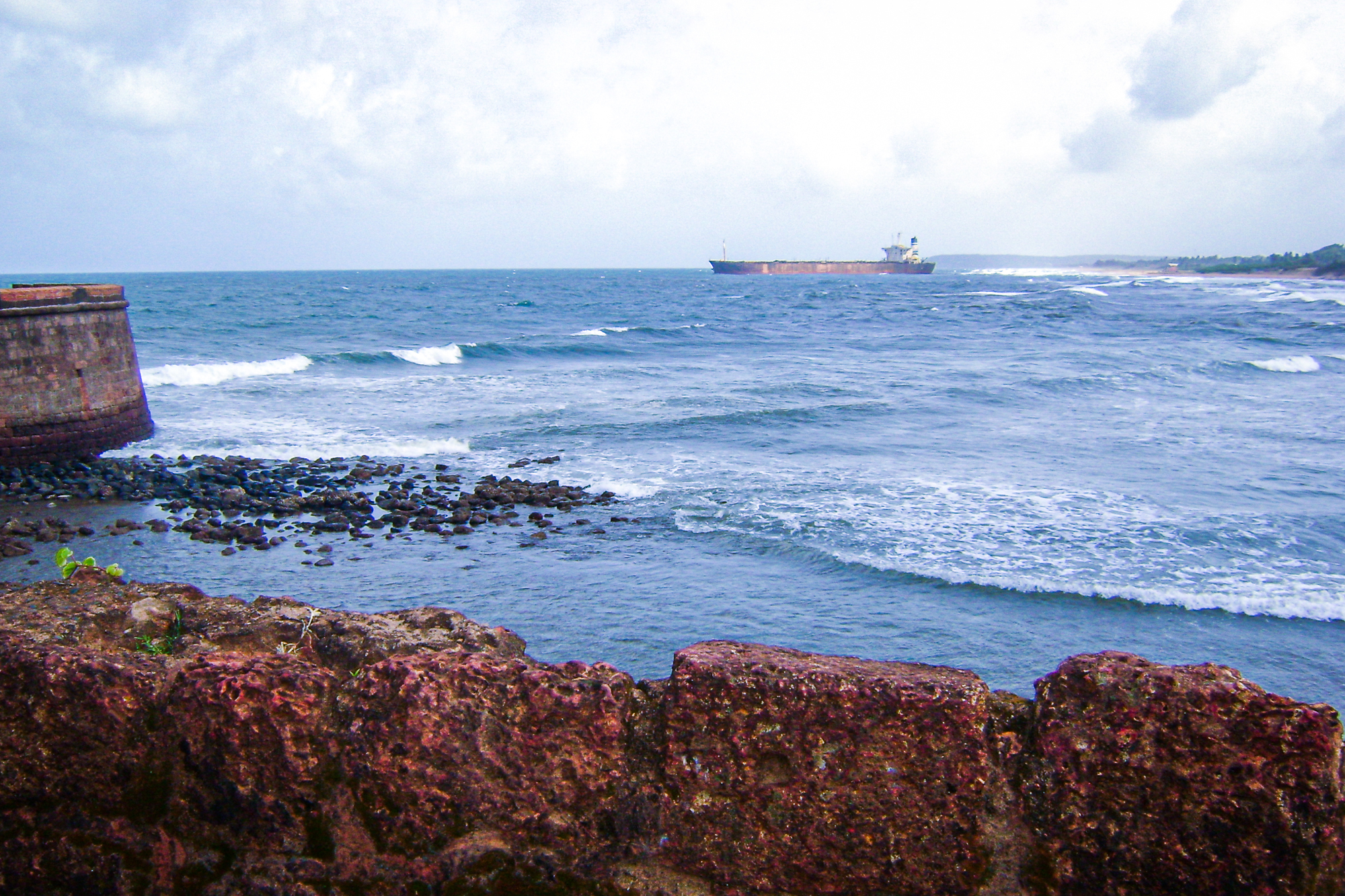
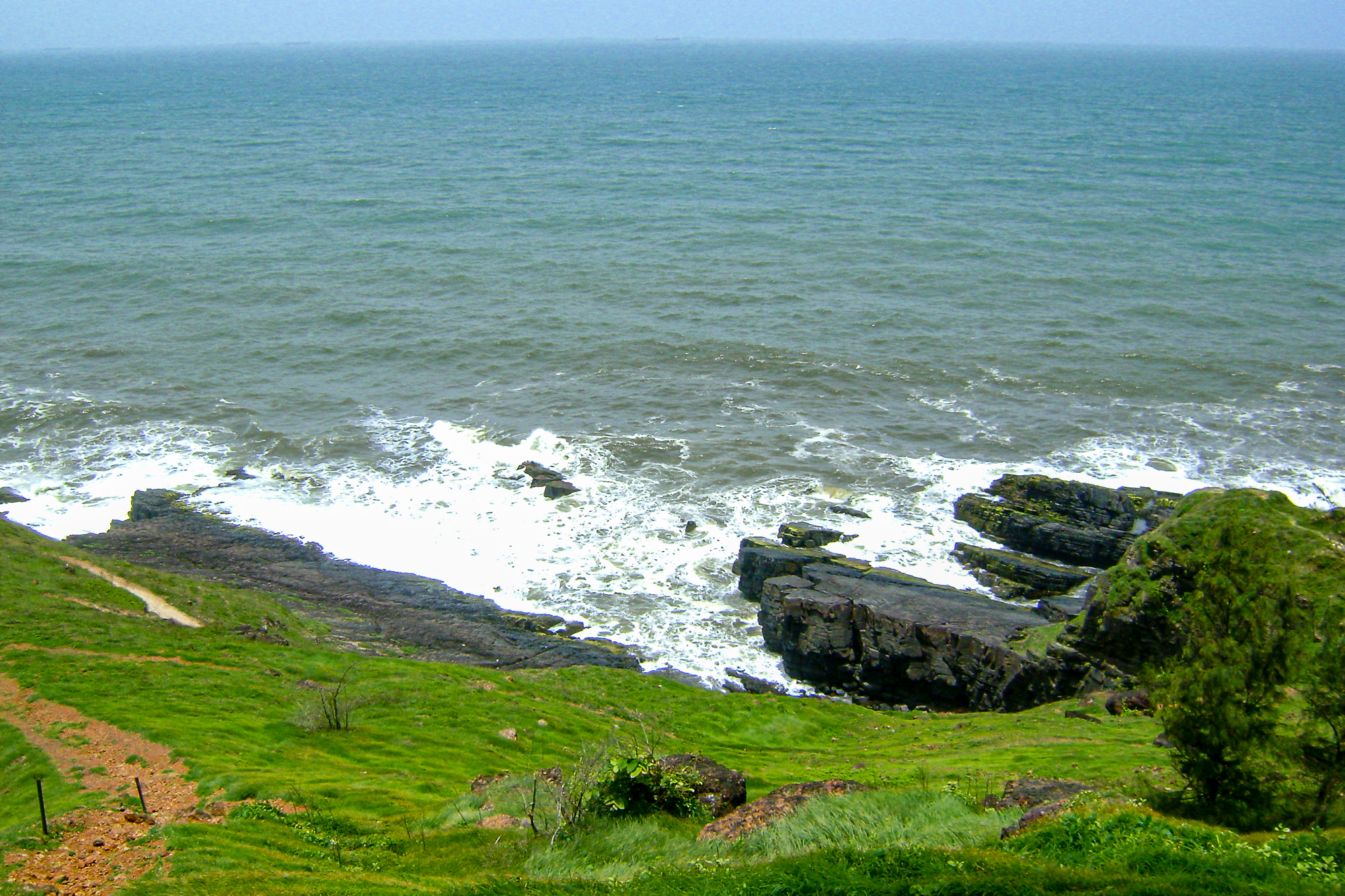
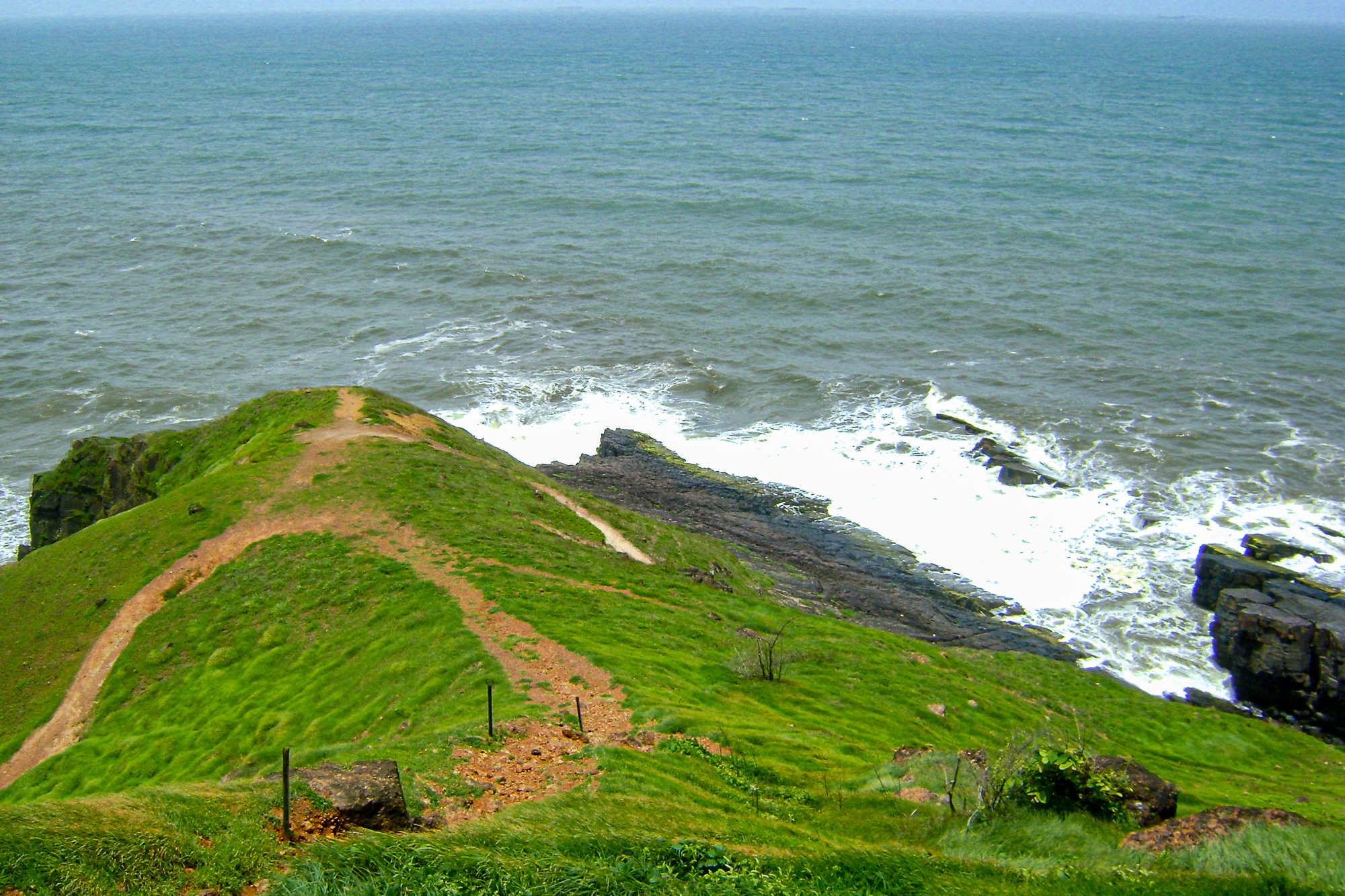
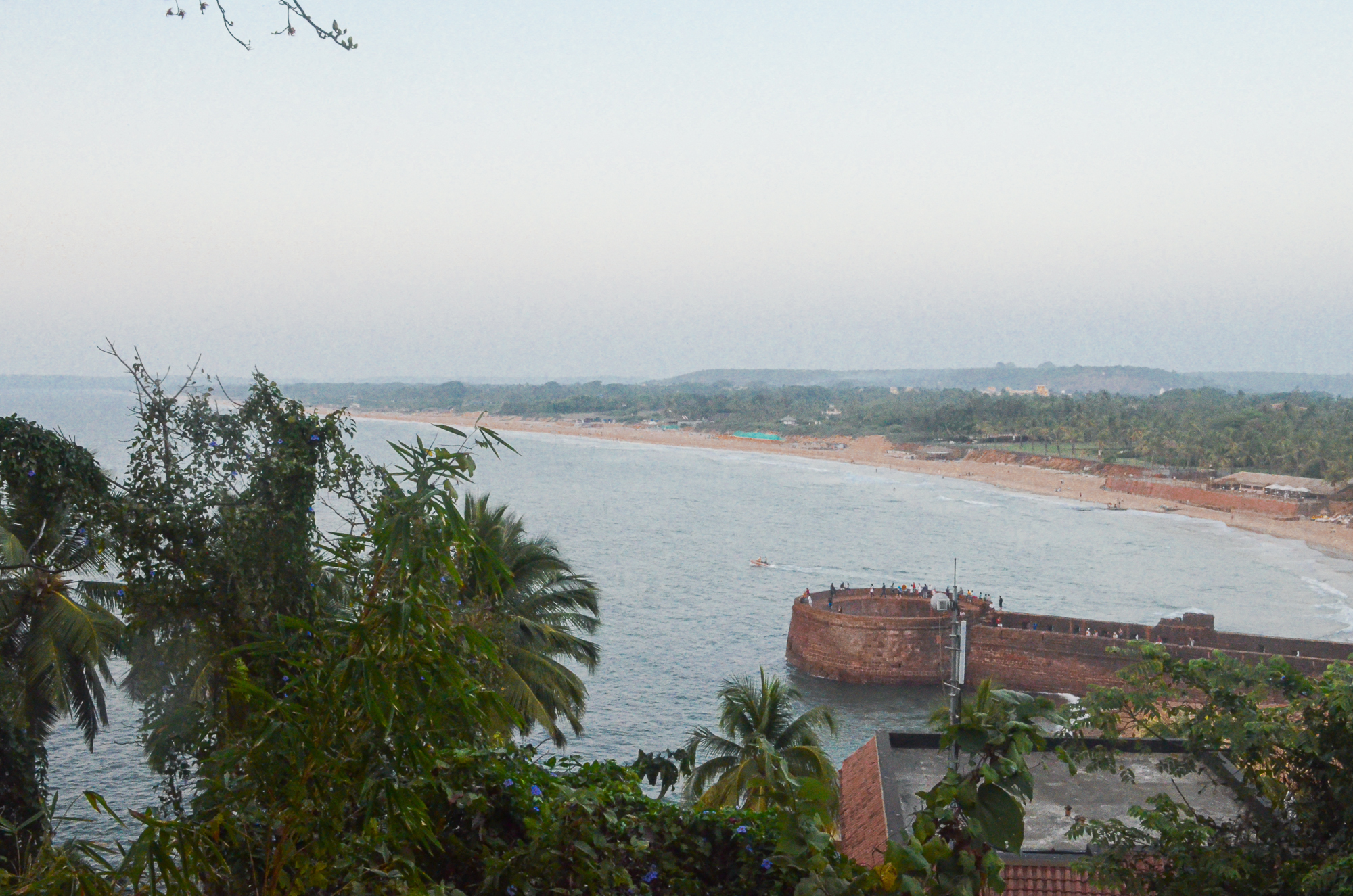
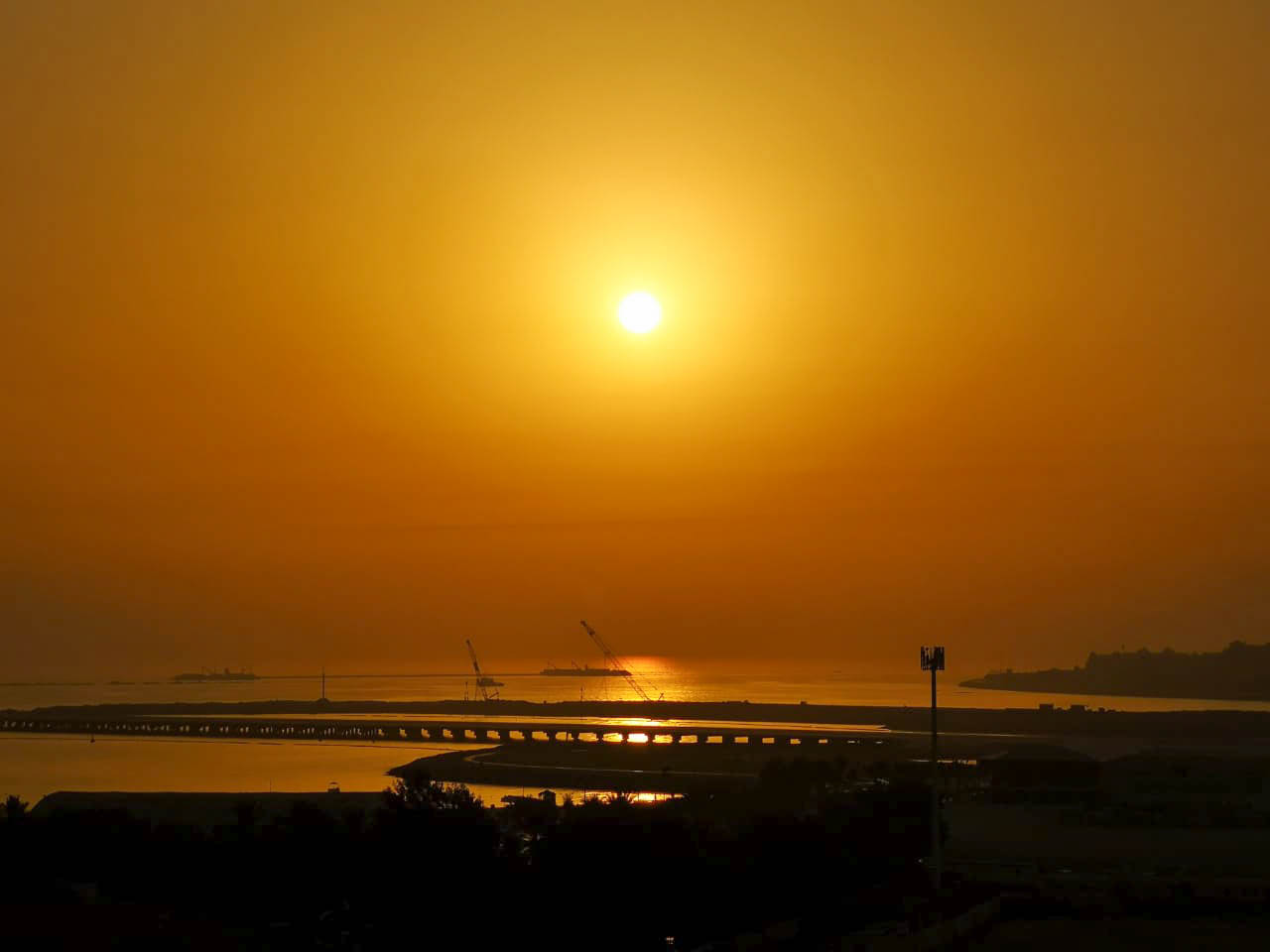
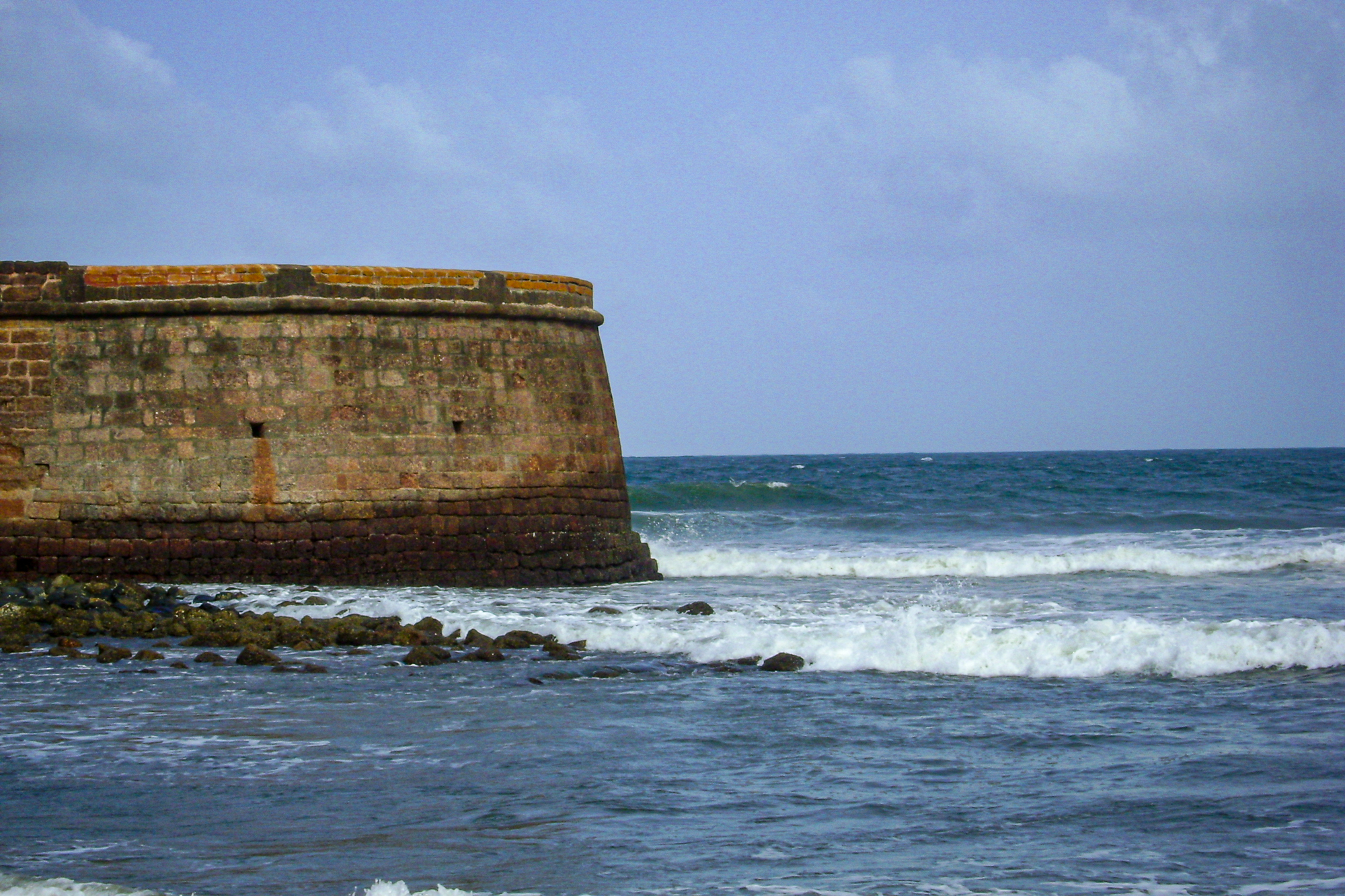
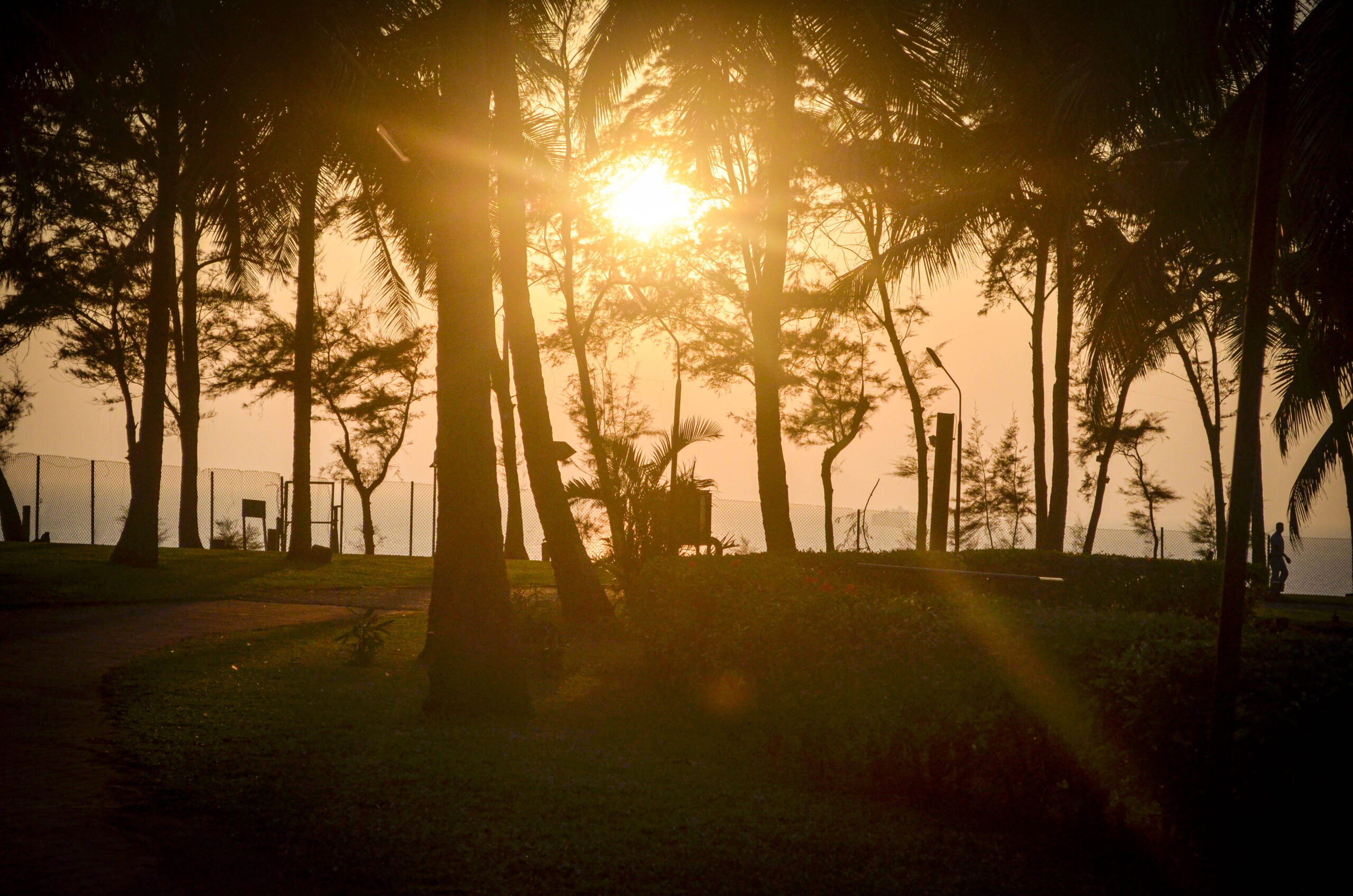
Red cliffs drop to coves at Vagator, where travellers collect each twilight as the sun goes molten behind dilapidated ramparts at Chapora Fort. Here, the land speaks to an older past—the wars of Adil Shah, the sieges by the Portuguese, and then the stillness and resilience of villages set just back from the coast. The fort is in ruins, but the vista is still complete: waves crashing silver into shore, carrying centuries on the back of the Arabian Sea.
The coastline of Goa has forever been a trade frontier. Now, its travellers are from around the world that come and go, leaving accents and footprints in their wake, mixing languages like rum into feni. But below the transience of empires and wanderers, the beaches maintain an order all their own: tide, sand, and horizon.
Goa’s beaches bear the stamp of every age—sacred feasts, colonial forts, hippie raves, Sunday markets, fishing prayers, and tourist songs. To walk them is to pass through layers of time, seafoam that washes away footprints but never quite obliterates memory.
Goa starts here, upon these moving sands, where the land ends and the sea begins, and history meets salty air. The waves that crashed here today carry the stories of the past, and tomorrow they will scour the footprints we leave.
 33
33