Goan Heritage
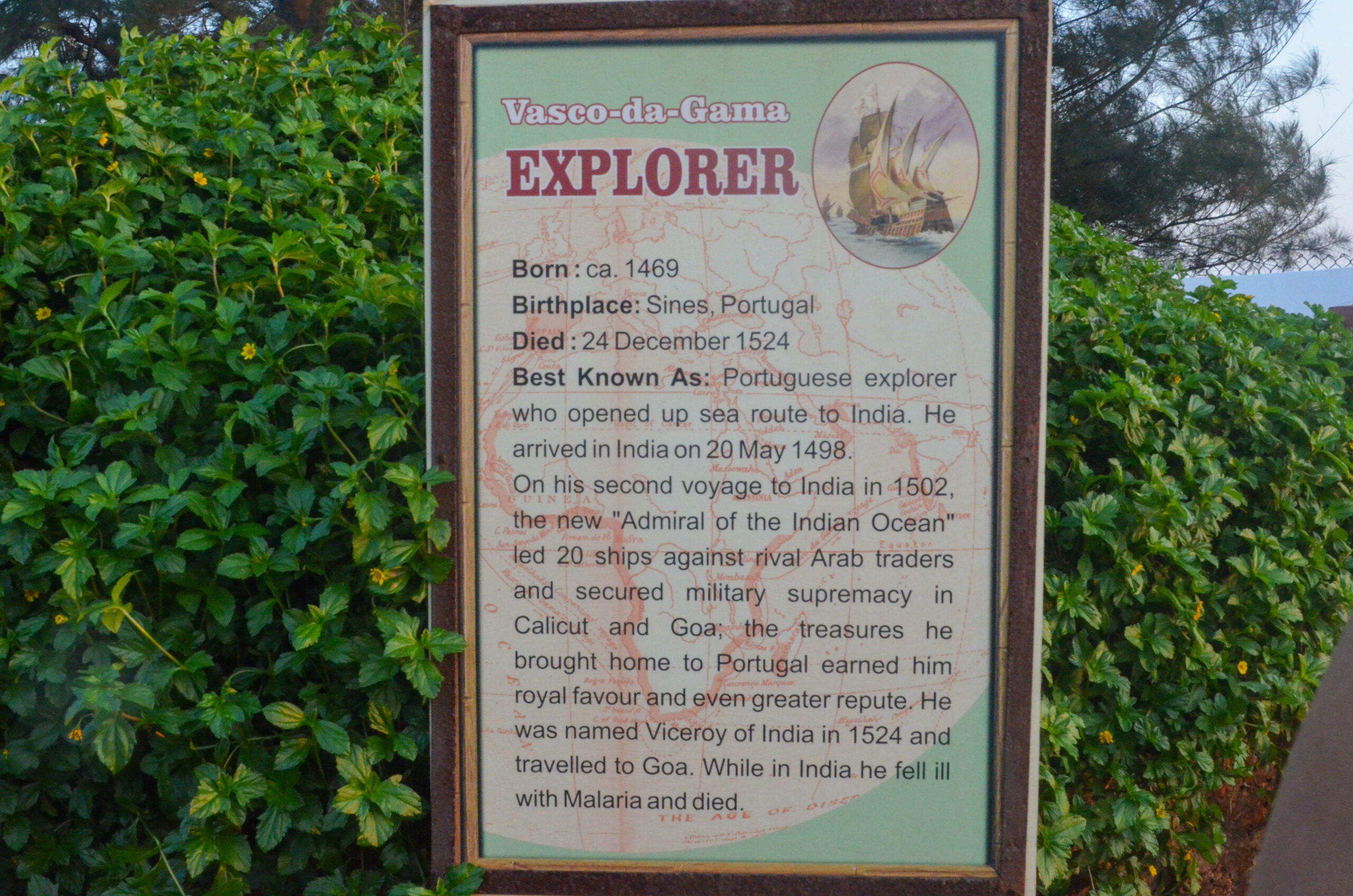
The colonial capital of the Portuguese Estado da Índia, this city on the Mandovi in the 16th century was a glittering center—what chroniclers called the Rome of the East. Palaces and cathedrals towered out of stone and lime, their domes and steeples reflected on the sluggish water. The quays swarmed with merchants from Lisbon, Arabia, and Malacca bearing silks. spices and faith. Today, the city is more subdued, with avenues flanked by mango trees and ruins, but the air remains electric with grandeur—it is as if the past won’t let itself be silenced.
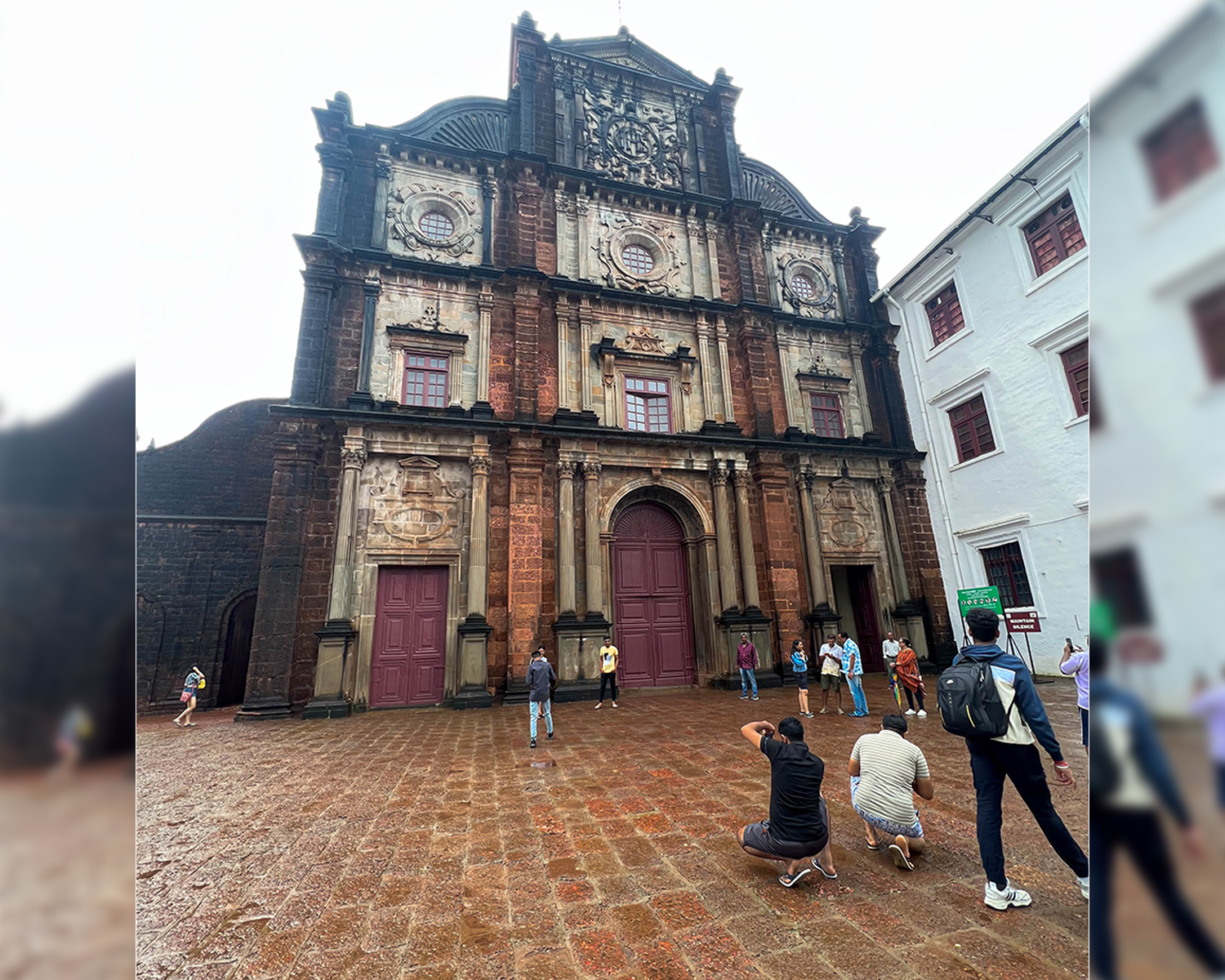
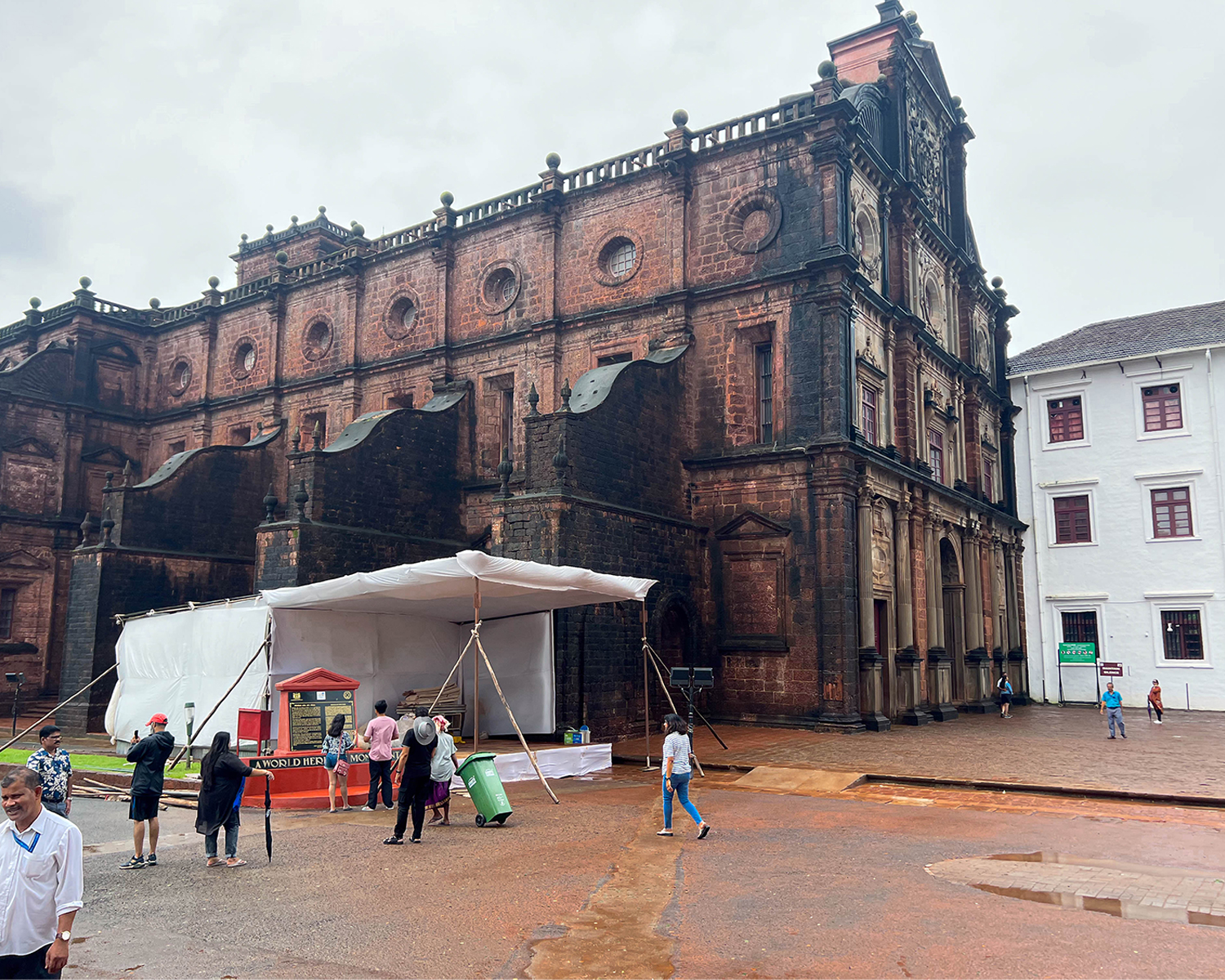
The Basilica of Bom Jesus hosts the silver casket of St. Francis Xavier, the missionary who went sailing across Asia and whose relics to this day continue to attract pilgrims from all parts of the world. The basilica, with its gilt altars, carved cherubs, and pillars wrapped in a riot of green leaf vines, is both an homage to baroque piety and a monument to the fervor with which Portuguese missionaries shaped their faith onto Goan soil. Nearby, a bell tower watches over centuries of worship, rebellion, and renewal at the Sé Cathedral, one of Asia’s largest churches.
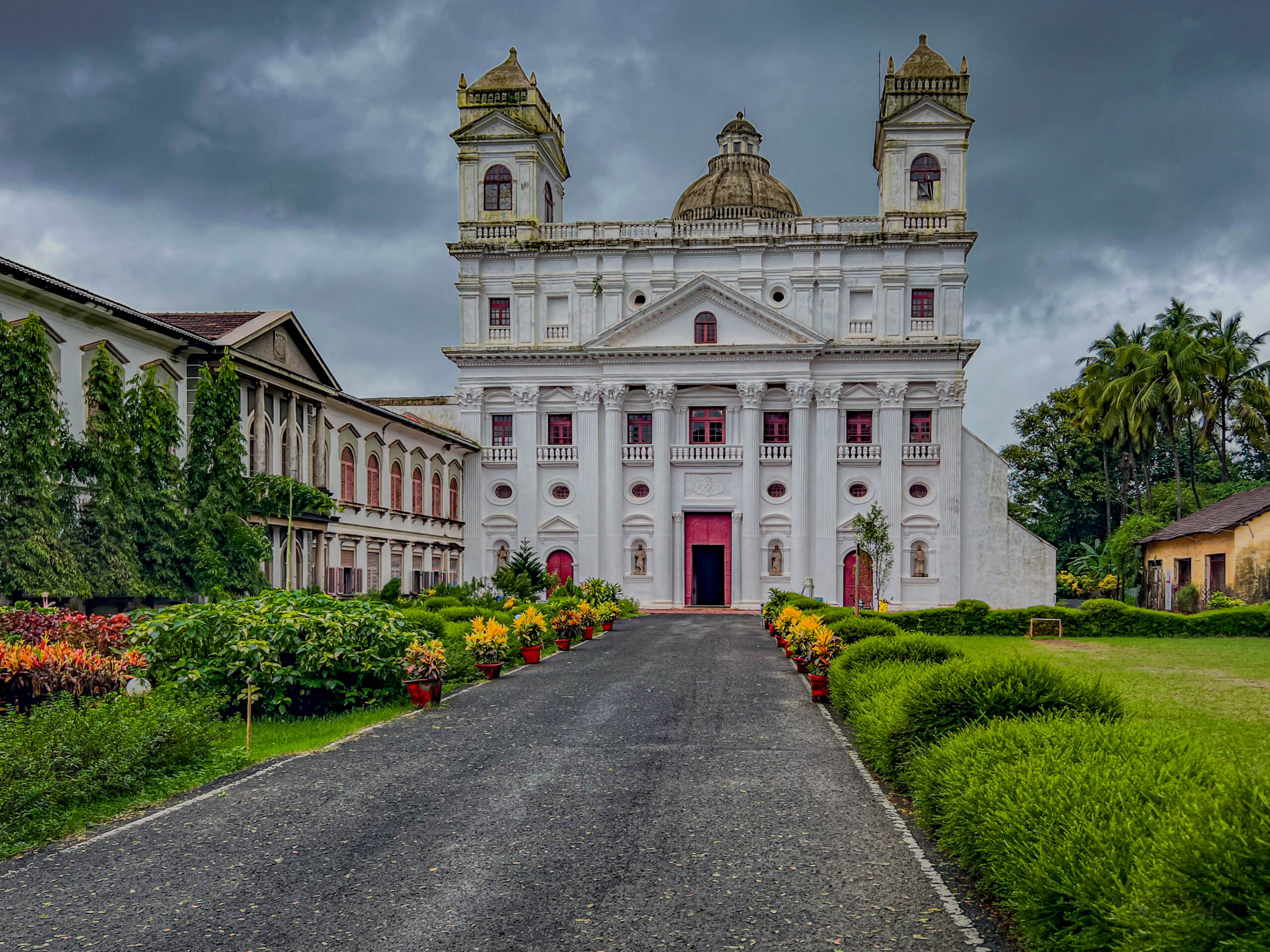
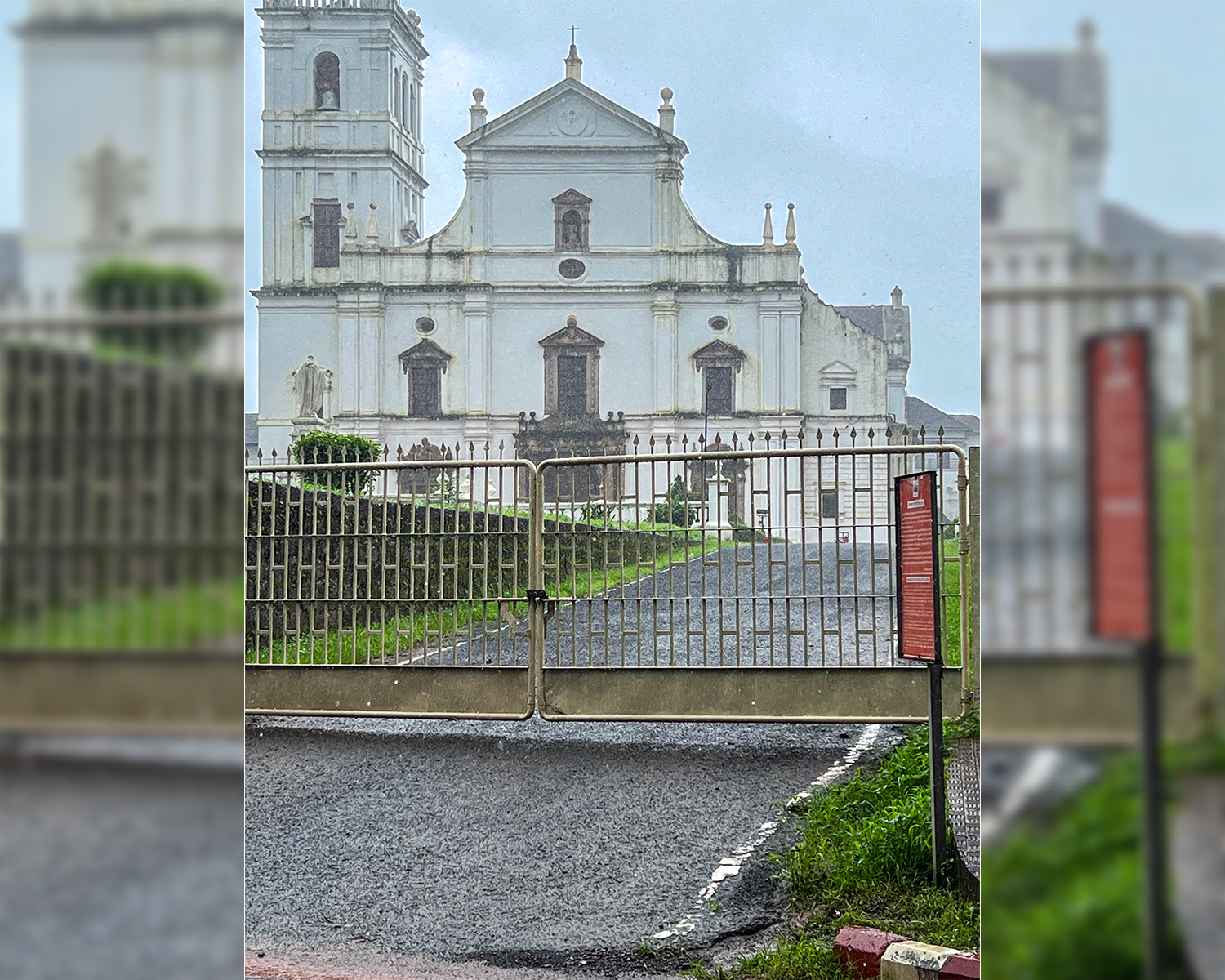
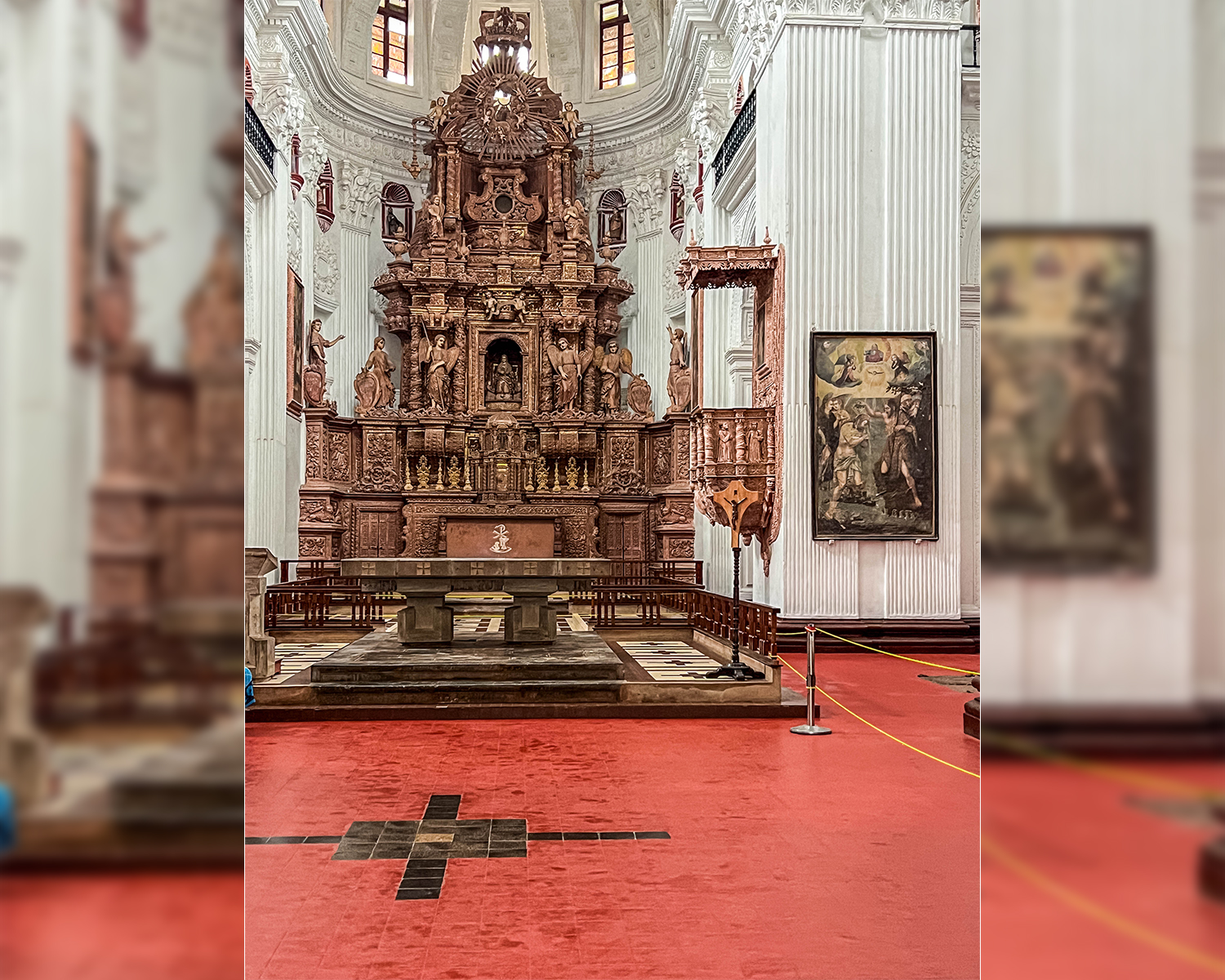
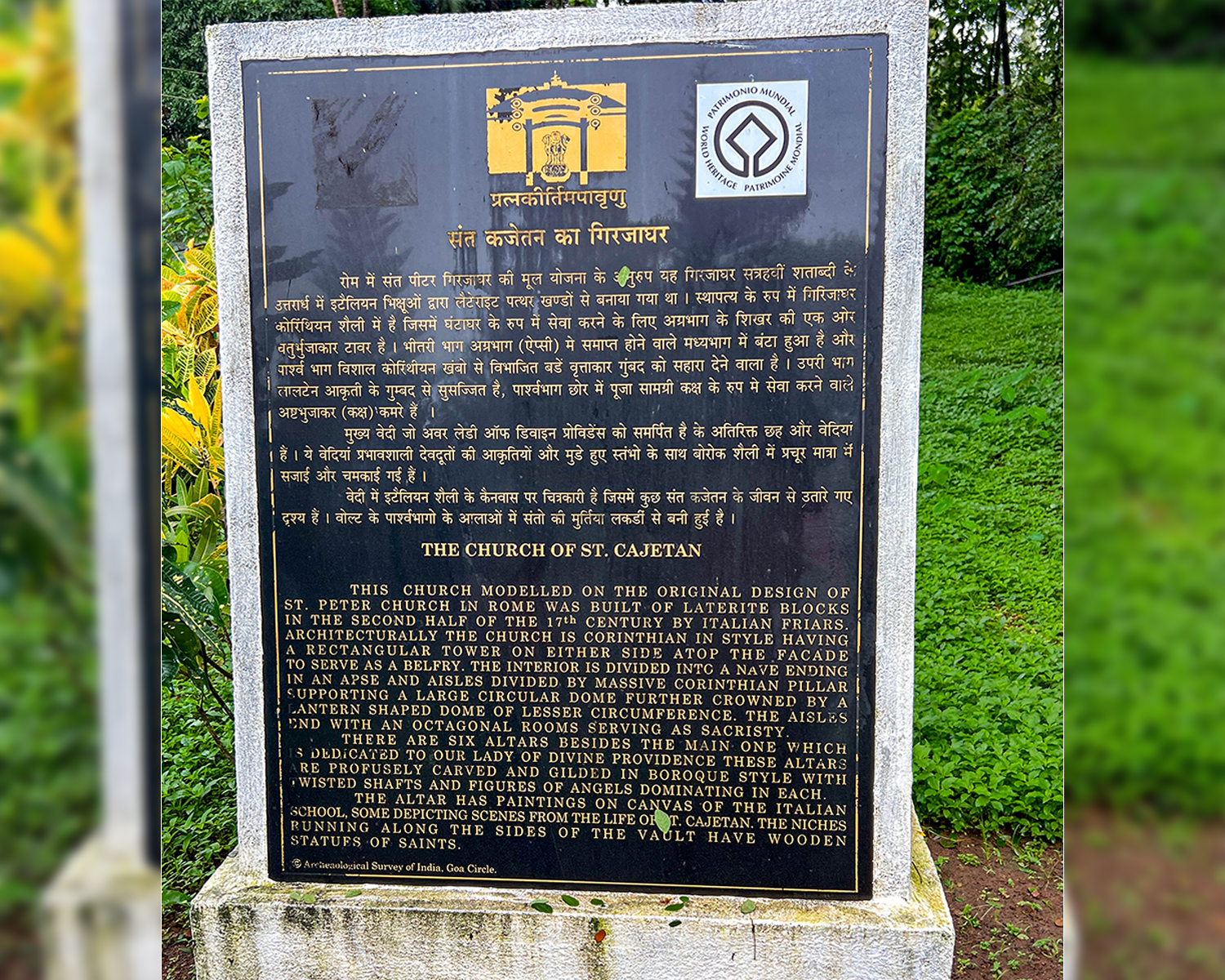
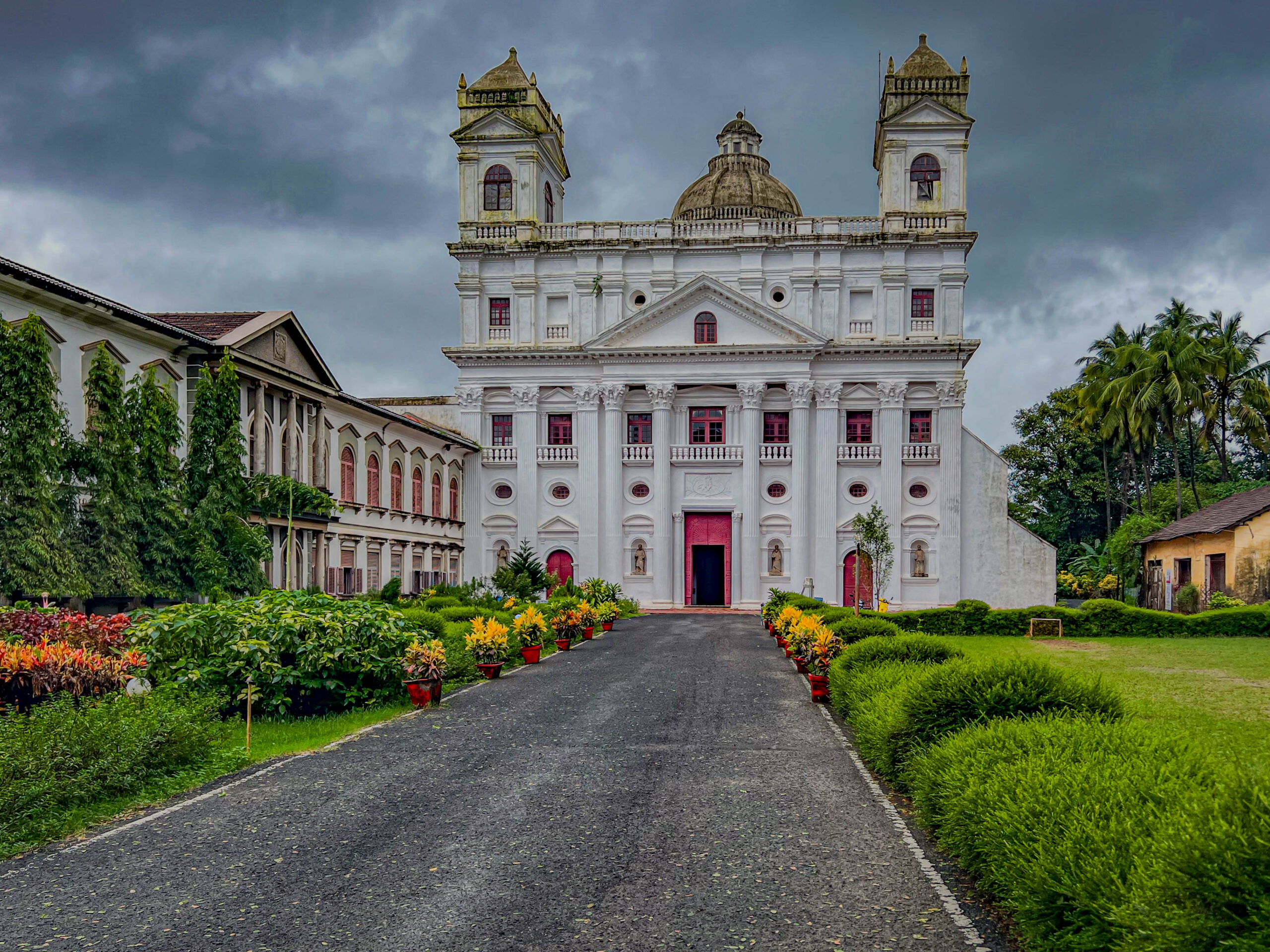
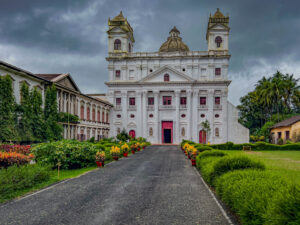
On the other side of the square looms the Church of St. Cajetan, its dome a replica of St. Peter’s in Rome; it is an intentional reminder that a bit of Europe itself had been transplanted into India. Inside, the pale light filters through arch windows, illuminating Corinthian columns that look almost incongruous against the tropical sky outside. All of these monuments sing the same story in different keys: of power and piety, conquest and community, and splendor and perseverance.
But Old Goa is not all stone and relics. It’s the feasts that still bring these churches to life, when villages come out with music and fireworks and kitchens full of aroma. Faith here is not a silence but a celebration. Processions taking over narrow roads, all-night bands playing Konkani hymns, and families sharing plates of sannas, sorpotel, and bebinca. Sacred and sensual are not in conflict in Goa; they flow together like tide and shore.
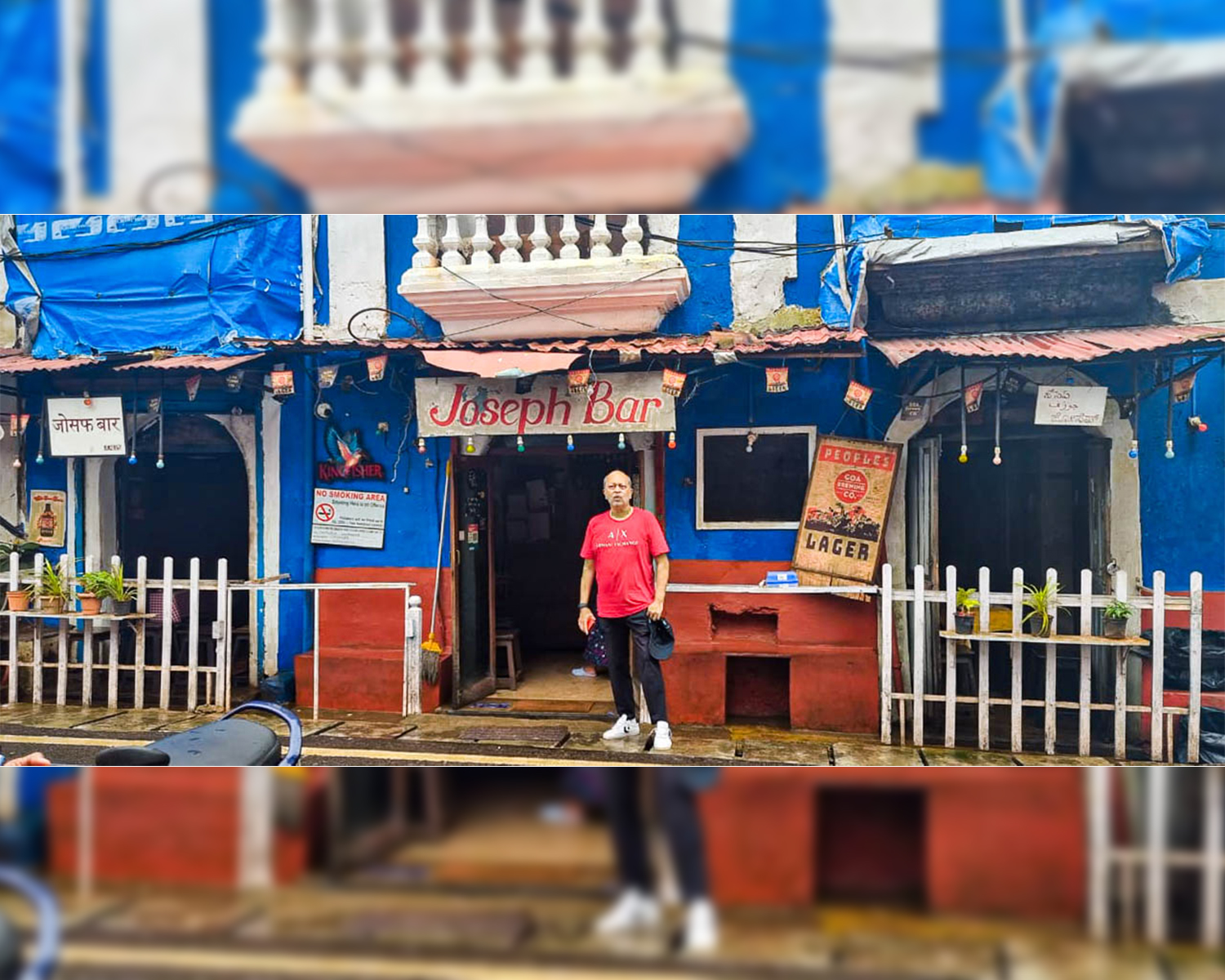
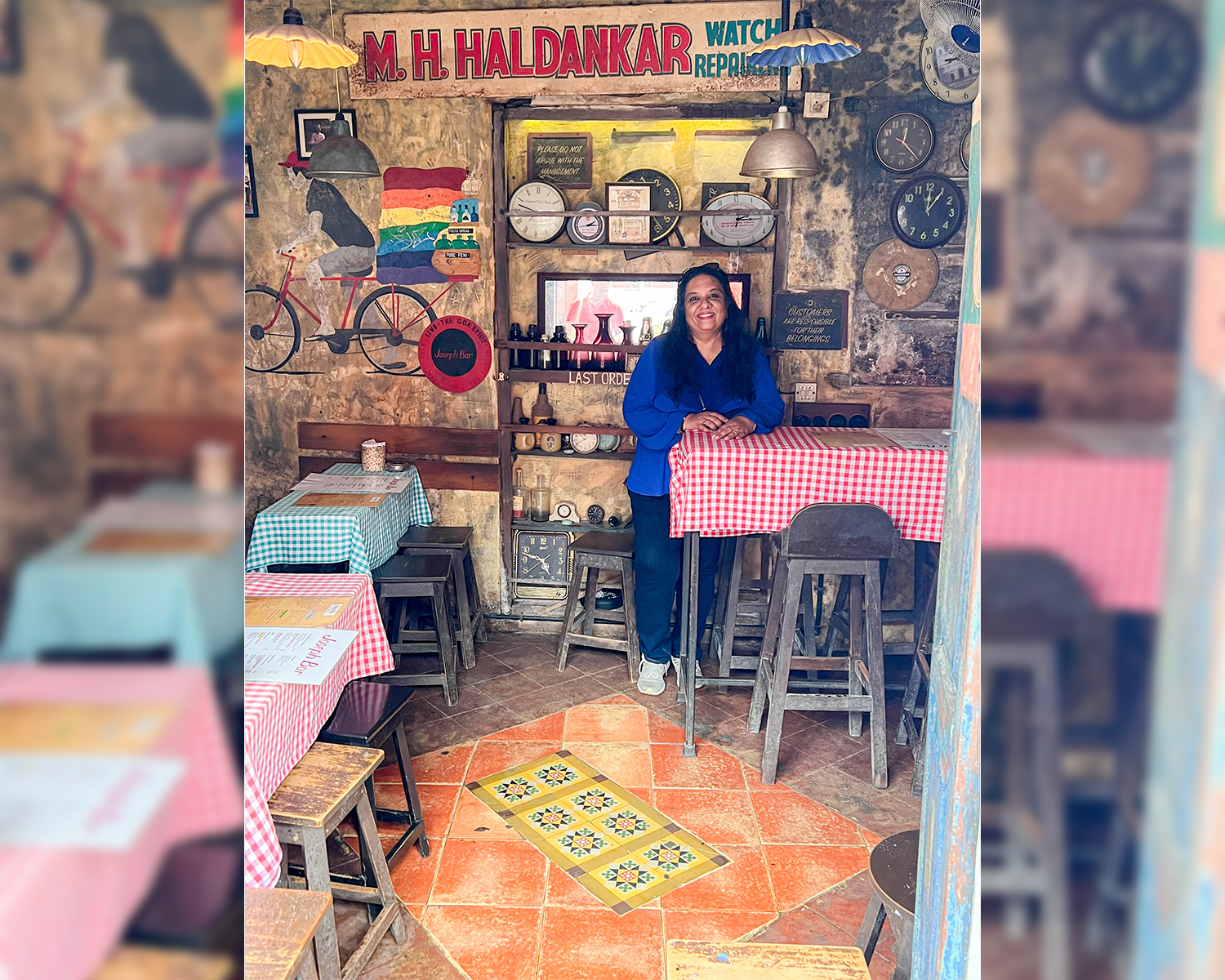
From Old Goa, the road veers southward, through paddy fields and little villages, to the doorsteps of some celebrated places like Martin’s Corner and Joseph Bar. Voices rise inside their busy walls, over plates of crab xec-xec, butter garlic prawns, and feni in short glasses. They decorated with pictures of celebrities and iconic memorabilia, but the true spirit of Goa, its hospitality, is echoed within these walls
Pressed between Old Goa’s basilicas and iconic eateries, the sobriety of the former and the bustle of the latter blend into the essence of Goa. Faith and feasts, devotion and delight, memory and martyrdom. Walk these streets by the Mandovi, step into a church where saints sleep in the stillness, and then sit at a table from which laughter rises above spice and song: this is how you will know that, unlike so many other places, Goa holds yesterday in today’s arms without contradiction.
The Mandovi river rows past, bearing the reflections of domes and fishing boats alike. And Old Goa, as diminished in scale as it was from its golden age, is still vast in spirit — a city of saints and travellers, relics and recipes, where every stone and every dish continues to throb with the heartbeat of a place that has never stopped reimagining itself.
 19
19