The Valley of Light: A Journey through Kashmir
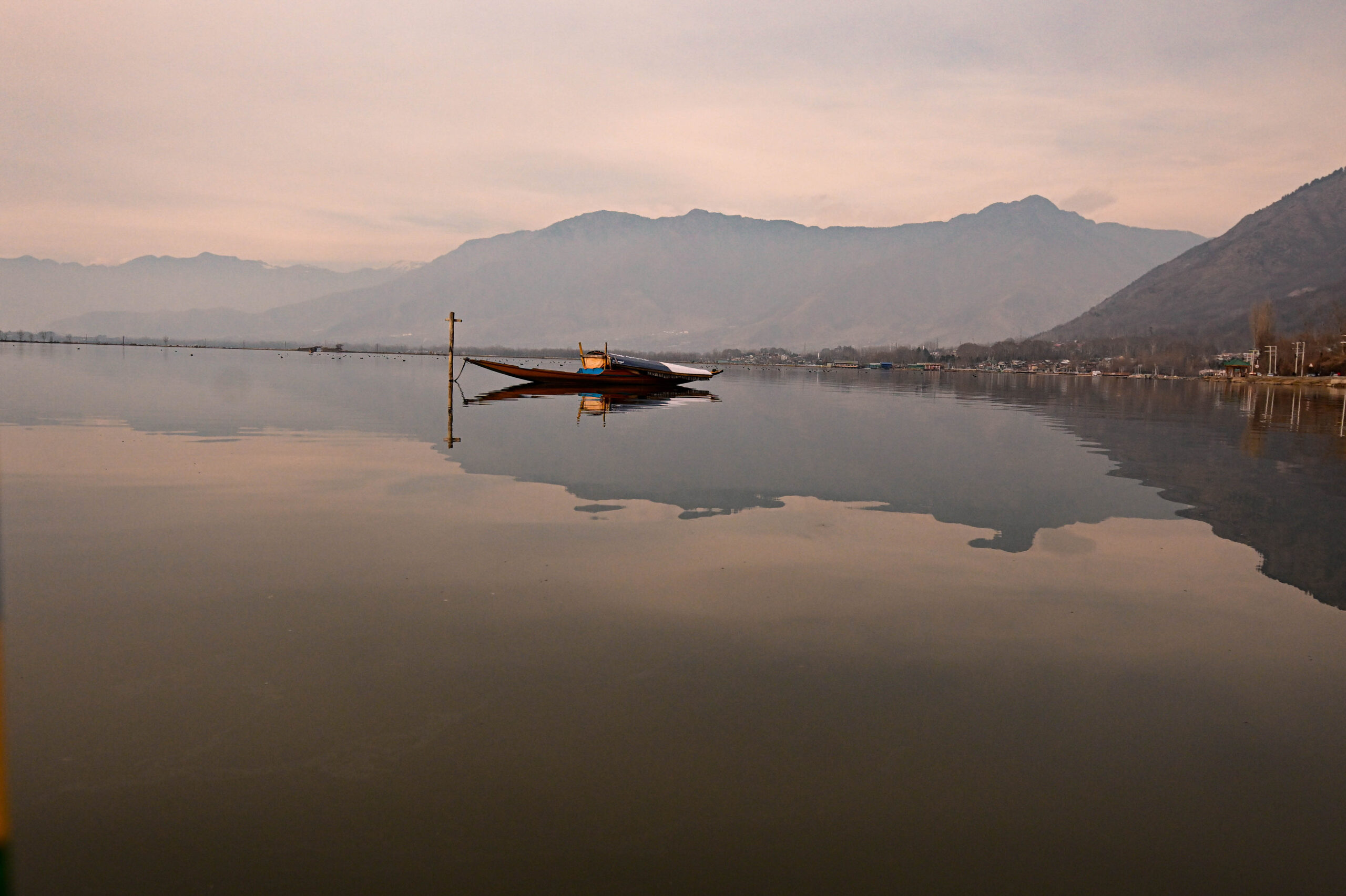
Srinagar – Dal Lake & Lal Chowk
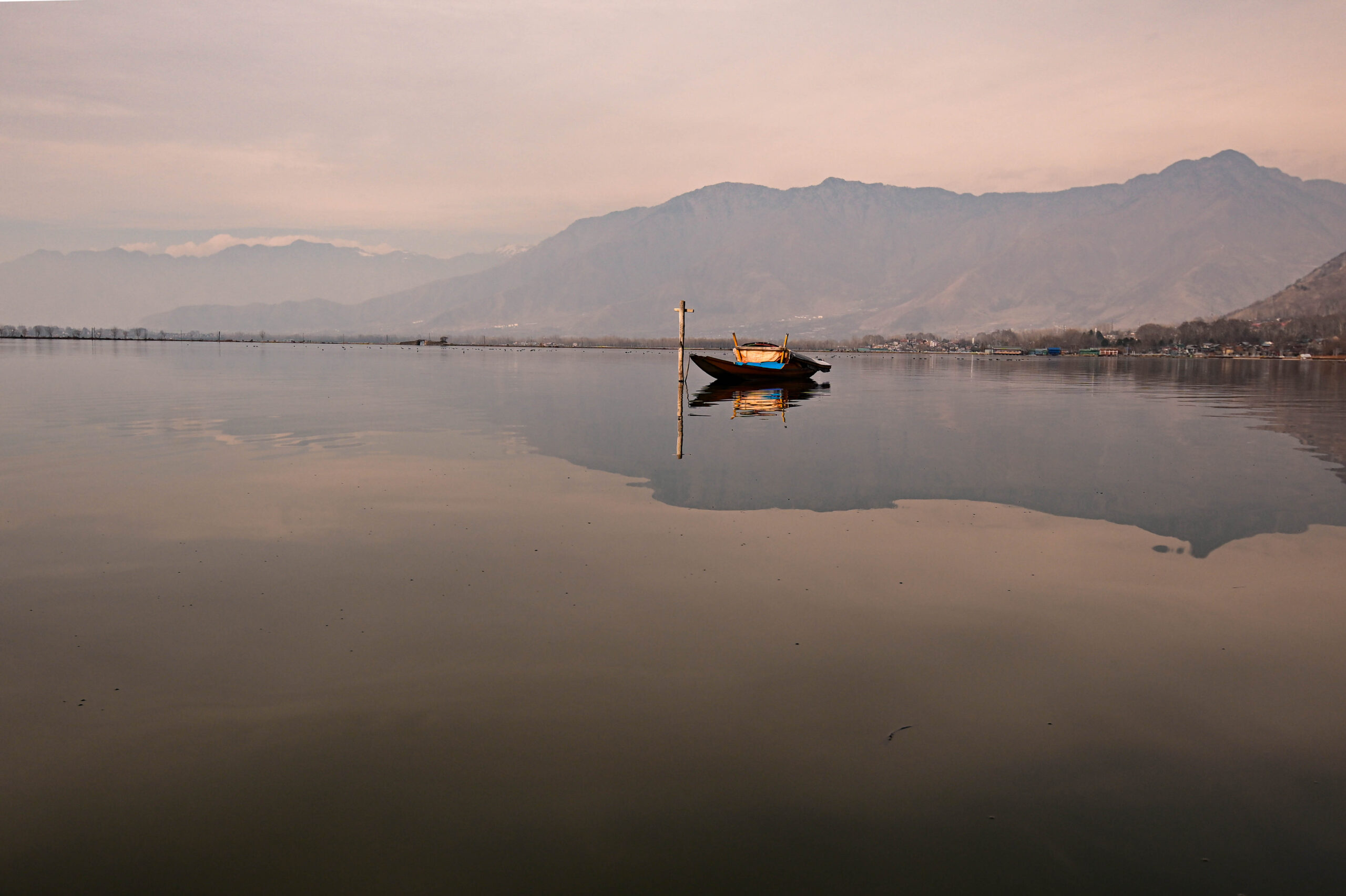
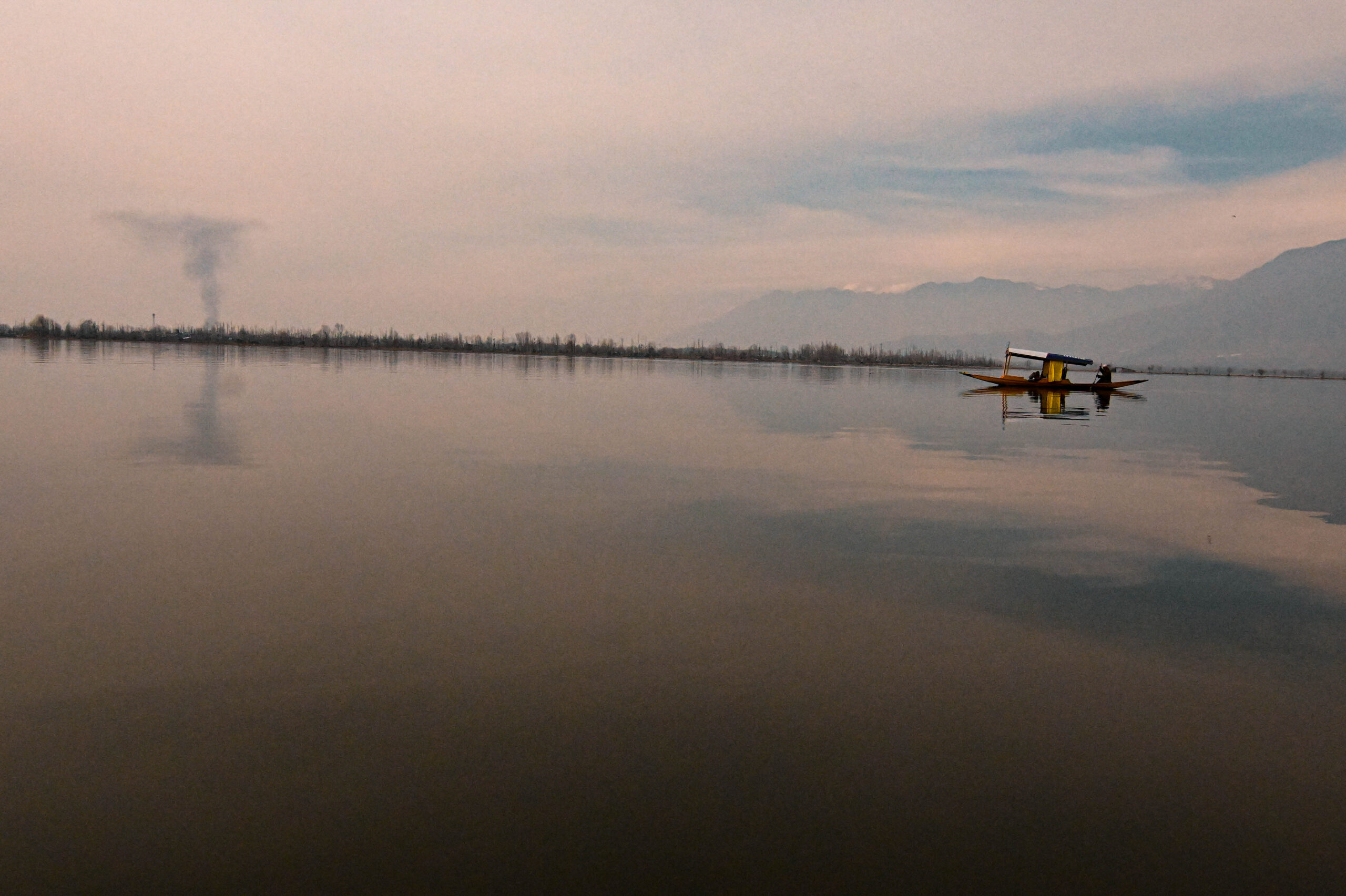
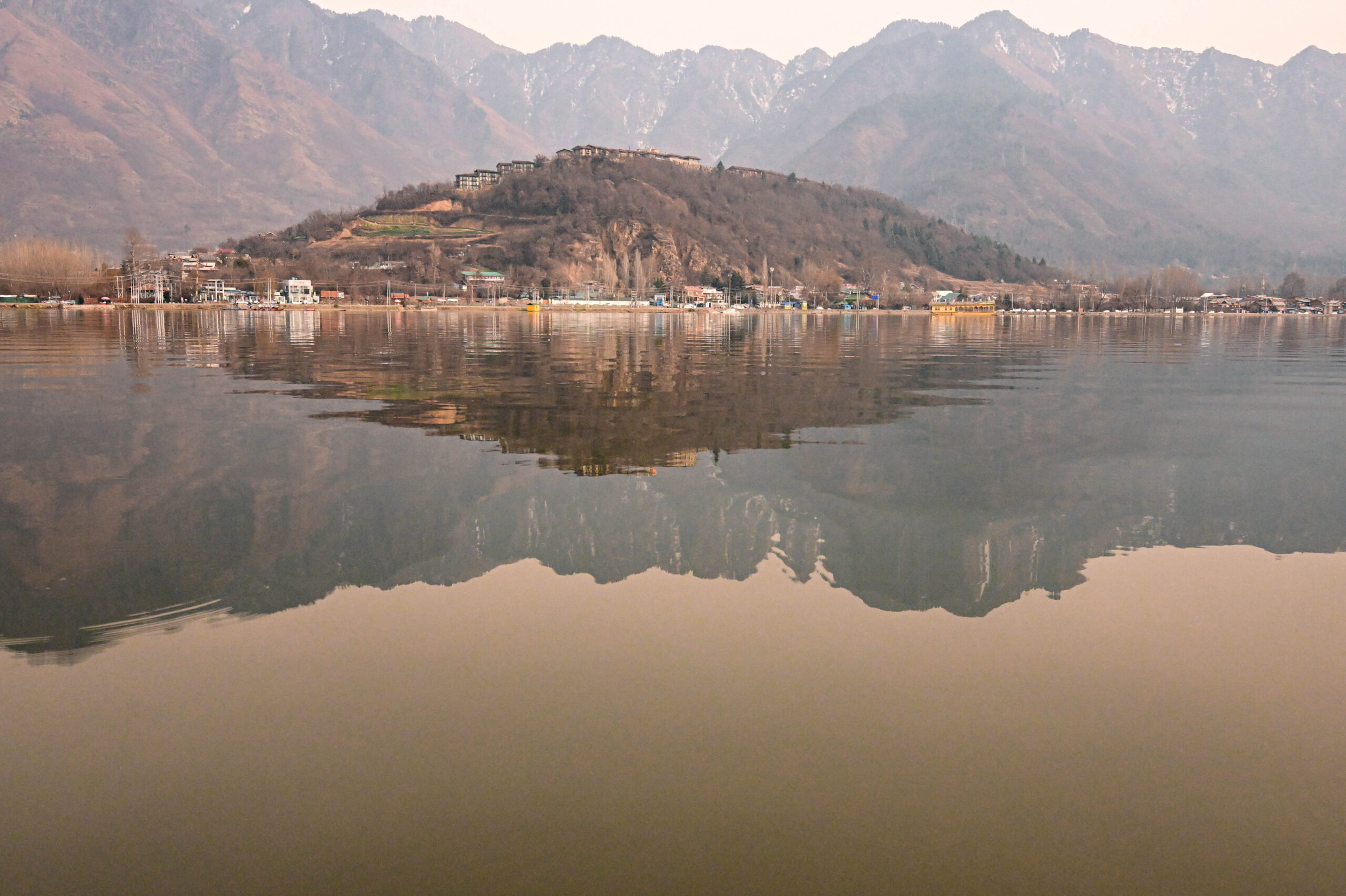
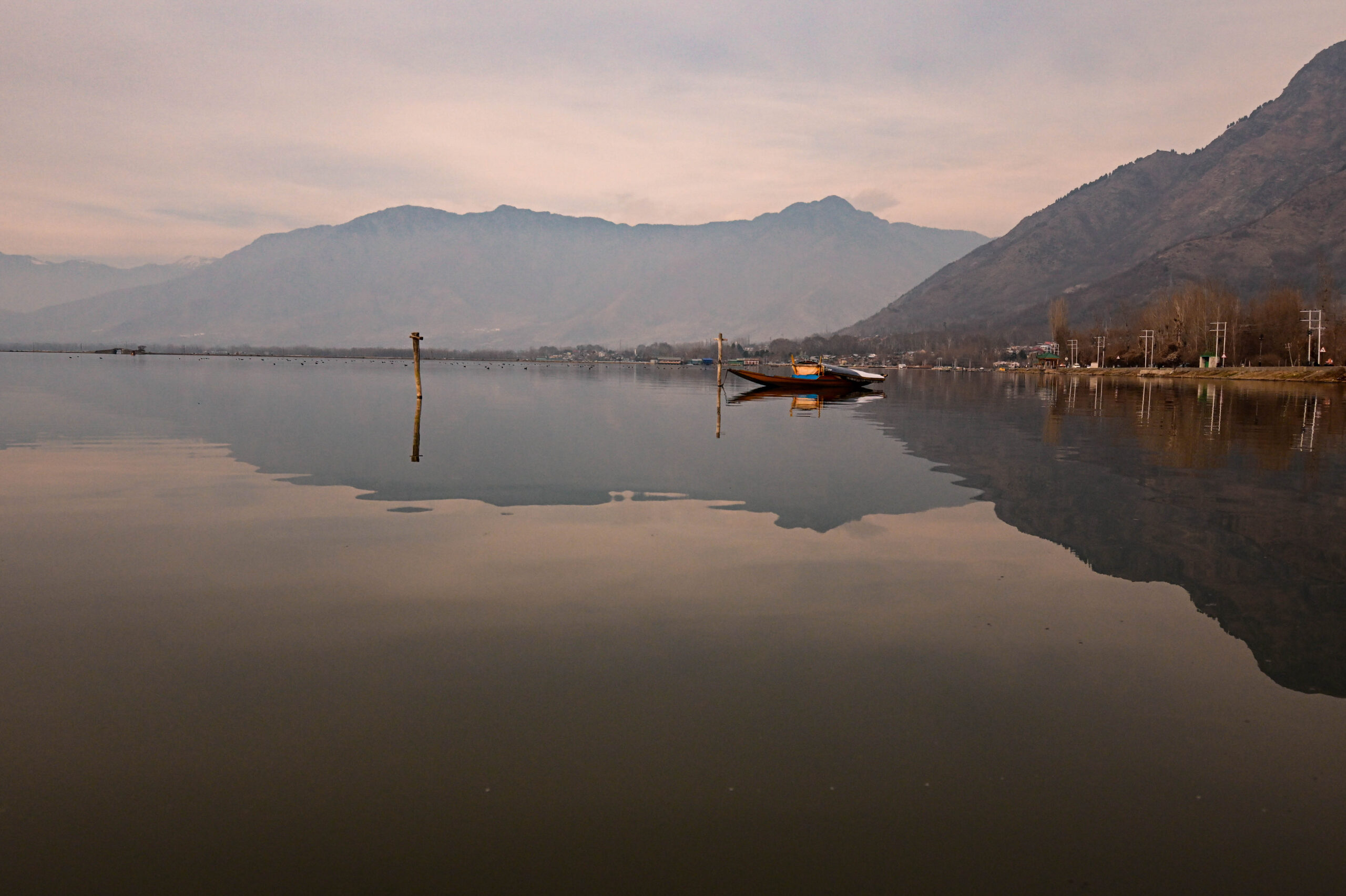
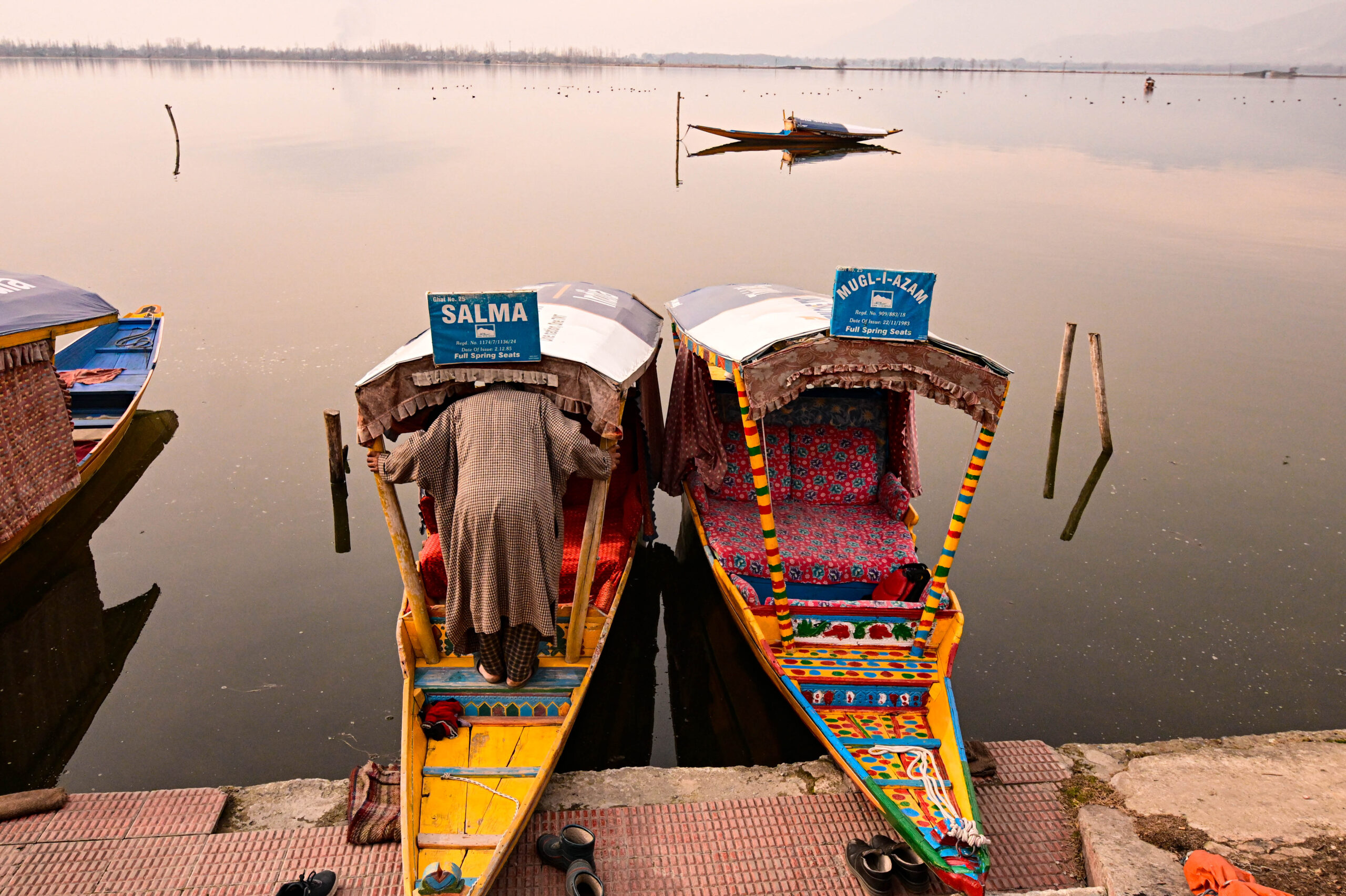
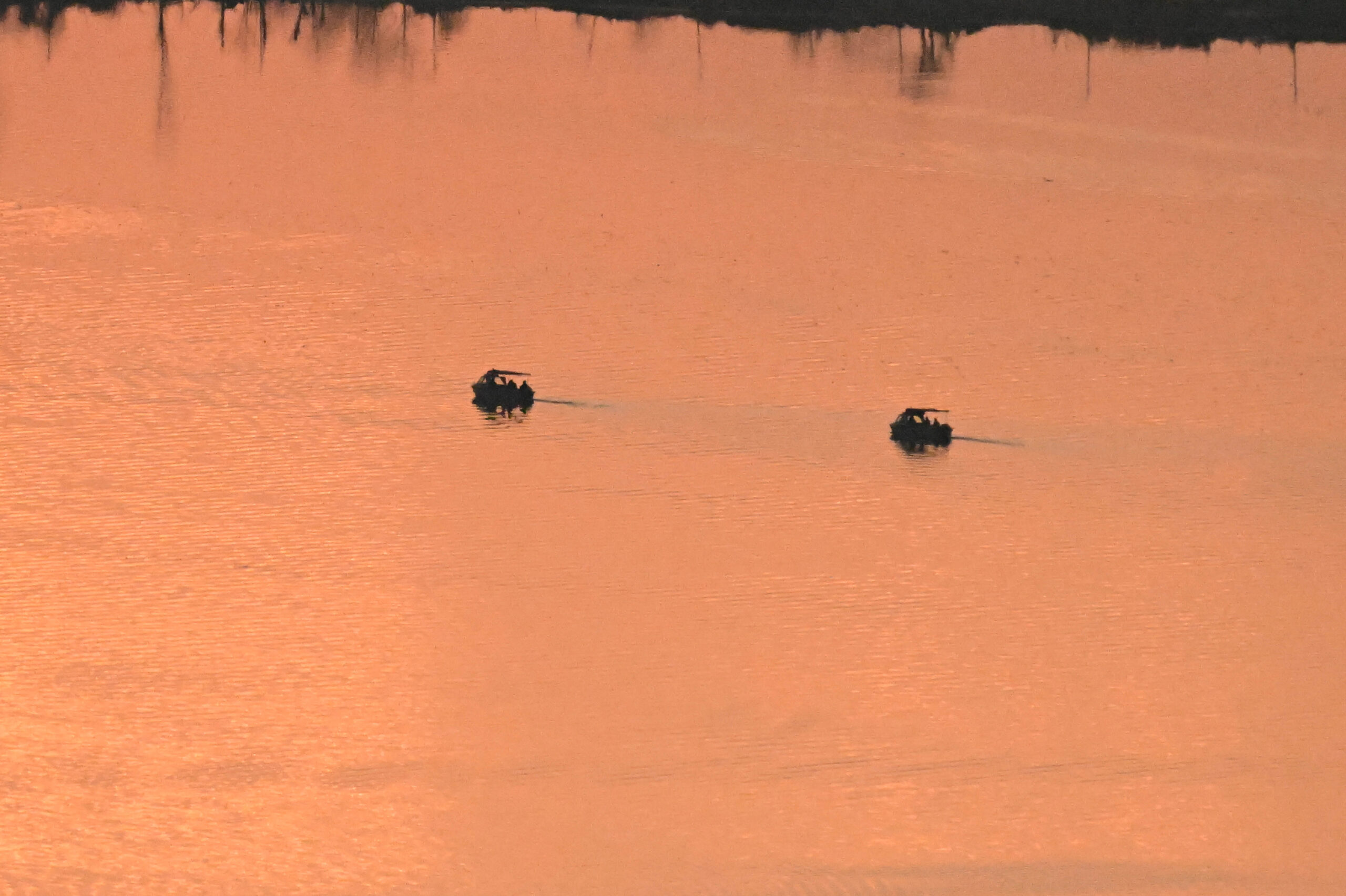
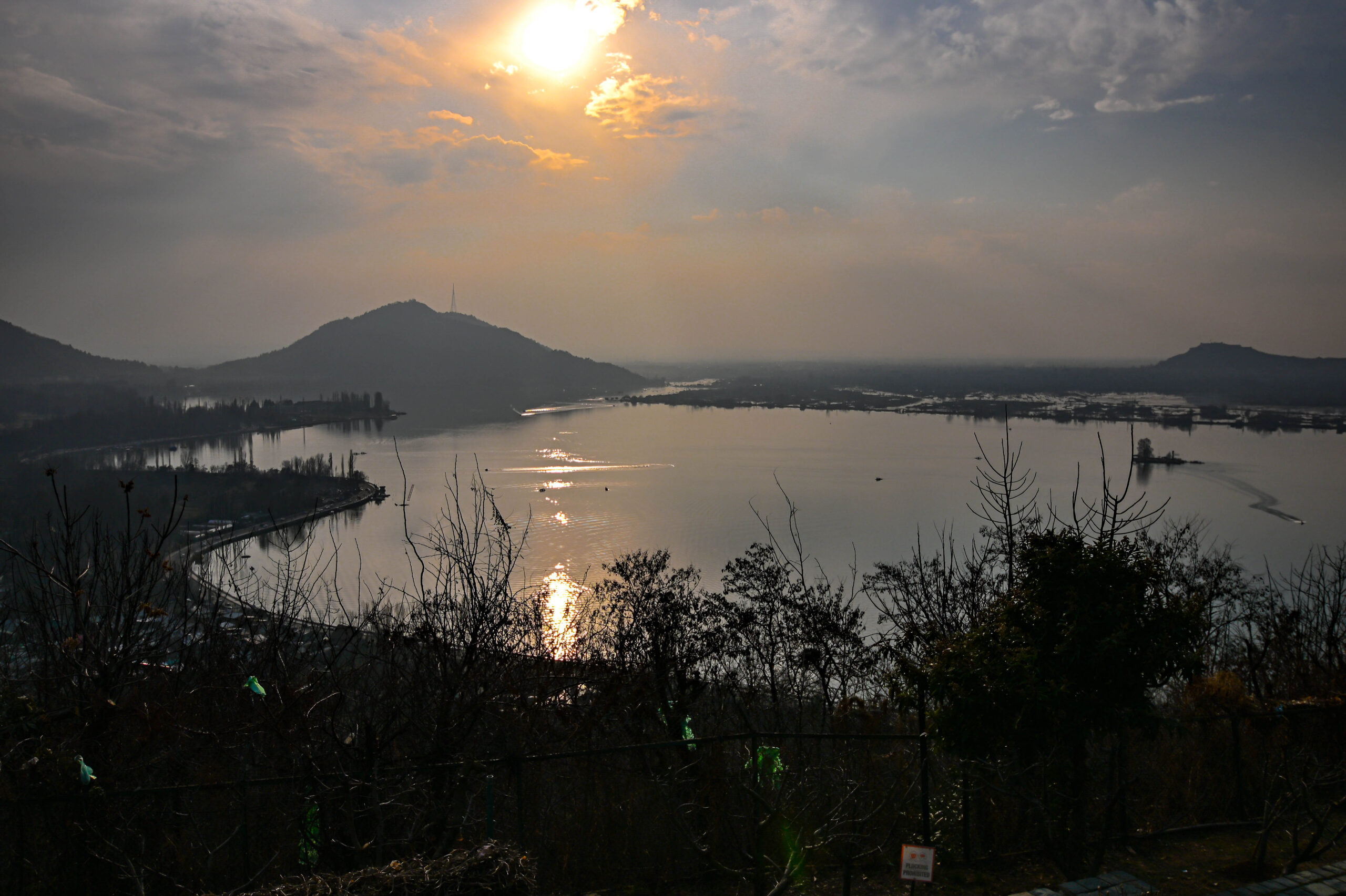
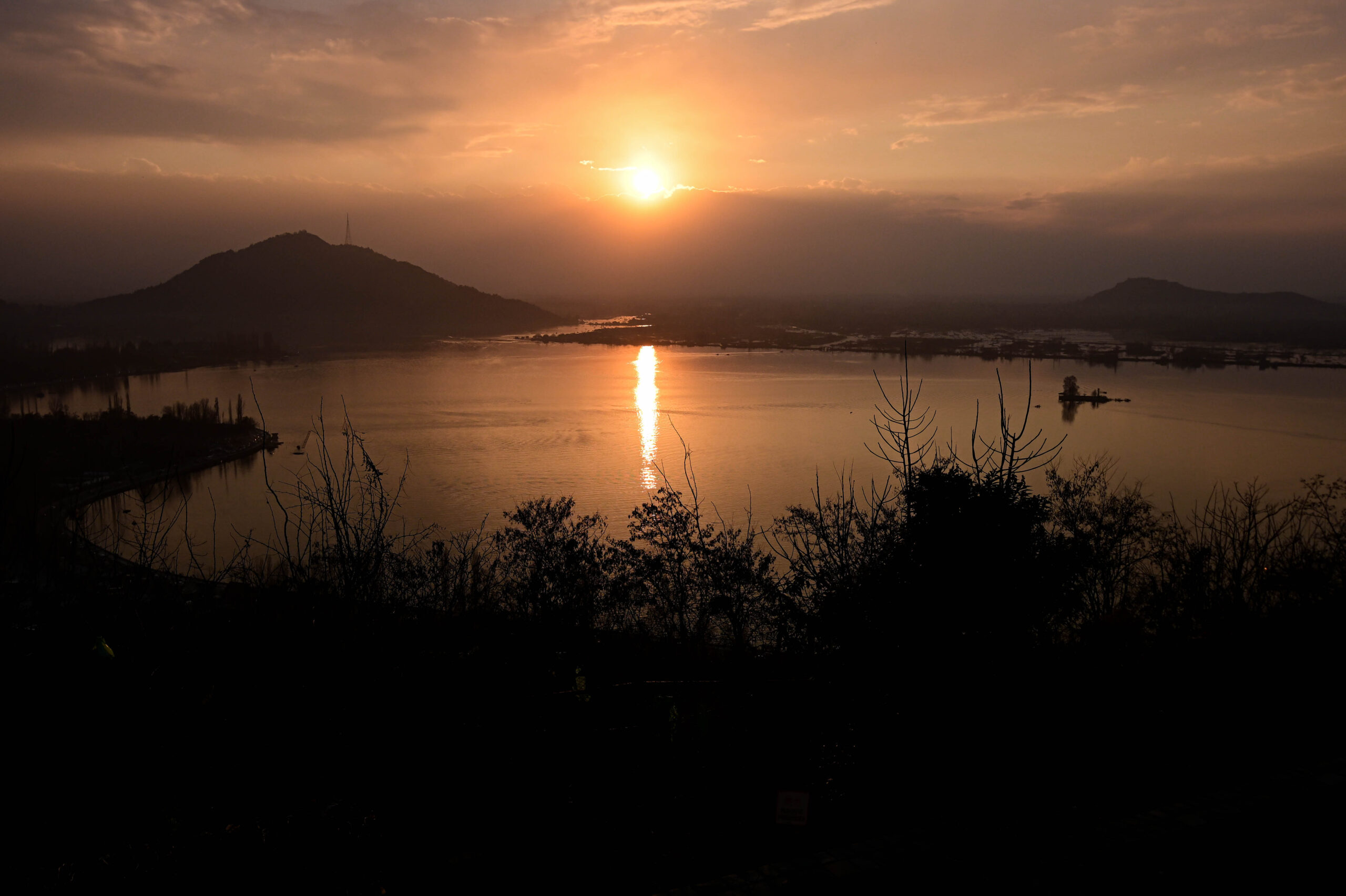
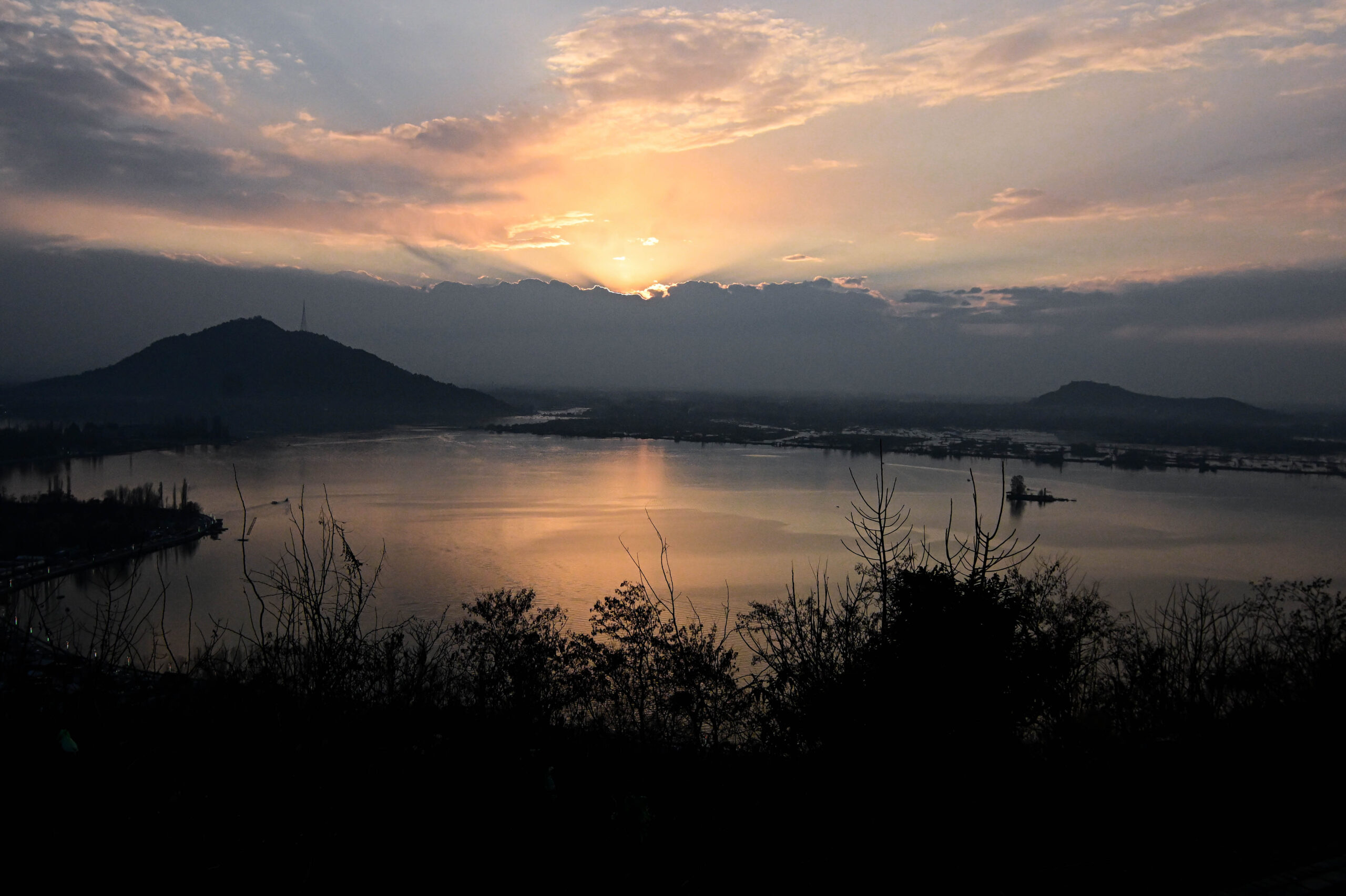
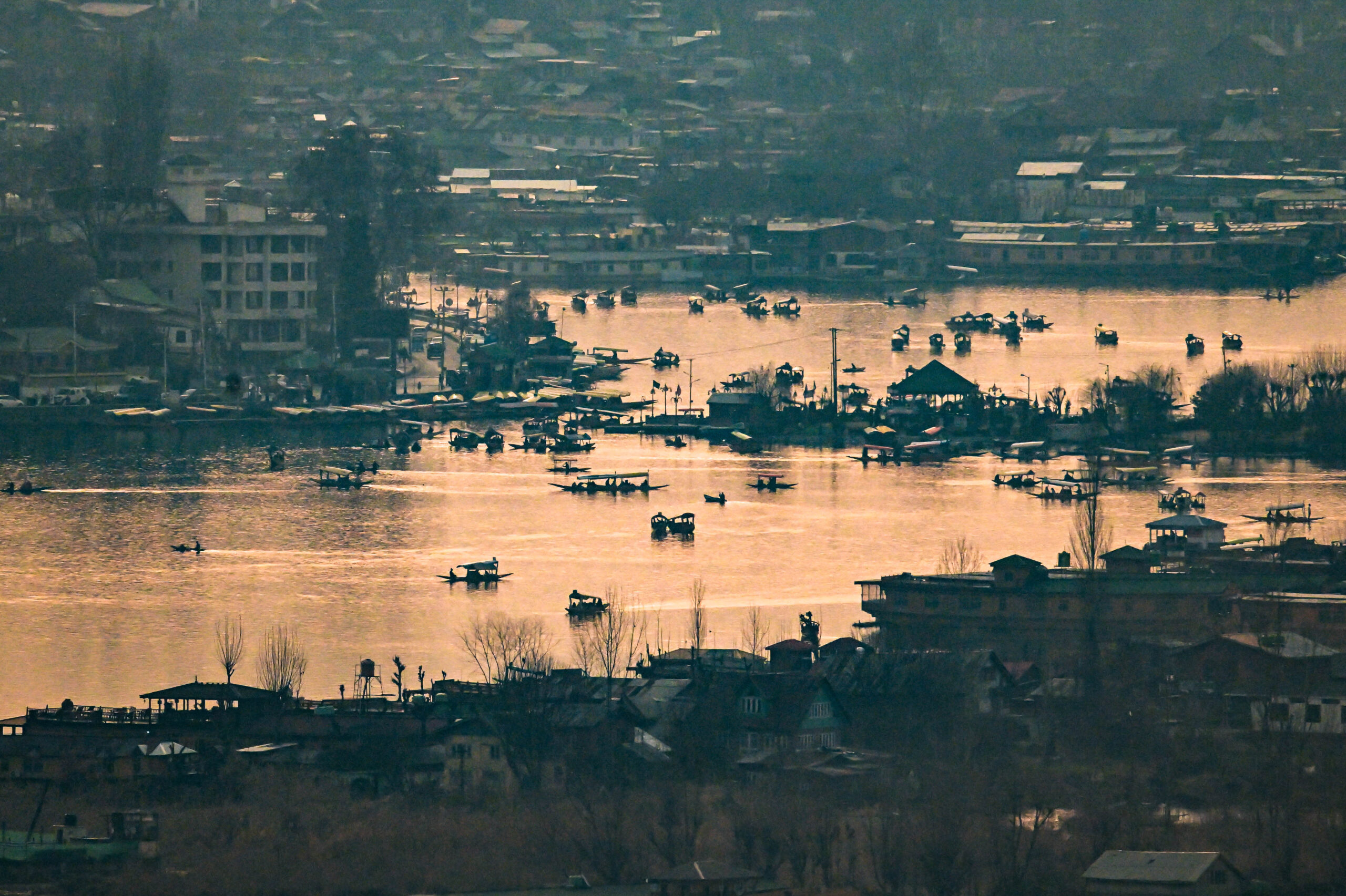
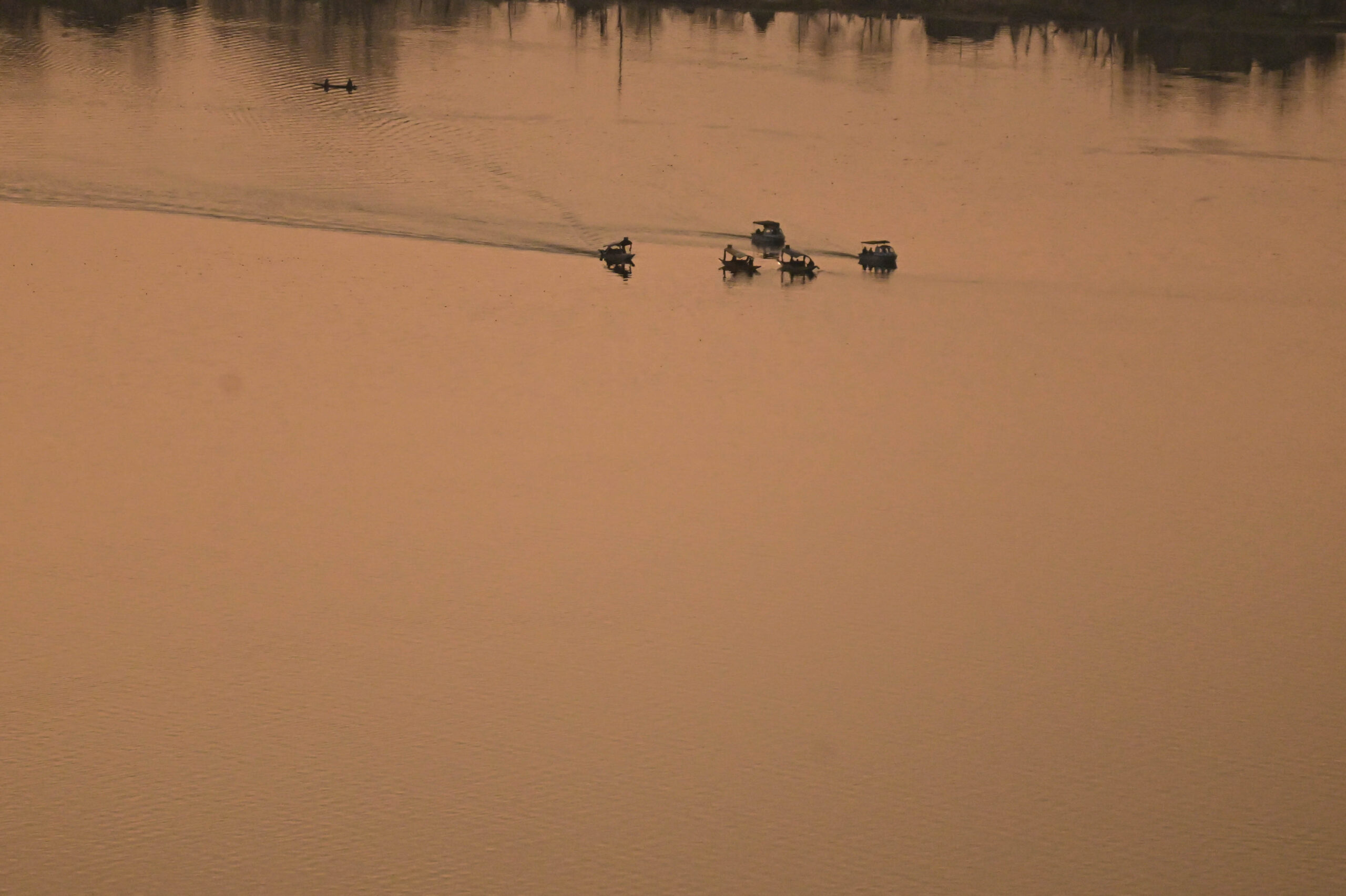
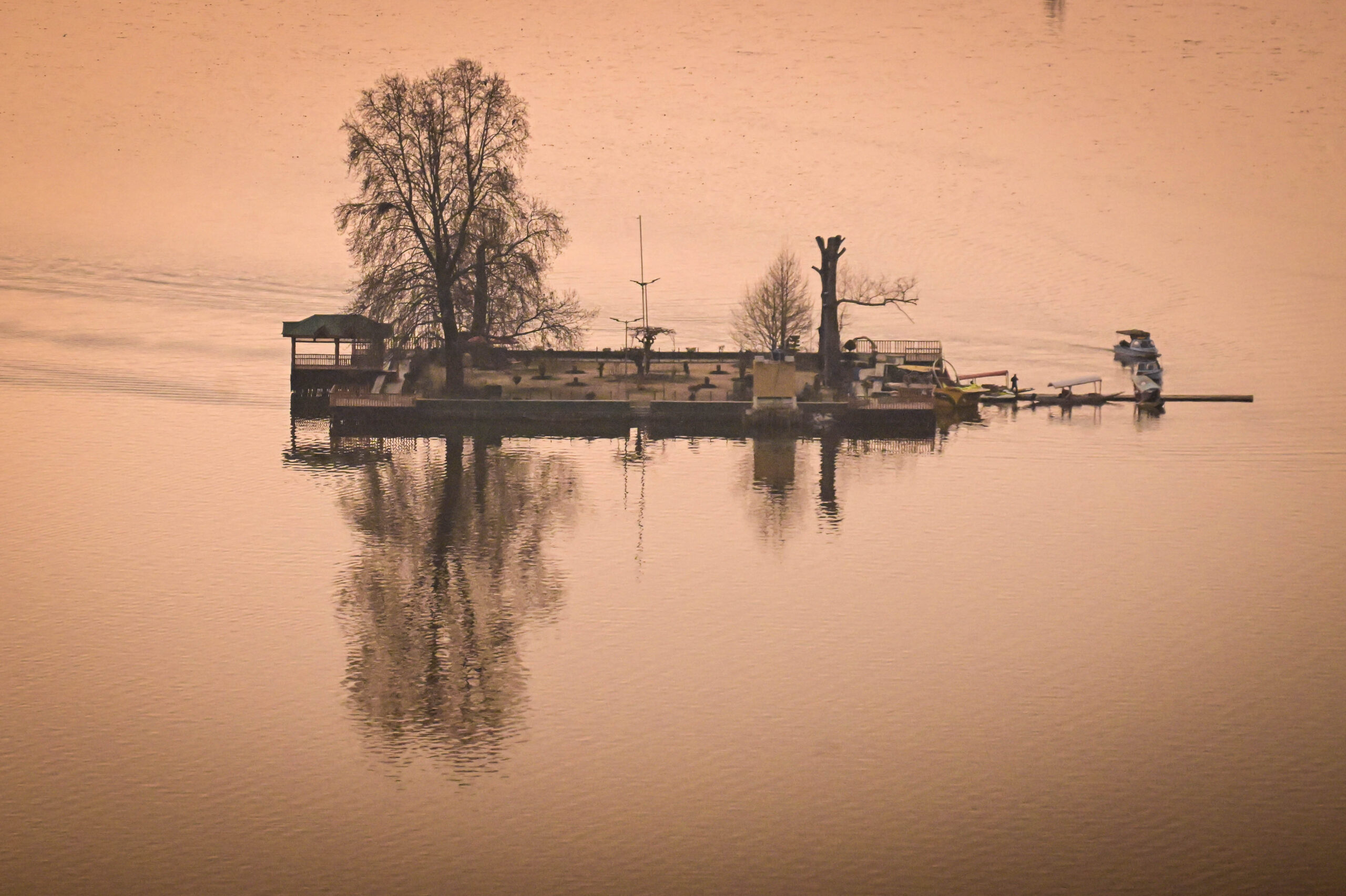
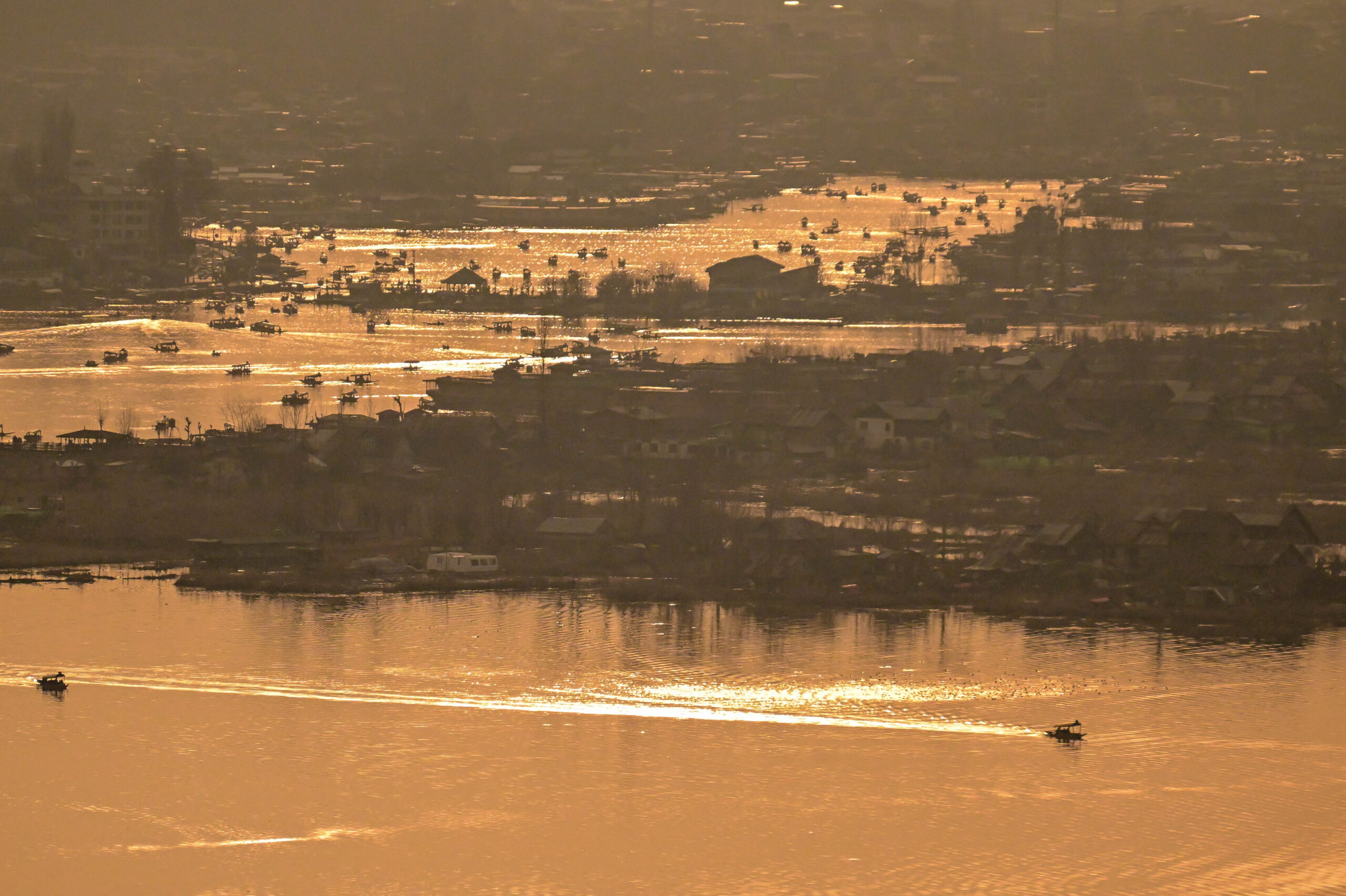
Srinagar rippled through like a poem written on water. At Dal Lake, time appeared to float itself — stationary boats reflecting even stiller waters, every shikara a shade of the past, labeled Salma and Mughal-e-Azam and Kashmir Queen. The men were rowing gently, stirring the surface with their oars, not effort.
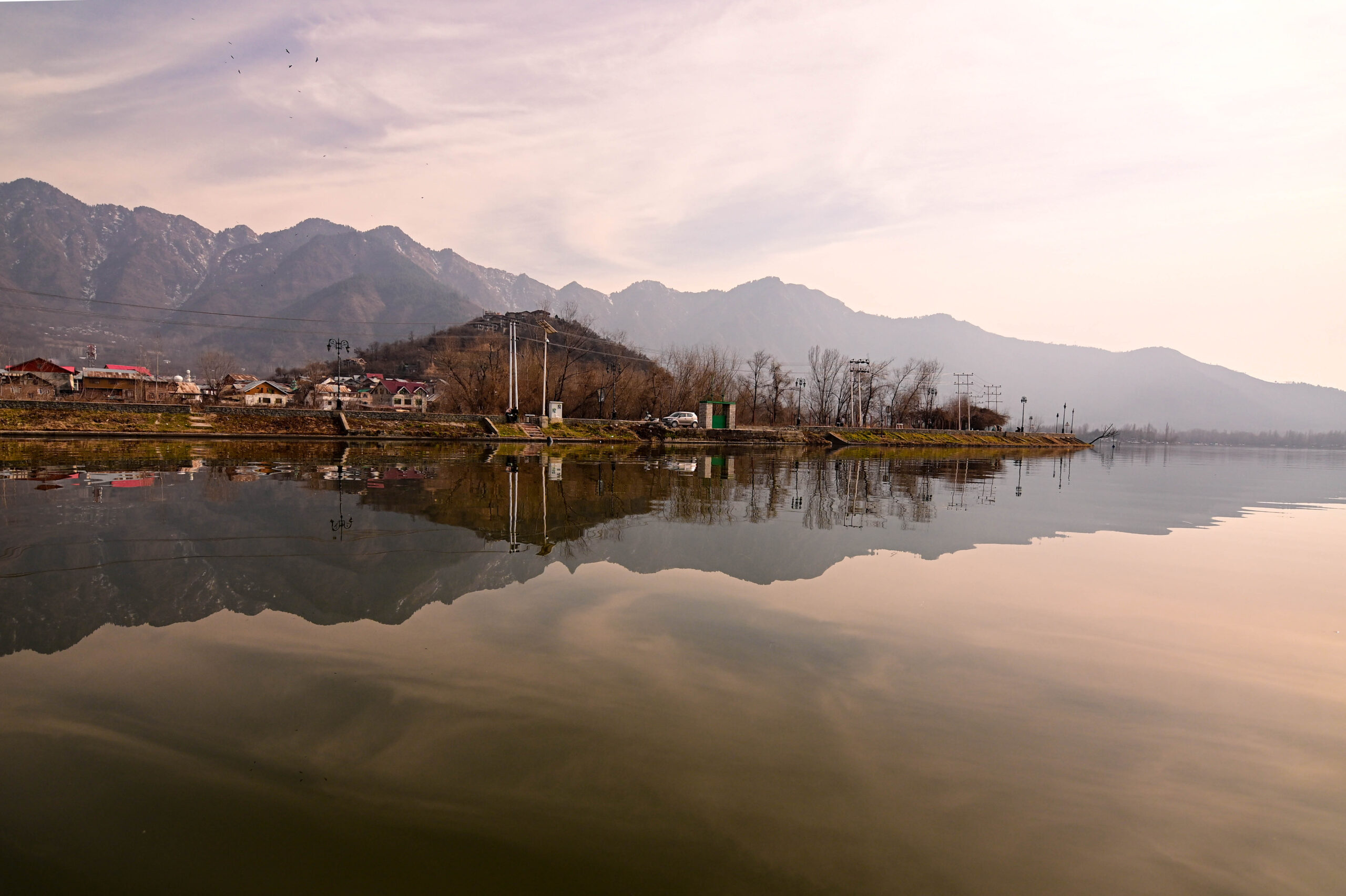
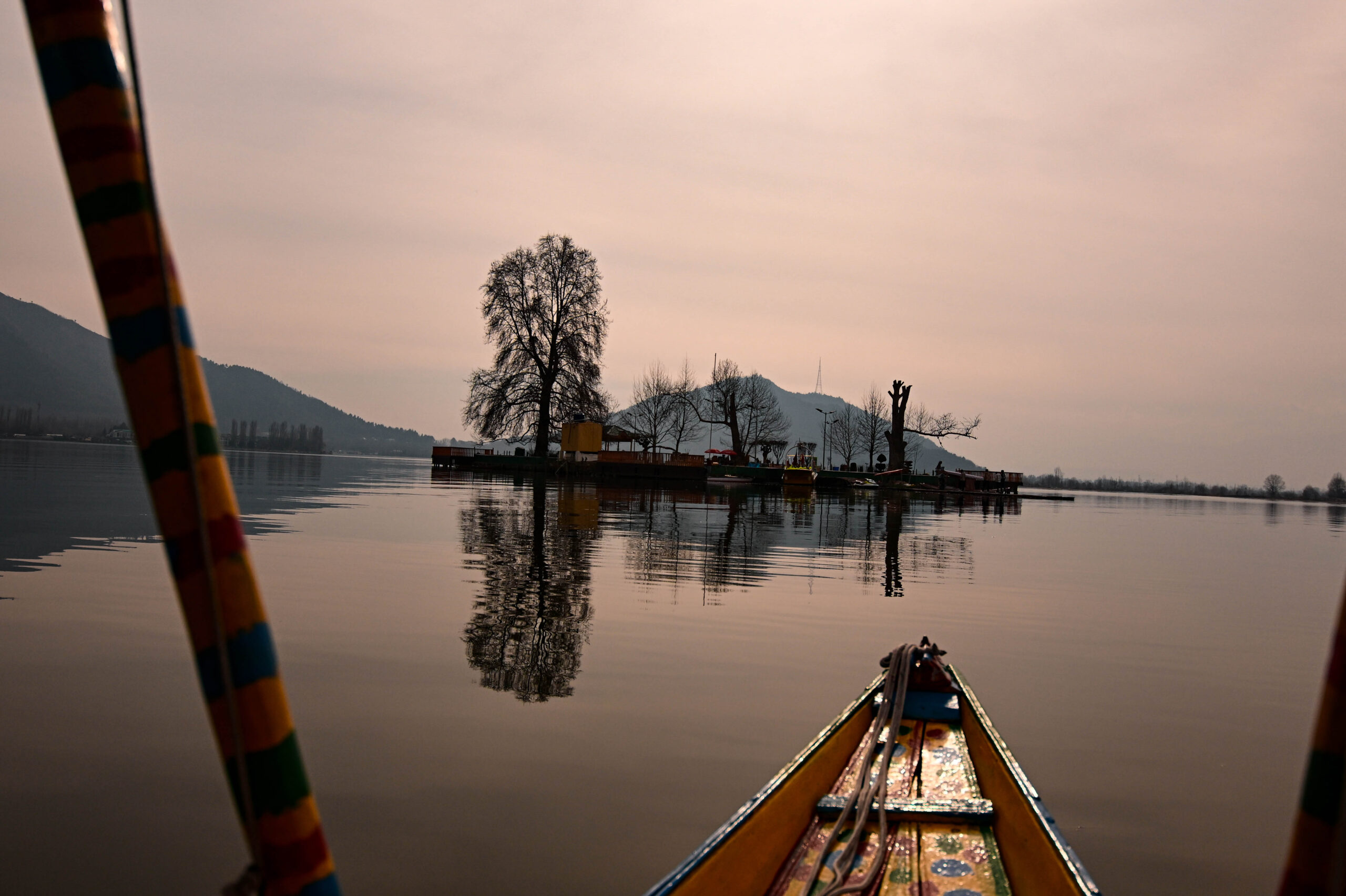
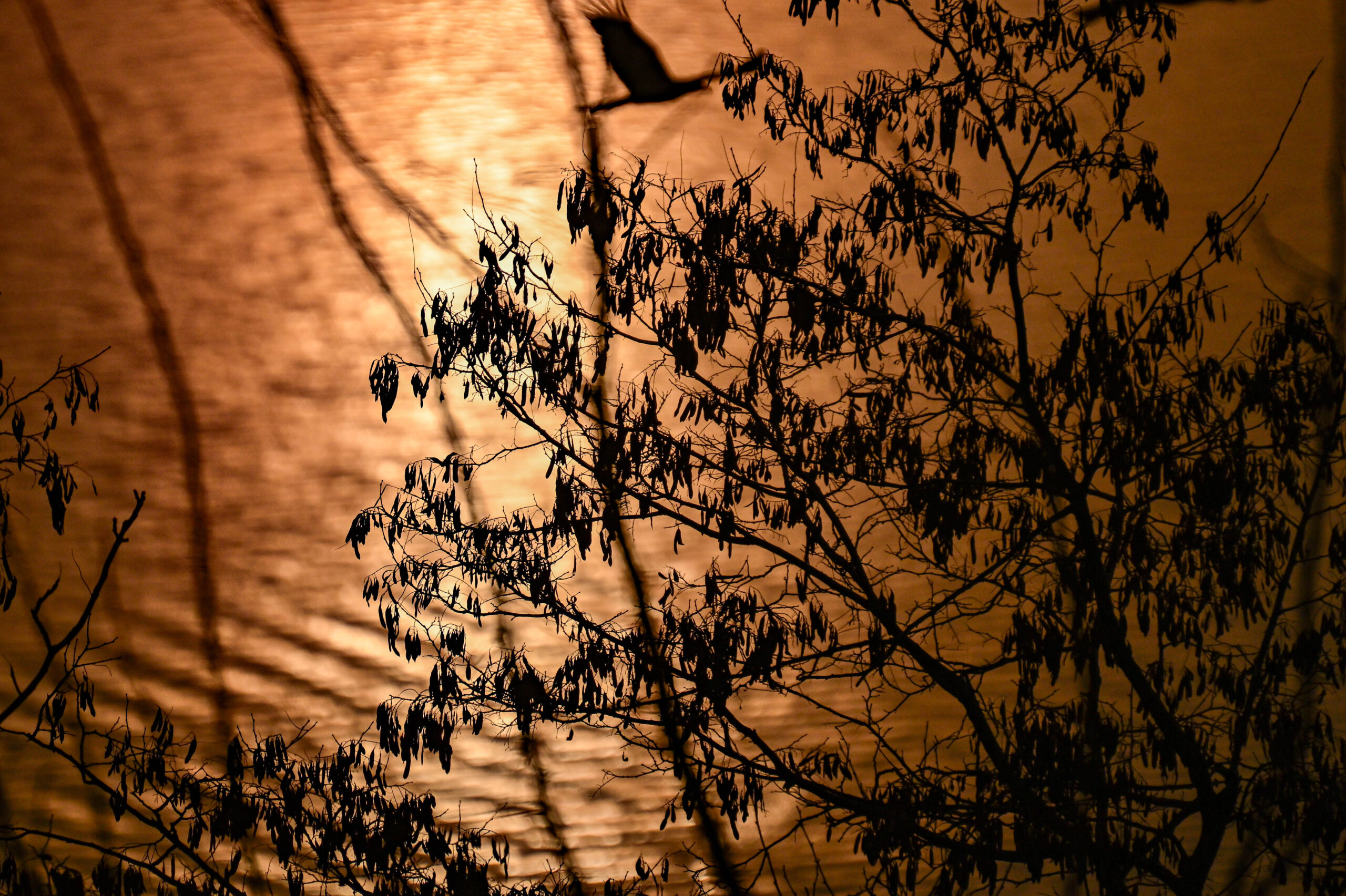
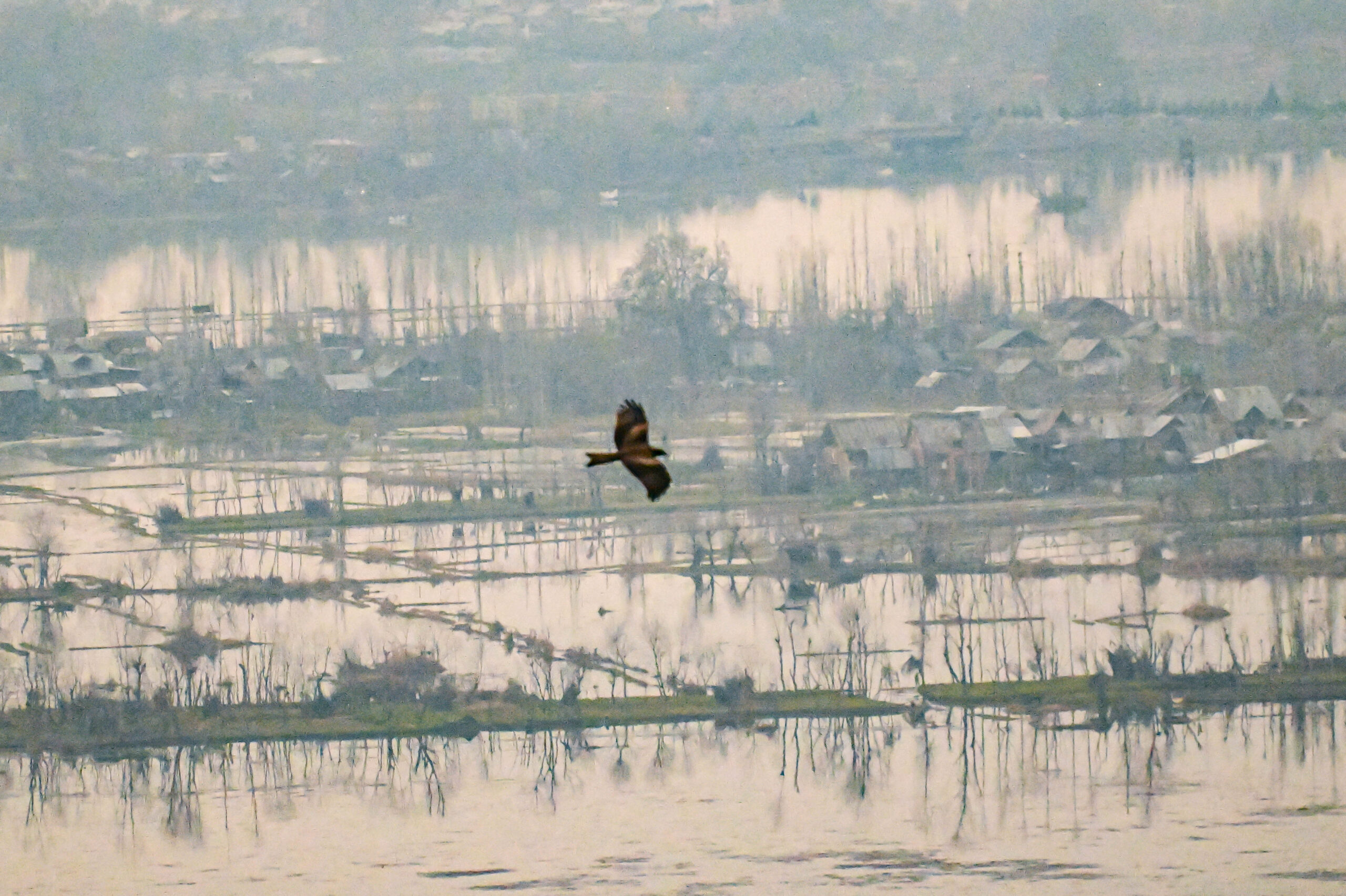
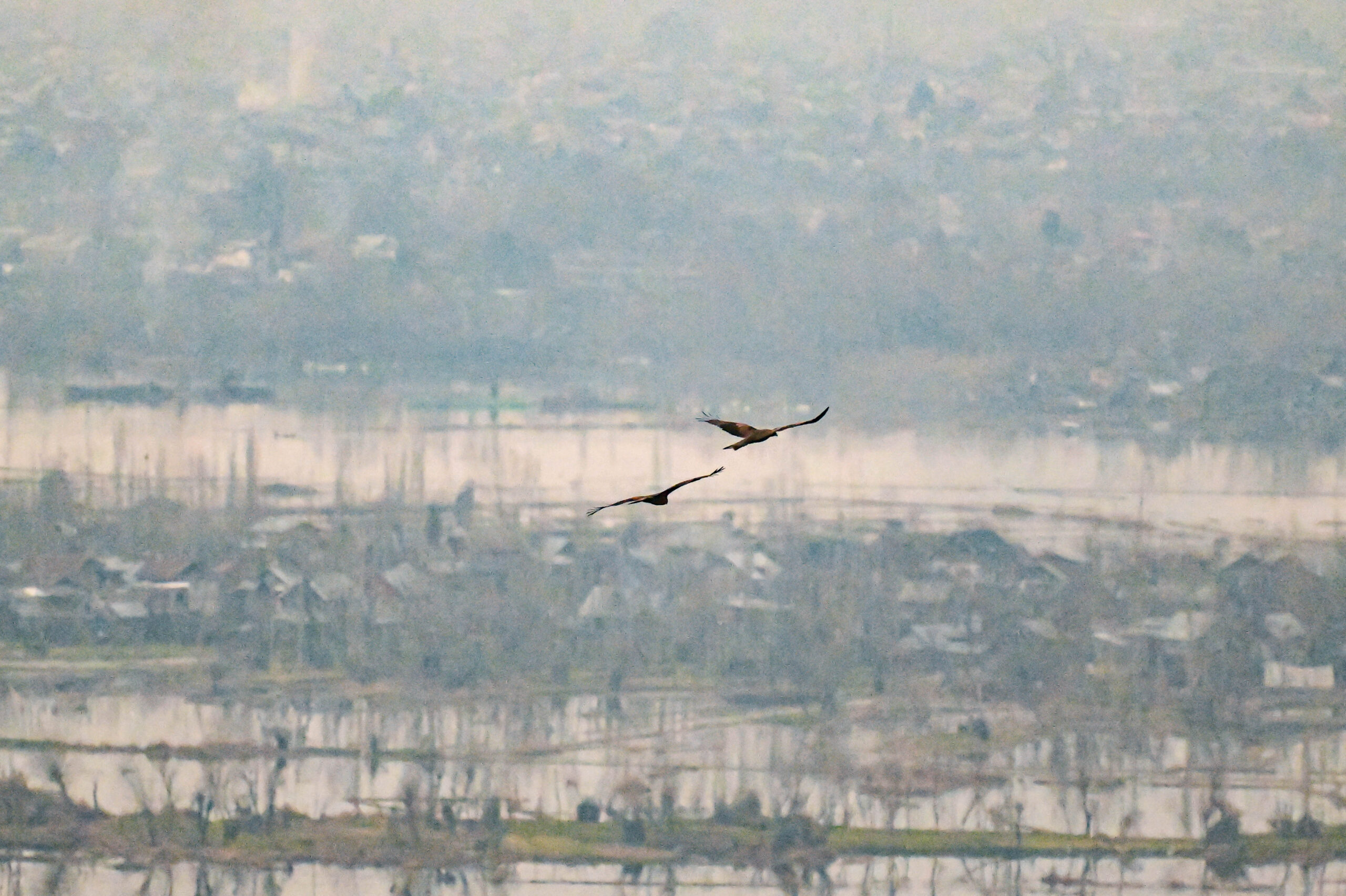
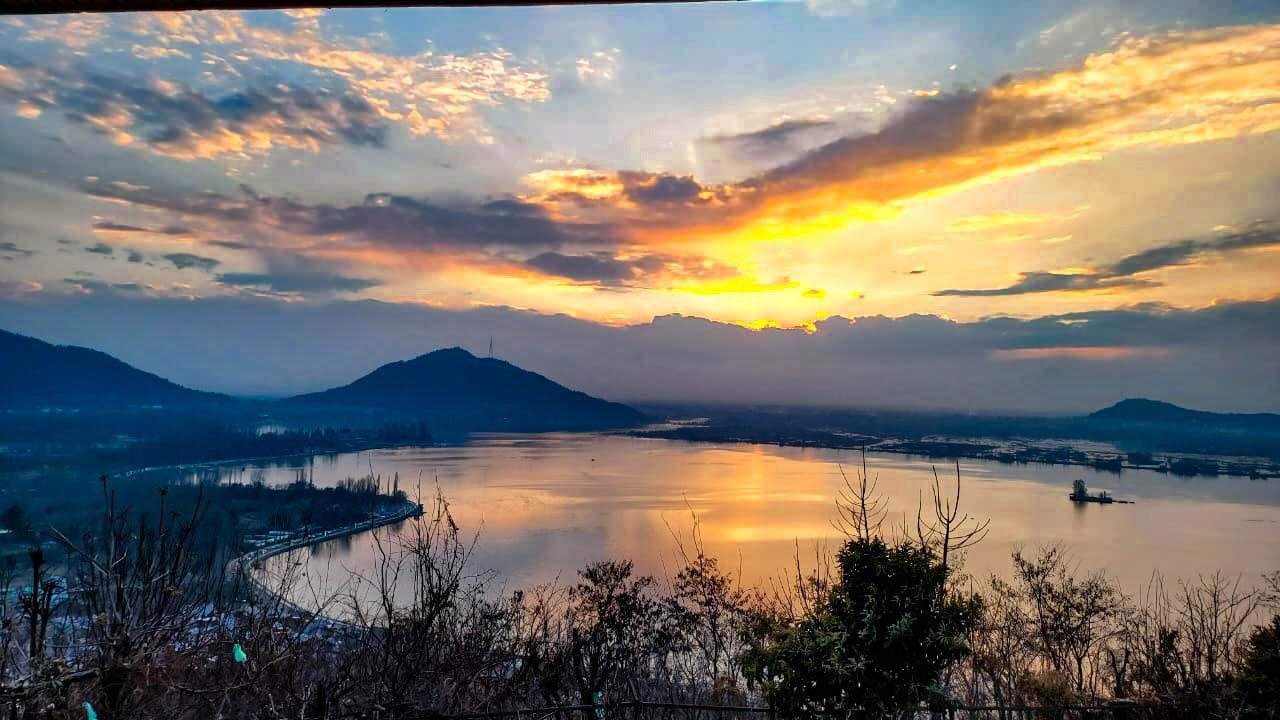
We floated past floating gardens, past birds lifting off from the reeds, past trees that appeared to weep golden tears into the water at sunset. The lake was living and calm — a mirror that retained centuries.
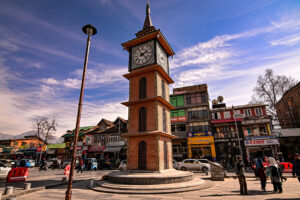
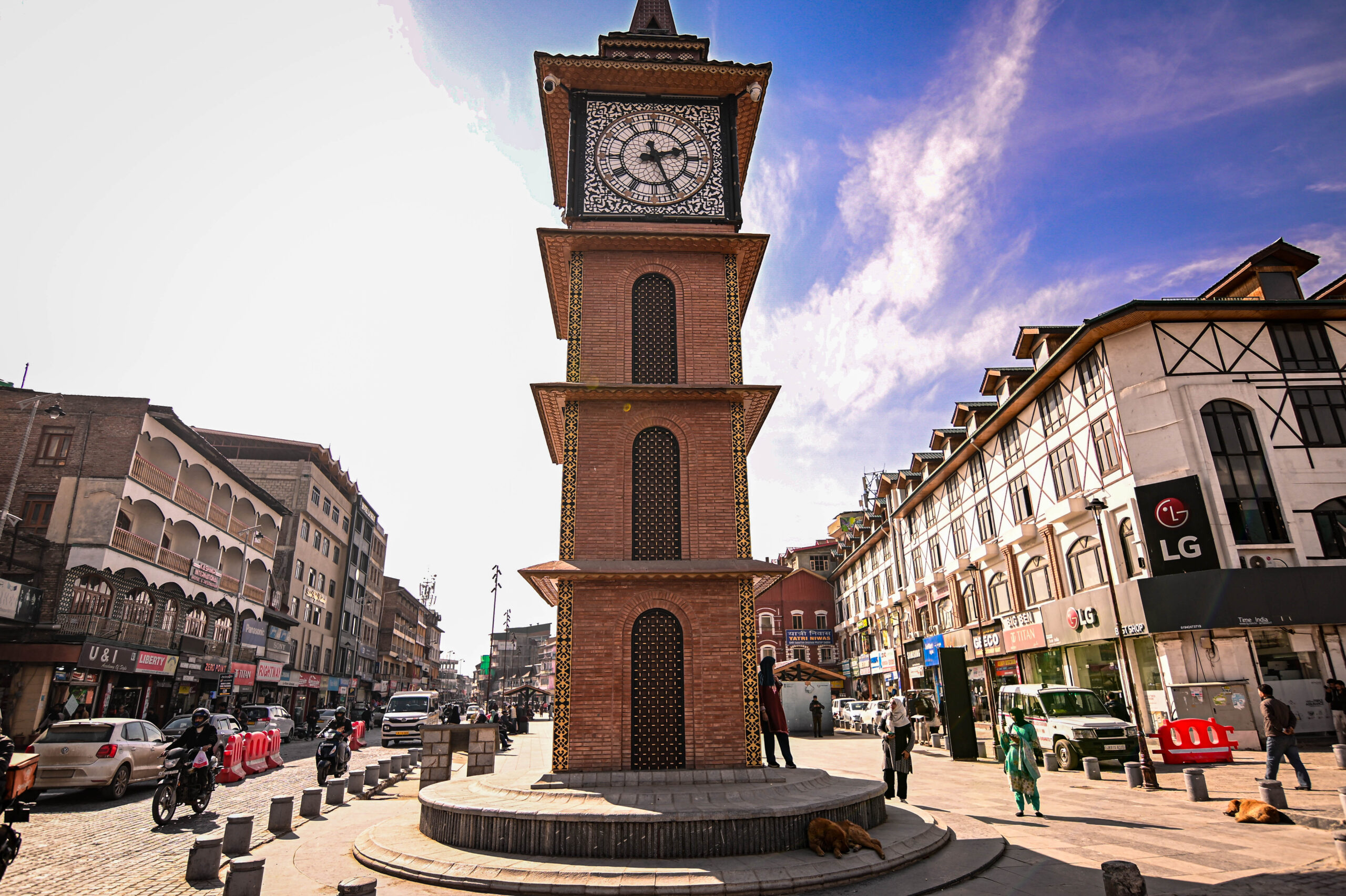
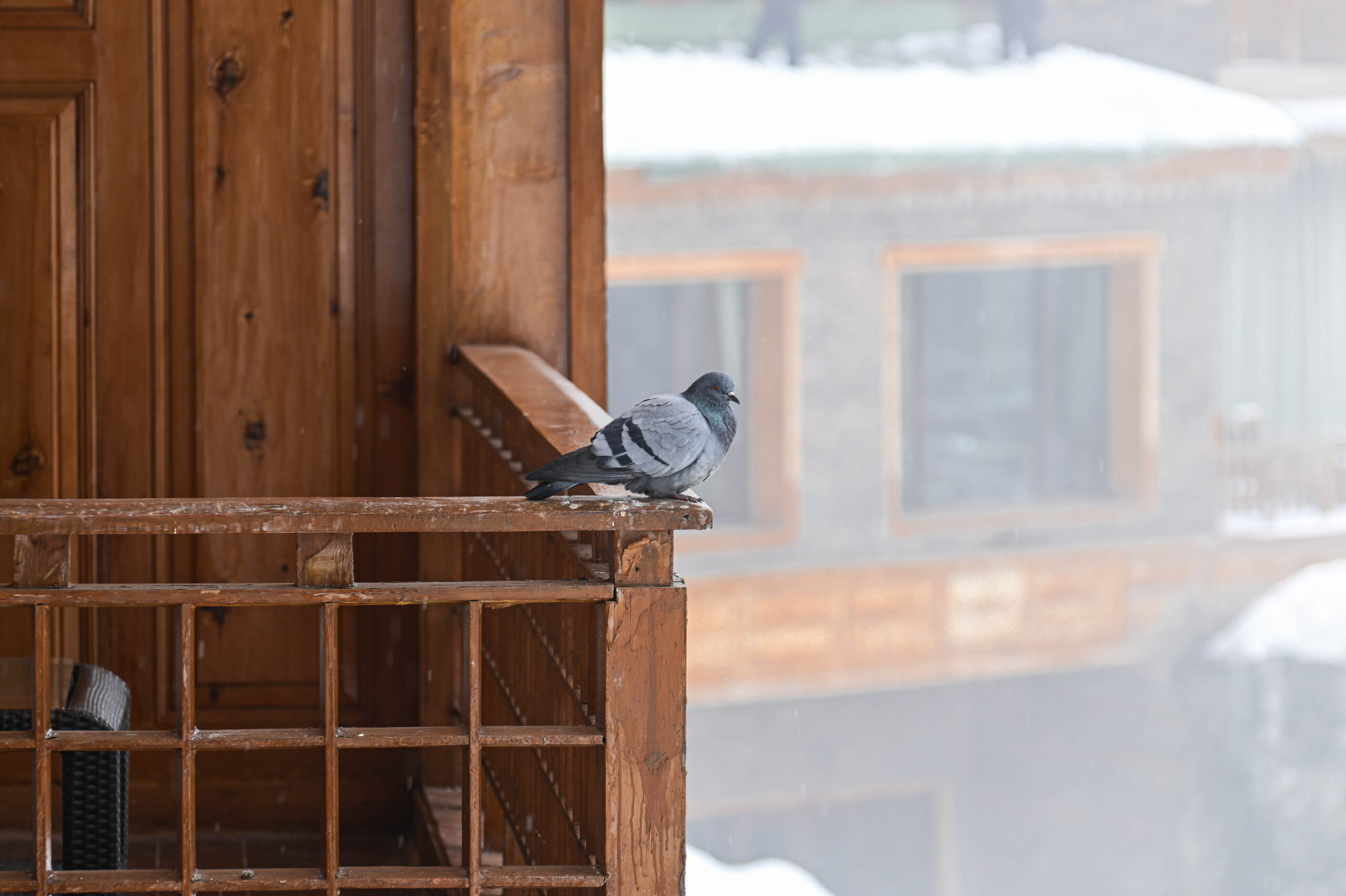
The city’s heart, Lal Chowk, saw a rhythmic swing beneath the old clock tower. Once, this square saw history happen — speeches, protests, flags raised and lowered; time moved forward but nothing had changed. Life went on around it — bread vendors, escaping children, pigeons that circled the 300-foot-tall experiment in increasingly larger loops, as if tracking the trace of peace.
Sonawari Sumbal-Lar-Kangan-Gund-Sonamarg
Our next destinantion was Sonmarg. As we were heading north, the valley began to take on a different character. Sumbal Sonawari was still beside its rivers, and it was a place of fertile plain where the reeds whispered to the wind. The people here were gentle and strong, working by immaculate fields that glowed pale green through the mist.
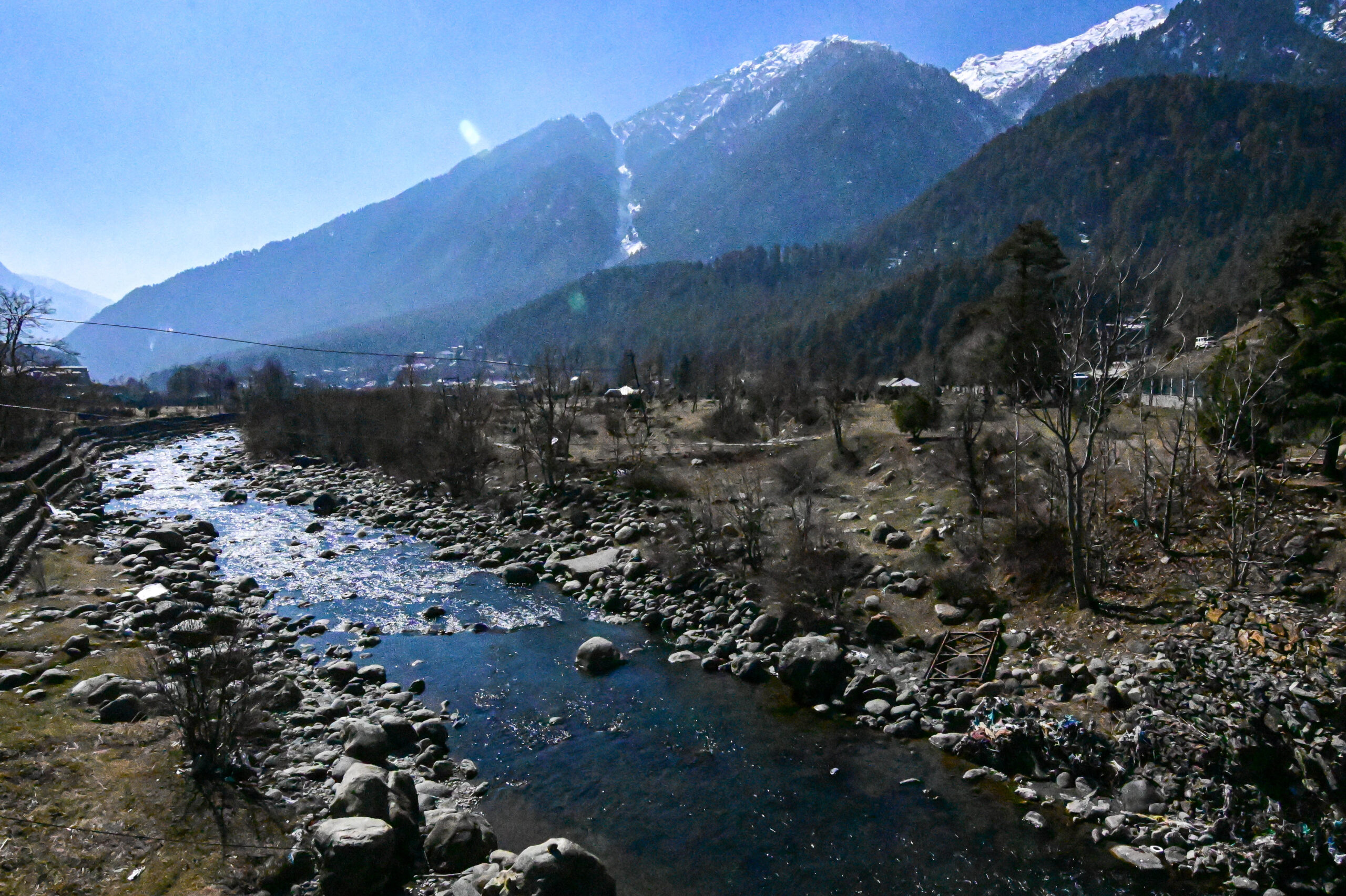
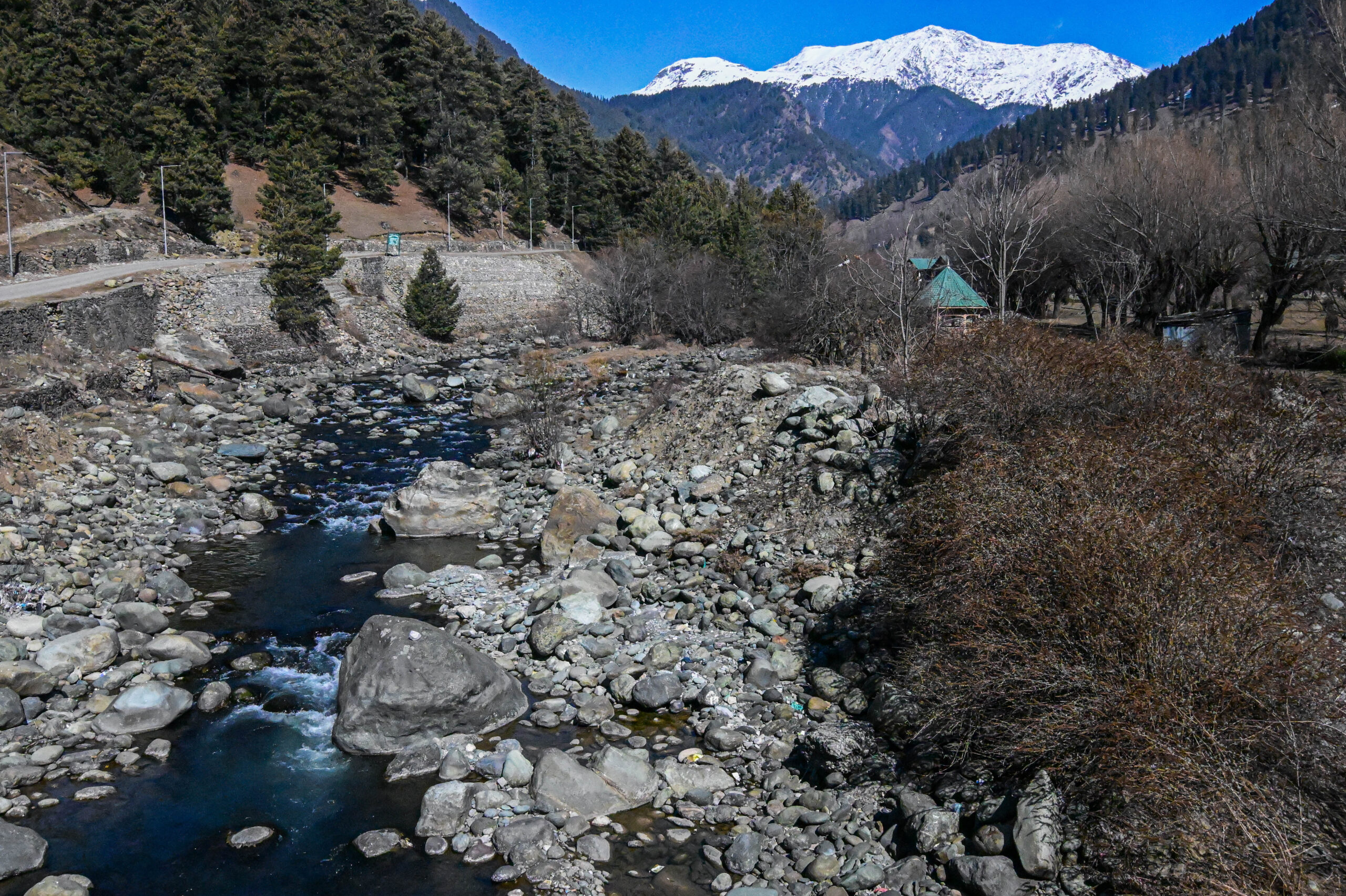
Lar and Kangan grew higher in palce of elevation, their air sharper, their trees taller. At Gund we discovered the mountains closing in on us, rivers flashing over rocks in ribbons of silver. This was land pilgrims and poets alike had walked, a place where belief and geography ran together.
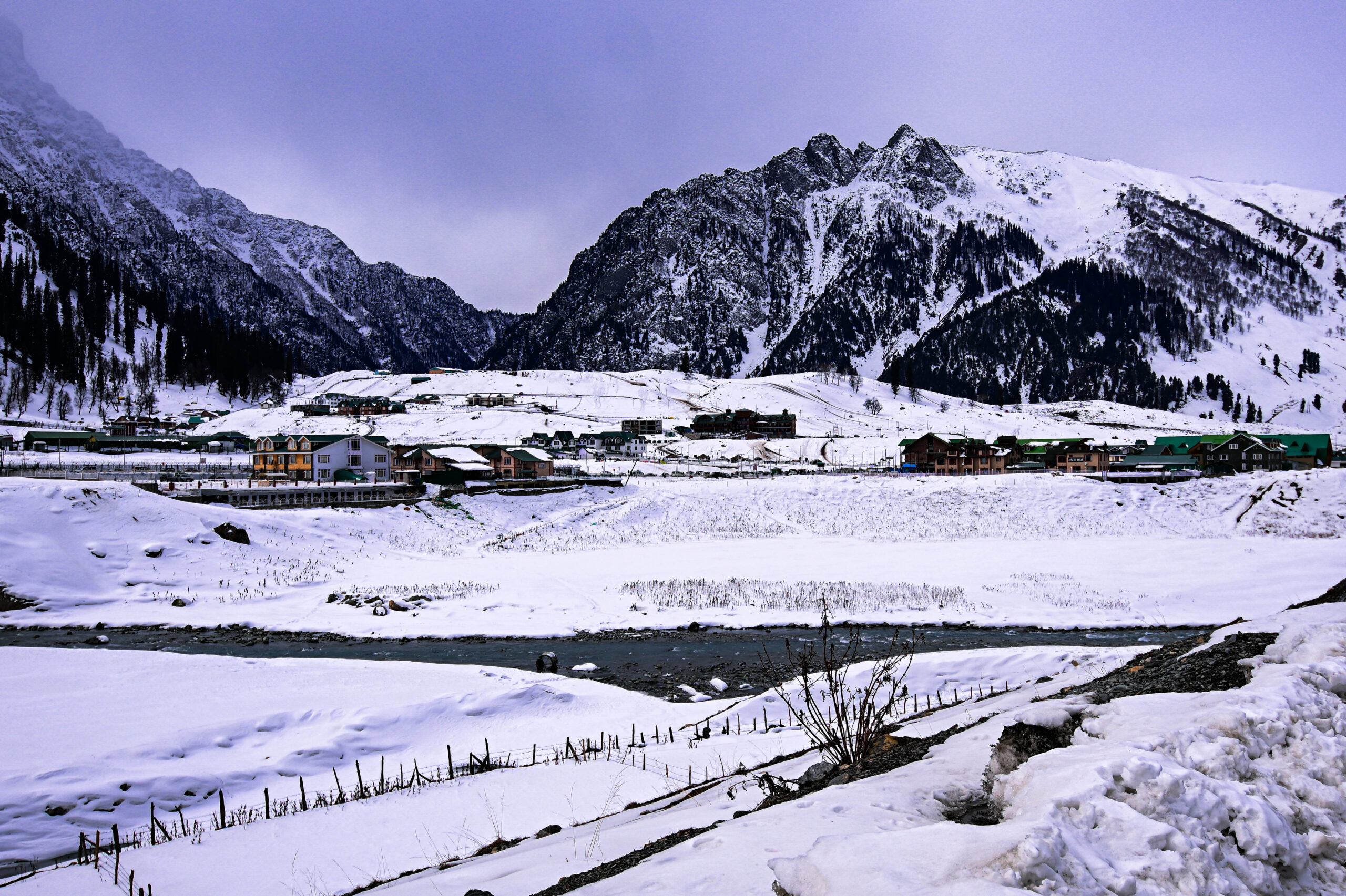
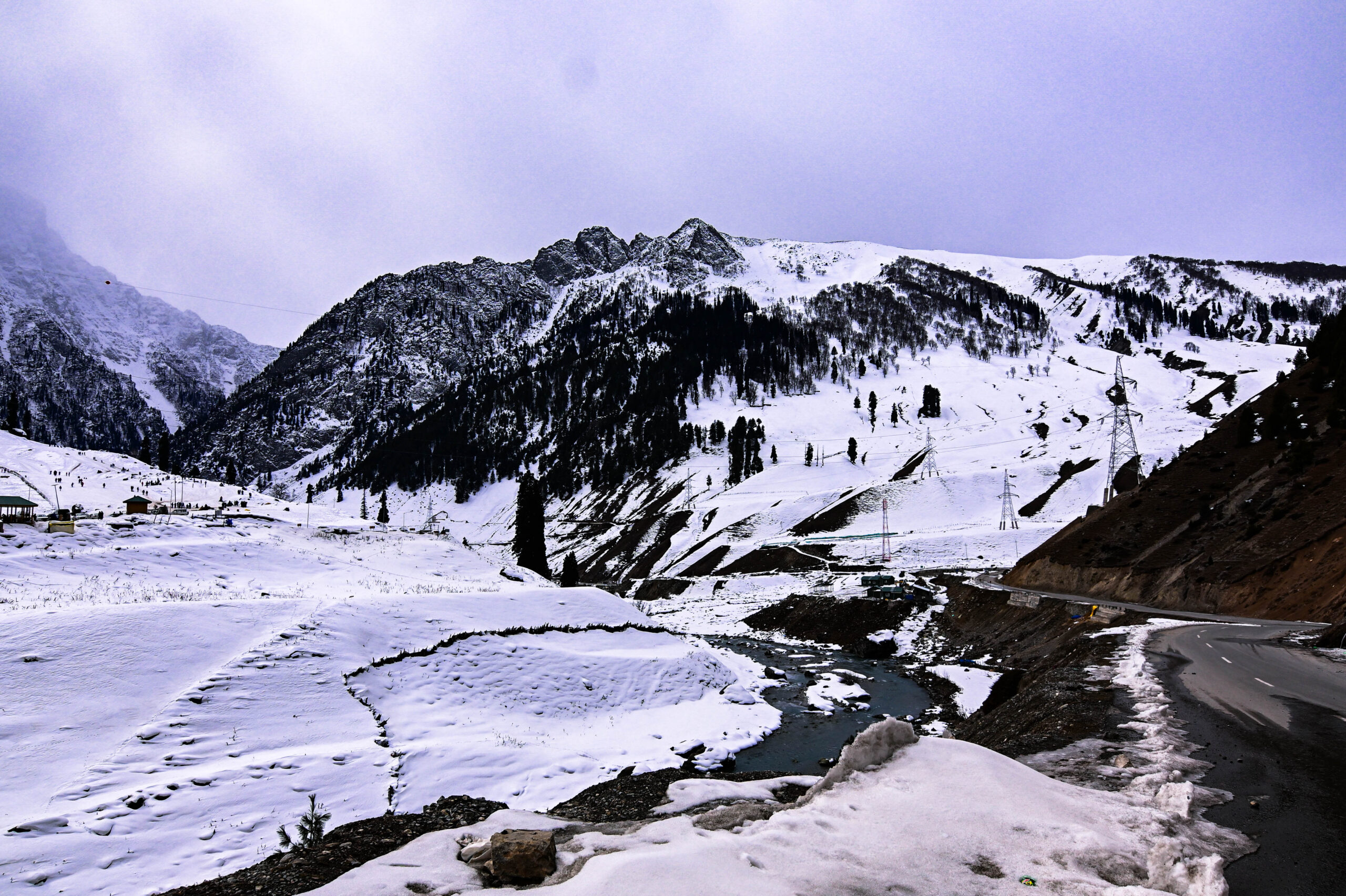
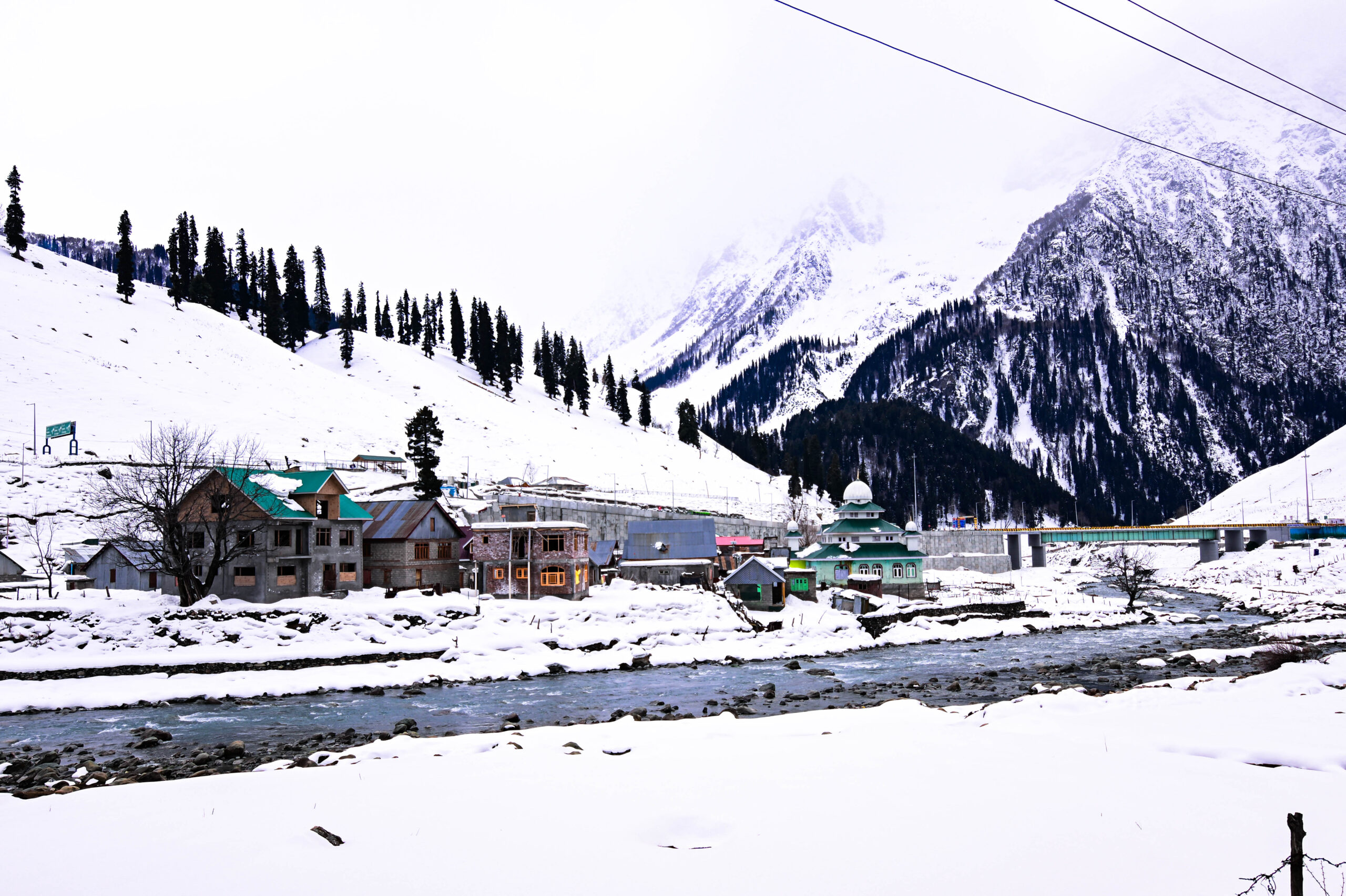
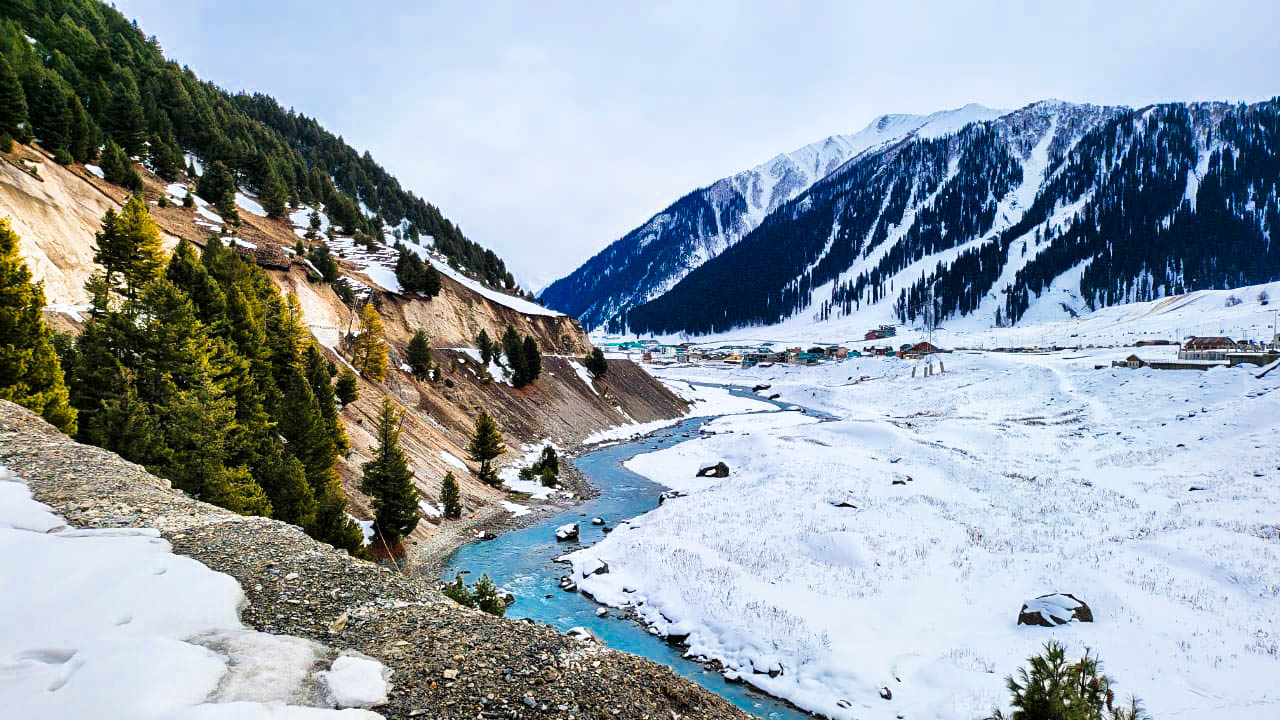
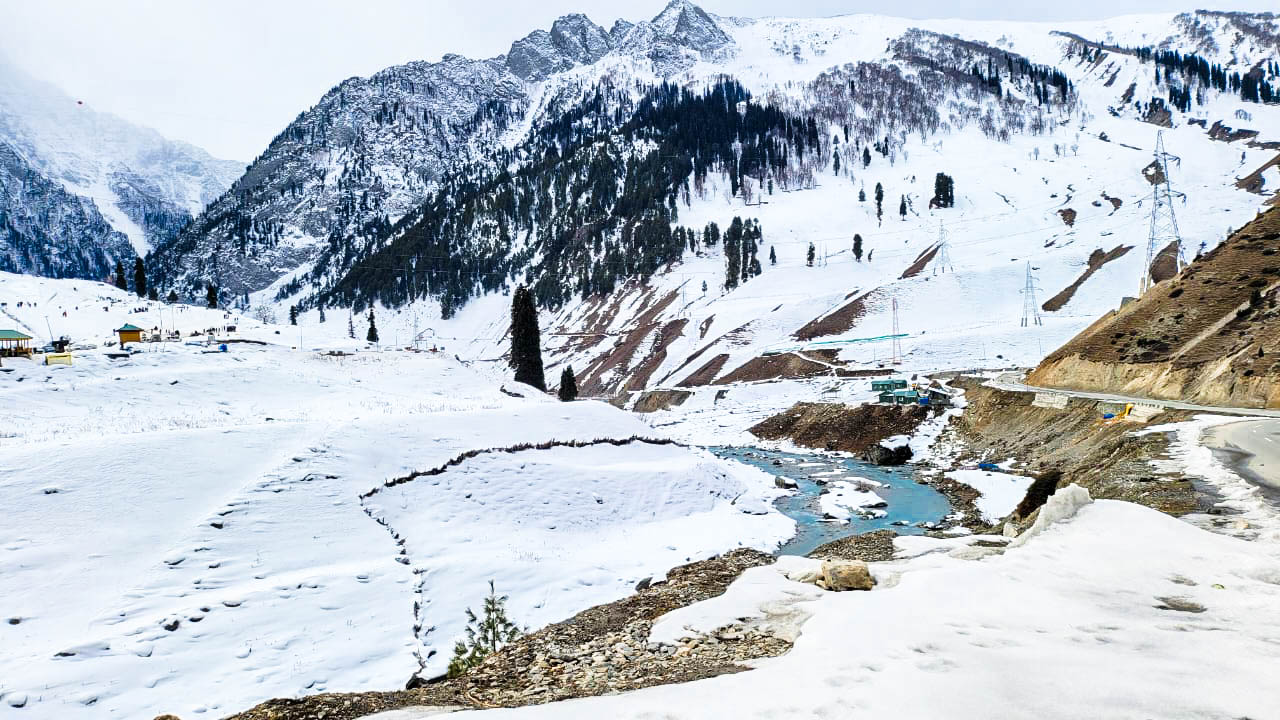
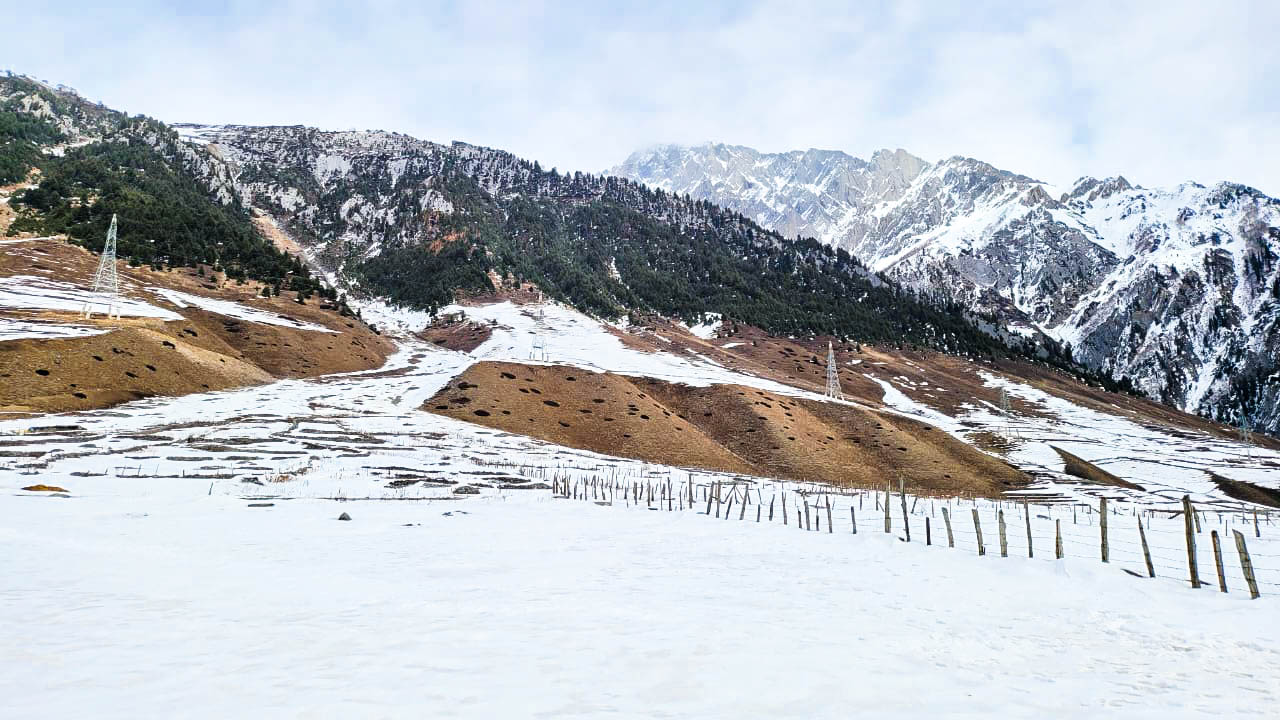
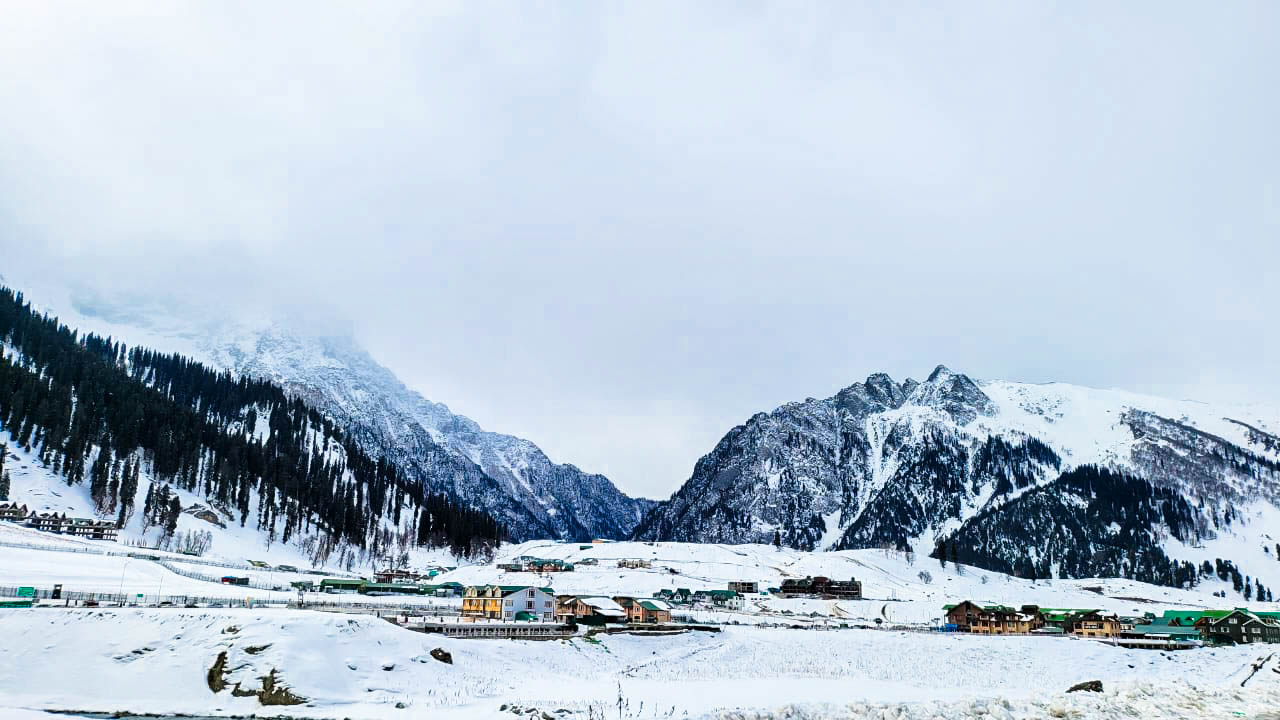
And then, Sonamarg — the meadow of gold. The sun was on the snow like fire, and winding through the brightness was the Sindh River, a ribbon of liquid glass. And there was a silence here, the type that can contain both awe and resignation. Sonamarg was what pristine looks like!!
Another mesmerising day.
Gulmarg
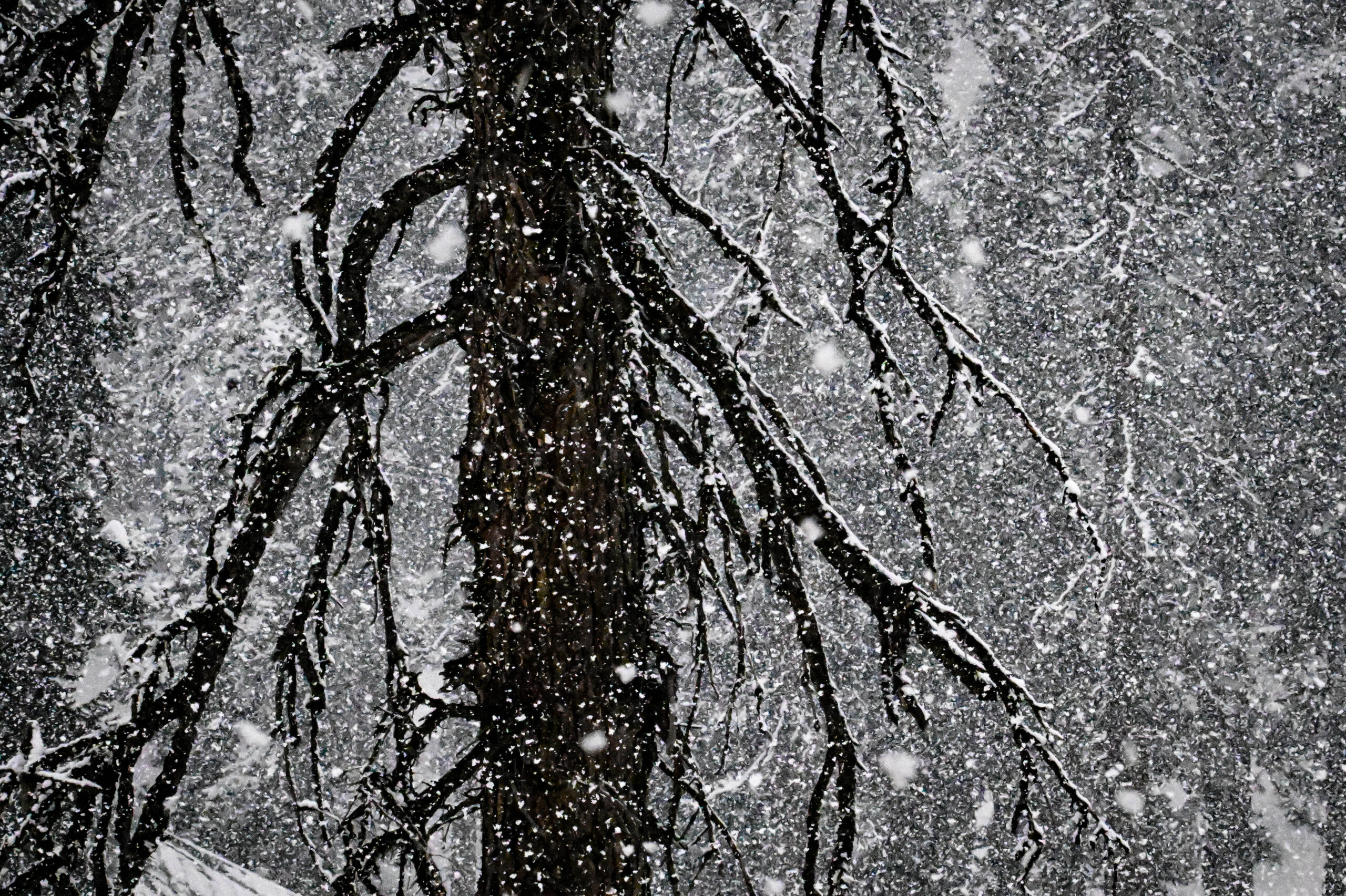
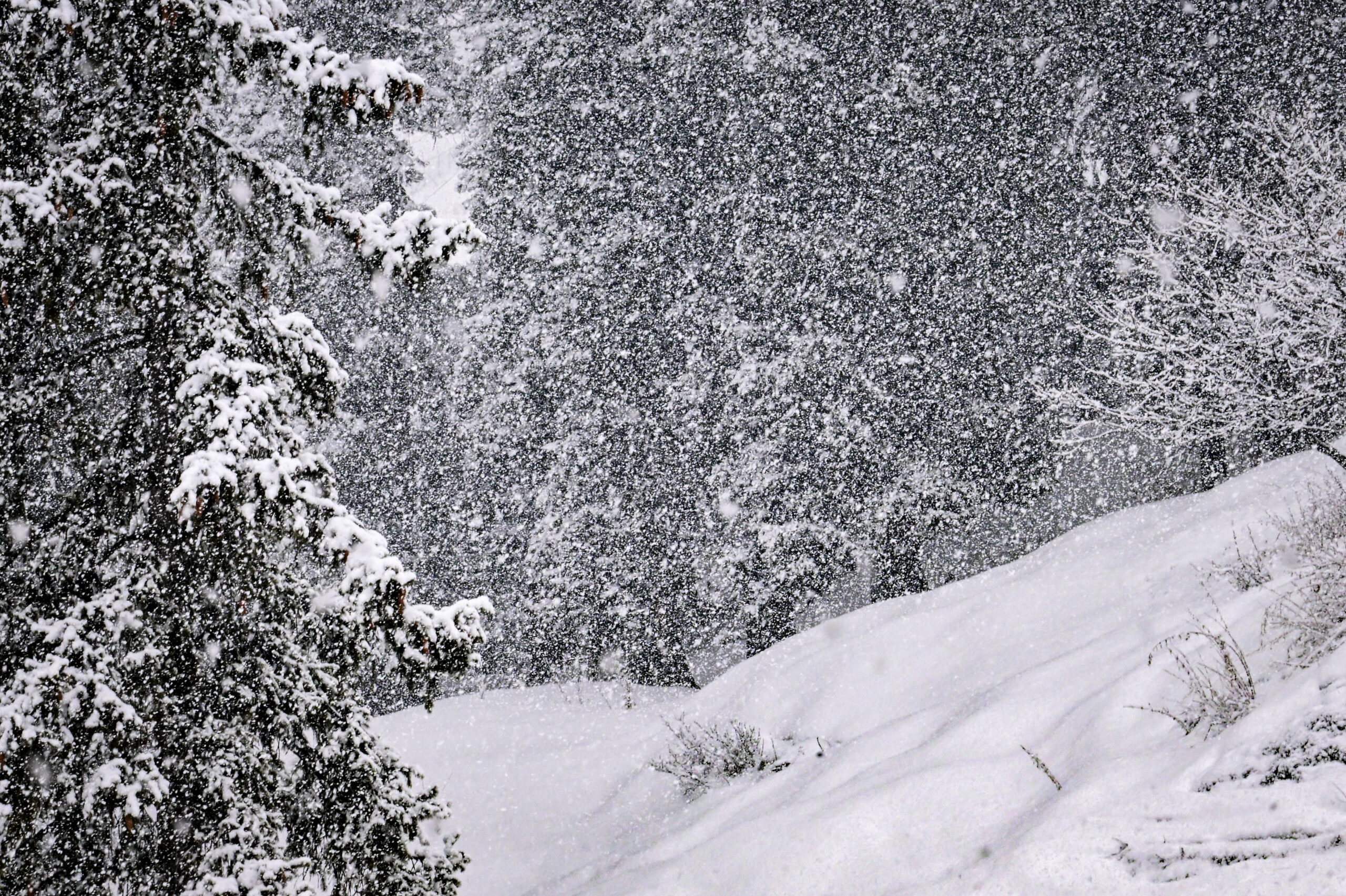
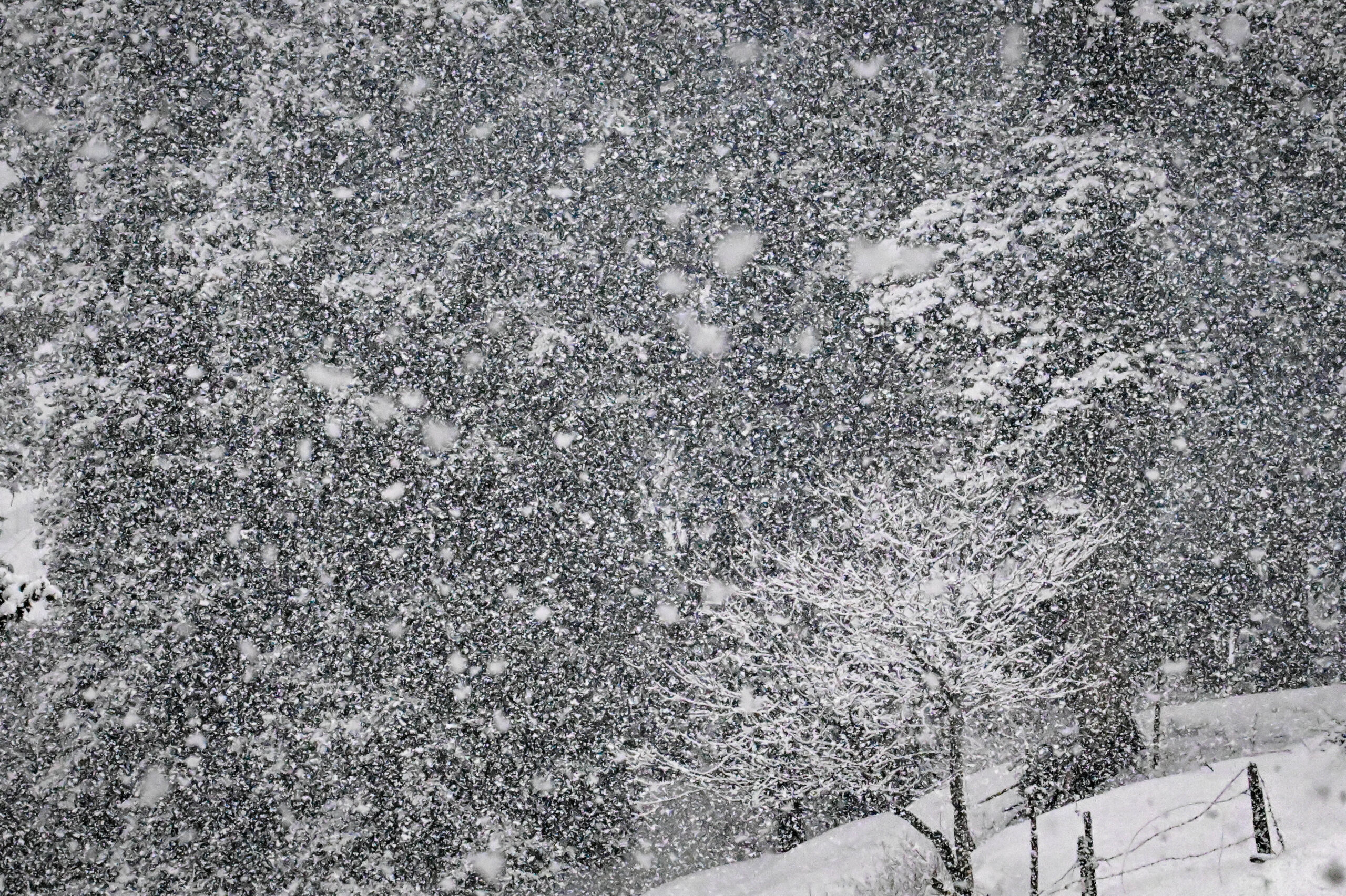
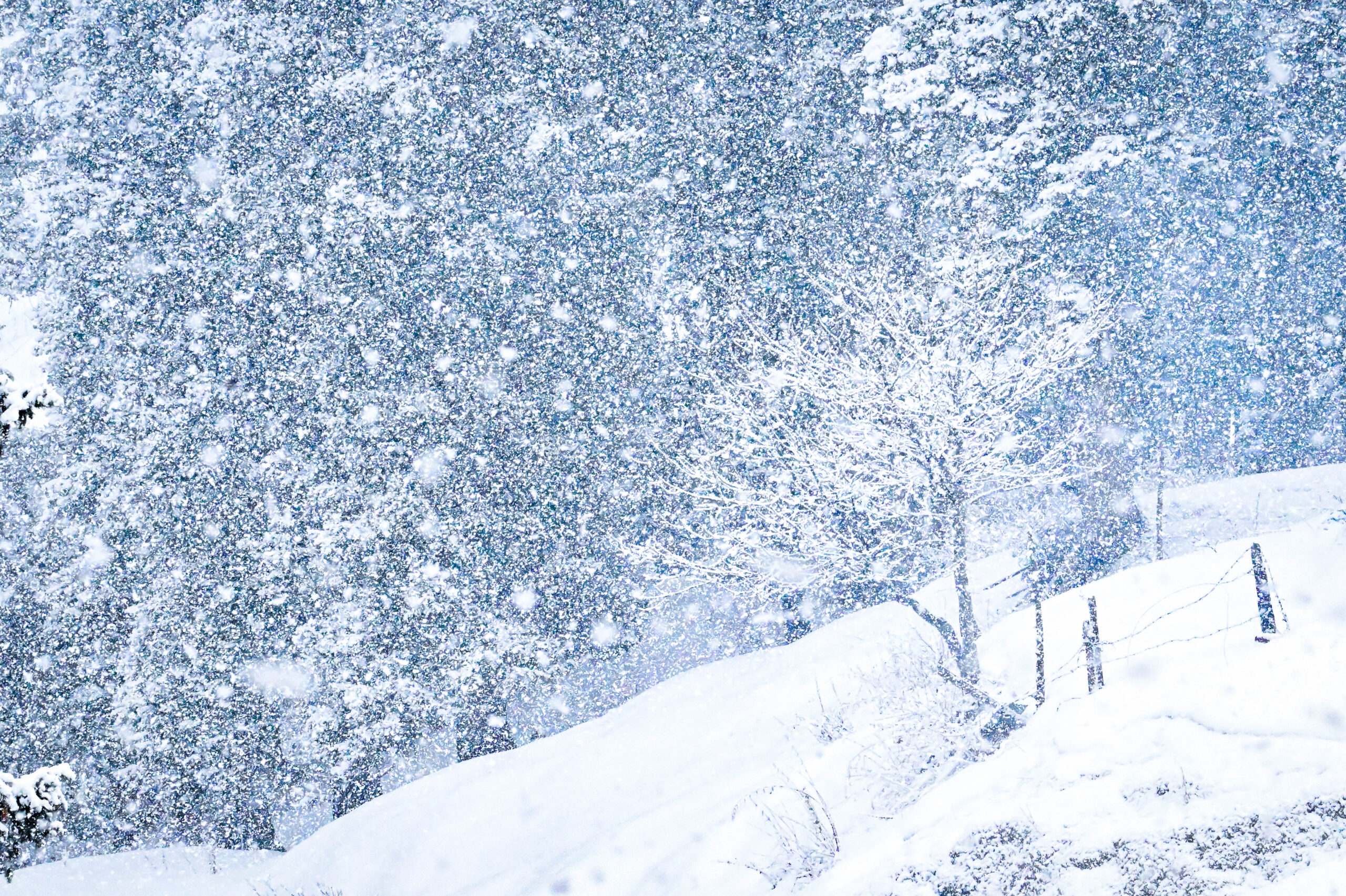
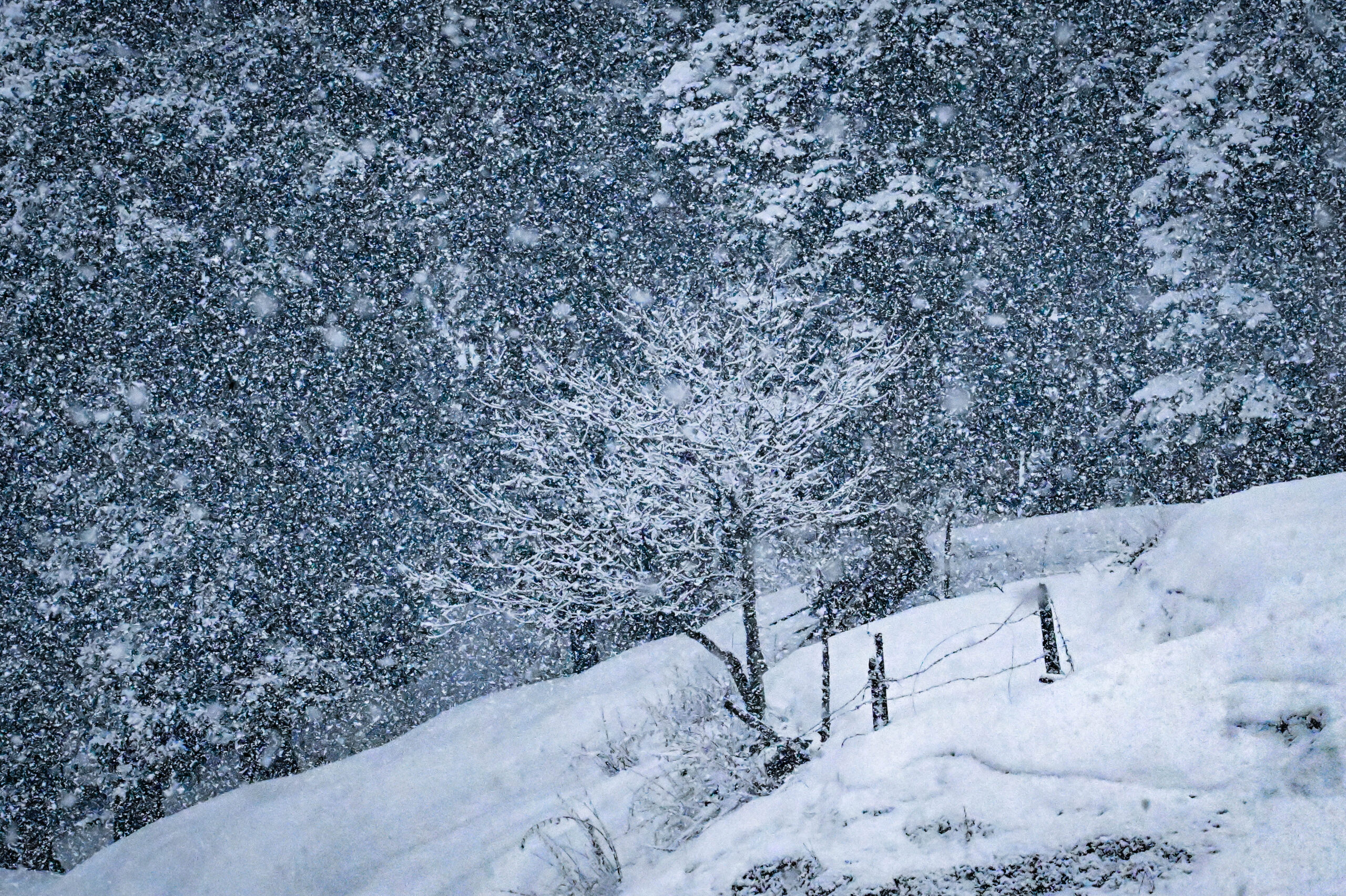
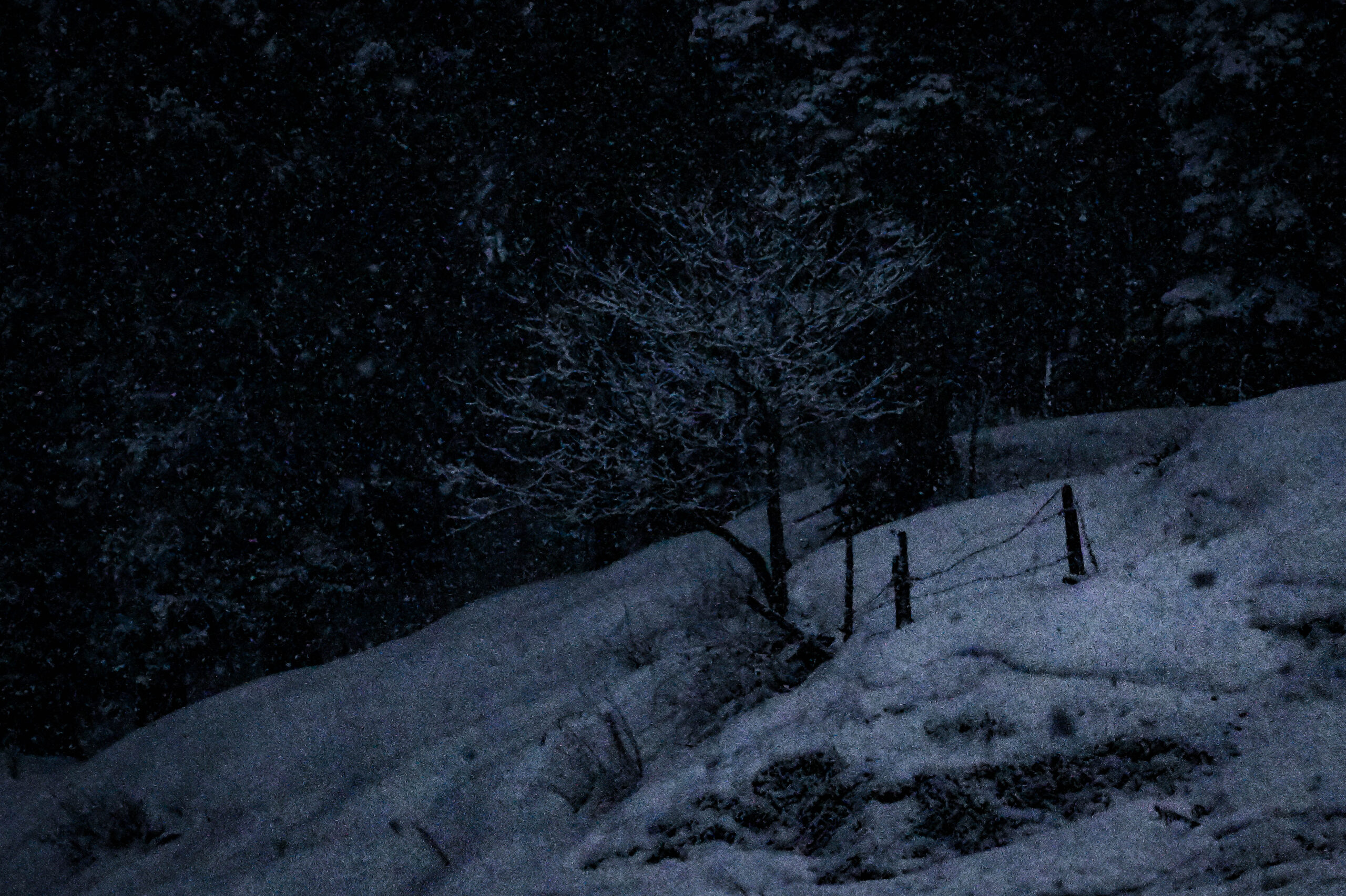
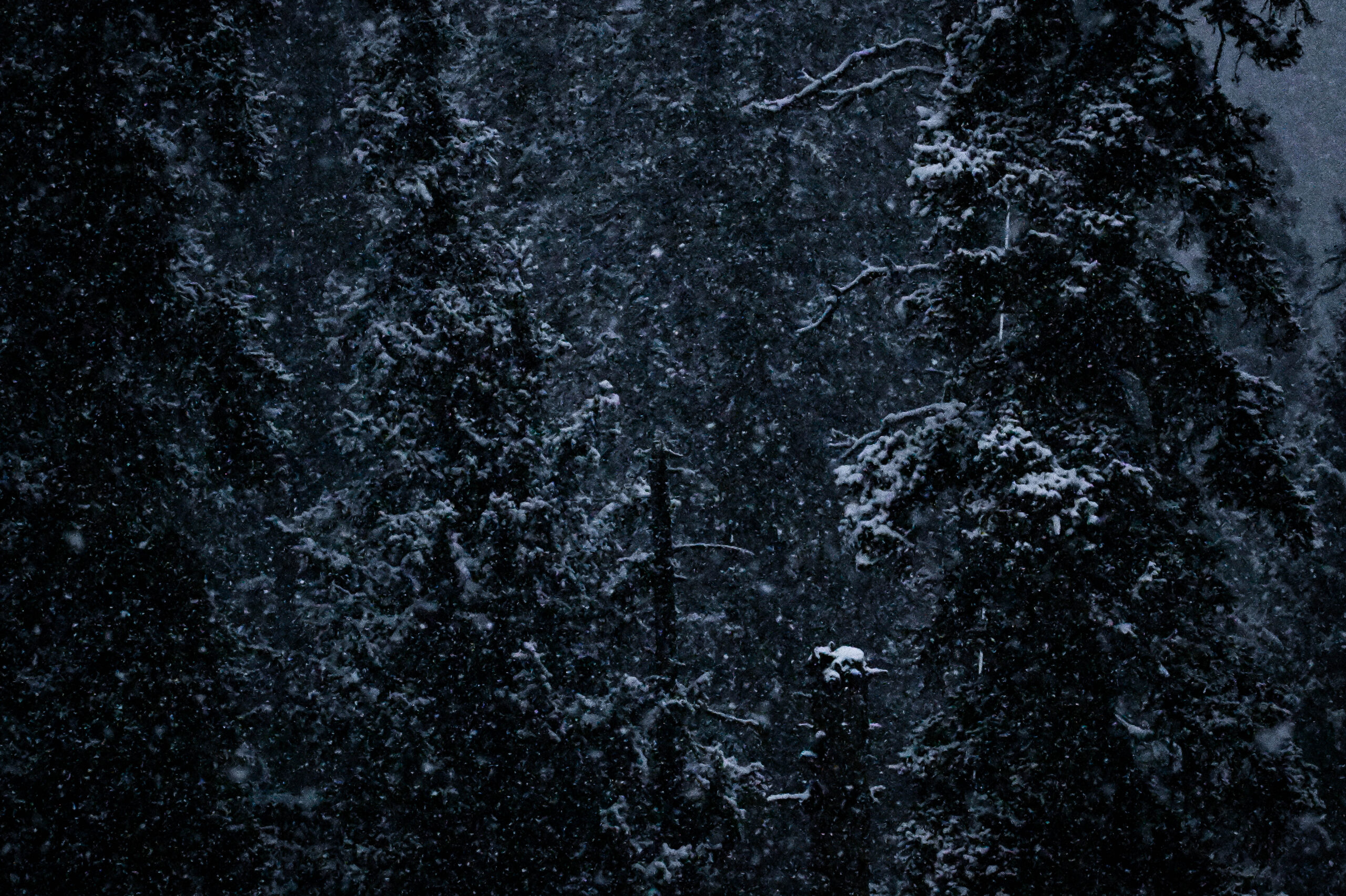
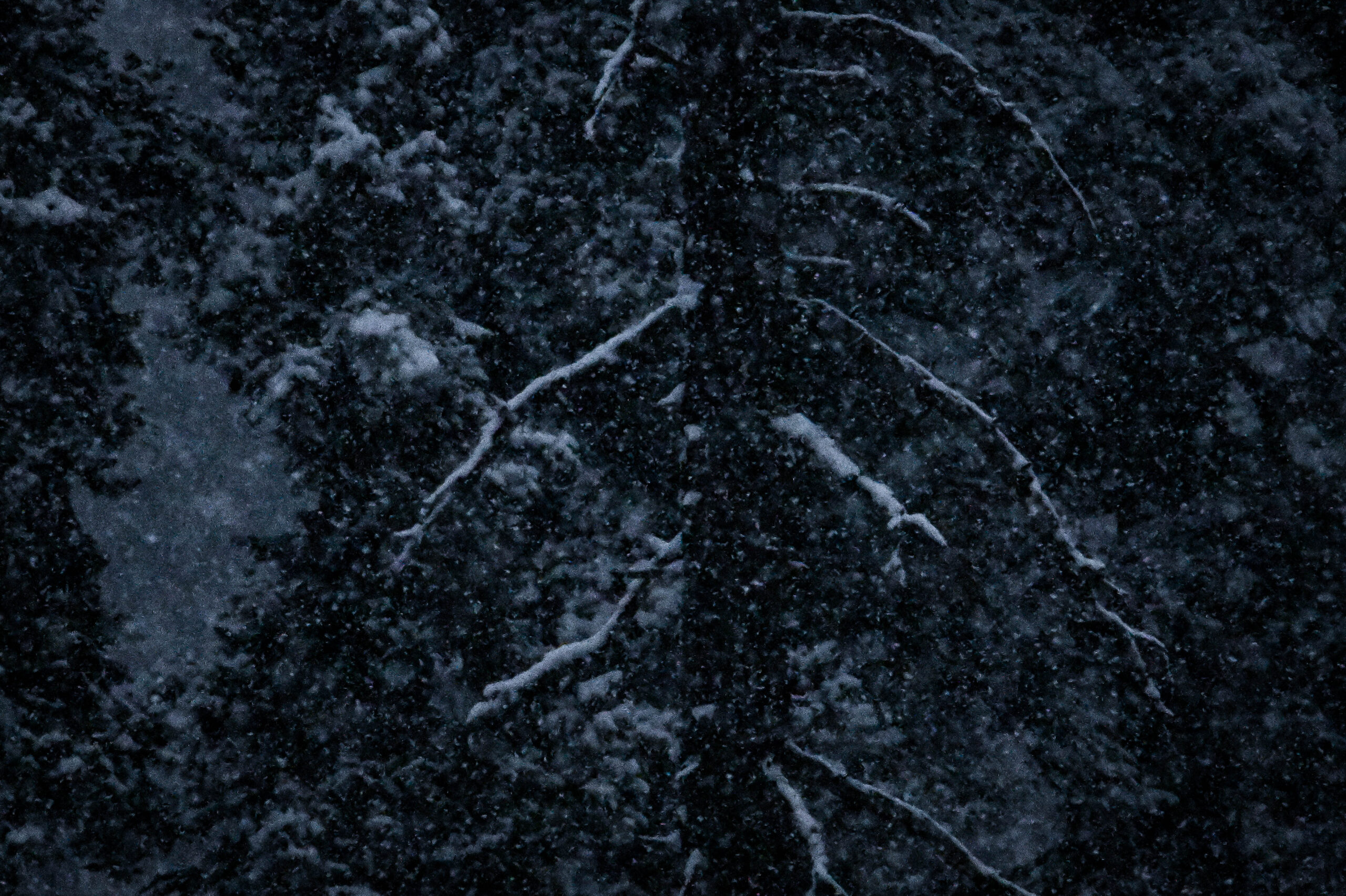
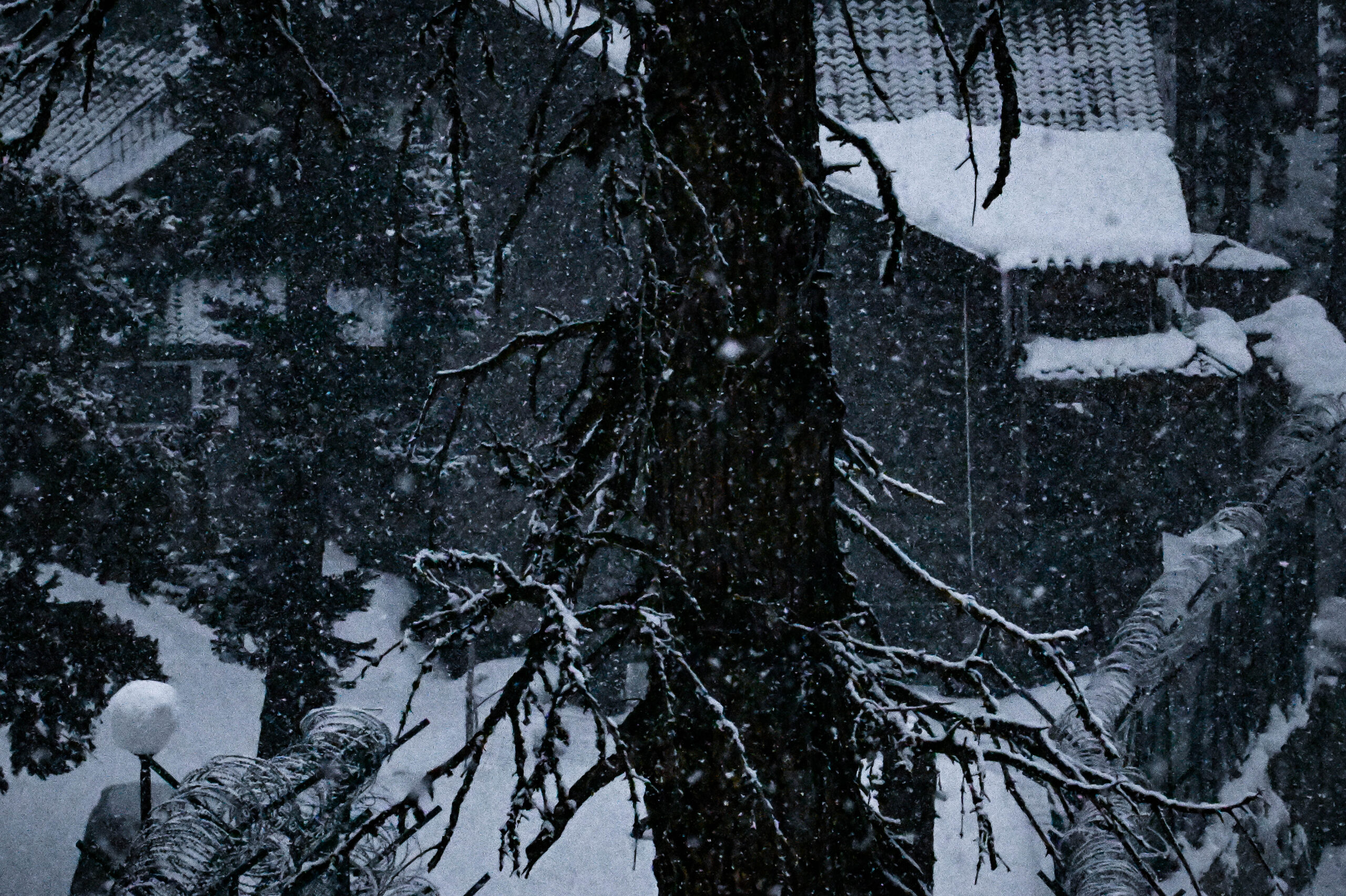
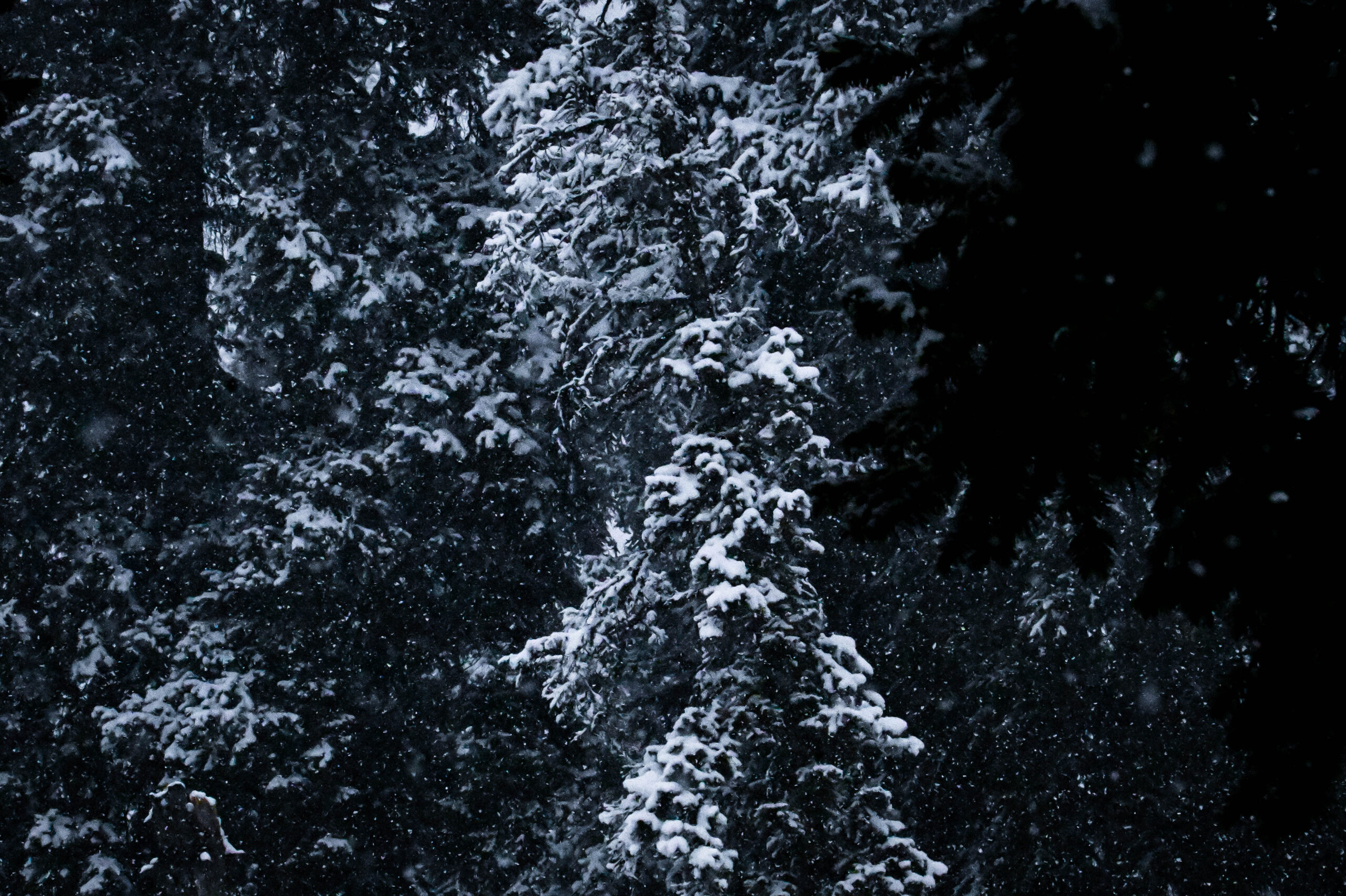
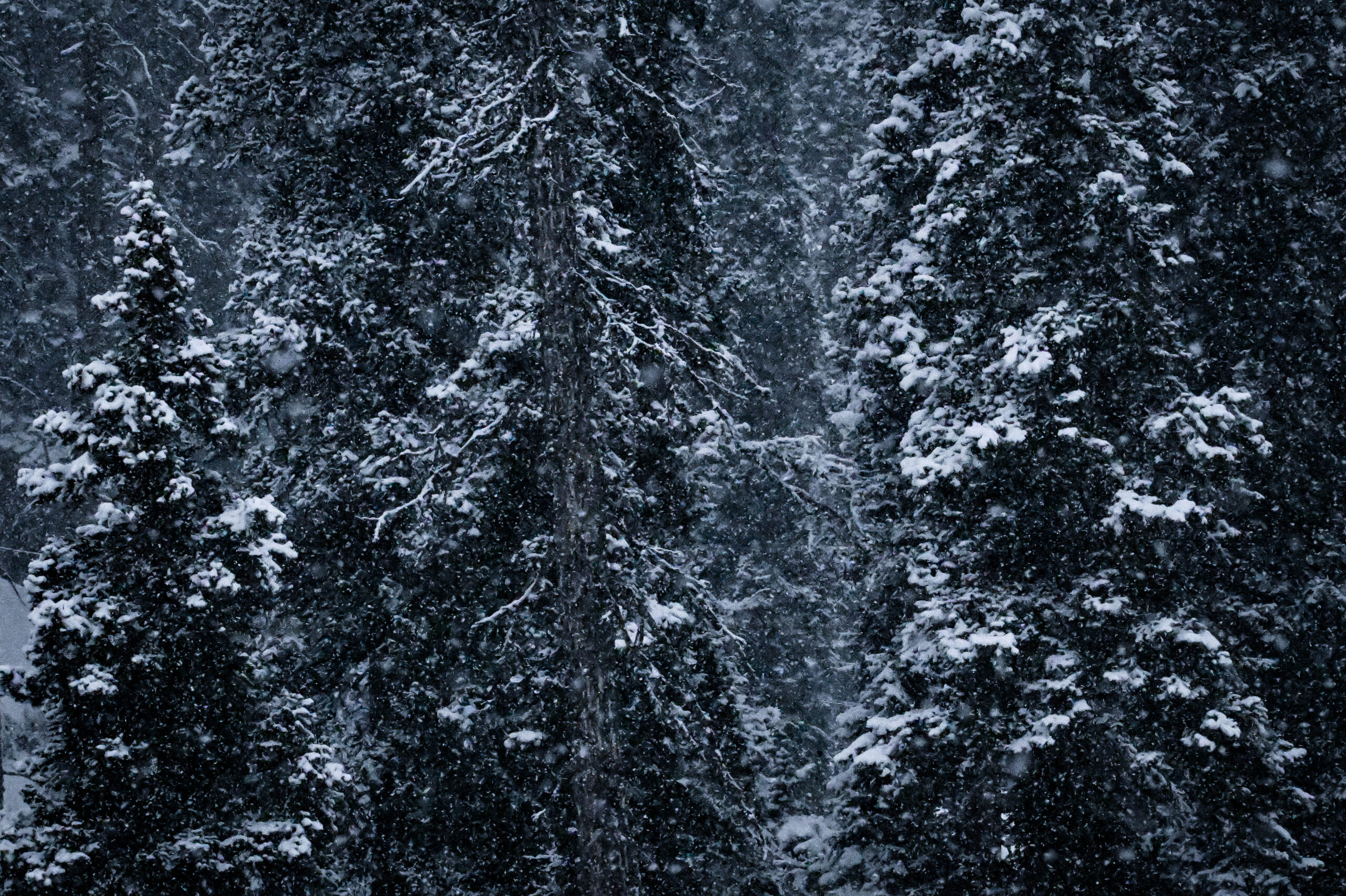
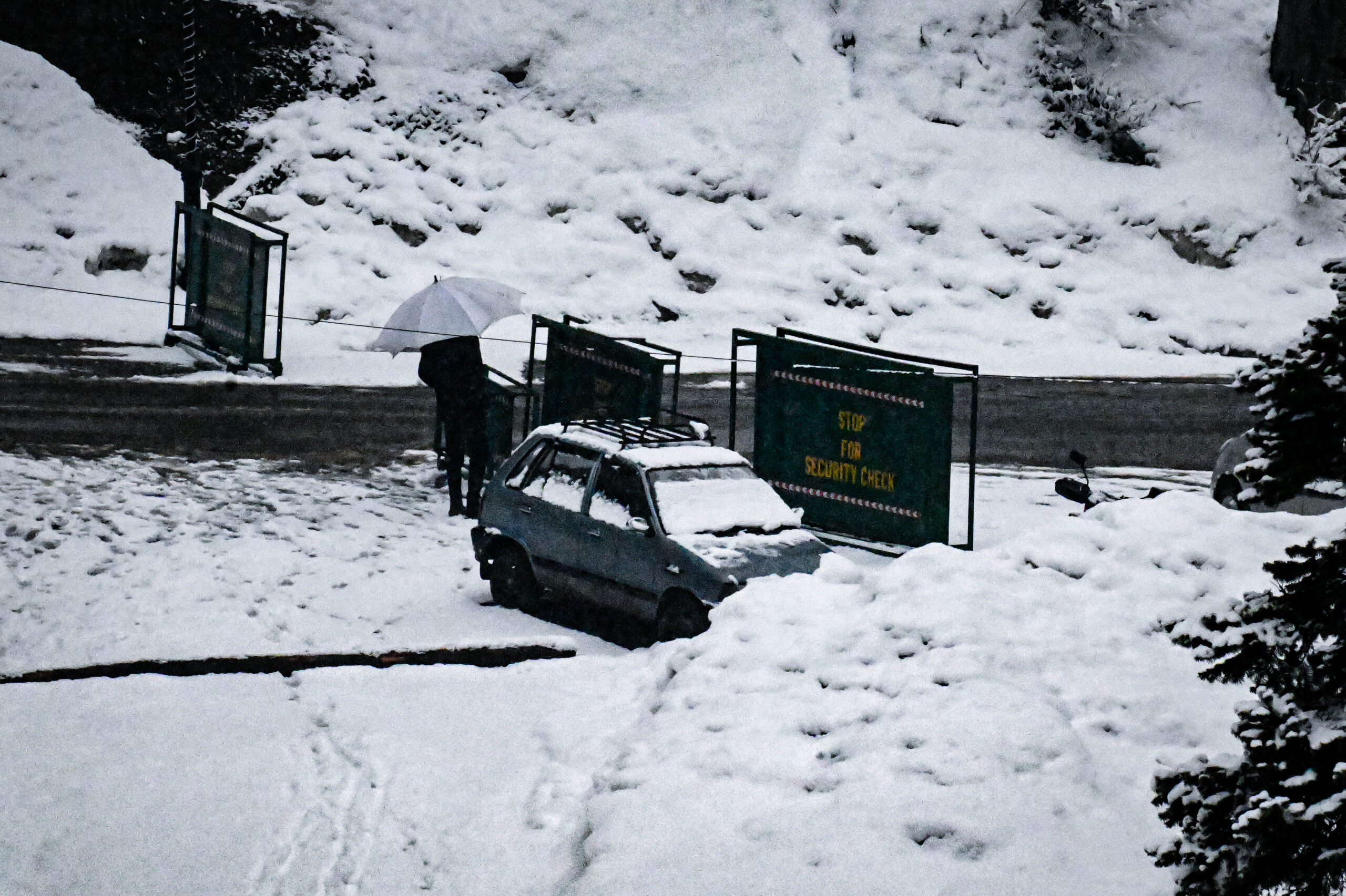
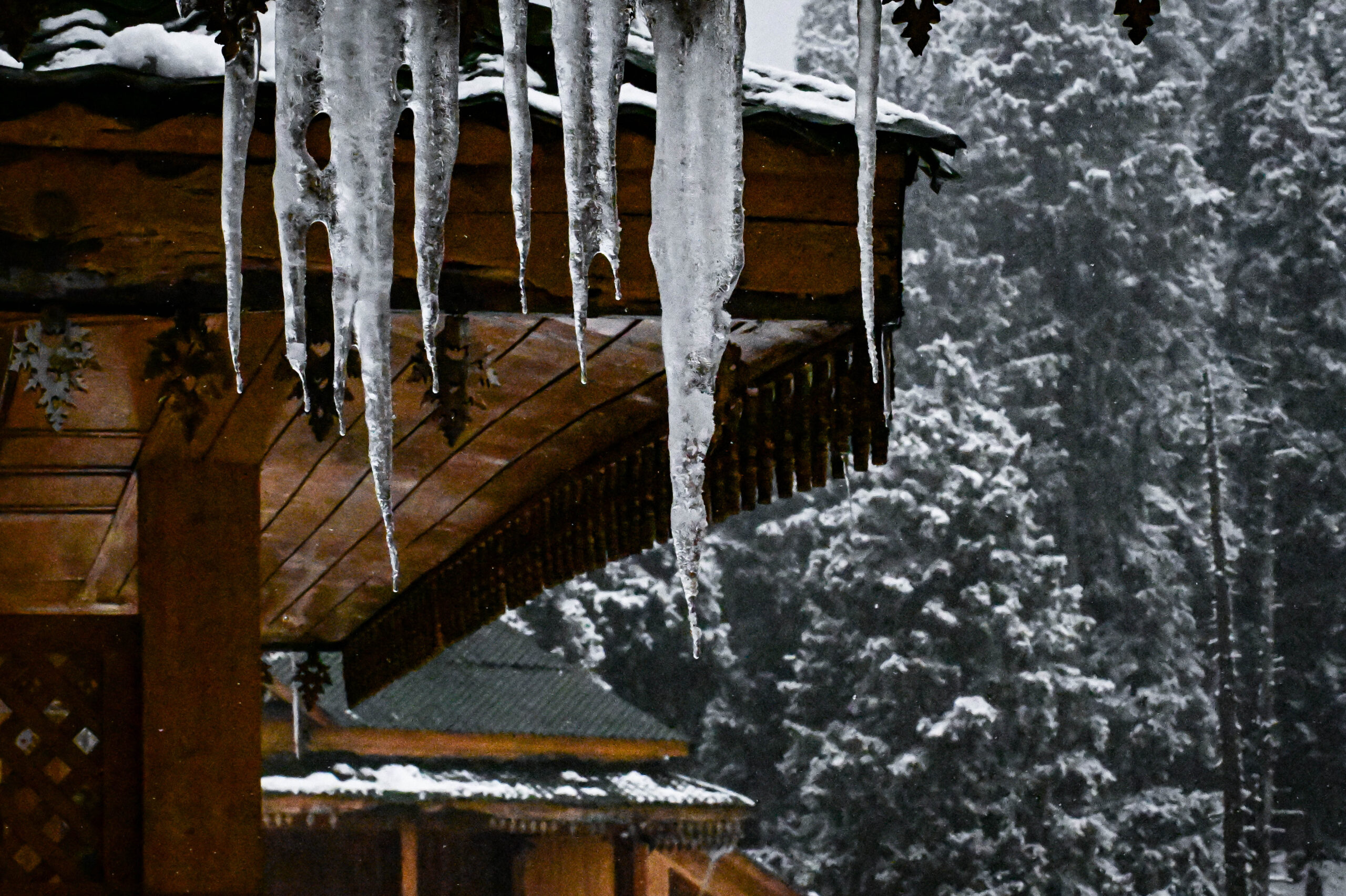
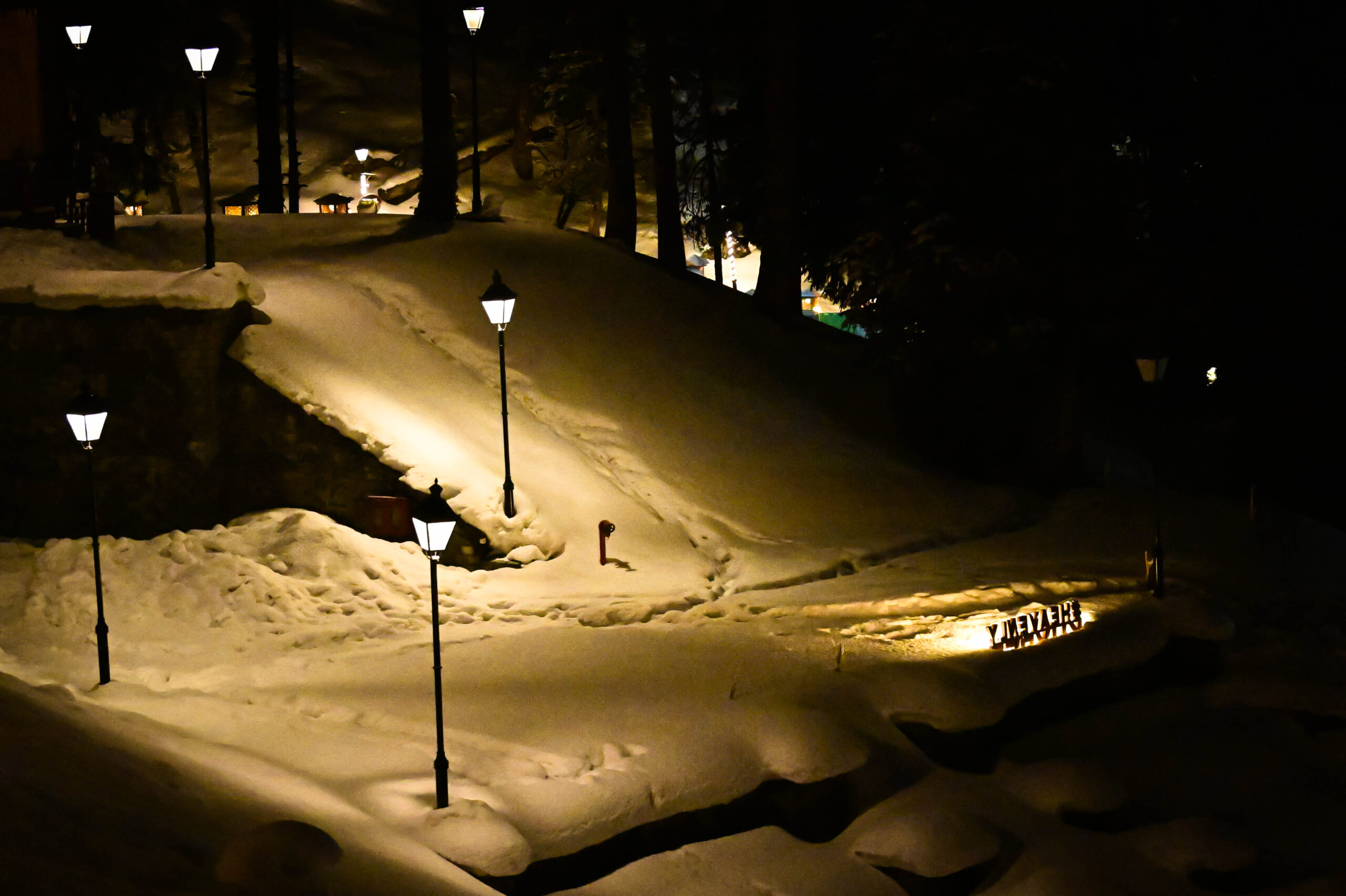
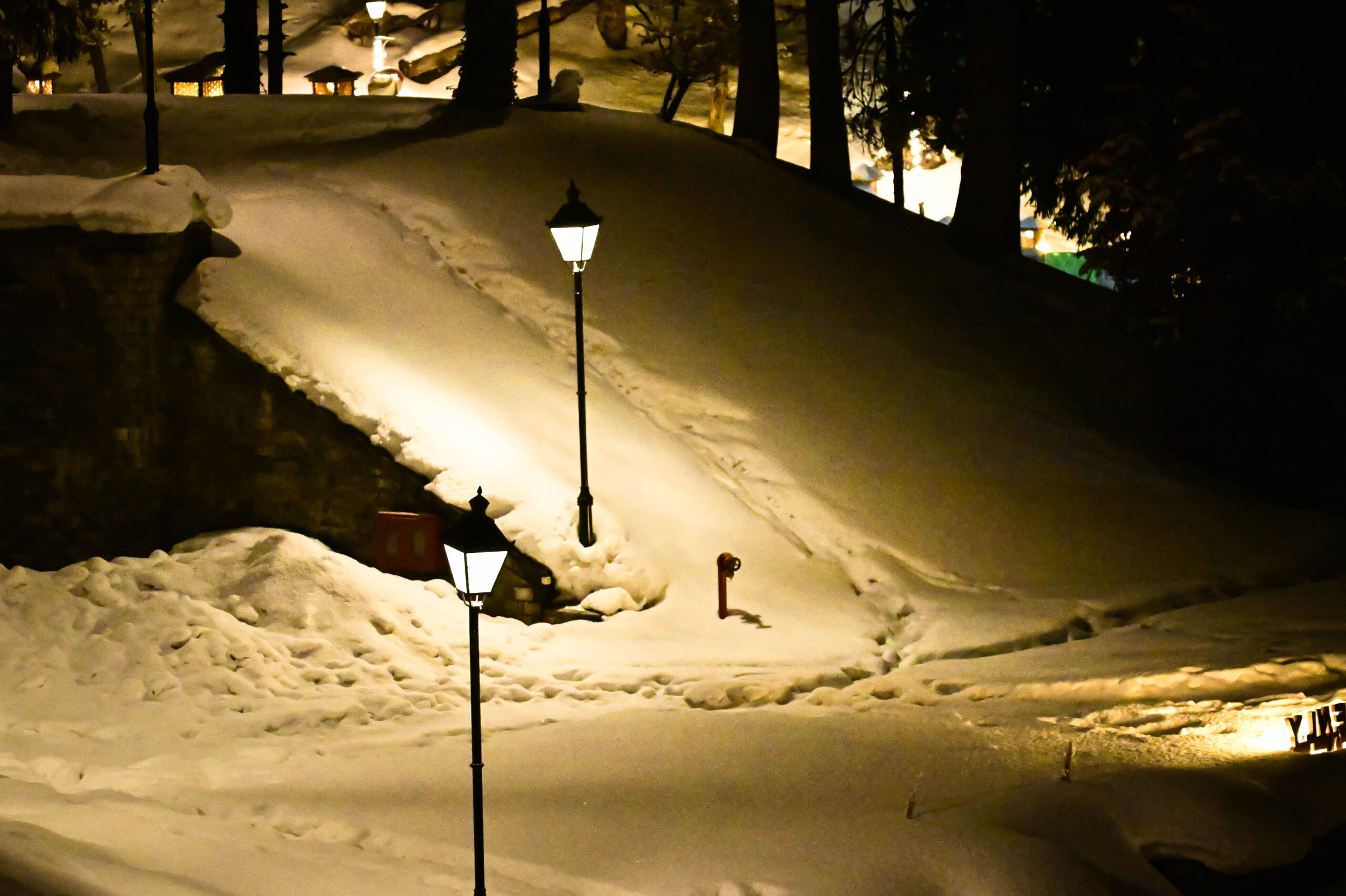
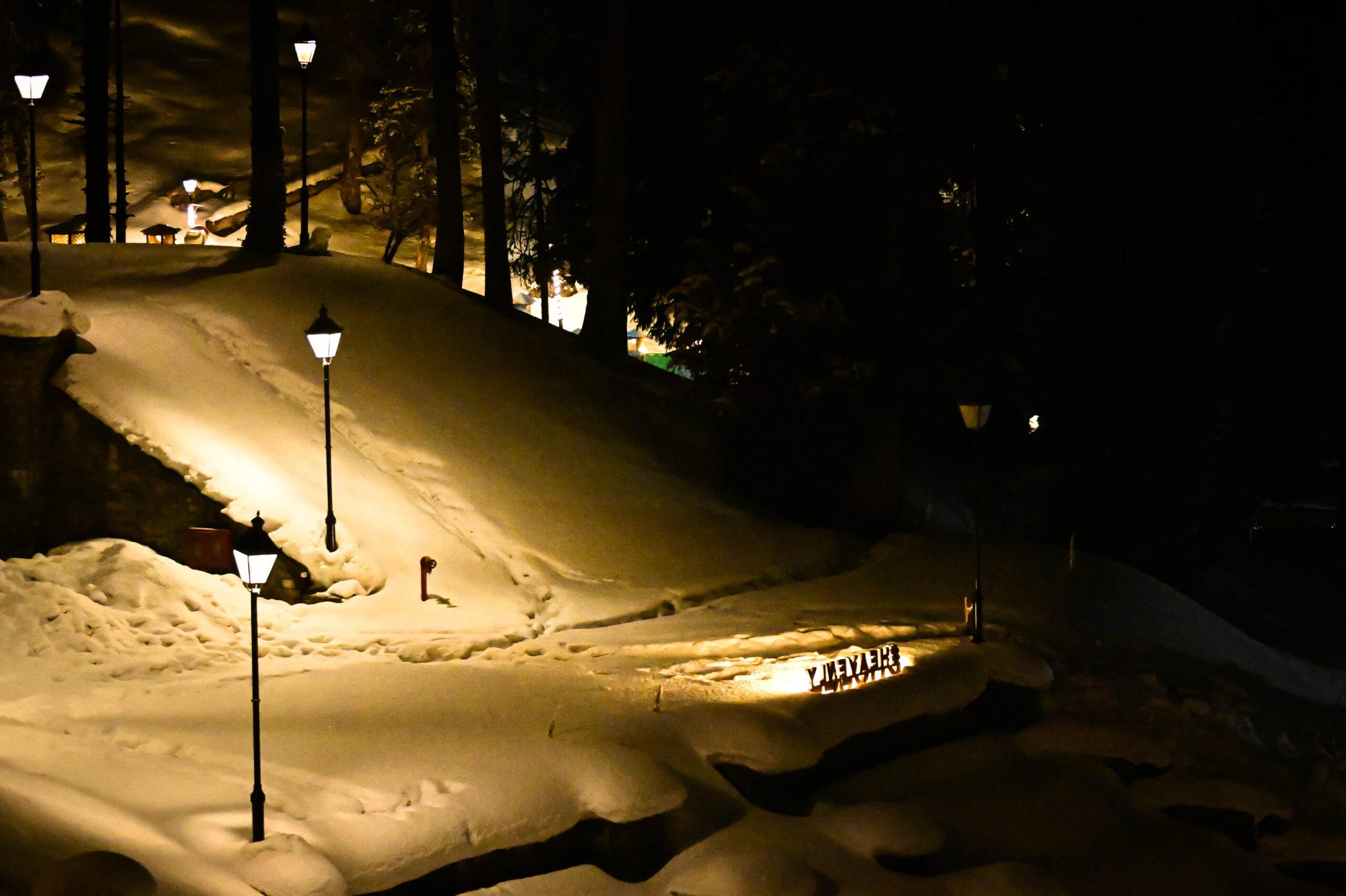
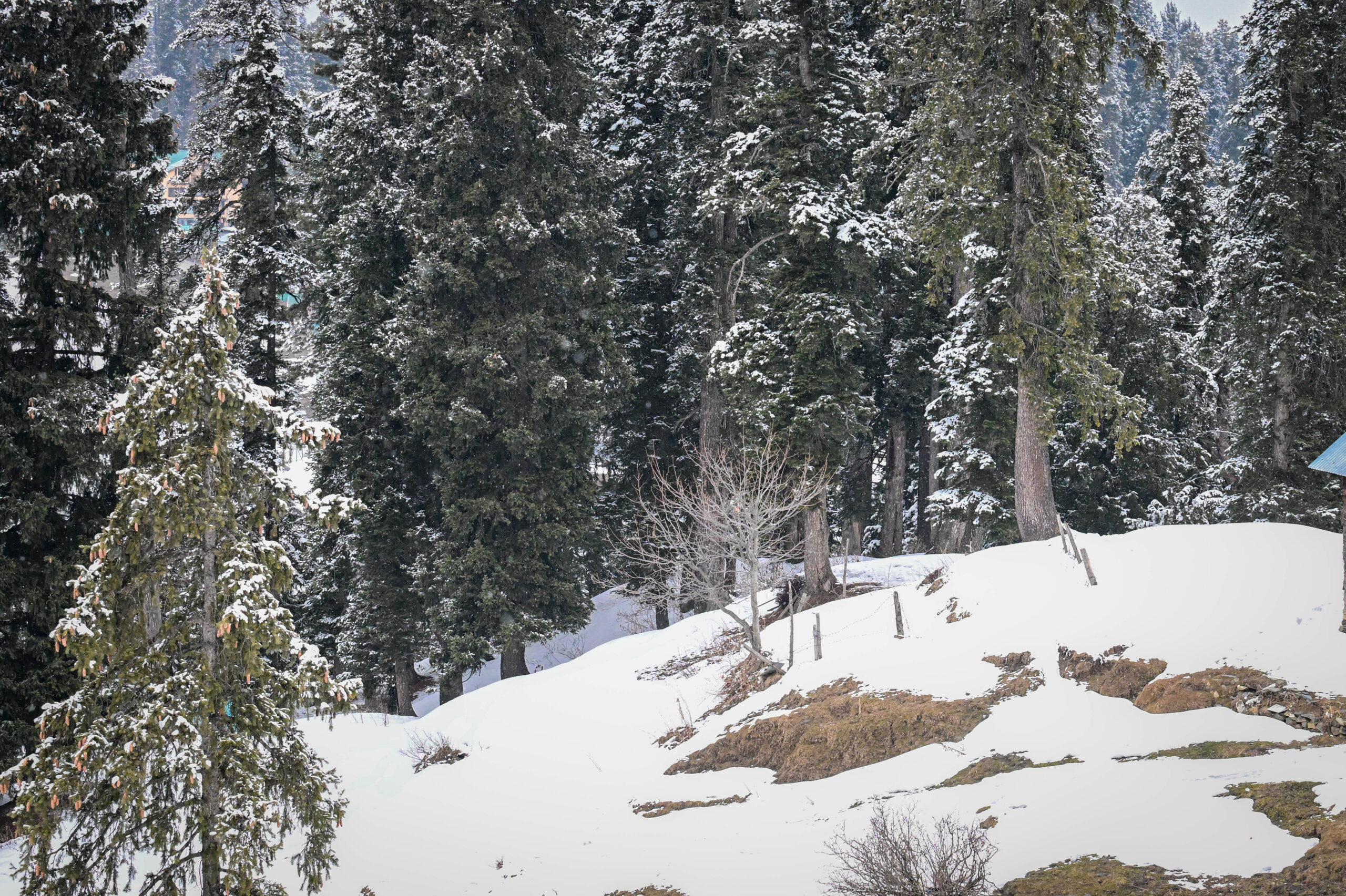
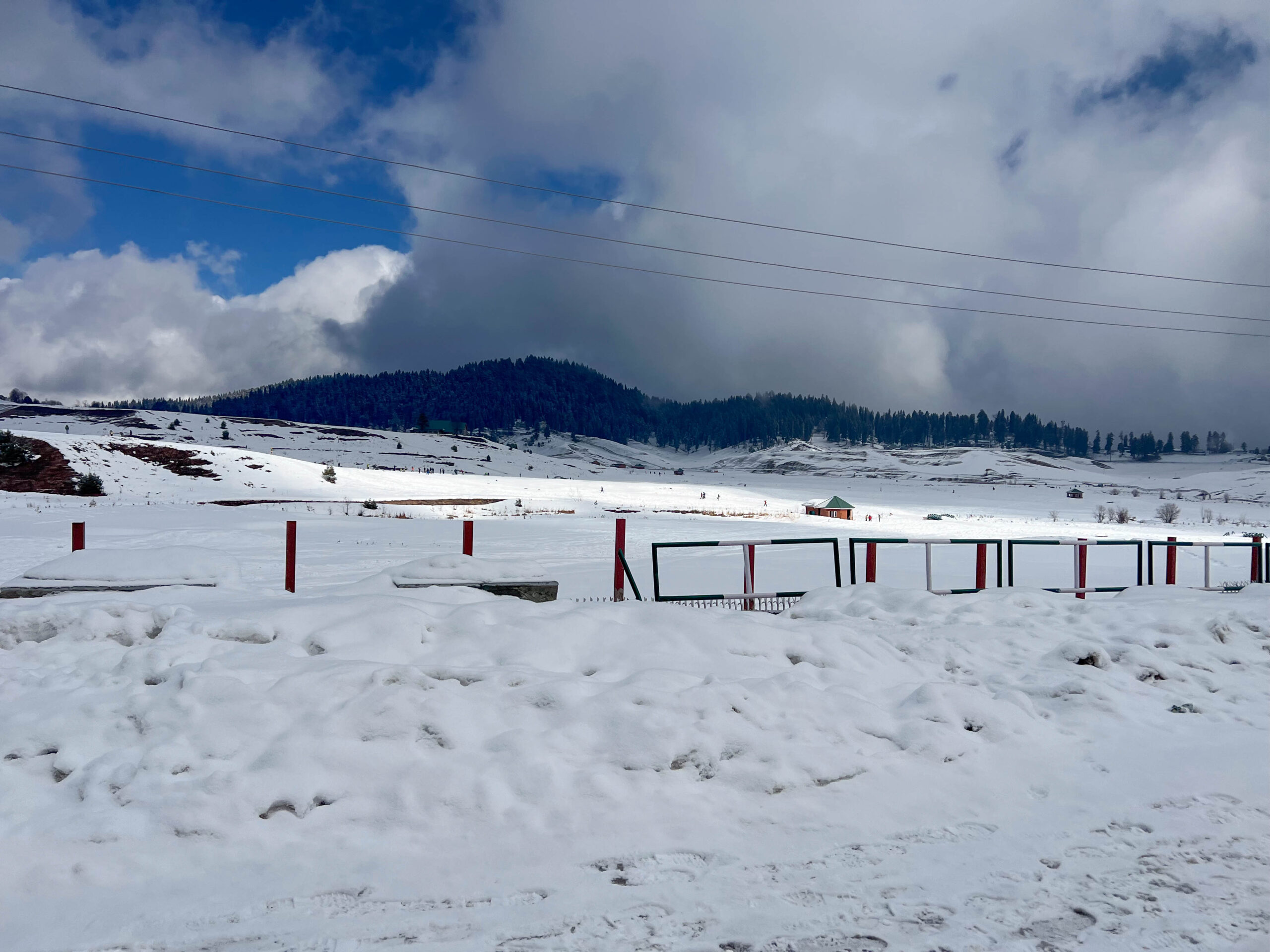
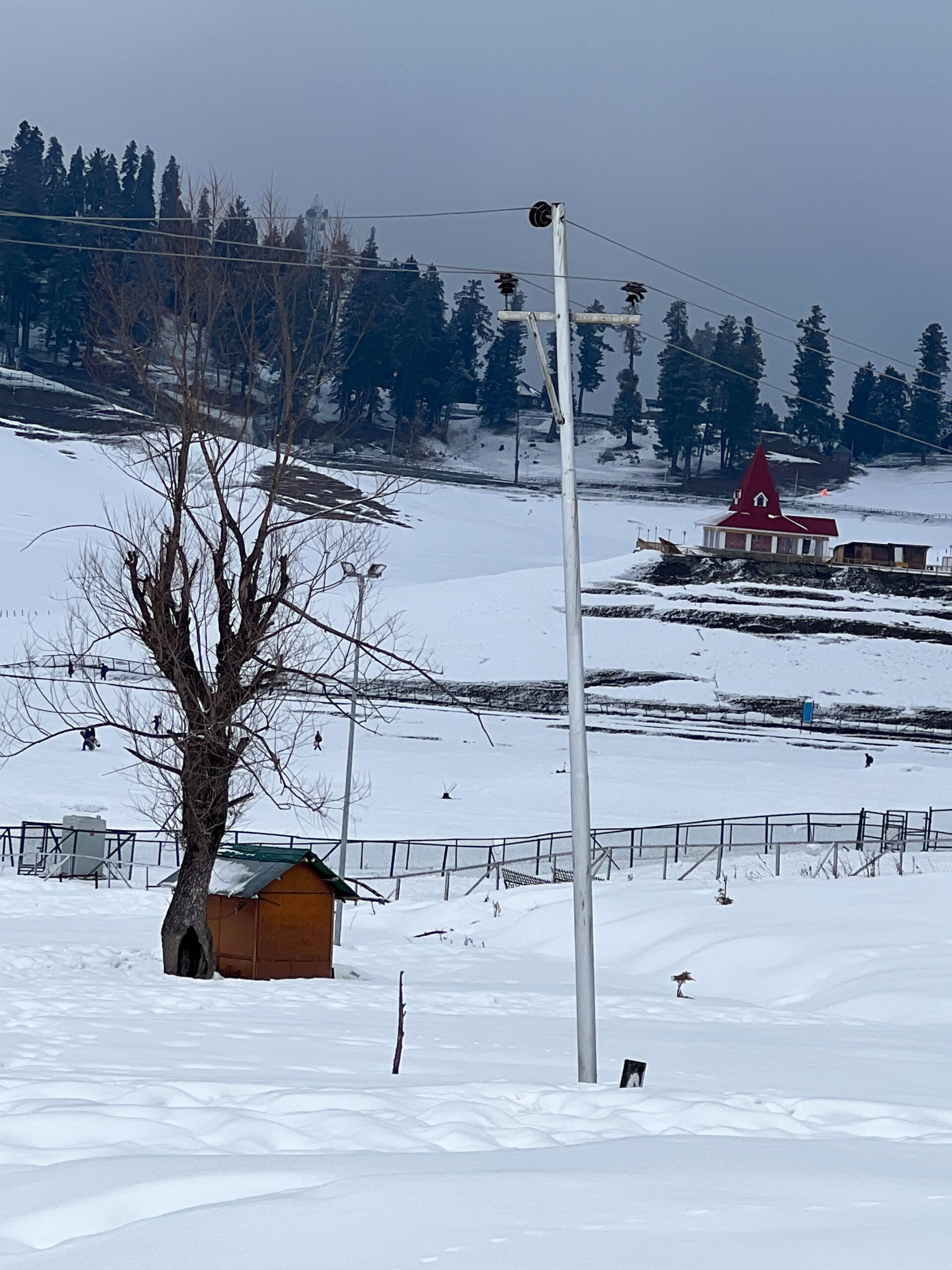
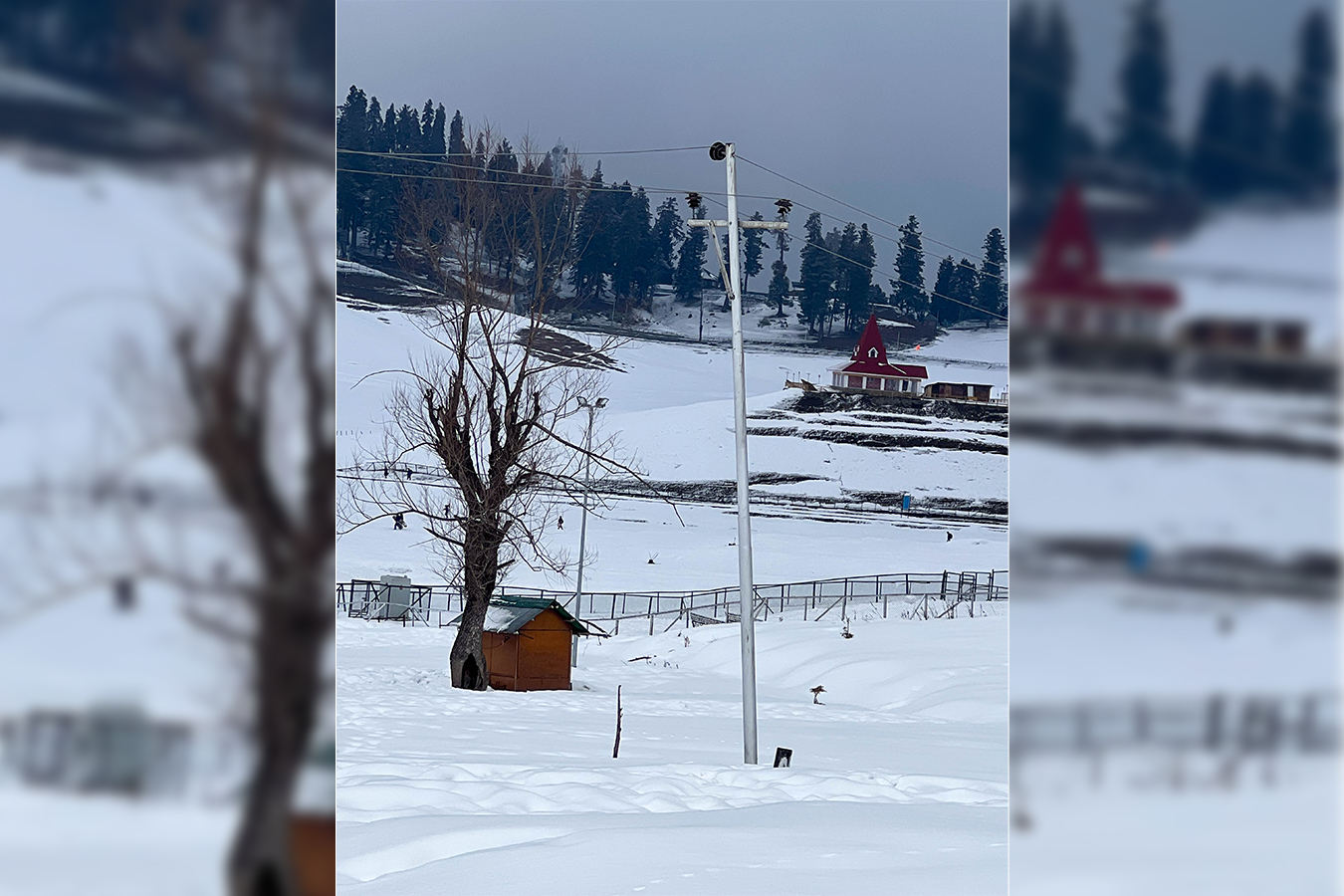
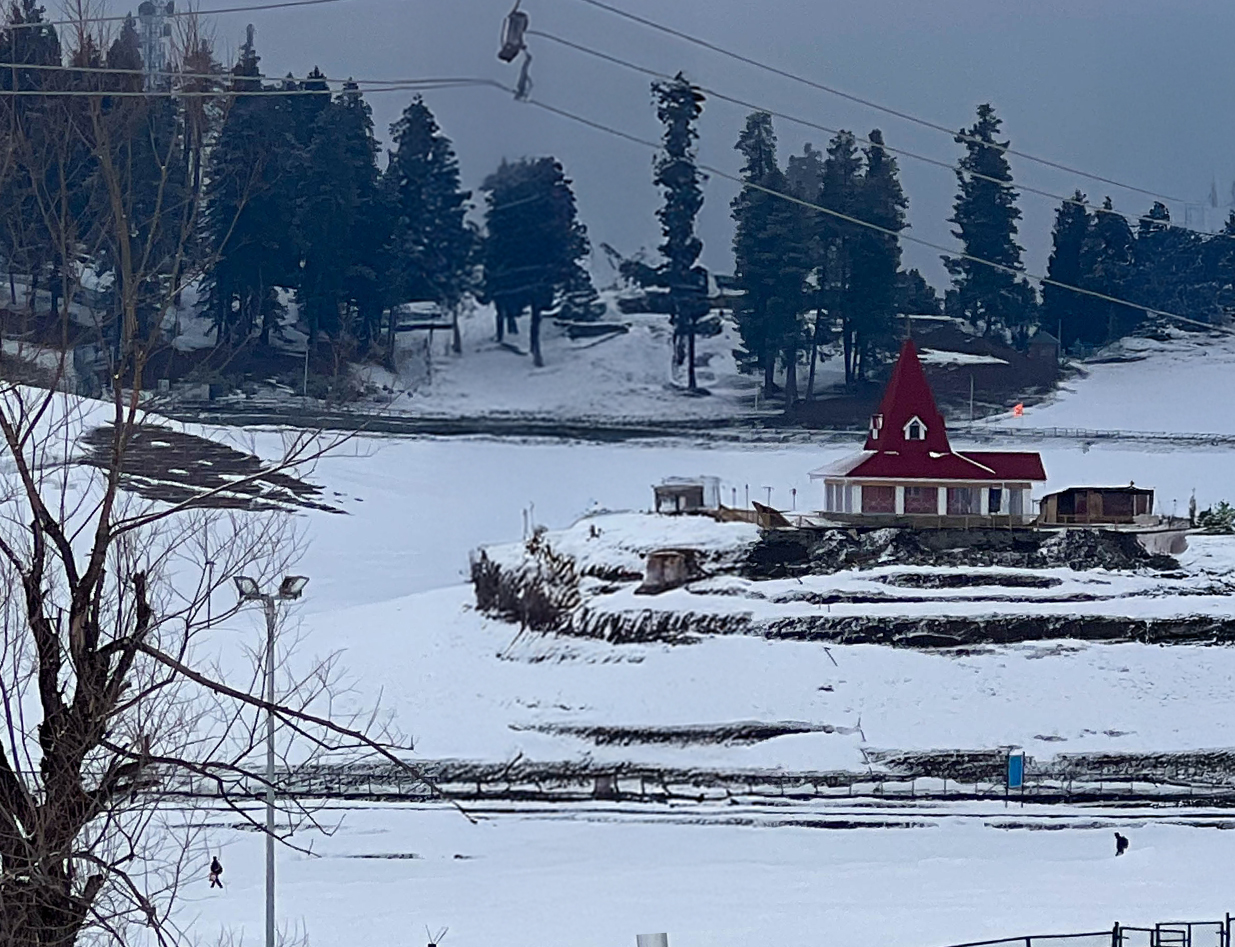
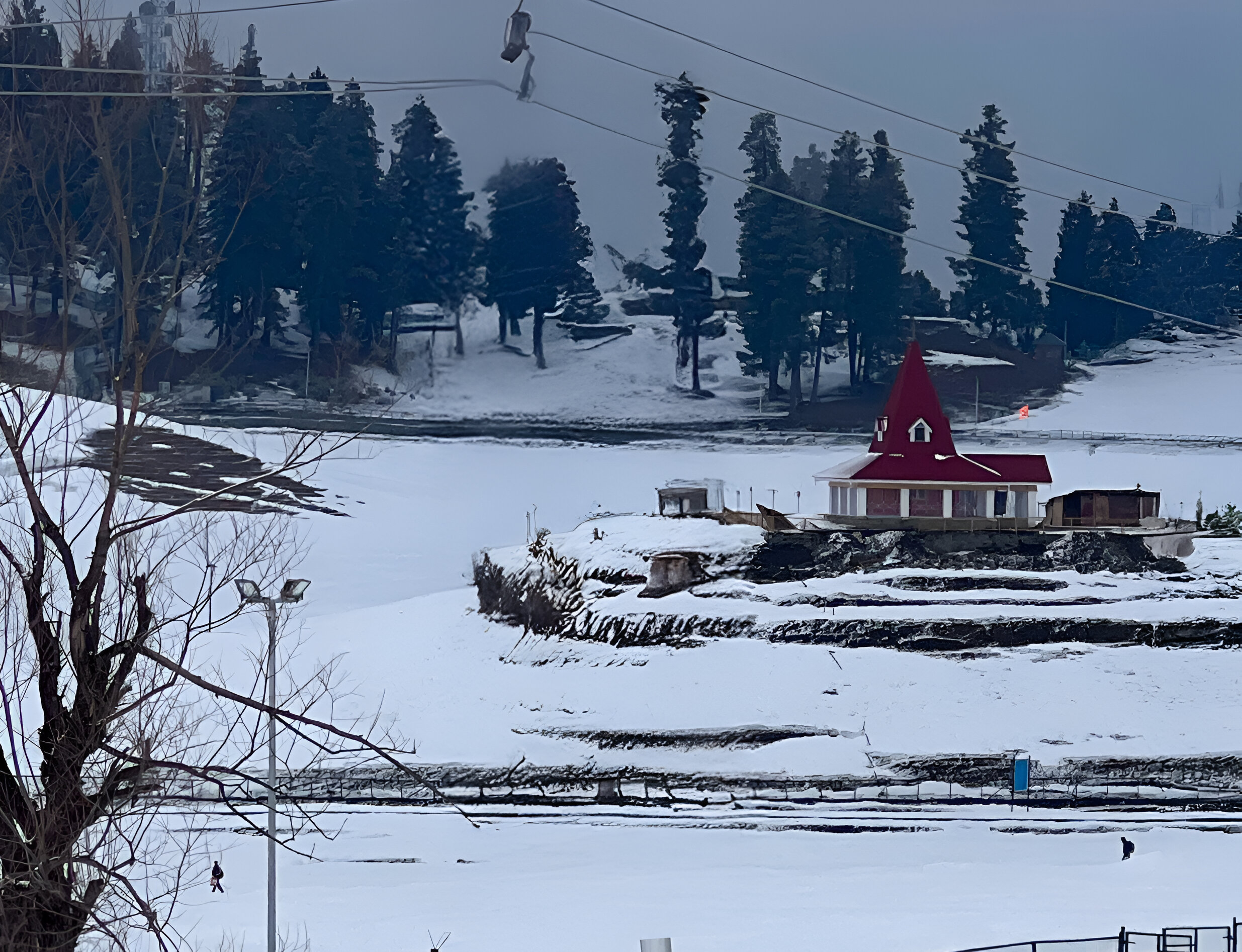
We arrived at Gulmarg — the meadow of flowers now shrouded in white — to heavy snowfall. The world was pared here to its essentials: pine, silence and the pure rhythm of falling flakes. Houses made of wood huddled beneath their weighty heads of snow, and at dusk warm amber lamps behind frosted glass turned the new whiteness gold.
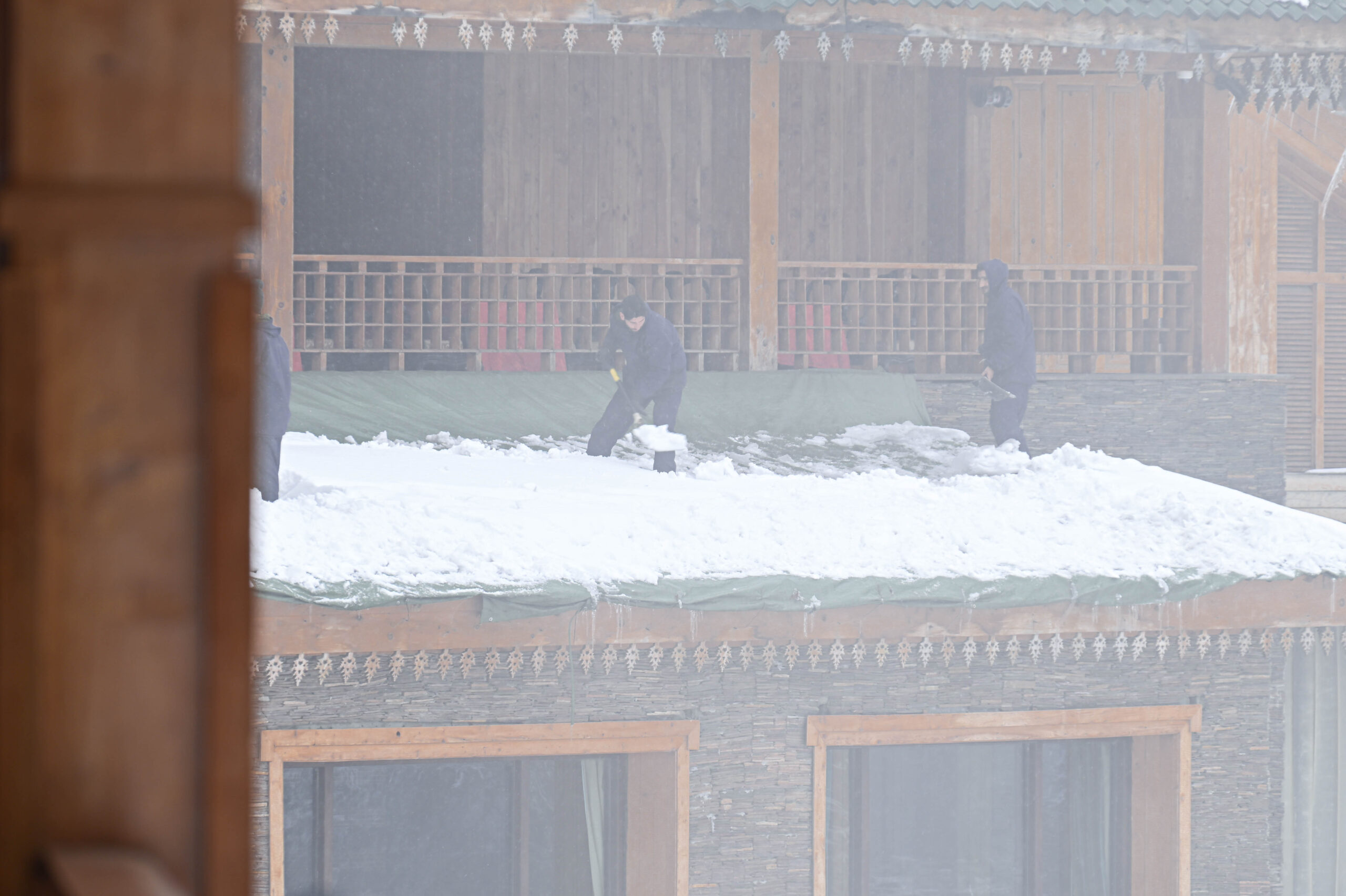
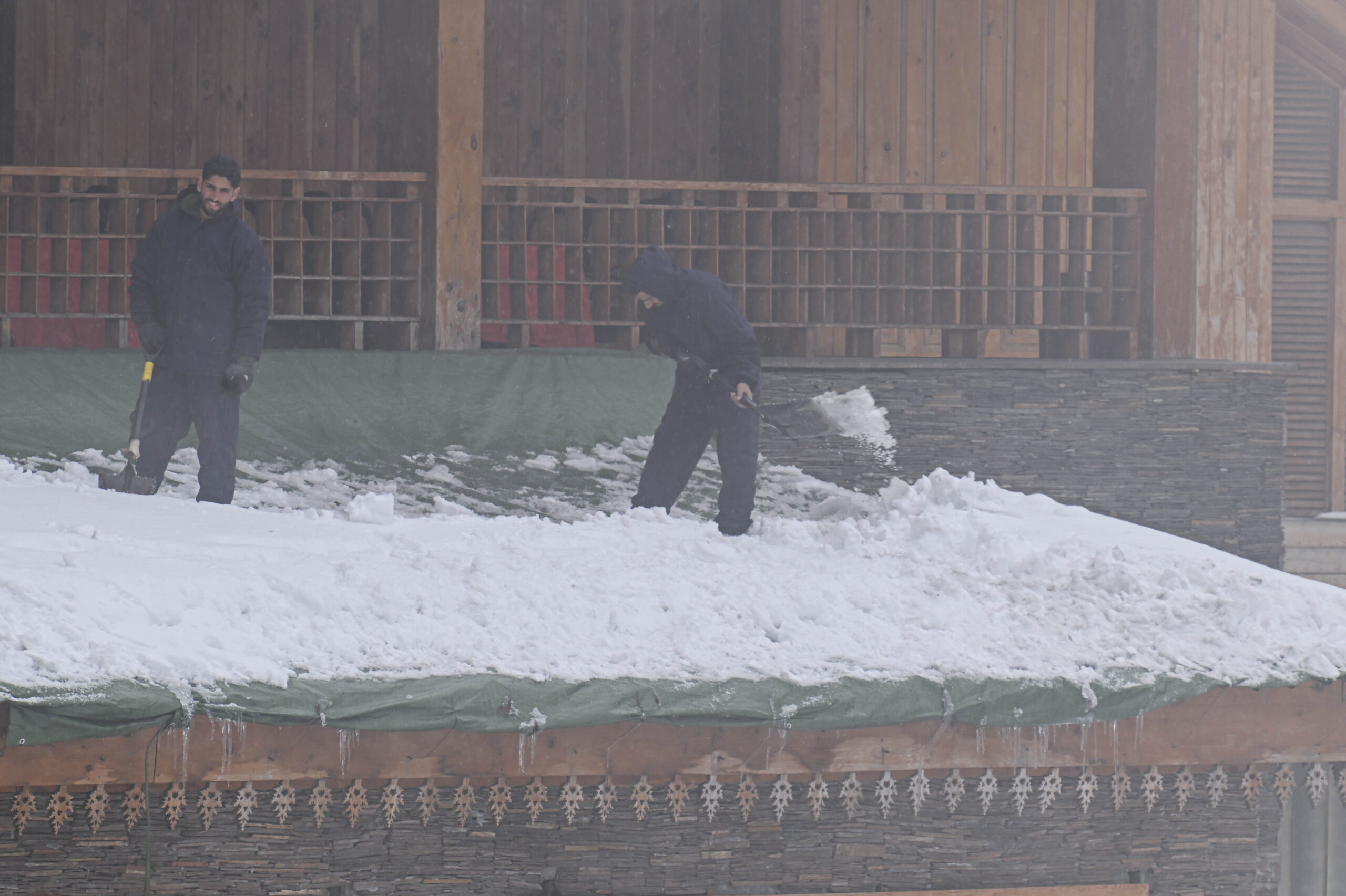
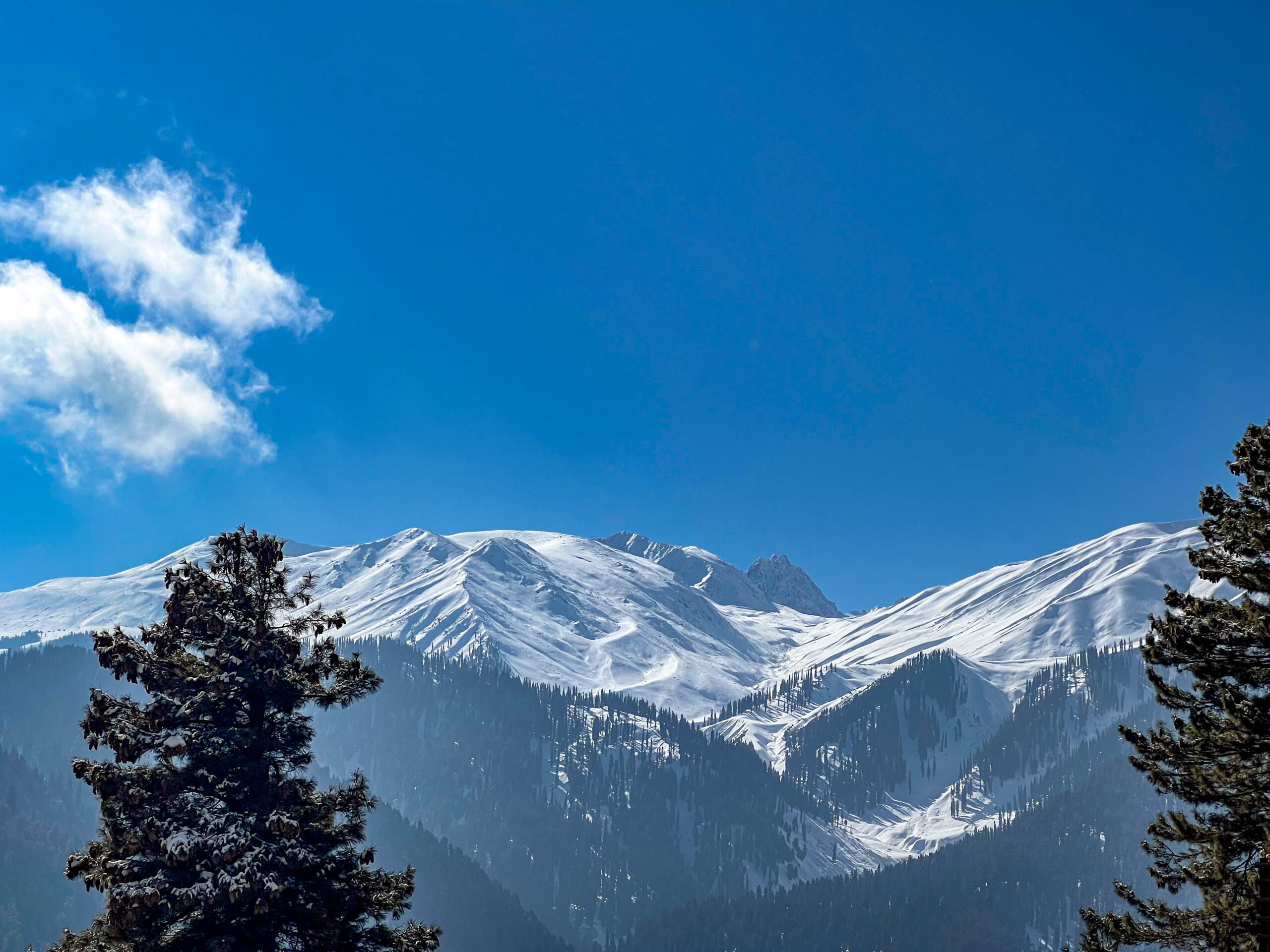
Dawn broke with the quiet scraping of shovels and people shooing snow off the rooftops as dark figures giggled in between the slopes. Above them, the white-capped mountains stood eternal, a reminder that Gulmarg’s beauty had always been equated with resilience.
In summer the meadow explodes with wild flowers, but in winter its beauty is more subdued, more contemplative — the kind that invites prayer without words.
Tangmarg – Kunzar – Magam – Narbal – Shalteng
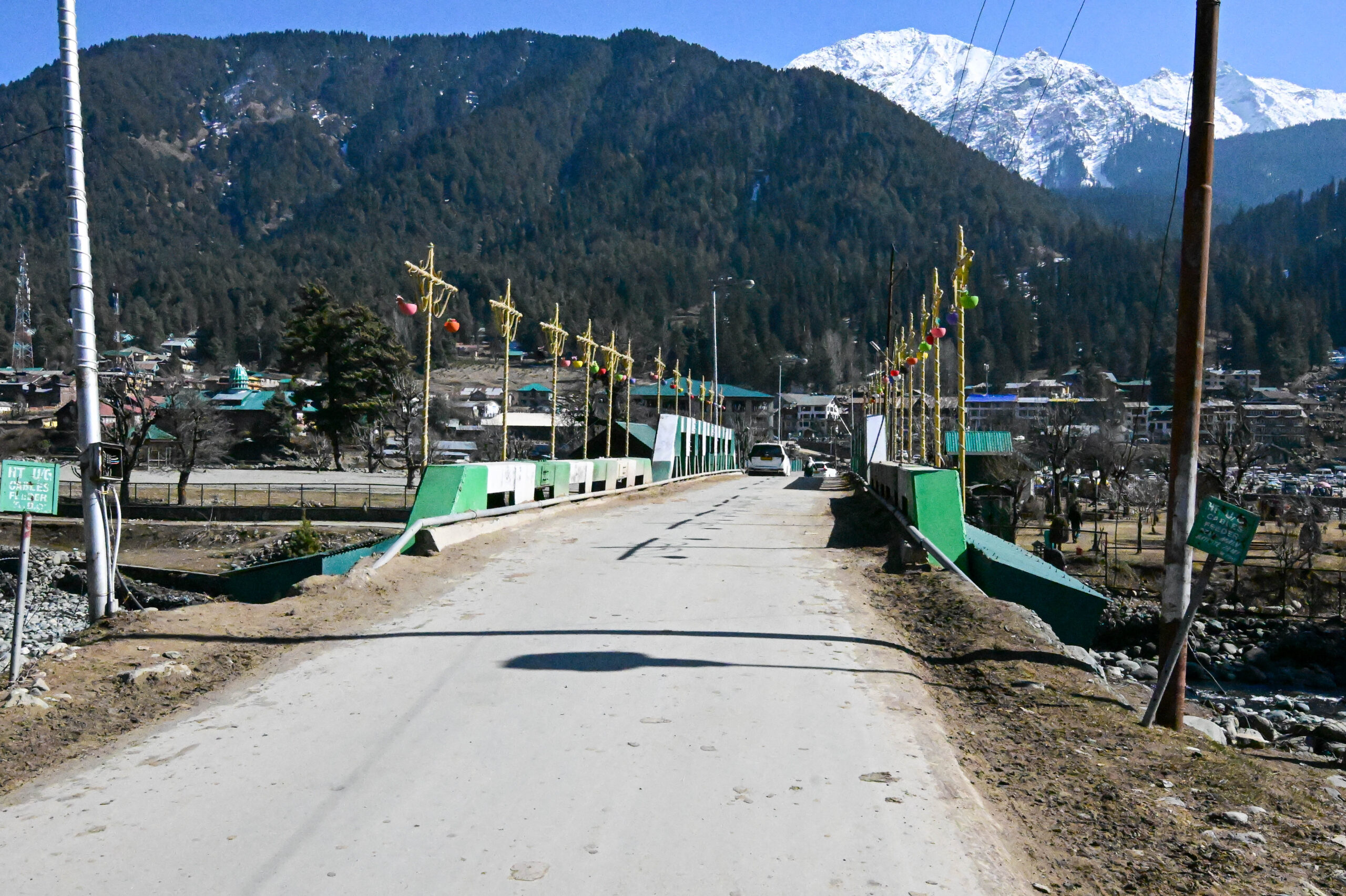
From Gulmarg, the journey downhill to Srinagar took us through Tangmarg, Kunzer, Magam and Narbal — each village a bead on the rosary of the valley connected by the rhythm of life and snowmelt.
Tangmarg was the mouth, its marketplace full of woollen shawls and stories of shepherds who had sung to the pines. Kunzer smelled of earth and stone — pastures edged in ice where children played cricket on frozen patches.
Every little town had its stories of traders and saints and soldiers who had passed this way, leaving their breath in the dust of time.
Pantha Chowk- Pampore -Avantipura
We left Srinagar, passed Pantha Chowk and arrived at Pampore — the saffron town. Even in the winter, the fields appeared tinged with an afterglow of gold, as if the soil retained a memory of its flowers.
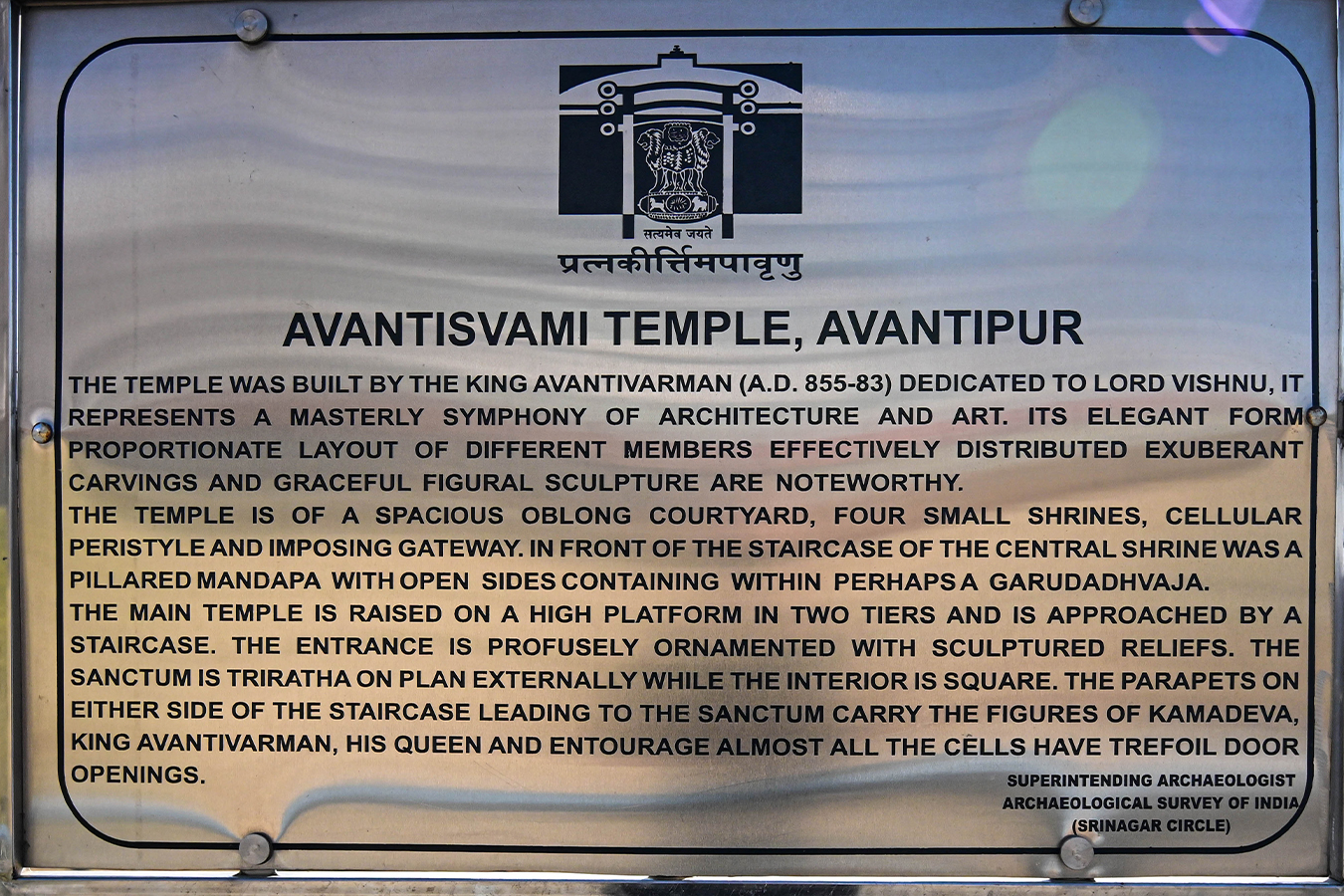
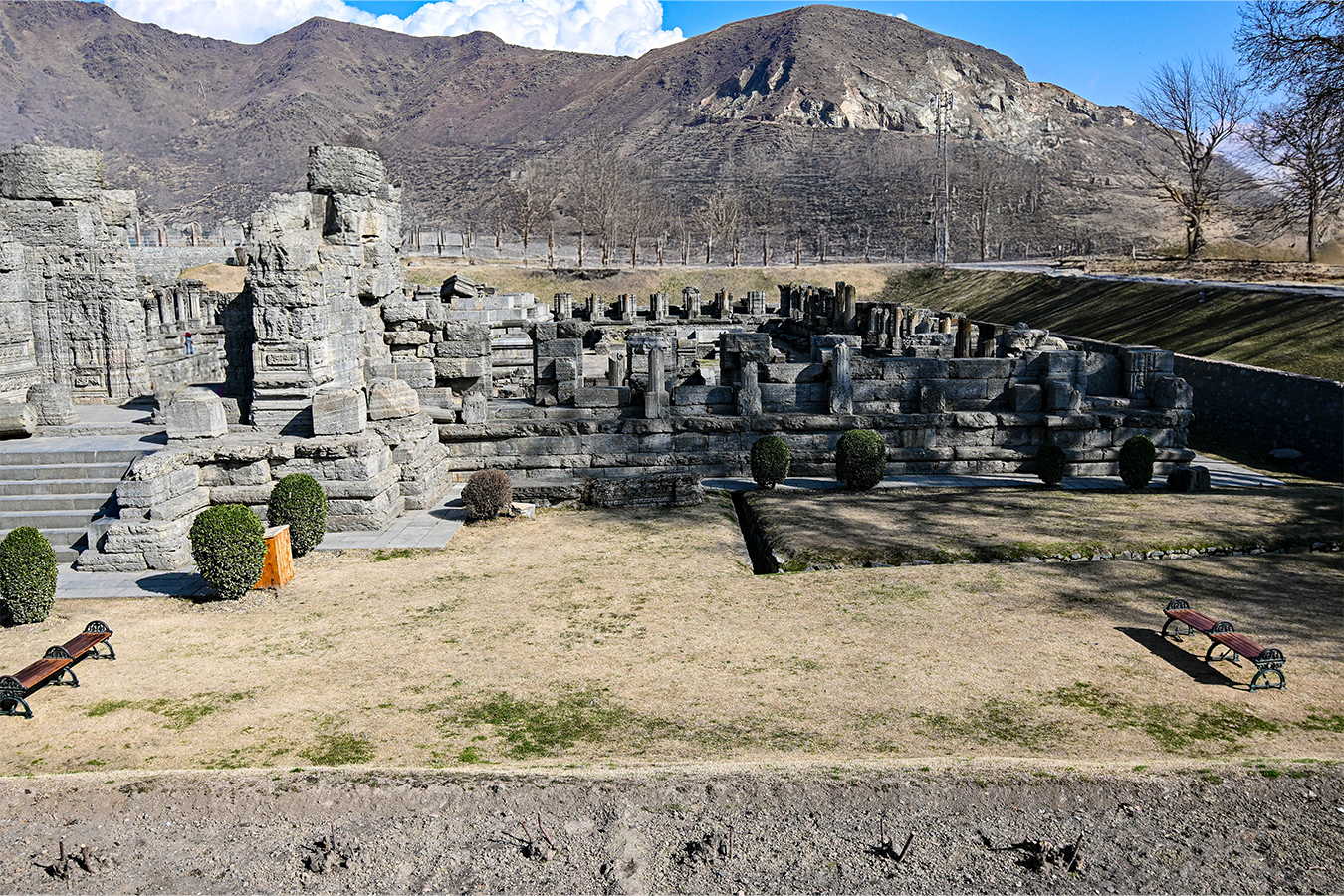
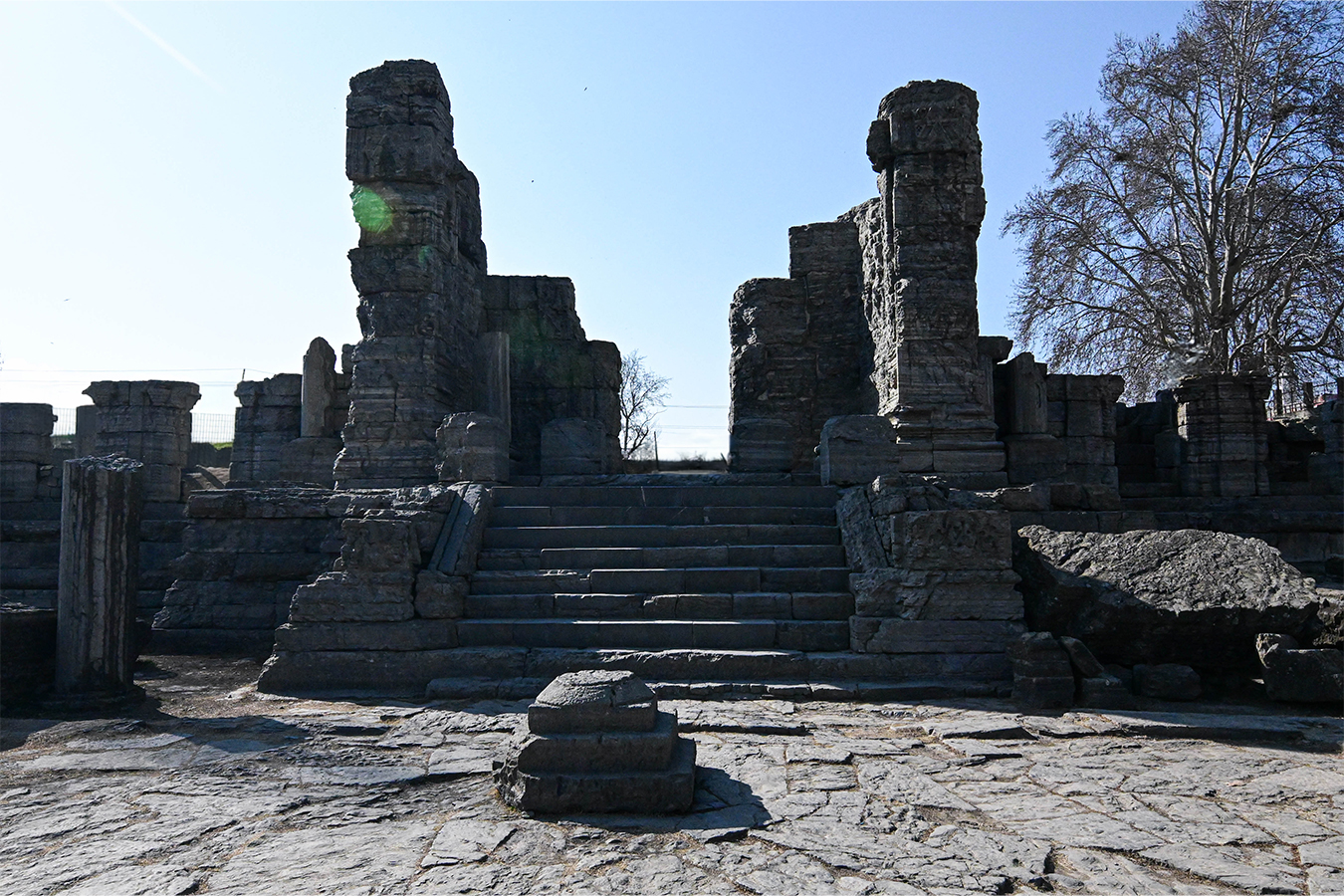
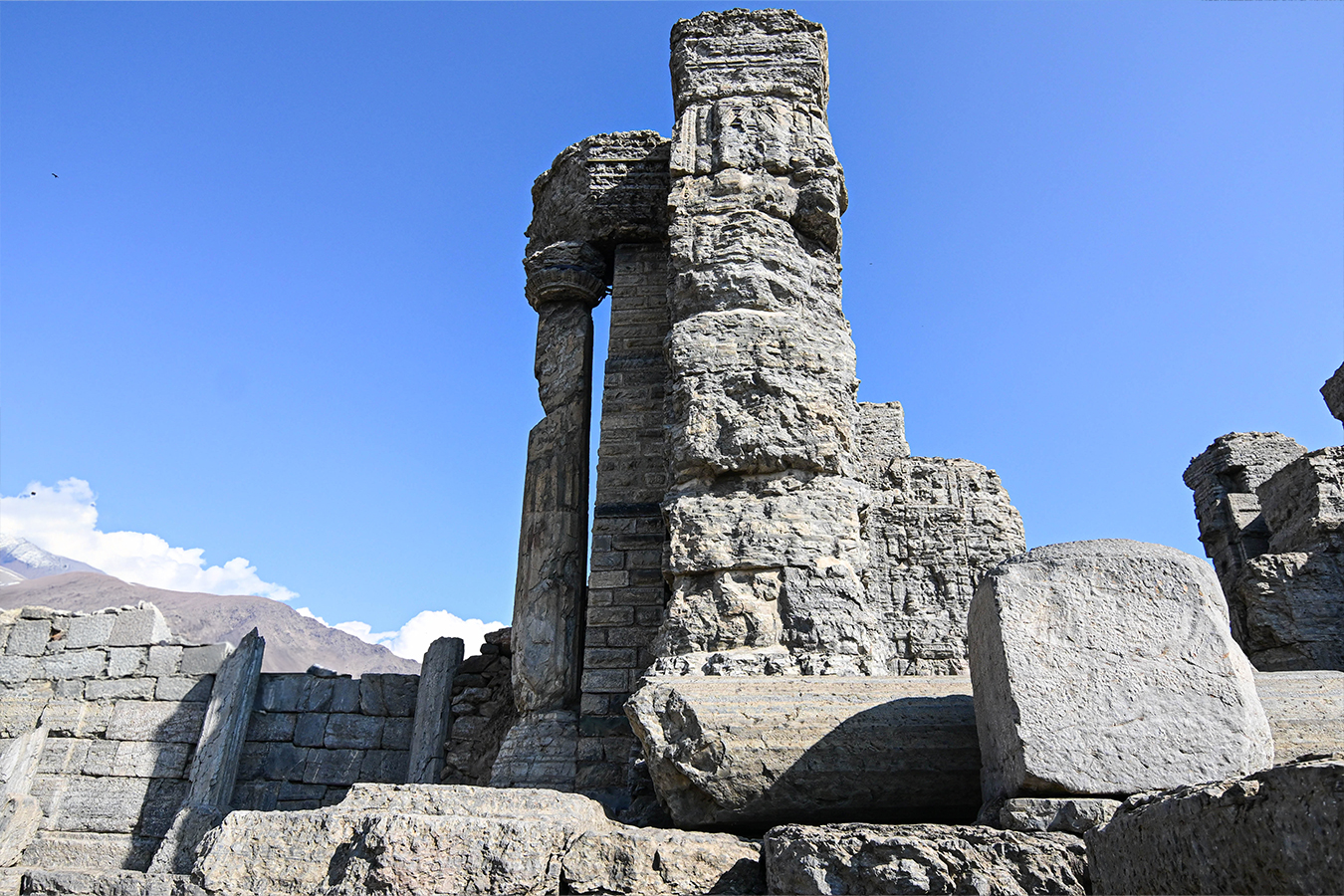
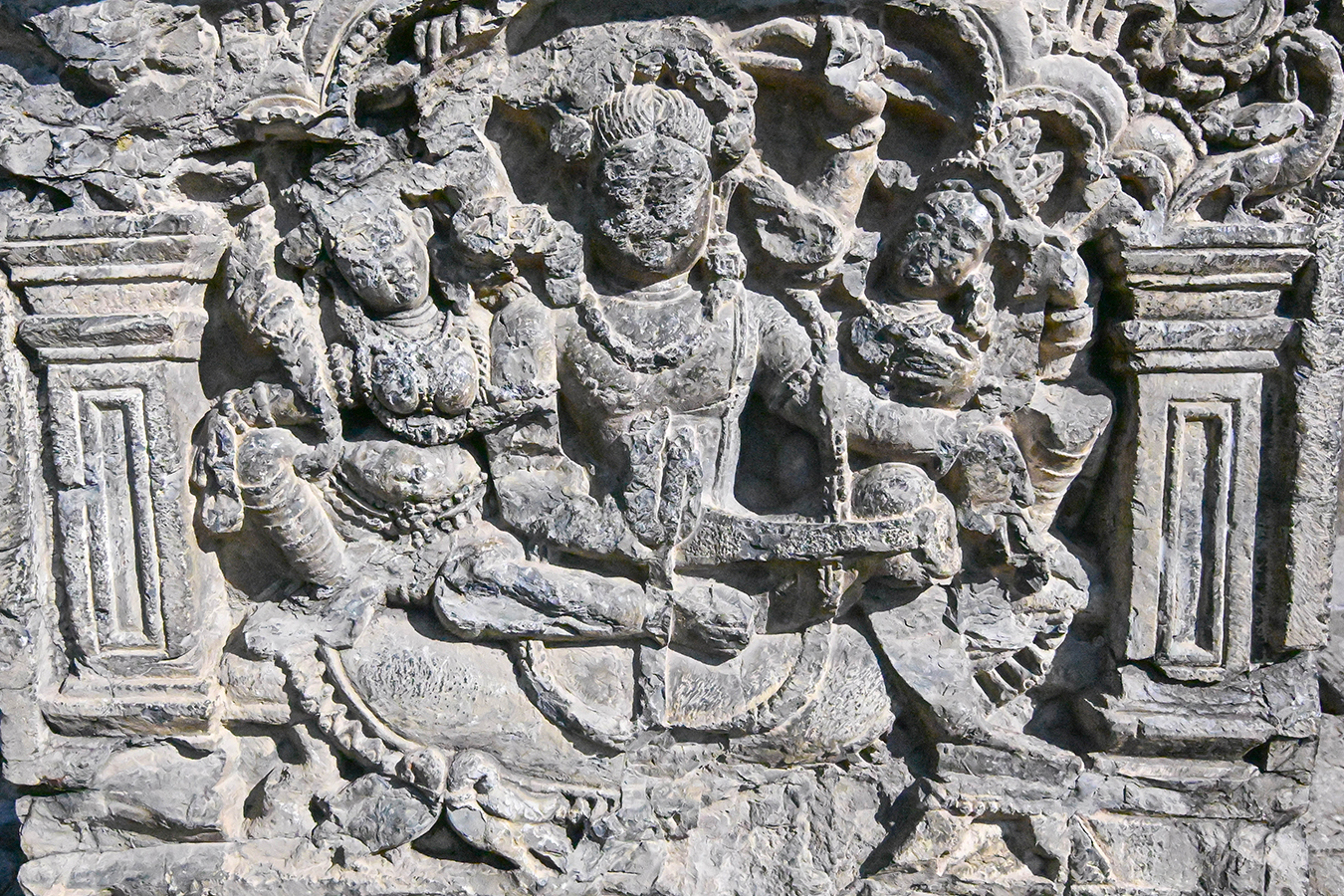
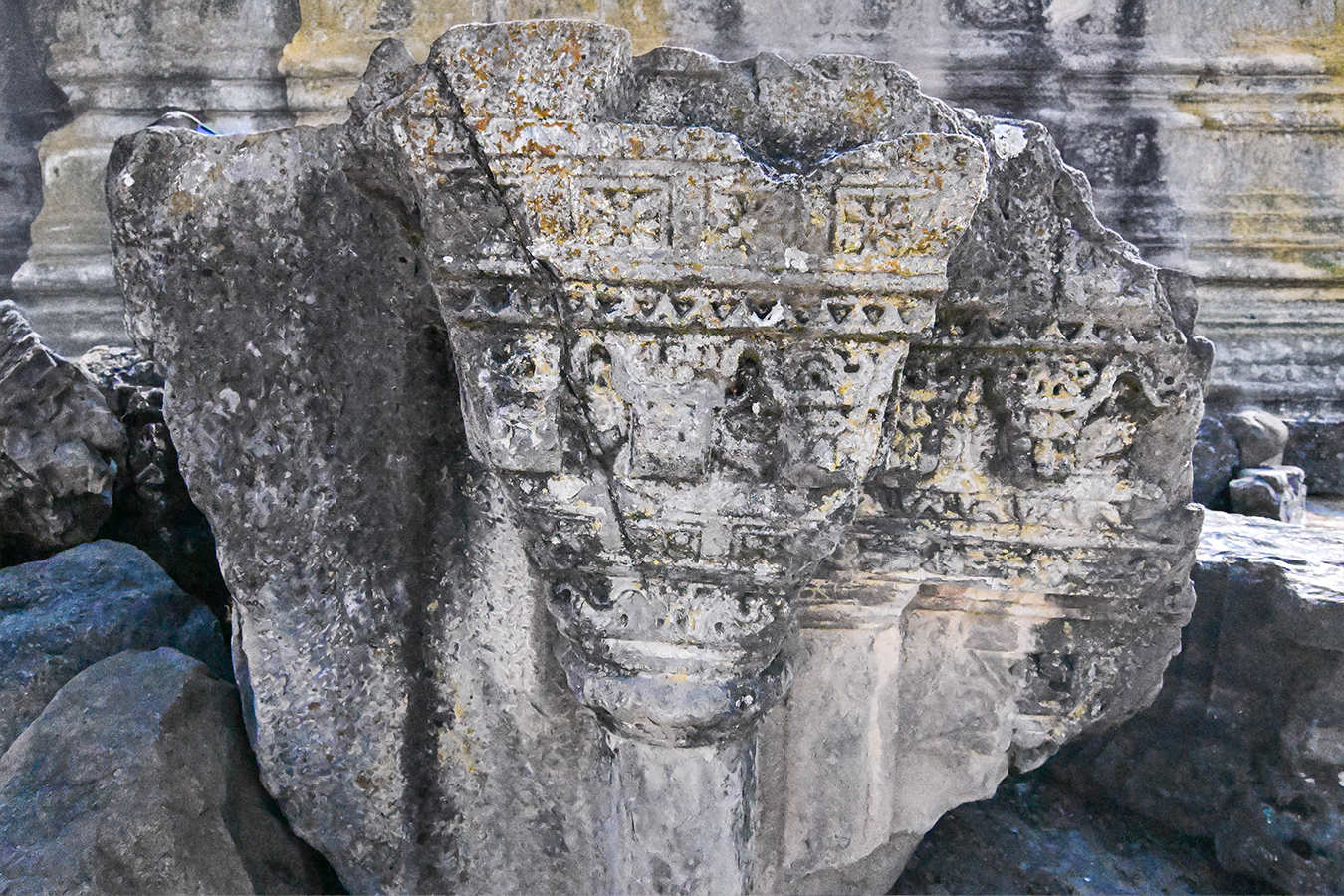
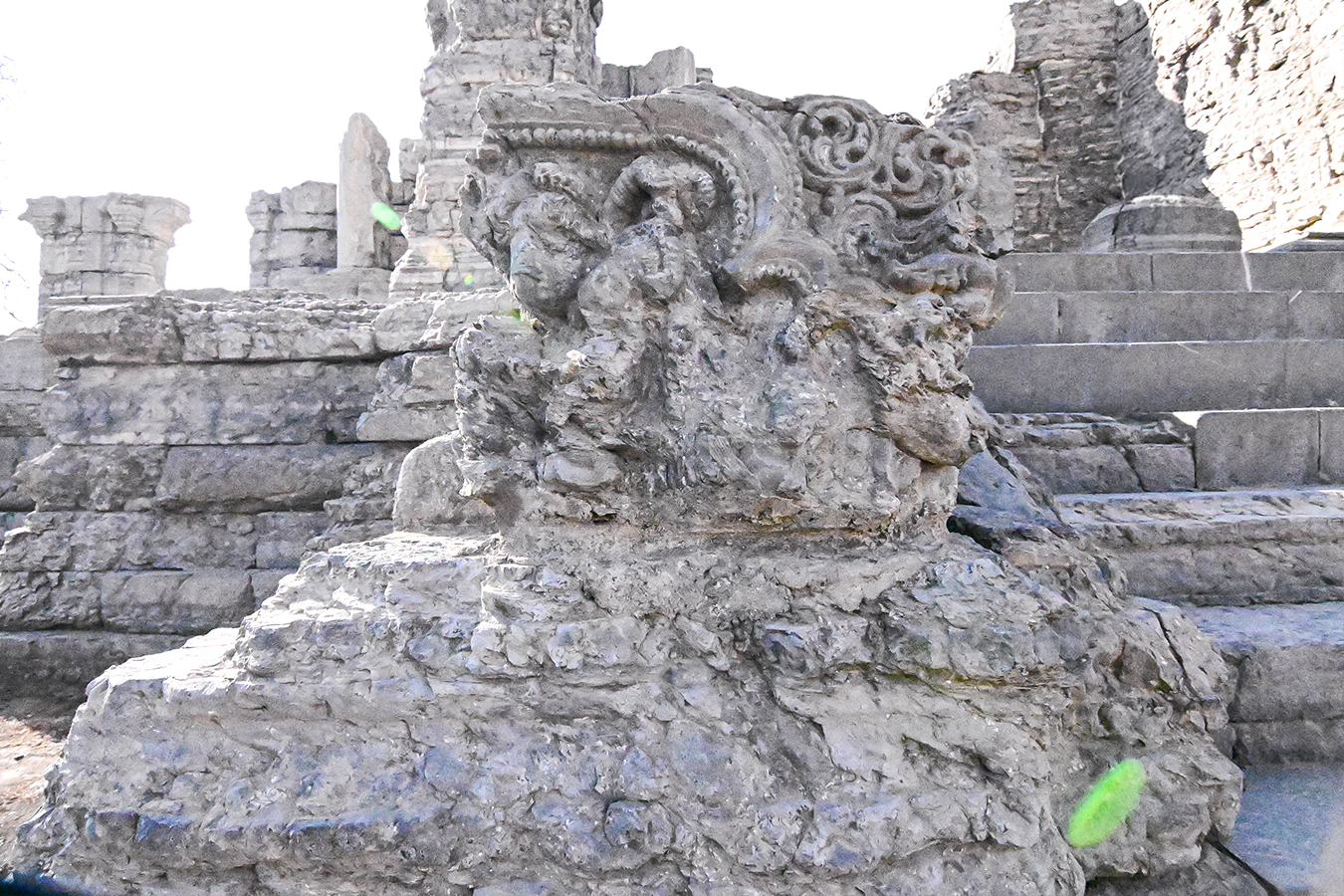
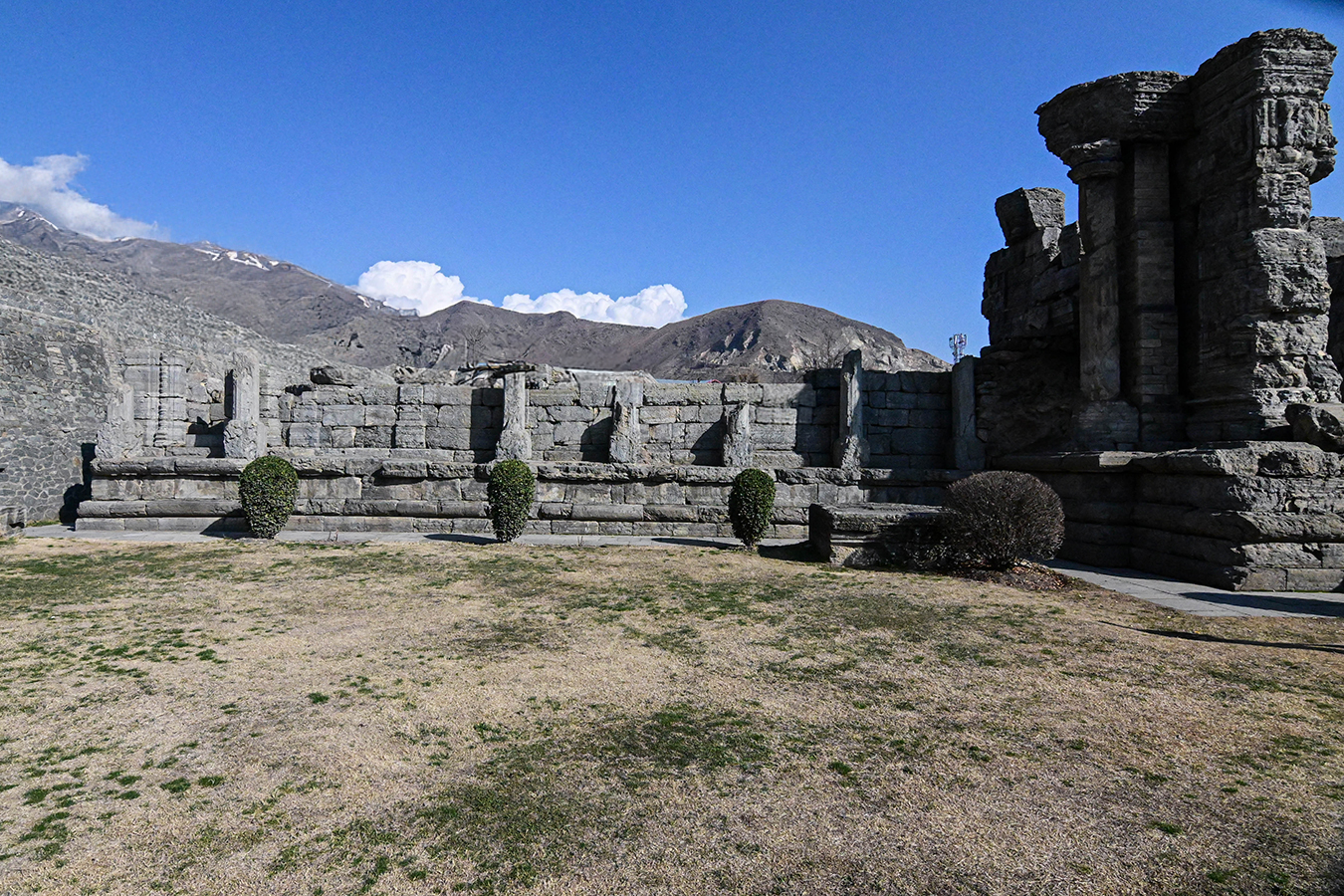
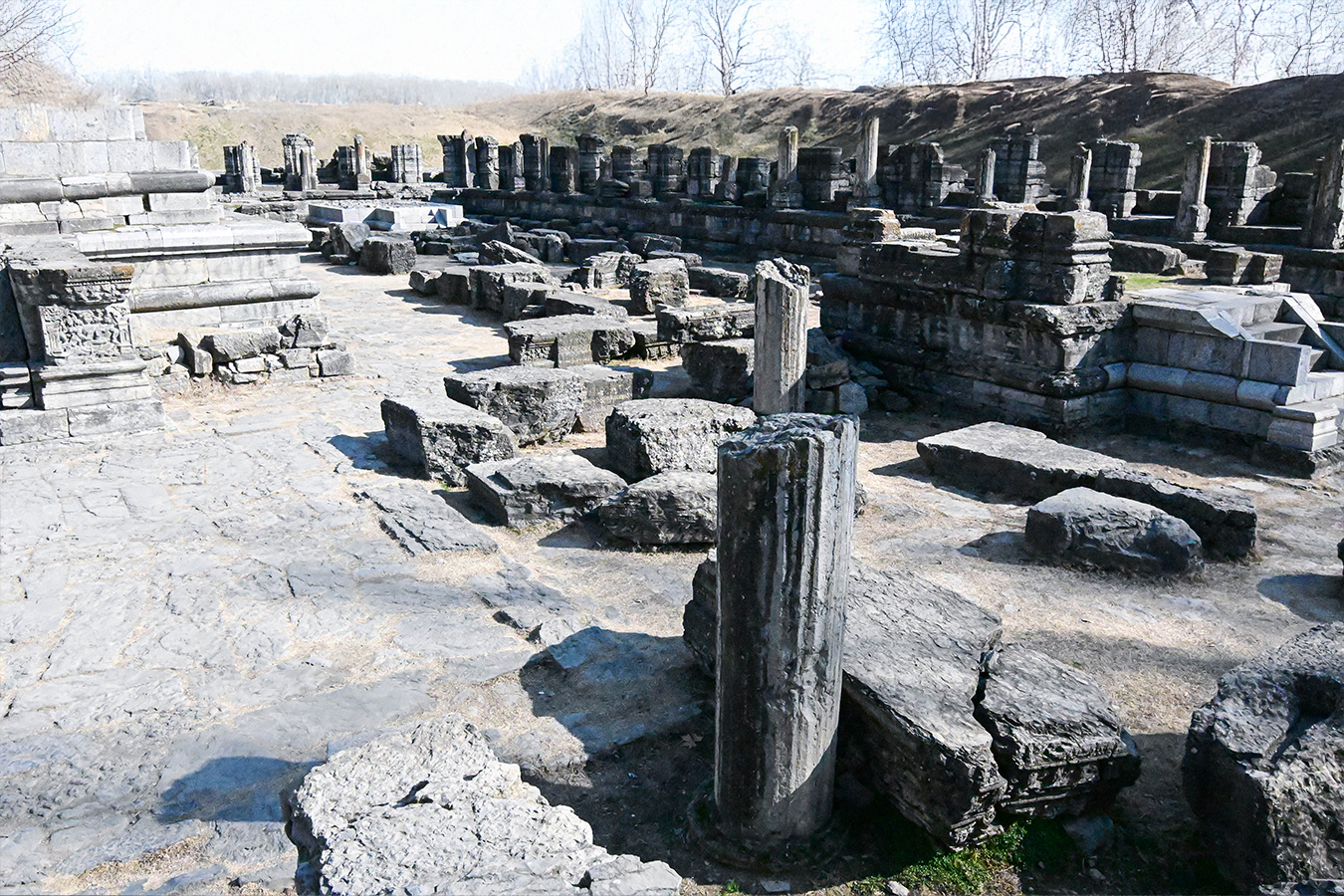
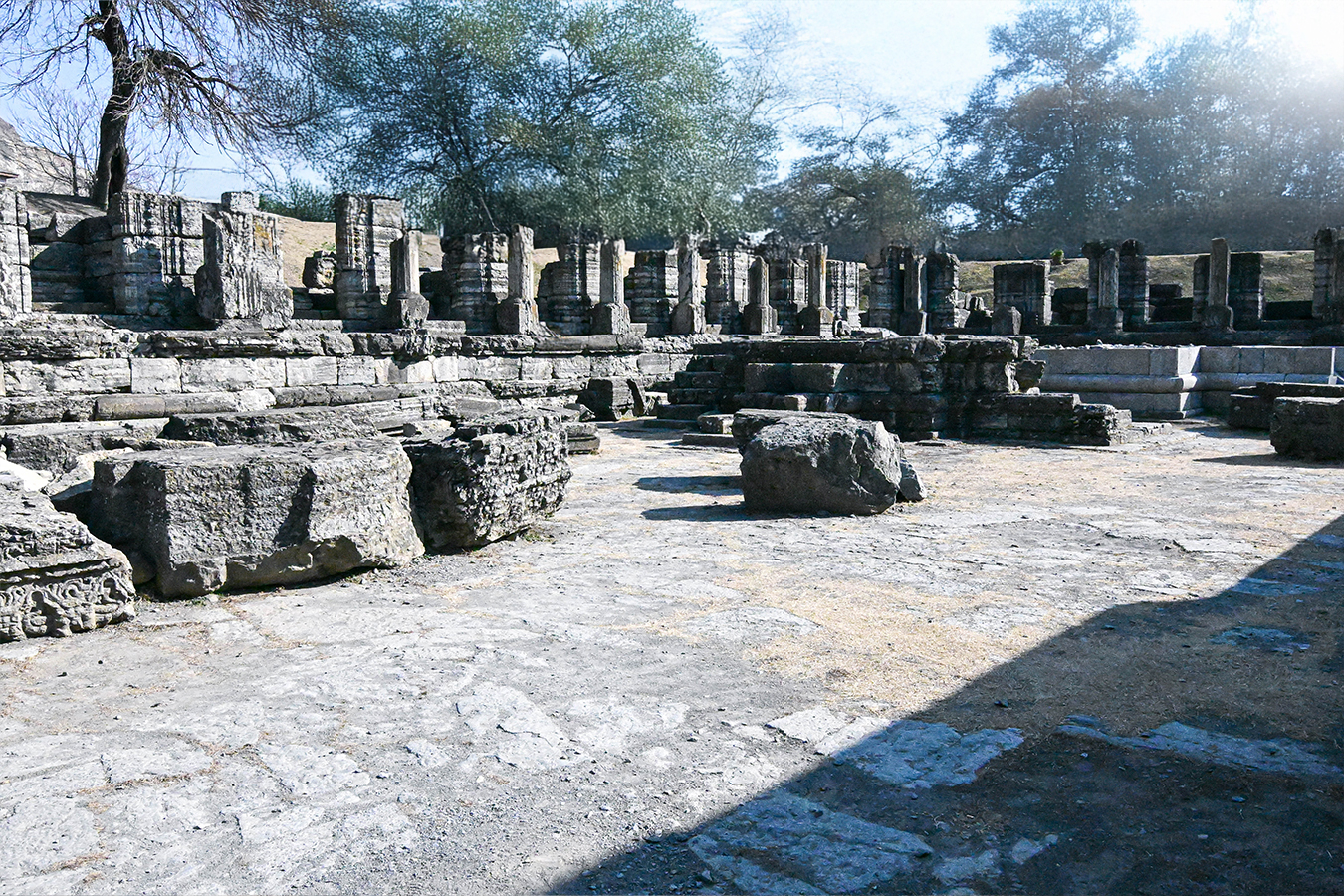
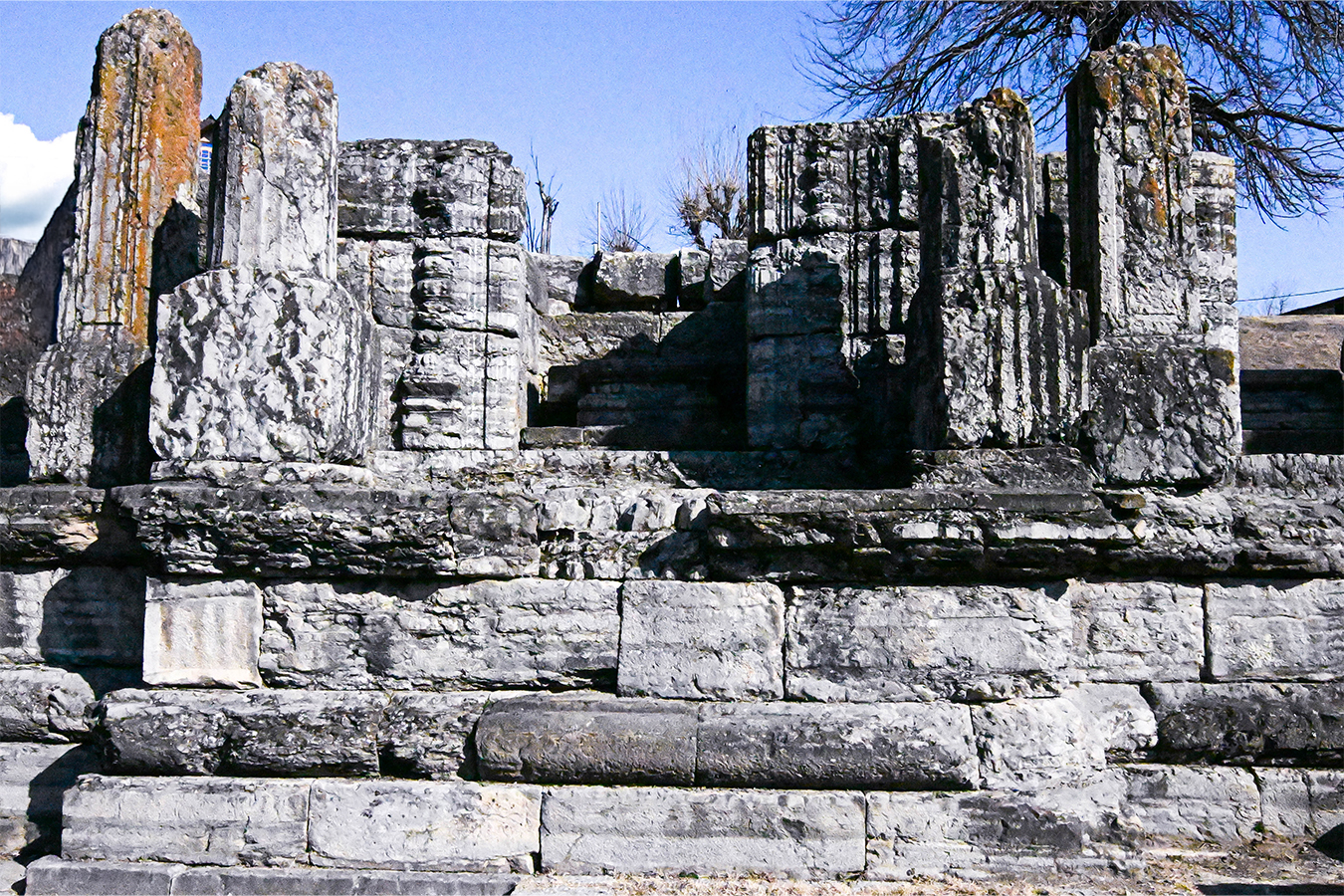
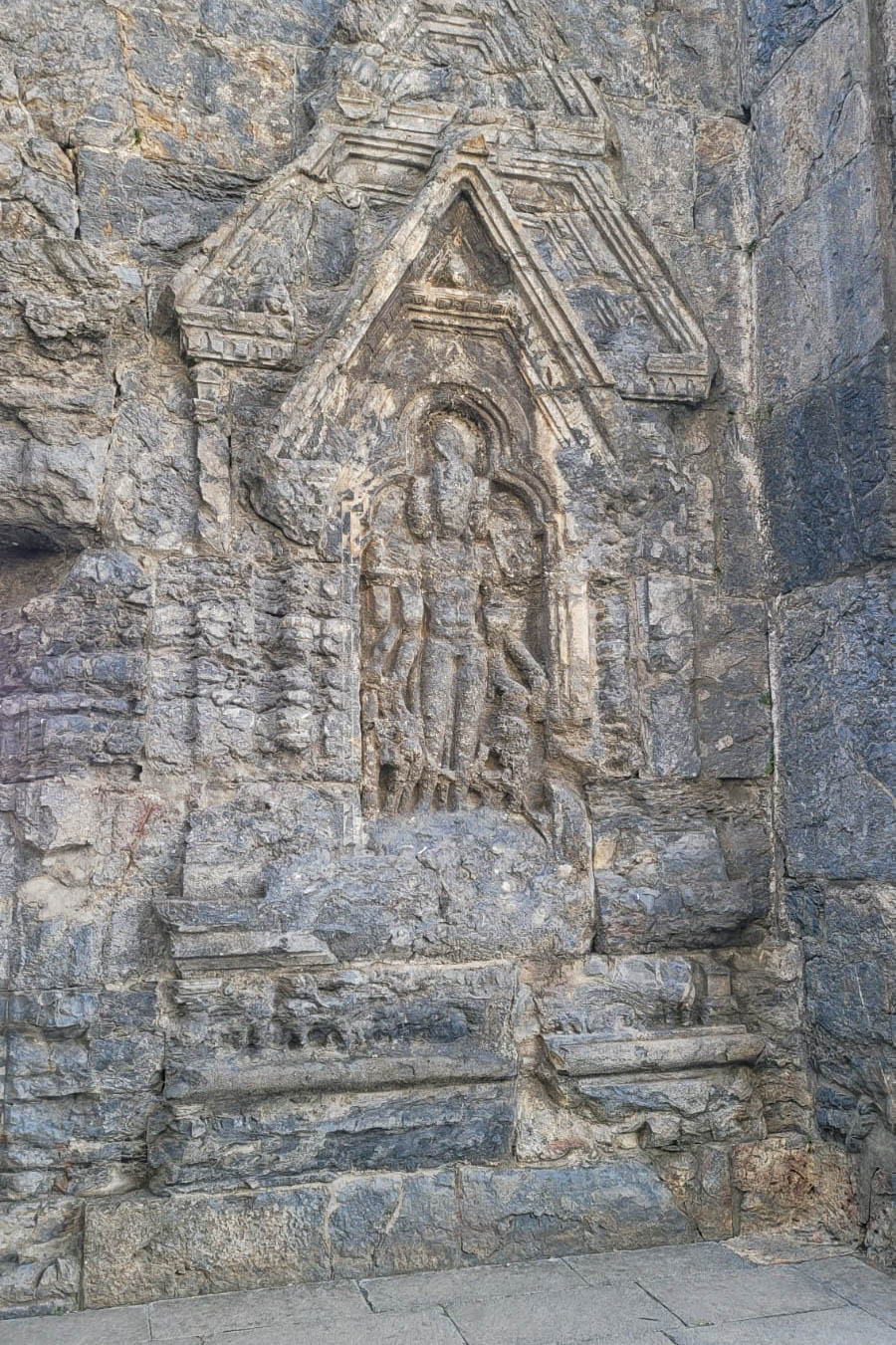
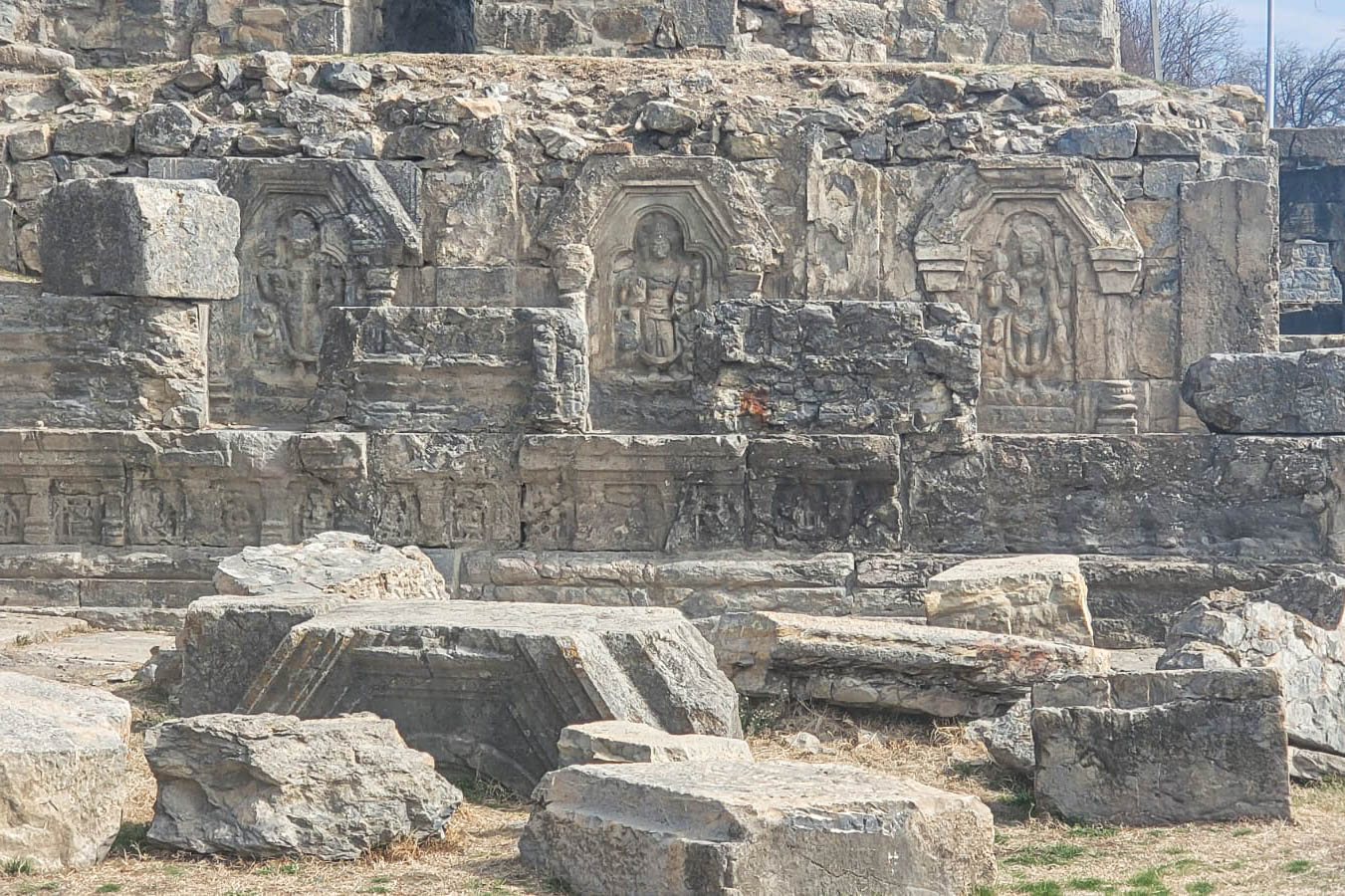
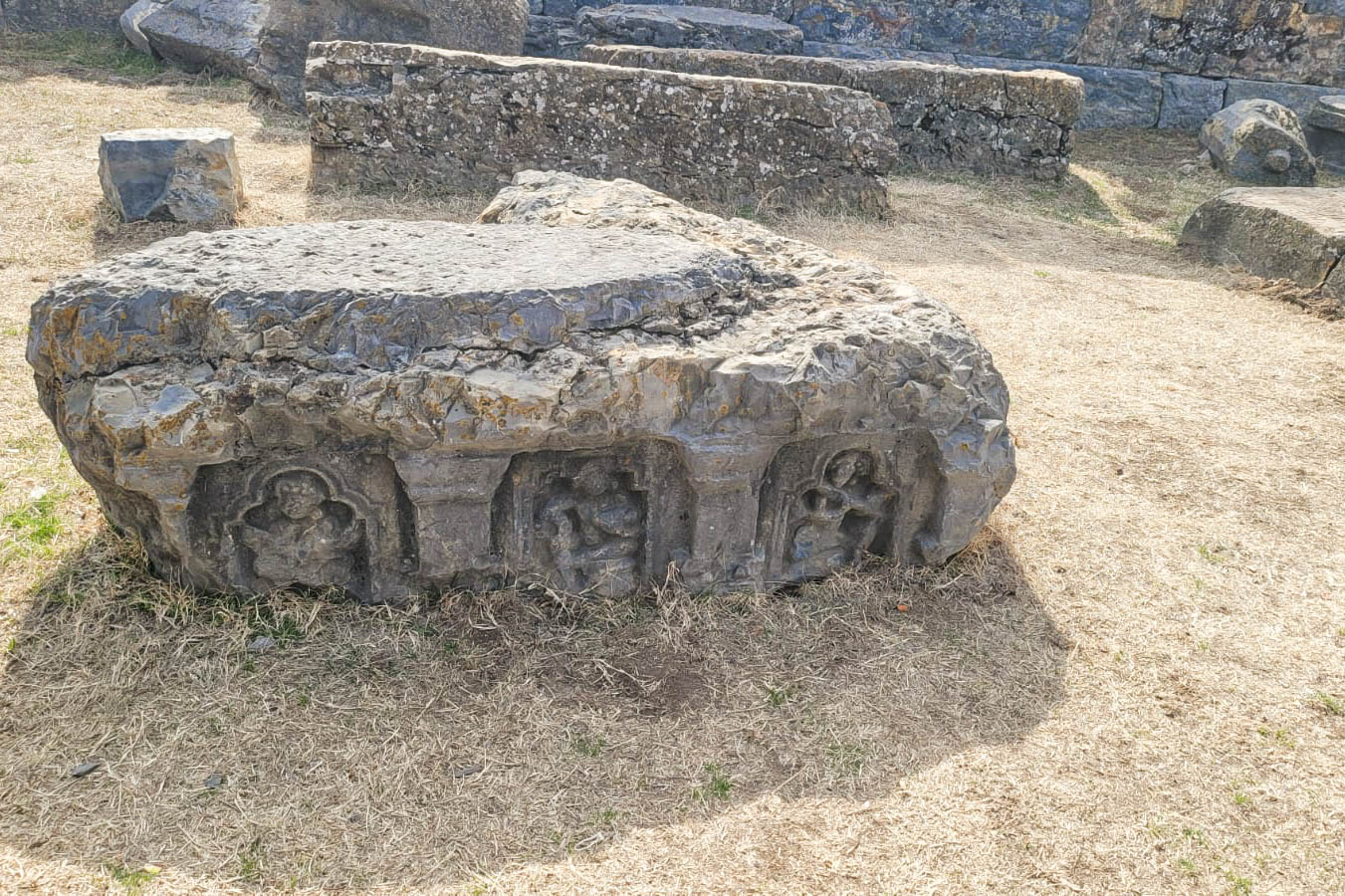
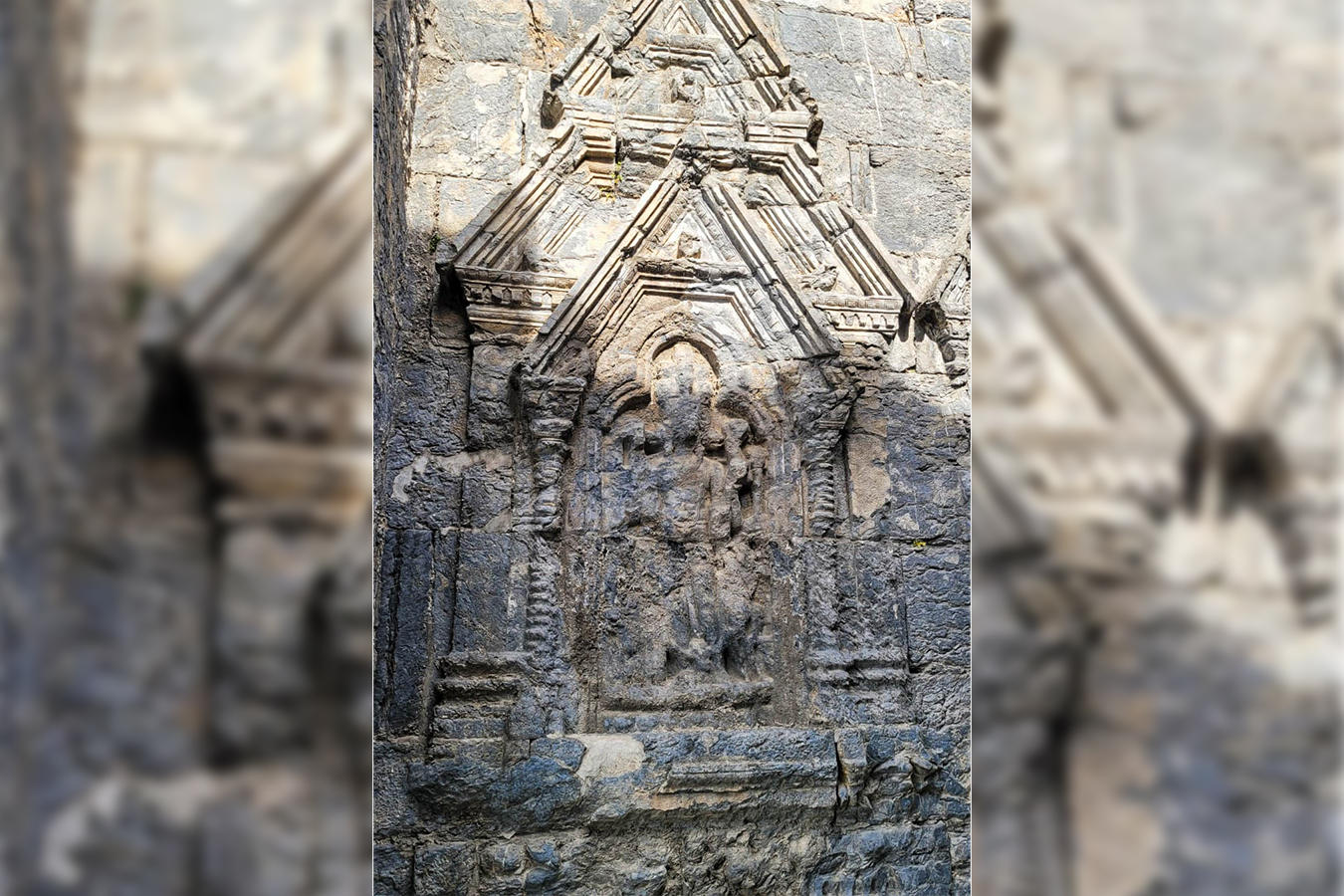
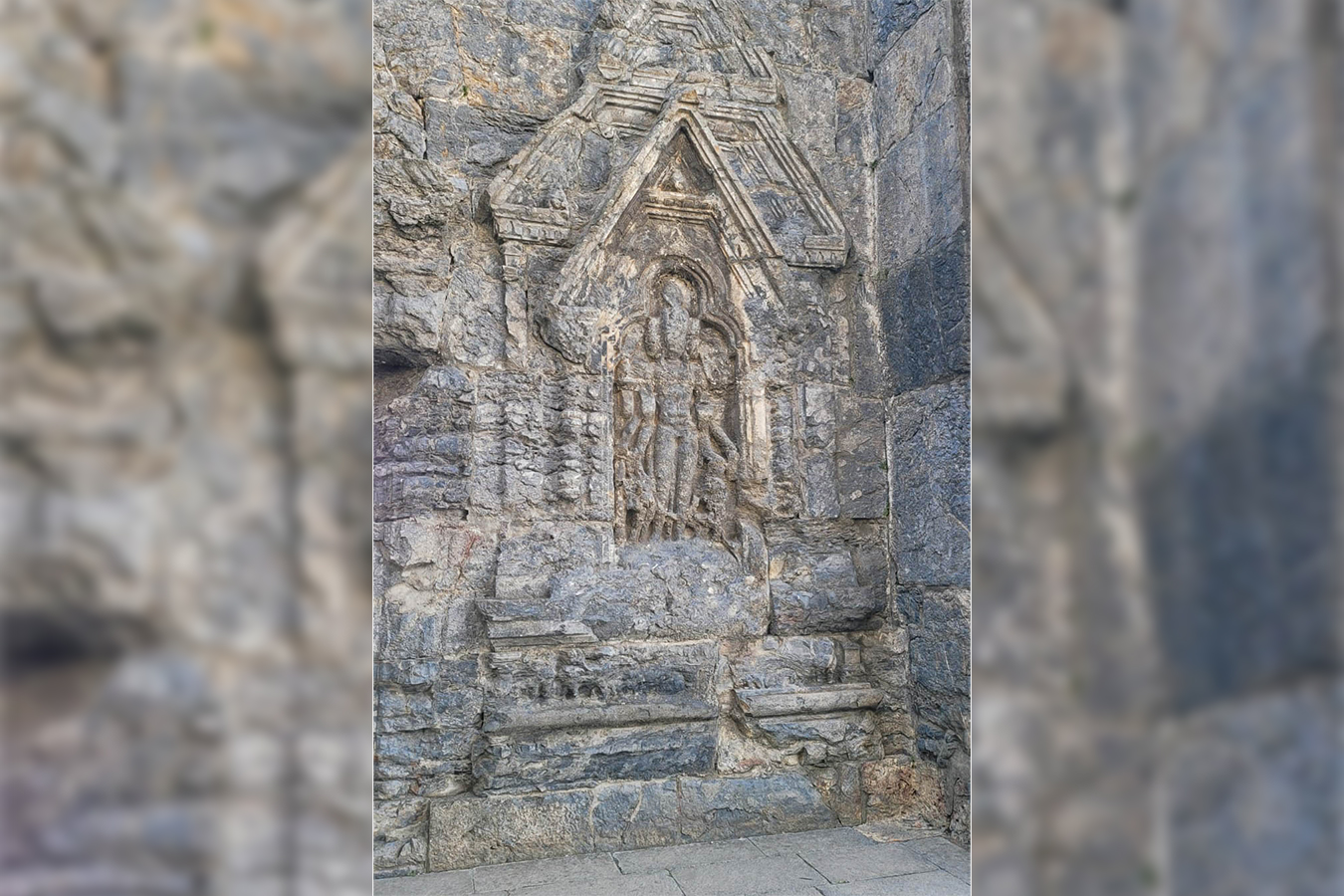
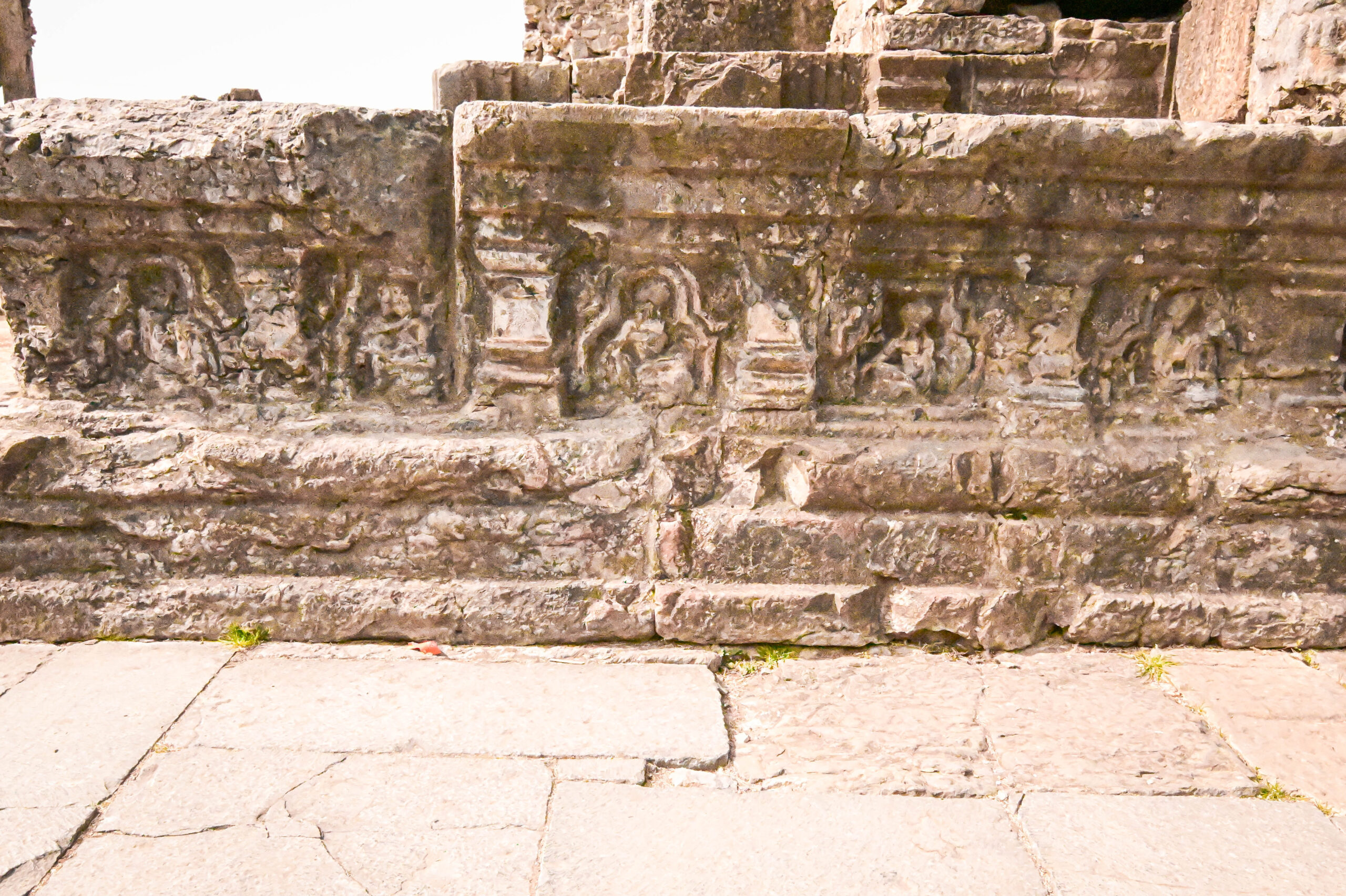
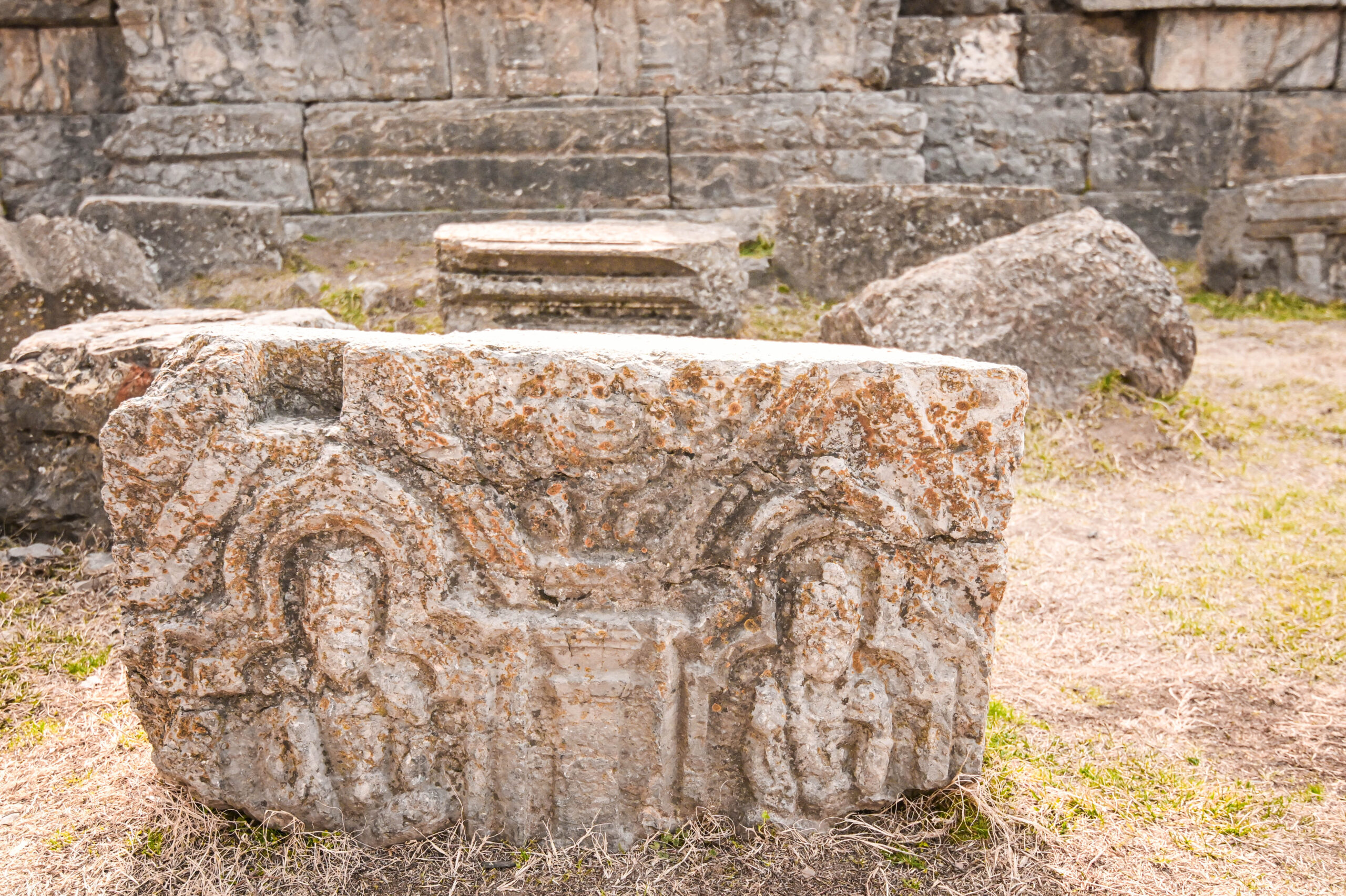
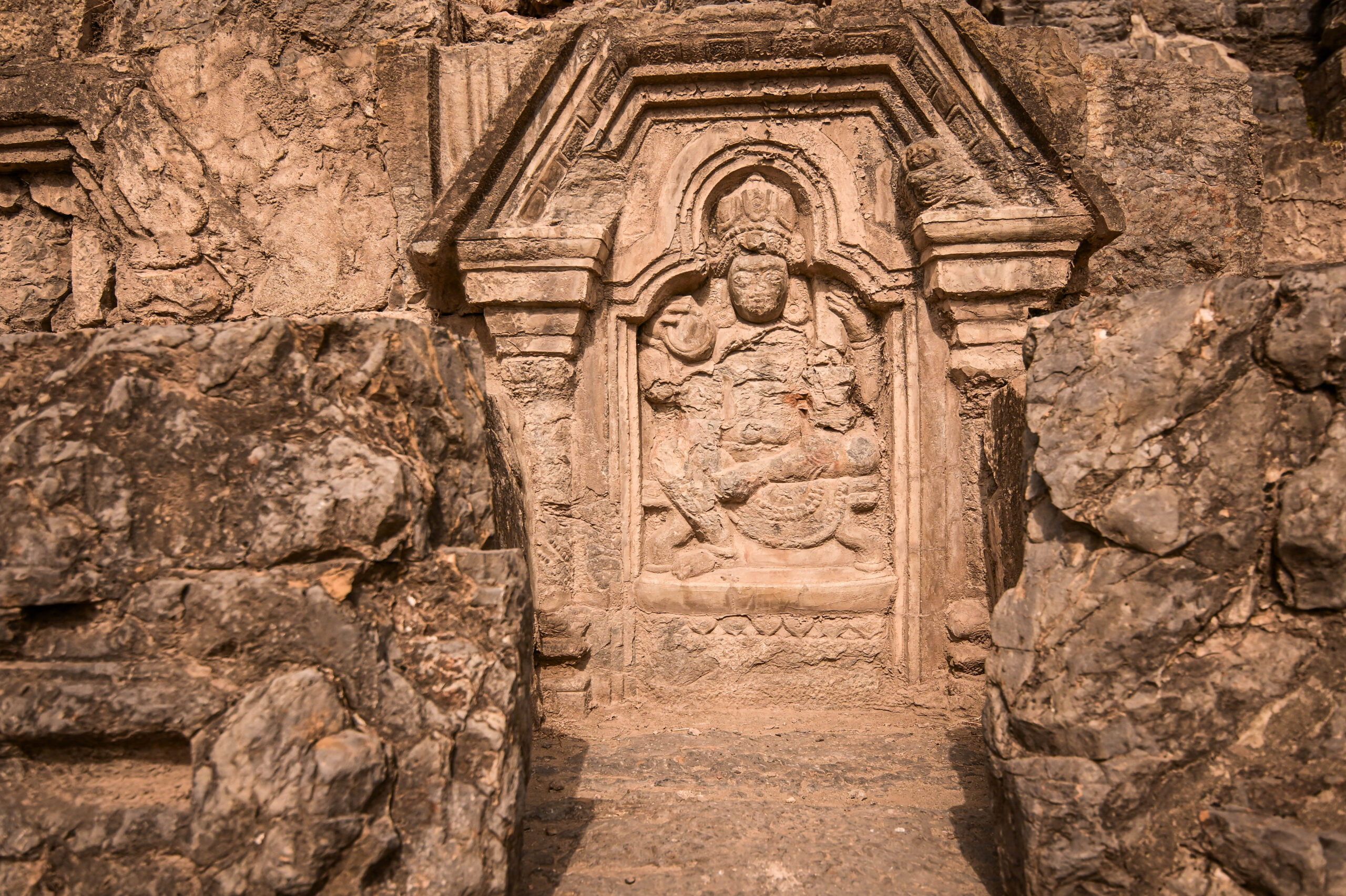
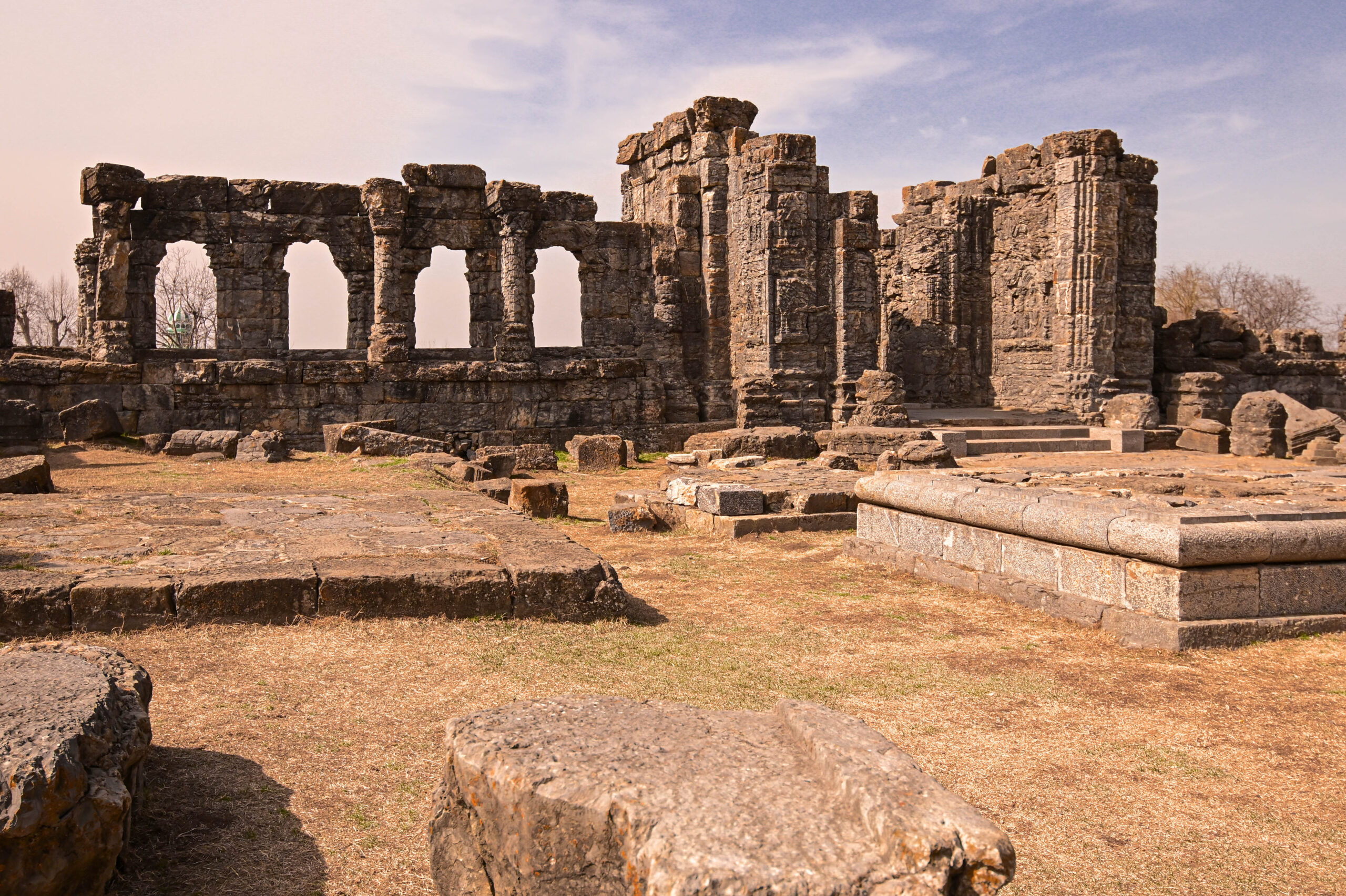
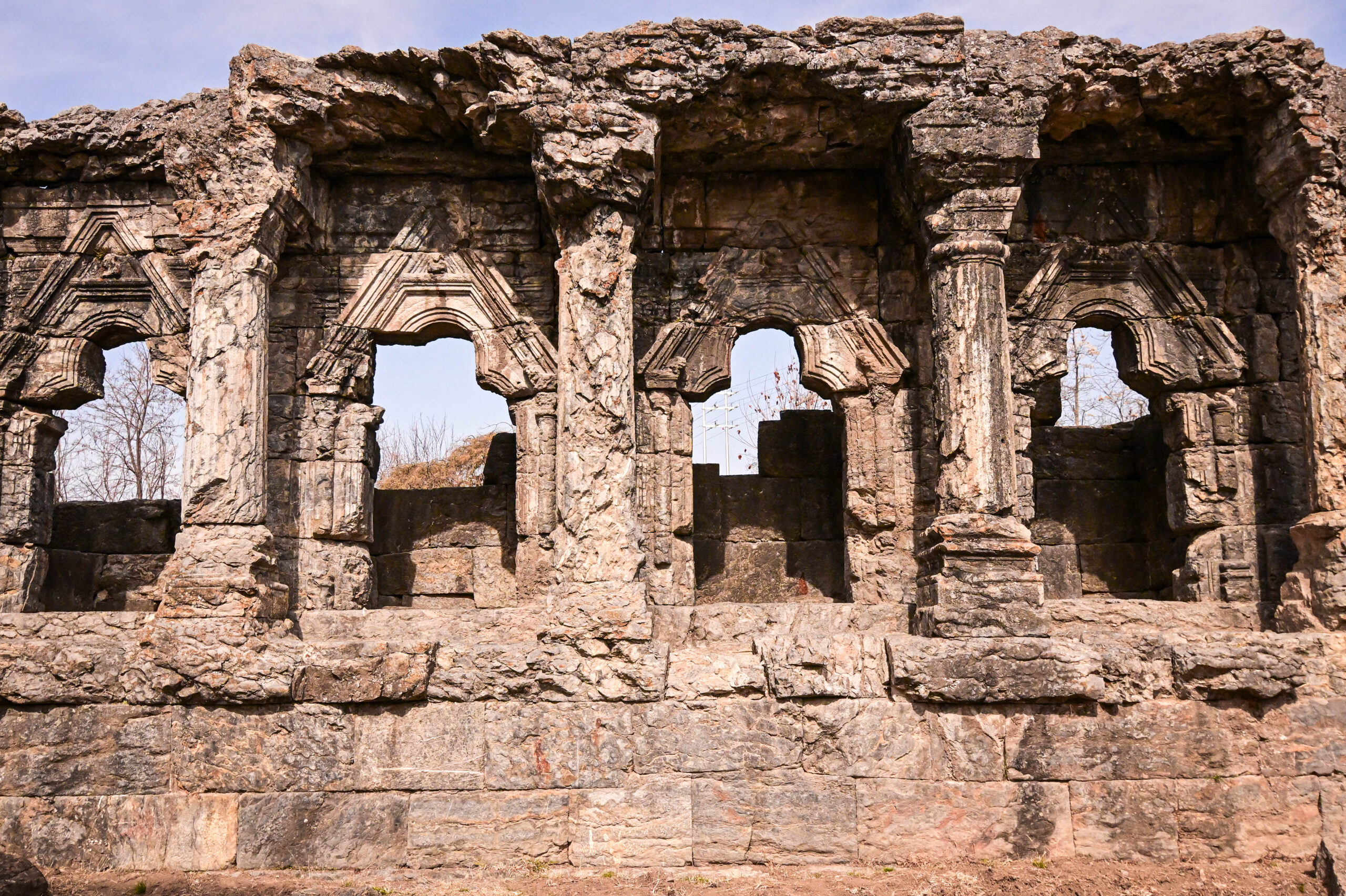
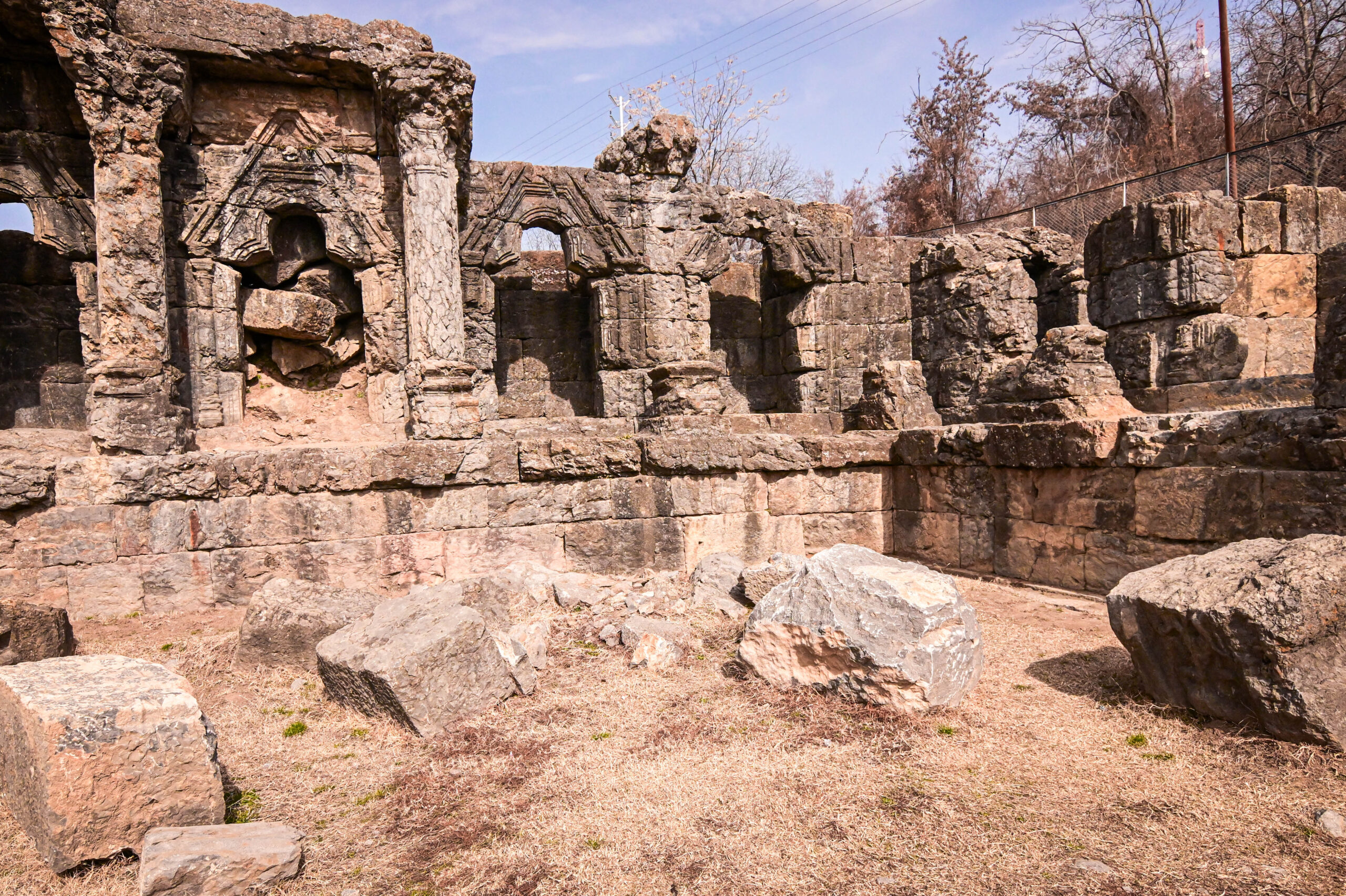
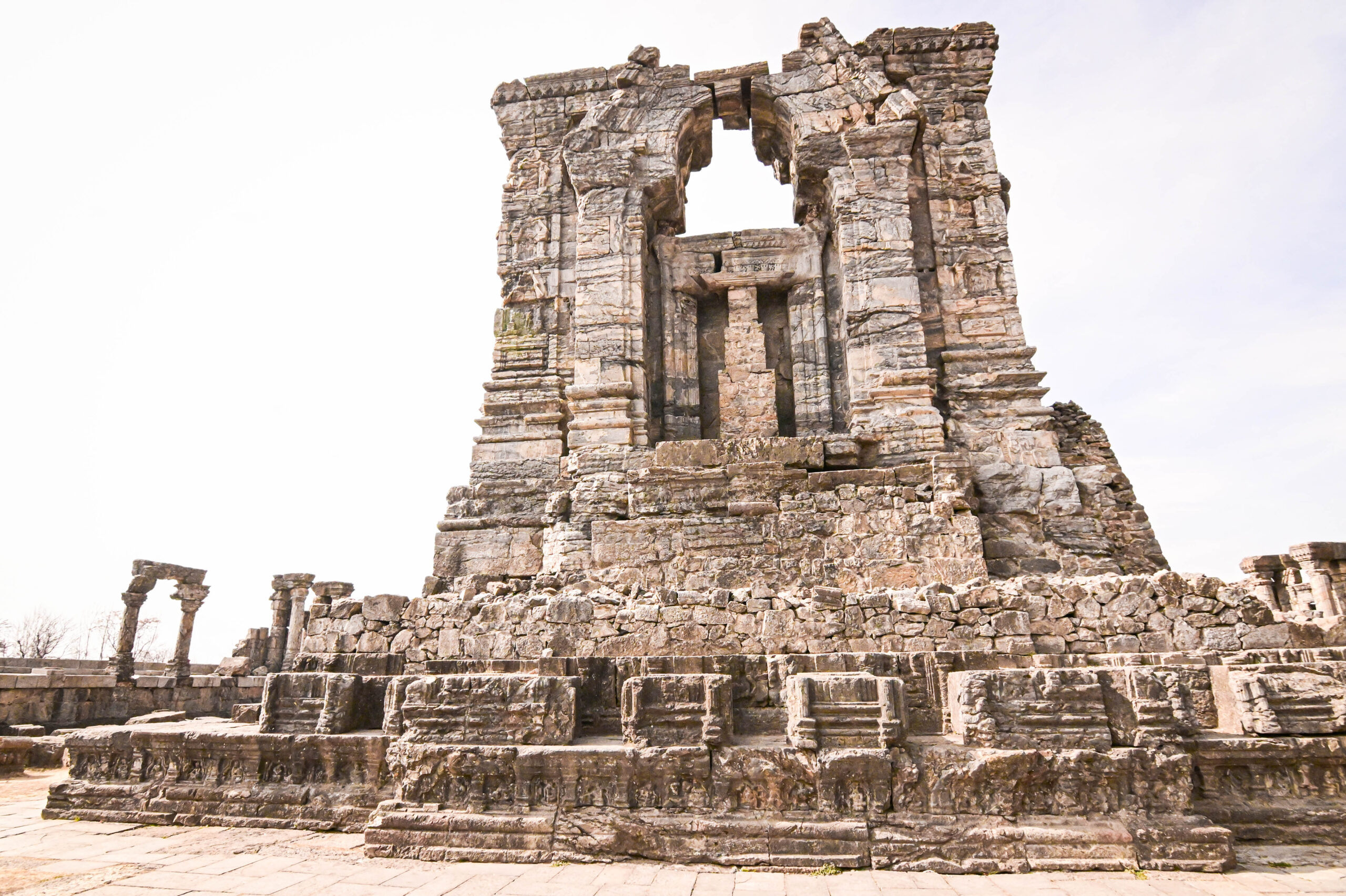
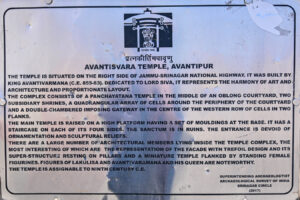
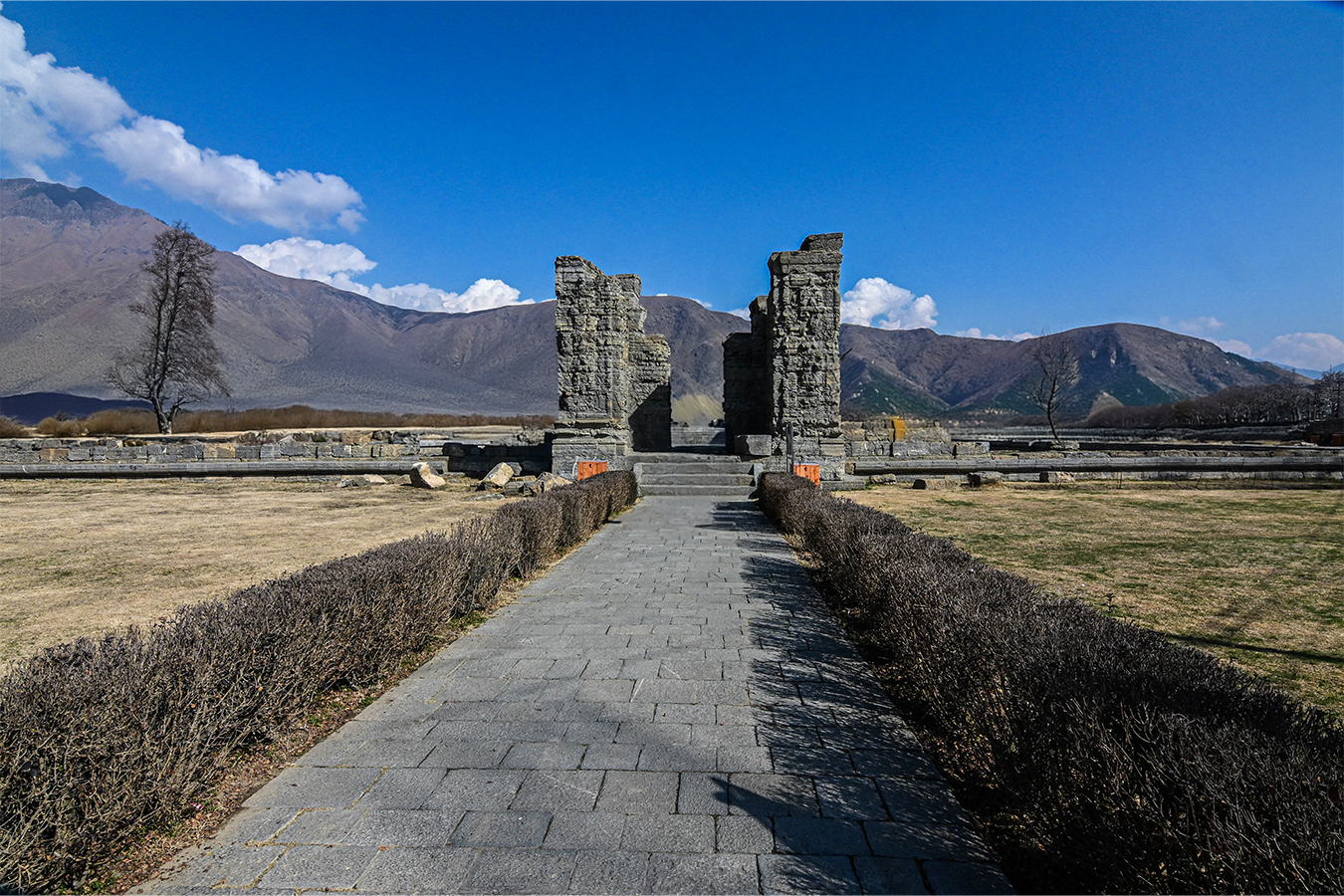
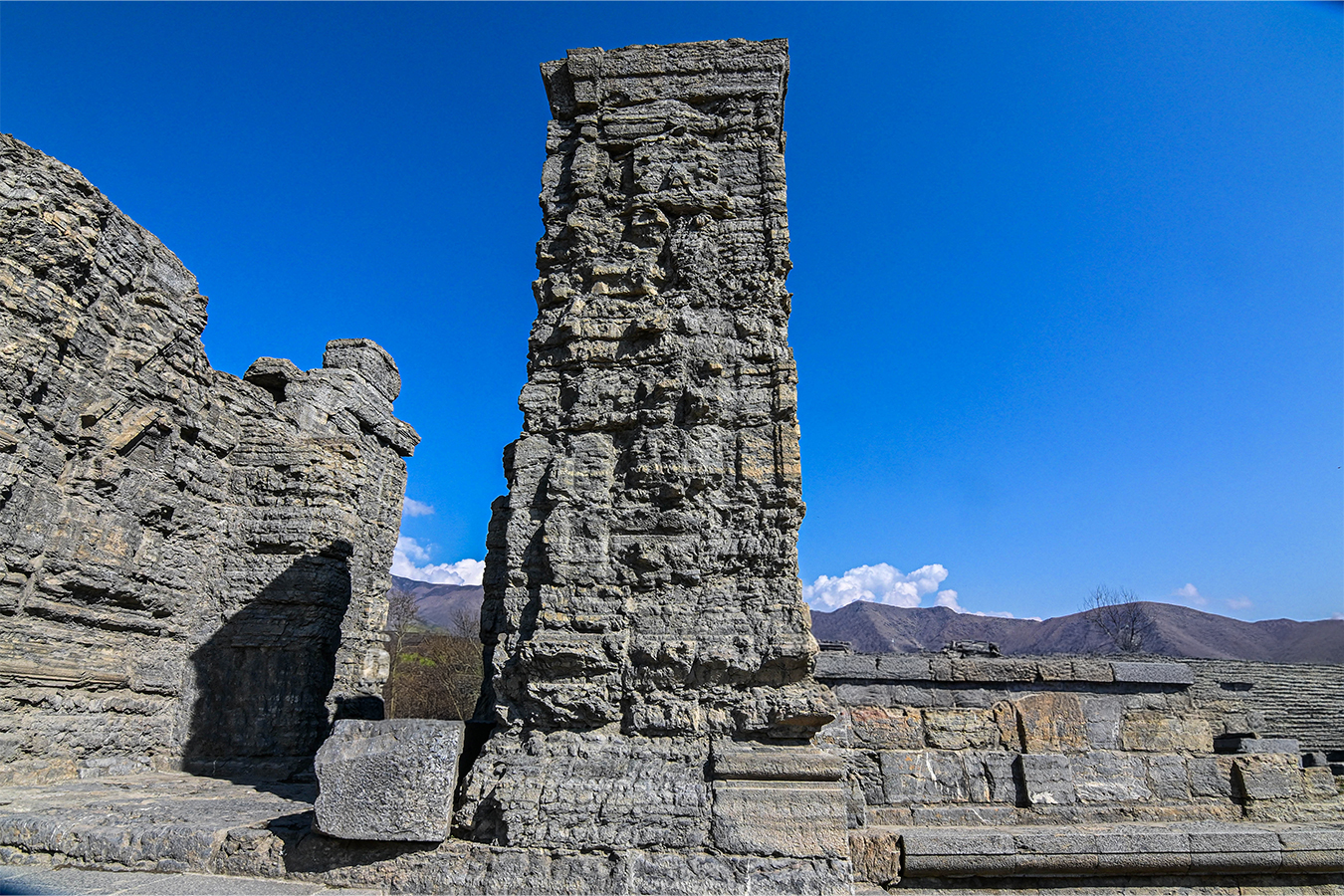
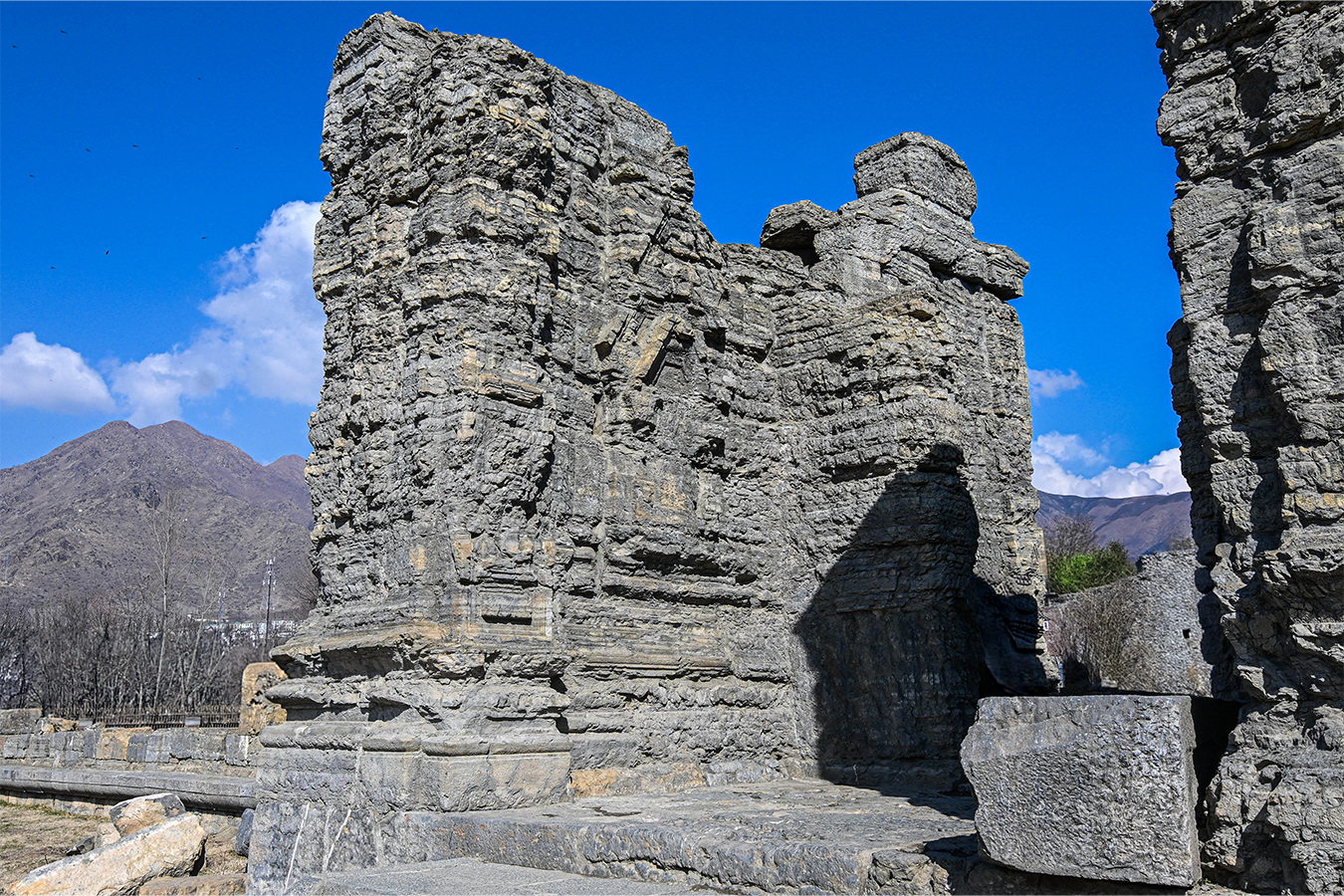
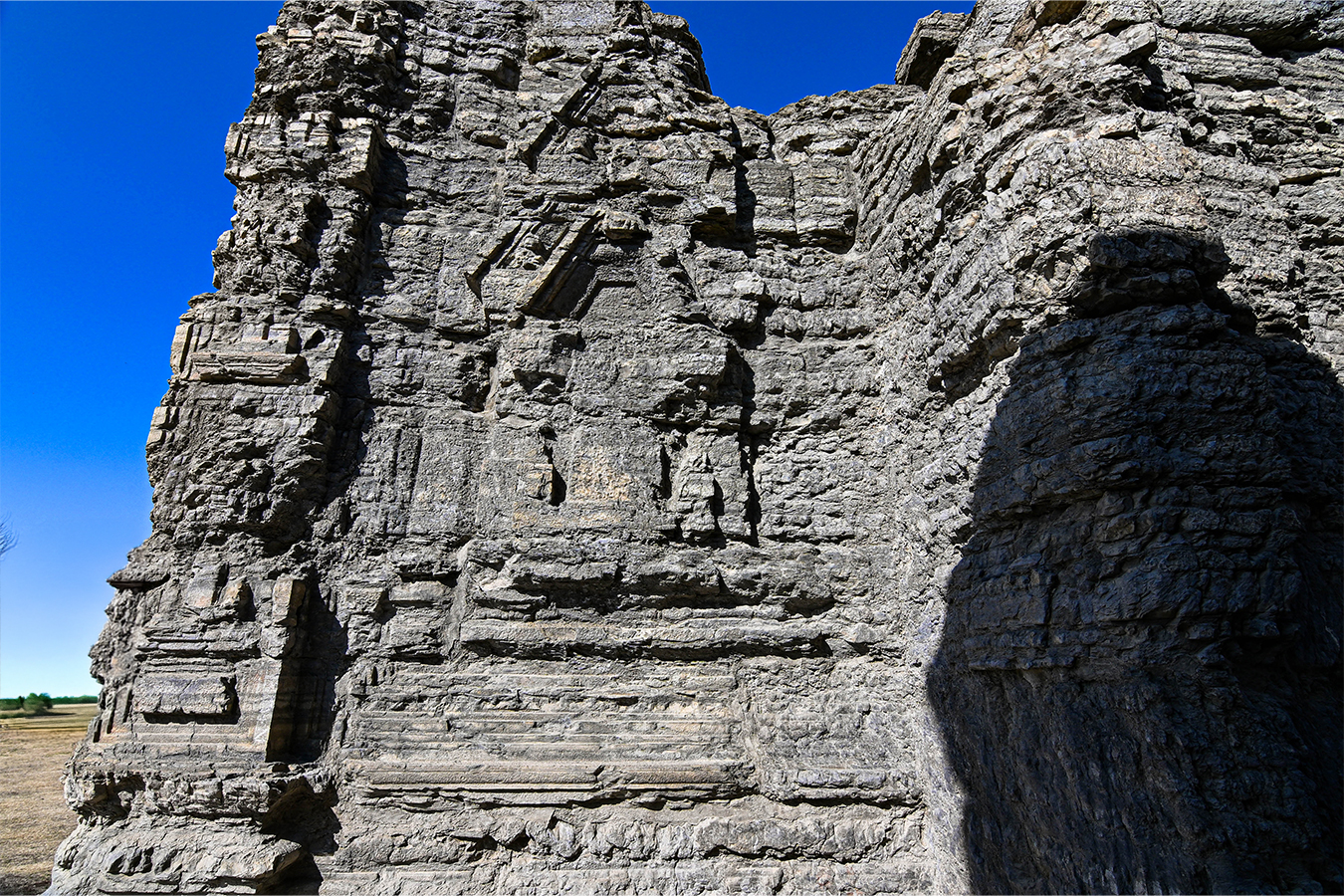
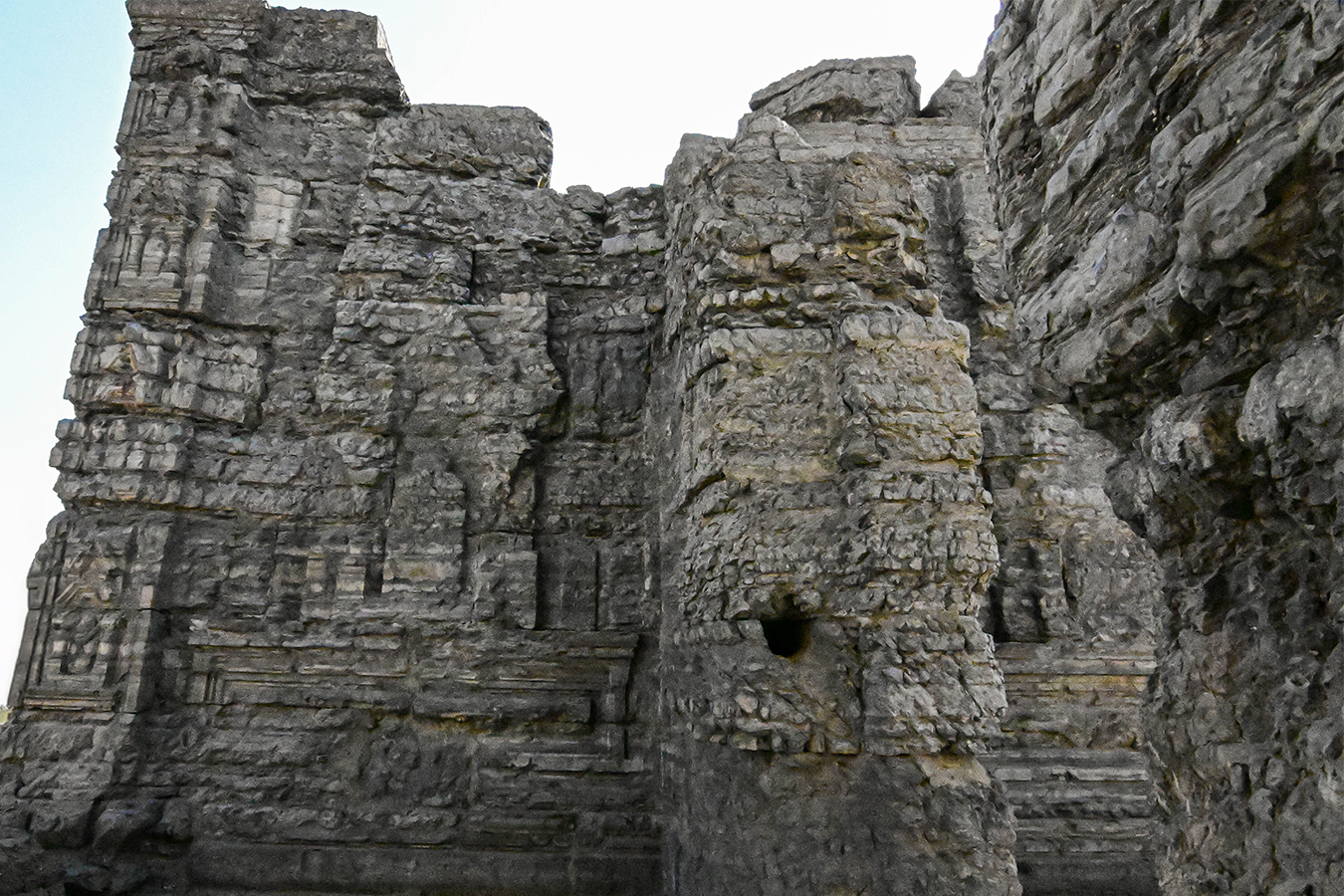
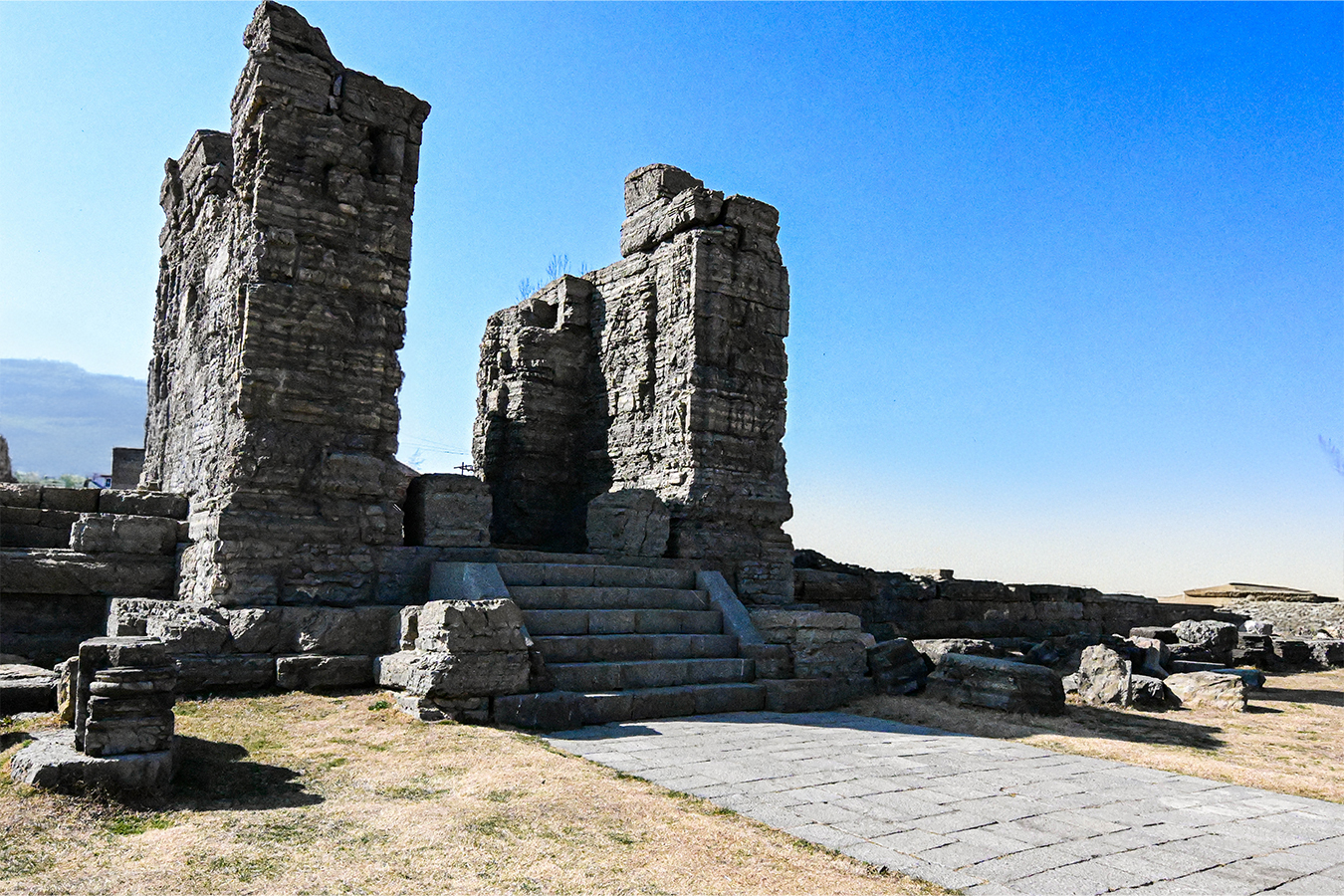
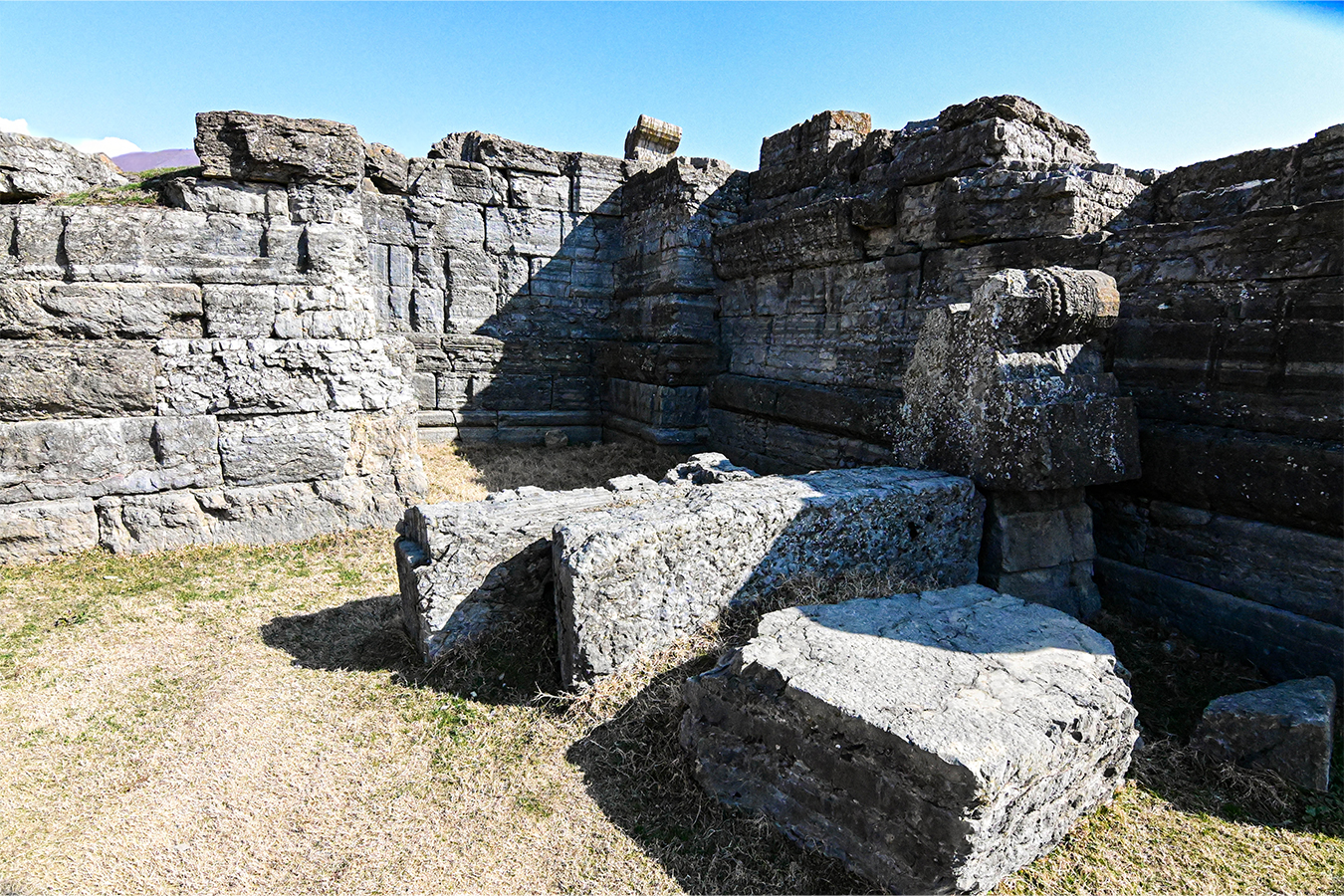
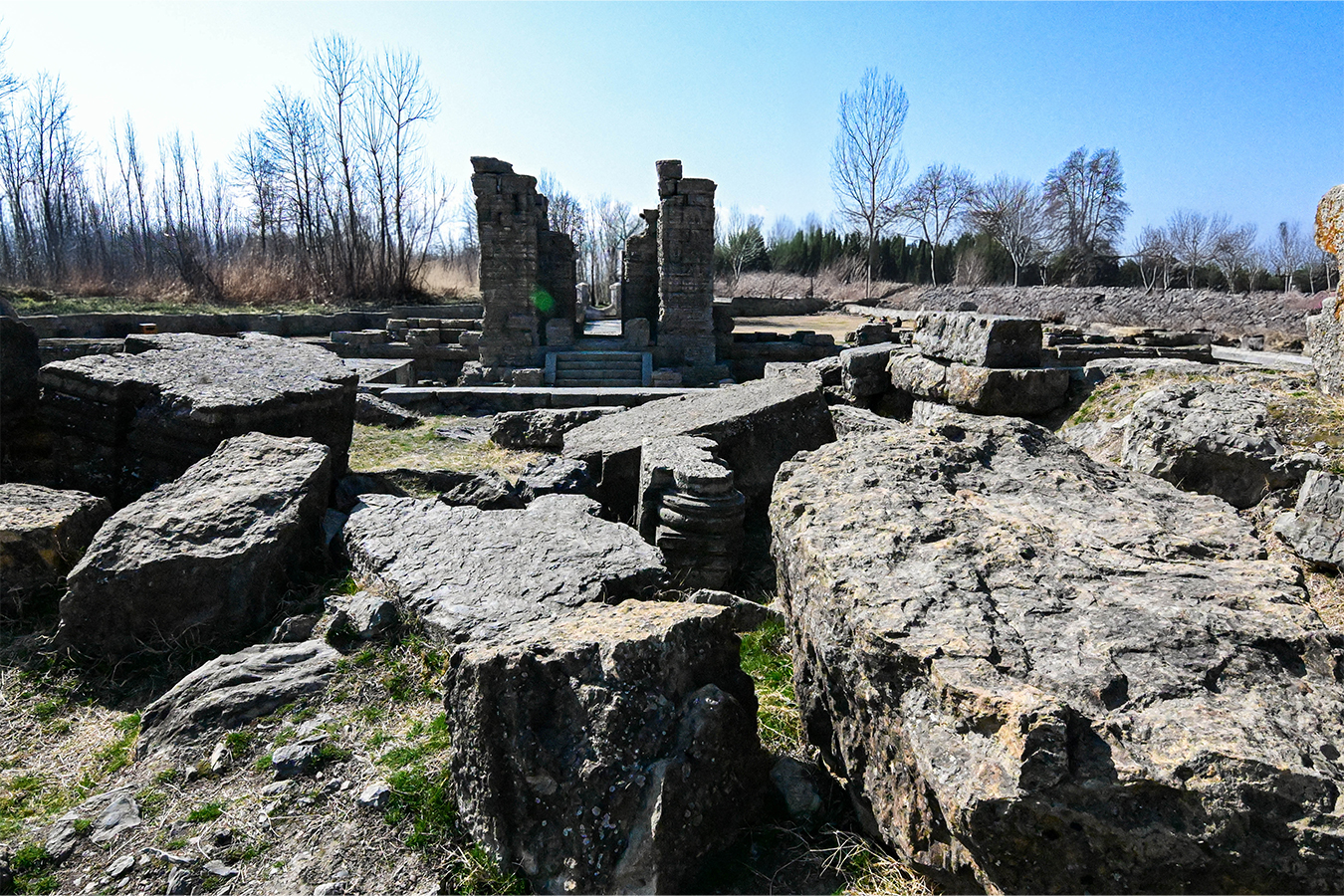
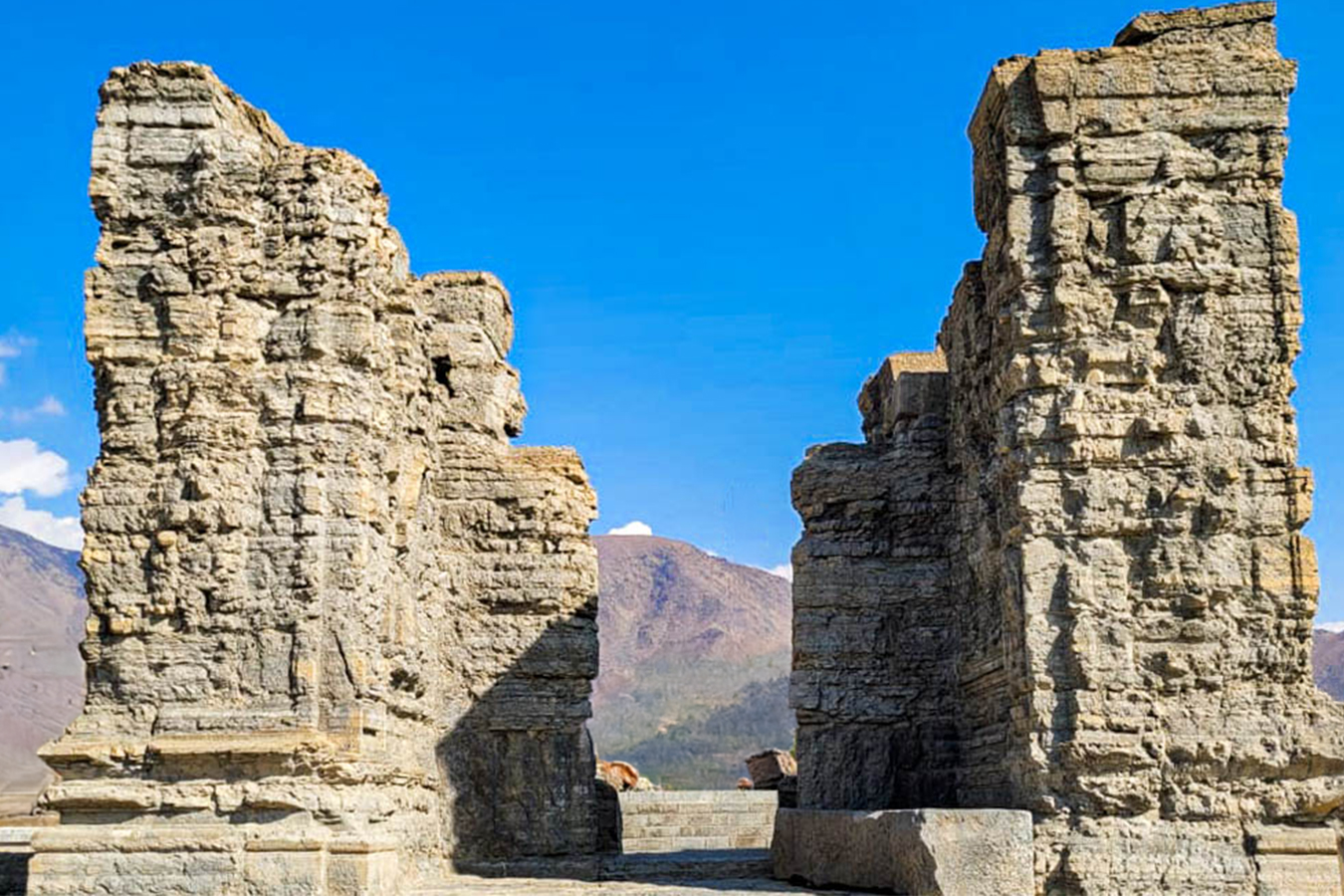
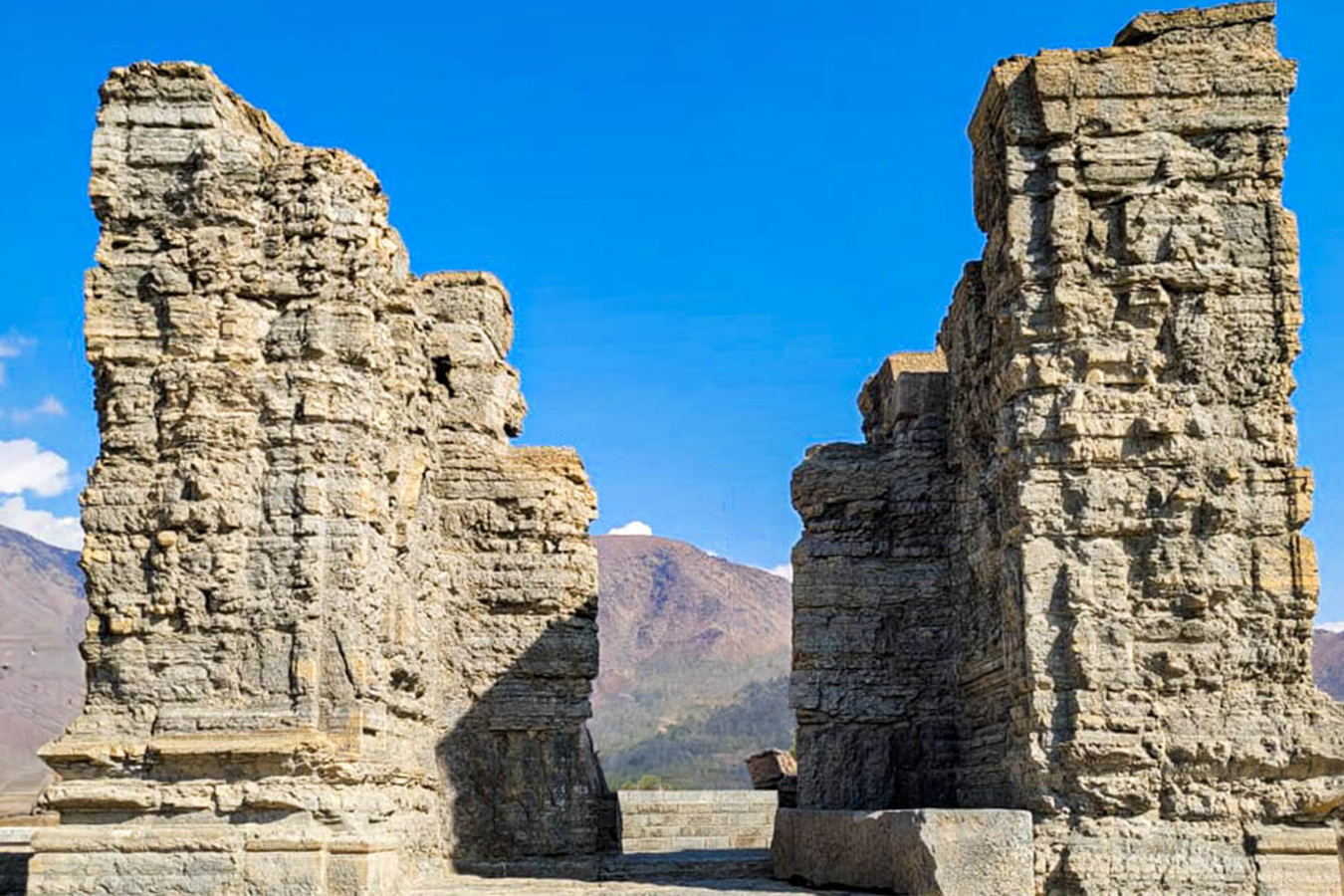
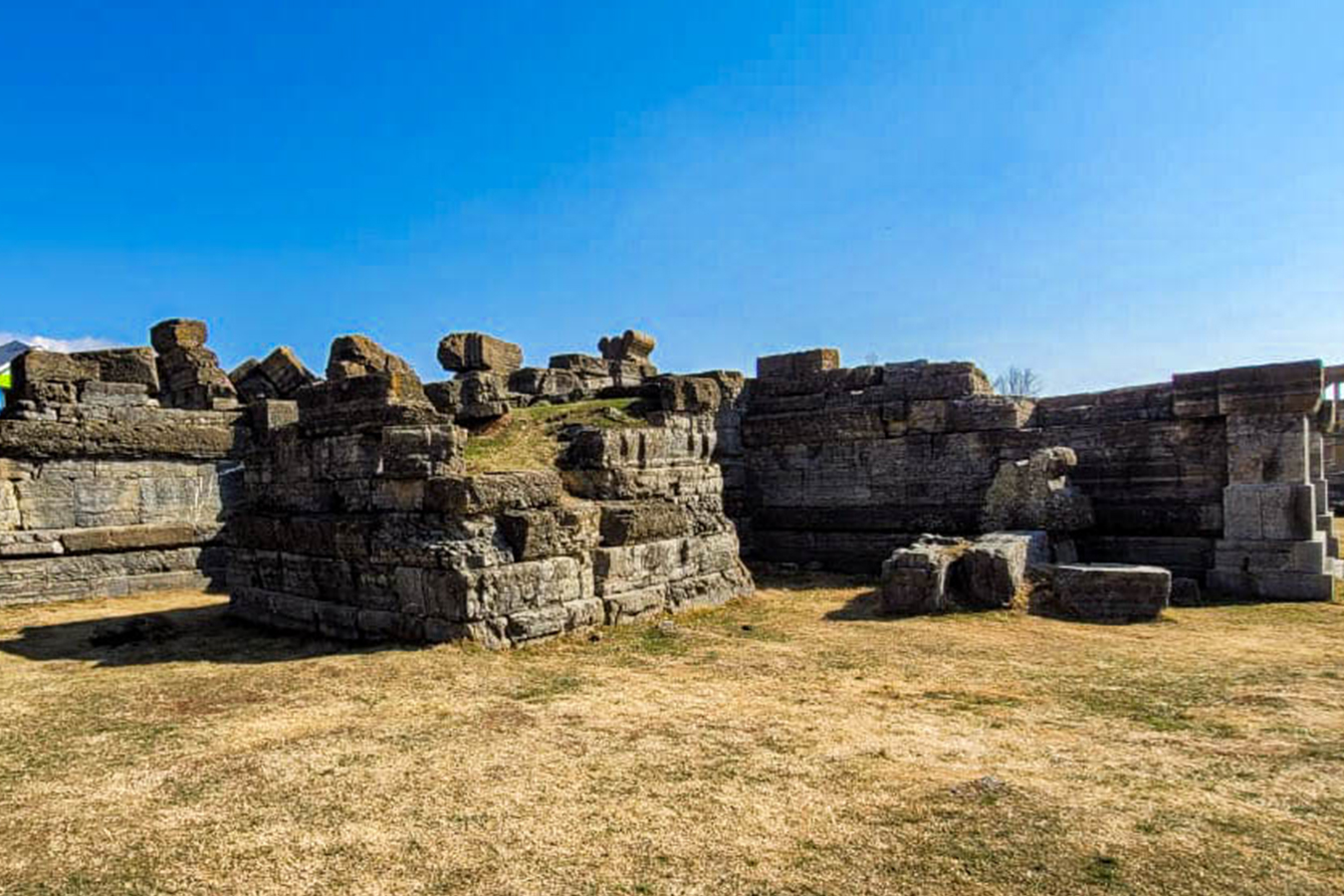
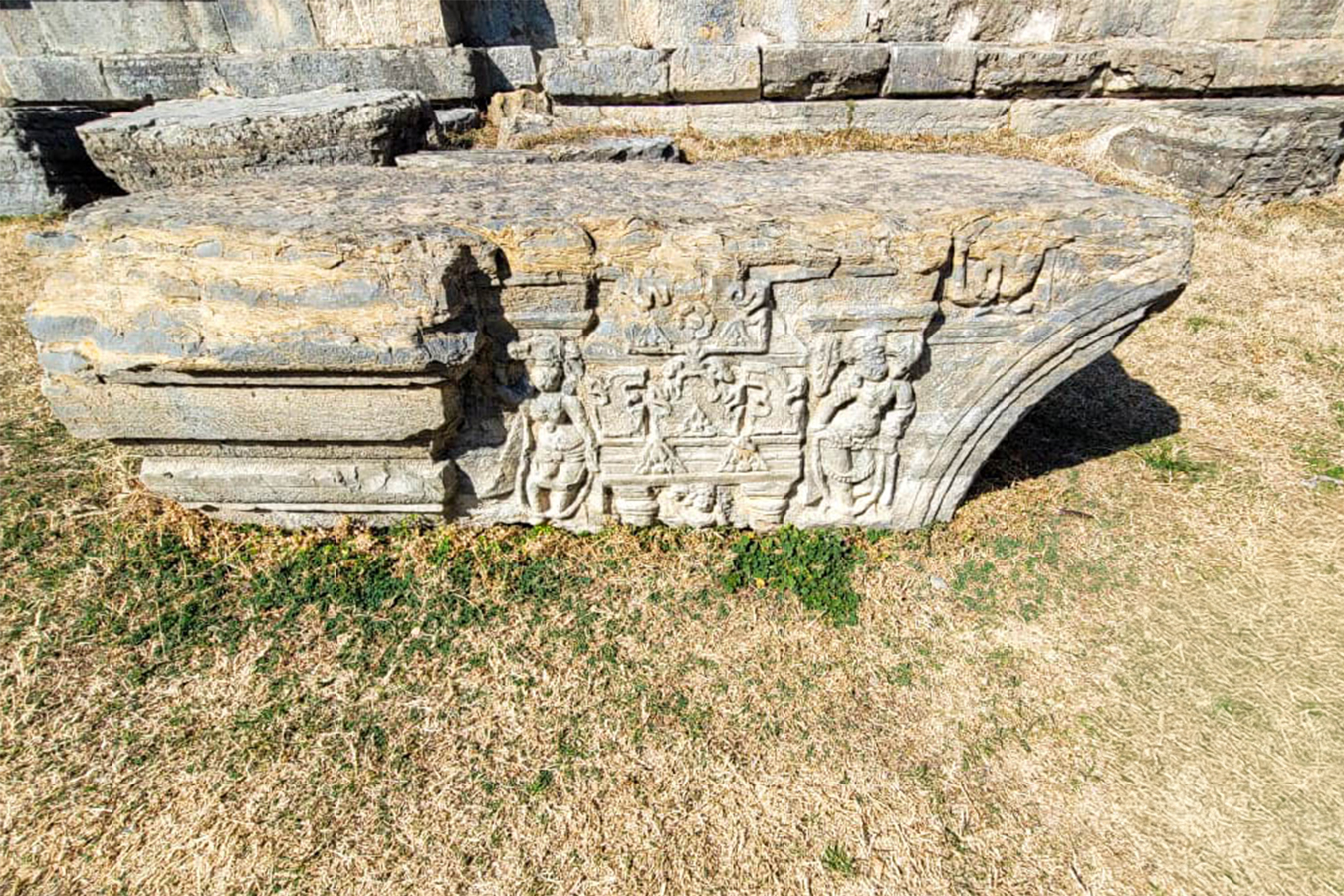
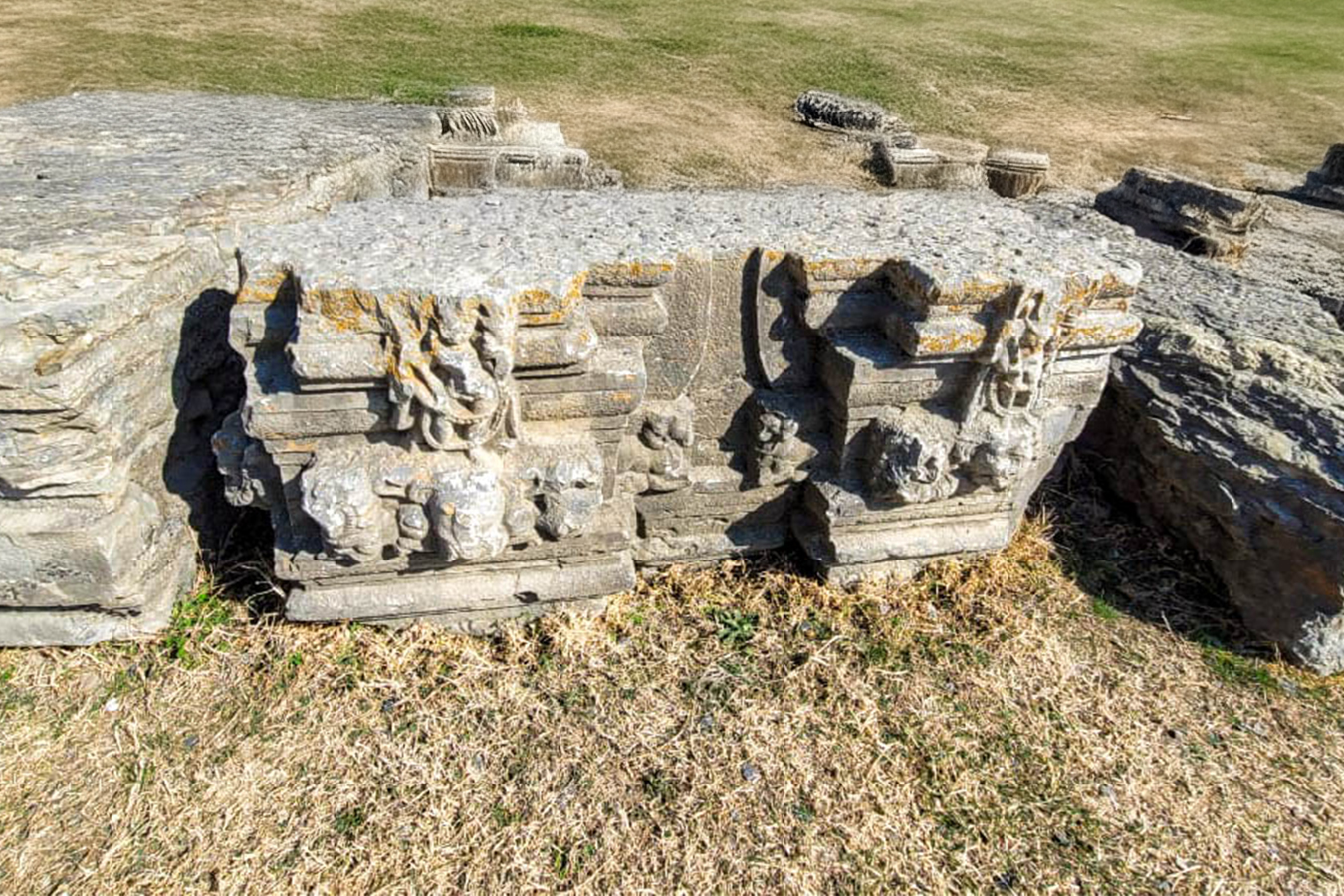
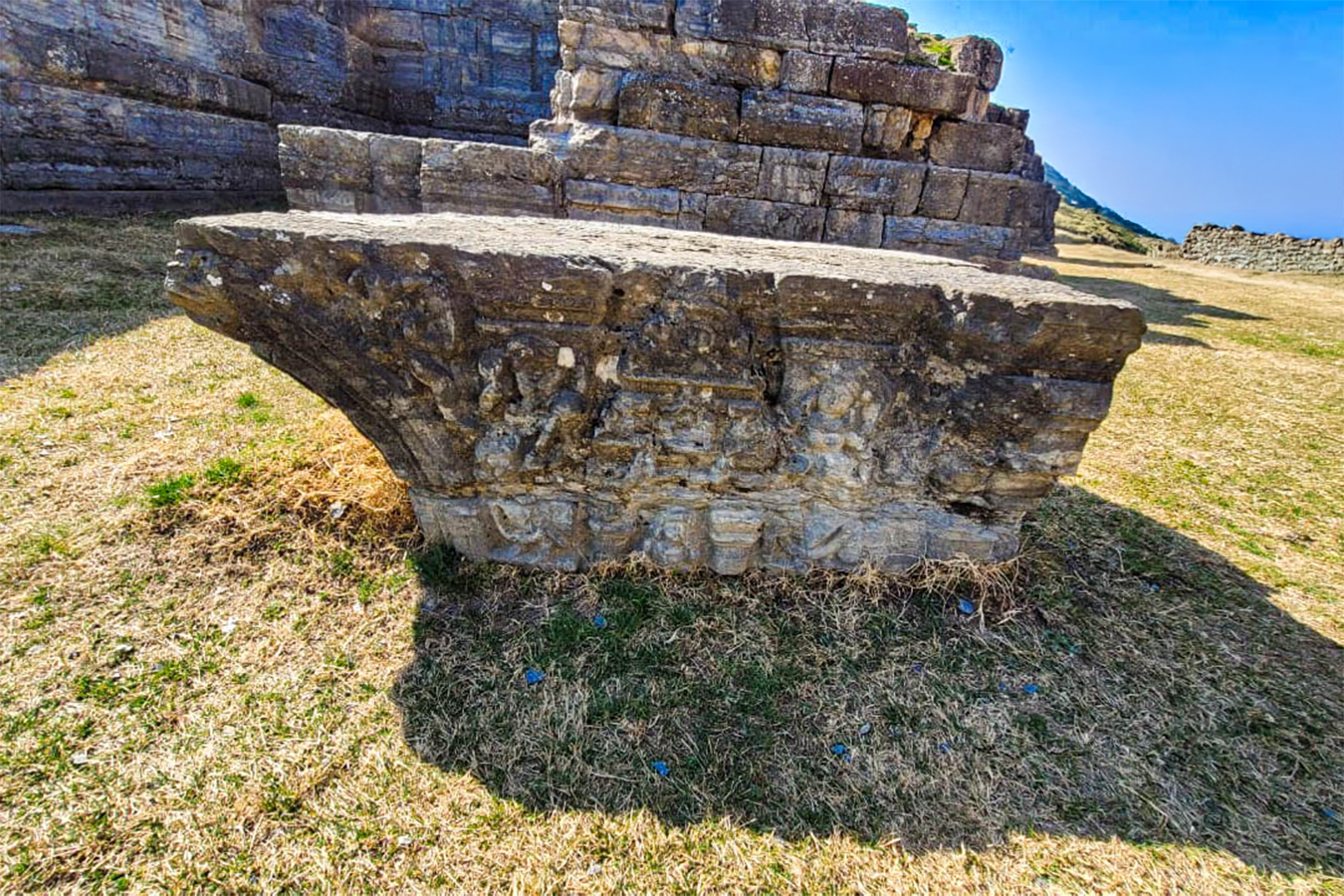
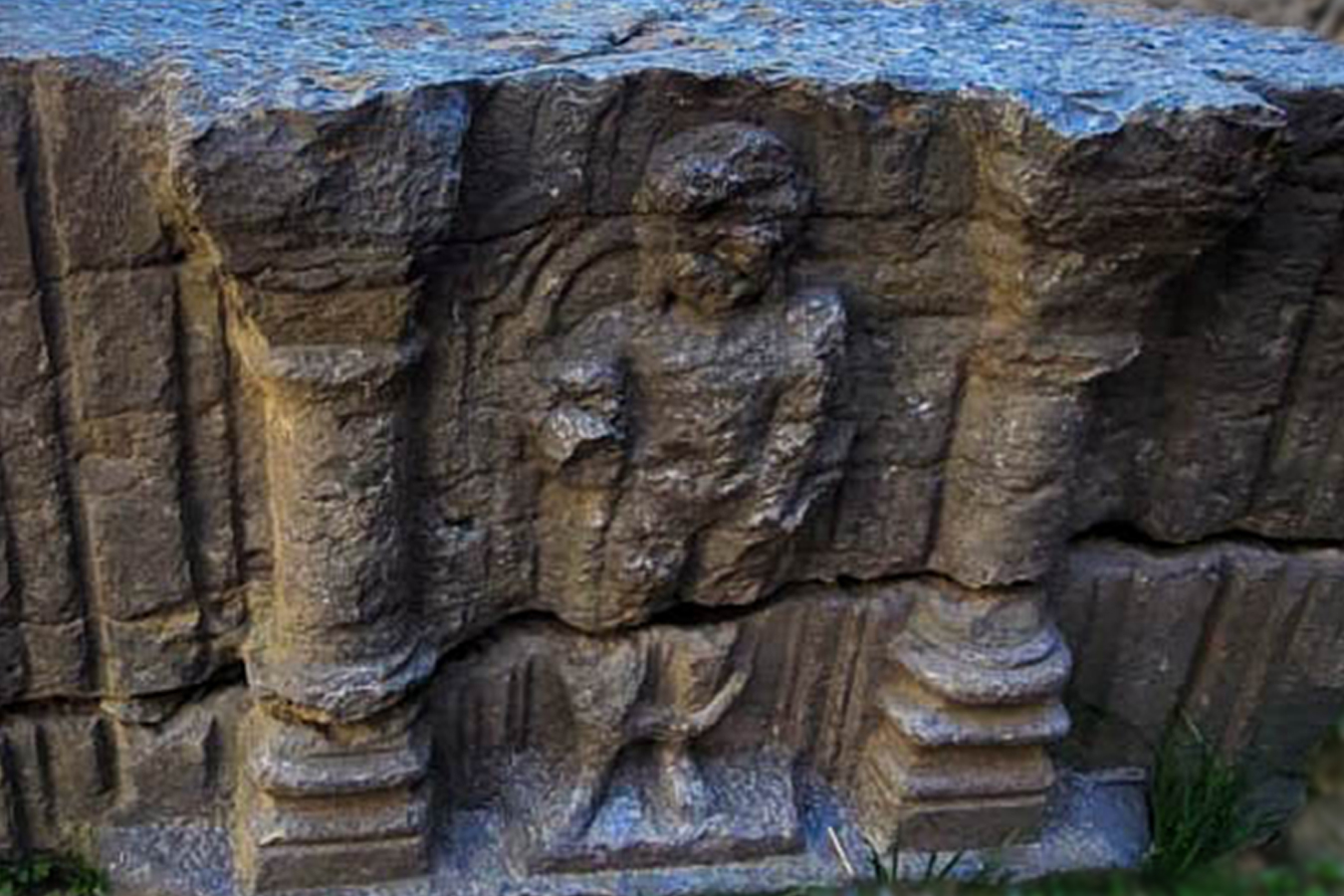
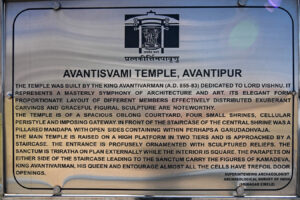
Further south was Avantipora which was the capital of King Avantiverman, established in the 9th century AD during his reign. There are the remains of Avantiswamy temple and Avantiswarsa Temple dedicated to Vishnu and Shiva respectively – two early stone structures built from blocks in the region of Kashmir. Their caved columns and mebutas (doorways) still struggle beneath the pest of bye-gone glory. The temples today are quiet, half-collapsed, but they hum divine for a symphony of worship that will not be ended.
Qaimoh – Mattan – Pahalgam
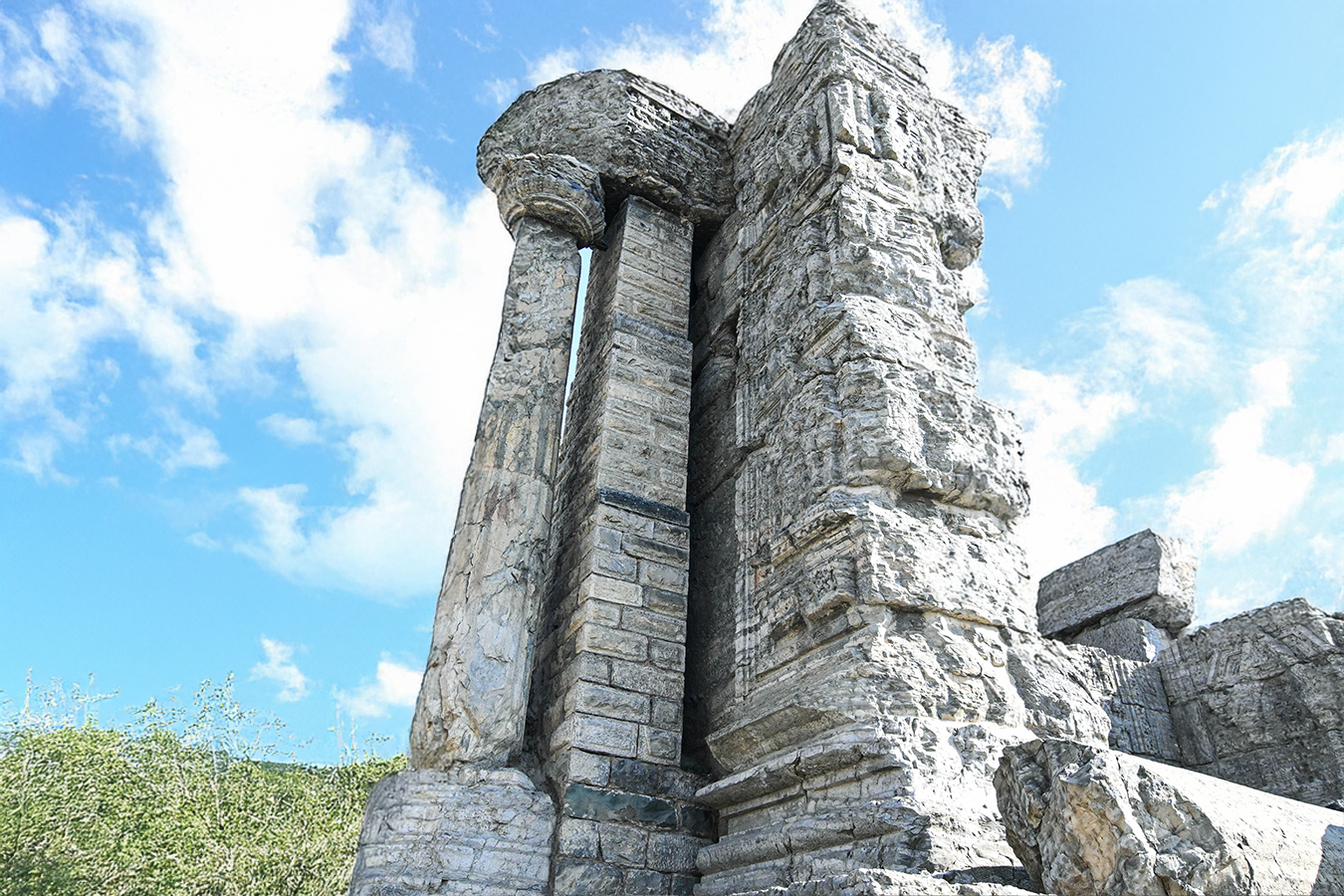
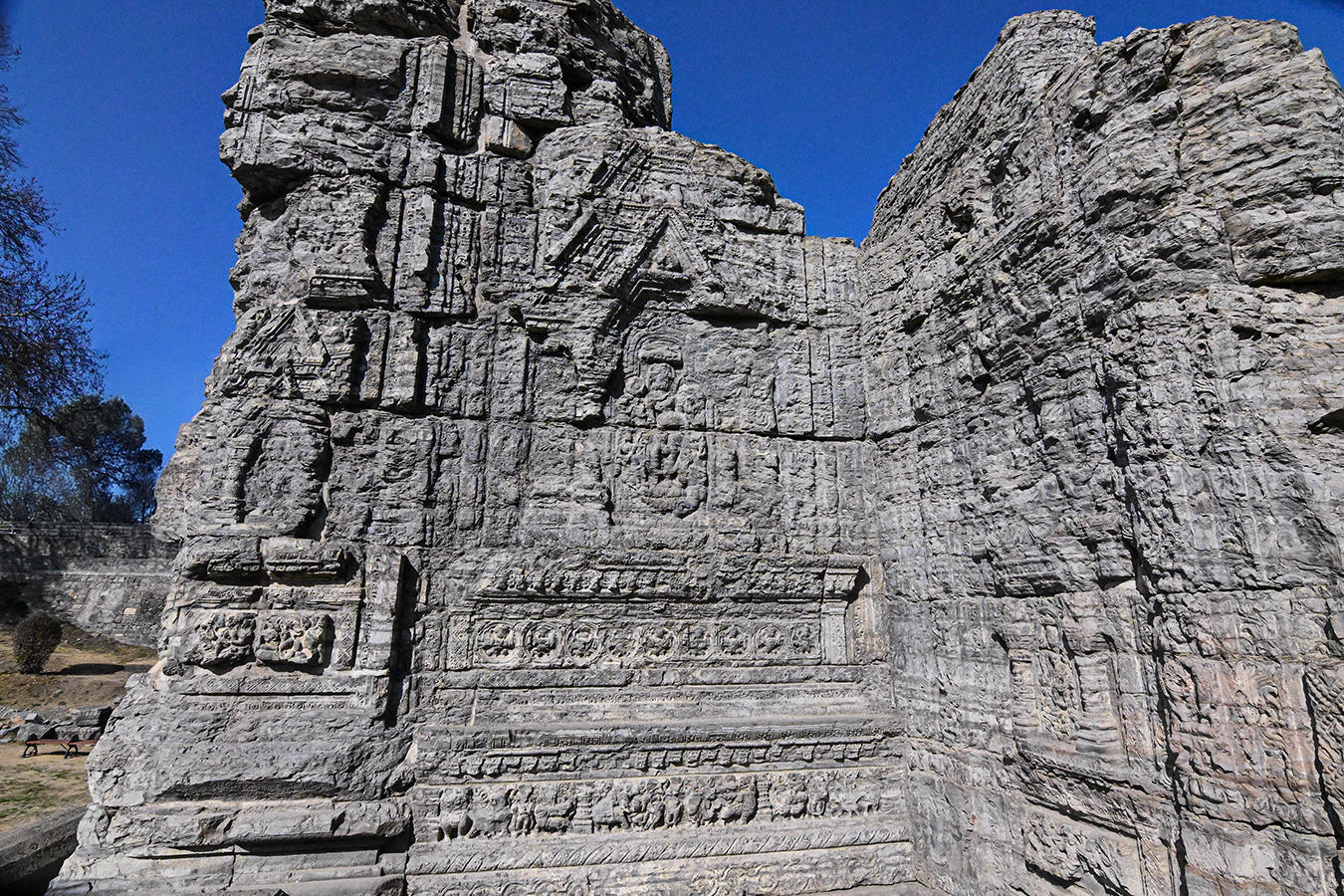
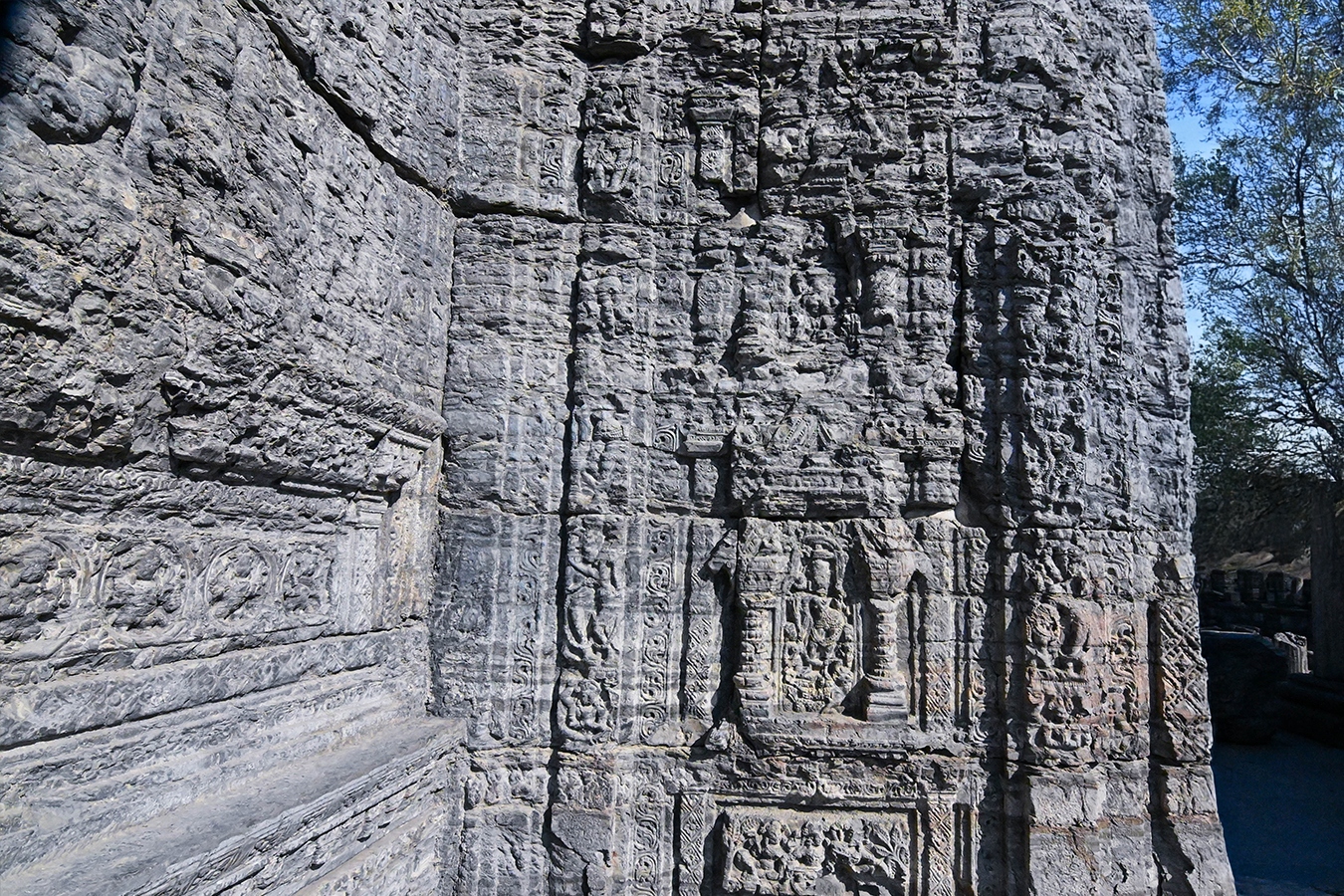
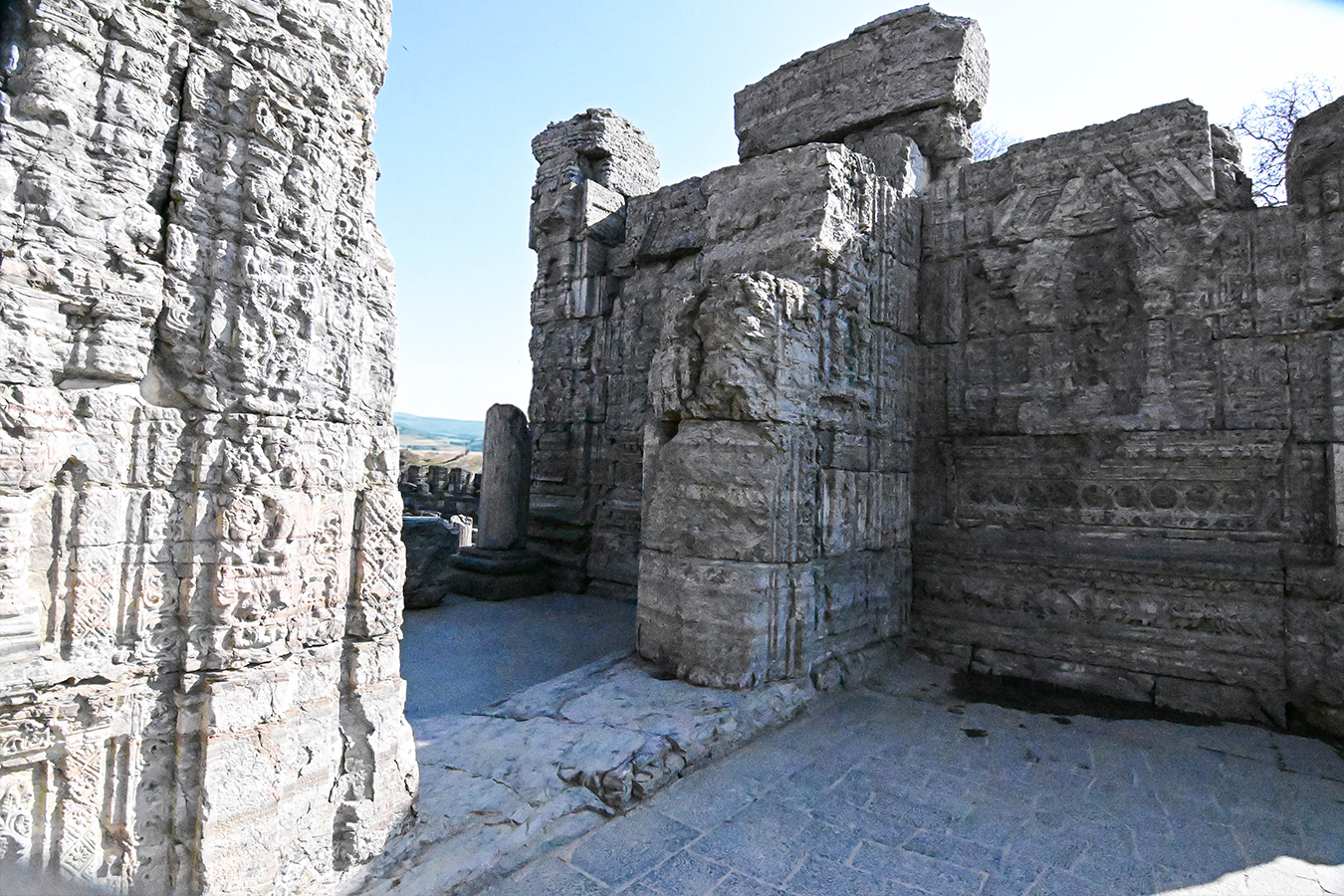
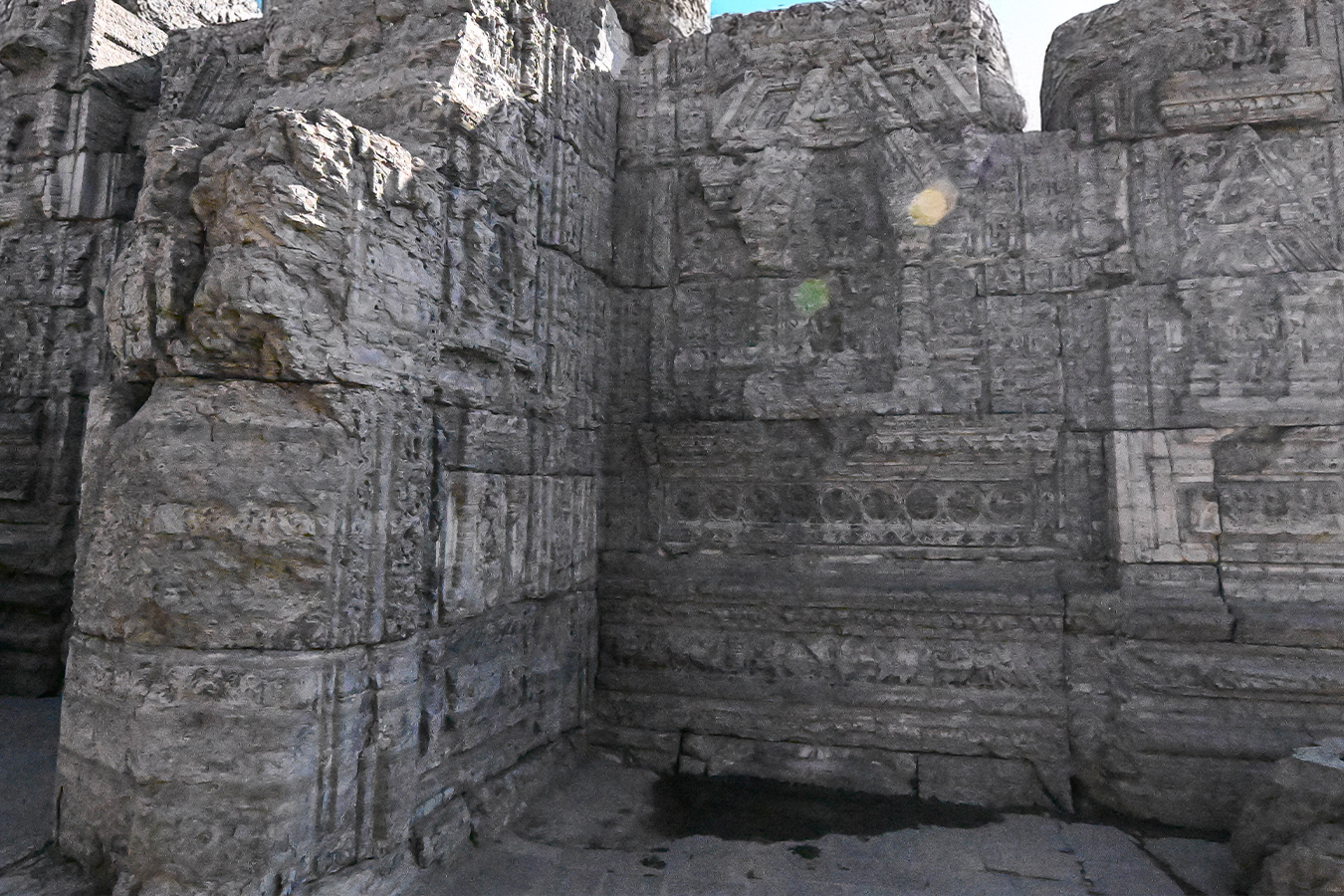
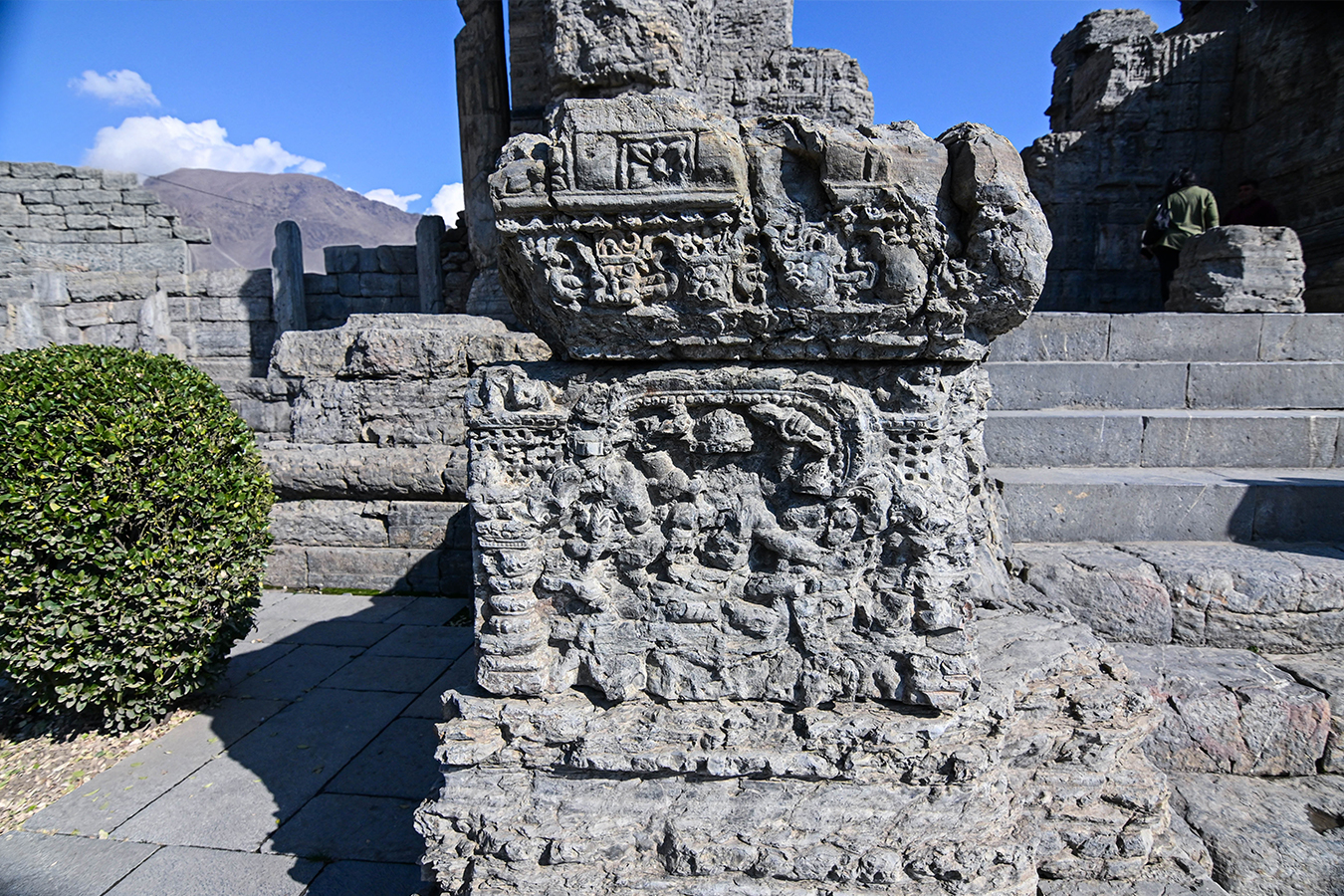
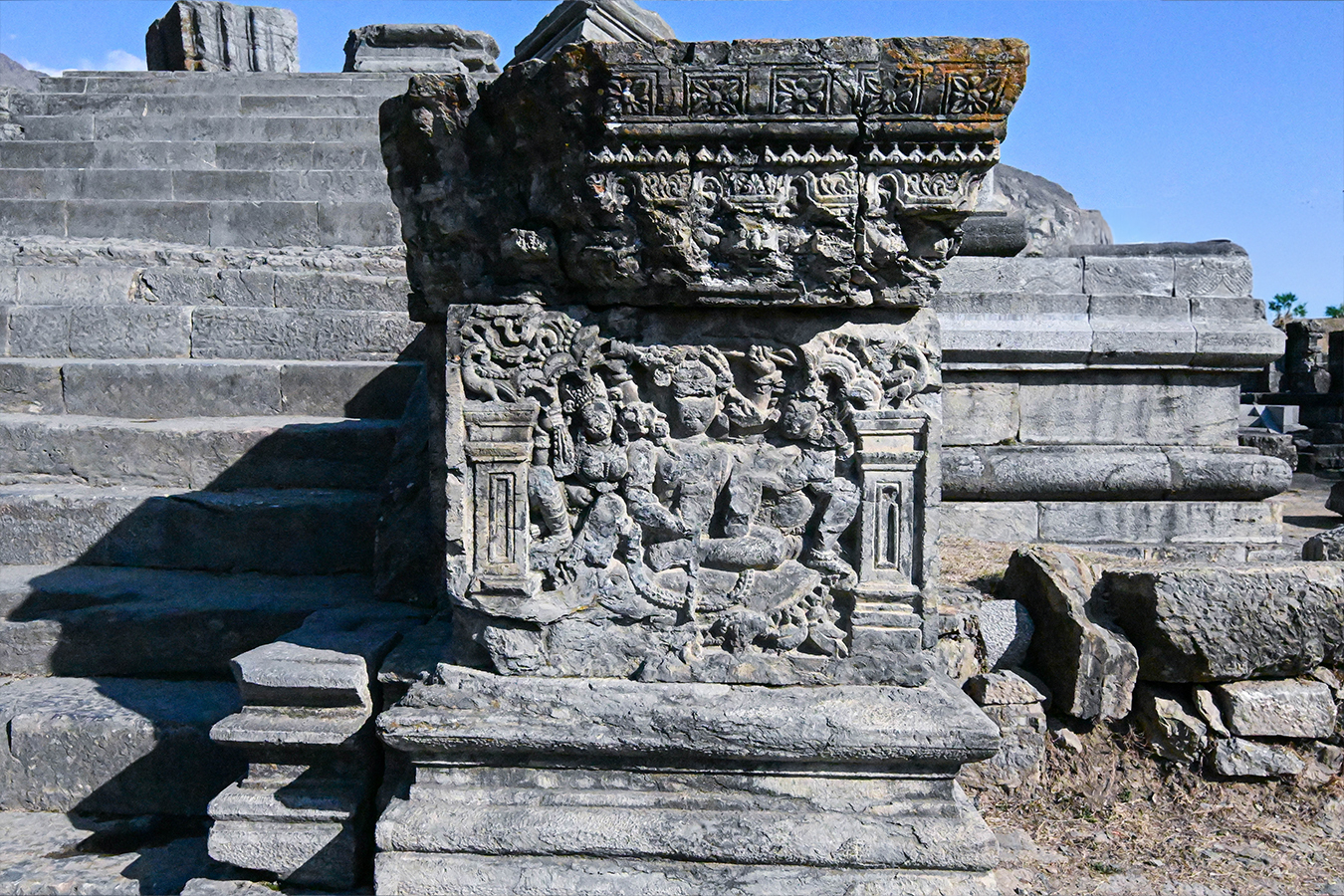
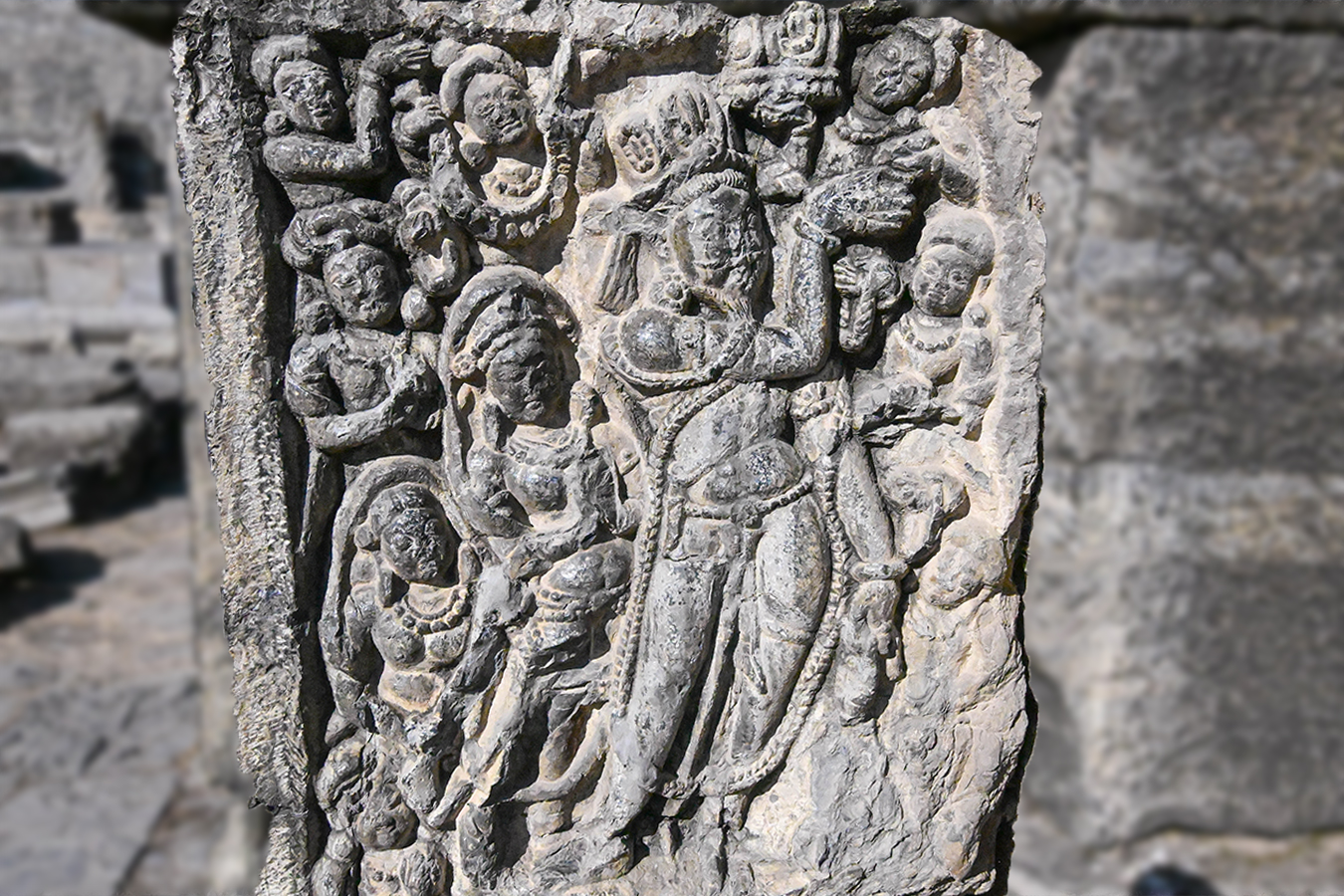
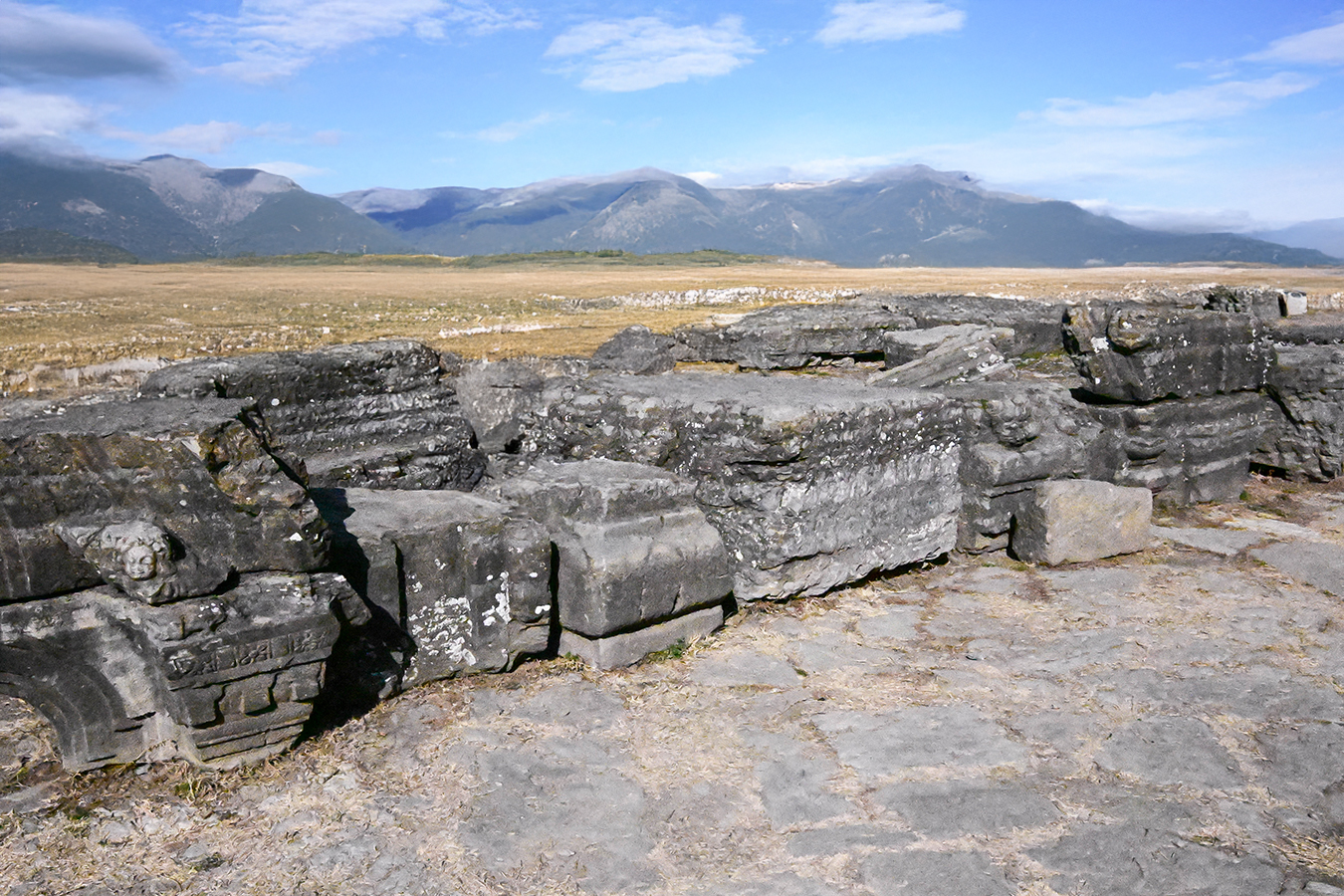
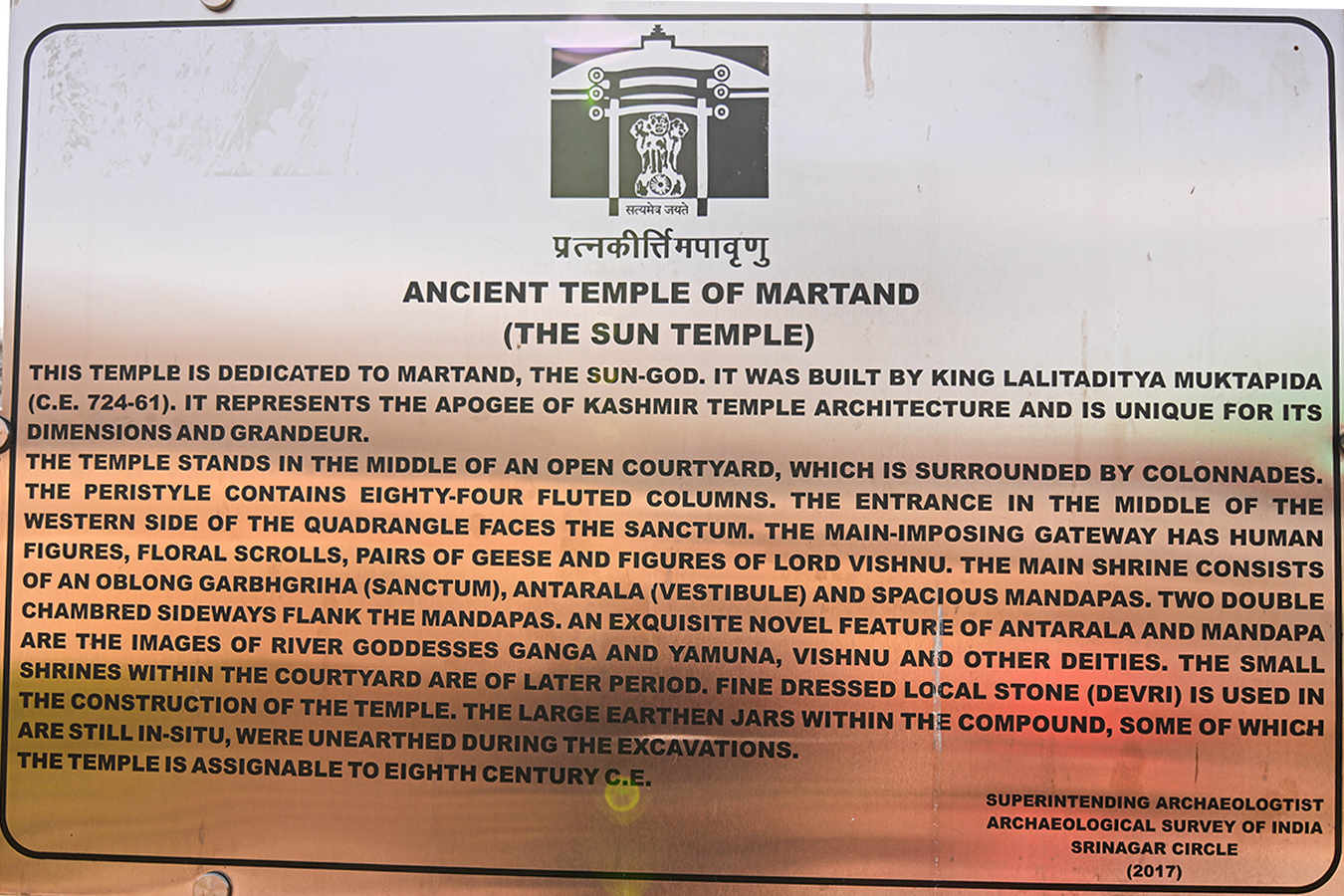
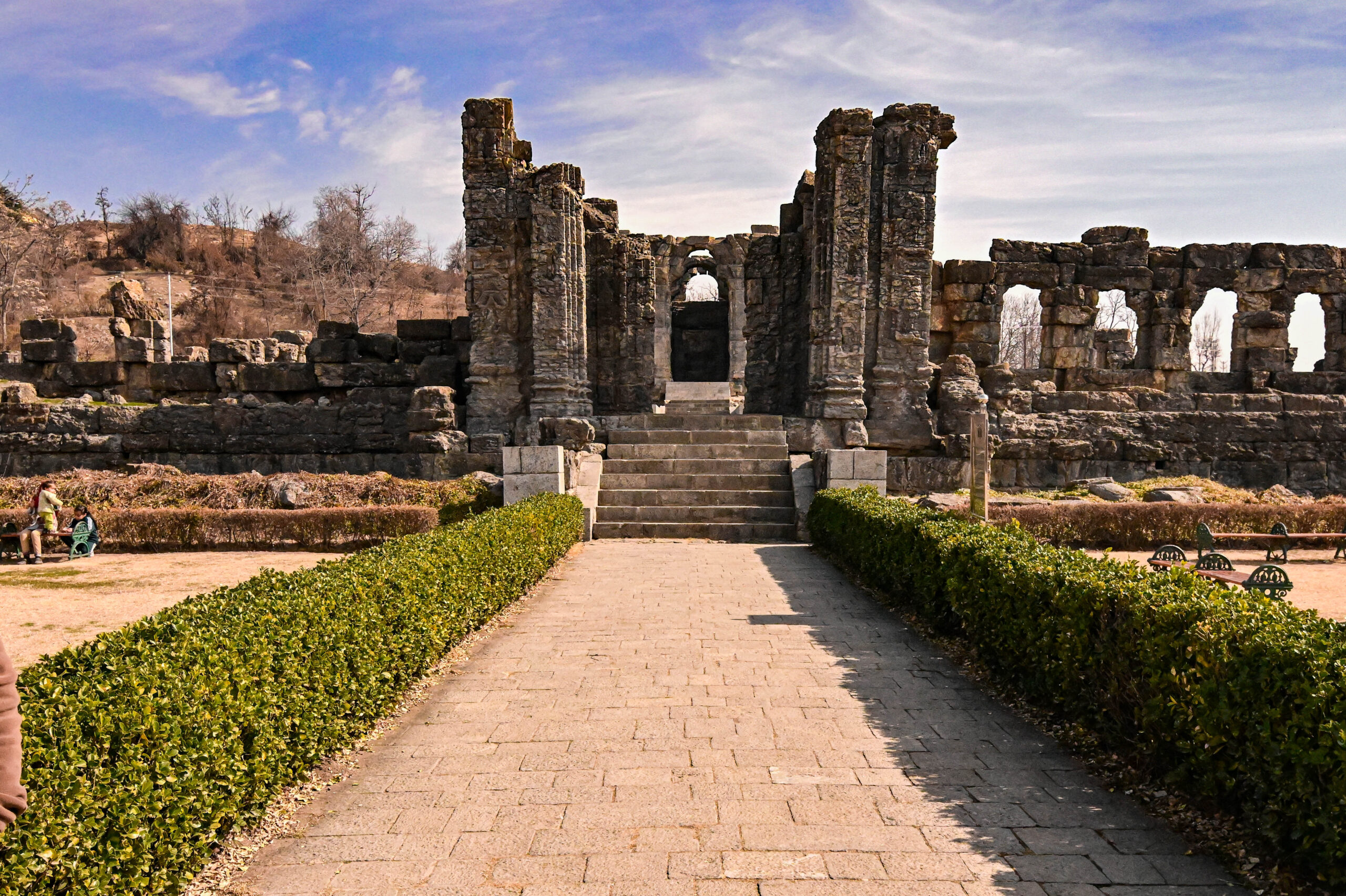
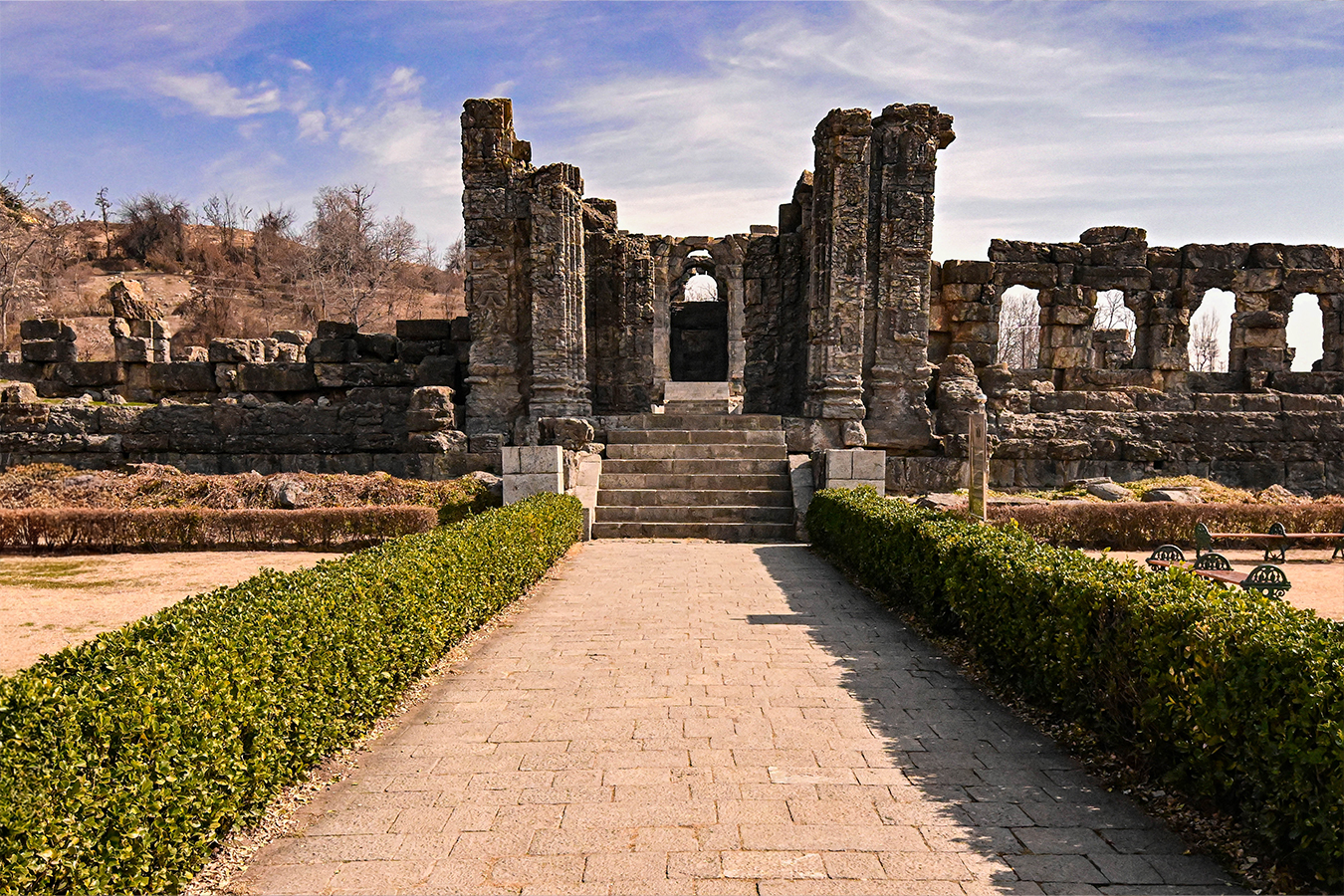
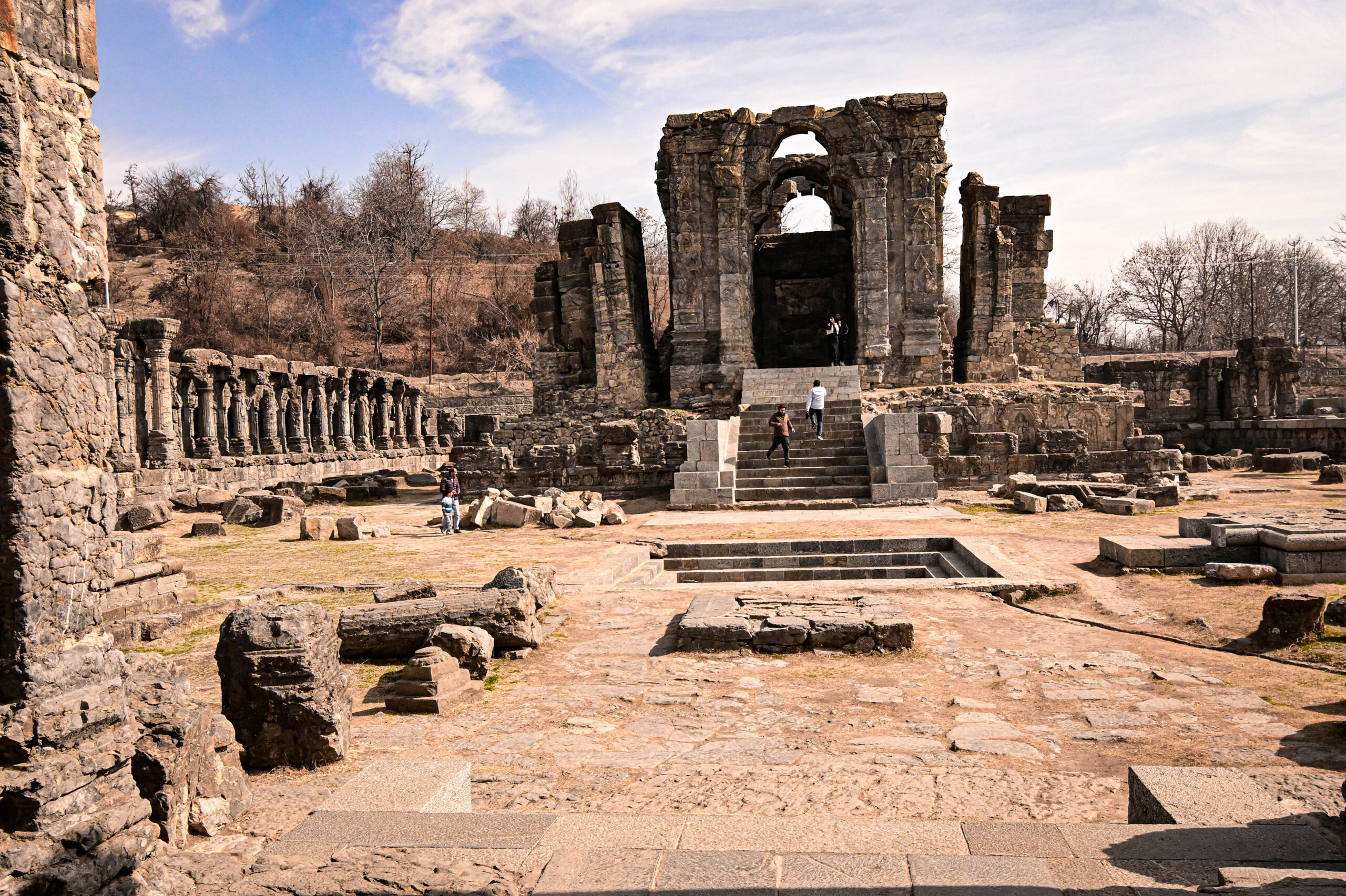
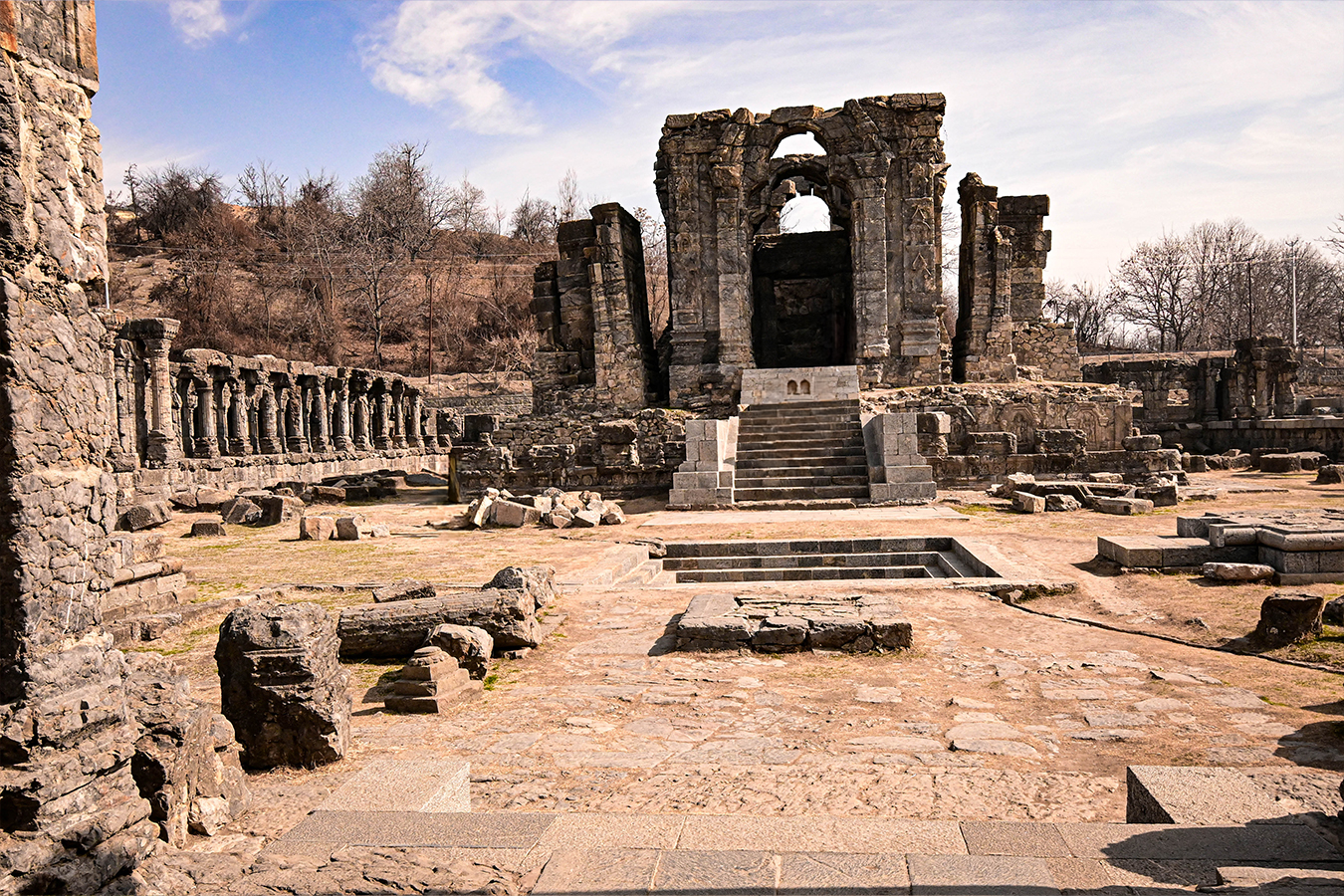
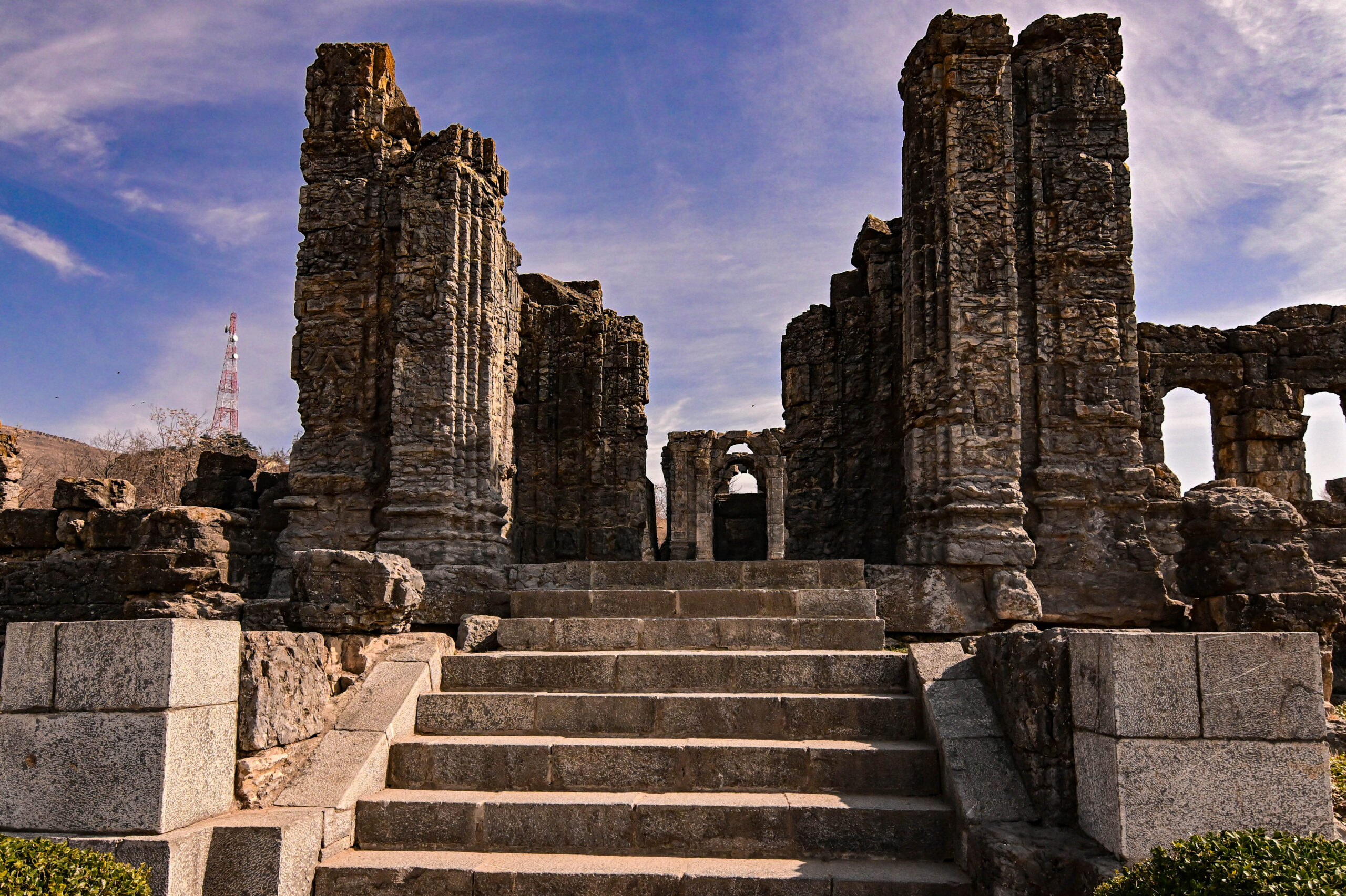
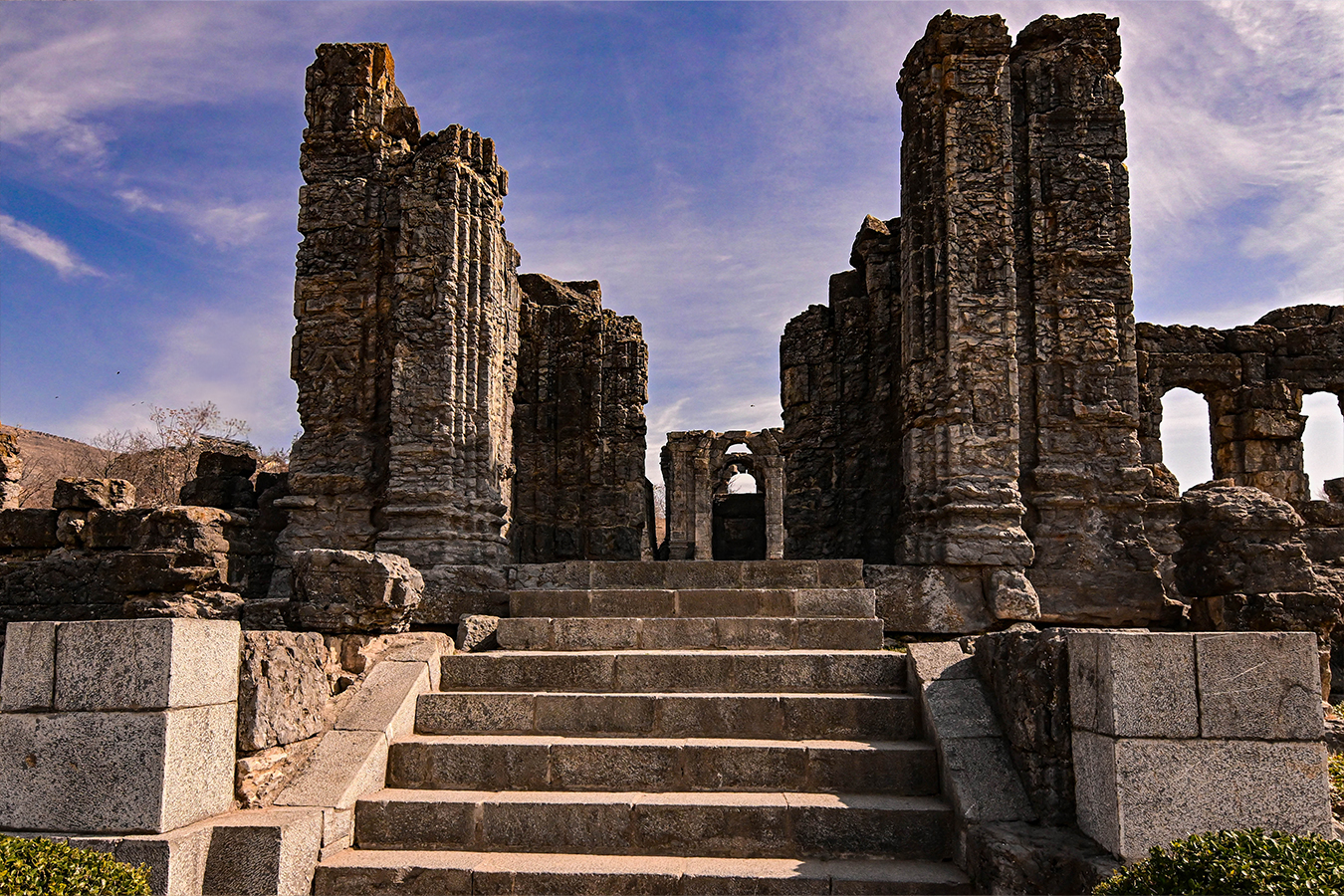
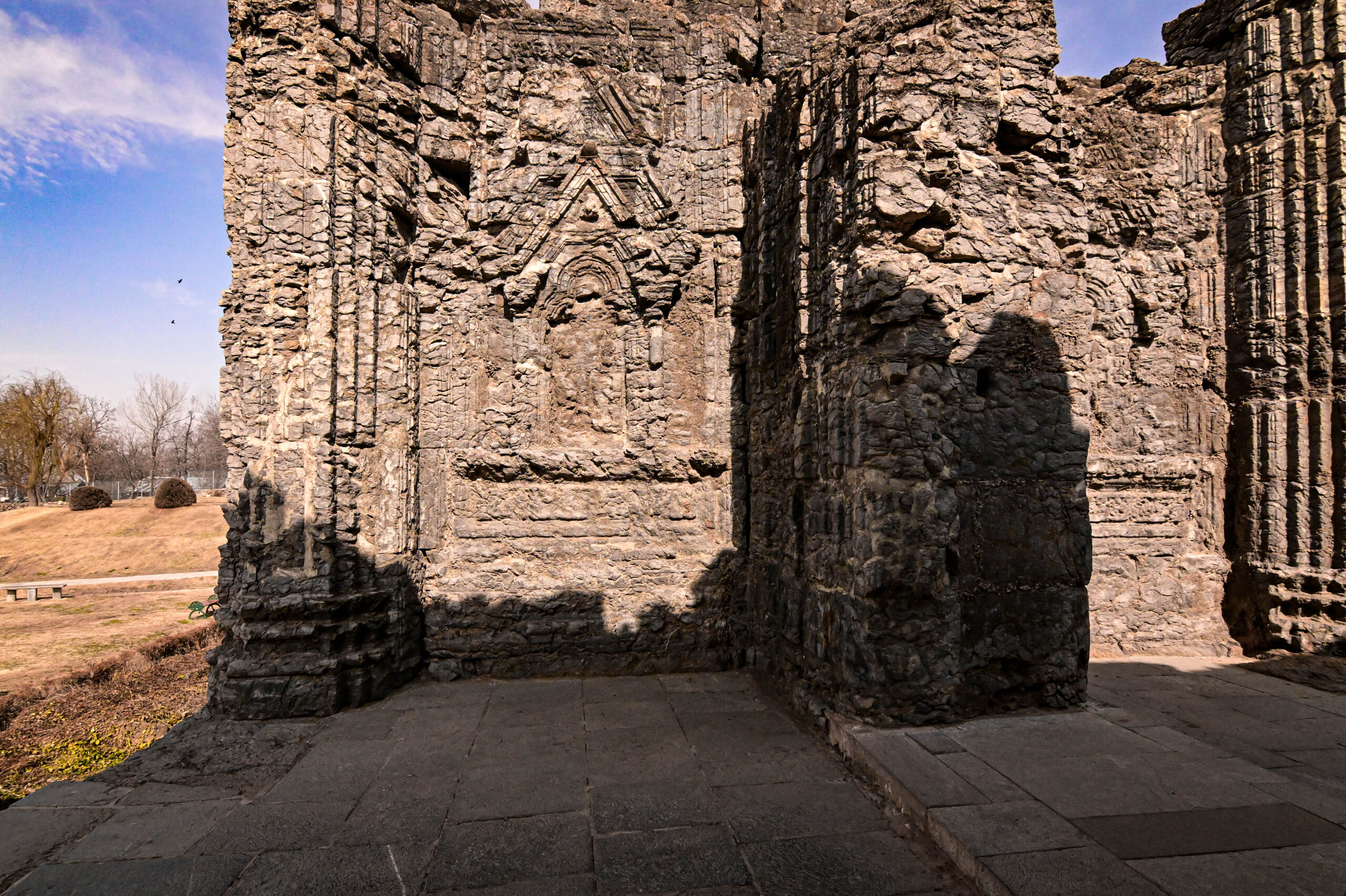
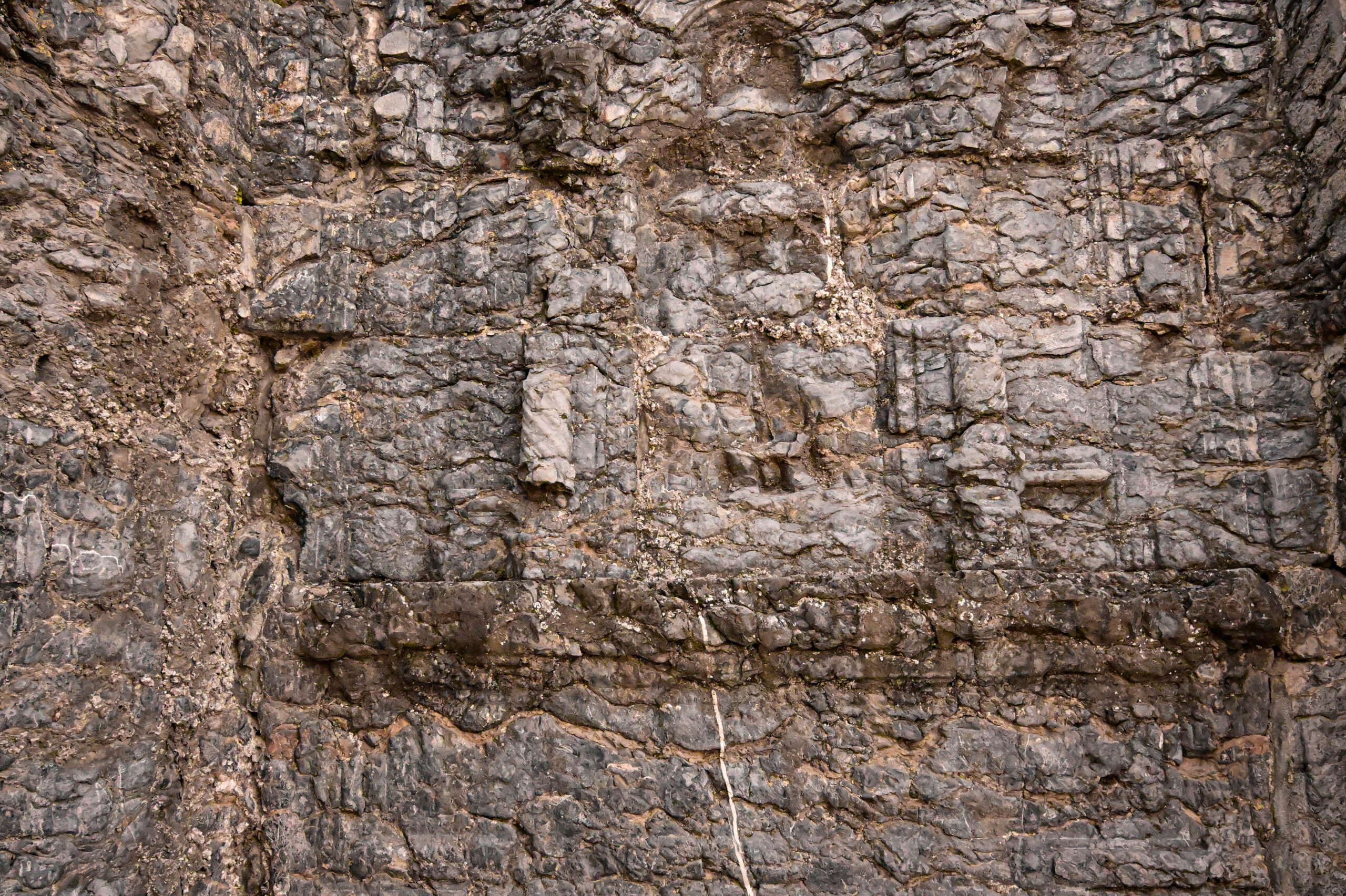
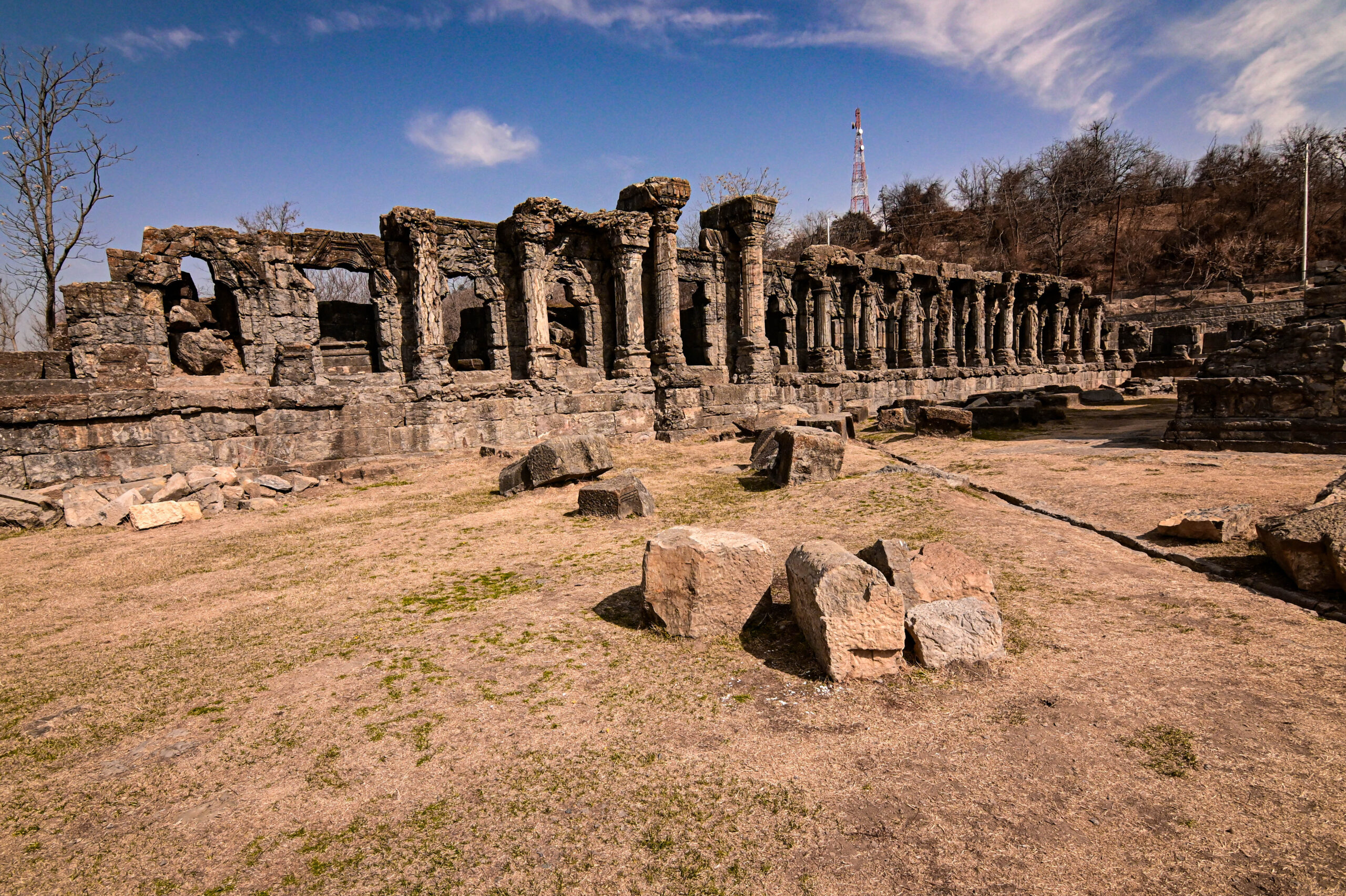
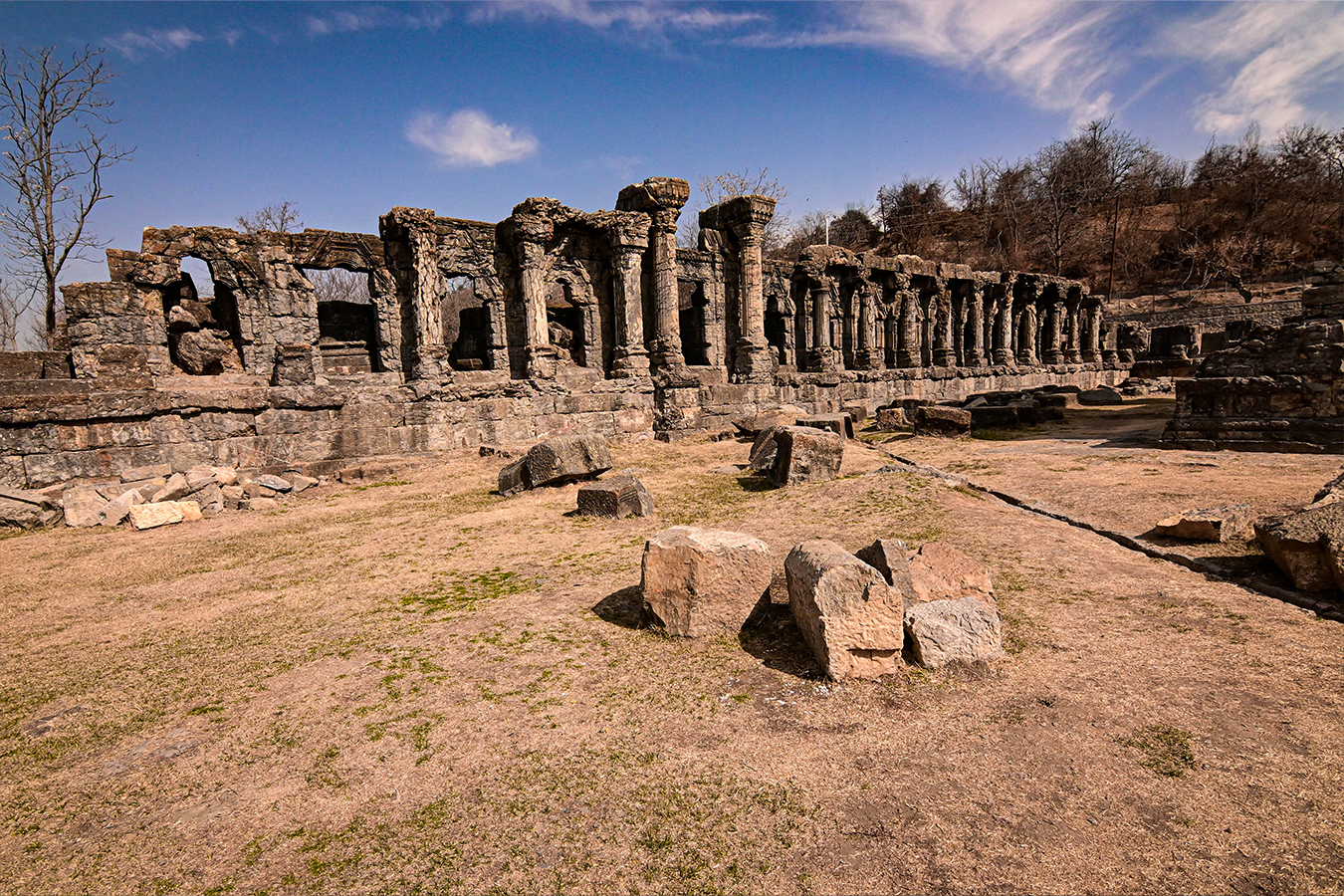
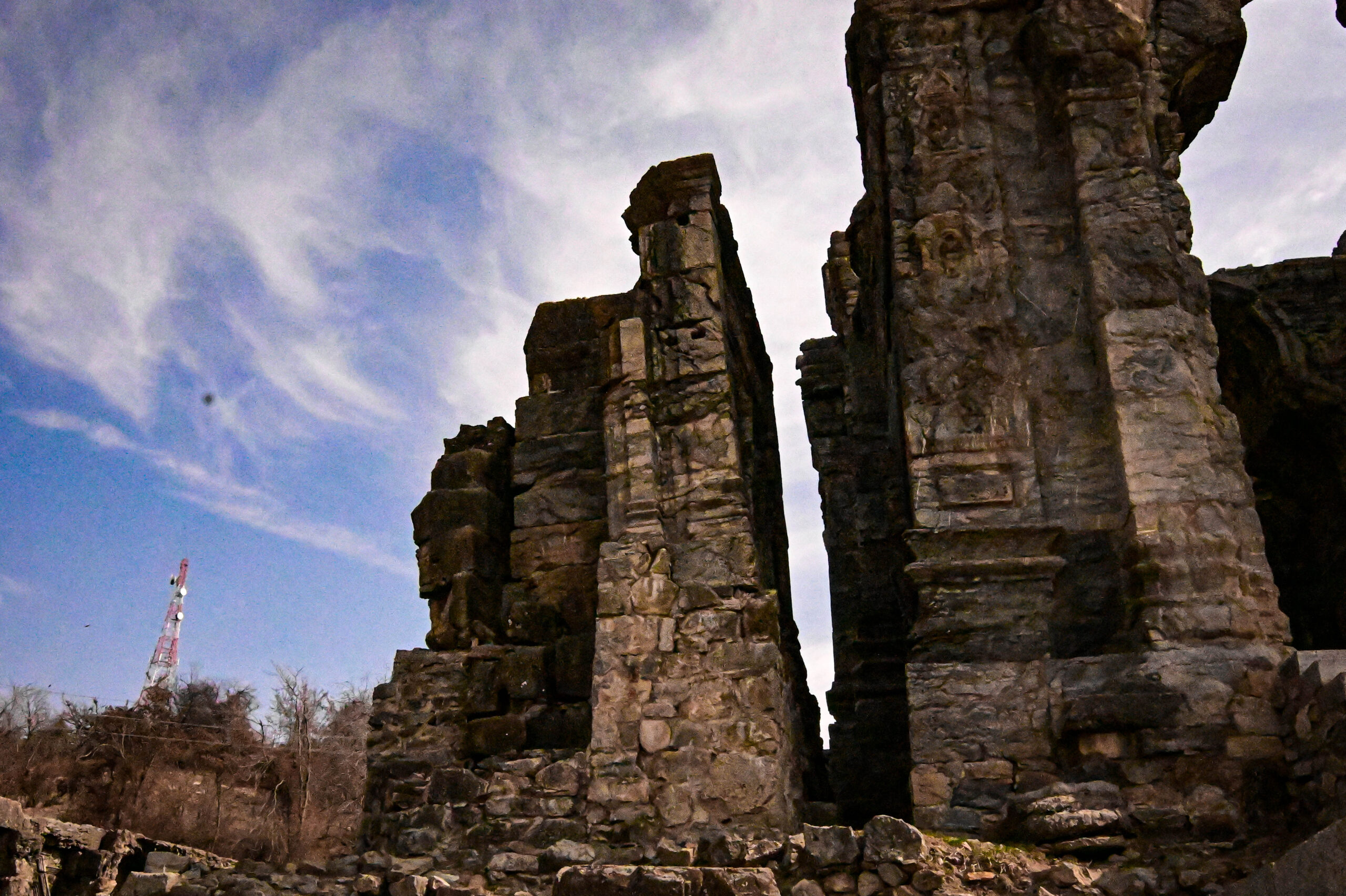
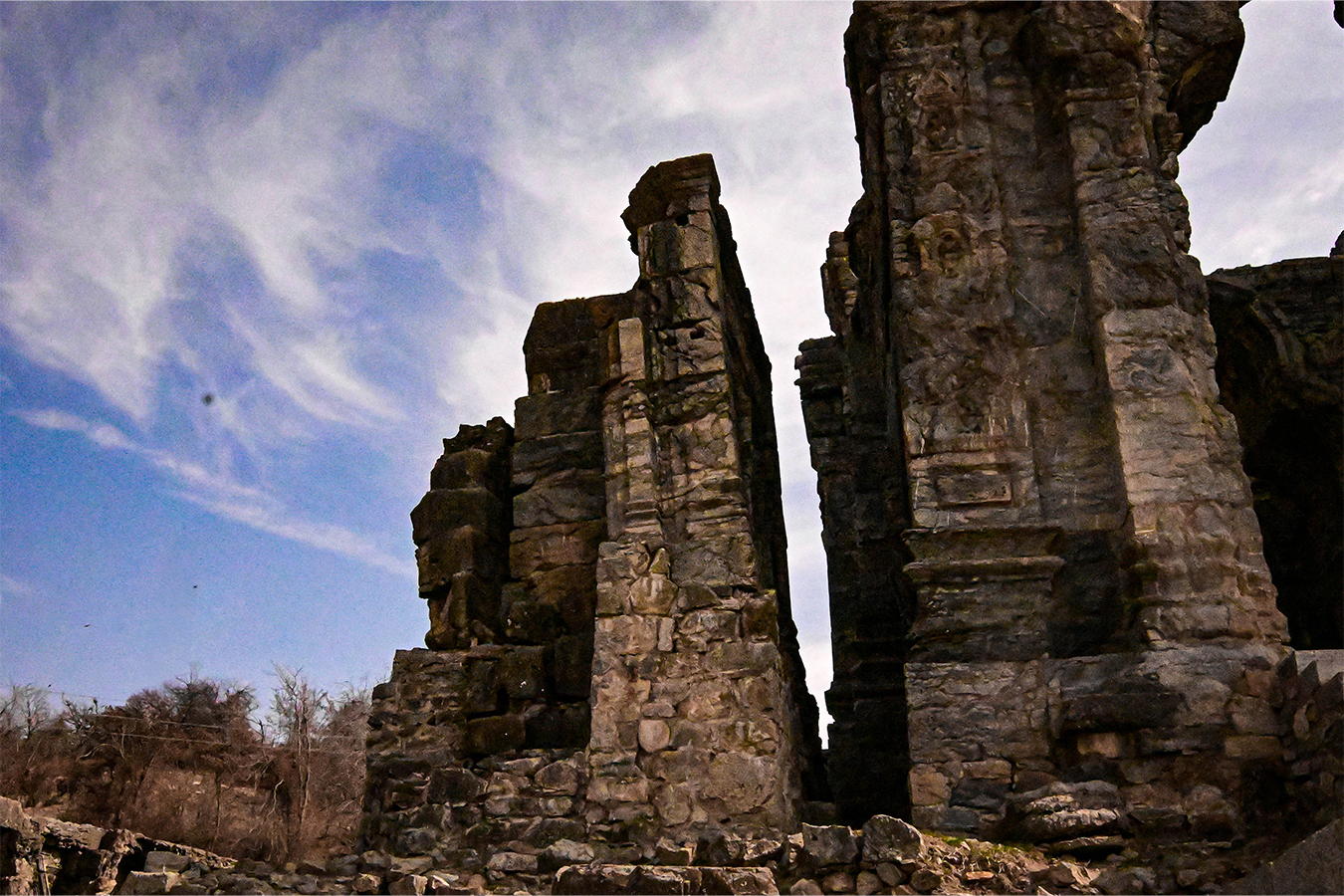
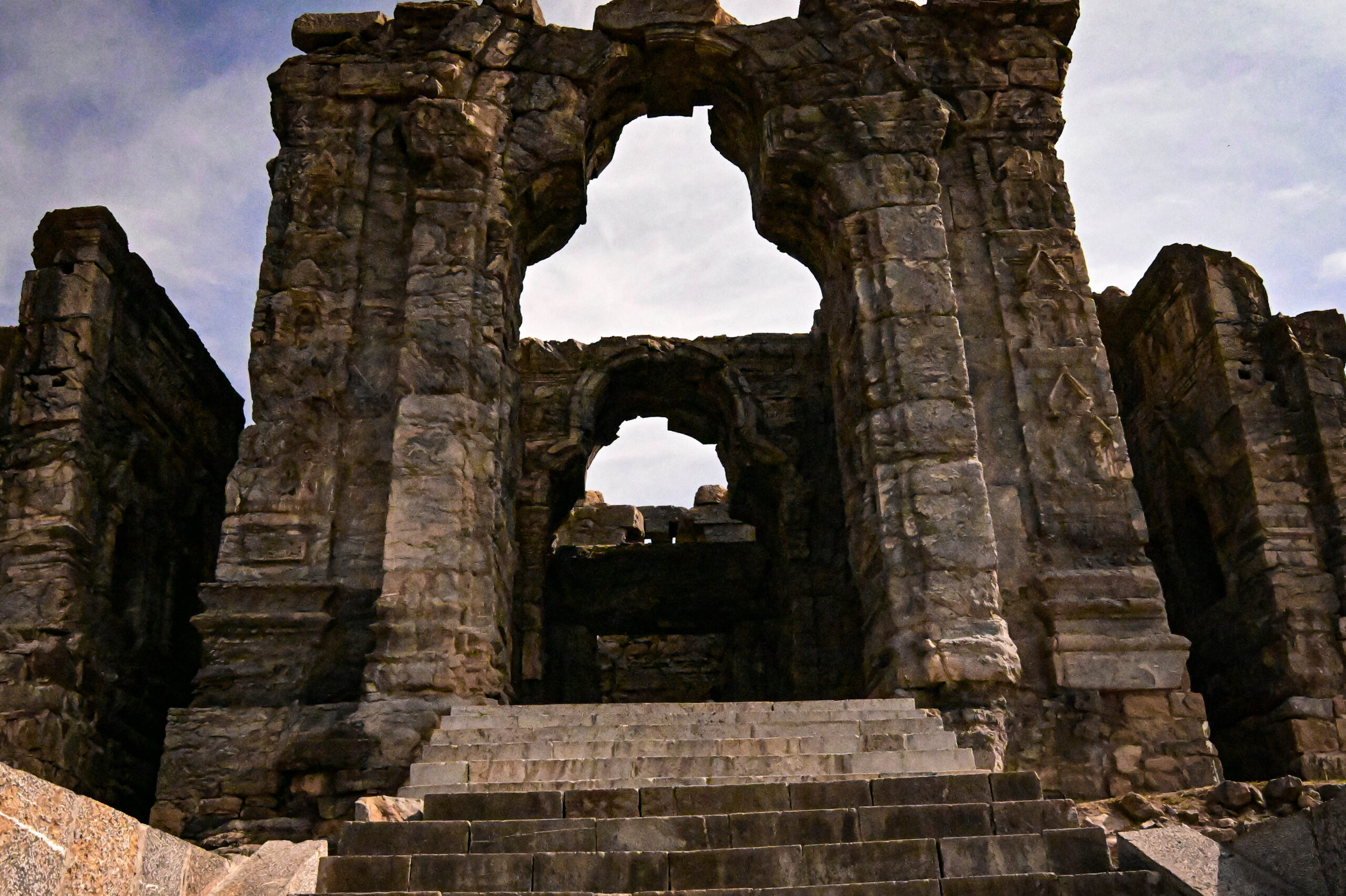
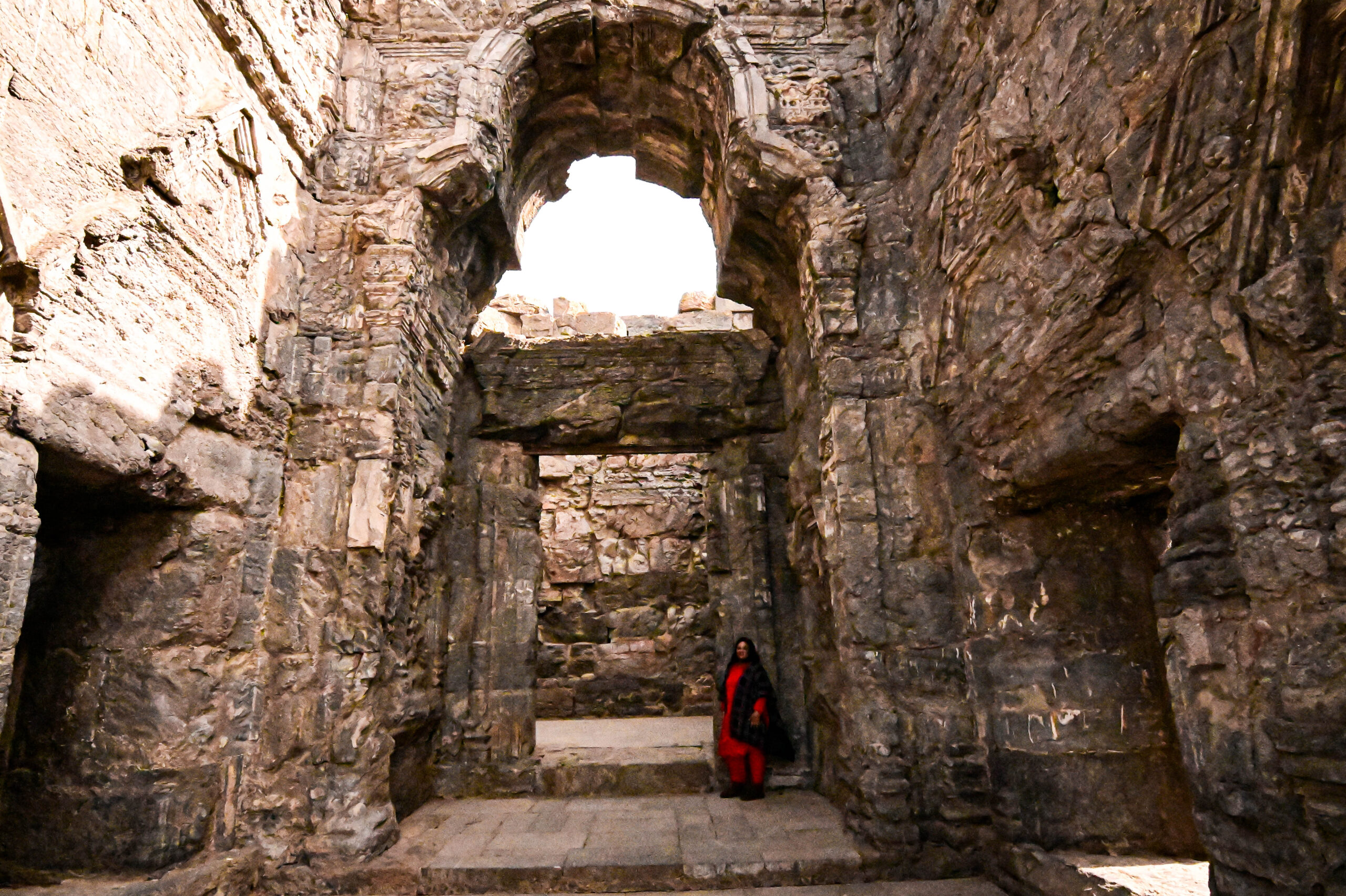
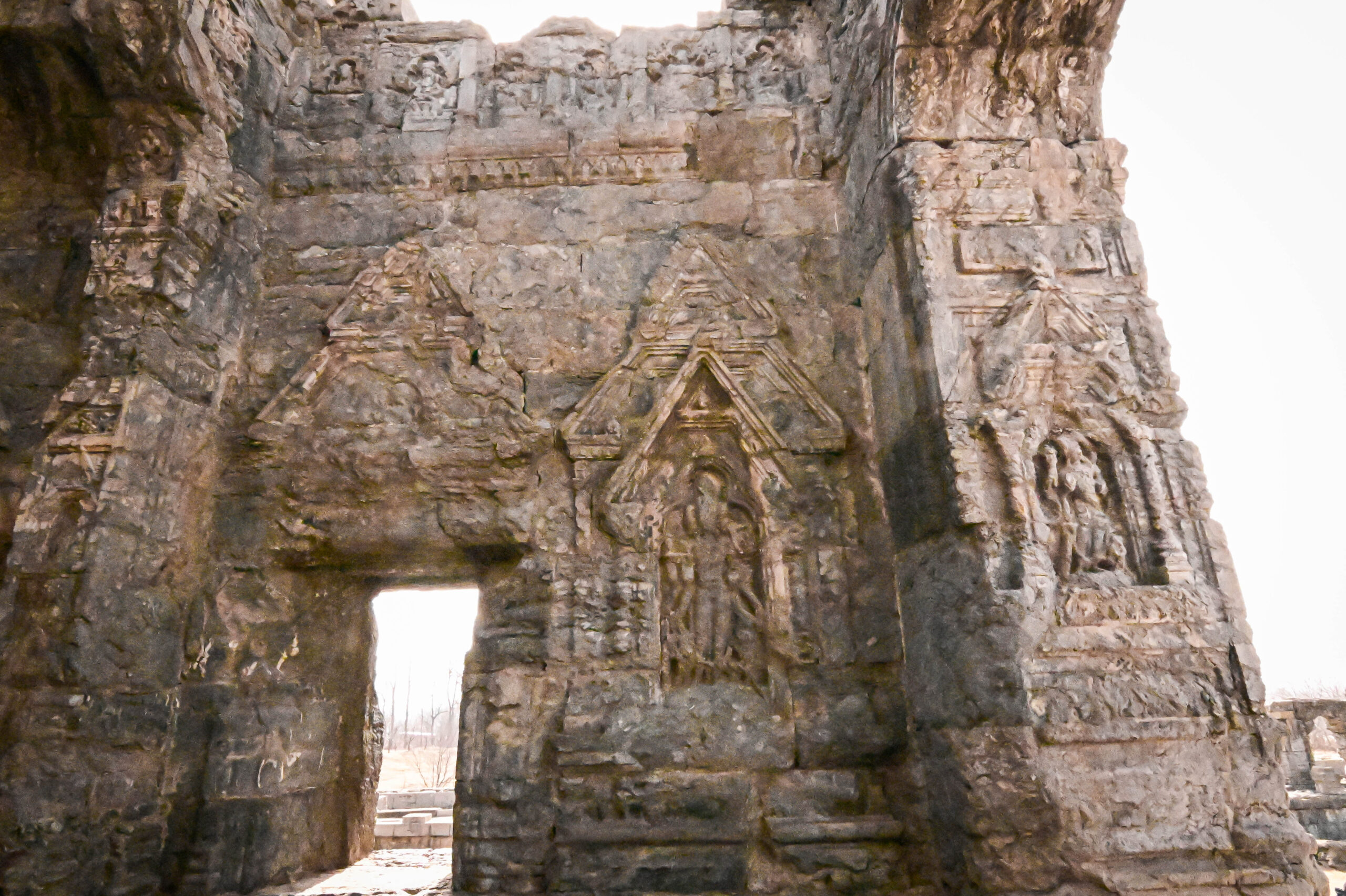
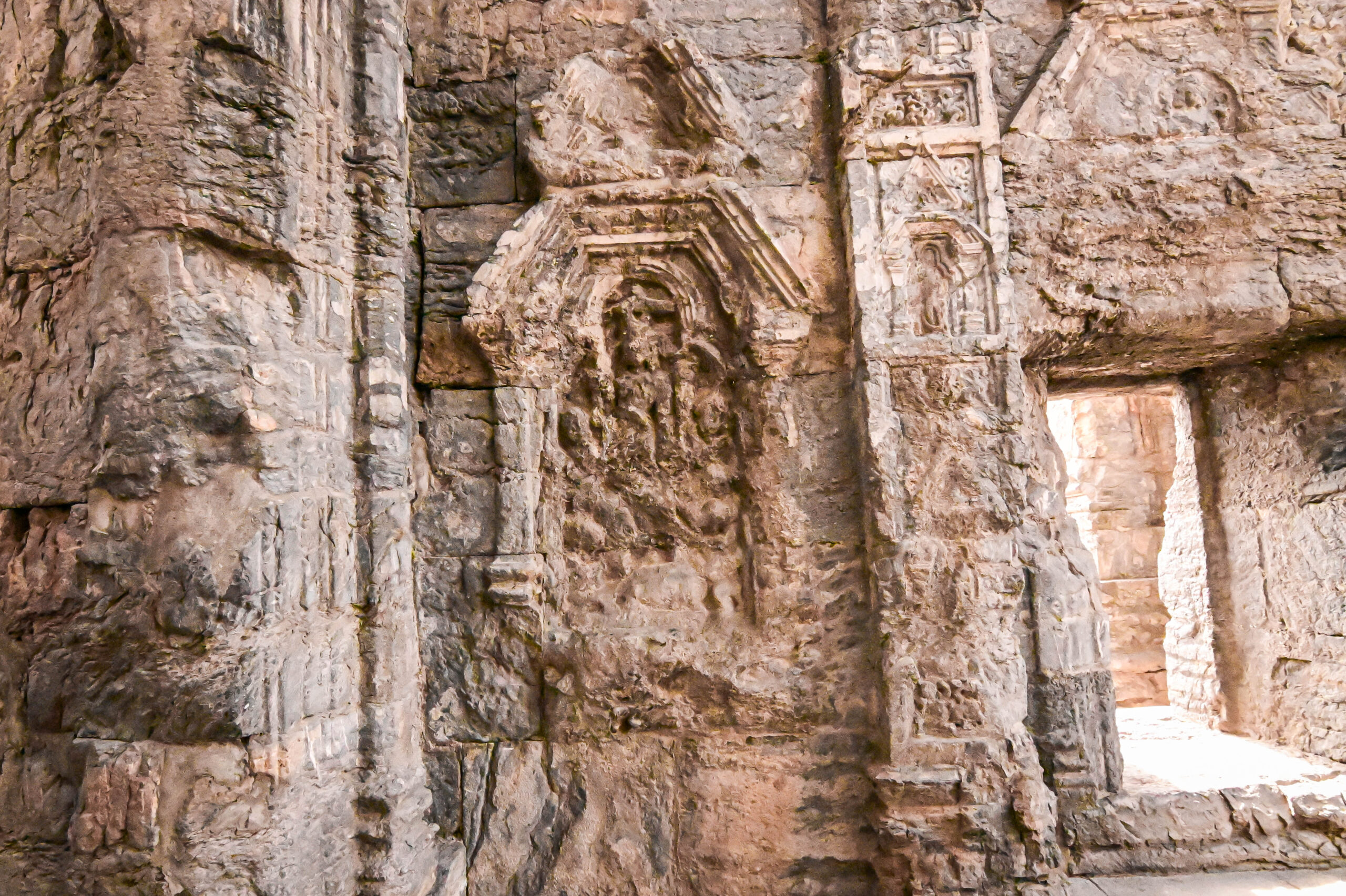
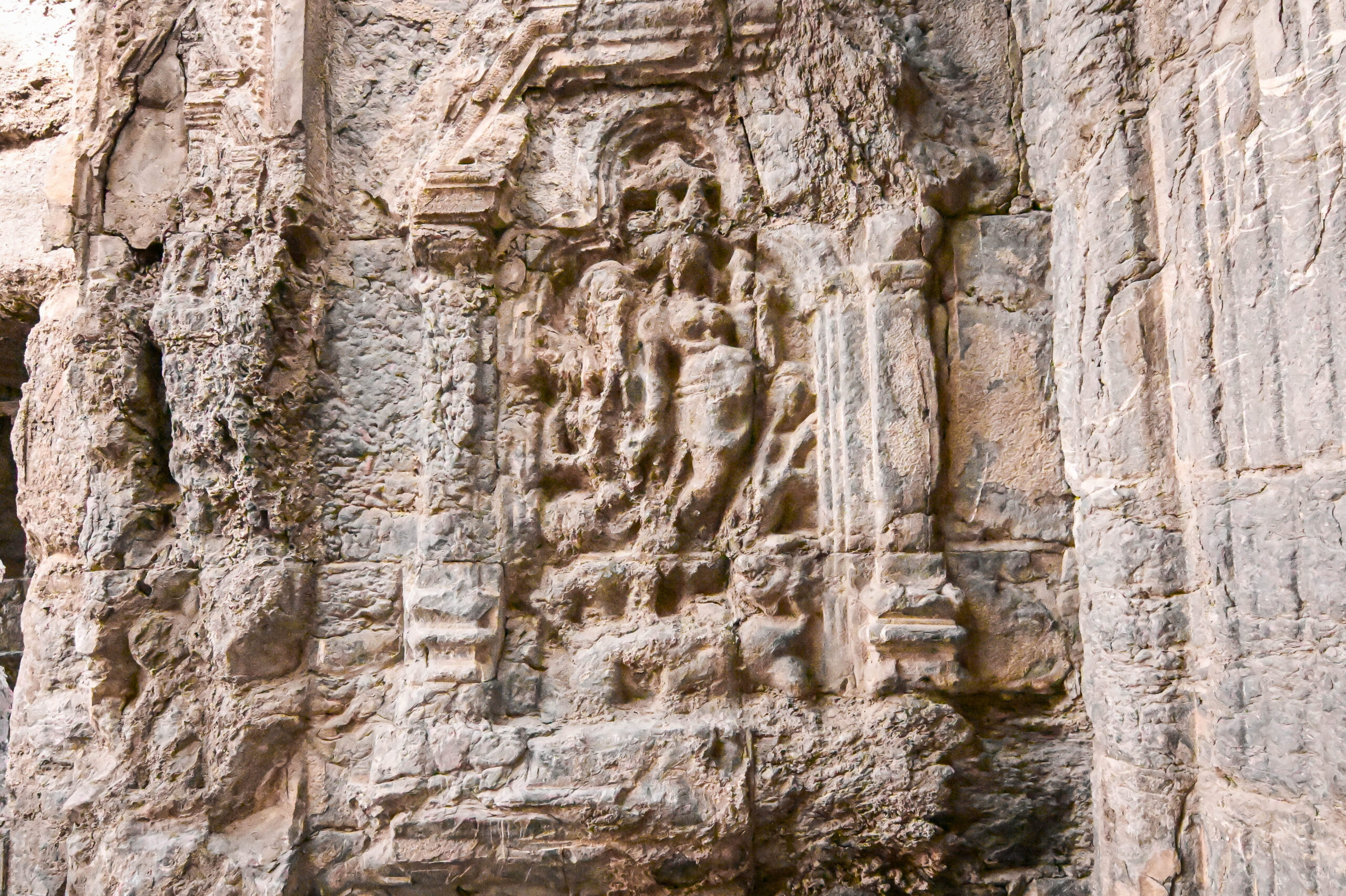
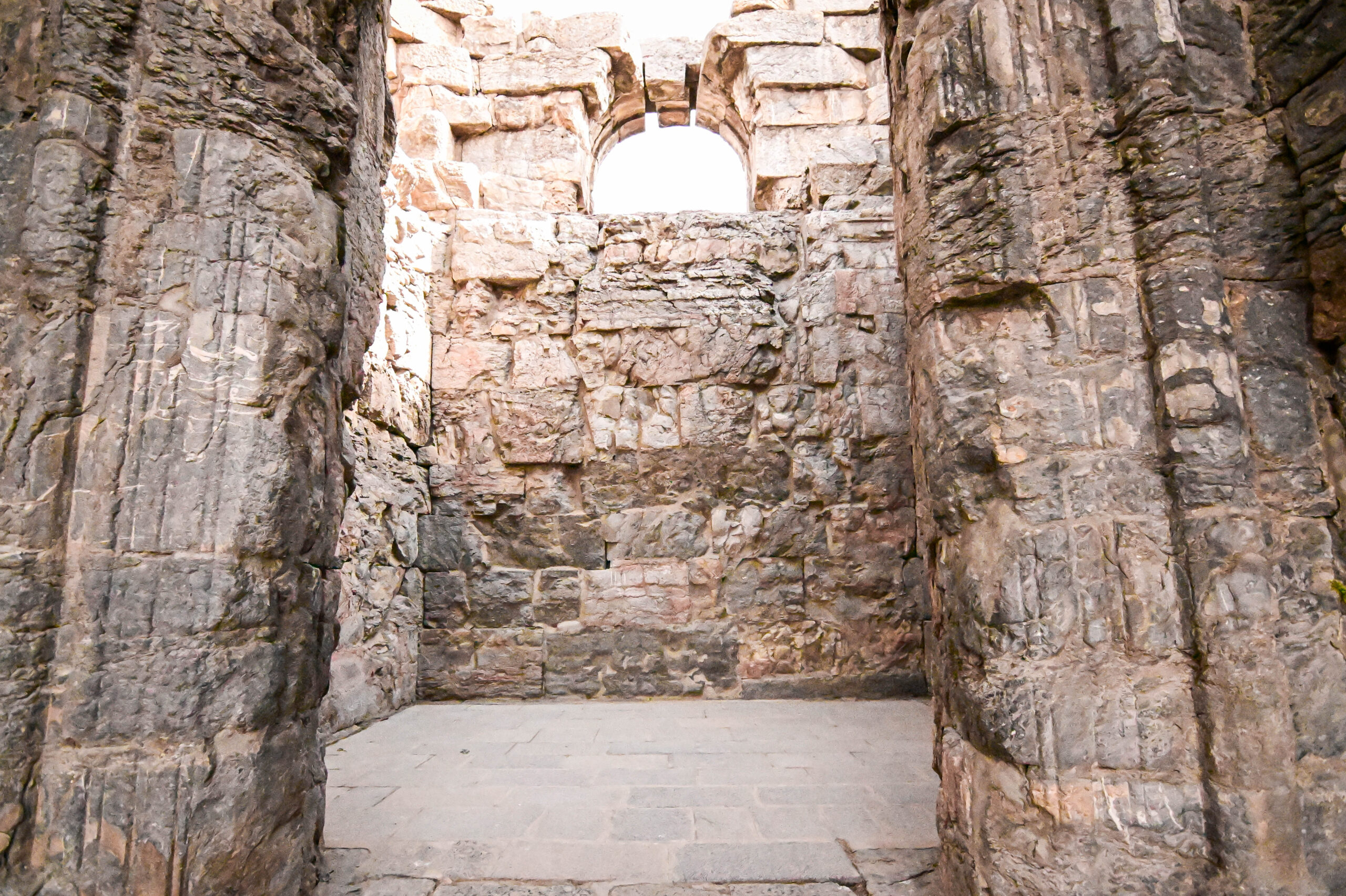
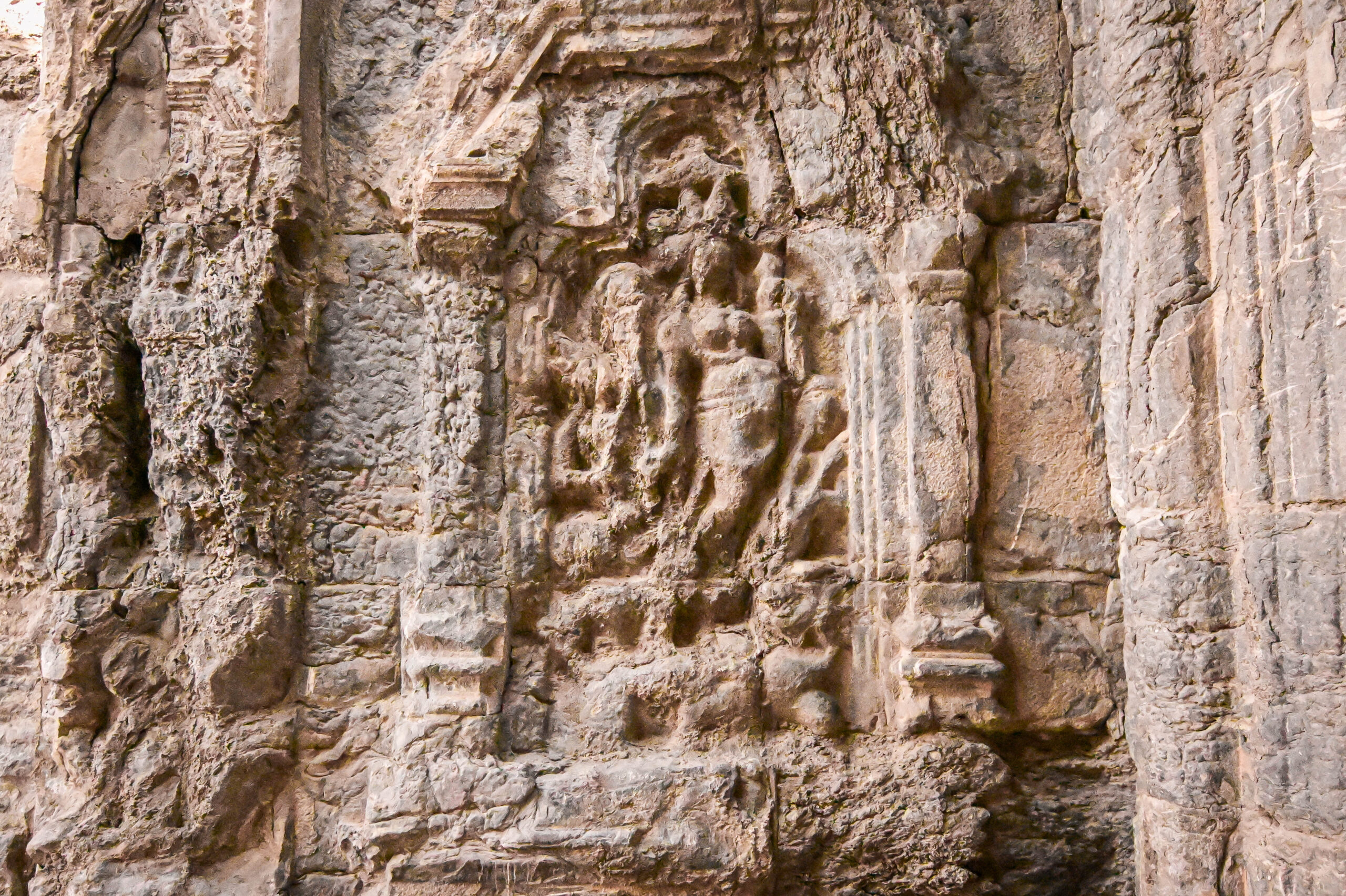
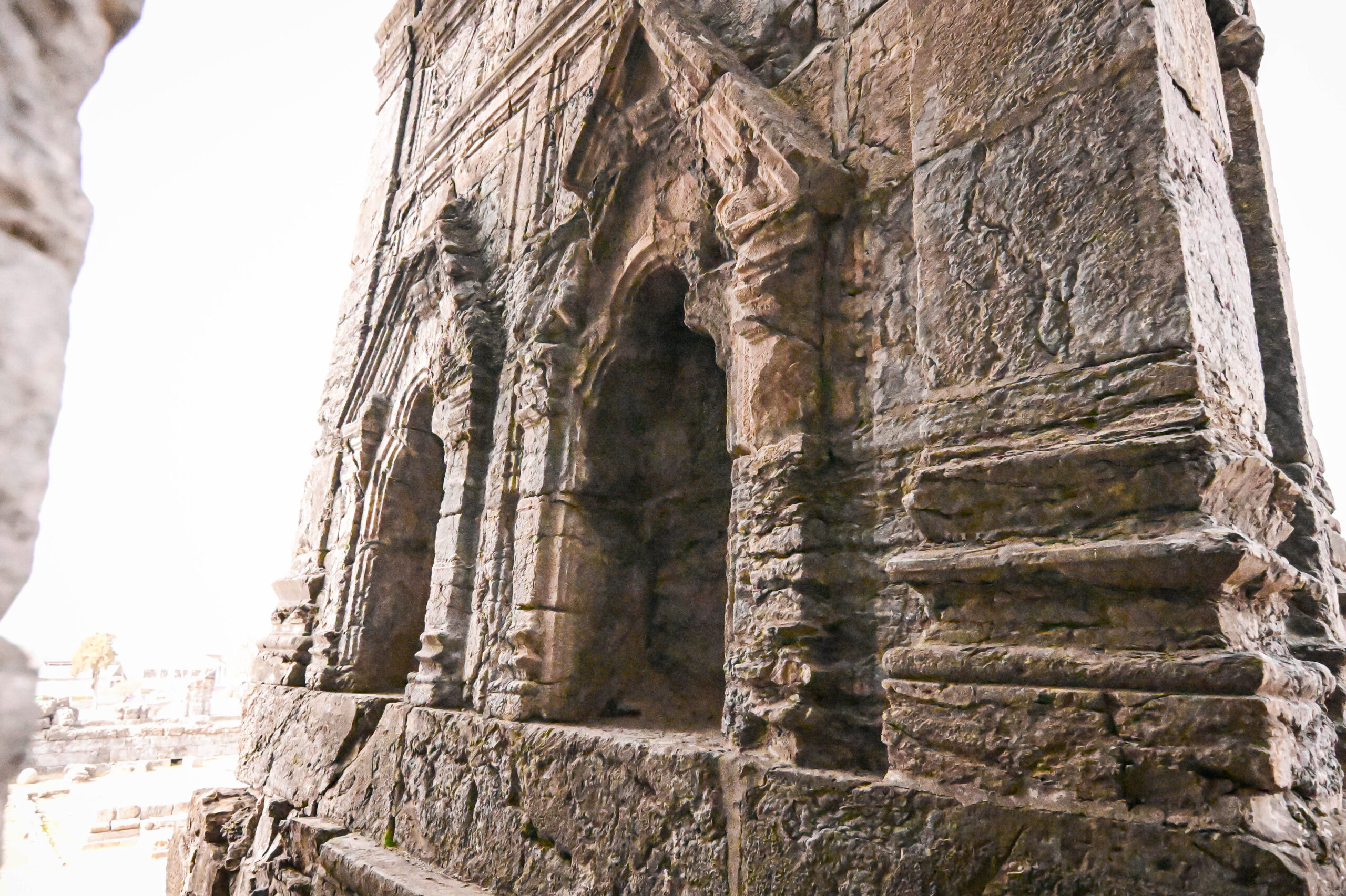
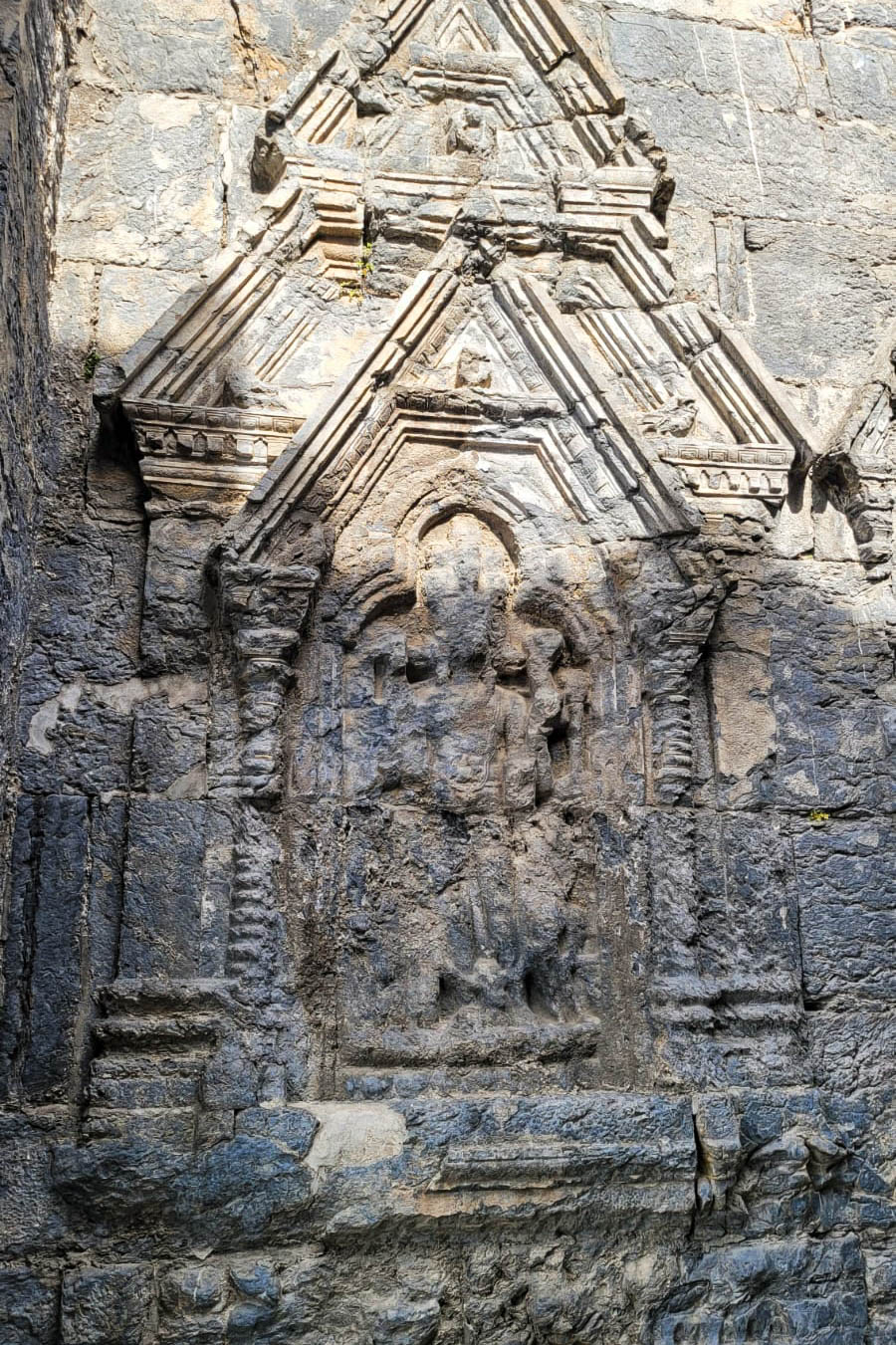
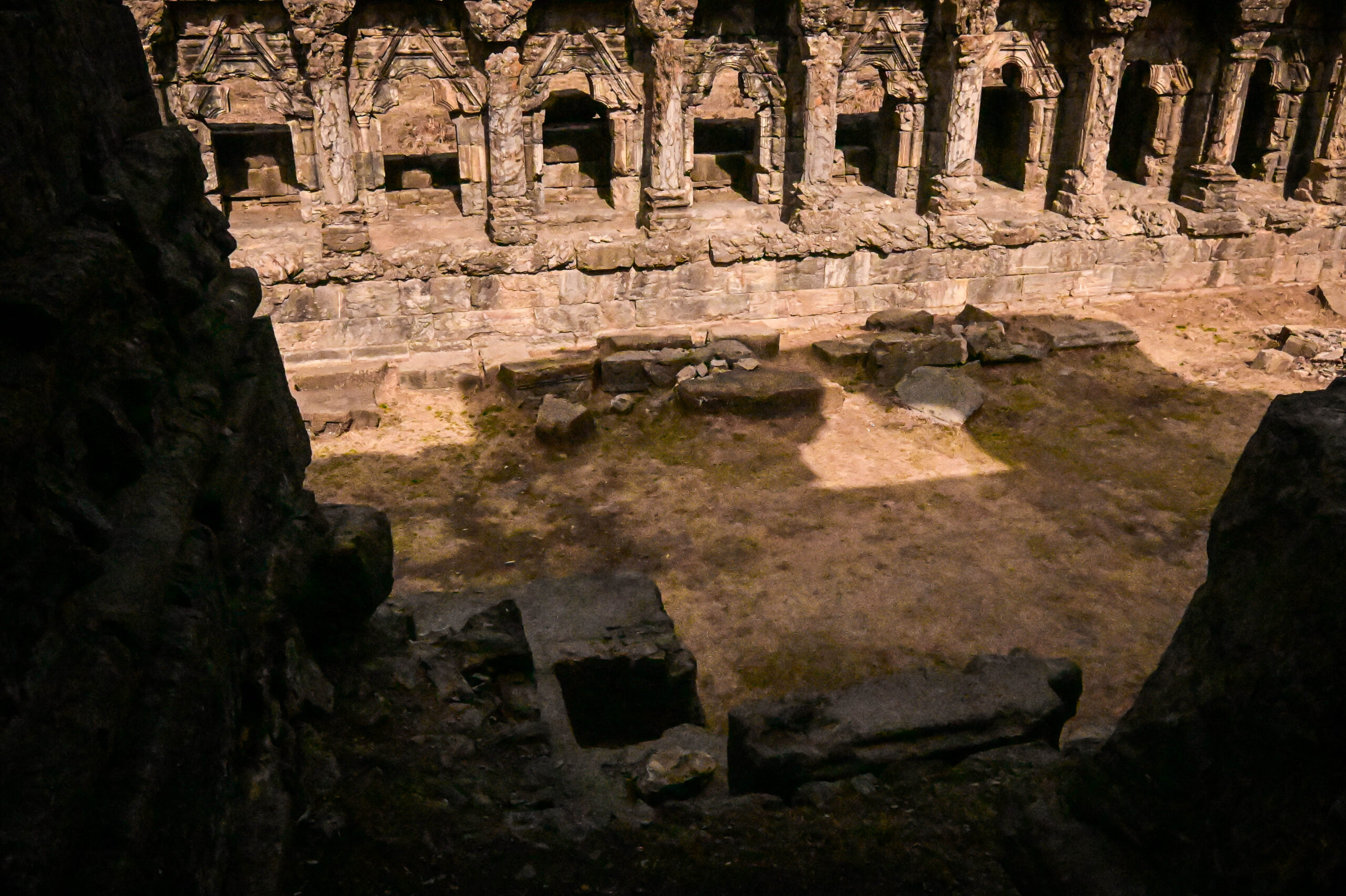
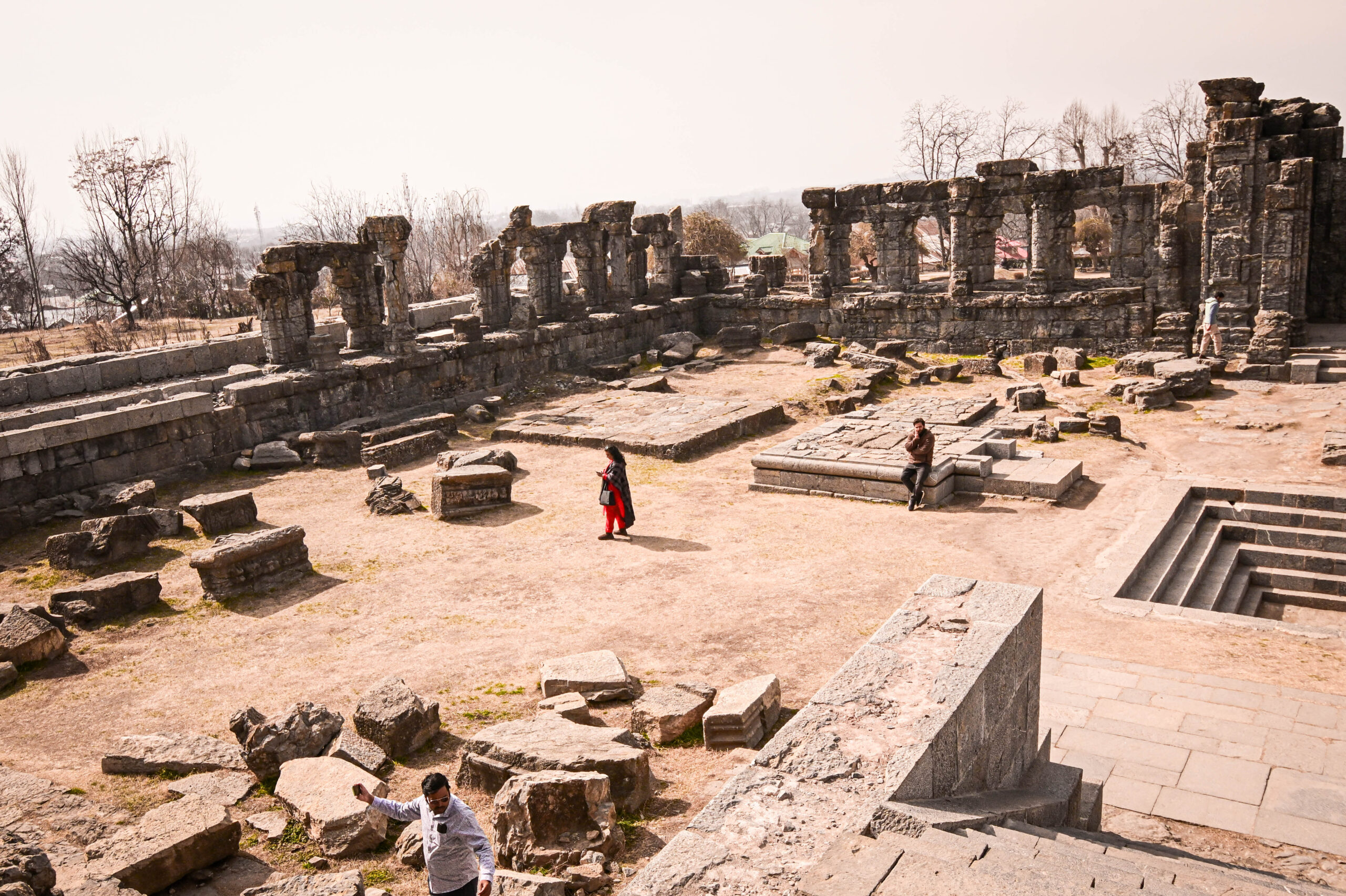
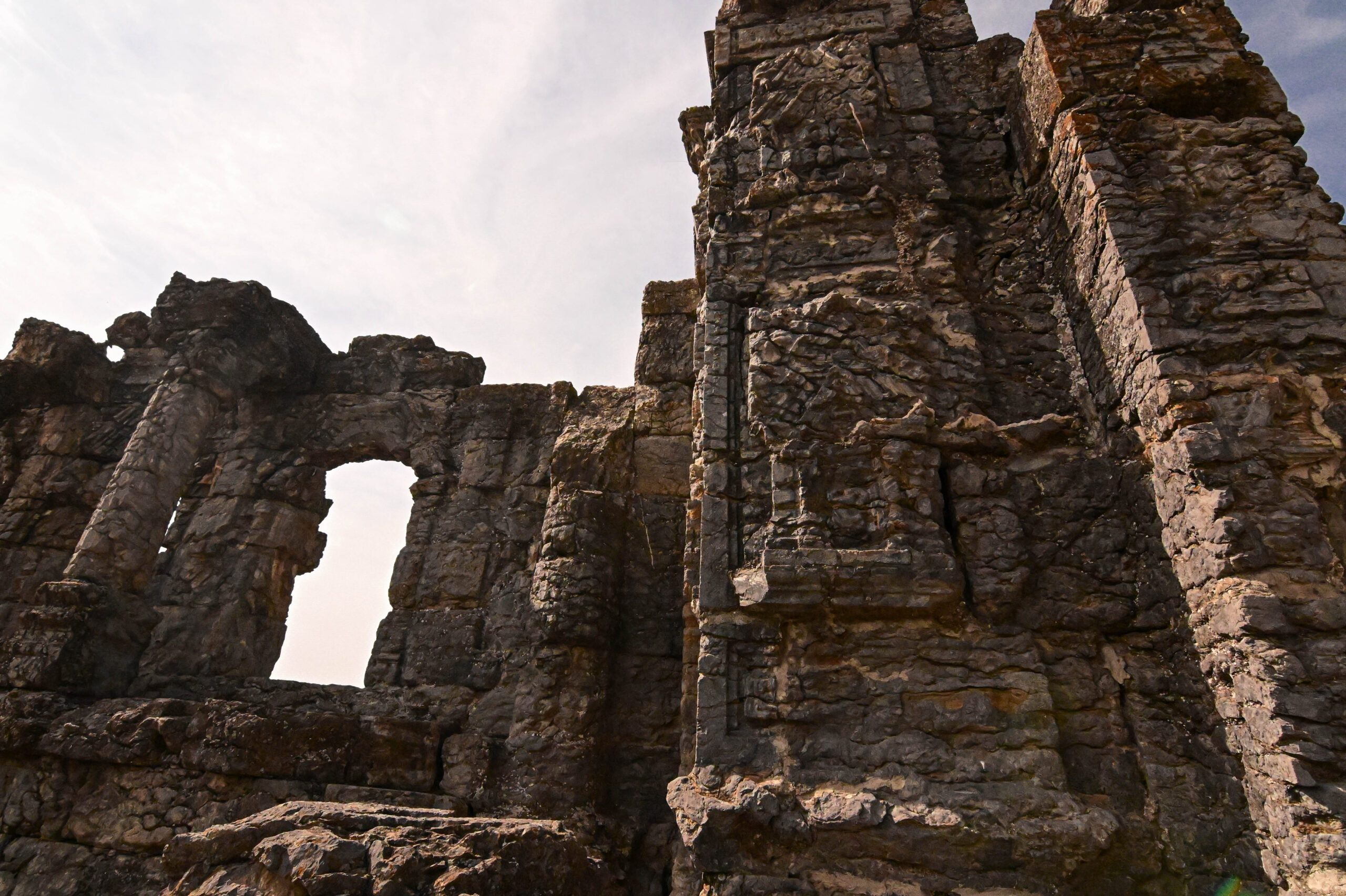
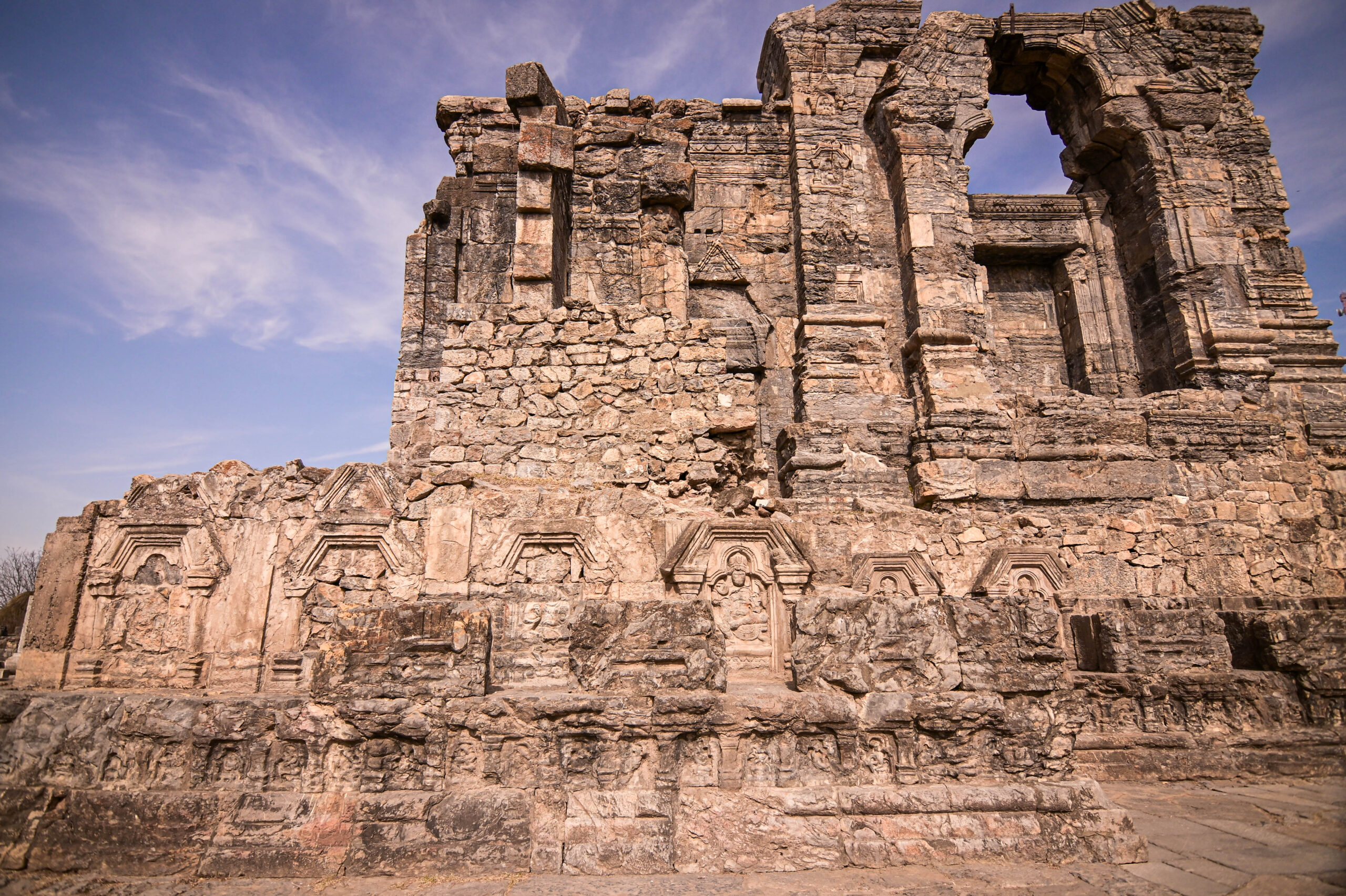
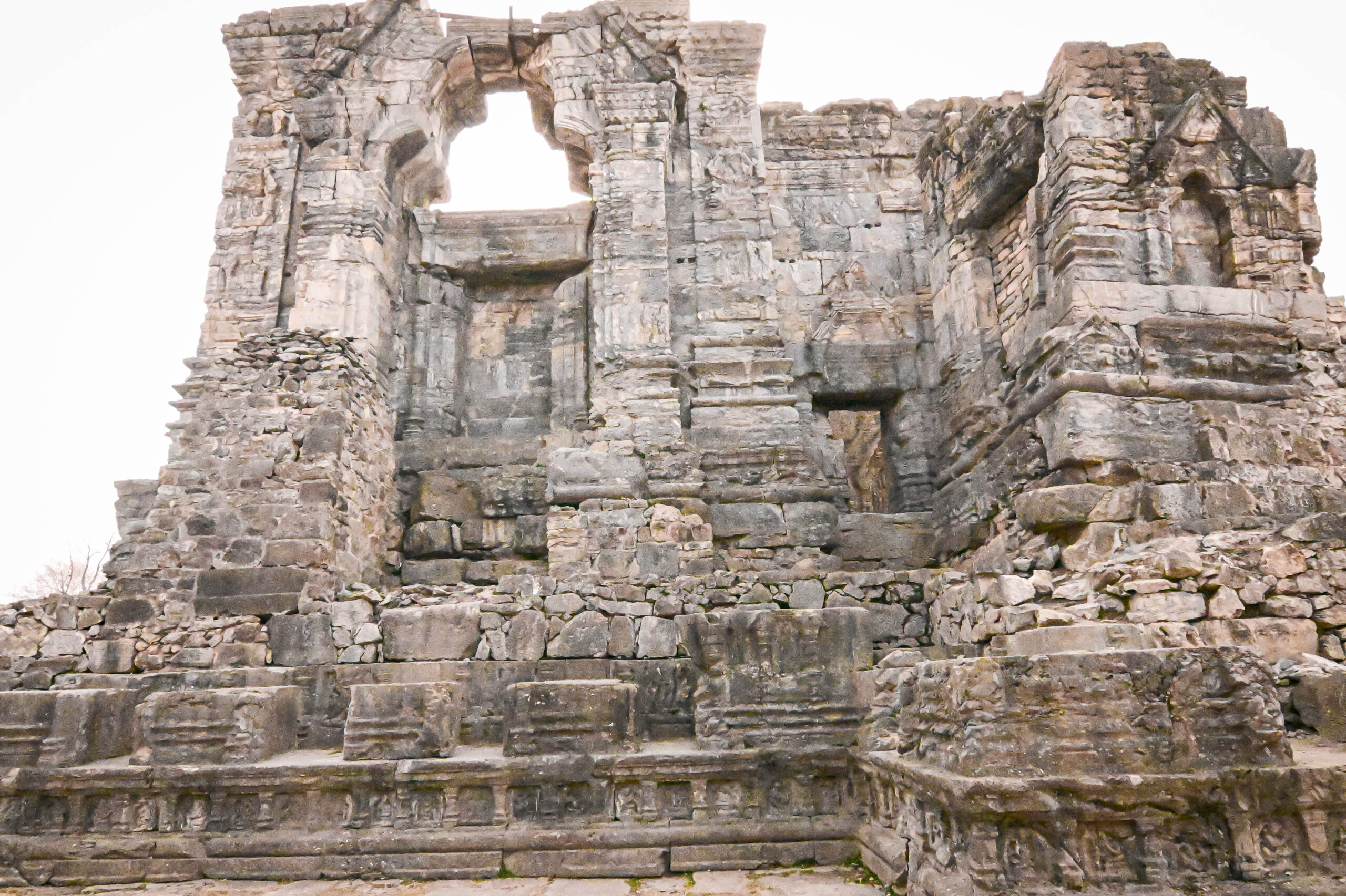
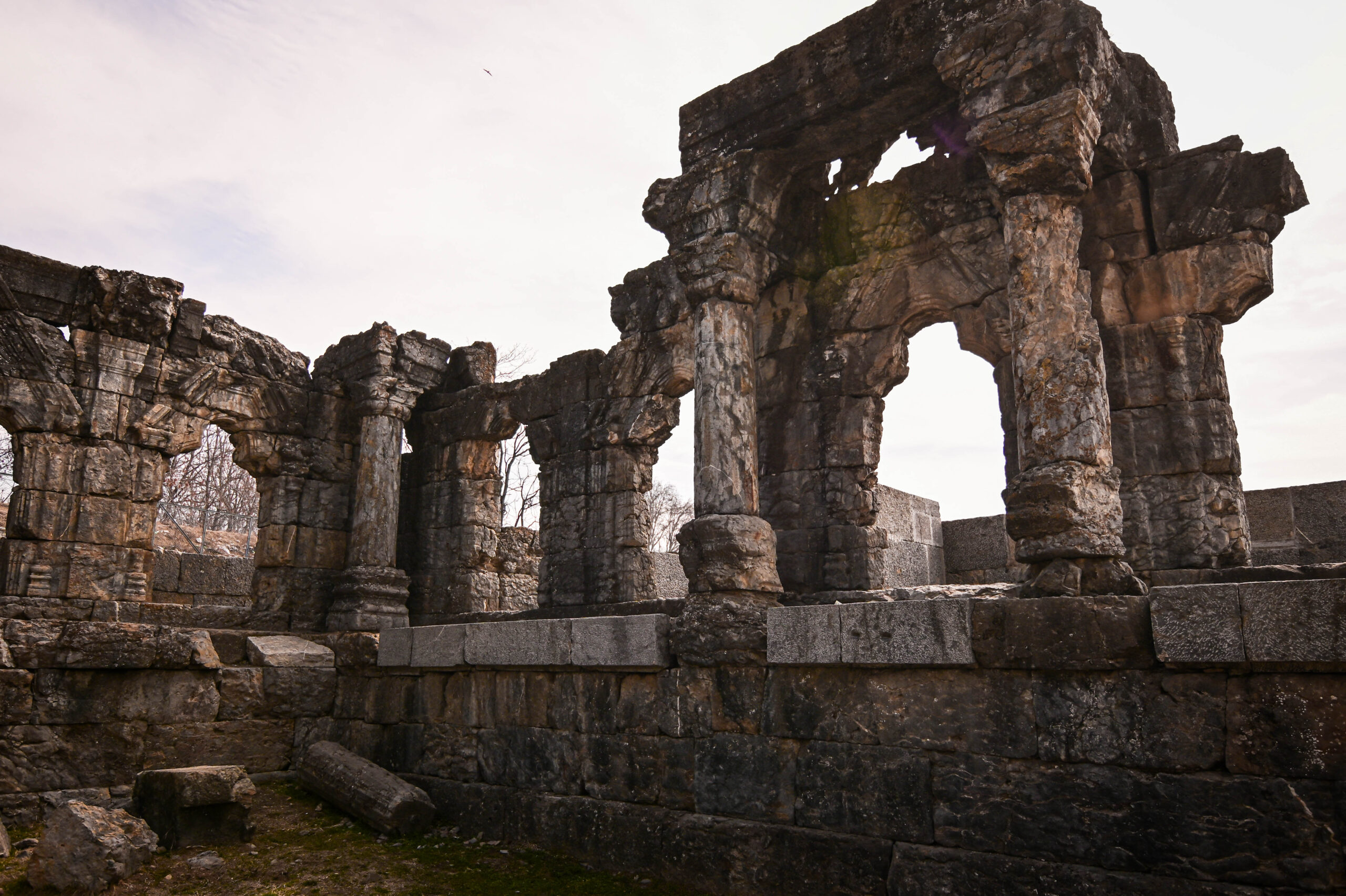
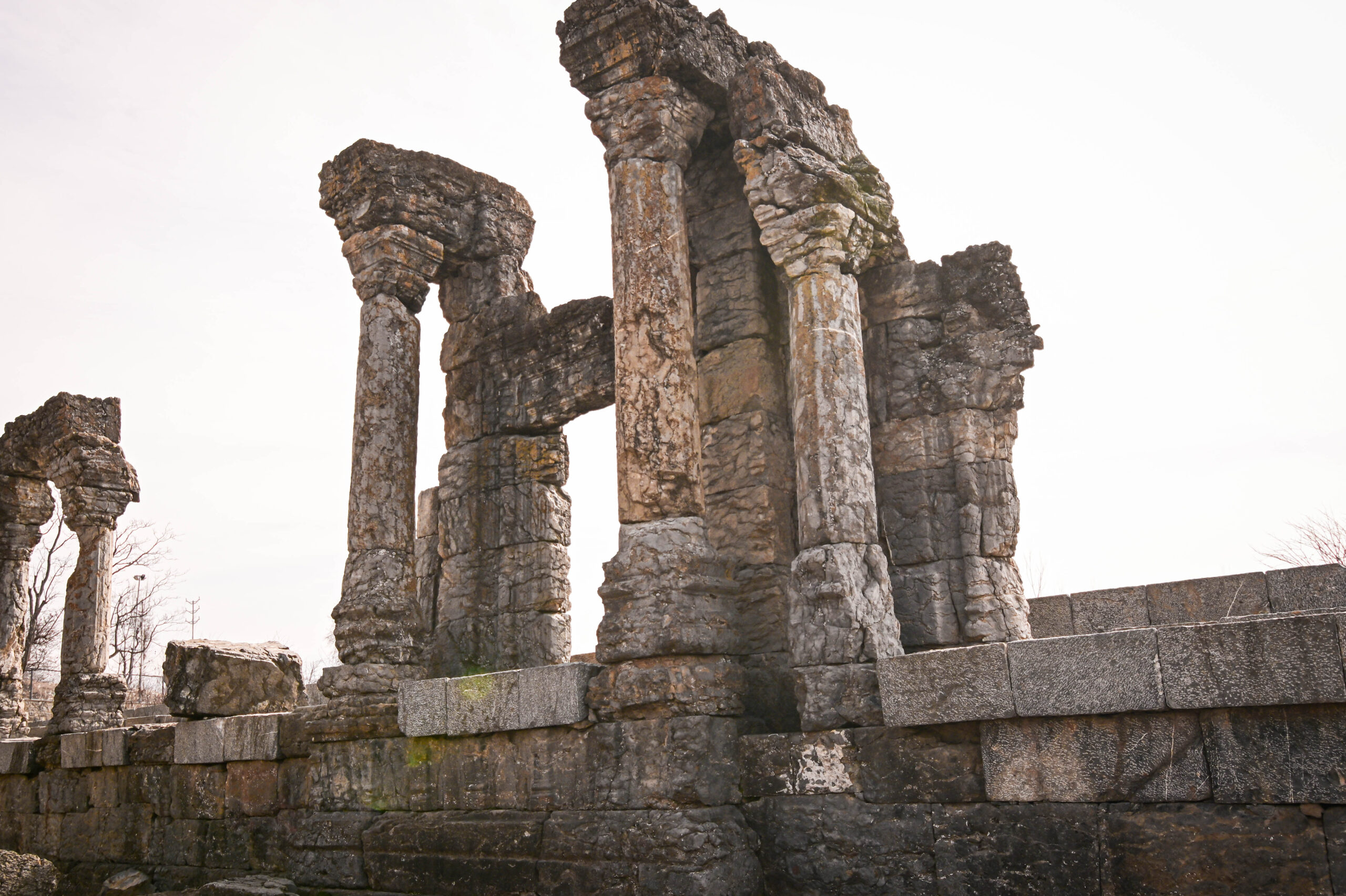
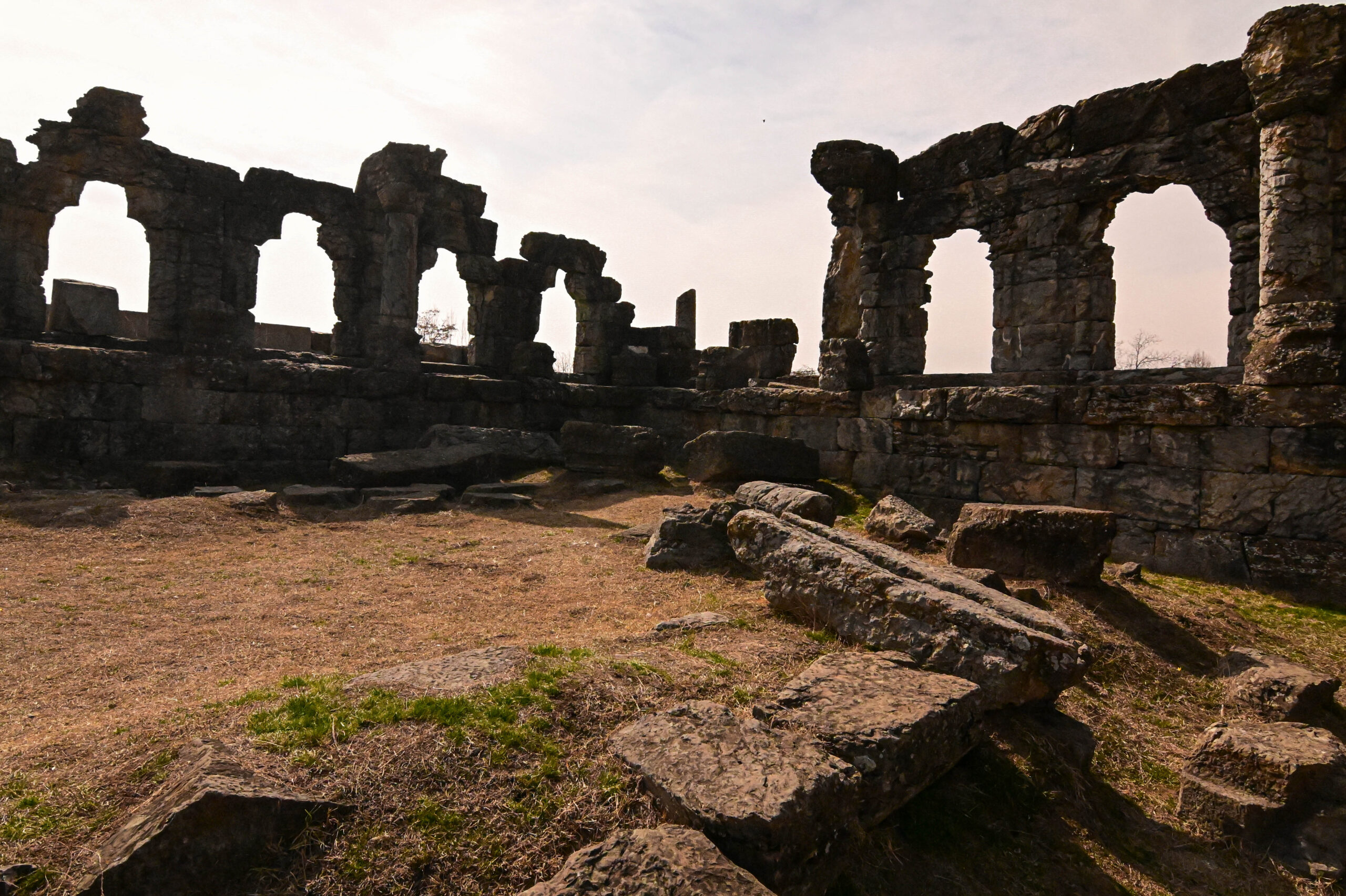
Qaimoh slipped past like a whisper of orchards and silent houses, a village nestled between mountains and river. At Mattan, we alighted at a holy spring which reflected the sky. Formerly the site of one of India’s grandest temples — to the sun god, and built by King Lalitaditya in the 8th century — known as Martand. In its ruined state, the grandeur is undeniable: pillars soar like ribs of light, and pebbles skid across a courtyard still resonating to the hymns of a thousand years. The Martand Sun Temple, located in the Anantnag district of Kashmir, is an ancient Hindu temple dedicated to the Sun God, Surya, and is renowned for its exquisite architecture and historical significance. The place where Gulzar Saab shot the iconic song from “Aandhi” – “Tere bina Zindagi se koi” – the Martand temple was built on top of a plateau from where one can view the whole of the Kashmir Valley. From the ruins and related archaeological findings, it can be said that it was an excellent specimen of Kashmiri architecture, which had blended the Gandharan, Gupta, Chinese and possibly Syrian-Byzantine forms of architecture.
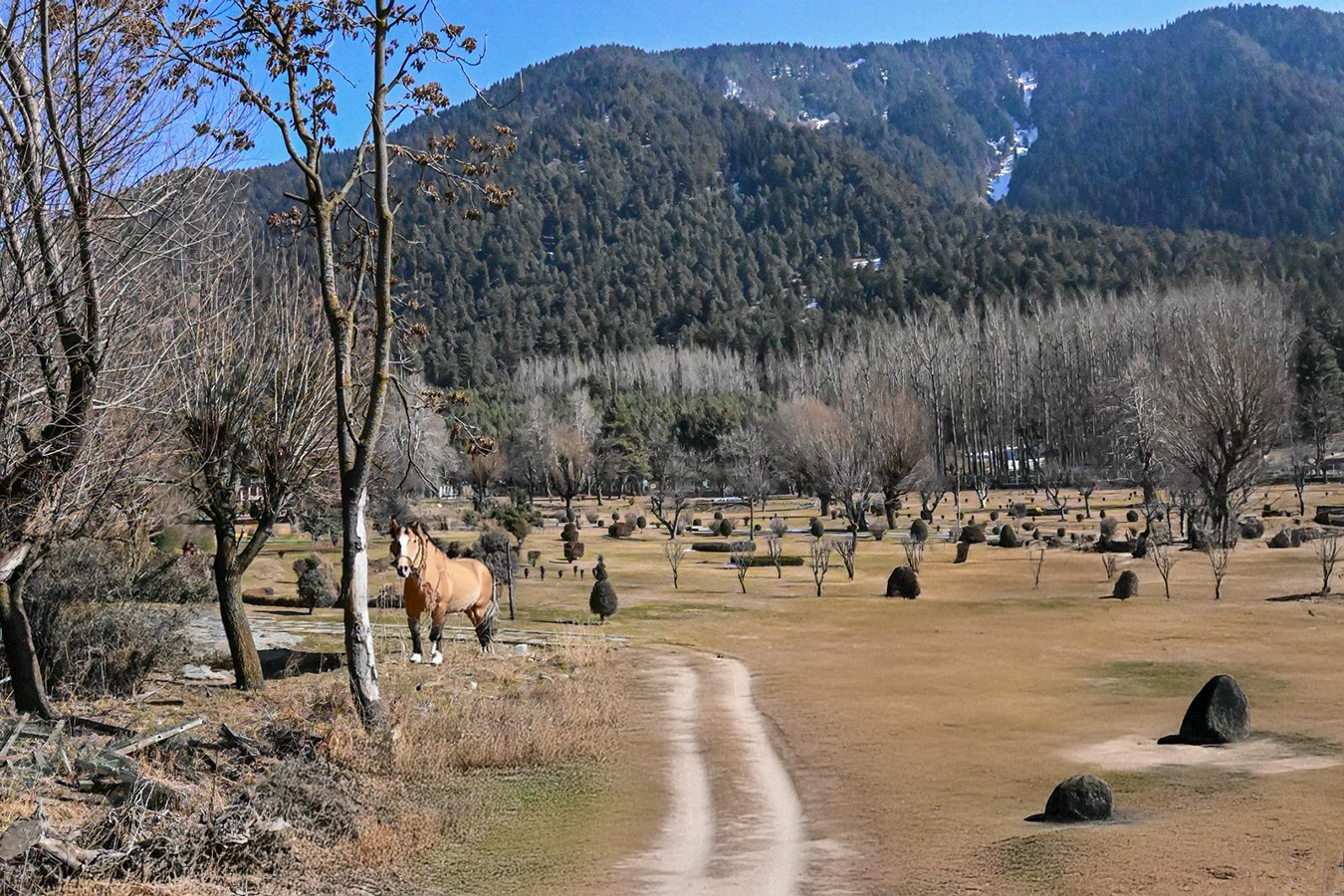
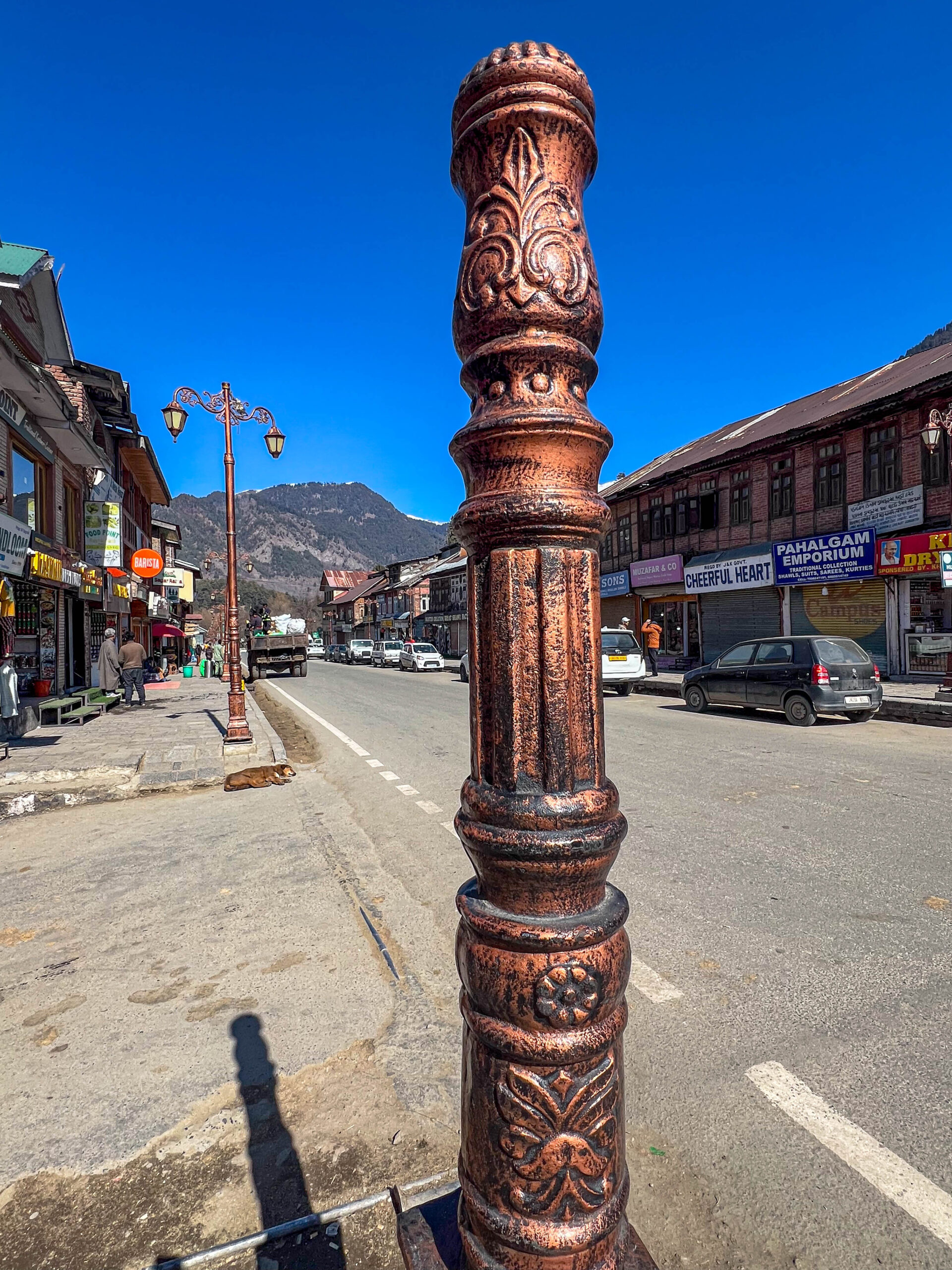
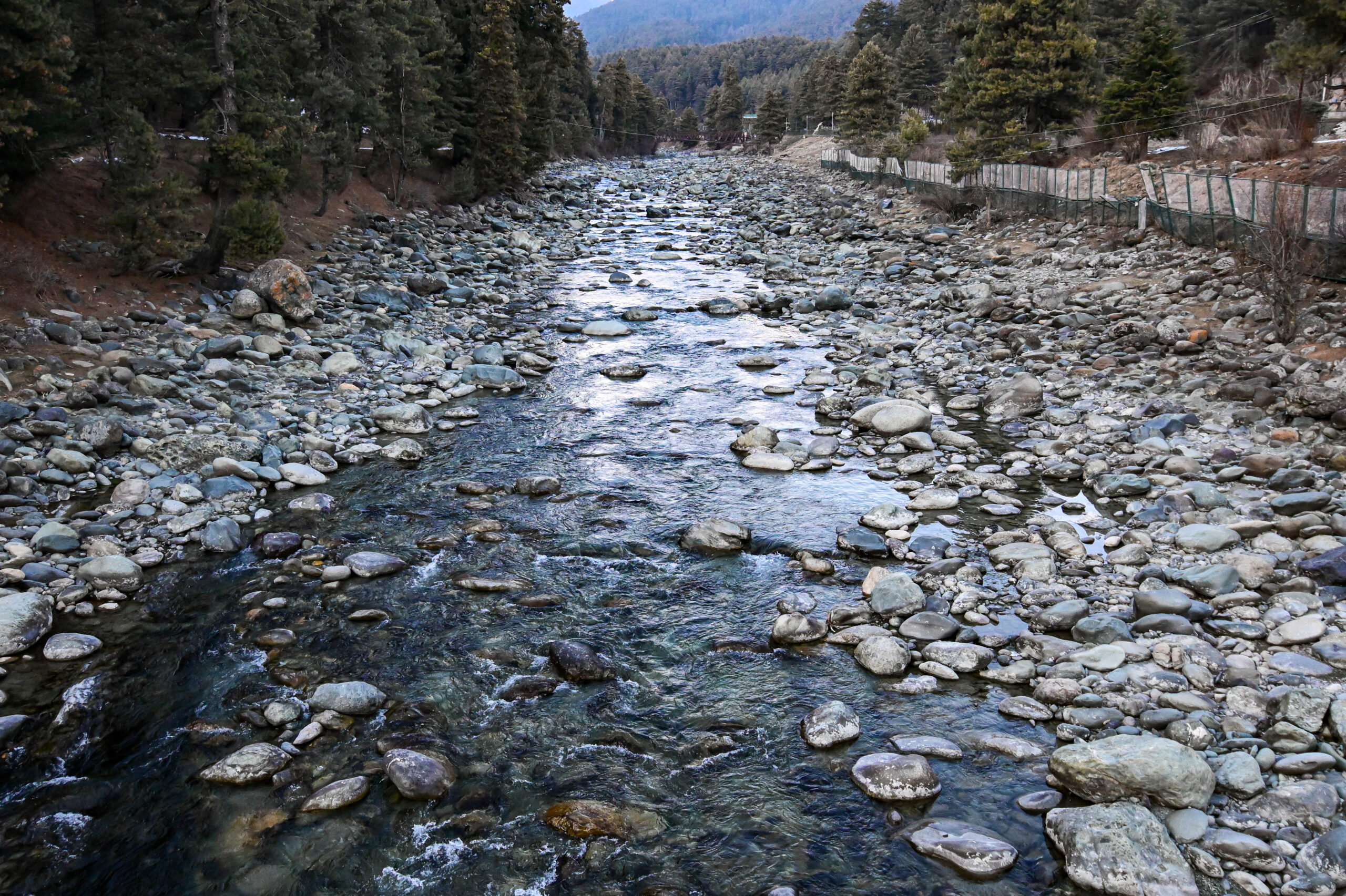
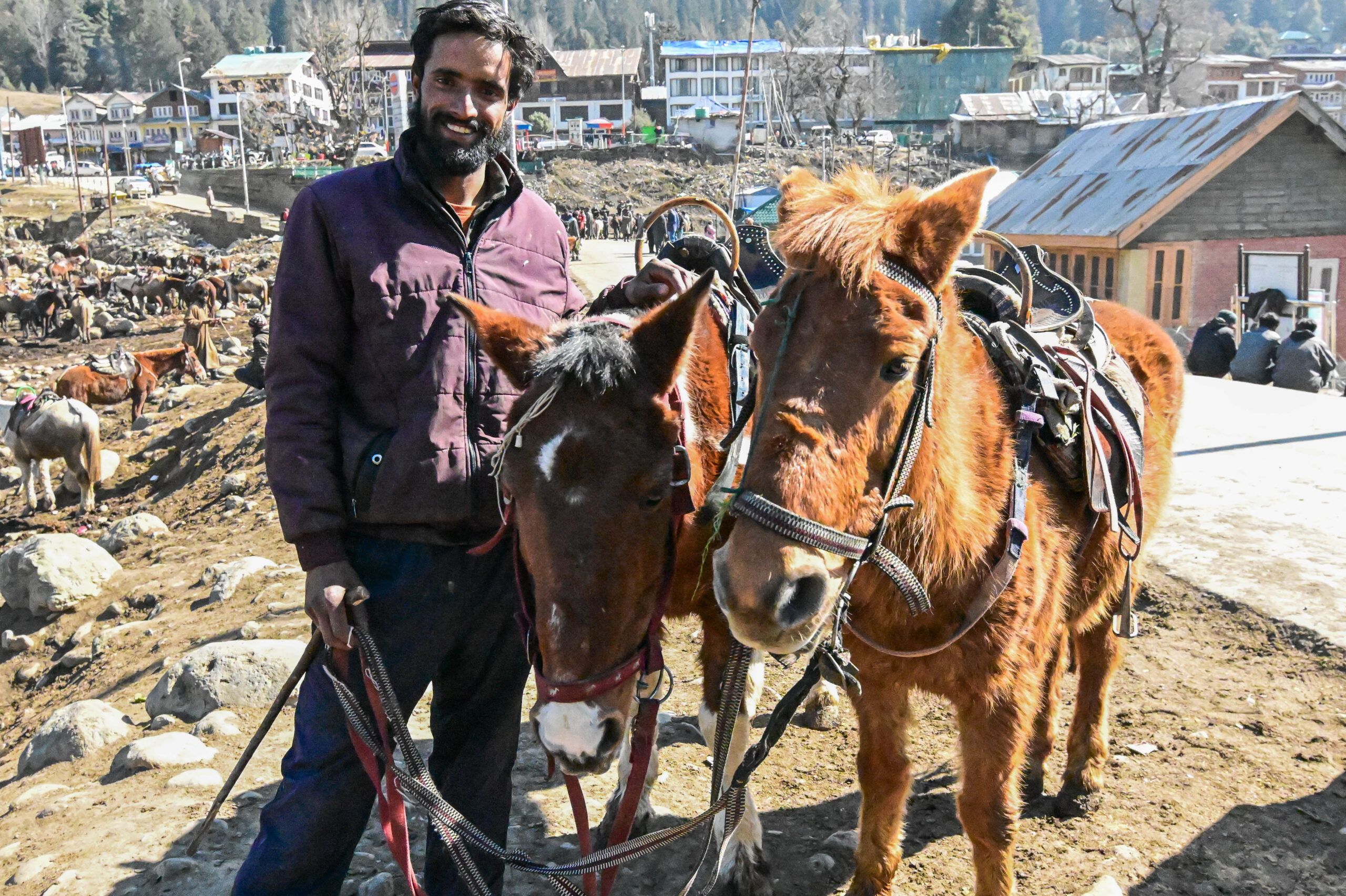
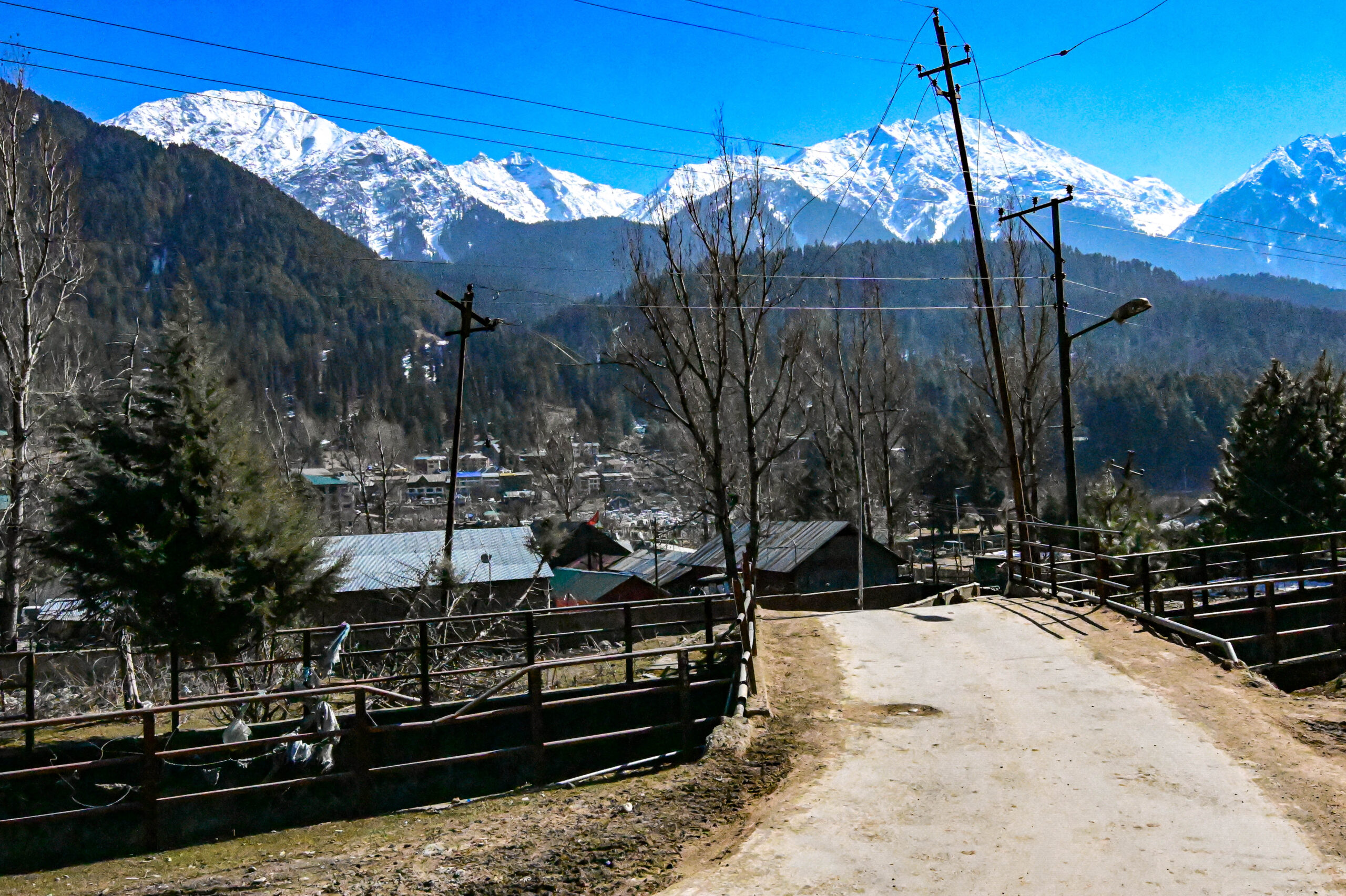
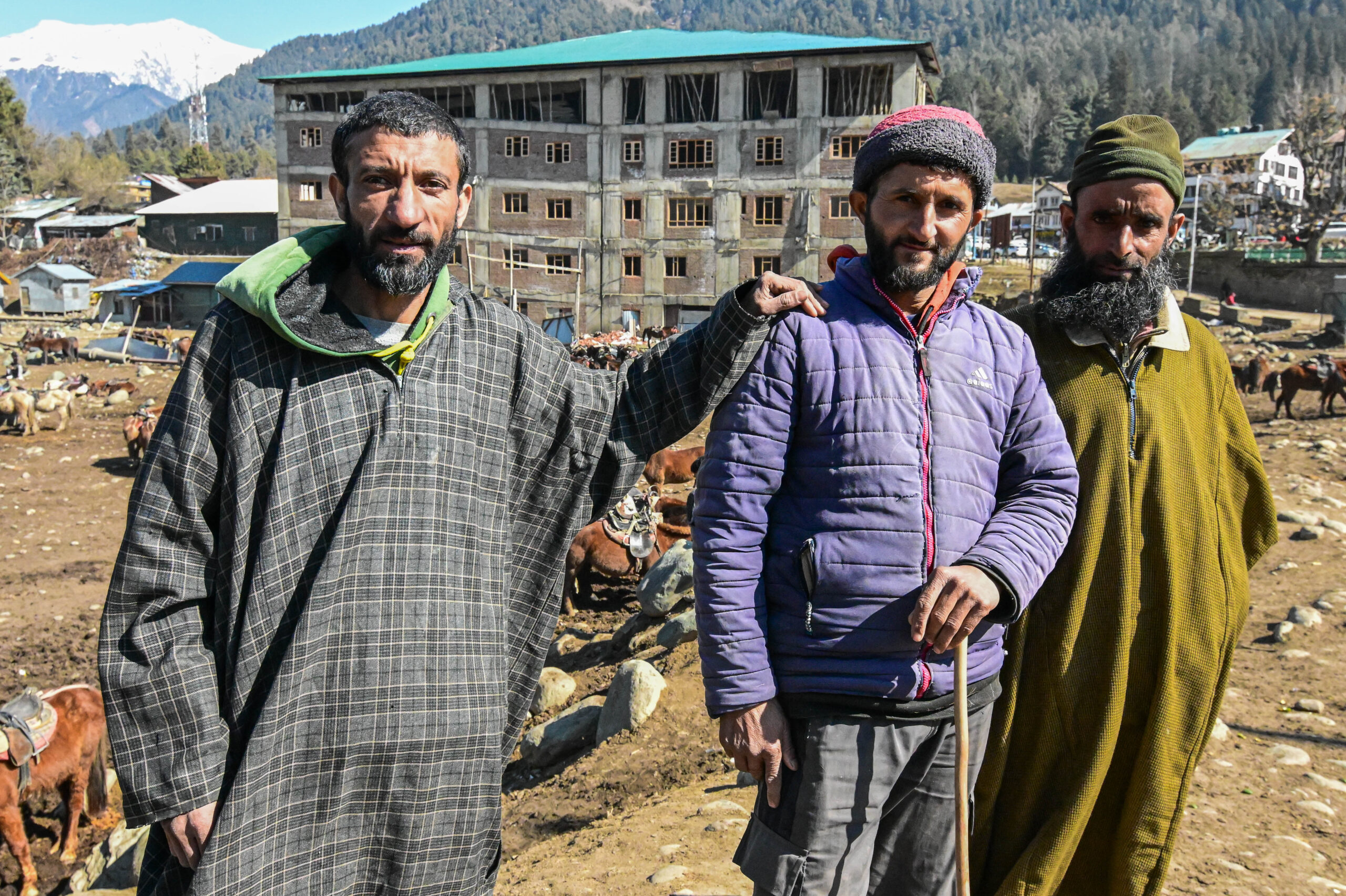
Then it was Pahalgam, sandwiched between the Lidder and Sheshnag rivers. Here the mountains closed in, and life slowed to a rhythm. We watched men in pherans, the long woollen robe worn by Kashmiri men, twirling elegantly through the snow. Children walked ponies, offering rides along pine paths draped in mist. In some corner of the bazaar a man was playing a rabab, an old harp-like lute, older than the valley.
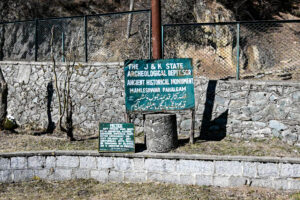
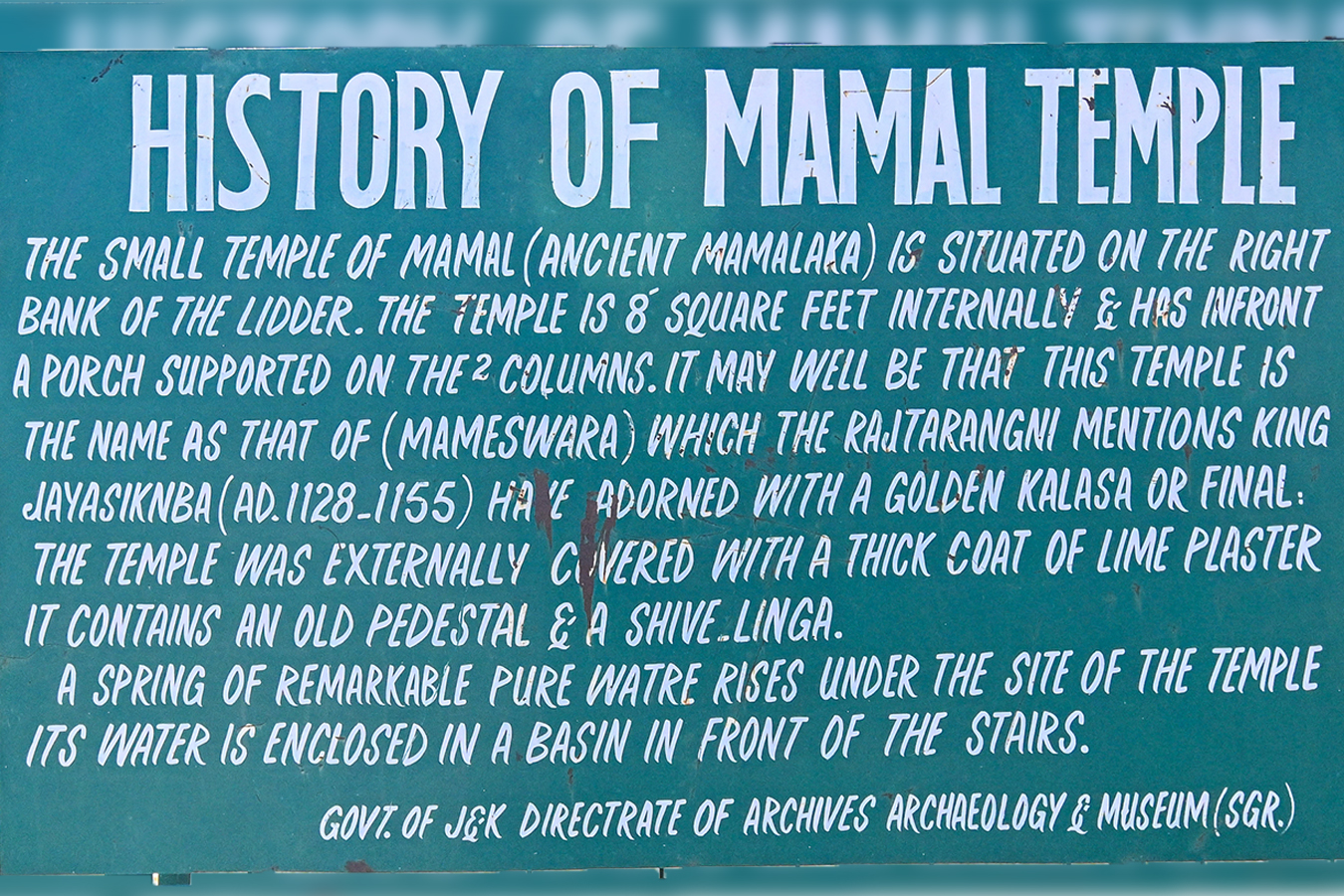
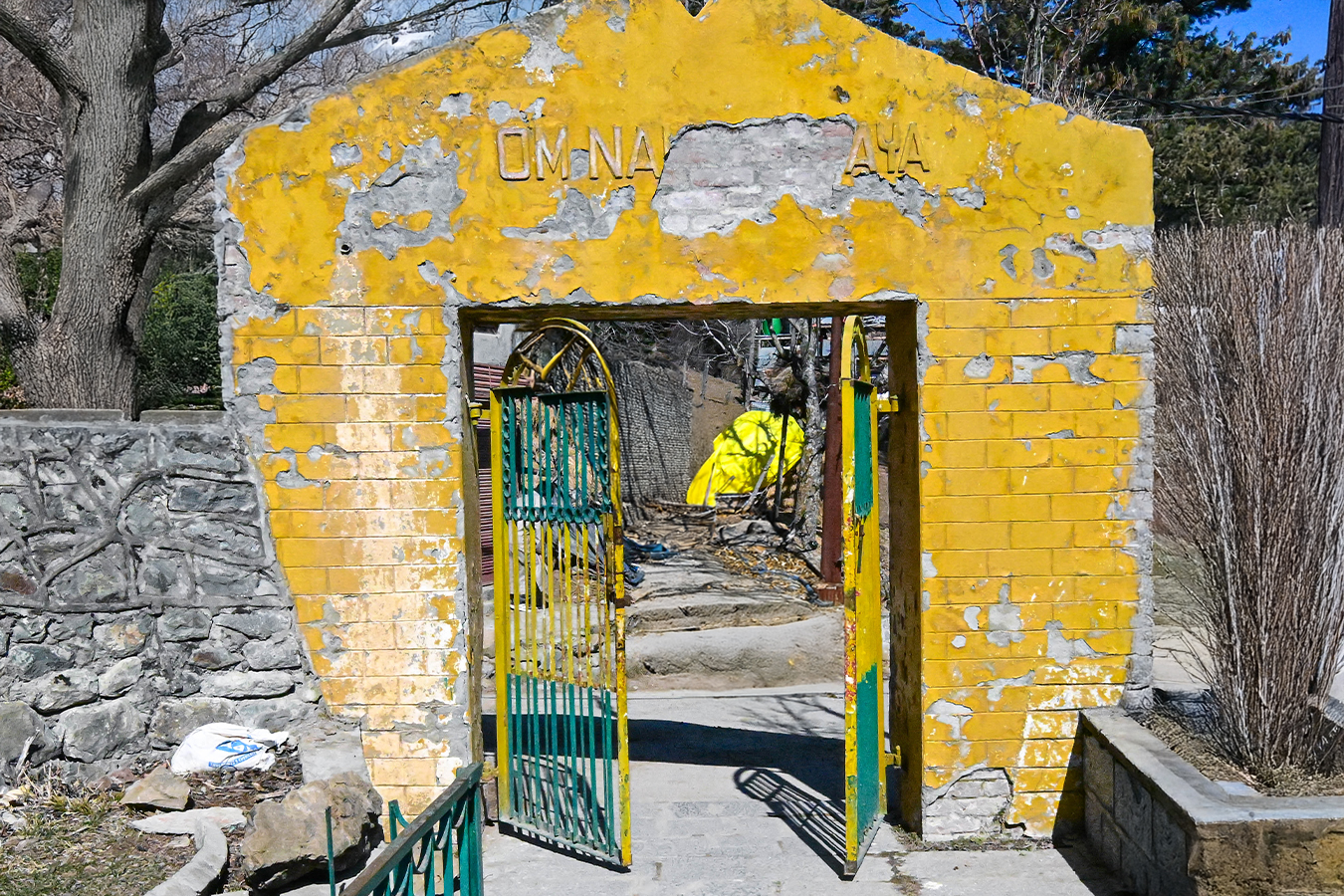
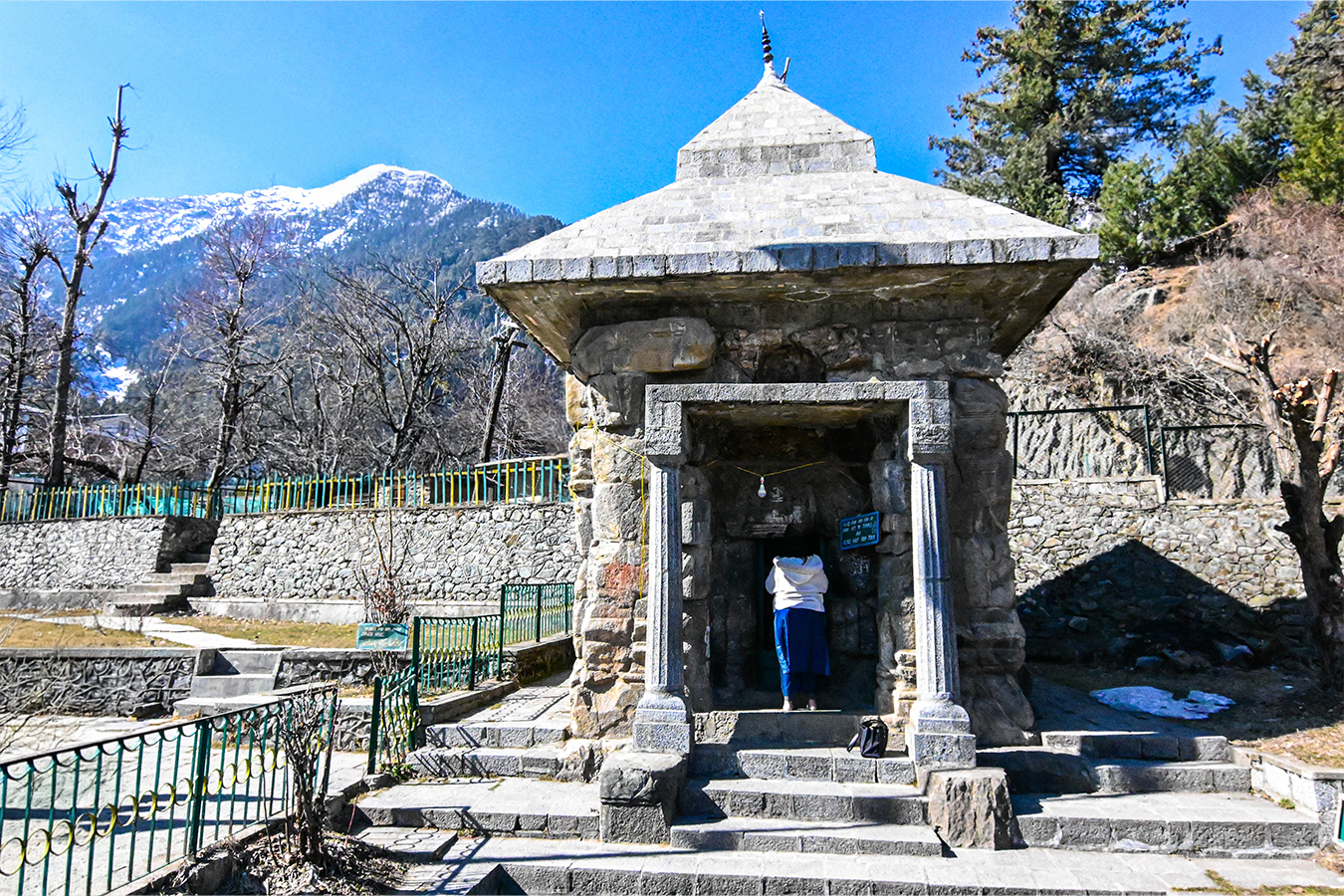
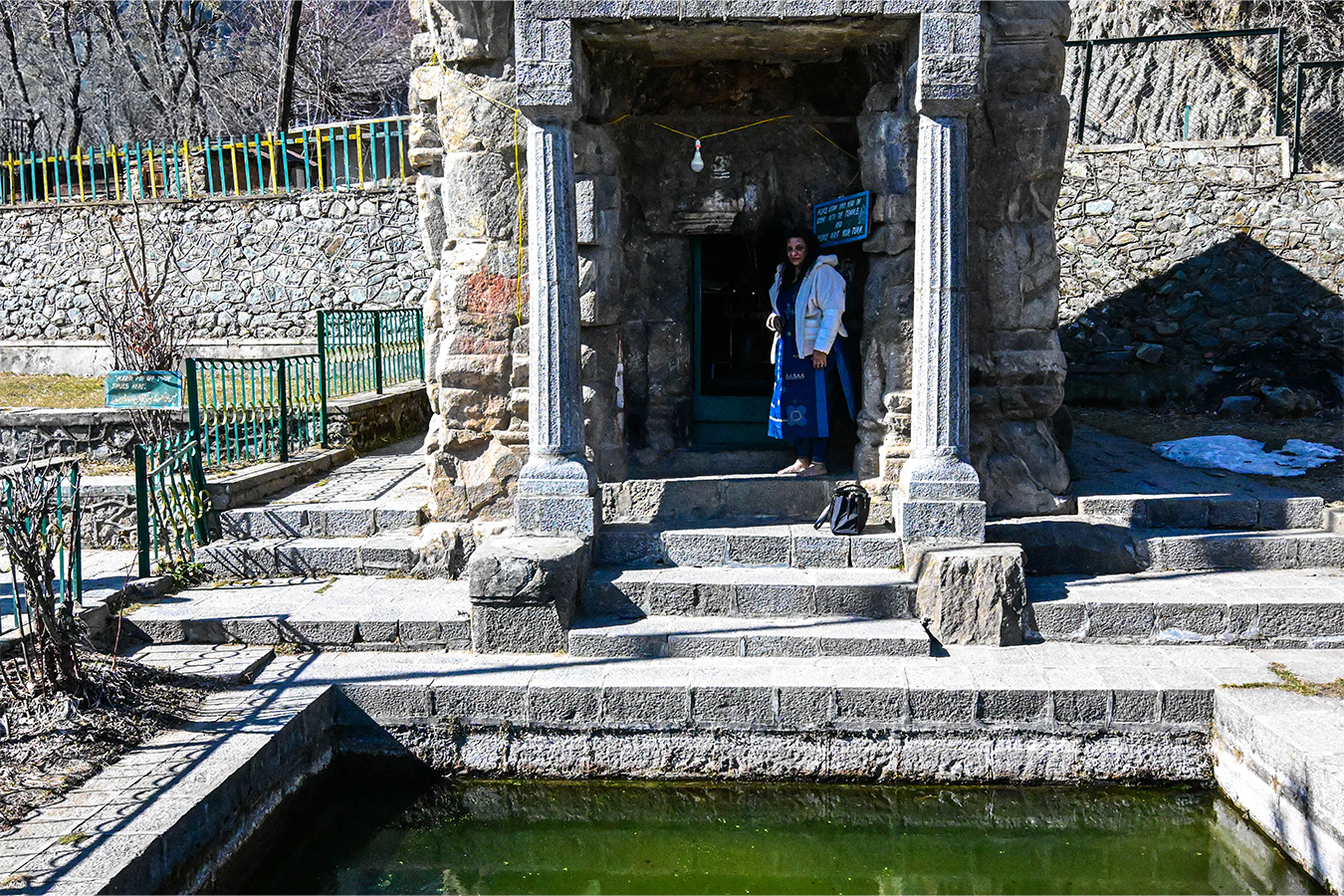
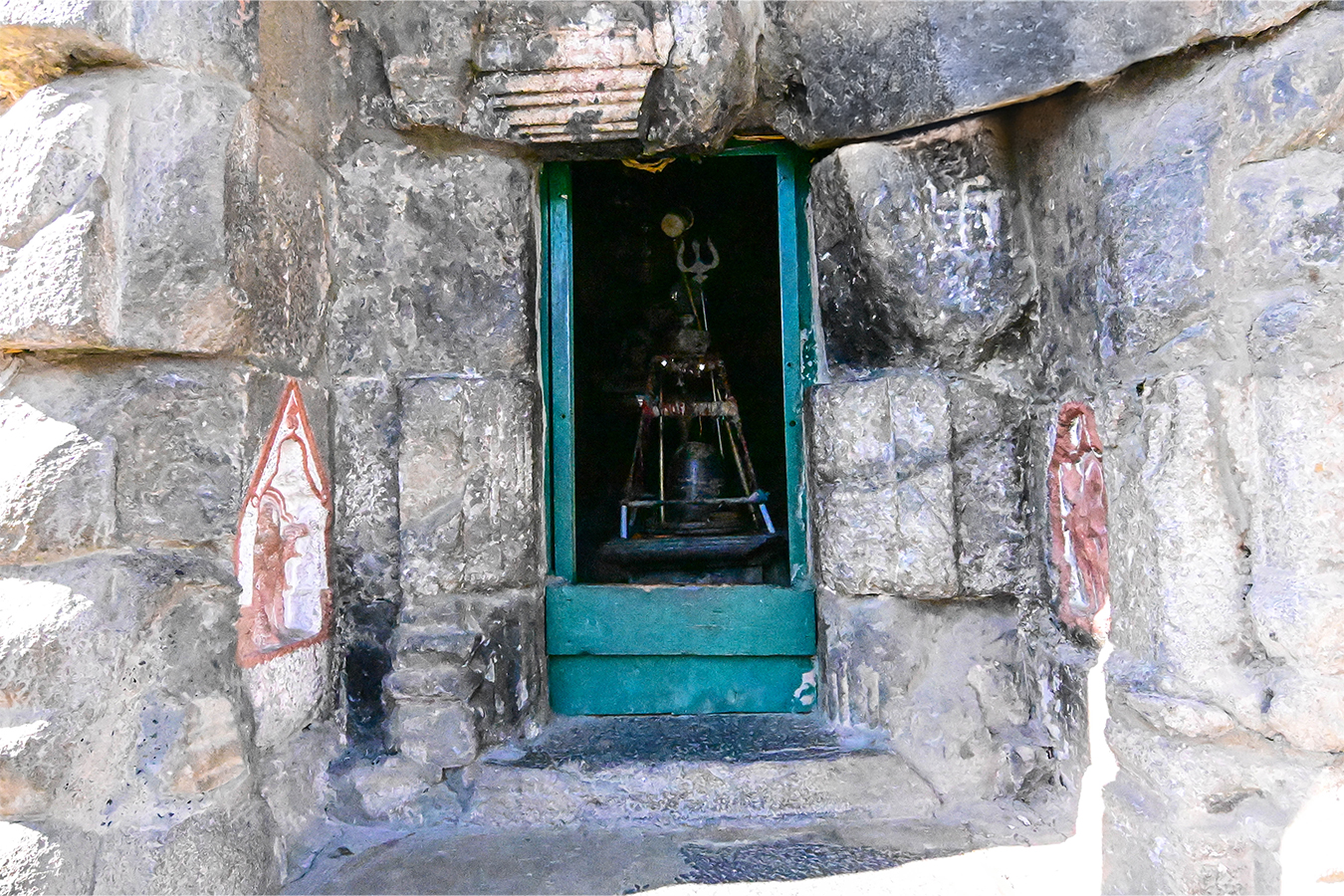
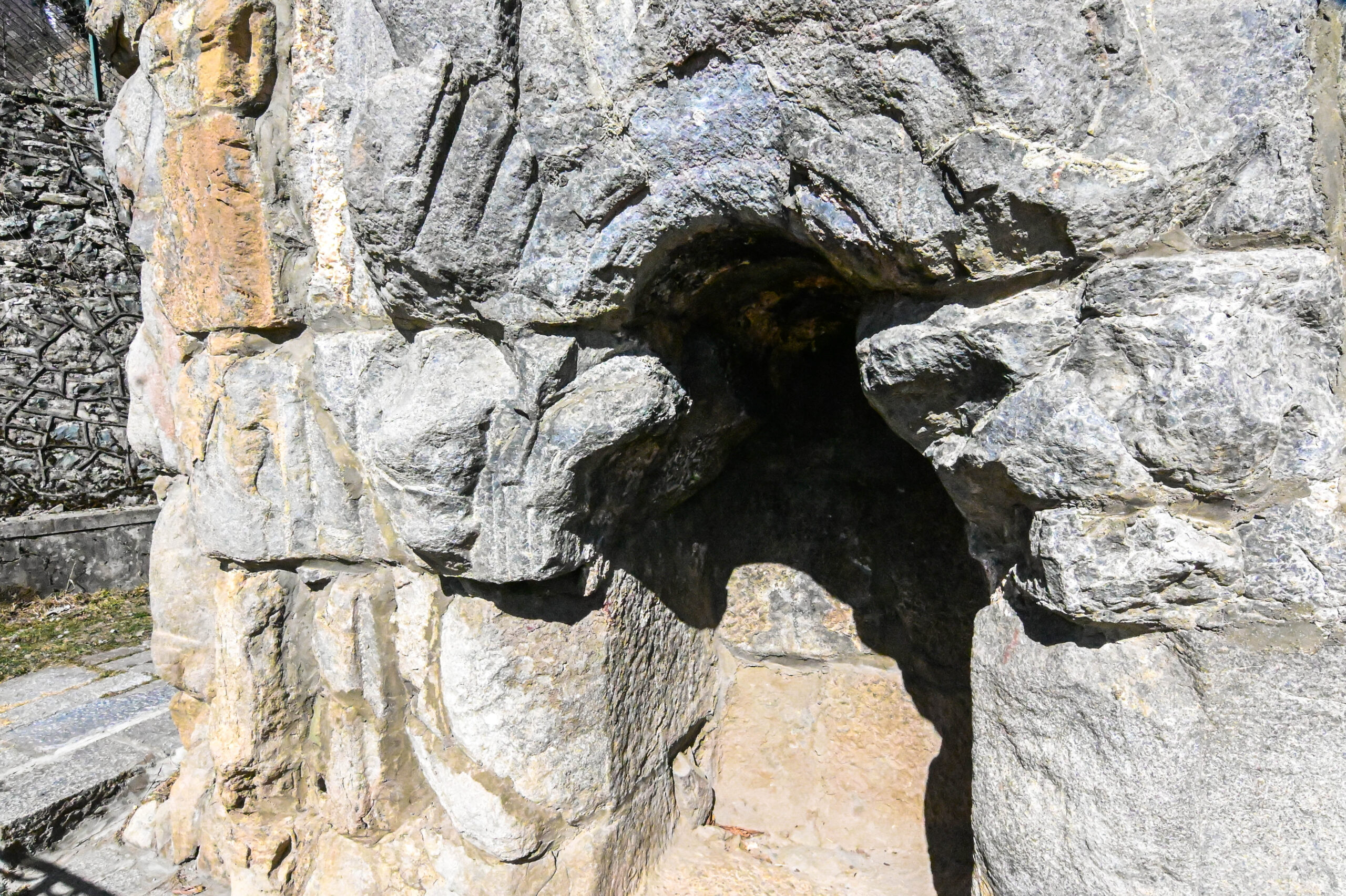
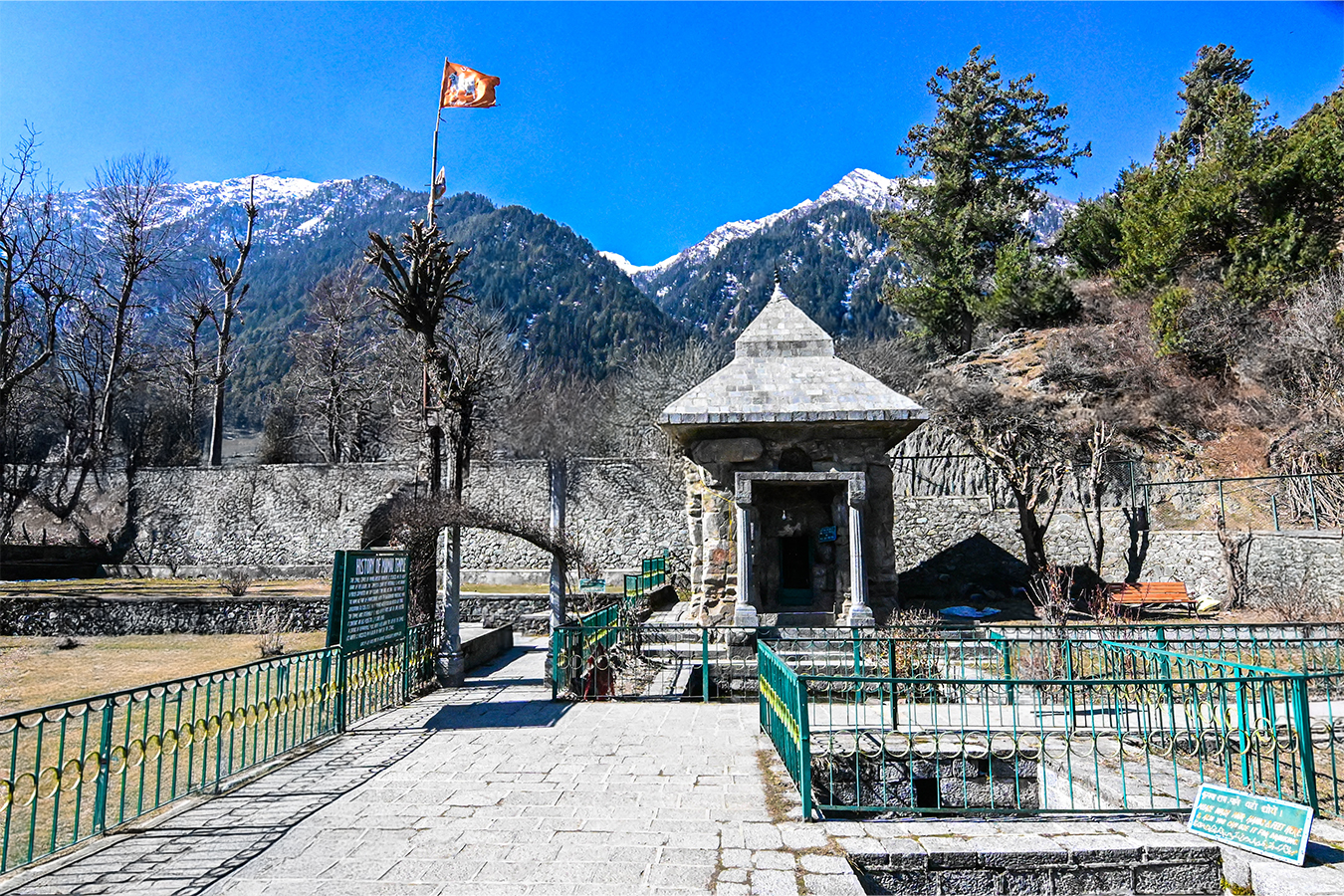
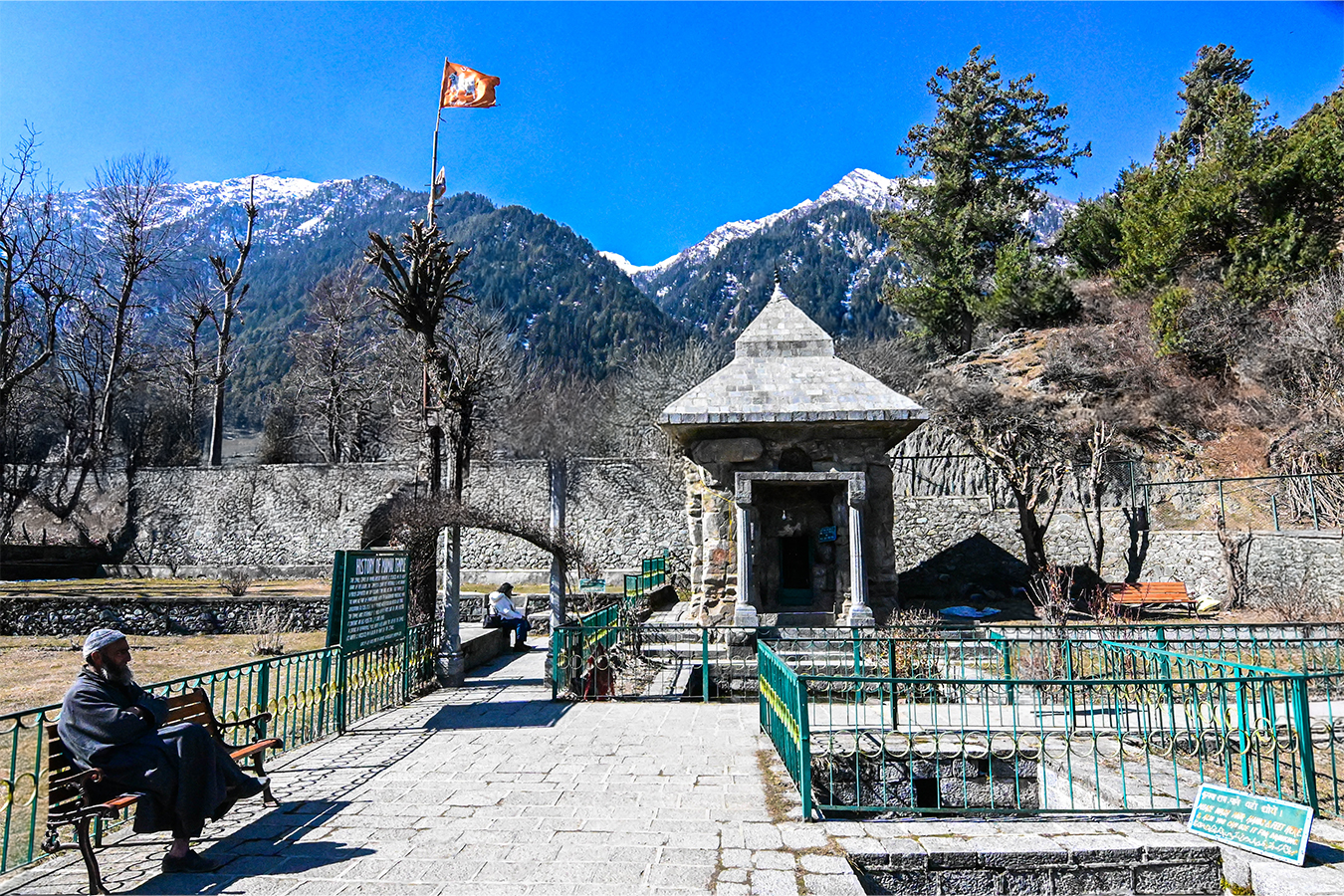
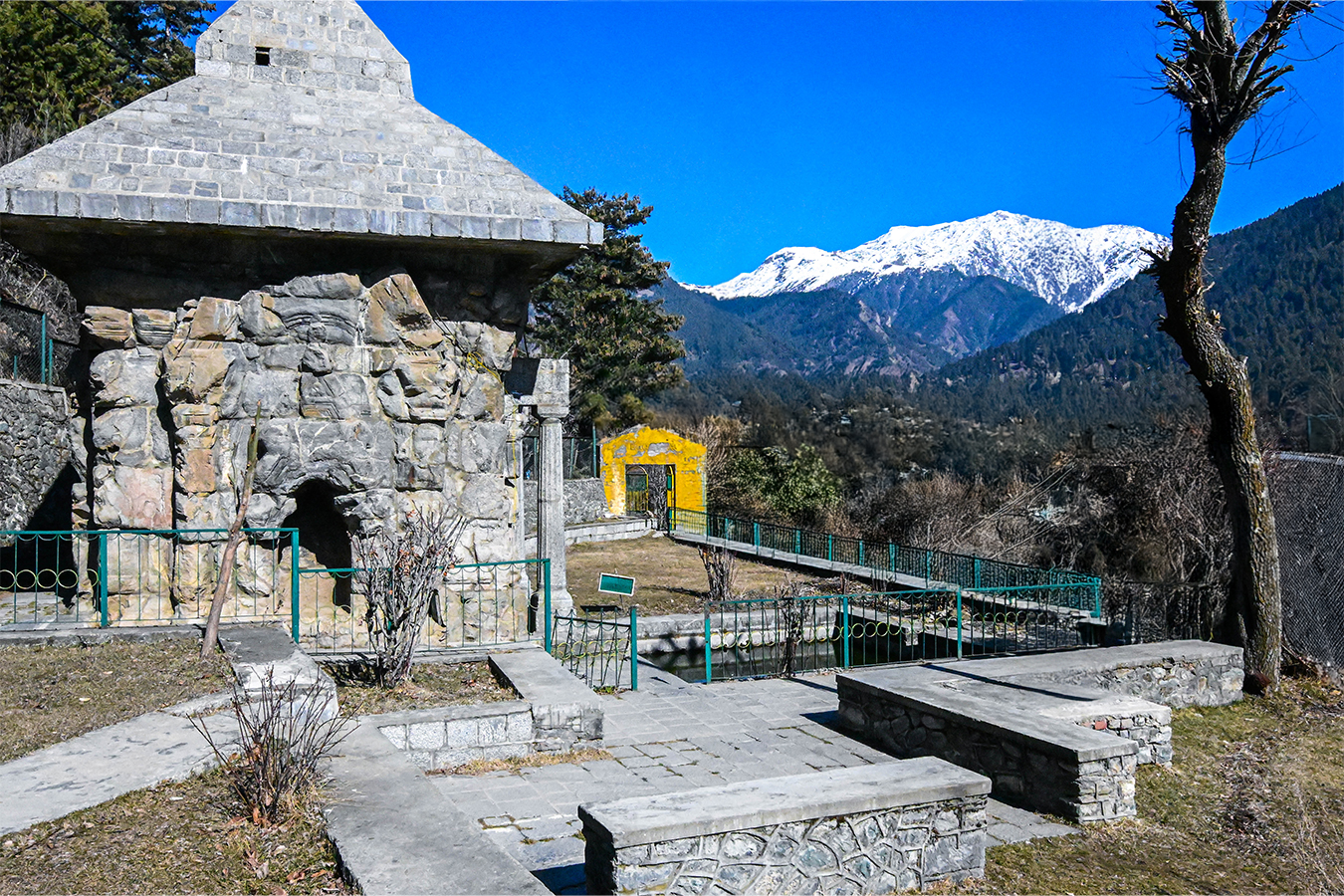
The Mamleshwar Temple nearby was still and silent a creation of the 12th century, it is dedicated to Lord Shiva. Its craftsmanship speaks to an unbroken conversation between earth and eternity, archaeologists say. The temple is small, but there is a weight of time in it.
Aishmuqam Dargah and Chandanwadi
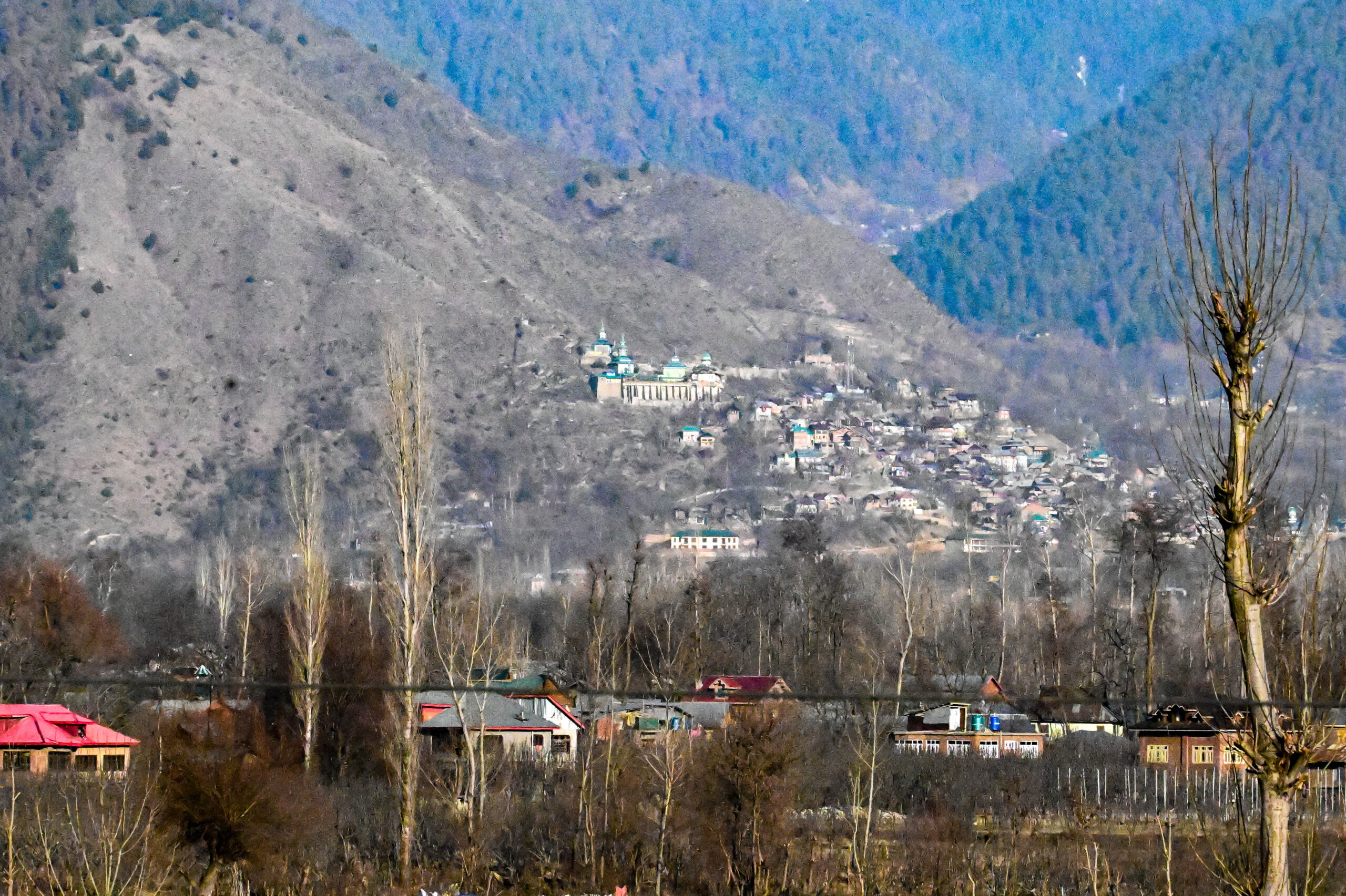
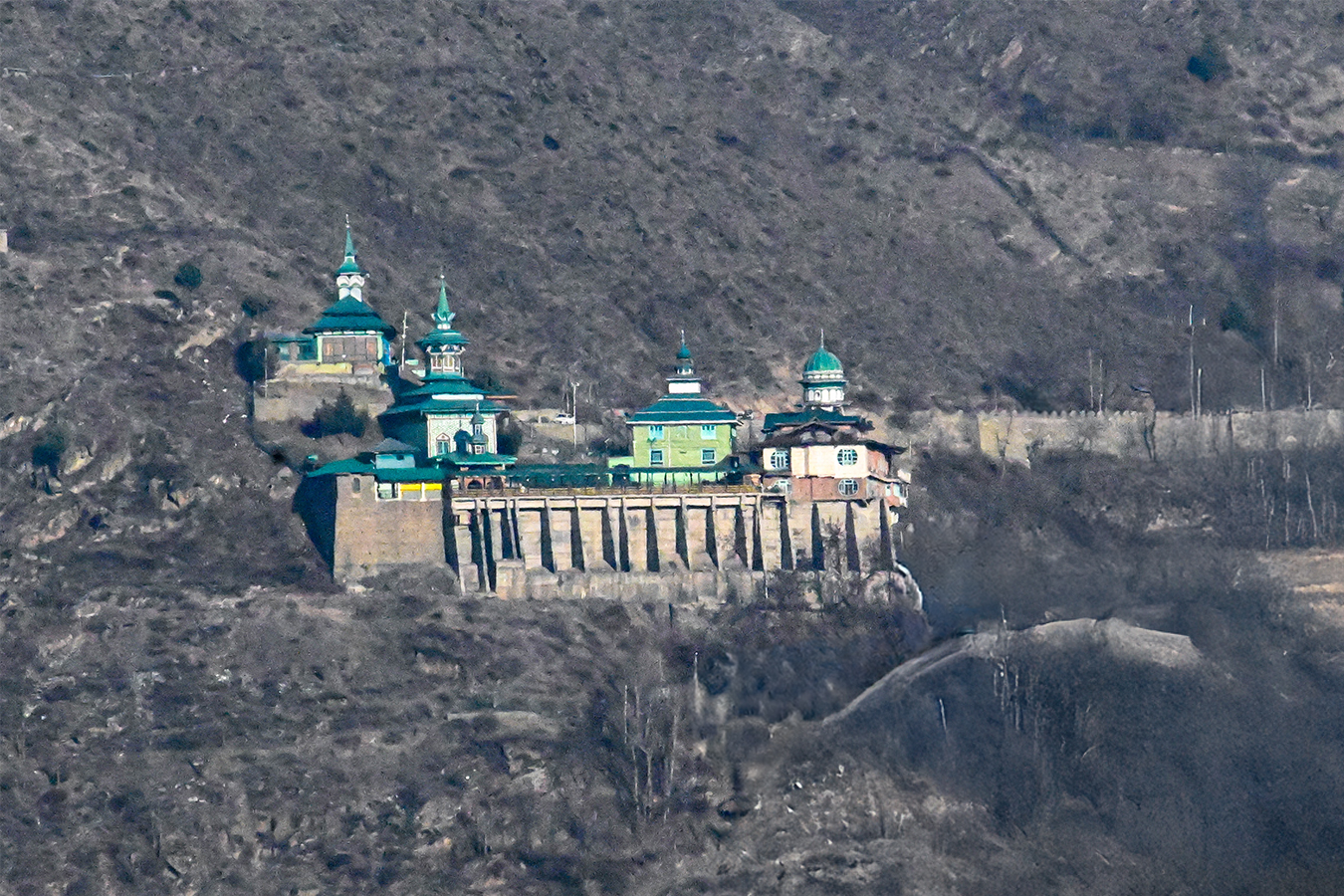
Beyond Pahalgam, the ascent took us to Aishmuqam Dargah,a grey nugget hugged by snow peaked cliffs. The shrine was dimly lit: It was dedicated to Sheikh Zain-ud-din Wali, but as I stood before it, the little light emanating around me seemed to represent faith beyond religion. Pilgrims brought candles and quiet with them, believing that here prayers reached heaven more quickly.
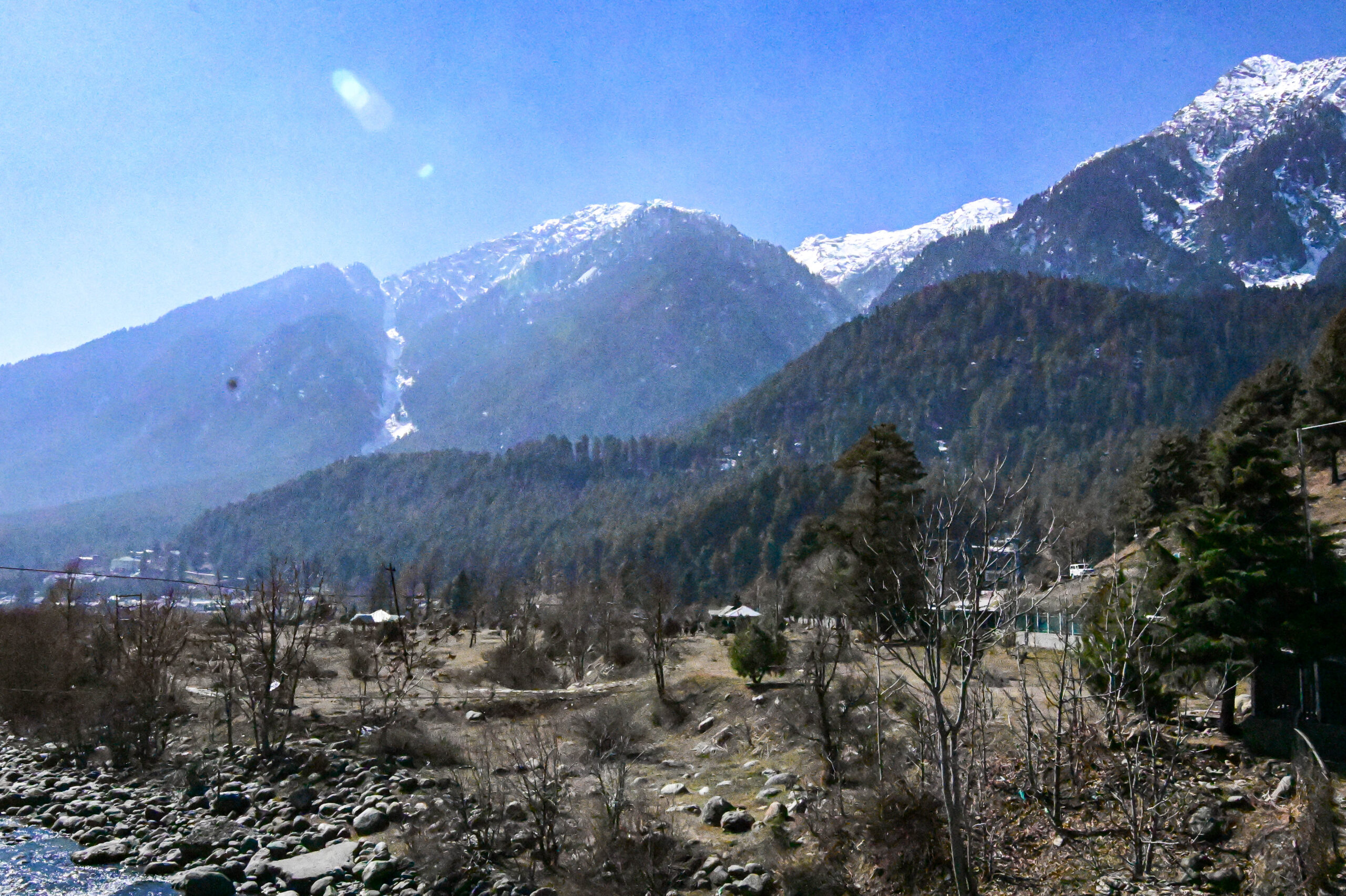
A little ahead was Chandanwadi — the final point to cross before the start of Amarnath Yatra. The air was thinner and the river swifter. Mountains bent in close, as if protecting something sacred. Snow arched between stones; pines murmured overhead. It was like the end of the world — or maybe even the beginning.
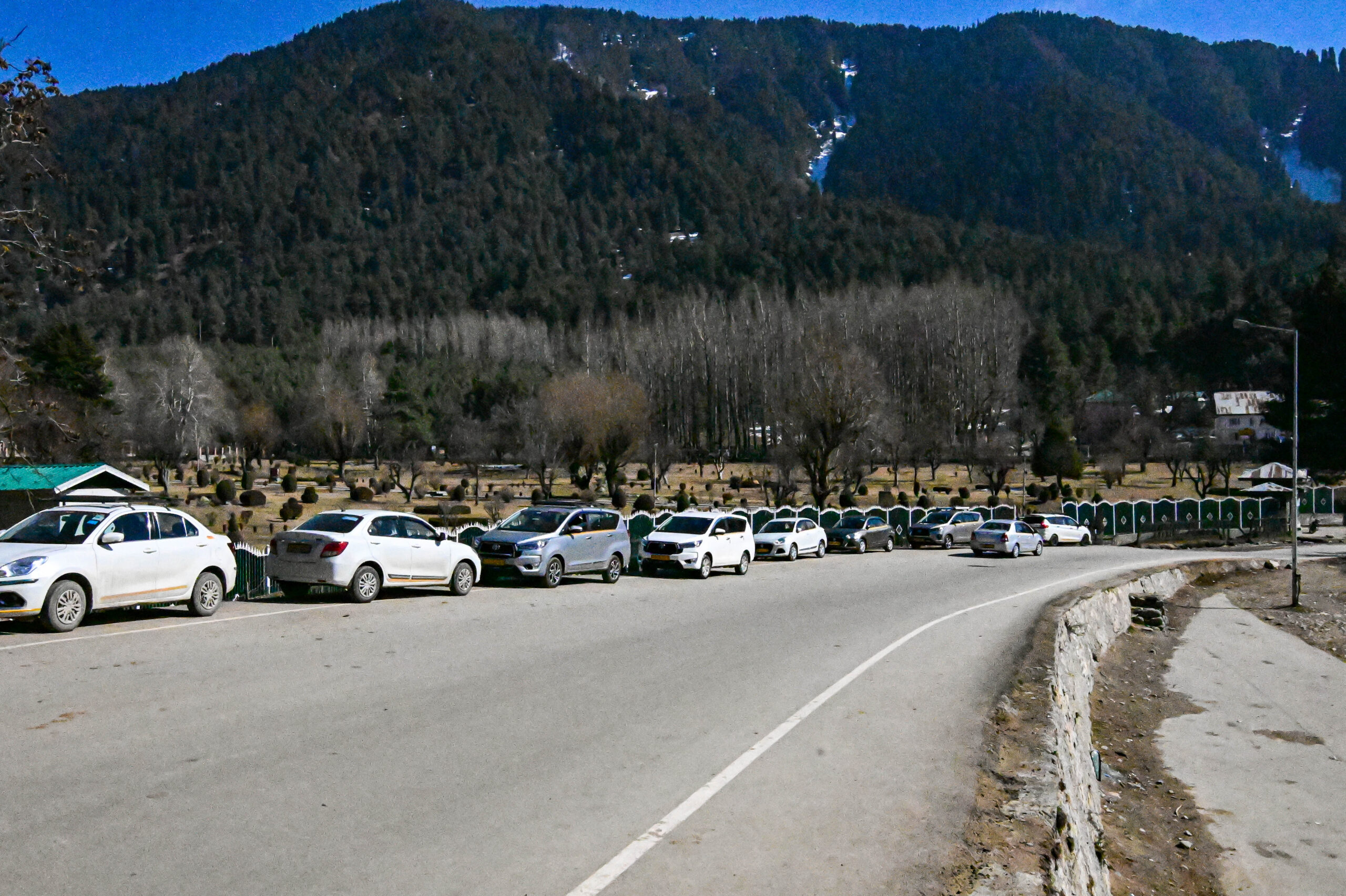
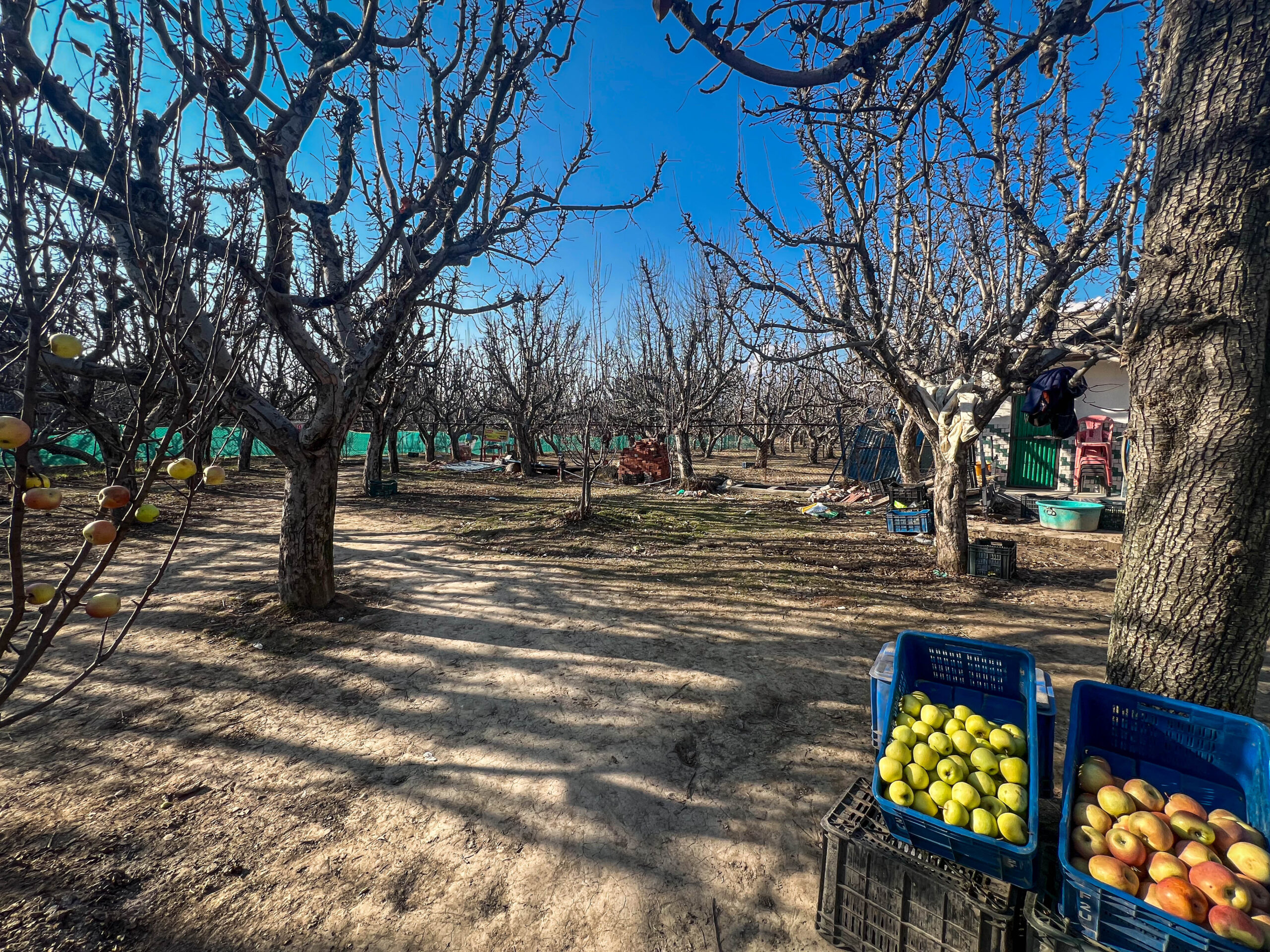
On way back at the foothills, we came across a little road side stall — ABCD Apple Juice Stall. On the other side of it lay extensive orchards, trees laden and fruit blushing against the light. The juice was squeezed fresh before our eyes, sharp and sweet at once.
We sipped slowly, observing the workers prune branches and cart crates into trucks headed for markets distant. The fragrance of the apples, moist wood and soil dazzled in the air. In that simple act — drinking juice beneath the Himalayan heavens — we found the essence of the valley distilled: purity, resilience and quiet joy.
We left with snow still in our shoes and saffron on the palms of our hands — there are reminders, here, that beauty does not disappear, it waits for you to return.
 17
17
 8
8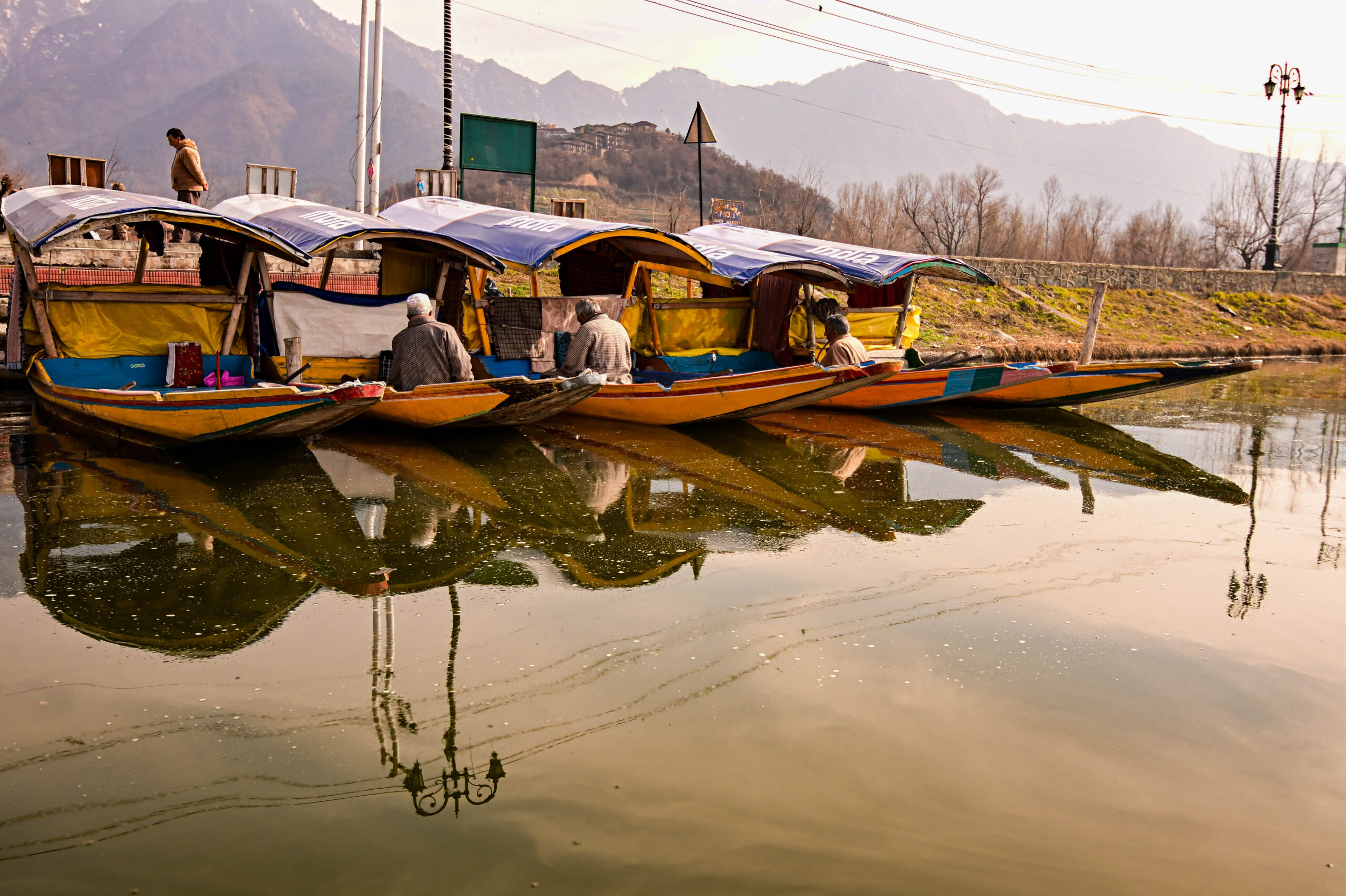
 10
10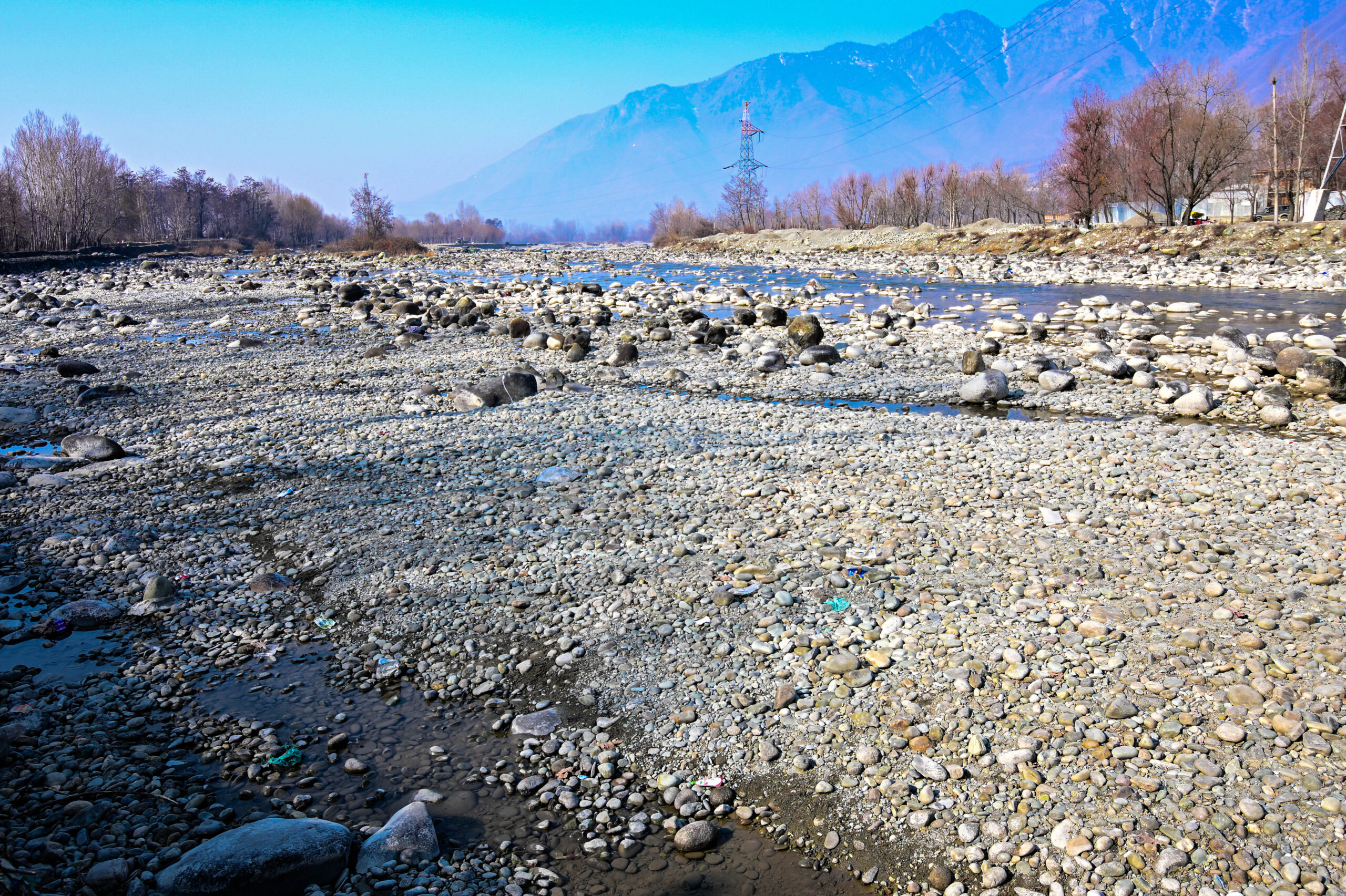
 4
4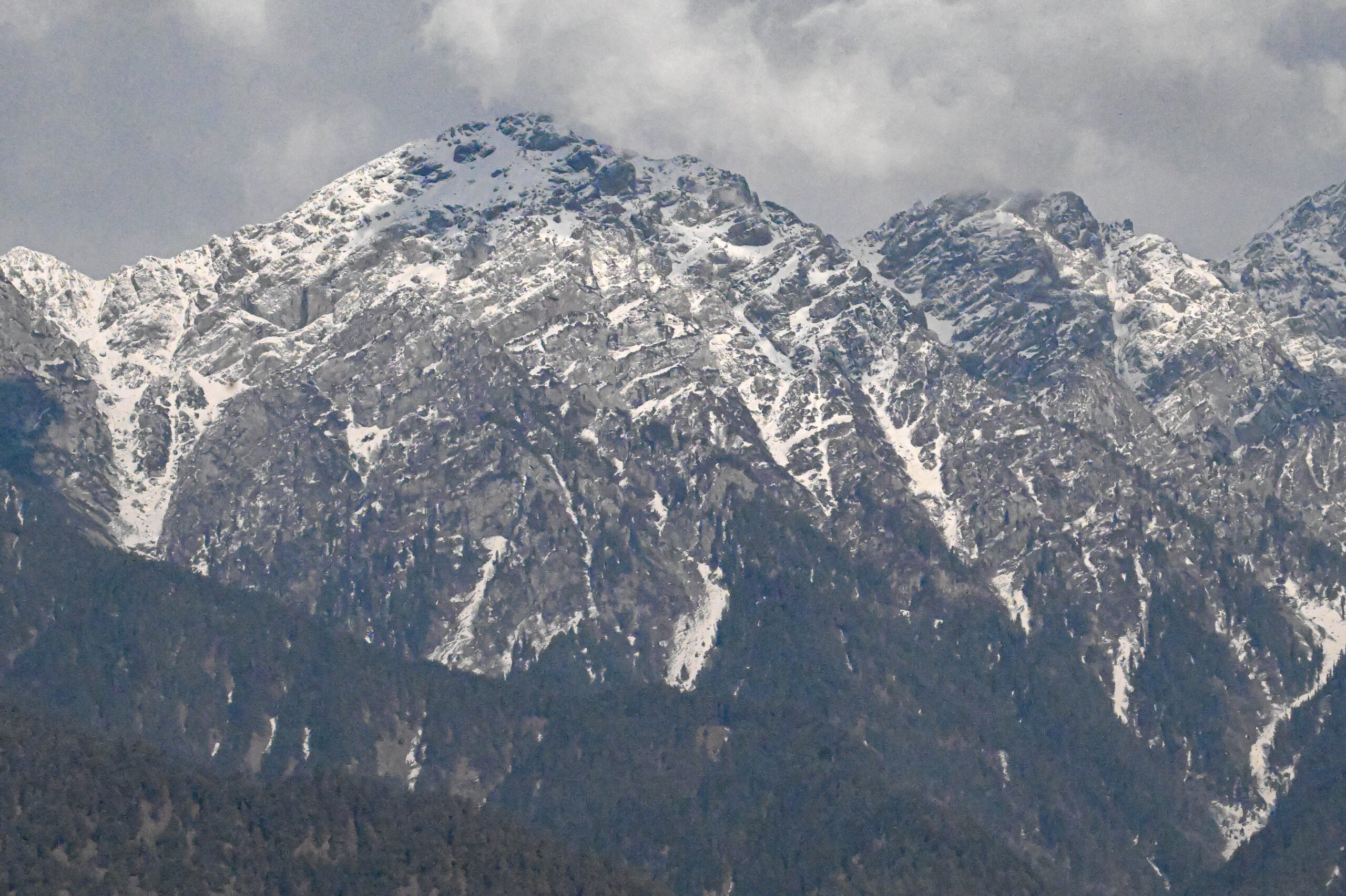
 43
43
 2
2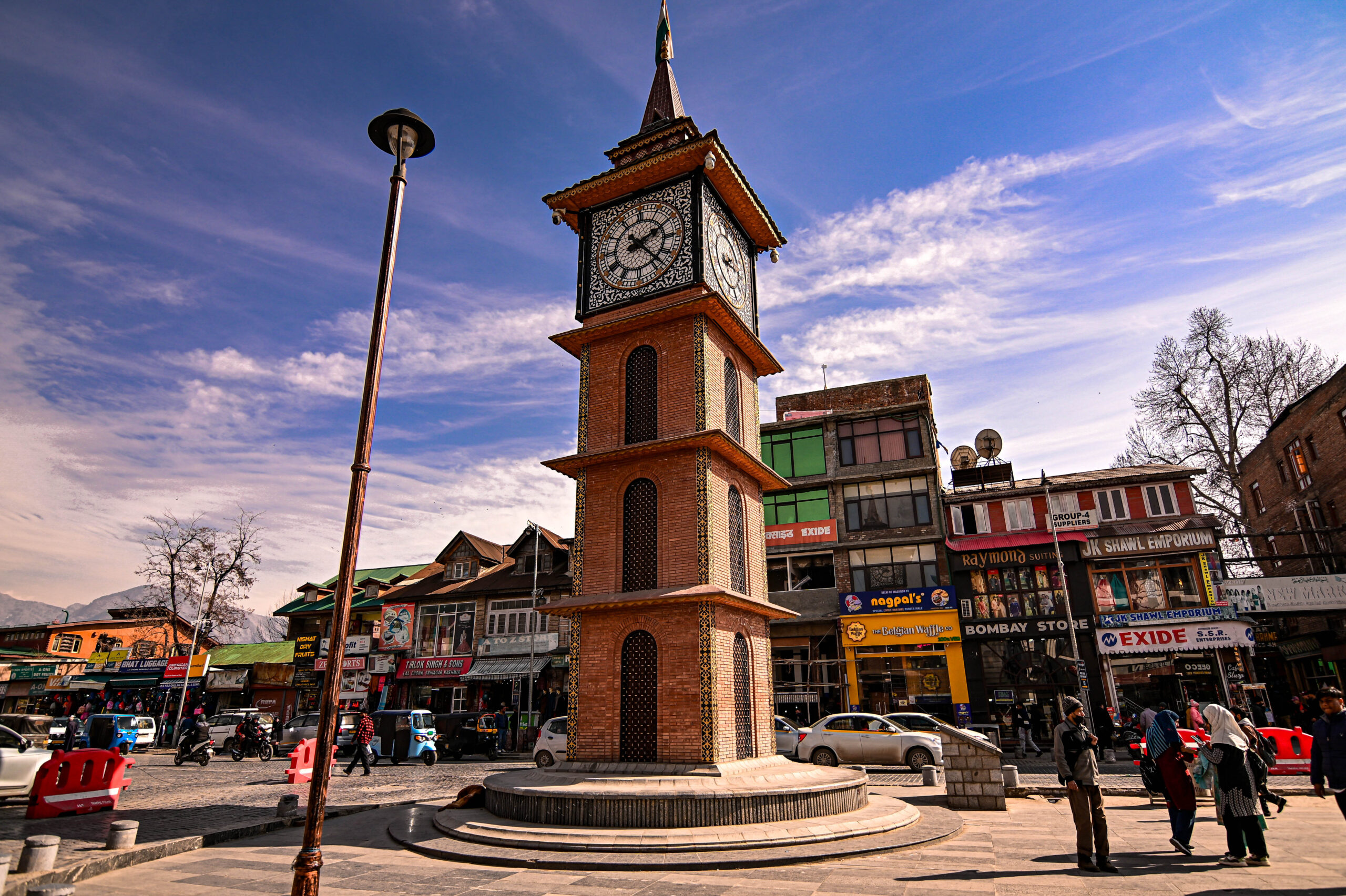
 10
10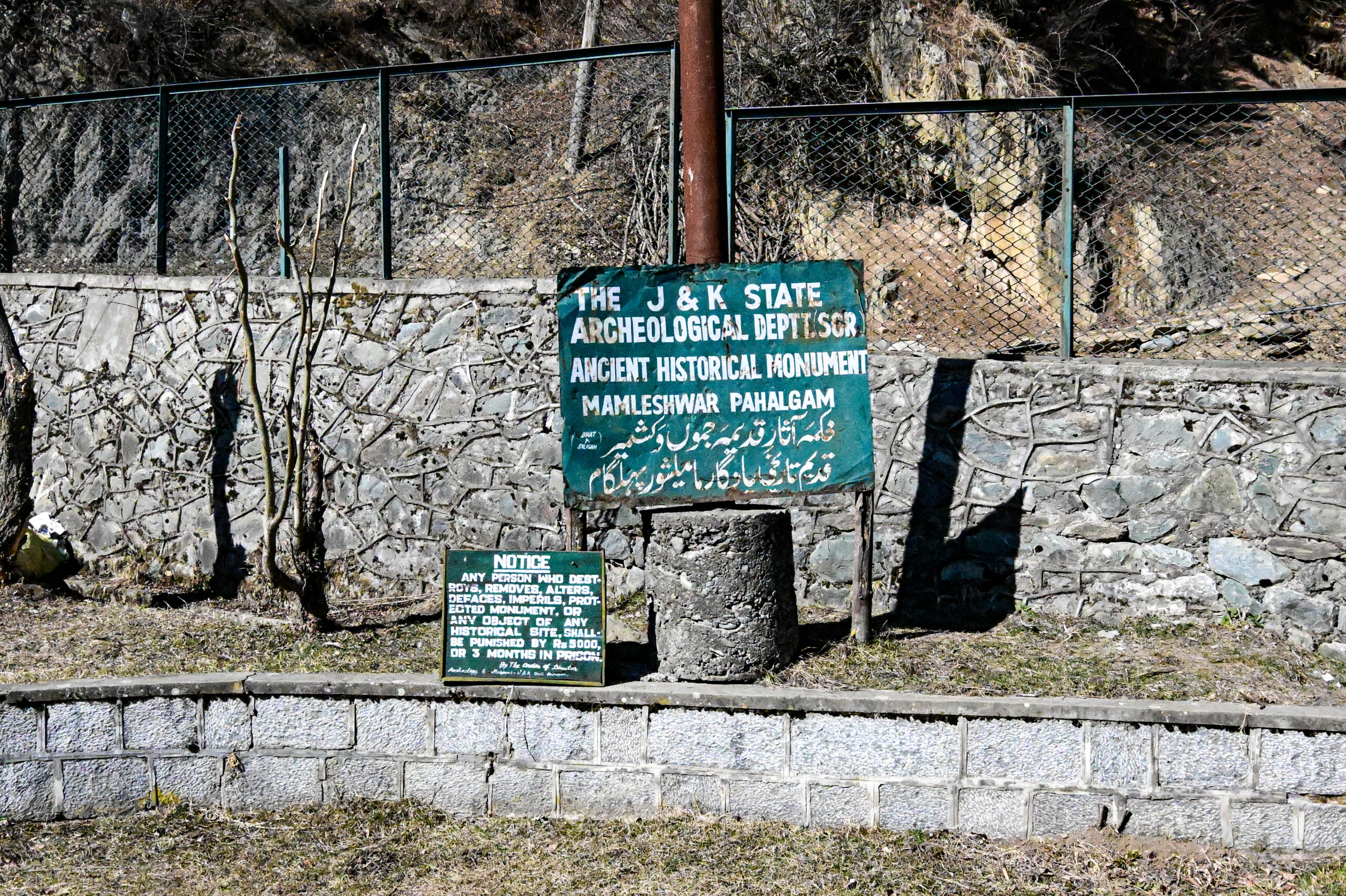
 28
28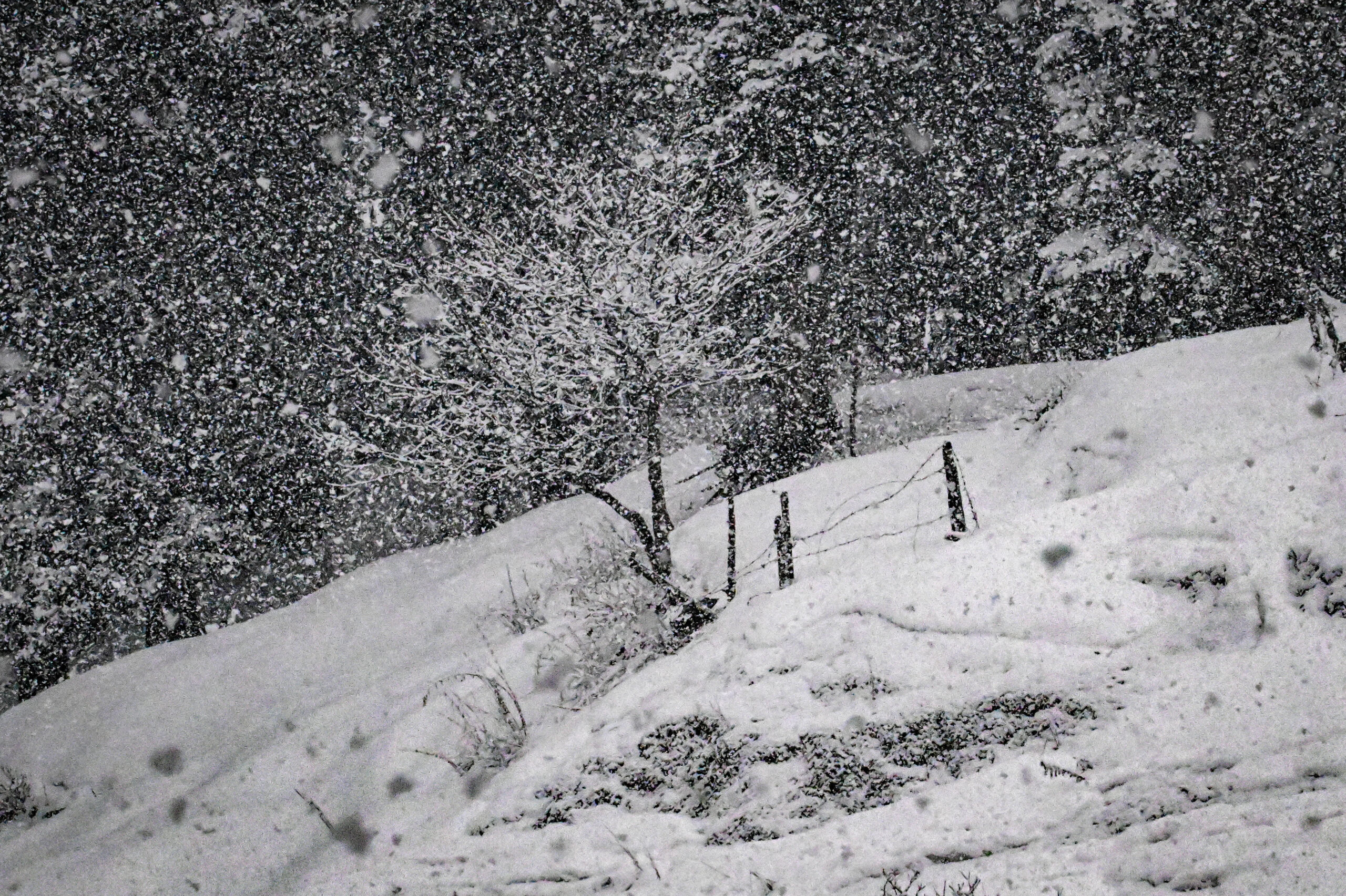
 16
16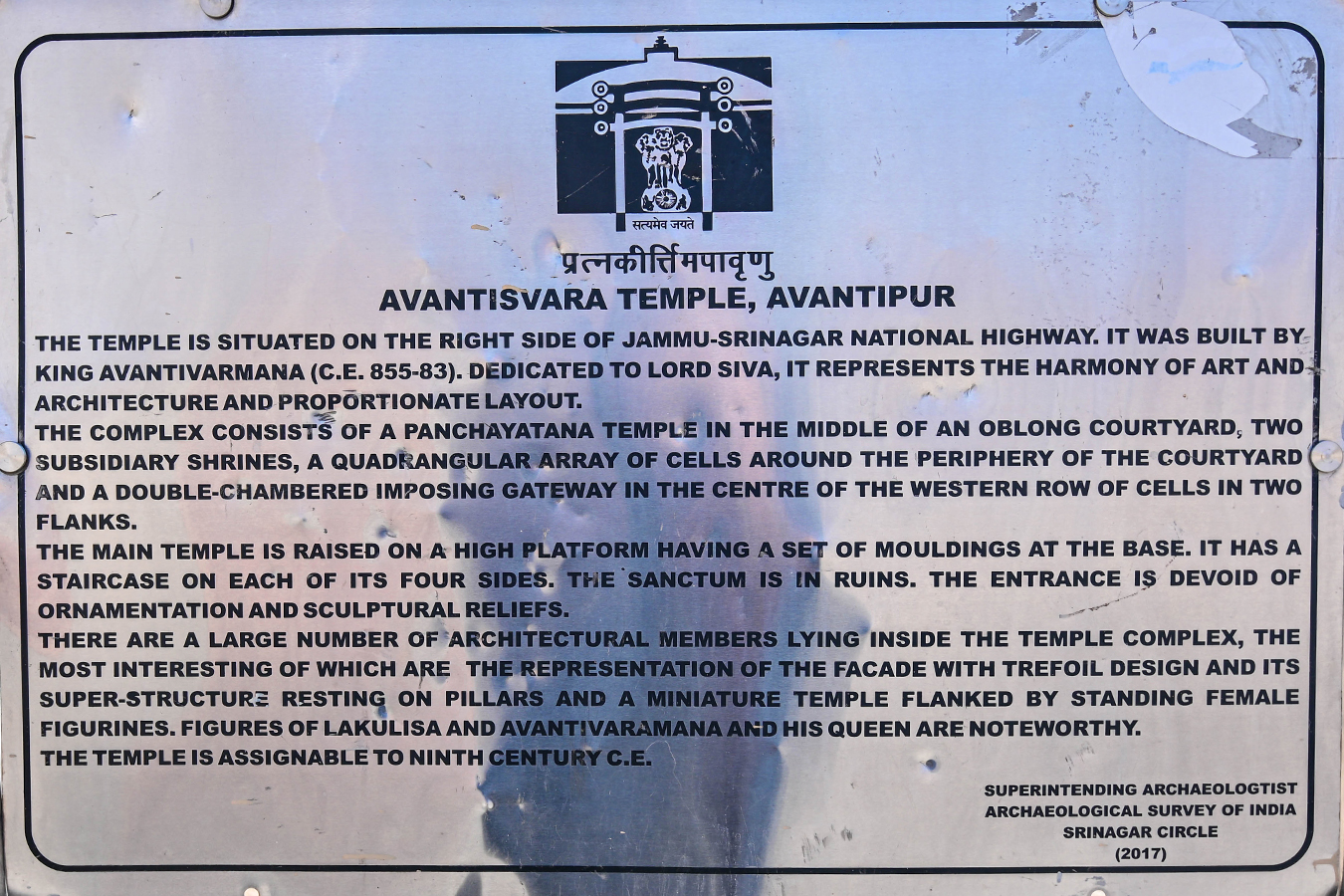
 15
15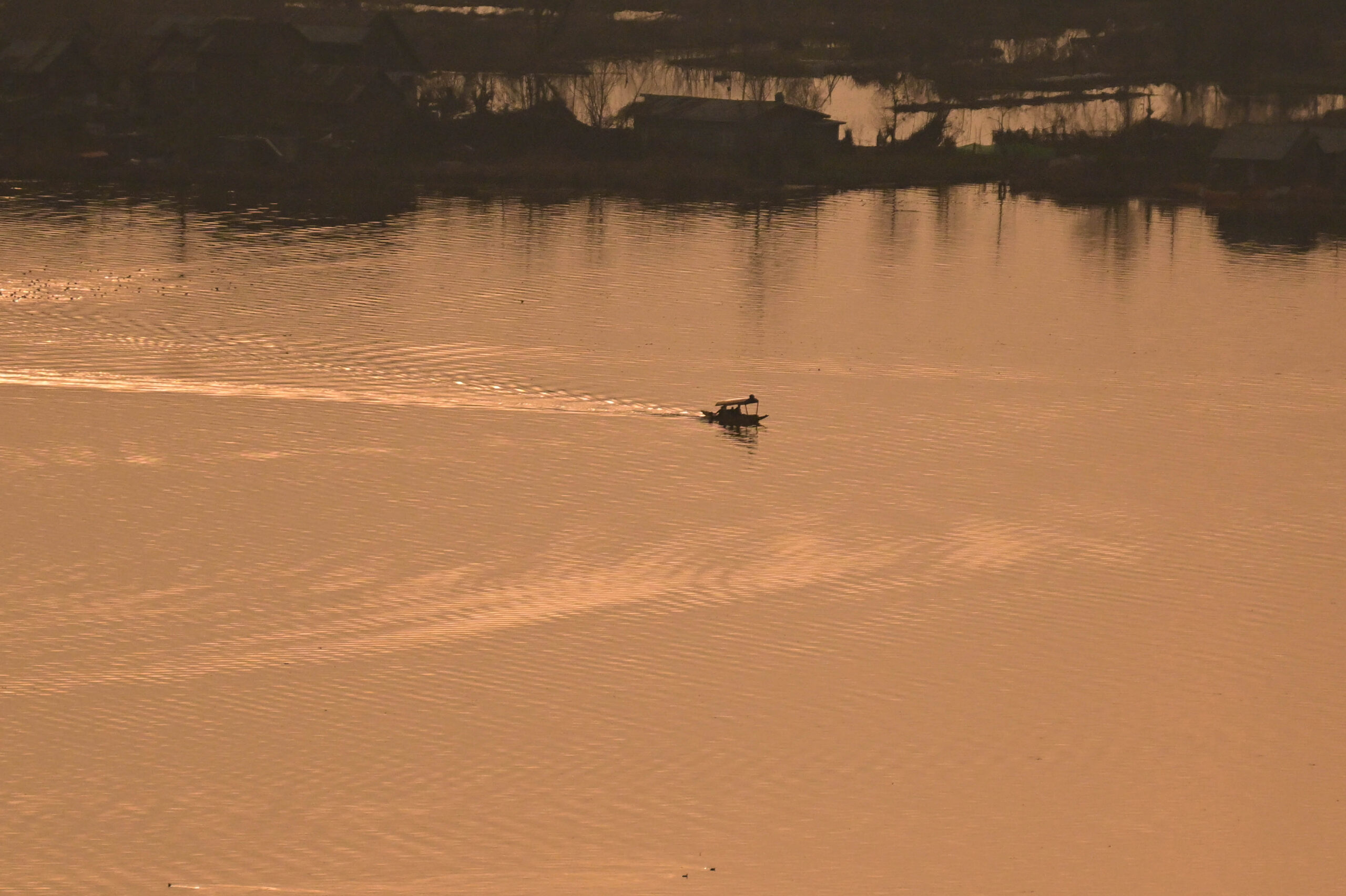
 2
2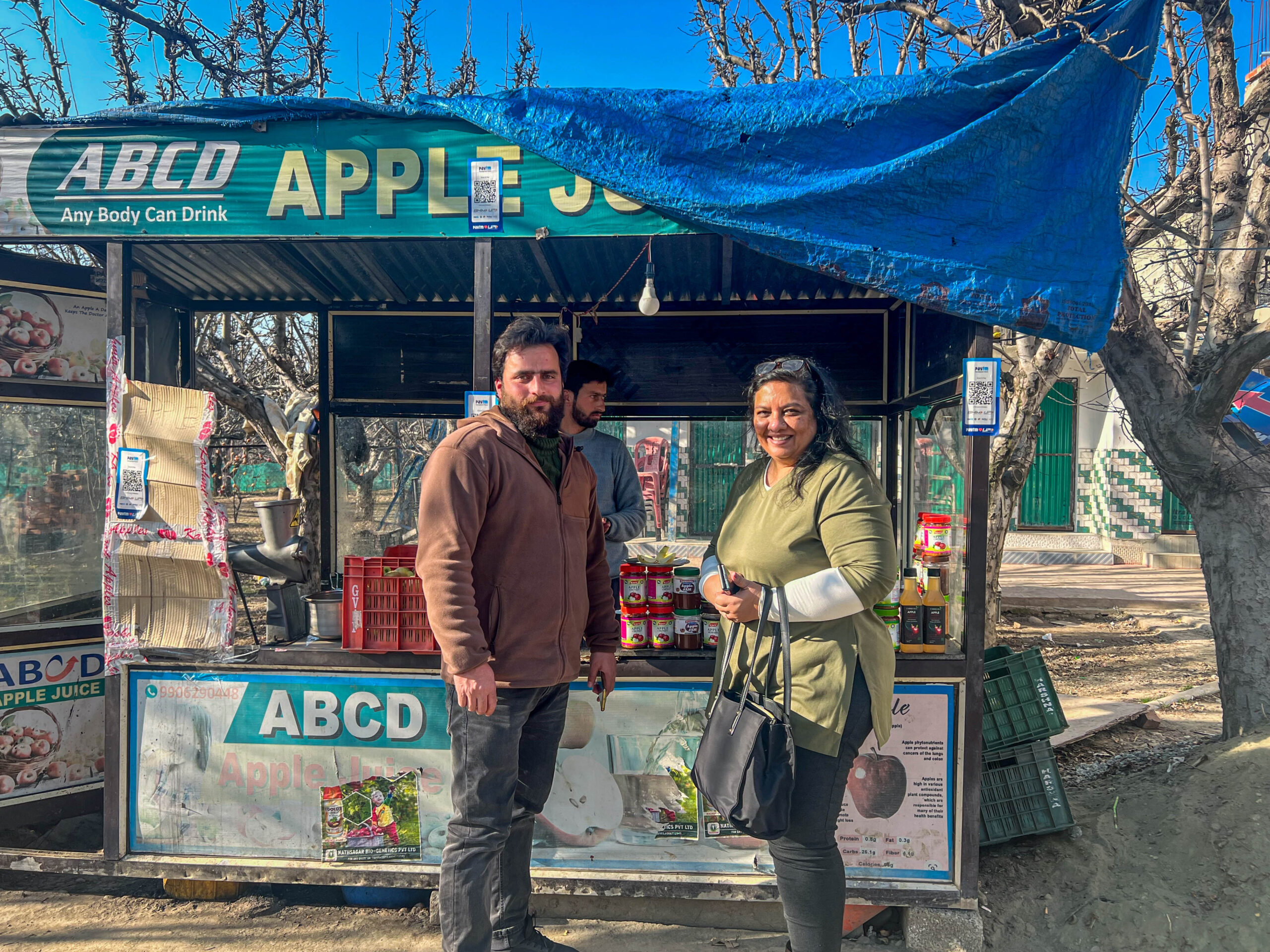
 20
20