Málaga – A City of Layers
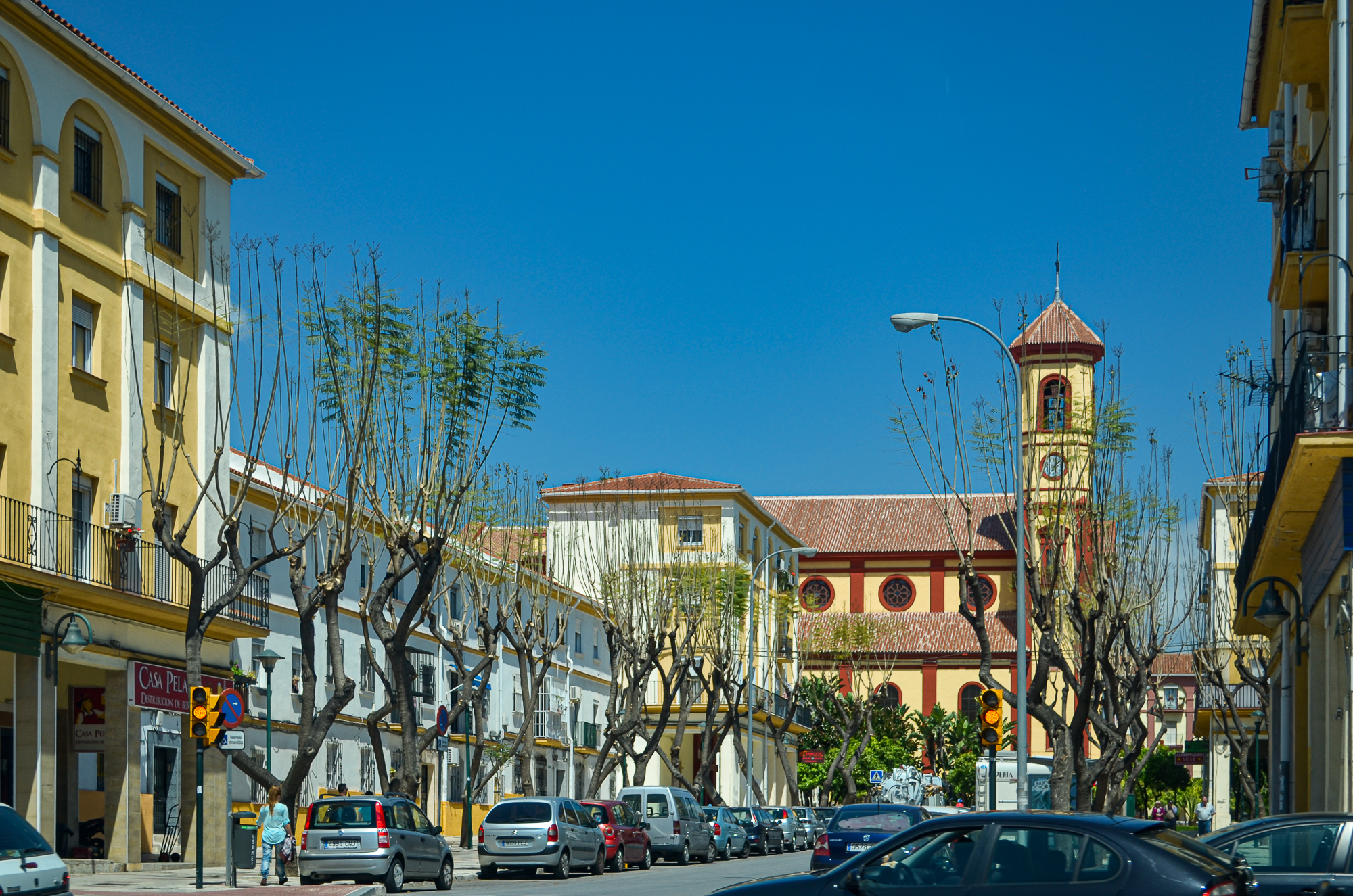
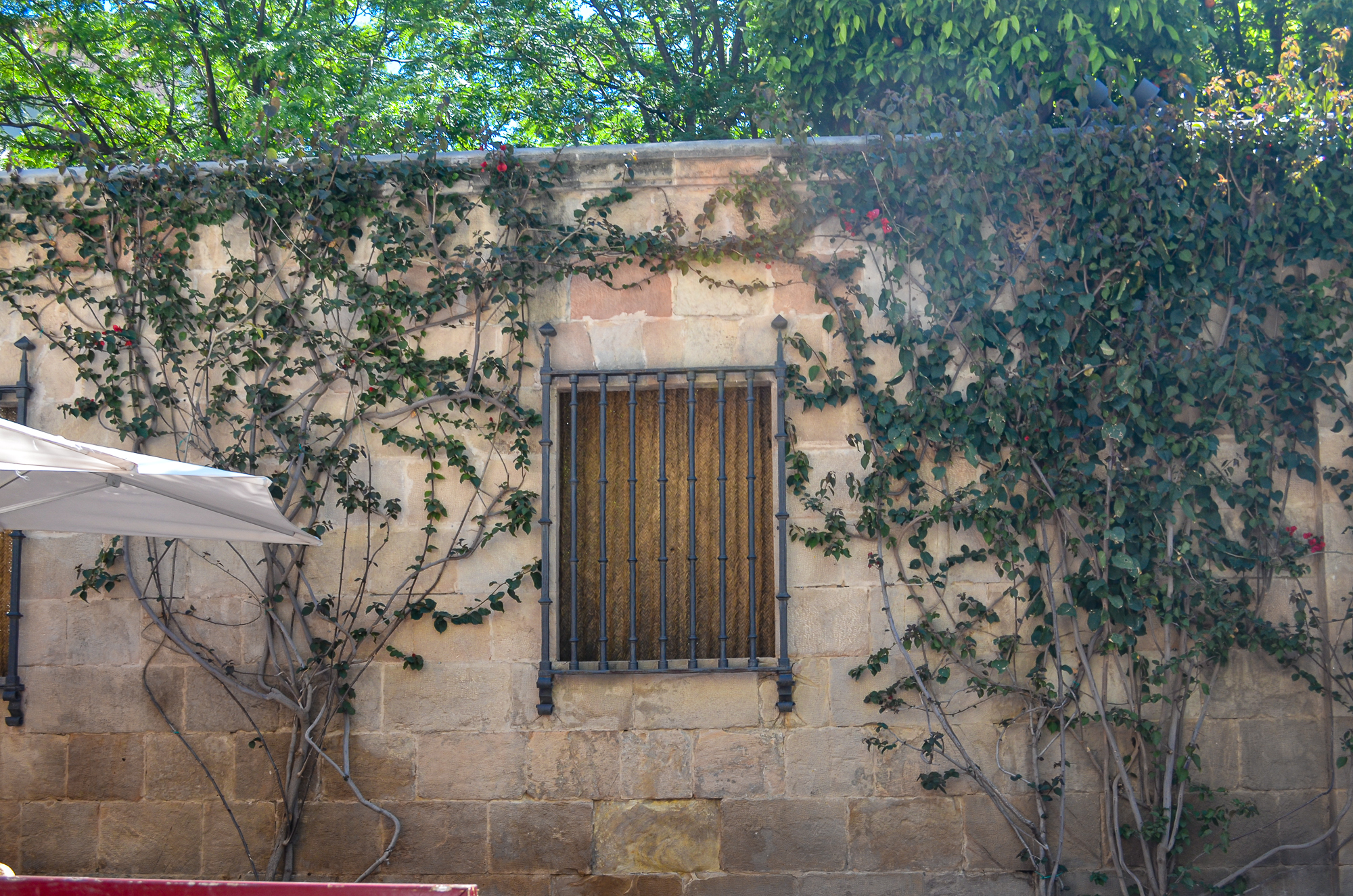
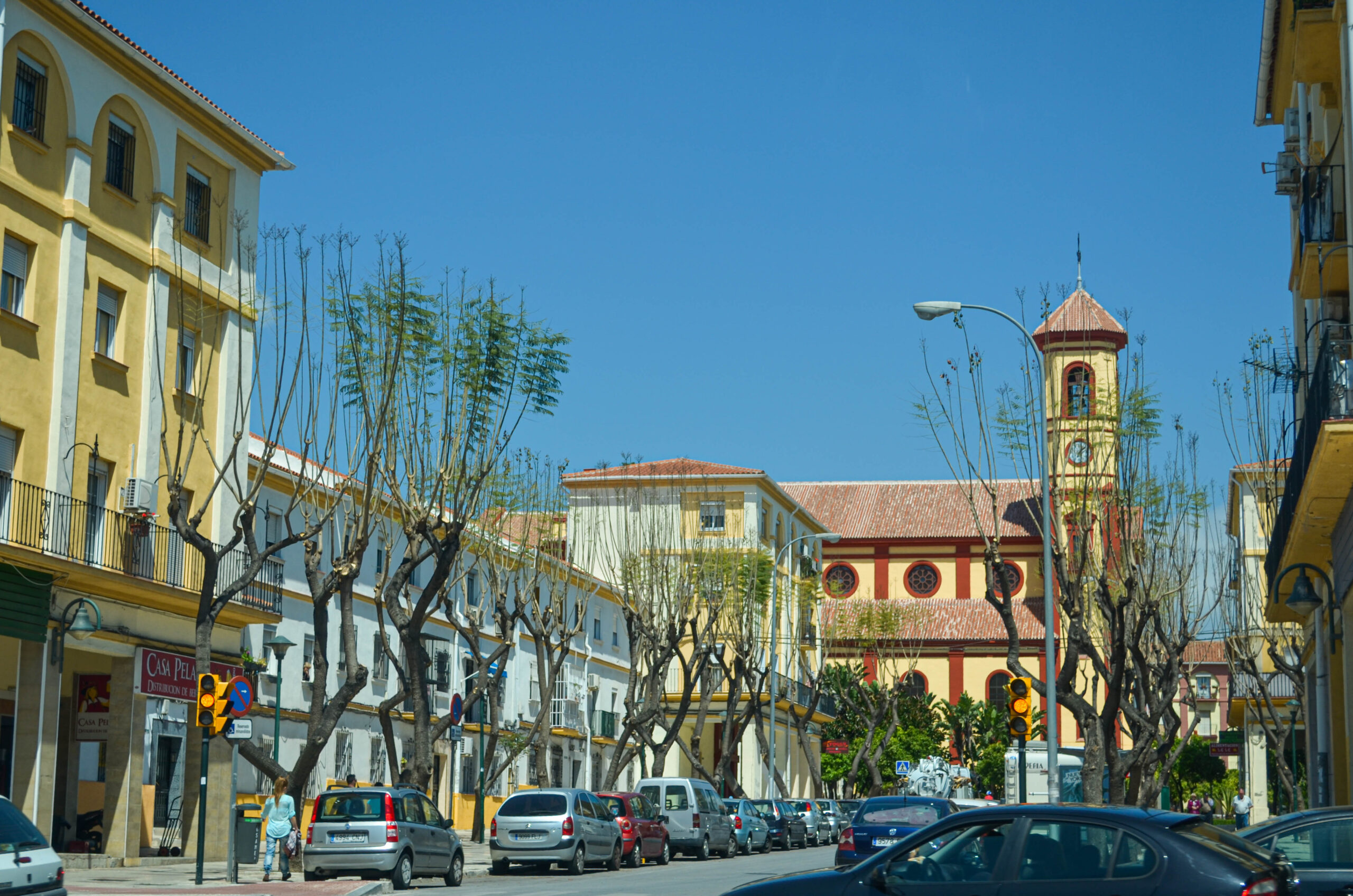
Calahonda had whispered of laziness and Málaga sang history. The city presented itself as a palimpsest where each period was written over the previous one, Muslim, Gothic, Renaissance and Baroque era pressing against each other.
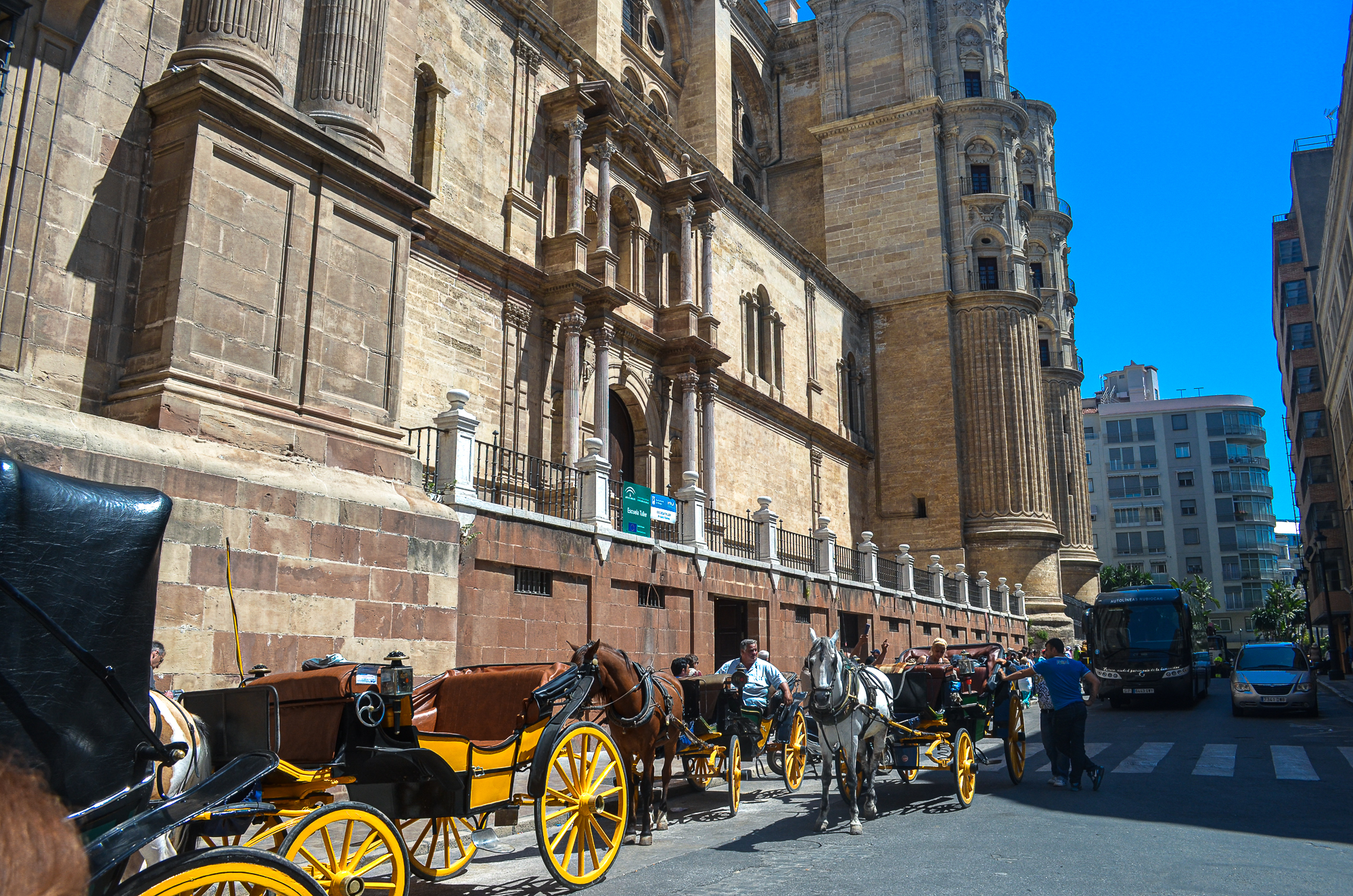
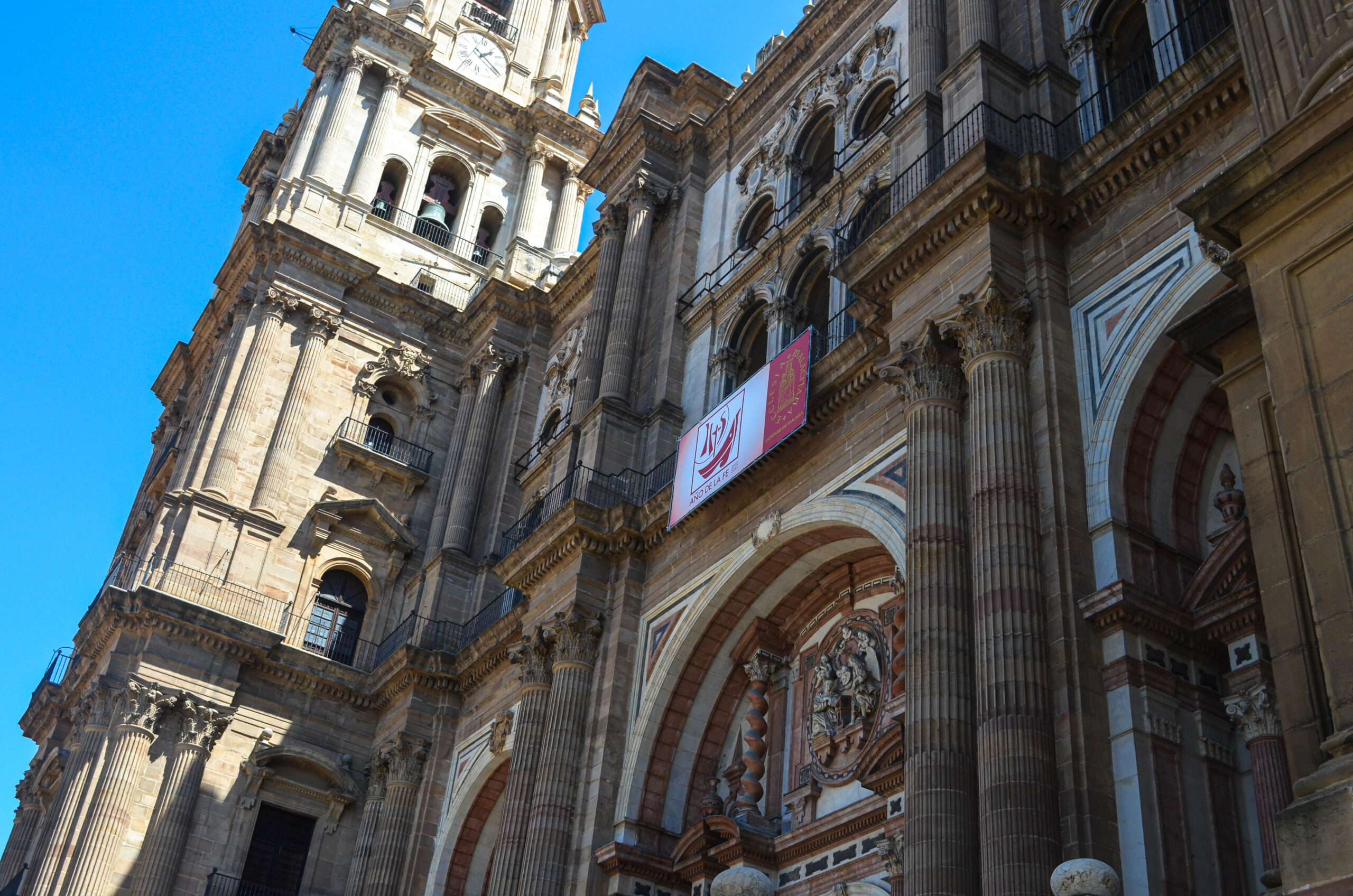
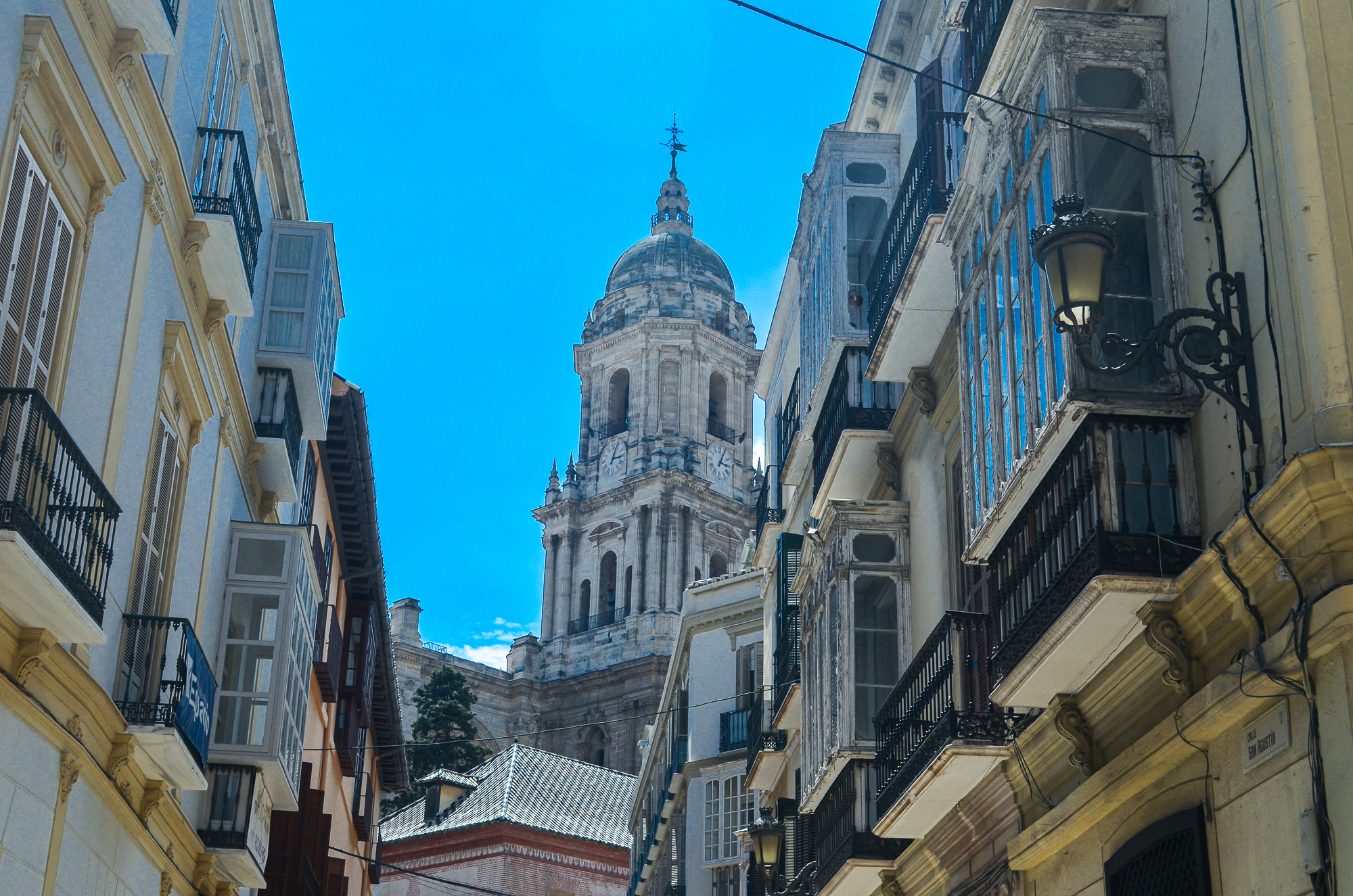
At the city center, we saw Málaga Cathedral, the rawness of it—by no means detracting from it—made it feel human as if the majesty of its stone facades and high ceilings could never demand symmetry in being complete. Upon entering, the huge nave brought the eyes upward, light filtering down through stained glass into the muted jewel tones on the floor.
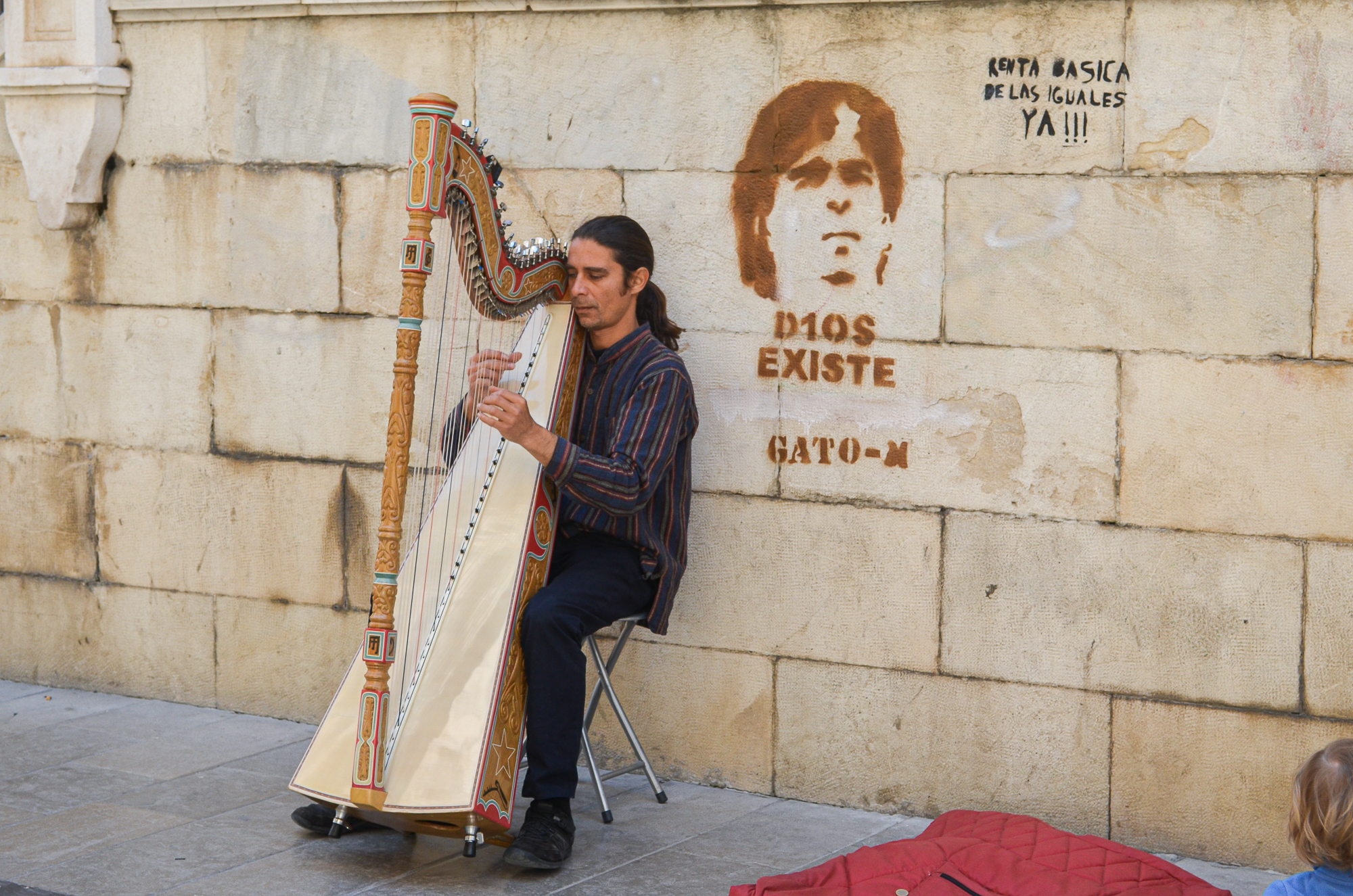
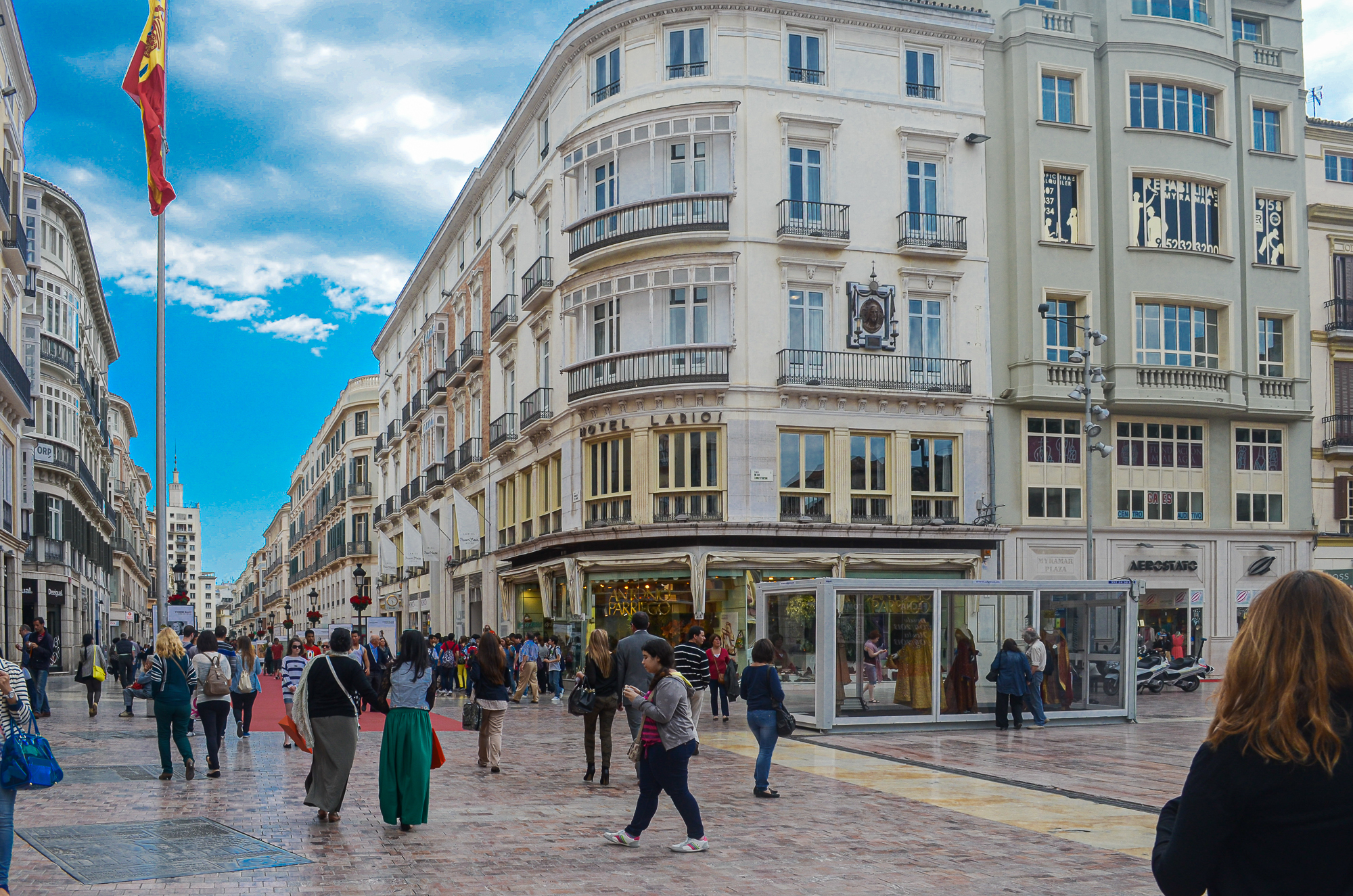
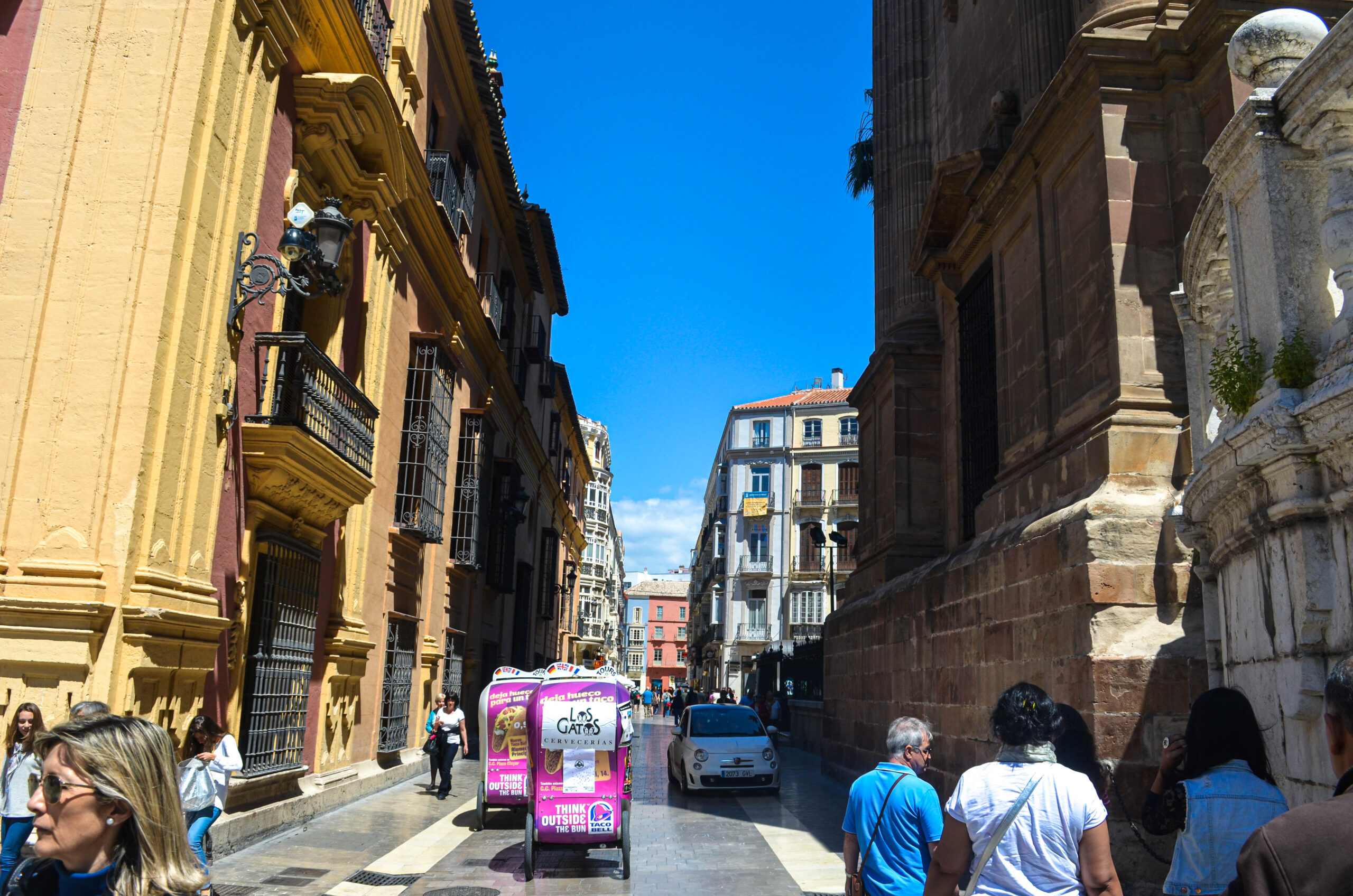
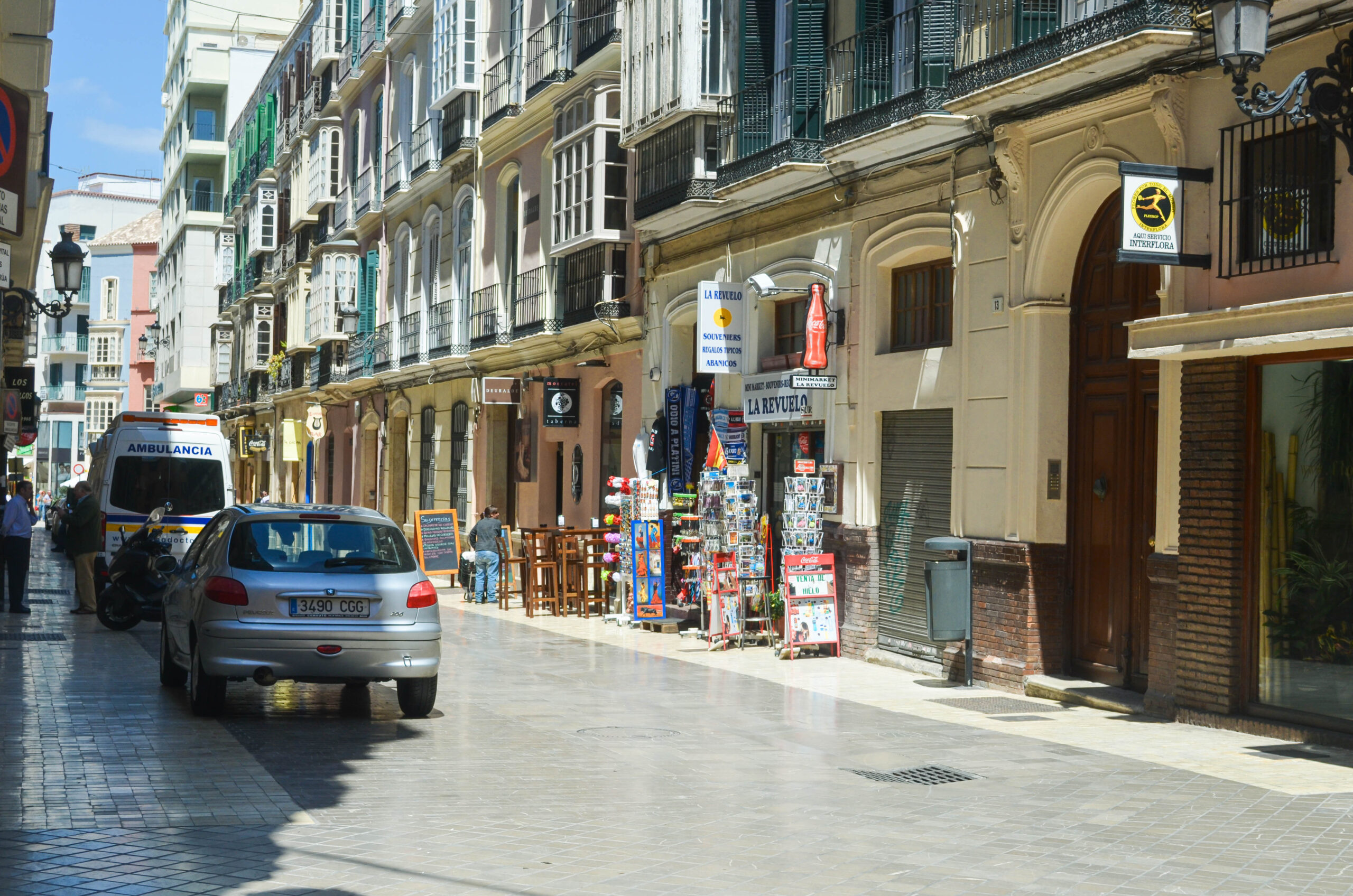
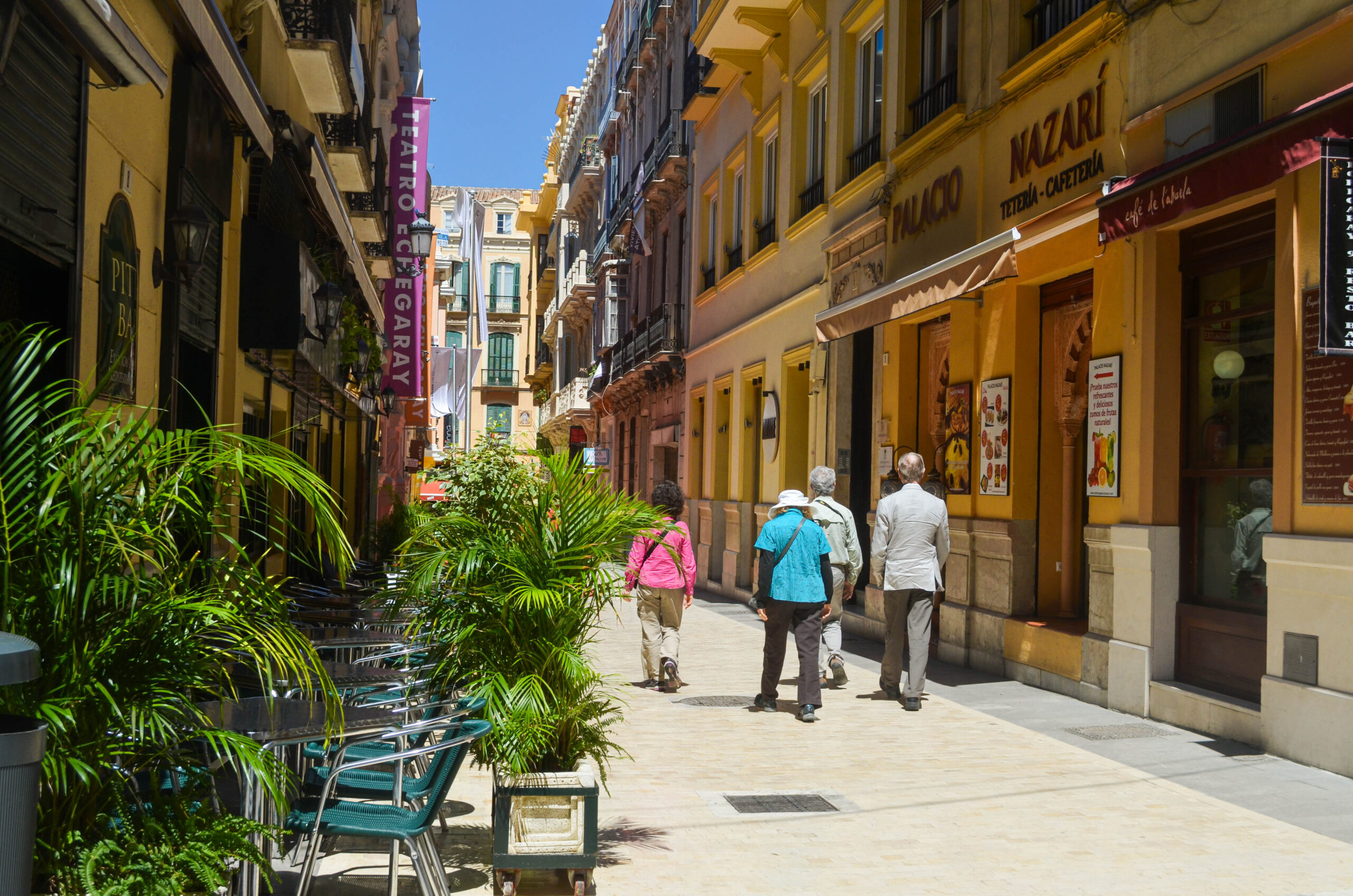
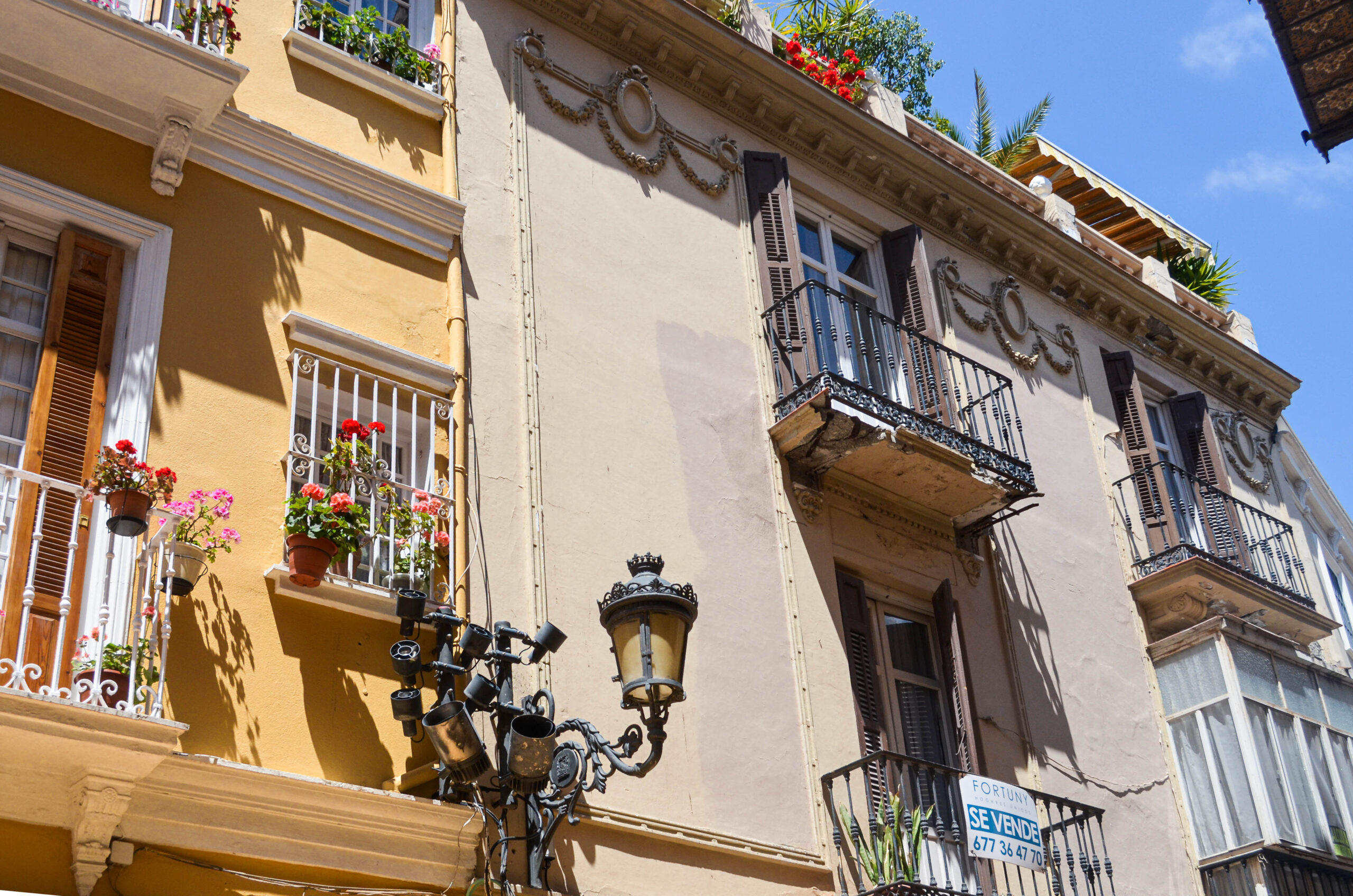
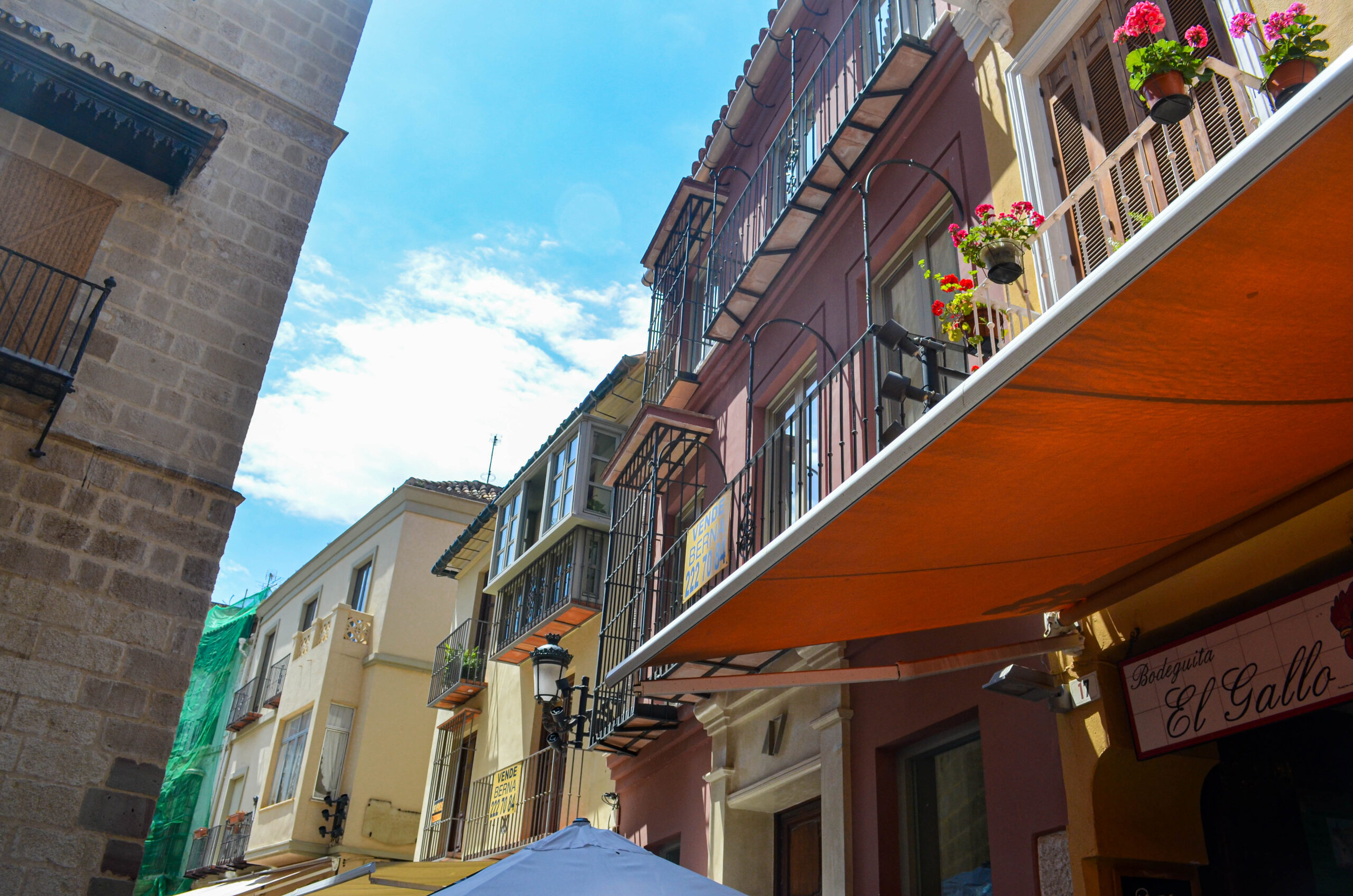
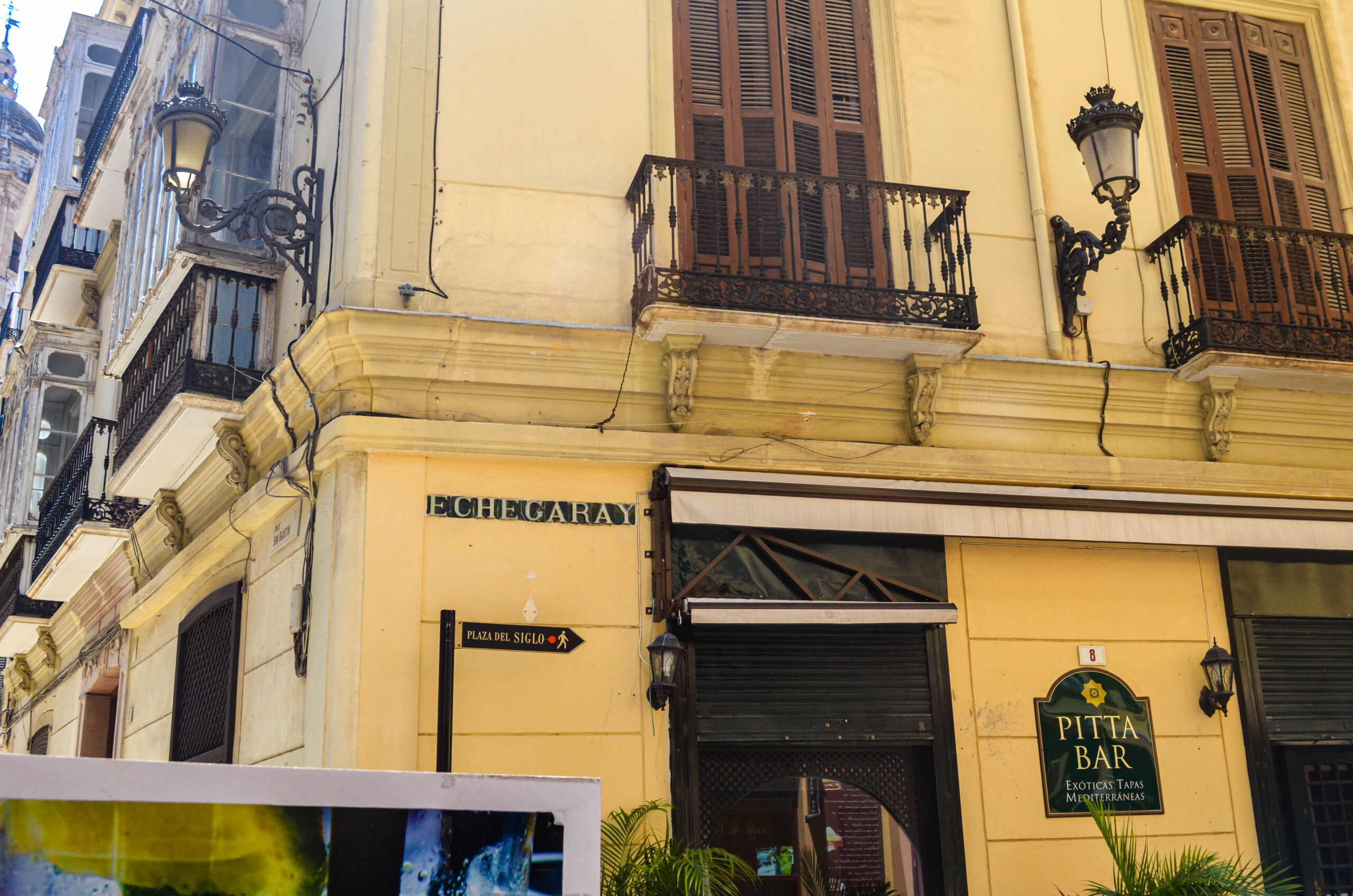
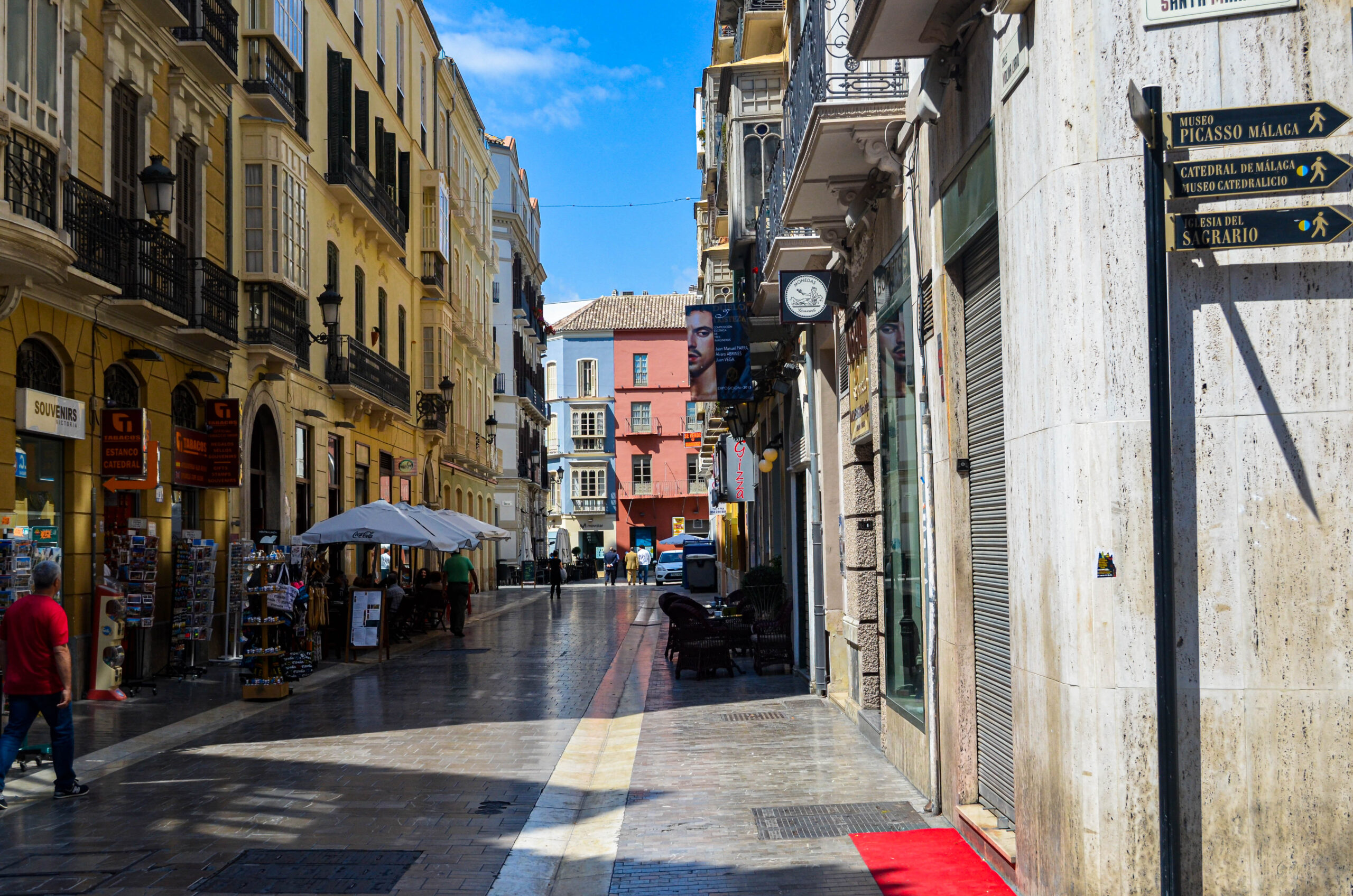
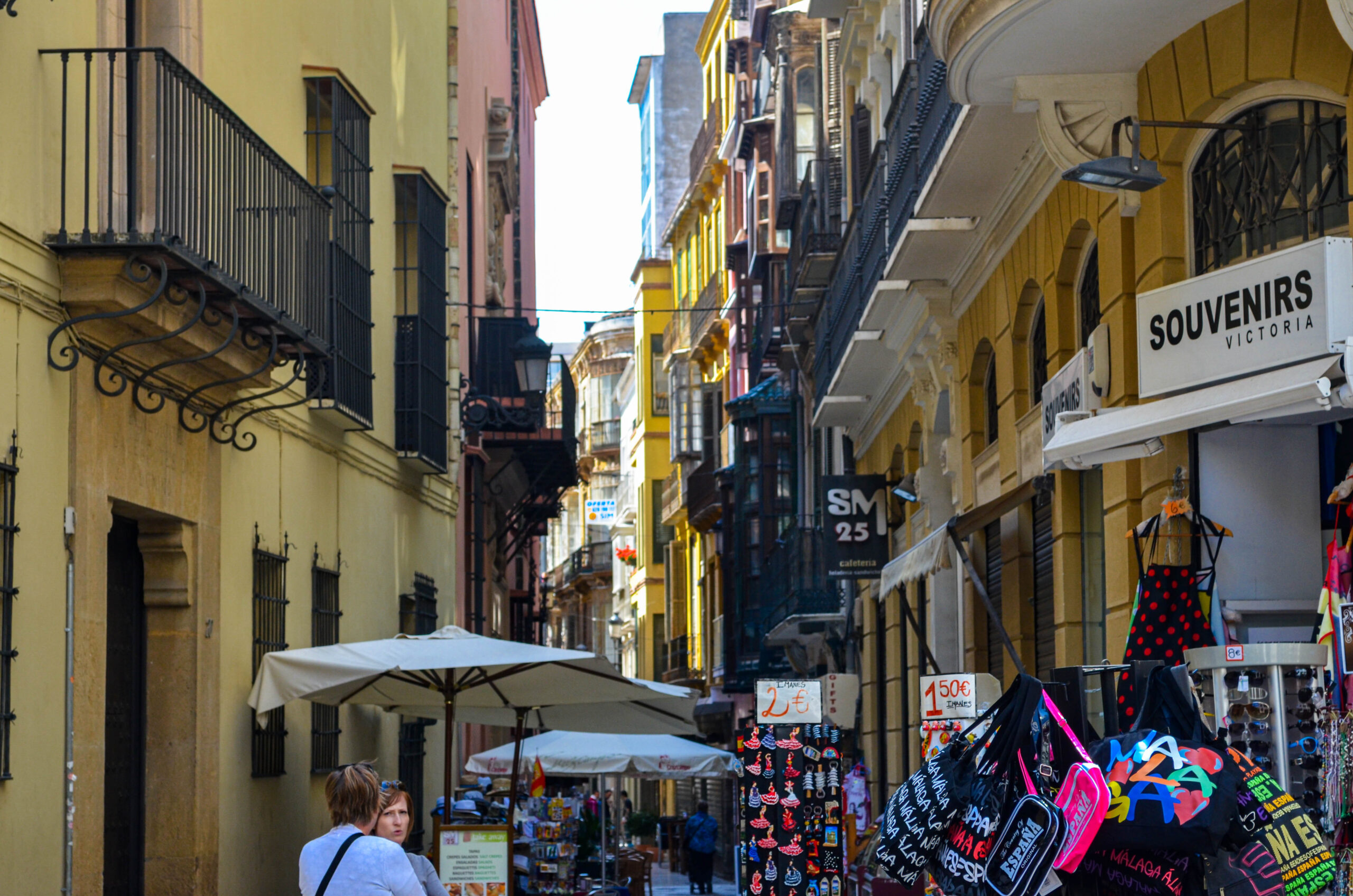
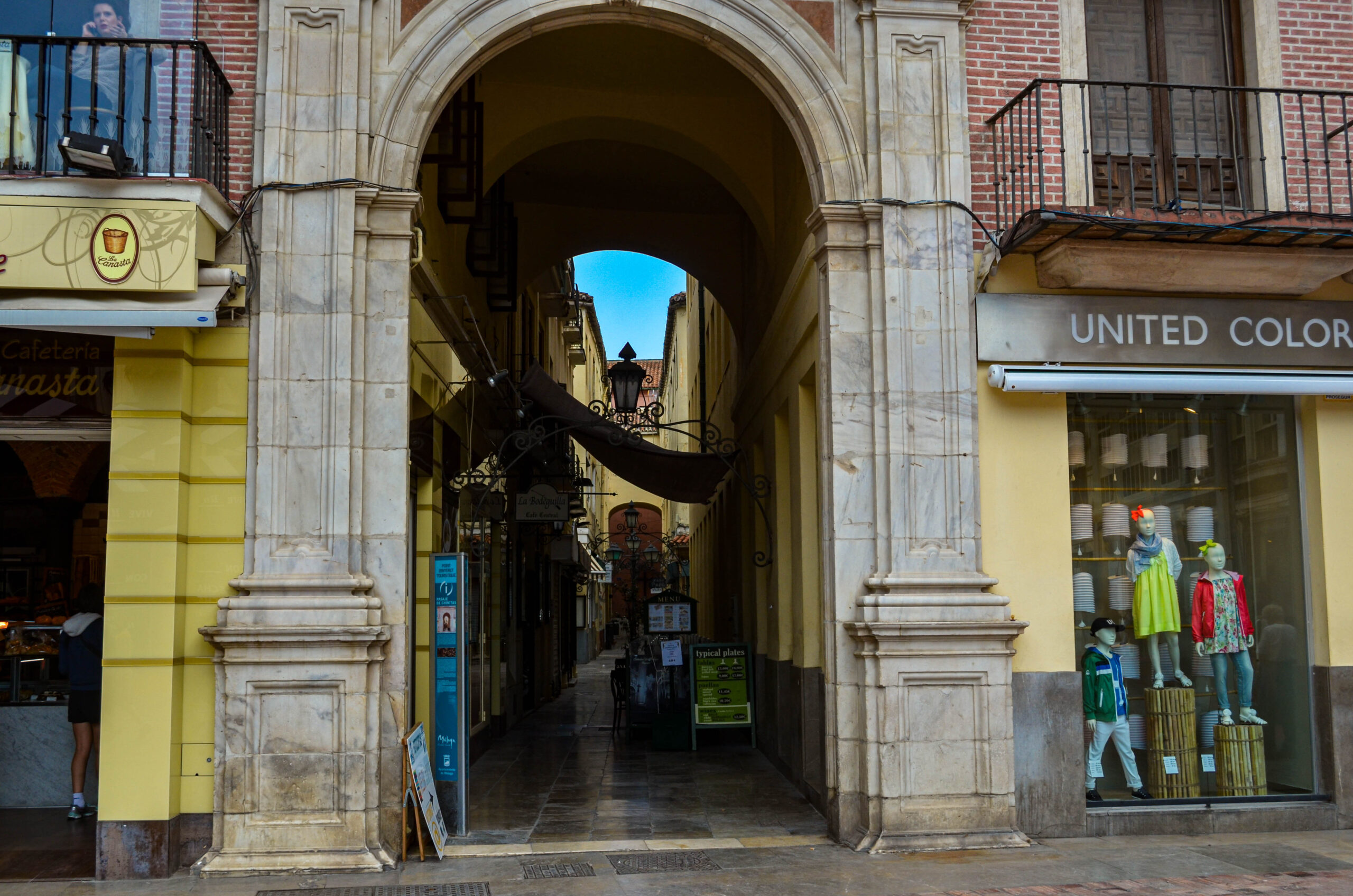
The streets then narrowed to ribbons beyond the cathedral, balconies draped with ironwork and tiles in shades of blue and yellow, Here, life spilled outdoors. Pavements with cafe tables; shudders flung wide into squares. While walking, we were surprised by the sound of a harp, a musician sitting at one of the corners plucking melodies which danced with the footsteps and voices and turned the air into something gentle and eternal.
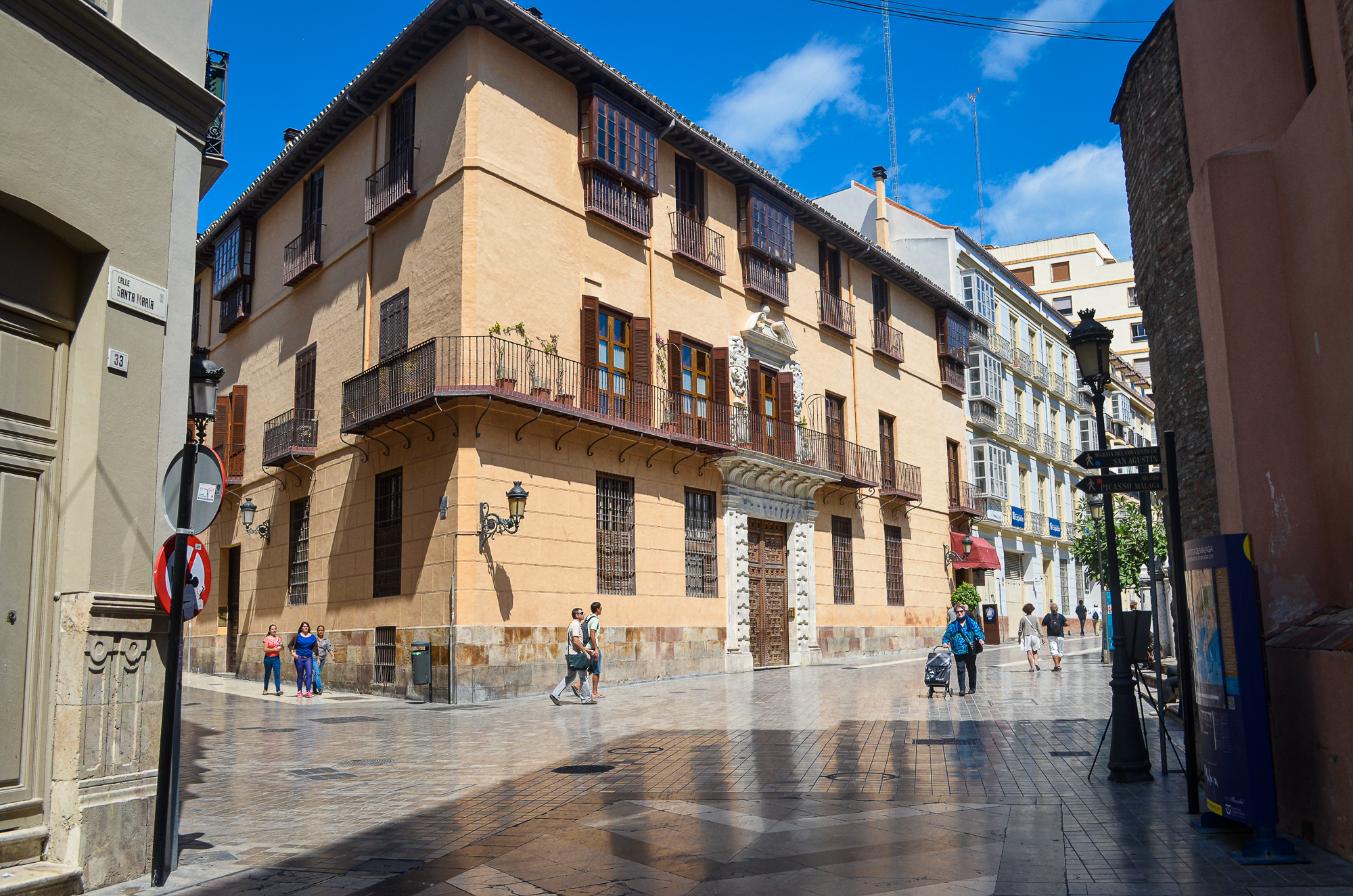
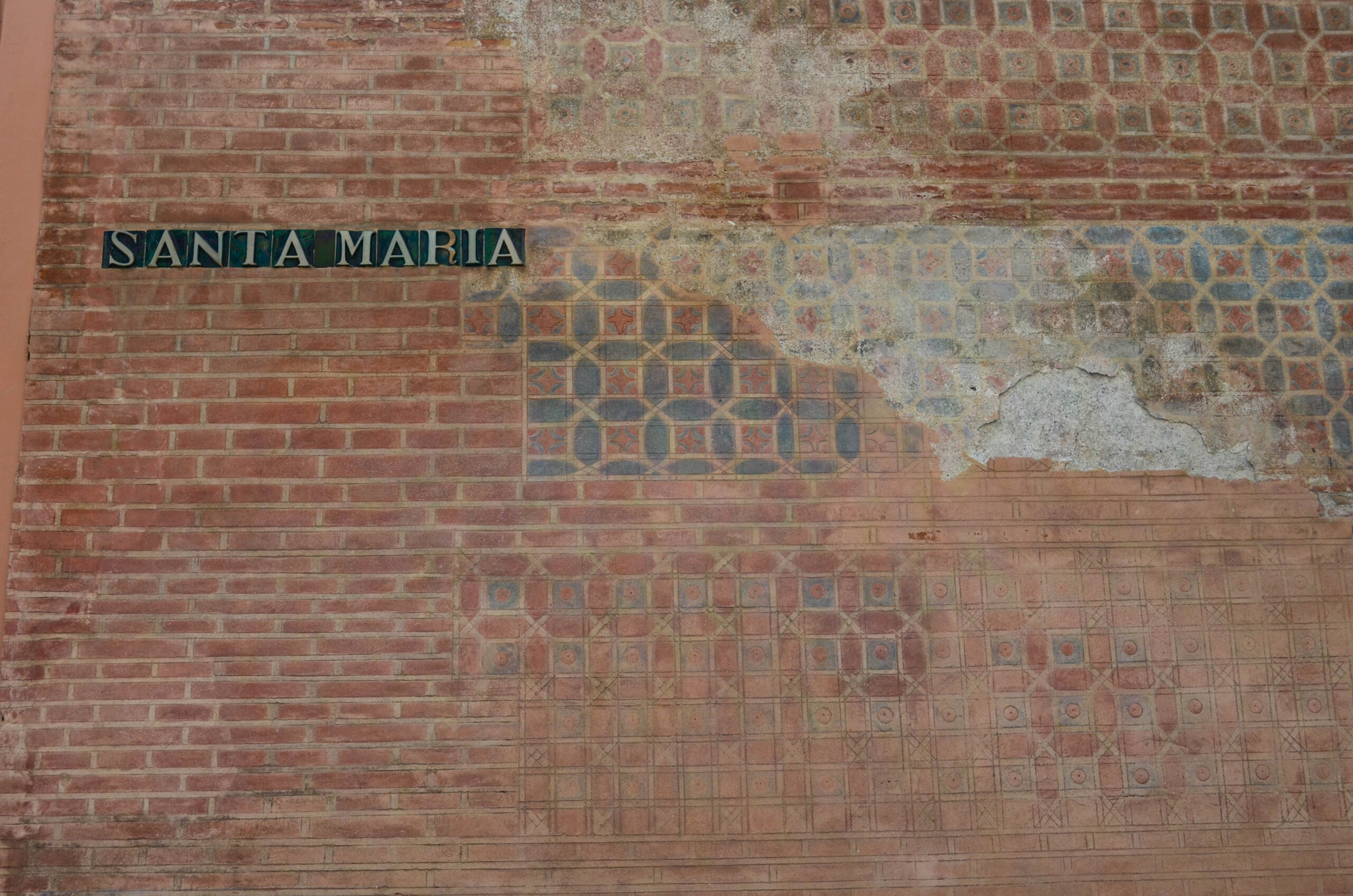
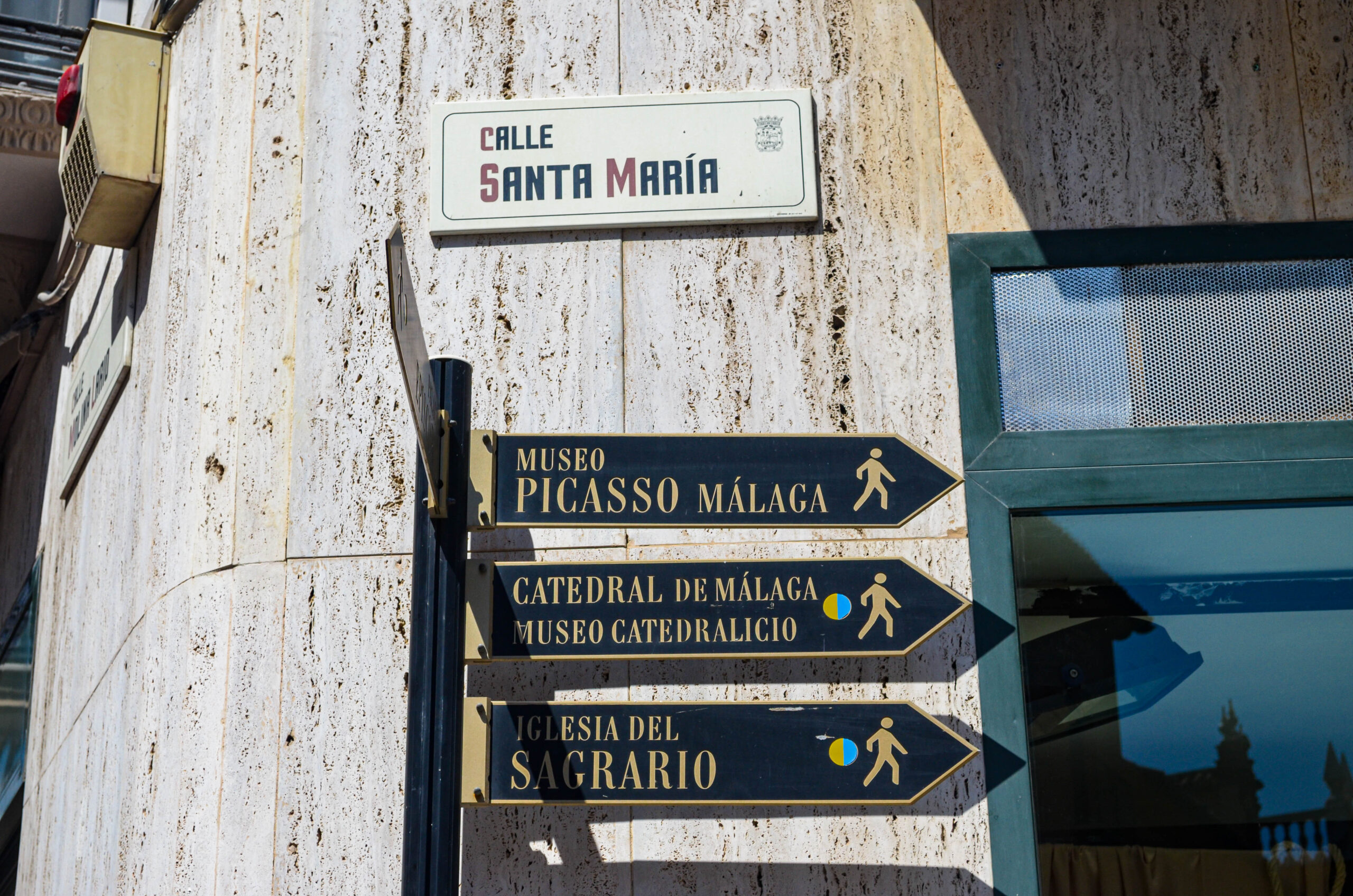
Even the walls of the city had tales to tell. Bright and vivid graffiti stretched above, spilling over facades. These included one petitioning Santa María — part prayer, part insurrection — art that was as much of the moment as the cathedral was of its moment.
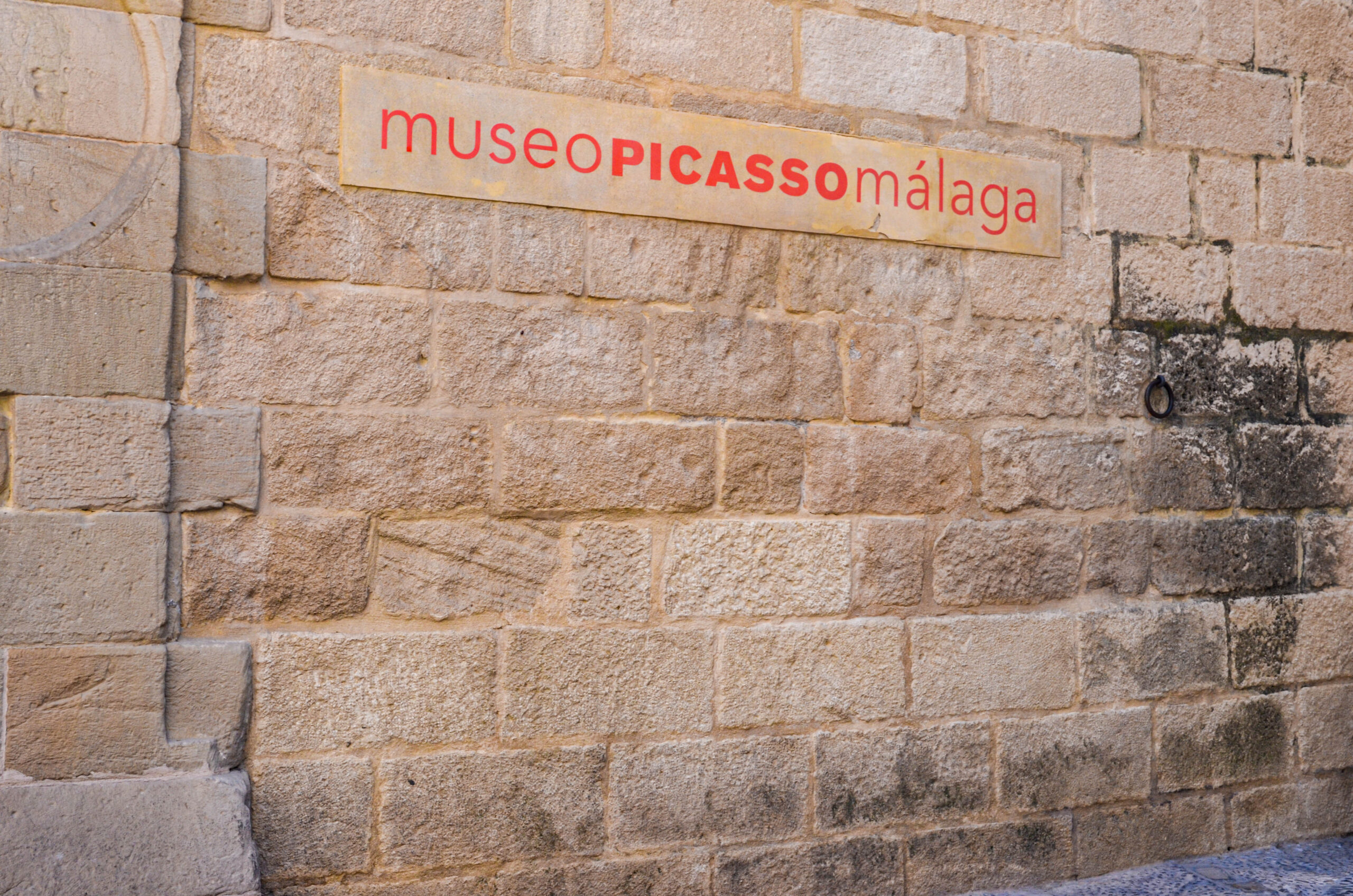
Málaga, the hometown of Pablo Picasso, also felt like a pilgrimage, thanks to his good little museum here. Its interiors revealed the many transformations of the artist, from boyhood exactness portrayed in sketches, through ceramics, to the fractalized bodies of cubism canvases. As I walked through the galleries, it was clear that Málaga was not just the place that produced Picasso, but its best-seller, the gentle warmth of light, the bullet-like angles of historical architecture, a restless jumble of light, sound, strangers, chatter, layered cultures.
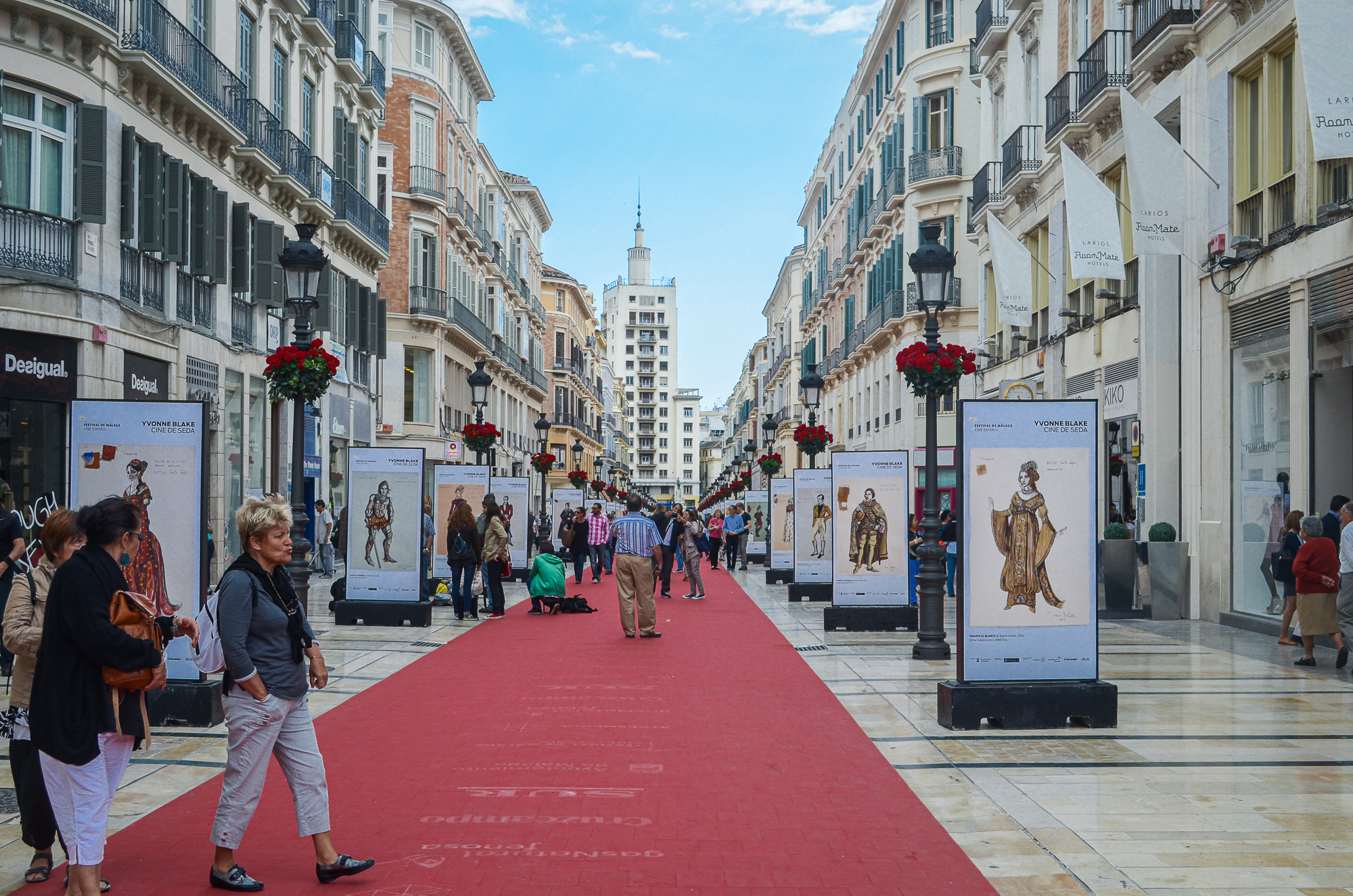
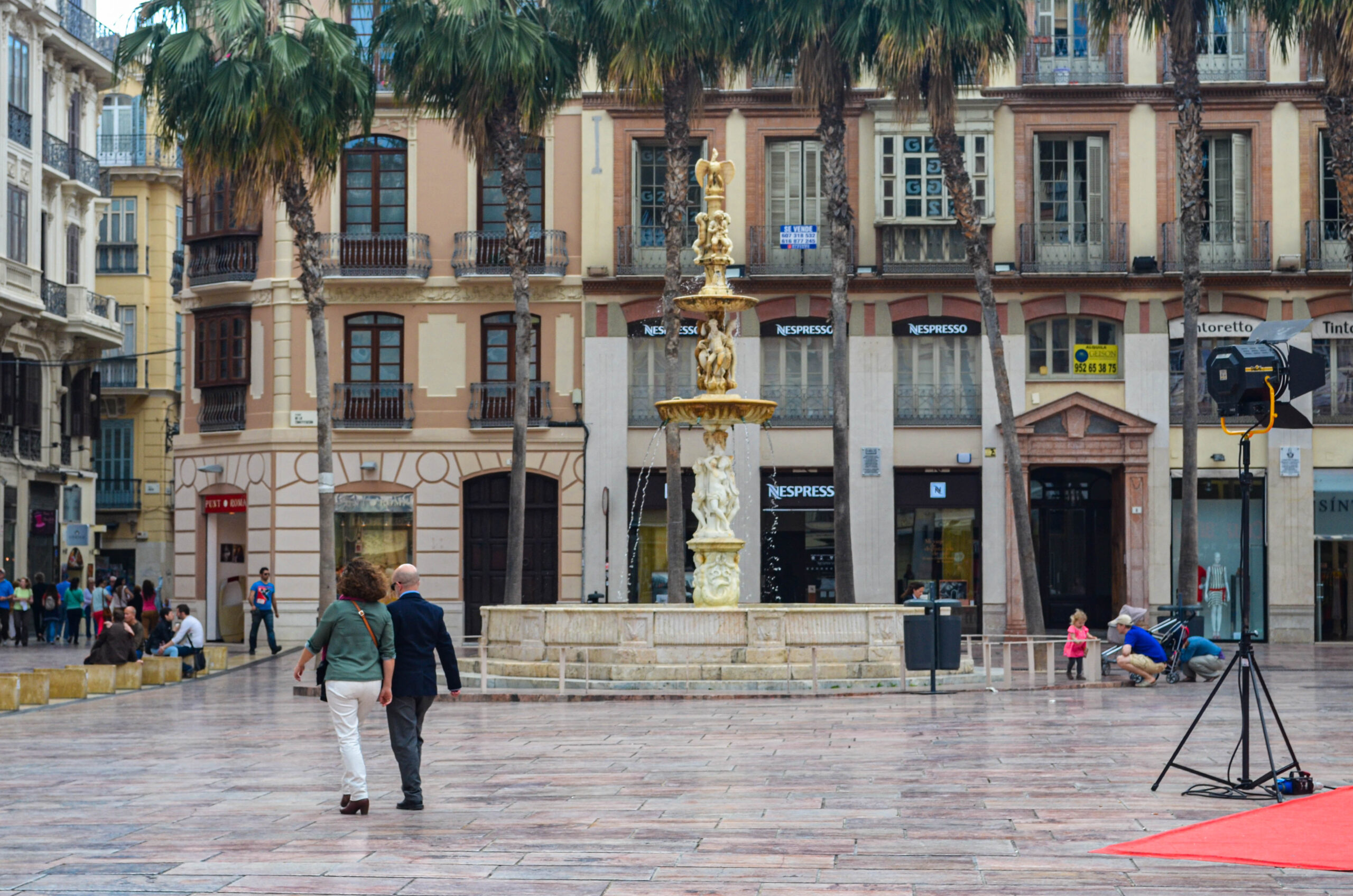
Málagas Festival — though not experienced in full — but its ripples in posters and buzz around the city is a testament that Málaga is not just a city of preserved history but a city of living history, as it was pledged to Spanish-language cinema.
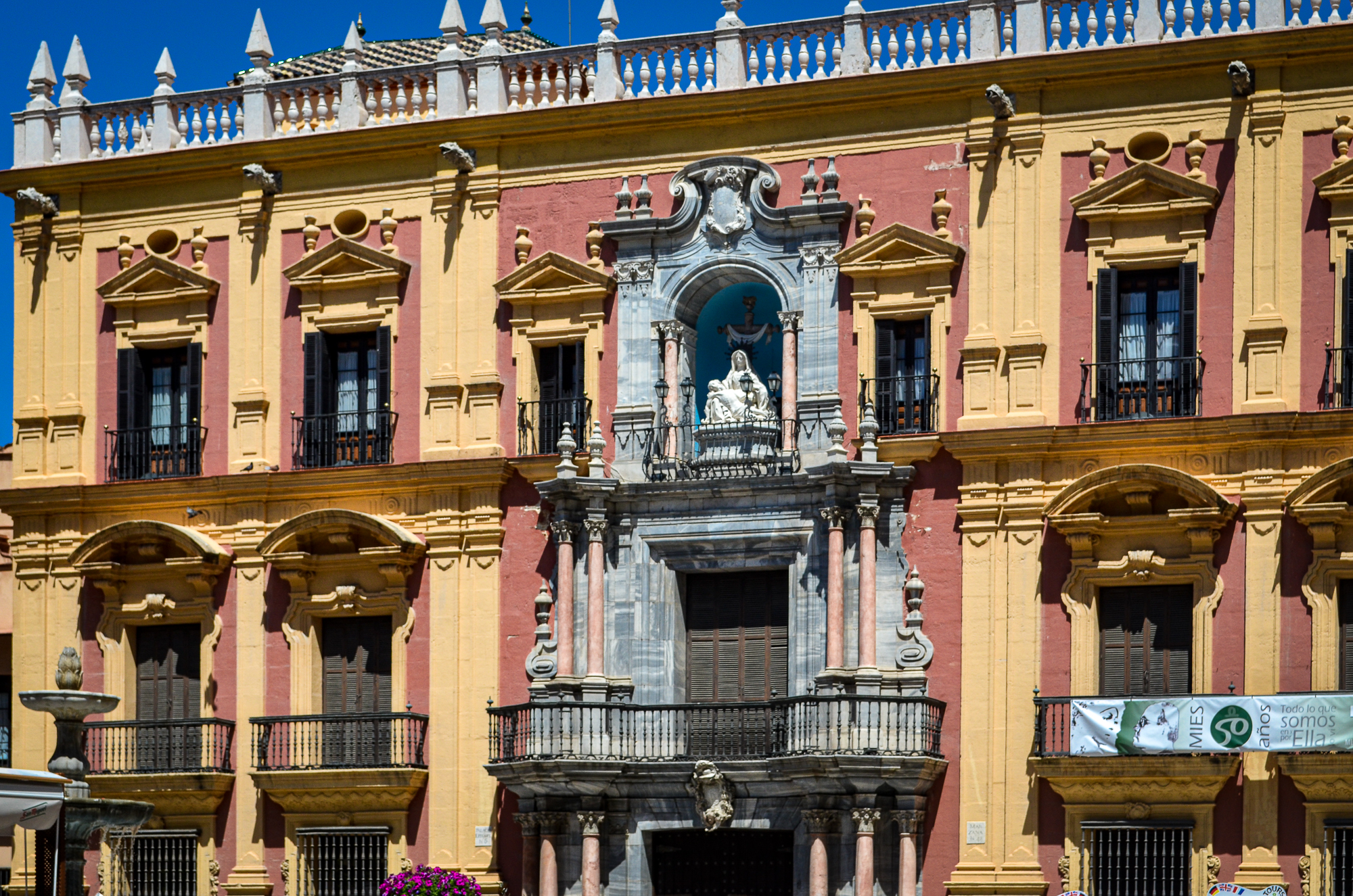
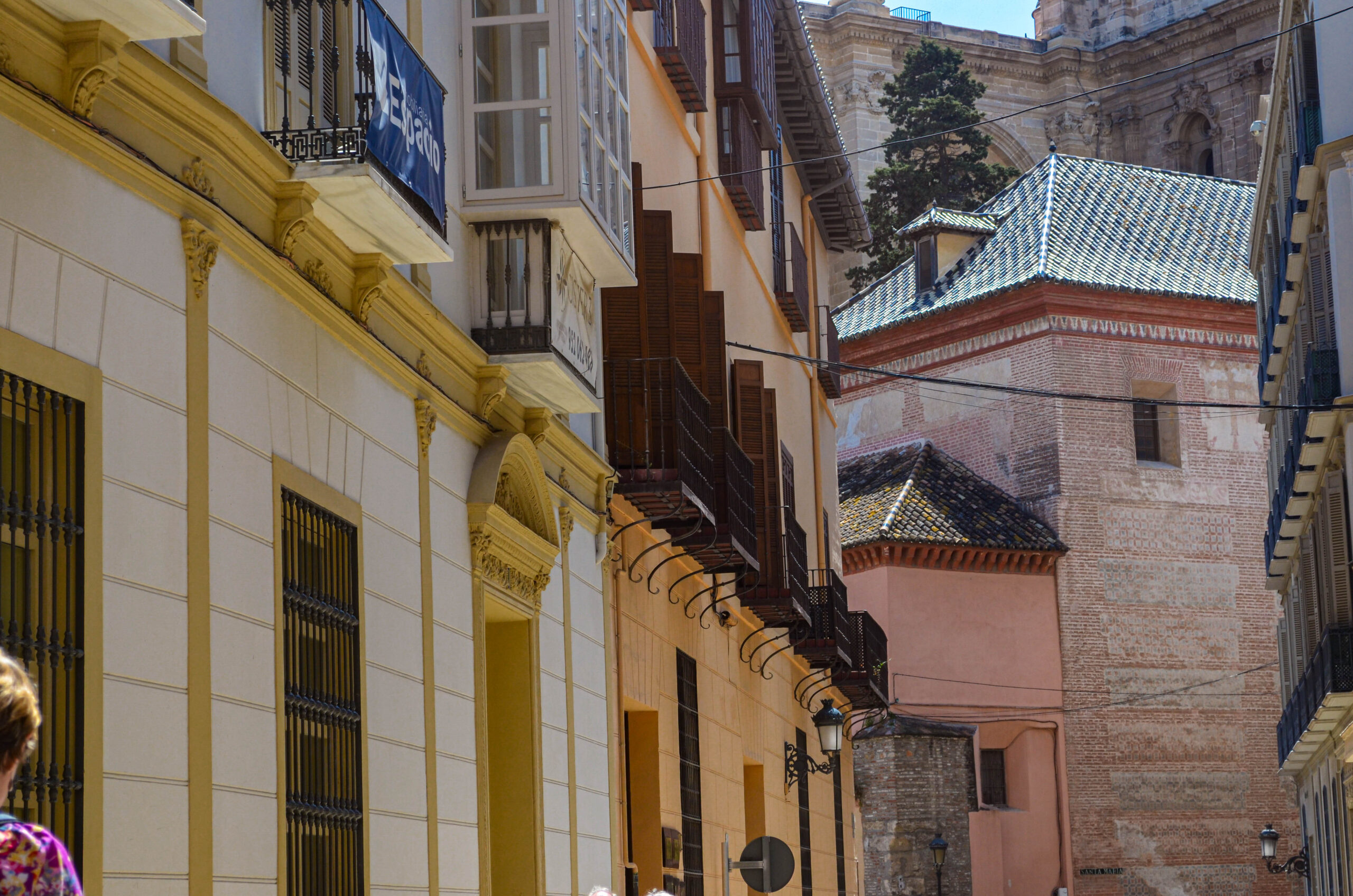
This layering was reflected in the architecture itself. Moorish elements still peeked through, Renaissance facades added pomp, and Baroque flounces turned stone into decoration. Every street appeared to beckon to you to personally witness history not as museum pieces, but rather woven into the vibrant tapestry of living, breathing fabric.