Athens: Stones That Speak
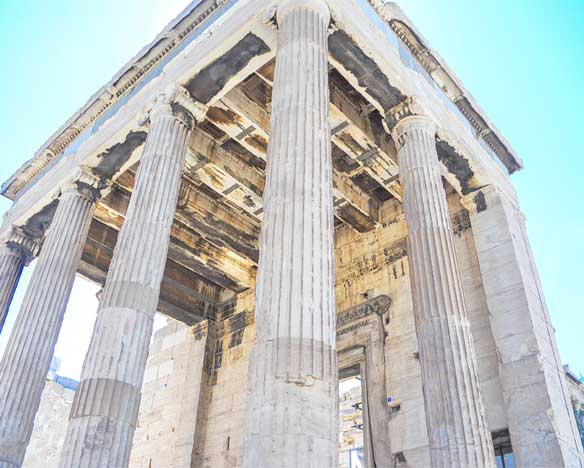
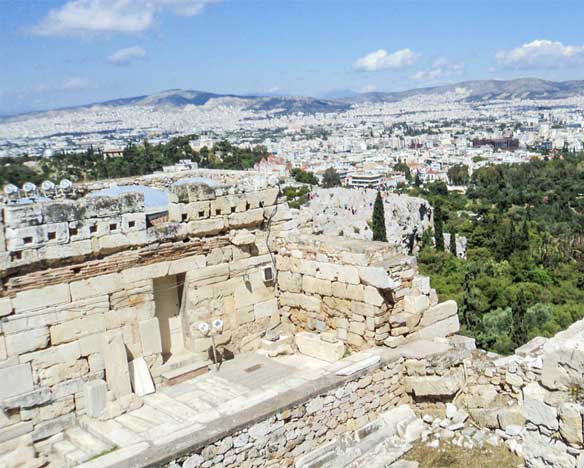
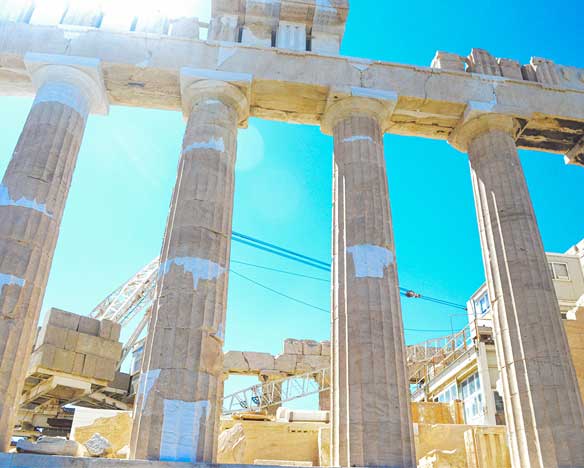
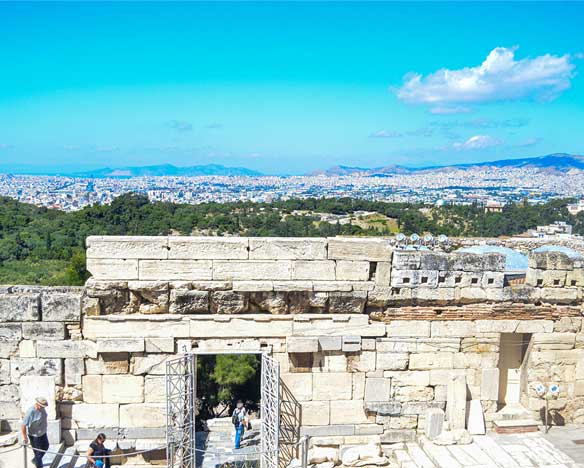
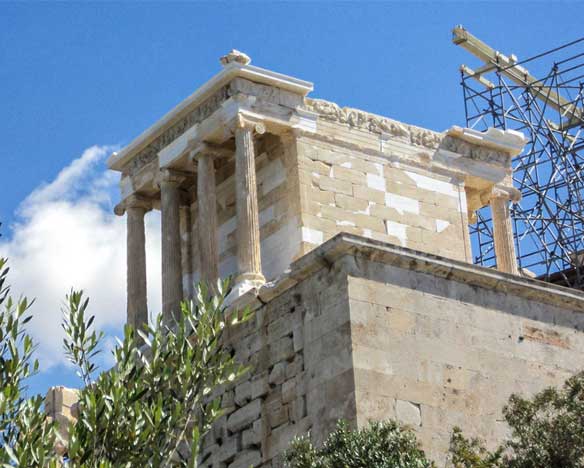
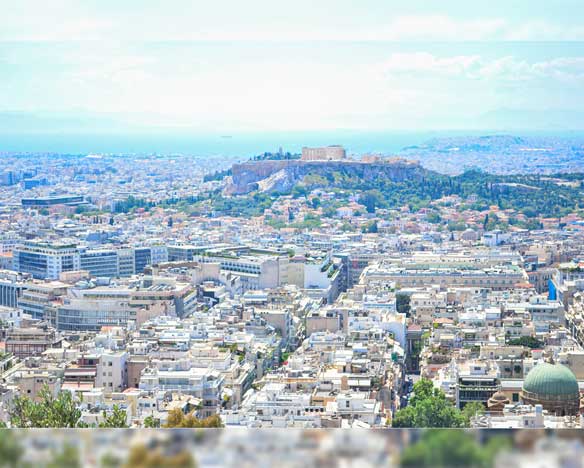
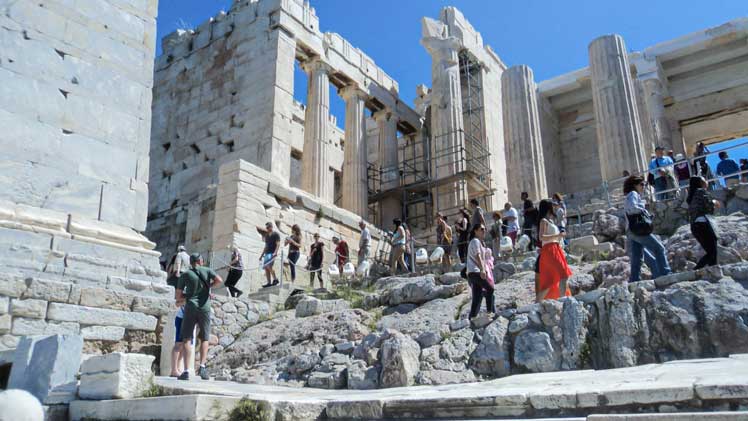
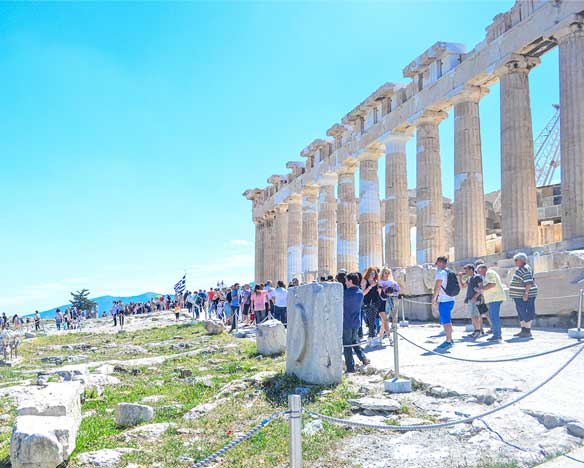
Athens is a city so enmeshed in history that everything here is a lore. This place is not relegated to museums but looms above life. The Acropolis, with the Parthenon sitting on top of it like a sentinel of civilization, hovers in the distance. The marble of which it is composed, shattered though it is, still gathers the same sunlight that rested on Pericles and Socrates.
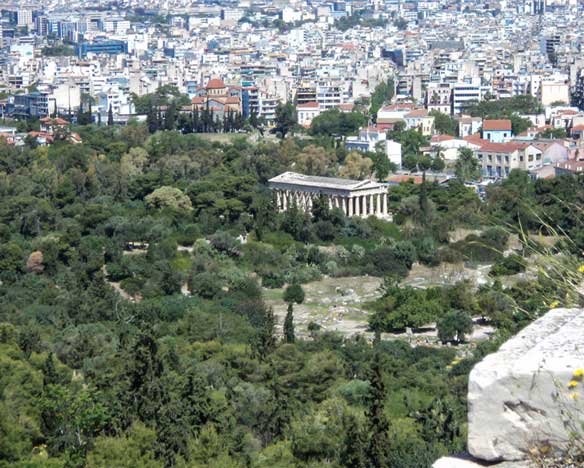
In its shadow, the Agora stretches out, with abandoned ruins of stoas and temples, where debates once planted the seeds of democracy. In Plaka, the modern city lives and breathes — narrow lanes flanked by bougainvillea, tavernas clinking with laughter, the scent of oregano and grilling meat drifting through the night as locals settle down to dine after the sun sets. Located in Athens, the cradle of history and a heartbeat of modern life that always feels alive, even if in the shadow of its past.
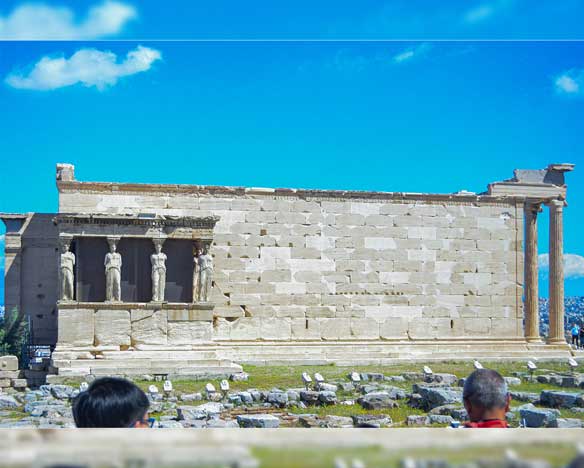
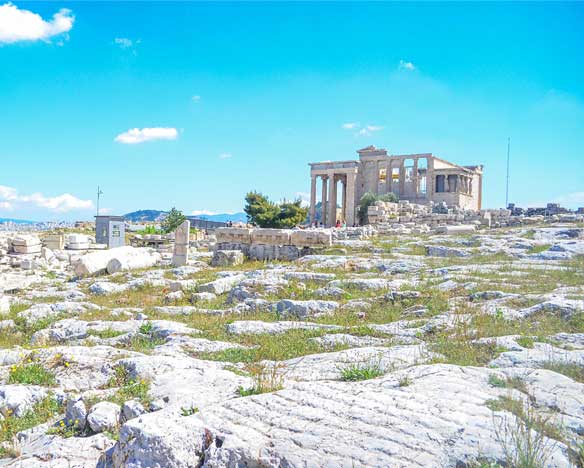
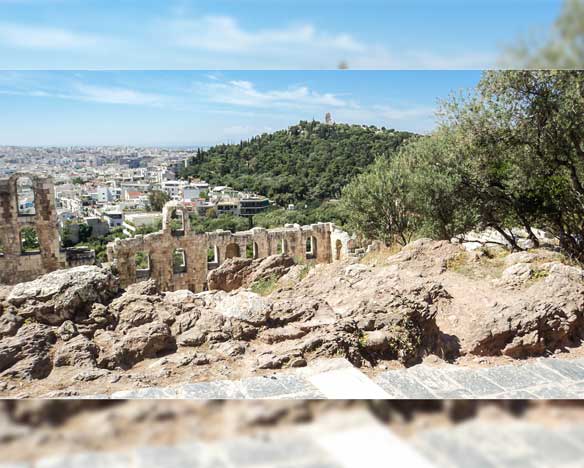
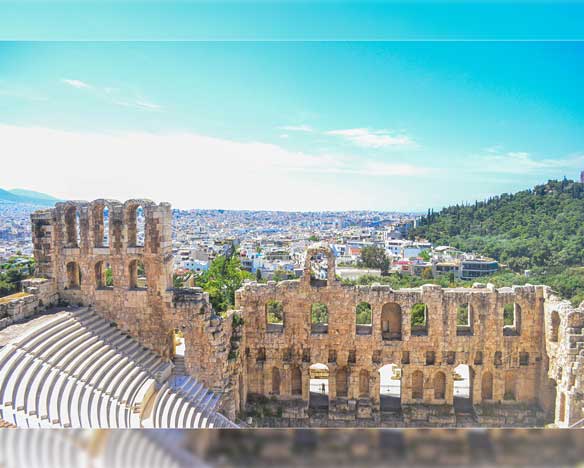
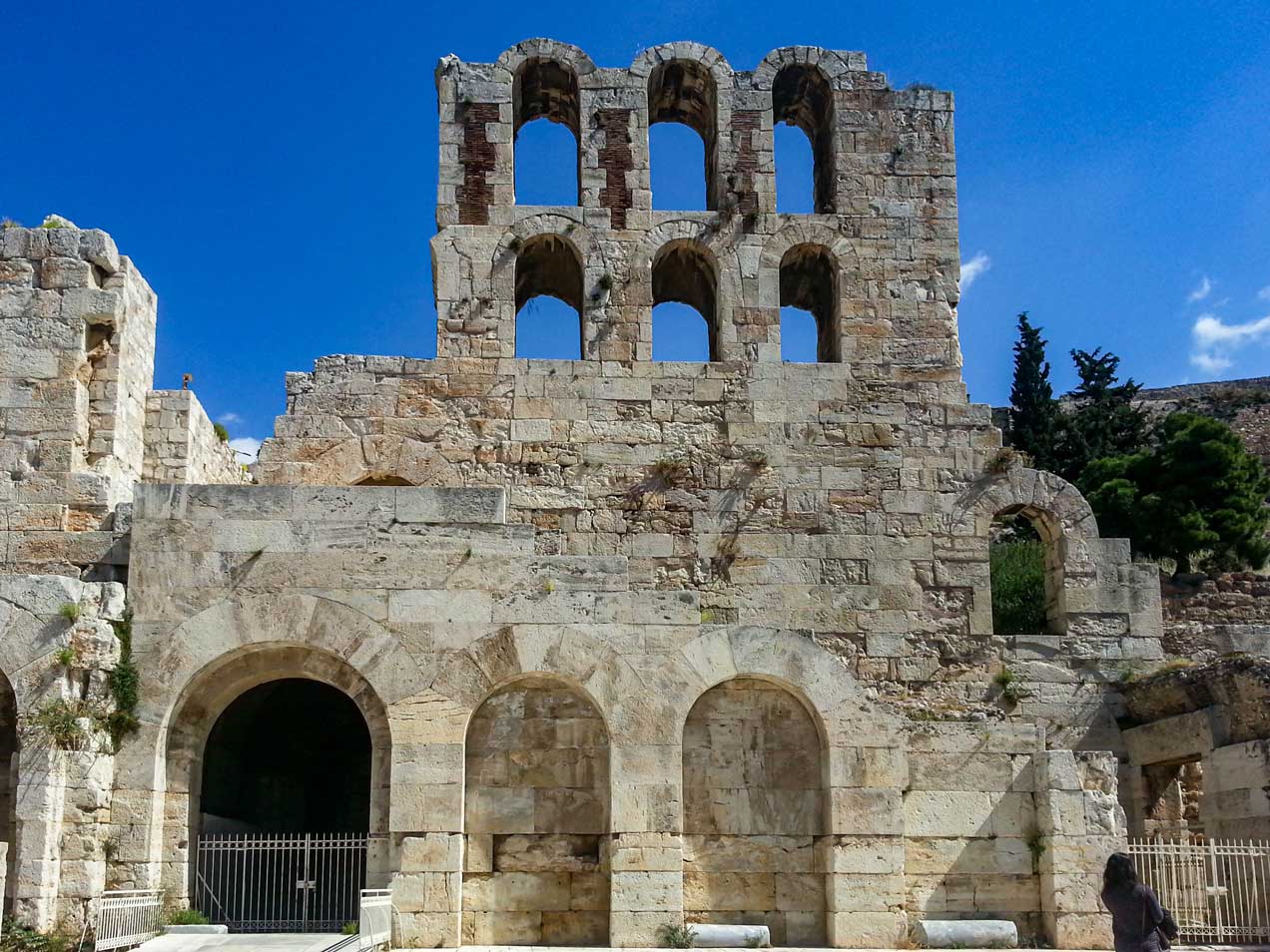
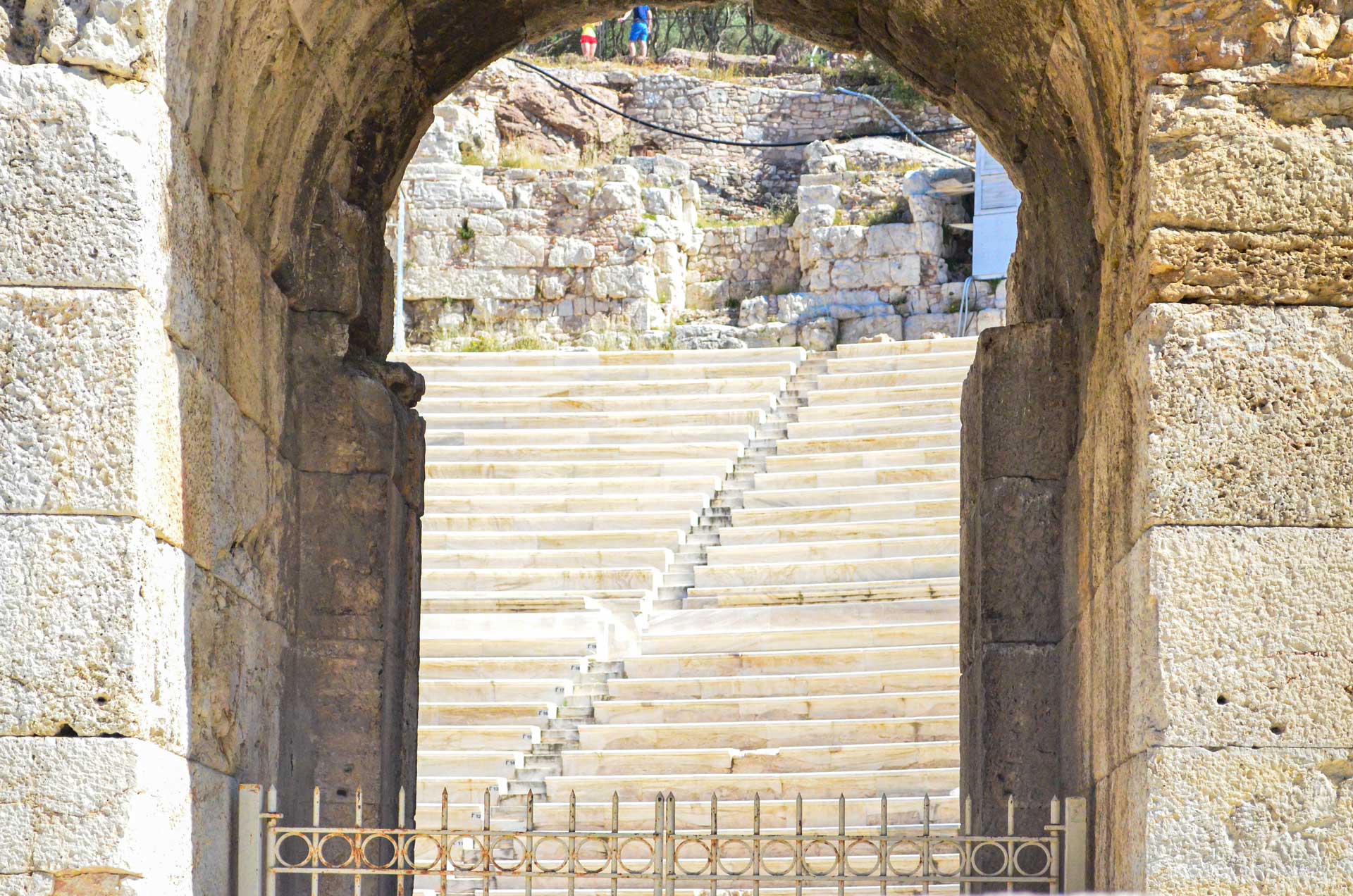
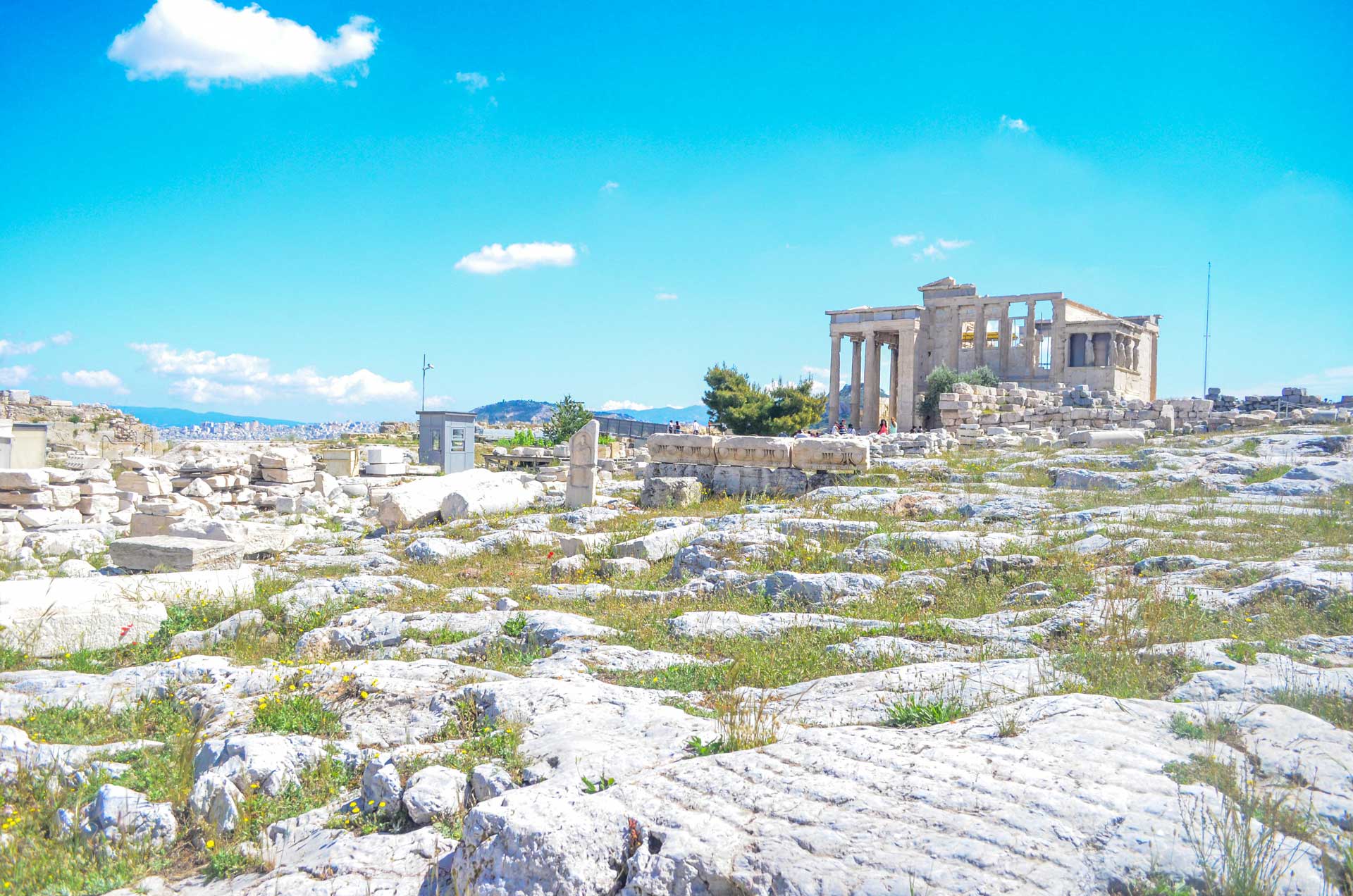
Athens takes its name from the goddess of War, and the city is a stone and story tapestry. According to legend it was the site where Athena and Poseidon competed for its patronage — she struck the rock of the Acropolis with her spear and the olive tree, a symbol of wisdom and peace, grew up; he offered saltwater, a symbol of power. The olive, chosen by the people, and wisdom, the lineage of the city. The original olive tree, it is said to still grow near the Erechtheion, its twisted roots murmuring that fateful decision of the past. The ghosts of Aeschylus and Sophocles resonate as the sun beats down on the Theatre of Dionysus under the Acropolis, while the Panathenaic Stadium shines with the marble patina of renewal. Monastiraki is the beating heart of the city, where flea markets spill out in to the ruins of Hadrian’s Library and the muezzin once cried out alongside church bells. Athens has every bit of the resolve. of those who once dared the gods.