Crete: Labyrinths and Resistance
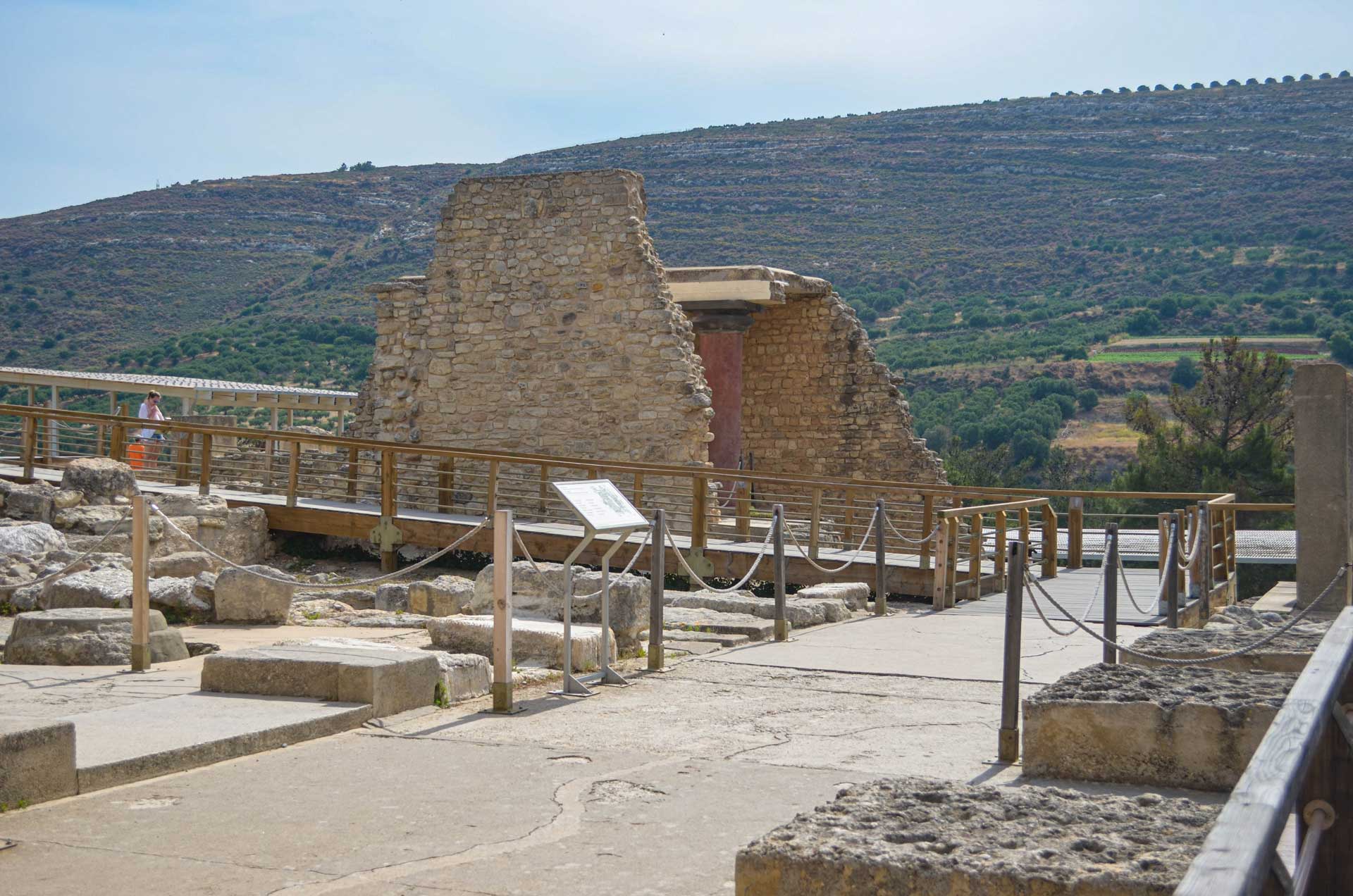
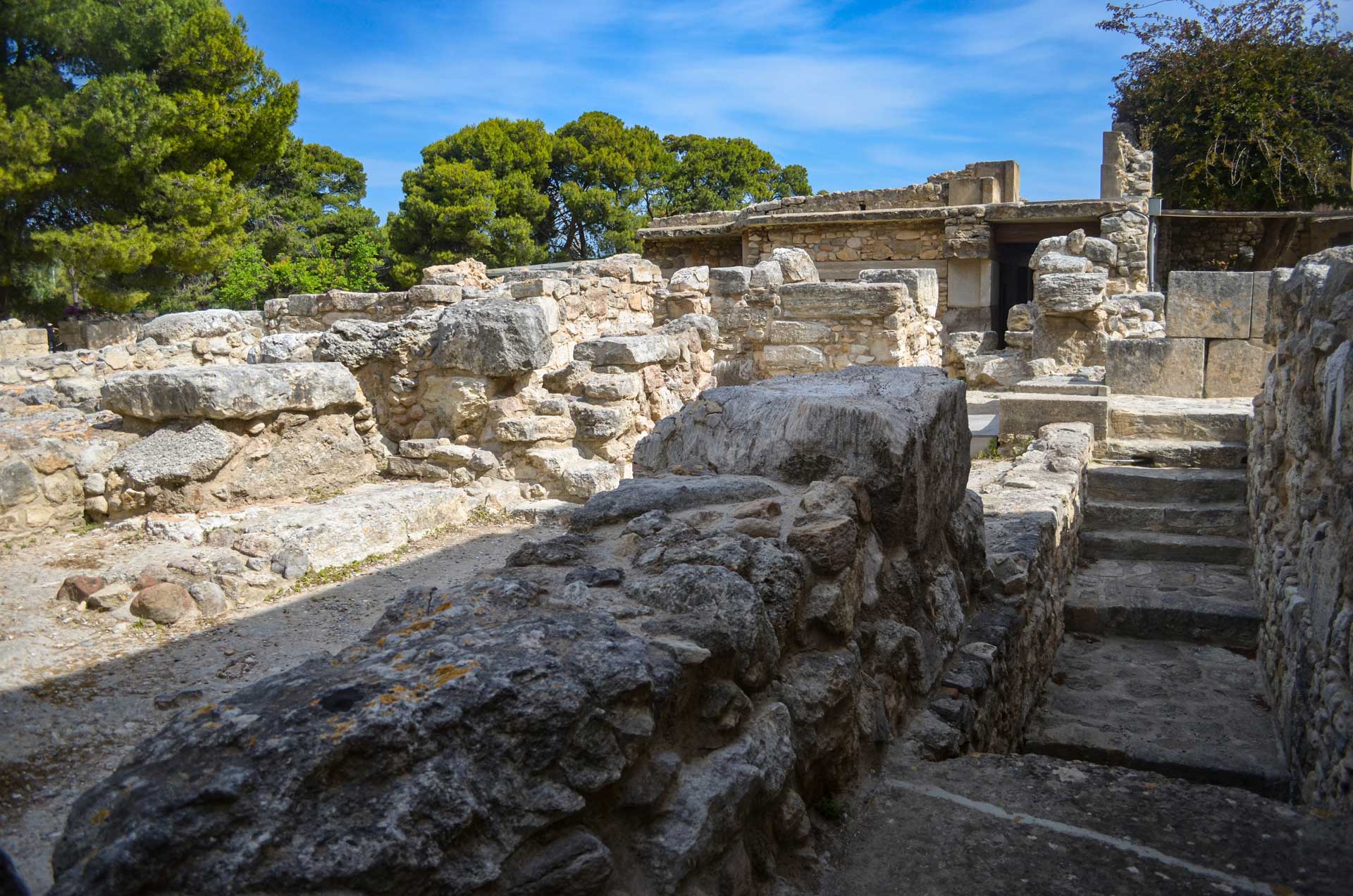
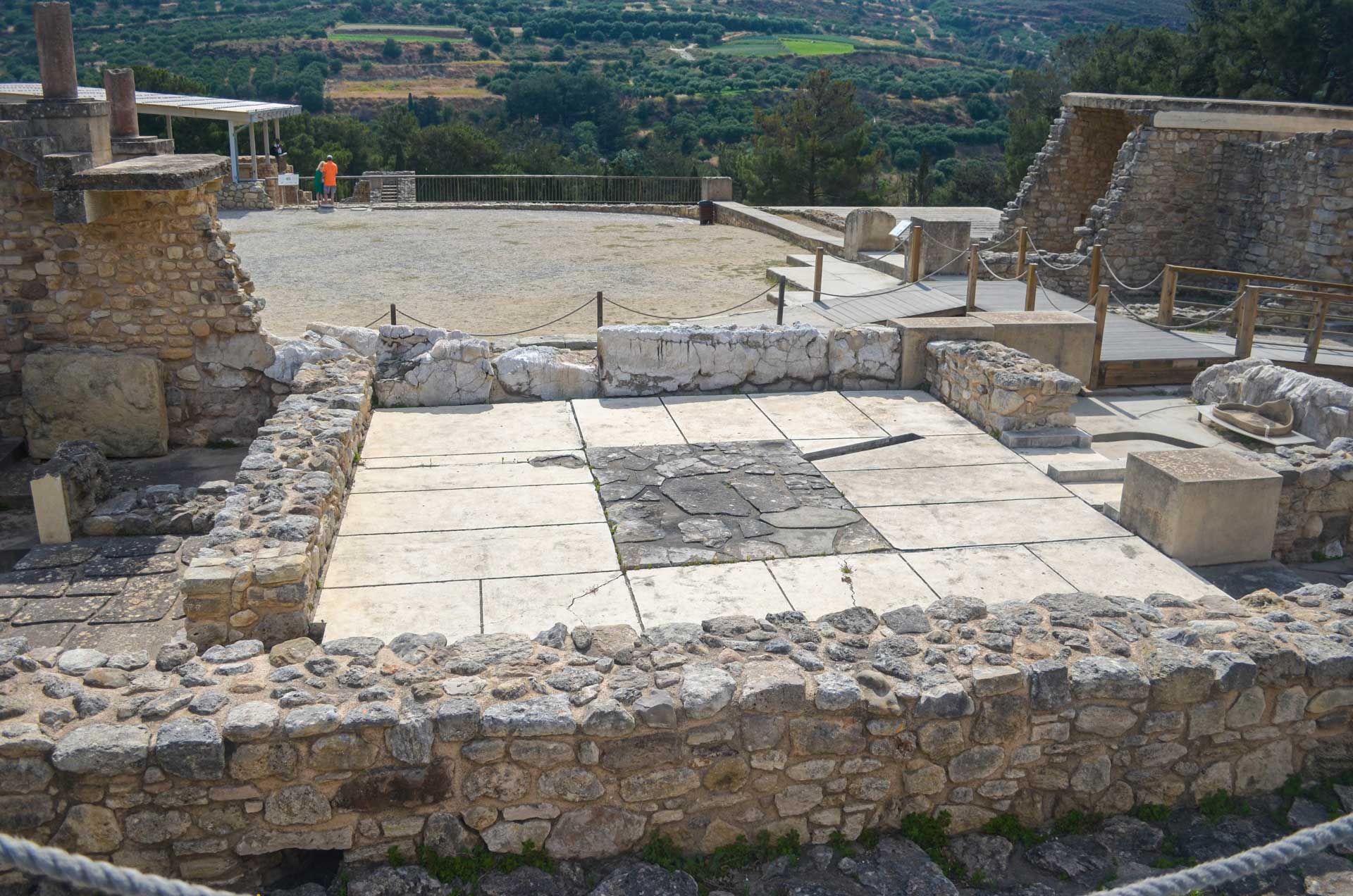
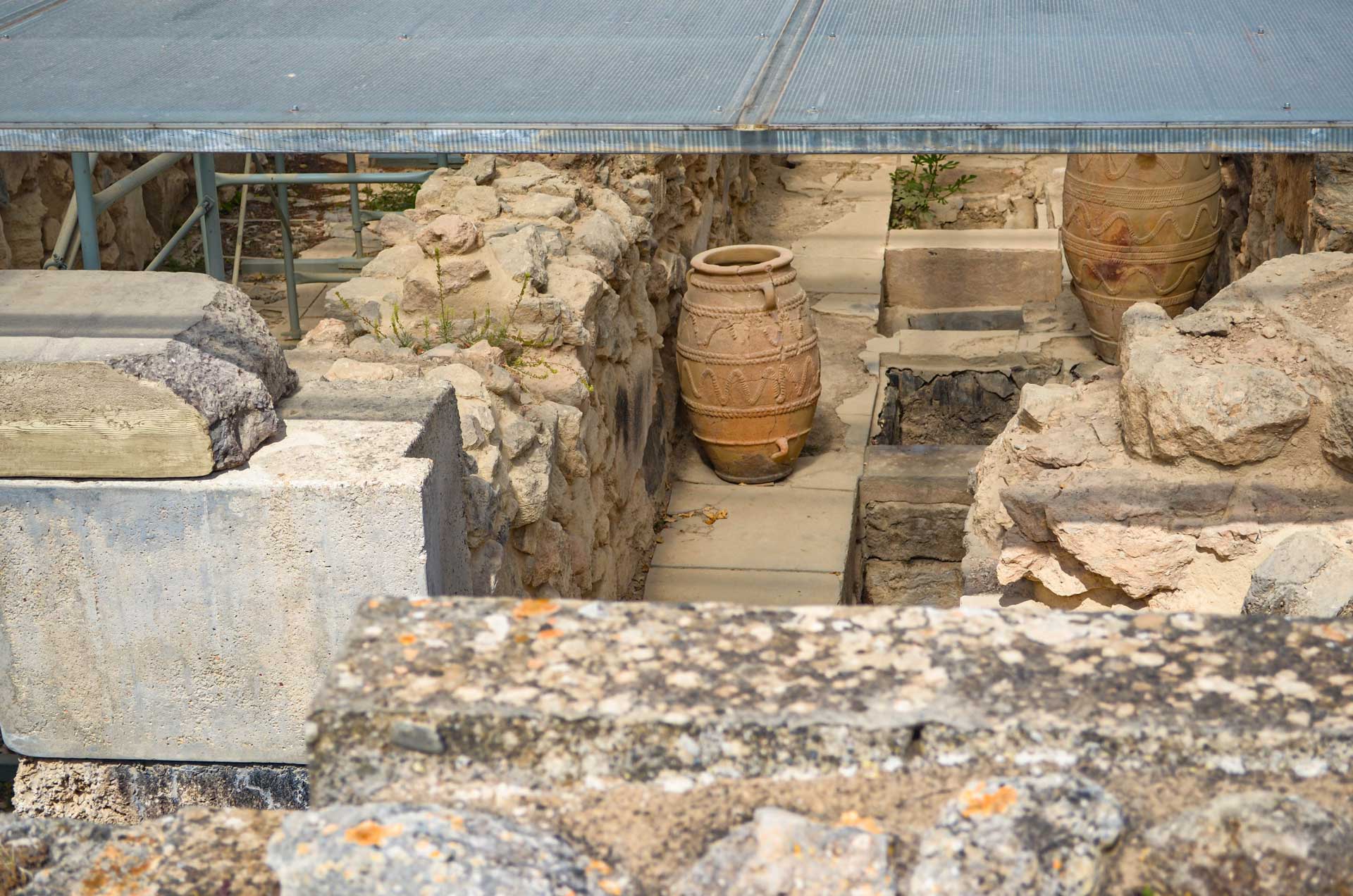
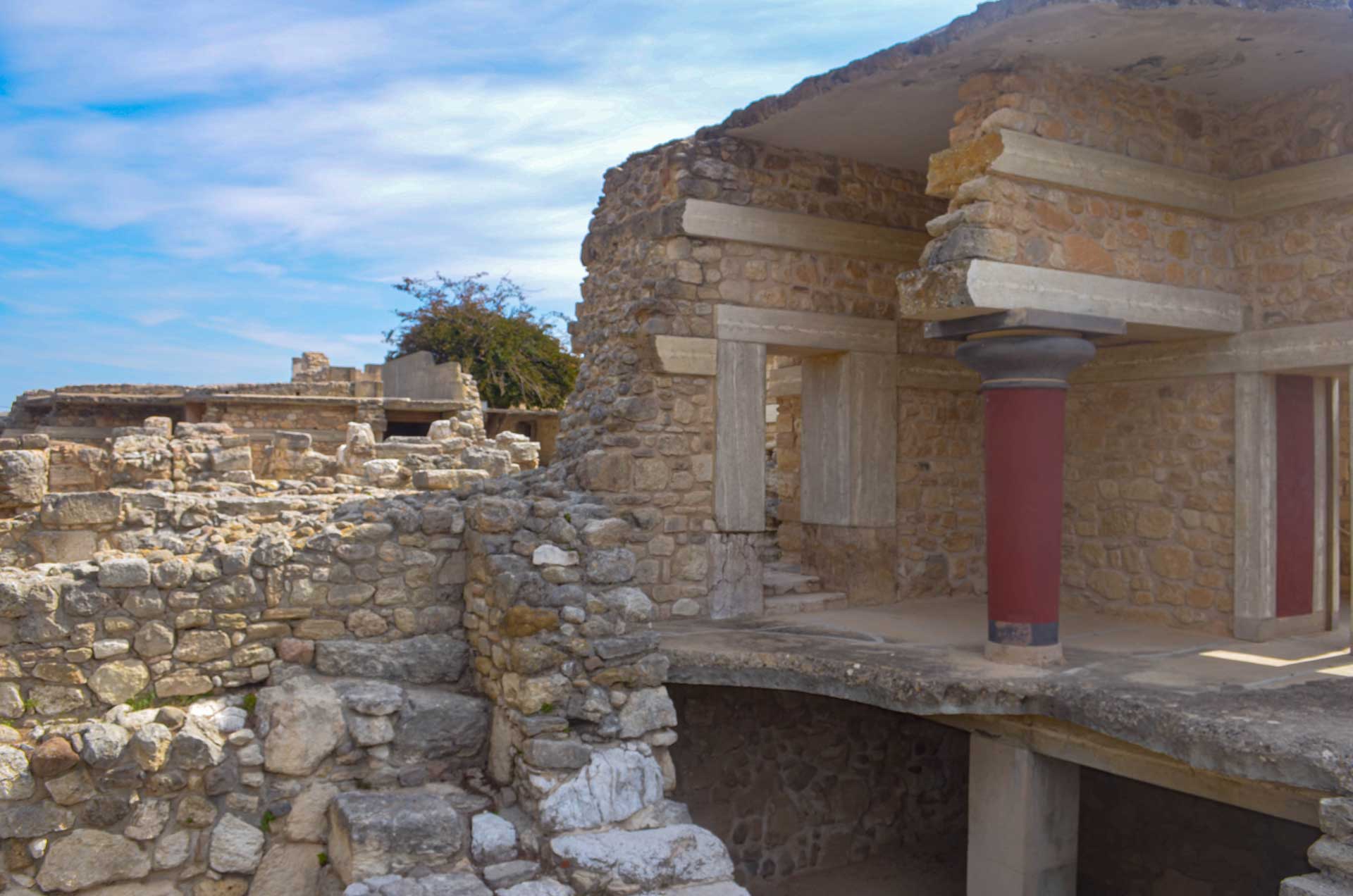
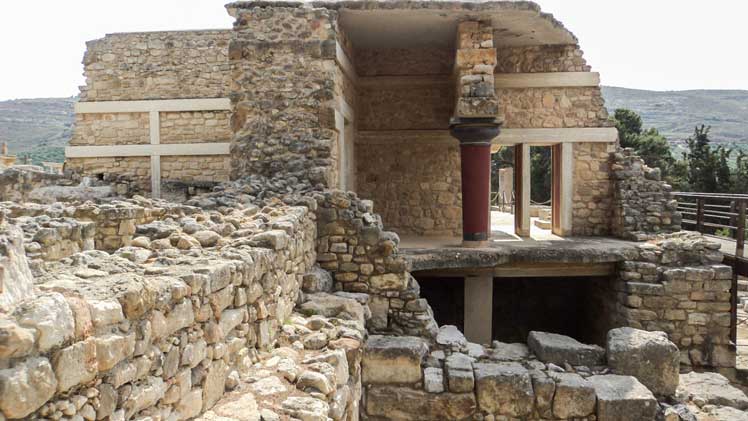
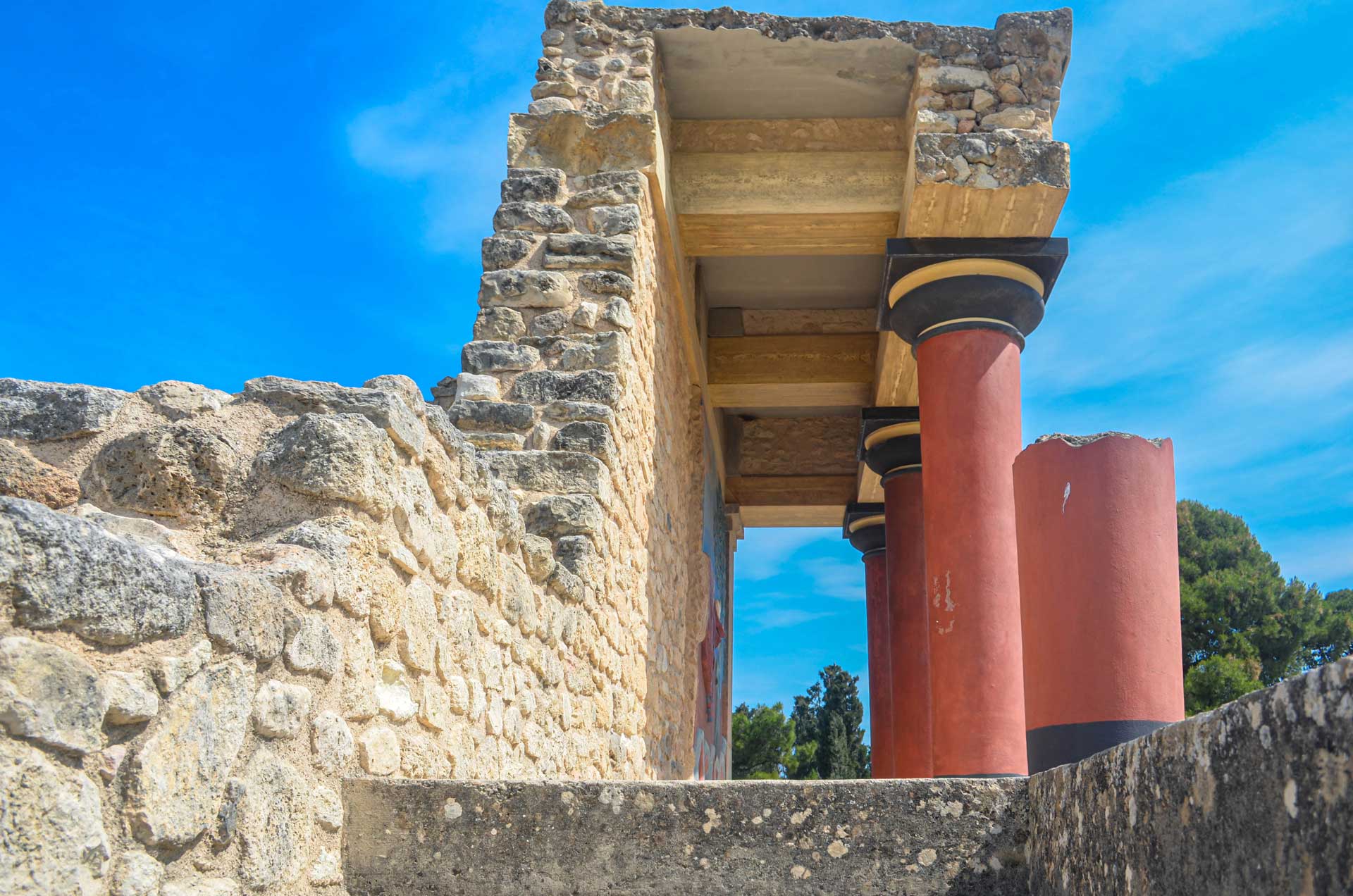
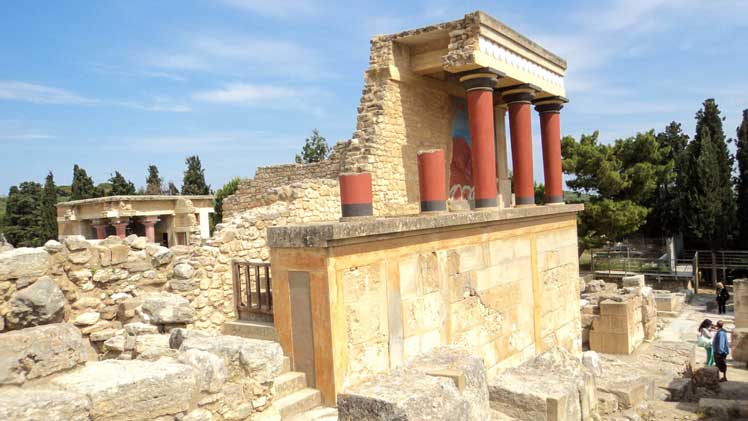
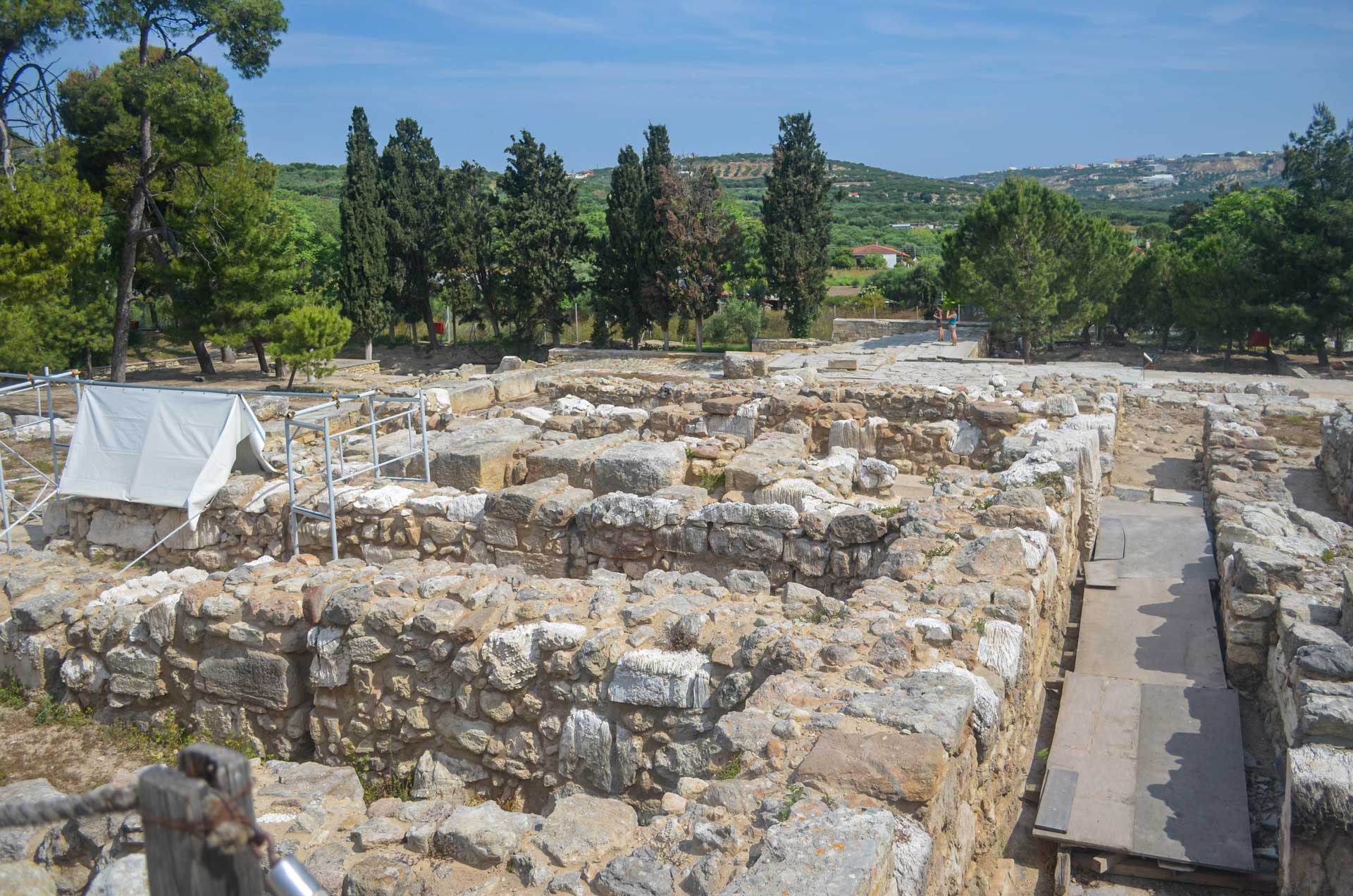
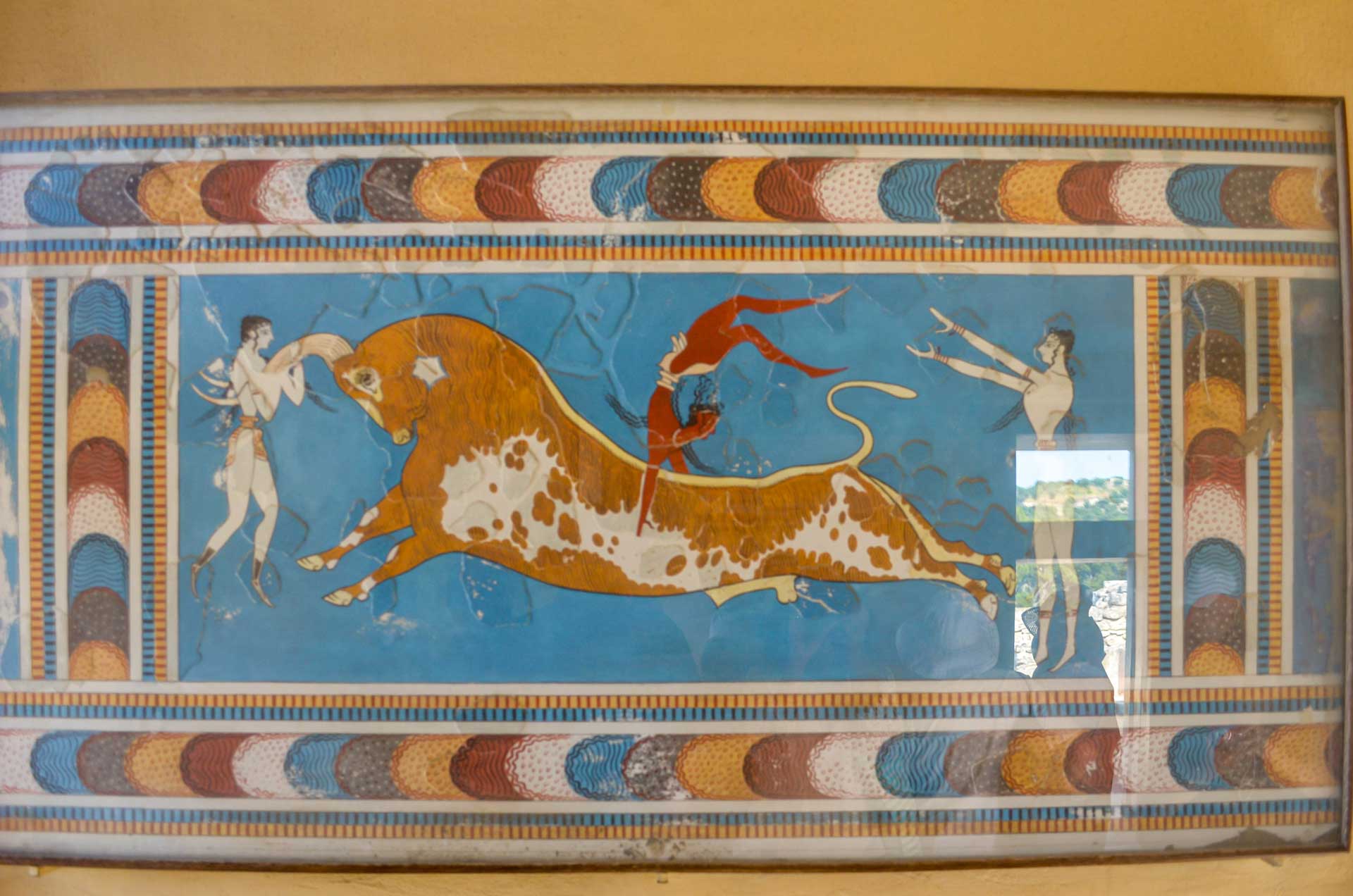
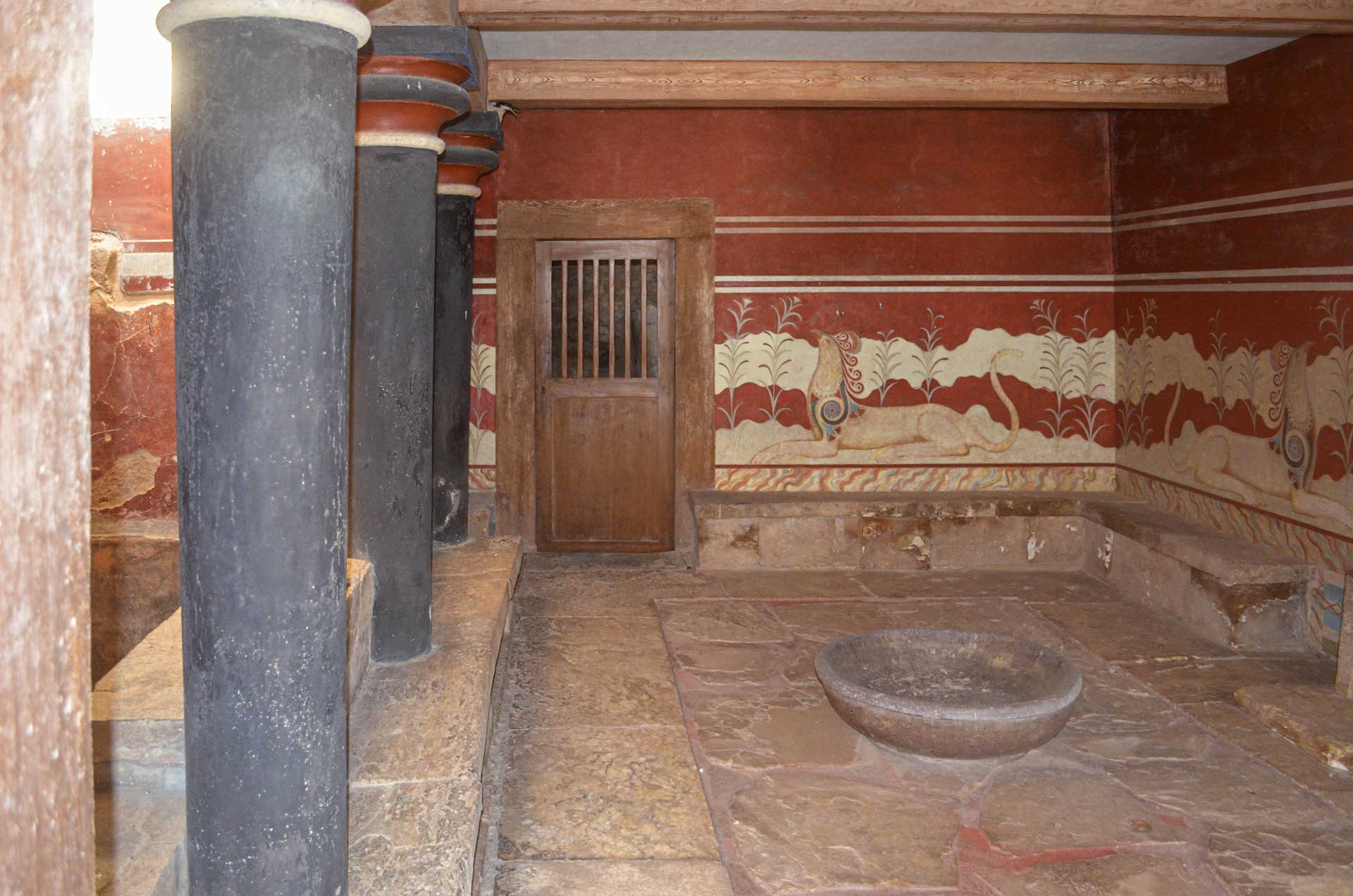
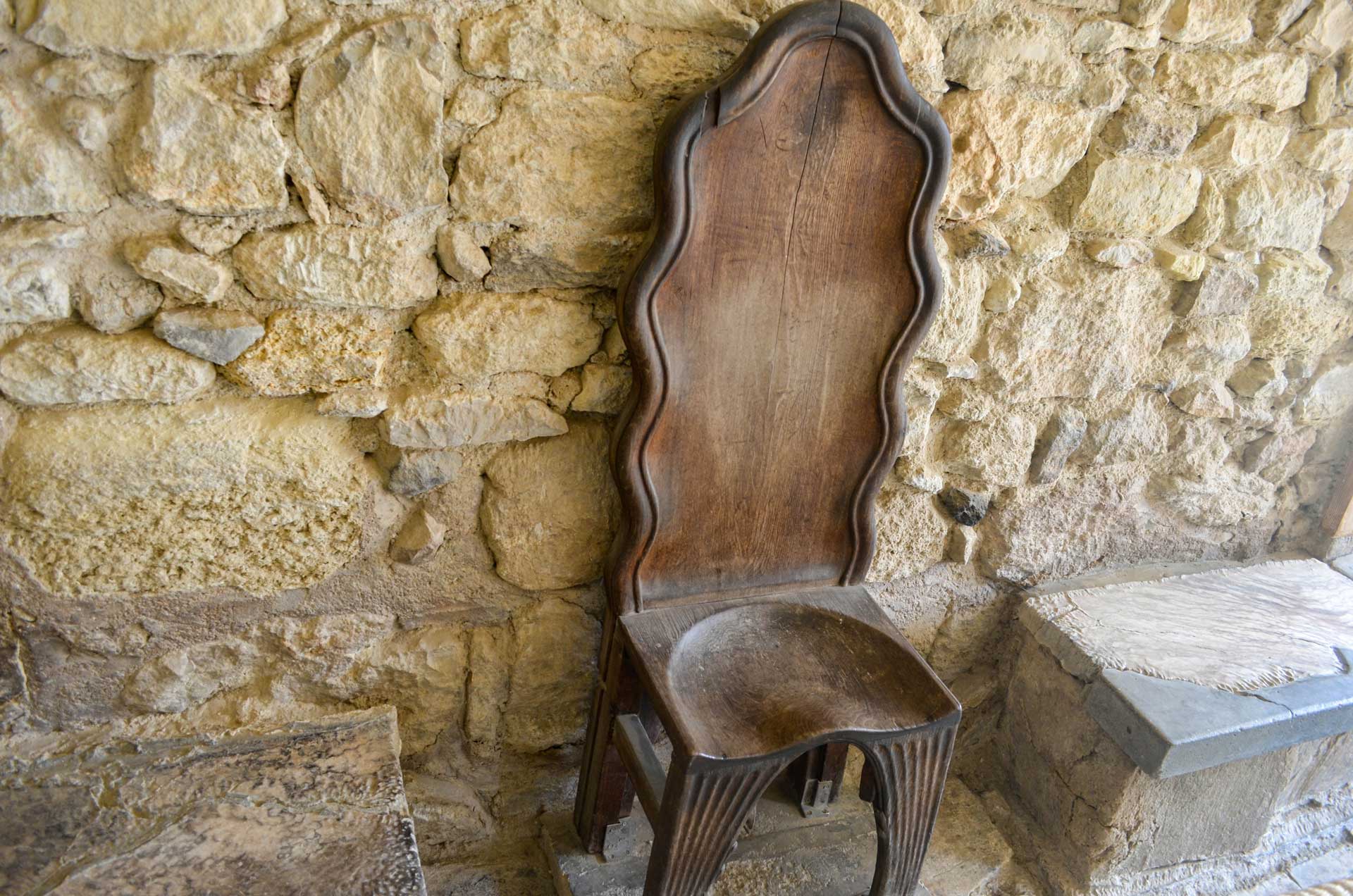
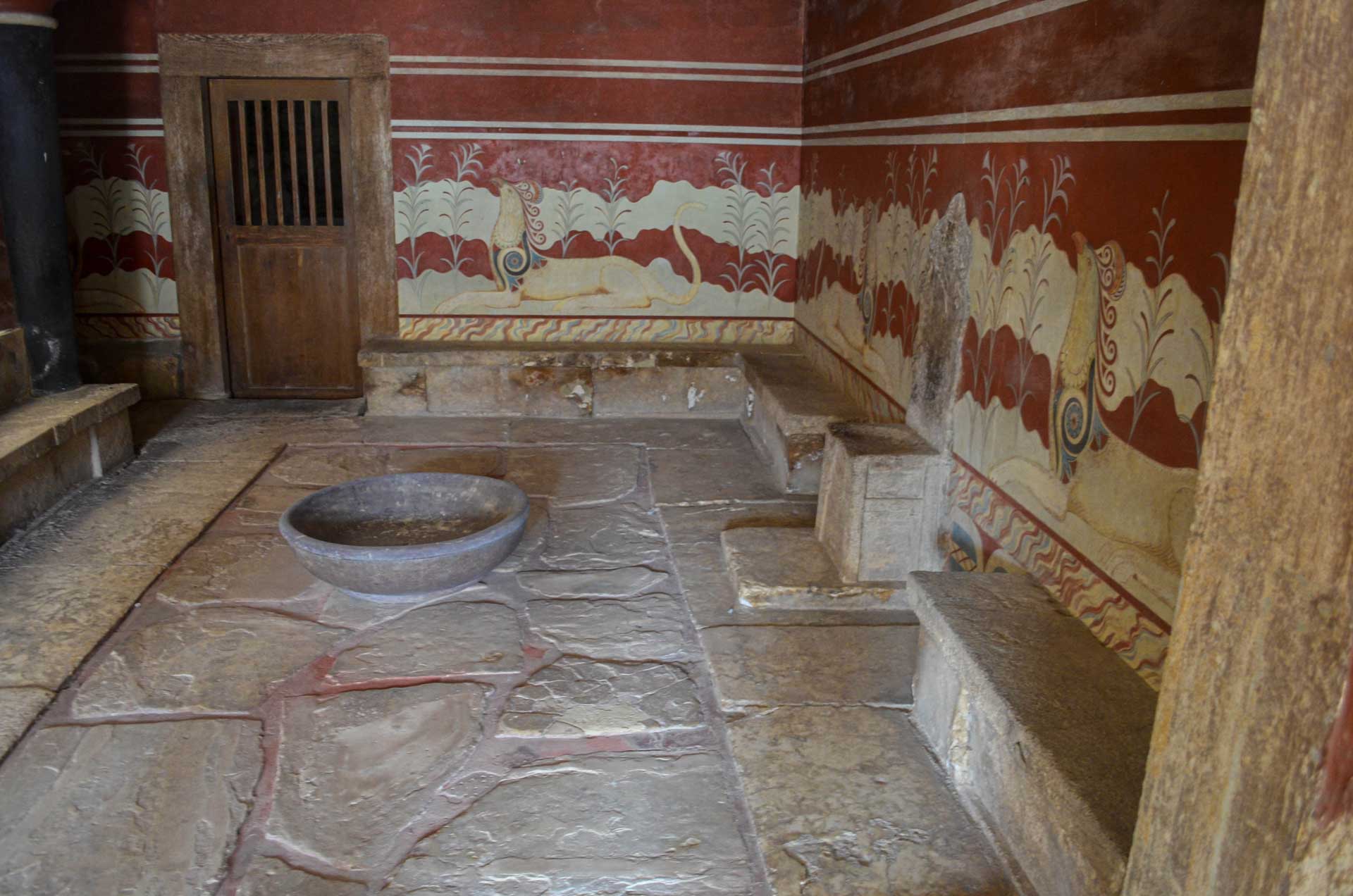
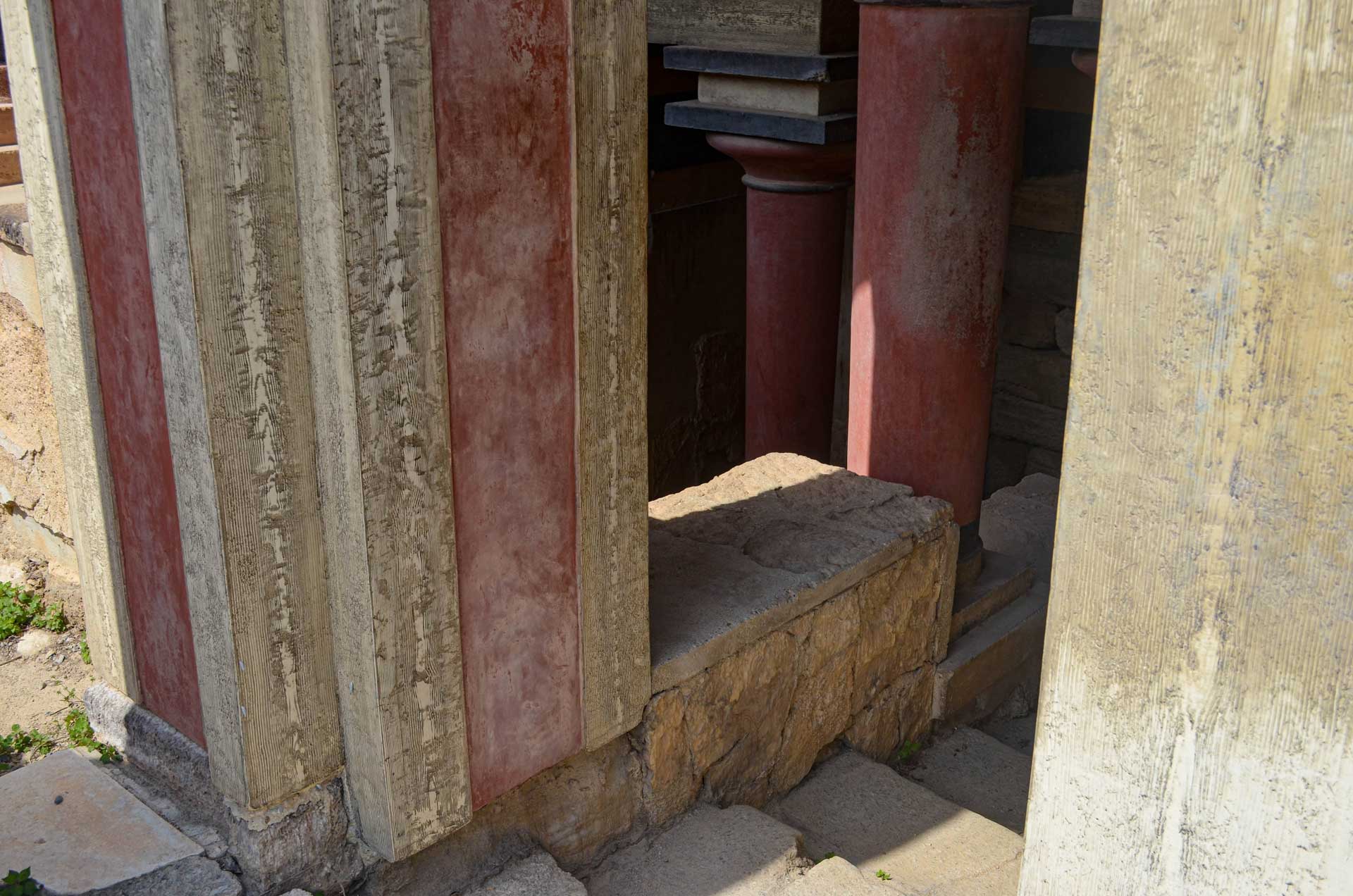
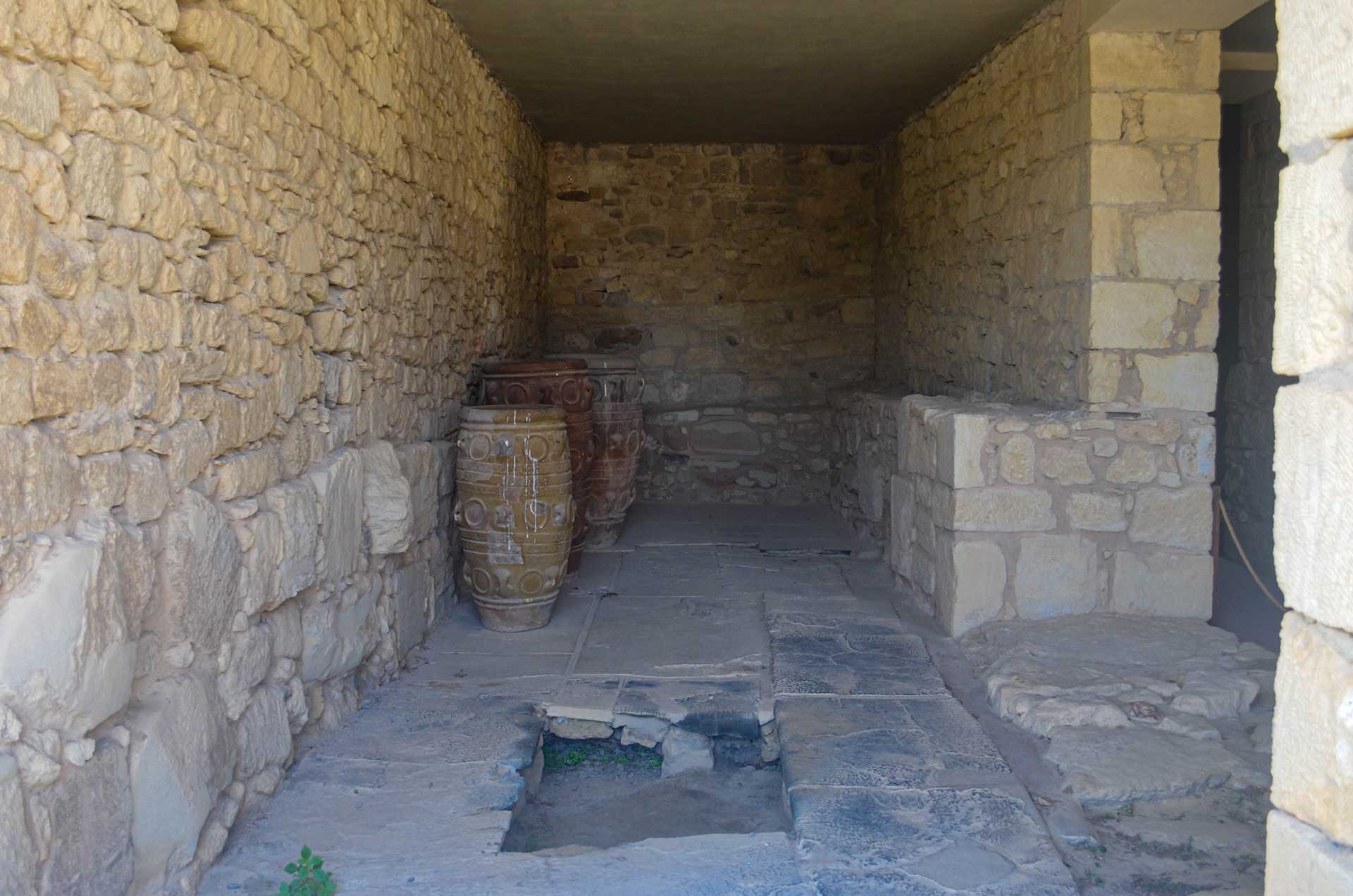
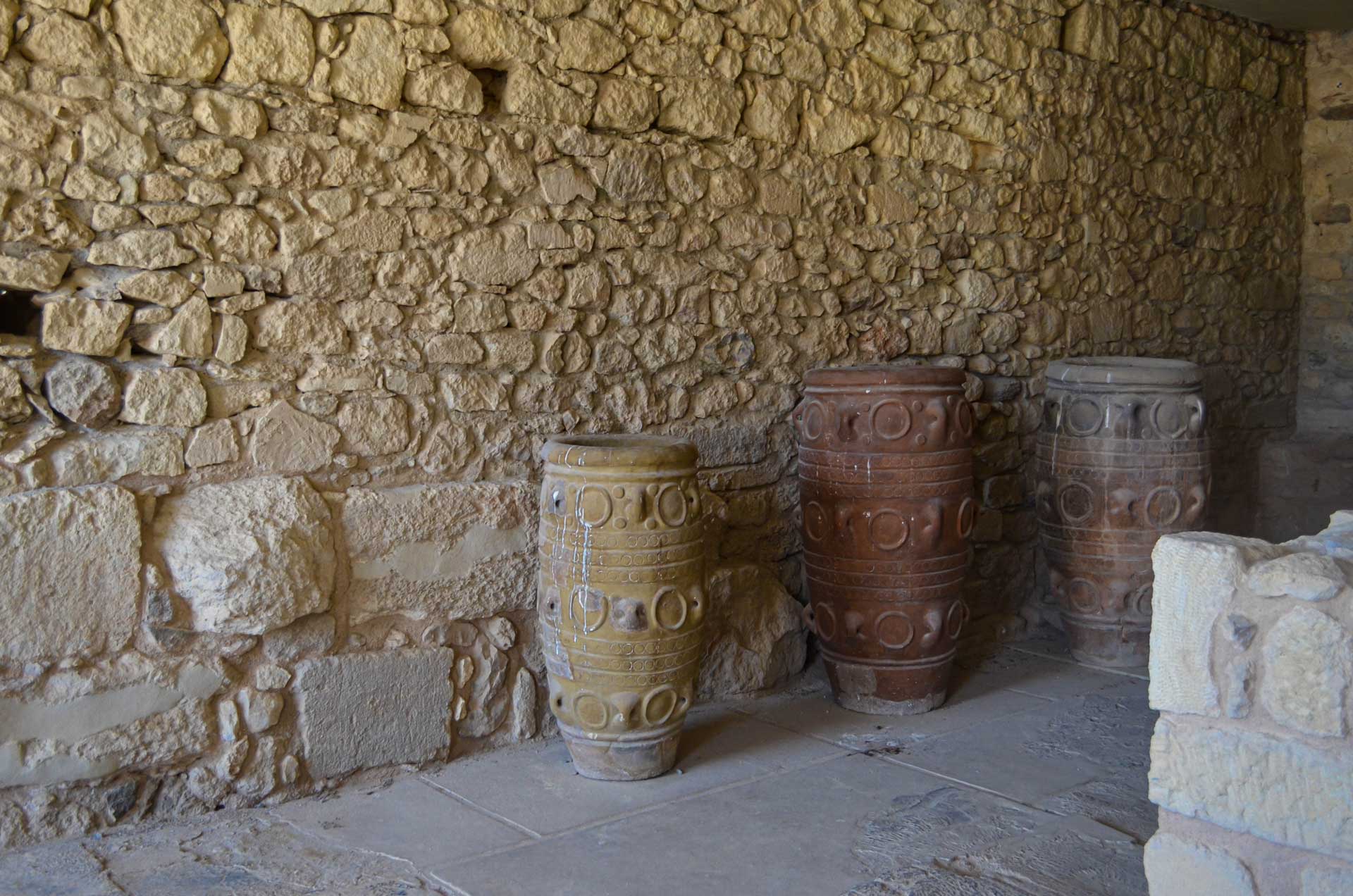
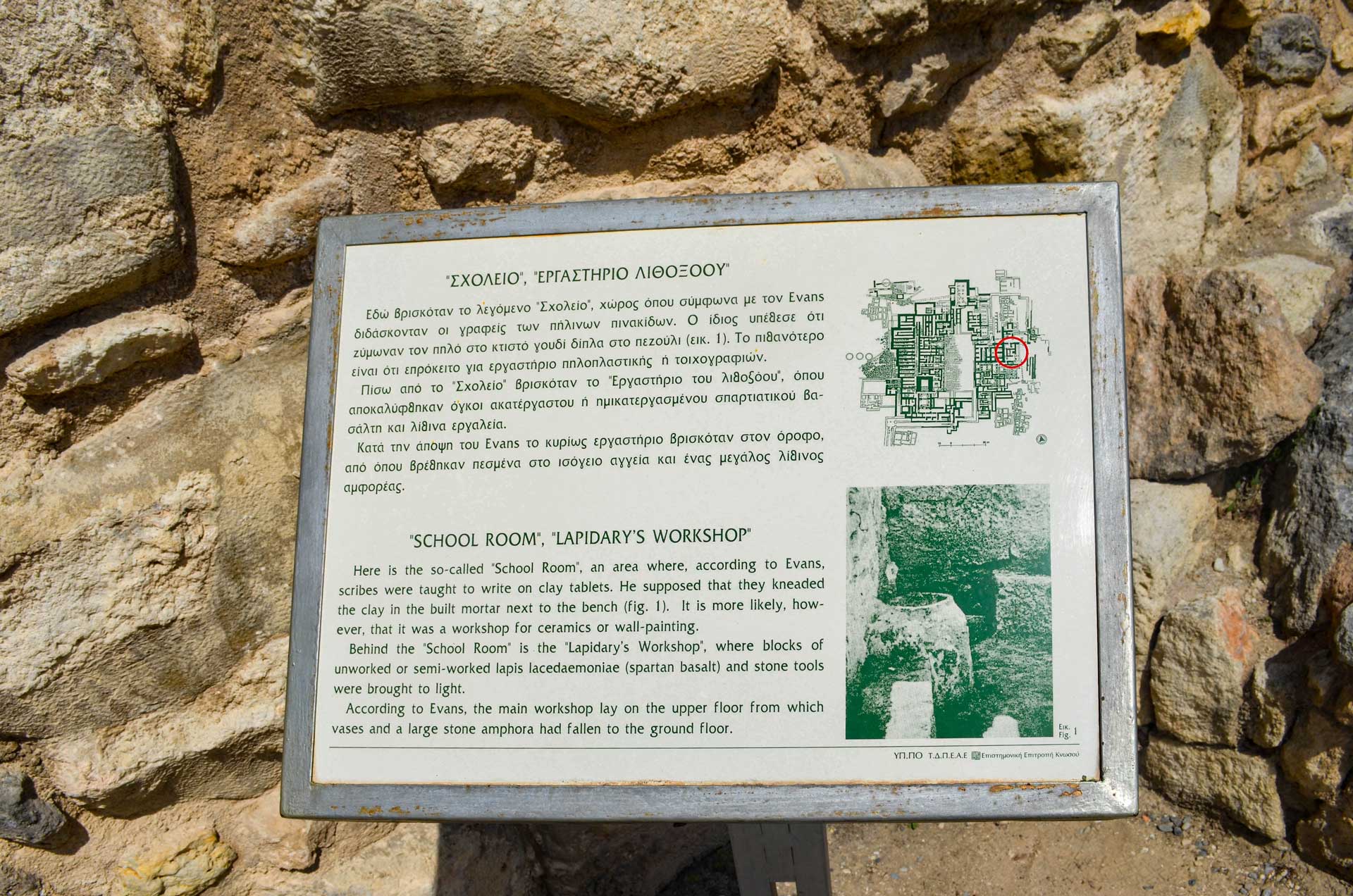
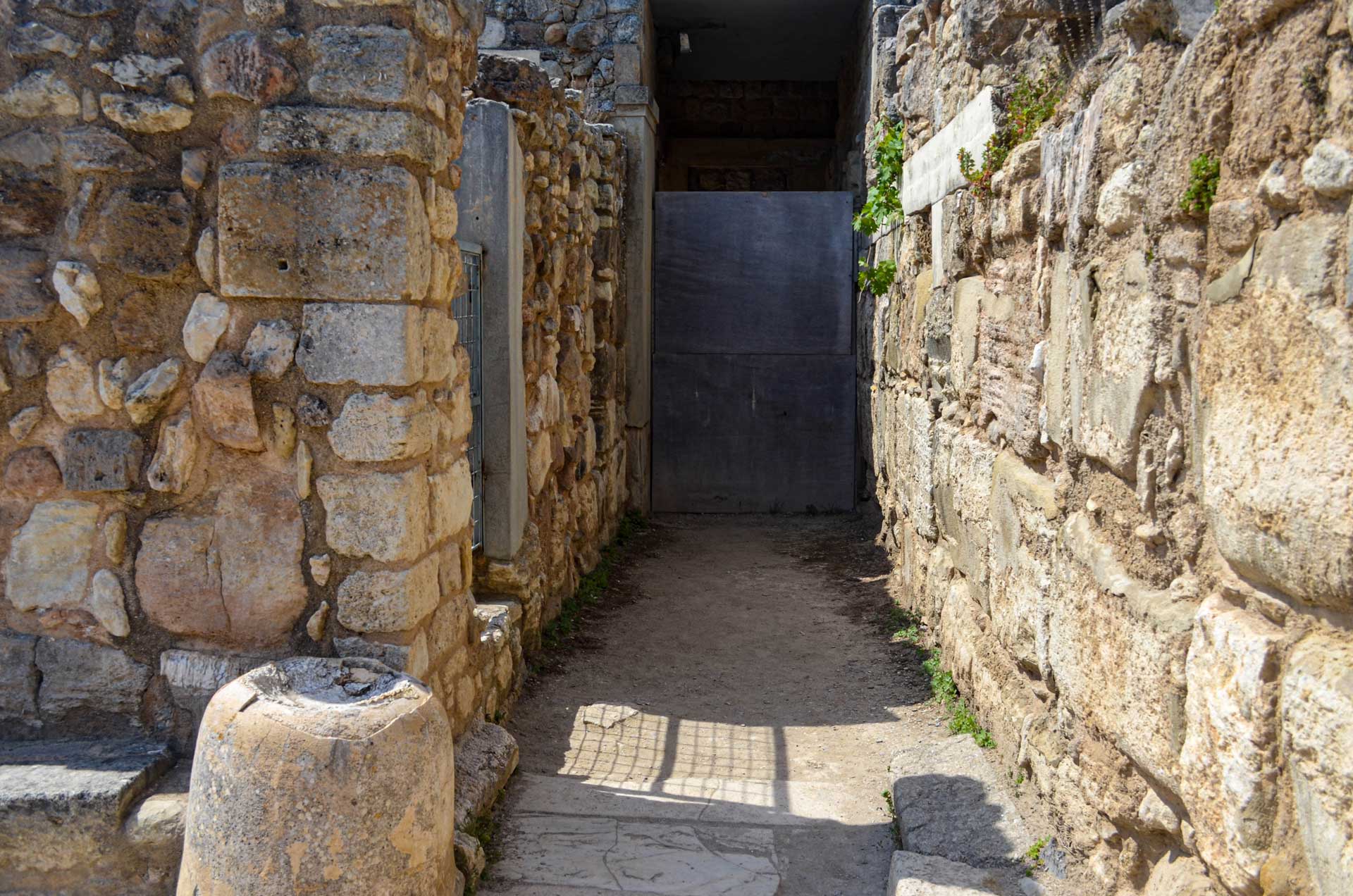
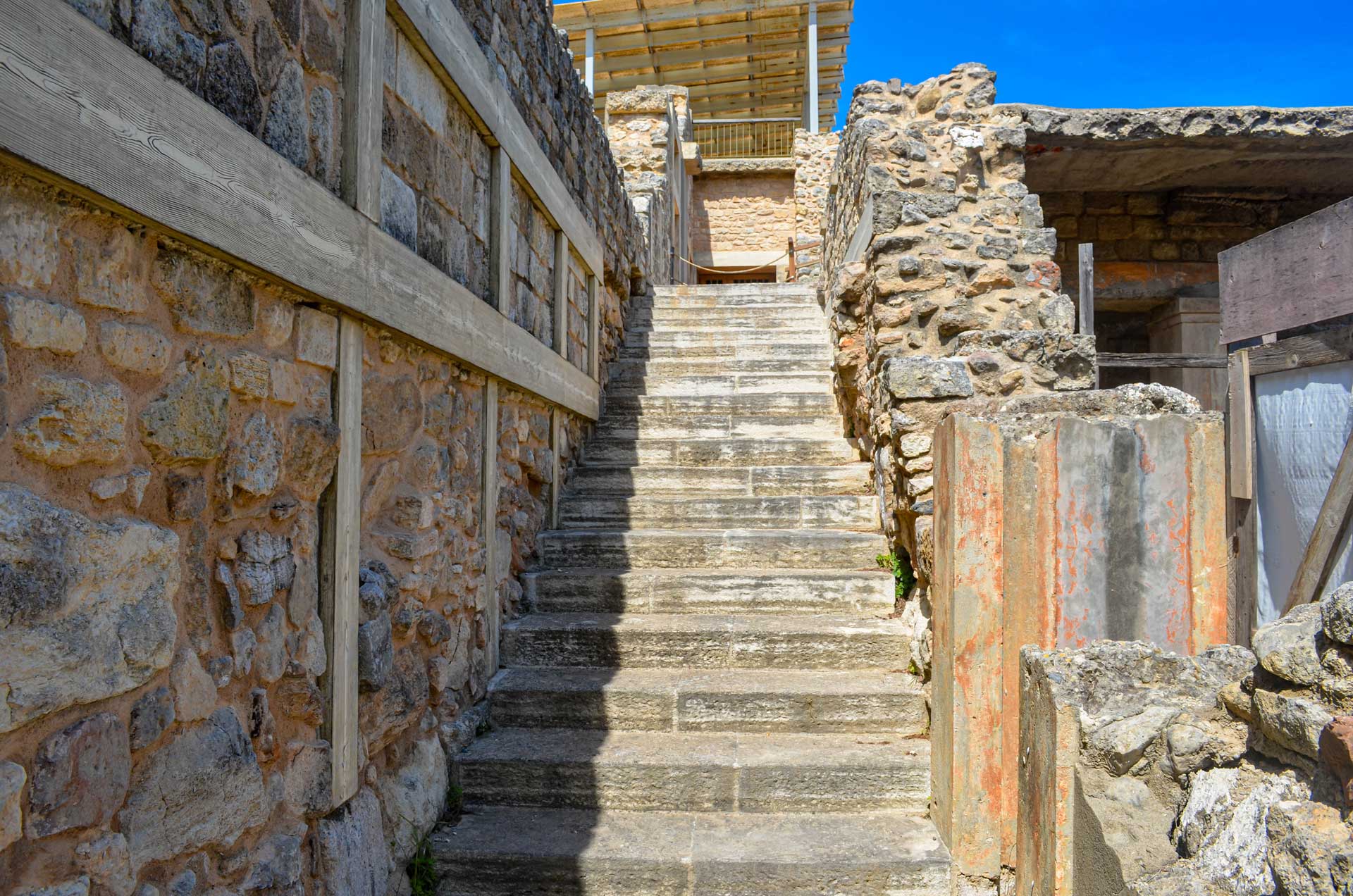
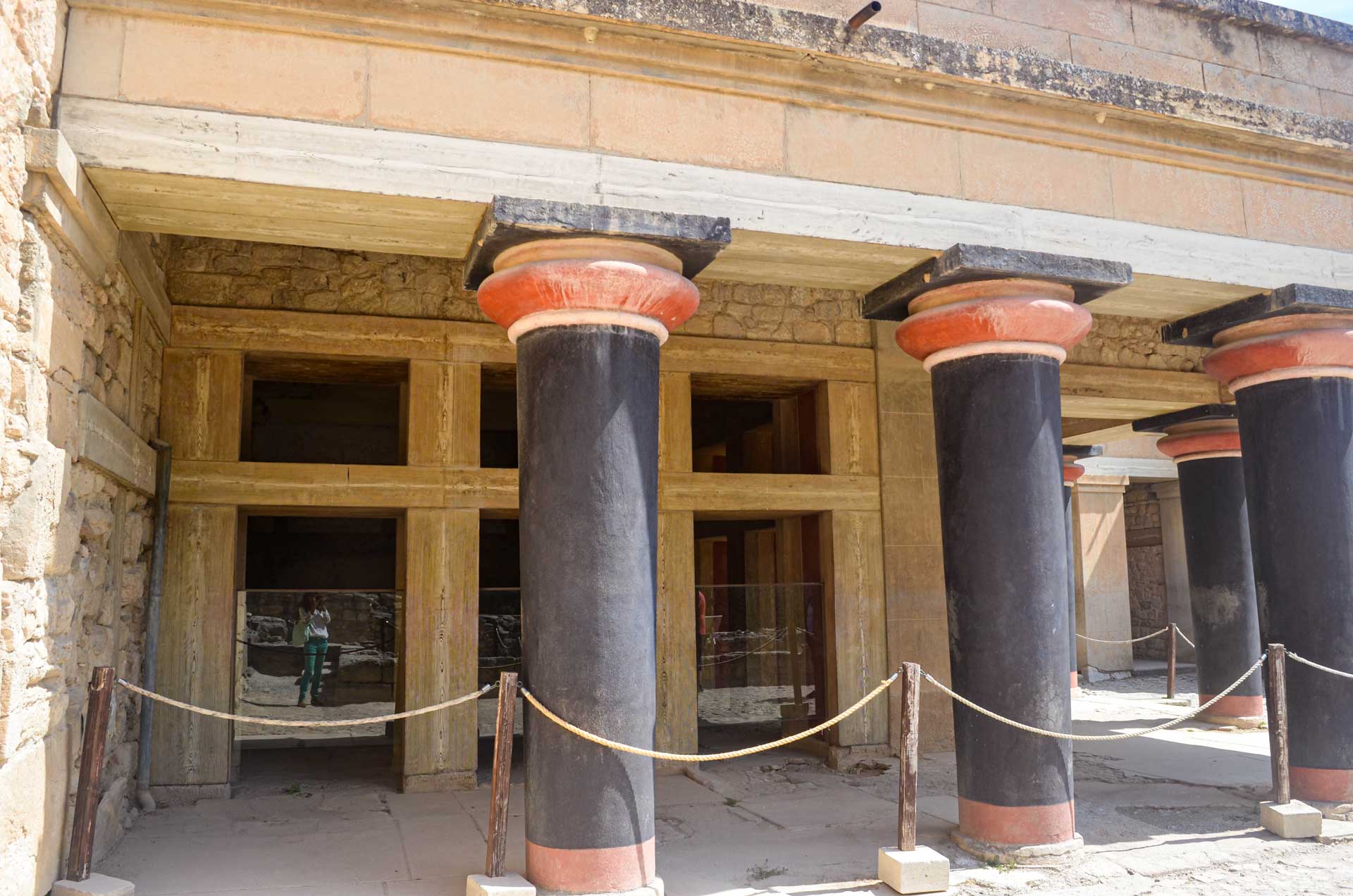
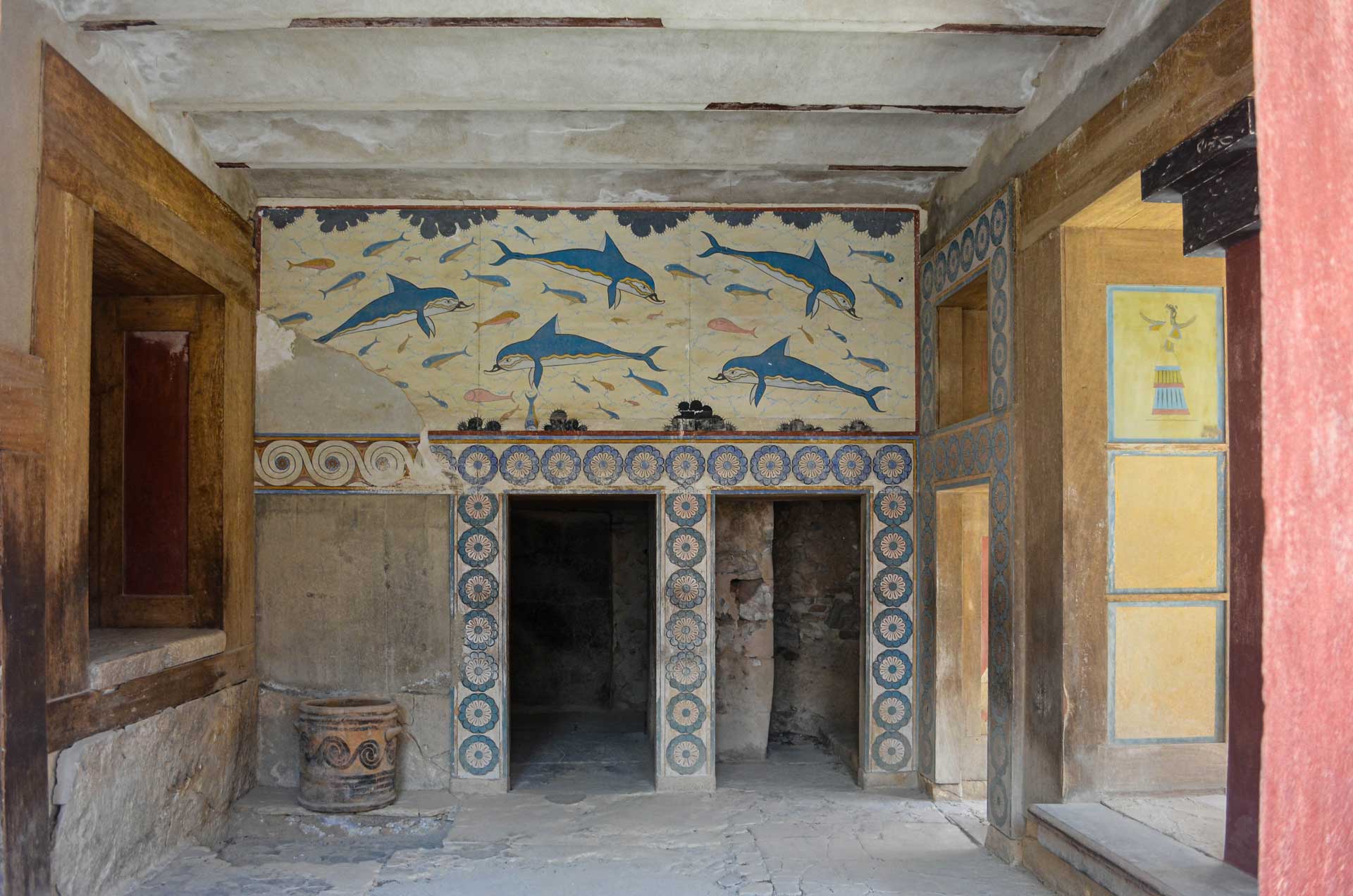
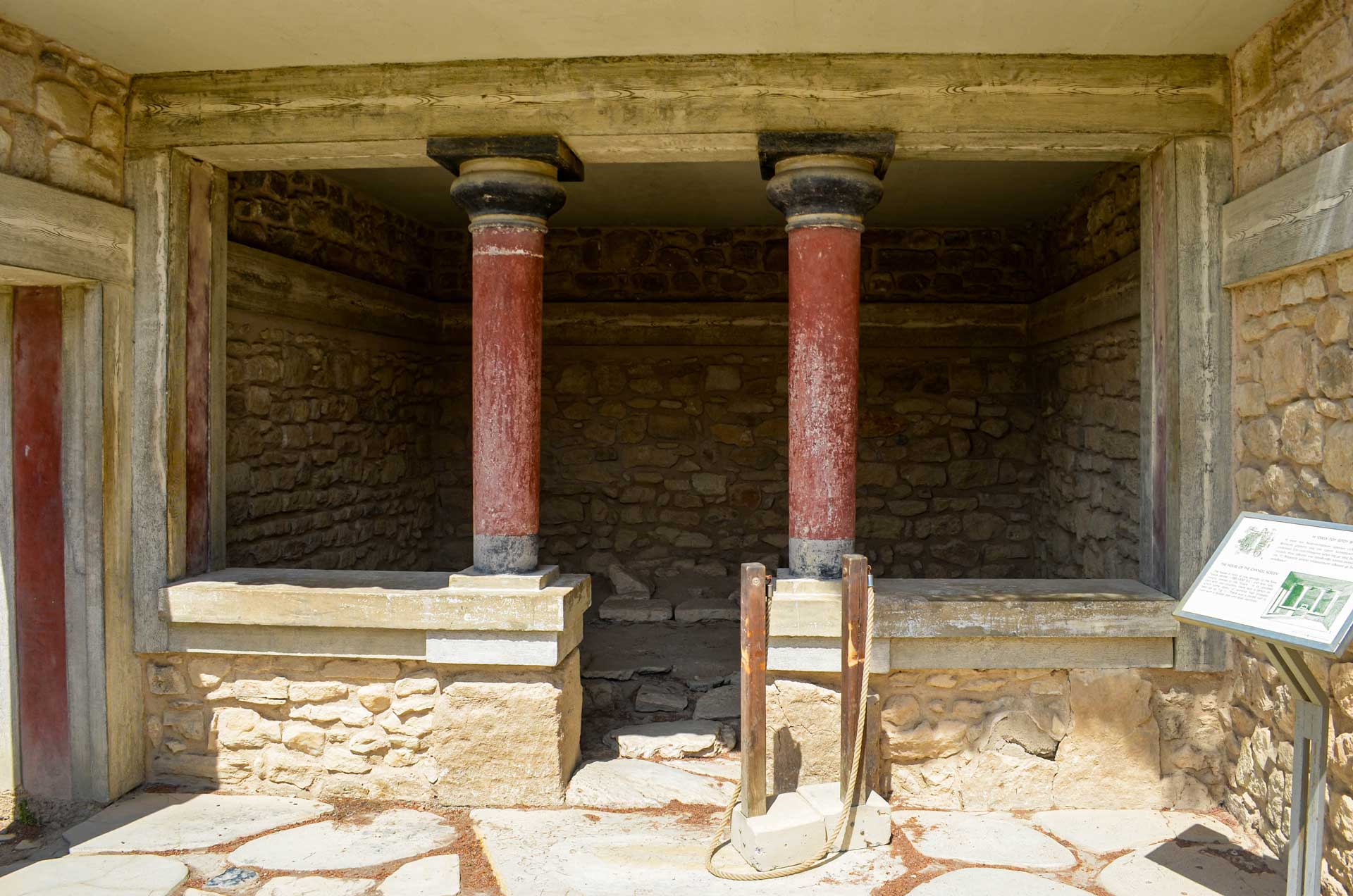
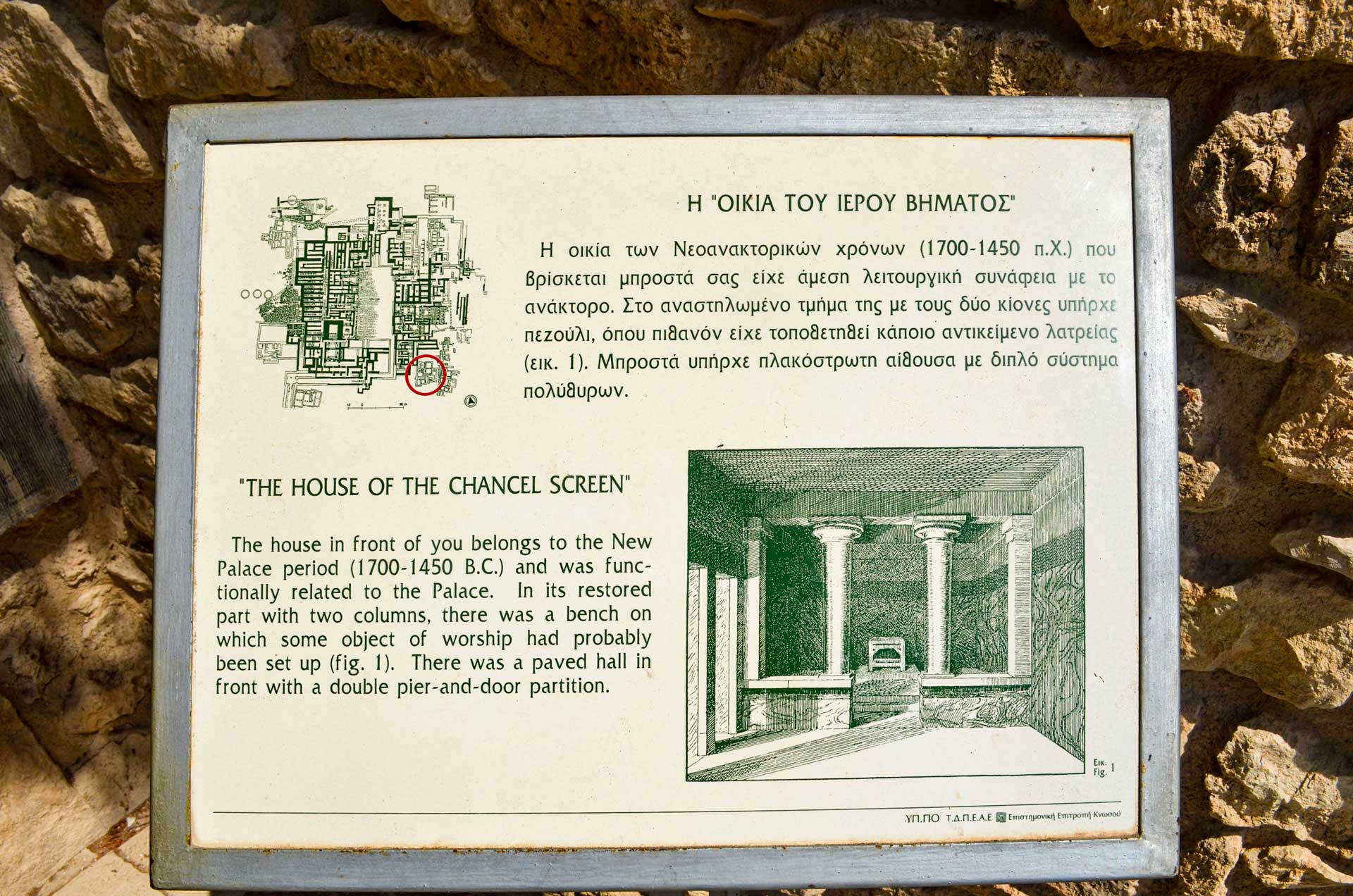
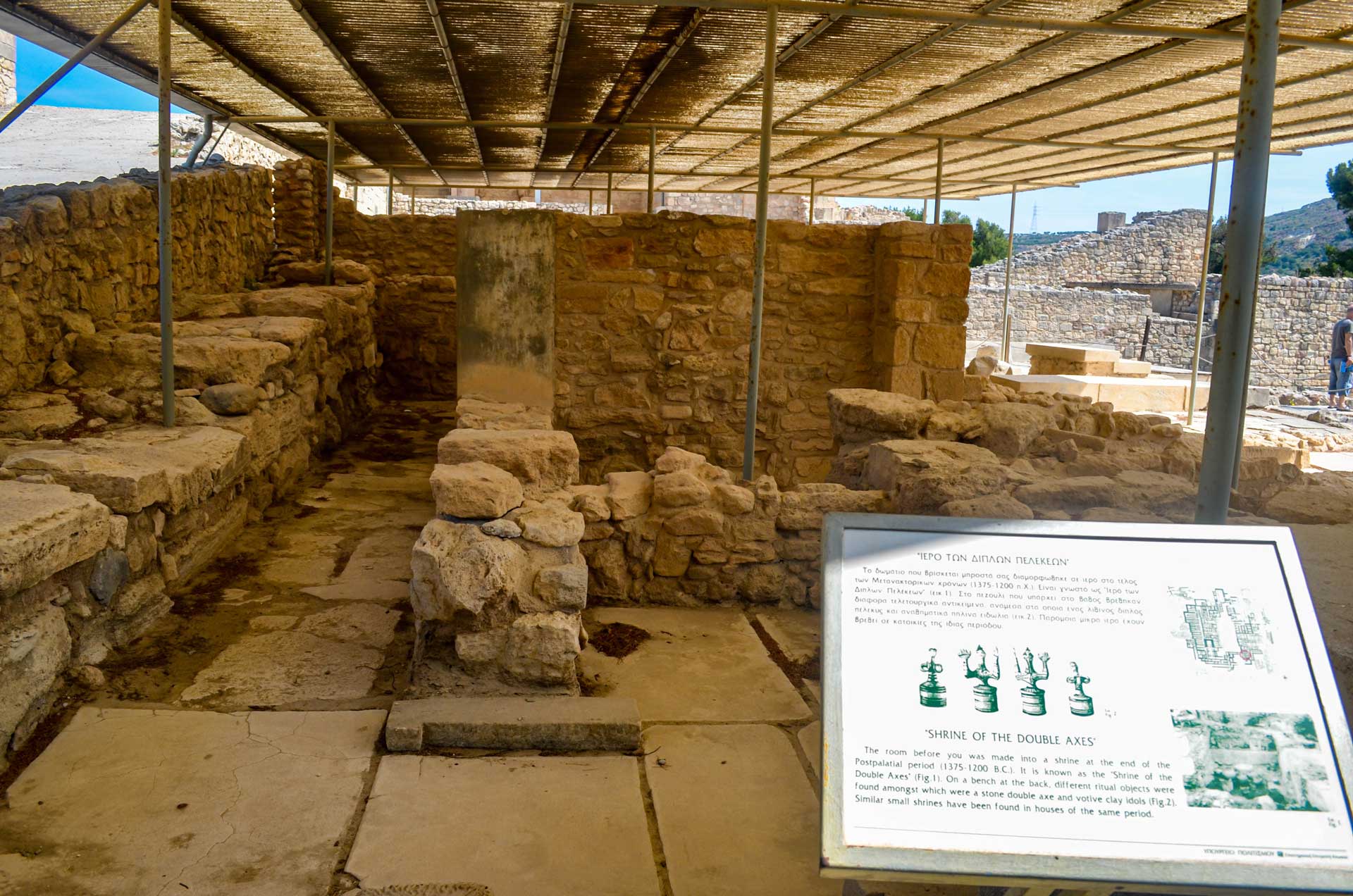
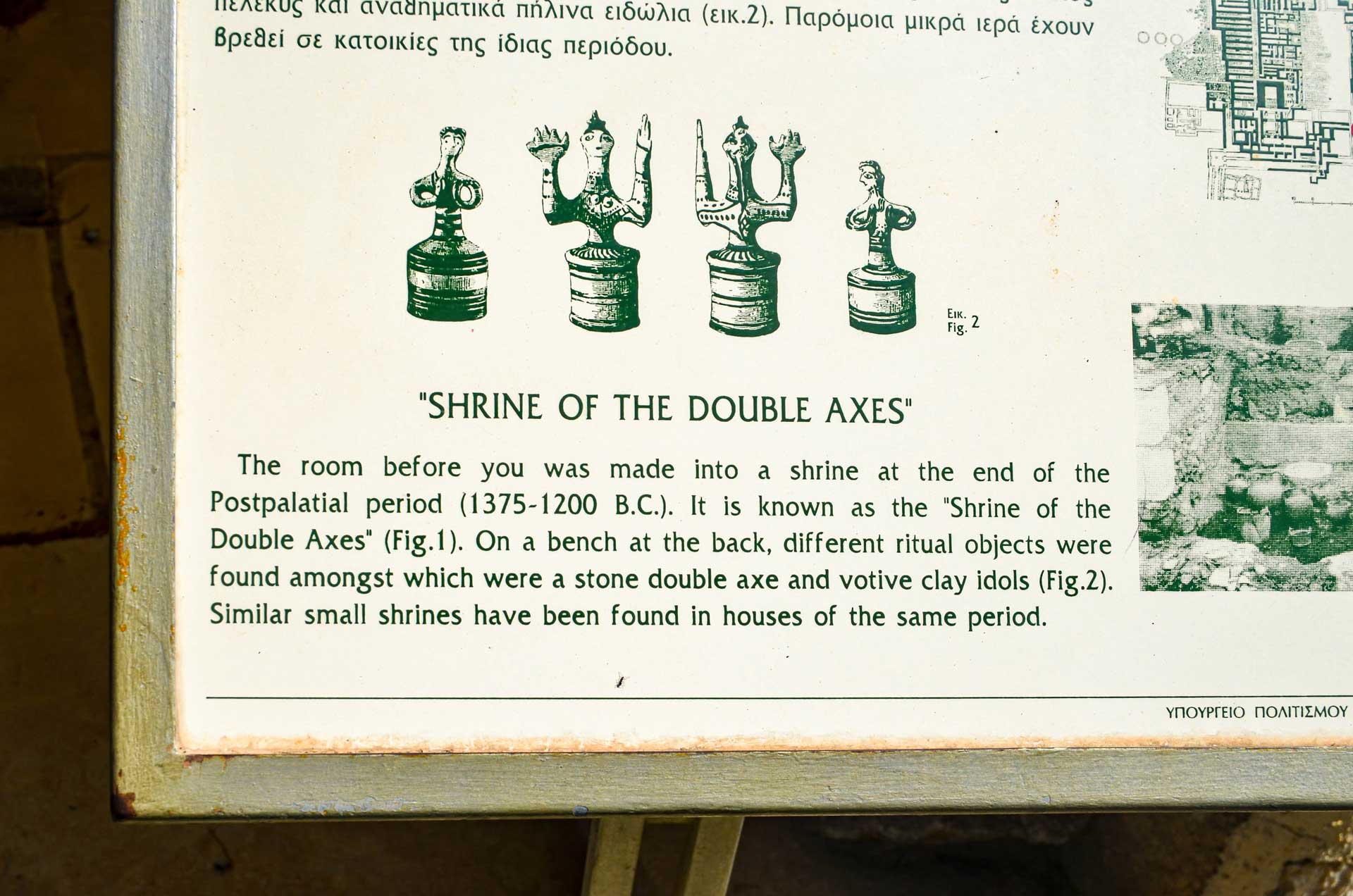
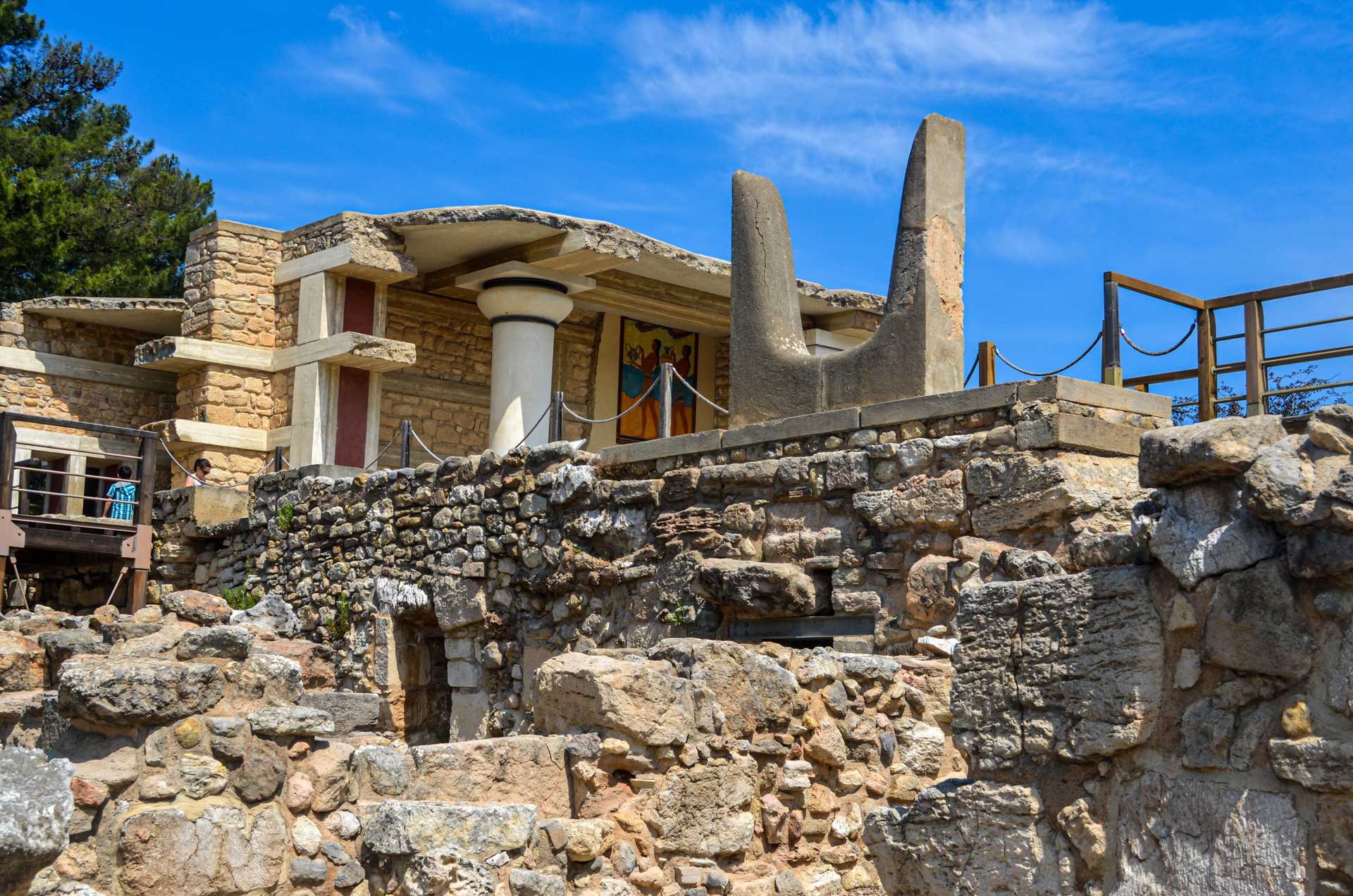
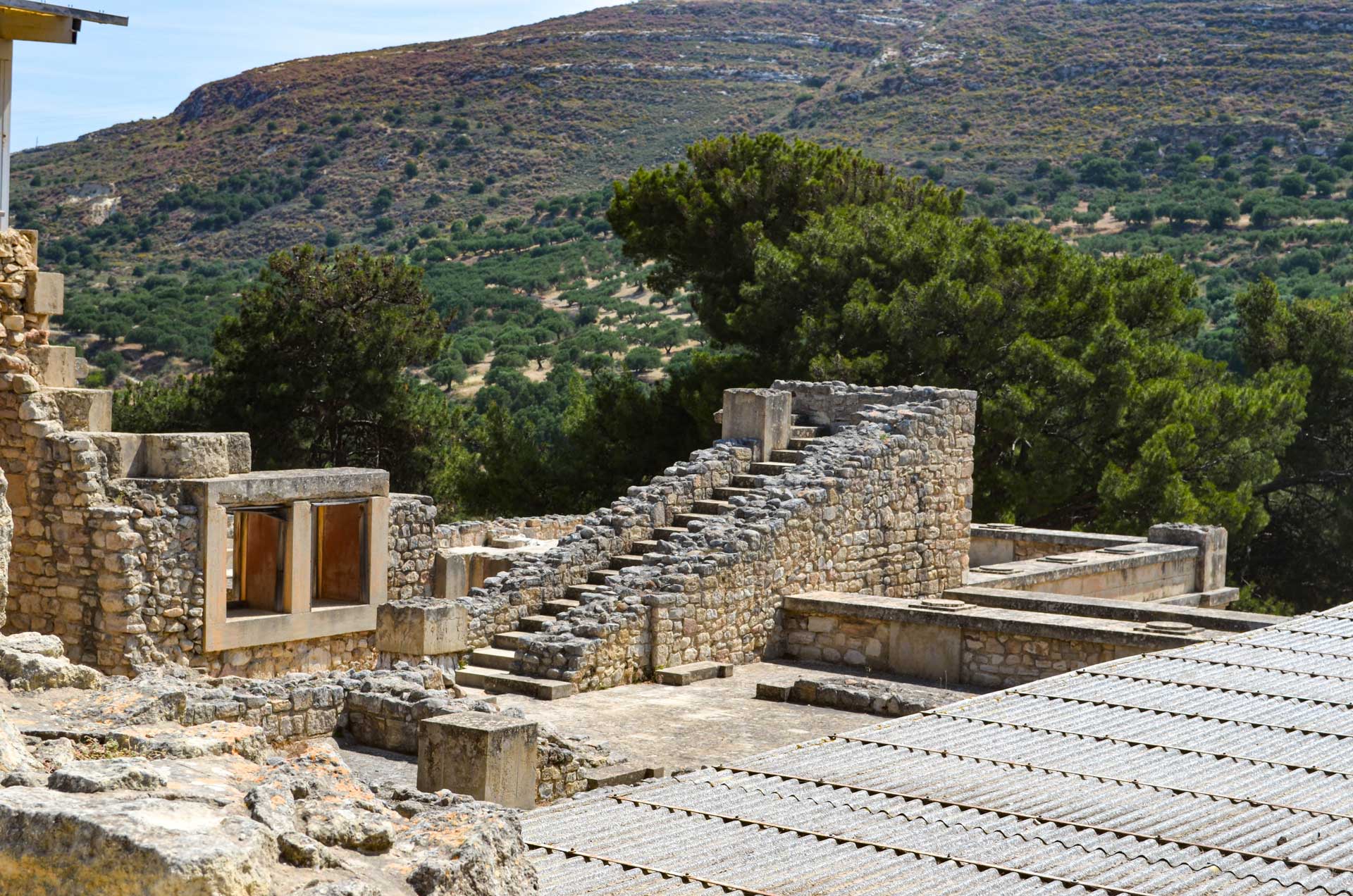
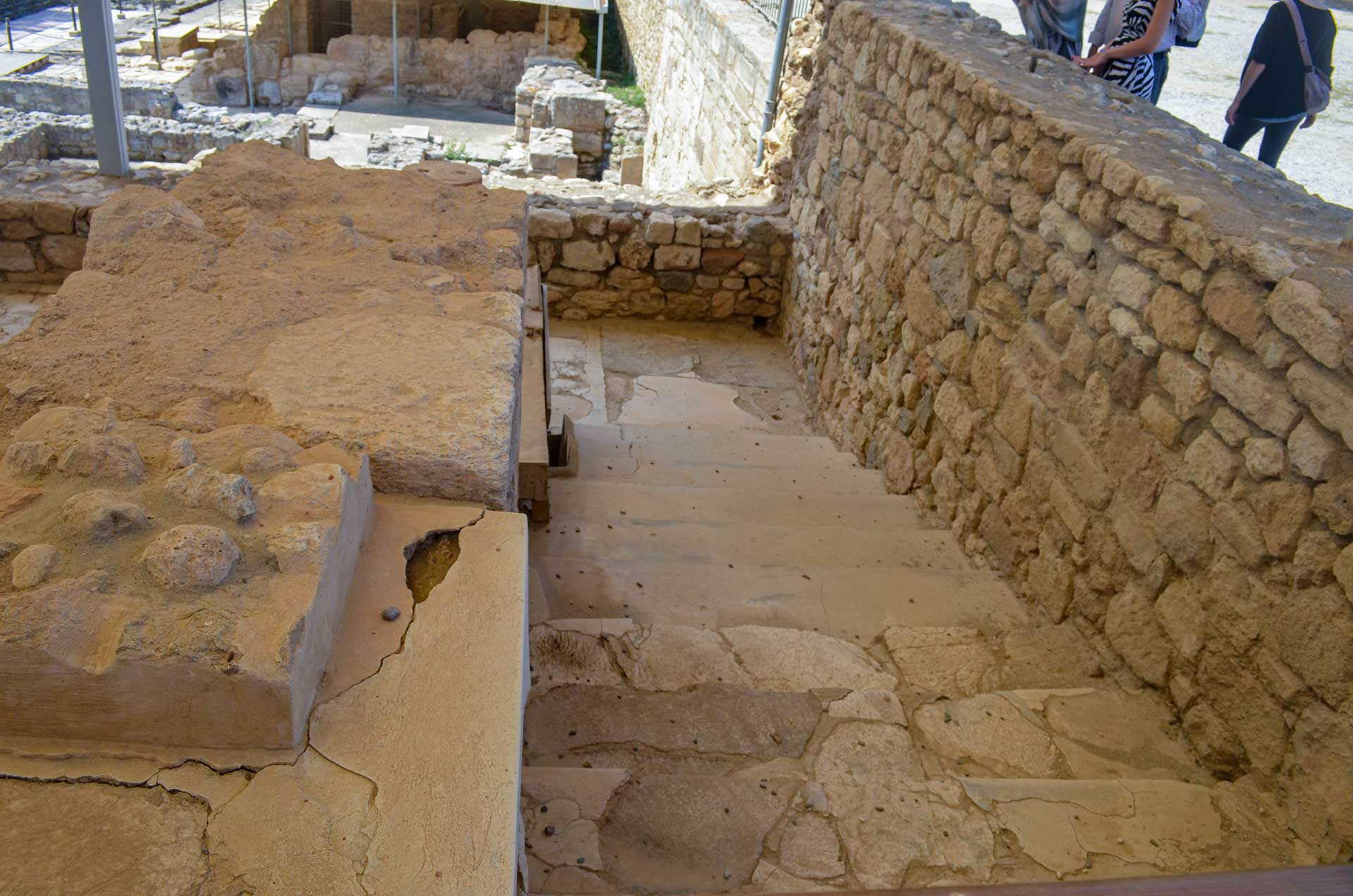
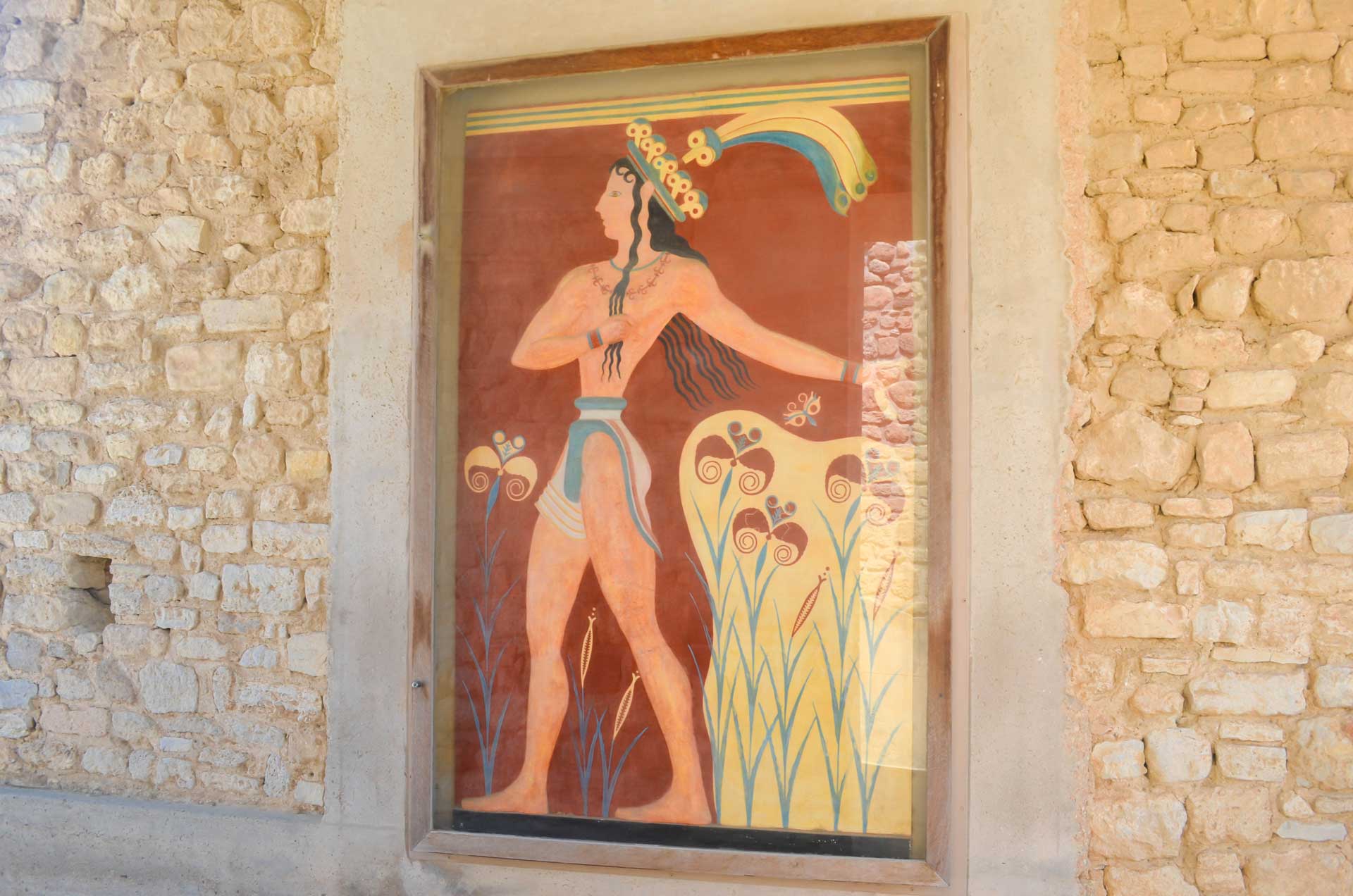
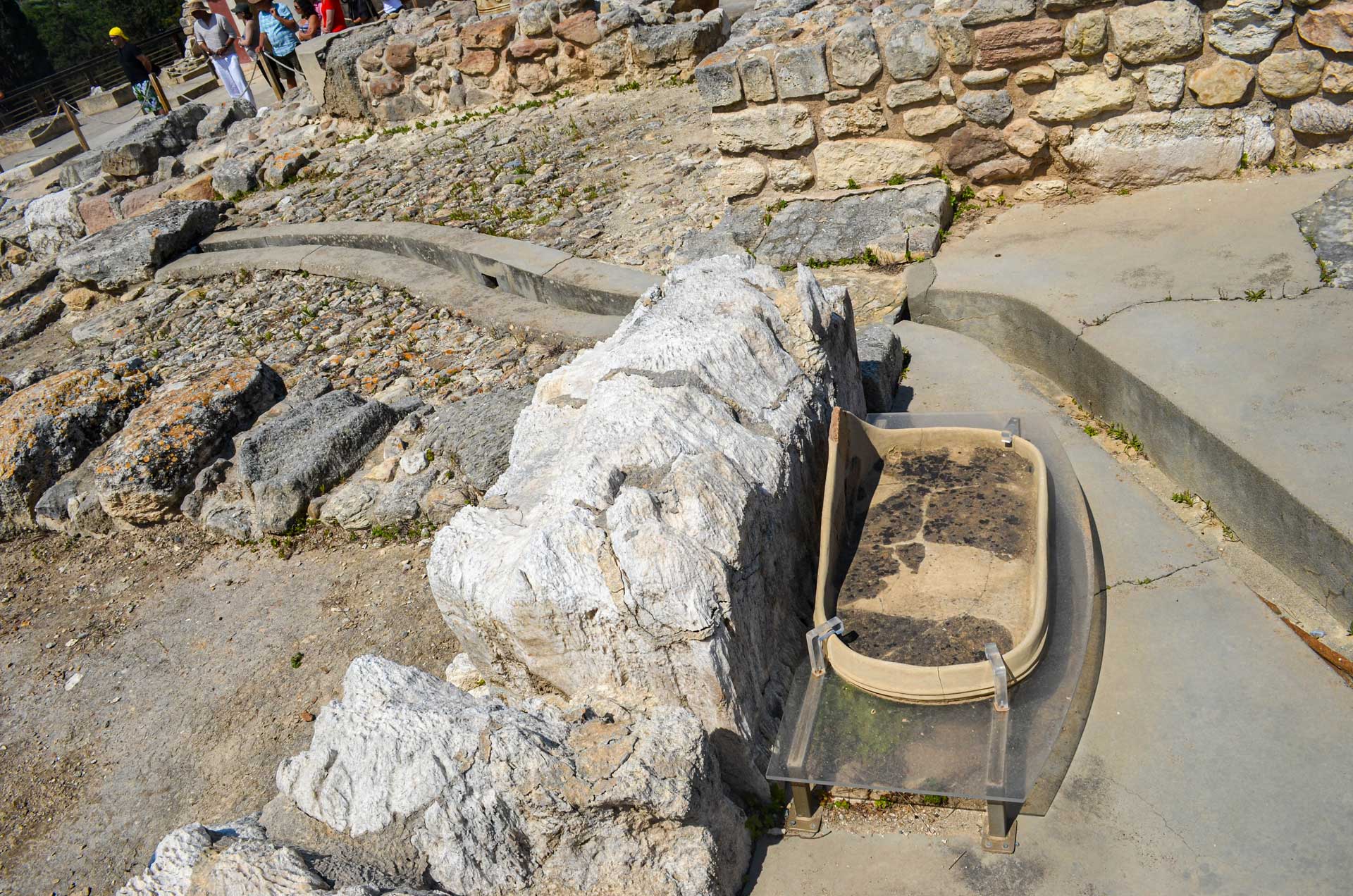
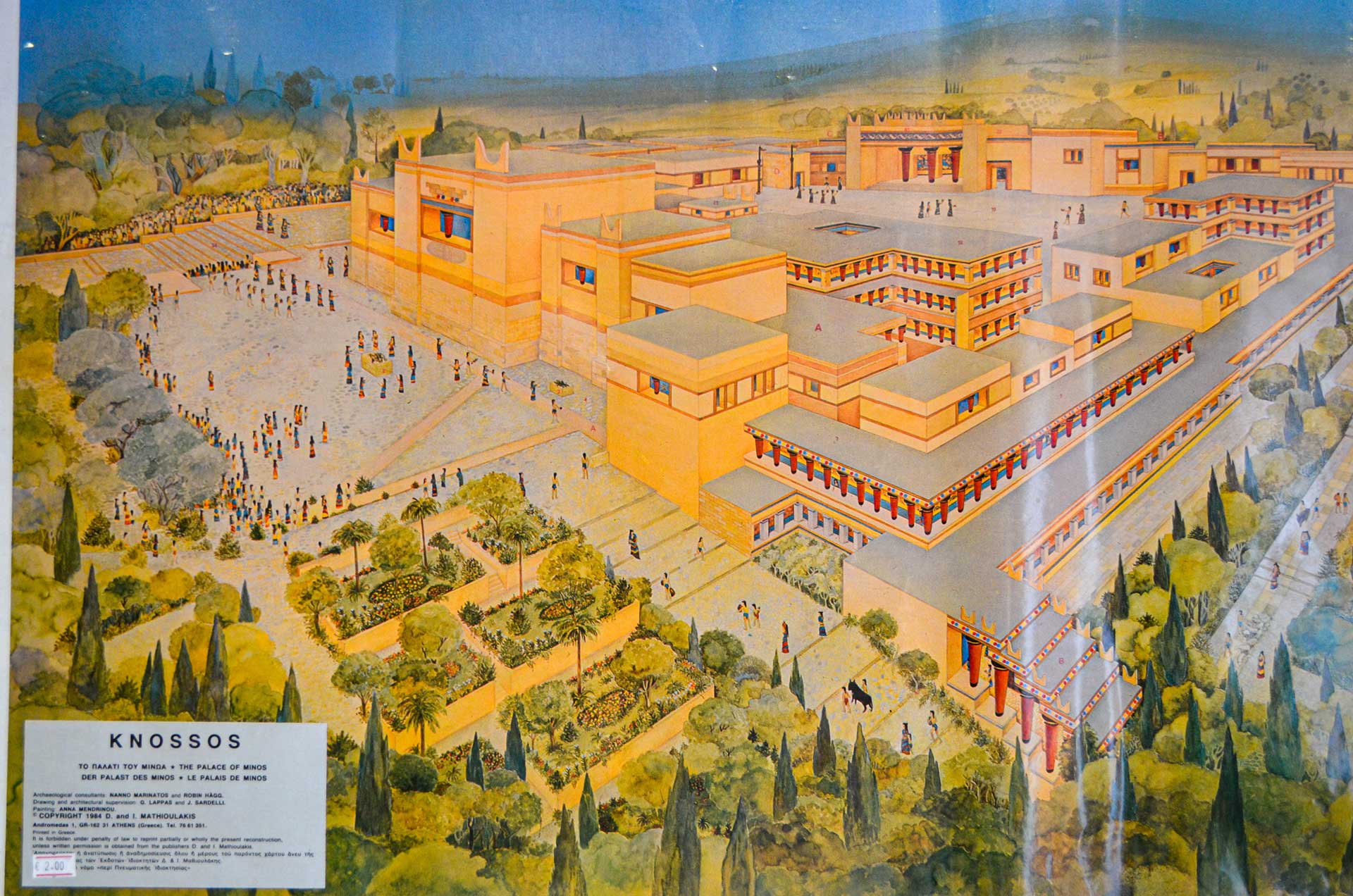
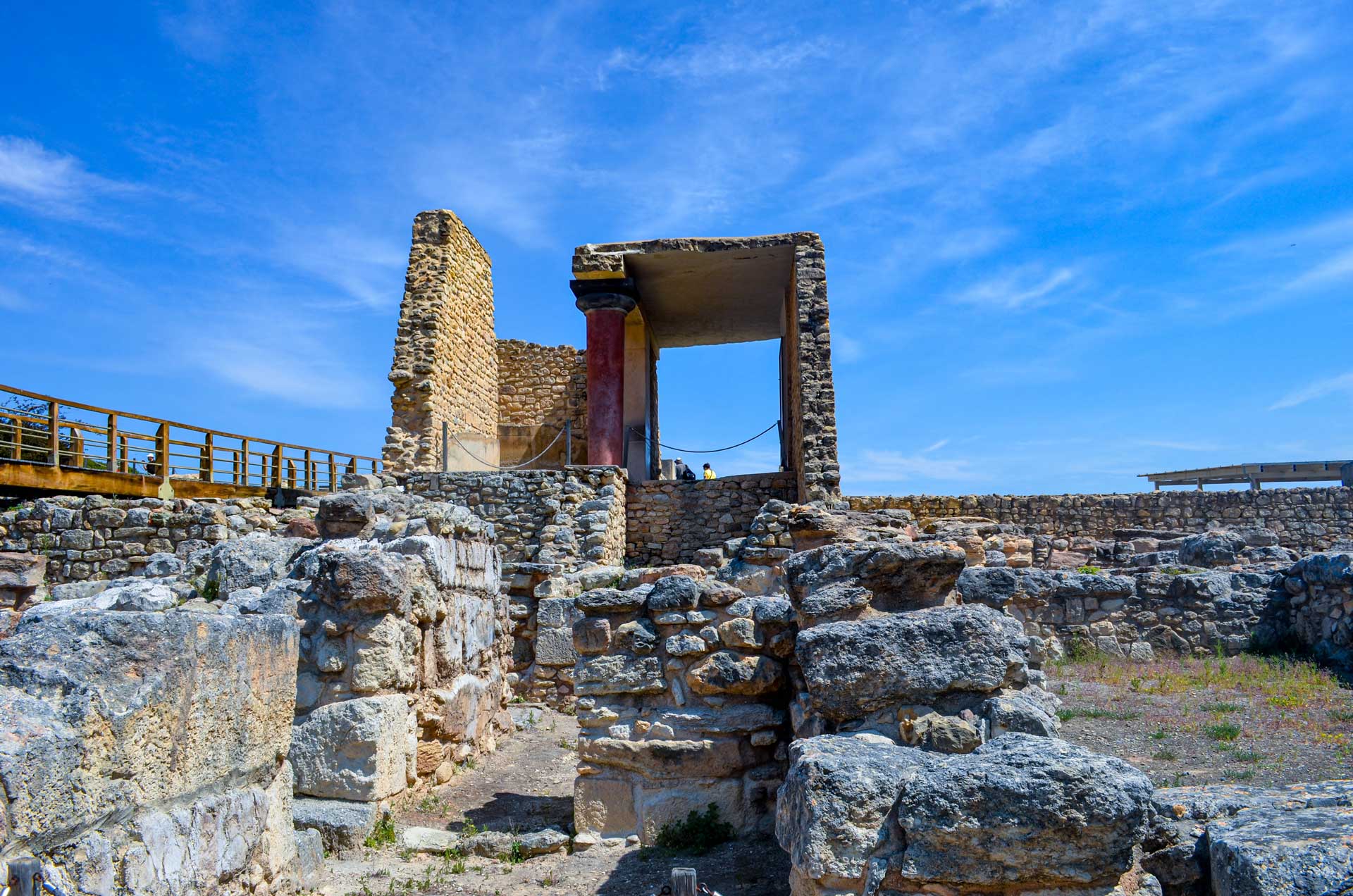
On Crete, the largest of the Greek islands, myths seem inscribed in the stones. At Knossos, red columns and bright frescoes summon King Minos and the labyrinth of the Minotaur, where archaeology and legend are entwined. To walk its halls is to enter a dream remembered half from tales of childhood.
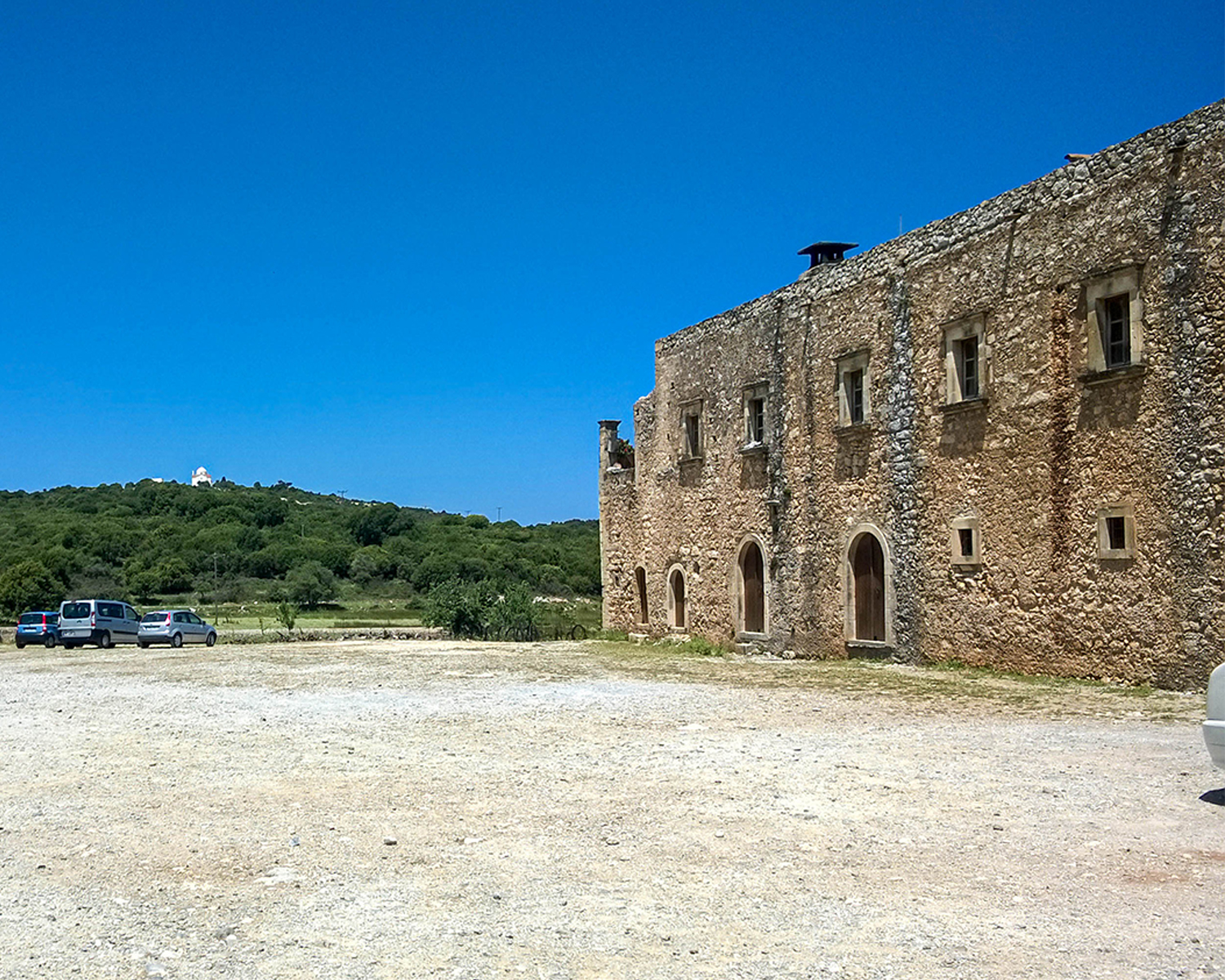
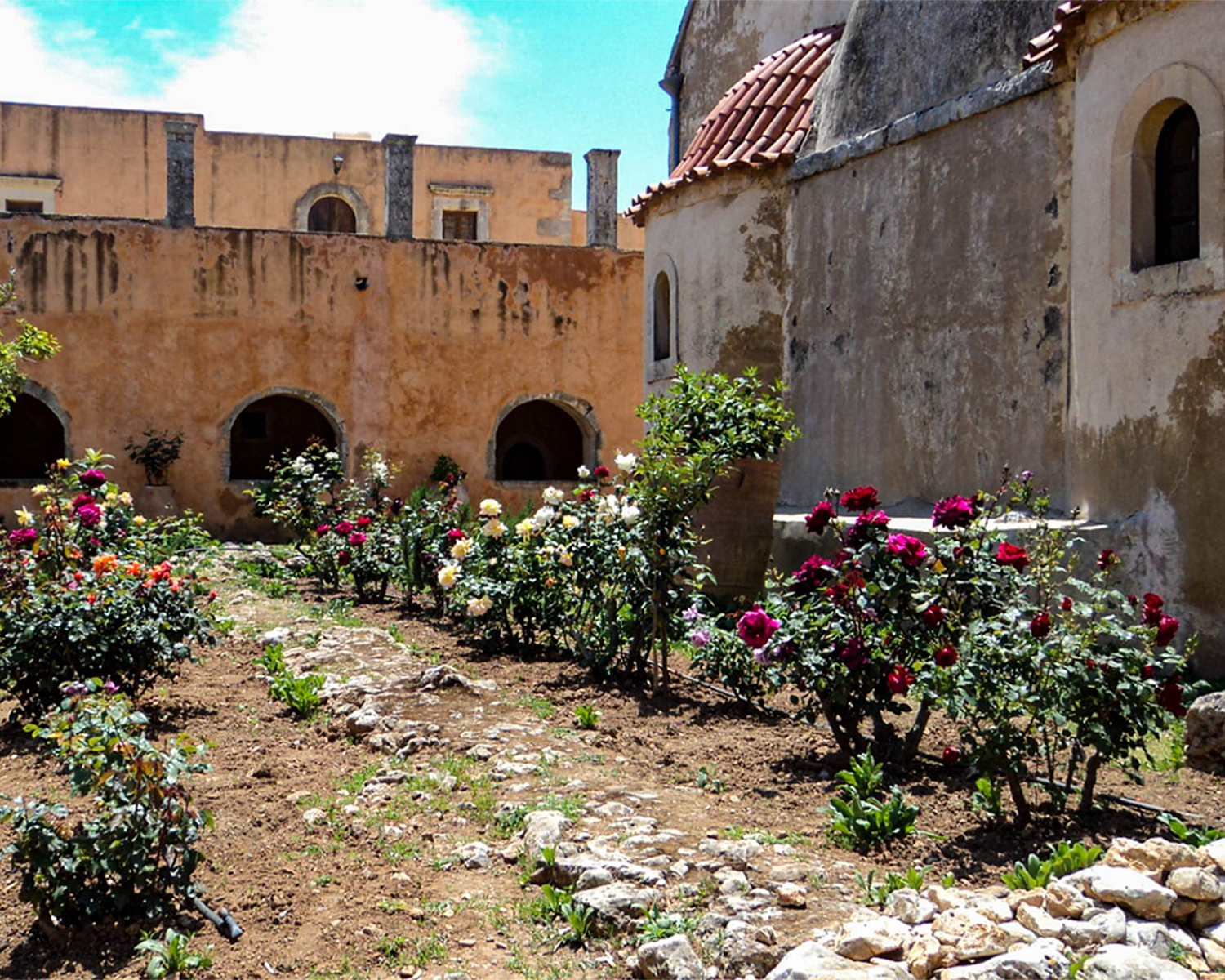
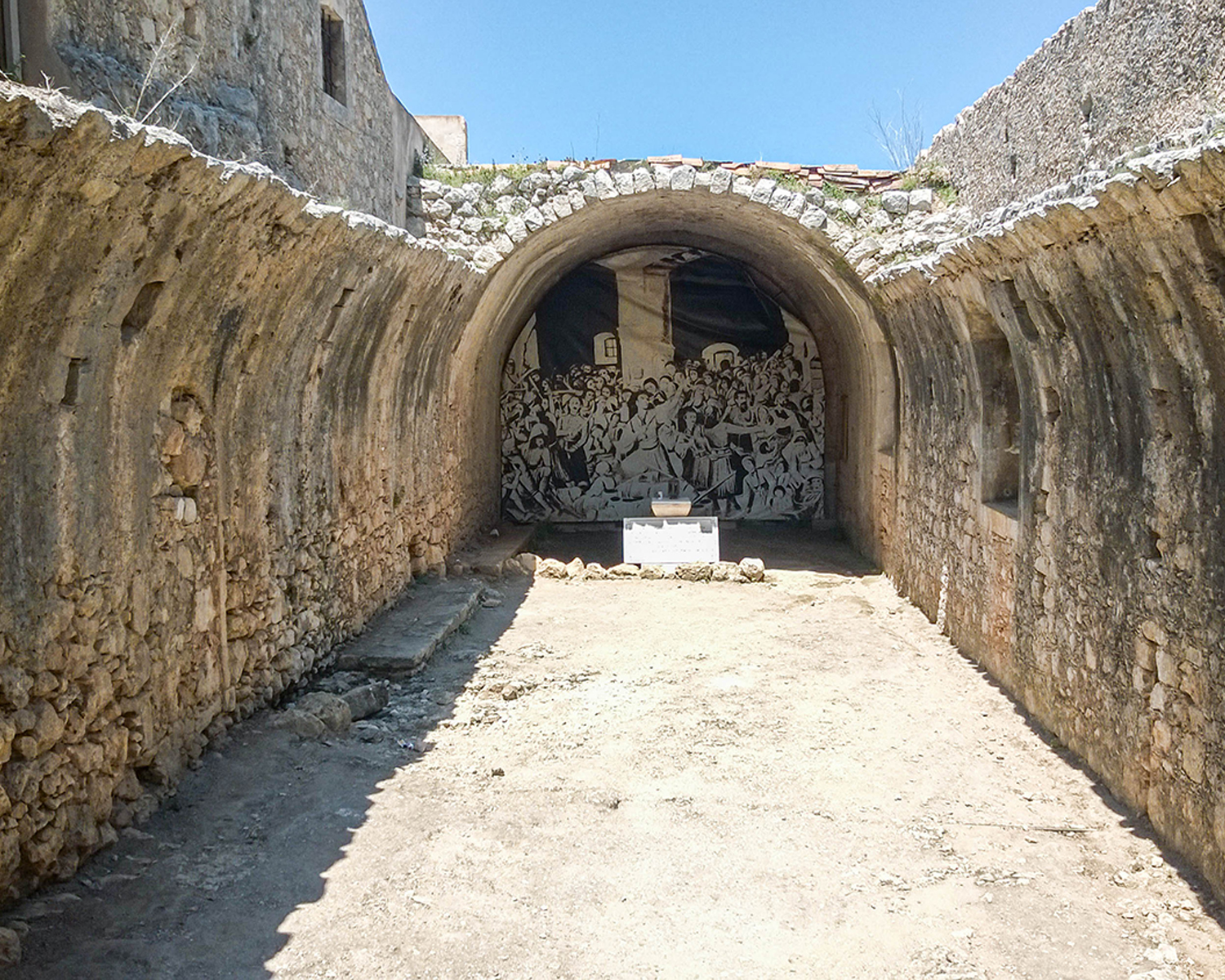
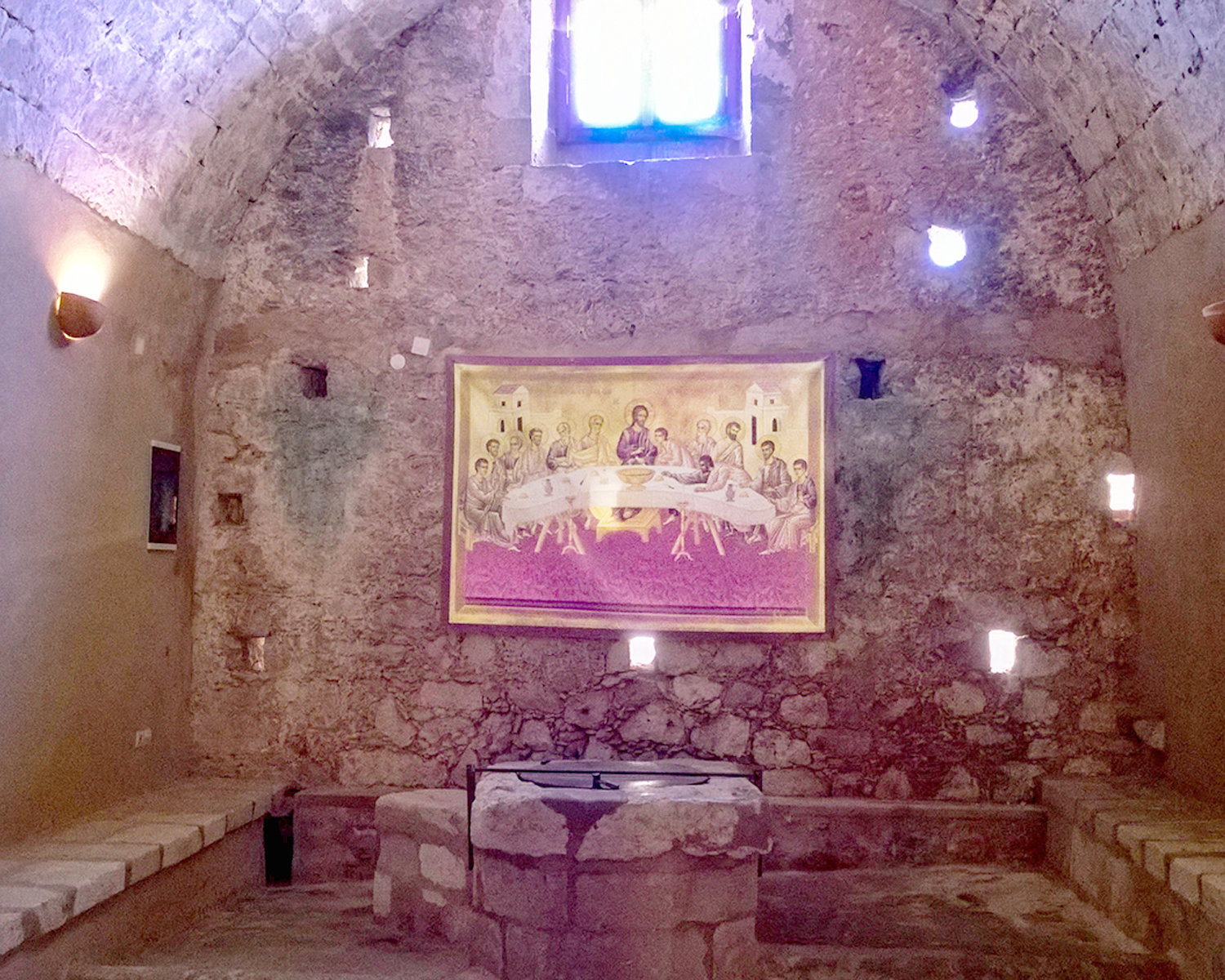
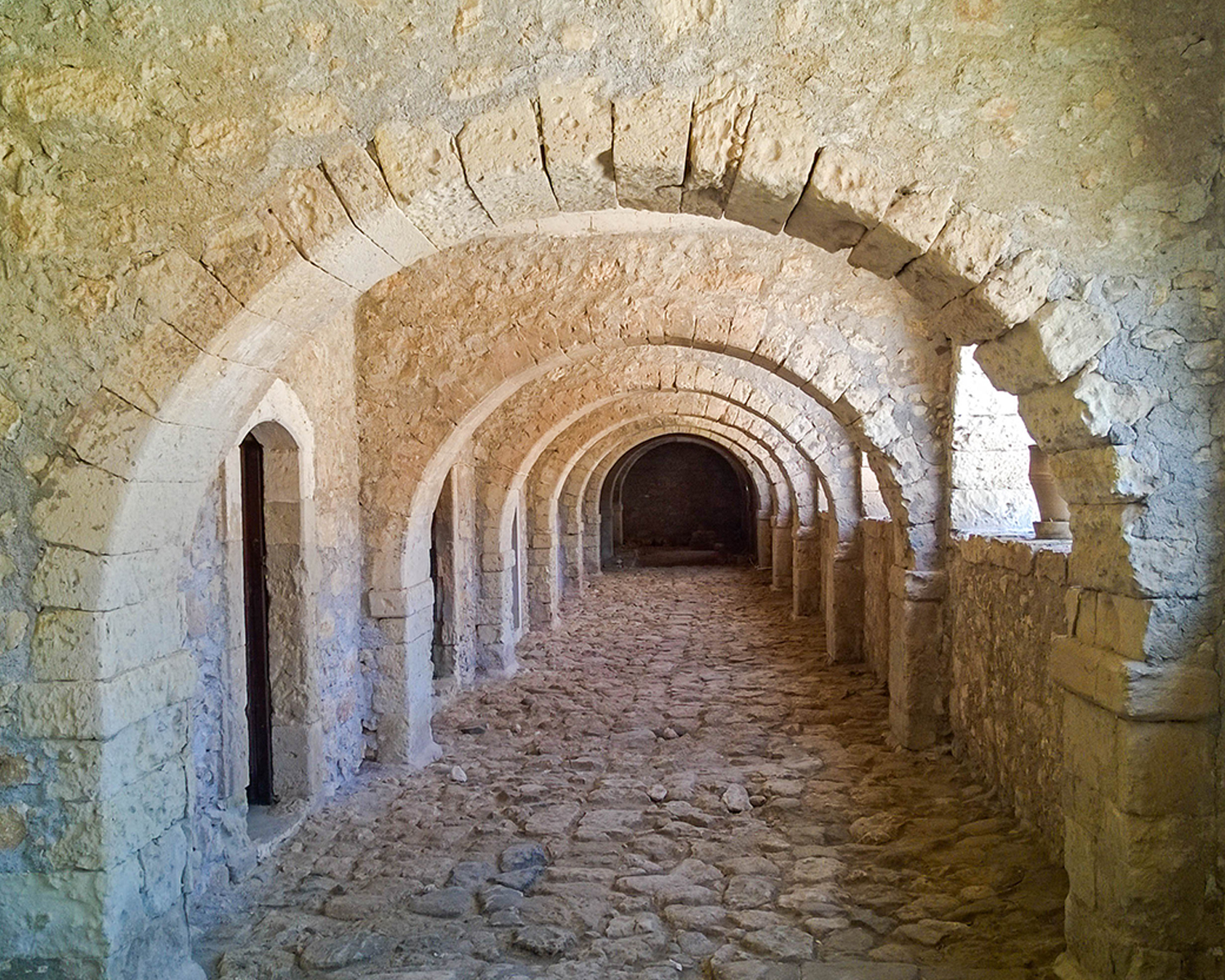
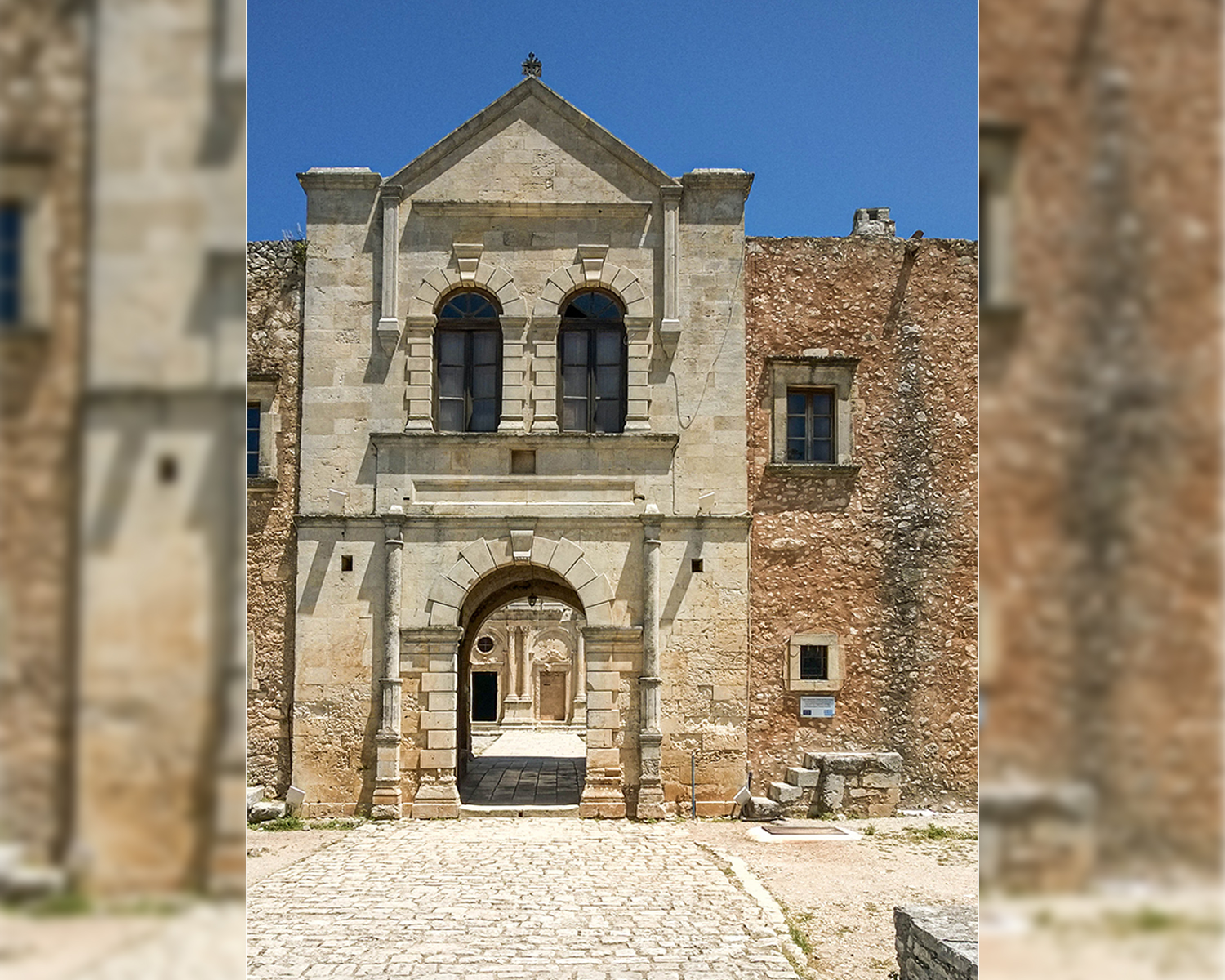
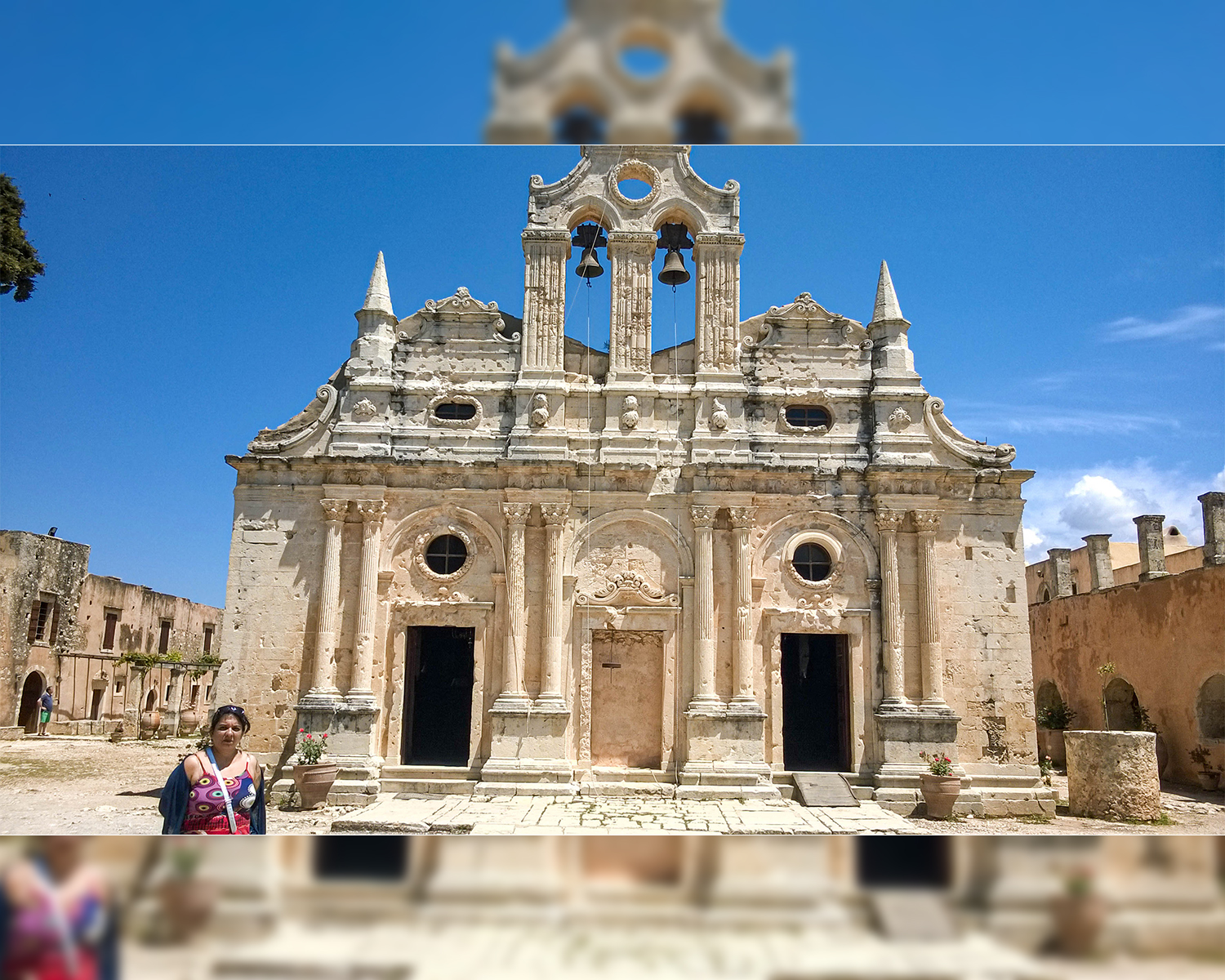
Yet Crete is not only myth. Pale stone walls soar against blue sky at the Arkadi Monastery, where sacrifice meets defiance. There, in 1866, hundreds of Cretan men decided to defy the Ottoman forces, thus transforming the monastery into the emblem of Cretan independence. In its courtyards, scented by oleander, the grief remains; it hovers here like incense in its chapels. Crete remains a country where myth and history are at a constant war with each other, but both come off bloodied but unbowed.
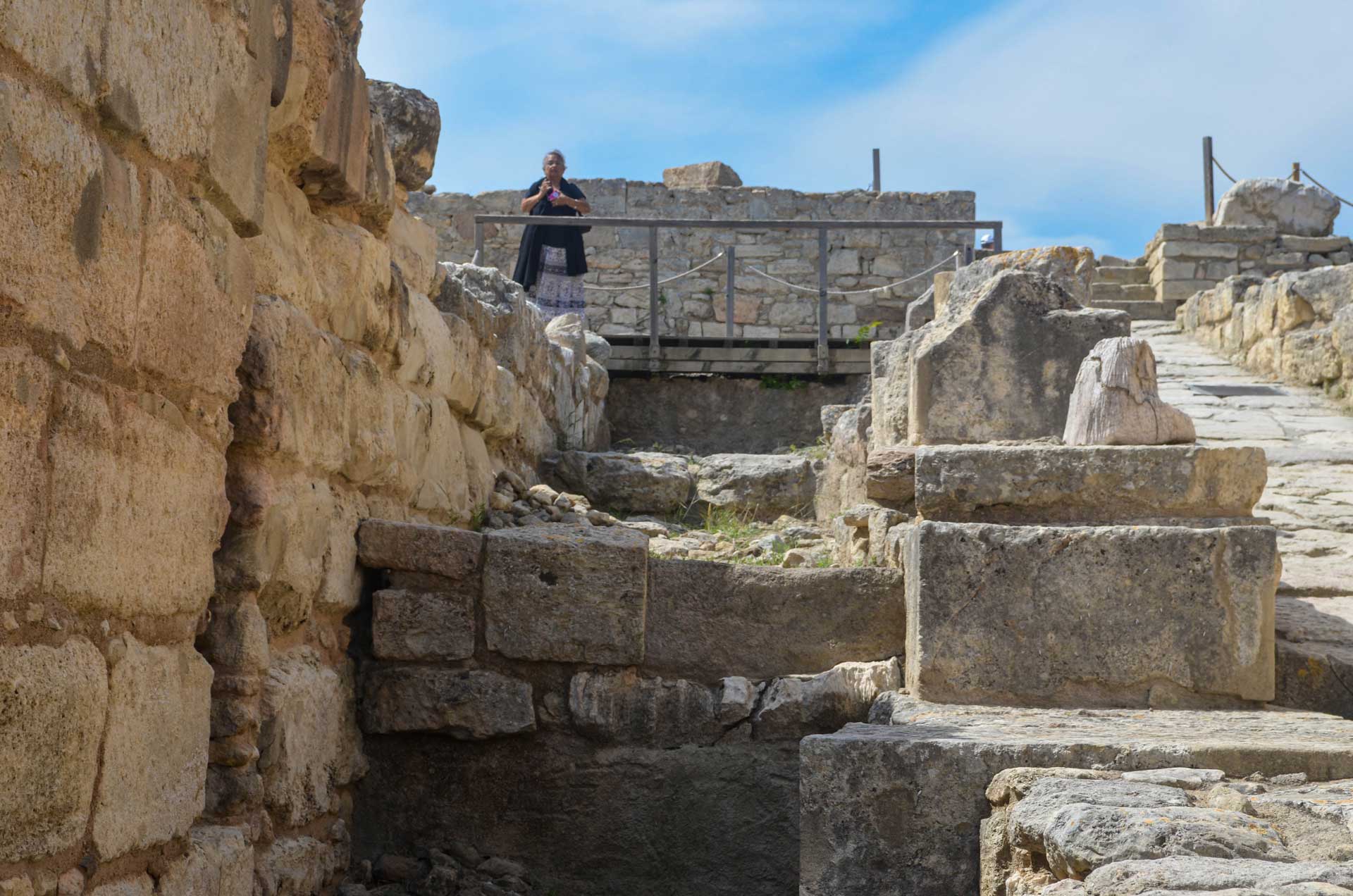
It is as though Crete breathes myth for air. This is the Dictaean Cave of Lasithi where Rhea is supposed to have concealed the infant Zeus from his cannibalistic father Cronus, whilst the Kouretes clashed their shields to drown out the baby’s sounds. The sound reverberates in the stalactites. The palace of Minos lies half-in ruin at Knossos; a labyrinth in both myth and architecture, where Daedalus fashioned passages so deviously that not even the curse-born minotaur could escape. Indeed, some twisting alleyways of Heraklion remain the “Labyrinth,” as if the beast’s breath still quickens in the dark. Venetian ports in Chania and Rethymno seethe with the memory of traders and sailors who came for silk and departed with song; the lyra’s tremolo still echoes round the mount, as do the mournful mantinades — couplets of love, sorrow, and spirit. In the unlikely beauty of the remote mountain village of Anogeia, elders talk of resistance not as memories but as a solemn obligation — for Crete resisted every adversary who landed on its shores, from Ottomans to Nazis. Everyone says here that freedom smells of thyme, the hillsides are thick with it — aromatic, rebellious, everlasting — a symbol of the times.