Santorini: Fire, Light, and Silence
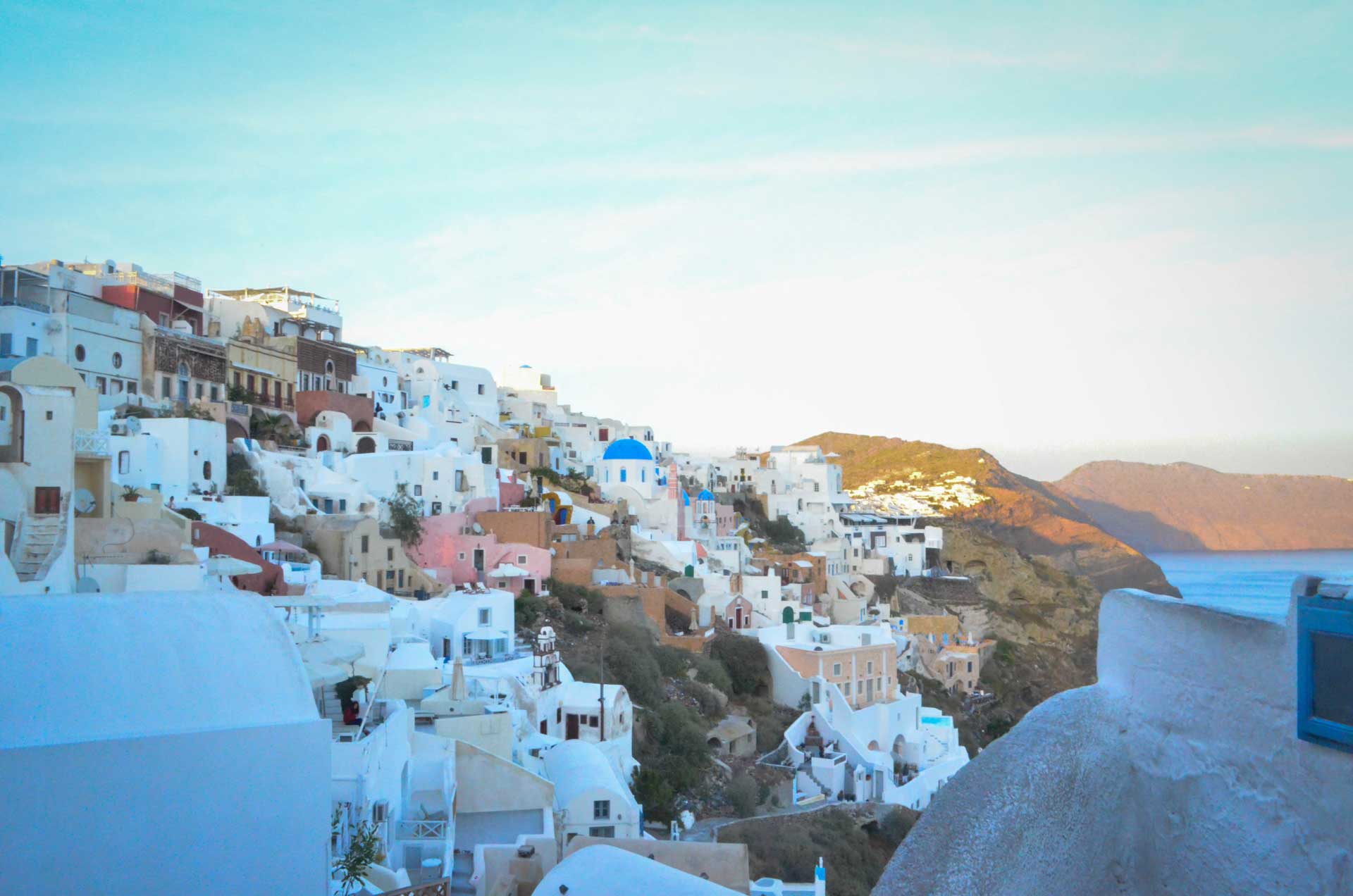
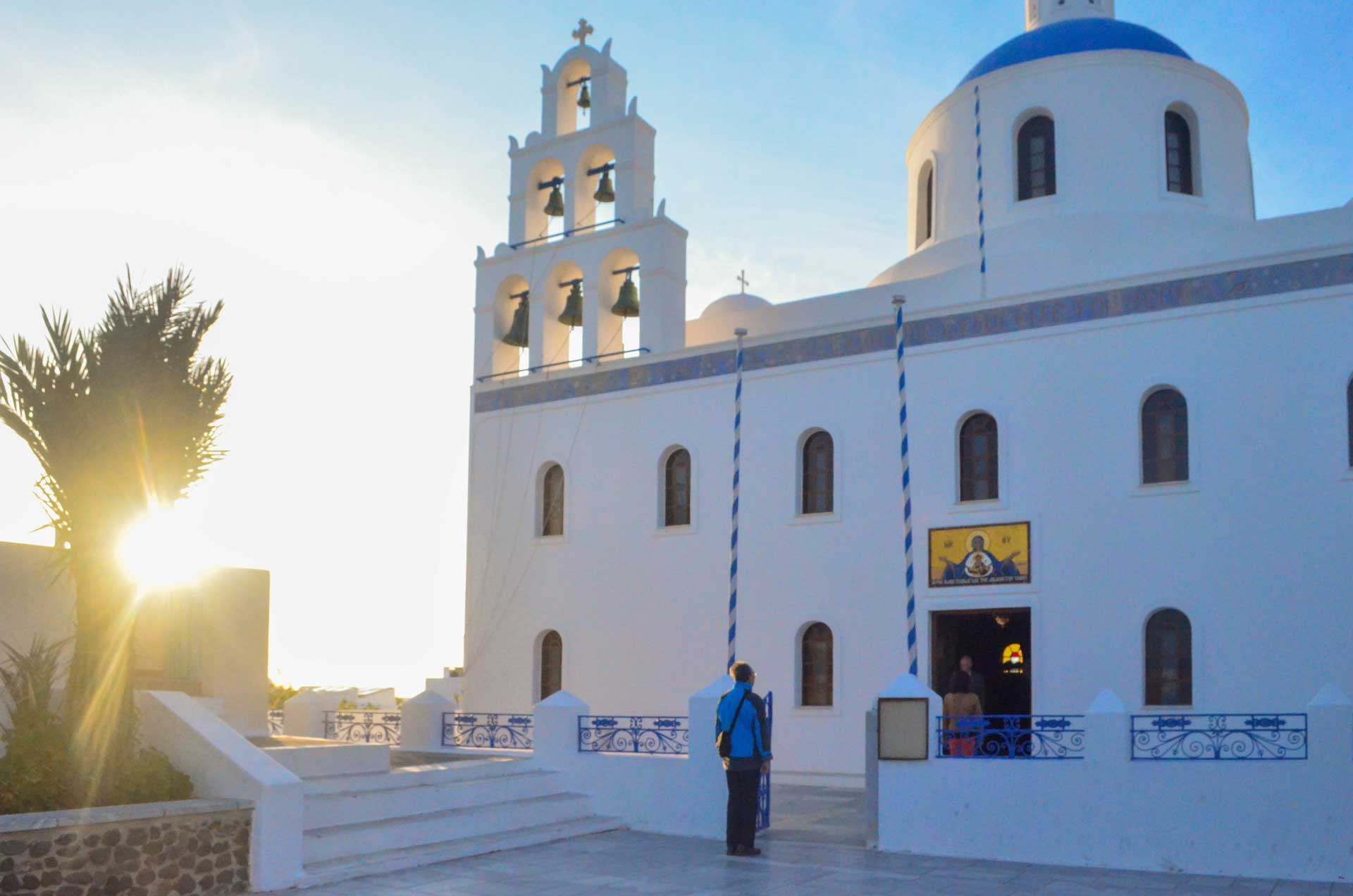
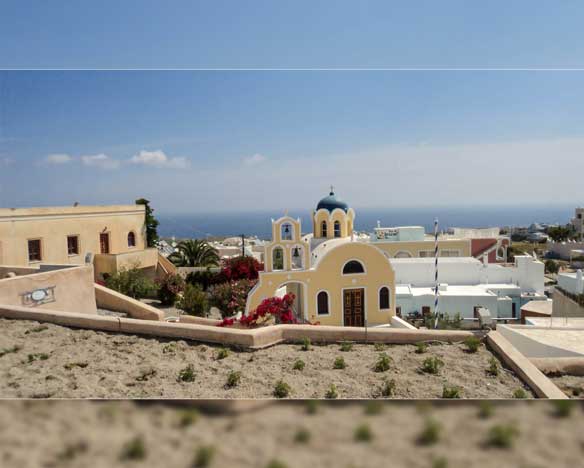
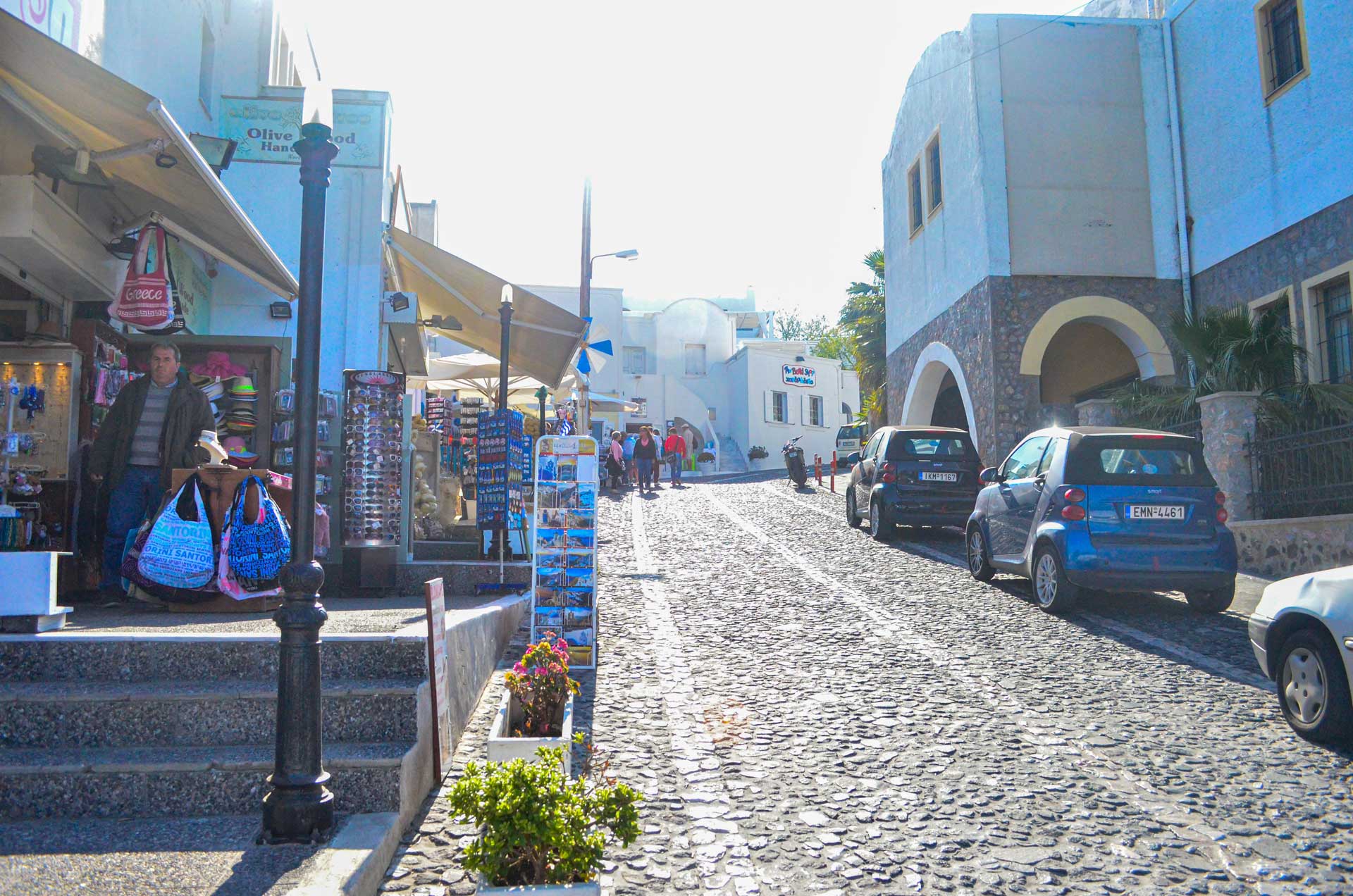
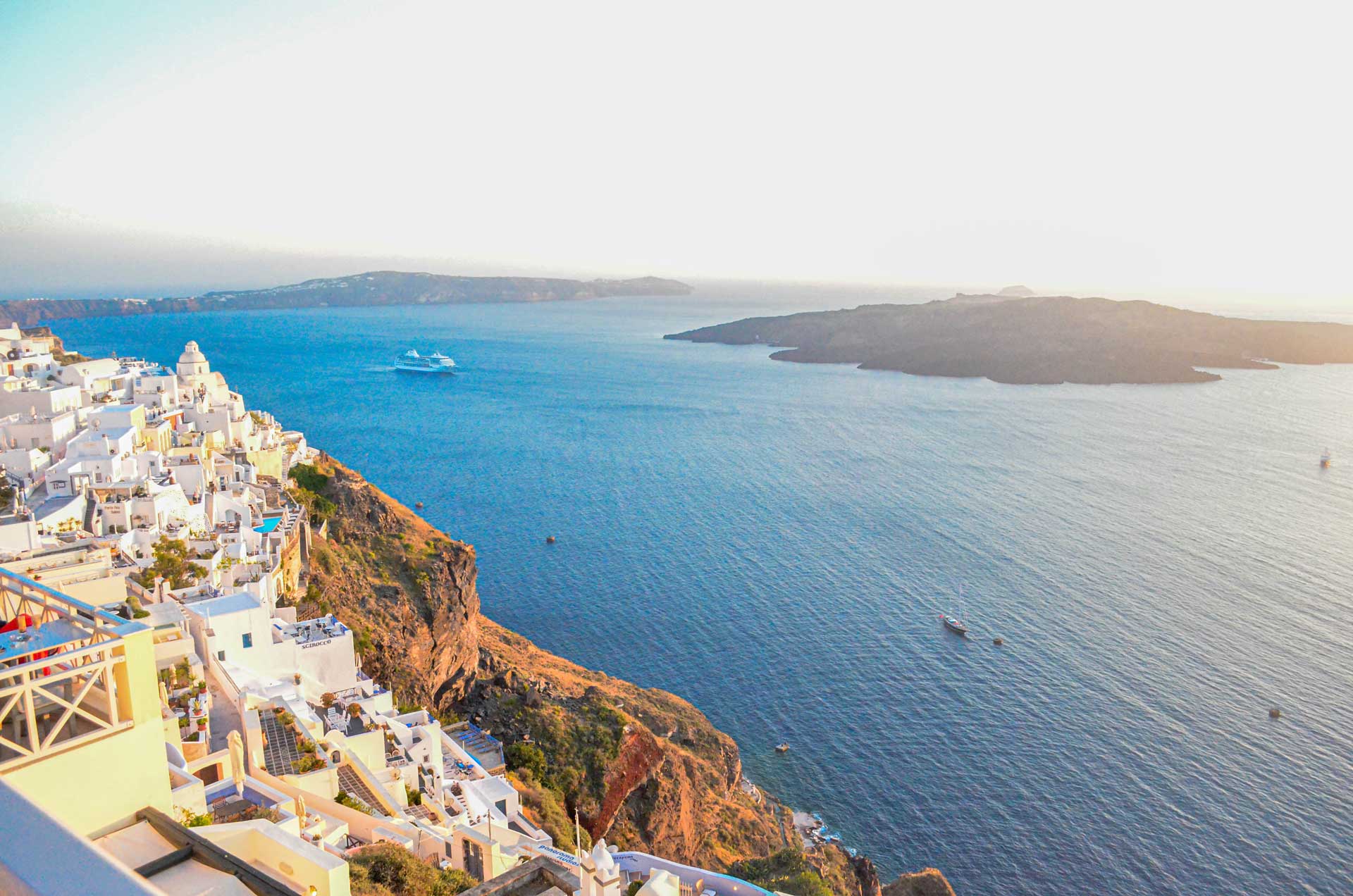
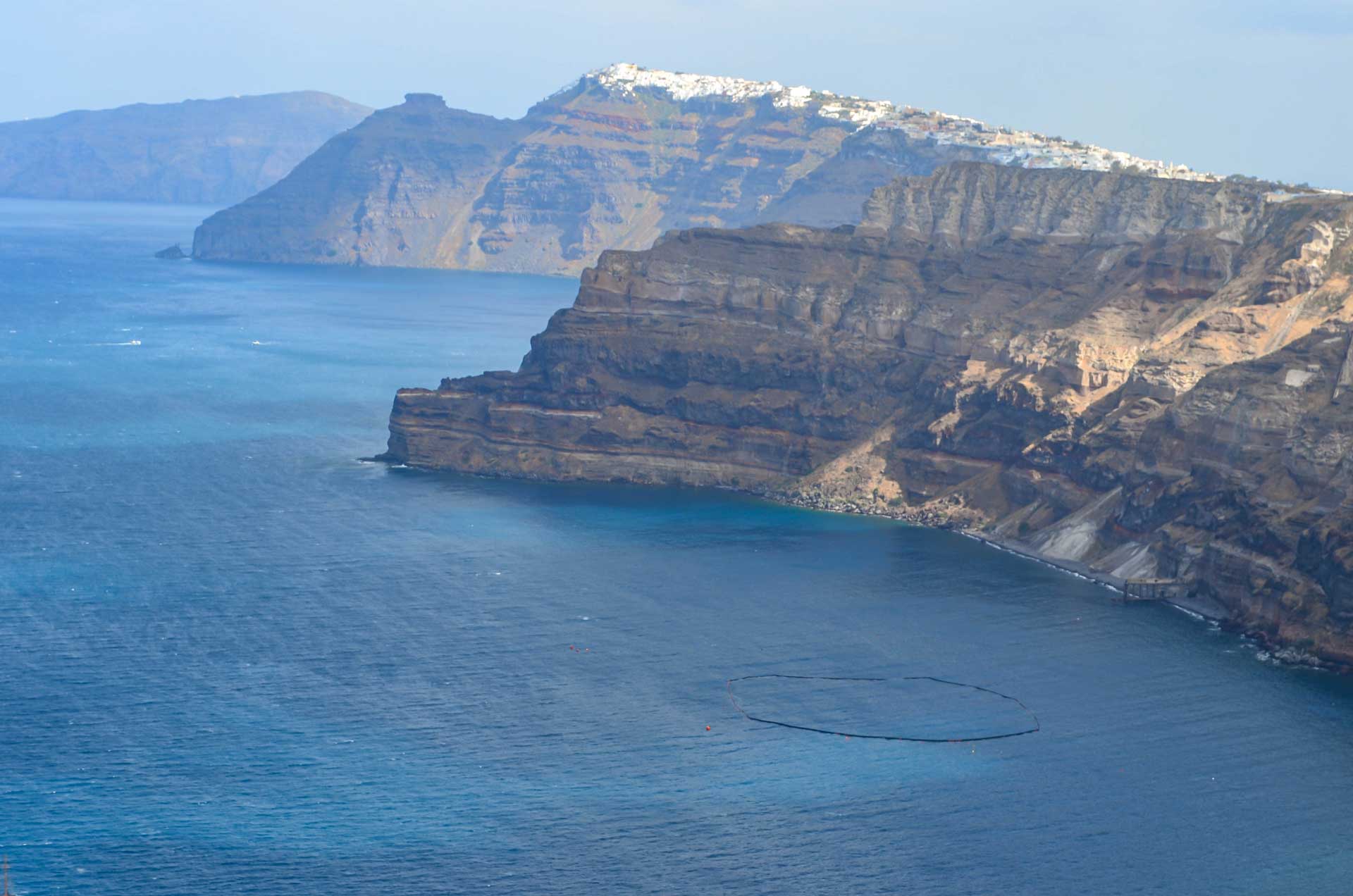
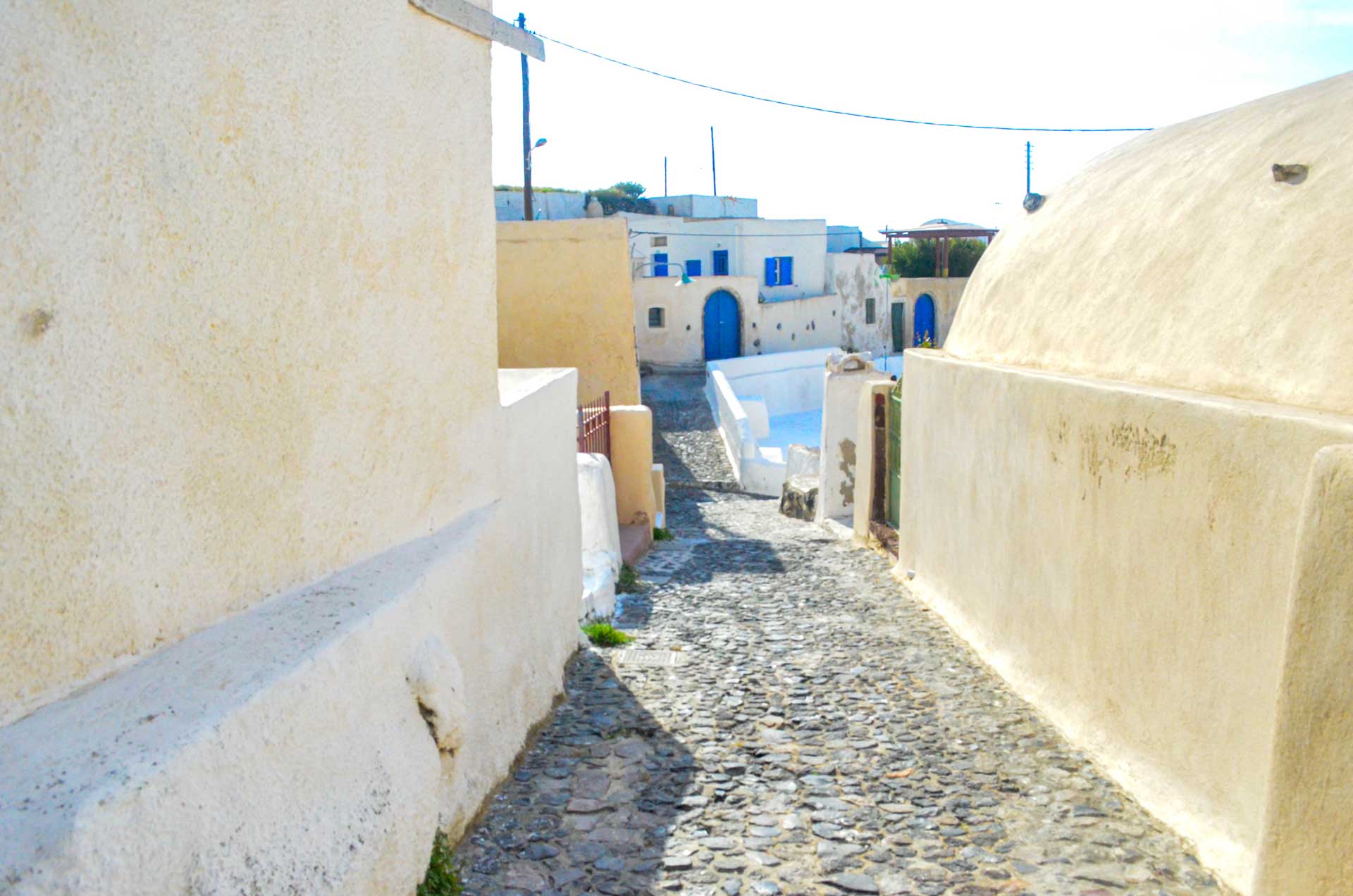
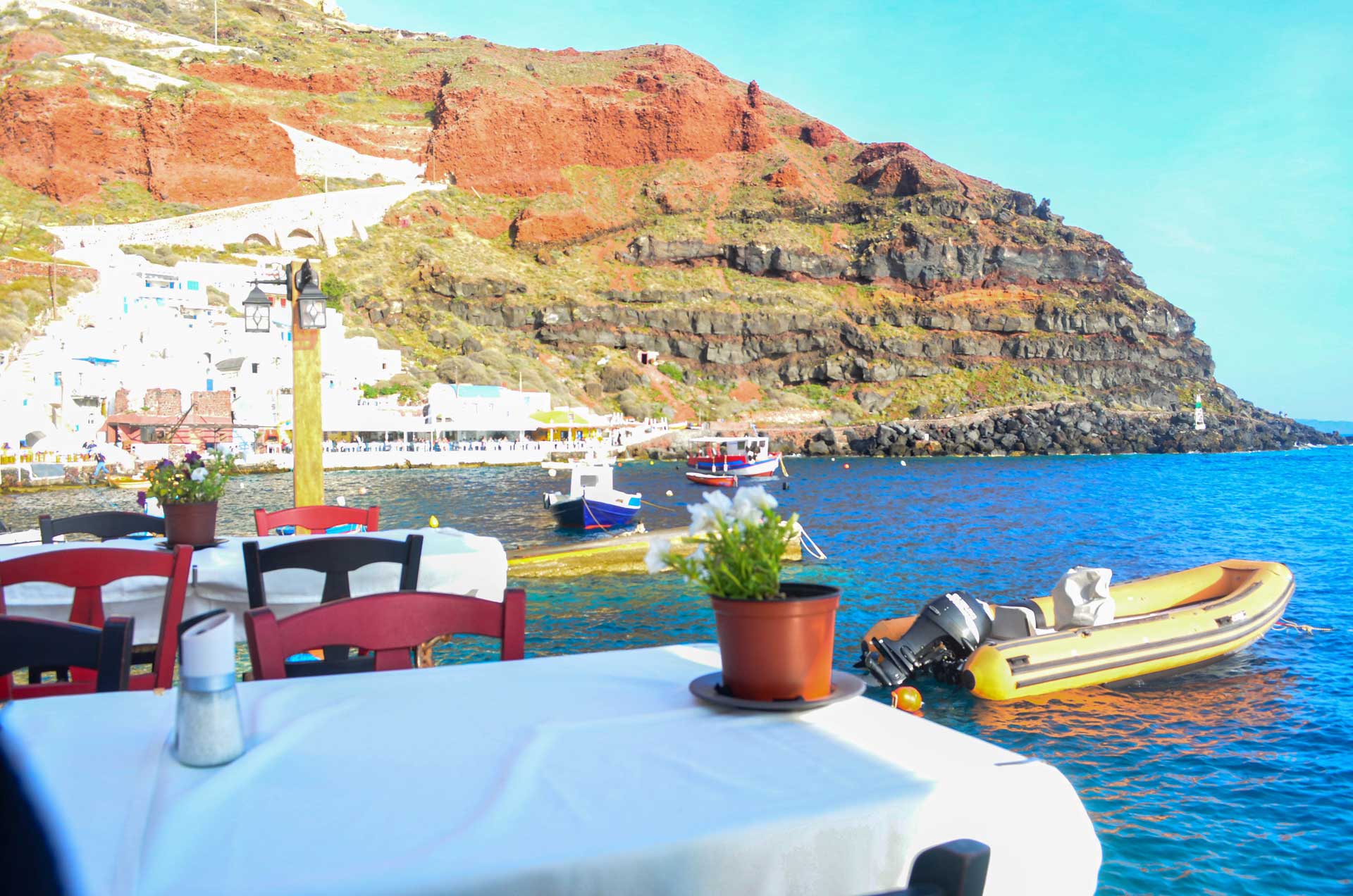
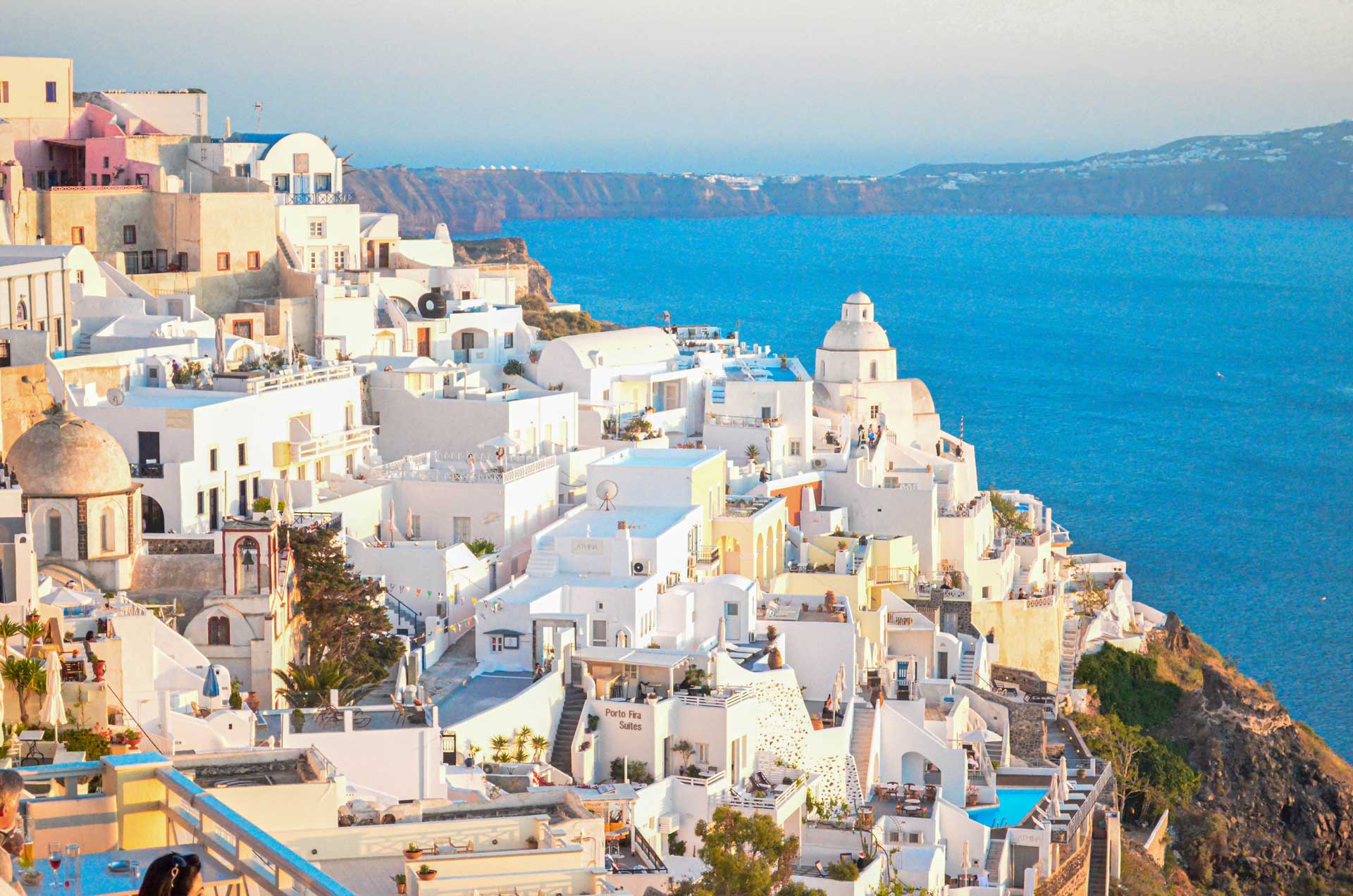
Santorini presents itself in steep cliffs, villages hugging the edges like white flames on volcanic rock. Churches with blue domes shine over alleys that wind between terraces and courtyards
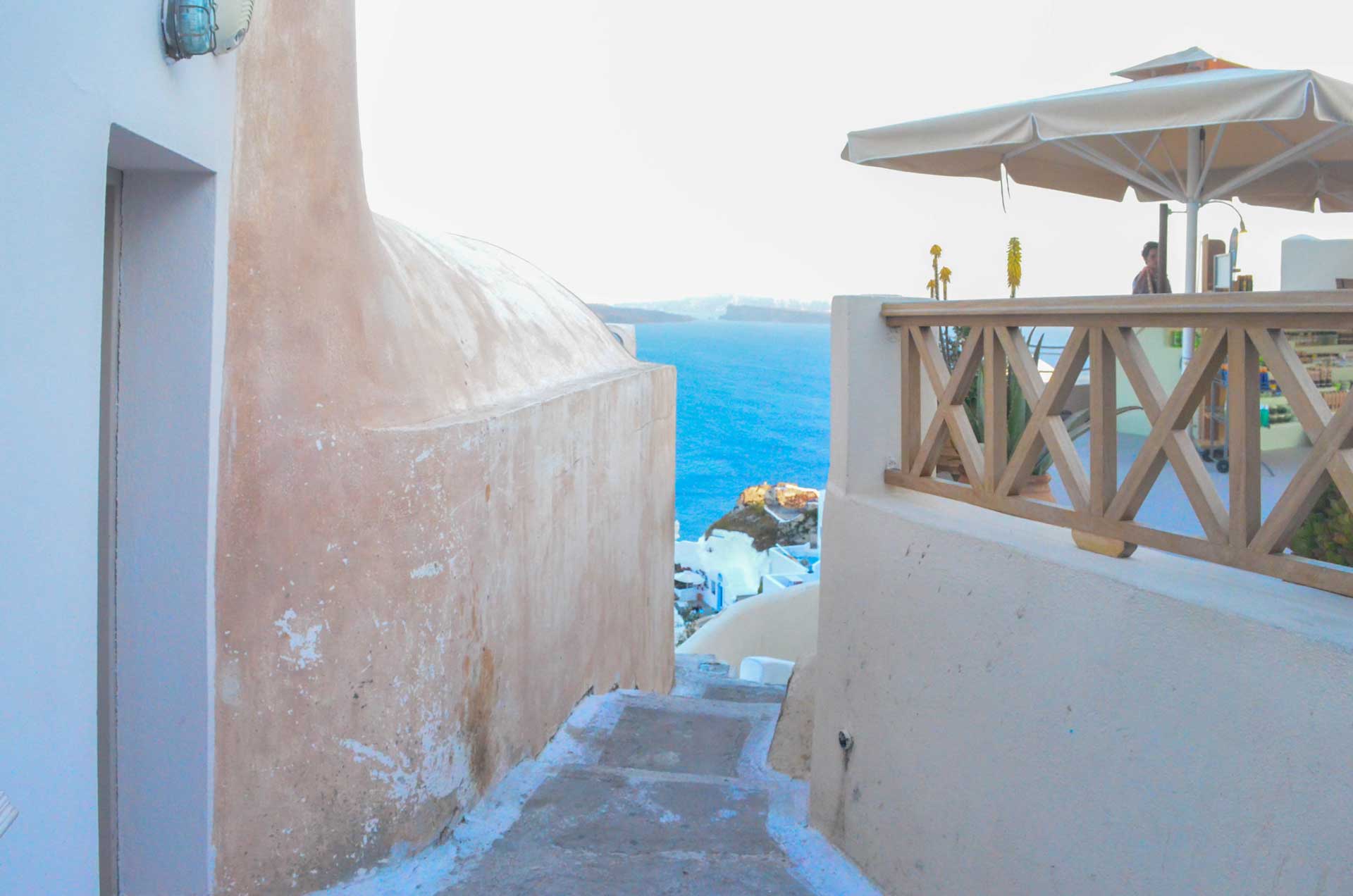
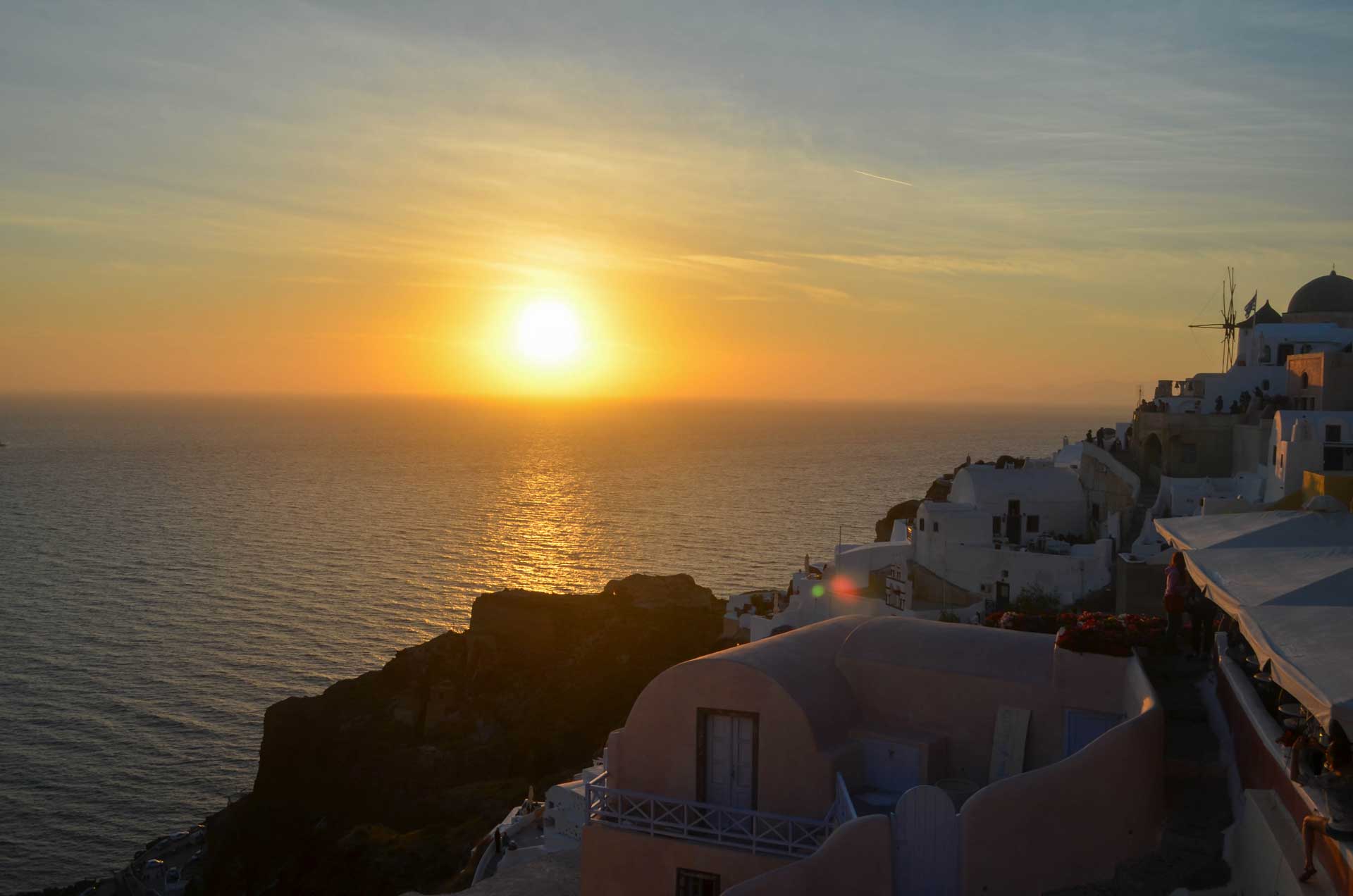
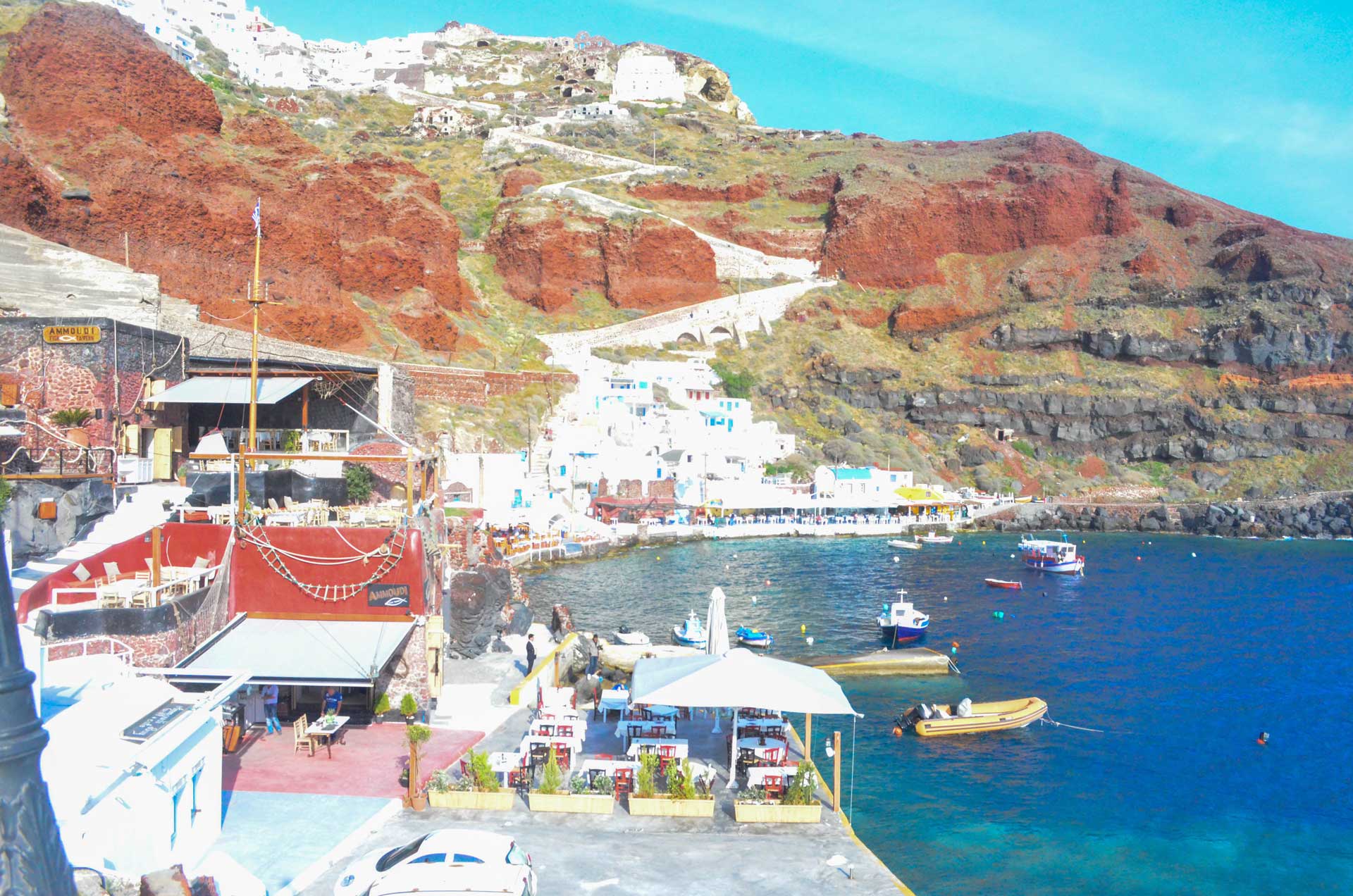
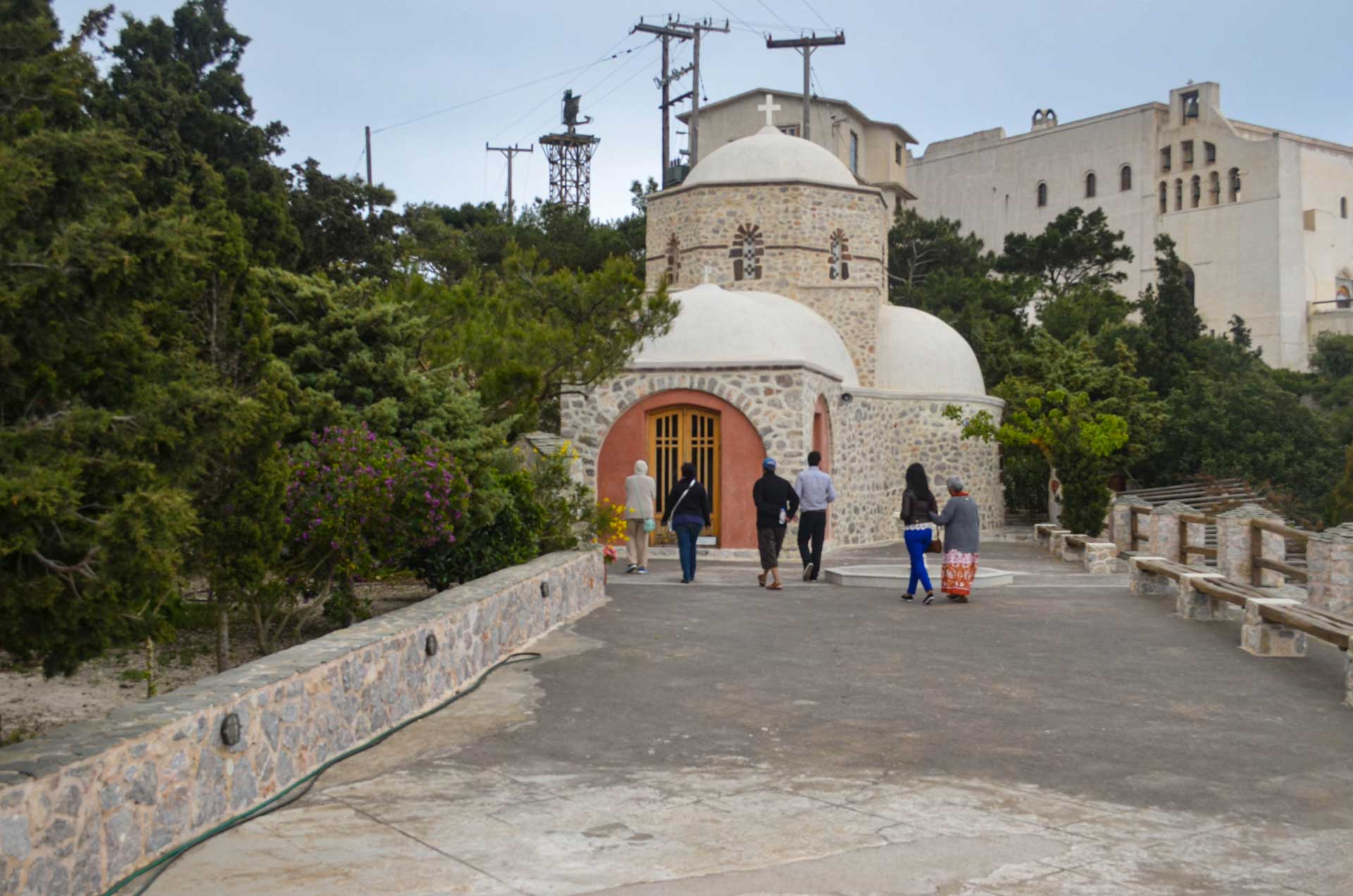
Through a maze of whitewashed houses, lined with terraces where the world shows up for sunset, in the village of Oia. As the sun recedes into the caldera, the sea becomes molten gold and the cliffs blush rose, and for a moment there is silence. St. Nicholas Monastry and the view of the horizon from there is not just a spectacle but reverence.
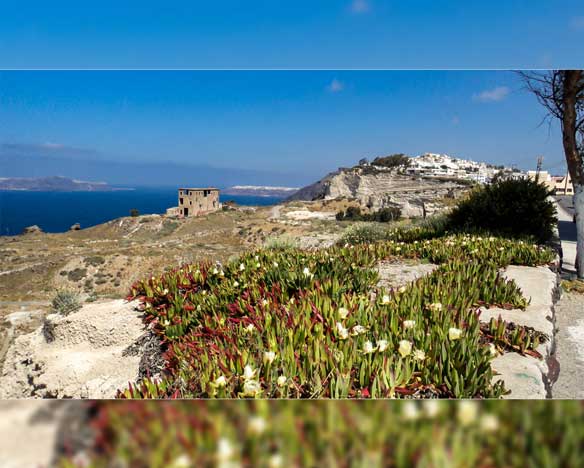
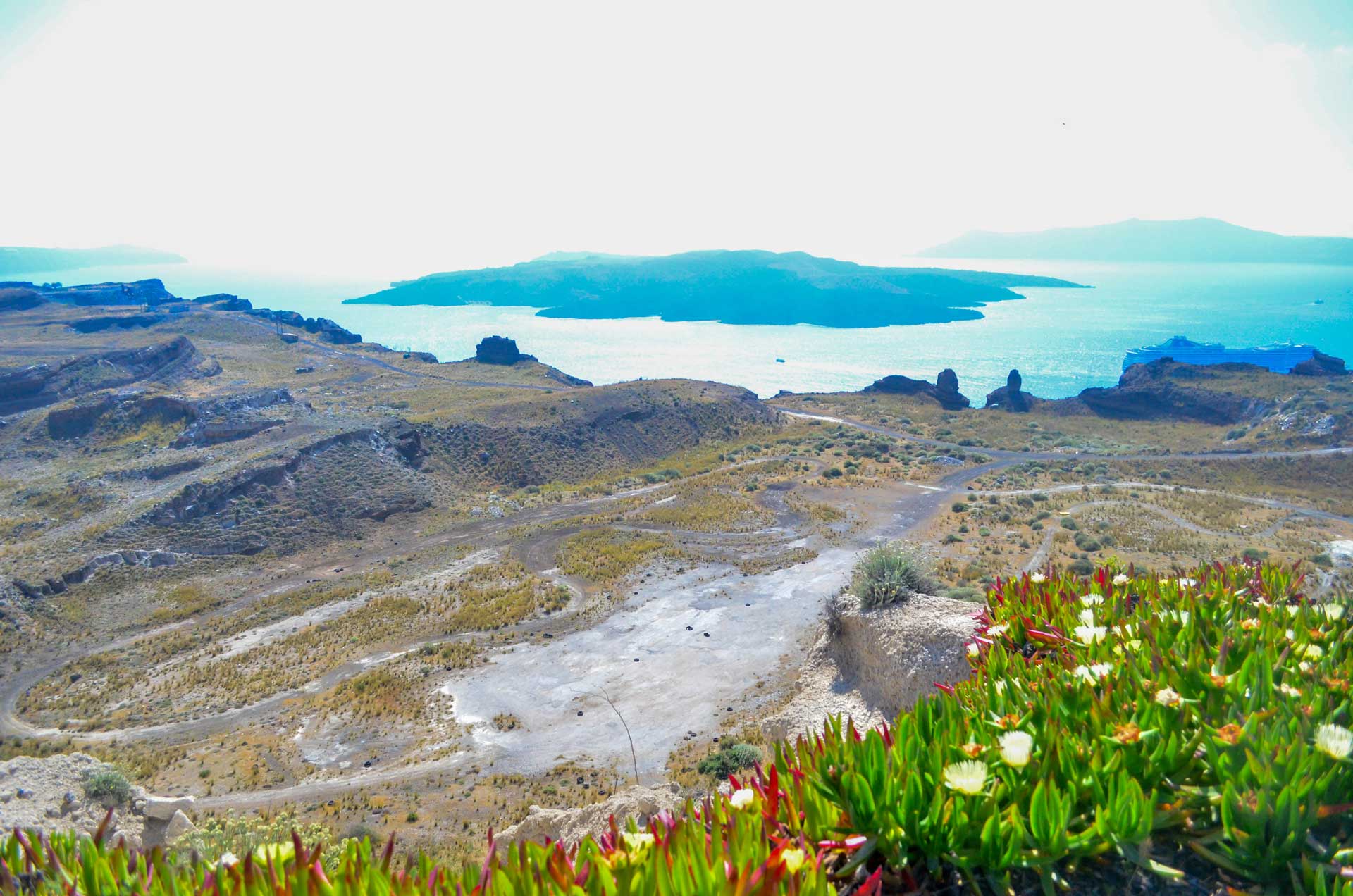
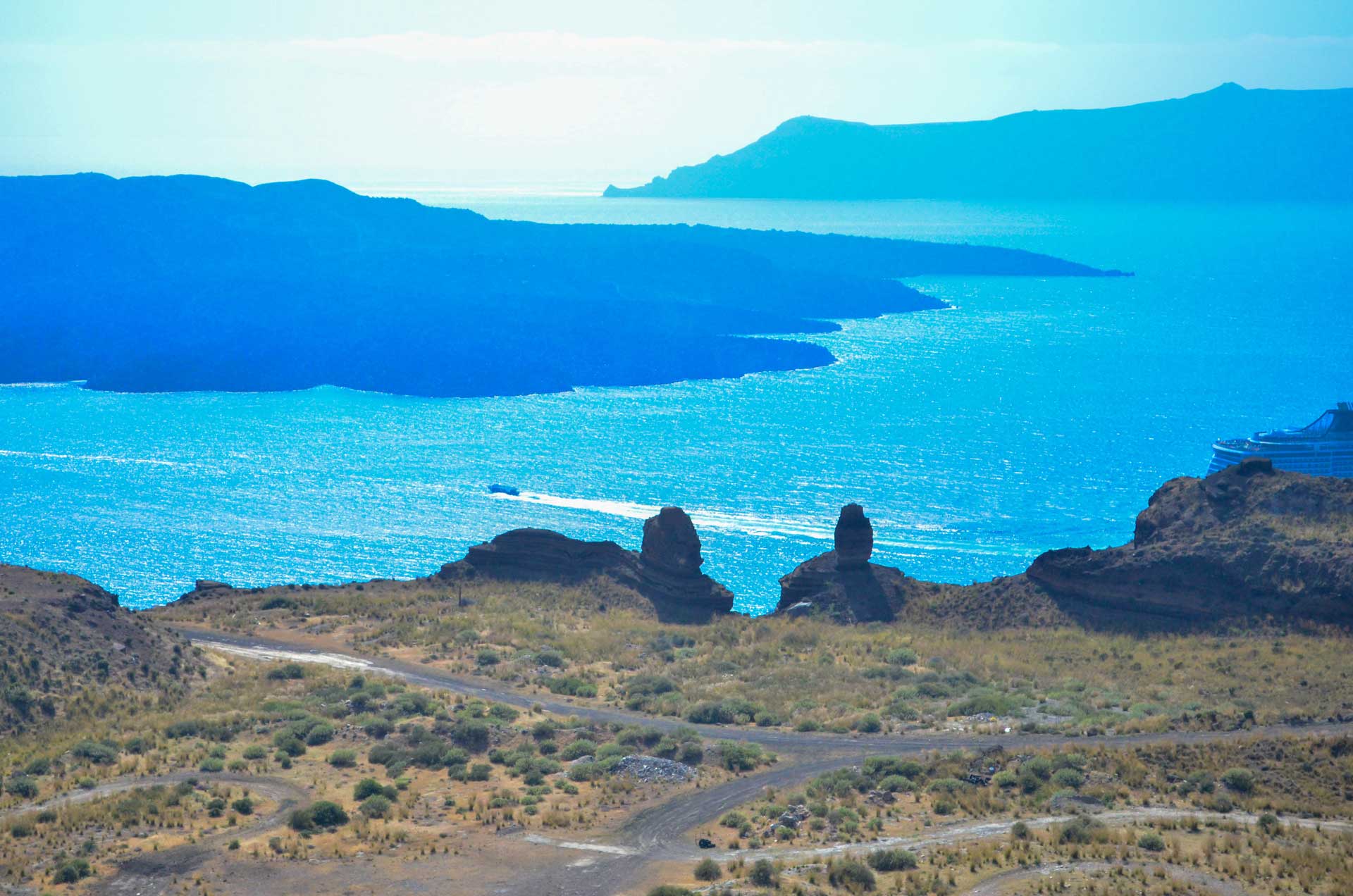
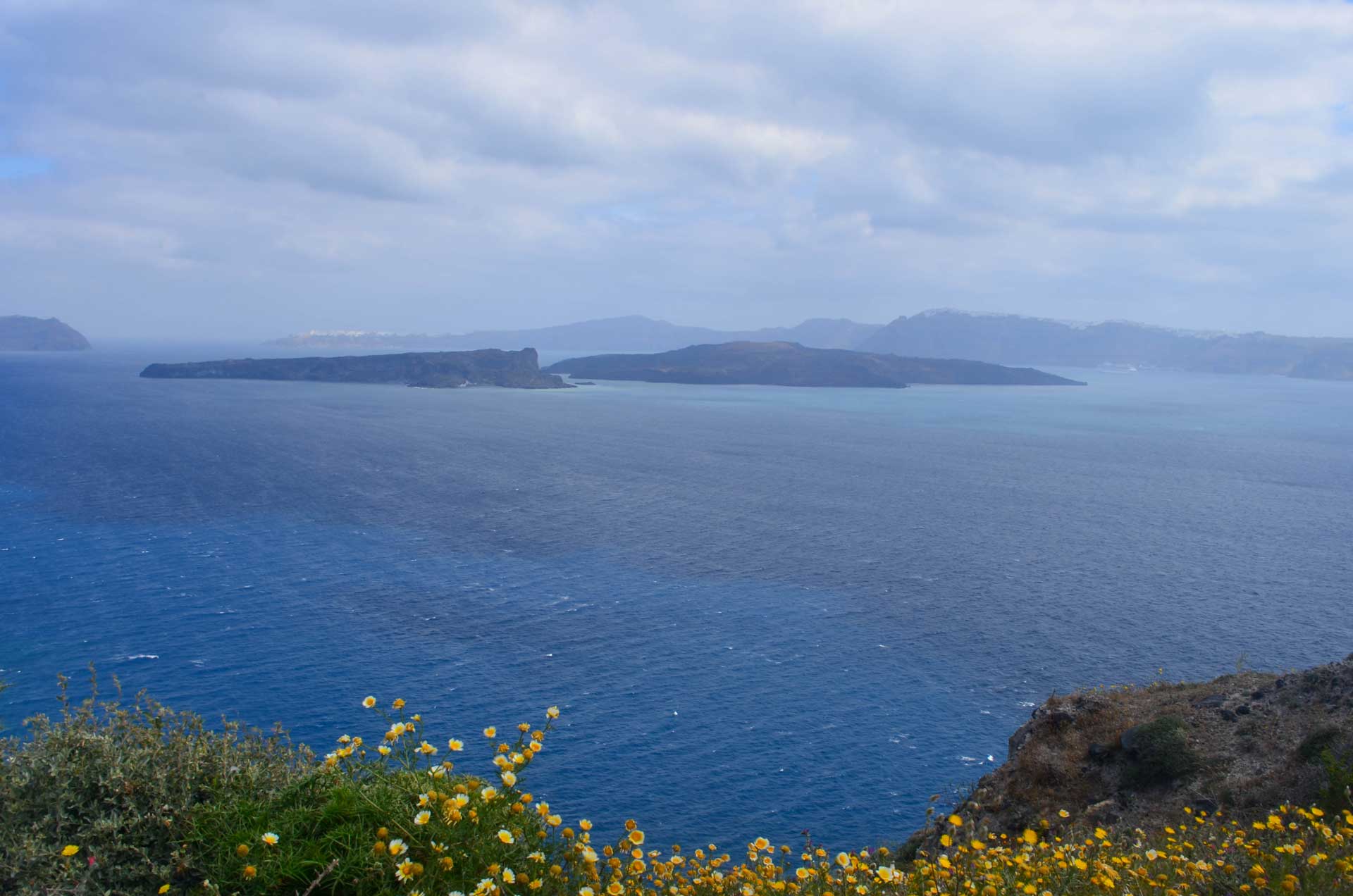
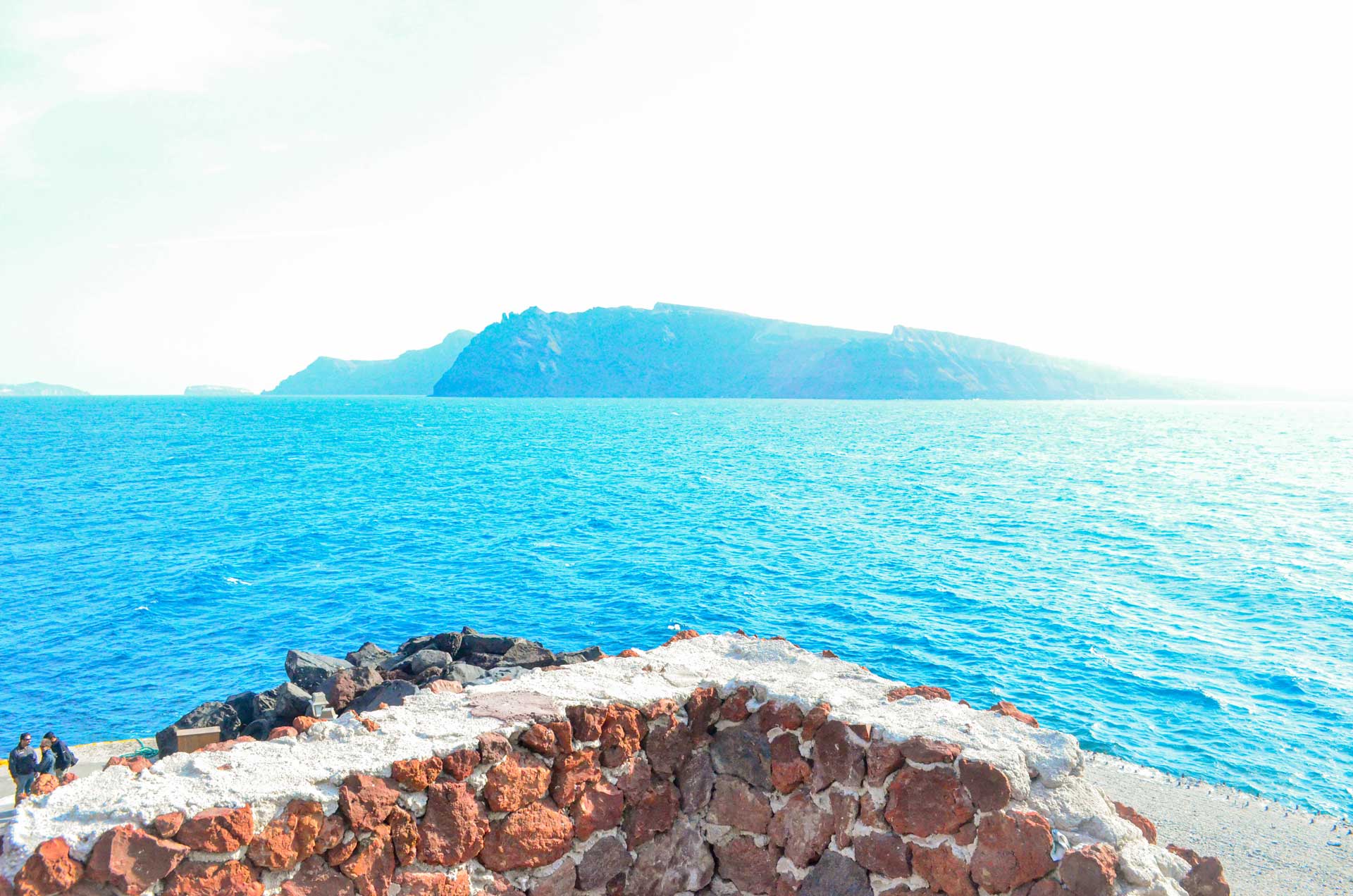
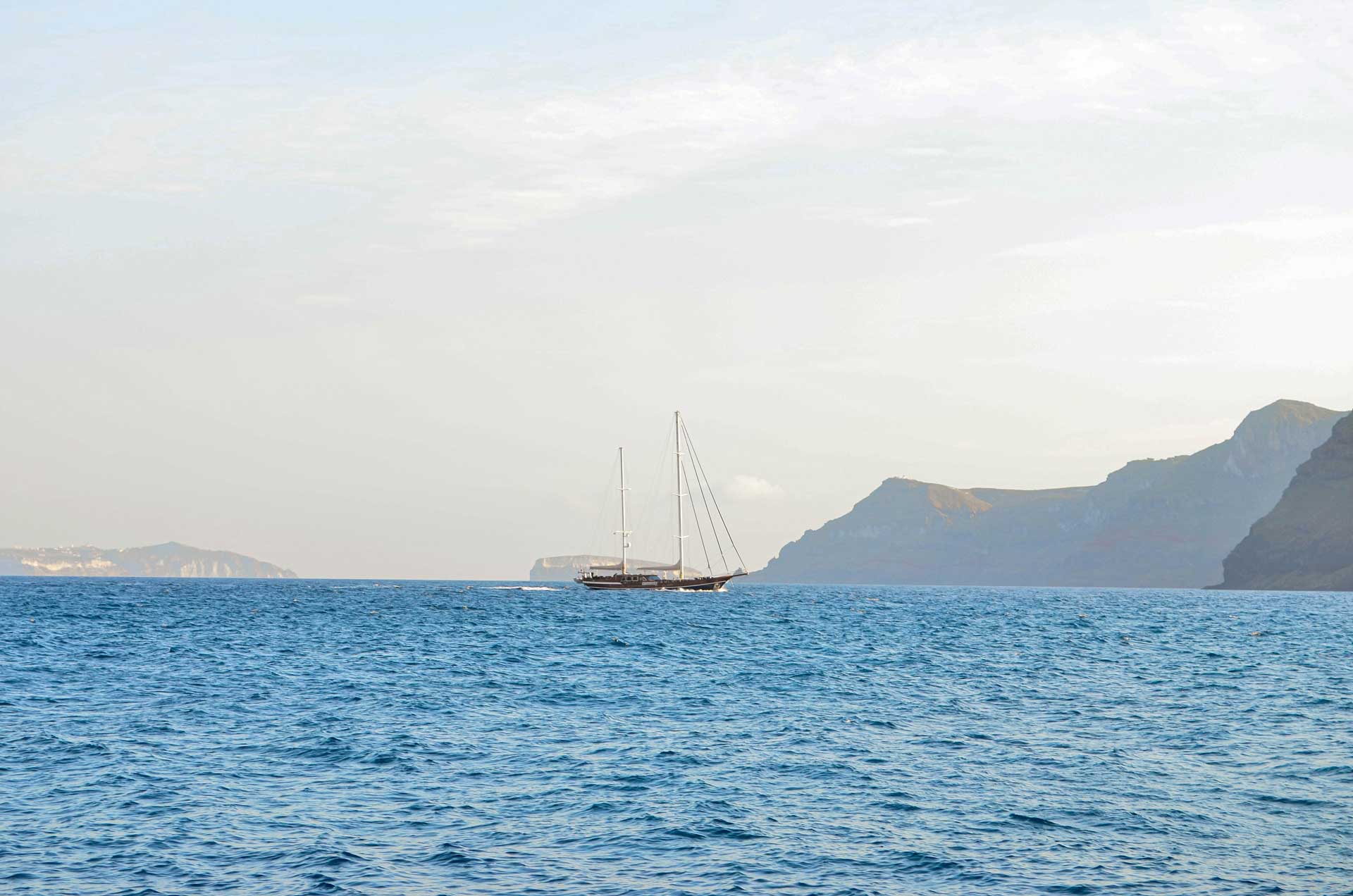
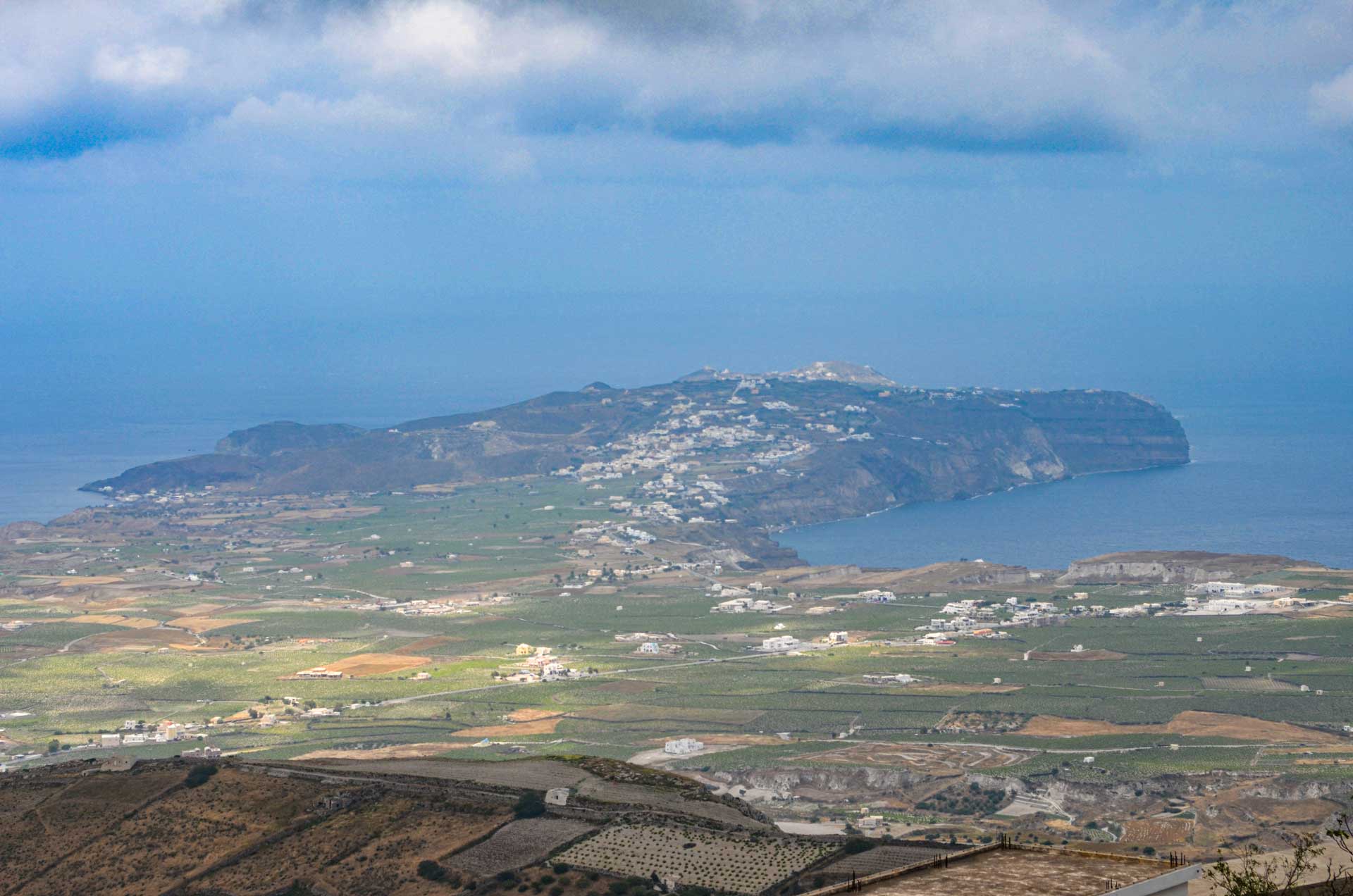
The cliffs are alive themselves, fire made, but vineyards, chapels and houses now cling to them. From their summit the sea does not overpower but complements the scene — wide and still and forever. Santorini, a creation of eruption, is a song of survival, and all of its stones and vineyards bear witness.
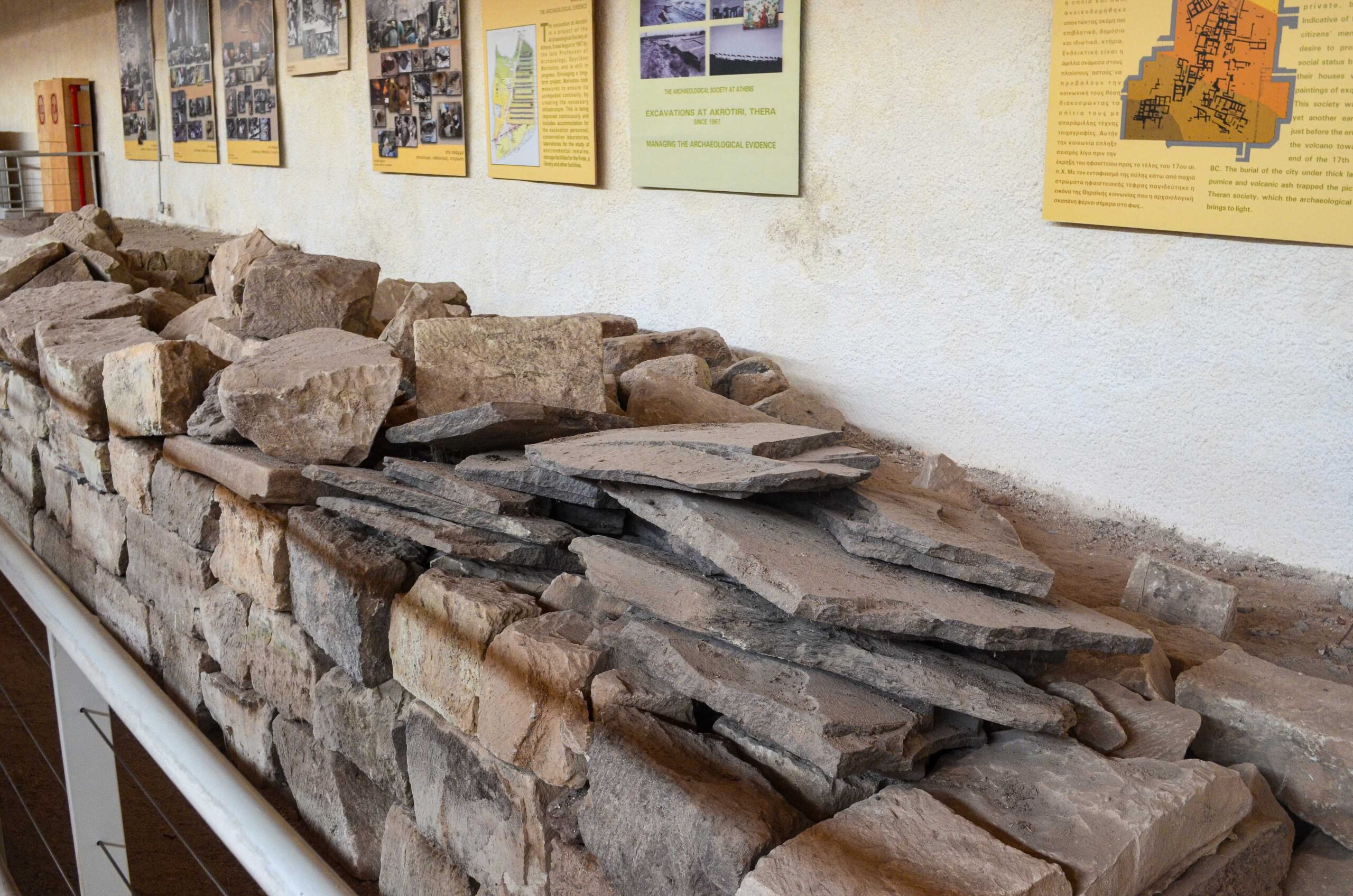
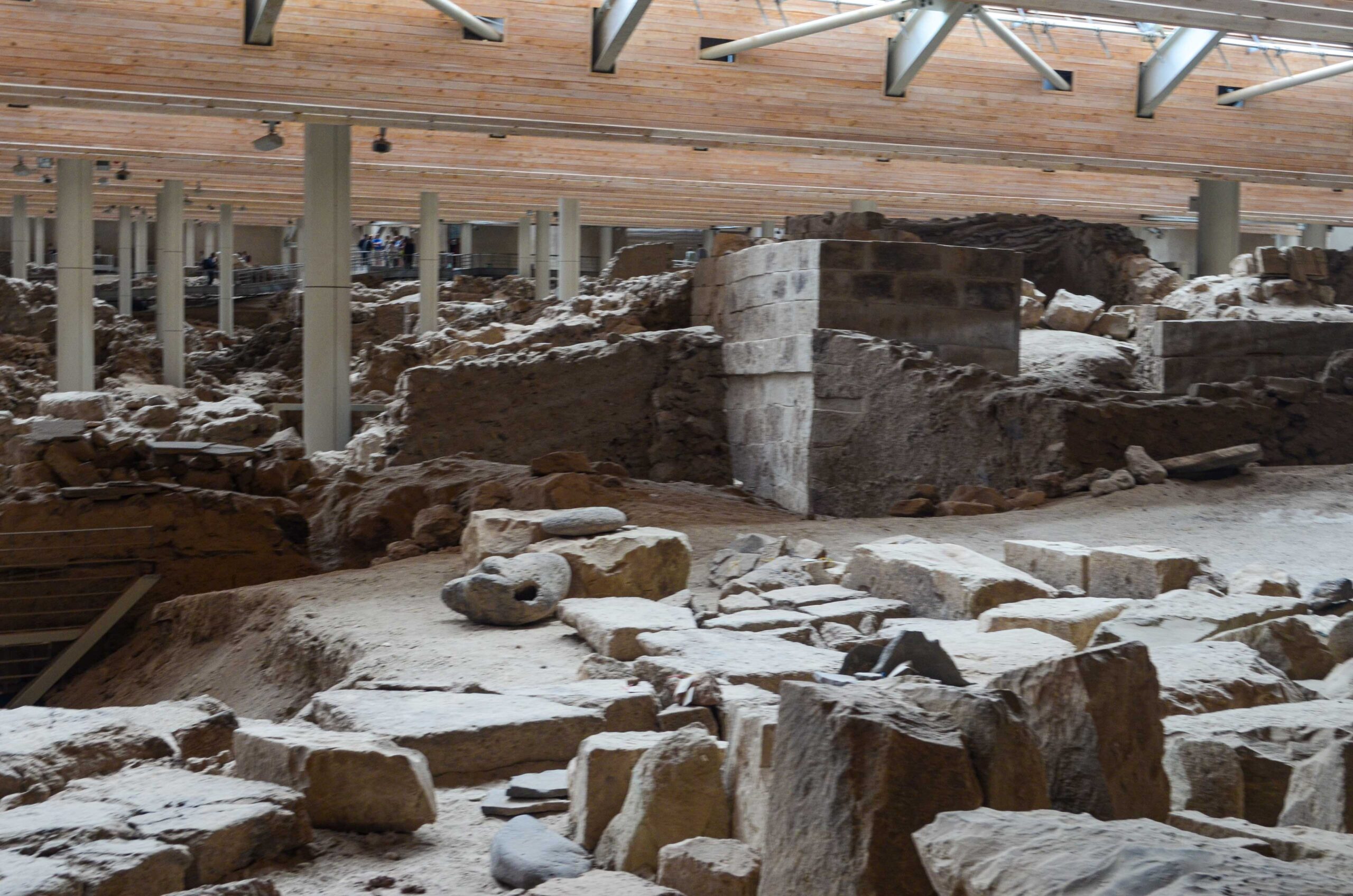
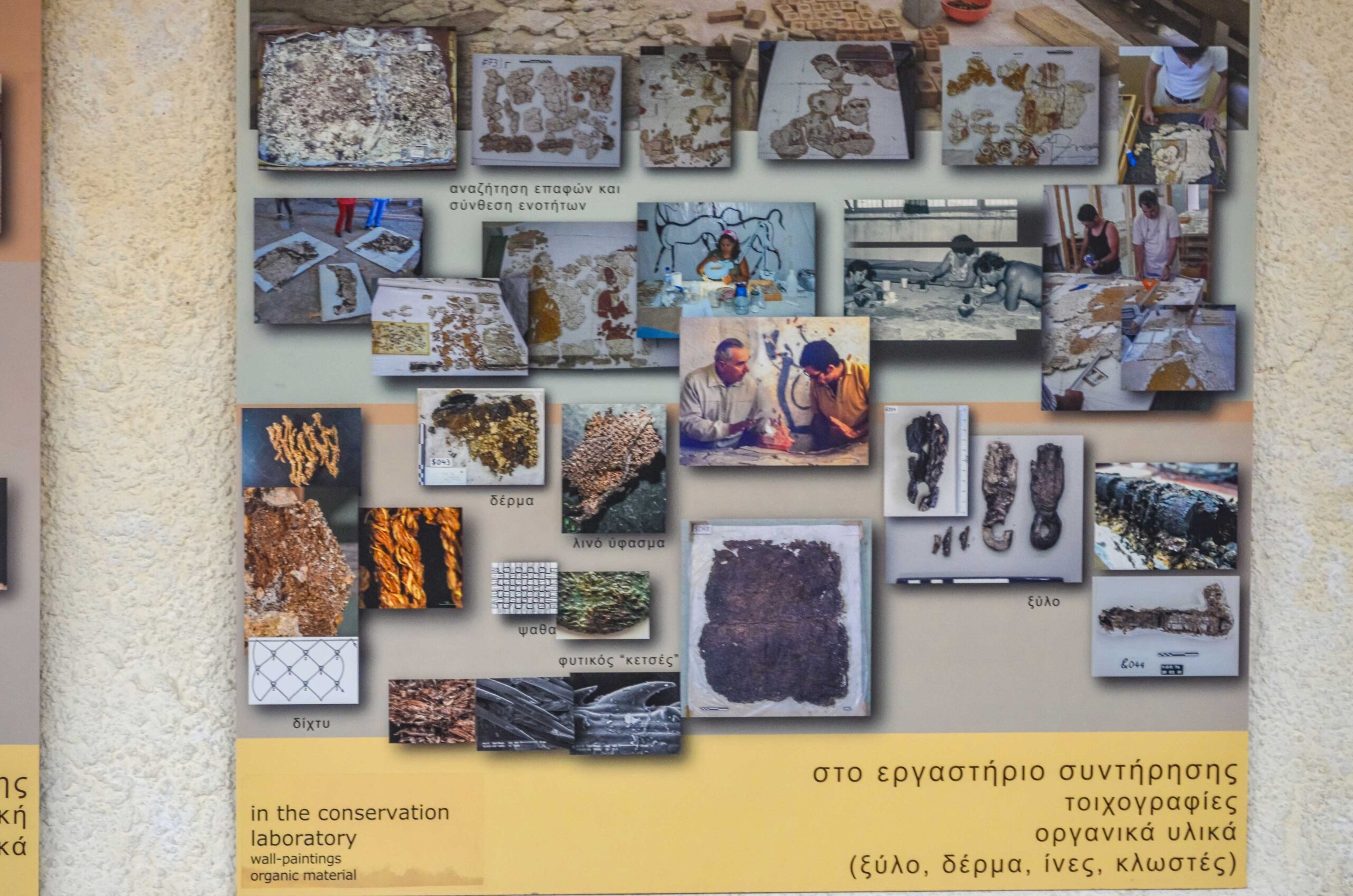
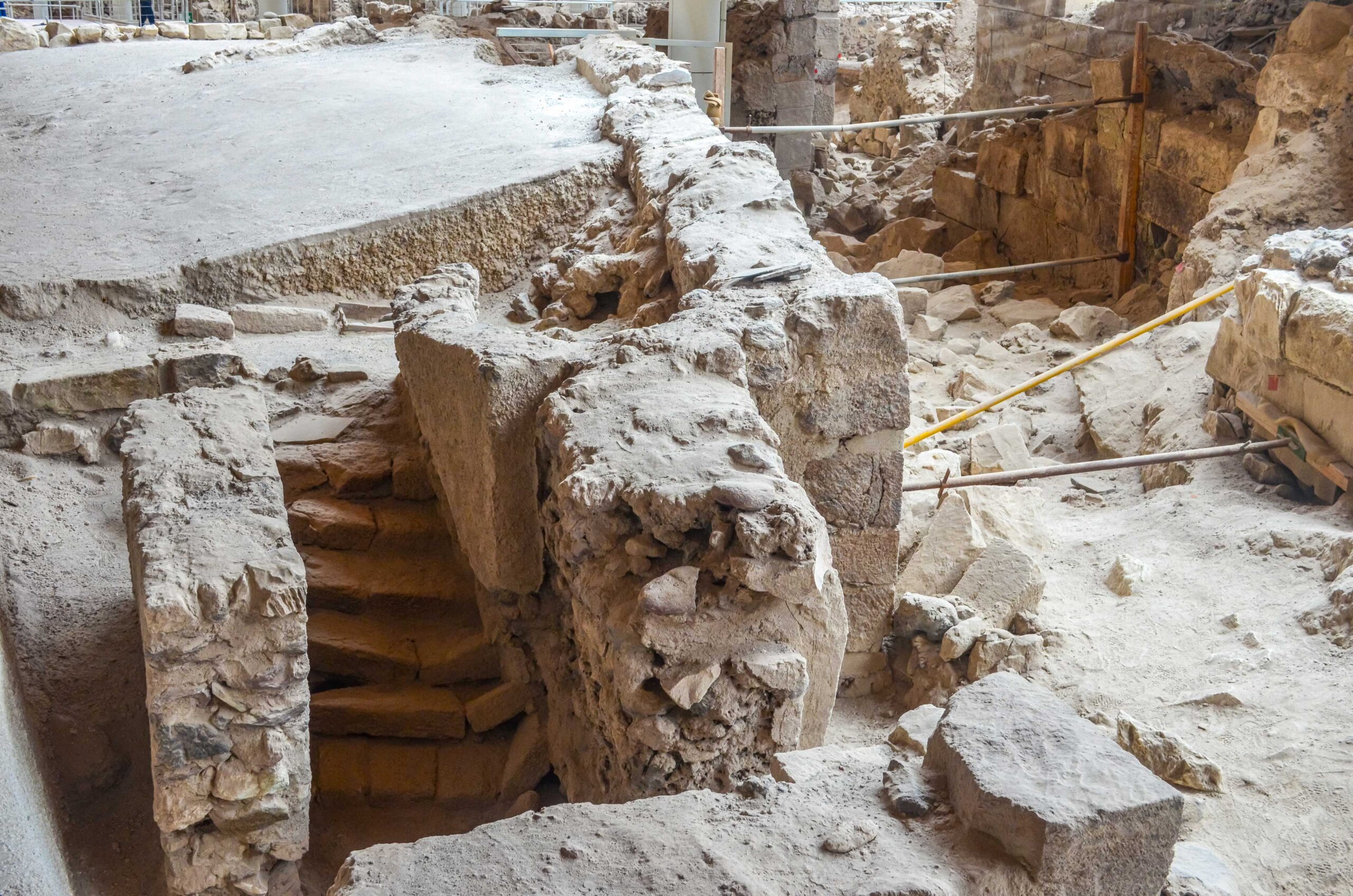
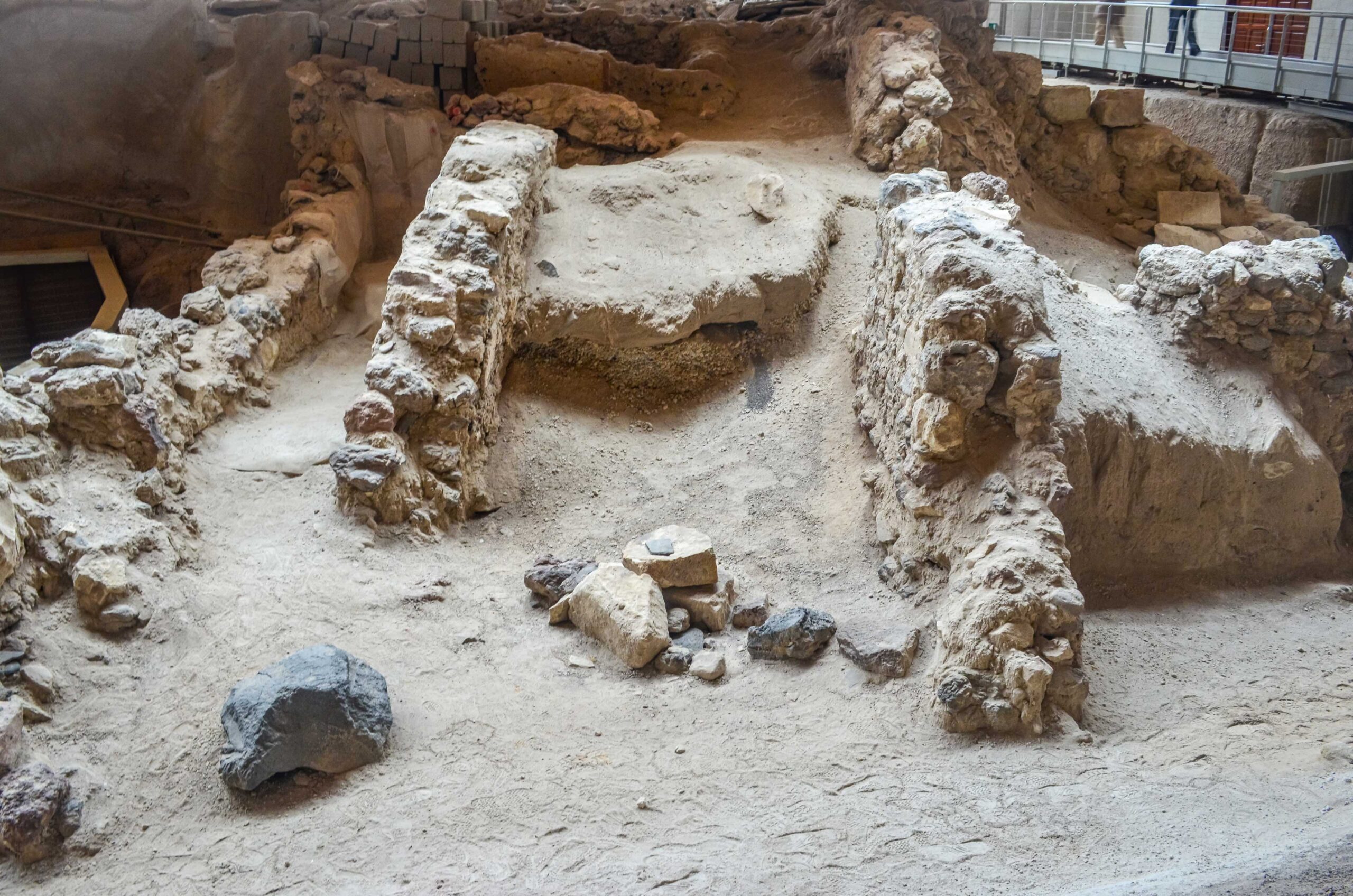
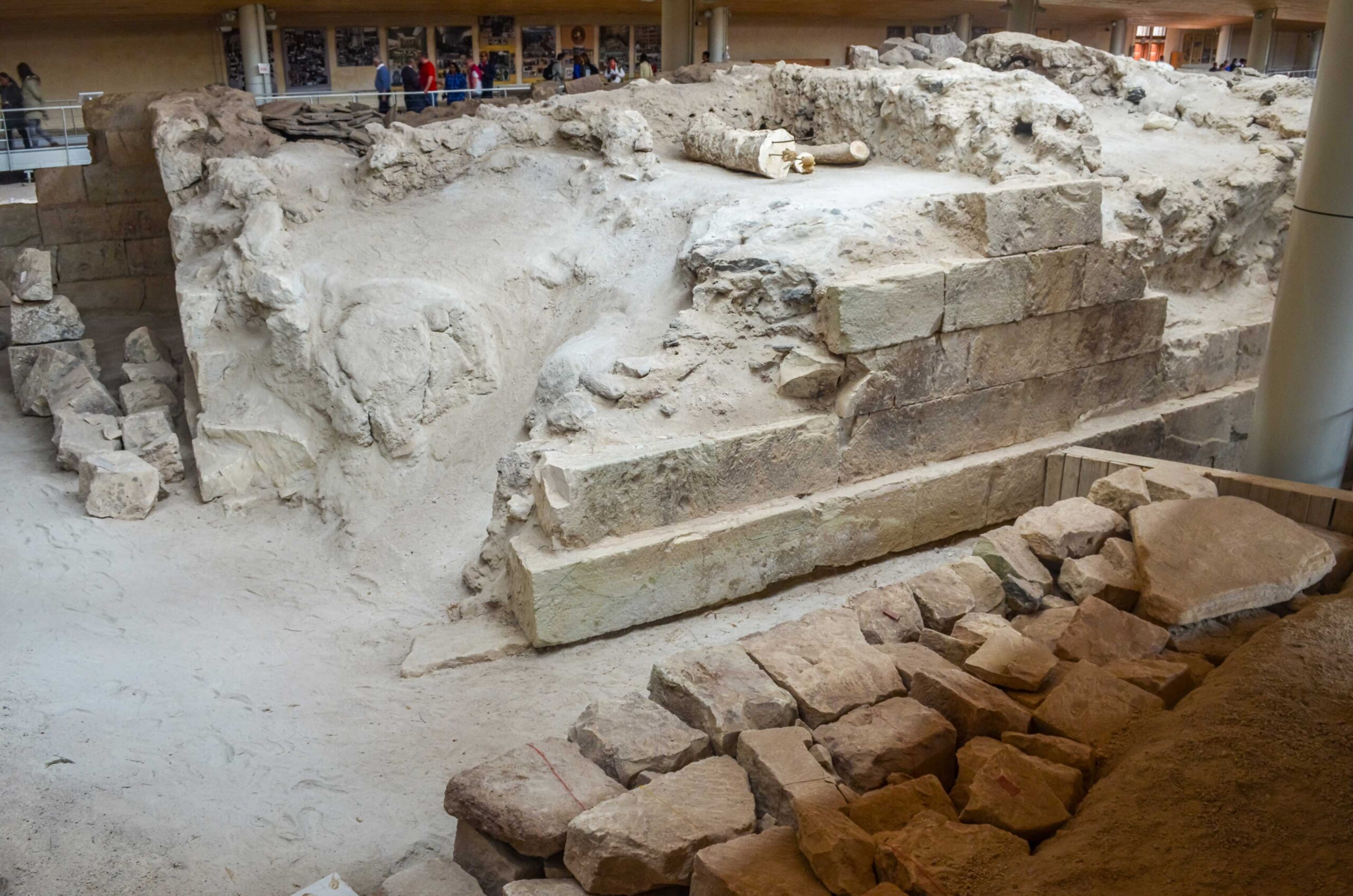
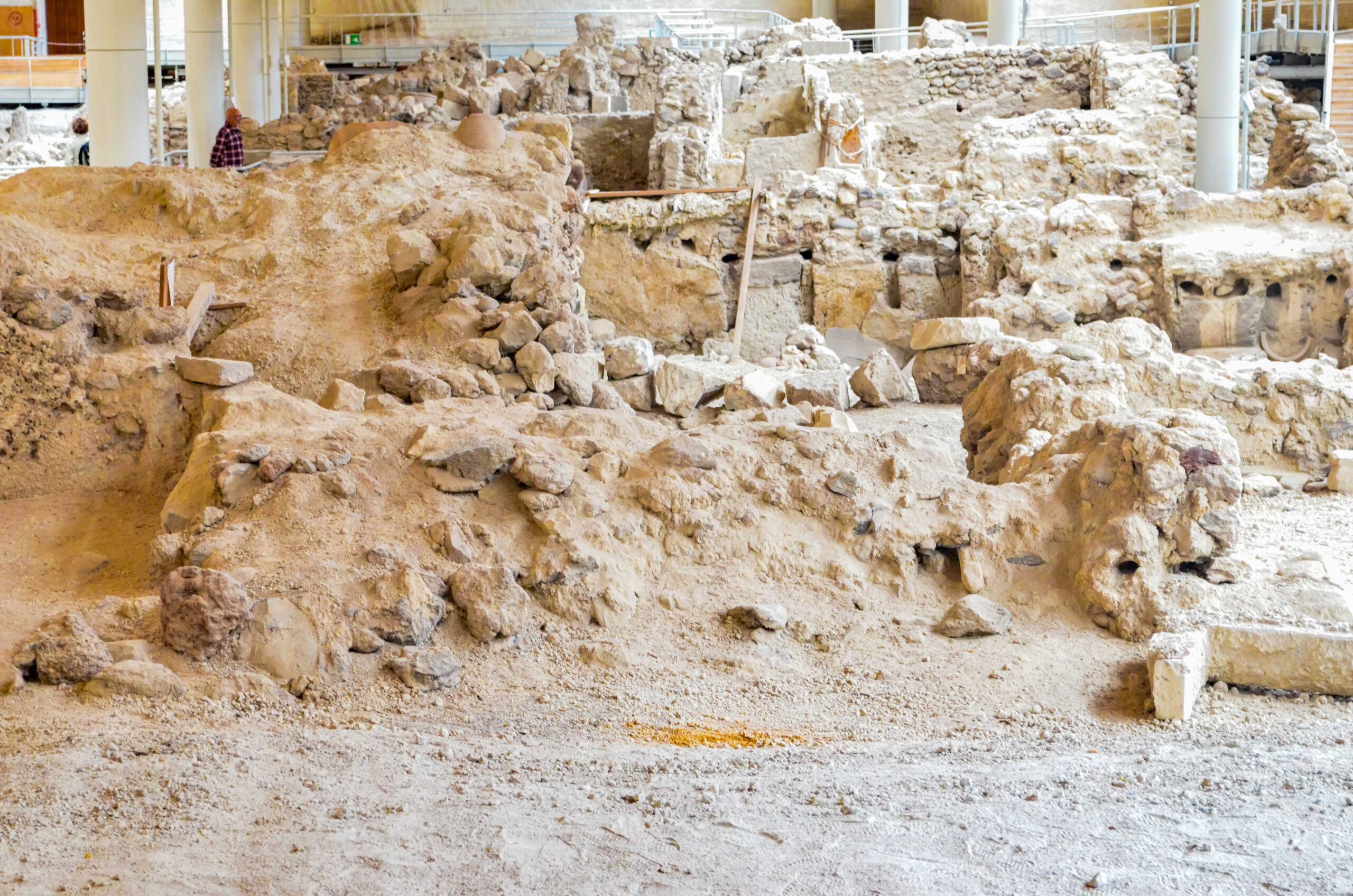
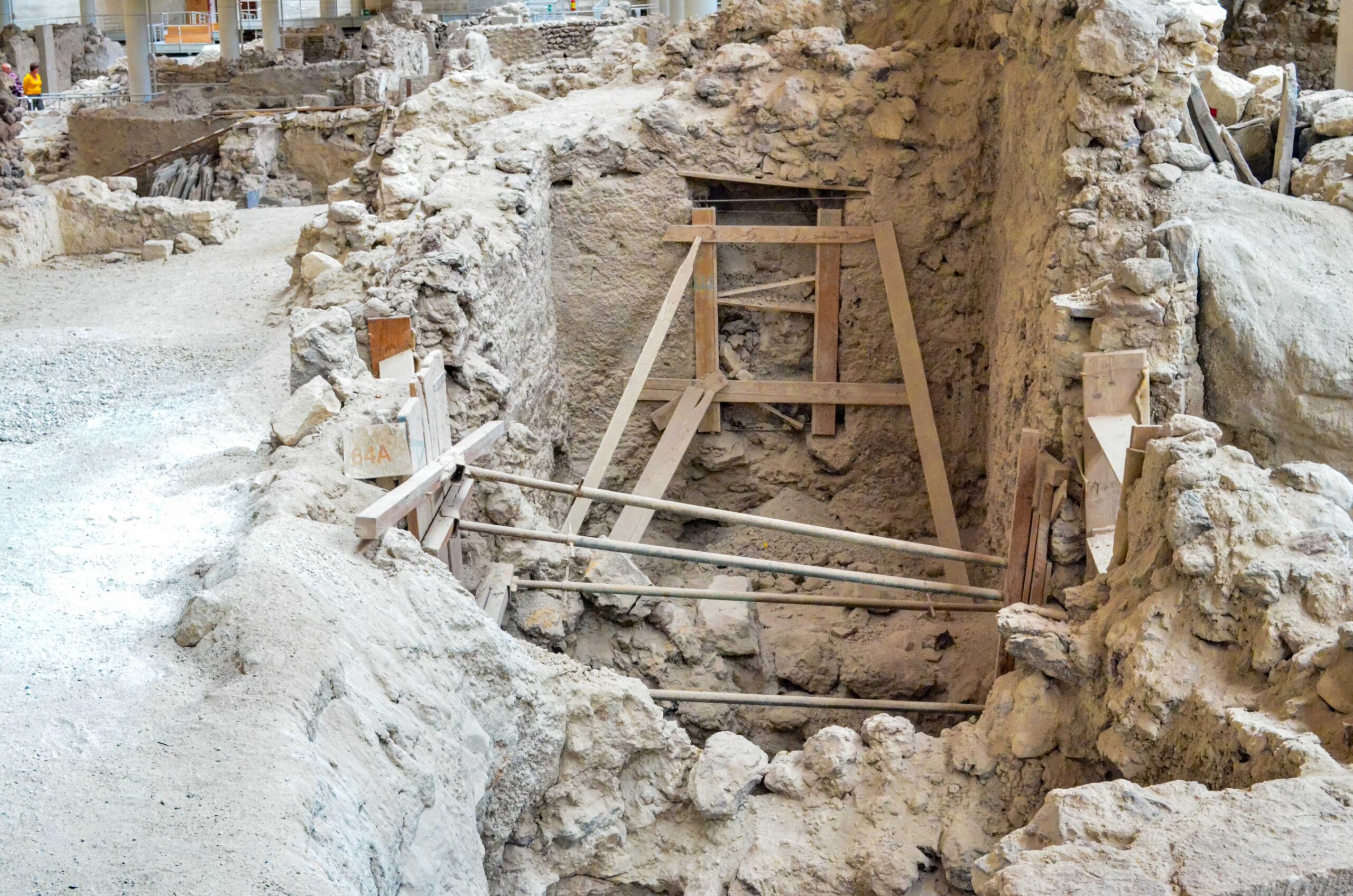
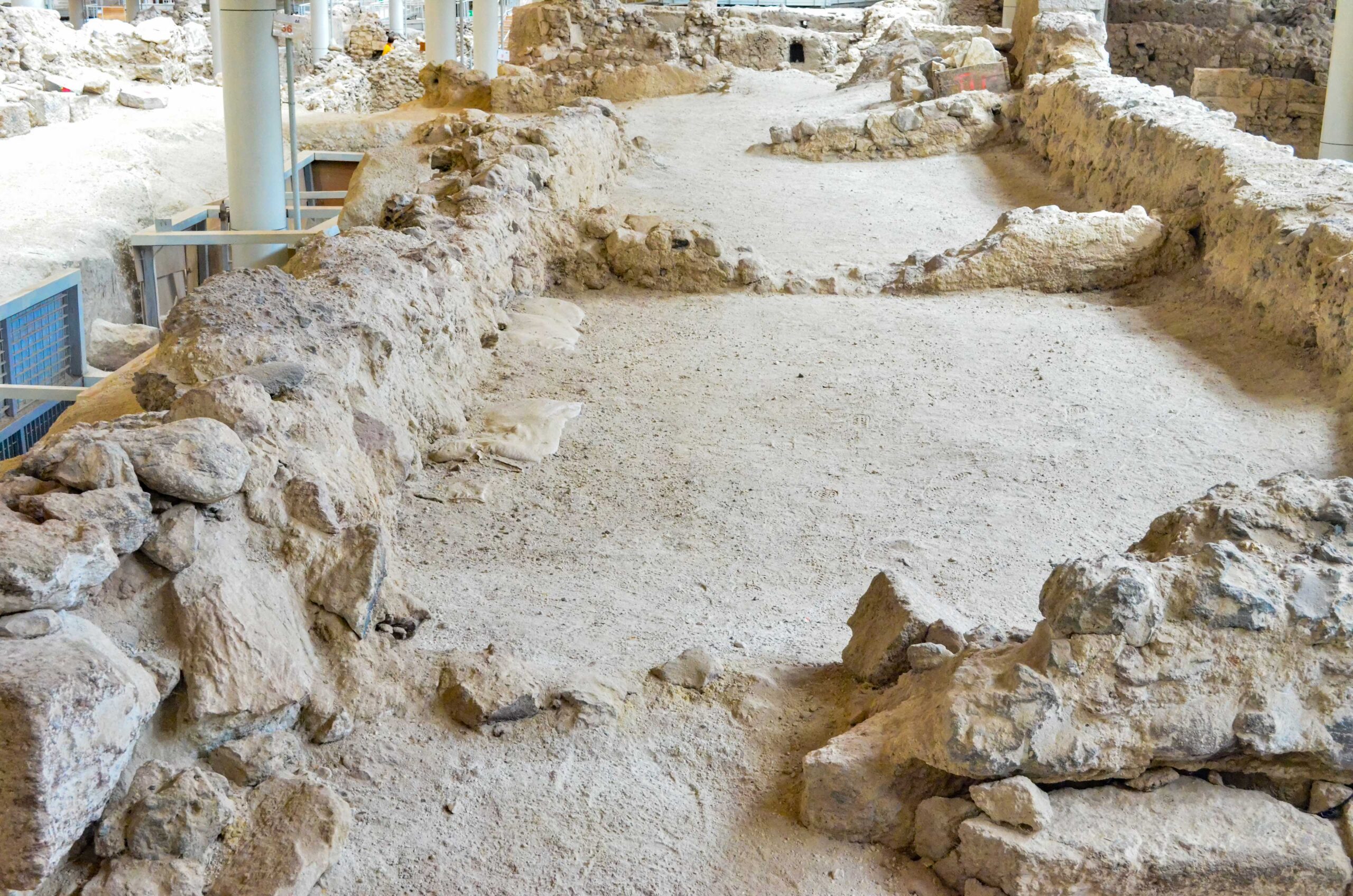
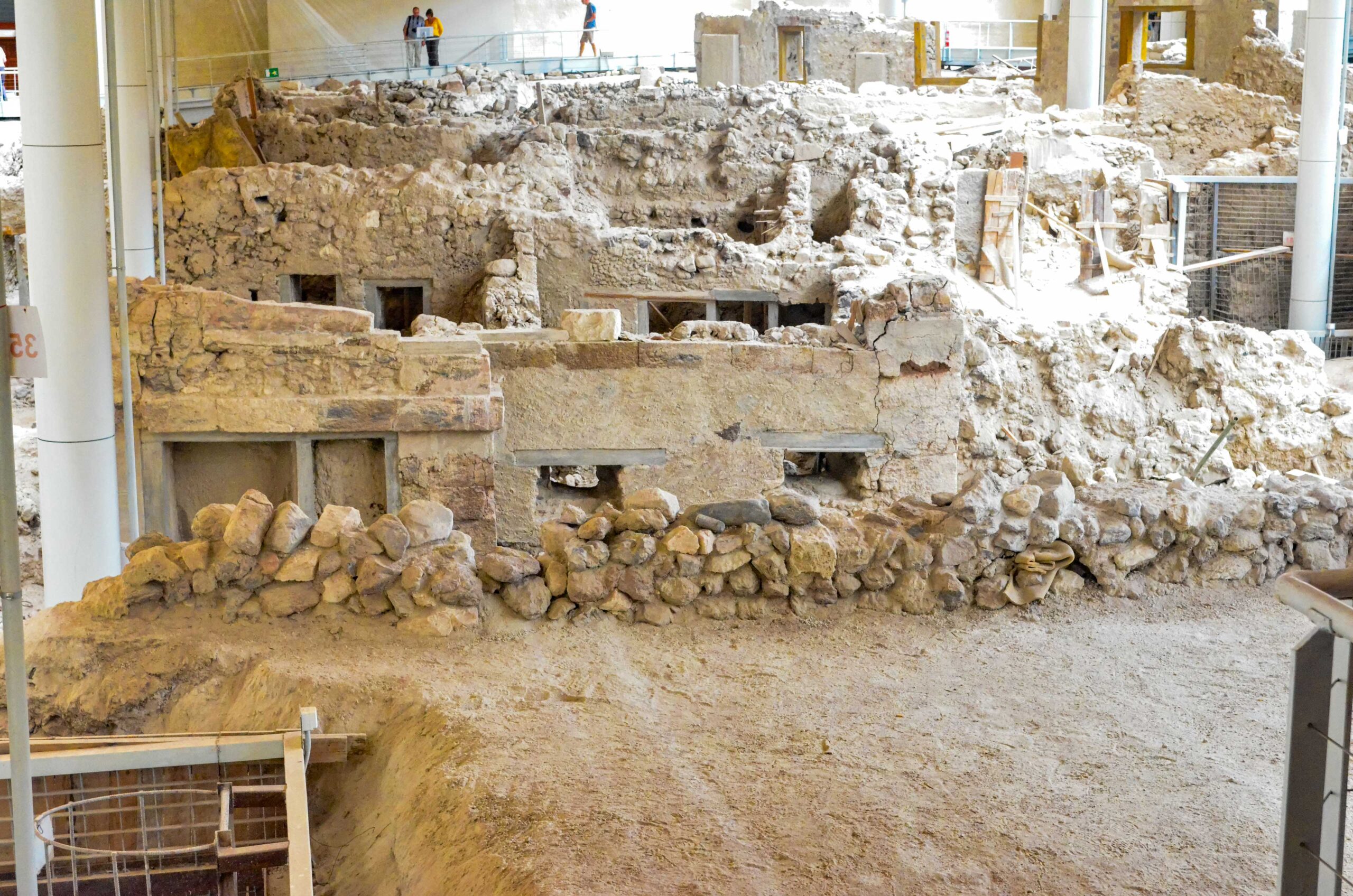
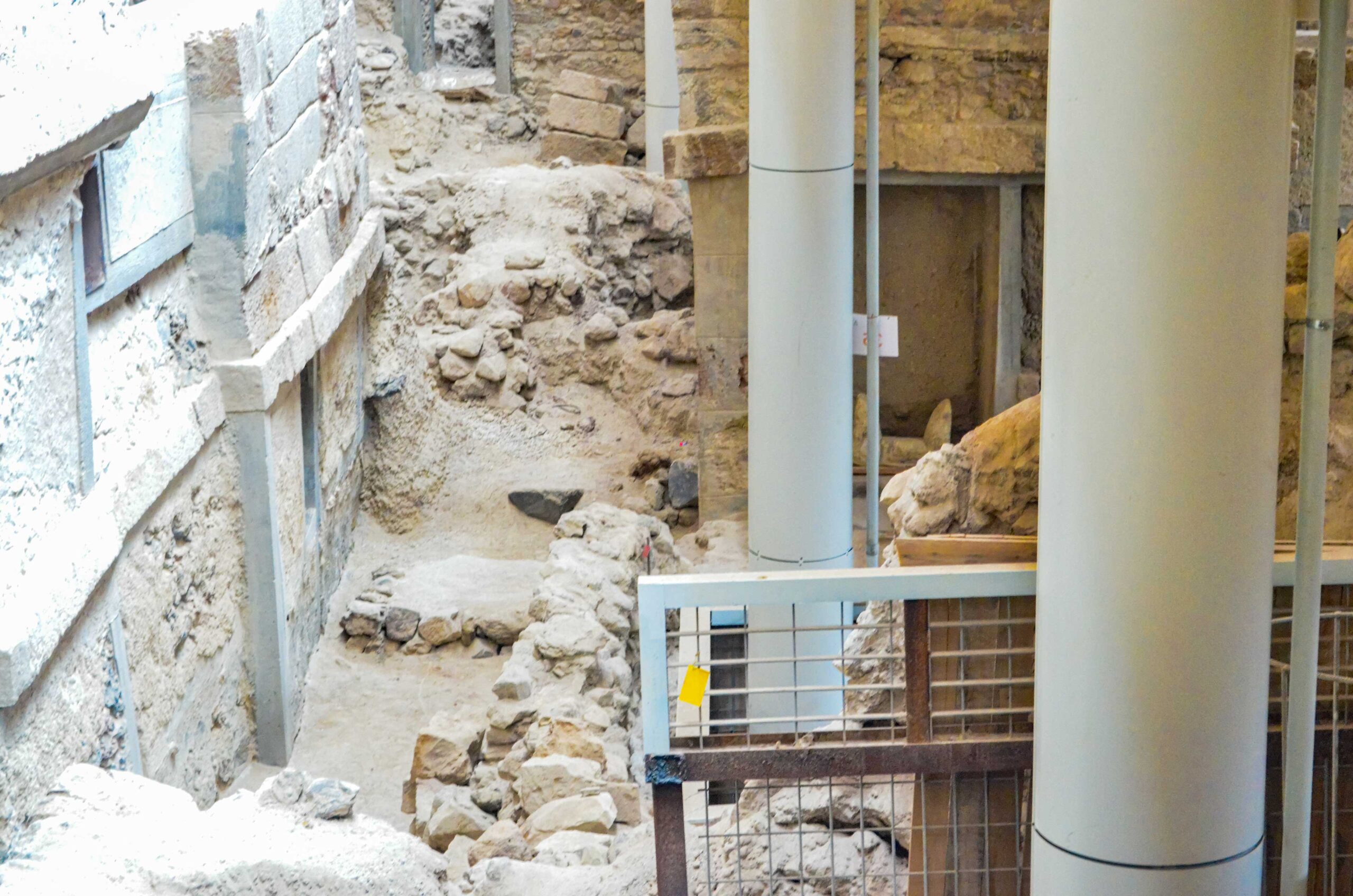
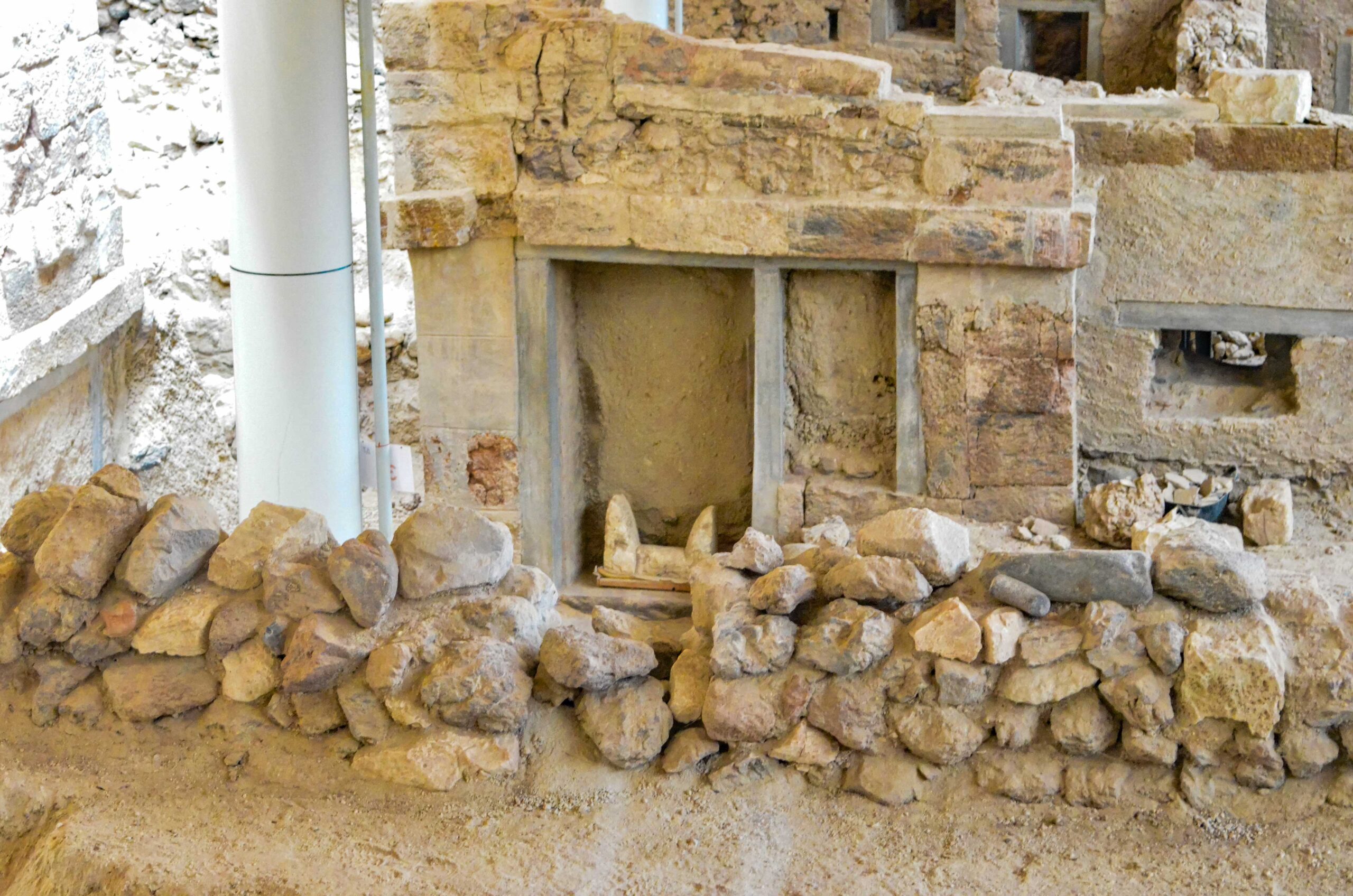
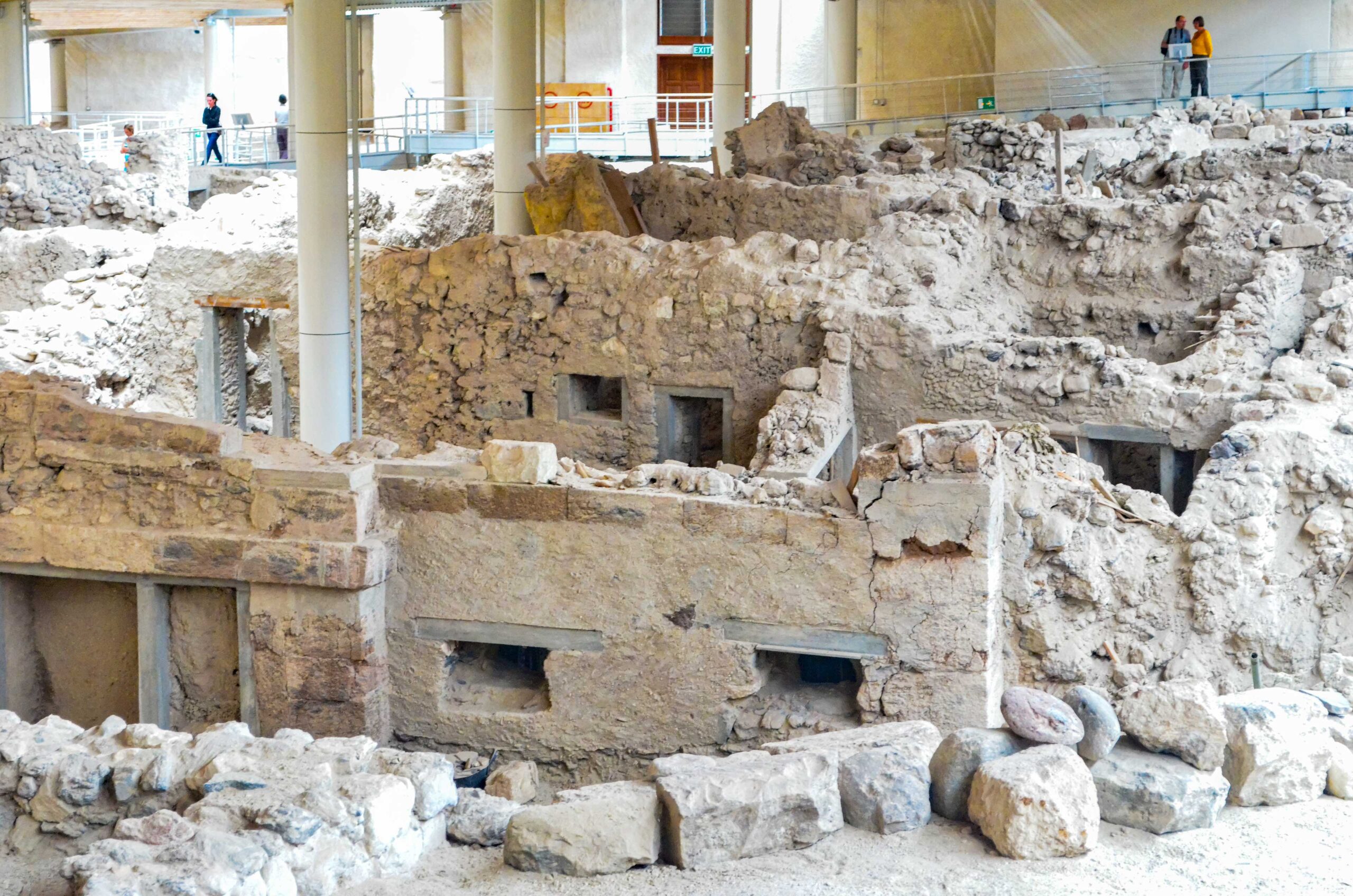
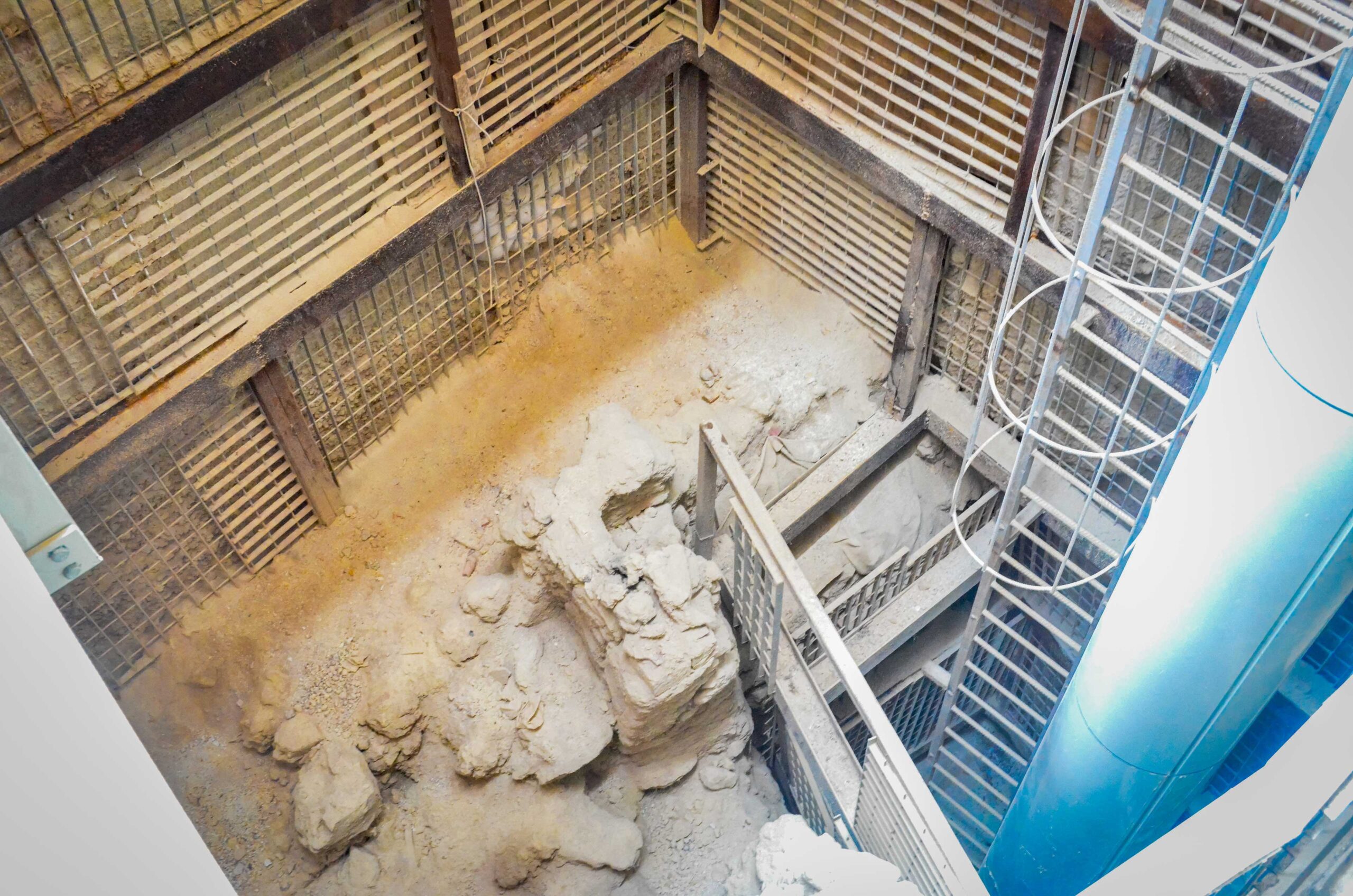
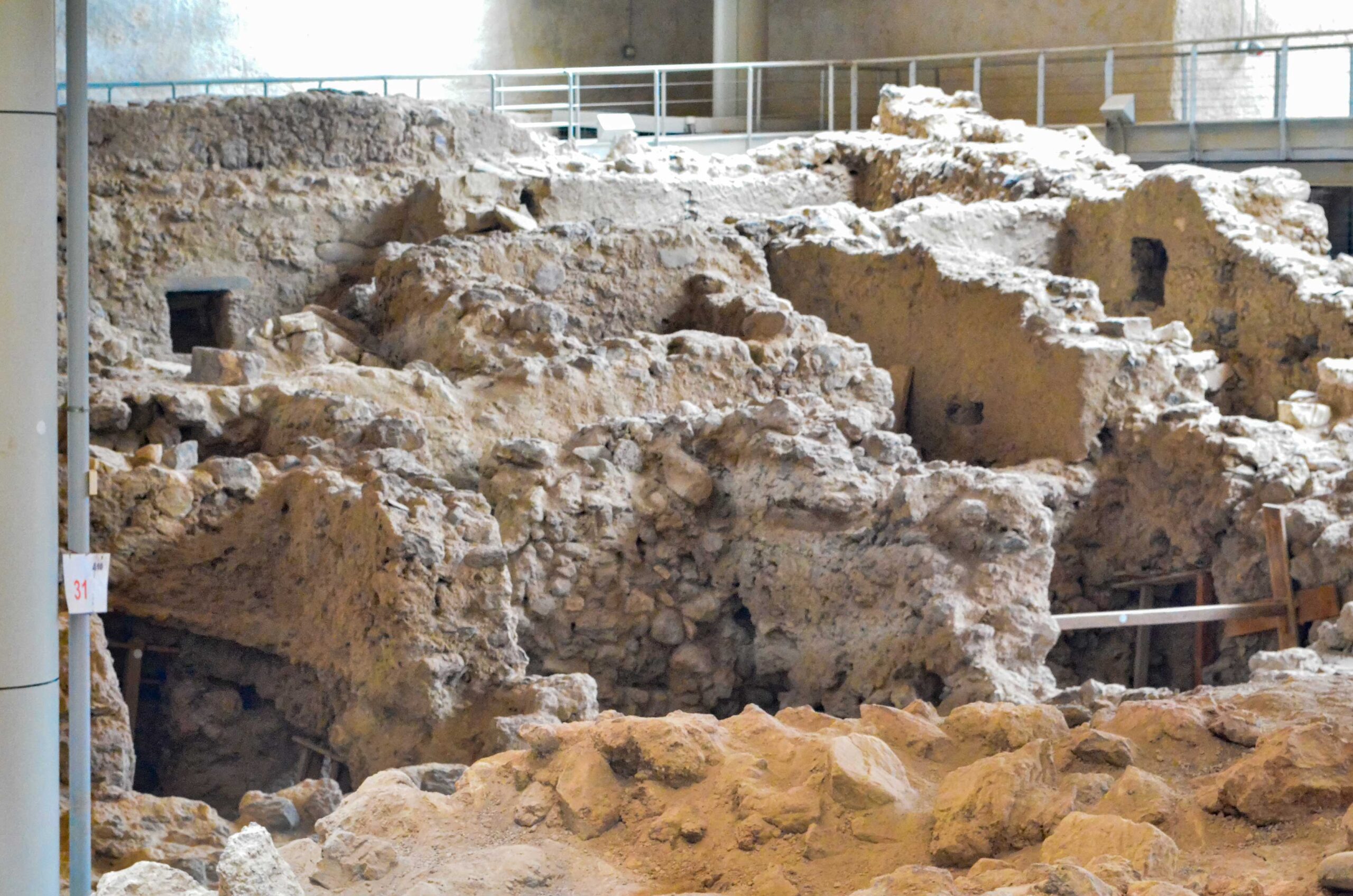
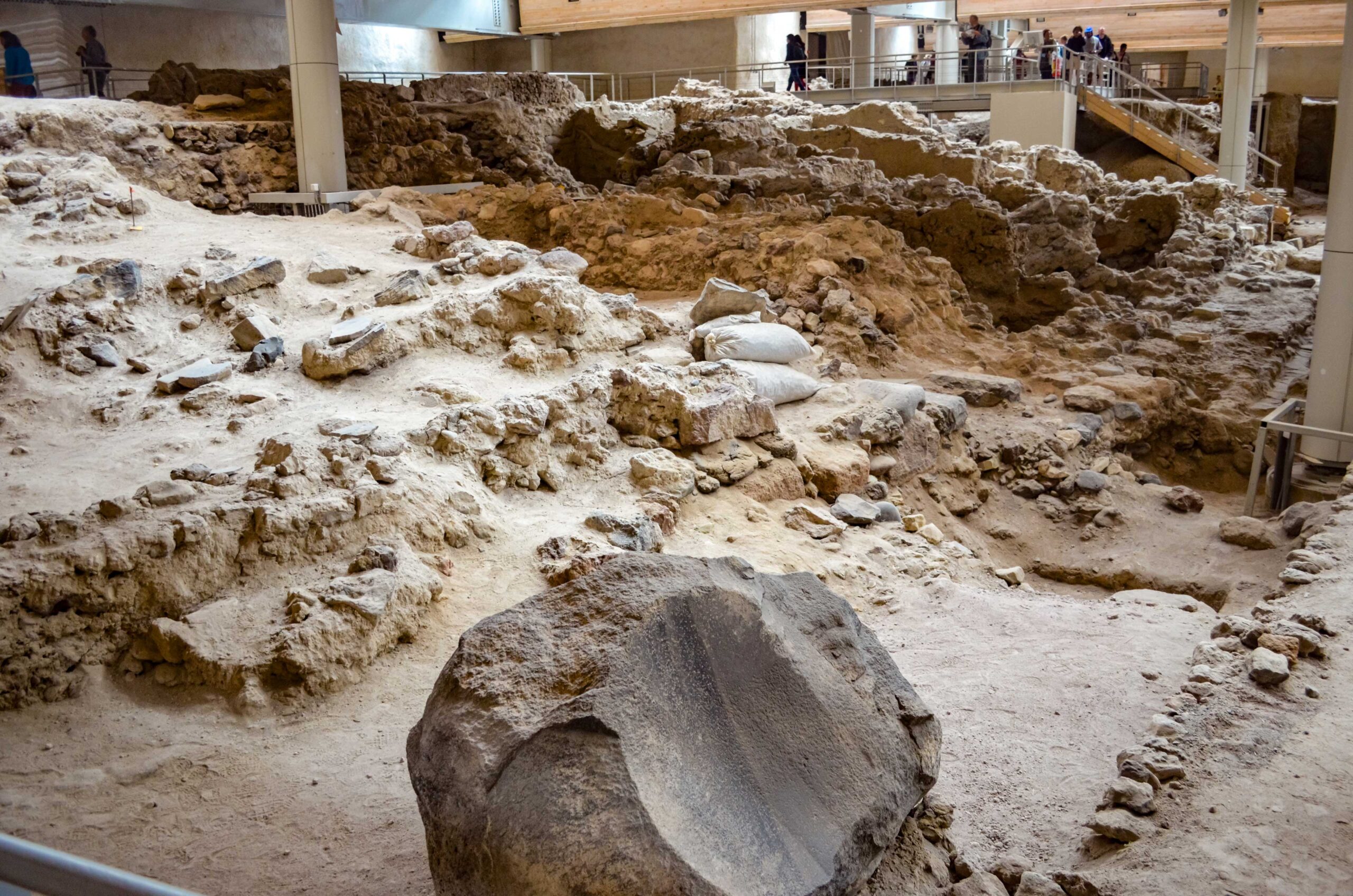
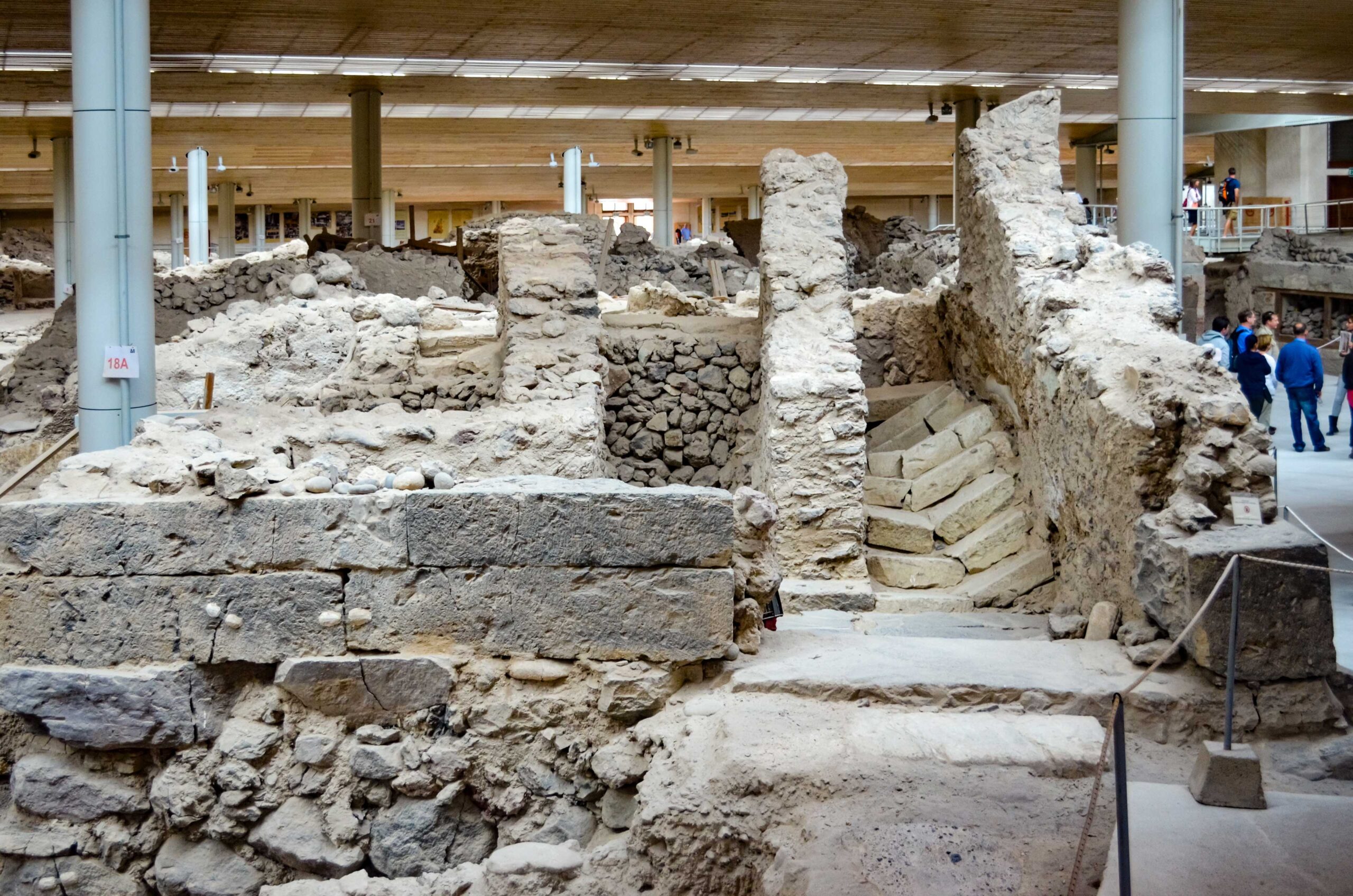
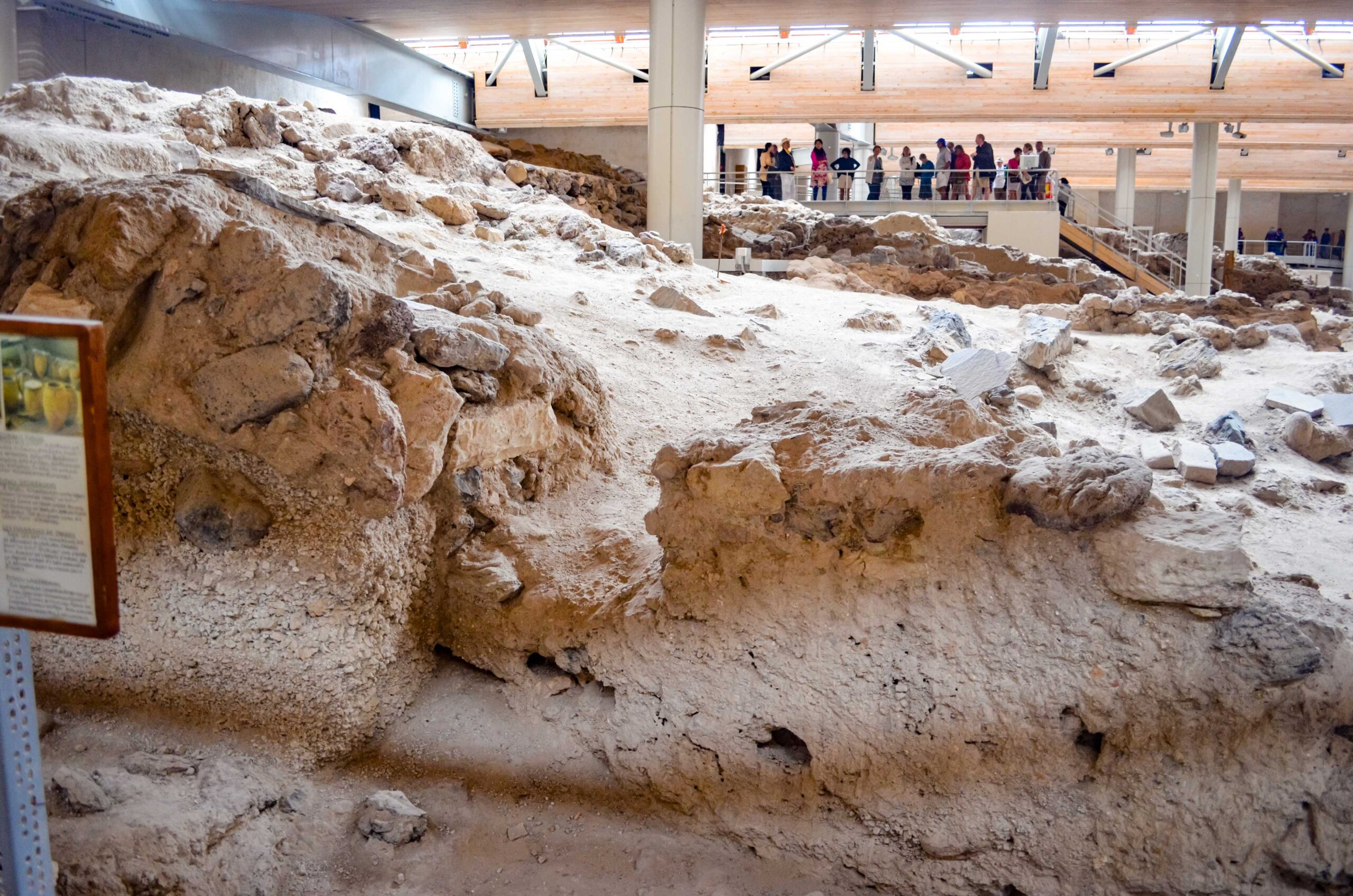
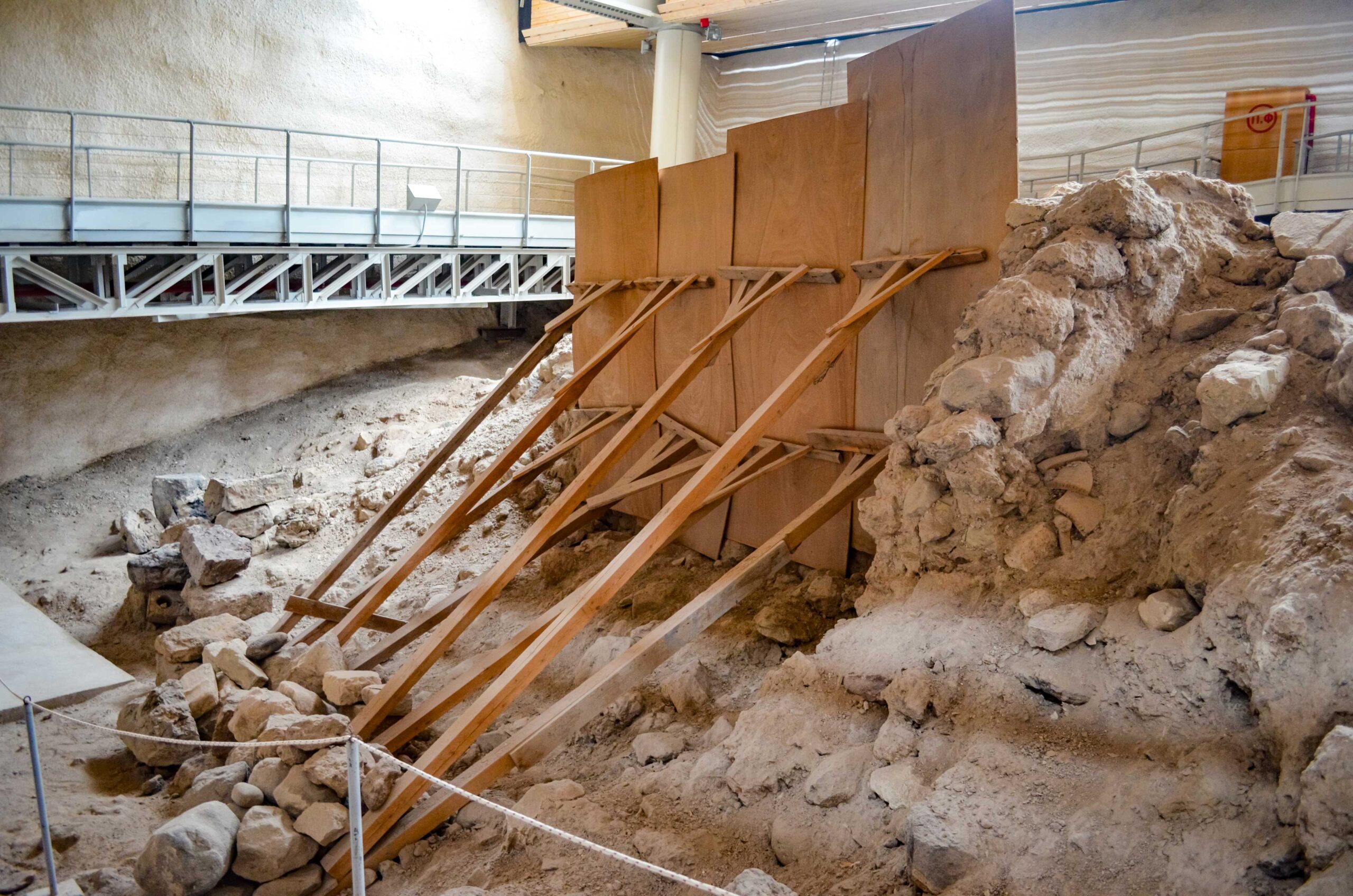
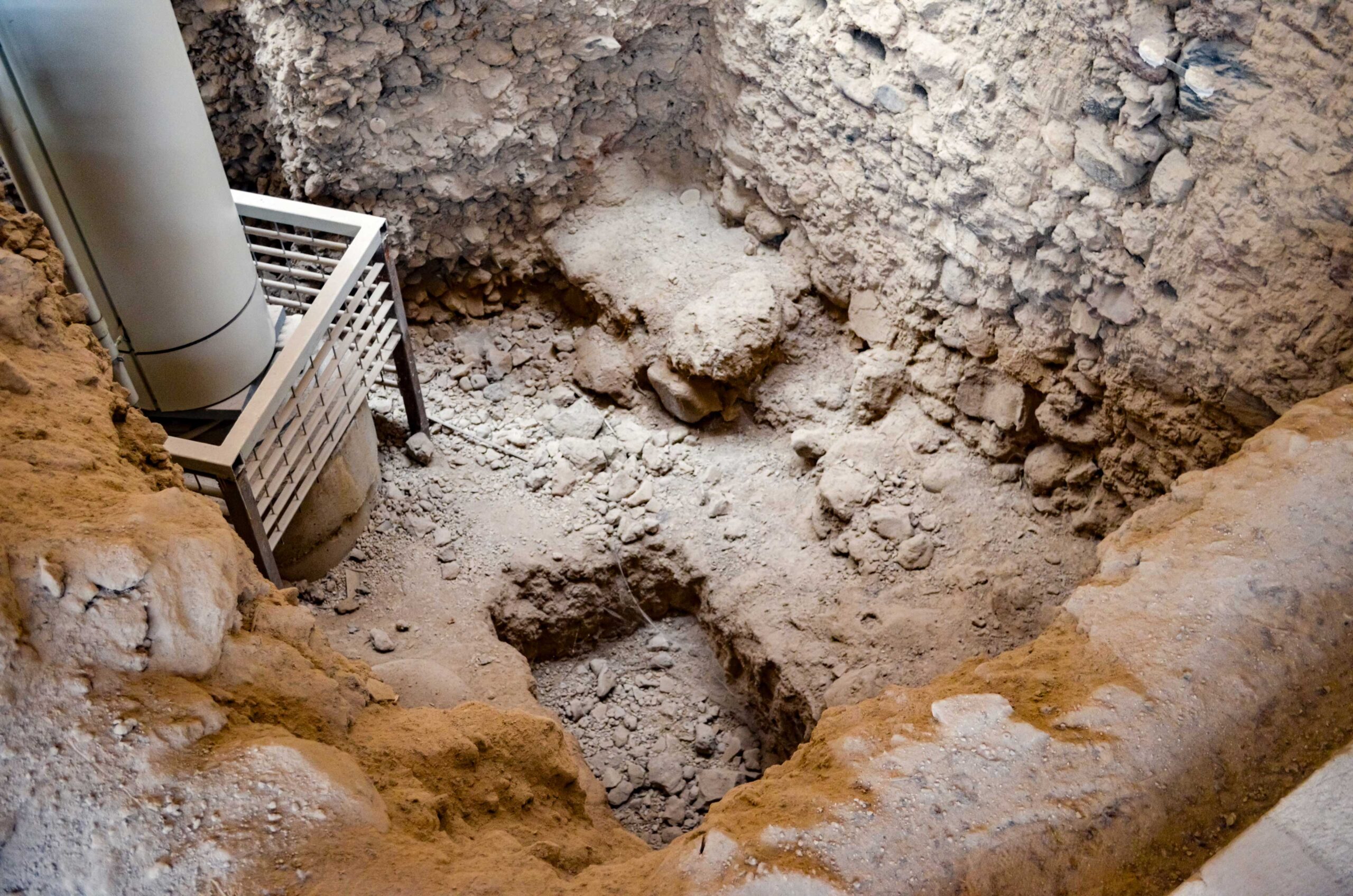
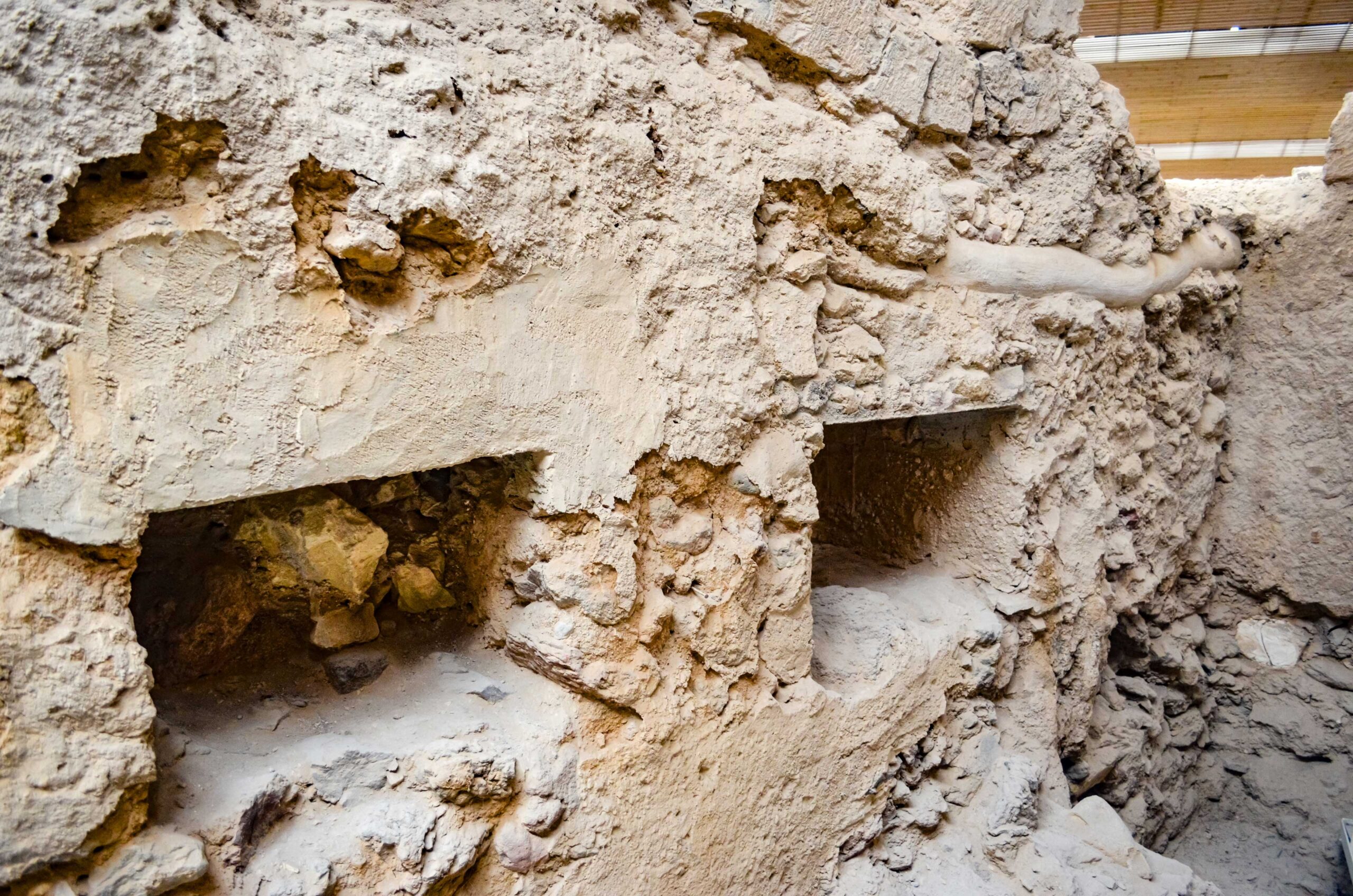
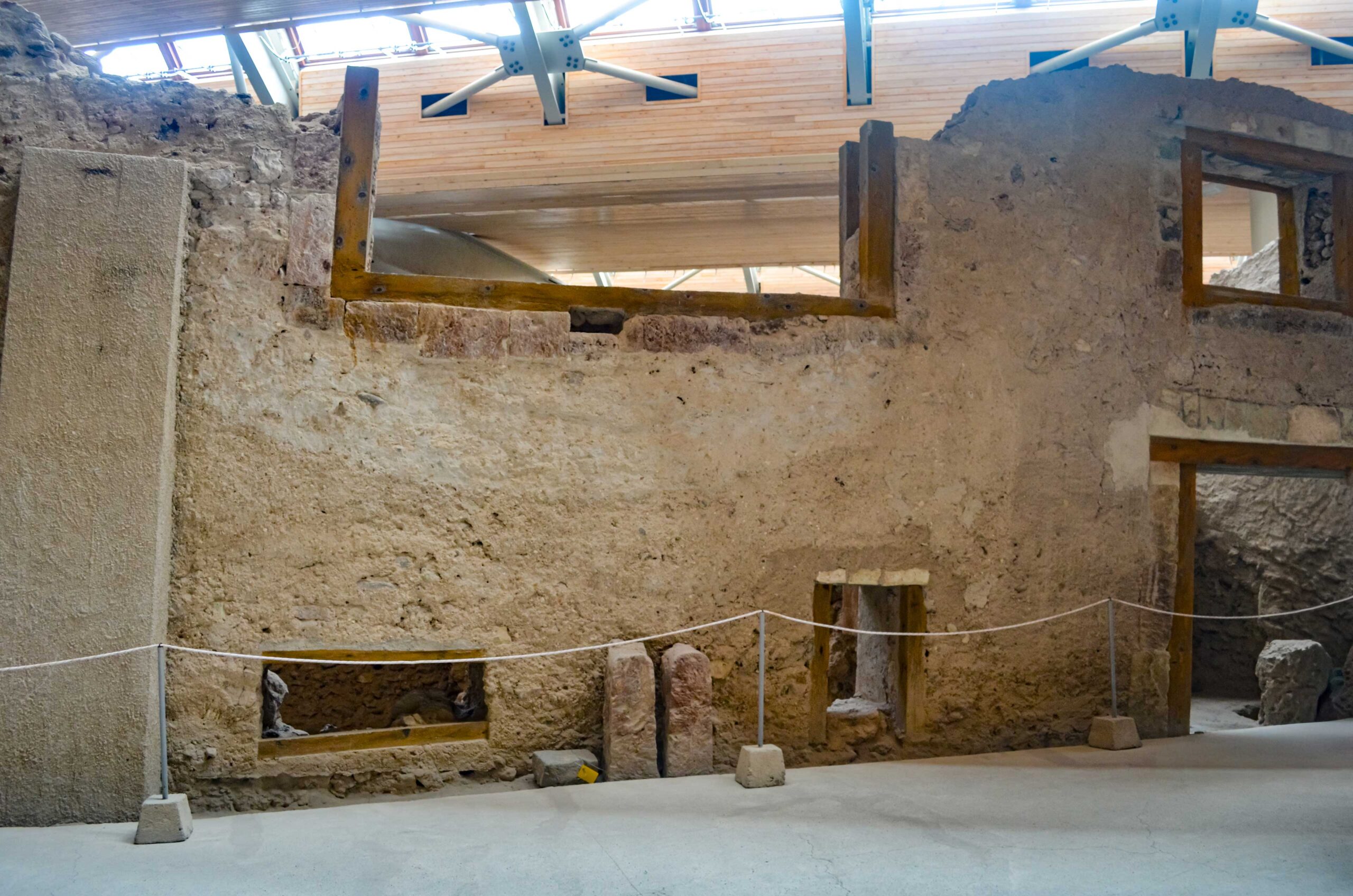
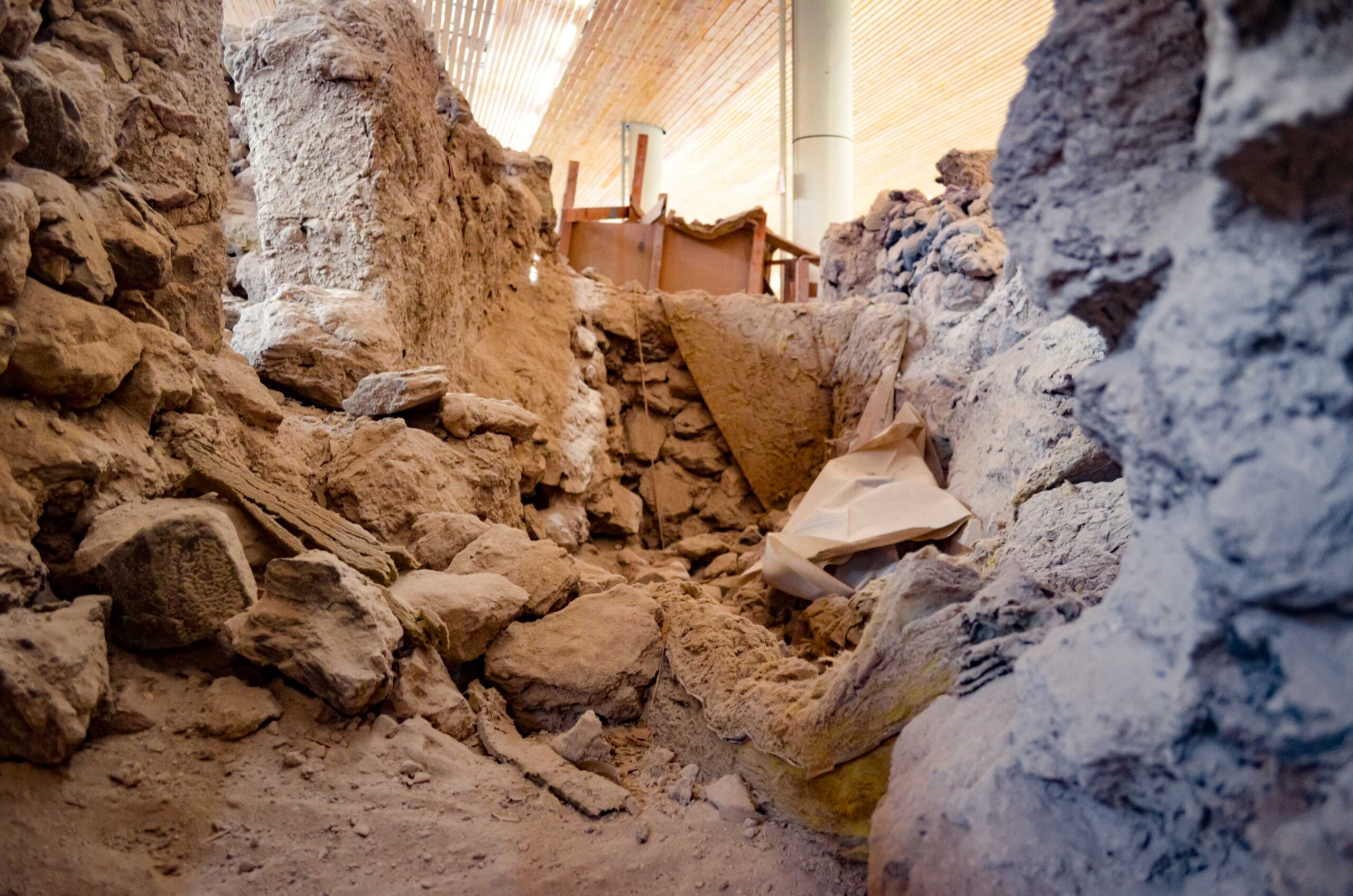
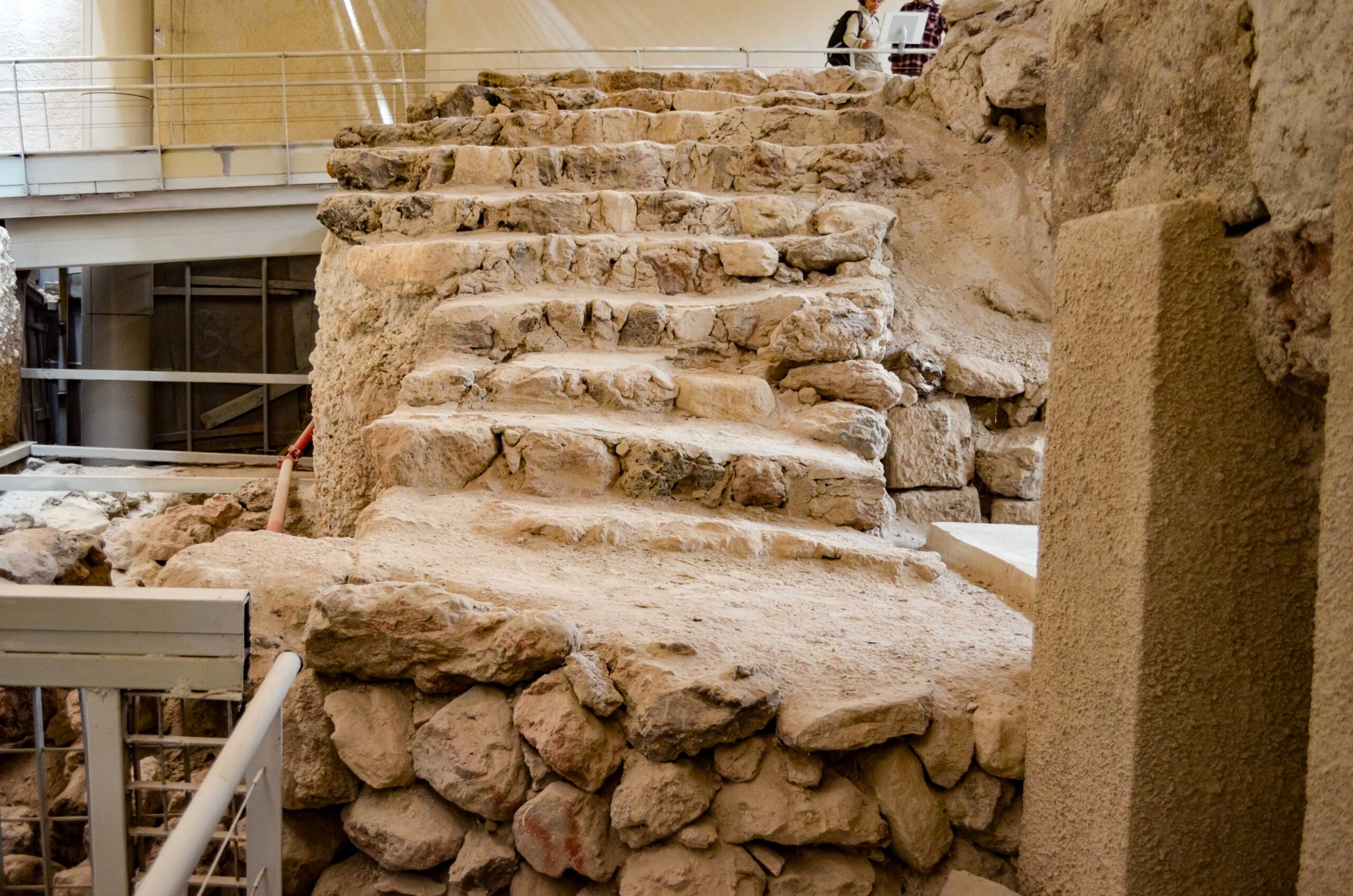
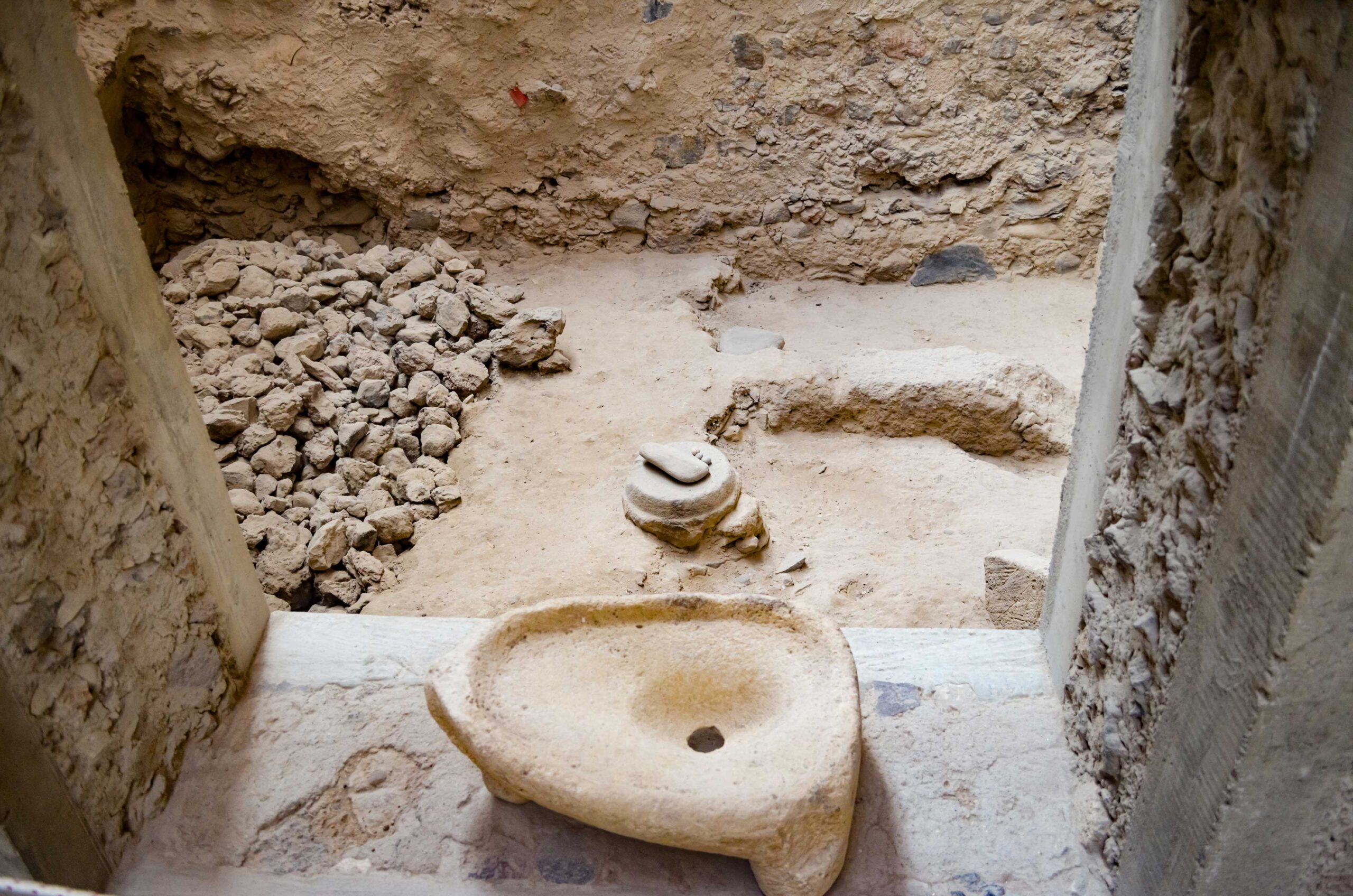
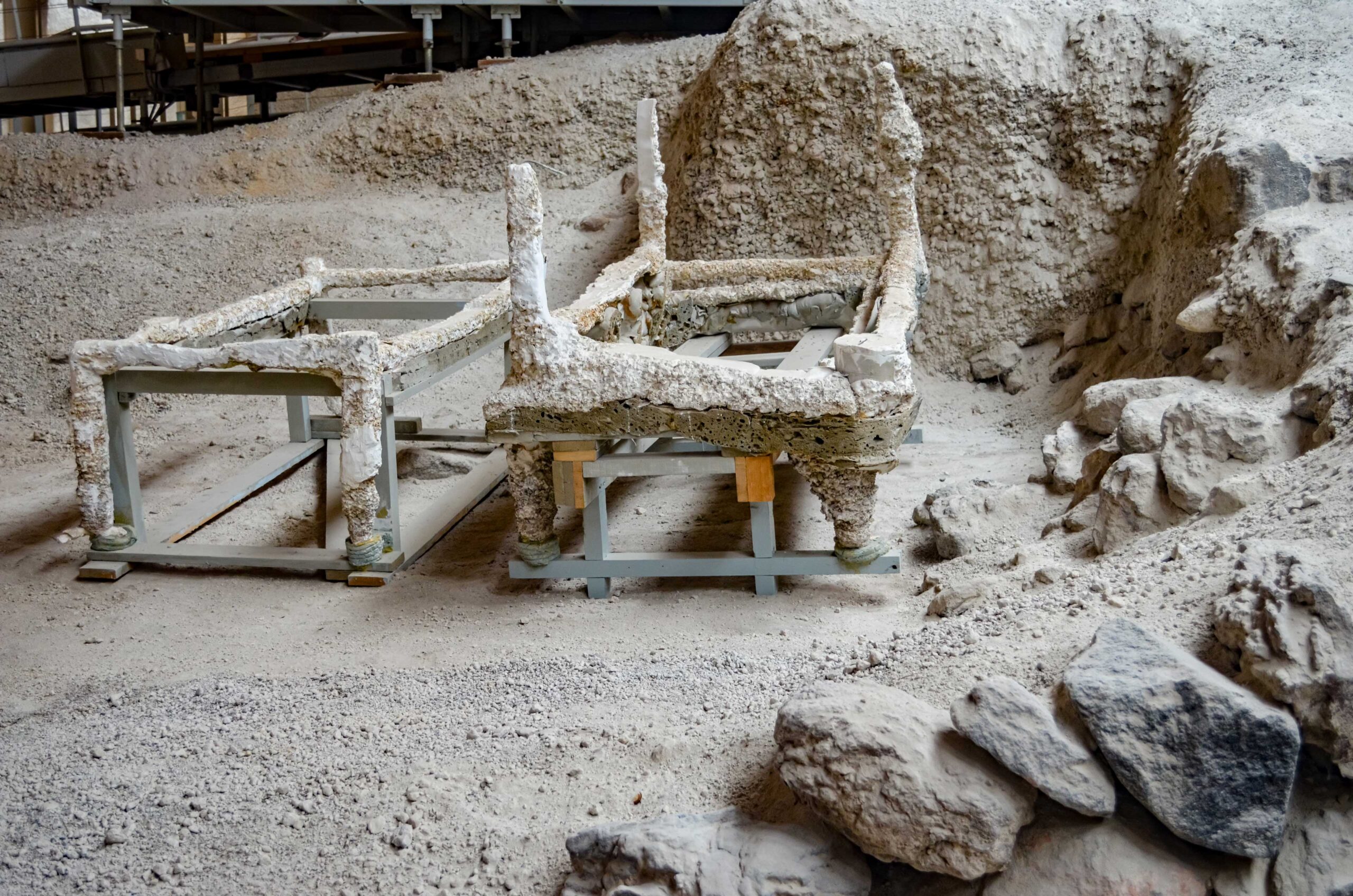
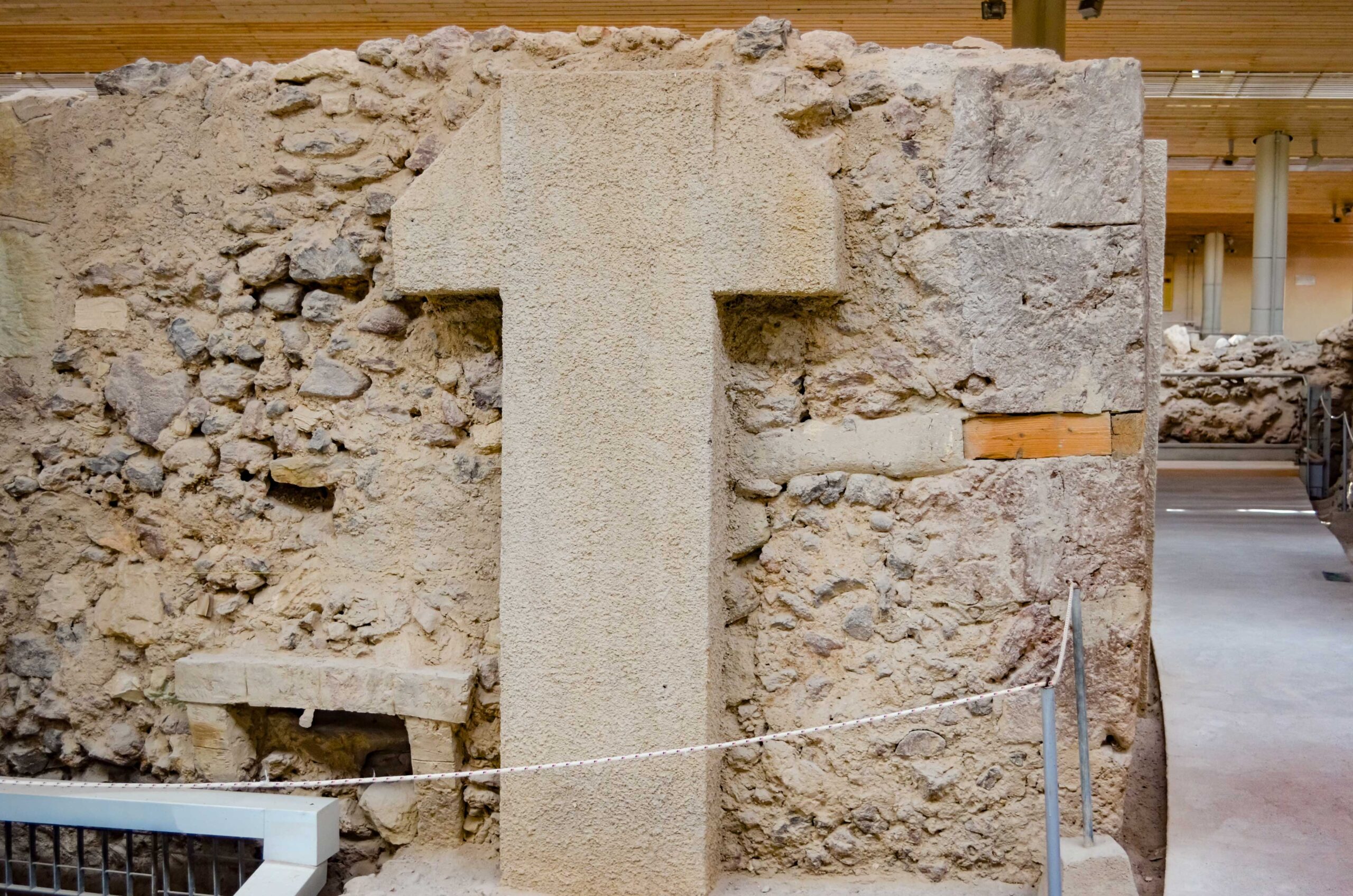
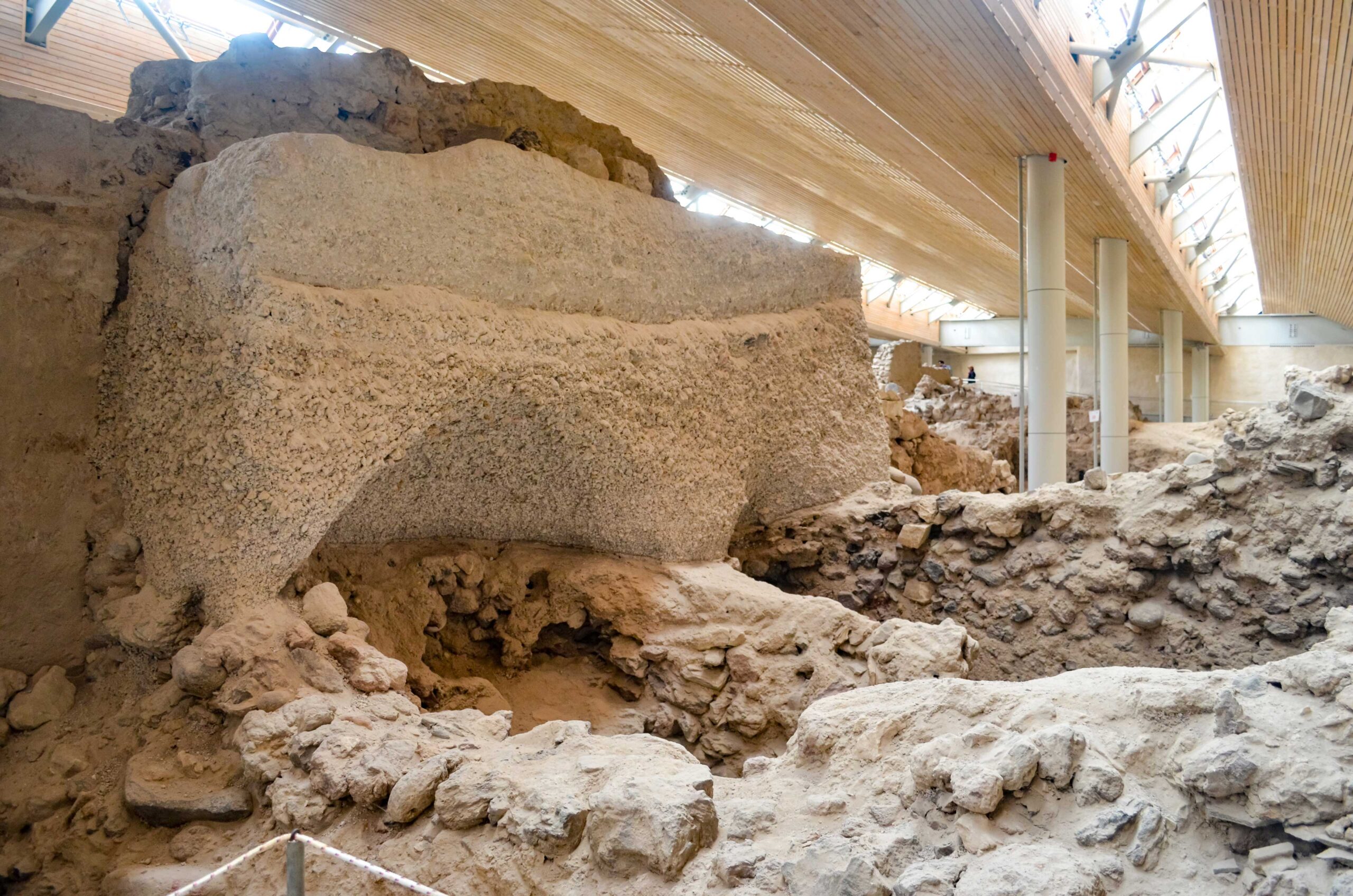
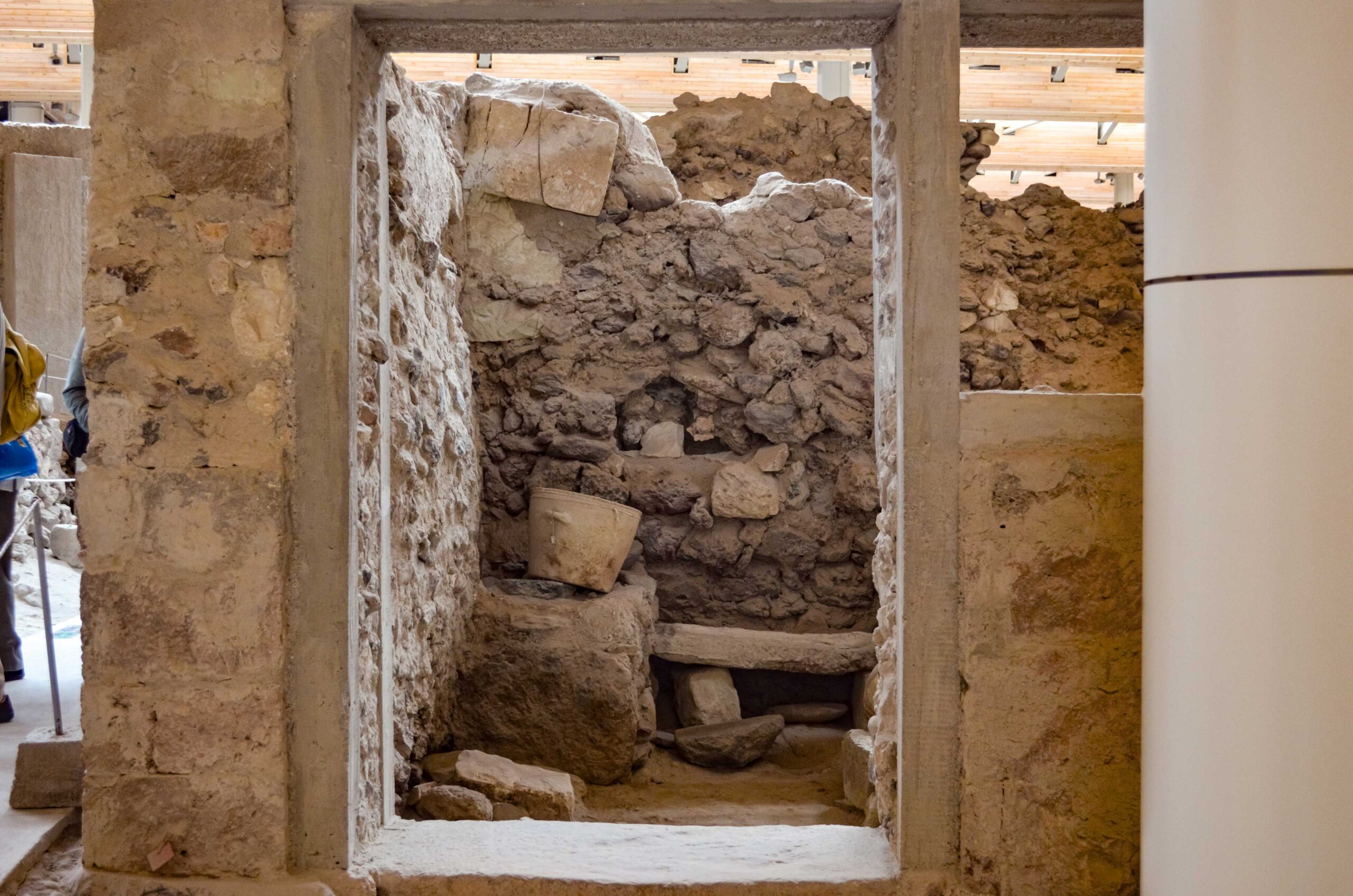
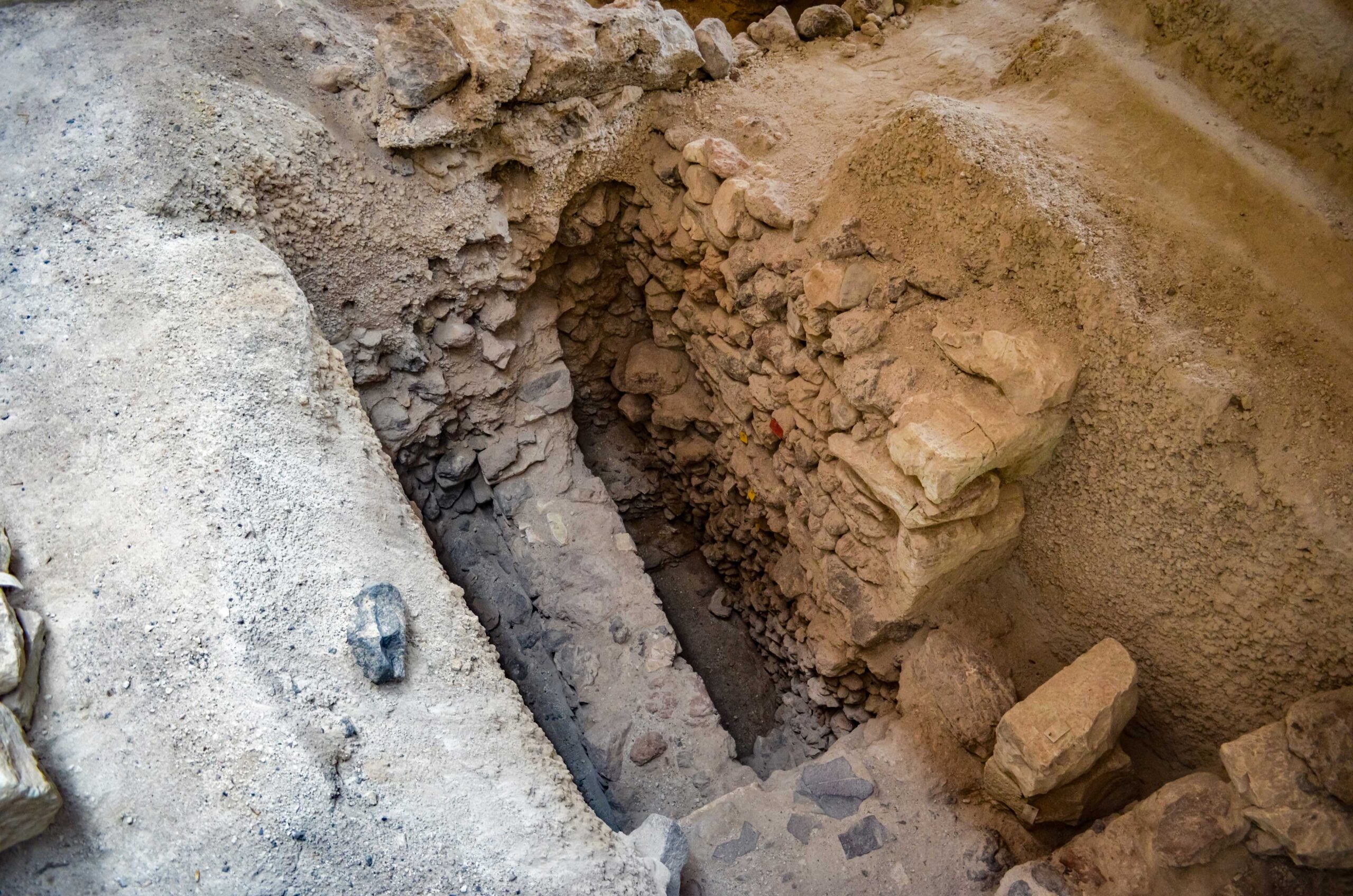
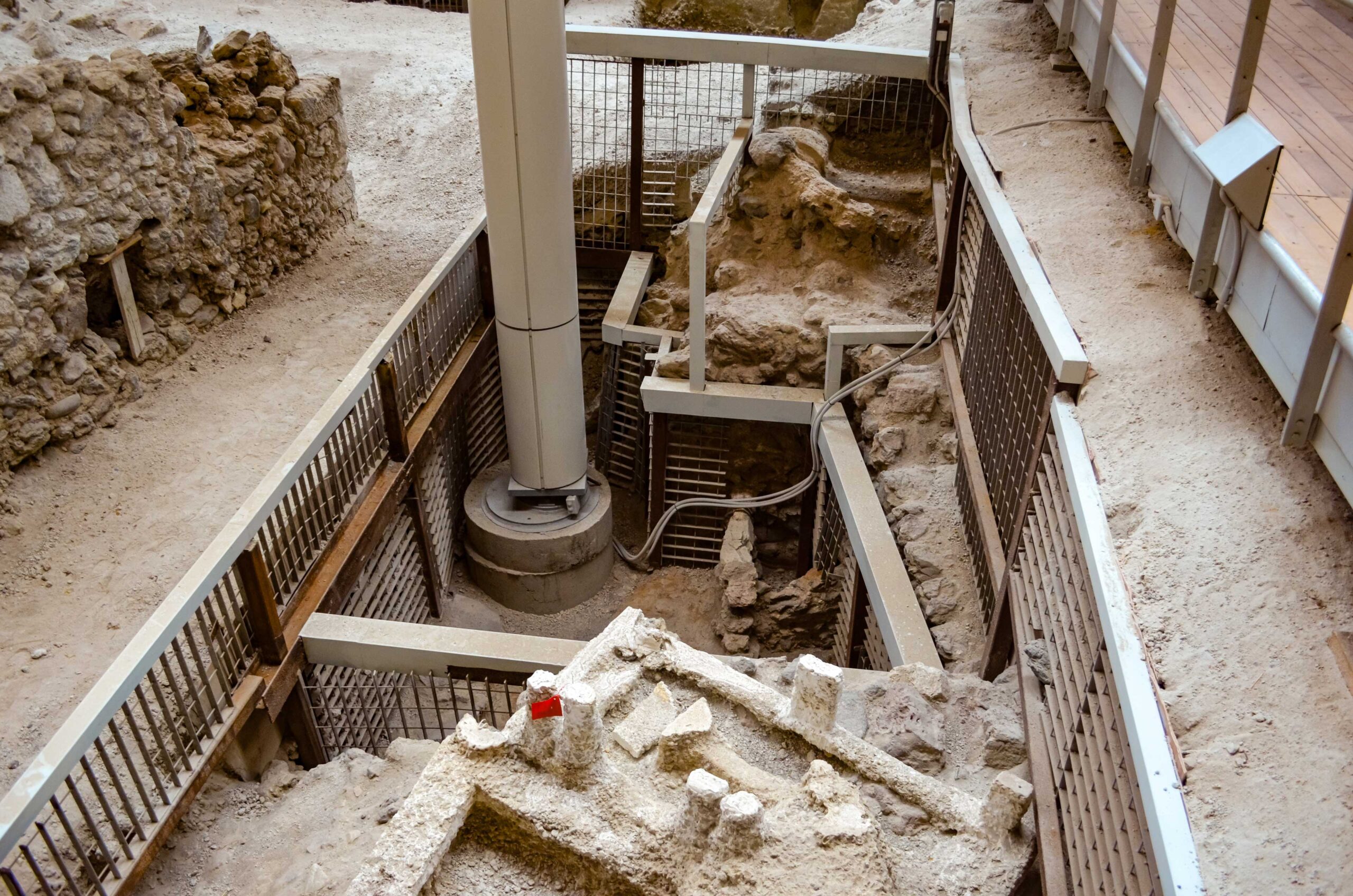
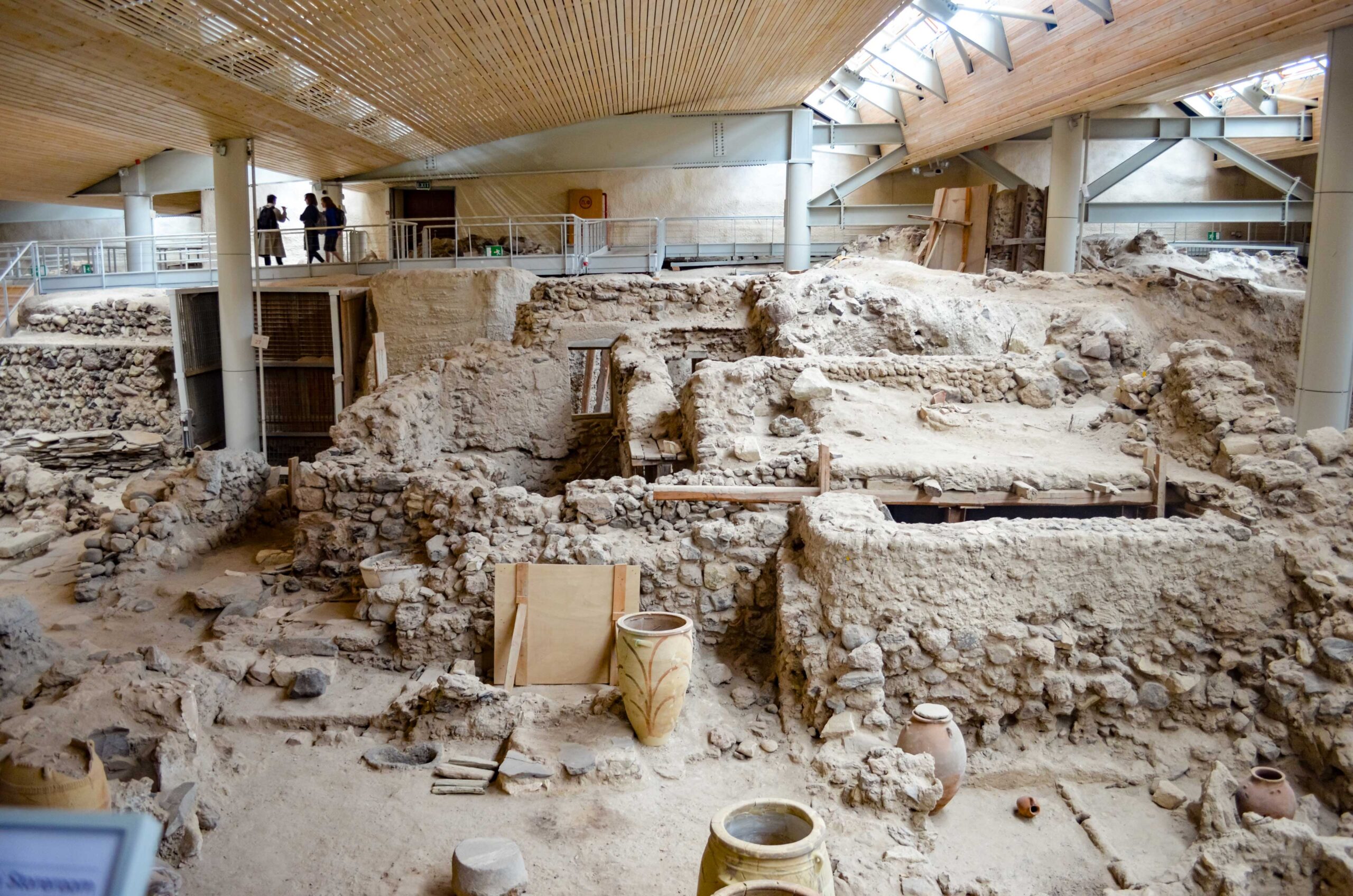
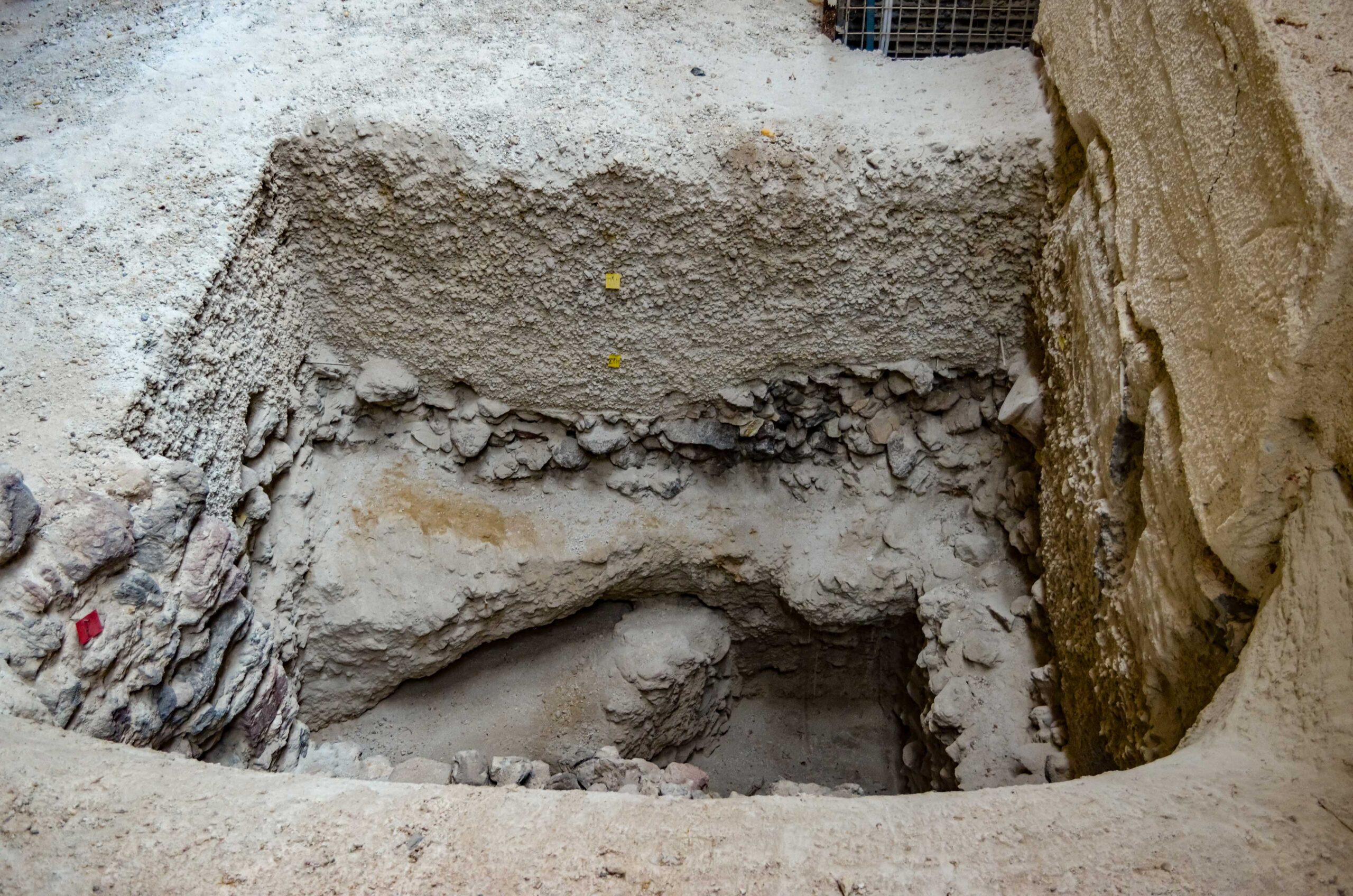
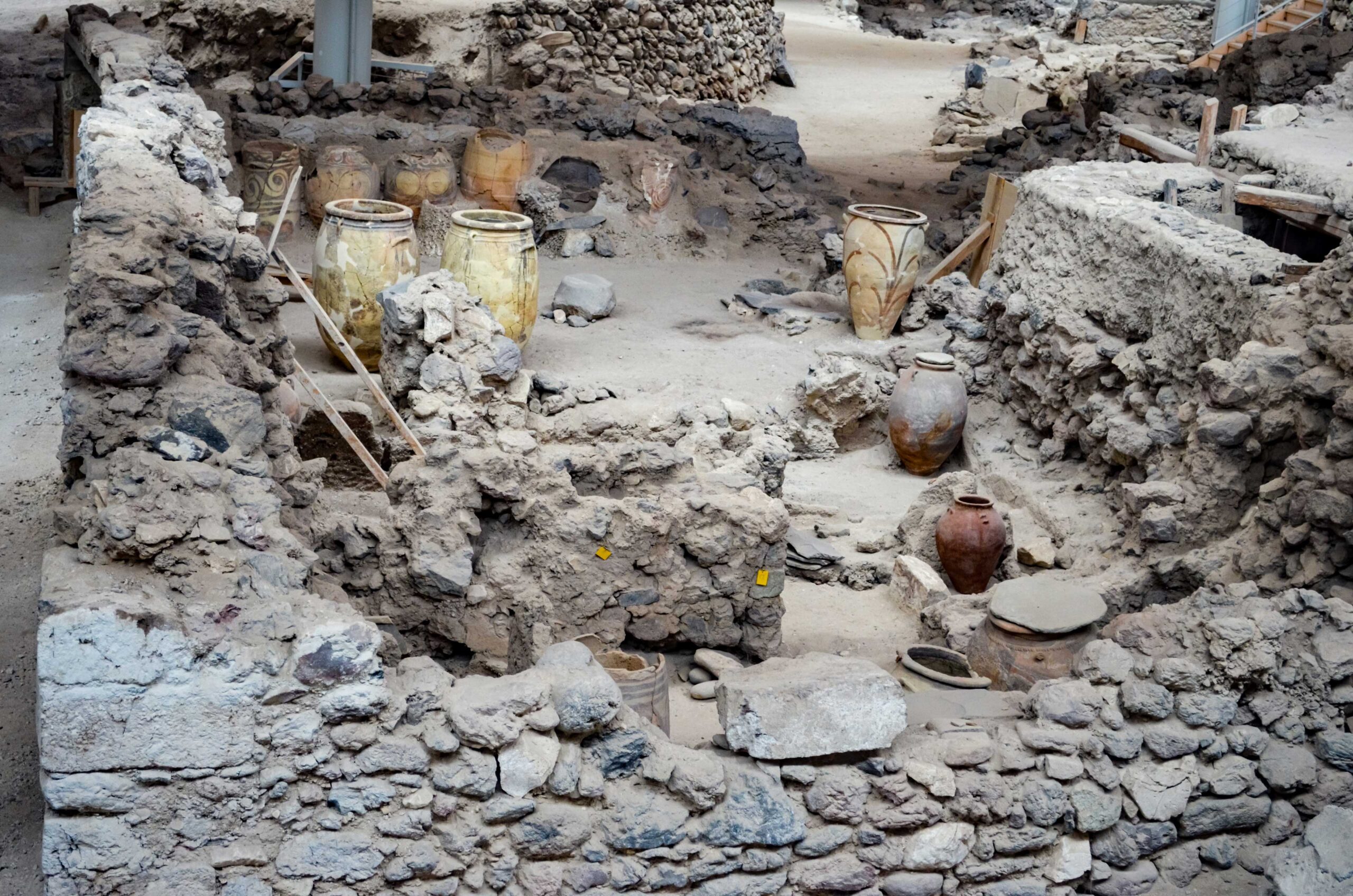
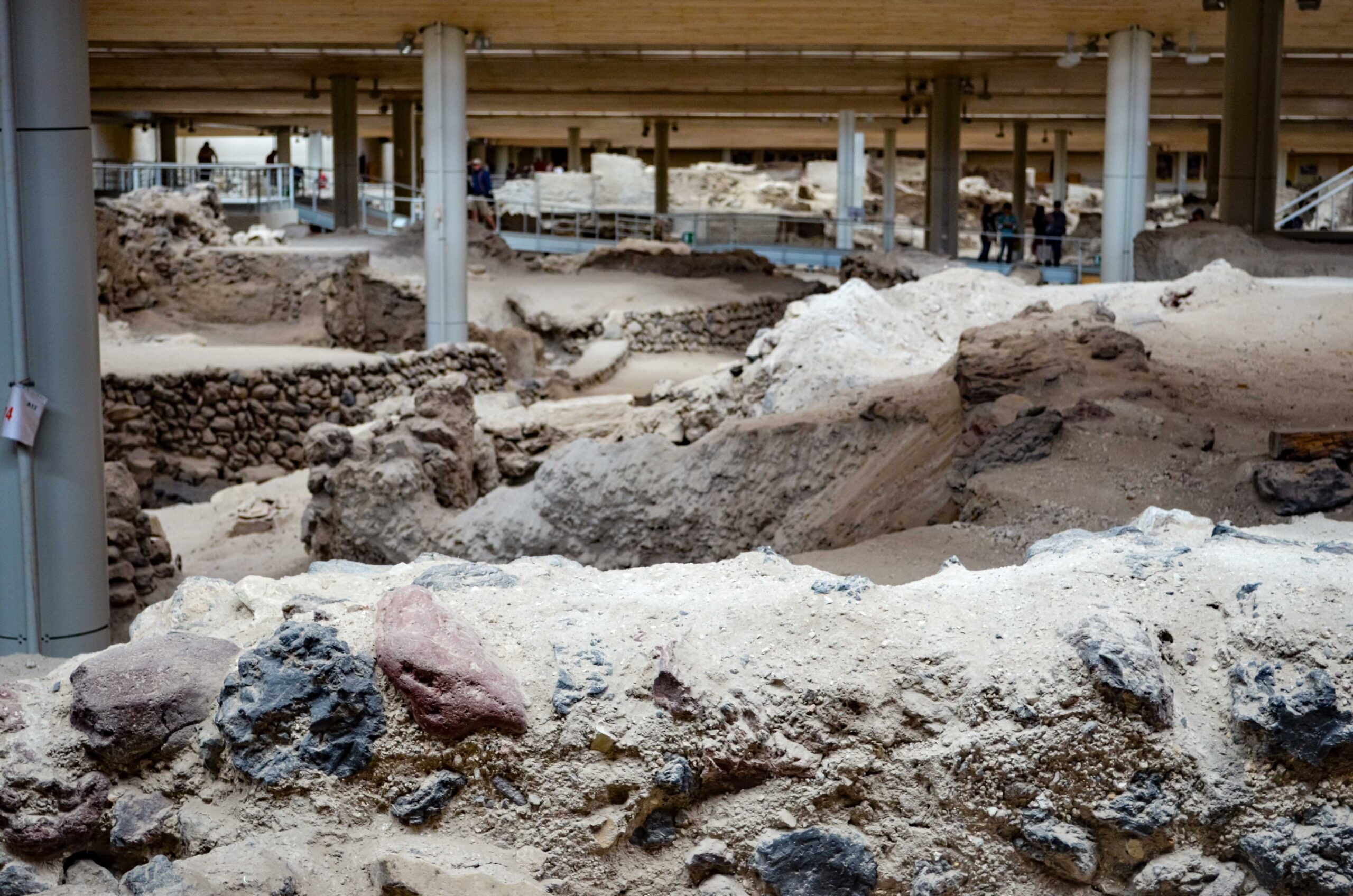
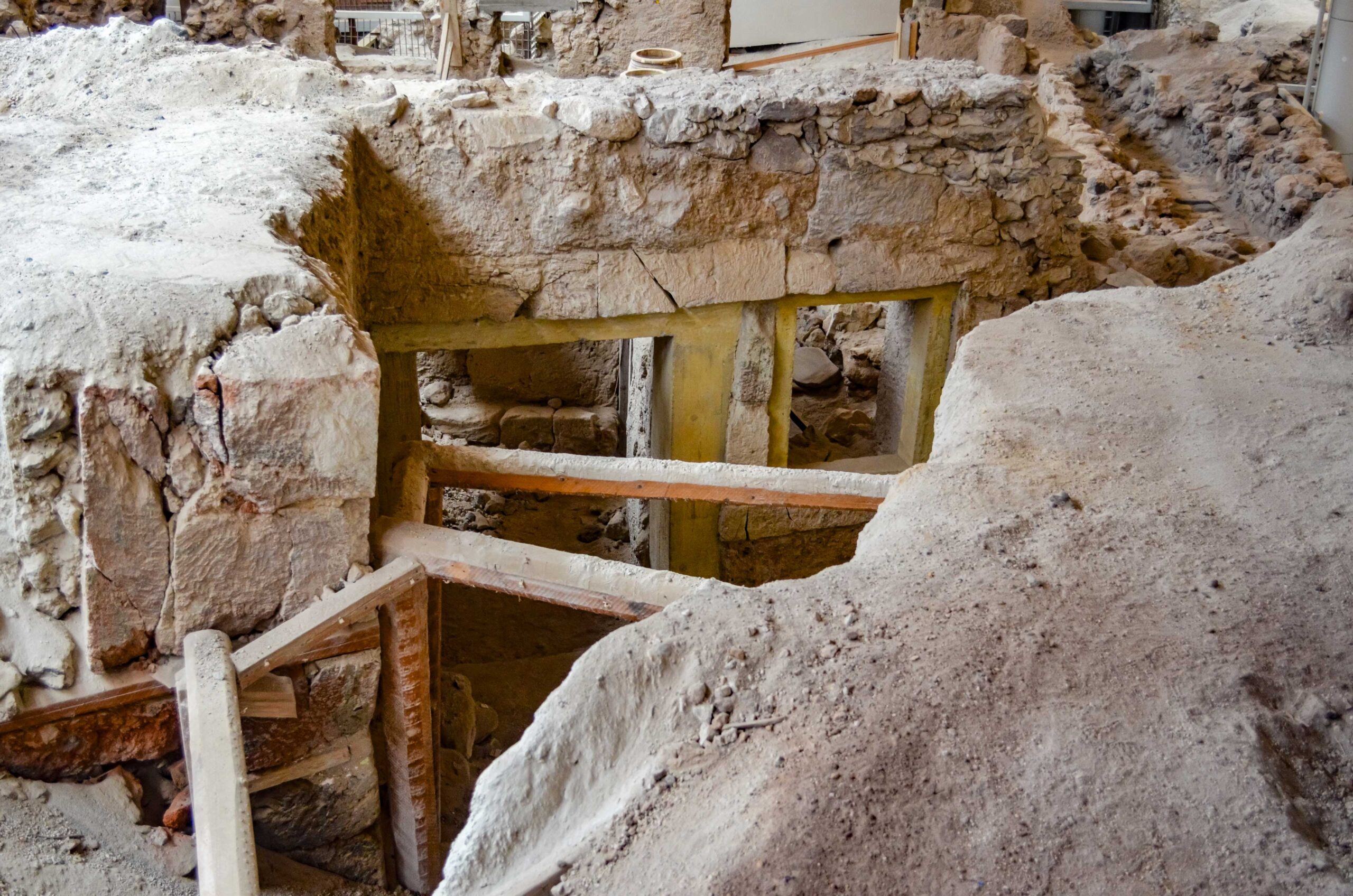
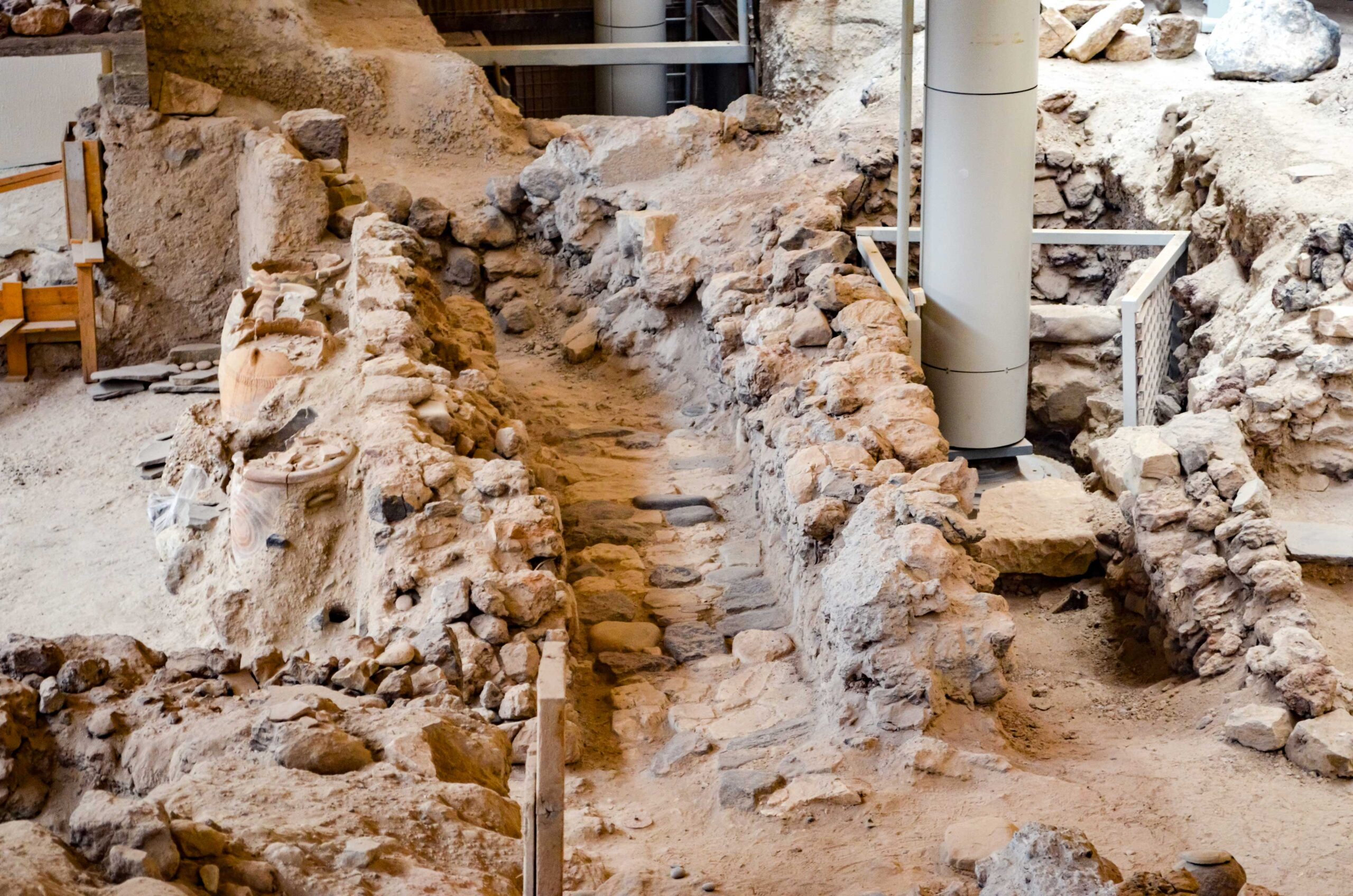
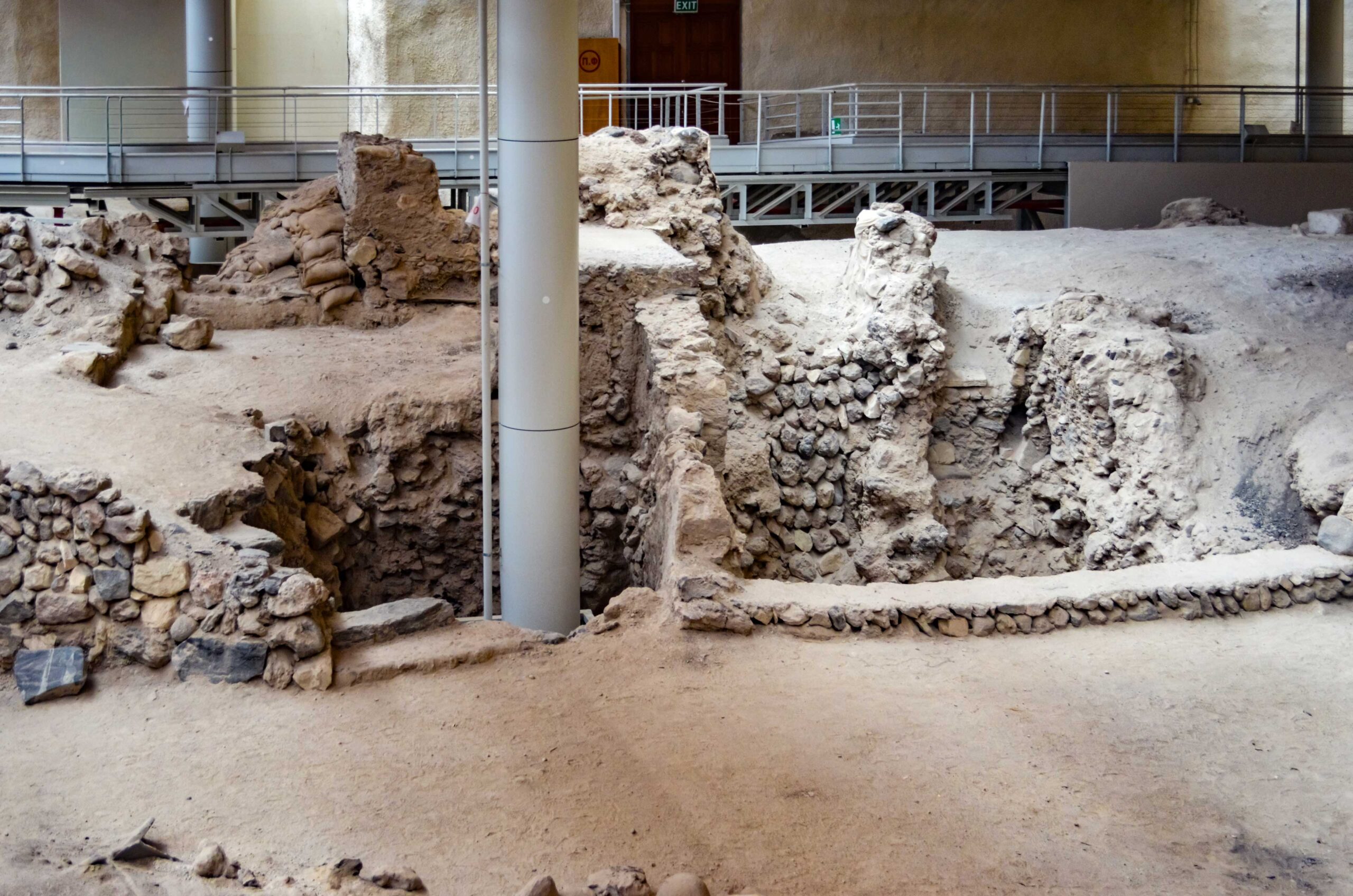
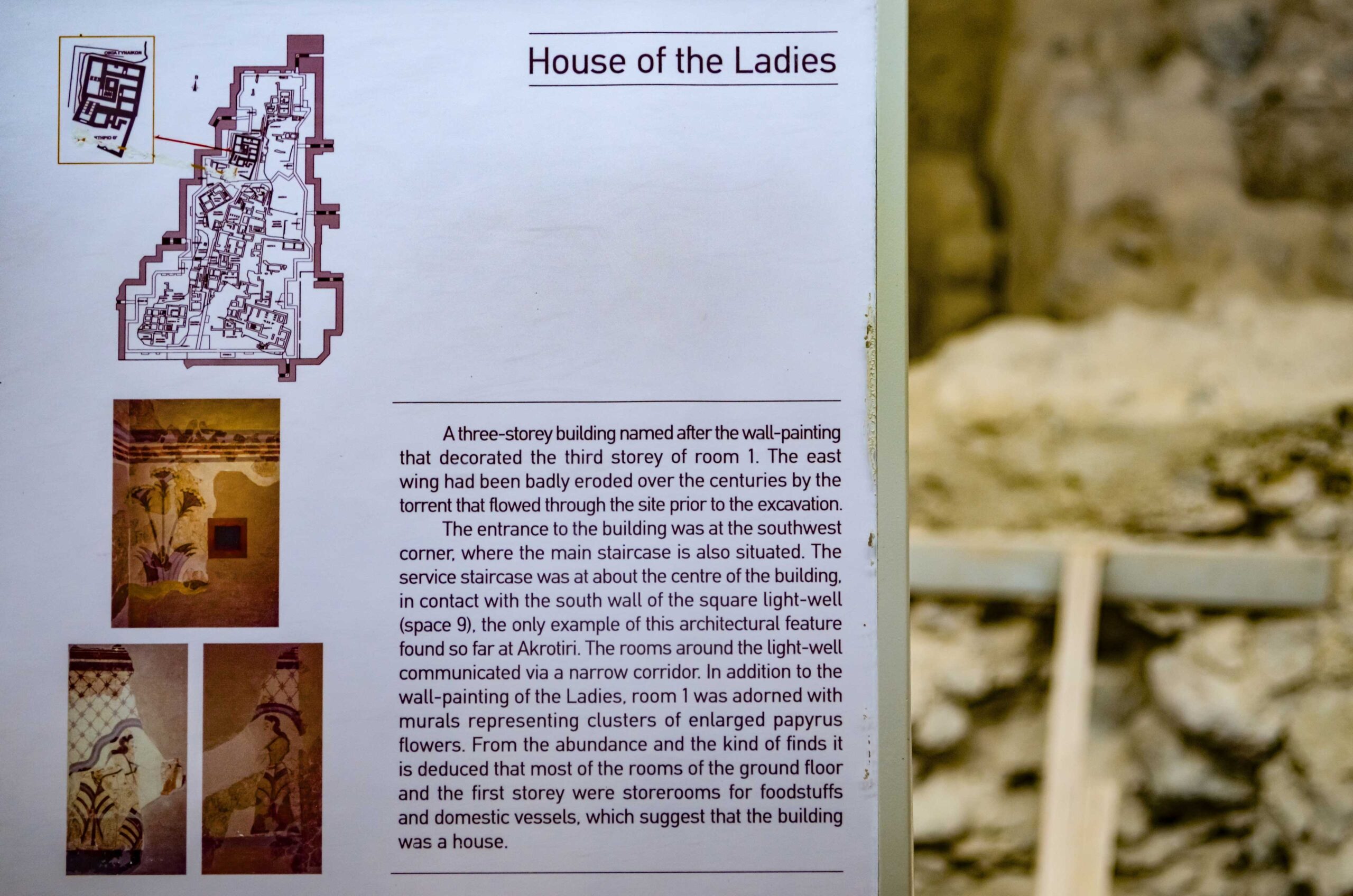
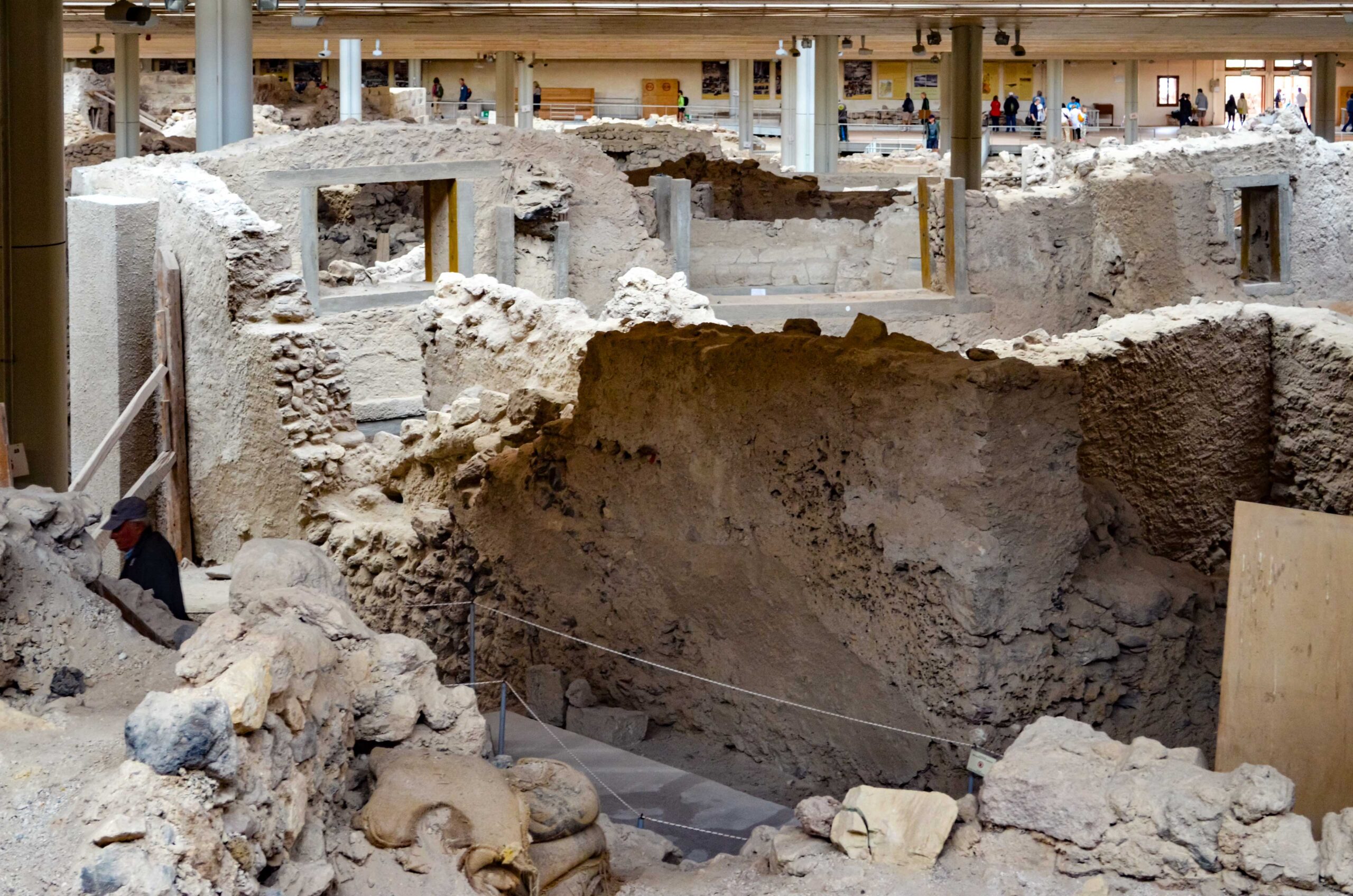
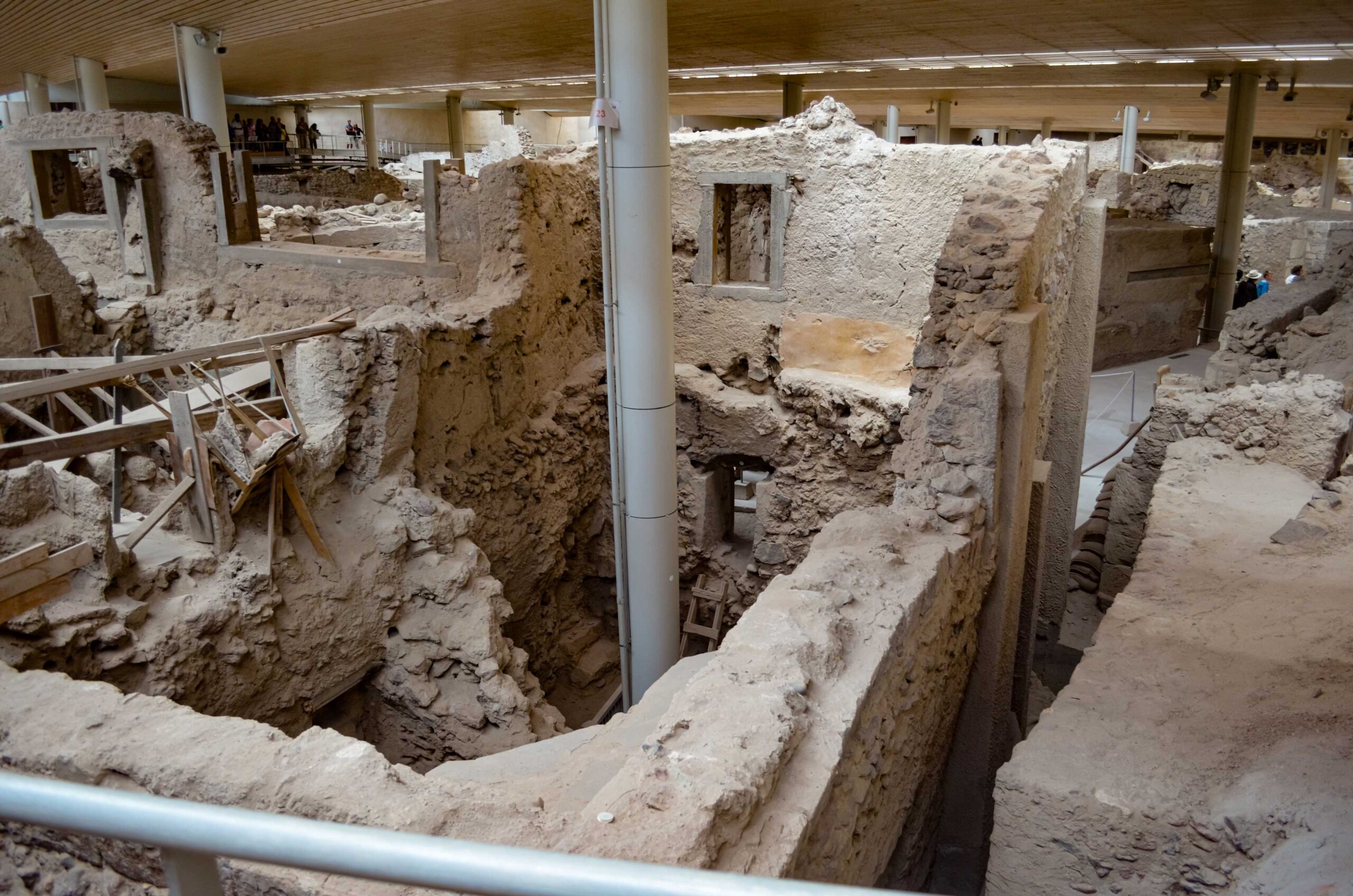
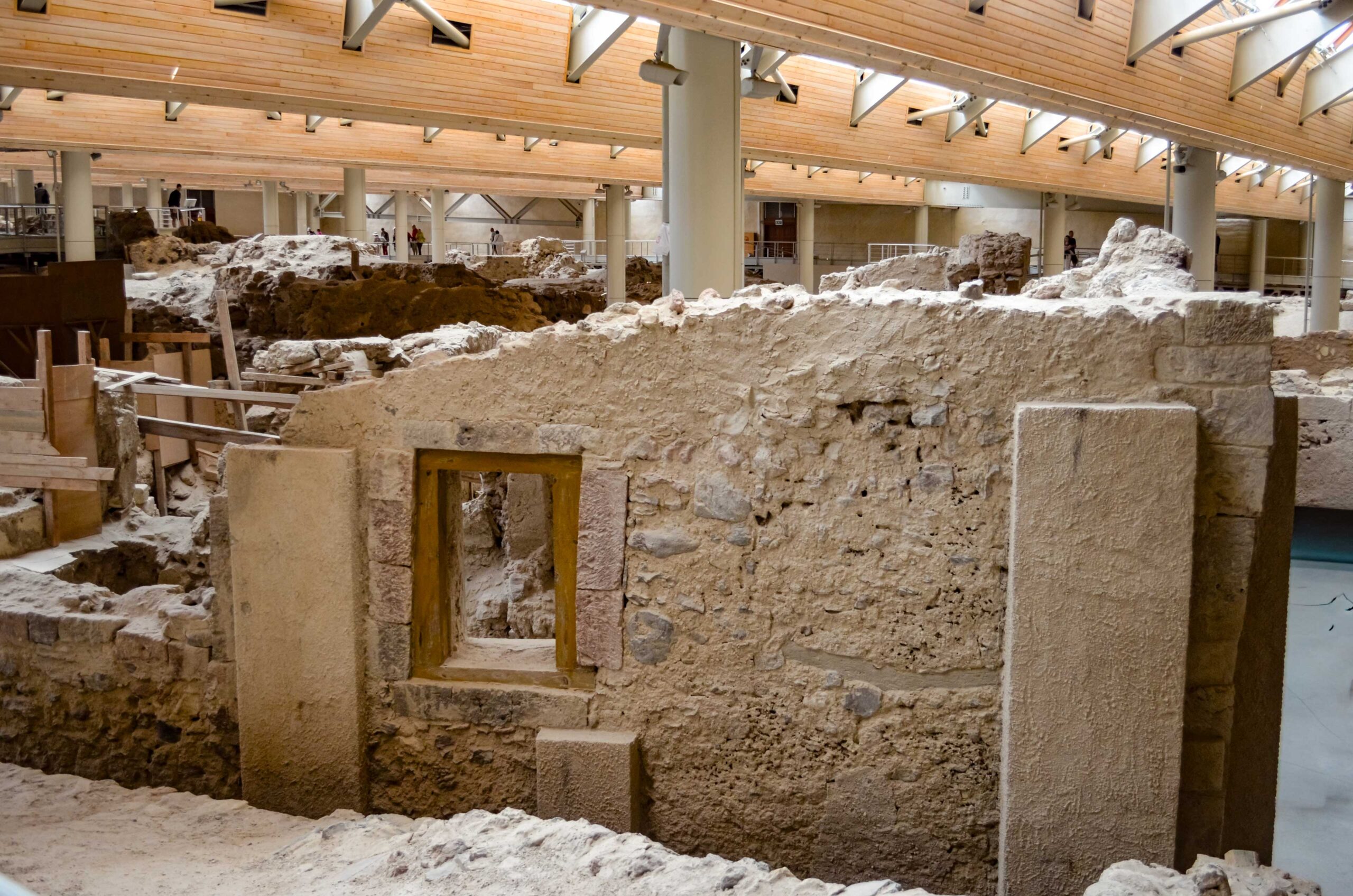
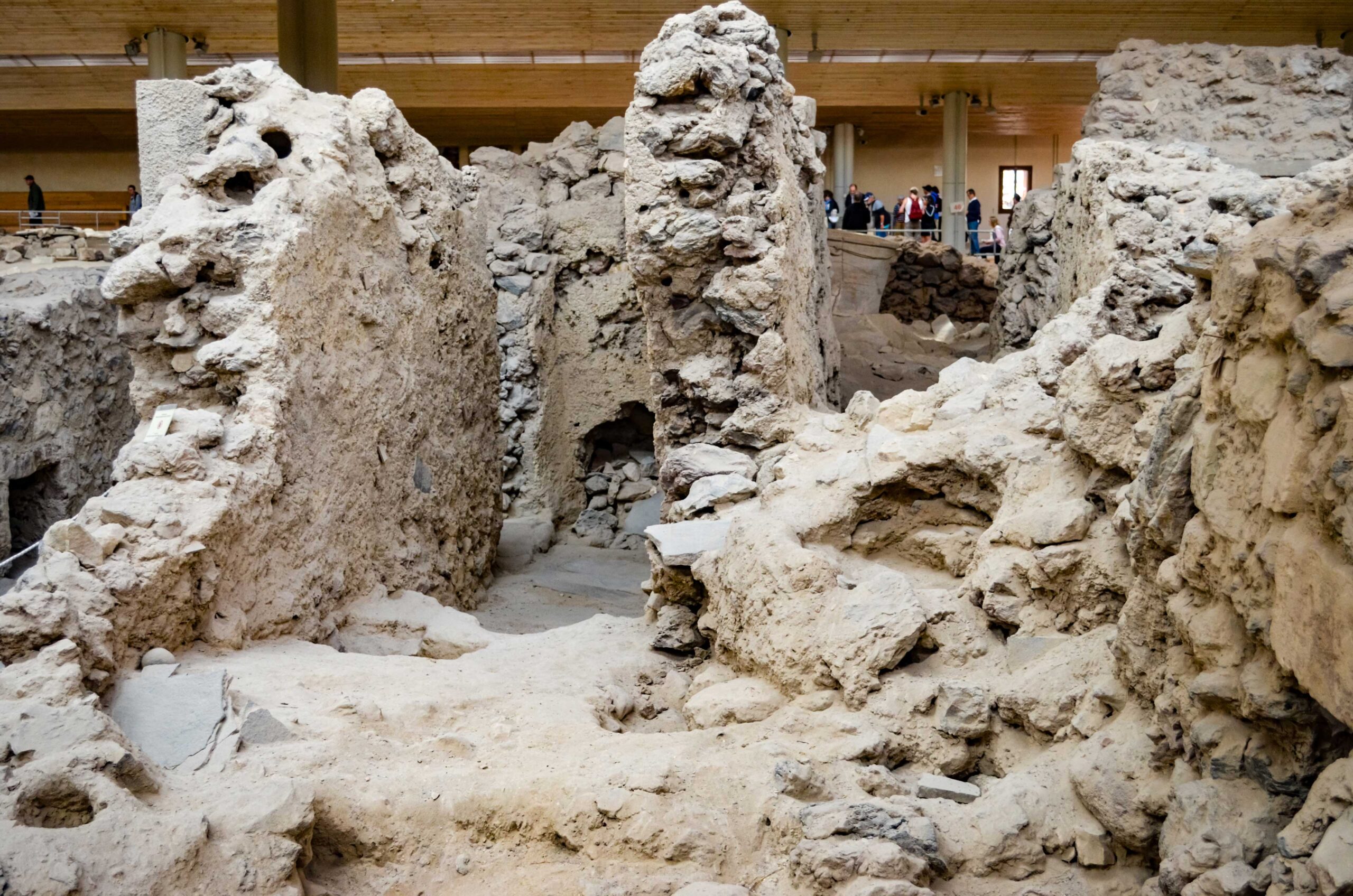
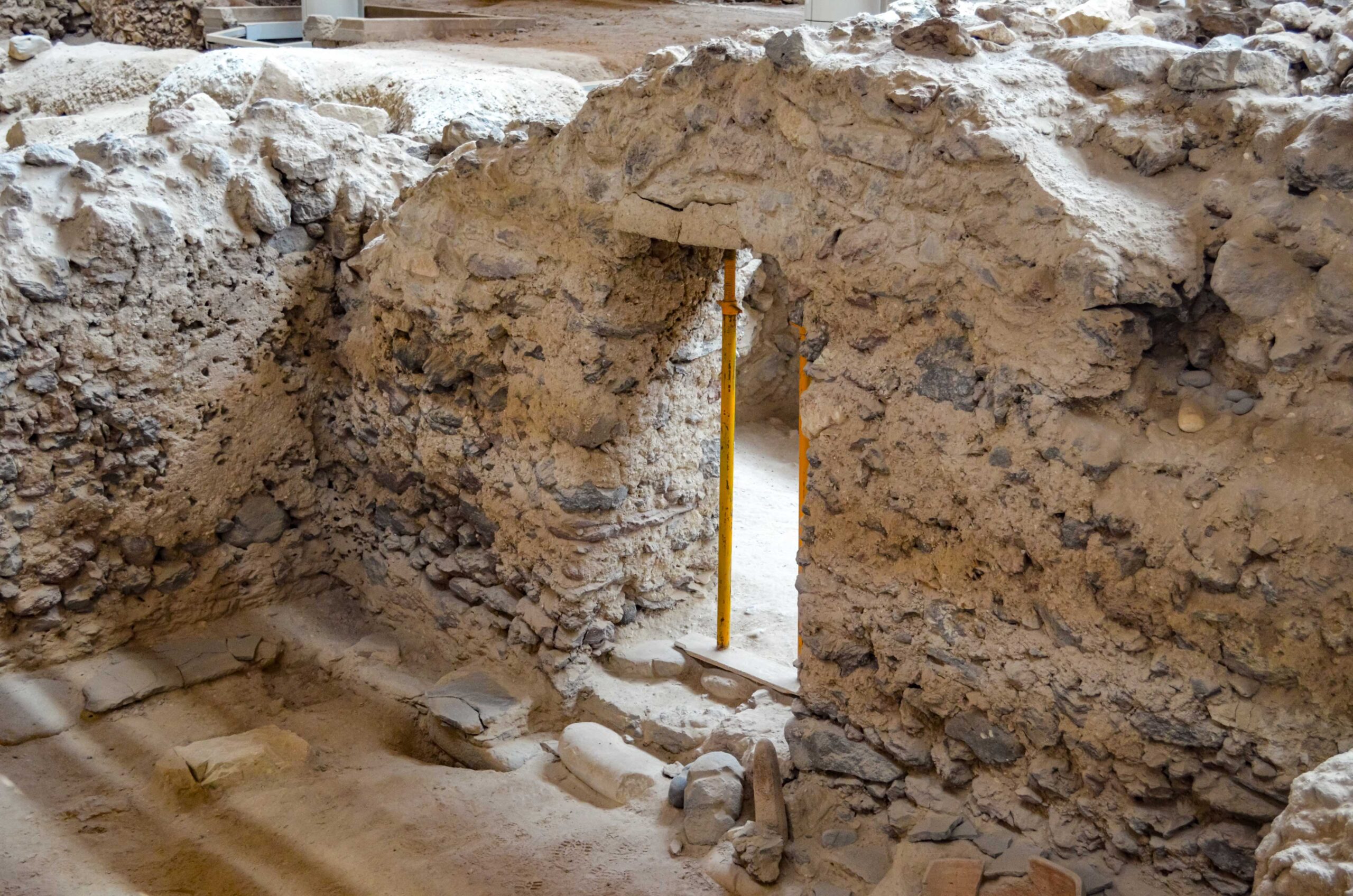
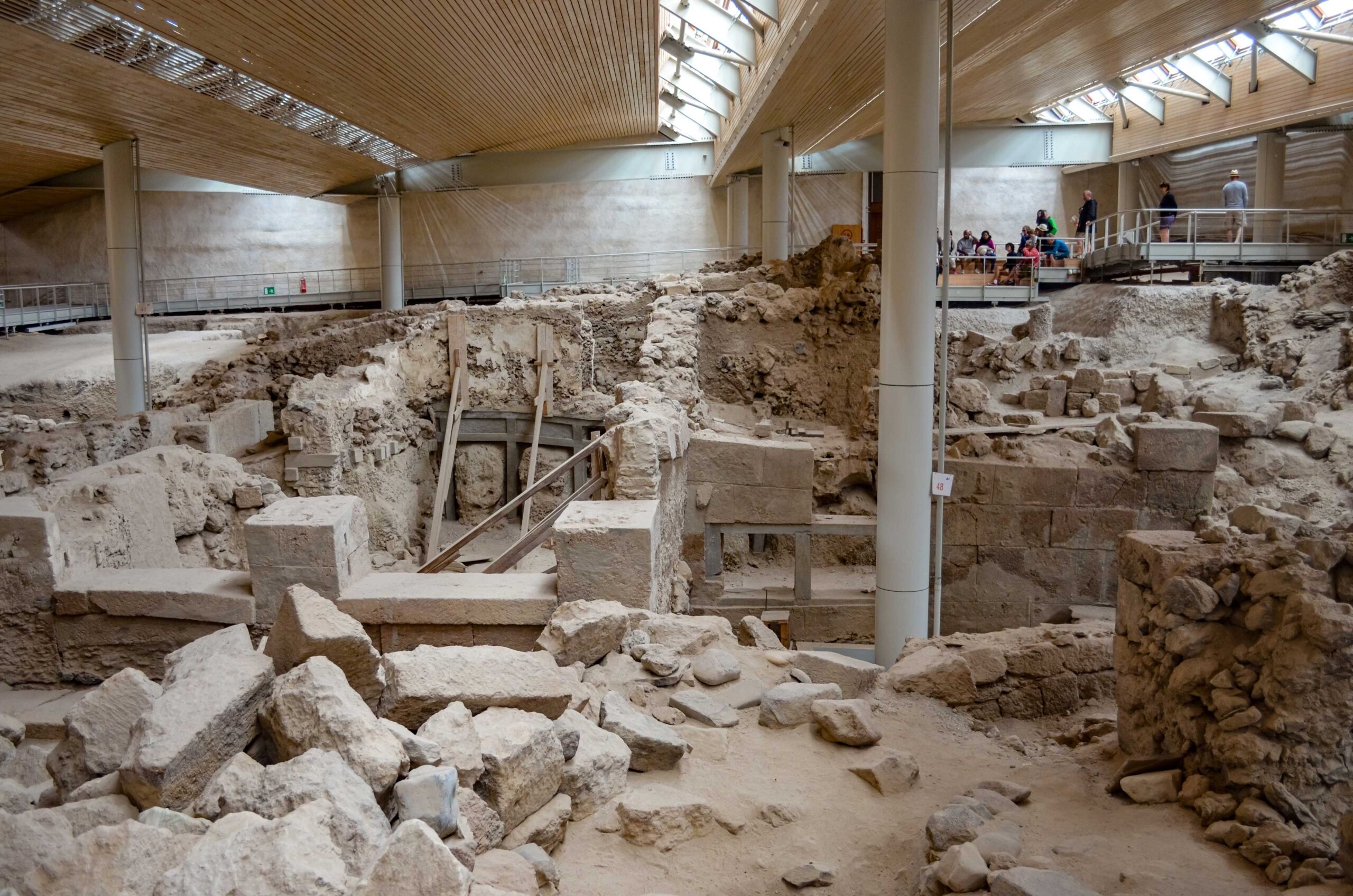
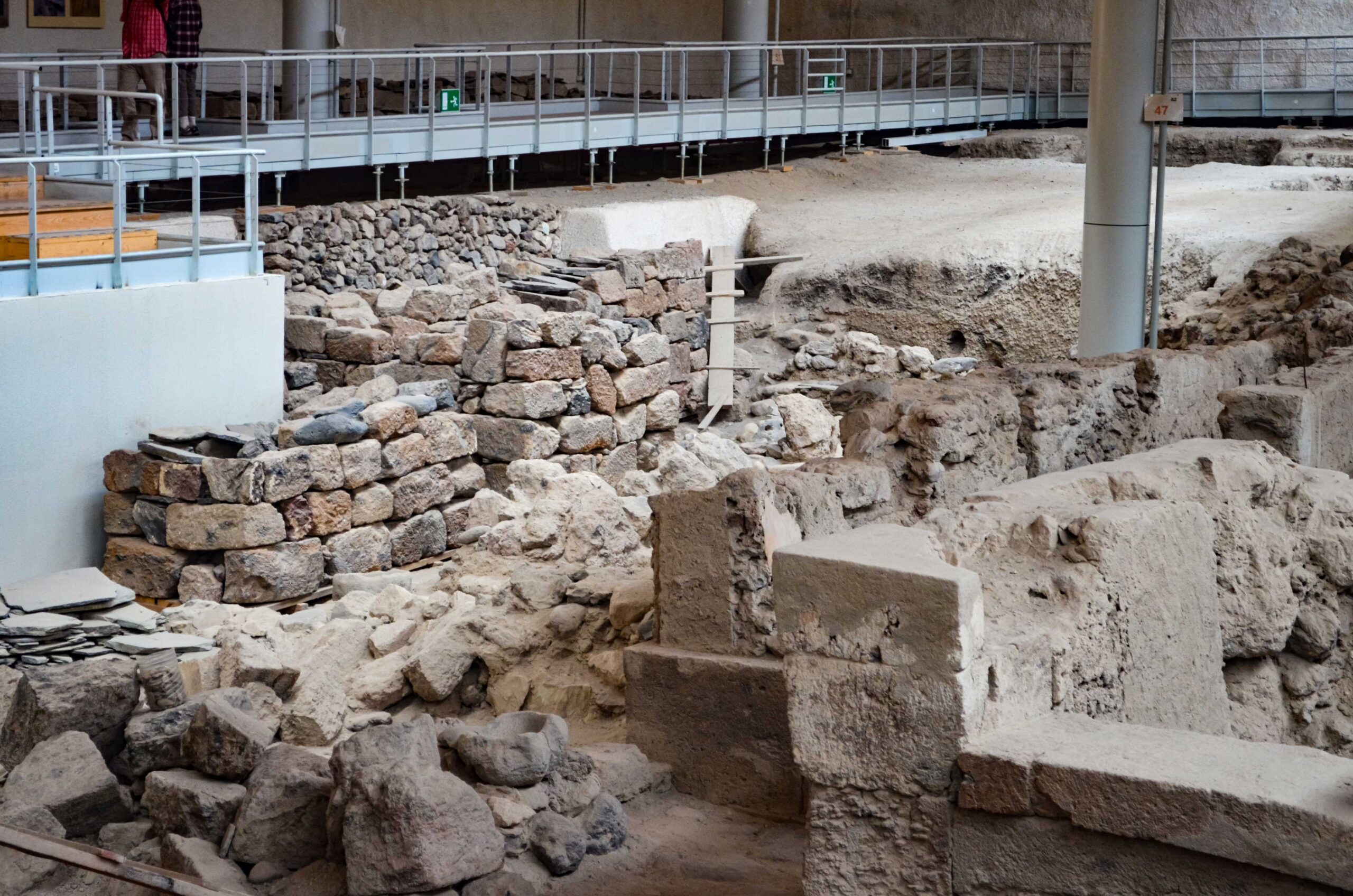
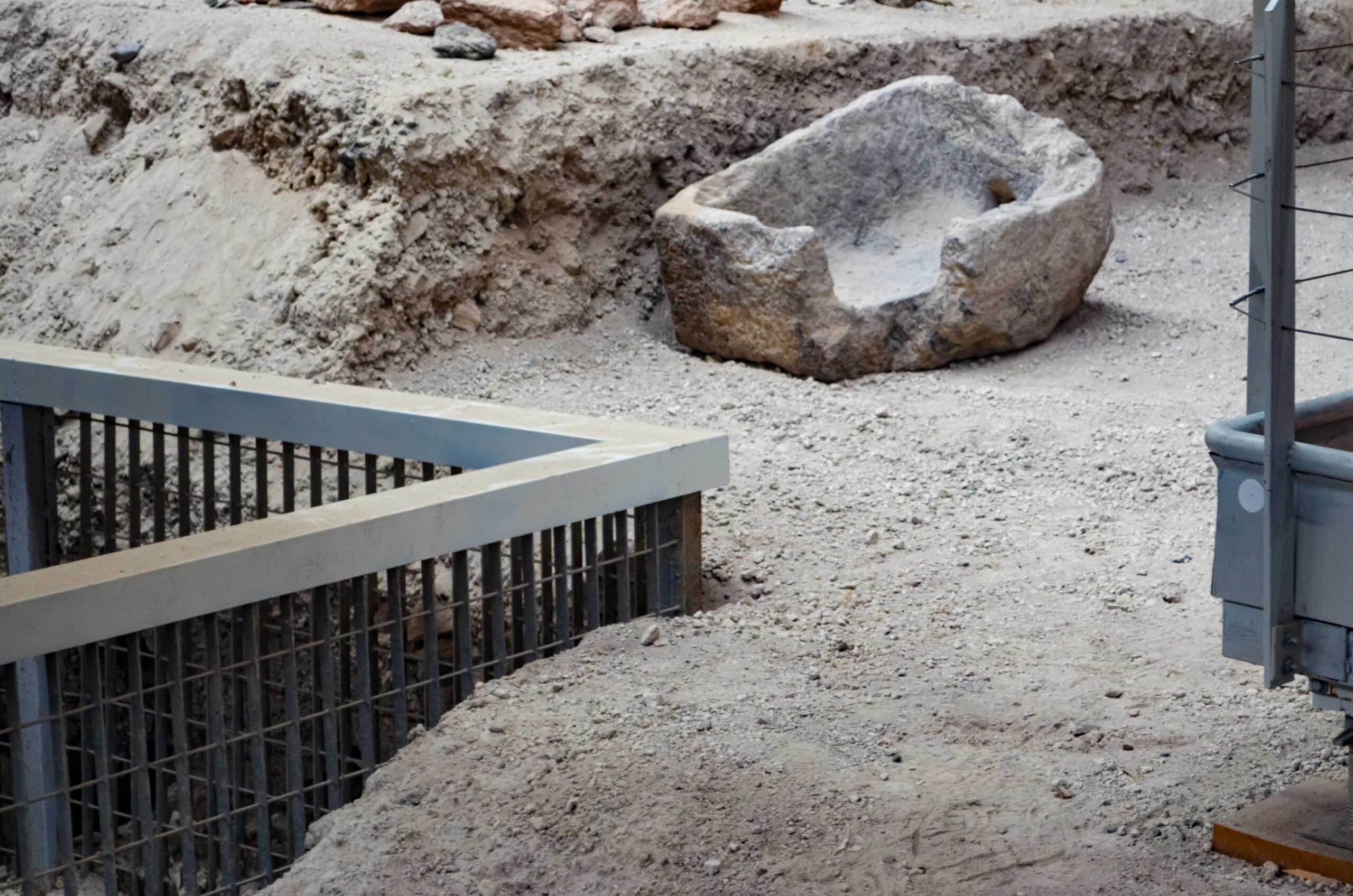
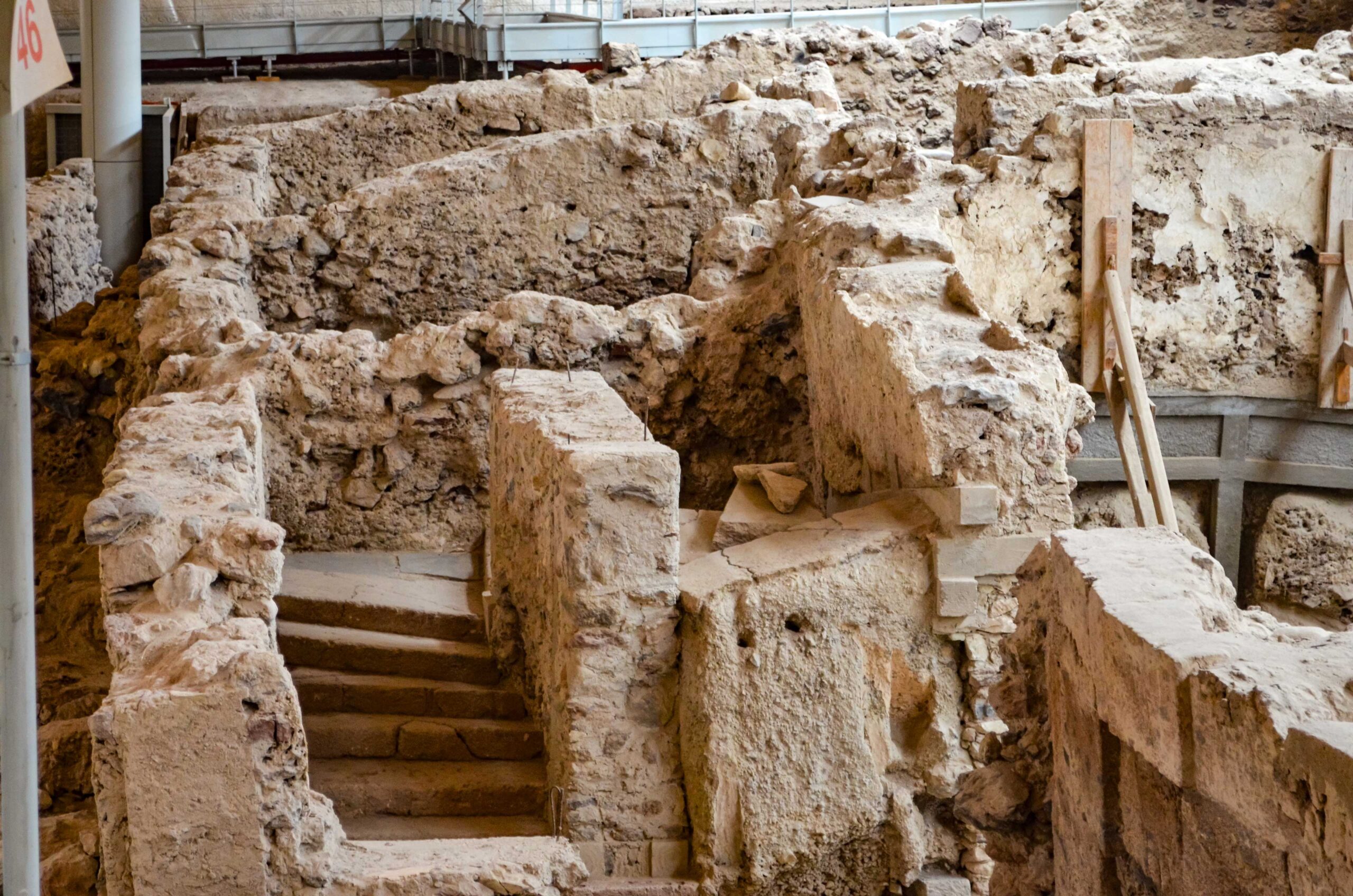
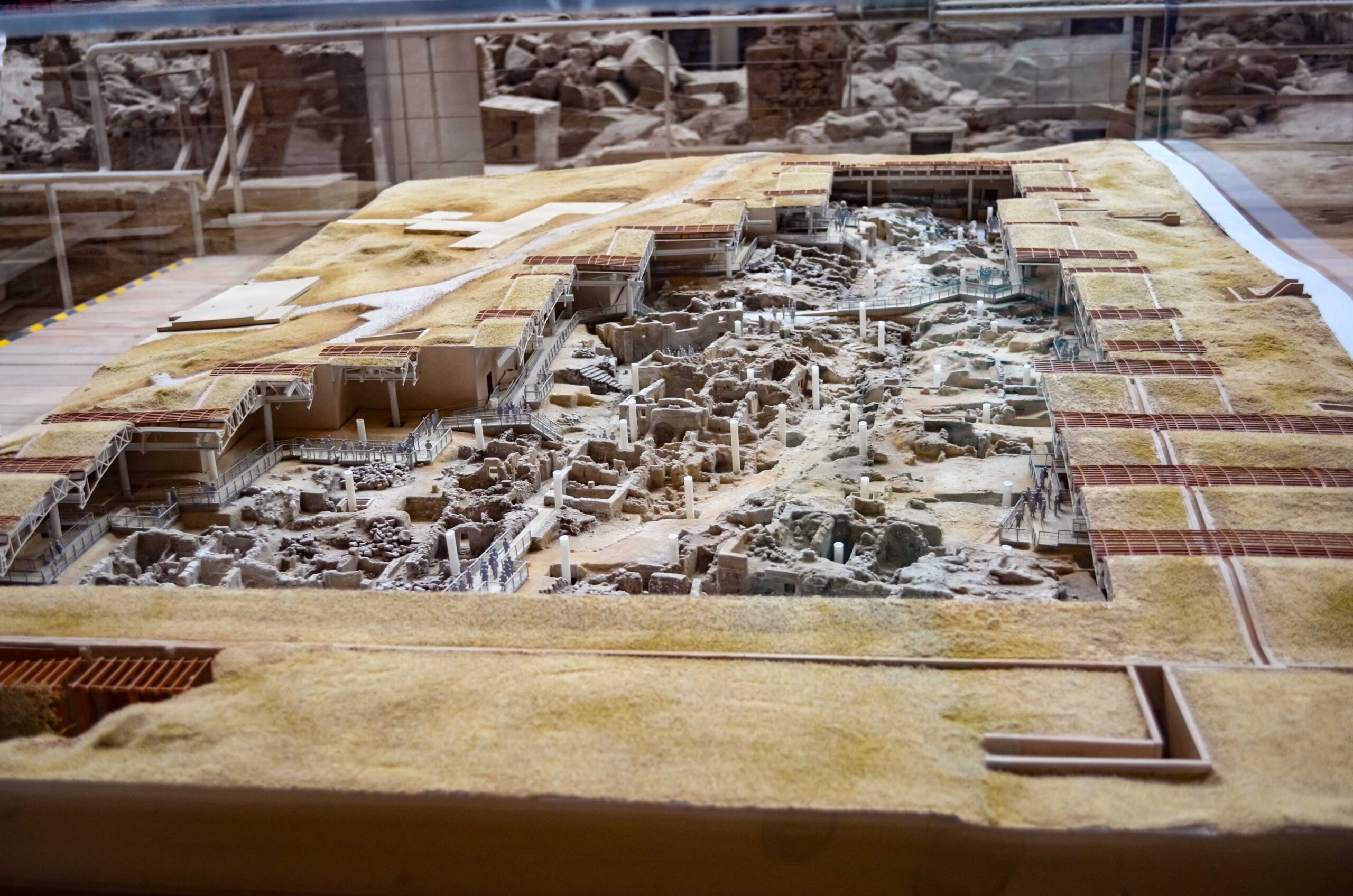
The ruins of Akrotiri are one of Santorini’s most impressive historical sites, Akrotiri is frequently called the Pompeii of the Aegean, a Bronze Age town buried under volcanic ash after a massive eruption around 1600 BCE. The remains highlight murals, pottery, and even domestic items indicative of a wealthy community with extensive Aegean trade ties. While the actual frescoes are displayed in museums, their stories are excellently explained on site, allowing us to visualize life before the eruption created havoc. Akrotiri, which is situated at the south of the island, also seemed to be a quieter site in Santorini. We lingered nearby after the visit, pondering how this ancient settlement parallels the history of an island otherwise known mostly for sunsets and luxury.
At the digs at Akrotiri, frescoes of lilies, dolphins, and saffron gatherers show a fragile, sophisticated society lost in mid-action. Locals still talk about the “Sleeping Fire,” viewing the rumbling volcano under Nea Kameni as a caveman with a Godzilla-like temper. Oia village, where sunsets lacquer the world in honey, has a saying that the sea sips the light of the day and spits it back as wine — maybe that’s
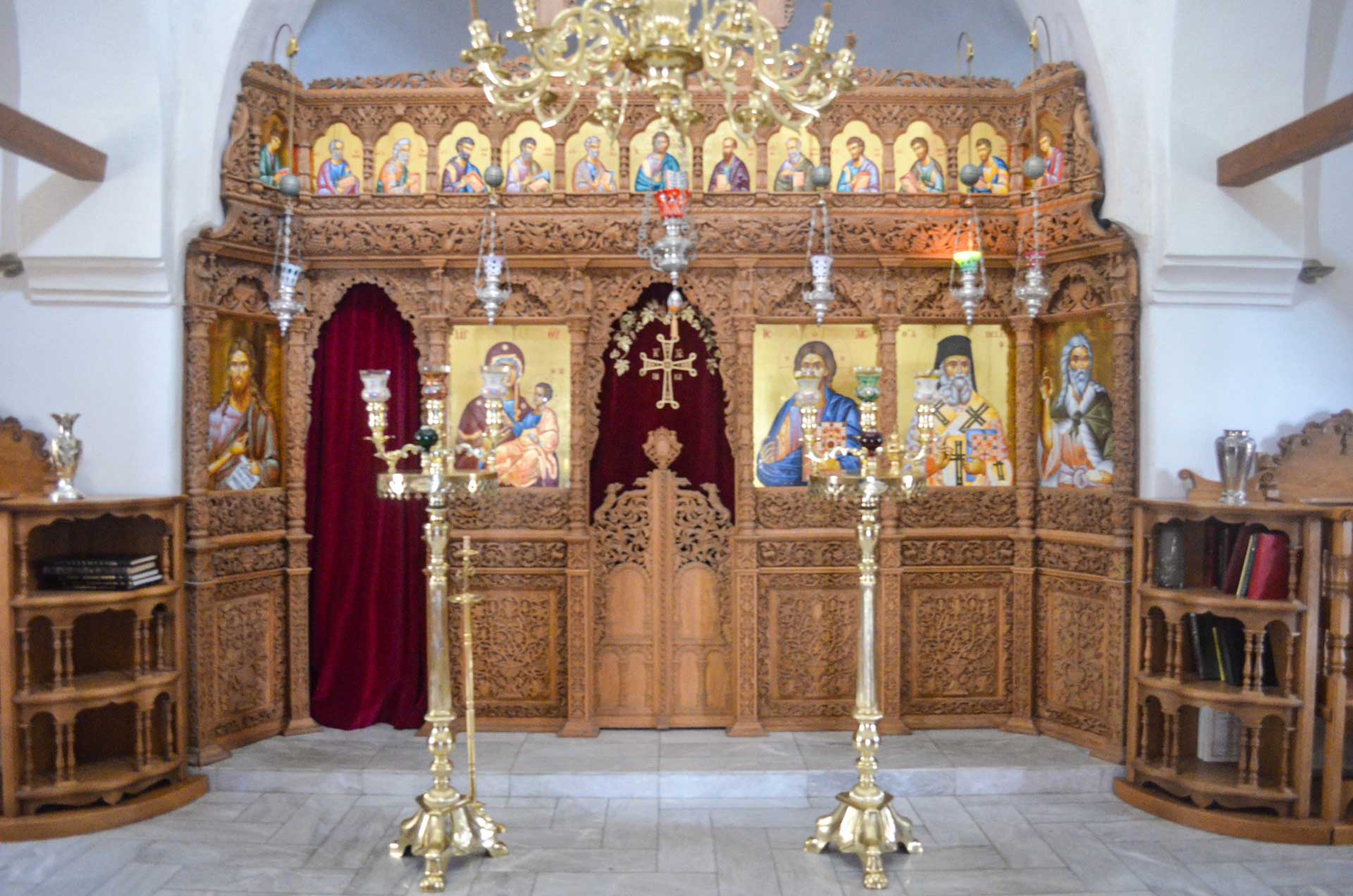
why Santorini’s arcane vines, coiled to face the wind, grow Assyrtiko grapes. Its 350- plus churches are whitewashed in homage to light and grace — each is named after a saint who, according to villagers, watches over the cliffs and, with gentle cross- breeze, stills the restless earth below. Here, even the silence is holy; the horizon shudders with the memory of fire.
In Athens, the columns murmur philosophy; in Crete, myth and sacrifice cohabit; in Mykonos, the windmills pull their timeless moves; in Rhodes, fortresses coldly protect memory and a hiding bay keeps peace; in Santorini, Oia sits like fire and light upon cliffs. Greece is not only ancient, it is a living presence — the landscape where happiness and history are companions.