Kirti Mandir
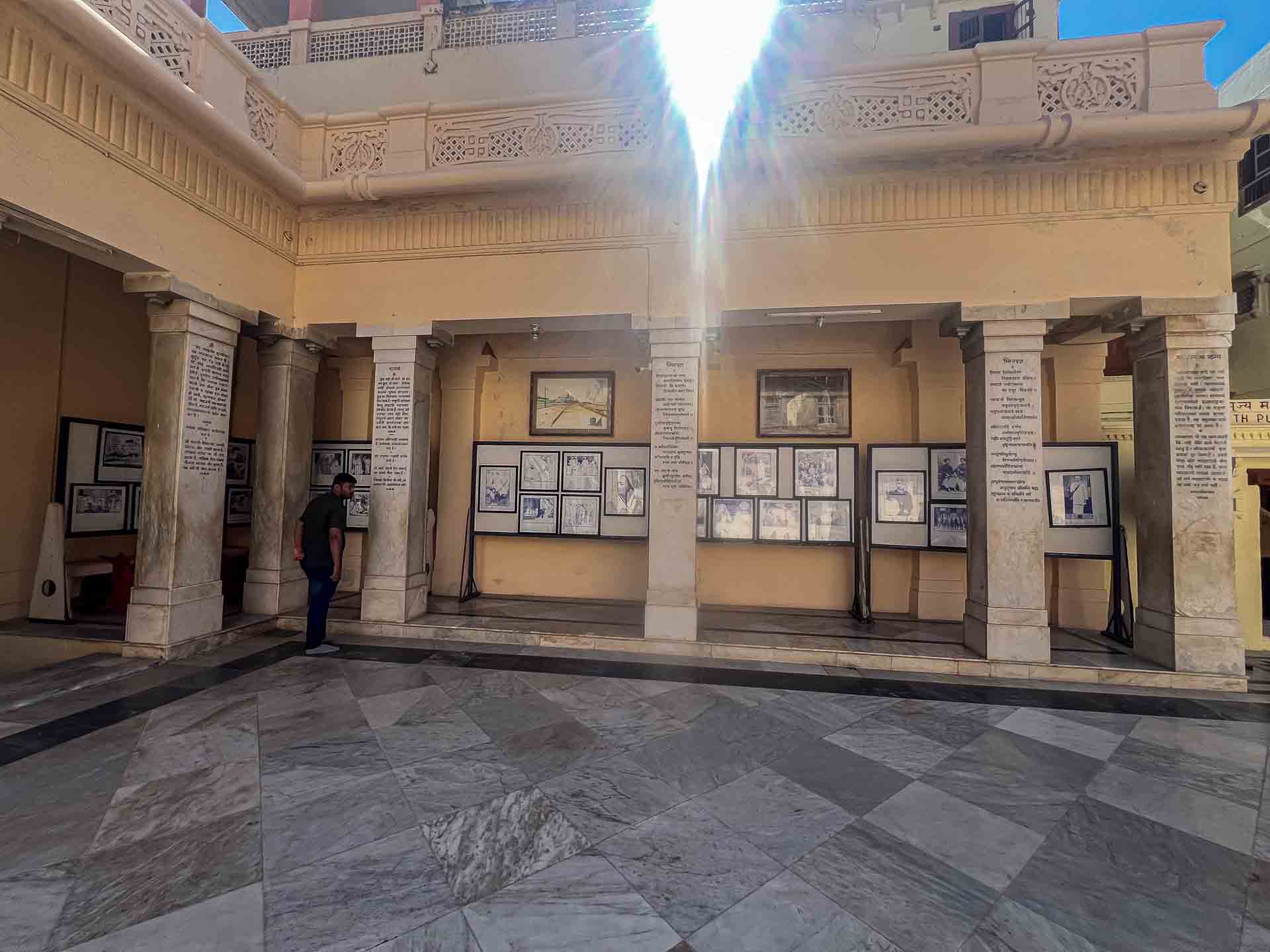
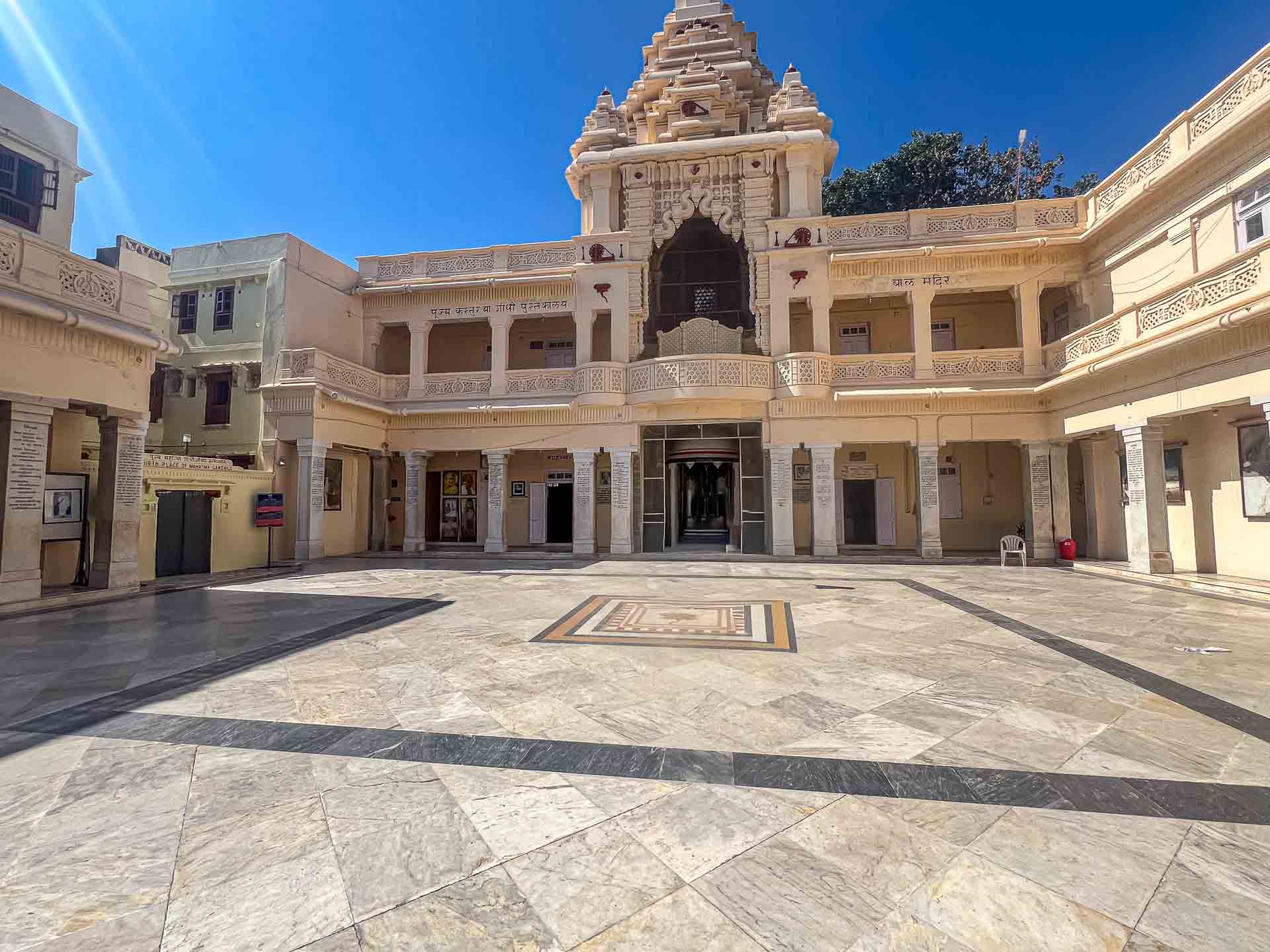
A combination memorial and museum. Its construction started in 1947 and finished in 1950. The tower, which rises to 79 feet — the age at which Gandhi died. The memorial, built in a style that fuses elements of Hindu, Jain, Buddhist, Parsi, Islamic, and Christian architecture, reflects Gandhi’s philosophy that all faiths are part of one religion.
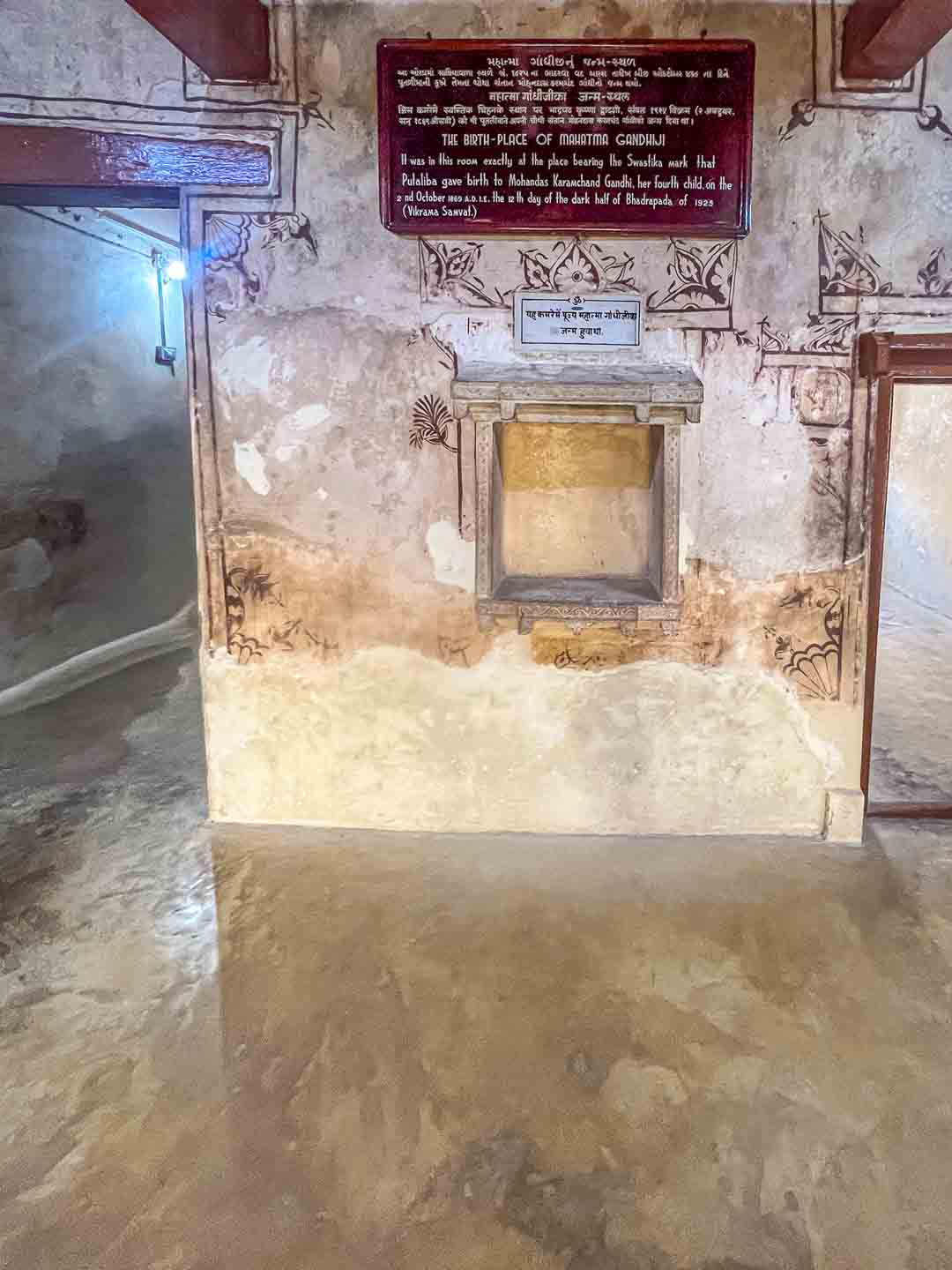
Yet the emotional heart of Kirti Mandir is not this vast memorial hall, but a humble room within the attached three-storied ancestral house.
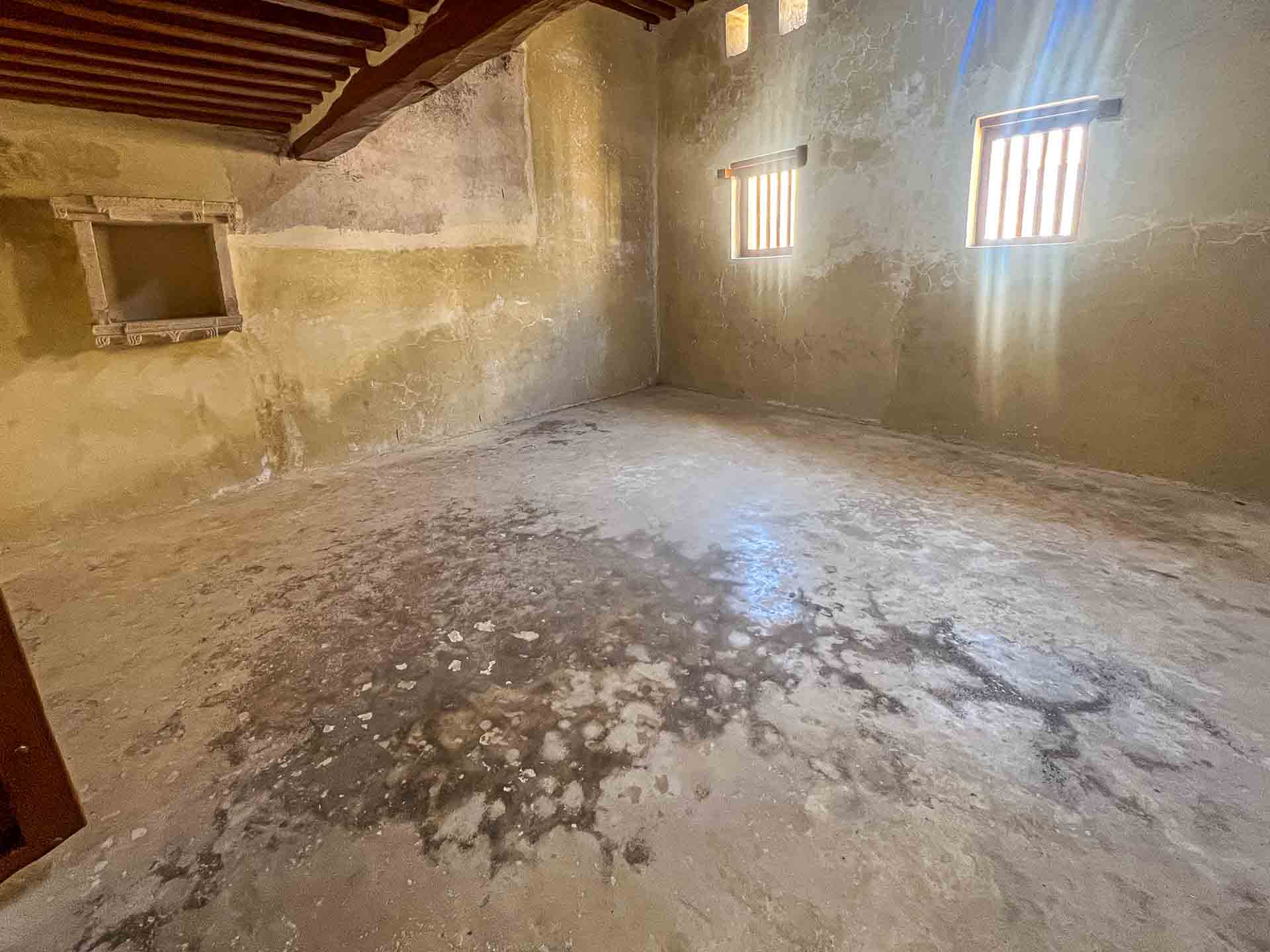
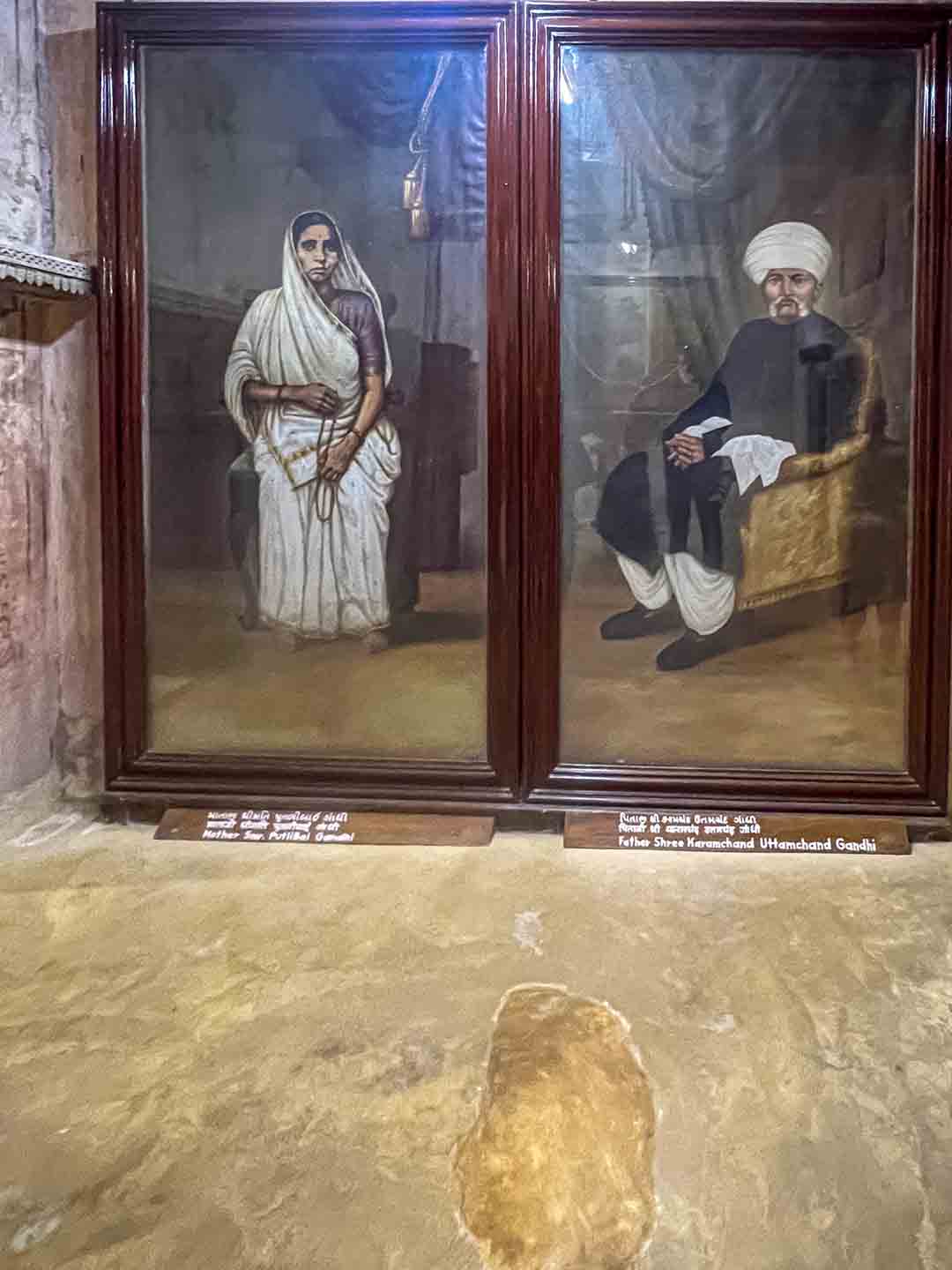
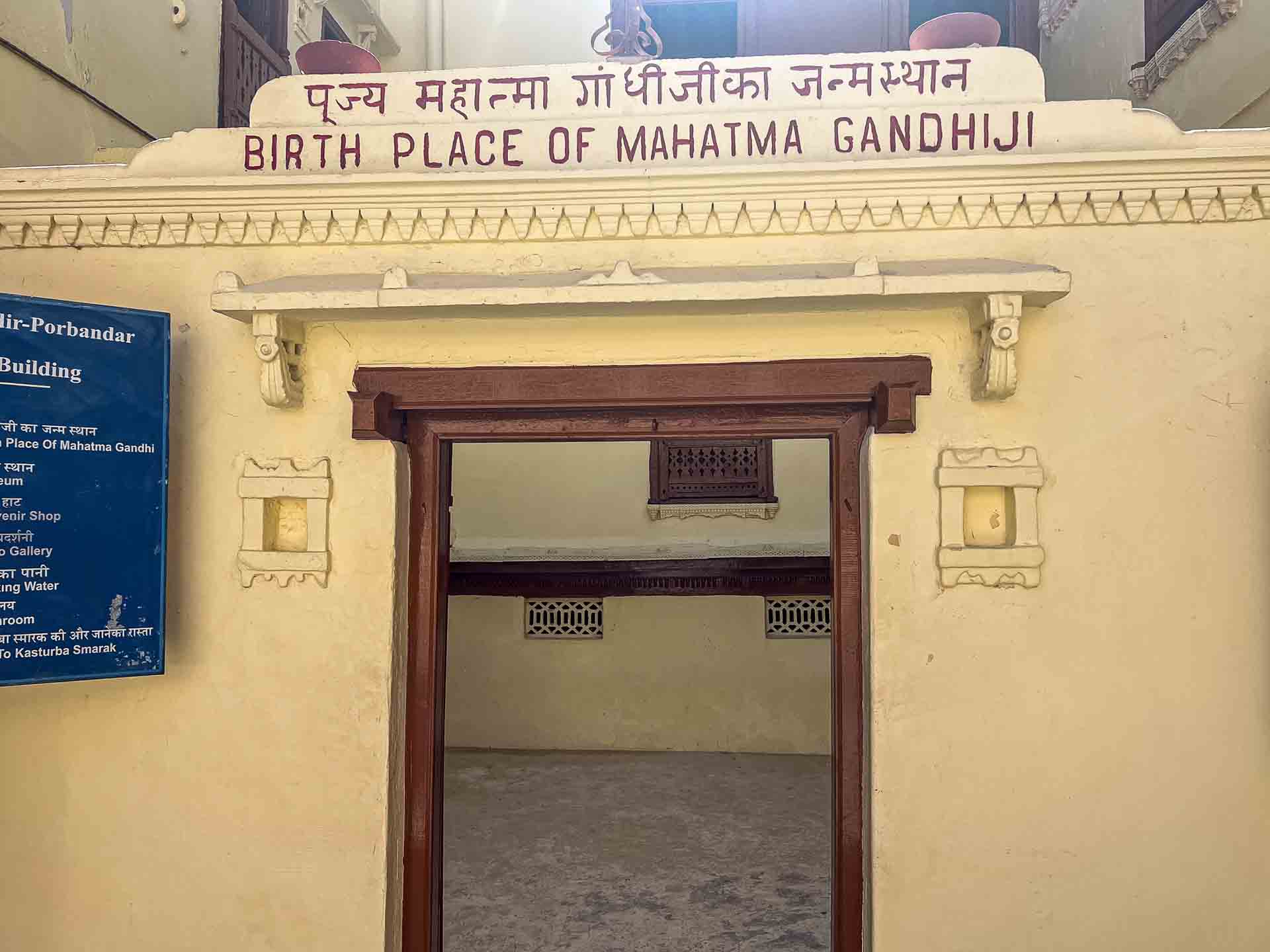
A narrow passage leads to the precise location where Putaliba Gandhi, Gandhi’s mother, gave birth to her youngest child. A swastika marks it. The original use of the swastika in India is associated with auspiciousness and a symbol of good fortune. There is no elaborate ornament; there is nothing overstated.
The space is almost spare, austere — bare in its simplicity and all the more powerful because of it. And standing there is a striking unnatural thought, that out of this small room would come someone who would one day or challenge be an empire and change the world by truth, not violence.
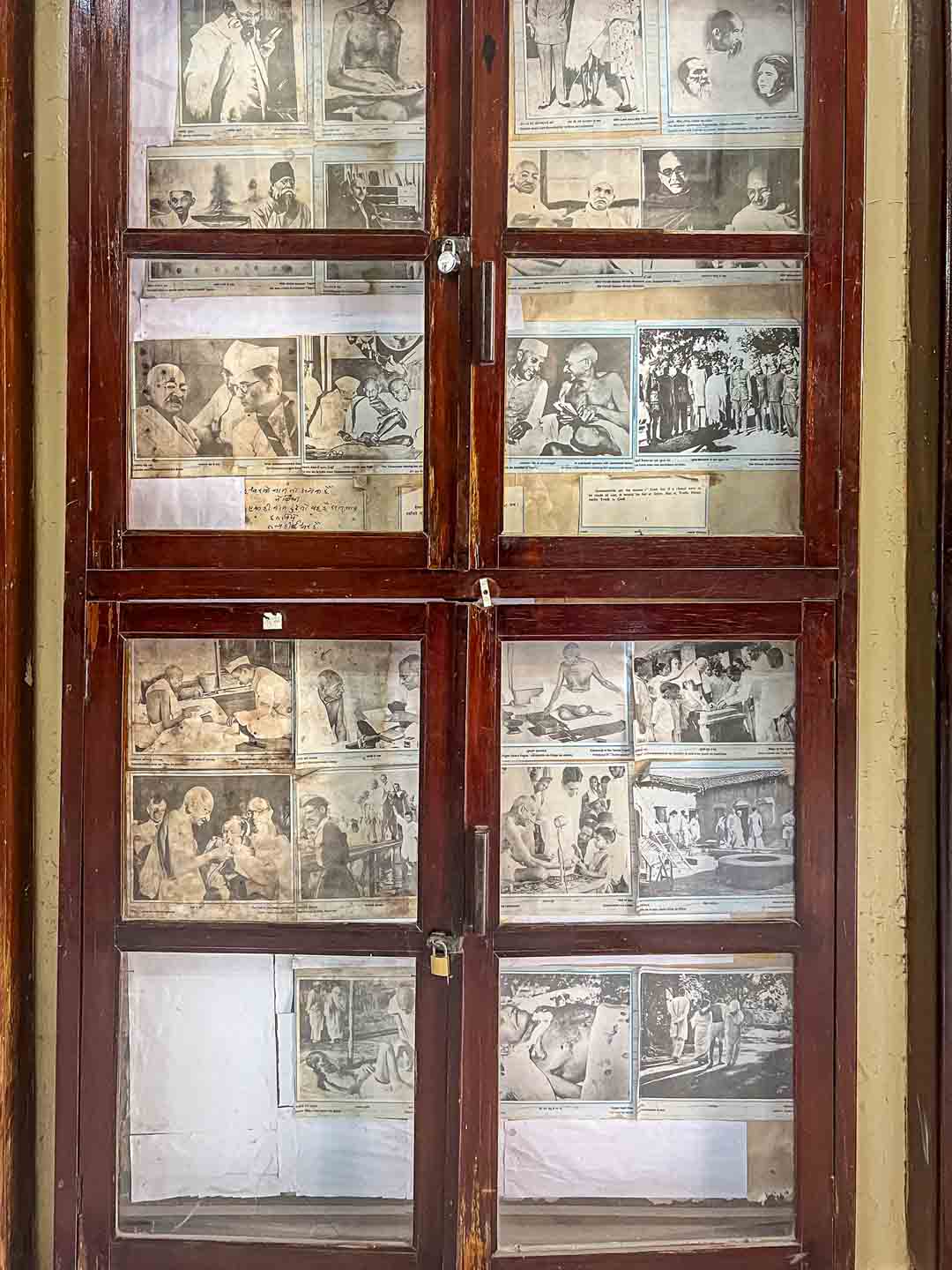
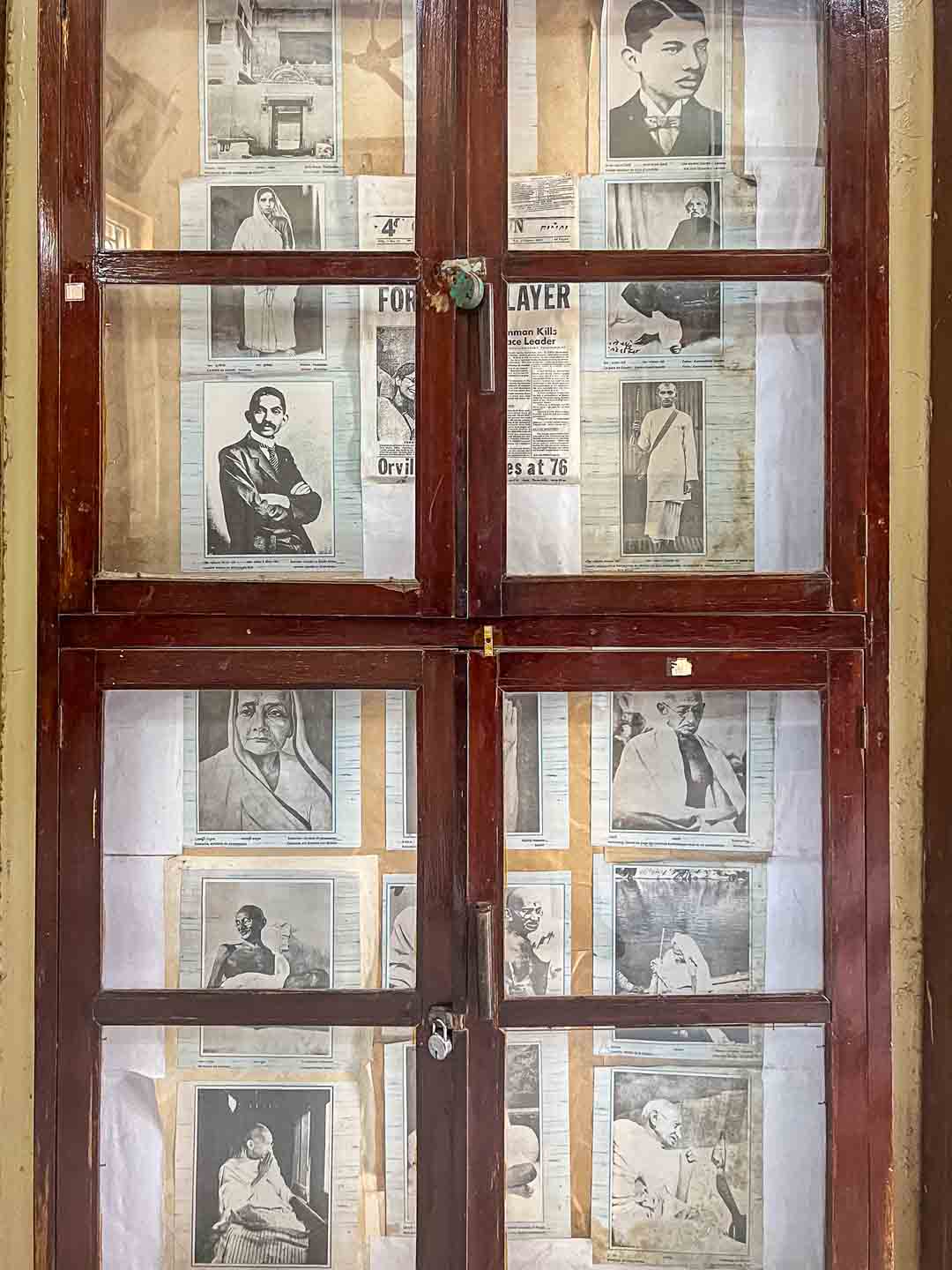
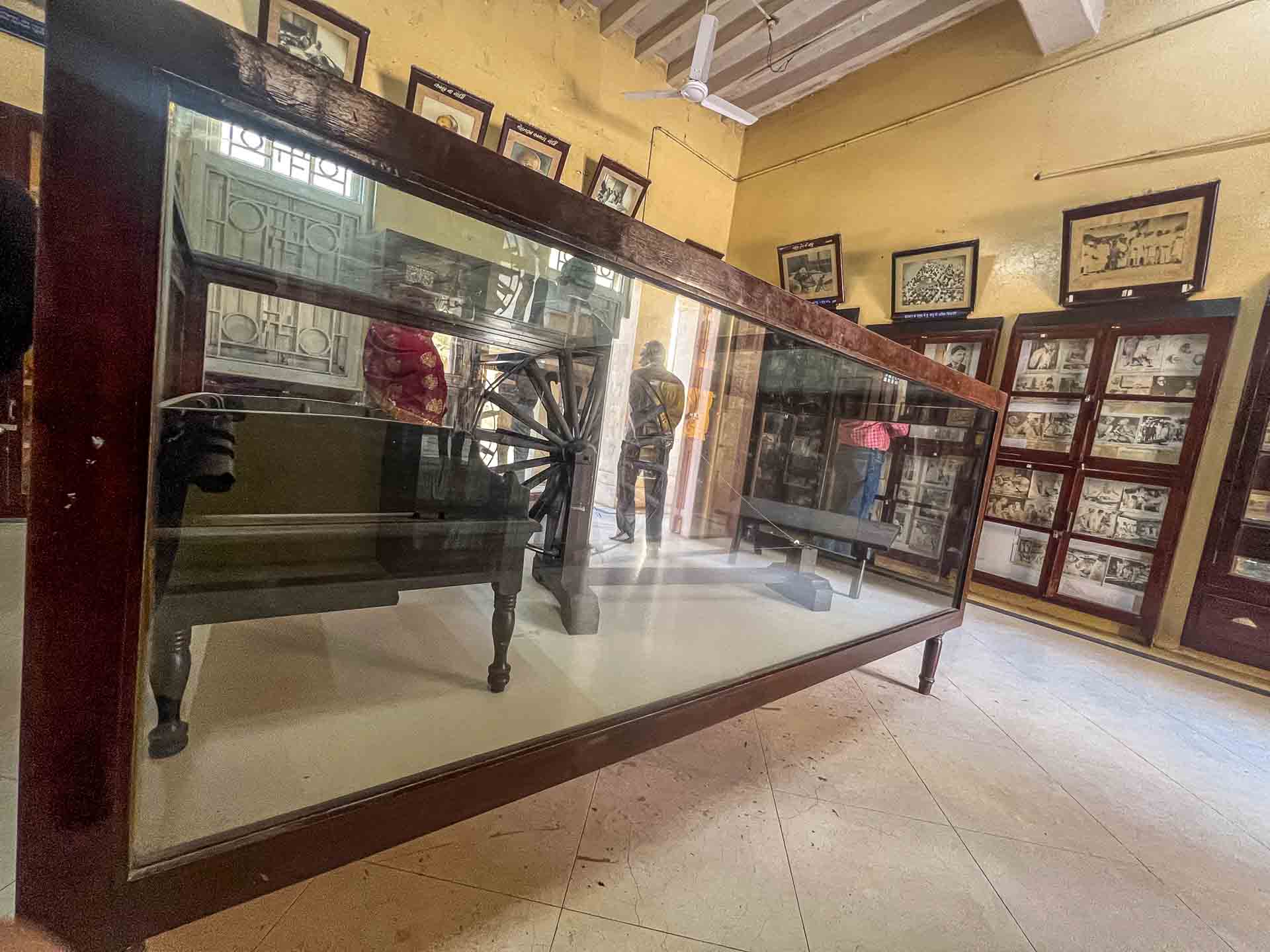
The museum’s galleries hold reflections of Gandhi’s life in set displays. Black- and-white snapshots plot his passage from Porbandar to London, South Africa, Sabarmati, and then the front line of India’s struggle for freedom. Clippings in newspapers across the world attest to his contributions. Correspondence, books, and archival material provide context.
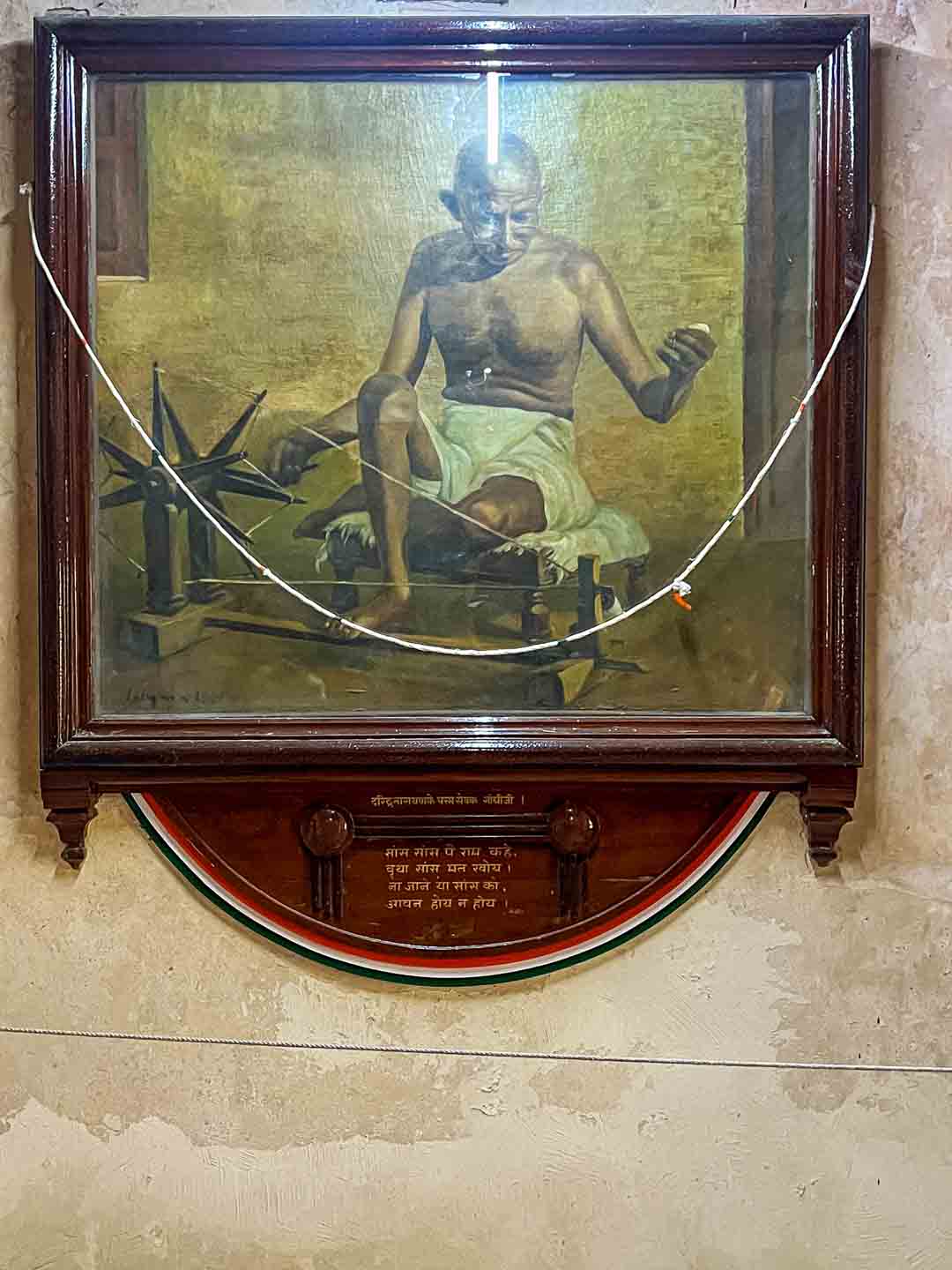
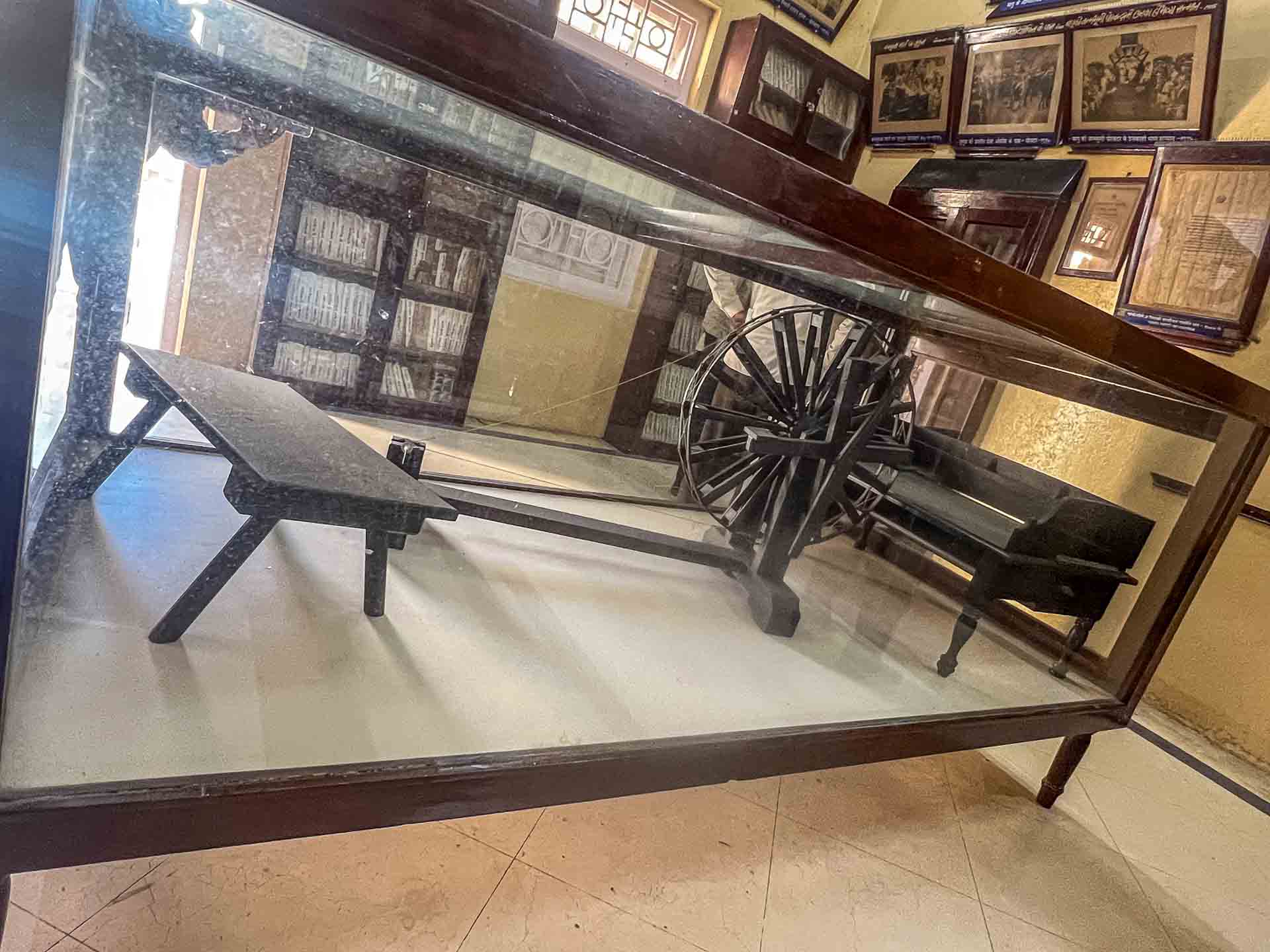
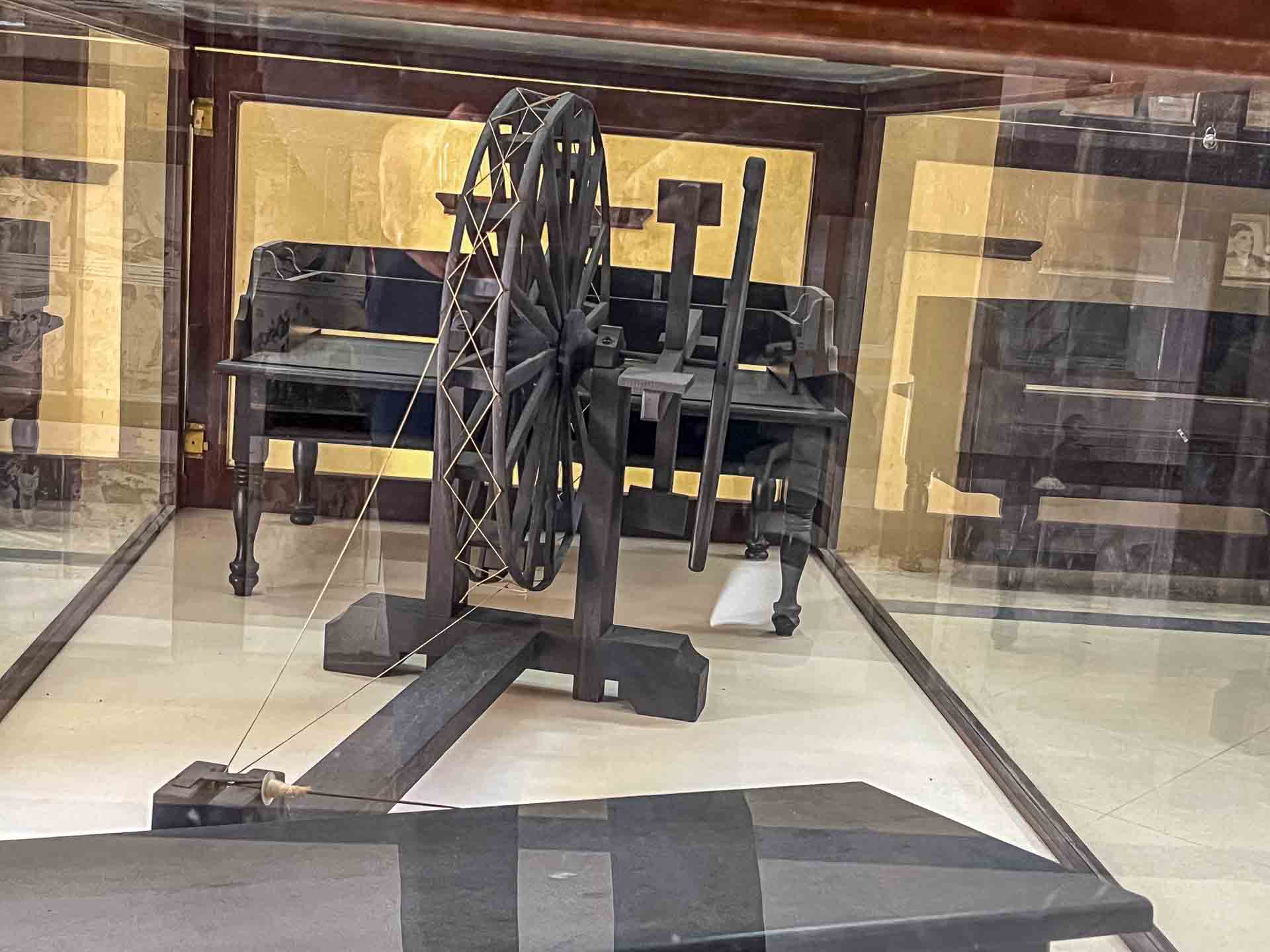
Perhaps the most evocative of these objects are displays set out around India’s old charkha, or spinning wheel, which we associate with Gandhi’s plea for self- reliance alongside khadi and handcrafted goods. The wheel isn’t just a museum piece; it reminds us of Gandhi’s belief that political freedom began with self- discipline and economic independence. The mood inside the memorial is solemn and still — a place to hold quiet reverence instead of grand displays.
The memorial faces Navi Khadi, the hometown of Kasturba Gandhi — a point in space where two lives met and transformed into one partnership that helped define modern India.
Porbandar itself has a long history before Gandhi. It commanded the territory of what was once a princely state ruled by the Jethwa Rajputs, and centuries ago, it thrived as a maritime trading hub. And, all of that history appears to concentrate and attain its purpose in this quaint little town.