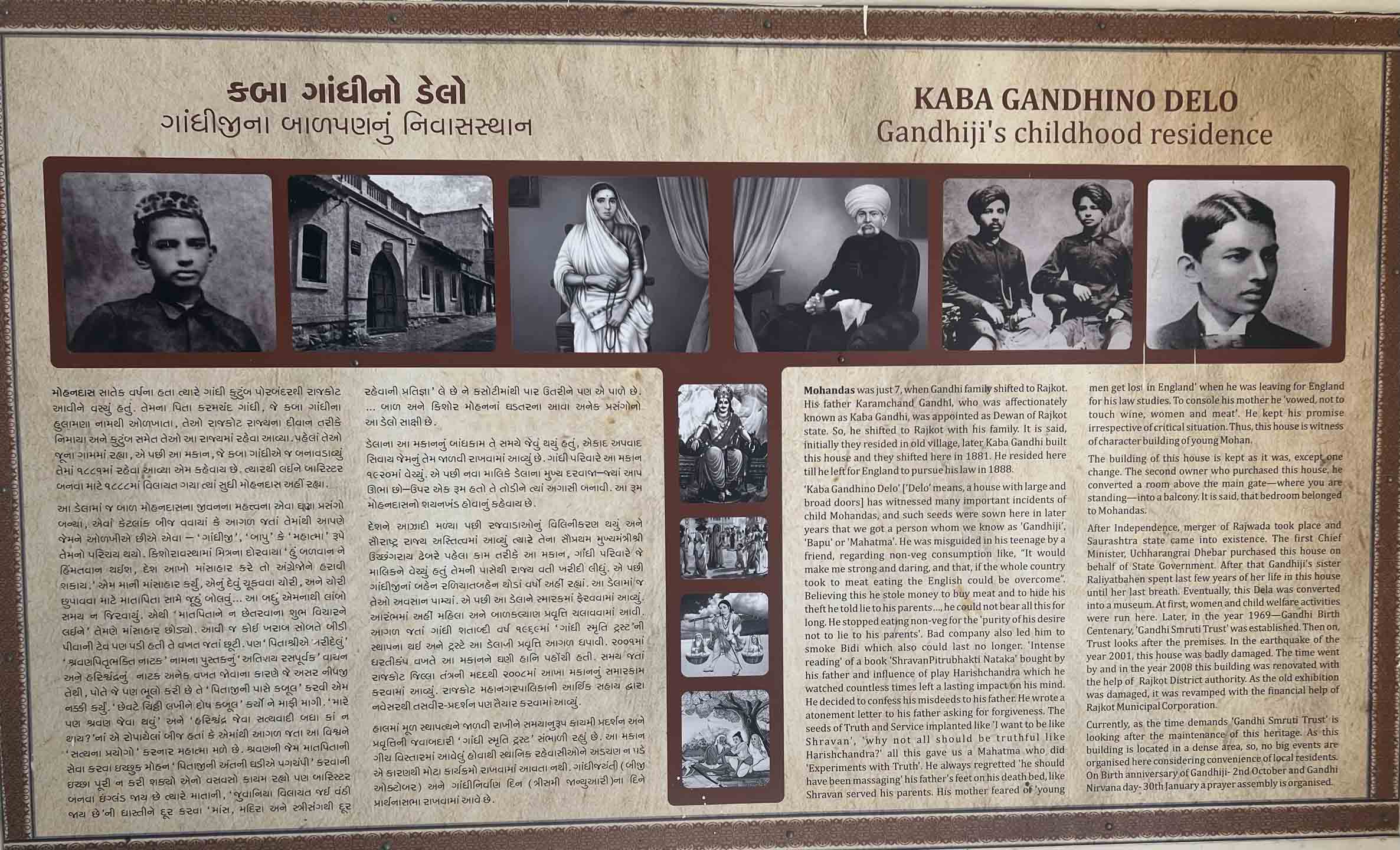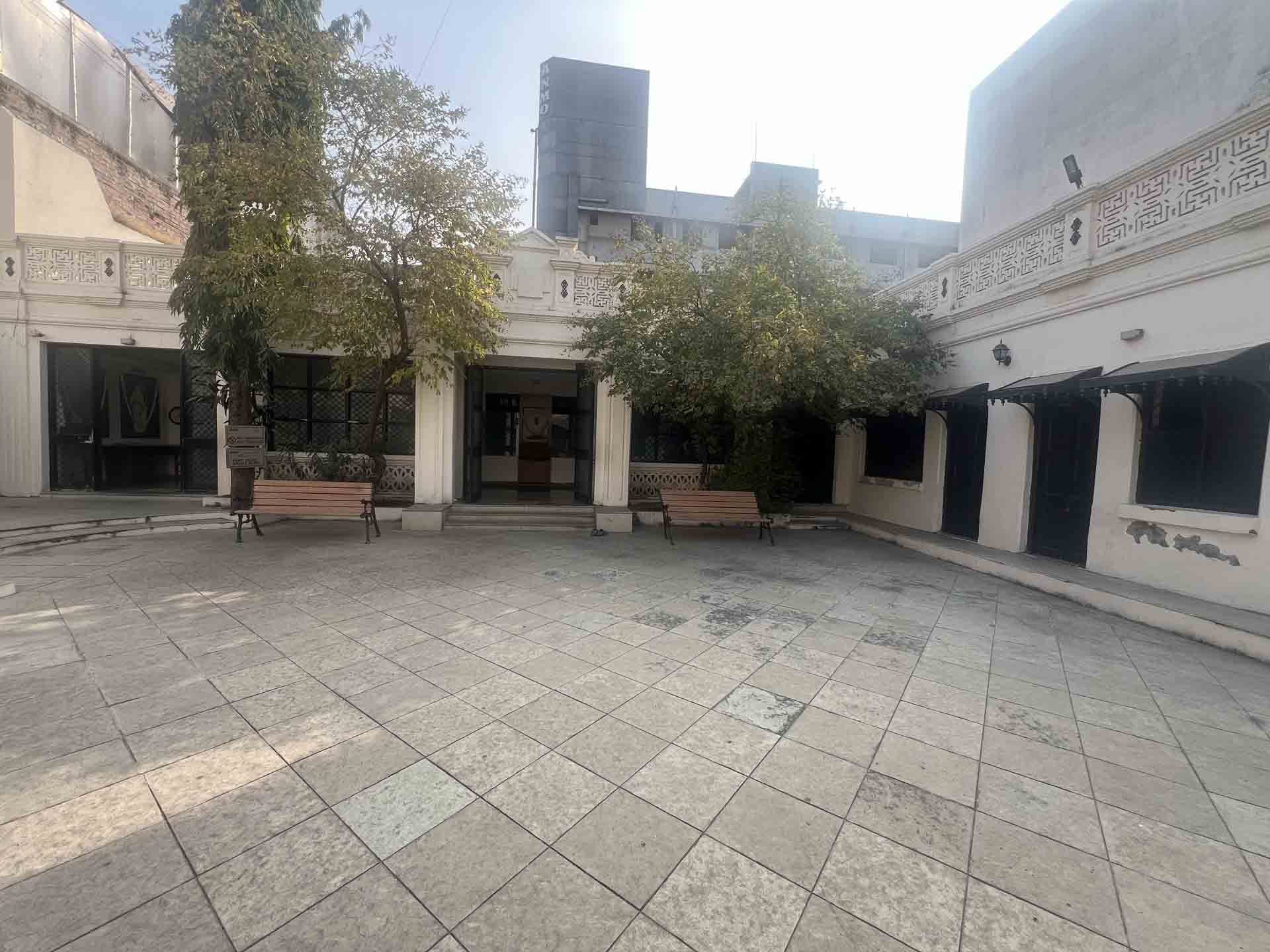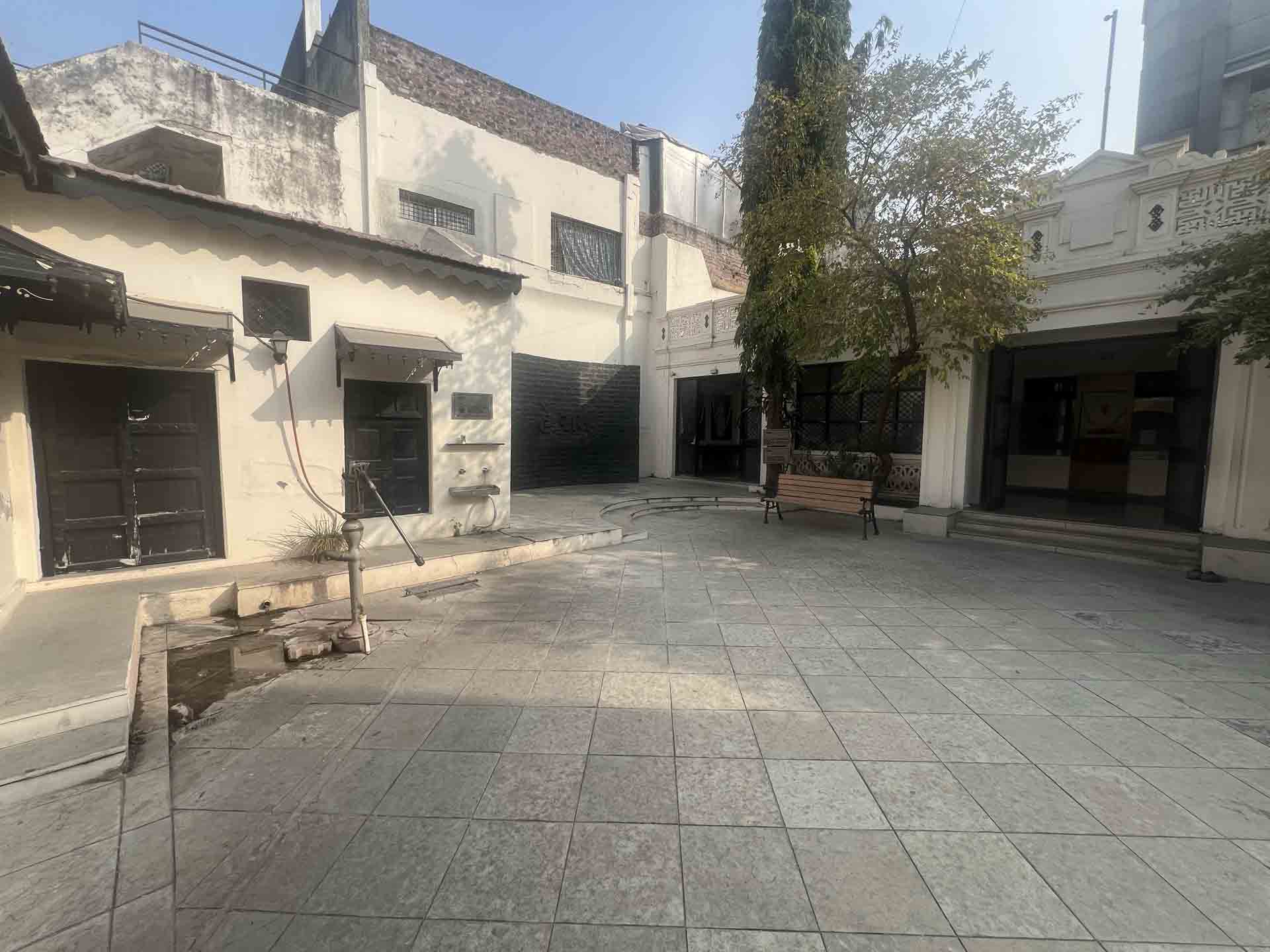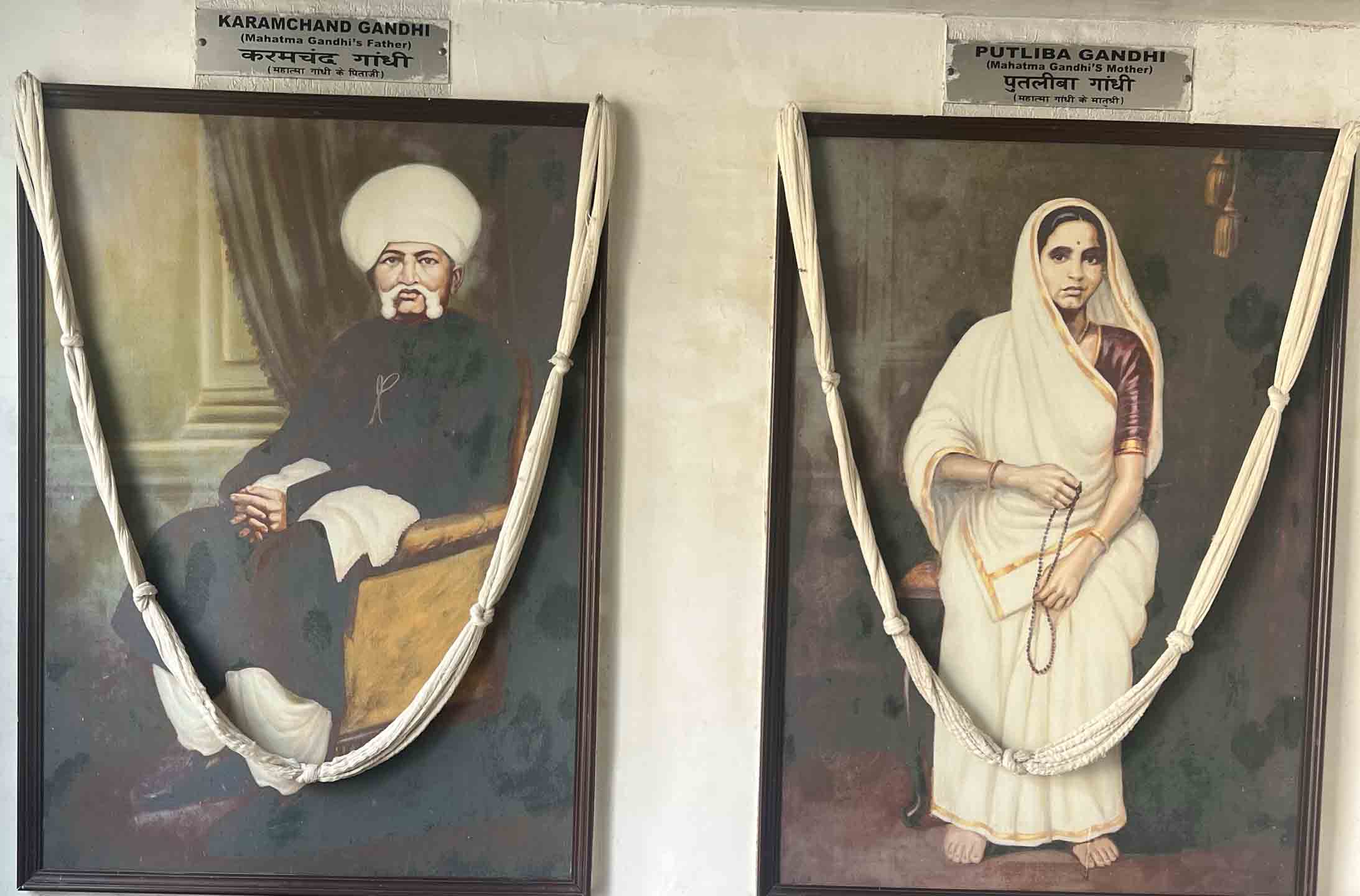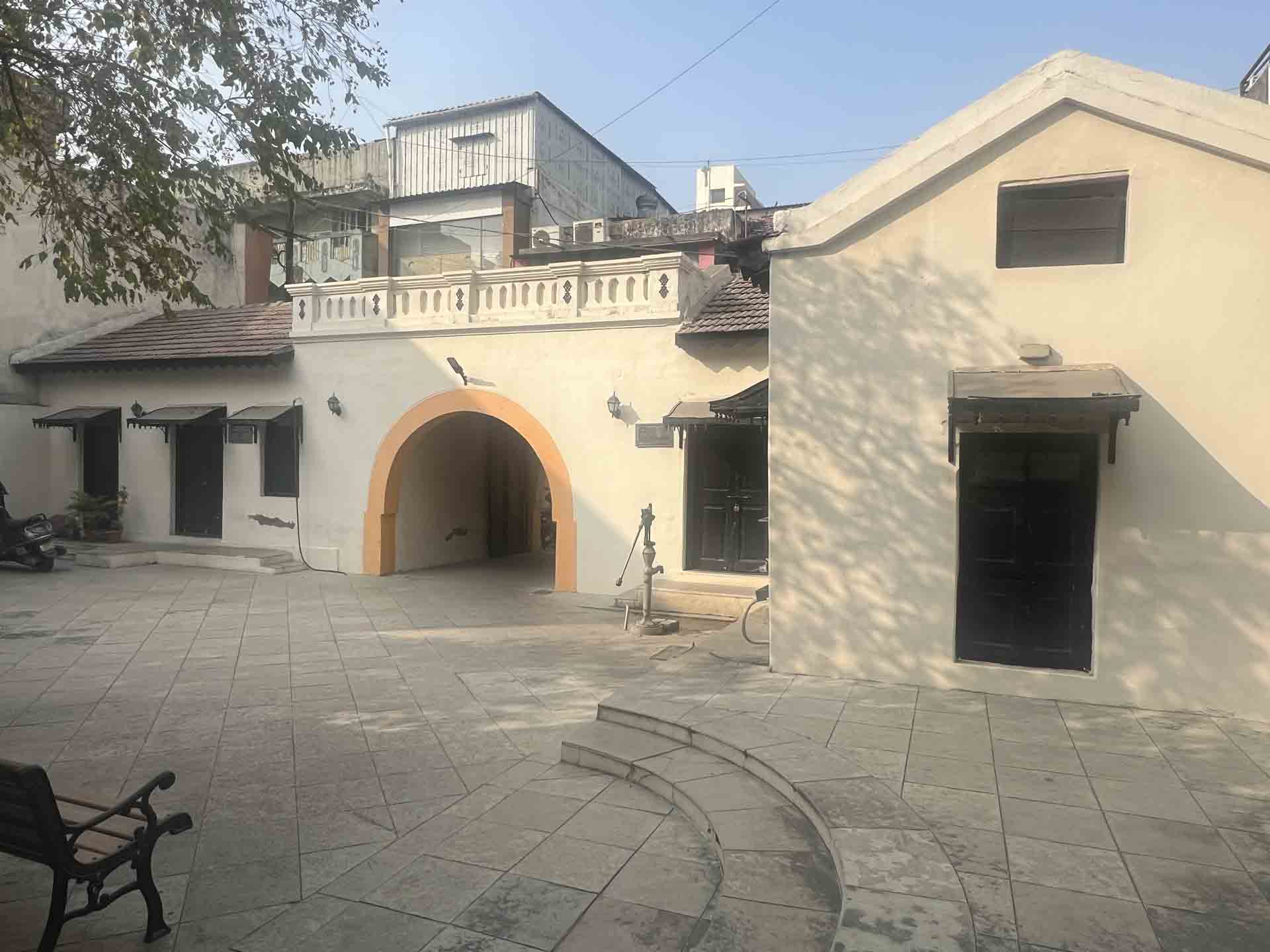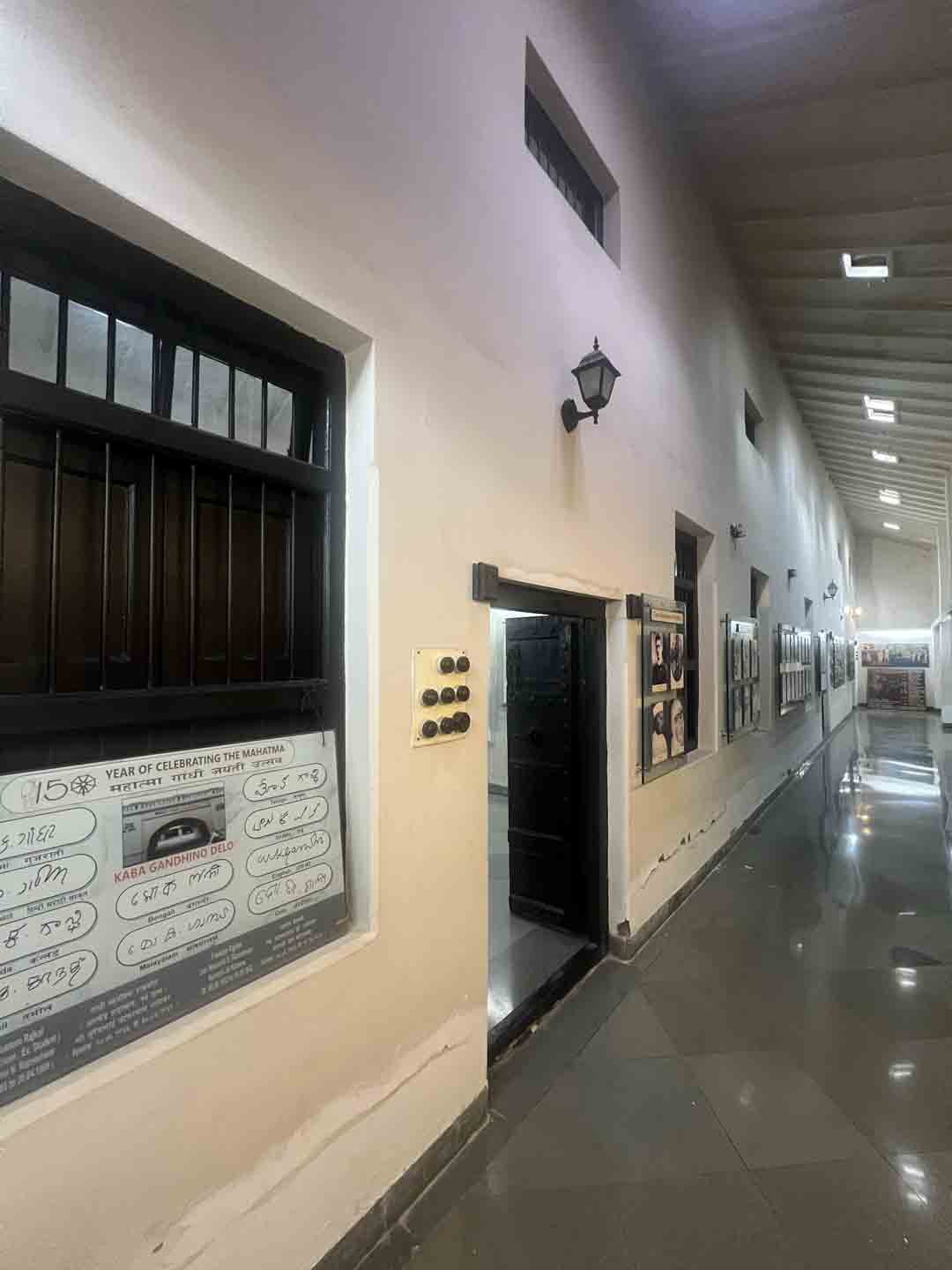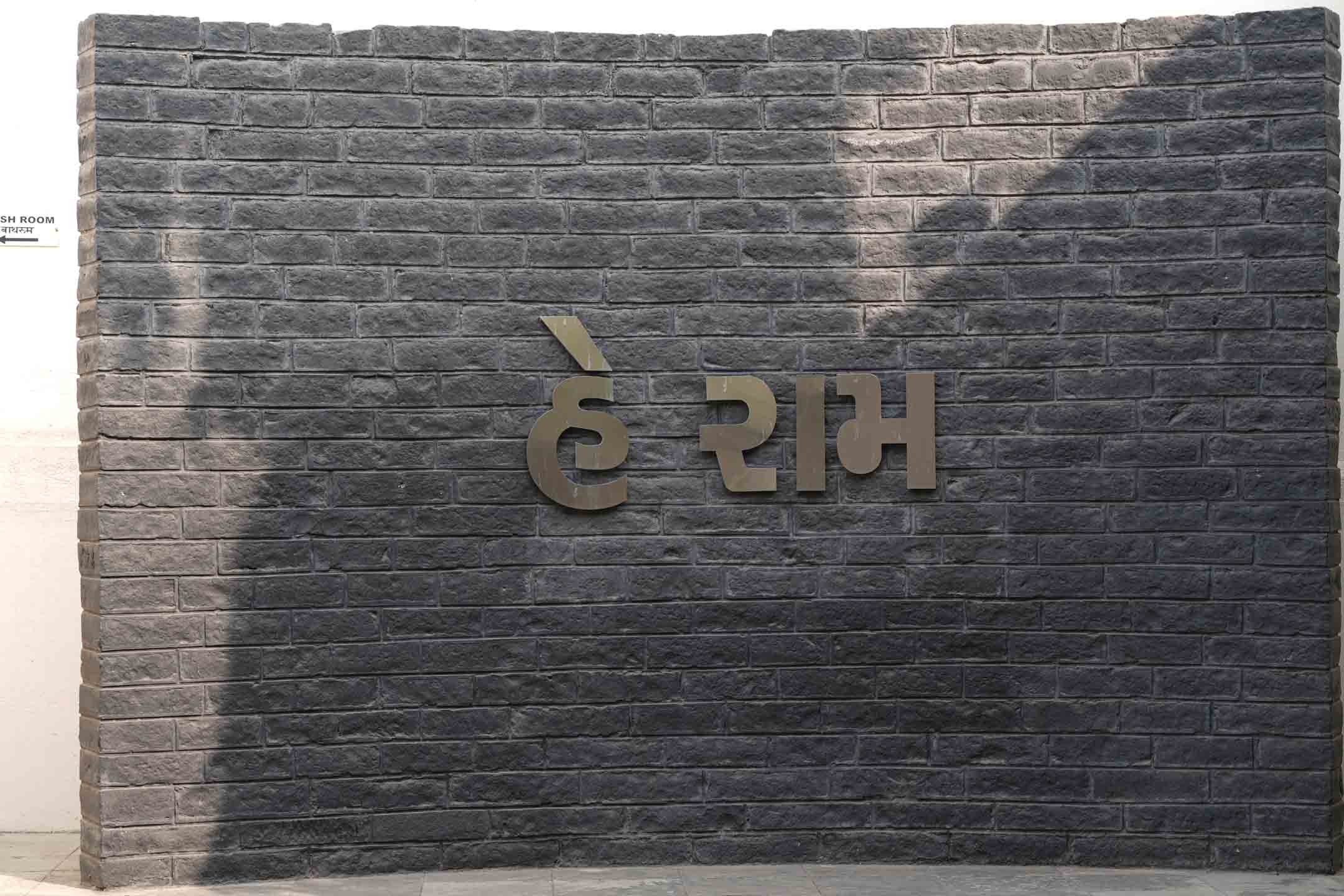
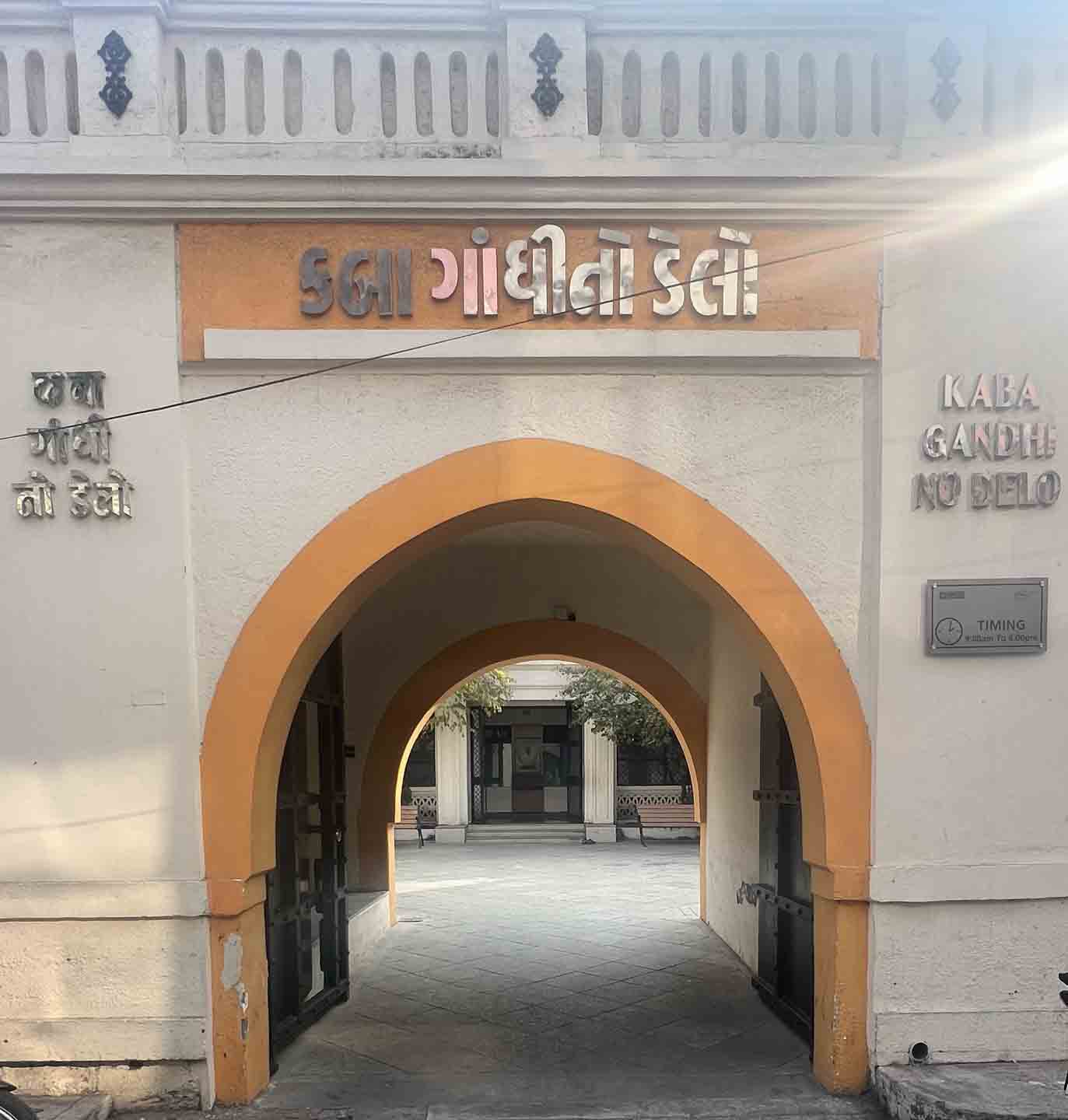
One of Rajkot’s most historically important landmarks is Kaba Gandhi No Delo, the house where Mahatma Gandhi spent part of his childhood.
The structure is modest rather than monumental, which perhaps makes it even more powerful. Built in the traditional style of nineteenth-century Gujarati domestic architecture, the house contains wooden corridors, internal courtyards, carved balconies, sloping roofs, and interconnected family rooms that reflect the lifestyle of administrative families during the princely era.
Walking through the residence offers insight into Gandhi’s domestic world during his formative years. Photographs, letters, archival documents, and personal objects trace aspects of his family life and his eventual transformation into one of the twentieth century’s most influential political and moral leaders.
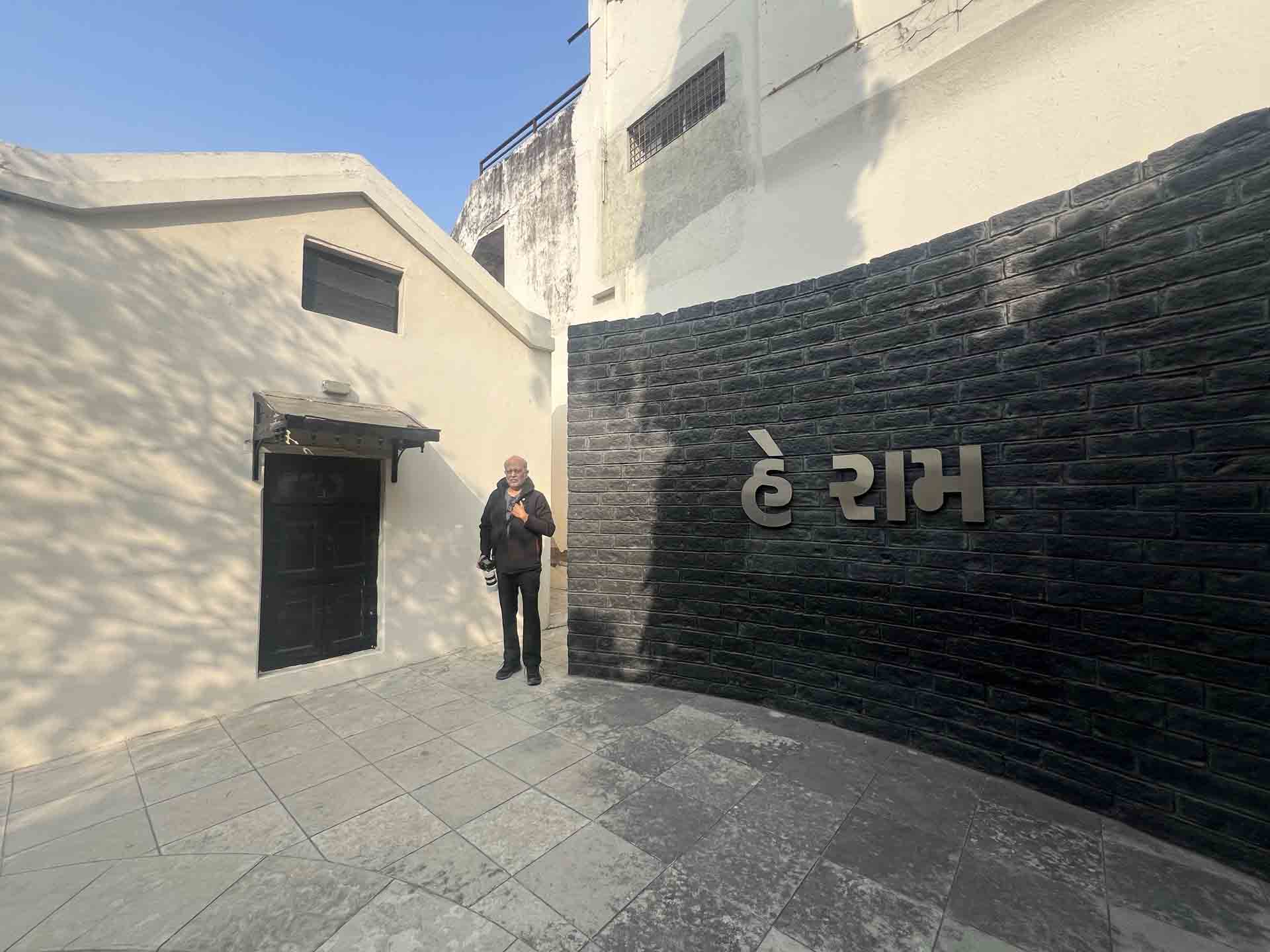
The simplicity of the house is striking. Unlike the scale and grandeur of palaces or nationalist memorials, Kaba Gandhi No Delo retains the atmosphere of a lived family home. Light filters softly through inner courtyards, wooden staircases creak underfoot, and narrow passageways preserve the intimacy of another era.
The house also reflects the social world of late nineteenth-century Kathiawar — a society shaped by princely politics, caste structures, religious tradition, and emerging colonial modernity. Within these walls, the young Gandhi first encountered questions of authority, morality, discipline, truth, and civic responsibility that later influenced his political philosophy.
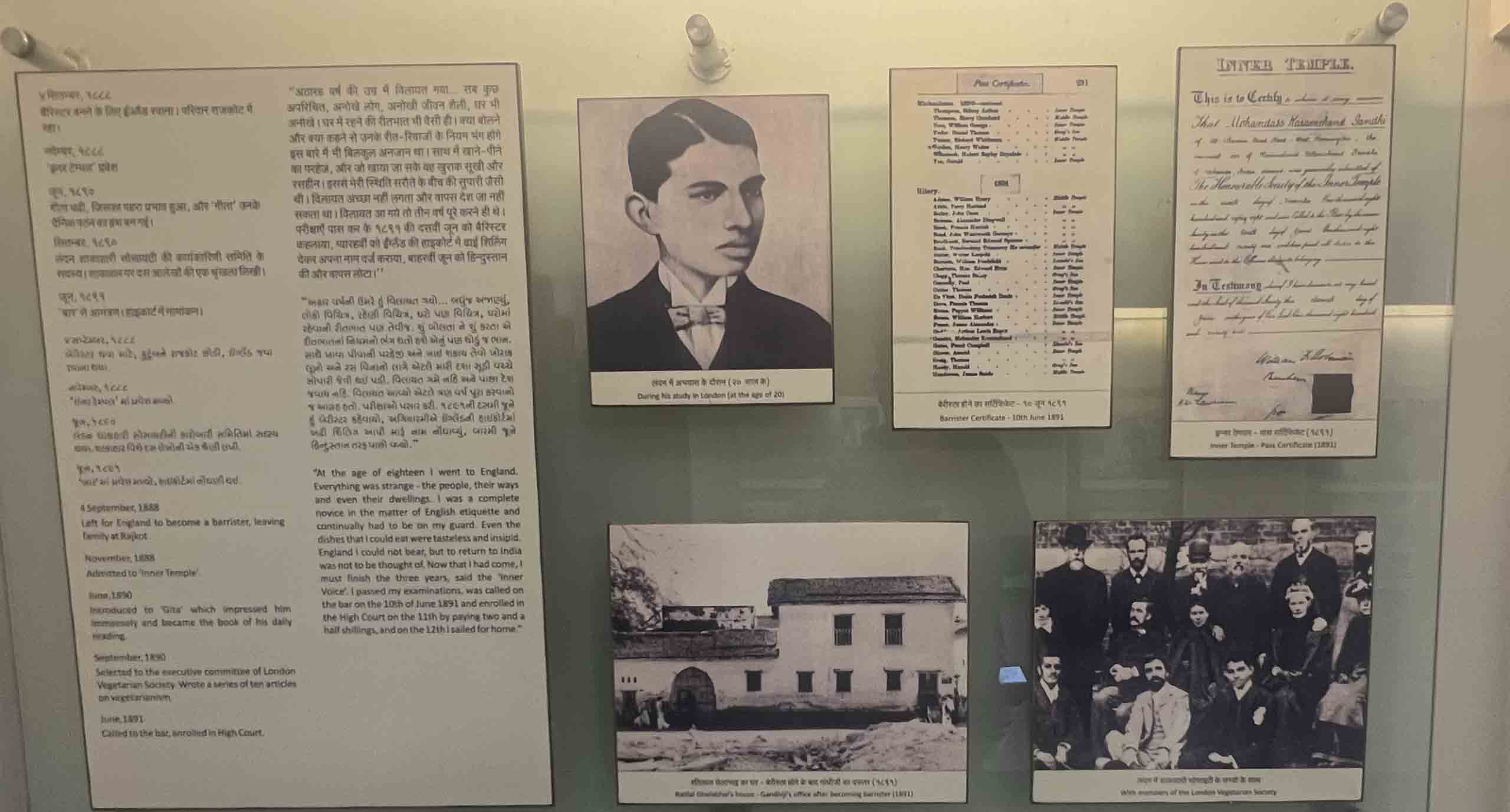
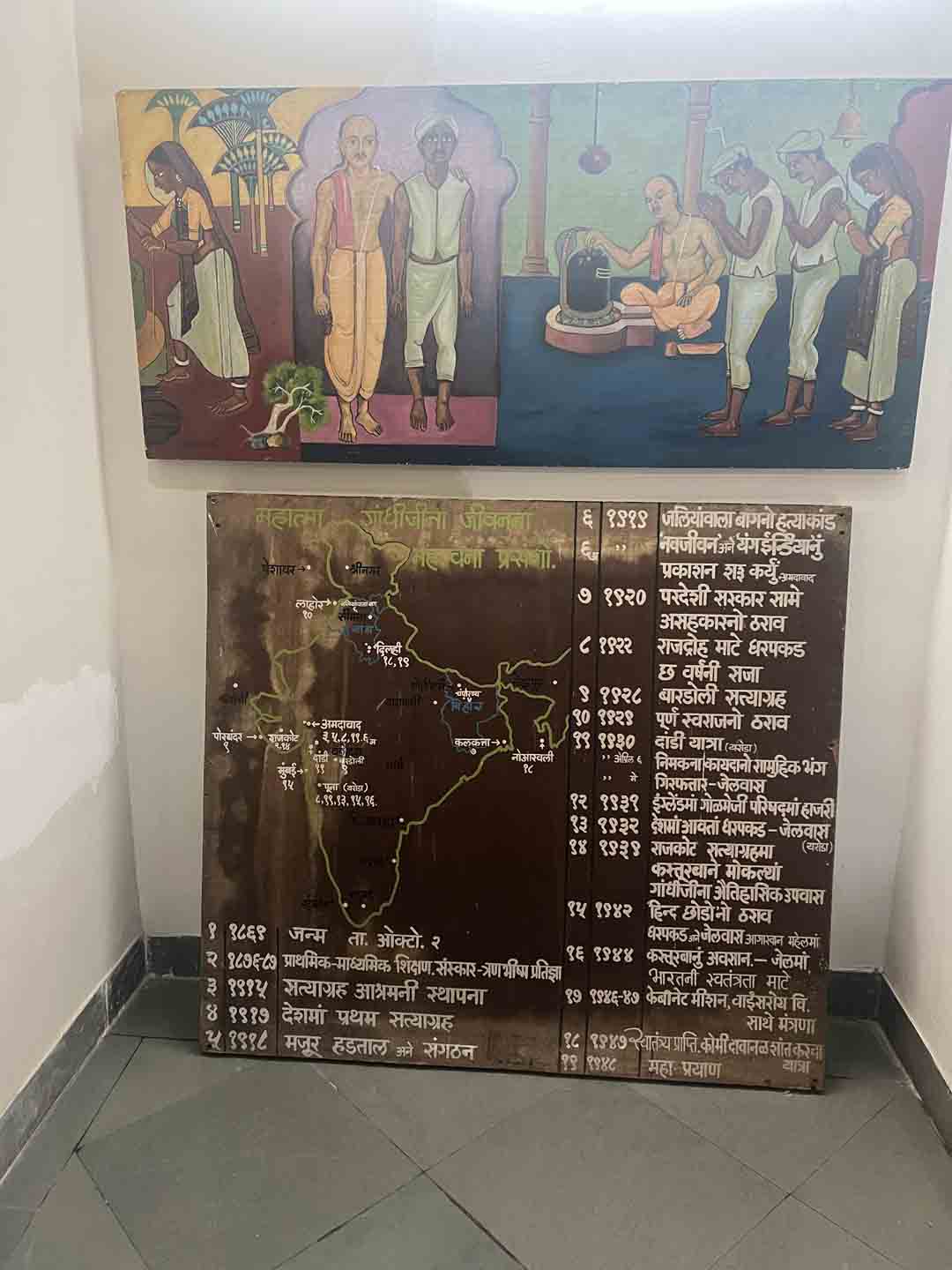
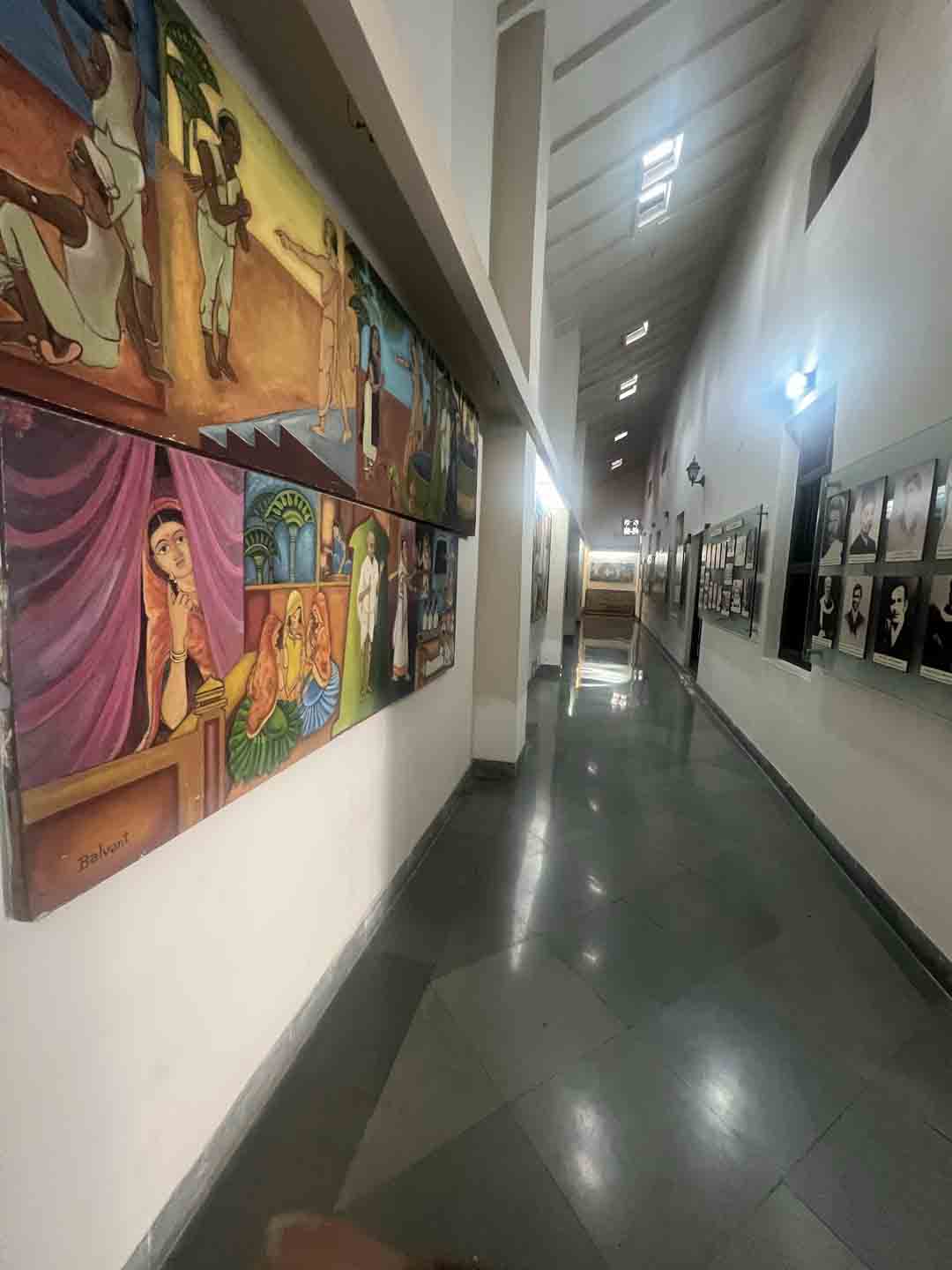
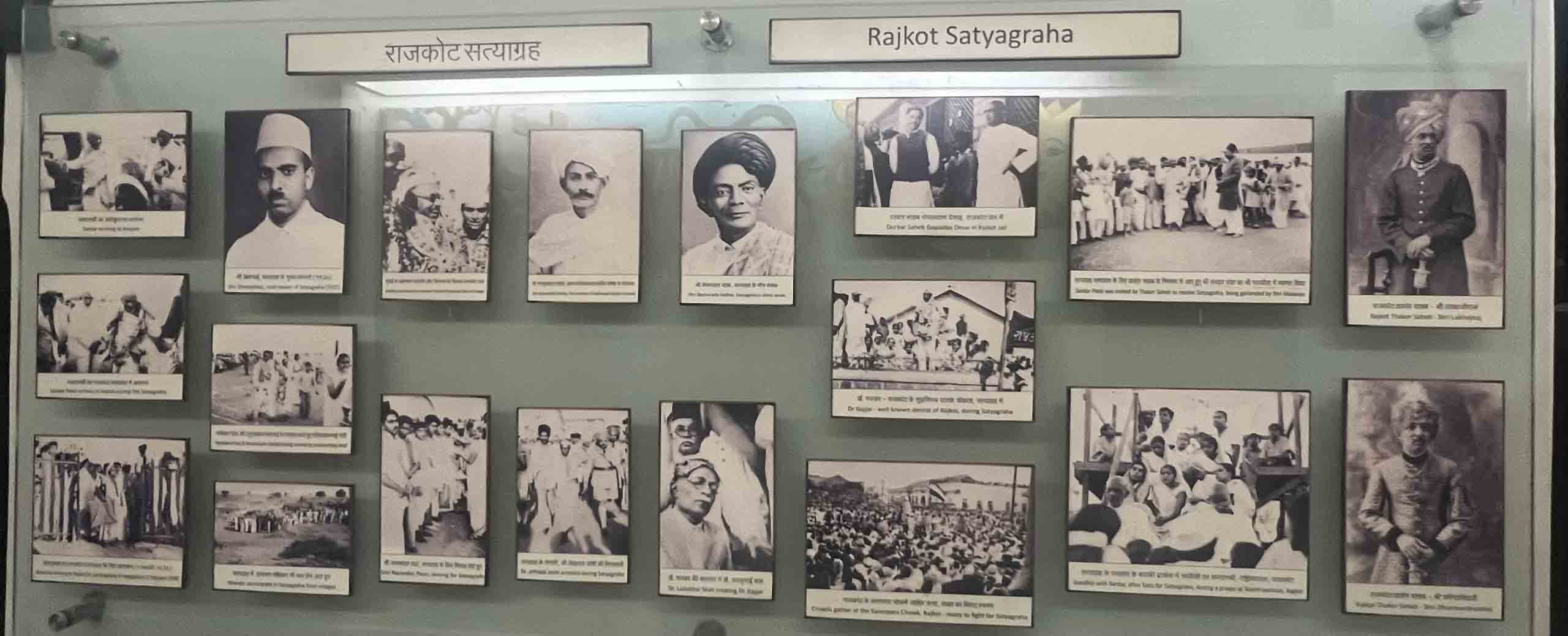
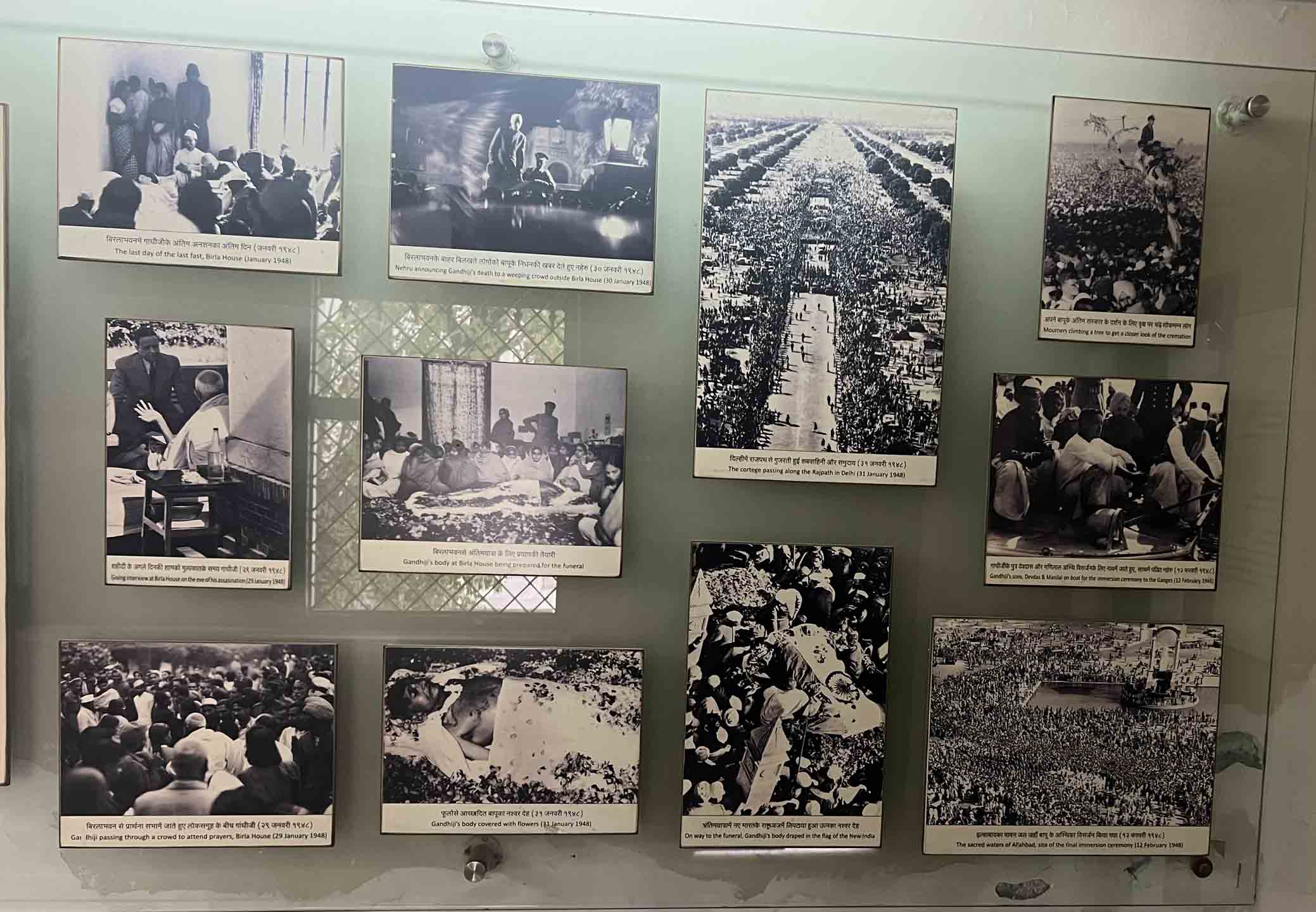
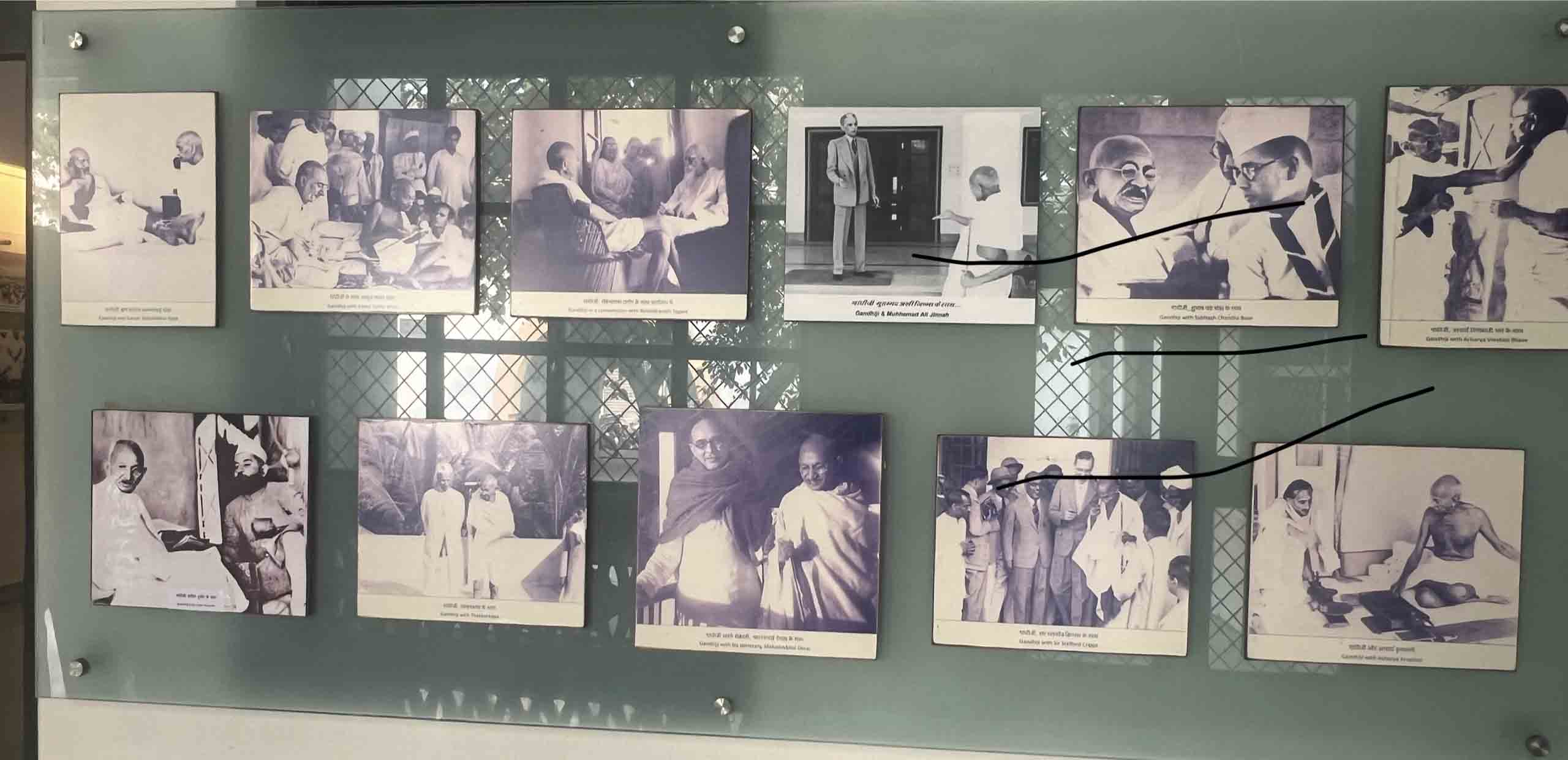
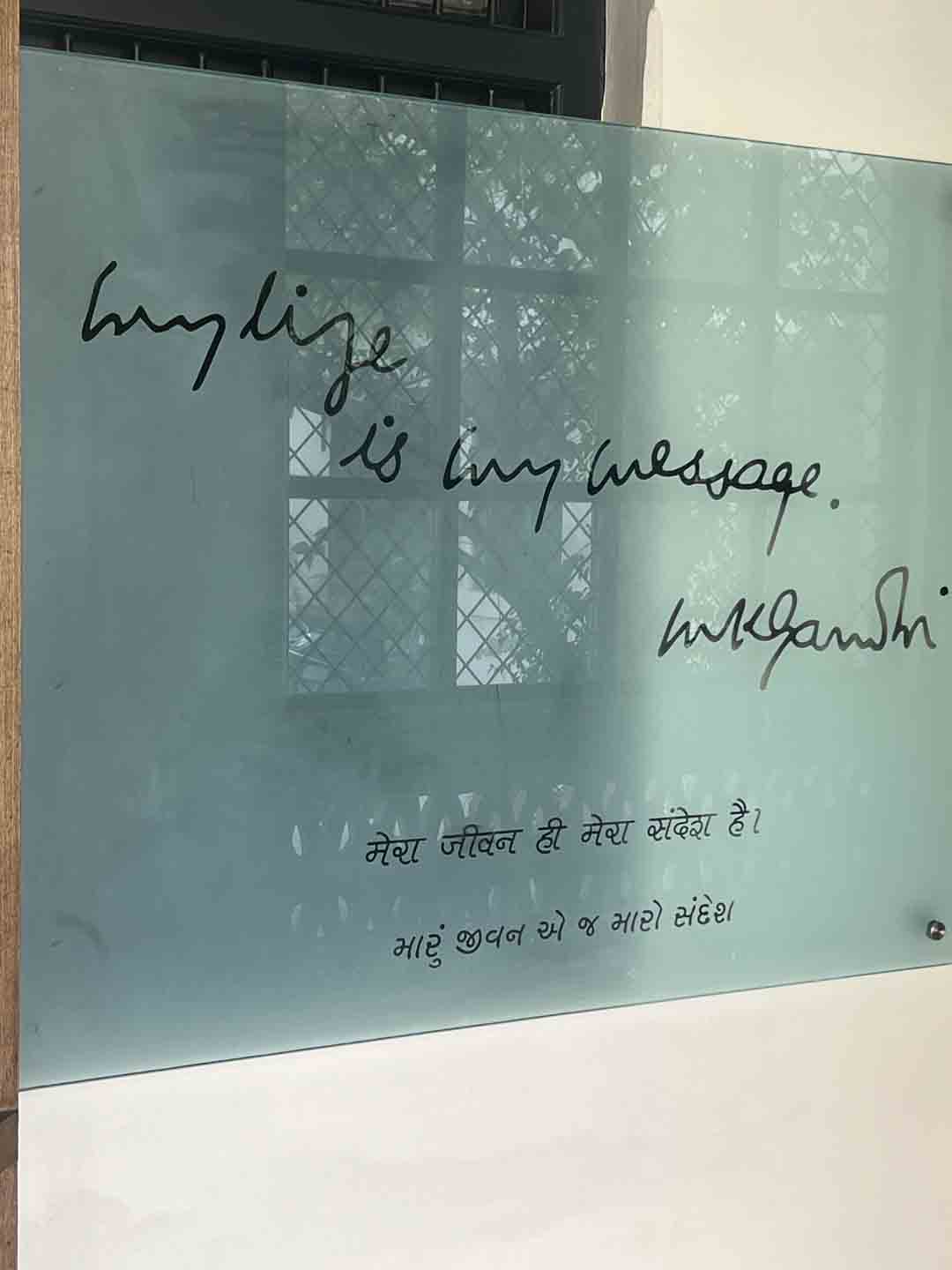
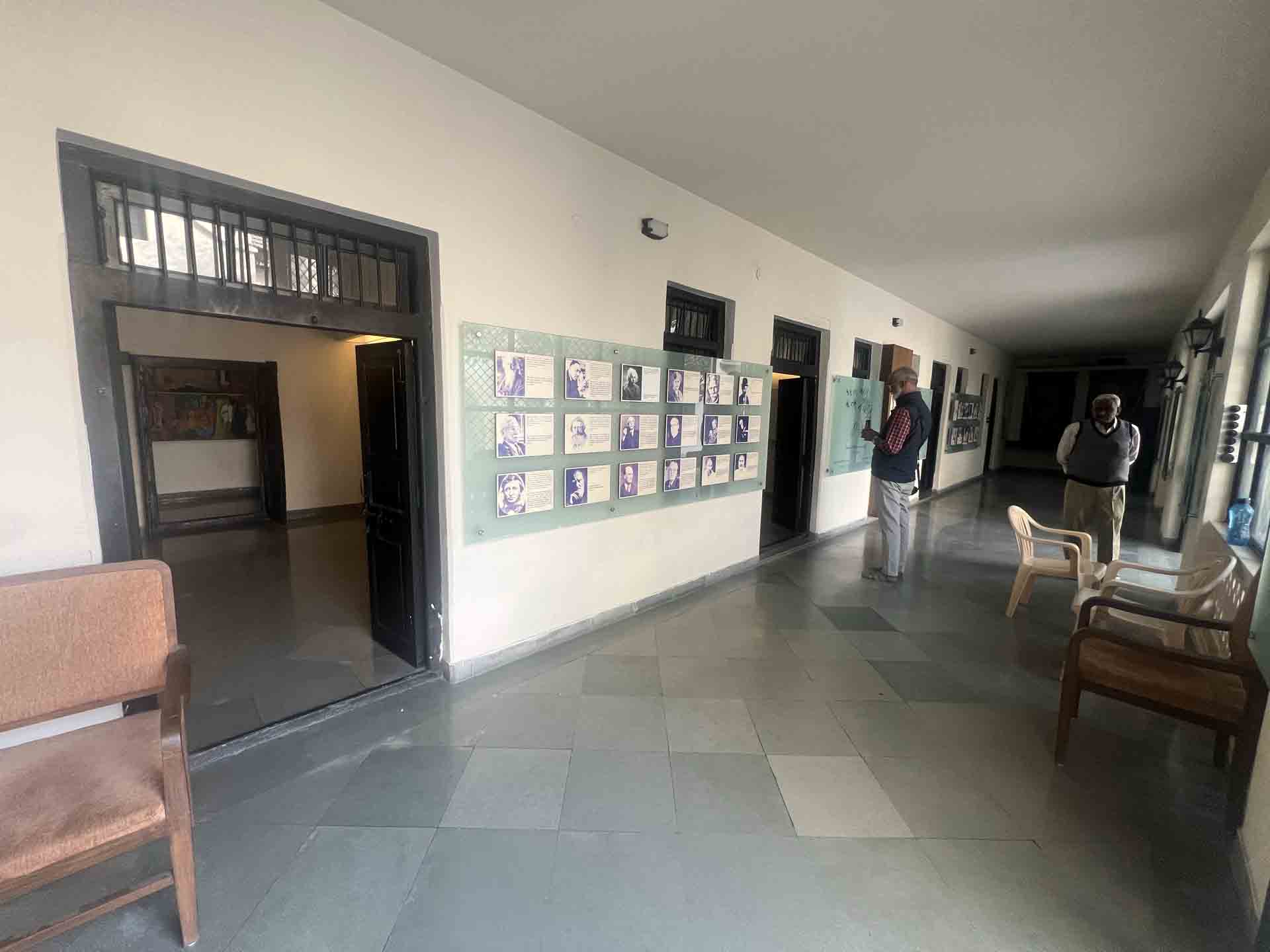
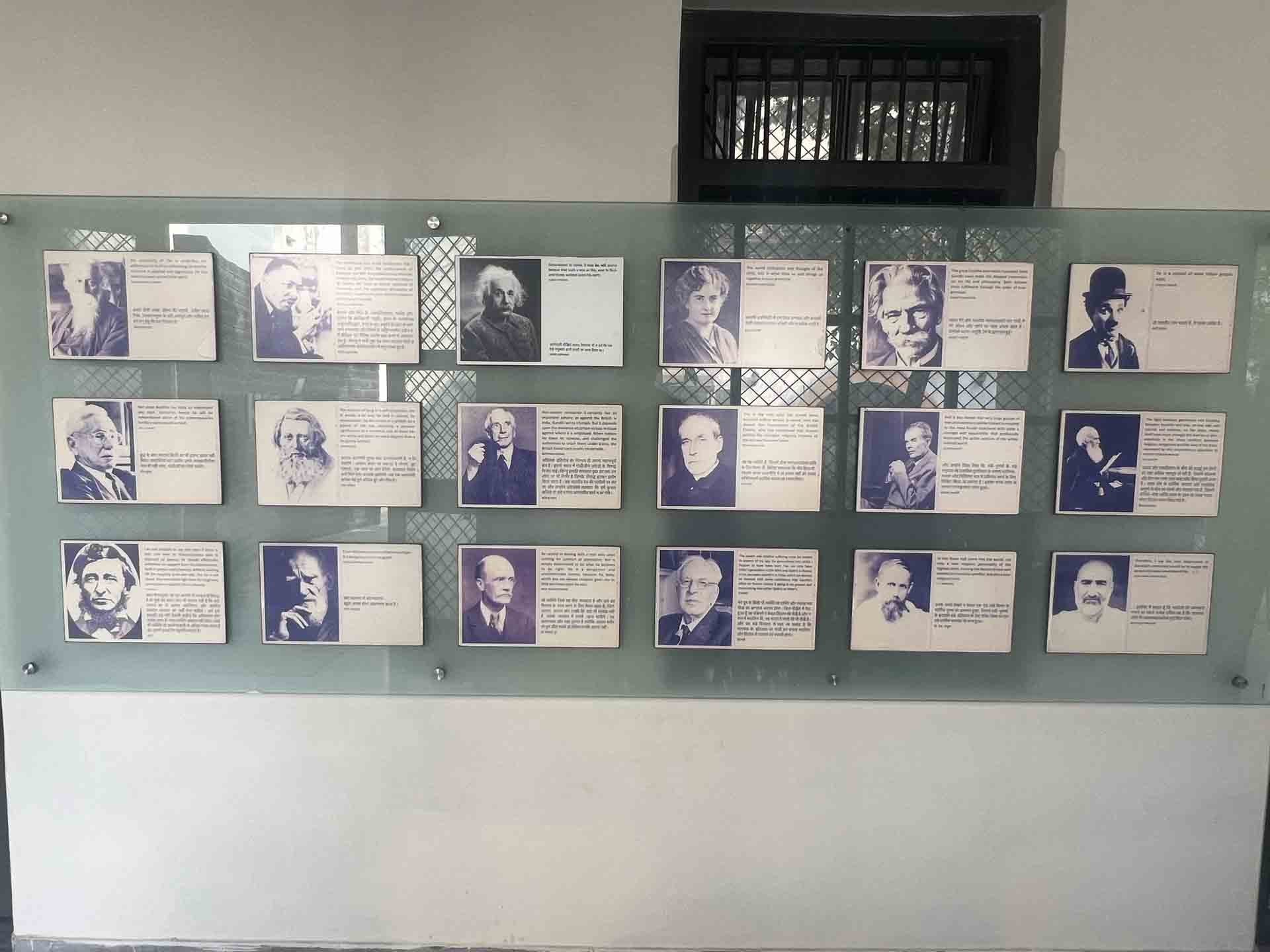
One of the most moving aspects of Kaba Gandhi No Delo is the collection of personal objects, photographs, and inscriptions preserved within the house. Beyond its architecture, the museum contains black-and-white photographs, handwritten documents, certificates, portraits, and archival displays that offer a deeper understanding of Gandhi’s early life and intellectual journey. Among the most striking exhibits is an inscription bearing Gandhi’s own handwritten words: “My life is my message,” signed by him personally. The simplicity of the statement reflects the moral clarity that later came to define his philosophy — the belief that ideals must be lived through action rather than merely expressed through words.
The rooms preserve rare visual records from different phases of Gandhi’s life. Several photographs show the young Gandhi during his years in London, dressed in formal Western attire and appearing far removed from the ascetic figure he would later become. The displays also include documents connected to his legal education and his admission to the Inner Temple in London, tracing the transformation of a shy young student from Kathiawar into a barrister exposed to the wider intellectual and political world of the British Empire.
The archival panels further preserve excerpts from Gandhi’s own reflections about his years abroad — his uncertainty within an unfamiliar culture, his attempts to understand English etiquette and social customs, and the gradual growth of his intellectual confidence during his stay in England. These exhibits give the house an intensely human quality. Rather than functioning merely as a memorial, the rooms feel filled with fragments of lived memory.
The old photographs displayed throughout the museum are especially evocative. Family portraits, group photographs, and historical images preserve moments from Gandhi’s youth and early public life. Some photographs depict him among fellow students and associates, while others document the changing social and political atmosphere of late nineteenth- and early twentieth-century India. Together, these objects transform Kaba Gandhi No Delo from a simple ancestral residence into an intimate historical archive that quietly traces the making of one of the modern world’s most influential figures.
Today, the house serves both as a museum and as a quiet space of reflection within the increasingly busy urban landscape of Rajkot.
The Everyday City and Street Life The real energy of Rajkot lies not behind museum walls but out on its streets.
The city moves constantly. Markets spill onto roadsides. Textile shops display brightly colored bandhani fabrics and embroidered garments beneath crowded signboards. Vendors sell flowers, steel utensils, vegetables, sweets, mobile accessories, religious images, and household goods from narrow storefronts packed closely together.
Auto-rickshaws dart through traffic while motorcycles weave past handcarts and pedestrians. Tea stalls remain crowded throughout the day, serving sweet masala chai in small glasses alongside plates of khakhra, fafda, and fried snacks.
In the older parts of the city, narrow lanes branch into residential pols and market streets where carved wooden facades survive beside modern concrete commercial buildings. Tailors work inside tiny shops beneath hanging fabrics, goldsmiths sit behind counters under fluorescent lights, and mechanics repair scooters in open-front workshops directly exposed to the street.
Street life in Rajkot remains intensely social. Conversations unfold everywhere — outside paan shops, near vegetable markets, beside temples, around tea stalls, and in front of jewelry stores. Unlike the anonymity of larger metropolitan cities, Rajkot still retains the atmosphere of a large trading town where personal interaction forms an essential part of daily life.
Morning begins early. Vendors unload fresh produce before sunrise, milk deliveries move through residential neighborhoods, and temple bells echo across the city. By afternoon, markets become louder and more crowded beneath the dry heat of Saurashtra. In the evenings, families fill streets and public spaces to shop, eat, and socialize late into the night.
The city’s streets also reveal Gujarat’s entrepreneurial culture. Small businesses dominate the urban landscape — family-run shops, machine workshops, jewelry traders, textile merchants, food stalls, and repair shops. Commerce appears woven directly into the rhythm of everyday life.