Discipline
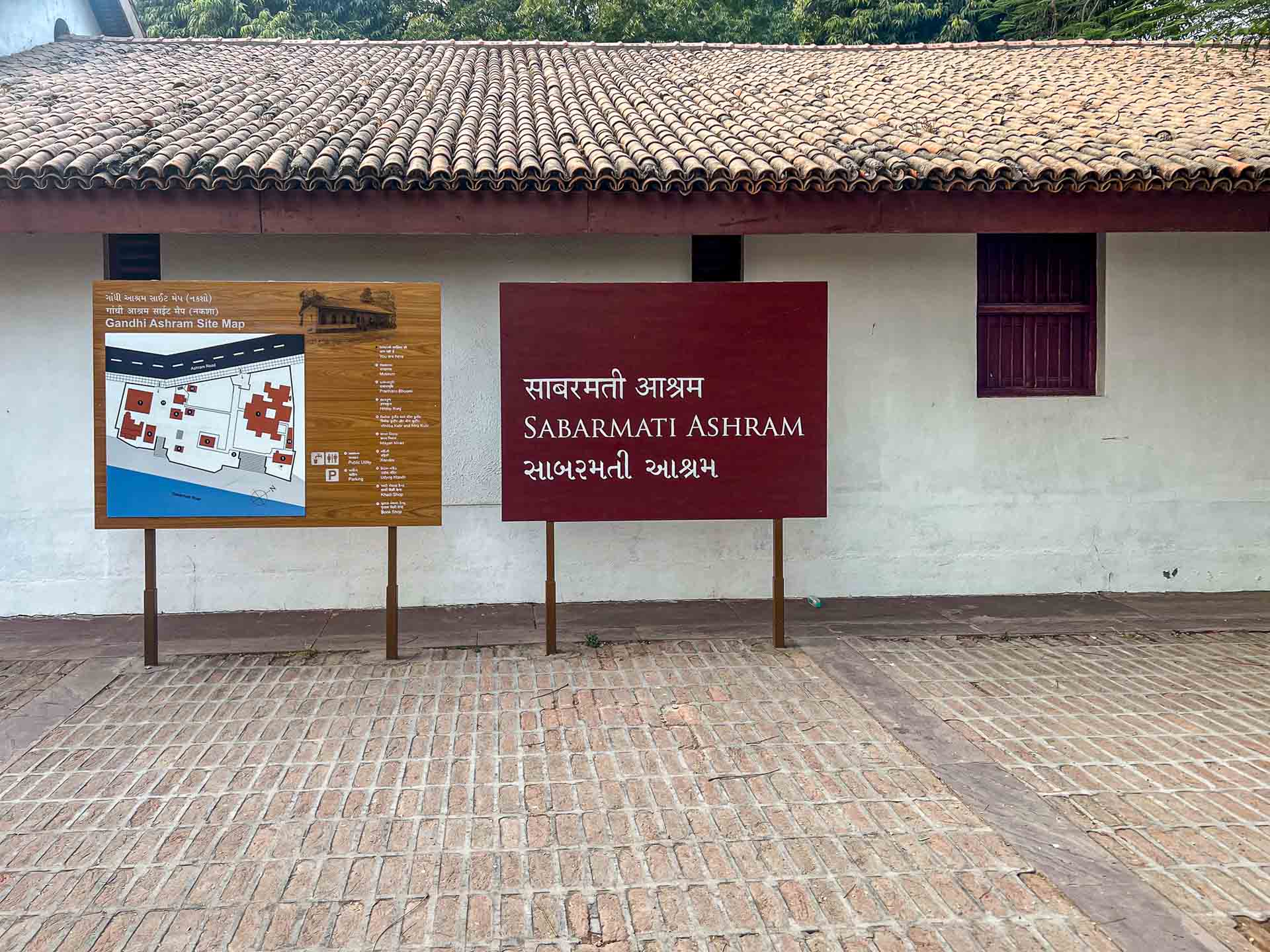
There are historic places that impress through grandeur, and there are those that transform through simplicity. Sabarmati Ashram belongs firmly to the latter. Standing on the quiet western bank of the Sabarmati River in Ahmedabad, it lacks the towering walls of a fort, the ornate carvings of a temple, or the magnificence of a royal palace. Its cottages are modest, its pathways unassuming, and its architecture deliberately restrained. Yet few places in India have exercised such profound influence on the course of history.
For thirteen crucial years, from 1917 until 1930, Sabarmati Ashram served as Mahatma Gandhi’s home, workplace, and laboratory of ideas. Here he developed and refined the principles of satyagraha, self-reliance, communal living, and nonviolent resistance. From these simple buildings emerged campaigns that would challenge the British Empire and inspire movements for justice around the world.
Today, the ashram remains one of India’s most important heritage sites—not because of what was built here, but because of what was imagined, practiced, and ultimately achieved within its quiet surroundings.
Ahmedabad, and the Sabarmati River
By the early twentieth century, Ahmedabad had emerged as one of India’s most important textile centers, often referred to as the “Manchester of India.” The city was home to thriving mills, influential industrialists, and a growing working-class population. Gandhi believed Ahmedabad offered the ideal environment for experimenting with social reform and political action.
After returning from South Africa in 1915, Gandhi initially established an ashram at Kochrab, a village on the outskirts of the city. As the community expanded, a larger site became necessary. In 1917, the ashram moved to its present location along the Sabarmati River.
Gandhi later explained that he deliberately chose a site situated between a prison and a crematorium. For him, a satyagrahi had to be prepared for either destination in the pursuit of truth. The symbolism was powerful. Anyone committed to justice must be willing to face imprisonment, suffering, and even death.
The river itself played an important role in daily life. It provided water, agricultural opportunities, and a sense of calm that complemented the disciplined rhythm of the community. Even today, despite the expansion of modern Ahmedabad around it, the ashram retains an atmosphere of remarkable serenity.
An Experiment in Living Sabarmati Ashram was never intended to be merely a residence.
Gandhi envisioned it as a community where ideas could be tested through daily practice.
The residents followed a disciplined way of life guided by a set of principles that emphasized truth, nonviolence, self-control, manual labor, equality, and service.
Central to ashram life were Gandhi’s Eleven Vows, which included truth, nonviolence, celibacy, control of the palate, non-stealing, non-possession, physical labor, fearlessness, equality of all religions, swadeshi, and the removal of untouchability.
Every resident participated in daily chores. There were no distinctions between intellectual and manual work. Cleaning, cooking, farming, spinning cotton, and maintaining the community were shared responsibilities. Gandhi believed that genuine freedom could not be achieved without dignity of labor and self-sufficiency.
This philosophy distinguished Sabarmati Ashram from traditional religious institutions. It was neither a monastery nor a political headquarters. It was a community dedicated to transforming society by transforming everyday life.
Hriday Kunj
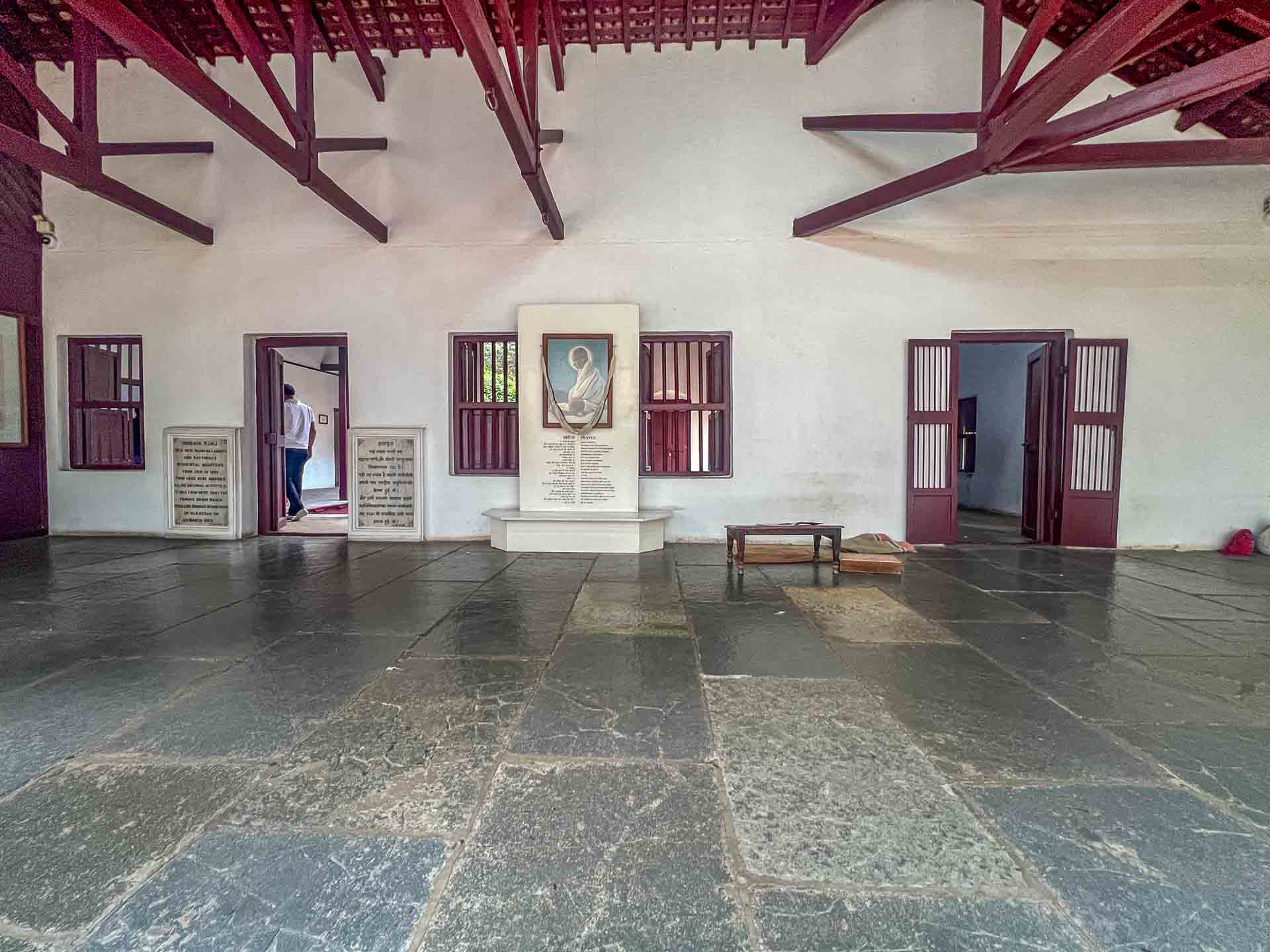
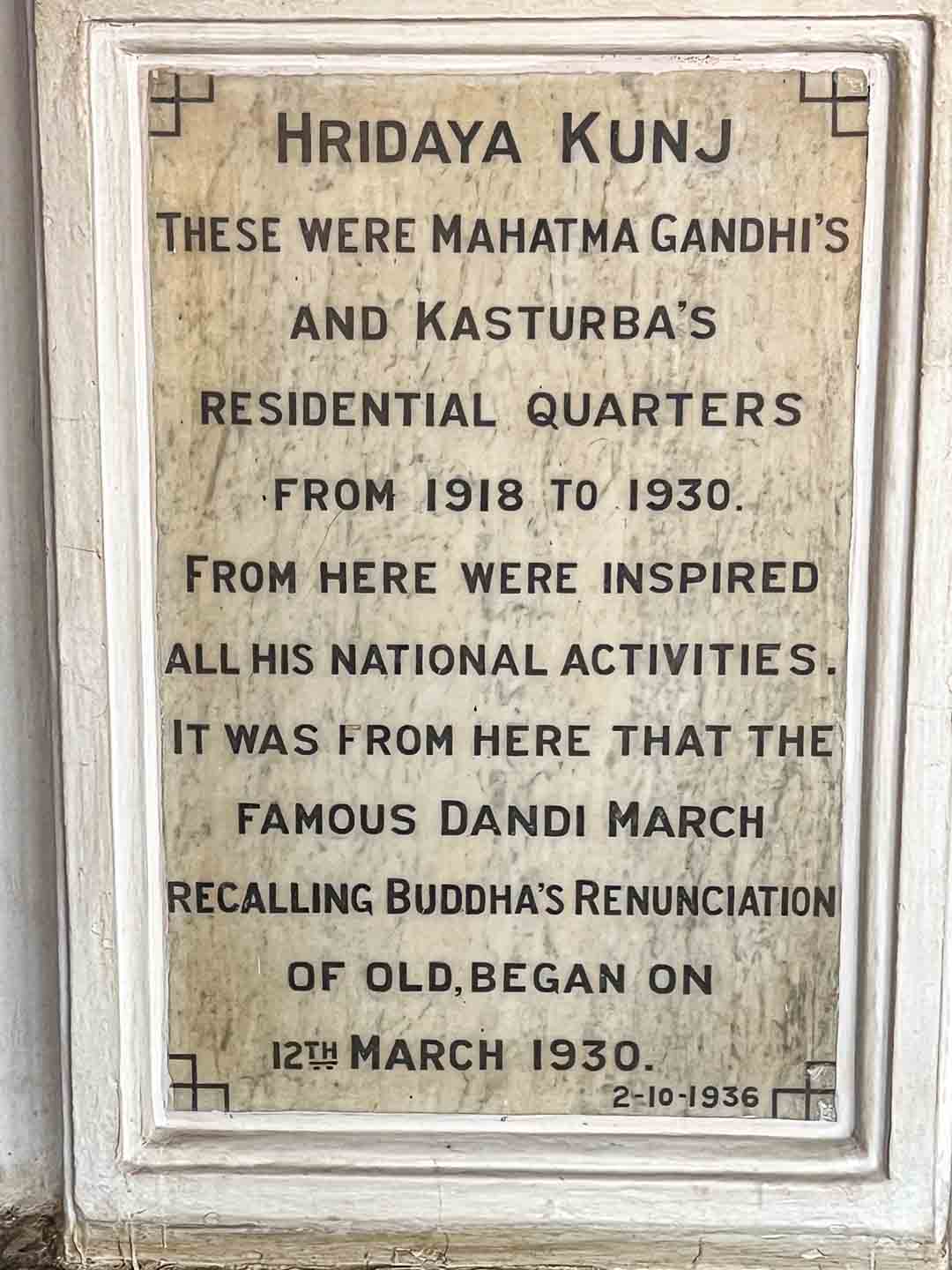
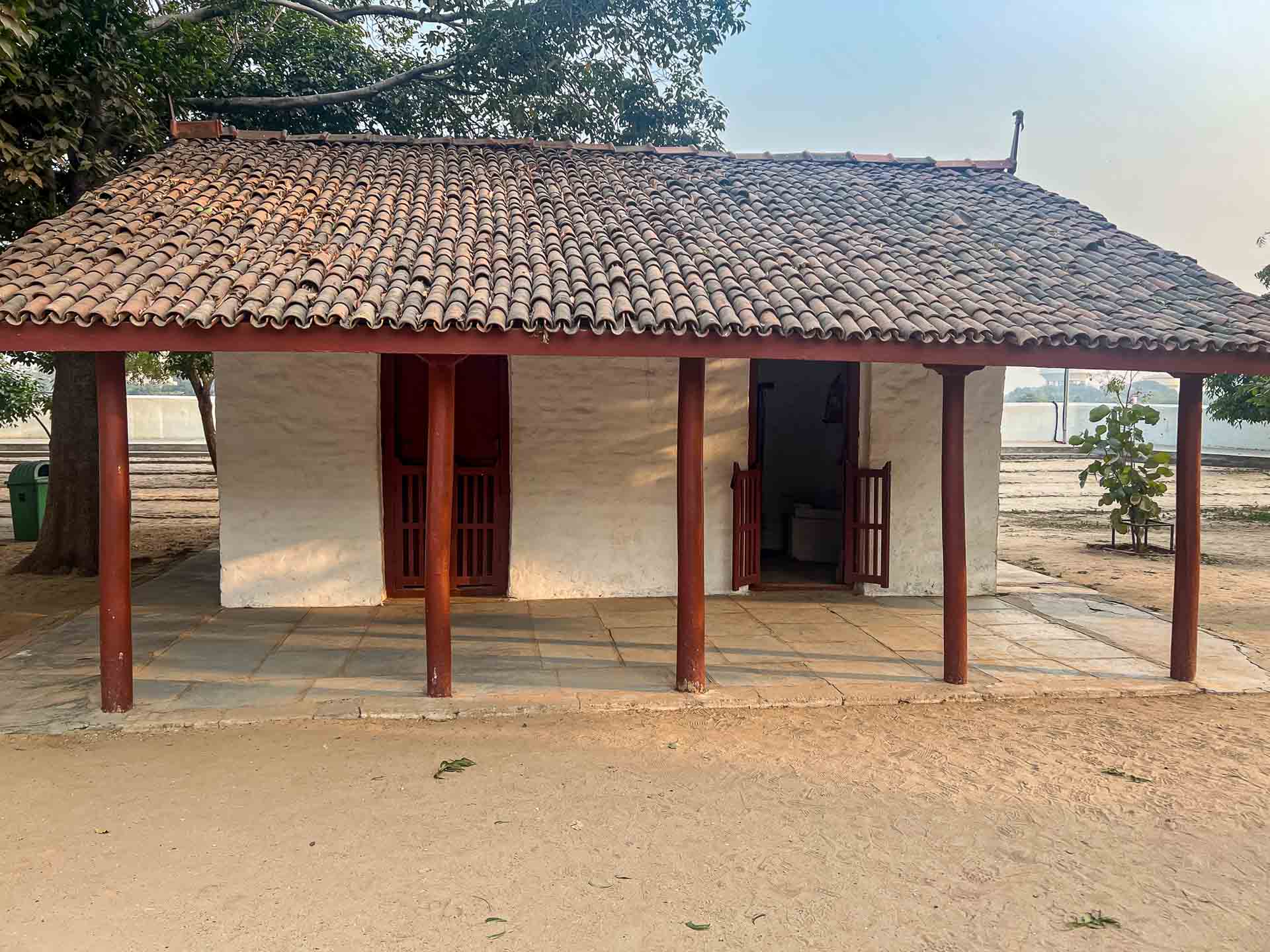
At the center of the ashram stands Hriday Kunj, the modest cottage that served as Gandhi’s residence from 1918 until his departure for the Dandi March in 1930.
Named by Kakasaheb Kalelkar, the term “Hriday Kunj” translates as “Heart’s Abode,” an appropriate title for the building that became the emotional and intellectual center of the community.
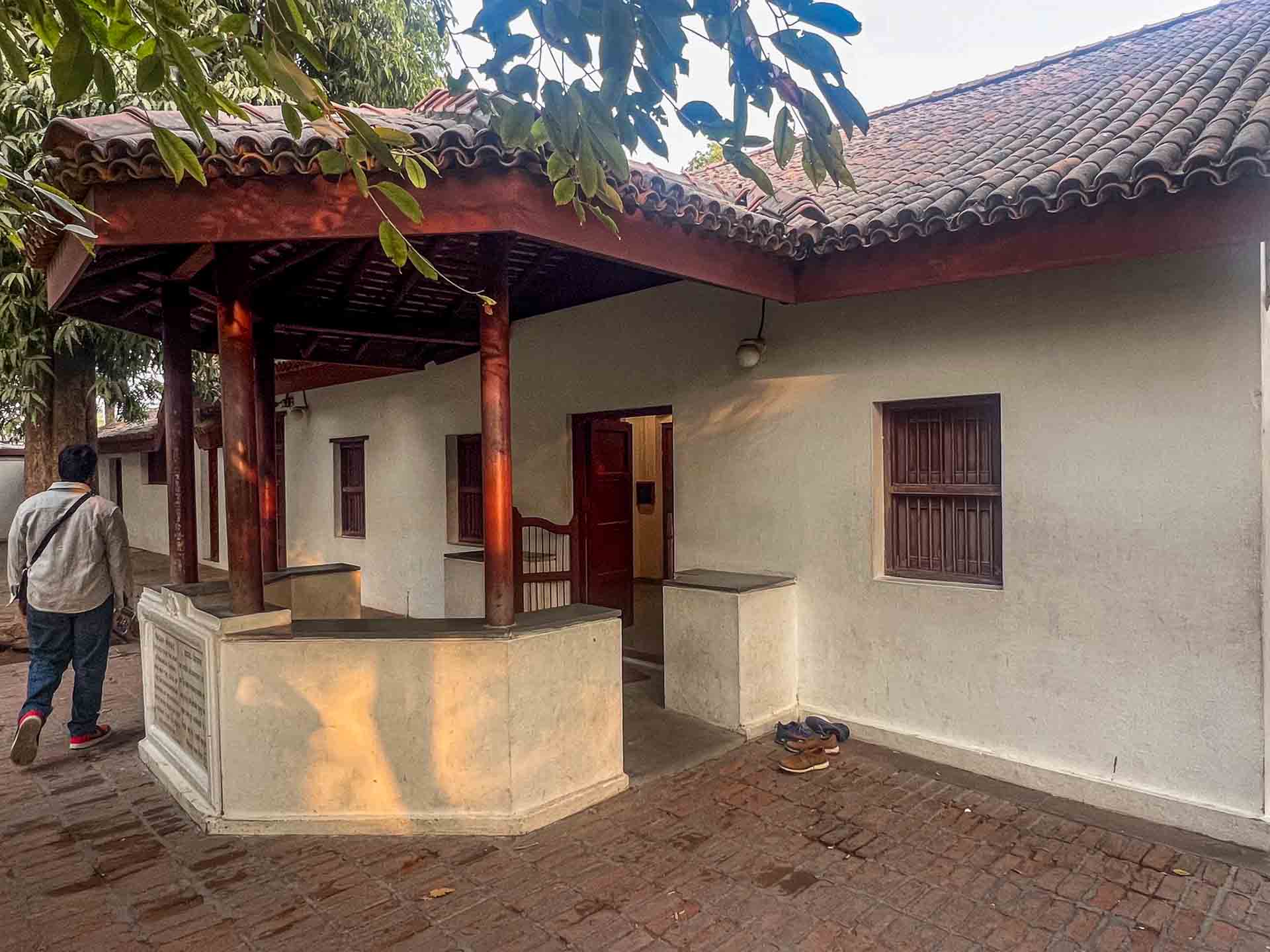
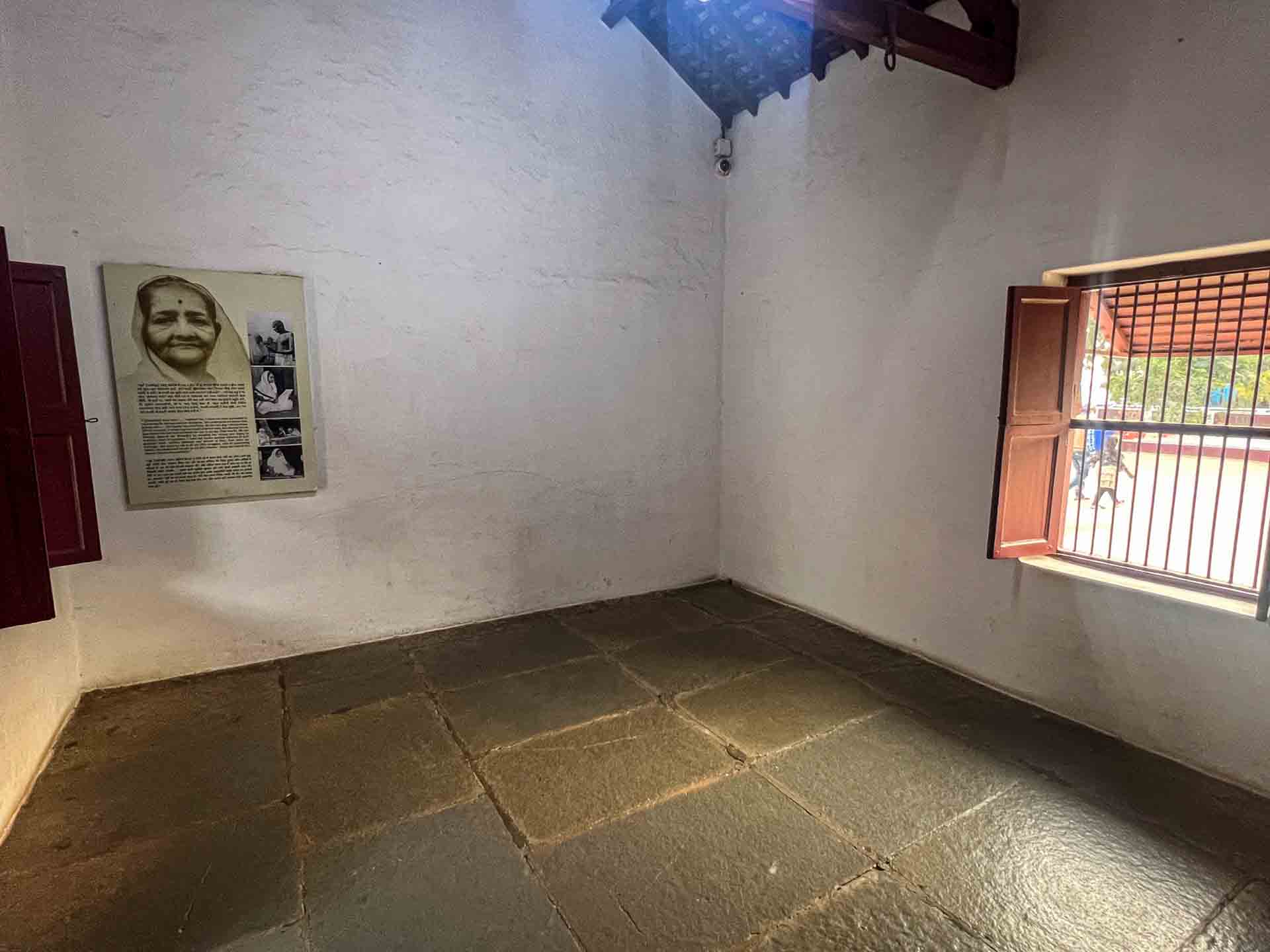
The structure is striking in its simplicity. A tiled roof shelters a series of modest rooms arranged around open verandahs. Inside are some of Gandhi’s personal possessions, including his writing desk, spinning wheel, wooden sandals, and simple household utensils.
Many of the decisions that shaped India’s freedom movement were conceived within these rooms. Political leaders, reformers, visitors, and ordinary citizens came here seeking guidance. Yet the cottage never lost its simplicity. It remains a powerful reminder that Gandhi deliberately rejected privilege and chose to live as closely as possible to the people whose lives he sought to improve.
Magan Niwas and the Spirit of Swadeshi
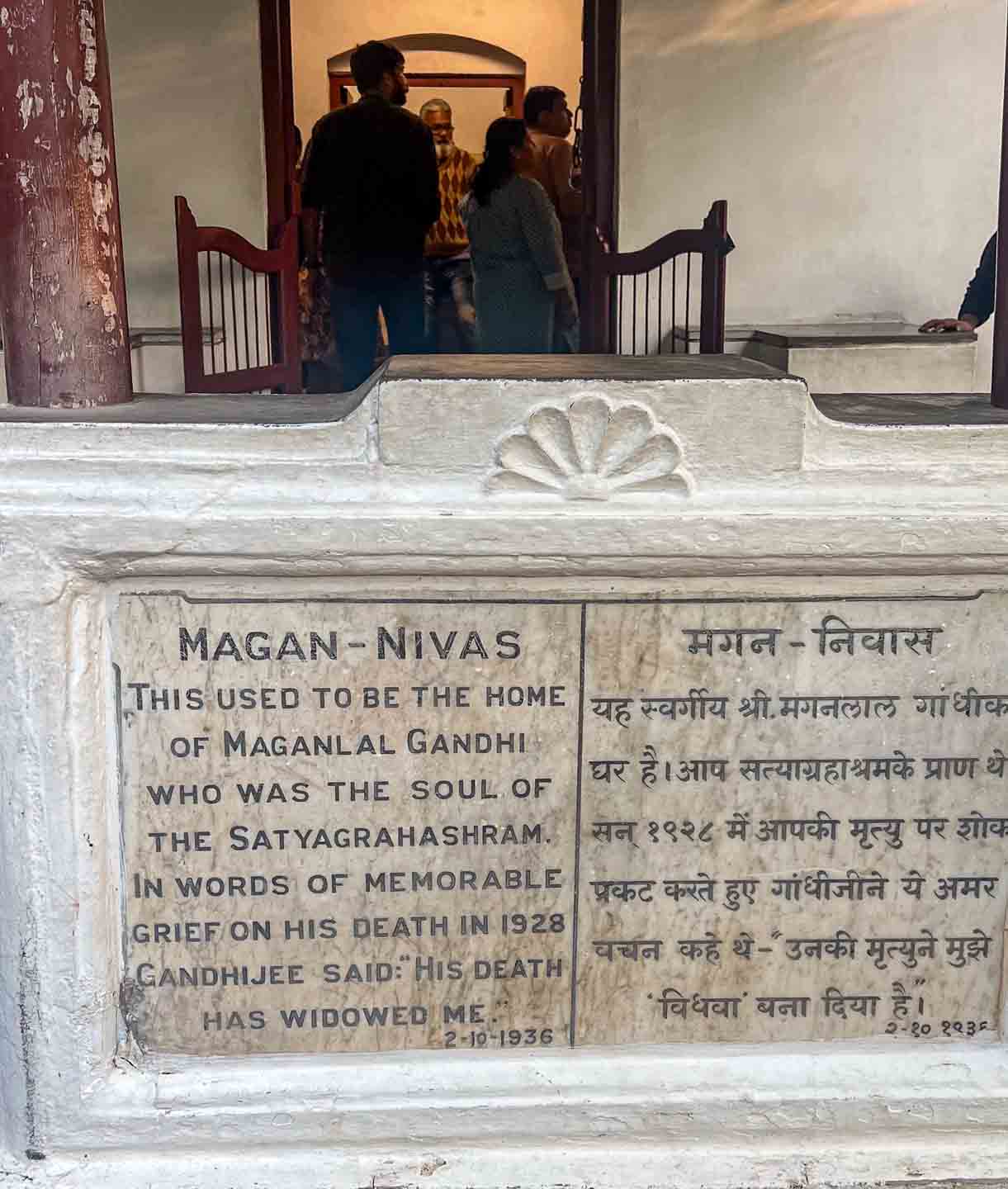
Among the most important structures within the ashram is Magan Niwas, named after Maganlal Gandhi, Gandhi’s cousin and one of his closest associates.
Known as the “Soul of the Ashram,” Maganlal played a critical role in translating Gandhi’s ideals into practical reality. He was deeply involved in developing and improving the spinning wheel, promoting khadi production, and encouraging village industries.
For Gandhi, swadeshi was not merely an economic policy. It was a moral principle. By producing and using local goods, Indians could reduce dependence on imported British products and regain economic self-respect.
Magan Niwas symbolizes this aspect of the freedom movement. It reminds visitors that political independence and economic independence were inseparable in Gandhi’s vision.
Vinoba Kutir and Mira Kutir
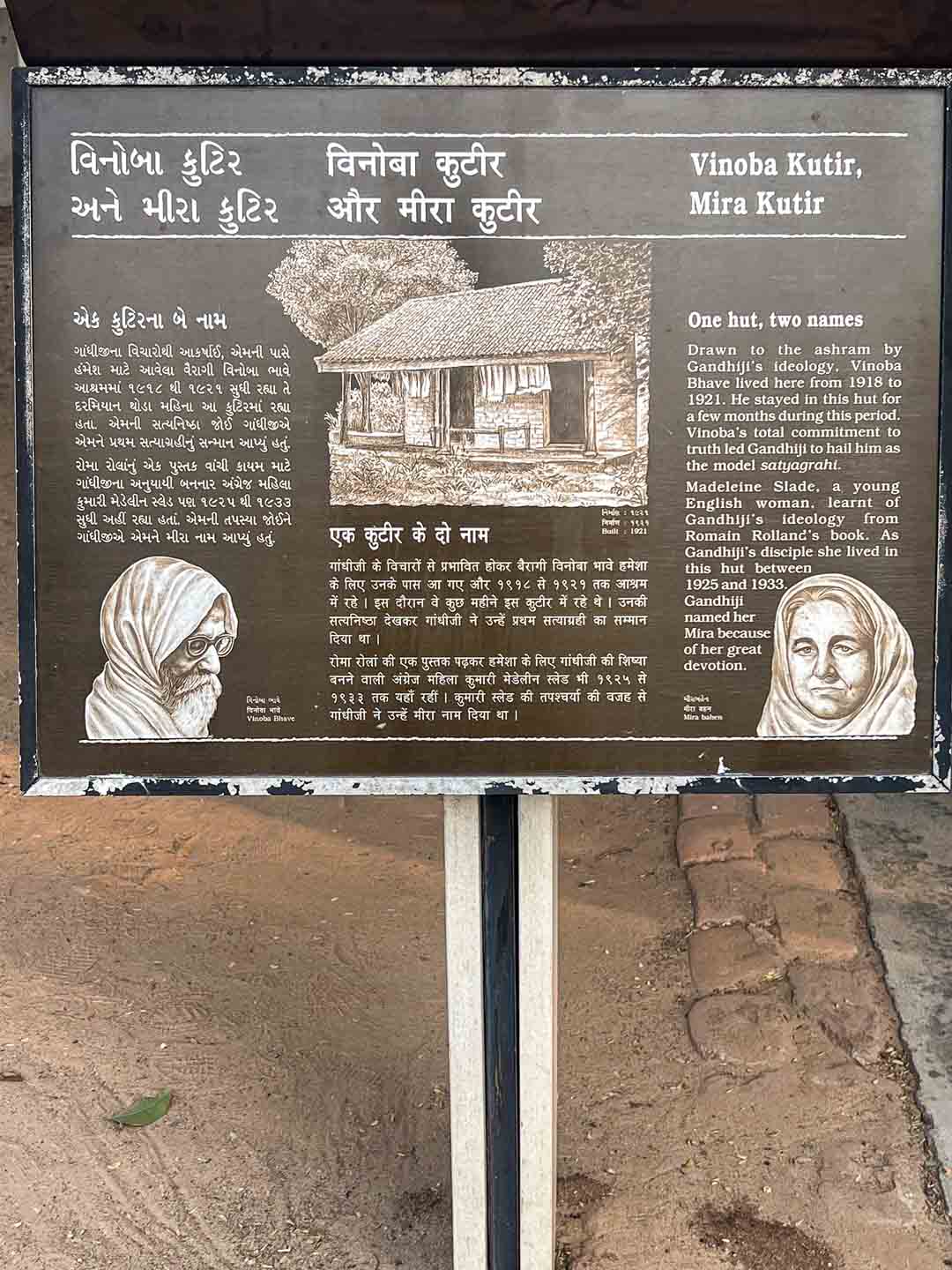
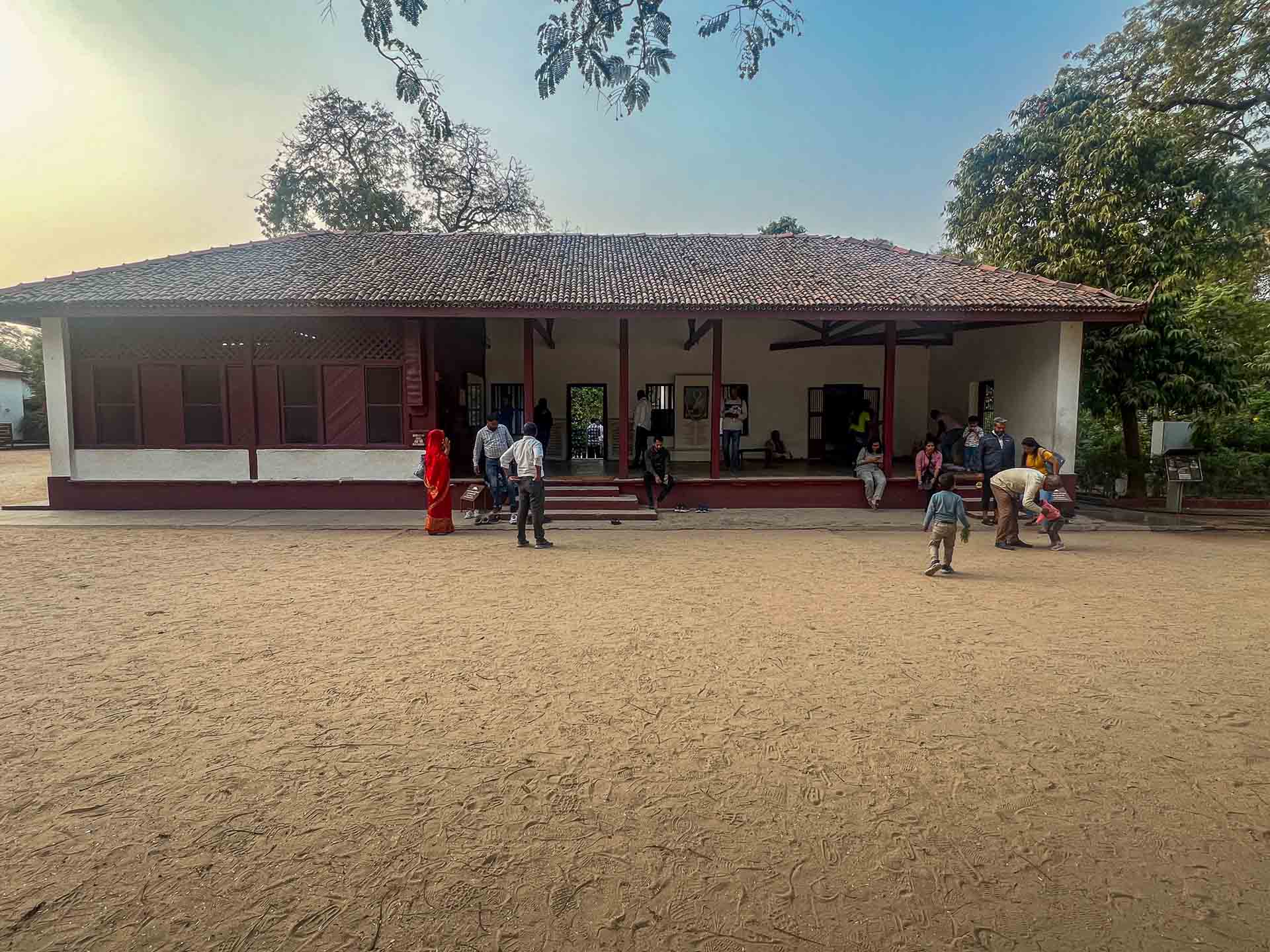
A short walk away stands Vinoba Kutir, associated with Acharya Vinoba Bhave, one of Gandhi’s most distinguished disciples.
Vinoba spent significant time at Sabarmati Ashram absorbing Gandhi’s teachings and participating in community life. The experience profoundly influenced his later work, particularly the Bhoodan Movement, through which he encouraged landowners to donate land voluntarily to the rural poor.
The simple structure reflects the intellectual and spiritual atmosphere of the ashram.
Conversations here frequently extended beyond politics to questions of ethics, education, social justice, and rural development.
Vinoba Kutir stands as a reminder that Sabarmati was not merely producing freedom fighters; it was nurturing thinkers and reformers who would continue shaping India long after independence.
Among the most fascinating stories associated with the ashram is that of Mirabehn, born Madeleine Slade in England.
The daughter of a British admiral, she became deeply influenced by Gandhi’s writings and chose to leave behind a life of privilege to join his movement. Arriving at Sabarmati in 1925, she embraced the discipline of ashram life and became one of Gandhi’s most devoted associates.
Her residence, Vinoba Kutir, was also known as Mira Kutir. The story of Mirabehn remains one of the most remarkable examples of personal transformation within the freedom movement.
Upasana Mandir
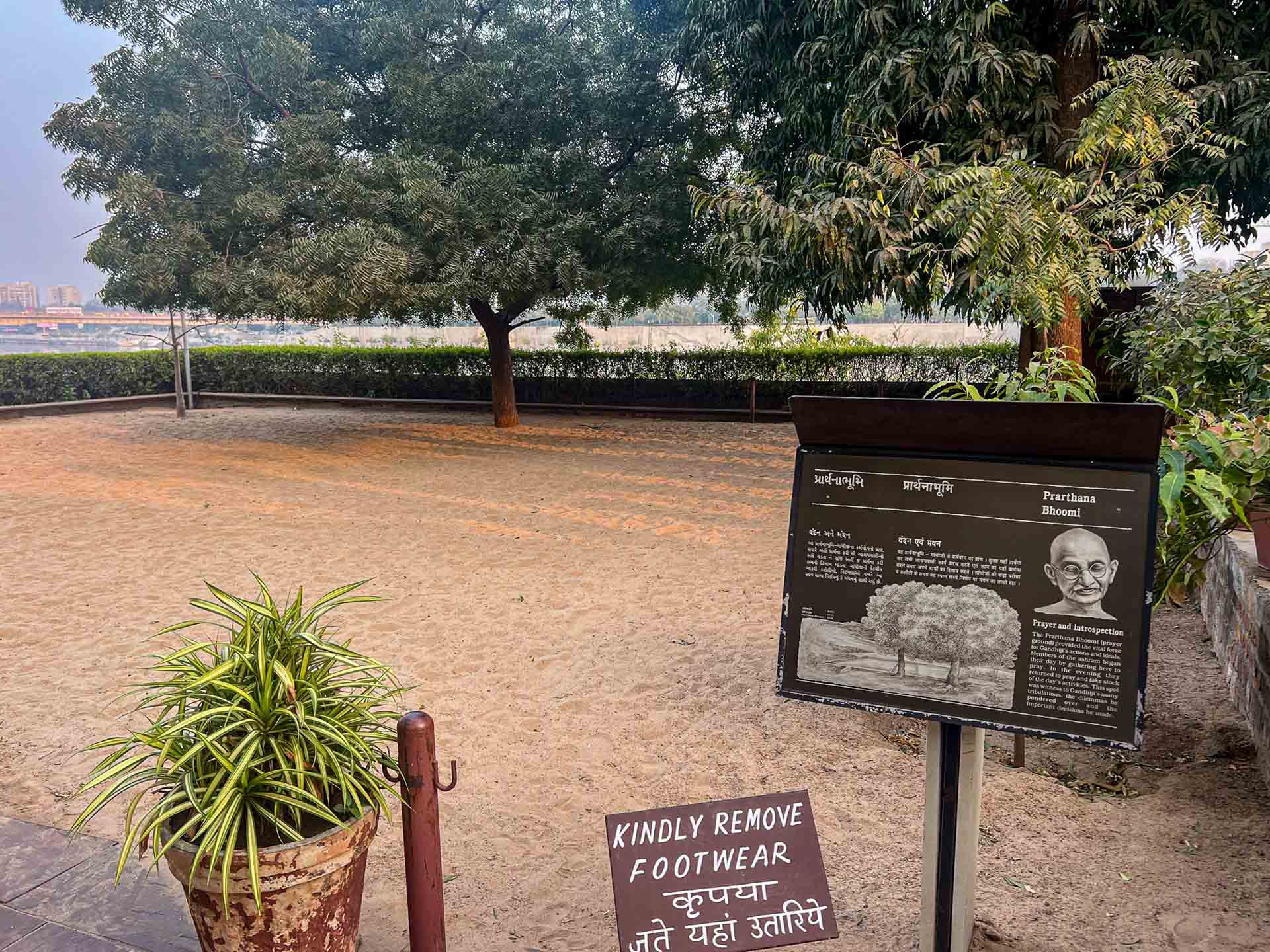
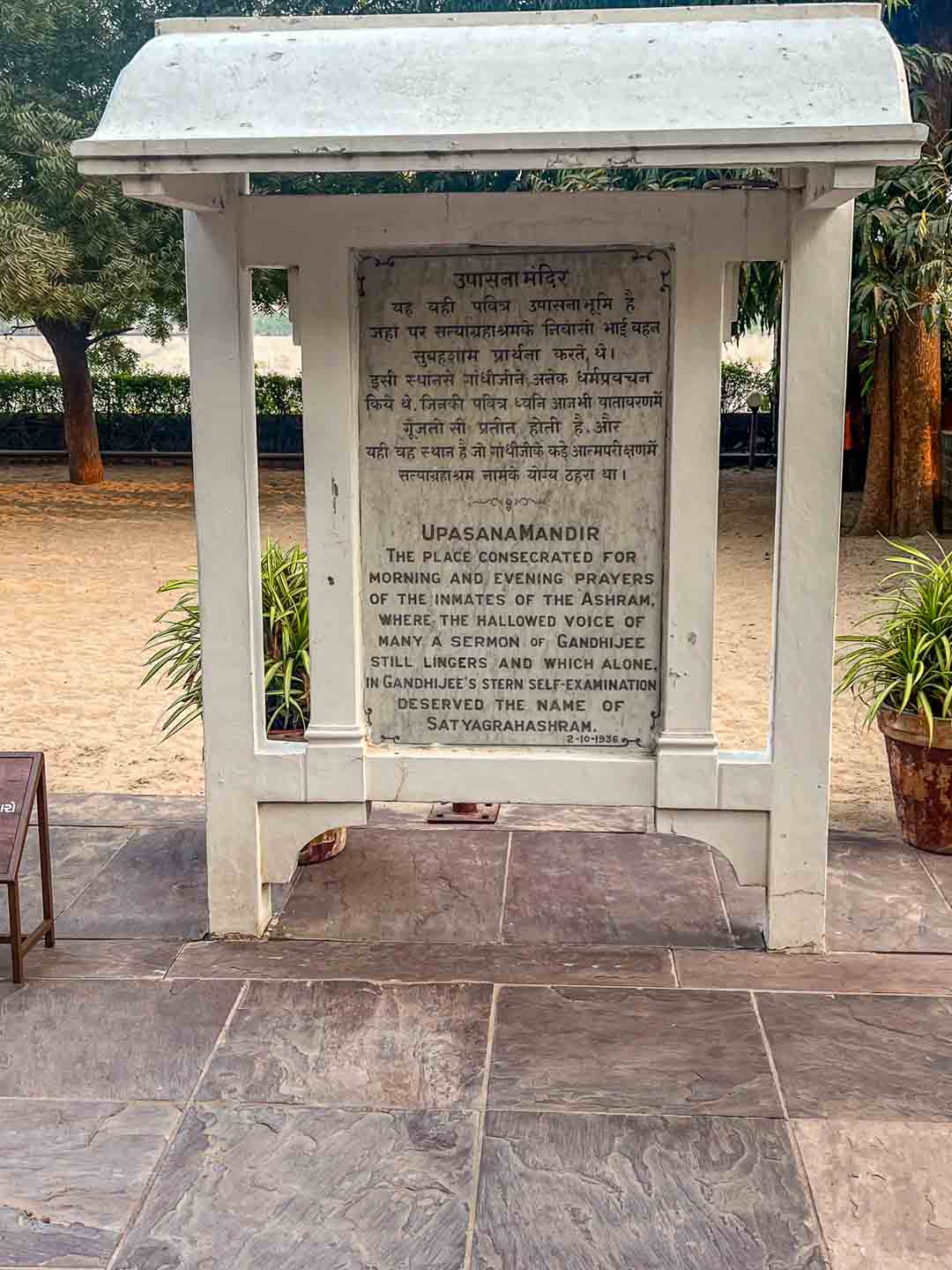
Unlike traditional places of worship, Upasana Mandir is not a temple enclosed by walls or crowned with elaborate architecture.
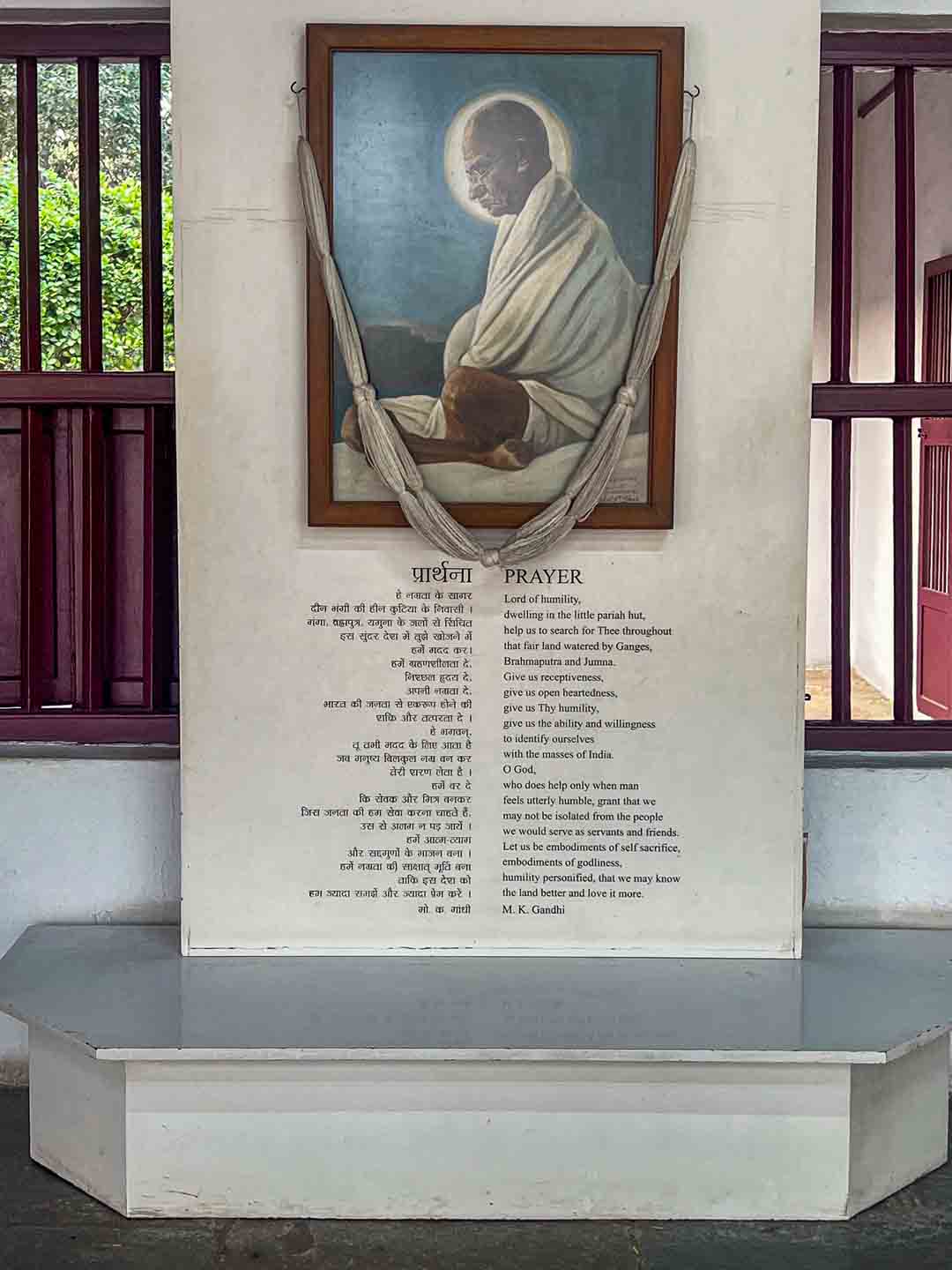
It is an open-air prayer ground where residents gathered every morning and evening for collective reflection. Gandhi believed spirituality should remain accessible to everyone and should never be confined by ritual or hierarchy.
Prayers included readings from Hindu, Muslim, Christian, Jain, Sikh, and other traditions.
This practice reflected Gandhi’s commitment to religious harmony and his belief that truth could be approached through many paths.
The simplicity of Upasana Mandir remains one of its most powerful features. Beneath the open sky, people gathered as equals, united not by doctrine but by shared values.
Daily Life at Sabarmati
Life at the ashram followed a disciplined schedule.
Residents rose early for prayer, followed by manual labor, agricultural work, spinning, education, and community service. Cleanliness and sanitation were considered essential duties, and Gandhi personally participated in tasks that many regarded as menial.
The spinning wheel became both a practical tool and a political symbol. Producing khadi represented self-reliance and resistance to colonial economic control.
This rhythm of prayer, labor, learning, and service formed the foundation of daily life and gave the ashram its distinctive character.
The Dandi March The most significant moment in the history of Sabarmati Ashram occurred on March 12, 1930.
On that morning, Gandhi left the ashram accompanied by seventy-eight carefully selected followers. Their destination was Dandi, a coastal village nearly 240 miles away on the Arabian Sea.
The march challenged the British monopoly on salt production and taxation. What began as a protest against a seemingly ordinary commodity soon became one of the defining acts of civil disobedience in modern history.
As the march progressed, thousands joined the movement. International newspapers reported on the campaign, bringing global attention to India’s struggle for independence.
Before departing, Gandhi declared that he would not return to Sabarmati until India achieved freedom. He never again resided at the ashram, lending the site a sense of historical finality that remains deeply moving today.
A Legacy Beyond Independence Today, Sabarmati Ashram functions as a museum, archive, and educational center preserving the memory of Gandhi and the freedom movement. Photographs, letters, manuscripts, and personal artifacts help visitors understand the remarkable events that unfolded here.
Yet the true significance of the ashram lies beyond its collections. It remains a place where ideas were transformed into action and where ordinary daily practices became instruments of national change.
Unlike forts that celebrate military victories or palaces that commemorate royal power, Sabarmati Ashram honors a different kind of strength. It stands as a monument to discipline, service, moral courage, and the belief that lasting change begins with personal responsibility.
Standing beside the Sabarmati River, these simple cottages continue to tell an extraordinary story. Within their walls, a nation learned not only how to win freedom but how to imagine a more just and humane future.