Kiradu Temple – Beyond the Legends
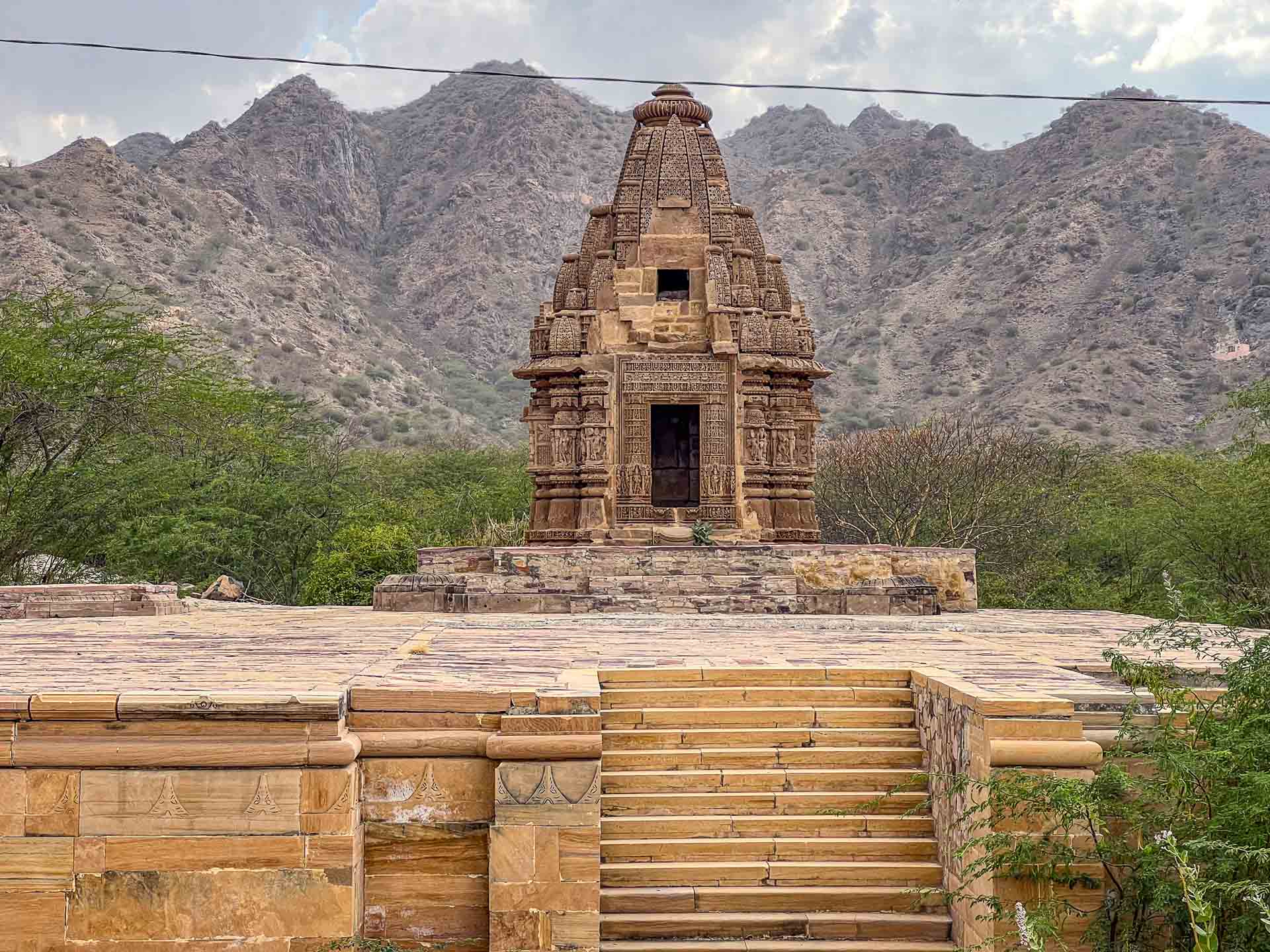
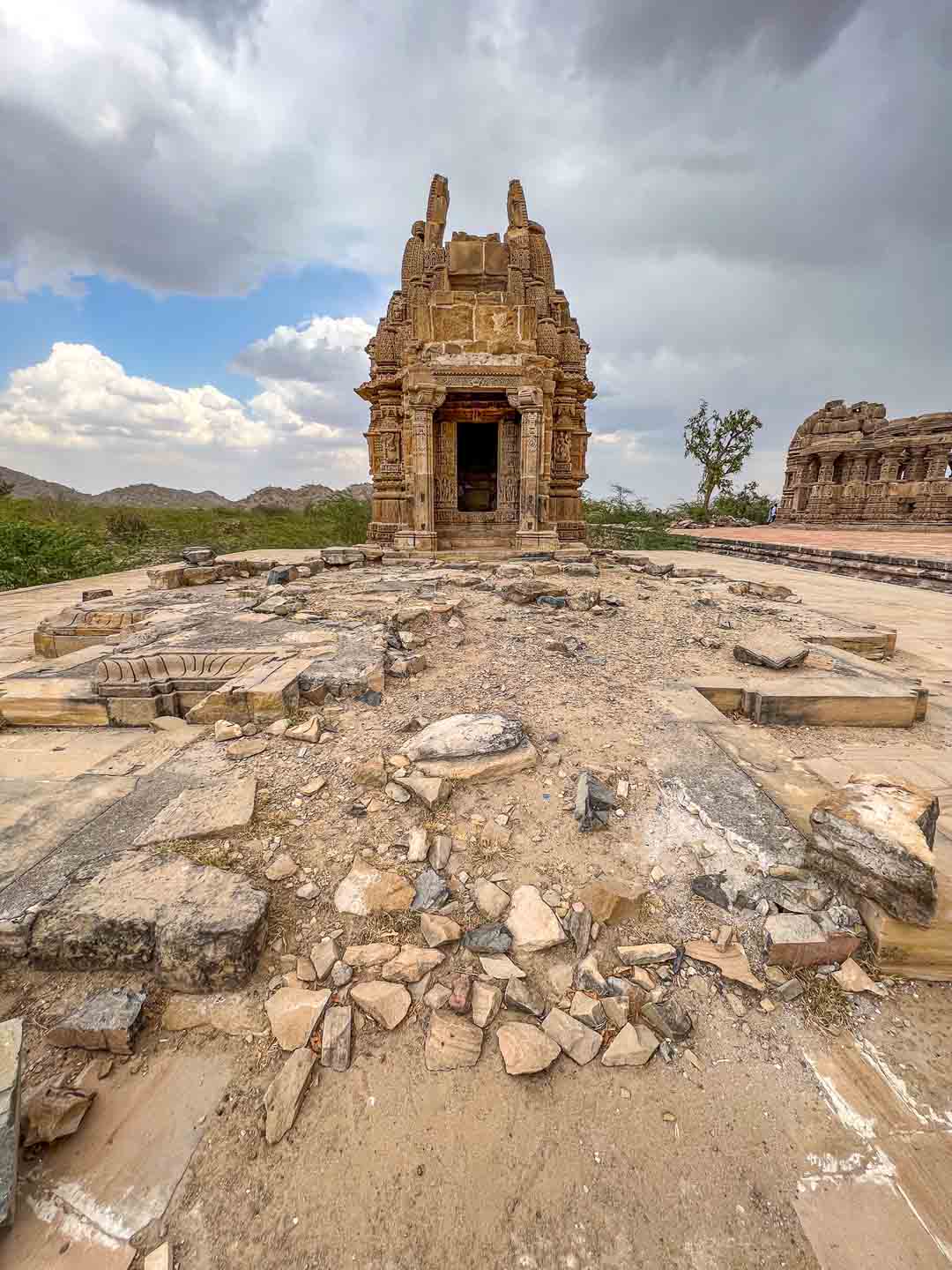
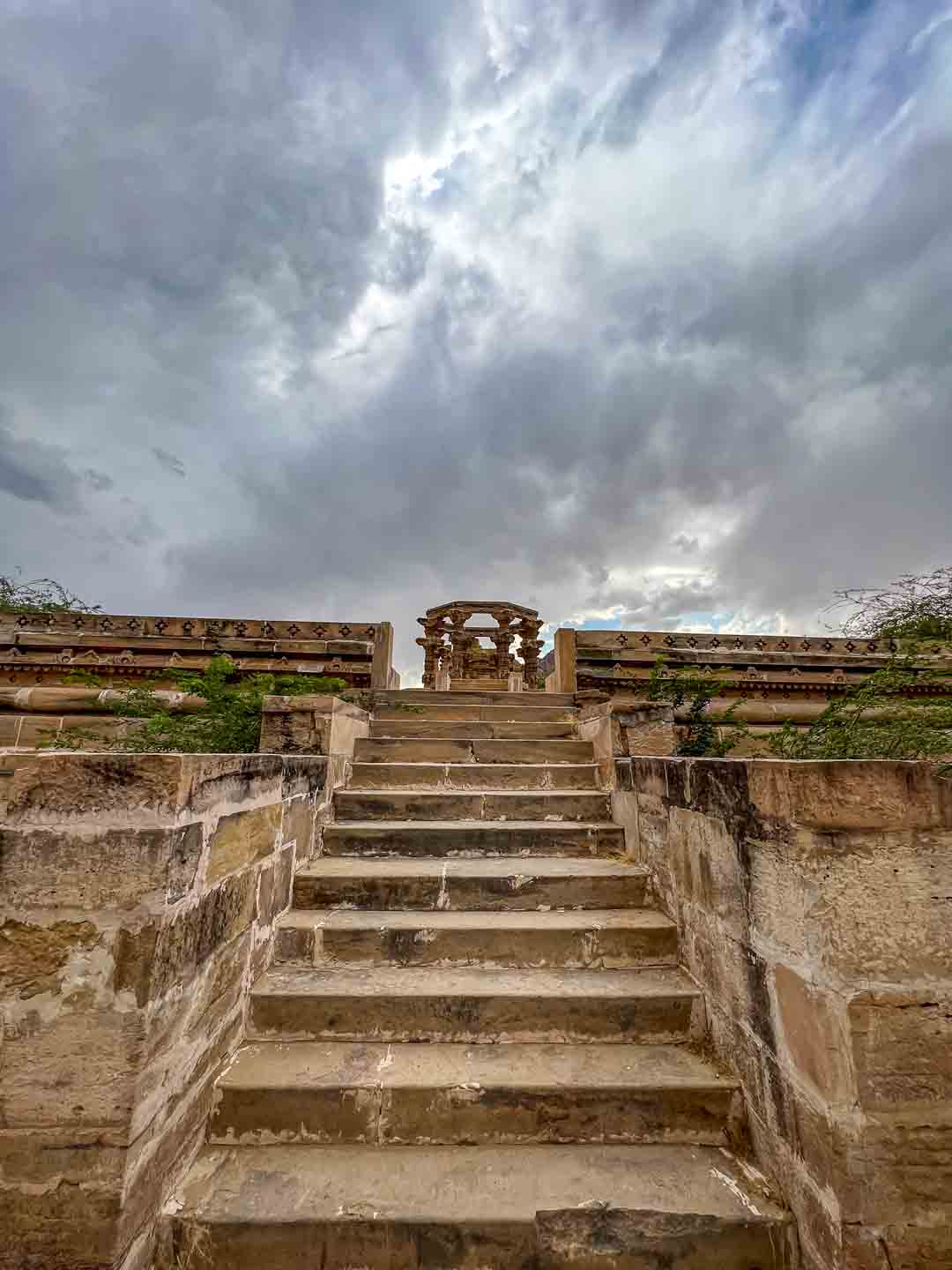
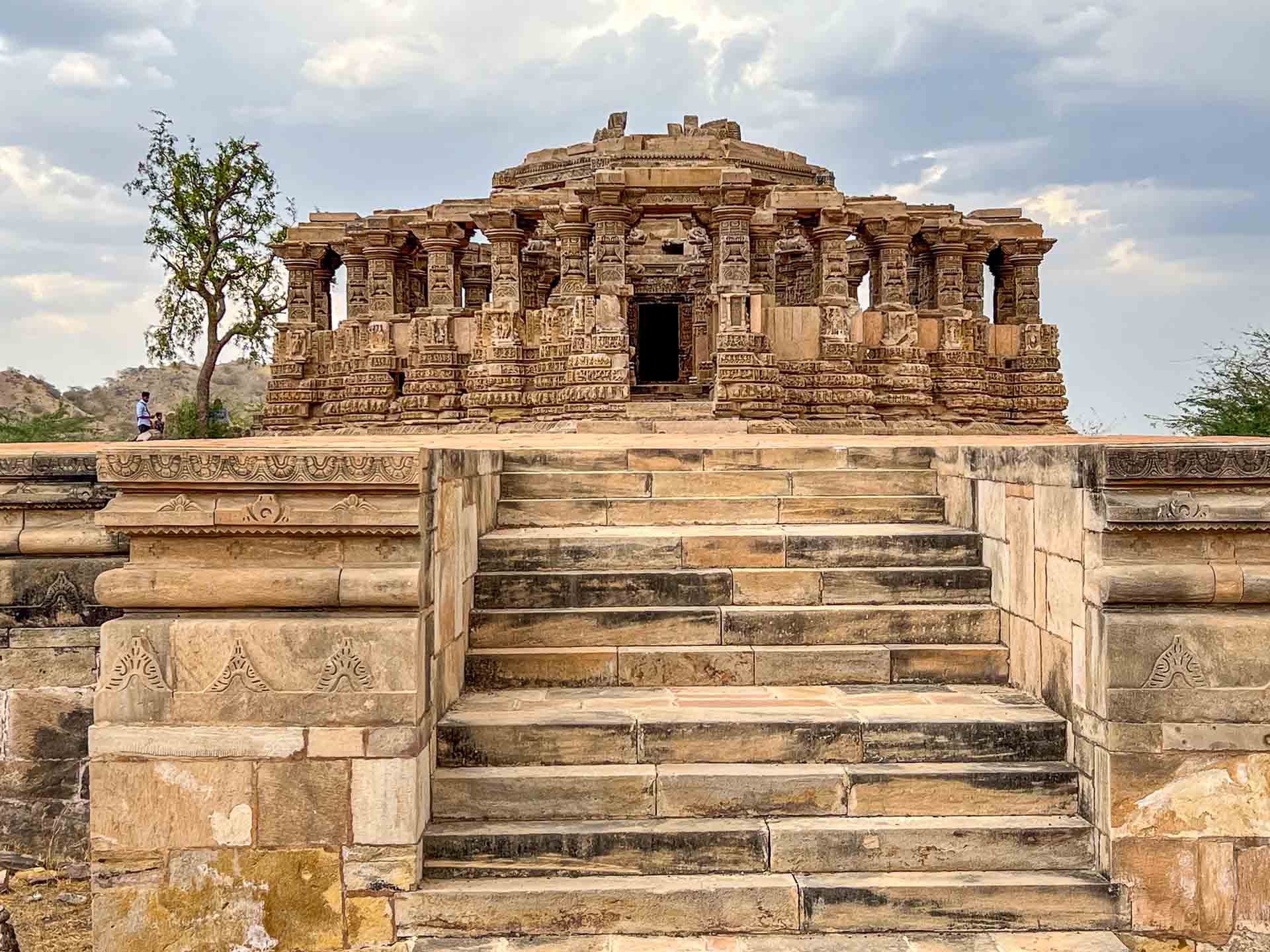
One of the most significant places we visited was the Kiradu Temple complex, located about 35 kilometers from Barmer town. The drive itself was quiet, passing through sparsely populated areas with wide-open views. Kiradu is known for its ancient temples, believed to have been built between the 11th and 12th centuries during the Solanki dynasty by the Parmer and Chauhan rulers of Kiradu. The story of the town, however, was that it was ruined by foreign invasion. Currently, remains of 5 Shaiva-Vaishnava temples of Maru-Gurjar style are in existence.
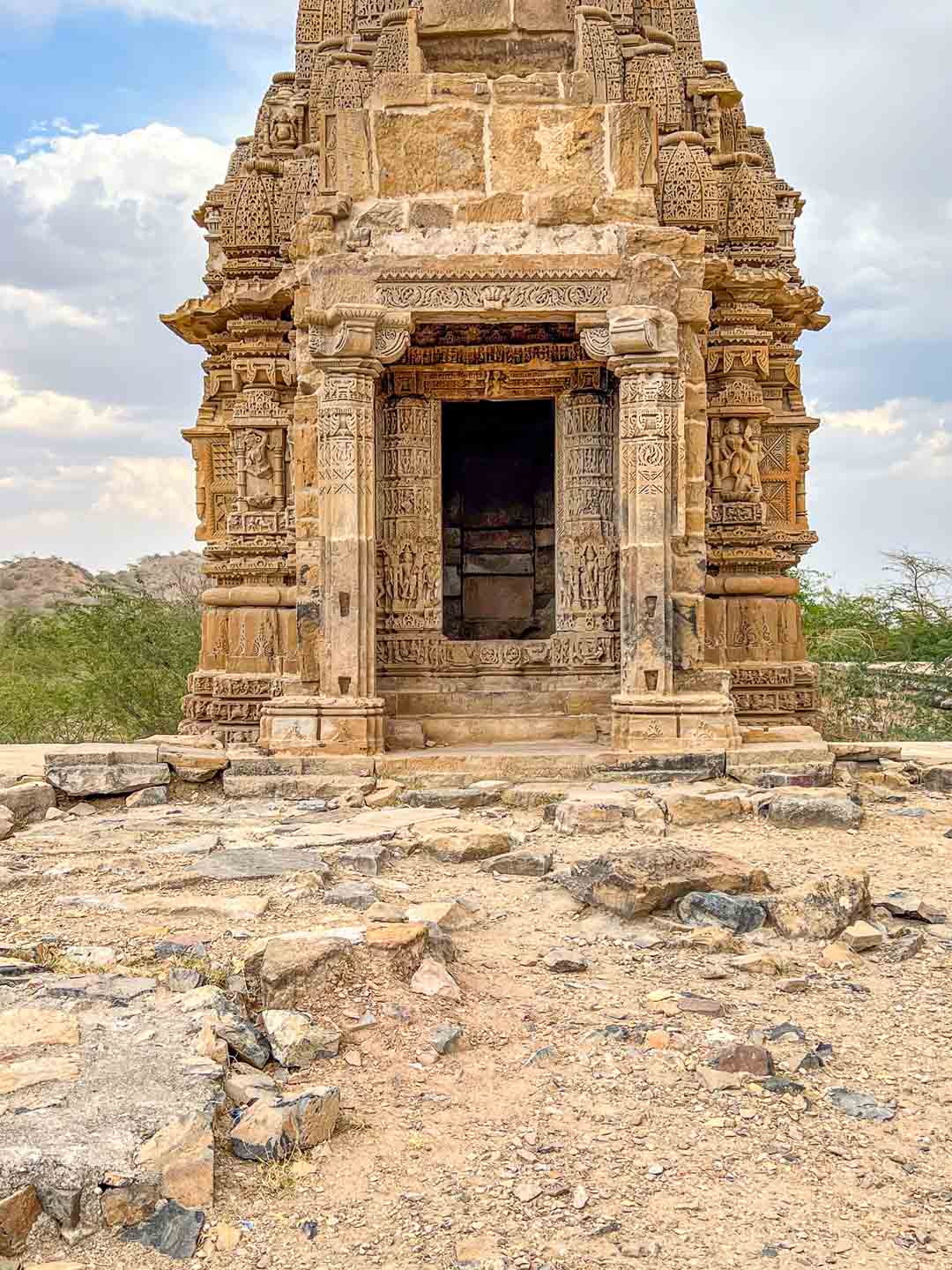
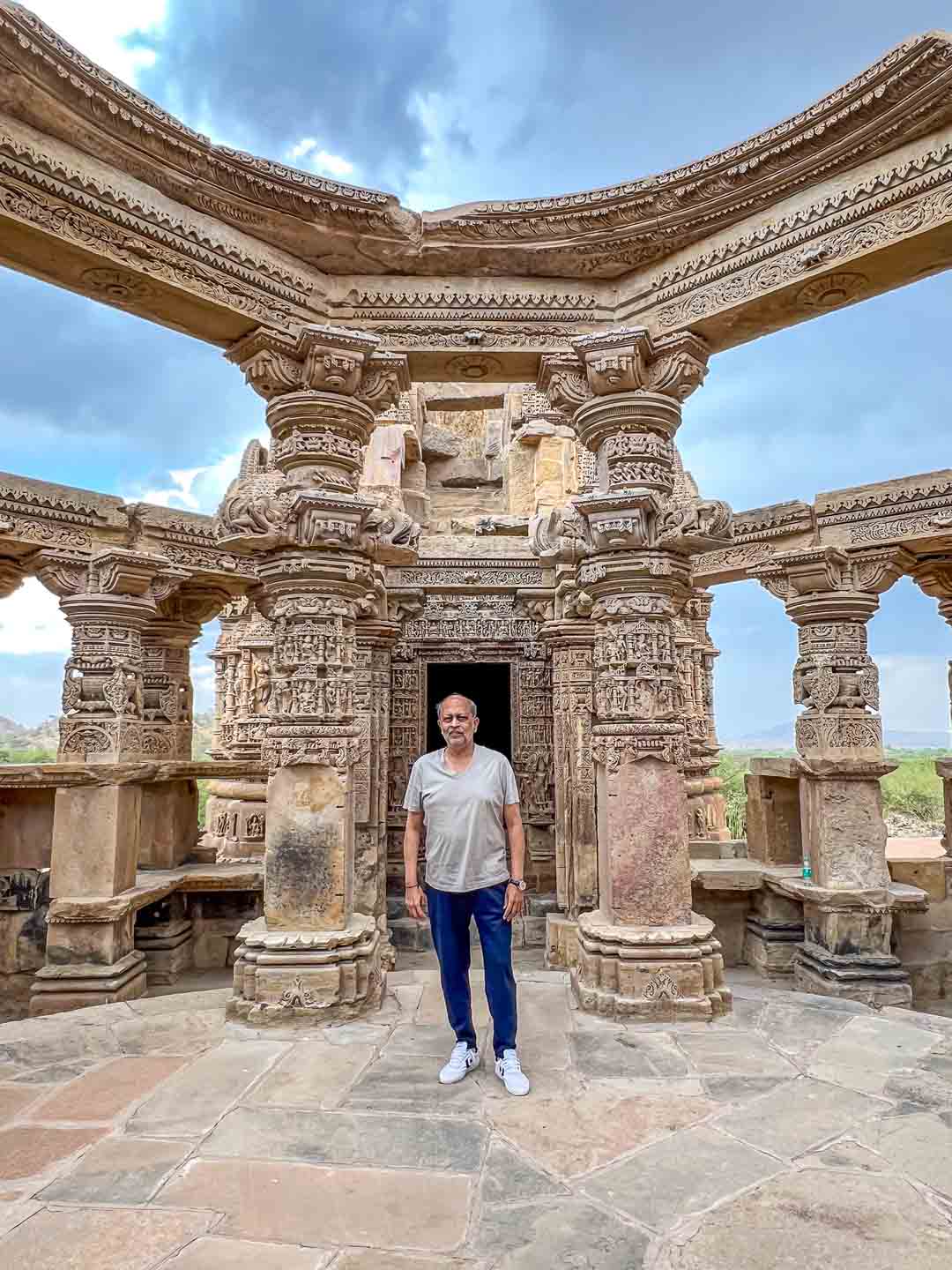
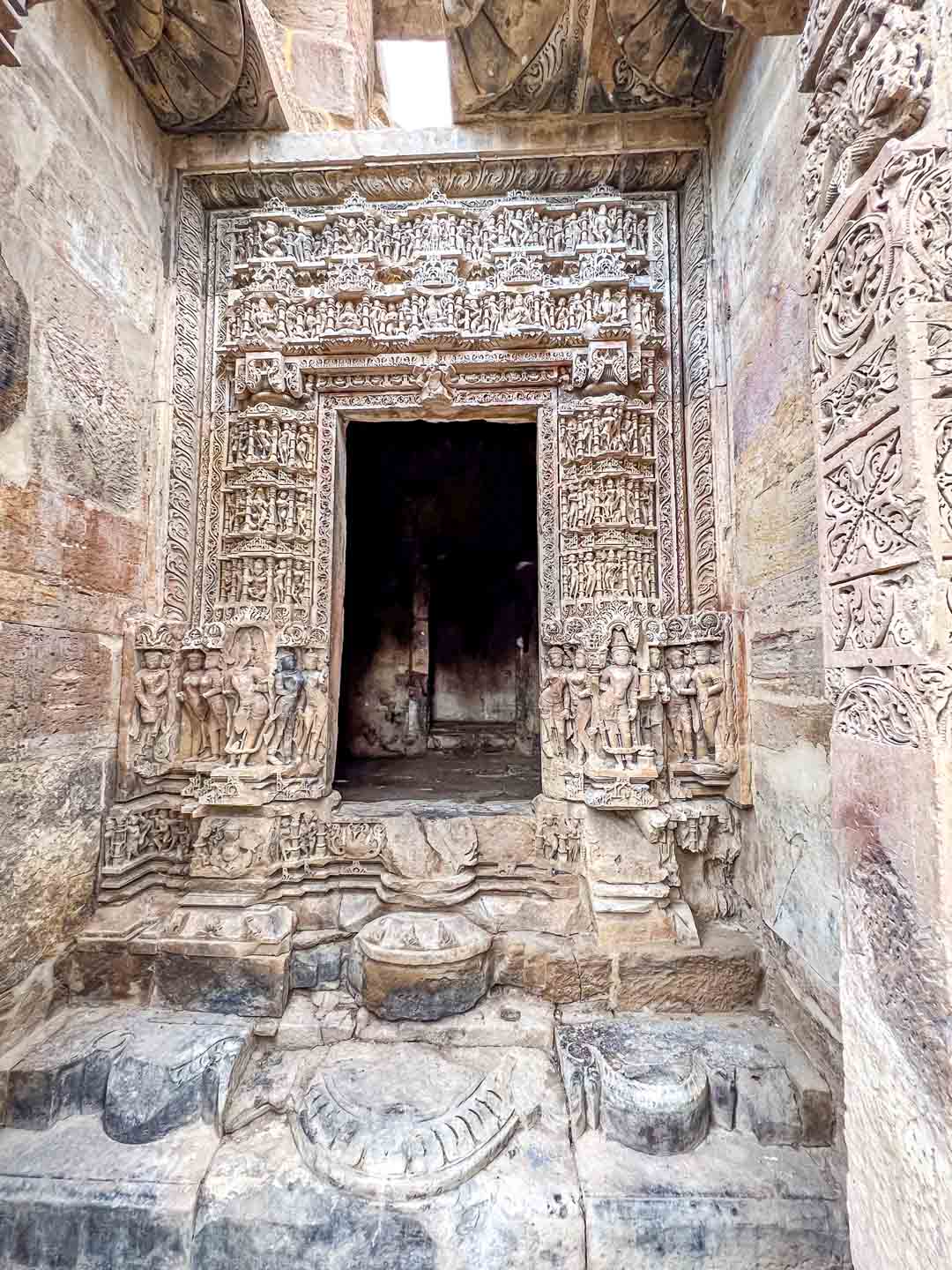
The temple complex is partially in ruins, but what remains is enough to convey its historical importance. The stone carvings, pillars, and structures reflect a high level of craftsmanship. Walking through the site, we could see detailed sculptures, weathered yet expressive, telling stories of deities and mythological scenes.
Architecture
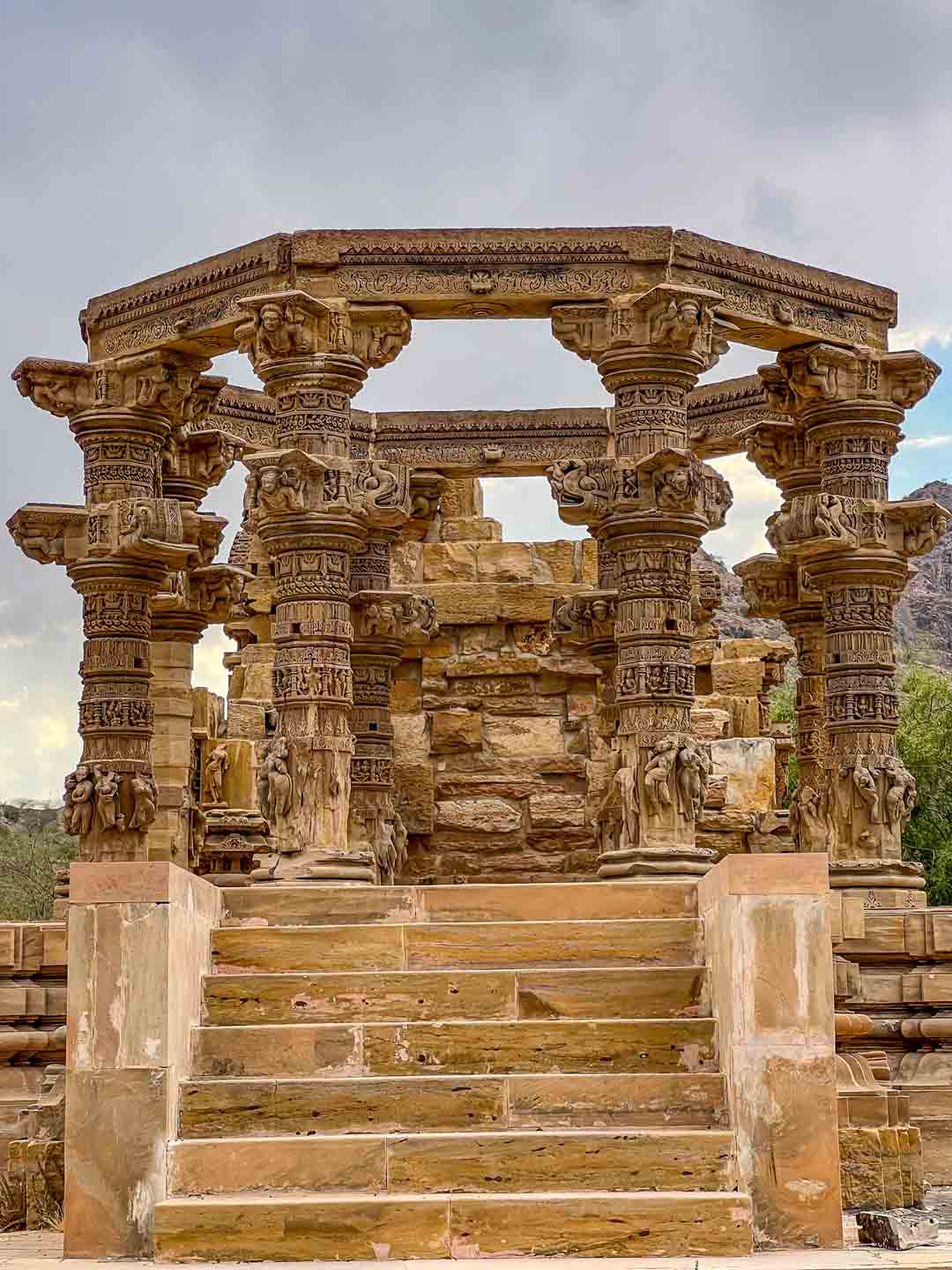
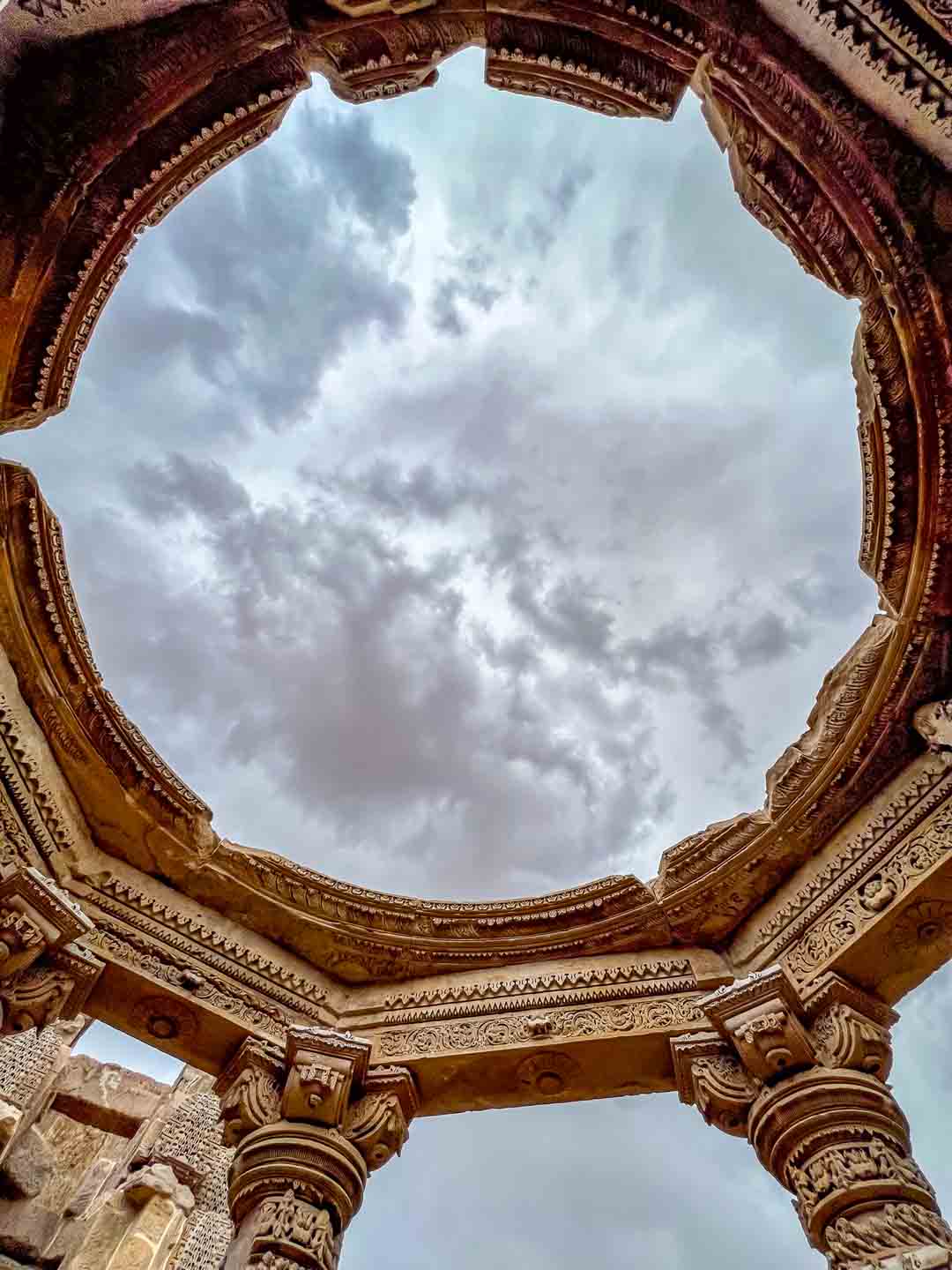
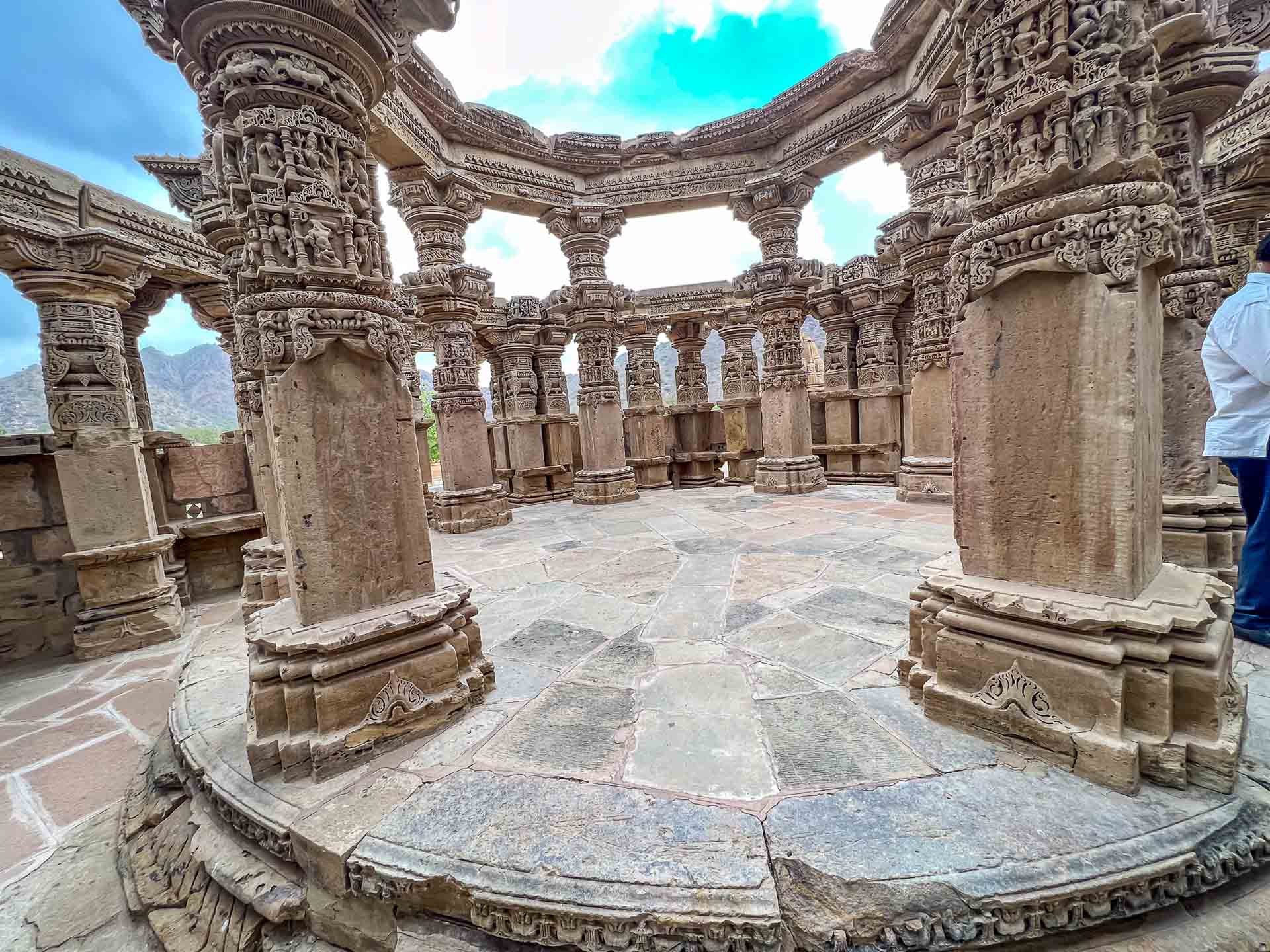
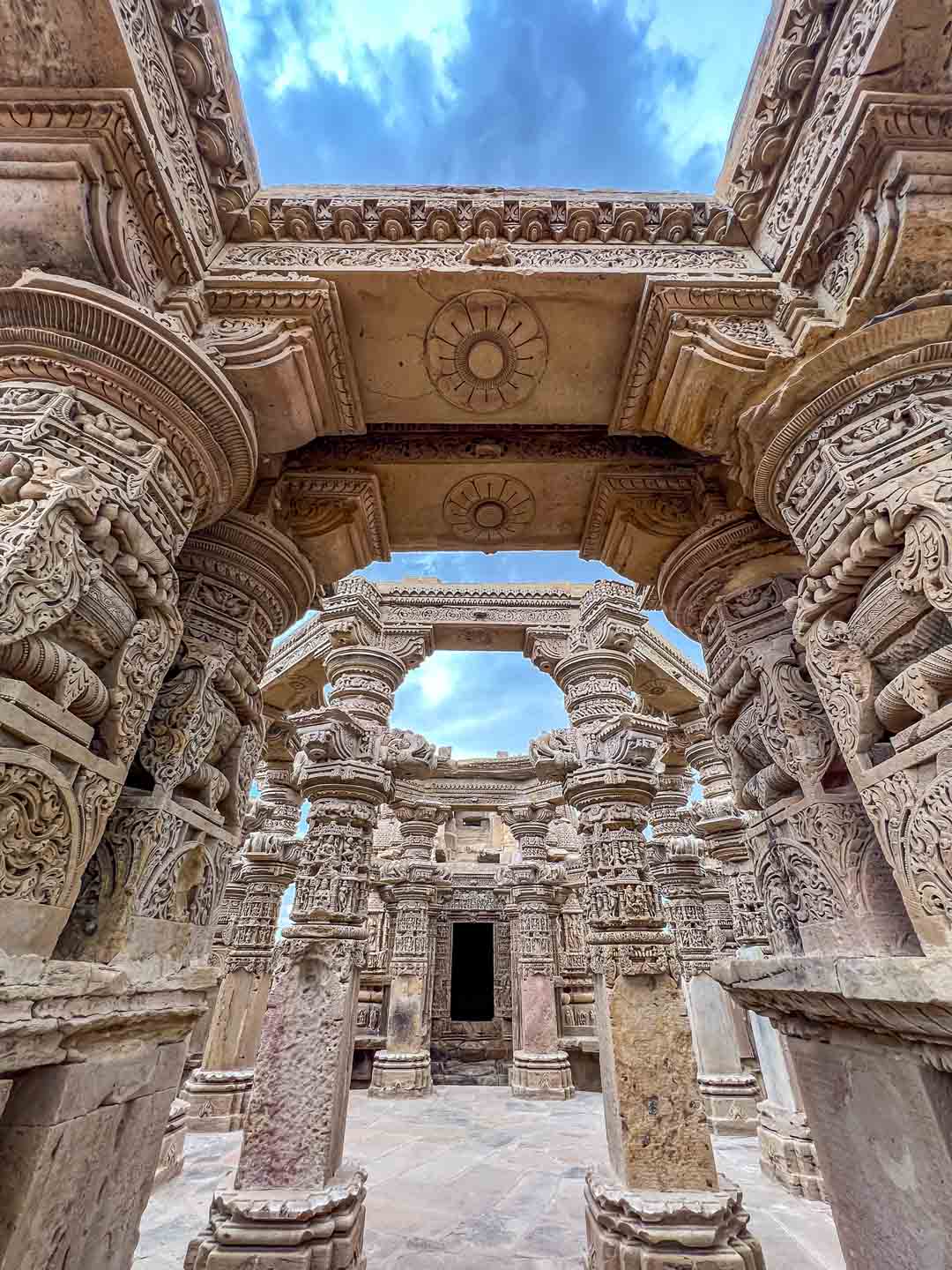
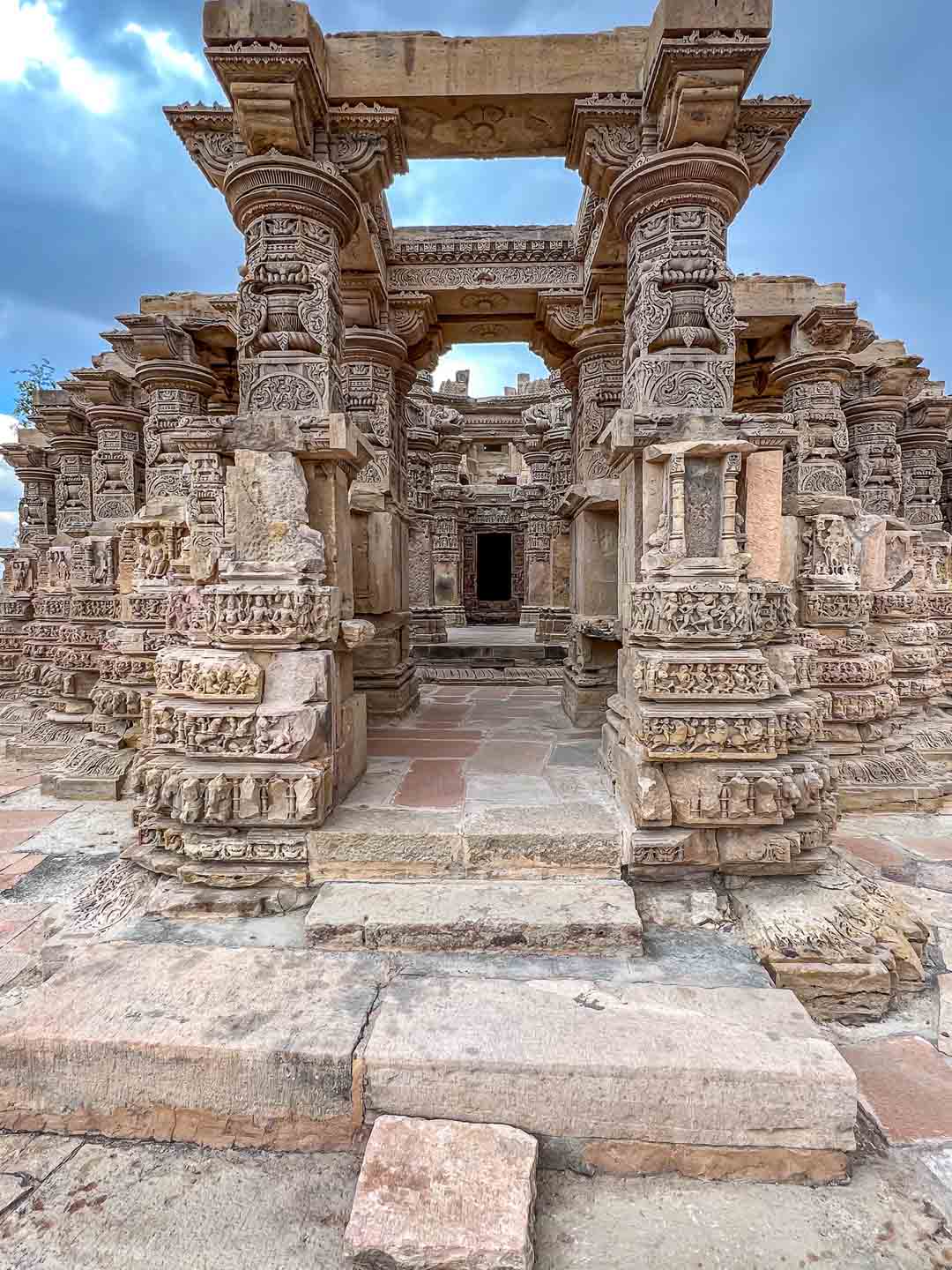
Kiradu is one of the best examples of end Maru-Gurjara architecture of western India. The remaining temples feature highly detailed stonework, elaborate pillars and well-carved ceilings that define the artistic glory of medieval Rajasthan. It is generally stated that their magnificence rivals the renowned temples of Gujarat, as well as those at Mount Abu, customs and artistic expressions pervasive in these regions during the time they flourished.
Despite centuries of exposure to the harsh desert climate, many of the sculptures still retain remarkable detail and expressive features, reflecting the exceptional craftsmanship of medieval Rajasthan.
Ornate facades, intricately carved pillars, projecting balconies, and richly decorated ceilings are hallmarks of the Maru-Gurjara architectural style, renowned for its precision, elegance, and elaborate ornamentation. The temples demonstrate a harmonious synthesis of geometric design and decorative artistry, creating sacred spaces intended to evoke both devotion and aesthetic admiration.
One of the most striking features of Kiradu is the abundance of sculptural art carved into the temple walls. These carvings depict Hindu deities, scenes from mythology, celestial musicians, and aspects of everyday life. Beyond their decorative function, the sculptures served as visual narratives that communicated religious stories and cultural values to devotees.
Despite the legends that have come to define Kiradu as “cursed”, our experience of the site was one of calmness rather than mystery. The temple complex stood in serene isolation, its weathered stones speaking more of history than of curses.
Local visitors approached the shrines with reverence, reinforcing the sense that these monuments remain part of a living spiritual tradition rather than mere archaeological relics. As we wandered among the carved pillars and sculpted walls, learning about the site’s history and architecture, the myths gradually faded into the background, replaced by a deeper appreciation for the civilization that once flourished here.
Kiradu is far more than a collection of ancient ruins rising from the desert landscape. The surviving temples stand as enduring reminders of a prosperous medieval settlement and of the artistic brilliance and architectural sophistication that characterized western India during its golden age.
Whether viewed through the lens of history, archaeology, architecture, or faith, Kiradu offers a remarkable window into Rajasthan’s rich cultural heritage. Long after leaving, what remains is not the memory of legends, but a profound respect for the resilience of stone, craftsmanship, and human memory across the centuries.