The Battle of Dewair
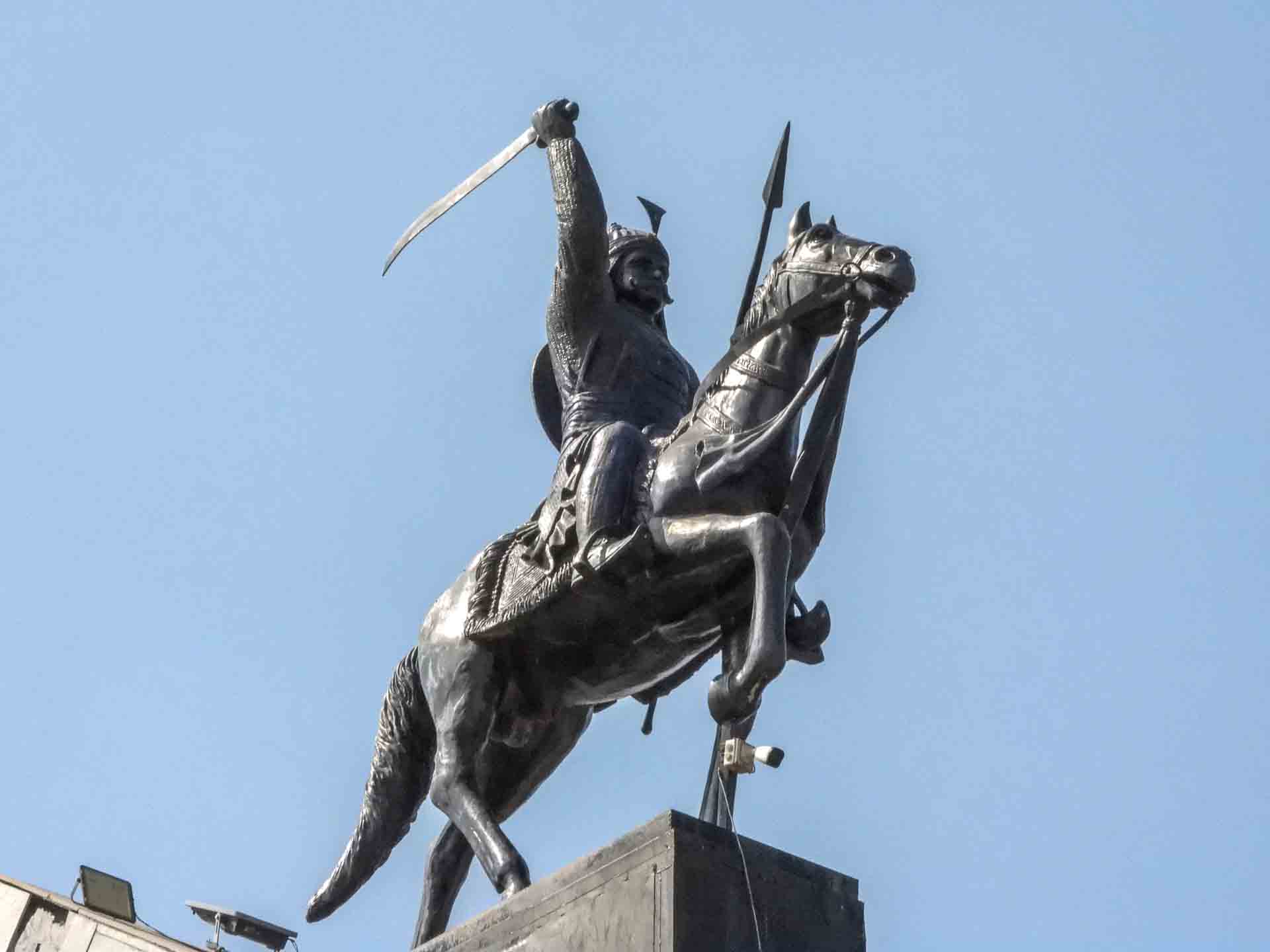
Maharana Pratap had reemerged by the 1580s. In the years that followed, he had restructured his army and started reclaiming various parts of Mewar from the Mughals.
His regiment was not only comprised of Rajput soldiers but local tribal combatants like the Bhils who had an intimate understanding of the forests and hills. With them assisting him in the background, Pratap was able to launch quick strikes and vanish into the mountains before the imperial reinforcements could arrive.
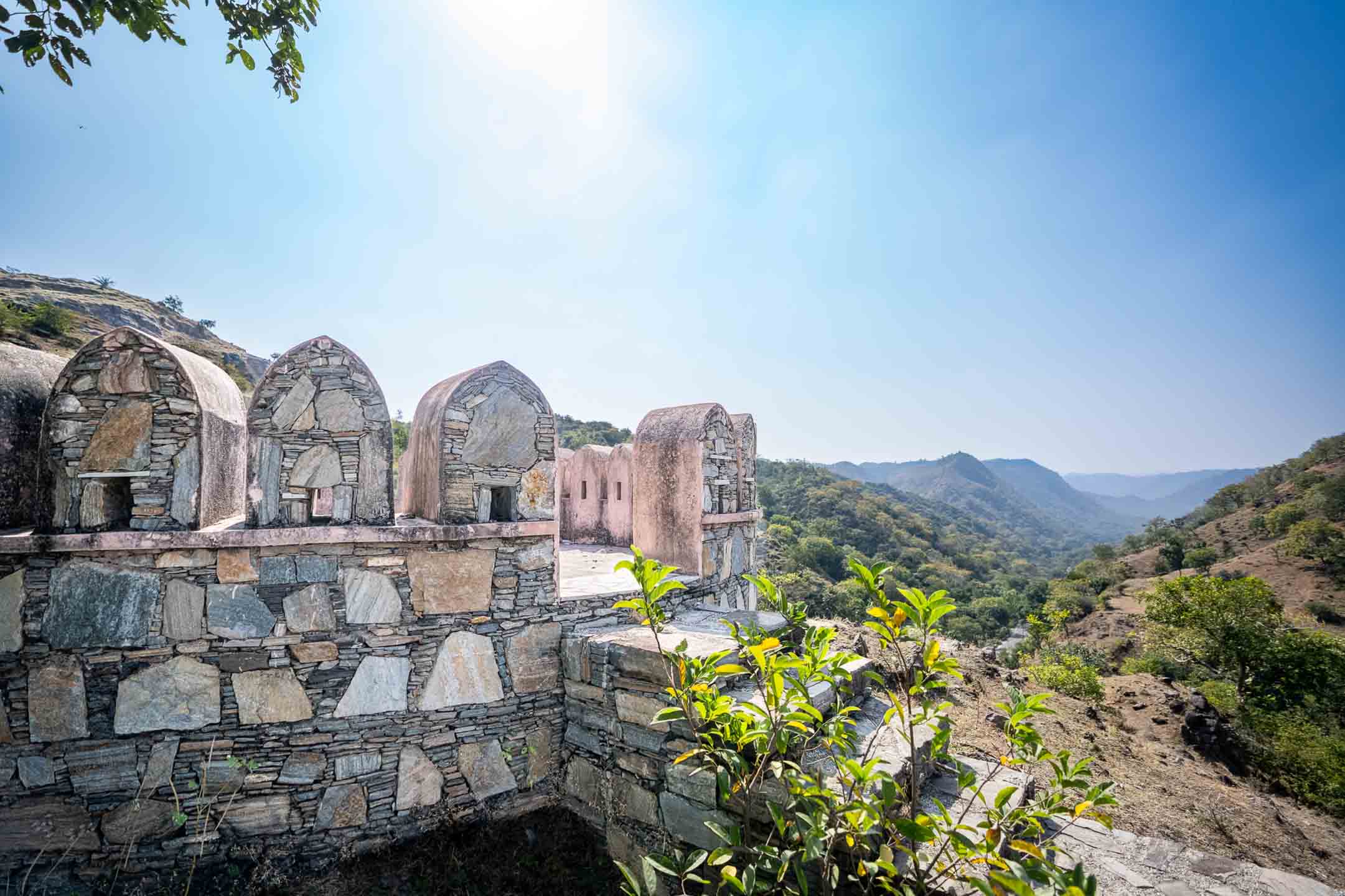
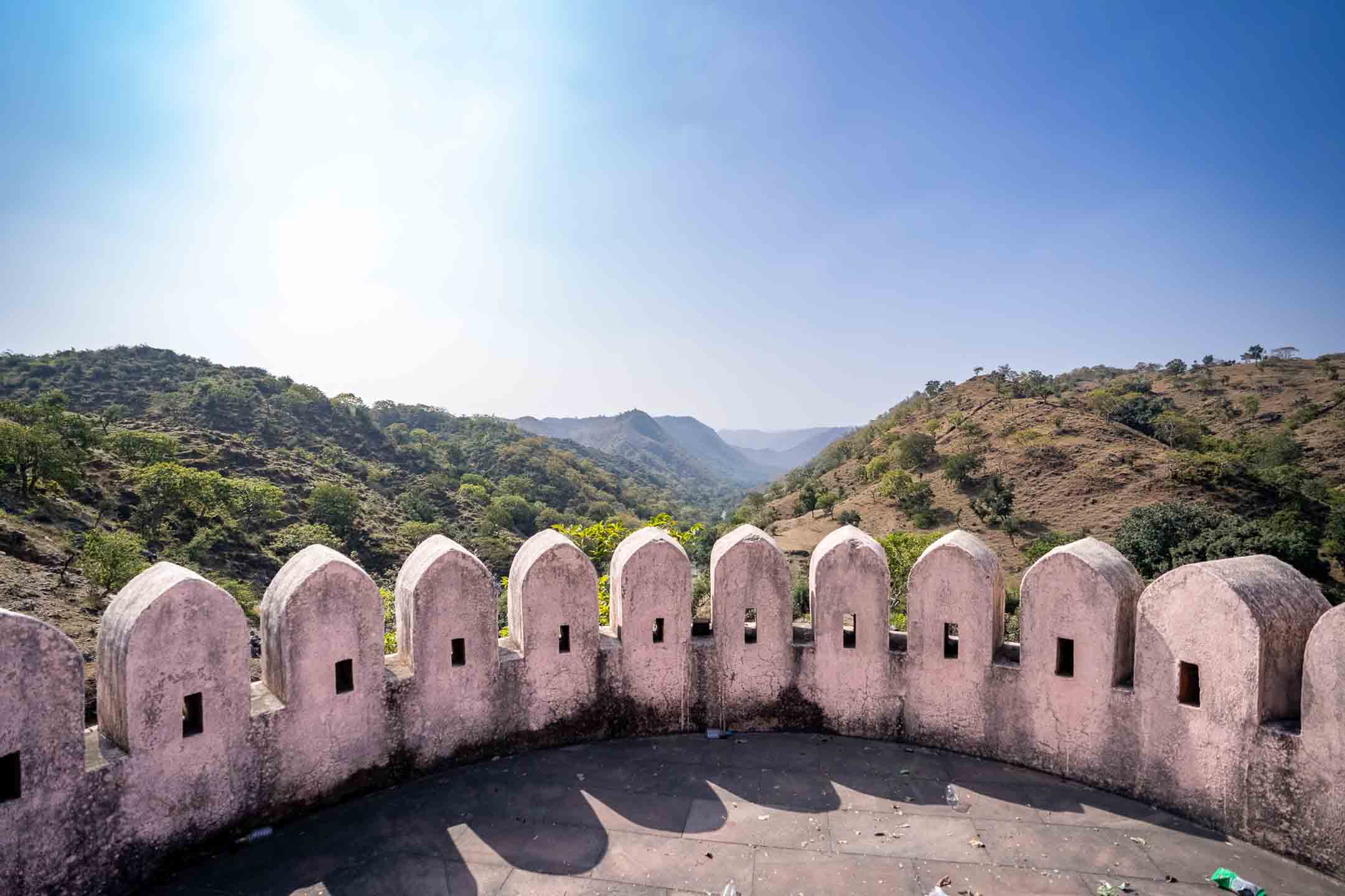
At Dewair, there was a strong but isolated Mughal garrison. The Rajputs used the valley to cut the Mughal network of posts across Mewar. Maharana Pratap led the charge personally, together with his son, Amar Singh I who later became the King of Mewar.
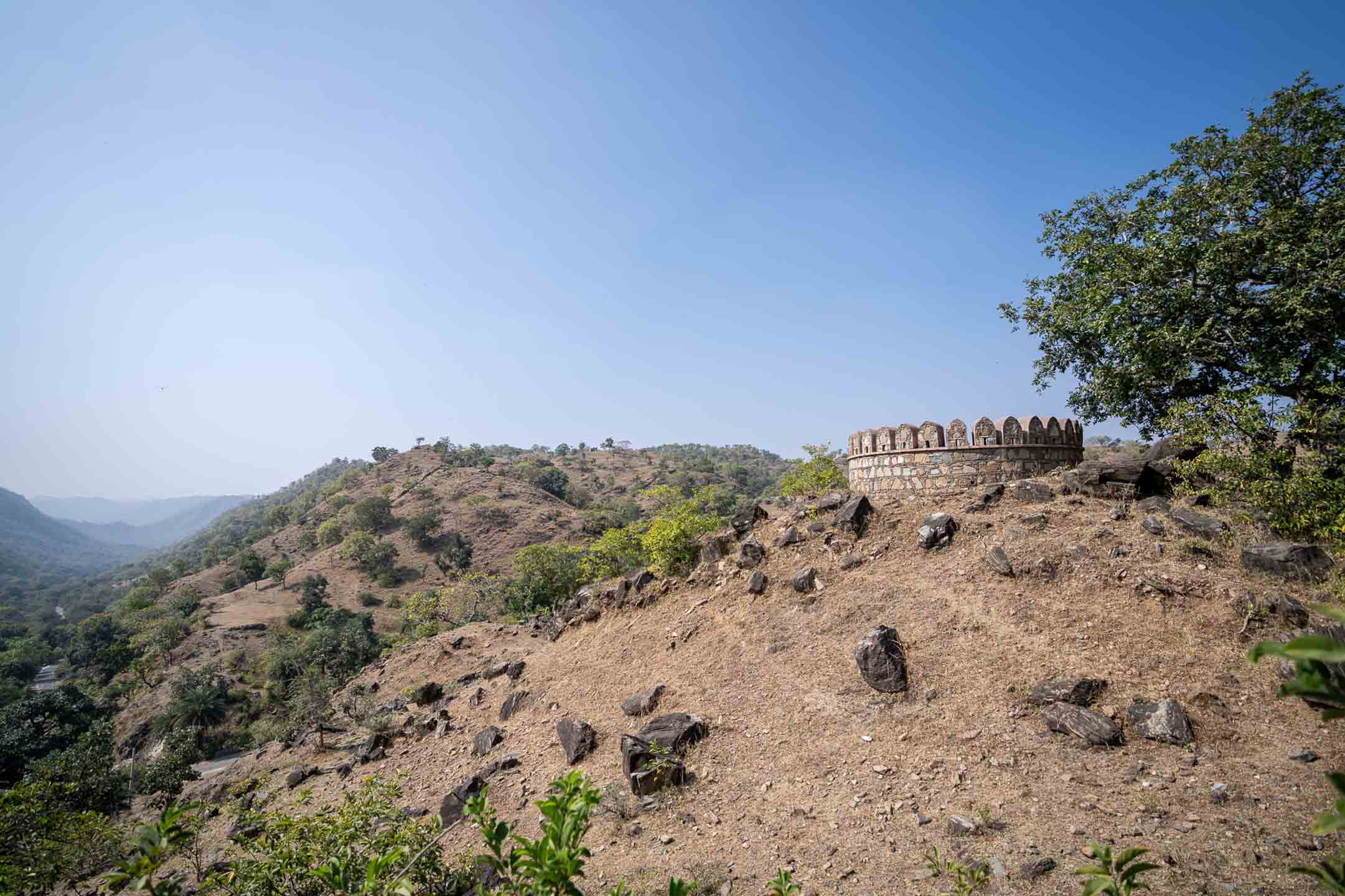
Quickly, the Rajput forces mounted a coordinated assault on the Mughal positions. The terrain was mountainous and narrow and did not allow the Mughal armies to use their bigger formations. Amar Singh met Mughal commander Sultan Khan face to face in action. He killed the general during the heated fighting, which same event turned the tide of battle.
The Mughal troops were thrown into despair with their leader dead and their defences crumbling around them. With momentum on their side, the Rajput forces pressed their attack. The Mughal forces soon were overrun, and the rest of the soldiers fled.
The destruction of the Mughal garrison at Dewair had results that reached far and wide. Most of the imperial military posts throughout Mewar were then vacated after Mughal troops retreated from the inhospitable mountain territory. In no time Maharana Pratap recaptured most of his kingdom. This battle of Dewair showed the Mughals that resistance wasn’t just alive and well—but reenergized.
While the Mughals were still powerful in northern India, Pratap spent the later part of his life in a Mewar which is largely free of Mughal control. This is why the historian James Tod referred to the Dewair victory as the “Marathon of Mewar”—a moment when Rajput grit and resoluteness finally made a difference.