
Bharatpur — The Resilience of Rajasthan
The historic city of Bharatpur occupies a distinctive position in the history of northern India. Located in the eastern part of Rajasthan. It has long stood at an important crossroads of geography, culture, and politics. But beneath its quiet streets lies the legacy of a powerful kingdom that emerged during one of the most turbulent periods in Indian history.
The architecture of forts, temples, wetlands, and markets reflects a story of resilience, regional identity, and adaptation to the landscape. While Bharatpur today is widely known for its famous bird sanctuary, the historical depth of the city extends far beyond its natural attractions. Its origins as a political centre are closely tied to the rise of the Jat rulers in the eighteenth century, when agricultural and martial communities of the region established a formidable state in northern India.
History
Bharatpur emerged as a political centre under the leadership of Maharaja Suraj Mal. Born in 1707, Suraj Mal rose to power during a period when the authority of the Mughal Empire was rapidly declining. In this atmosphere of political fragmentation, several regional powers began asserting their independence, and the Jat chiefs of the region were among the most successful.
Through a combination of military strength, diplomatic skill, and administrative ability, Suraj Mal expanded his authority across much of present-day eastern Rajasthan and parts of western Uttar Pradesh. Historians have often described him as one of the most capable rulers of his time. His policies supported agriculture, trade, and infrastructure, allowing the state to prosper economically.
Bharatpur’s geographical position played an important role in this rise. The surrounding plains were fertile and well suited to agriculture, while the city connects the northern plains of Mughal India with the desert kingdoms of Rajasthan. This strategic location allowed the rulers of Bharatpur to control trade routes and exert regional influence.
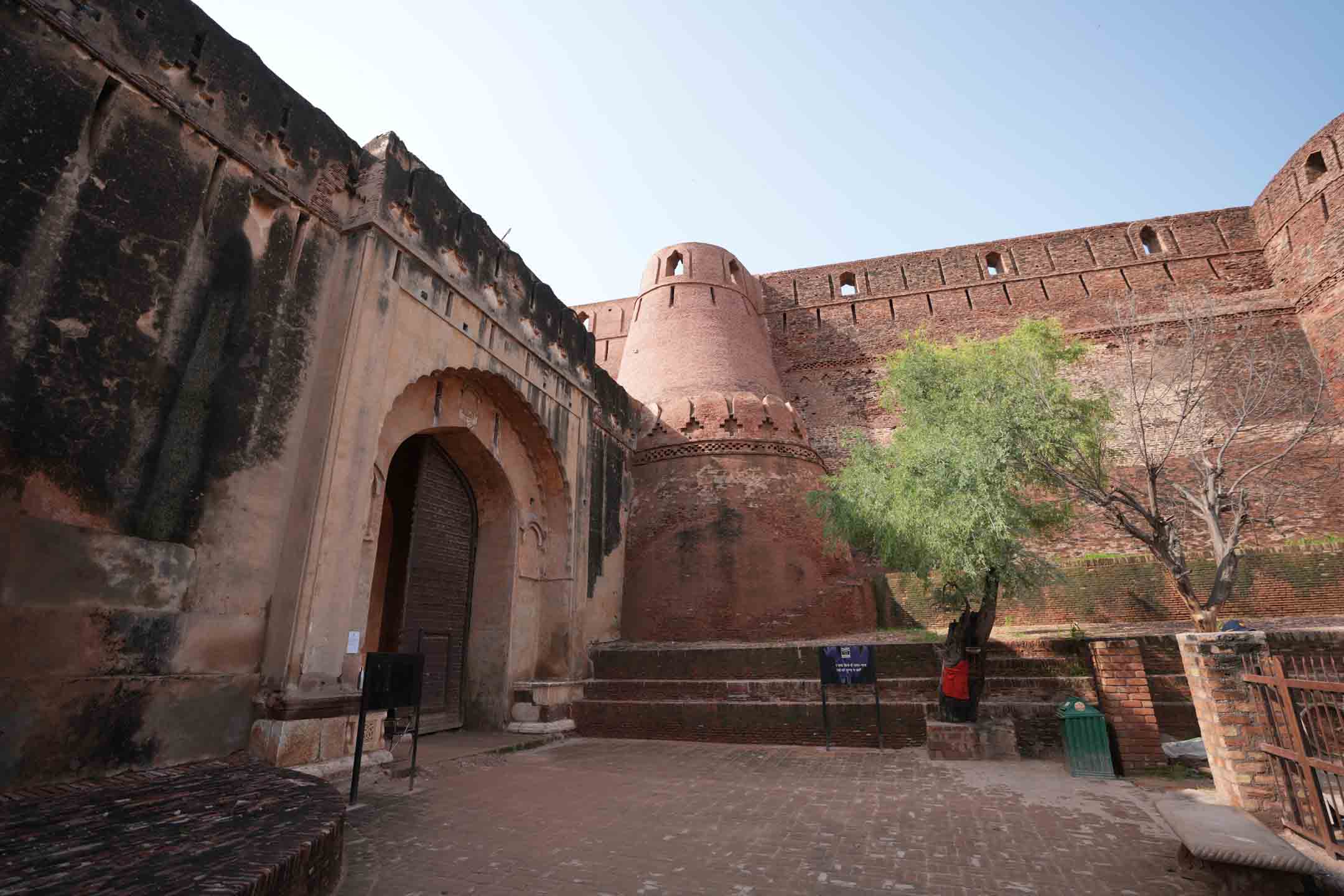
The clearest symbol of this power remains the great fortress that continues to dominate the historical landscape of the city.
The Landscape and the Wildlife
Beyond its historical monuments, Bharatpur is also closely associated with one of India’s most important ecological landscapes. On the outskirts of the city lies Keoladeo National Park, a wetland reserve that has been designated a UNESCO World Heritage Site.
The origins of these wetlands are closely connected to the rulers of Bharatpur. In order to control seasonal flooding and support agriculture, they constructed a network of canals and embankments that regulated the movement of water across the plains.
Over time these managed wetlands evolved into an ideal habitat for birdlife. During the colonial period the marshes became famous as a hunting reserve visited by dignitaries and royalty. In the twentieth century the area was gradually protected and eventually declared a national park.
Today the wetlands host hundreds of species of birds, many migrating from distant regions of Central Asia and Siberia. During winter months visitors can observe painted storks, pelicans, cranes, and herons moving through the marshes. The sanctuary represents a remarkable example of how human intervention and natural ecosystems together shaped the landscape of Bharatpur.
Culture and Food
The culture of Bharatpur reflects its position between Rajasthan and the Braj region. As a result, the traditions of the city differ somewhat from those of the desert towns further west.
Local markets remain lively centres of everyday activity. Vendors sell textiles, agricultural tools, and household goods that serve the surrounding rural communities. Bright turbans, traditional garments, and handcrafted items illustrate the continuity of local craft traditions.
Festivals play an important role in the social life of the city. Religious celebrations linked to agricultural cycles and temple worship bring communities together through processions, music, and communal gatherings.
Despite the expansion of modern infrastructure, agriculture continues to form the backbone of the local economy. The fertile plains surrounding Bharatpur produce grains, vegetables, and other crops that sustain both the city and nearby villages.
The food of Bharatpur reflects the culinary traditions of Rajasthan while also incorporating influences from neighbouring regions. The cuisine is characterised by robust flavours and practical use of ingredients suited to the climate.
One of the most well-known dishes is Dal Baati Churma, consisting of baked wheat dumplings served with lentils and sweet crushed wheat. Another popular preparation is Gatte ki Sabzi, where gram-flour dumplings are cooked in a tangy yoghurt-based gravy.
Local sweet shops also offer snacks and desserts. Among the most beloved is Jalebi, served warm and soaked in syrup, a favourite treat for both residents and visitors.
Ultimately, the story of Bharatpur is one of resilience. From the rise of the Jat kingdom under Maharaja Suraj Mal to the legendary defence of Lohagarh Fort, the city played a significant role in the political history of northern India.
Its temples preserve traditions of devotion, while its wetlands demonstrate how human ingenuity shaped the natural environment. Even today the rhythms of agriculture, worship, and community life continue to influence the character of the region. The city stands as a testament to the determination of the people who built, defended, and preserved it—a quiet but powerful reminder of a kingdom that once shaped the history of eastern Rajasthan.