Beneath the Ramparts of Bhatner Fort
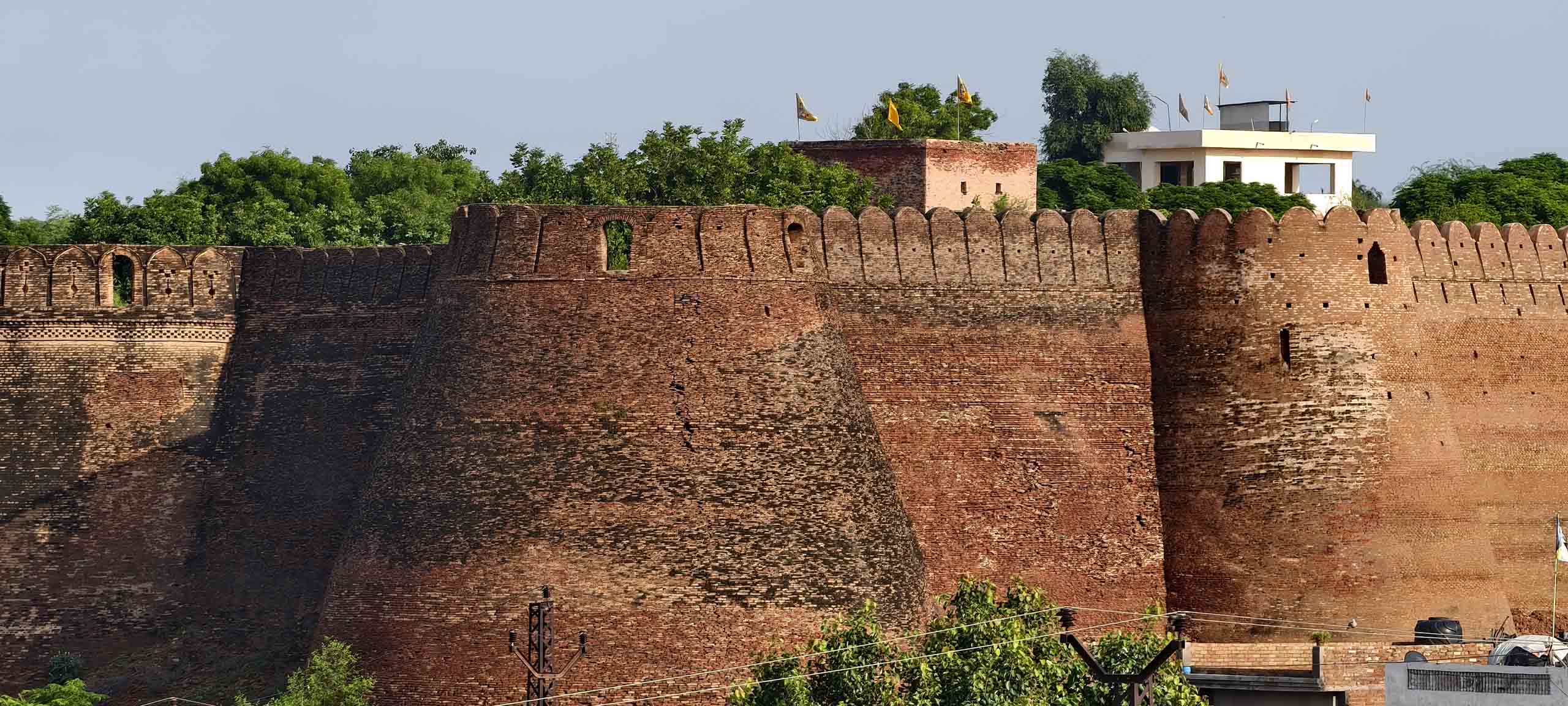
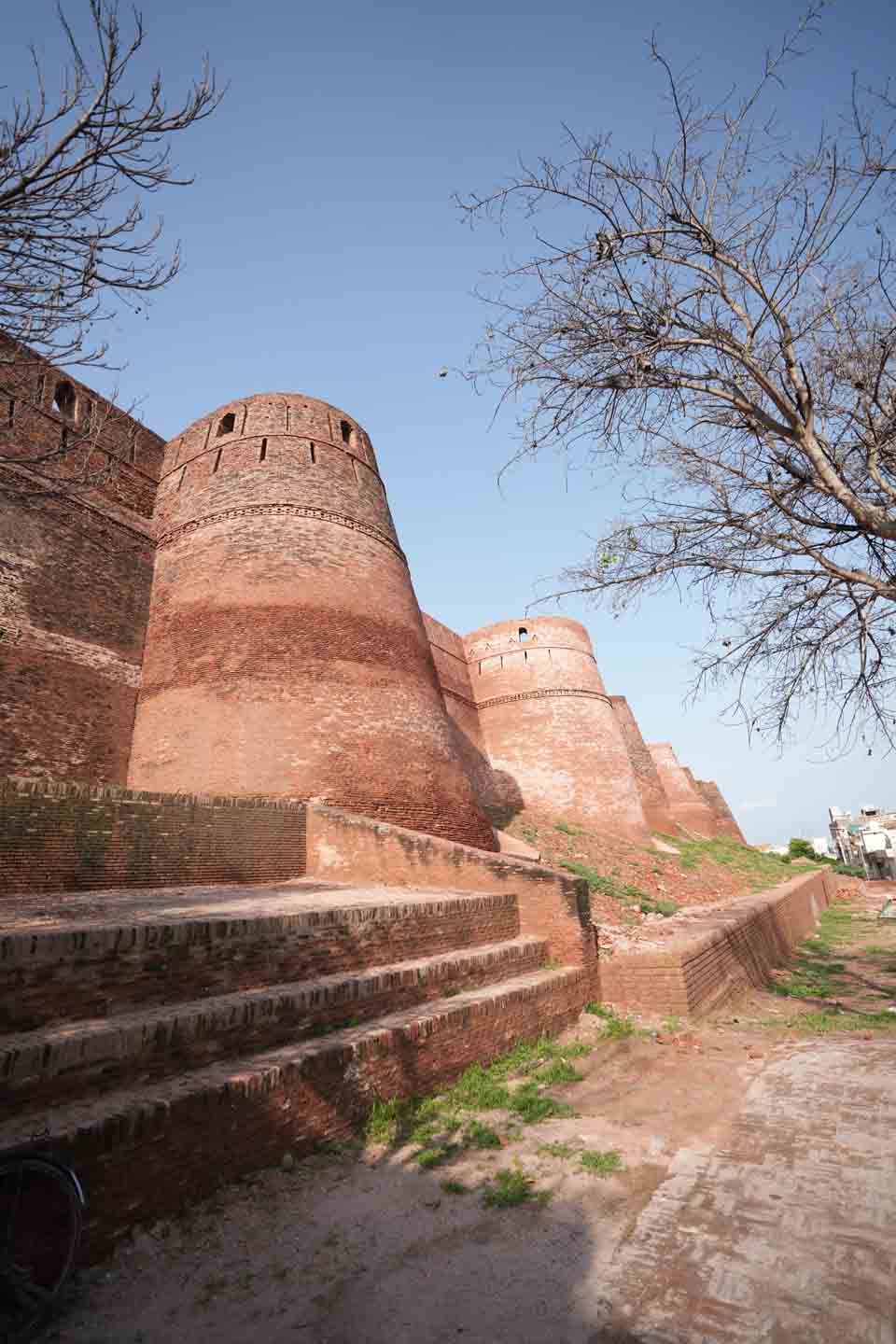
Perched on the outskirts of Hanumangarh, Bhatner Fort is one of the oldest forts in India, its origins stretching back nearly seventeen centuries. Unlike many Rajput fortresses that dramatically crown hilltops, Bhatner rises directly from the plains, its massive walls meeting the horizon in a display of quiet strength. There is little ornamentation here. The fort was never intended to be a royal showpiece. Instead, it was built to guard a frontier, control trade routes, and withstand repeated sieges.
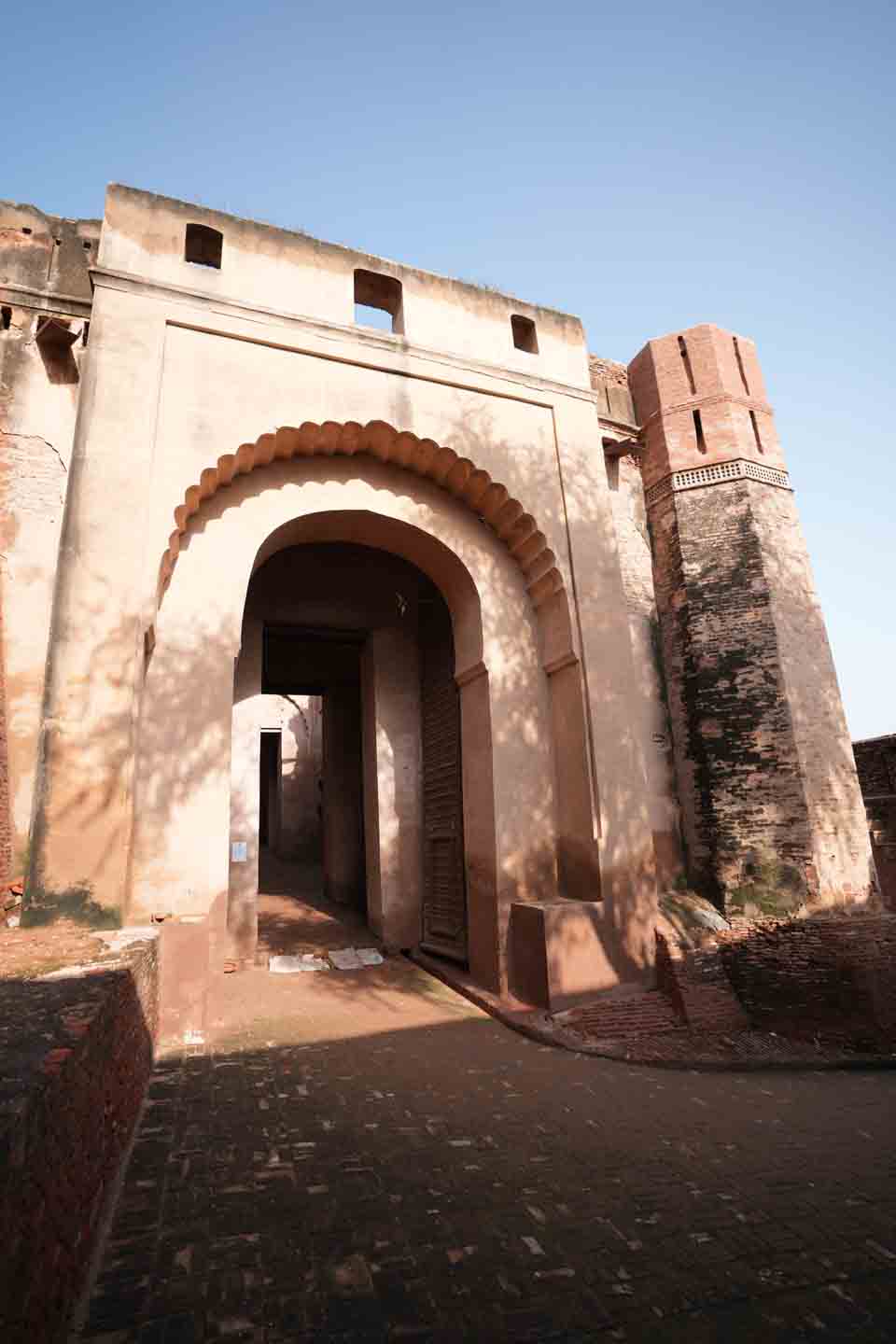
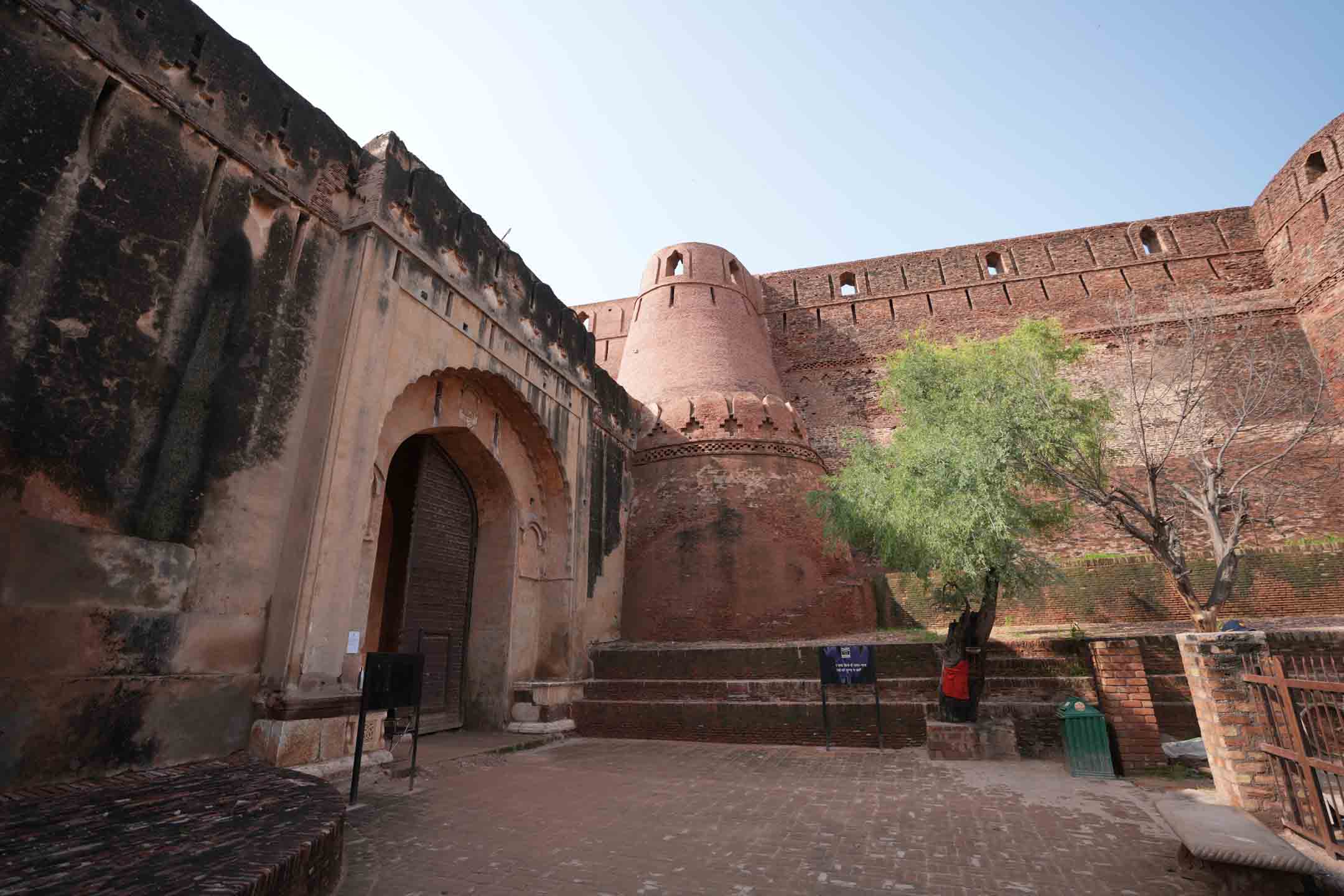
This military purpose is reflected in every aspect of its architecture. Massive bastions punctuate the fortifications, while thick defensive walls encircle the entire complex like an unbroken shield. Unlike Rajasthan’s familiar sandstone monuments, Bhatner is constructed primarily of brick. The bricks have weathered over the centuries, their colors softened by sun, wind, and time, yet they remain remarkably resilient. As we gazed up at the imposing ramparts, it was easy to imagine generations of rulers strengthening and rebuilding the fort as kingdoms rose and fell around it.
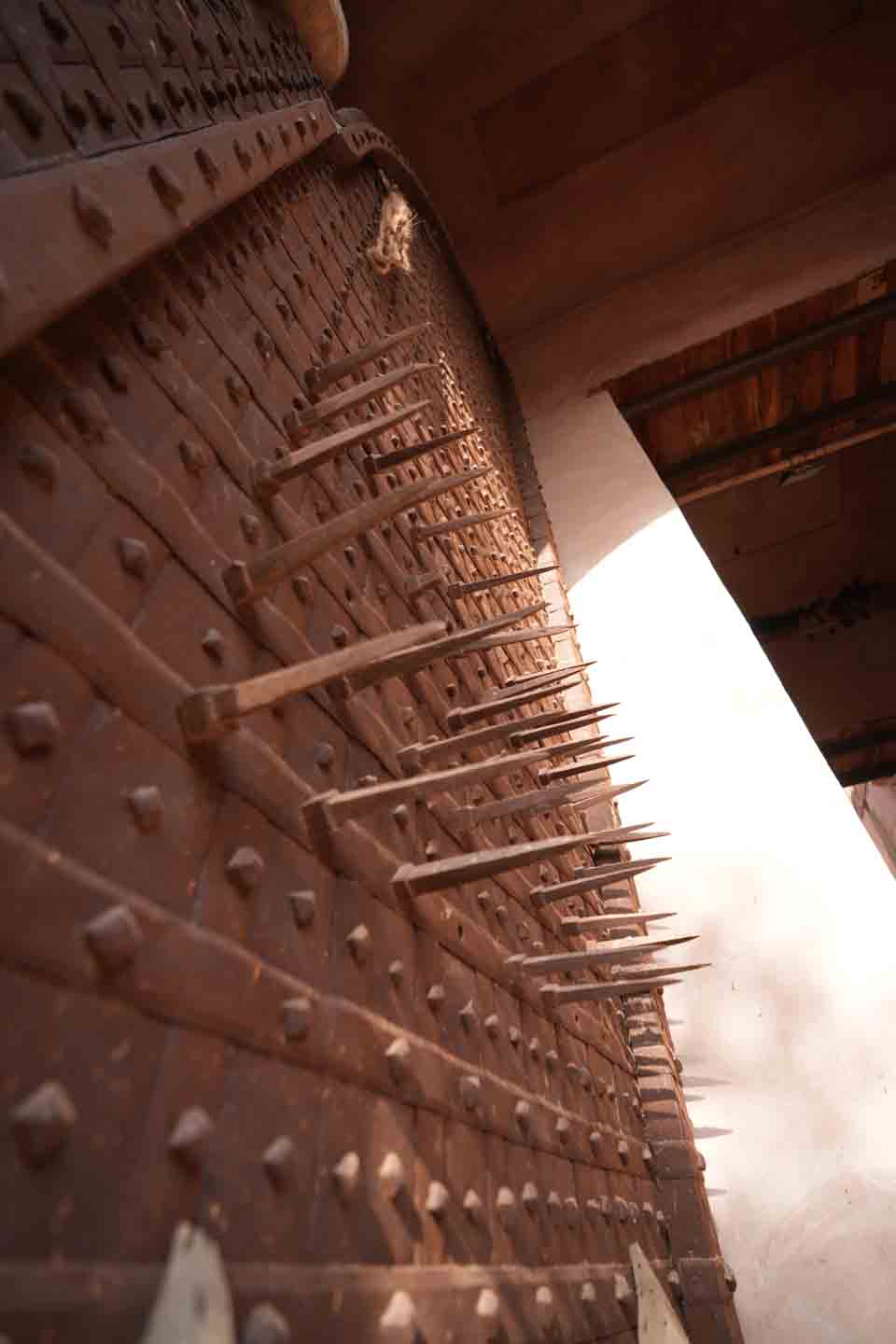
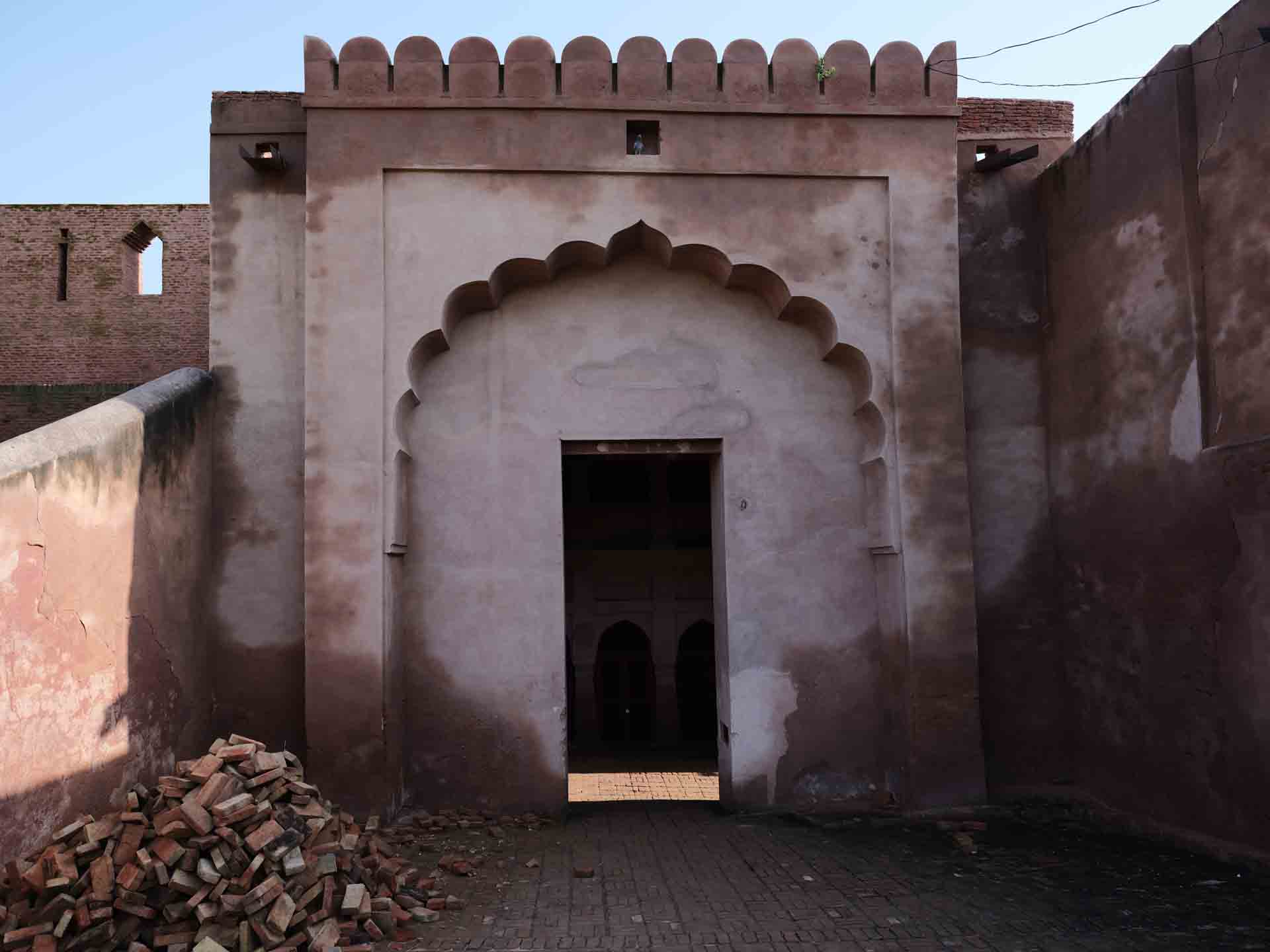
Passing through the colossal gateways, we found ourselves within a maze of courtyards, corridors, and chambers. The design was functional rather than ornamental. Every corner appeared to have been planned with defense in mind. Elevated vantage points offered sweeping views of the surrounding plains, while narrow passages and heavily fortified entrances revealed the military ingenuity of the fort’s builders.
Yet what intrigued us most was not the architecture alone, but the life that now inhabited these ancient walls.
The deeper we ventured into the fort, the quieter it became. Sunlight filtered through narrow openings in the brickwork, casting patches of light across weathered walls while leaving entire chambers cloaked in shadow. The silence felt almost sacred, broken only by the occasional flutter of wings.
Hundreds of small bats hung upside down from the ceilings of the ancient chambers. Clustered together in dense colonies, they occupied every available crevice and beam. At first glance, they resembled dark ornaments suspended from the roof. Then, as our eyes adjusted to the dim light, individual shapes gradually emerged from the shadows.
These halls, once occupied by soldiers, commanders, and royal messengers, had become a sanctuary for wildlife. The bats seemed perfectly at home among the centuries-old brickwork, as though they had always belonged there. Occasionally, one would stir, sending a brief ripple of movement through the colony before stillness settled once more.
Standing beneath them, we were reminded that historic monuments never truly stand still. Armies have long since marched away, rulers have faded into history, yet life continues to inhabit these spaces in new forms. The bats have made the fort their home, finding refuge in chambers that once sheltered countless generations of people.
Bhatner Fort may lack the grand palaces of Nagaur and the intricate carvings found in Rajasthan’s celebrated temples, but it offers something equally compelling: an unfiltered connection to the past. Its weathered brick walls, formidable defenses, and silent bat-filled chambers create an experience that feels authentic, atmospheric, and deeply rooted in history.
As we left the fort and glanced back at its ancient ramparts, it was easy to understand how Bhatner has endured for nearly seventeen centuries. It is more than a historical monument; it is a monument to resilience, standing firm against the passage of time.