Bundi: A Living History
Located in the Hadoti region of southeastern Rajasthan, Bundi is the sort of place that feels less like a tourist site and more like a living work of art. Cradled by hills, spotted with lakes and topped by a monumental hilltop fort, Bundi’s history is weaved into the fabric of its daily life.
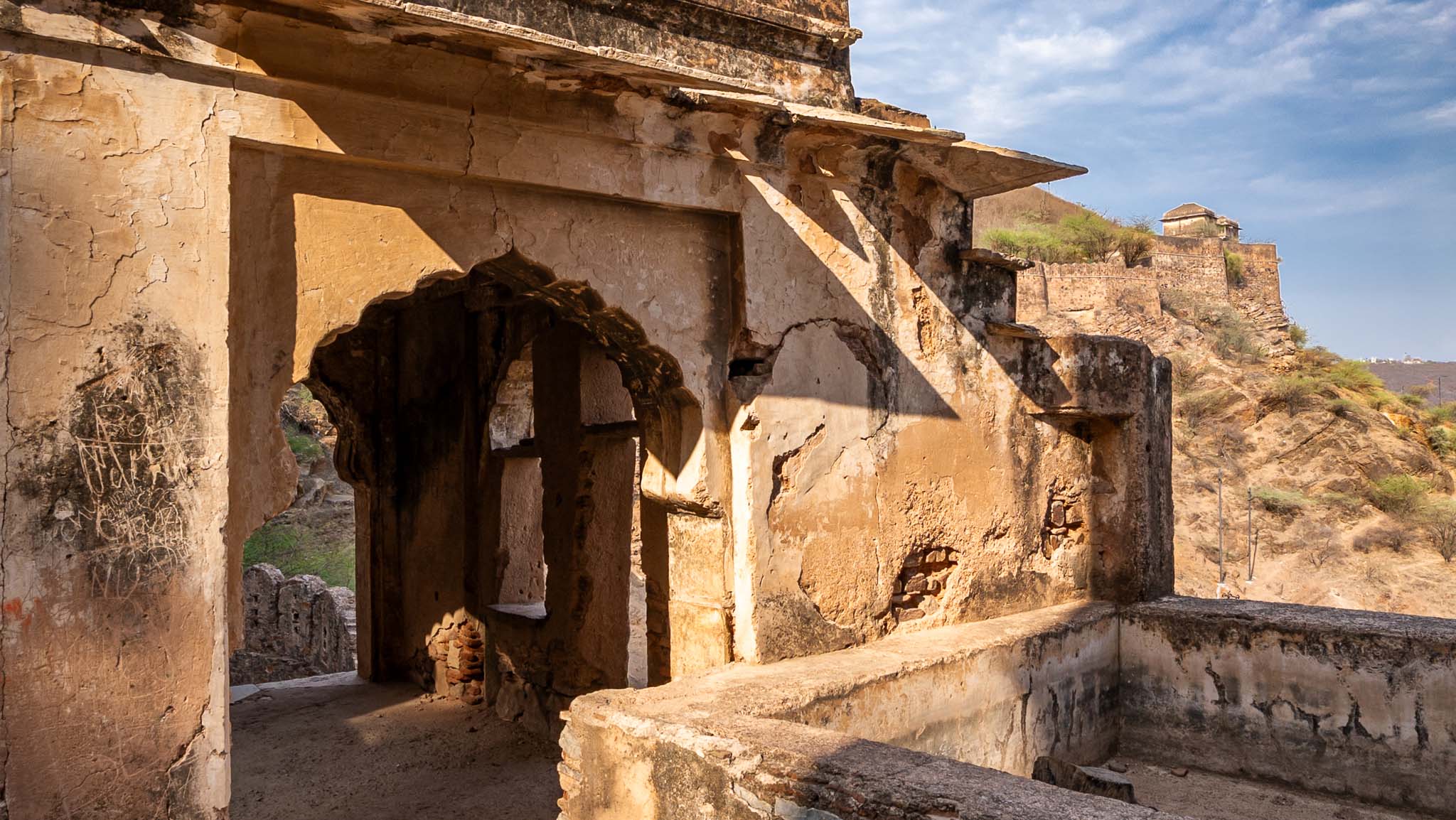
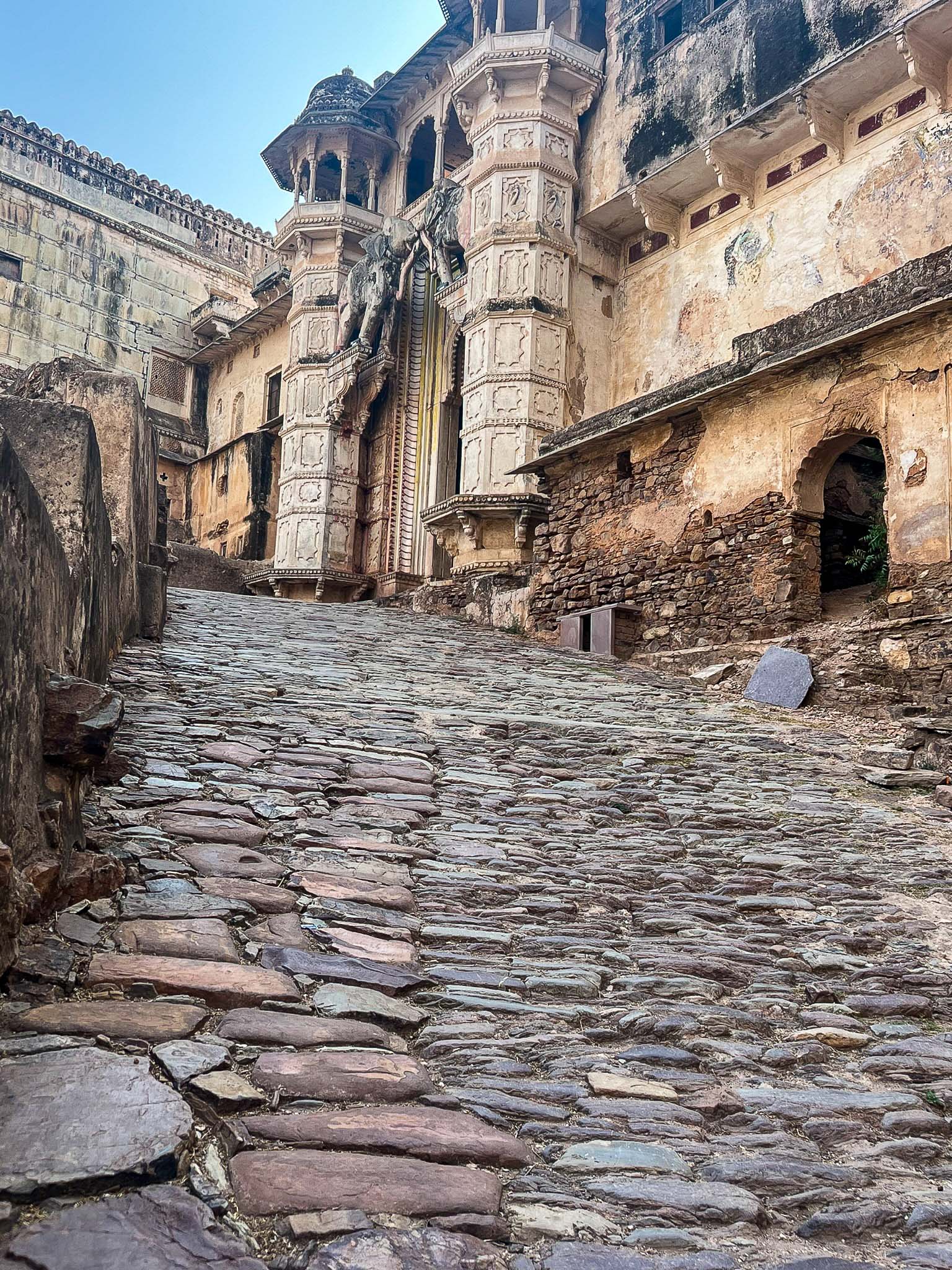
Bundi discloses its grandeur through its frayed frescoes, stone steps skimmed to softness over centuries, and narrow lanes where history, and routine move together without ceremony.
History
Under the Hada Chauhans, a branch of the Chauhan Rajput clan, Bundi became an important centre of medieval Rajasthan. Shielded by natural landscape and military architecture, the town operated for centuries as a sovereign princely state.
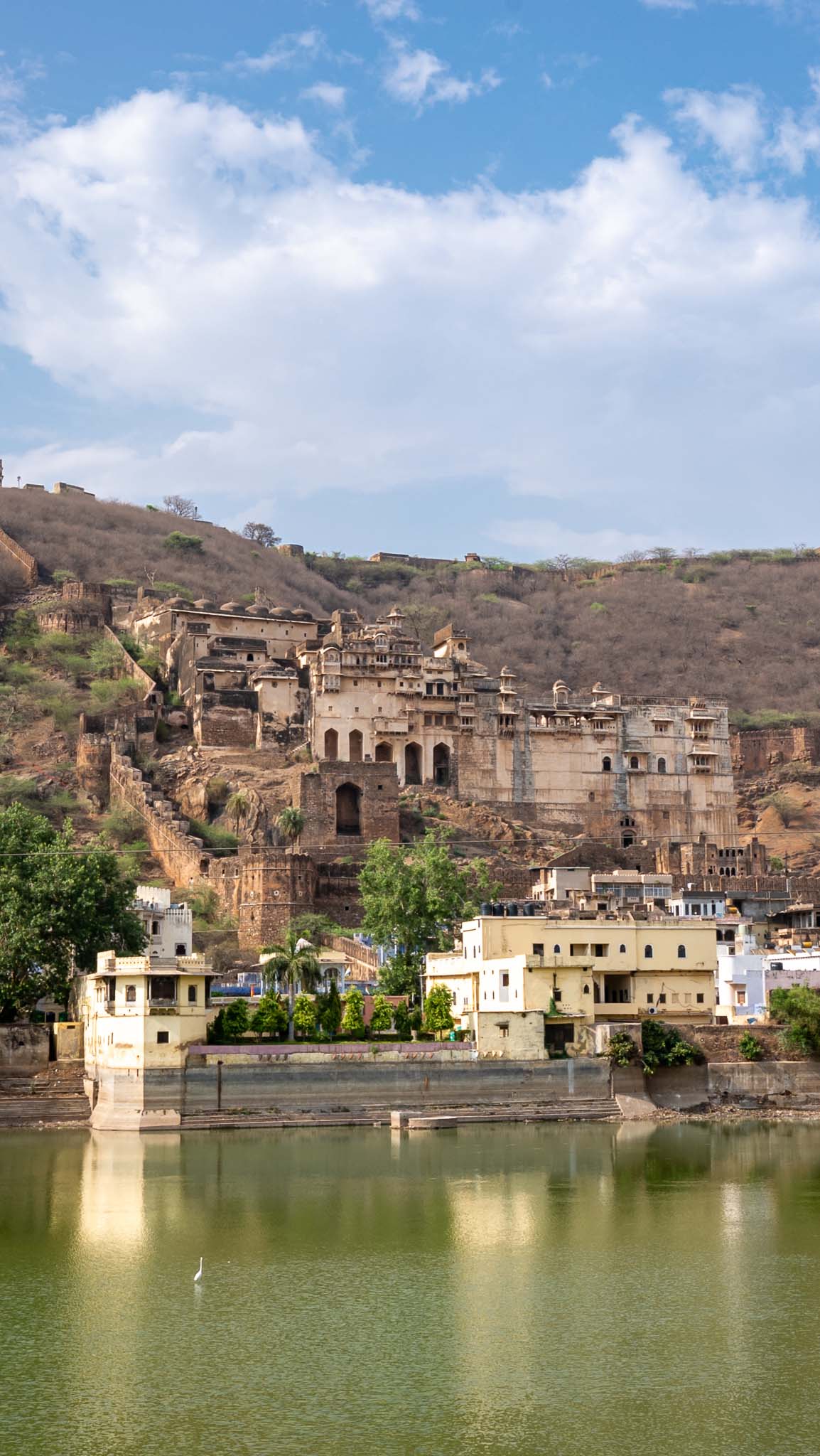
Taragarh Fort
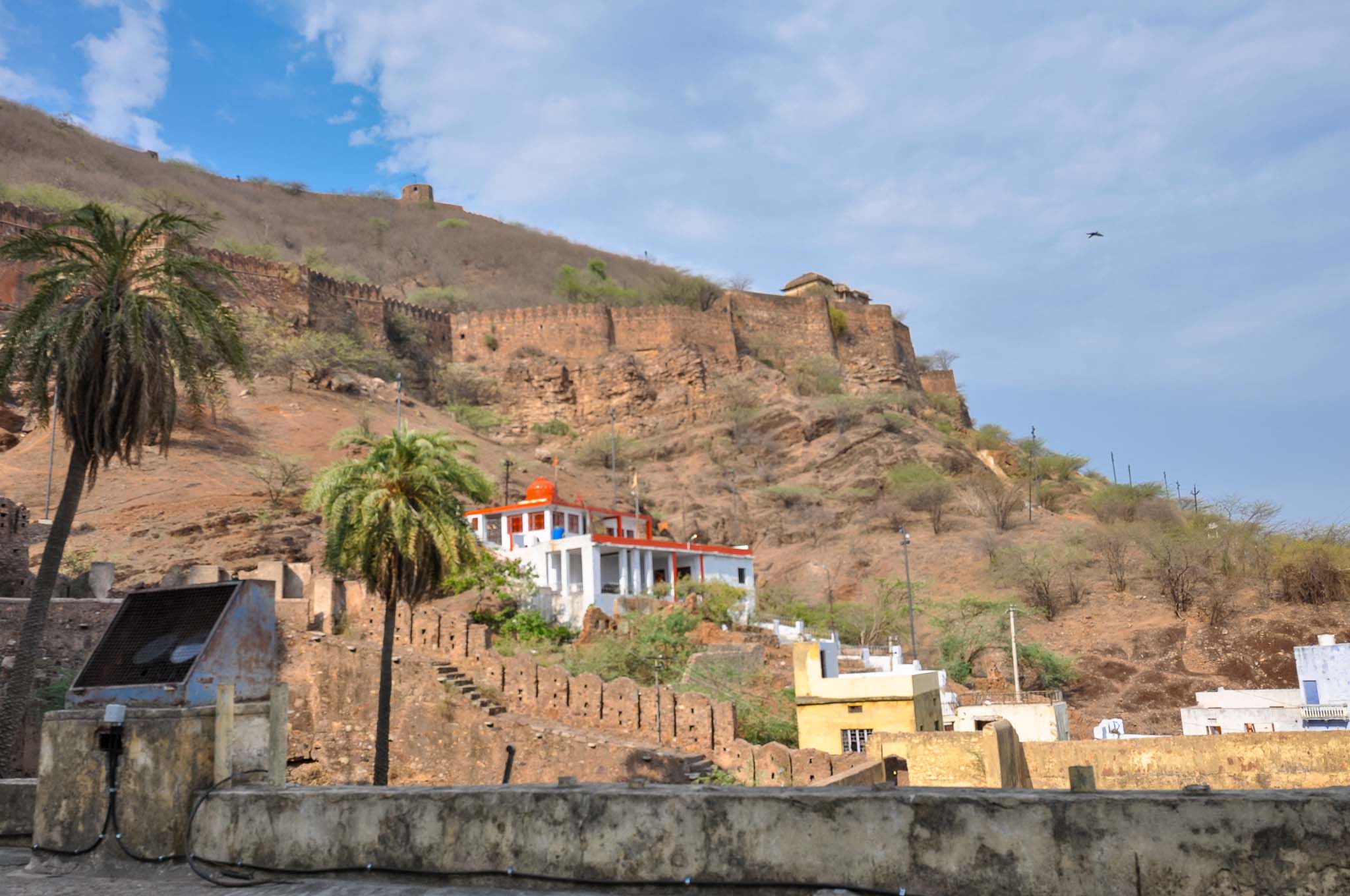
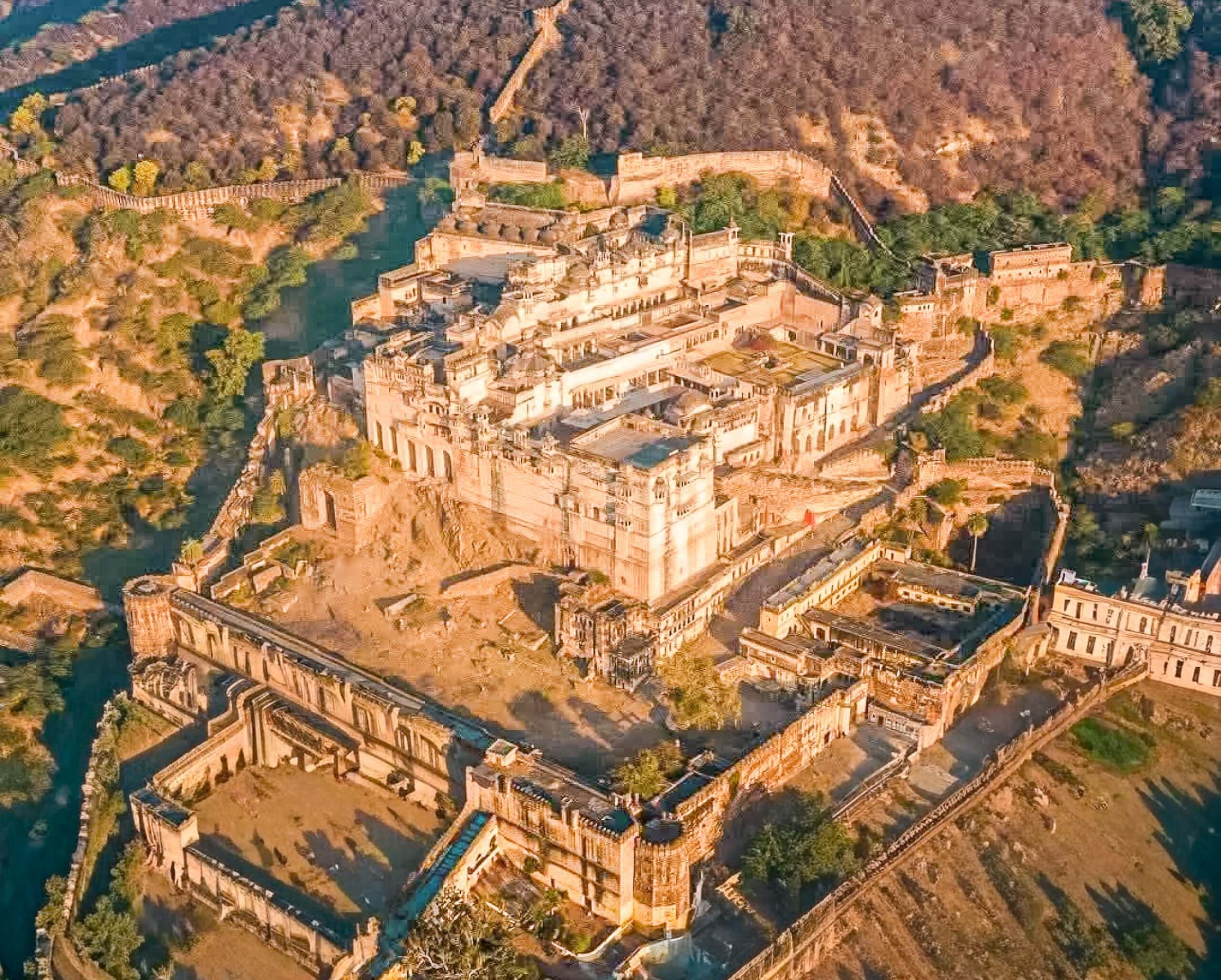
Built in the 14th century by Rao Deva Hada, Taragarh Fort is one of the oldest hill forts in this state. It was purposefully constructed for war and vigilance.
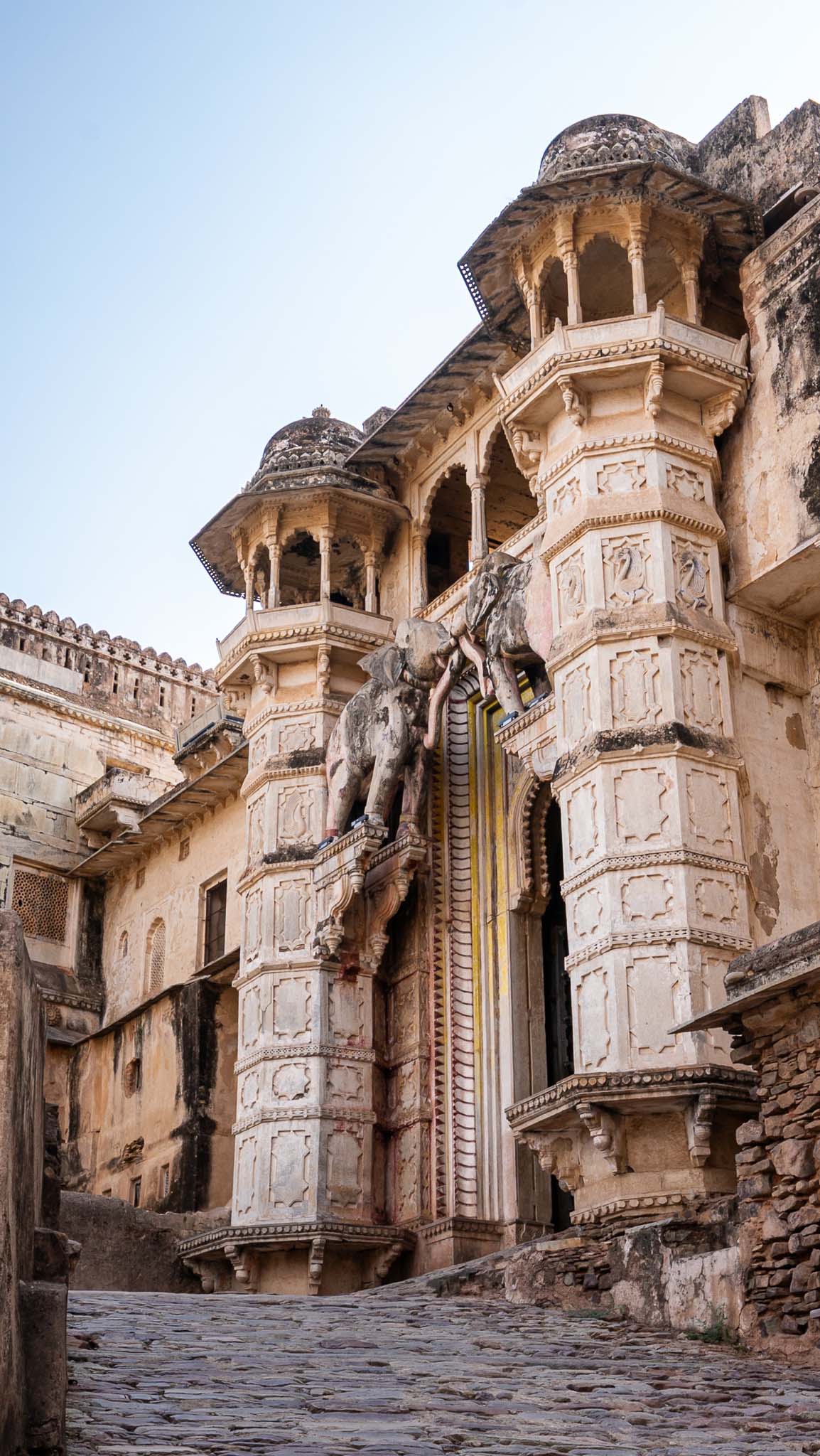
Its enormous walls, watchtowers, reservoirs, and strategic gates create a rugged military complex. Cannons, positioned to control the narrow passes below.
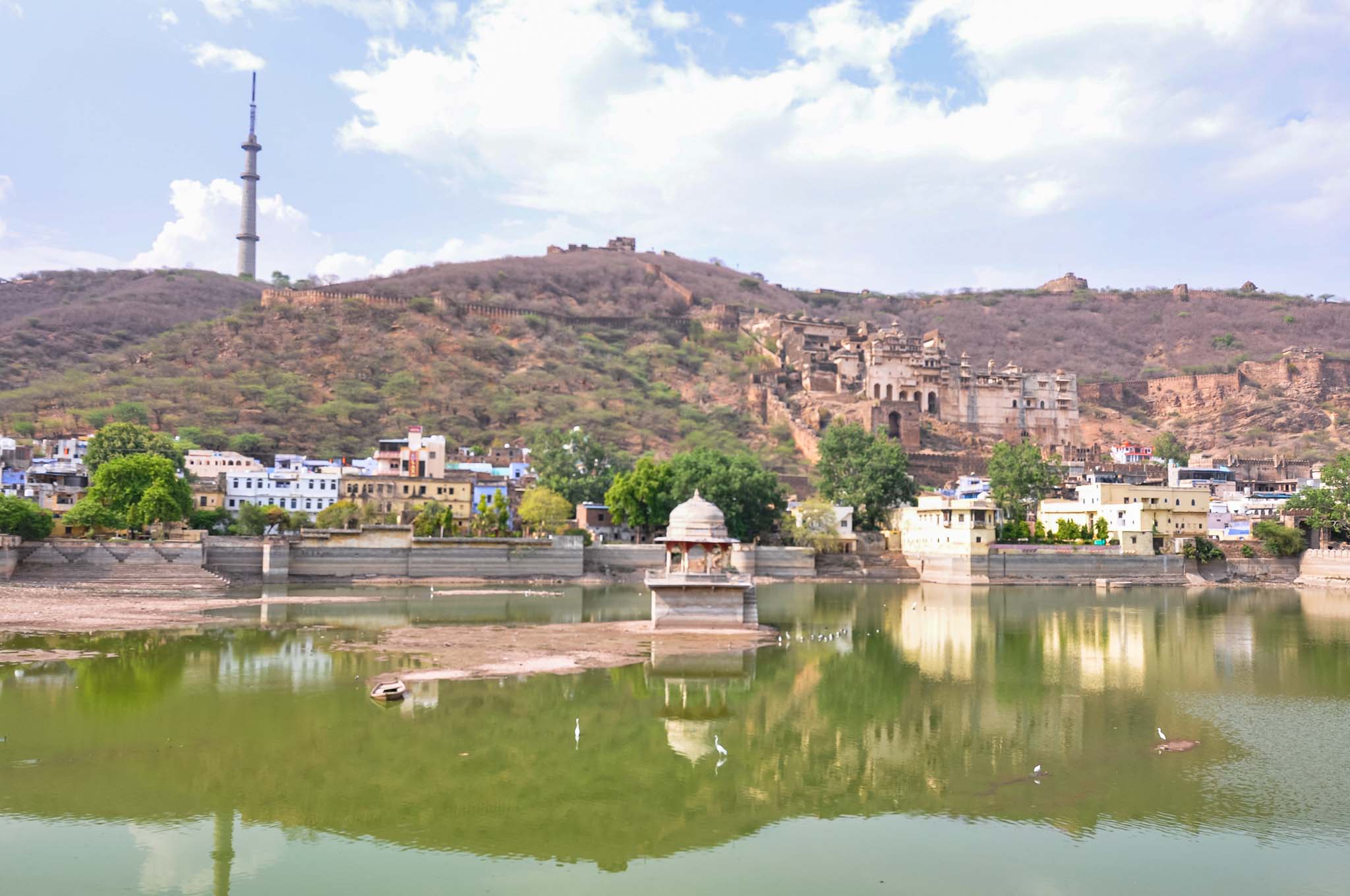
From its ramparts, the entire valley lays spread below: lakes and fields, palaces and clustered homes, all once within its gaze.
Bundi Fort
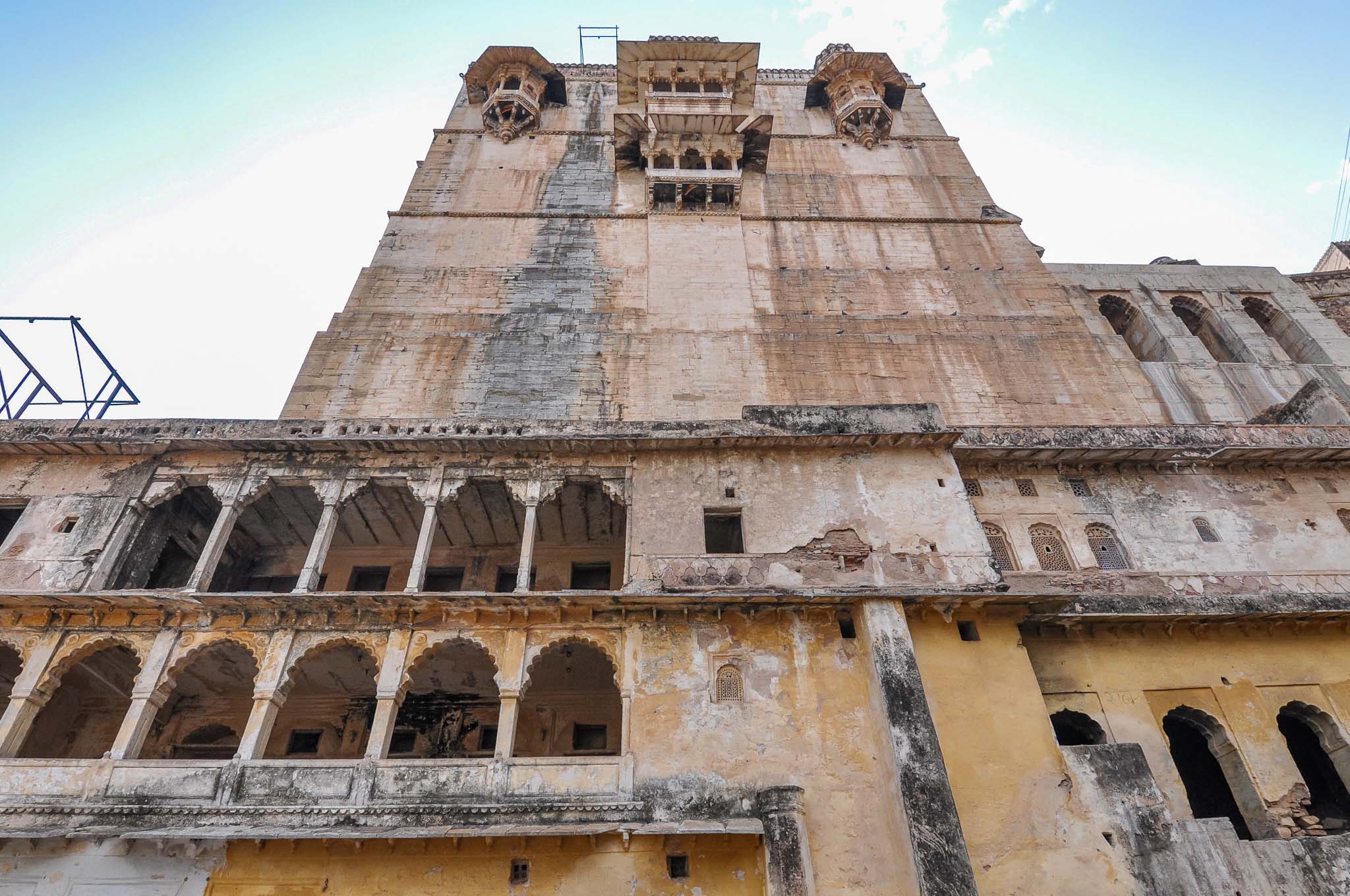
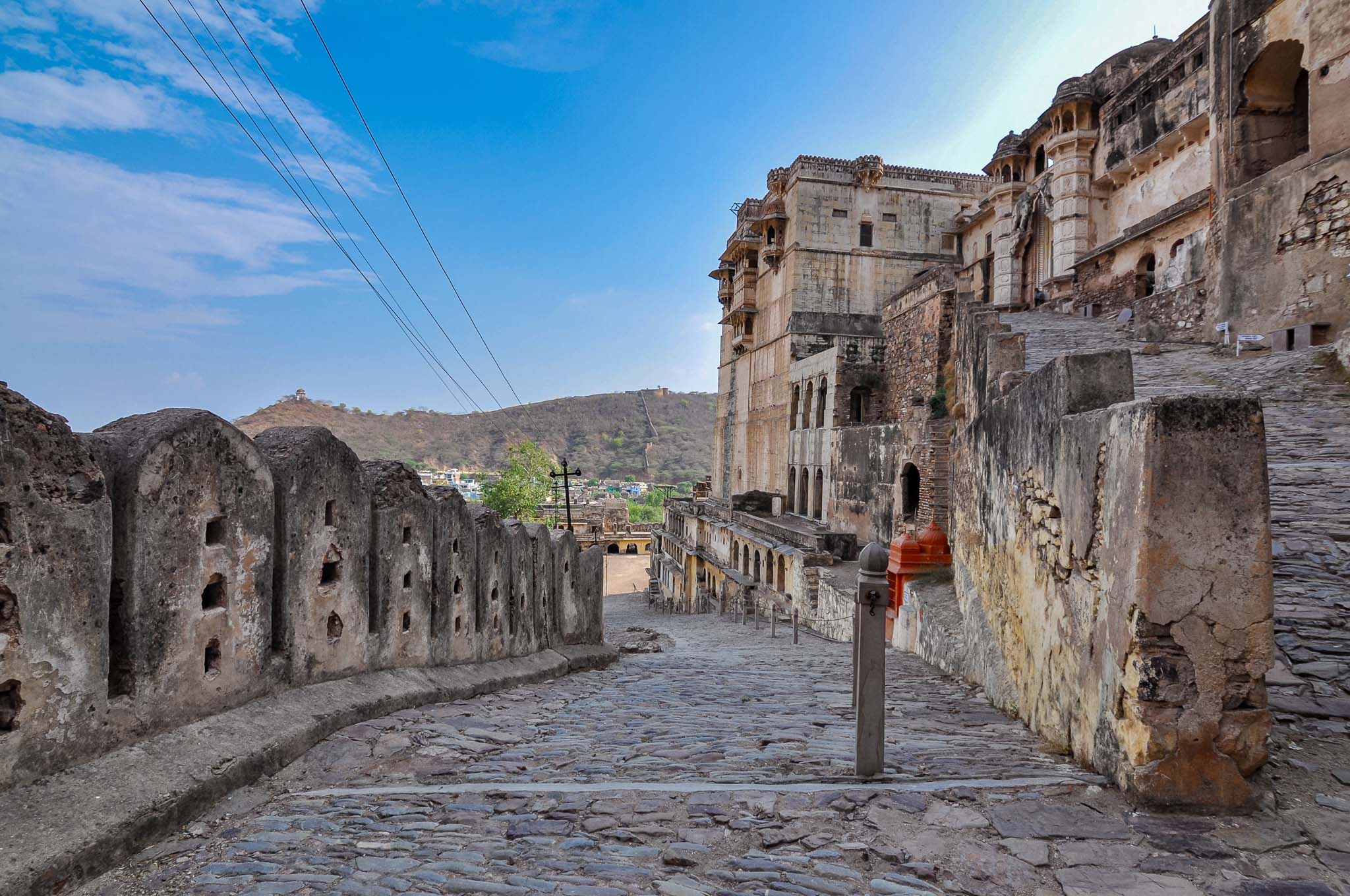
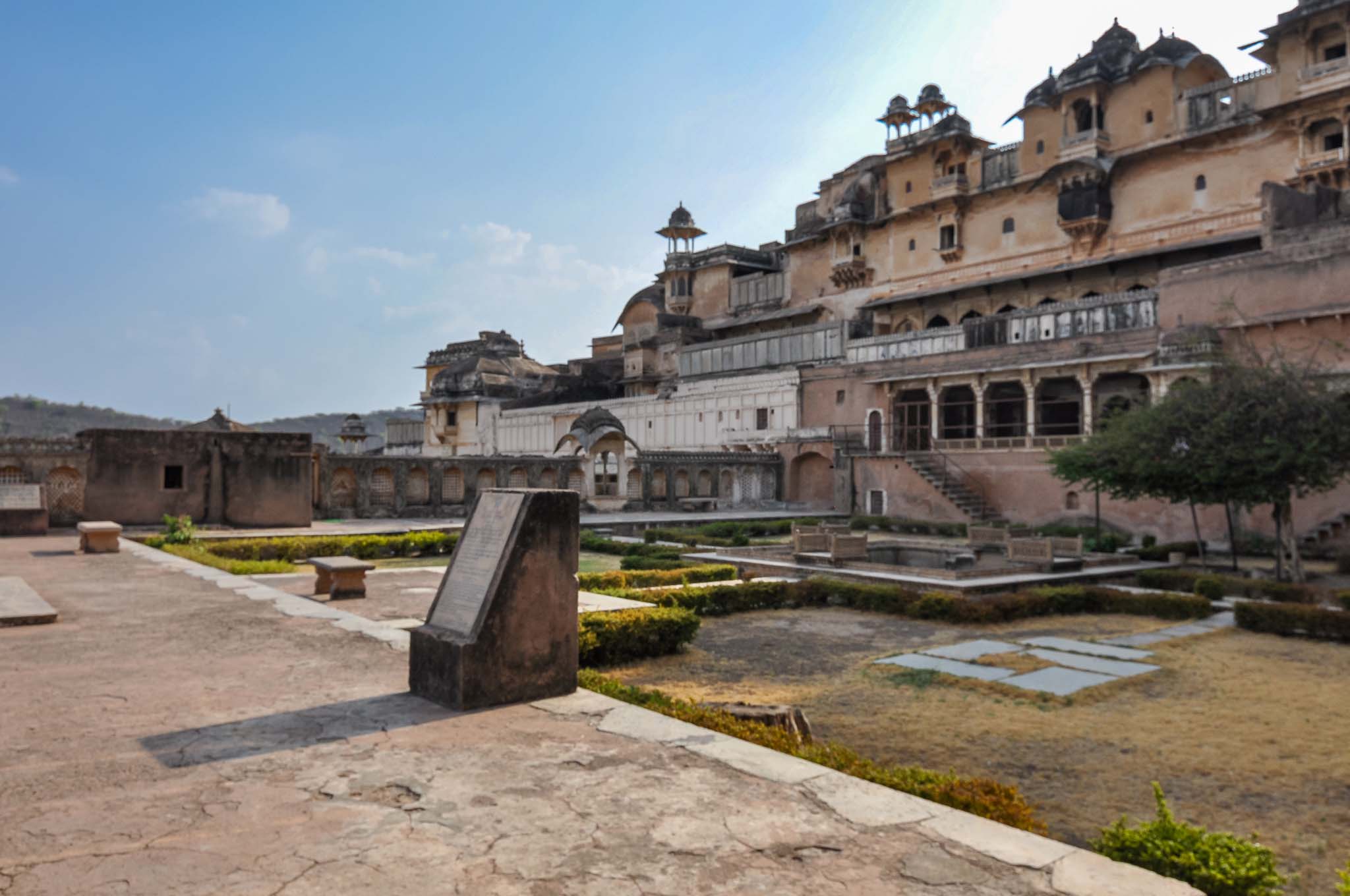
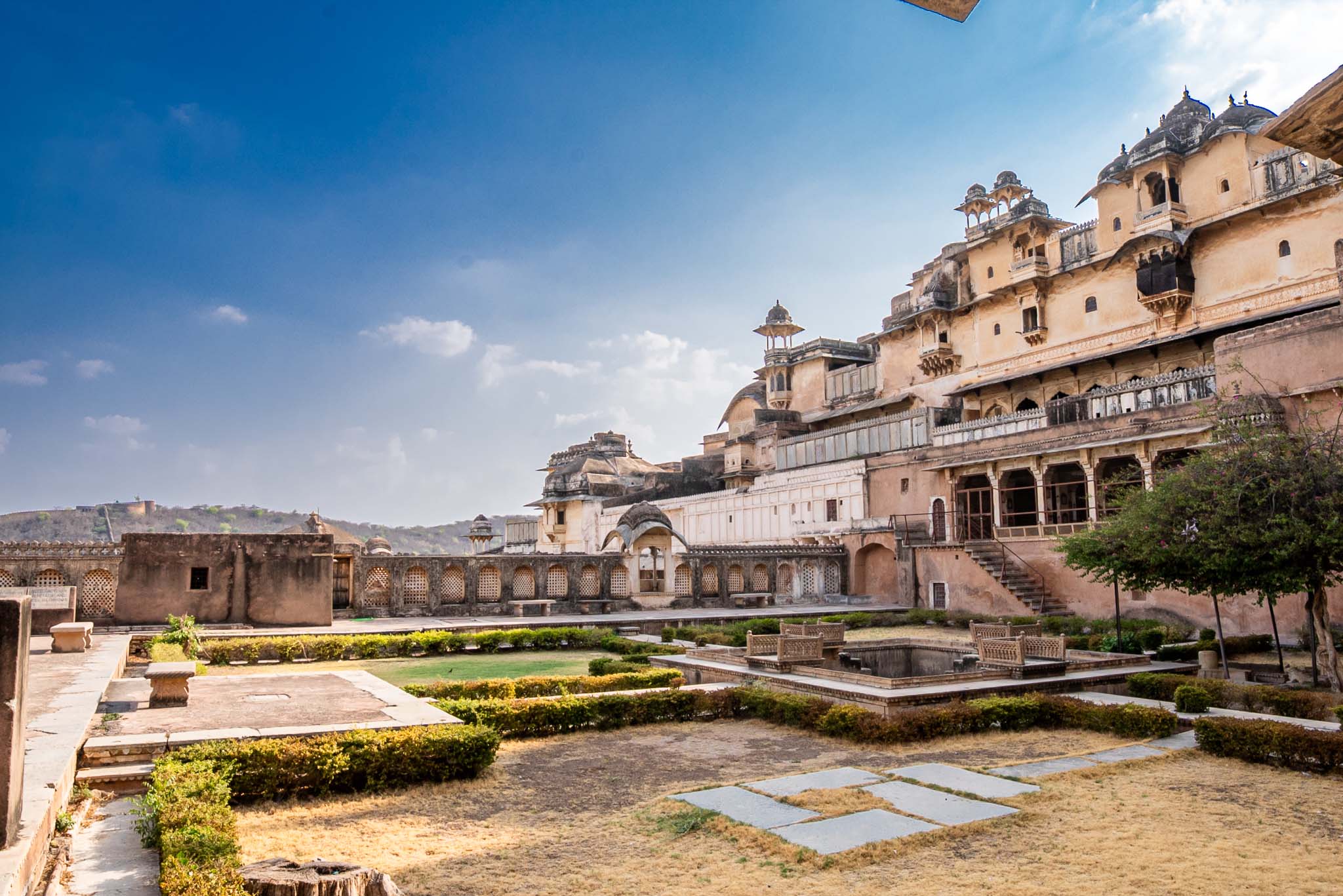
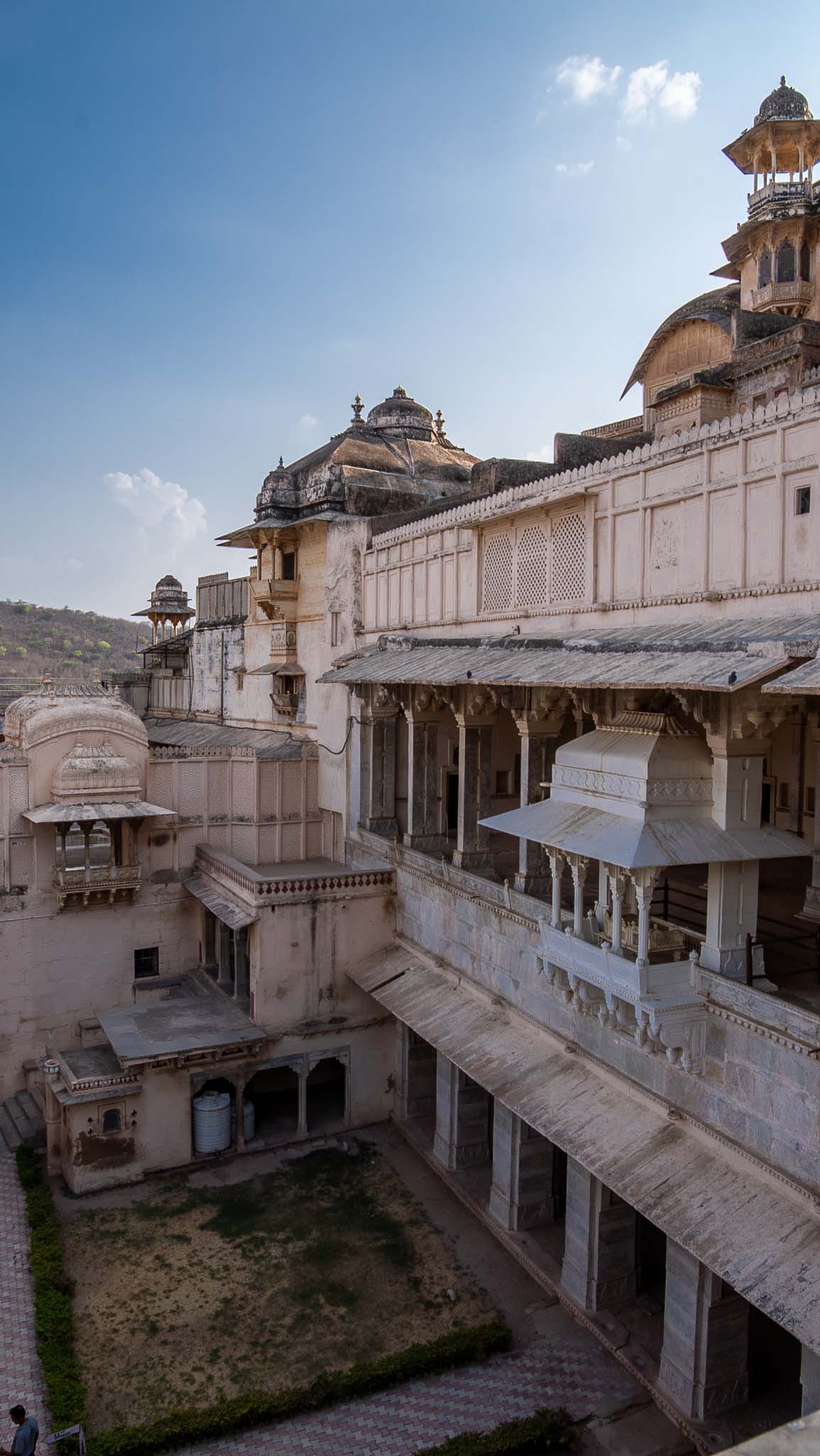
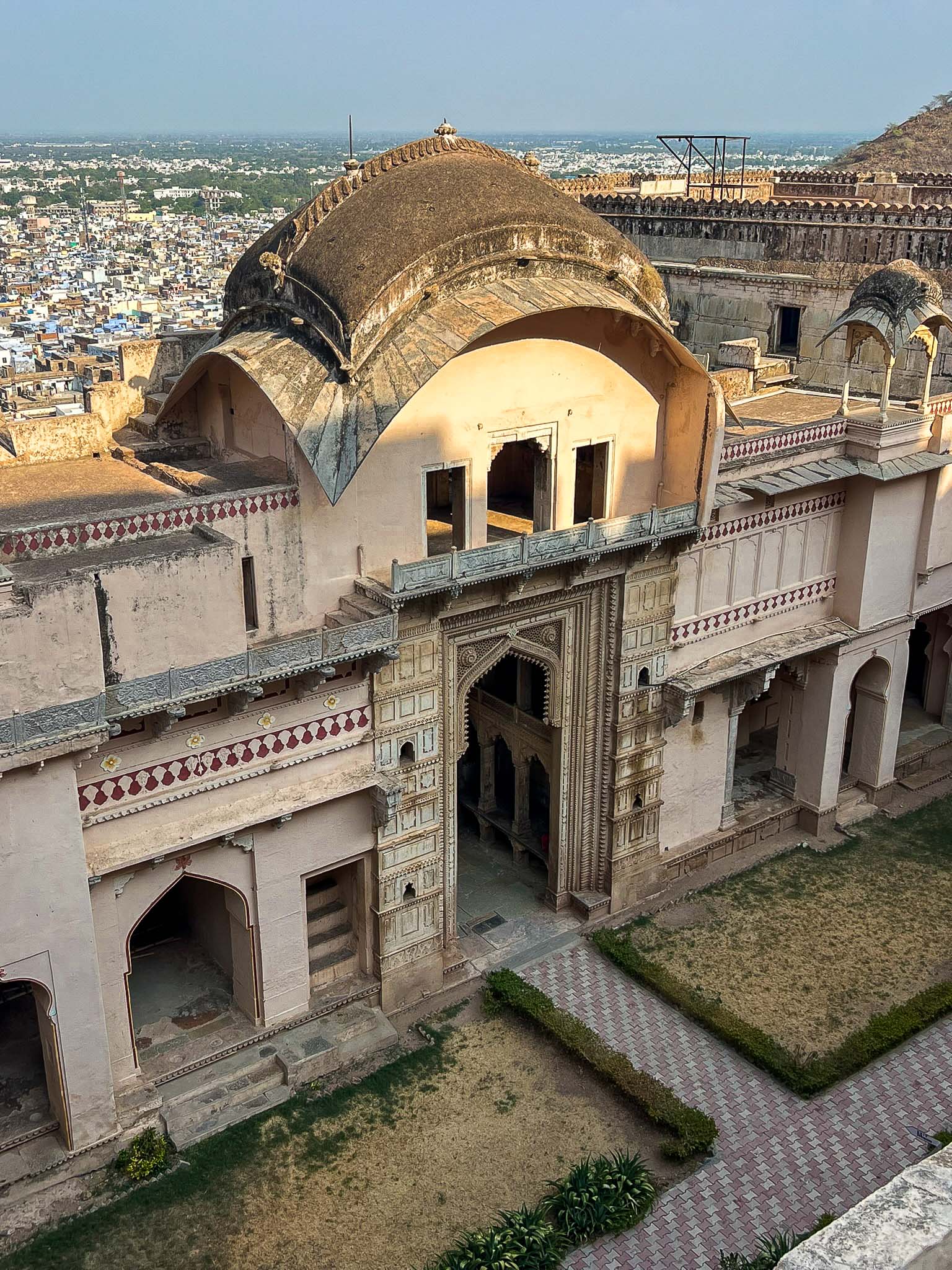
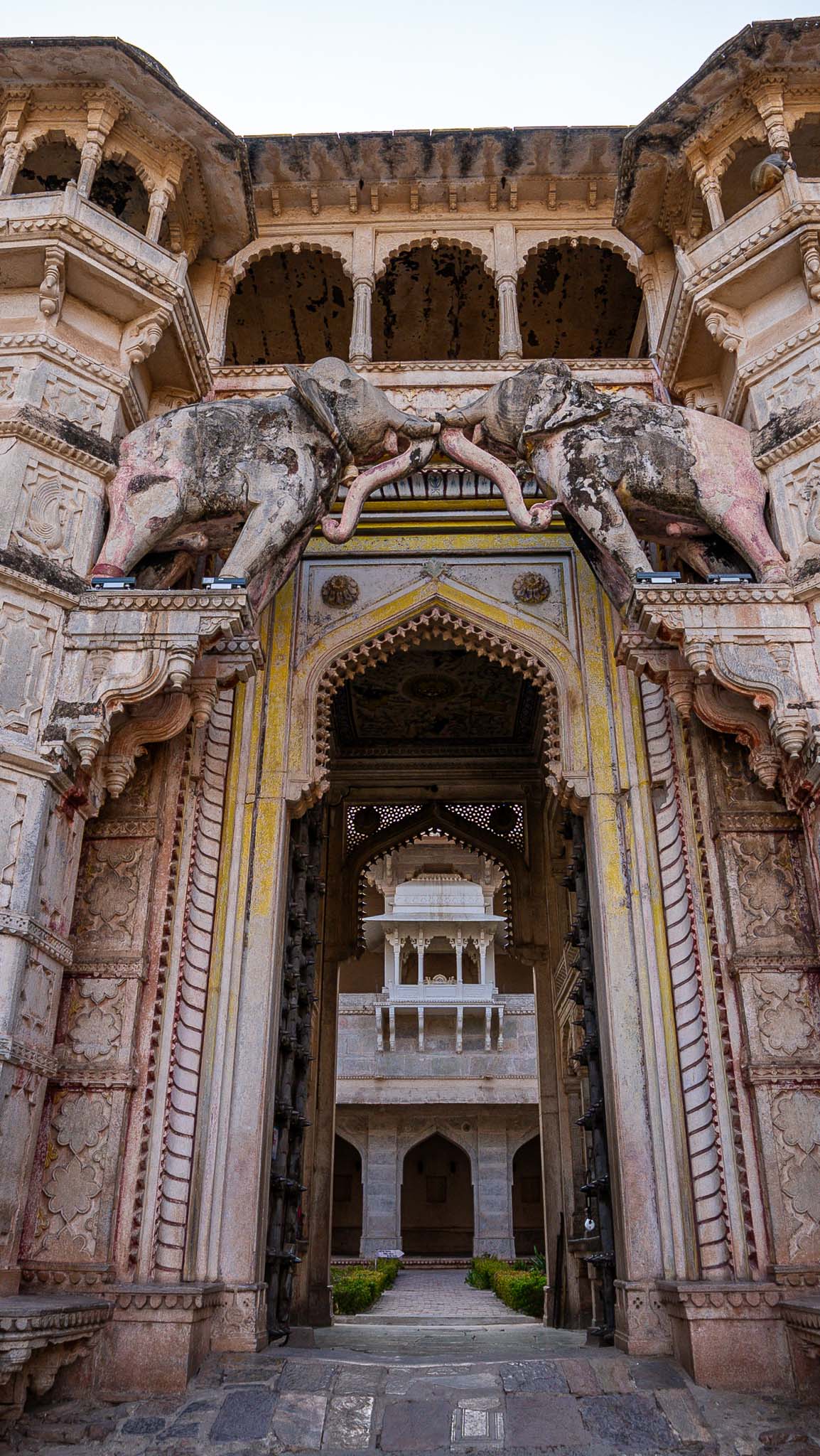
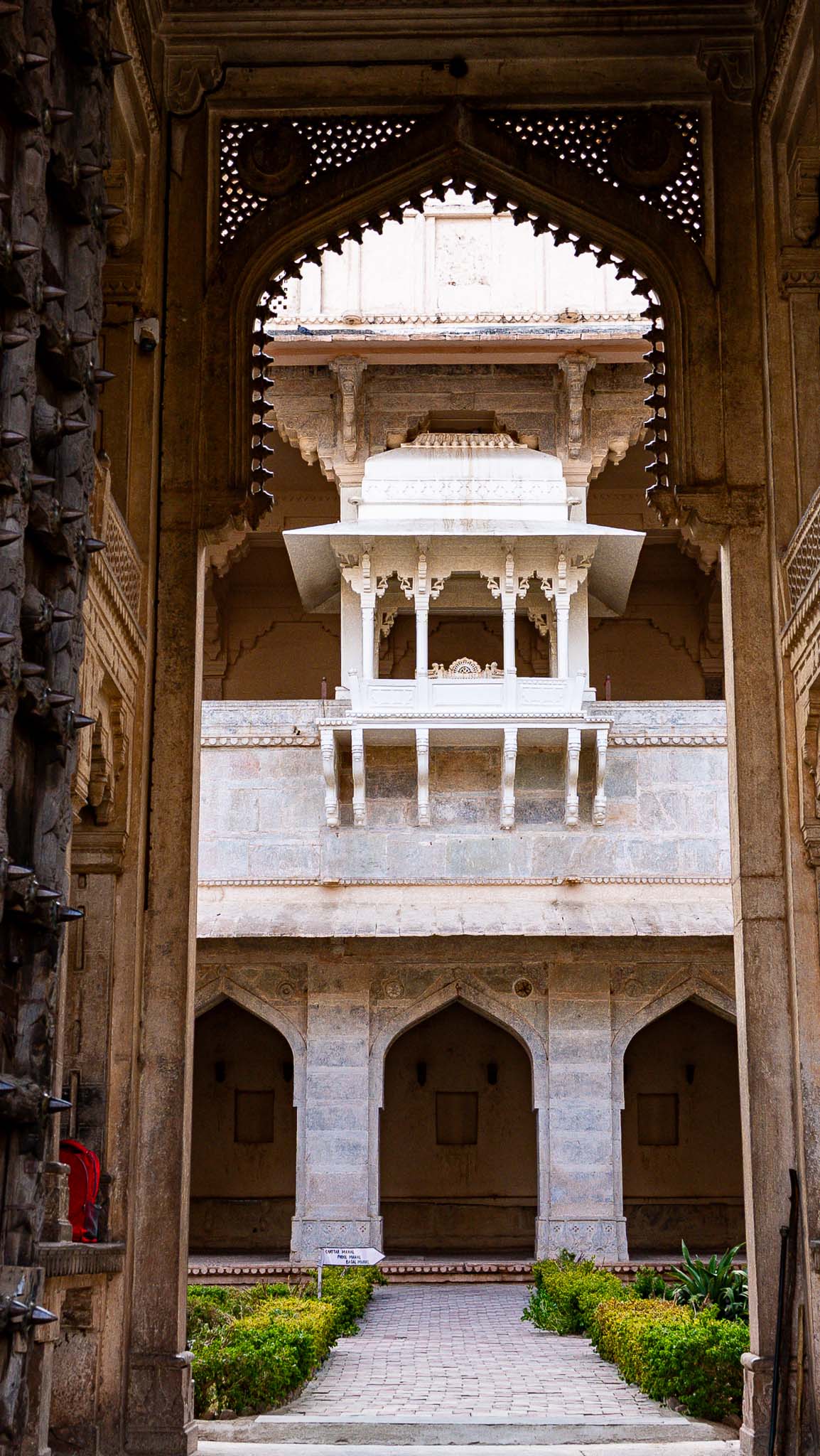
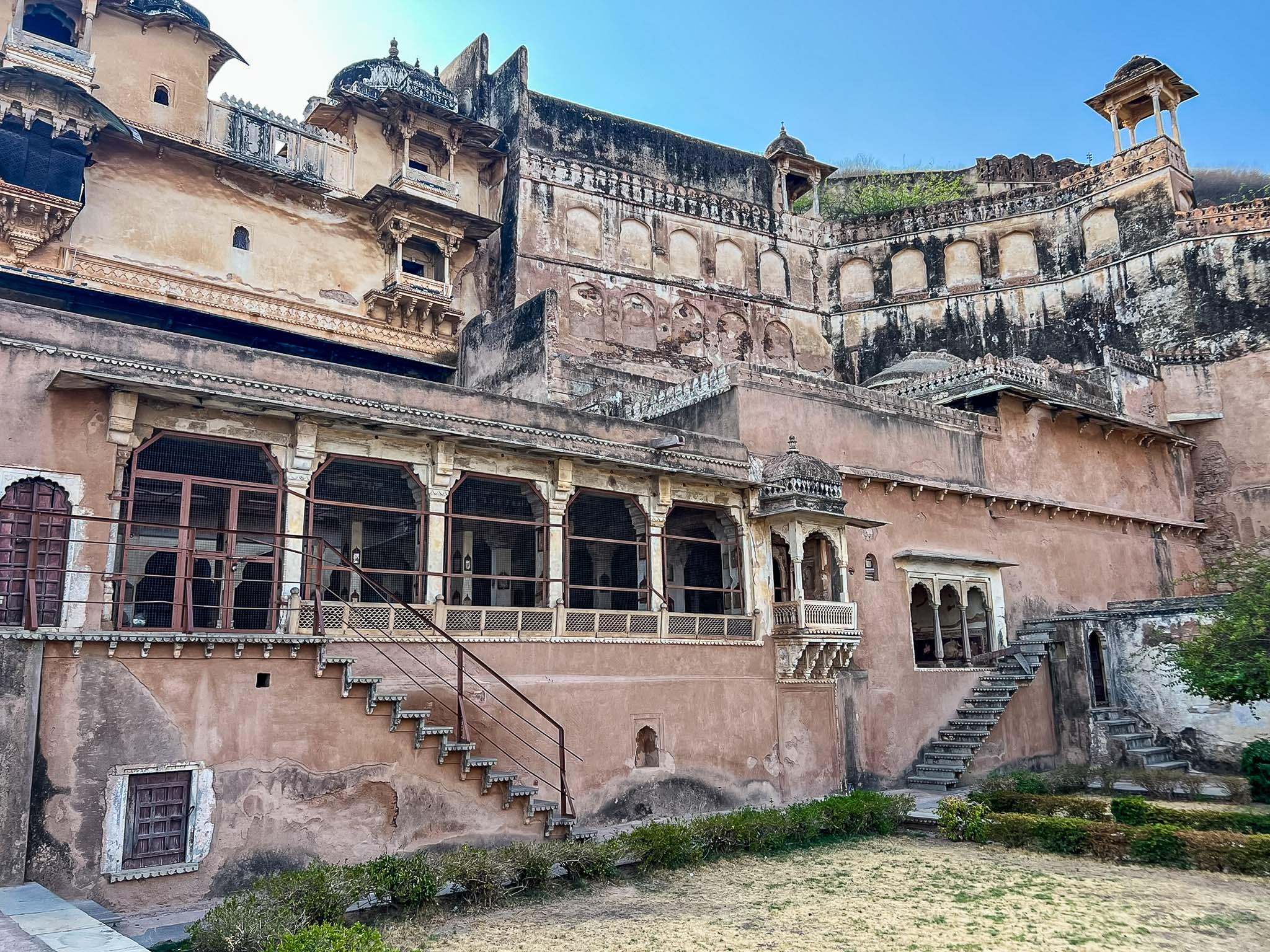
As you move down from the fort, embedded into a hillside, is Bundi Palace, or Garh Palace. This palace complex was the hub of governance and royal life. Its courtyards, balconies, audience halls and residential chambers were built not for defense but for administration, ceremony and culture.
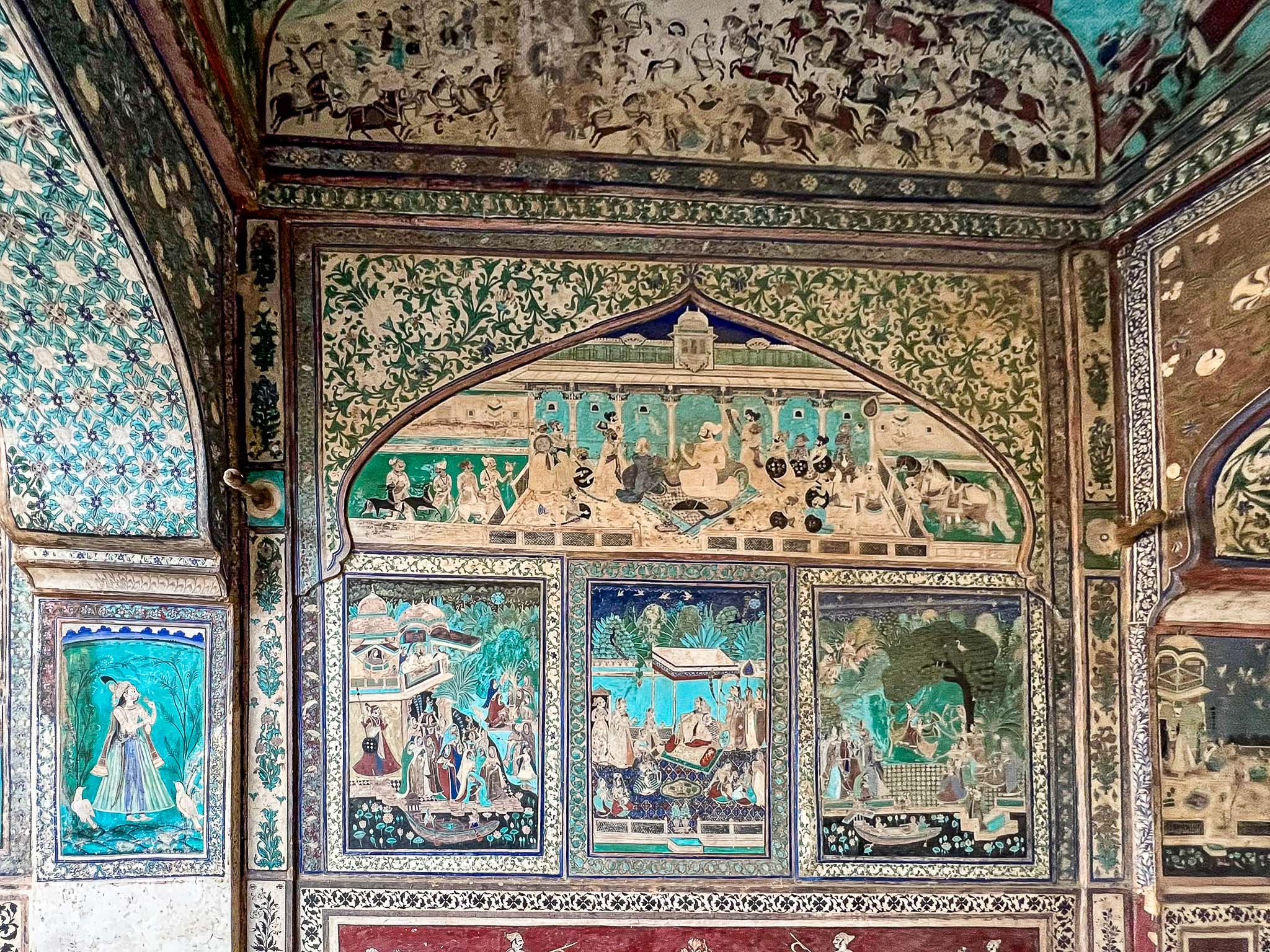
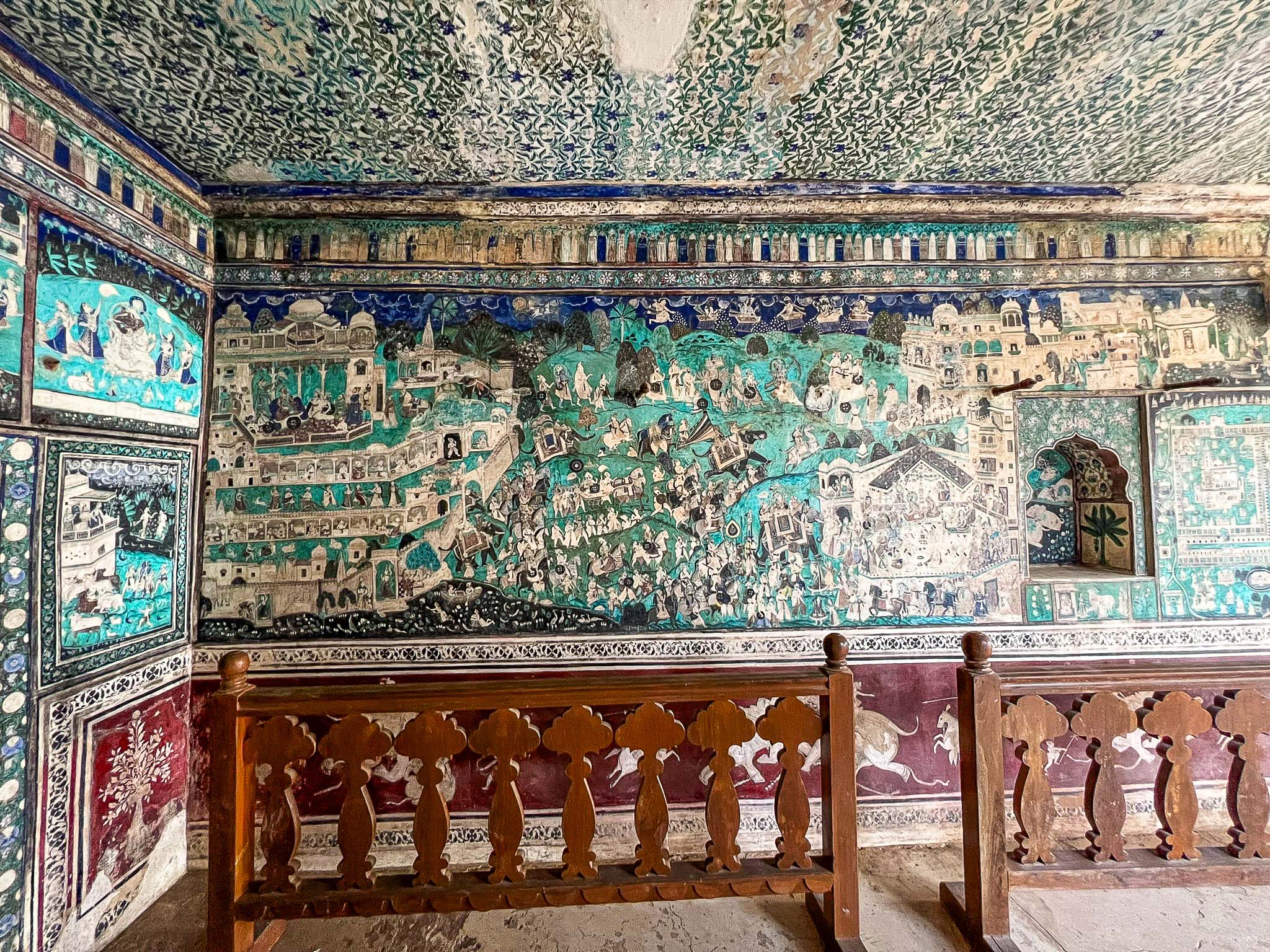
Bundi Fort, unlike many forts that were repeatedly modernized, retains a raw medieval character. Inside the fort complex, we explored palaces such as Ratan Daulat, Chitrashala, and Badal Mahal, all of which are celebrated for their murals.
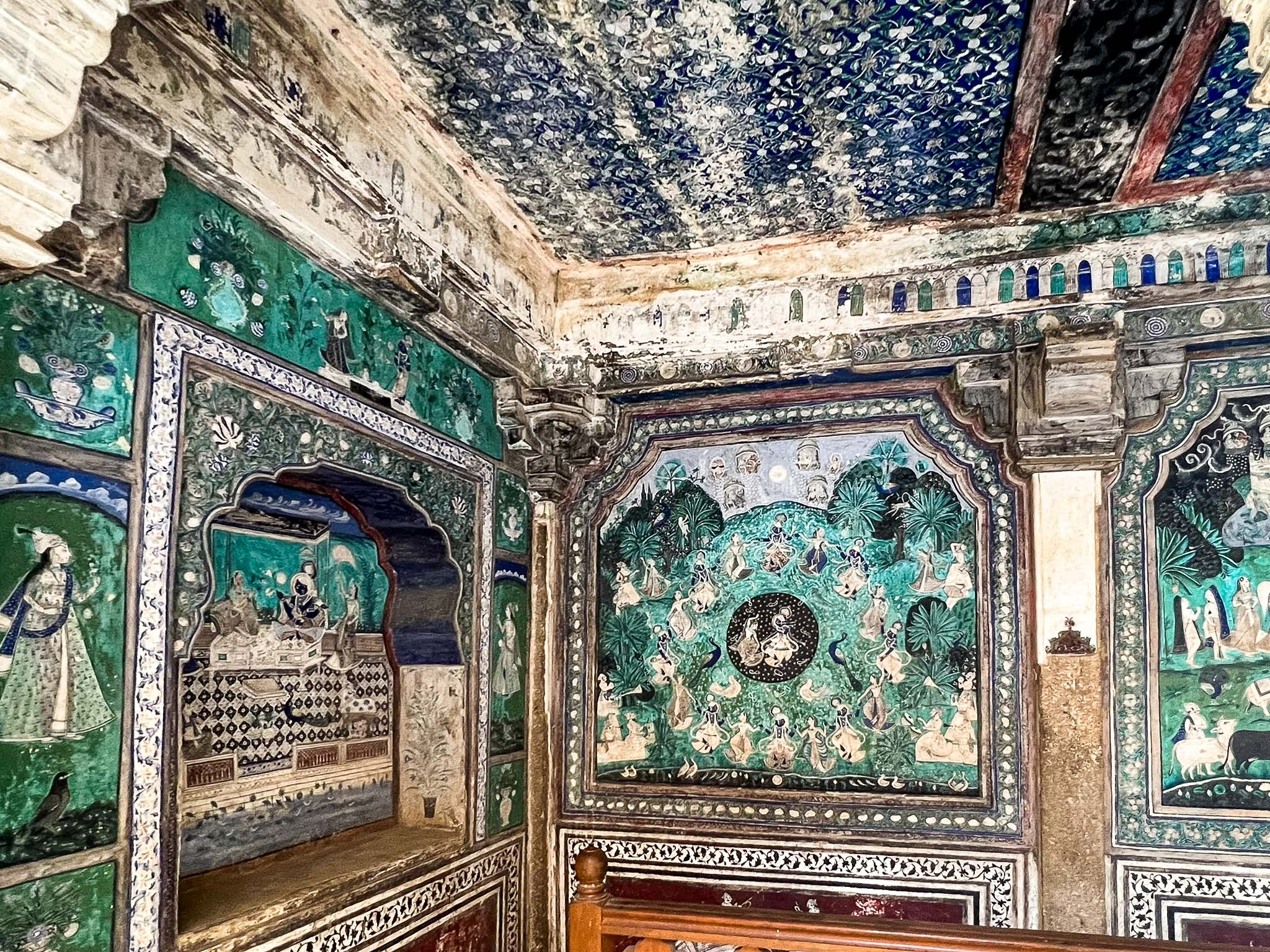
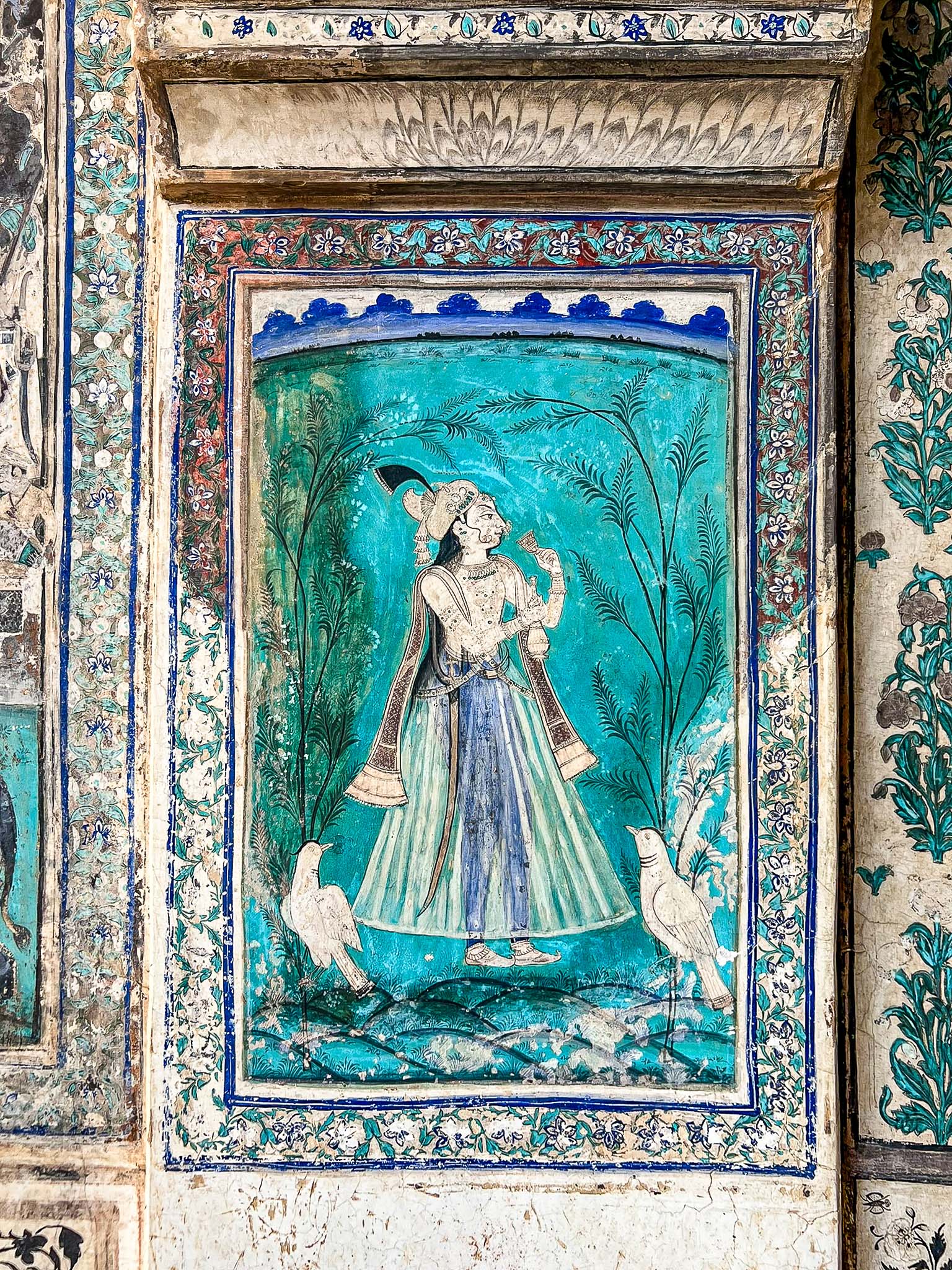
The palace’s most iconic space, though, is the Chitrashala, a gallery whose walls are adorned with stunning murals. These frescoes are among the finest surviving examples of the Bundi school of painting. What stood out was the storytelling—scenes from the Ramayana, Krishna’s life, royal processions, hunting expeditions, and intimate courtly moments.
The colors, though faded in places, remain expressive, especially the blues and greens that distinguish Bundi paintings from the Mughal-influenced styles of Jaipur or Udaipur.
The fresco tradition of Bundi strongly influenced other Hadoti regions. Bundi was not just a political power; it was a cultural center that shaped the visual language of southeastern Rajasthan.
Architecture
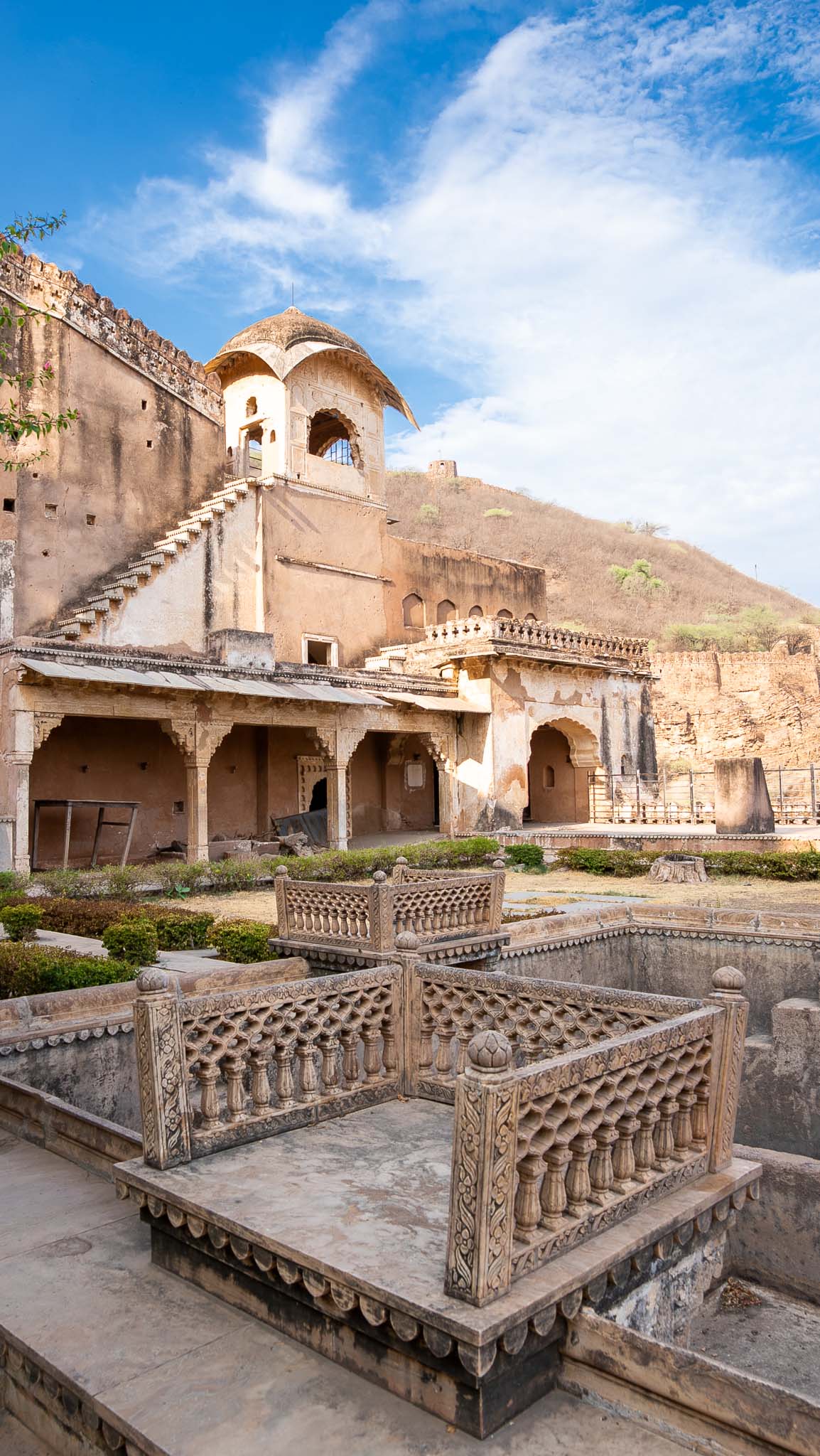
Bundi was as much shaped by water as it was by stone. The town built an elaborate network of lakes and stepwells, conceived to maintain life but also mirror architectural ambition. The most impressive of these is Raniji ki Baori, a grand 17th-century stepwell ordered by the queen of Bundi.
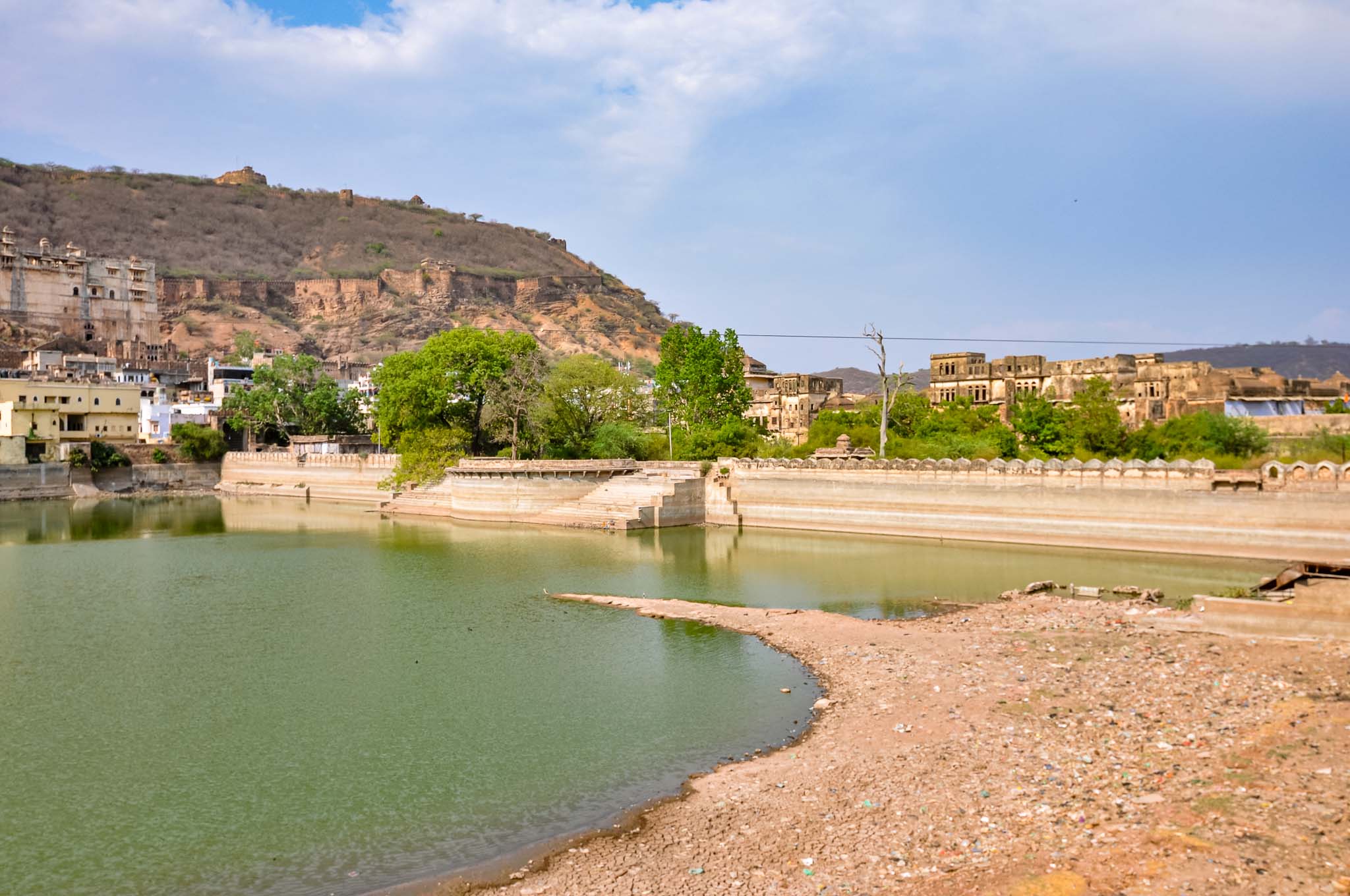
The Nawal Sagar Lake at the foot of the hill reflect the surrounding architecture like a pristine mirror, frequently catching palace walls, shrines and hills in rippling light patterns.
Culture and Everyday Life
Bundi is deeply rooted in Hadoti traditions. Here, life flows through routine rather than spectacle, woven into the town’s rhythm. Kids playing under the palace walls, shopkeepers rolling open their shutters on narrow lanes, and conversations float through courtyards that have witnessed century after century pass. Marketplaces sell local produce, textiles and paintings; traditional food mirrors the region’s climate and agricultural patterns.
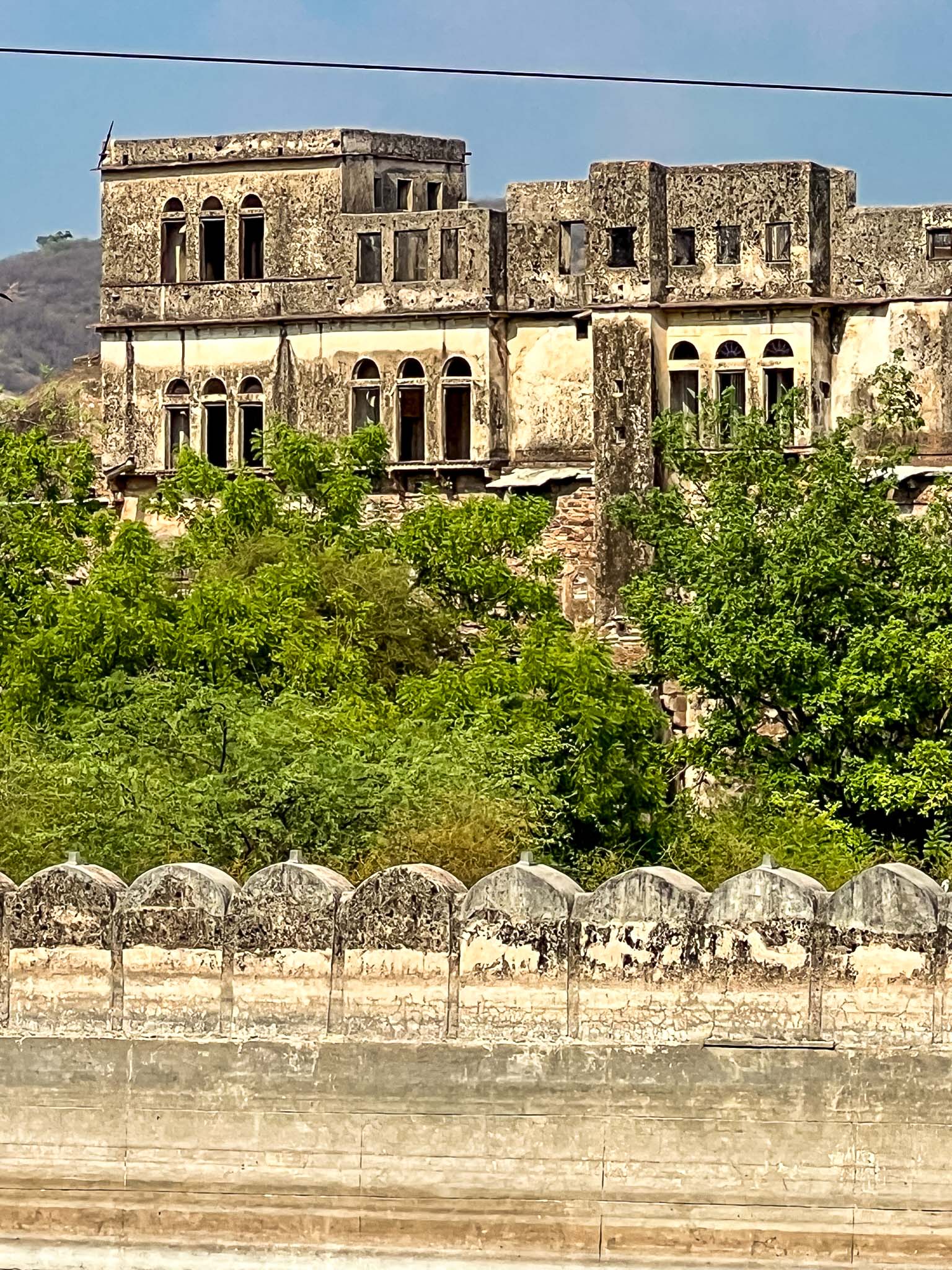
The art isn’t dead outside palace walls. Local painters carry on these traditions, and vestiges of murals can still be seen on former residences, some faded but enduring. In a state known for its opulence, Bundi feels intimate. Its architecture is aged, not restored; its art emotional, not ornamental; and its culture lived, not curated.
What makes Bundi last through the ages is not only its monuments, but the proximity with which life and history fold over each other. Bundi is not about spectacle. It is a story of continuity…of a town whose history is not just preserved, but given a chance to breathe.