Life Around Chambal
Chambal is a slowly flowing story written over centuries, comprising parts of southeastern Rajasthan and extending into Madhya Pradesh and Uttar Pradesh, there is some truth to this characterisation — this is a land shaped by its winding ravines, a landscape defined by its tumultuous river, and a history more complex than what the local folklore and tourist literature might tell. But with a closer examination of Kota, the riverbanks, and the silent resilience of life and Chambal unfolds as the most beautiful juxtaposition of brutality and grace.
Chambal River and Its Landscape
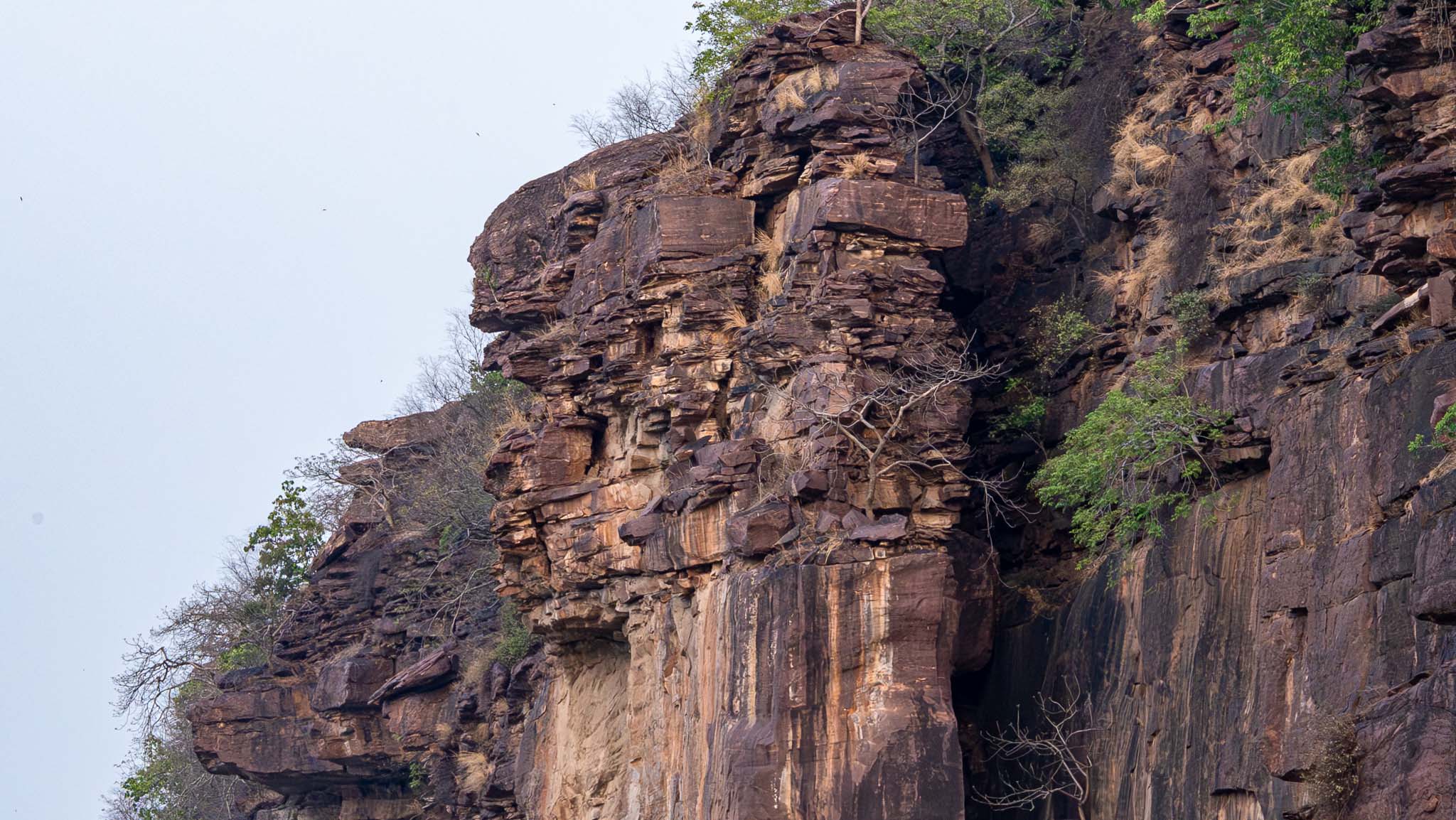
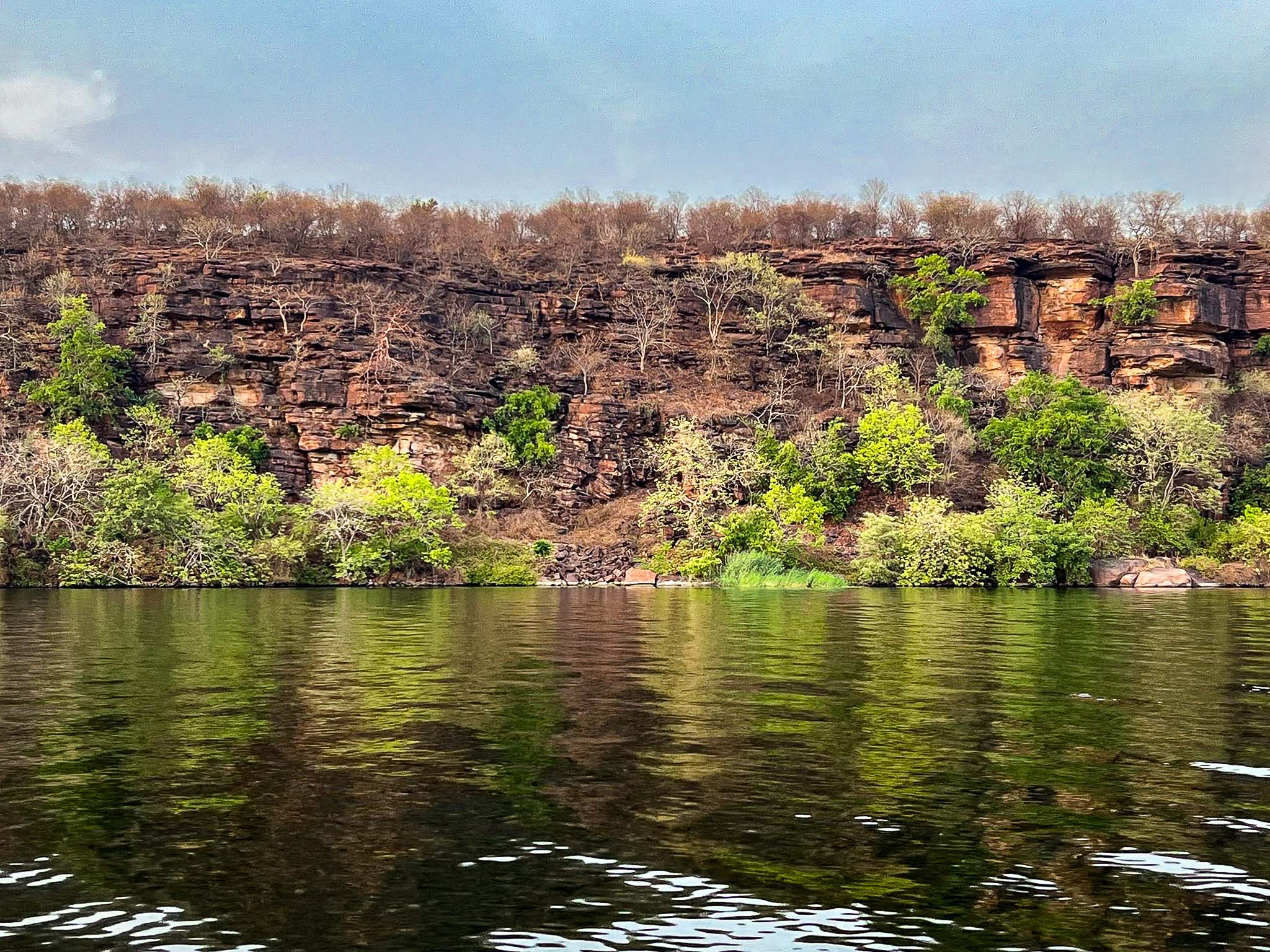
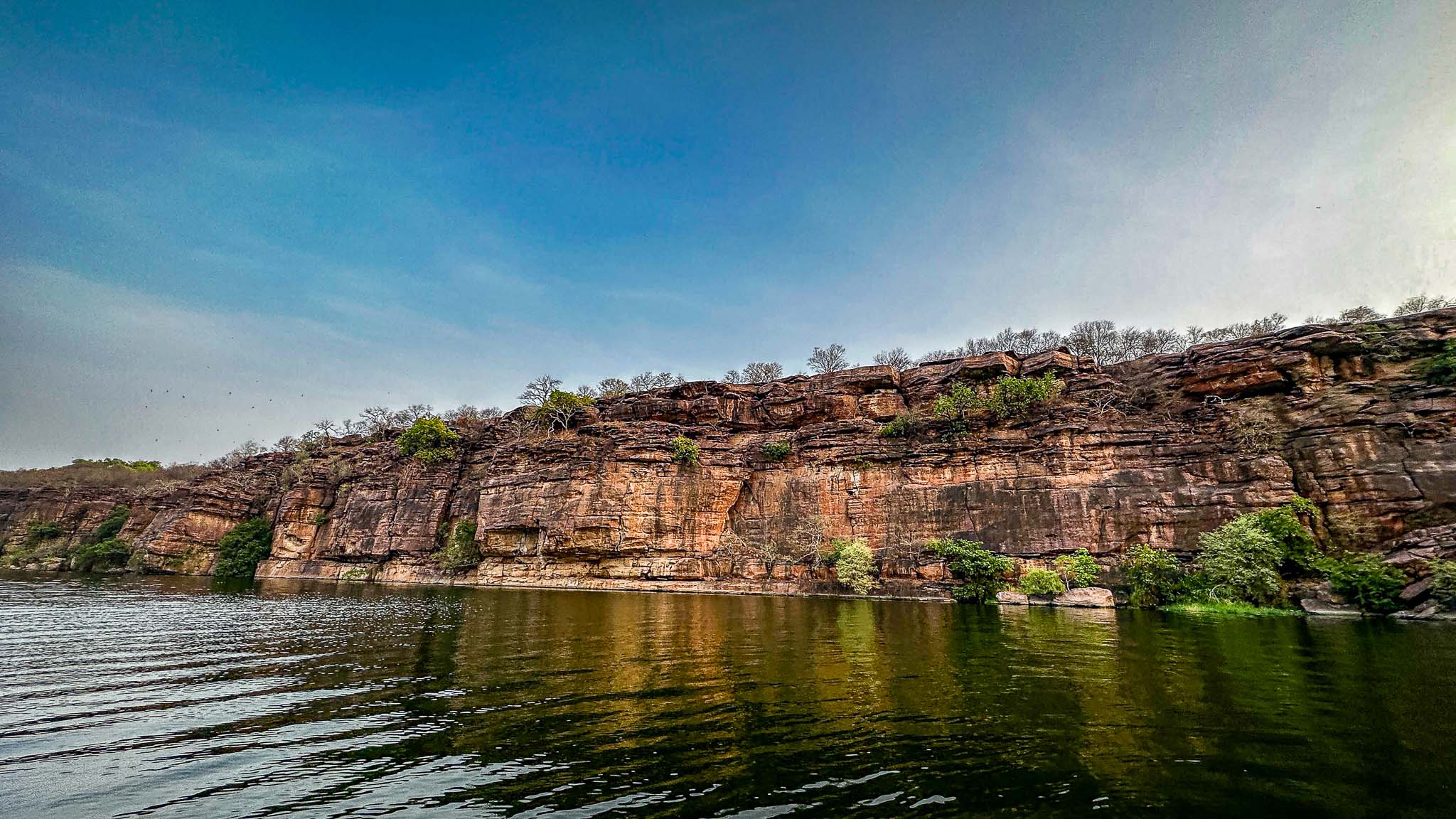
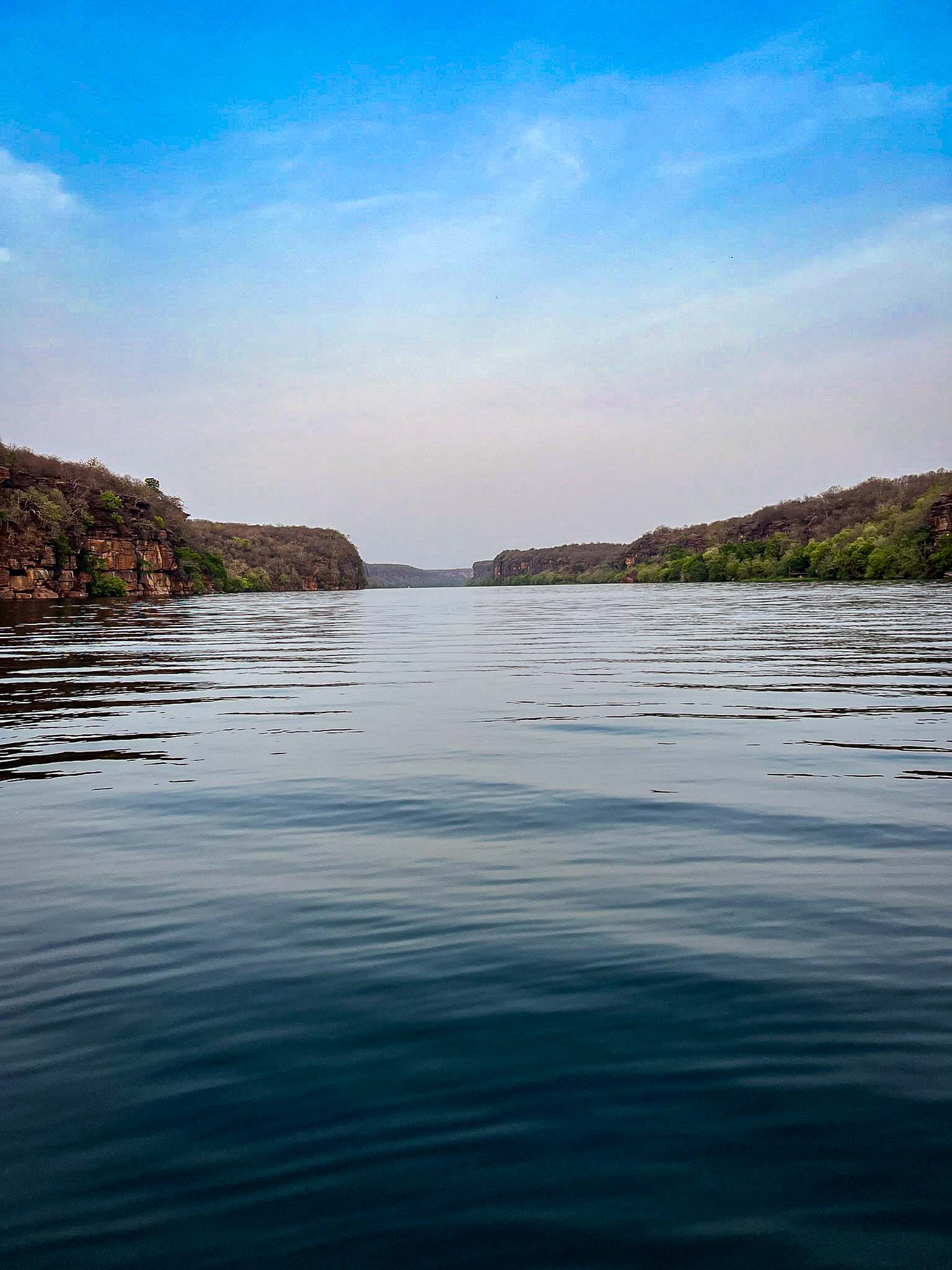
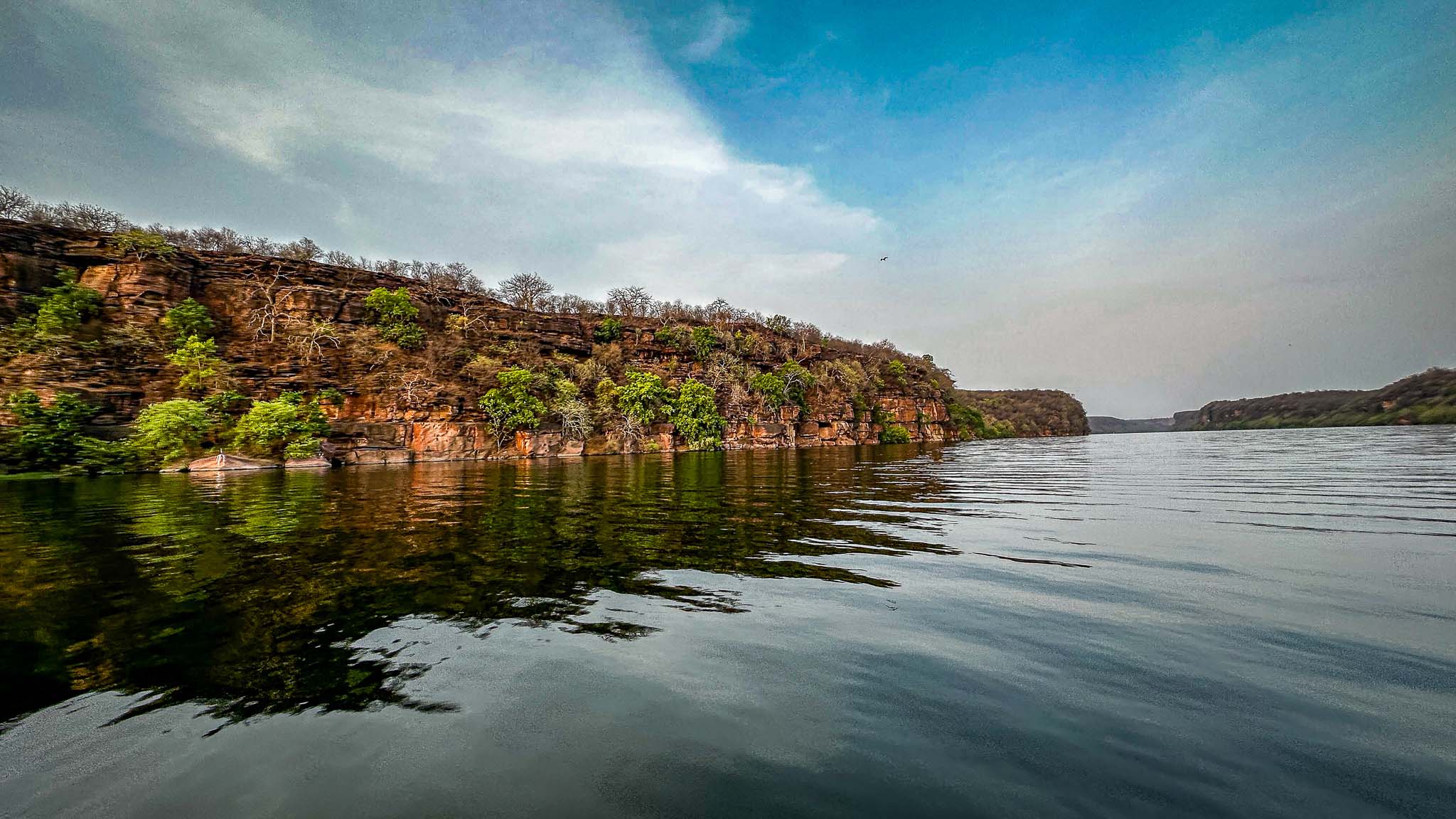
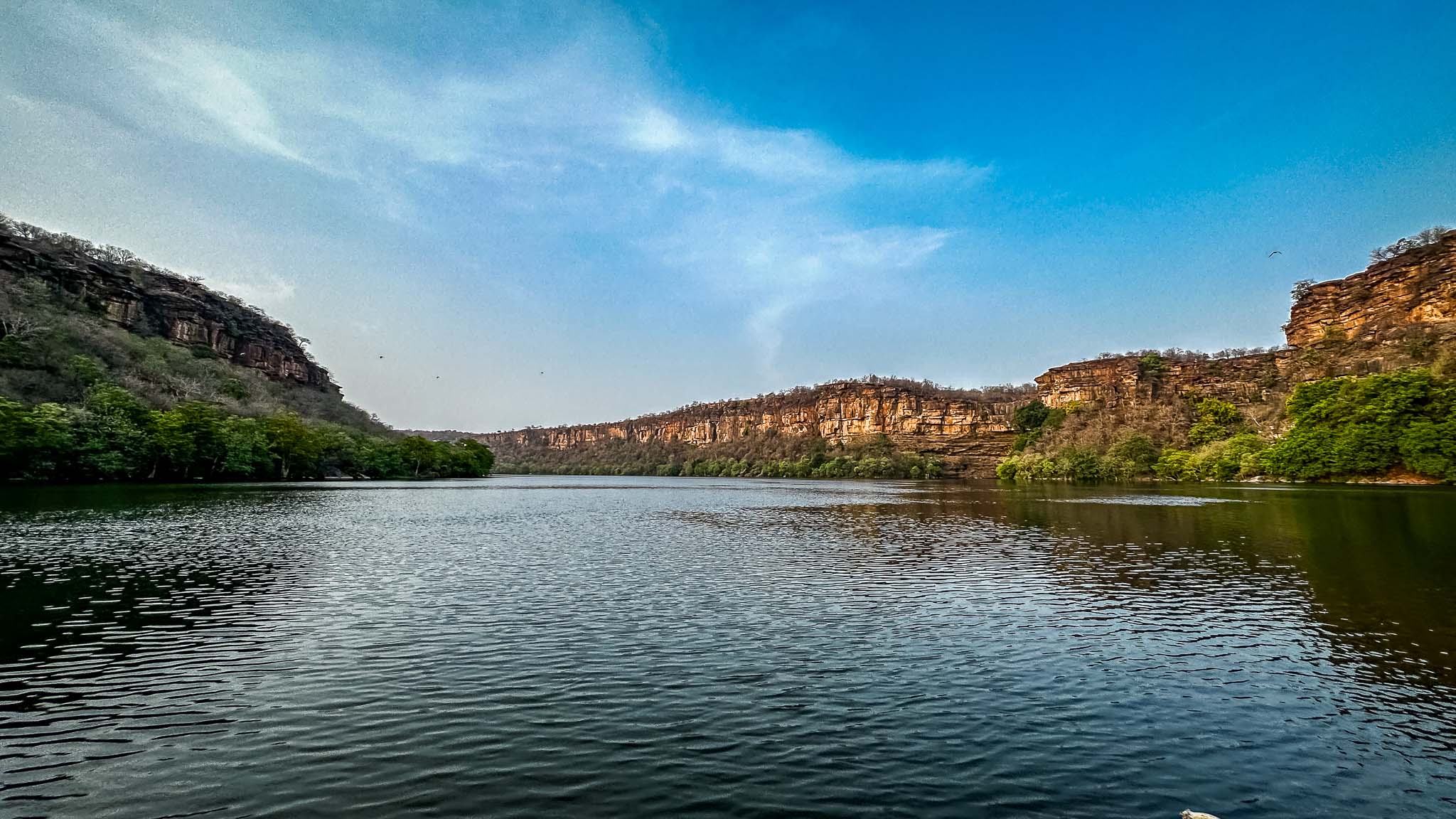
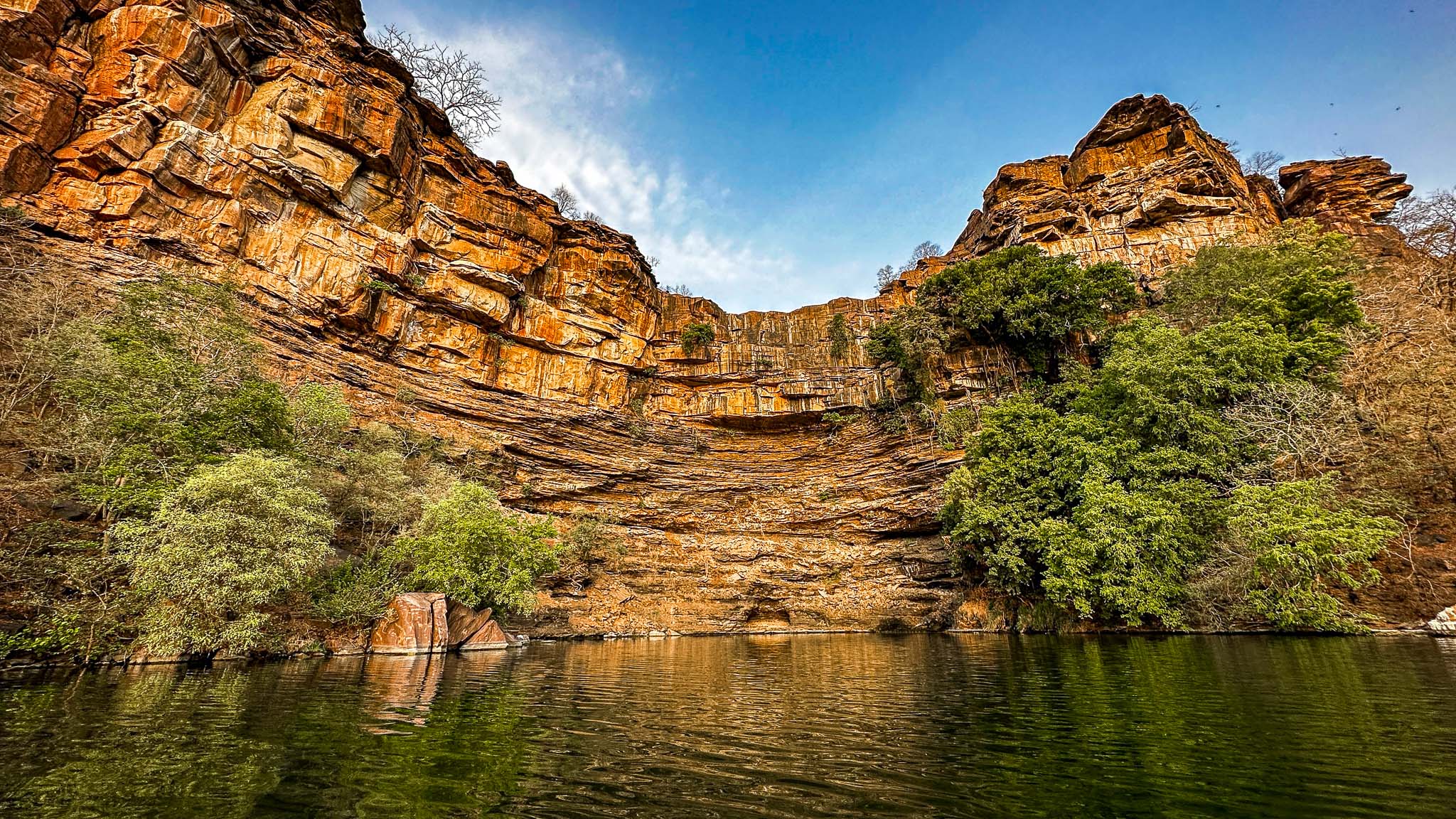
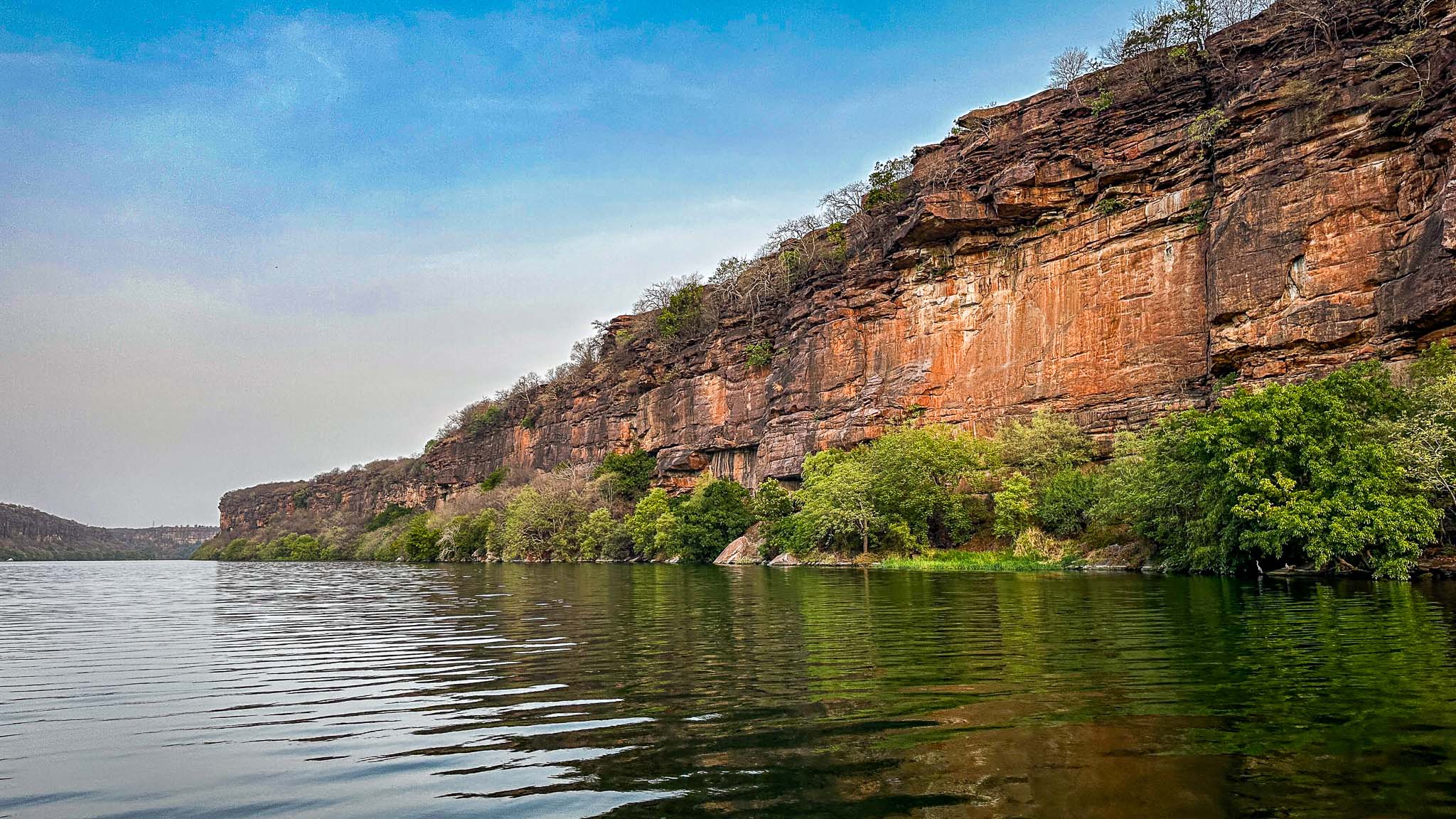
The Chambal is the lifeblood of this region—vast, pure, and wild. The river that derives its source from the Vindhya Range flows silently and forcefully making deep ravines, forming the geography of some of the most unparalleled landscapes in North India. Long stigmatized for rebellion and banditry, these ravines serve as ecological sanctuaries, carved by millennia of erosion and seasonal floods.
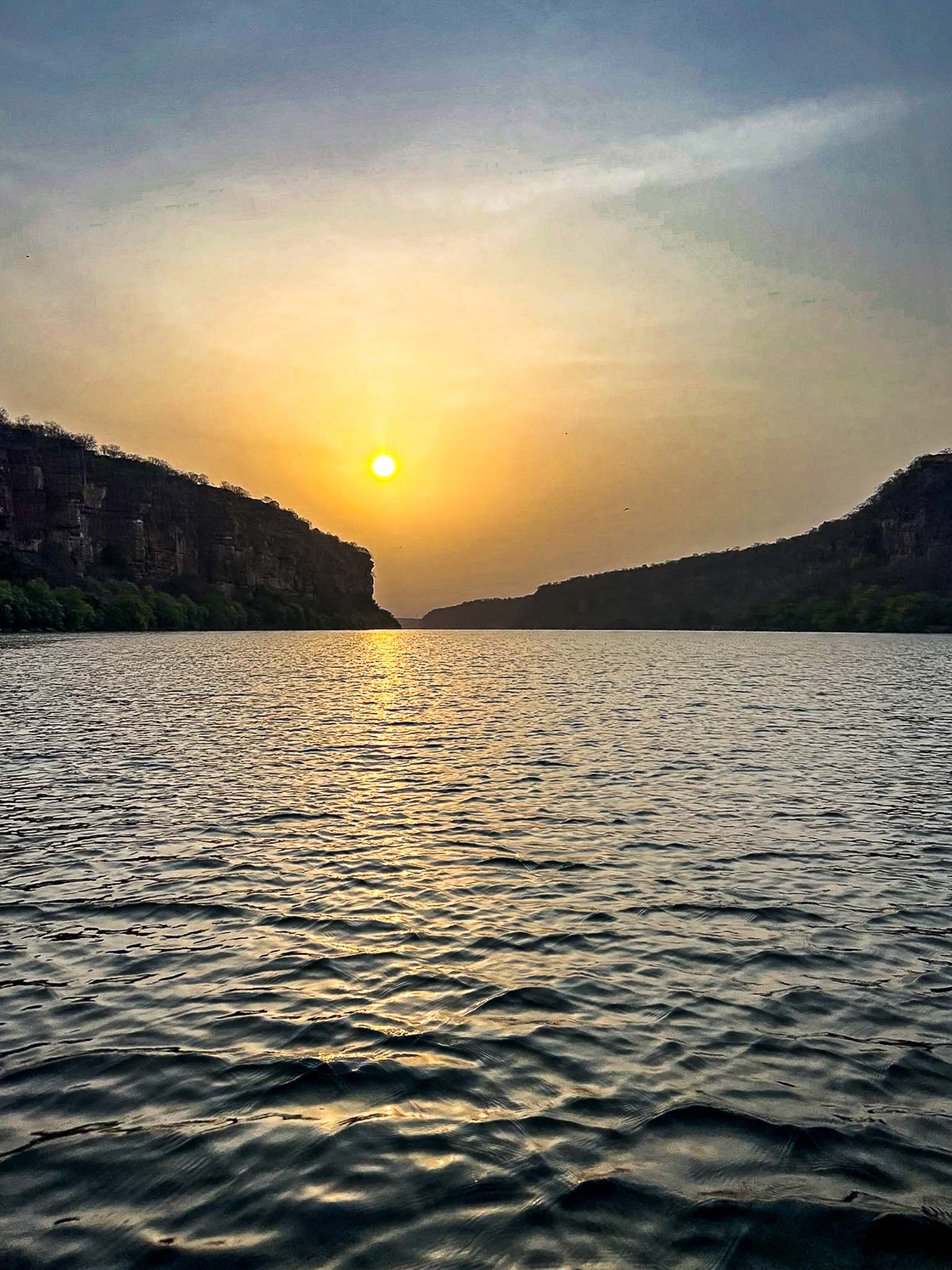
The river banks change character every few hundred yards, from steep sand bluffs to broad, flat, mirror-smooth expanses where the water reflects the sky in long silvers and blues. The first light before dawn is magical on the Chambal: a fine mist floats tantalisingly above the water, birds wings glide low over the surface and the land hangs quietly in the balance between on and off. The river governs life by tune and restoration.
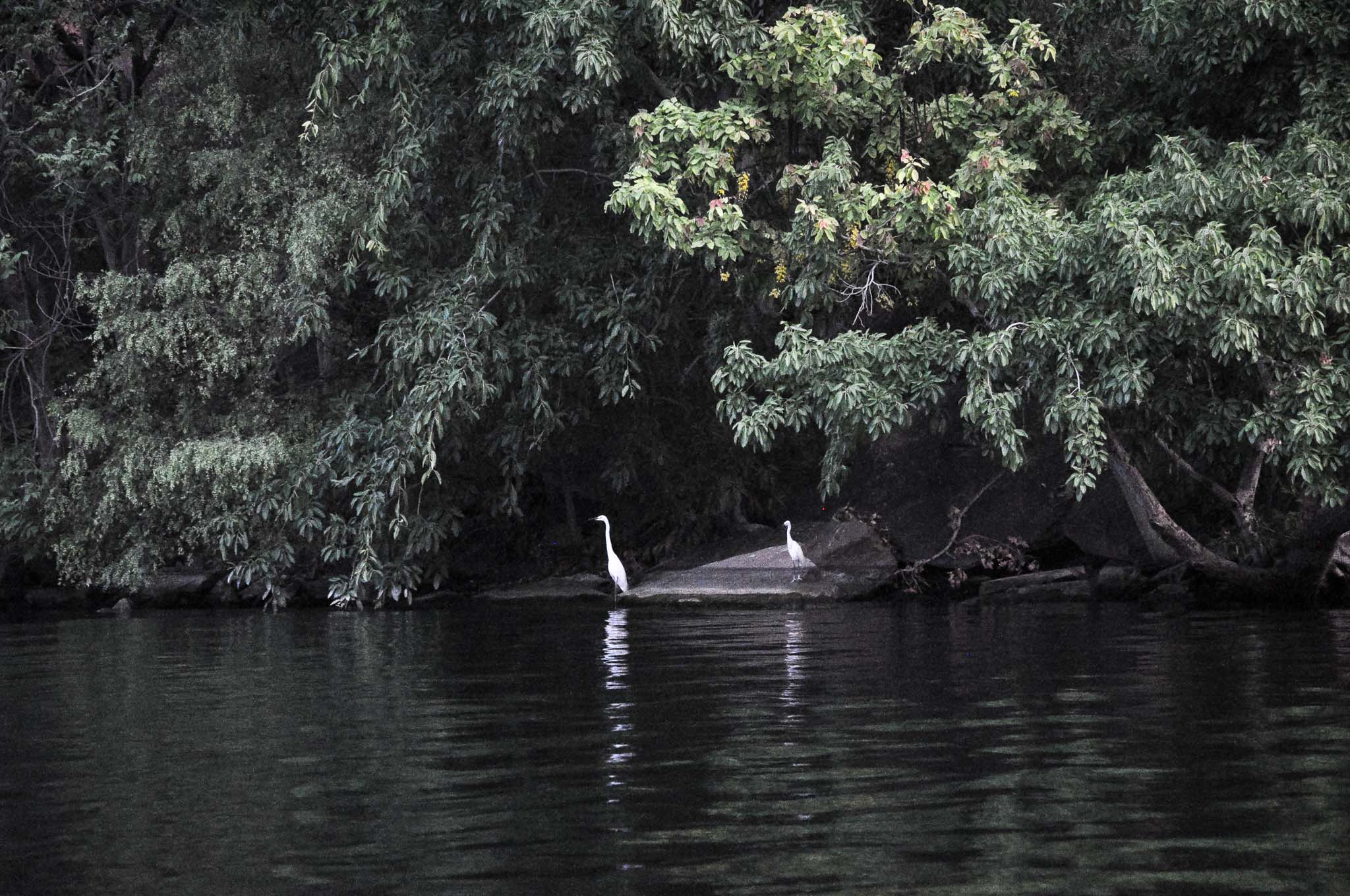
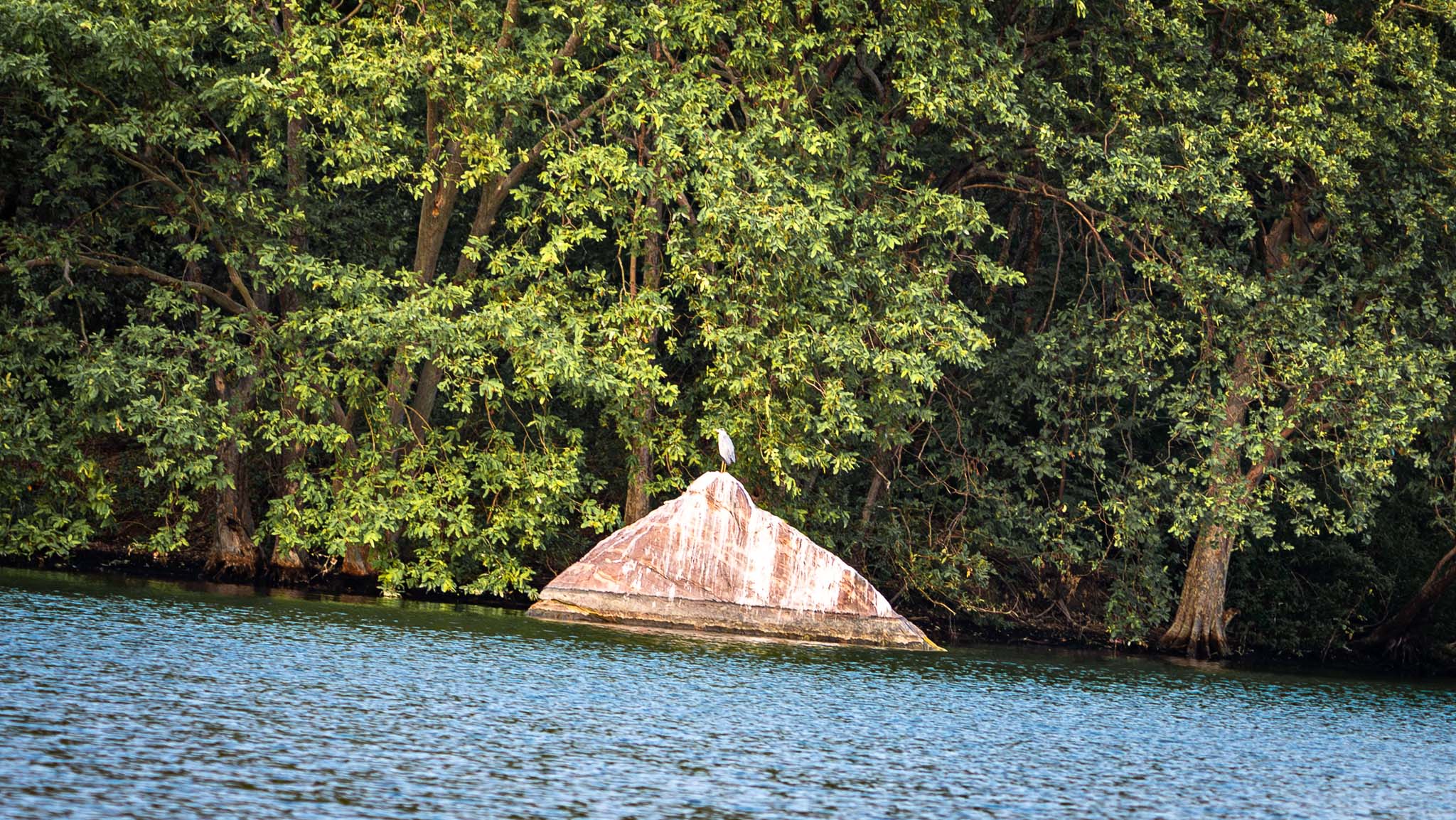
The Chambal region is also one of the underappreciated yet also one of India’s most significant wildlife hubs. The National Chambal Sanctuary is a 400 km long stretch of river which, along with its tributaries & other free-flowing rivers are home to many rare & endangered species. It is best known for the gharial, which can be recognized by its long, narrow snout, and often basks on sandy banks. Along with it, live mugger crocodiles, river dolphins, and an impressive diversity of migratory birds.
But this life also recontextualises Chambal, as a fine-tuned environment. The hollows that used to hide criminals now conceal wildness, for the most rugged of landscapes are also the richest.
Culture
Socially, Chambal bears the mark of Rajput chivalry, peasant lifestyles, and customs revolving around the river. Folk songs, seasonal fairs and temple festivals recount tales of land and water to this day. Yet, there is still a semblance of daily life in Kota that turns towards the river, at ghats, in festivals, in the memories of the people of the floods, the drought, and their survival.
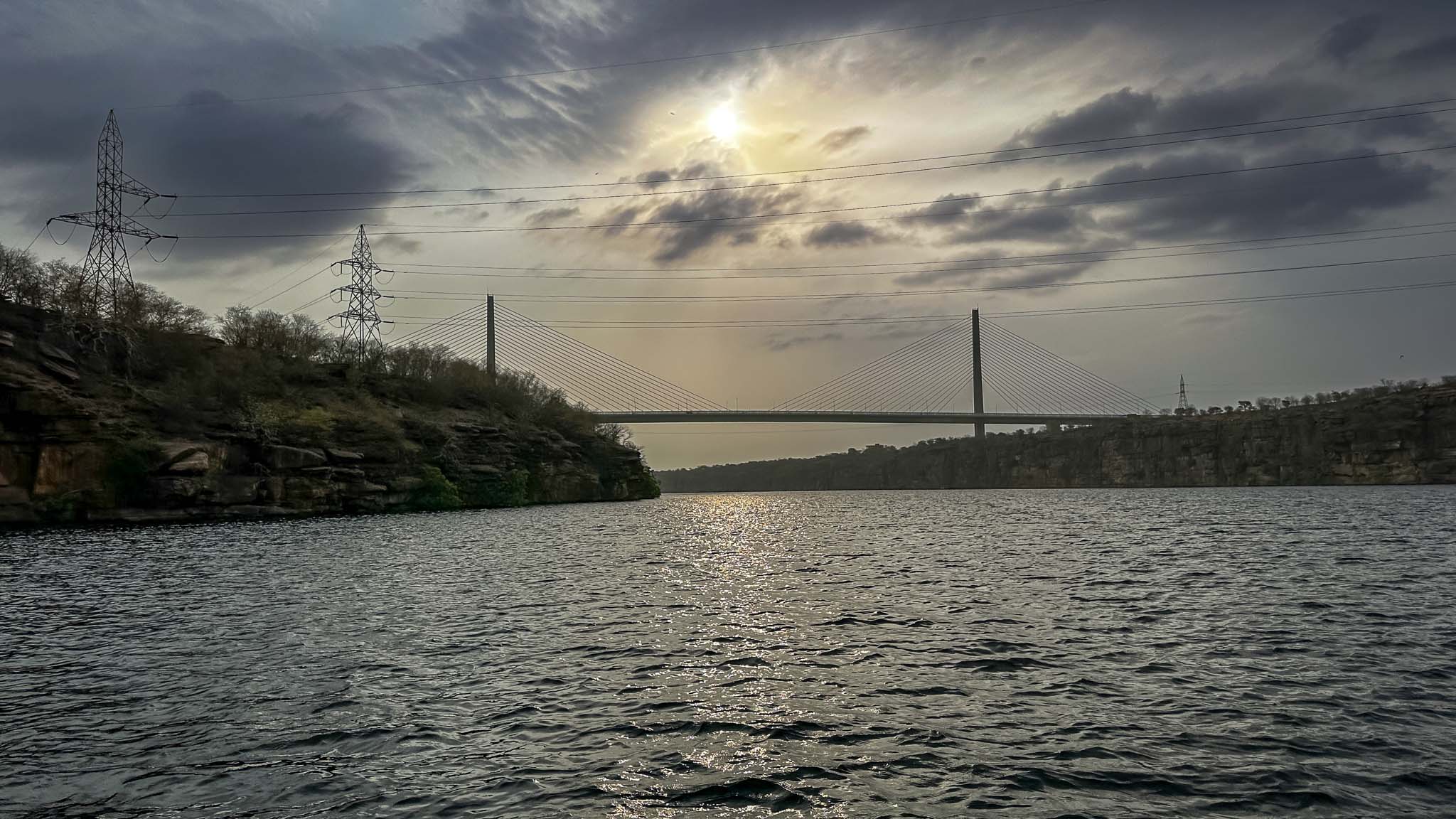
Chambal has always been a borderland—a border between kingdoms, between states, between cleared open land and the wild. That identity persists. It is rough around the edges as a region, but offers great dividends in terms of care. What makes it stunning is the contrast—fort walls by flowing water, ravines alongside fertile fields, silence interrupted by the call of a bird and the clang of bells from the temple.