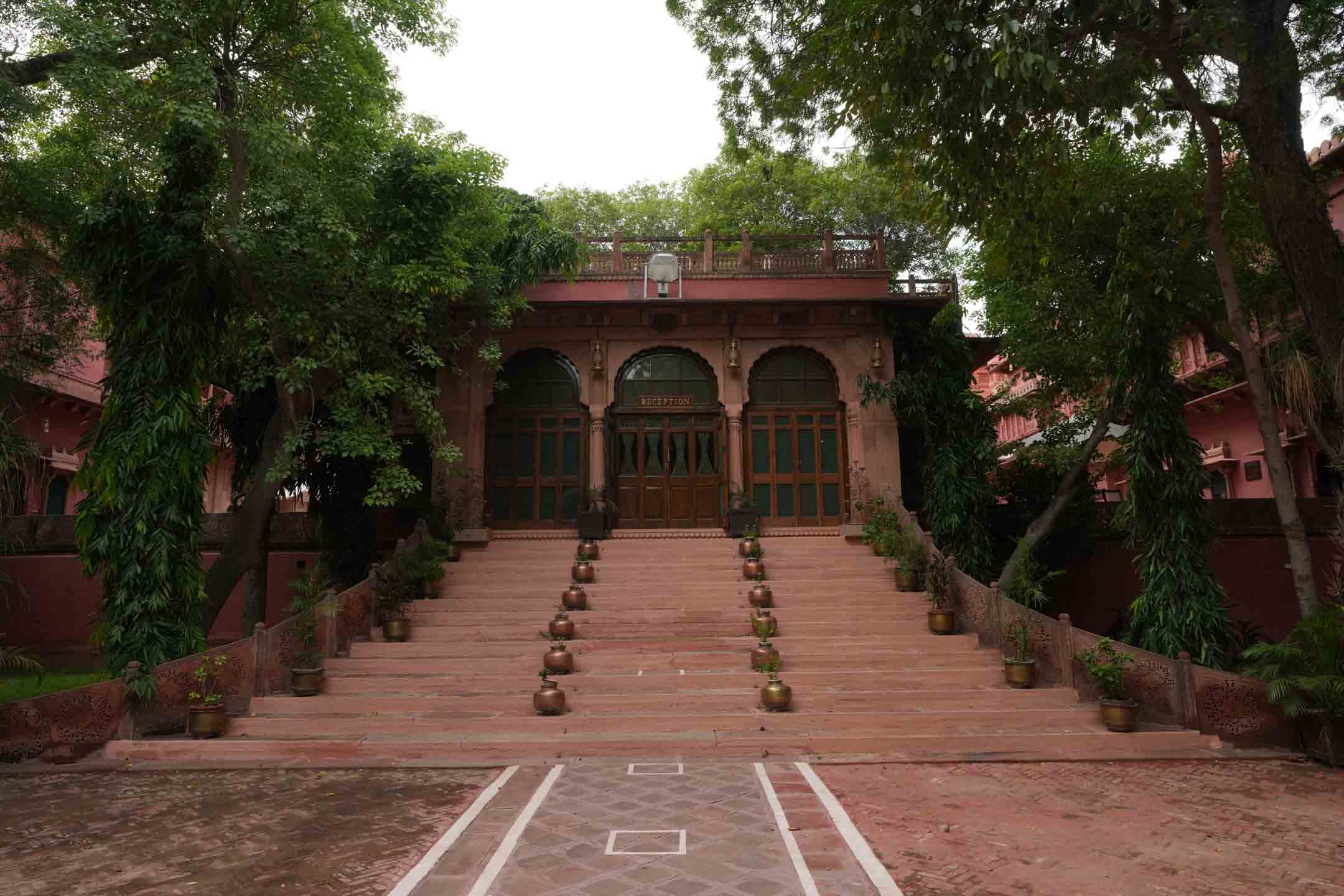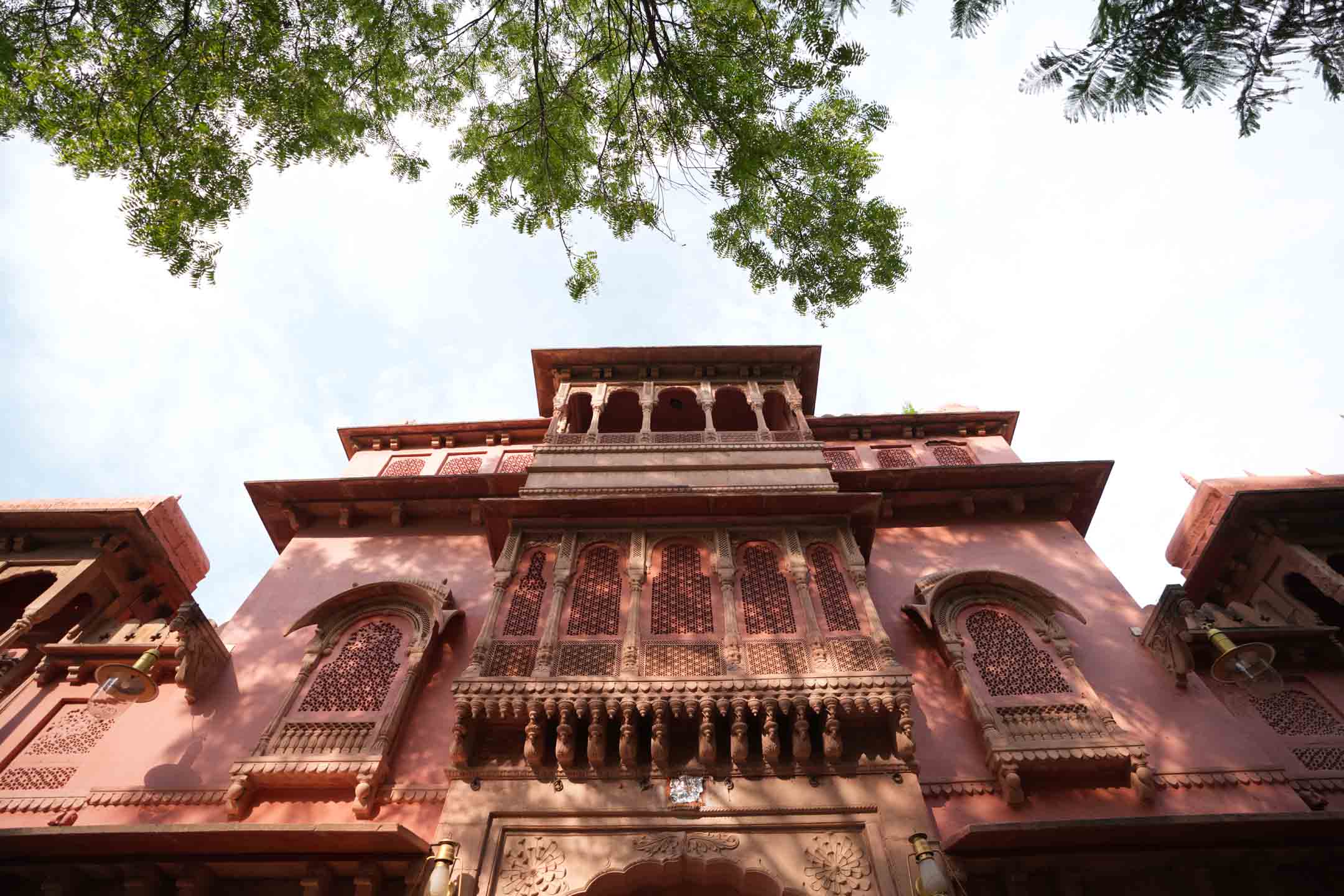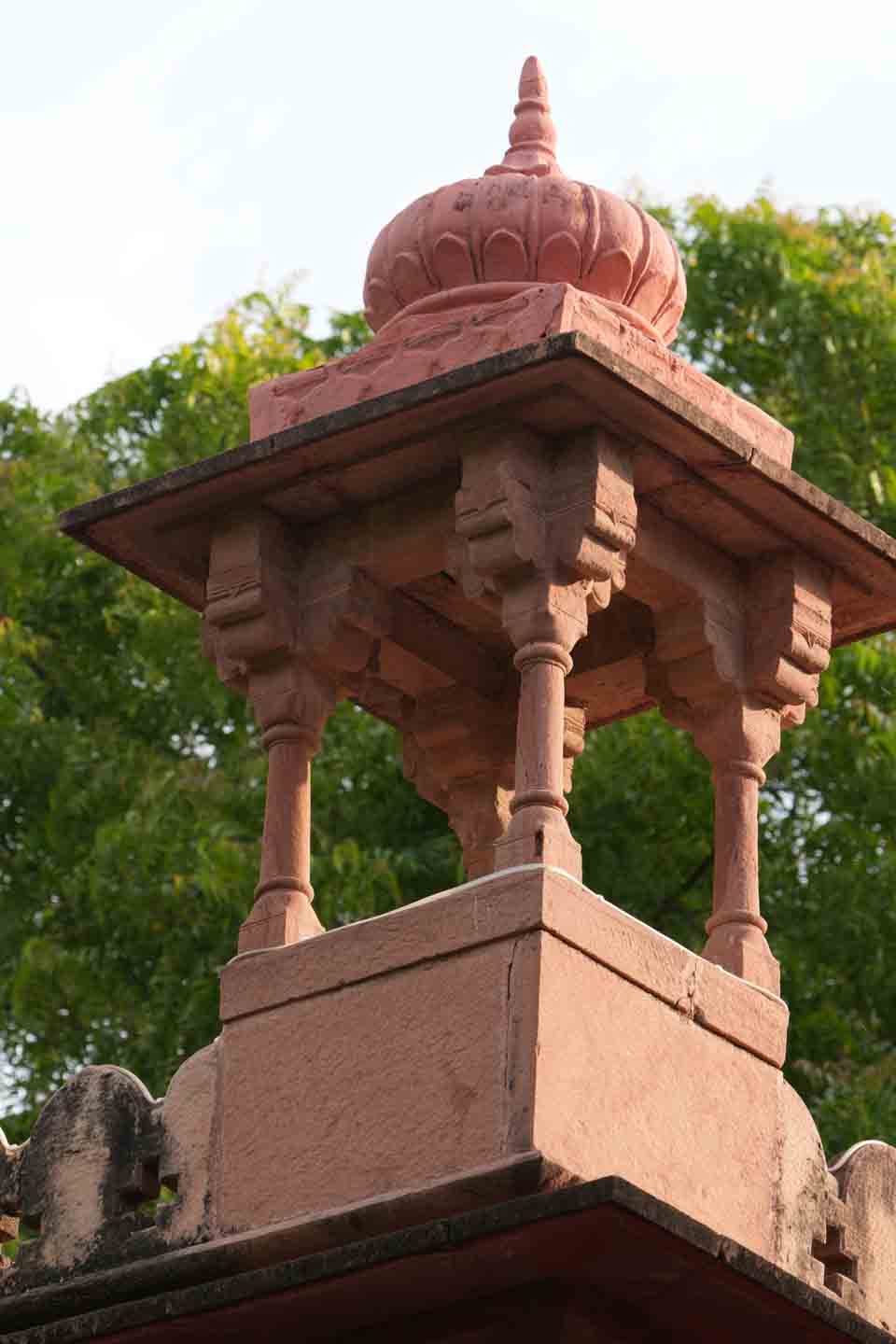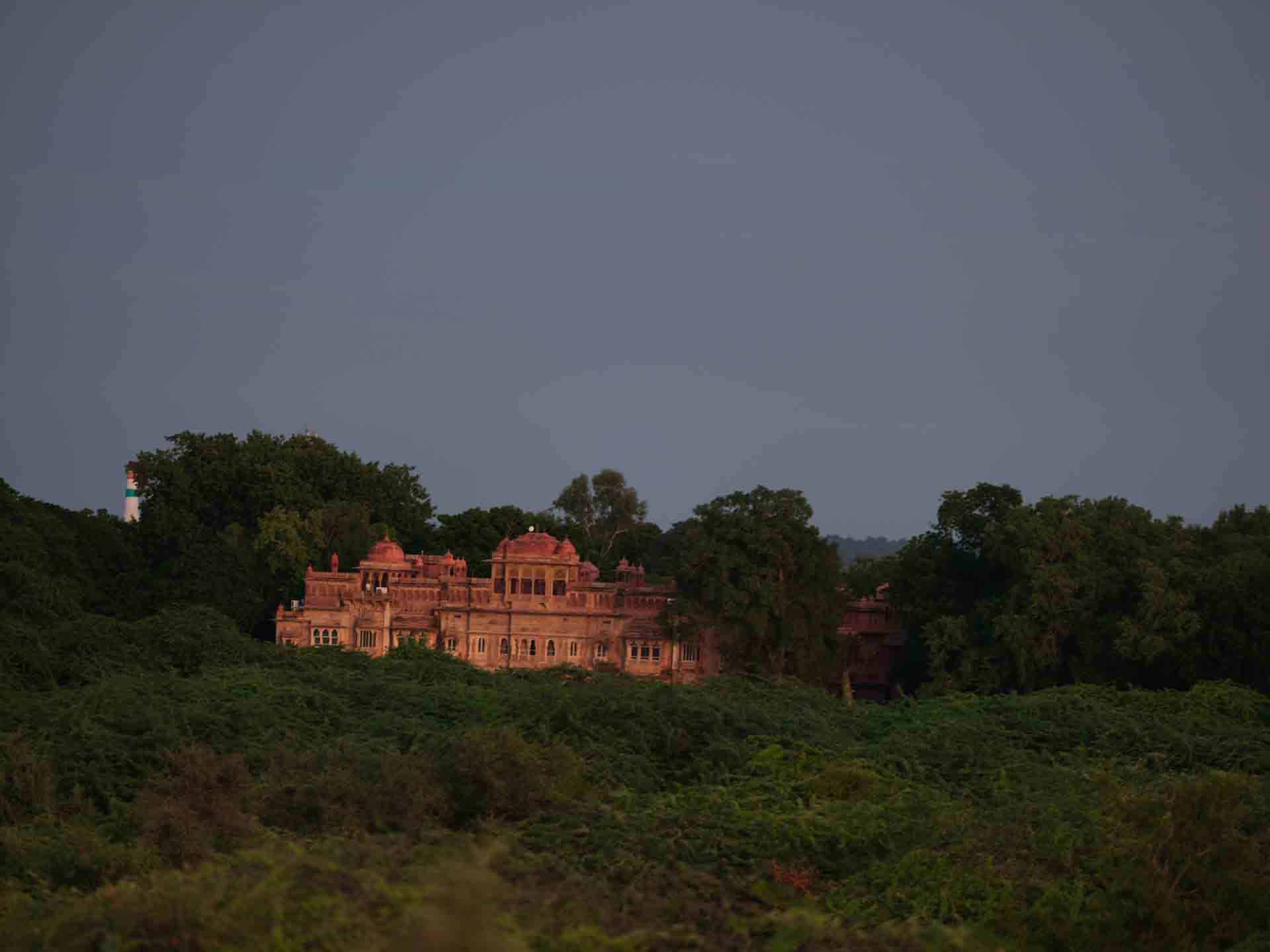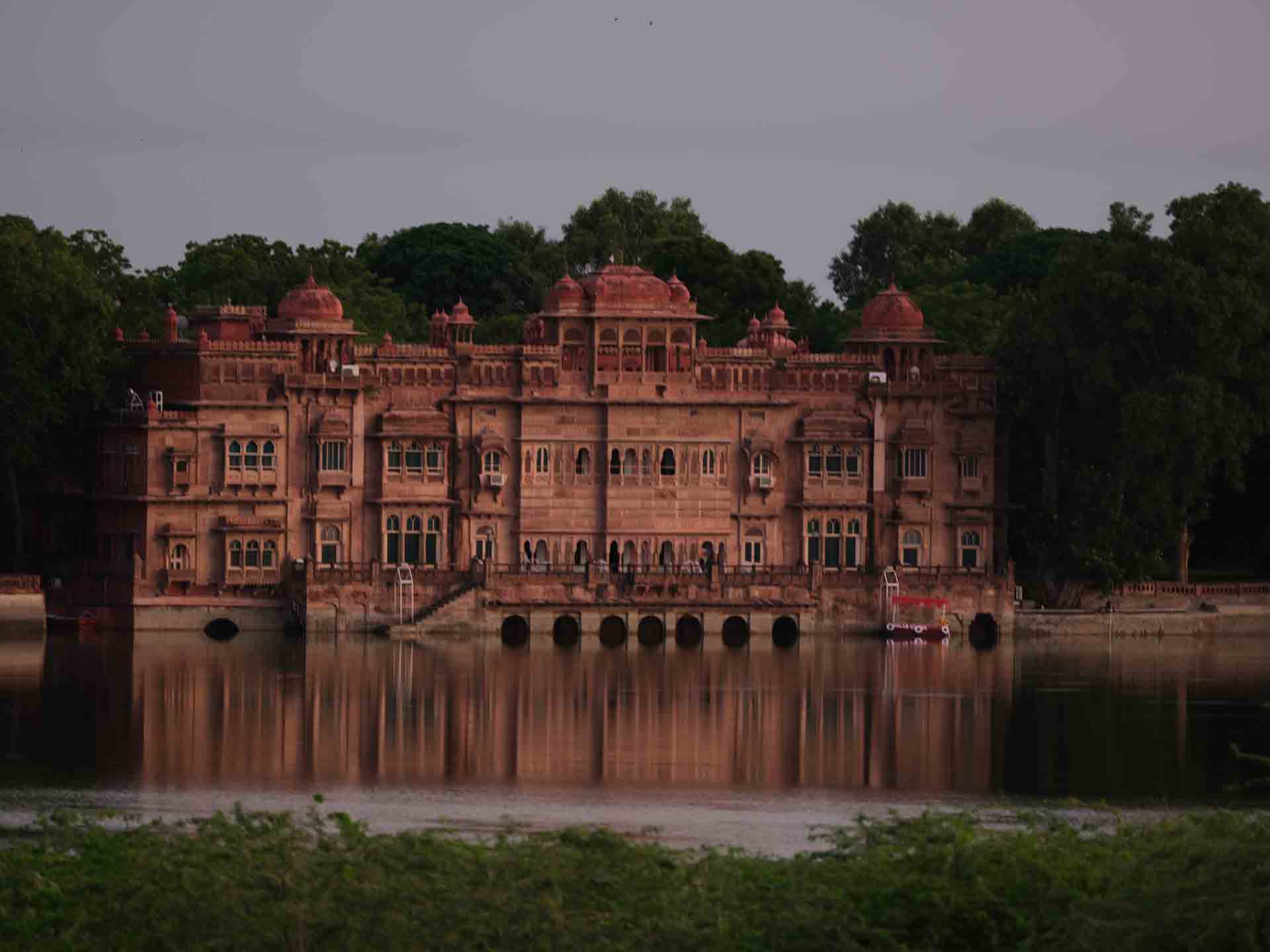
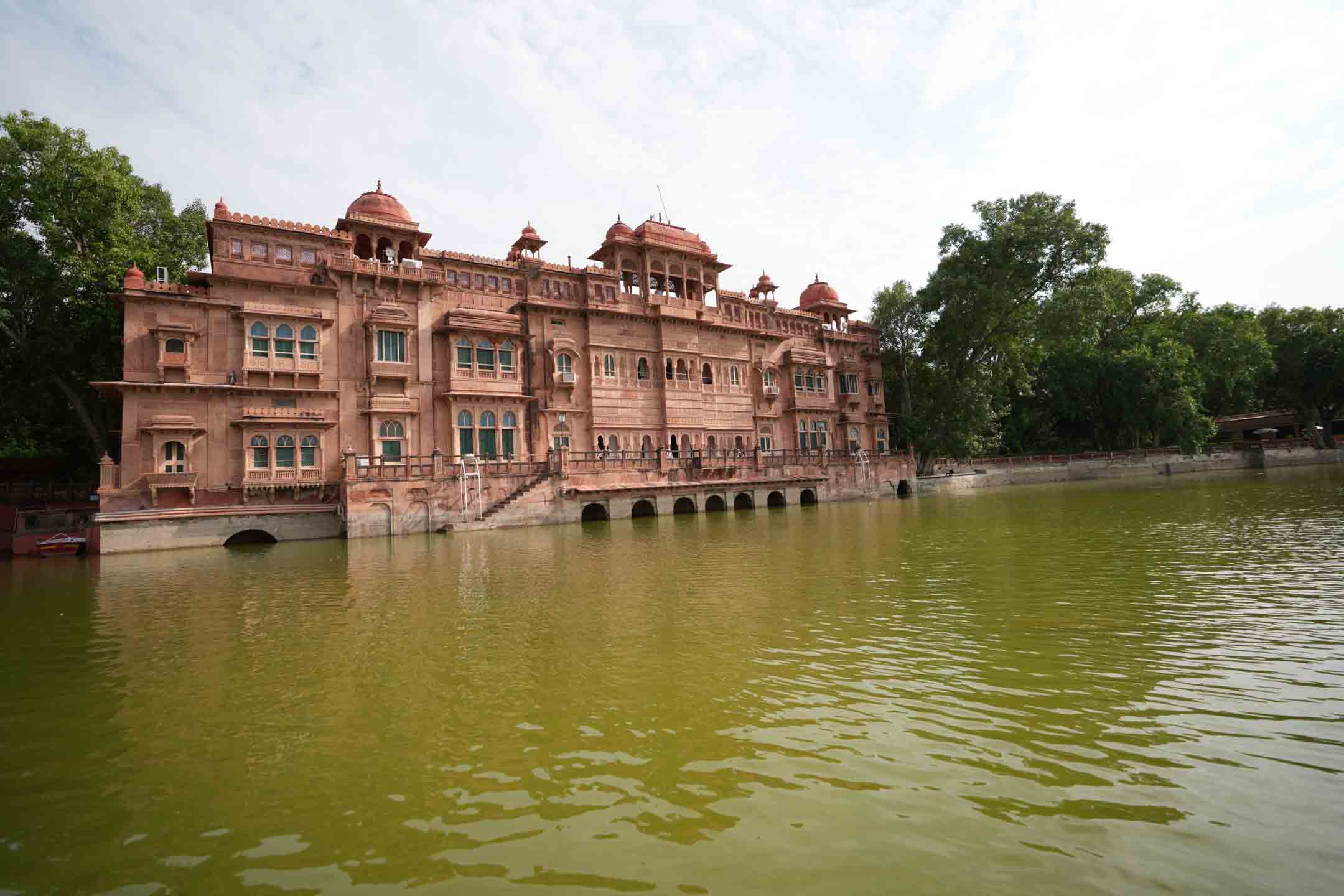
Gajner was never meant to be a seat of power or defence, unlike the vast forts and palaces that occupy so much of Rajasthan’s architectural narrative. Instead, it was intended as a retreat, an intimate getaway where royalty could escape the demands of court and indulge in leisure, contemplation and nature.Located on the outskirts of the Thar Desert, some 30 kilometers from Bikaner, Gajner Palace is an oasis of peace and tranquillity away from city noise and congestion. Gajner was never meant to be a seat of power or defence, unlike the vast forts and palaces that occupy so much of Rajasthan’s architectural narrative. Instead, it was intended as a retreat, an intimate getaway where royalty could escape the demands of court and indulge in leisure, contemplation and nature.
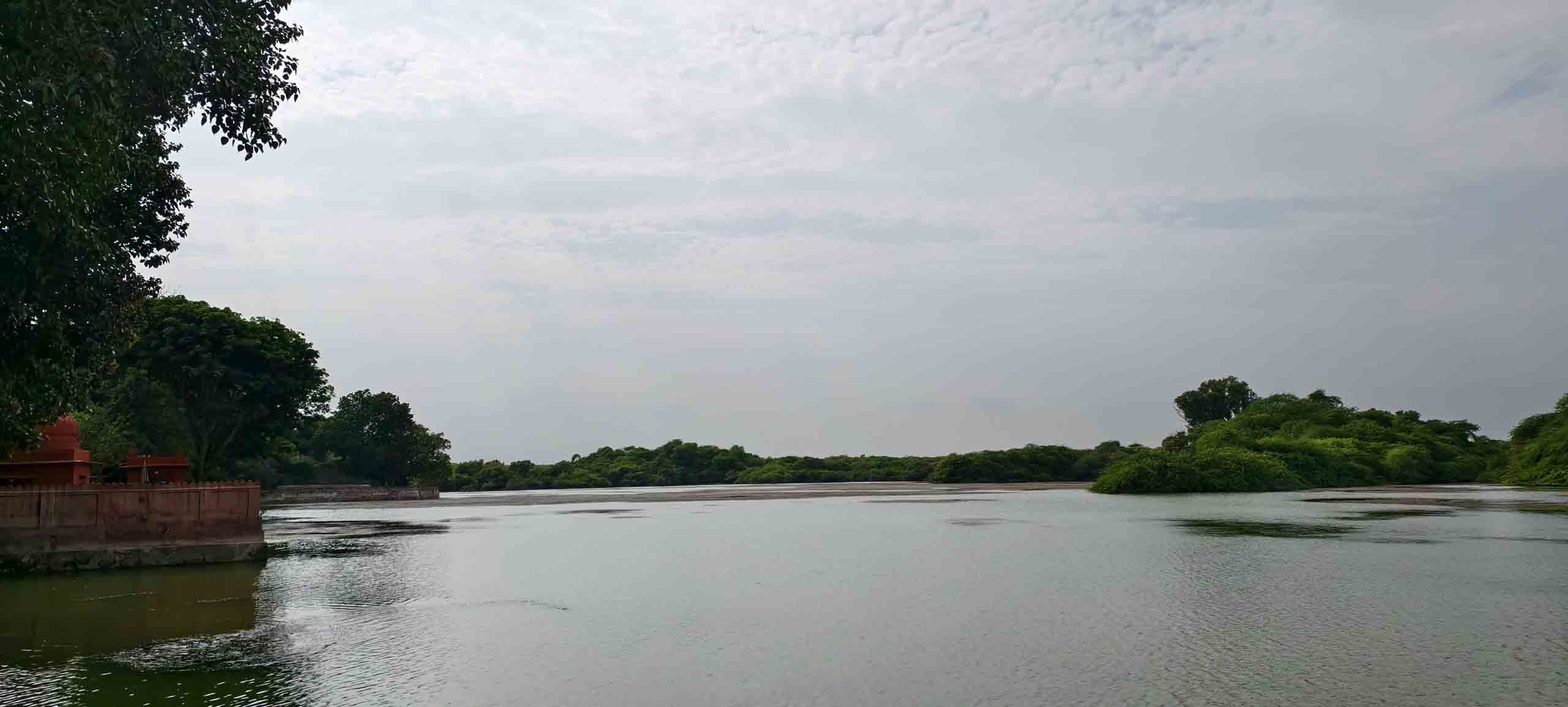
The lake remains central to the identity of Gajner Palace. Builders did not treat it as a decorative addition; they integrated it into the function and experience of the site. Gaj Sagar transformed the surrounding landscape, attracting vegetation, birds, and wildlife. This ecological shift reinforced the palace’s role as a retreat.
The relationship between the palace and the lake defines the visual character of the complex. The structure reflects on the water, doubling its presence. Throughout the day, variations in light alter this reflection, creating subtle changes in color and form. This interaction between built and natural elements produces a balanced environment that does not rely on excess.