Hotel Gajner Palace
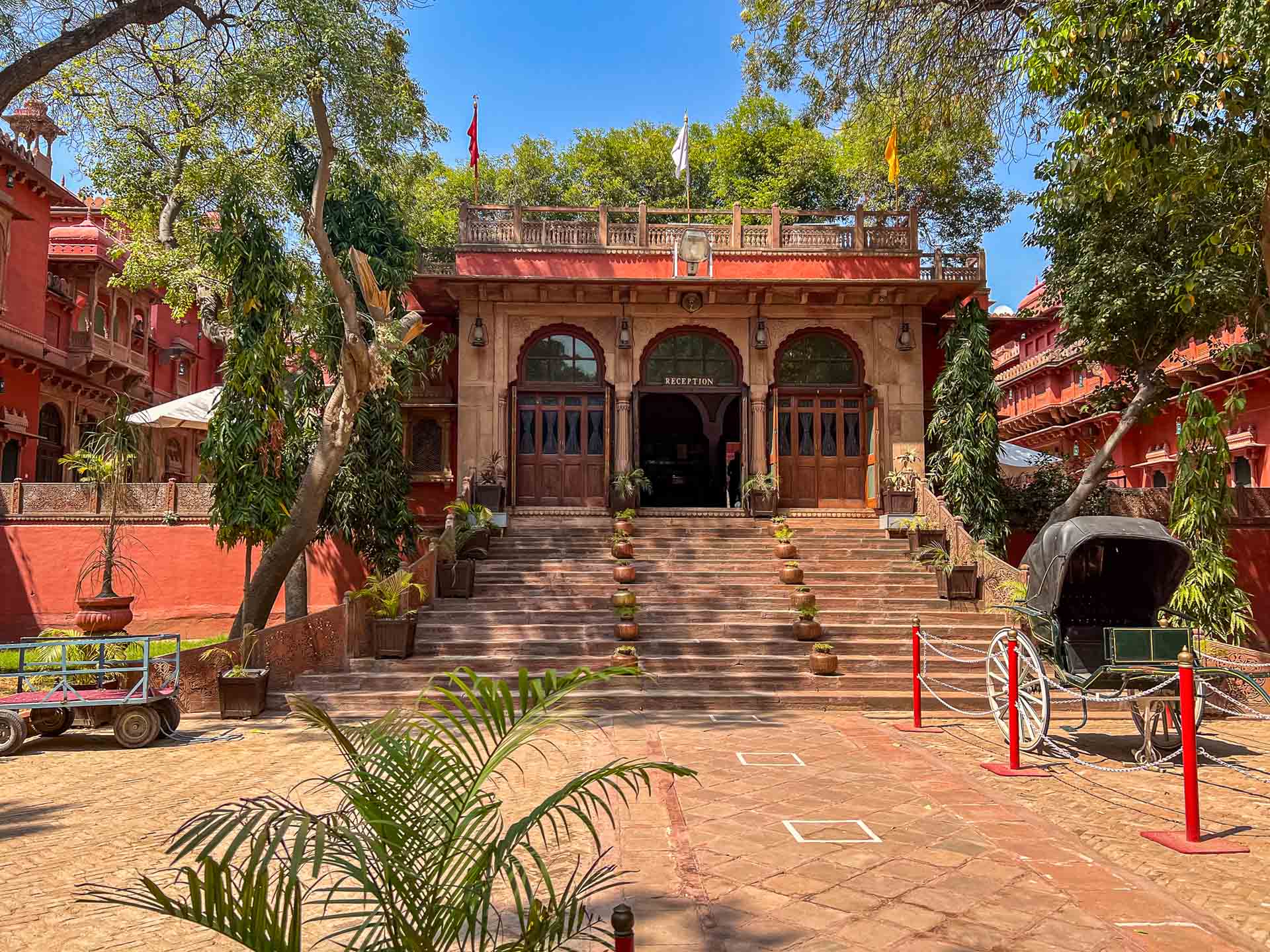
In the second half of the 20th century, the palace underwent a significant transformation. The owners converted it into a heritage hotel, opening the space to a wider audience. This transition required adaptation, but planners approached it with restraint. They preserved the structural integrity and historical character of the building while introducing necessary modern amenities.
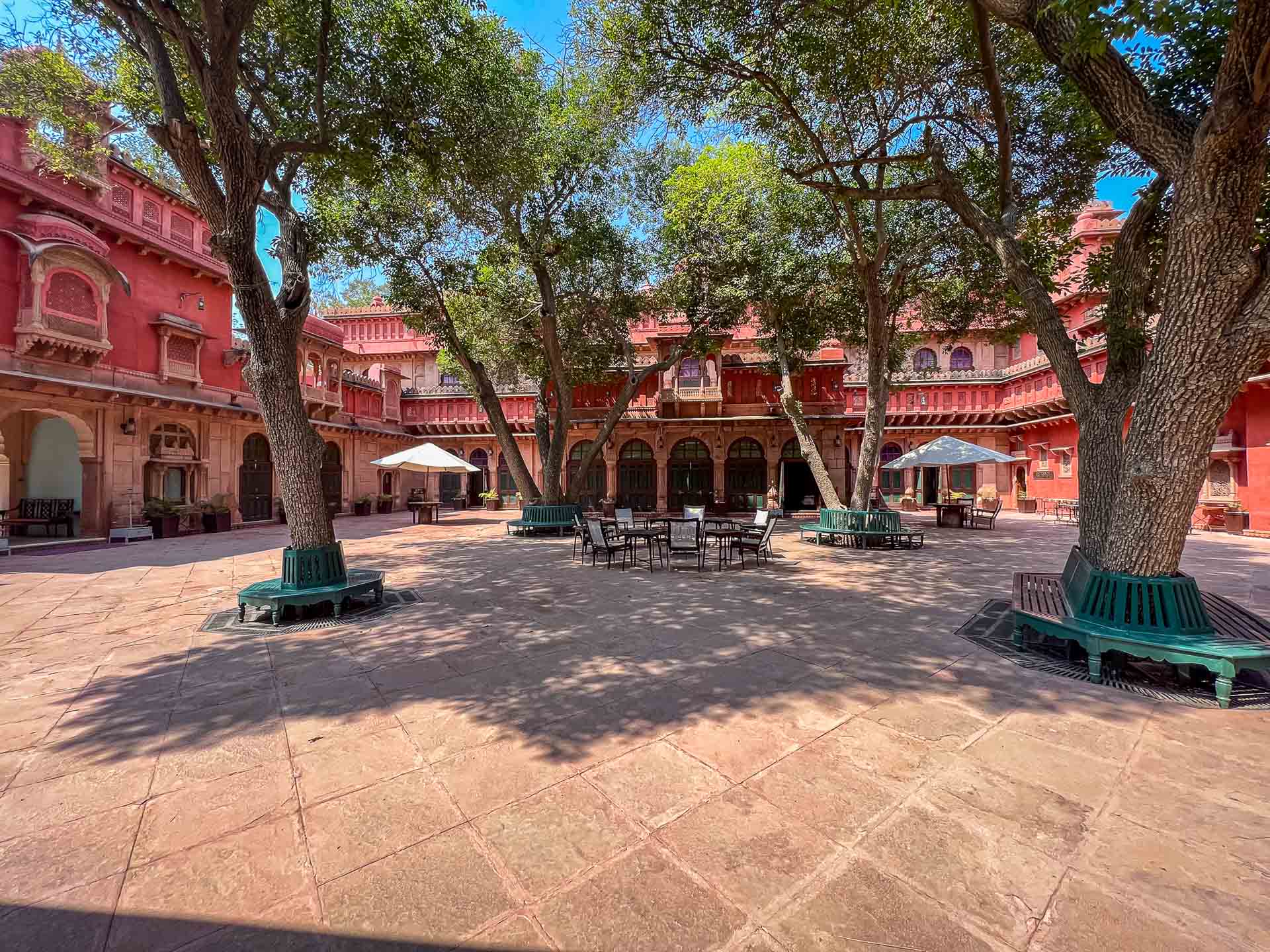
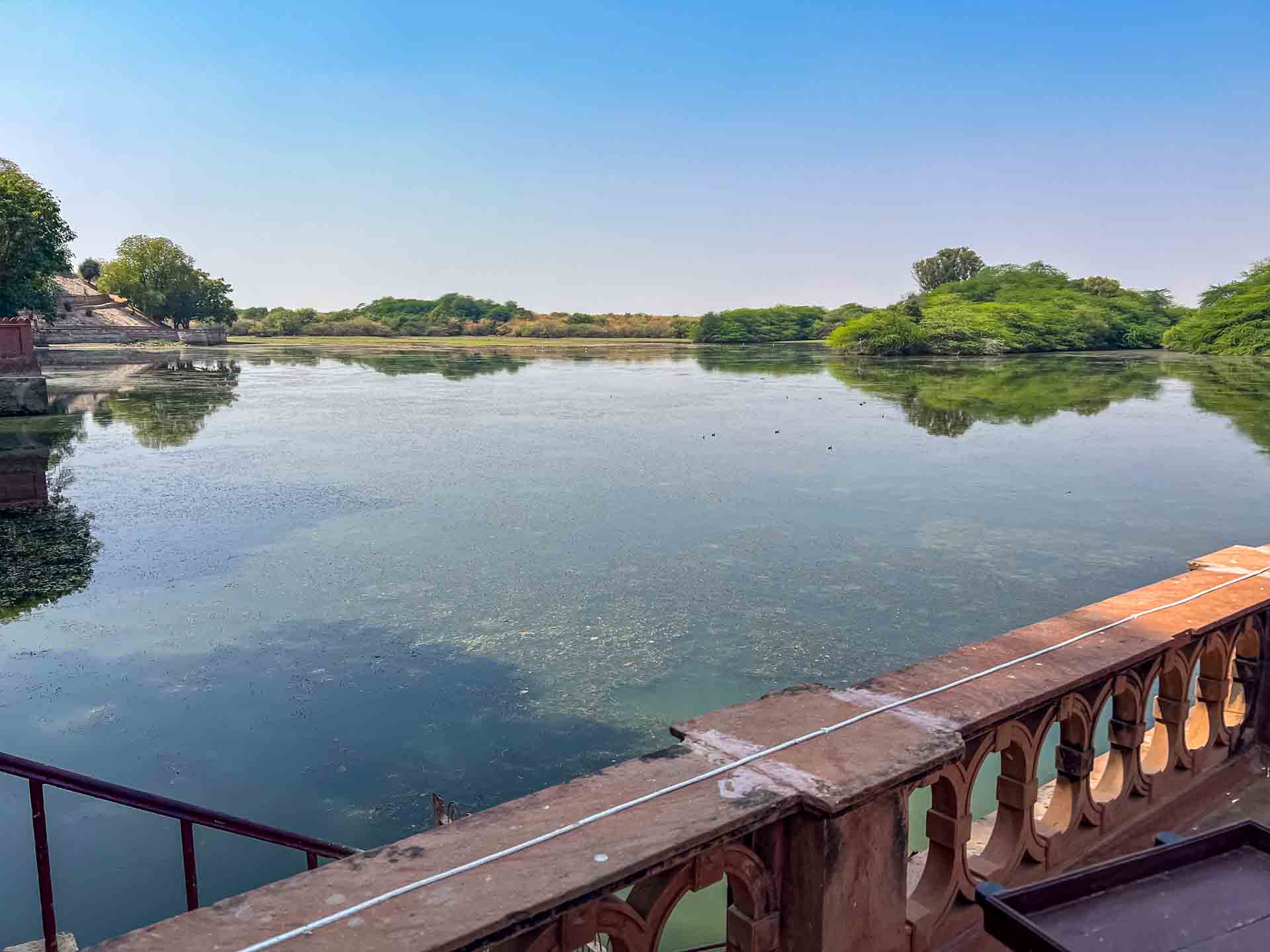
The rooms occupy different wings of the palace, each retaining distinct architectural features. High ceilings, period furnishings, and views of courtyards or the lake define the experience. The design does not attempt to modernize aggressively; instead, it allows the original structure to remain visible and functional.
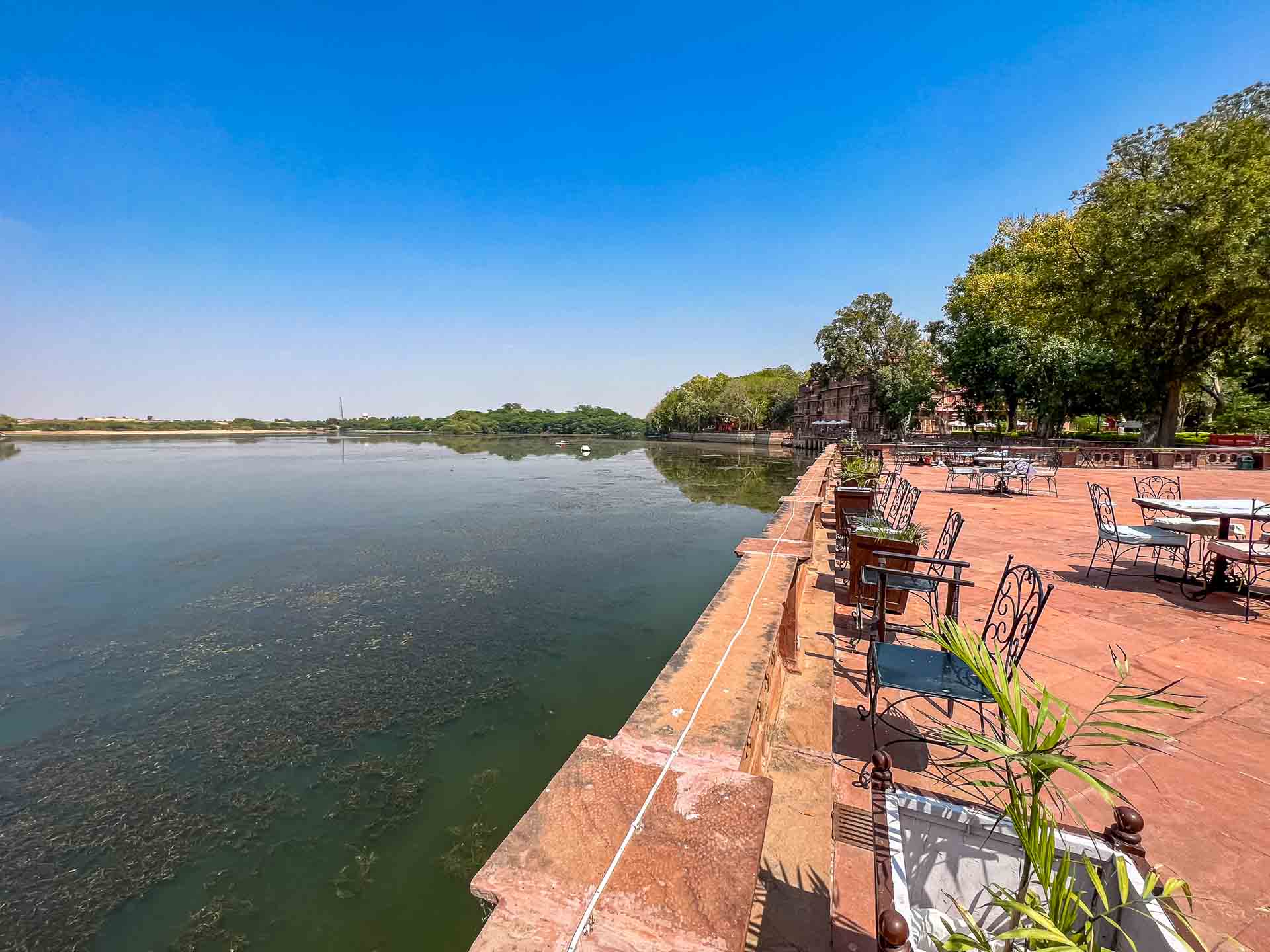
The experience at Gajner Palace does not rely on activity. It unfolds gradually through space, light, and movement. Visitors do not engage with a fixed itinerary; they move through the palace at their own pace. The presence of water, the movement of birds, and the changing light create an environment that encourages stillness.
Dining at the hotel stands out as a defining moment. The setting and the menu shape the experience. The food mirrors the balance between tradition and restraint elsewhere on the property. The menu in the kitchen emphasizes regional Rajasthani cooking, with dishes that create depth of flavor over excess. Dinners often involve local preparations such as laal maas, ker sangri and slow-cooked dals. Ingredients are selected with care, and the cooking stays away from unnecessary grandeur so that each element retains its own identity. And dining spaces — whether situated in courtyards or next to the lake’s edge influence the experience as much as what you eat. Service is attentive without feeling overbearing, complementing the overall momentum of the palace. The result is a meal that feels part of the place, in keeping with the serene and regal ambience Gajner maintains.
Exploration forms a key part of the visit. The Banyan Tree Walk, the interconnected courtyards, and the quiet corridors invite unstructured movement. Small details—the texture of stone, the geometry of arches, the filtered light through jaalis—contribute to the overall experience. The palace does not present itself all at once; it reveals itself gradually.
The transformation of Gajner Palace over time reflects broader historical shifts. Initially, it served as a private retreat shaped by personal need. This phase emphasized comfort and emotional connection rather than status. The landscape and architecture worked together to create a contained and stable environment.
Under Maharaja Ganga Singh, the palace entered a more outward-facing phase. It became a site of interaction, hosting visitors from different parts of the world. The function expanded beyond retreat to include diplomacy and representation. The palace operated as a controlled environment where informal exchanges could take place.
After India’s independence, the role of princely estates changed significantly. Many lost their original function, and some fell into disuse.
Gajner Palace adapted instead. The conversion into a heritage hotel allowed it to remain active while preserving its historical layers. This shift did not erase its past; it incorporated it into a new framework.
Today, Gajner Palace functions as both a place of stay and a repository of history. It does not isolate its past from its present. Instead, it allows different phases of its existence to coexist. Here we experienced a place that has evolved without losing continuity.
This continuity defines the character of Gajner. The palace has not been frozen in time, nor has it been over-modernized. Each stage of its development remains visible. The structure reflects adaptation rather than replacement. As a result, it offers more than a visual experience; it provides a sense of duration.