Gogunda Palace — A Palace Shaped by Conflict
Nestled within the rugged terrain of the Aravalli Hills, the small town of Gogunda carries a significance far greater than its modest scale suggests. A short drive from Udaipur, it once served as the capital of Mewar during one of the most turbulent phases in its history. Unlike the fortified grandeur of Udaipur’s walled city, Gogunda emerged as a place shaped by urgency and resistance rather than stability. At its center stands Gogunda Palace—a structure that does not announce itself loudly, yet holds within it a deeply consequential past.
Gogunda Palace presents a quieter, more restrained presence that blends into its stark surroundings. It was designed as a functional seat of governance during a time of uncertainty. It served as a refuge, a working capital, and ultimately, a site that witnessed one of the defining moments in Mewar’s history.
History and Significance
The palace’s historical importance traces back to the late 16th century, a period marked by intense political upheaval. In 1568, the Mughal emperor Akbar captured Chittorgarh, forcing the Sisodia rulers of Mewar to abandon their primary stronghold. They turned to the Aravalli Hills, whose difficult terrain offered natural protection and relative isolation. Gogunda, situated within this landscape, became a strategic choice. Its location allowed the rulers to regroup, organize resistance, and maintain a degree of autonomy. For a brief but critical period, Gogunda functioned as the capital of Mewar.
In 1572, Gogunda Palace became the site of Maharana Pratap’s coronation. Contrary to popular imagination, his ascent did not occur on the battlefield, but within these very walls. This event elevated the palace’s historical weight far beyond its physical scale. The coronation marked the beginning of a sustained resistance against Mughal expansion. From Gogunda, Maharana Pratap committed himself to defending Mewar’s sovereignty, transforming the palace into a symbol of defiance and endurance.
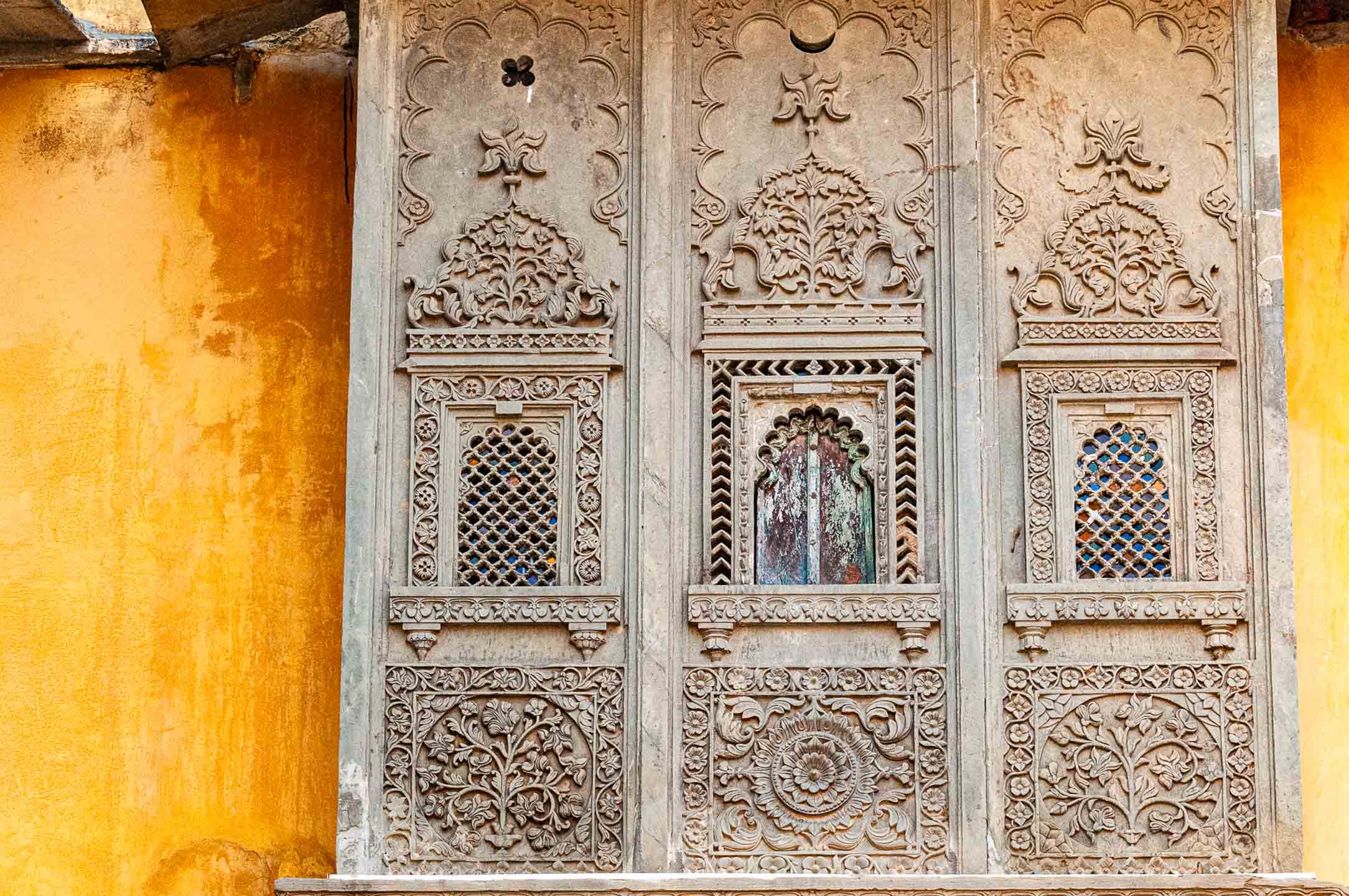
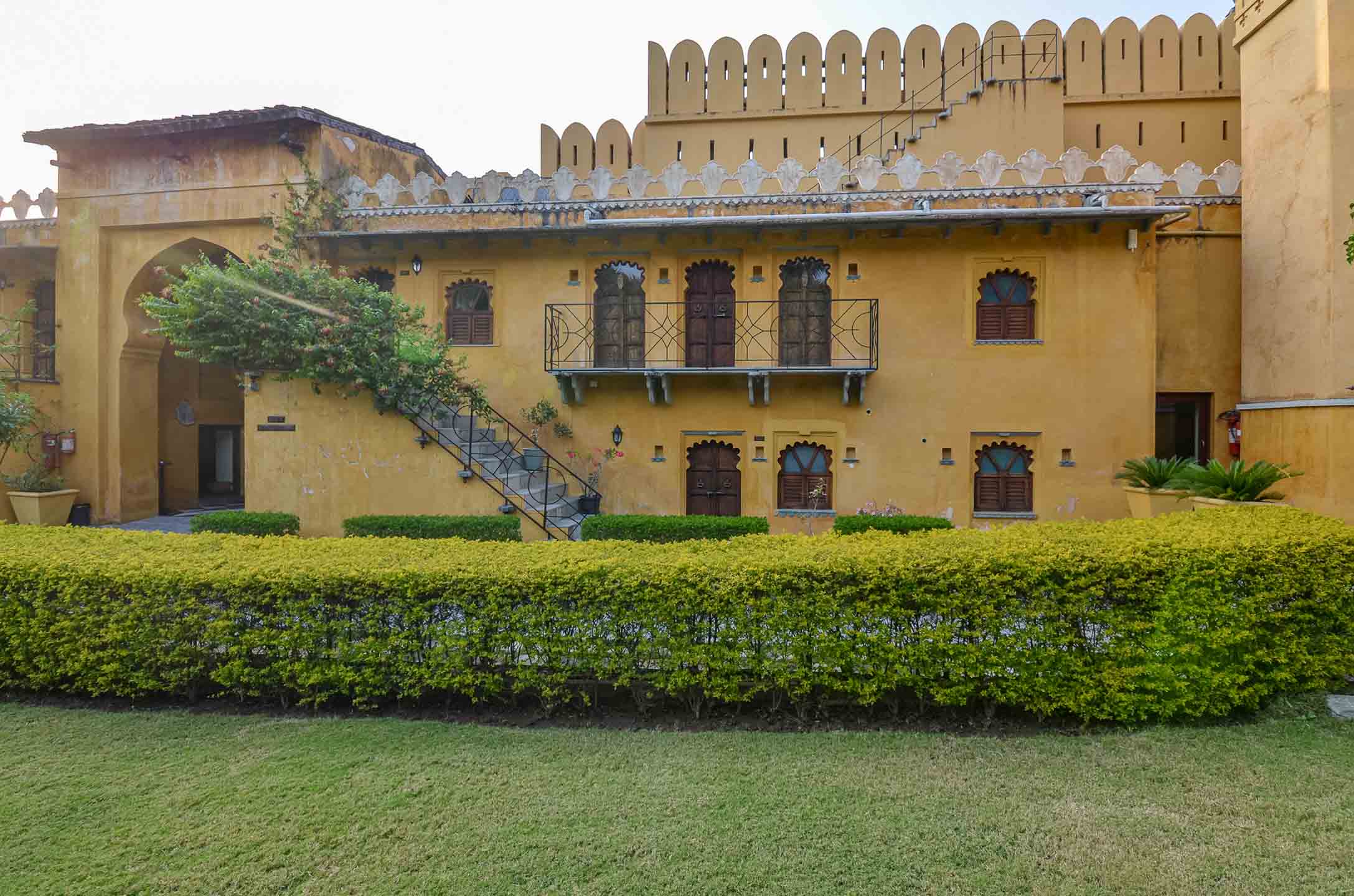
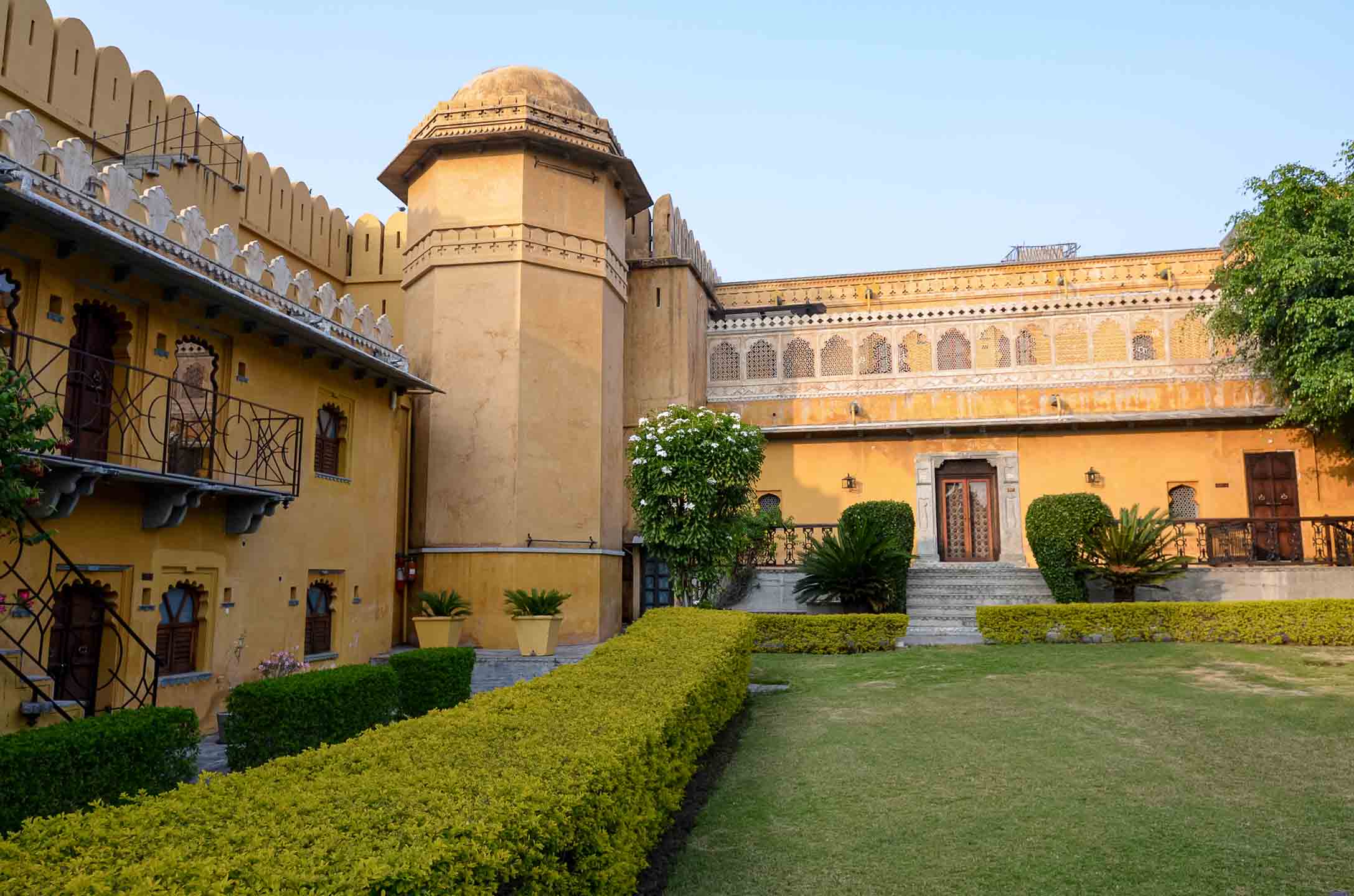
The architecture of Gogunda Palace reflects this context of urgency and purpose. Builders constructed it using locally sourced stone, emphasizing durability and practicality over ornamentation. Thick walls, compact courtyards, and interconnected spaces define its layout. Unlike the expansive and decorative palaces of peacetime, Gogunda prioritizes function. Every element serves a purpose—defense, governance, or habitation.
Despite its simplicity, the palace maintains a strong architectural coherence. The proportions remain balanced, and transitions between spaces feel natural. The design integrates built form with the surrounding terrain, allowing the palace to respond directly to its environment. This integration creates a structure that feels grounded rather than imposed.
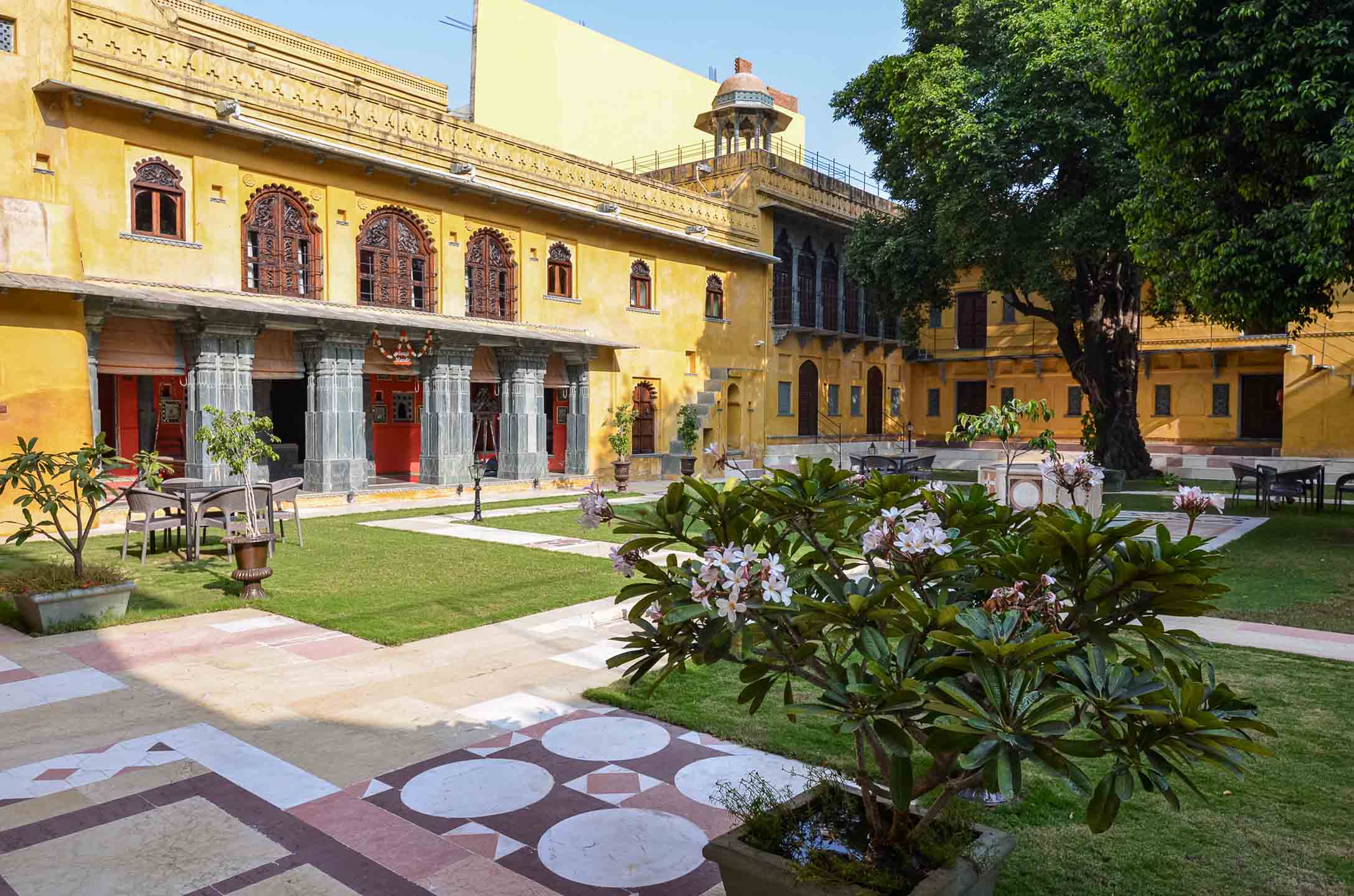
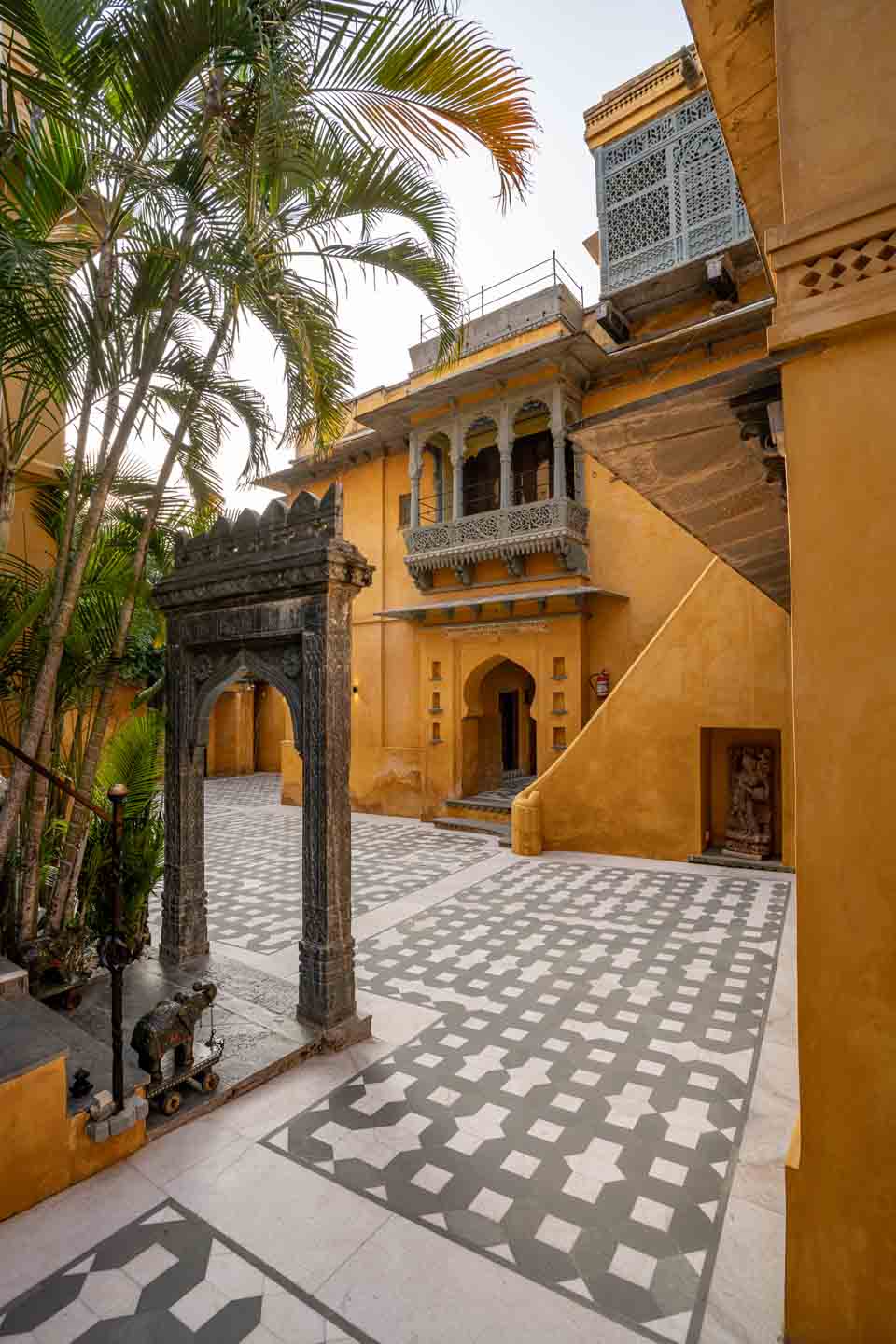
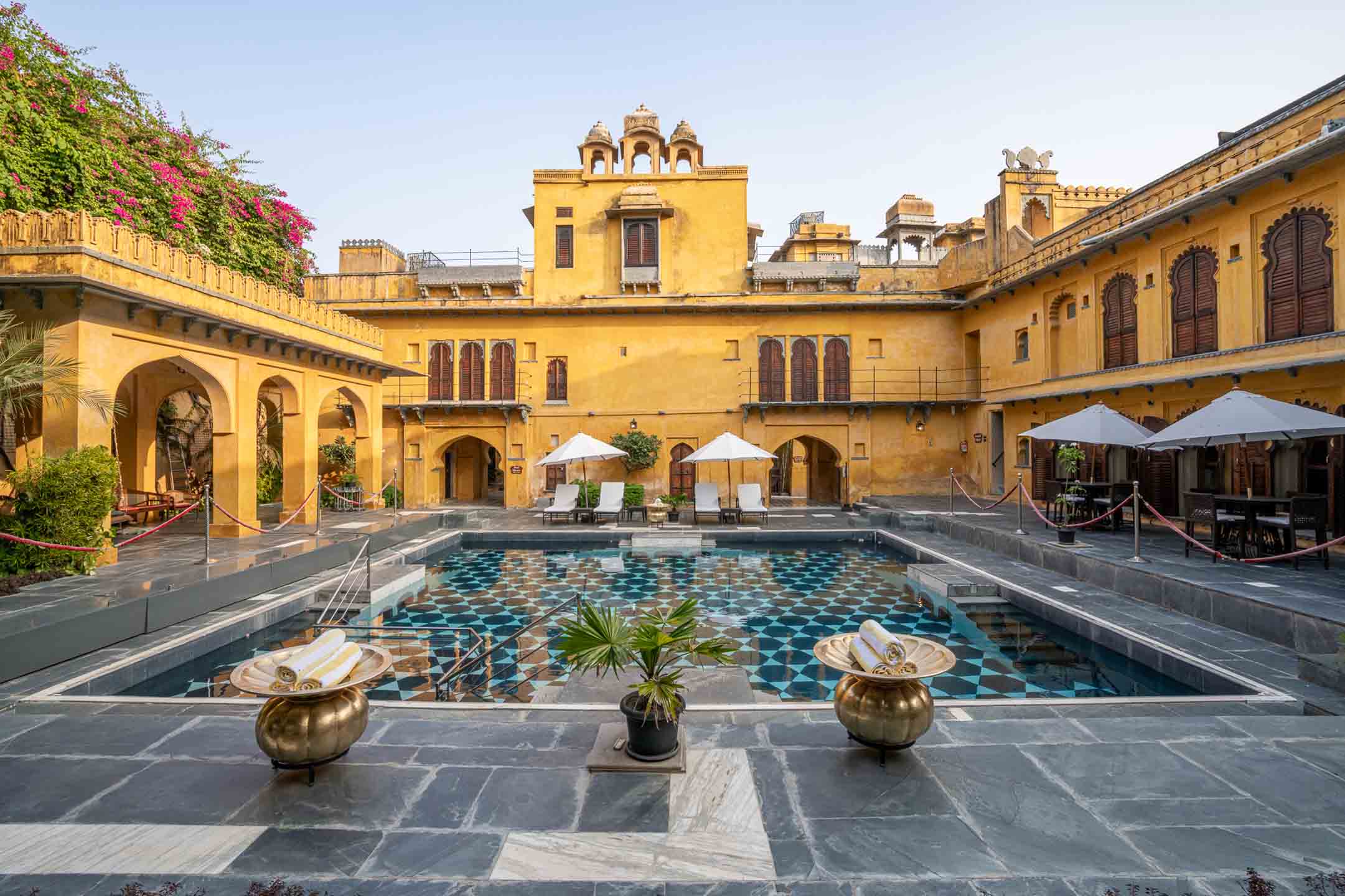
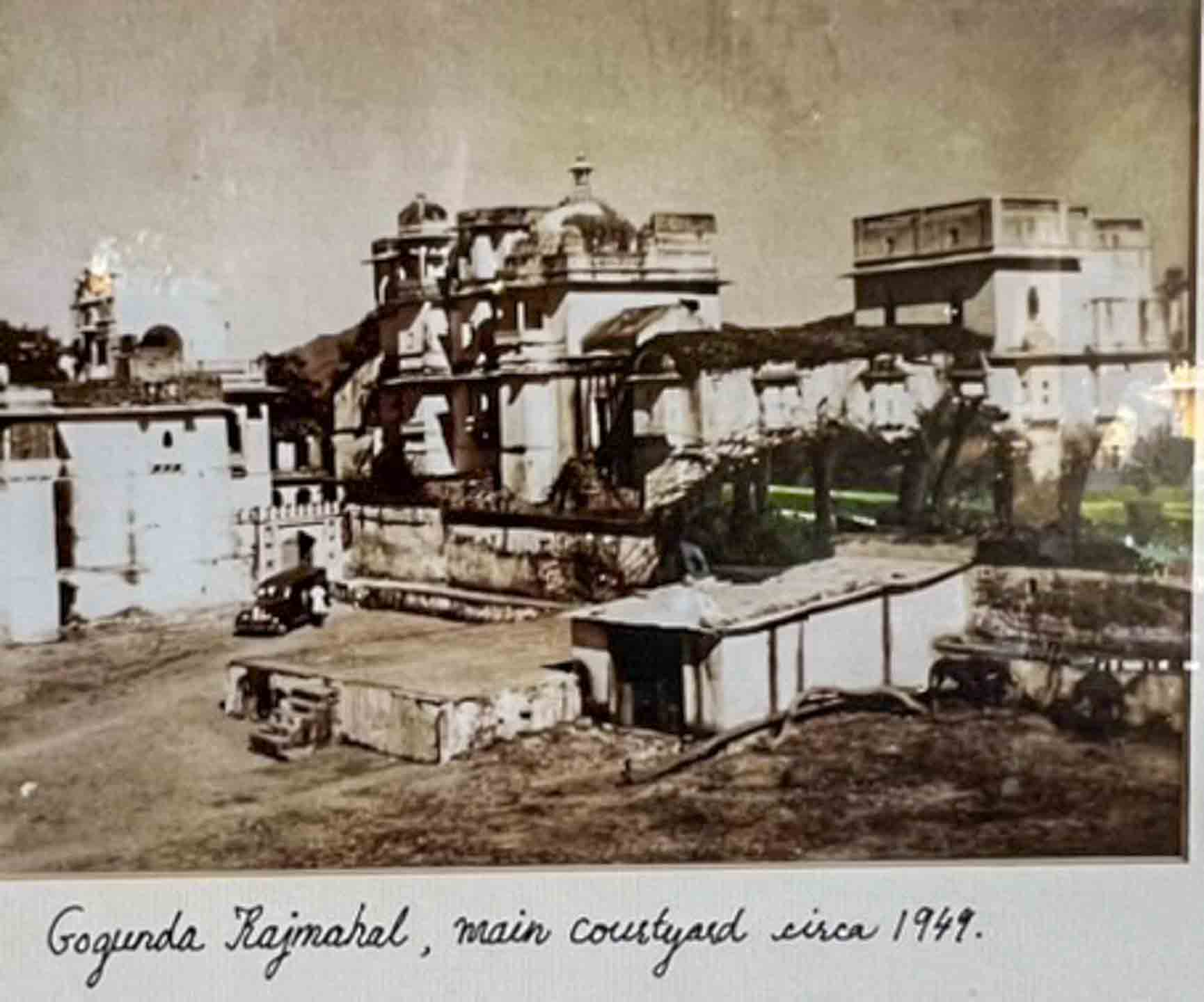
Courtyards form the core of the palace layout. These open spaces bring in light and air, making the interiors more habitable in a challenging climate. They also functioned as gathering areas where discussions, planning, and administrative decisions took place. Surrounding rooms and corridors maintain a smaller, more intimate scale, reinforcing the idea that this was a working palace rather than a ceremonial one.
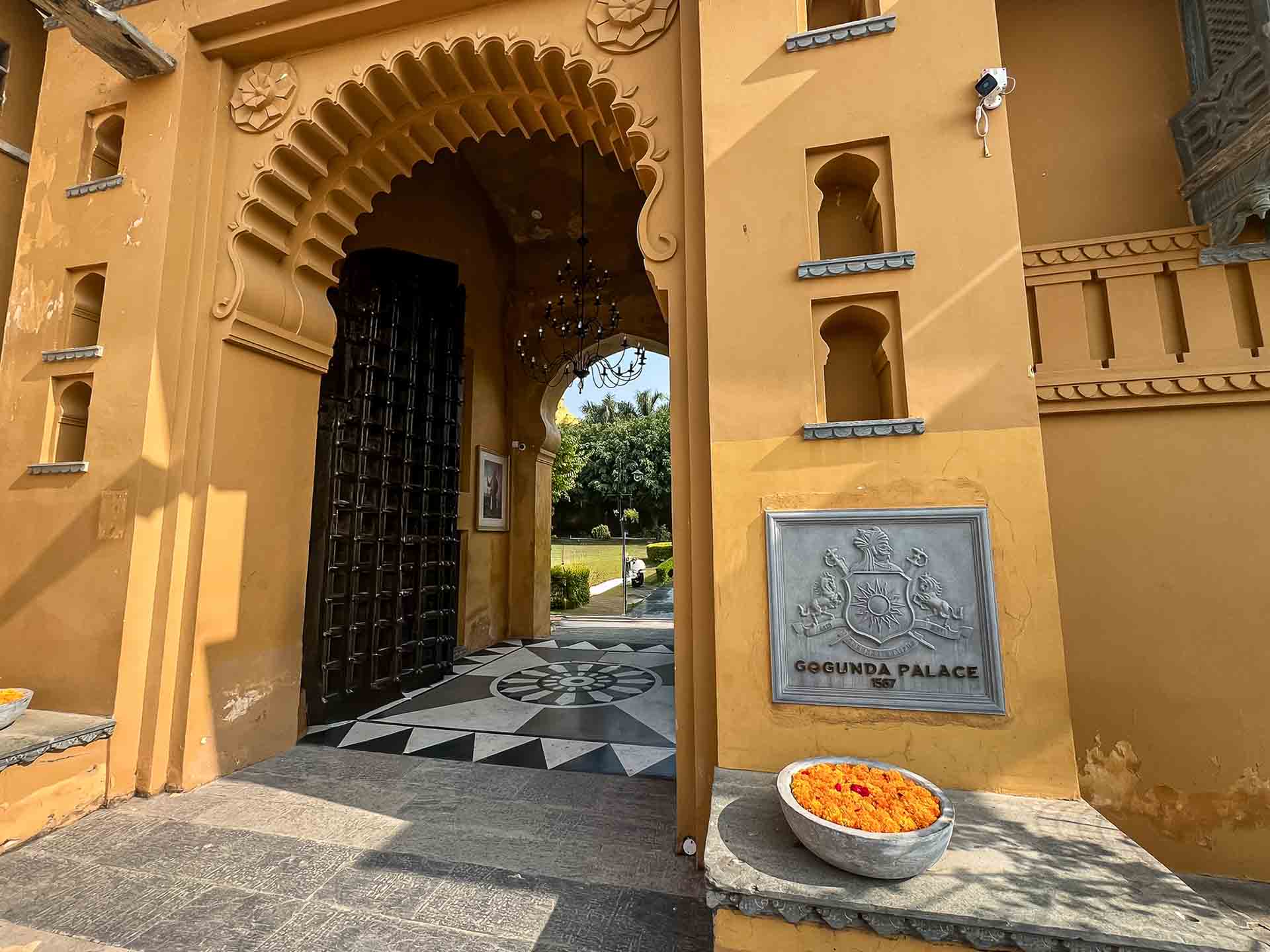
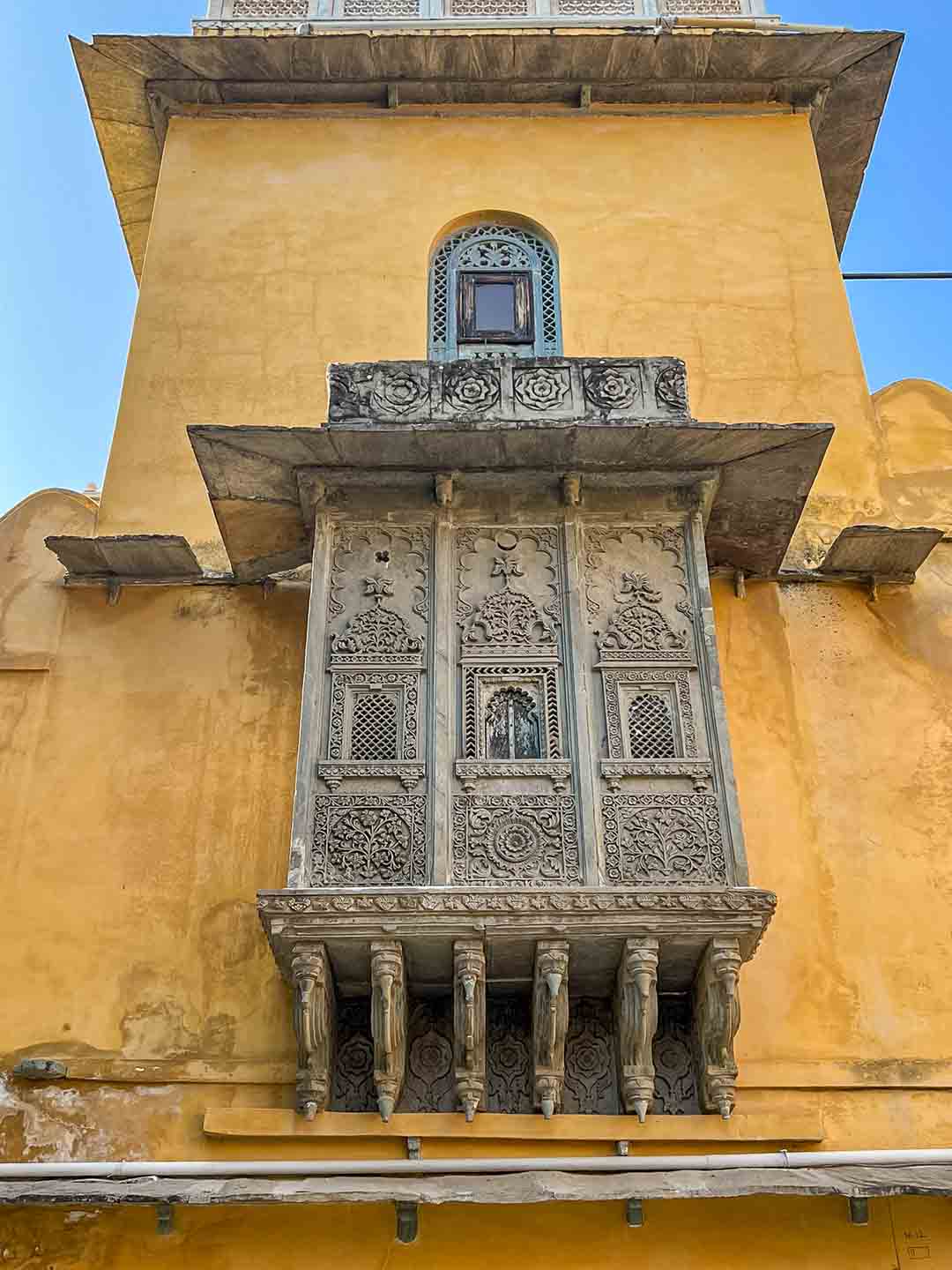
The gates of Gogunda Palace carry a distinct presence. Though they lack elaborate decoration, they project quiet authority. Moving through them creates a clear sense of transition—not only between spaces, but between moments in time. These thresholds have witnessed movement, deliberation, and uncertainty. Their worn surfaces reflect prolonged use rather than curated preservation, adding to their authenticity.
The palace’s terraces and elevated platforms offer views of the surrounding hills, reinforcing its strategic placement. From these vantage points, one can easily imagine the vigilance that once defined this landscape—watching for movement, anticipating threats, and maintaining awareness of the terrain. The Aravalli Hills do not simply frame the palace; they form an essential part of its identity, influencing both its design and its function.
As political stability gradually returned and Udaipur emerged as the permanent capital of Mewar, Gogunda’s role diminished. The palace no longer served as a center of governance, and activity shifted elsewhere. However, it did not disappear into obscurity. Instead, it remained embedded in regional memory as the site of a pivotal historical moment. Its importance endured through association rather than continued use.
Heritage Hotel
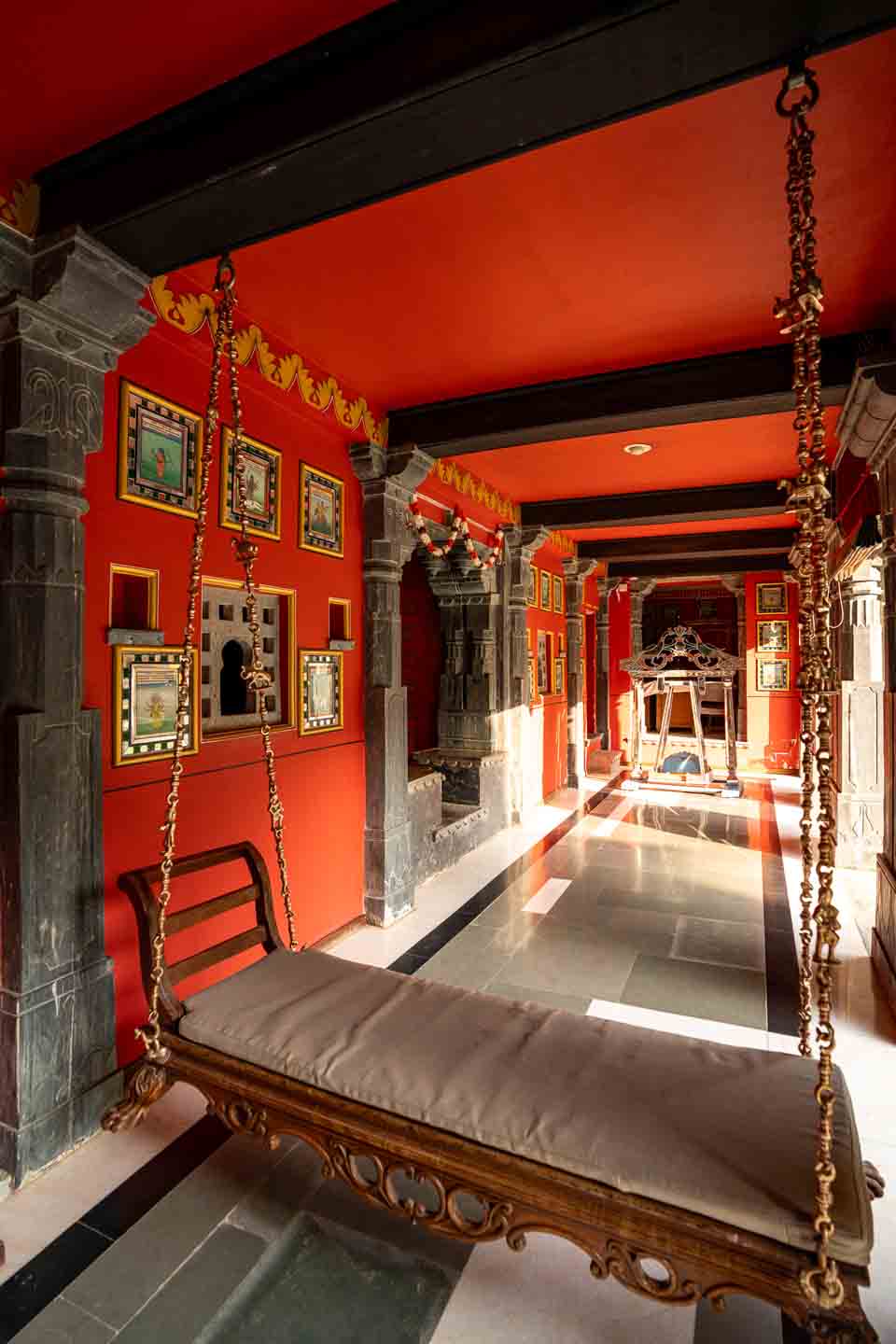
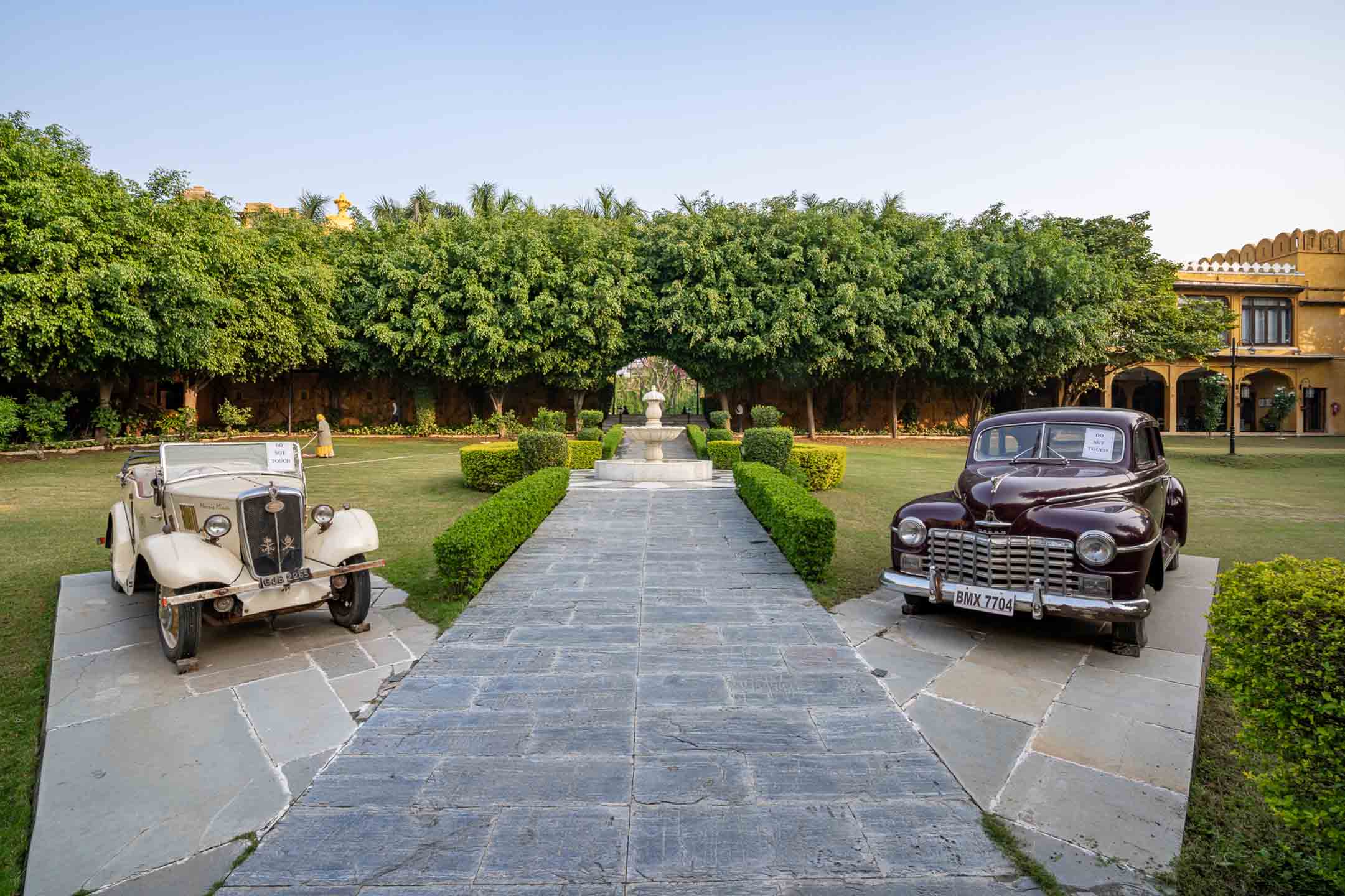
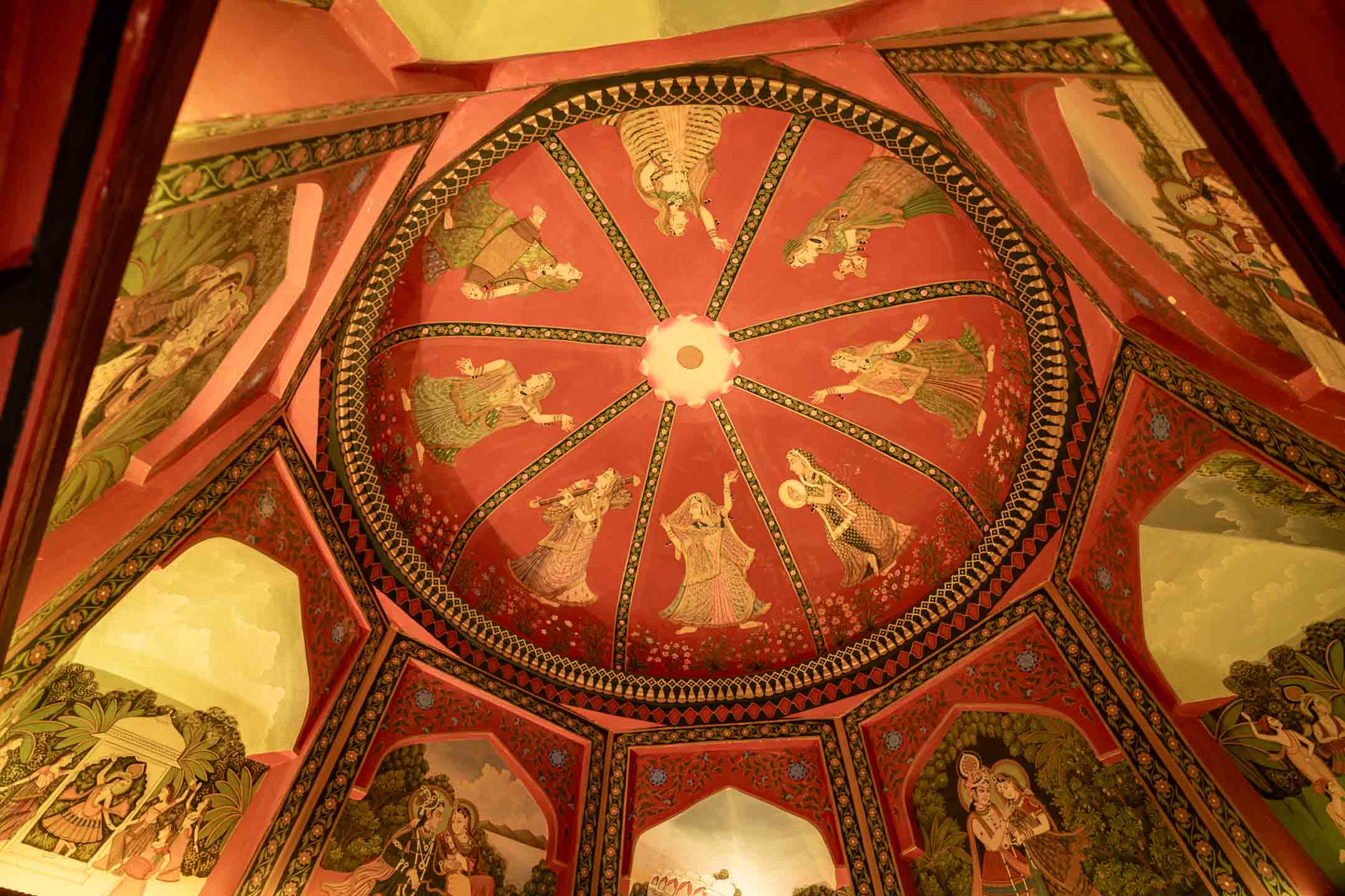
In recent years, Gogunda Palace has undergone restoration and now operates as a heritage hotel. The conversion respects the building’s original character, avoiding excessive alteration. Designers adapted existing spaces into guest rooms while preserving structural proportions and materials. Courtyards and terraces continue to define the spatial experience, maintaining continuity with the palace’s past.
The stay at Gogunda Palace does not align with conventional notions of luxury. It offers something more grounded—an immersion into history and environment. The experience depends less on amenities and more on atmosphere. Light shifts across stone surfaces, courtyards hold stillness, and the surrounding hills create a sense of enclosure. These elements shape the experience in subtle but consistent ways.
Dining within the palace follows a similar approach. The kitchen focuses on regional cuisine, presenting dishes rooted in local tradition. Meals emphasize familiar flavors and straightforward preparation rather than elaborate presentation. The setting plays an important role—whether in a courtyard or overlooking the landscape, the context integrates dining into the larger experience of the palace. The result feels consistent with its character: measured, unembellished, and intentional.
The evolution of Gogunda Palace reflects broader shifts in the region’s history. It began as a strategic response to conflict, serving as a temporary capital during a period of instability. It functioned as a center of governance and resistance, playing a direct role in shaping the trajectory of Mewar. As political conditions stabilized, its role diminished, and it transitioned into a quieter existence.
The conversion into a heritage hotel marks its most recent phase. This transformation allows the palace to remain relevant while preserving its historical identity. By opening its spaces to visitors, it shifts from exclusivity to accessibility. However, it does not abandon its past. Instead, it incorporates it into the present, allowing multiple layers of history to coexist.
Gogunda Palace derives its significance from context—historical, geographical, and cultural. Its value lies in what it represents rather than how it appears. The palace invites reflection rather than spectacle, offering an experience that unfolds gradually. In a region known for monumental architecture and elaborate design, Gogunda stands apart.
Ultimately, Gogunda Palace serves as a record of a specific moment in time—one shaped by uncertainty, decision-making, and resilience. Its walls do not simply contain history; they reflect it. Walking through its courtyards and corridors brings one into contact with that past—not as a distant narrative, but as a presence that continues to define the space.