Haldighati and Molela—A Landscape of Resistance and Craft
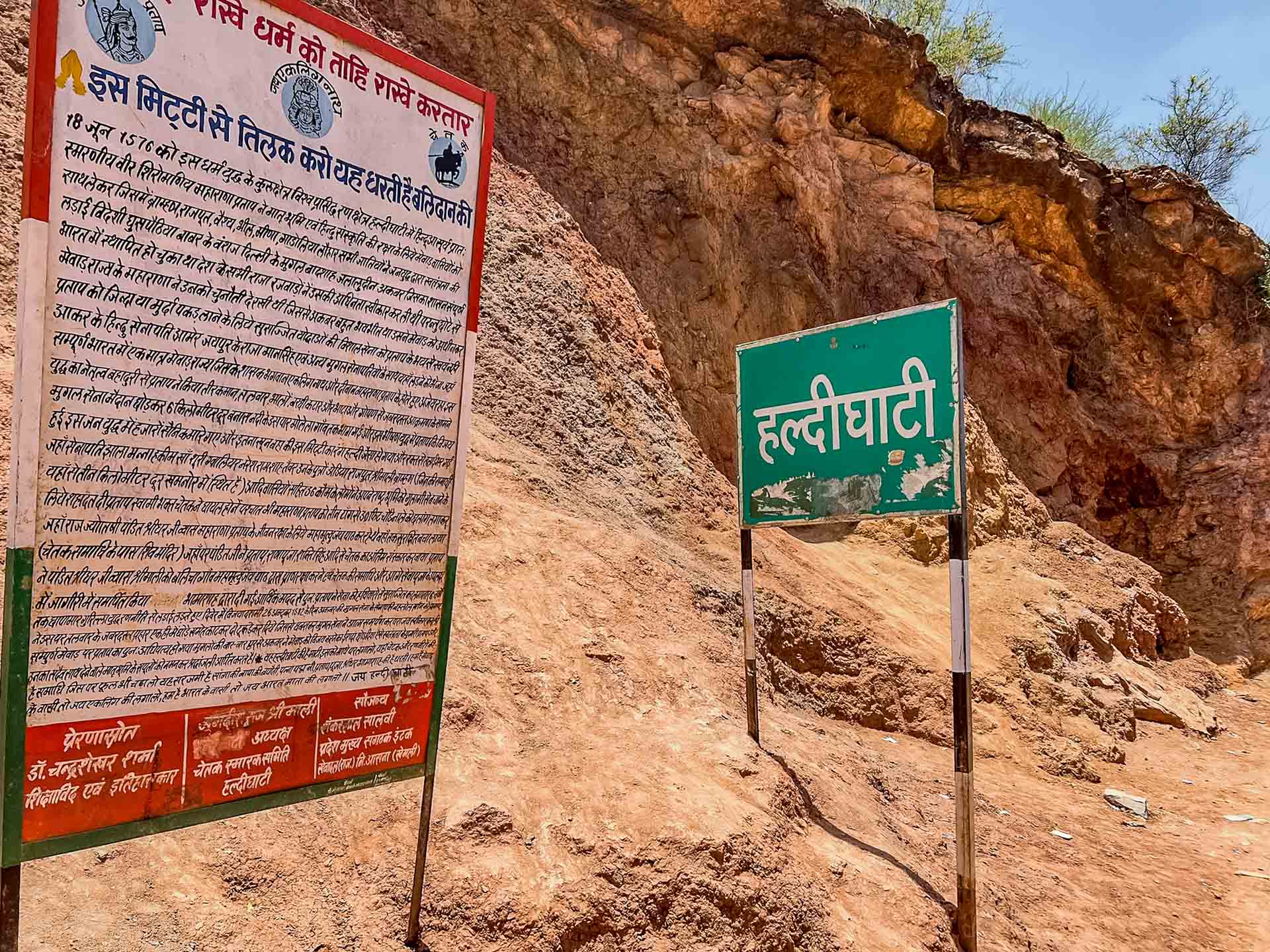
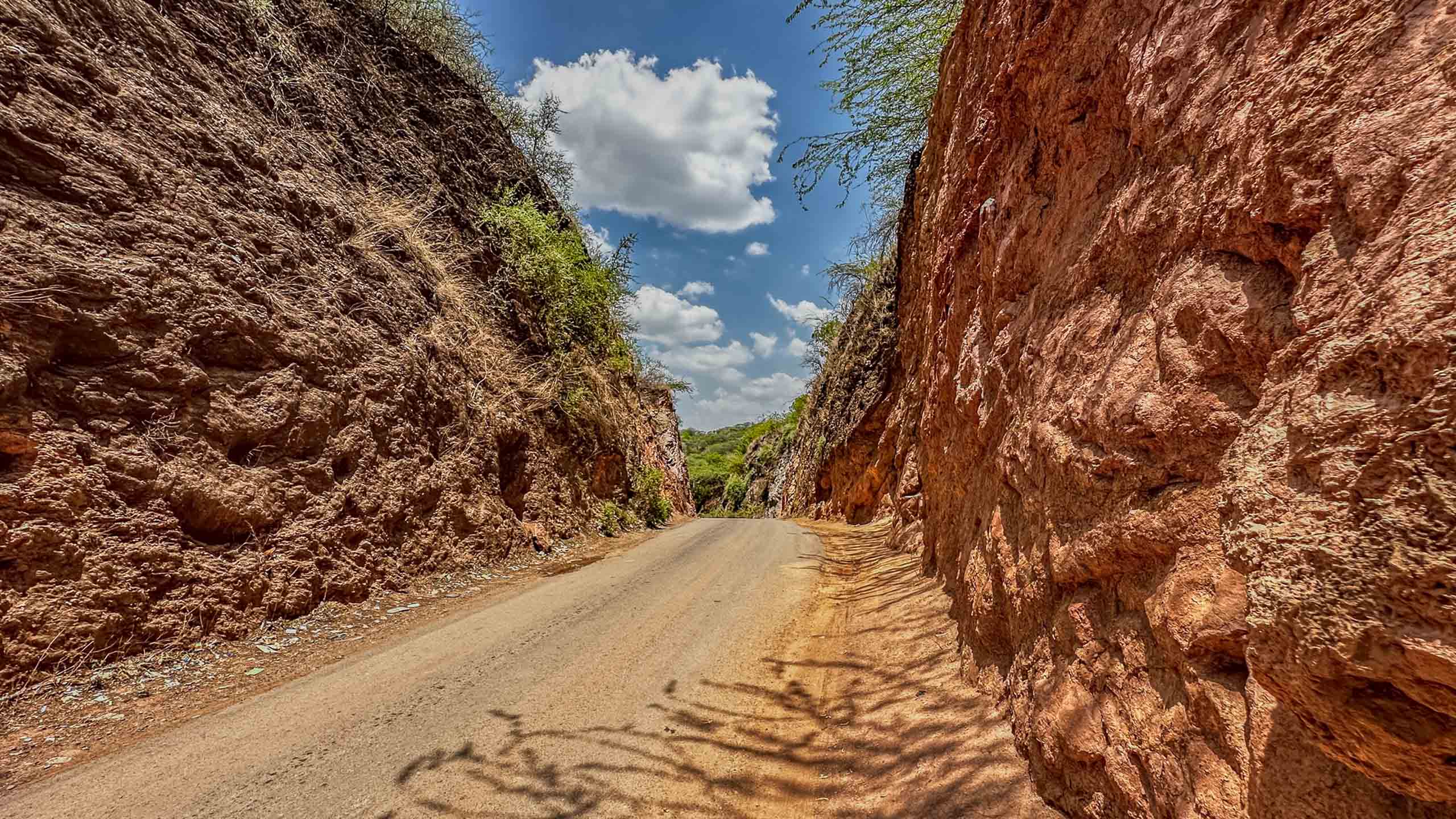
The narrow mountain pass of Haldighati, located between Udaipur and Rajsamand, cuts through the rugged folds of the Aravalli Range with a quiet but unmistakable intensity. The terrain immediately stands out—the soil carries a distinct yellowish hue, reminiscent of turmeric, which gives the pass its name. Hills rise tightly on either side, while narrow pathways twist unpredictably through the landscape.
This geography defines the place. The pass naturally restricts movement, forcing armies into close quarters and making terrain as decisive as strategy or strength. Even today, the landscape retains a stark austerity. It does not rely on monumental ruins or grand structures; instead, the hills, pathways, and soil themselves preserve the memory of what unfolded here.
History
To understand the prominence of Haldighati, one must first place it within the broader political landscape of 16th-century India. Under Akbar, the Mughal Empire expanded rapidly across northern and central India. Many Rajput kingdoms entered into alliances with the
Mughals. This arrangement brought stability but required submission to a larger imperial order.
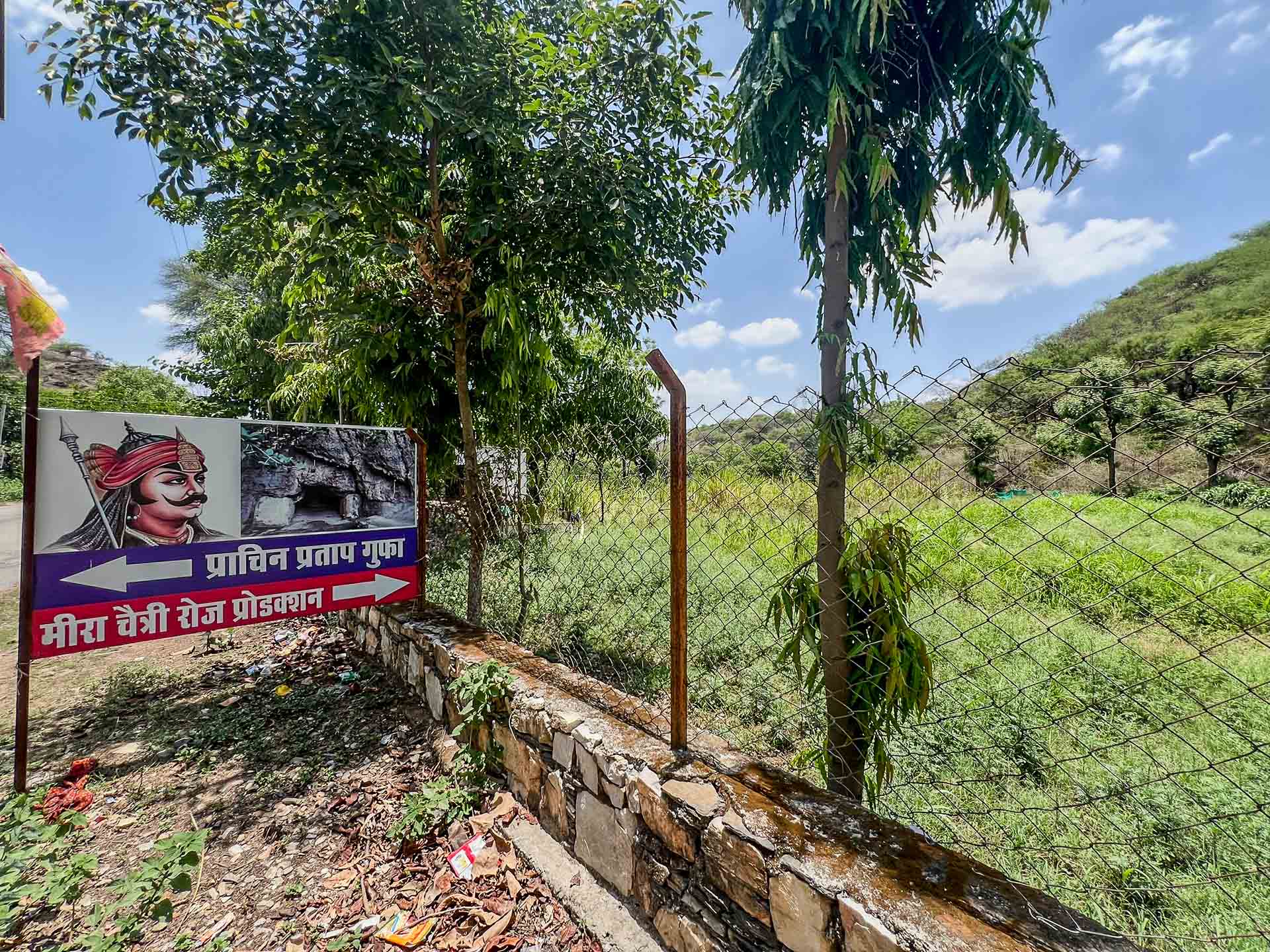
Mewar, however, chose a different path. Under Maharana Pratap, the kingdom resisted Mughal authority. This resistance extended beyond politics; it reflected a deeper assertion of sovereignty and identity. By refusing to submit, Mewar positioned itself in direct opposition to Mughal expansion.
The Battle of Haldighati — 1576
The Battle of Haldighati remains one of the most discussed military engagements in Indian history. In 1576, Maharana Pratap led a force composed of Rajput warriors and Bhil allies, who possessed deep knowledge of the terrain. Opposing them was the Mughal army commanded by Man Singh I of Amber, representing the might of the Mughal Empire.
The battle unfolded rapidly and intensely within the constraints of the narrow pass. Unlike open-field warfare, Haldighati forced combat into tight spaces, limiting movement and emphasizing individual combat skill. Despite their smaller numbers, Maharana Pratap’s forces used their familiarity with the terrain to launch direct and aggressive attacks.
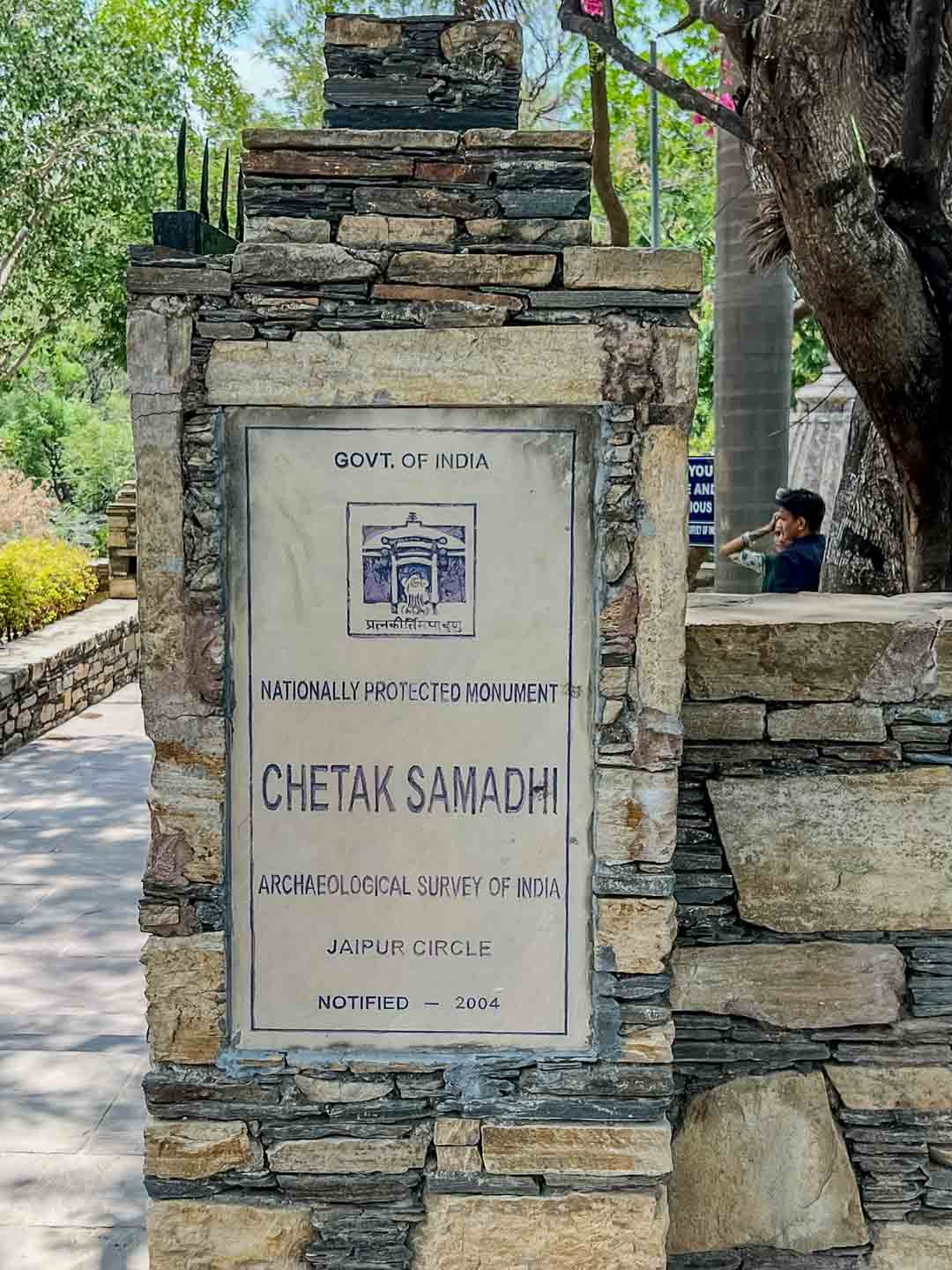
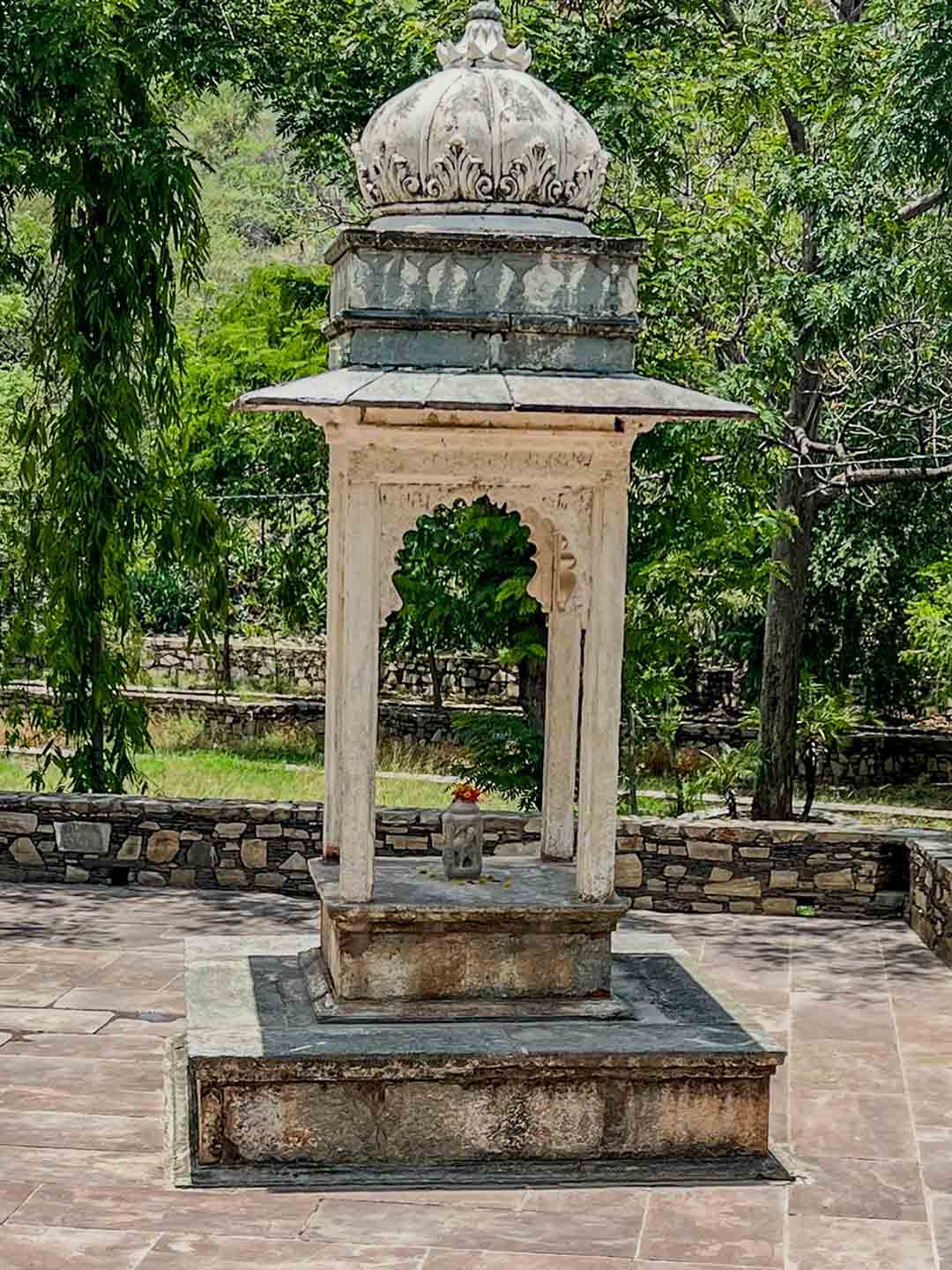
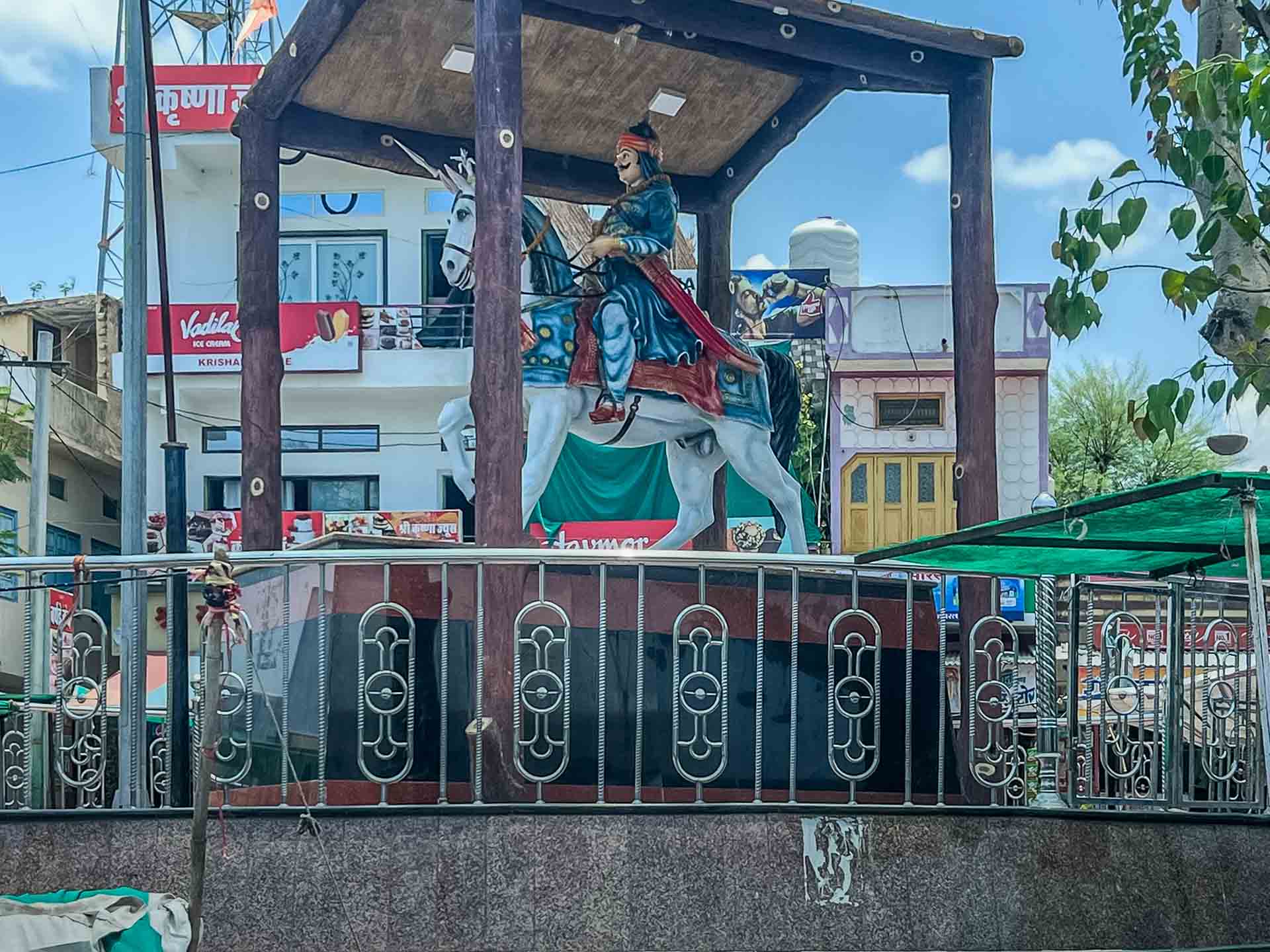
One of the most enduring images from this battle is that of Maharana Pratap riding his horse, Chetak. Historical accounts and folklore describe Chetak carrying his wounded rider away from danger, even while gravely injured himself. The story of Chetak’s final leap has since become a powerful symbol of loyalty and sacrifice. Chetak’s sacrifice was commemorated with a monument at his final resting place. Maharana Pratap himself laid the foundation stone for the temple ‘Chetak Smarak’. It is now a nationally protected monument.
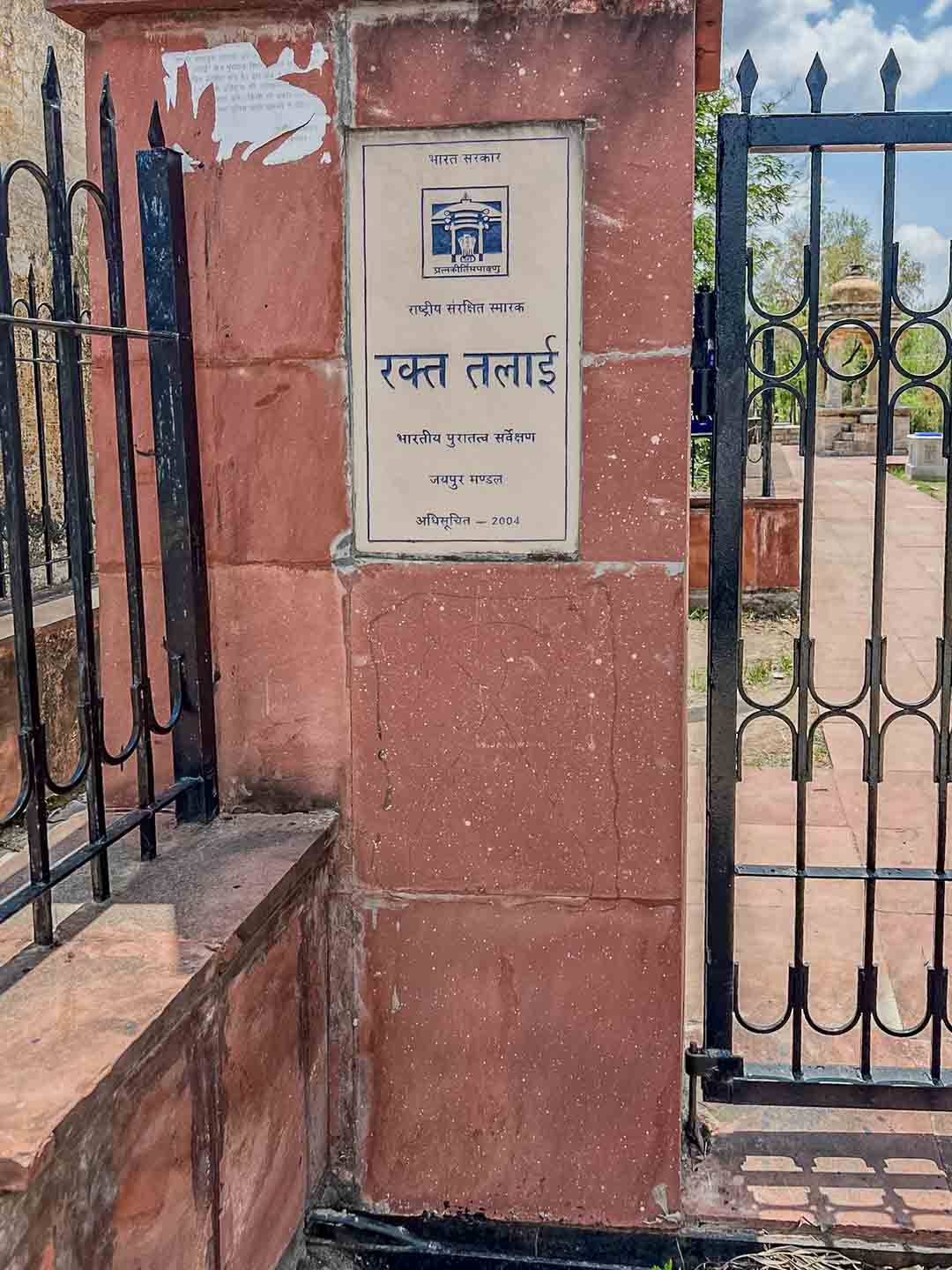
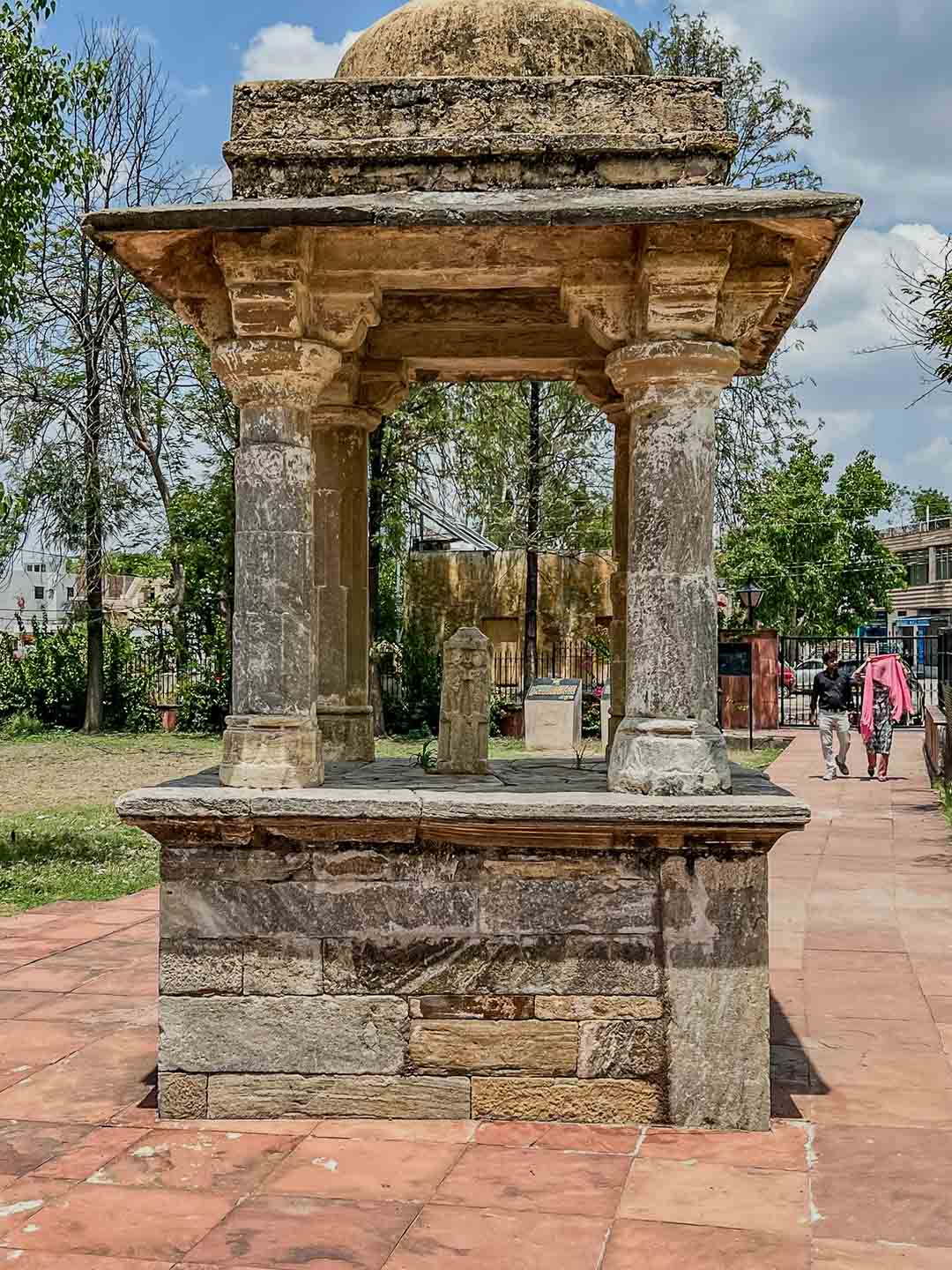
At the end of the battle, the bloodshed of hundreds of warriors pooled into a pond – Rakta Talai. There is a monument at that place now to commemorate the battle and the lives lost.
From a strictly military perspective, the Mughals held the battlefield. However, they failed to achieve their larger objective—the complete subjugation of Mewar. Maharana Pratap survived the encounter and retreated into the surrounding hills.
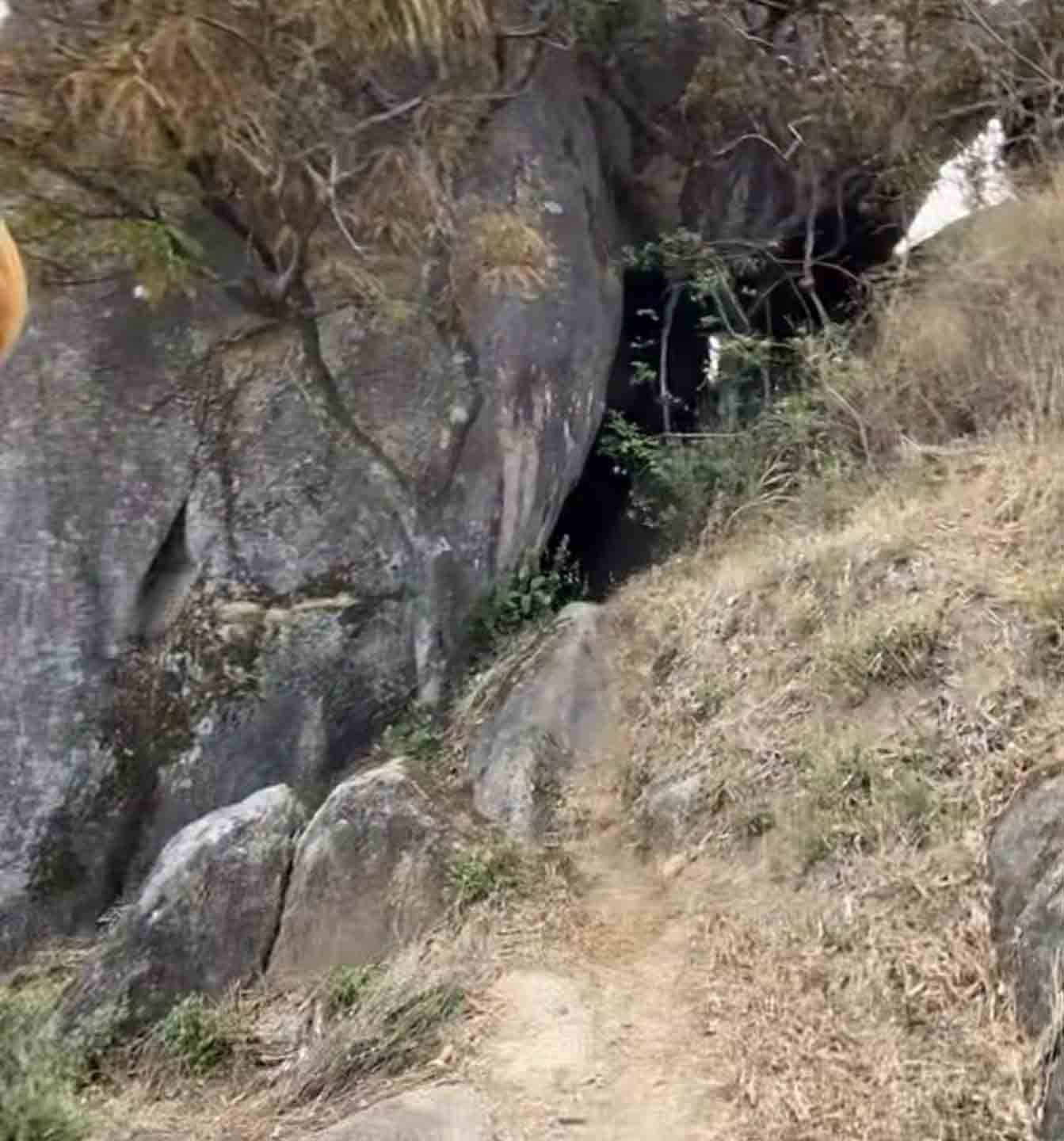
The significance of Haldighati lies not only in the battle itself but in what followed. Rather than marking an end, the conflict initiated a prolonged phase of resistance. Maharana Pratap adopted guerrilla warfare tactics, using the difficult terrain of the Aravallis to his advantage.
Over time, he regained significant portions of Mewar’s territory and maintained its independence against a far more powerful empire. This continued resistance reshaped the meaning of Haldighati. It transformed from a contested battlefield into a symbol of
endurance. The idea that a single setback did not result in surrender gave the event lasting historical and cultural importance.
Haldighati Today
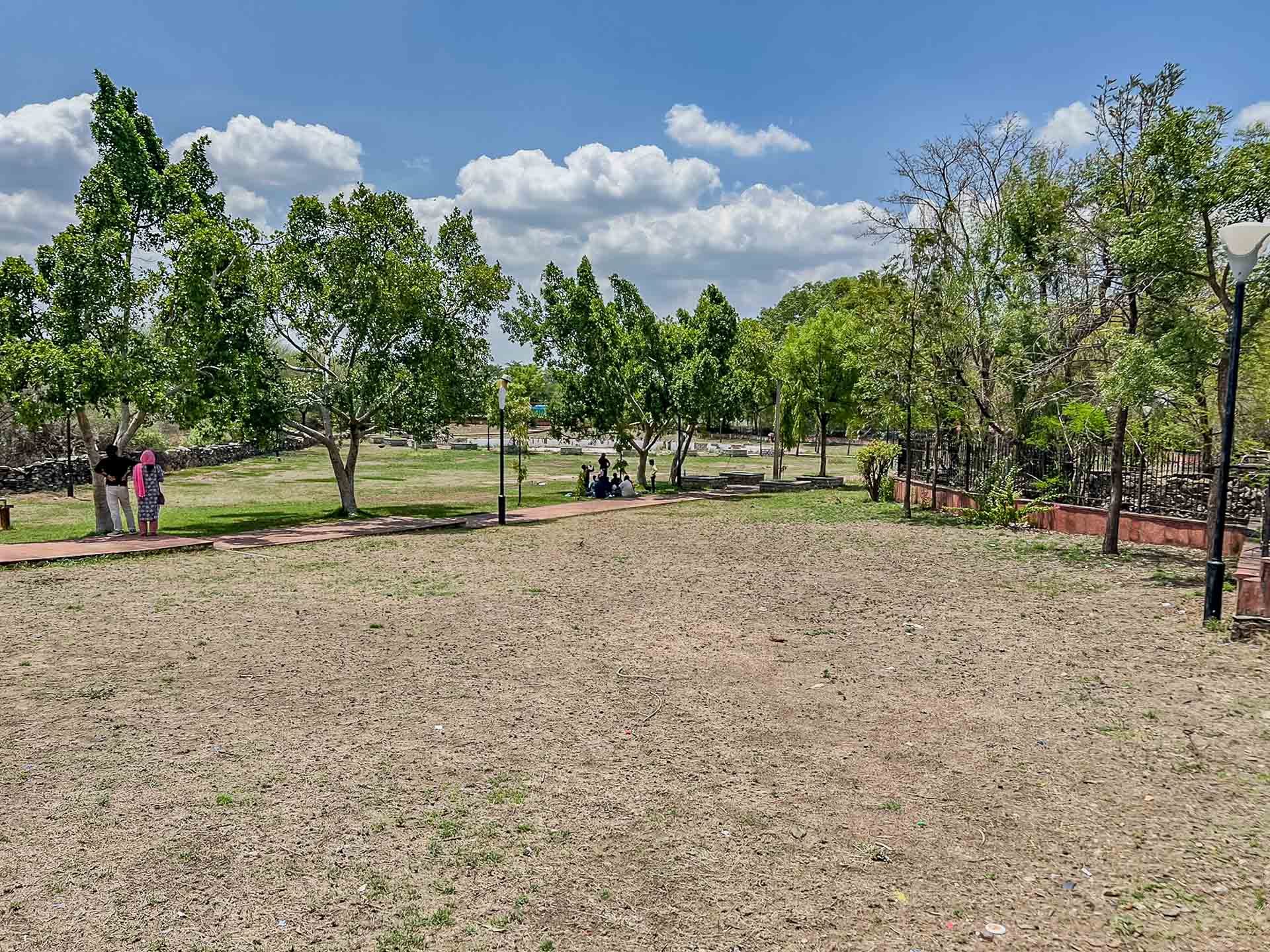
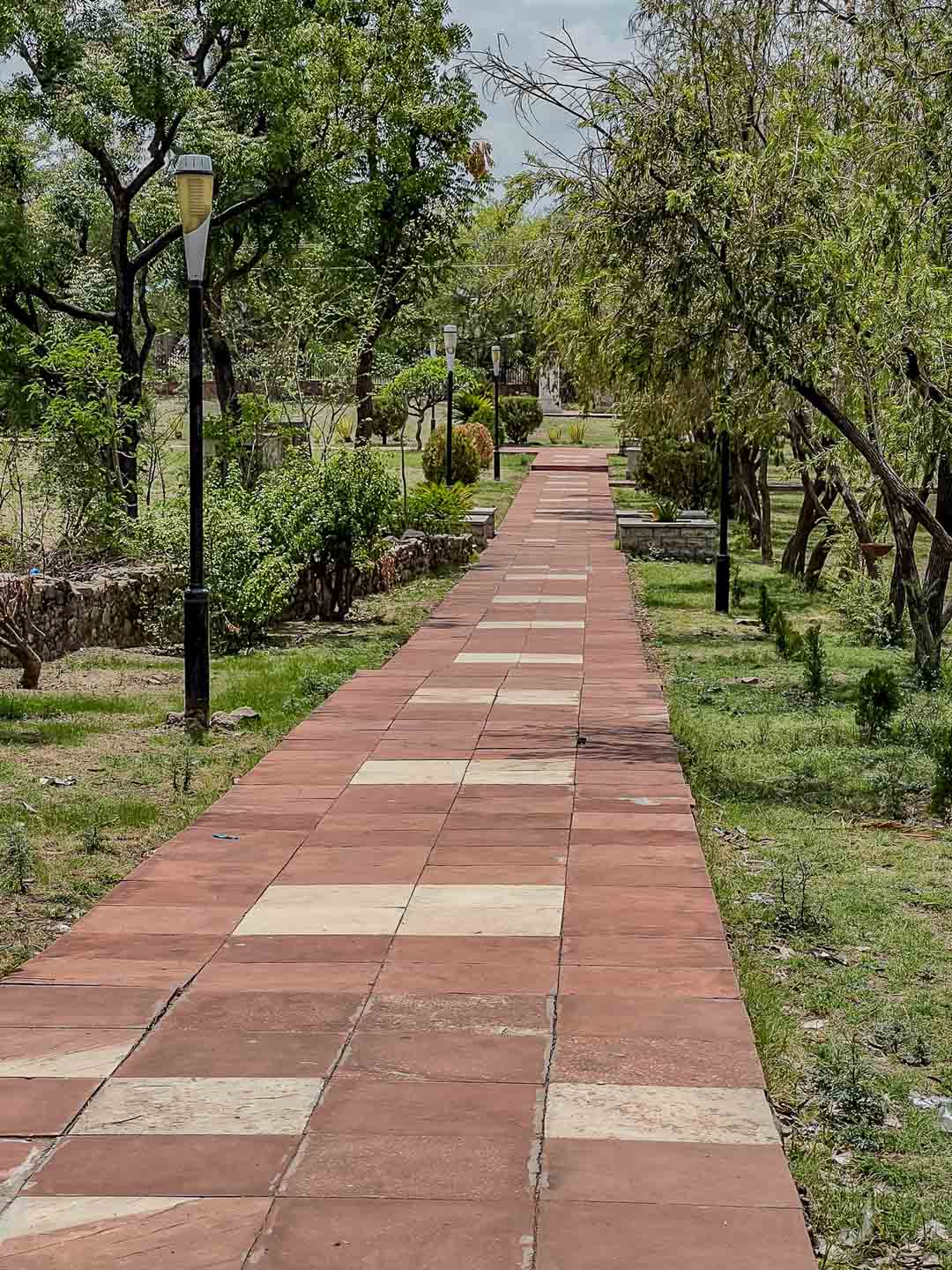
The narrow pass, the yellow soil, and the surrounding hills together evoke the events that unfolded here. Memorials, including the site associated with Chetak’s death, exist, but they do not dominate the experience.
What stands out is the absence of spectacle. The geography remains largely unchanged, offering a direct connection to the past. Walking through the pass, one senses not just what happened, but how it might have unfolded—the constrained movement, the urgency, and the intensity dictated by the terrain.
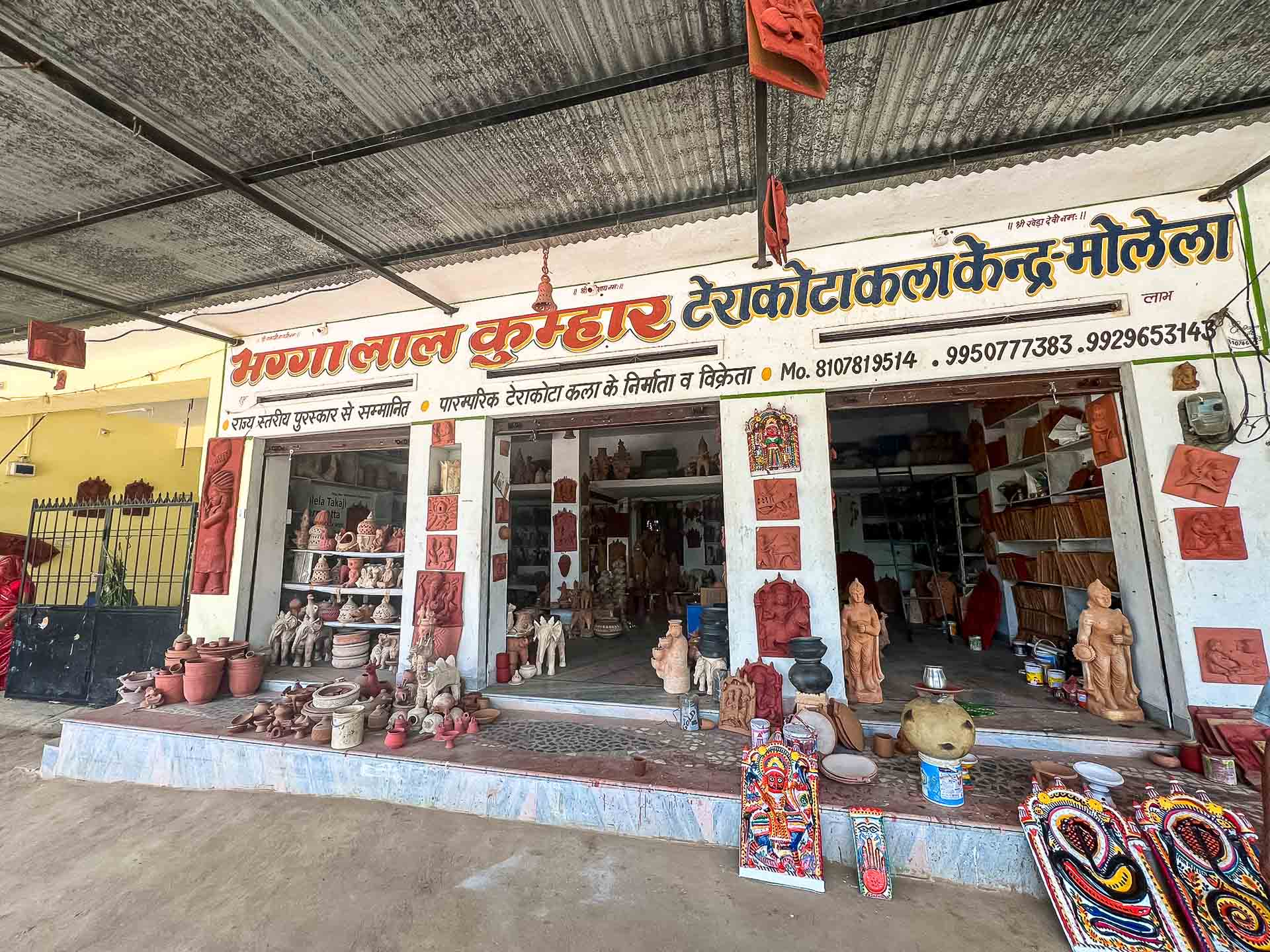
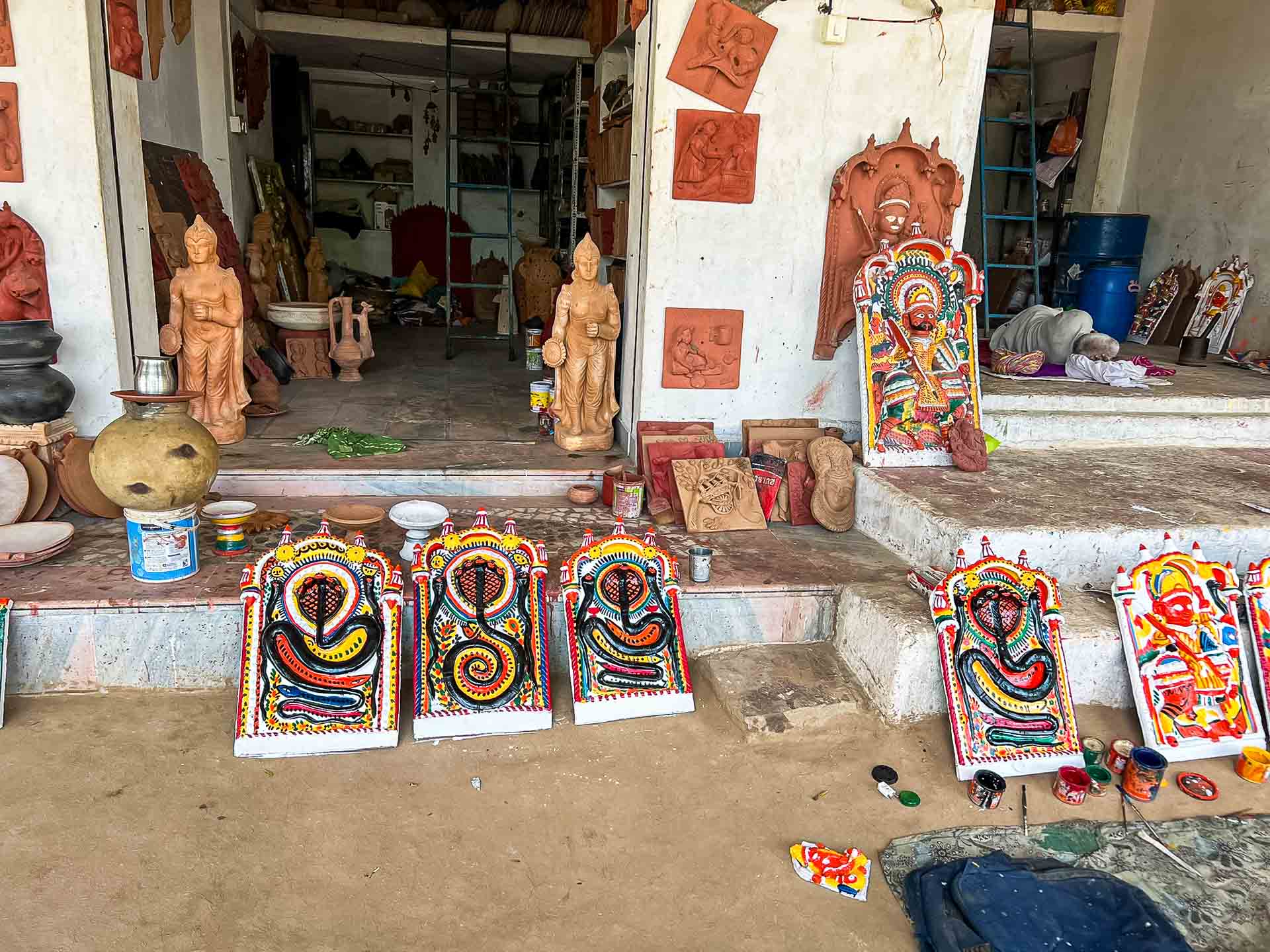
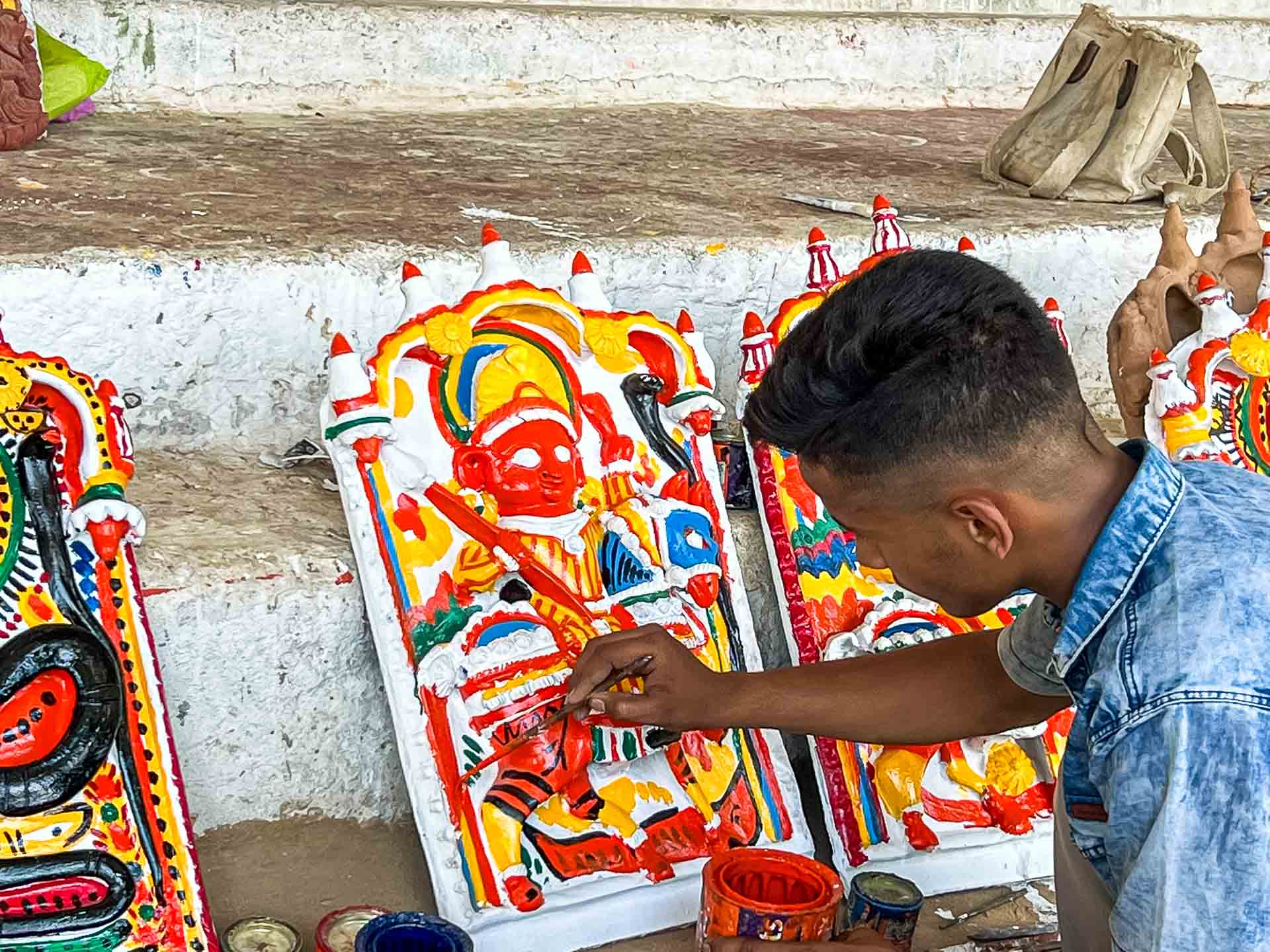
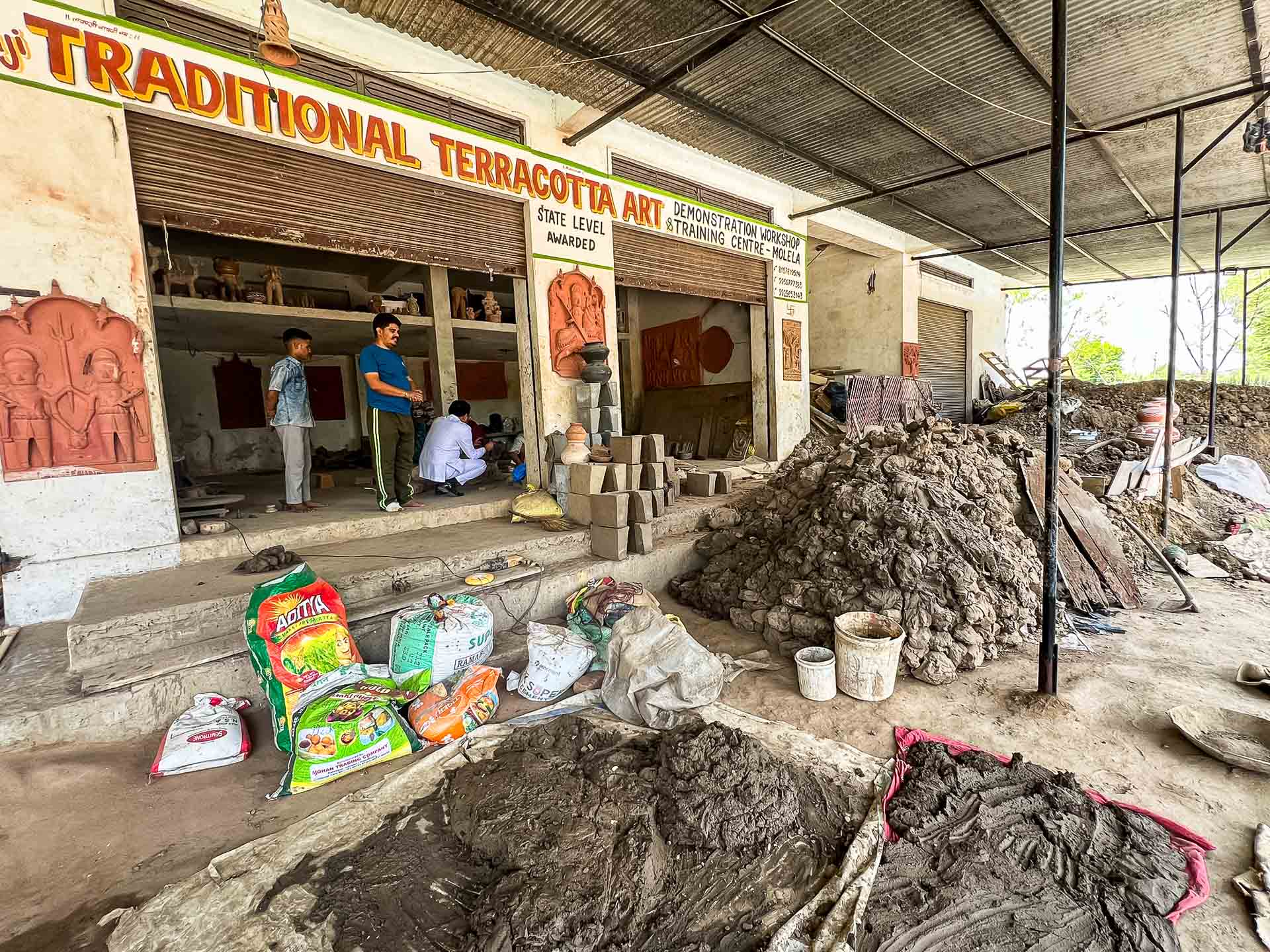
Haldighati and Molela connect through a shared theme of resilience, though they express it differently. Haldighati symbolizes resistance against external power and Molela represents continuity. Together, they offer a more complete understanding of the region. One reflects a defining historical moment; the other embodies an enduring cultural practice. Their proximity creates a layered narrative that links the past with the present.