Amer Fort
Long before Jaipur became the capital, Amer was the seat of power for the Kachwaha Rajputs, who ruled this region for centuries.
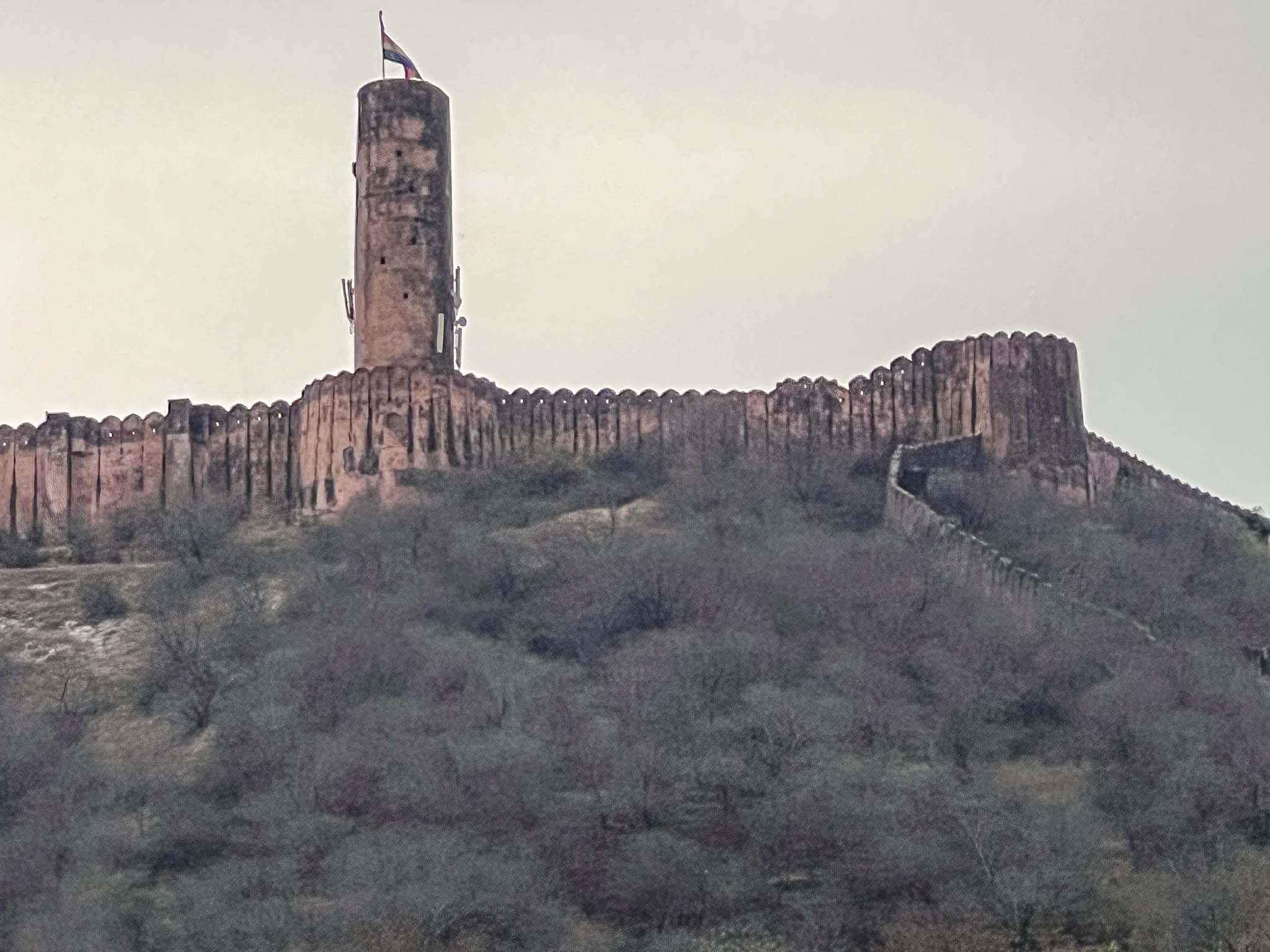
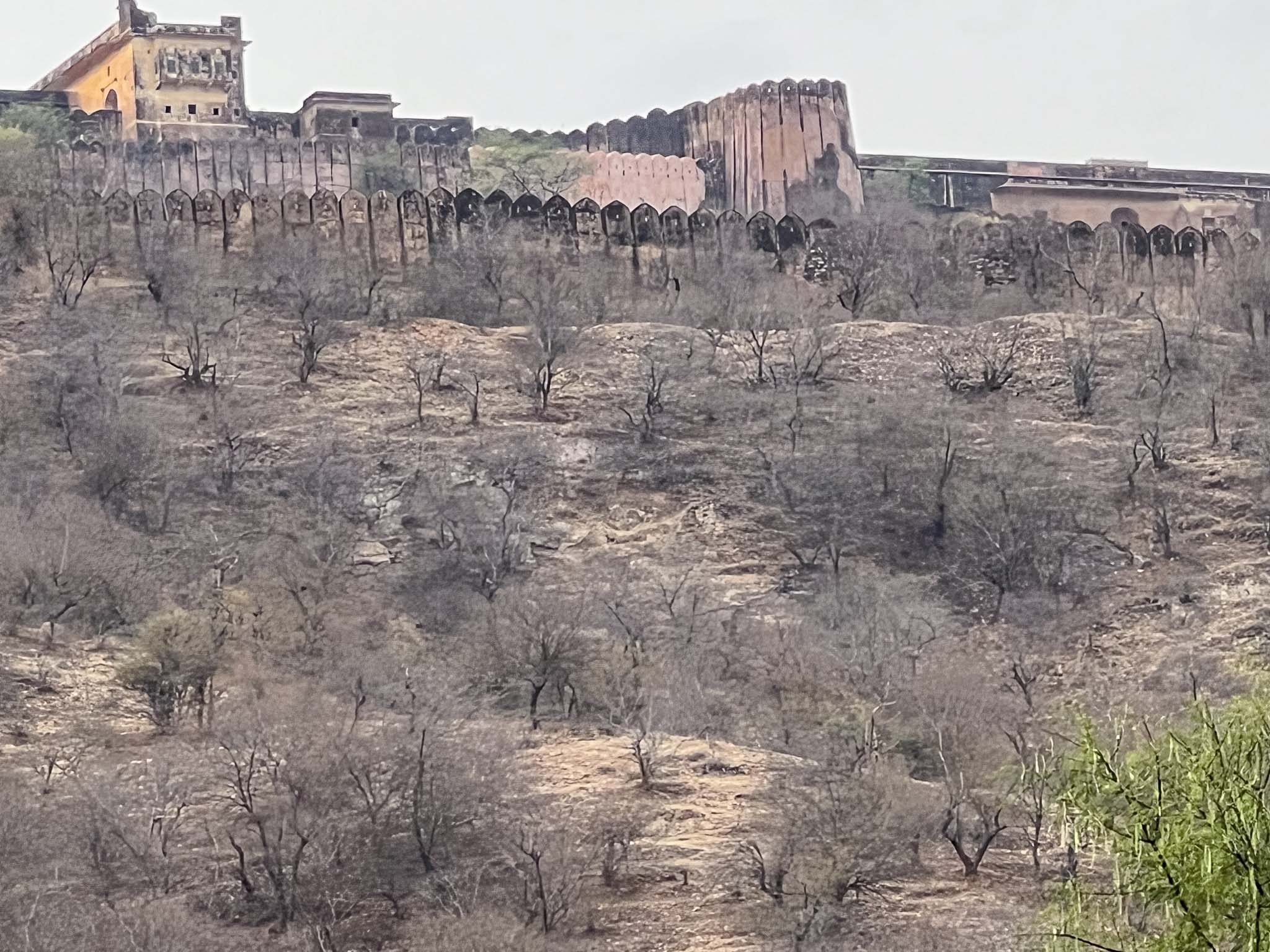
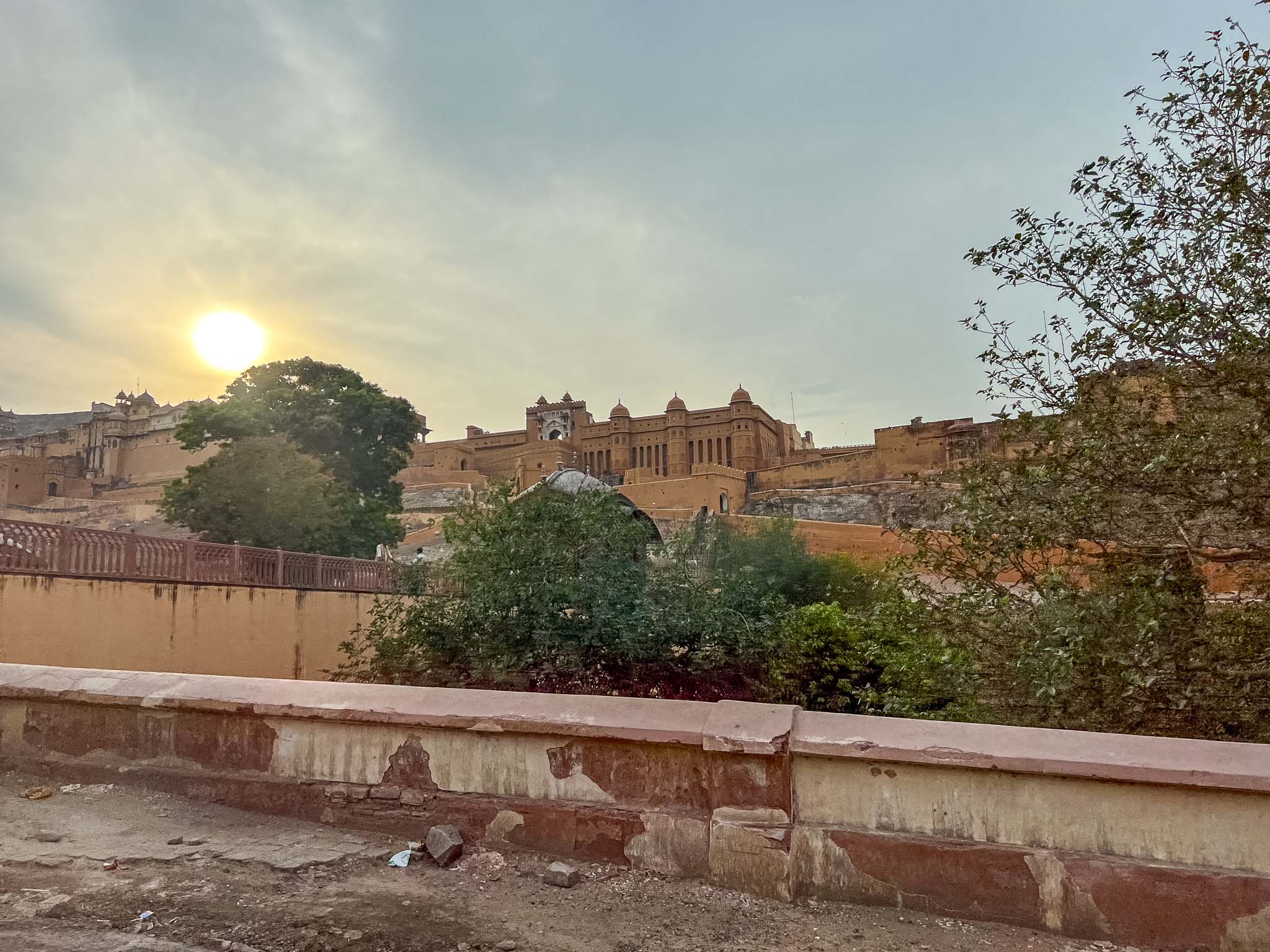
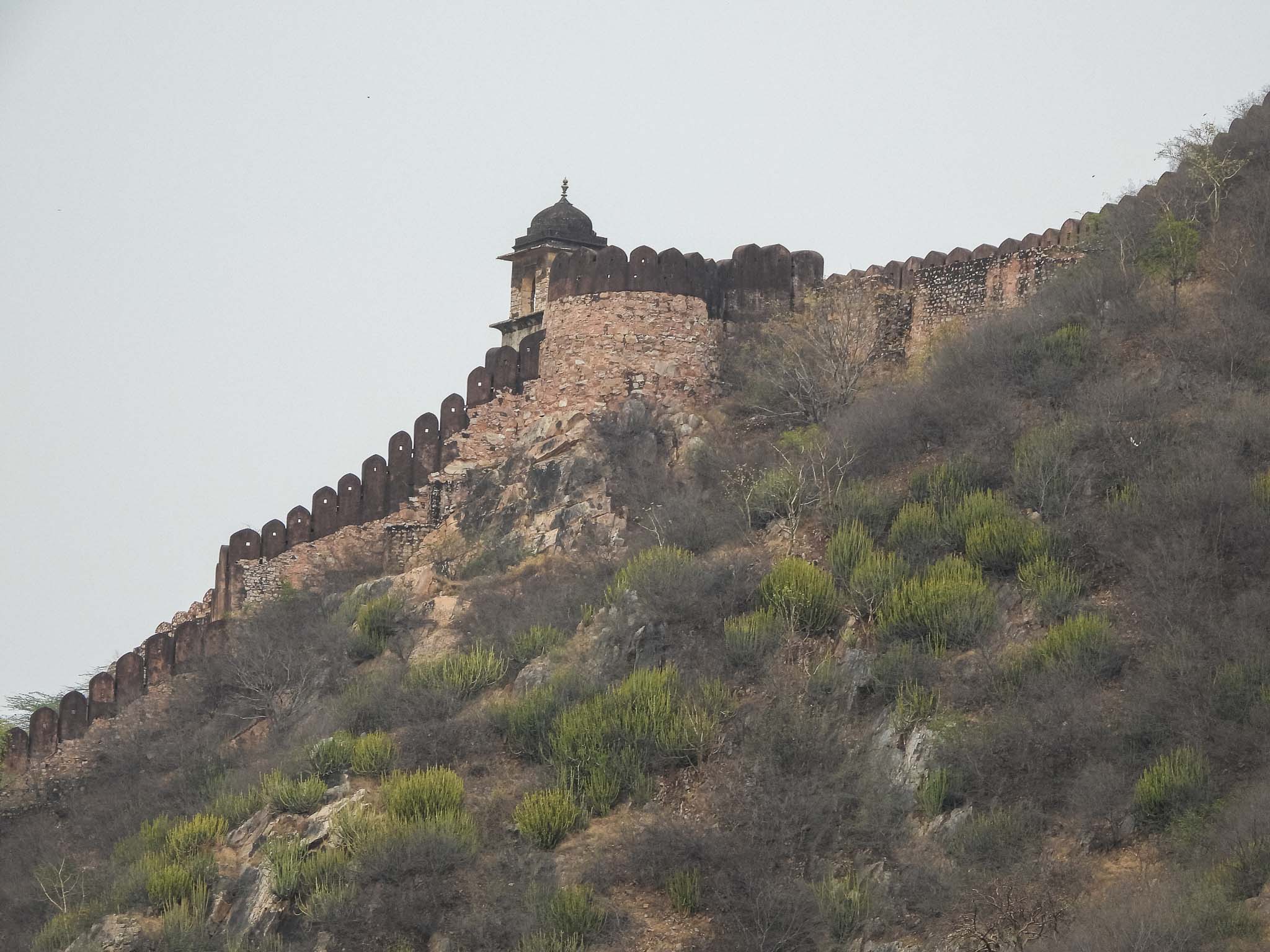
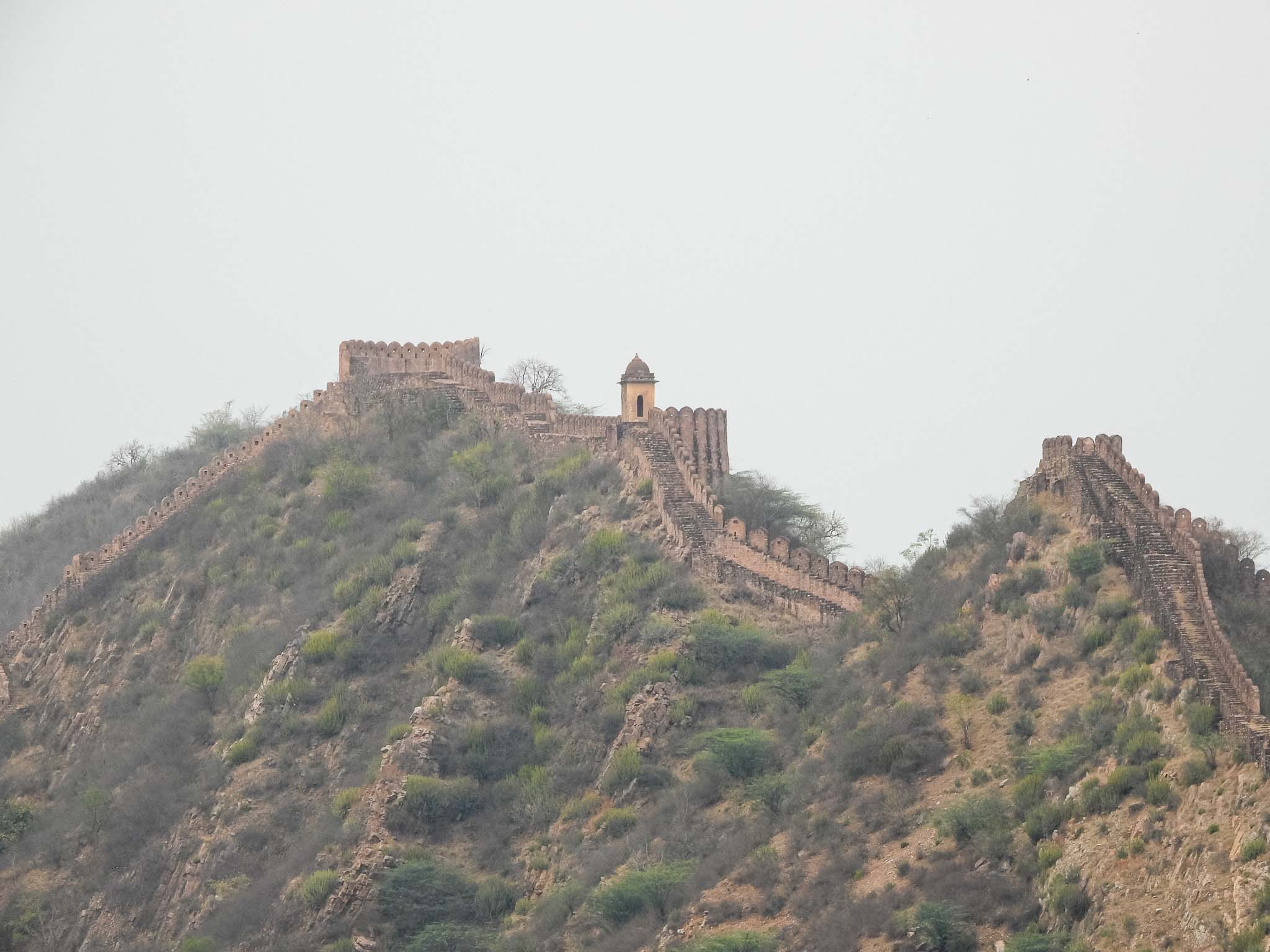
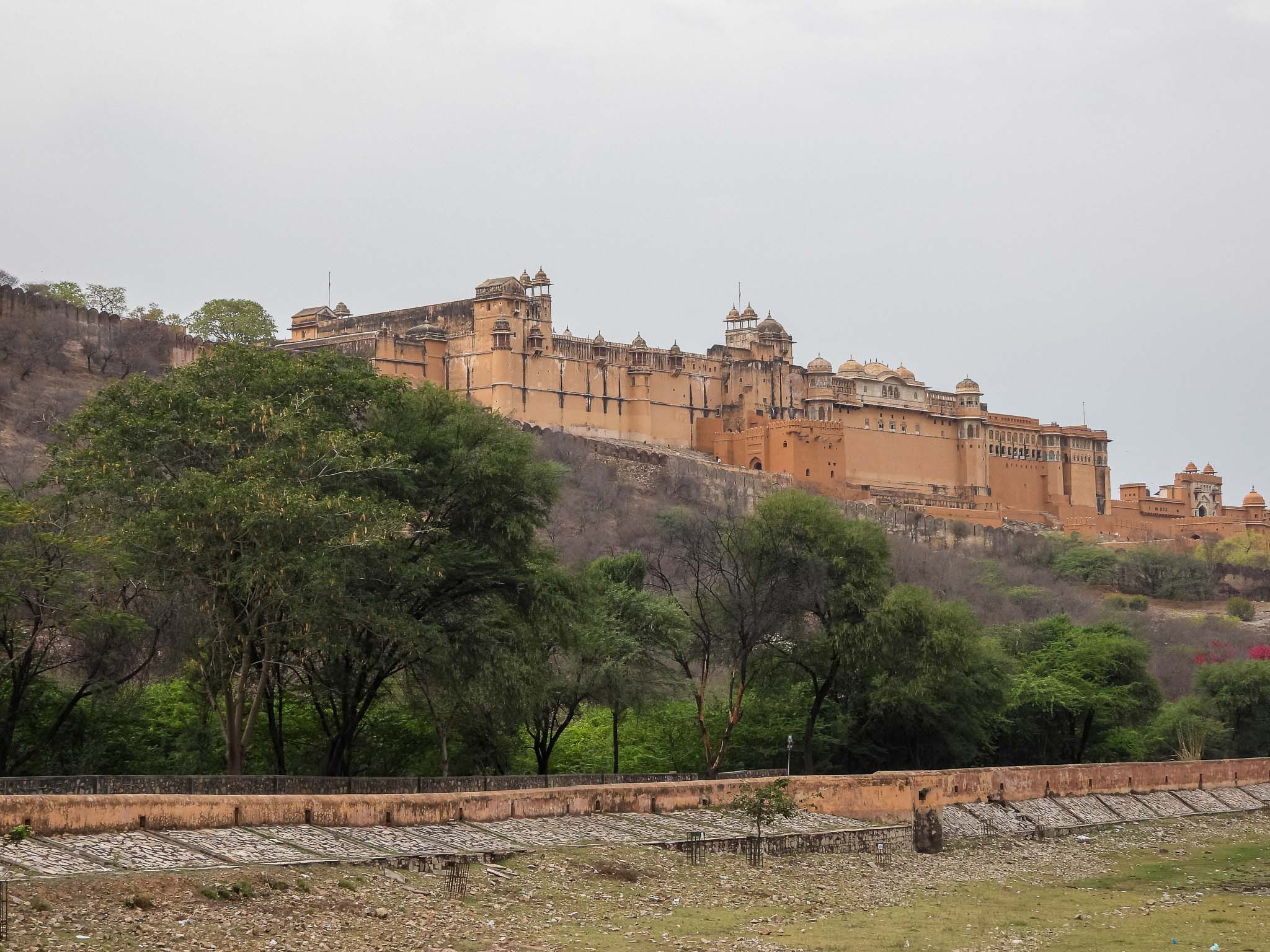
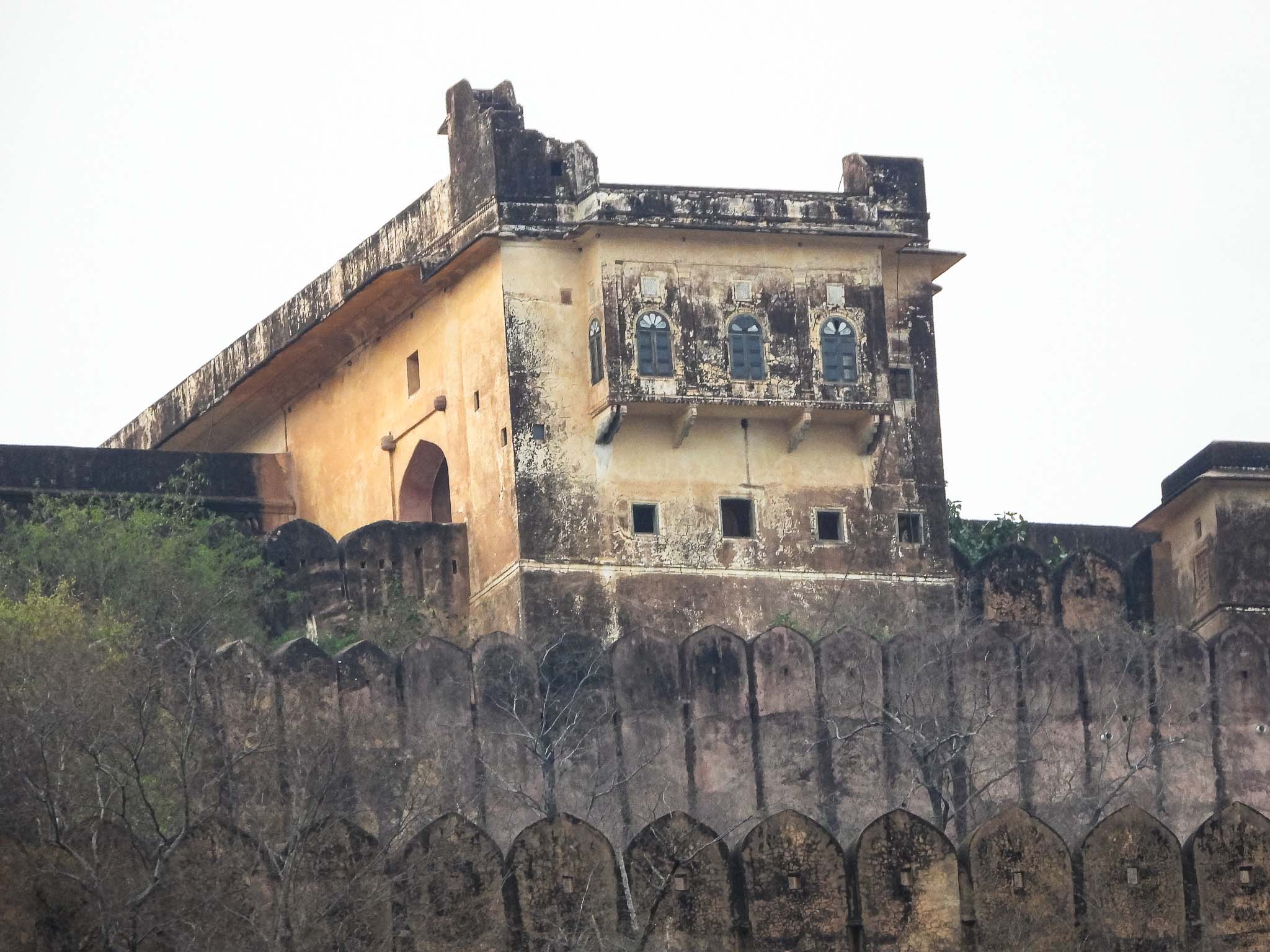
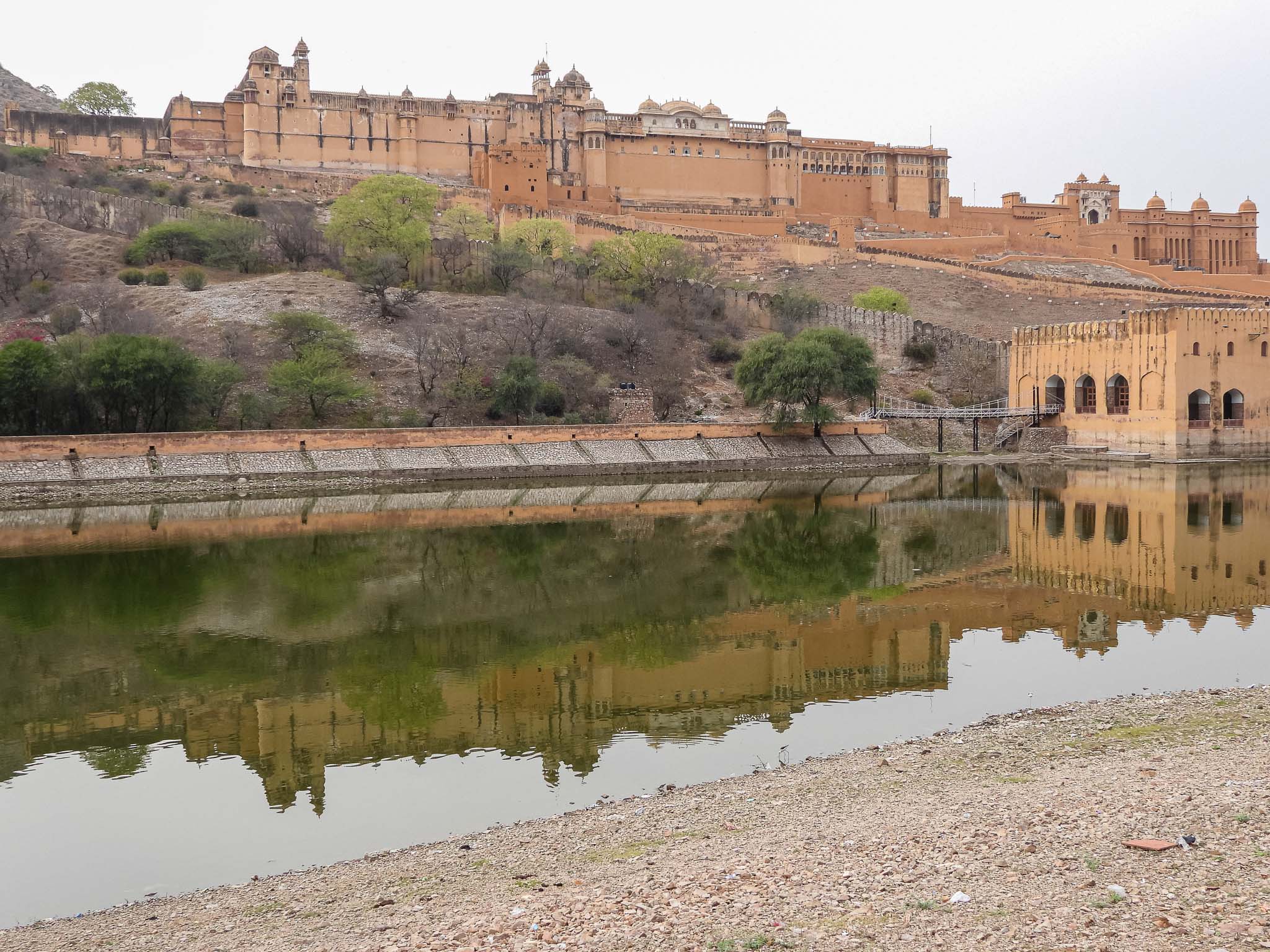
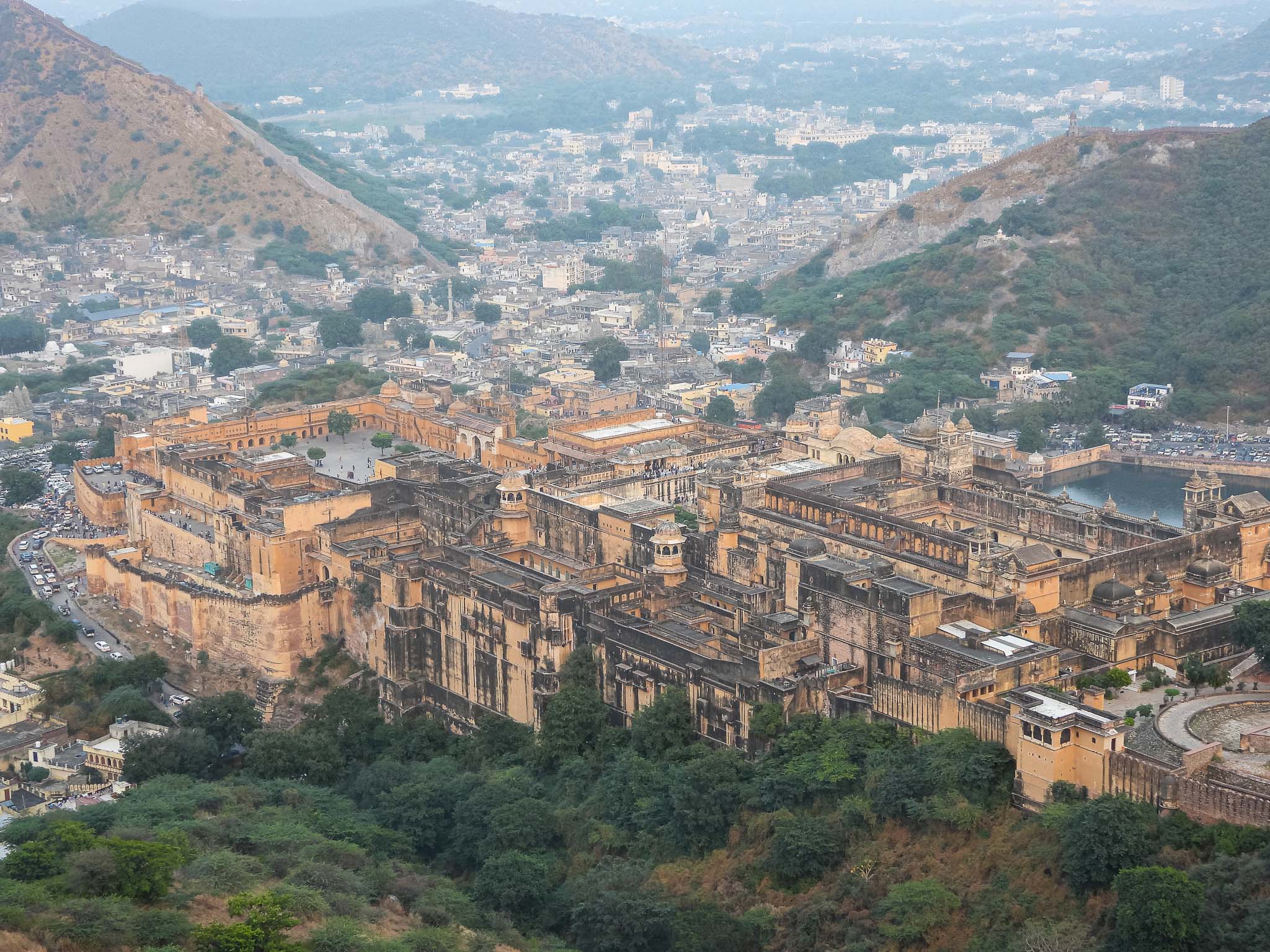
Perched on a rugged hill just outside Jaipur, Amer Palace is where Rajput power meets Mughal elegance. Commissioned in 1592 by Raja Man Singh I, one of the most trusted generals of Mughal emperor Akbar. Built primarily in red sandstone and marble, the palace unfolds like a story as you walk through its courtyards, halls, and secret passages.
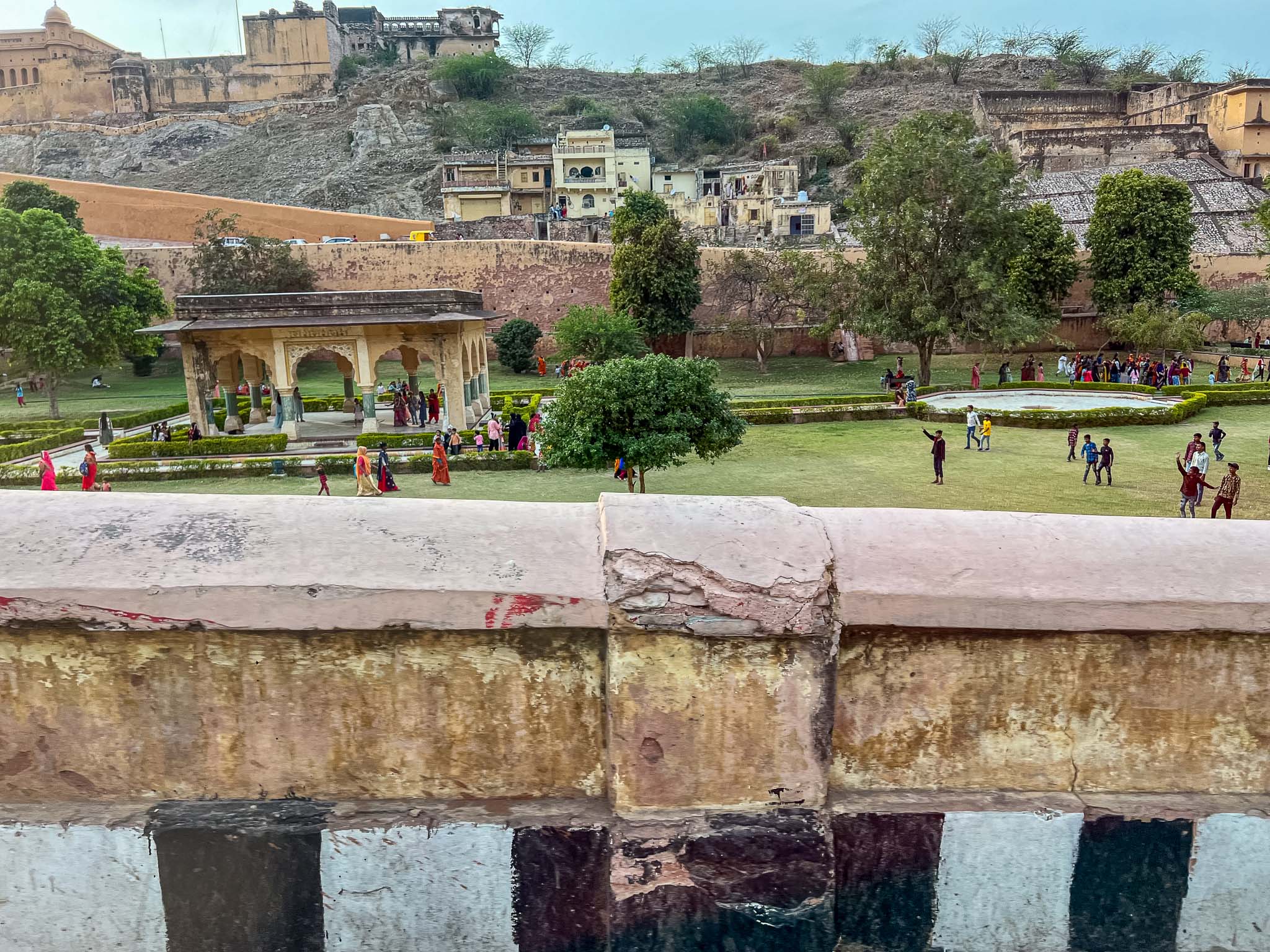
The palace reflects a strategic political alliance between the Rajputs and the Mughals. While the rulers maintained their Hindu identity, Mughal architectural elements—such as ornamental arches, gardens, and mirror work—found their way into the design. Over generations, successive rulers expanded the complex, turning it into a layered architectural masterpiece.
Amer is a home to around 100 temples. One of the prominent, Jagat Shiromani Temple, locally known as Bihariji Temple for its main deity, Lord Krishna (Bihari Ji is located in the old settlement of Amer next to the fort complex. The temple was built between 1599 and 1608 by Queen Kanakwati, wife of Raja Man Singh I, in the name of her son Jagat Singh. Built from marble and sandstone, it exhibits an elegant fusion of Rajput and Mughal styles, evident in its ornate torana (arched entrance), delicately carved pillars and sculpted ceiling panels. Tradition states that the idol of Krishna contained here was once worshipped by Meera Bai, though this is part of devotional lore rather than established history.
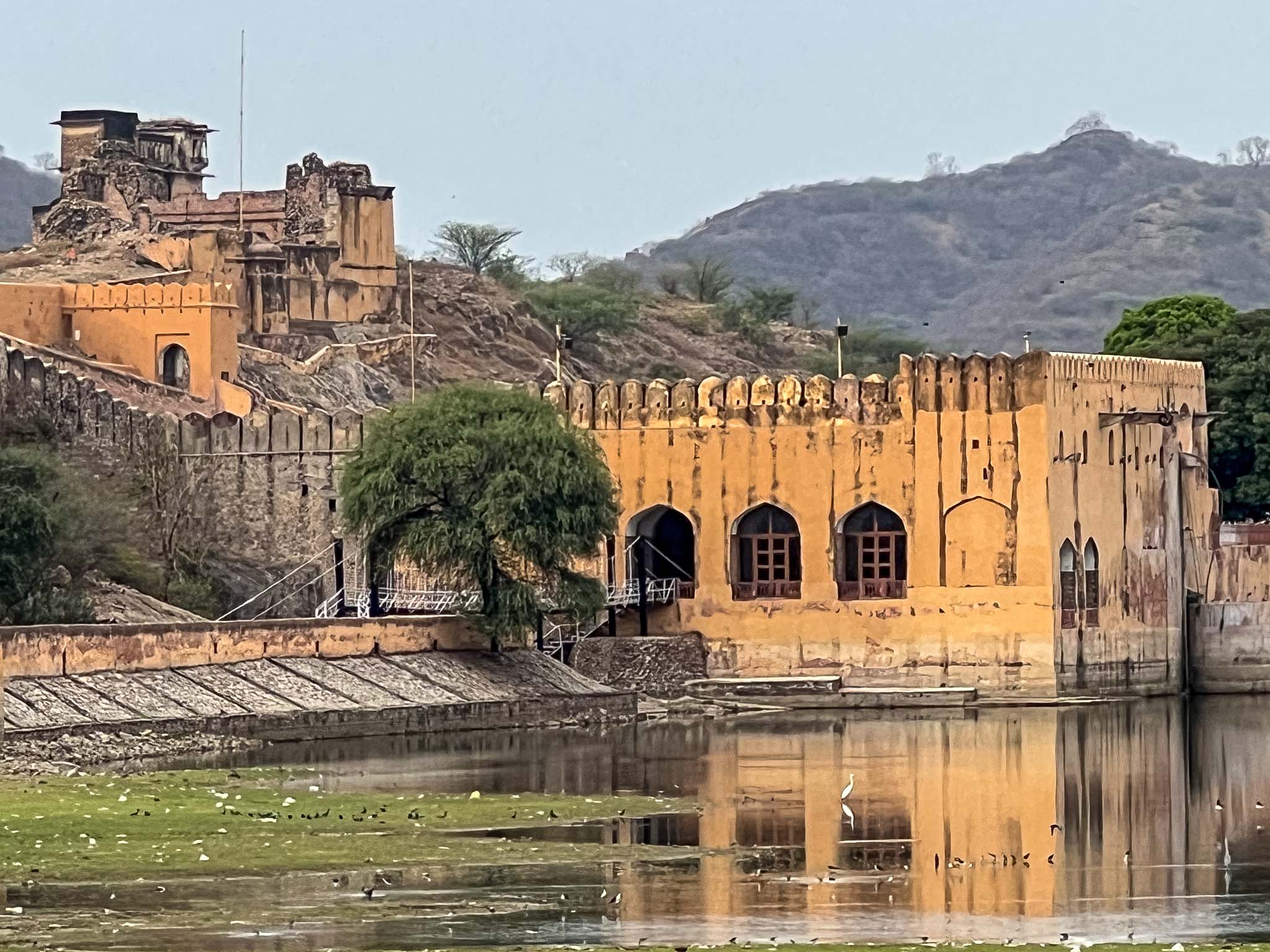
Water management was key to sustaining life on the hilltop inside Amer Fort. Though grand stepwells are common elsewhere in Rajasthan, the most famous stepwell associated with the region is actually Panna Meena ka Kund, located at a more elevated point at the base of the fort; The fort complex itself depended on an extensive network of internal tanks or reservoirs and stepped-terrace storage structures, sourced with water from Maota Lake. Water from the lake was raised and delivered upward through an ingenious system of Persian wheels and aqueducts, filling tanks inside the palace complex. These terraced storages guaranteed supply during sieges and long dry periods.
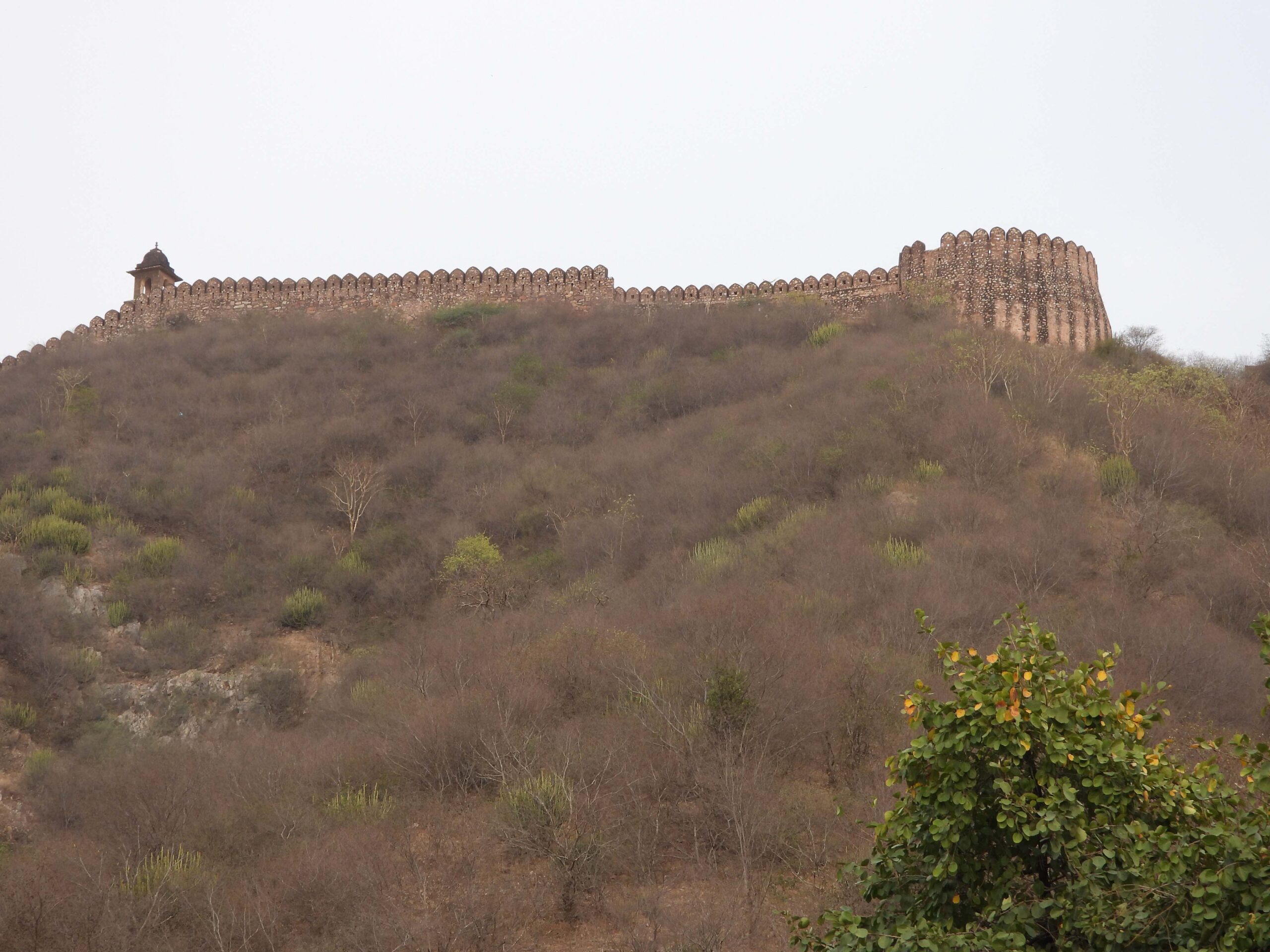
Amer Palace wasn’t just a royal residence; it was a functioning administrative and military center. Its elevated location allowed rulers to monitor trade routes and defend the kingdom, while its lavish interiors showcased wealth, stability, and diplomatic power. It had places like The Ganesh Pol – A colorful gateway and the only entrance to the private royal quarters, The Sukh Niwas (Hall of Pleasure) – An ingenious hall that remained cool owing to water channels across its walls, Kesar Kyari Garden – It was an ambitious but unsuccessful initiative to cultivate saffron, its very name is a testament to this ambition. The highlight is Sheesh Mahal, where thousands of tiny mirrors sparkle even with the smallest flicker of light. It created the illusion of a beautiful starry night.
The fort overlooks Maota Lake, and the reflection of the palace in the water during early morning or sunset is unforgettable. Amer isn’t just visually stunning, it is layered with tales of rulers, queens, wars, and diplomacy, making it one of Rajasthan’s most immersive historical experiences.