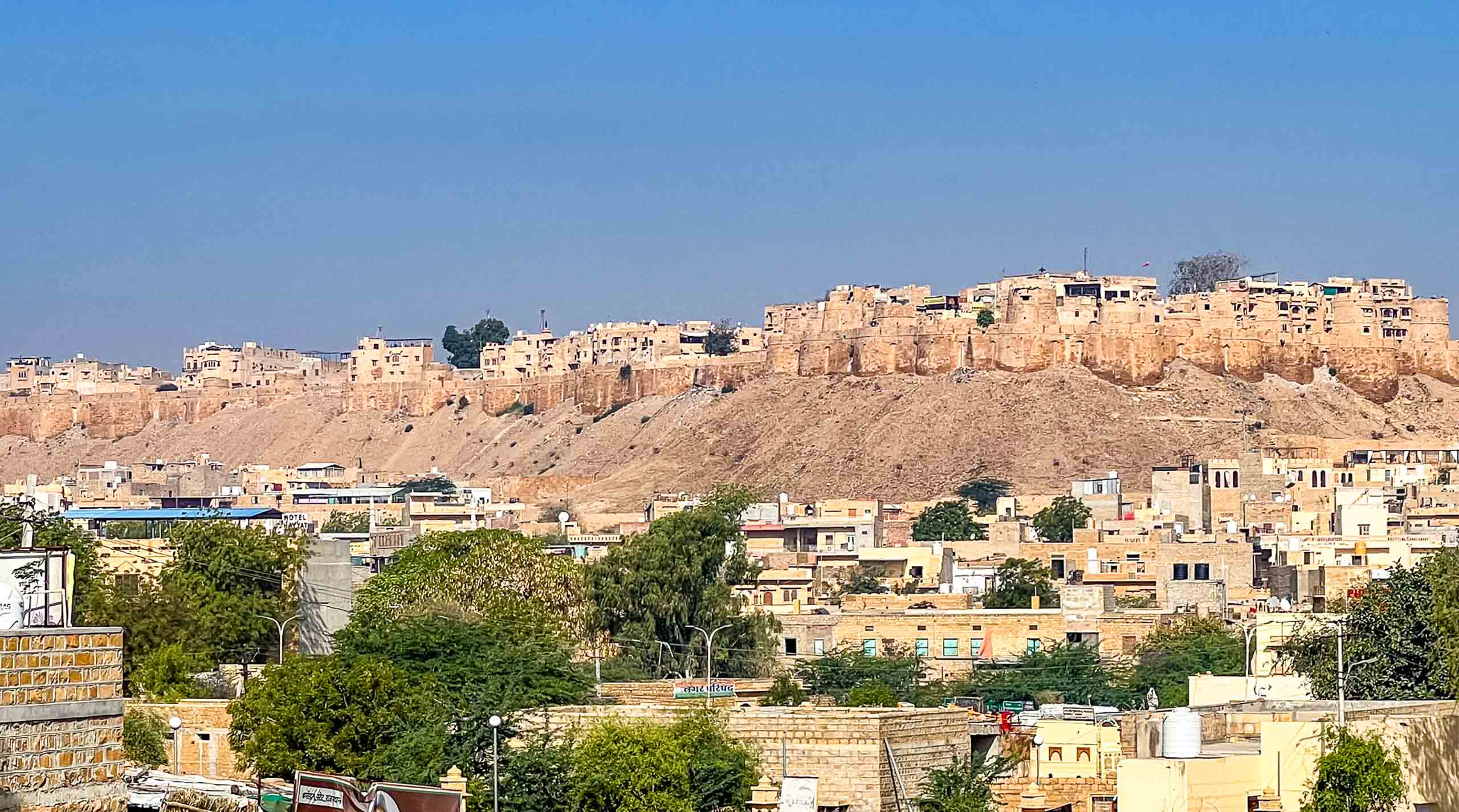
Jaisalmer Fort
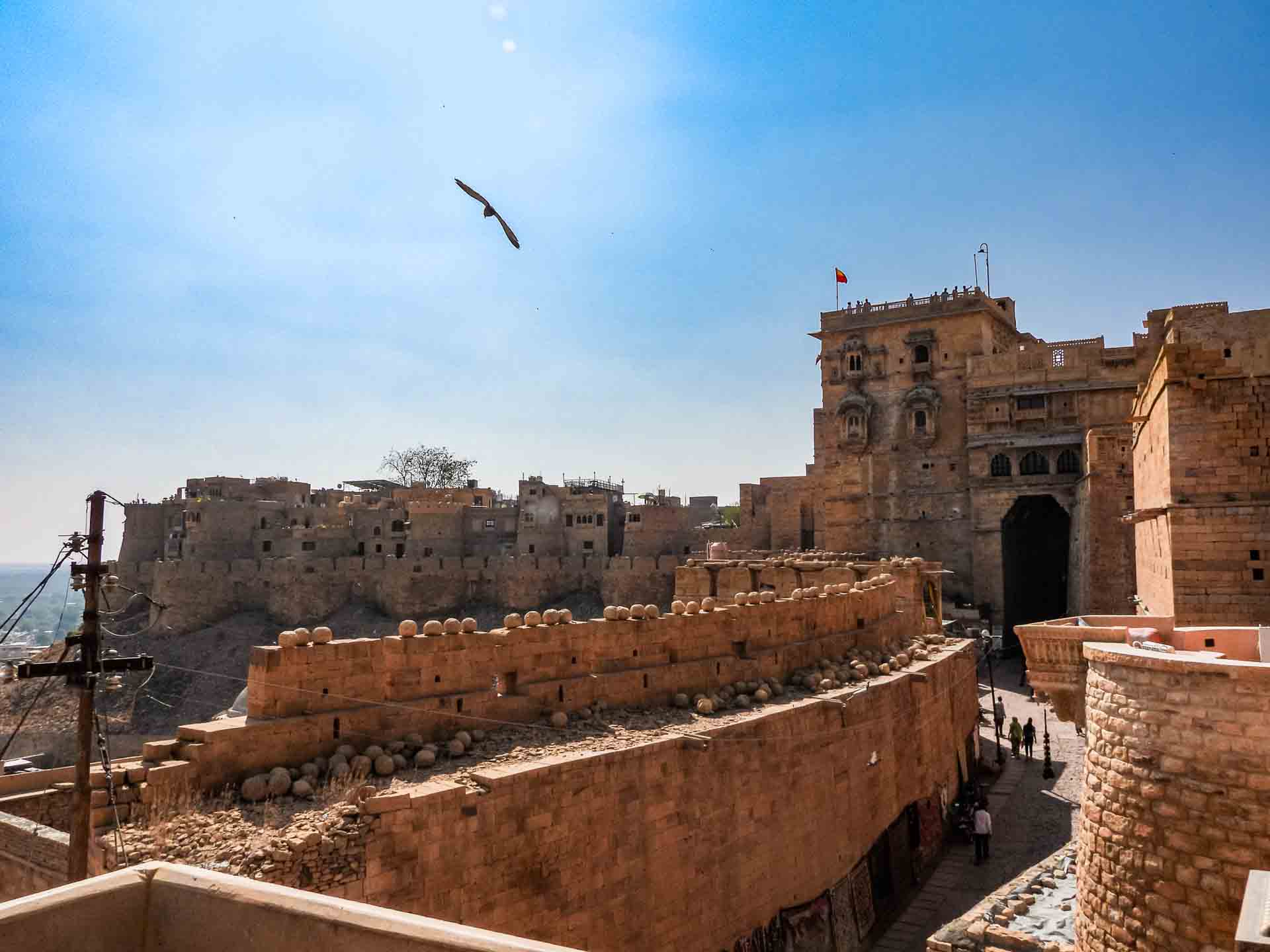
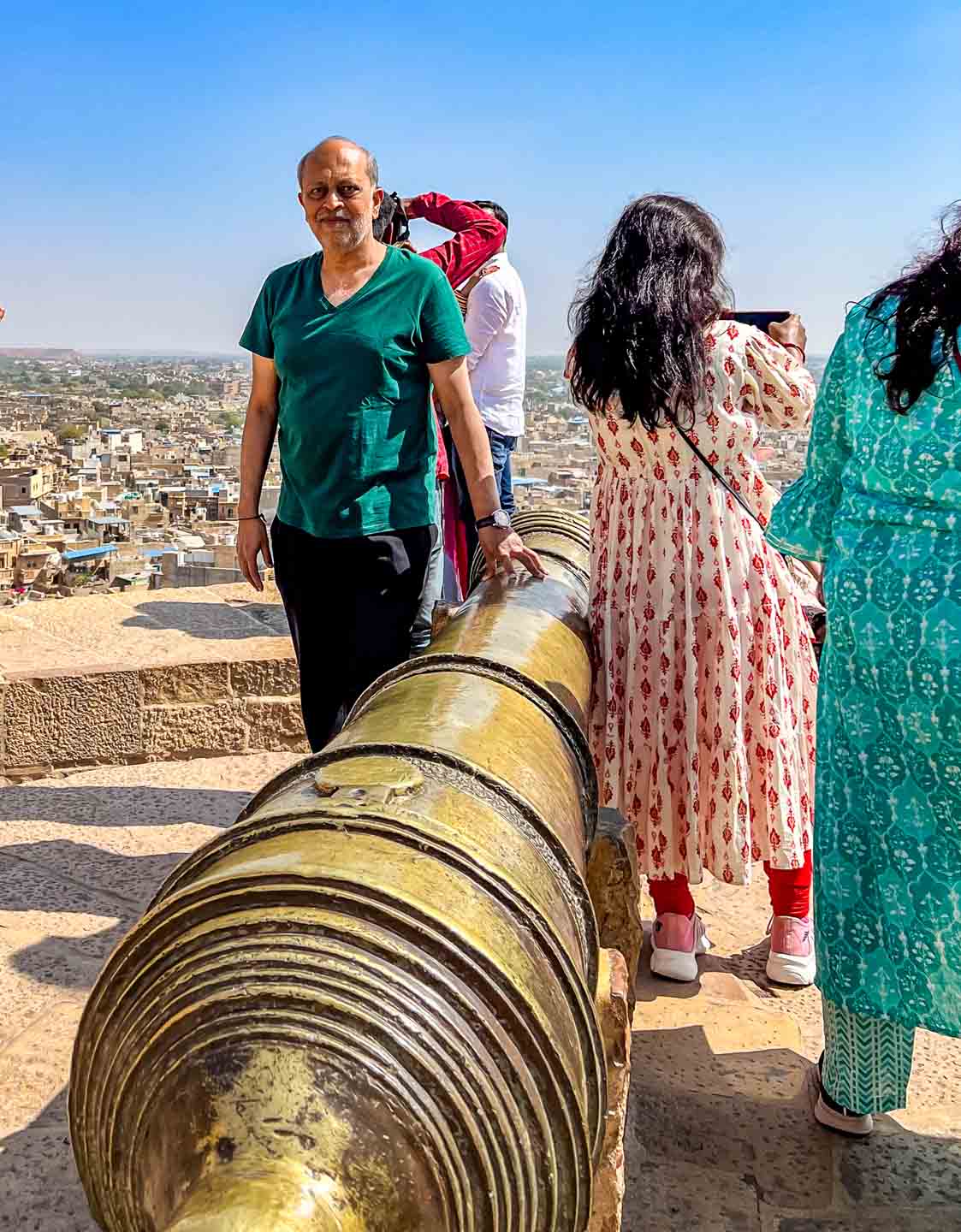
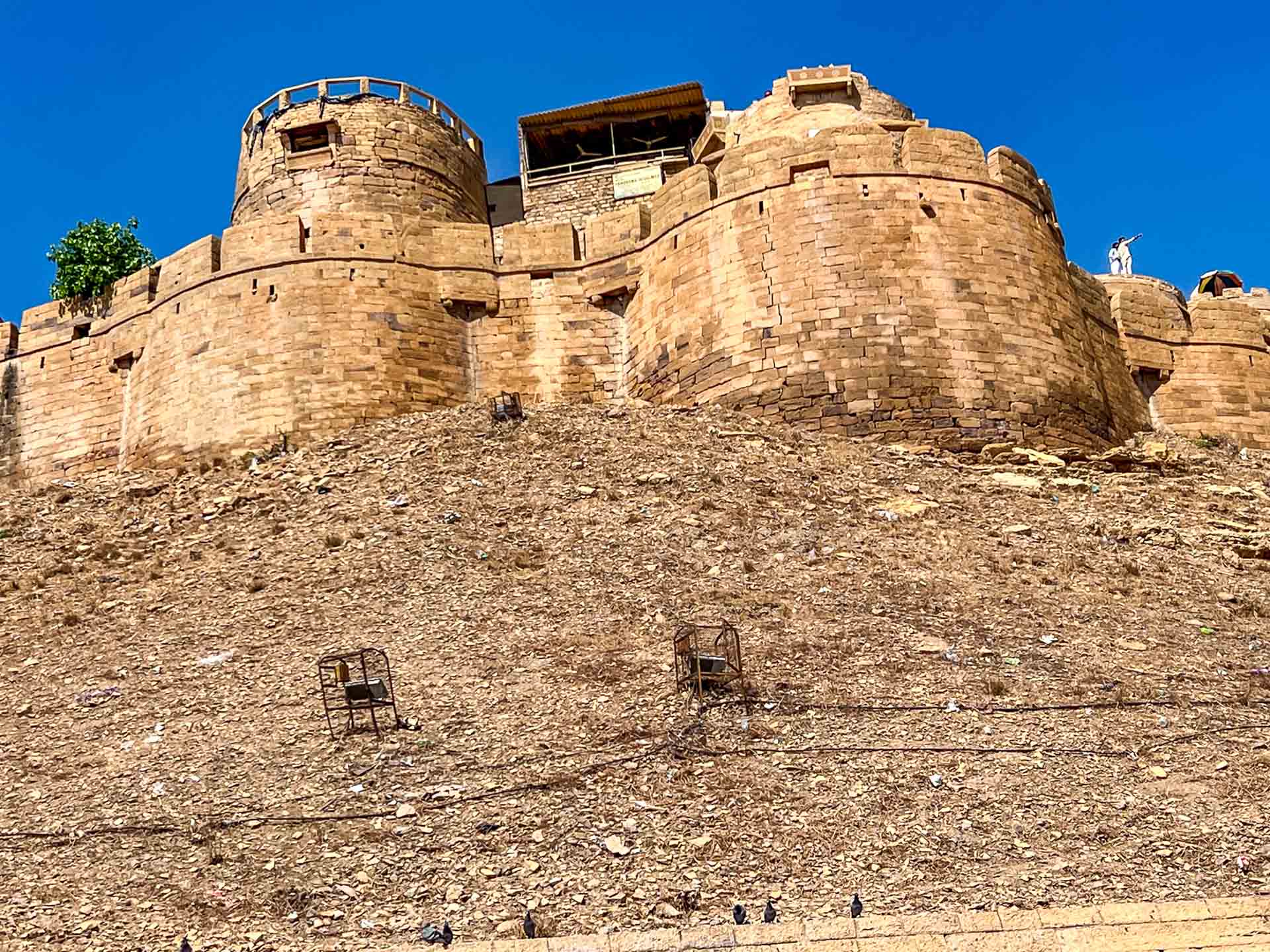
Built during the 12th century by Raja Rawal Jaisal to withstand frequent invasions. It was designed as a fortress with thick sandstone walls and many lookout towers. In contrast to several forts across India, it is never deserted. Many residents still live there, and it now operates prominently as a tourist hub.
This Fort is also known as ‘Sonar Kella’, after the Bengali book of same name, by Satyajit Ray. This detective novel was later adapted into a film and was shot predominantly at this beautiful Golden Fort.
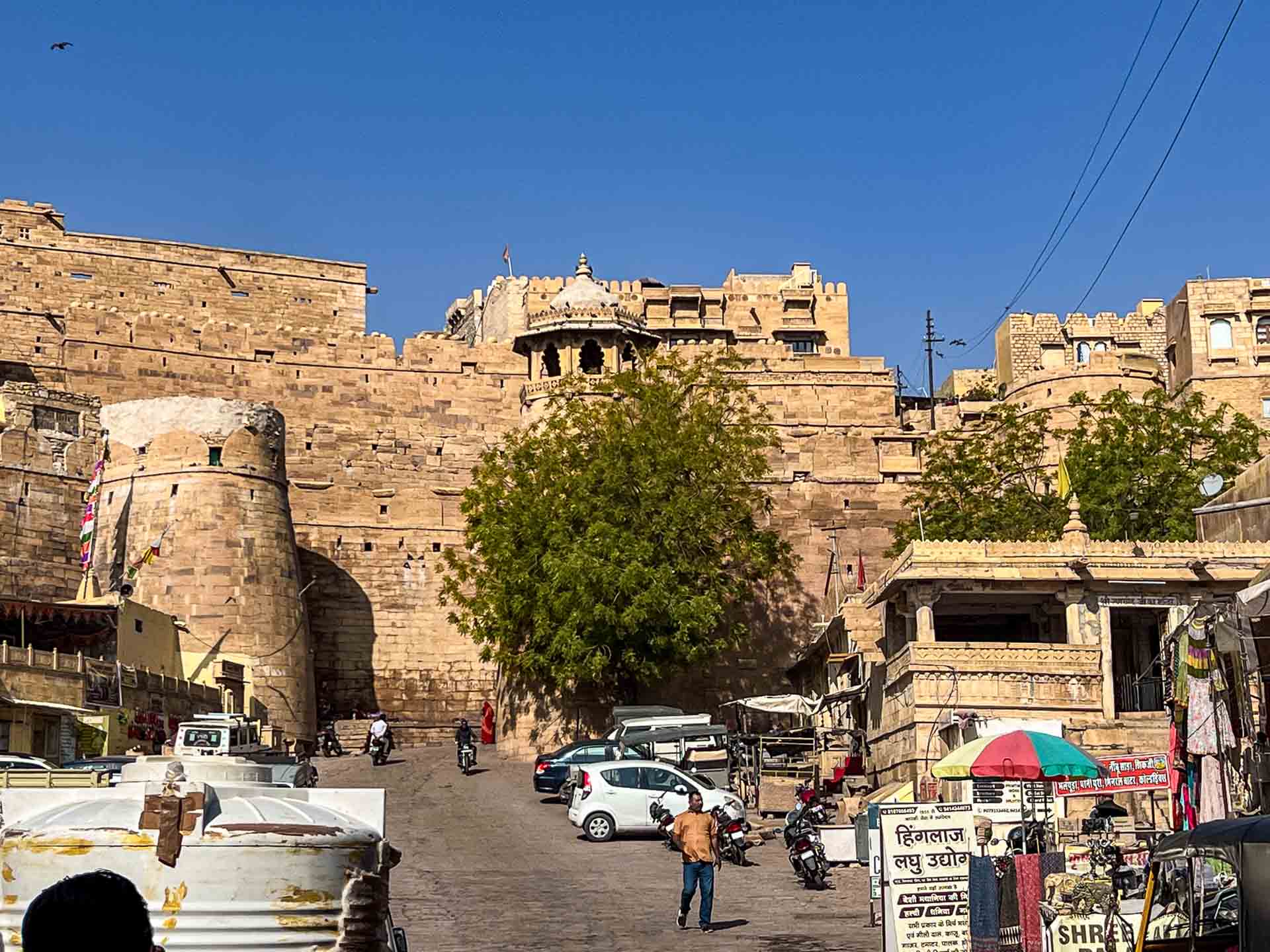
Along a narrower, shop lined path of colorful walls we approached the fort. The trail is alive, vendors dispensing clothing, art, and wares, including puppets in royal garb. Each of these has their own specialized use, although they are most often displayed in the form of decorative objects, they are part of the local economy and embody generations of craft traditions.
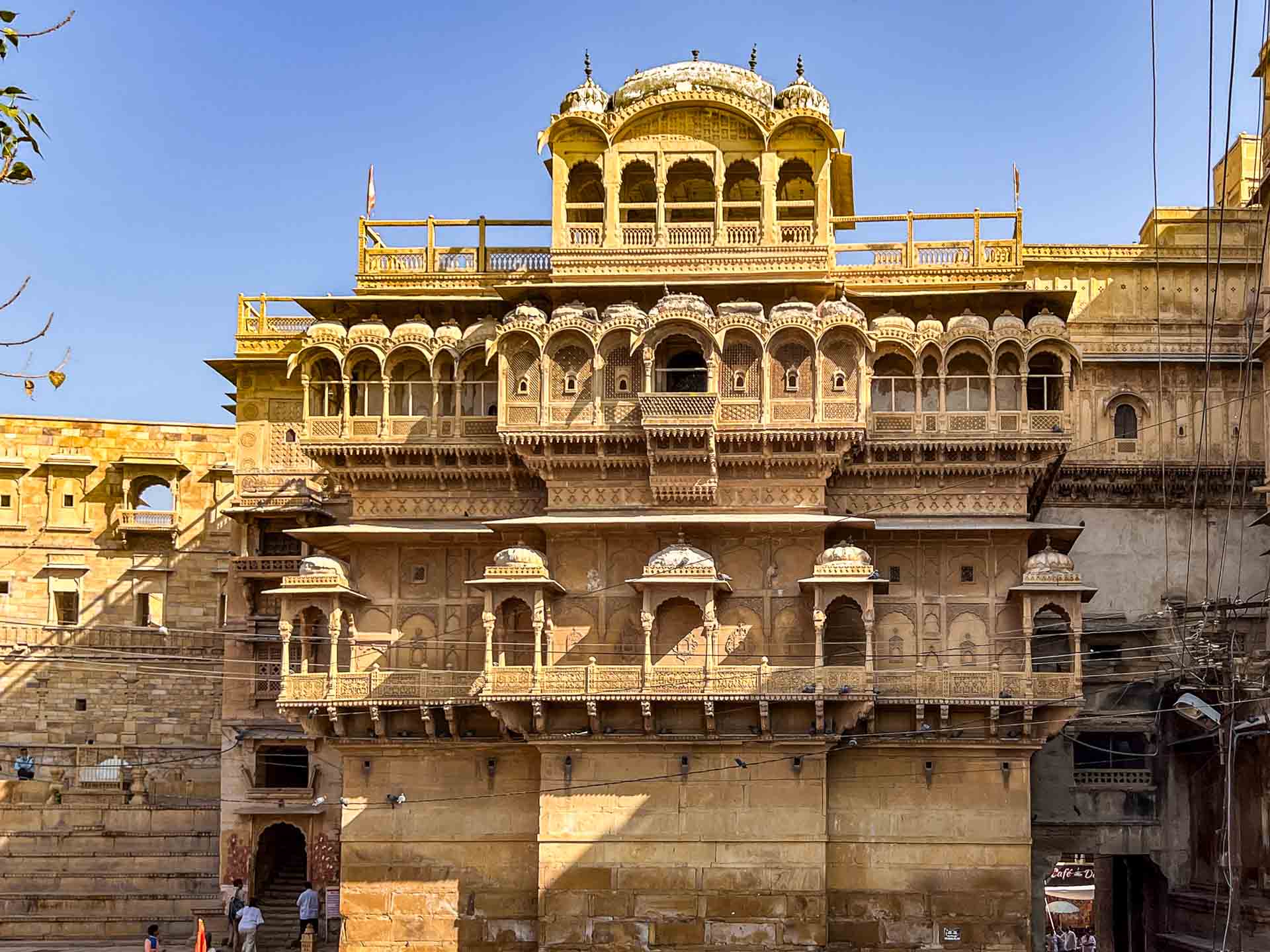
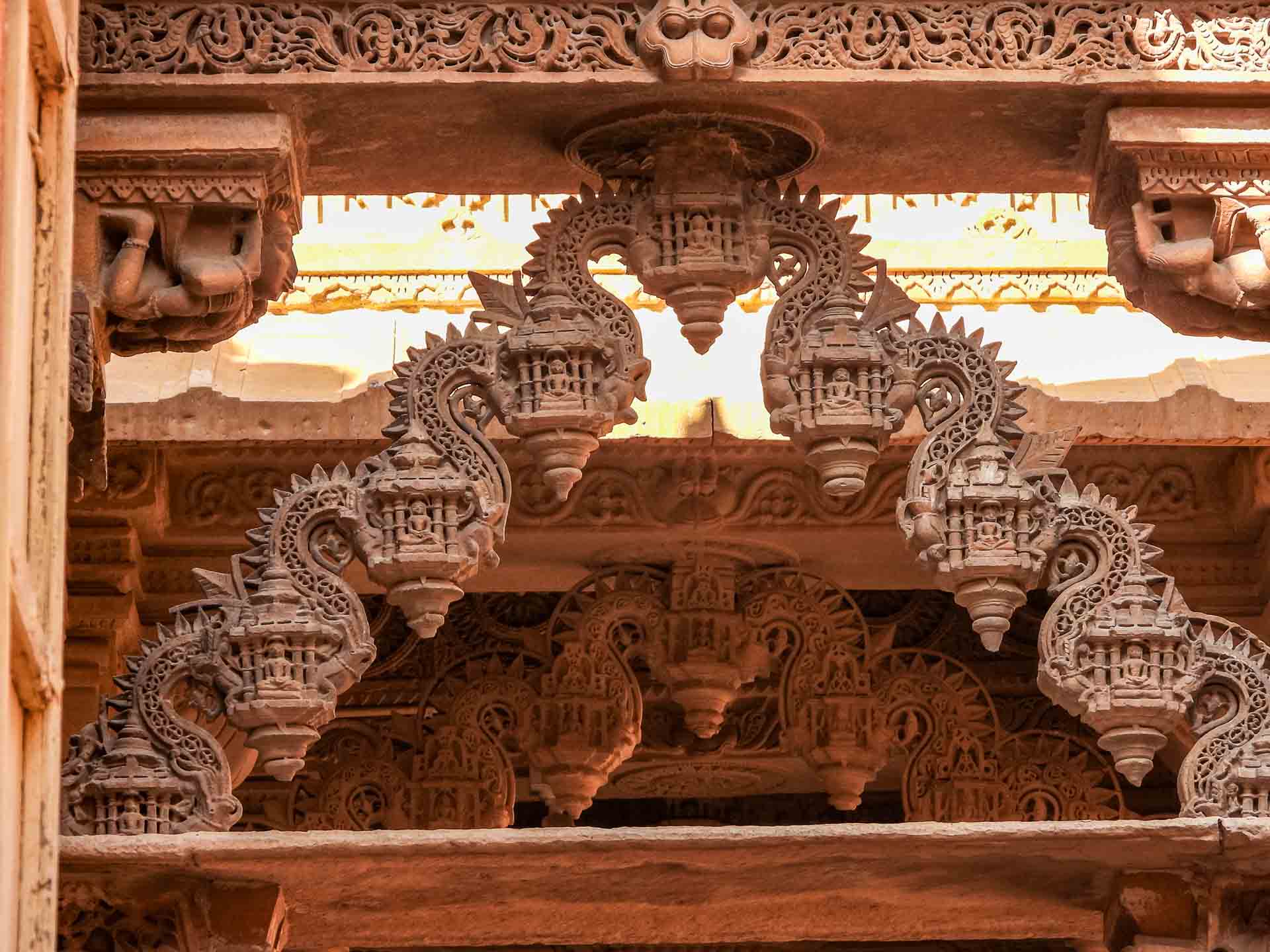
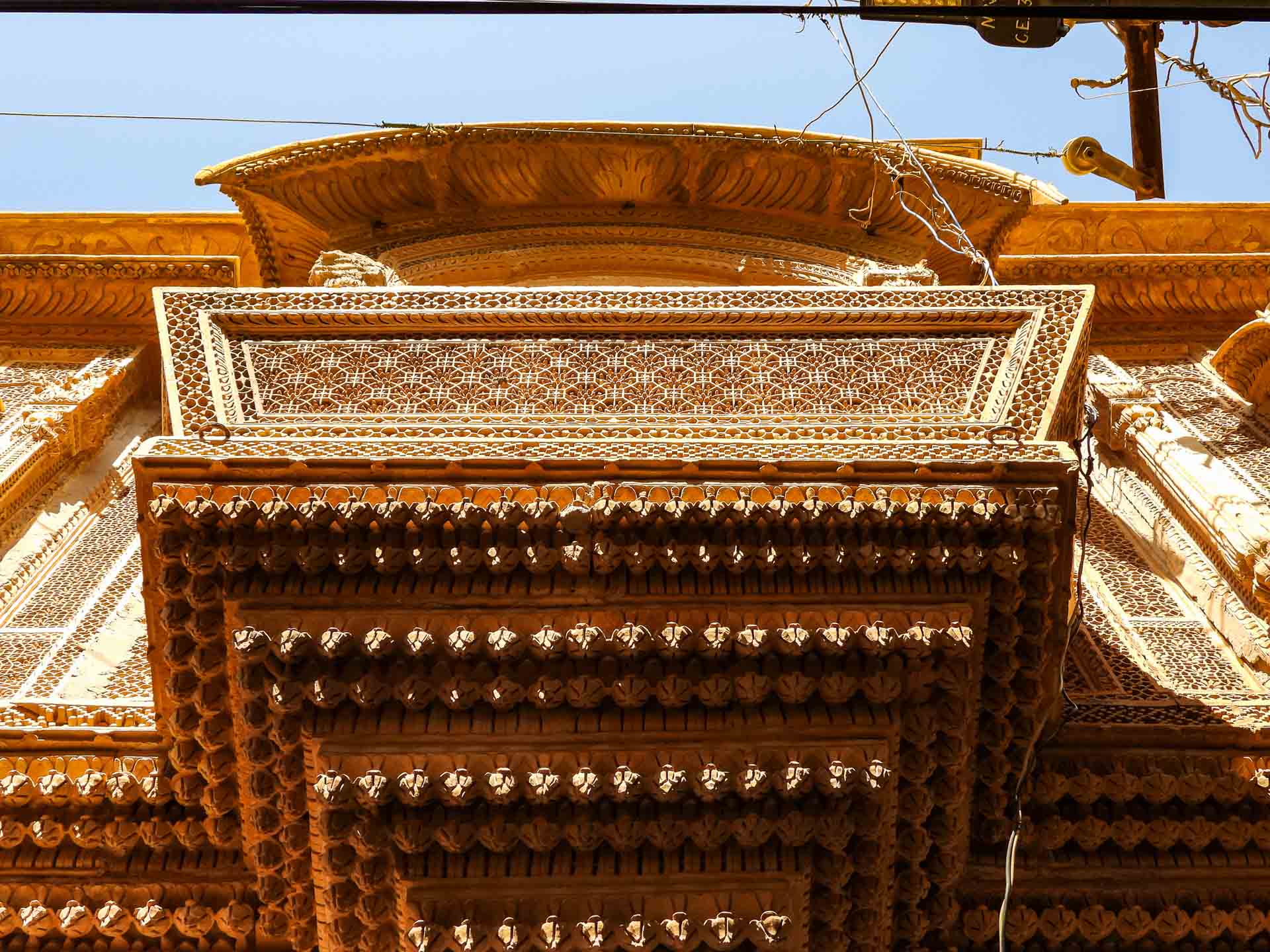
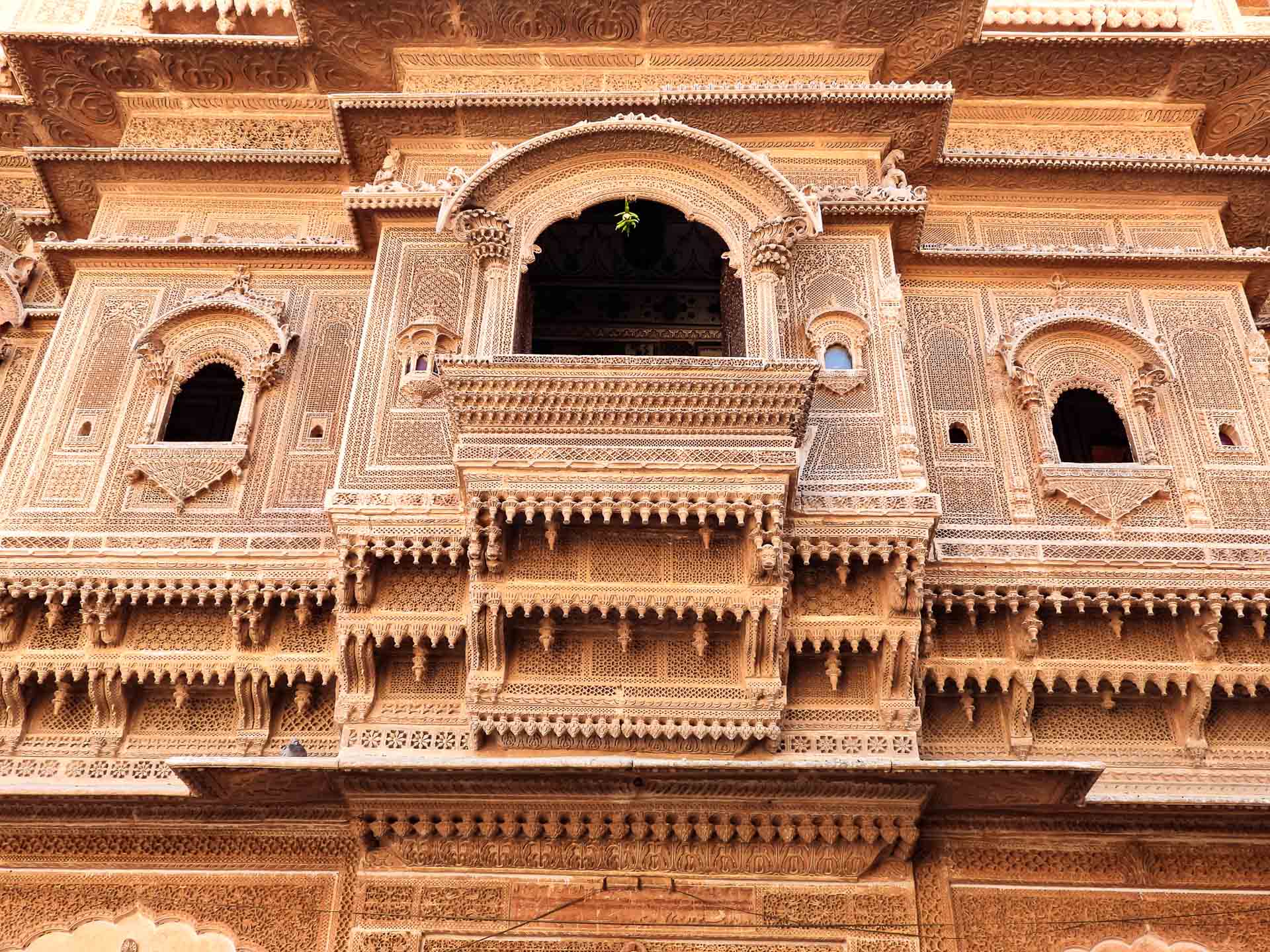
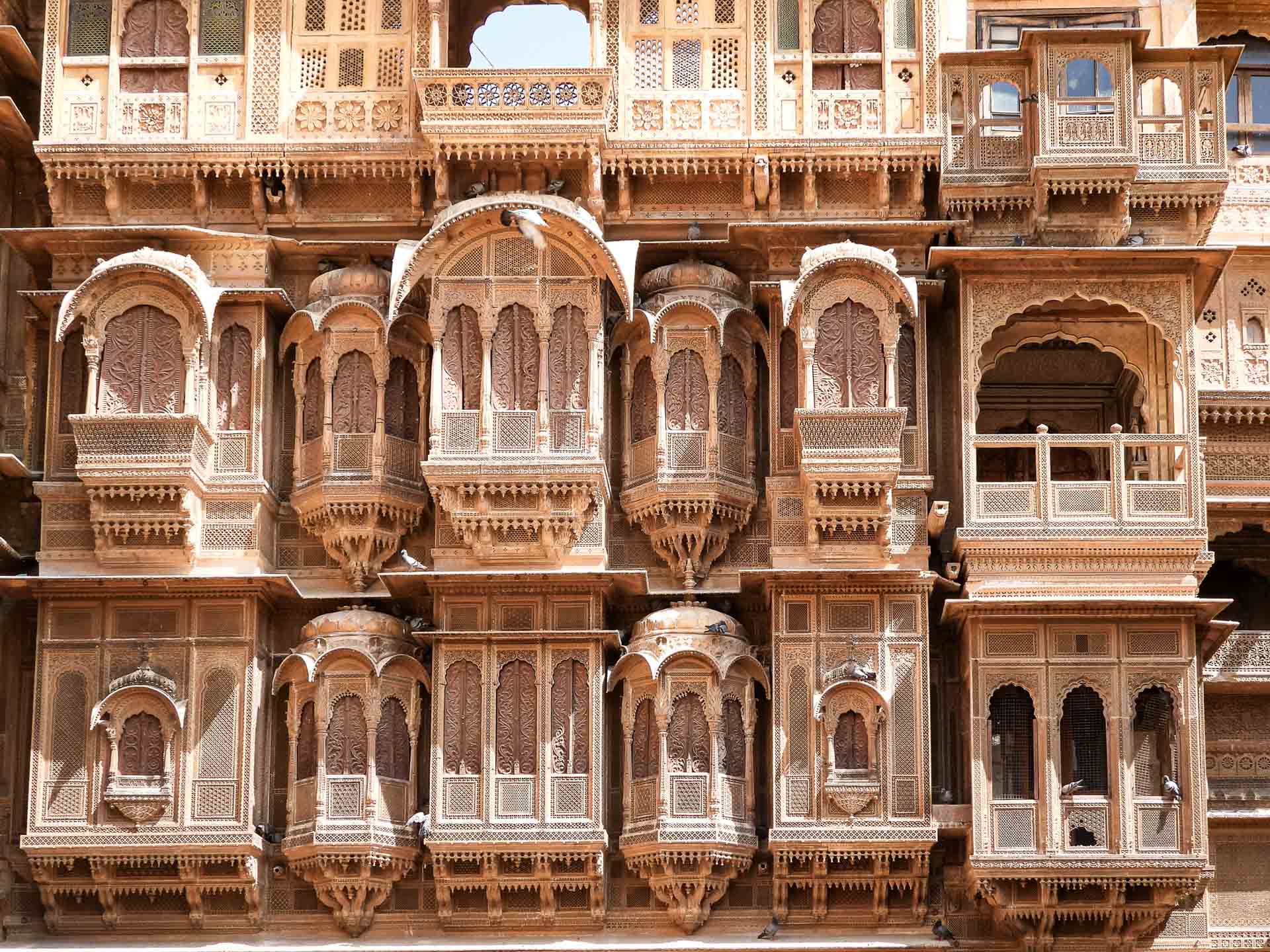
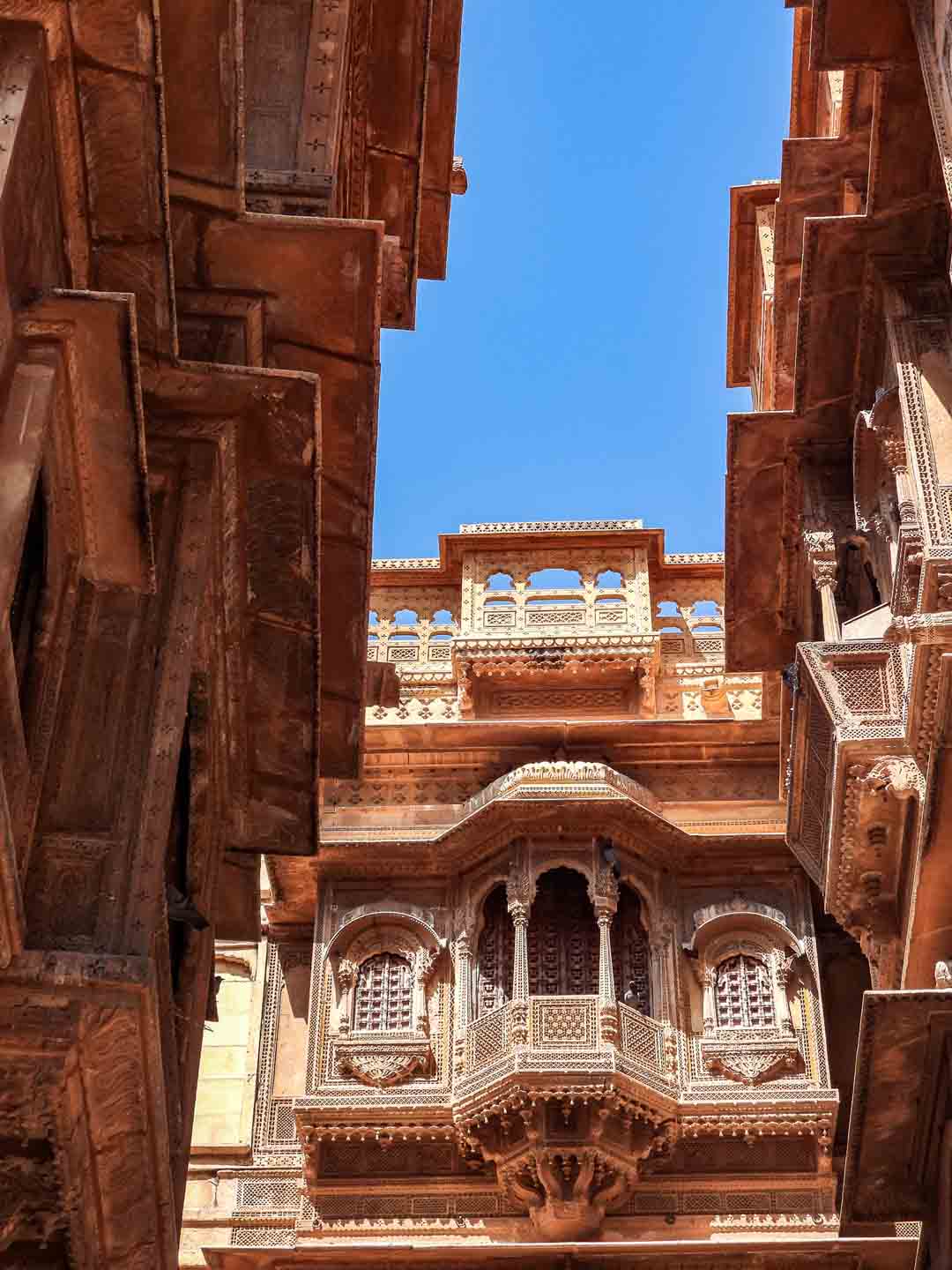
The space within the fort is built in a pretty compact and utilitarian manner. The houses are close to one another with narrow lanes in between, so the sun at certain times of day does not shine directly onto the houses, thus preventing an increase in temperature. Especially blooming in balconies and window screens incorporating entrance buildings with mini stone carving details.
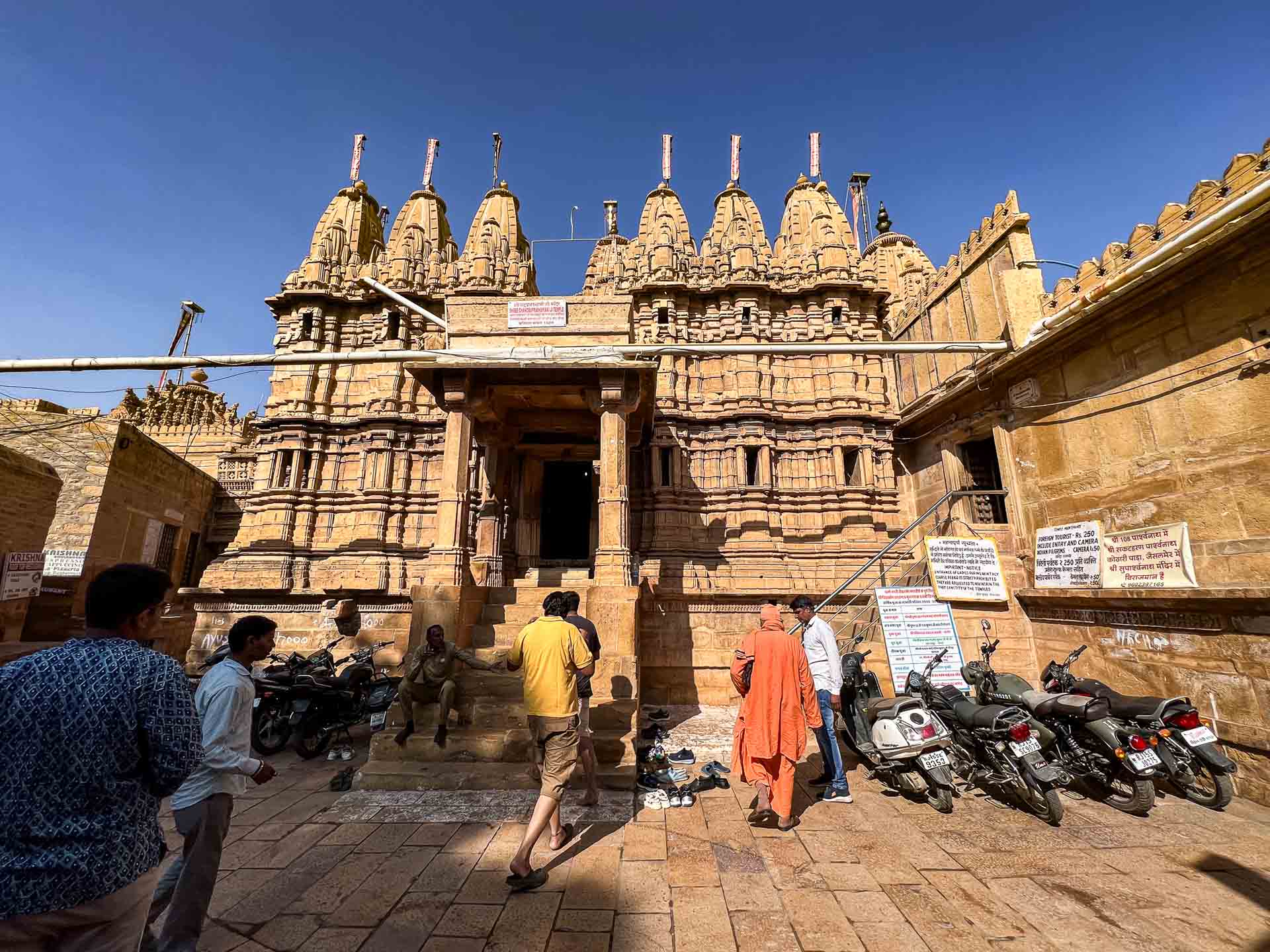
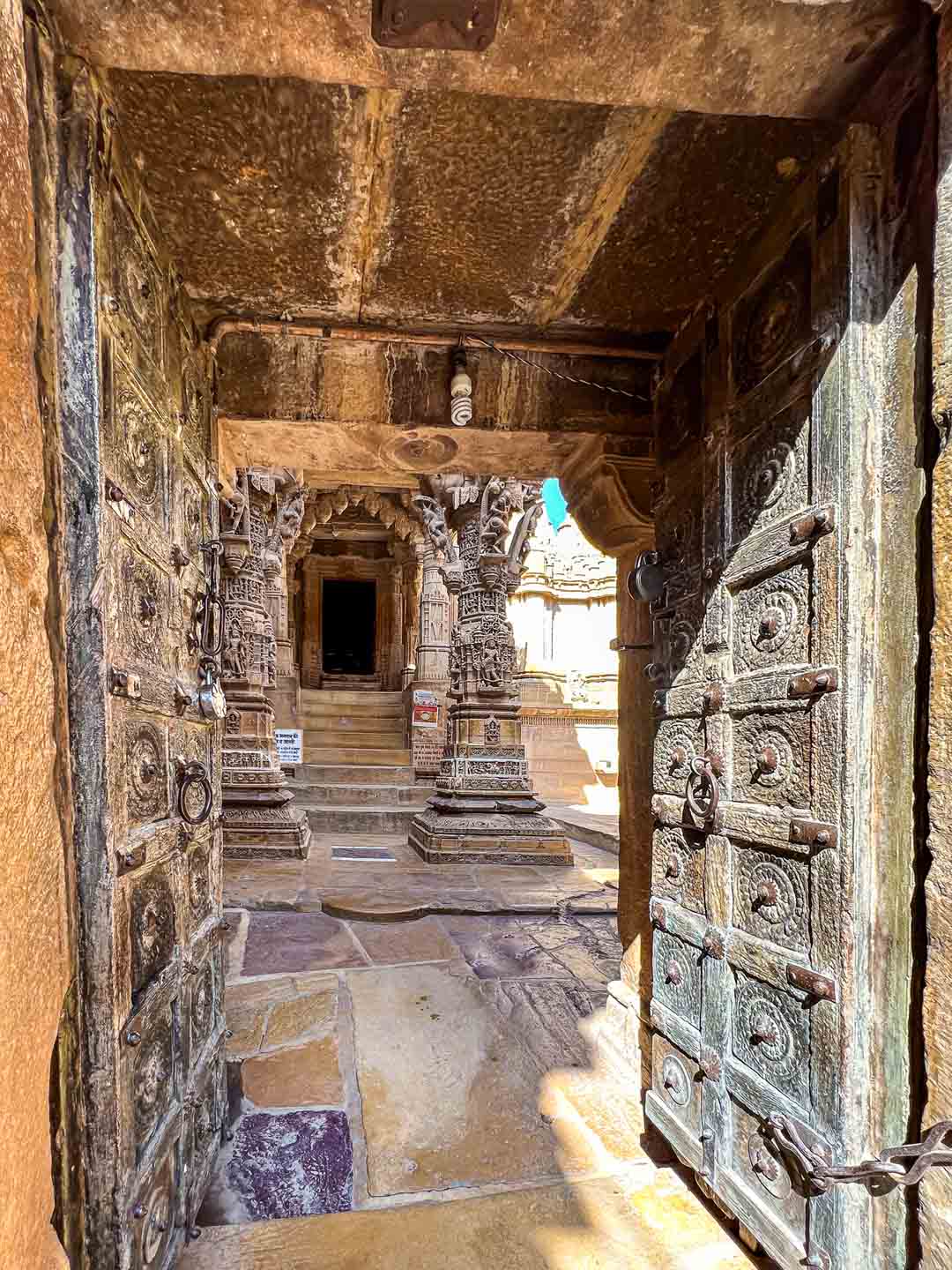
The level of artistry also suggests the presence of affluent merchant communities, with Jain temples within the fort. This general framework mirrors adaptation to climate and security requirements.
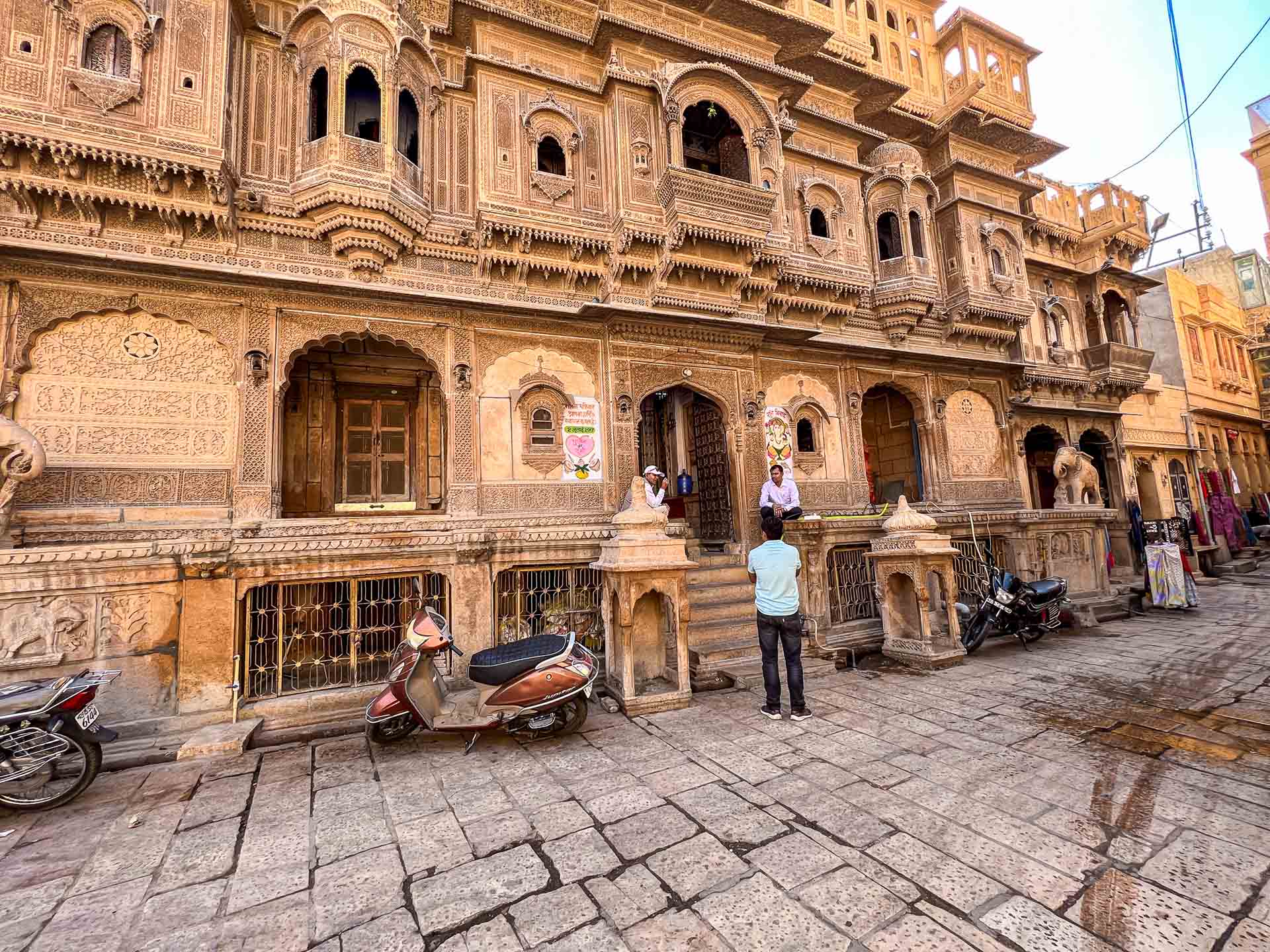
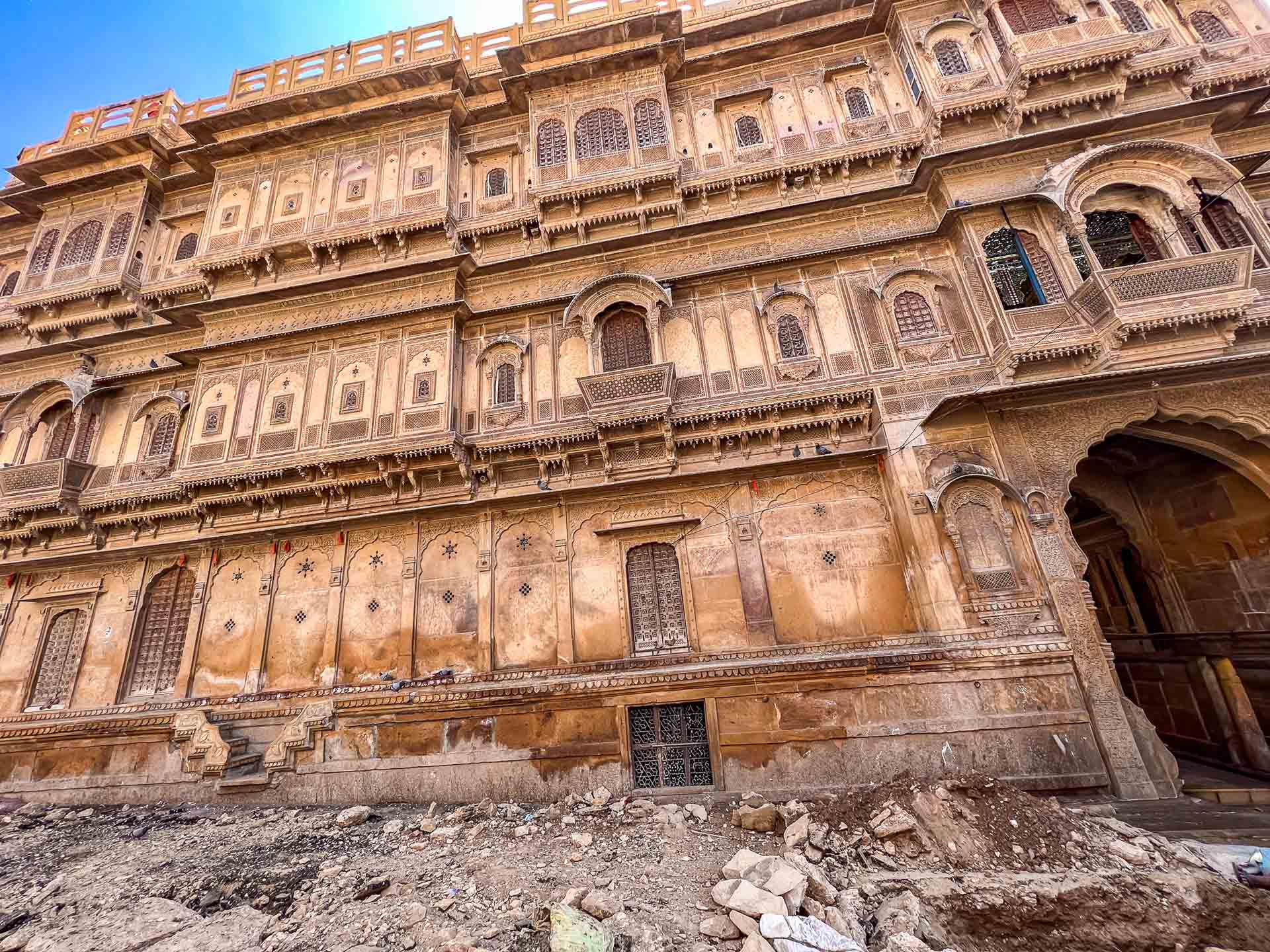
Kothari’s Patwa Museum, part of the Patwon Ki Haveli complex, represents the economic history of Jaisalmer through its merchant class. Built by the Patwa family, who were prominent traders, the structure reflects the wealth generated through trade networks that once passed through the region.
The museum contains objects related to domestic life, trade, and craftsmanship, offering insight into how affluent merchant families lived. The architecture itself is a key feature, with detailed stone carvings, balconies, and interior spaces designed with both function and display in mind.
This site provides a contrast to the defensive and military aspects of Jaisalmer, highlighting the role of commerce in shaping the city’s development.
One of the more distinctive traditions we observed is the practice of painting wedding invitations directly onto the walls of homes. These announcements are not private, they are meant for the entire community. It reflects a social structure where events are shared and participation is collective. The fort, in this sense, operates not just as a historic structure but as an active settlement where traditions are still practiced.
The landscape around Jaisalmer holds evidence of a very different past. Geological findings suggest that large parts of this region were once submerged under water. Fossils that continue to surface in and around the area support this, indicating the presence of marine life from an earlier era.
This adds another layer to Jaisalmer’s identity—not just as a desert settlement shaped by trade and defense, but as a landscape that has undergone significant environmental transformation over time.