Kuldhara — A Deserted Village in Thar
Kuldhara is an abandoned village just around 18 kilometers away from Jaisalmer, a place where the path is untouched by contemporary development allowing you a view into the past life. This place now lies within the Thar Desert and stands out for the unique experience it presents.
It is known among the locals that Paliwal Brahmins, an ethnic group of Rajput descent were the inhabitants of this village. They were farmers who harnessed sustainable water resource management in arid conditions. The village was only a small part of a larger web of settlements across the region, with infrastructure available to support extensive agriculture even in low-rain areas. So the location was not coincidental, it was an acknowledgement of topography, groundwater and trade flow.
The village was deserted sometime during the first half of the 19th century. Though there is no clear documentation on this, it is most commonly said to have stemmed from pressure from local officials and too much tax. Some people attribute it to drought and earthquake. From the way everything is left, one can agree that it was a calculated decision.
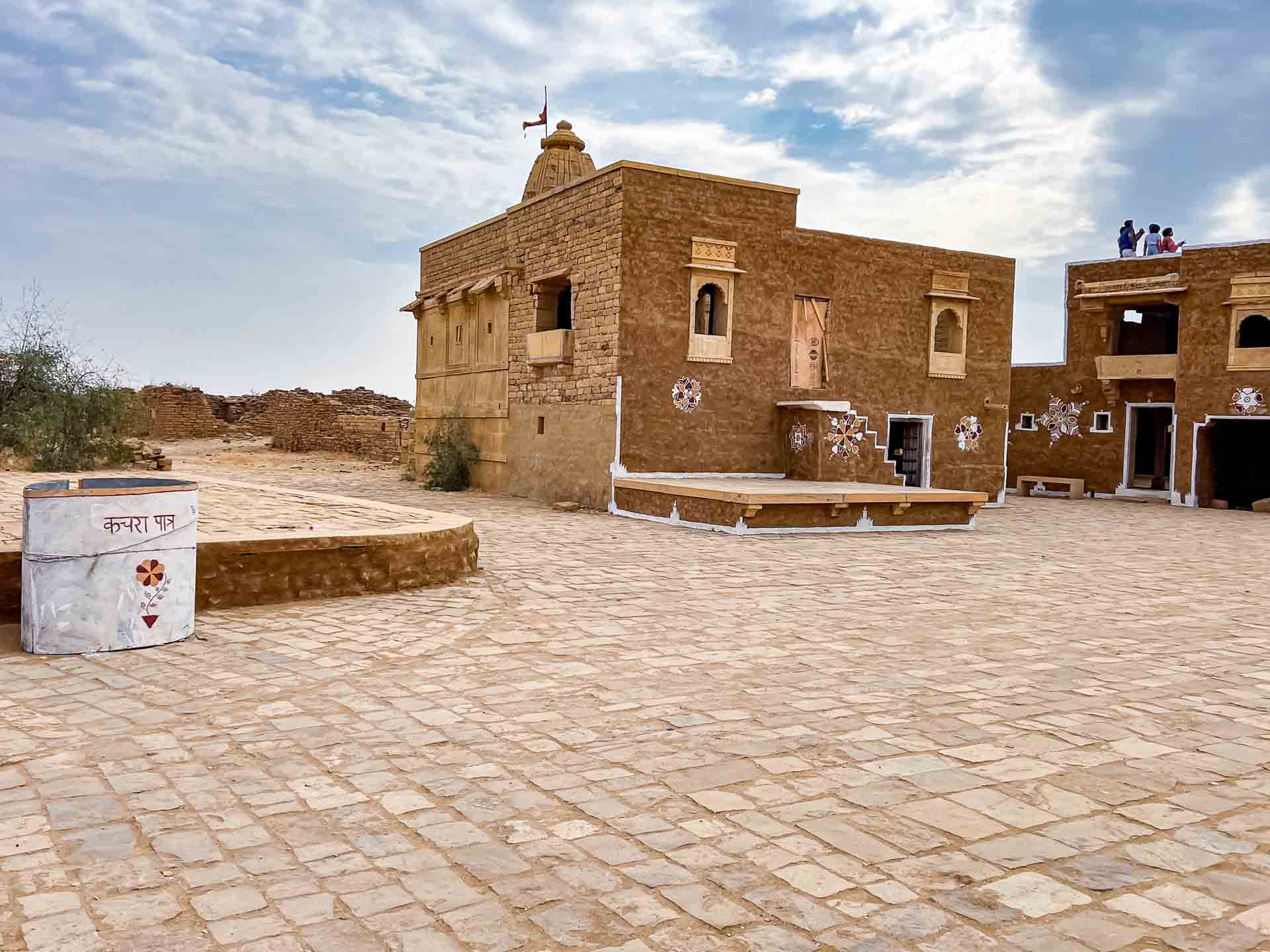
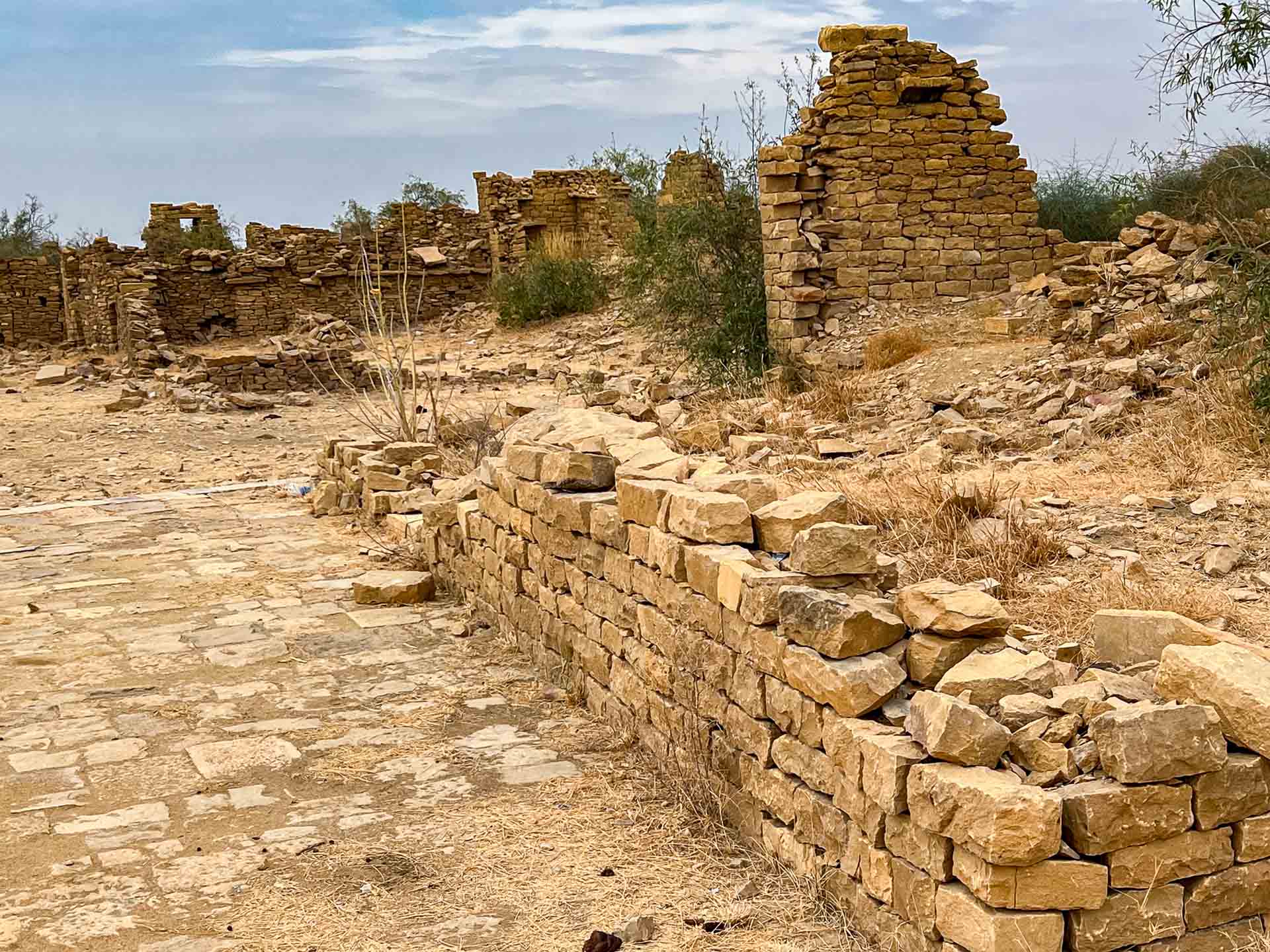
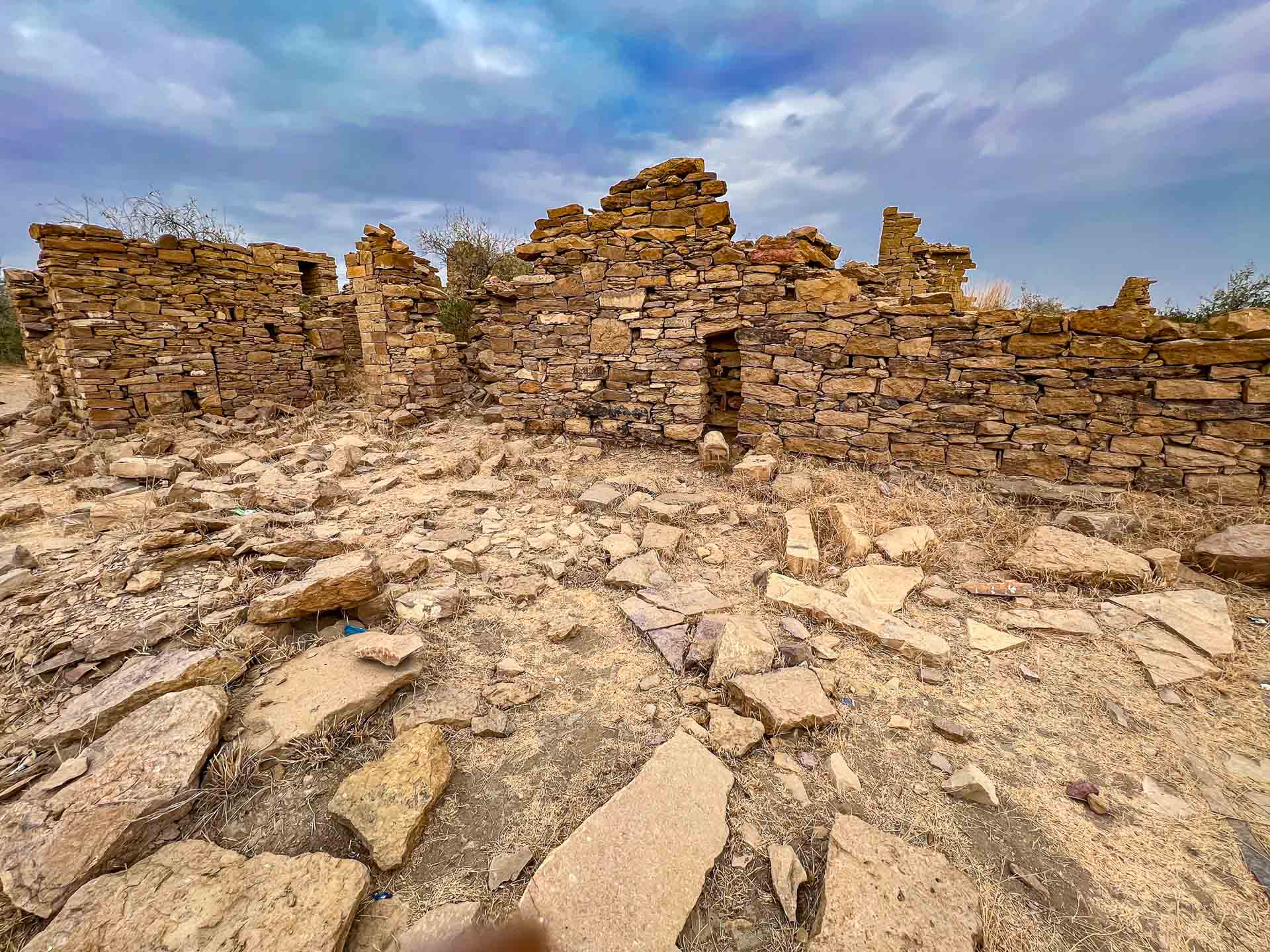
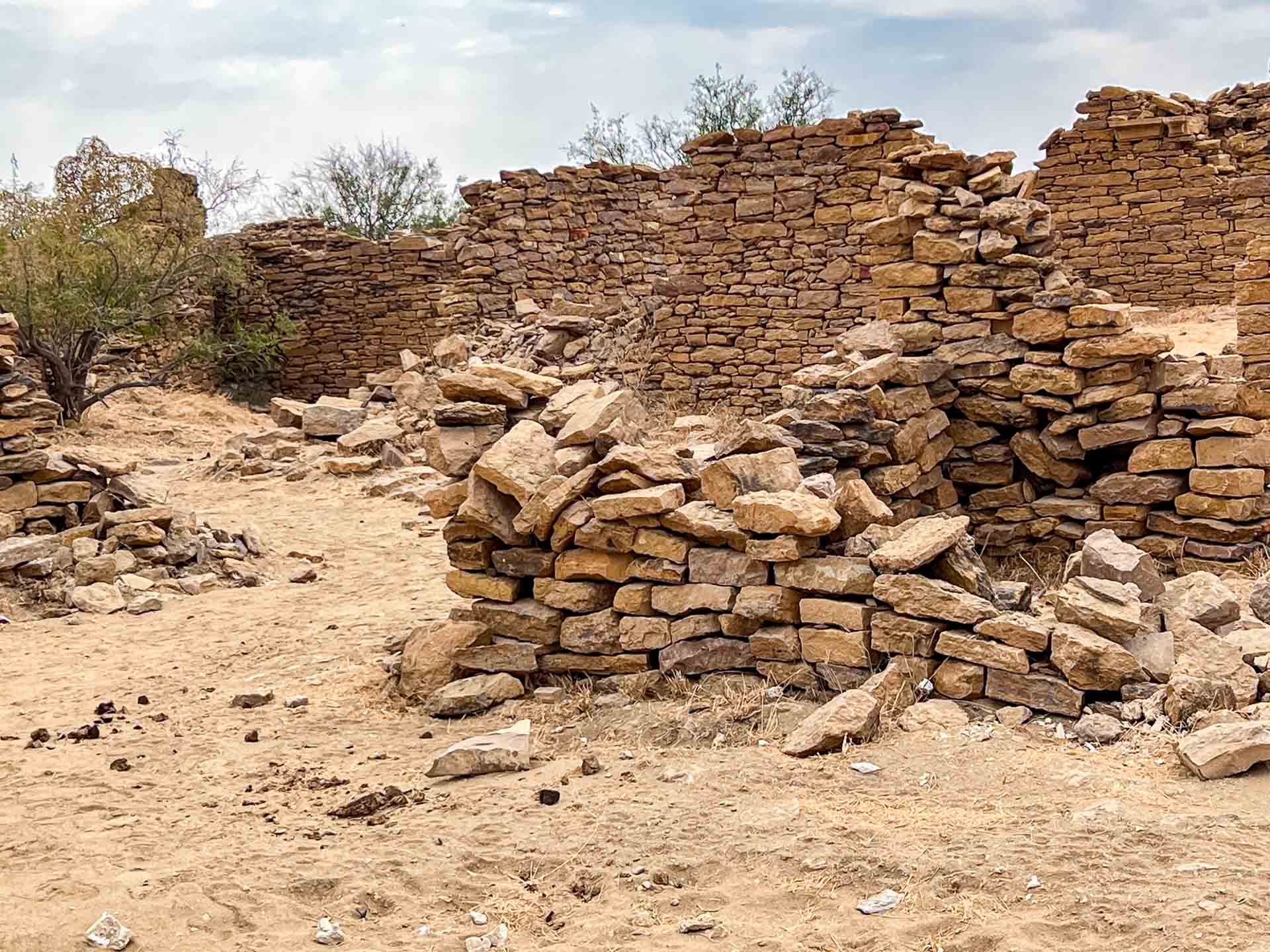
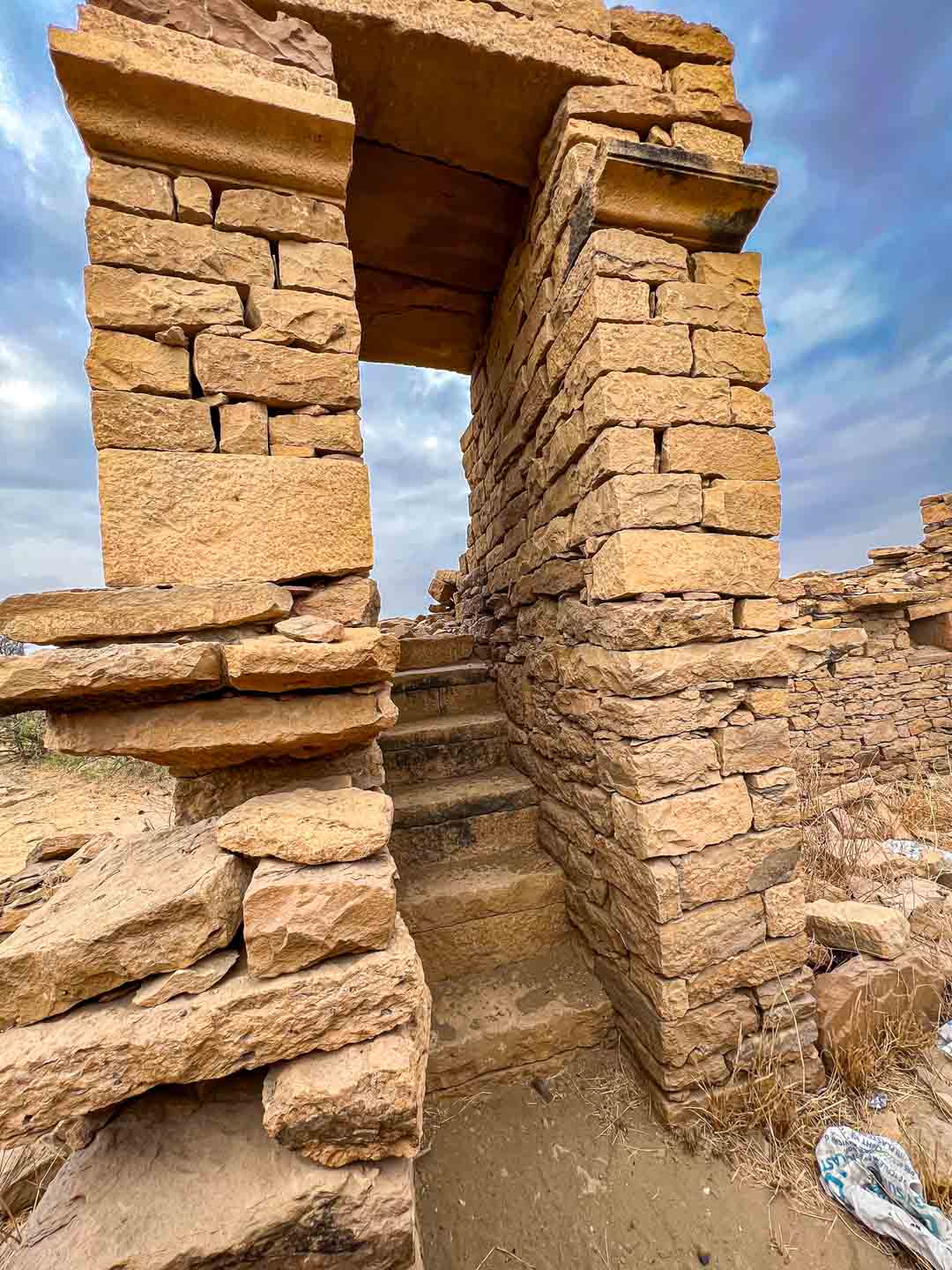
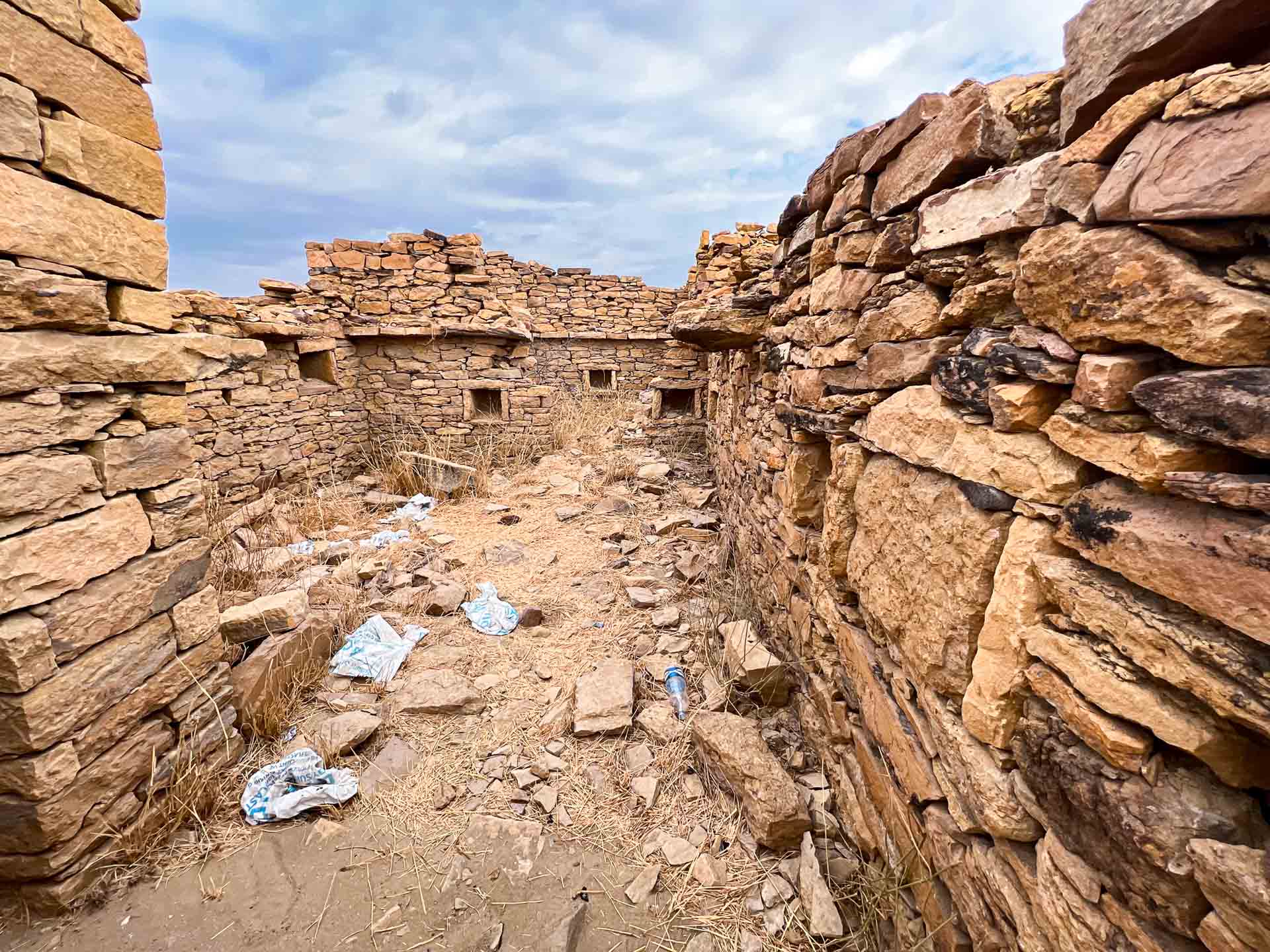
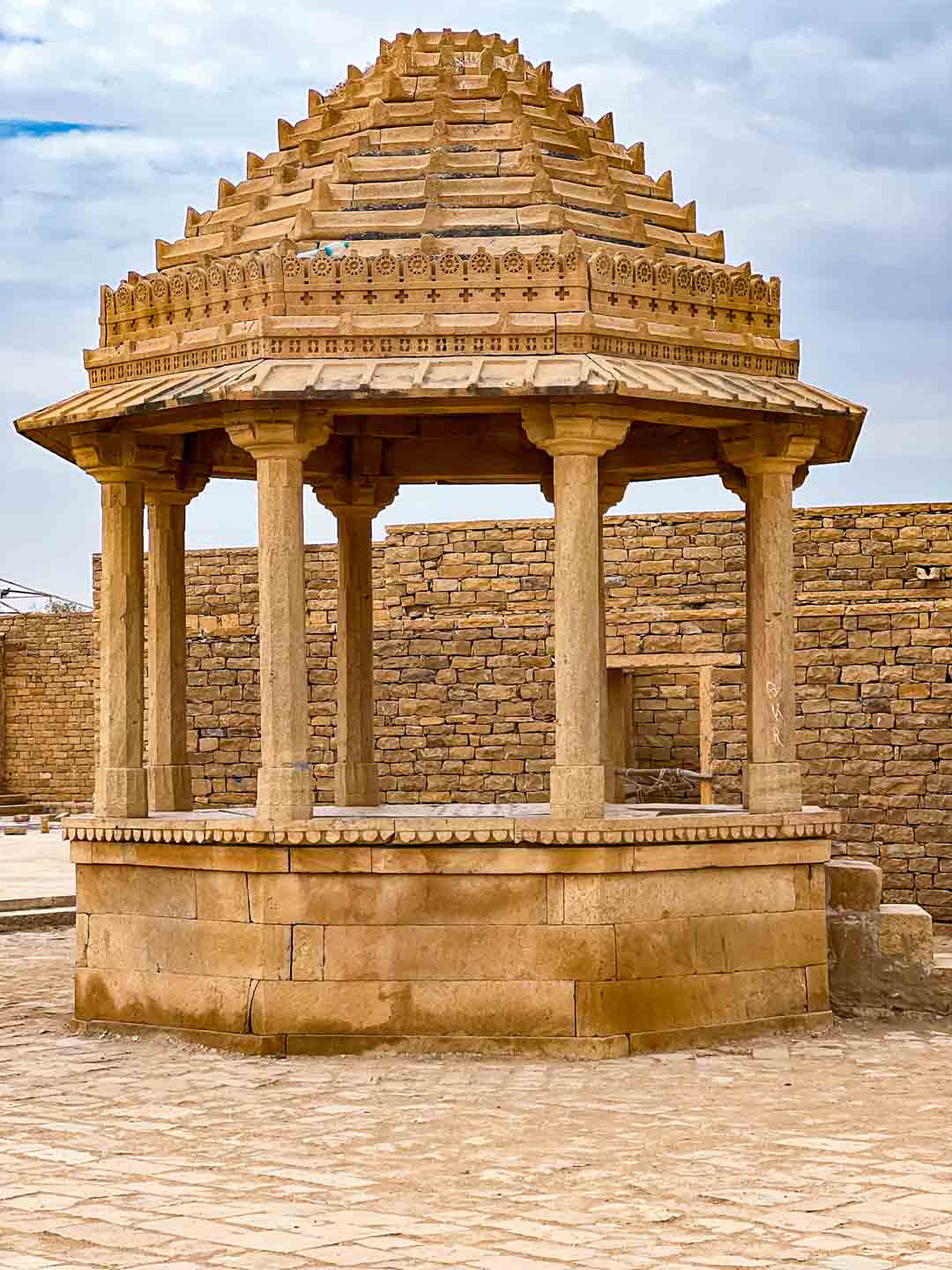
Kuldhara today remains a ghost village with lines of stone buildings, interlinked roads and ruins of places of community like temples and courtyard. You can still see the village layout. They use sandstone that is locally available to build houses with thick walls and minimalist form adapted to the desert environment. Settlements are characterized by open courtyards, narrow lanes, and aligned structures, suggesting a planned.
The place itself is devoid of modern intervention. The absence of this highlights how the village would have operated when it was occupied. One can witness spatial relationships between the homes, public spaces and pathways while walking through Kuldhara.
The surrounding environment heightens the feeling of detachment. Sand, low vegetation, empty sky — more desert flows outward with little interruption. One of the site’s defining characteristics is that there are no active settlements right next to it.
Kuldhara is important in the way it has been preserved and also its sudden abandonment. It provides insight into how communities used to live, their structure and how they raised against external pressures. It offers a snapshot of an entire settlement suspended in time.