Menal Temple: An Ancient Temple Complex
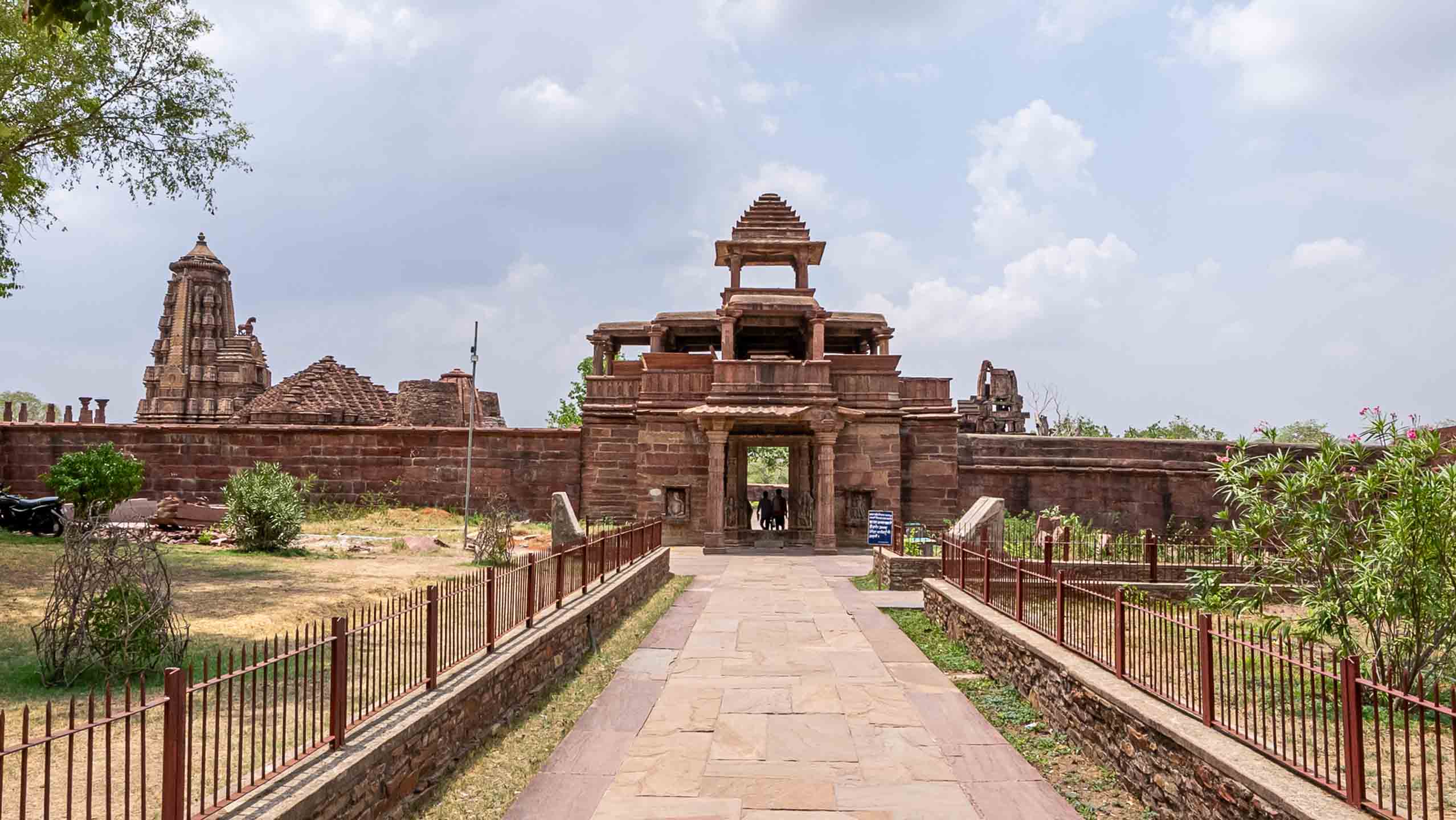
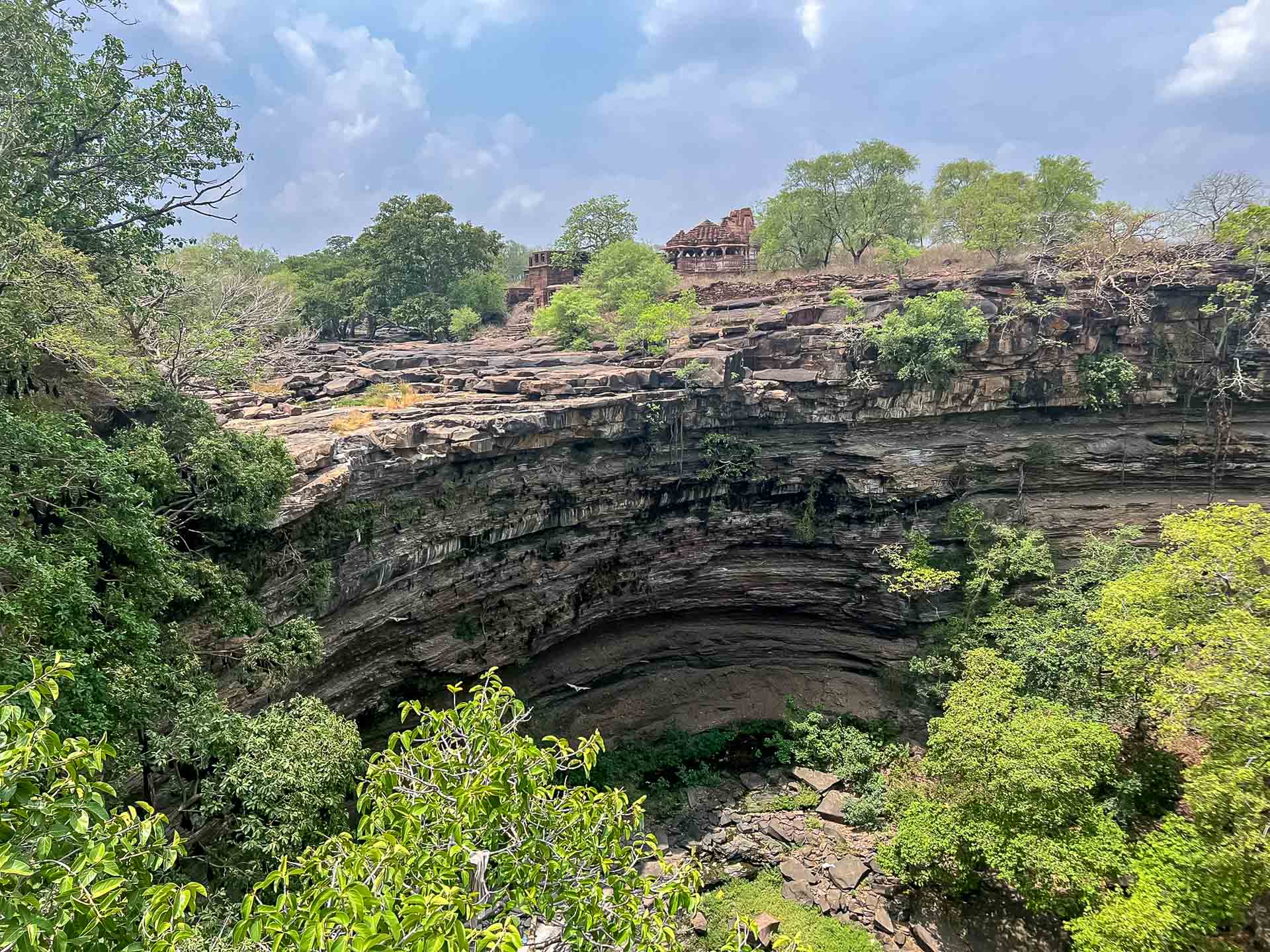
Situated on the highway connecting Bundi and Chittorgarh in Rajasthan, the Menal Temple Complex is one of the state’s most significant yet relatively lesser-known heritage sites. The complex is known for its medieval temples, intricate stone carvings, and dramatic natural setting. It stands beside a deep gorge carved by the Menali River and is further enhanced by a seasonal waterfall that becomes especially impressive during the monsoon.
Because of the richness of its sculptural work, Menal is often referred to as the “Mini Khajuraho of Rajasthan.” Menal is important not only for its architectural merit but also for what it reveals about the religious and artistic traditions of medieval Rajasthan.
Historical Background
Menal was historically known as Mahanala, meaning “great gorge.” The settlement developed around this natural feature and grew into an important religious center between the 8th and 12th centuries CE.
The temple complex flourished under the Chahamana dynasty, better known as the Chauhans. The most prominent structure at the site, the Mahanaleshwar Temple, is believed to have been built in the 11th century during the reign of King Someshvara, the father of Prithviraj Chauhan.
Although the Chauhans are best remembered for their military achievements, Menal highlights their role as patrons of religion, architecture, and learning. By commissioning temples of this scale and quality, they established Menal as a major center of Shaiva worship.
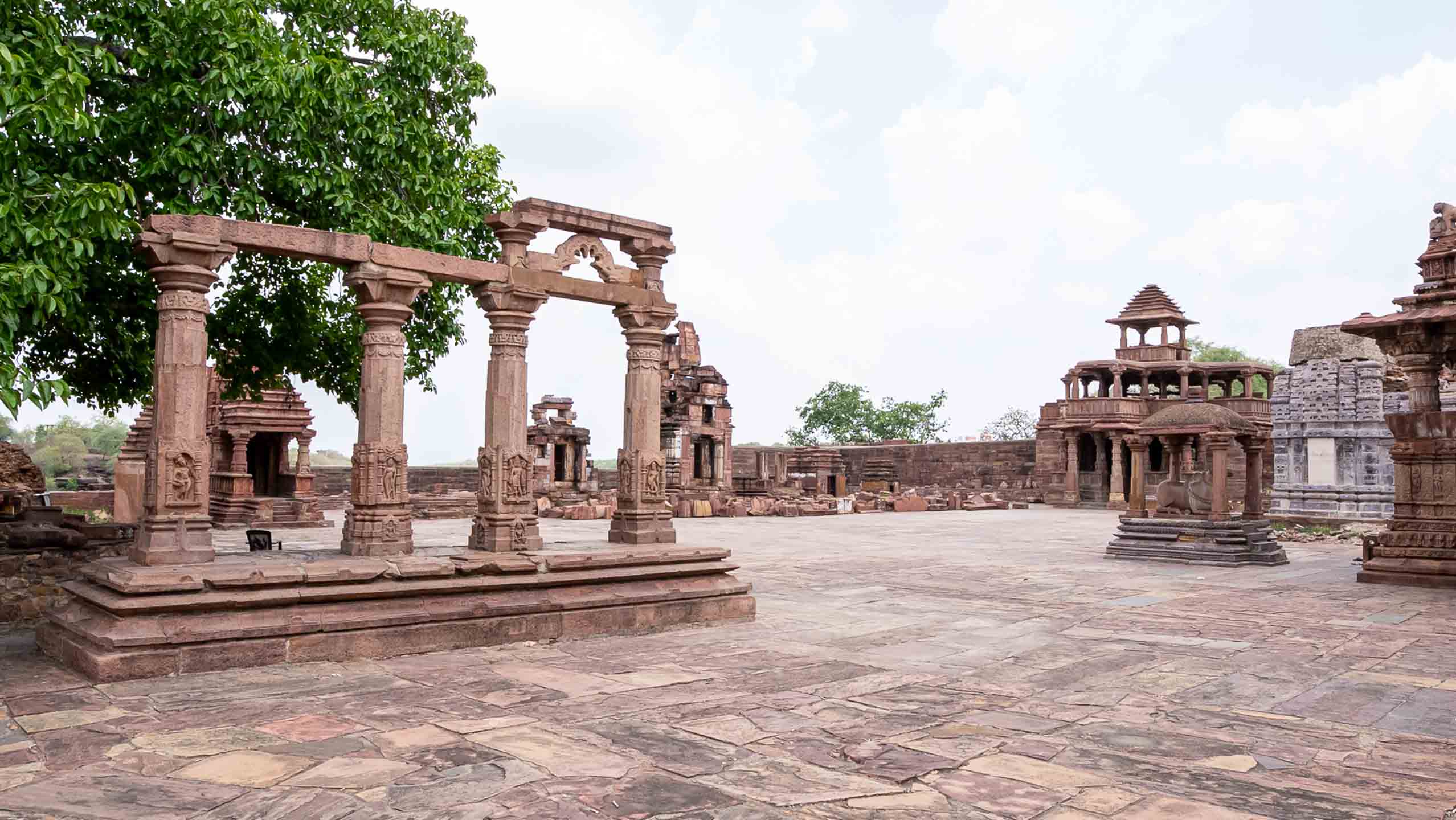
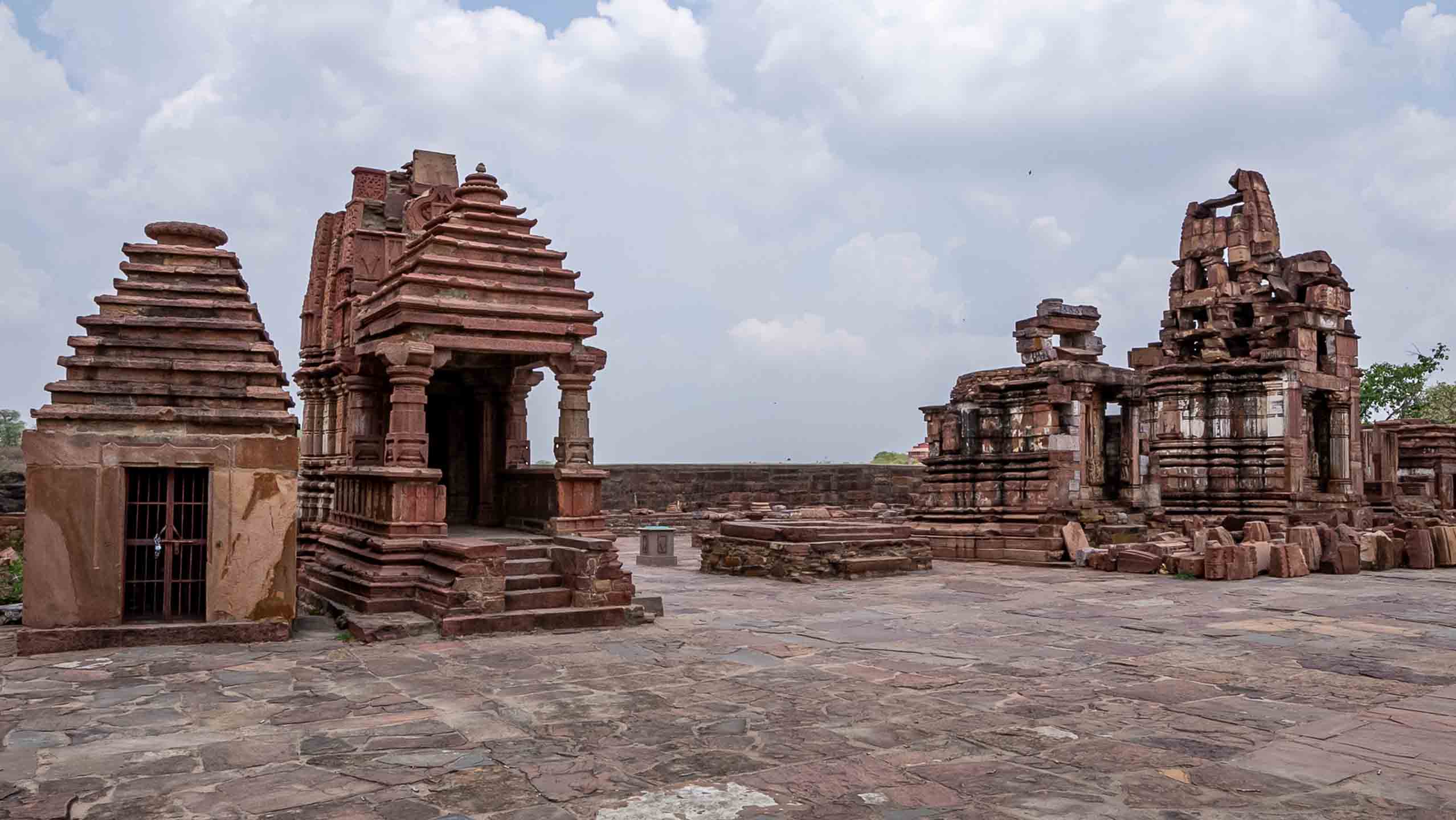
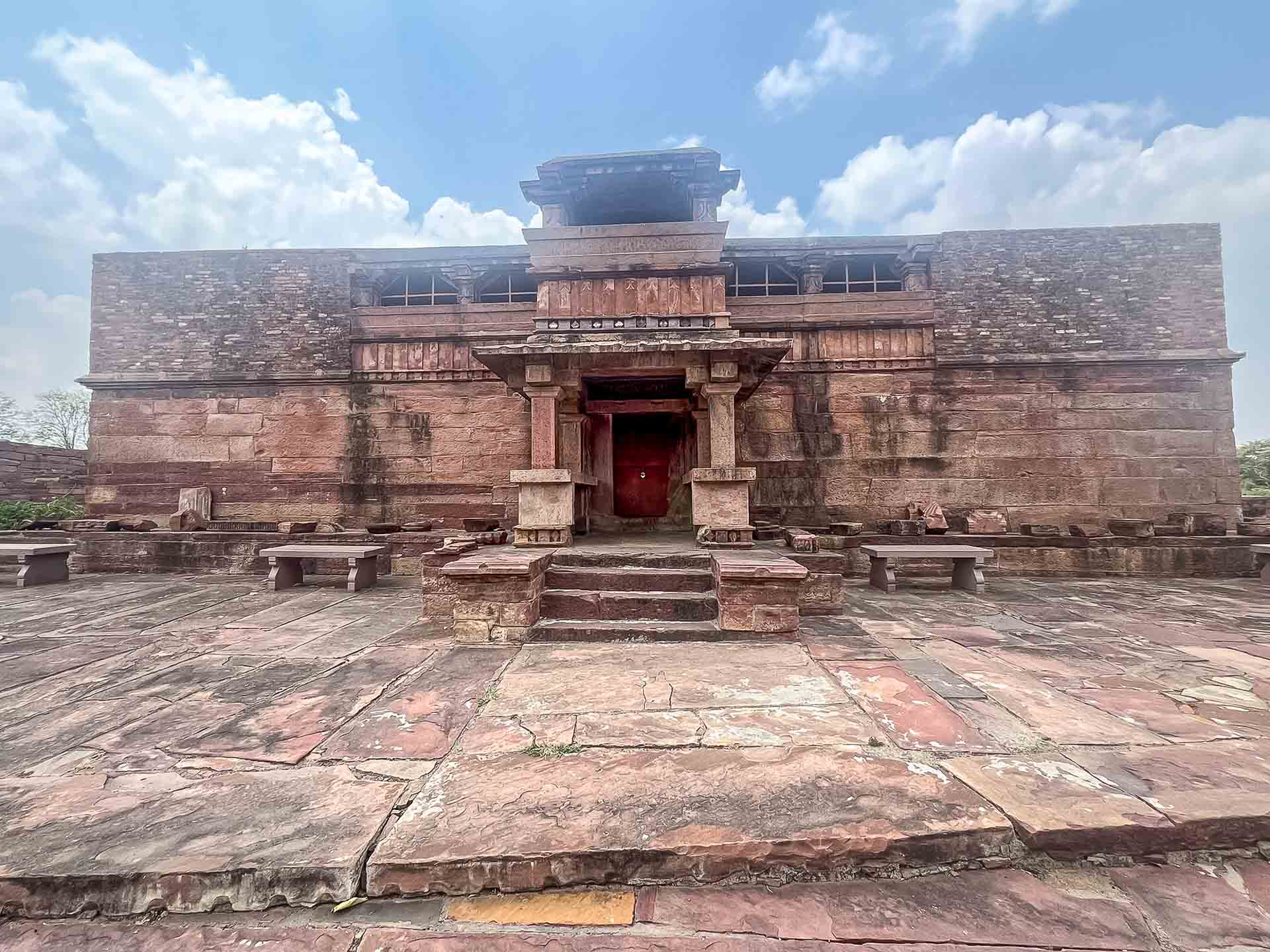
Menal was not a single temple but a large religious complex. It included temples, monasteries, and residential structures for priests and ascetics.
The site was ideally suited for spiritual practice. The river, the secluded setting, and the surrounding gorge created an atmosphere conducive to meditation and religious study.
The principal temple was dedicated to Lord Shiva and continues to function as a place of worship.
The Mahanaleshwar Temple
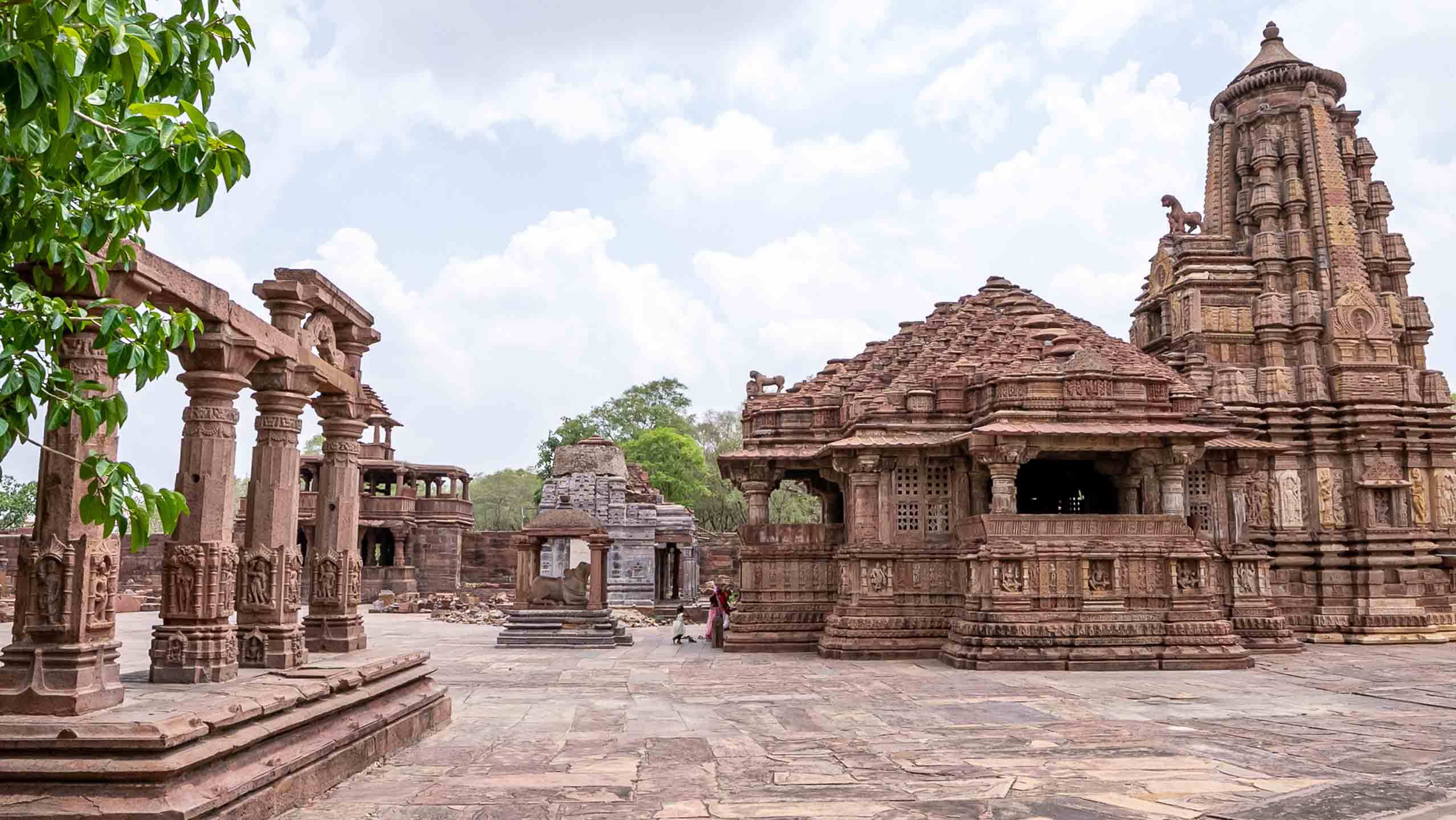
The Mahanaleshwar Temple is the main monument of the complex and its most important surviving structure.
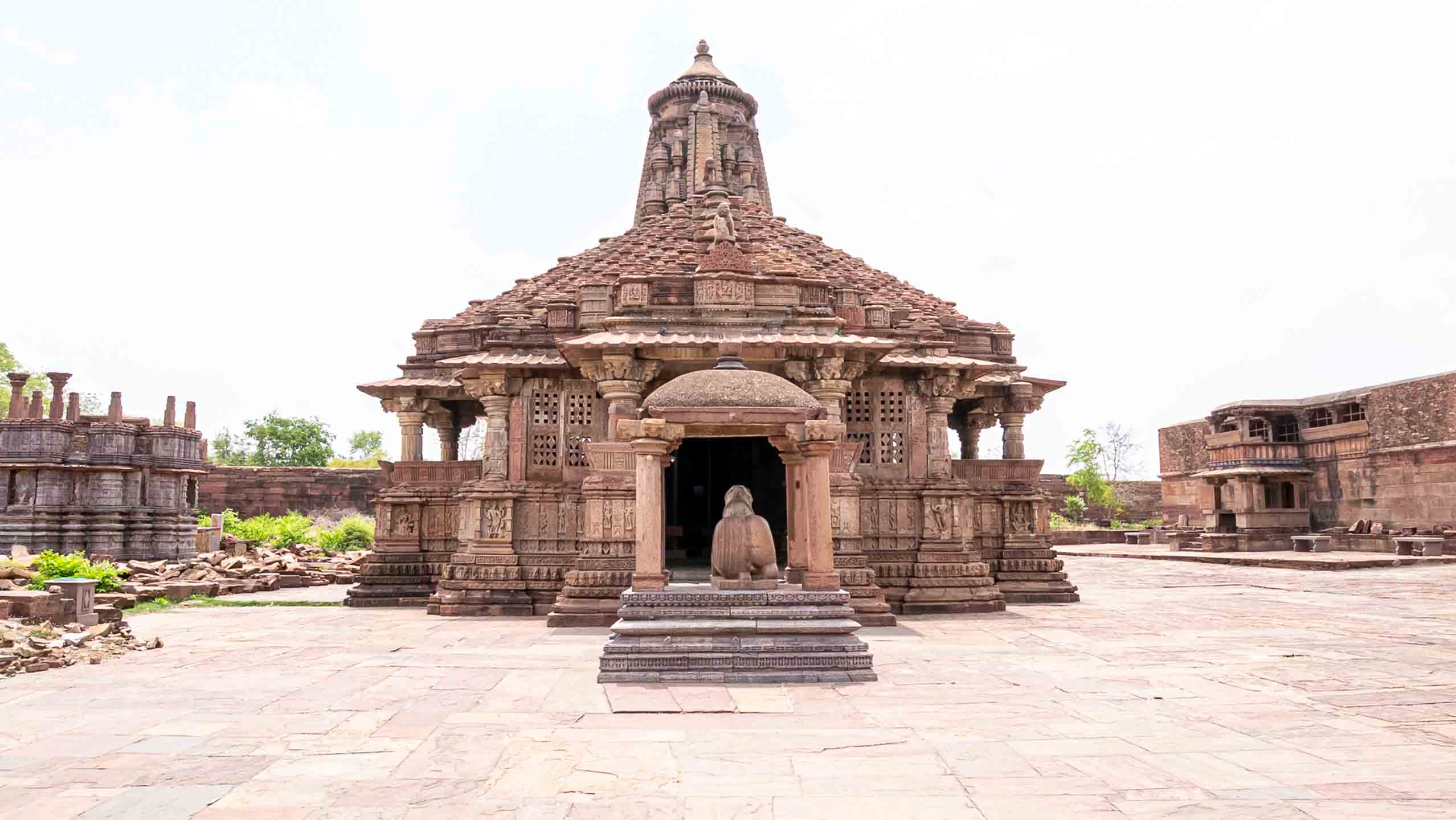
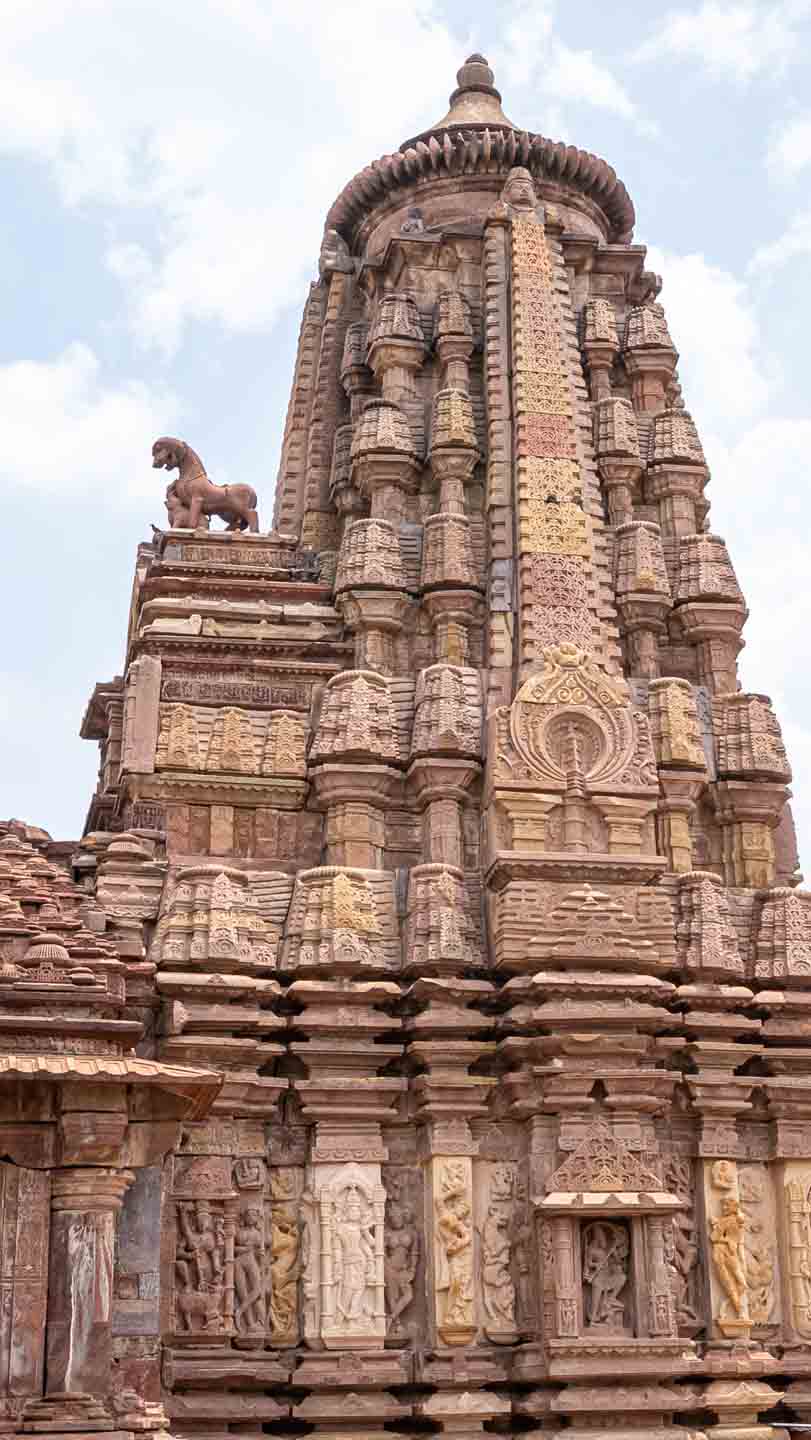
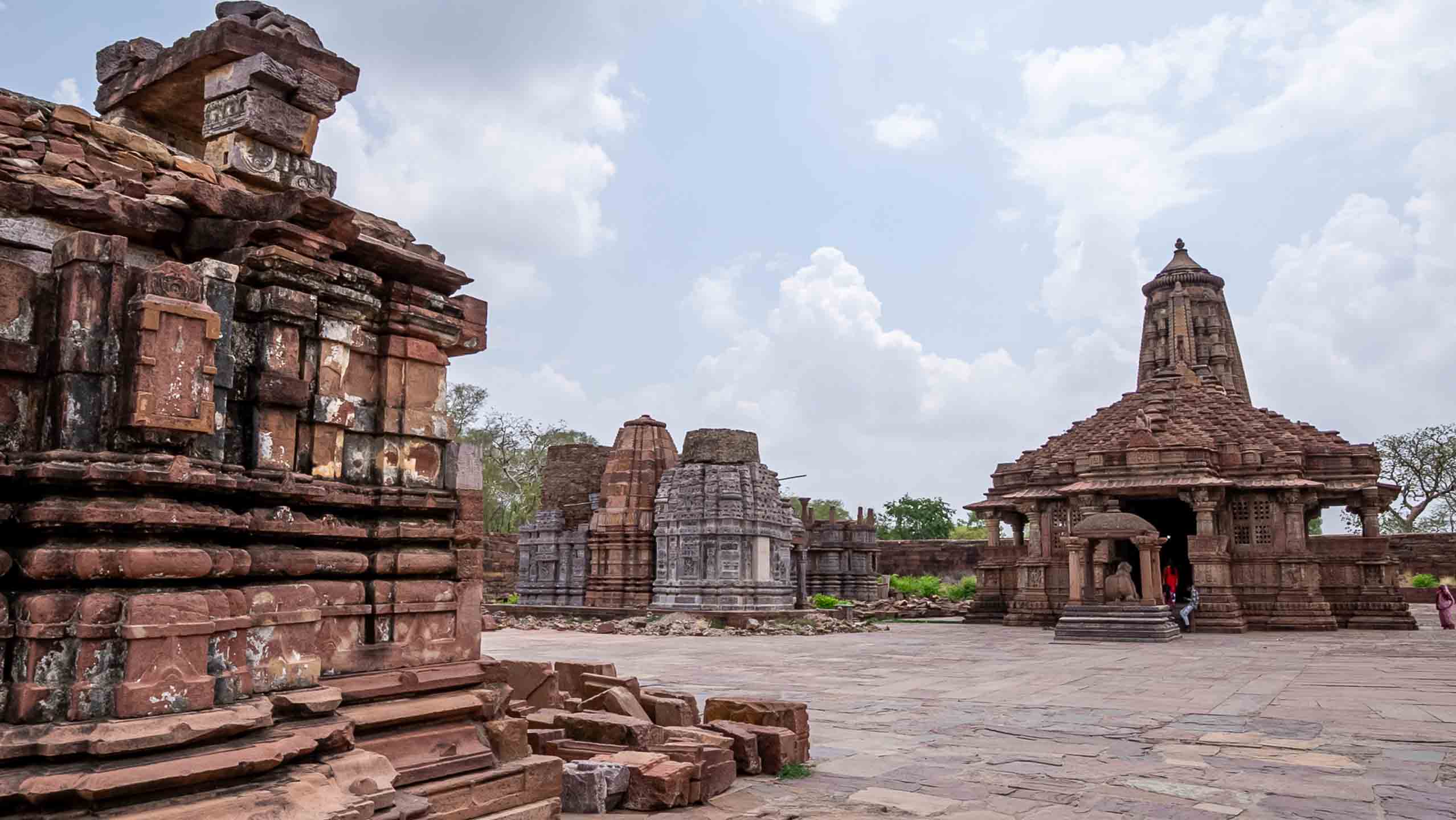
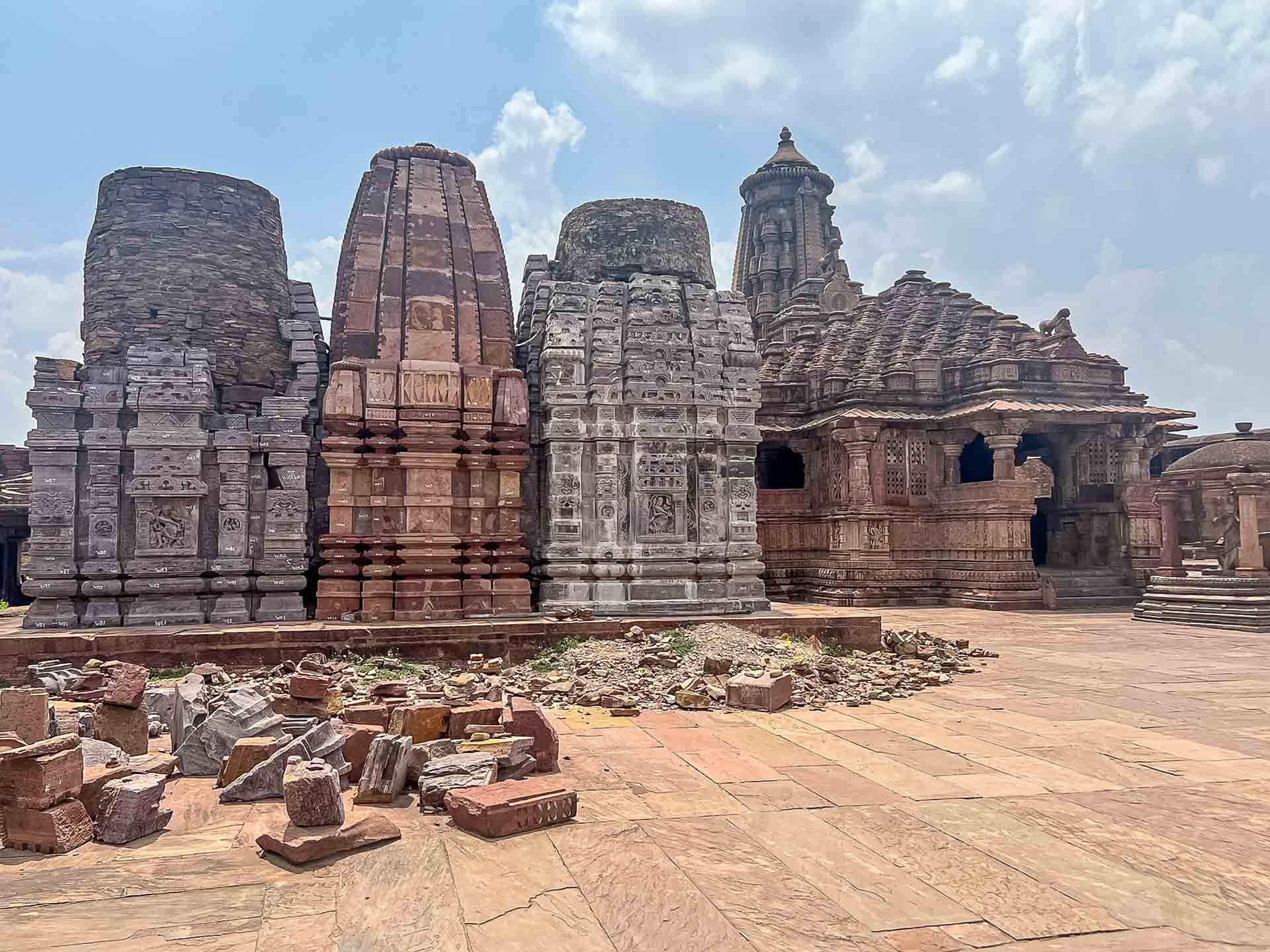
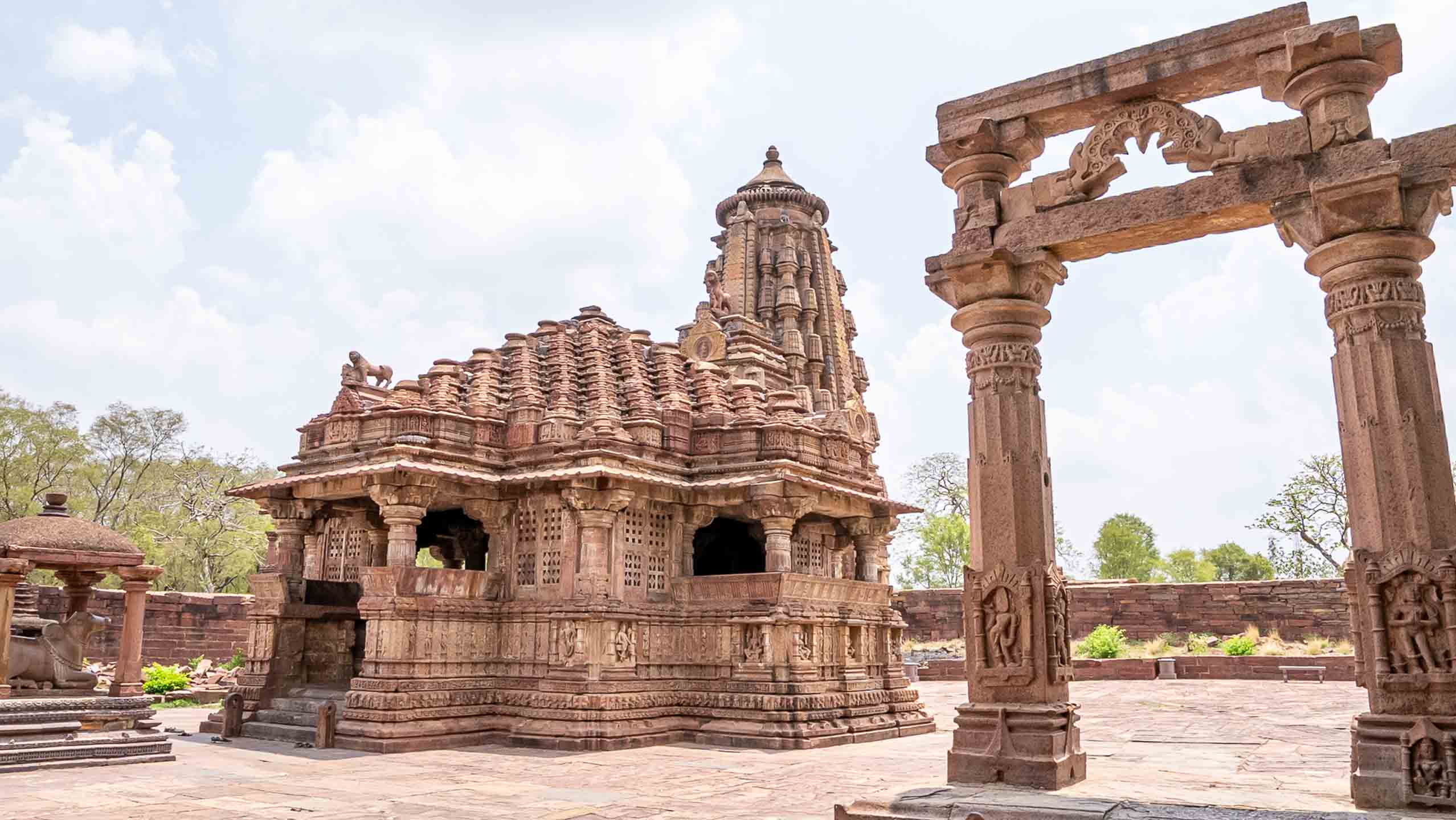
Built in the North Indian Nagara style, the temple stands on a raised platform and consists of a sanctum (garbhagriha), vestibule (antarala), assembly hall (mandapa), and entrance porch. The shikhara, or tower above the sanctum, is one of the most striking features of the temple.
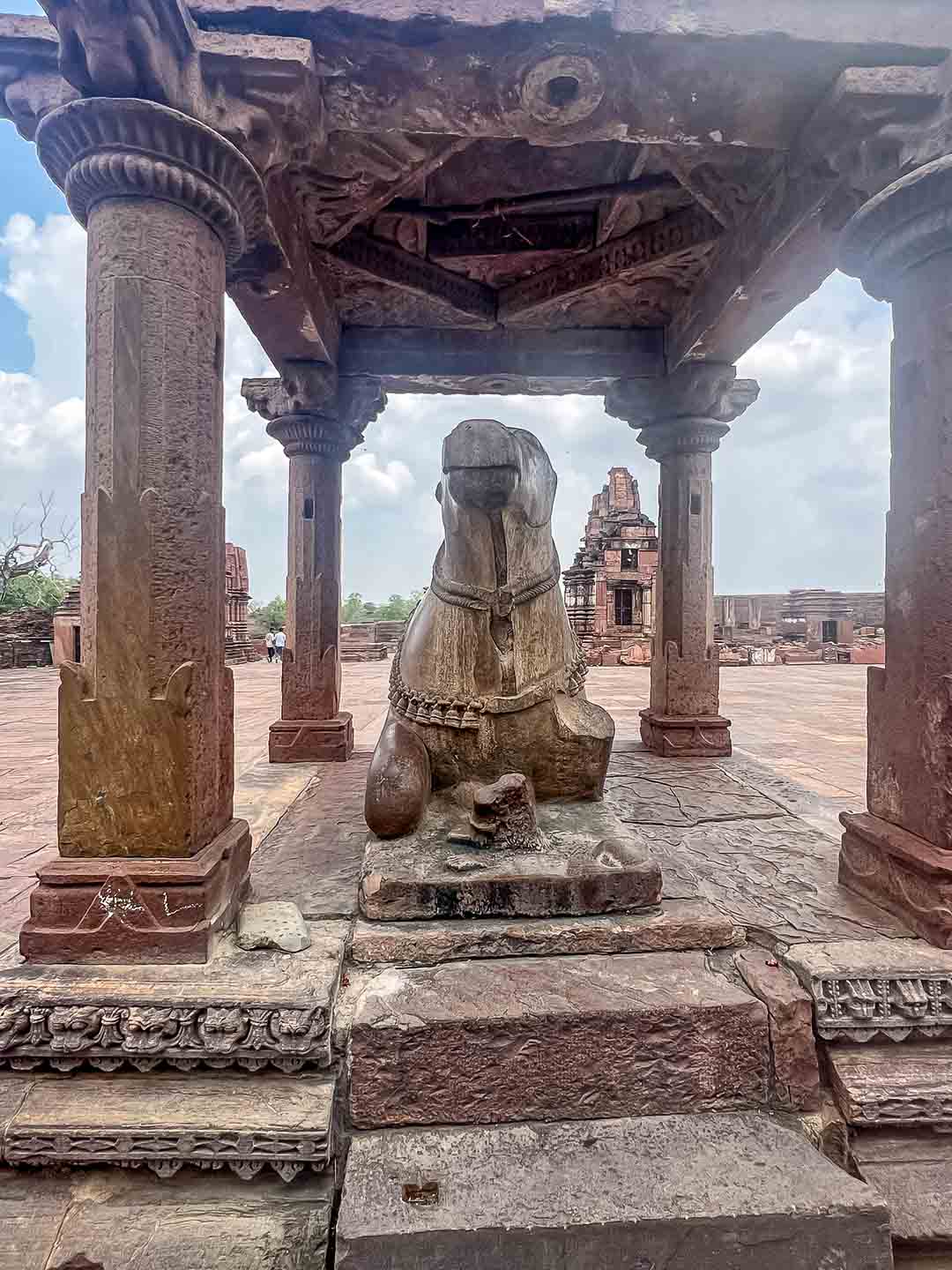
In front of the main shrine stands a separate pavilion housing a statue of Nandi, Shiva’s sacred bull.
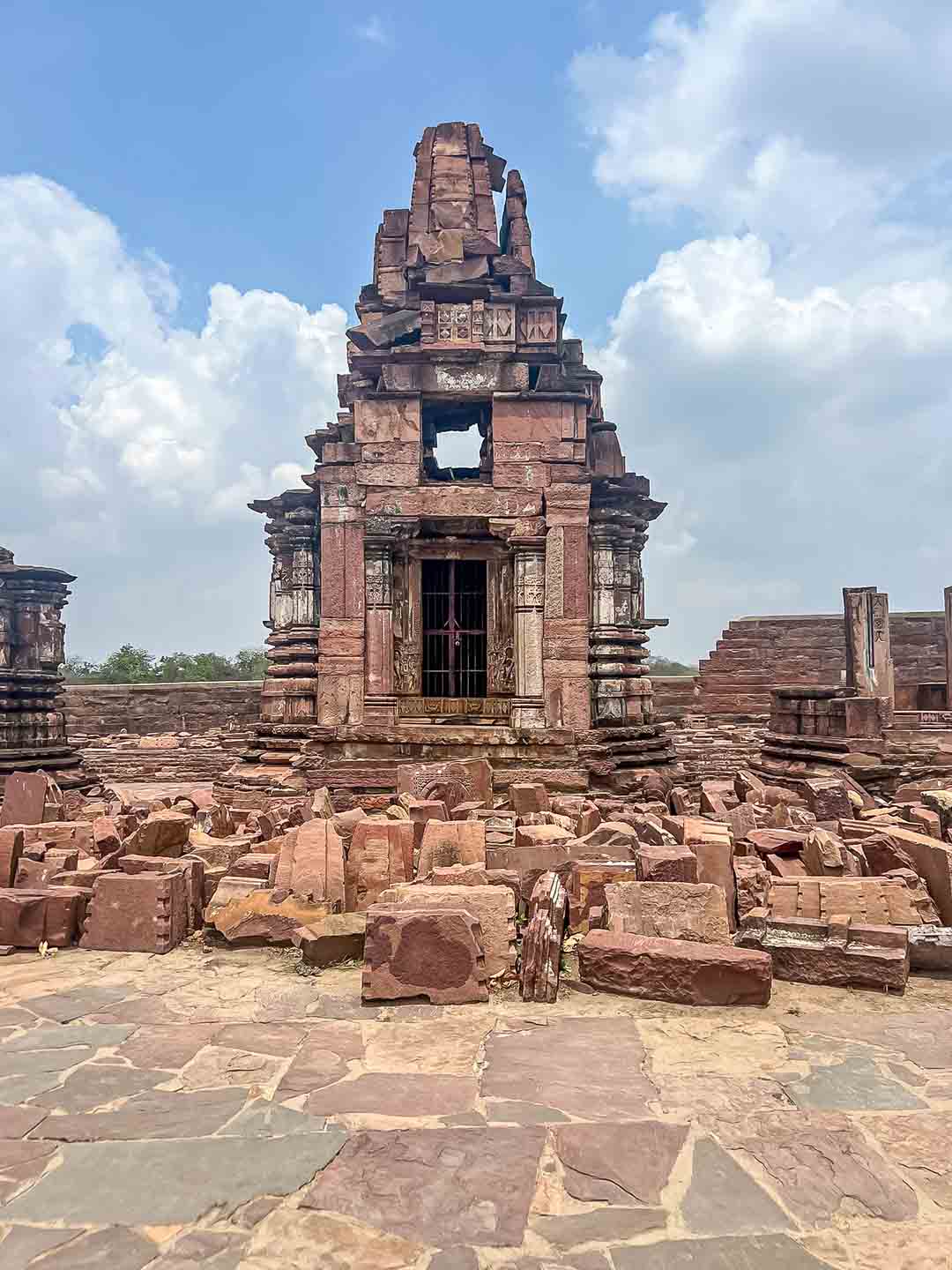
Although parts of the temple have been damaged over time, much of the original structure remains intact and continues to display the skill of the craftsmen who built it.
Sculptural Work
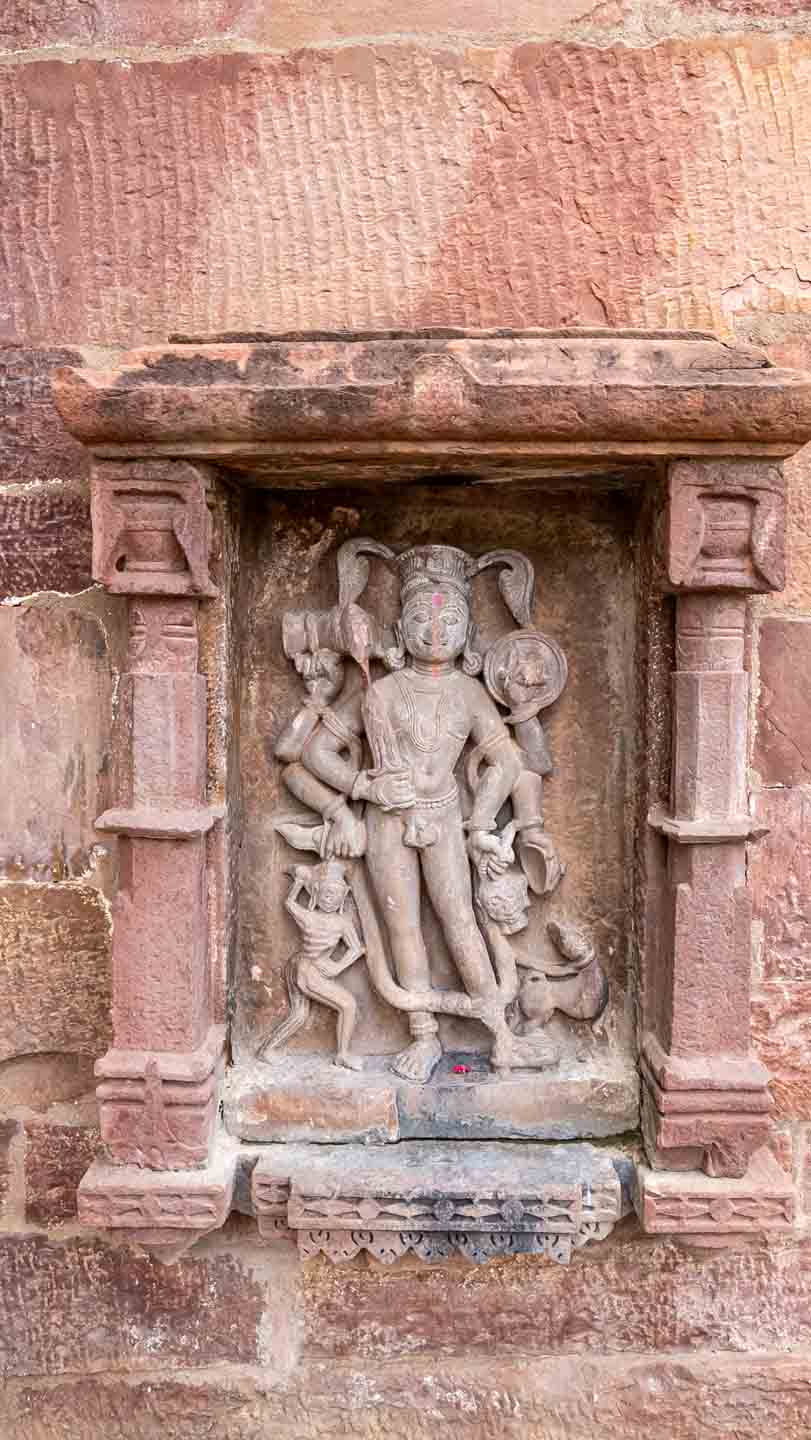
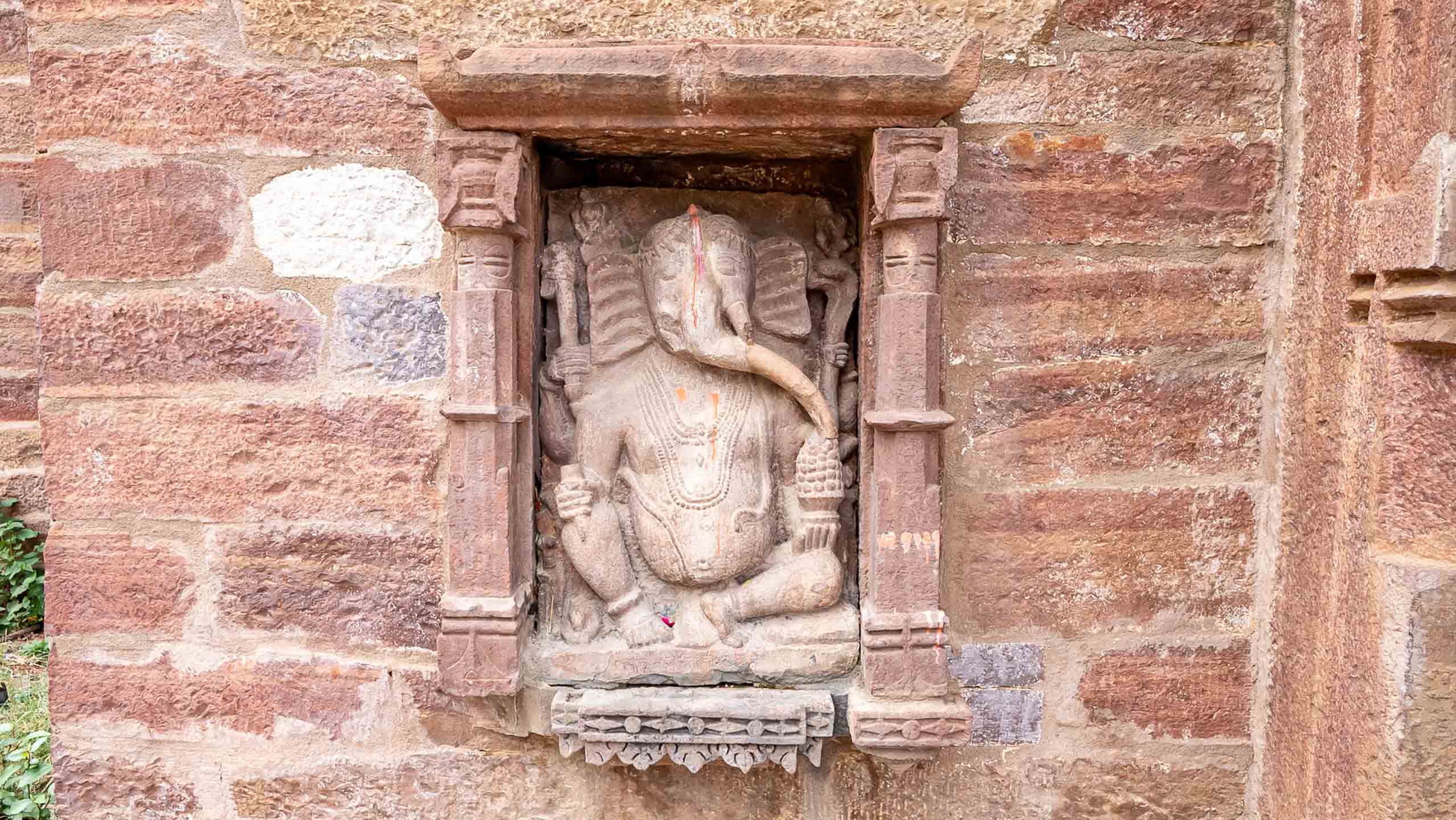
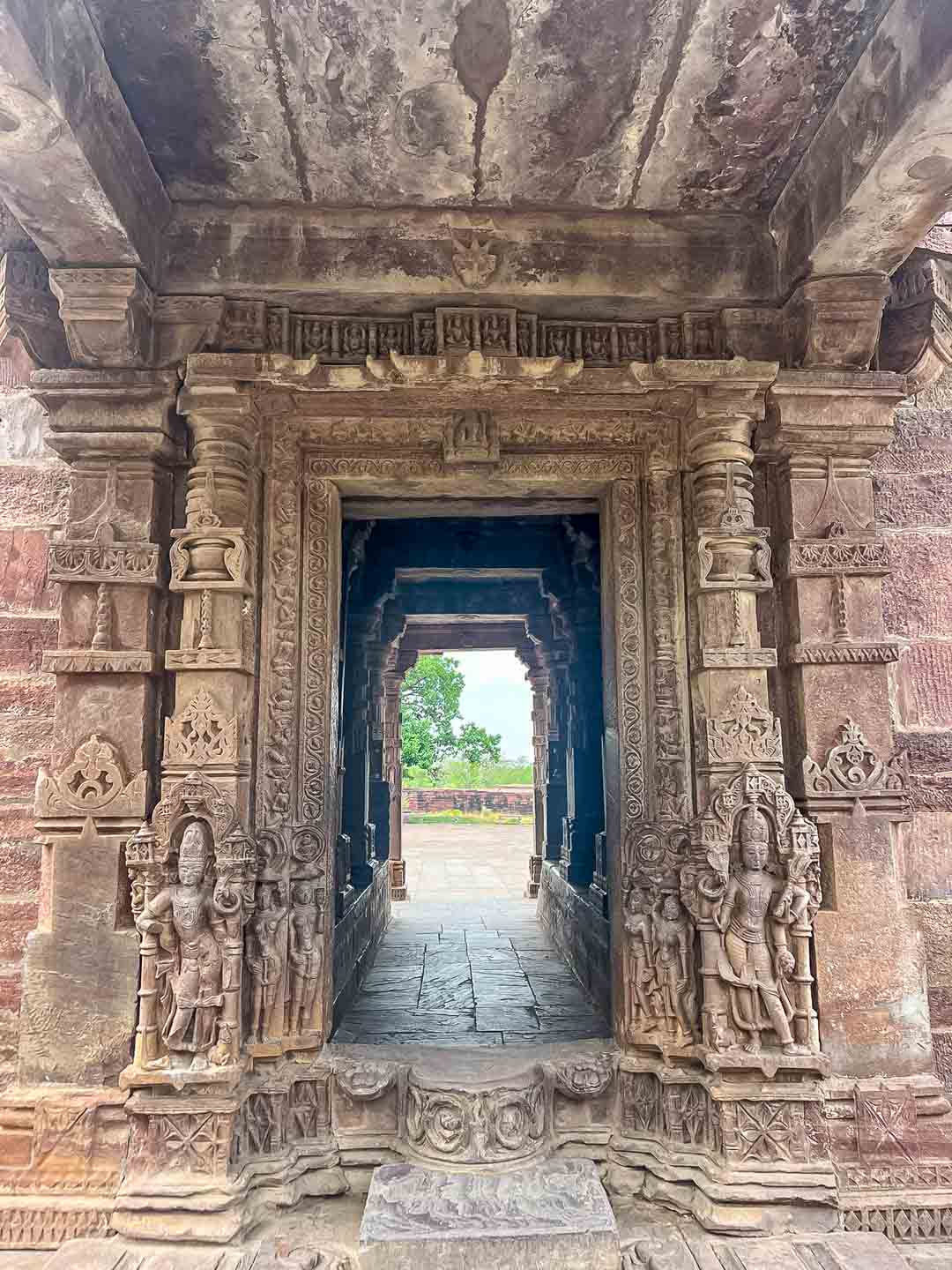
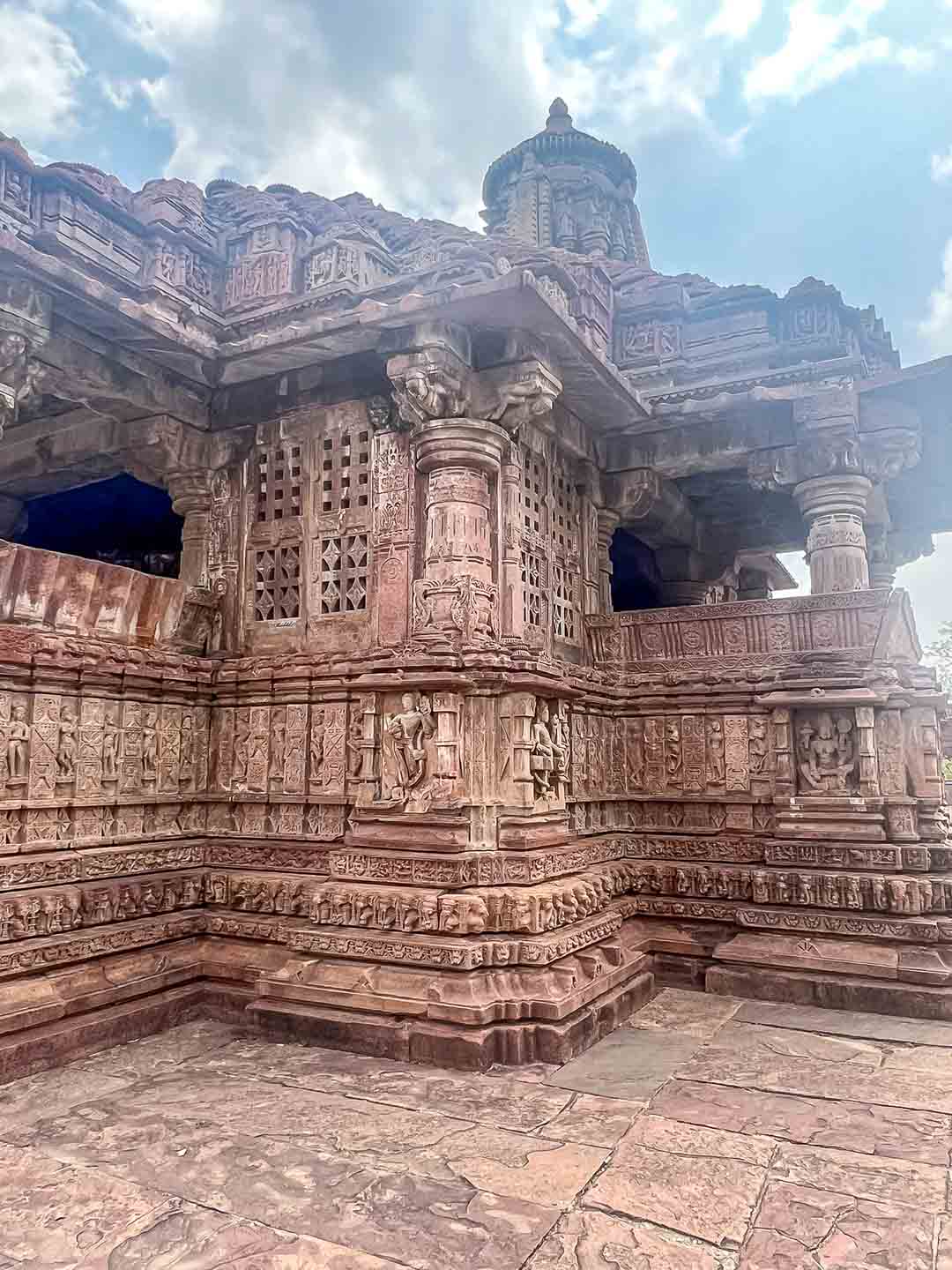
Menal is particularly known for its detailed carvings, which are among the finest examples of medieval temple sculpture in Rajasthan.The exterior walls feature images of Shiva, Parvati, Vishnu, celestial beings, musicians, dancers, and scenes from mythology.
The sculptures are remarkable for their detail and balance. Jewelry, clothing, and facial expressions are rendered with great precision, demonstrating the high level of artistic achievement of the period.
Other Structures in the Complex
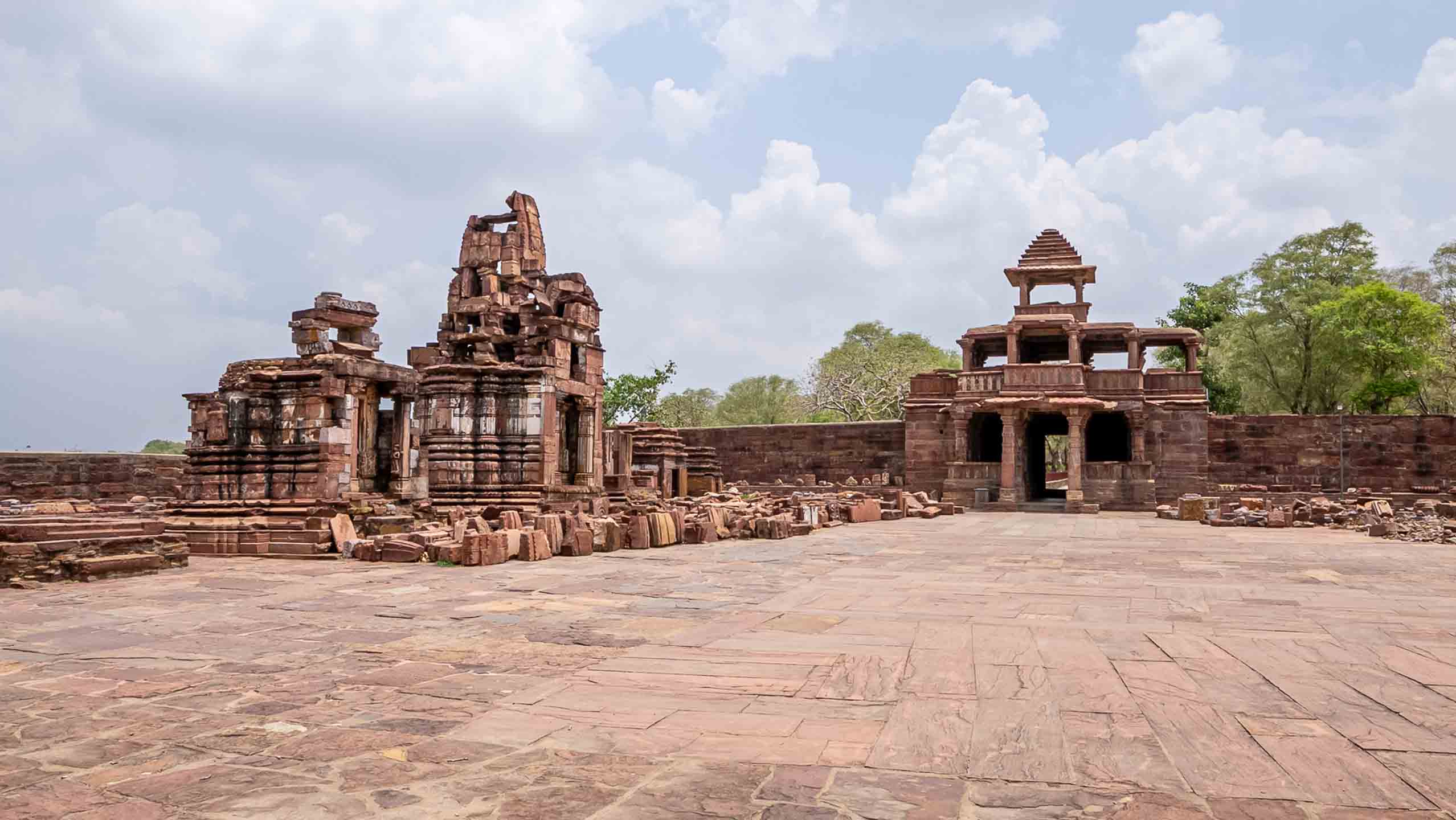
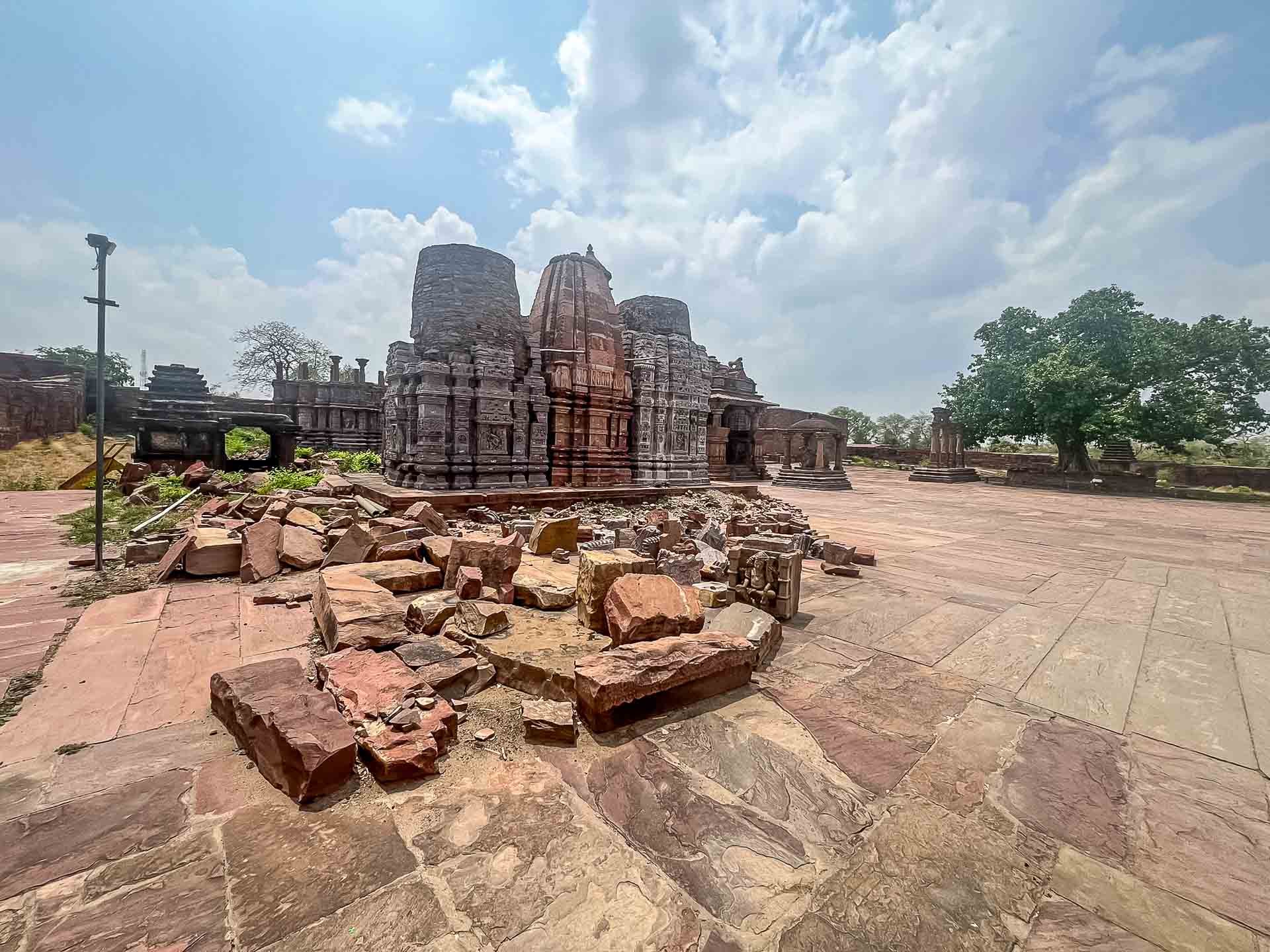
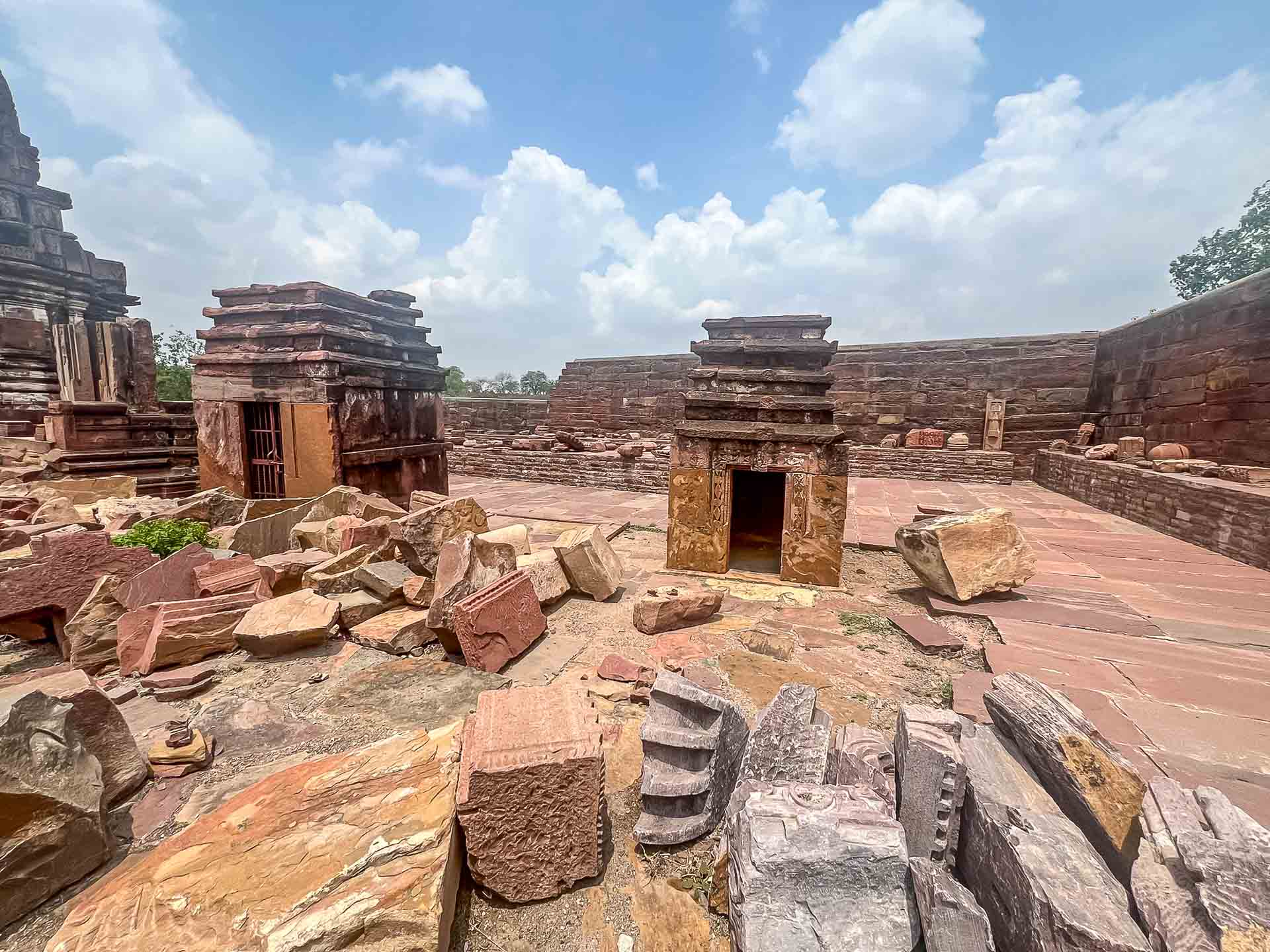
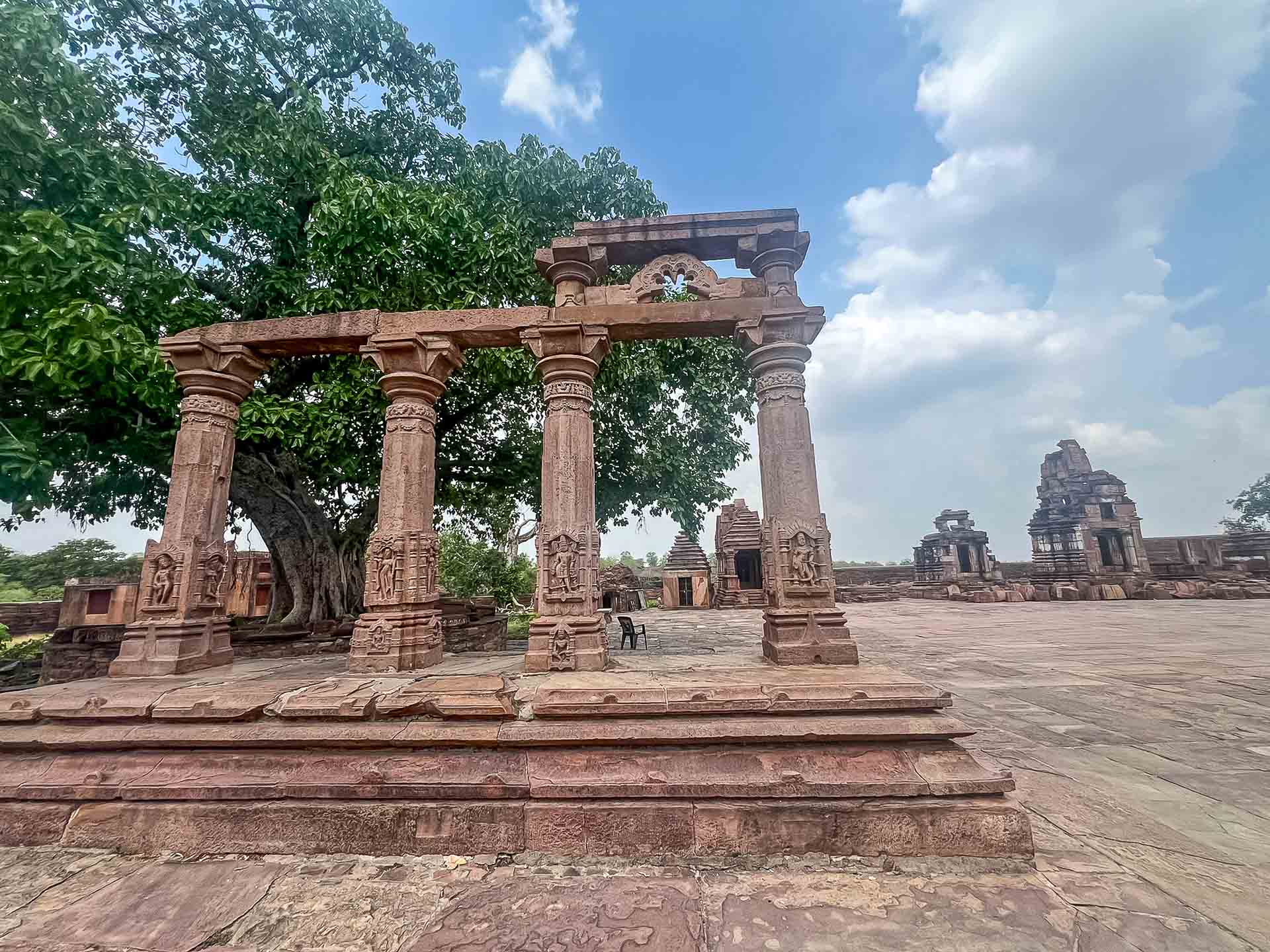
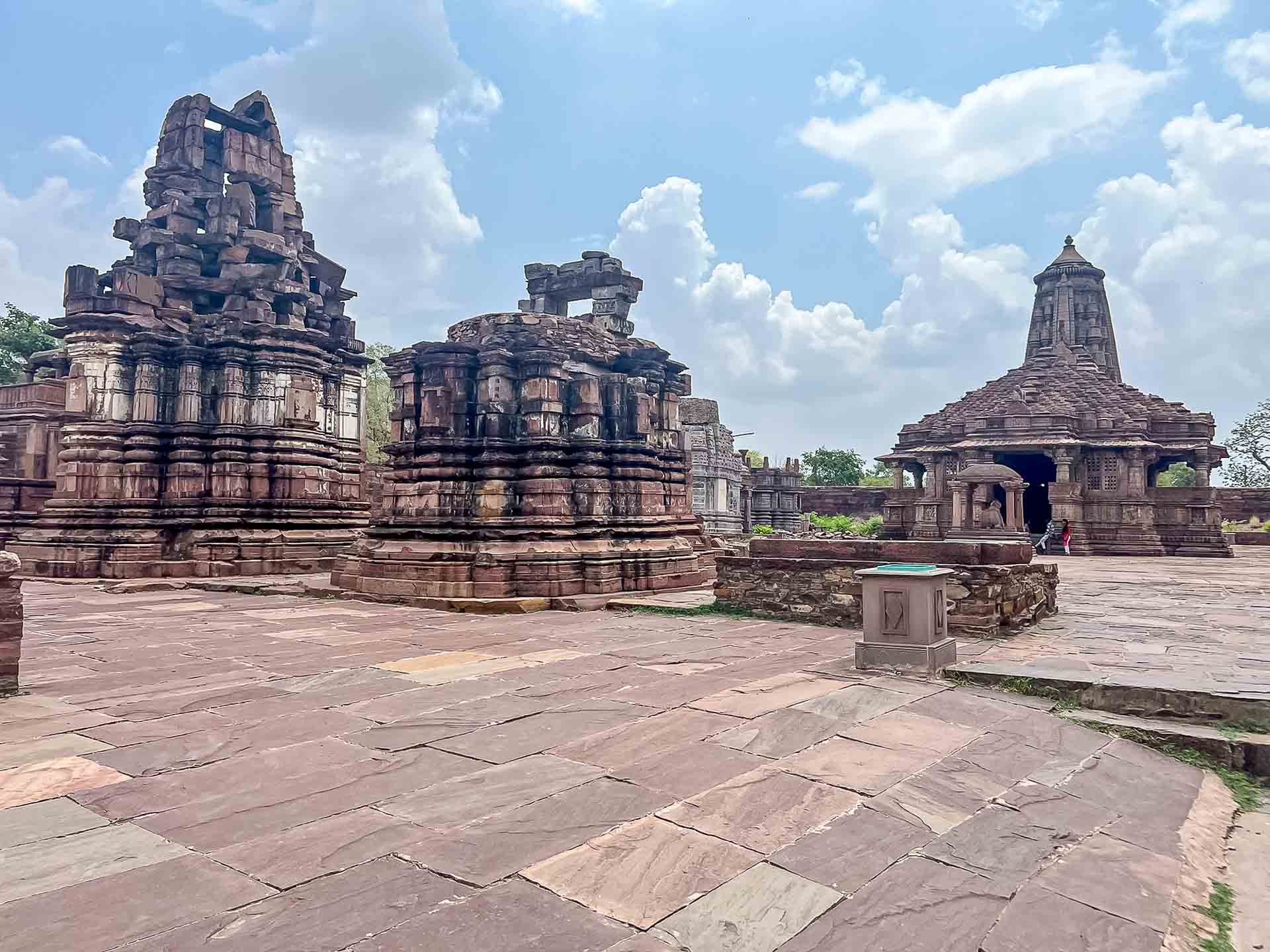
In addition to the Mahanaleshwar Temple, the Menal complex includes several smaller shrines and the remains of monastery-like buildings.
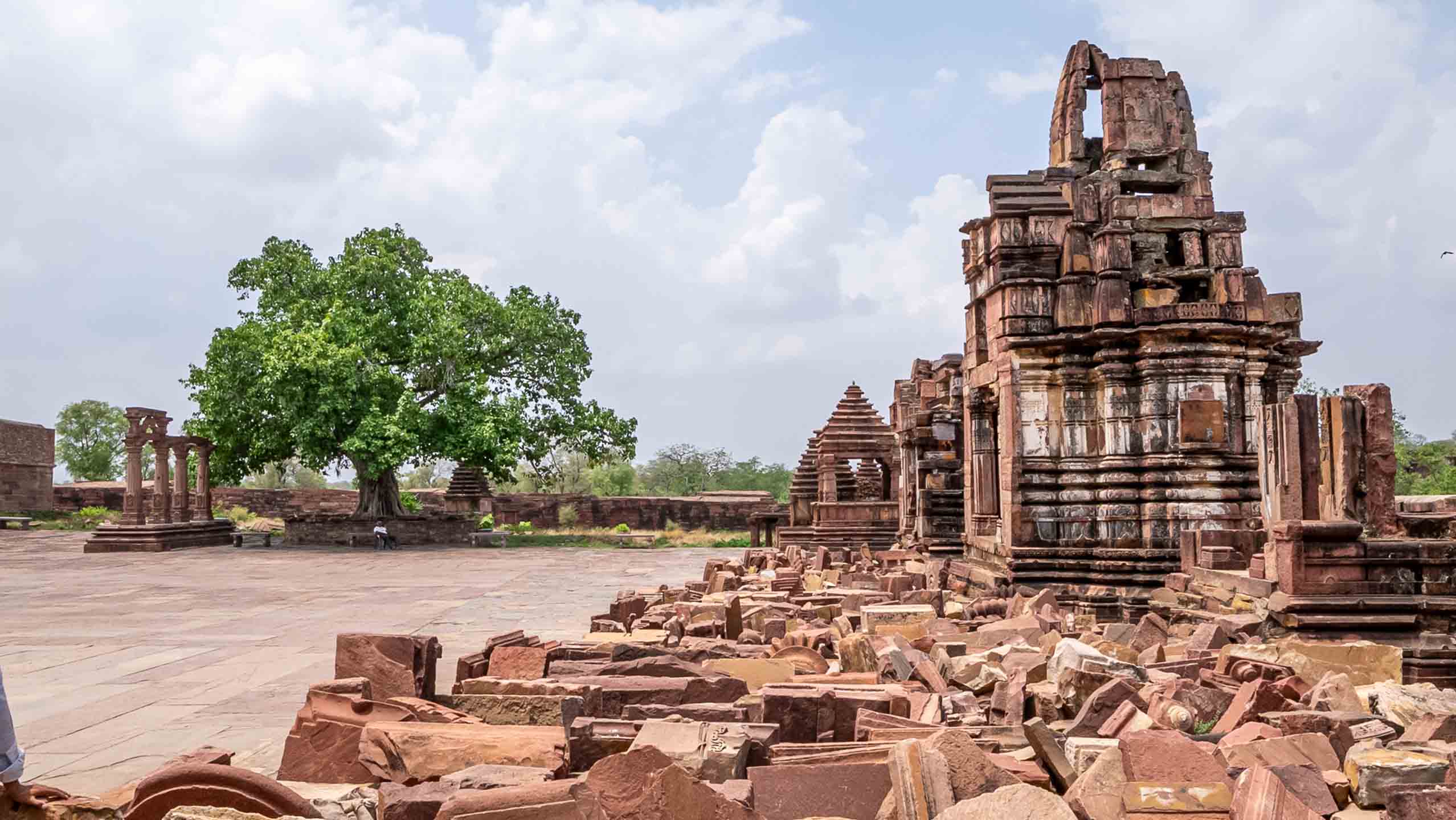
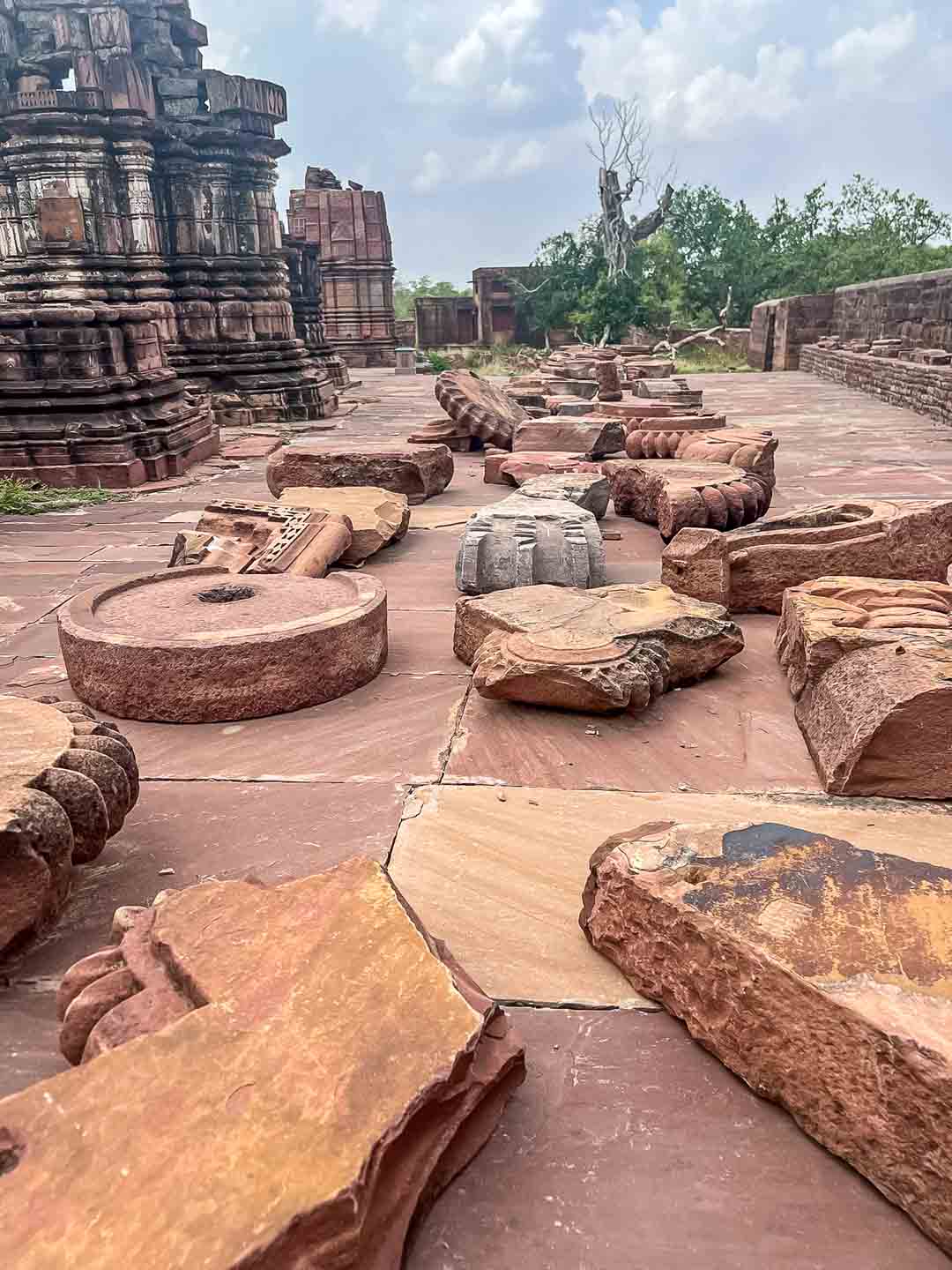
These structures indicate that Menal was an established religious institution where priests and ascetics lived and studied. Even in their ruined state, they provide valuable insight into the scale and organization of the site.
Scattered architectural fragments and sculptural remains offer further evidence of the richness of the original complex.
The Menal Waterfall
One of the most striking features of Menal is its natural setting.
The Menali River flows through the site and drops into a deep gorge to form the Menal Waterfall. During the monsoon, the waterfall becomes particularly impressive and attracts visitors from across Rajasthan.
The combination of historical architecture and dramatic scenery makes Menal unique among Rajasthan’s temple sites. The surrounding greenery adds to the appeal of the site.
Local traditions associate Menal with Prithviraj Chauhan and his queen, who are said to have visited the area. While these stories are part of folklore rather than documented history, they add to the cultural significance of the site.
The temple continues to attract devotees, especially during Maha Shivaratri, when many pilgrims visit to offer prayers to Lord Shiva.
Architectural Importance
Menal is one of the finest surviving examples of early medieval temple architecture in Rajasthan.
The Mahanaleshwar Temple represents the mature development of the Nagara style and demonstrates the ability of regional craftsmen to create monuments of both technical sophistication and artistic richness. The site also illustrates how temple complexes functioned as integrated centers for worship, education, and residential life.
Present Significance
The Menal Temple Complex remains important for several reasons. It continues to function as a place of worship and retains its spiritual significance for local communities. The temples and sculptures are protected by the Archaeological Survey of India.
For historians and archaeologists, Menal offers valuable insights into the political, religious, and artistic history of medieval Rajasthan.
For travelers and photographers, the combination of heritage architecture and natural beauty makes the site particularly rewarding. Because Menal remains relatively less visited than many of Rajasthan’s better-known monuments, it offers a quieter and more relaxed experience.
The best time to visit is during or shortly after the monsoon, when the waterfall is in full flow and the surrounding landscape is green.
The Menal Temple Complex is one of Rajasthan’s most remarkable heritage sites. Constructed primarily between the 11th and 12th centuries, it was an important center of Shaiva worship and religious learning under the Chauhan dynasty.
Its principal shrine, the Mahanaleshwar Temple, is an outstanding example of medieval Indian architecture and sculpture. Combined with the dramatic backdrop of the Menal gorge and waterfall, the complex offers a memorable experience for anyone interested in history, architecture, and culture.