Khimsar — Desert, Dunes, and a Rare Blood Moon
Khimsar is a small village in Rajasthan located on the edge of the Thar Desert. With its historic fort, surrounding dunes, and quiet desert landscape, it offers a very different experience from Rajasthan’s larger and more crowded tourist destinations. Khimsar is best known for the sixteenth-century Khimsar Fort and the nearby desert dunes, but what remained most memorable for us was witnessing a rare blood moon beneath the clear desert sky.
As one approaches Khimsar, the landscape gradually begins to change. The terrain becomes drier, the settlements become fewer, and the sky appears much wider and more open. There is a stark beauty to the region. Unlike the crowded and fast-moving cities often associated with Rajasthan, Khimsar moves at a slower and calmer pace.
History
Khimsar has a rich history closely associated with the Marwar region and the Rathore dynasty of Rajasthan. Khimsar Fort was built in the sixteenth century by Rao Karamsiji, the eighth son of Rao Jodha, the founder of Jodhpur, and the village gradually developed around it. Situated on the edge of the Thar Desert, Khimsar served as an important strategic outpost along the trade routes connecting Jodhpur with Bikaner and Jaisalmer. Over time, a settlement grew around the fort, with local communities relying on trade, agriculture, and animal husbandry to survive in the harsh desert environment. Even today, Khimsar retains traces of its royal heritage while continuing to reflect the traditional desert lifestyle of rural Rajasthan.
Khimsar Fort
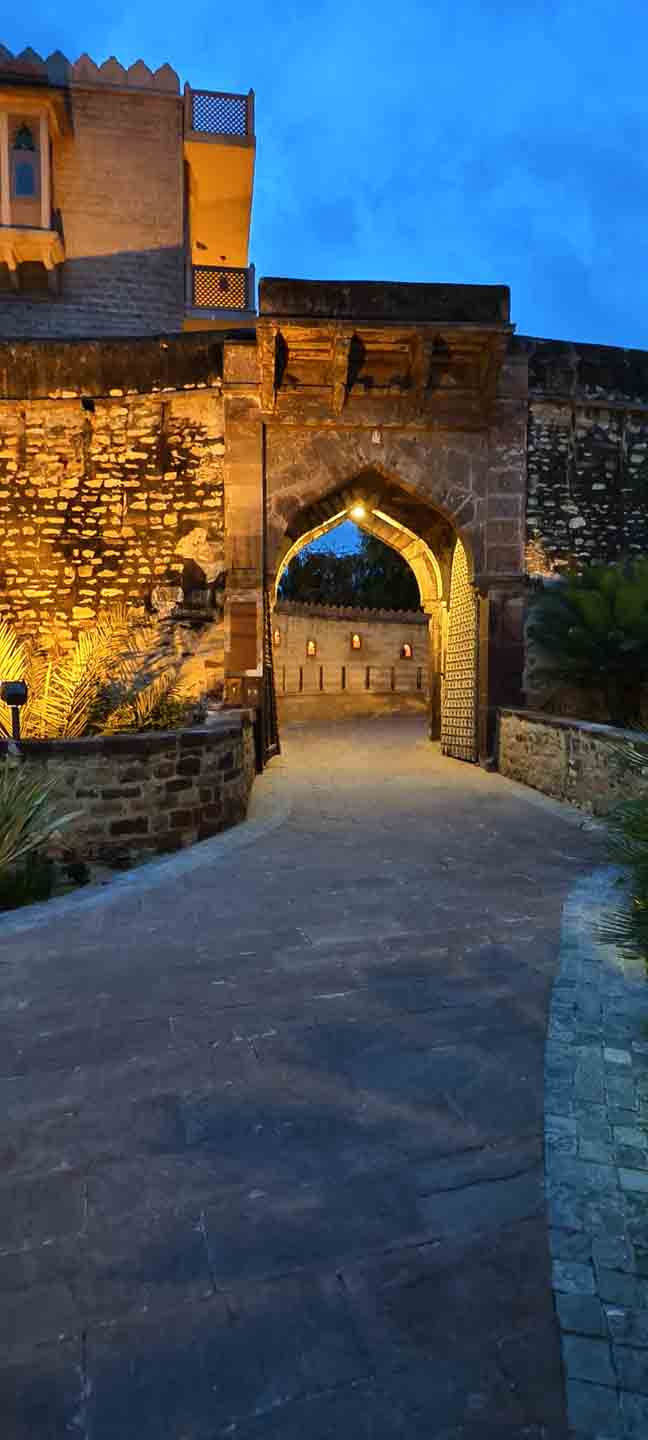
The main landmark of the village is Khimsar Fort, originally built in the sixteenth century by Rao Karamsiji, the eighth son of Rao Jodha of Jodhpur. Constructed as a defensive stronghold at the edge of the desert, the fort served both military and residential purposes. Even today, its massive sandstone walls, large gateways, courtyards, and watchtowers reflect the military character of Rajput architecture.
Walking through the fort gives a strong sense of Rajasthan’s royal and warrior heritage. Unlike some palace complexes that focus mainly on luxury and decoration, Khimsar Fort still retains the atmosphere of a working fortress. The architecture reflects practicality as much as elegance. Narrow passageways, elevated terraces, and fortified walls constantly remind visitors that this structure once played an important role in protecting the region.
At the same time, many elements within the fort reveal the refinement of Rajput living. Carved balconies, shaded courtyards, stone latticework, and decorative arches soften the otherwise rugged architecture. The balance between strength and craftsmanship gives the fort a striking appearance without excessive ornamentation.
Sati Pol
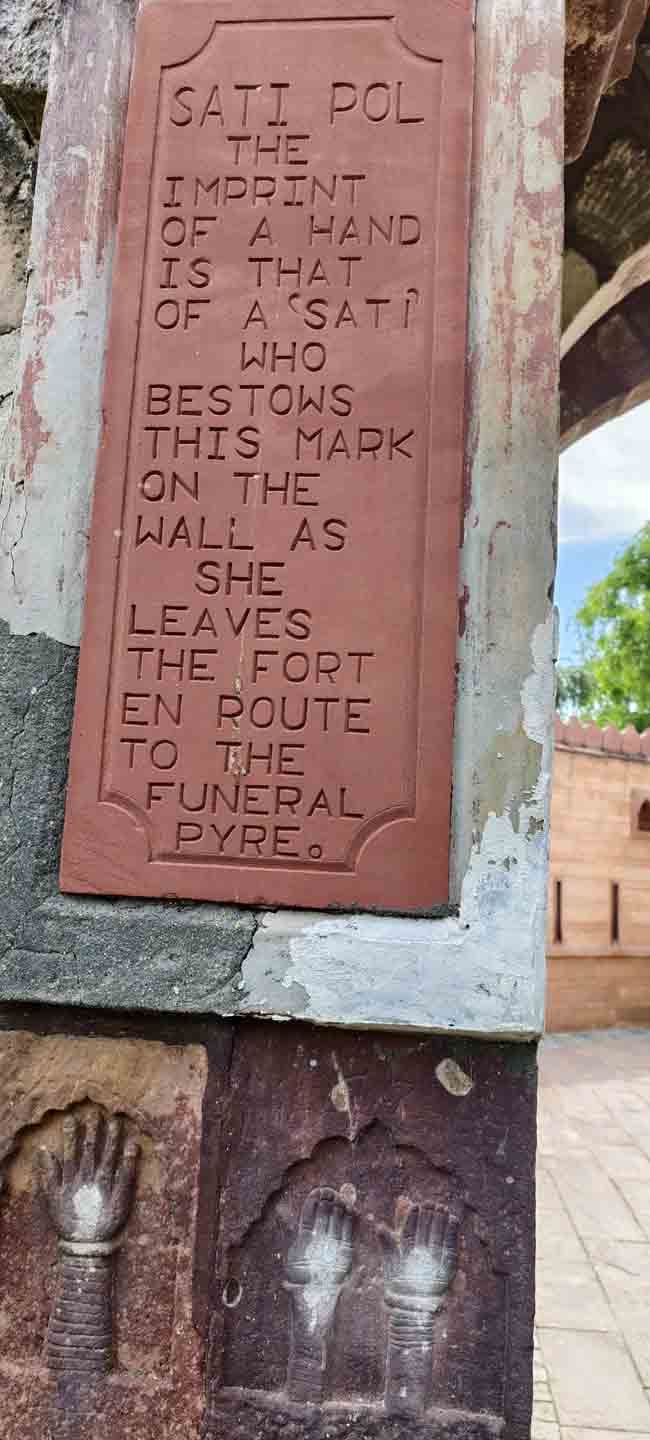
One of the most powerful parts of our visit was Sati Pol, a historic gateway within the fort complex. Preserved on its walls are handprints believed to belong to royal women who committed sati centuries ago. These faded handprints, still visible today, create an
immediate emotional impact. They are not merely historical symbols, but reminders of the customs and social realities of an earlier period.
Standing before those handprints was a sobering experience. Rajasthan’s forts often celebrate bravery, warfare, and royal achievements, but places like Sati Pol reveal another side of history — one connected to sacrifice, social expectations, and the lives of women whose stories are rarely fully recorded. The simplicity of the handprints makes them even more powerful. Without elaborate explanation, they communicate a deep sense of human history. The atmosphere around Sati Pol felt quieter than the rest of the fort. Visitors naturally paused there longer. It was one of those places where history felt immediate rather than distant.
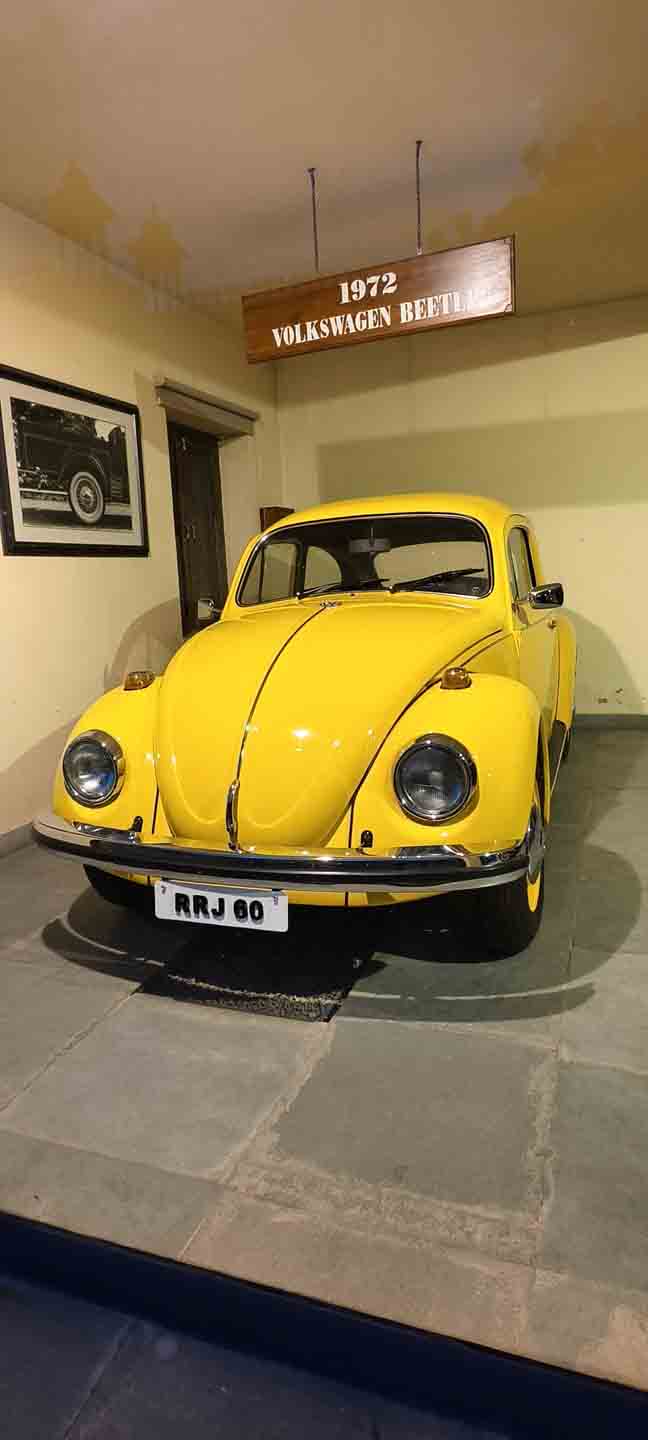
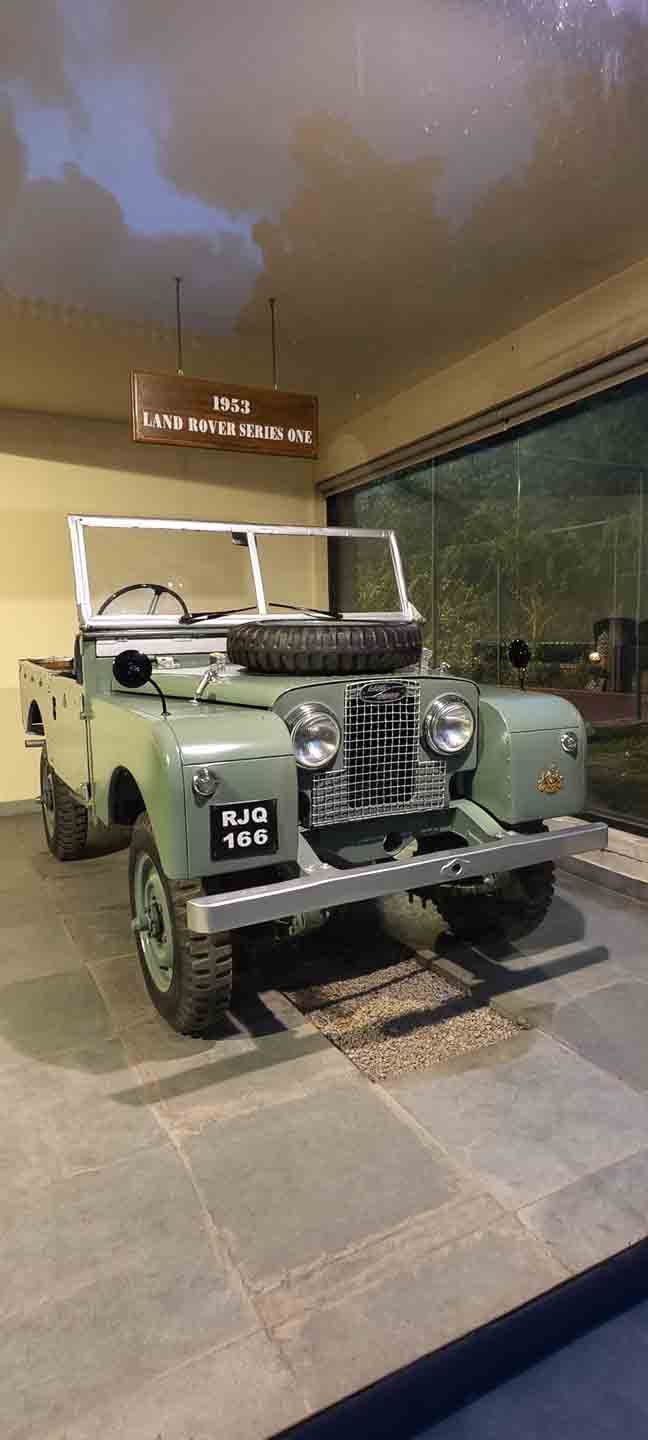
Another fascinating part of the fort was its collection of vintage cars. The contrast between centuries-old royal architecture and twentieth-century automobiles was striking. The collection included beautifully preserved vehicles that once represented luxury and prestige for princely families during the colonial and post-colonial periods.
The presence of these vehicles inside the fort reflected the changing lifestyles of Rajasthan’s royal families over time. Medieval fortifications existed alongside modern machinery, showing how princely states adapted to changing eras while continuing to preserve their traditions and heritage. The polished vintage cars added another historical layer to the experience.
The Desert
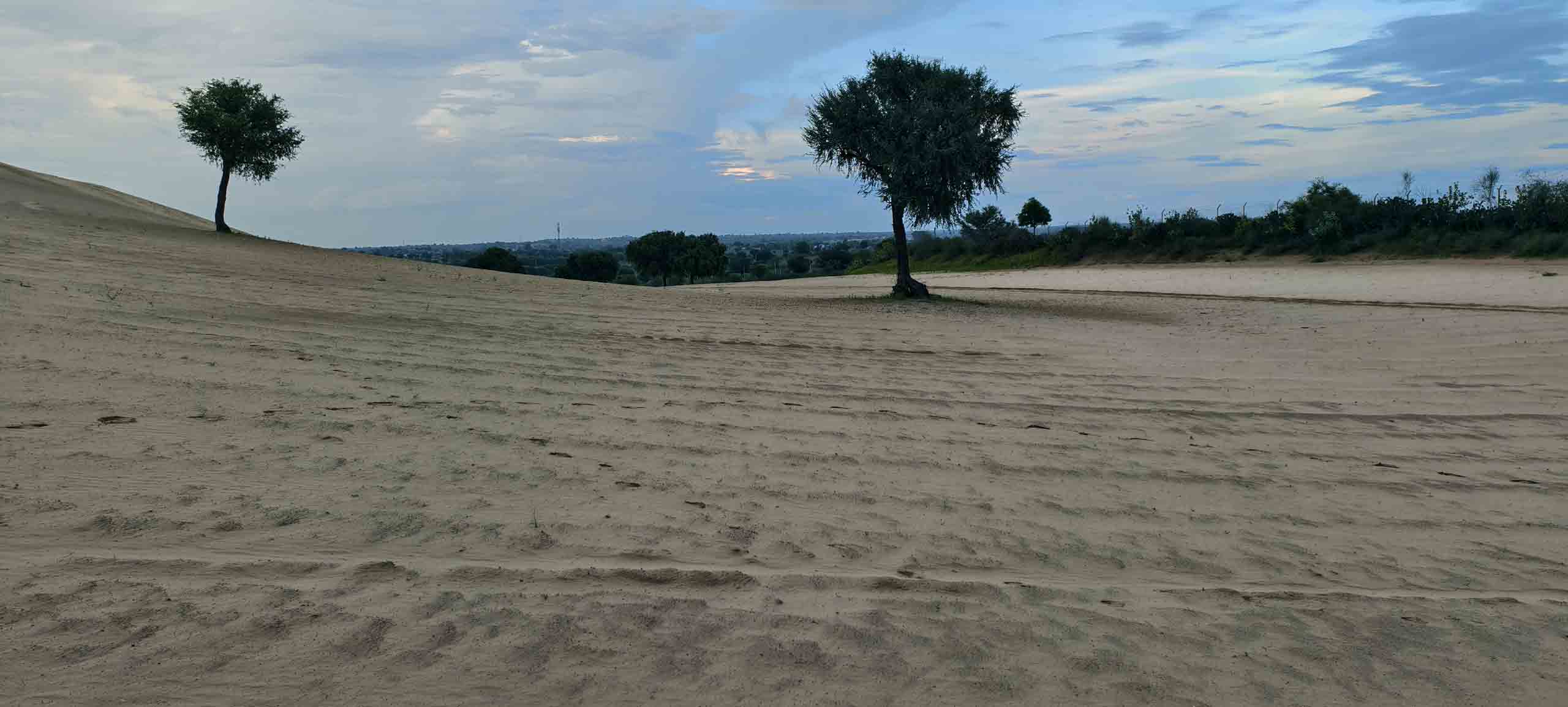
Beyond the fort, the Dunes Village area of Khimsar offered a completely different atmosphere. Many people imagine deserts as barren and empty, but the landscape around Khimsar was surprisingly rich in natural vegetation. Shrubs, hardy grasses, khejri trees, and
desert plants were scattered across the dunes, all adapted to survive in harsh climatic conditions.
This vegetation gave the desert both texture and character. Instead of endless stretches of bare sand, the dunes felt alive and constantly changing. The greenery also revealed how life continues to thrive even in difficult environments. Every plant appeared shaped by the harsh desert climate, yet firmly rooted in the landscape.
Walking through the dunes was one of the most peaceful parts of the journey. The open landscape created a remarkable sense of silence. Wind moved across the sand, constantly reshaping its patterns, while the changing sunlight altered the colours of the terrain throughout the day. In daylight, the dunes appeared golden and bright, while towards evening they softened into deeper shades of brown and amber.
The Blood Moon
As sunset approached, the desert atmosphere became even more striking. The temperature dropped slightly, the light became softer, and the sky stretched into a vast, uninterrupted horizon. Away from city lights and noise, the desert night felt exceptionally clear and calm.
It was in this setting that we experienced the most unforgettable part of the trip — witnessing a rare blood moon.
At first, the moon rose as a bright full moon above the desert landscape. Its light illuminated the dunes and cast long shadows across the sand and vegetation. The clear desert sky provided perfect visibility, allowing every stage of the lunar eclipse to be seen clearly.
Slowly, the moon began to change. Earth’s shadow gradually moved across its surface, dimming its bright white glow. Watching the transformation in real time was remarkable. The process unfolded slowly enough for us to observe every subtle shift in colour and brightness.
As the eclipse deepened, the moon turned darker shades of orange and copper before finally becoming a deep red. Suspended above the silent desert, the blood moon looked surreal. The contrast between the dark sky, the quiet dunes, and the crimson moon created an unforgettable scene.
What made the experience even more special was the location itself. In cities, artificial lights often reduce the visibility of astronomical events, but the desert sky over Khimsar remained exceptionally clear. There were no tall buildings, traffic sounds, or distractions. The openness of the landscape made the eclipse feel even larger and more dramatic.
Photography became an important part of the experience for us. Every stage of the eclipse offered unique visual opportunities. The moon appeared especially striking above the silhouettes of desert plants and dunes. Although we captured many photographs, it was difficult to fully recreate the atmosphere of the moment. The silence, the scale of the sky, and the gradual transformation of the moon could only truly be appreciated in person.
The blood moon also added another dimension to the journey. Earlier in the day, we had explored centuries of human history within Khimsar Fort — stories of rulers, warfare, customs, and changing lifestyles. At night, beneath the eclipse, the scale of time suddenly felt much larger. The desert, the fort, and the moon all seemed connected through a continuity that extended far beyond individual generations.
As the eclipse slowly passed, the moon gradually regained its brightness. The deep red colour faded, and silver light returned to the desert once again. Even after the eclipse ended, we remained outside for a long time simply observing the night sky and the stillness around us.
Khimsar Village
Khimsar stands out because it offers far more than a conventional sightseeing experience. The village combines history, architecture, desert ecology, and natural beauty in a way that feels balanced and authentic. The fort provides insight into Rajasthan’s royal and military past, while the dunes reveal the quieter side of desert life.
What stayed with us most was the variety of experiences within a single destination. We moved from exploring fortified walls and historic gateways to walking through desert vegetation and finally witnessing a rare astronomical event beneath an open sky. Each part of the journey felt distinct, yet together they created a complete picture of Khimsar’s character.
Unlike destinations developed entirely around tourism, Khimsar still feels deeply connected to its environment and history. The village does not rely on spectacle. Its appeal lies in its uniqueness, atmosphere, landscape, and sense of continuity with the past. The silence of the desert, the sandstone walls of the fort, the faded handprints at Sati Pol, and the extraordinary sight of the blood moon all came together to create an experience that felt both meaningful and unforgettable.
Khimsar may not be Rajasthan’s most famous destination, but it offers something unique — the opportunity to experience the desert not simply as a landscape, but as a place deeply connected to history, nature, and time itself.