Narlai – The Quiet Elegance of Rural Rajasthan
Nestled in the Aravalli hills of Rajasthan, Narlai is one of the state’s most evocative heritage villages. Located in the Pali district between Jodhpur and Udaipur, Narlai combines dramatic natural scenery, centuries-old temples, stepwells, and enduring village traditions.
Unlike Rajasthan’s larger cities, where imposing forts and palaces dominate the landscape, Narlai offers a quieter and more intimate view of the region’s heritage. Here, history is woven into everyday life. Temples remain active places of worship, villagers continue to wear traditional attire, and narrow lanes lined with old houses retain much of their historic character.
Narlai is surrounded by the granite outcrops and undulating terrain of the Aravalli range, one of the oldest mountain systems in the world. The village’s most distinctive landmark is Elephant Hill, a massive granite formation whose profile resembles a reclining elephant.
The surrounding landscape is quintessentially Rajasthani: rocky hills, thorny vegetation, grazing fields, and scattered farmland. At sunrise and sunset, the hills take on warm shades of gold and ochre, while the village appears as a cluster of whitewashed homes set against stone and sky.
This dramatic natural setting has shaped Narlai’s identity for centuries and contributes significantly to its appeal.
History
Narlai has a recorded history that extends back more than a thousand years. The village formed part of the historic region of Marwar and later came under the control of Rajput rulers, particularly the Rathores.
Because of its location between Jodhpur and Udaipur, Narlai lay along routes used by traders, pilgrims, and local rulers. Over time, temples, stepwells, and residences were constructed, creating a settlement where religion, architecture, and community life developed together.
Narlai is especially significant for its Jain and Hindu heritage, and many of its temples continue to function as active places of worship.
Temples
The village is home to numerous temples and shrines, ranging from major Jain temples to small neighborhood shrines.
Among the most important is the Adinath Temple, a Jain temple known for its finely carved marble pillars and detailed ornamentation. The temple reflects the patronage of Jain merchants and the long-standing religious significance of the village.
Atop Elephant Hill stands a Hanuman shrine, further underscoring the spiritual importance of the surrounding landscape.
Stepwells and Architecture
Like many settlements in Rajasthan, Narlai developed sophisticated systems for harvesting and storing water.
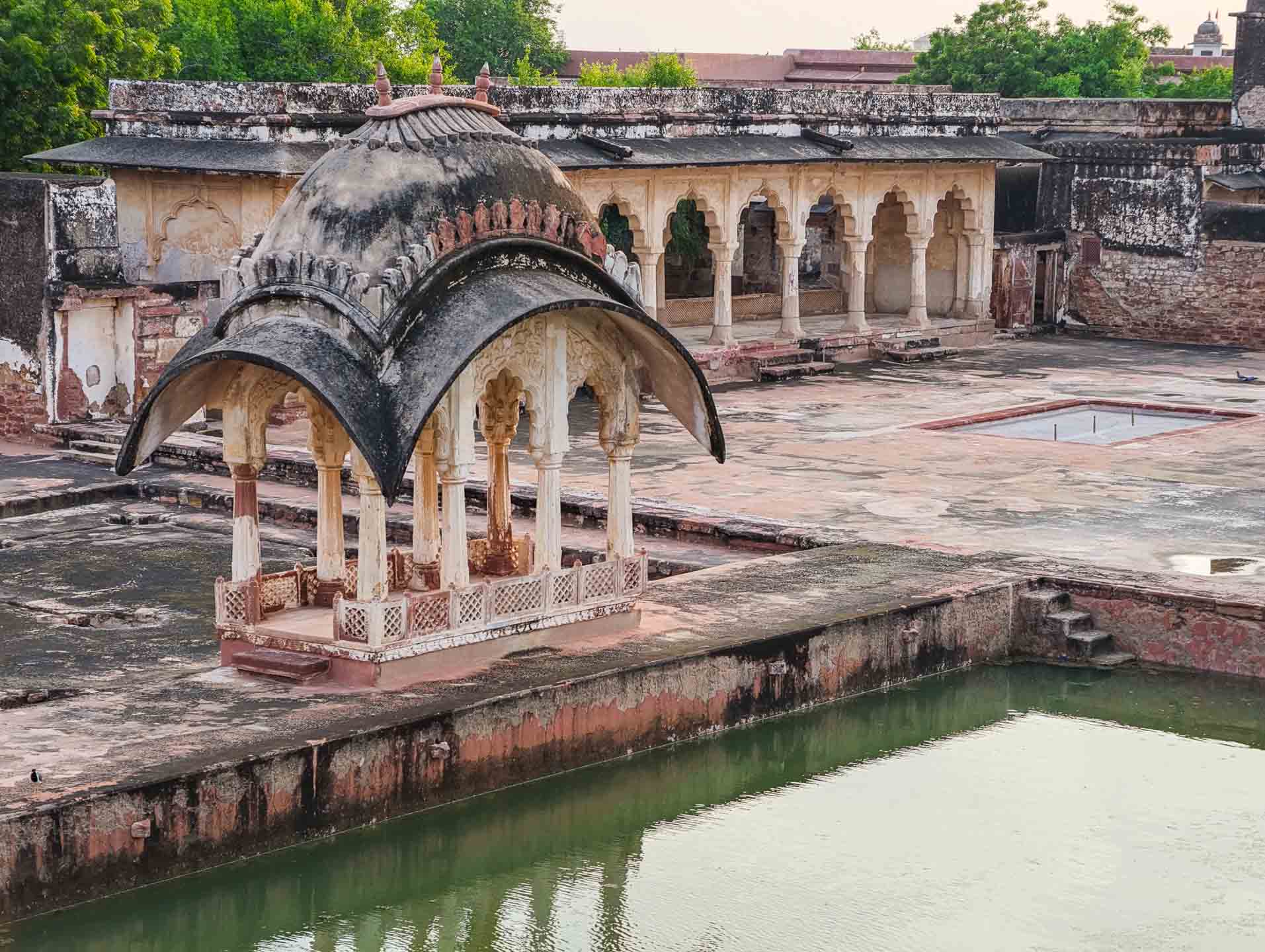
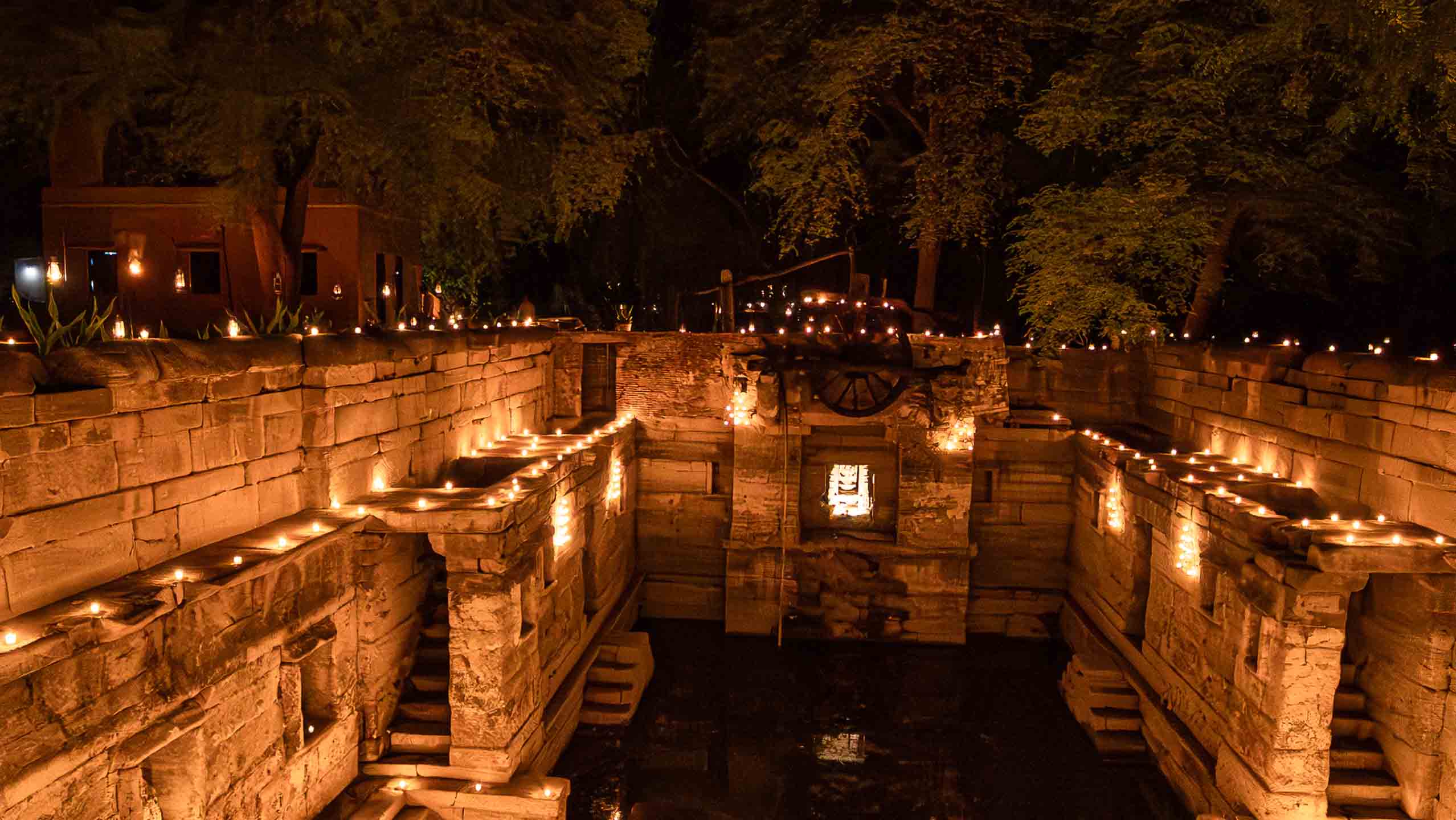
The village baori, or stepwell, descends deep below ground through a series of stone steps and arched pavilions. Historically, such structures served as essential water sources as well as important social spaces where villagers gathered.
These stepwells are among the most compelling architectural features of Narlai and illustrate the ingenuity with which communities adapted to Rajasthan’s arid climate.
Walking through Narlai reveals narrow lanes lined with whitewashed houses, carved wooden doors, and projecting balconies. Many homes retain traditional architectural elements, including internal courtyards that provide light, ventilation, and private outdoor space. The village has evolved gradually, preserving a strong sense of continuity with the past.
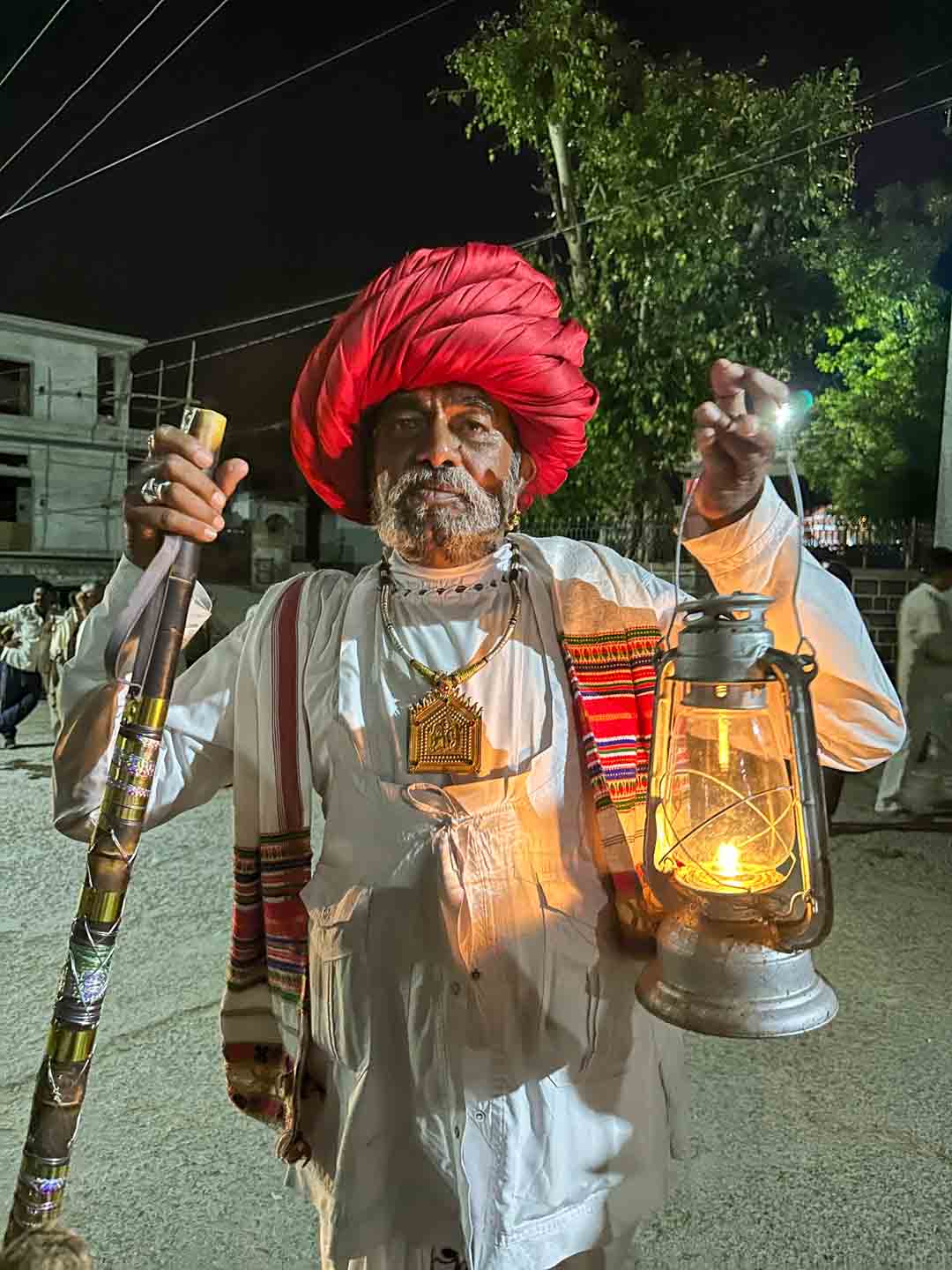
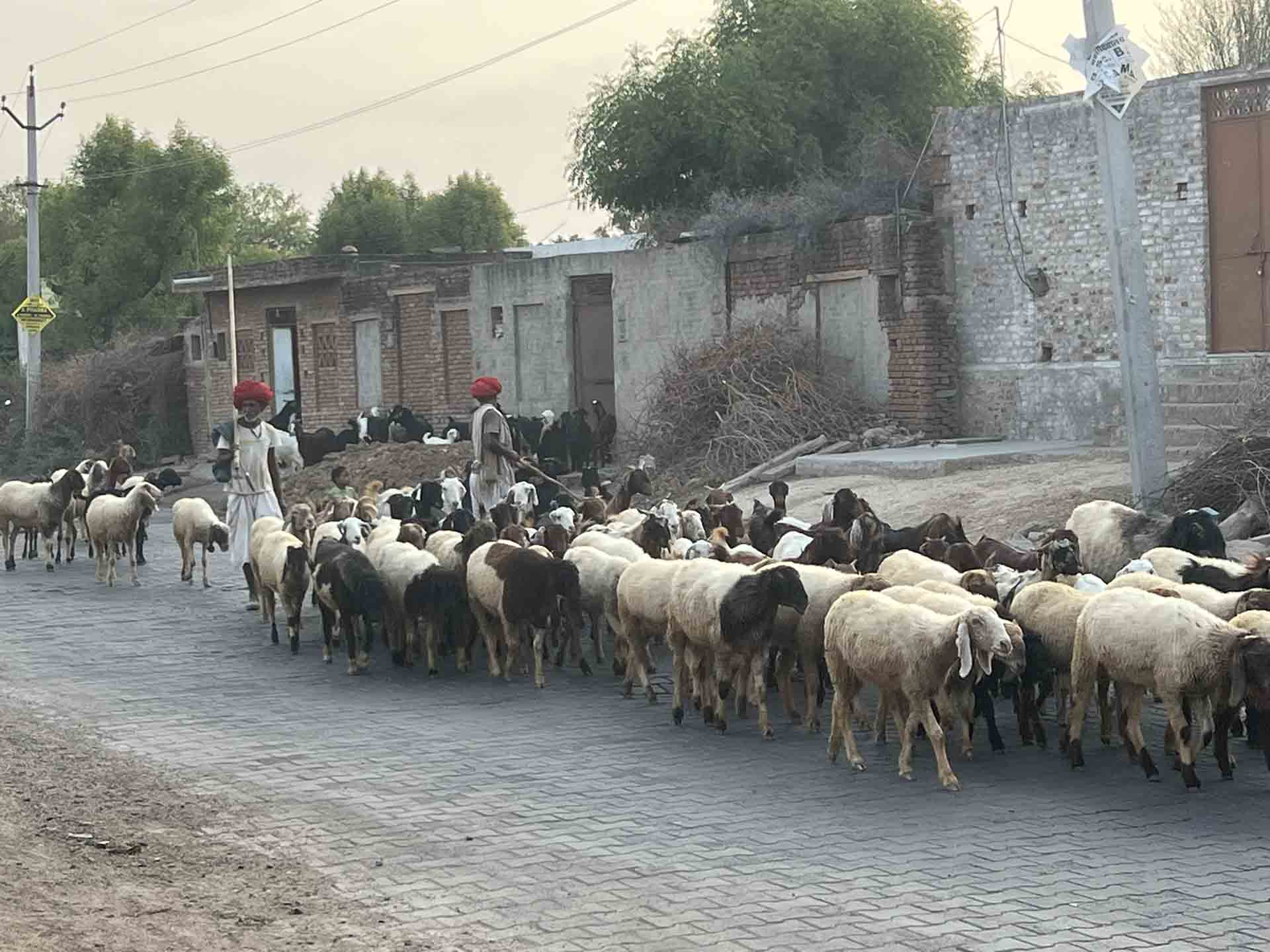
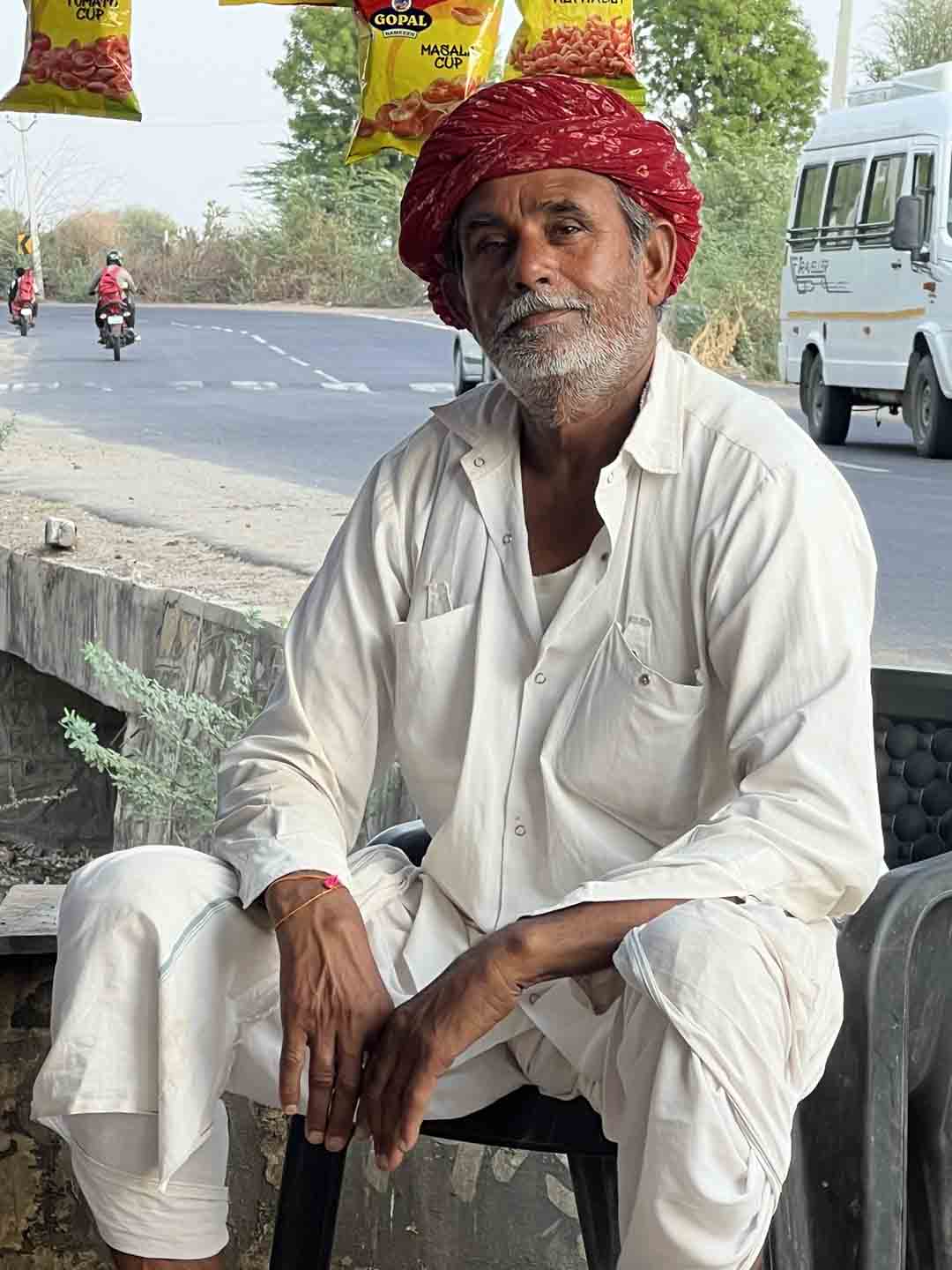
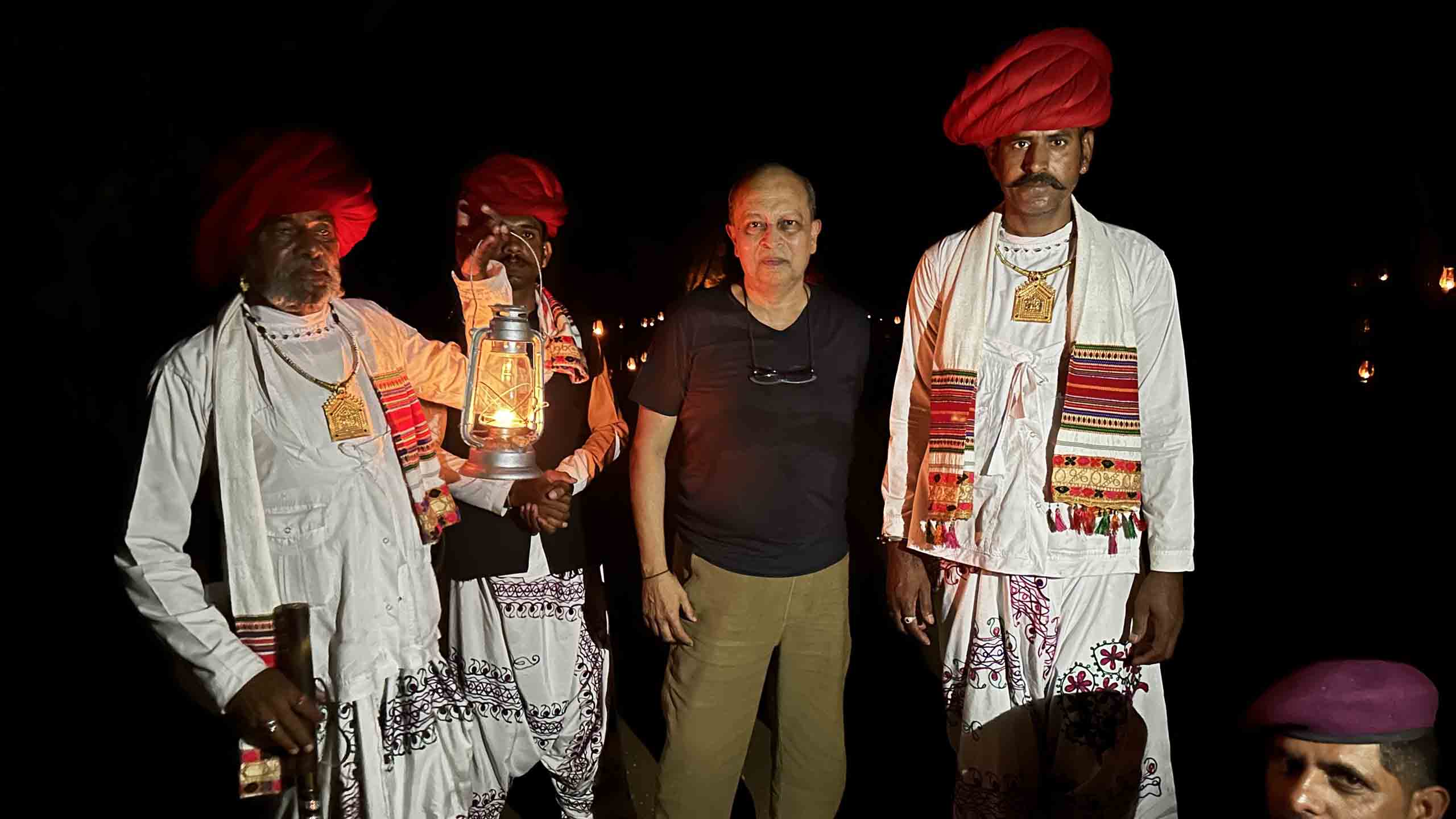
One of the most striking aspects of everyday life is the continued use of traditional attire. Many men wear white dhotis or kurtas paired with bright red turbans, while women are often dressed in colorful ghagras and odhnis adorned with embroidery and silver jewelry.
These visual details contribute greatly to Narlai’s distinctive identity.
Rawla Narlai
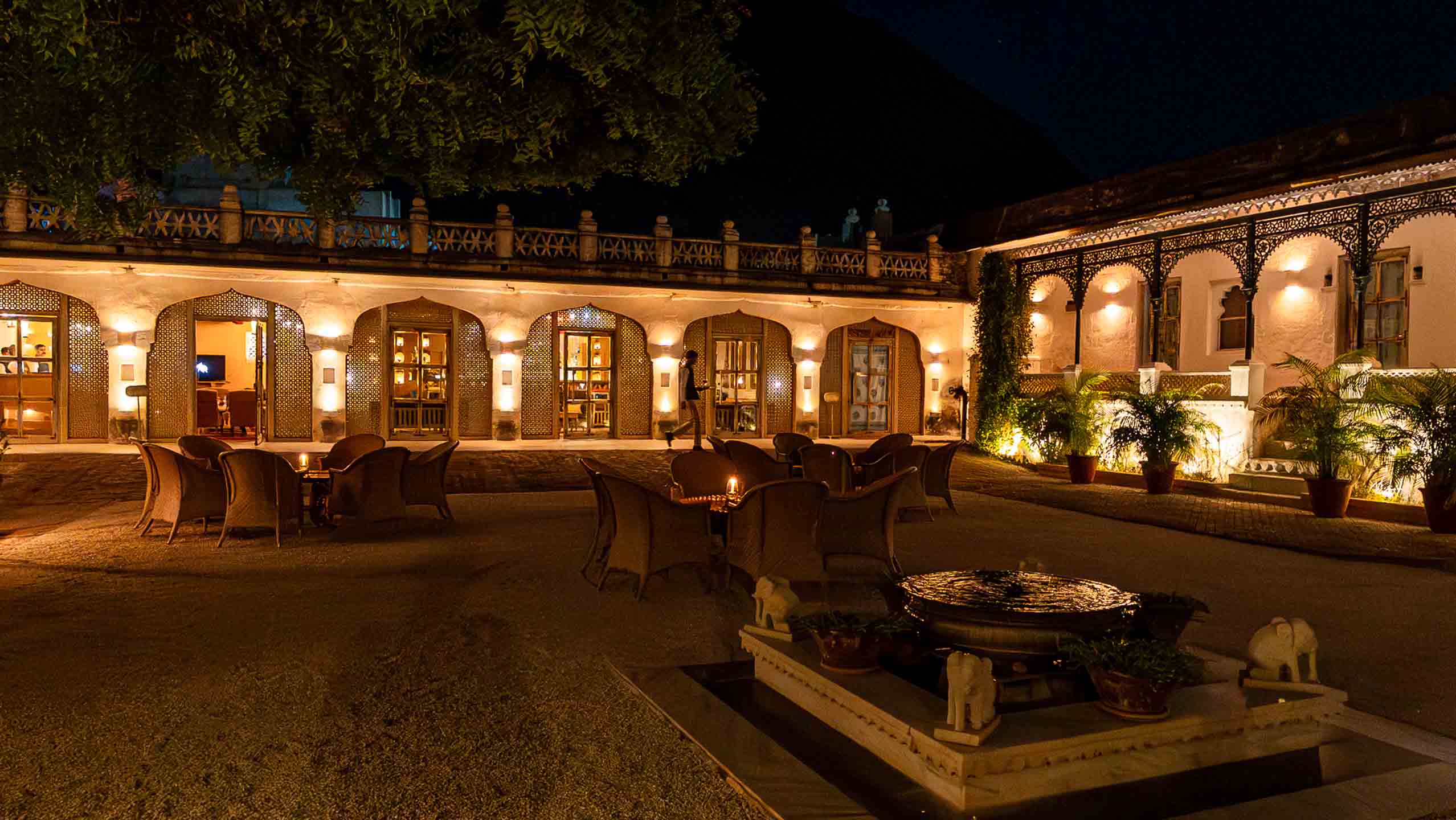
At the center of the village stands Rawla Narlai, a former hunting lodge and residence of the local nobility that has been carefully converted into a heritage hotel.
The property preserves traditional Rajput architecture, with courtyards, arches, frescoed walls, and antique furnishings. At the same time, it offers visitors an immersive introduction to the culture of rural Rajasthan.
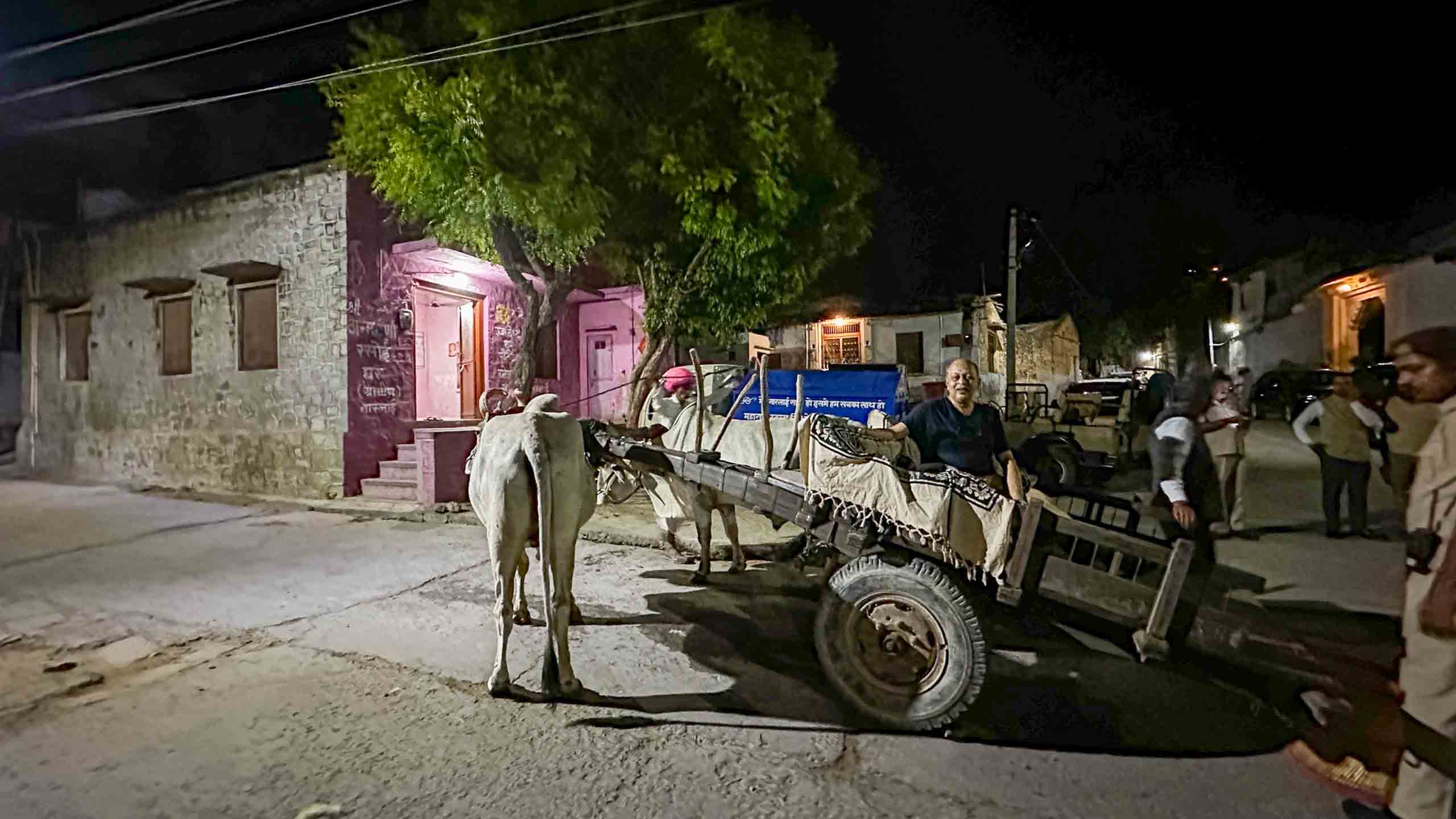
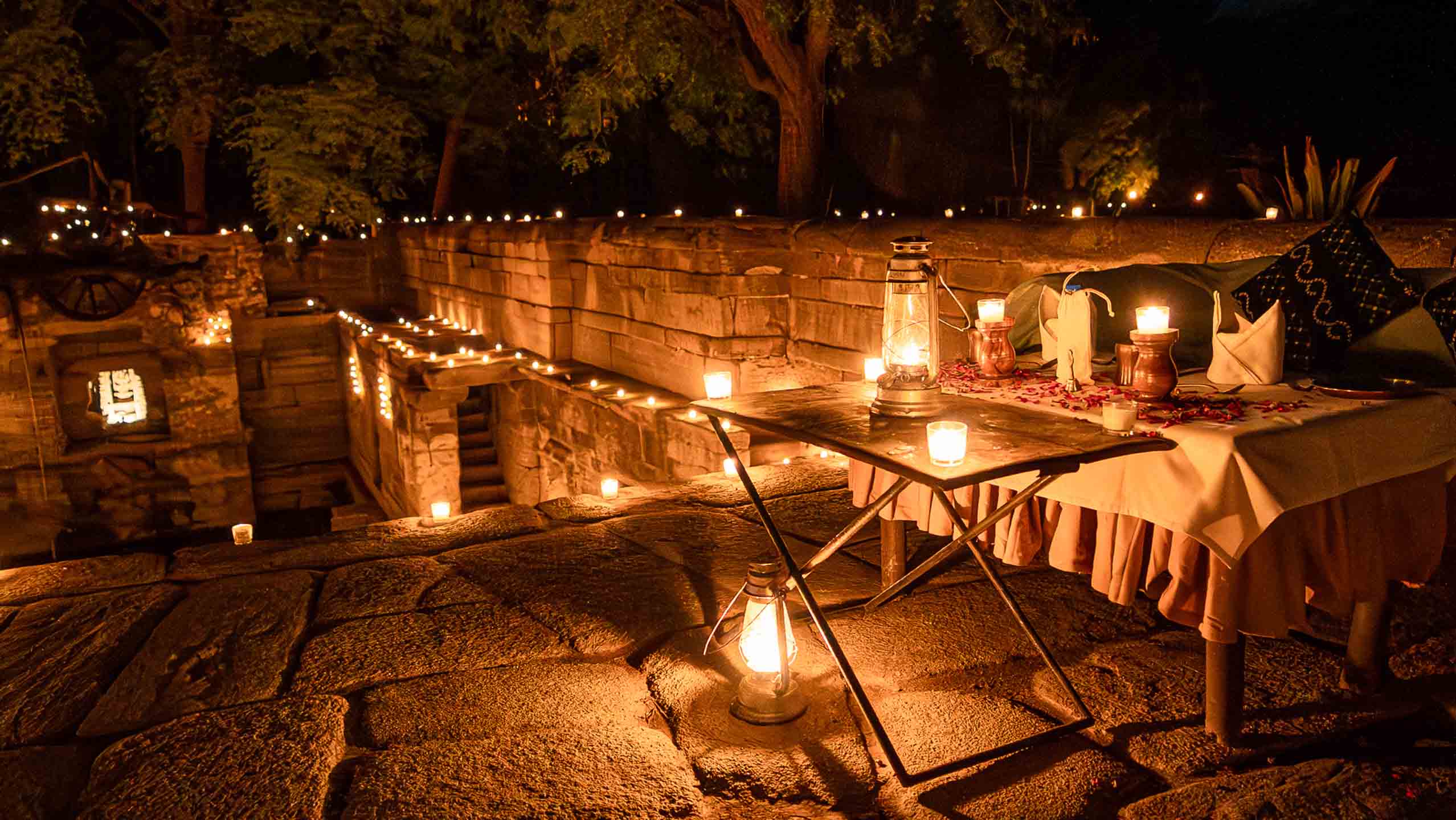
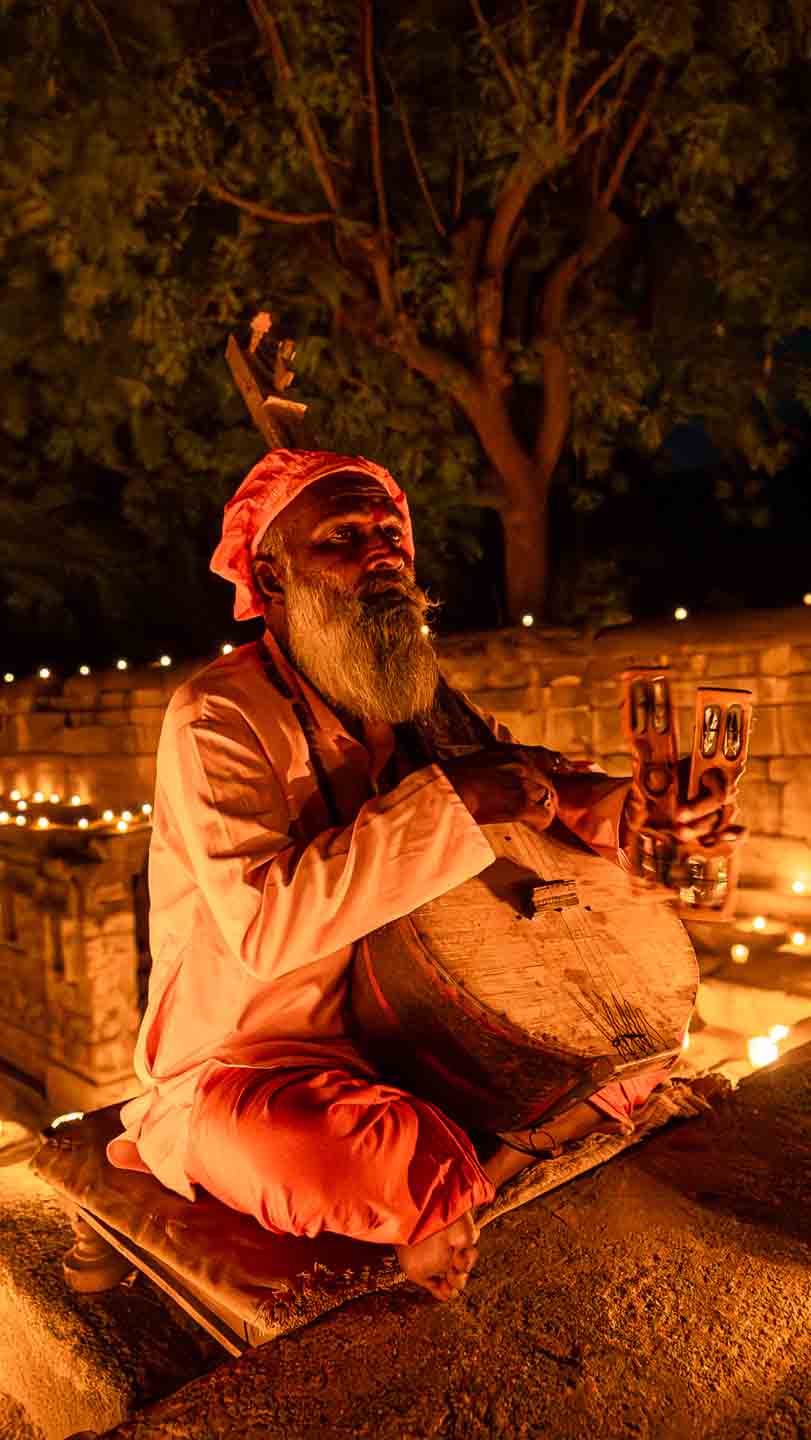
One of the most memorable experiences at Rawla Narlai is the celebrated stepwell dinner. In the evening, we were taken to a historic baori illuminated by hundreds of oil lamps. Before dinner, the we were ceremonially presented with traditional Rajasthani turbans. Then we were escorted to the stepwell in a decorated bullock cart, accompanied by folk music.
Dinner is served amid the softly lit stone steps and arches of the baori. Traditional musicians perform folk songs while we enjoyed a meal featuring regional specialties.
Fresh rotis are baked over hot coals beside the table and served immediately. Combined with attentive service and the extraordinary setting, the experience is a memorable expression of Rajasthani hospitality.
Another simple but delightful ritual is the morning kulhad chai served in unglazed clay cups. The earthy aroma of the clay and the warmth of the tea capture the understated pleasures of village life.
The cuisine of Narlai reflects the robust culinary traditions of Marwar, shaped by a dry climate and limited water resources.
Meals commonly include bajra rotla, gatte ki sabzi, ker sangri, panchmel dal, garlic chutney, and fresh buttermilk. These dishes rely on ingredients that store well and deliver bold flavors.
Traditional sweets such as churma, malpua, and lapsi are often prepared during festivals and family celebrations.
At Rawla Narlai, these regional dishes are served with care and authenticity, offering visitors a genuine taste of local cuisine.
Culture and Living Traditions
What makes Narlai particularly compelling is that its traditions remain an active part of daily life rather than staged performances for visitors.
Temples continue to function as places of worship, traditional clothing is widely worn, and local customs are observed across generations. Community life unfolds at a measured pace, shaped by agriculture, religion, and long-standing social ties.
The sight of men in white dhotis and kurtas with red turbans, women in vibrant traditional attire, and villagers moving through narrow historic lanes creates a vivid sense of continuity with Rajasthan’s past.
Narlai is more than a picturesque village. It is a living cultural landscape where history, architecture, food, and hospitality remain deeply interconnected, offering one of the most authentic experiences of rural Rajasthan.