Samode – The Rajput Heritage
Samode is situtated at a distance of 40 kilometers from Jaipur in the Jaipur District and is a historic village. Nestled in the foothills of the Aravalli Range, Samode is mainly known for its spectacular Samode Palace. While Samode is now largely a heritage tourism destination, in its past it was an important feudal estate under the rulers of Jaipur. Palace, Old Town, and the Princely Stepwell combined reflect the character of aristocratic estates in Rajasthan during the Mughal and Rajput regions.
As we pull into Samode, our first impression is the tranquil environment. Nestled in the confines of a small valley, houses and temples are built up along one main road through the village.
The History of Samode
Samode has a history carved along with the Kachwaha rulers of Amber and later Jaipur. The estate came into the hands of a family of noblemen in the service of the local rulers. The chiefs of Samode became important generals and administrators over time.
The noble family of Rawal Sheo Singh along with his sons constructed and modified the palace that stands as the center of power over the town. These noble men served the Amber Kings and then the court of Sawai Jai Singh II.
Samode grew into a wealthy estate in the 17th and 18th centuries. Samode’s nobles collected taxes from surrounding villages and performed bureaucratic jobs for the Jaipur court. And so the palace served both as a home, and as an administrative center of the estate. It was never quite the same size as the larger cities like Jaipur or Amber, but still played a decent part as a smaller feudal territory supporting the Rajput kingdom.
Samode Palace
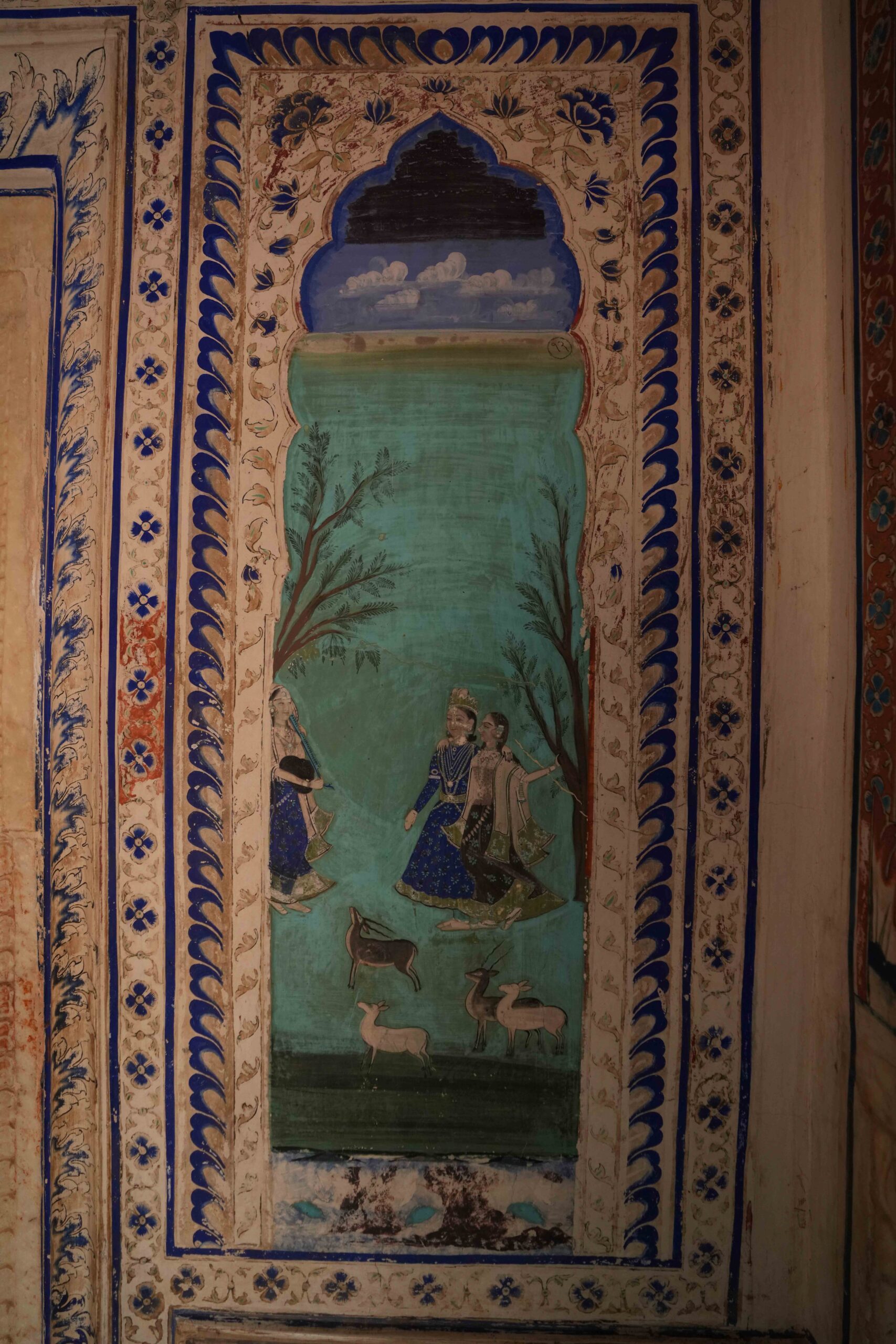
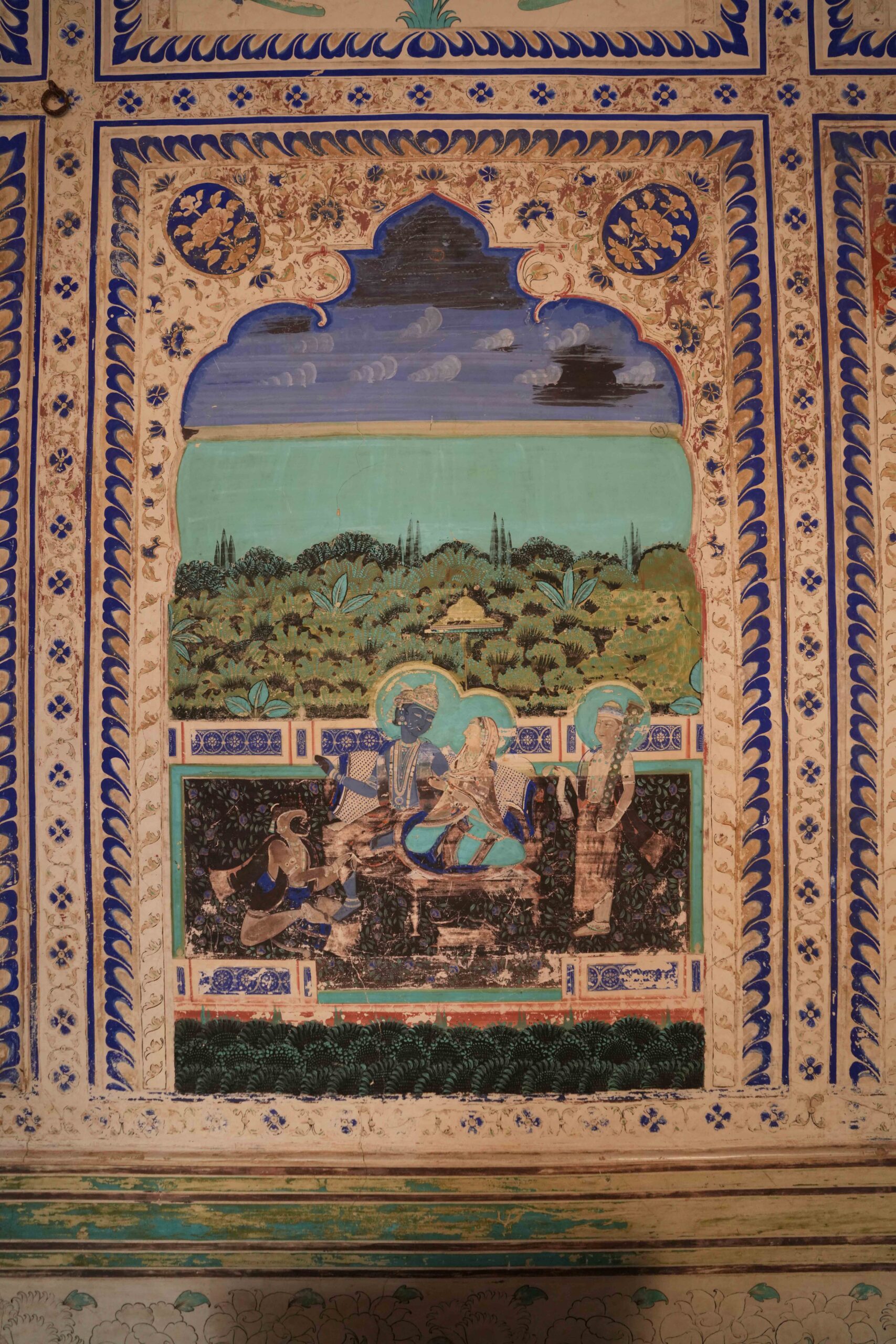
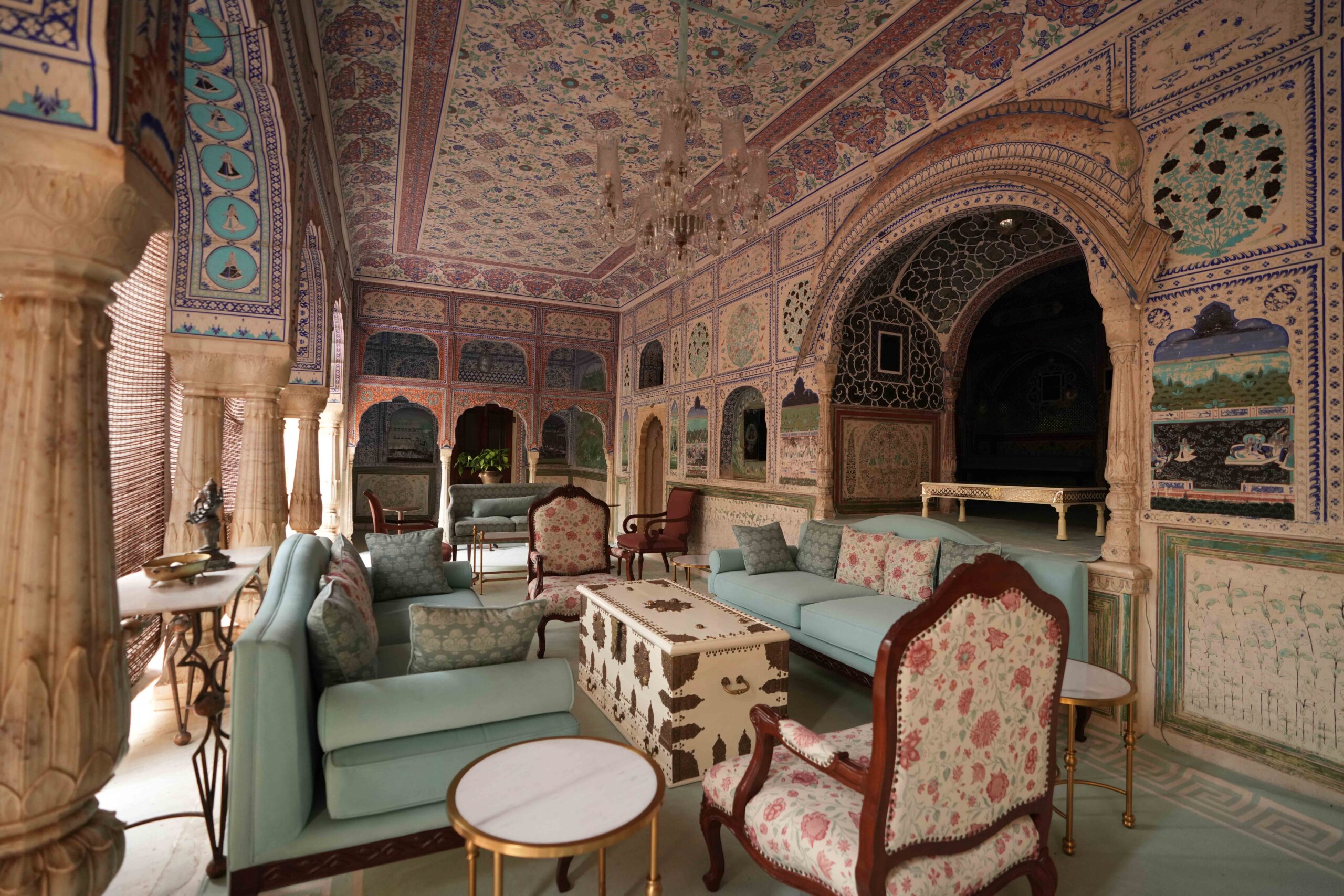
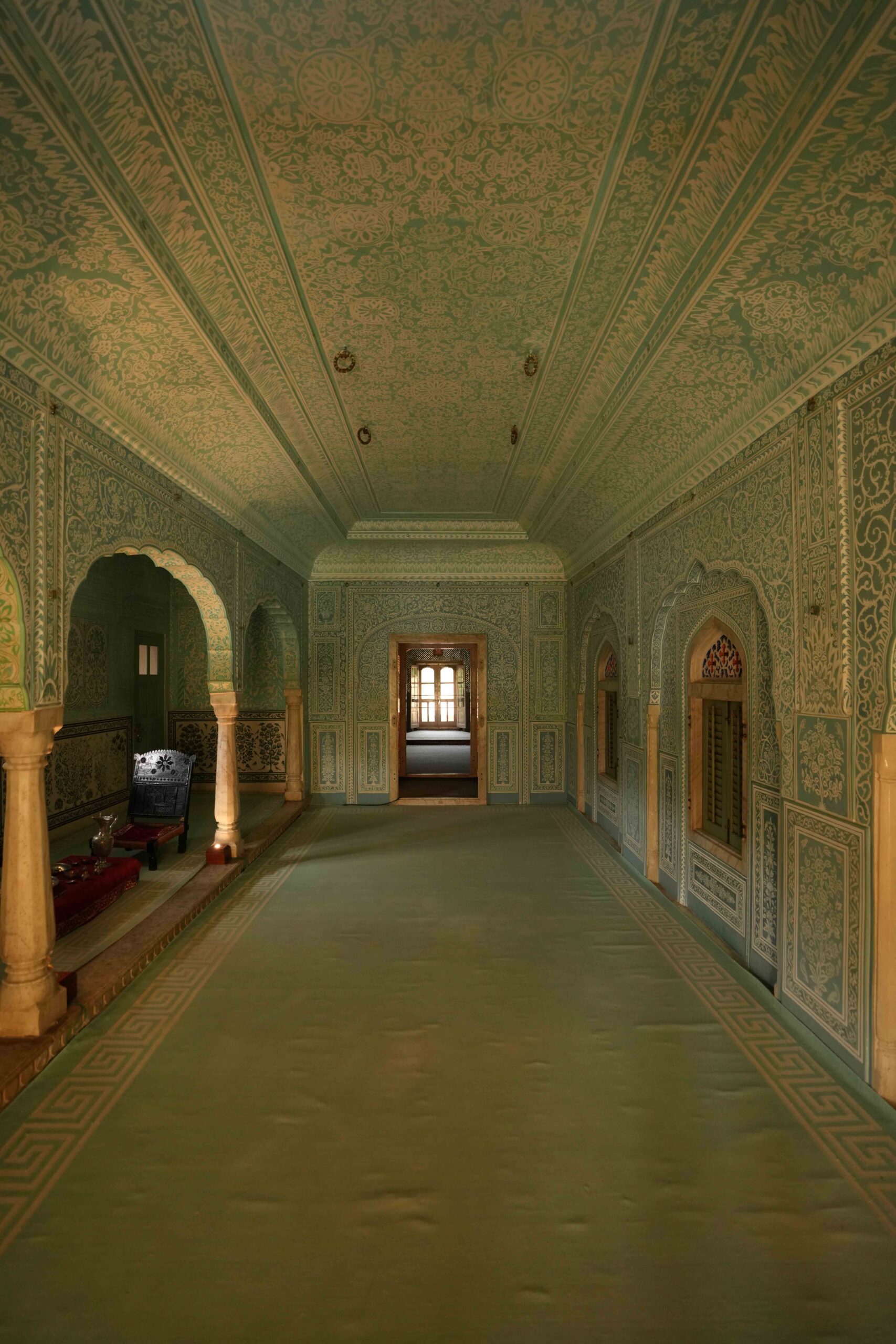
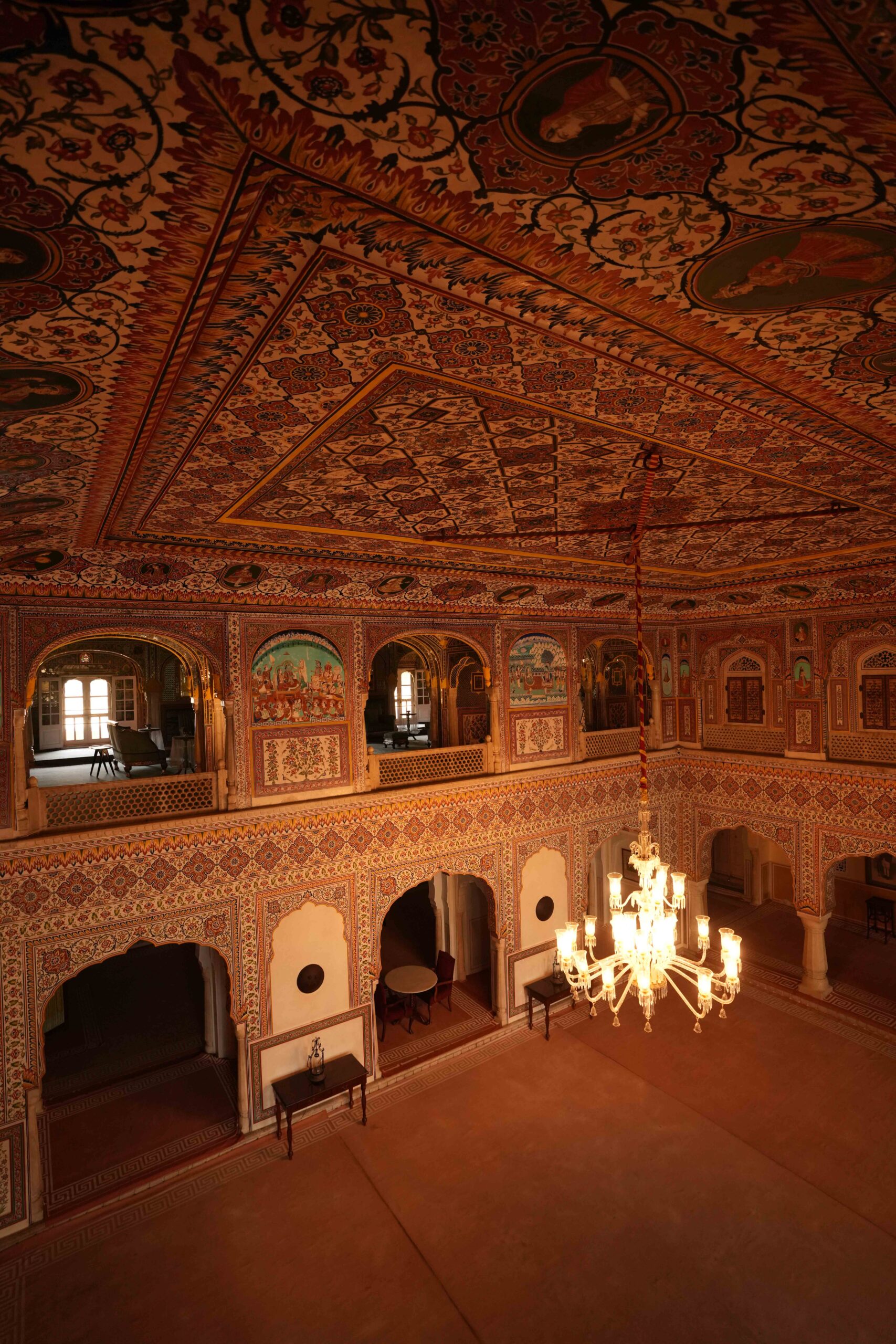
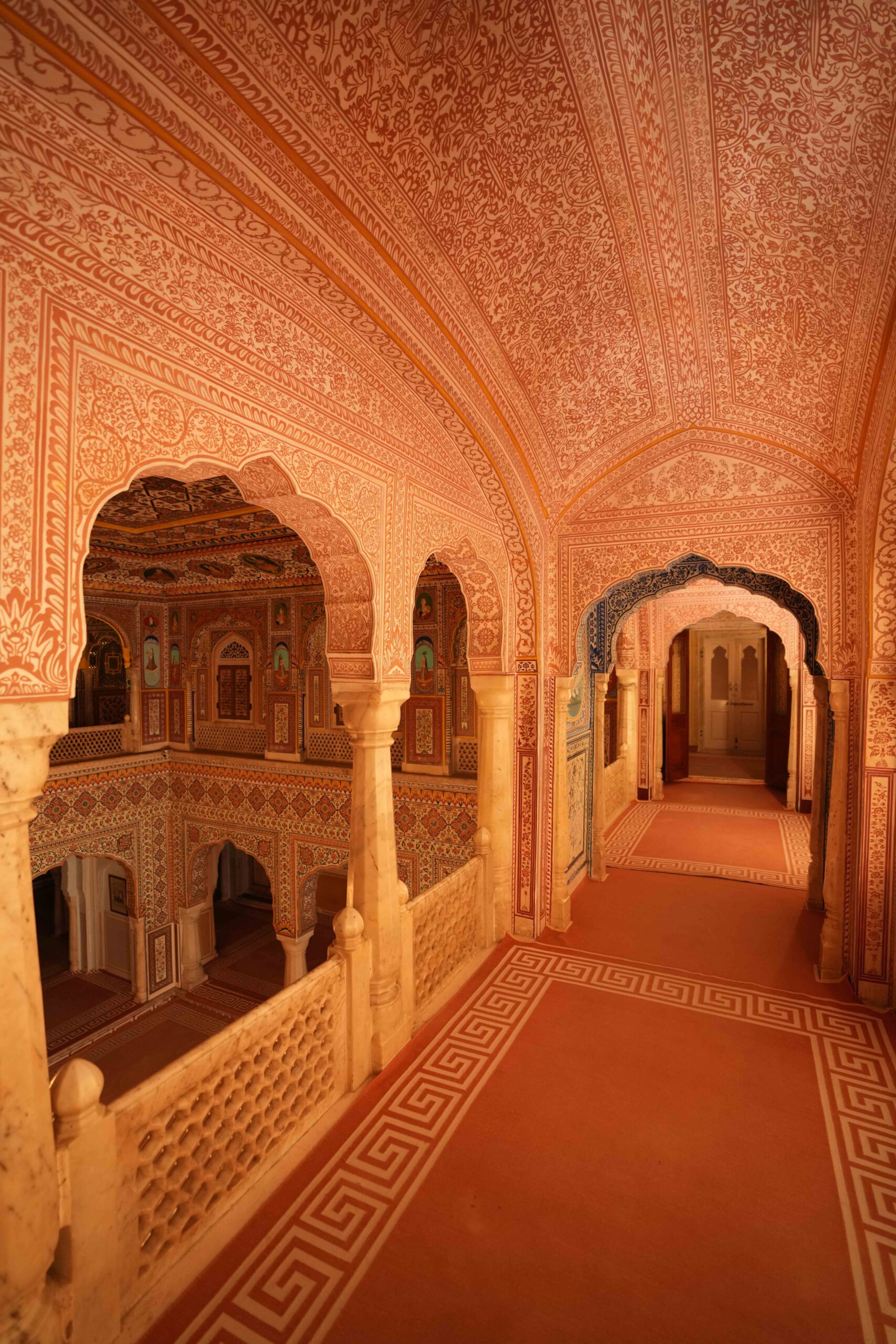
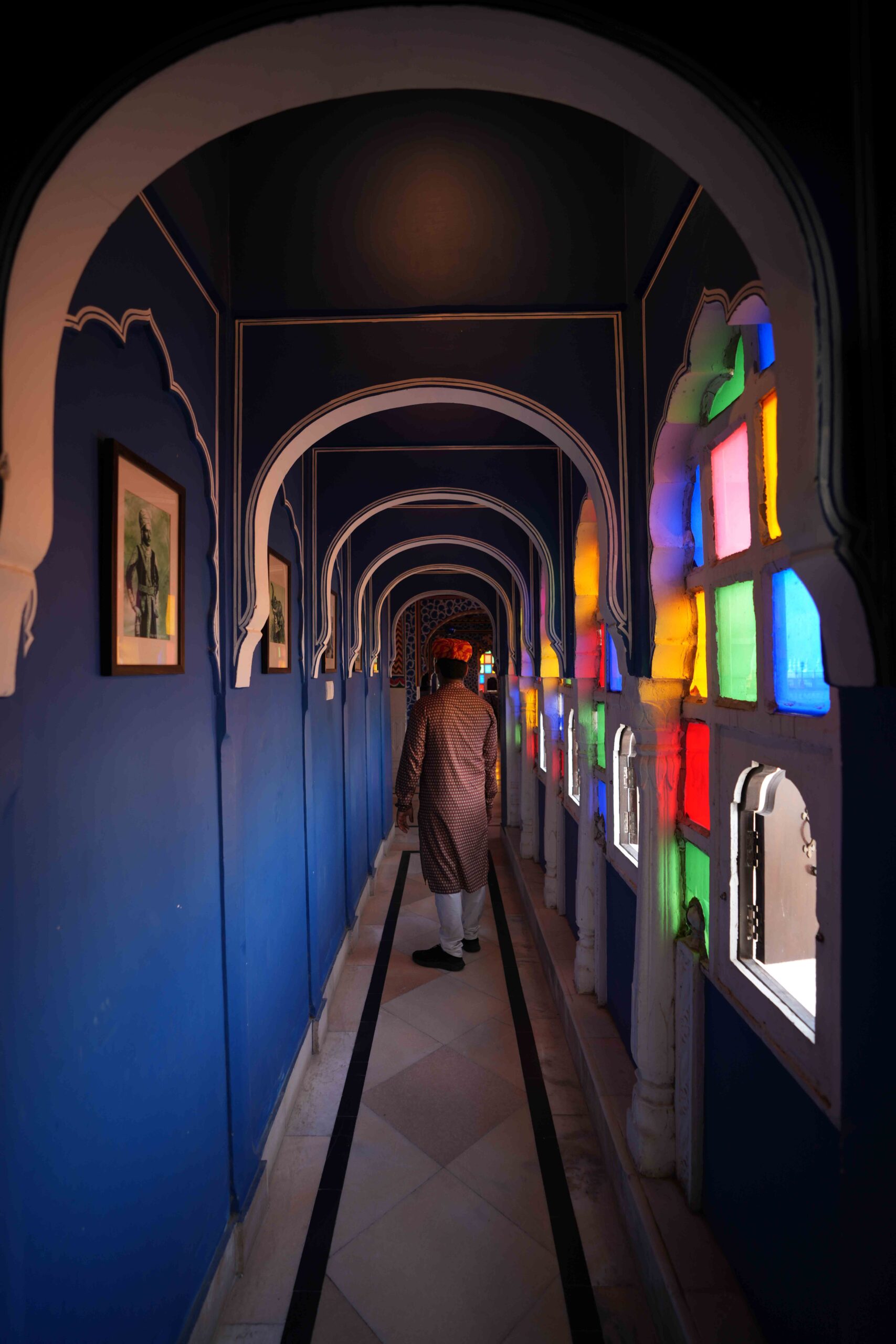
The pride of the village is the Samode Palace. The inside of the palace reveals a blend of Rajput and Mughal styles of architecture. Within centuries different rulers brought numerous halls, courtyards, balconies and ornamented rooms, built gradually over 400 years.
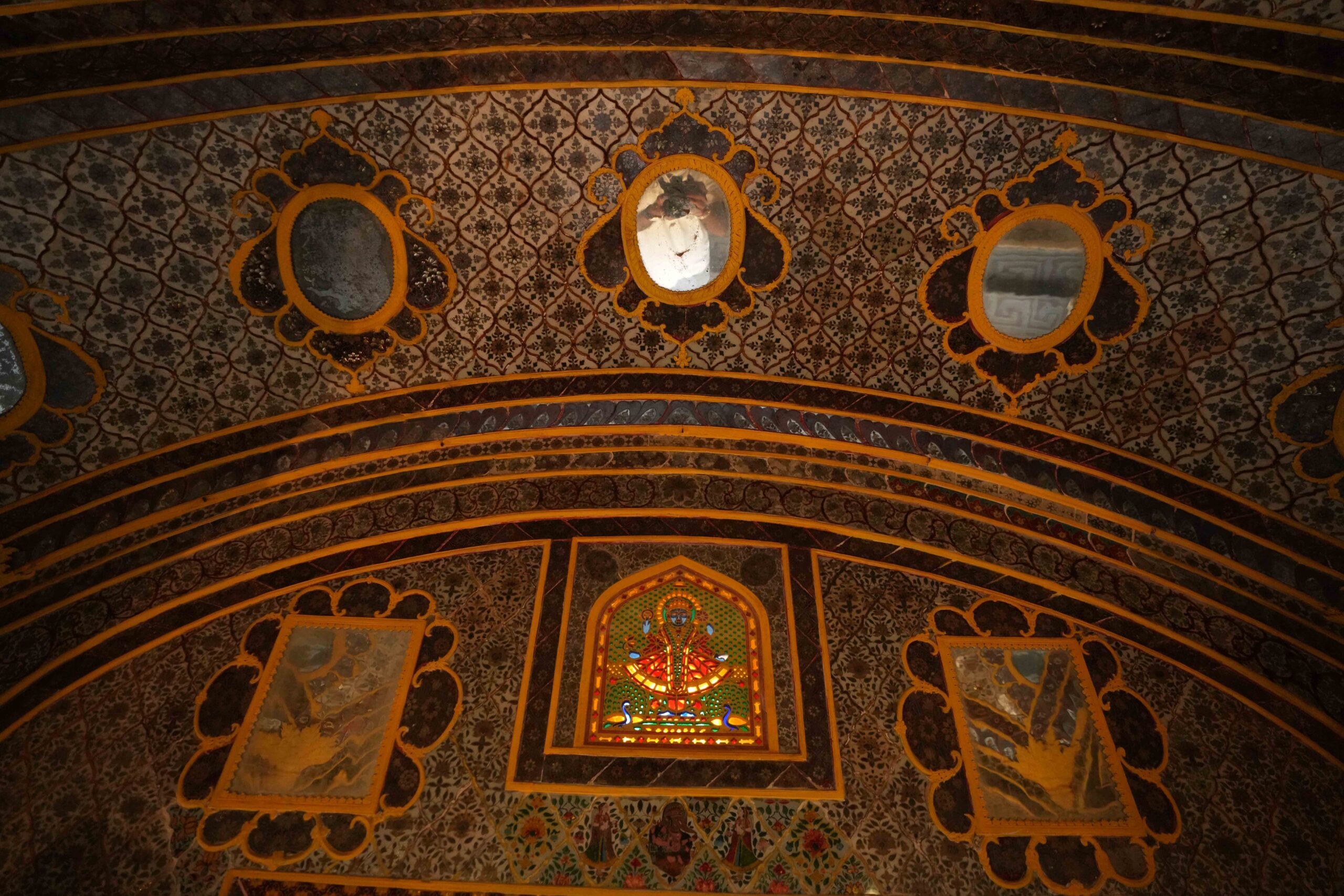
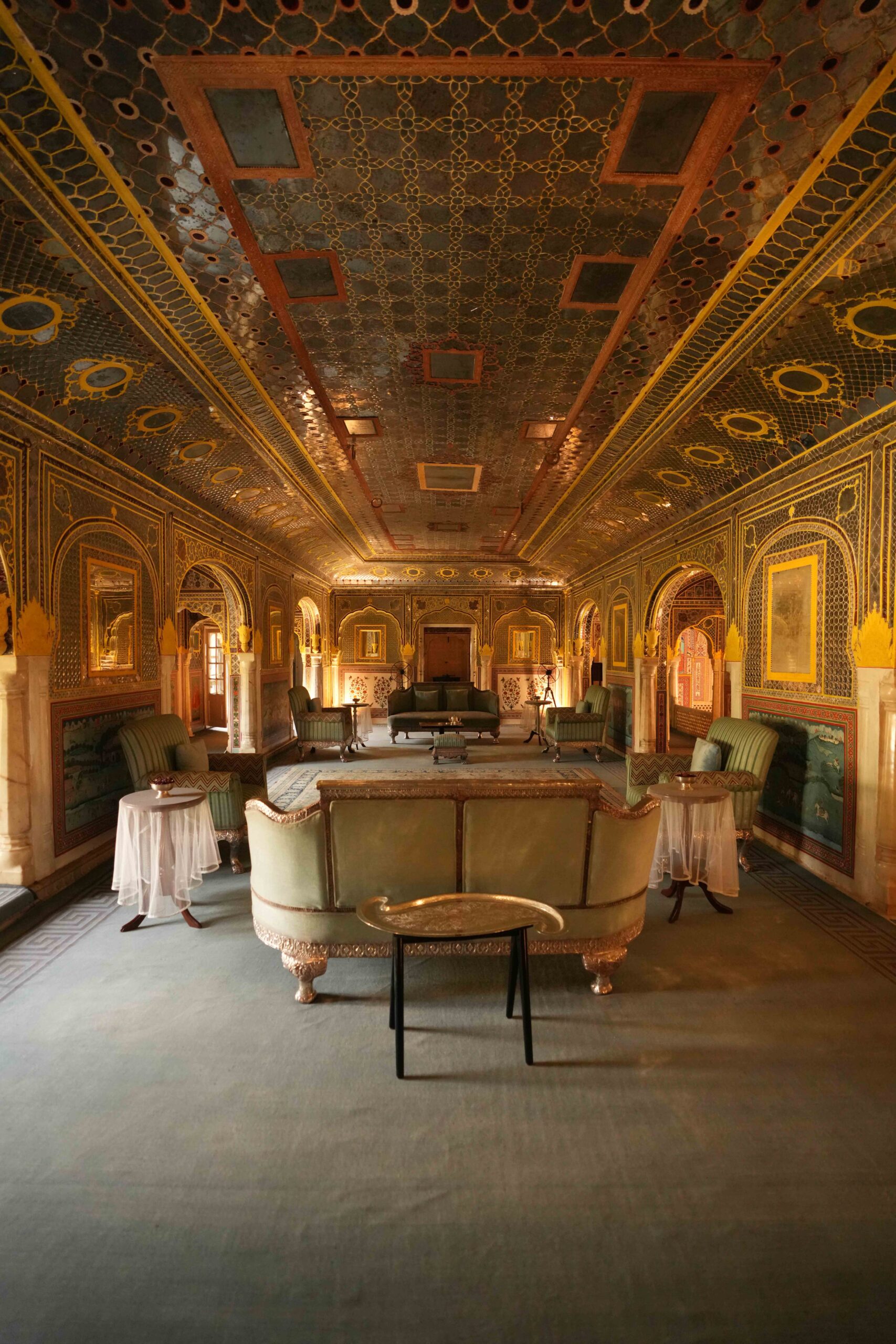
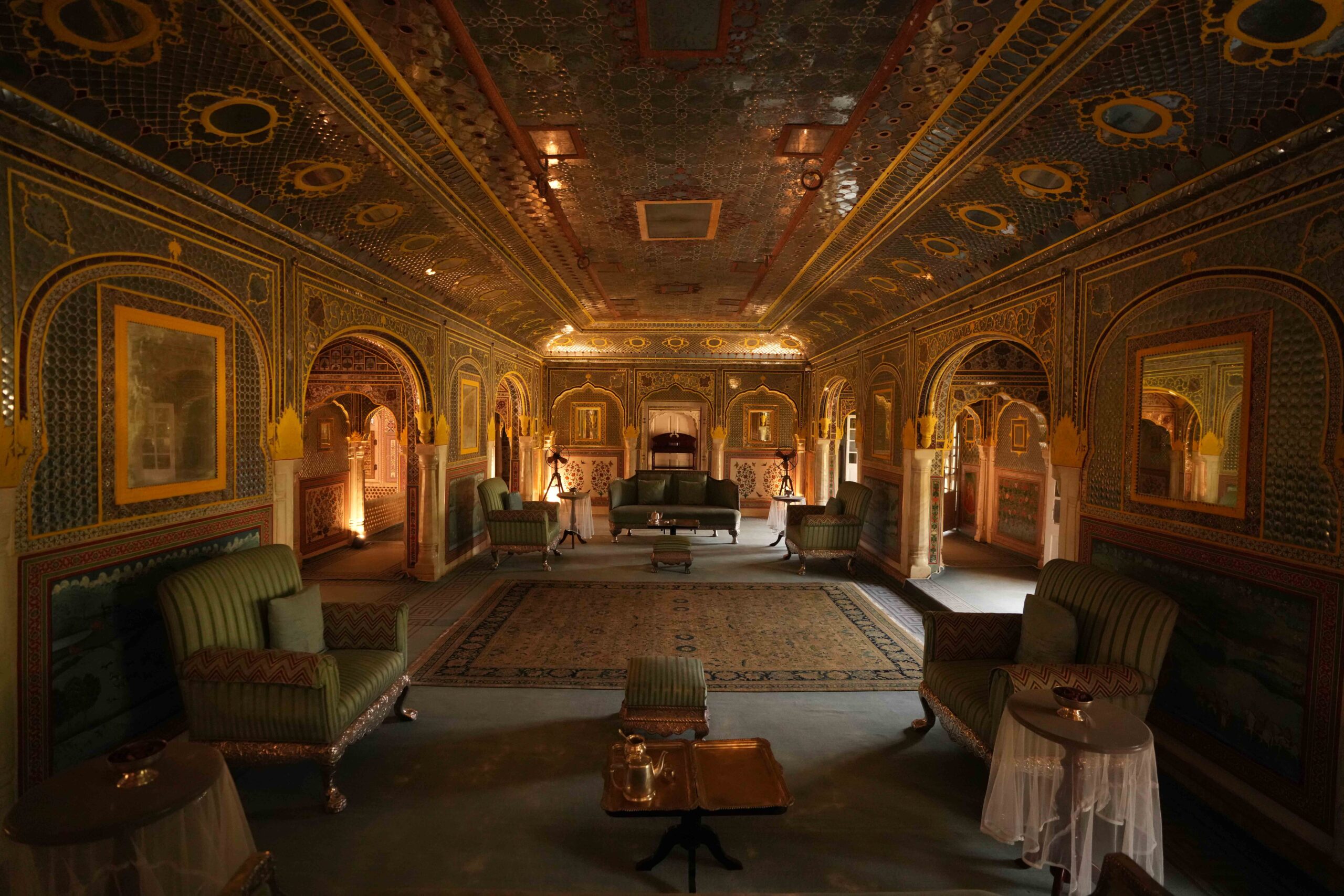
Among the most popular portions of the palace is the Mirror Hall, or Sheesh Mahal. Small mirrors sunk into plaster ornament the walls and ceilings. The mirrors reflect the light in multiple directions as the light enters the room. It was this technique which was found in numerous Rajput palaces, since it allowed a vivid ambience even in low light.
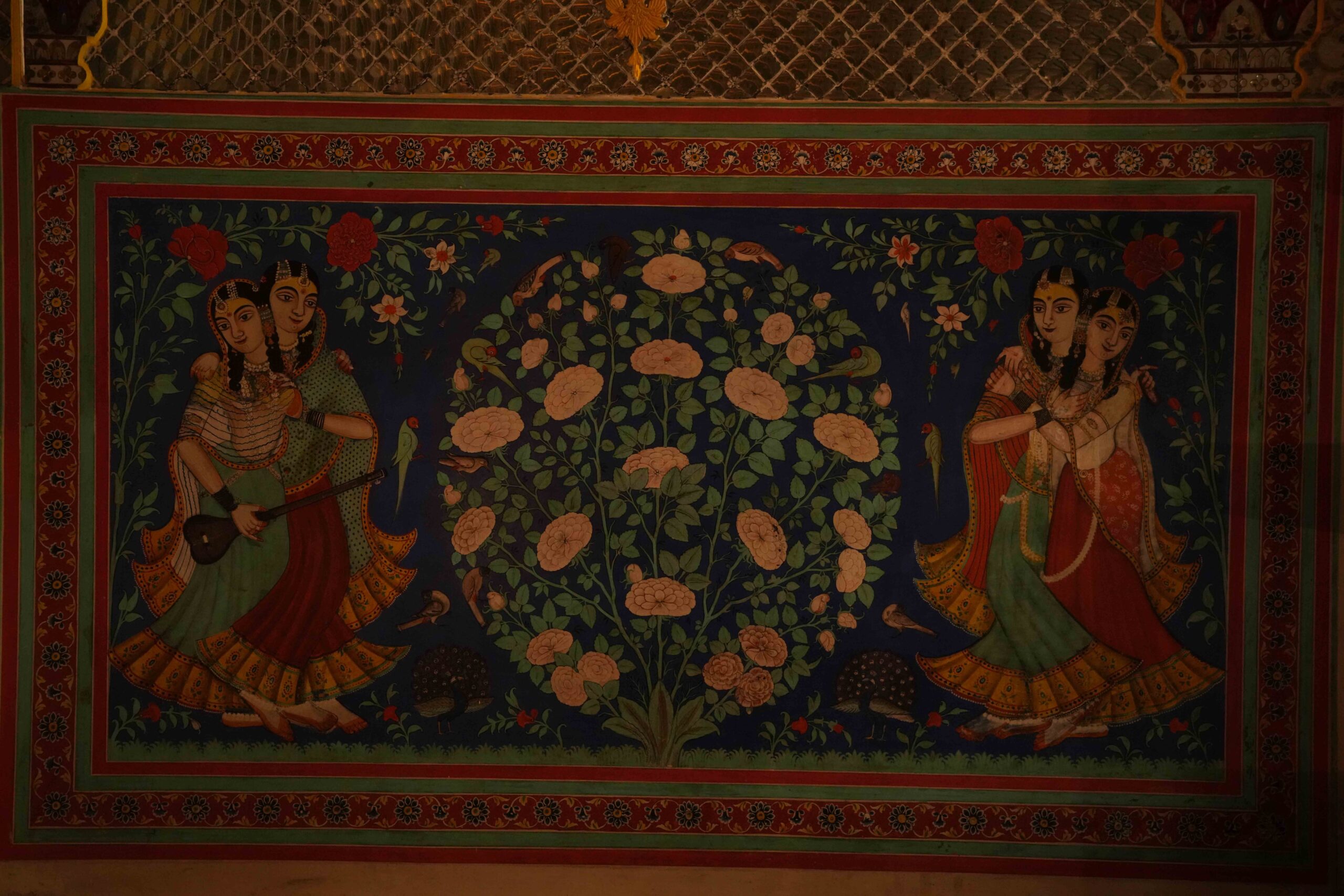
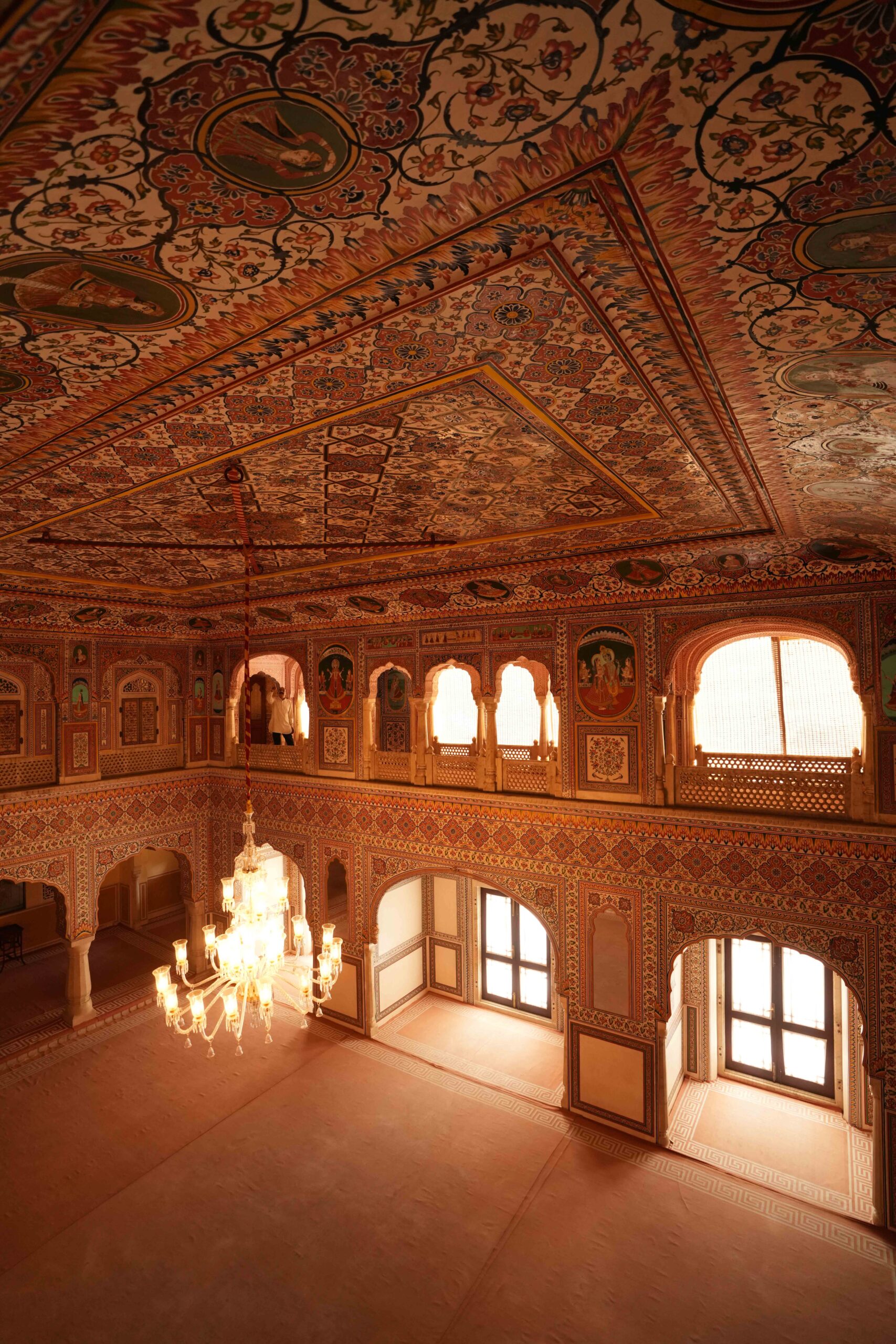
The other major hall in the palace is the Durbar Hall, where the rulers of Samode were known to hold meetings and official gatherings. It is a room with painted walls where the ceiling is also decorated with traditional pattern making it high. Most of them have floral designs which we see in Mughal influence on Rajput art.
The palace itself has today been restored and turned into a heritage hotel where visitors stroll through different historic rooms and courtyards with a lot of the original architecture intact.
Samode
Below the palace, the village still largely follows its tradition. There is one road which runs through the middle of the settlement with houses, small temples and shops on either side. These are buildings made of stone and lime plaster when we walk through the streets. Some homes features beautifully carved wooden doors as well as small balconies. Even in the less affluent homes we can see Rajput architecture influence evident in these features.
Agriculture and small-scale business mainly drive daily life in Samode. The nearby countryside has a base of farmers who grow crops that do well in arid conditions. The village market serves the surrounding rural area with goods and services.
Samode attracts visitors today primarily due to the palace and its historical architecture. The tourism industry has also created new economic opportunities for the village. It employed locals in hospitality, handicraft, and guiding services. The town also remains a regular functioning rural town.
On our visit to Samode, we experienced a frozen fragment of history amidst the simple mundanities of everyday life. It is a simple walk through town, where the historic buildings tell the story of this once thriving region, still deeply rooted in tradition.