Jag Mandir
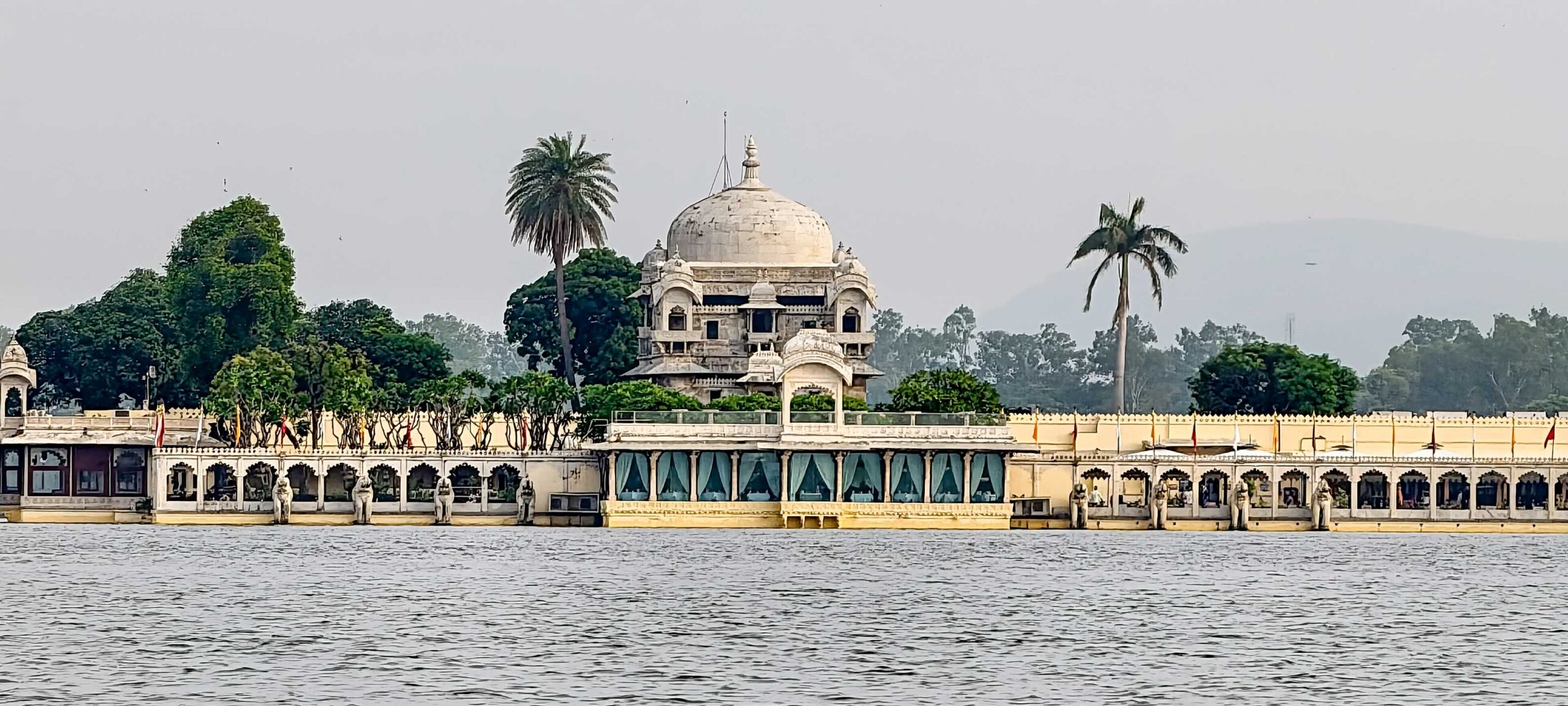
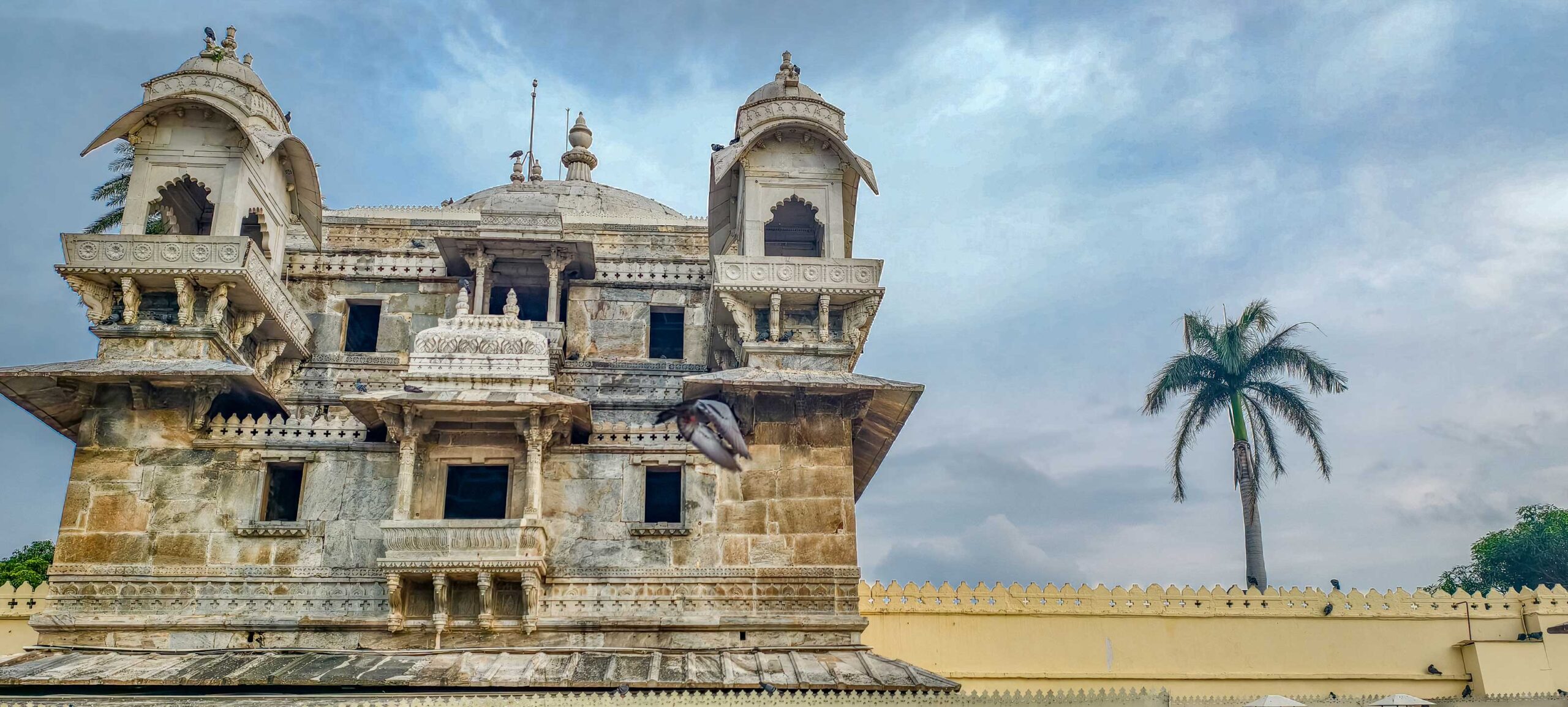
Our first stop on the lake was Jag Mandir, one of Udaipur’s most historic landmarks. Constructed during the seventeenth century by successive rulers of Mewar, the palace
occupies an island in the middle of Lake Pichola. Its history is closely connected with Prince Khurram, the future Mughal emperor Shah Jahan, who found refuge here during a period of
political conflict.
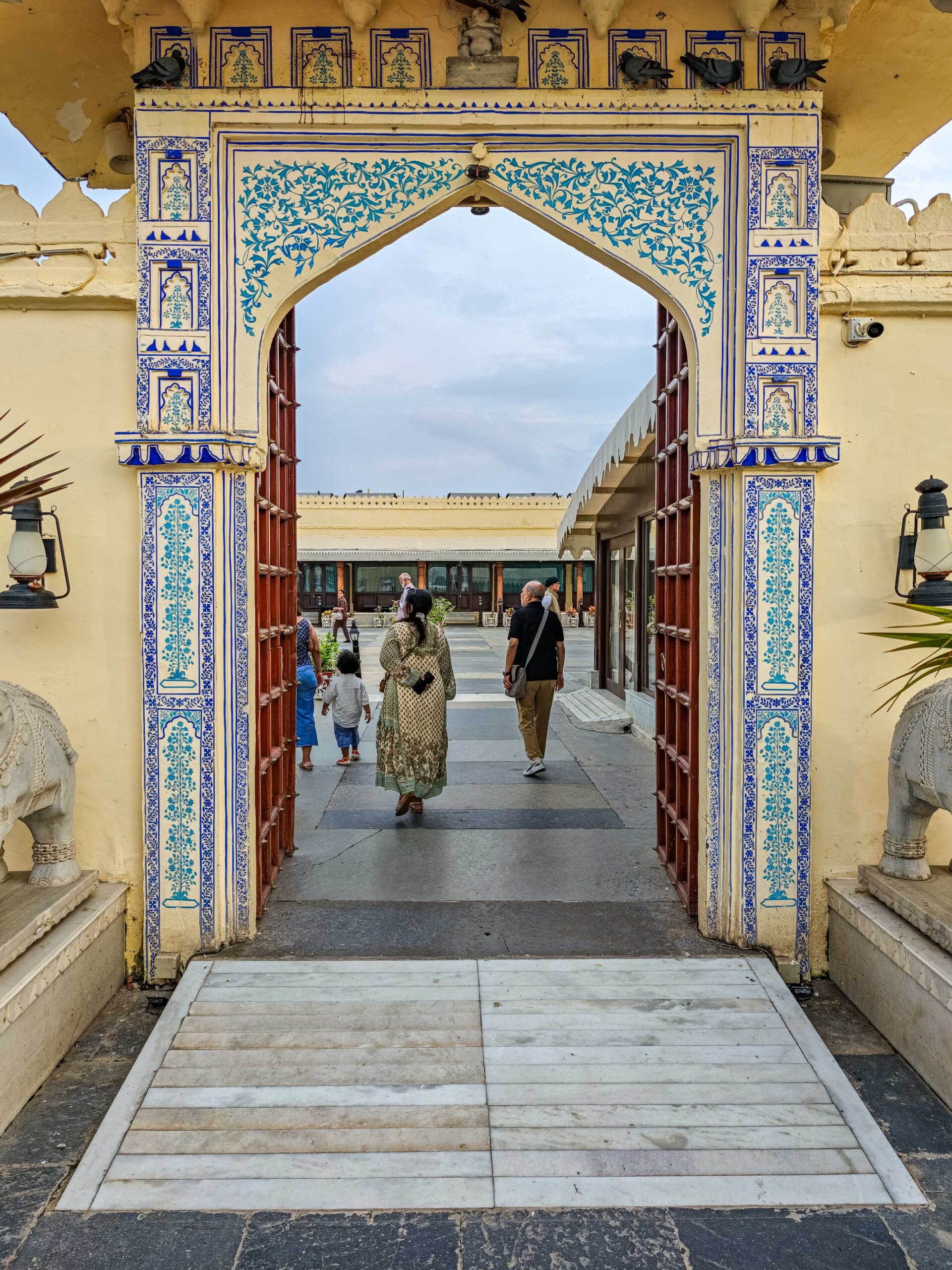
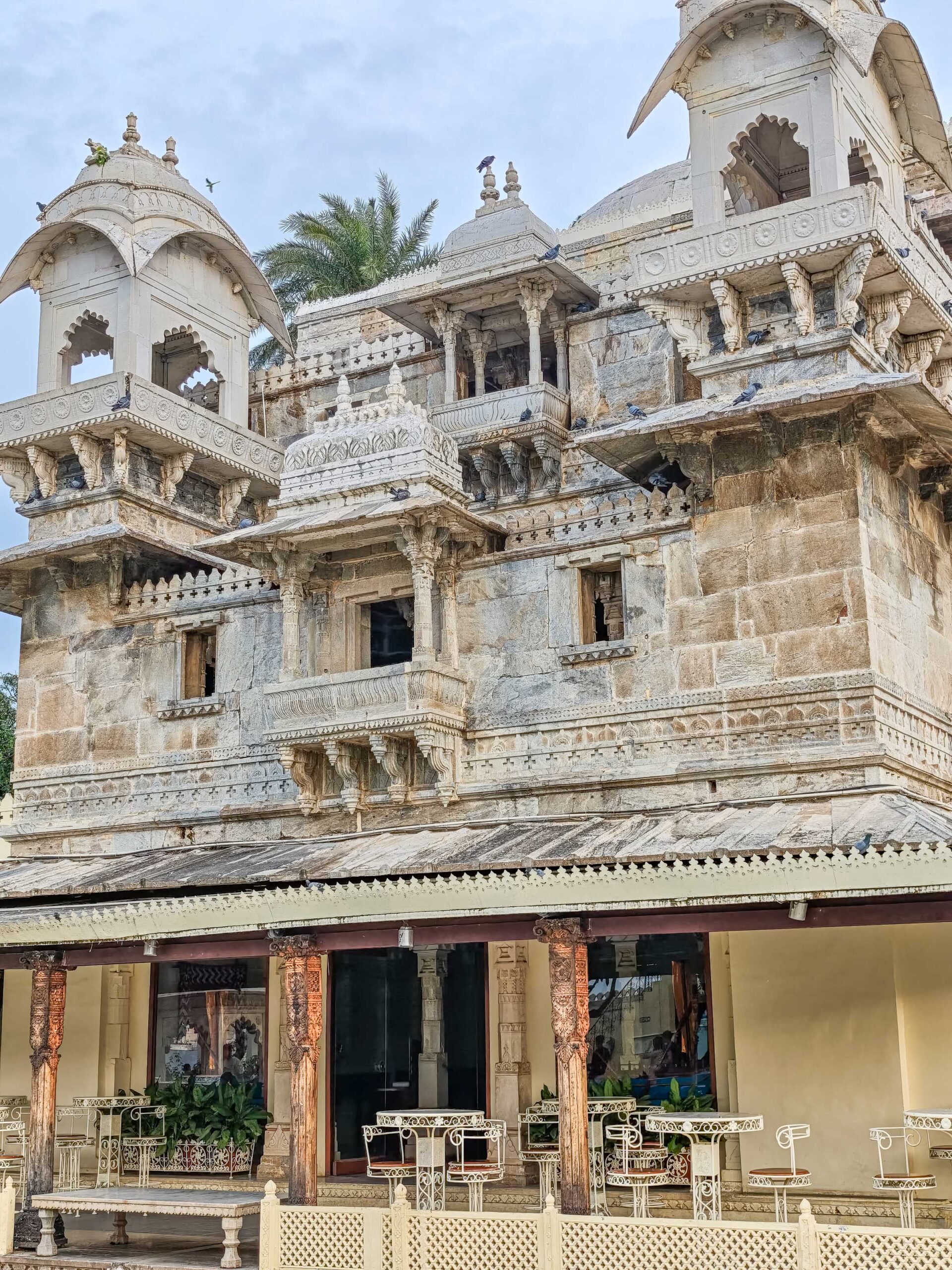
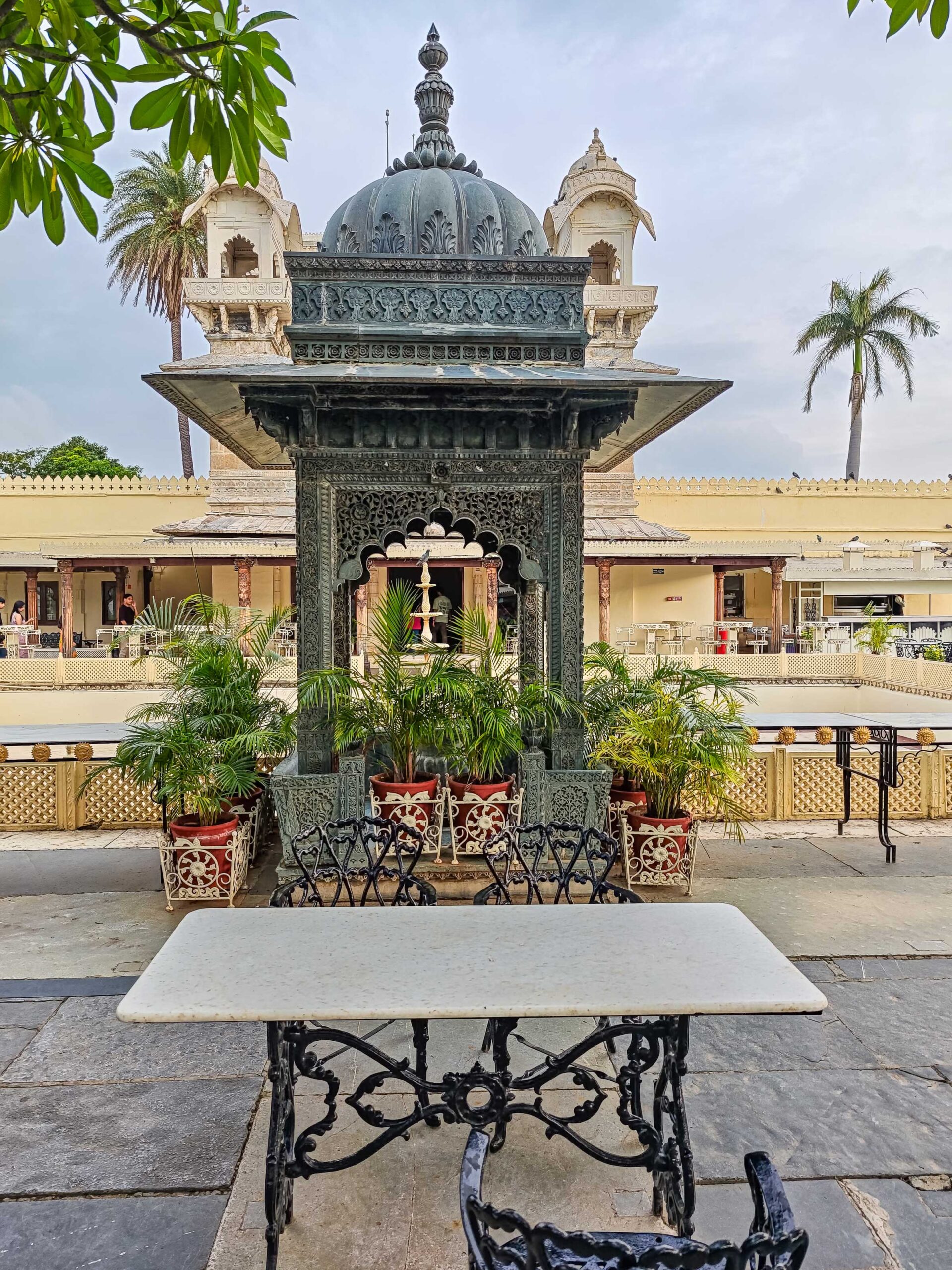
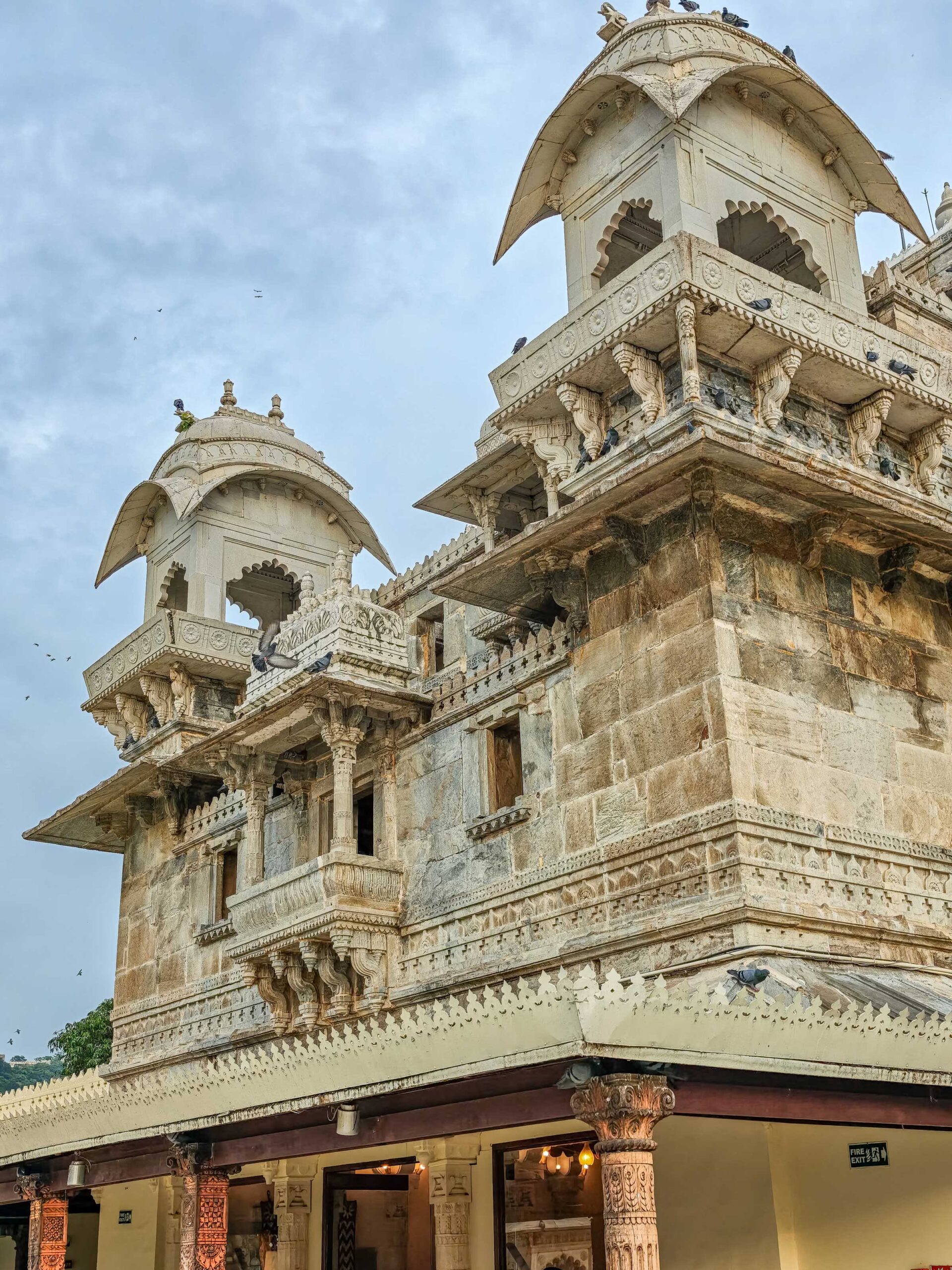
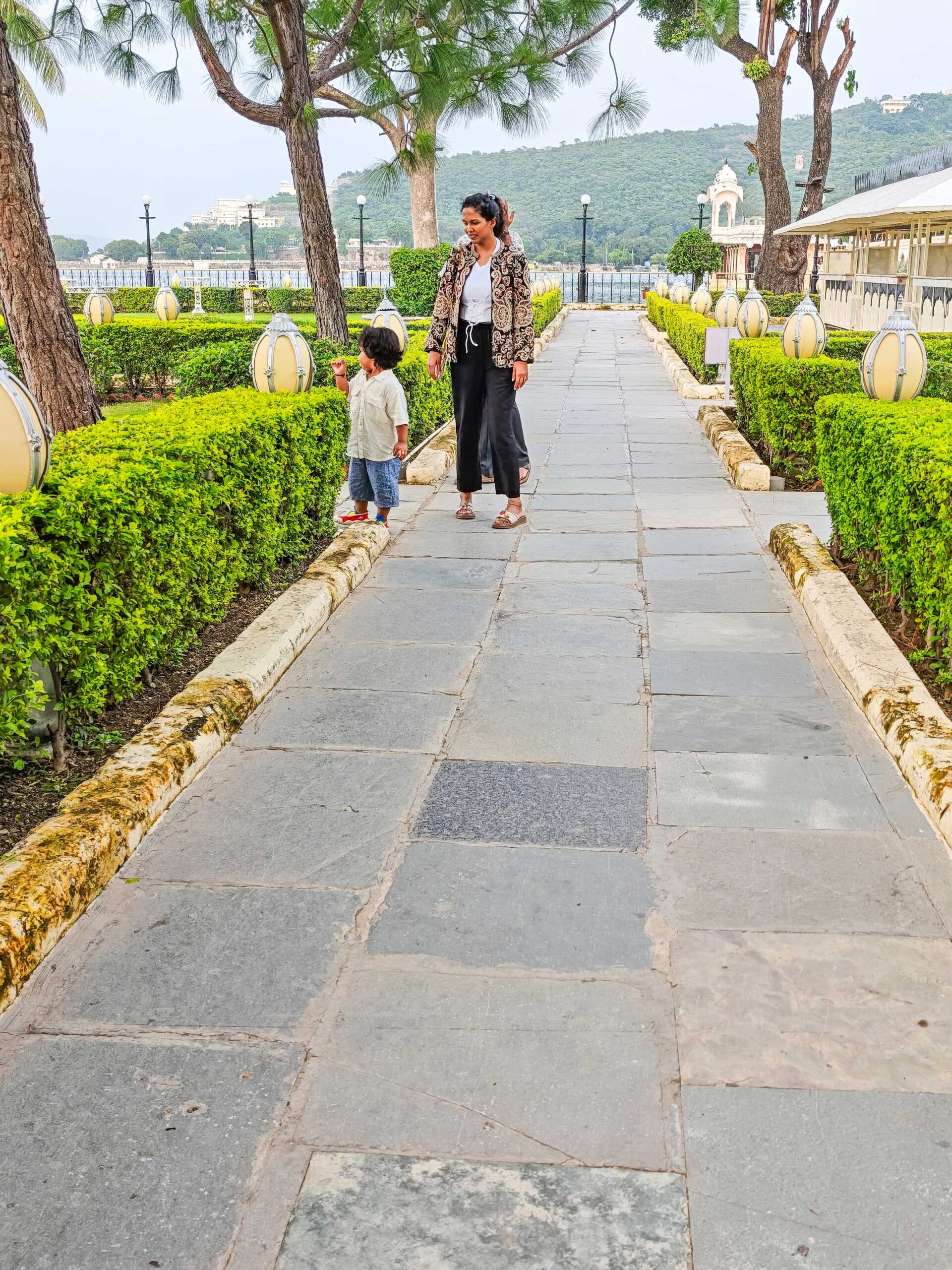
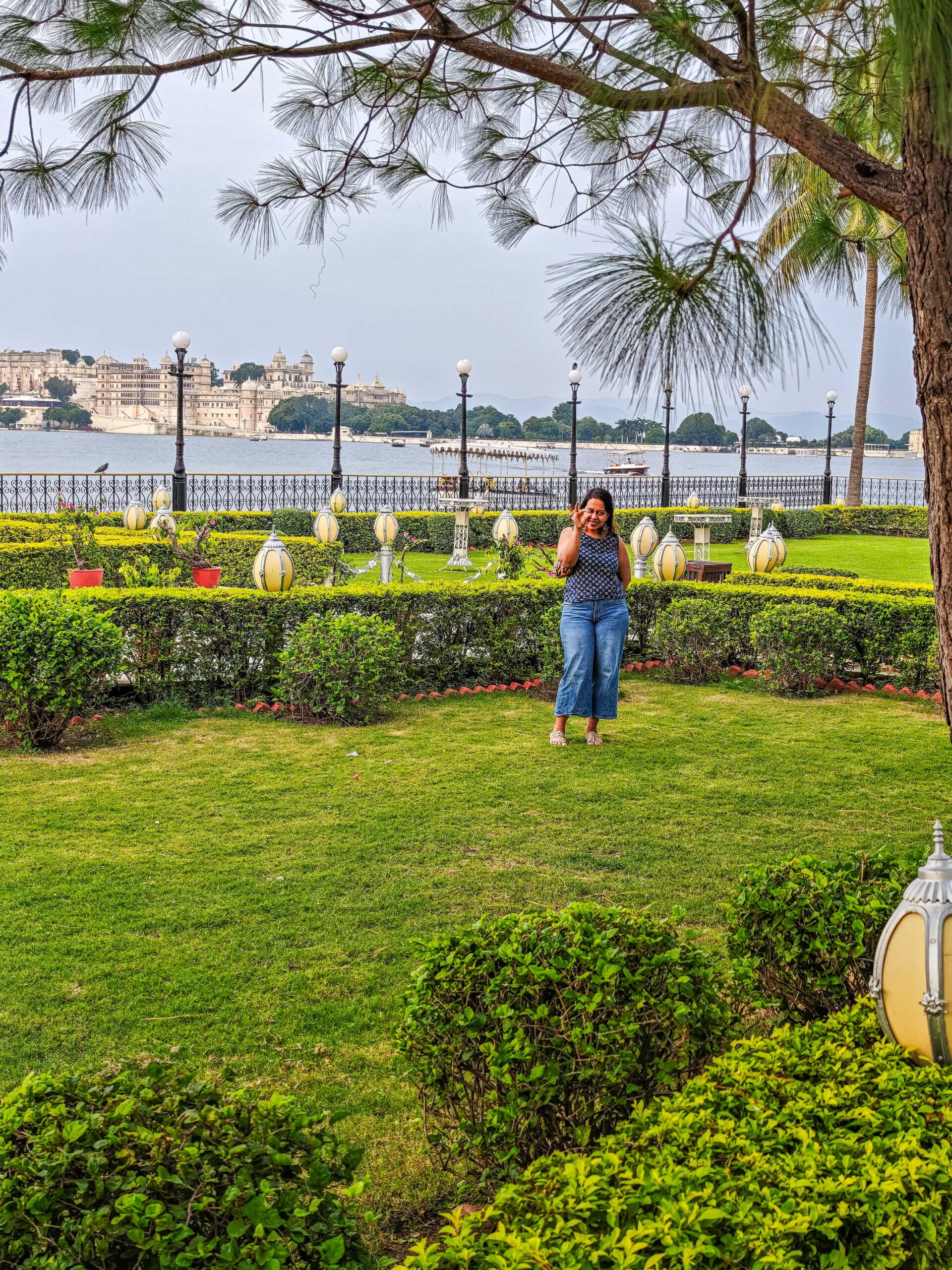
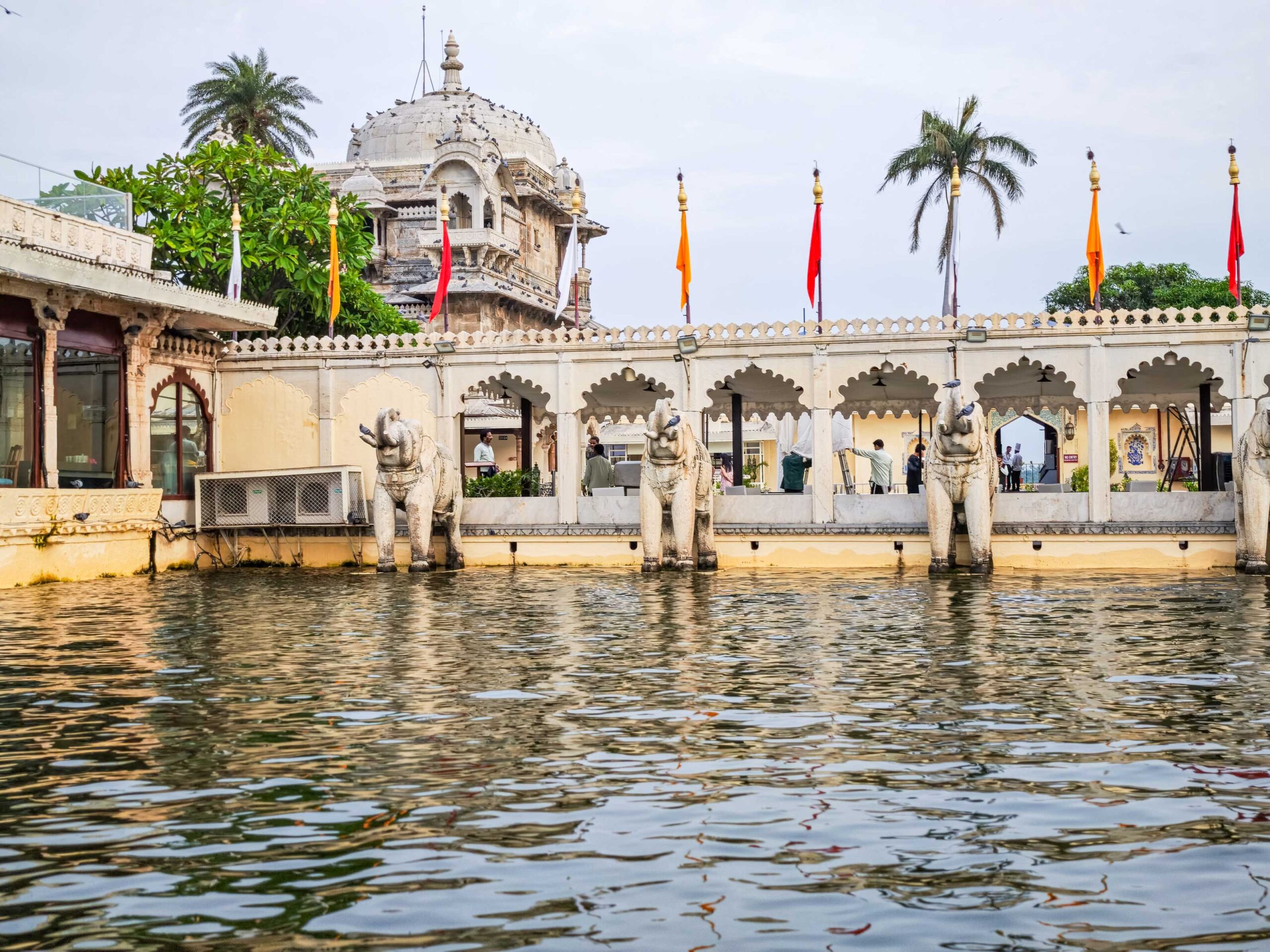
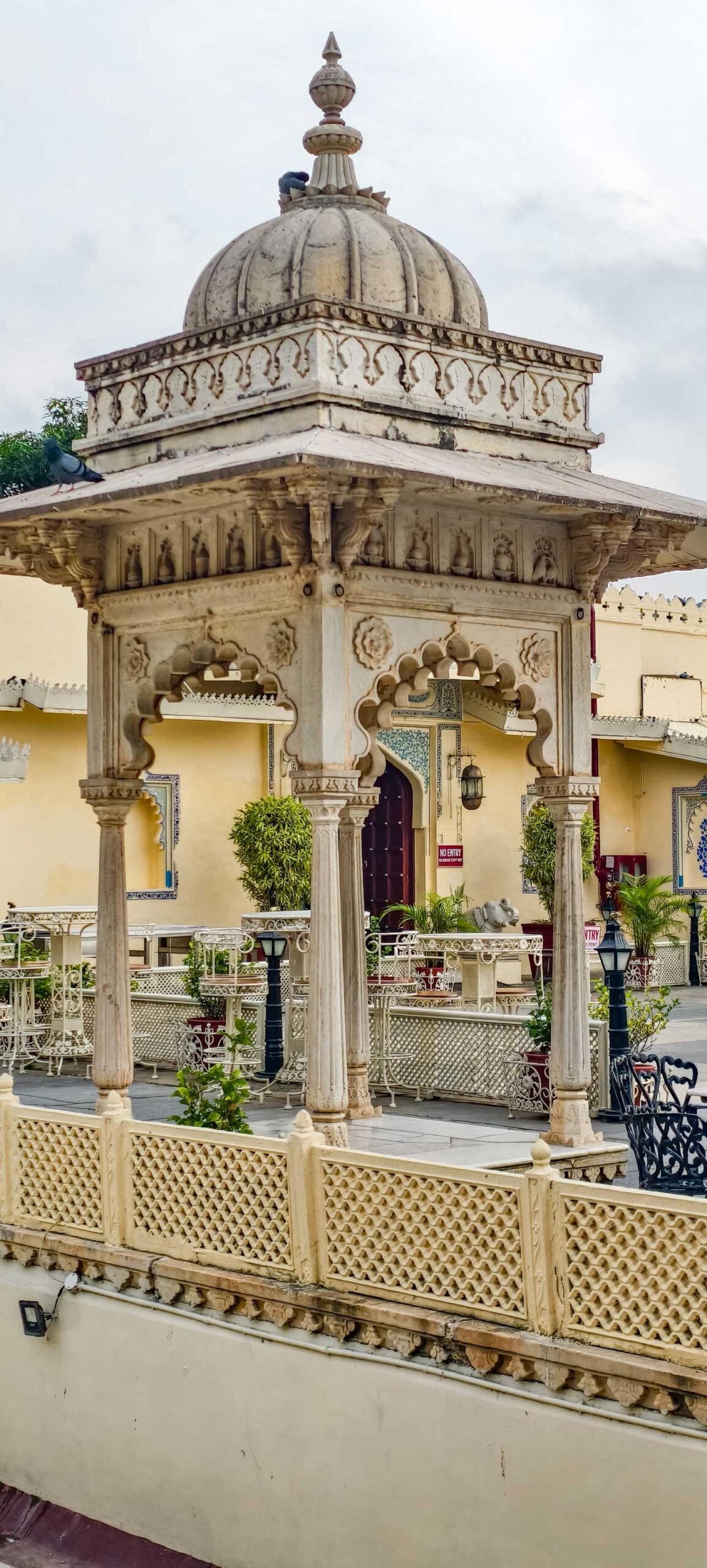
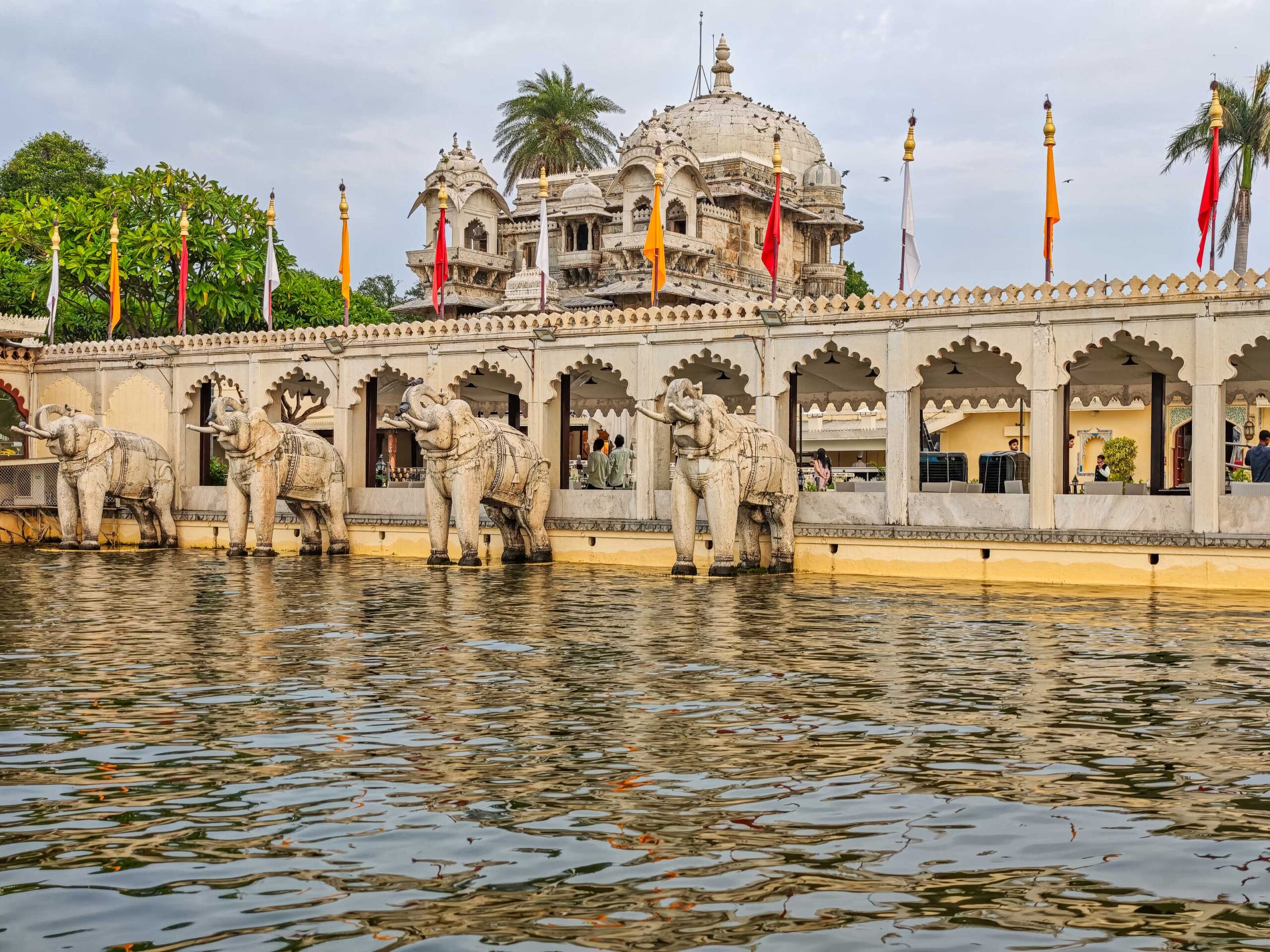
Approaching the island, the first features that command attention are the impressive marble elephants positioned along the waterfront. These sculptures appear to guard the palace andhave become one of its defining symbols. Beyond them lies a complex of courtyards, gardens, pavilions, and carved halls that blend Rajput and Mughal architectural influences. The palace exudes a sense of calm that contrasts sharply with the activity of the city. Surrounded entirely by water, it feels removed from the concerns of everyday life. Walking through its shaded pathways and open courtyards, it is easy to imagine royal gatherings, diplomatic meetings, and moments of leisure that once took place here.
Today, Jag Mandir remains one of the most beautiful settings on Lake Pichola. Its combination of history, architecture, and natural beauty makes it a highlight of any visit to Udaipur.