Eklingji and Nagda: In Search of Mewar’s Origins
Eklingji and Nagda, separated by only a few kilometers, have been connected through religion, politics, and royal patronage for centuries. Two sites north of Udaipur, where the Aravalli hills dissolve into a rugged landscape of boulders, rocky ridges, quiet lakes, and verdant valleys, offer a fascinating insight into Mewar’s history and identity. Together, they preserve the memory of a time long before Udaipur was founded and shed light on the foundations upon which the kingdom of Mewar was built.
The region was once an important centre of power for the early Guhila rulers, whose descendants would later become the celebrated Maharanas of Mewar. While Nagda preserves the ruins of one of their earliest capitals, Eklingji remains an active place of worship and one of the most important religious centres in Rajasthan.
Visiting Eklingji and Nagda revealed not only some of the finest examples of medieval architecture and stone carving in Rajasthan, but also a landscape where history, religion, and memory continue to coexist. From the active shrines of Eklingji to the evocative temple ruins of Nagda, the journey offered an opportunity to explore some of the oldest surviving chapters in the living history of Mewar.
Nagda
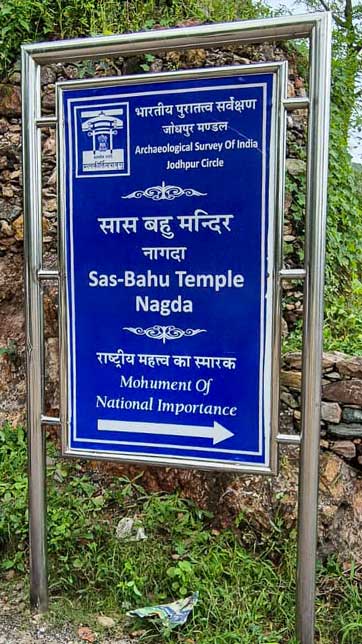
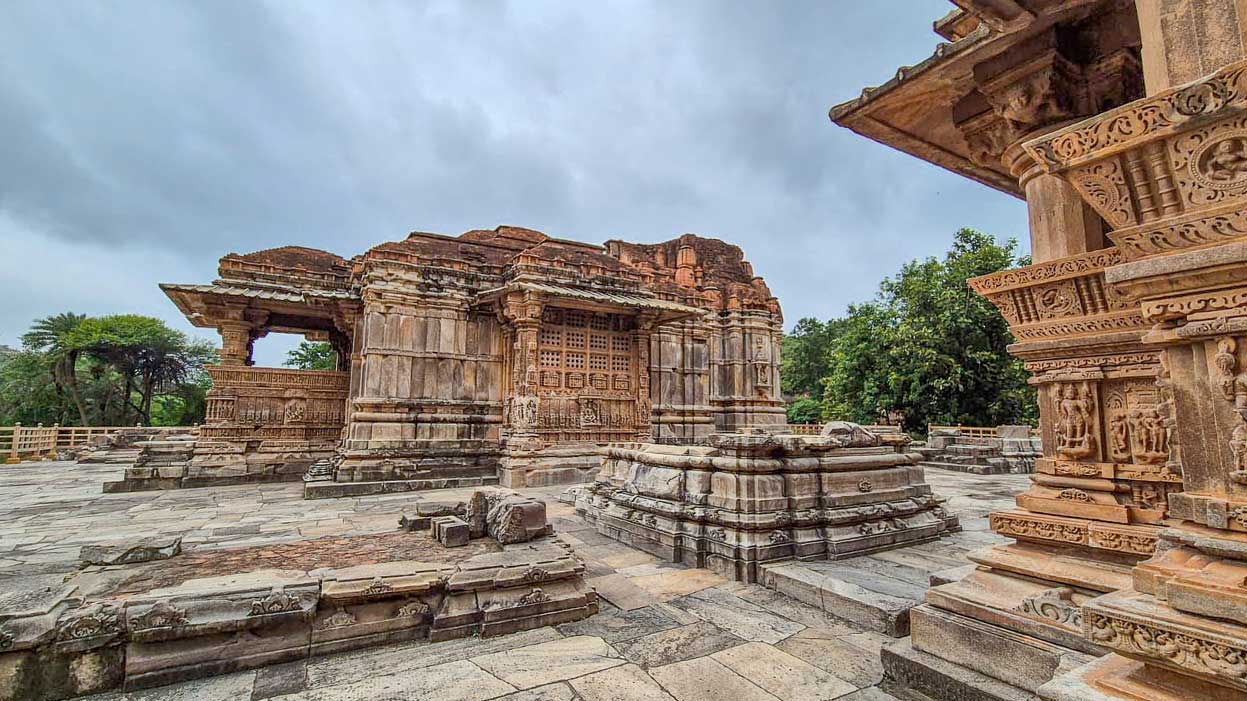
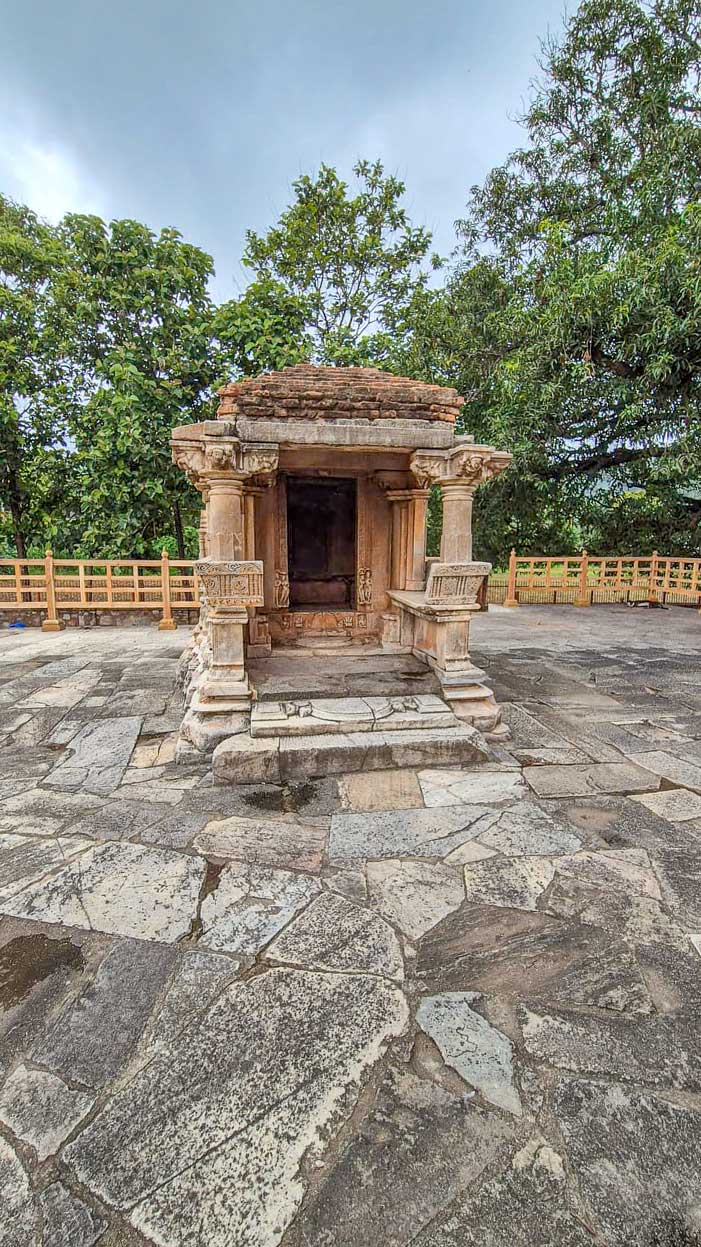
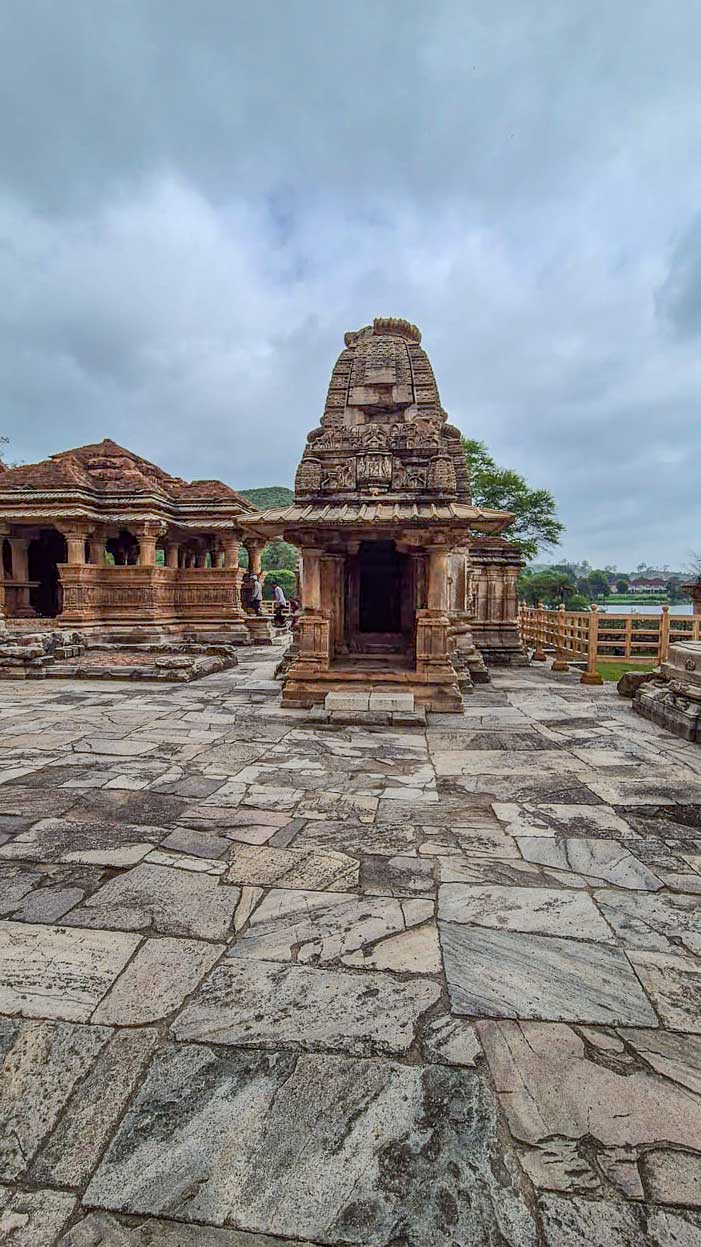
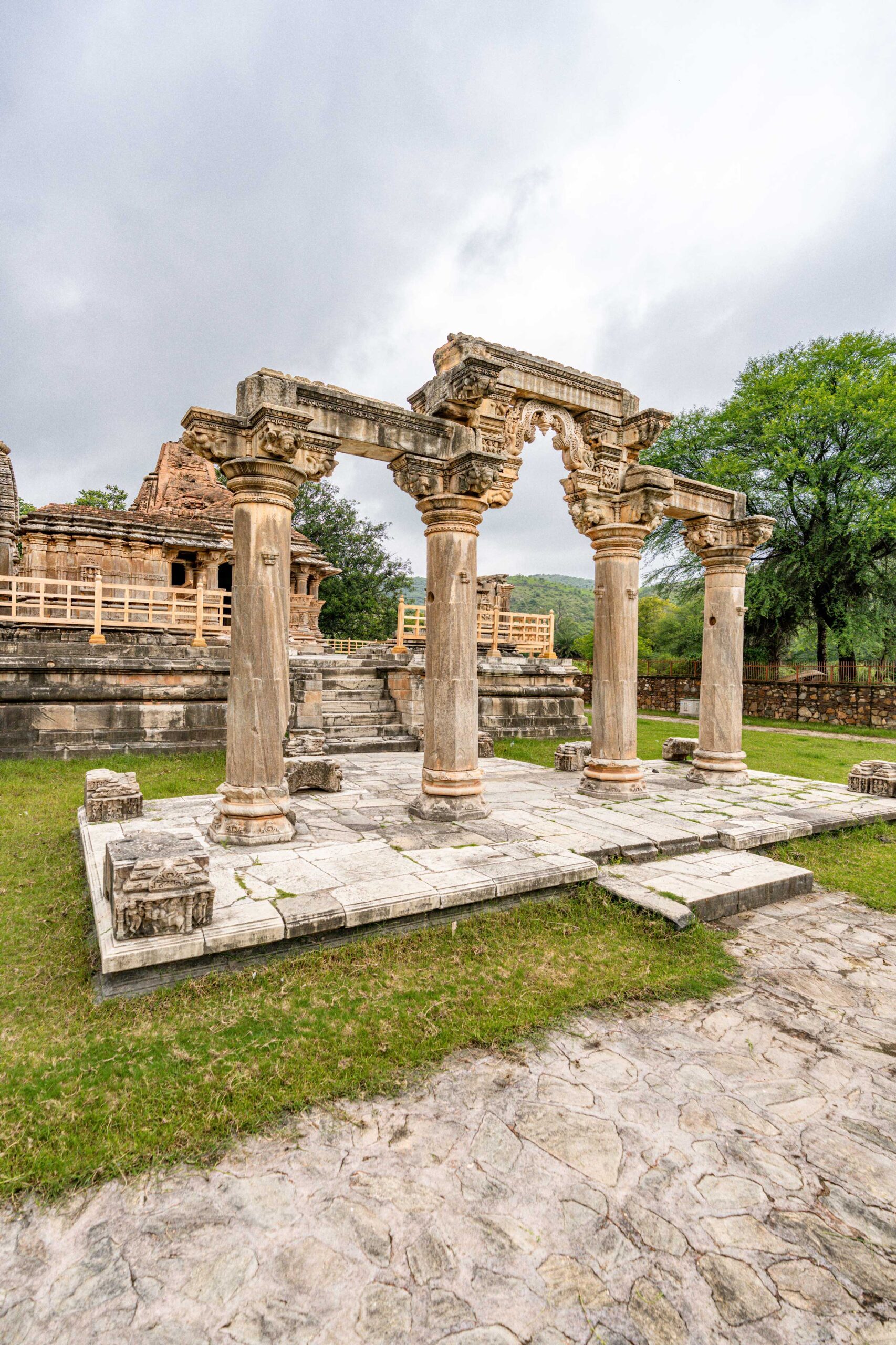
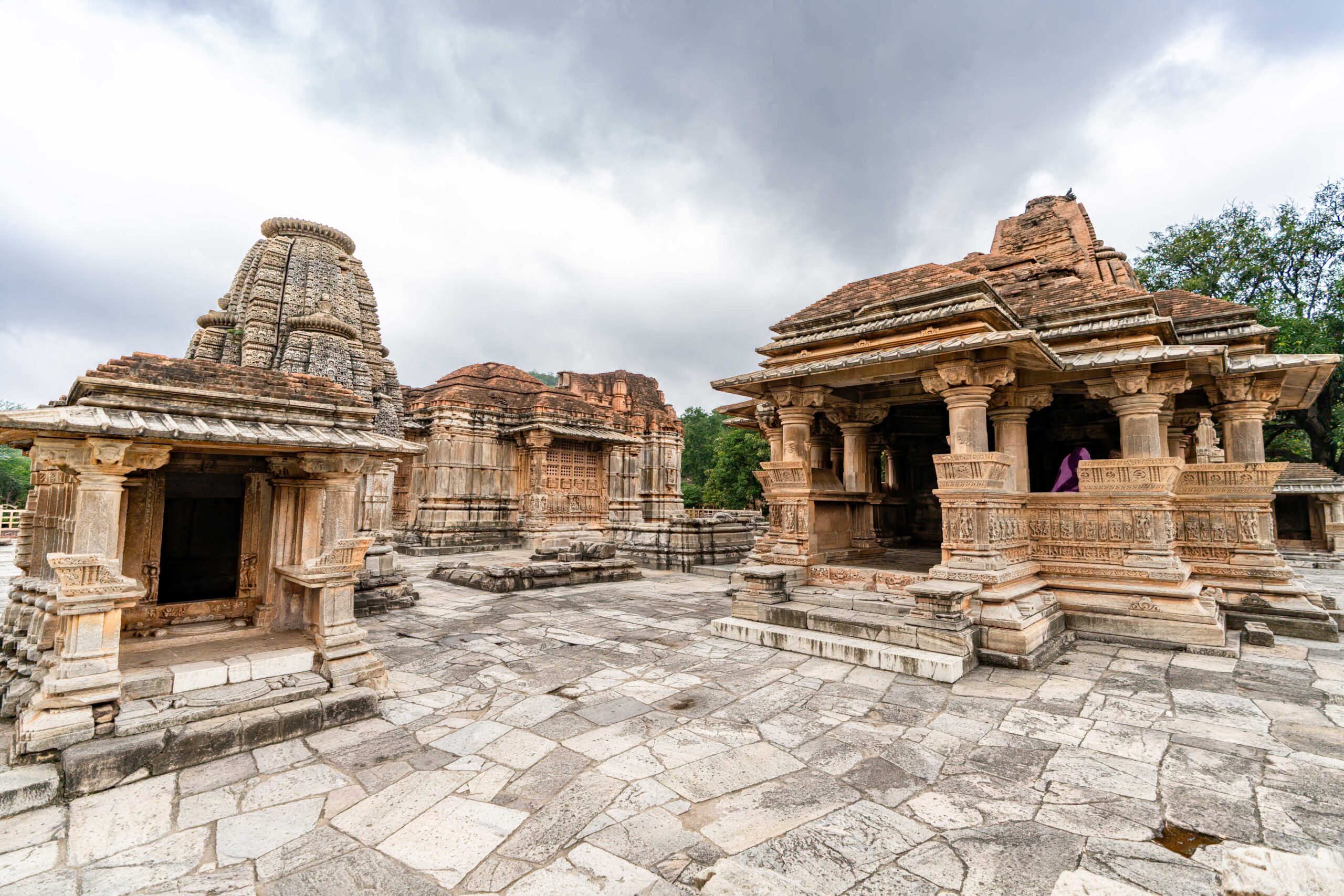
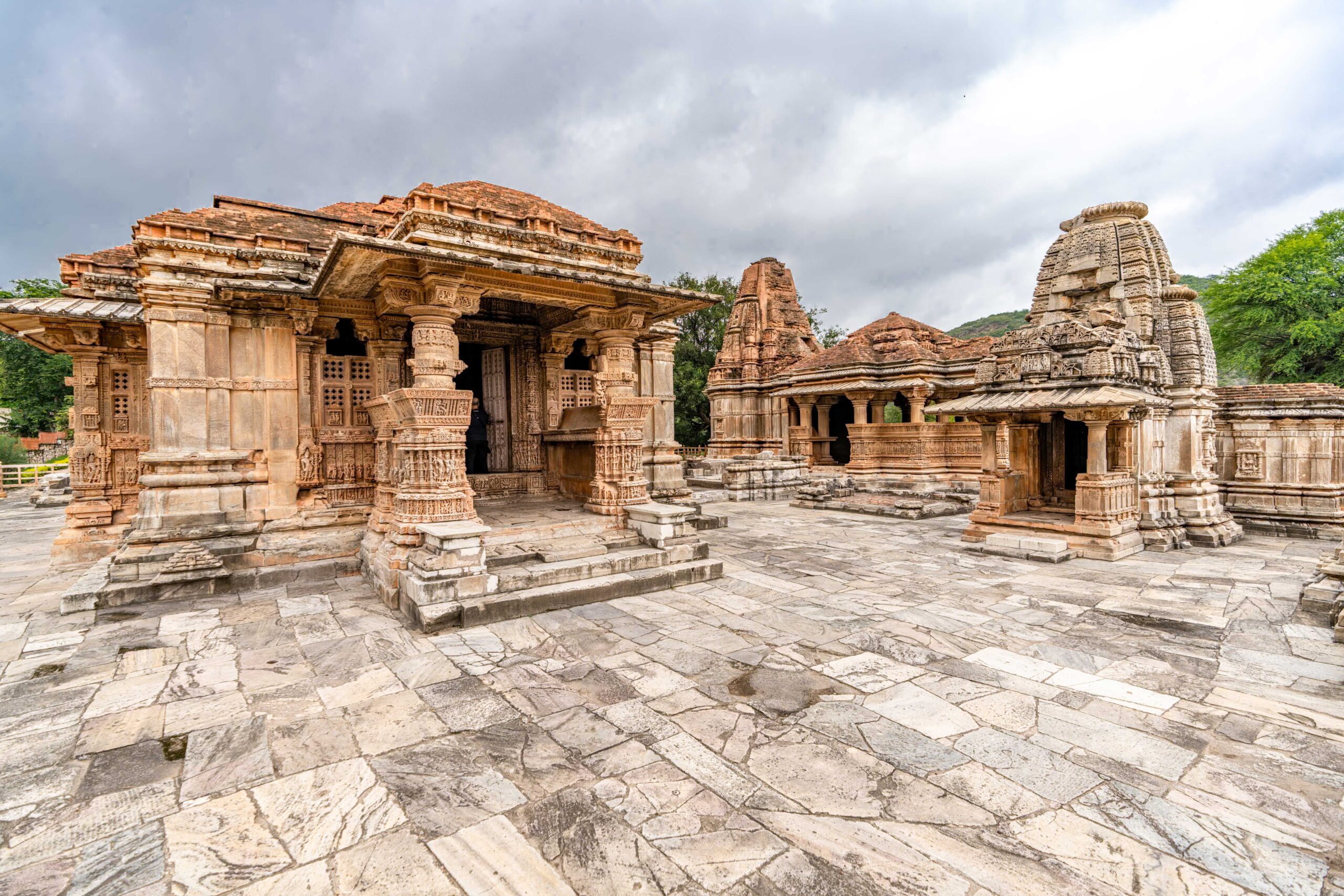
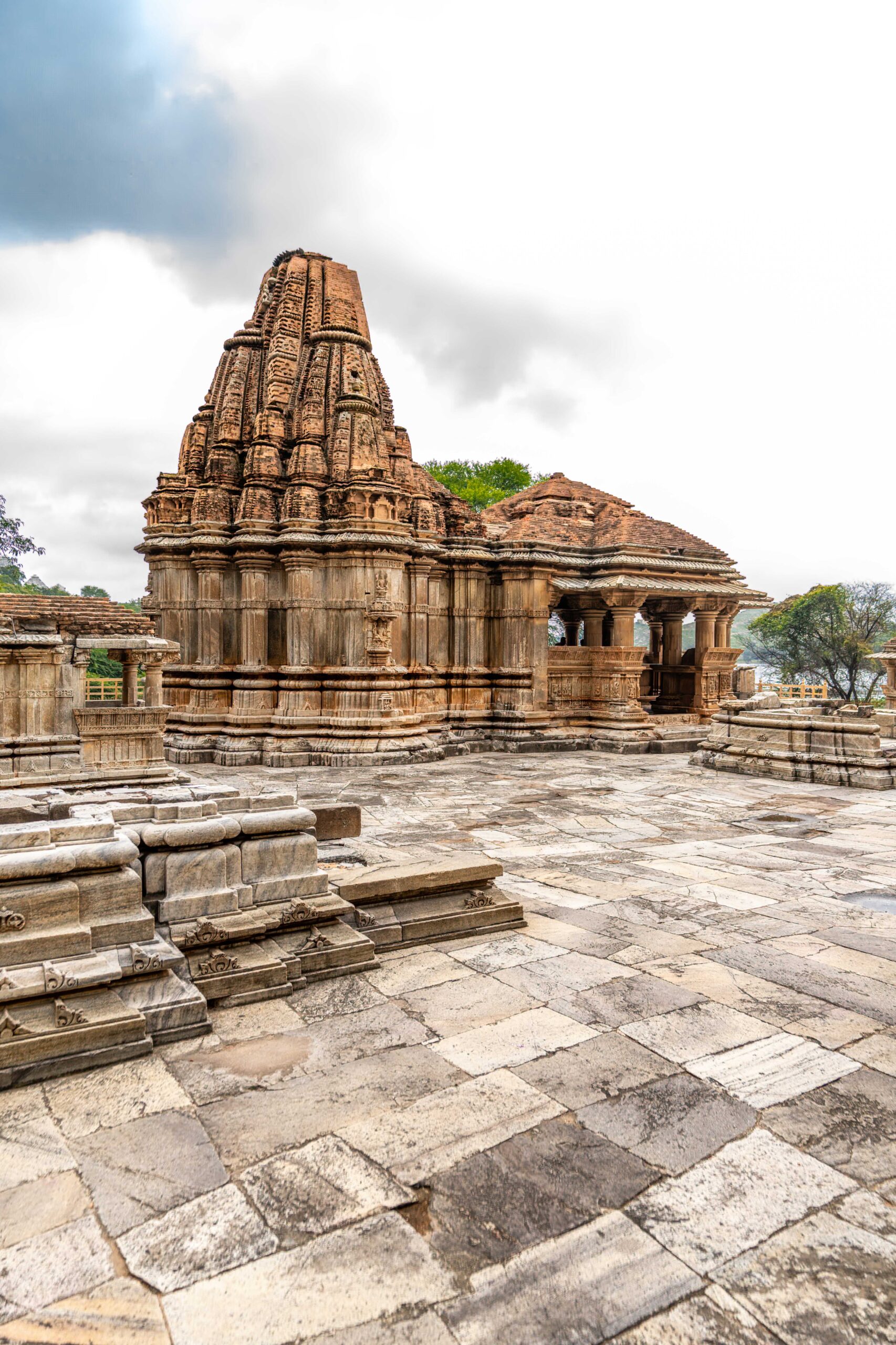
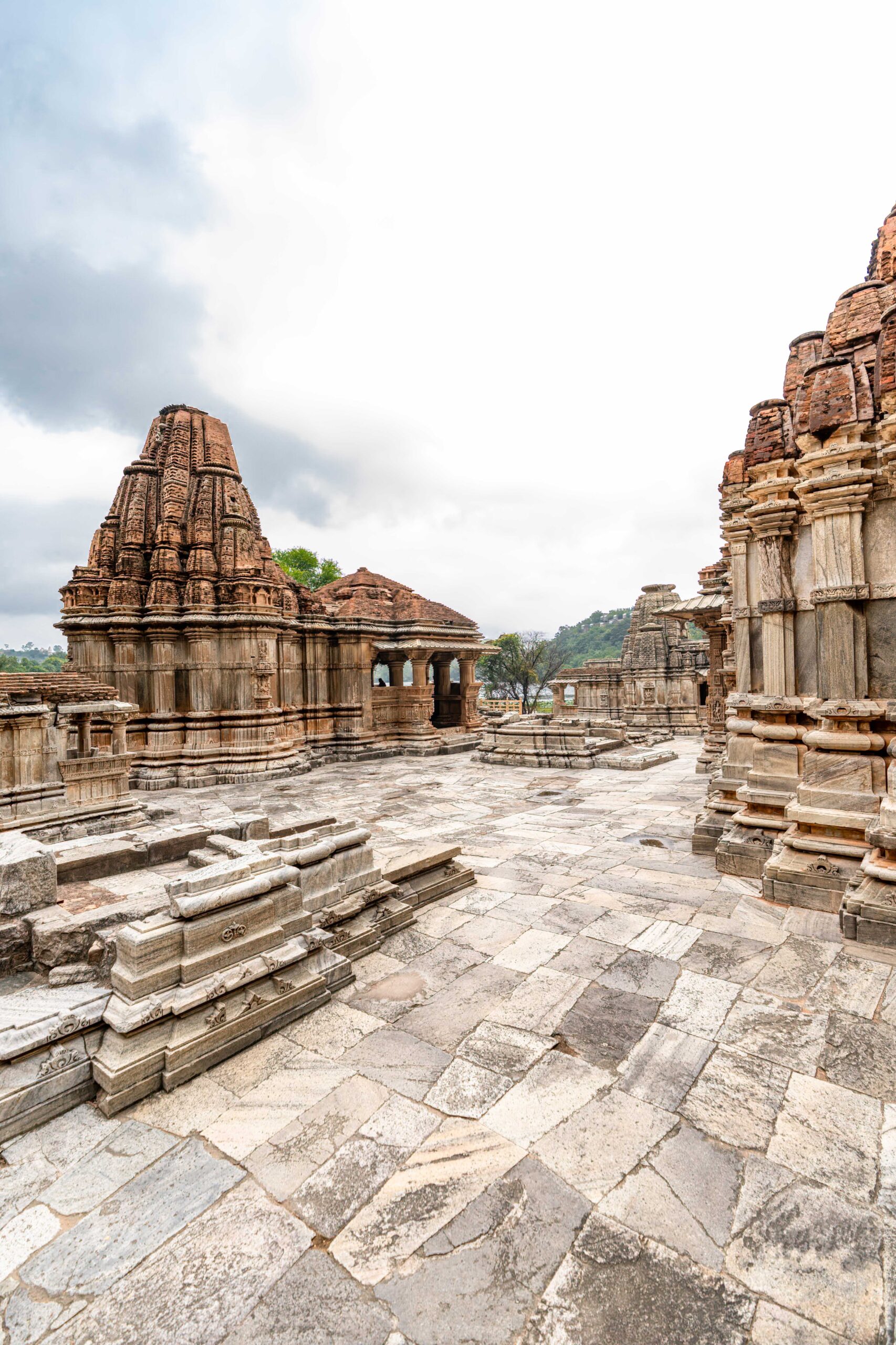
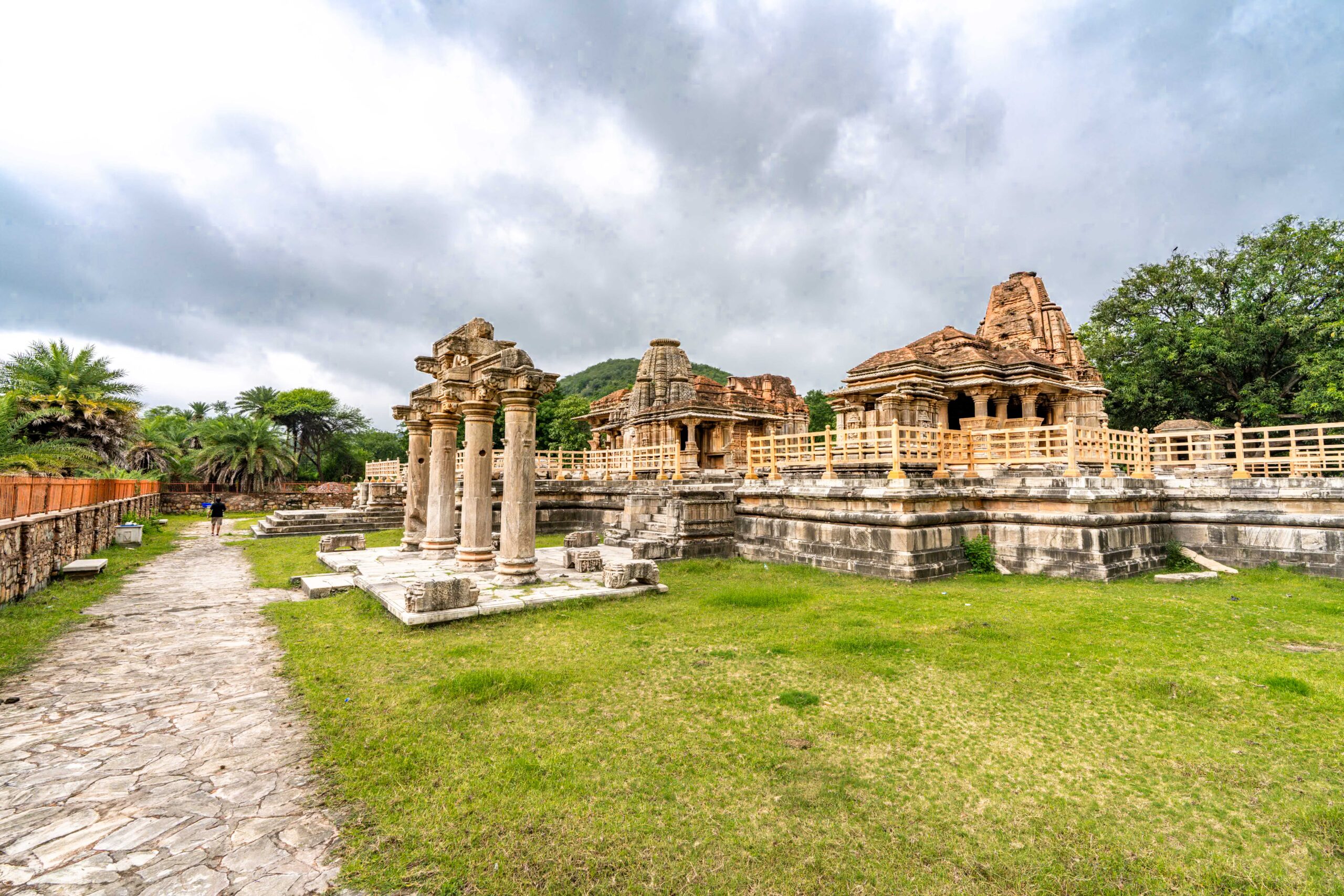
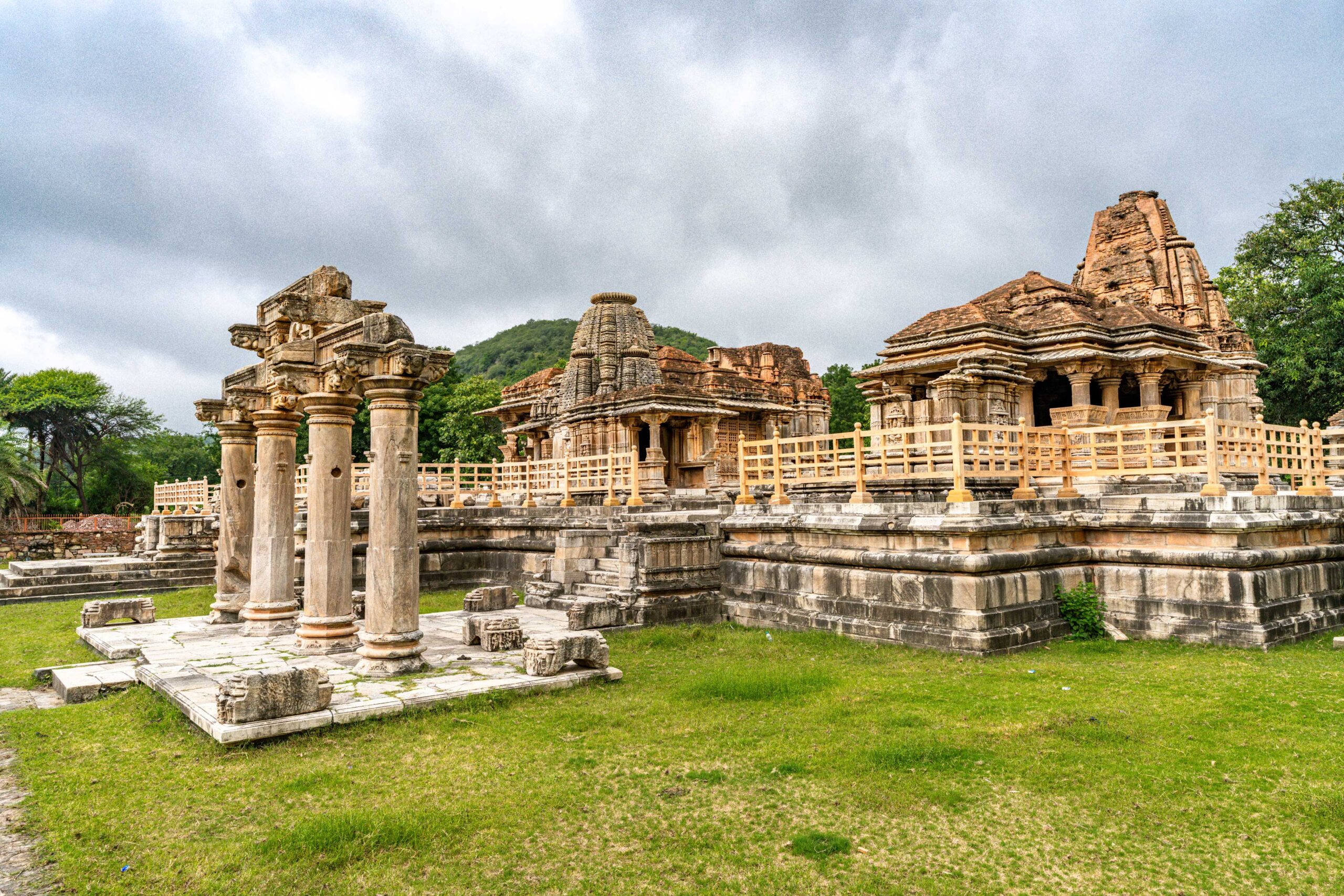
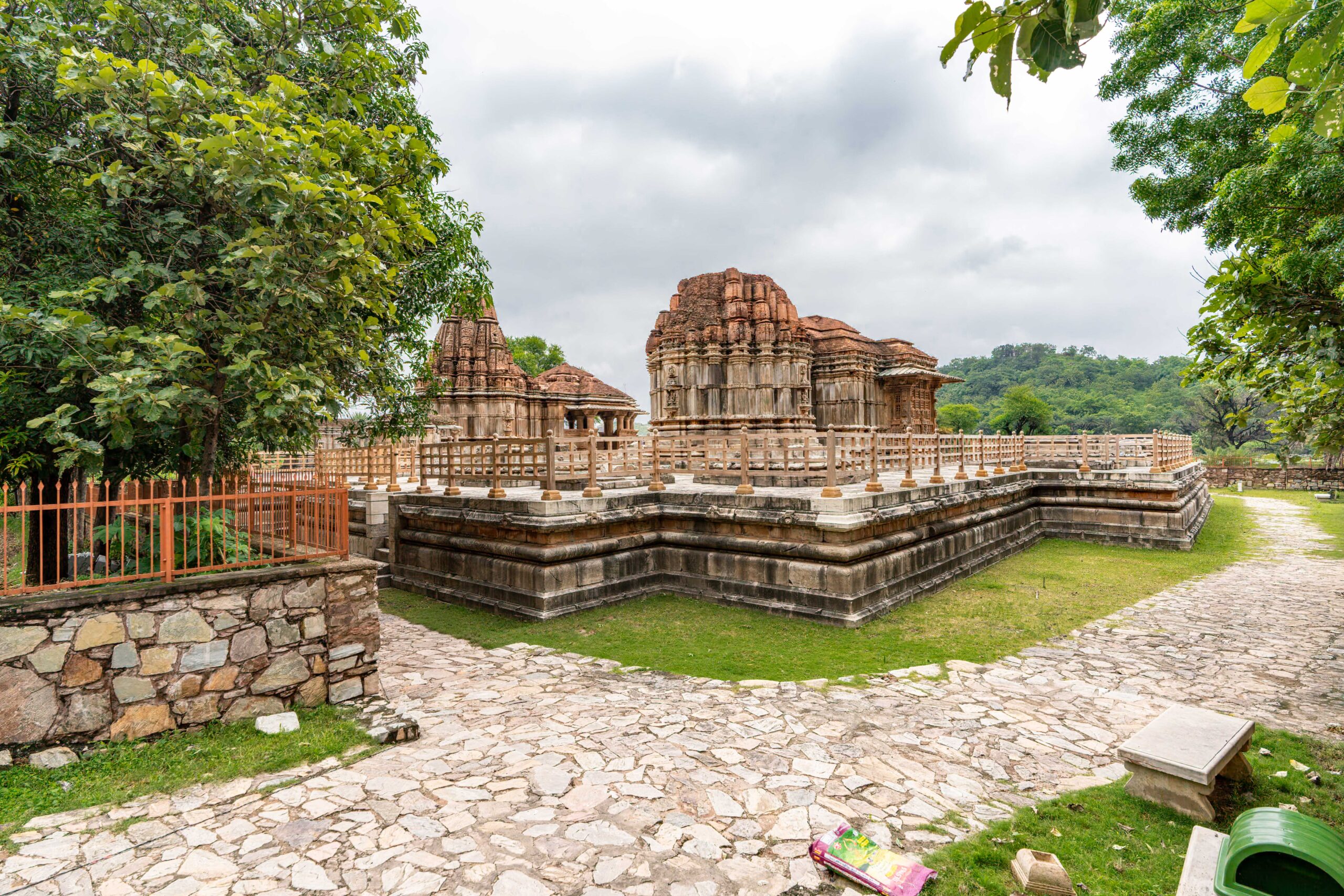
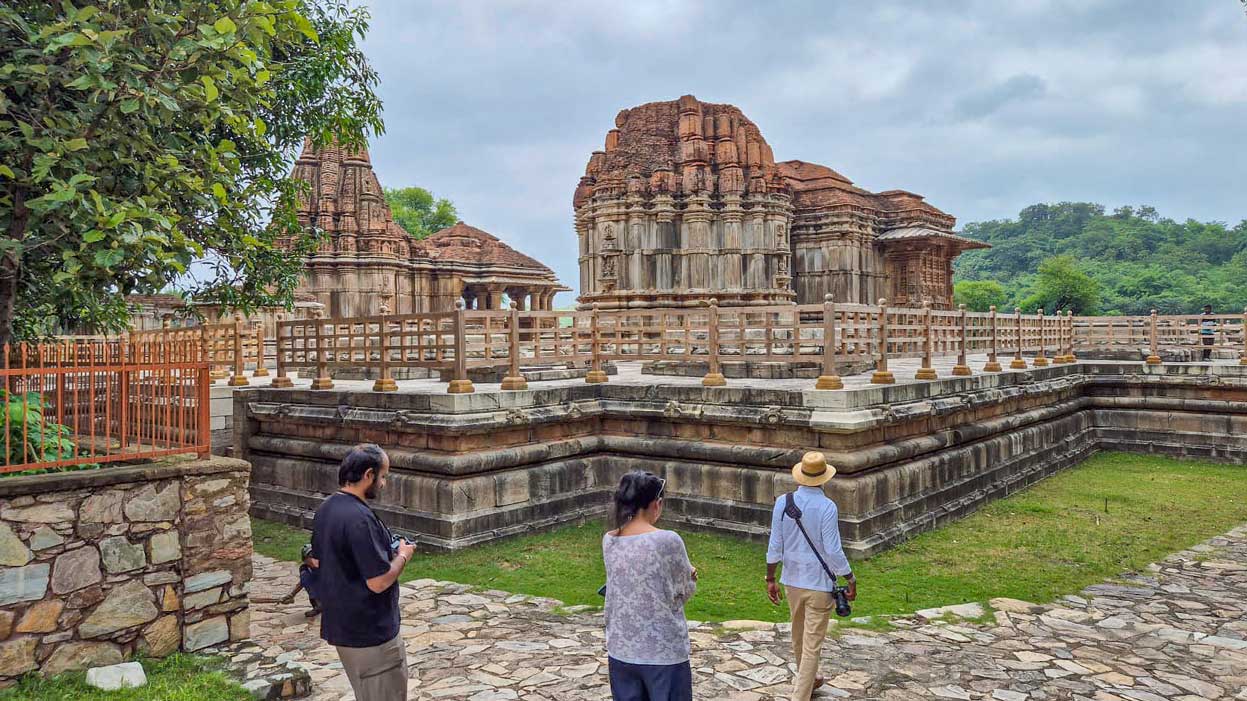
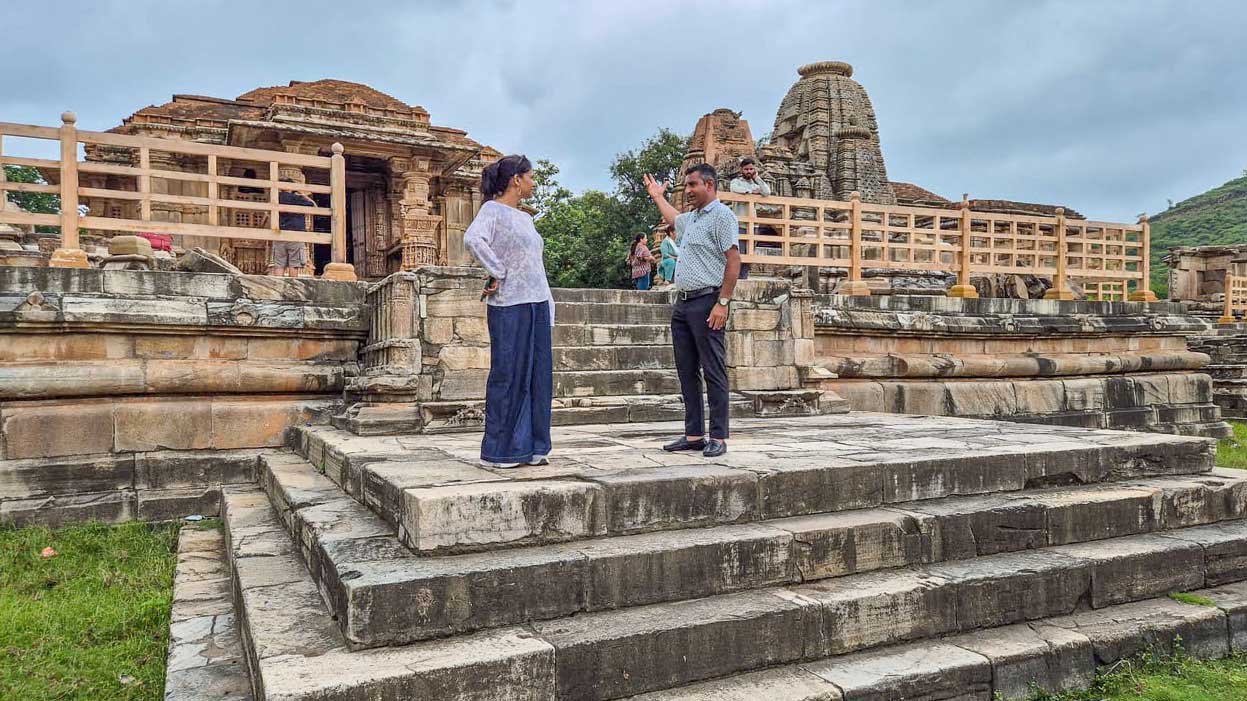
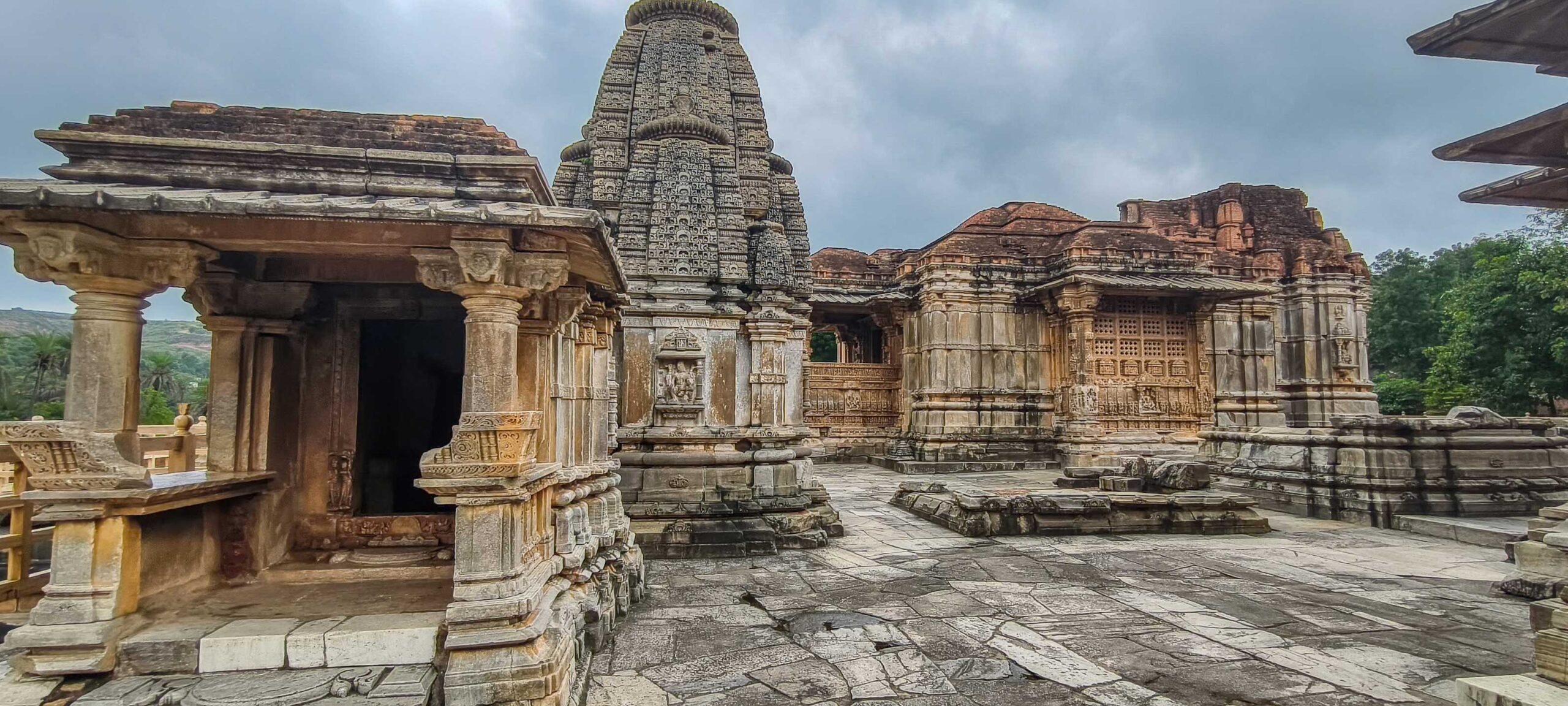
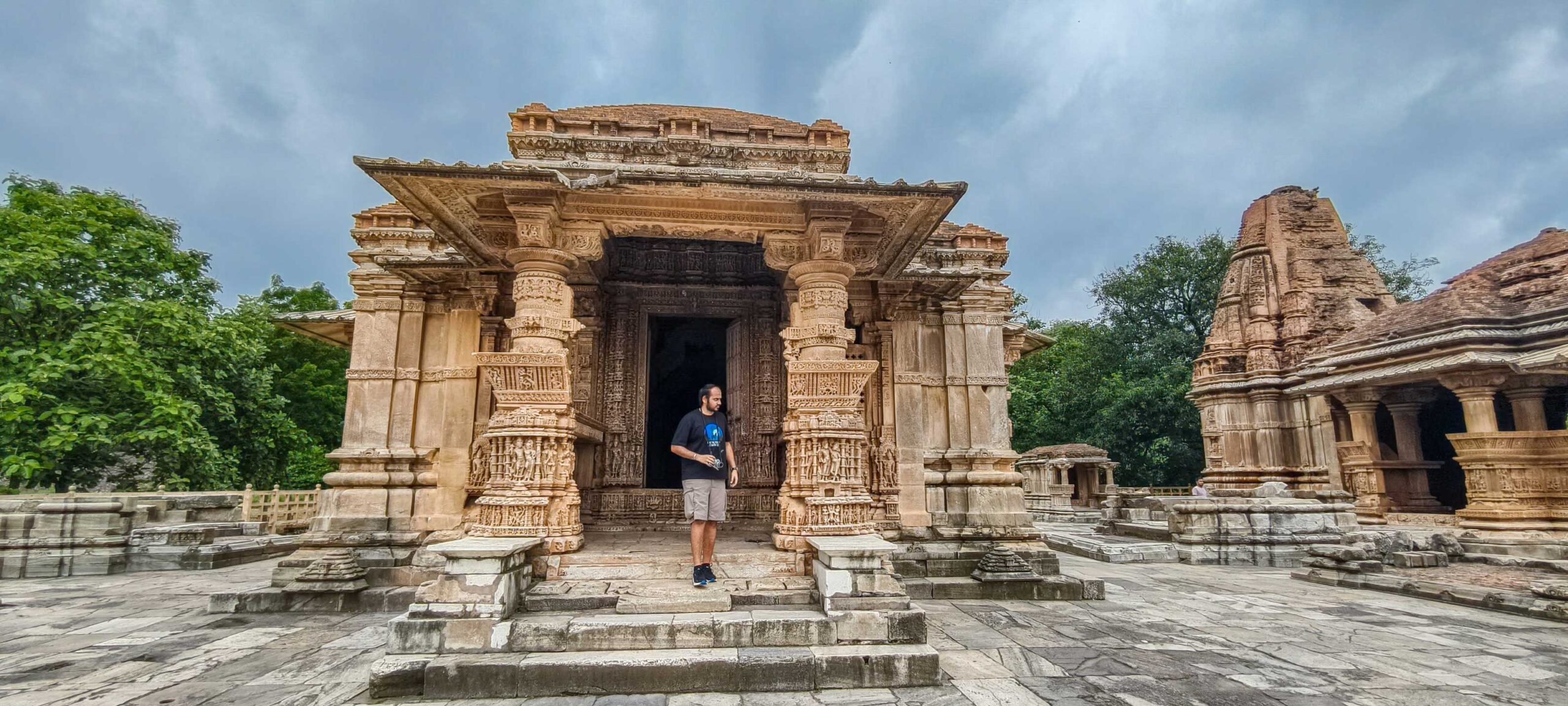
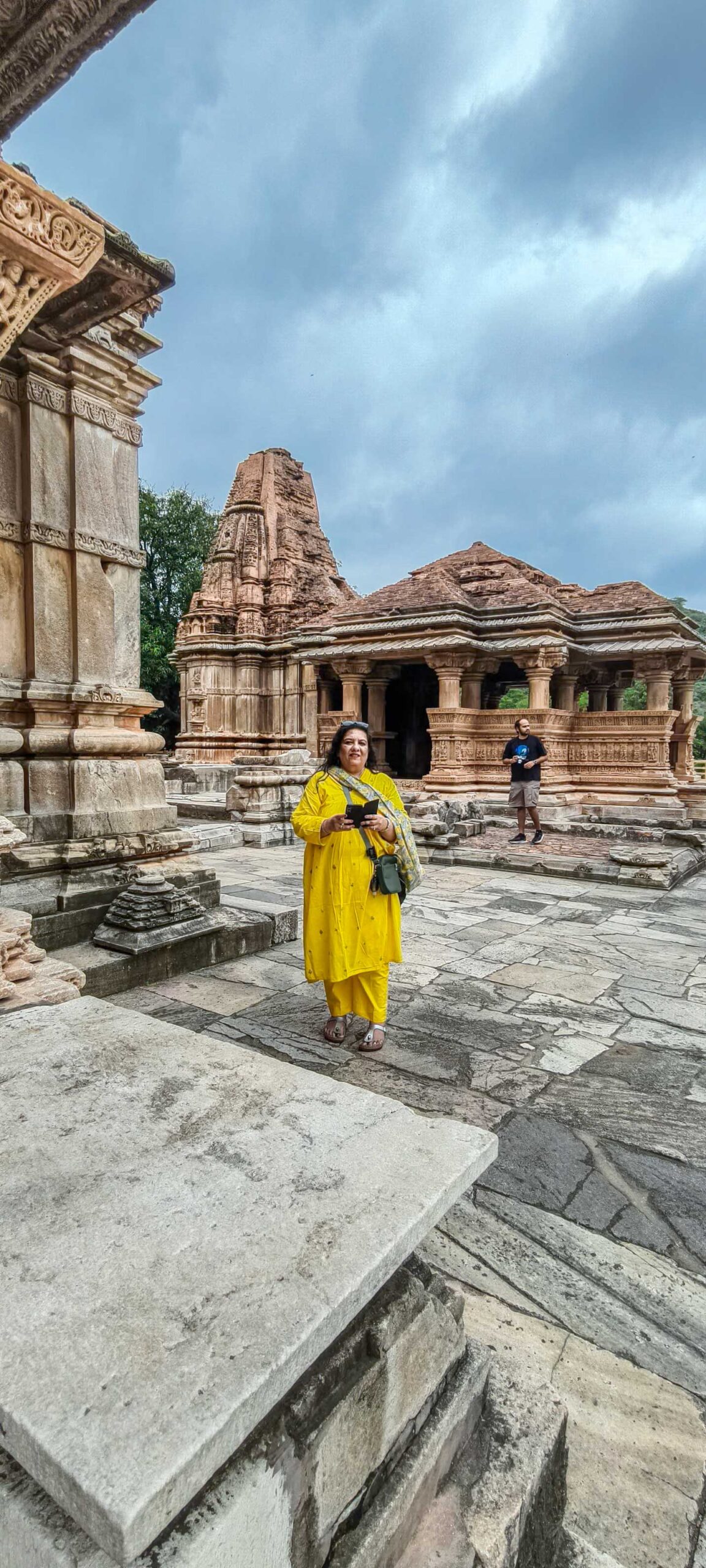
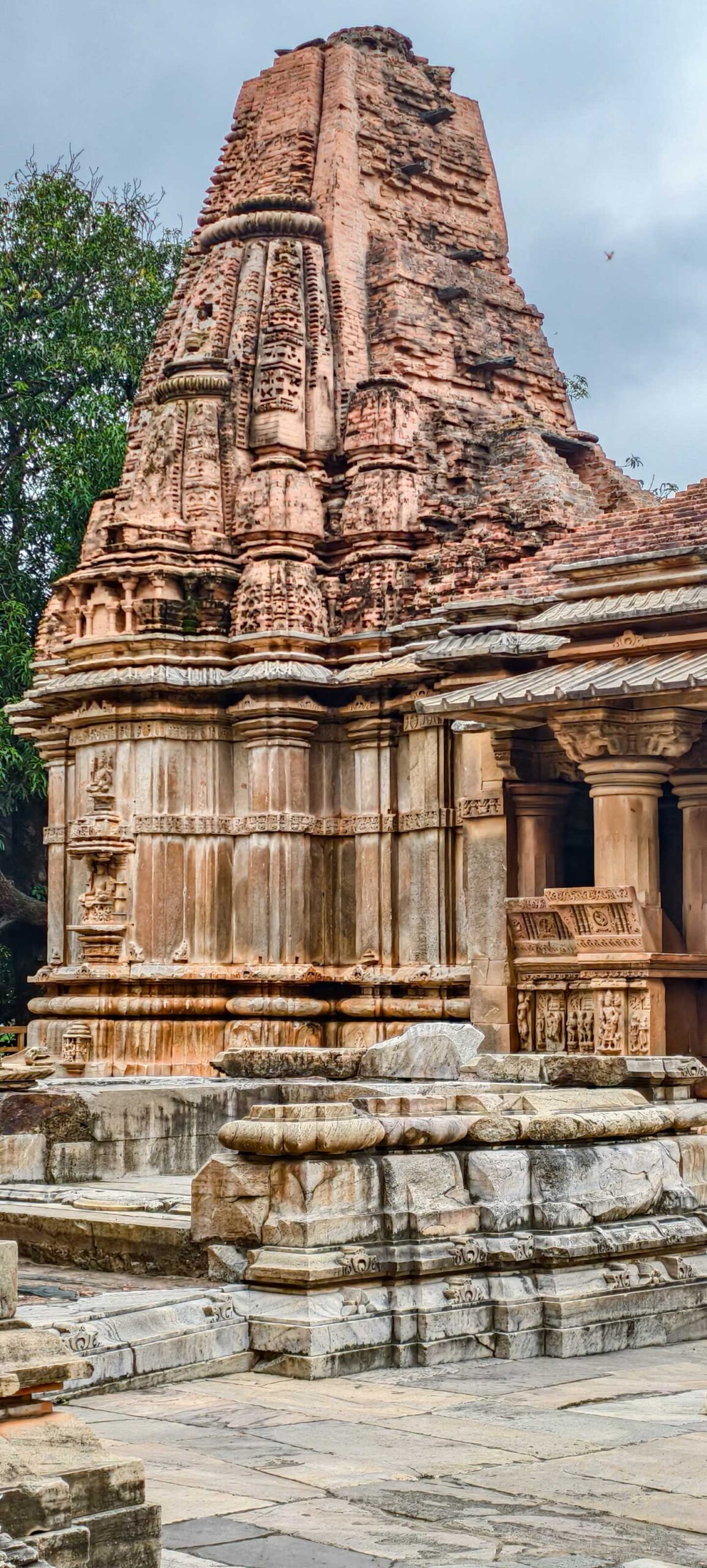
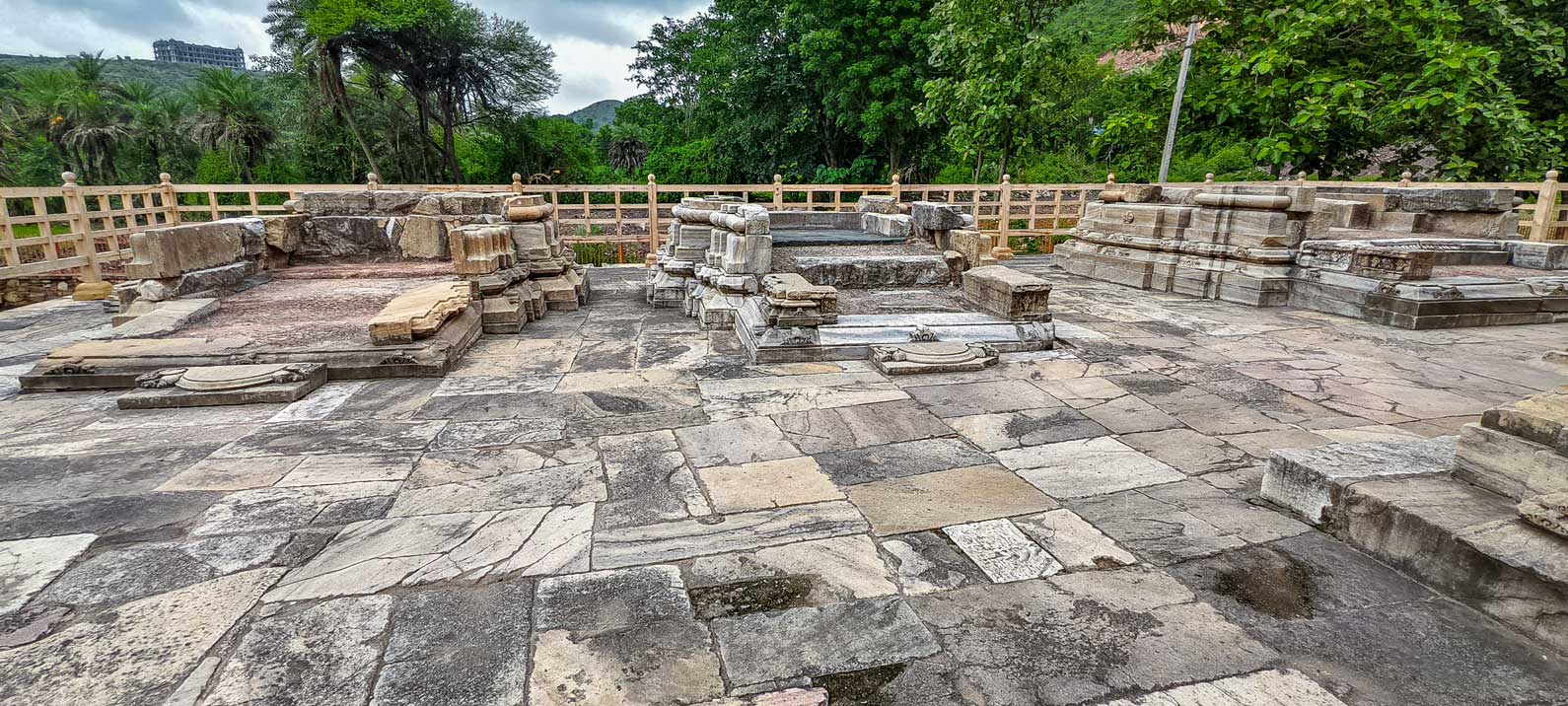
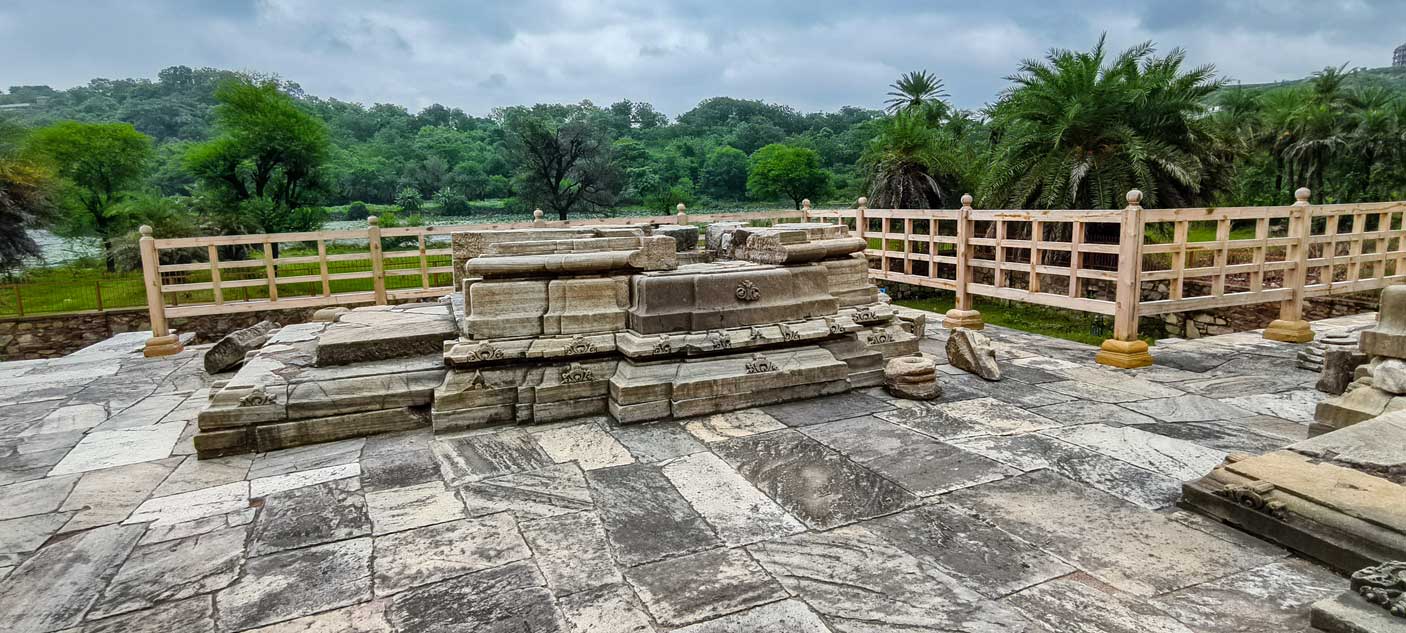
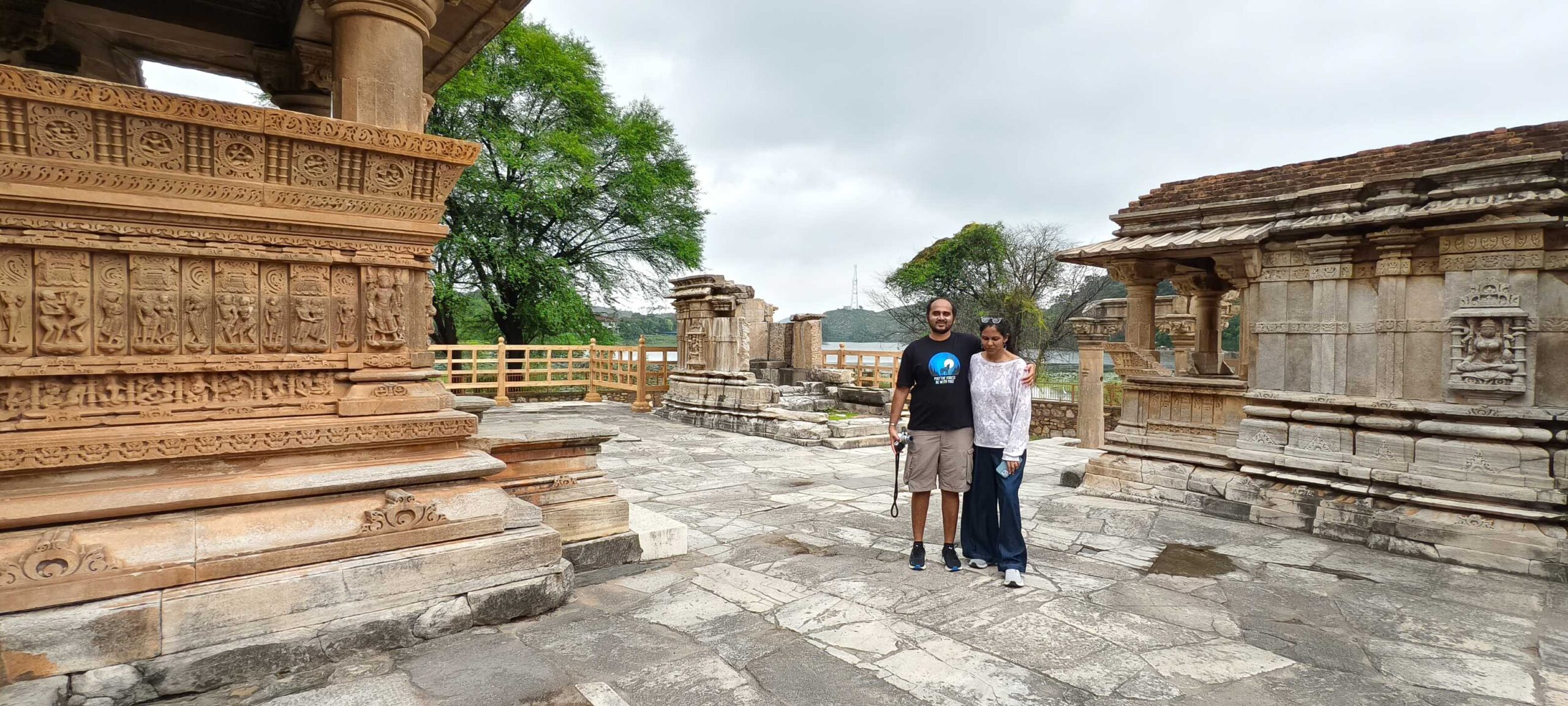
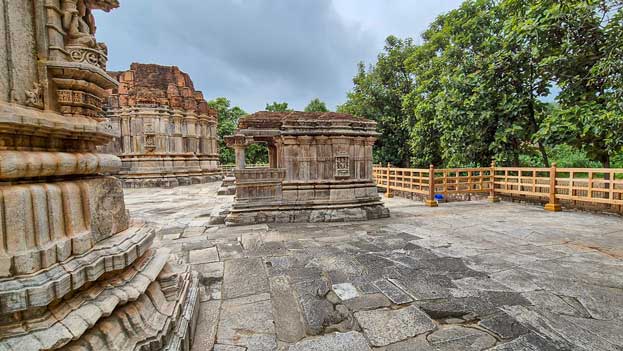
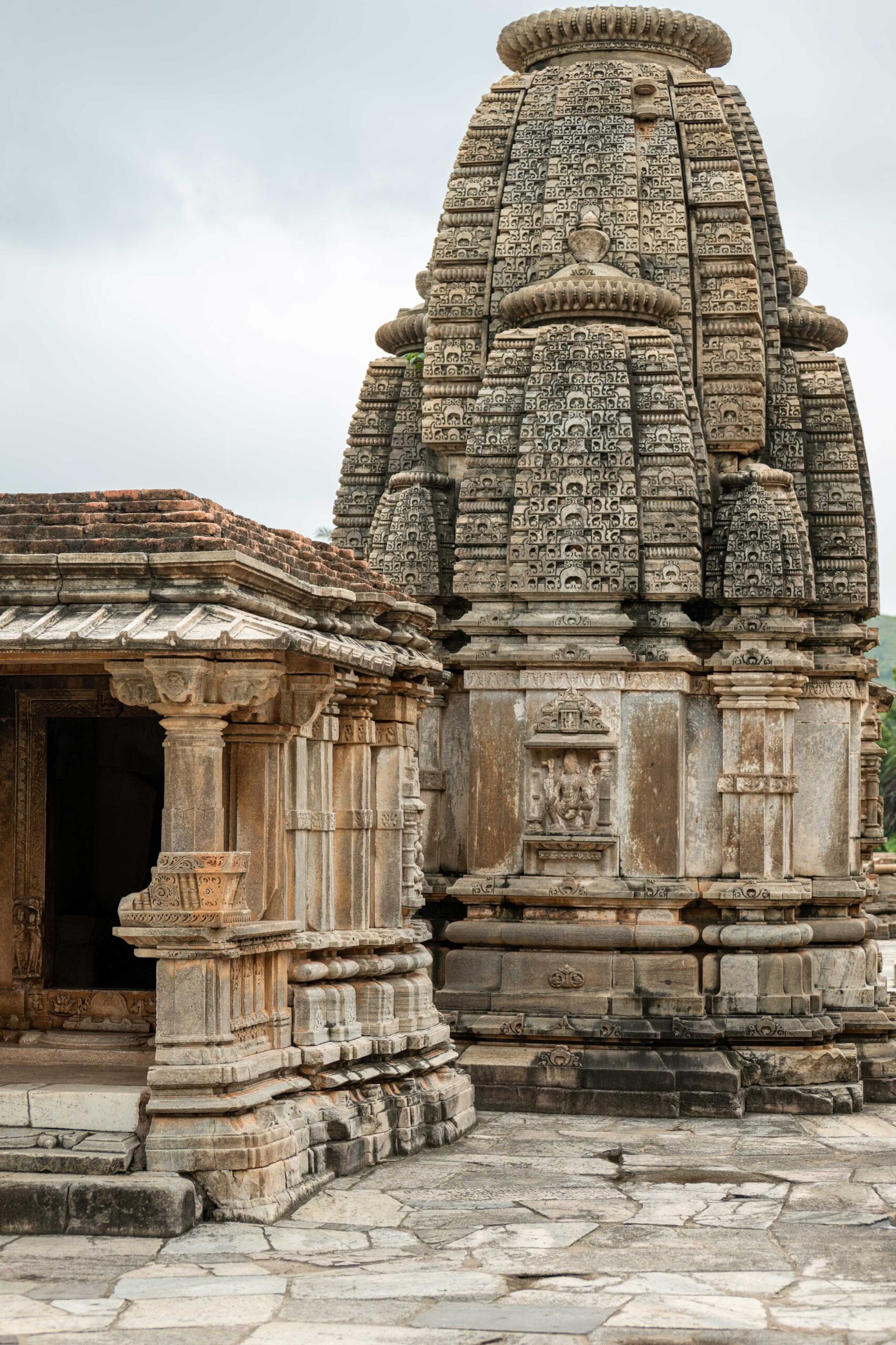
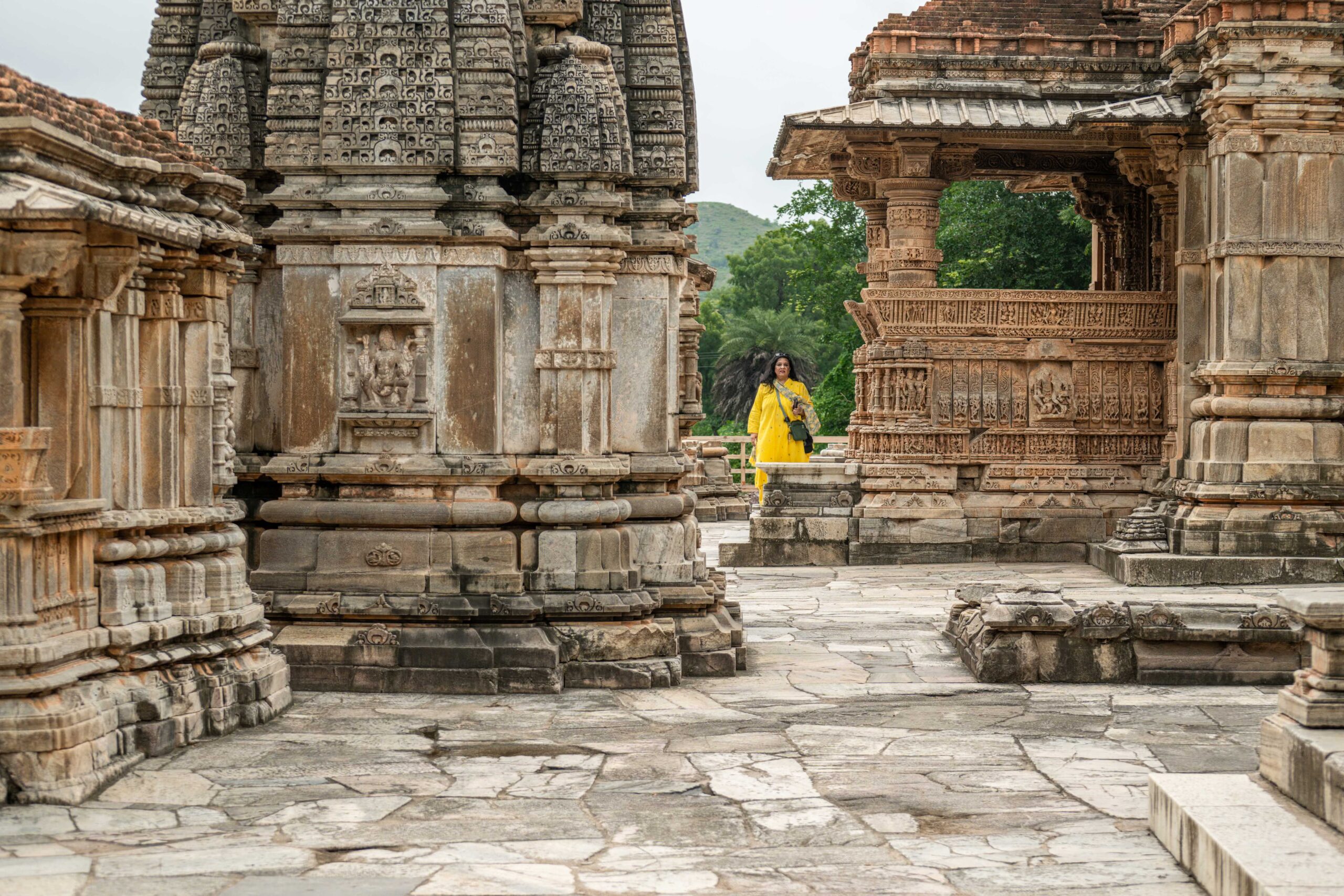
Near Eklingji lie the ruins of Nagda, once an important capital of the Guhila dynasty. Although much of the settlement has disappeared, its surviving temples continue to offer insight into the region’s early history.
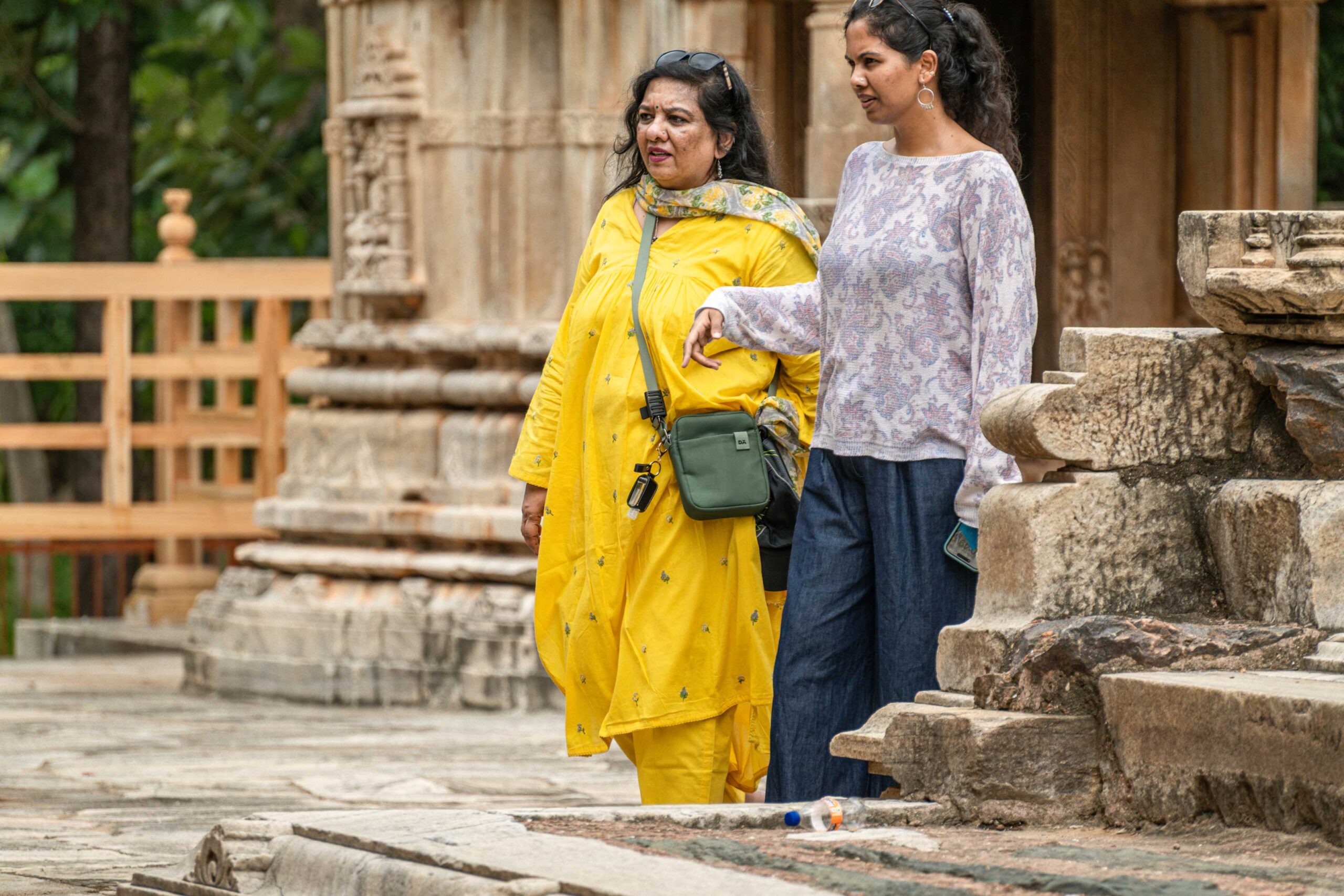
Walking among these ruins evokes a sense of quiet reflection. The temples have endured centuries of conflict, abandonment, and weather.
Before Udaipur rose to prominence and the capital of Mewar shifted to its shores, Nagda was an equally important centre in the region. According to tradition, the settlement was associated with the early Guhila rulers.
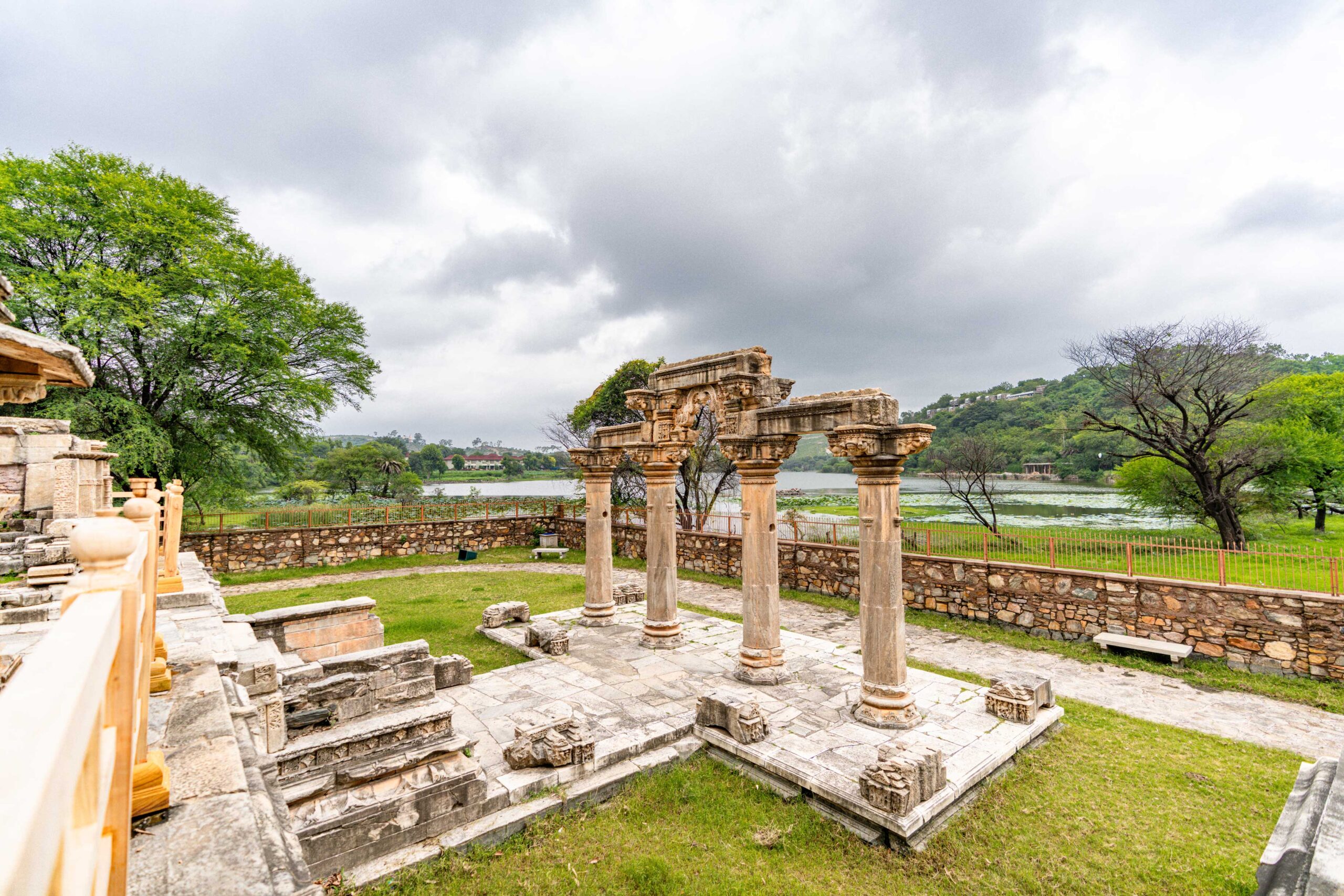
Owing to its location near important trade and communication routes, Nagda developed into a prosperous urban centre whose influence extended across much of southern Rajasthan. Although little of the ancient city survives today, archaeological evidence suggests that it was once a thriving settlement filled with temples, residences, and public buildings. And it continues to stand as an enduring reminder of a civilization that once flourished in this valley long before the founding of Udaipur.
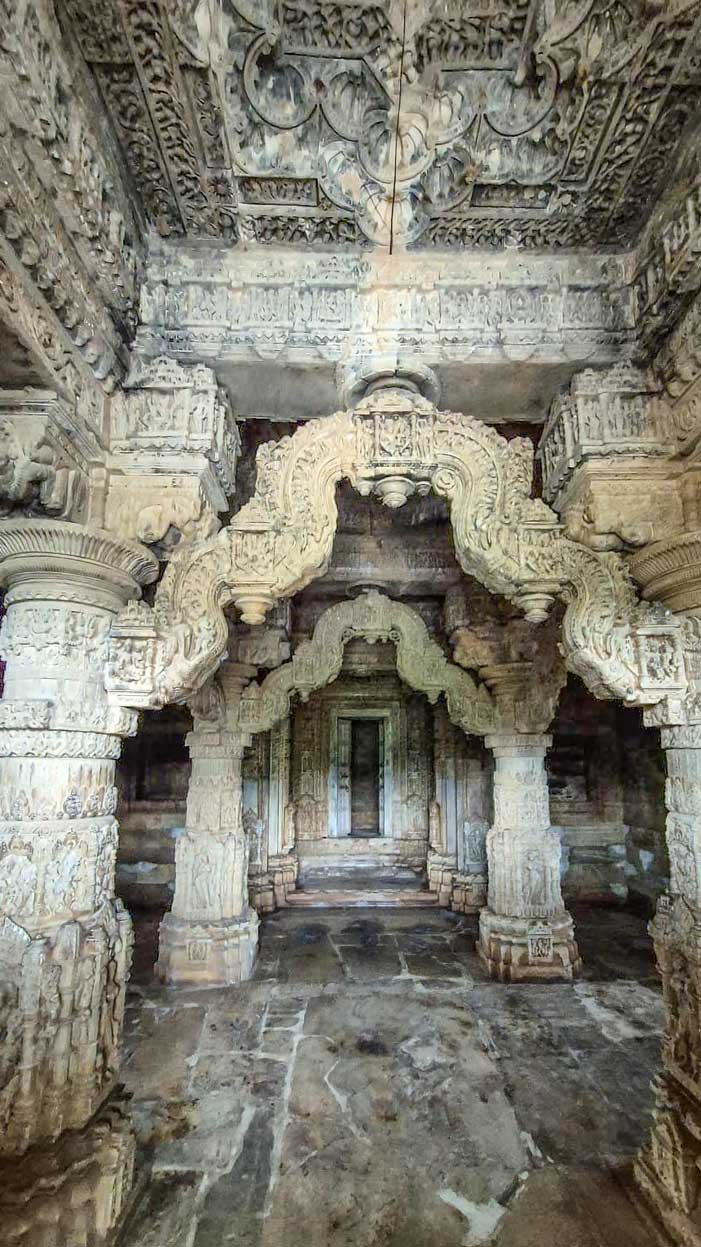
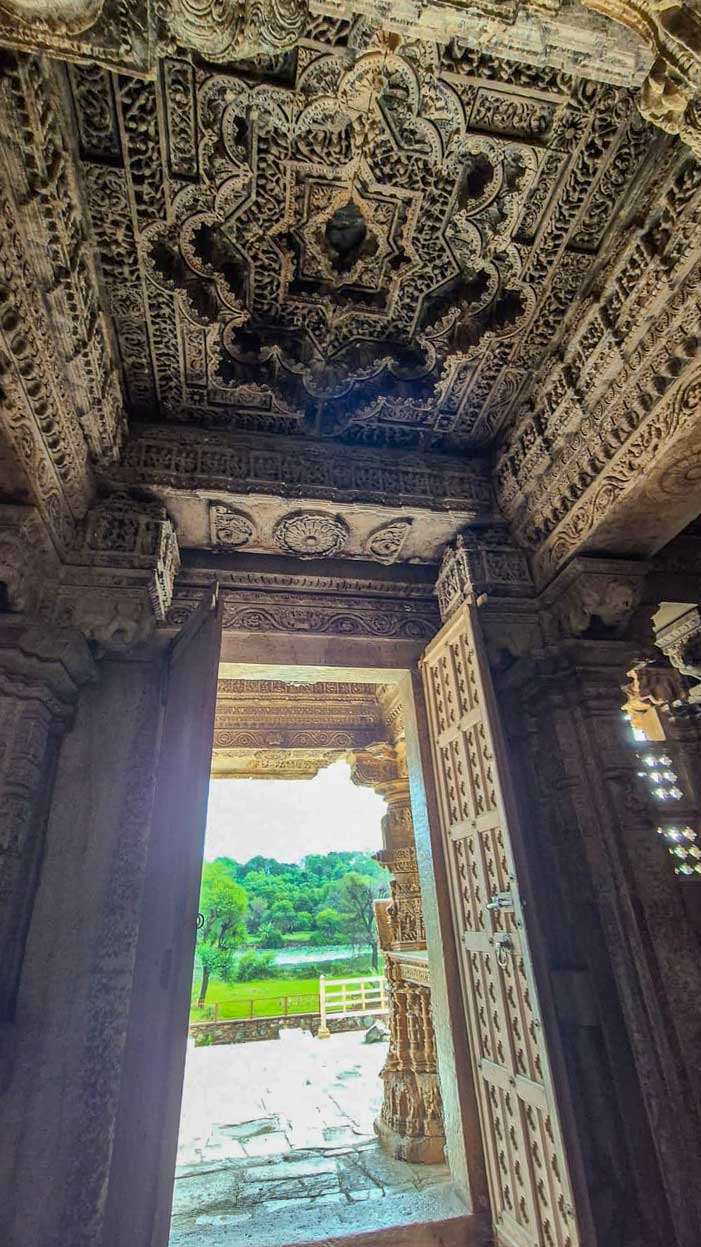
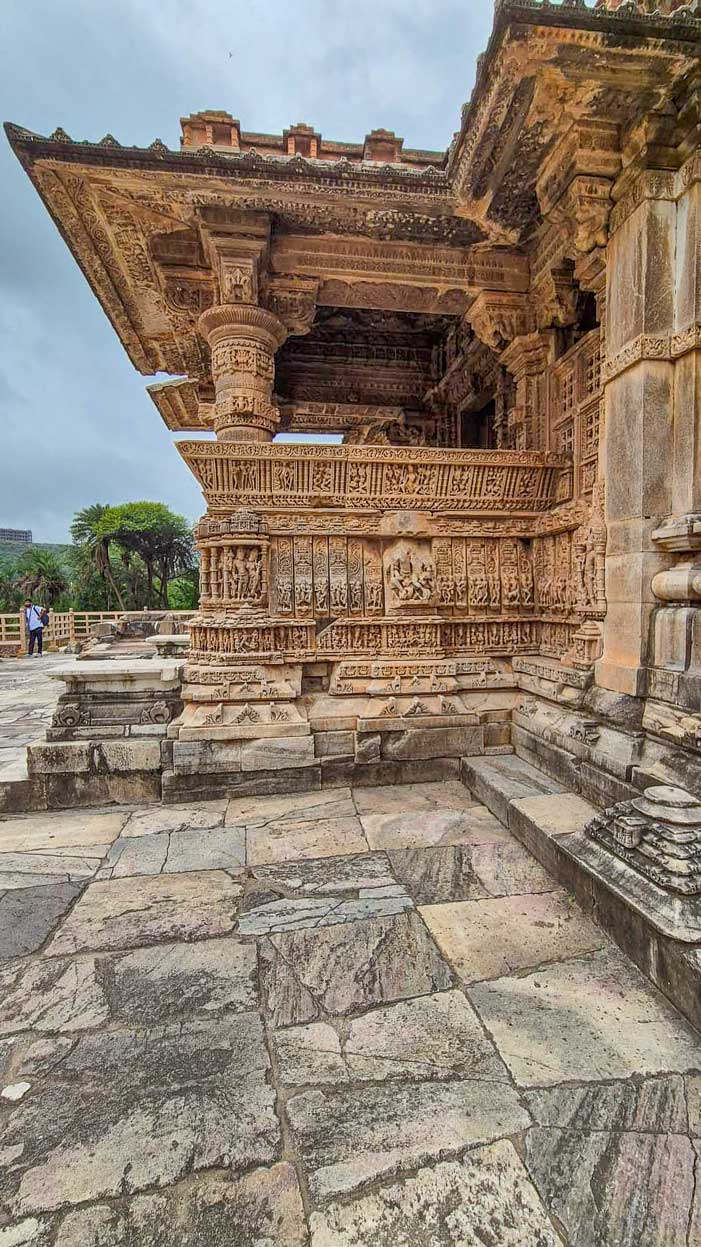
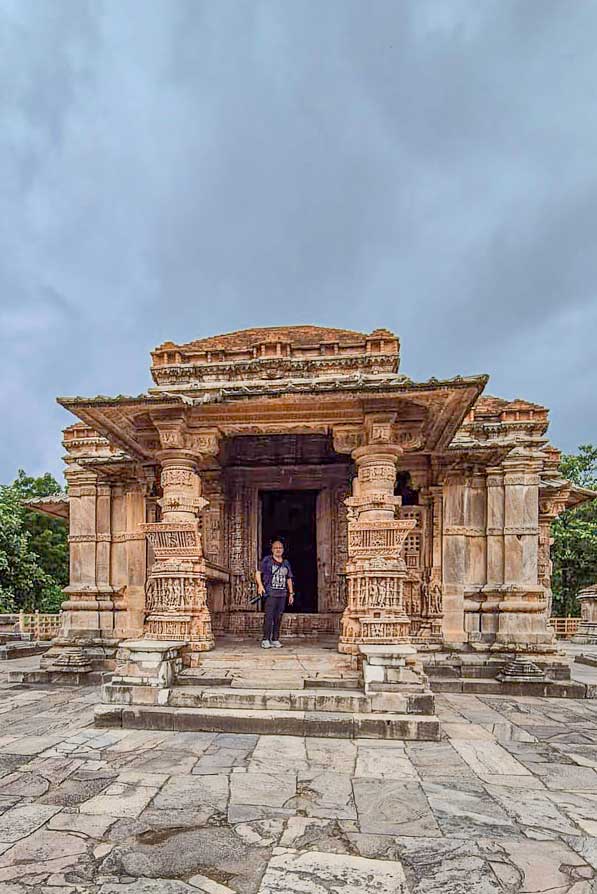
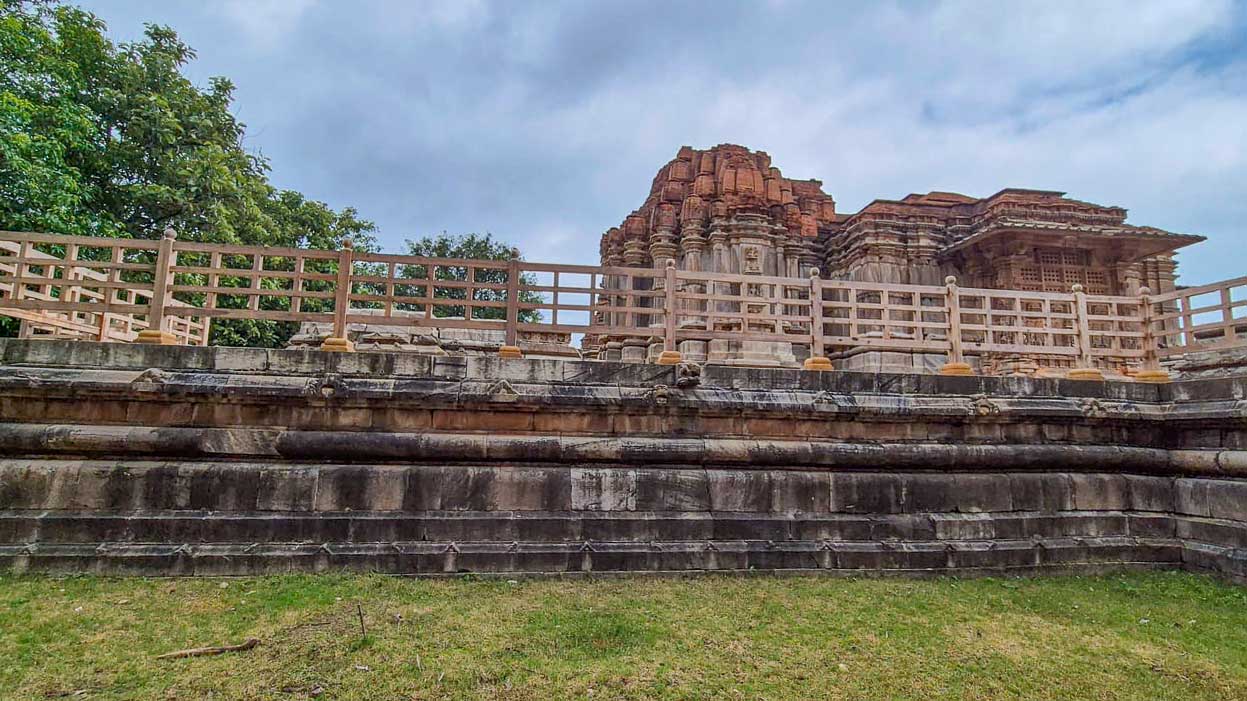
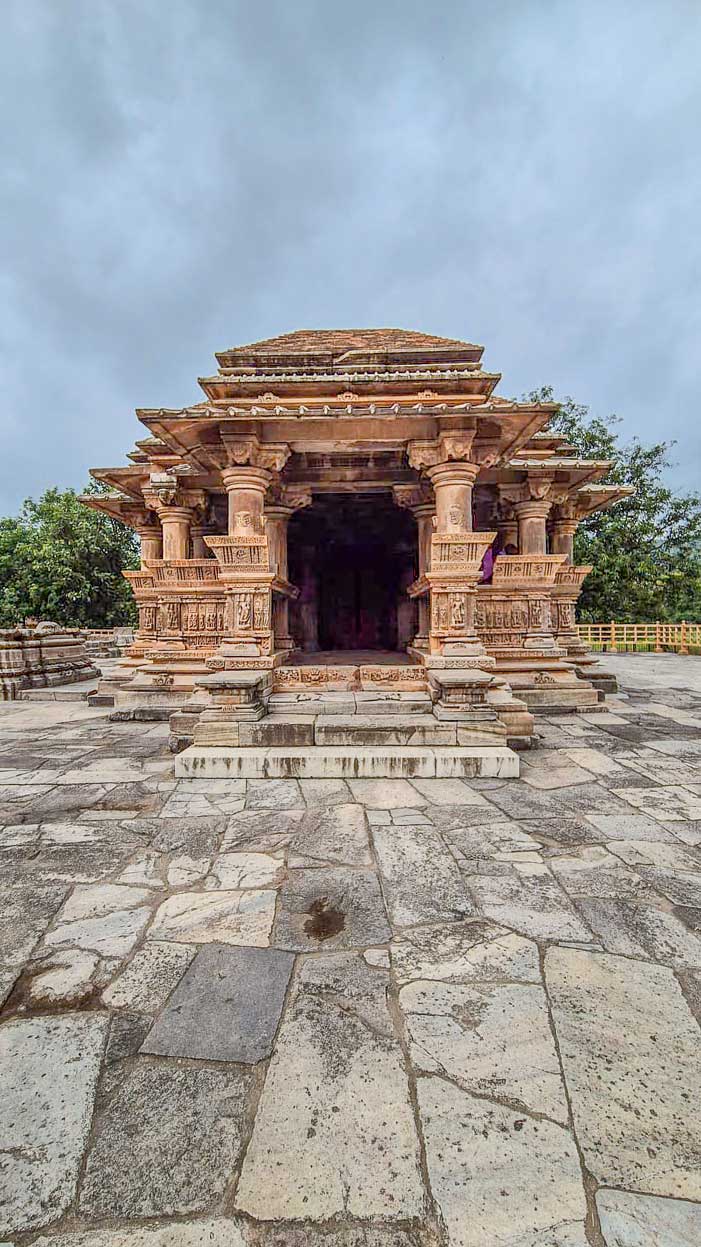
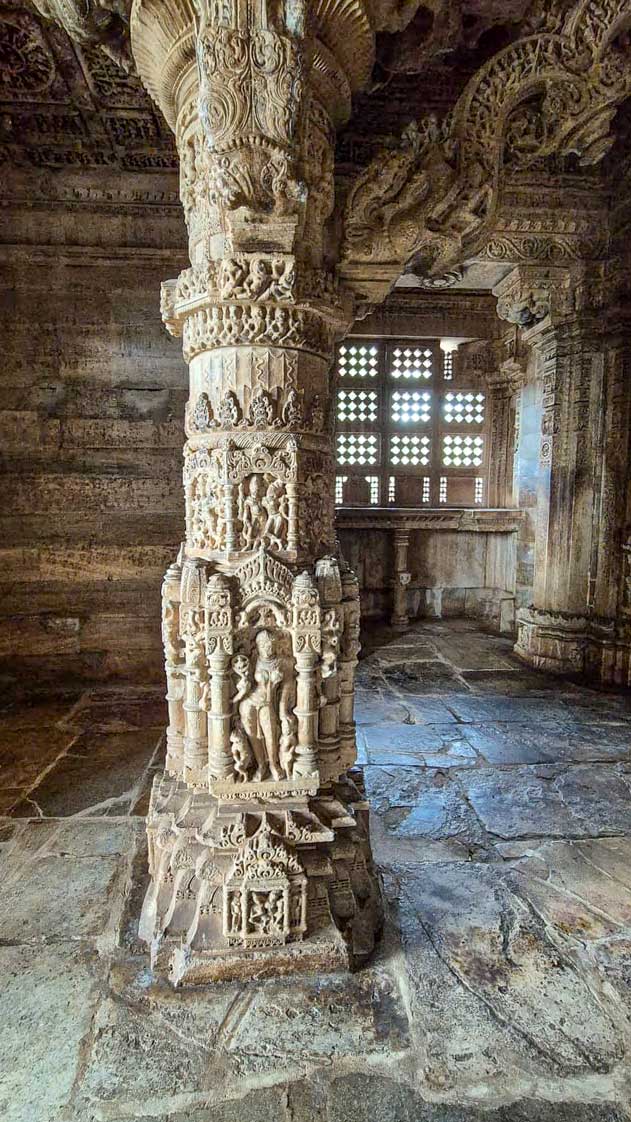
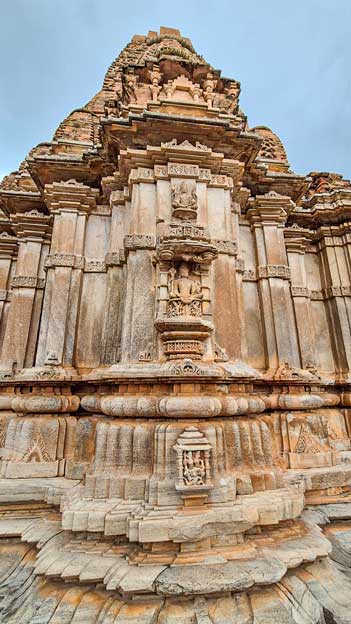
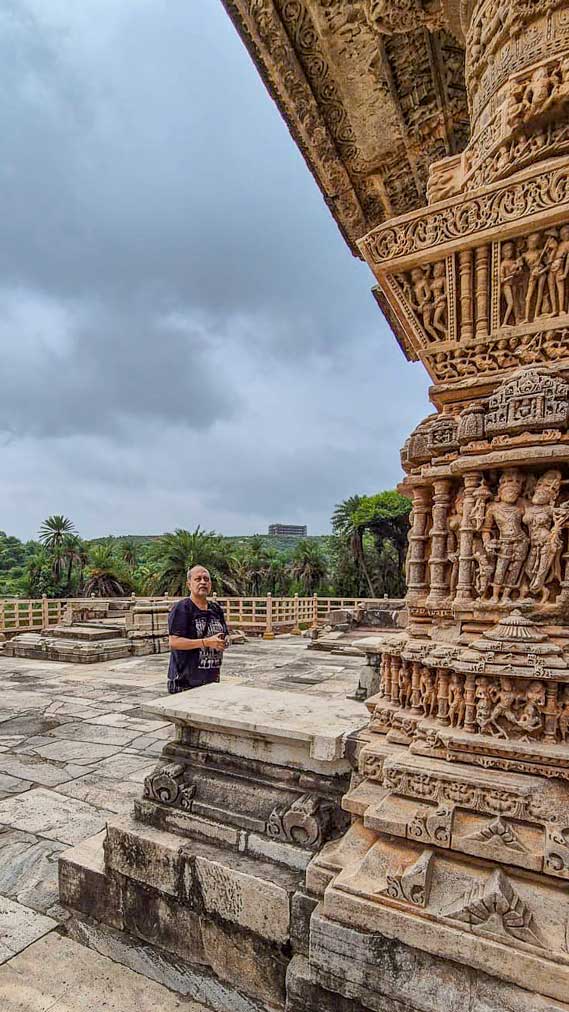
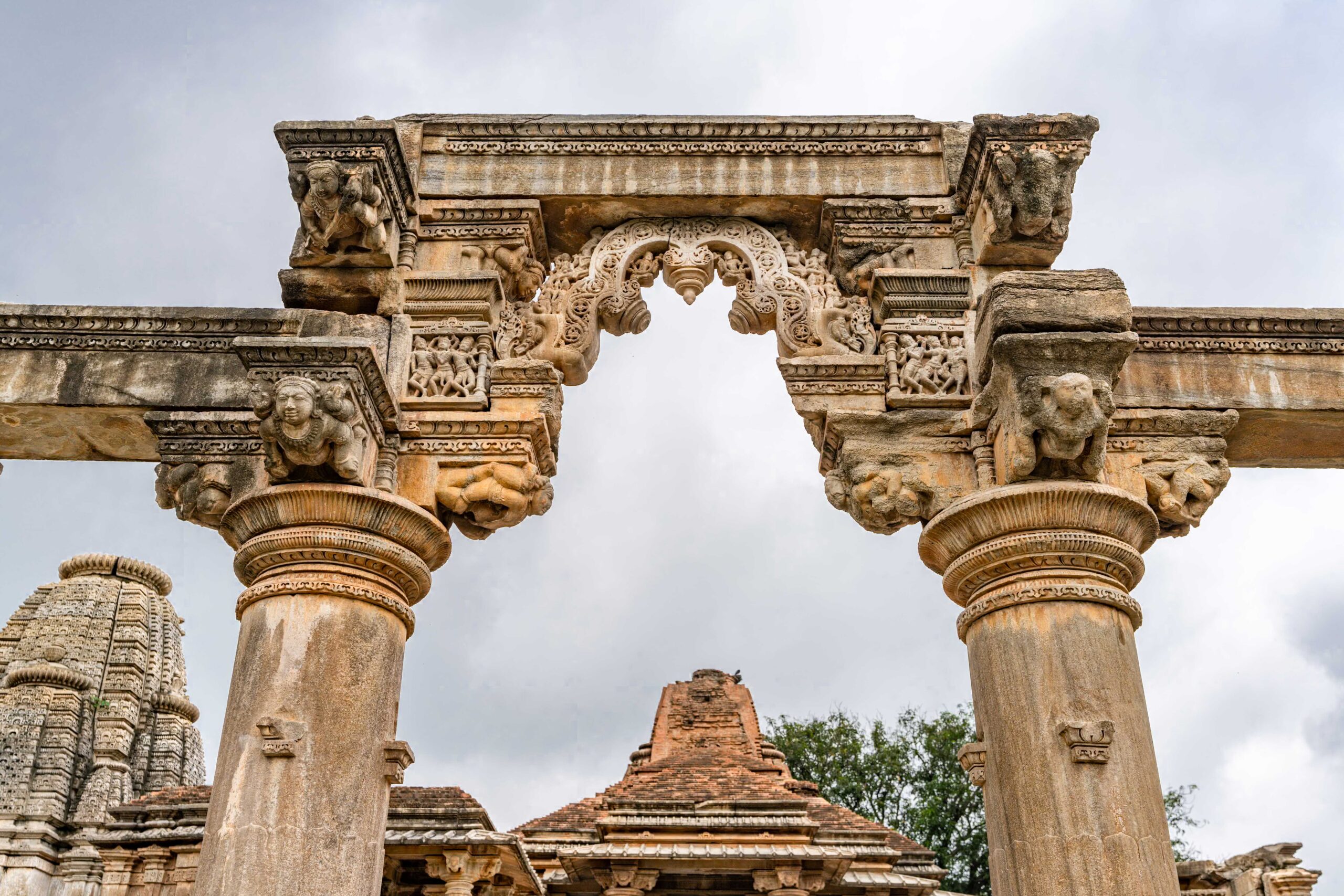
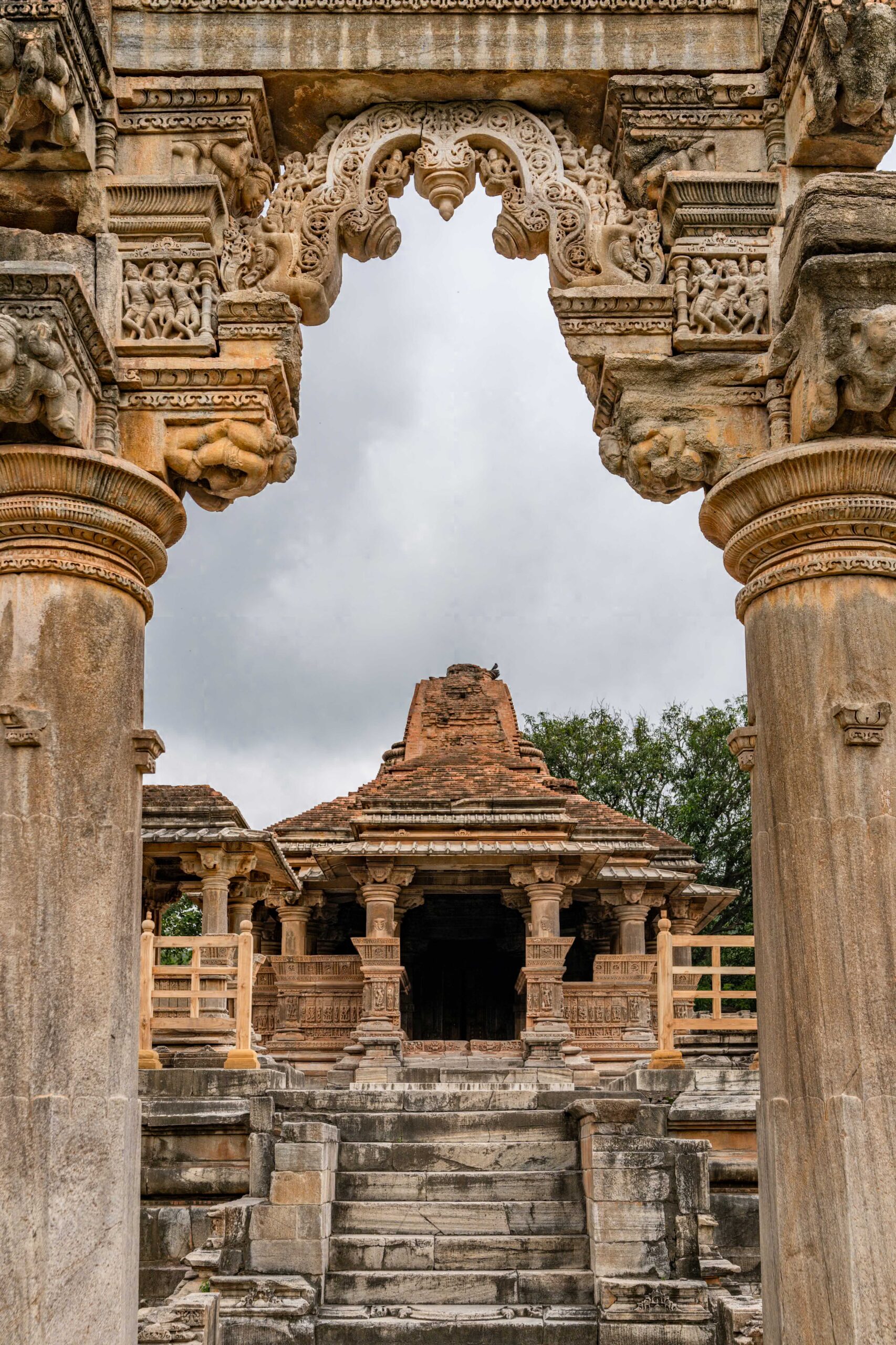
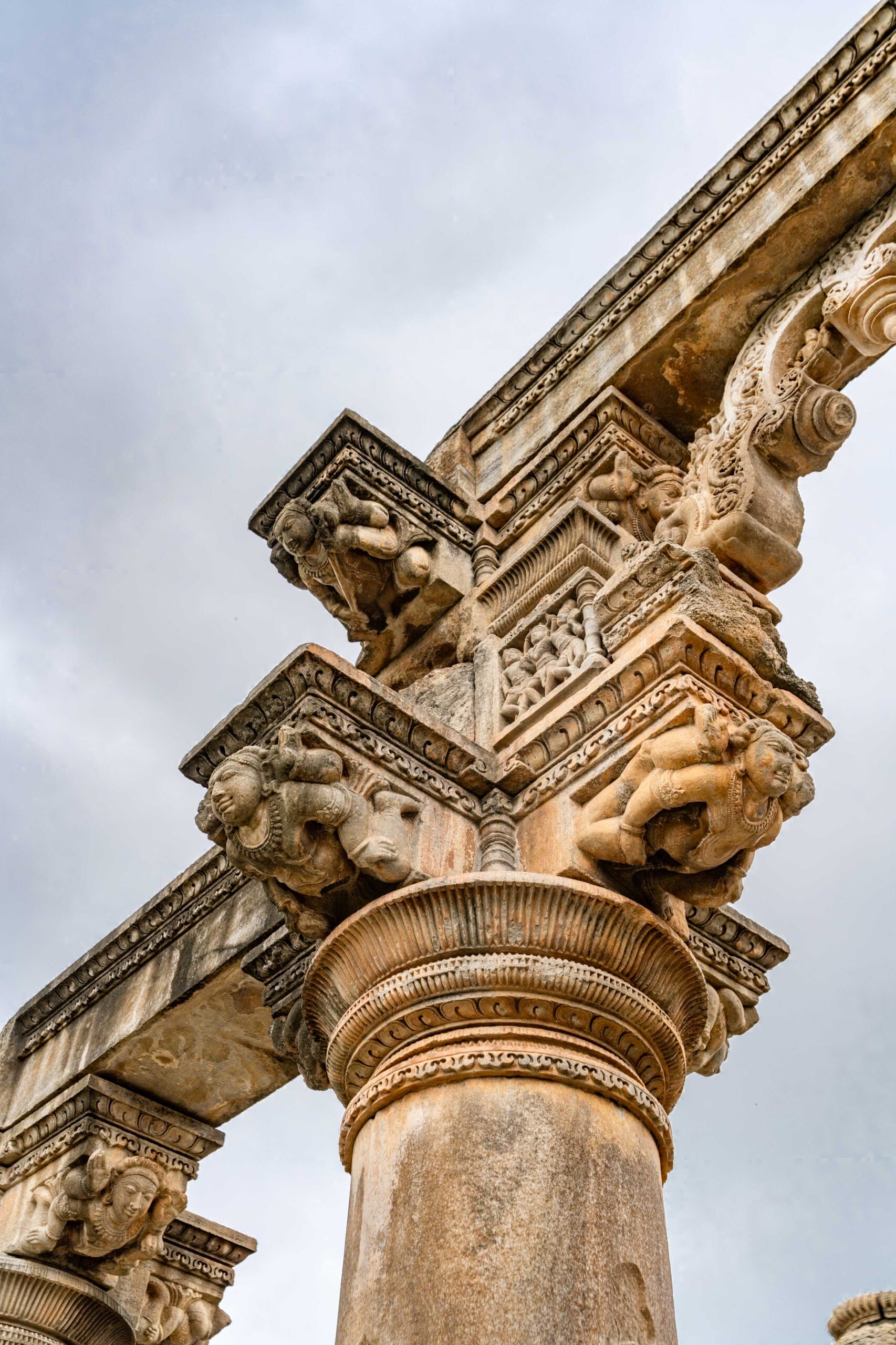
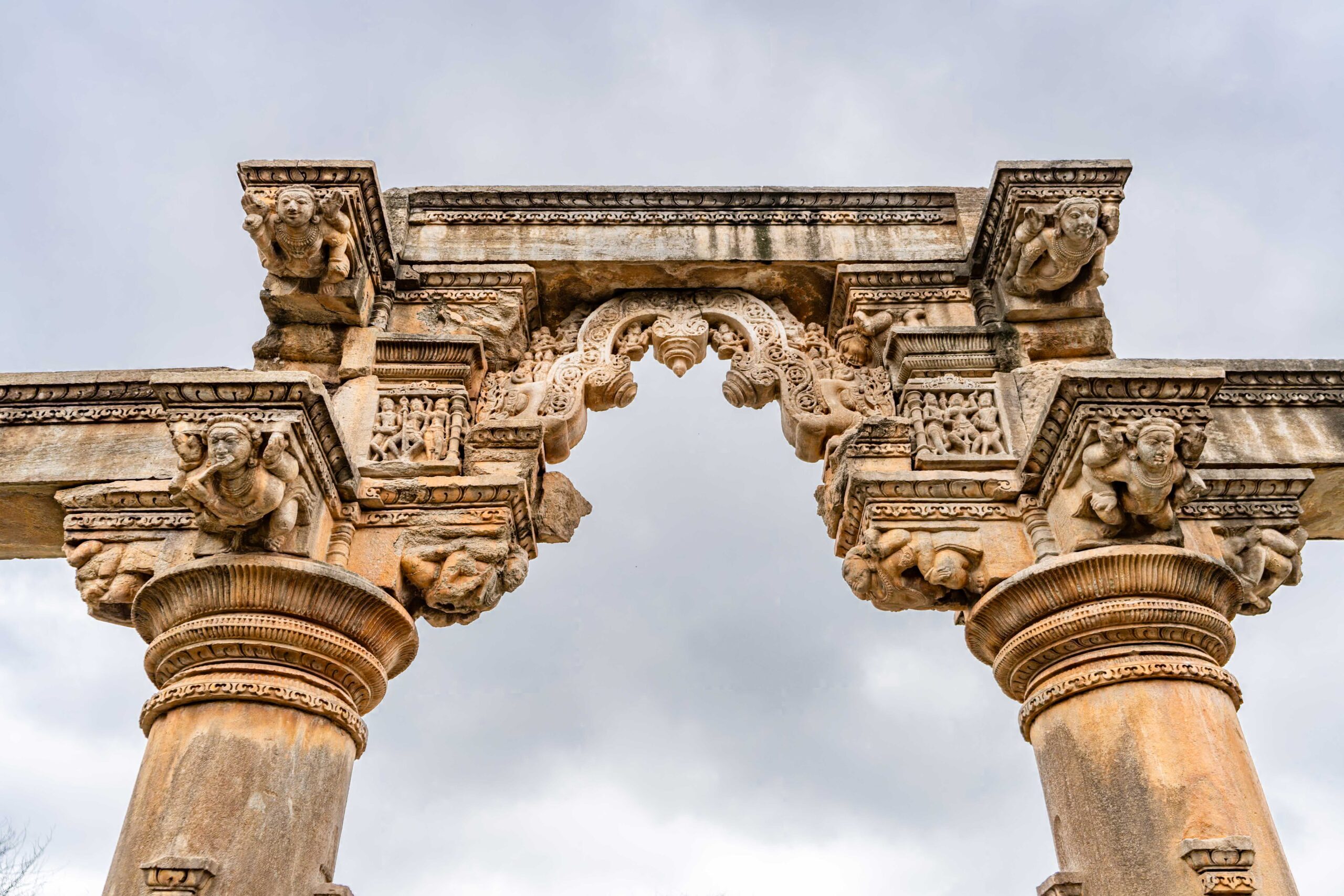
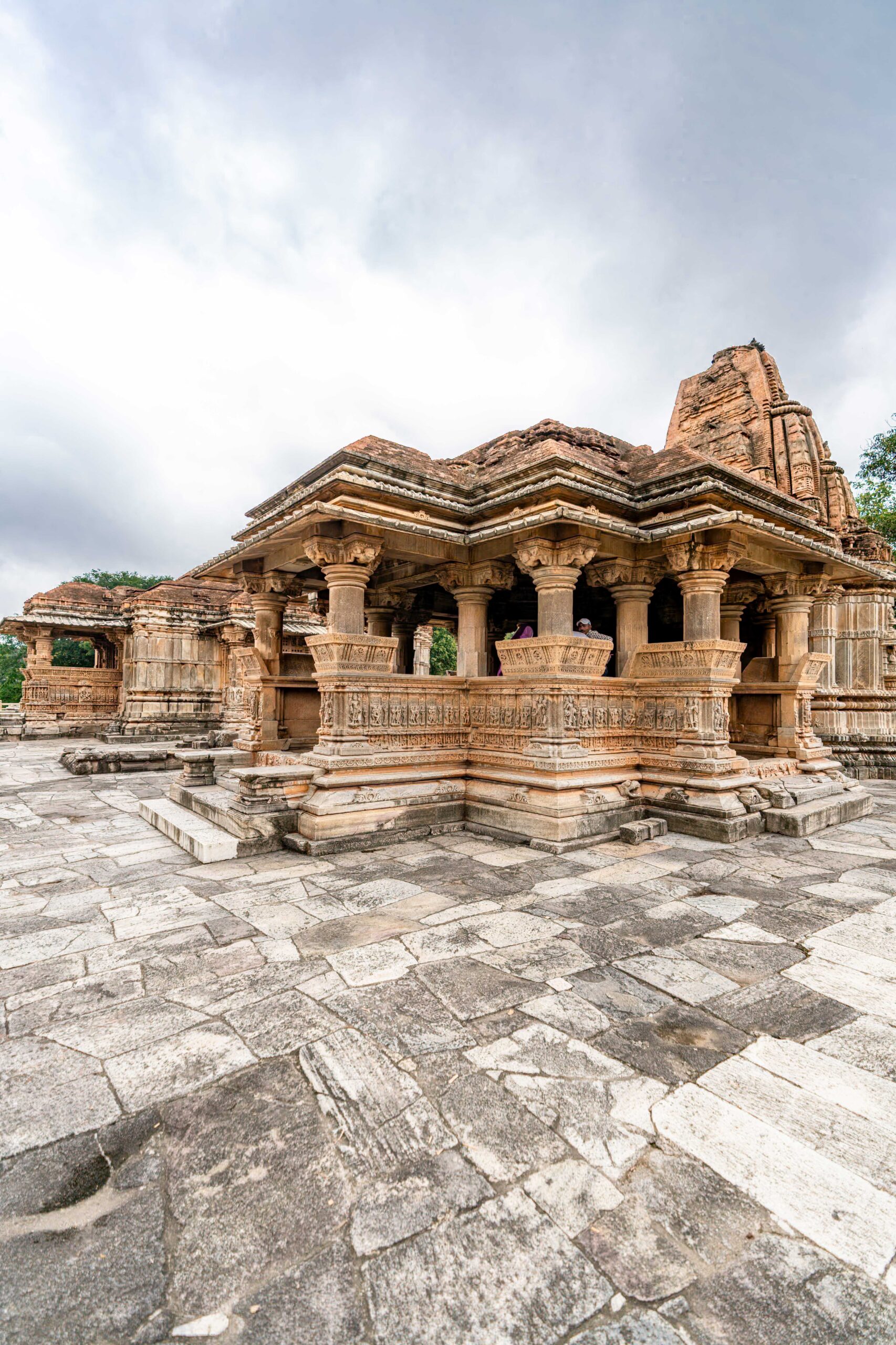
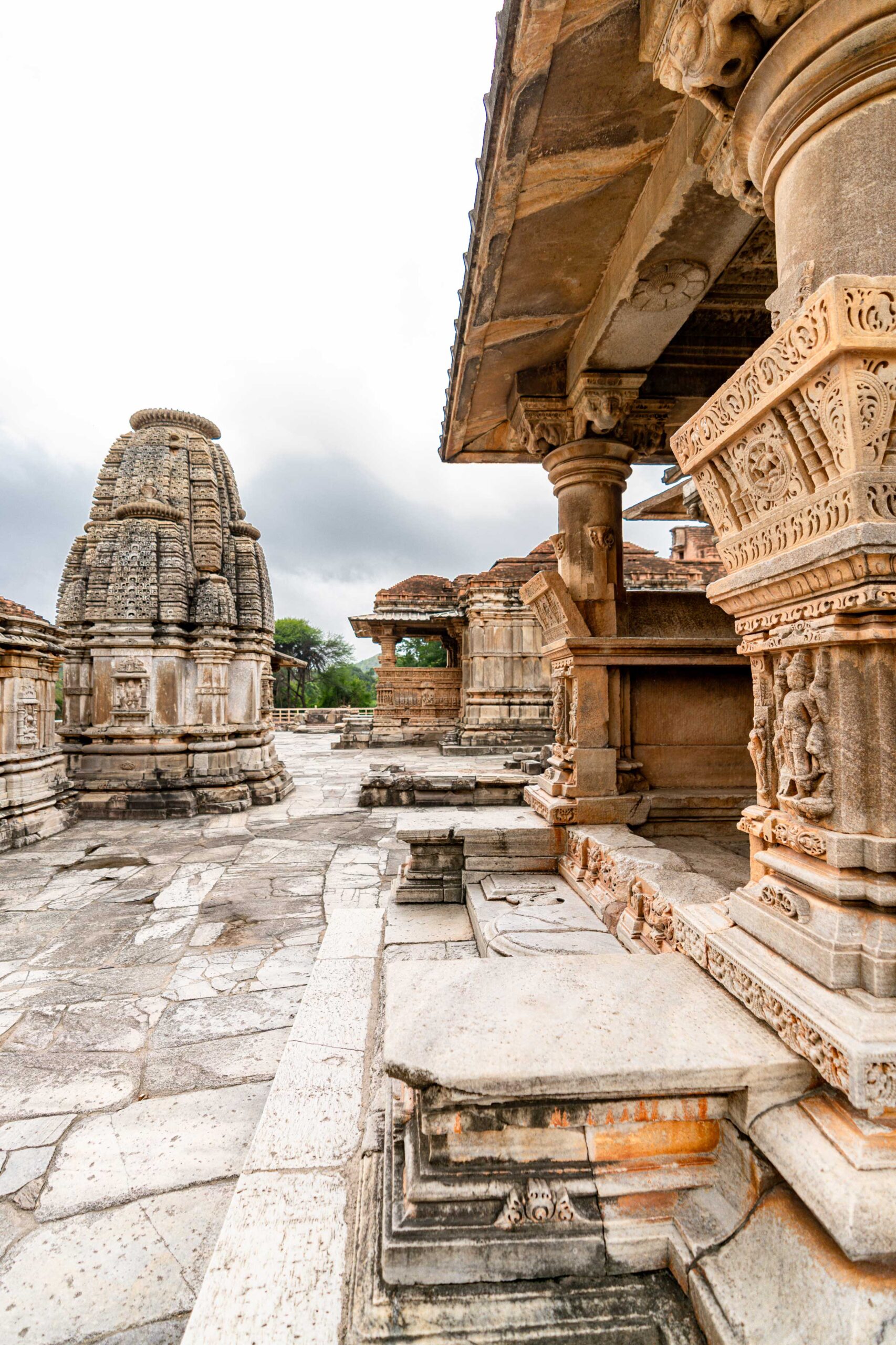
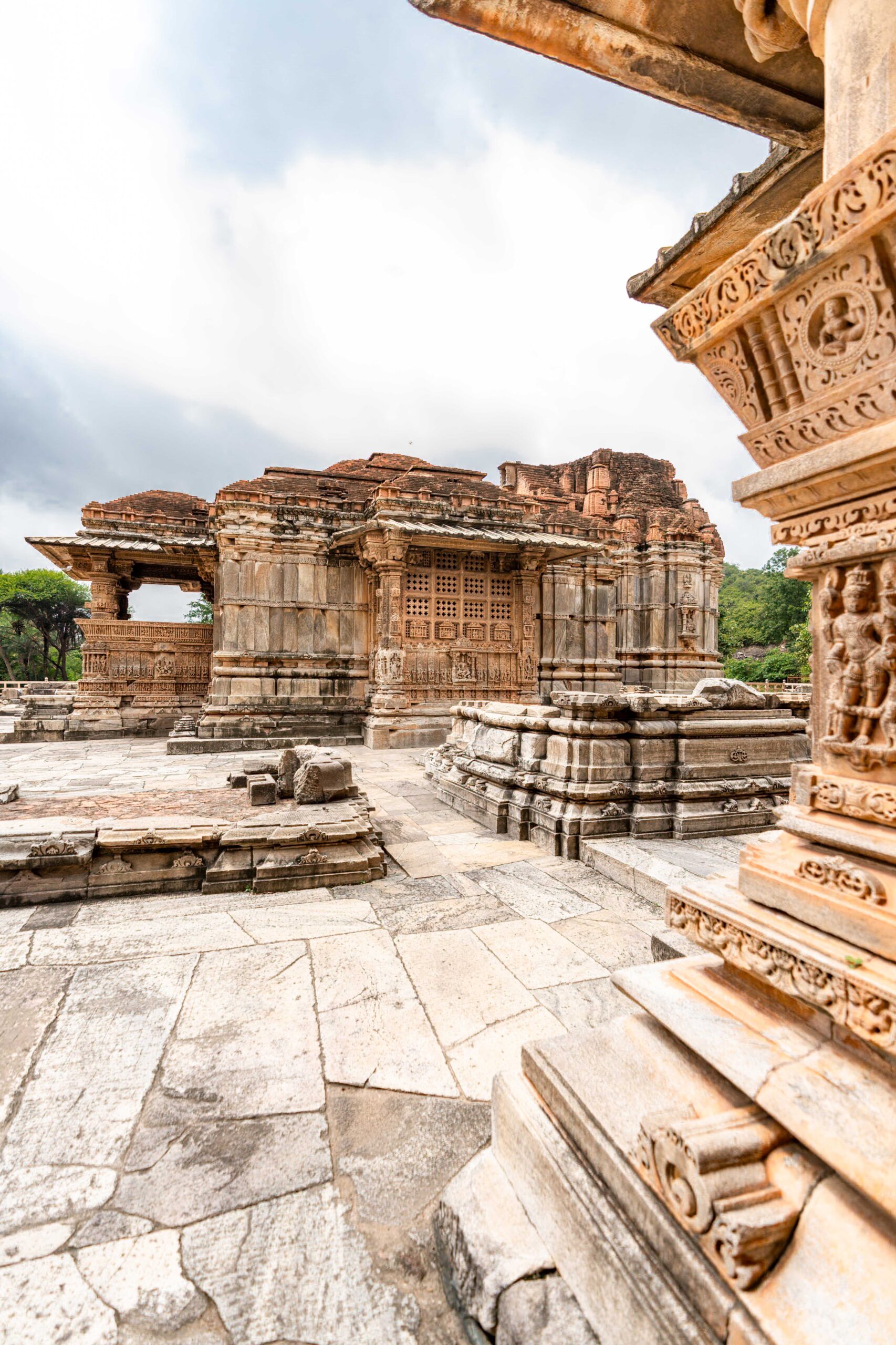
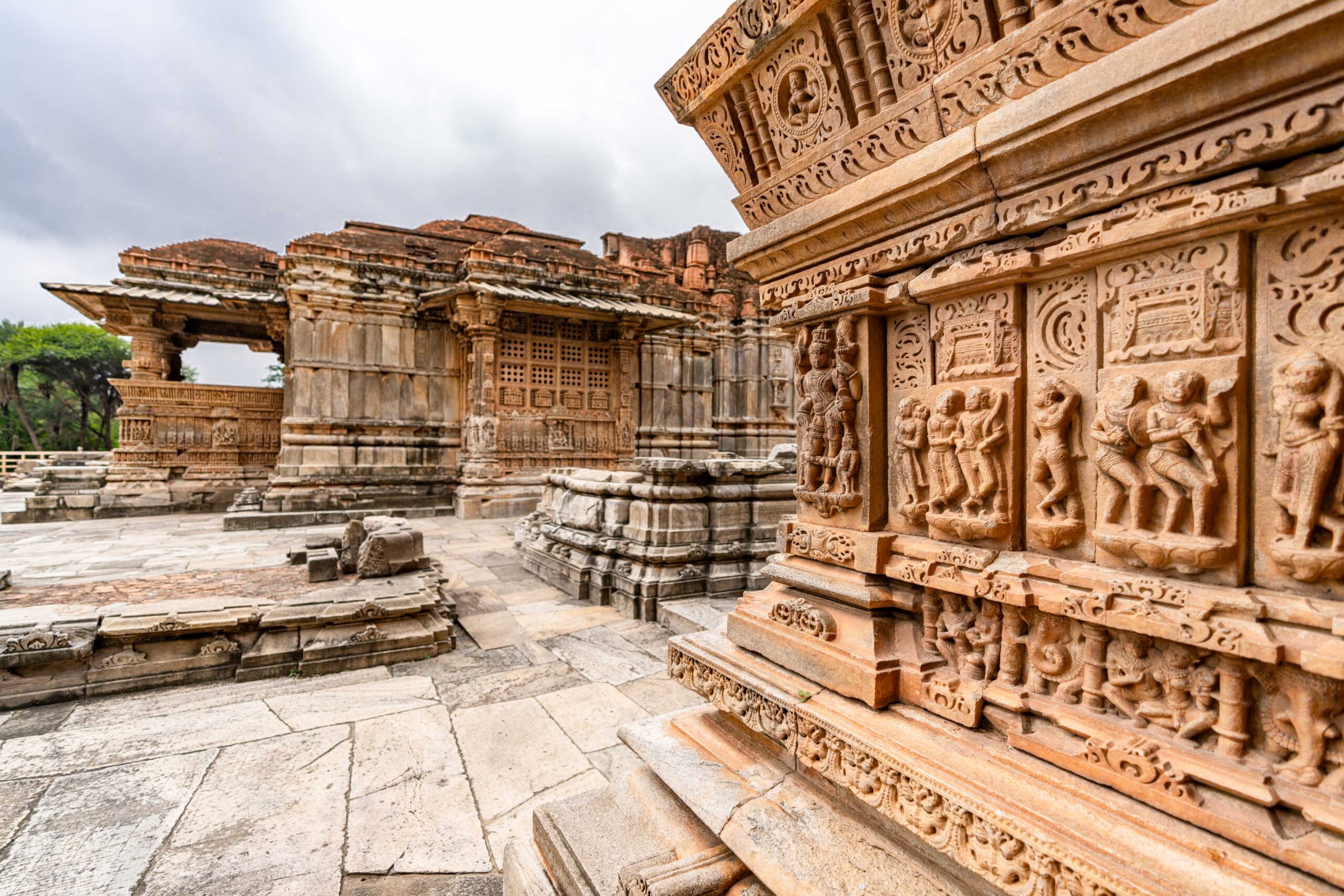
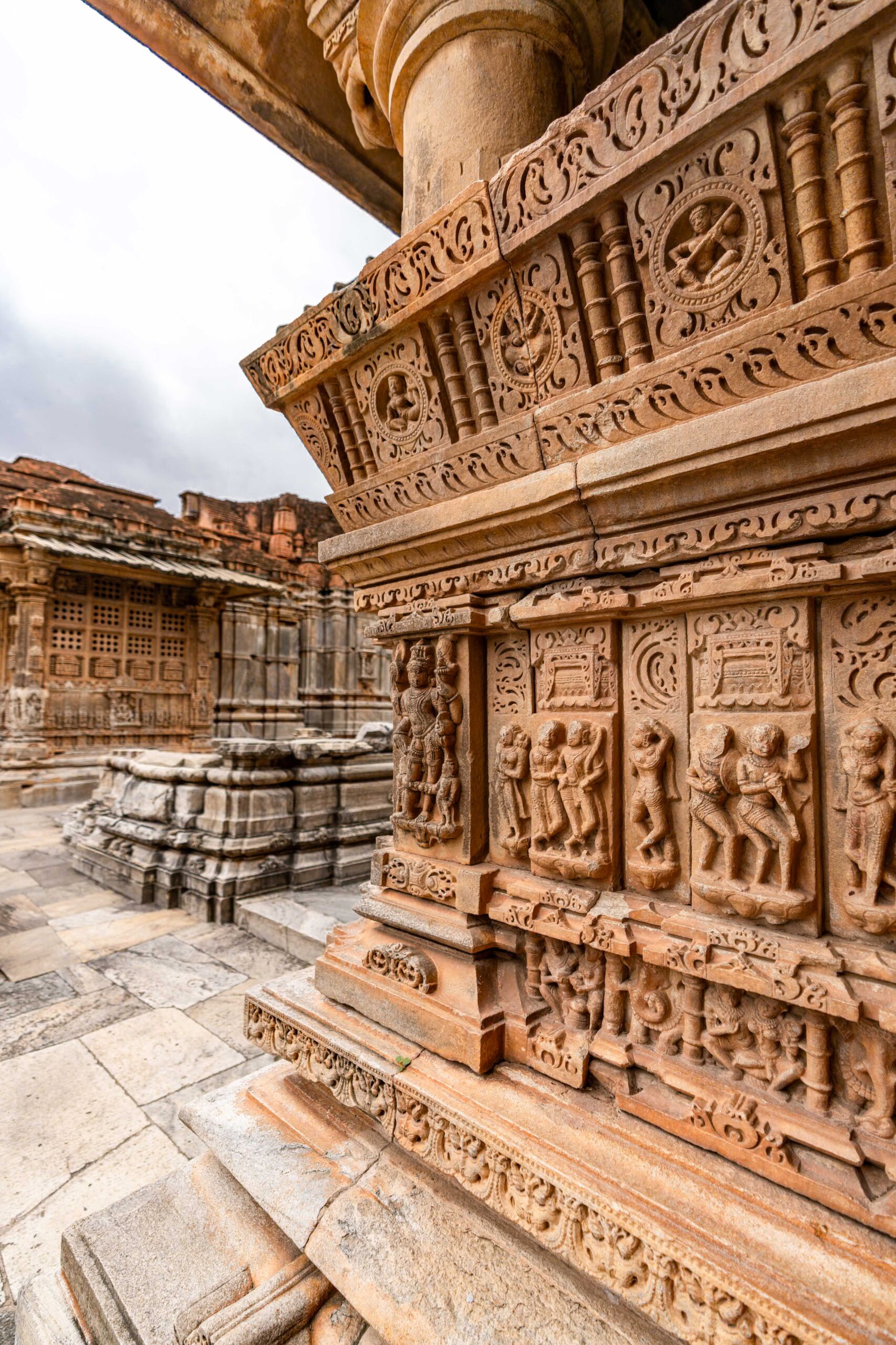
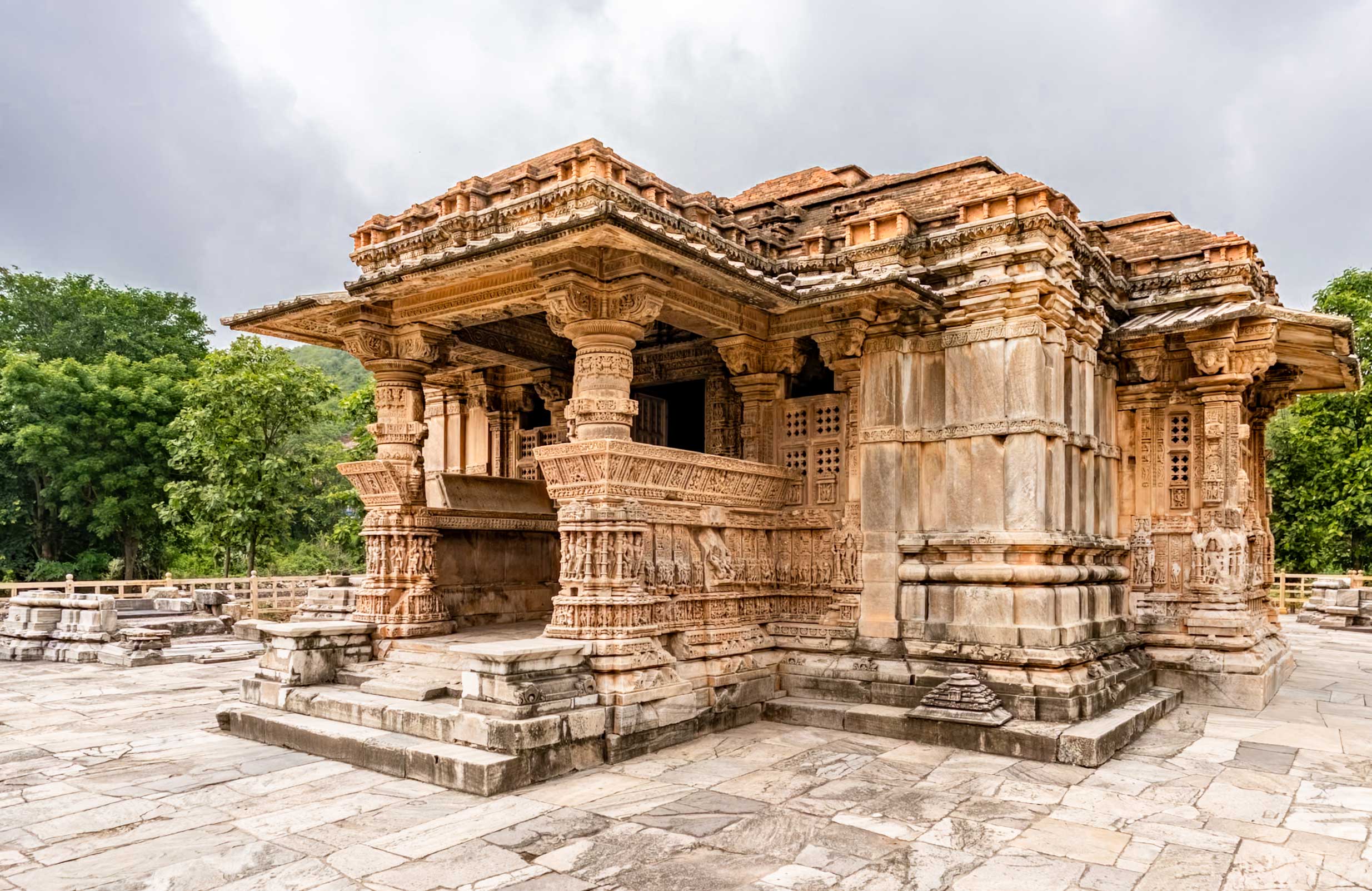
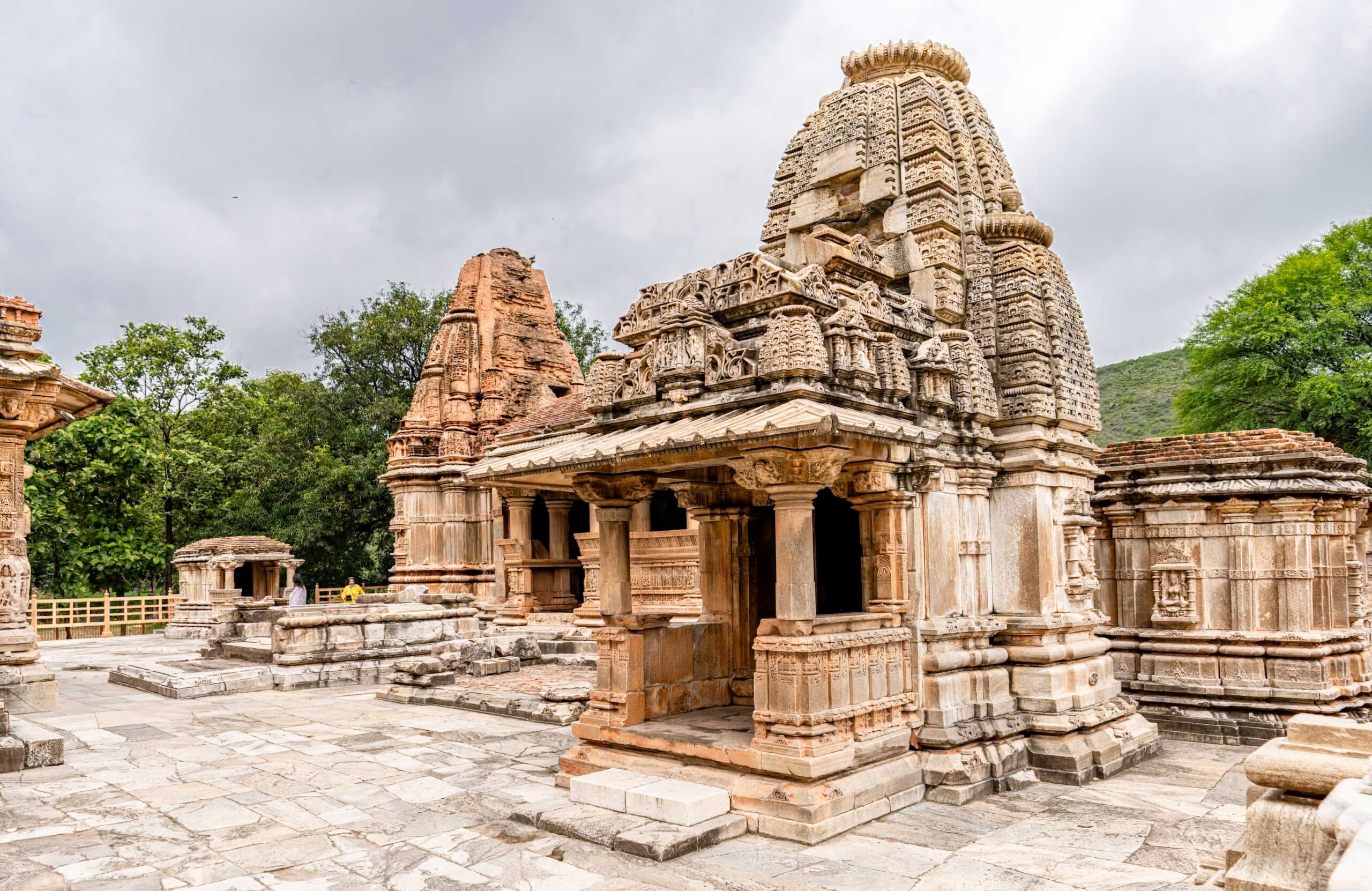
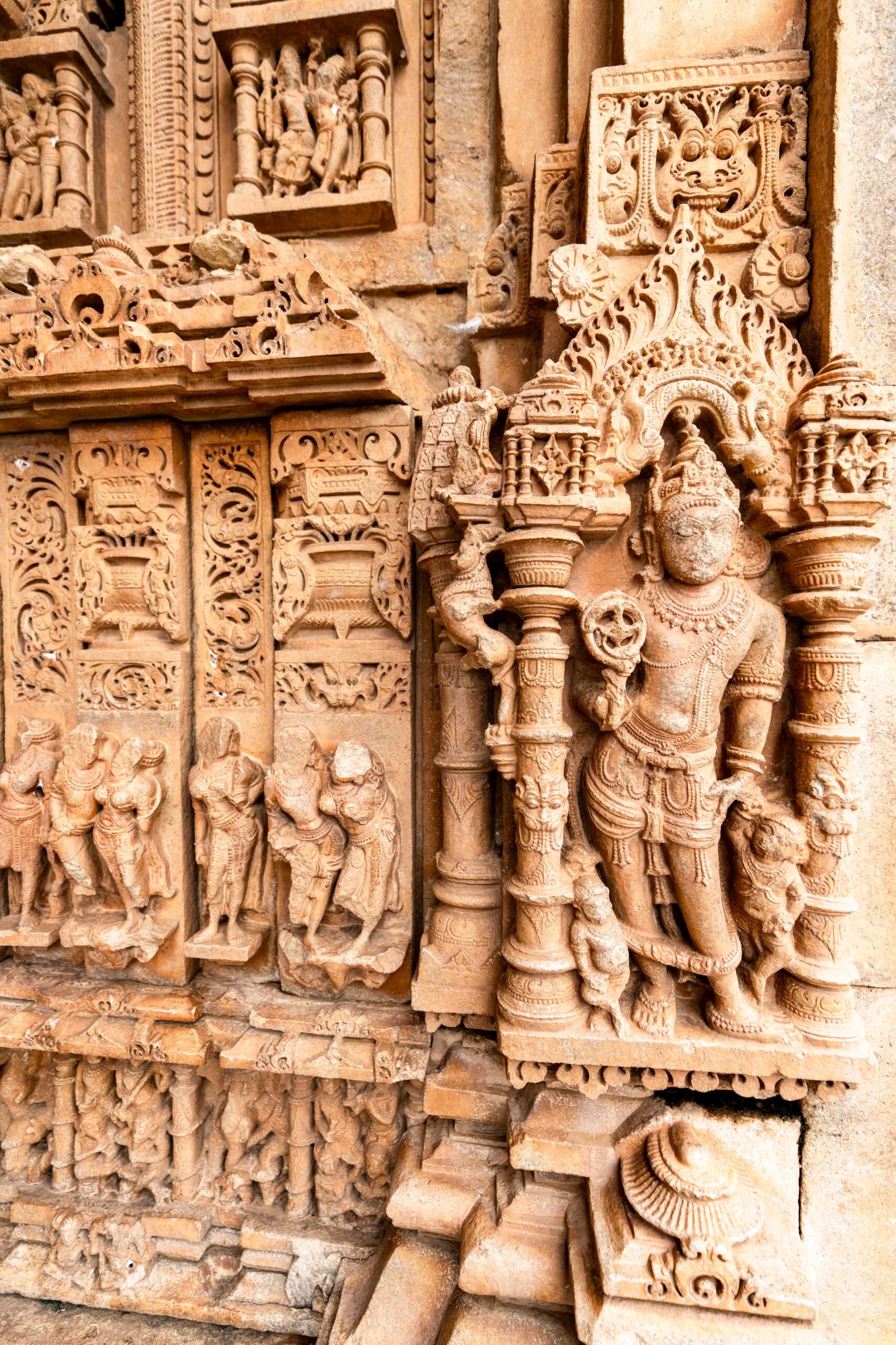
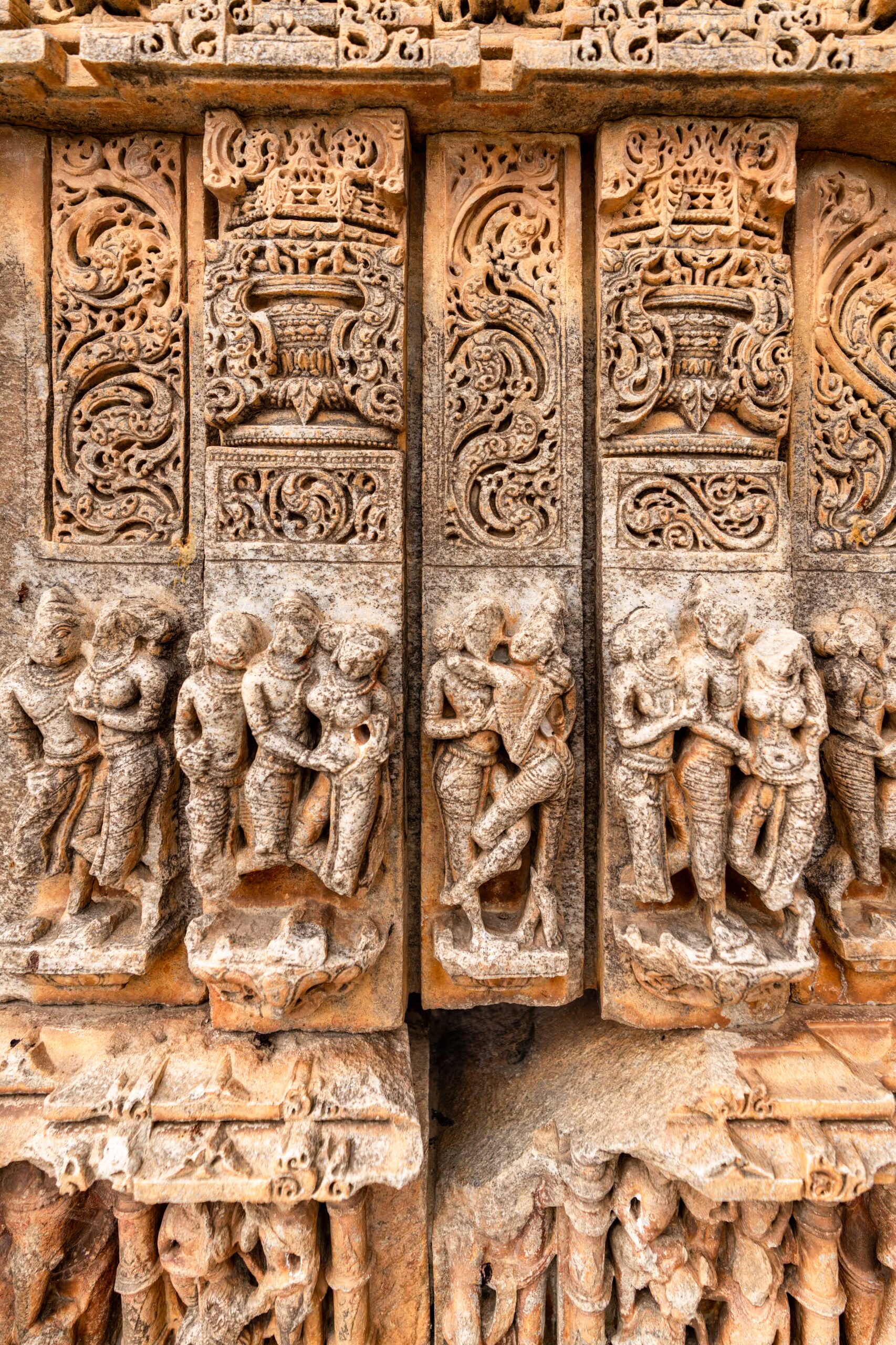
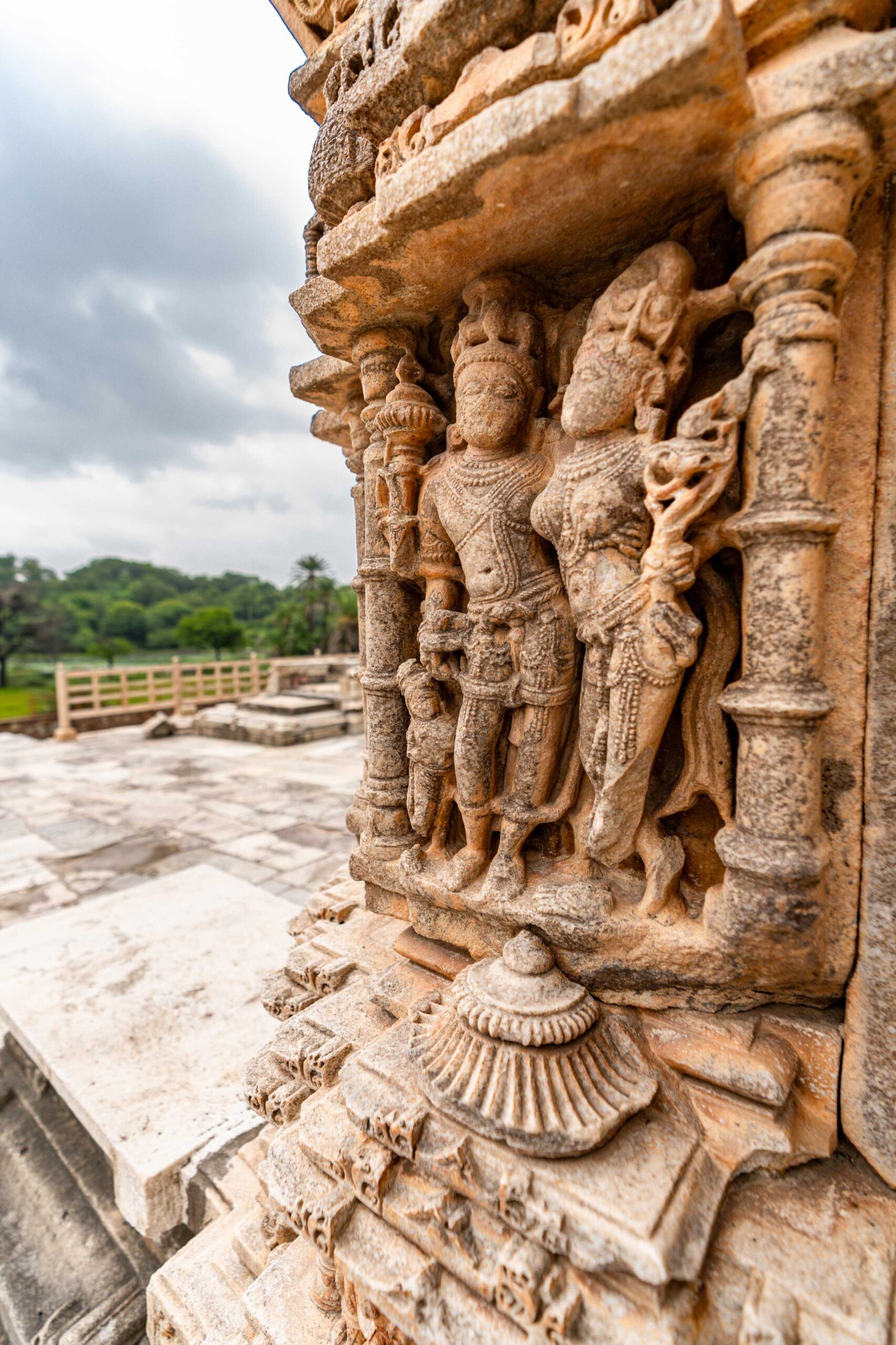
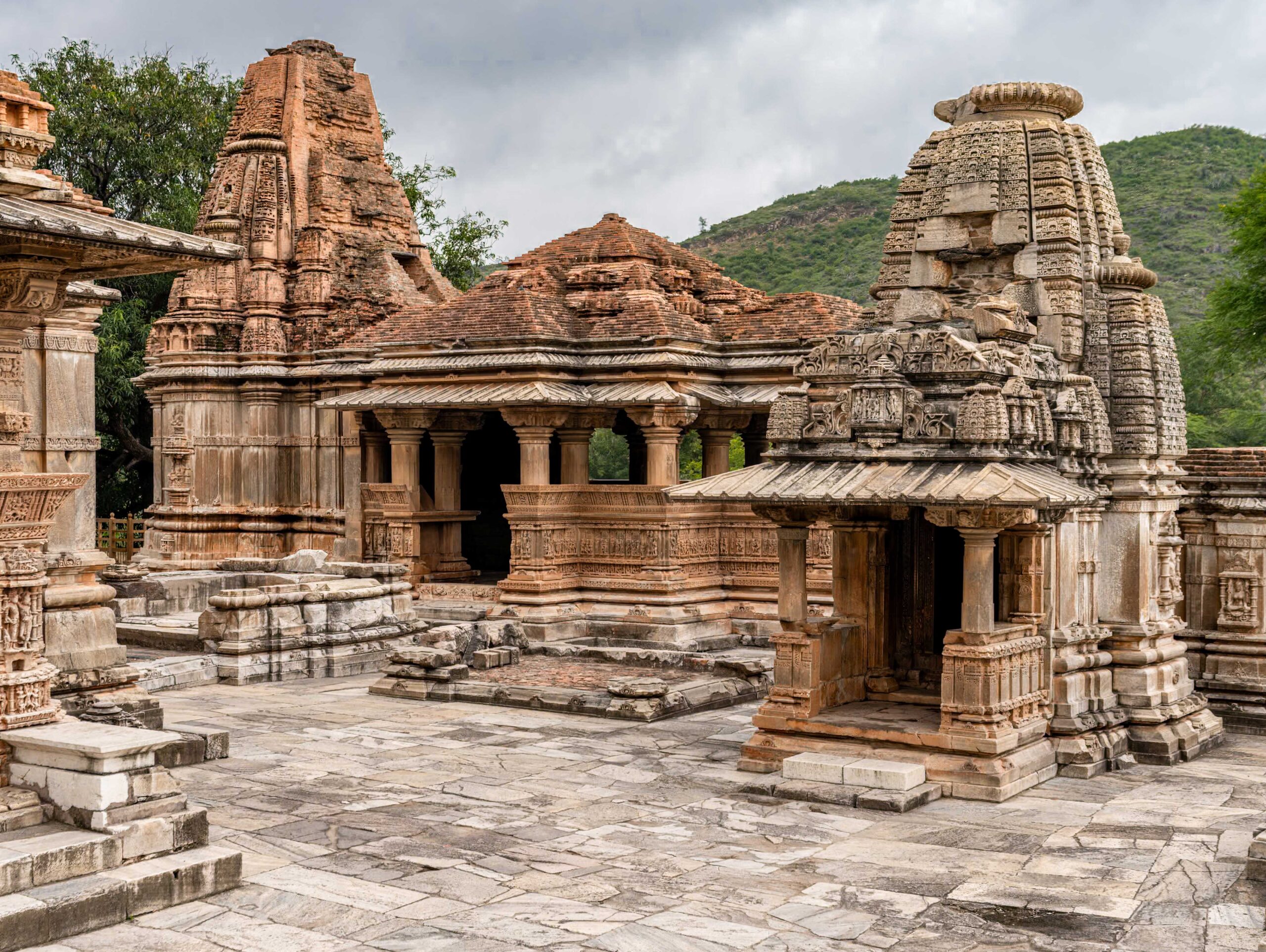
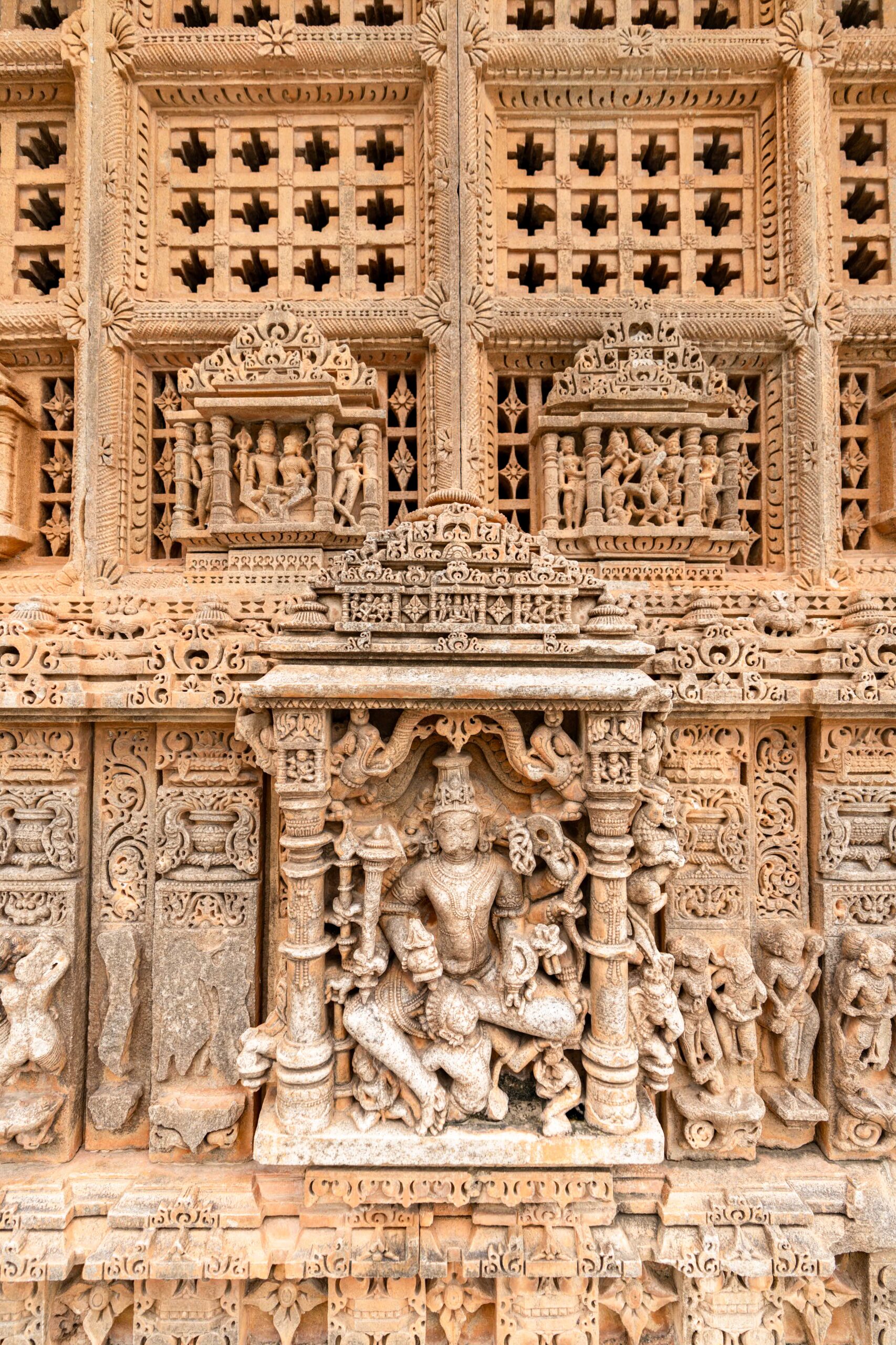
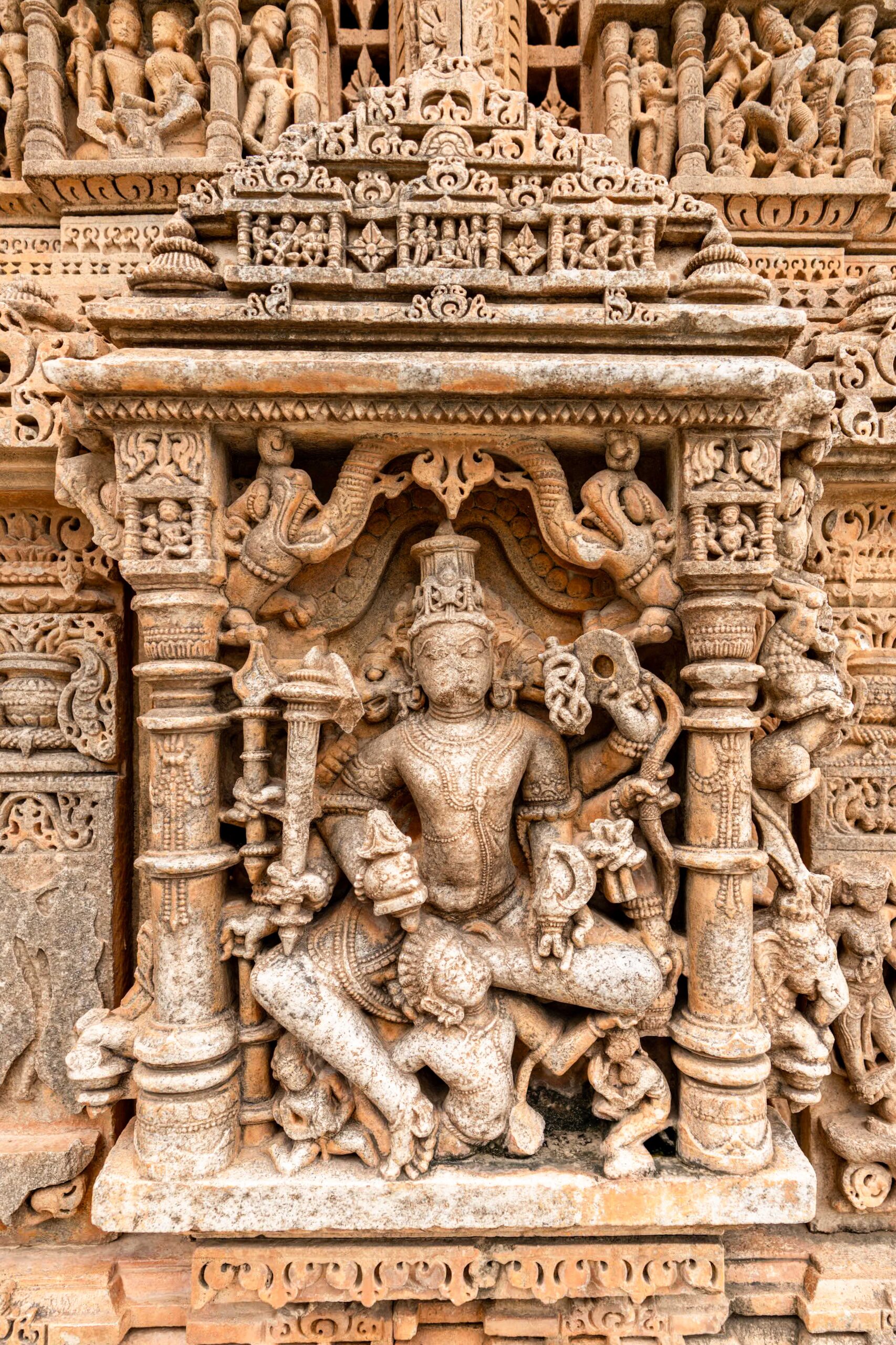
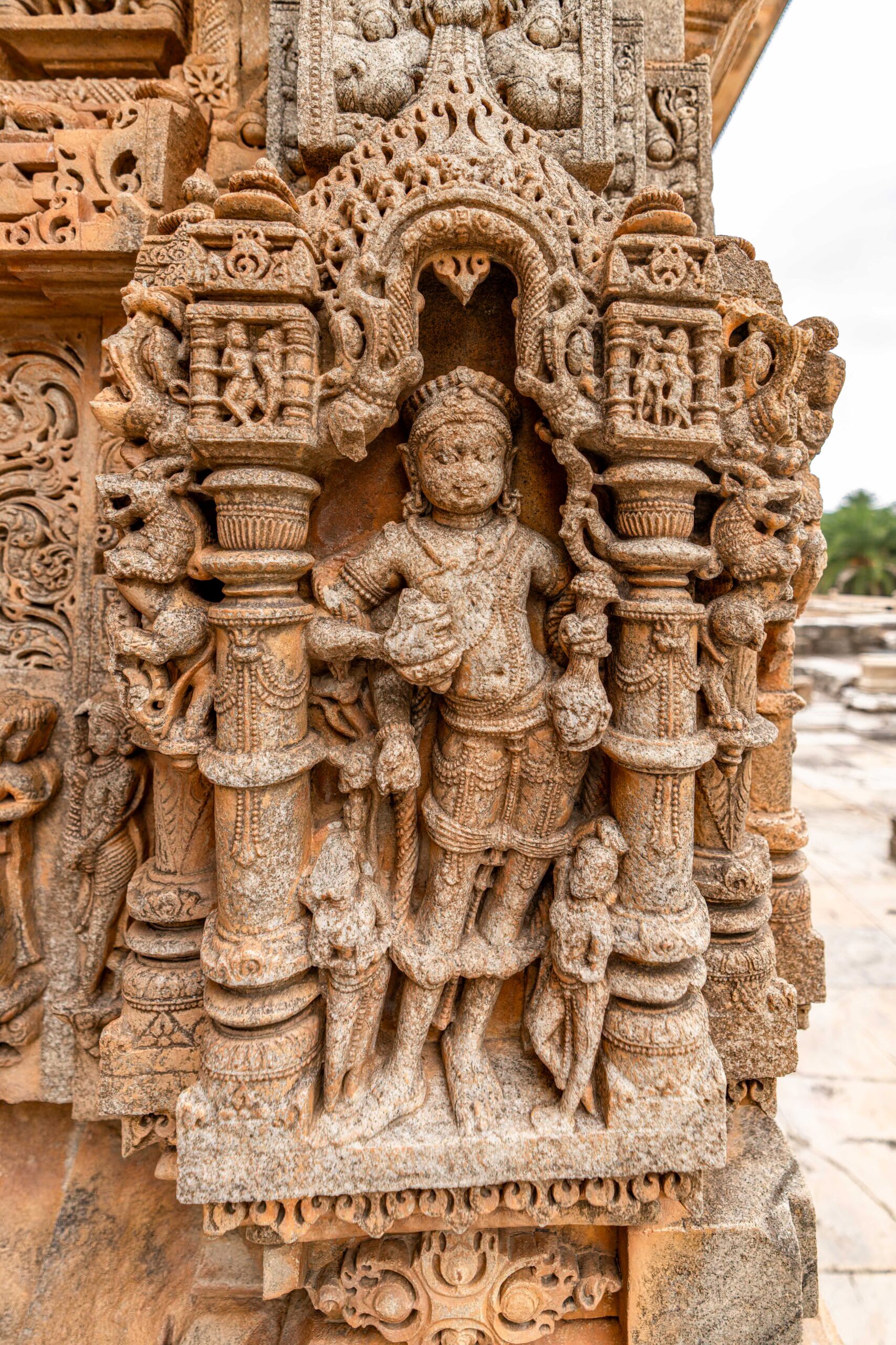
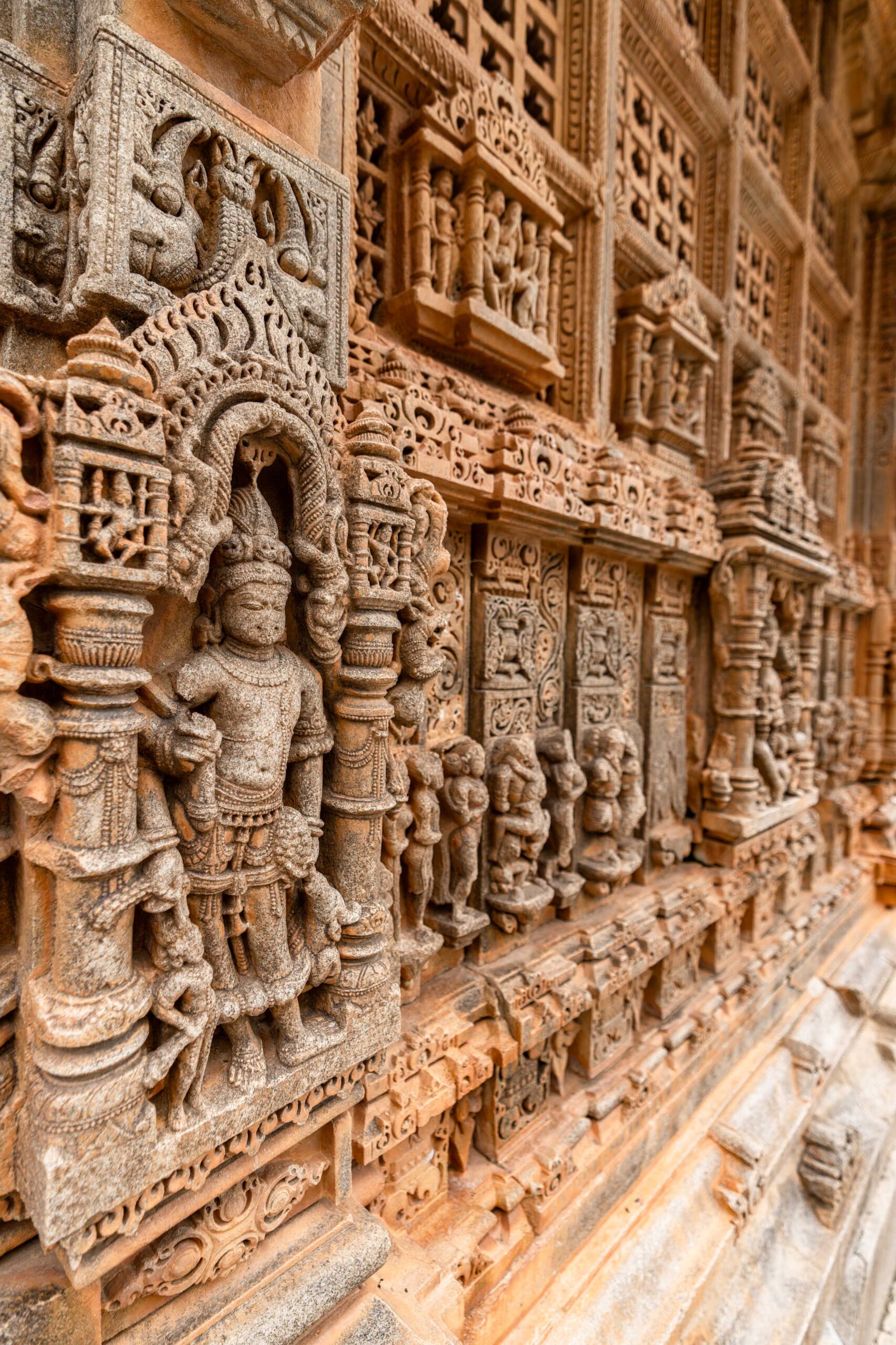
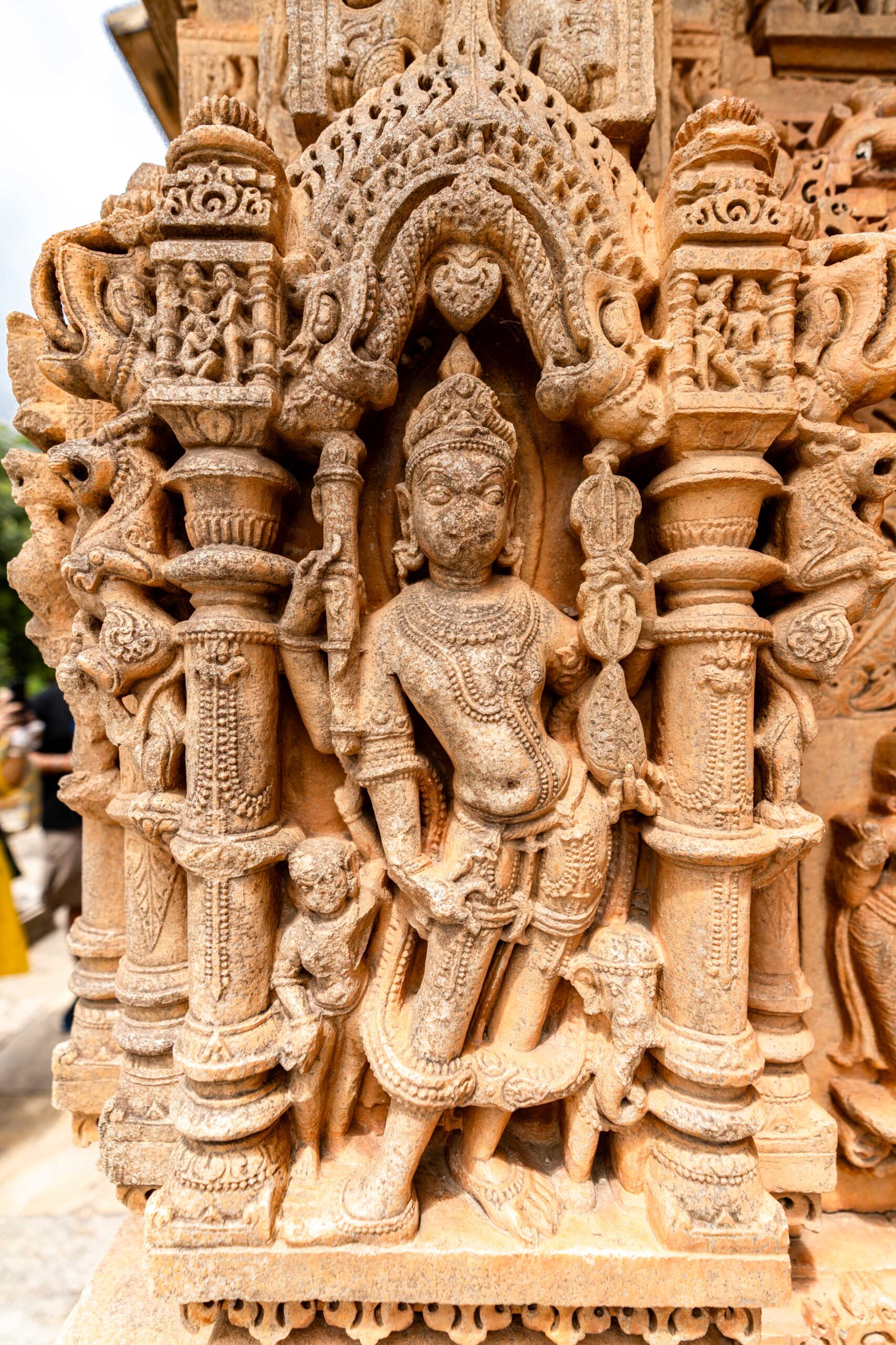
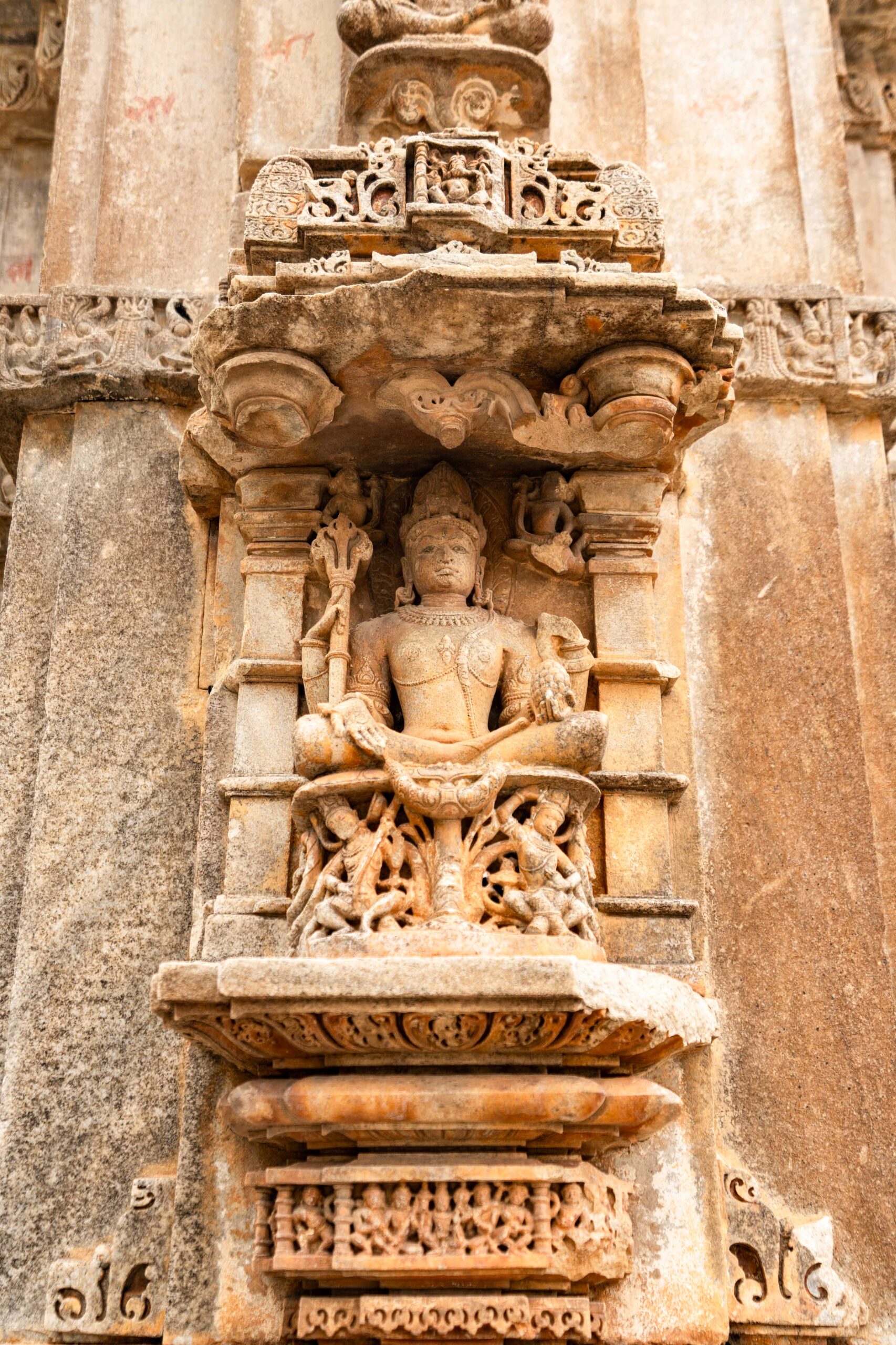
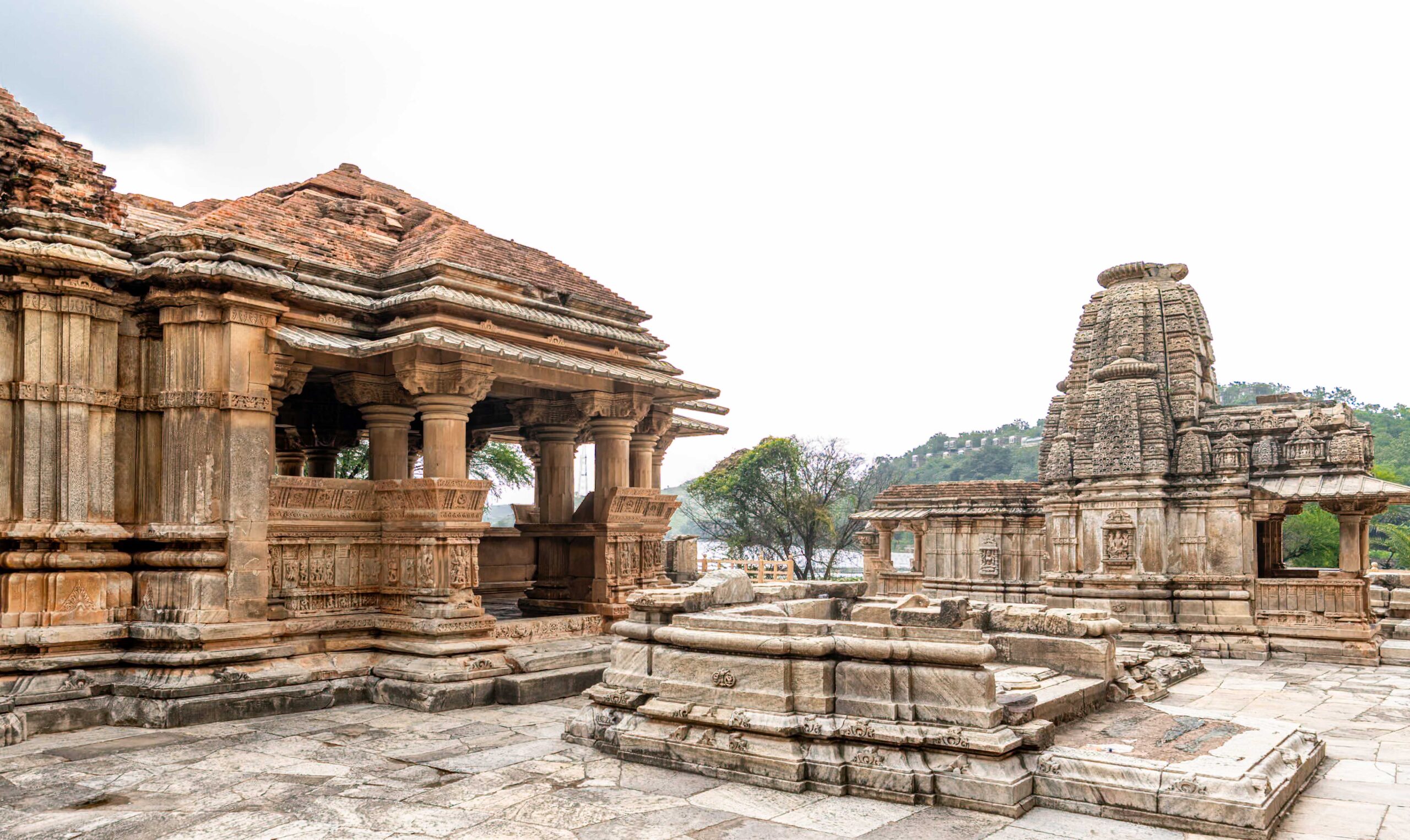
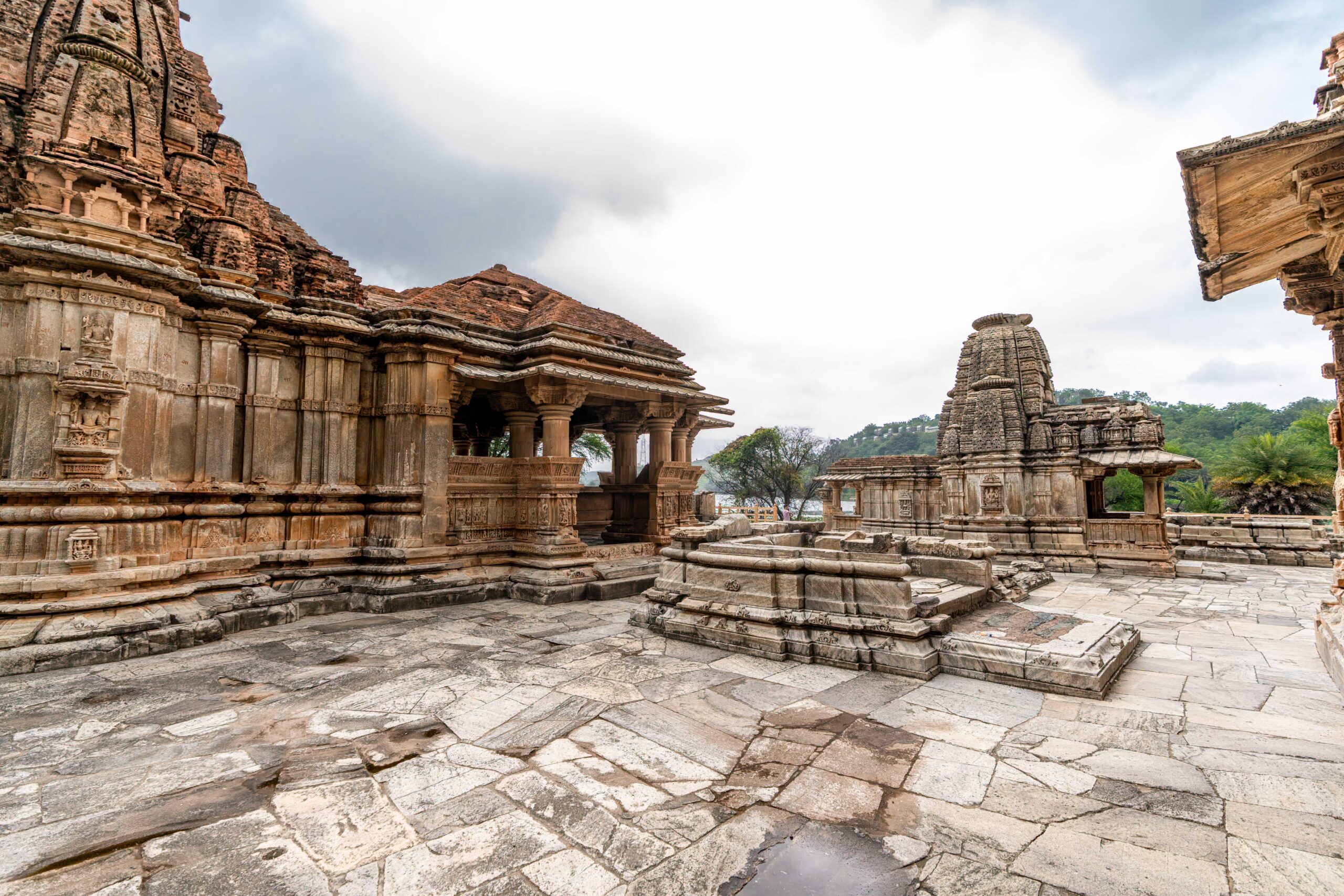
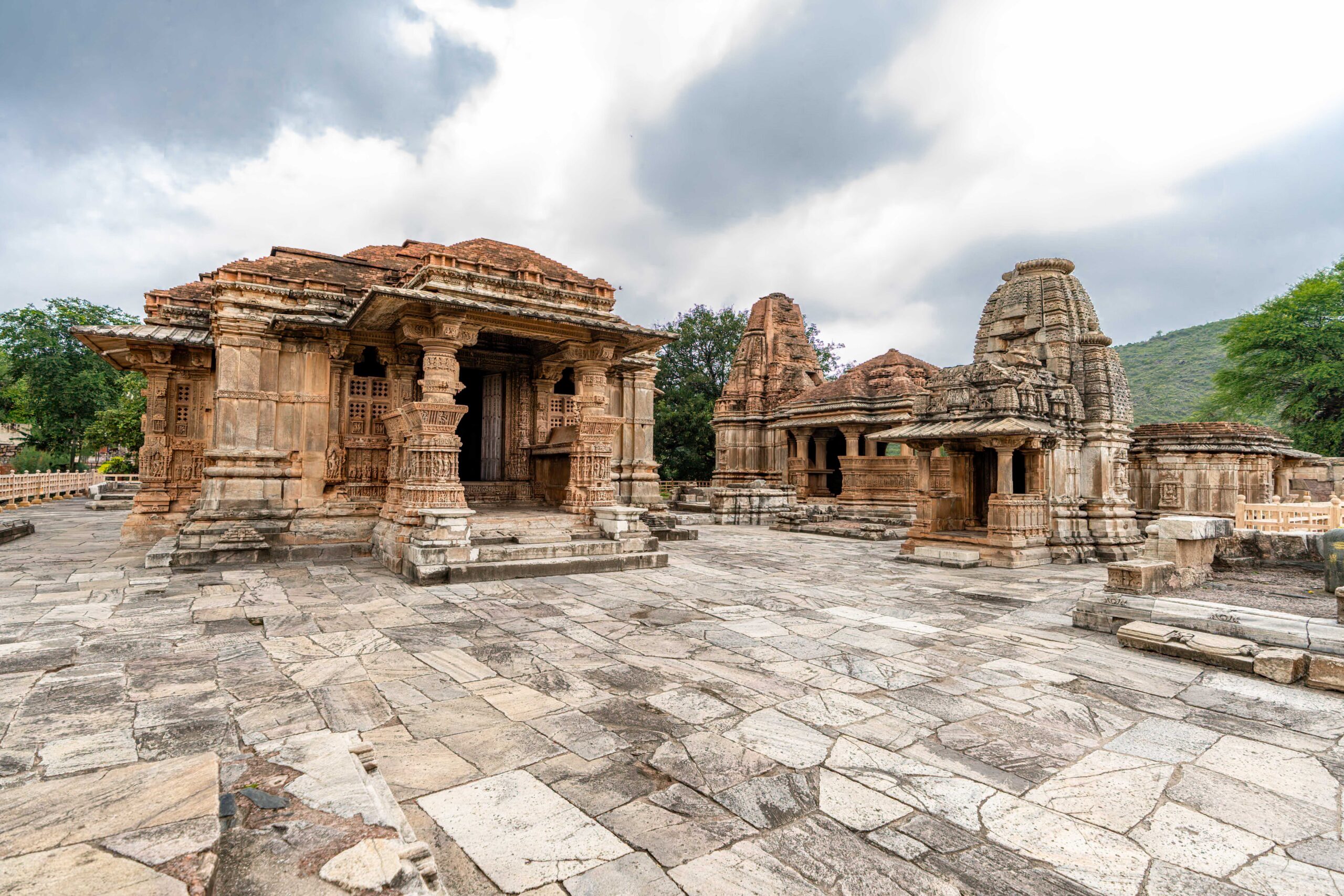
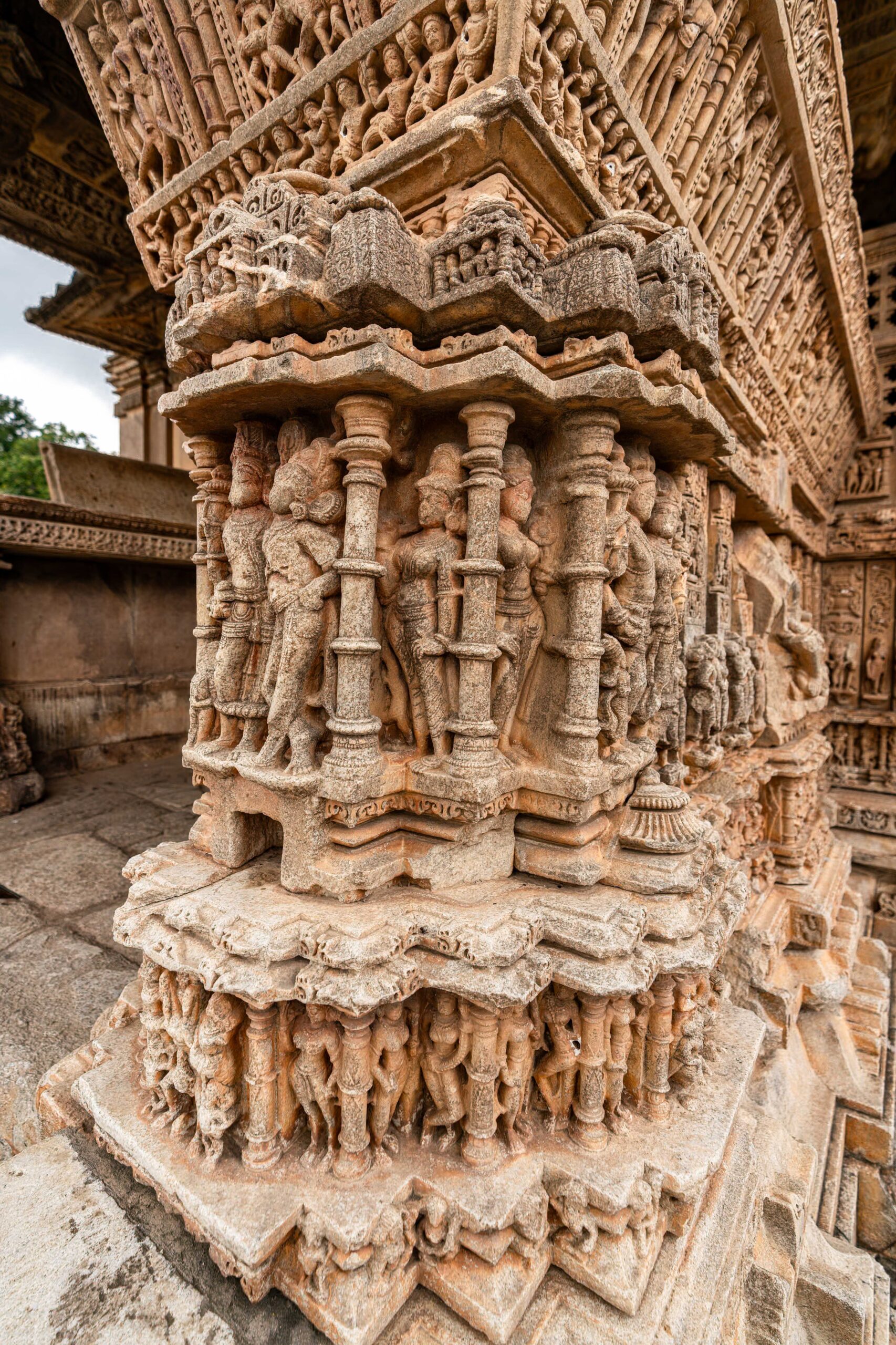
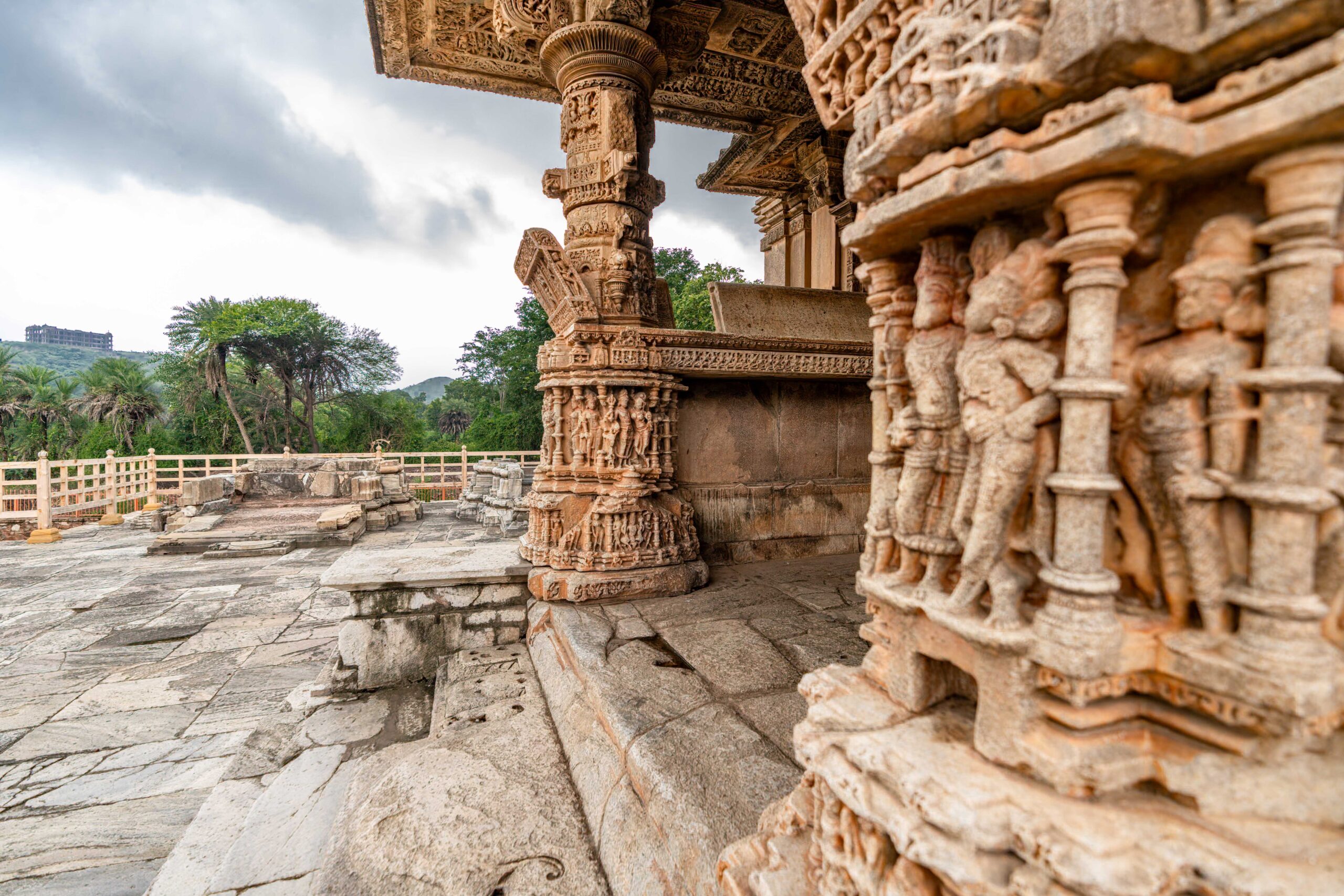
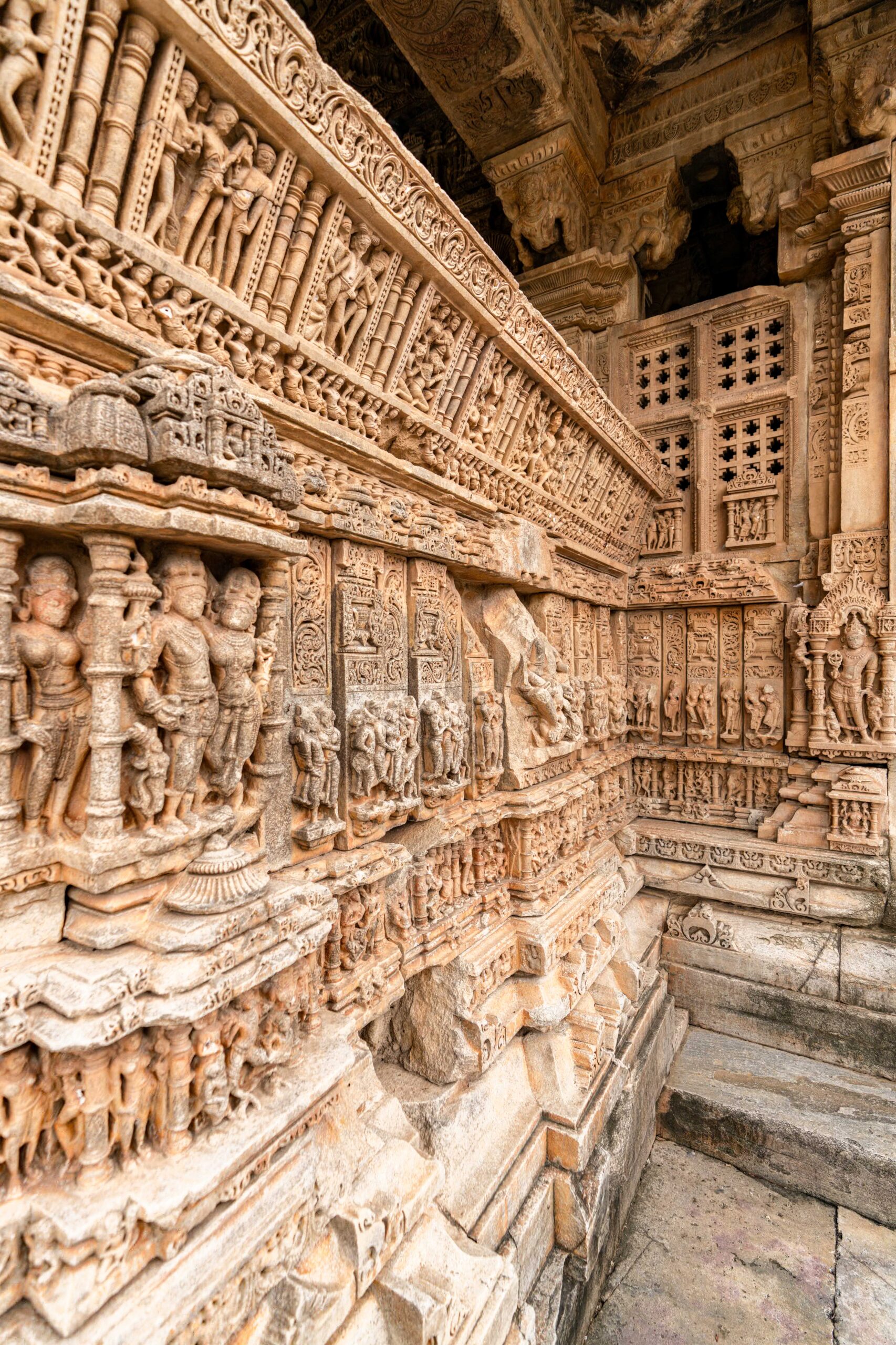
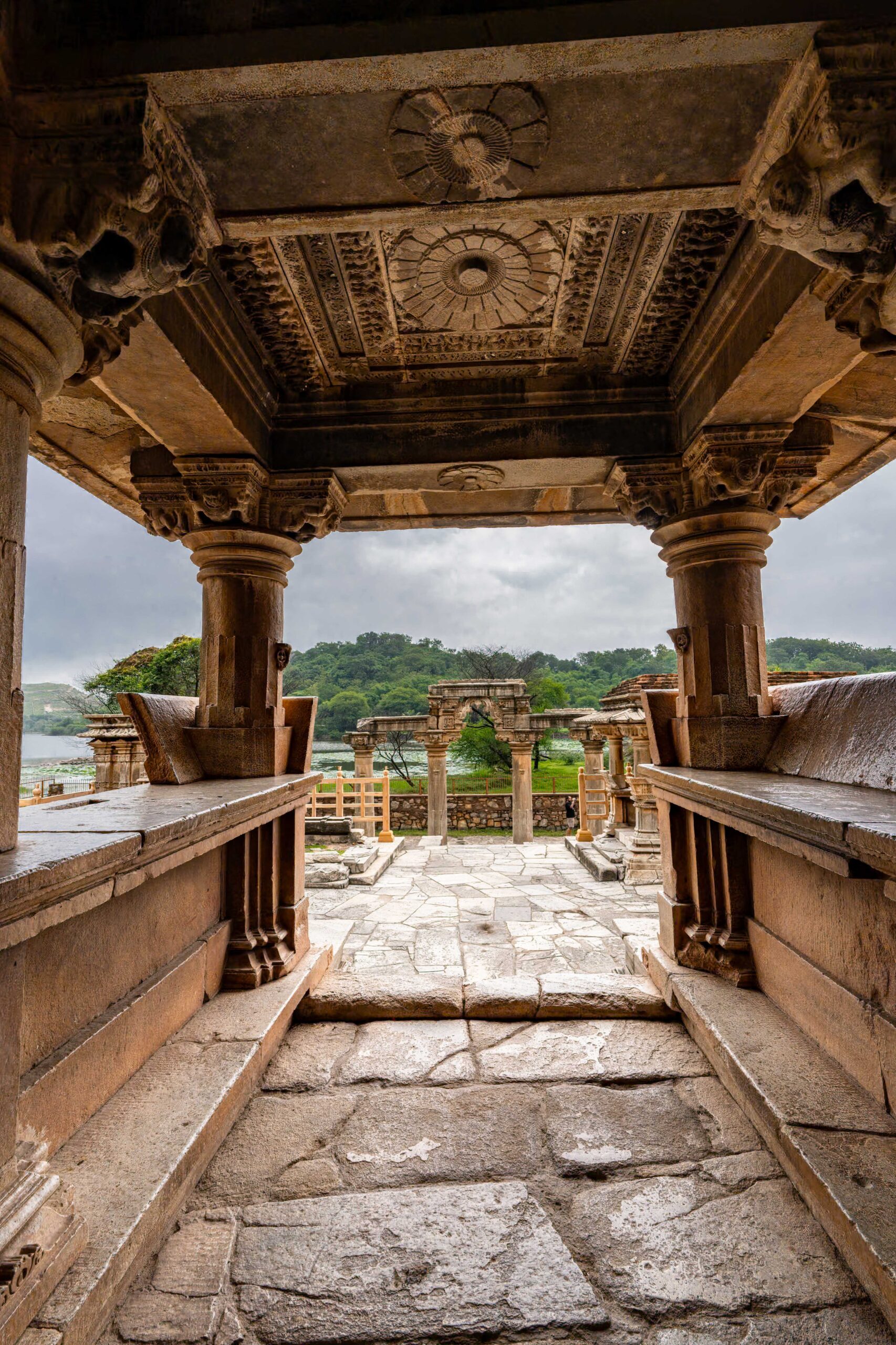
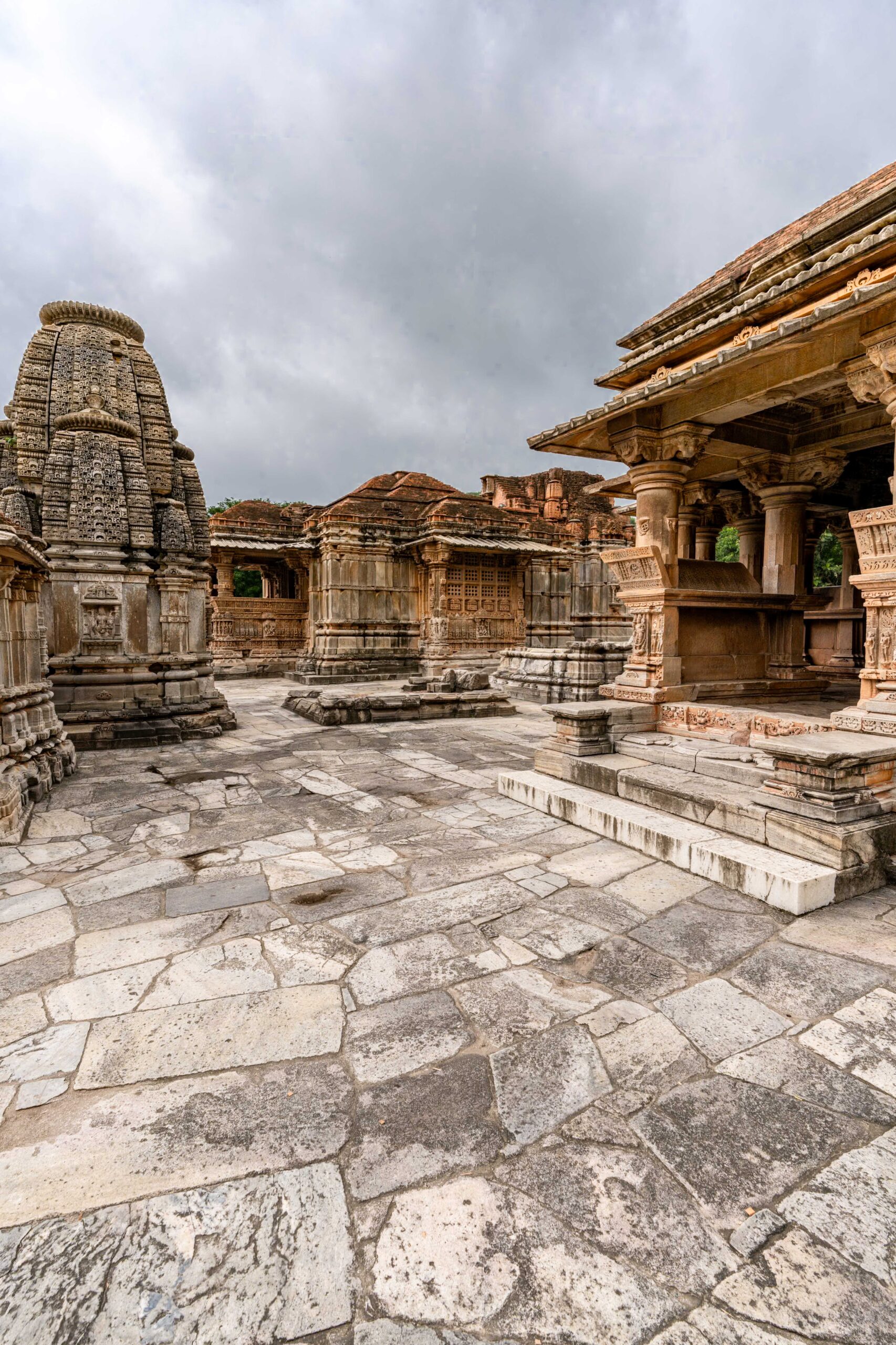
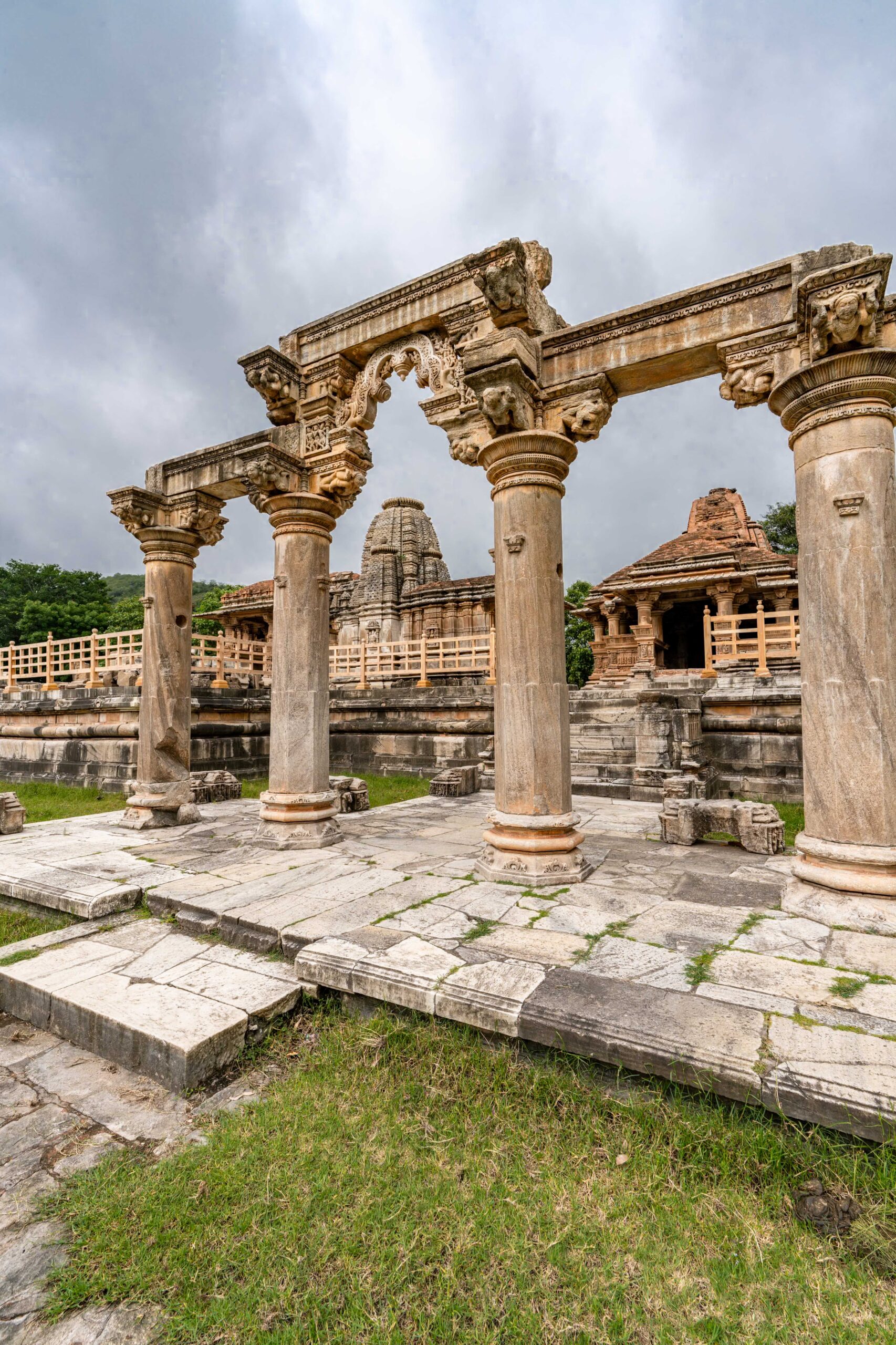
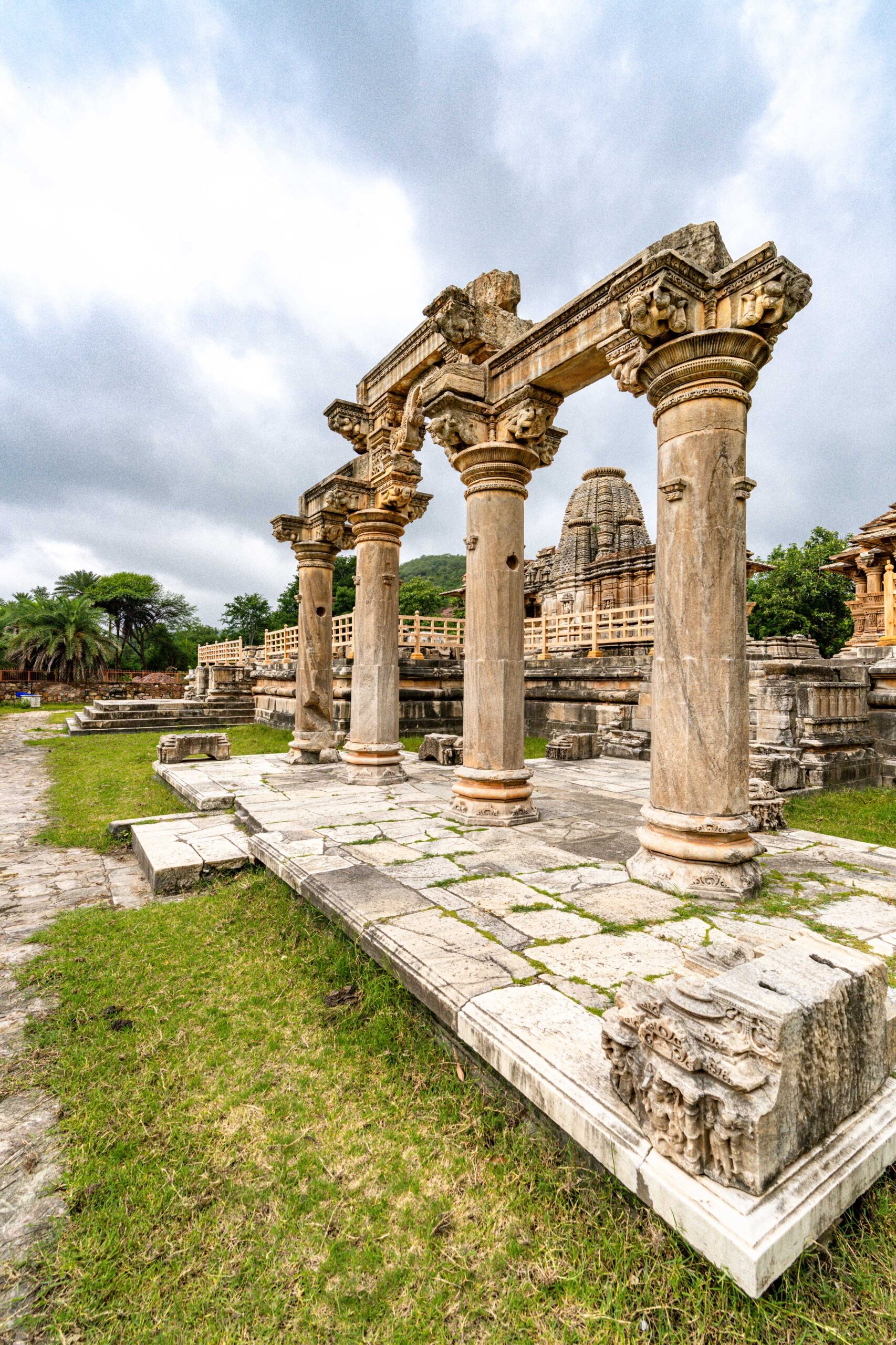
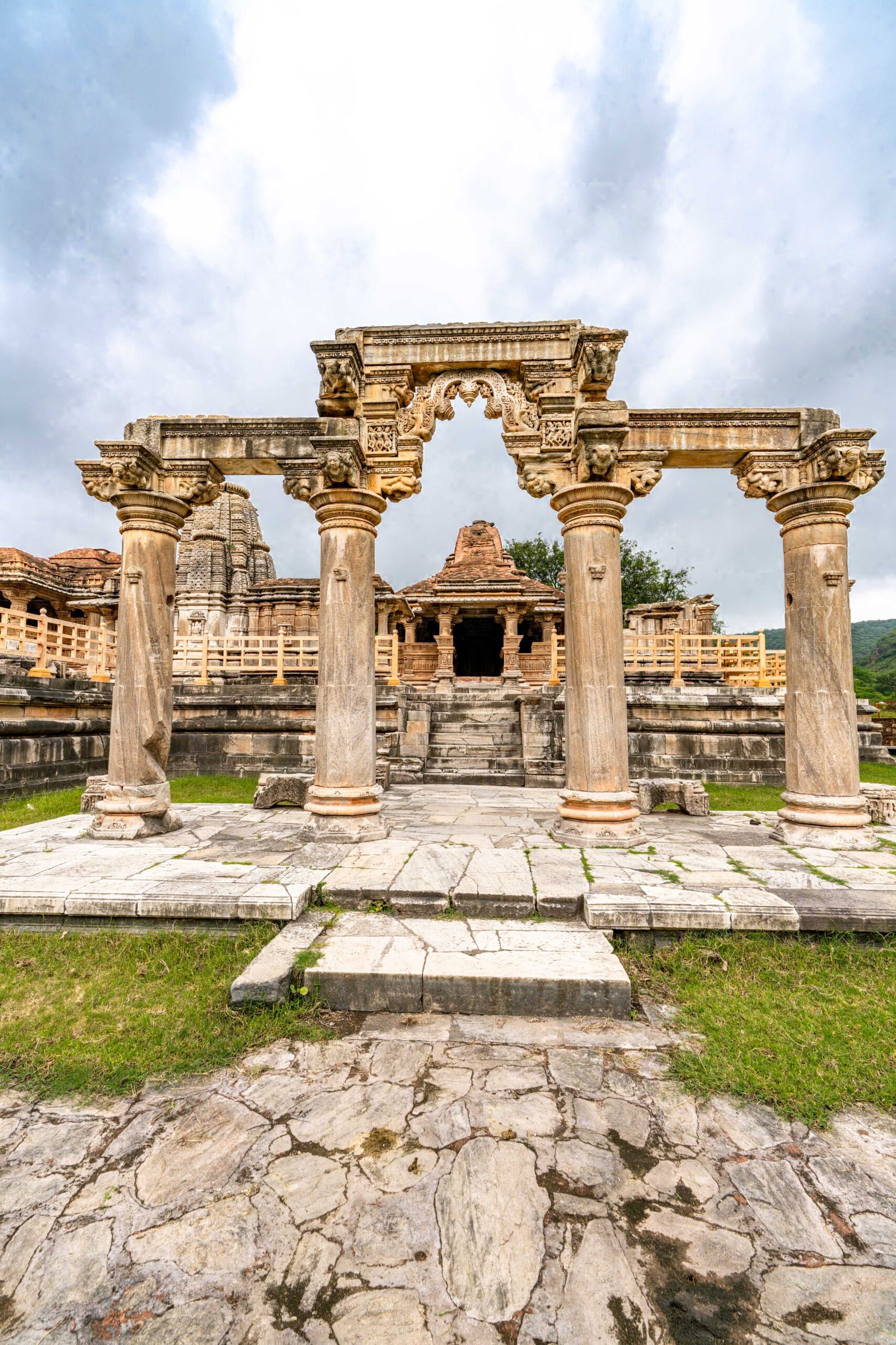
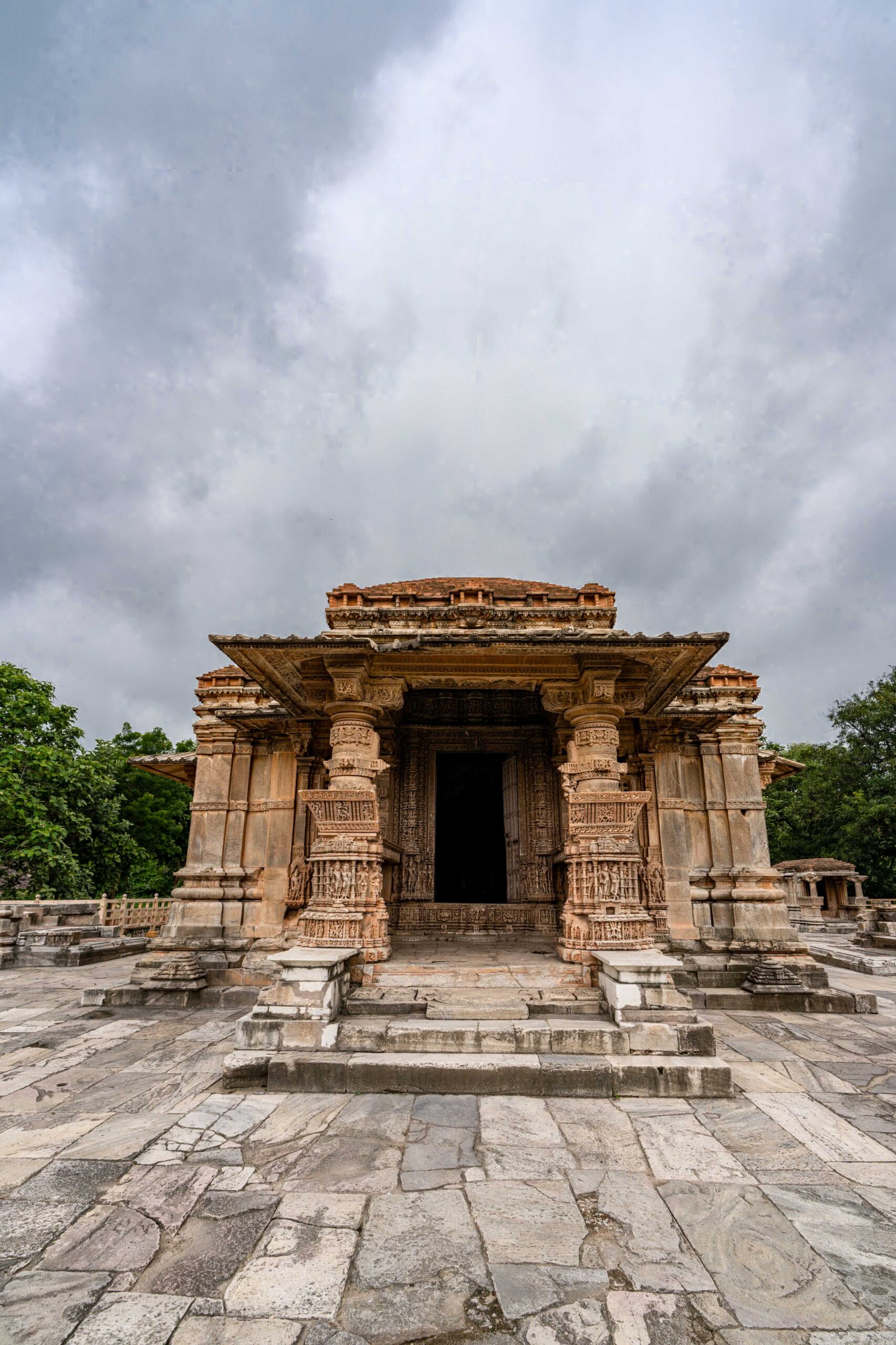
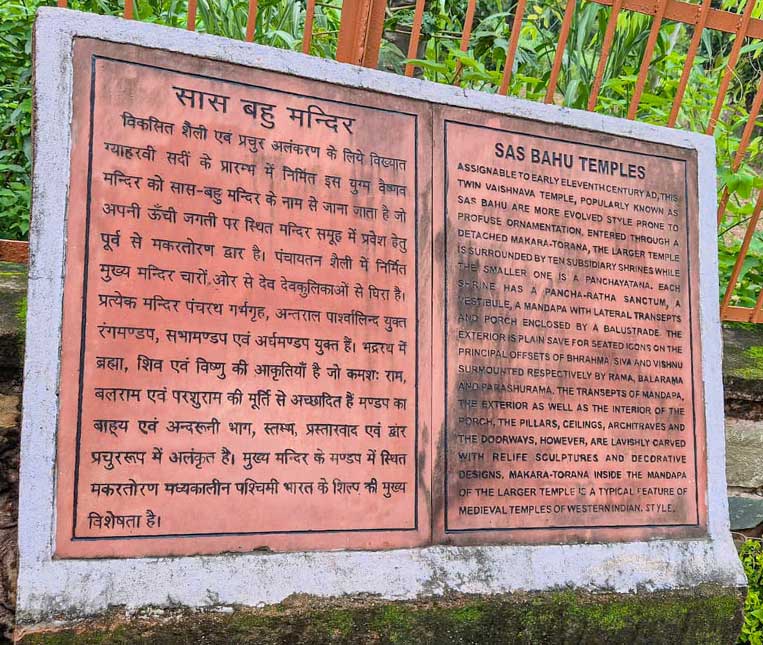
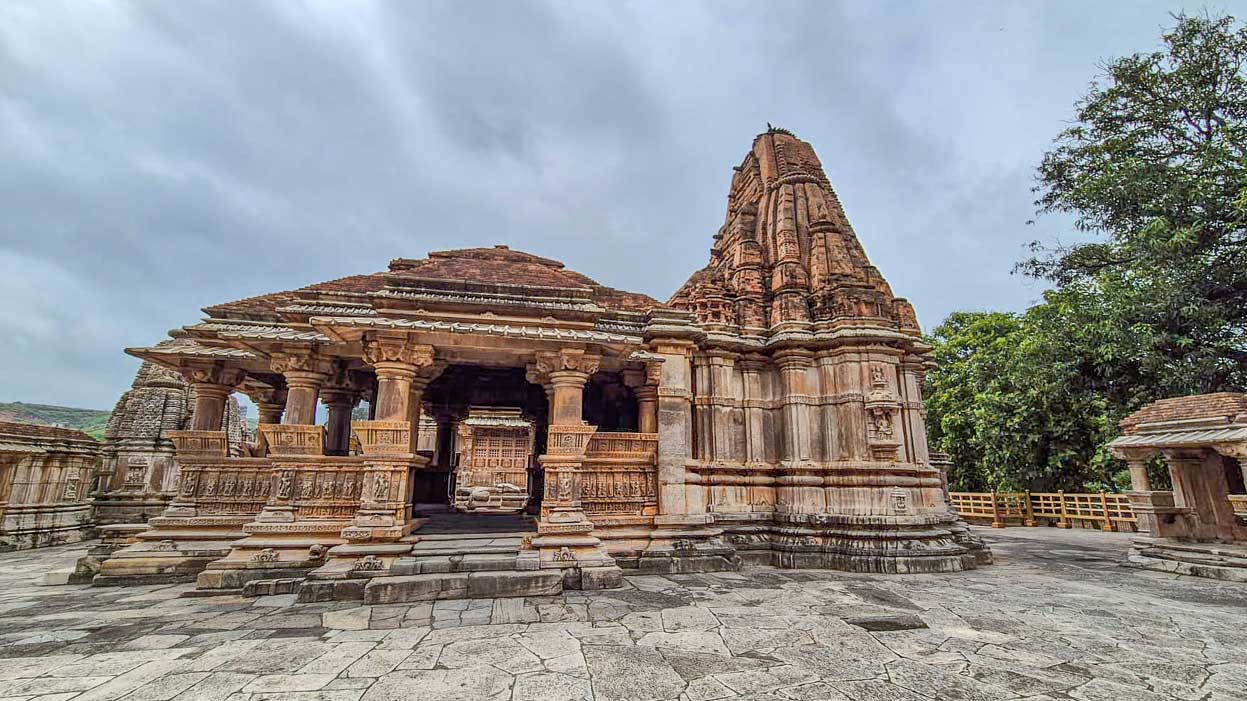
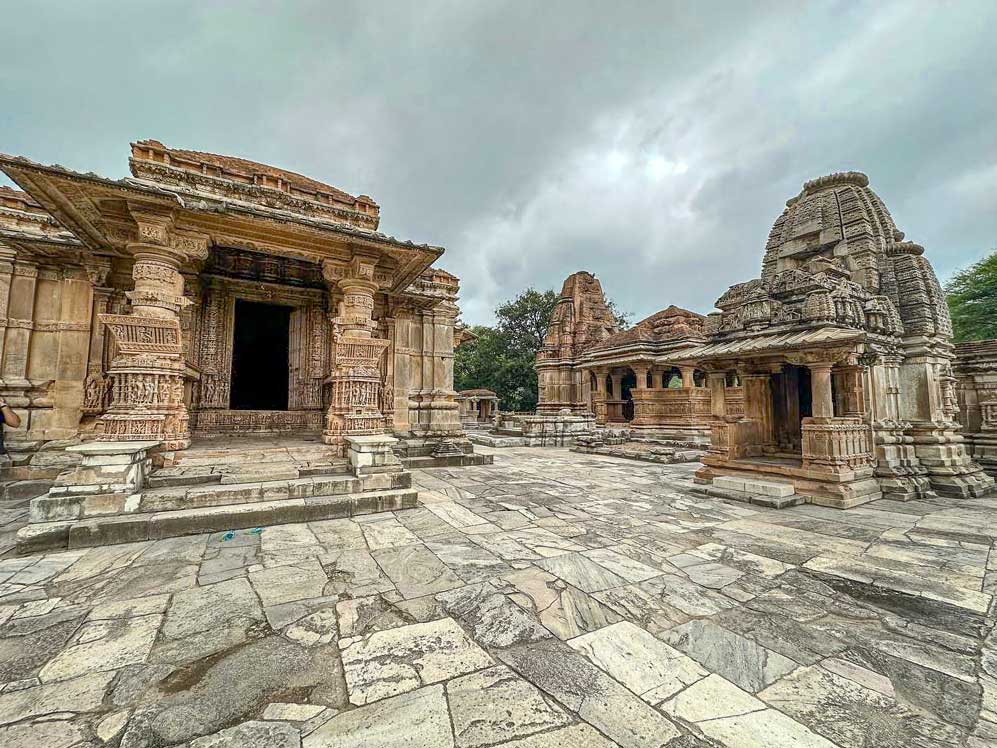
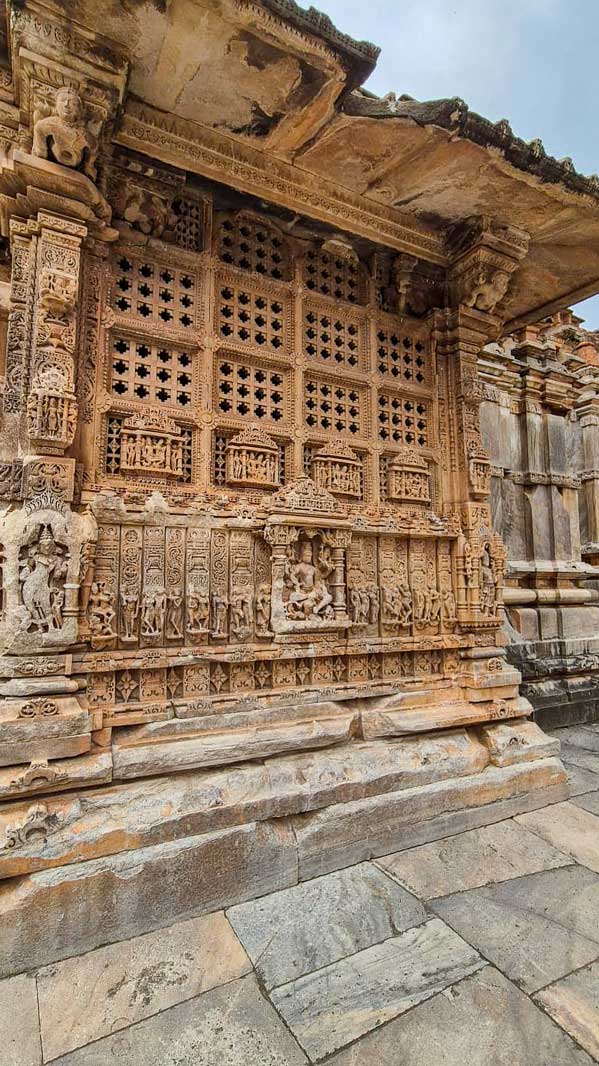
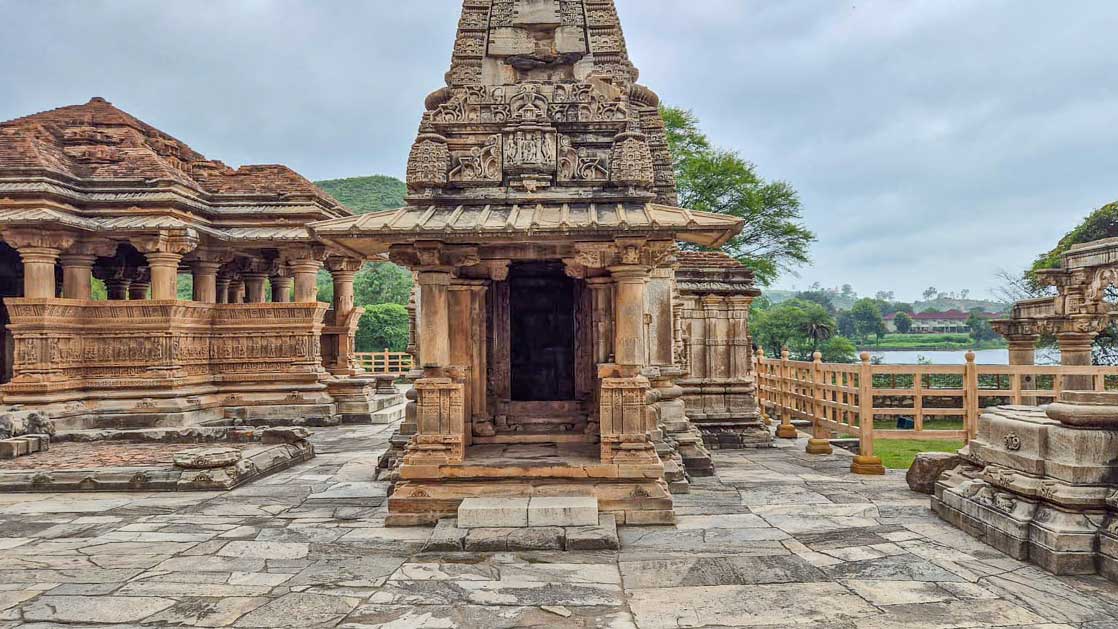
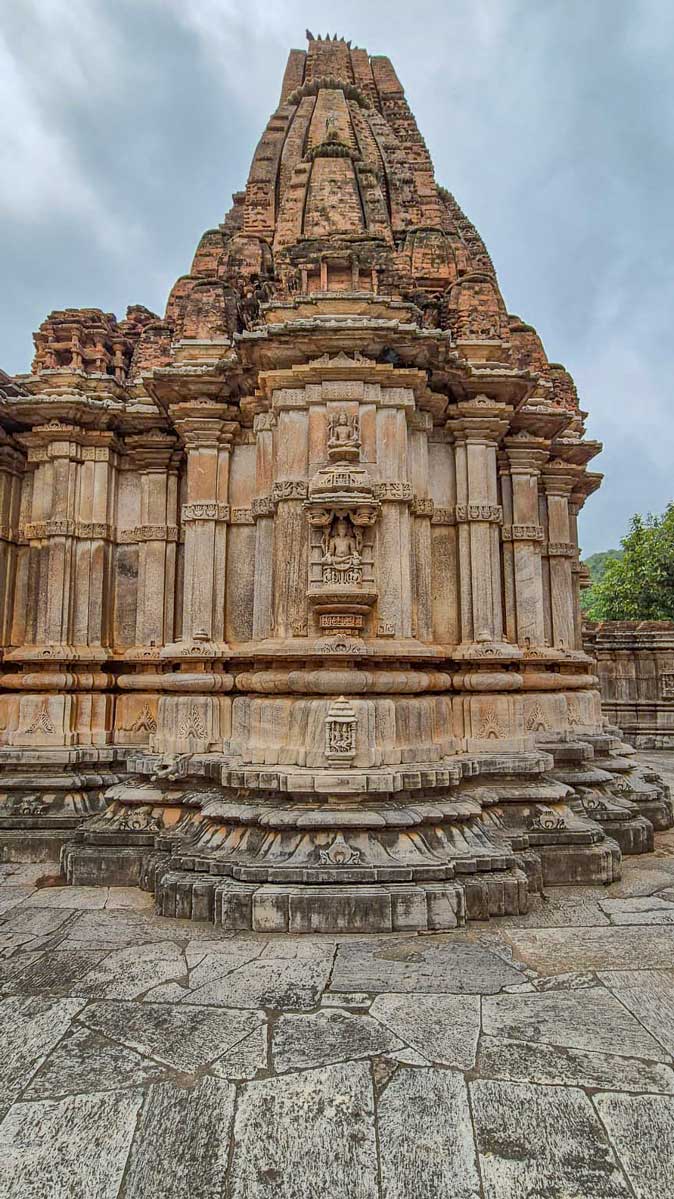
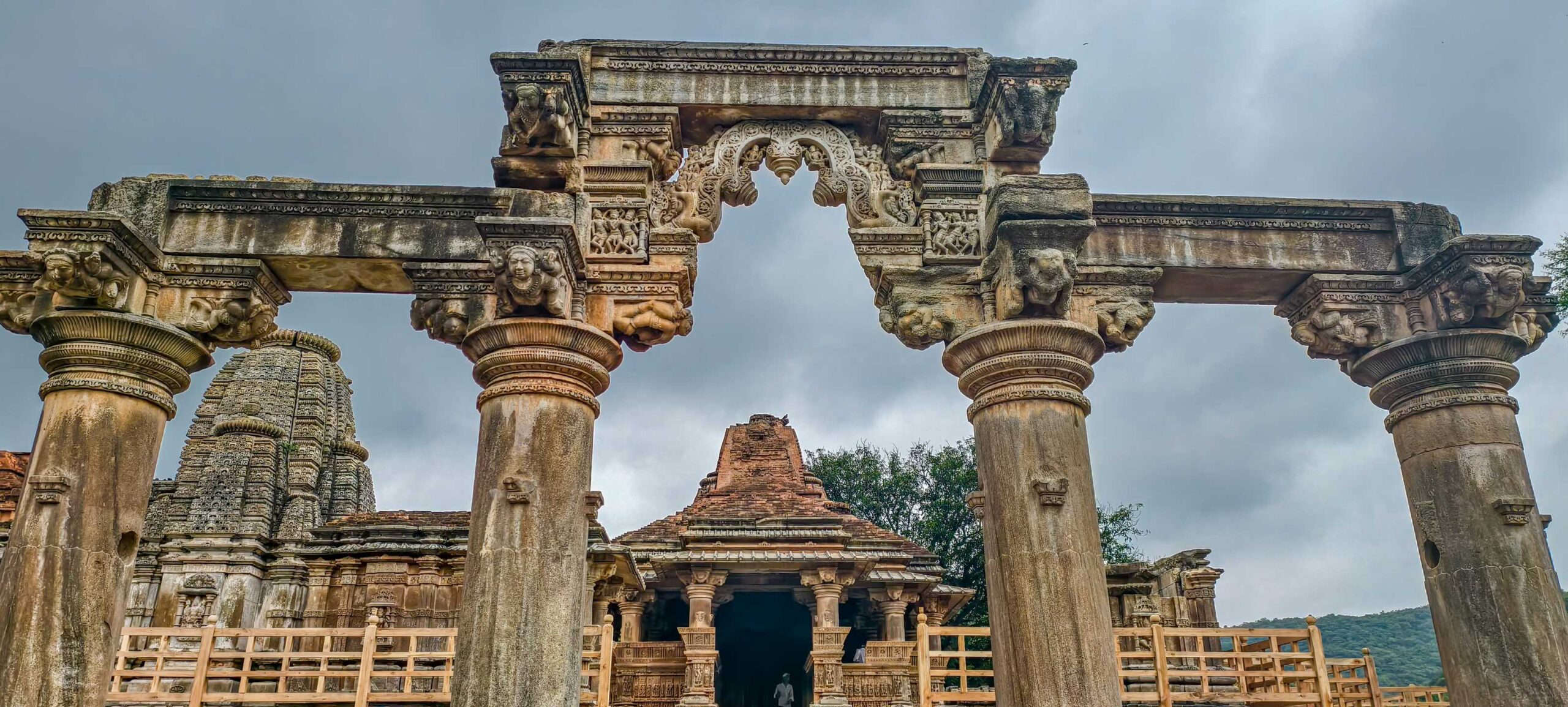
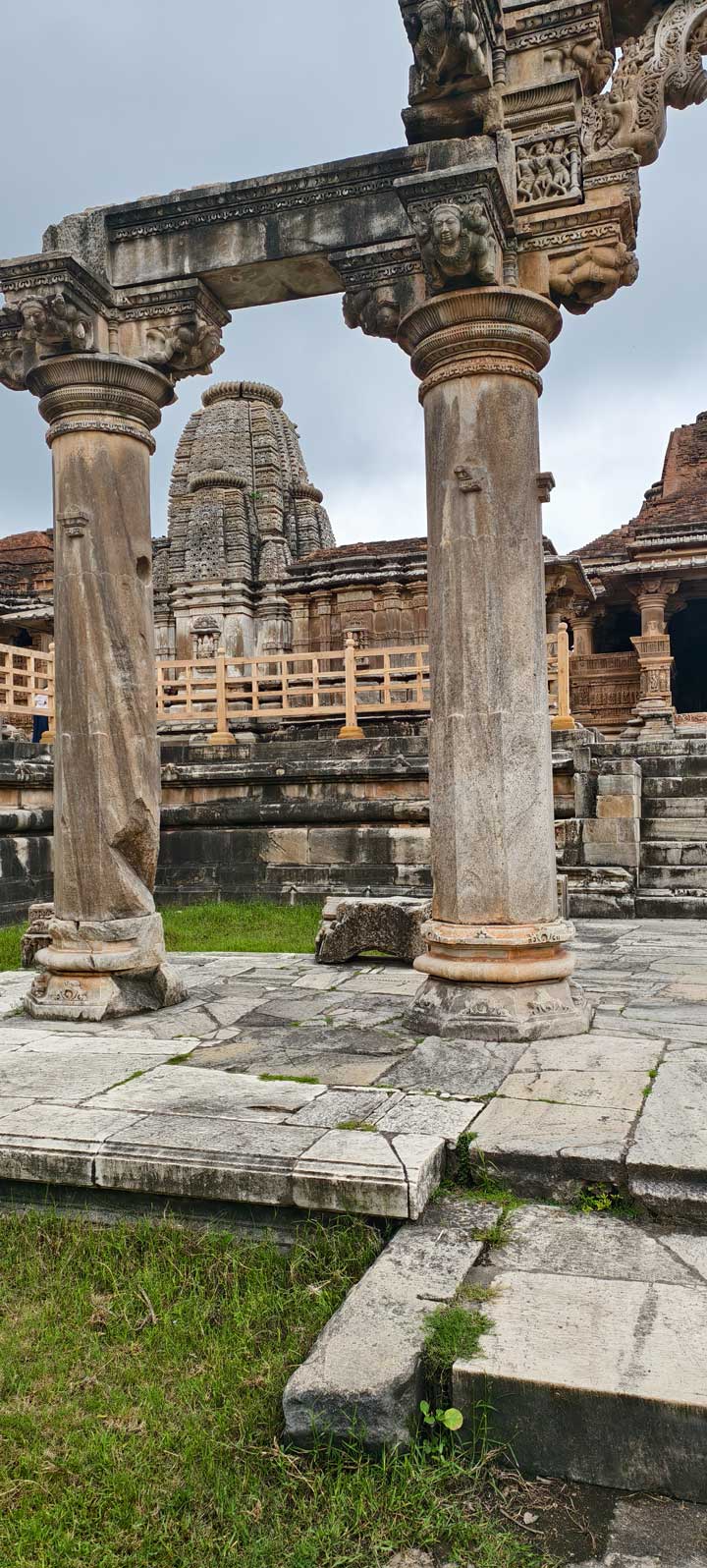
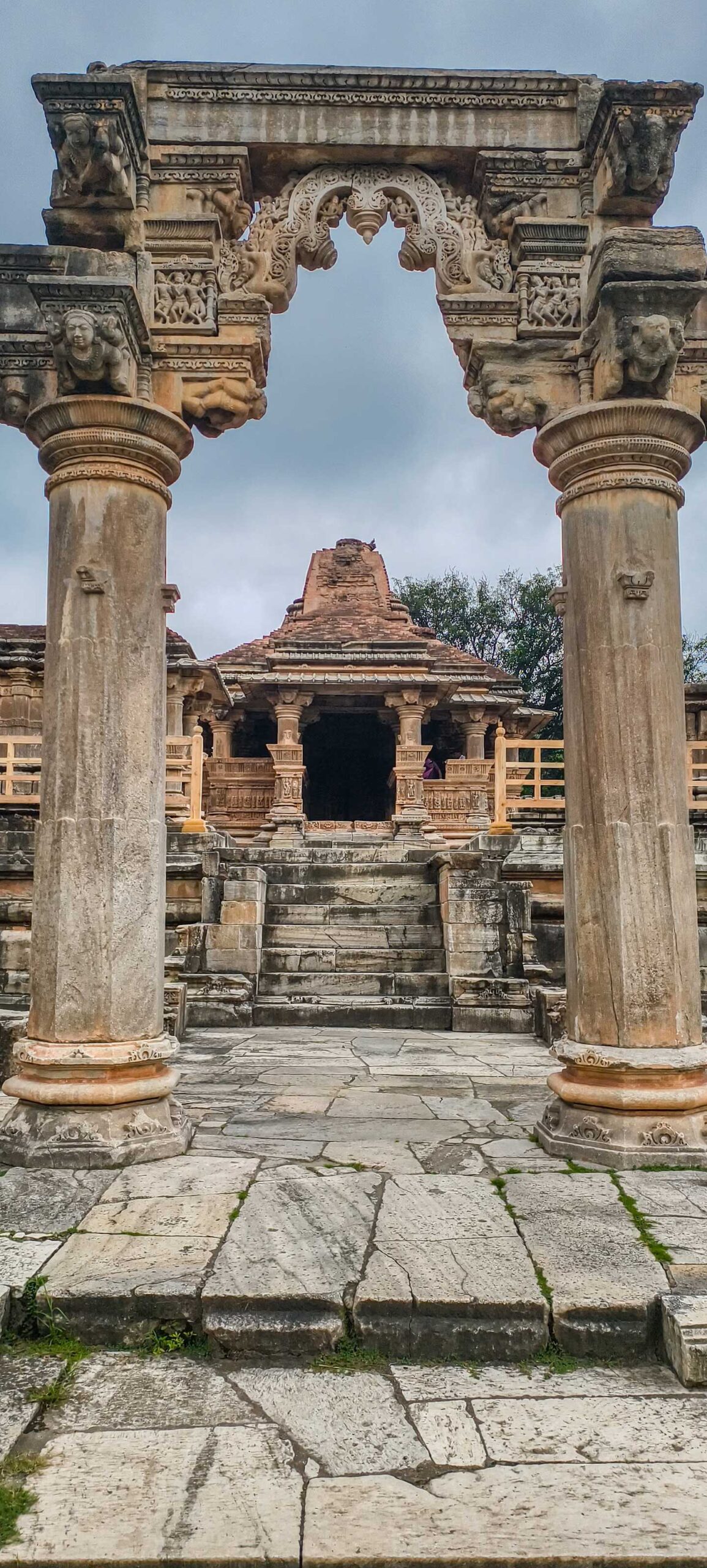
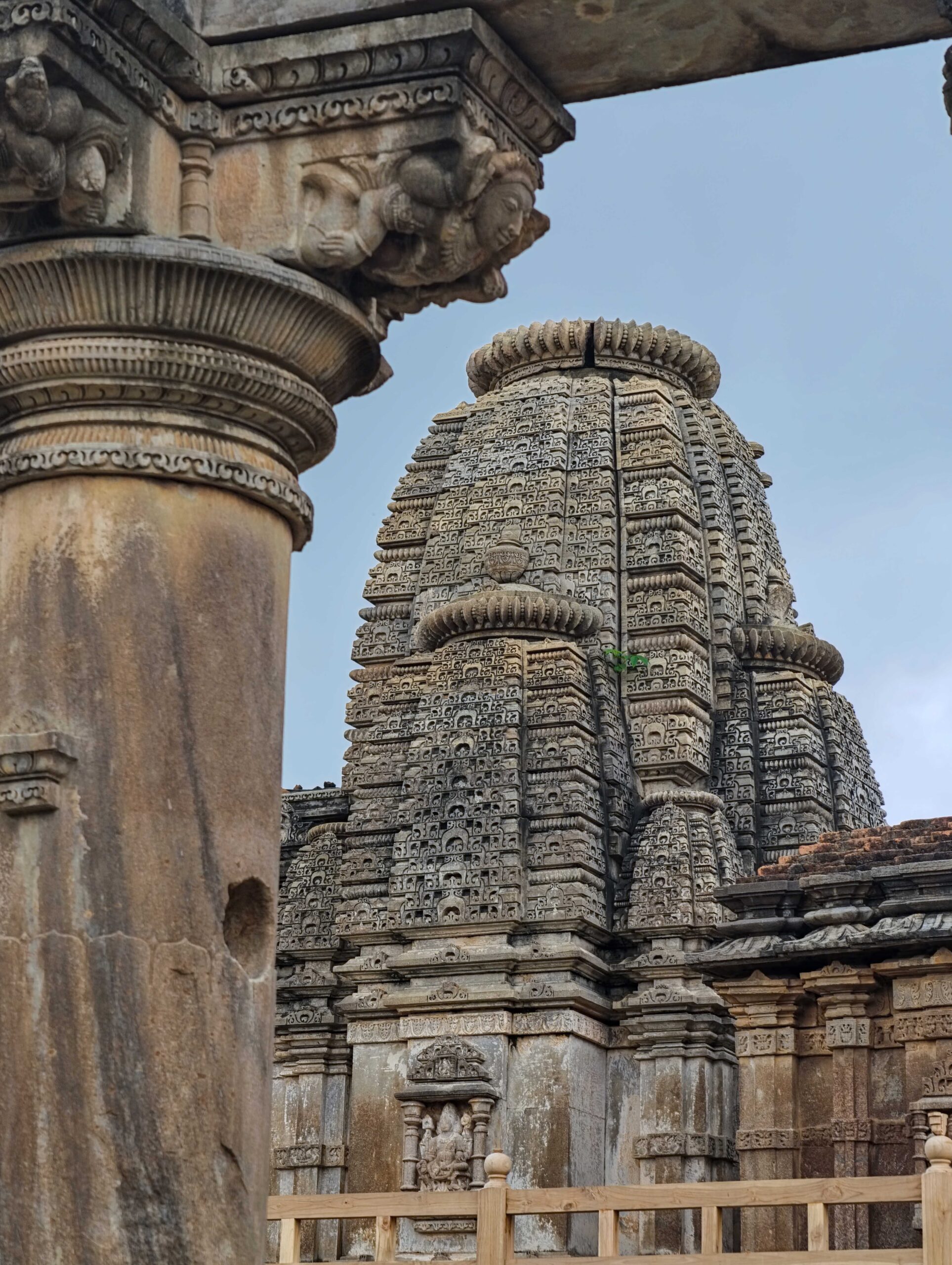
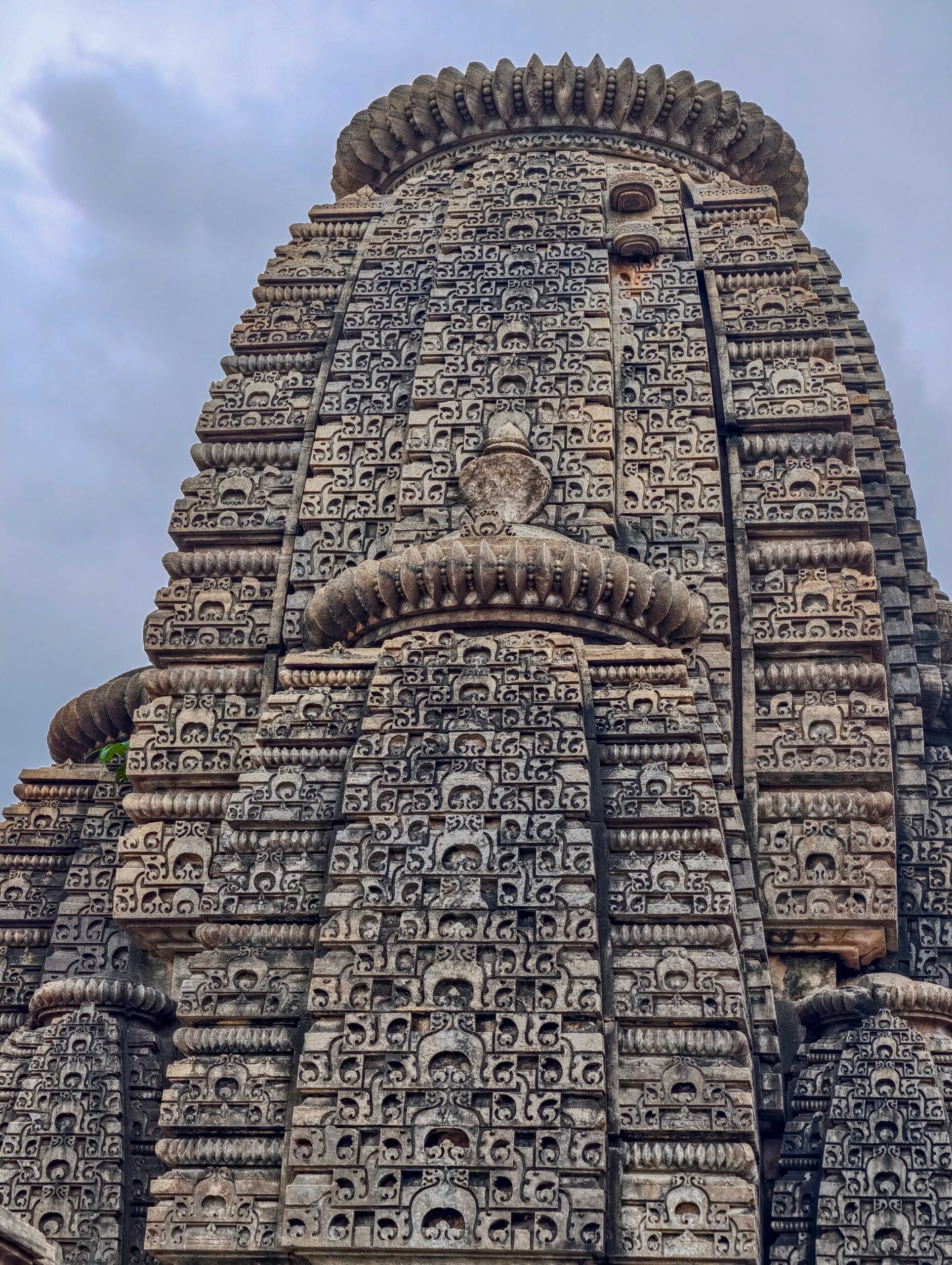
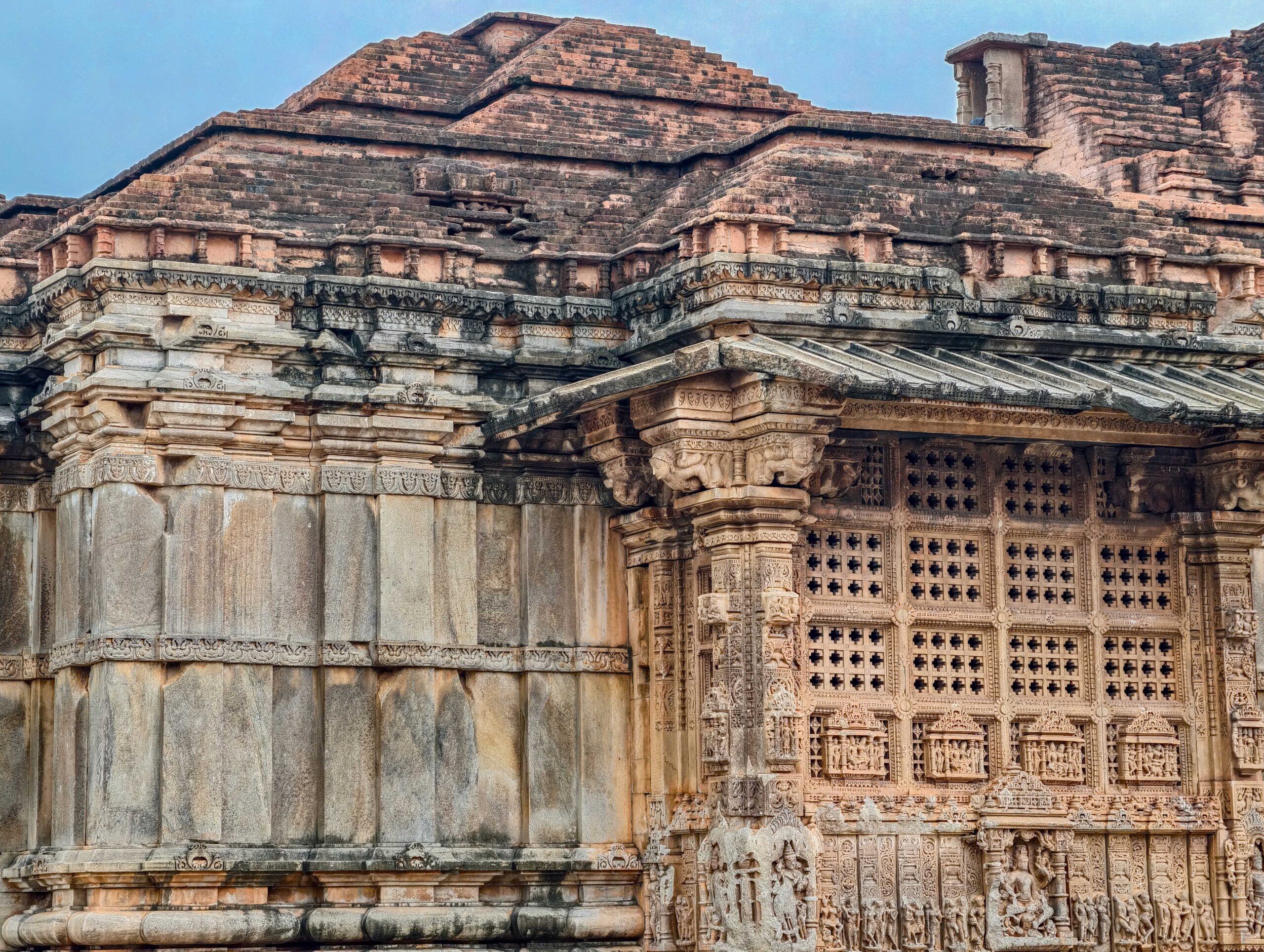
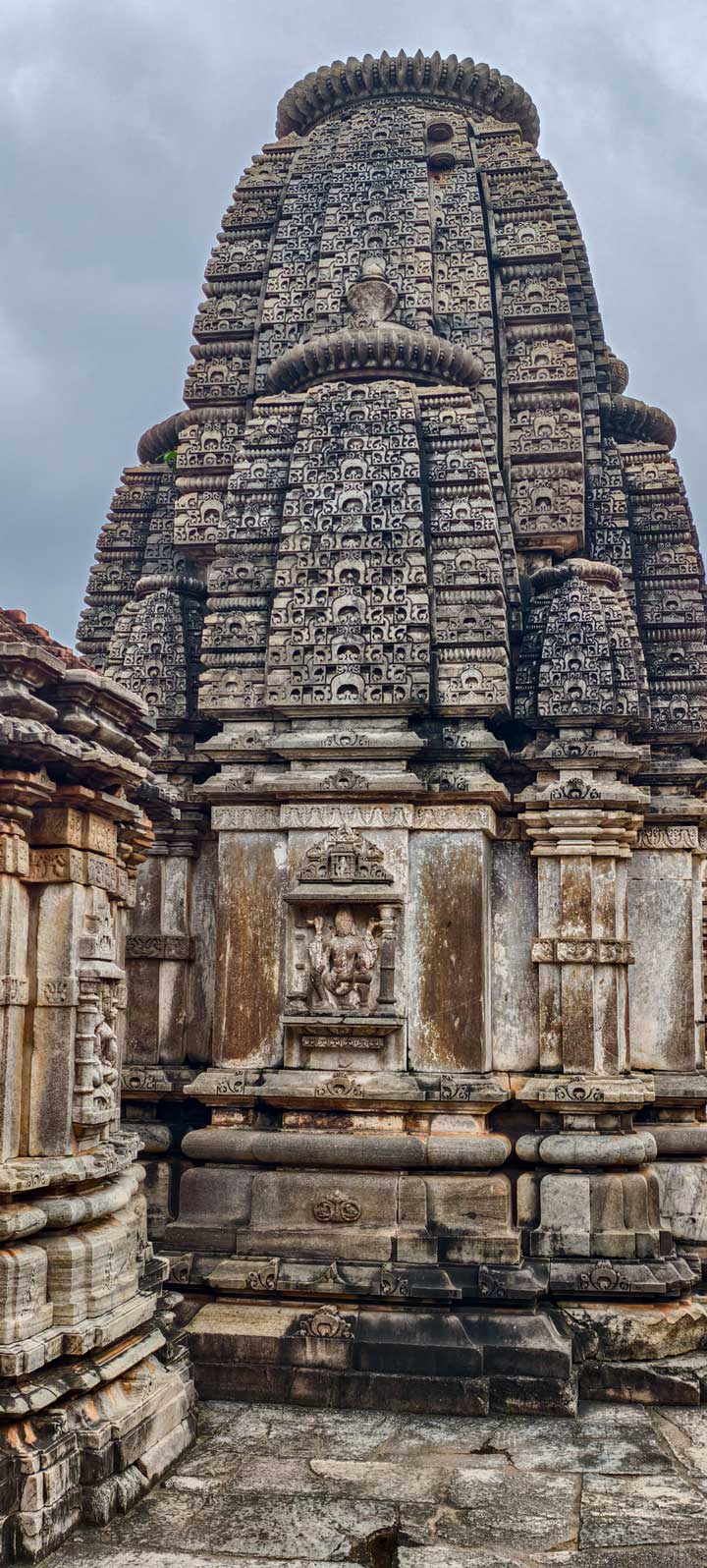
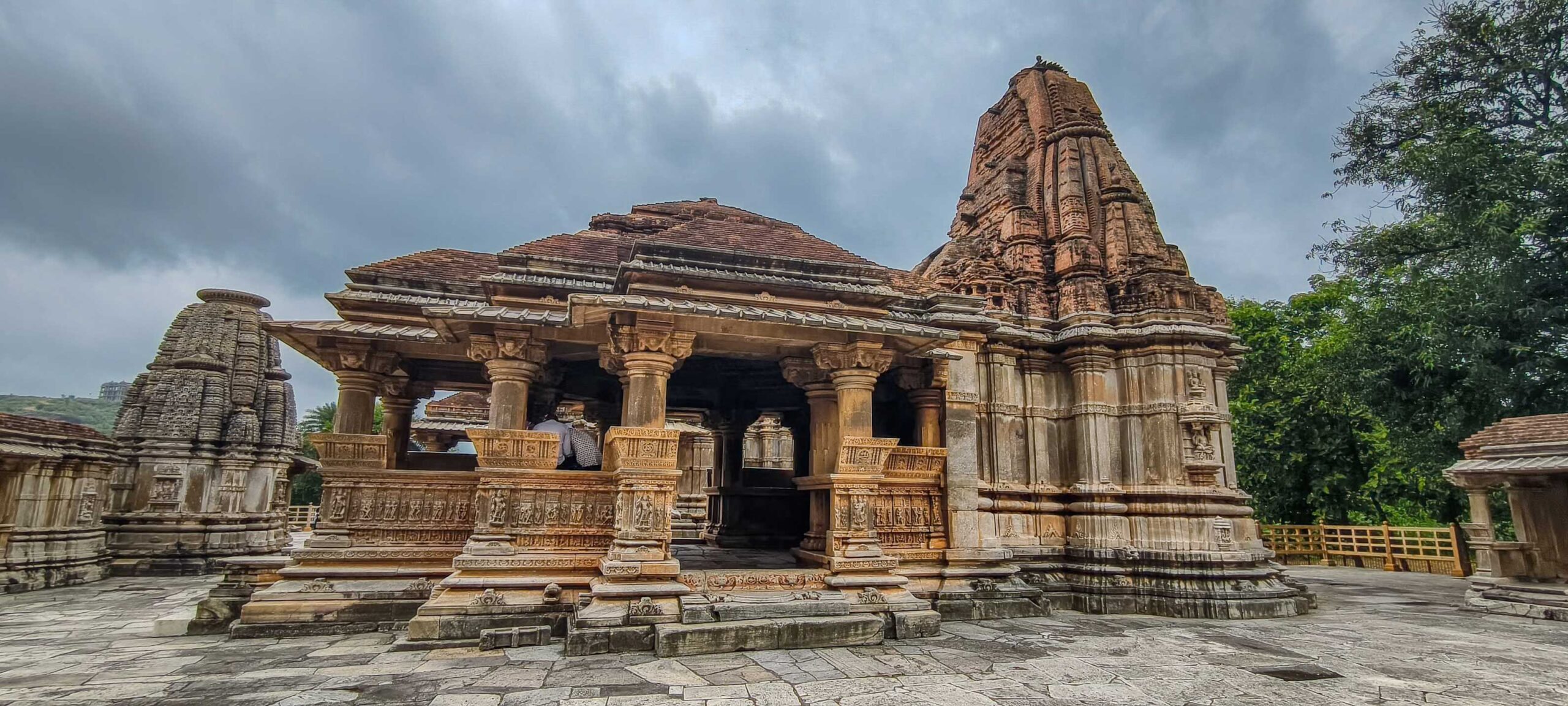
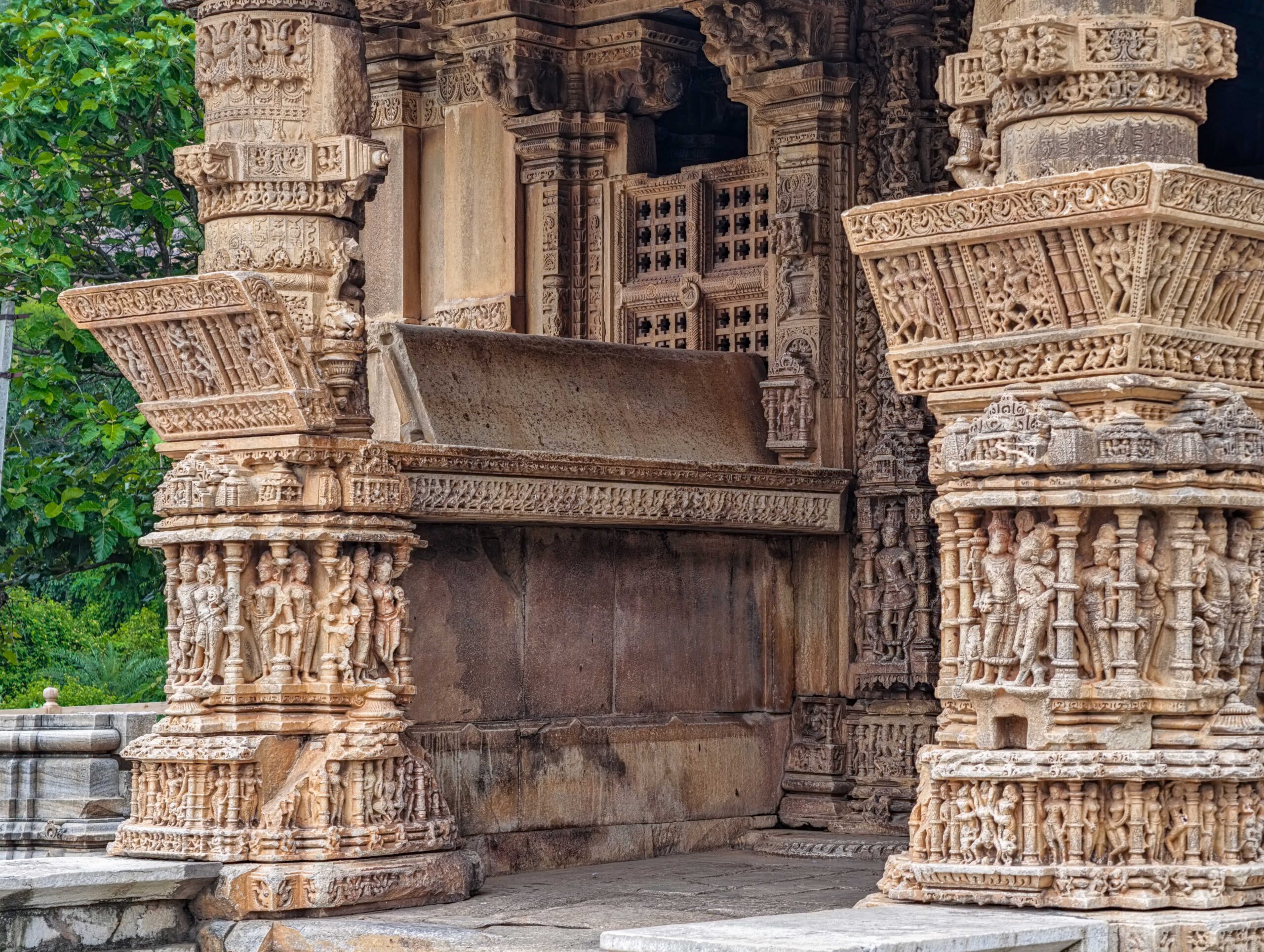
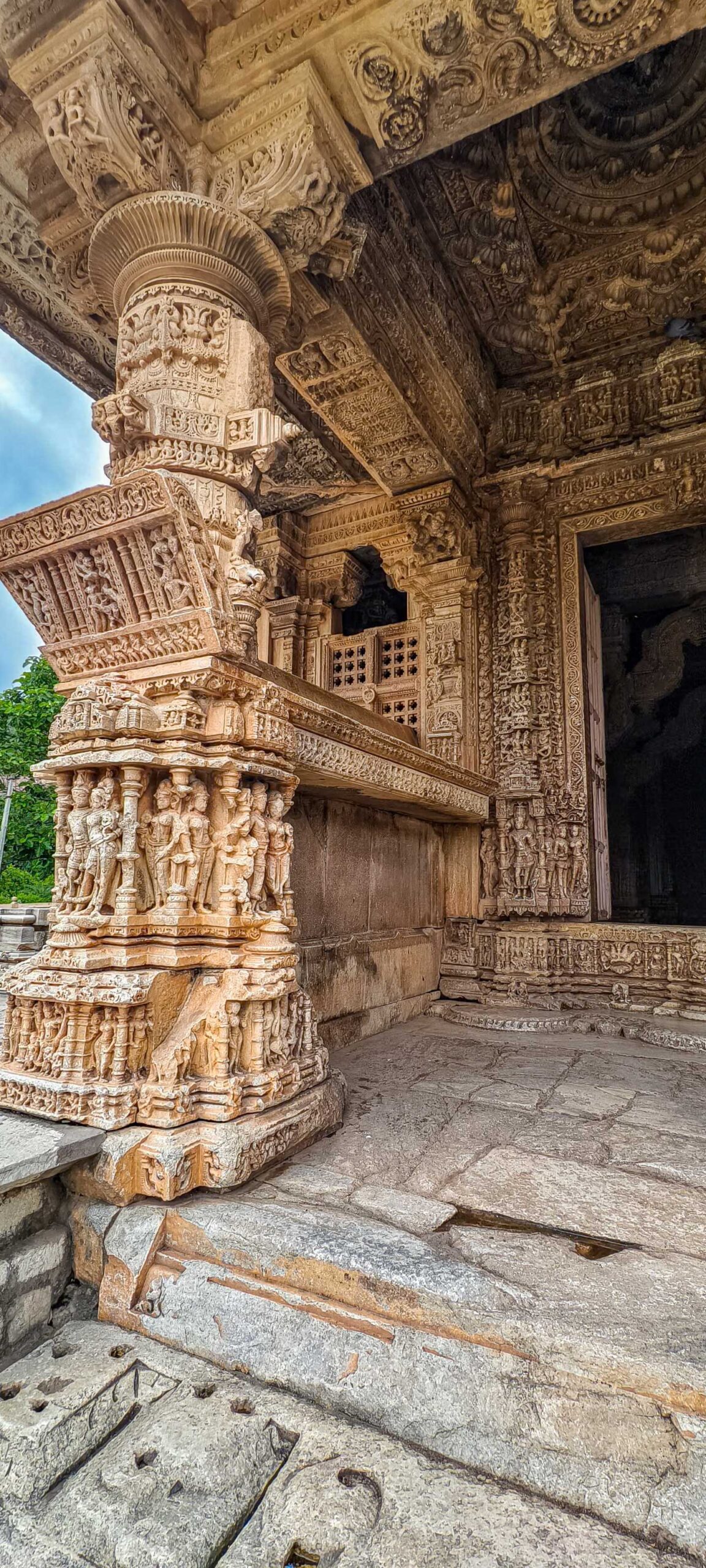
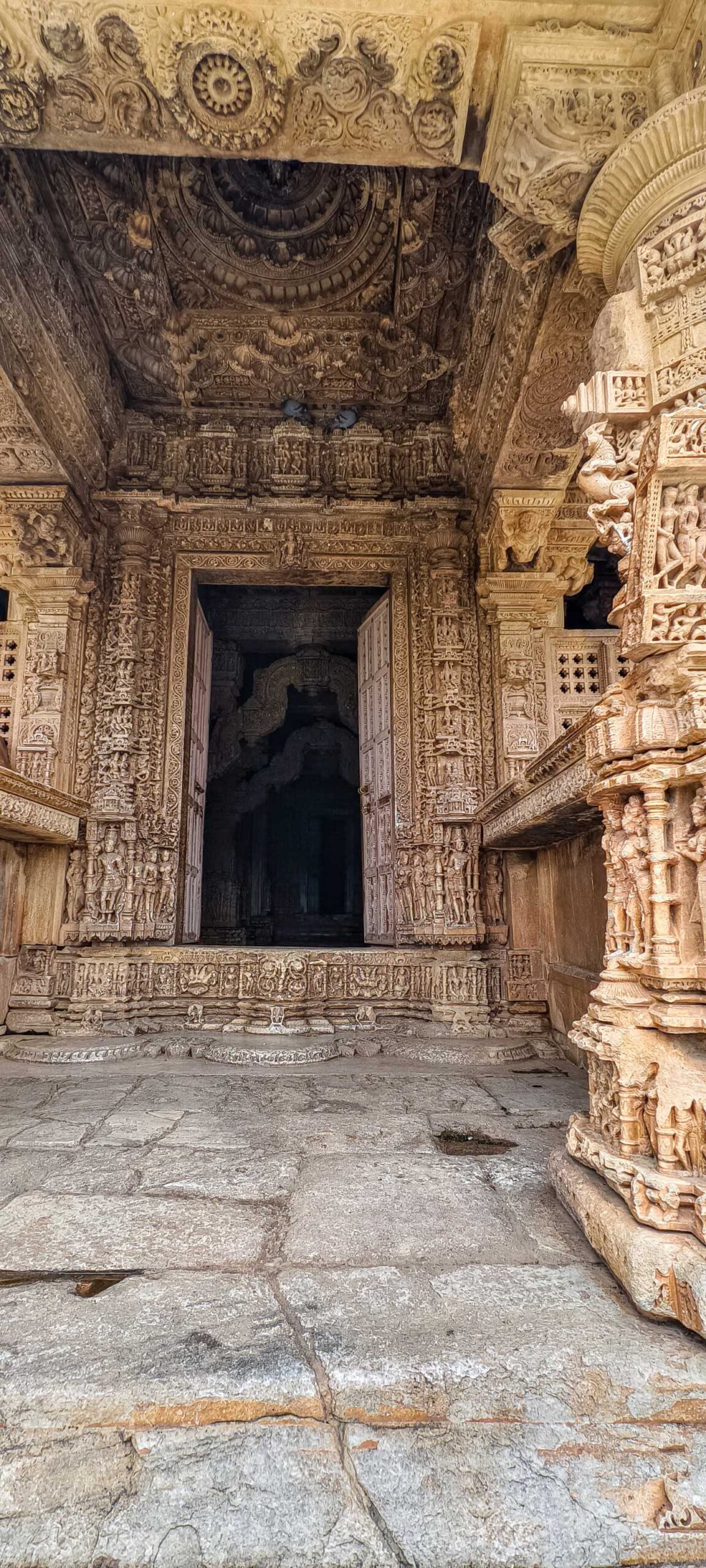
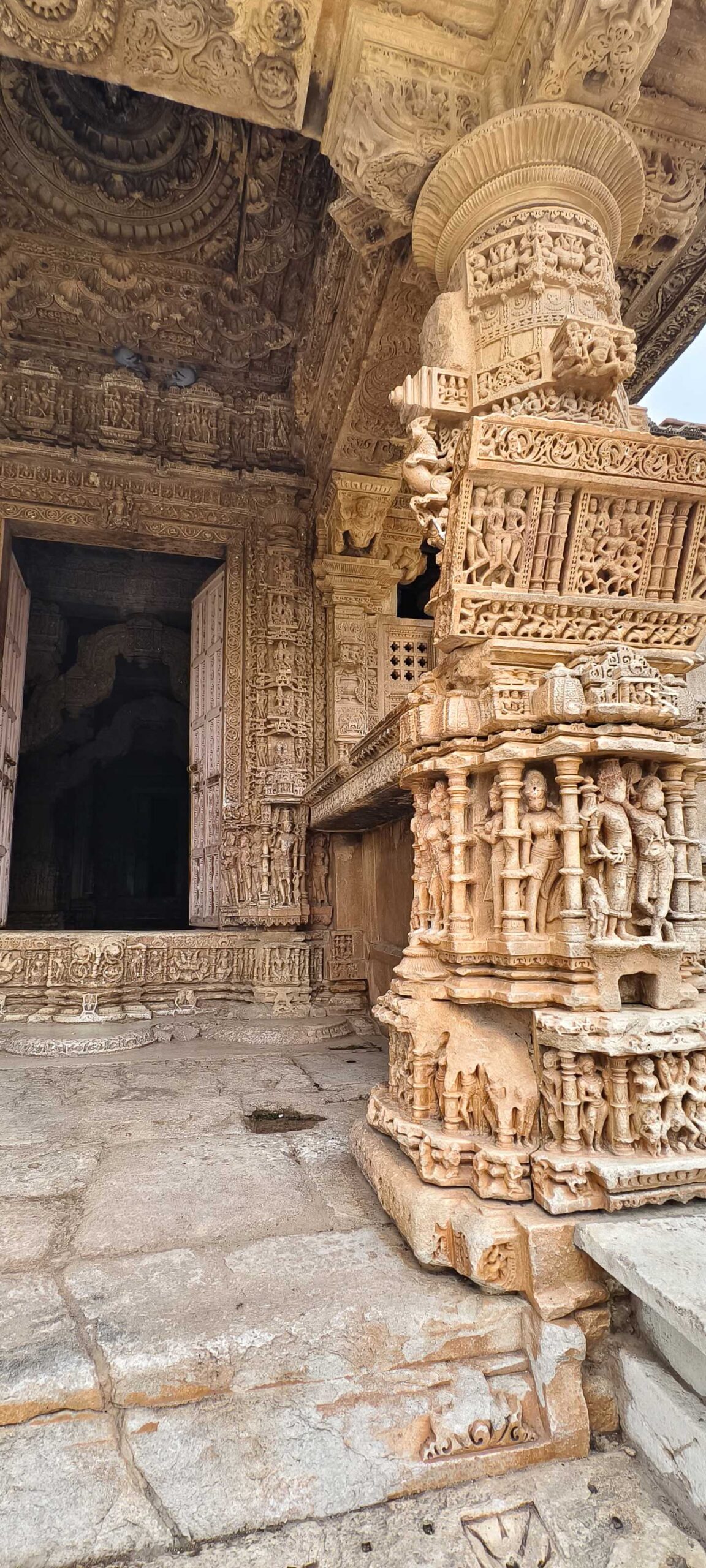
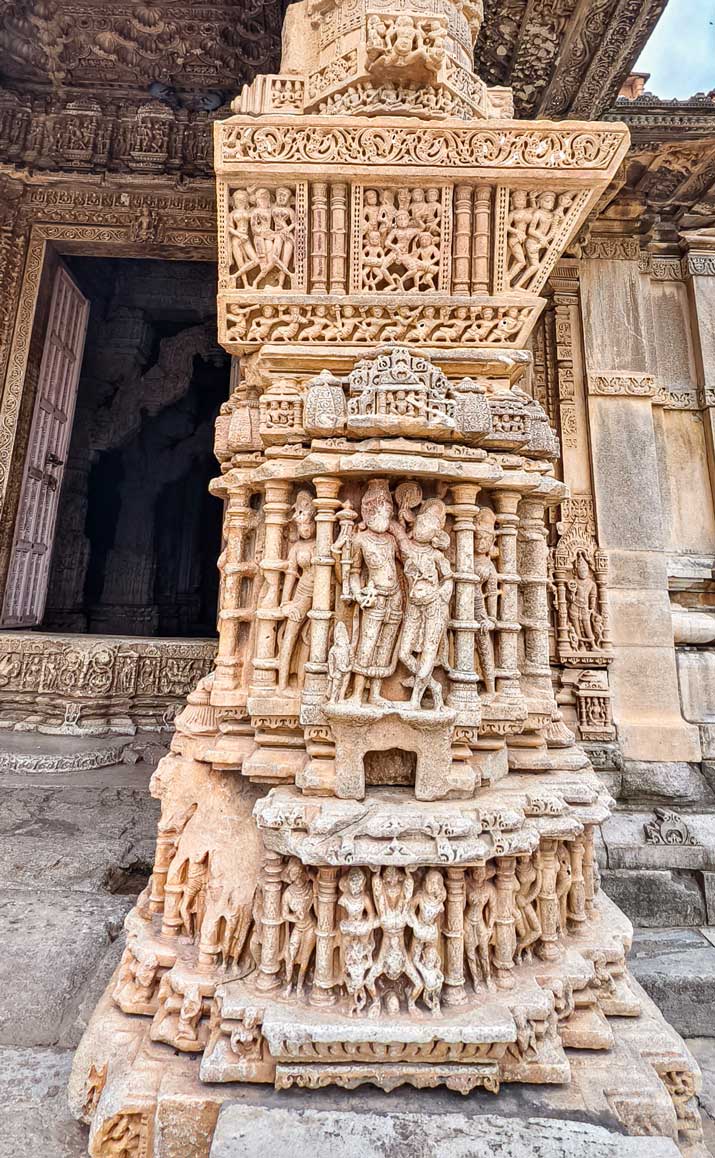
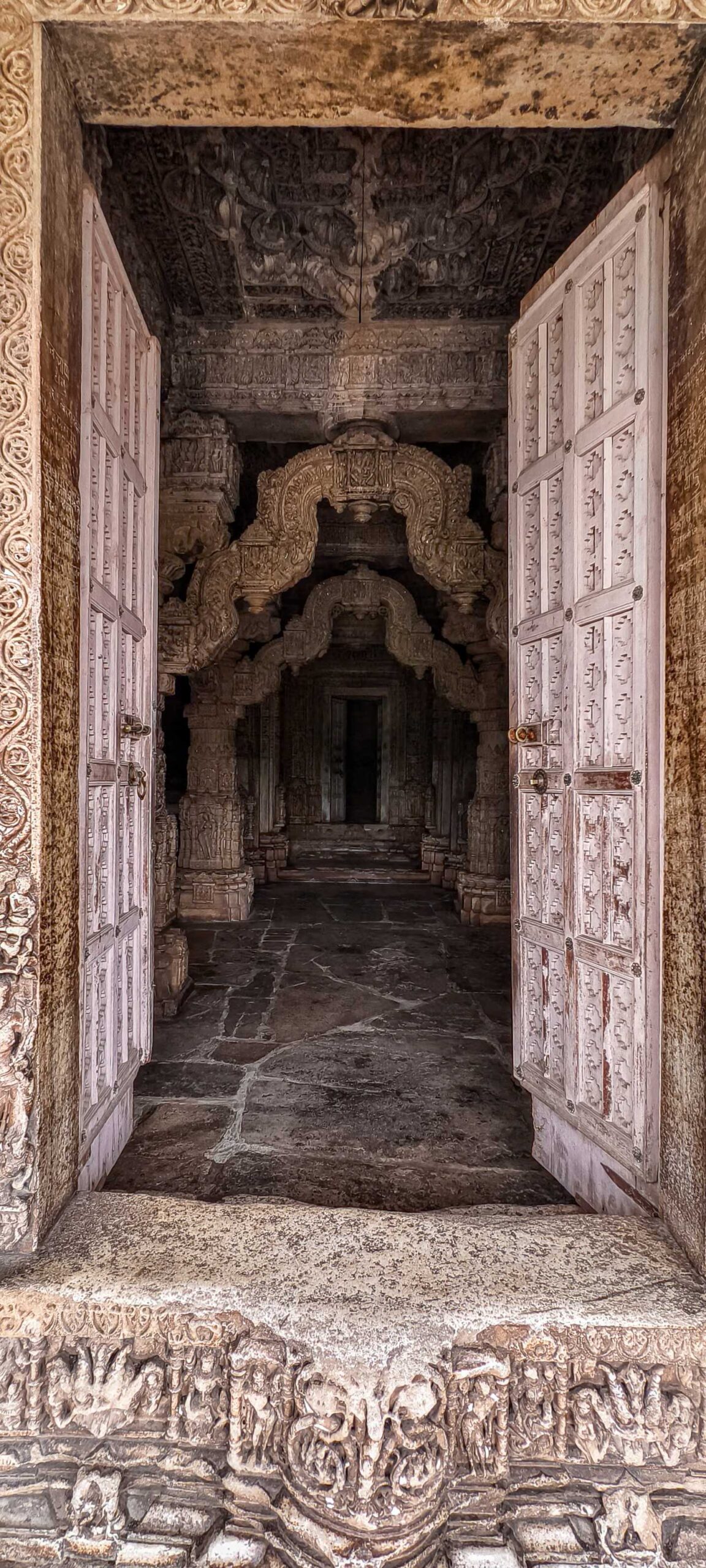
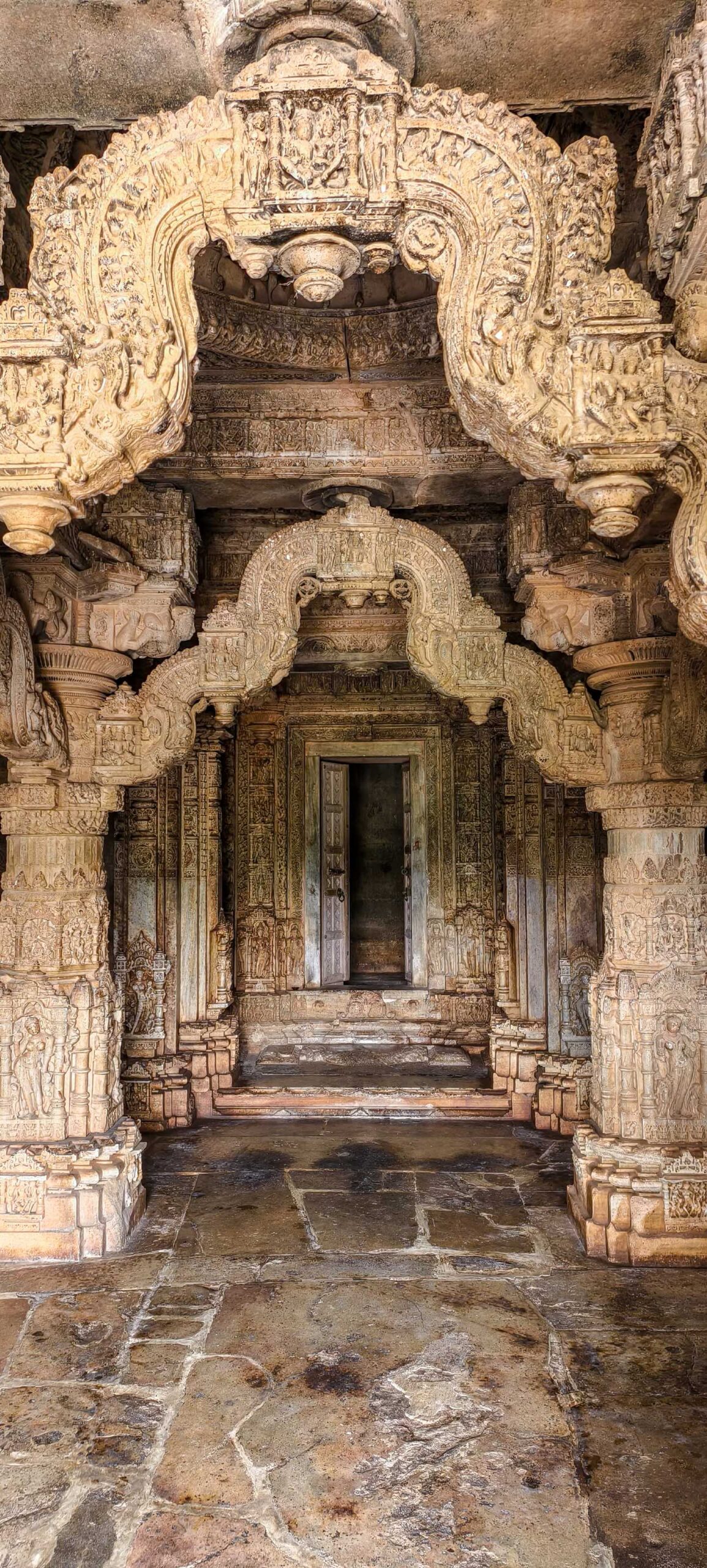
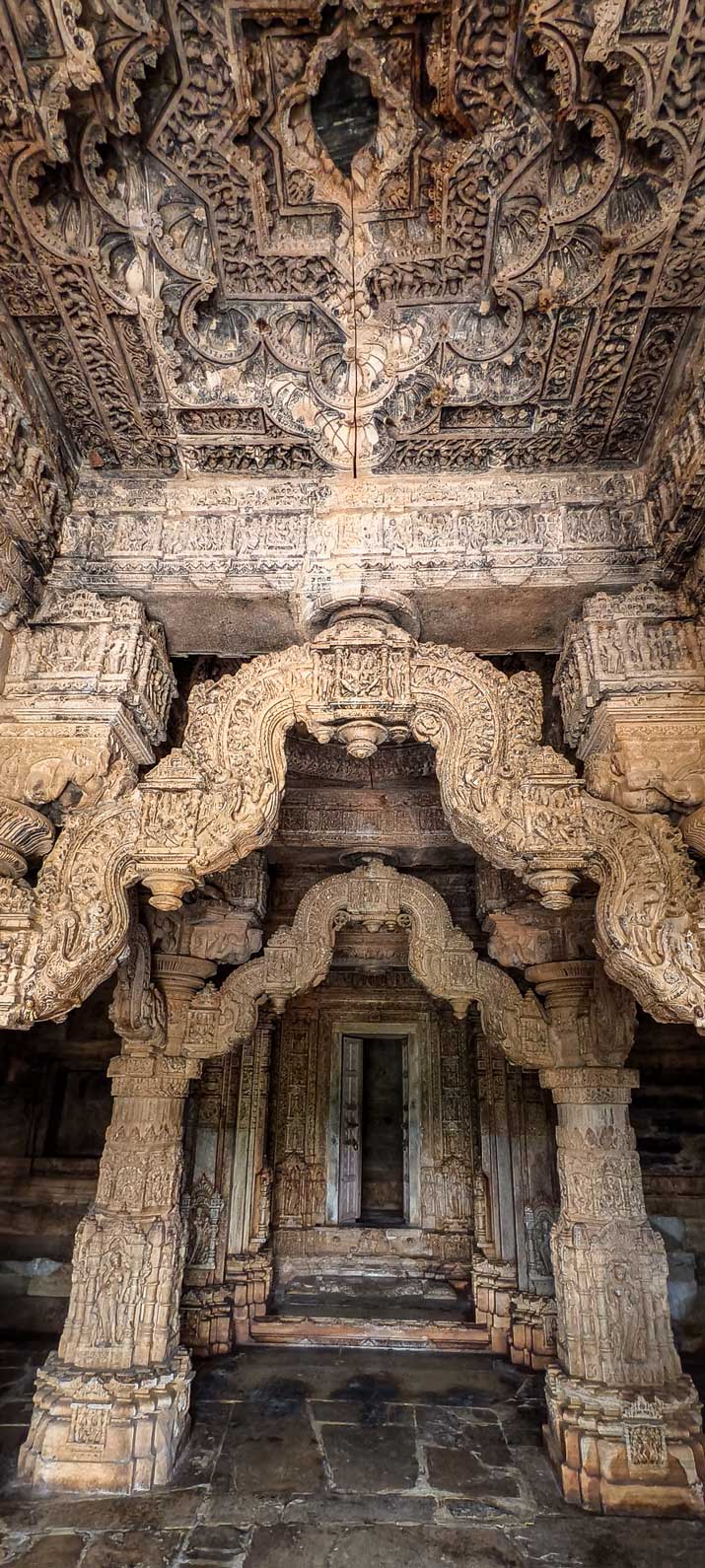
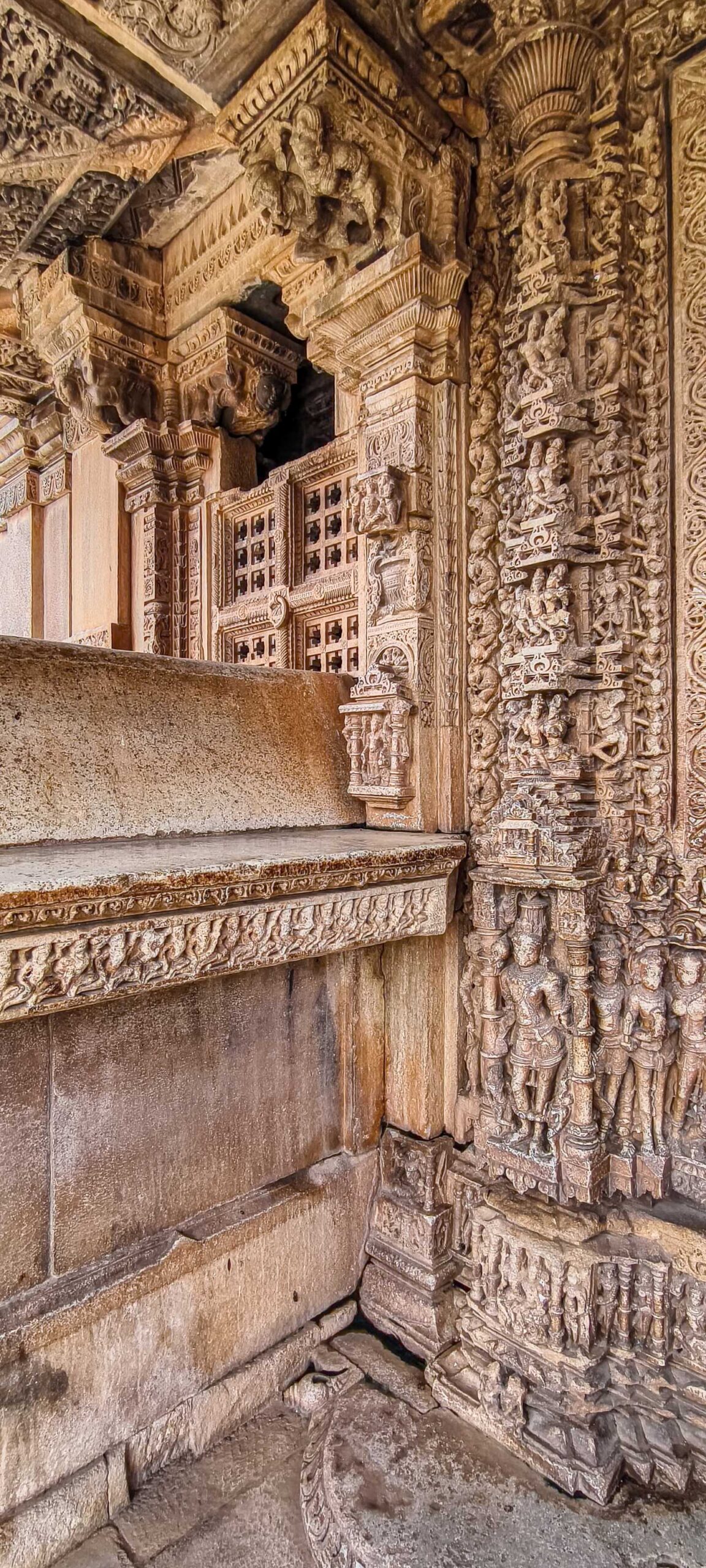
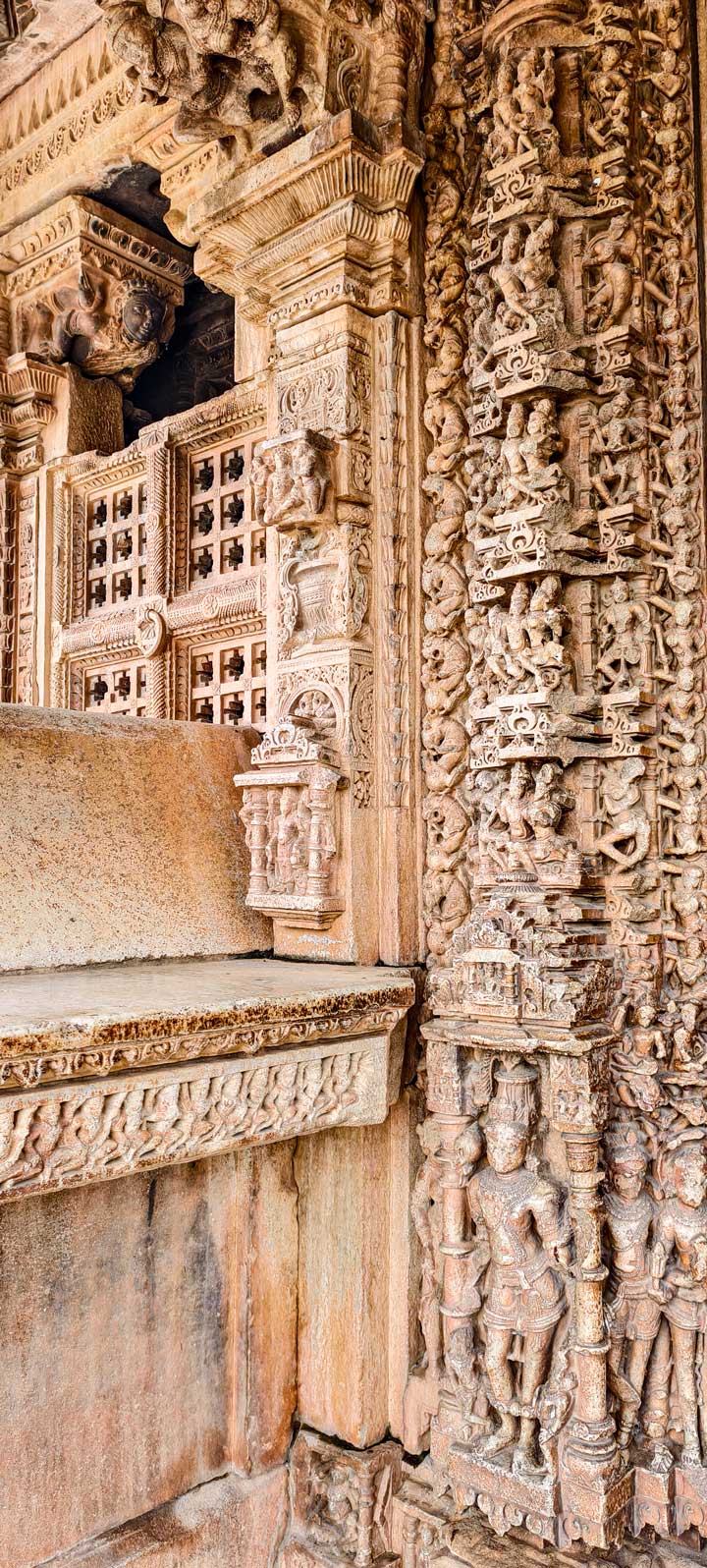
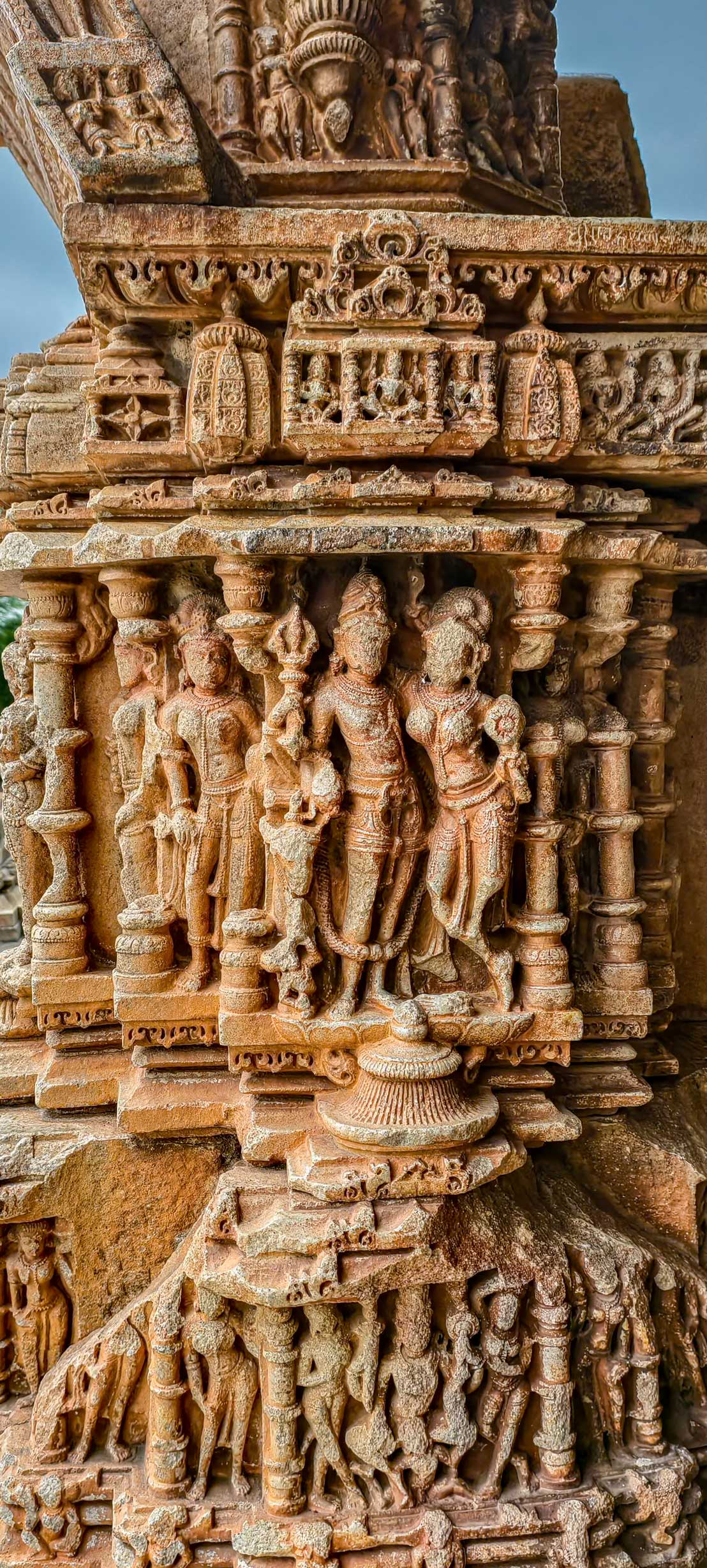
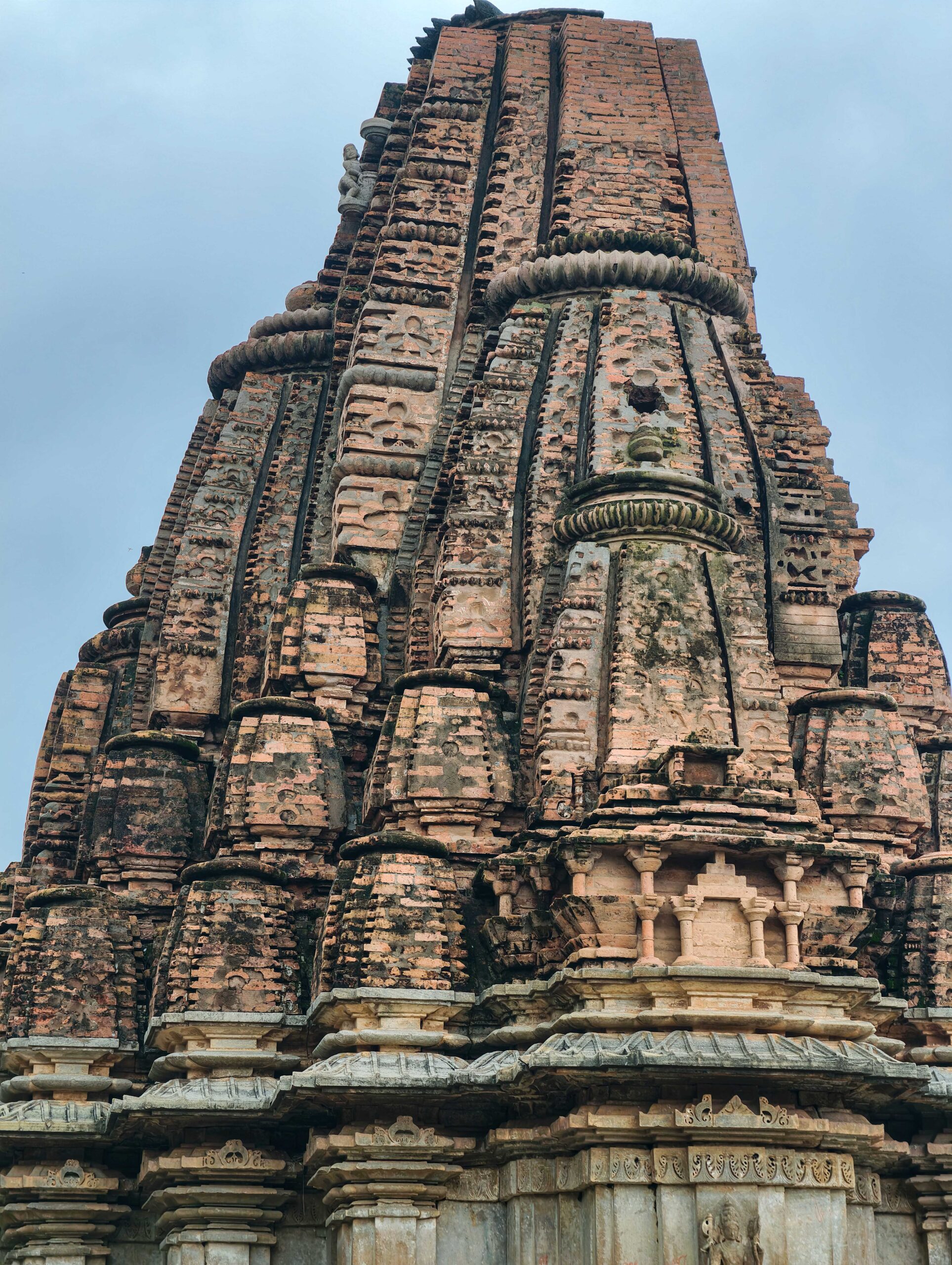
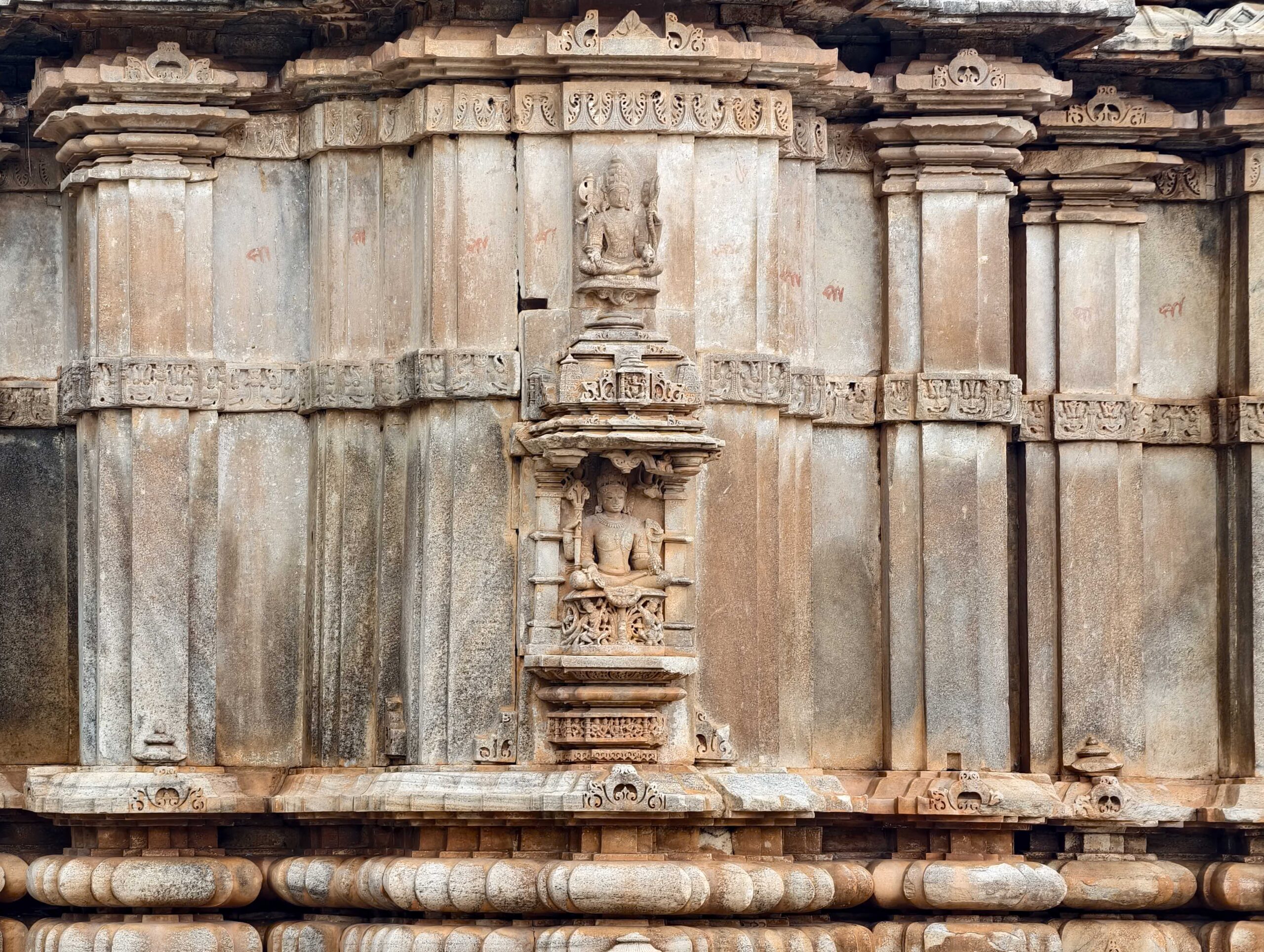
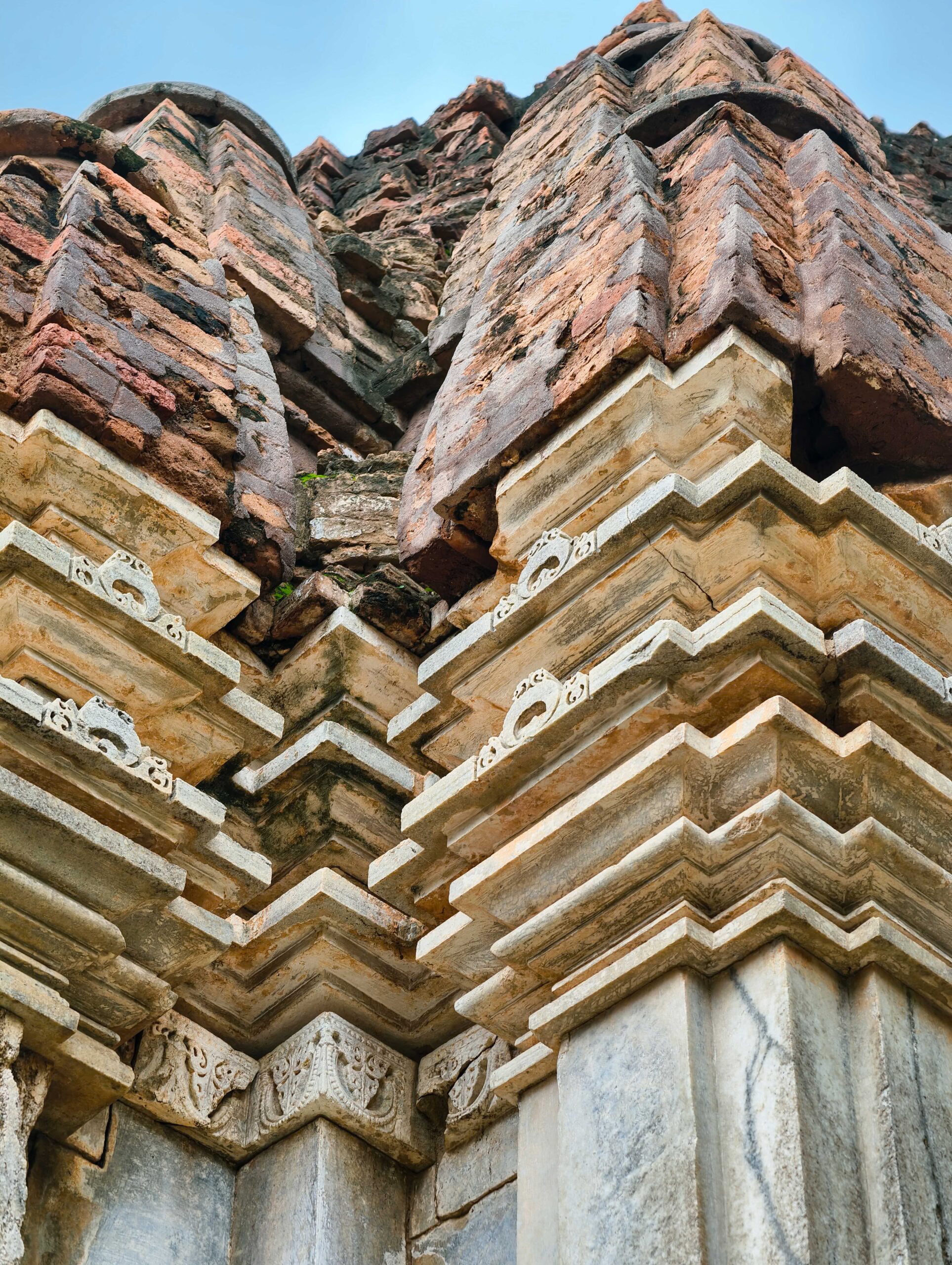
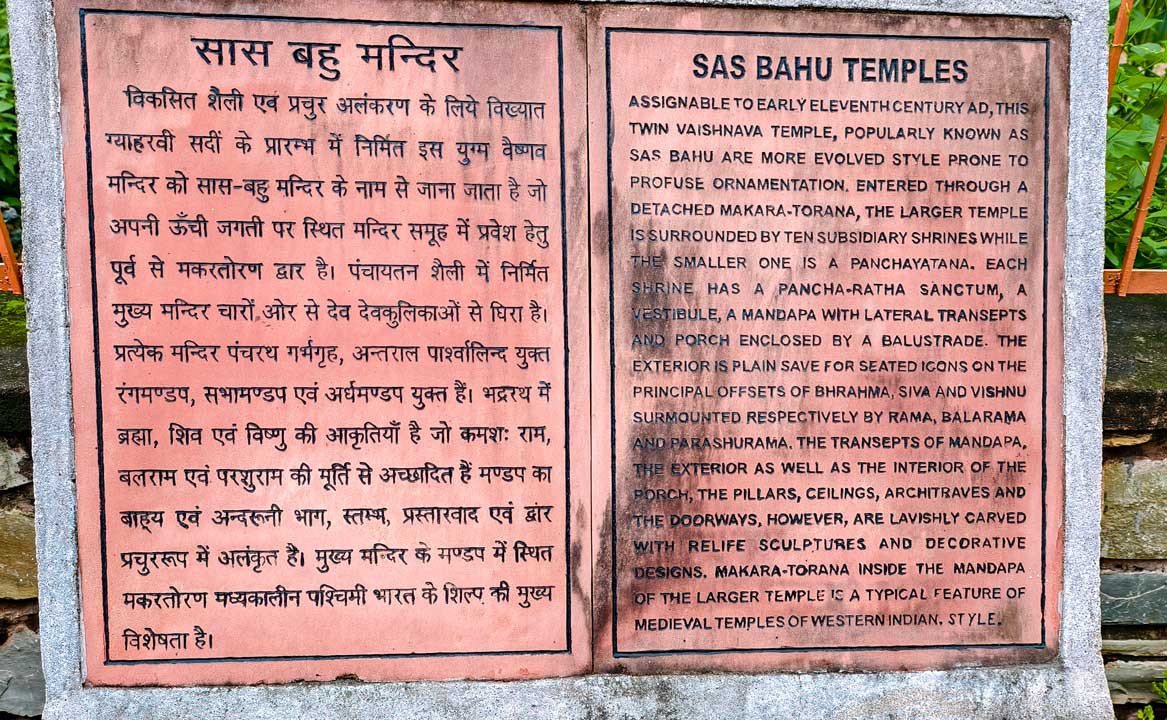
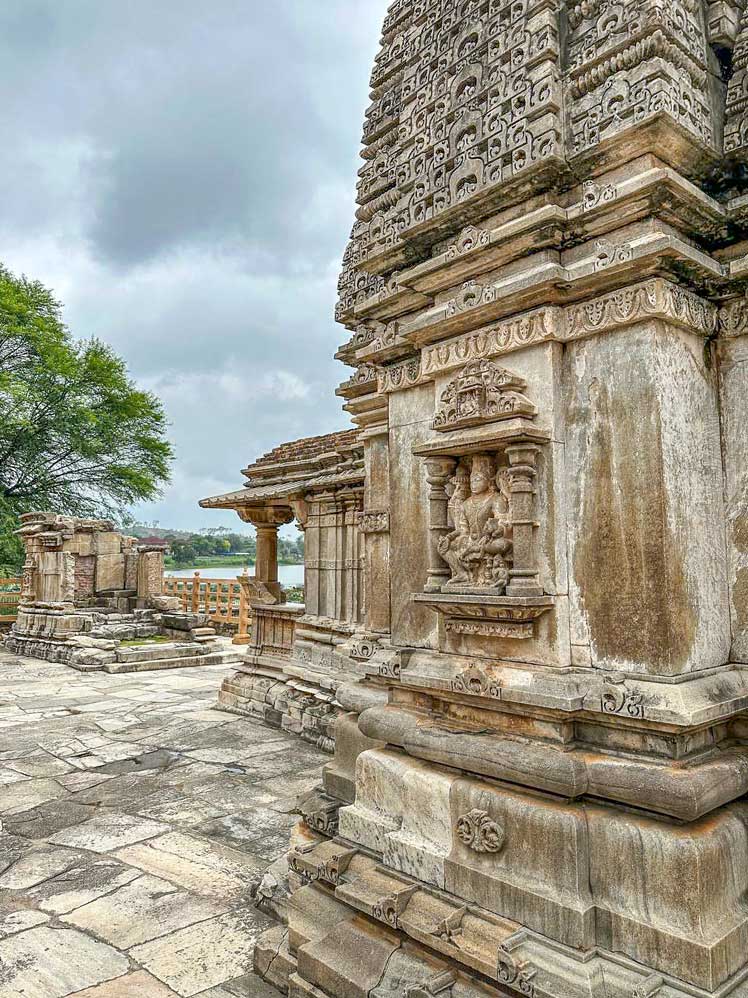
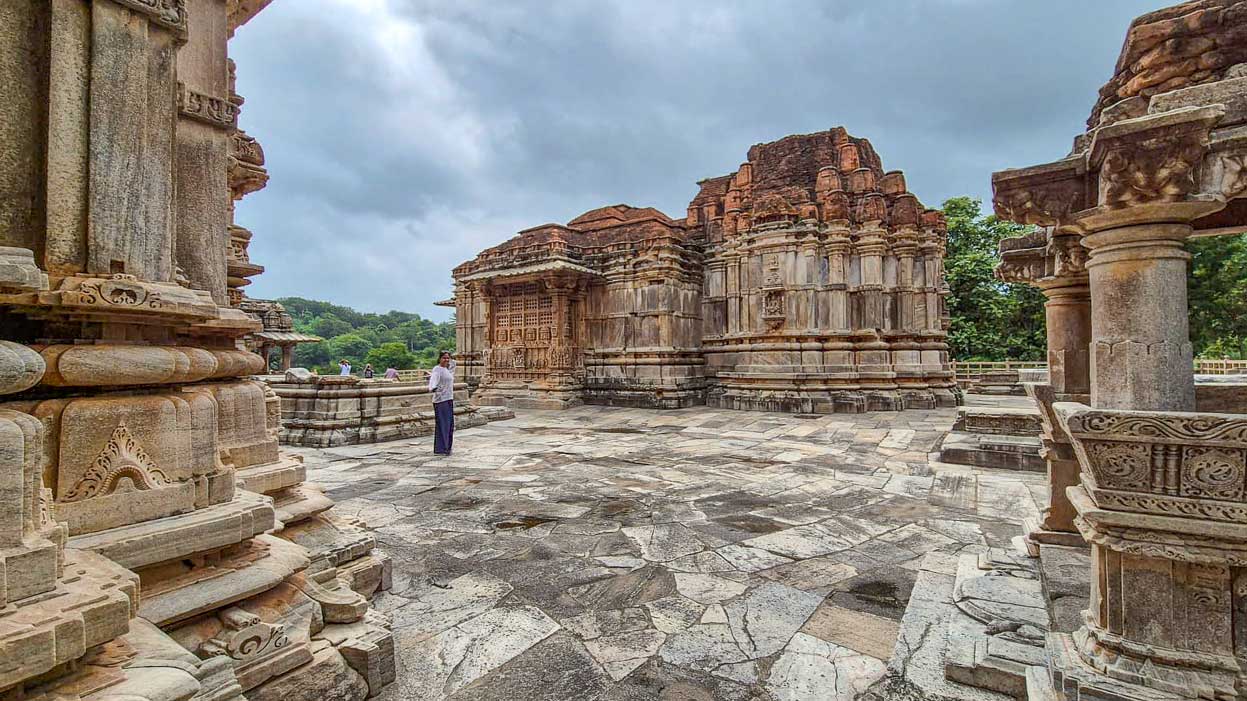
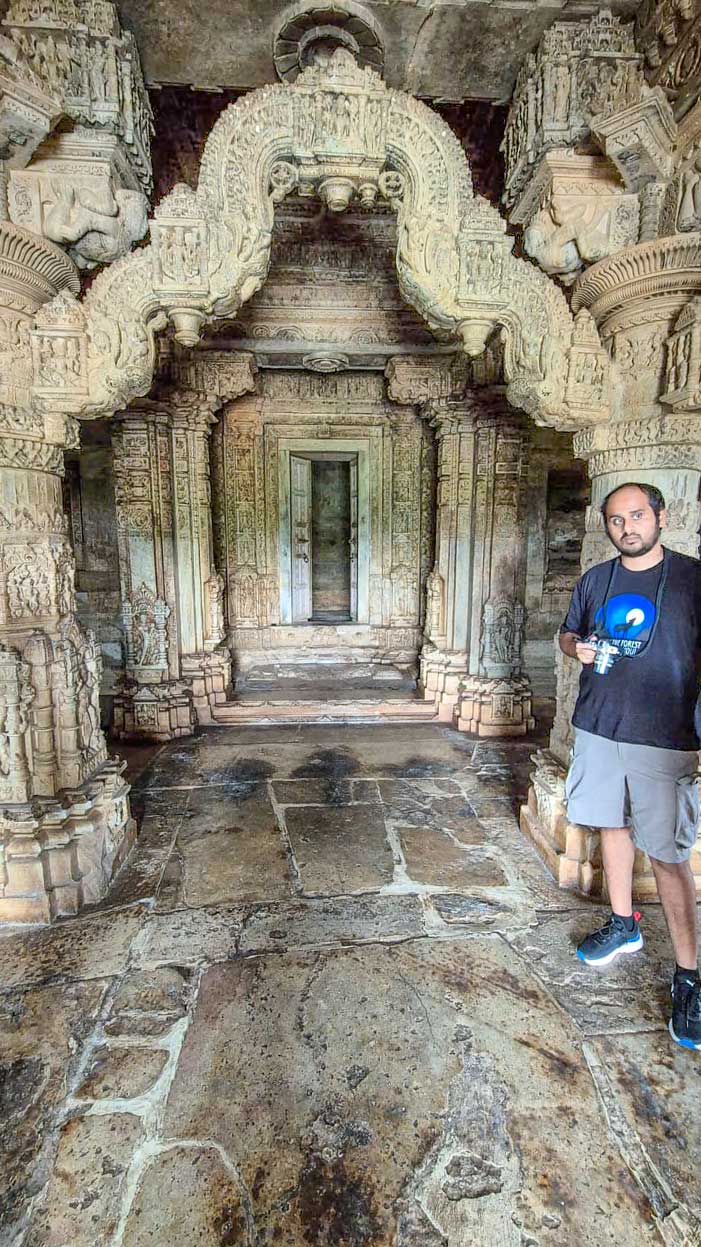
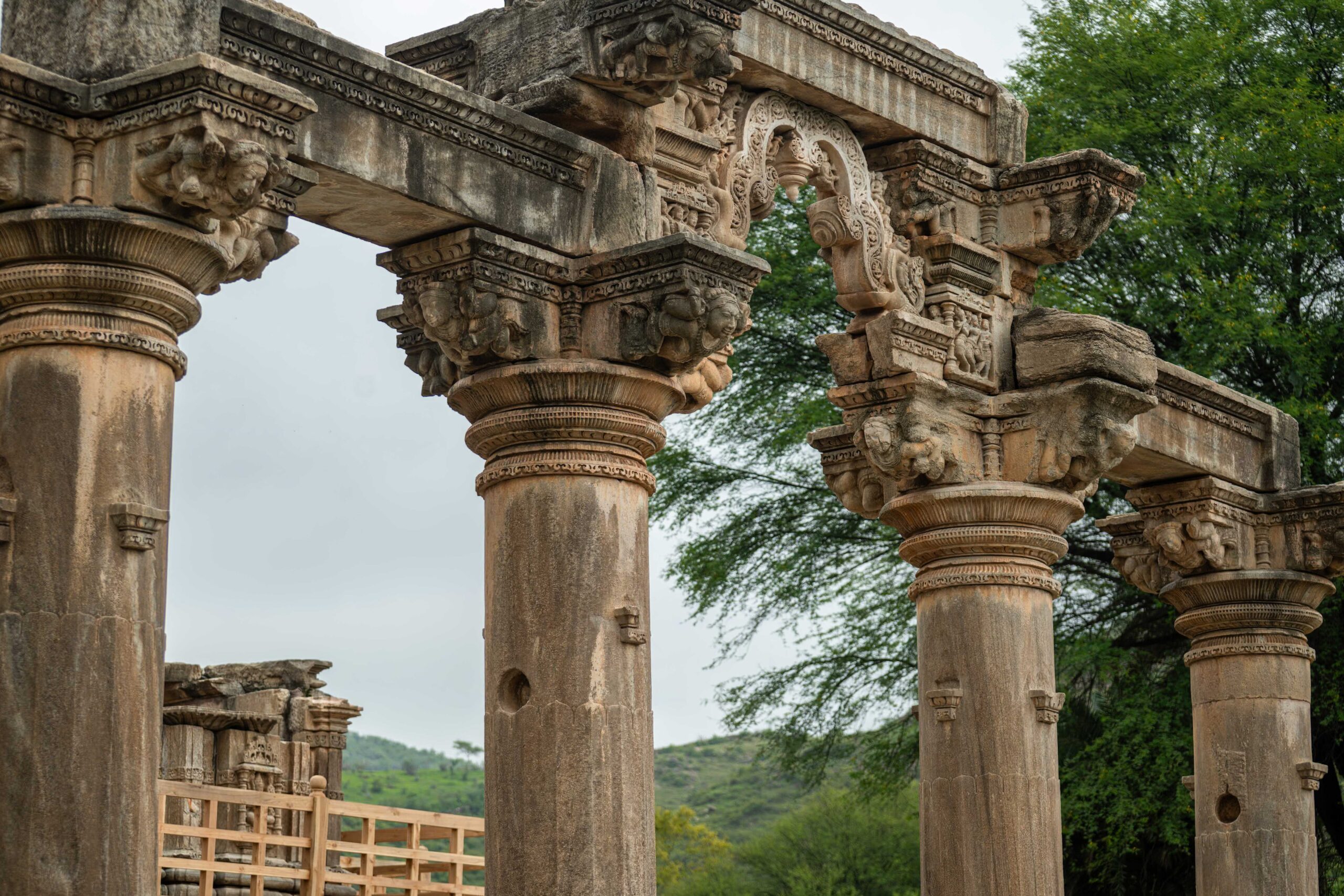
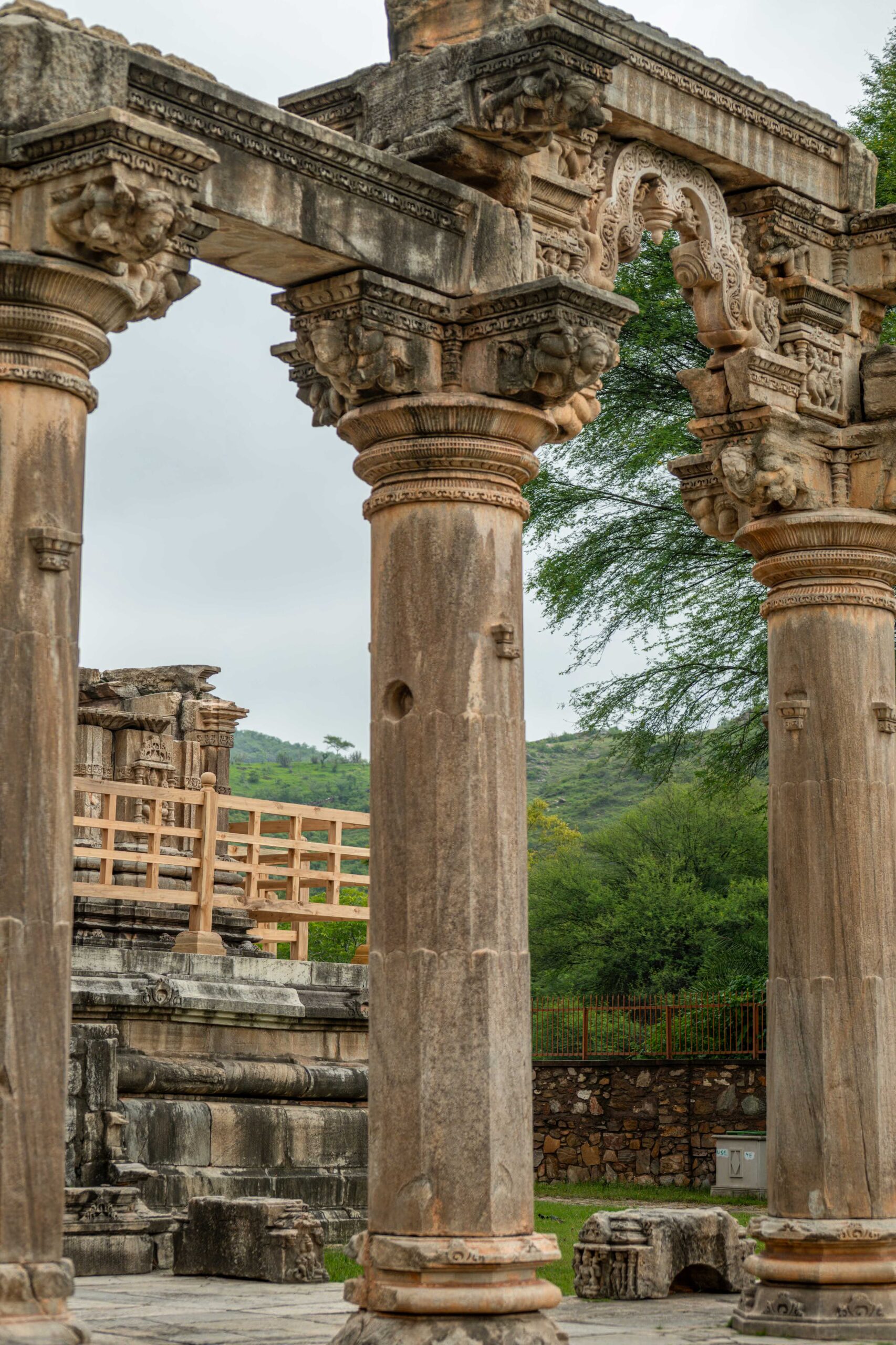
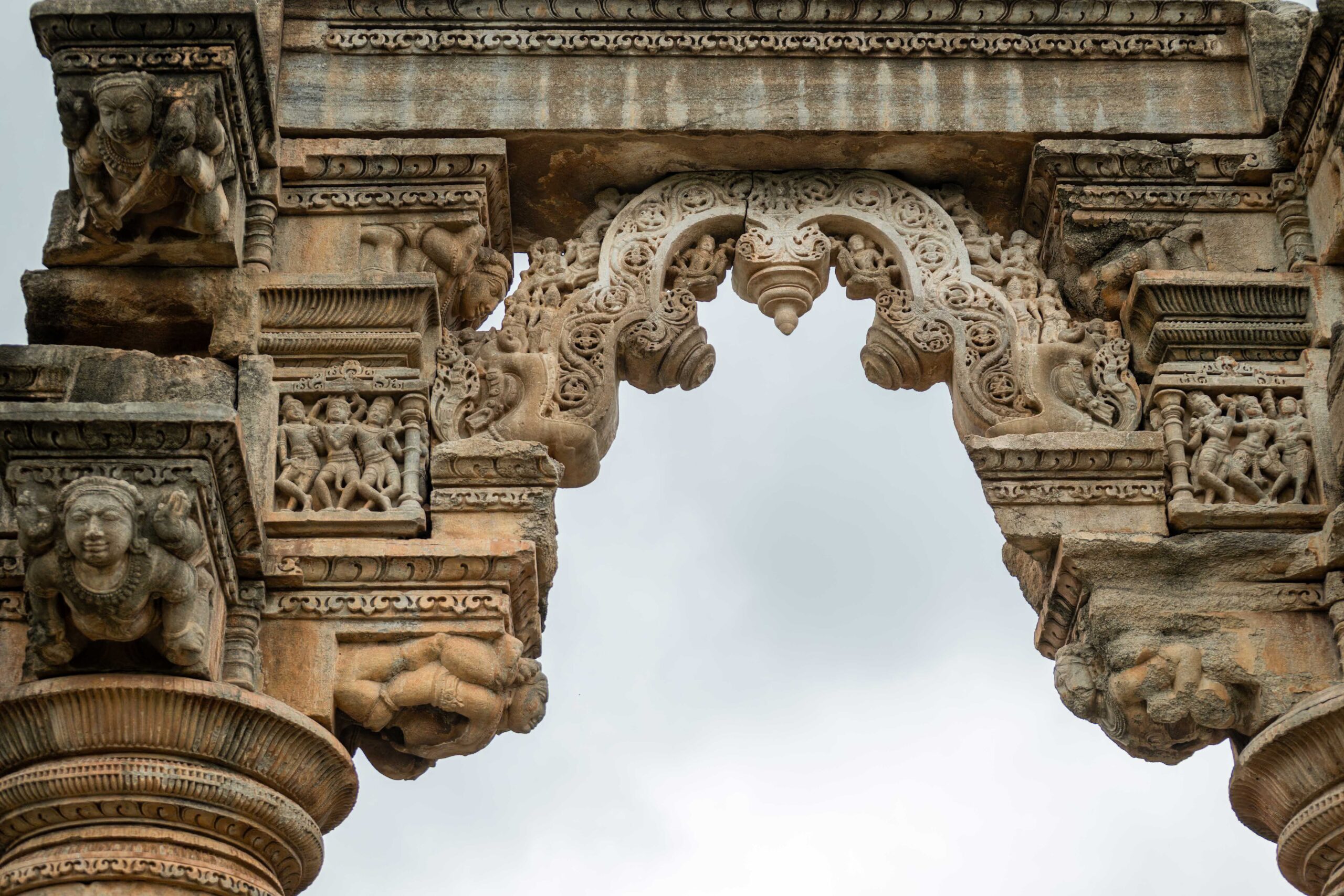
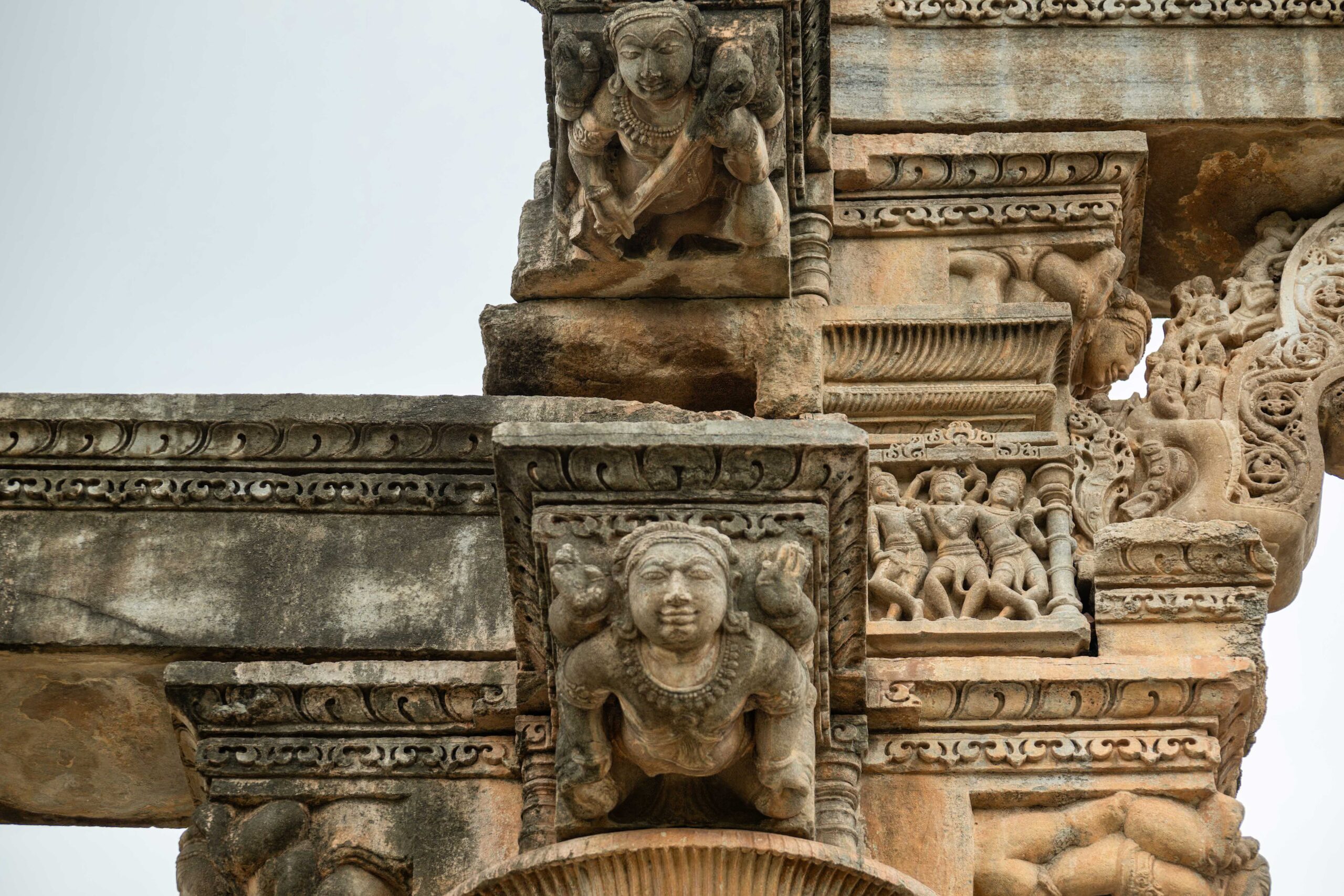
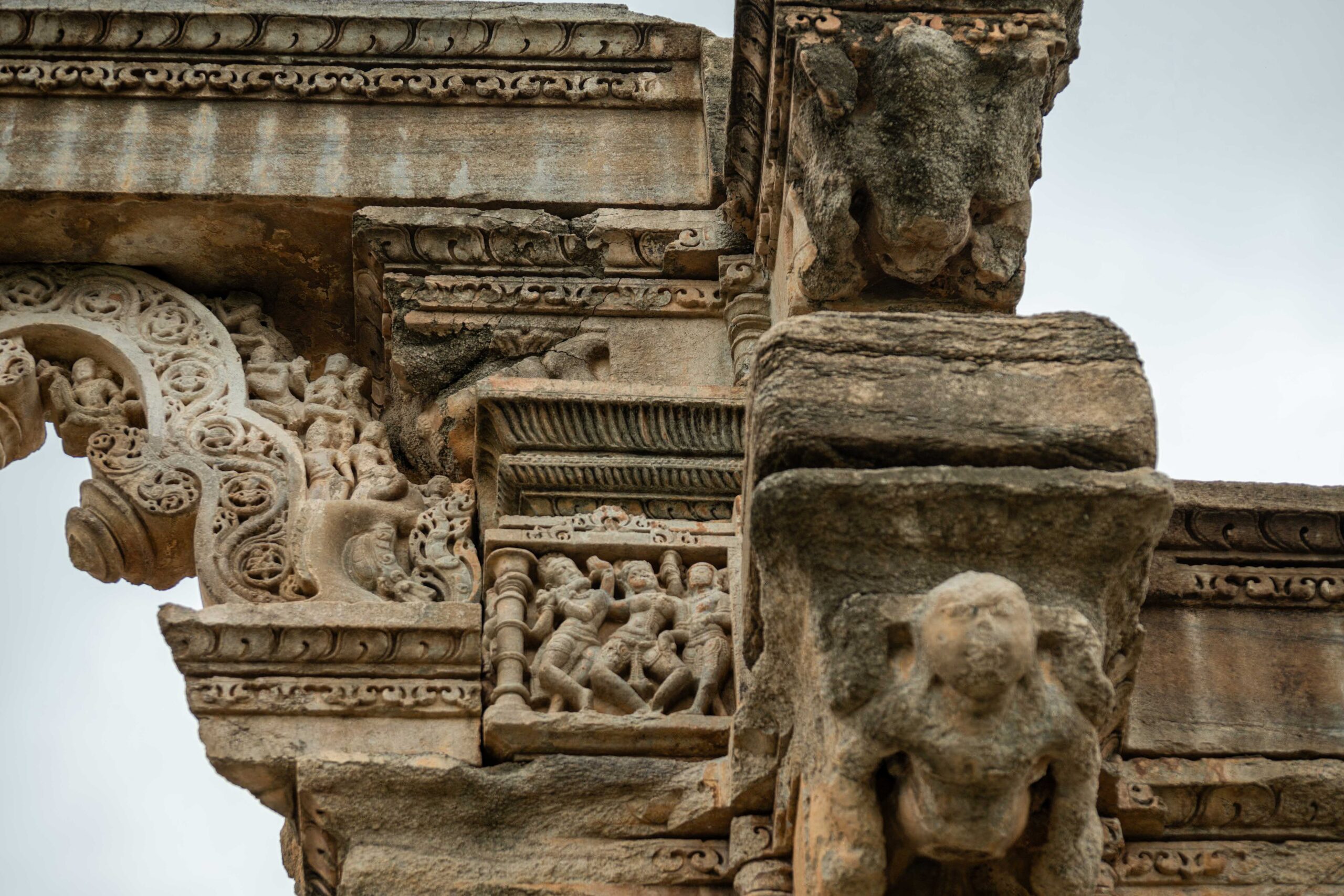
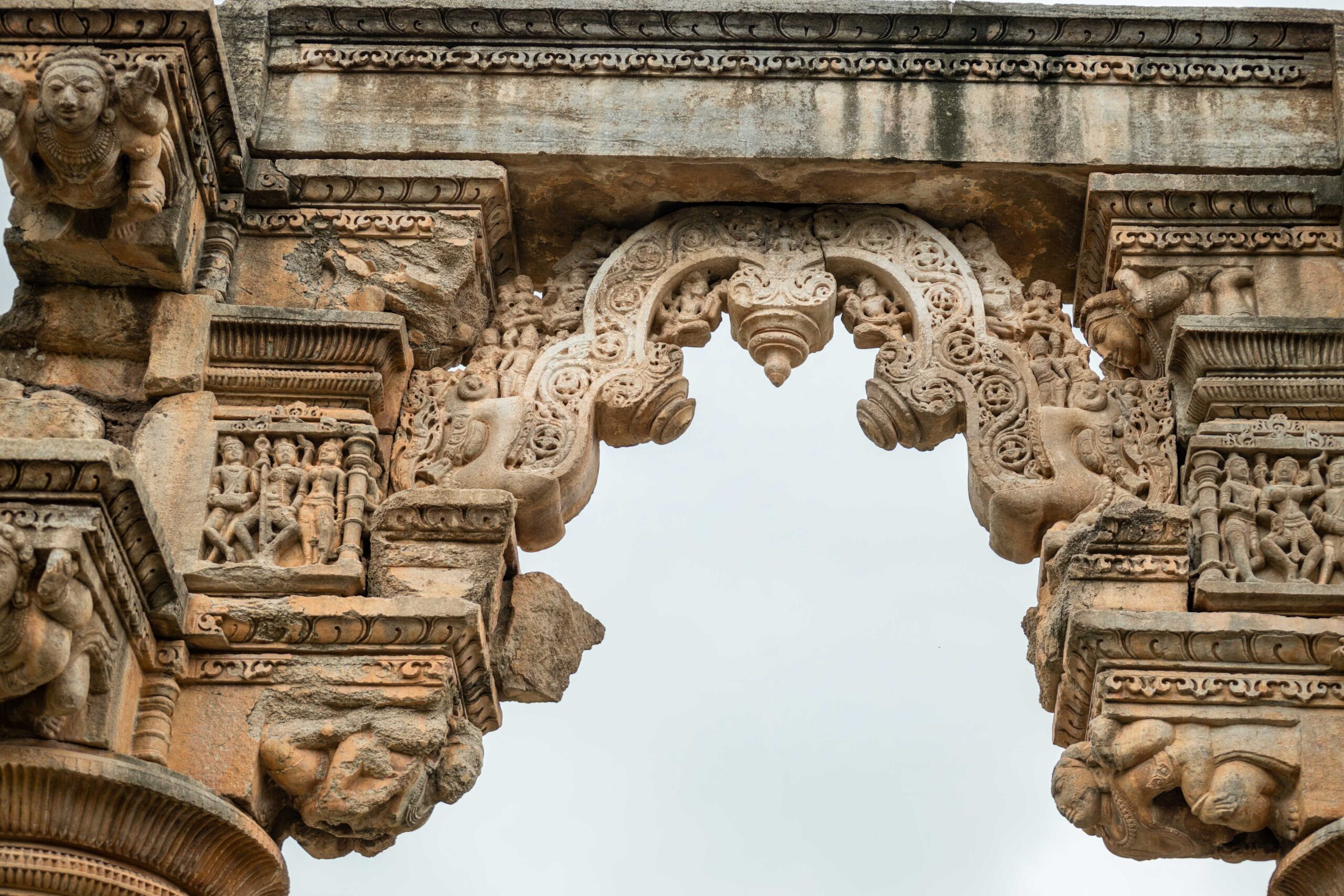
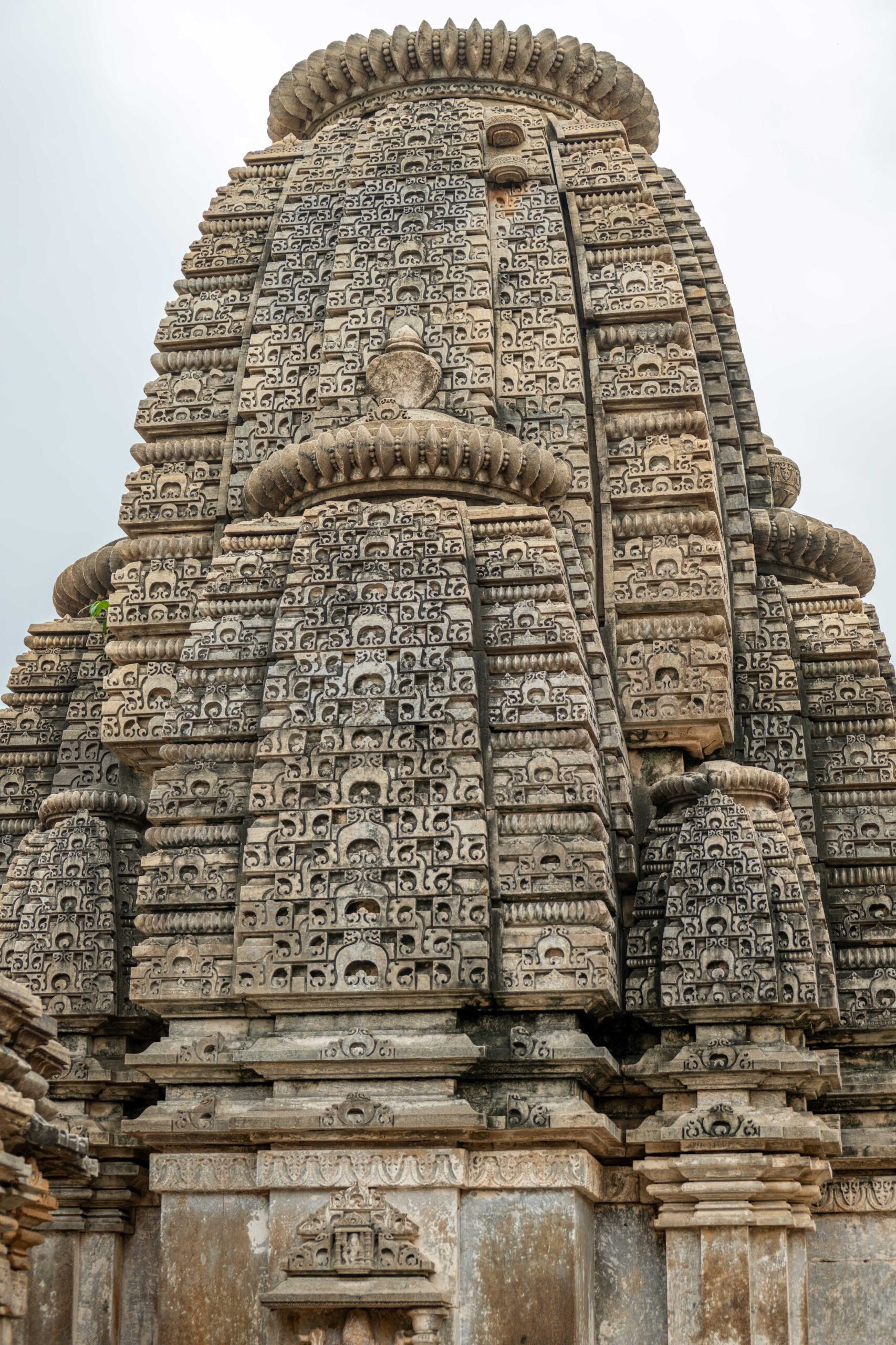
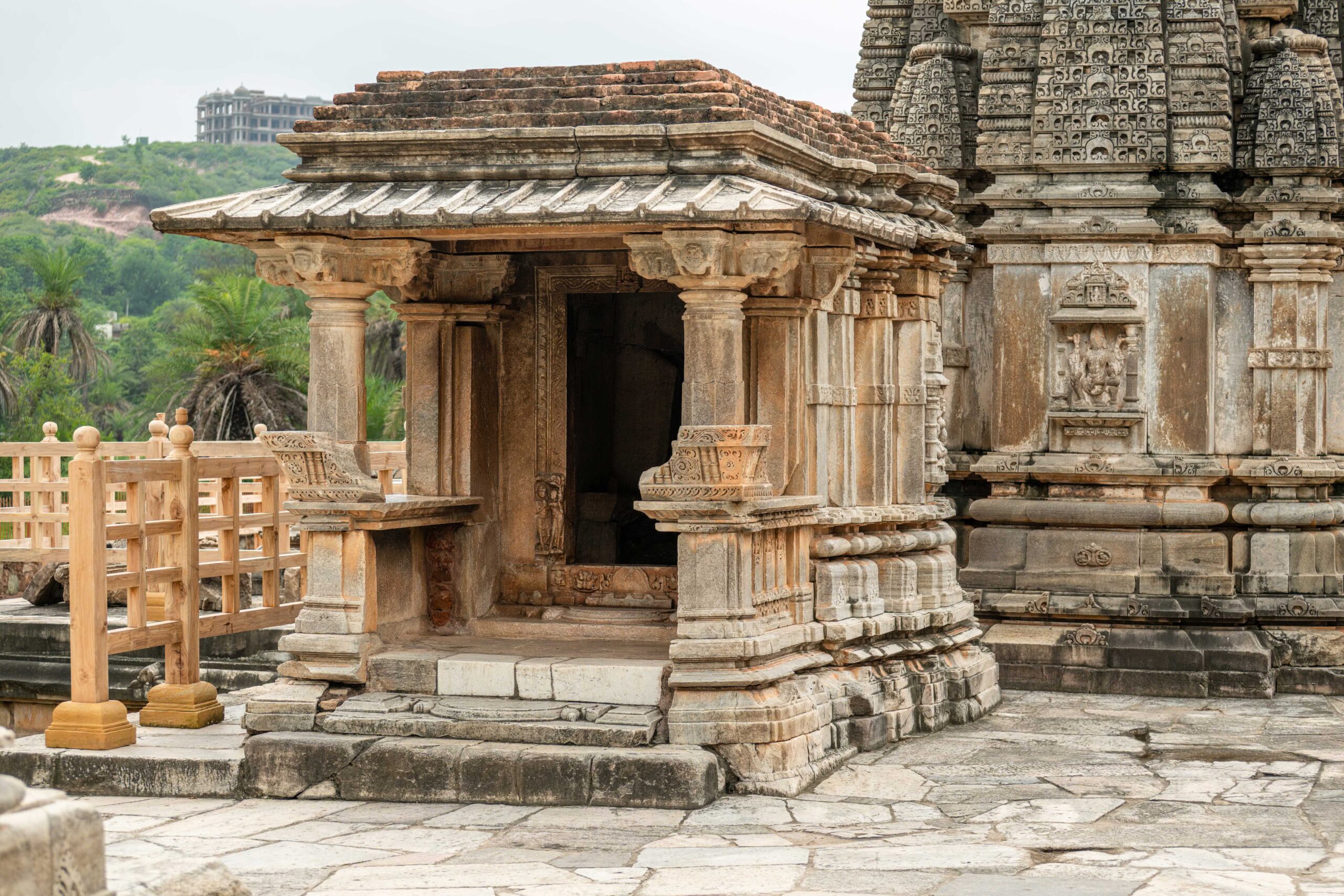
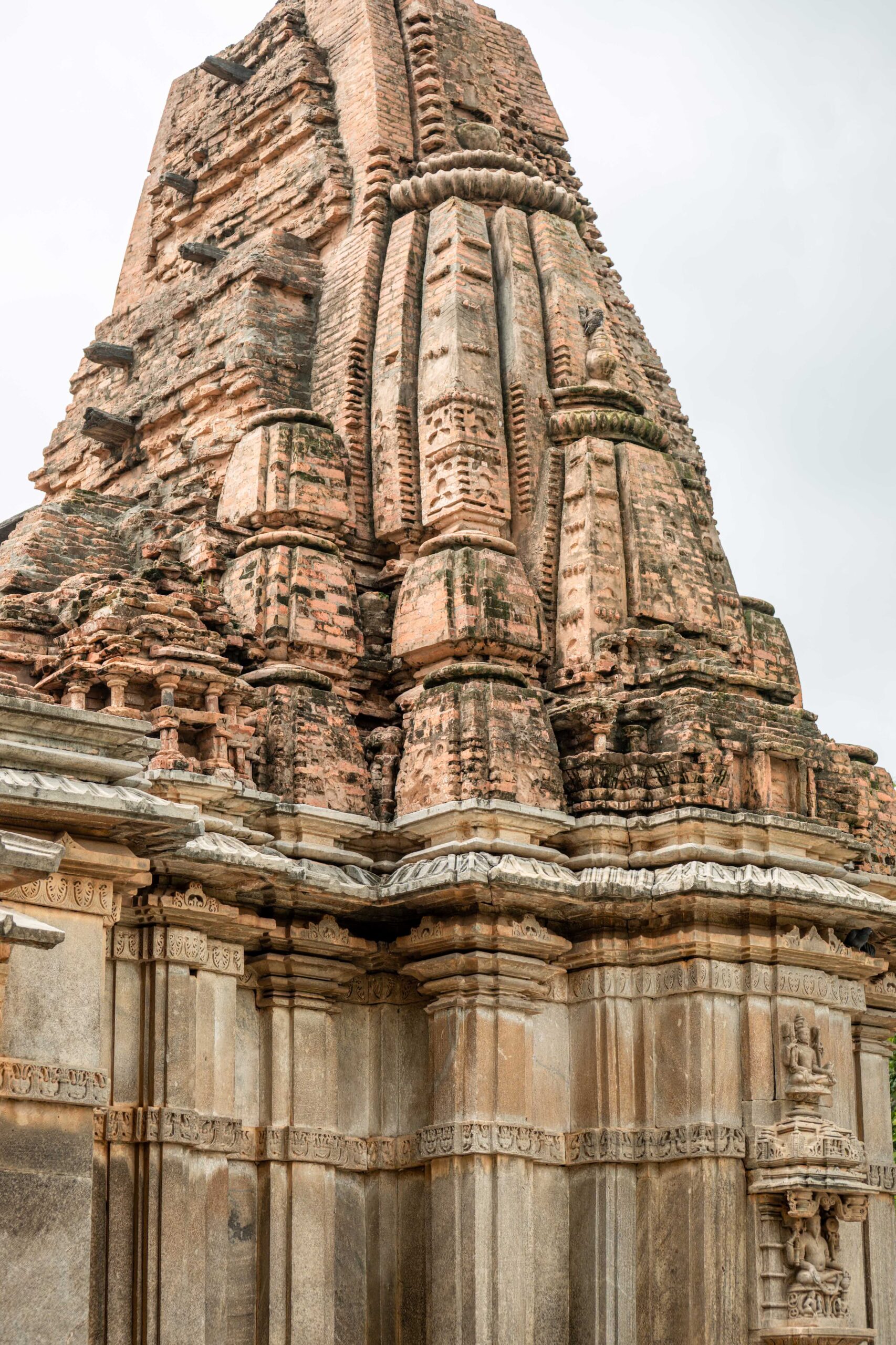
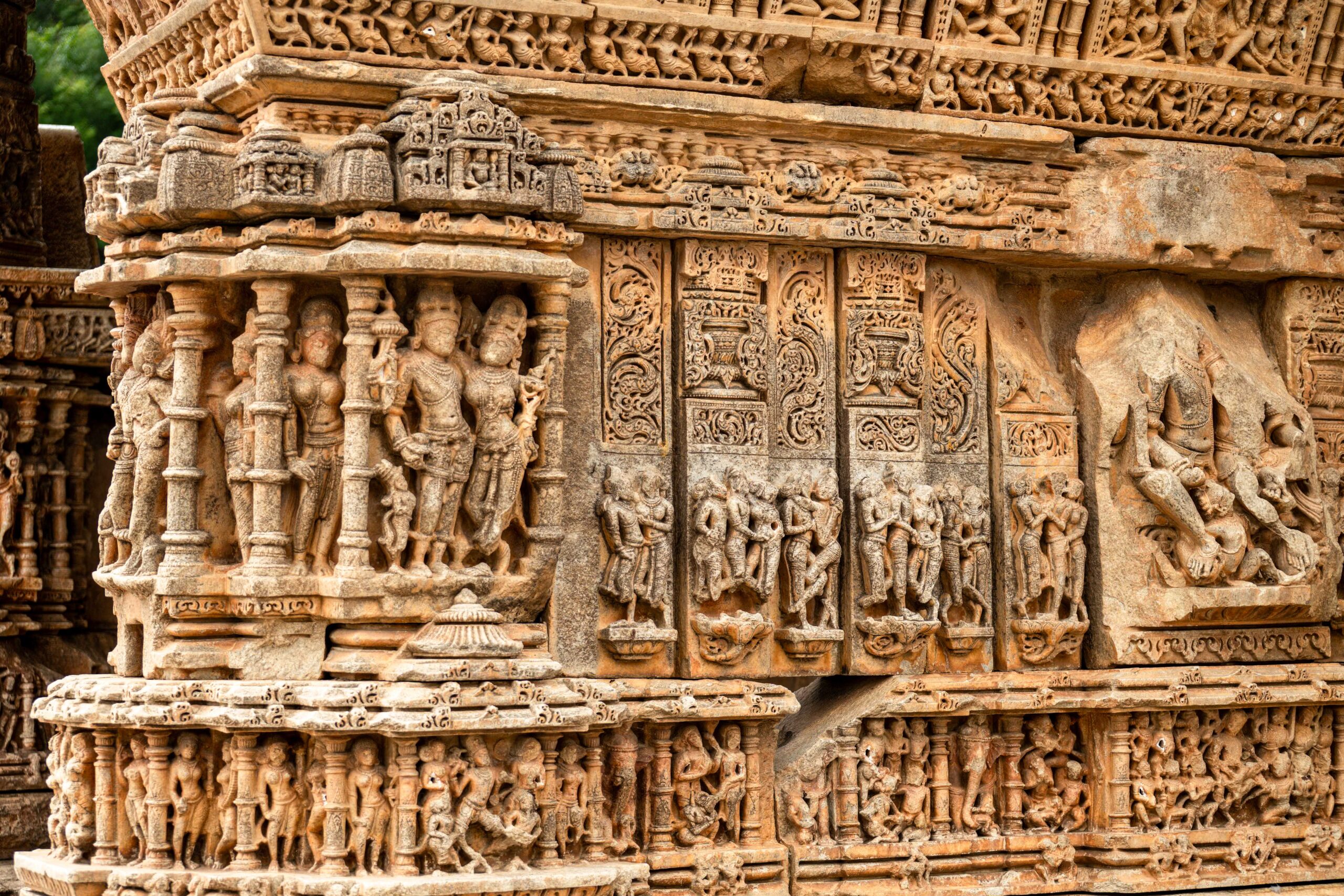
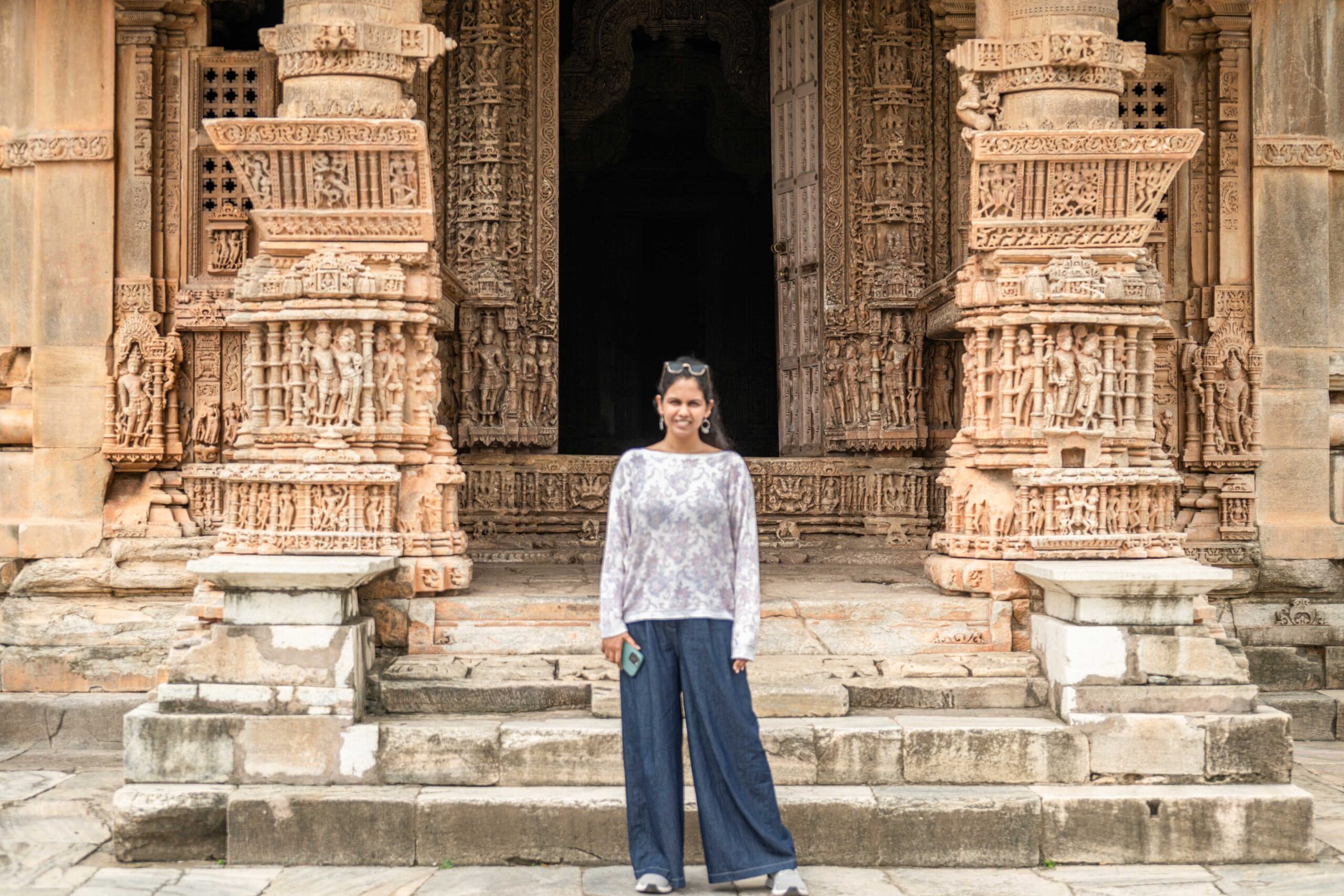
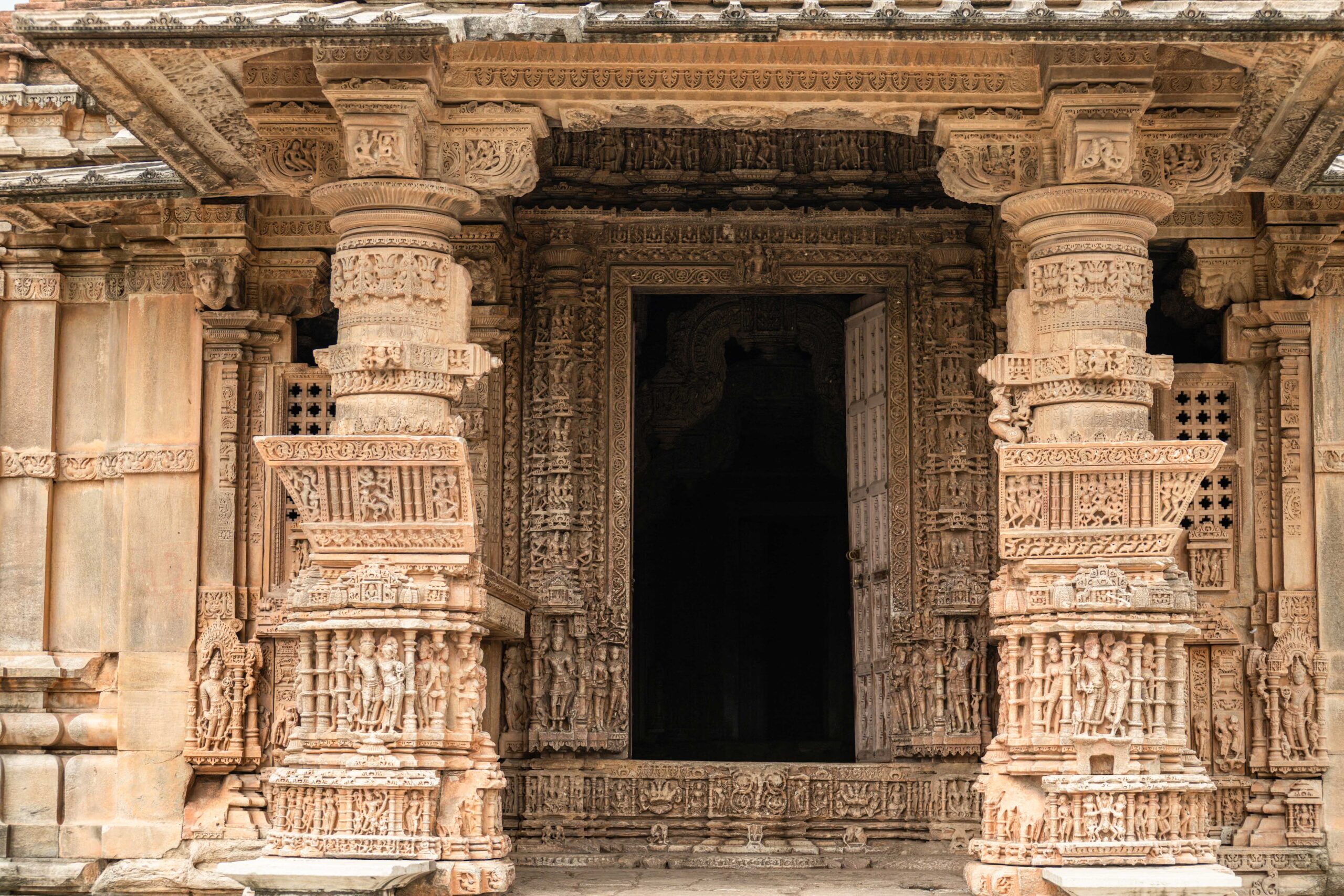
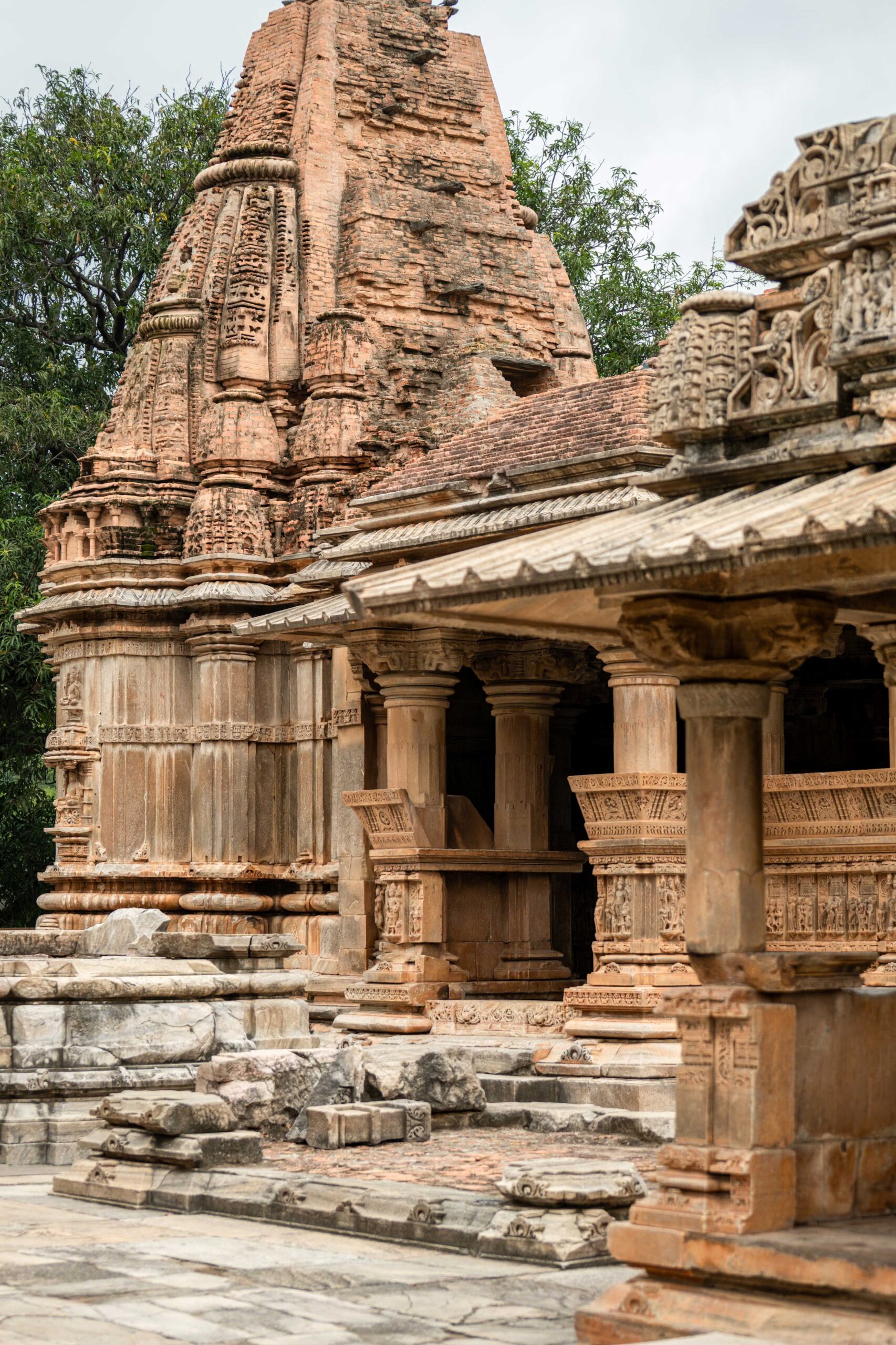
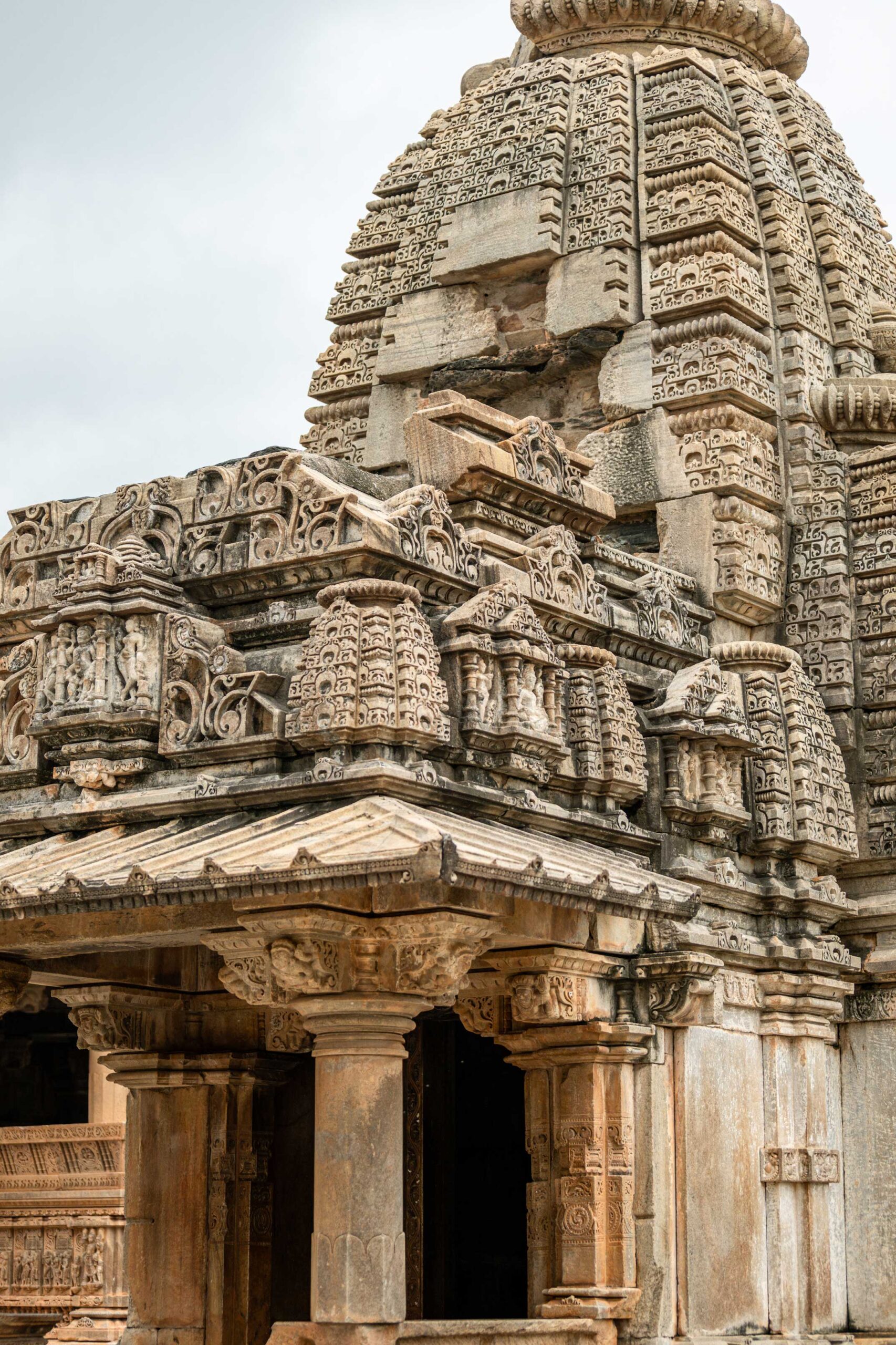
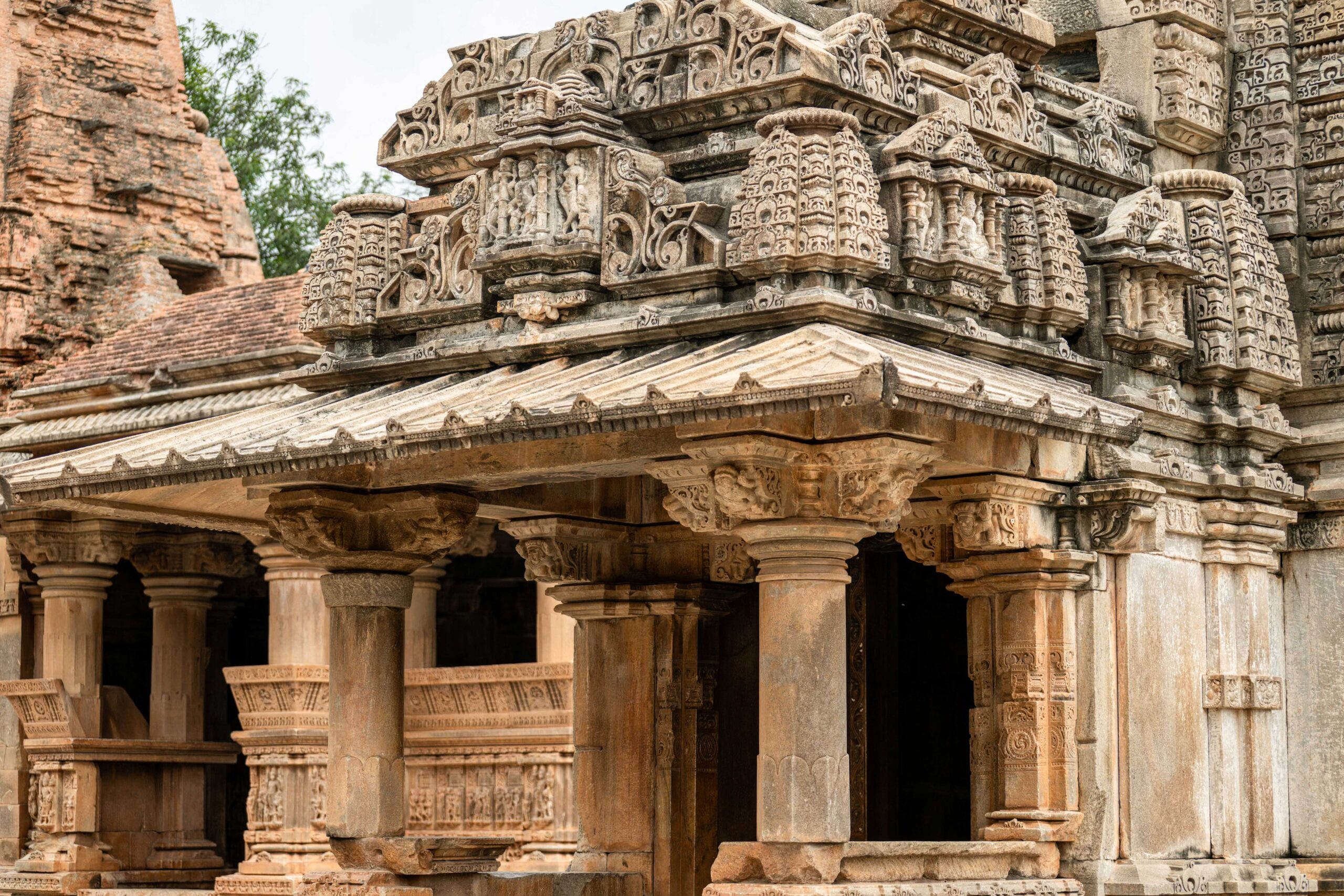
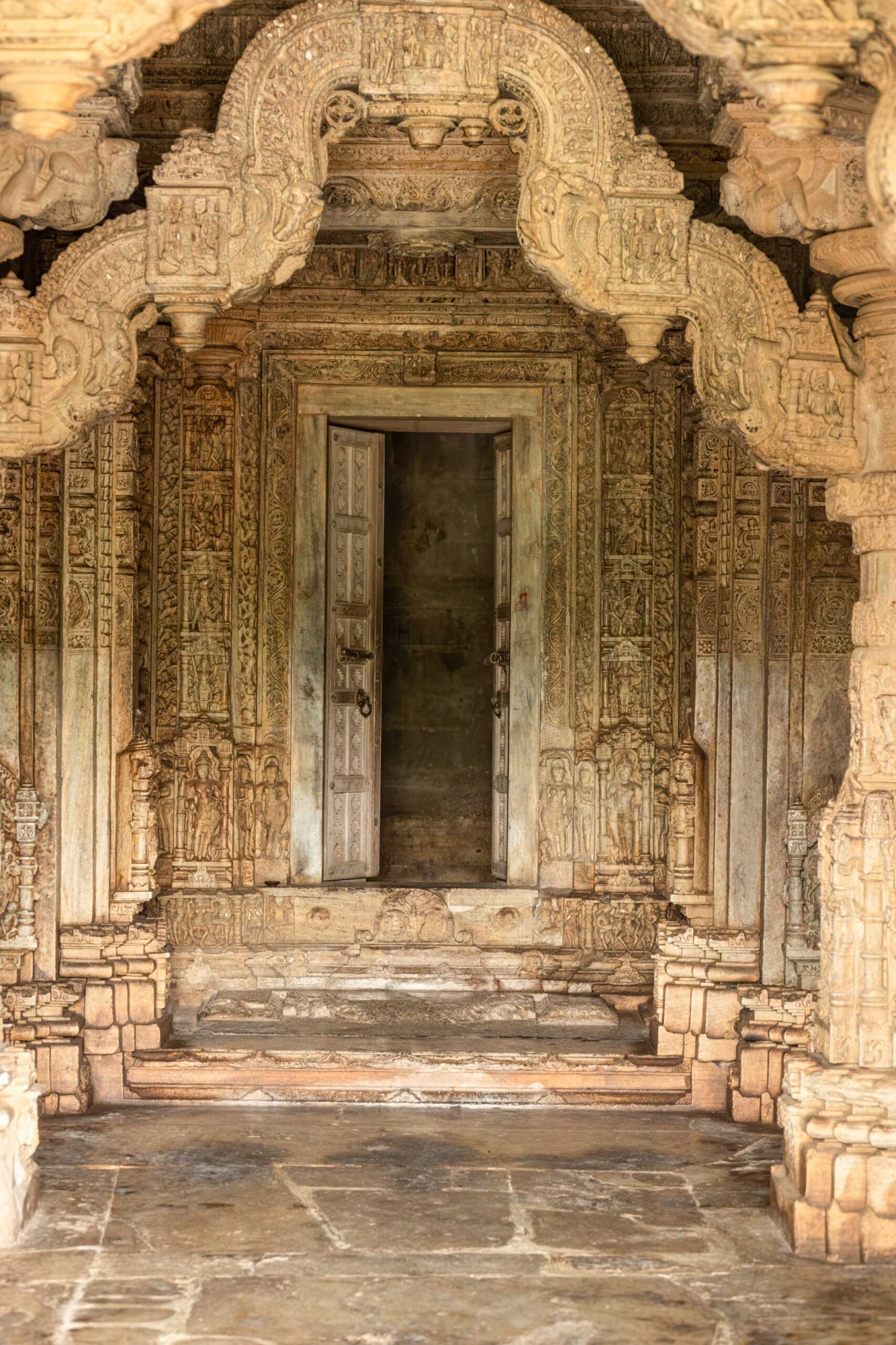
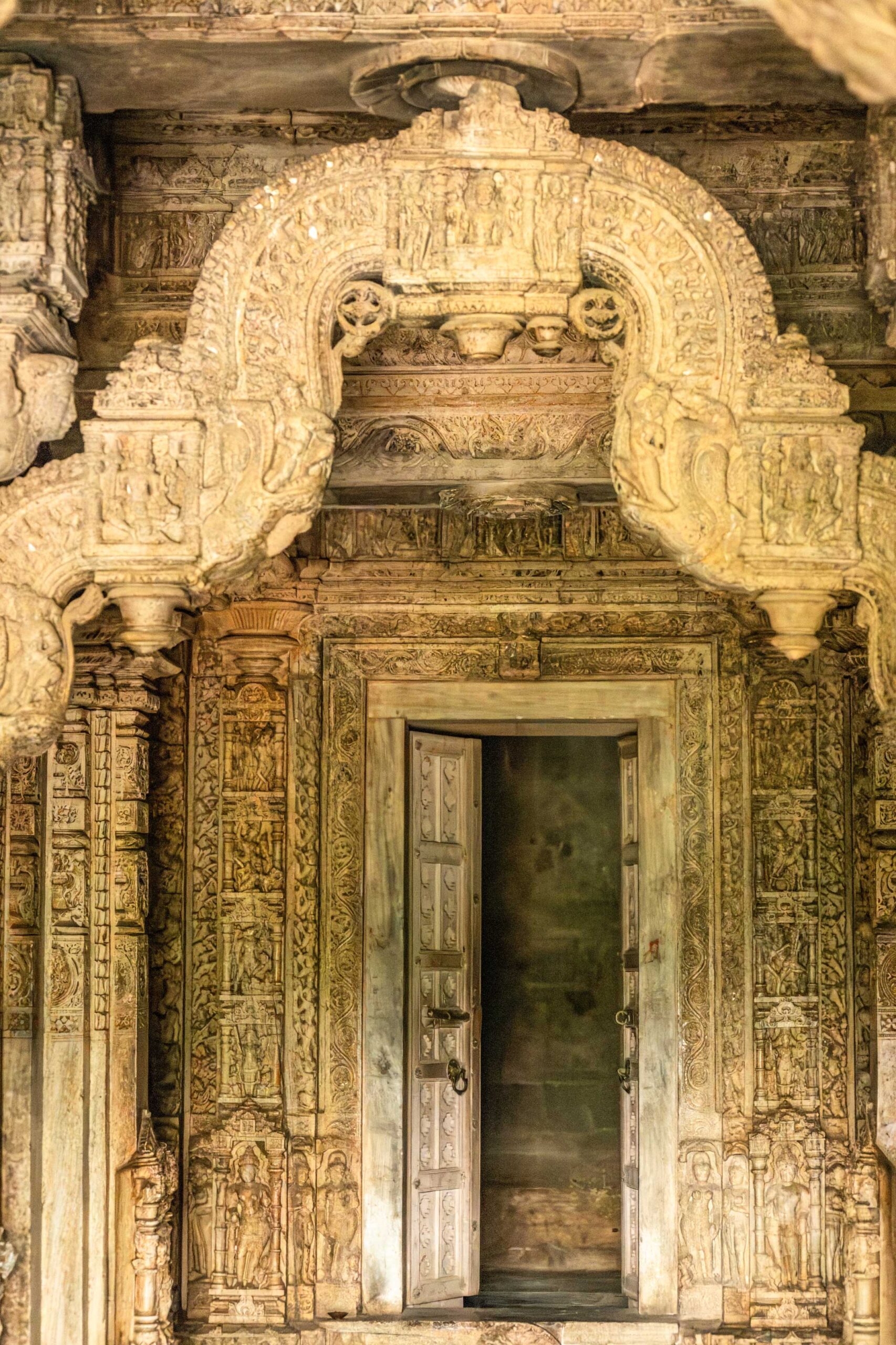
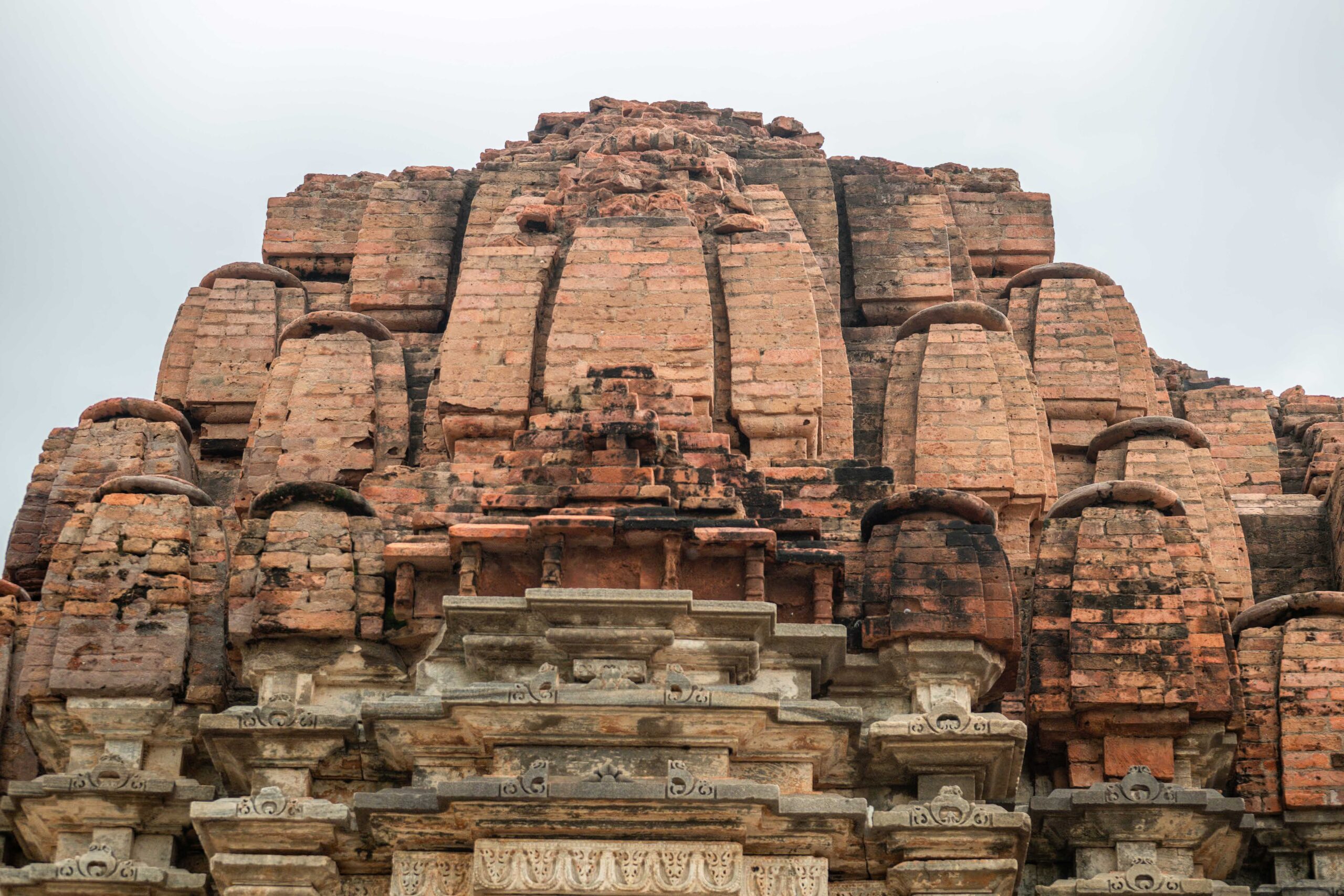
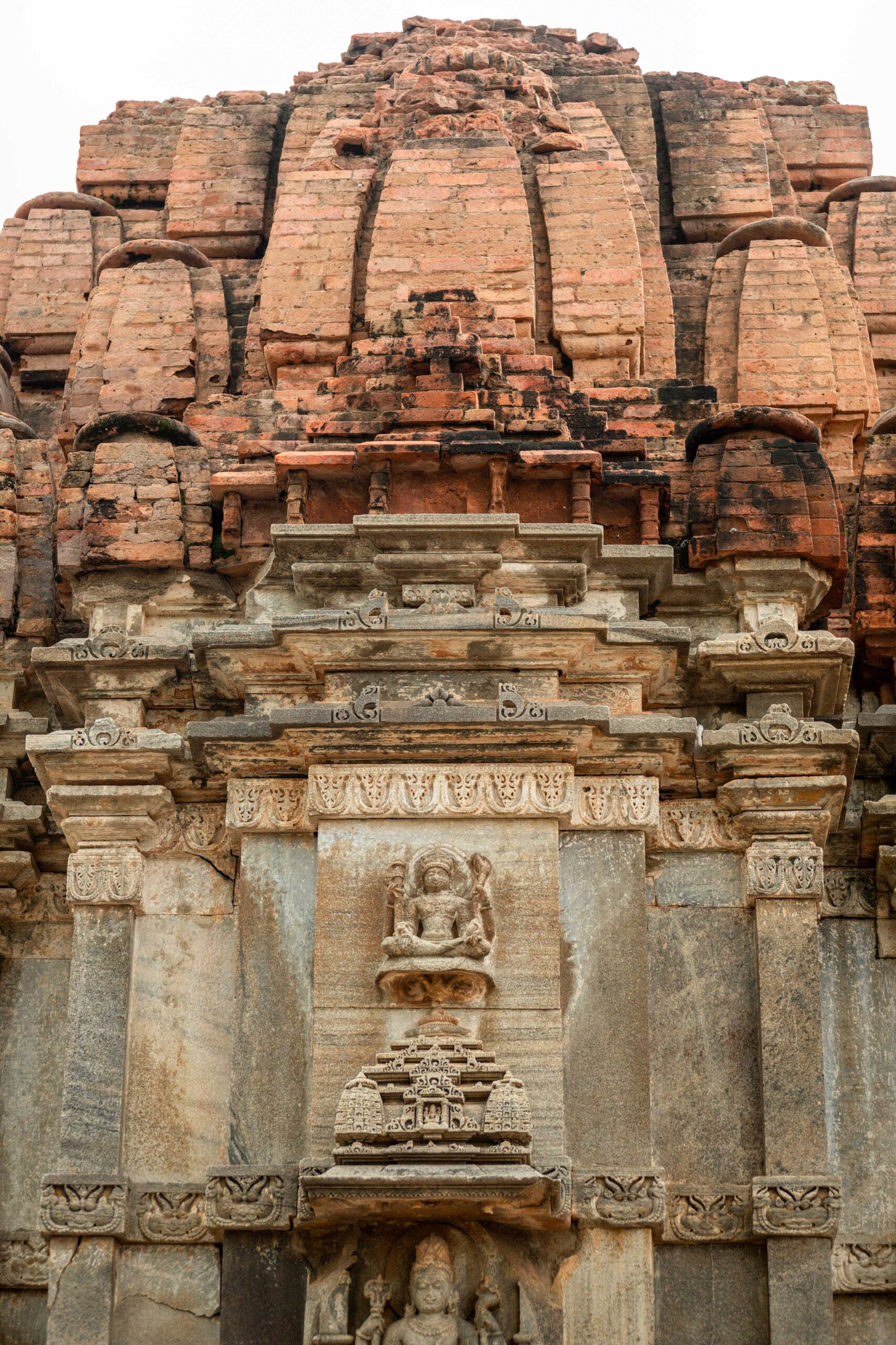
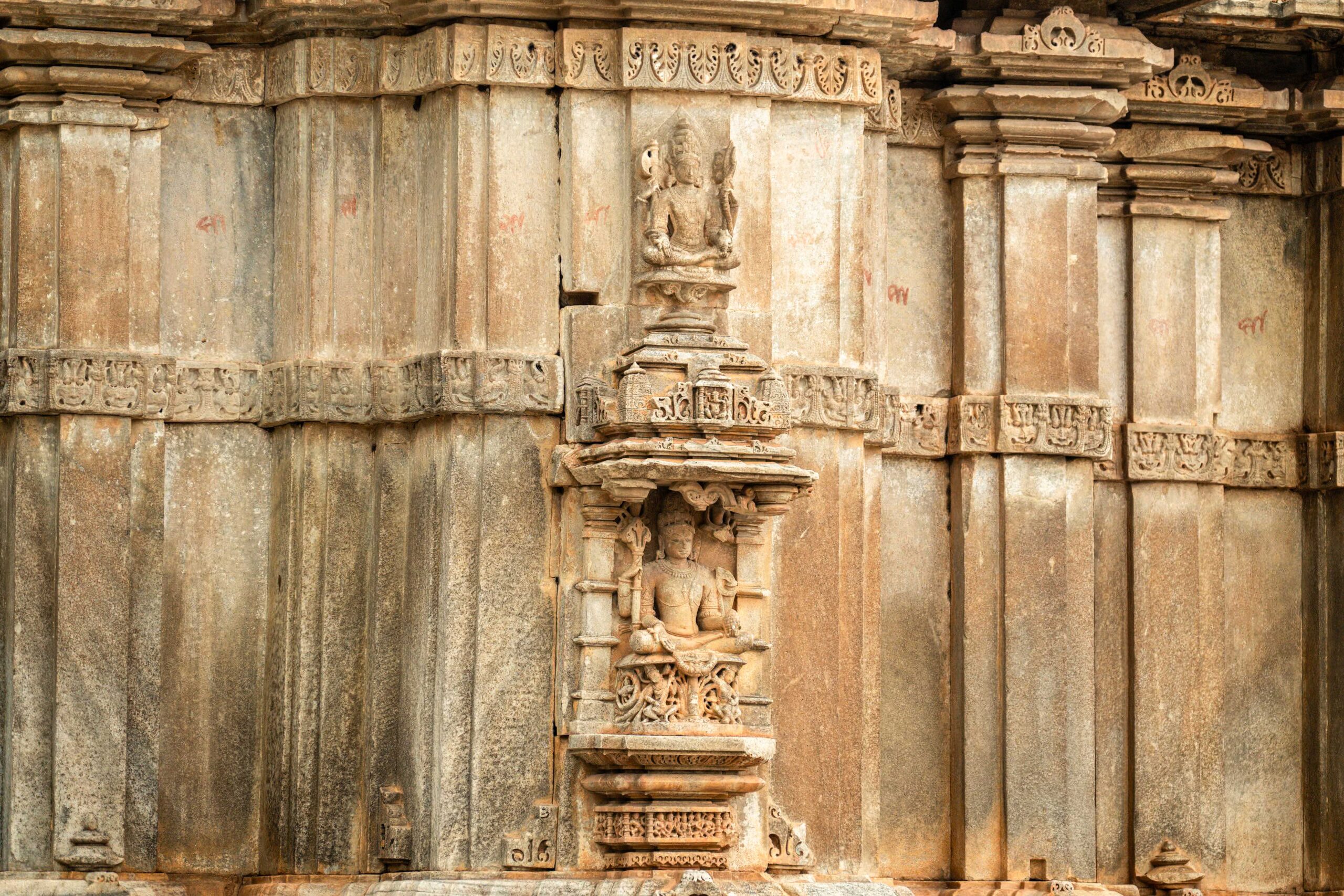
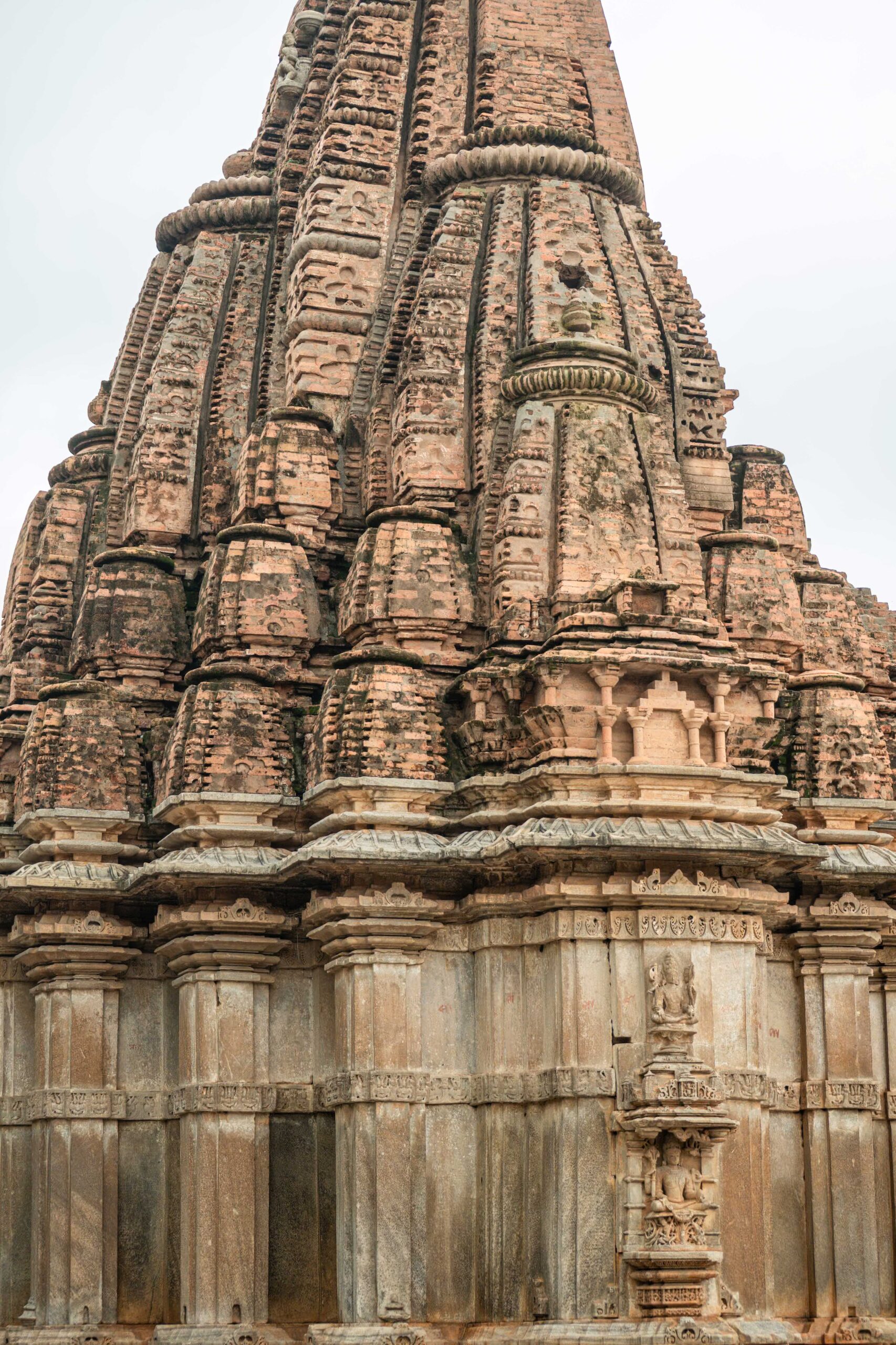
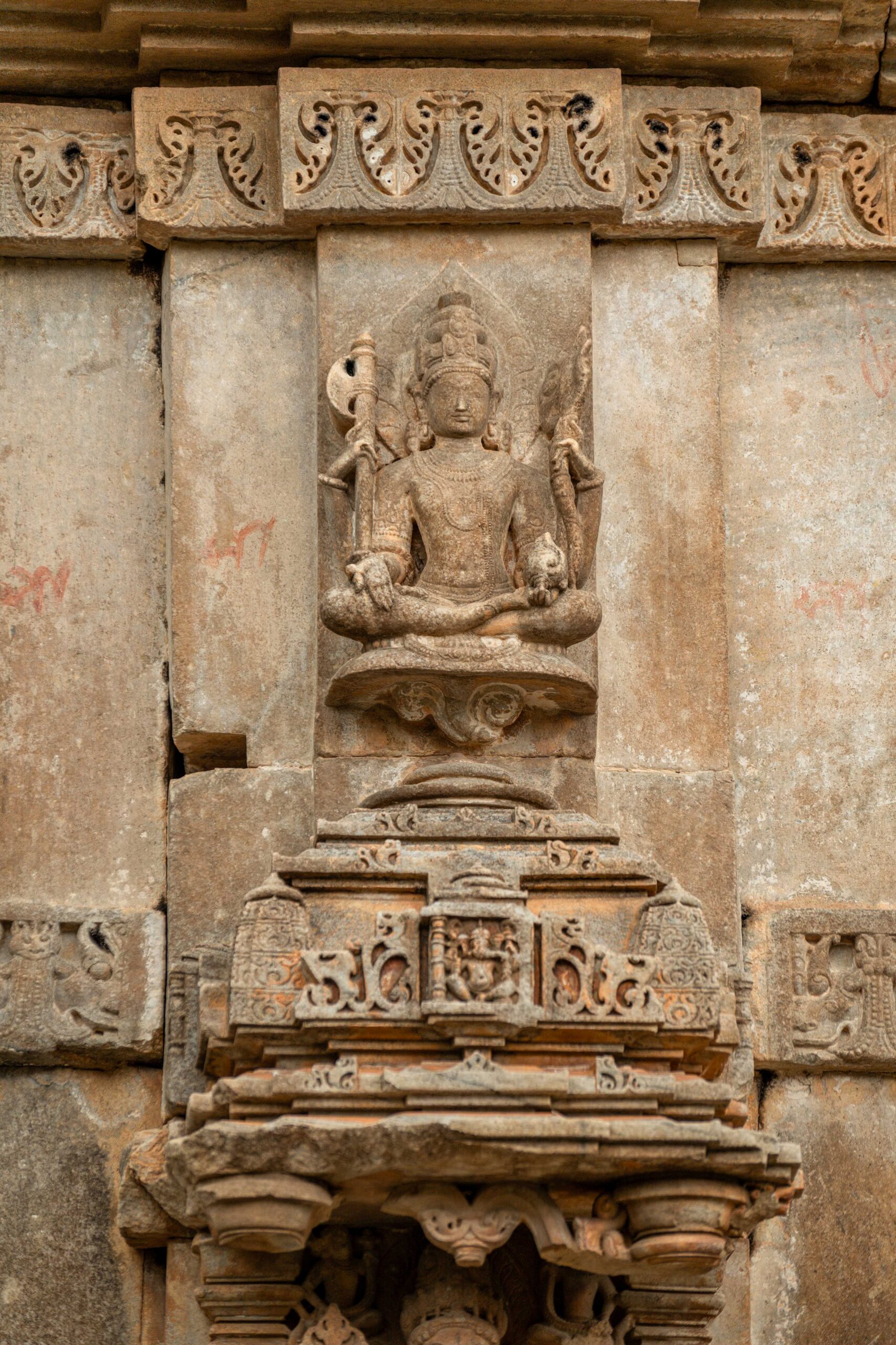
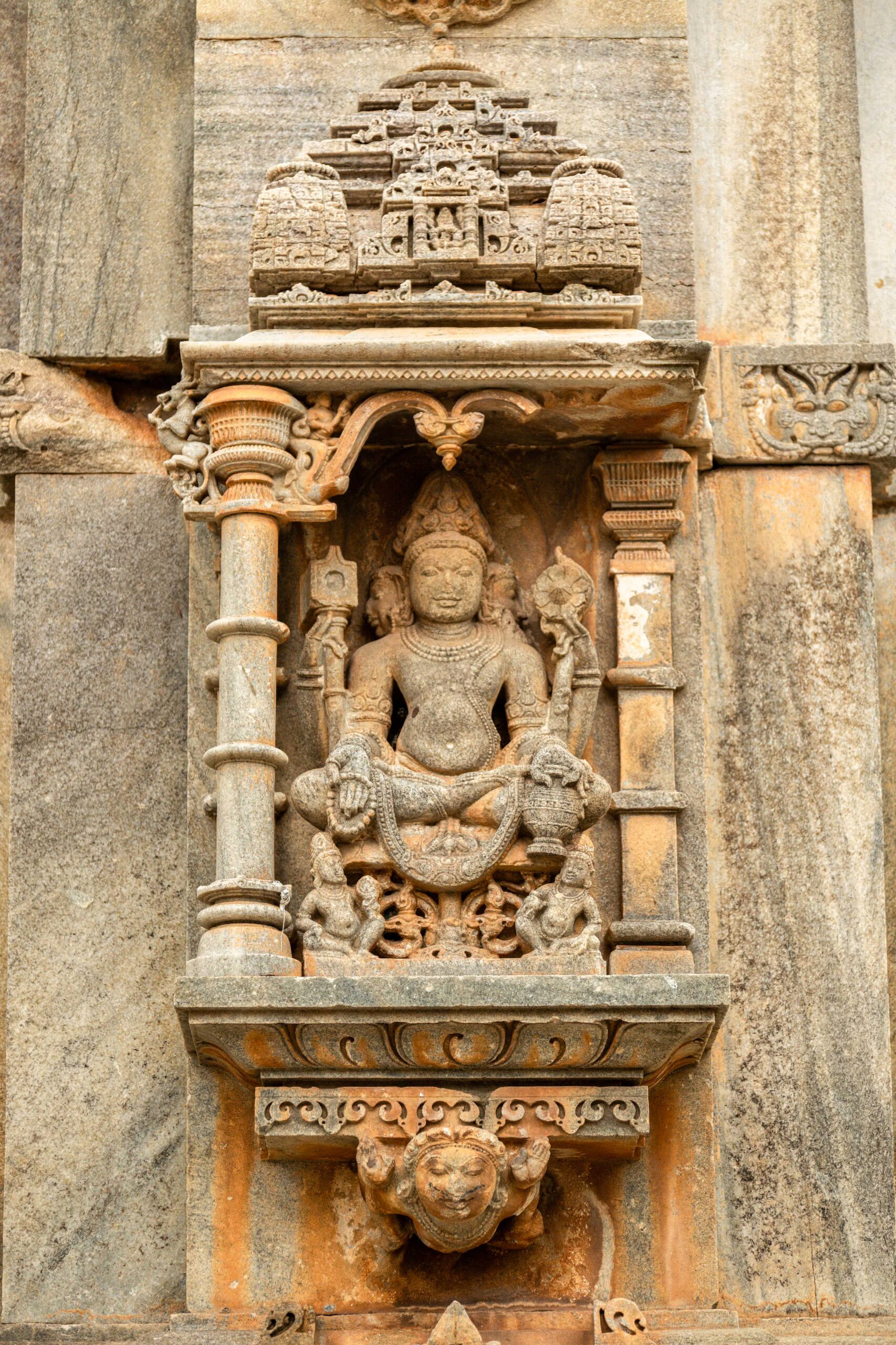
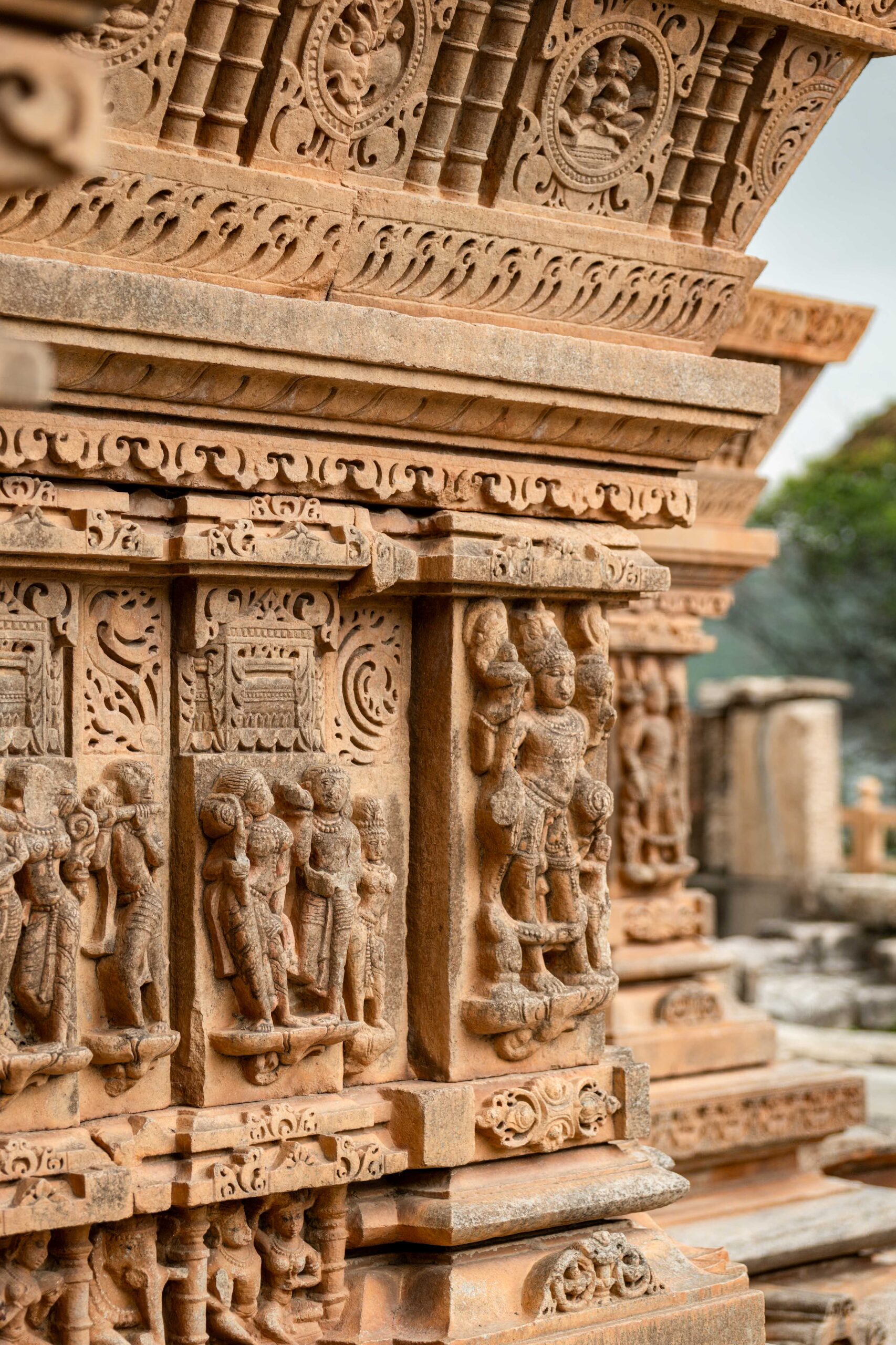
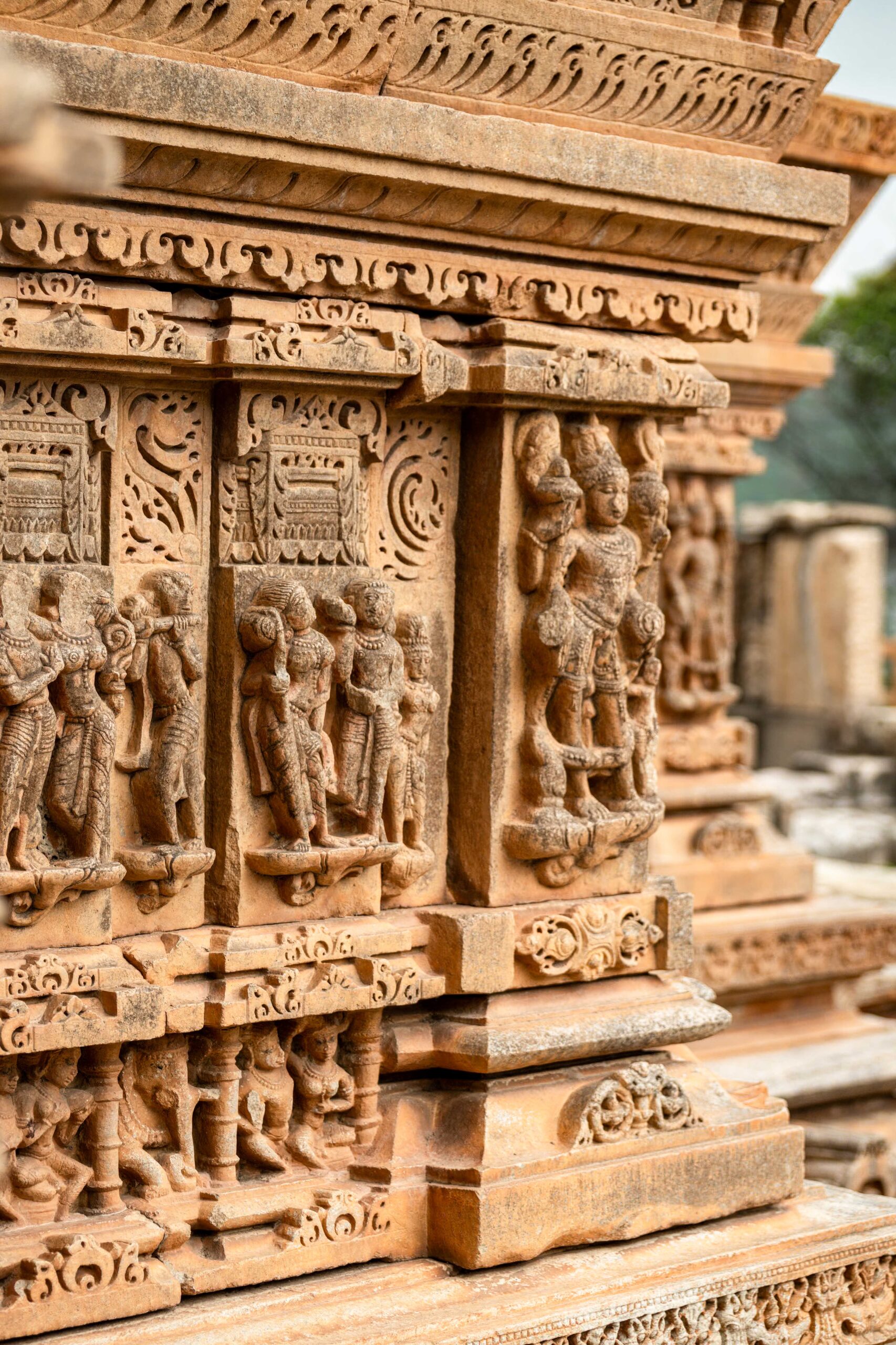
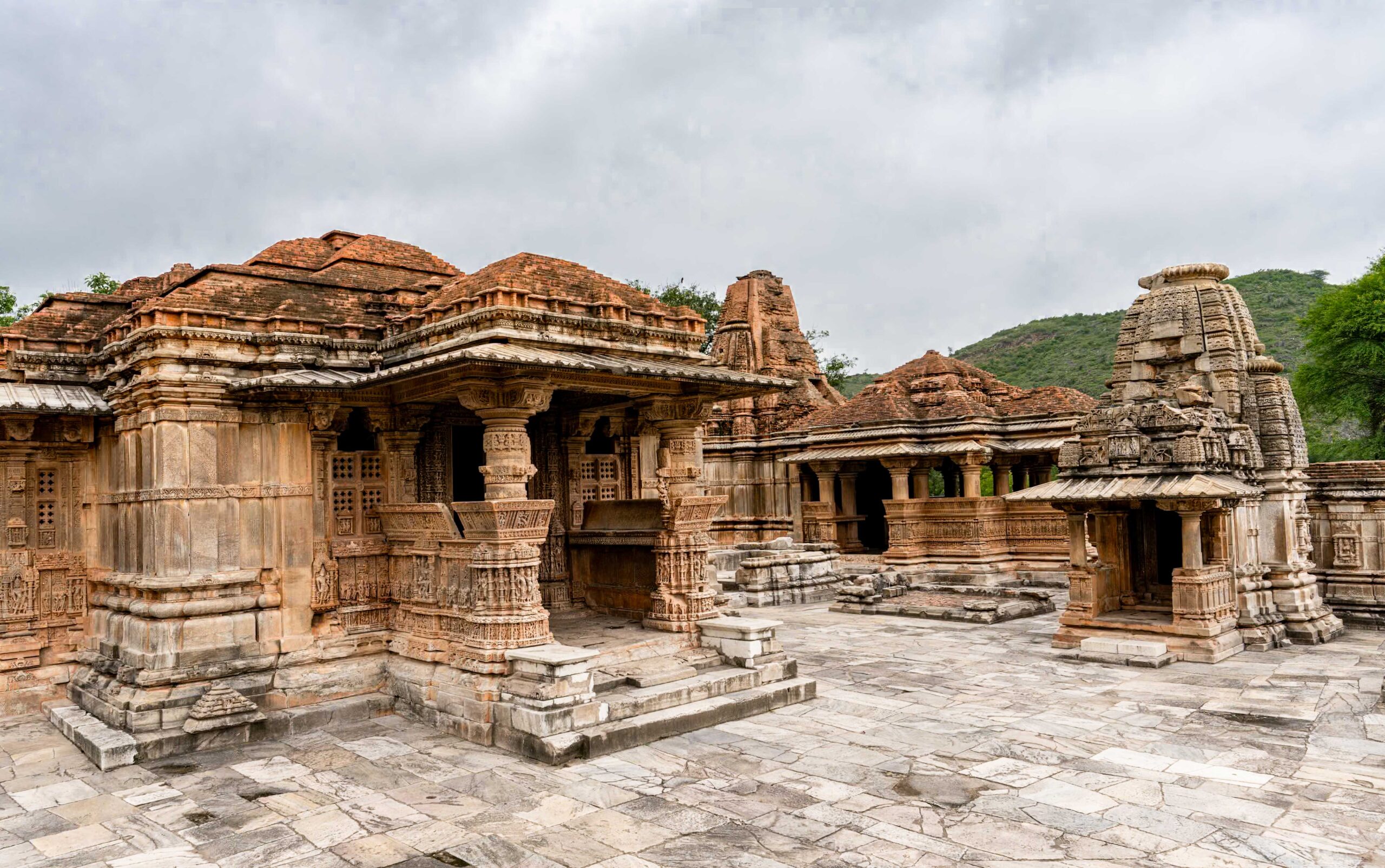
The Sas-Bahu Temples are among the finest examples of temple architecture in western India. Built largely during the eleventh century, the complex demonstrates a remarkable mastery of proportion, ornamentation, and structural design.
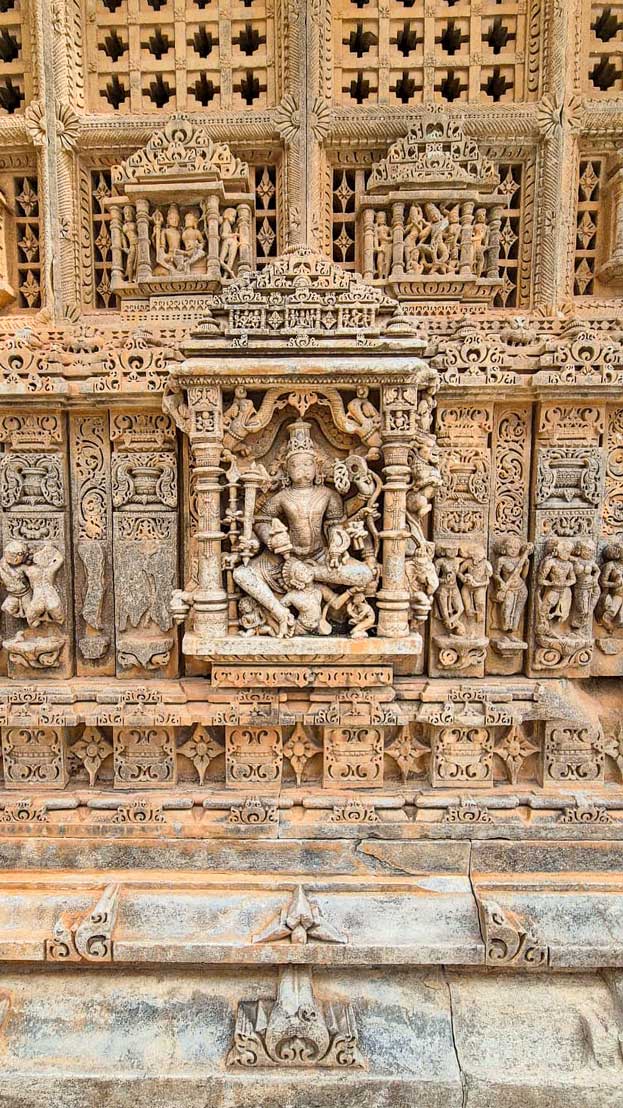
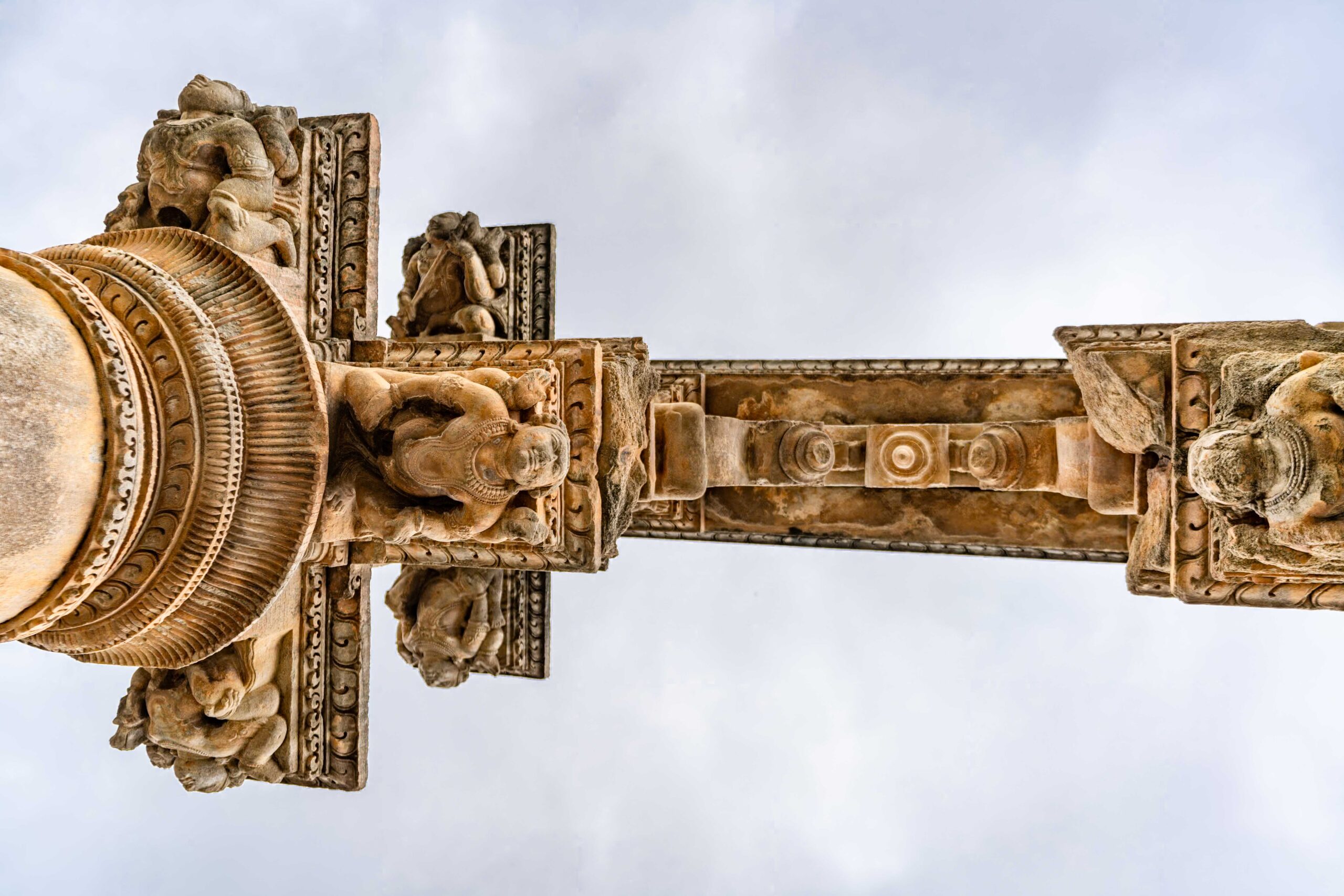
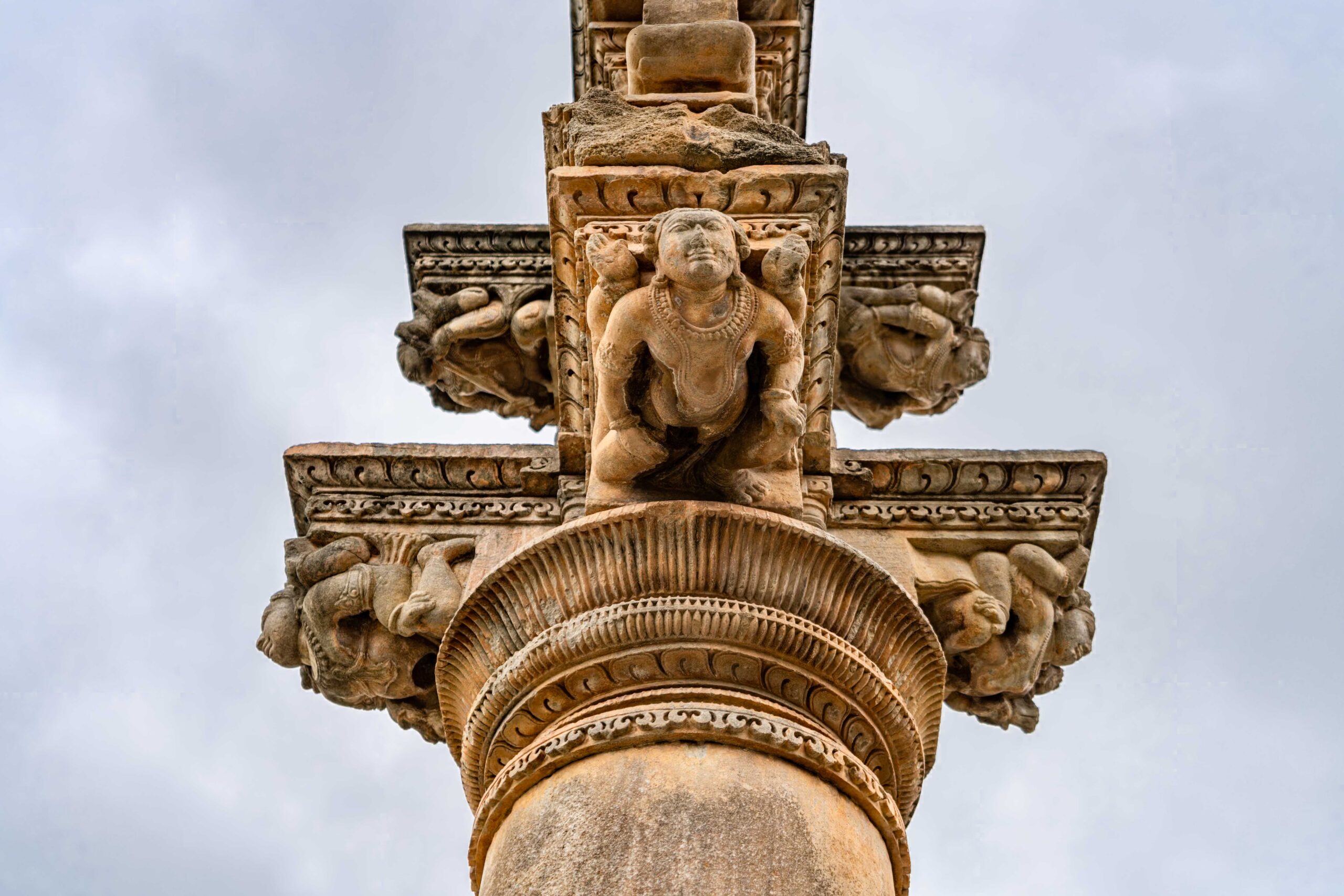
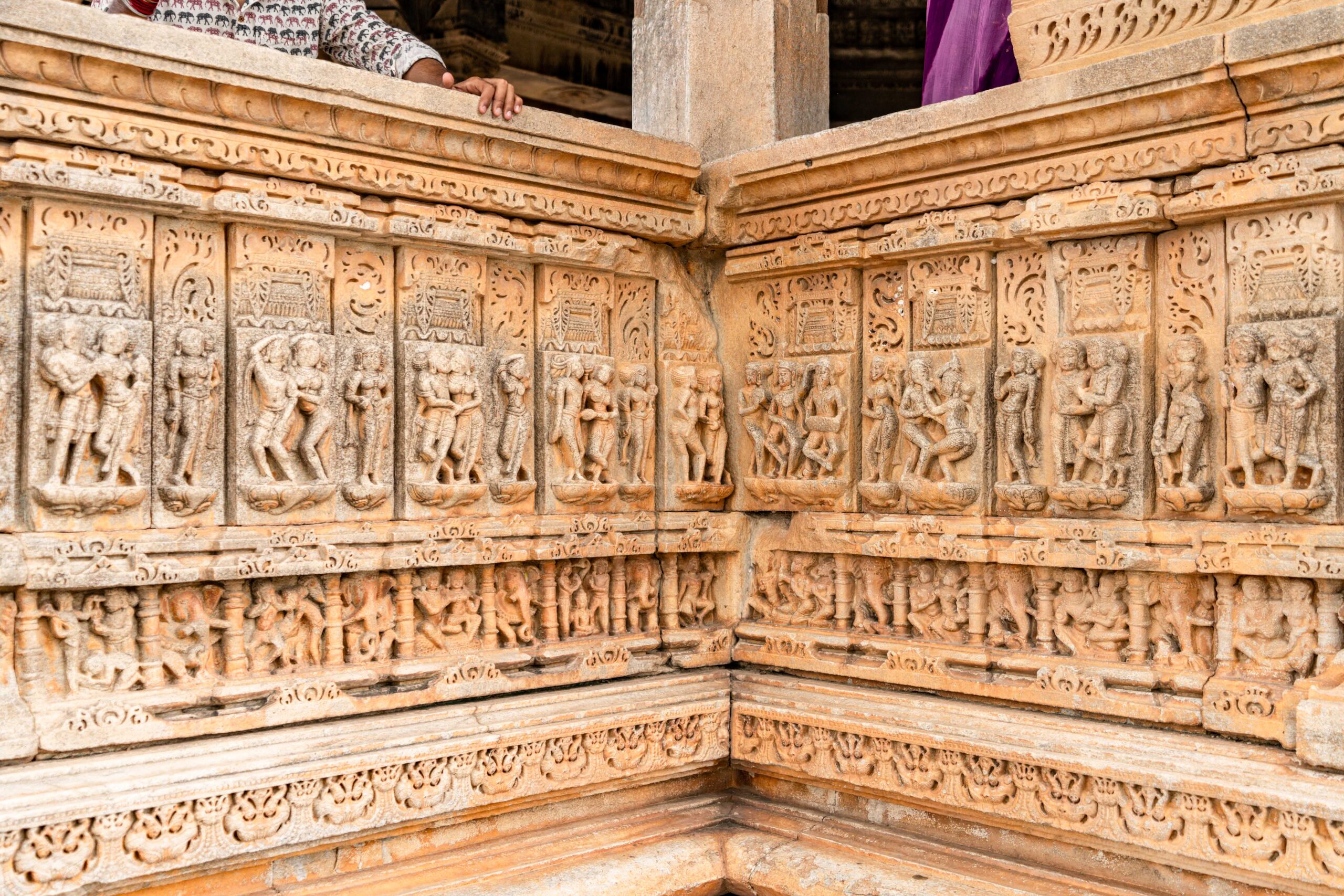
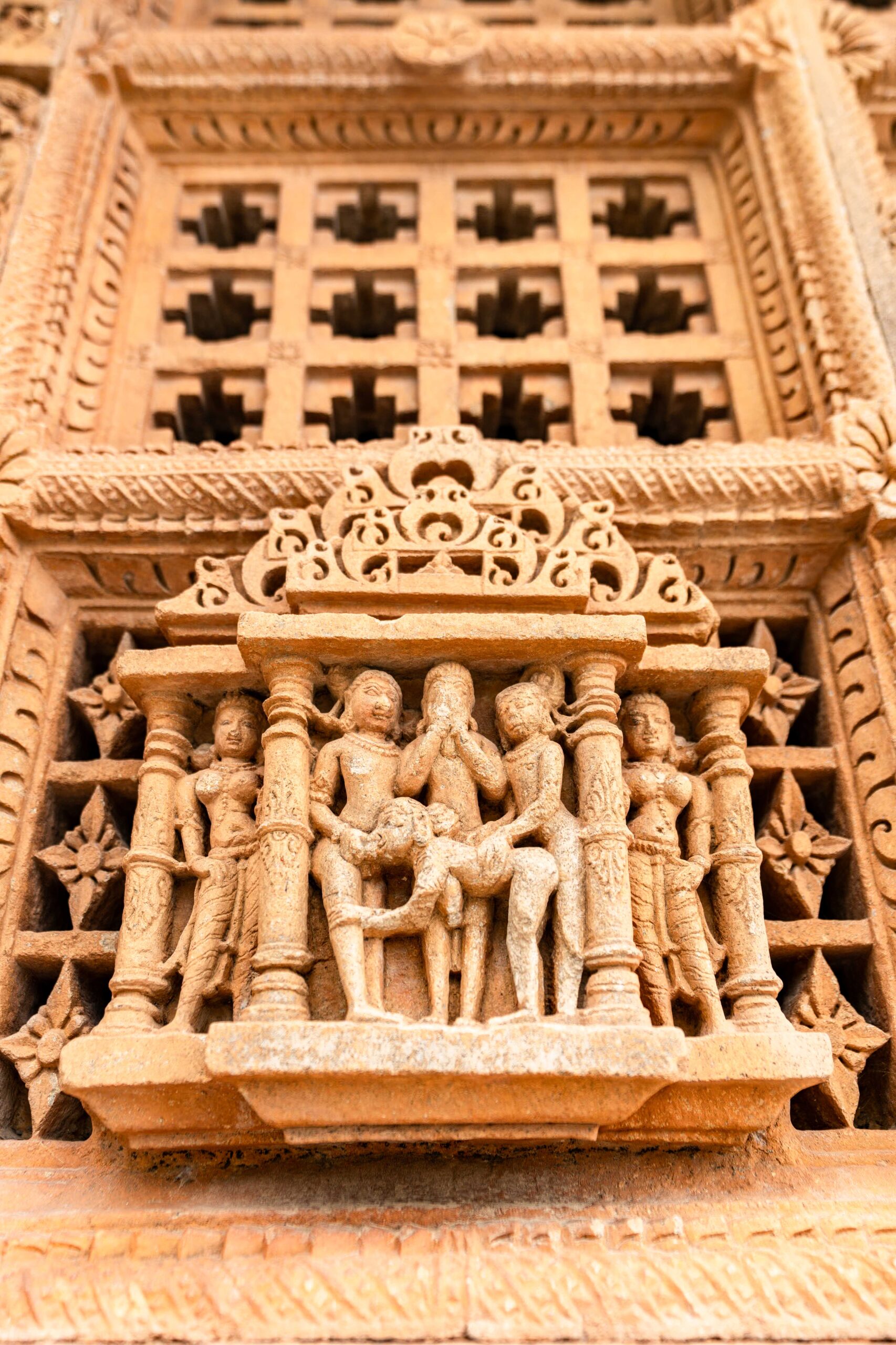
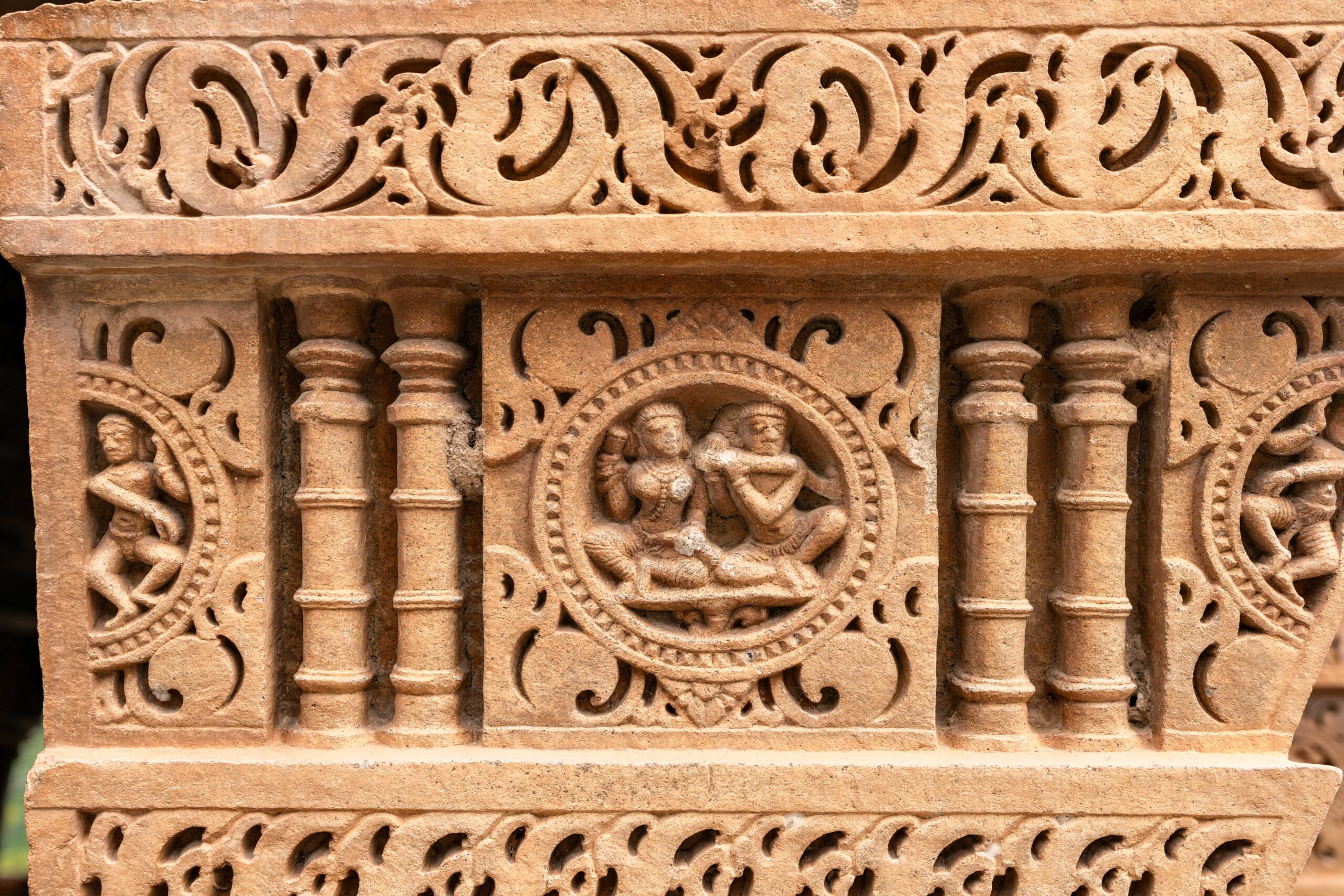
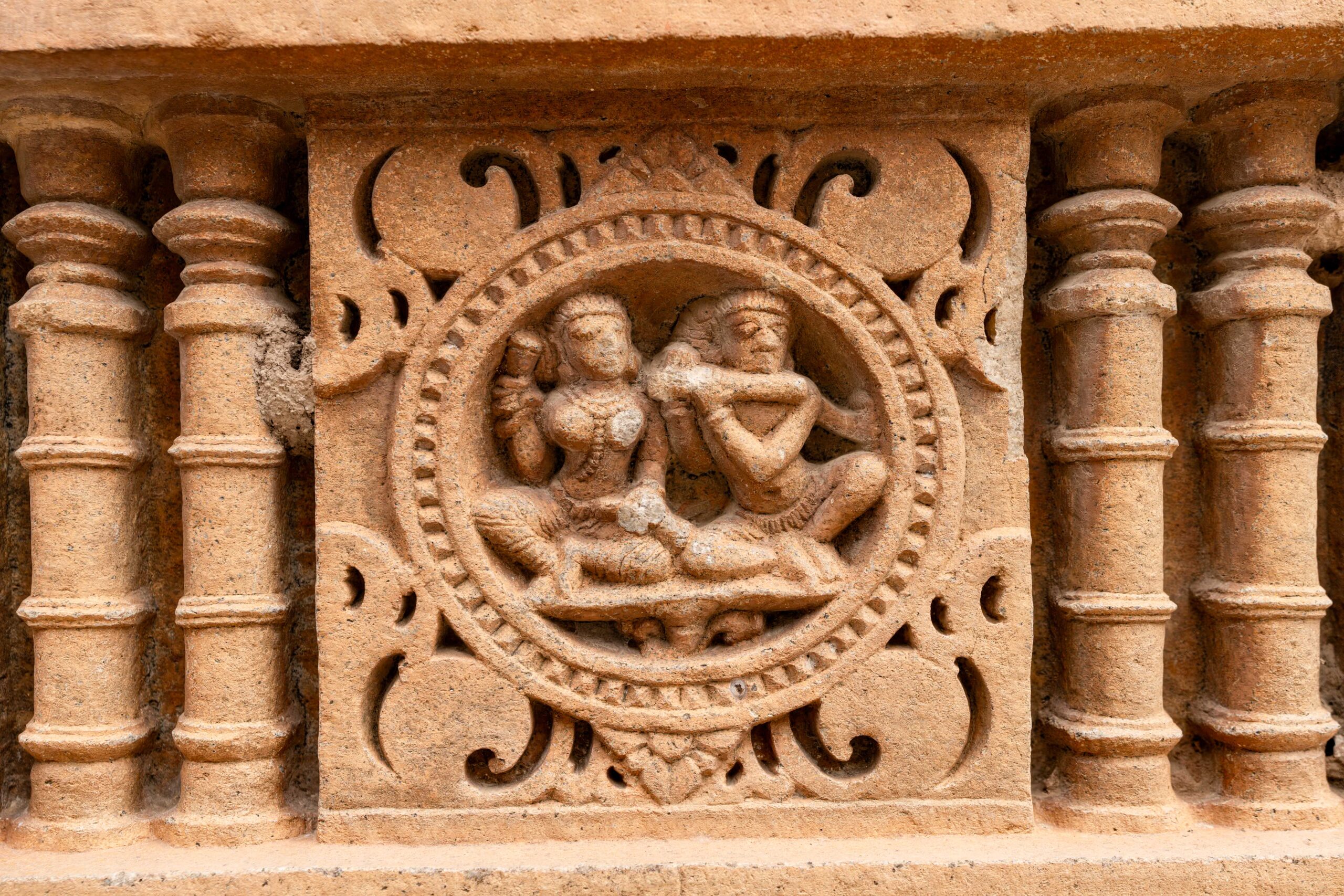
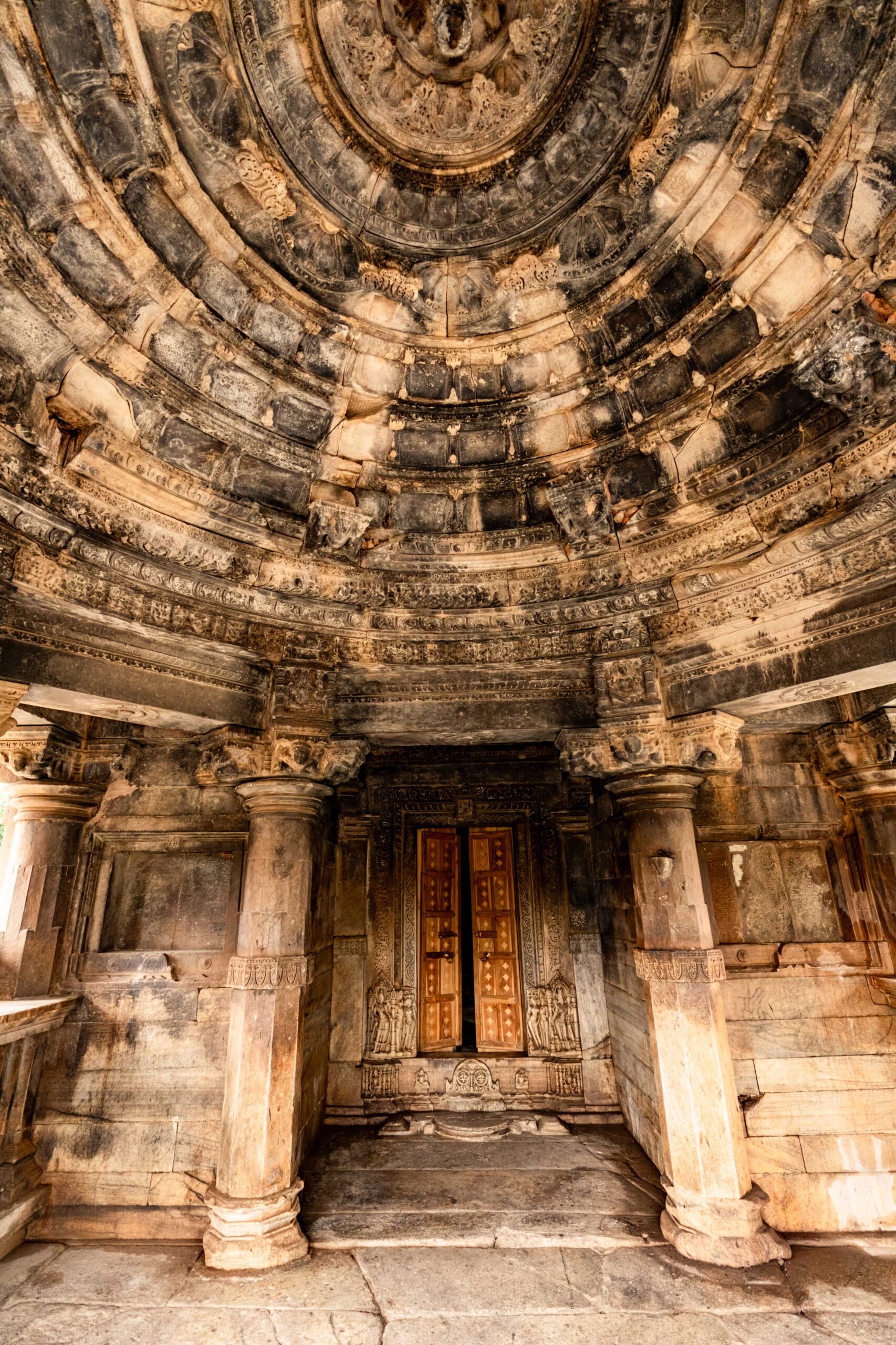
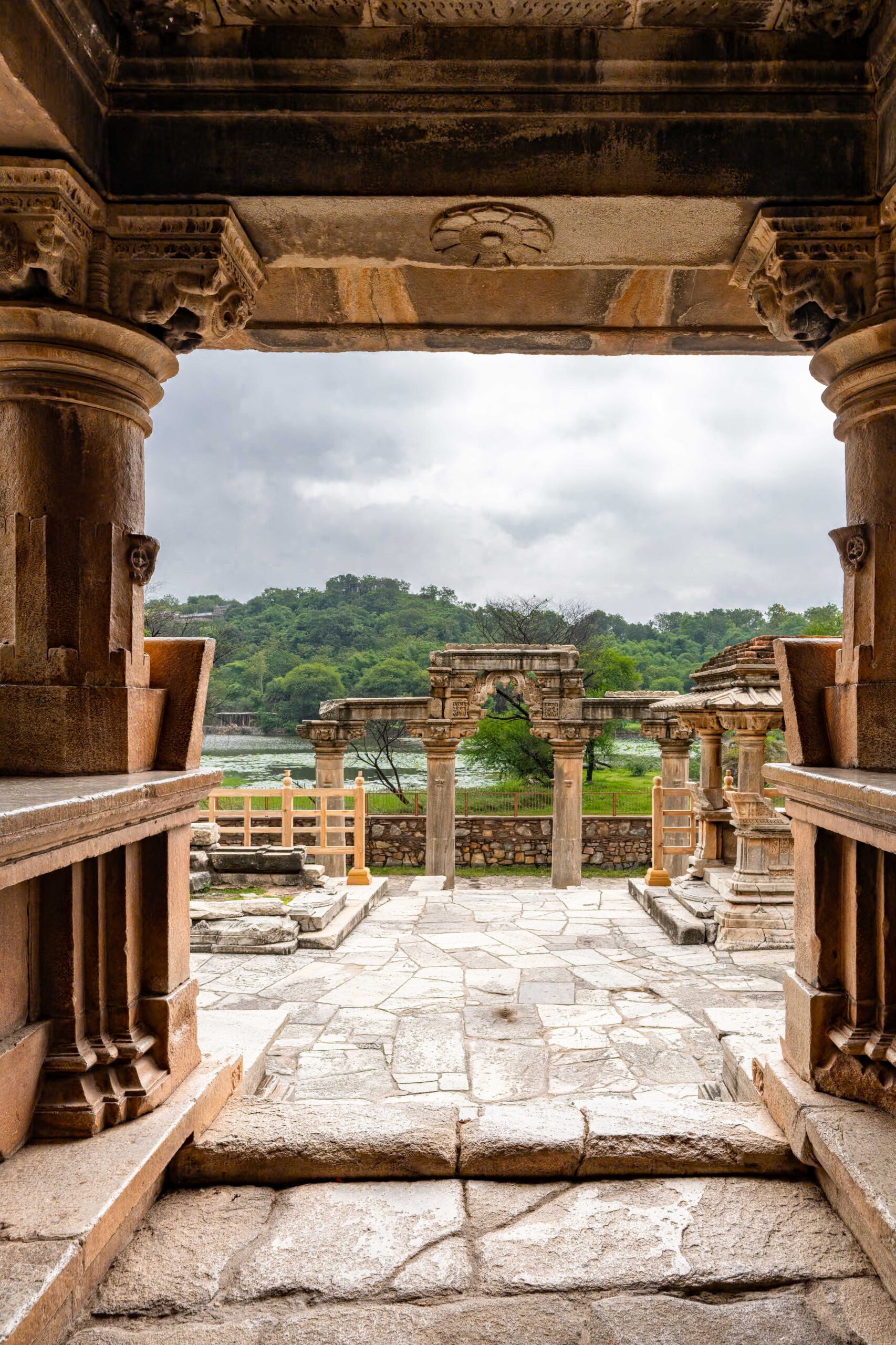
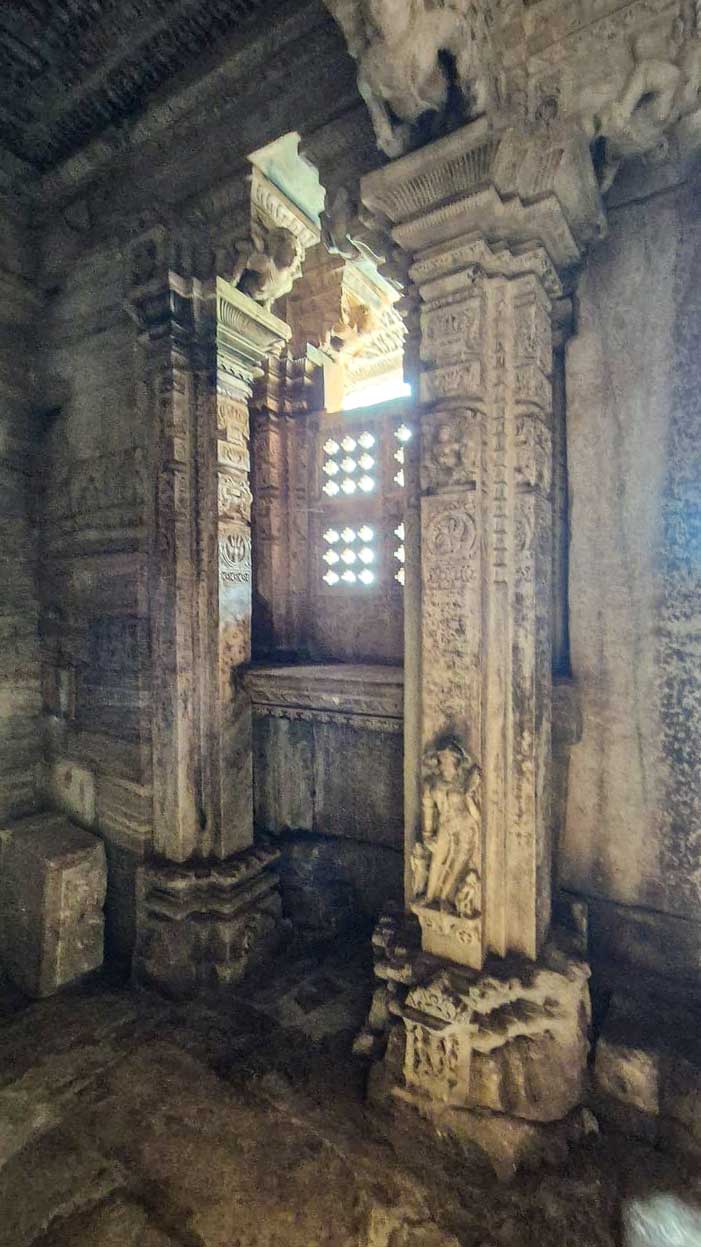
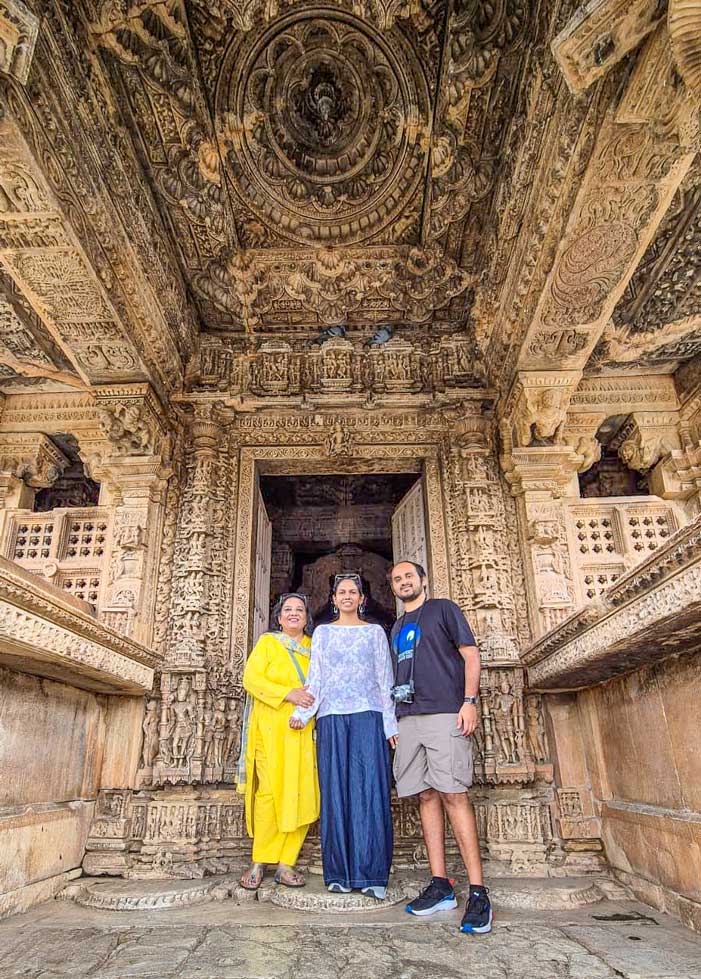
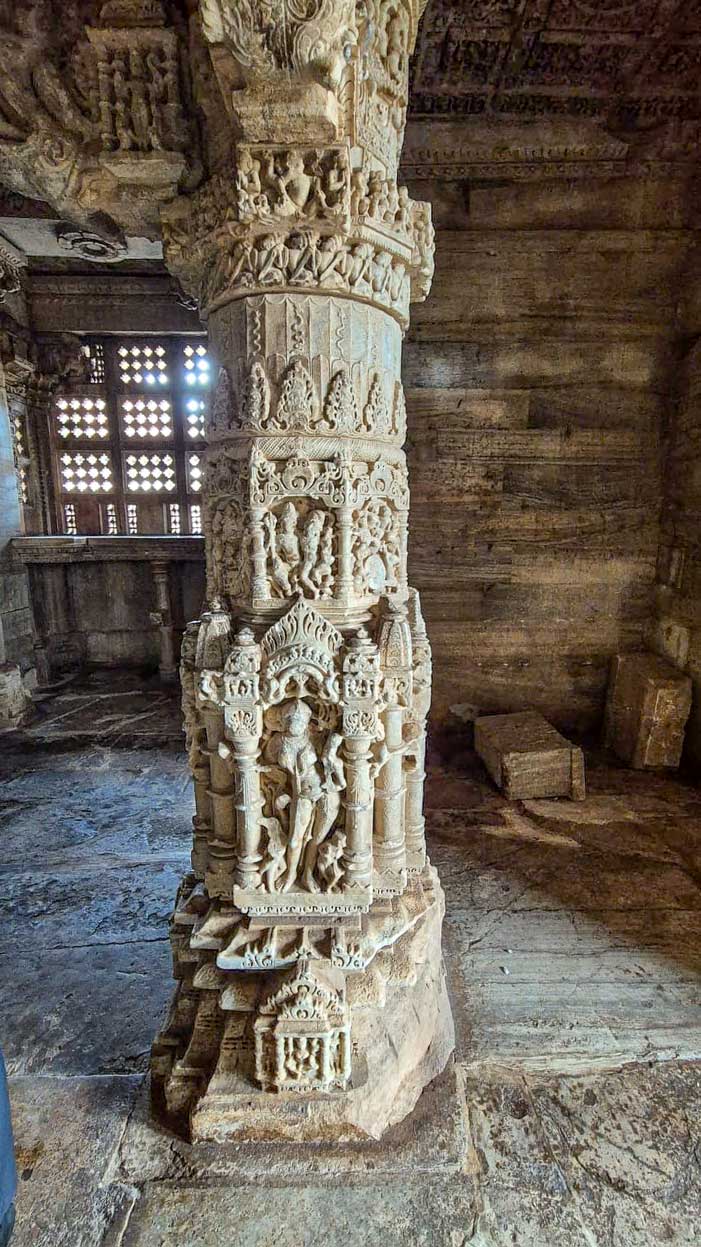
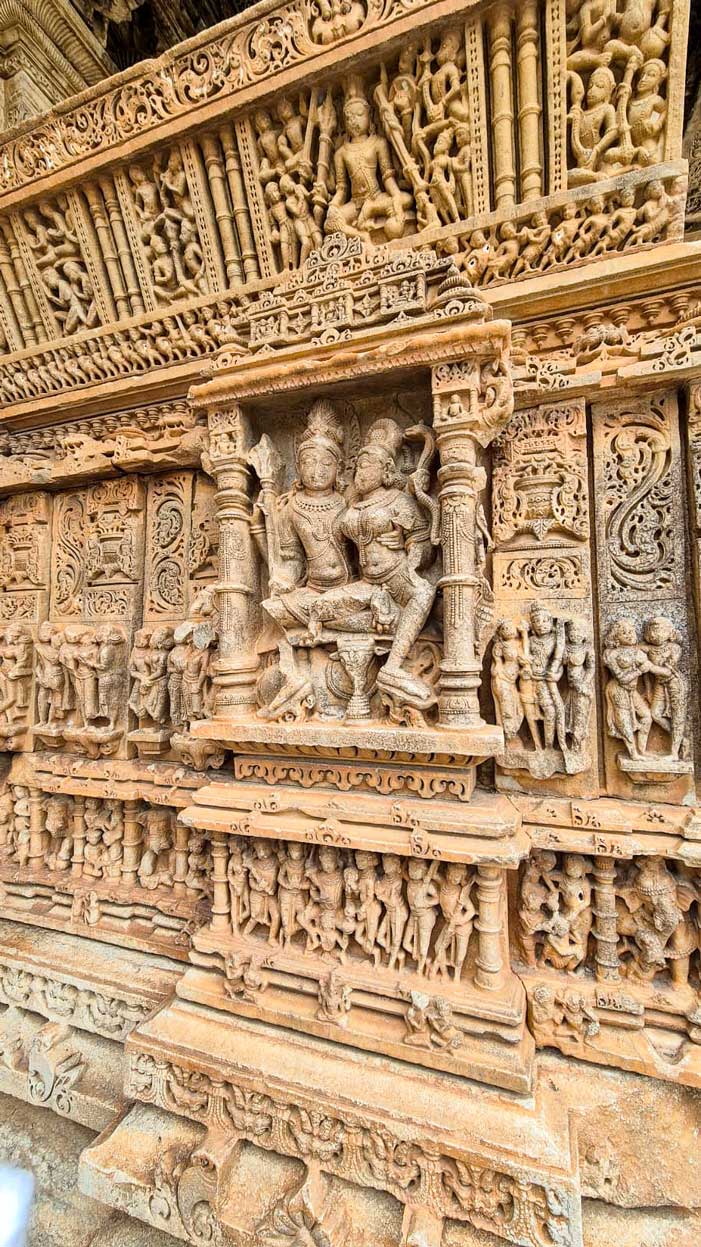
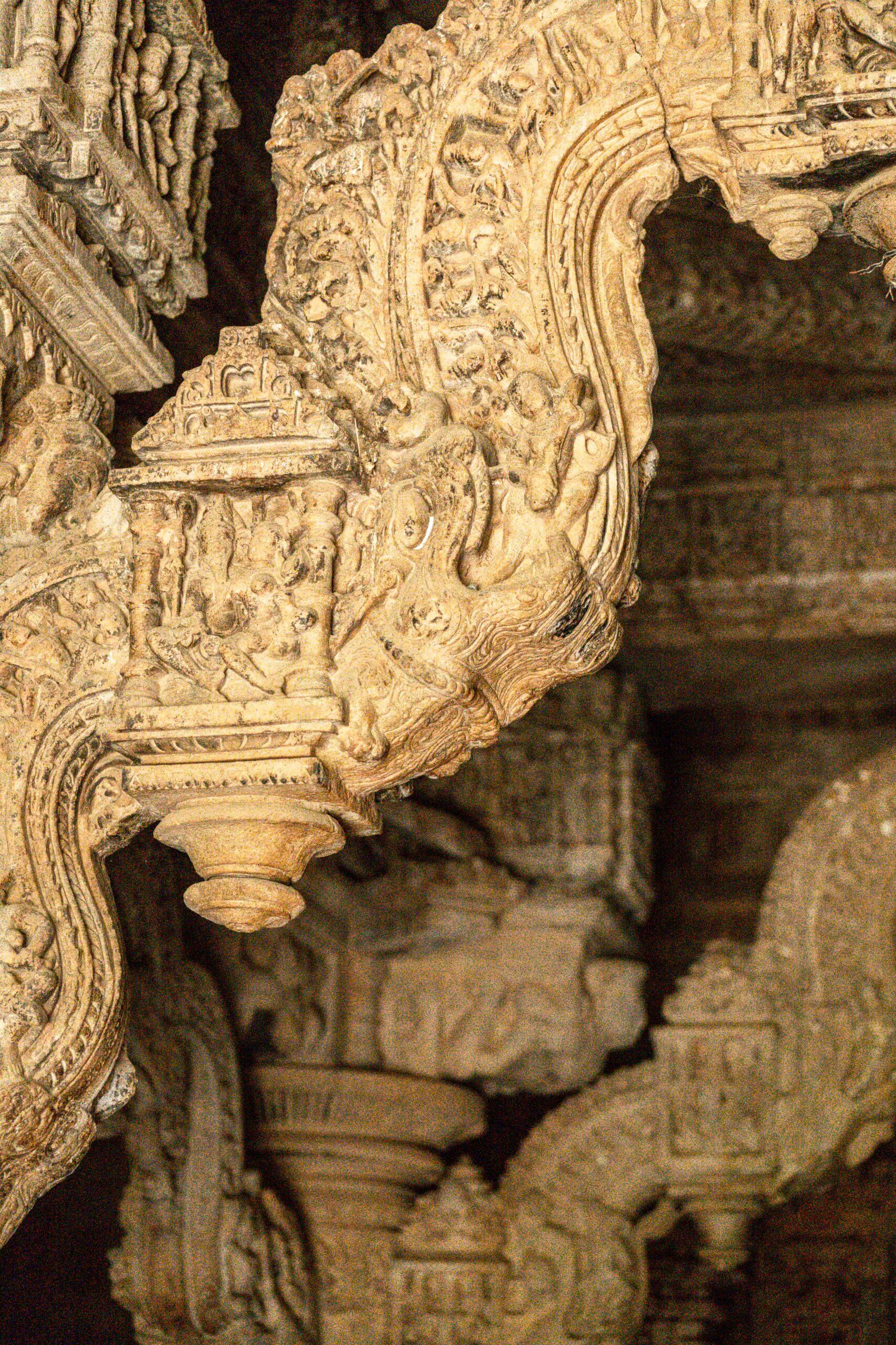
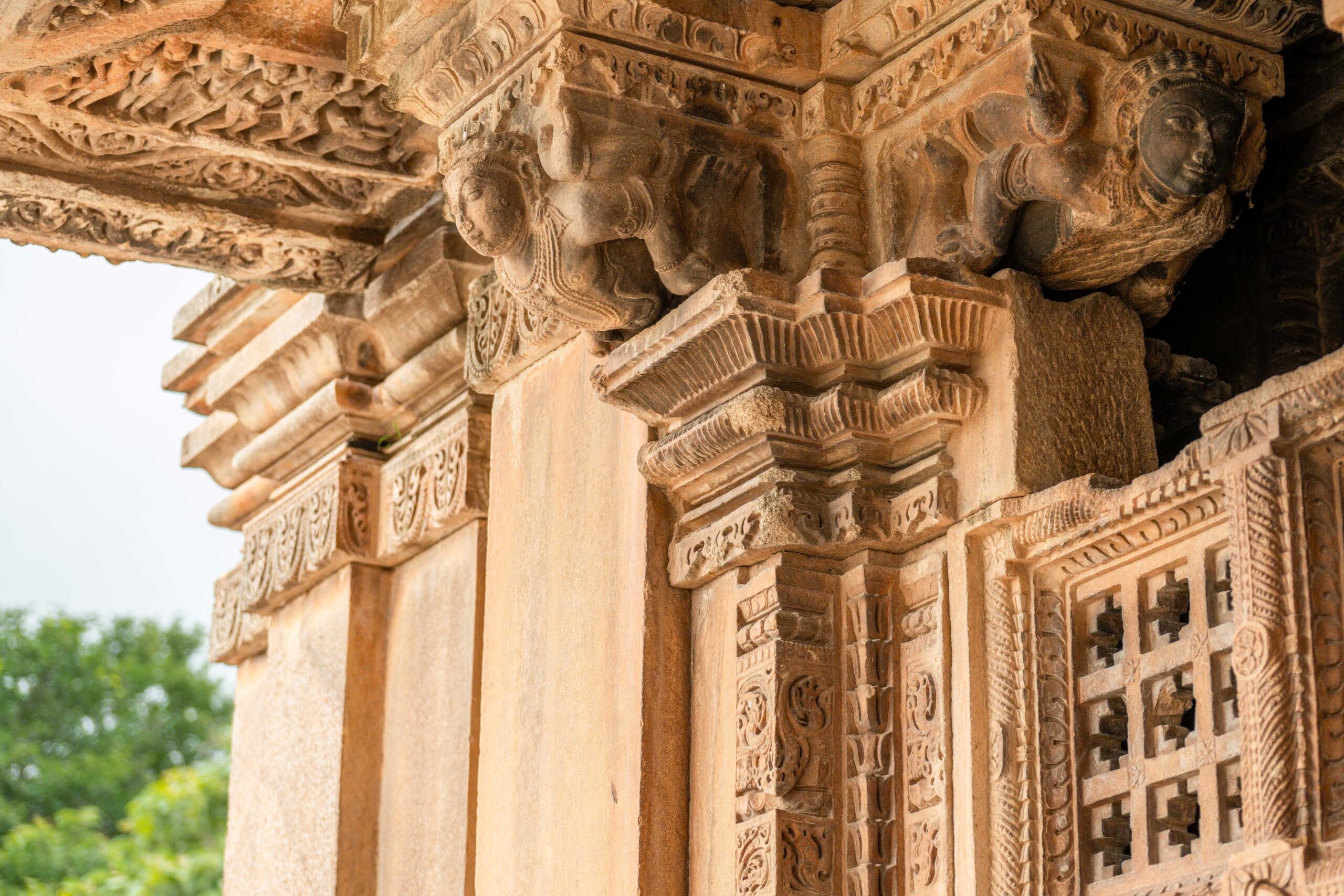
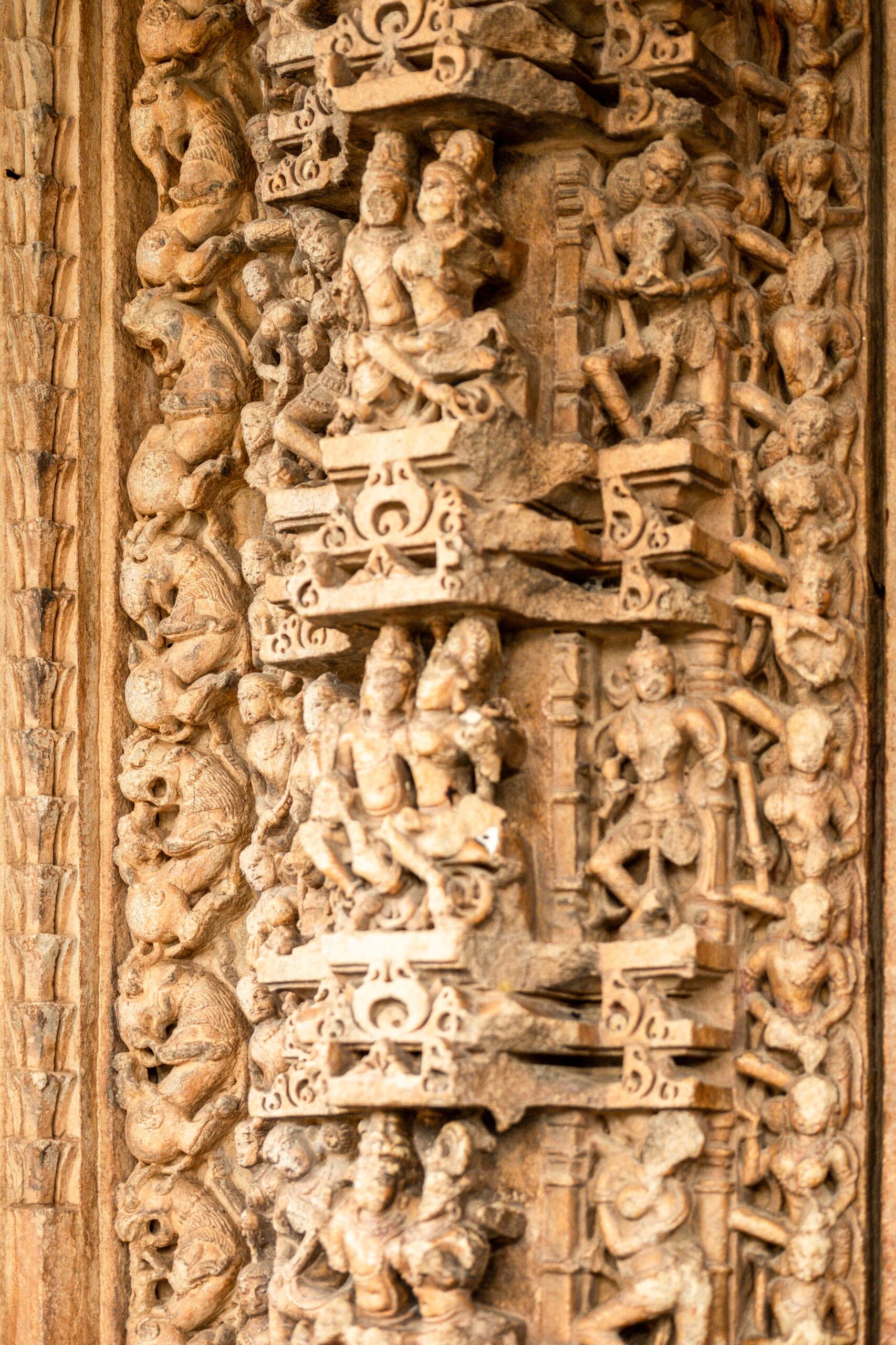
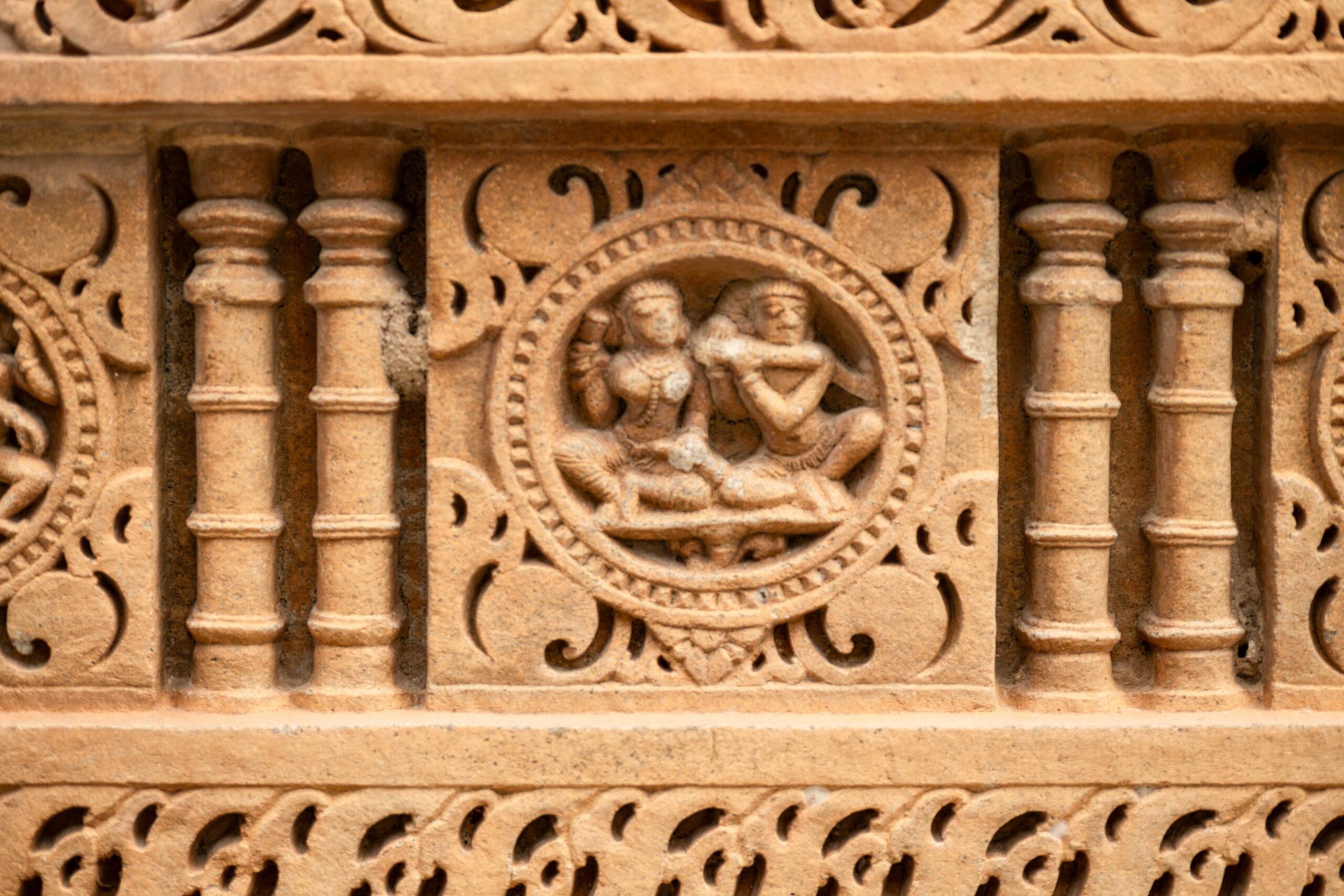
Pillars, ceilings, doorways, and exterior walls are covered with intricate carvings depicting scenes from Hindu mythology, interwoven with floral motifs and geometric patterns.
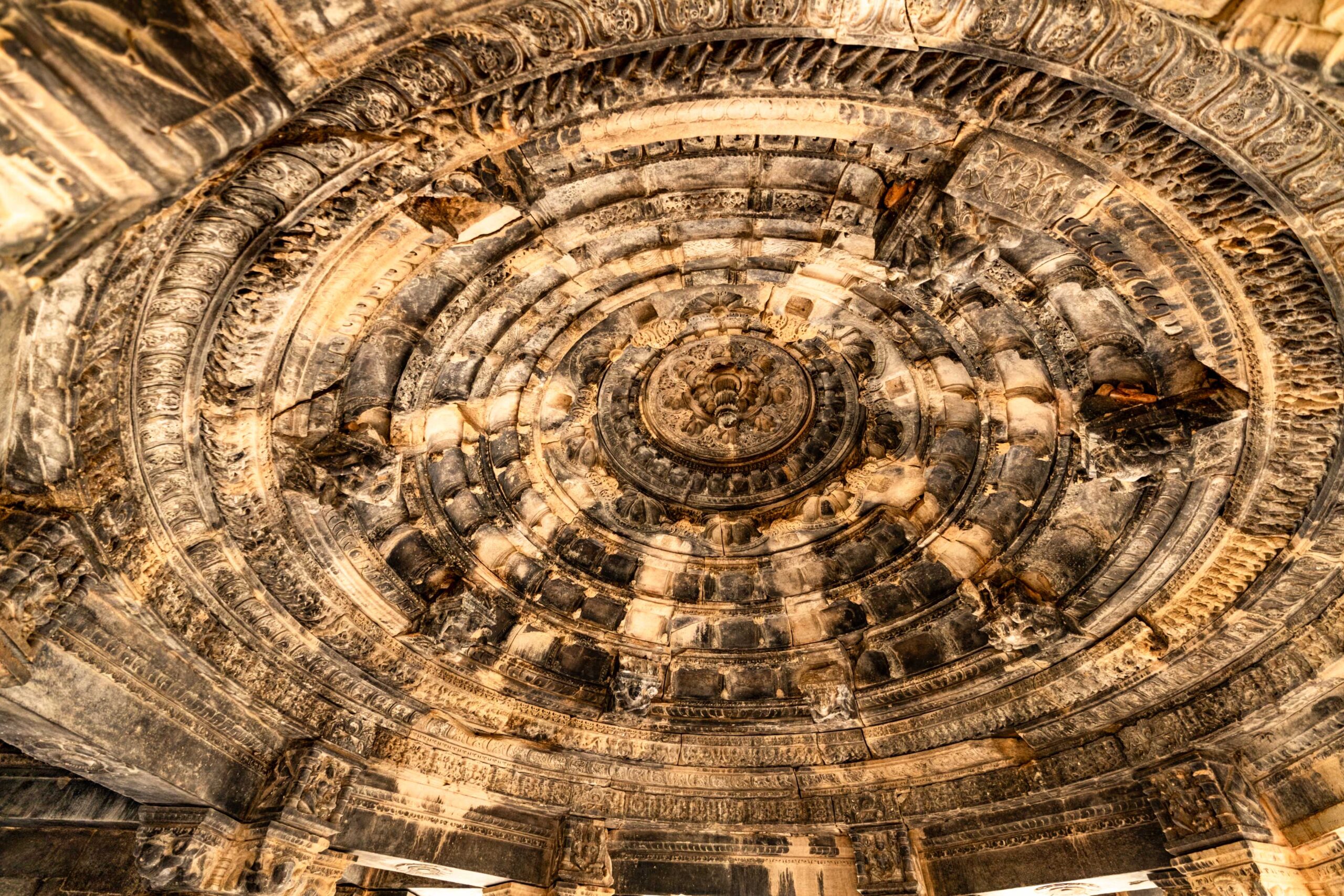
Particularly striking are the elaborately sculpted ceilings, where layers of decorative detail draw the eye upward and showcase the extraordinary skill of medieval craftsmen.
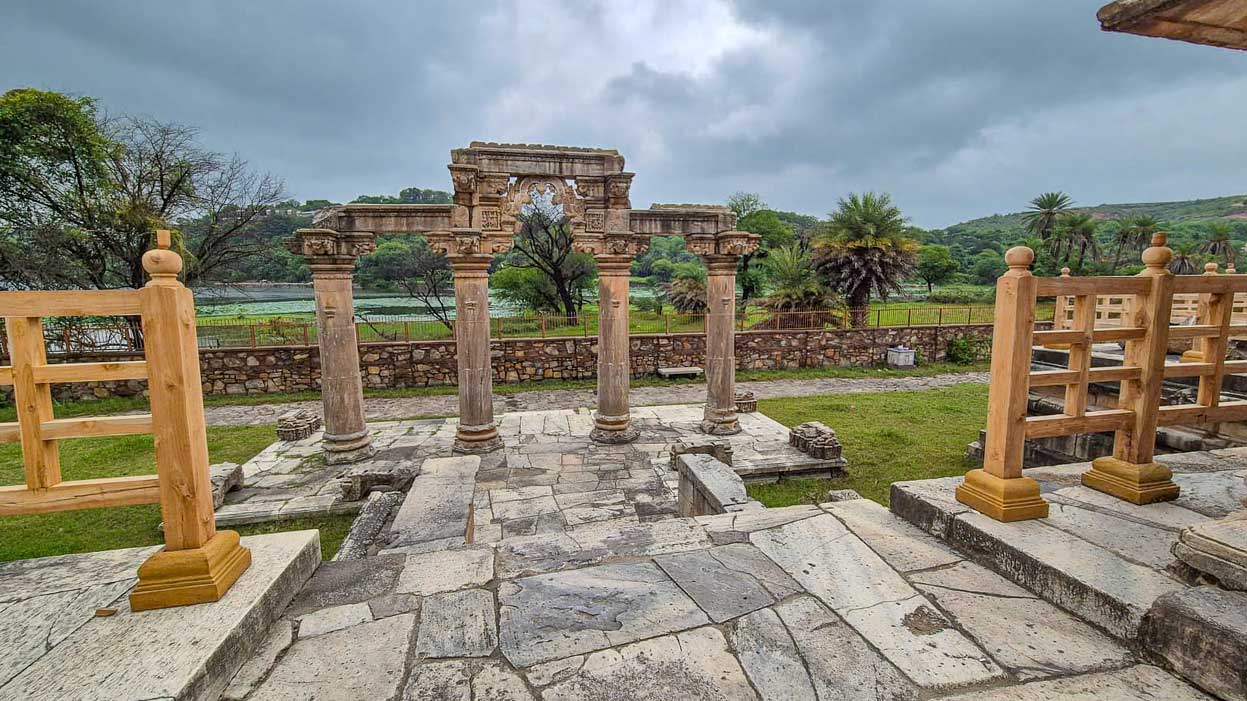
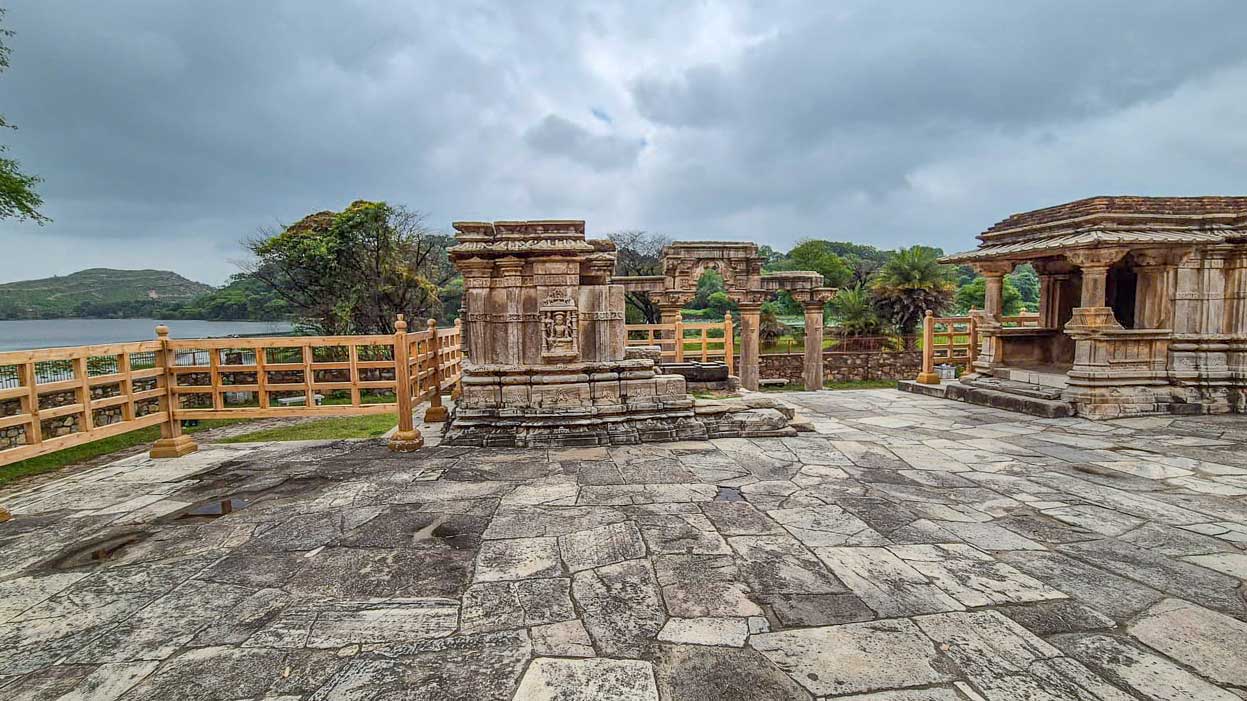
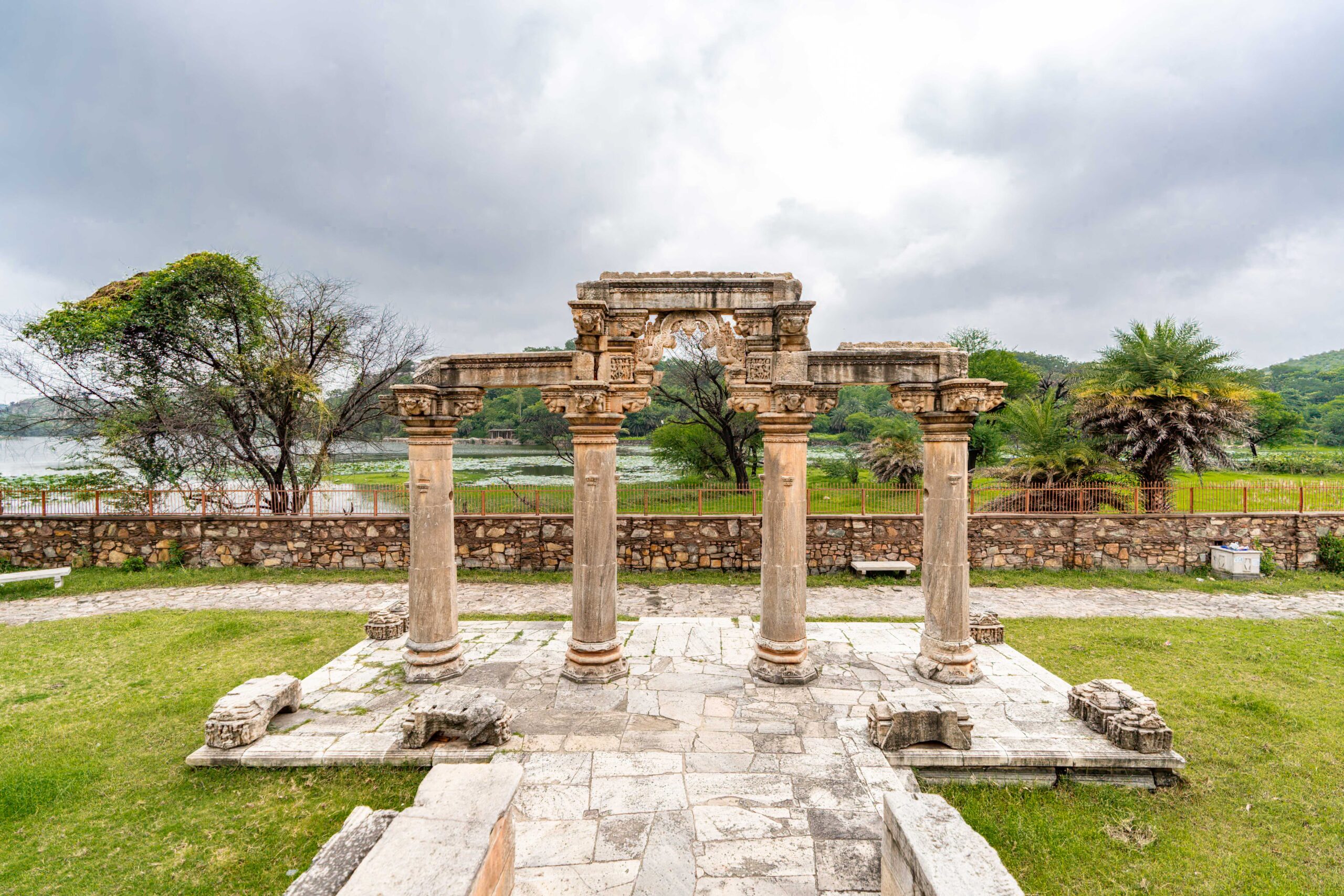
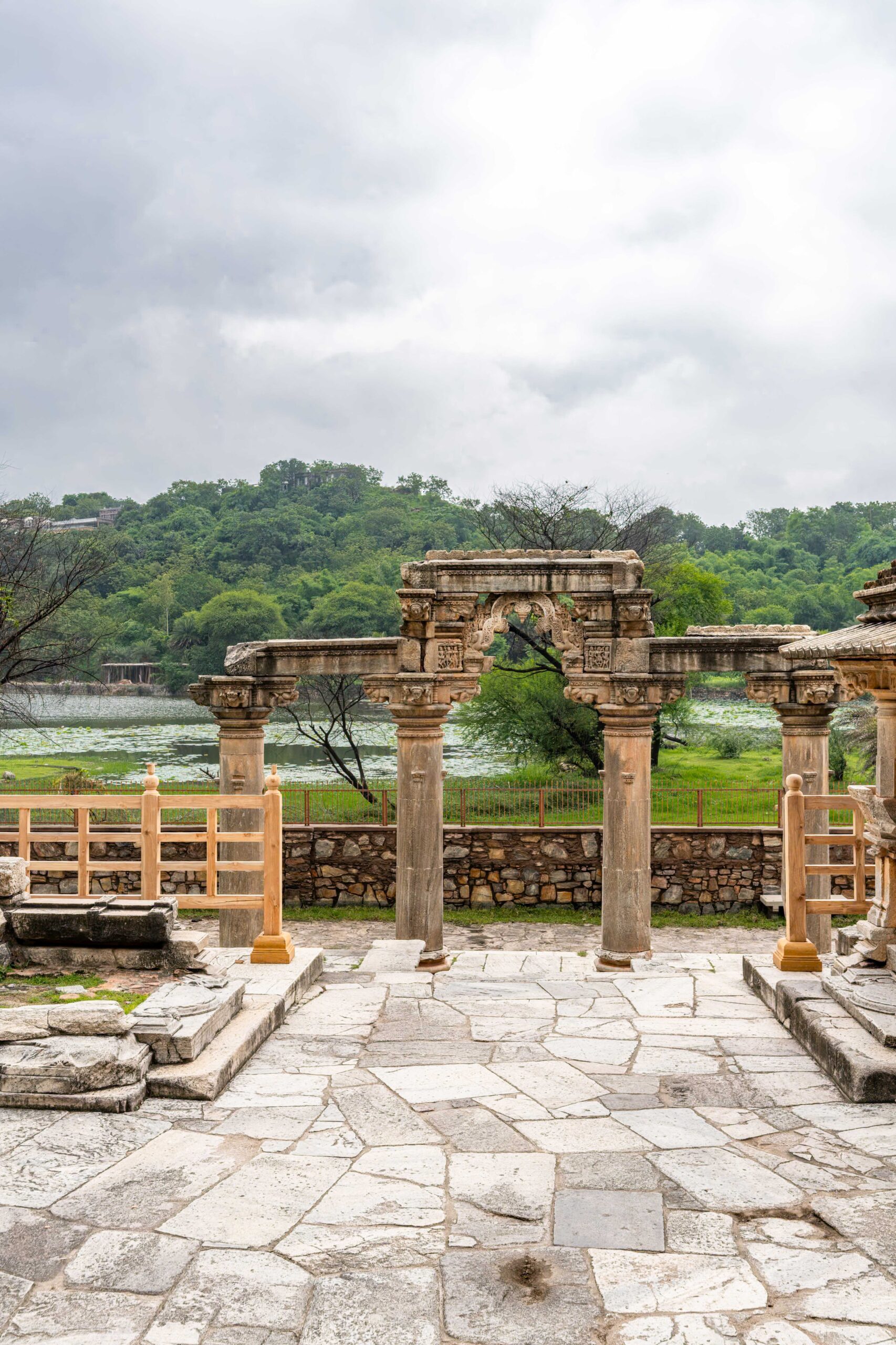
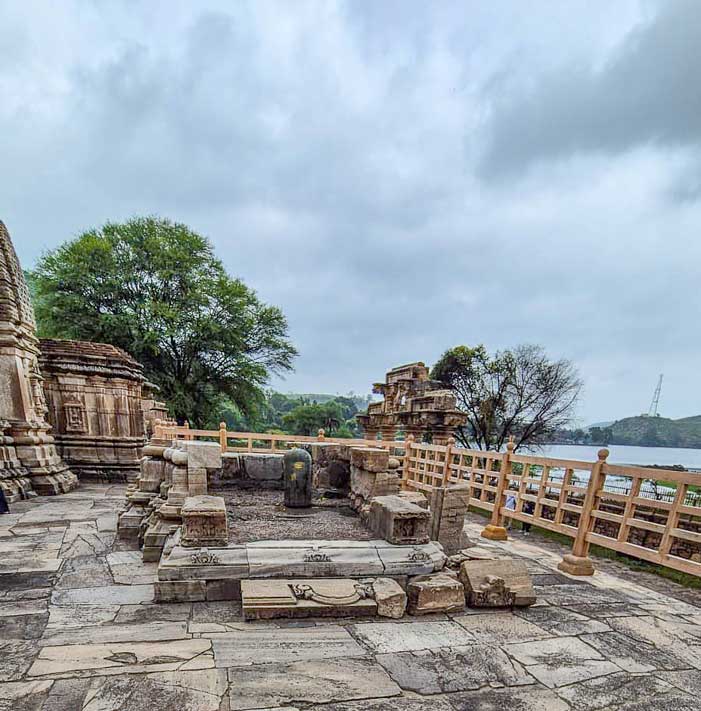
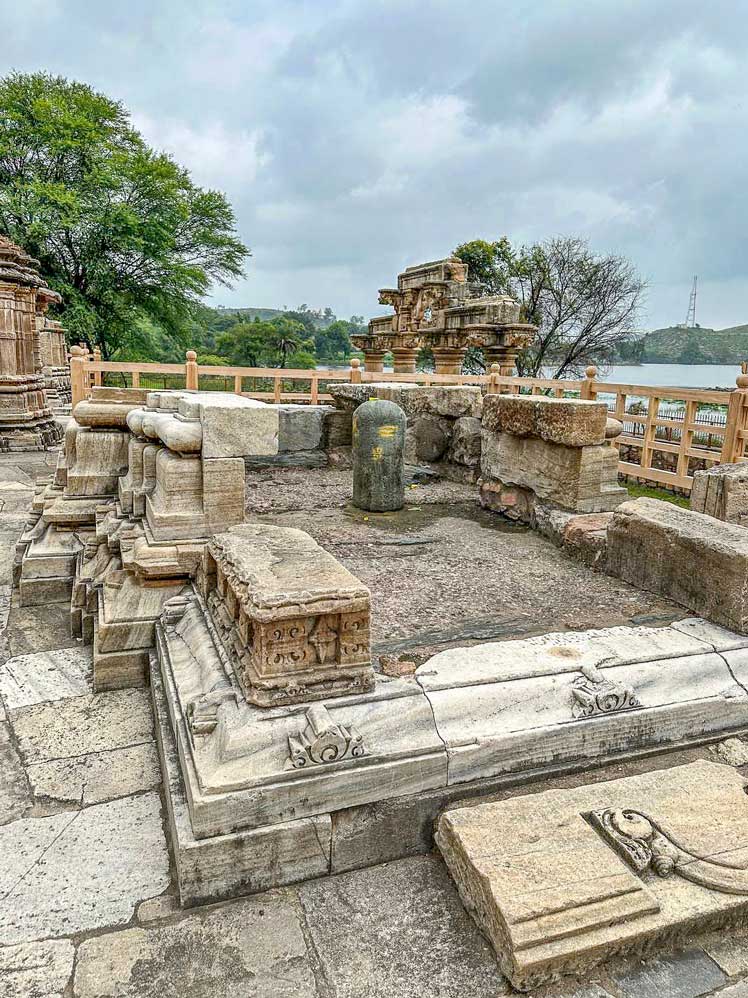
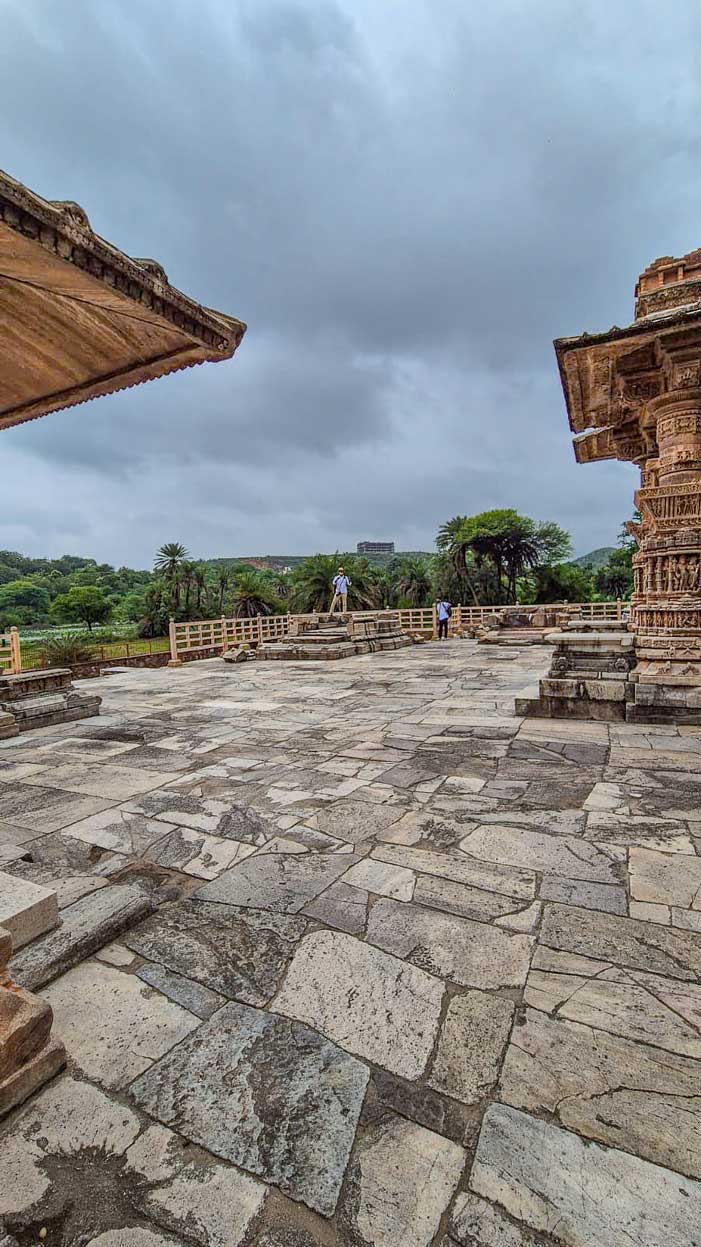
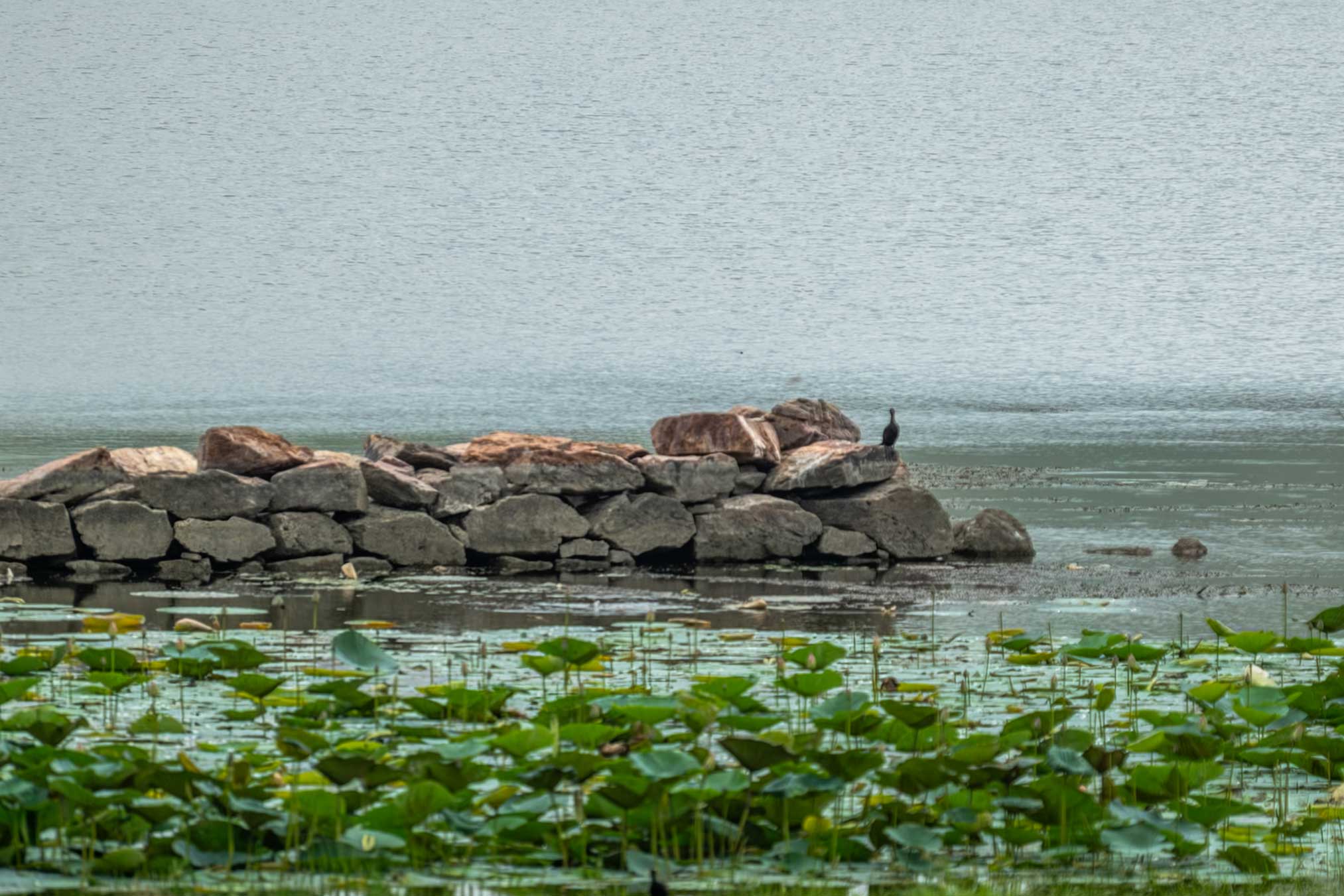
One of Nagda’s greatest attractions is its setting. The ruins, located near the waters of Bagela Lake and surrounded by low hills, possess a sense of tranquillity that is often absent from more heavily visited historical sites.
Birds move quietly among the trees, reflections shimmer across the water, and scattered fragments of temples seem perfectly at home within the landscape. Such a peaceful environment encourages visitors to slow their pace and imagine the thriving city that once stood here, bringing the ruins vividly to life.
Like many historic centres of Rajasthan, Nagda experienced periods of conflict and decline. Historical accounts suggest that repeated invasions and political upheavals contributed to the city’s gradual abandonment.
Over time, nature reclaimed much of the settlement, leaving behind only fragments of its former grandeur. Yet the surviving temples continue to withstand centuries of weathering and neglect. Their endurance stands as a powerful reminder of the resilience of Mewar’s cultural heritage and the lasting legacy of the people who built this remarkable city.
Eklingji Temple
Eklingji Temple is one of the most sacred sites in Rajasthan. Only a few temples in India have been as closely intertwined with a ruling dynasty as Eklingji. Dedicated to Lord Shiva, the temple complex has served as the spiritual center of the Mewar kingdom for centuries. The Maharanas of Mewar considered Lord Eklingji to be the true ruler of their kingdom, governing the land in his name rather than their own. This tradition gave the temple a significance that extended far beyond religion, placing it at the centre of the political and cultural life of Mewar. Royal ceremonies, state occasions, and acts of devotion often revolved around the shrine, reinforcing the bond between kingship and faith.
Eklingji has a legacy that dates back over 1,000 years. Common belief states that the temple was founded by Bappa Rawal, the legendary founder of the Guhila dynasty. The complex has been renovated and rebuilt a number of times over the centuries due to invasions, destruction, and time. What visitors see today is a mirror of much of this centuries-long patronage and restoration.
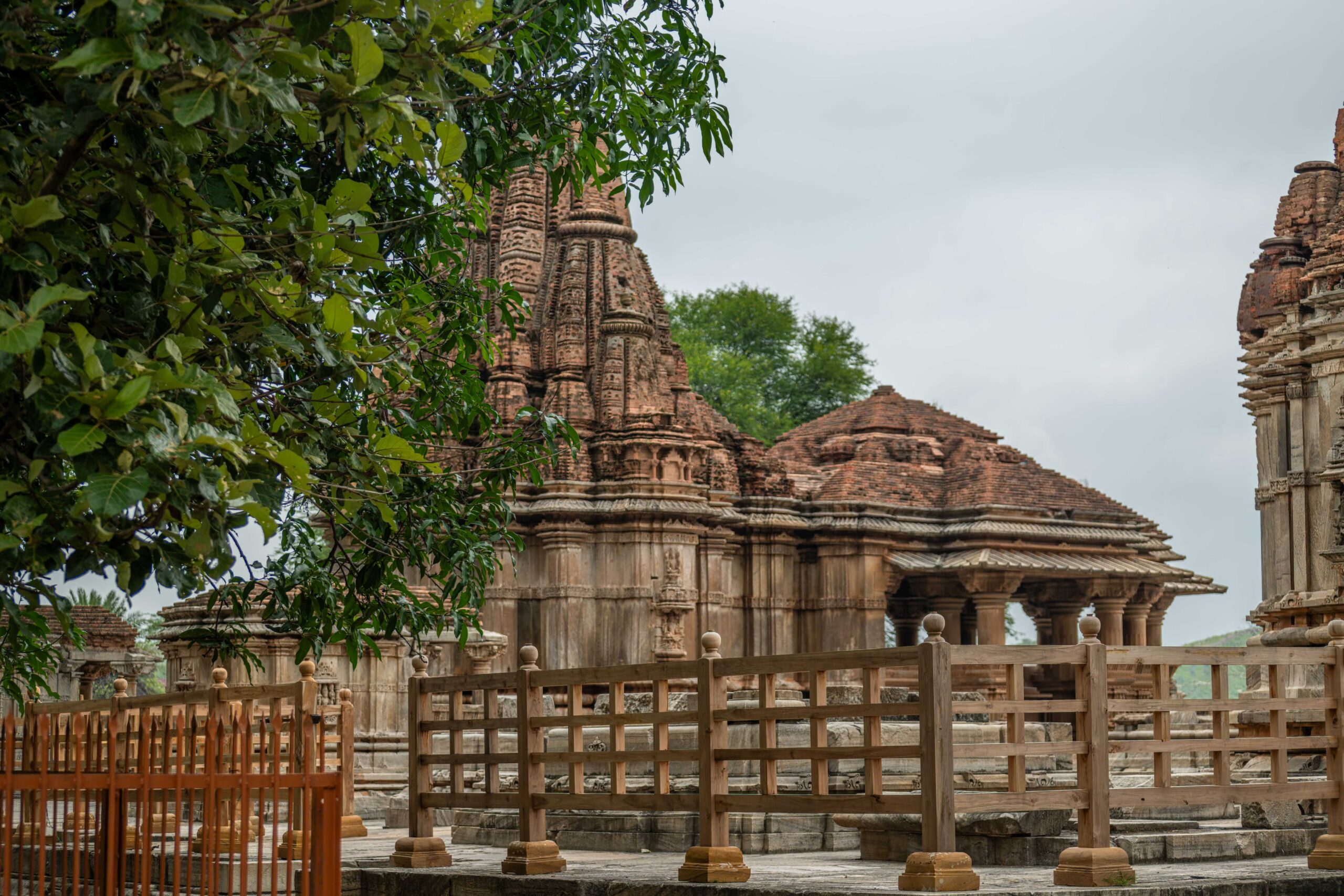
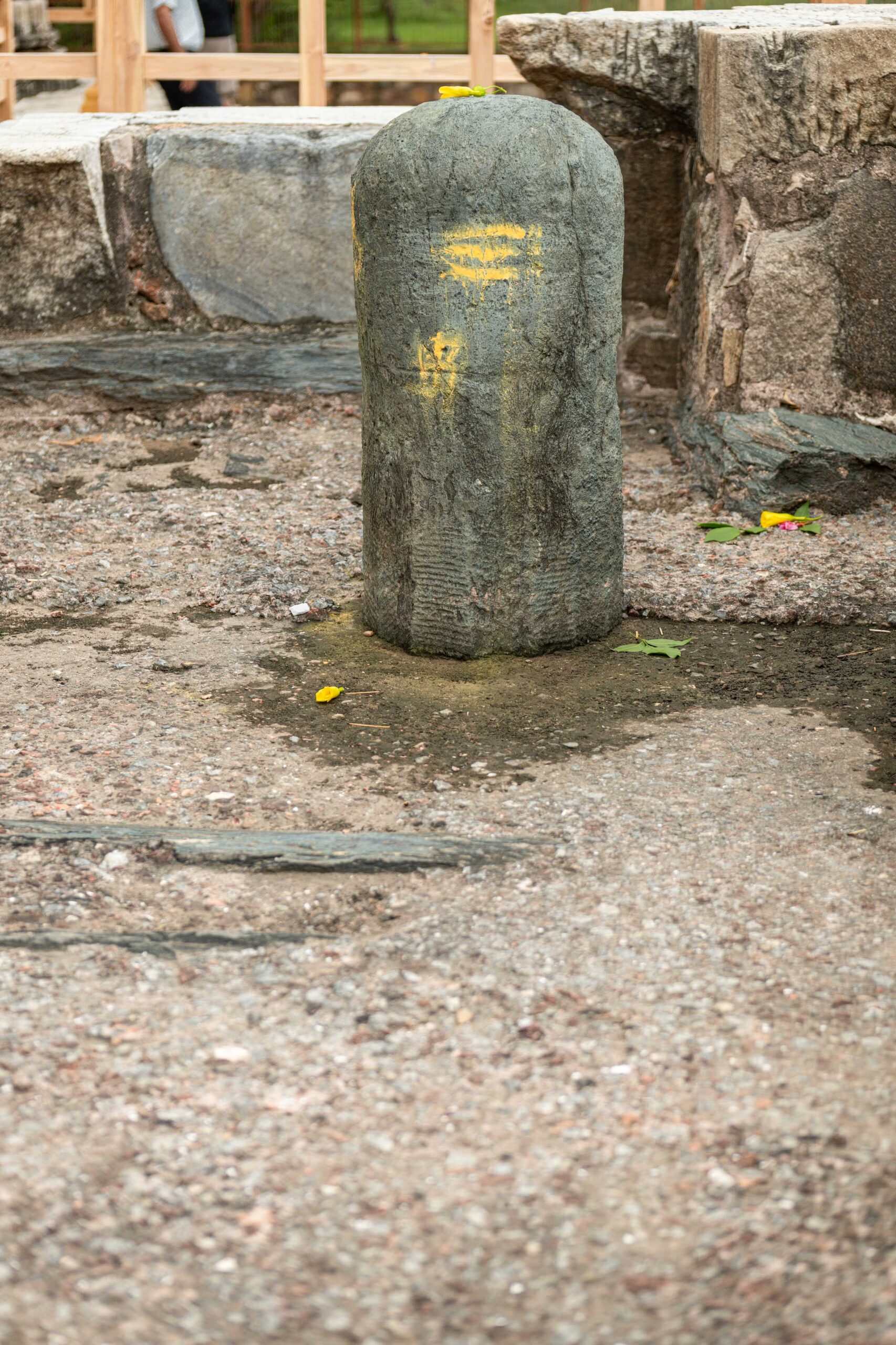
The complex consists of numerous shrines constructed in marble and sandstone, creating a remarkable architectural ensemble. At its heart stands the four-faced black marble lingam of Eklingji, representing Shiva in his all-encompassing form. The craftsmanship displayed throughout the complex reflects centuries of devotion and patronage.
The main shrine is surrounded by dozens more with smaller shrines, courtyards, gateways, and pavilions peppered throughout the temple compound. Built mainly of marble and sandstone, the buildings represent a synthesis of styles evolved over several eras. Wandering these ancient halls, you are rewarded with well-carved pillars, intricately sculpted ceilings, and finely detailed facades. Generations of craftsmen and artisans have poured their hearts into labor across the complex.
Eklingji continues to be an active place of worship. Devotees visit the temple to pray, perform rituals throughout the day, and receive blessings from the deity. This living tradition lends Eklingji a unique identity, making it more than just history for those who wish to visit the shrine.
The relationship between the two sites reflects the close connection between faith and kingship that defined Mewar for centuries. The rulers of the kingdom regarded Lord Eklingji, a form of Shiva, as the true sovereign of the land, while they themselves ruled merely as his custodians. This tradition profoundly influenced the political and cultural life of the region and continues to shape Mewar’s identity to this day.
At Eklingji, centuries-old traditions remain alive through daily rituals and devotion. At Nagda, intricately carved temples stand amidst silence and ruin, inviting reflection on the passage of time. Yet both sites share a common story of resilience and the enduring legacy of the people who shaped this region.