Shangshak
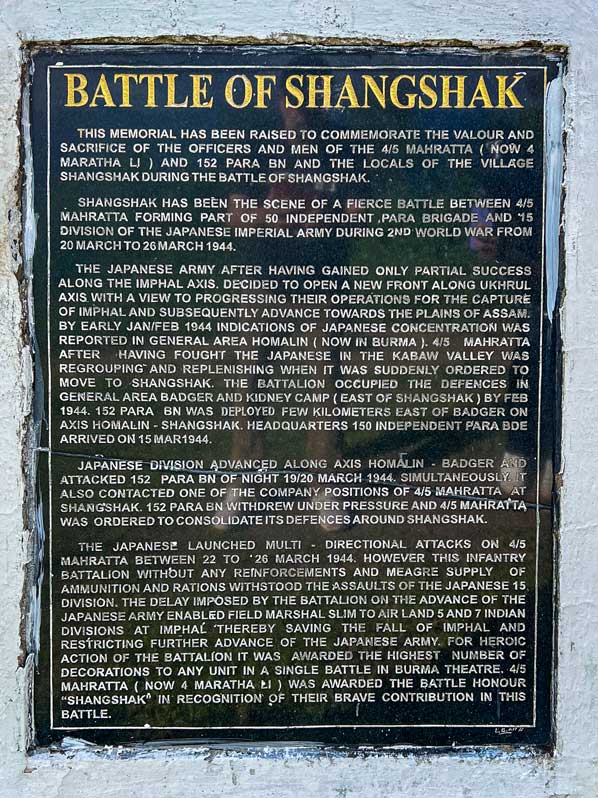
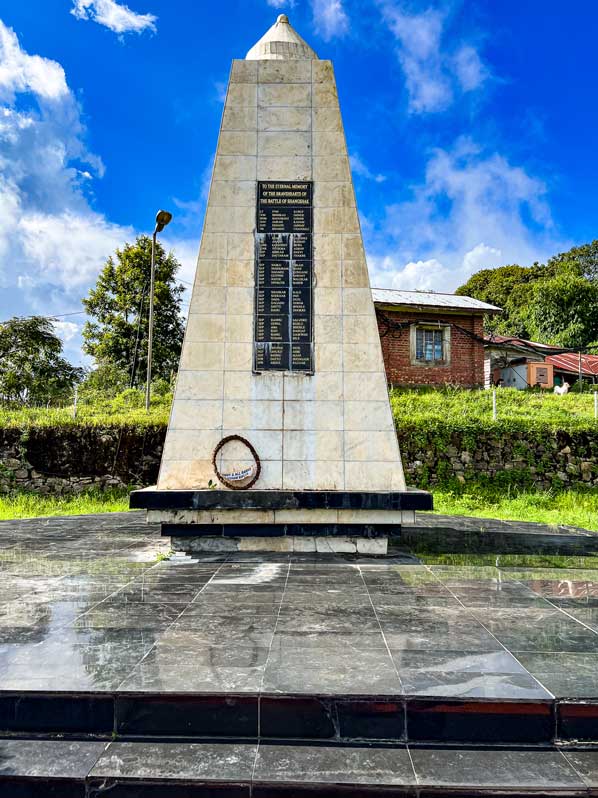
Battle of Shangshak
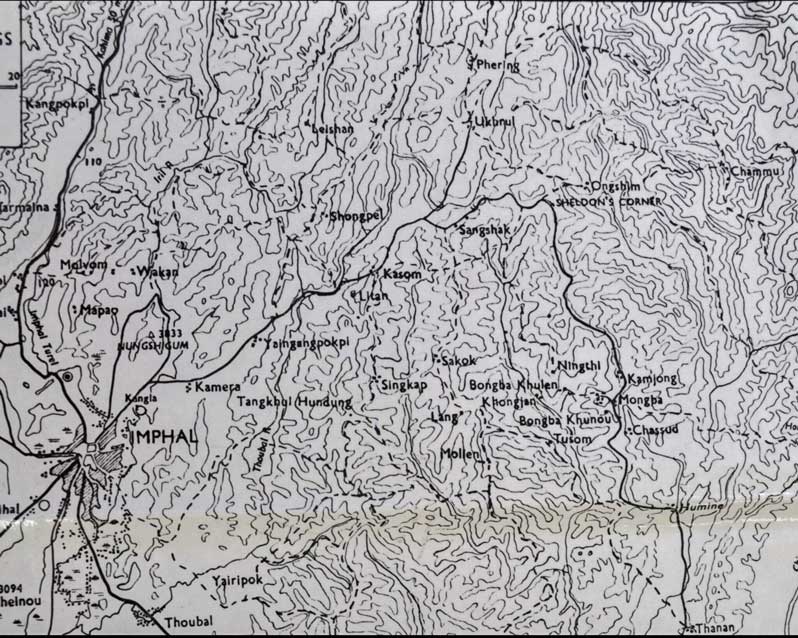
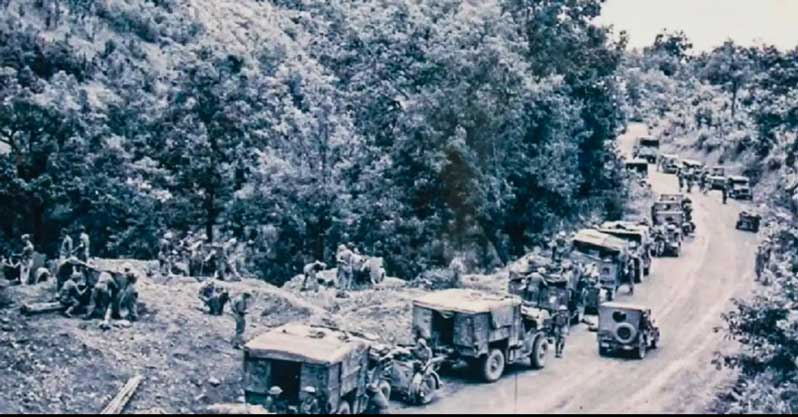
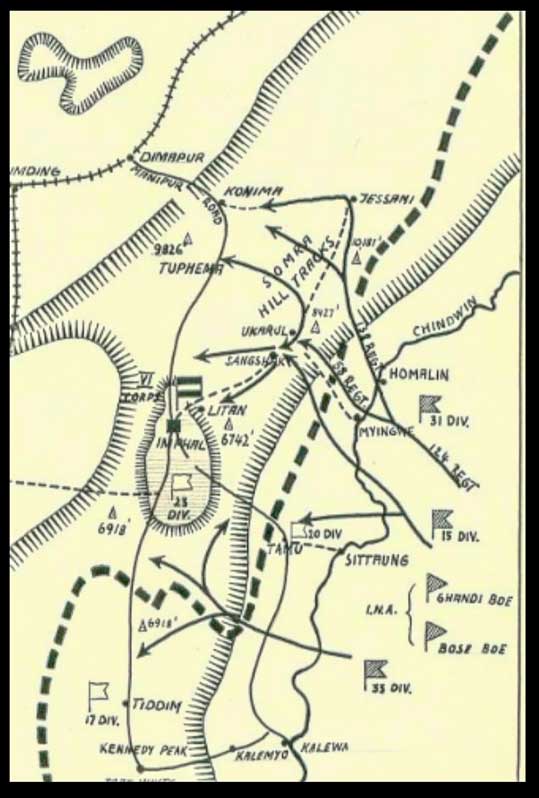
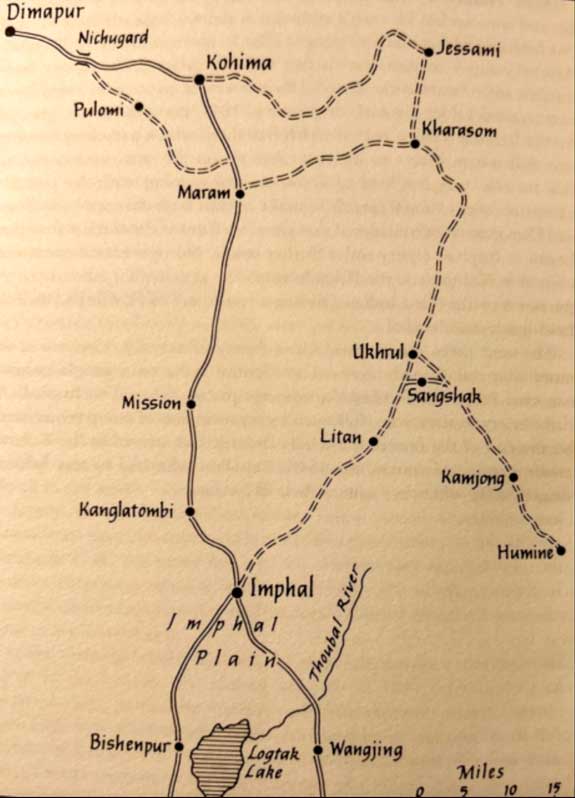
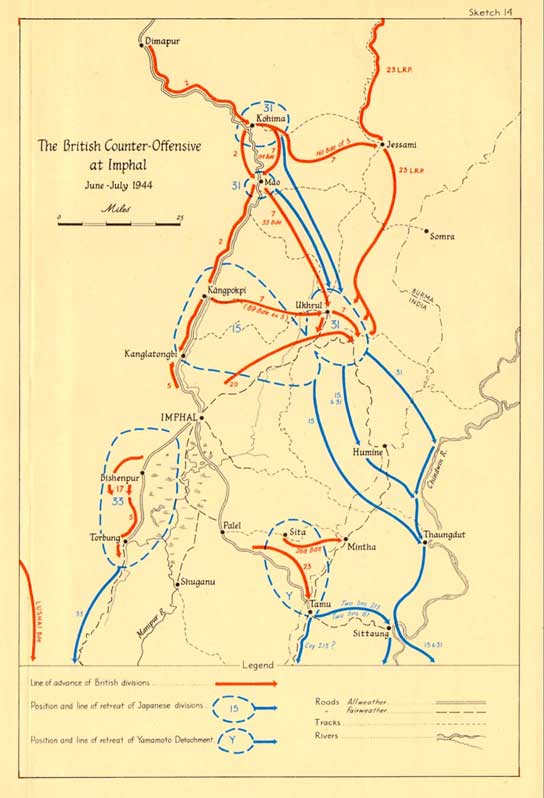
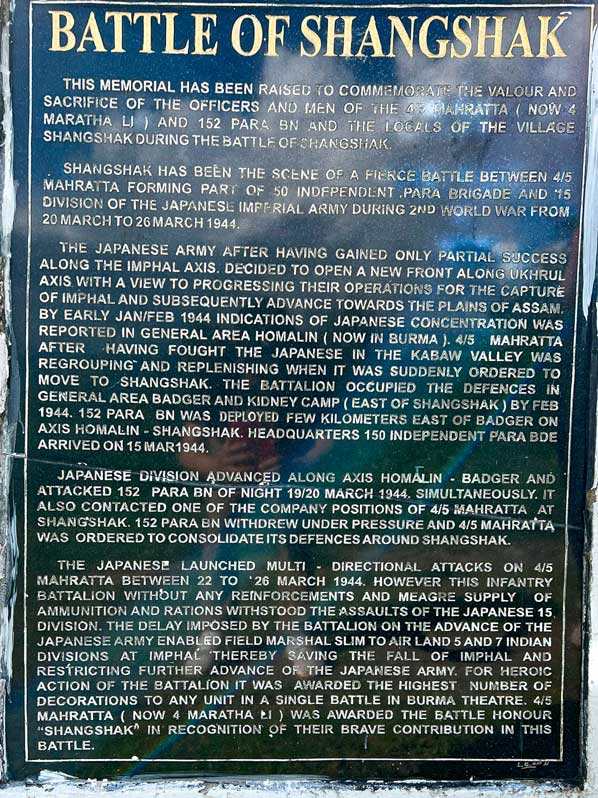
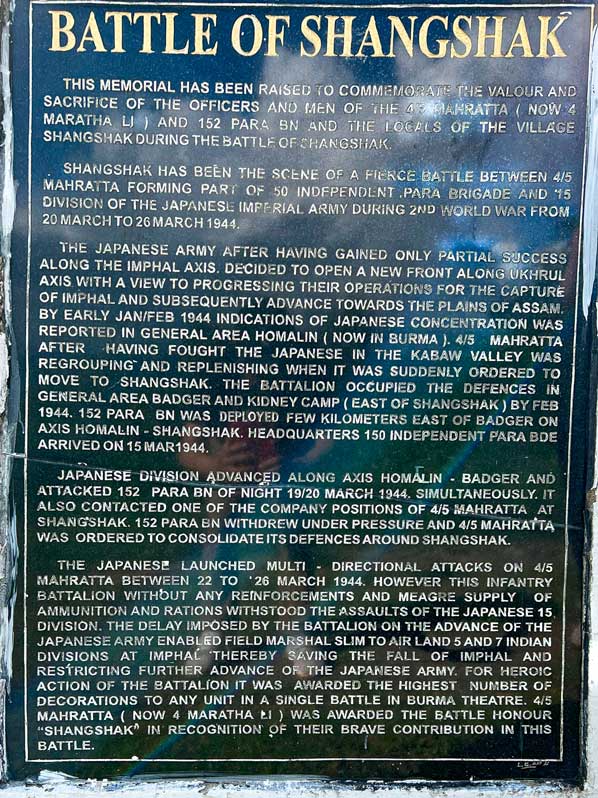
In 1944, the Japanese launched a major invasion of India, wherein two divisions of the Japanese Fifteenth Army attacked the Indian Corps at Imphal, and the Japanese advanced on Kohima, to cut off the main road on which the troops at Imphal depended for supply from Dimapur.
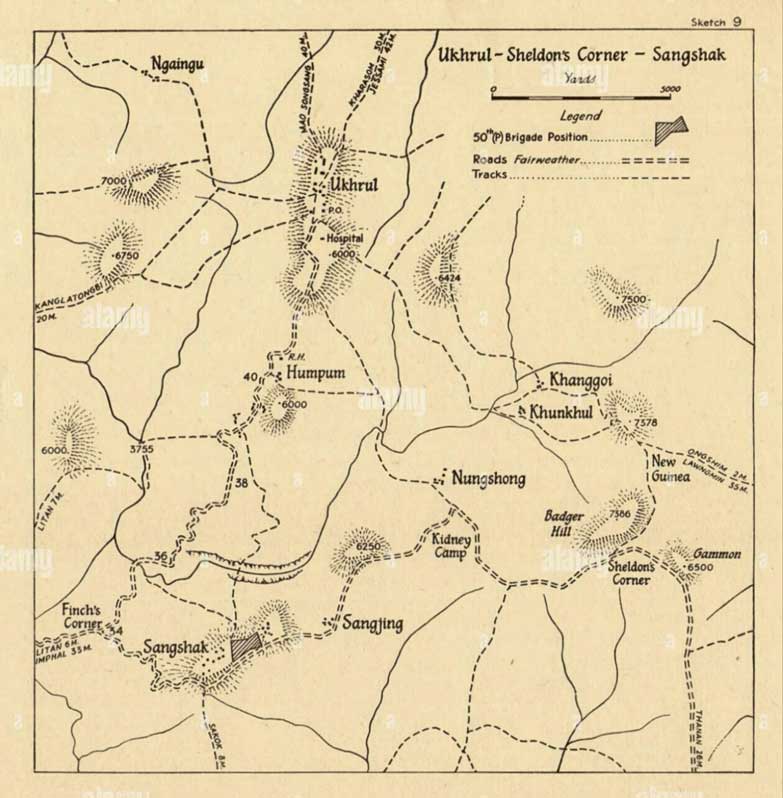
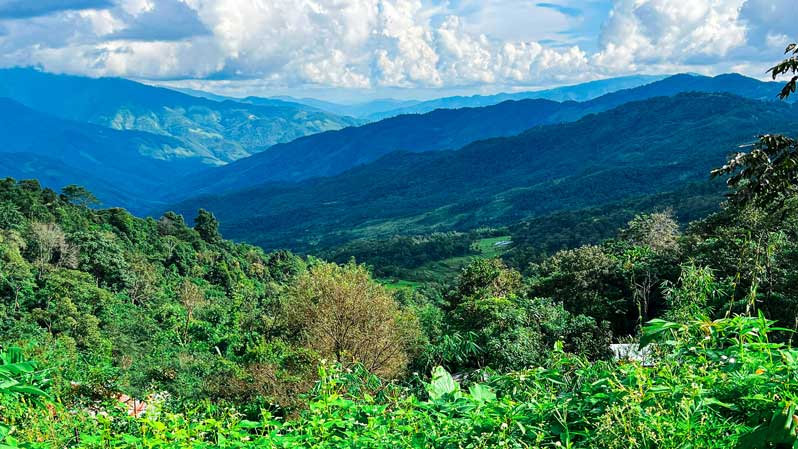
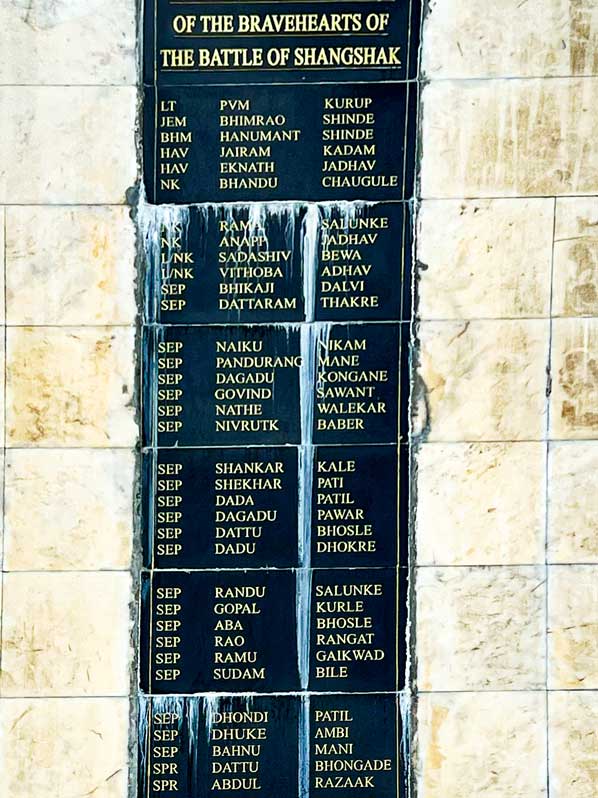
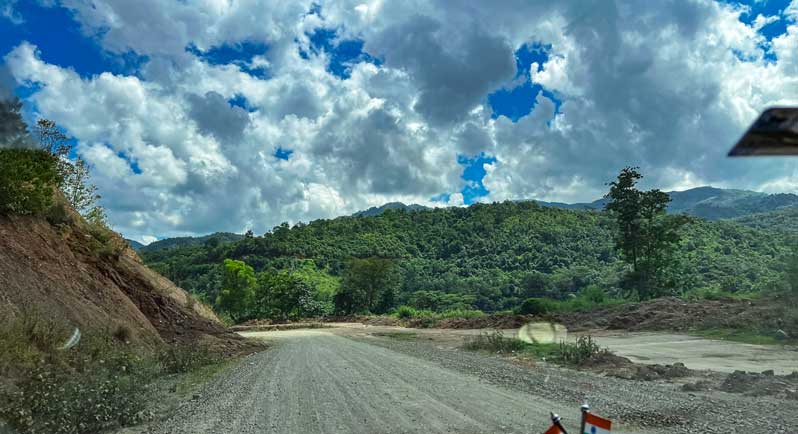
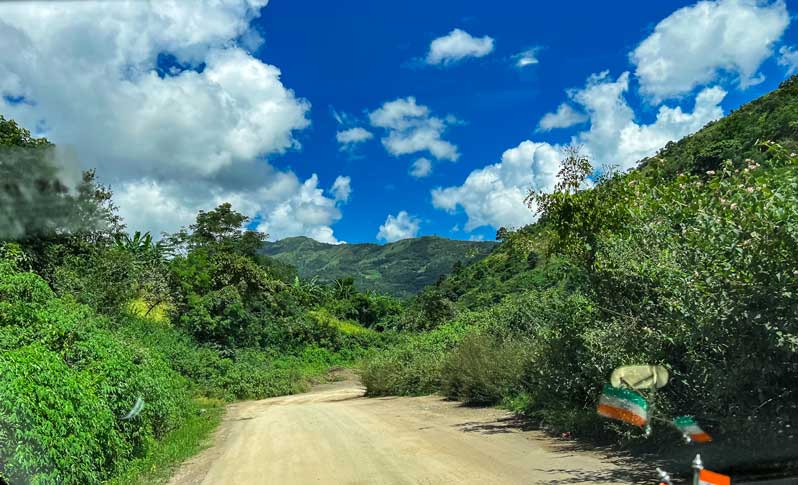
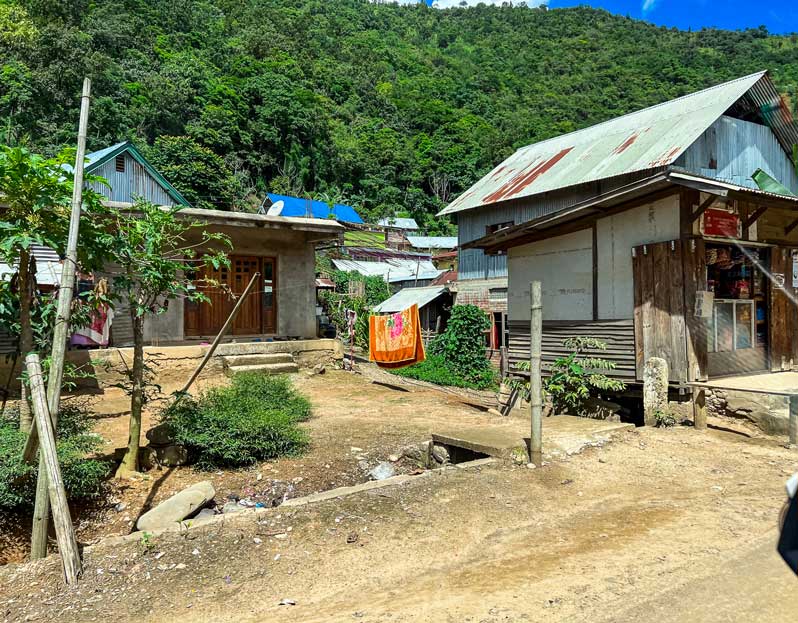
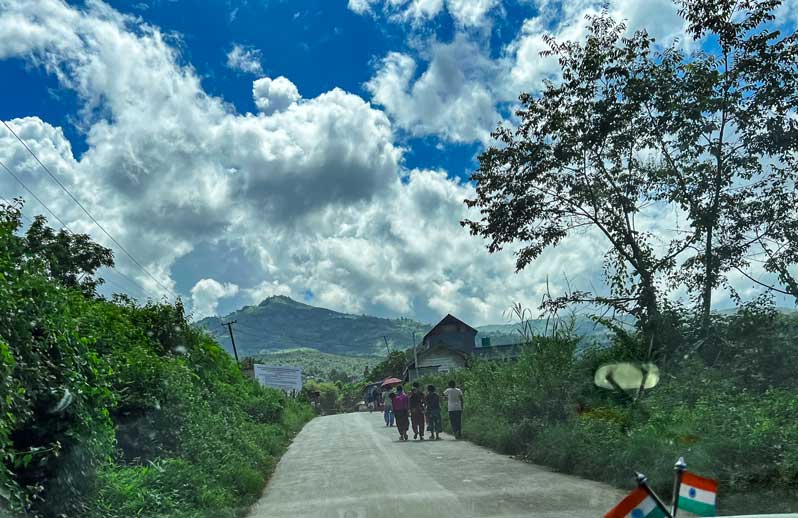
The battle took place in the forested and mountainous frontier area of Shangshak, which lay between India and Burma, from 20 March to 26 March 1944. The Japanese, arriving from Burma, drove a parachute brigade (fighting as infantry), to uproot the British Indian Army, who had taken up a defensive position on a hill just east of Shangshak village, with an American missionary church at its north end. The position measured only 800 yards. In one of the fiercest battles, both sides suffered heavy casualties.
Though the British army eventually had to withdraw and vacate Shangshak, the delay imposed on the Japanese by the battle, allowed British and Indian reinforcements to reach the vital position at Kohima before the Japanese. Another key event was the discovery of the Japanese master plan to attack Kohima, which was as yet unknown to the British, from a fallen Japanese soldier. The British managed to slip out these plans to their headquarters in Imphal, thereby alerting the high-command of the broader strategy. These two events changed to final outcome of the Battle of Imphal and Kohima.
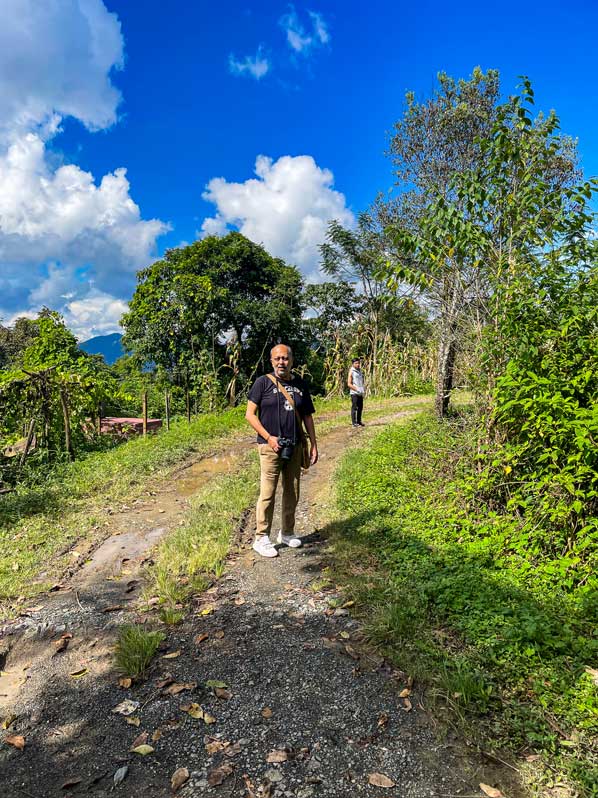
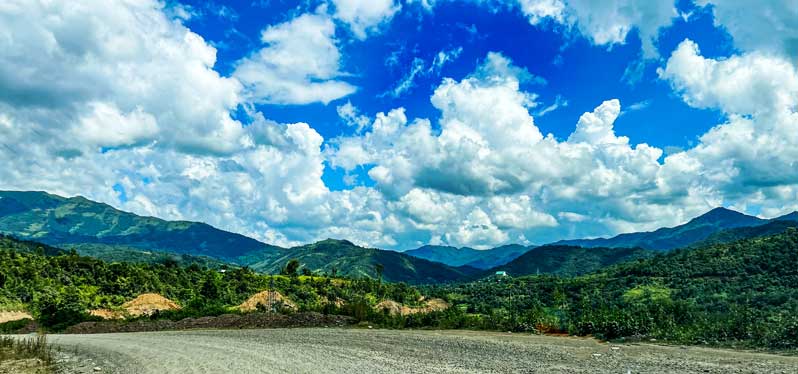
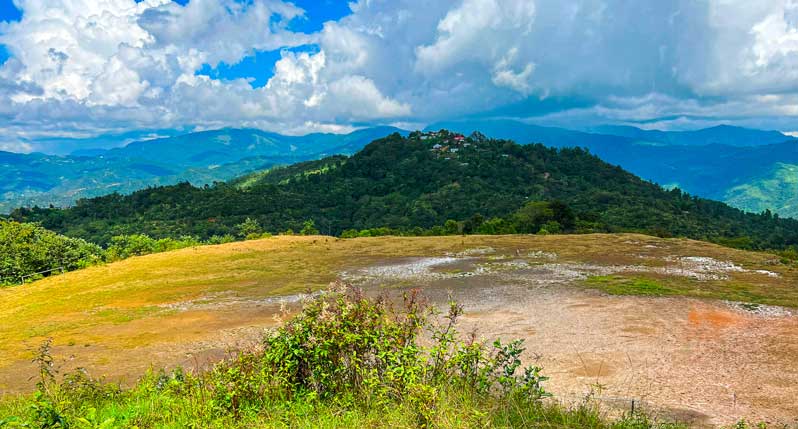
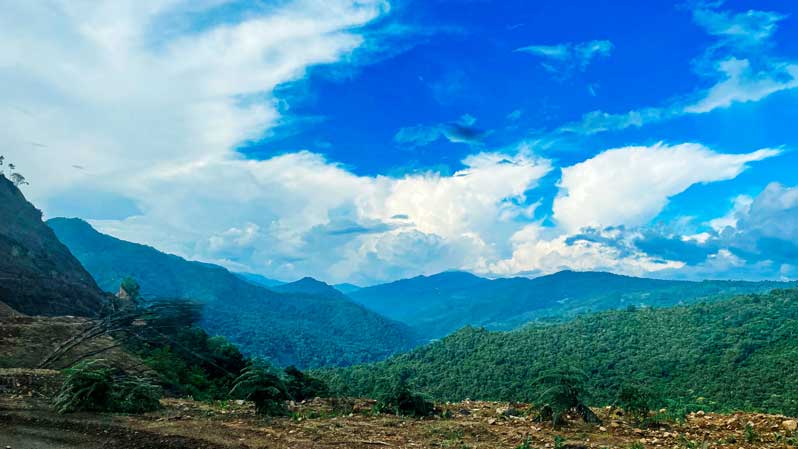
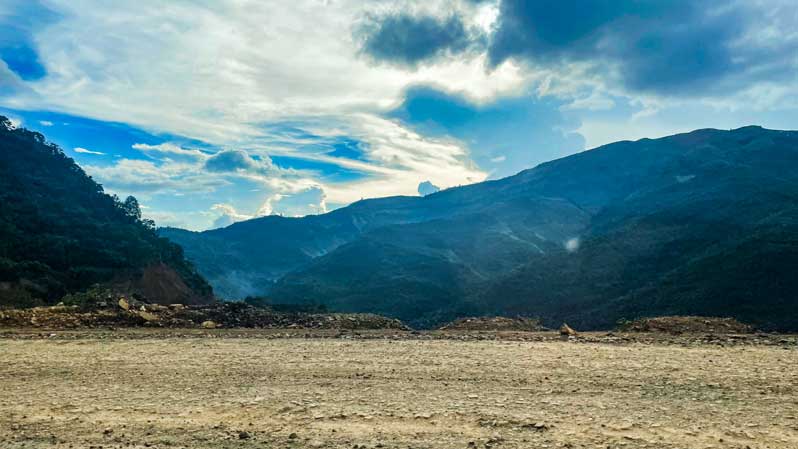
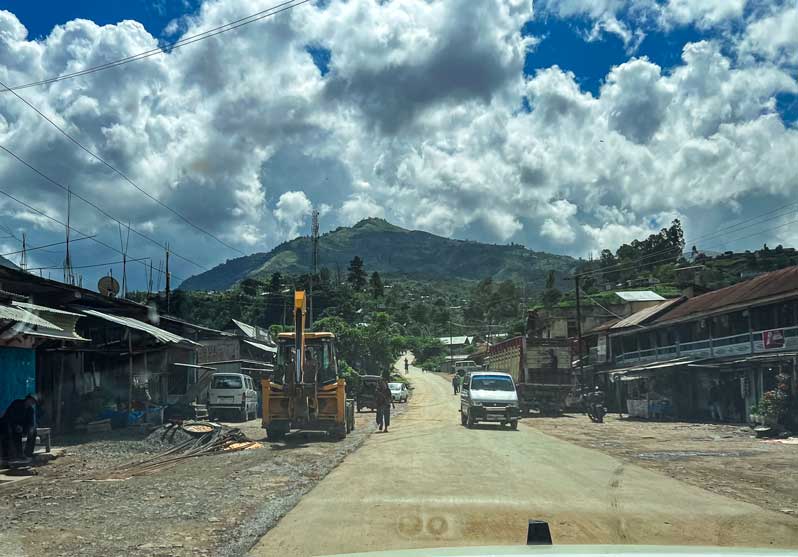
Standing on the edge of a cliff, now a soccer field, overlooking the mountain range beyond which lay Myanmar (Burma) and on the very same slopes through which the Japanese army had swarmed into this tiny Naga village. In the dense, damp forest, there still remains sets of bunkers and foxholes used by the allied forces in their last stand.