Basgo Monastery
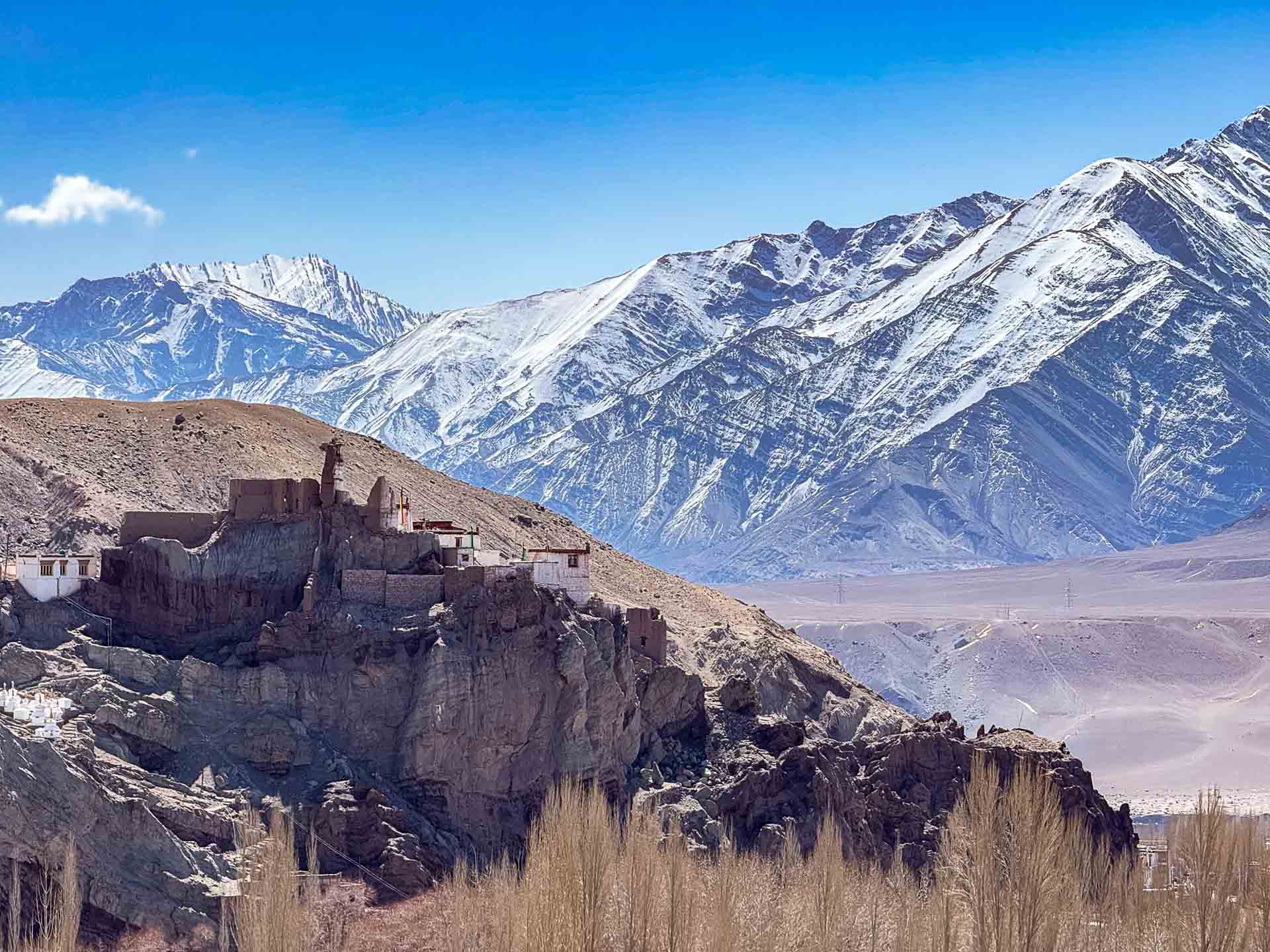
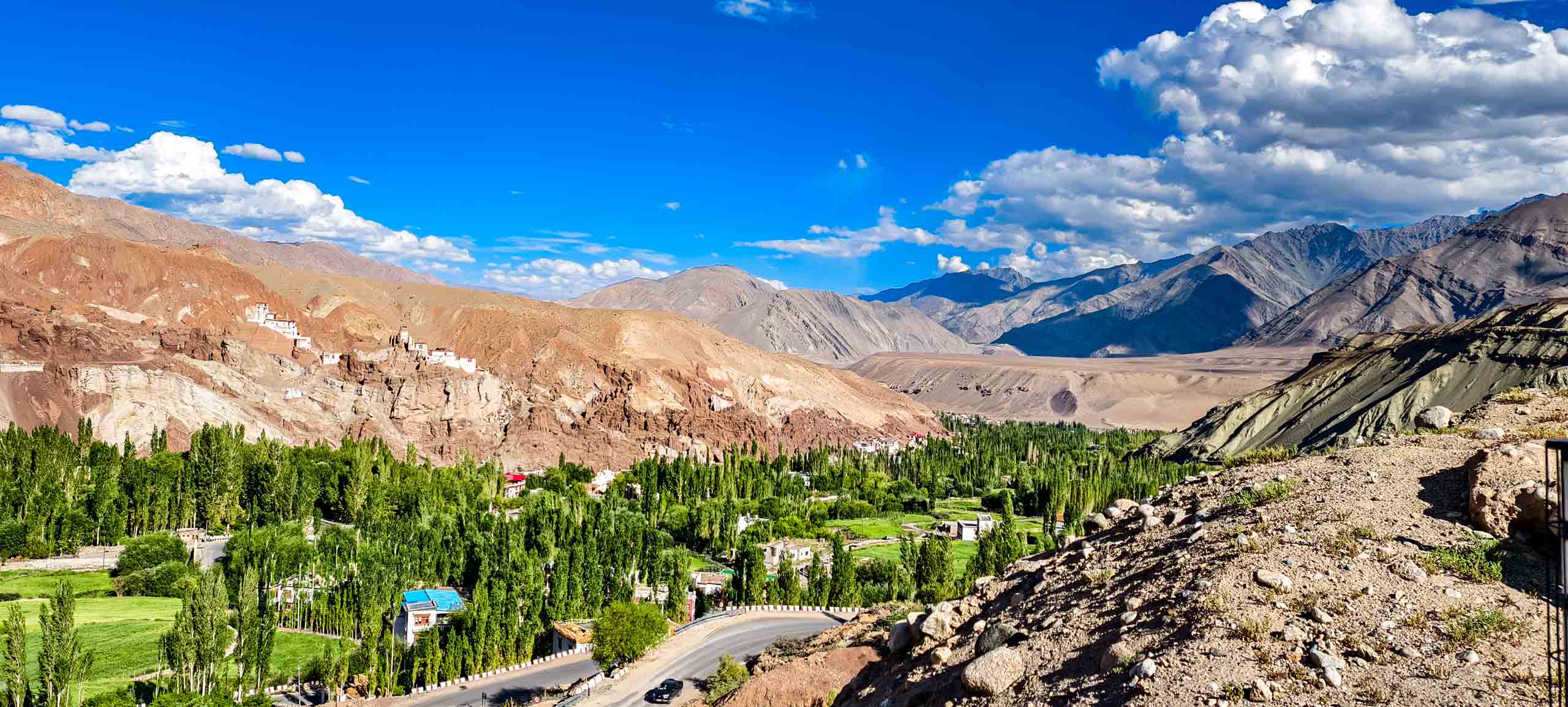
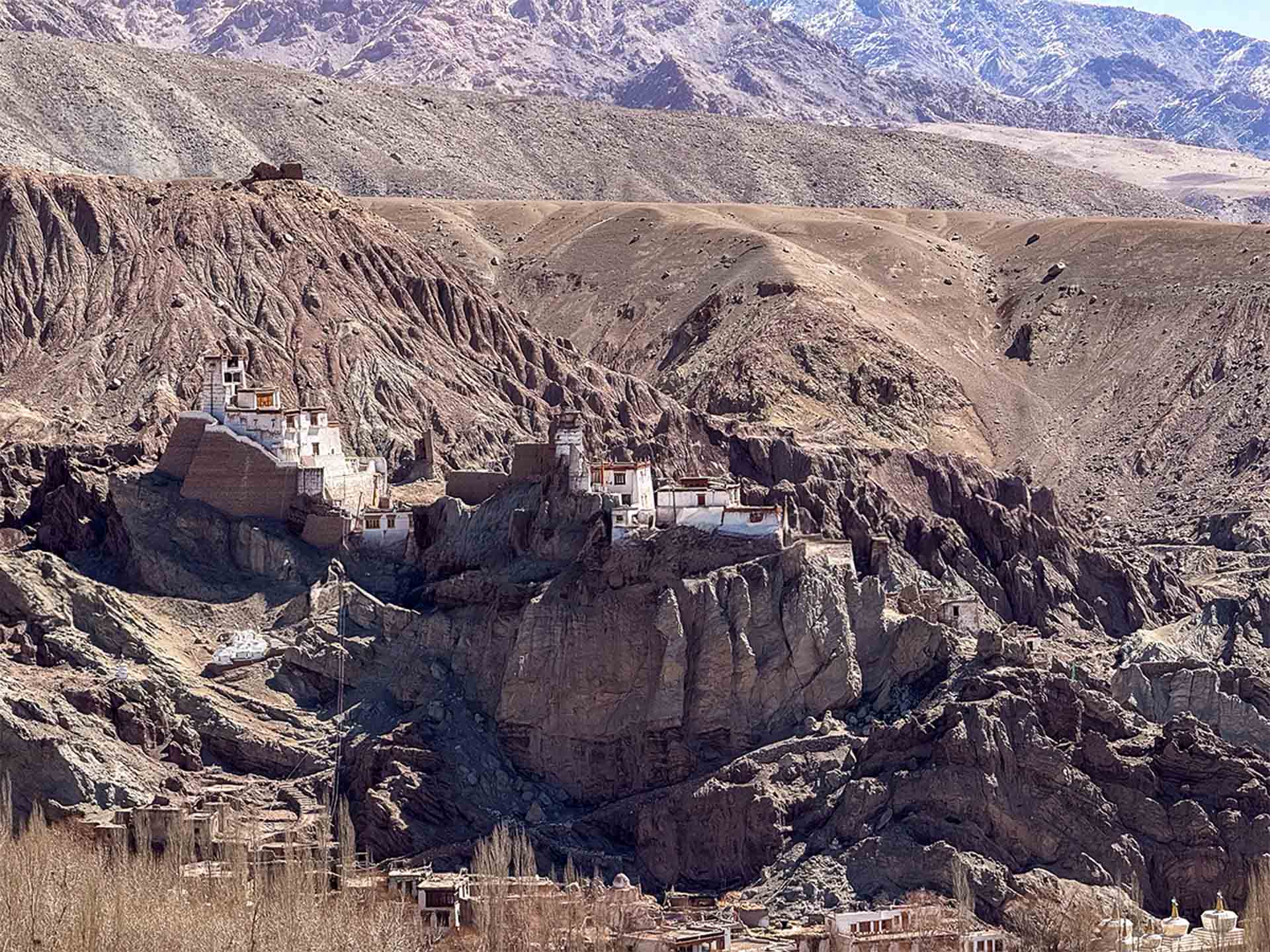
Perched dramatically above the ruins of the ancient town of Basgo, Basgo Monastery stands as a reminder of Ladakh’s turbulent past and enduring Buddhist heritage. Basgo was once the capital of Lower Ladakh and served as an important political and military centre before Leh became the kingdom’s capital. During the 15th and 16th centuries, the town witnessed several invasions, including attacks by Central Asian forces, making its hilltop fortifications strategically significant.
The monastery, belonging to the Drukpa Kagyu school of Tibetan Buddhism, was established in the late 17th century during the reign of King Sengge Namgyal. It was built as an act of gratitude after the Namgyal rulers successfully defended Basgo against invading Tibetan- Mongol forces with assistance from the Mughal Empire.
The monastery complex comprises several temples, the most notable being the Maitreya Temple, which houses an impressive two-storey statue of Maitreya (the Future Buddha). The temples are also adorned with centuries-old murals, sacred scriptures, and intricate woodwork that reflect the artistic traditions of medieval Ladakh.
From the hilltop, visitors are rewarded with sweeping views of the Indus Valley, the surrounding villages, and the rugged mountains that protected Basgo for centuries.