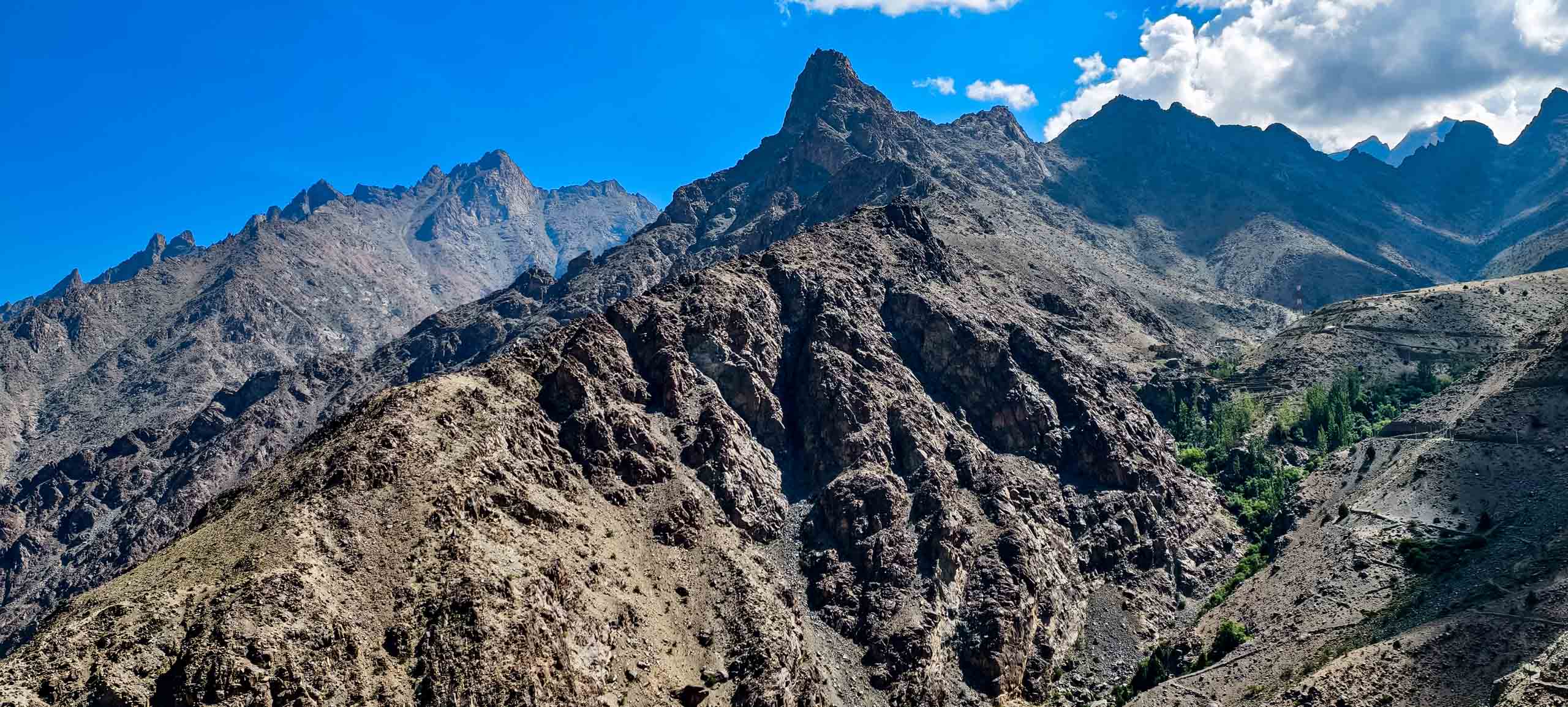
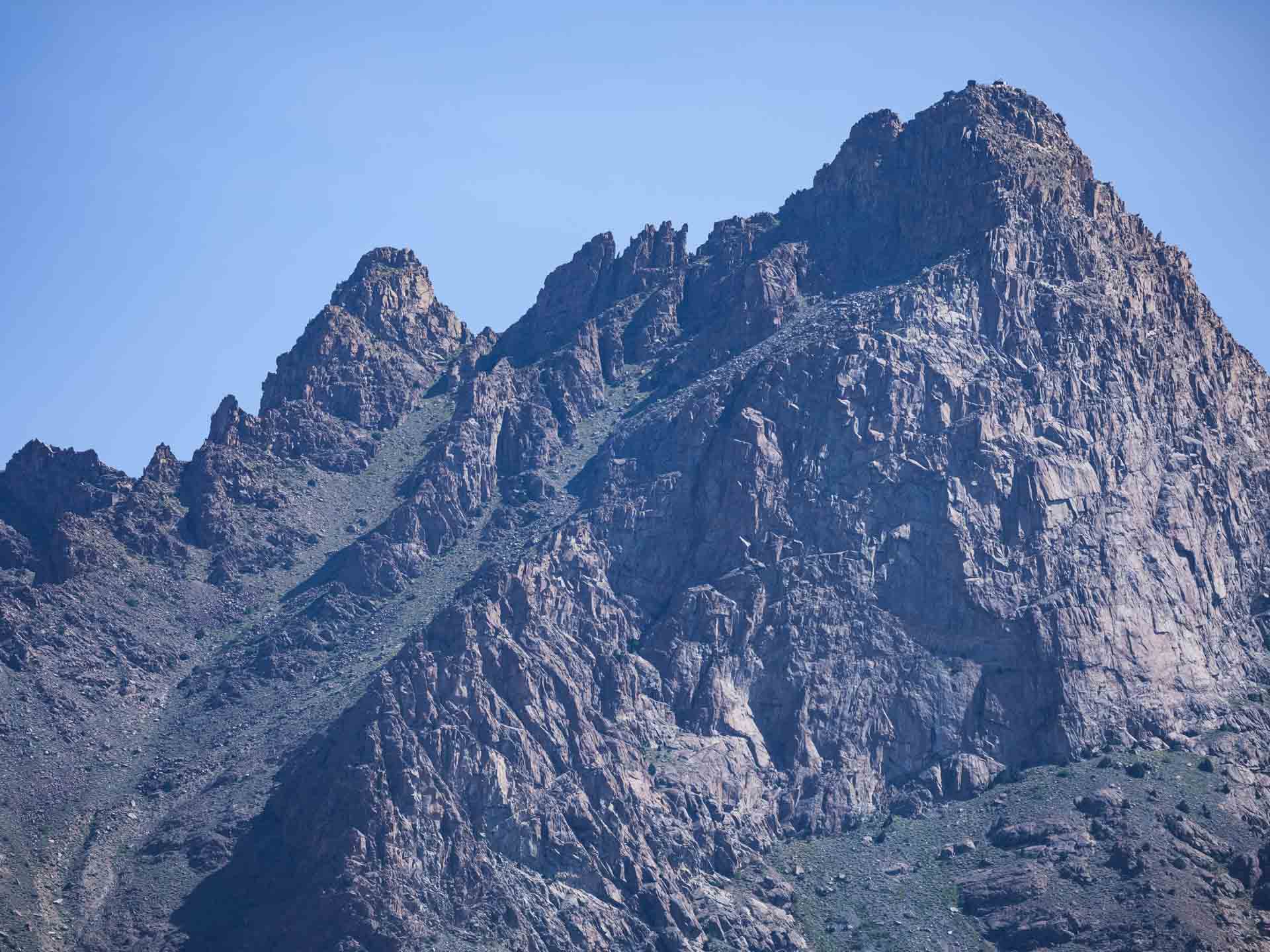
Perched on the rugged mountains overlooking the Suru River, Hunderman is one of the last inhabited villages before the Line of Control between India and Pakistan. At first glance, it appears to be a quiet Himalayan settlement of stone houses and narrow pathways, but behind its peaceful surroundings lies a remarkable story of changing borders, divided families, and resilience. Visiting Hunderman is not only a journey into a remote corner of Ladakh but also an opportunity to understand how history has shaped the lives of the people who call this place home.
Unlike many villages in Ladakh that are known for monasteries or dramatic landscapes, Hunderman is remembered for its unique geopolitical history. Before the Indo-Pakistani War of 1971, the village was administered by Pakistan. Following the war, the Line of Control shifted, and Hunderman became part of India.
Overnight, the lives of its residents changed. Families who had lived together for generations found themselves separated by an international border, with relatives suddenly living in different countries. Many villagers had to rebuild their lives while adapting to a new administration, making Hunderman one of the few places where the impact of political boundaries can be understood on a deeply personal level.
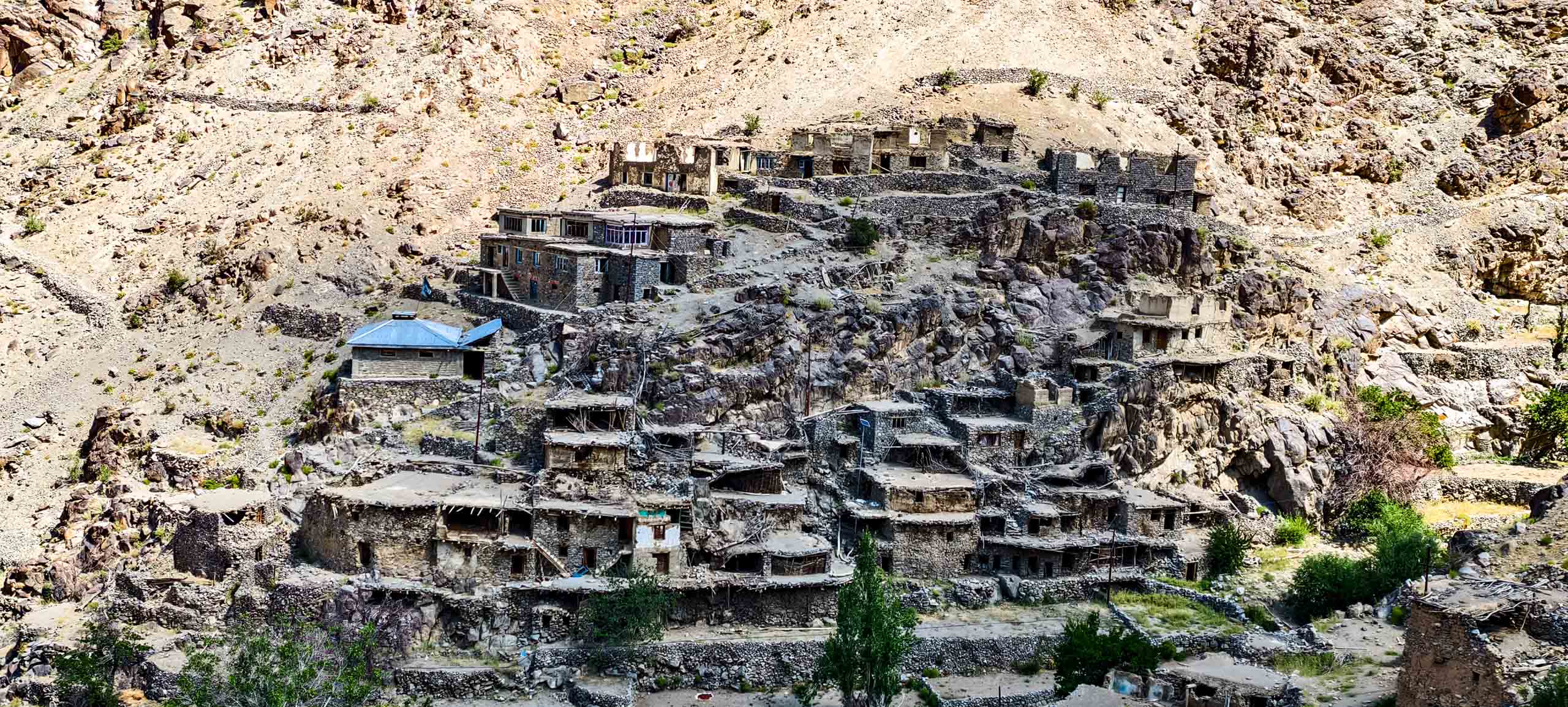
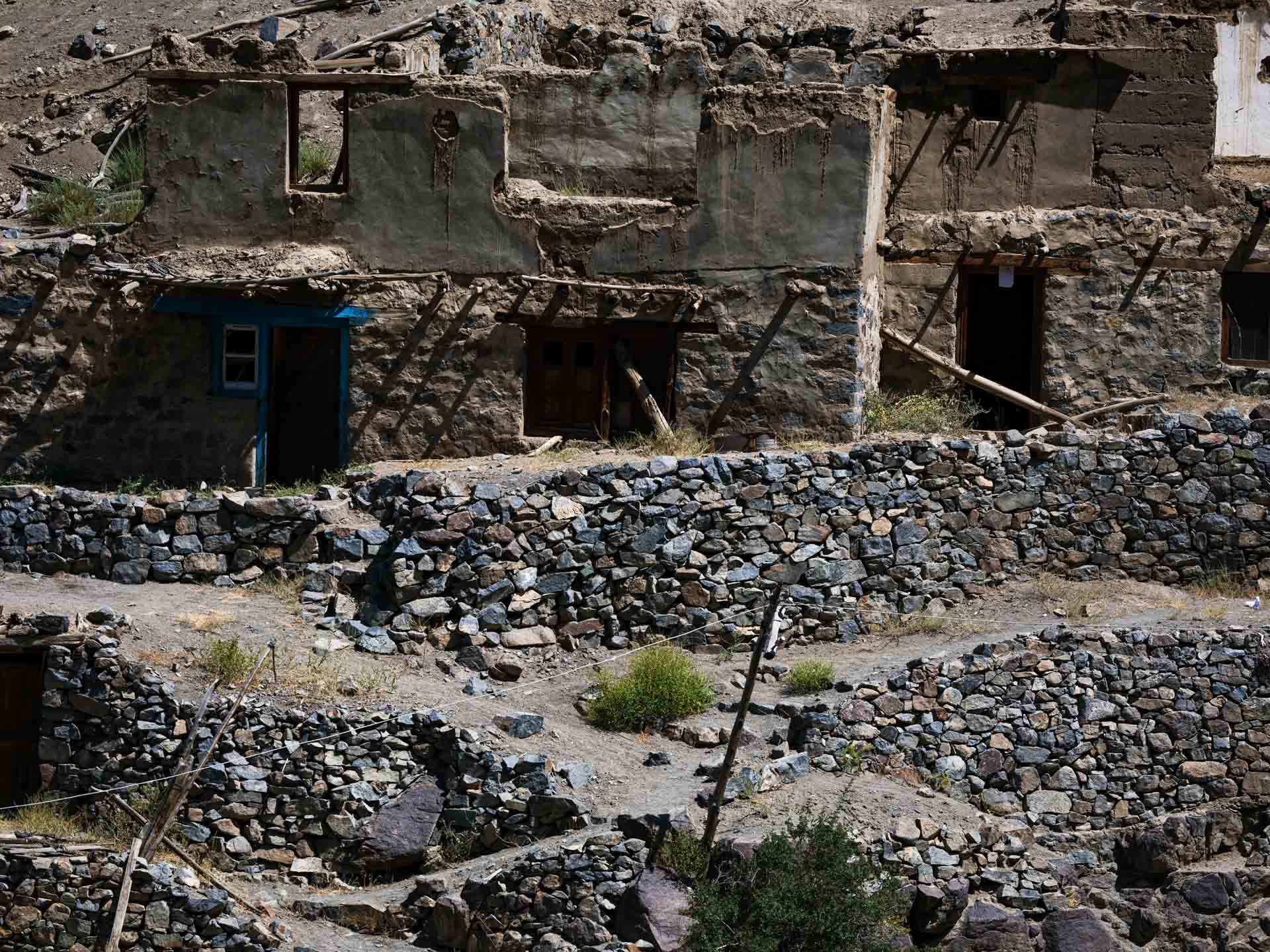
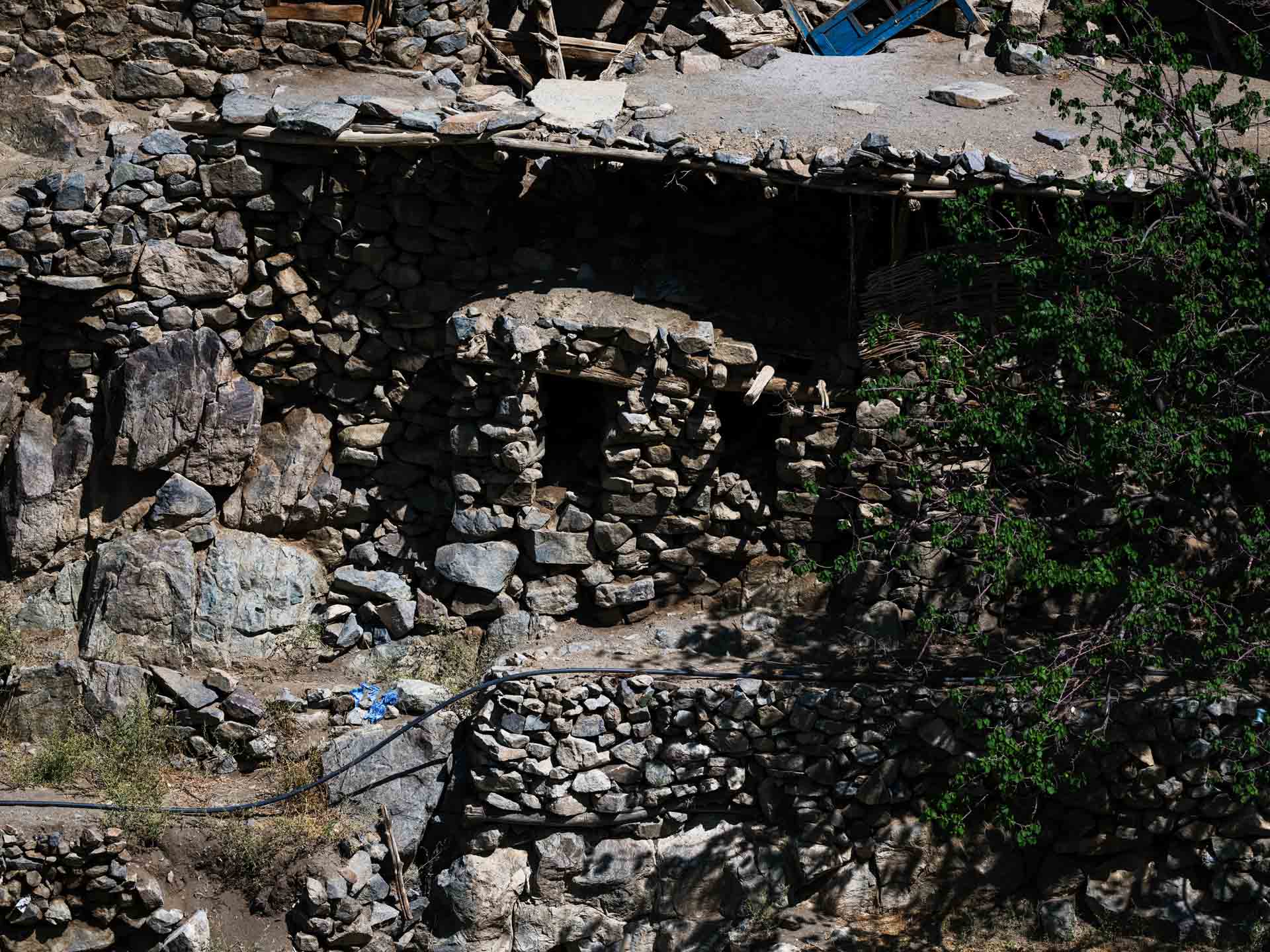
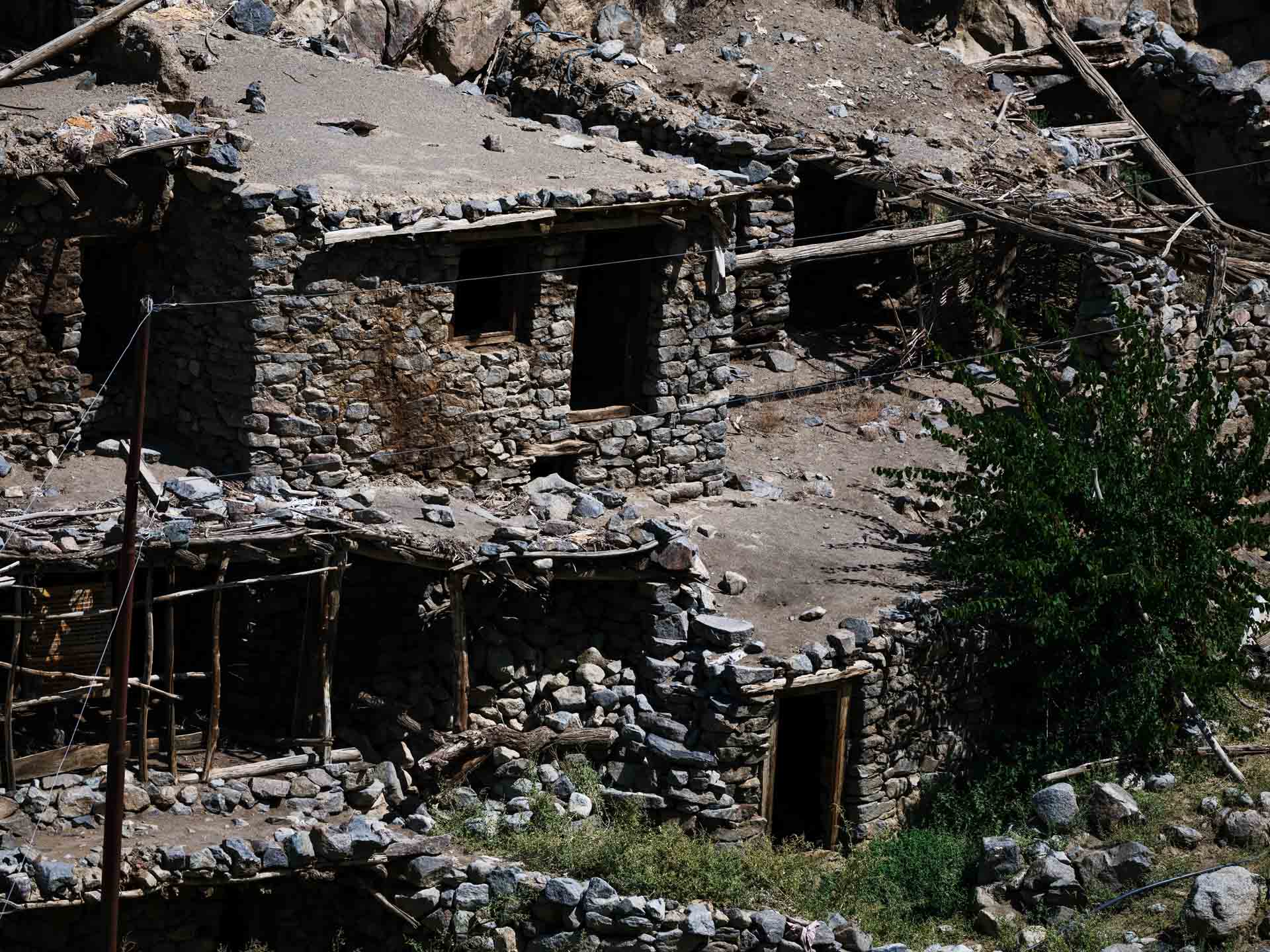
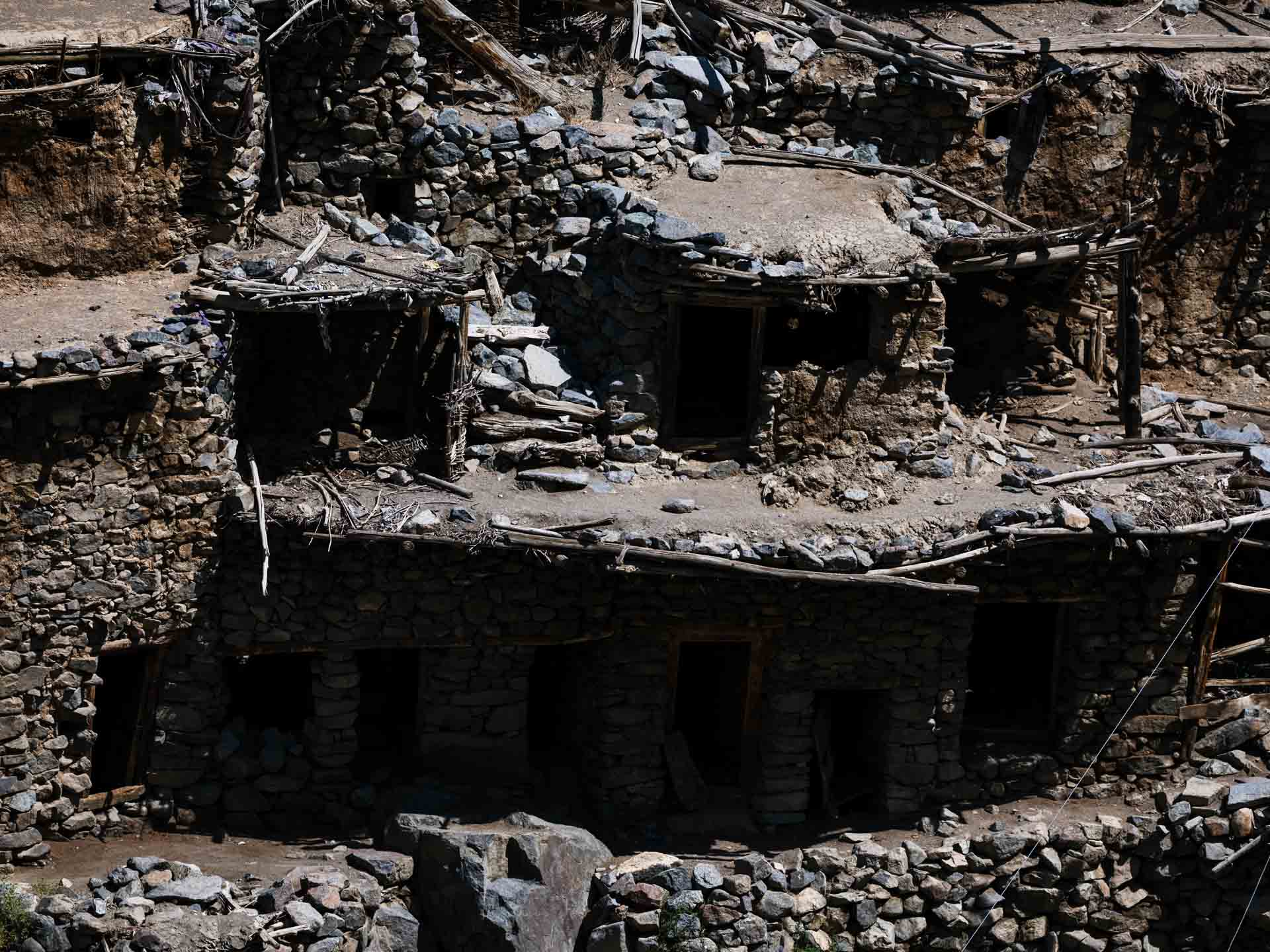
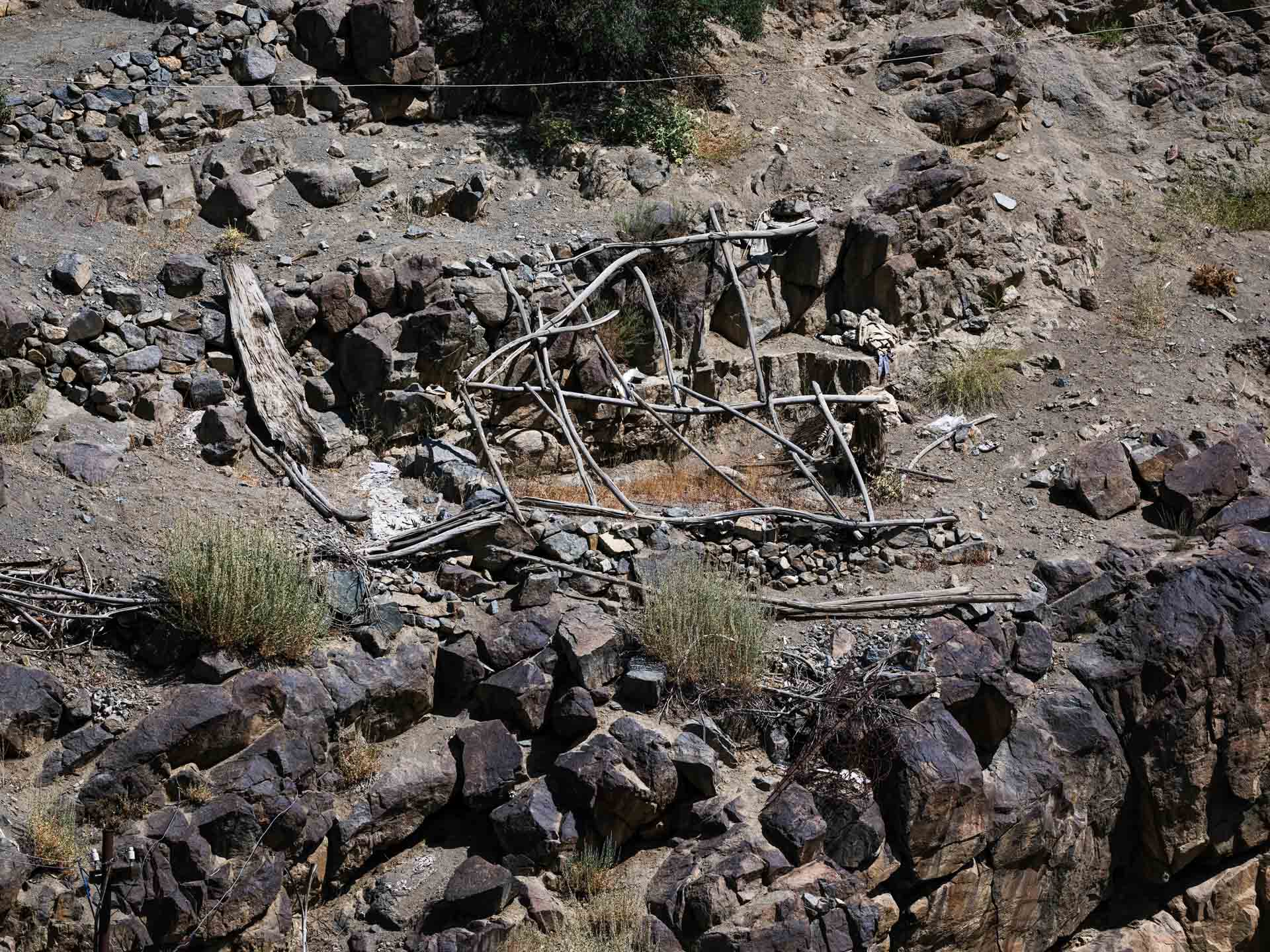
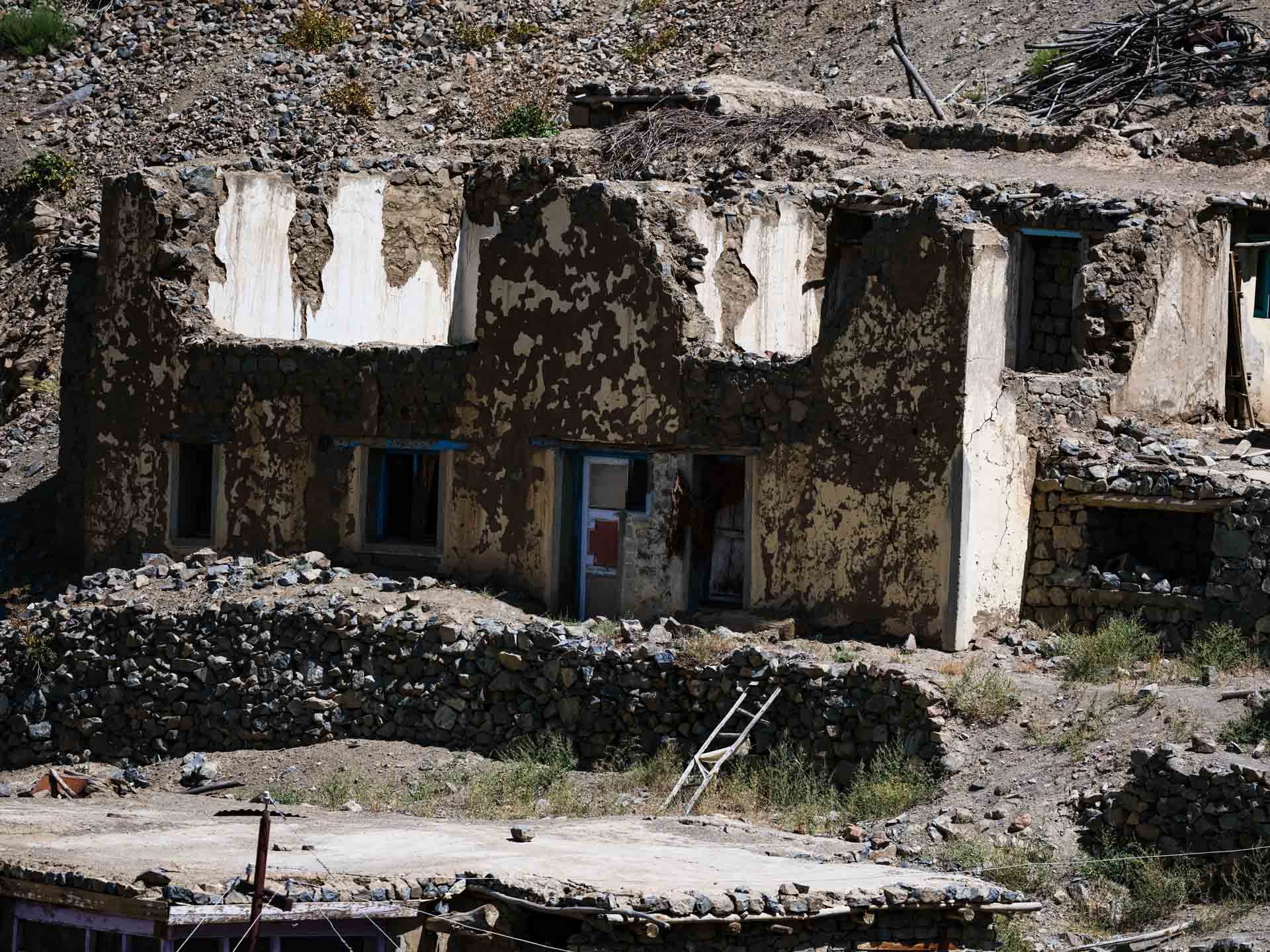
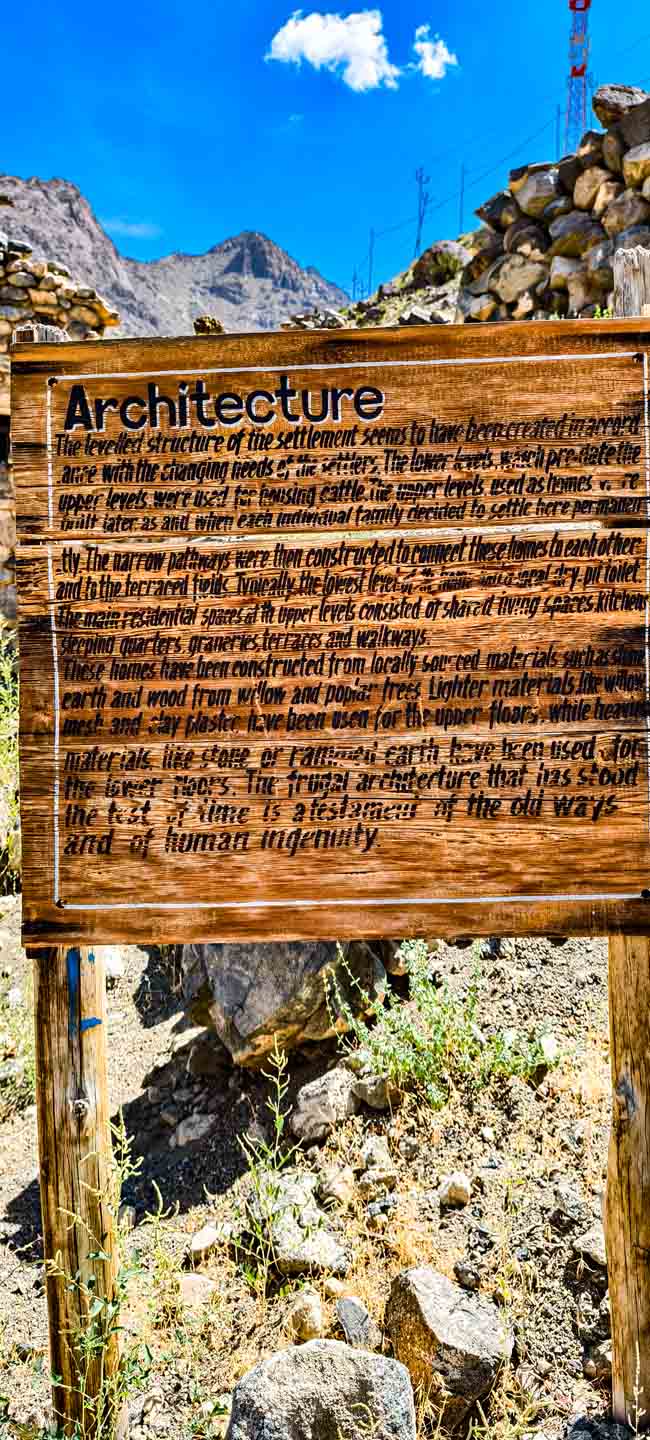
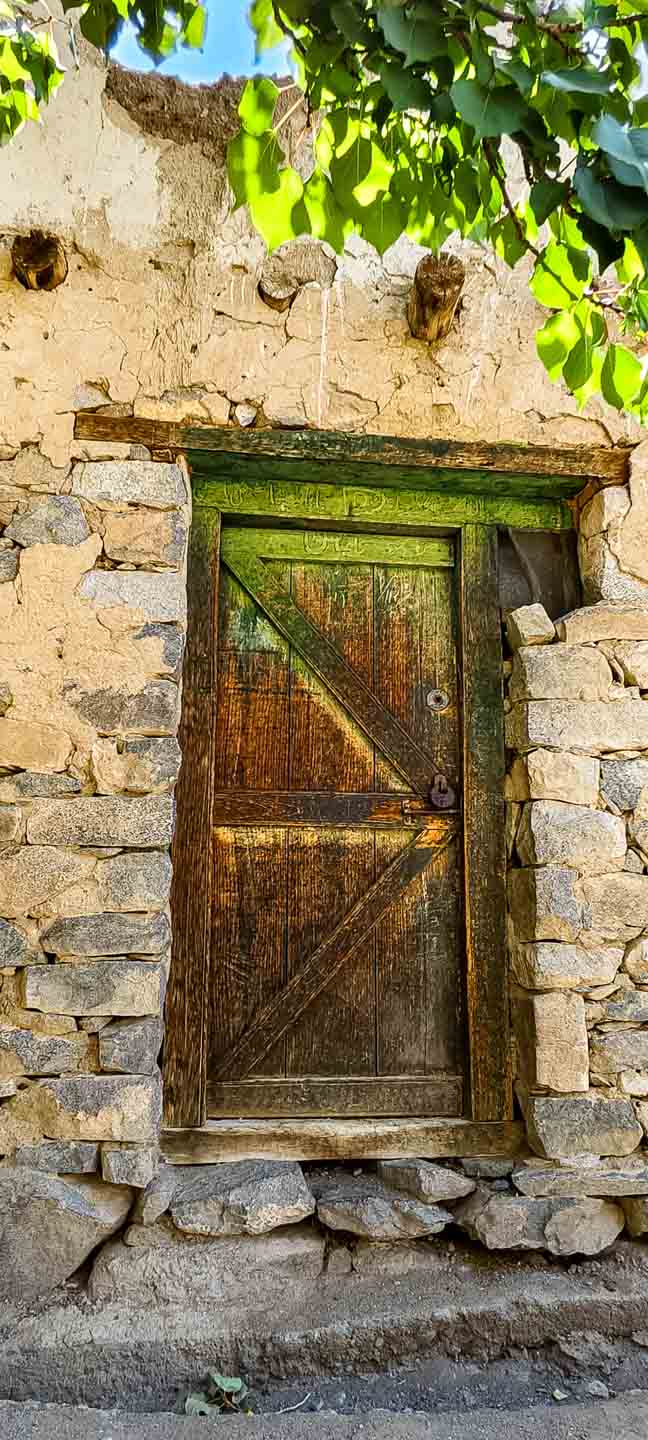
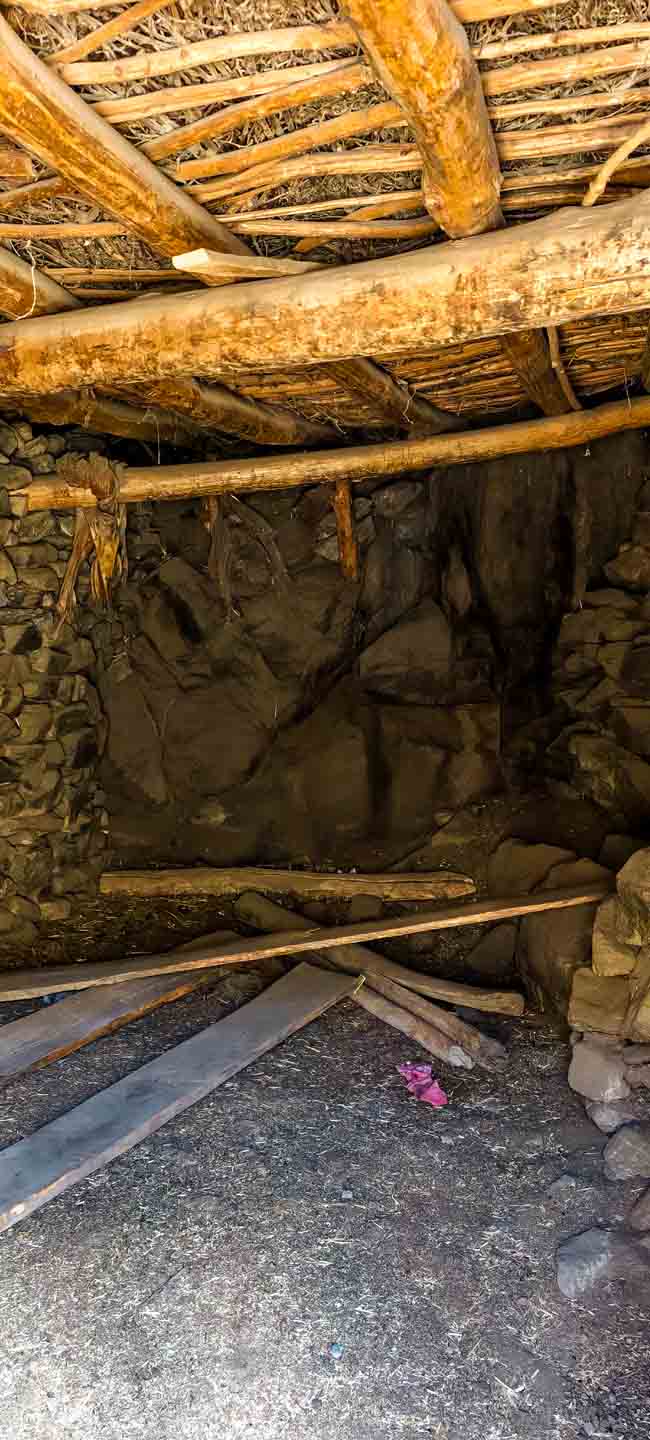
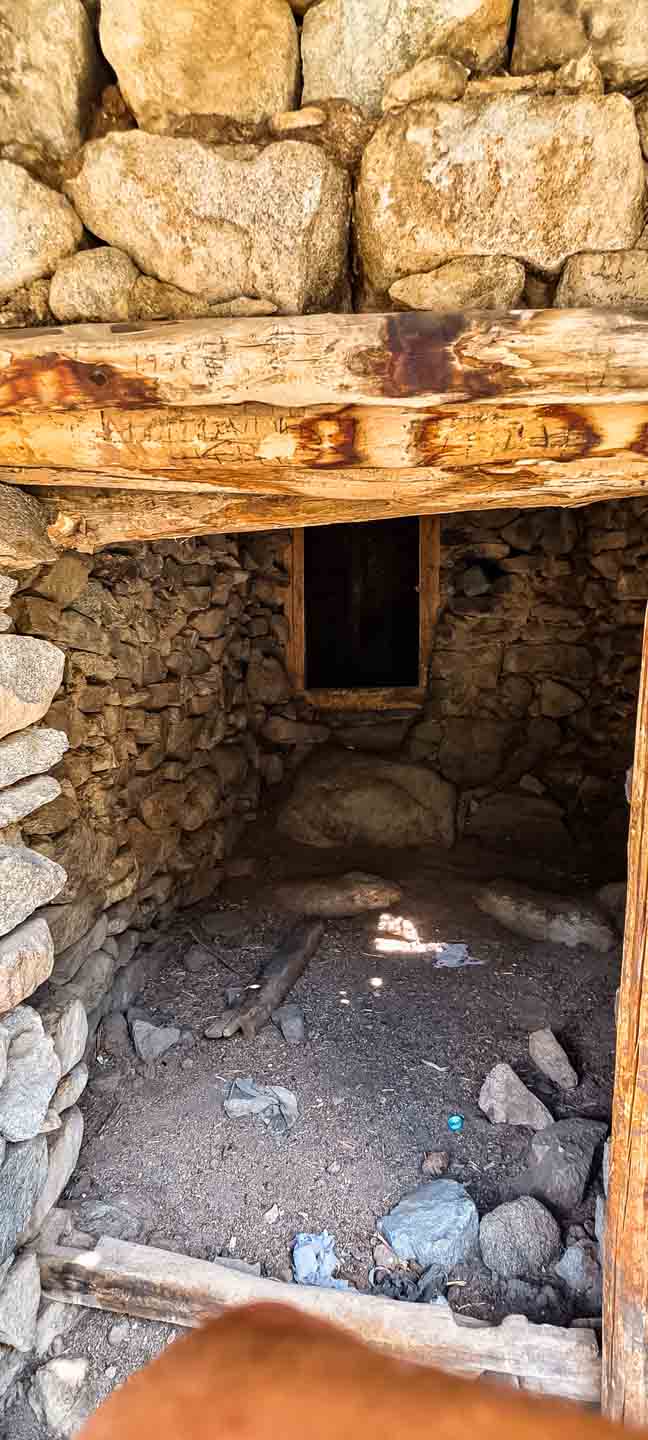
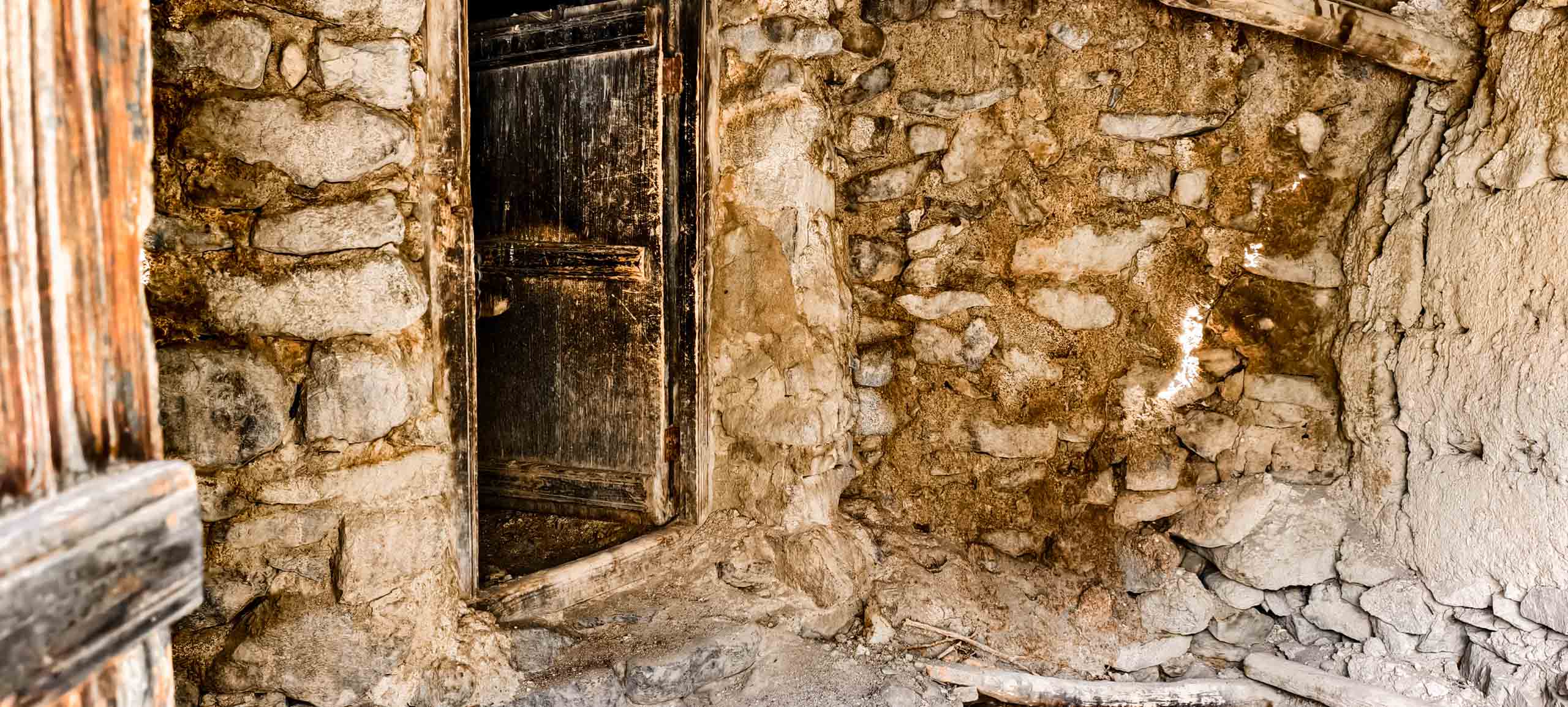
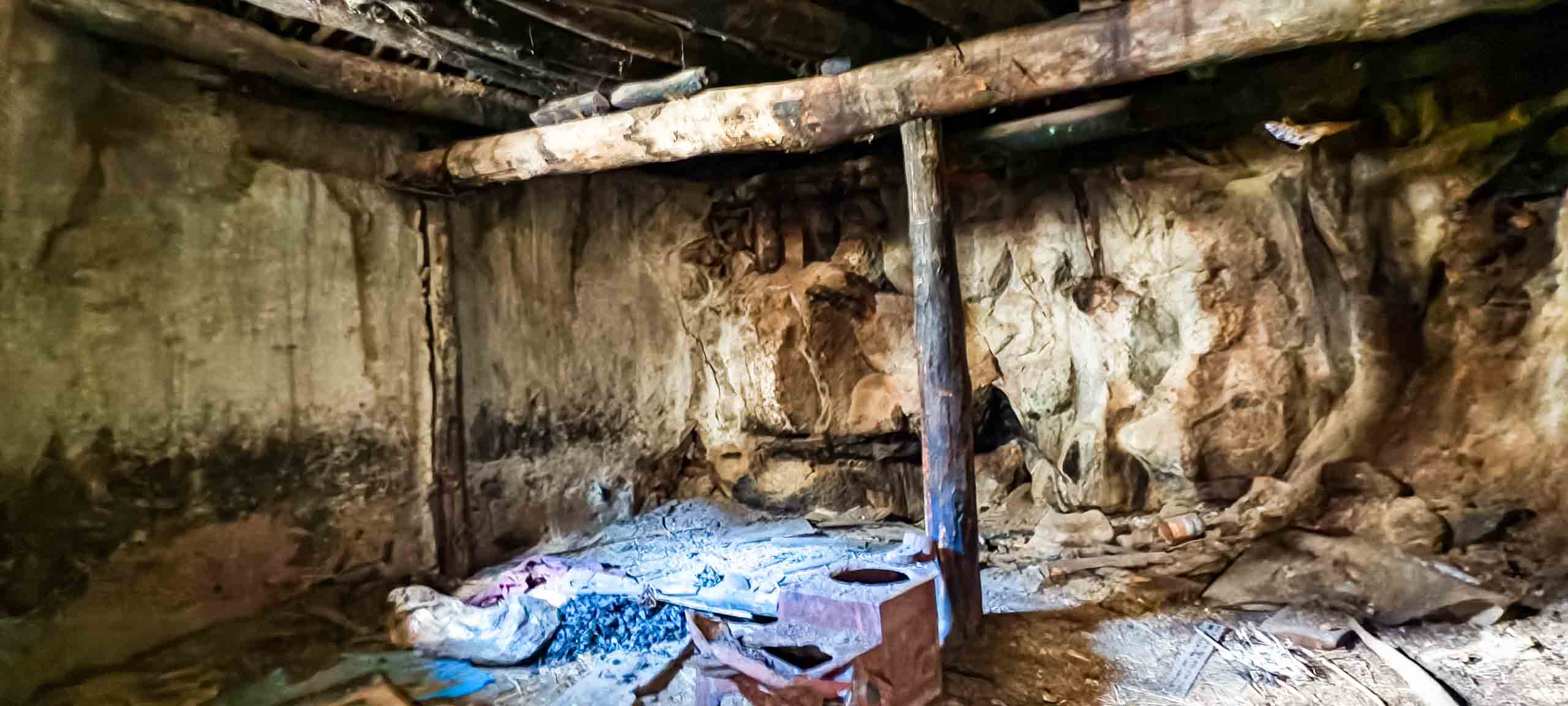
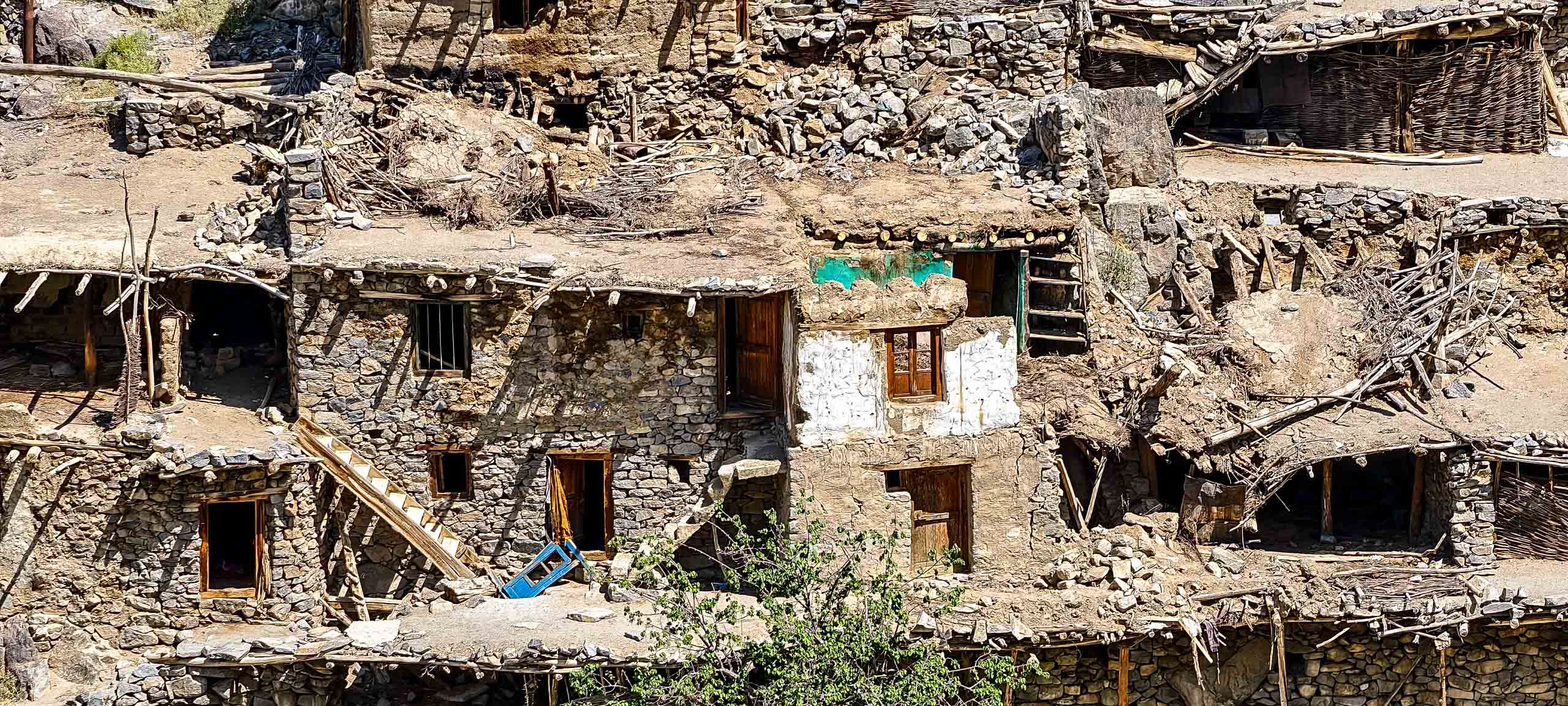
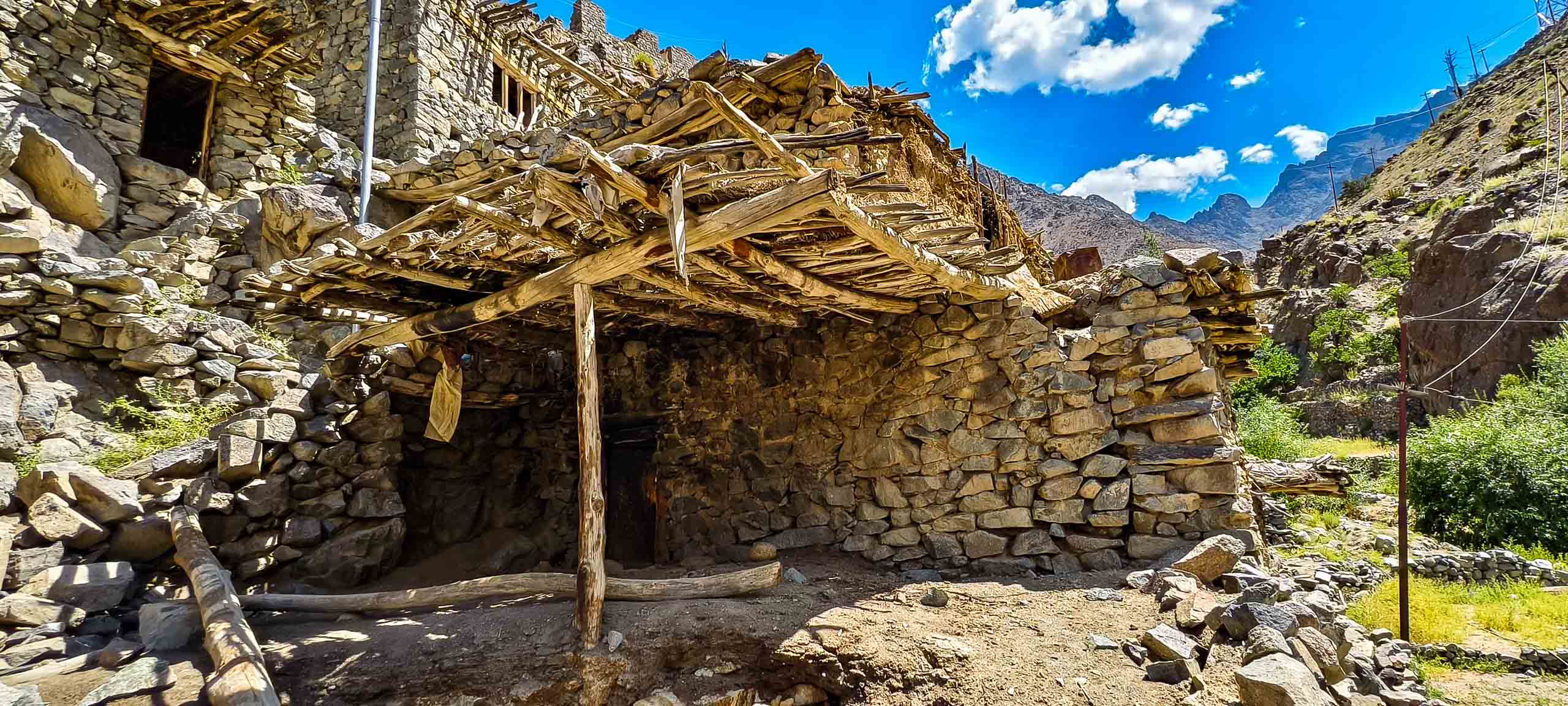
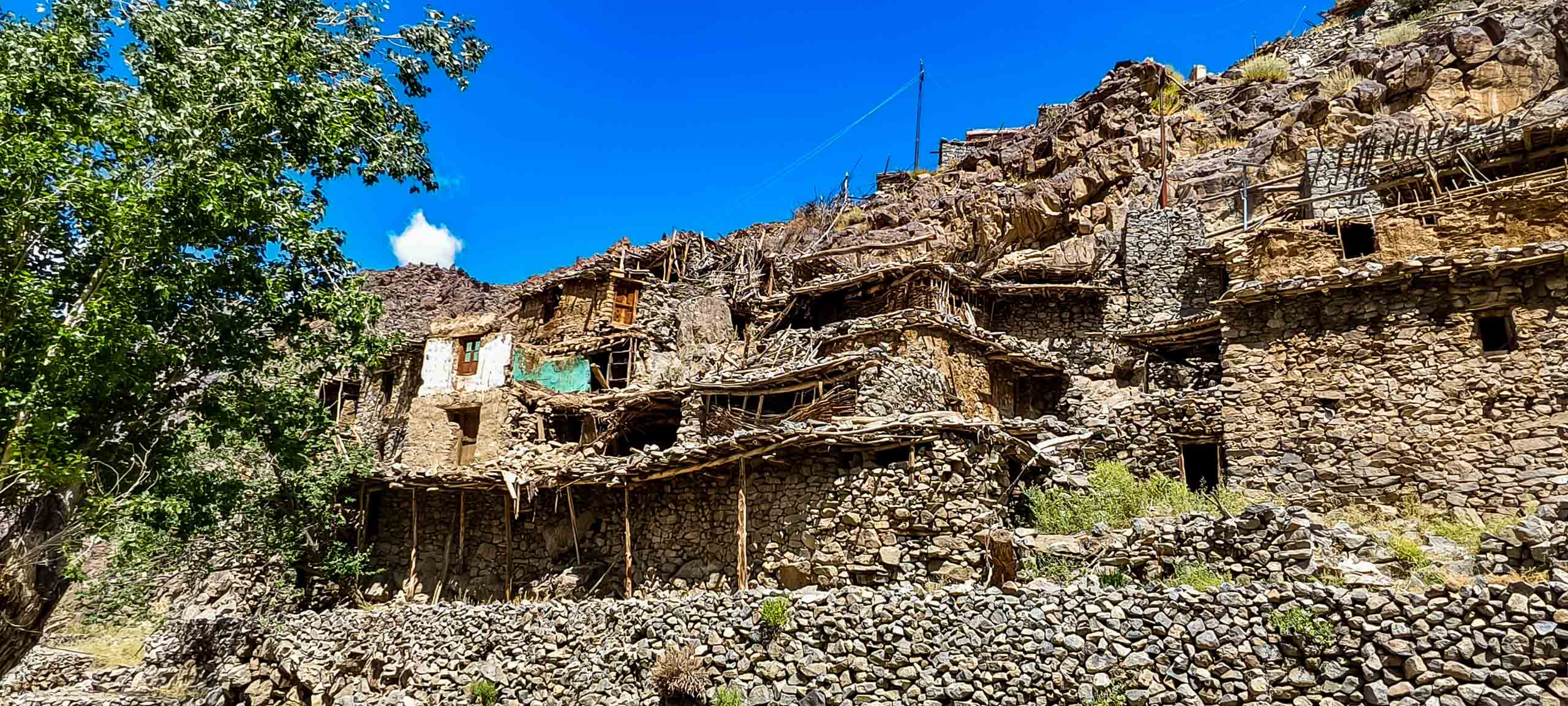
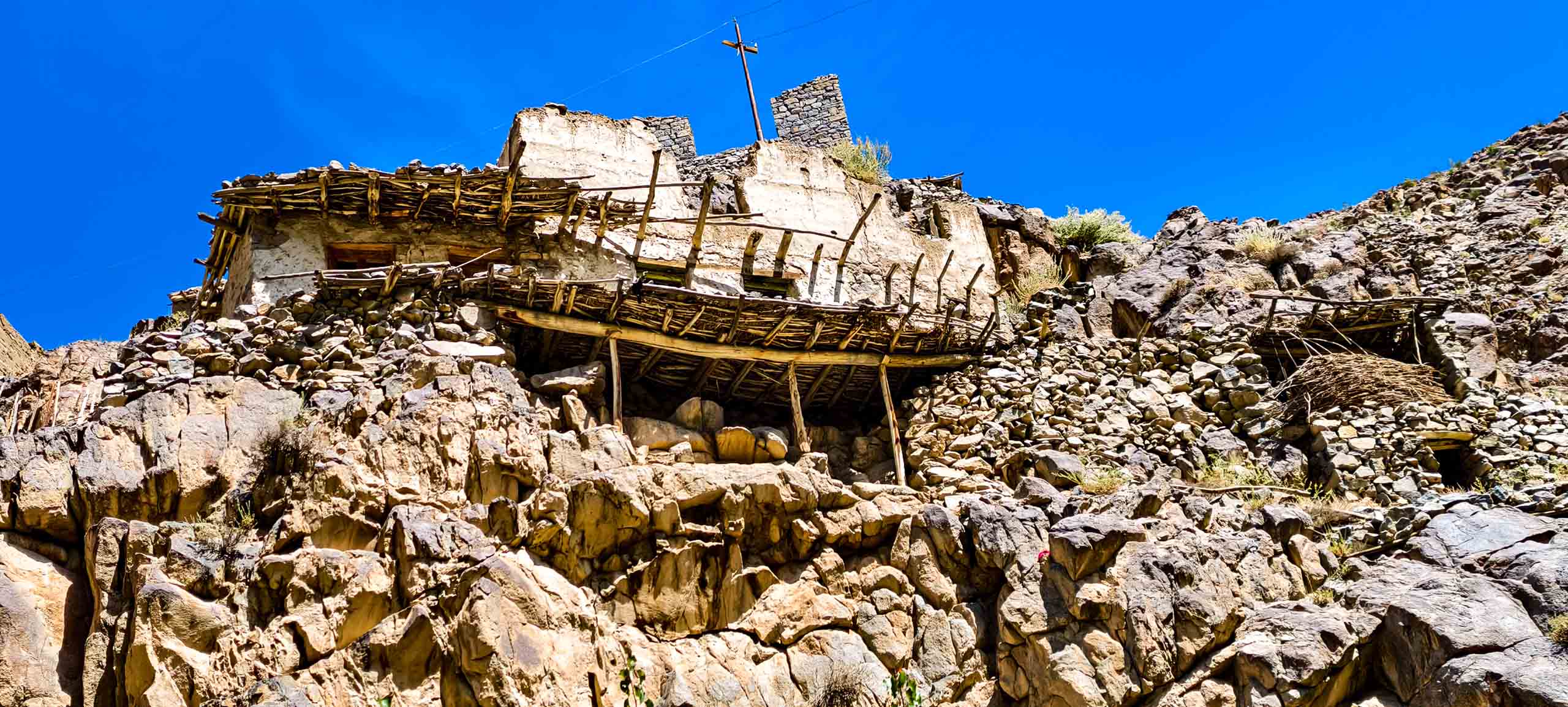
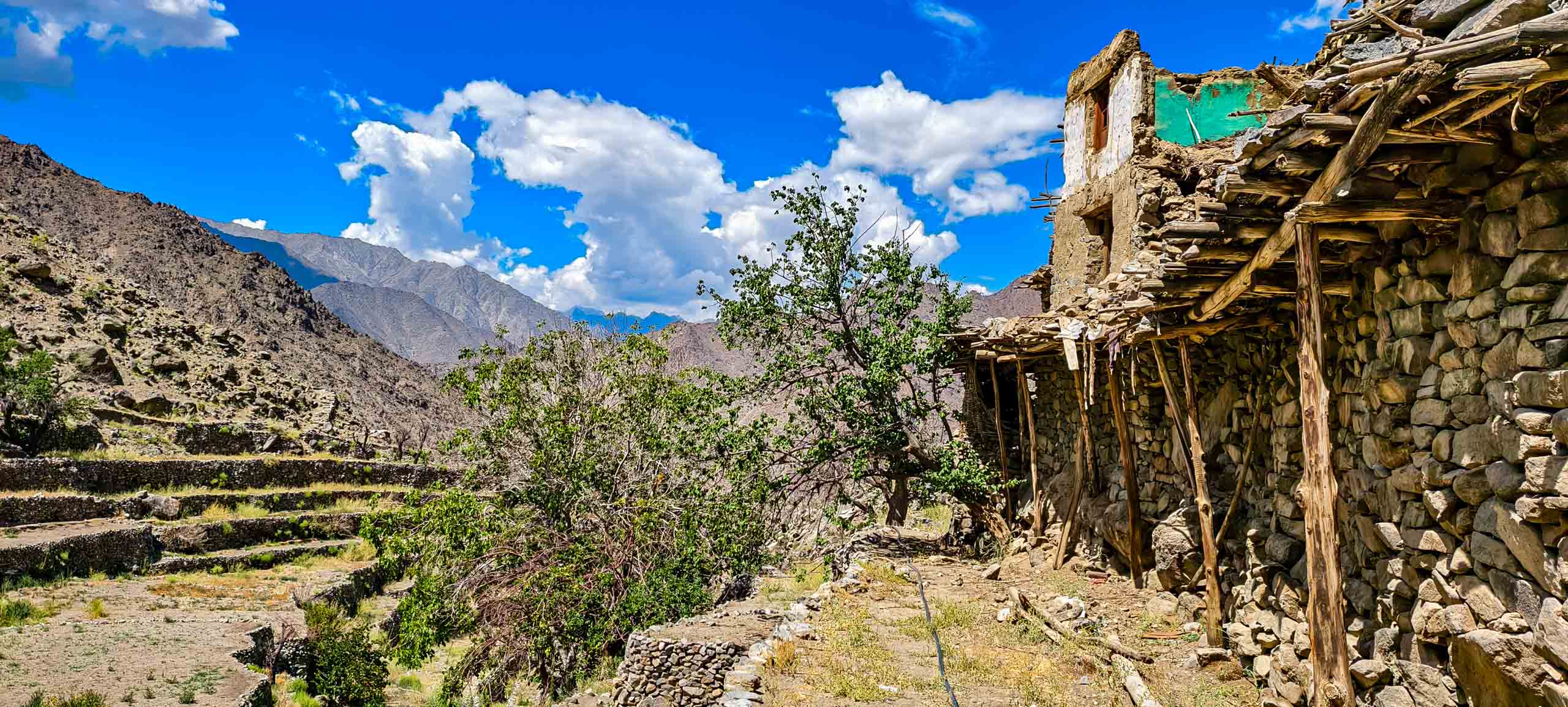
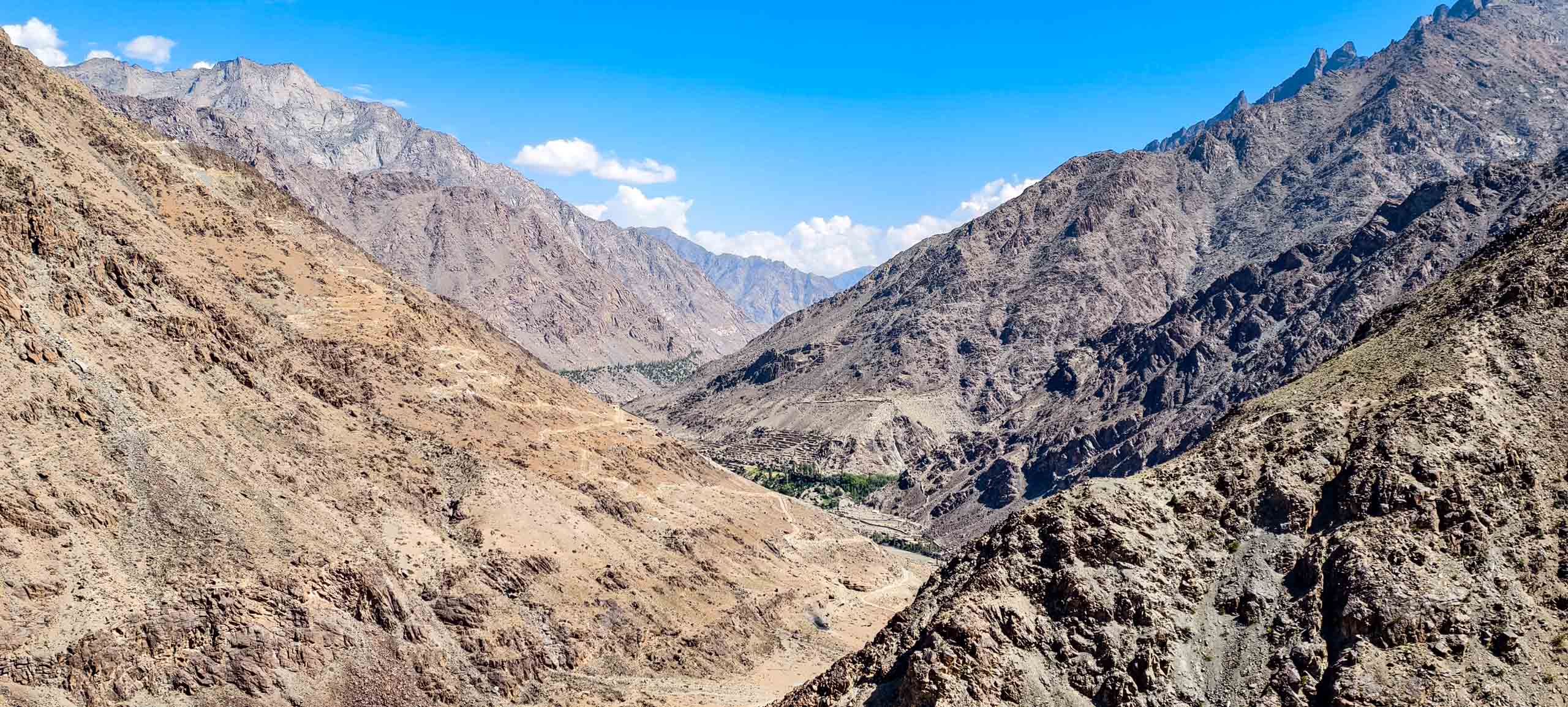
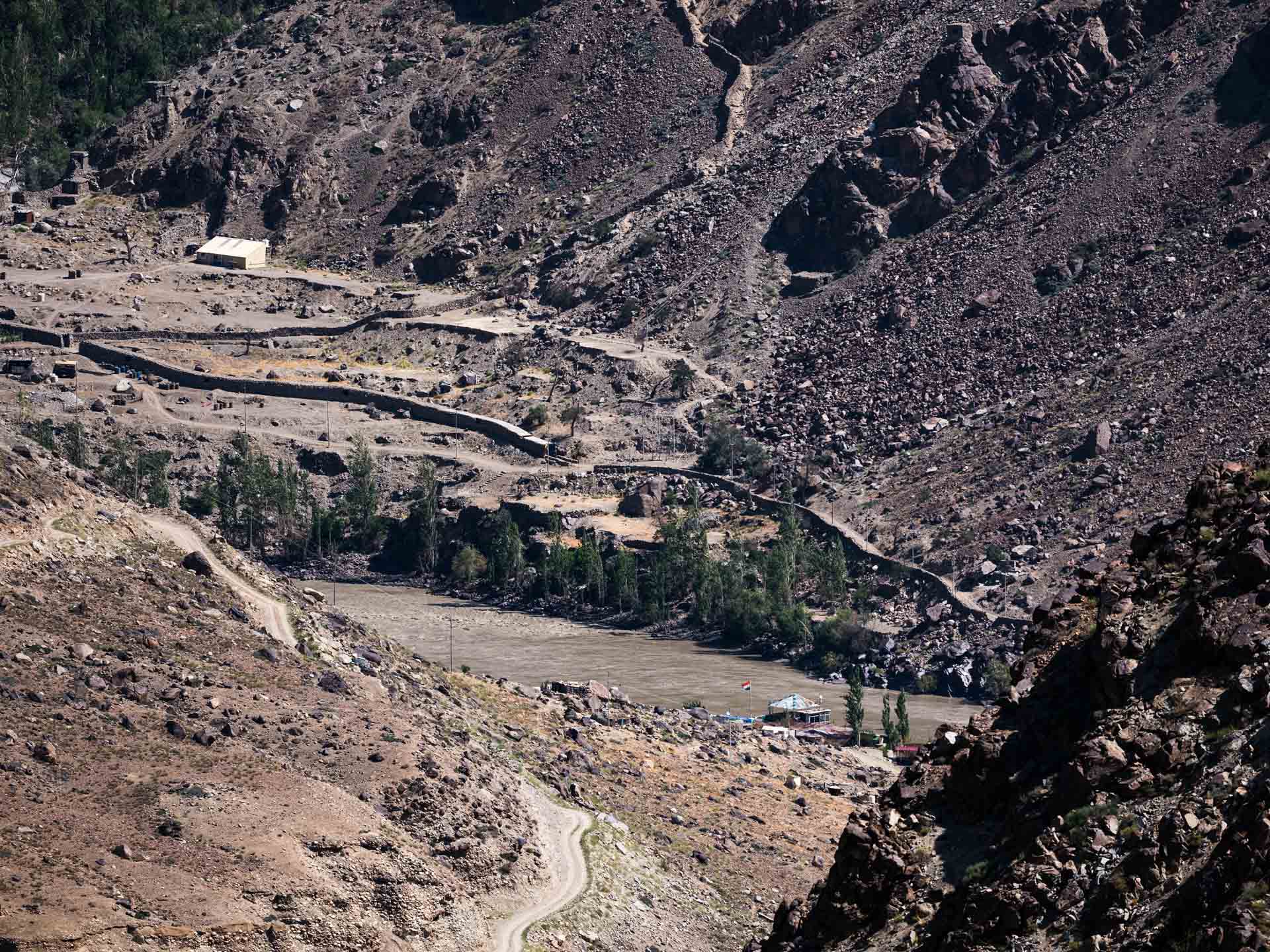
As we walked through the village, the narrow lanes wound past traditional stone houses built into the mountainside. Many of these structures have stood for decades, reflecting the ingenuity of the local Balti people, who constructed their homes using stone, mud, and timber to withstand the region’s harsh winters. The stepped layout of the village follows the contours of the mountain, offering sweeping views of the surrounding valley and the Suru River below.
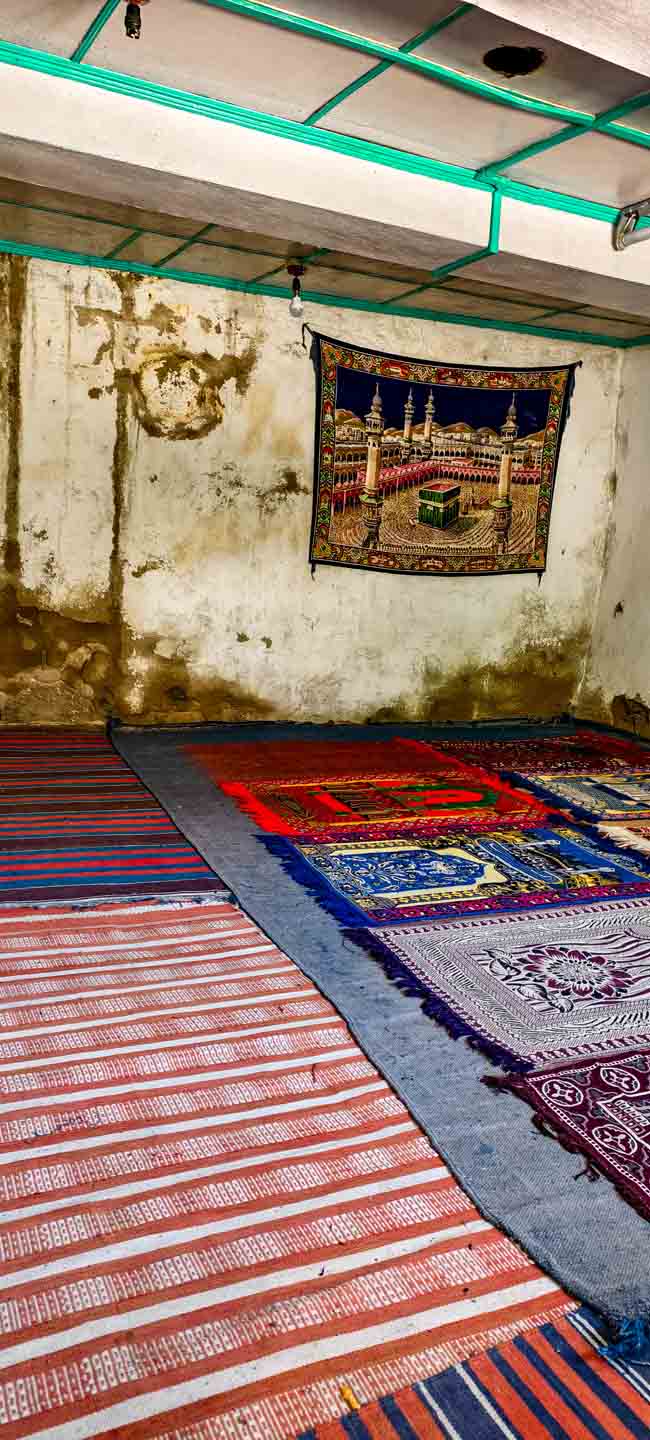
Hunderman is home to the Balti community, whose culture reflects centuries of interaction between Ladakh, Baltistan, Kashmir, and Central Asia. The Balti people speak Balti, a language closely related to classical Tibetan, while also sharing cultural influences shaped by Islam and the historic trade routes that once connected these mountain regions. Although political borders changed after 1971, many of the village’s traditions, cuisine, architecture, and way of life continue to preserve this distinctive cultural heritage.
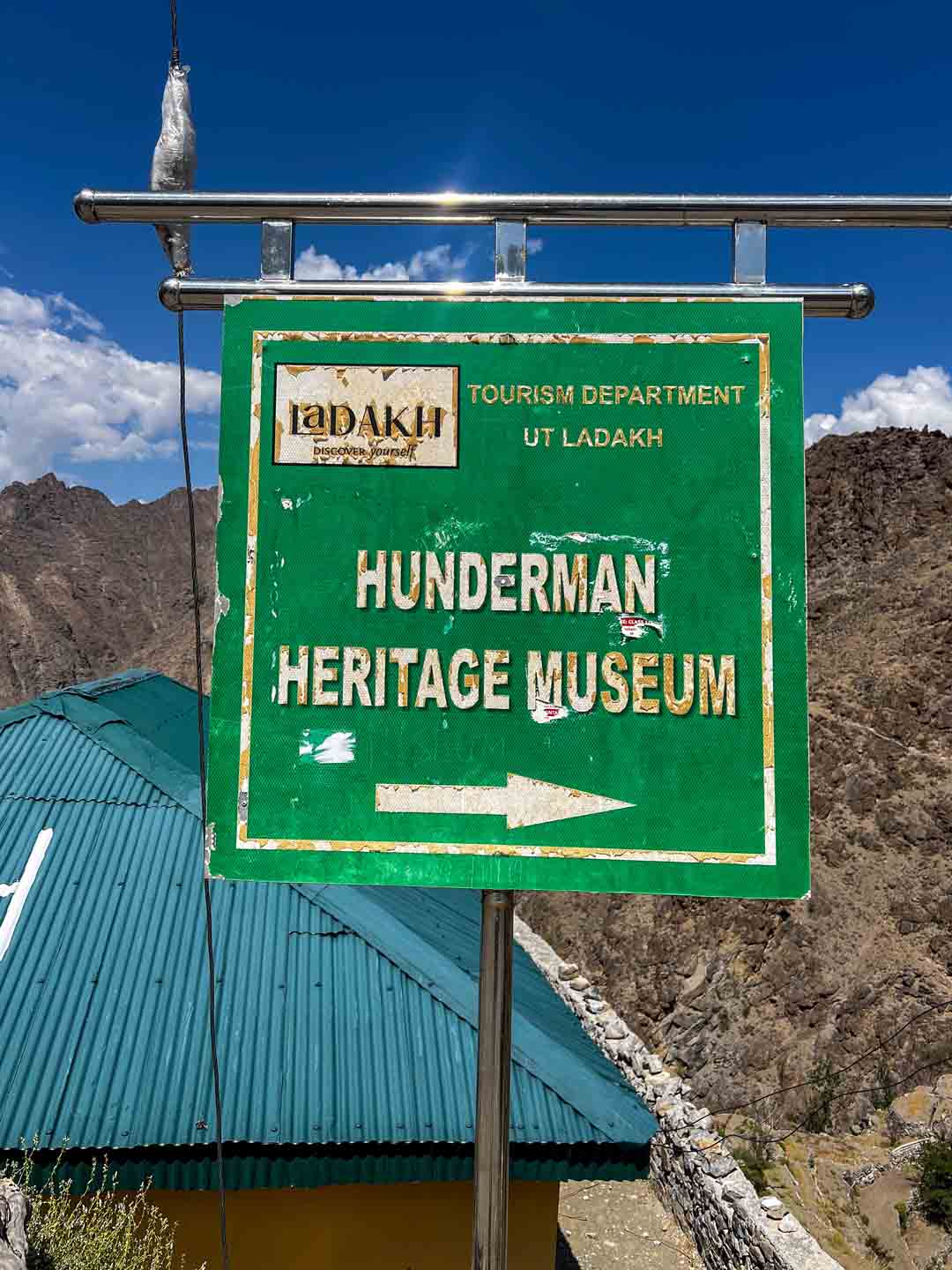
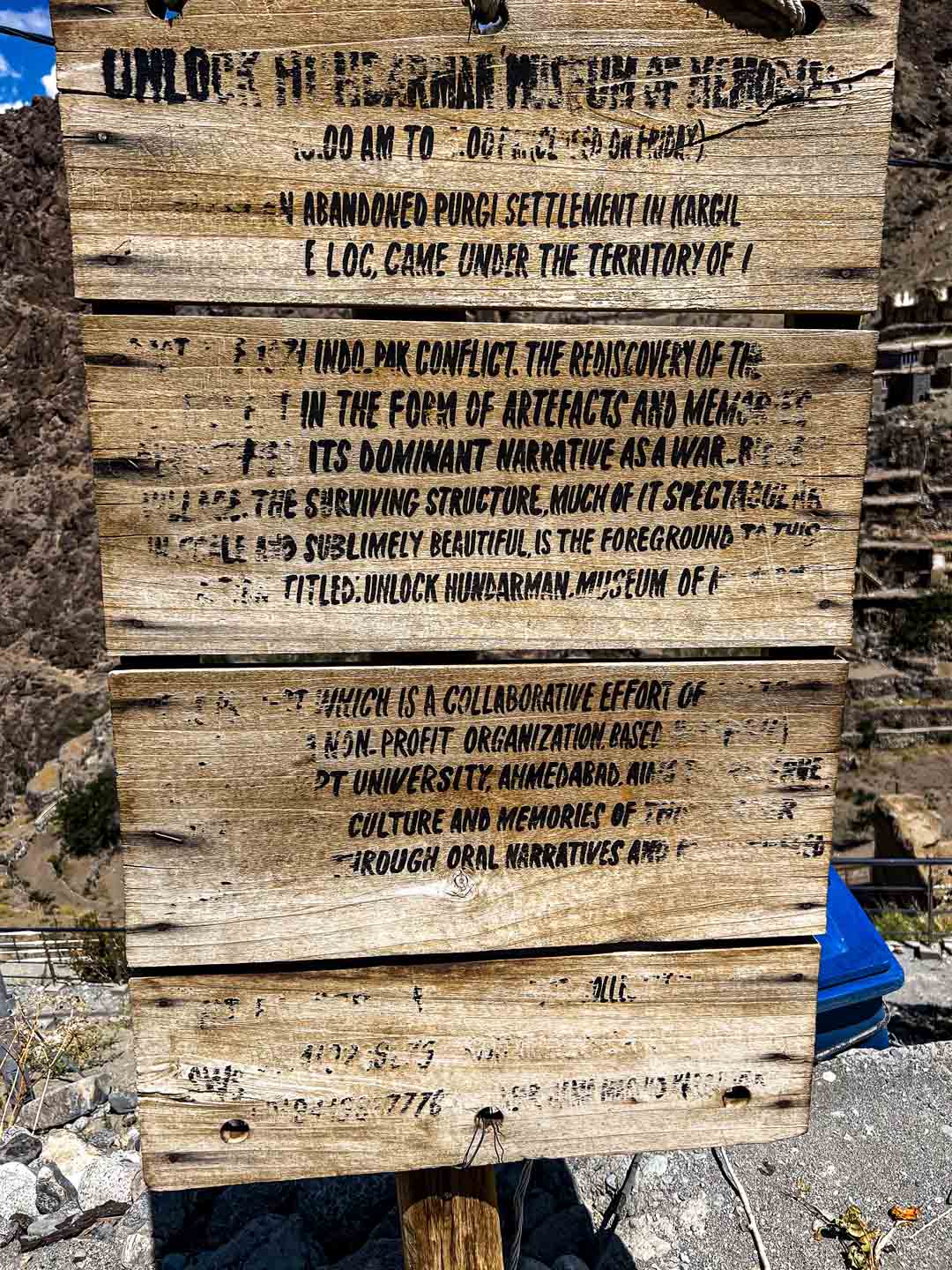
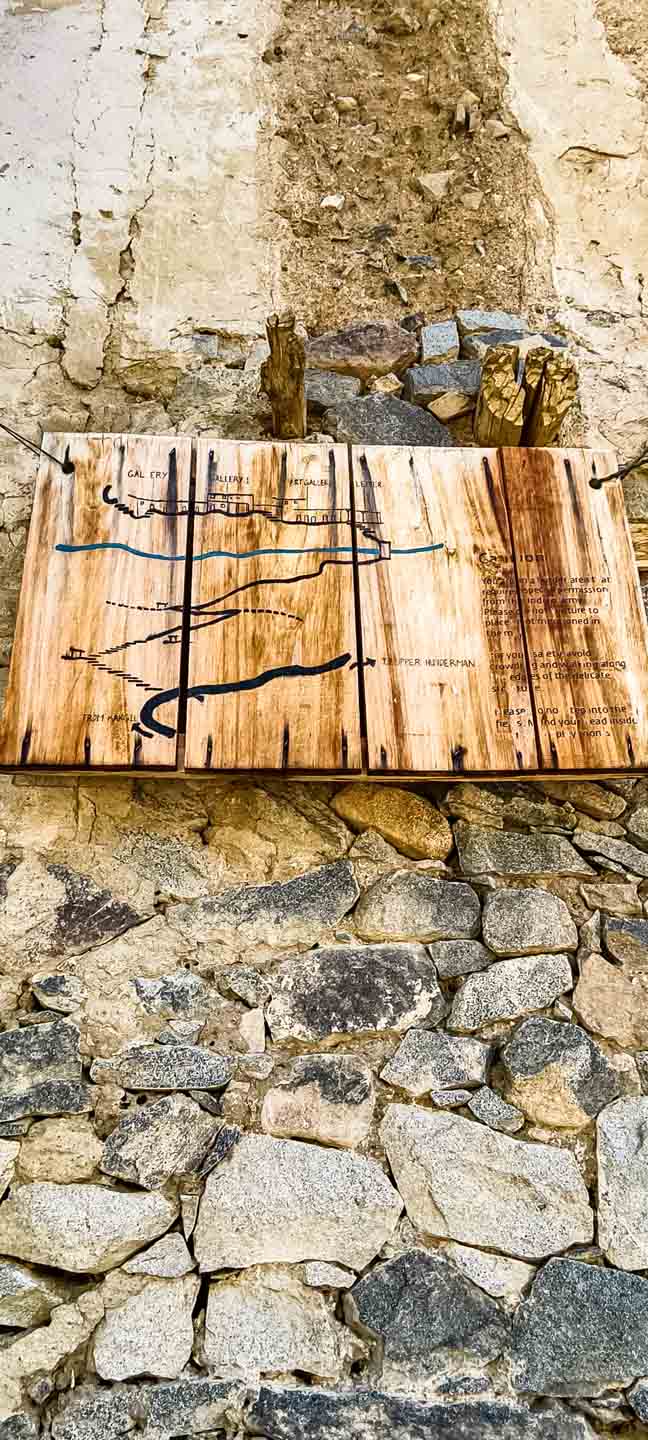
One of the most significant attractions in the village is the Museum of Memories, a community-led initiative housed in a restored traditional home. The museum preserves everyday objects left behind by families during the years of conflict, including household utensils, farming tools, clothing, handwritten letters, schoolbooks, and photographs.
Rather than focusing solely on military history, the collection tells the story of ordinary people whose lives were transformed by shifting borders. Walking through its rooms offers a moving reminder that history is often experienced not only on battlefields but also within homes and families.
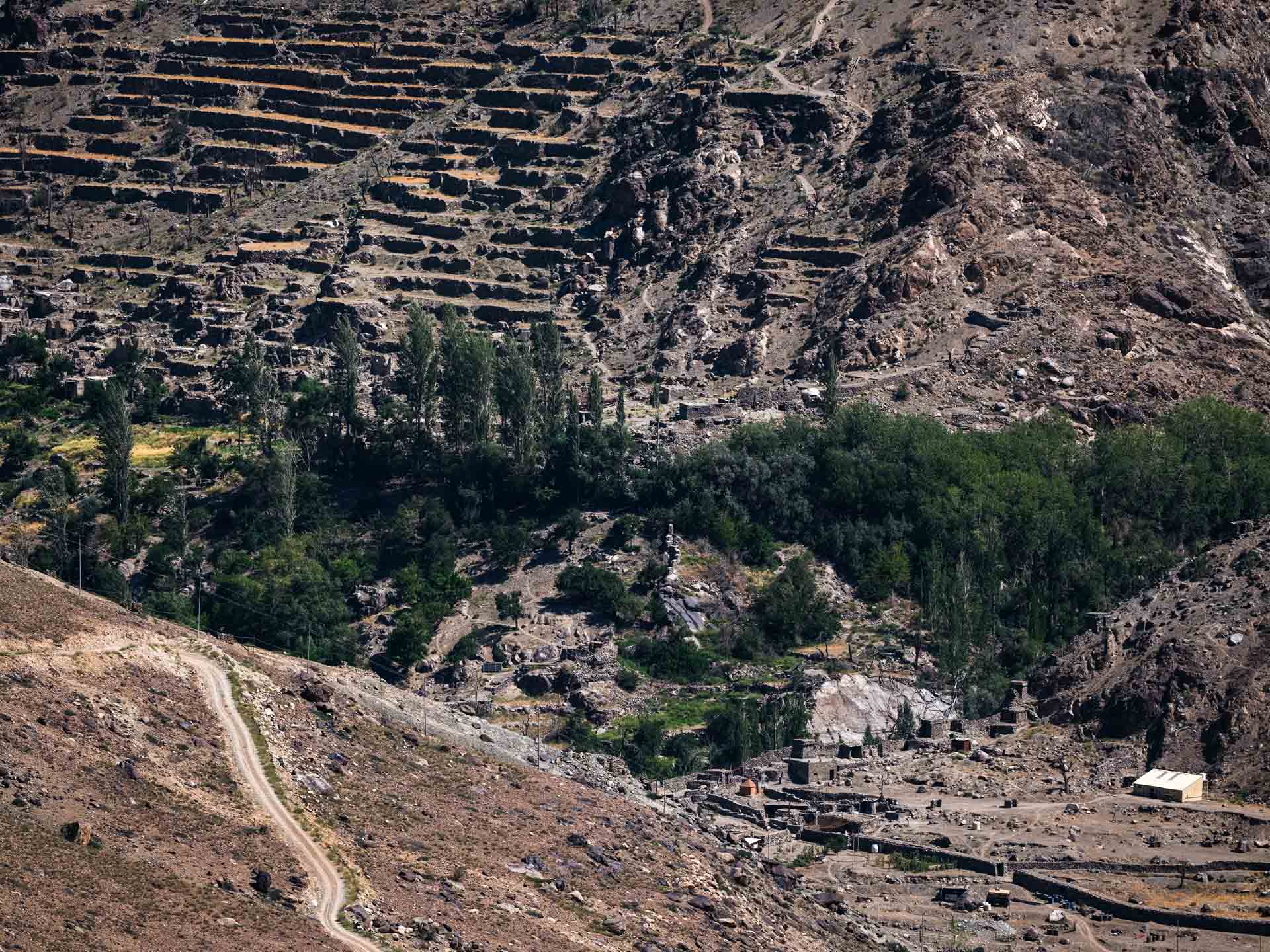
The village itself remains remarkably untouched by modern development. The calm of mountain breeze and terraced fields clinging to the rocky slopes, their silence is broken only by the sound of the river and the occasional call of villagers going about their daily lives. Unlike Ladakh’s more popular destinations, Hunderman invites visitors to slow down and appreciate the simplicity of mountain life.
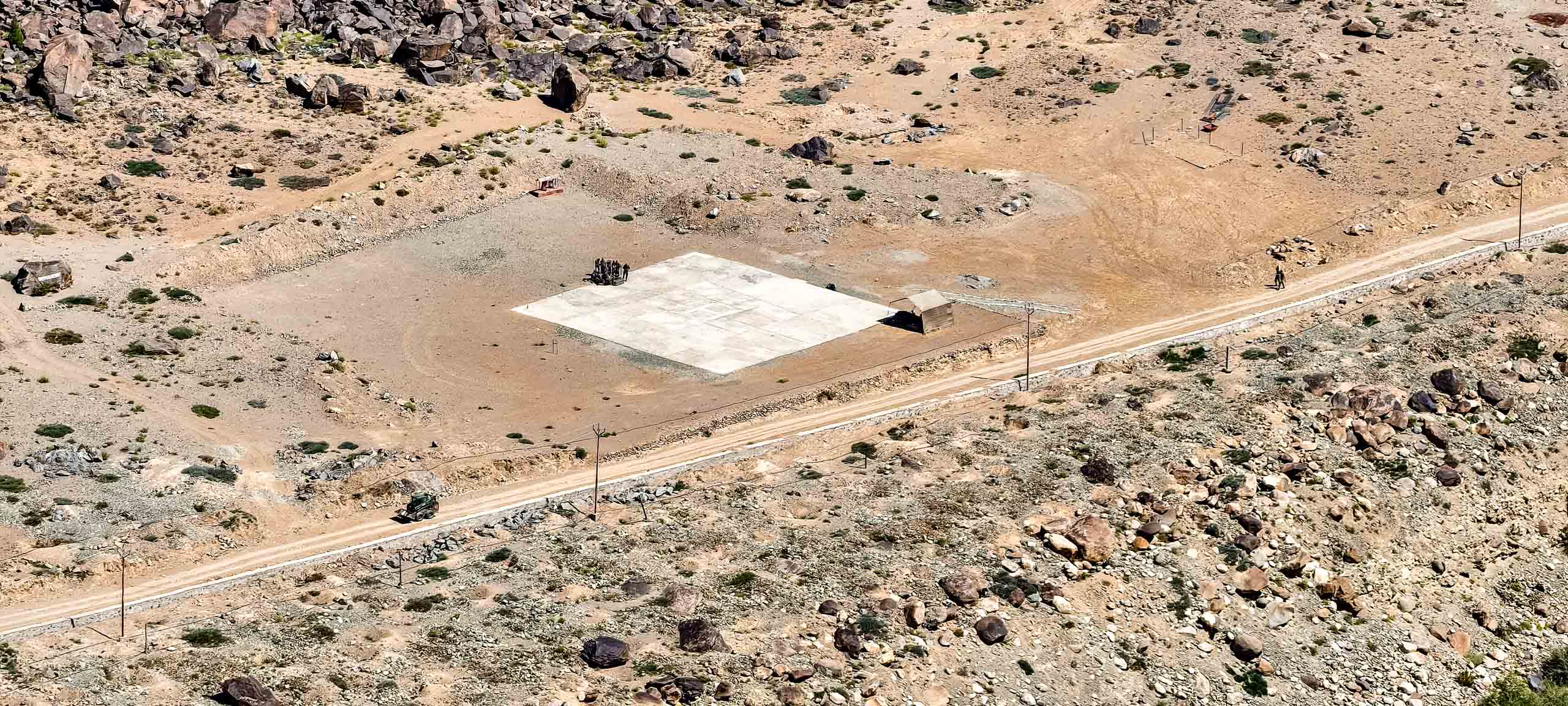
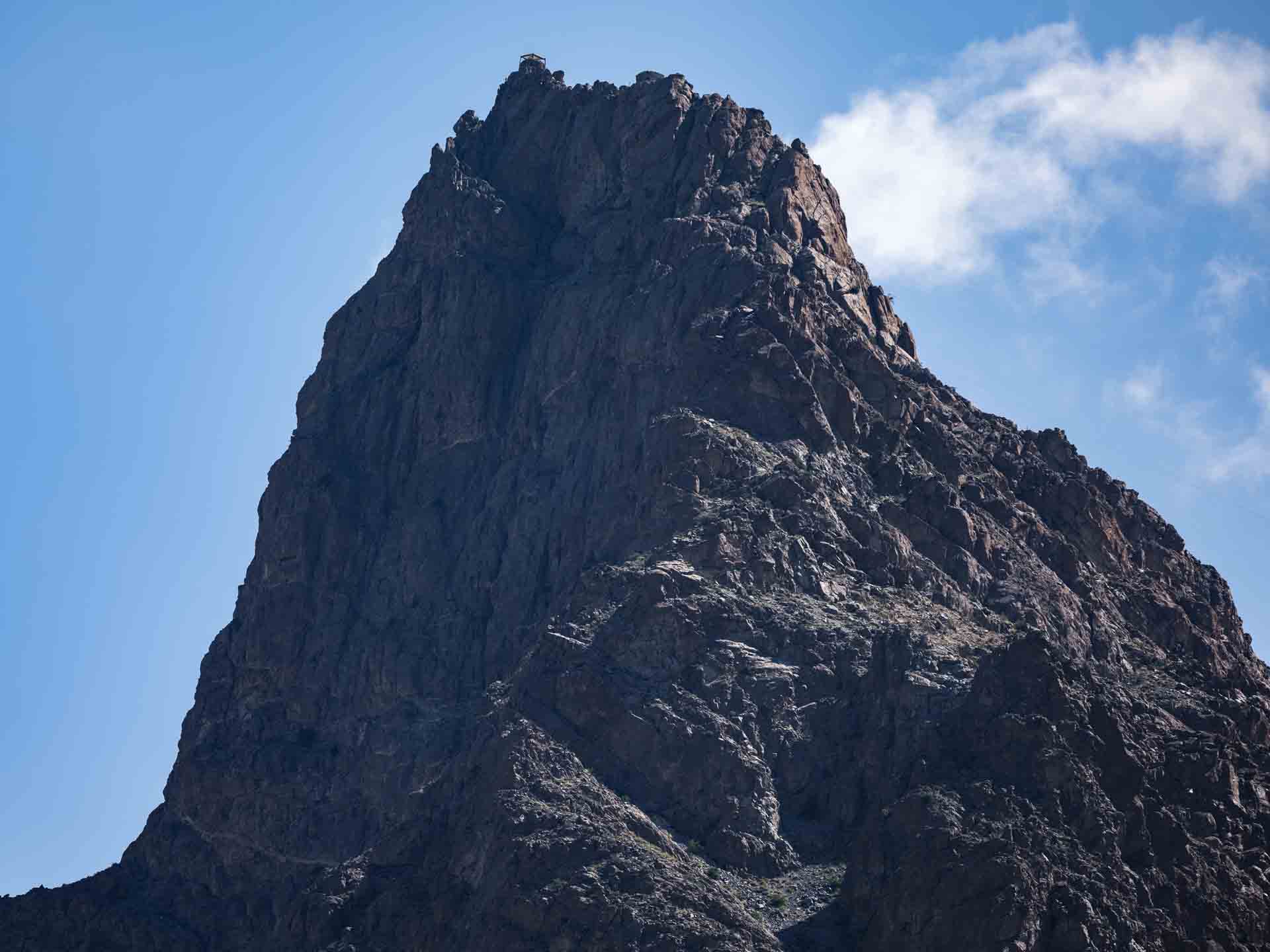
From several vantage points, we looked across the valley towards the mountains that now mark the Line of Control. Standing there, it was difficult not to reflect on how close the two
countries are geographically, yet how distant they have become politically. Few places illustrate the realities of partition and conflict as quietly and powerfully as Hunderman.
Today, Hunderman has gradually found a place on Ladakh’s tourism map, attracting travellers interested in history, culture, and life along the border. Yet it has retained its authenticity, offering an experience that feels far removed from the crowds found elsewhere in the region. The village is a reminder that Ladakh’s identity is shaped not only by its monasteries and landscapes but also by the resilience of communities that have endured extraordinary historical change.
A visit to Hunderman leaves a lasting impression. Beyond its breathtaking mountain setting lies a story of belonging, loss, and perseverance—a story that continues to be written by the people who have chosen to remain in this remarkable border village. For us, Hunderman was more than the last village before the border; it was one of the most poignant places we encountered in Ladakh, where every stone lane and every old house seemed to carry memories of a shared past.