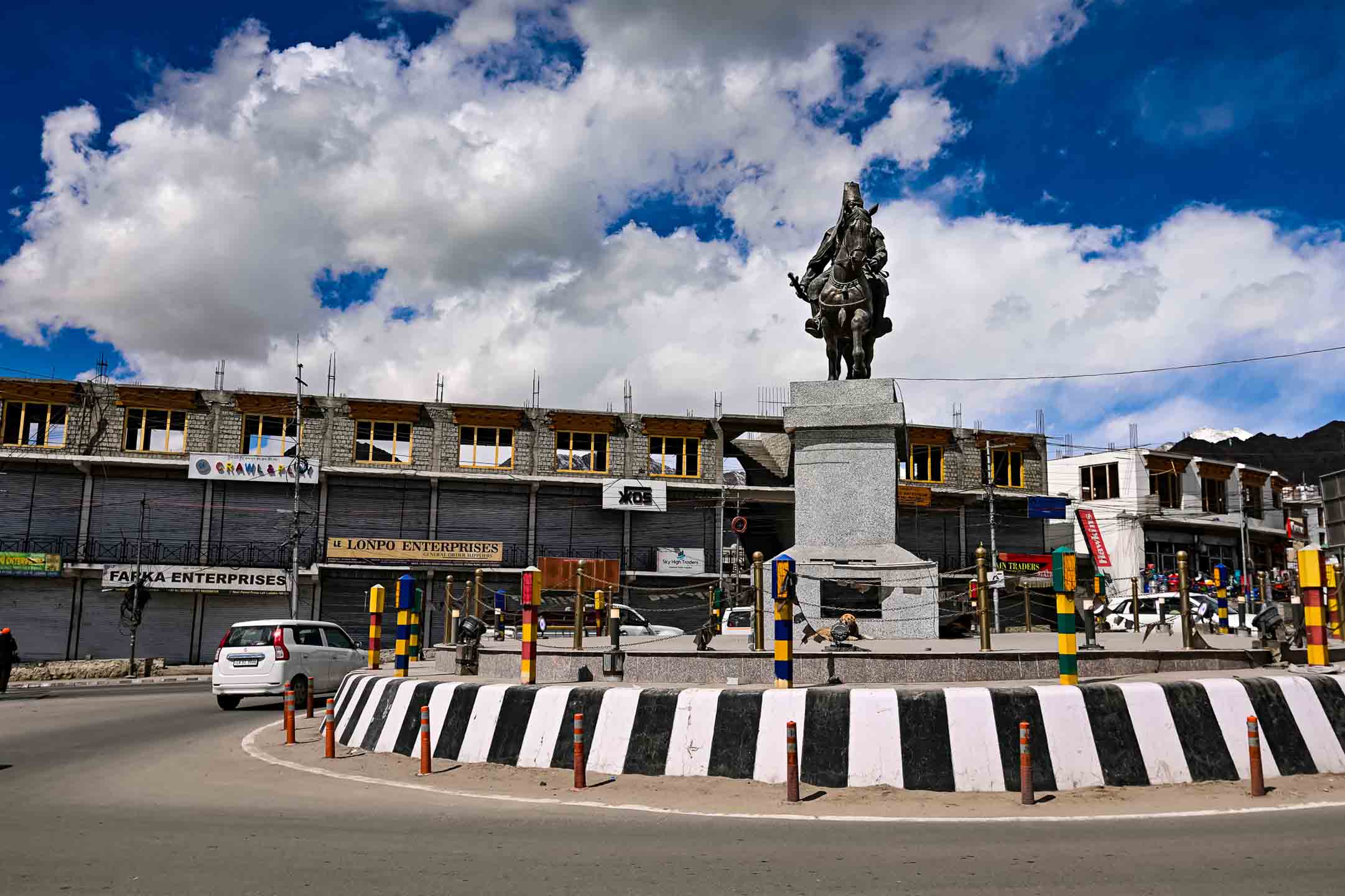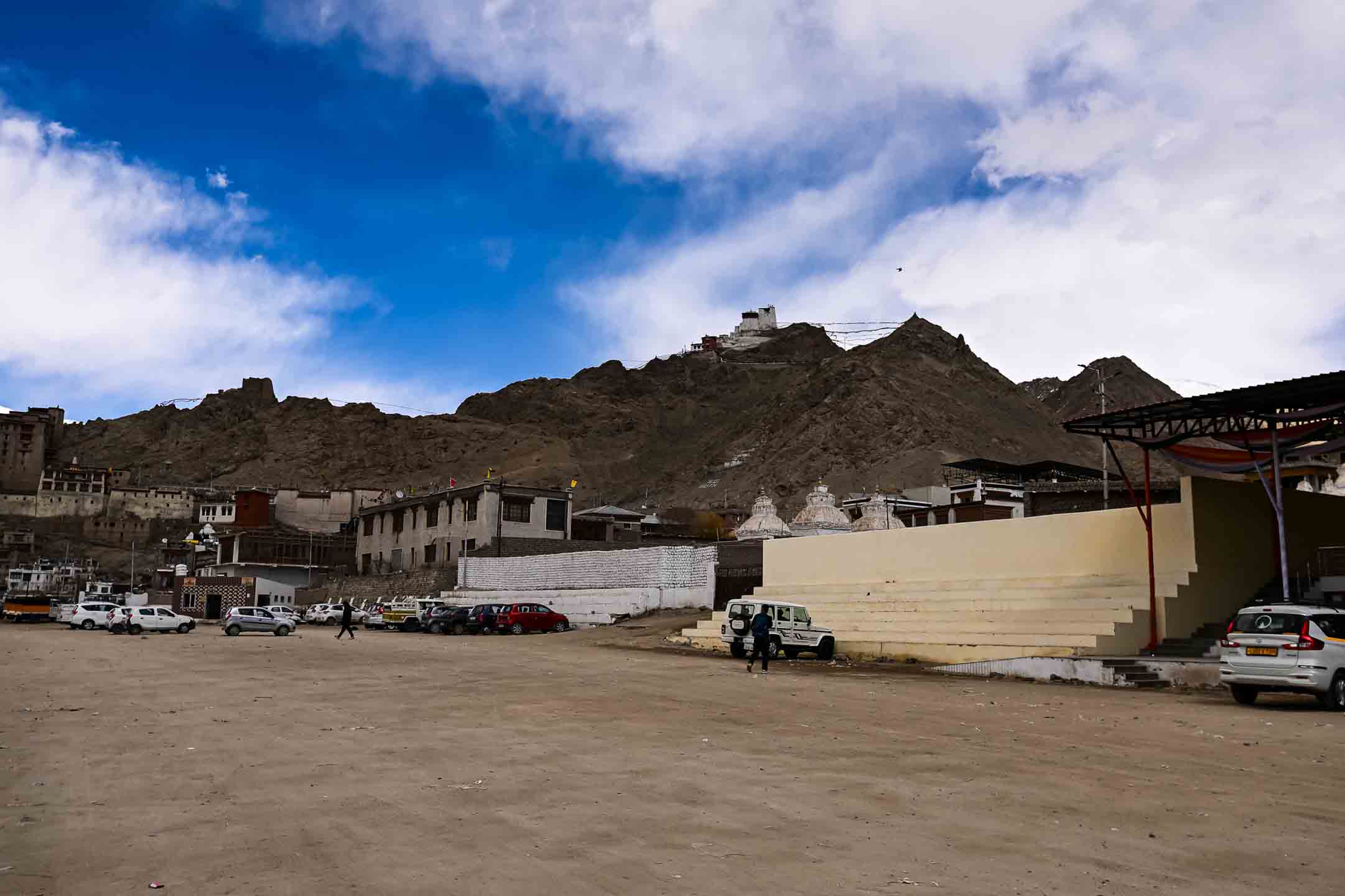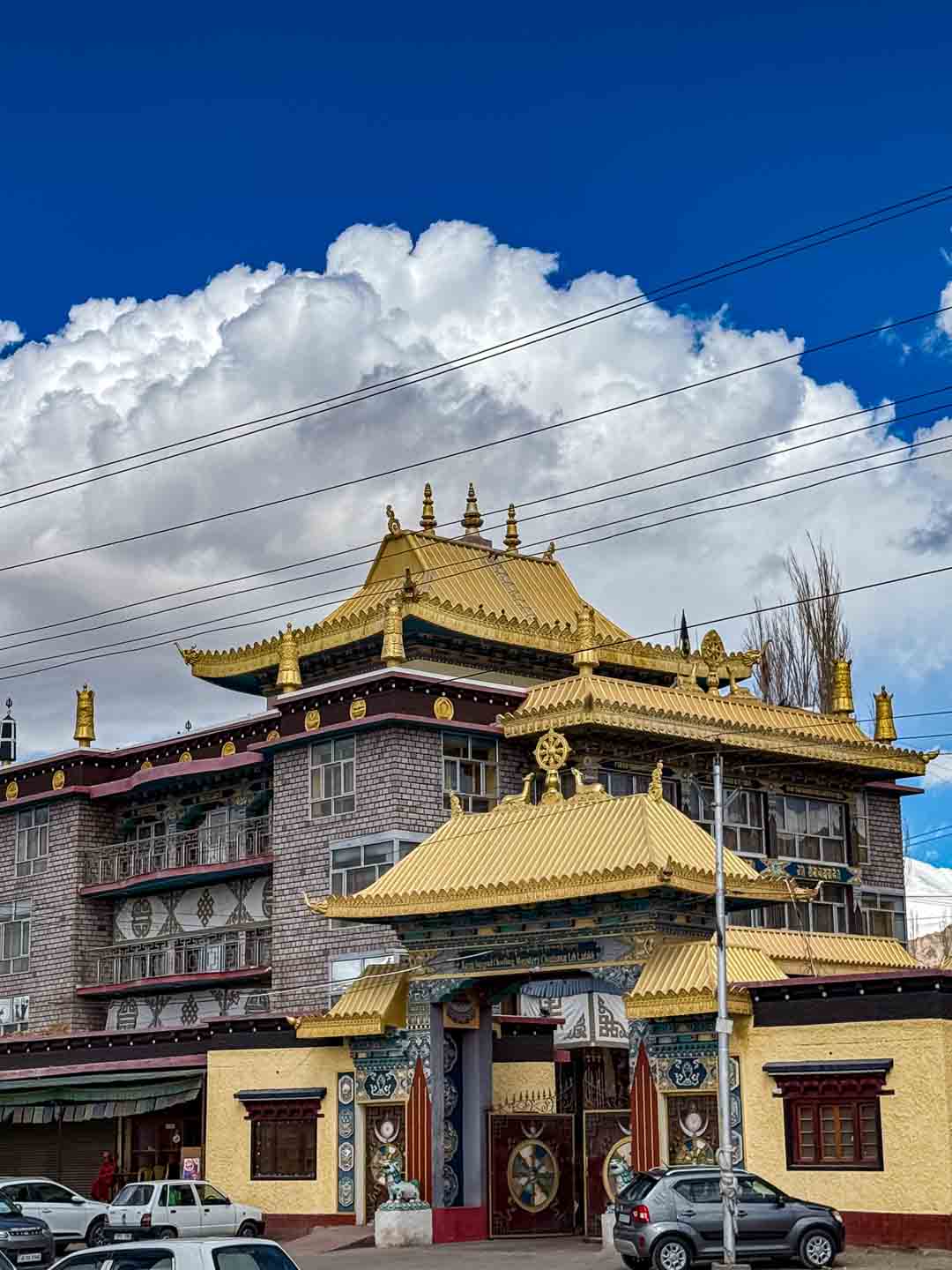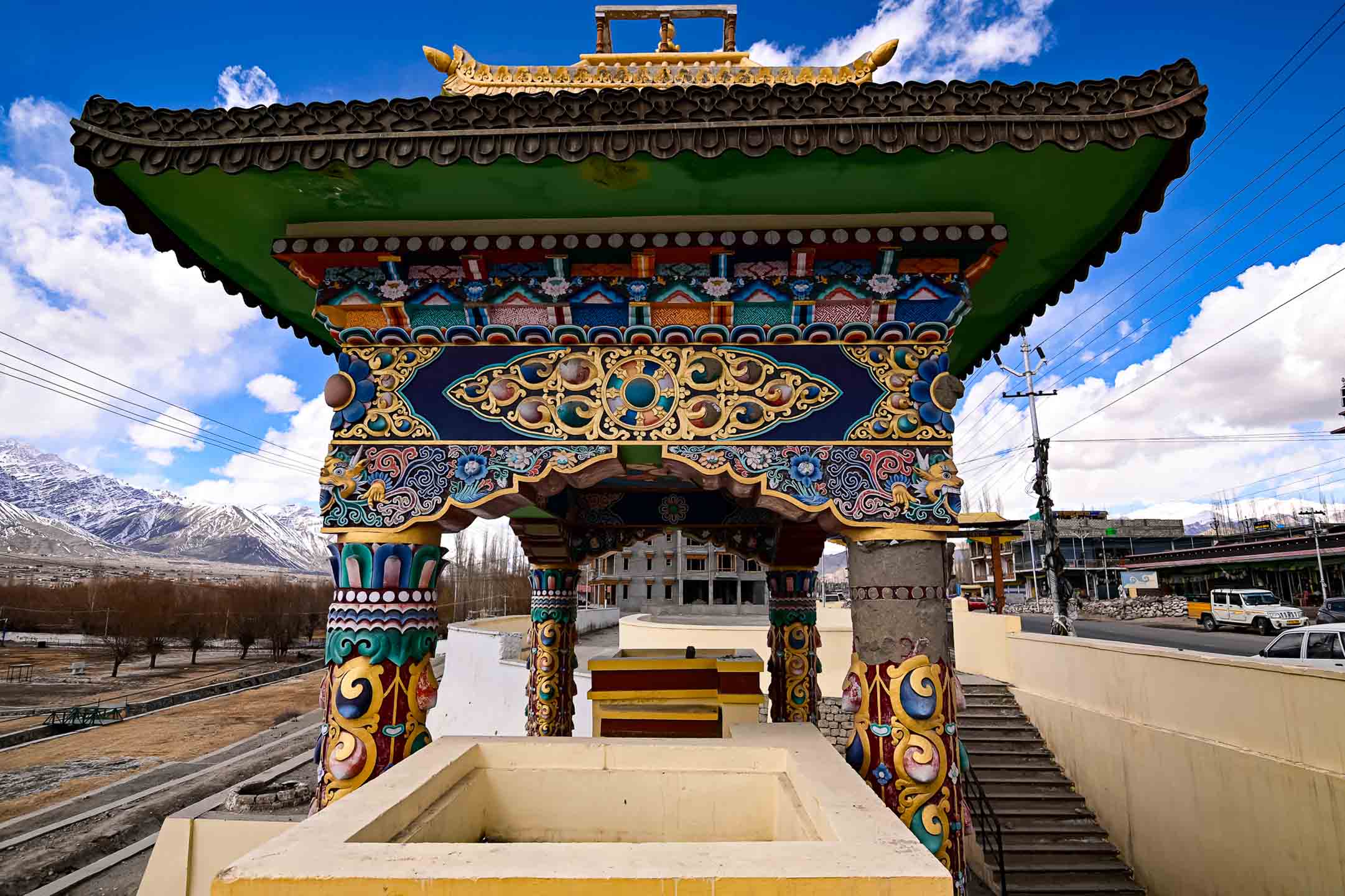
There is something about Leh that immediately slows your pace. At an altitude of nearly 3,500 metres, the town unfolds beneath towering mountains, where centuries-old monasteries stand alongside bustling cafés, traditional markets, and homes built from mud bricks. More than just the administrative capital of Ladakh, Leh has long been the cultural, political, and commercial heart of the region.
centuries, it was an important stop on the ancient Silk Route, connecting traders travelling between Tibet, Kashmir, Central Asia, and the Indian subcontinent. The exchange of goods also brought with it ideas, religions, languages, and artistic traditions, many of which continue to shape Leh’s identity today.
Leh derives its name from the Tibetan word Lhás, meaning “land of passes”. Surrounded by high mountain ranges and connected by some of the world’s highest motorable roads, the town has always served as a gateway into Ladakh.
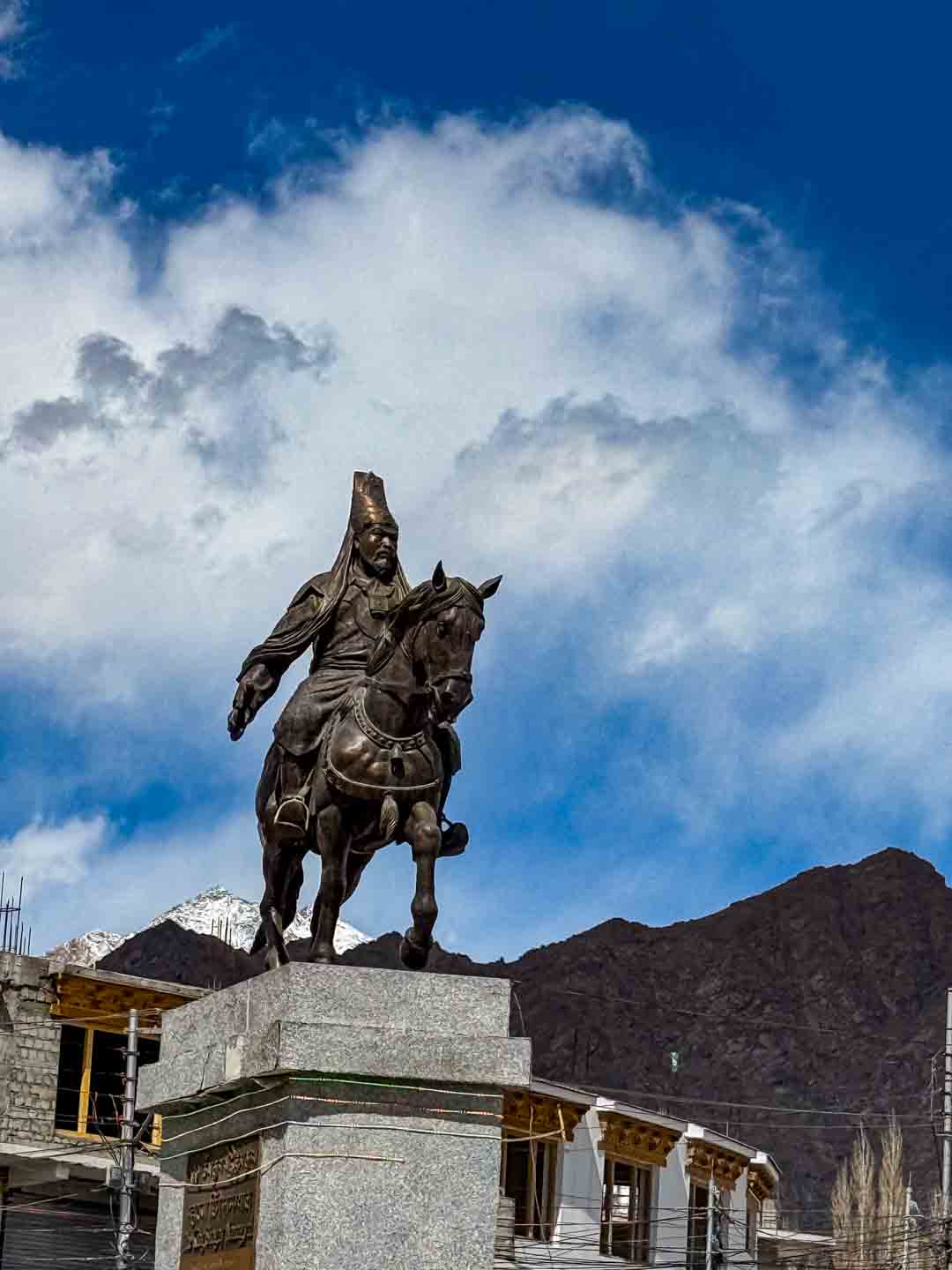
During the 17th century, under the Namgyal dynasty, Leh flourished as the kingdom’s capital. Wealth from trans-Himalayan trade financed monasteries, palaces, and public works, remnants of which continue to dominate the skyline.