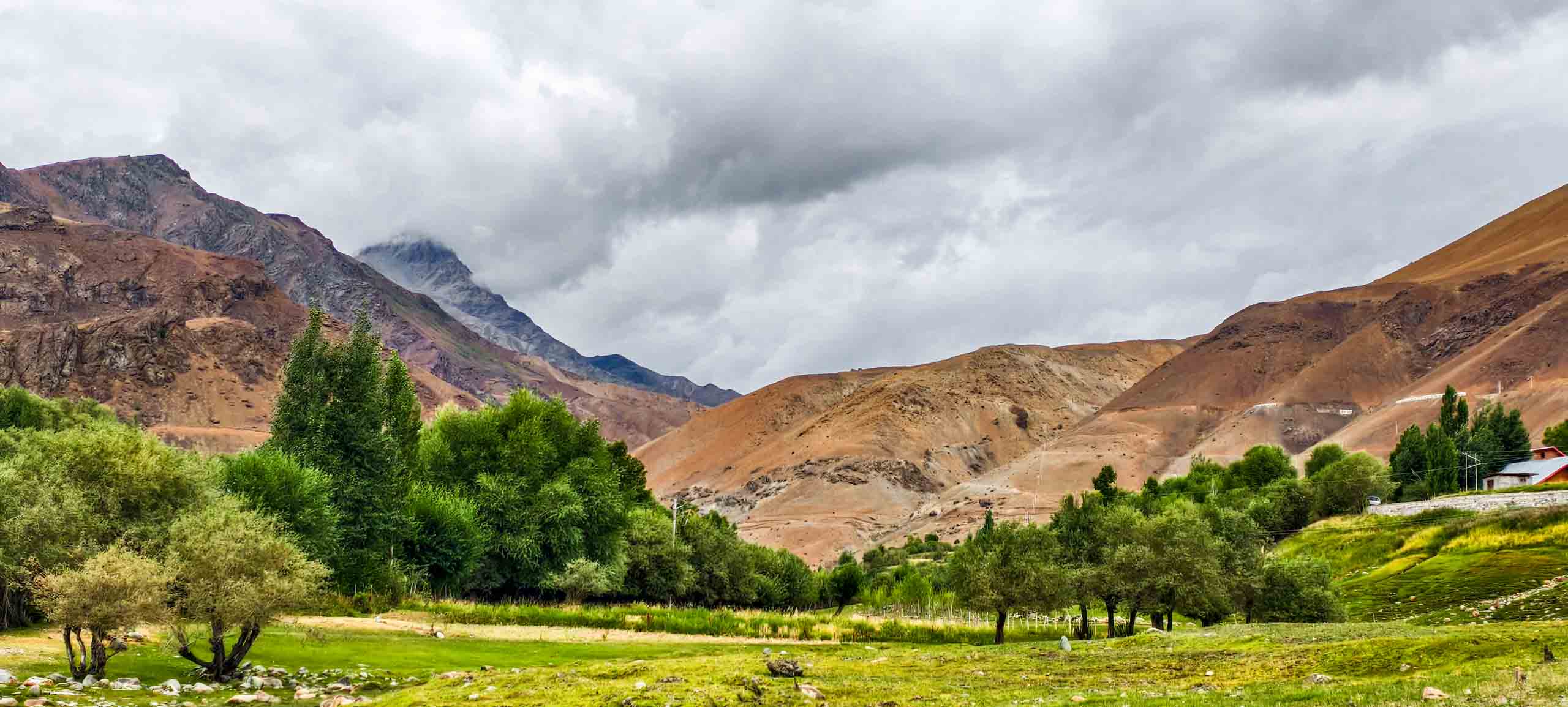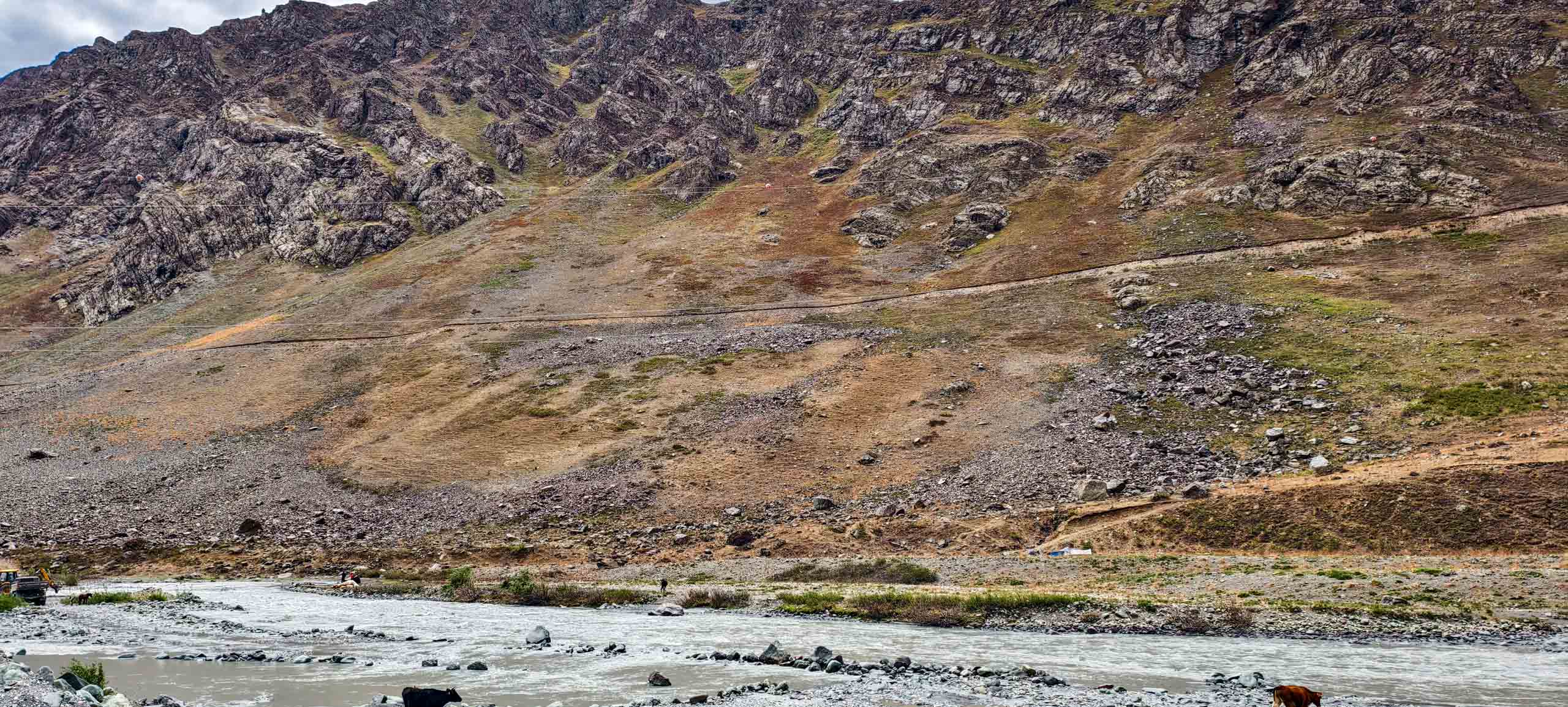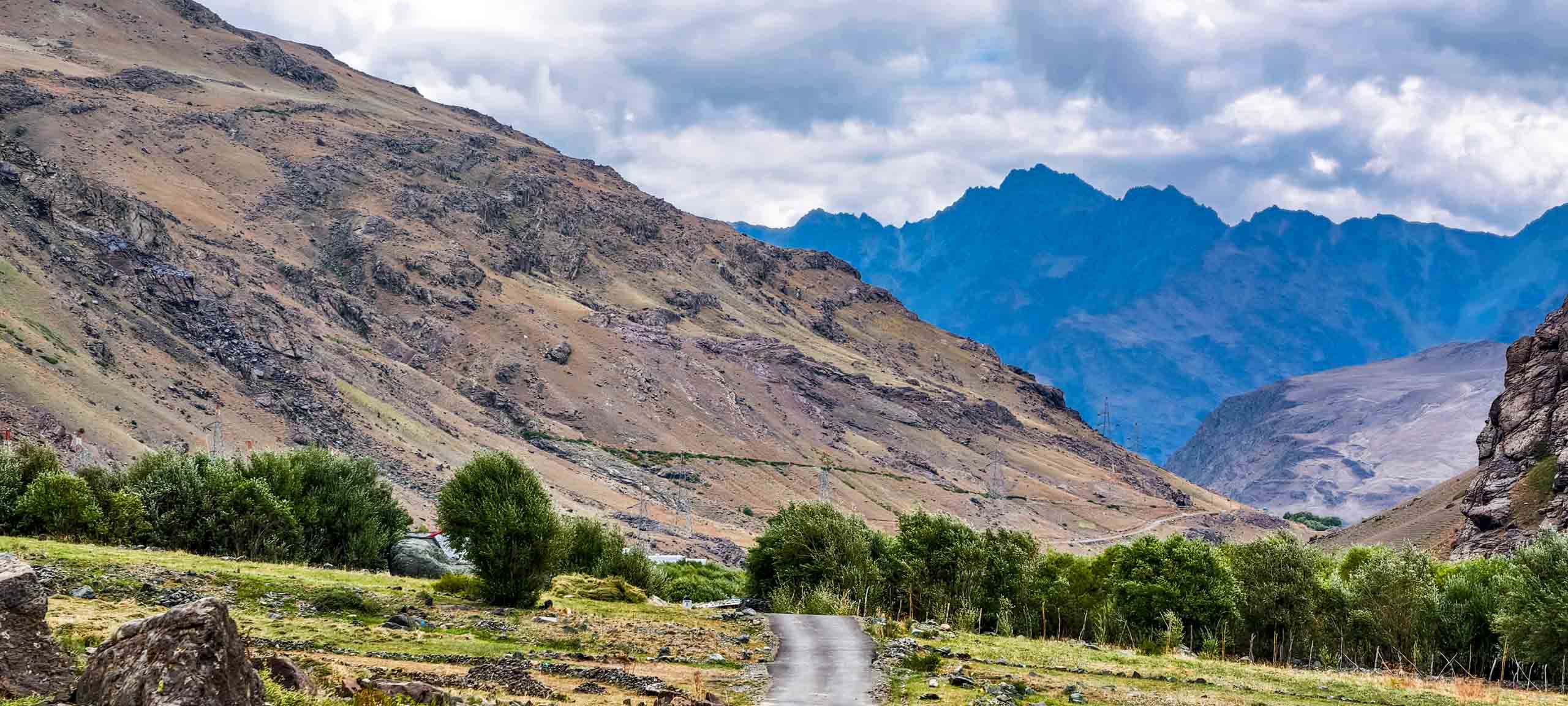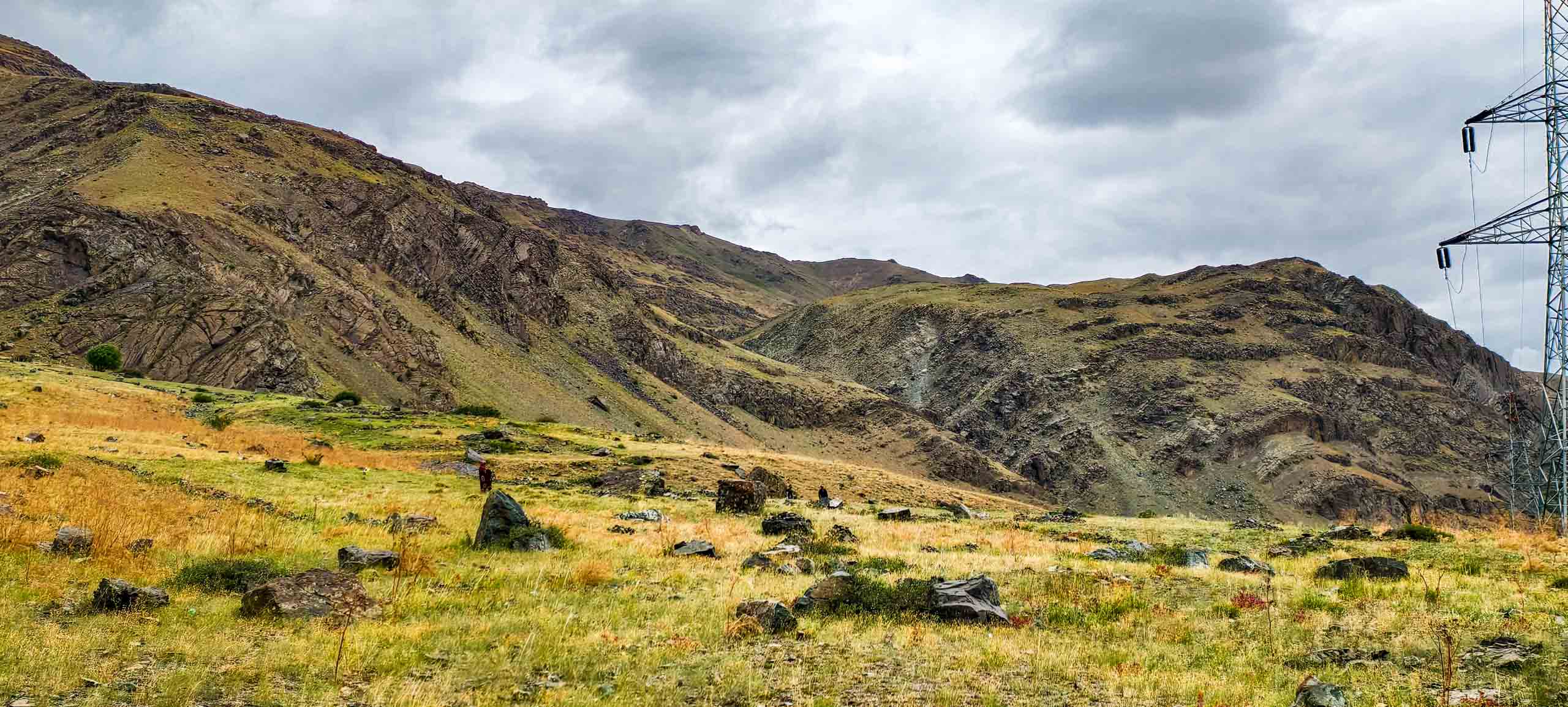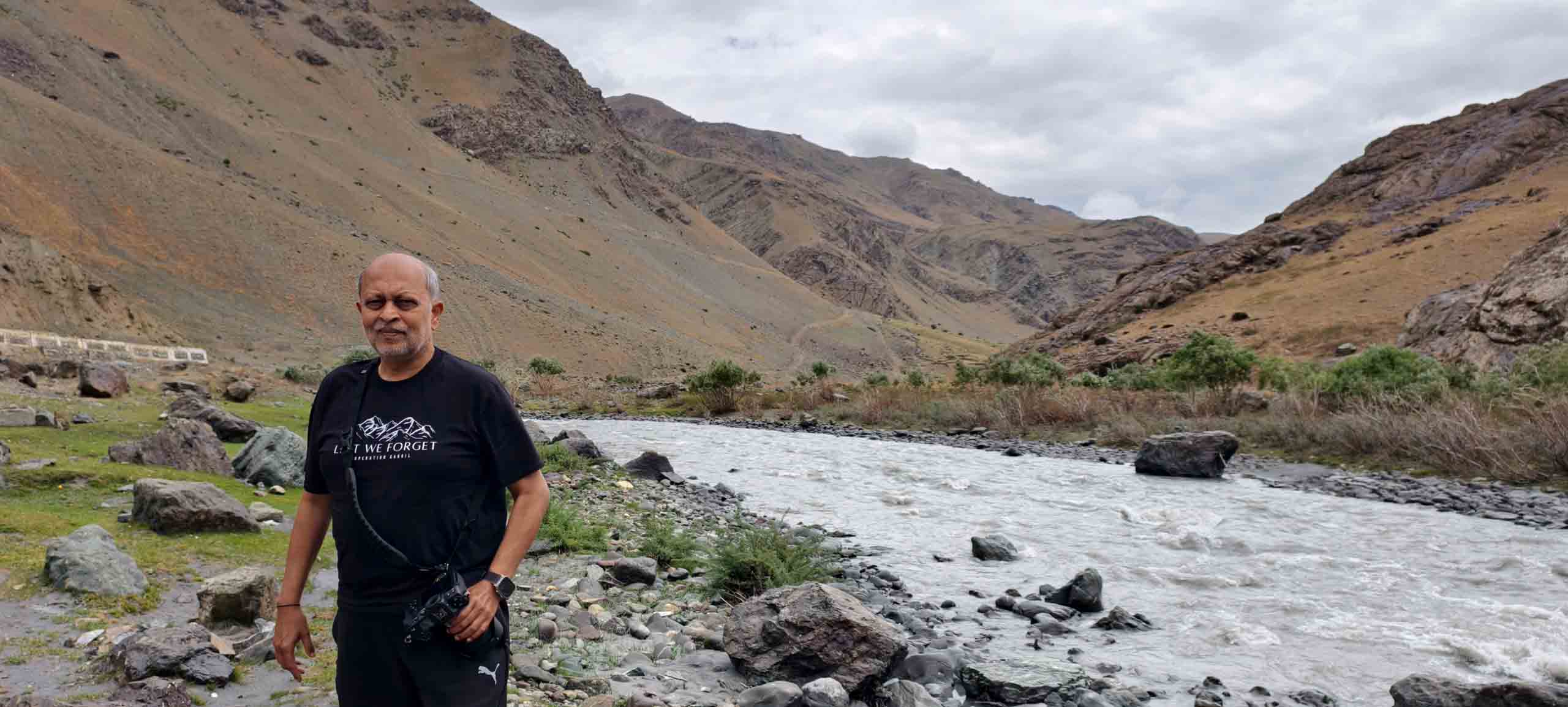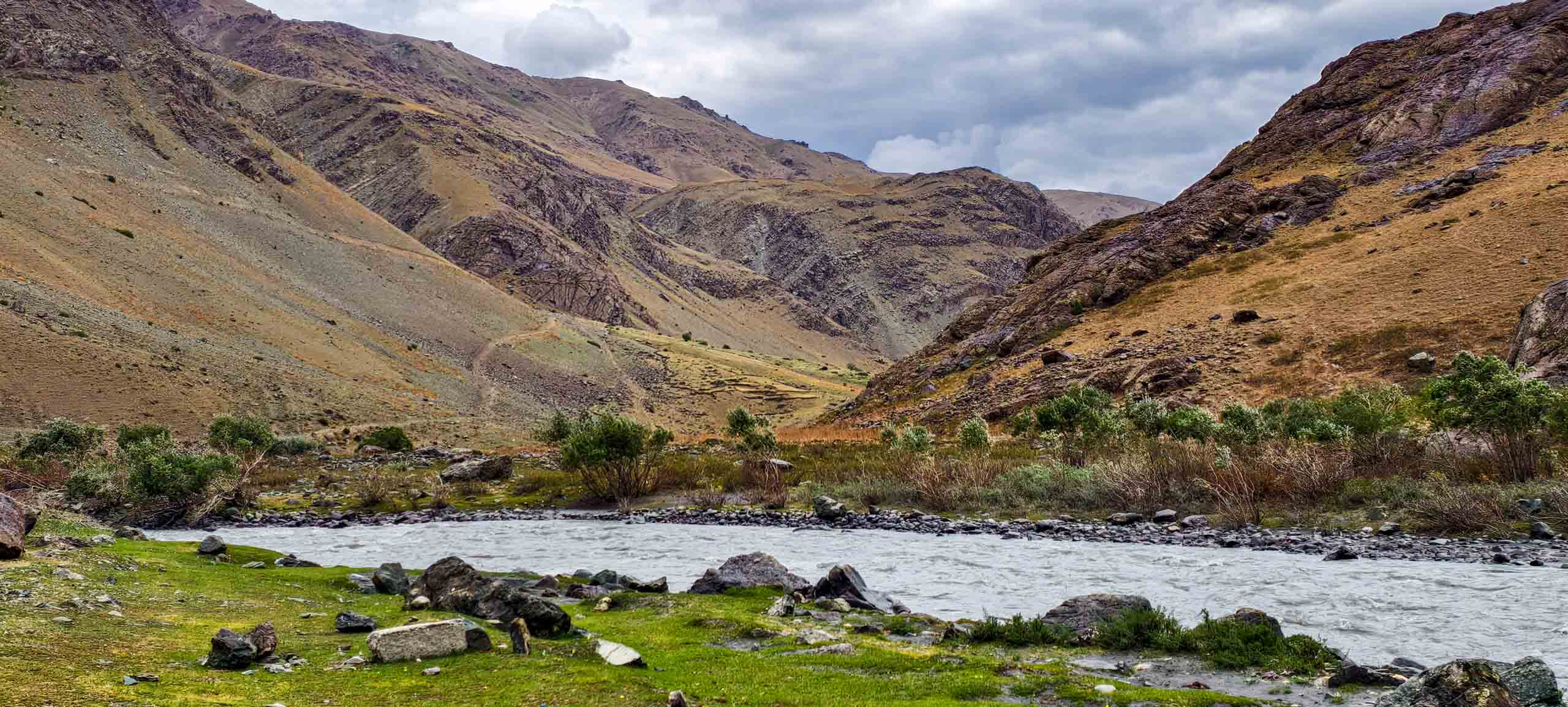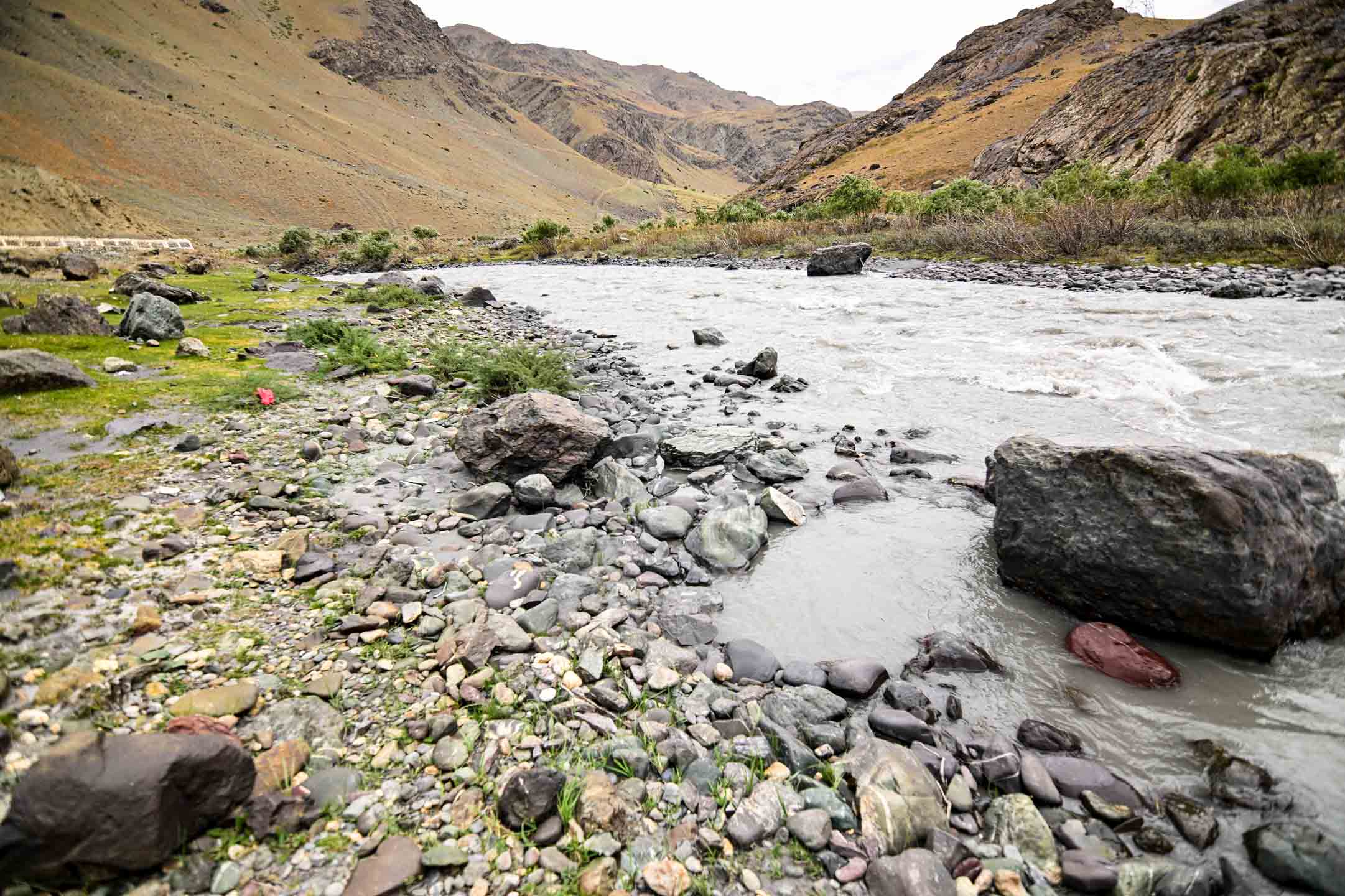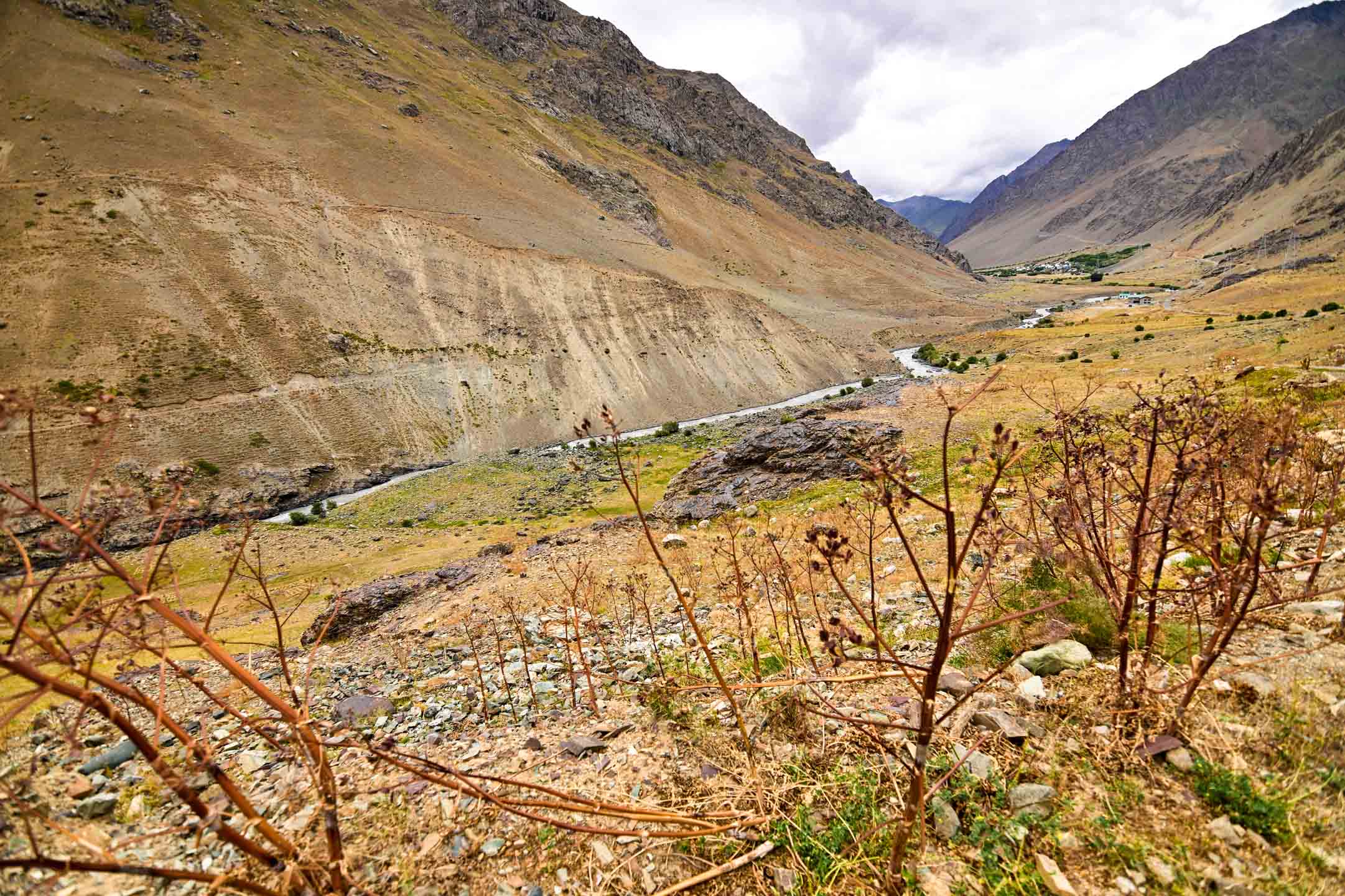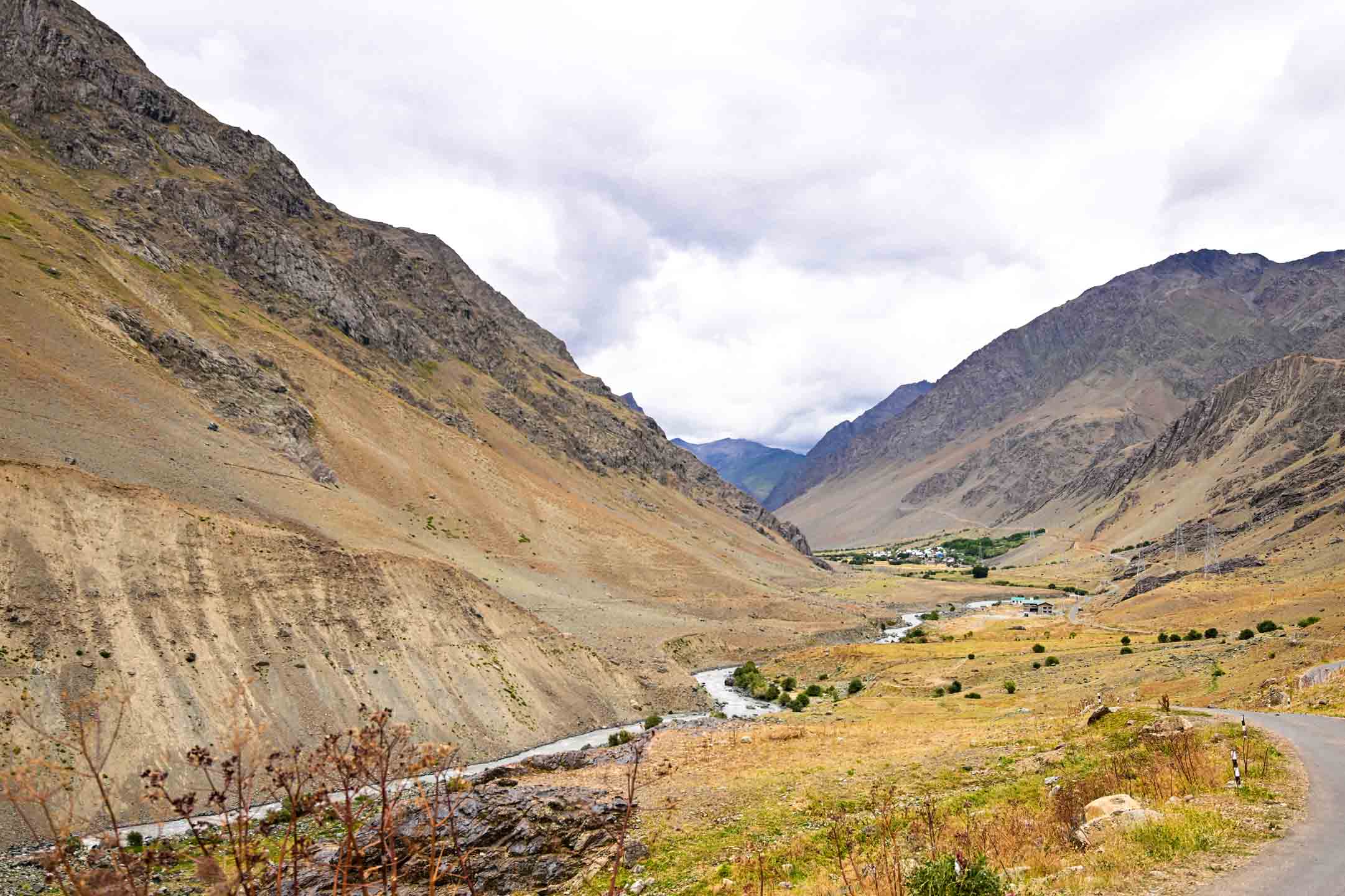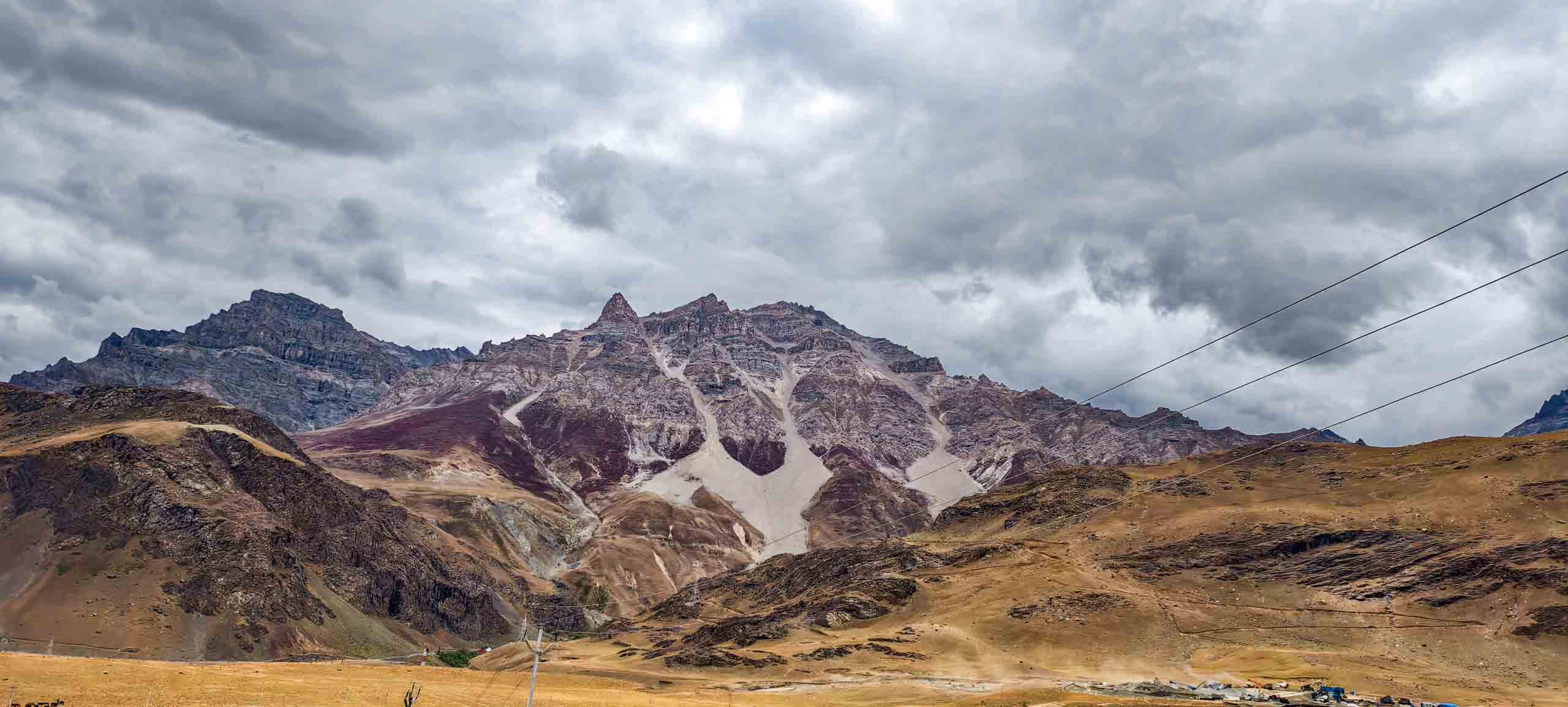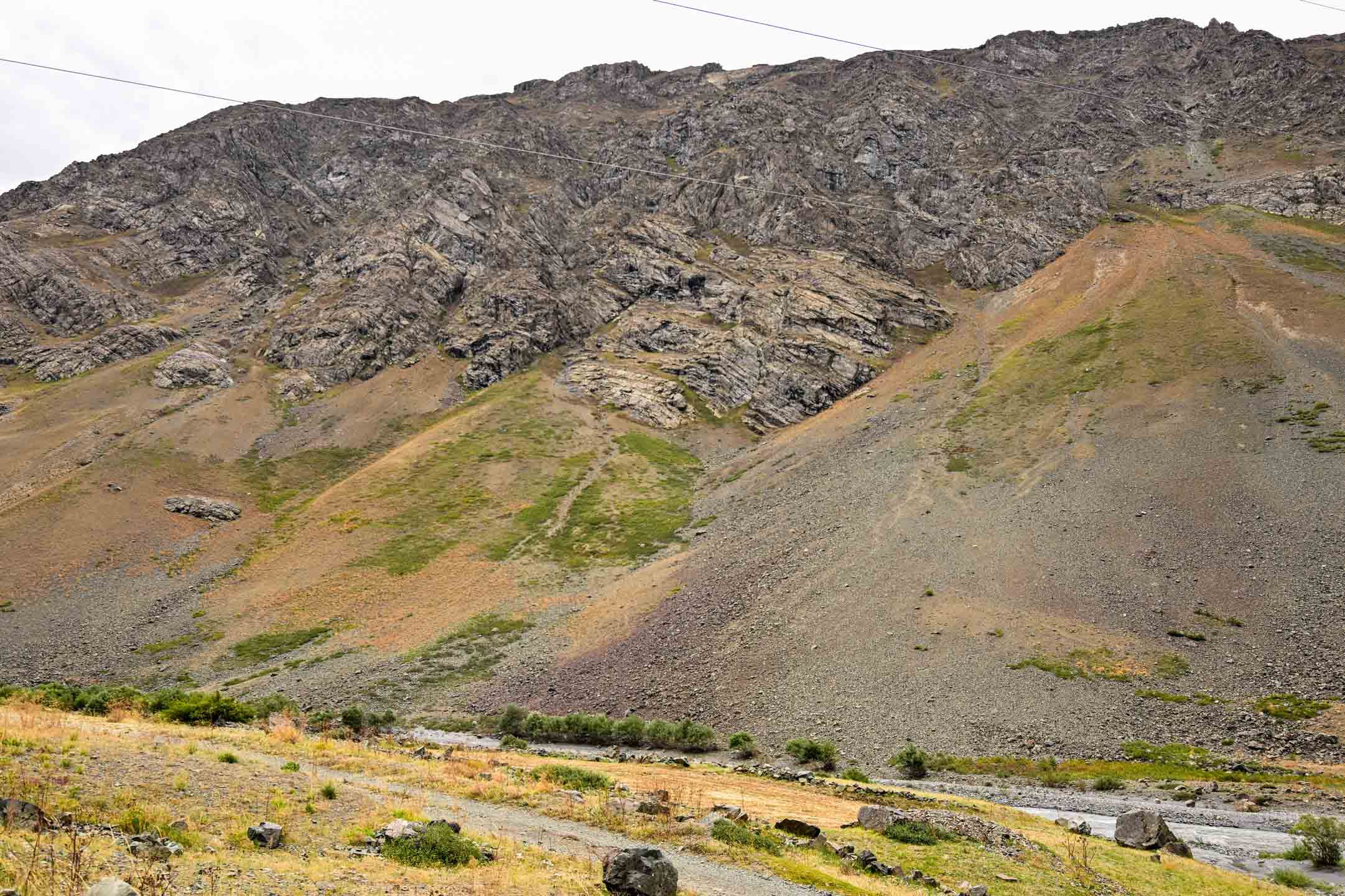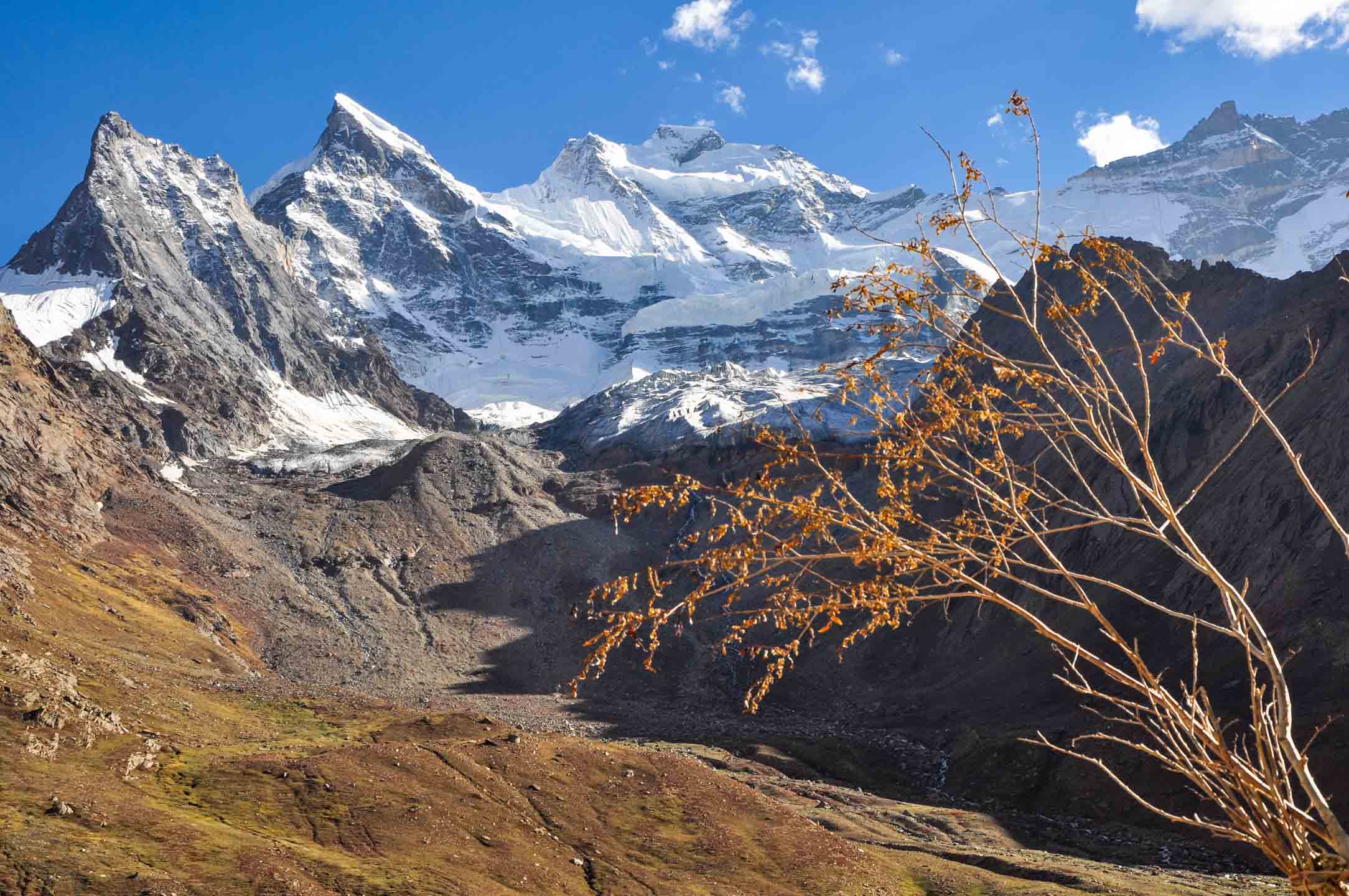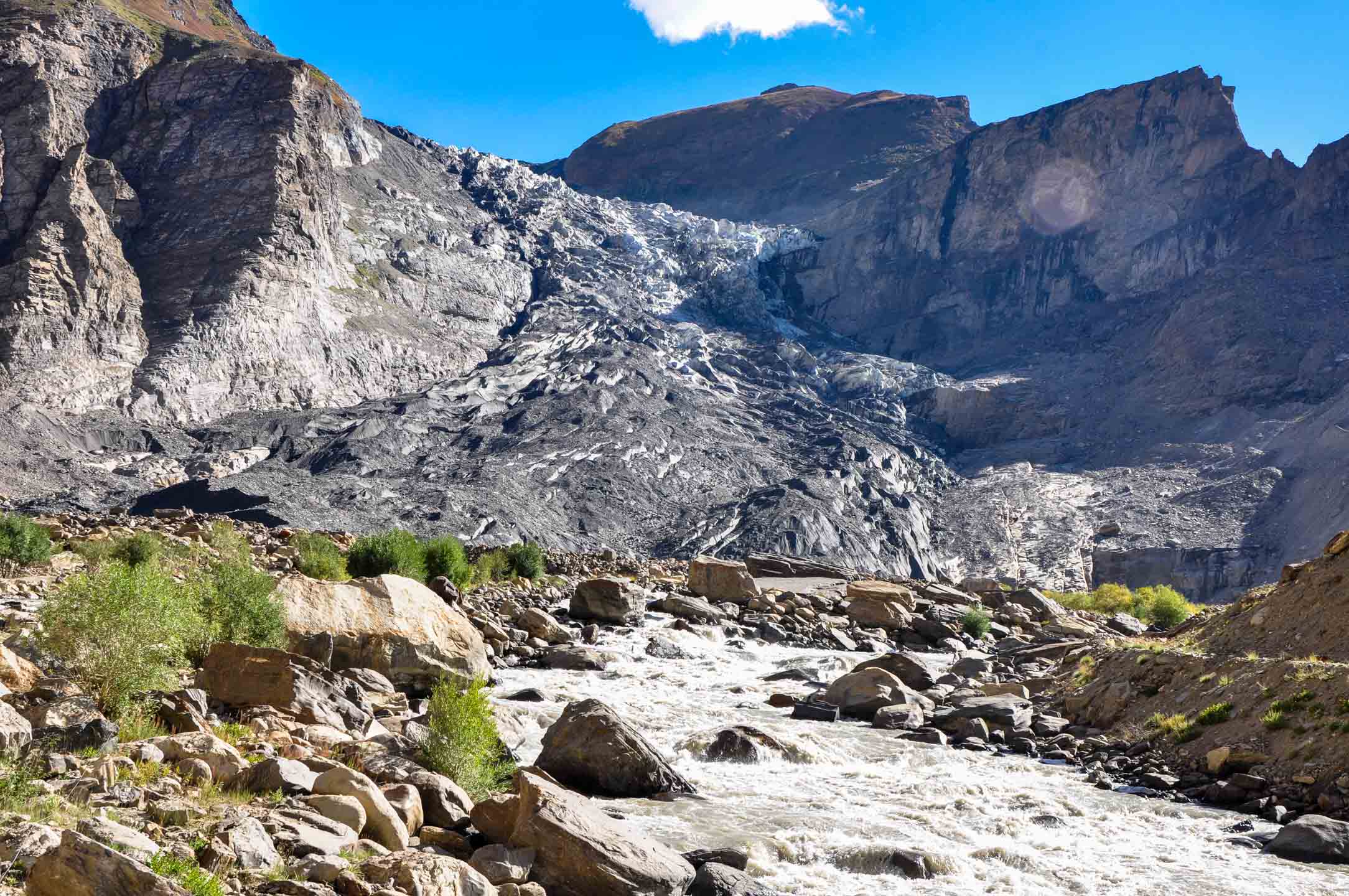
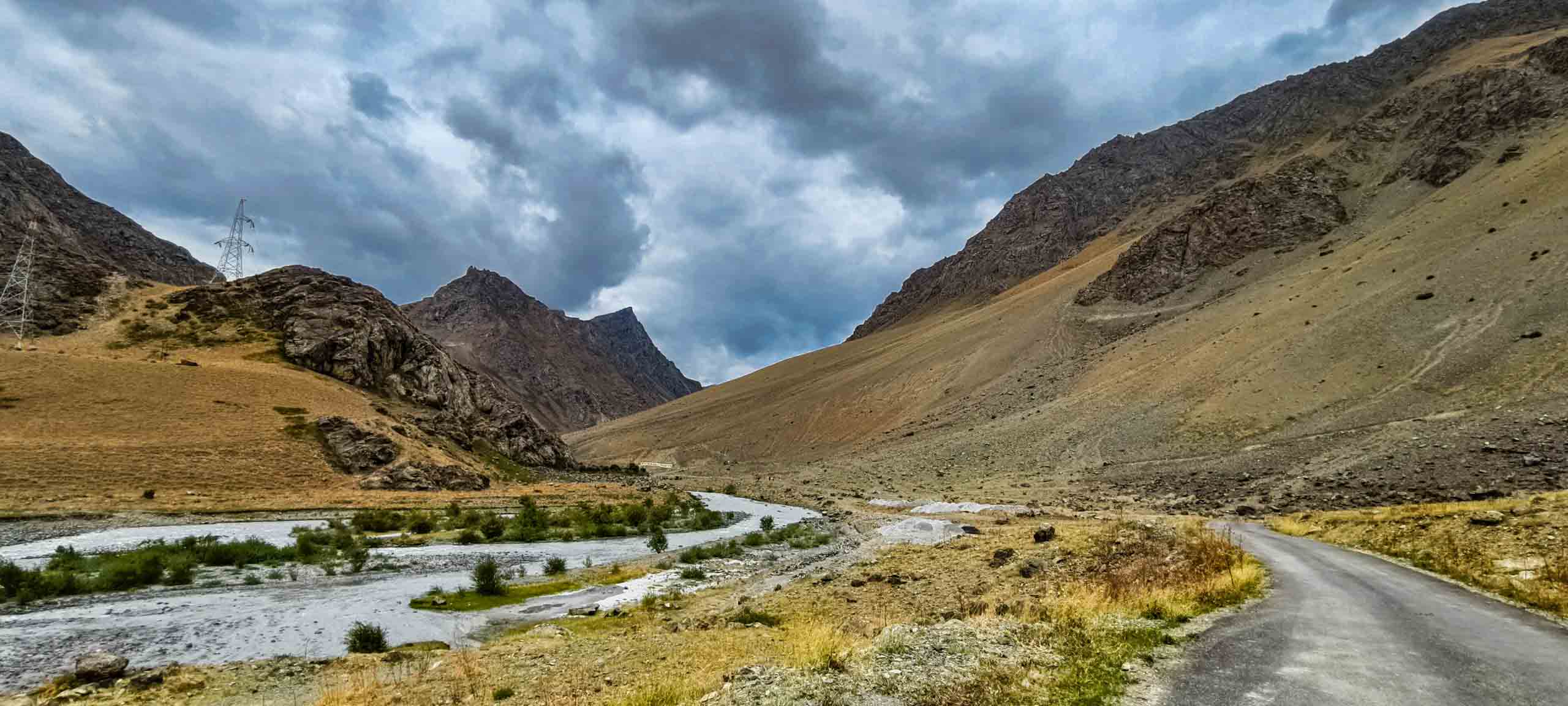
Mushkoh Valley is one of the four major valleys that formed the battlefield during the Kargil War, alongside Drass, Batalik, and Kaksar. Situated southwest of Drass, the valley’s rugged terrain and high ridges made it strategically significant during the conflict. Today, however, it presents an entirely different picture one of serenity, natural beauty, and resilience.
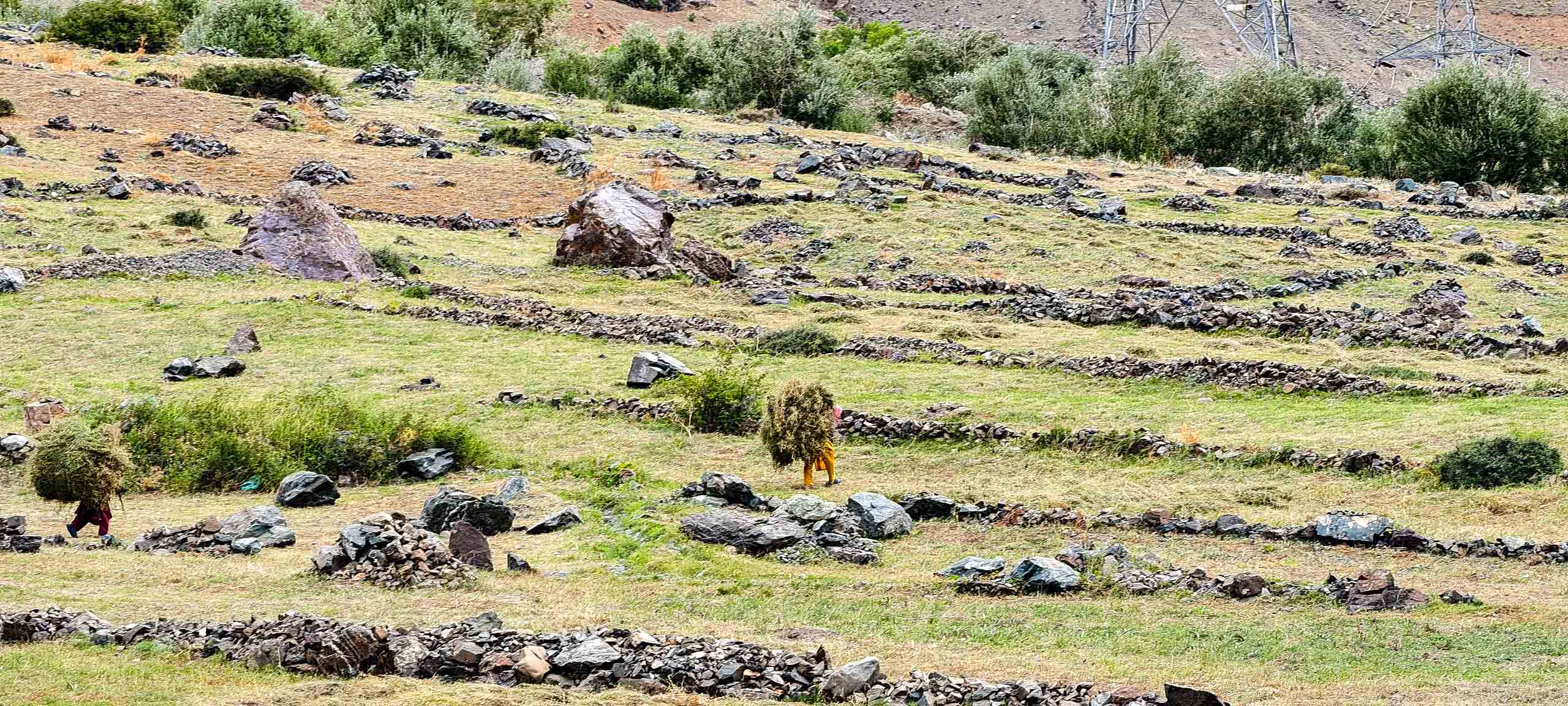
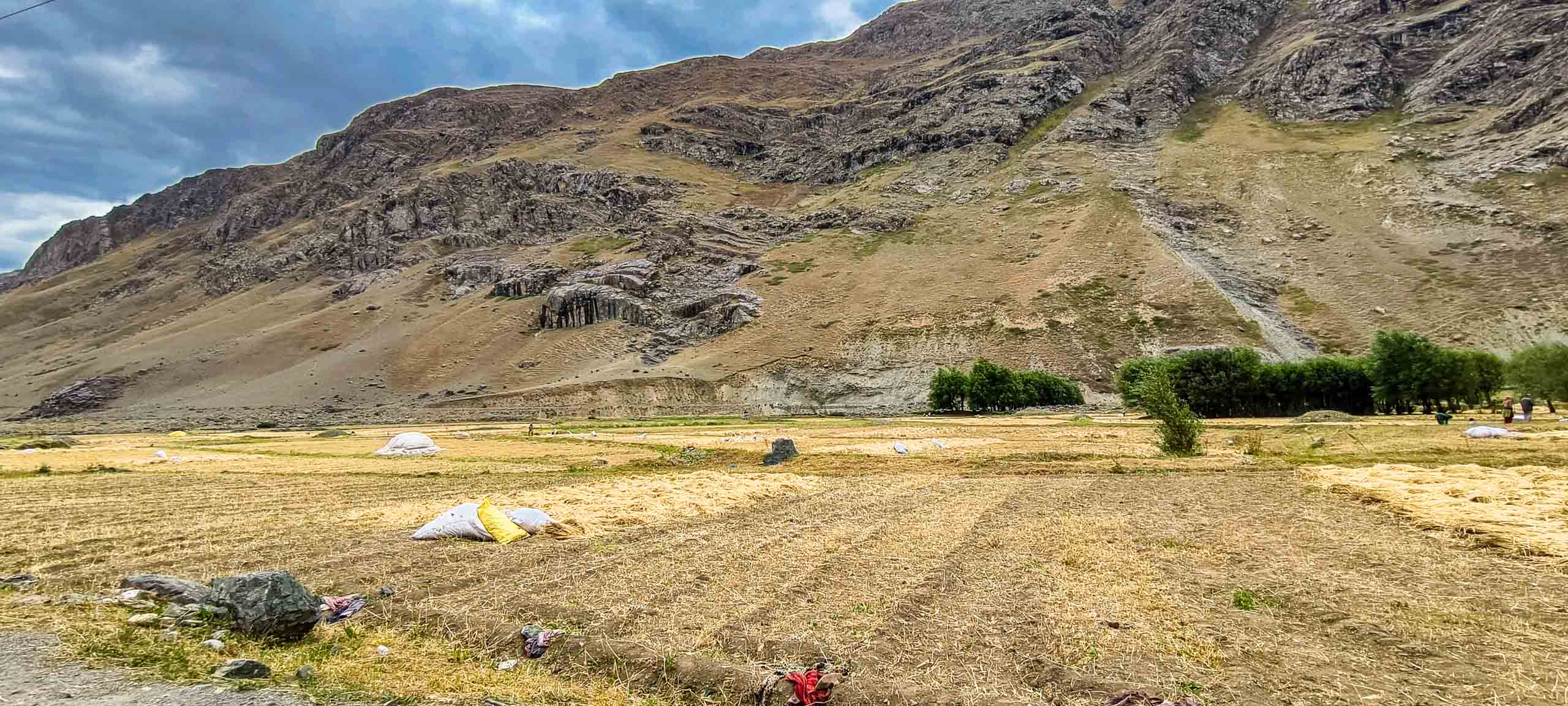
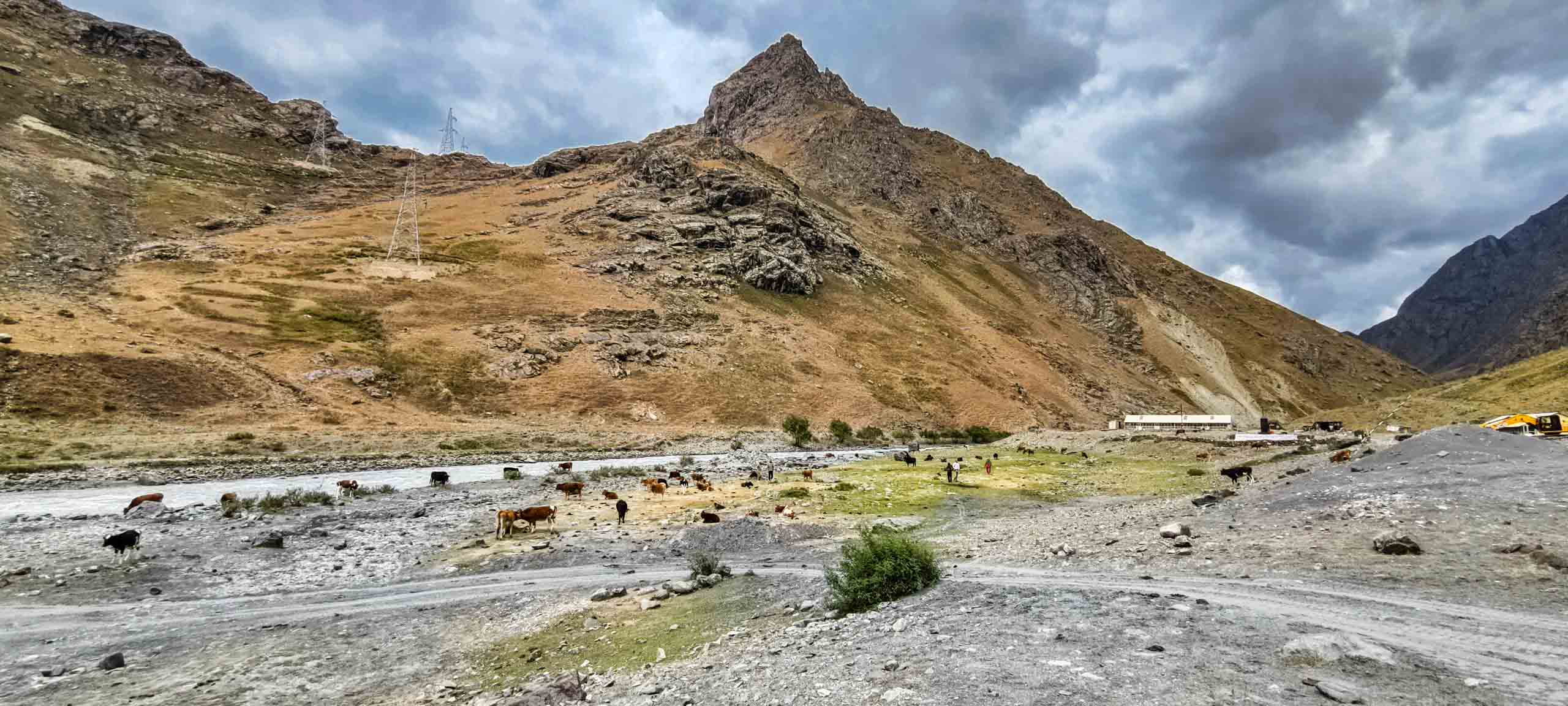
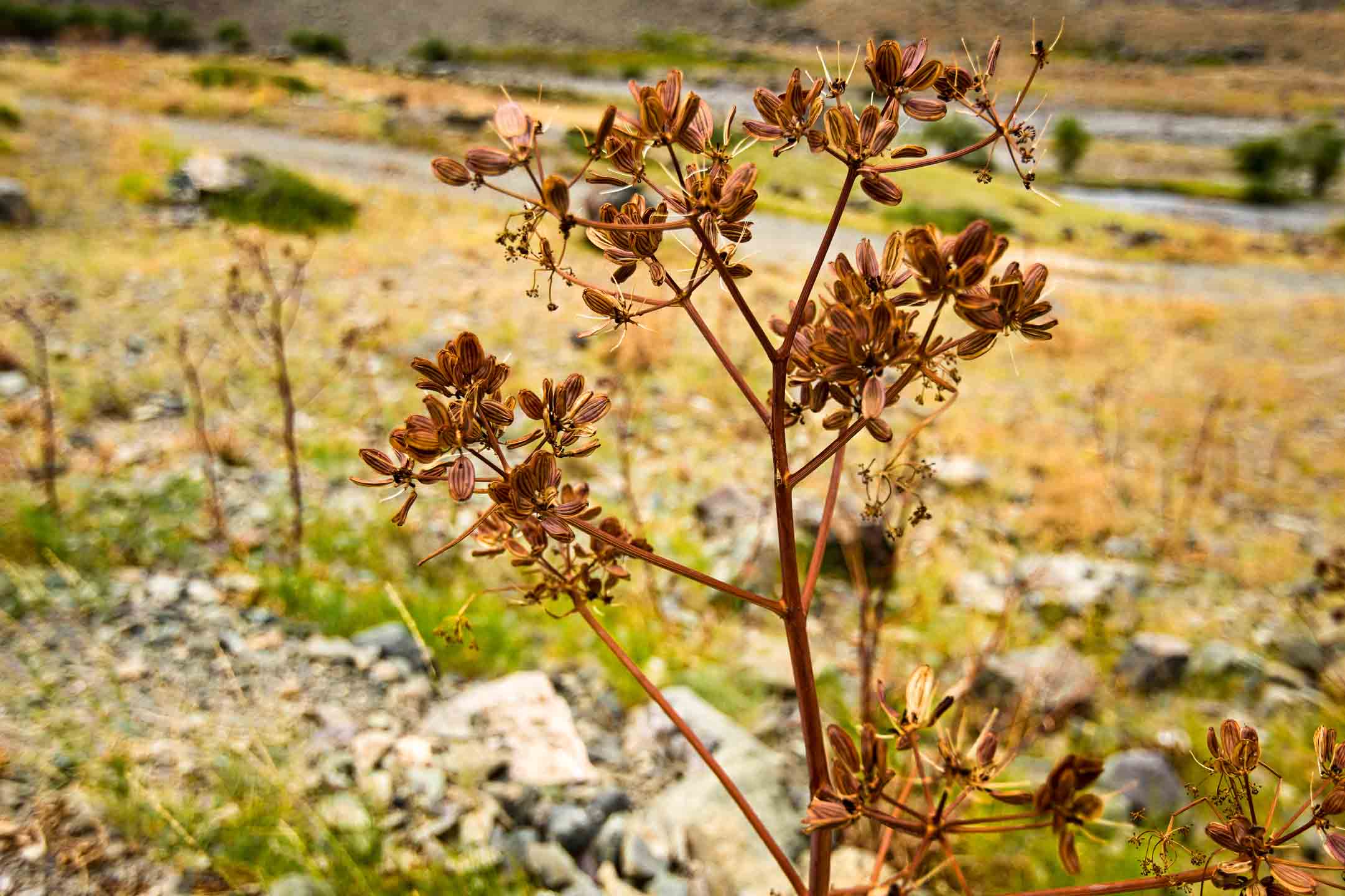
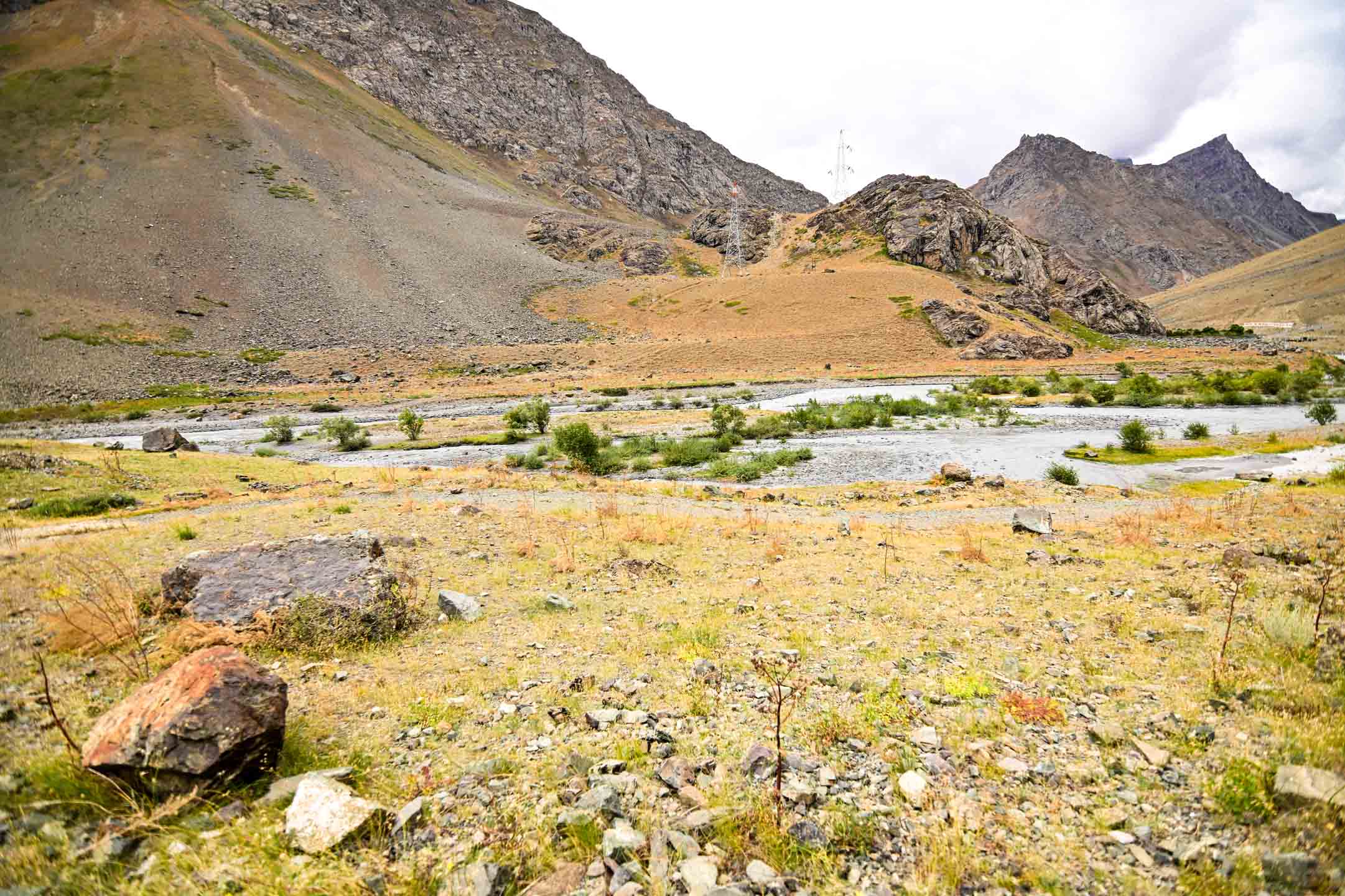
As we drove through the valley, it was difficult to imagine that these peaceful meadows had once witnessed intense military operations. The valley is renowned for its expansive alpine meadows, crystal-clear streams, snow-fed rivers, and colourful wildflowers that bloom during the brief summer months. The famous Himalayan blue poppy and several rare alpine plant species can be found here, making the valley particularly attractive to nature enthusiasts and photographers. During winter, thick layers of snow transform the landscape into a pristine white wilderness.
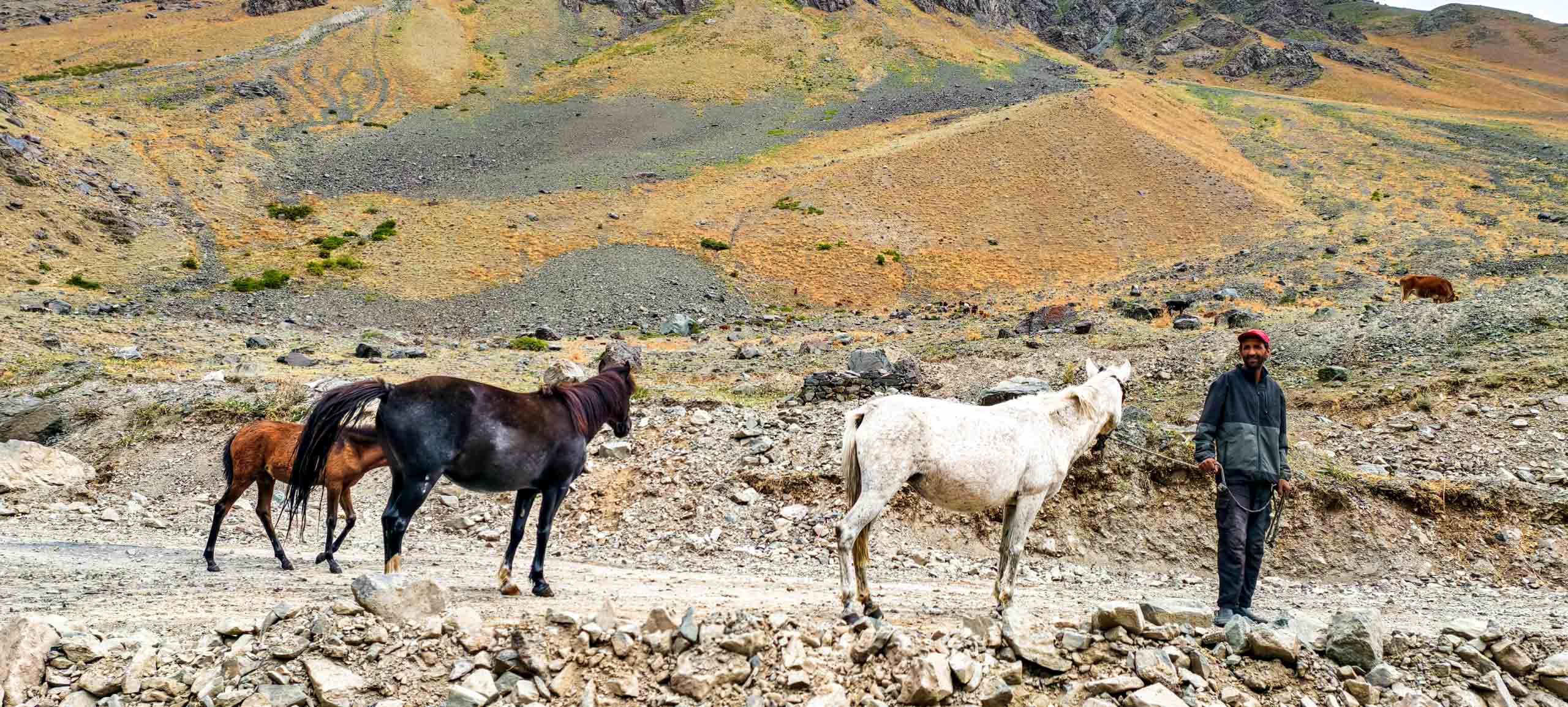
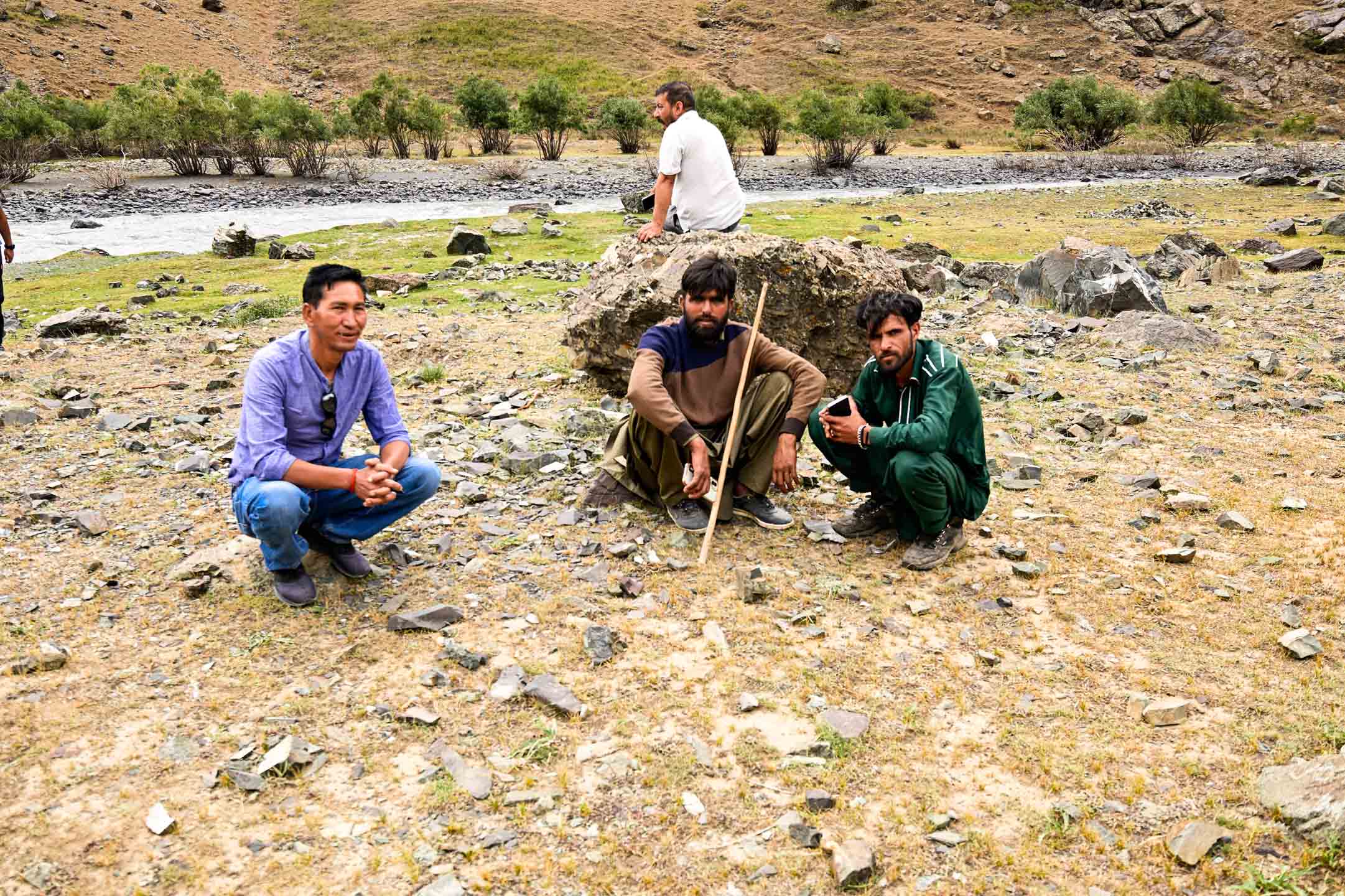
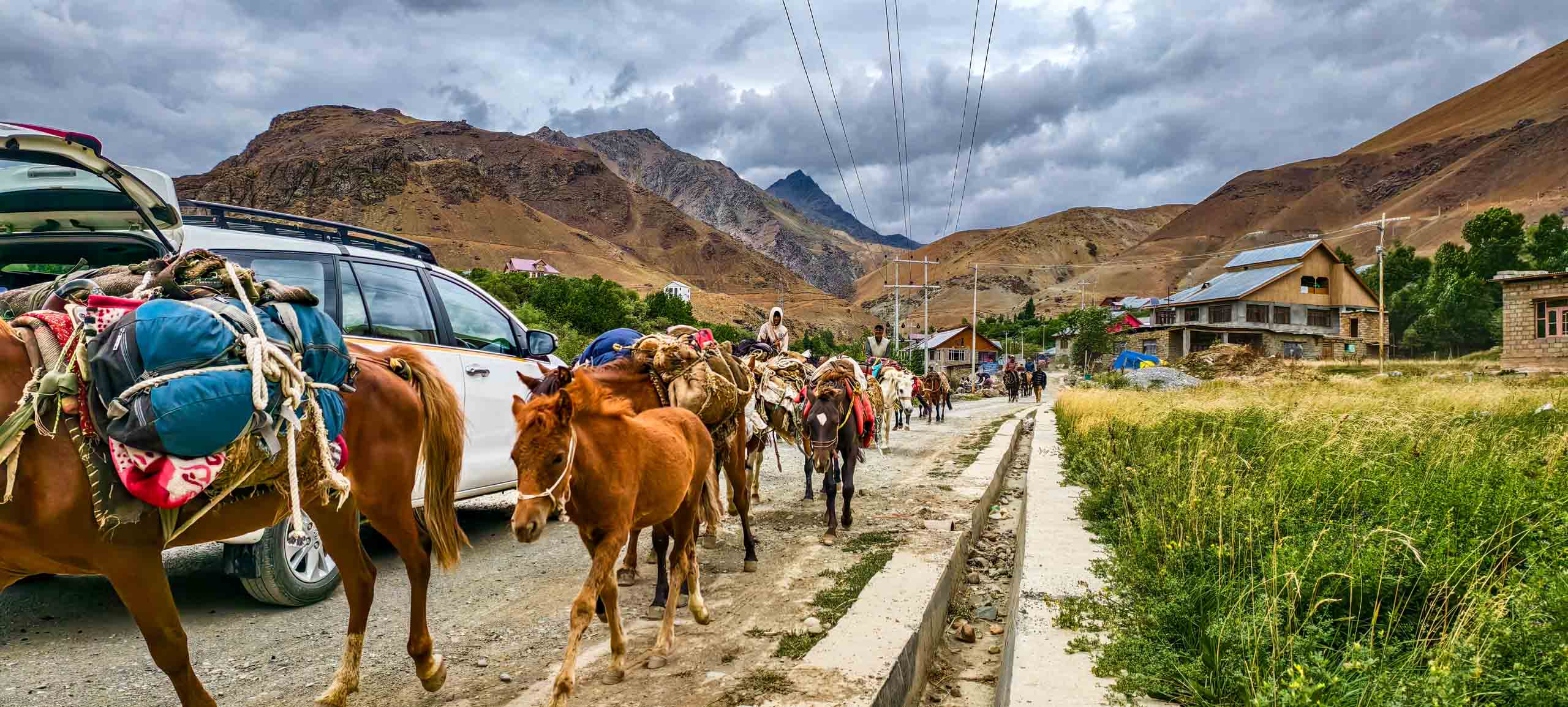
Small settlements within the valley continue to follow traditional lifestyles centred on farming and livestock rearing. Shepherds move their flocks across the meadows during the warmer months, preserving customs that have remained unchanged for generations. Mushkoh Valley is also becoming increasingly popular among trekkers seeking less-crowded trails and untouched Himalayan landscapes. Its peaceful atmosphere stands in striking contrast to its wartime past, reminding visitors of nature’s remarkable ability to heal.