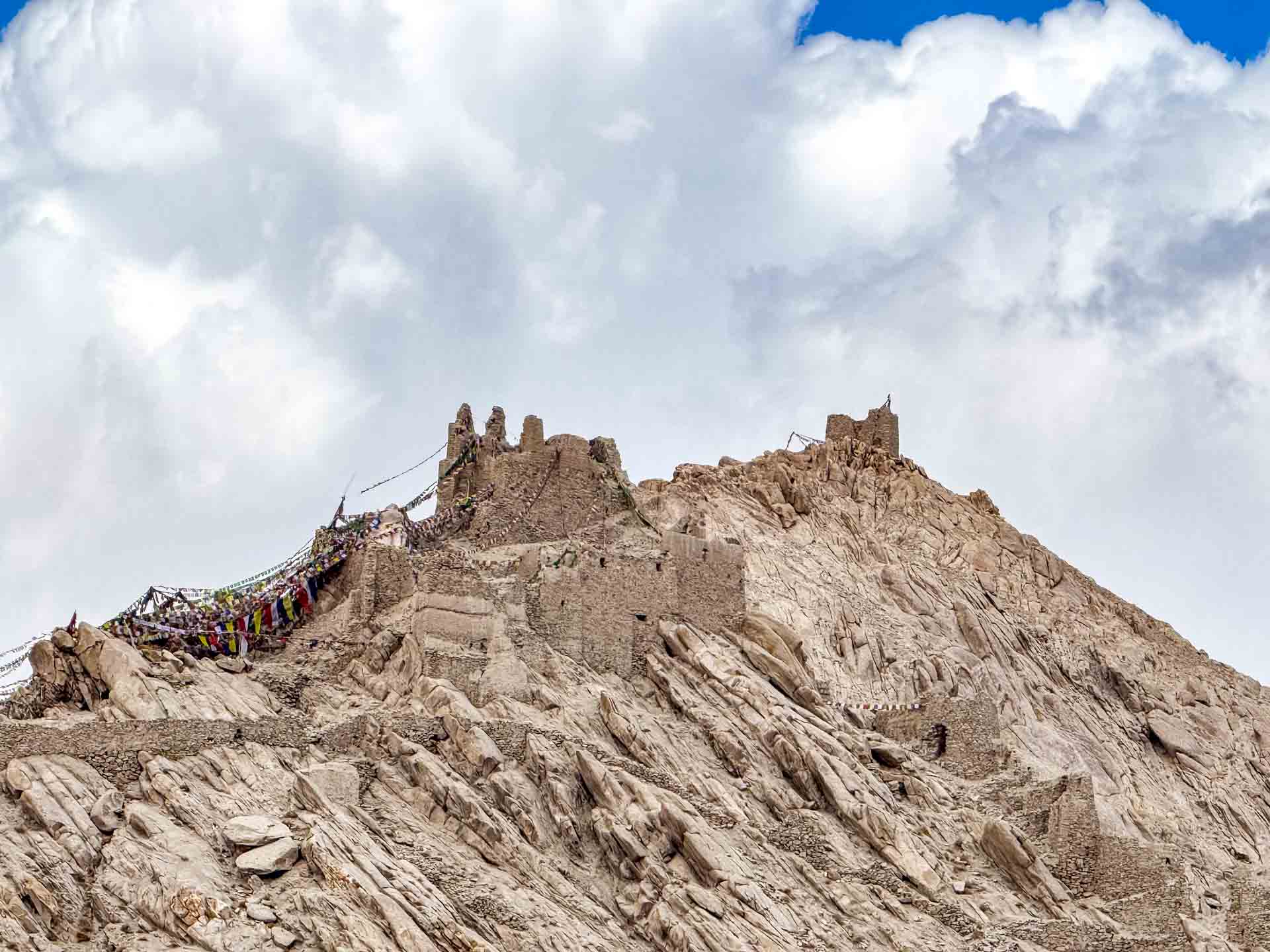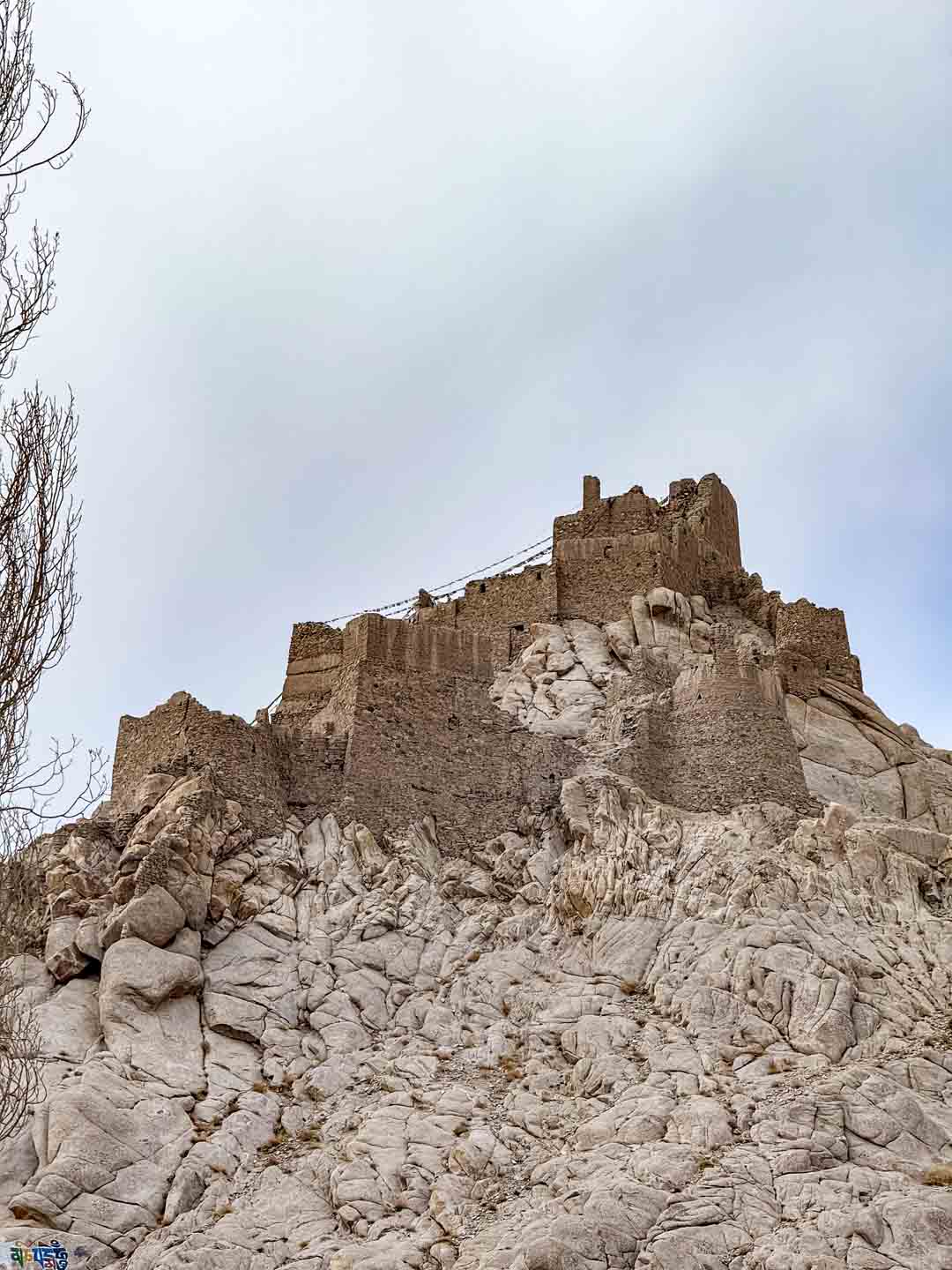
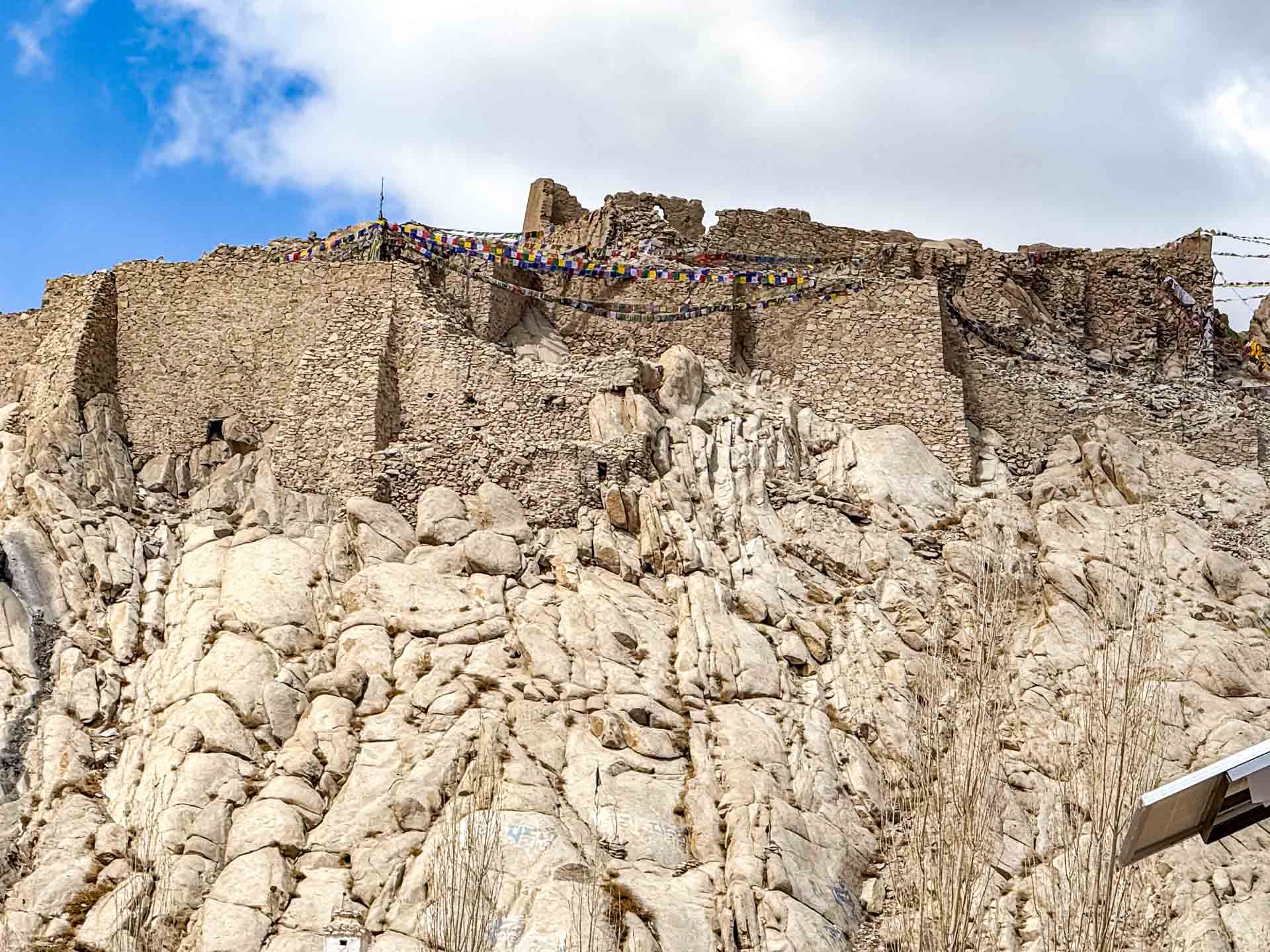
About 15 kilometres from Leh lies Shey, the former summer capital of the Namgyal dynasty and one of Ladakh’s oldest royal settlements. Long before Leh became the political centre of the kingdom, Shey served as the seat of the Ladakhi rulers. The strategic location overlooking the fertile Indus Valley allowed the kingdom to prosper through agriculture and trade, while the surrounding mountains provided natural protection.
Historical records trace Shey’s origins to the 10th century, when the early rulers of Ladakh consolidated their power in the region. Over time, the settlement developed into both a political and religious centre. Even after the capital shifted to Leh under King Sengge Namgyal in the 17th century, Shey retained its ceremonial importance and continued to be
closely associated with the royal family. The present-day Shey Palace was built in the mid-17th century by King Deldan Namgyal in memory of his father, the celebrated King Sengge Namgyal, whose reign is often regarded as Ladakh’s golden age. Constructed on a rocky hill overlooking the valley, the palace was designed to serve as both a royal residence and a place of worship, reflecting the close relationship between governance and Buddhism in Ladakh.
Although much of the palace has weathered the passage of time, its stone walls and terraces continue to dominate the surrounding landscape. As we climbed towards the palace, sweeping views of the Indus Valley unfolded before us. Standing there, it was easy to imagine royal processions arriving through the valley and the palace bustling with court officials, monks, and visiting traders centuries ago. Even in its partially ruined state, the palace carries an undeniable sense of grandeur.