Thiksey Monastery
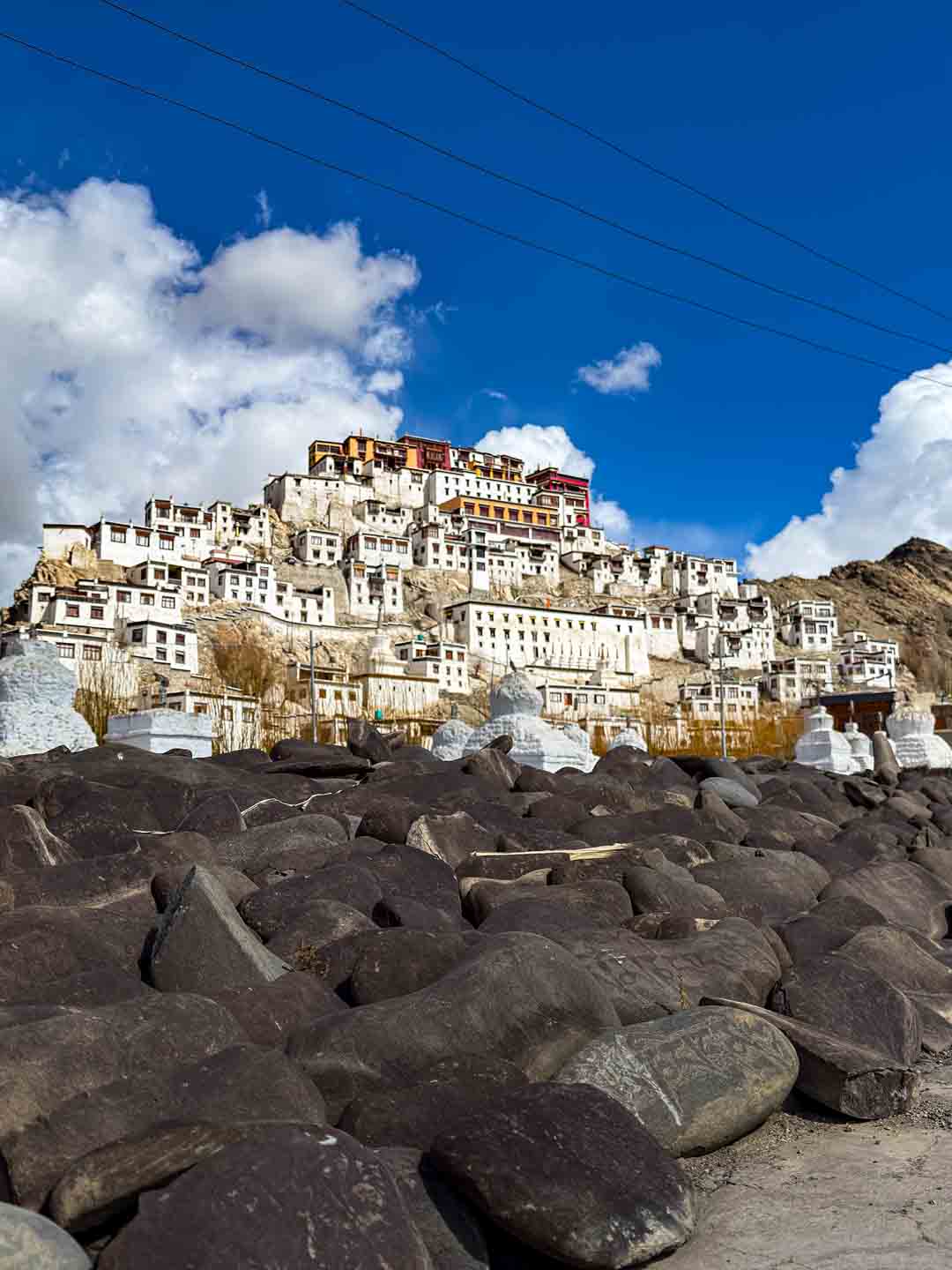
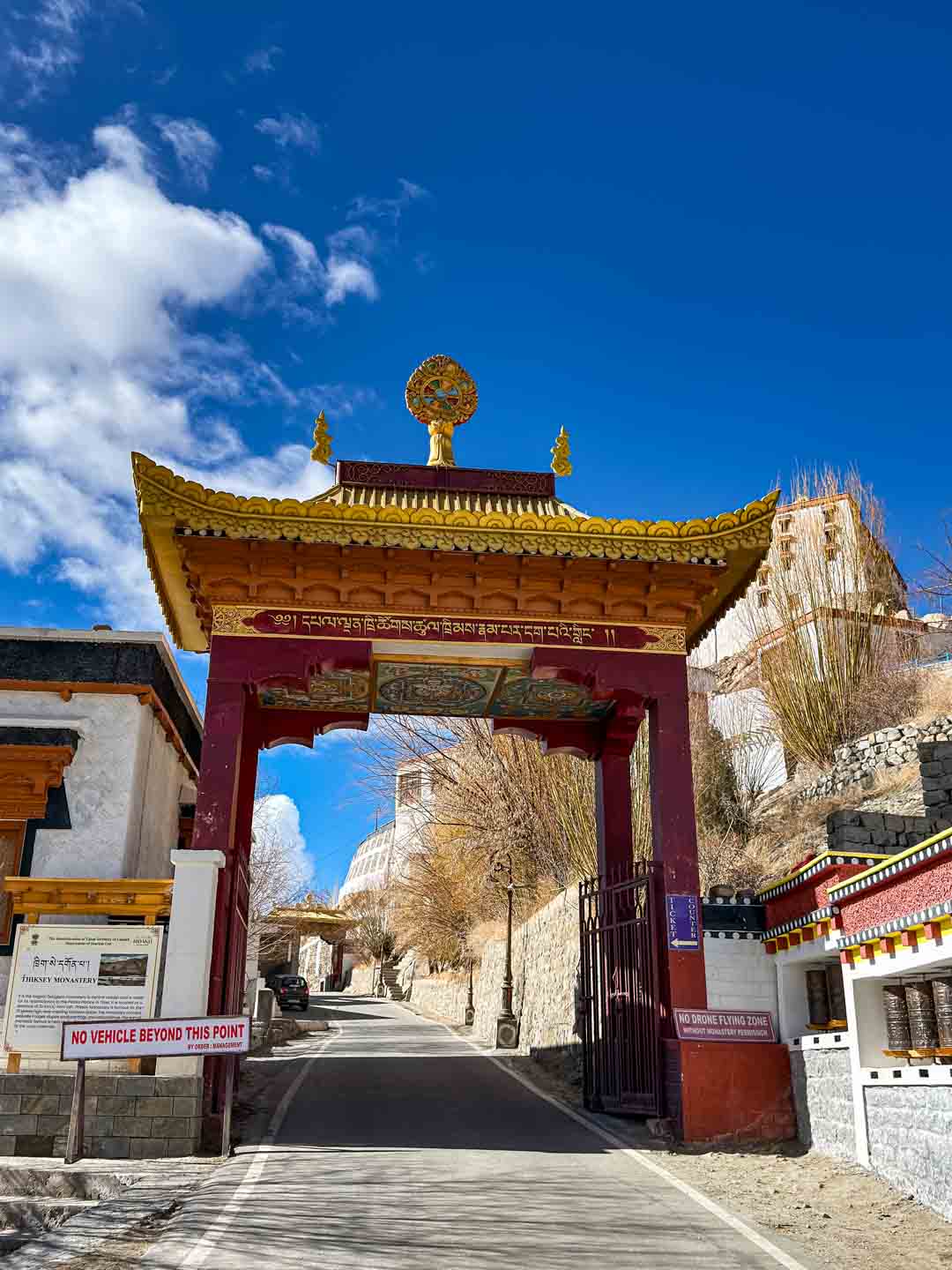
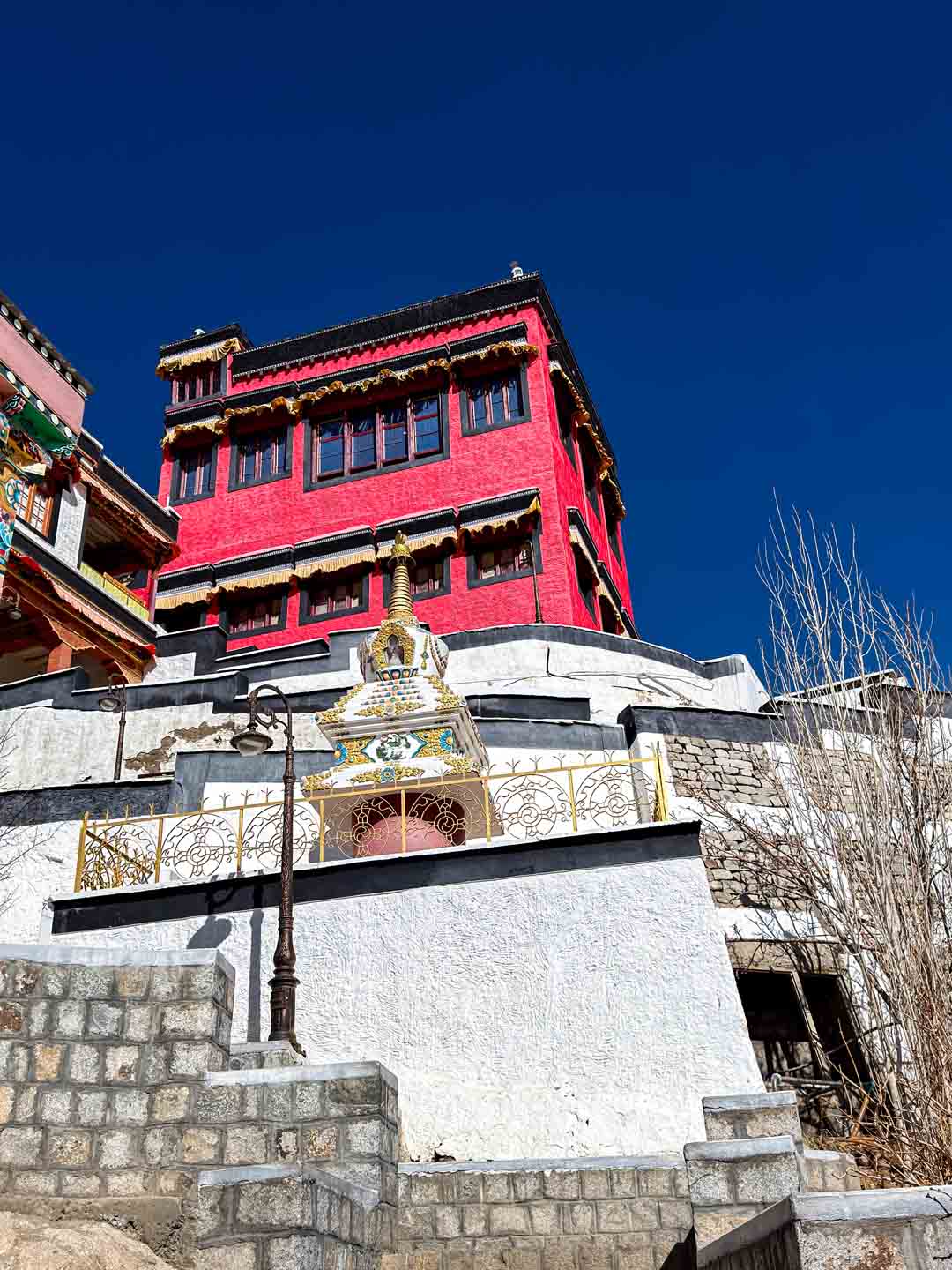
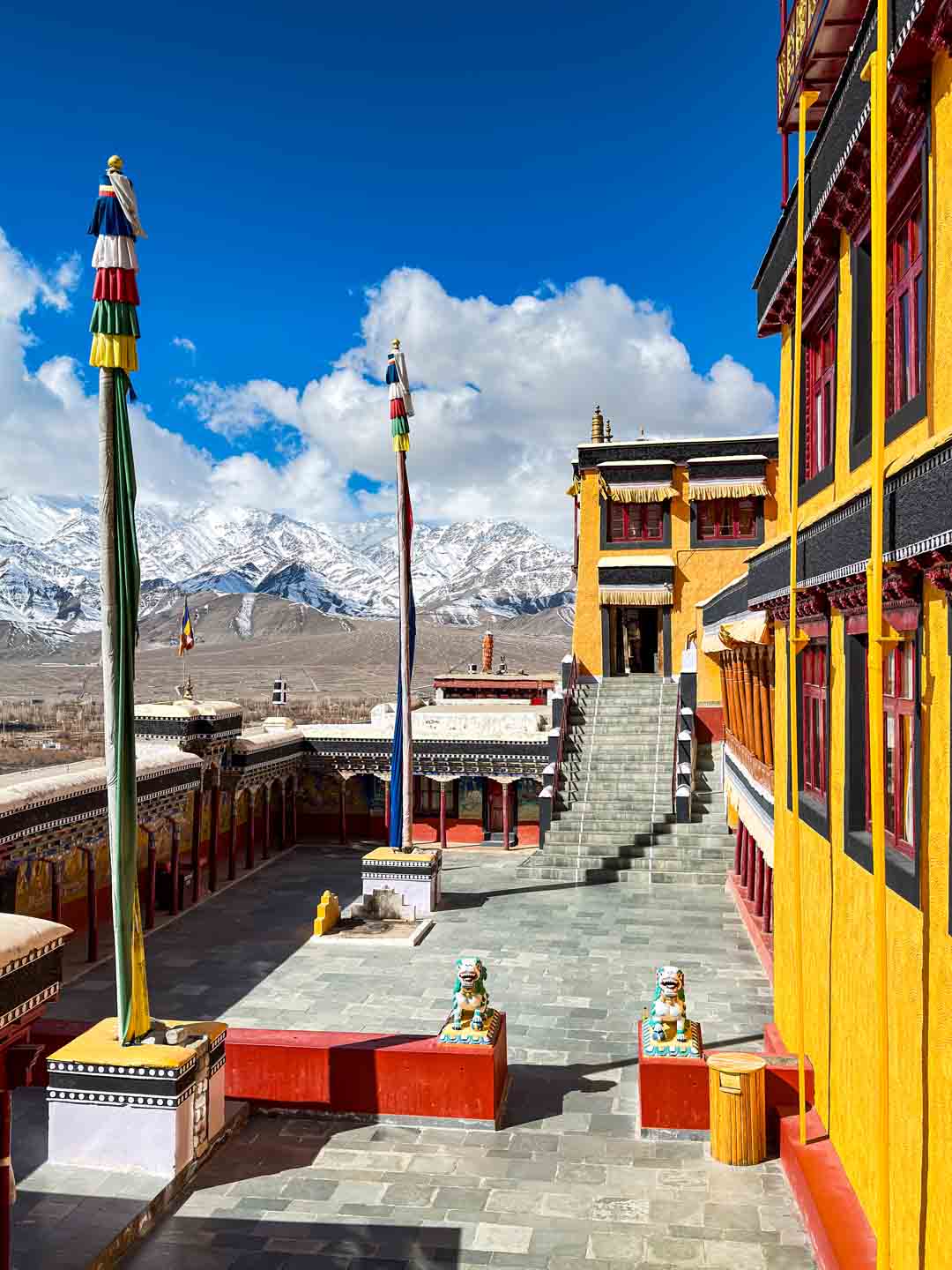
Perhaps no monastery in Ladakh is as instantly recognisable as Thiksey Monastery. Rising gracefully in twelve cascading levels along a hillside about 19 kilometres from Leh, its whitewashed buildings bear a striking resemblance to the iconic Potala Palace in Lhasa, earning it the nickname “Mini Potala.” Visible from a considerable distance, the monastery dominates the landscape, its ochre and white structures blending harmoniously with the rugged mountains behind it. As we approached, the scale of the complex became increasingly impressive, standing as a testament to centuries of Buddhist devotion and architectural excellence.
The origins of Thiksey Monastery date back to the 15th century, when disciples of Je Tsongkhapa, the founder of the Gelug or “Yellow Hat” school of Tibetan Buddhism, established a small monastic community in the region. According to local tradition, one of Tsongkhapa’s disciples, Sherab Zangpo, first built a modest monastery in nearby Stagmo before relocating it to its present hilltop site after a series of auspicious signs wereinterpreted as divine guidance. Over the centuries, the monastery expanded steadily under the patronage of Ladakhi rulers and influential Buddhist teachers, eventually becoming one of the largest, wealthiest, and most influential monasteries in central Ladakh.
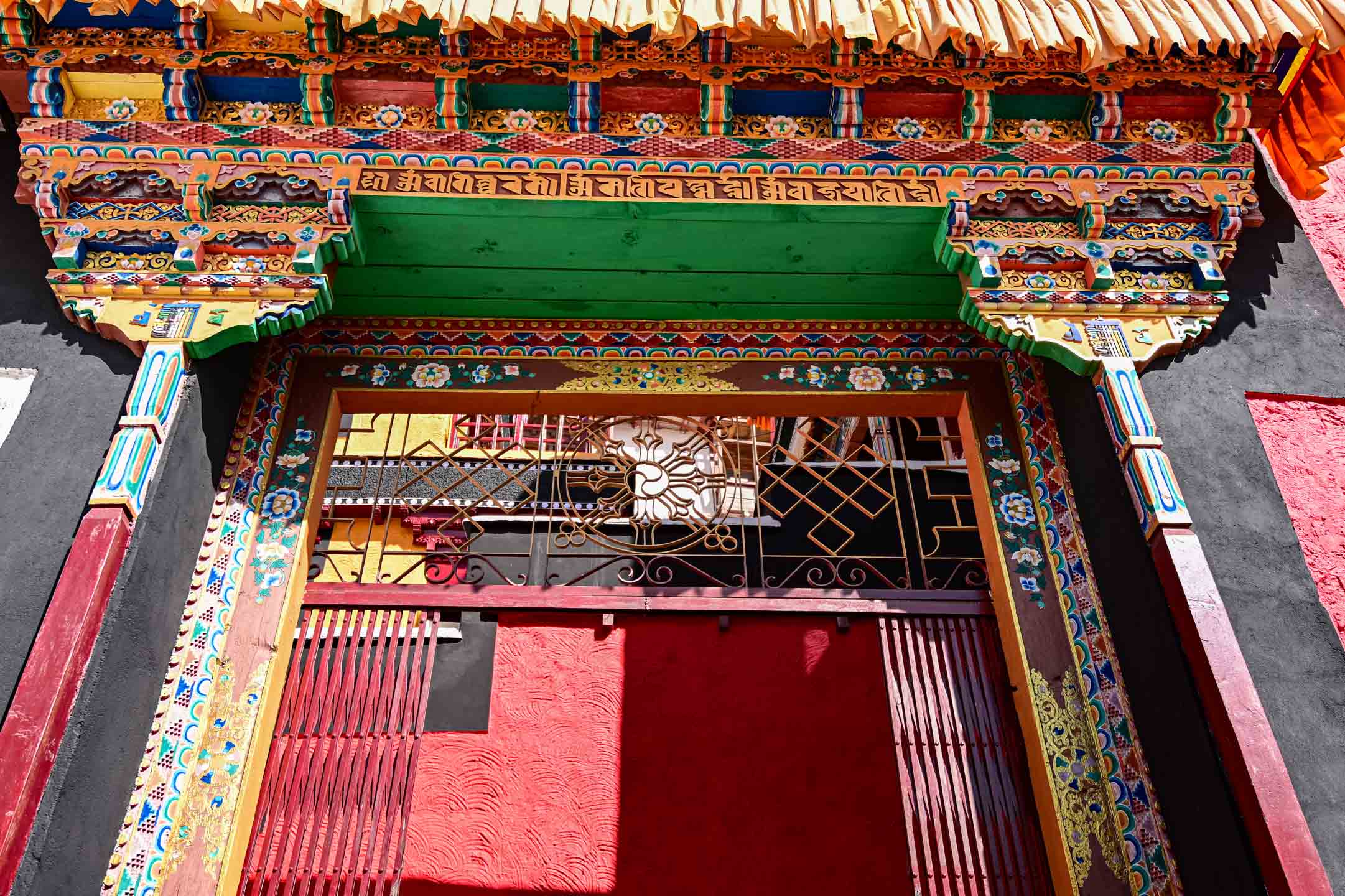
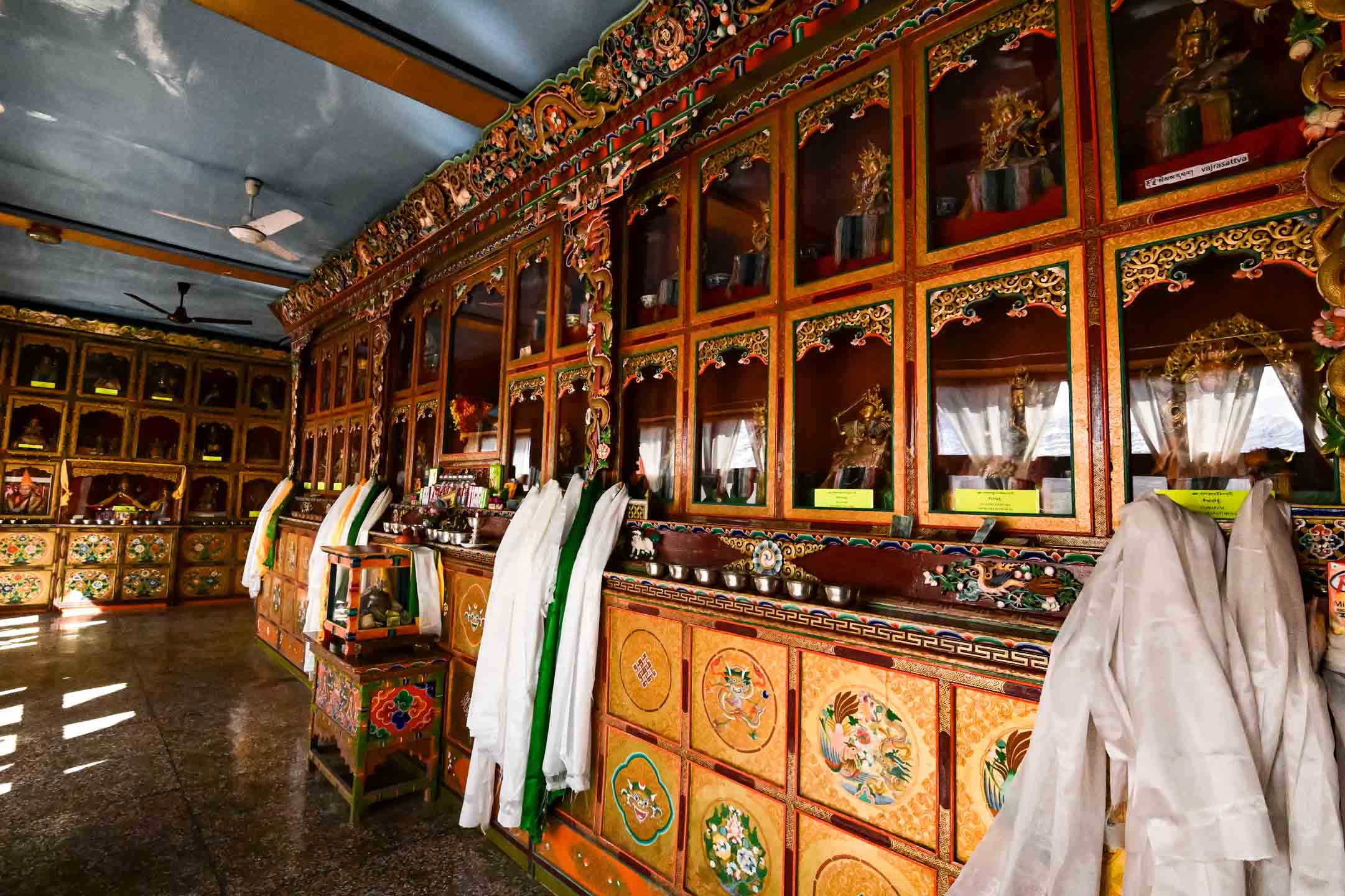
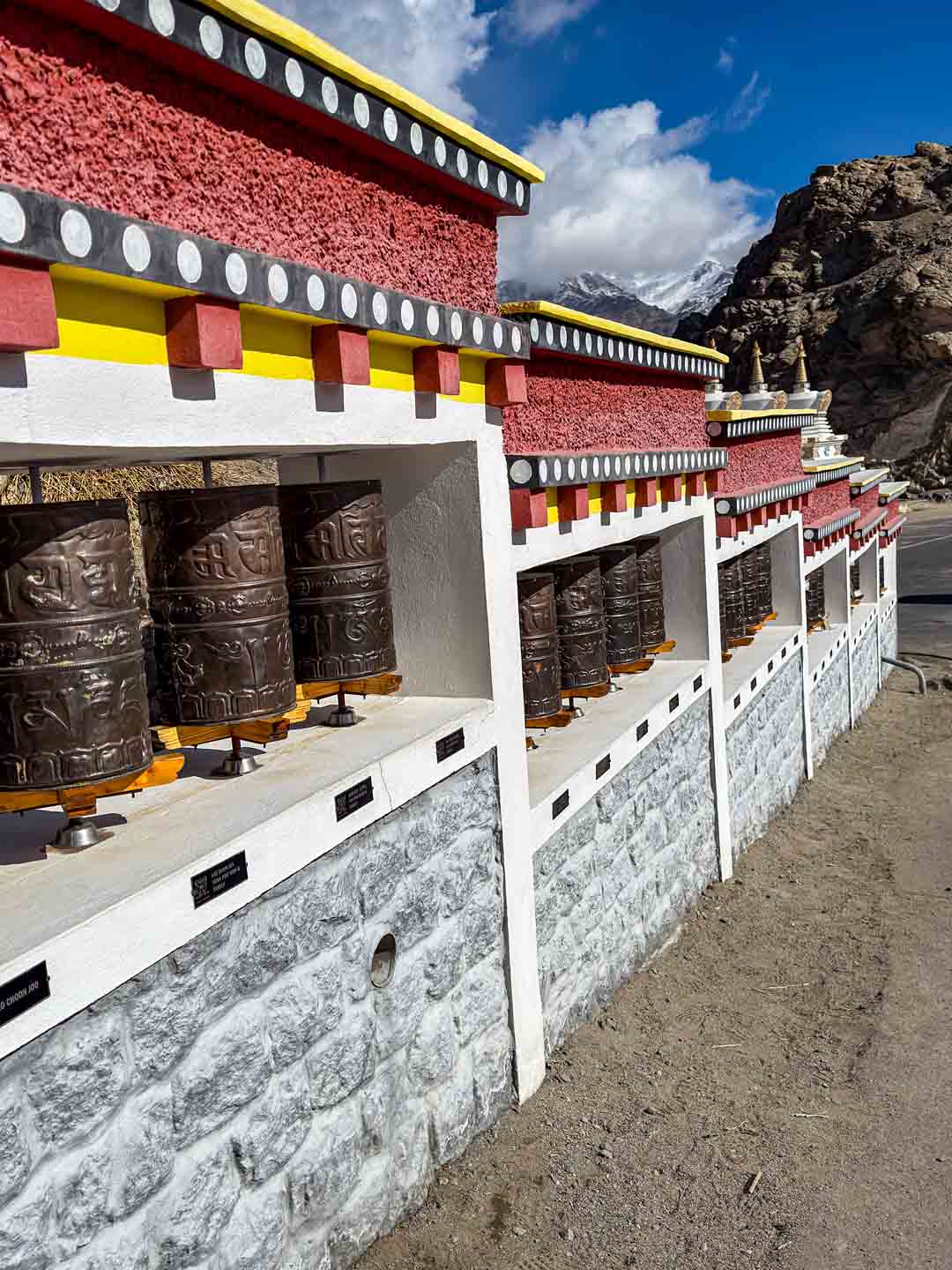
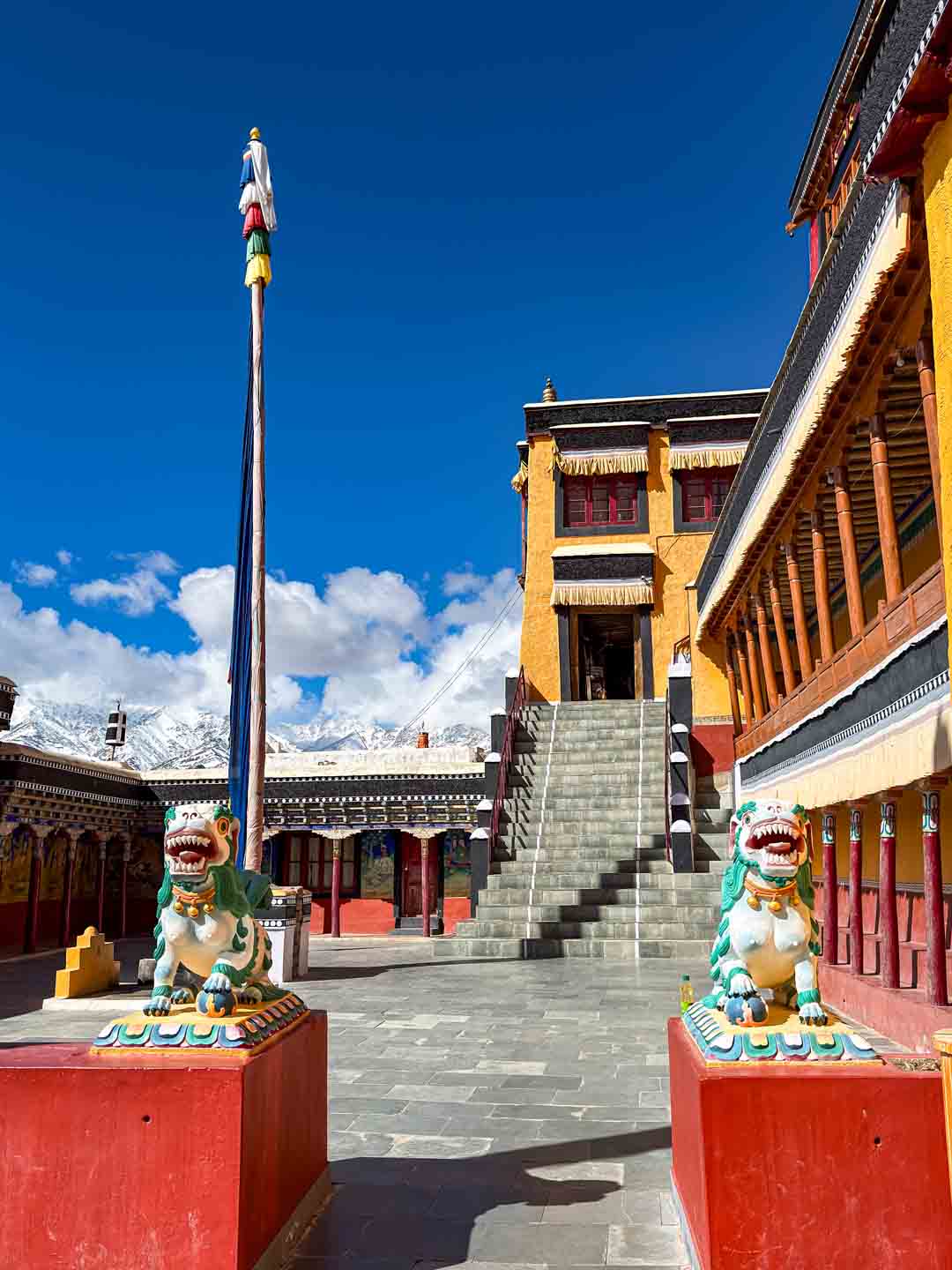
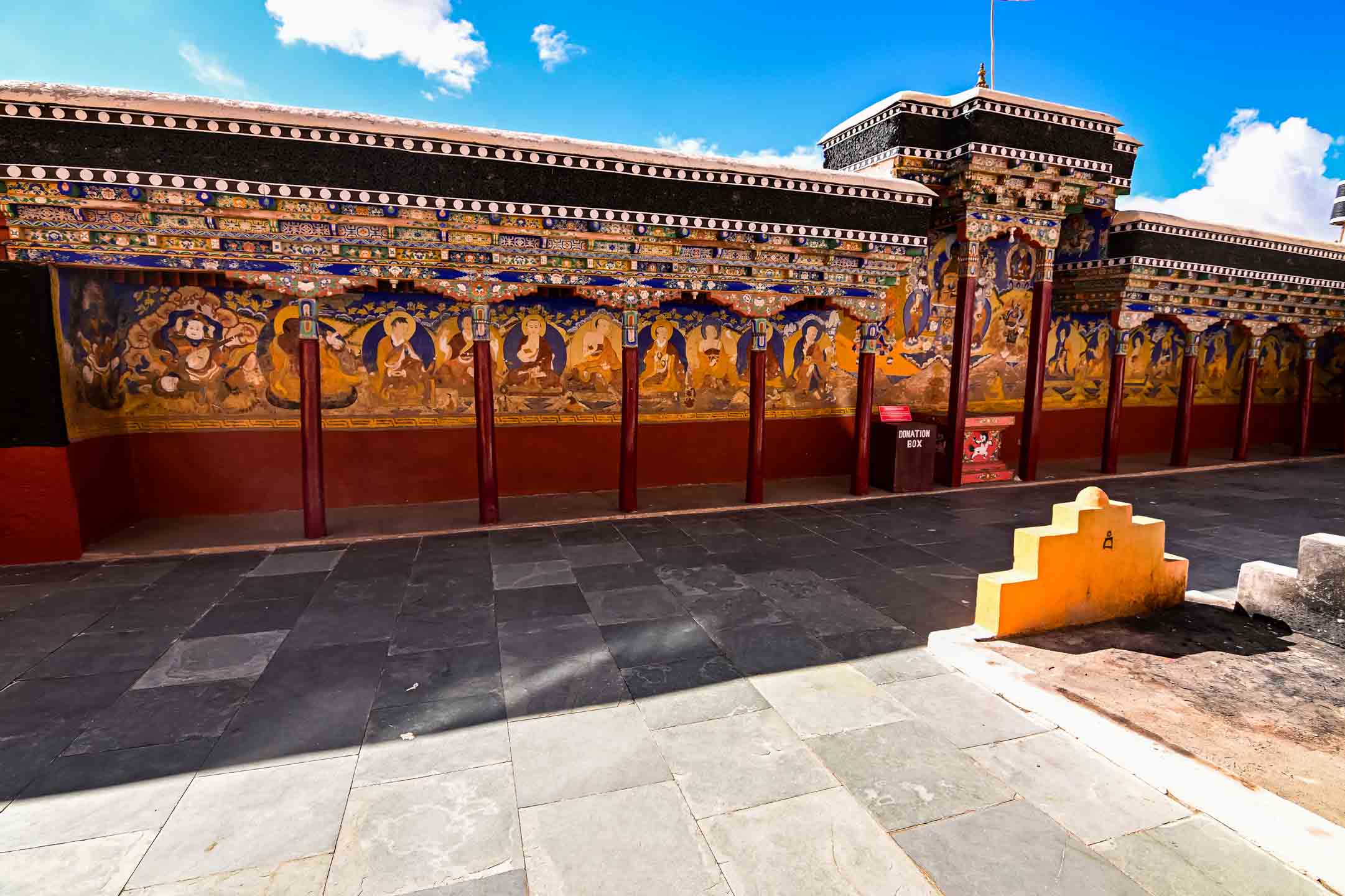
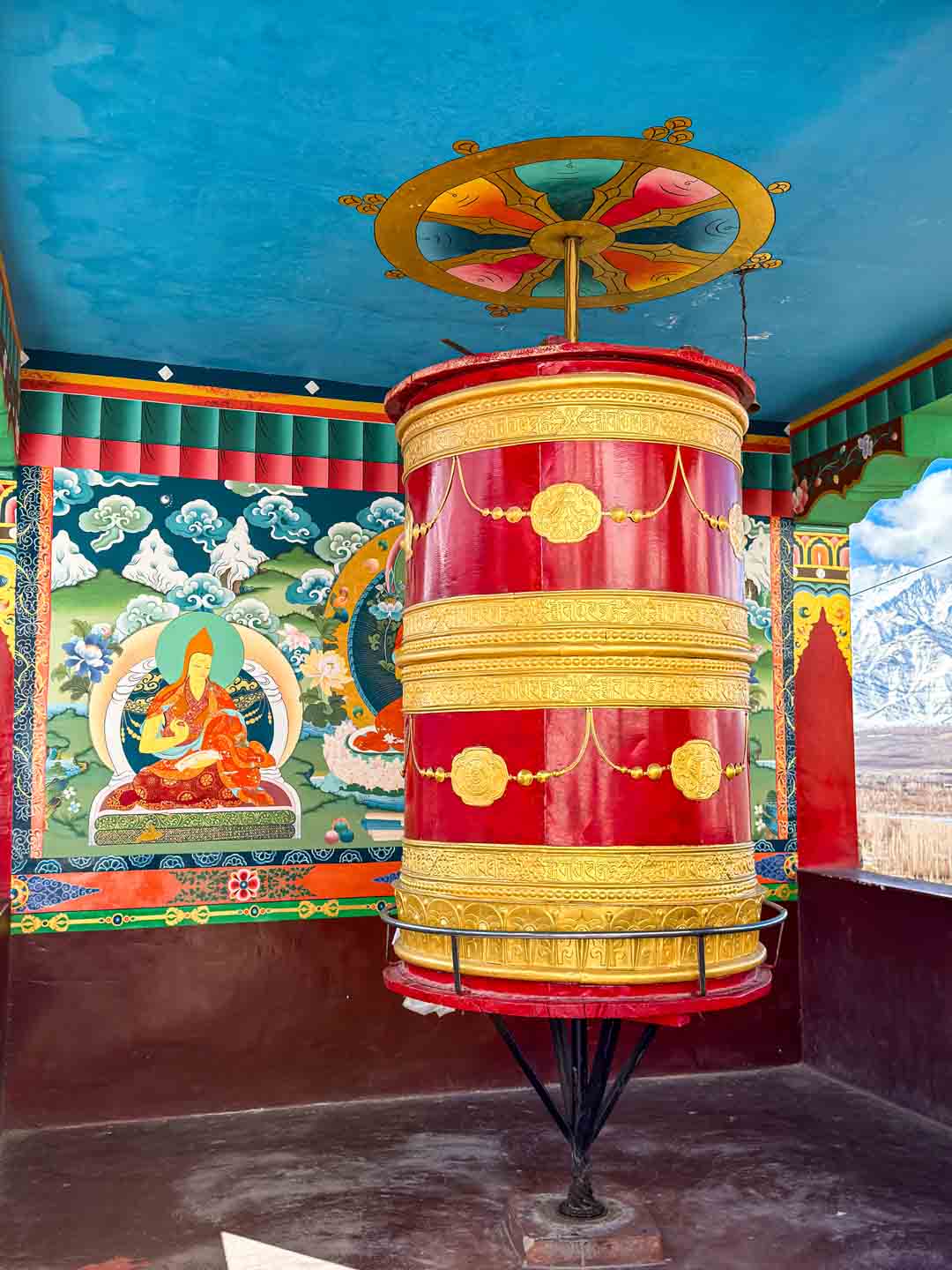
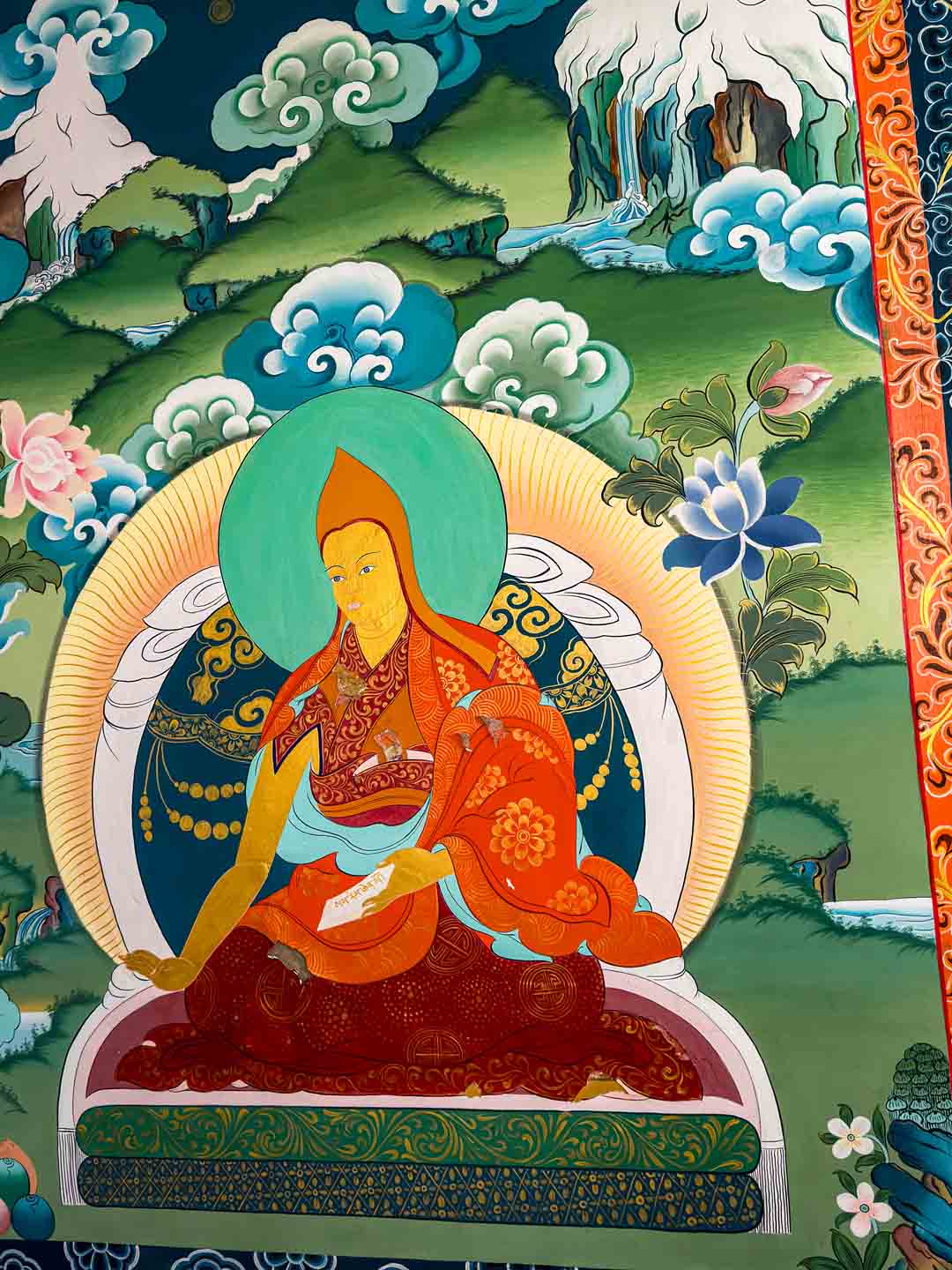
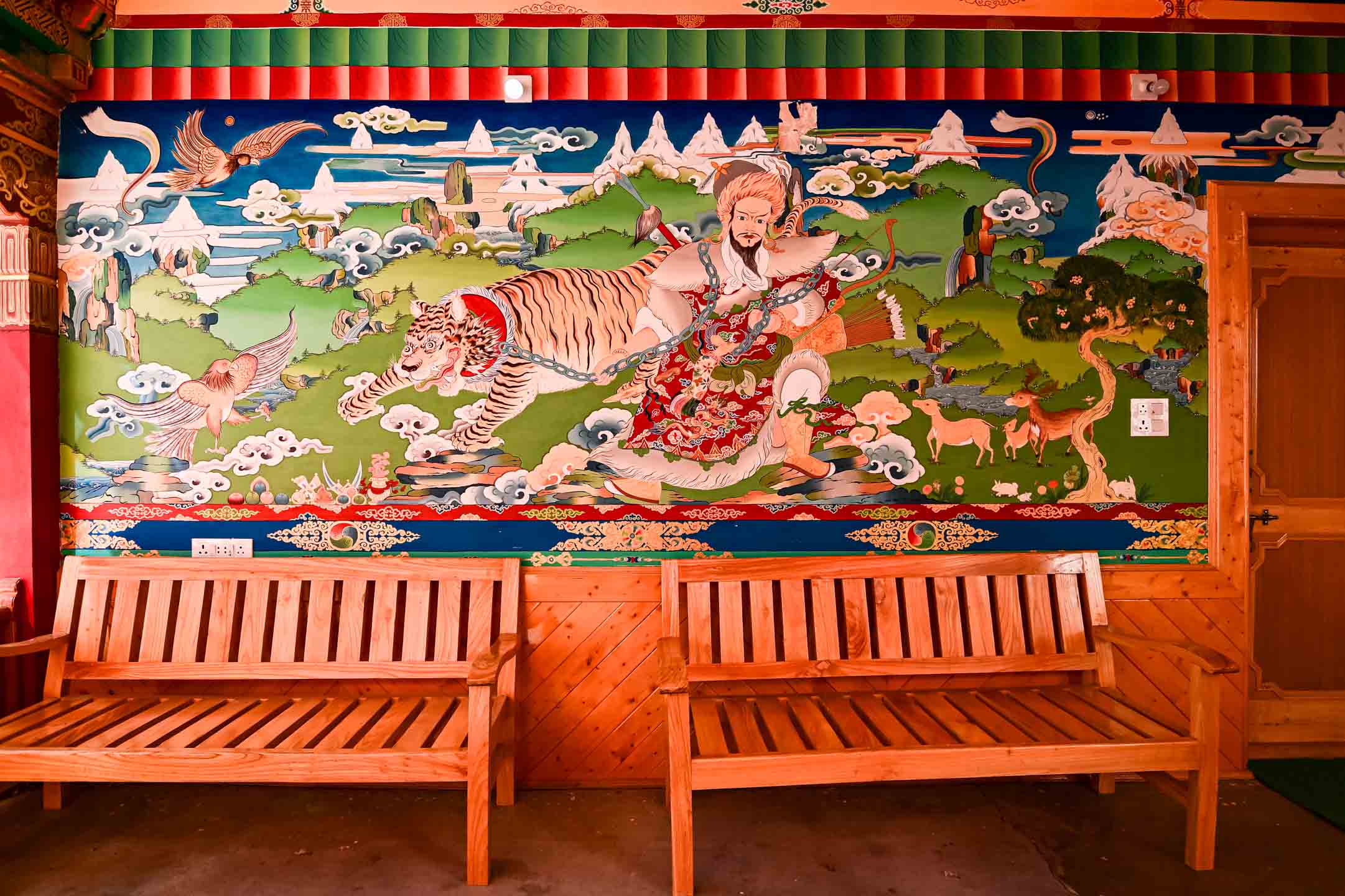
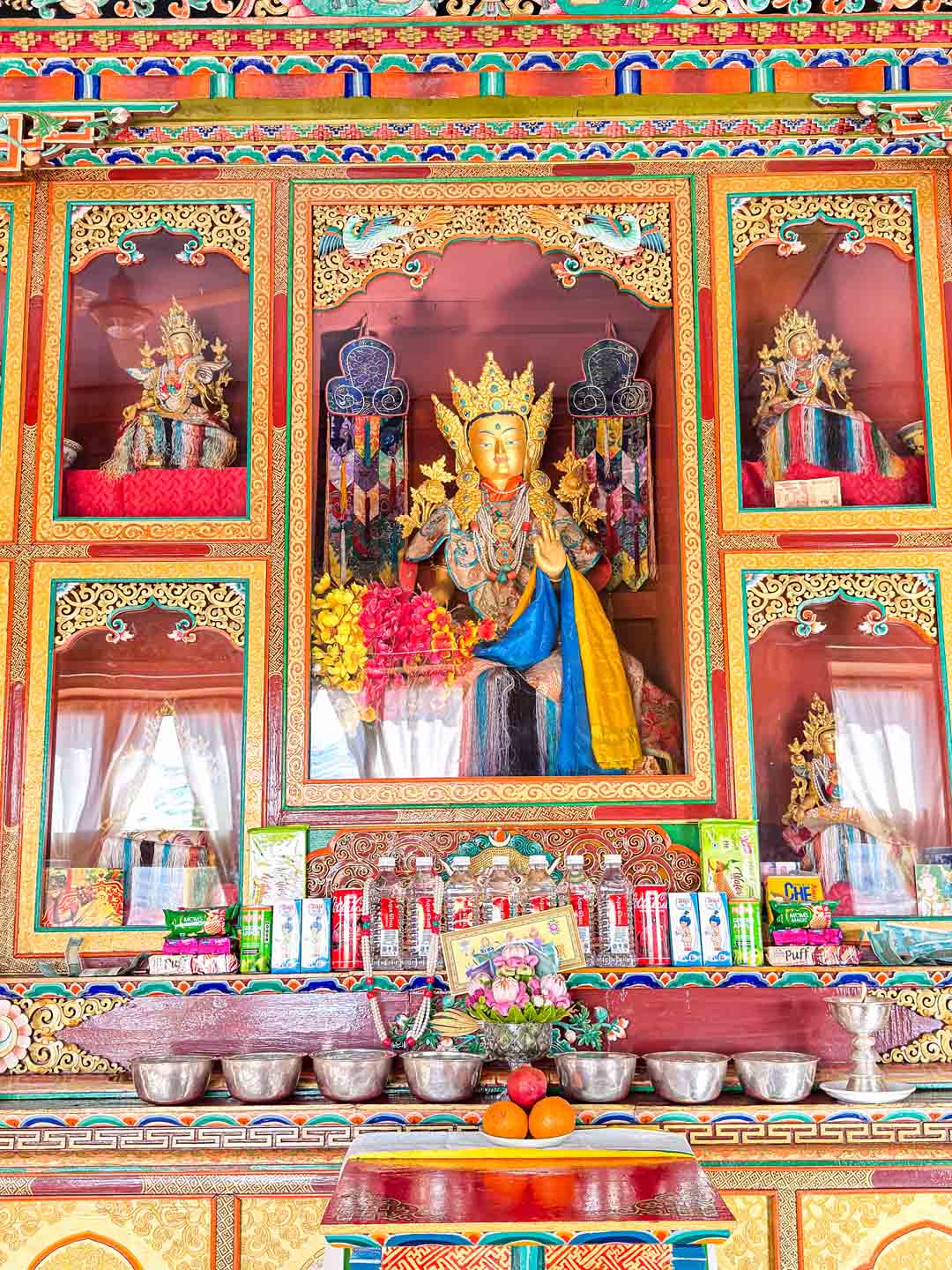
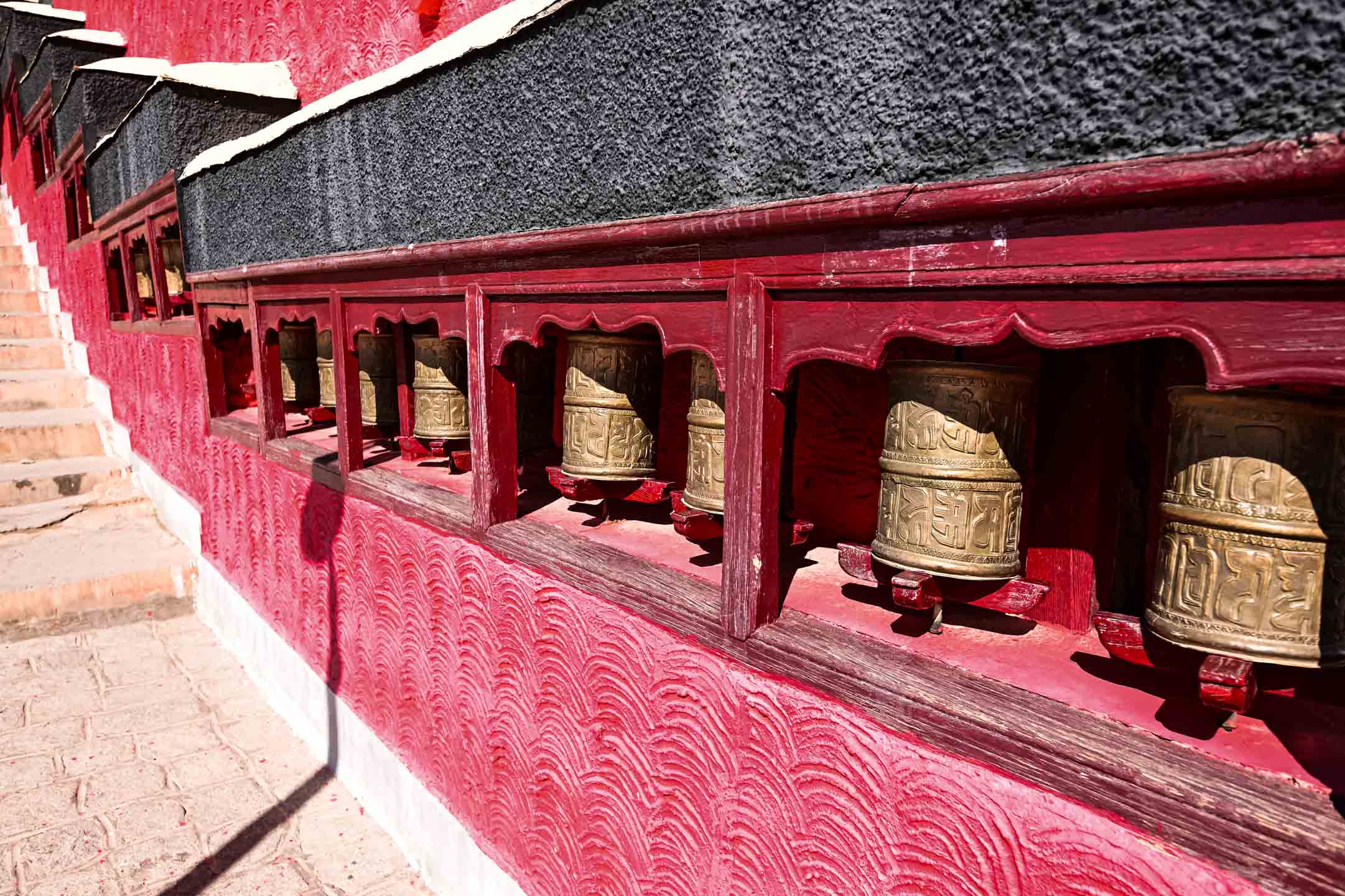
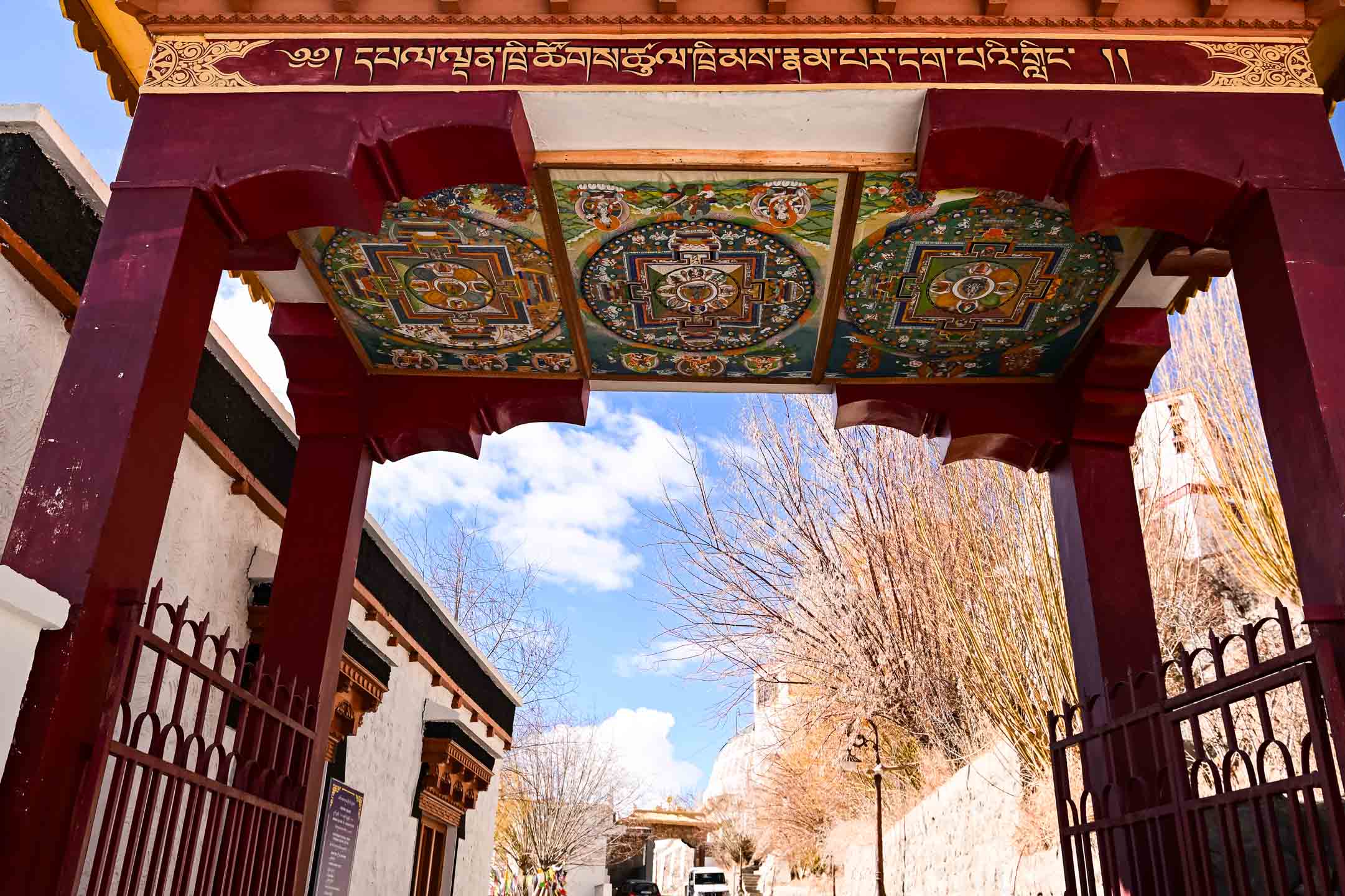
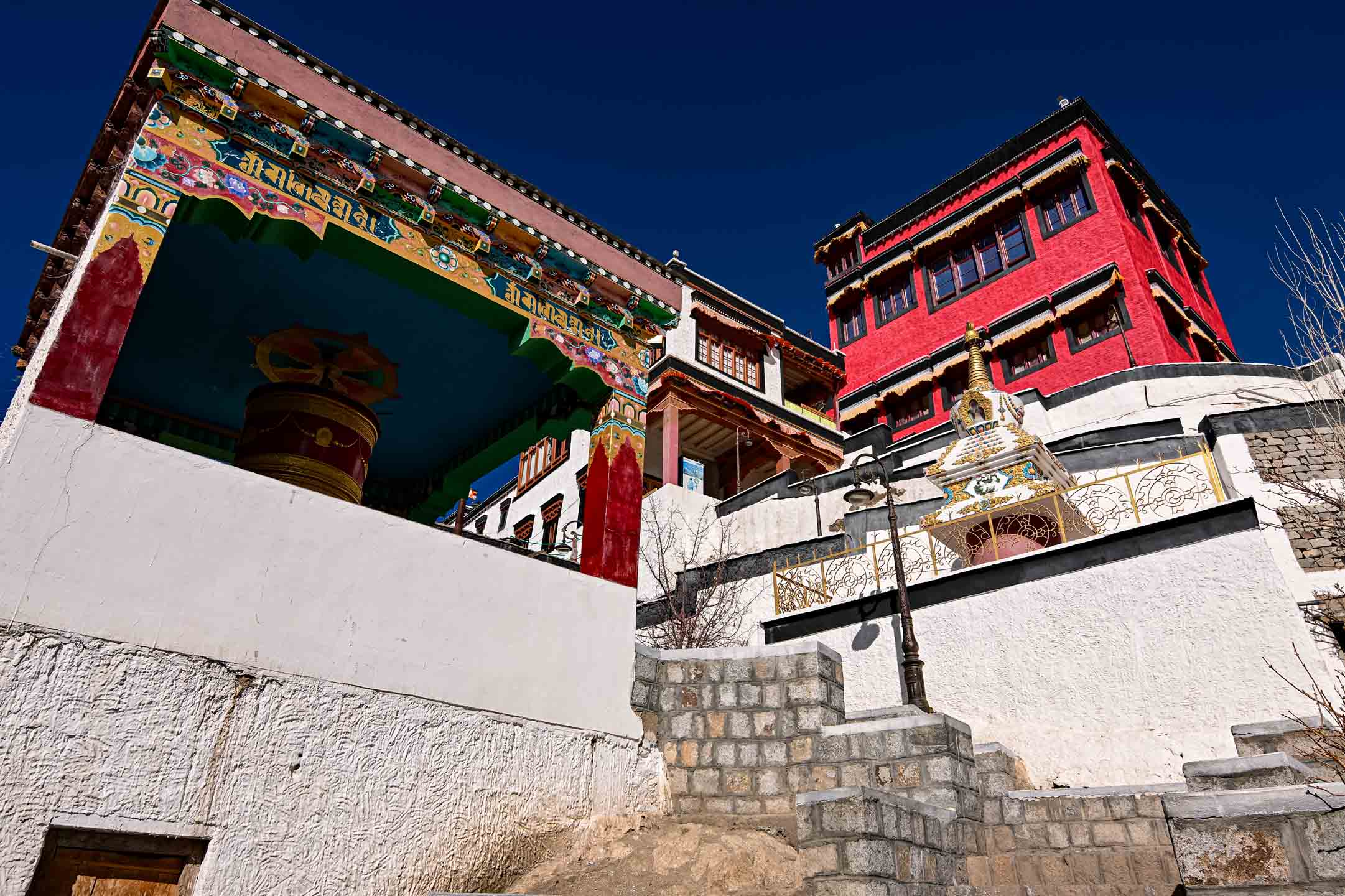
Home to more than a hundred monks and novice monks, it continues to preserve centuries- old traditions of scholarship, meditation, and ritual practice. The monastery belongs to the Gelug school, which emphasises discipline, philosophical study, and monastic education, and its influence extends to many smaller monasteries throughout the region.The monastery complex is a remarkable example of traditional Tibetan Buddhist architecture. Spread across twelve levels, it comprises numerous temples, assembly halls, shrines, libraries, courtyards, monks’ residences, and prayer rooms connected by narrow staircases and winding passages. Every level reveals another layer of history and spirituality, from colourful frescoes depicting Buddhist deities to ancient manuscripts carefully preserved for generations. Intricately painted thangkas, gilded statues, prayer wheels, and carved wooden pillars demonstrate the exceptional craftsmanship of Ladakhi artisans.
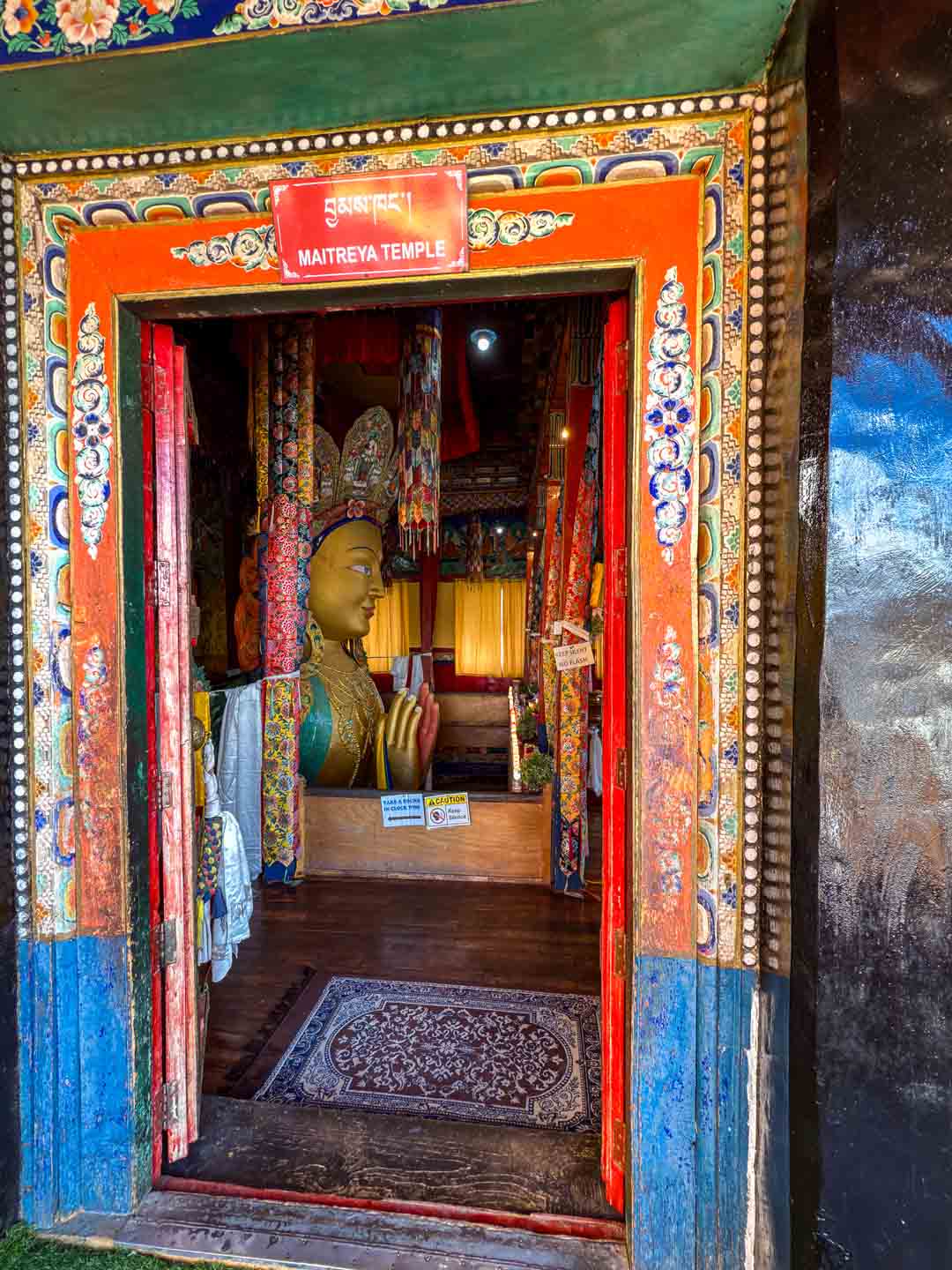
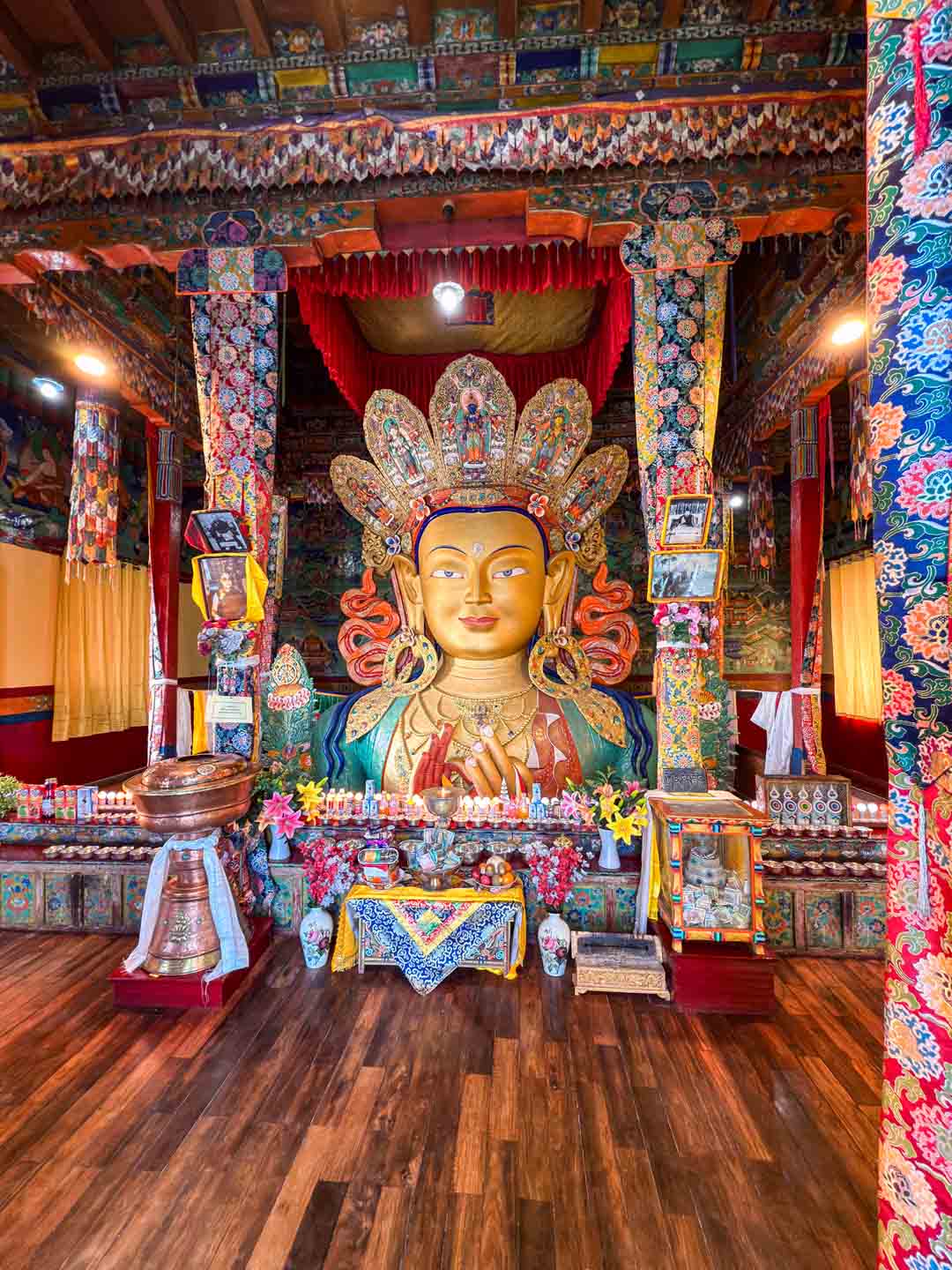
The monastery’s most celebrated attraction is the magnificent 15-metre-high statue of Maitreya Buddha, the Buddha of the Future. Built in 1970 to commemorate the visit of His Holiness the 14th Dalai Lama, the statue occupies two floors of the monastery and is one of the largest seated Buddha statues in Ladakh. Covered in gold leaf and adorned with intricate ornaments, the serene expression of Maitreya symbolises compassion, hope, and the promise of future enlightenment.As we climbed through the monastery, each level offered something different to discover. Prayer wheels lined the corridors, rows of lamps flickered softly inside the prayer halls, and centuries-old murals narrated stories from Buddhist scriptures and the lives of enlightened masters. The scent of incense lingered in the air as monks quietly carried out their daily routines, moving between prayer halls and study rooms. The rhythmic sound of chanting drifted through the monastery, accompanied by the deep resonance of traditional horns and drums.
The monastery also comes alive during the annual Thiksey Gustor Festival, one of Ladakh’s most important religious celebrations. Held according to the Tibetan lunar calendar, the festival features elaborate cham dances performed by monks wearing colourful silk robes and intricately crafted masks representing protective deities and spiritual guardians. Thesesacred dances symbolise the triumph of good over evil and attract devotees from across Ladakh, preserving rituals that have been passed down for centuries.
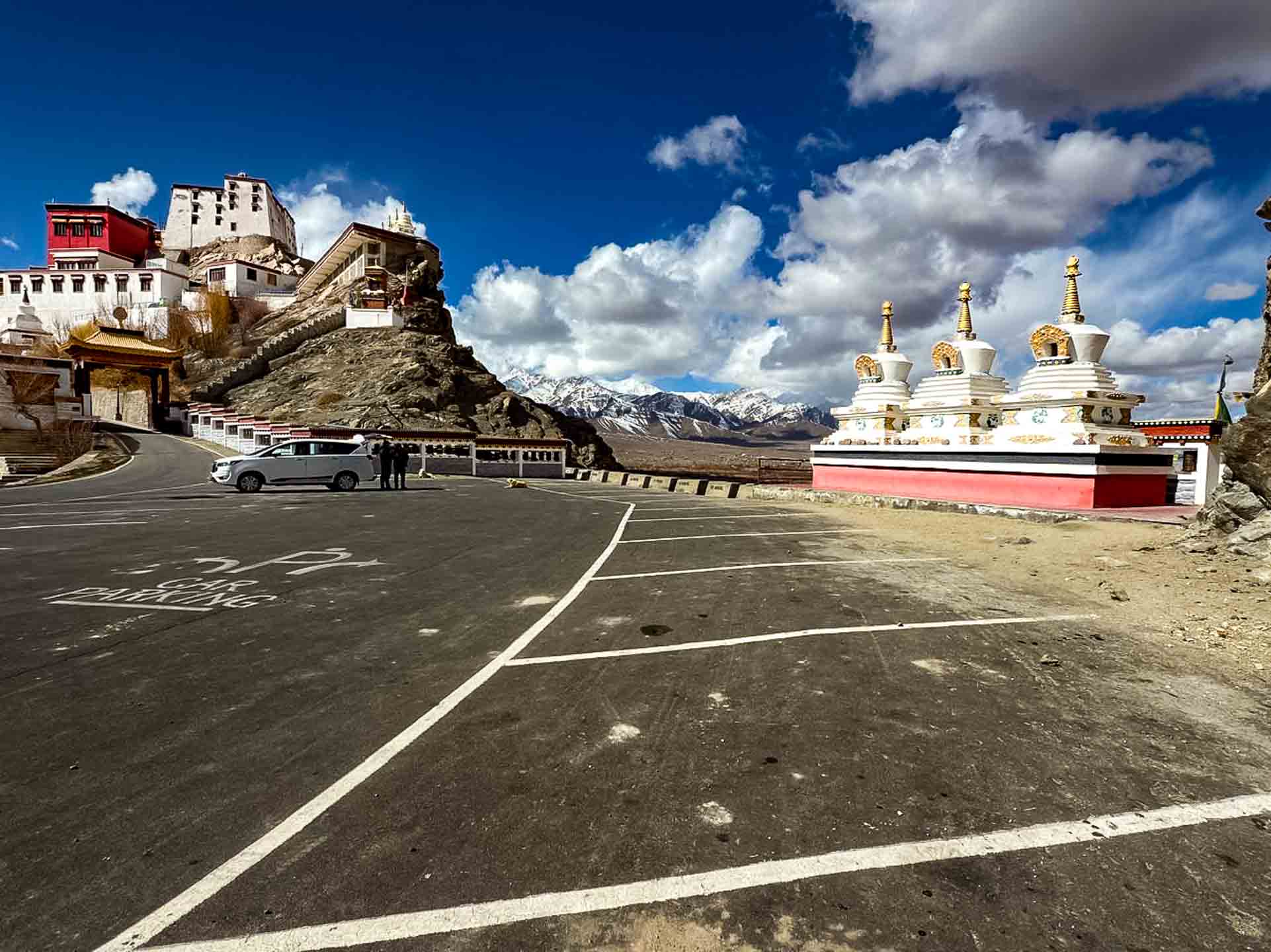
Beyond its historical and religious significance, Thiksey offers some of the finest panoramic views in the Indus Valley. Reaching the upper terraces, we paused to admire the sweeping landscape stretching before us. The Indus River wound its way through green fields and traditional villages, while snow-capped peaks framed the horizon in every direction. Looking down from the monastery, it became clear why Buddhist institutions were often built on elevated ground. These hilltop locations not only symbolised spiritual ascent but also allowed monasteries to overlook the valleys that sustained the communities they served.