Wari La and Chang La – Across Ladakh’s Hidden Passes
Standing at an altitude of approximately 5,312 metres (17,428 feet), Wari La is one of Ladakh’s least-travelled high mountain passes. Connecting the Nubra Valley with the Changthang region, it offers an alternative route to Pangong Lake that is far quieter than the conventional highway from Leh. While Khardung La and Chang La have become household names among travellers, Wari La remains something of a hidden gem, visited mainly by those seeking solitude and a deeper appreciation of Ladakh’s remote landscapes.
Historically, the mountain passes of Ladakh were vital links between isolated valleys and settlements. Long before motorable roads existed, traders, shepherds, monks, and local villagers crossed these rugged mountains on foot or with pack animals, carrying salt, wool, tea, grain, and other essential goods.
Wari La
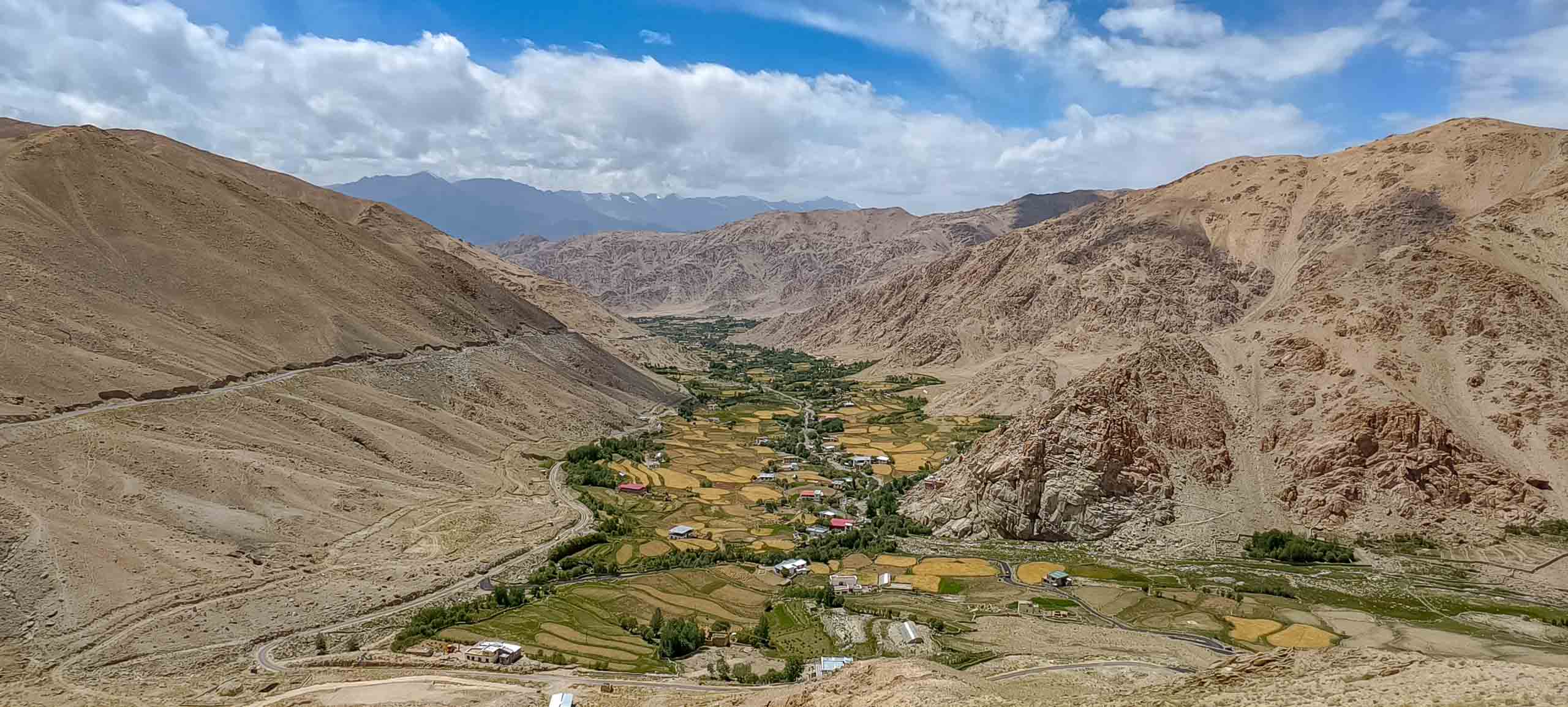
Although Wari La was never as prominent as the major trade routes connecting Leh with Central Asia or Tibet, it played an important role in maintaining communication between Nubra, Changthang, and neighbouring villages. These passes were not merely transportation corridors—they were lifelines that connected communities separated by towering Himalayan ranges.CommentHighlight The green fields and willow-lined streams gradually disappeared, replaced by vast stretches of barren mountains where vegetation became increasingly sparse. The road climbed steadily through narrow valleys, winding across steep slopes carved by centuries of wind, snow, and glacial activity. Every turn revealed another dramatic mountain ridge, each displaying a different shade of brown, ochre, grey, and deep red, a reminder of the geological forces that shaped the Himalayas millions of years ago.
Unlike many of Ladakh’s busier roads, traffic along Wari La is remarkably light. For long stretches, we found ourselves completely alone, with only the mountains for company. The silence was extraordinary. There were no bustling cafés, souvenir stalls, or crowded viewpoints—only endless landscapes stretching towards the horizon. It was this sense of isolation that made Wari La feel so different from many other destinations in Ladakh. As the altitude increased, patches of snow began appearing beside the road, even during the summer months. The air became noticeably colder and thinner, and colourful prayer flags fluttered from rocky outcrops, adding splashes of colour to the otherwise rugged terrain. These prayer flags, carrying Buddhist prayers and blessings, are a familiar sight across Ladakh’s mountain passes, symbolising protection and safe passage for travellers crossing the Himalayas.
Reaching the summit of Wari La was one of the highlights of our journey. Standing amidst towering mountain ranges with uninterrupted views in every direction, we experienced a profound sense of remoteness. The landscape appeared almost untouched, with no signs of permanent settlements for kilometres around. Looking across the surrounding peaks, it was easy to appreciate the immense scale of the Himalayas and the resilience of the people who have travelled through these mountains for generations.
Wildlife Along the Route
One of the greatest pleasures of travelling through Wari La is the opportunity to experience Ladakh’s remarkable wildlife in its natural habitat. The limited human activity and vast alpine landscapes provide an ideal refuge for many species specially adapted to survive in one of the harshest environments on Earth. As we continued our journey, we occasionally spotted Himalayan marmots standing alert near their burrows before disappearing into the rocky ground at the slightest movement. Herds of yaks grazed peacefully across high-altitude pastures, their thick coats protecting them against the freezing temperatures that dominate much of the year. Blue sheep, locally known as bharal, are also known to inhabit these mountains, skilfully navigating steep rocky slopes where few other animals can survive. A Himalayan marmot graced us on a meadow.
Although rarely seen, these remote mountains also form part of the habitat of the elusive snow leopard, one of the world’s most endangered big cats. Himalayan wolves, red foxes, and mountain hares are also found in the region, making this an important ecosystem despite its seemingly barren appearance. Birdlife is equally impressive. Golden eagles, Himalayan griffon vultures, and lammergeiers often soar high above the valleys, using powerful mountain winds to glide effortlessly across the landscape. During the warmer months, smaller alpine birds also appear, bringing brief bursts of activity to the otherwise silent mountains.
Driving through Wari La reminded us that Ladakh’s beauty lies not only in its dramatic scenery but also in the delicate ecosystems that thrive under extreme conditions. Every wildlife sighting felt like a privilege, made even more special by the untouched nature of the surroundings.
Chang La
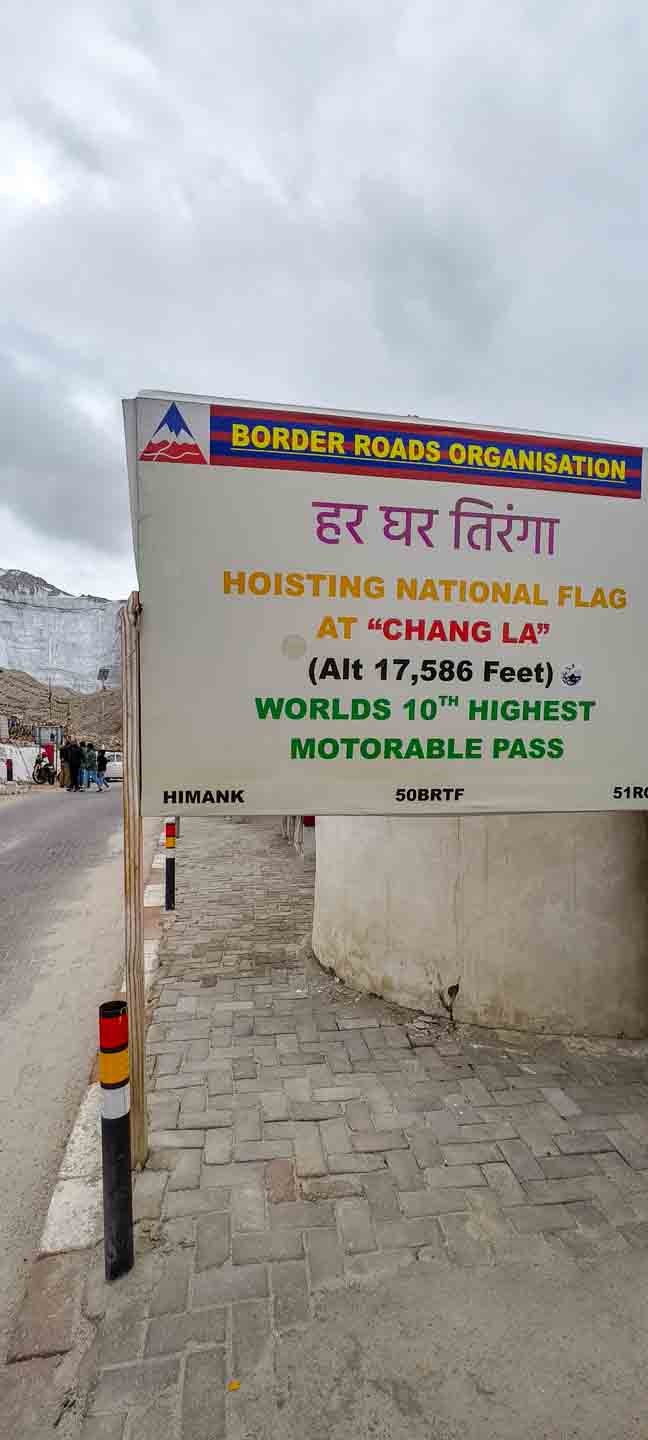
Descending from Wari La, the route eventually joins the road leading towards Chang La, one of Ladakh’s most famous mountain passes. Standing at approximately 5,360 metres (17,590 feet), Chang La is often counted among the world’s highest motorable passes and serves as the principal gateway to Pangong Lake and the vast Changthang Plateau. The name “Chang La” translates to “Northern Pass,” and for centuries it has served as an important route connecting central Ladakh with the eastern highlands. Nomadic Changpa herders, traders, pilgrims, and local communities have all crossed this pass while travelling between different parts of the region. Today, the Border Roads Organisation maintains this strategically important road, keeping it operational despite heavy snowfall, landslides, and freezing winter temperatures. The climb towards Chang La becomes progressively steeper, with sharp bends leading through snow-covered slopes and rocky cliffs. Small streams formed by melting snow crossed the road in several places, reminding us of the challenging conditions faced by those responsible for maintaining these mountain highways.
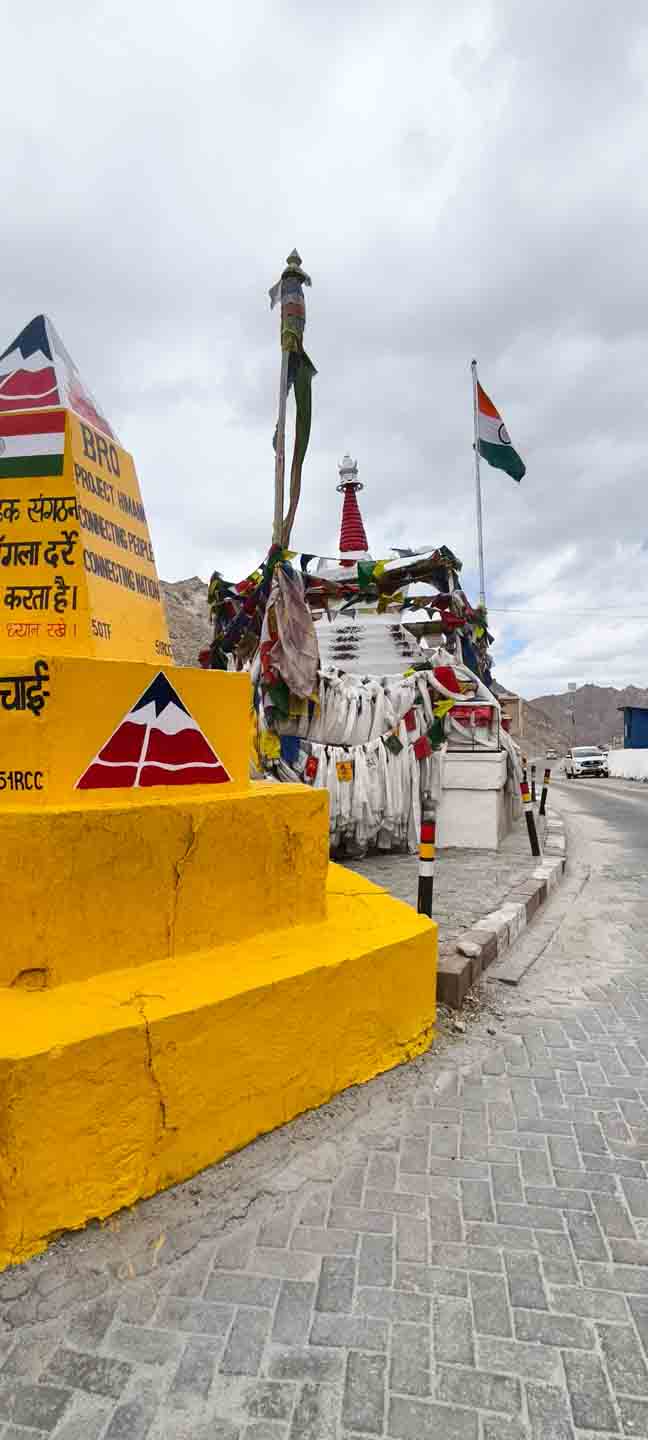
At the summit stands the small Changla Baba temple, where travellers often pause to seek blessings for a safe onward journey. Prayer flags flutter continuously in the strong mountain winds, while colourful signboards mark the achievement of reaching one of Ladakh’s highest road passes.
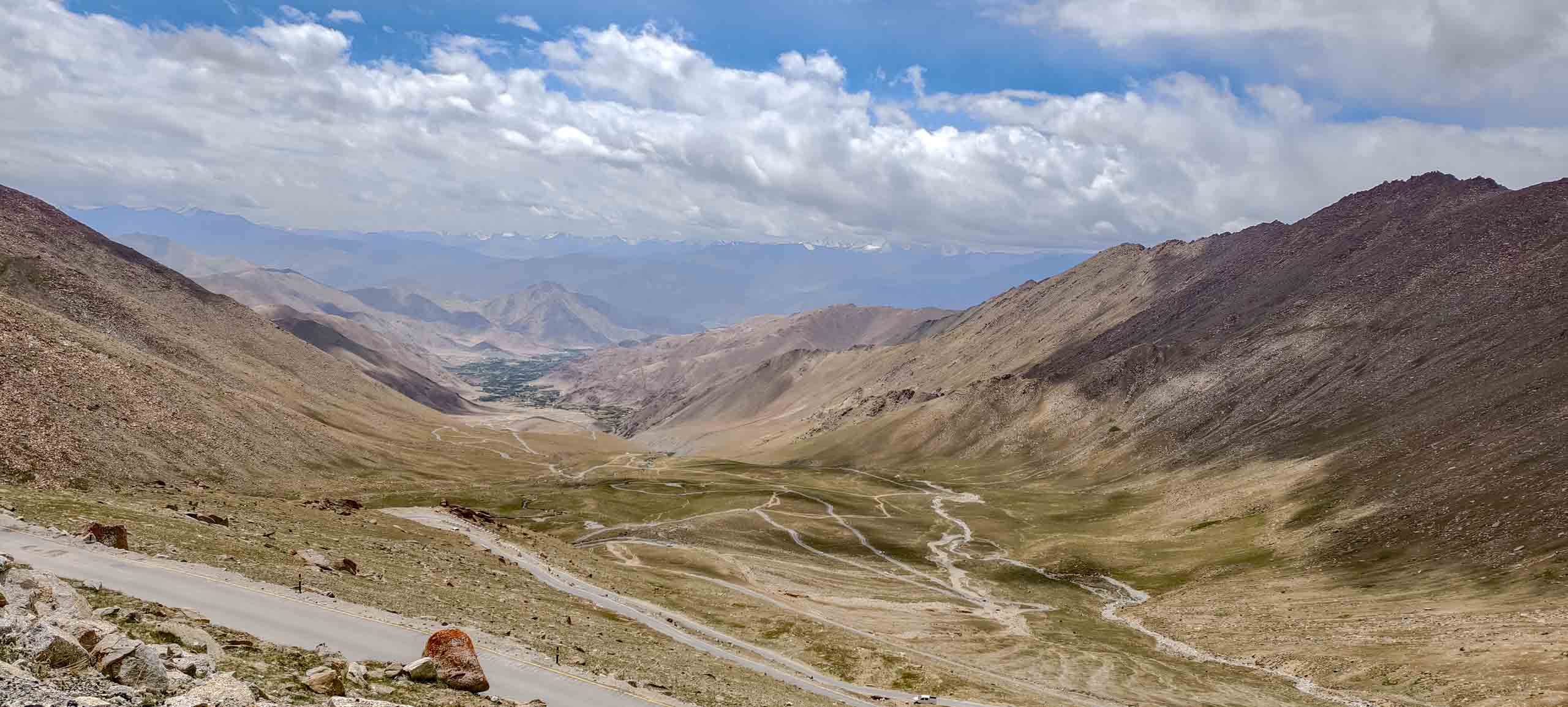
By the time we reached Chang La, the effects of the altitude were unmistakable. The air was crisp and noticeably thinner, making even short walks require a little extra effort. Yet the spectacular surroundings more than compensated for the physical challenge. Snow-covered peaks stretched in every direction, while winding roads disappeared into valleys far below, highlighting the extraordinary engineering that has made travel across these mountains possible.
Looking across the mountains, we realised that the long drive through these remote passes had been just as memorable as the destination itself. The isolation of Wari La, the dramatic heights of Chang La, the wildlife encountered along the way, and the breathtaking panorama of mountains created one of the most unforgettable journeys of our time in Ladakh.