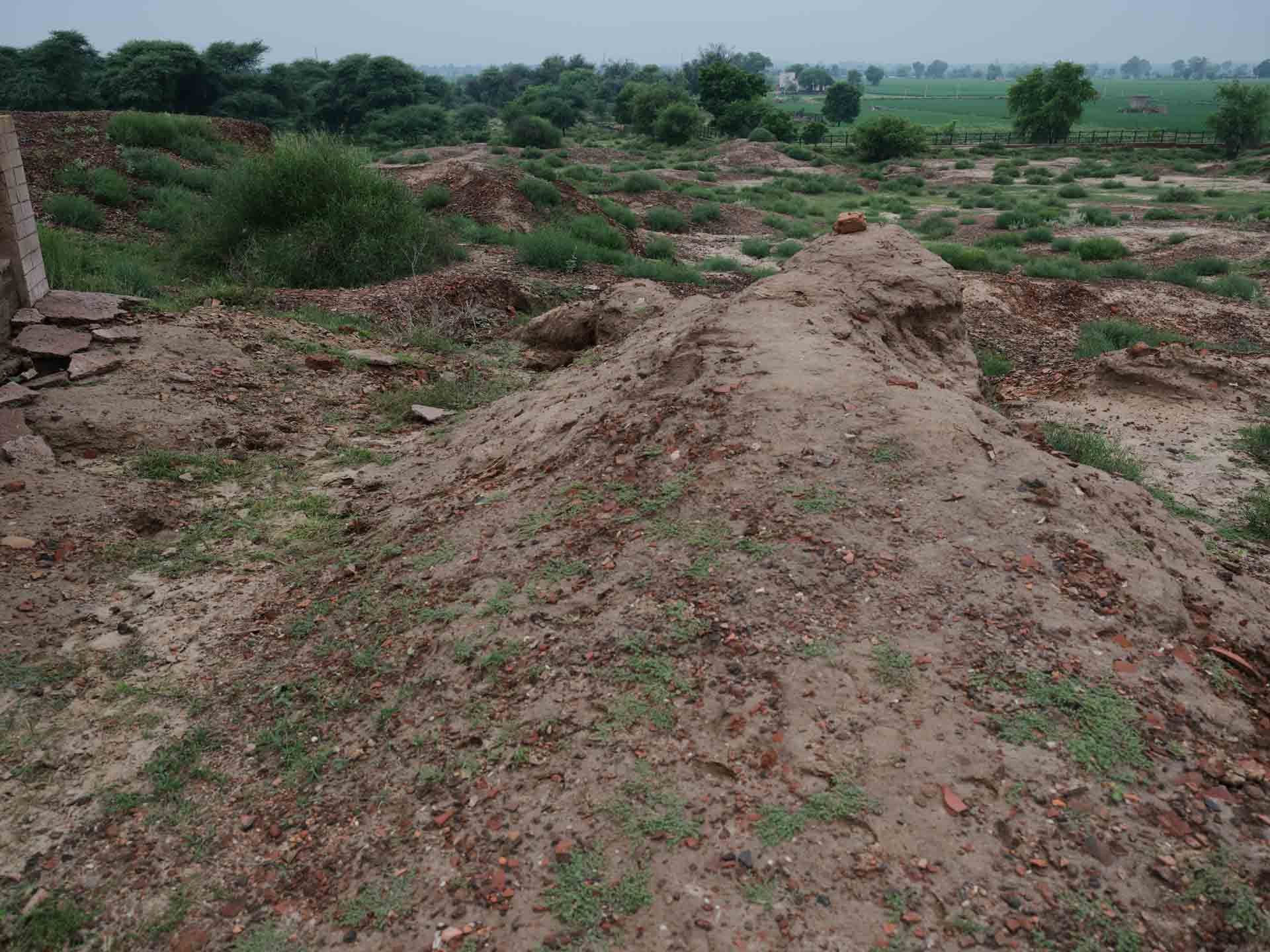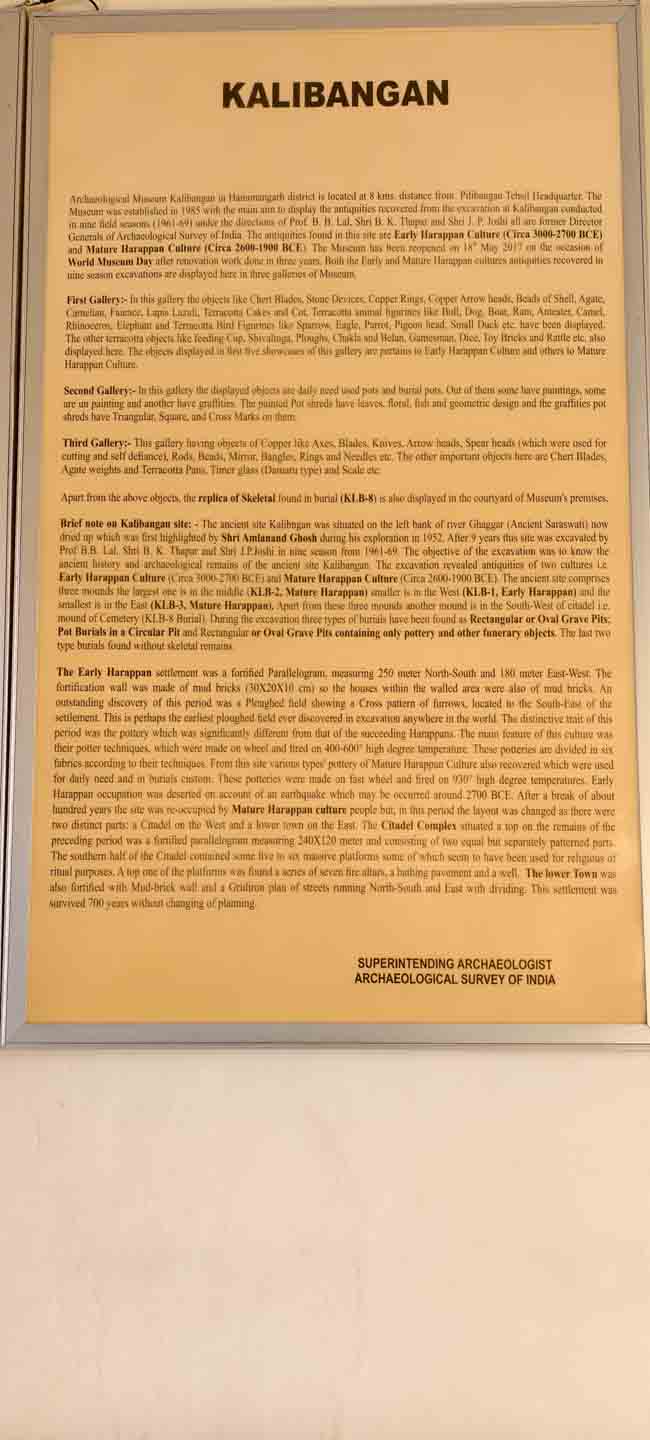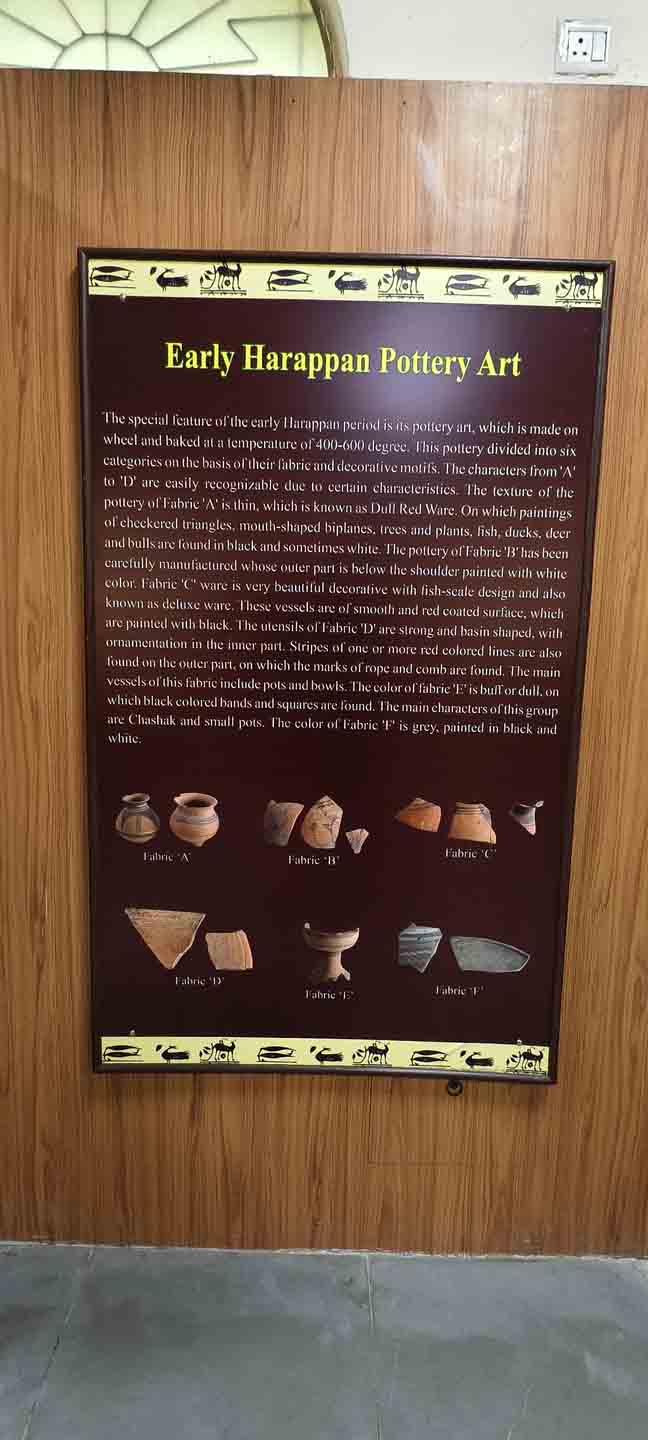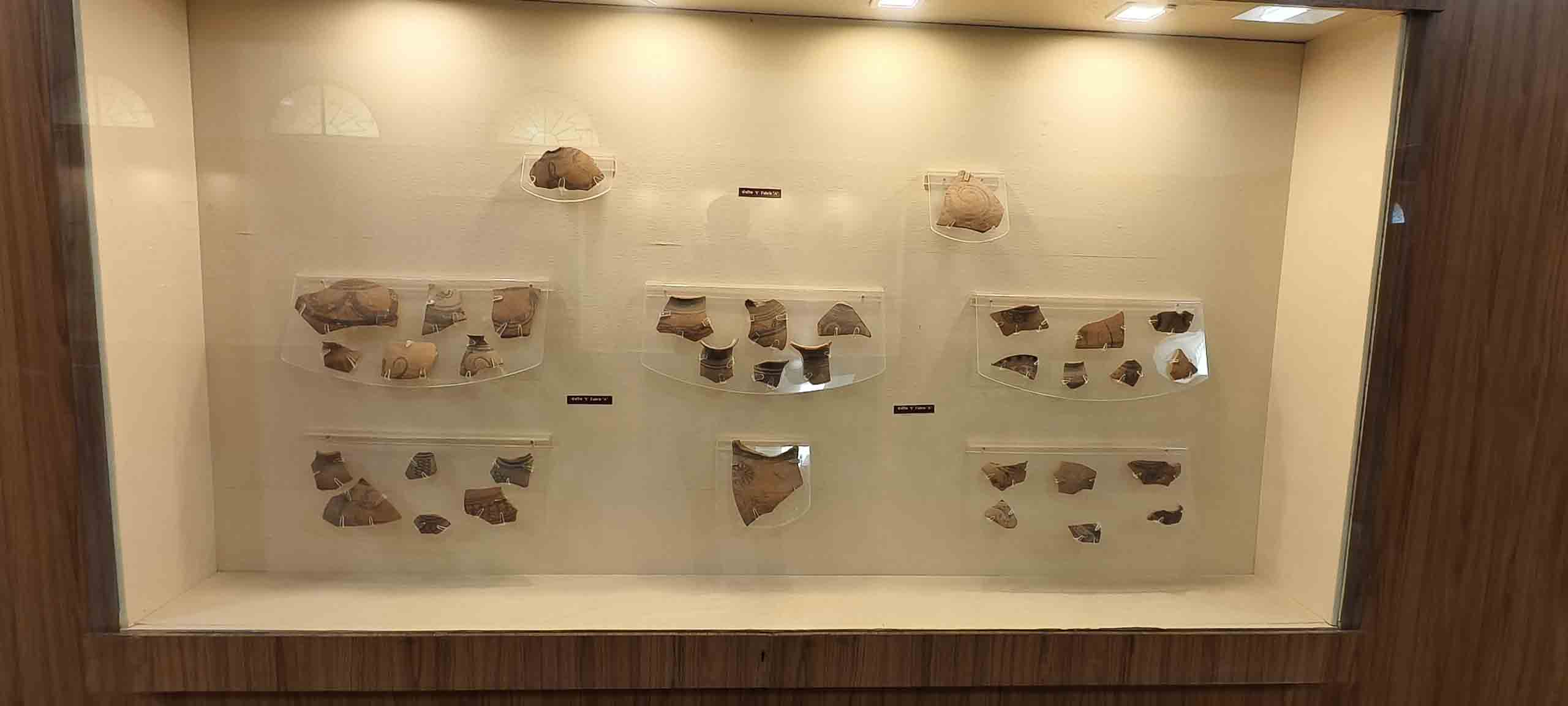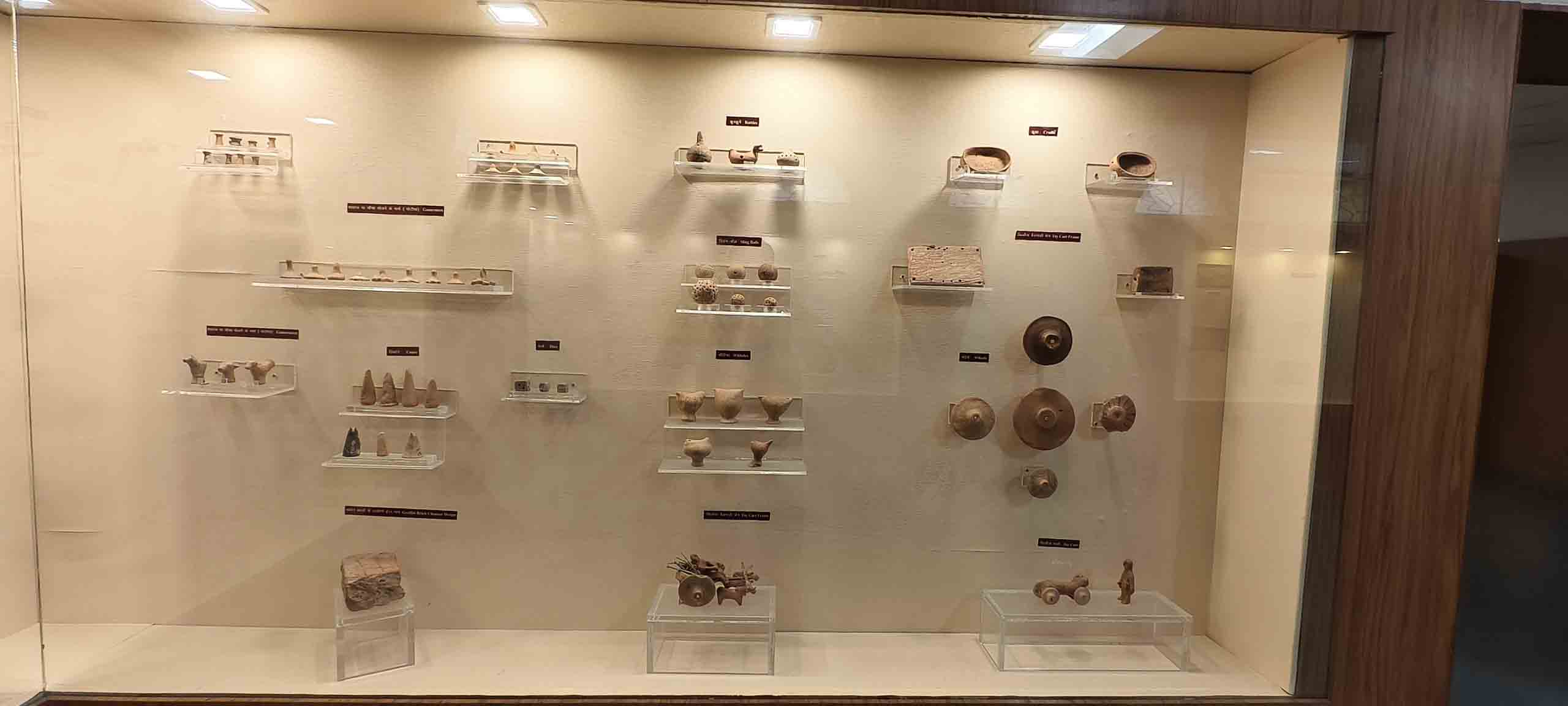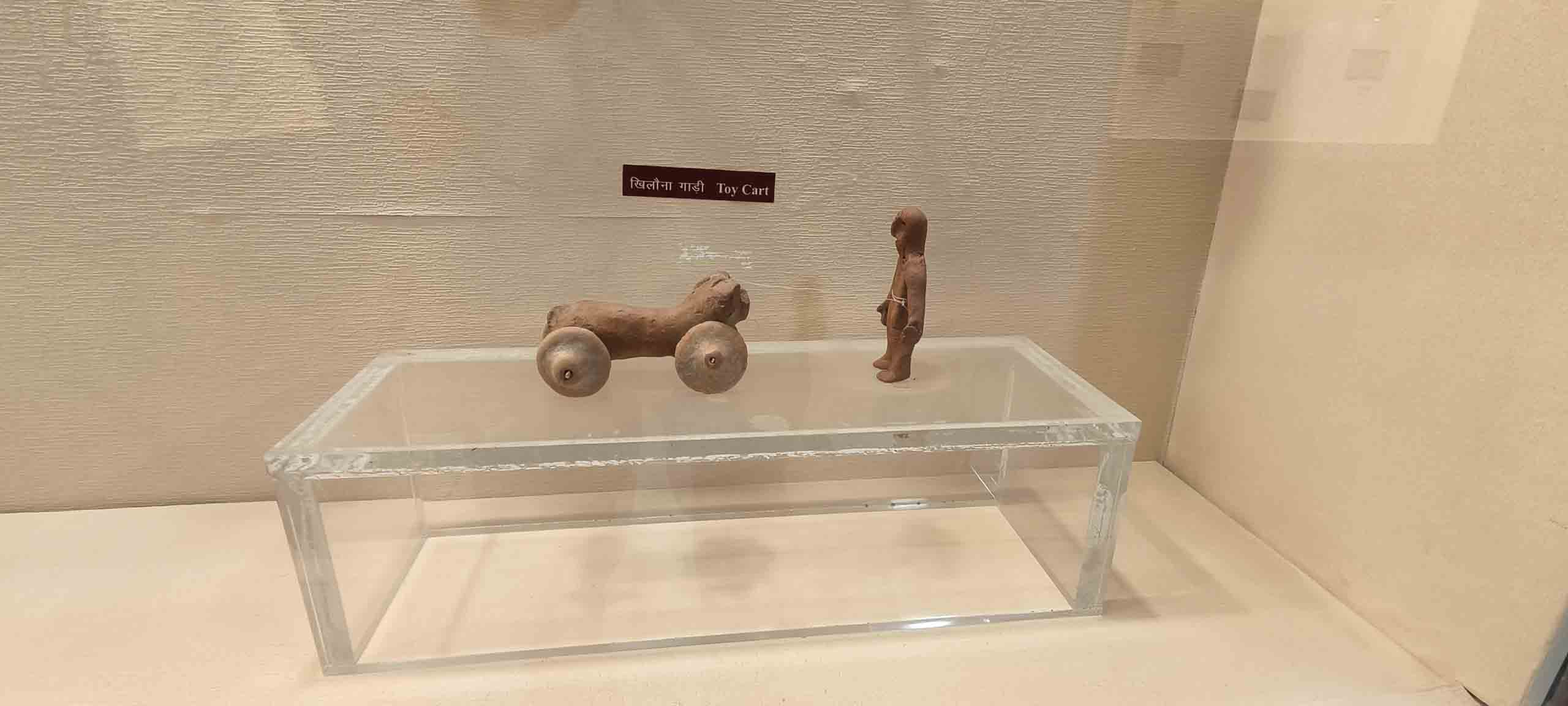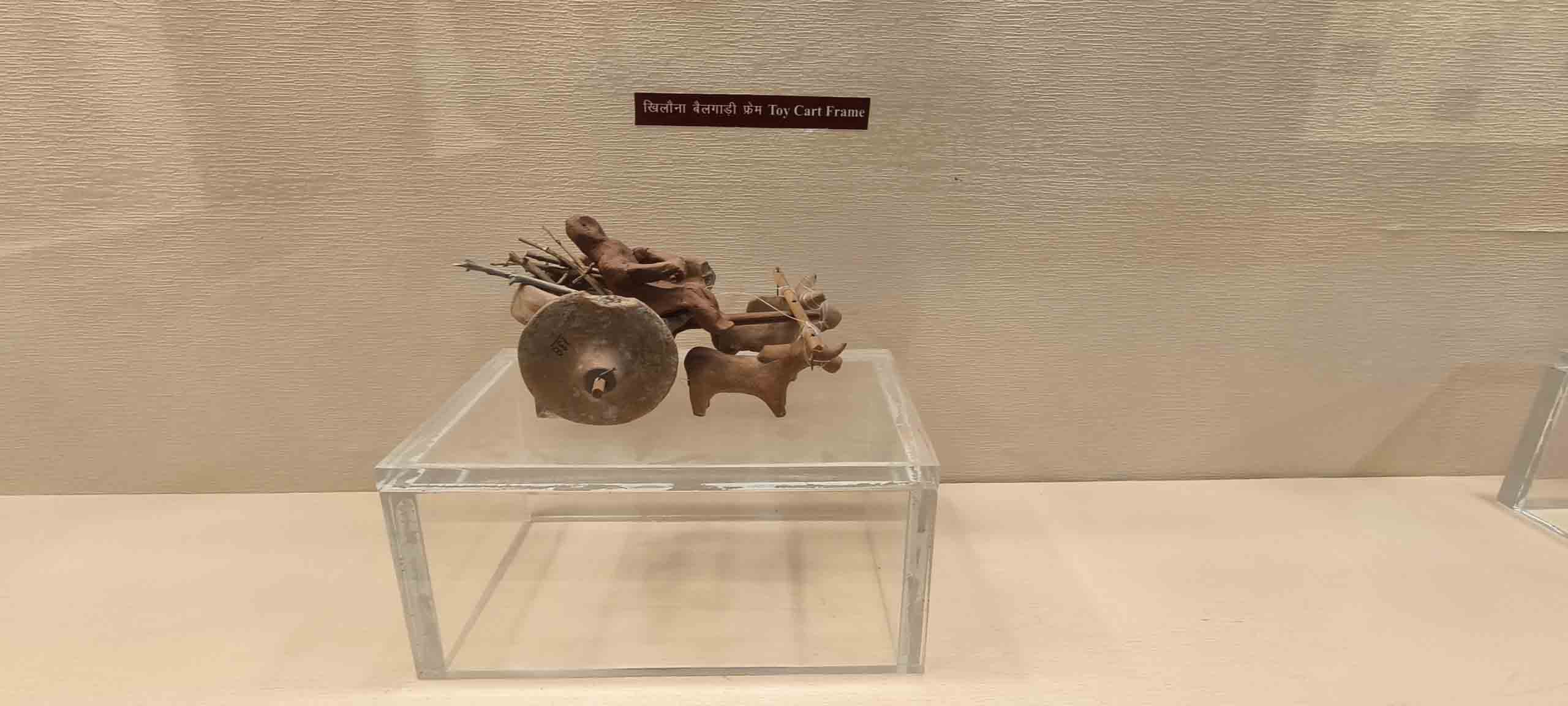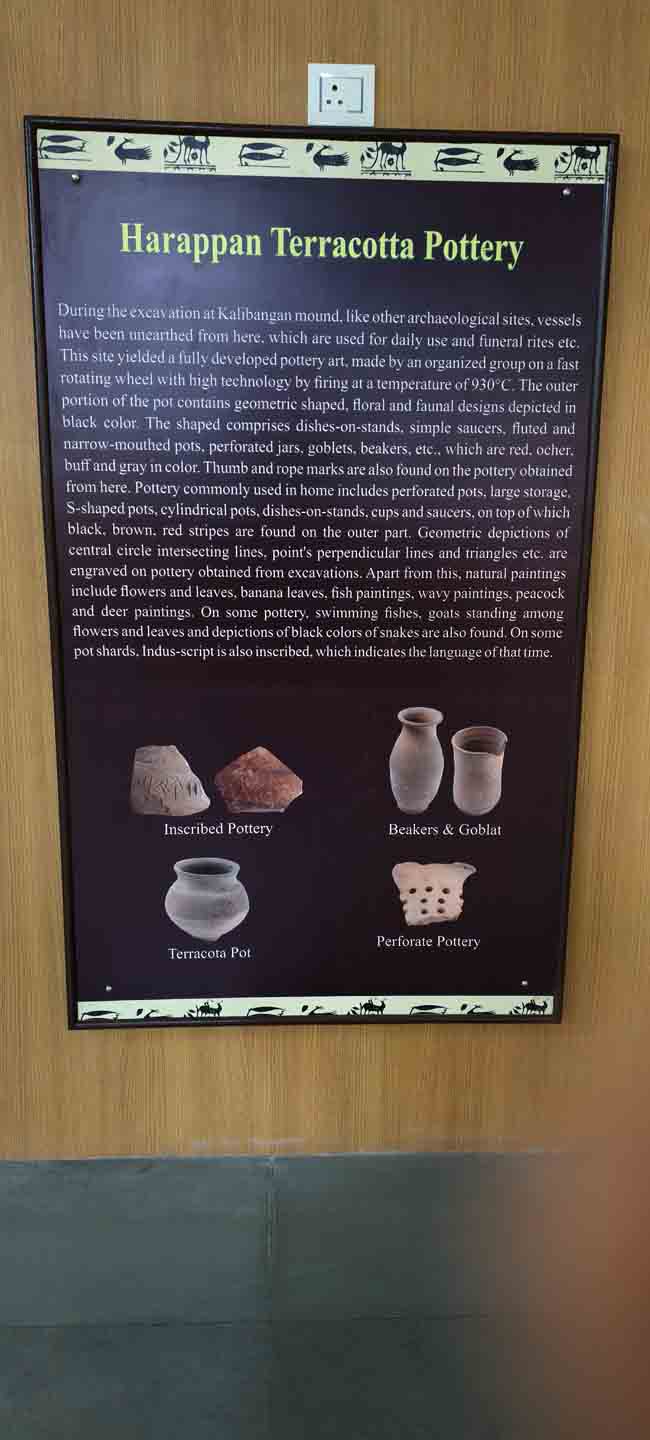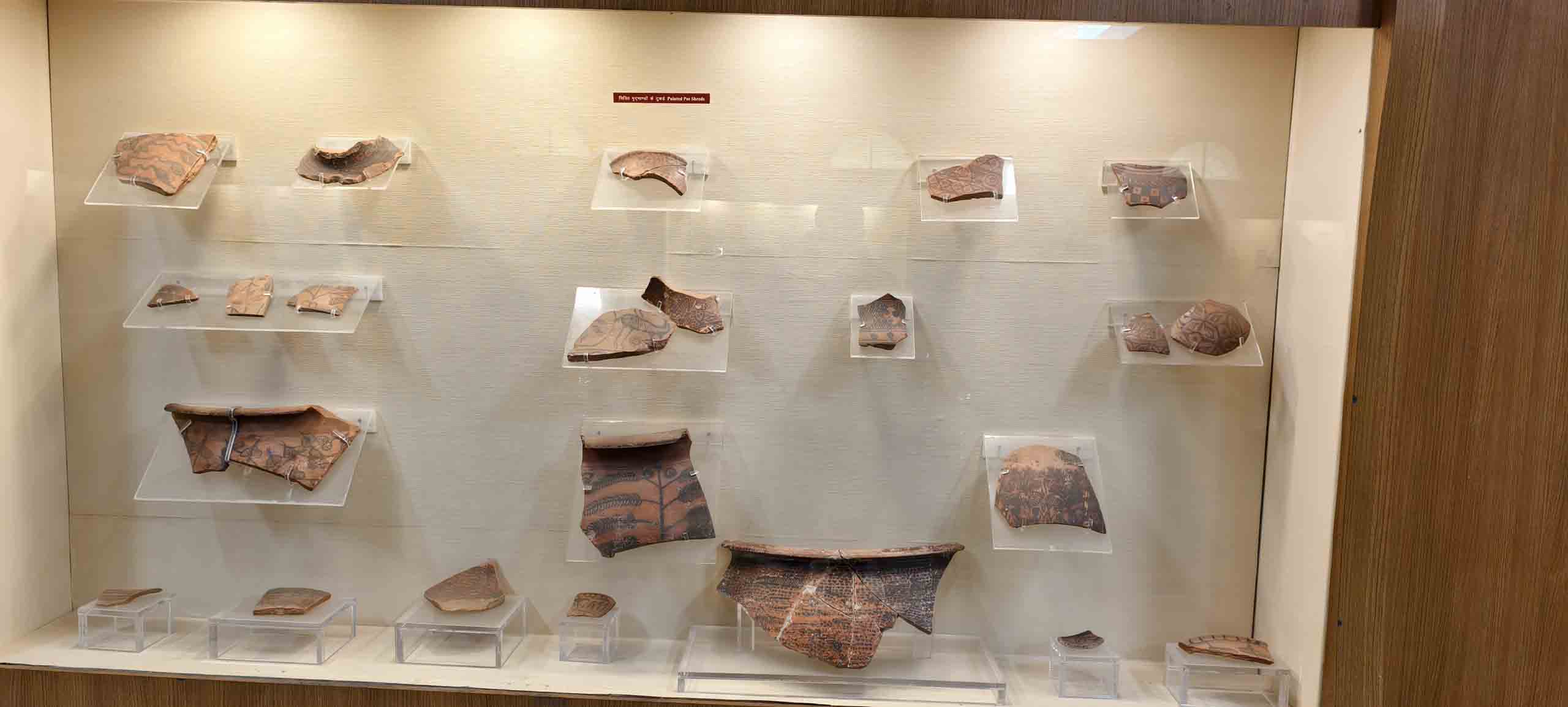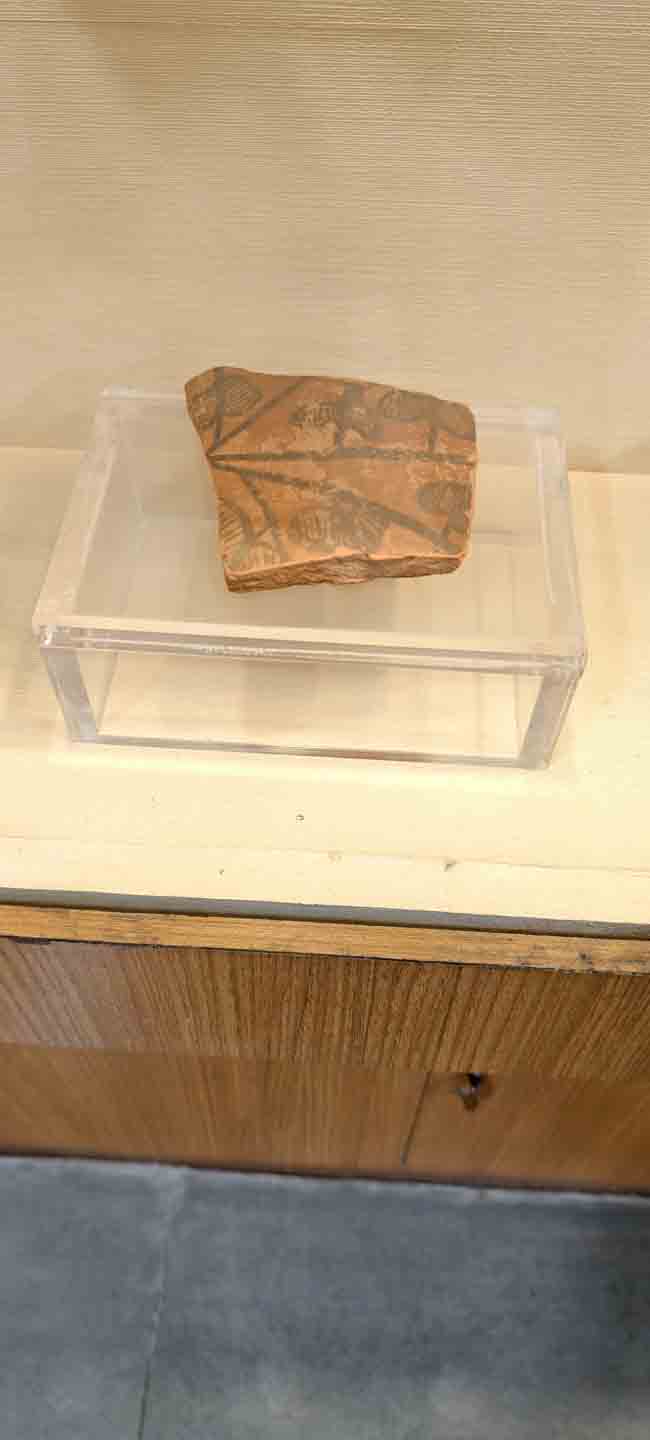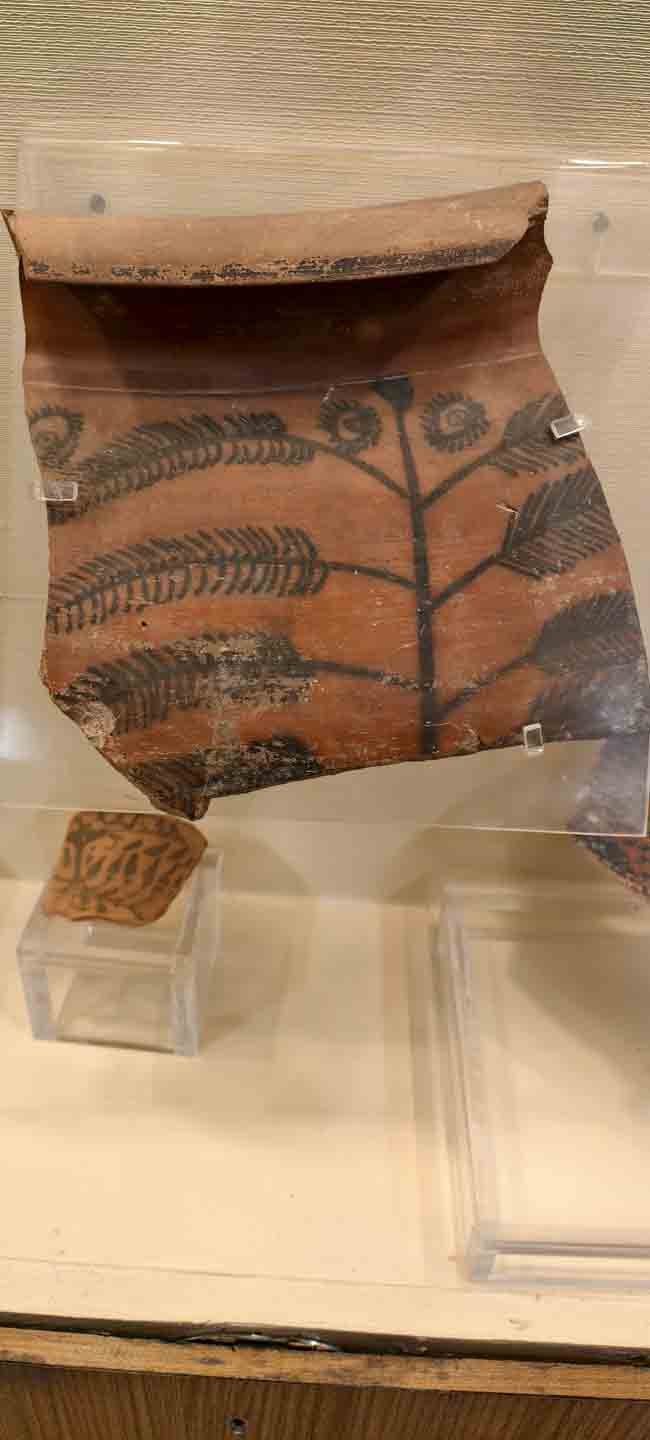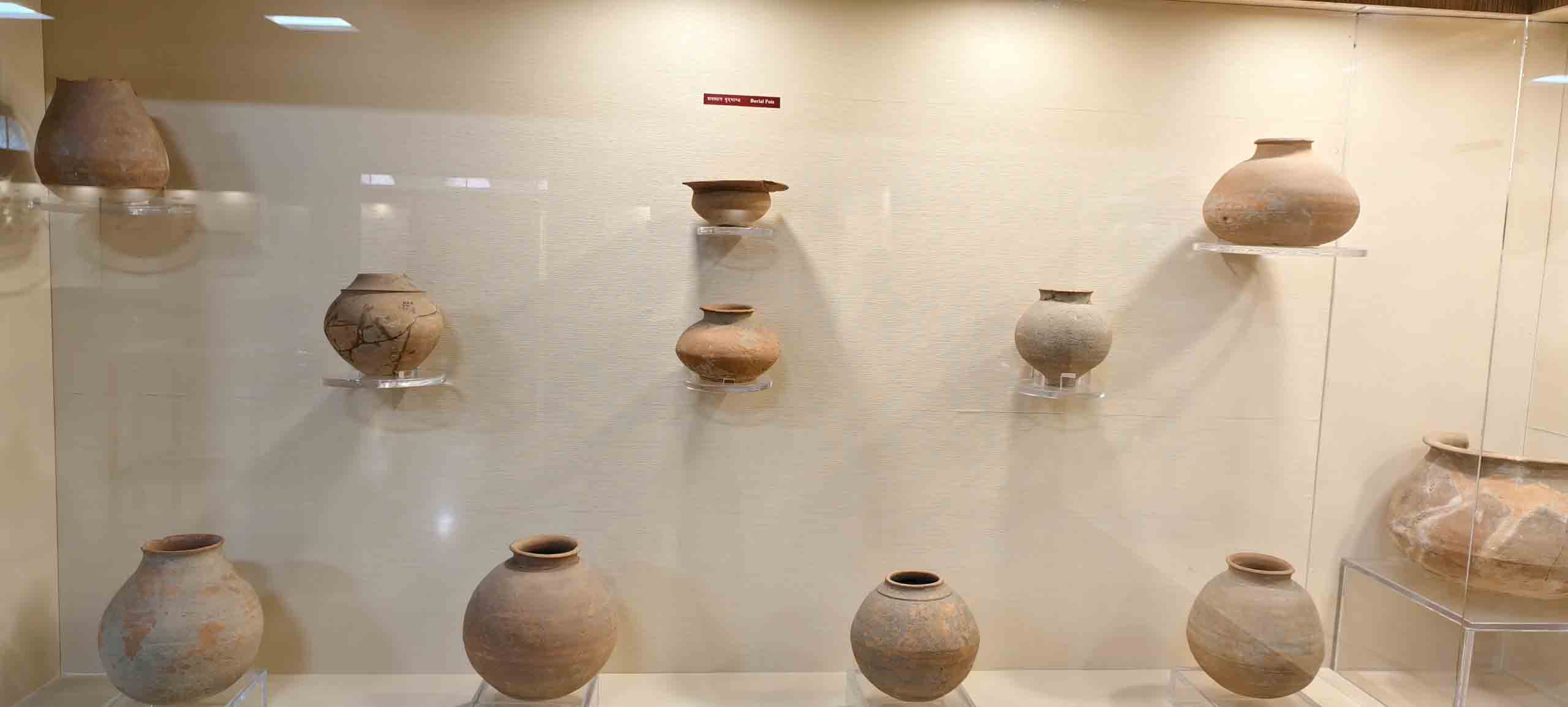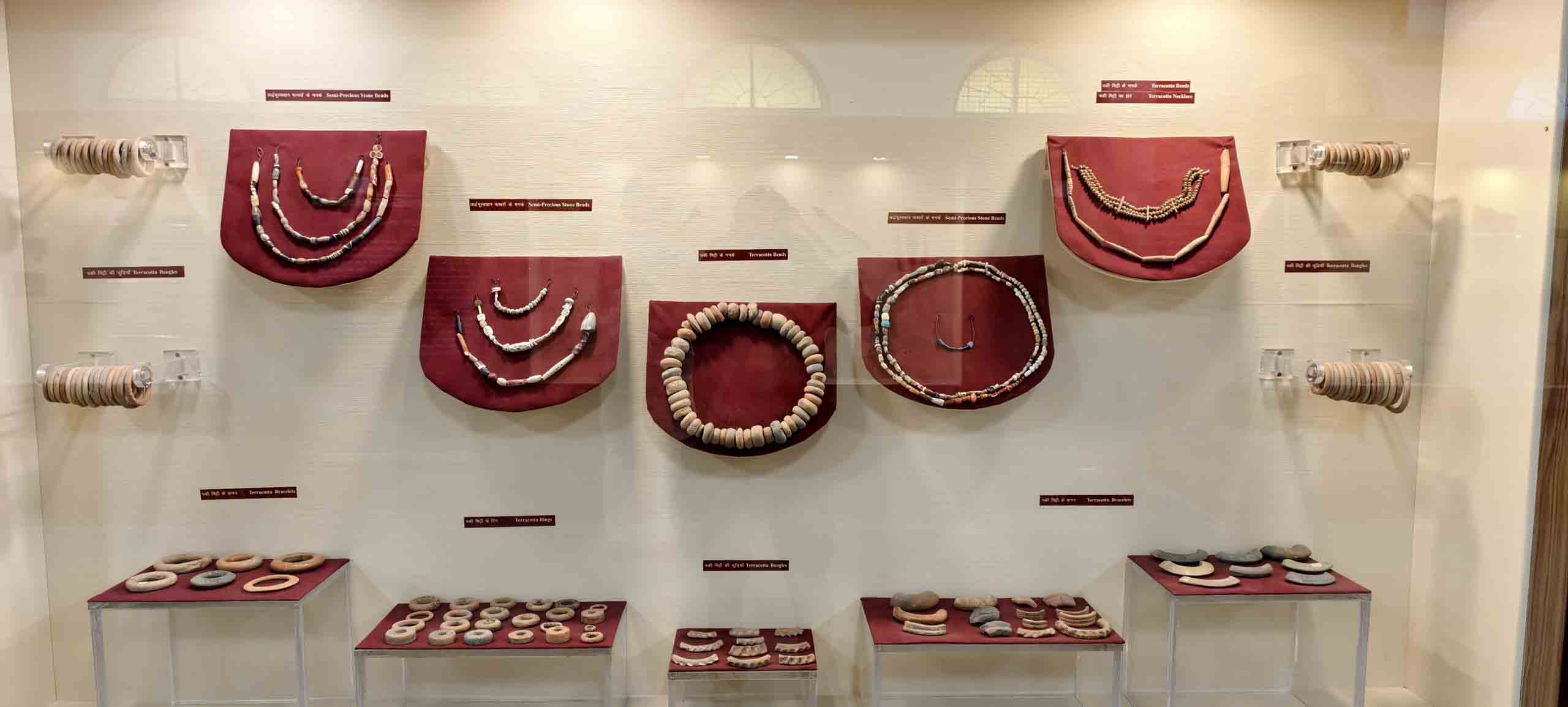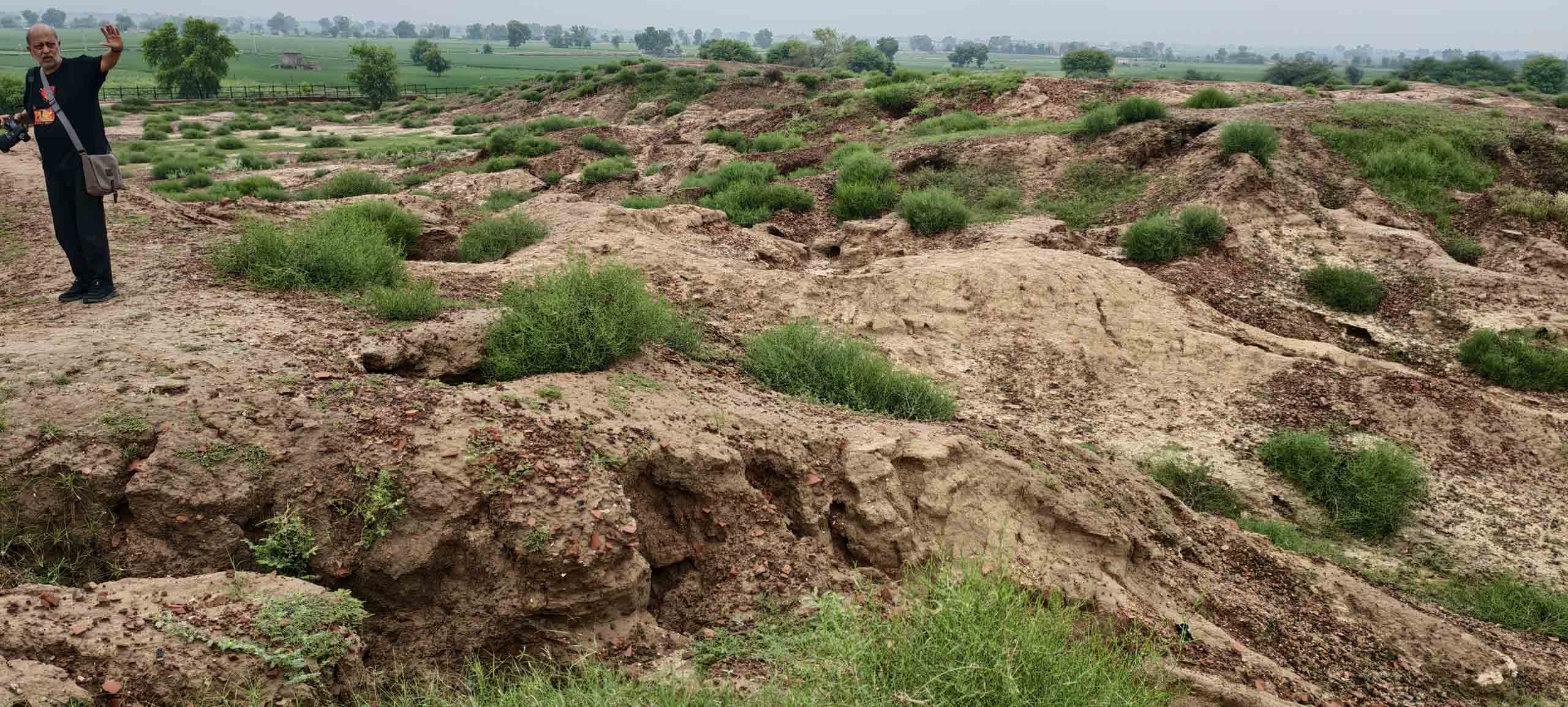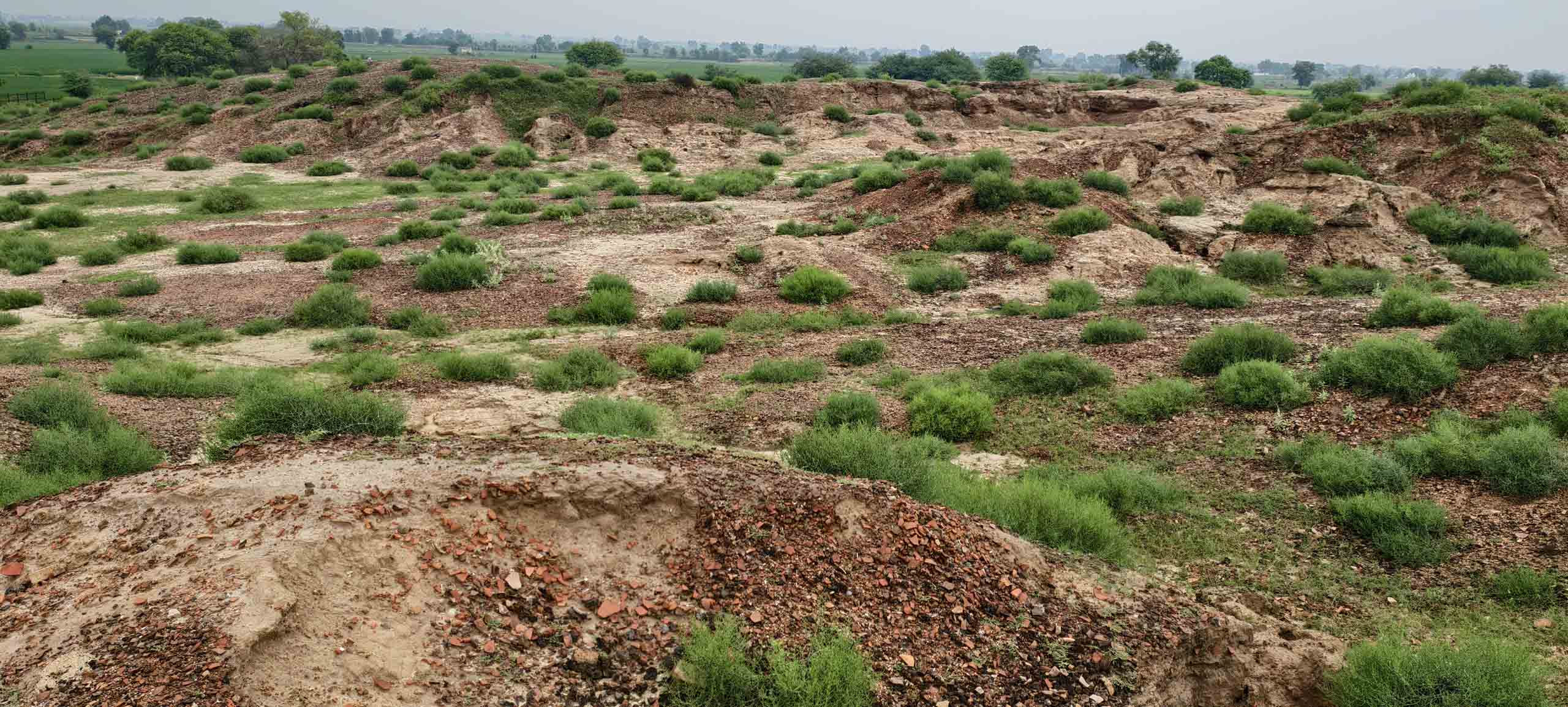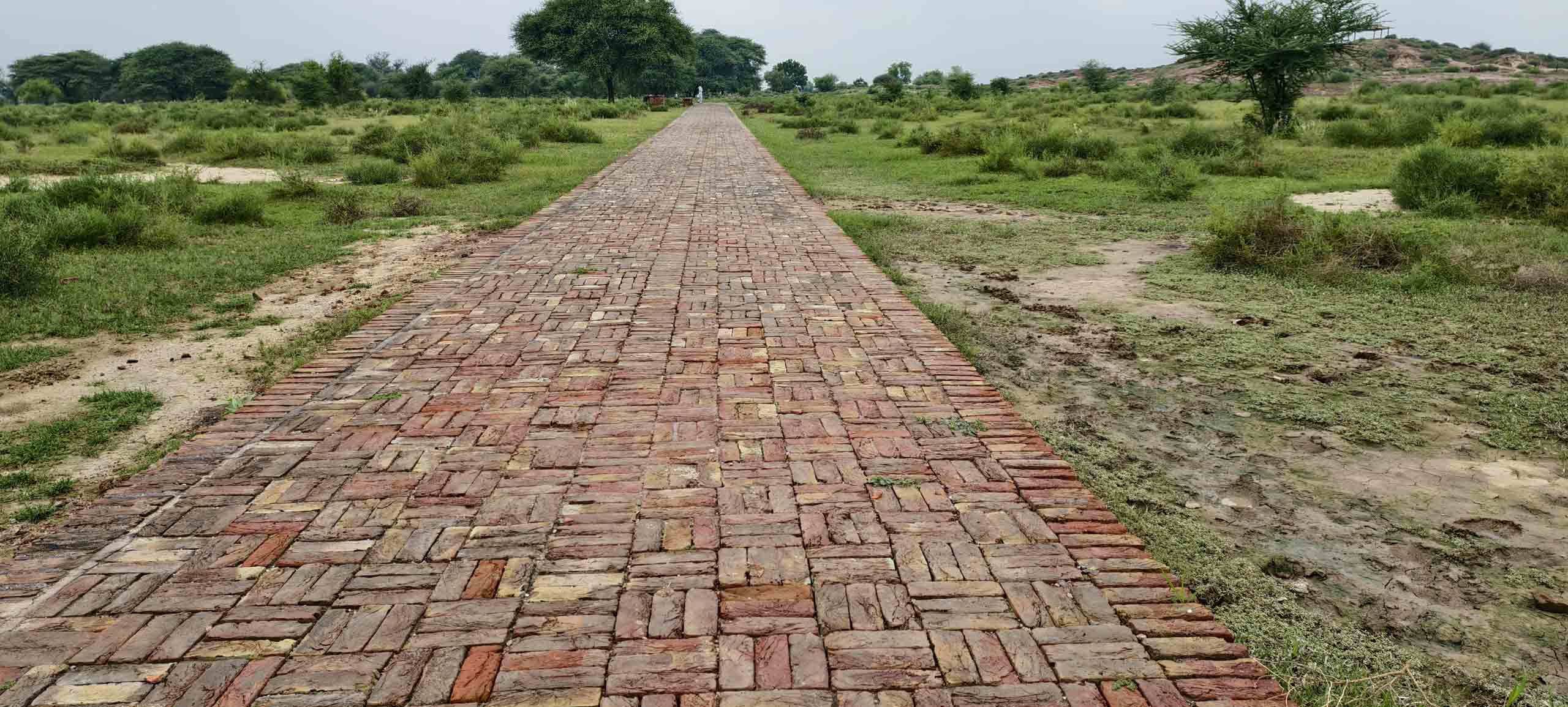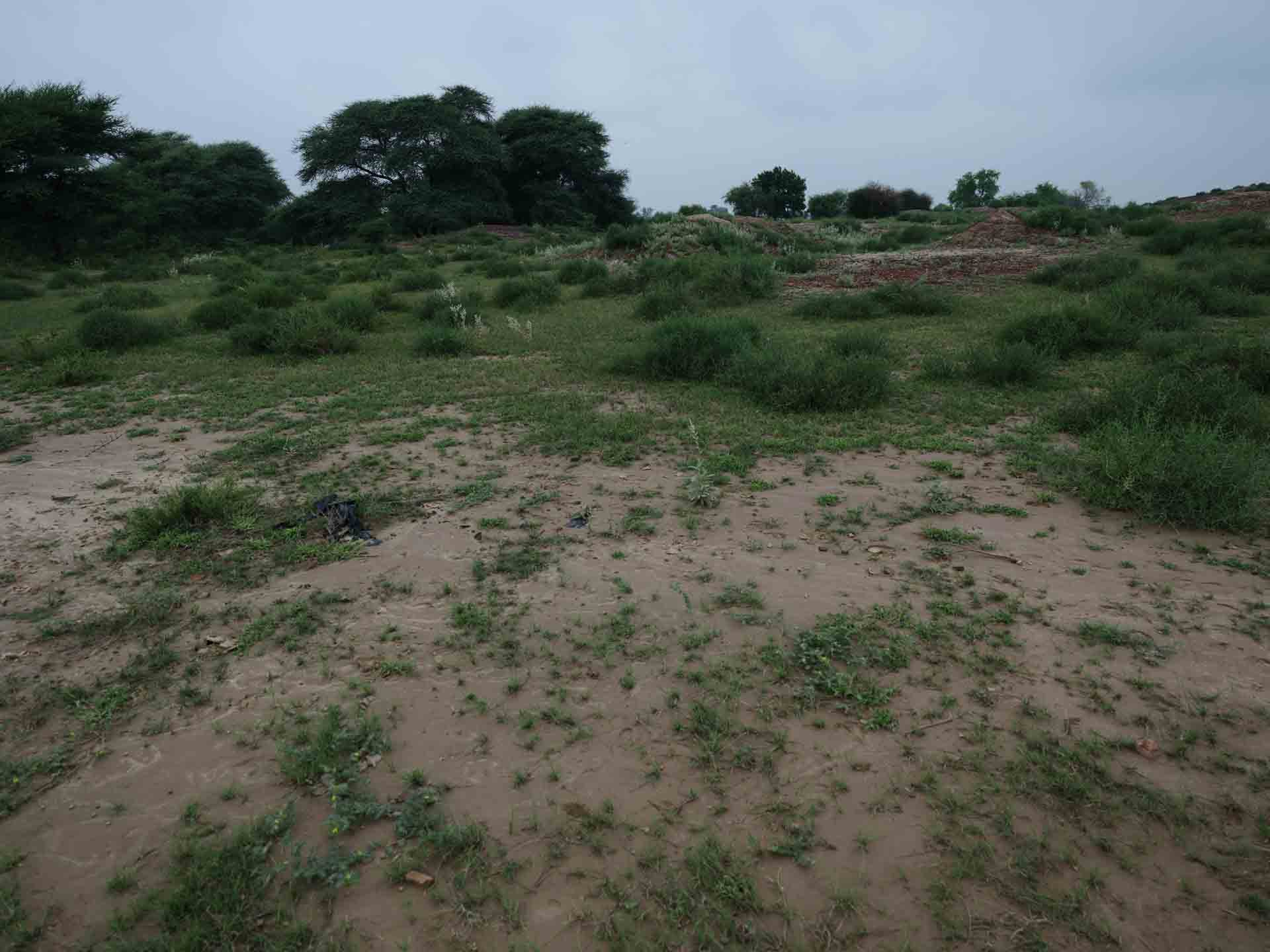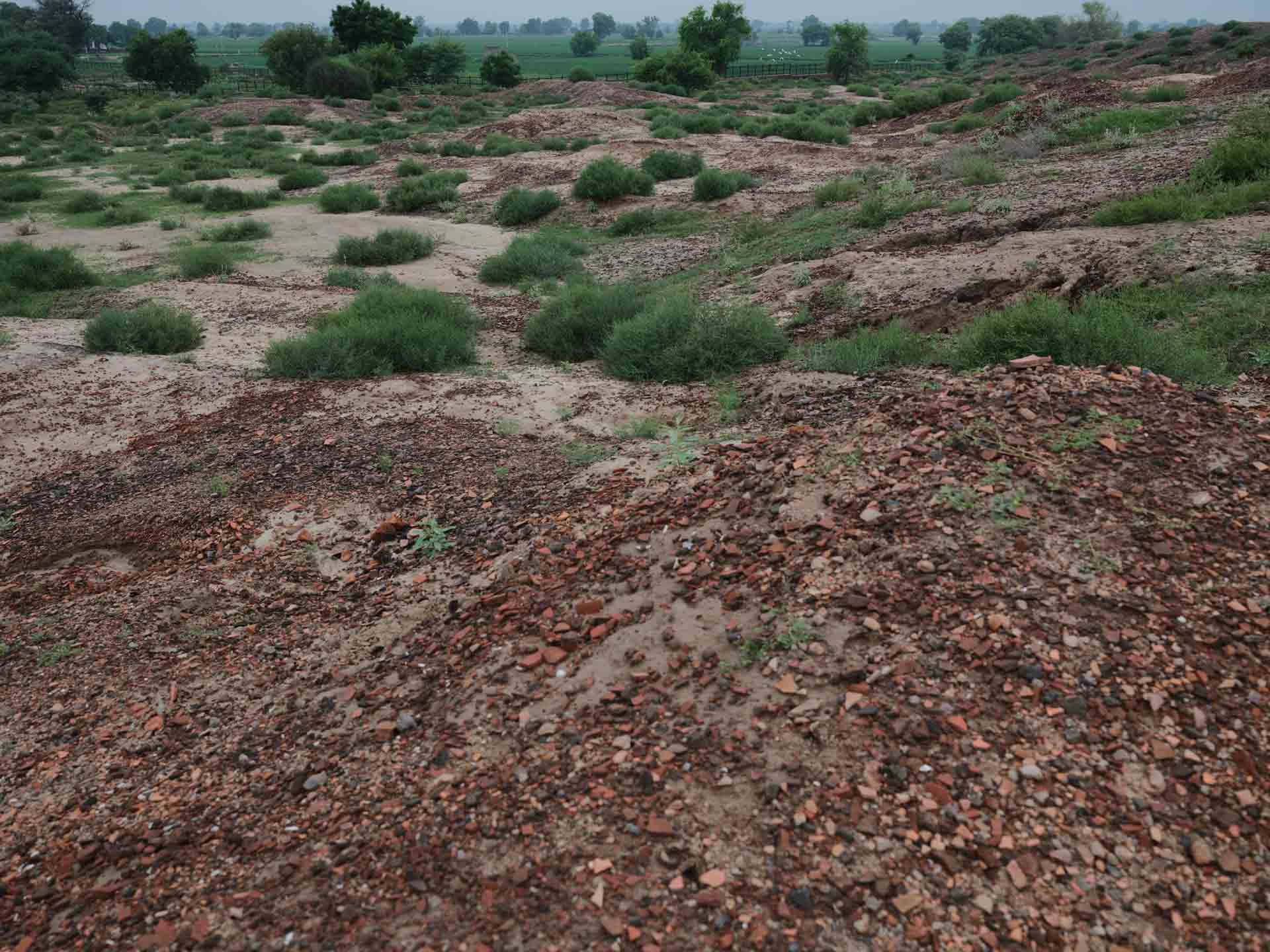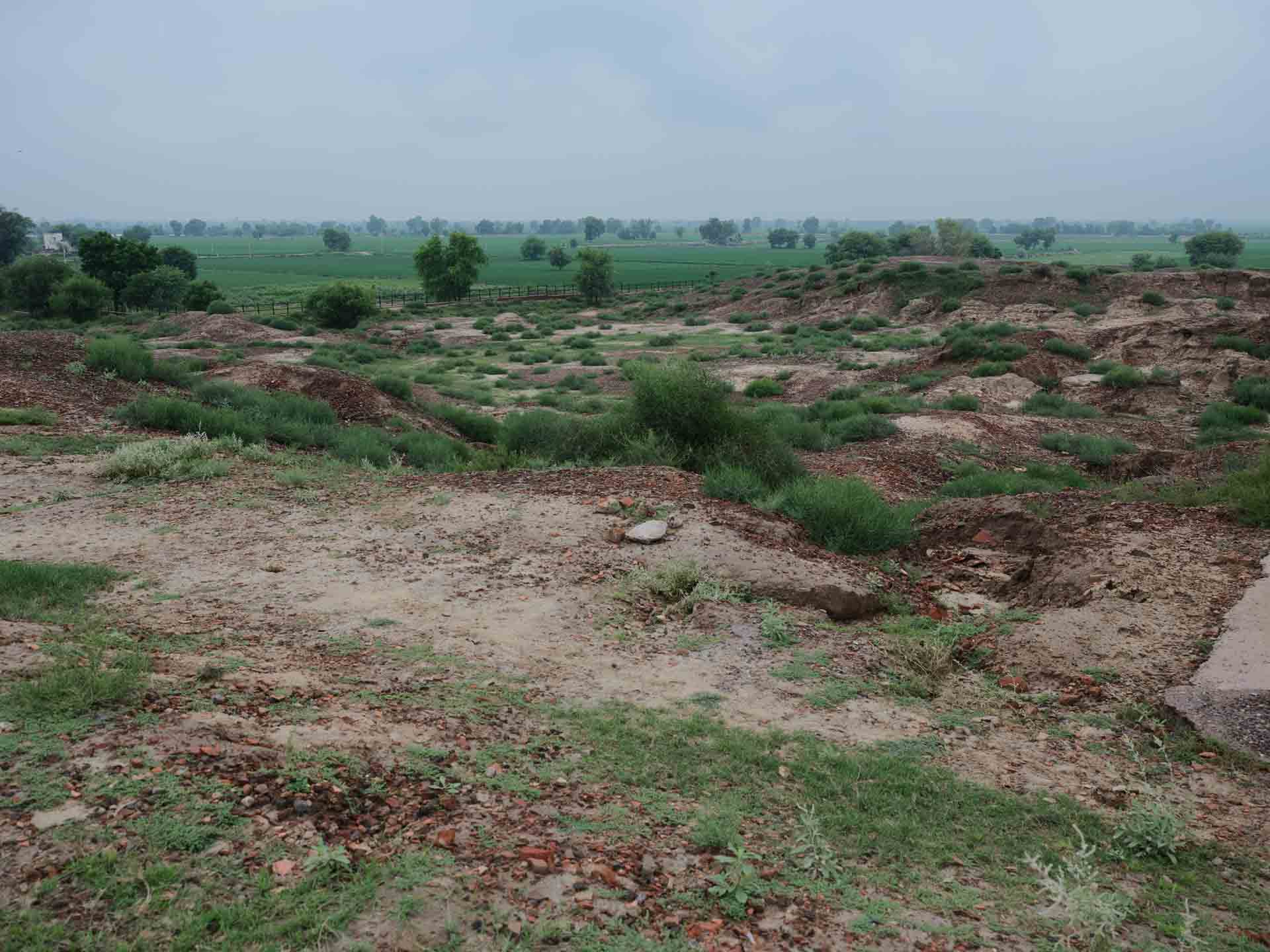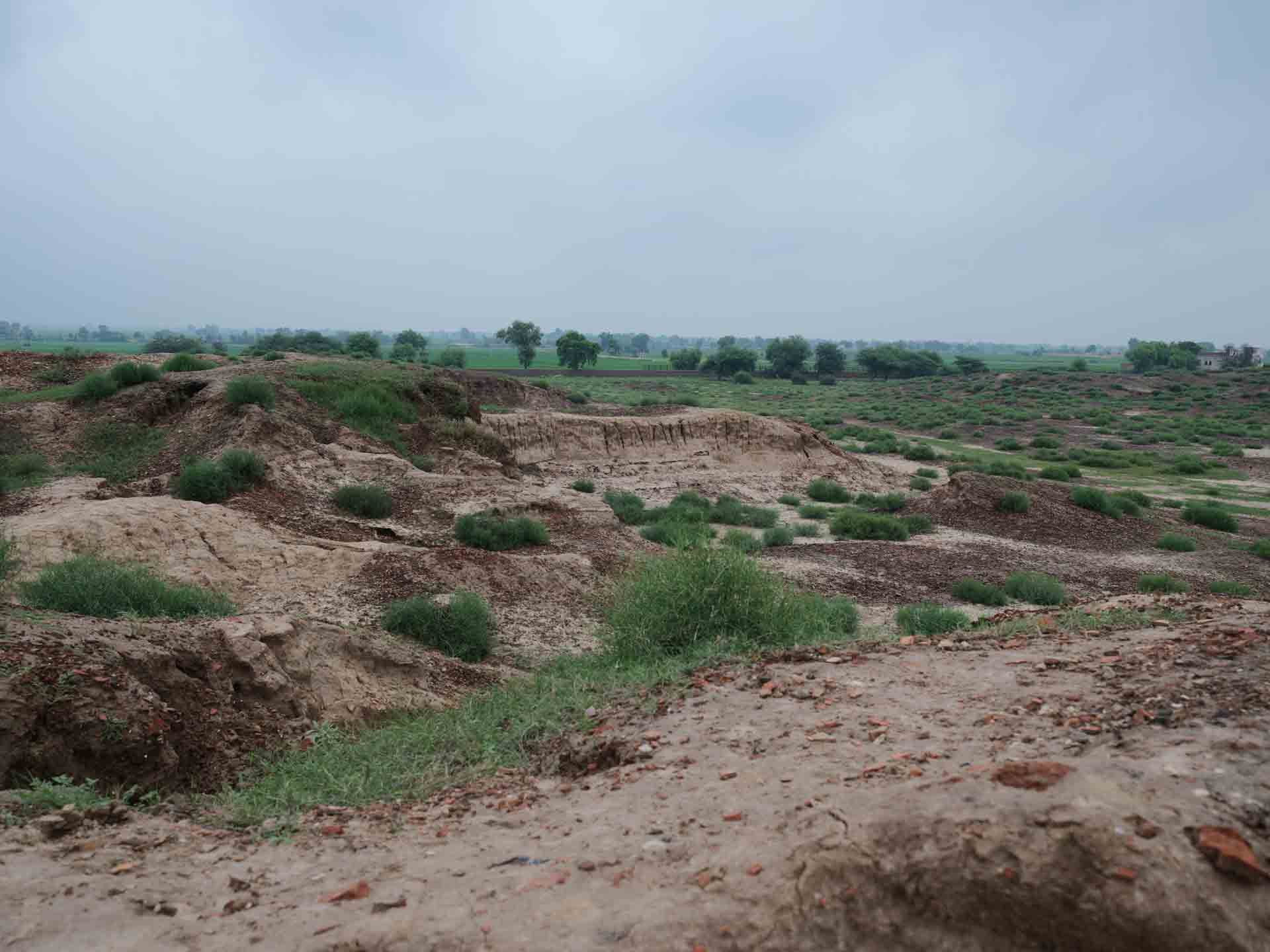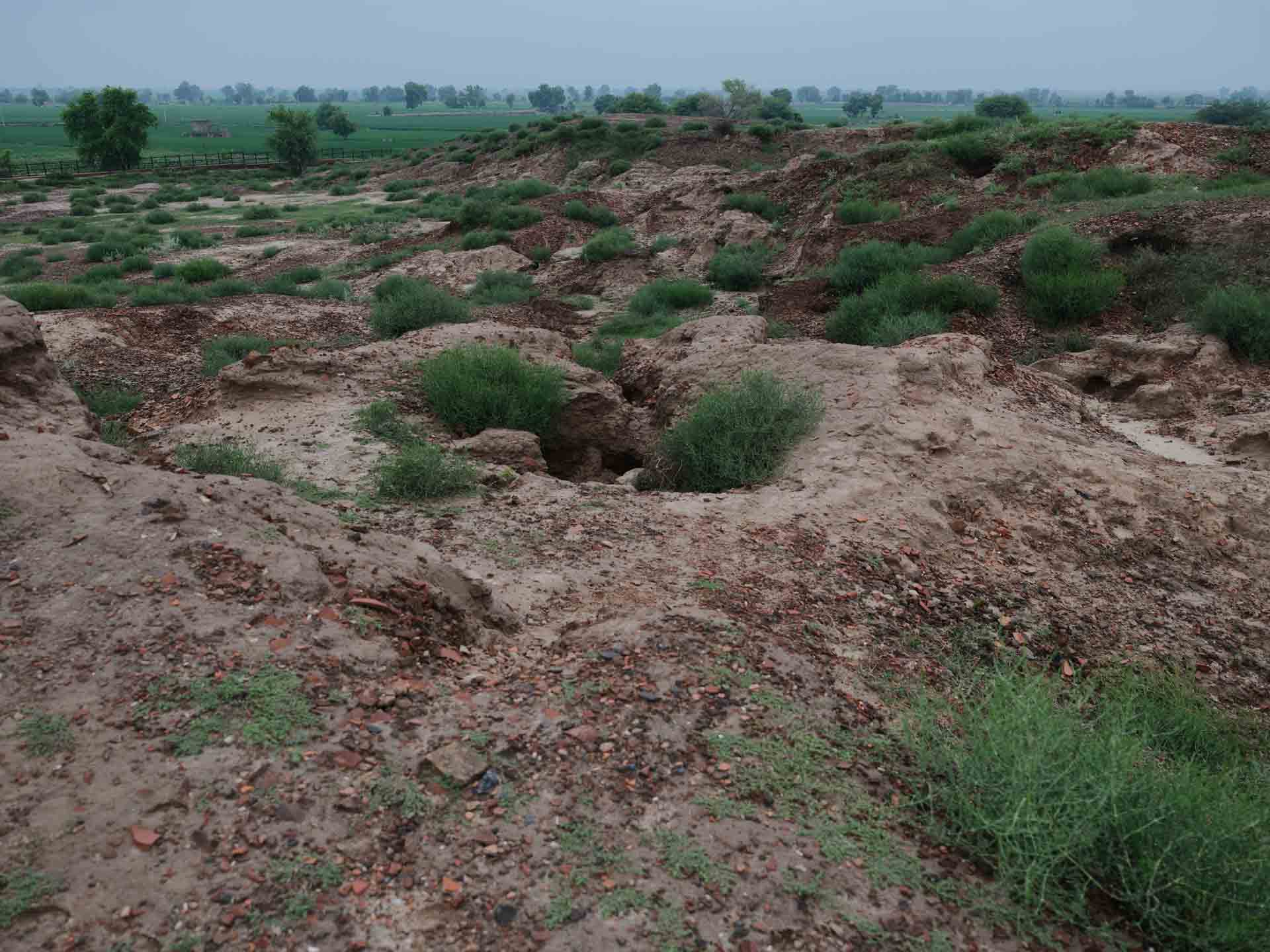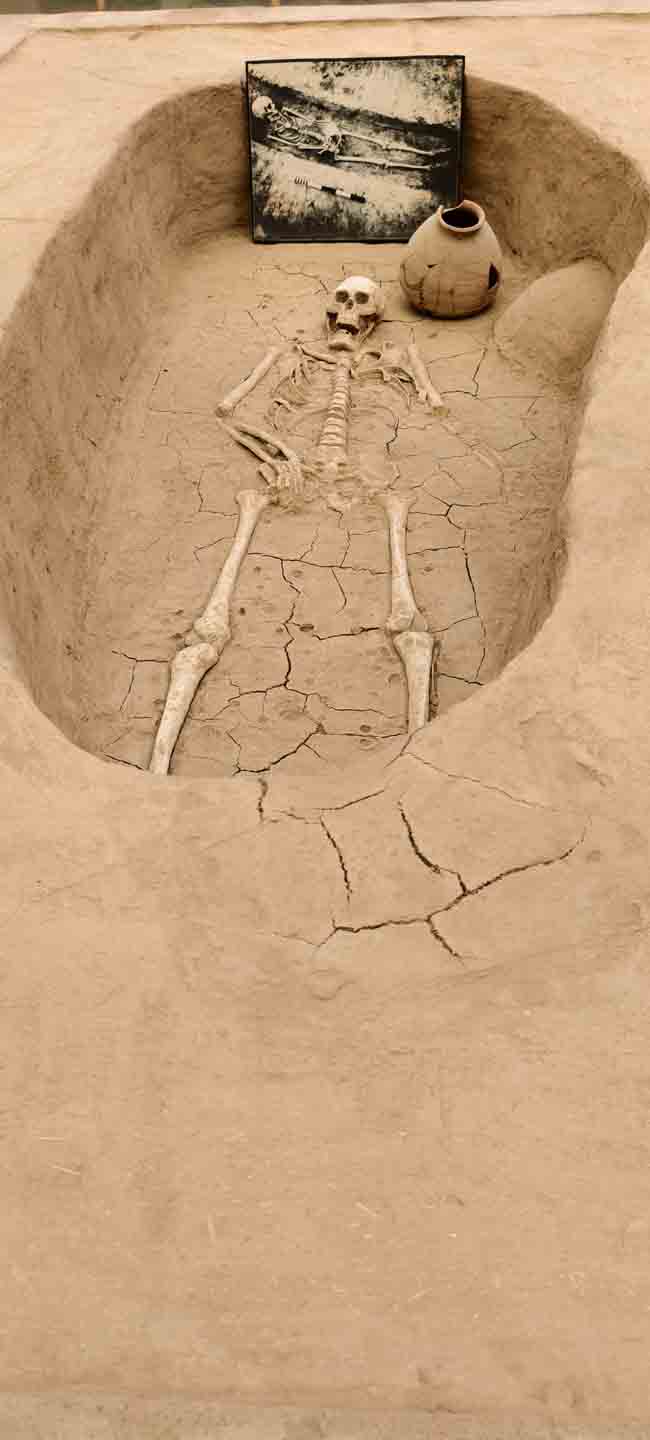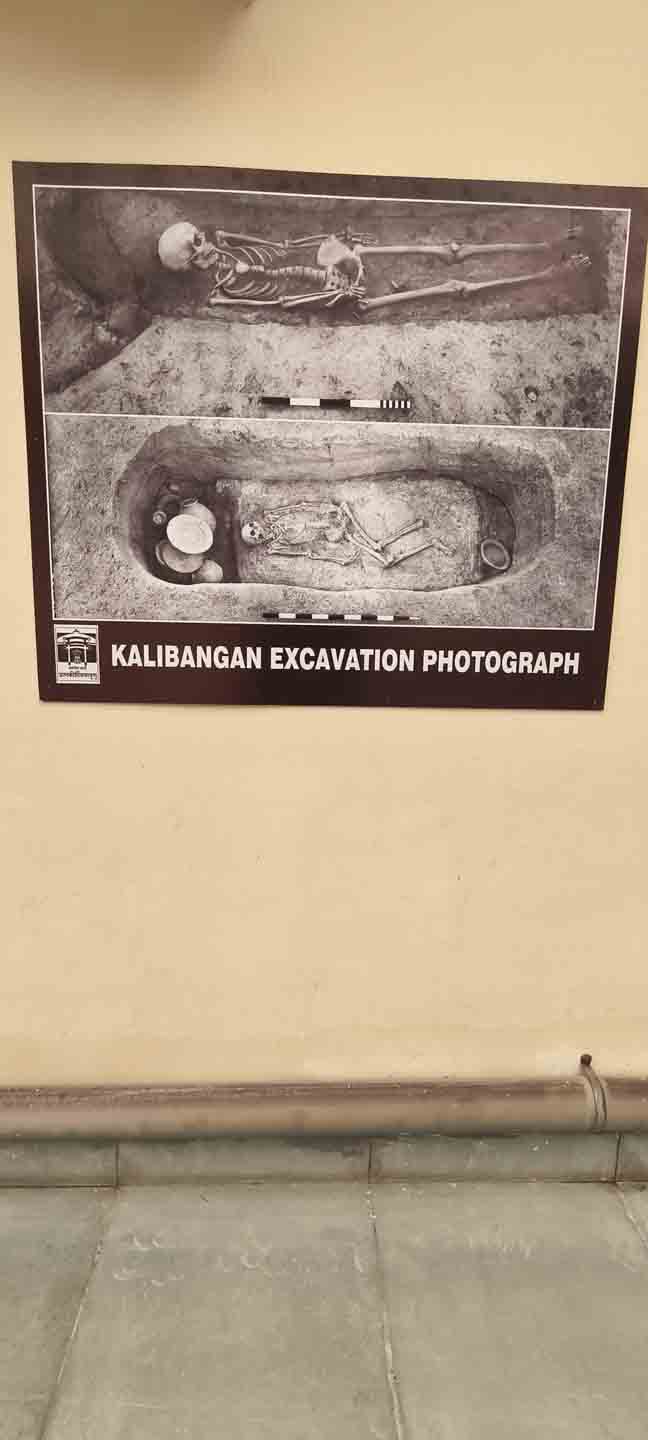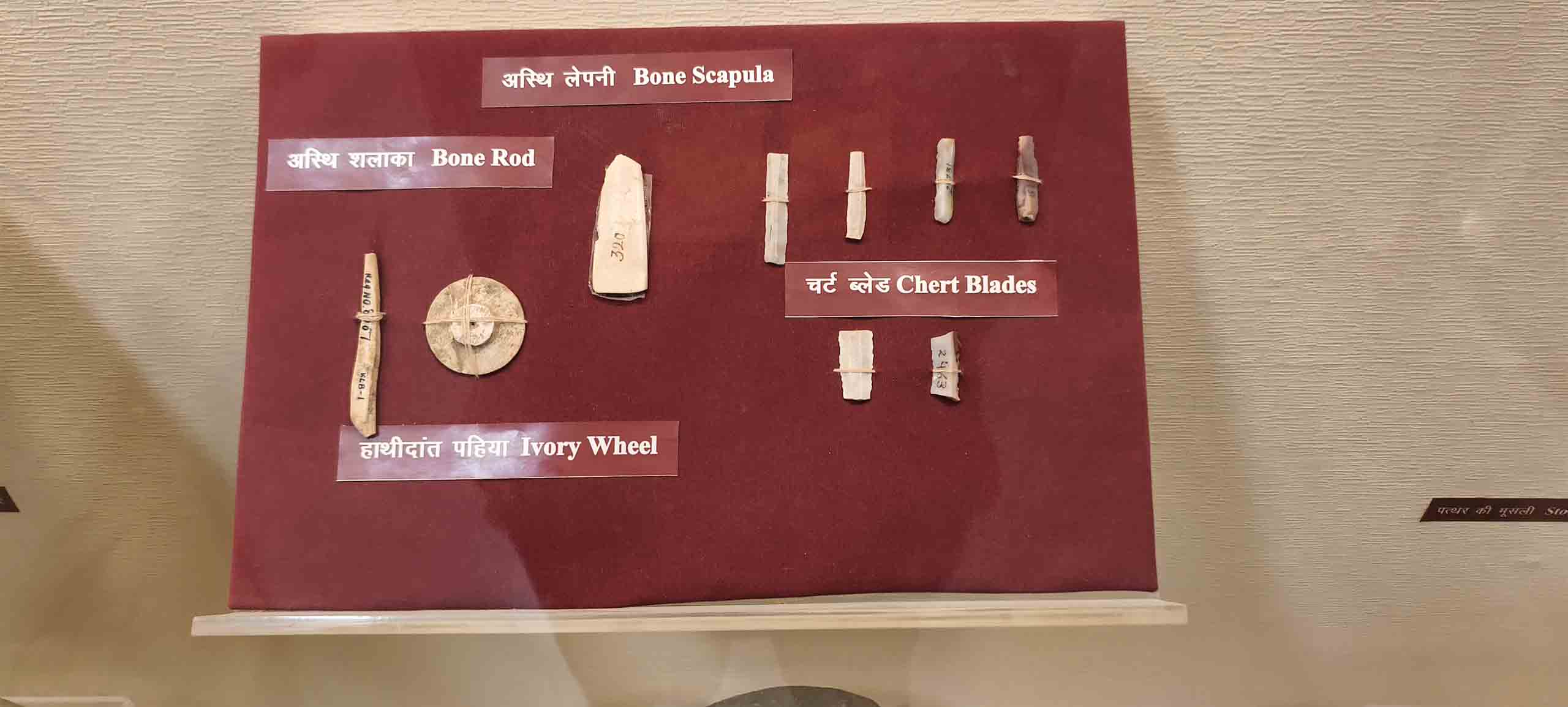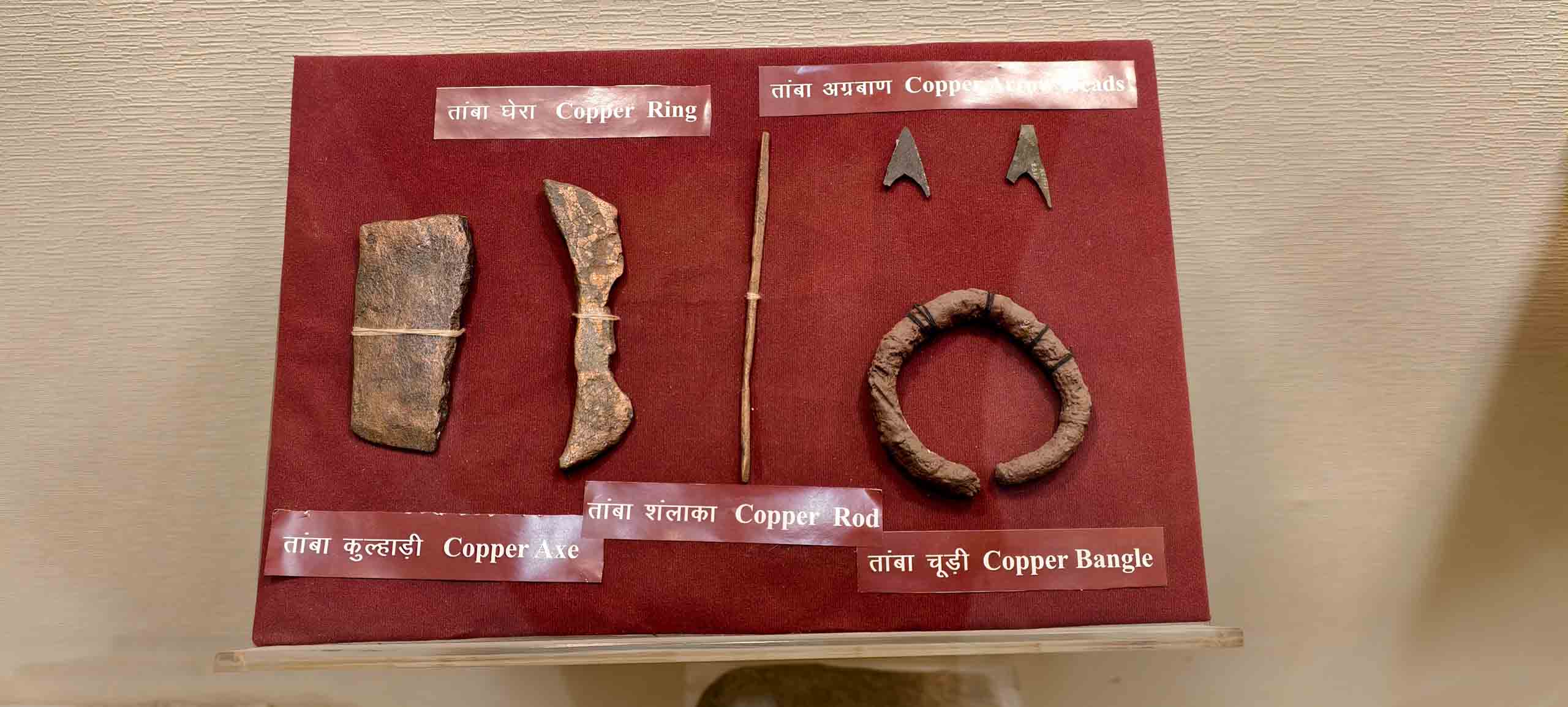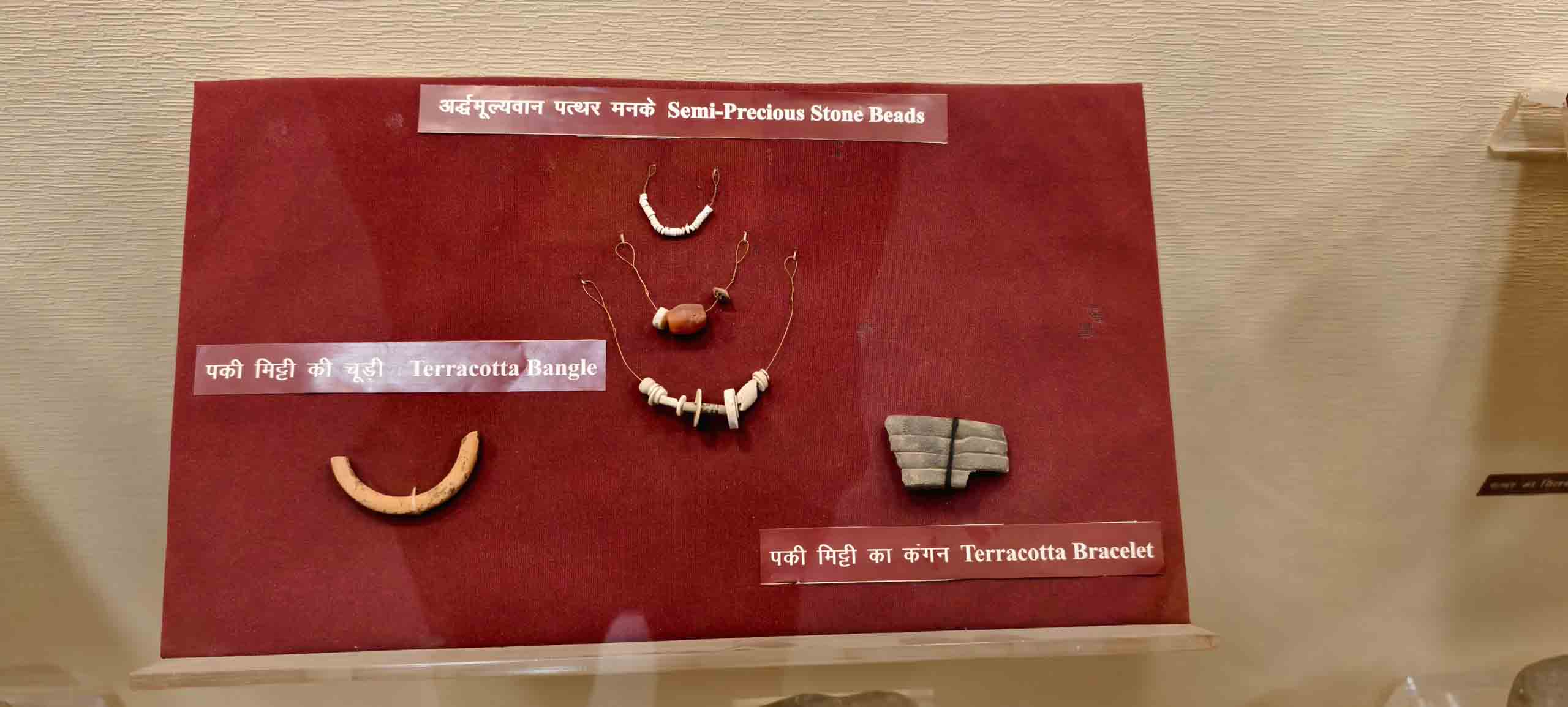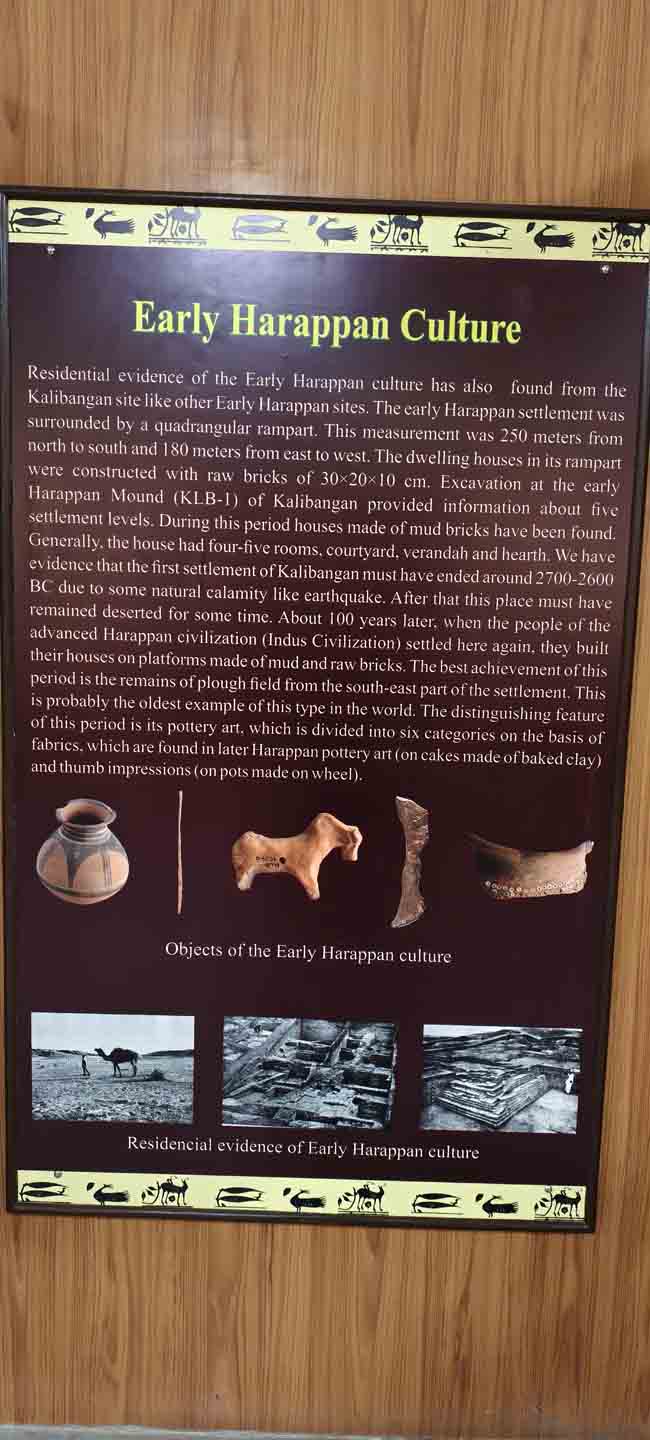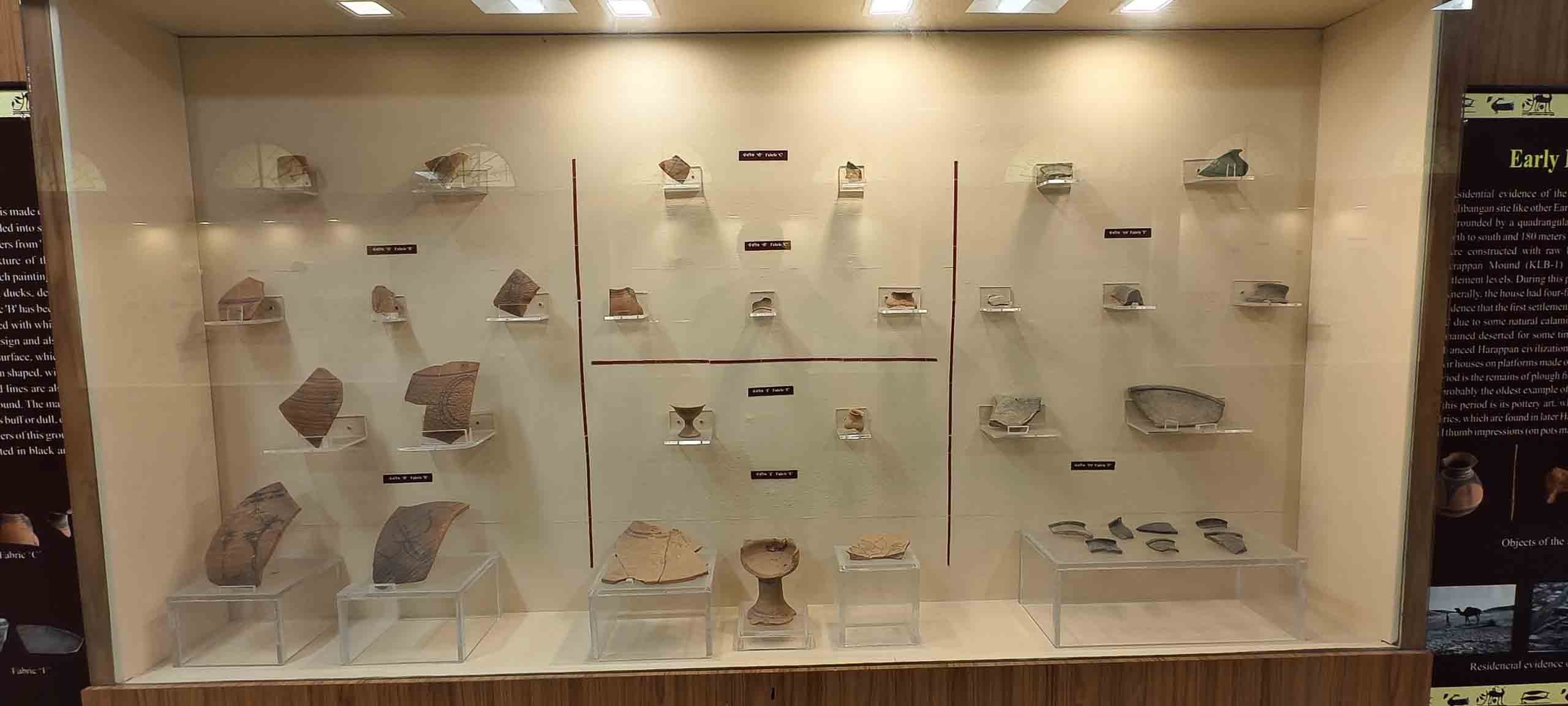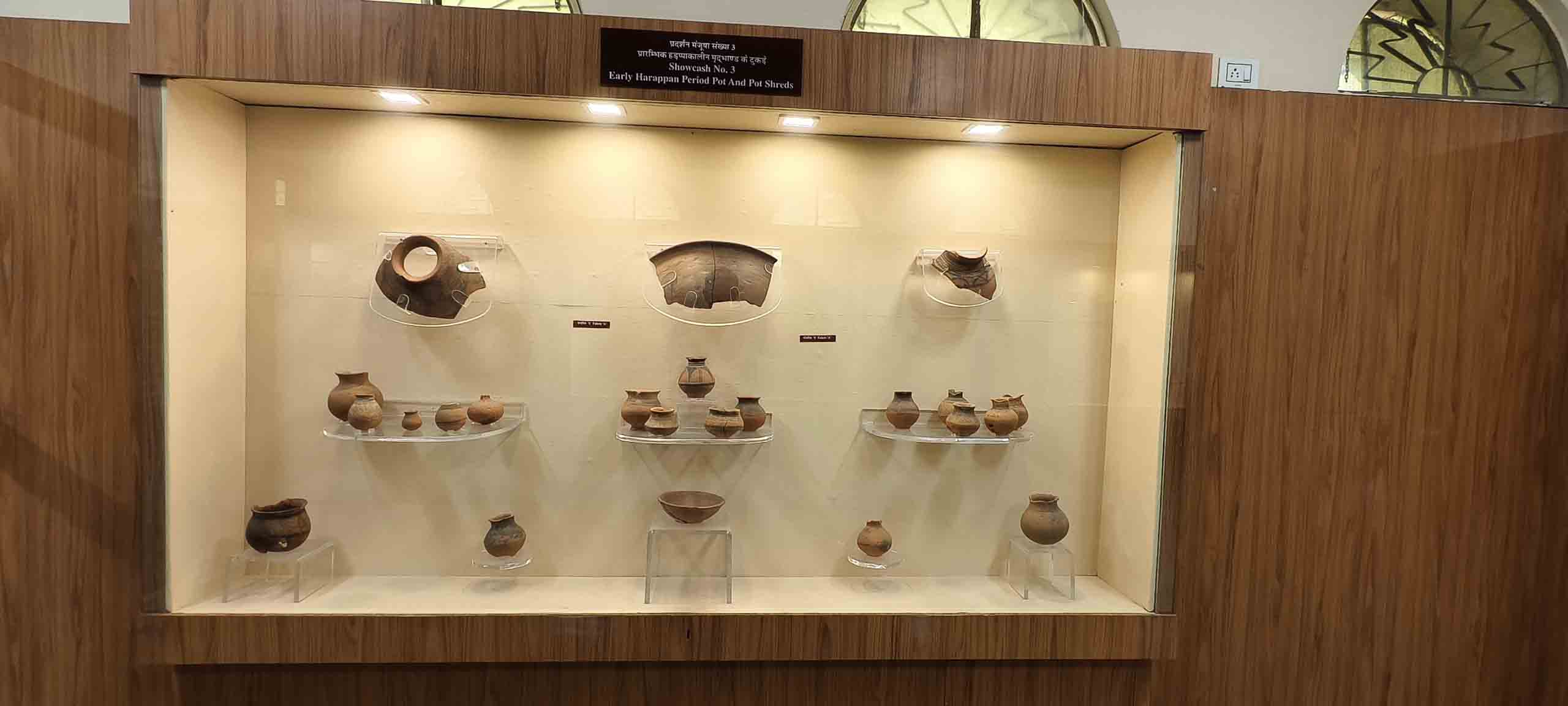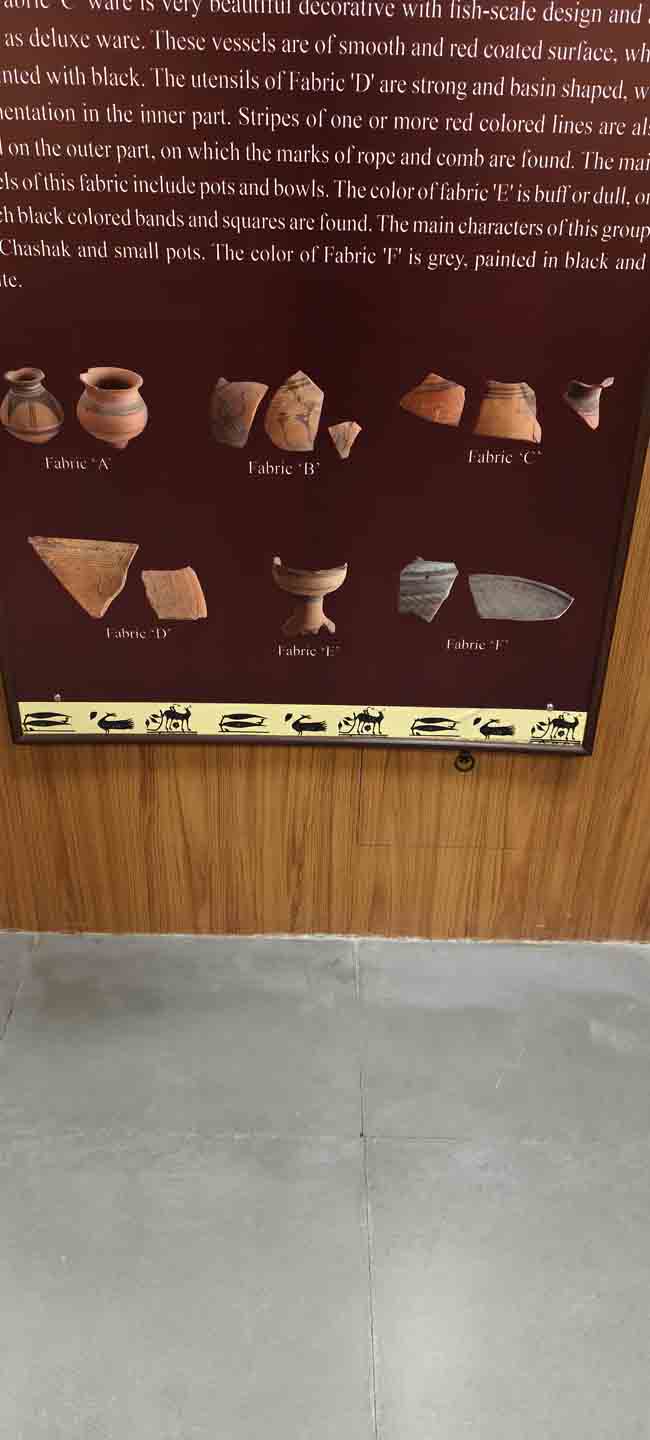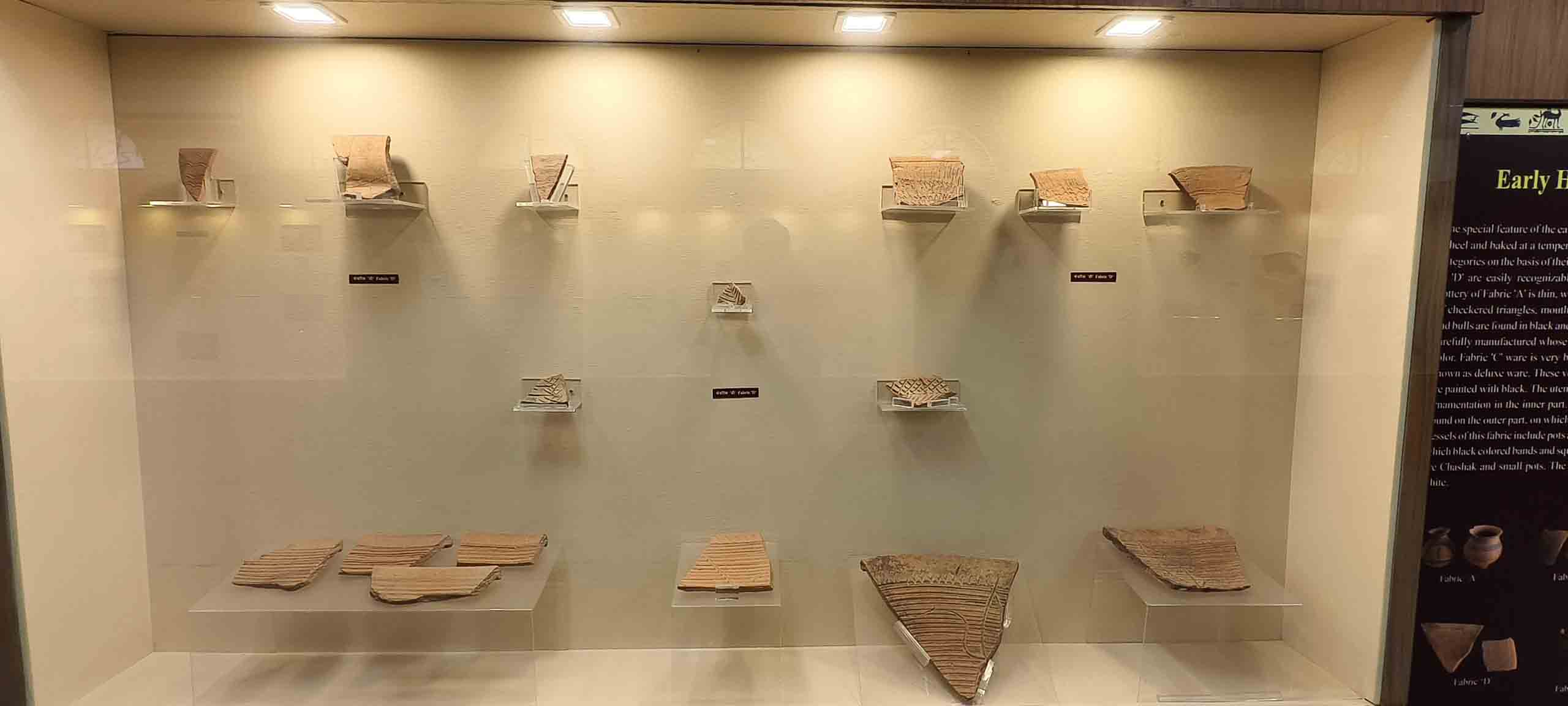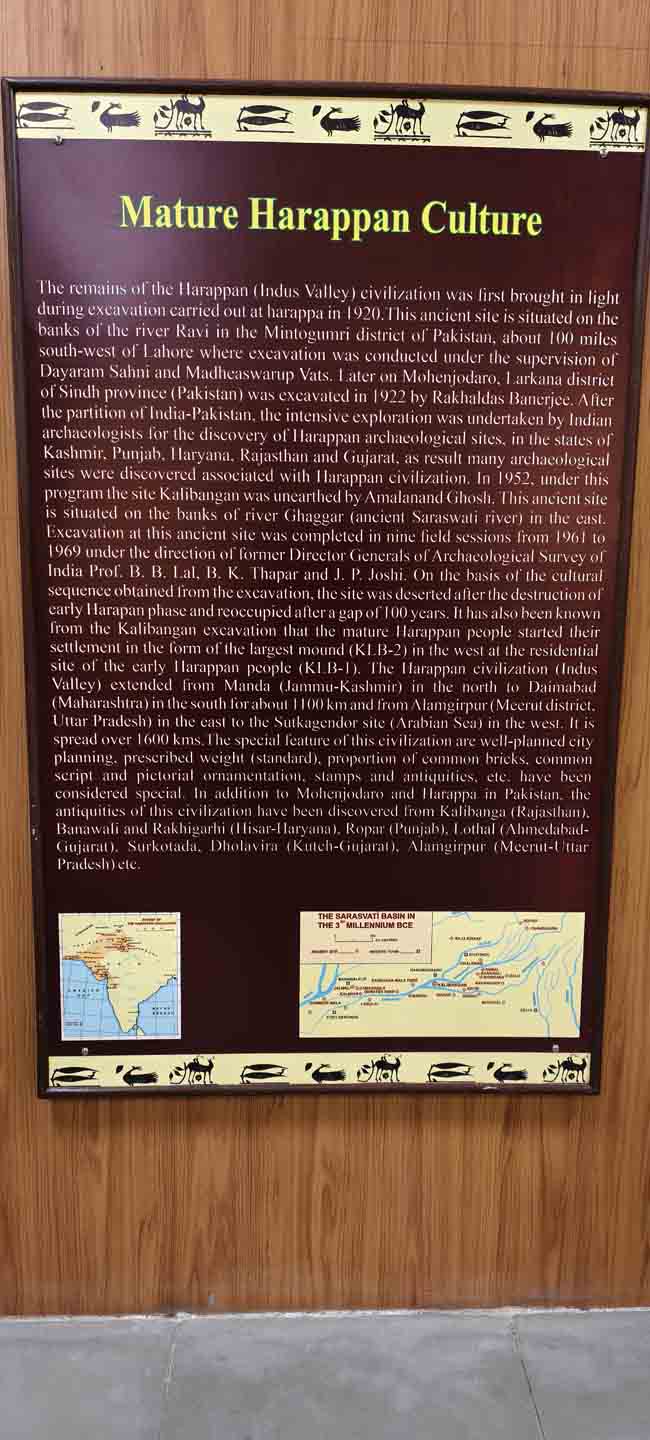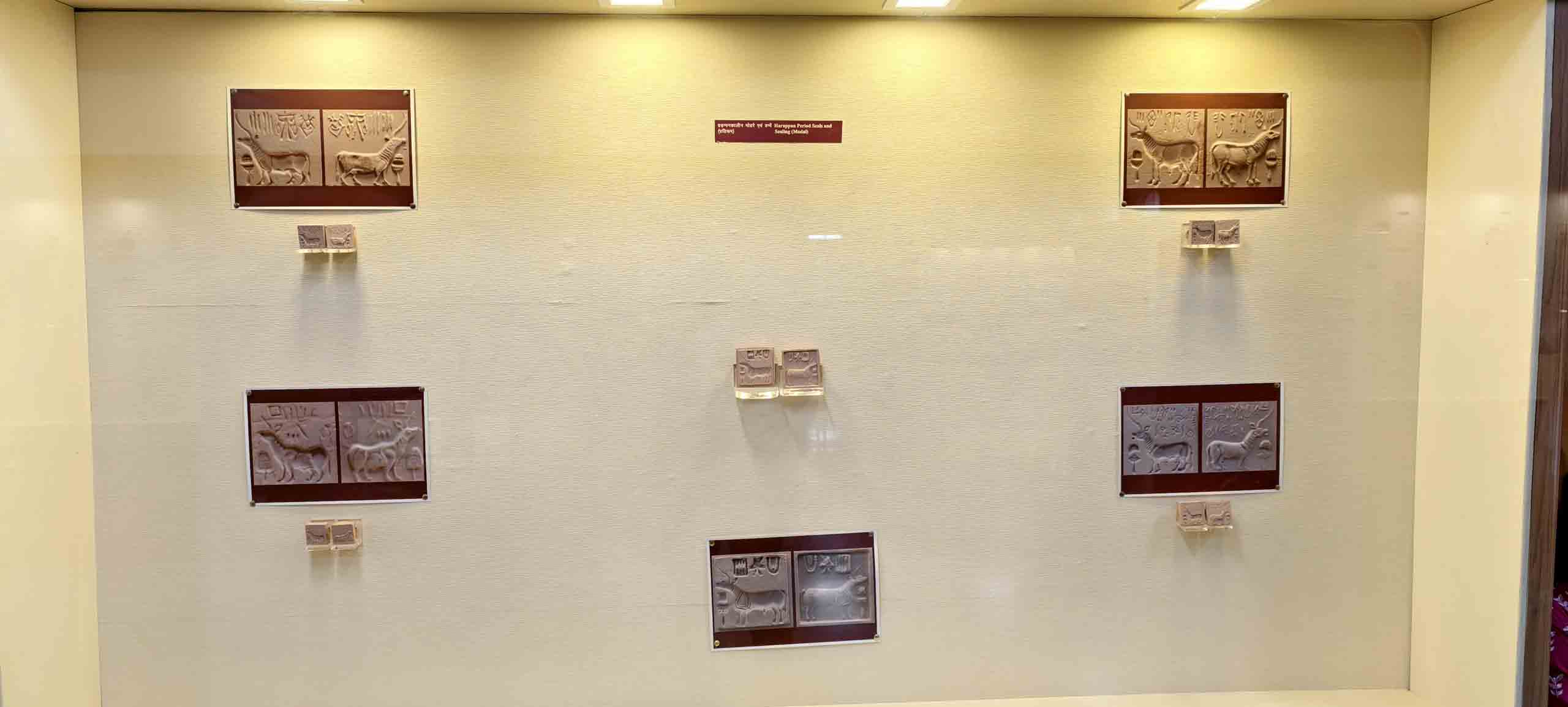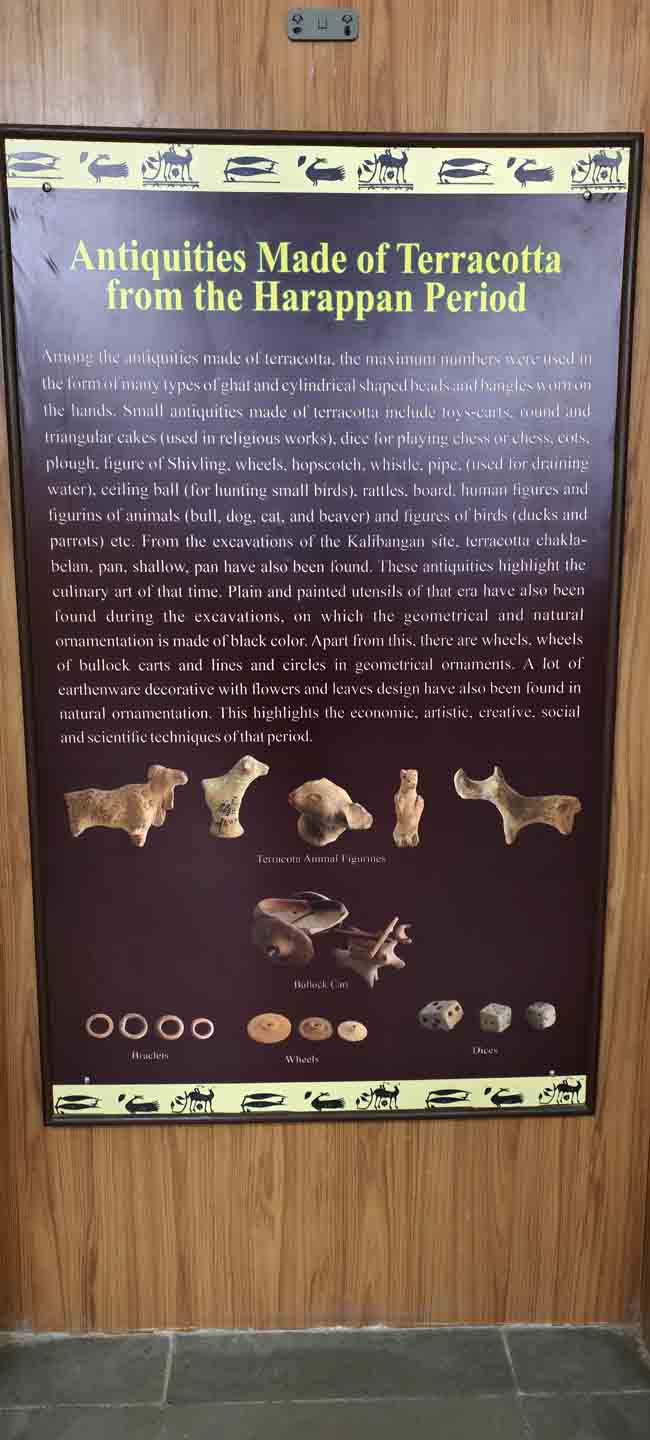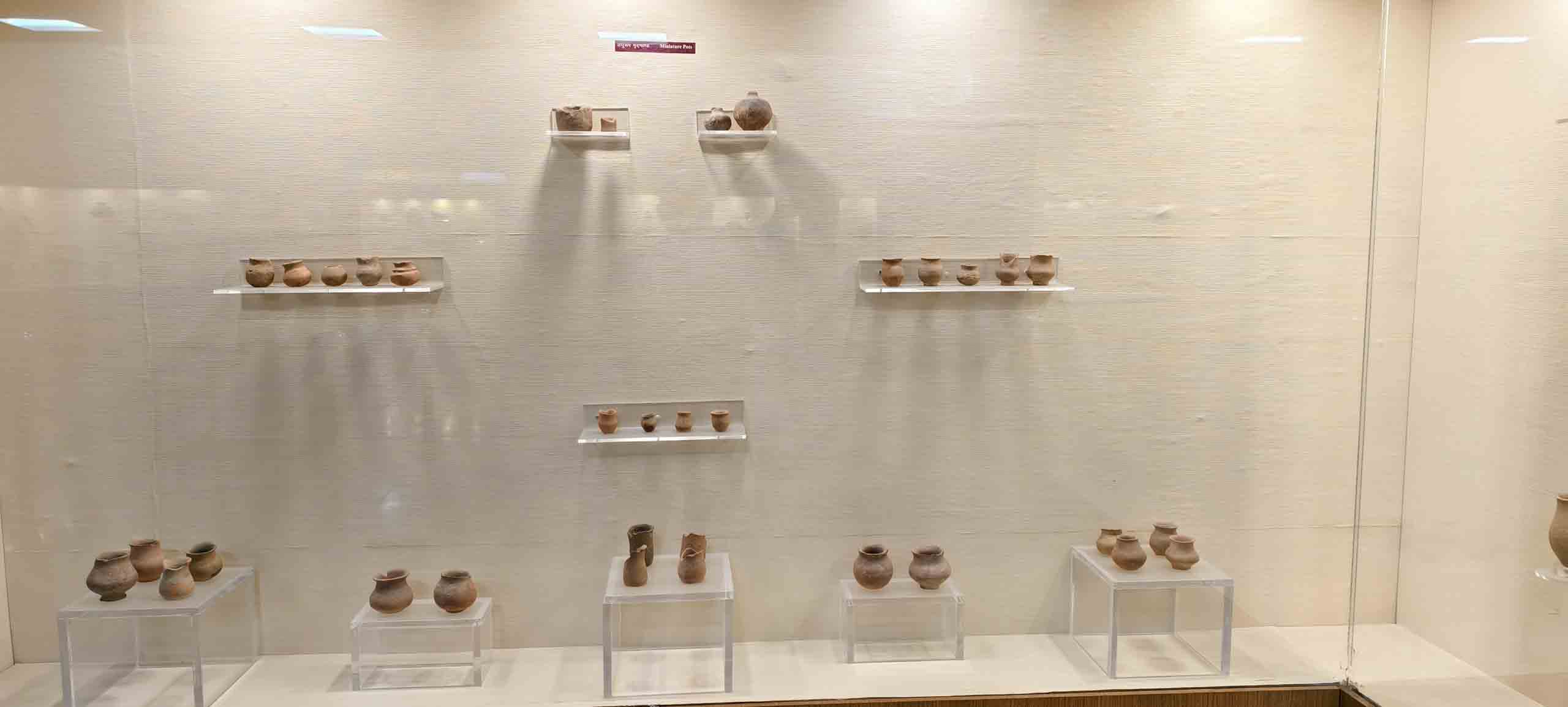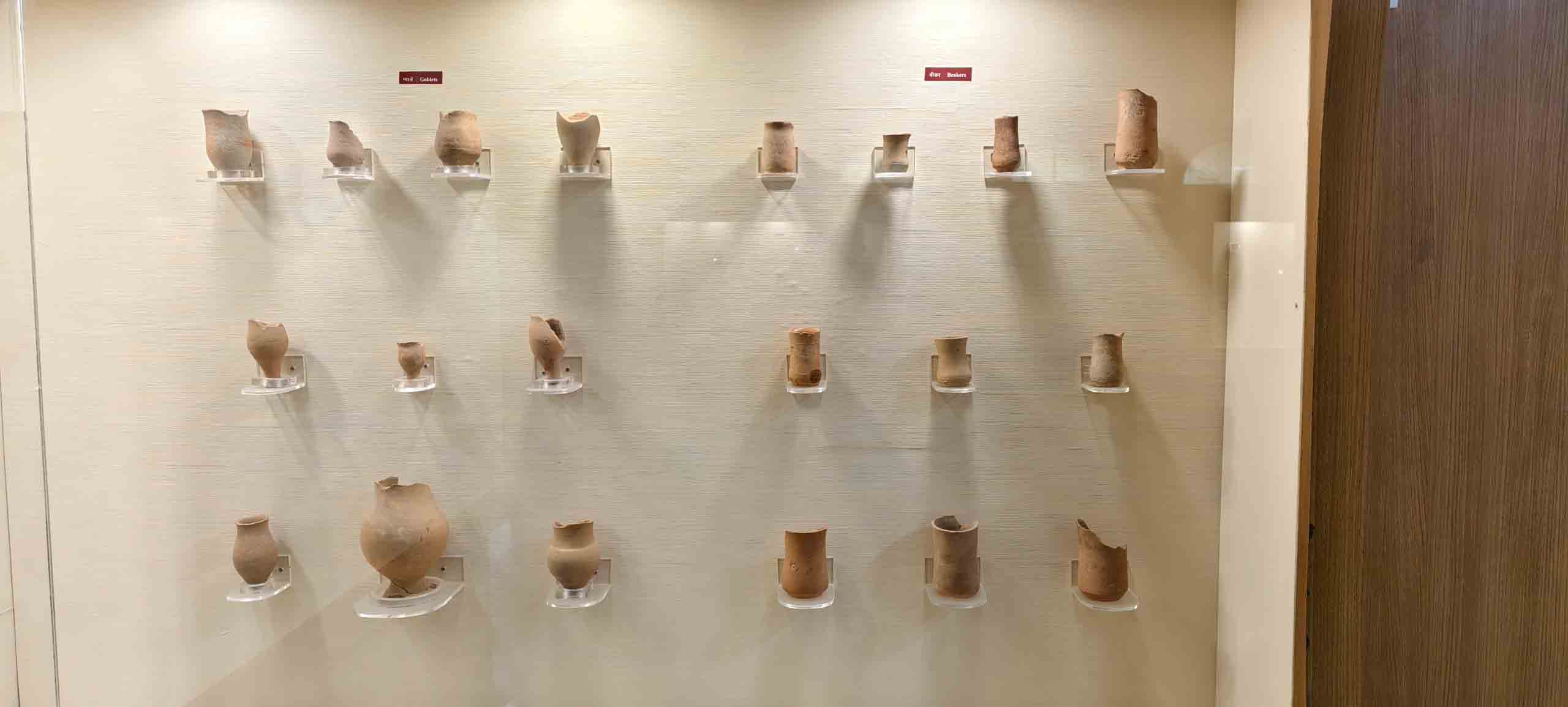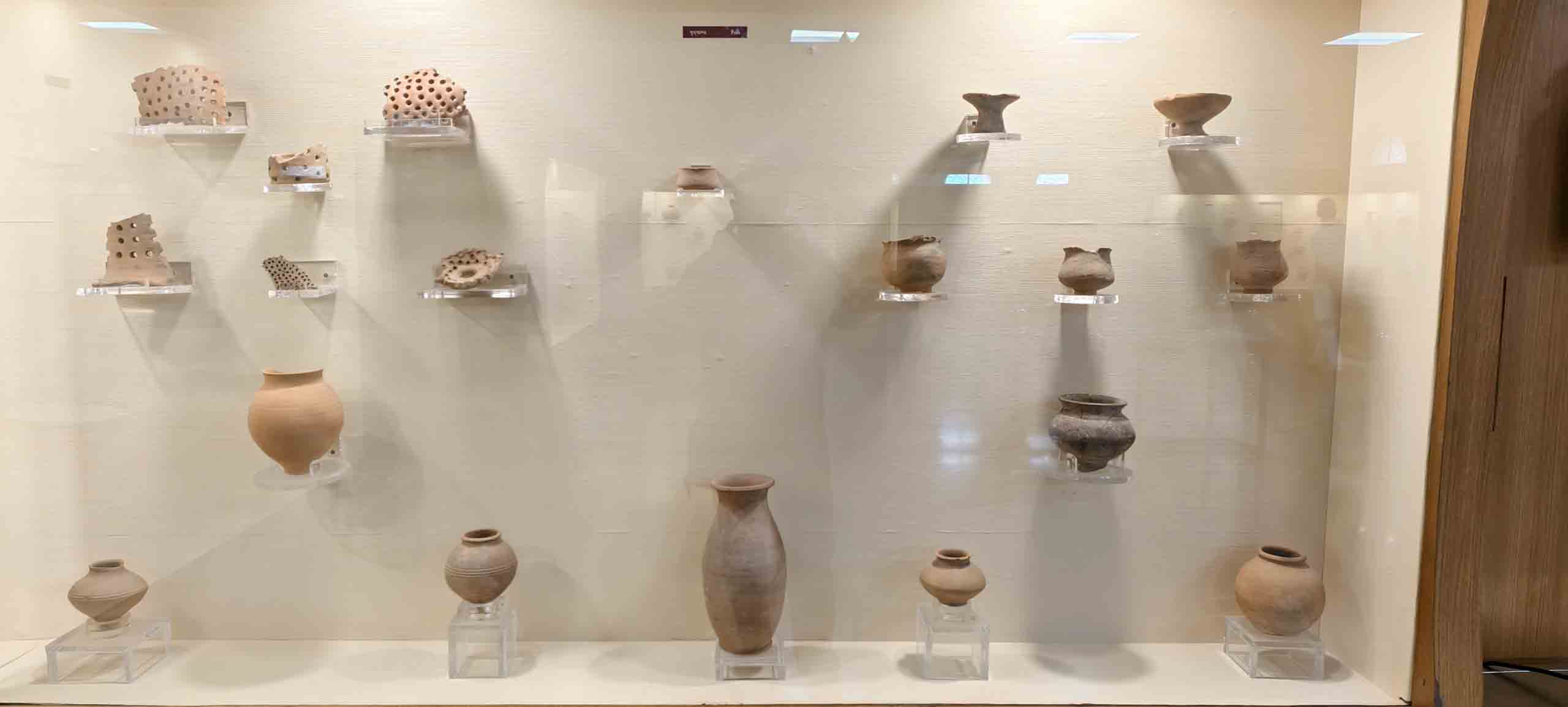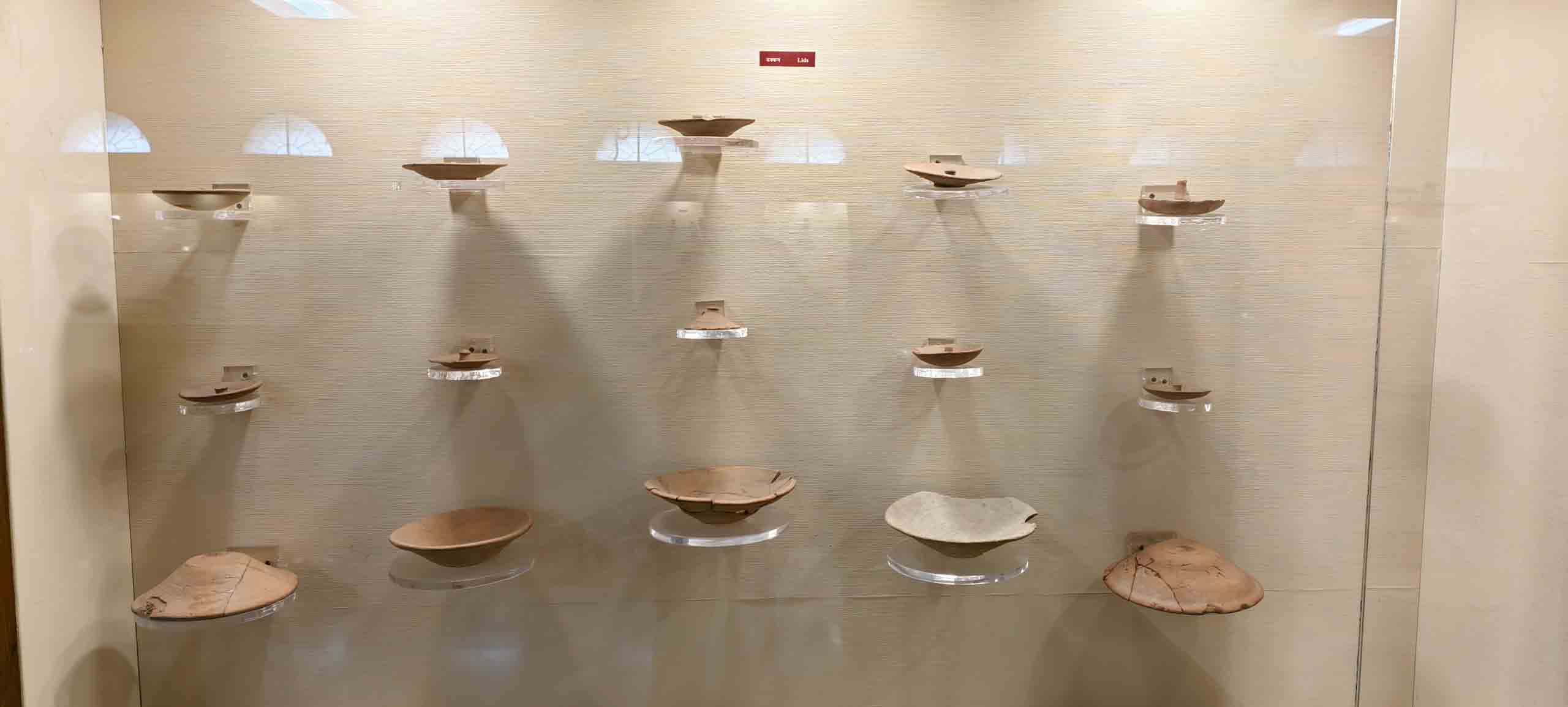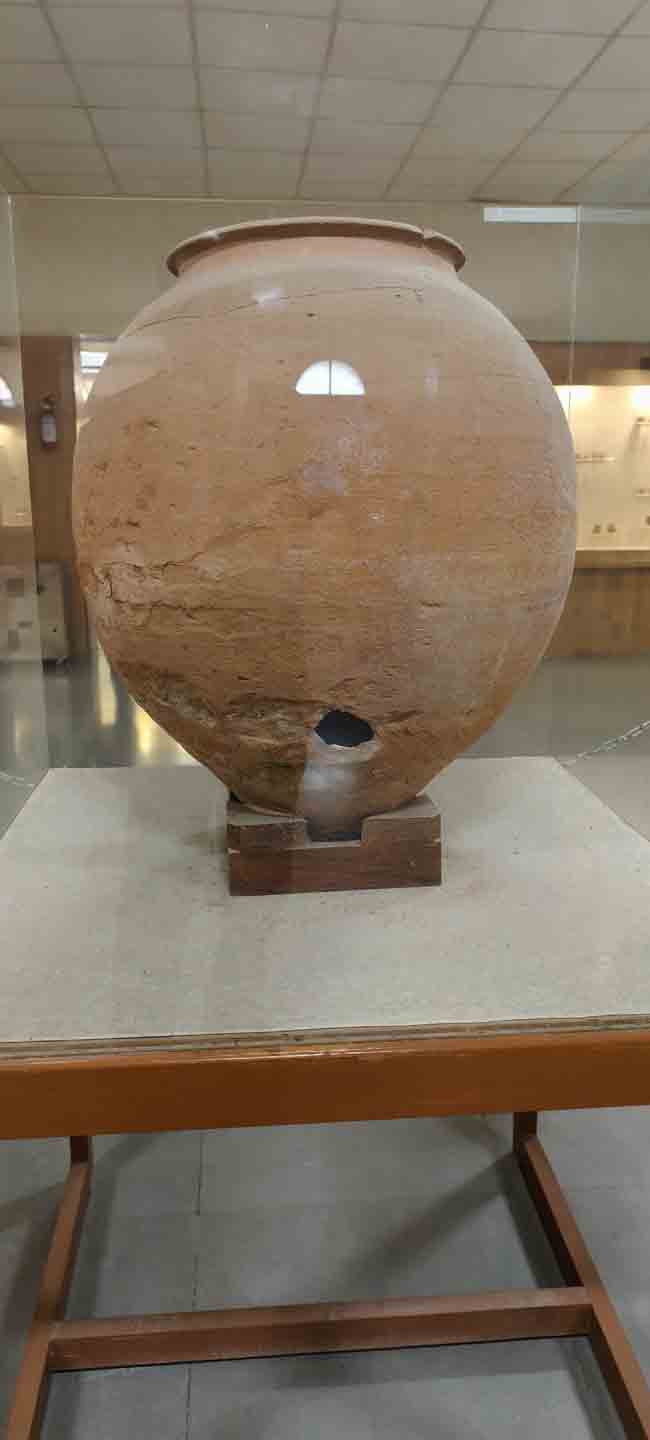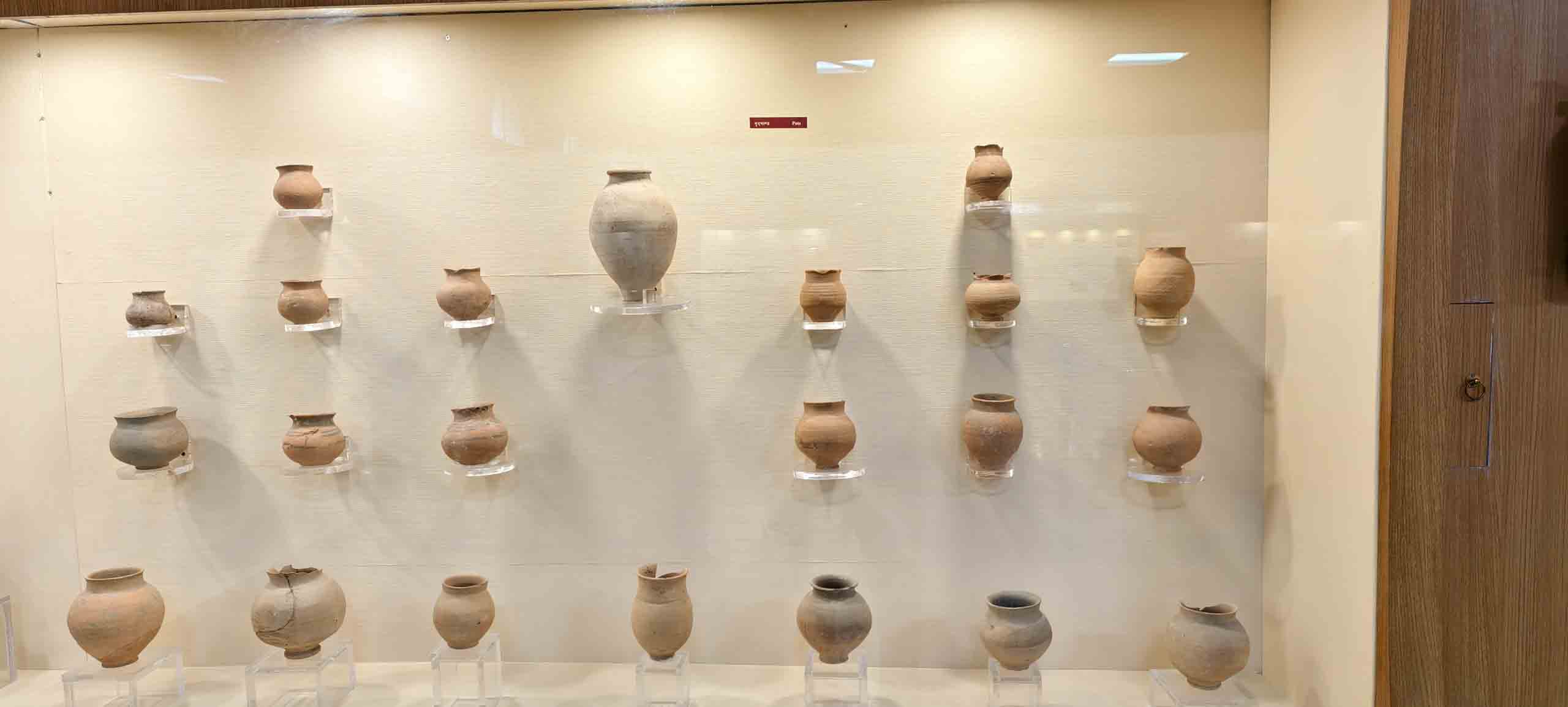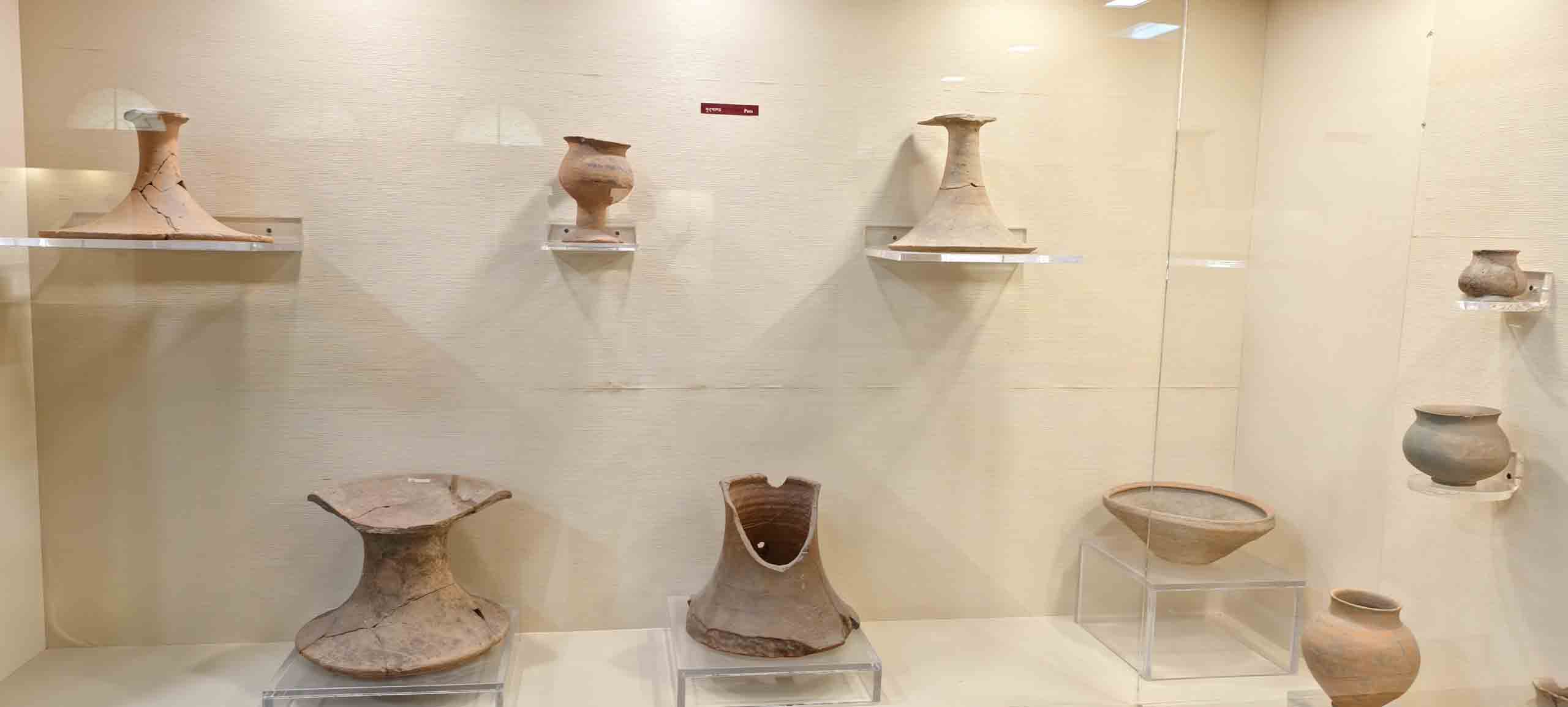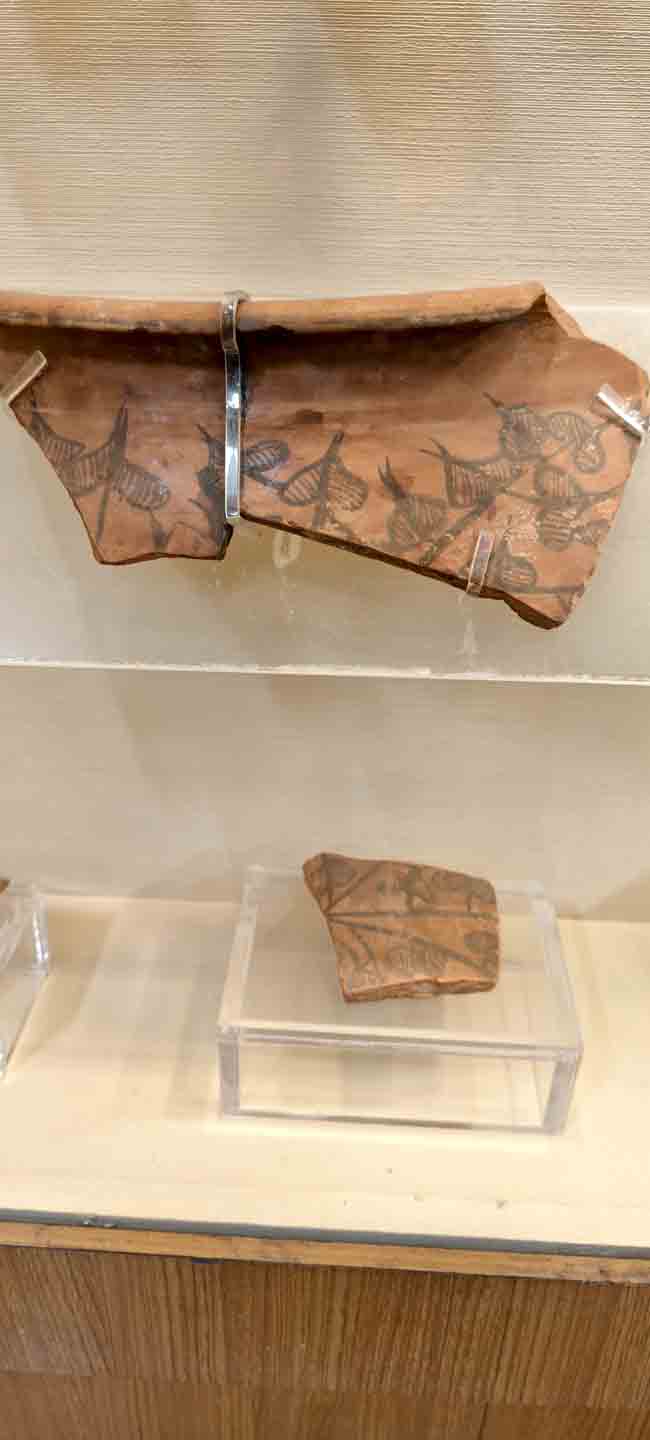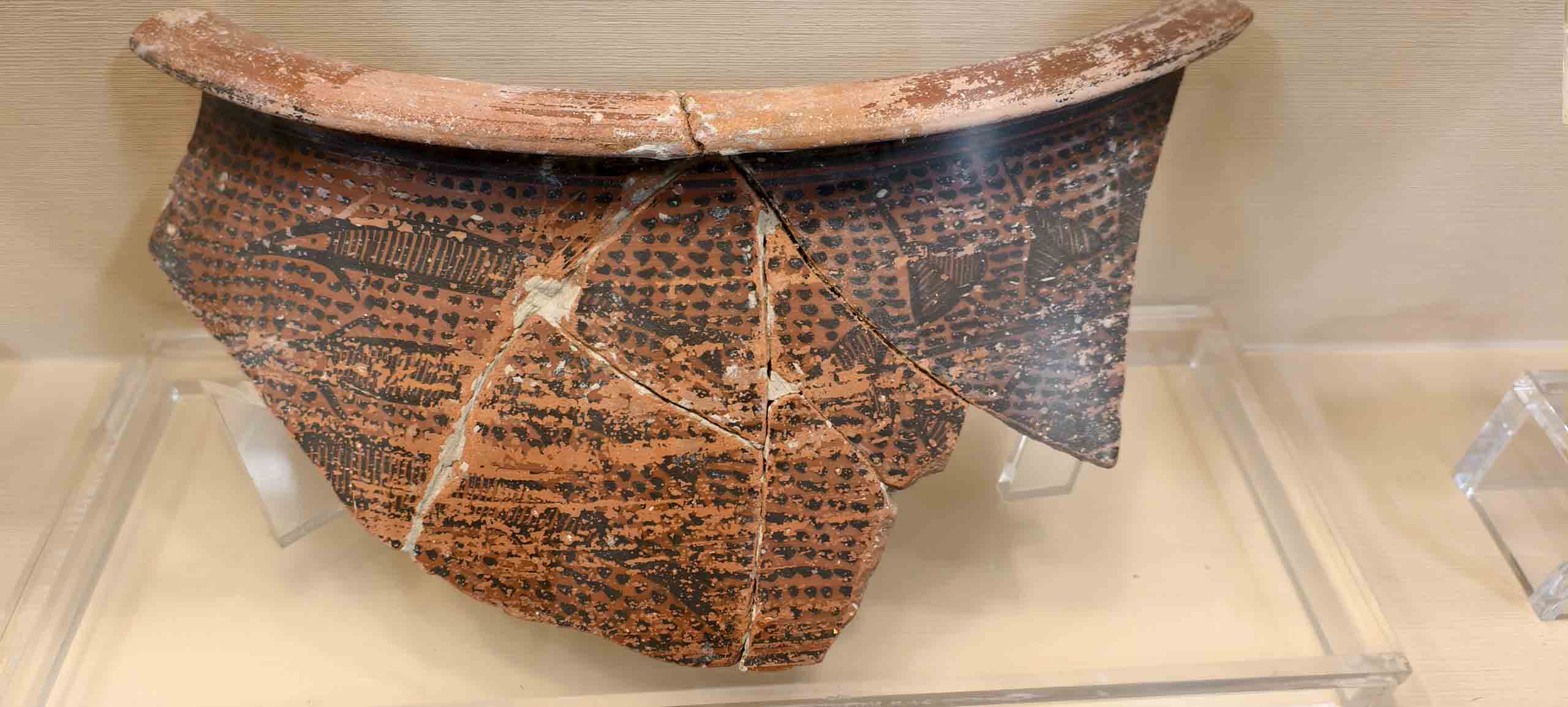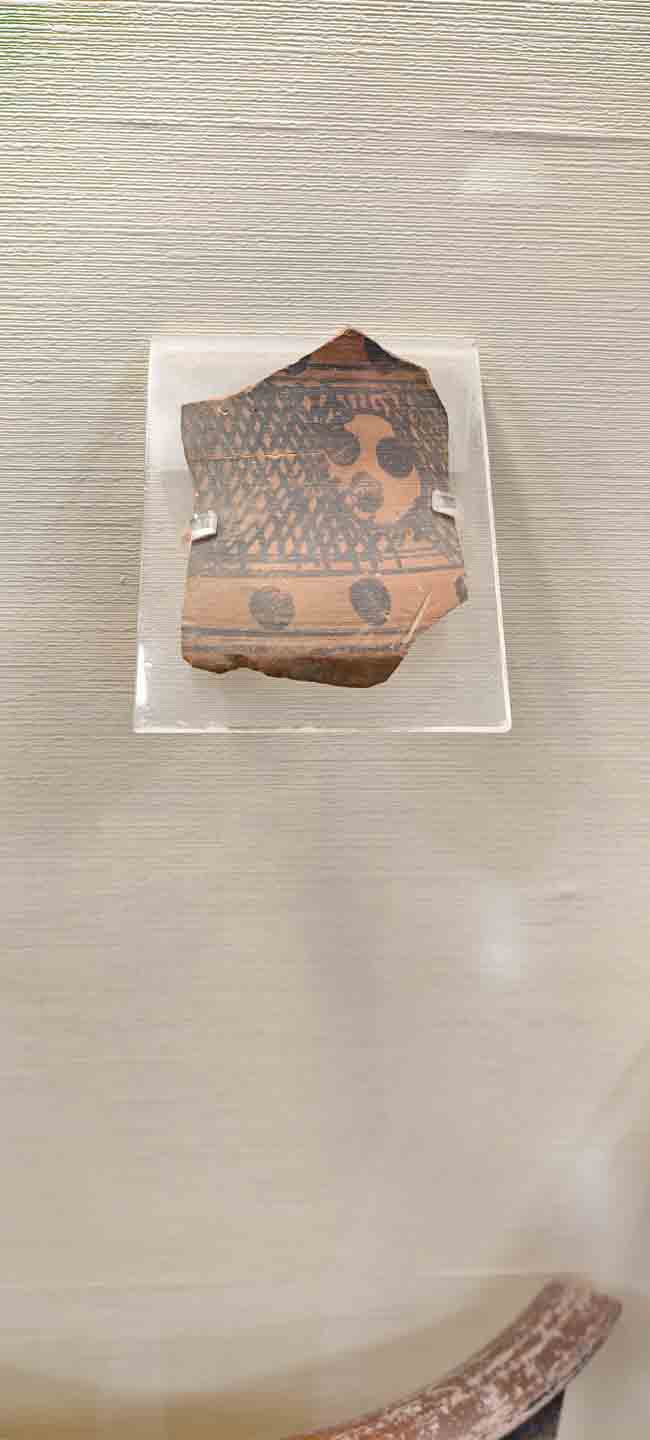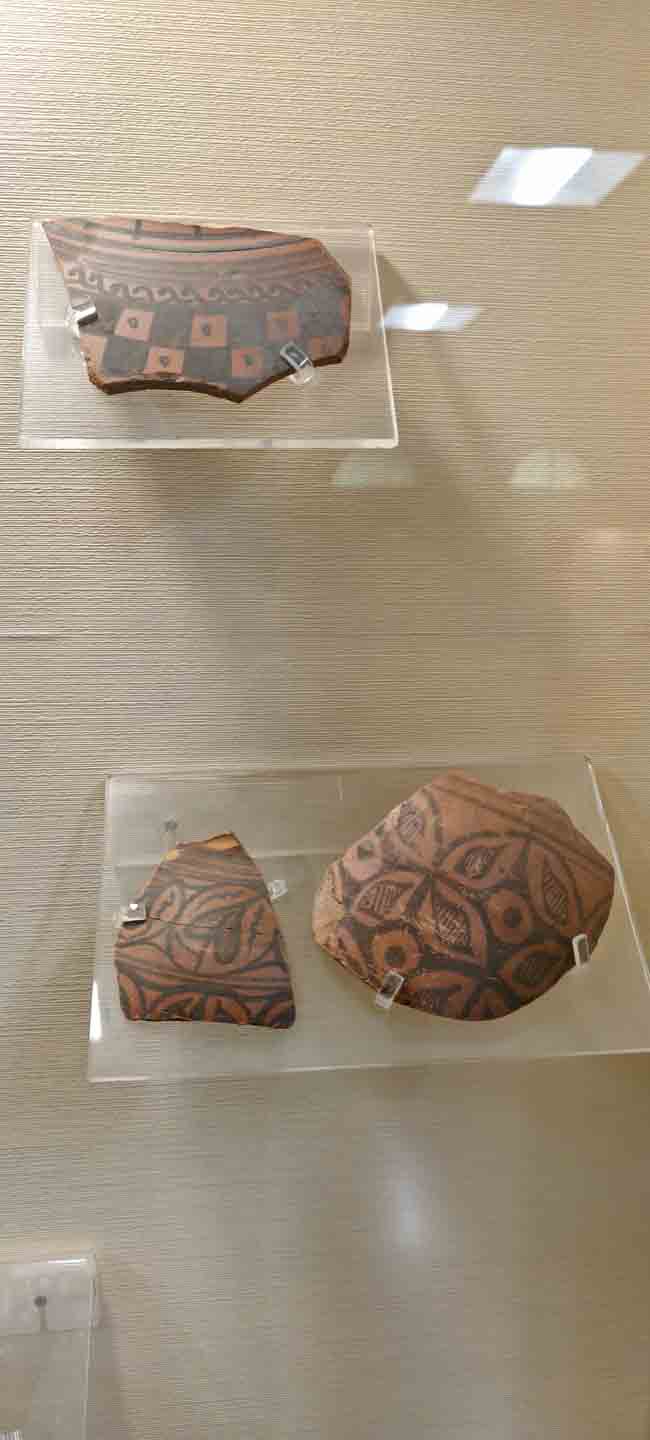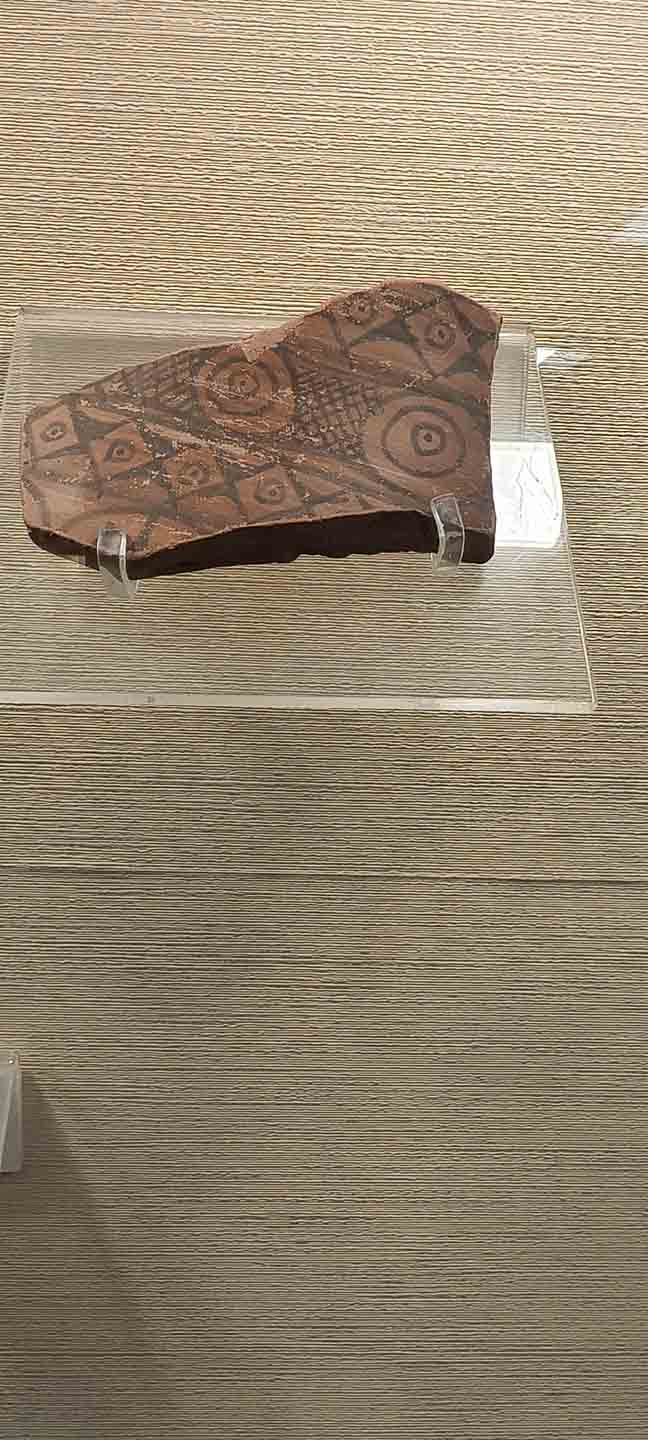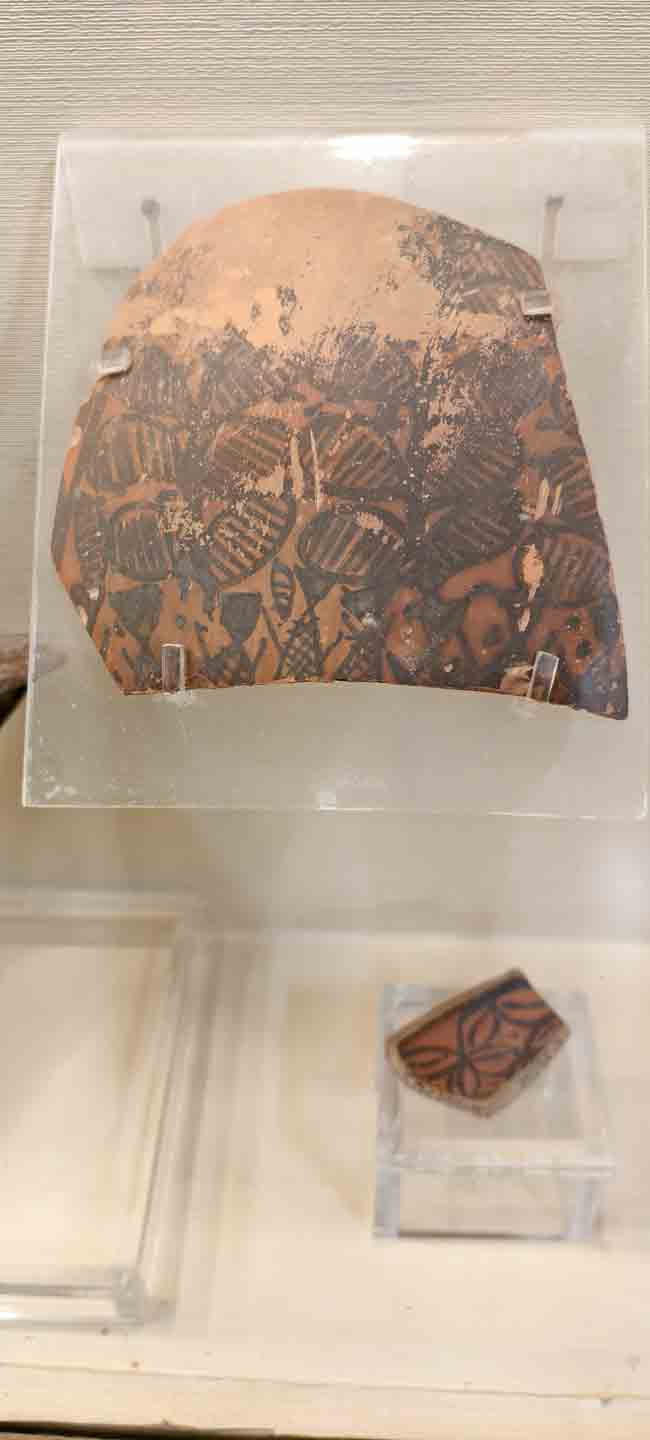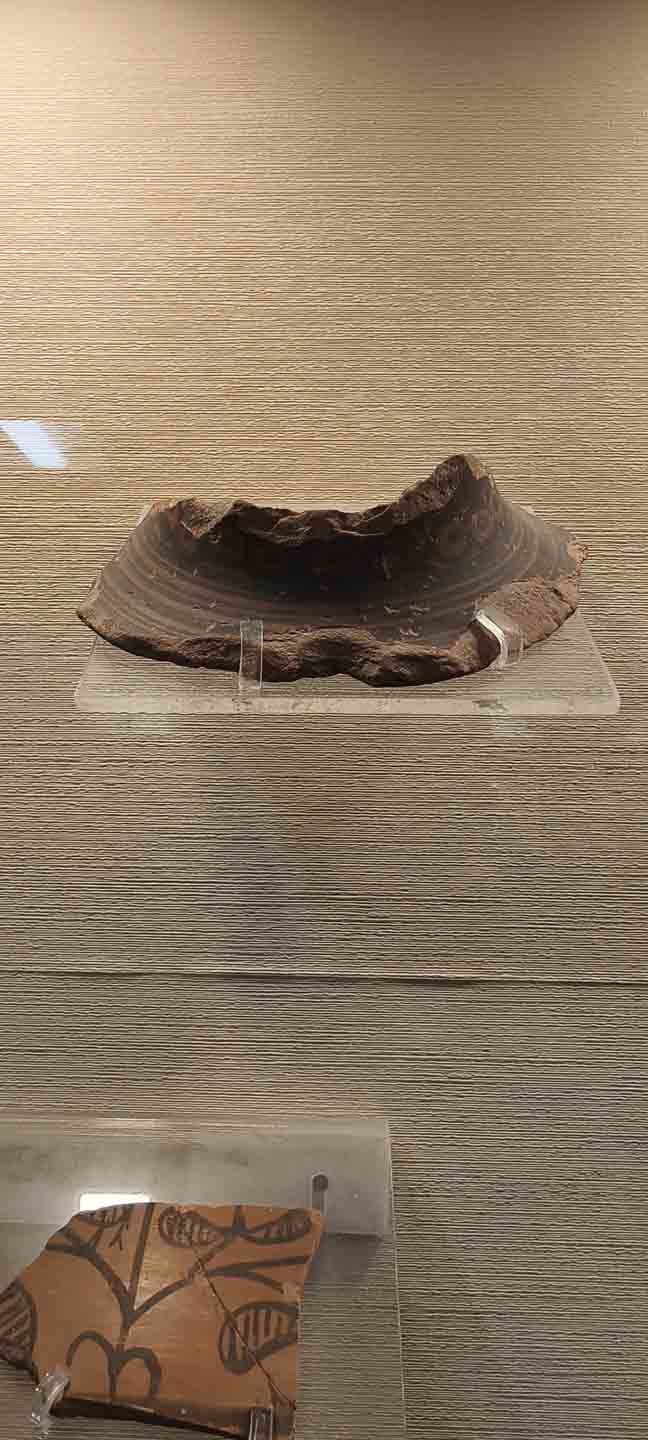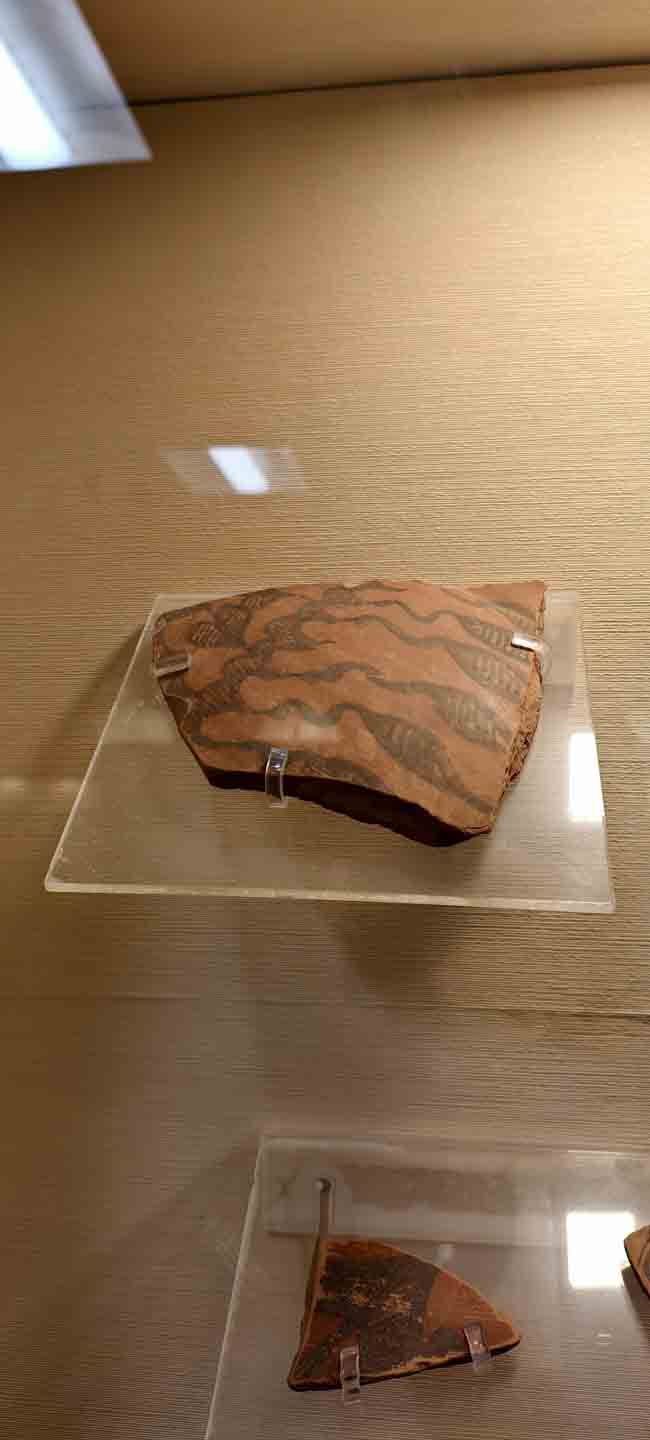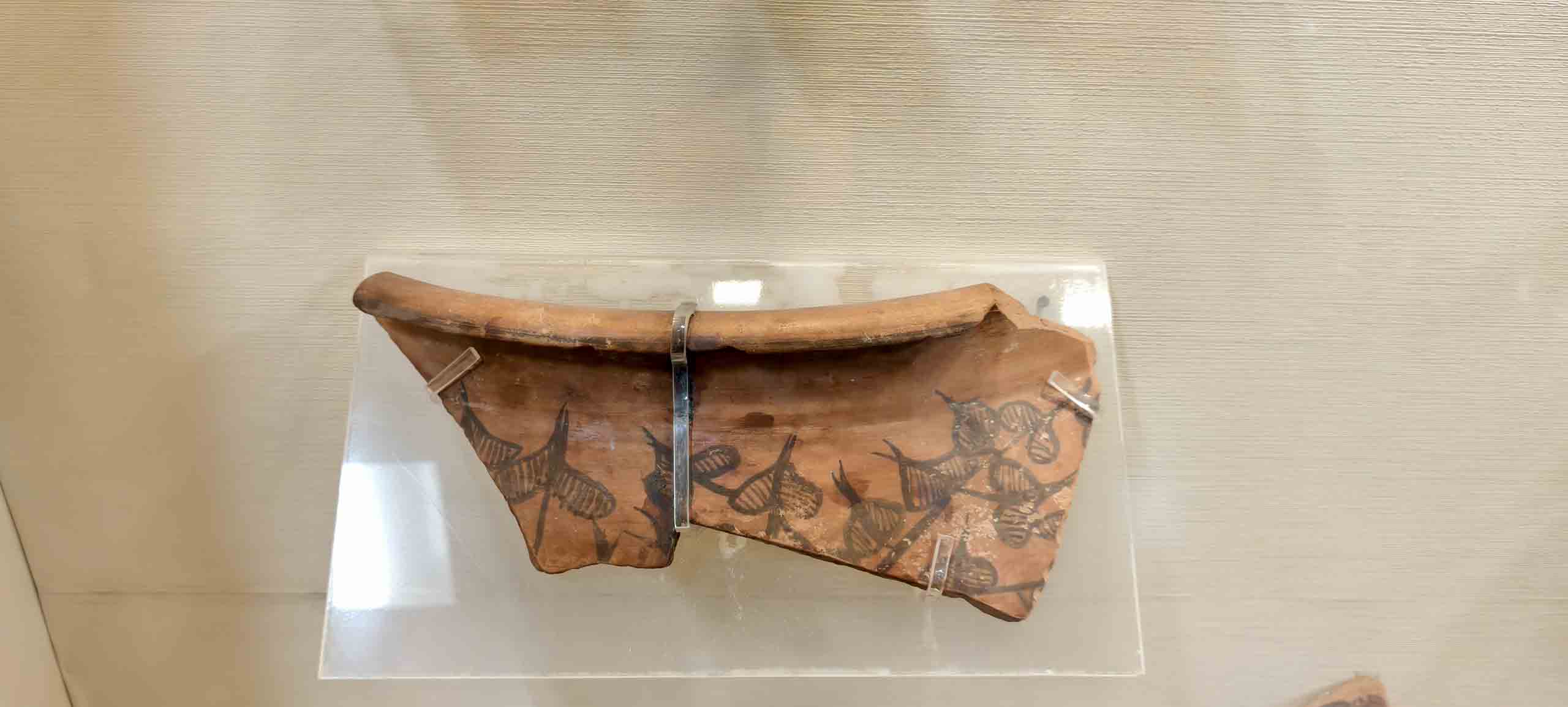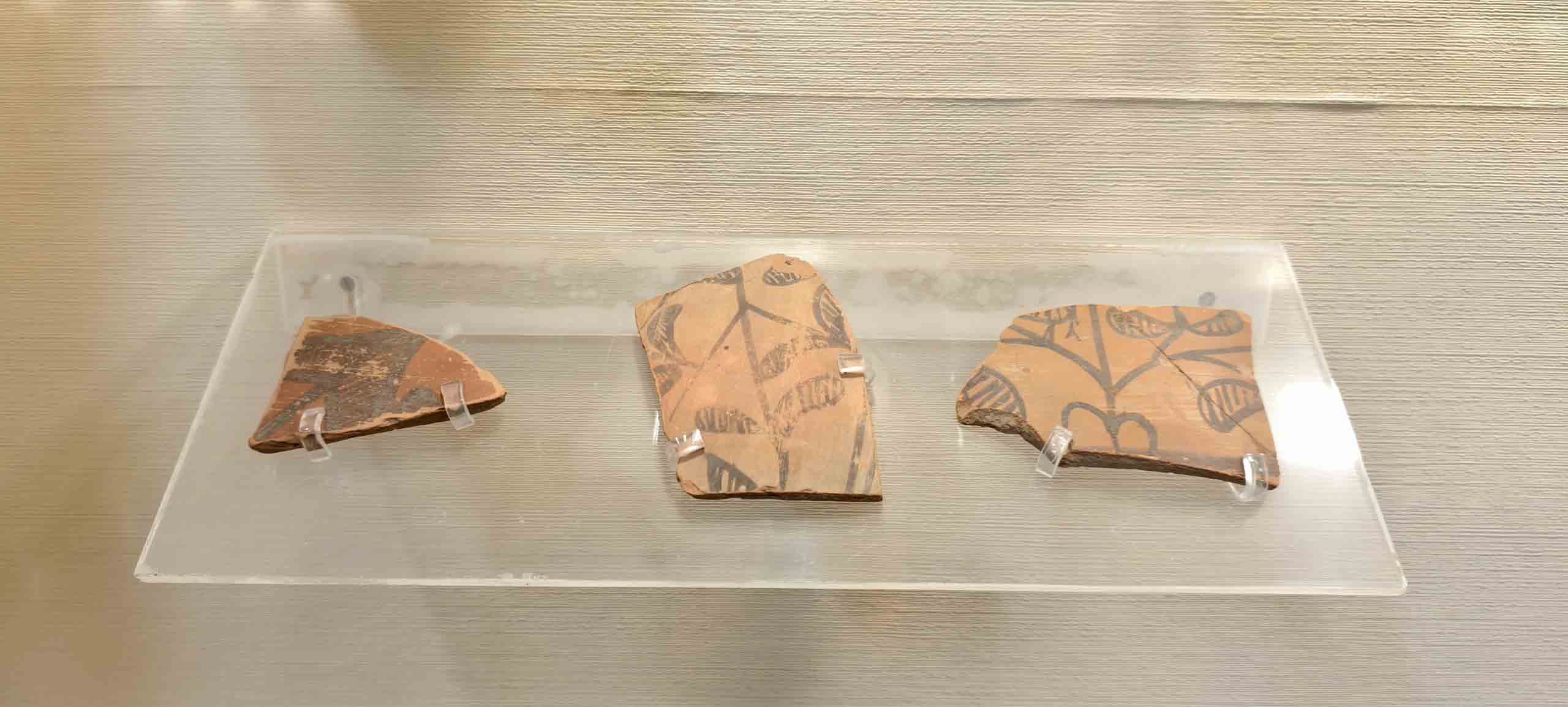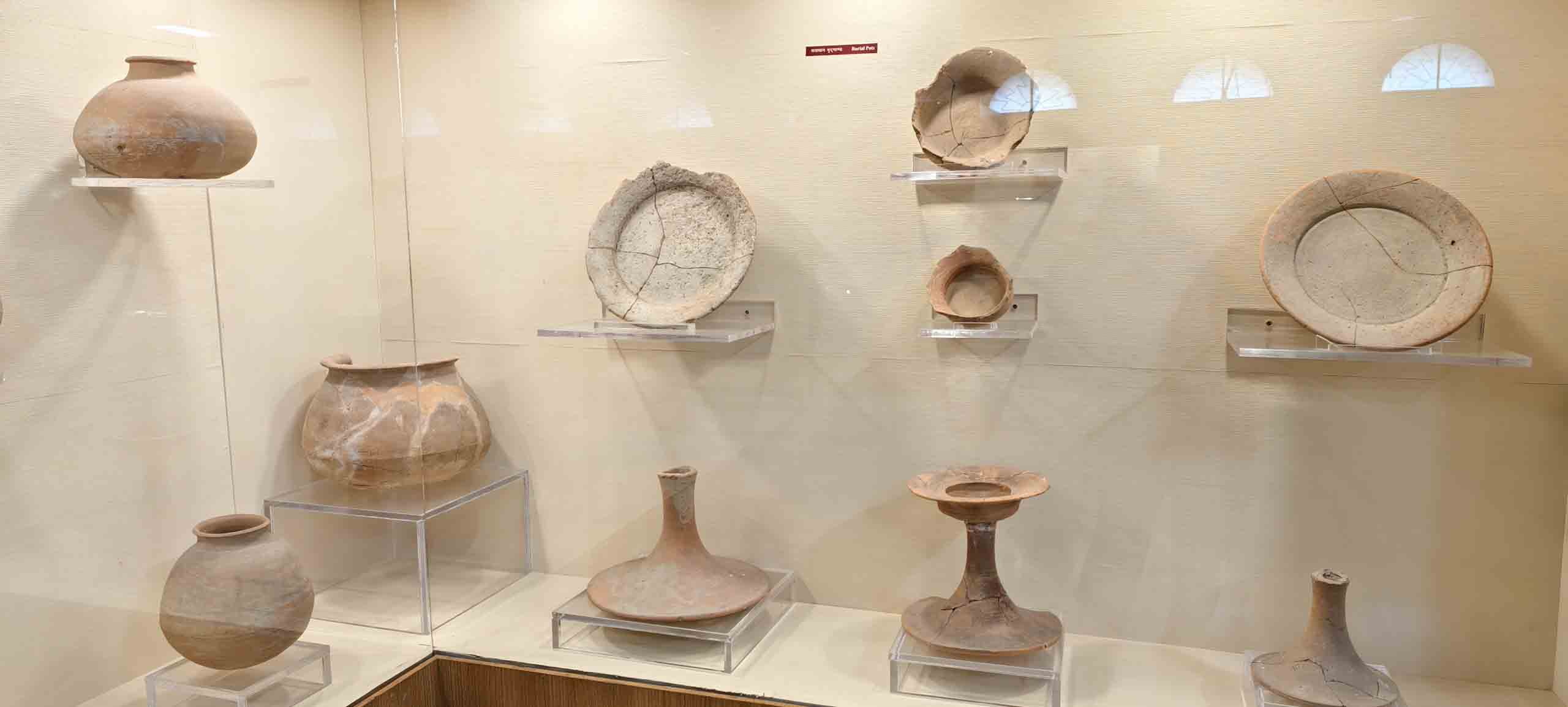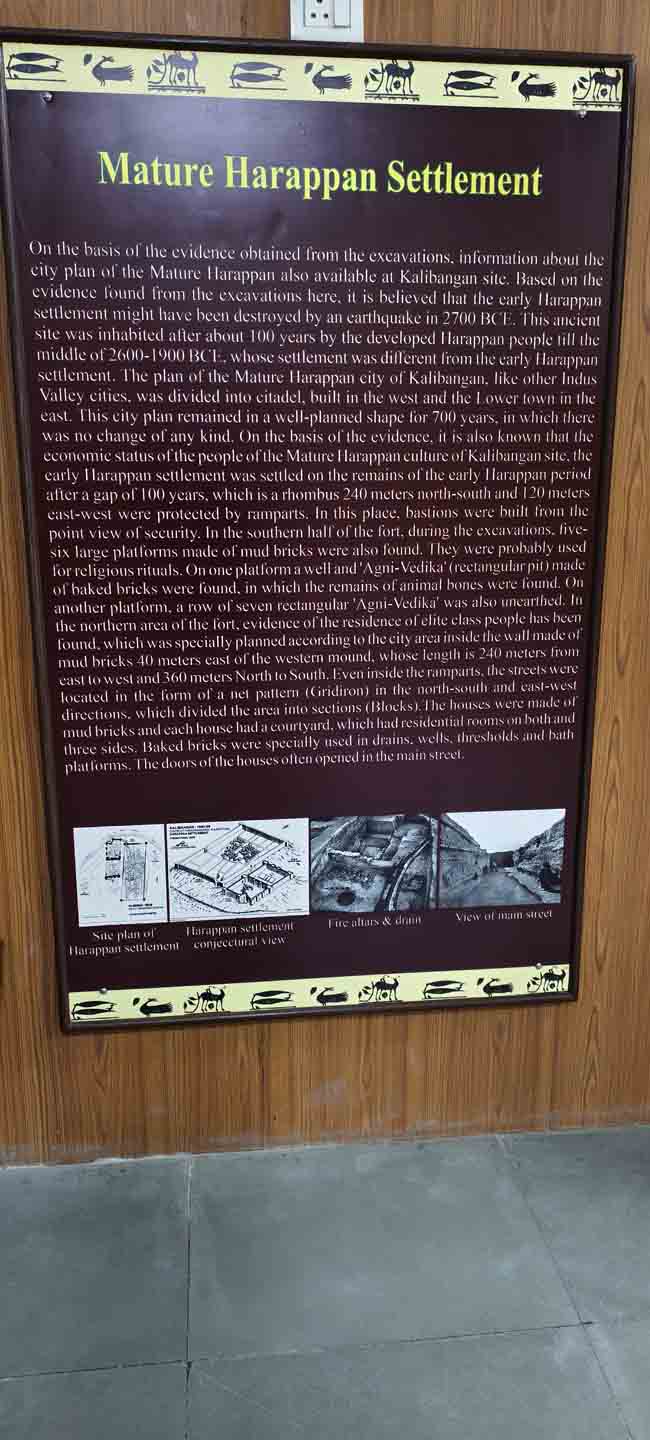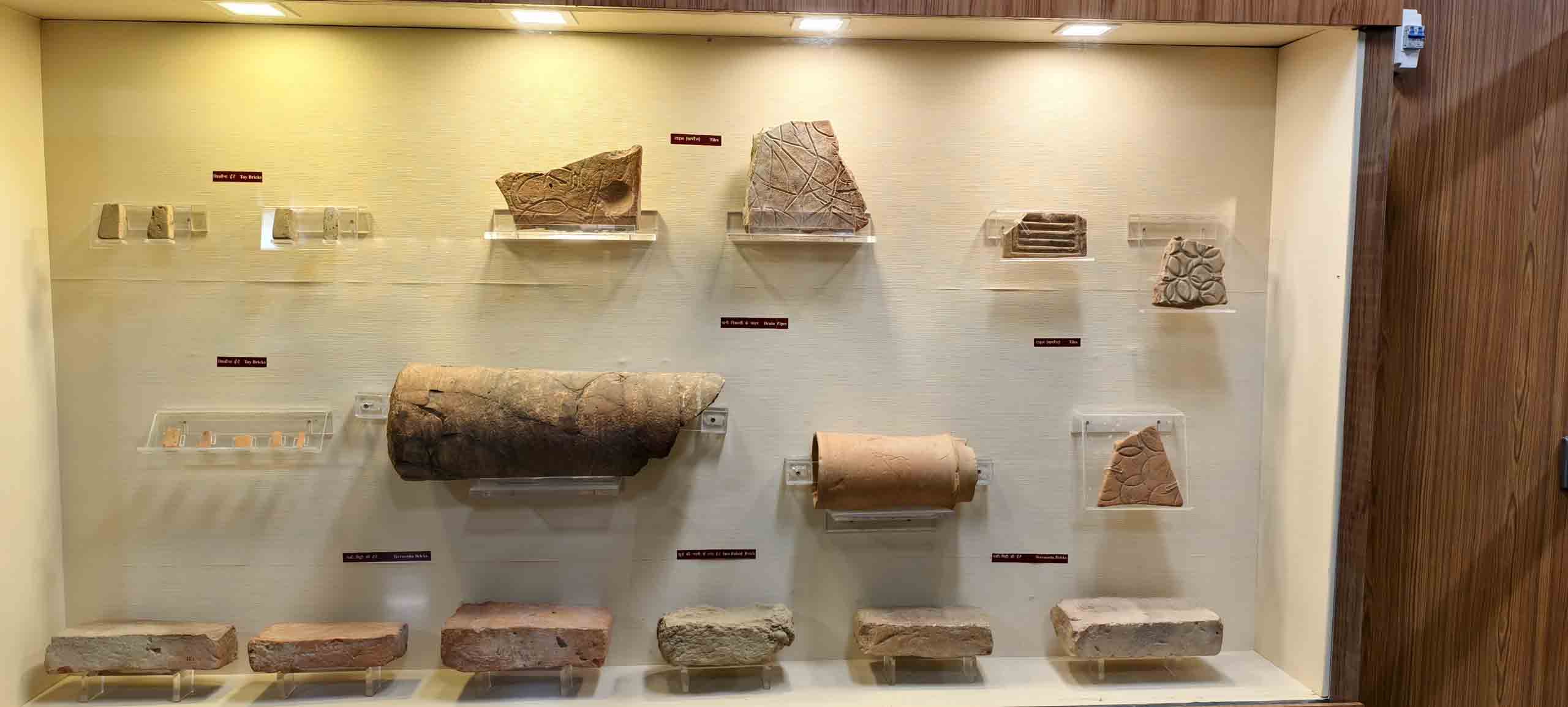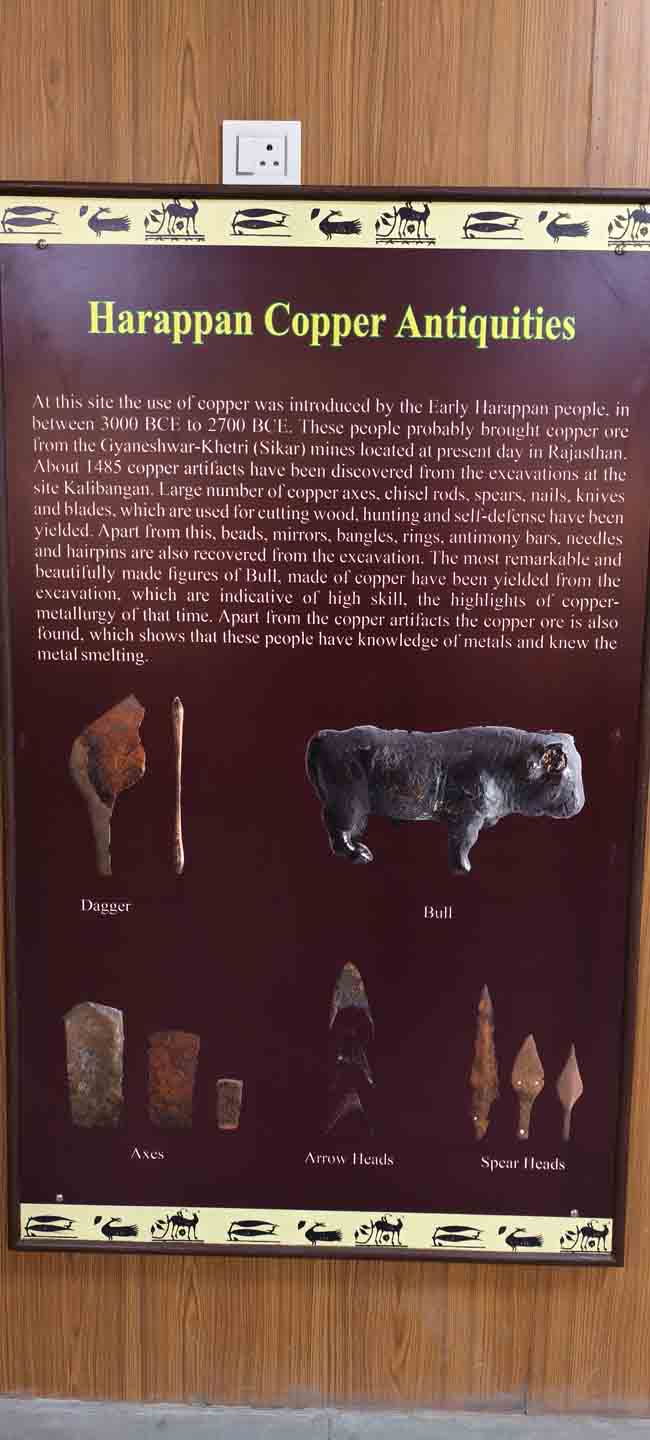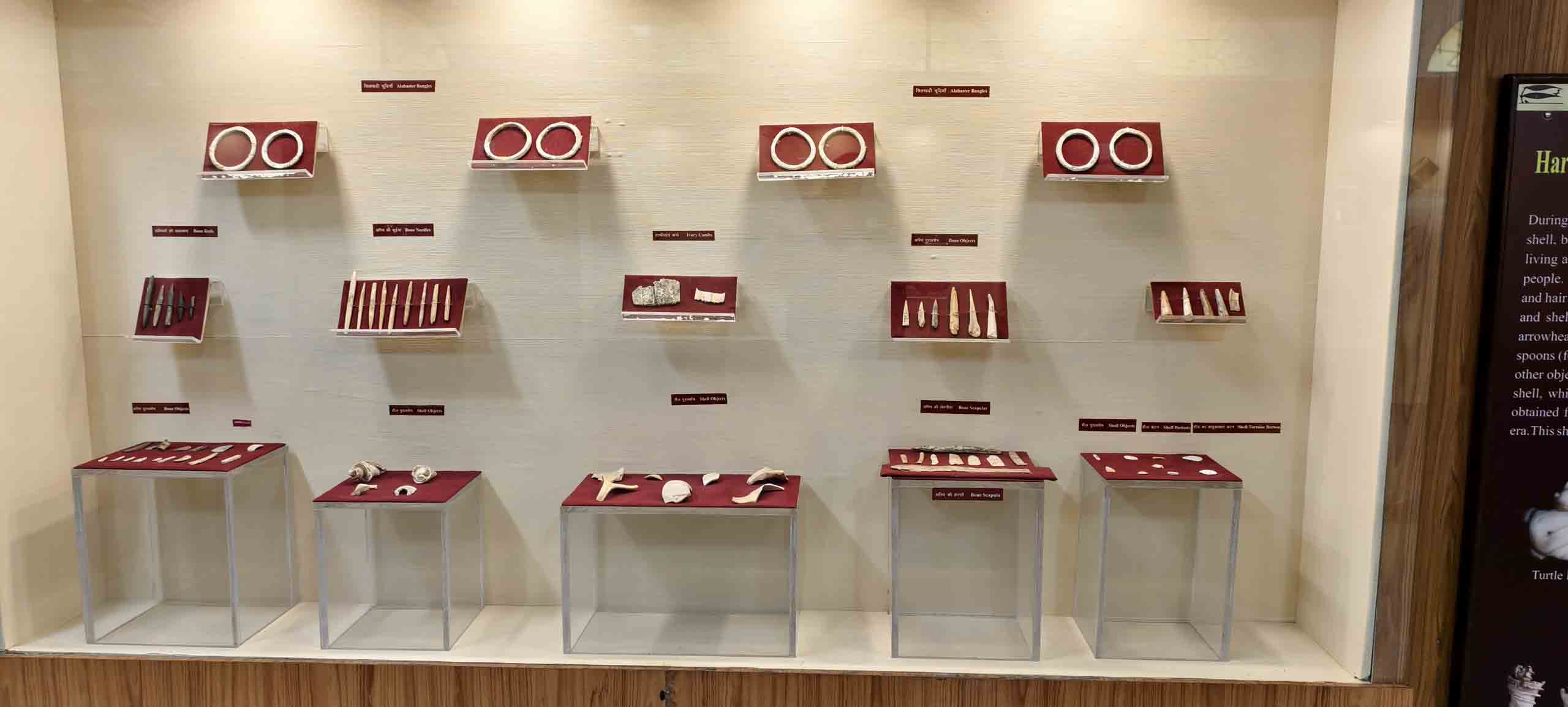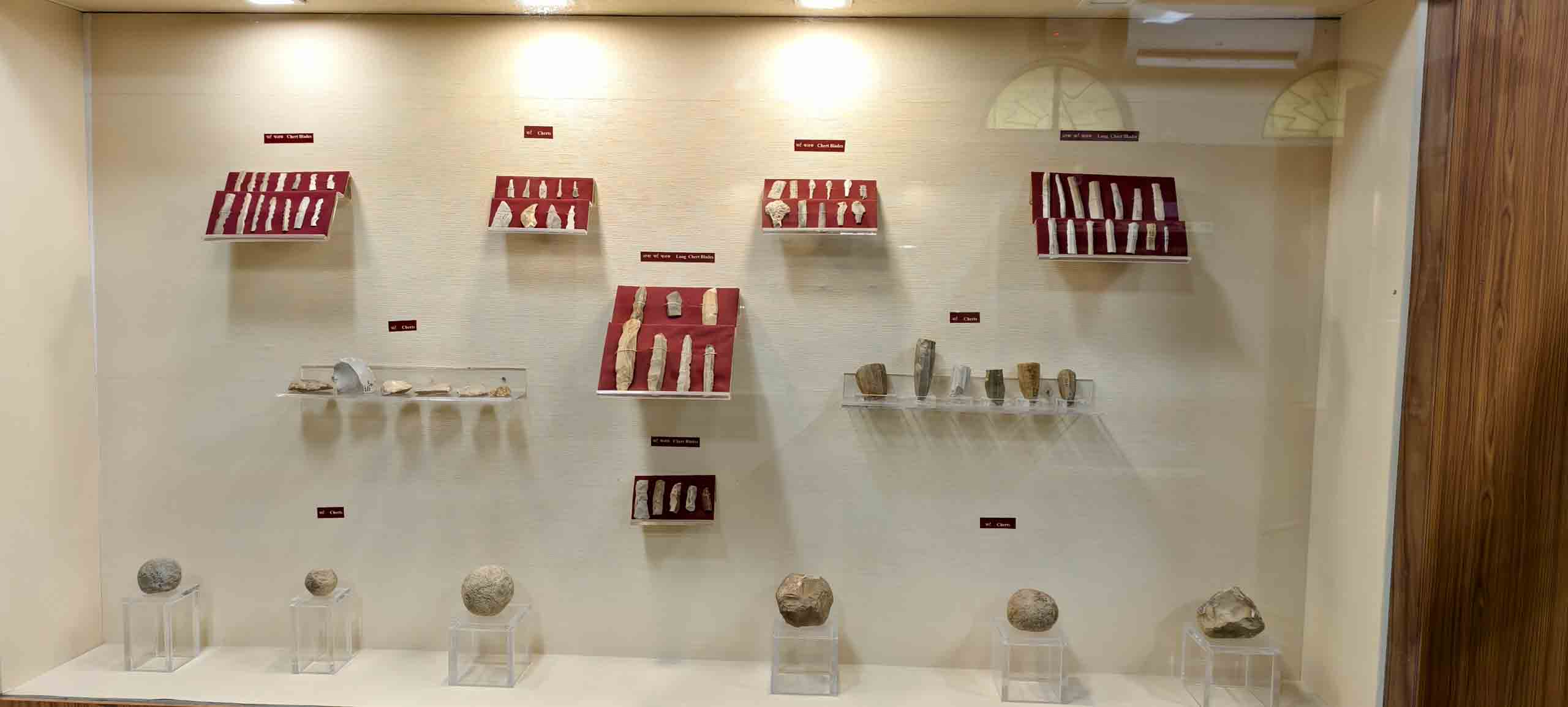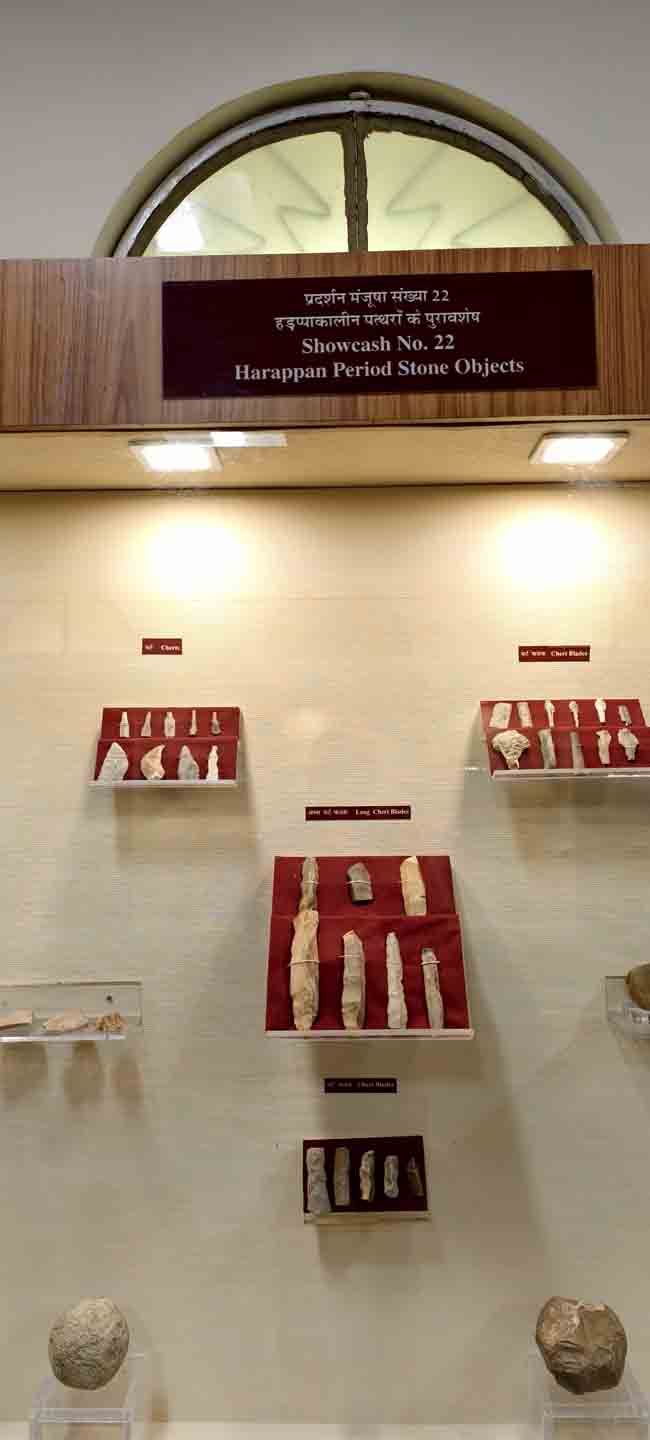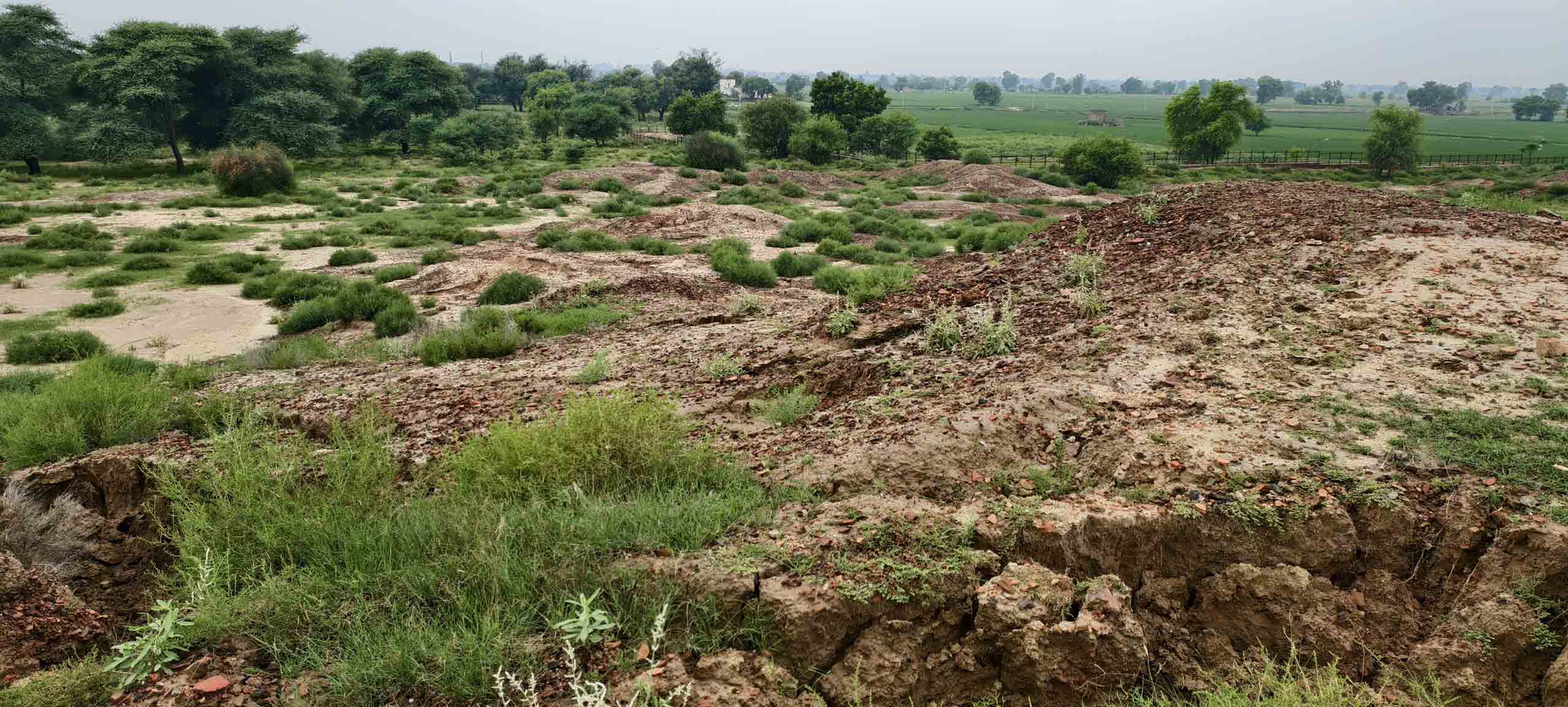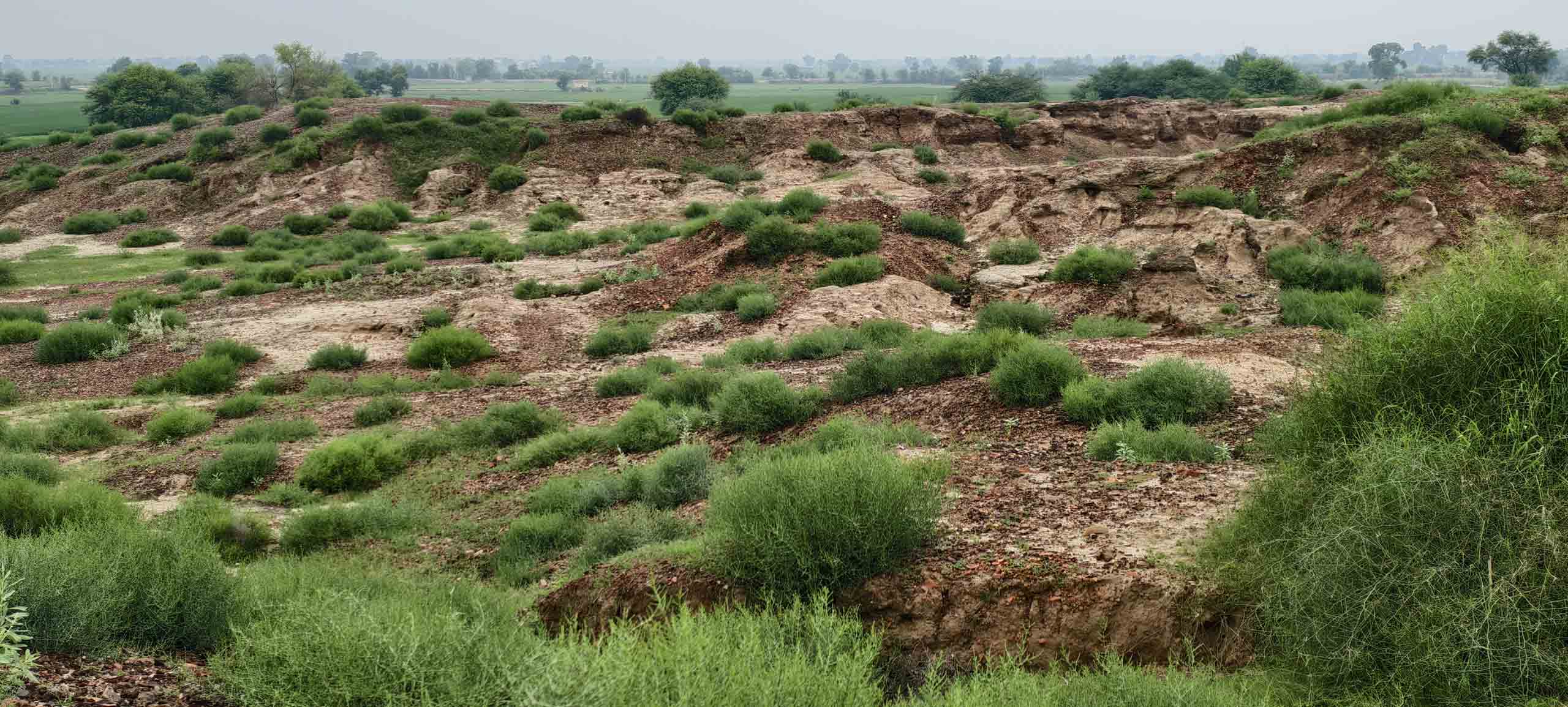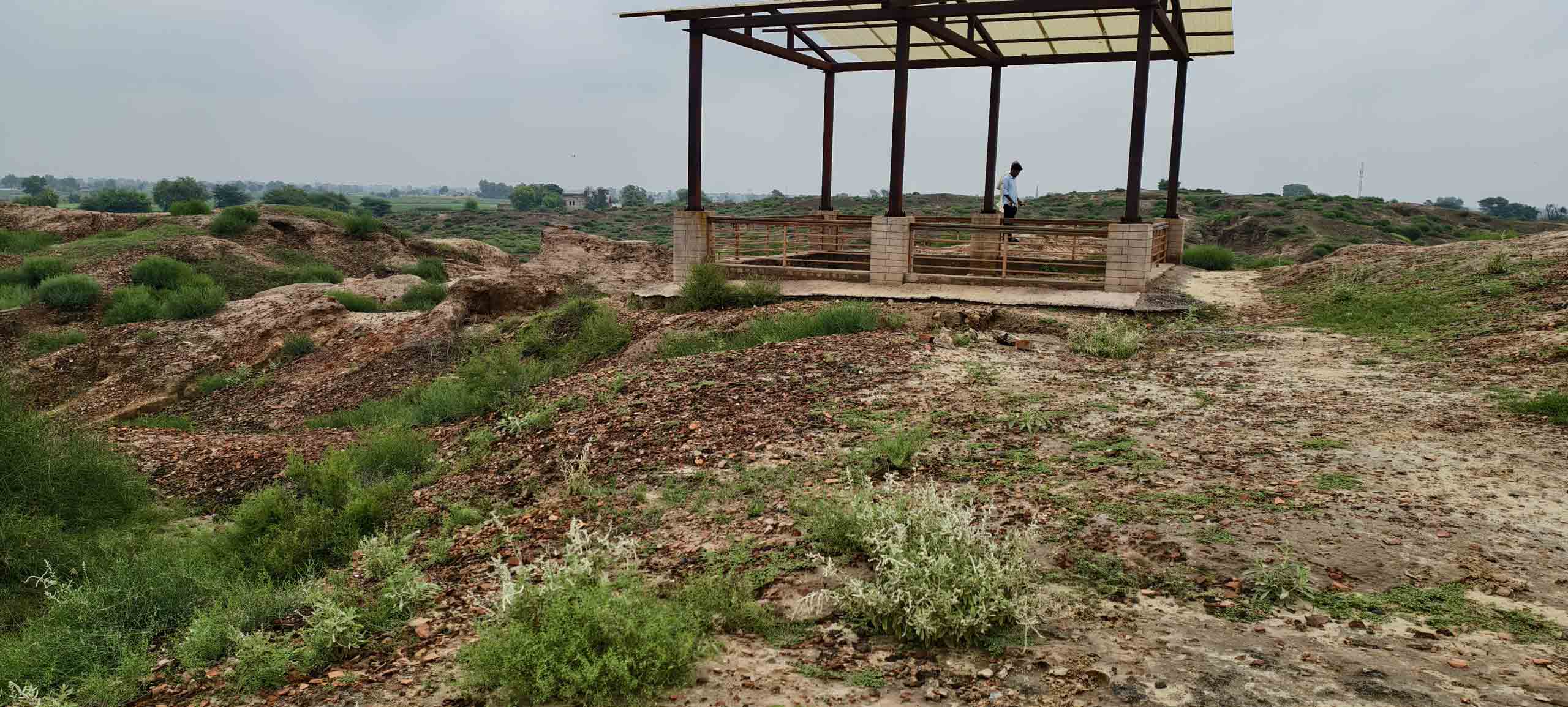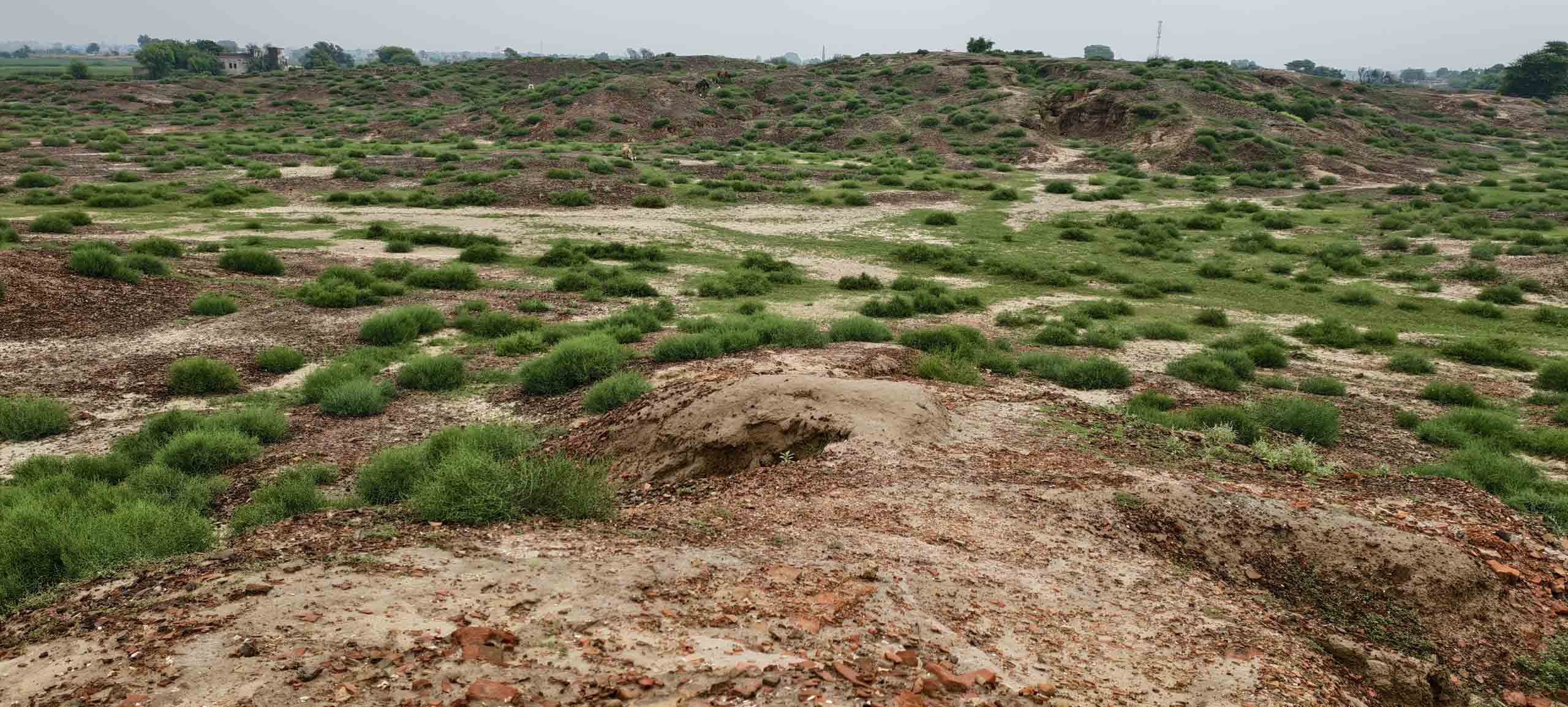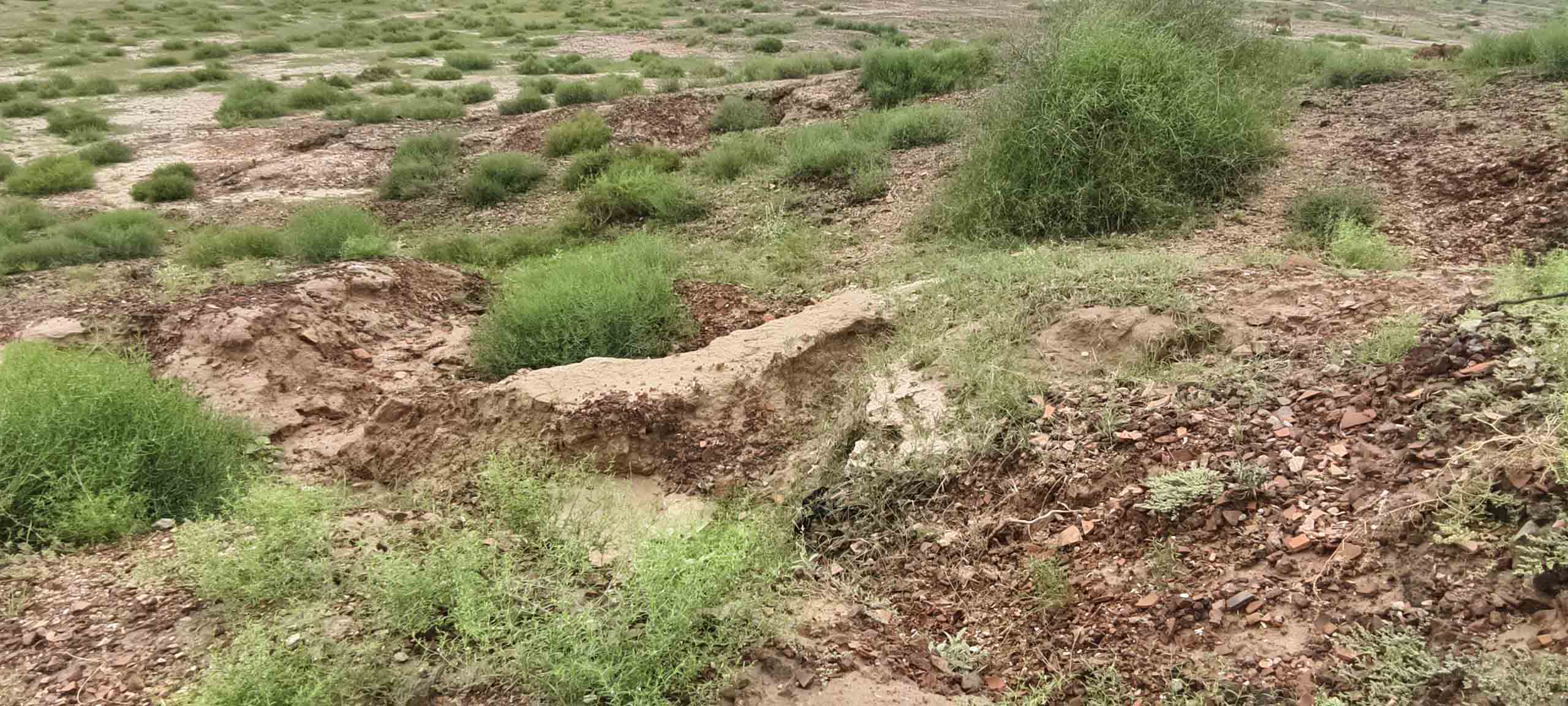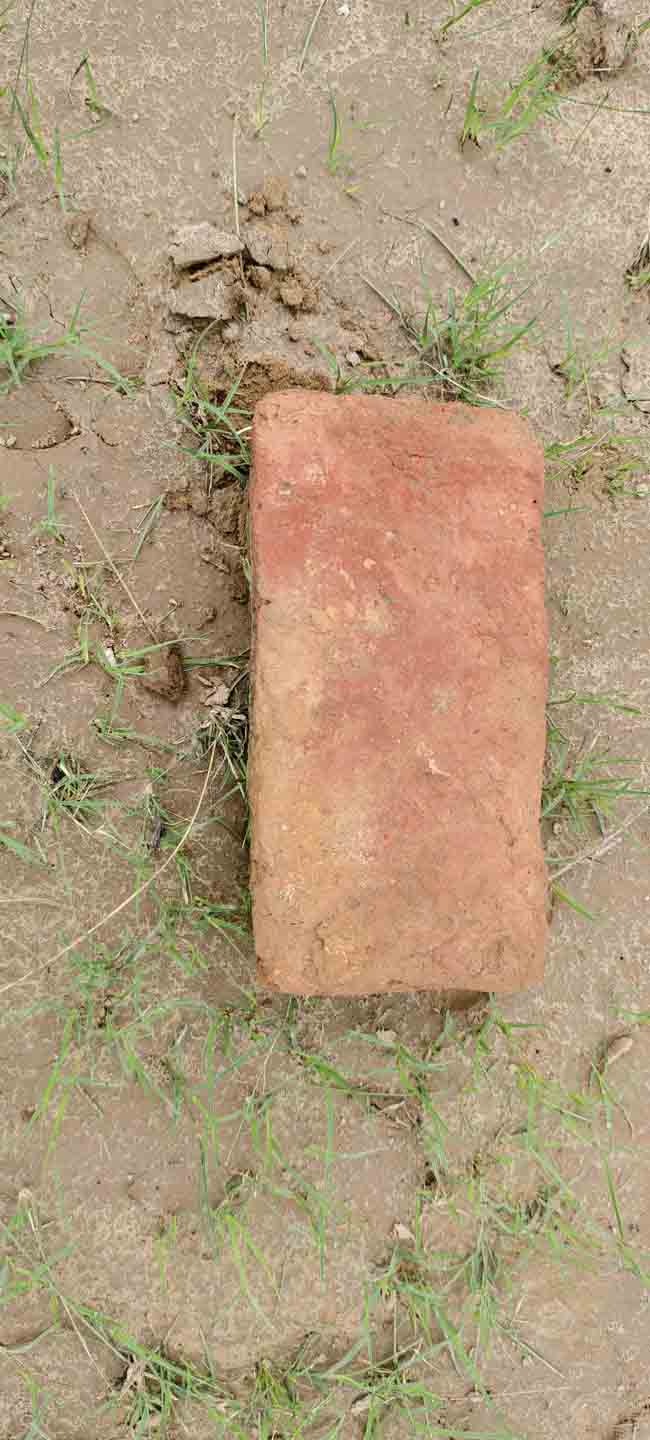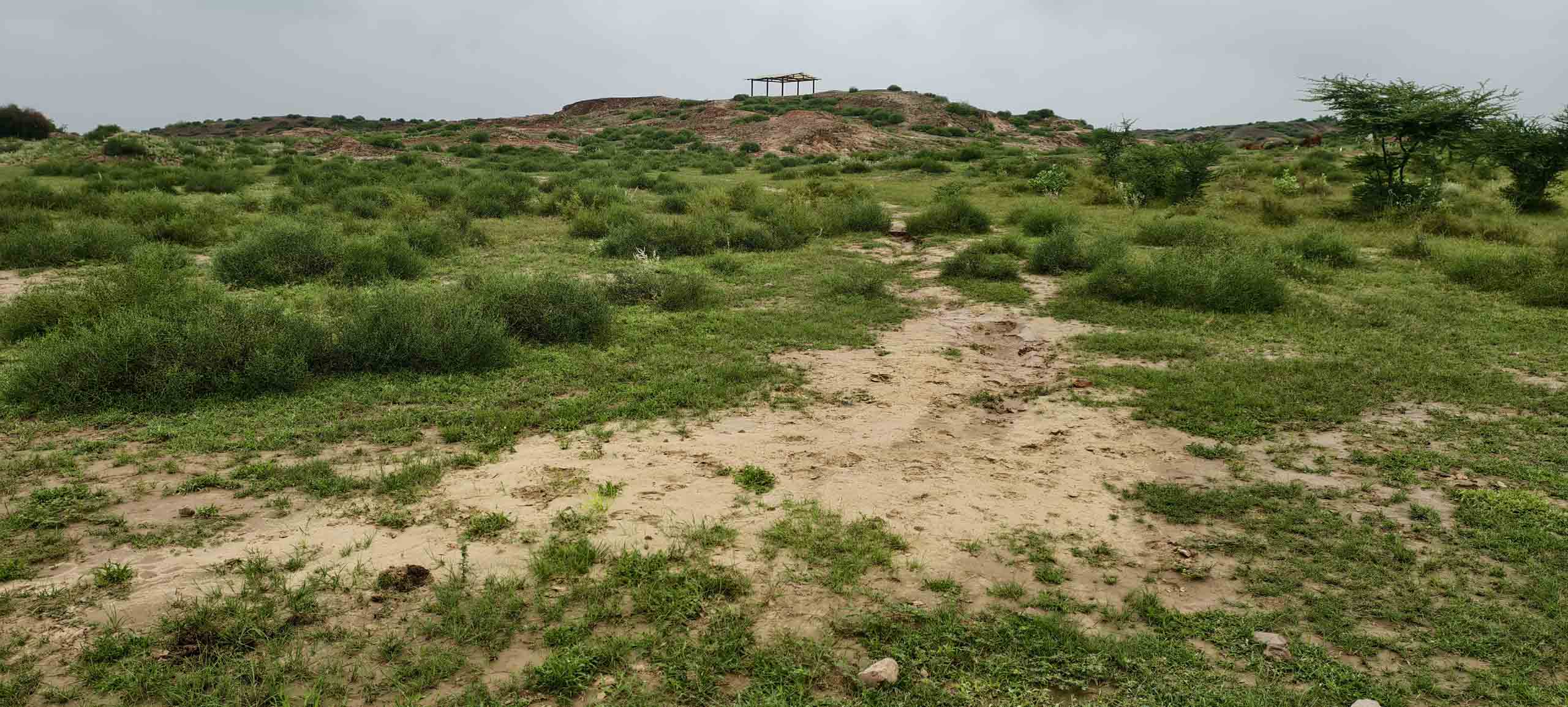
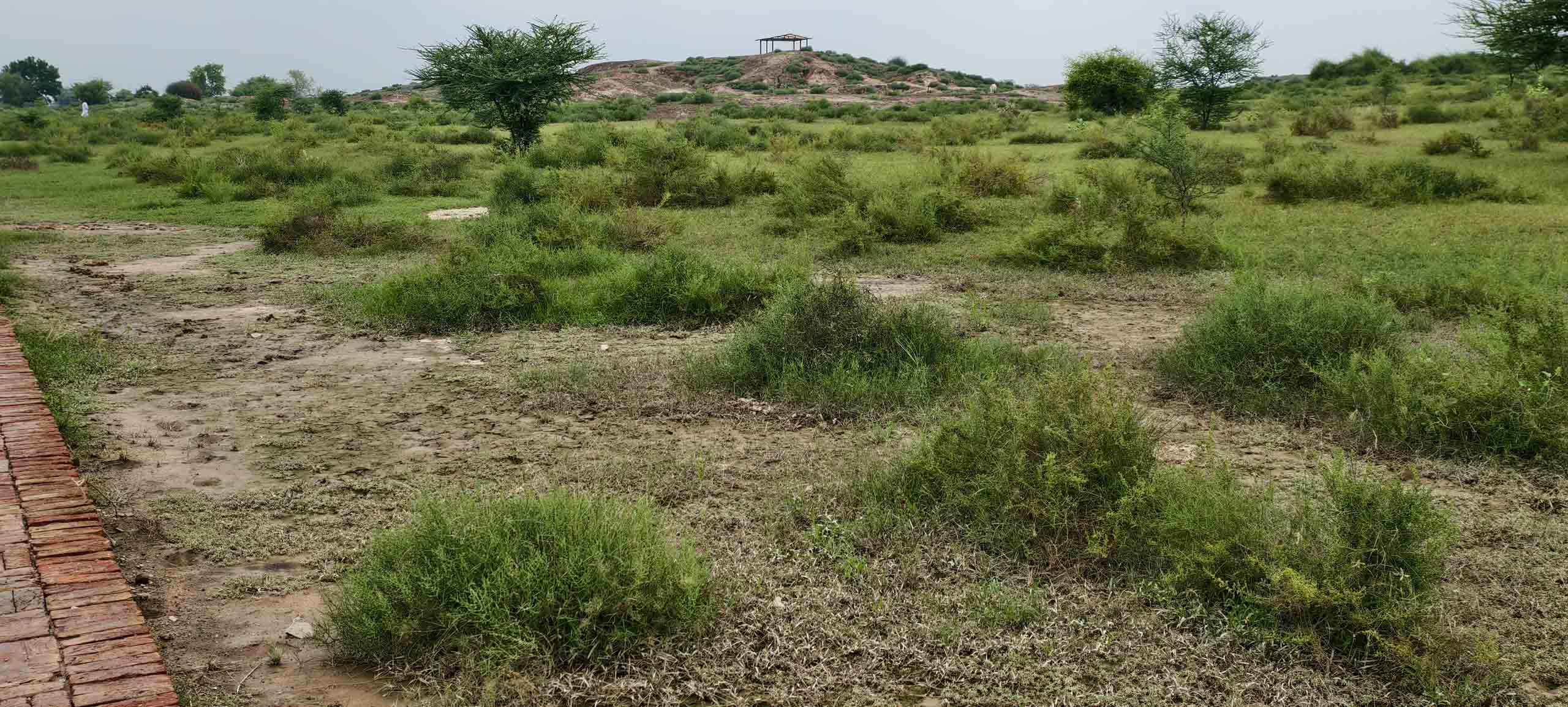
Kalibangan, one of the most important archaeological sites of the Indus Valley Civilization, lies on the dry plains of northern Rajasthan near the vanished course of the Ghaggar River. Located in present-day Hanumangarh district, the site preserves the remains of both an Early Harappan settlement and a later Mature Harappan urban center. It is one of the few archaeological sites where researchers were able to trace the development of Harappan civilization across multiple phases.
The ancient settlement stood on the banks of what many historians and archaeologists believe was the now-dried Ghaggar River, often associated in historical discussions with the ancient Saraswati river system. Its location near fertile floodplains allowed agriculture and trade to flourish in what is now an arid region.
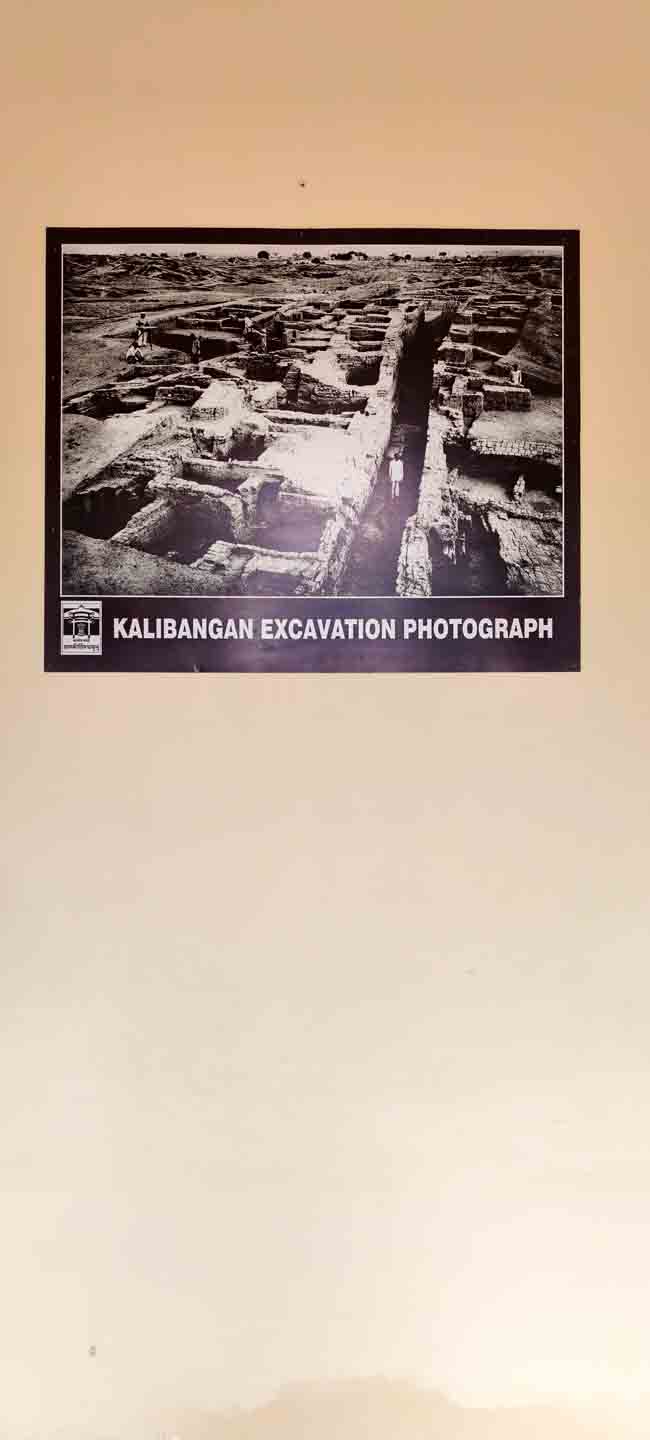
The site first came to scholarly attention in the early twentieth century through the work of Italian Indologist Luigi Pio Tessitori. It was later identified as a Harappan settlement by archaeologist Amalananda Ghosh. Large-scale excavations were eventually carried out by the Archaeological Survey of India between 1961 and 1969 under the direction of B. B. Lal and B. K. Thapar.