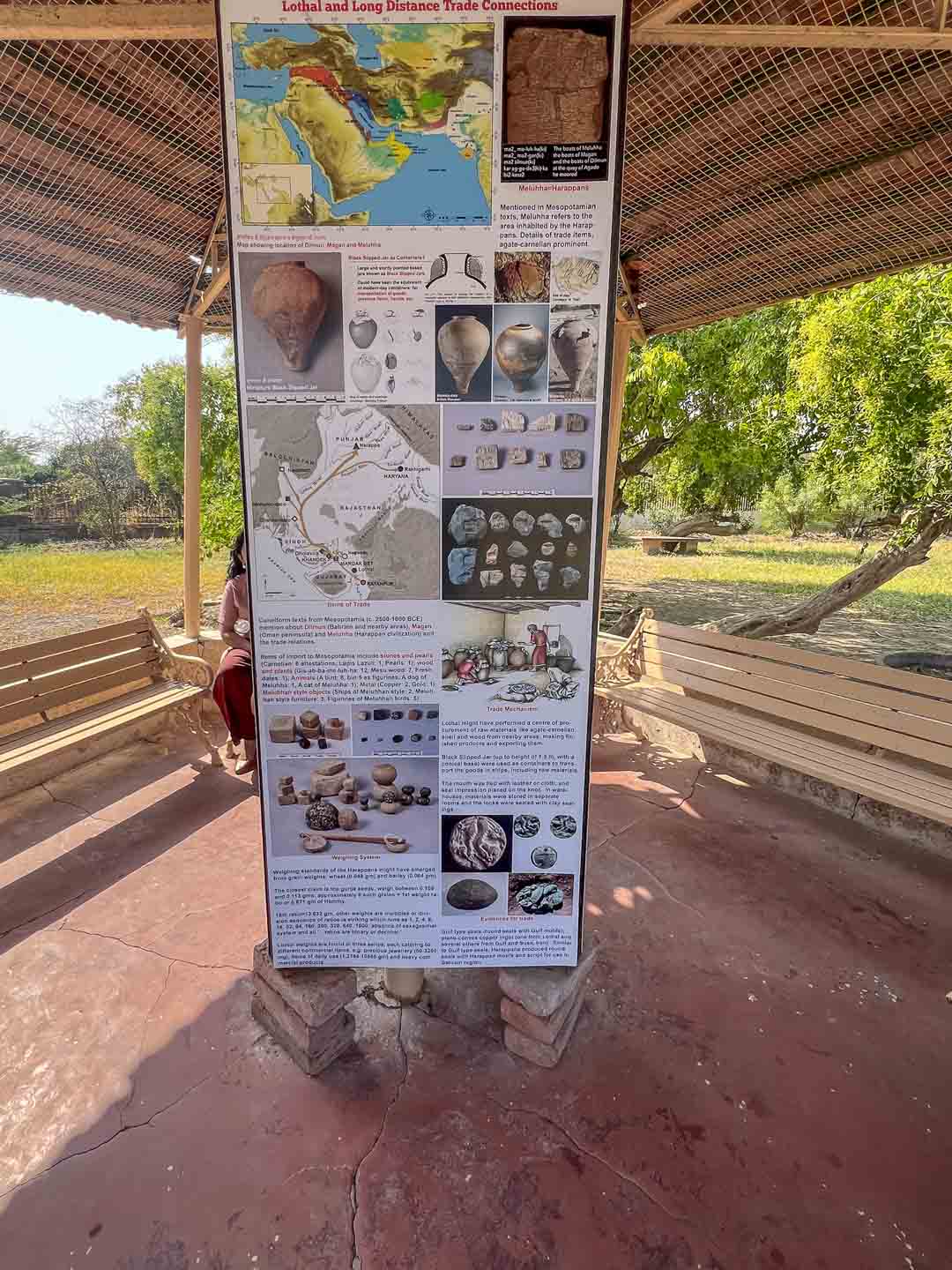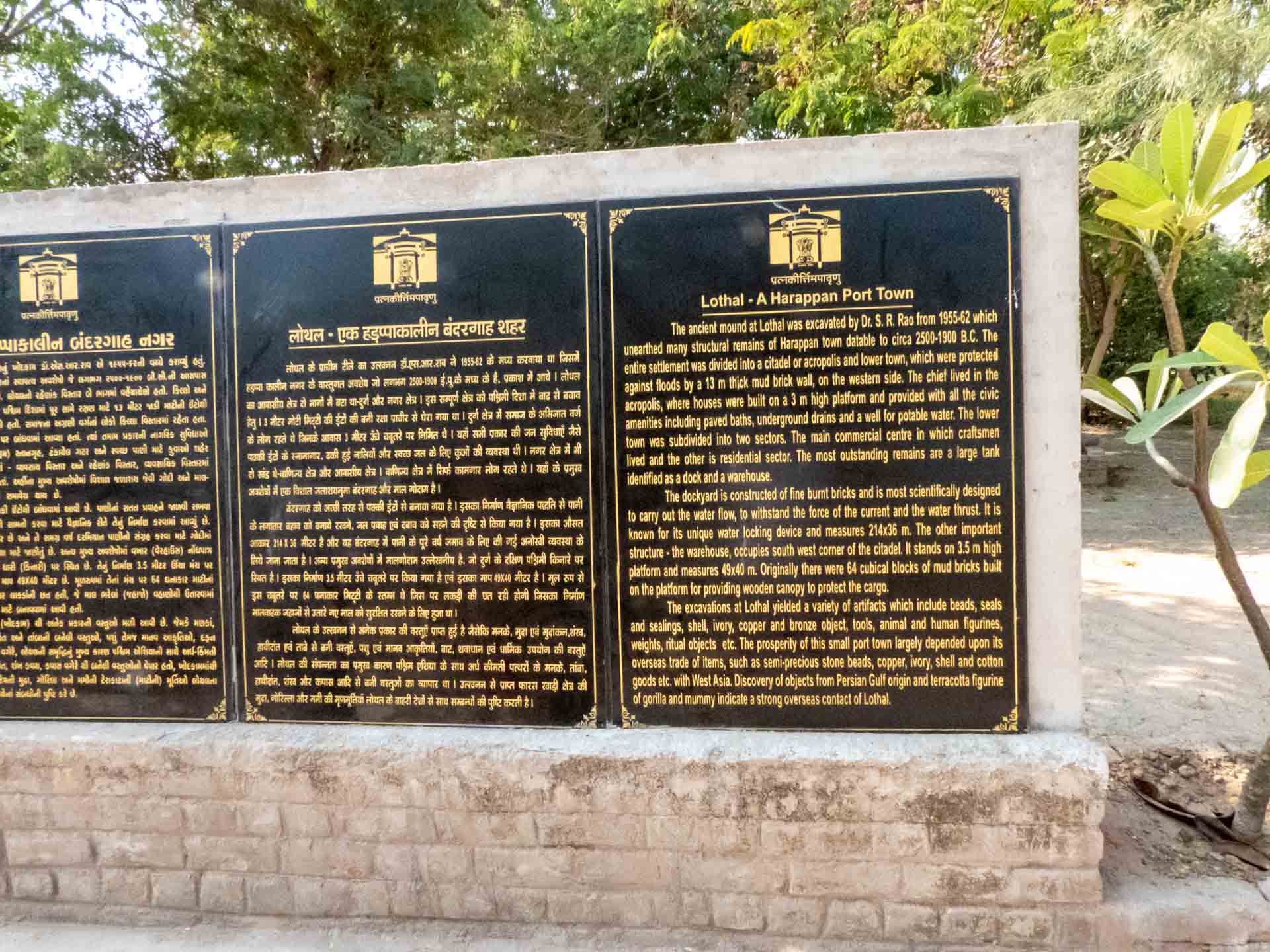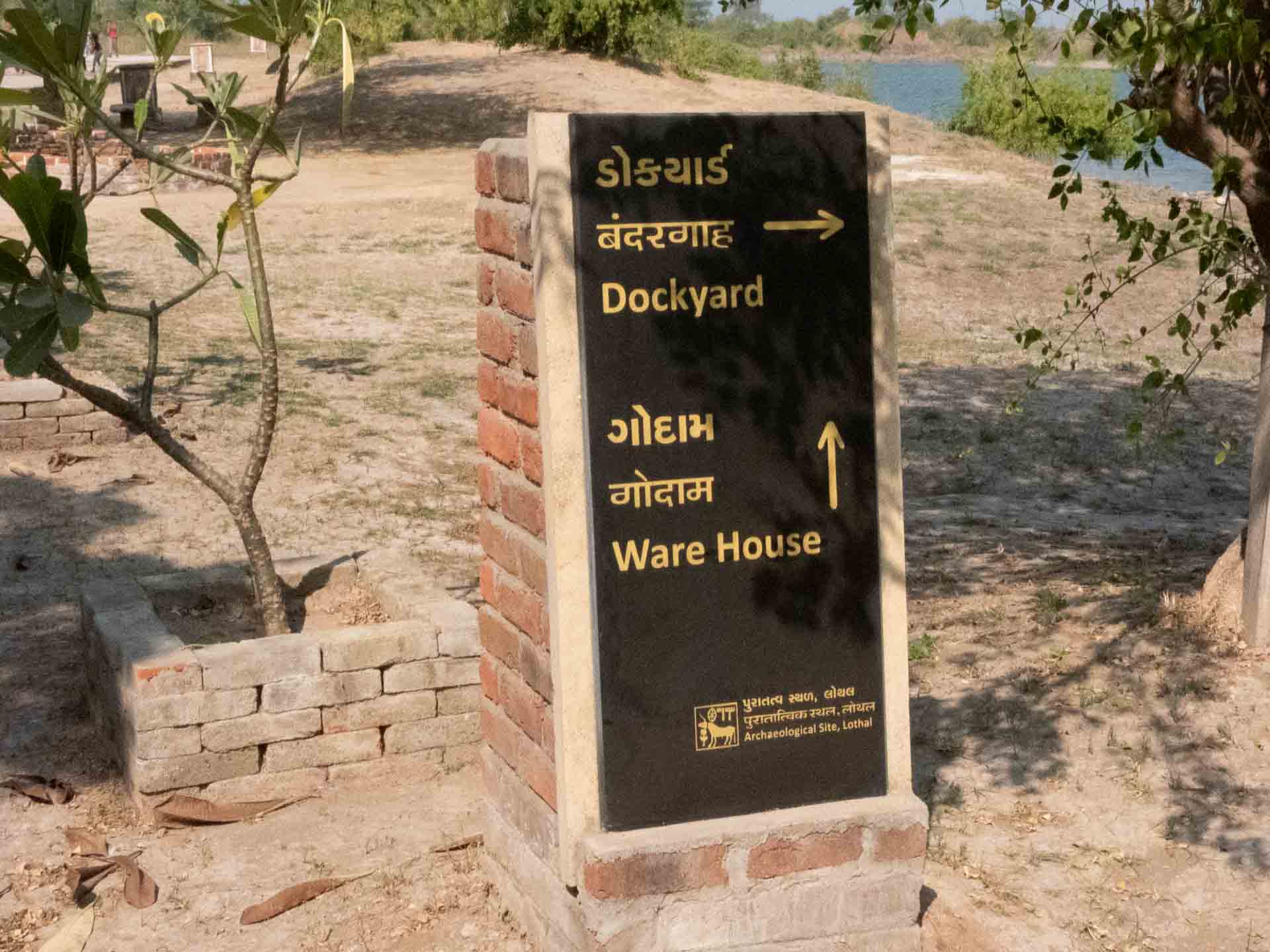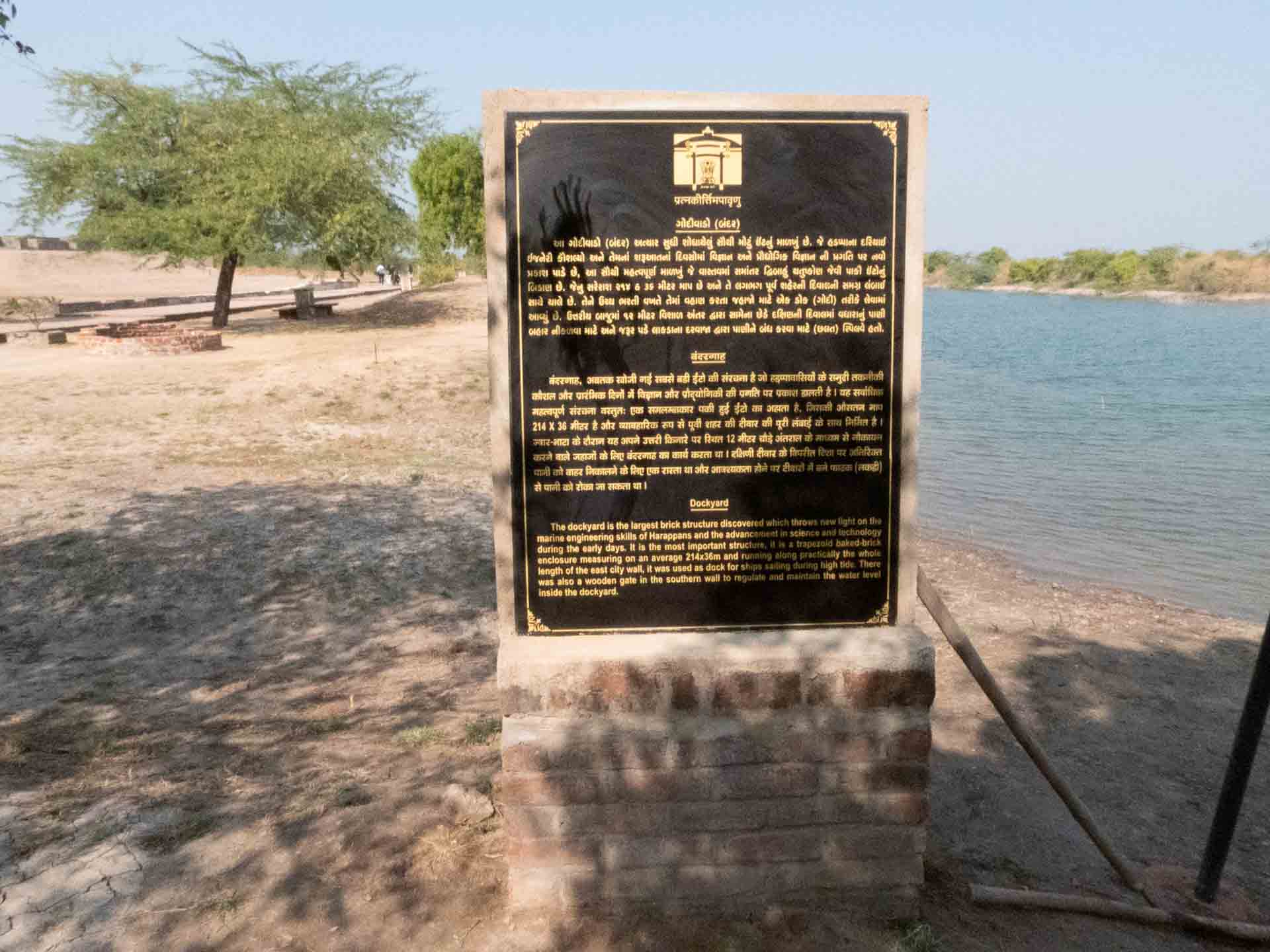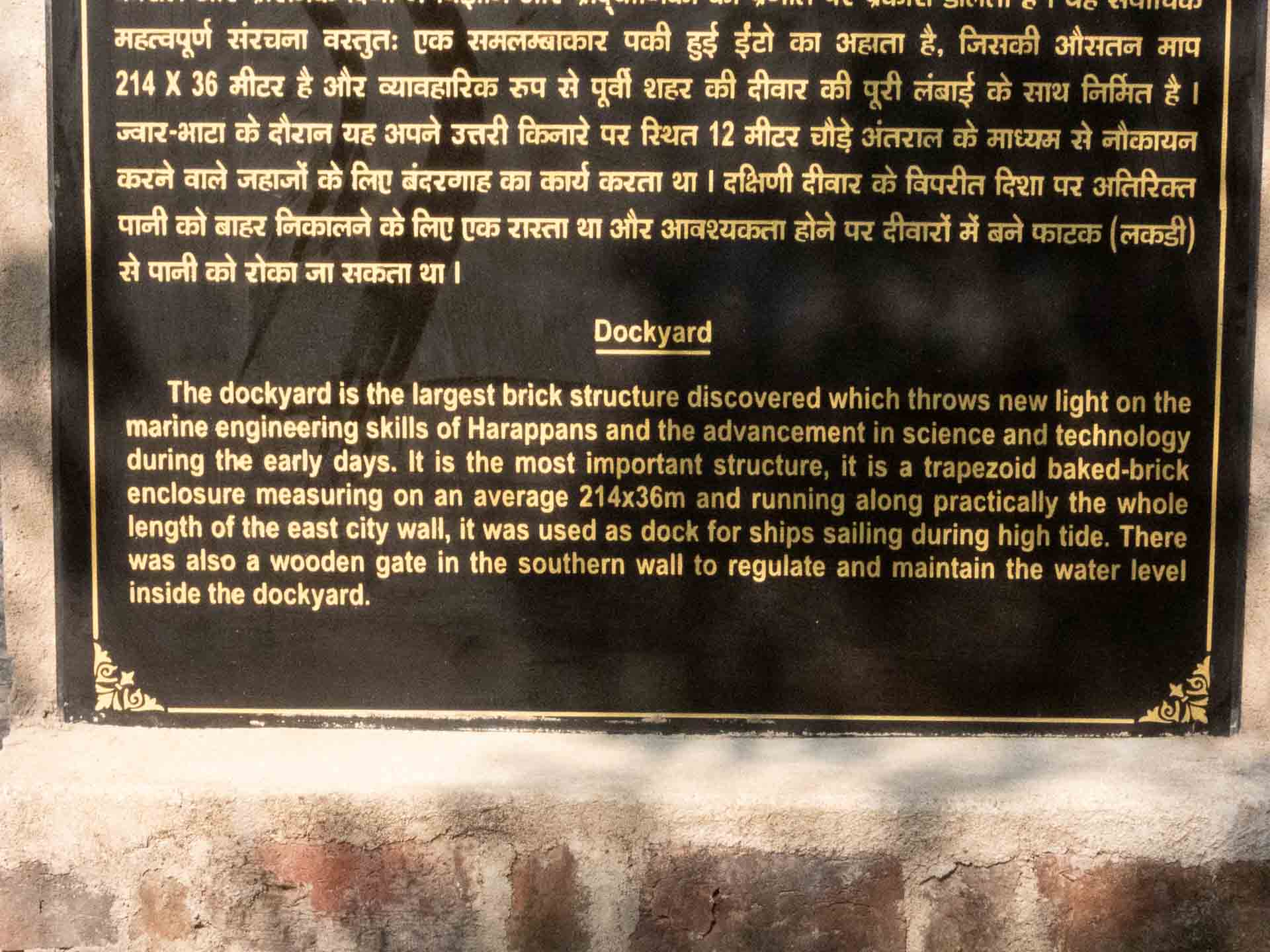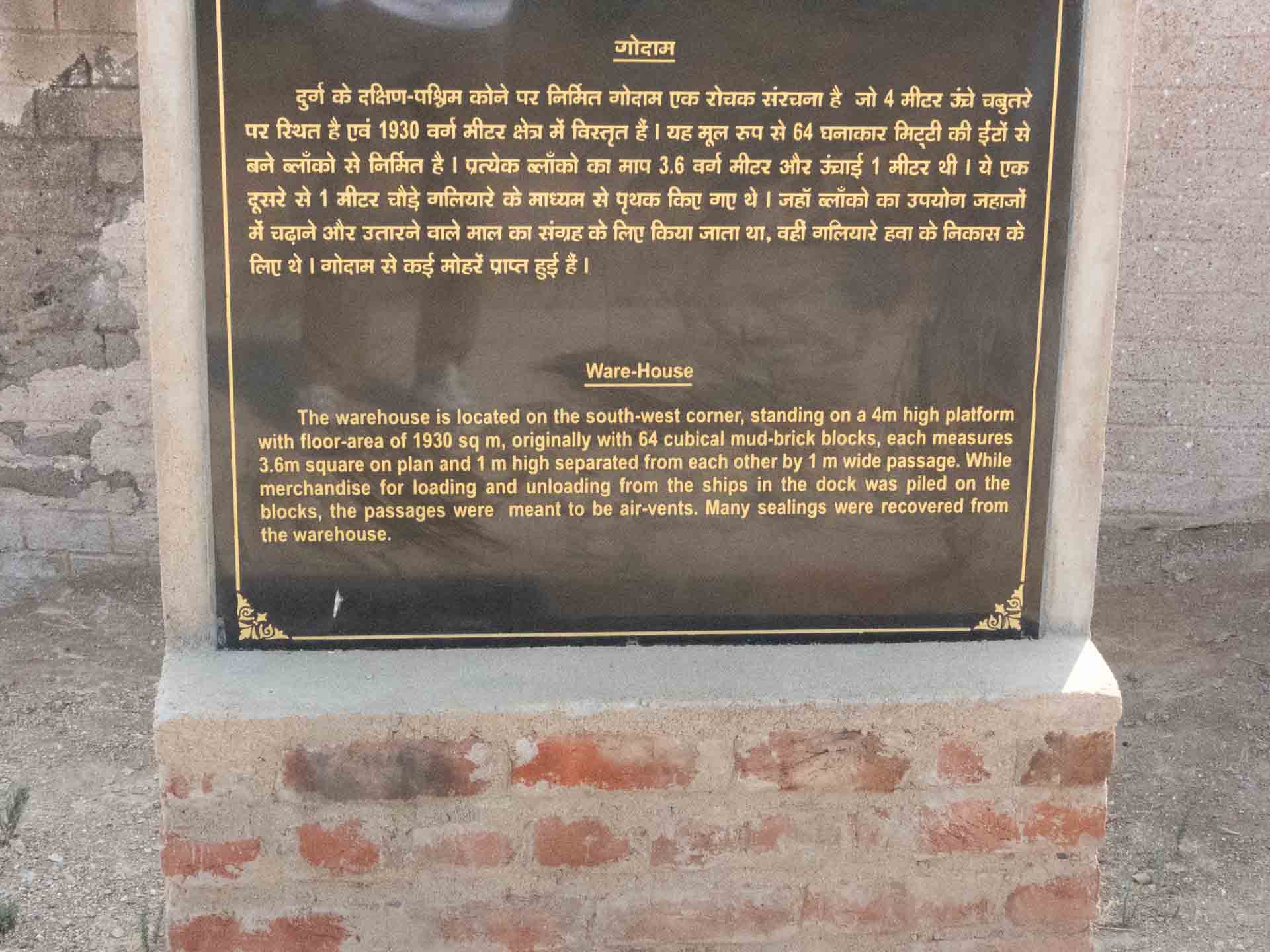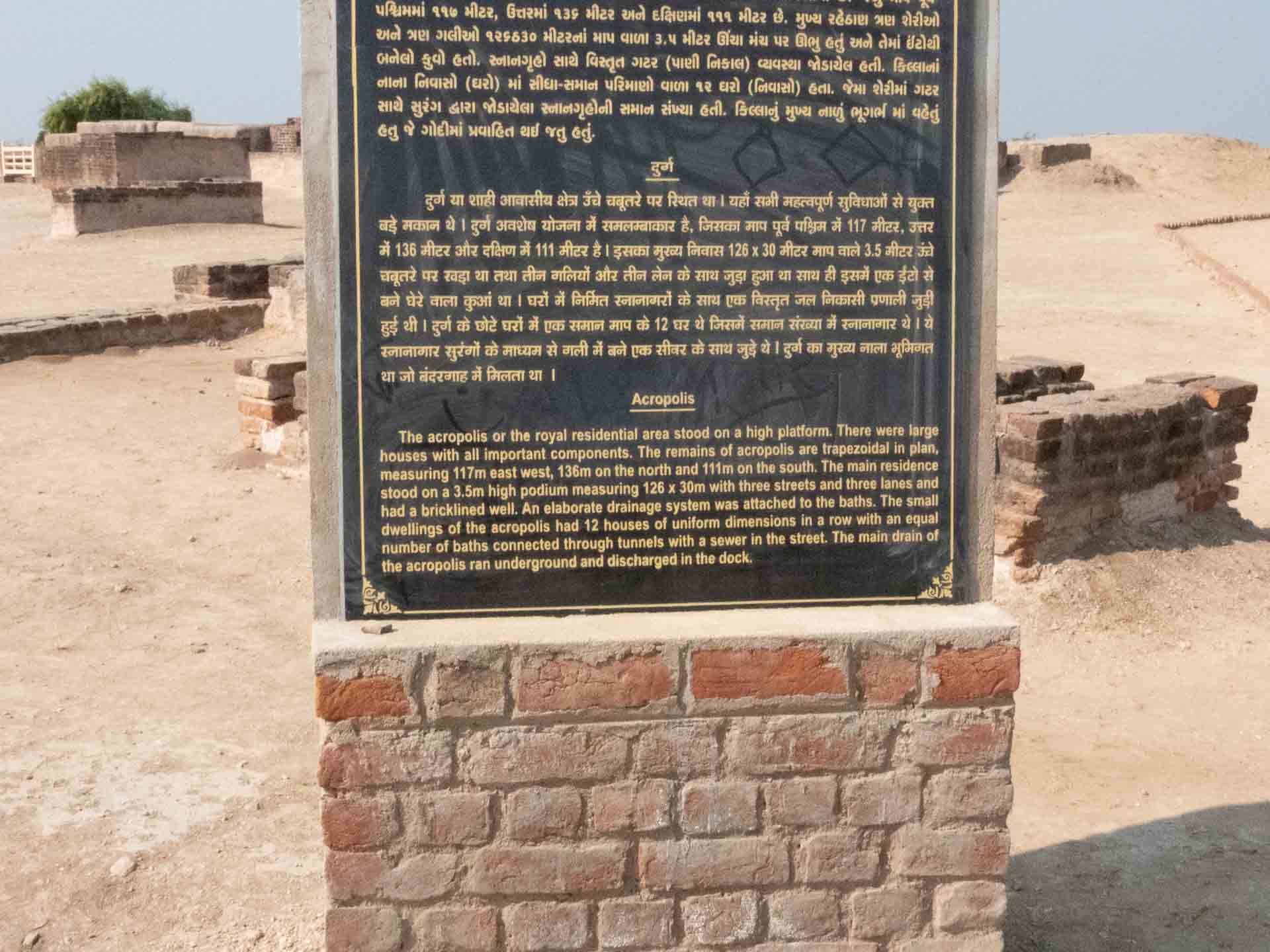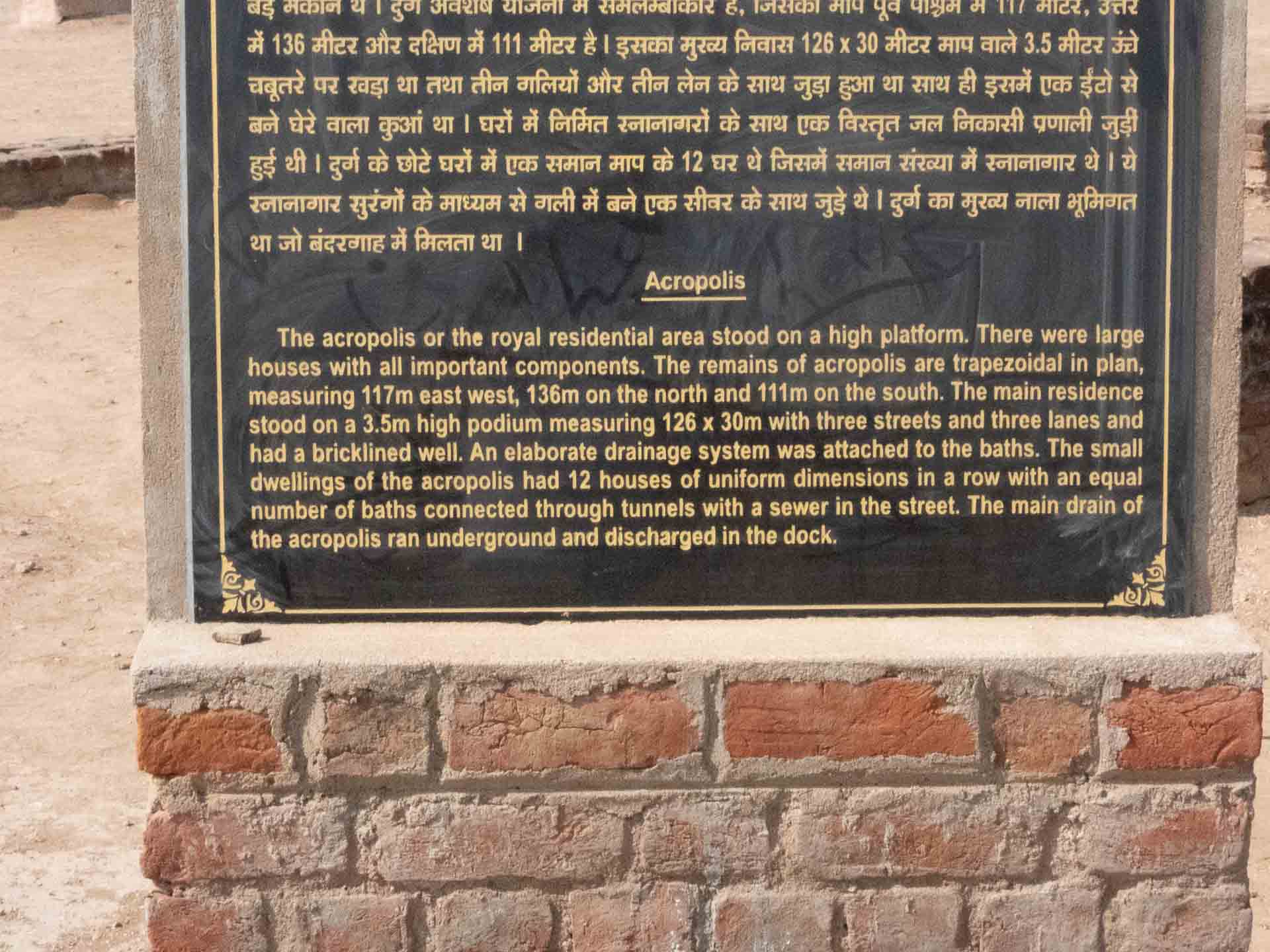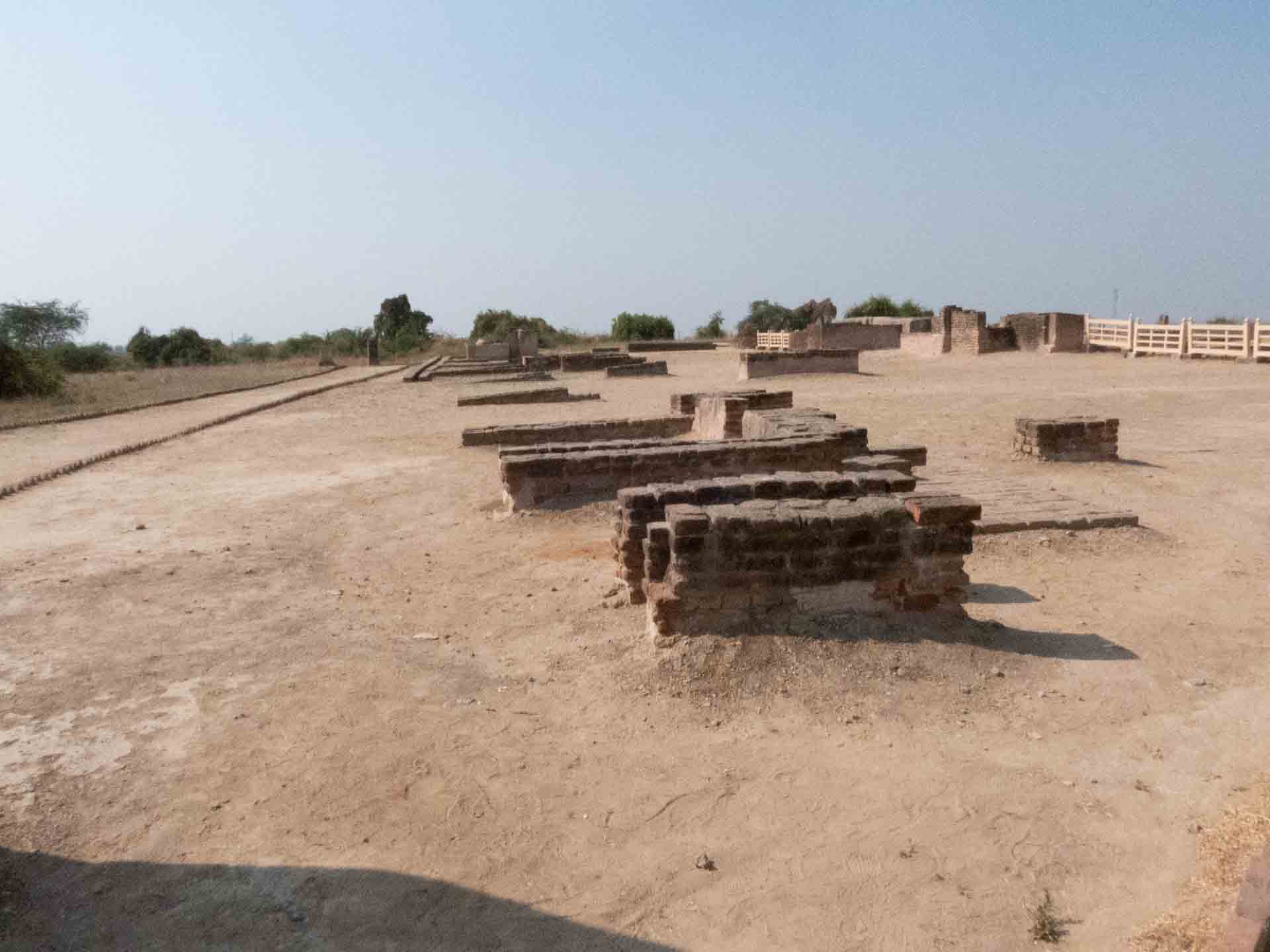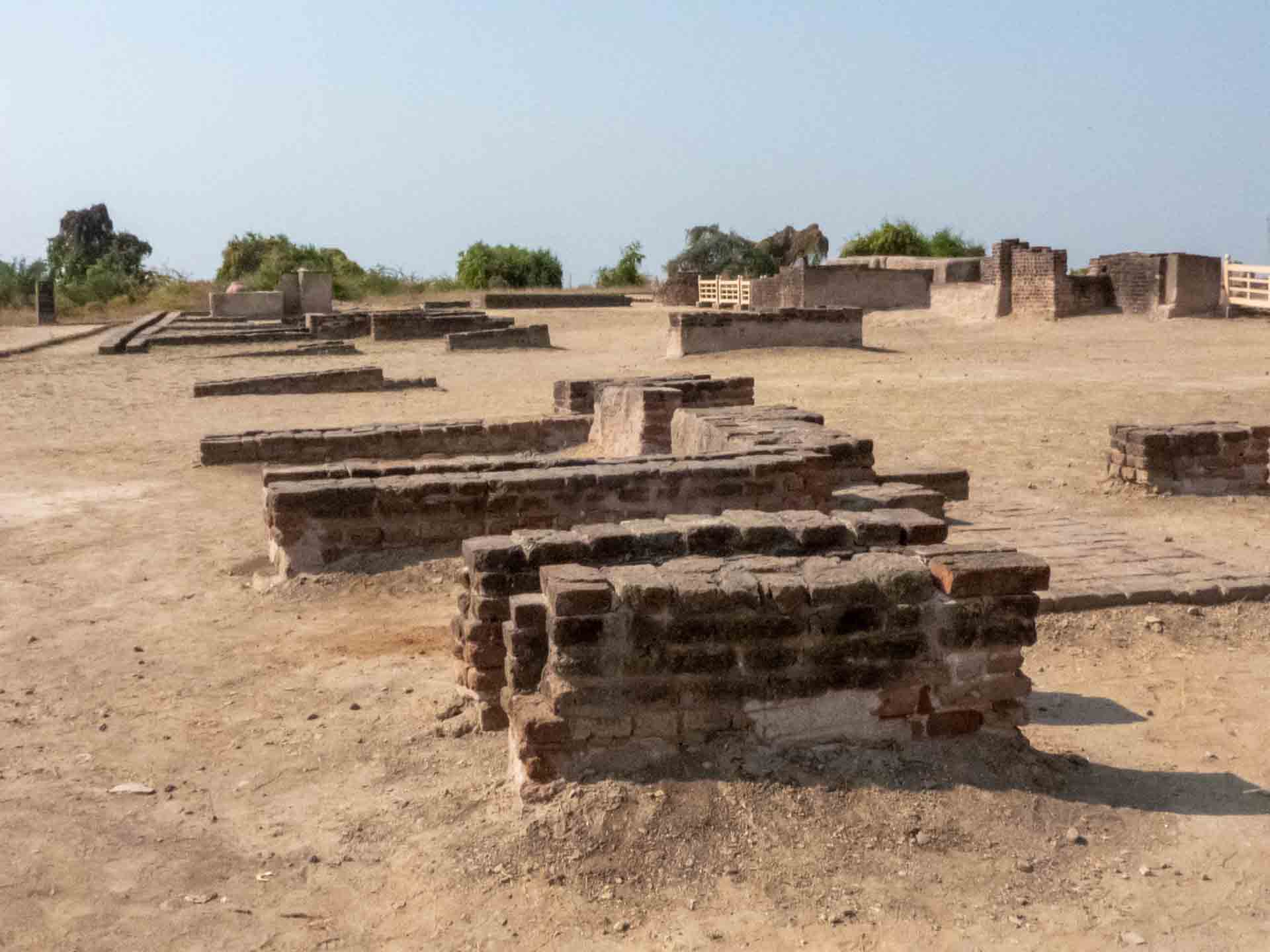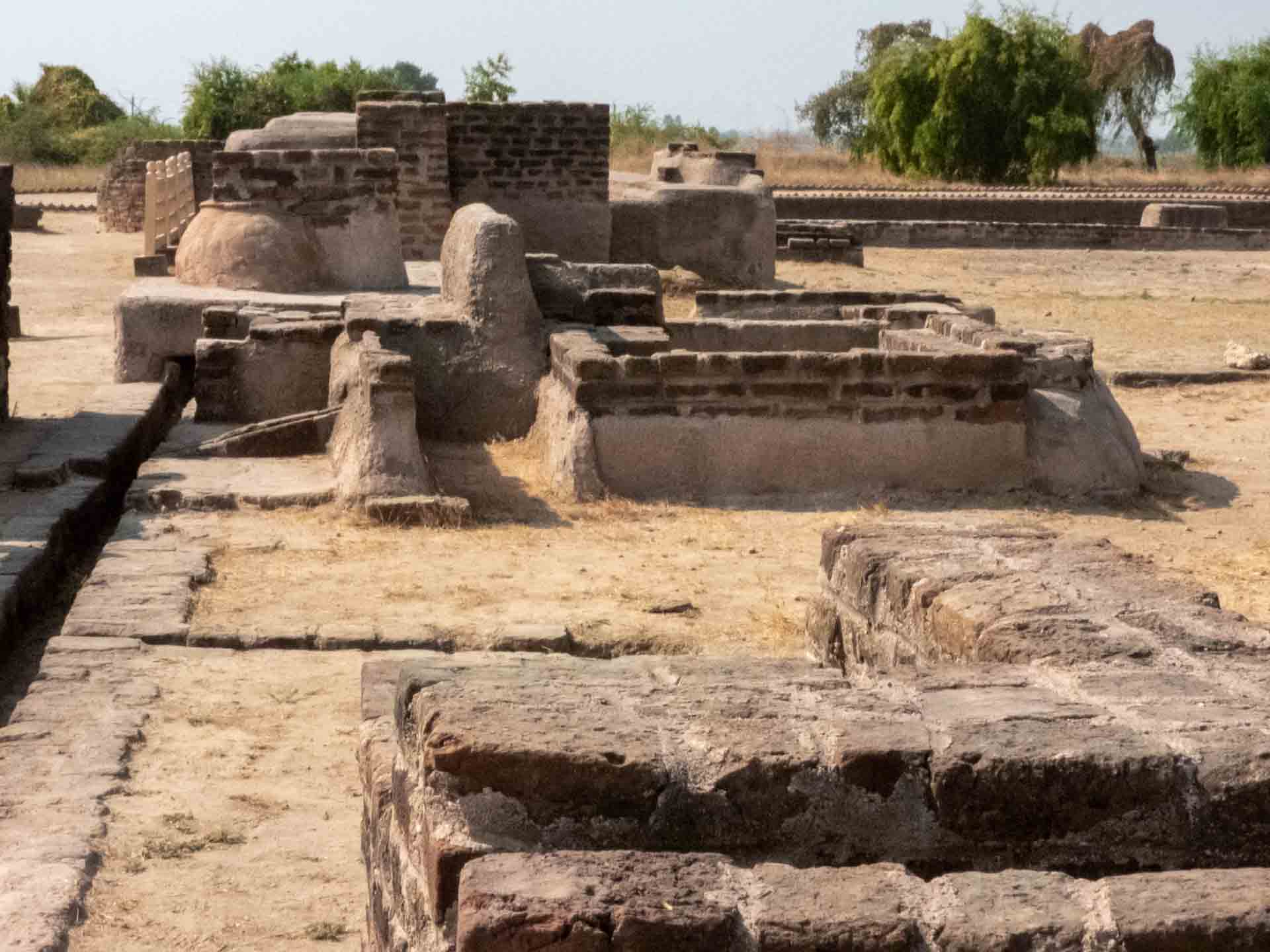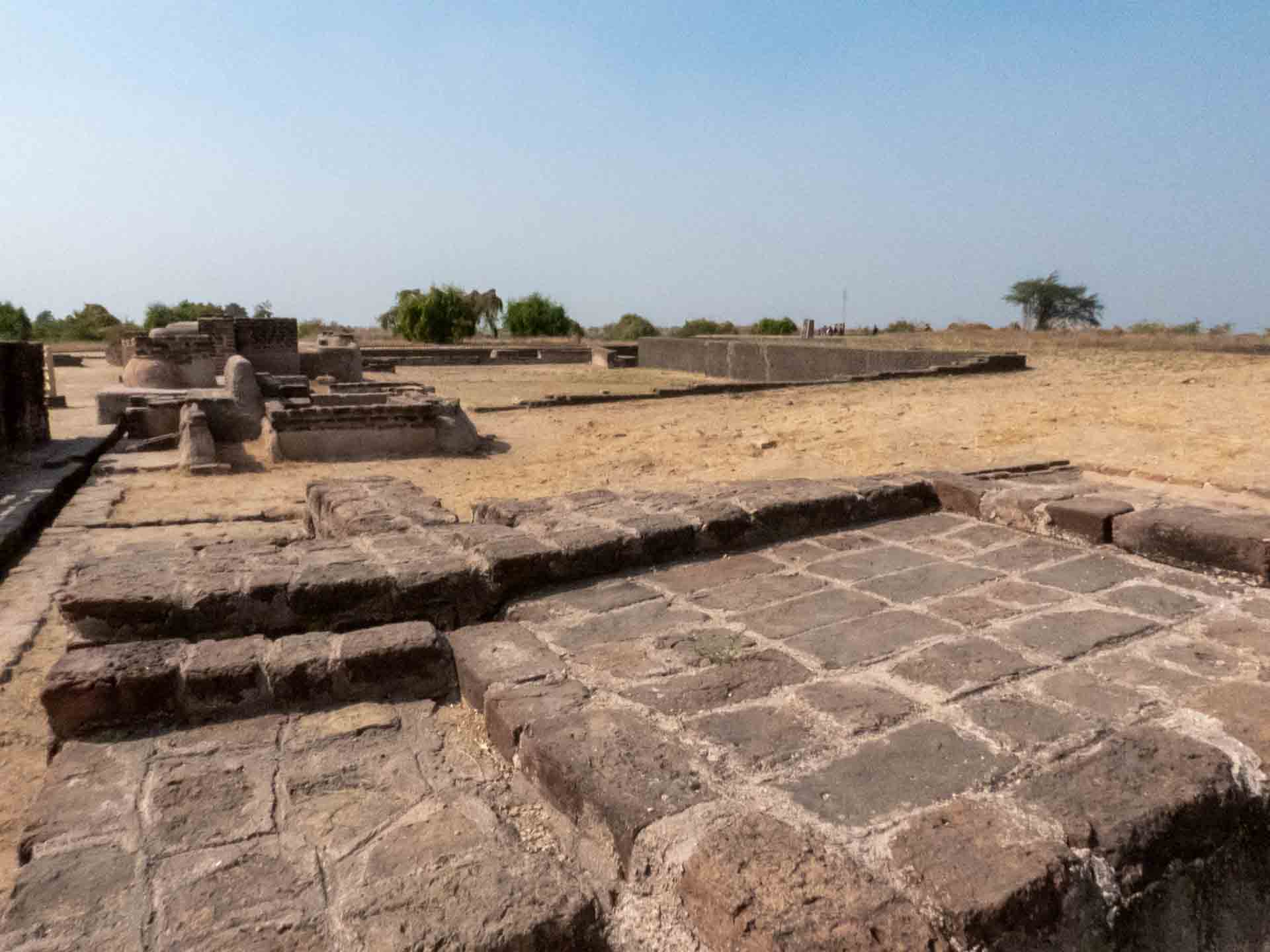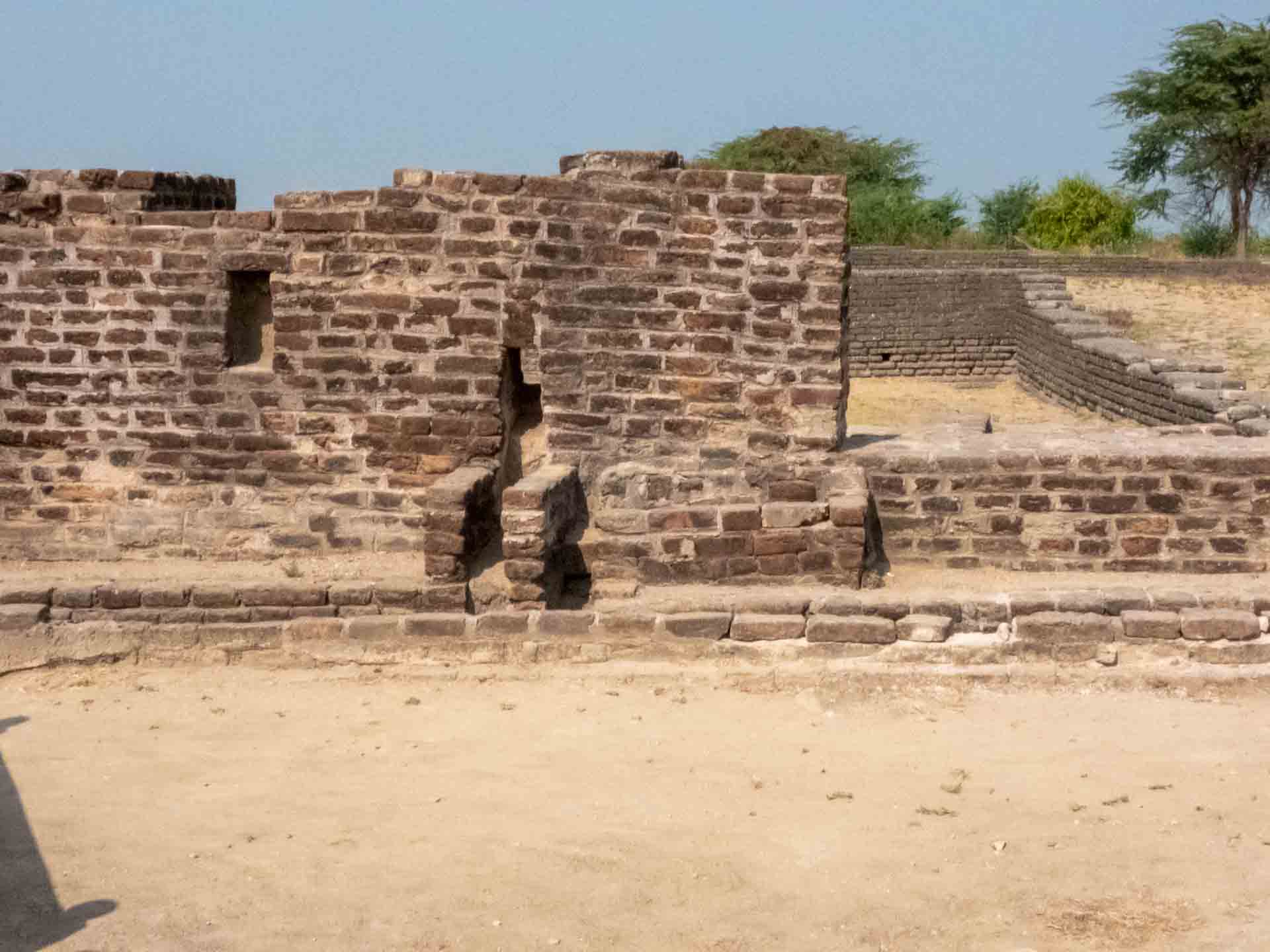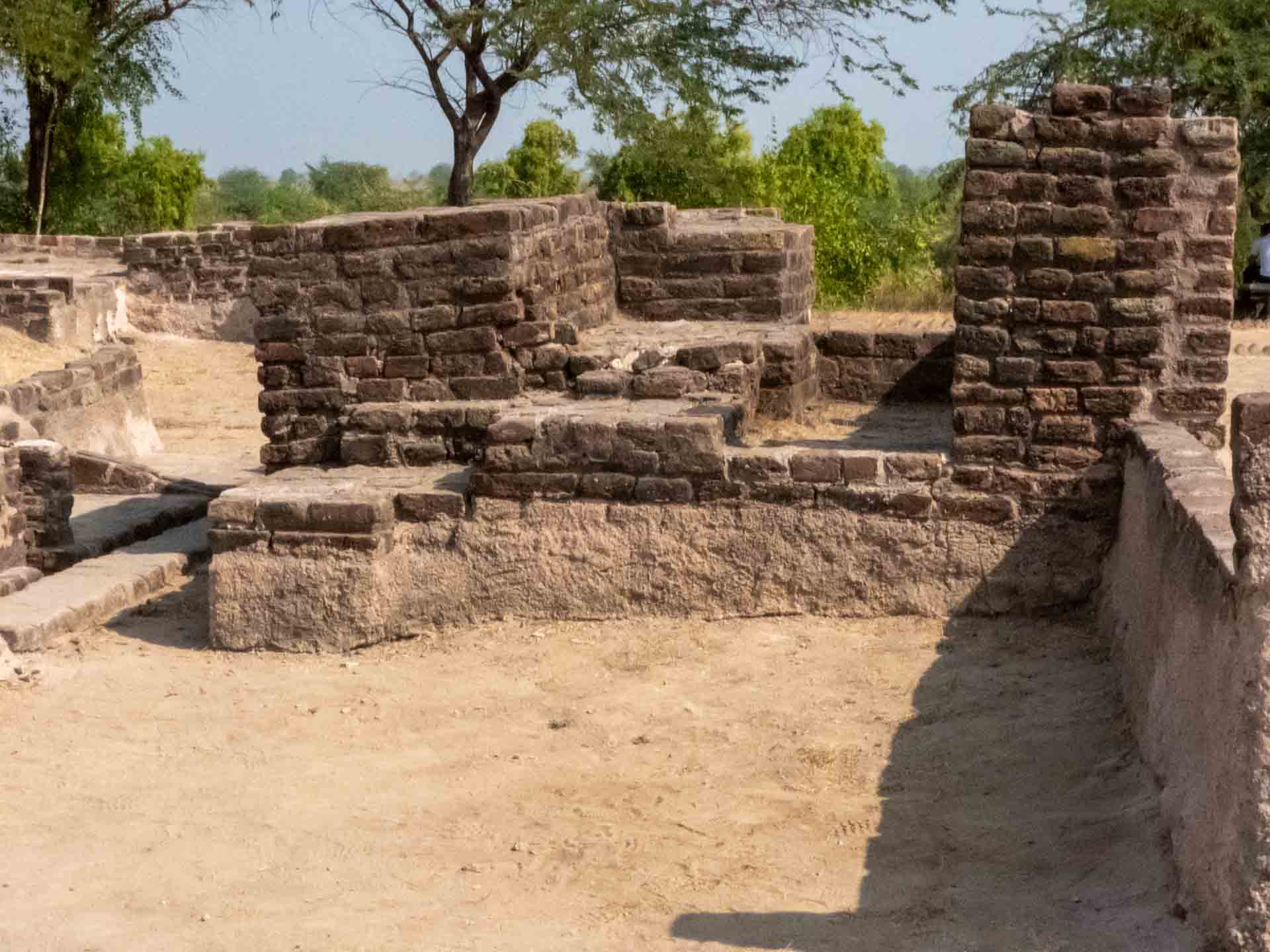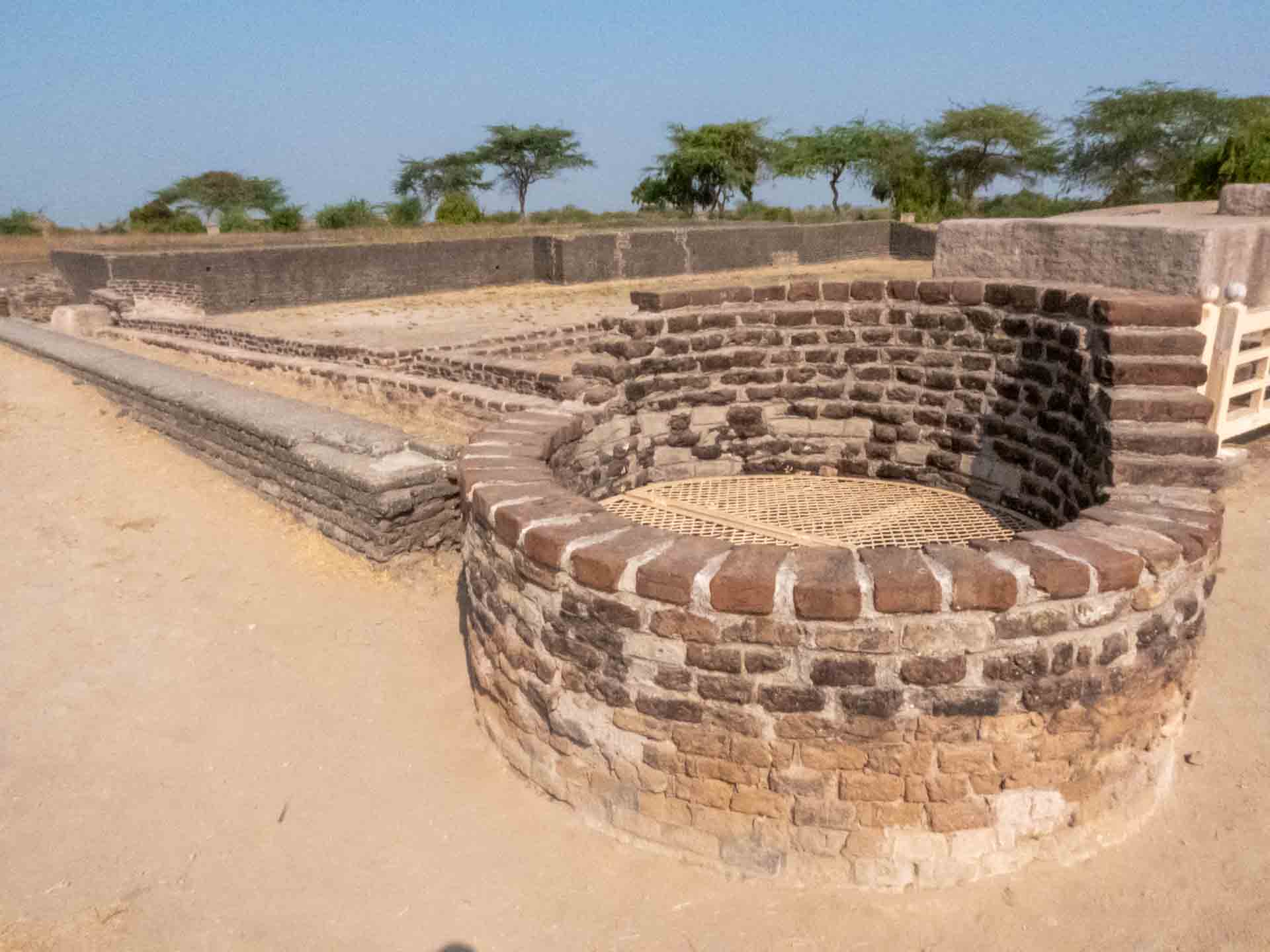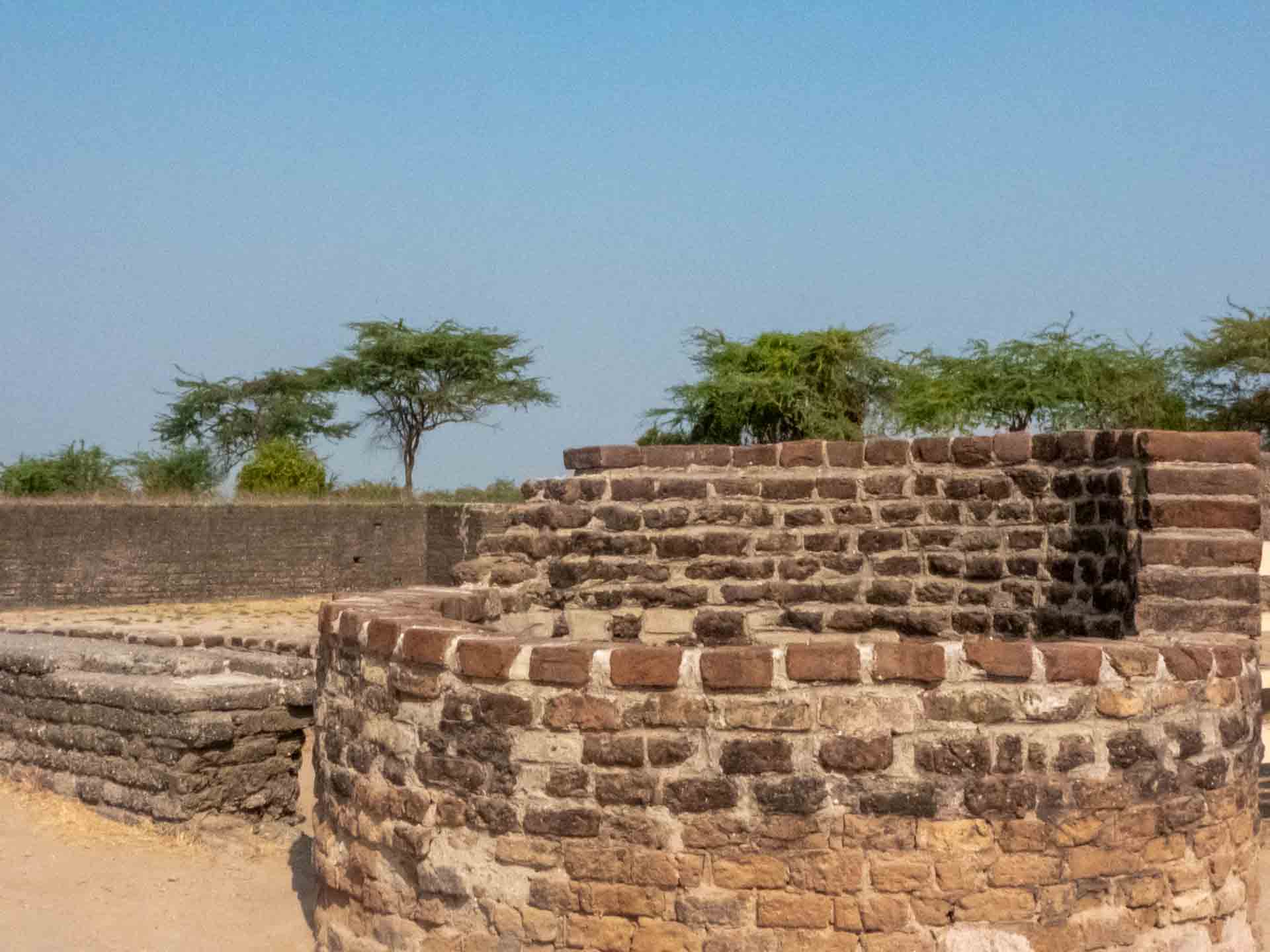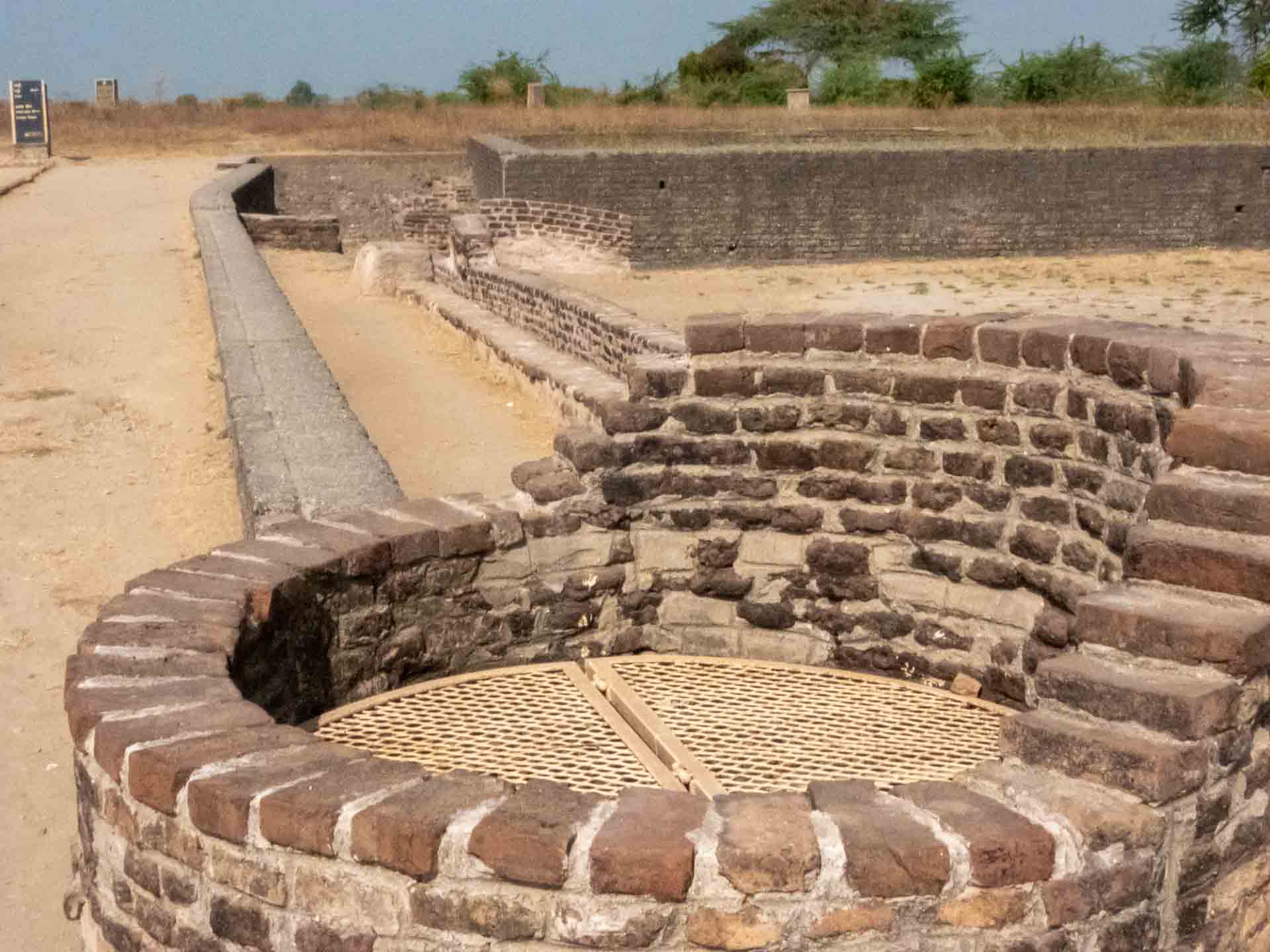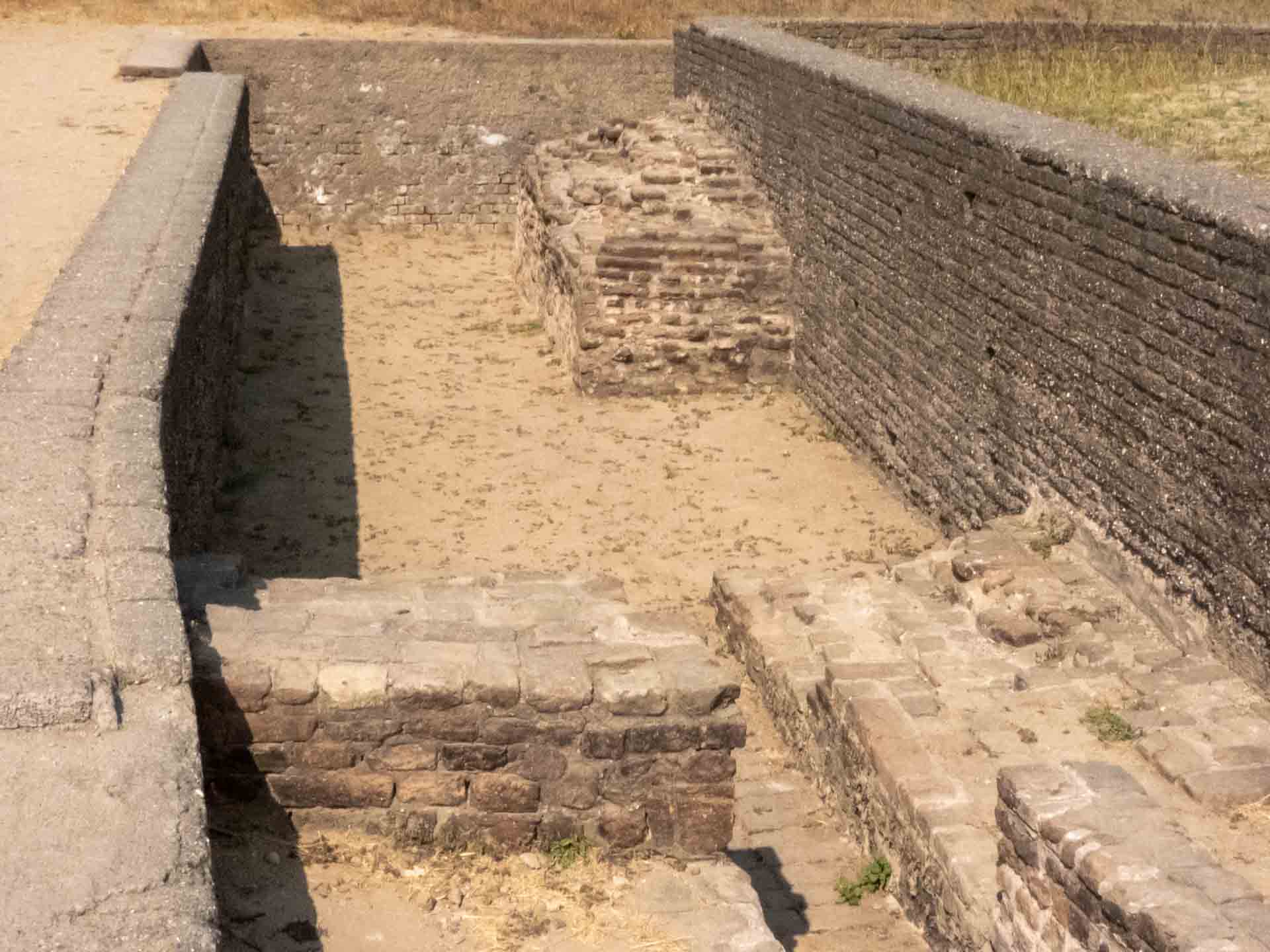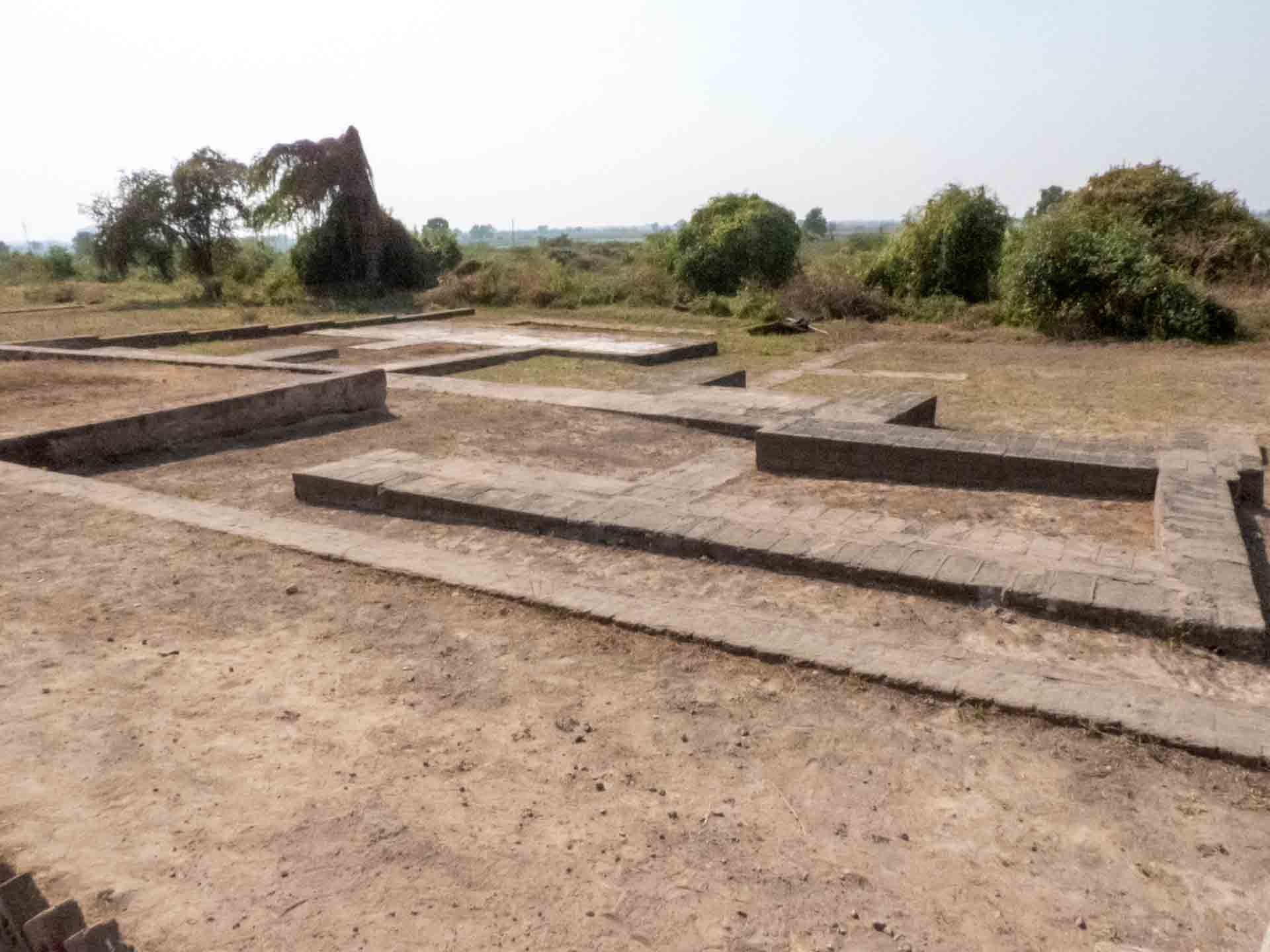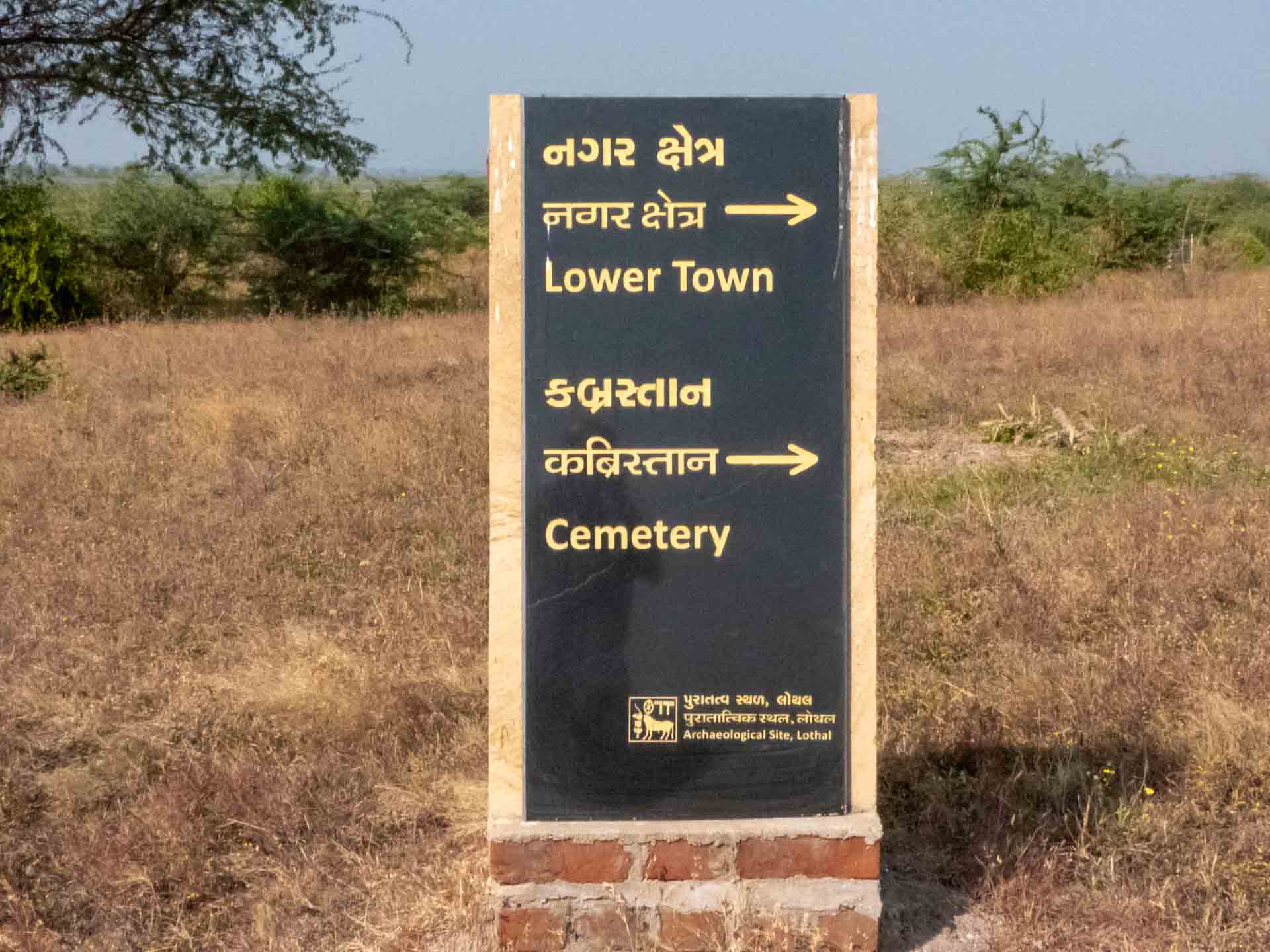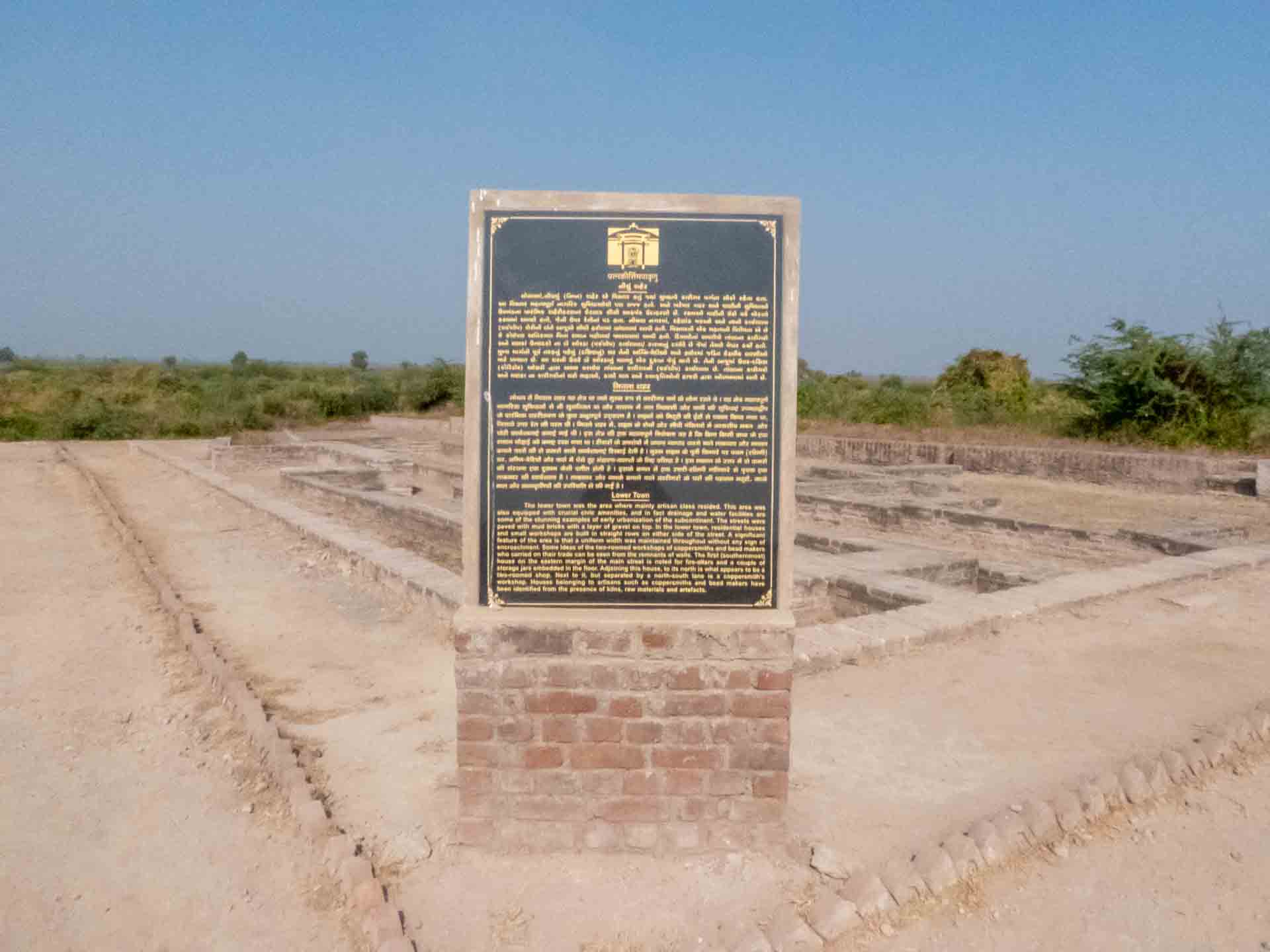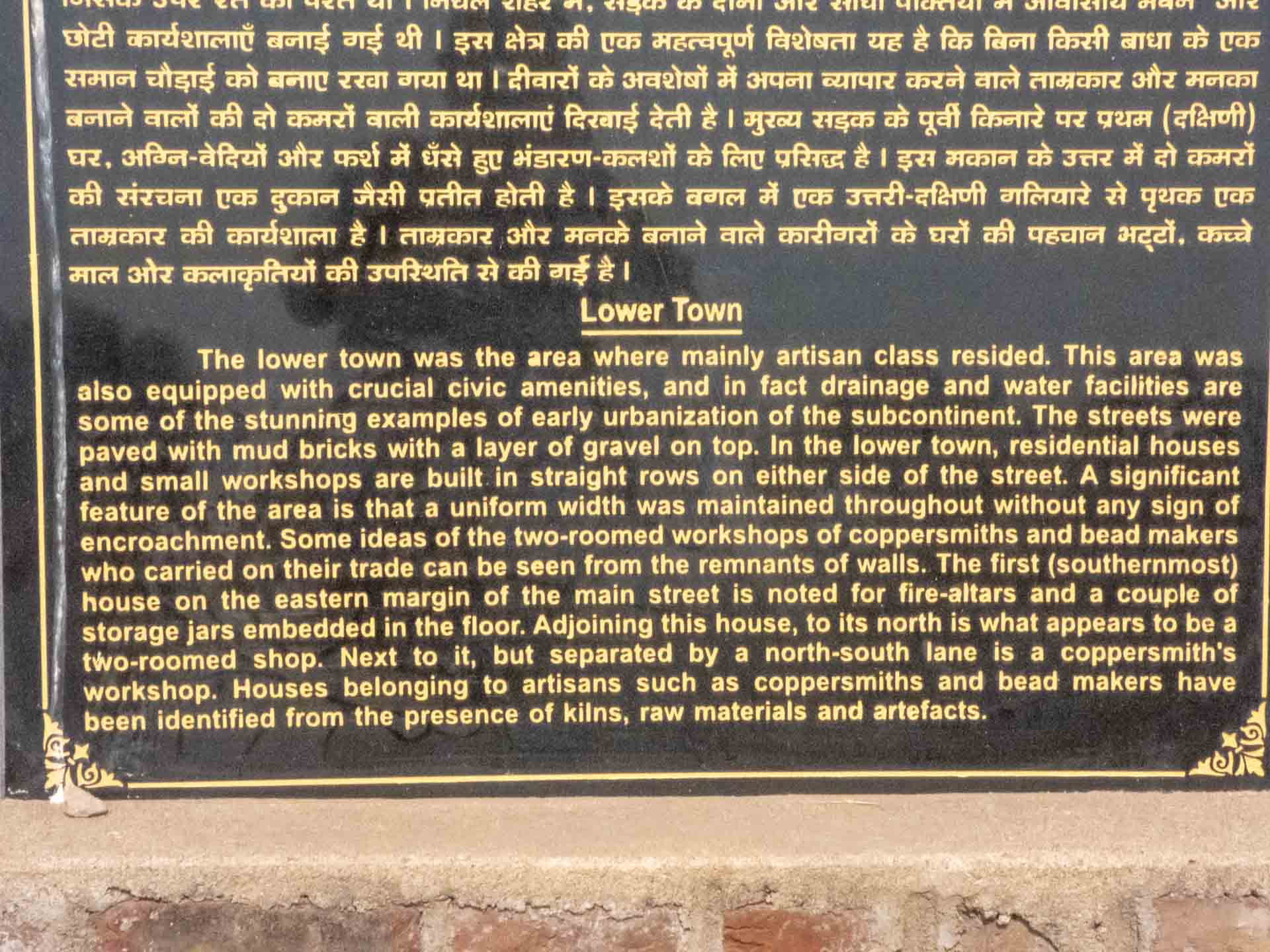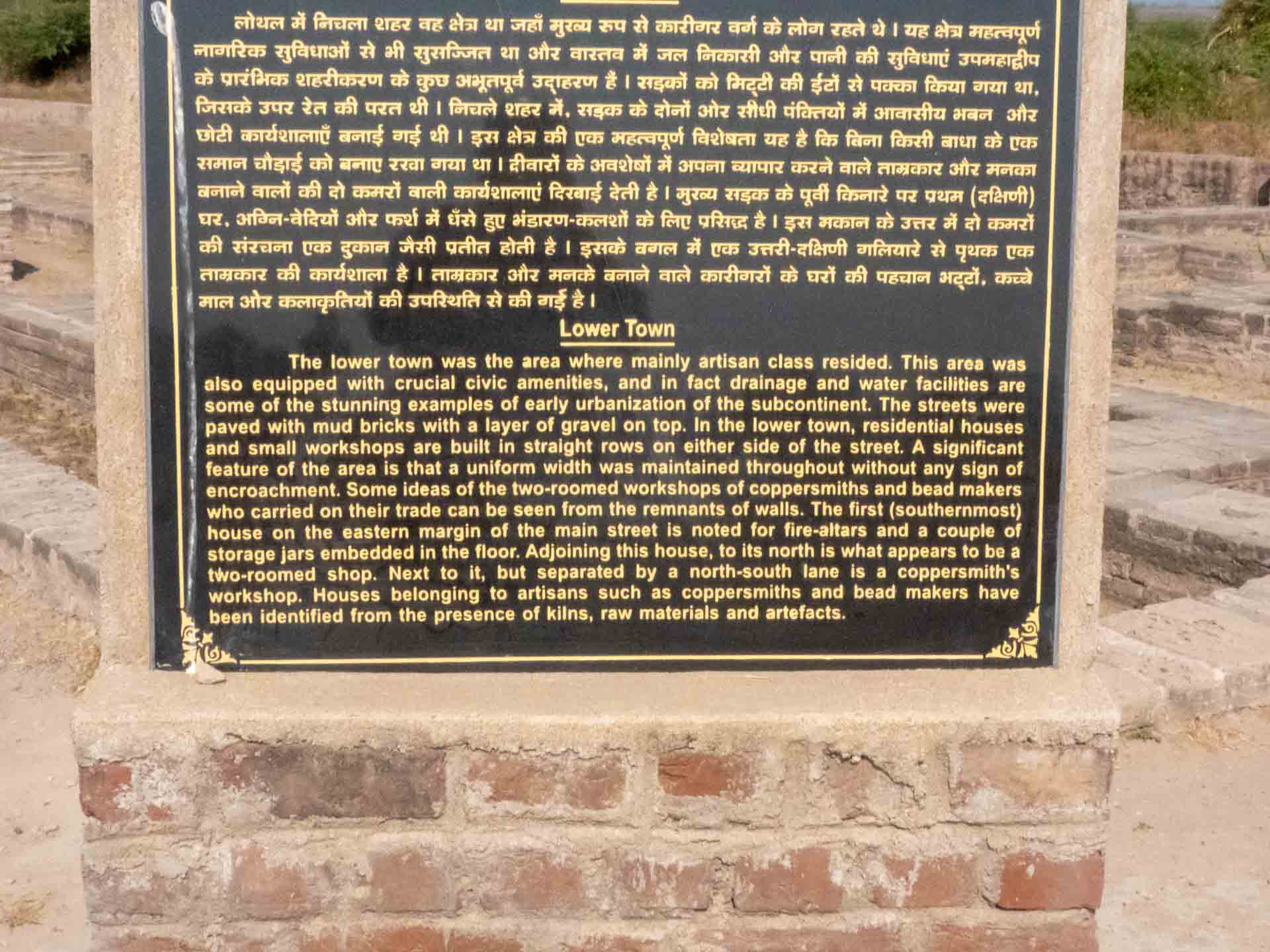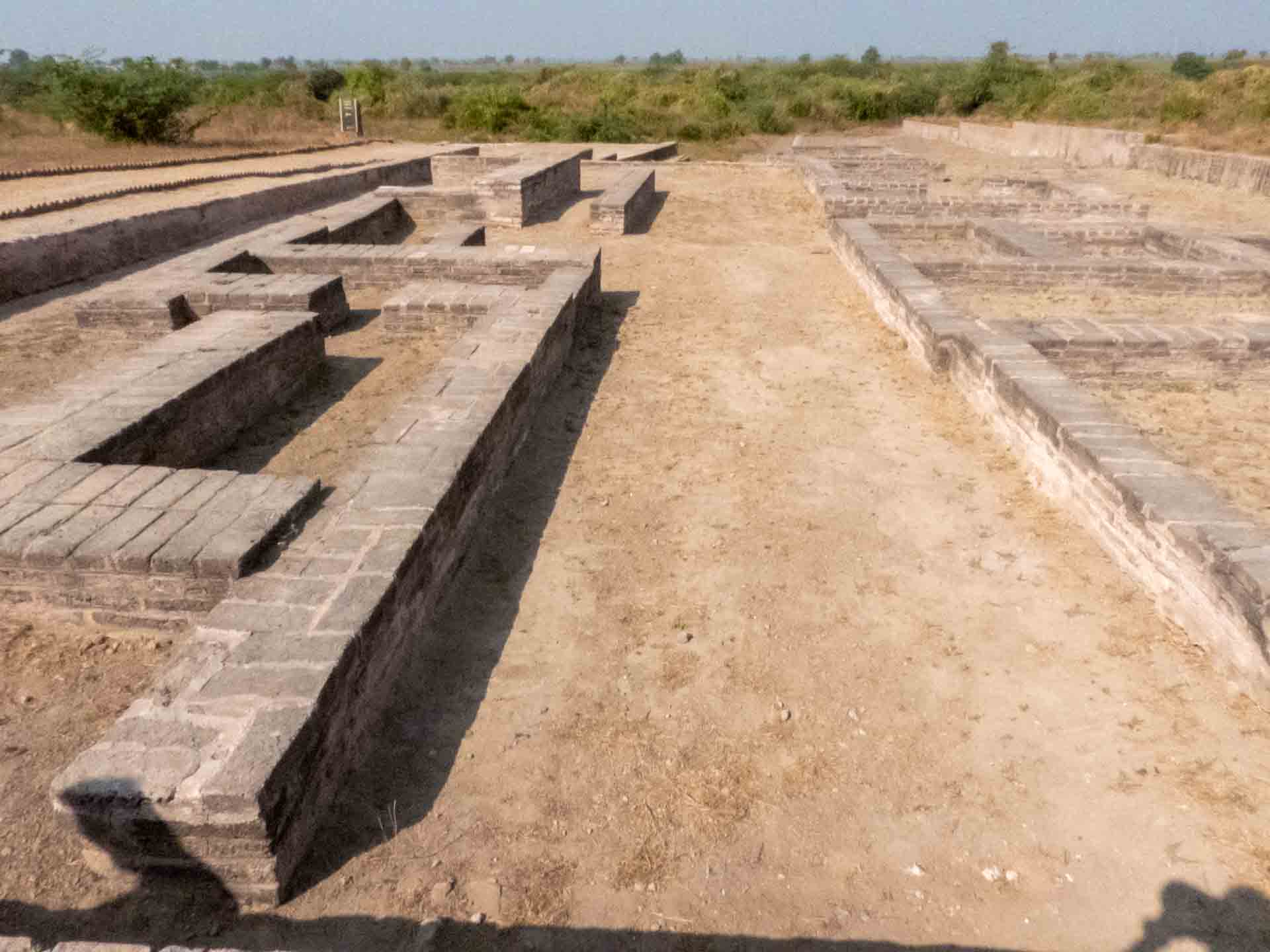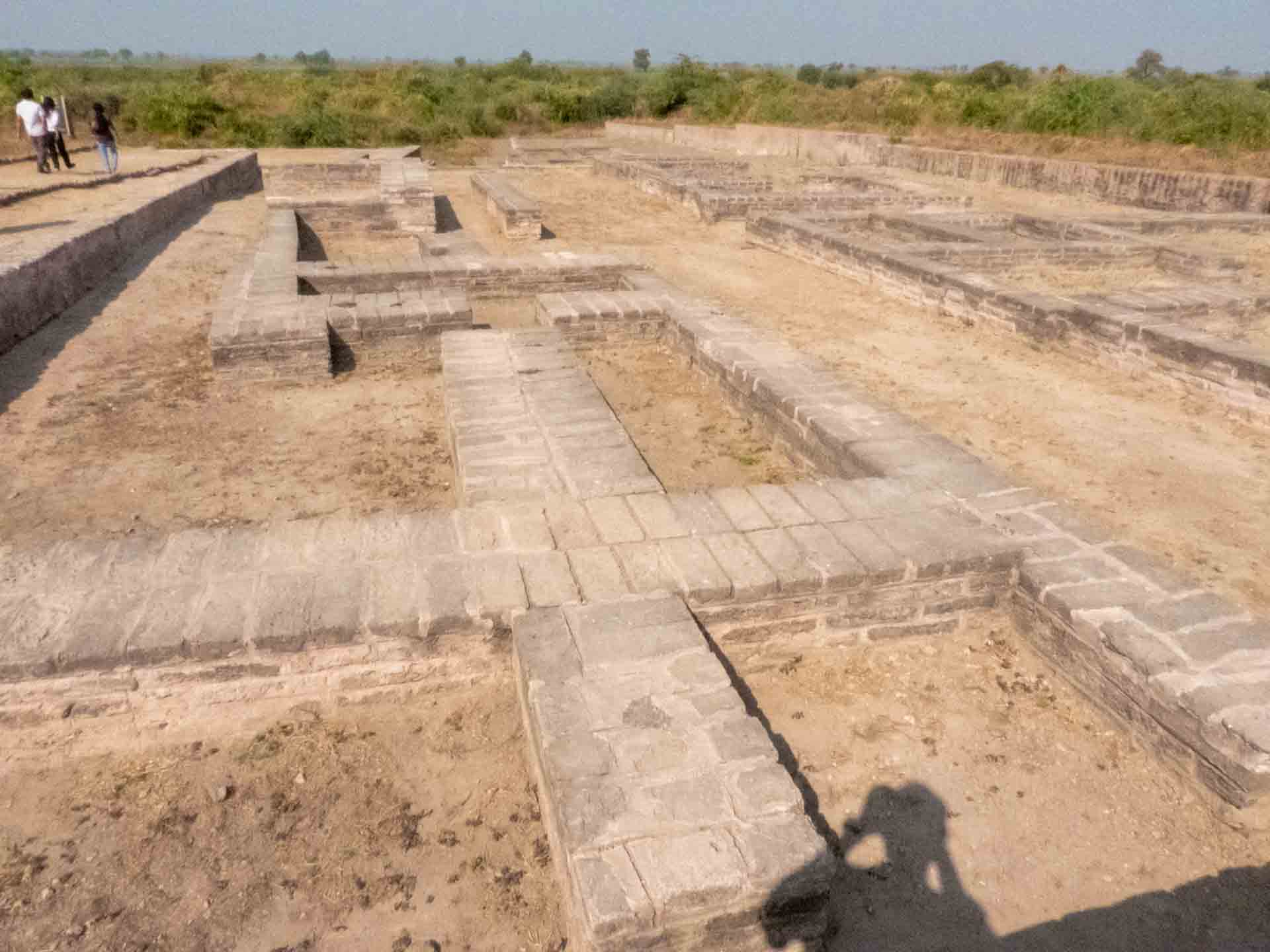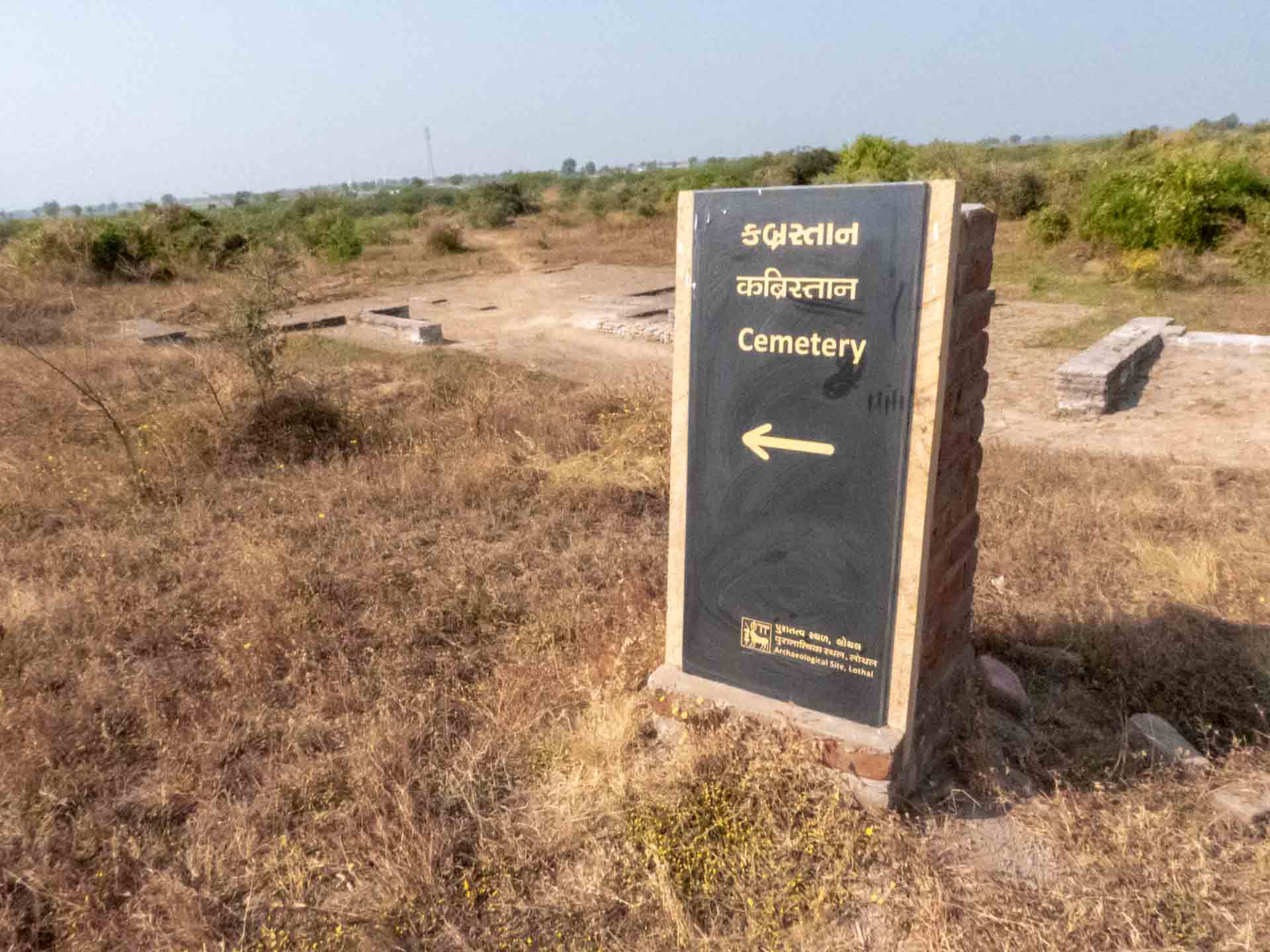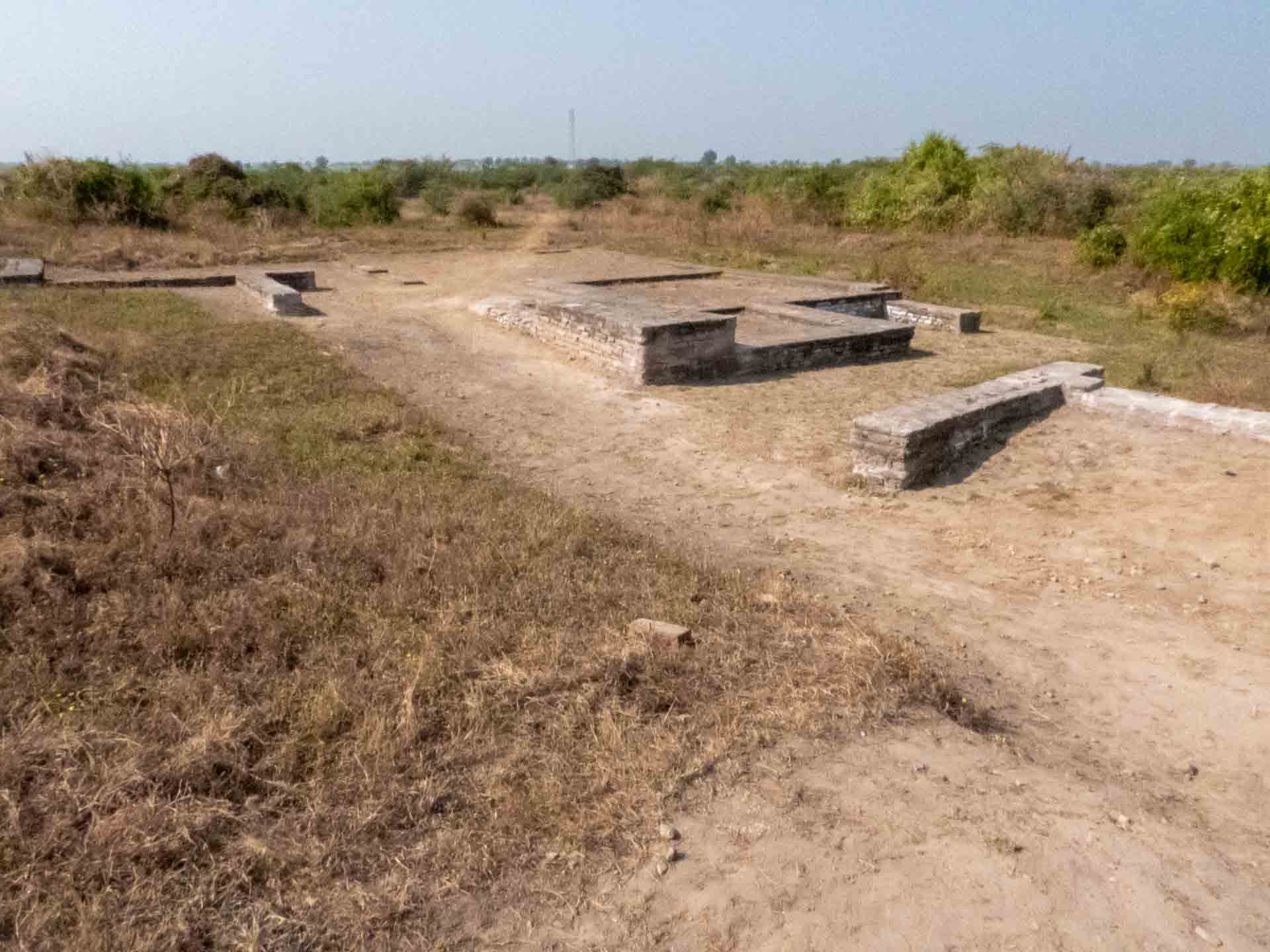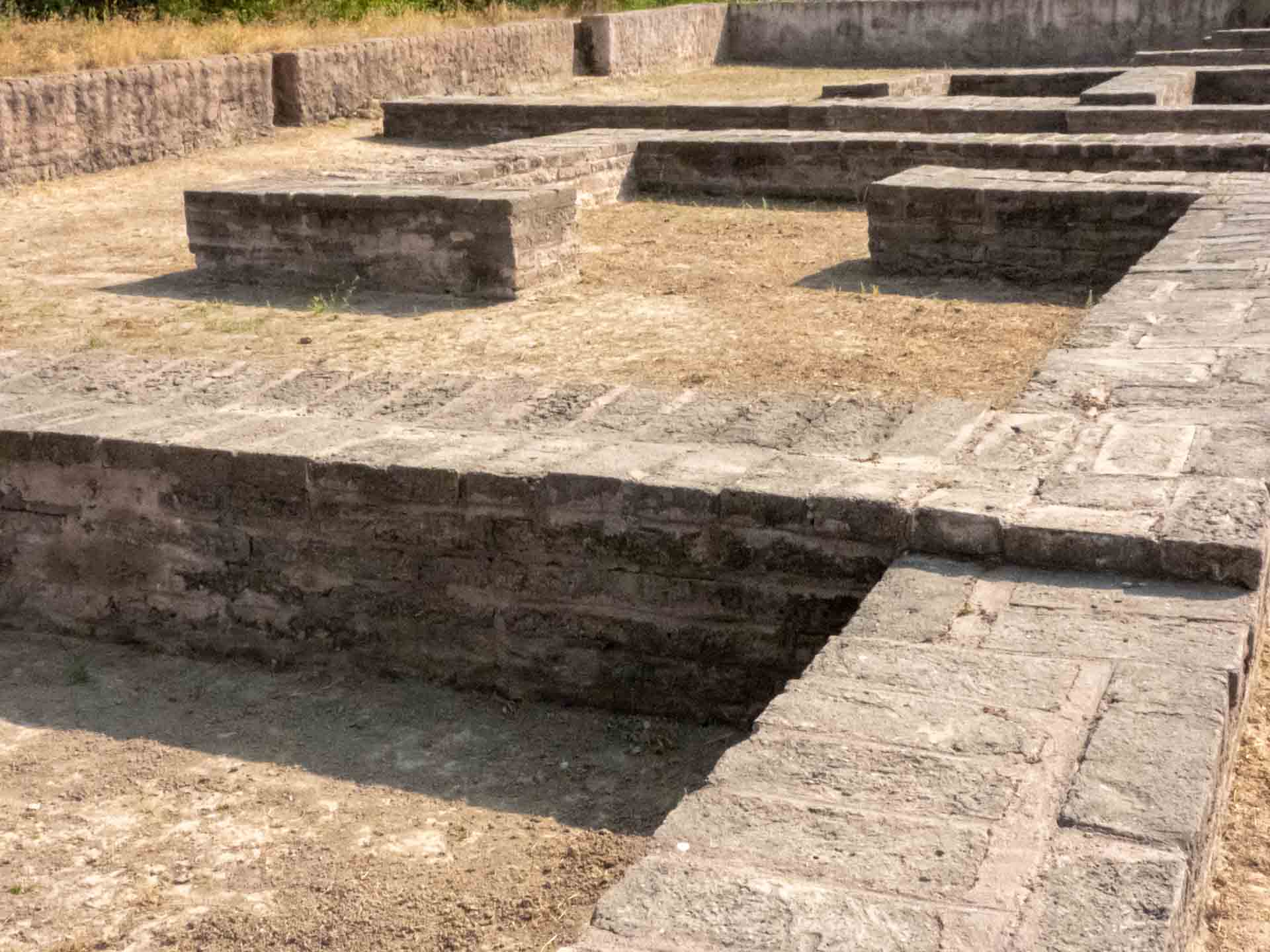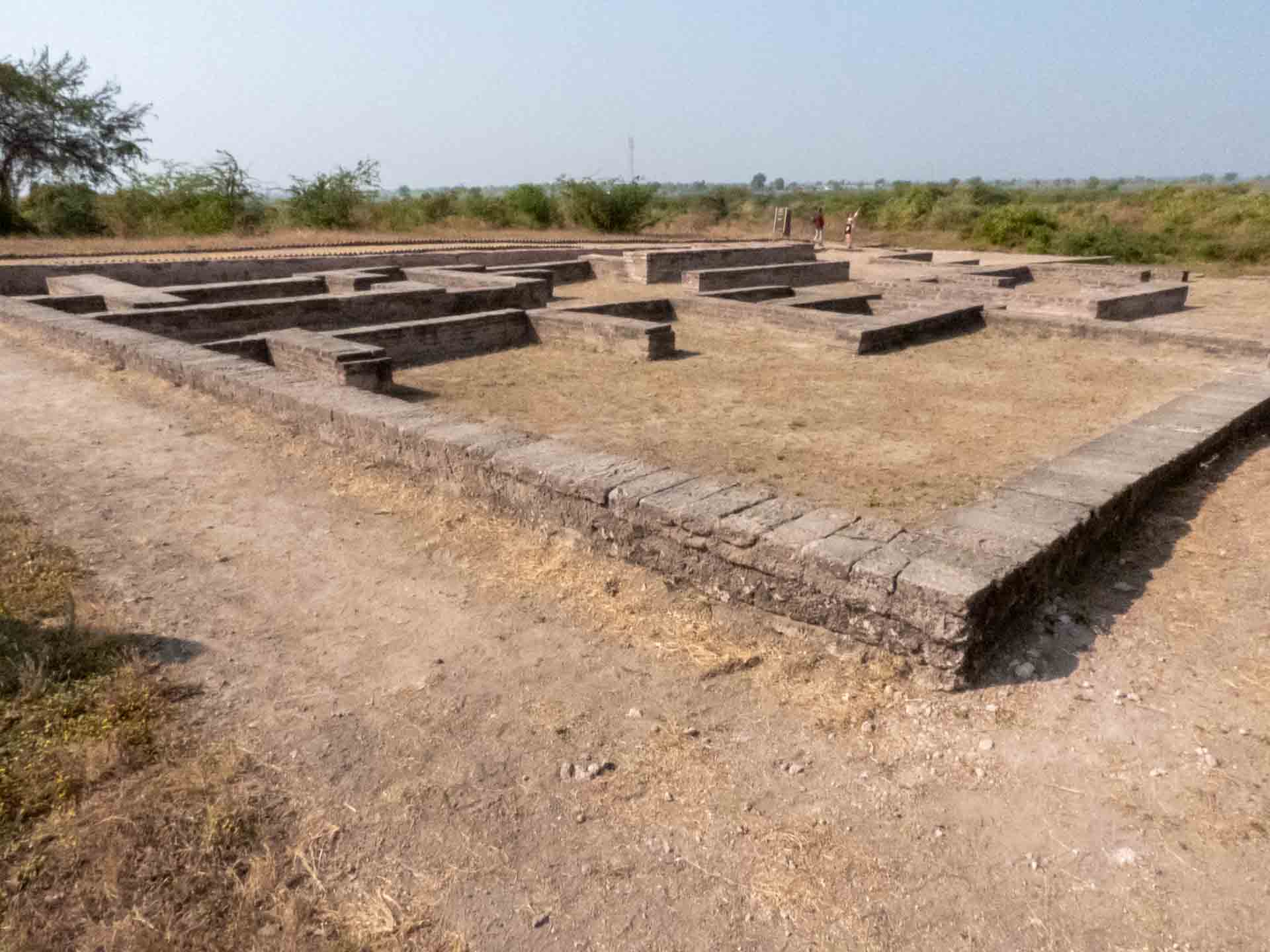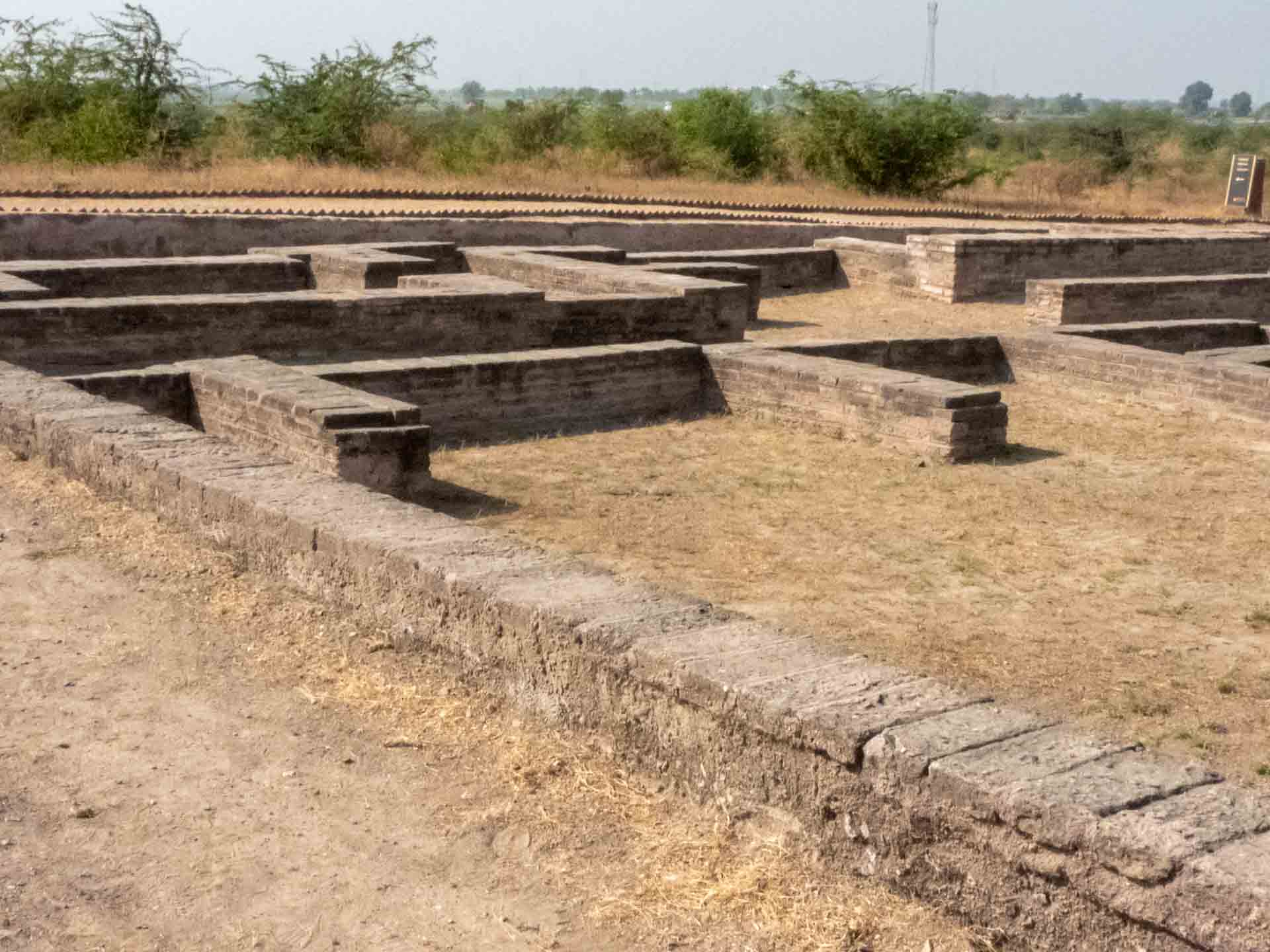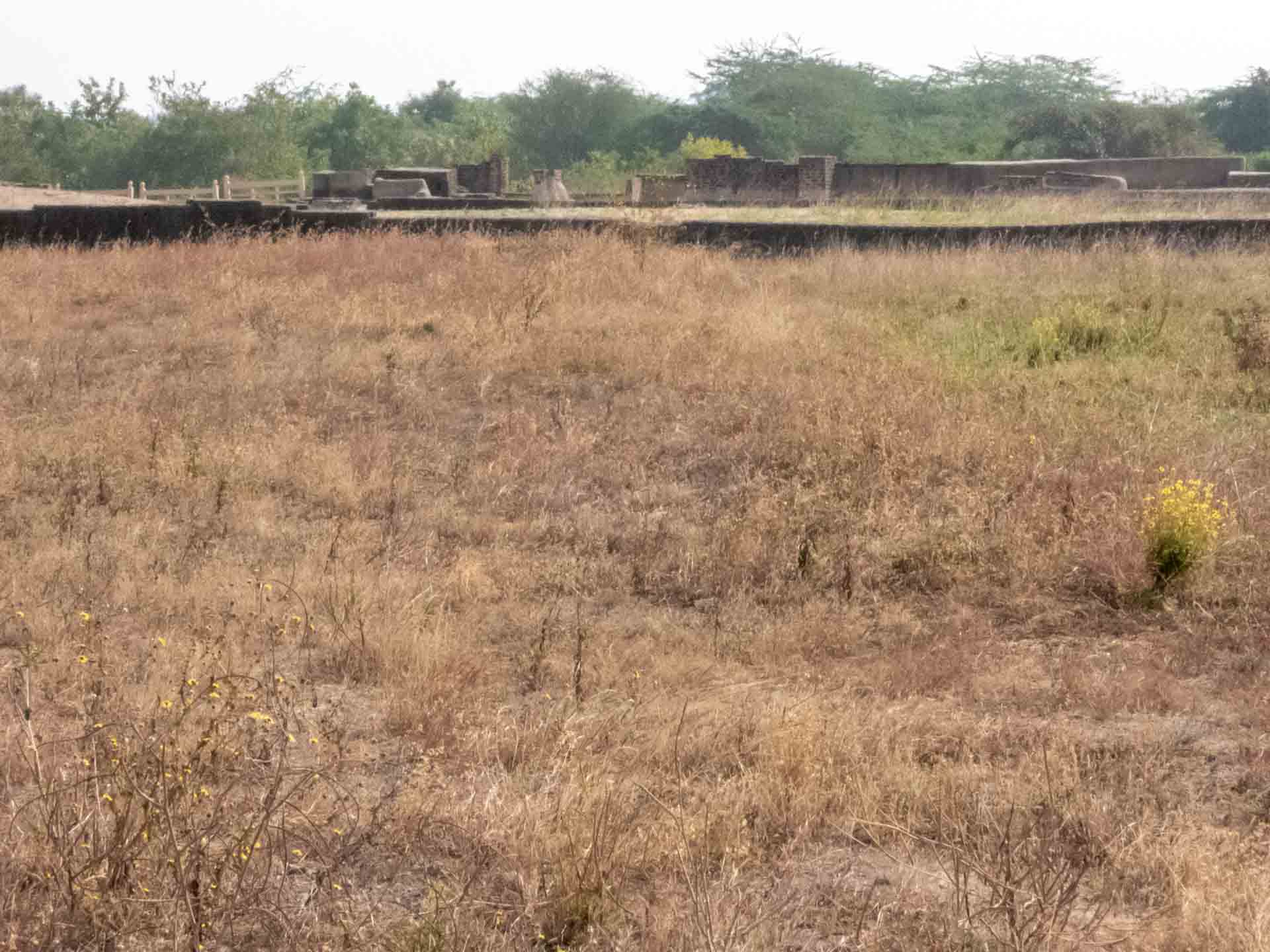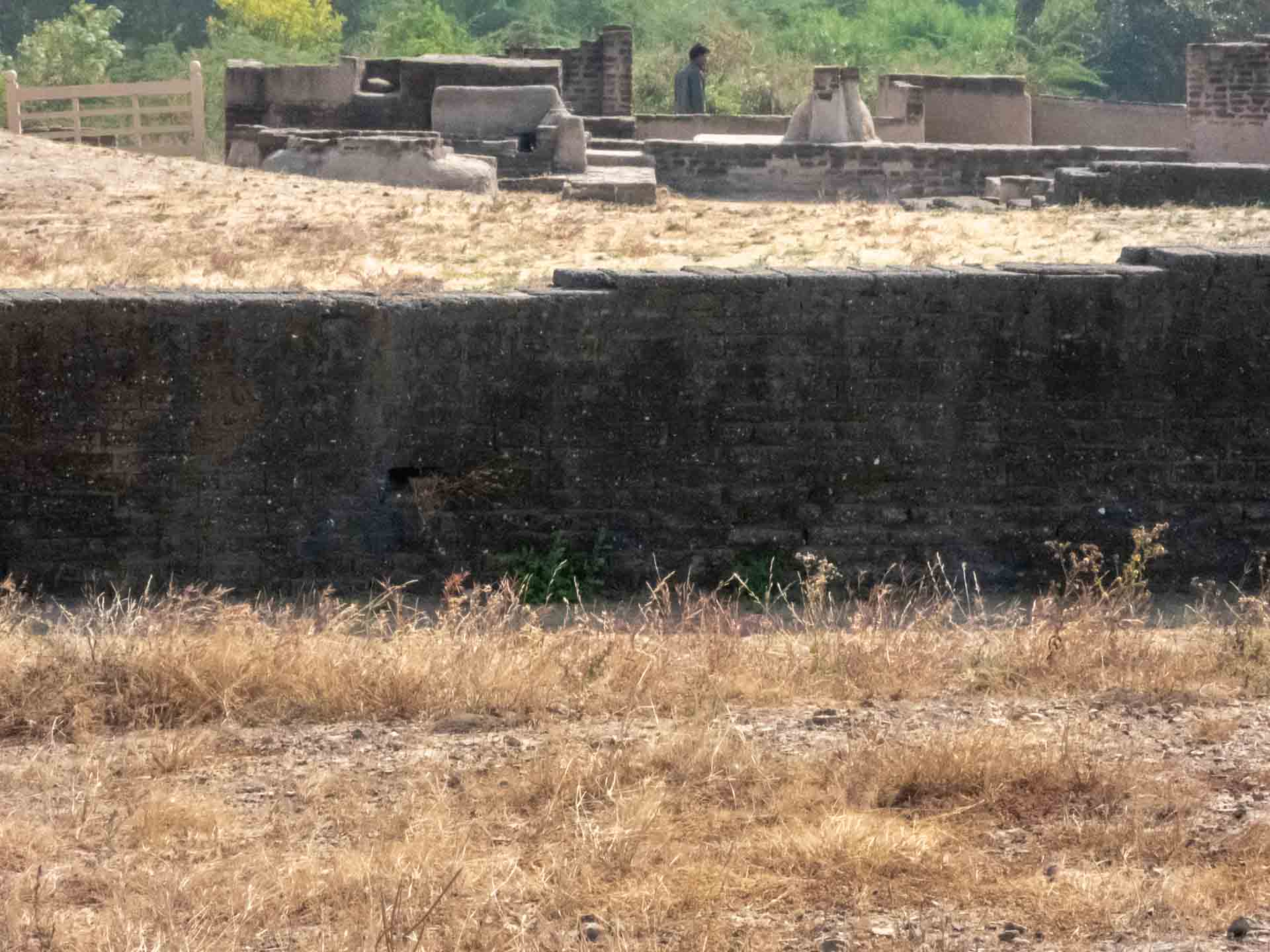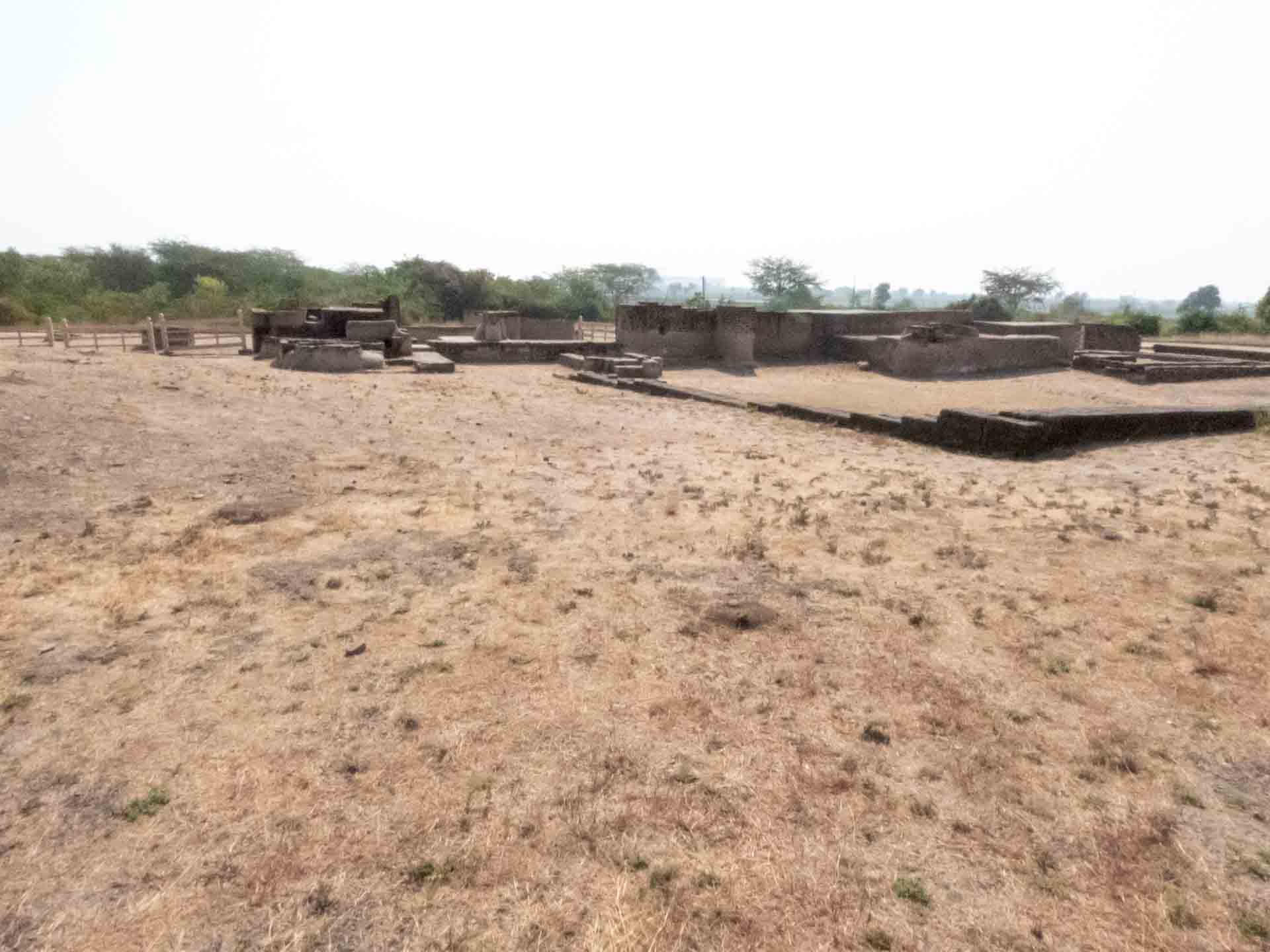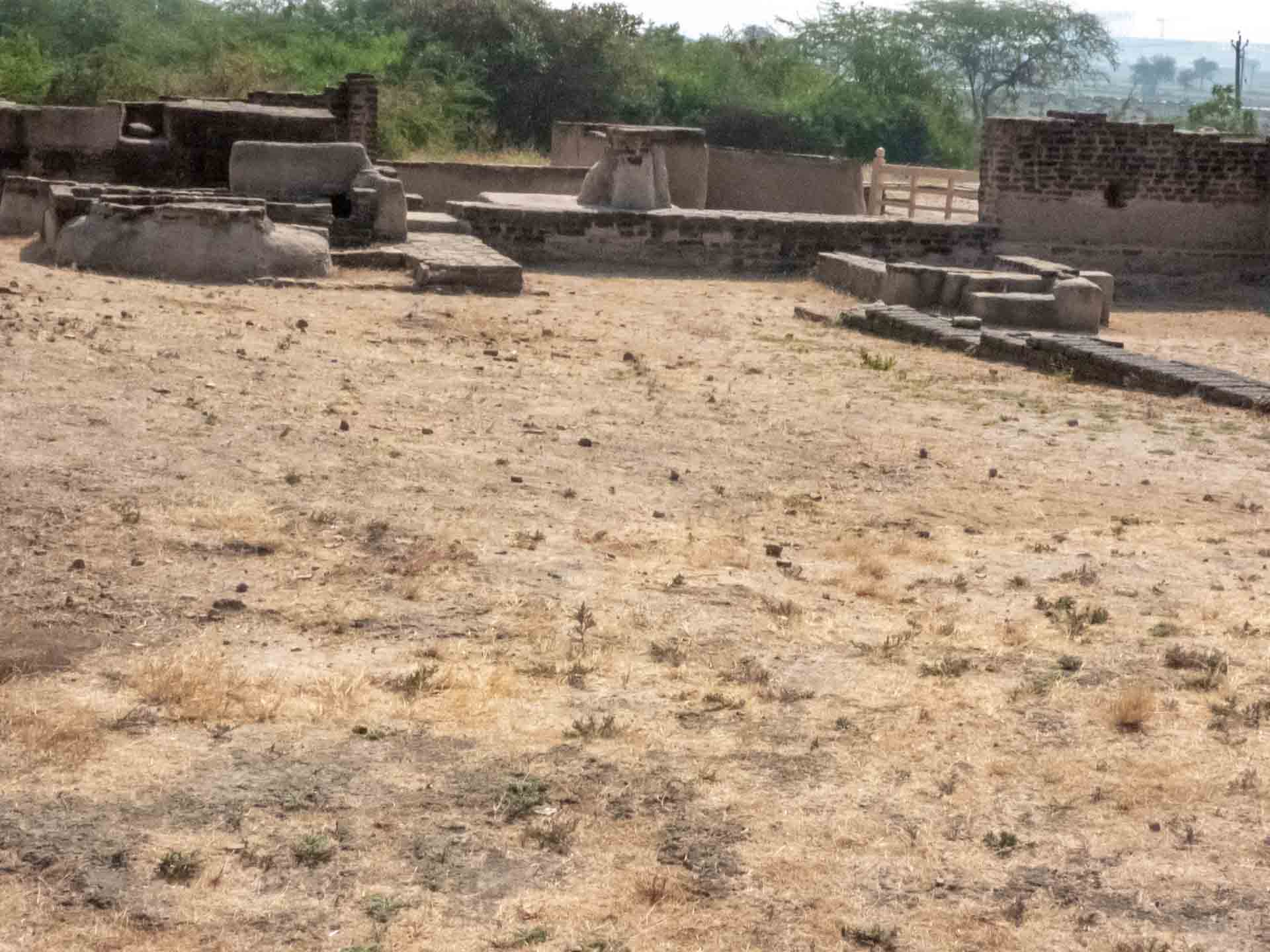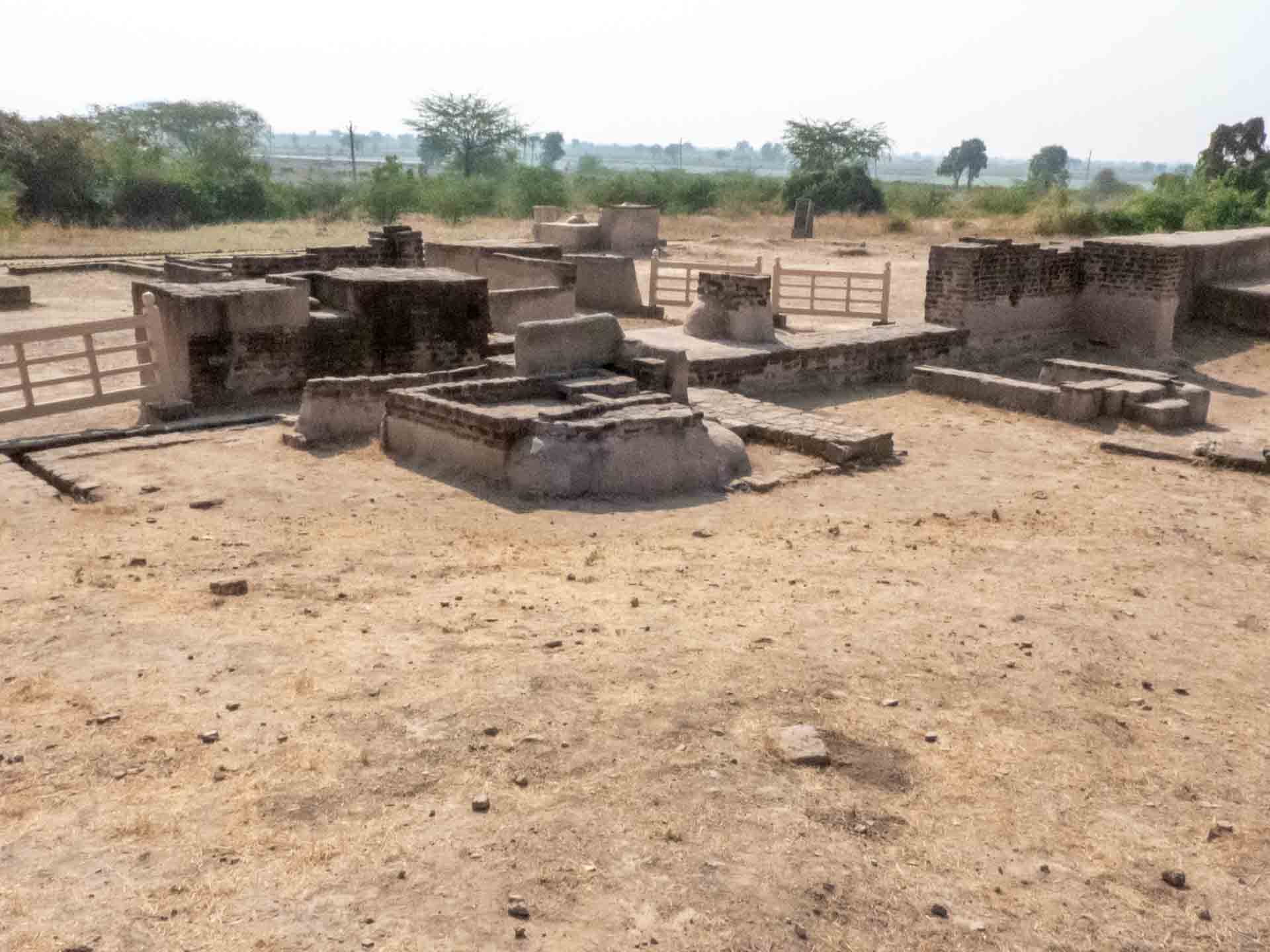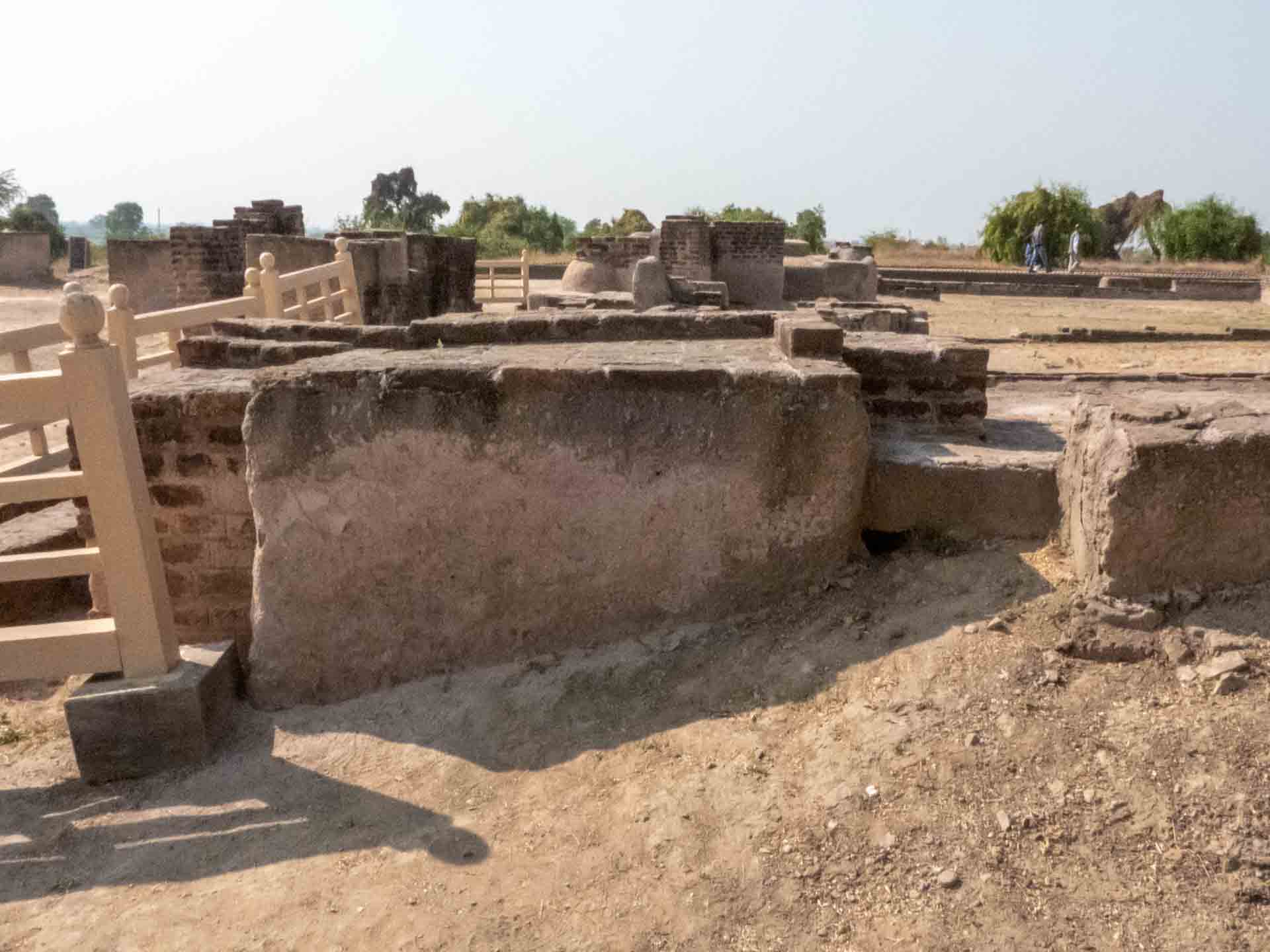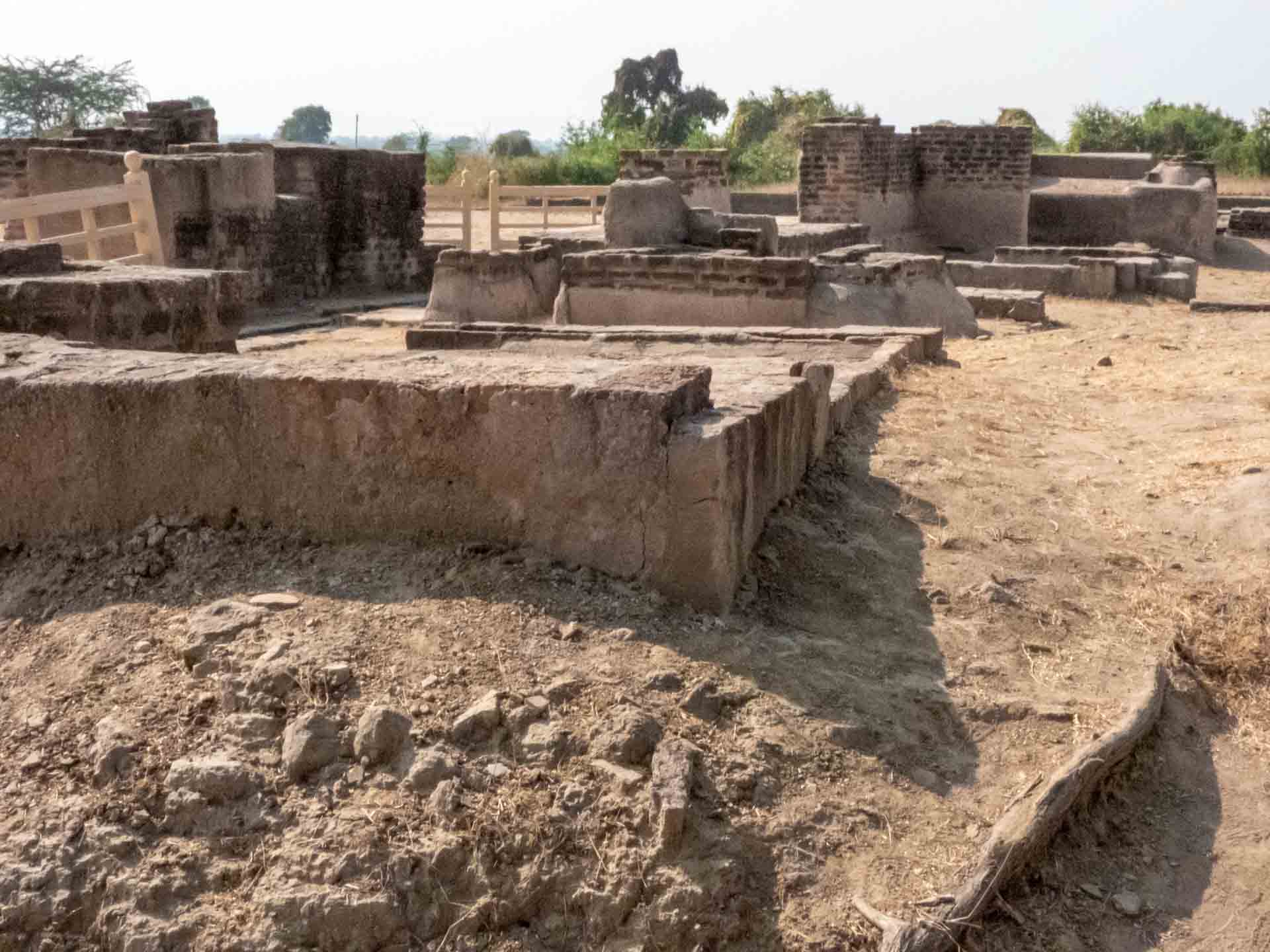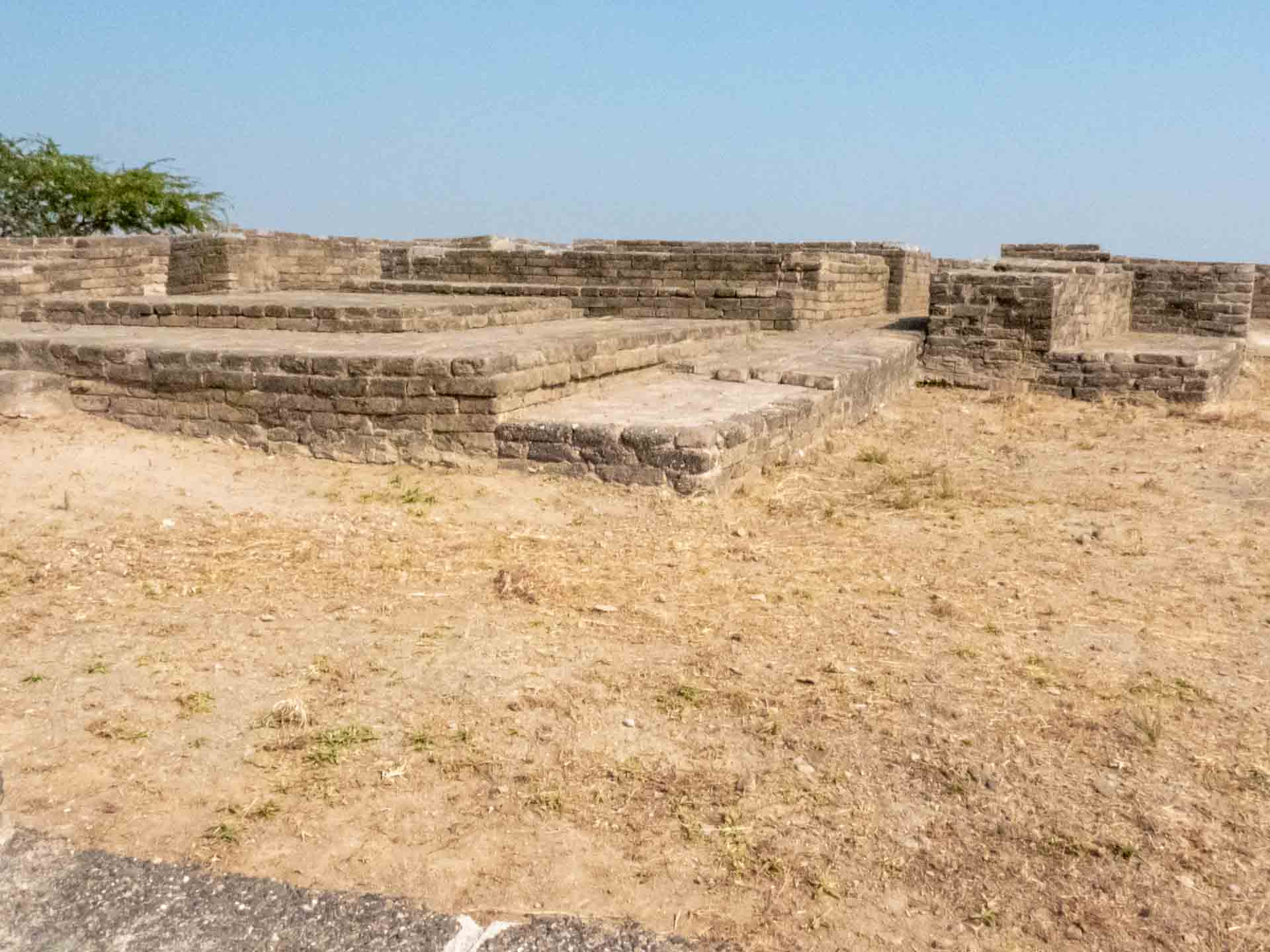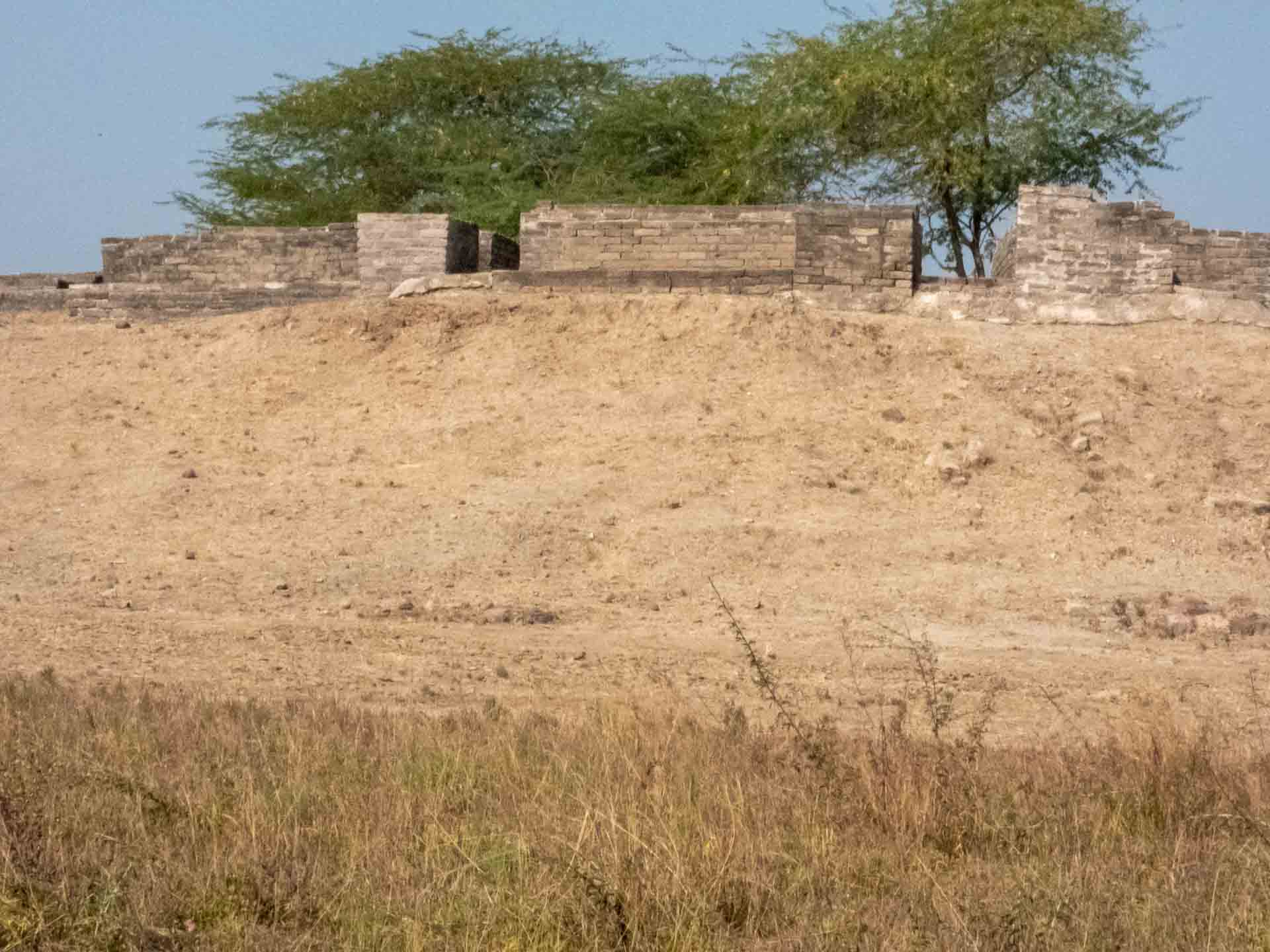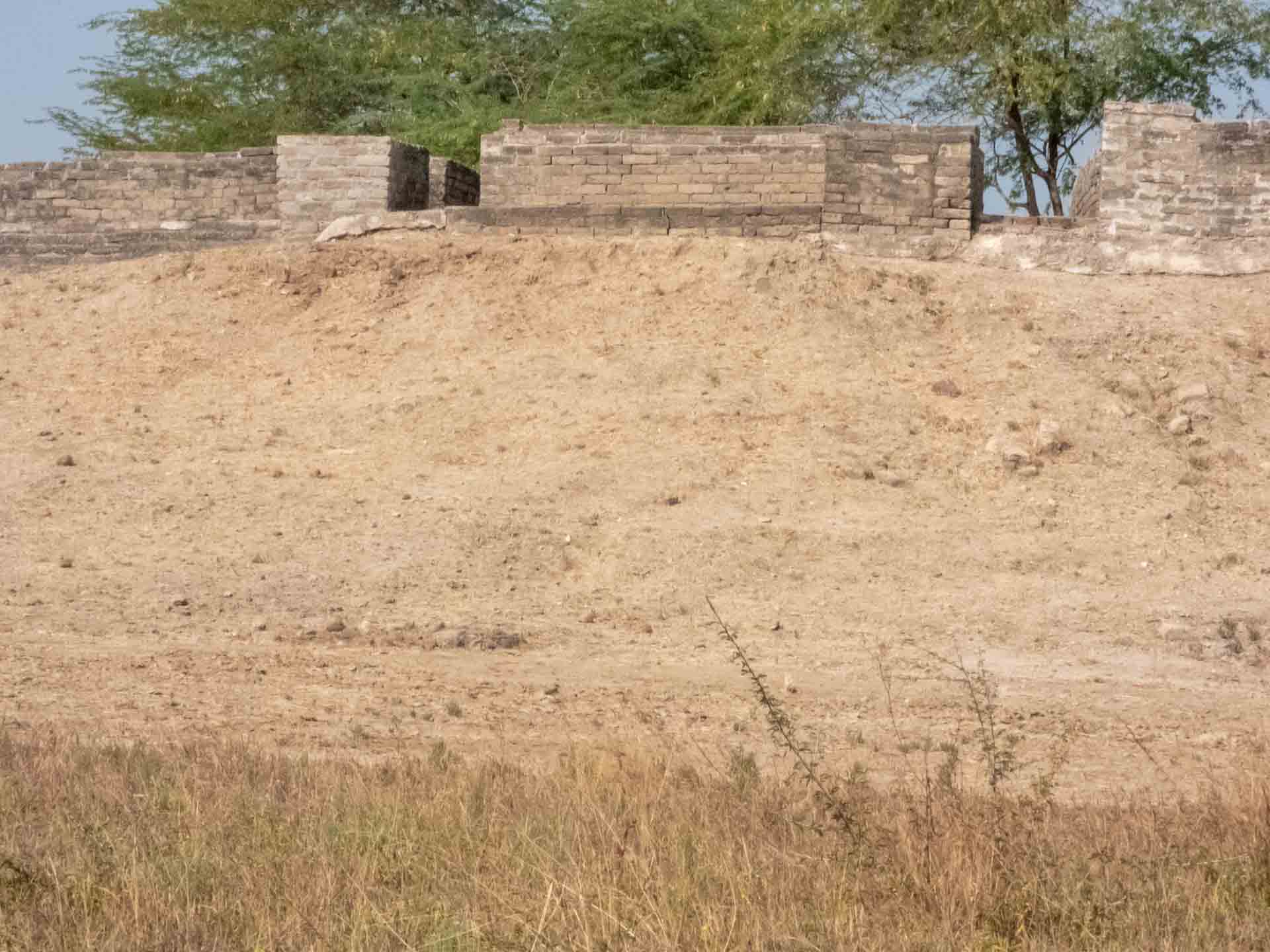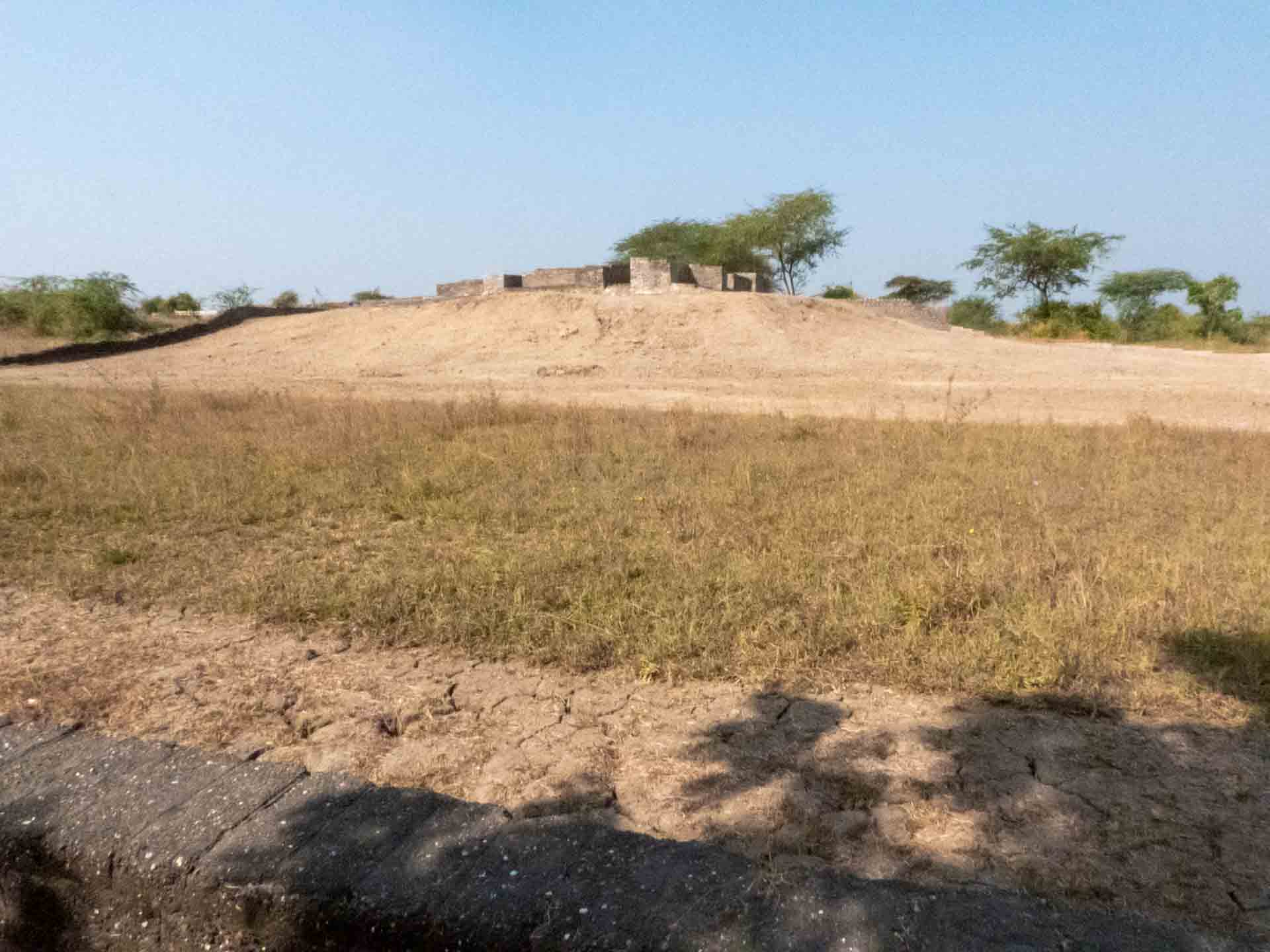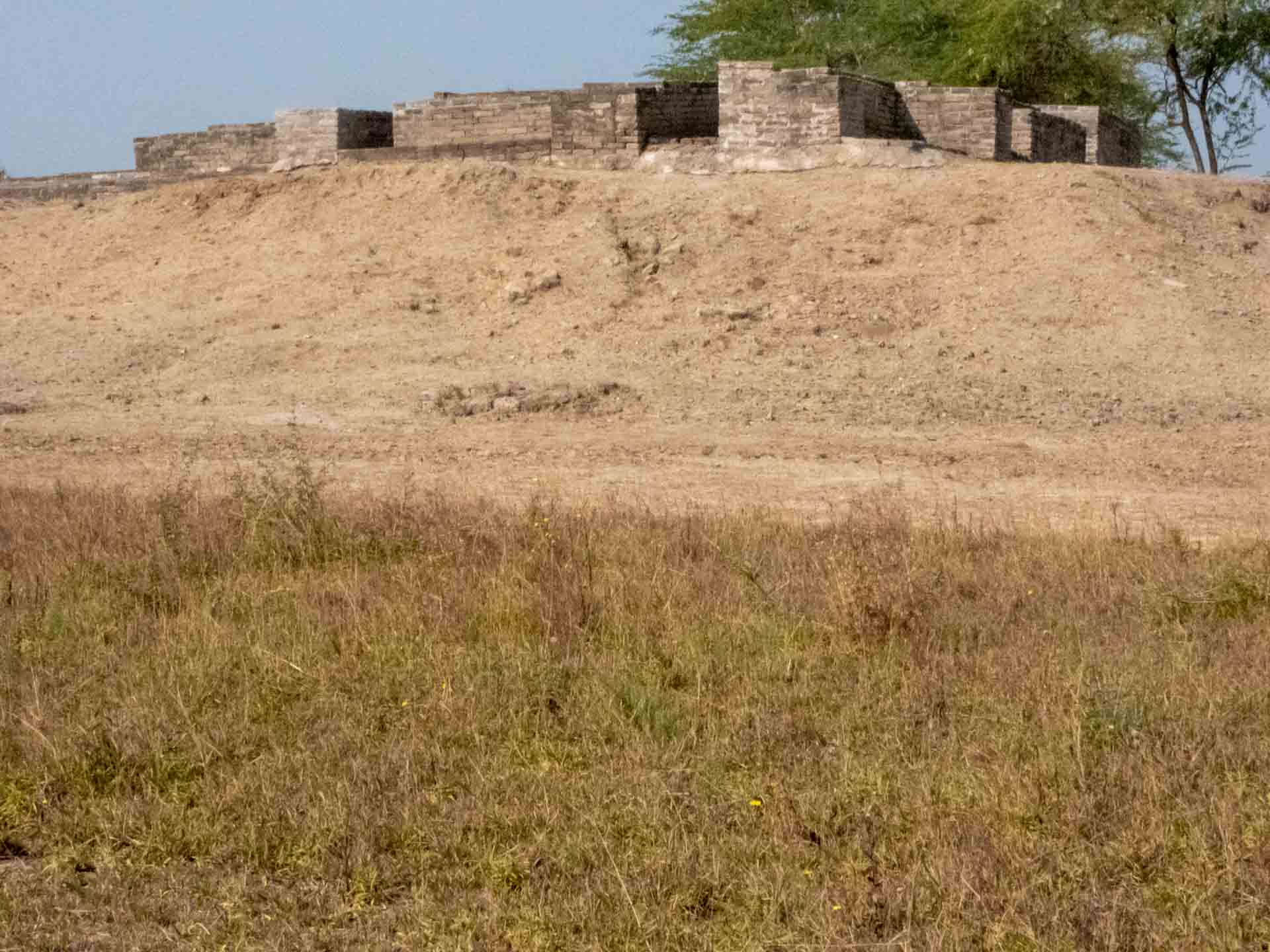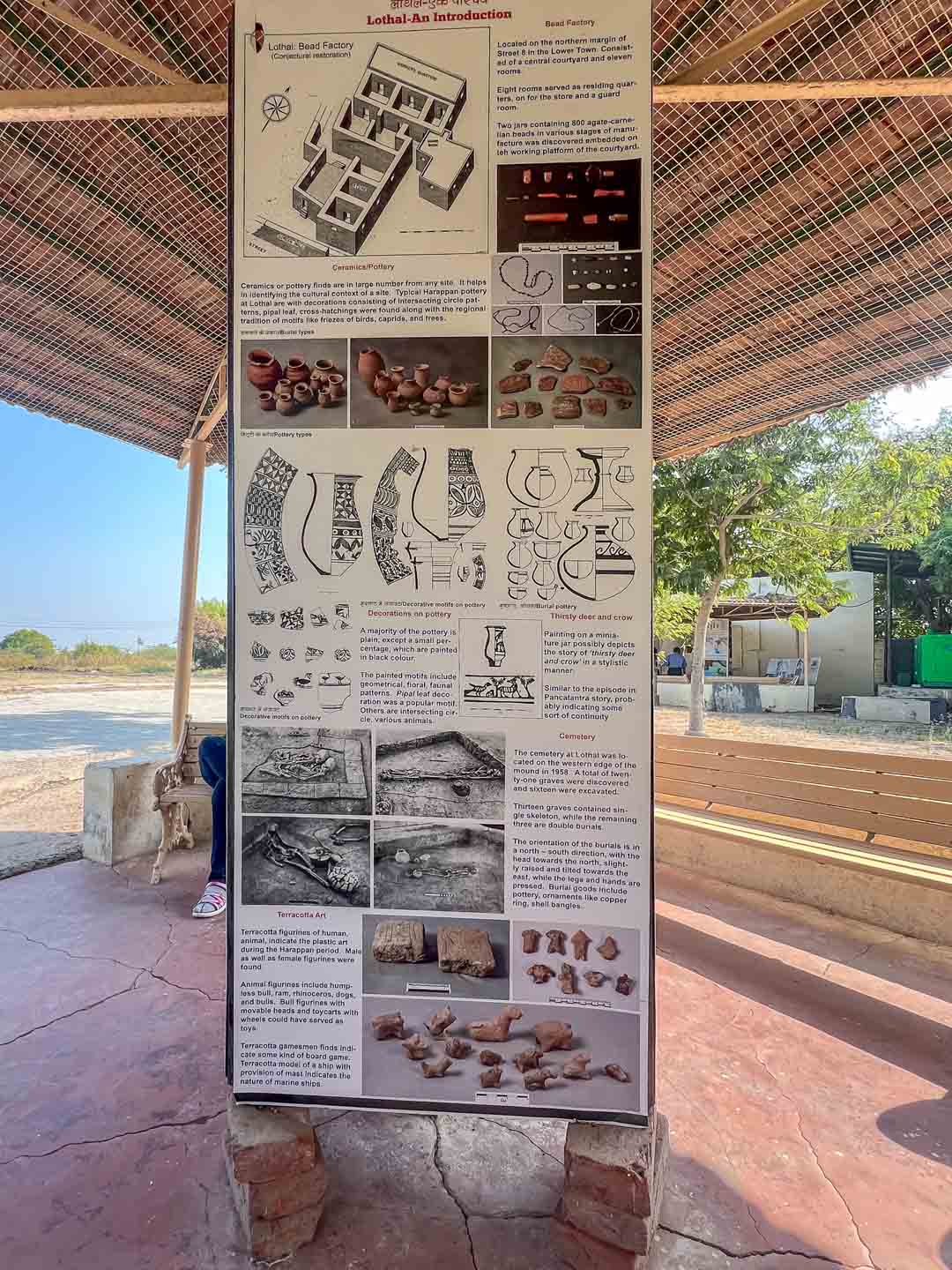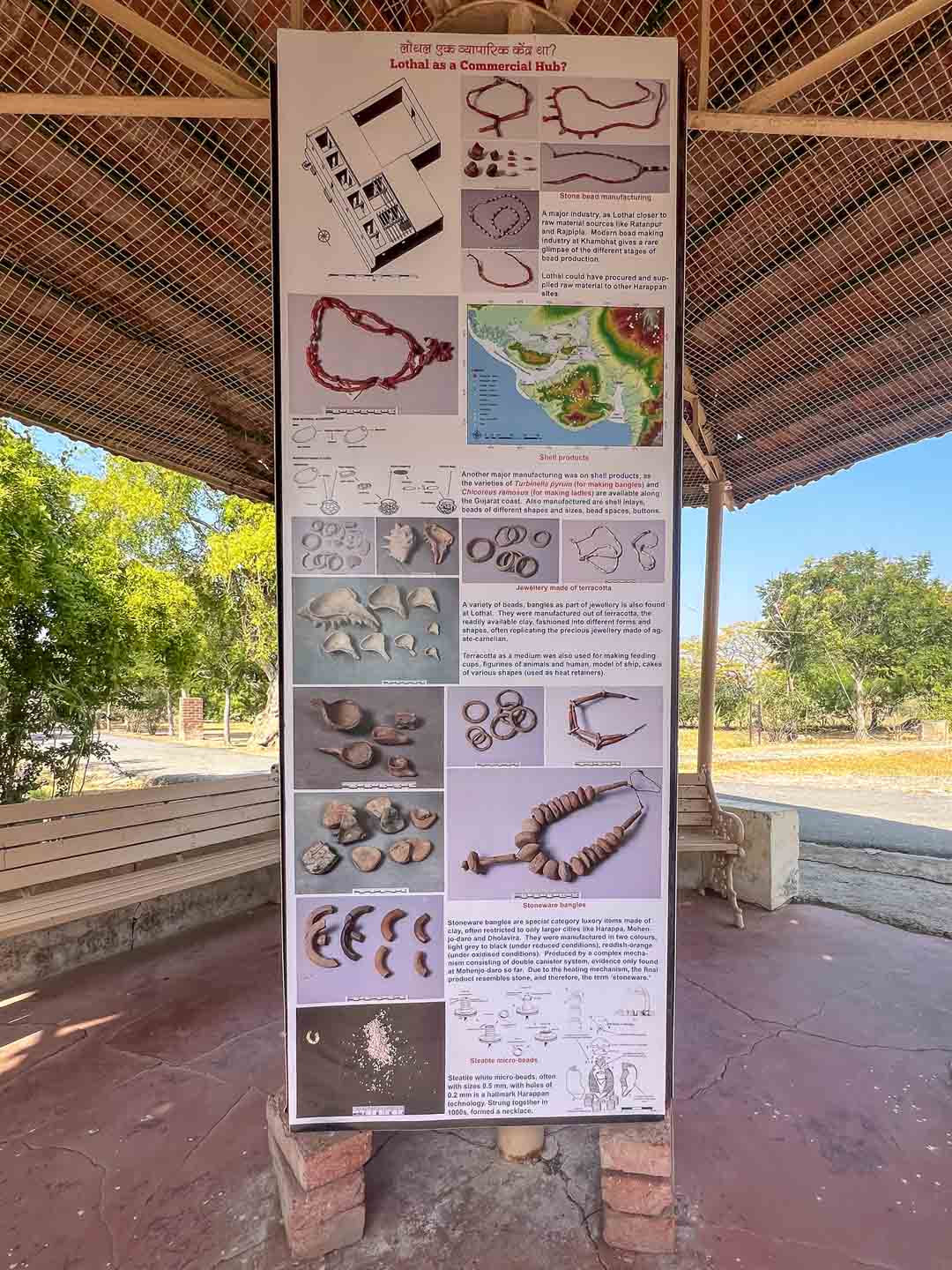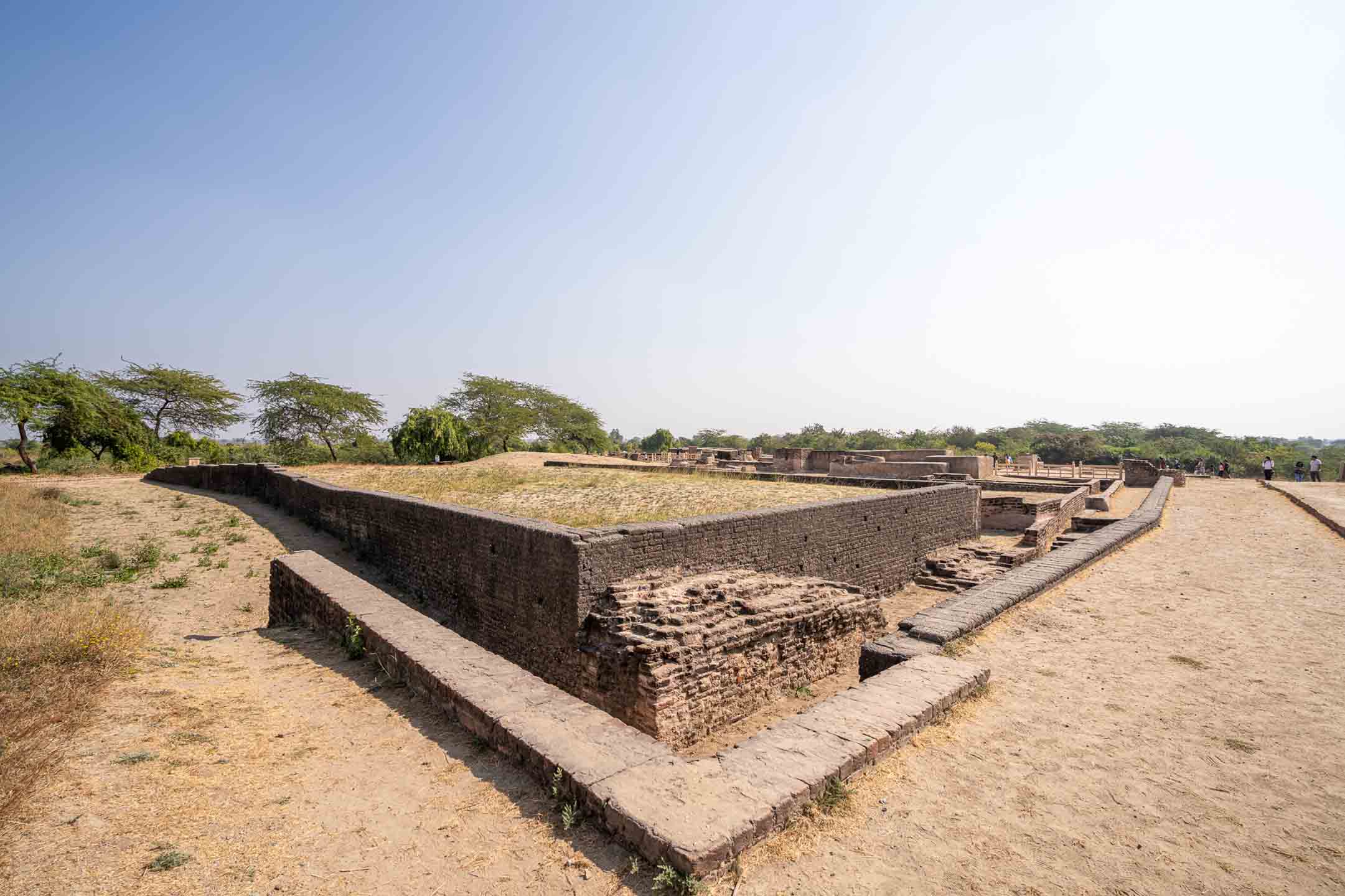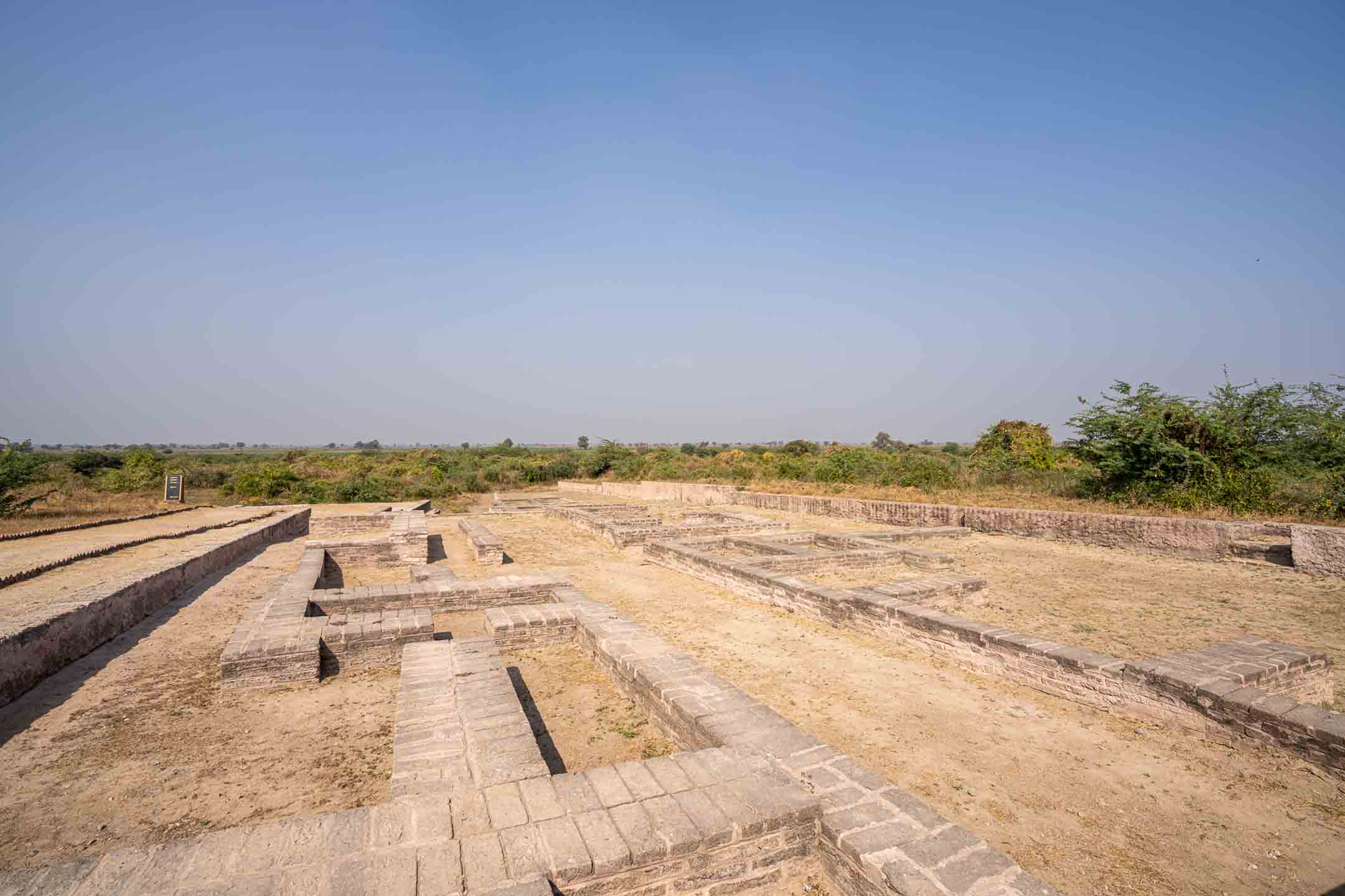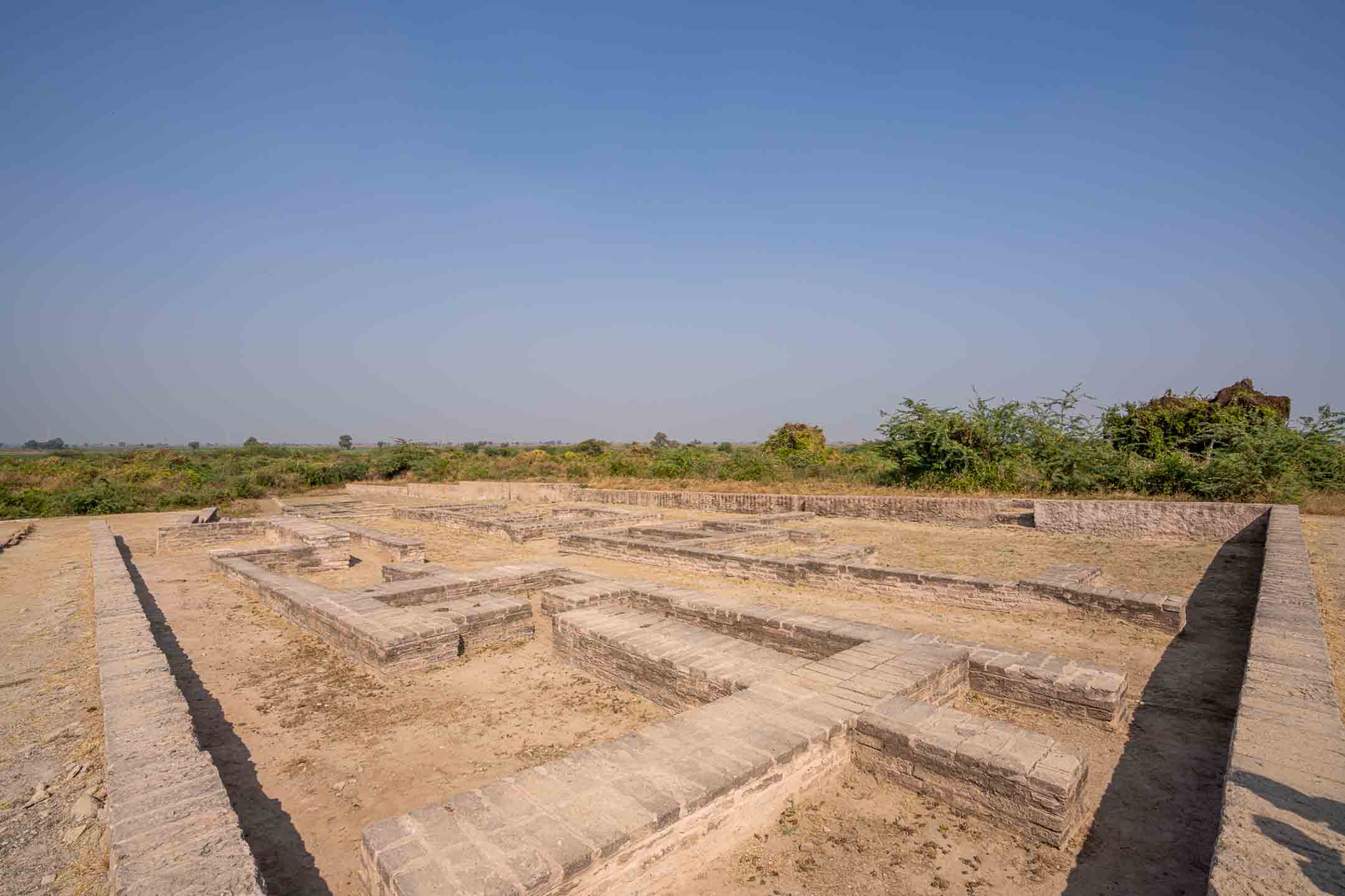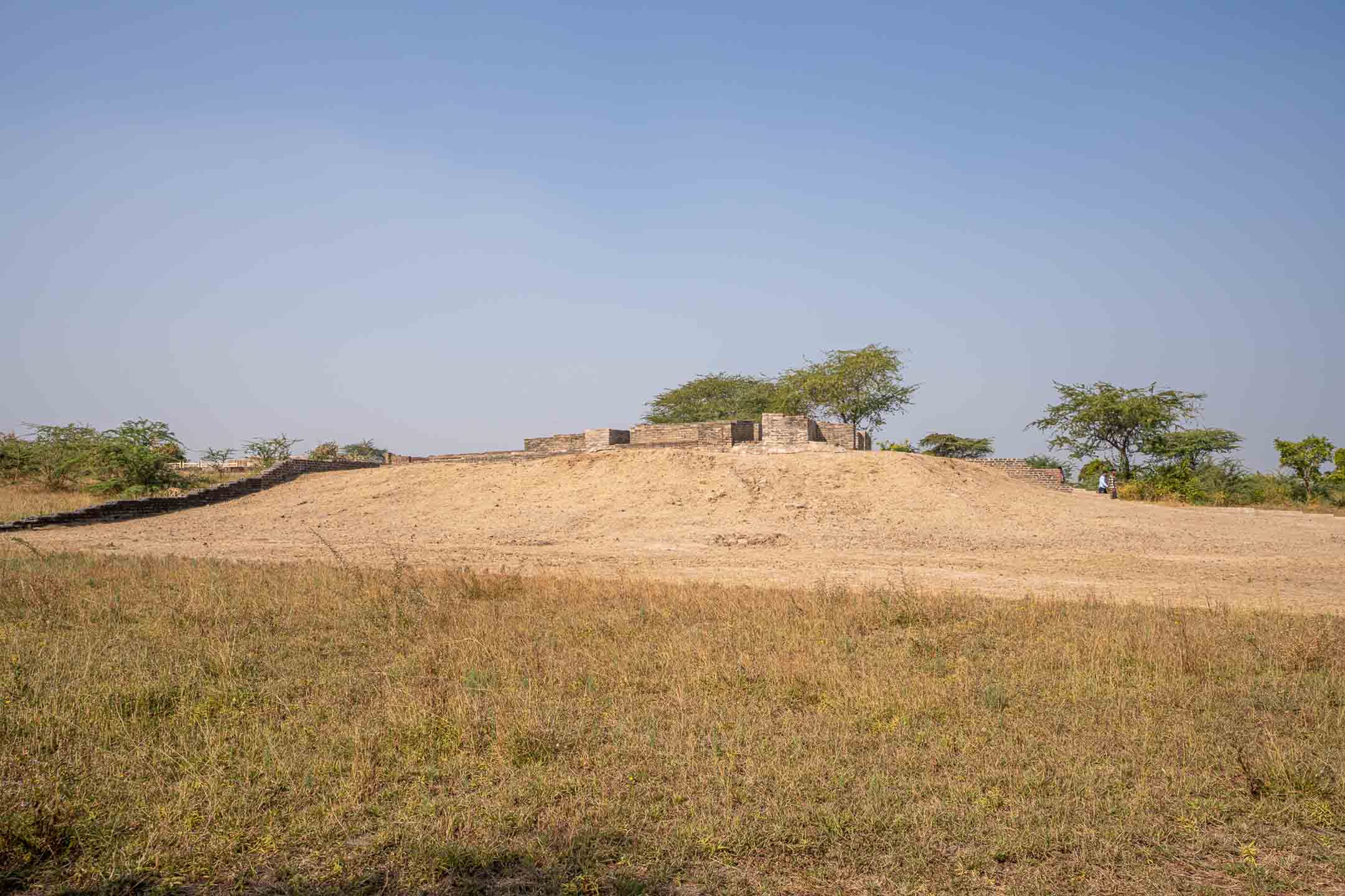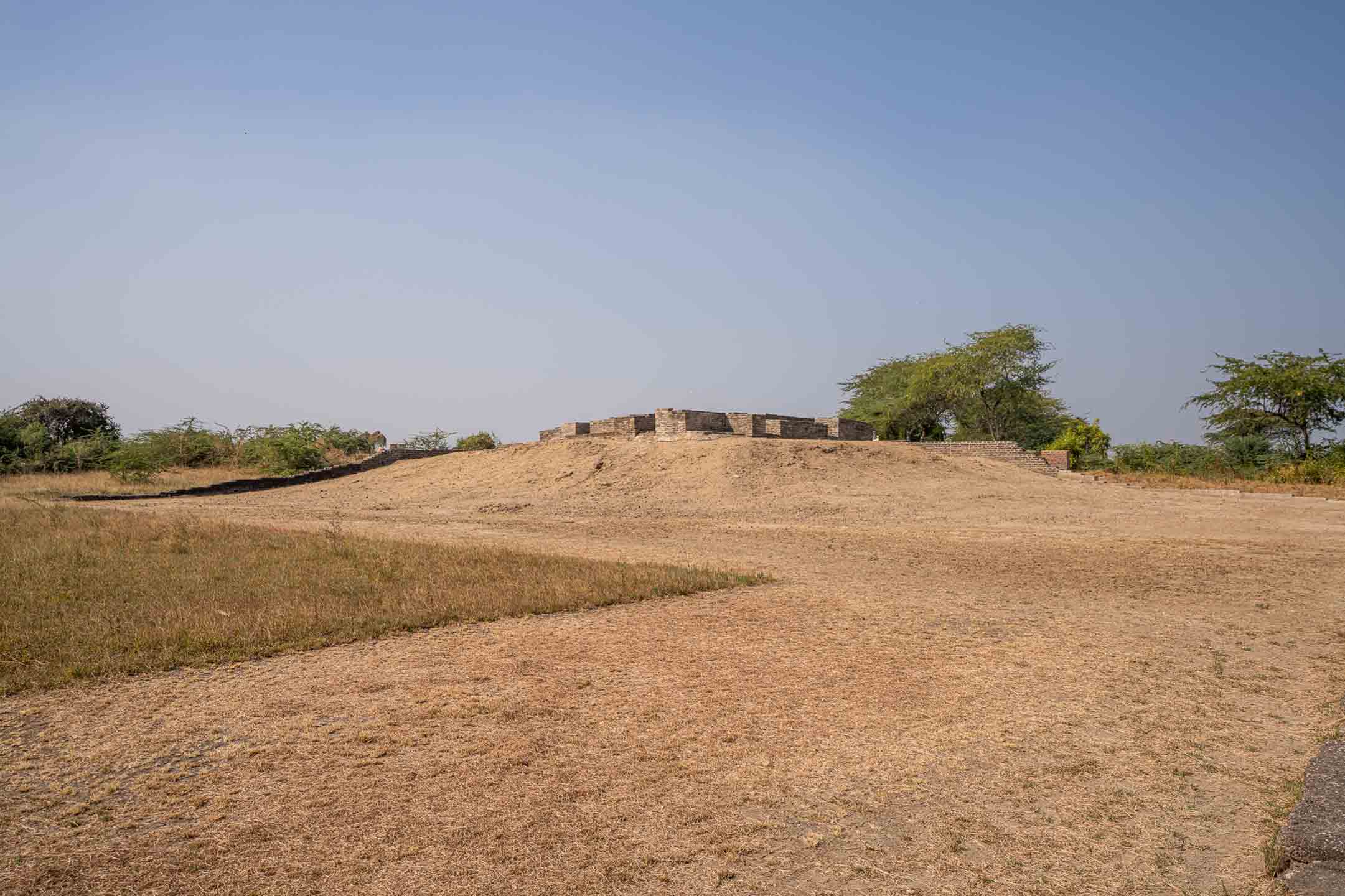
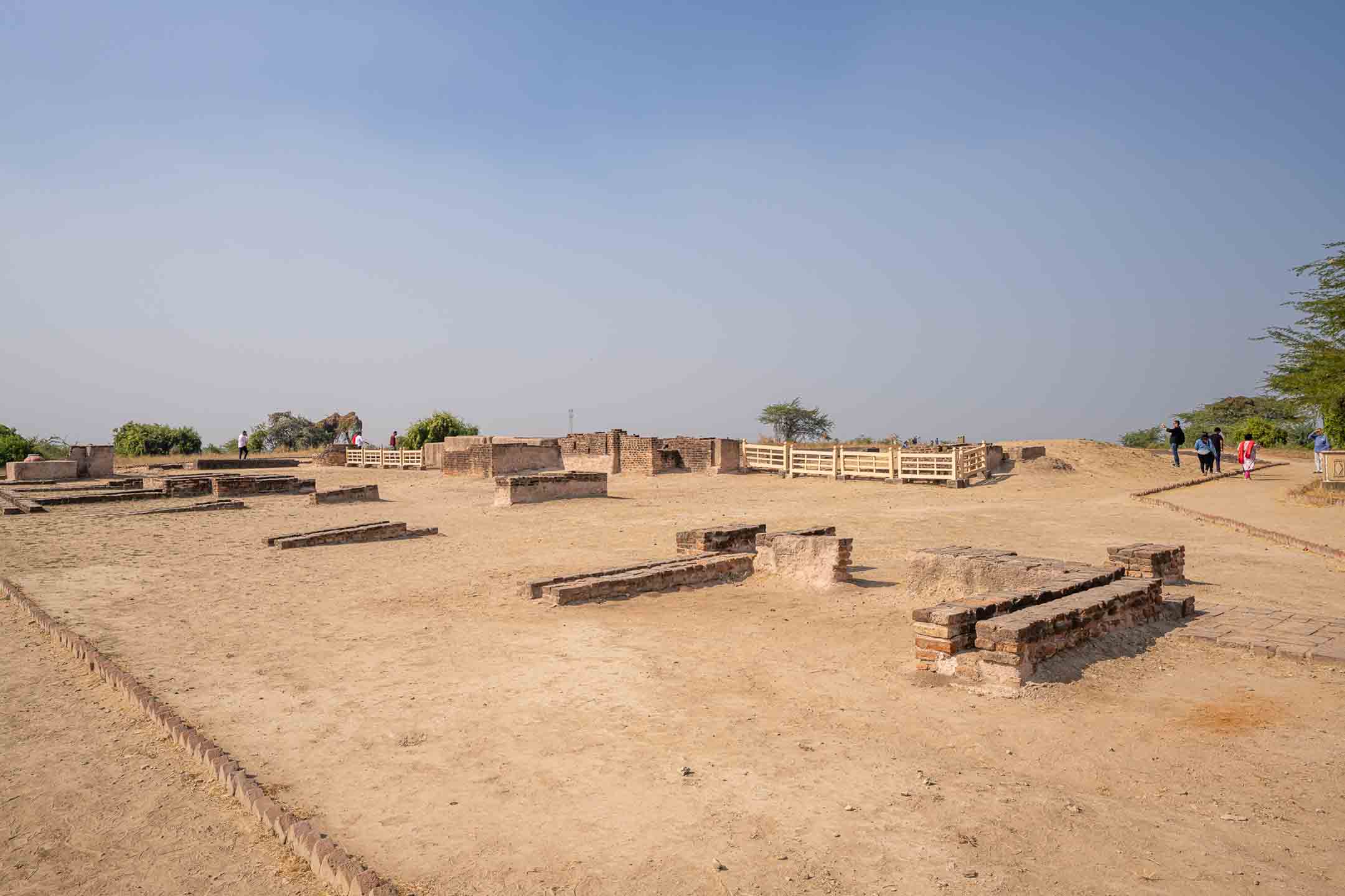
Lothal, located in the Indian state of Gujarat along the Gulf of Khambhat, is one of the most significant archaeological sites of the Indus Valley Civilization. Excavated in 1954 by the Archaeological Survey of India, the site dates to around 2400 BCE and is considered by many scholars to be among the world’s earliest known port towns. Based on its location and structural design, Lothal is believed to have functioned as a major trading center, linking the Harappan civilization with regions such as Mesopotamia.
Unlike inland Harappan settlements like Dholavira, Lothal was strategically situated near a channel of the Sabarmati River, which flowed into the Arabian Sea. This enabled it to operate as a hub for trade in goods such as beads, shells, ivory, and possibly textiles. Archaeological evidence indicates that Lothal played a key role in long-distance trade networks, supported by its well-developed infrastructure and industrial facilities.