Kraków – The City of Remembrance and Charm
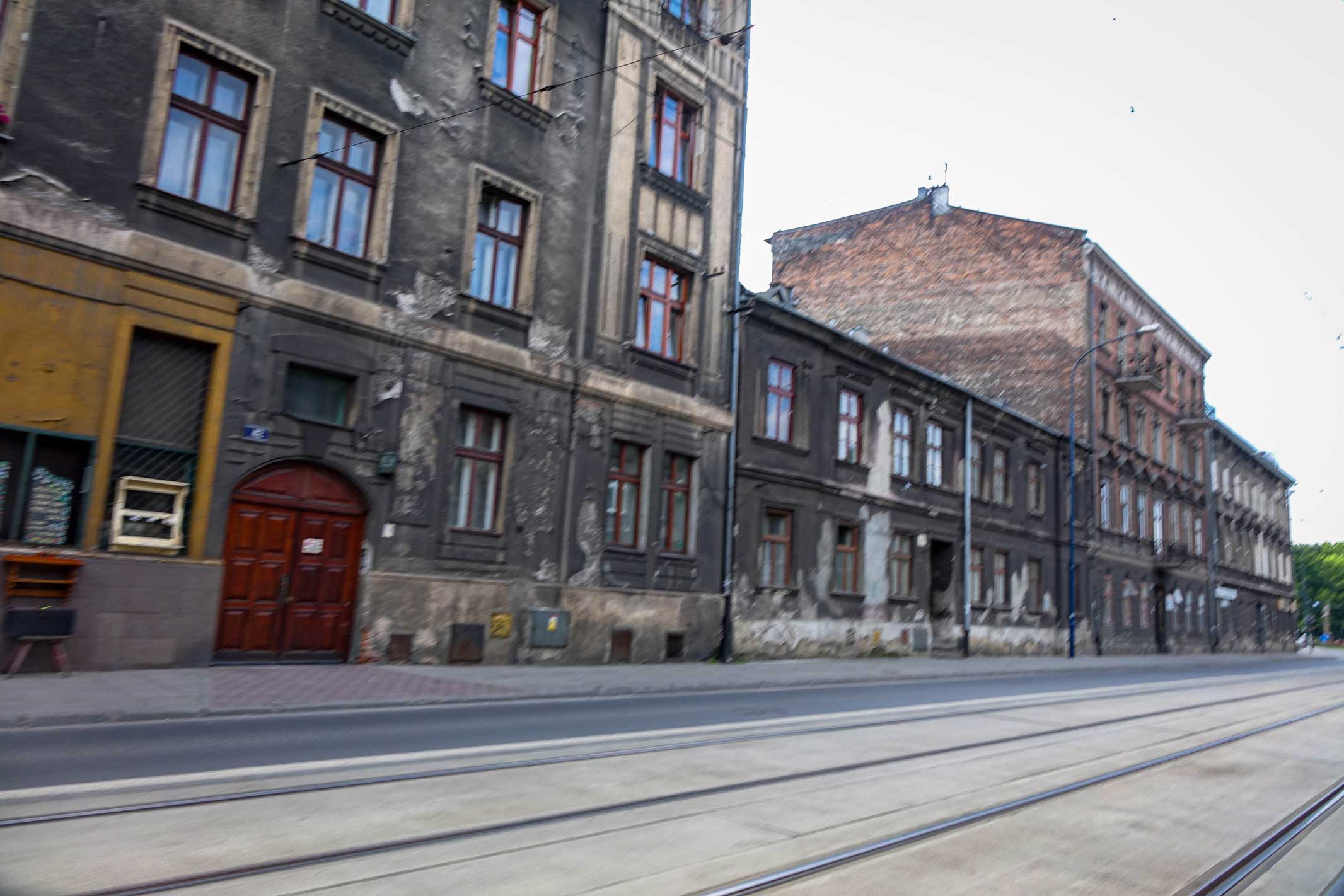
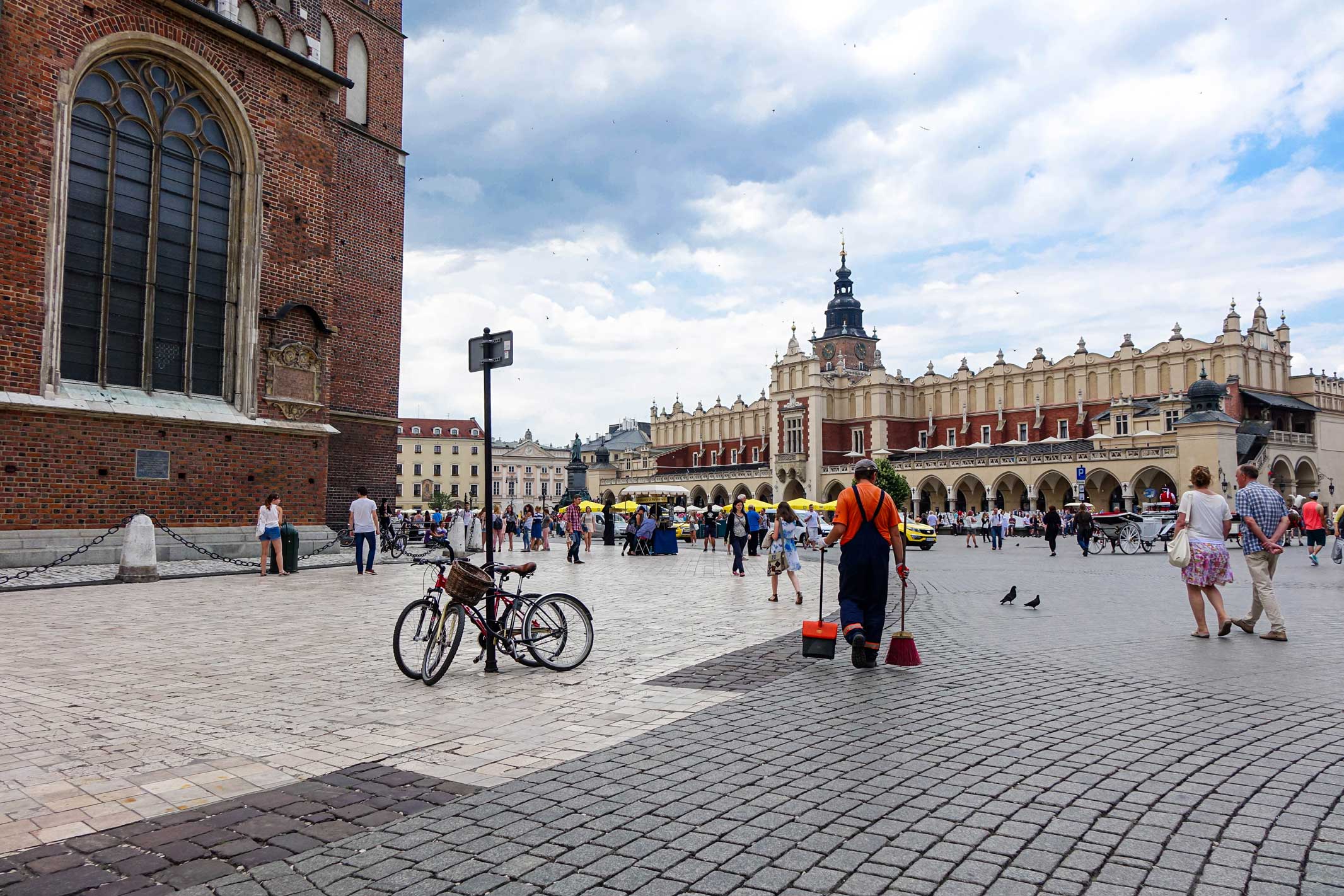
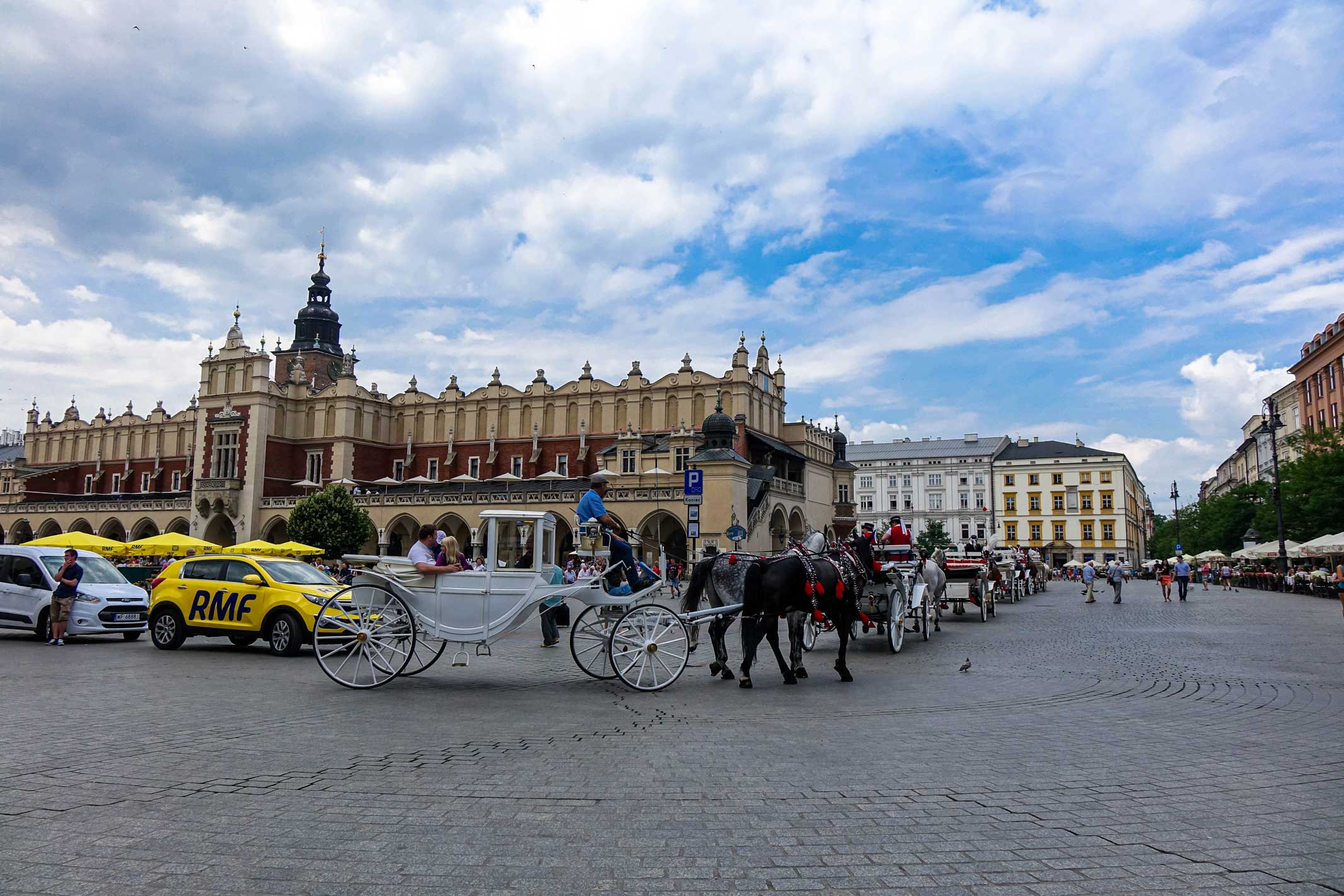
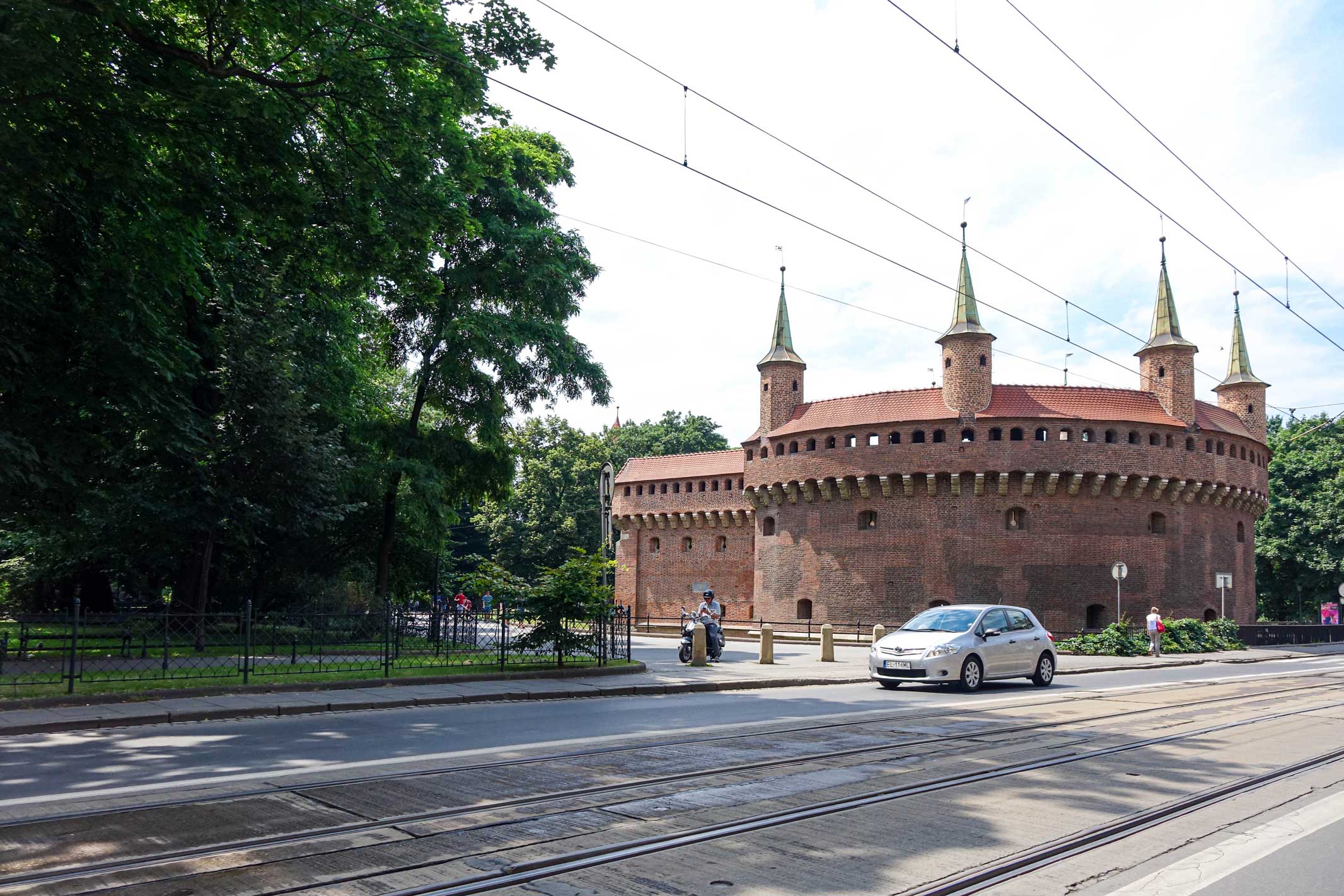
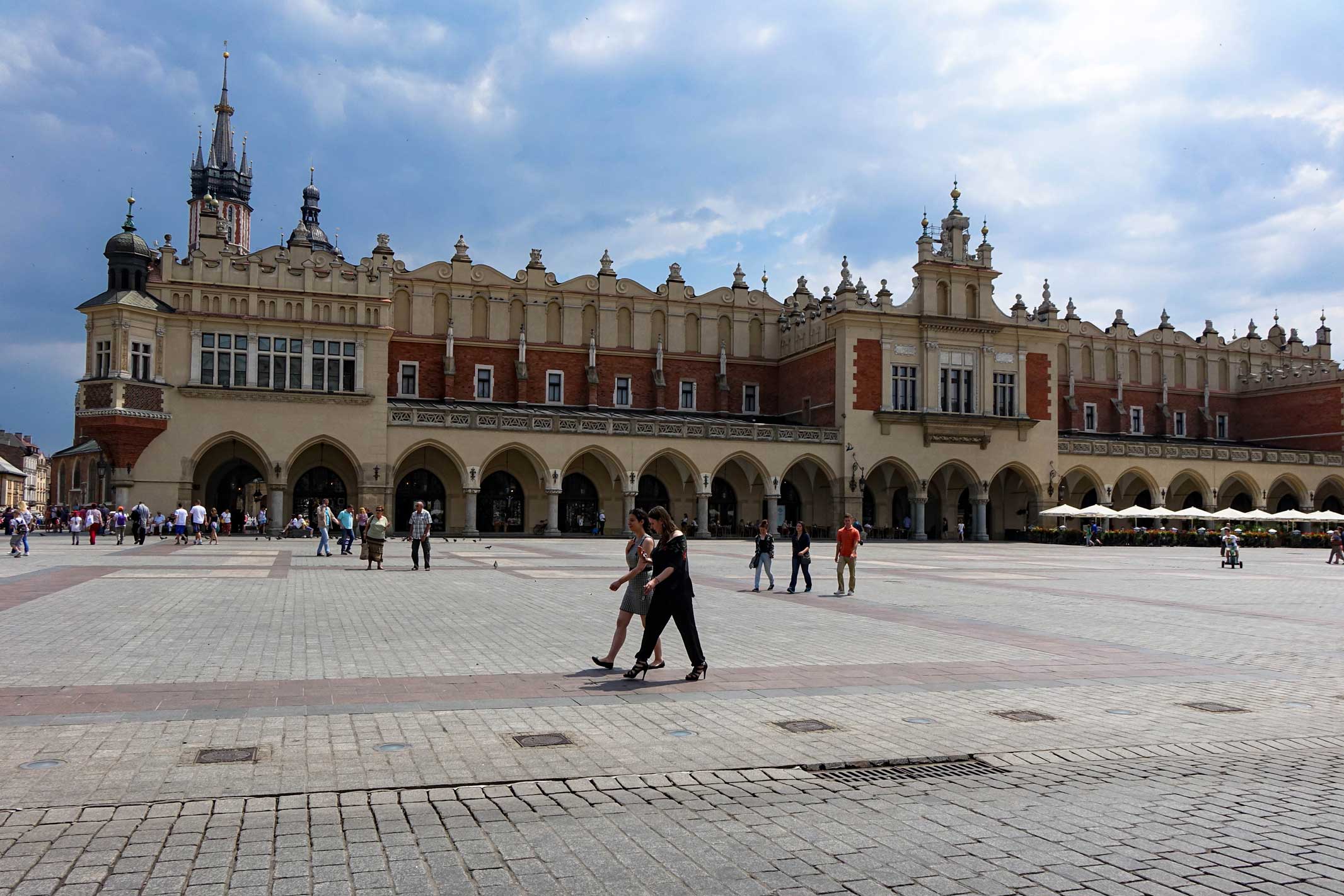
While loss dwells in Auschwitz, Kraków is a testament to resilience. The city is one of Poland’s oldest, and much of the medieval core of the old towns was left unharmed during the war. For many centuries, it was home to a prosperous Jewish community, mainly in Kazimierz, the Jewish quarter, which too offers evidence of a near-vanished culture in the shape of synagogues, tight alleys.Rynek Główny (Main Market Square) in Kraków is the largest medieval square in Europe lined with pastel-colored townhouses, cafés, and attractions. At its heart stands the Cloth Hall (Sukiennice), which was the heart of Renaissance commerce. Next to it, the twin spires of St Marys Basilica rise, where every hour a trumpet call—the Hejnał—is broadcasted, the melody cut abruptly at the end to commemorate the trumpeter shot by a Tatar arrow centuries ago.
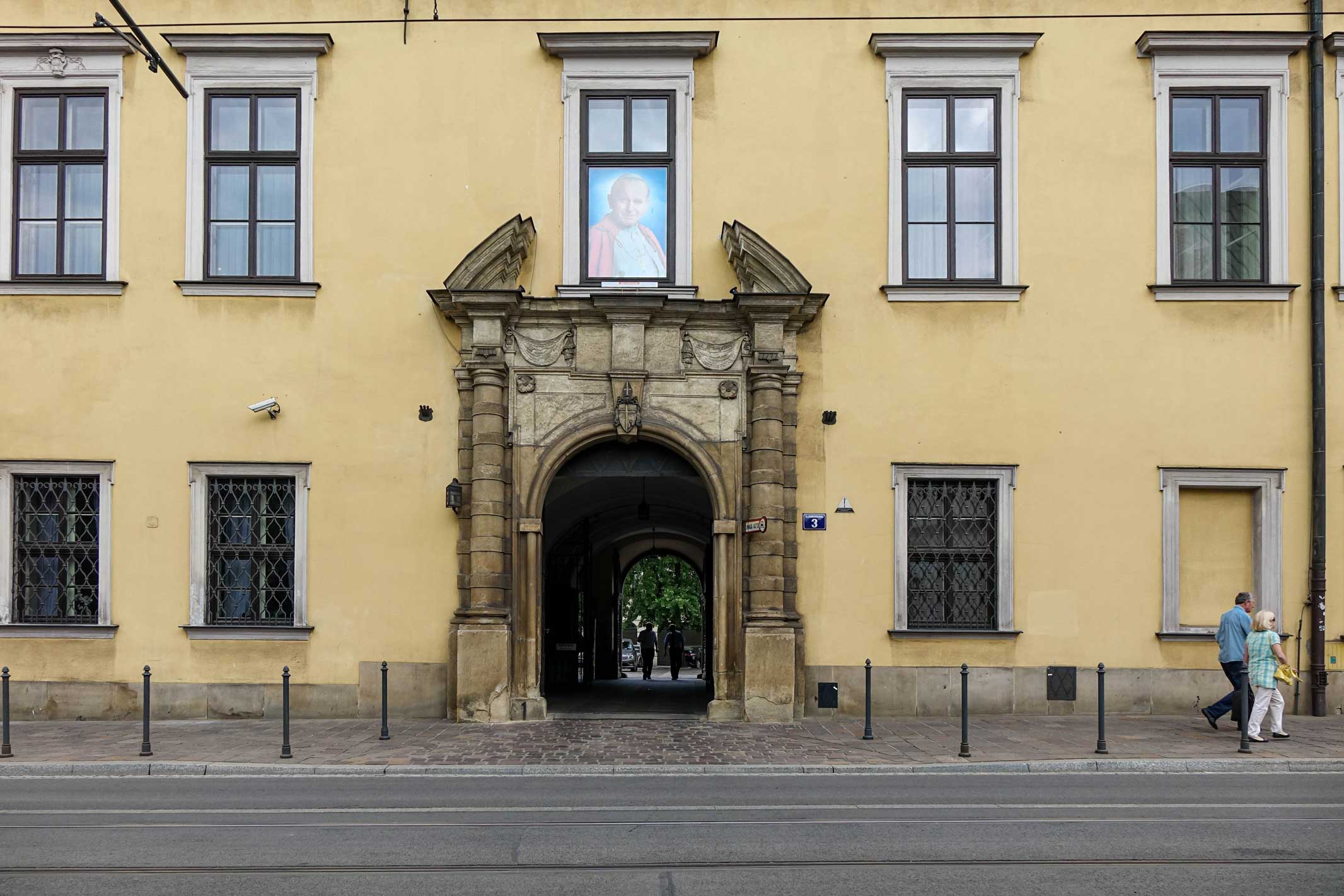
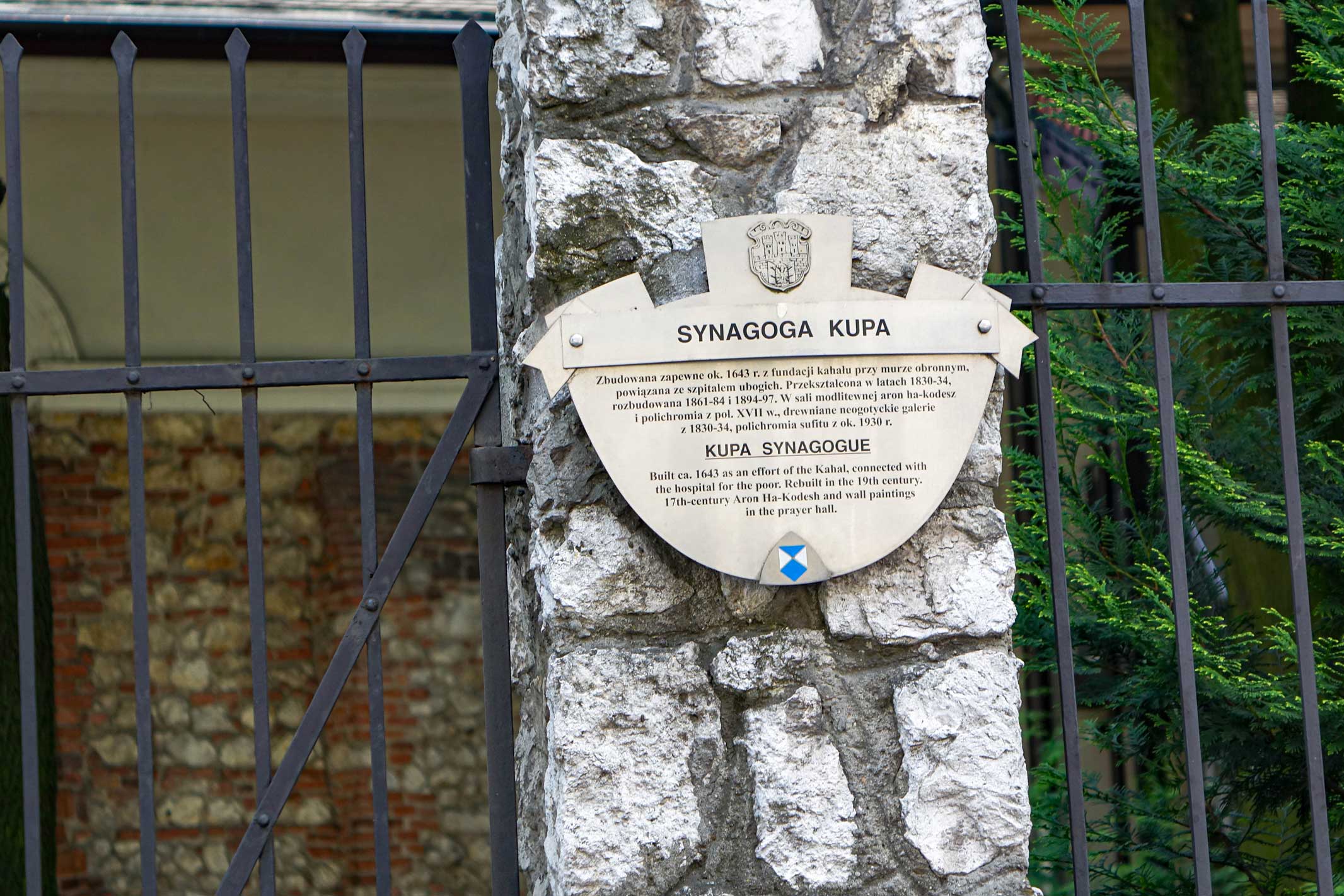
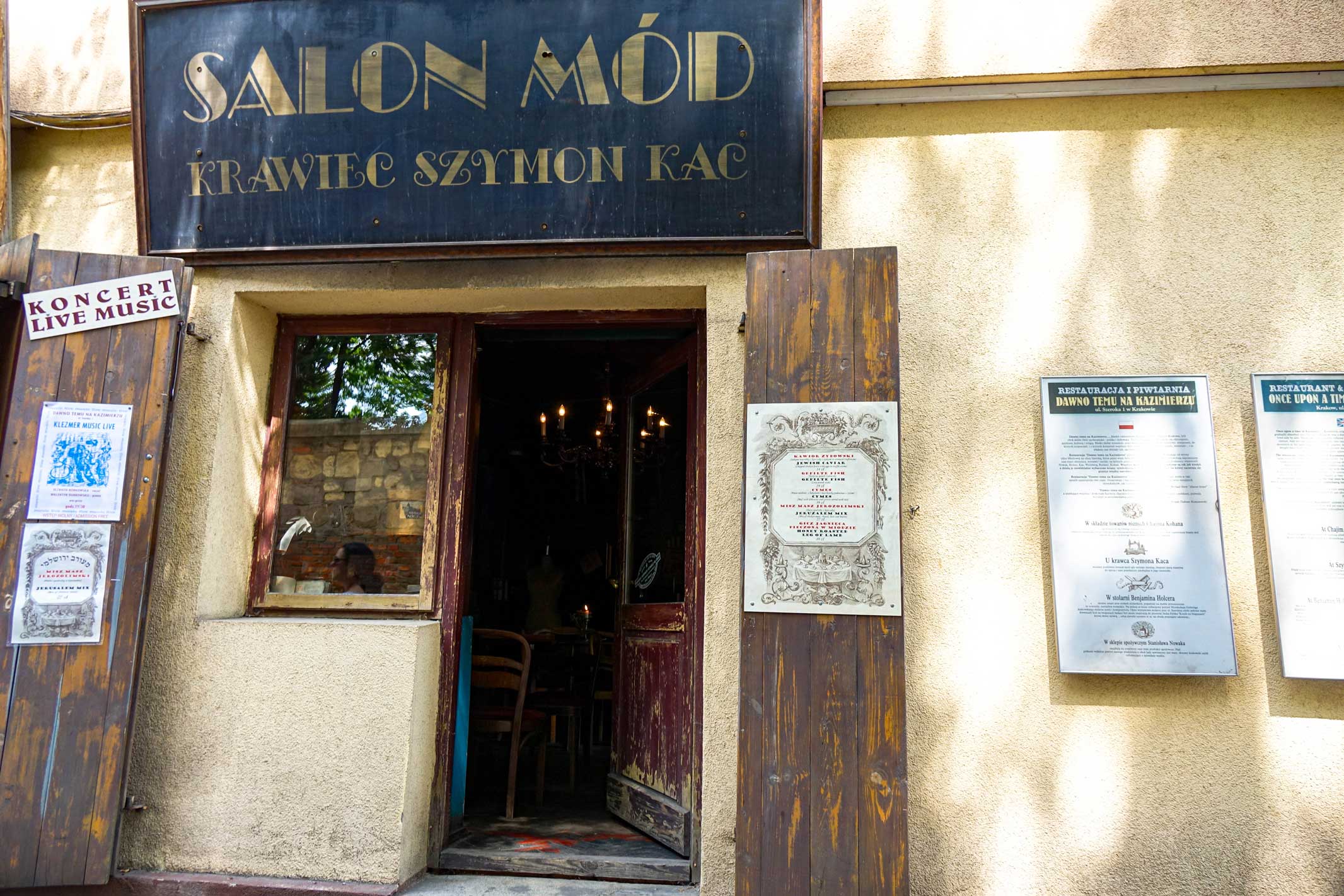
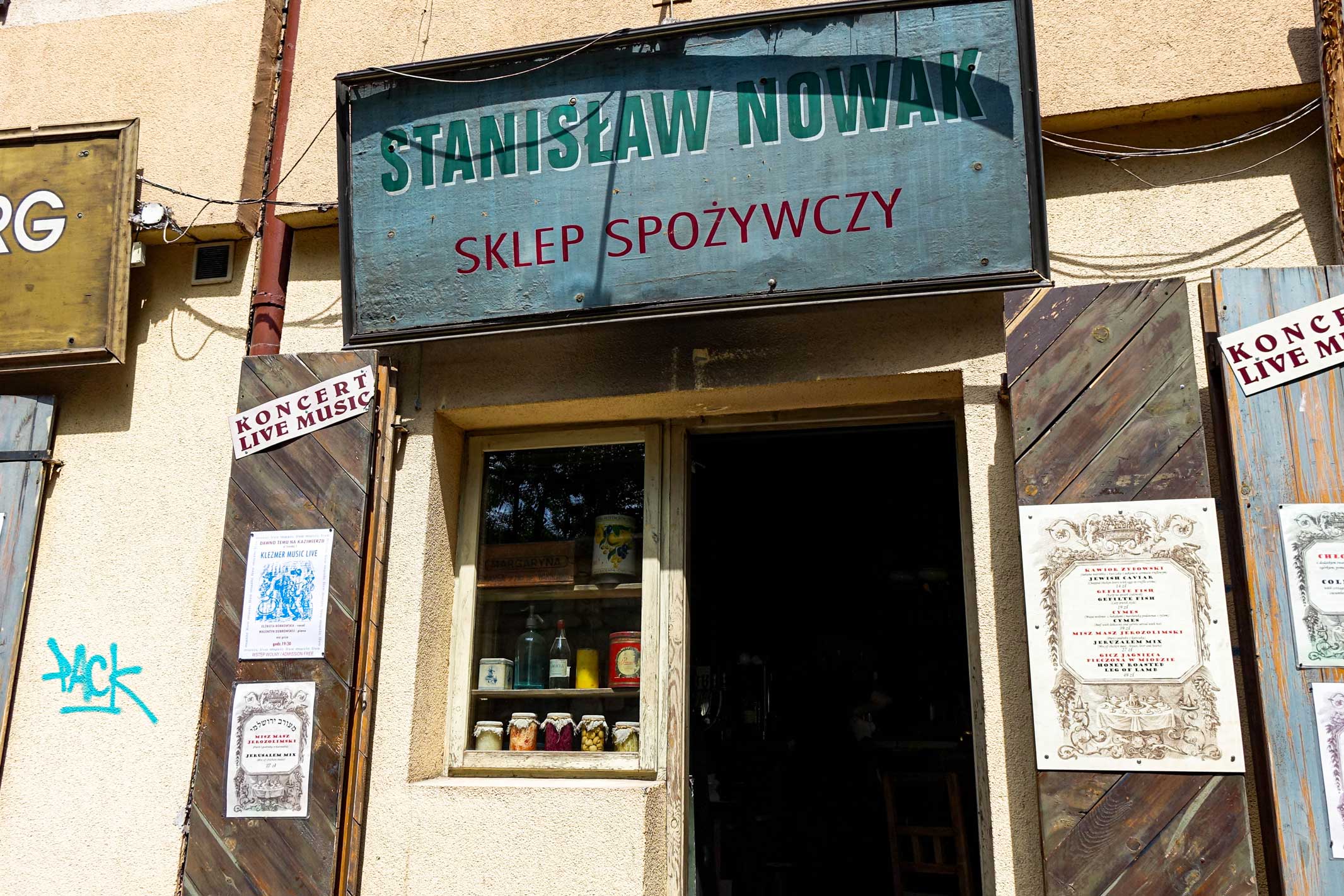
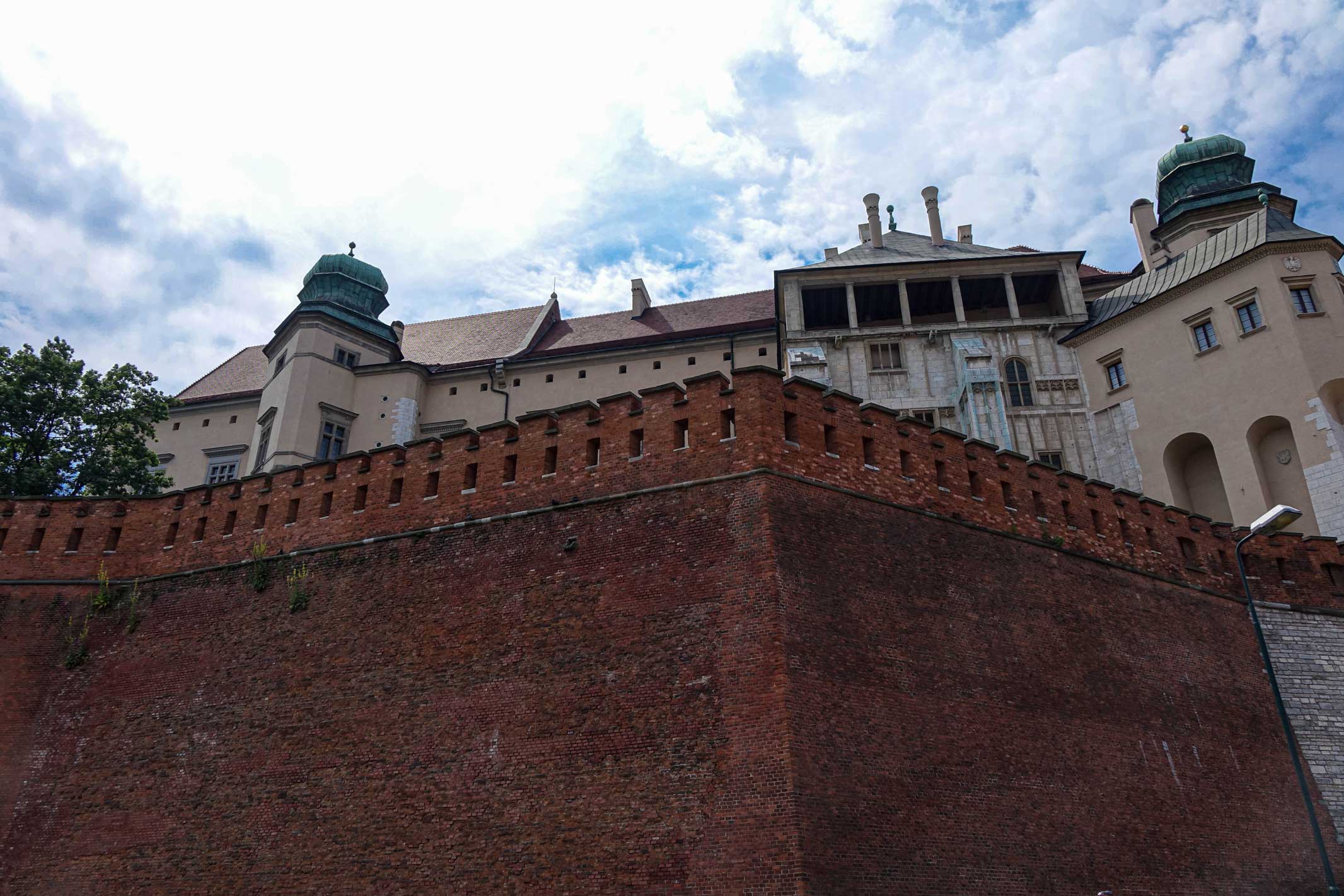
Wawel Castle, home of Polish kings, towers above the Vistula, the river that defined the city. A mausoleum for Poland’s monarchs, poets and heroes, it is a symbol of national identity and pride, too.However, the spirit of Kraków does not reside solely in its monuments but in its streets, adorned with flaneurs on cobblesstreets, students and artists in cafés, violinists on street corners in the dusk.The nearby Jewish quarter, Kazimierz, has been revitalized in recent years with Jewish festivals, klezmer music and kosher restaurants celebrating a past that has survived tragedy.
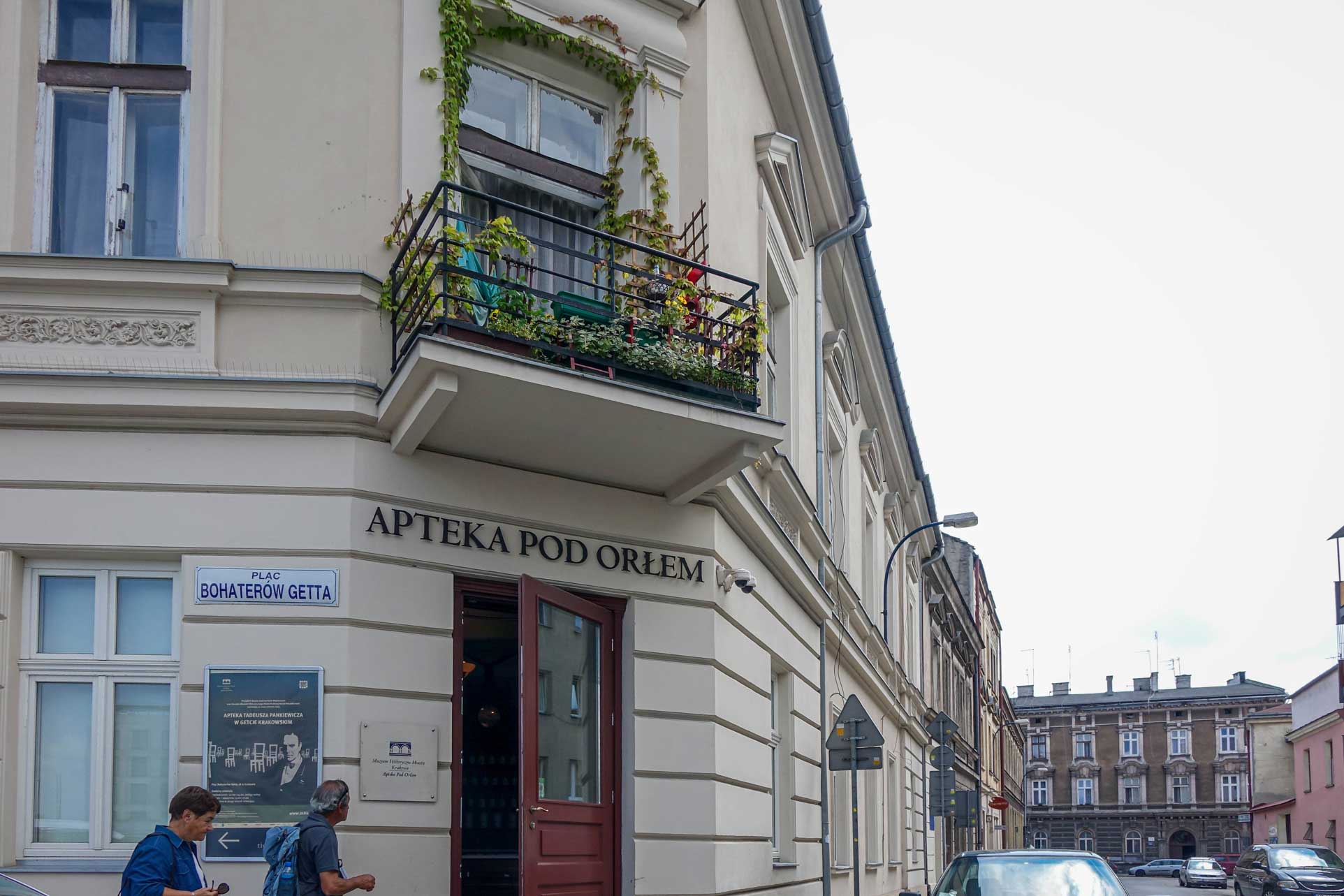
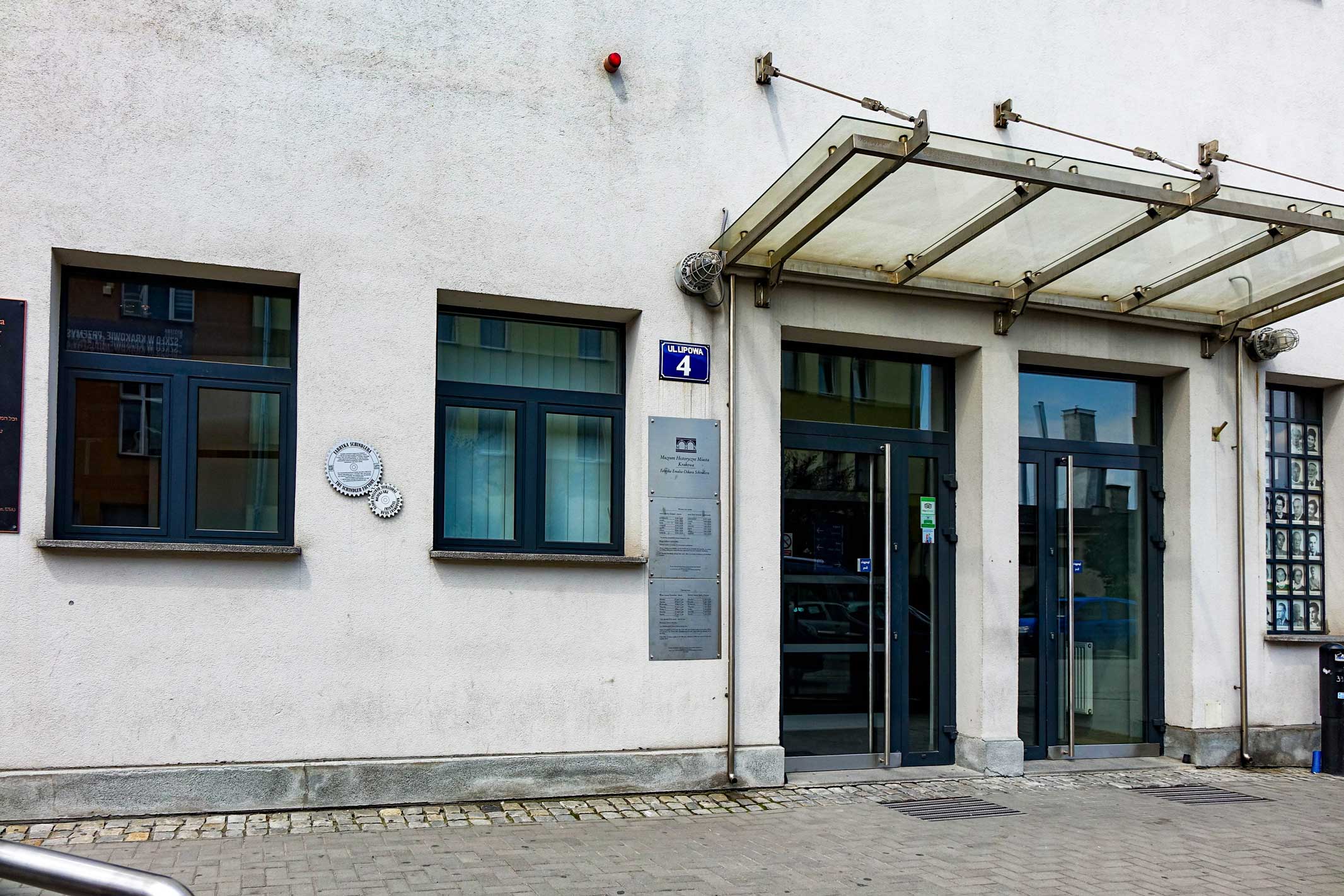
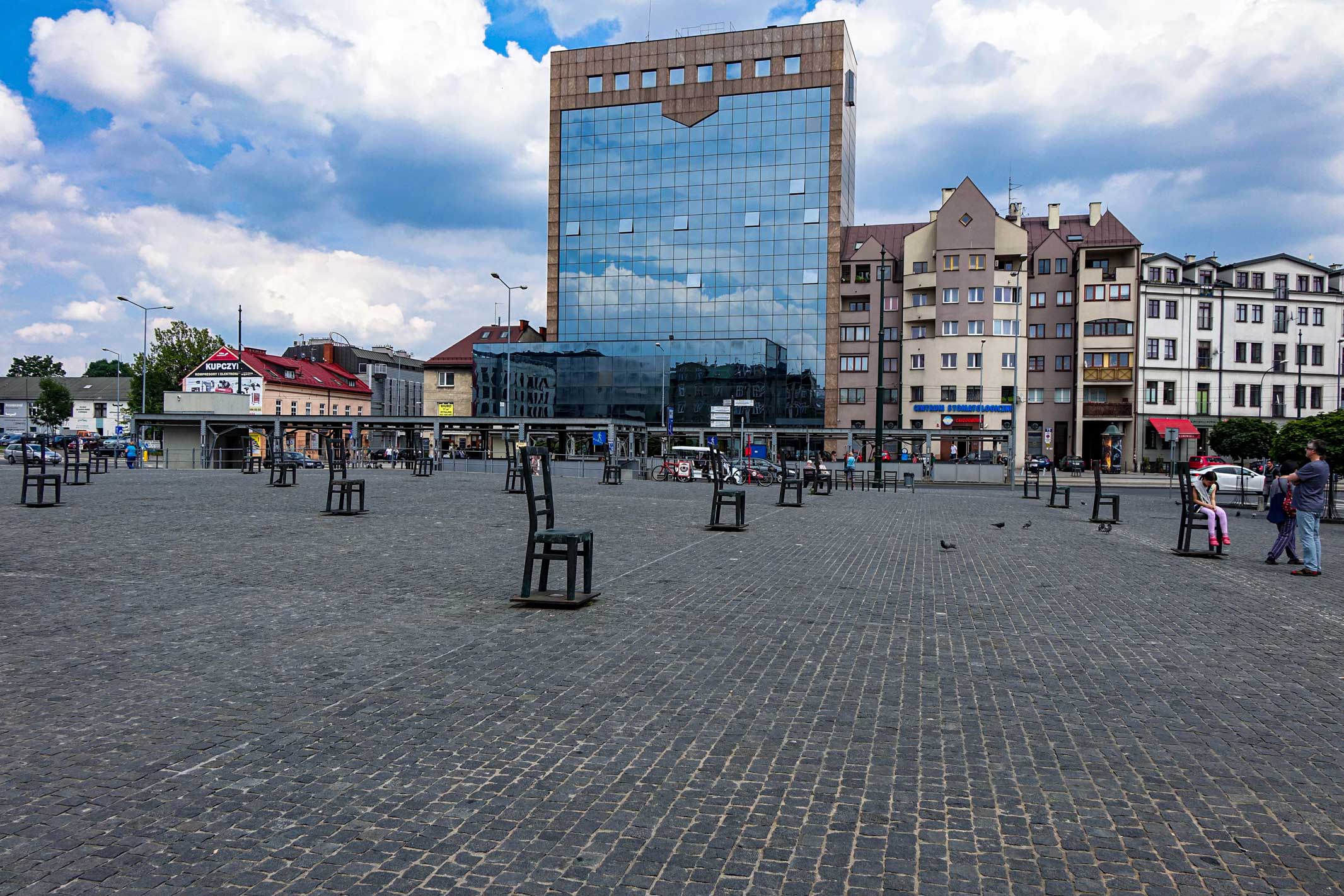
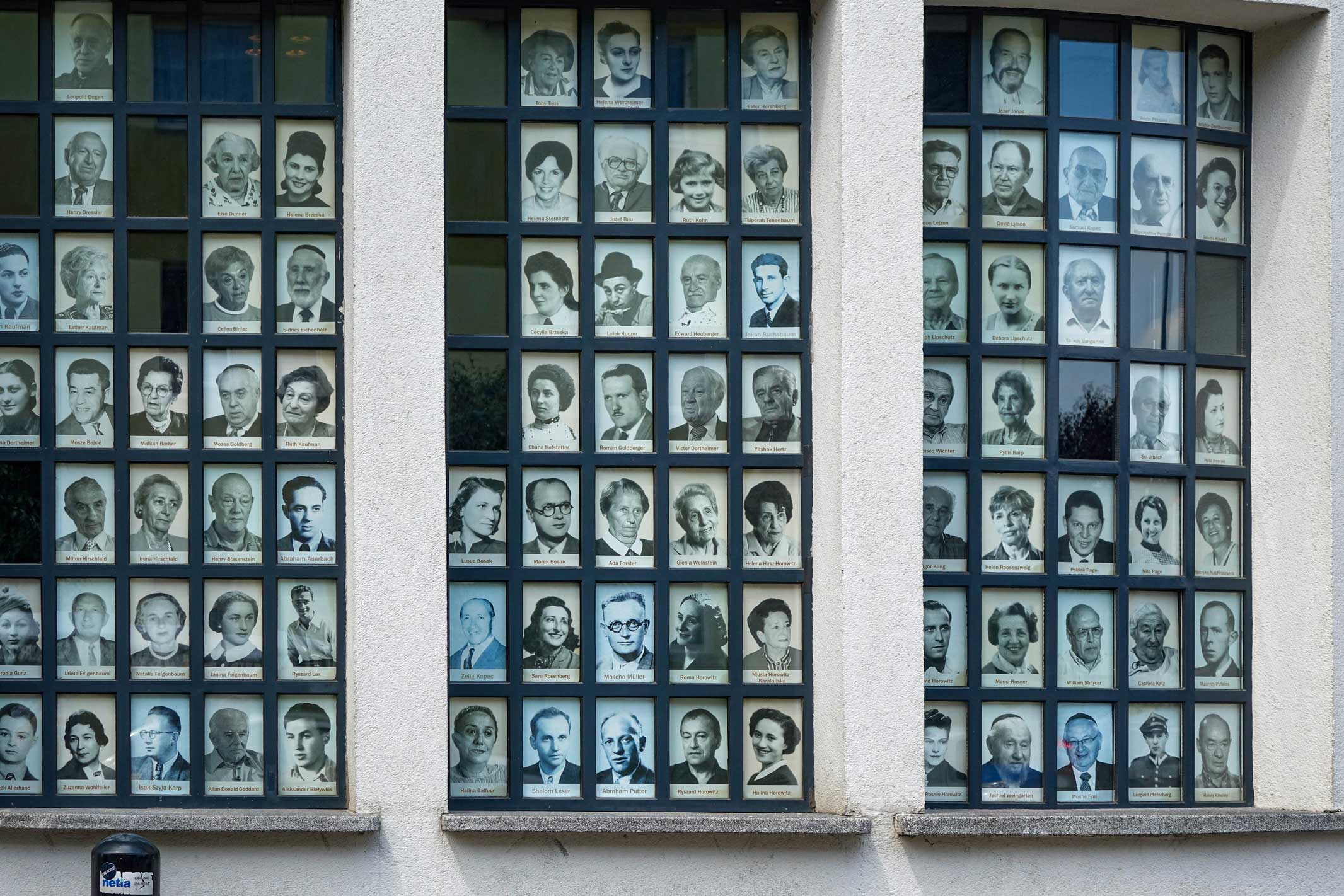
The Zgody Square or the Jewish Heroes Square has installations of 70 empty chairs, to serve as constant reminders of the belongings they were forced to leave as they vacated their homes, representing absence and loss. Oscar Schindler’s factory, now turned into a museum, narrates the story of the Jews of Kraków.
And so, Kraków, in this sense, is a phoenix — born out of the ashes of the absence of its community, and held within its memory.